EDEN REHABILITATION NURSING CENTER
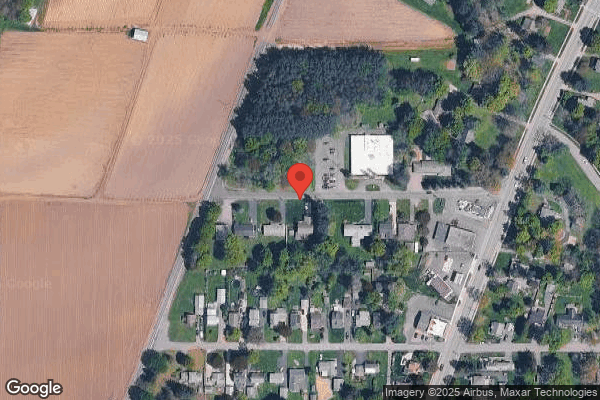
2806 GEORGE STREET, EDEN, NY 14057 (716) 992-3987
For profit - Limited Liability company 40 Beds PERSONAL HEALTHCARE MANAGEMENT Data: November 2025
Trust Grade
90/100
#29 of 594 in NY
Last Inspection: May 2024

Within standard 12-15 month inspection cycle. Federal law requires annual inspections.

Overview

Eden Rehabilitation Nursing Center has received a Trust Grade of A, indicating excellent quality and a highly recommended facility. It ranks #29 out of 594 nursing homes in New York, placing it in the top half of all facilities, and #4 of 35 in Erie County, suggesting only three local options are better. However, the facility's trend is worsening, with issues increasing from 1 in 2022 to 2 in 2024. Staffing is a relative strength, with a rating of 4 out of 5 stars, although the turnover rate is 44%, which is average for the state. Notably, there have been no fines reported, indicating good compliance, and the facility has more RN coverage than 89% of New York facilities, ensuring better care oversight. On the downside, recent inspections revealed some concerns. For instance, there were flies observed in the kitchen and dining areas, indicating ineffective pest control. Additionally, a resident's advanced directives were not accurately implemented, potentially leading to confusion about their care preferences. Lastly, another resident who needed assistance for bed mobility was not provided with the necessary positioning devices, highlighting gaps in the execution of care plans. Overall, while the facility excels in many areas, these recent issues warrant careful consideration.

Trust Score
A
90/100
In New York
#29/594
Top 4%
Safety Record
Low Risk
No red flags
Inspections
Getting Worse
1 → 2 violations
Staff Stability
○ Average
44% turnover. Near New York's 48% average. Typical for the industry.
Penalties
✓ Good
No fines on record. Clean compliance history, better than most New York facilities.
Skilled Nurses
✓ Good
Each resident gets 52 minutes of Registered Nurse (RN) attention daily — more than average for New York. RNs are trained to catch health problems early.
Violations
✓ Good
Only 3 deficiencies on record. Cleaner than most facilities. Minor issues only.
★★★★★
5.0
Overall Rating
★★★★☆
4.0
Staff Levels
★★★☆☆
3.0
Care Quality
★★★★★
5.0
Inspection Score
Stable
2022: 1 issues
2024: 2 issues

The Good

  • 4-Star Staffing Rating · Above-average nurse staffing levels
  • Full Sprinkler Coverage · Fire safety systems throughout facility
  • No fines on record
  • Staff turnover below average (44%)

    4 points below New York average of 48%

Facility shows strength in staffing levels, fire safety.

The Bad

Staff Turnover: 44%

Near New York avg (46%)

Typical for the industry

Chain: PERSONAL HEALTHCARE MANAGEMENT

Part of a multi-facility chain

Ask about local staffing decisions and management

The Ugly 3 deficiencies on record

May 2024 2 deficiencies
CONCERN (D)

Potential for Harm - no one hurt, but risky conditions existed

Deficiency F0578 (Tag F0578)

Could have caused harm · This affected 1 resident

**NOTE- TERMS IN BRACKETS HAVE BEEN EDITED TO PROTECT CONFIDENTIALITY** Based on observation, interview, and record review conducted during the Standard survey completed on [DATE], the facility did no...

Read full inspector narrative →
**NOTE- TERMS IN BRACKETS HAVE BEEN EDITED TO PROTECT CONFIDENTIALITY** Based on observation, interview, and record review conducted during the Standard survey completed on [DATE], the facility did not ensure the system developed for advanced directives was implemented in a manner that was consistent with residents' wishes for one (Resident #8) of one resident reviewed for advanced directives. Specifically, the facility did not ensure Resident #8's advanced directives identifier was consistent with the resident's wishes and provider's orders. The finding is: The policy and procedure titled Advanced Directives effective [DATE] documented advanced directives will be respected in accordance with state law and facility policy. The facility will verify the presence of advance directives or the resident's wishes regarding CPR (cardio-pulmonary resuscitation - artificial ventilation and chest compressions). Additionally, the policy and procedure documented, each resident's advanced directives will be distinguished using at least two resuscitative identifiers; identifiers will be maintained up to date and consistent. The policy and procedure documented the facility will utilize the following resuscitative identifiers to ensure resident's wishes are honored: arm band (red: do not resuscitate, blue: full code (the provision of emergency measures including artificial ventilation and chest compression in the absence of breathing and/or heart rate), electronic medical record order, and MOLST (medical orders for live saving treatment) book. Resident #8 had diagnoses including fracture of the sixth cervical vertebra (a bone in the neck), dementia, and intracerebral hemorrhage (bleeding within the brain). The Minimum Data Set (a resident assessment tool) dated [DATE] documented Resident #8 was severely cognitively impaired, was always understood, always understands and their advanced directives included do not resuscitate. The comprehensive care plan initiated on [DATE] documented Resident #8 wished for advanced directives: full code. Interventions included check for name/code status band placement every shift, full code band on wheelchair, MOLST (medical orders for live saving treatment) in place. Review of the Medication Review Report (physicians) dated [DATE] documented Resident #8 had an order initiated on [DATE] for a full code. Review of the facility's advanced directives binder located at the nurse's station on [DATE] revealed there was no MOLST (medical orders for live saving treatment) for Resident #8. Review of interdisciplinary Progress Notes dated [DATE] through [DATE] revealed no documentation regarding advanced directives and code status. Review of the physician discharge summary note dated [DATE] documented there were no advanced directives currently available. During an observation on [DATE] at 9:00 AM, Resident #8 was sitting in their wheelchair. The wheelchair had a red band attached to it, labeled with Resident #8's name. During an interview on [DATE] at 10:01 AM, Certified Nurse Aide #3 stated a red bracelet indicated do not resuscitate and a blue bracelet indicated to resuscitate a resident. Certified Nurse Aide #3 stated they would notify a nurse if they found a resident was unresponsive. During a telephone interview on [DATE] at 10:02 AM, Resident #8's family member stated Resident #8 wished to be a full code. Resident #8's family member stated Resident #8's MOLST (medical orders for live saving treatment) was at home, and they forgot to bring it to the facility. During an interview on [DATE] at 10:10 AM, Licensed Practical Nurse #2 stated a resident's code status could be found in the electronic medical record provider's order, a sheet in the narcotic count book, the MOLST (medical orders for live saving treatment) form located in the advanced directive binder, or the arm band either worn by the resident or located on their wheelchair or walker. Licensed Practical Nurse #2 stated blue bands indicated full code status requiring CPR (cardio-pulmonary resuscitation) and red bands indicated do not resuscitate code status. Licensed Practical Nurse #2 stated upon admission the code status band was placed on the resident or their wheelchair by the admitting nurse or sometimes the social worker. Licensed Practical Nurse #2 stated if they had found a resident unresponsive, they would have first looked at the code status band and if it was a blue band, they would have begun CPR (cardio-pulmonary resuscitation). Licensed Practical Nurse #2 stated they would then call for assistance of another staff member to check another location regarding the code status. Licensed Practical Nurse #2 stated if the code status band was red when they found an unresponsive resident, then they would not begin CPR (cardio-pulmonary resuscitation), but they would then double check in another place. During an observation and interview on [DATE] at 10:19 AM, Registered Nurse #1 stated there was a red code status band on Resident #8's wheelchair which indicated Resident #8 would not be resuscitated, if needed. Registered Nurse #1 checked the advance directives binder and stated there was no MOLST (medical orders for live saving treatment) in the advanced directive binder for Resident #8. Registered Nurse #1 checked the electronic medical record and stated Resident #8 had an order for full code which meant CPR (cardio-pulmonary resuscitation) should be performed. Registered Nurse #1 stated the code status band on the wheelchair should be blue to match the order because that was Resident #8's life saving measure that they wanted. Registered Nurse #1 stated if the resident was found unresponsive, staff would not have started CPR (cardio-pulmonary resuscitation) and they would have wasted time looking for the MOLST (medical orders for live saving treatment) and then the order. Registered Nurse #1 stated this could have delayed Resident #8 from receiving CPR (cardio-pulmonary resuscitation) if they needed it. During an interview on [DATE] at 1:45 PM, the Social Worker stated they ensured new admissions had a MOLST (medical orders for live saving treatment) in the advanced directive binder unless they wished to remain a full code. The Social Worker stated they or the Registered Nurse Resident Care Coordinator put the code status bands on the resident or their wheelchairs. The Social Worker stated they thought they could rely on a Registered Nurse to place the correct code status band on a resident, but they should have double checked Resident #8's code status band. The Social Worker stated it was important for the code status band to match the orders and the MOLST (medical orders for live saving treatment) because that was the resident's wishes. The Social Worker stated this type of mistake could result in a resident receiving CPR (cardio-pulmonary resuscitation) when they did not want it, or they might not receive CPR (cardio-pulmonary resuscitation) when they wanted it. During an interview on [DATE] at 3:04 PM, the Director of Nursing stated the Registered Nurse Resident Care Coordinator received residents advanced directives upon admission. The Director of Nursing stated both the Registered Nurse Resident Care Coordinator and the Social Worker checked code bands weekly and documented it on an audit sheet. The Director of Nursing stated it was expected that Resident #8's code status band matched Resident #8's order for full code. 10 NYCRR 400.21
CONCERN (D)

Potential for Harm - no one hurt, but risky conditions existed

Comprehensive Care Plan (Tag F0656)

Could have caused harm · This affected 1 resident

**NOTE- TERMS IN BRACKETS HAVE BEEN EDITED TO PROTECT CONFIDENTIALITY** Based on observation, interview, and record review conducted during the Standard survey completed on 5/8/24, the facility did no...

Read full inspector narrative →
**NOTE- TERMS IN BRACKETS HAVE BEEN EDITED TO PROTECT CONFIDENTIALITY** Based on observation, interview, and record review conducted during the Standard survey completed on 5/8/24, the facility did not ensure that the resident's person-centered care plan was implemented to meet the resident's medical and nursing needs for one (Resident #3) of one resident reviewed for positioning. Specifically, a resident who required extensive assist of two for bed mobility was not provided with their planned positioning devices. The findings are: The policy and procedure titled Quality of Care dated 2/2024 documented that residents will have an individualized plan of care that is consistent with their needs. The plan will be implemented upon admission and revised when indicated. It will include interventions that are to be furnished to attain, maintain, or improve the residents highest practicable physical, mental, and psychosocial well-being. The policy and procedure titled Turning & Positioning dated 10/2022 documented ensure to place any adaptive devises after turning and positioning resident. Some devices may be ordered/care planned strictly based upon as needed of resident as they can tolerate. Some devices may be implemented strictly for resident preference/at their request. Additionally, the policy and procedure documented the following information should be noted in the resident's chart: If resident refuses device/positioning care and why. The policy and procedure titled Edema dated 1/13/2022 documented for chronic edema-the care plan may include interventions such as elevation of affected extremities. Nurse staff will monitor residents with edema regularly to observe the effectiveness of interventions. Additionally, the policy and procedure documented nursing staff will implement preventative measures to reduce the risk of edema development and exacerbation. Resident #3 was admitted with diagnoses of unspecified fracture of right lower leg, periprosthetic fracture around internal prosthetic left knee joint, and congestive heart failure. The Minimum Data Set, dated [DATE] documented Resident #3 understood/understands and had no cognitive impairments. The Comprehensive Care Plan dated 4/16/24 documented Resident #3 had self-care performance and physical mobility deficits. Interventions included the resident was non ambulatory, required extensive assist of two staff members for bed mobility, and a positioning wedge placed beneath their feet while in bed as tolerated (initiated on 4/22/24). The care plan documented the resident was on diuretic therapy (medication used to help remove excess fluid) therapy and had a history of pressure ulcers. The [NAME] (guide used by staff to provide care) dated 4/16/24 documented under Equipment/Safety: Positioning wedge beneath feet while in bed as tolerated. Review of interdisciplinary progress notes dated 4/15/24 to 5/6/24 revealed there was no documented evidence Resident #3 refused and did not tolerate the use of the positioning wedges. Review of an interdisciplinary progress note dated 4/21/24 completed by RN RCC documented the resident had 2 (+) plus pitting edema to both thighs and 1 (+) plus pitting to their left ankle, the medical doctor was advised, and the resident's Bumex (diuretic) was increased. During an observation on 5/3/24 at 9:18 AM Resident #3 was lying in bed, their left leg had 2 (+) plus pitting edema and the bottom of their left foot was pressed firmly up against the footboard. Resident #3 stated it was extremely painful when their feet were pressed up against the foot board. During an observation and interview on 5/7/24 at 9:37 AM, Resident #3 was lying in bed, the head of bed was elevated approximately 50 degrees, the bottom of their left foot was pressed firmly up against the footboard. Resident #3's left lower extremity had pitting edema, and resident was unable to move their left leg independently. Resident #3 stated staff had not asked or placed the wedges under their feet while they were in bed. During an interview and continuous observation on 5/7/24 at 10:50 AM to 11:06 AM, Resident #3's stated they had not been out of bed, and it was noted their left foot was still pressed up against the footboard. Resident #3 was unable to reposition themself to move their left leg from against the footboard. As Resident #3 attempted to reposition themself they grimaced and stated their leg and foot were really bothering them. During an interview on 5/7/24 at 11:11 AM, Certified Nursing Assistant #1 stated they noticed Resident #3's feet were low (against foot board), so they asked Licensed Practical Nurse #1 to assist with boosting resident. They stated Resident #3 can't sit up at a 90-degree angle in bed because of their fractures and boot, so the resident slides down in bed. Certified Nursing Assistant #1 also stated Resident #3 could get sores on their heels or feet from pressing against the footboard of the bed. During an observation and interview on 5/7/24 at 11:45 AM, in the presence of Certified Nursing Assistant #1 there was no wedge positioned under the resident's lower legs and feet. Certified Nursing Assistant #1 was asked if the resident had any care plan interventions to aide in their positioning. Certified Nursing Assistant #1 stated they would have to look through the [NAME]. At this time Certified Nursing Assistant #1 reviewed the [NAME] and stated, Oh I see that they are supposed to have a wedge under their feet as tolerated. Resident #3 stated they would allow the wedge to be placed under their feet. Certified Nursing Assistant #1 placed wedge, allowing the residents heels to float. Resident #3 stated they were able to tolerate the wedge. During an interview on 5/7/24 at 1:41 PM, Registered Nurse #1 stated Resident #3 slides down in bed and they try to reposition them. Registered Nurse #1 stated Resident #3 had an intervention to place a positioning wedge under their feet to tolerance. Registered Nurse #1 stated it was important to keep their feet elevated off the footboard because it could cause pain or skin breakdown. During an interview on 5/7/24 at 1:55 PM, the Director of Physical Therapy stated Resident #3 had a lot of swelling and they were working on reducing it with nursing. The Director of Physical Therapy stated they were trying to make sure the resident had adequate pressure relief and Resident #3 had no skin issues at the time, but noticed there was one possibly starting with the left heel. The Director of Physical Therapy stated Resident #3's family had brought in wedges and the wedges were added to the resident's care plan to address pressure relief and the family's request. During an interview on 5/8/24 at 9:57 AM, the Director of Nursing stated if Resident #3 was in pain from their feet against the foot board they would expect staff to attempt to alleviate the pressure and that stated repositioning would help. 10 NYCRR 415.11 (c)(1)
Aug 2022 1 deficiency
CONCERN (E)

Potential for Harm - no one hurt, but risky conditions existed

Deficiency F0925 (Tag F0925)

Could have caused harm · This affected multiple residents

**NOTE- TERMS IN BRACKETS HAVE BEEN EDITED TO PROTECT CONFIDENTIALITY** Based on observation, interview, and record review during the Standard survey started on 8/11/22 and completed on 8/17/22, the f...

Read full inspector narrative →
**NOTE- TERMS IN BRACKETS HAVE BEEN EDITED TO PROTECT CONFIDENTIALITY** Based on observation, interview, and record review during the Standard survey started on 8/11/22 and completed on 8/17/22, the facility did not maintain an effective pest control program so that the facility was free from insects. Observations of one of one kitchen, main dining room, and the resident unit revealed flies in the facility. The findings are: Review of the facility policy and procedure titled, Pest Control, dated 1/20/21, revealed the facility shall maintain an effective pest control program to prevent entry of insects and rodents into the facility, reduce the threat of infection and disease, provide a safe and sanitary environment, and to maintain the appearance and cleanliness of the facility. 1a. Observations in the kitchen, during the initial kitchen tour on 8/11/22 from 8:45 AM until 9:15 AM revealed the following: -two live house flies at the coffee station, which was near the wall-mounted insect light trap (ILT - an insect control device that employs ultraviolet light to attract insects with glue boards to trap and kill them) -three live fruit flies under and around the soda/juice dispensing gun -two live house flies at the puree station -five live house flies under and around the automatic dishwashing machine -four fruit flies at the entrance to the walk-in cooler -one dead fruit fly inside the walk-in cooler, on a tray that also contained wrapped lunchmeat and cheeses -two live house flies on the shelving of the dry storage area, near the cake mixes and jelly During an interview at the time of the initial kitchen tour, Dietary Aide #1 stated an exterminator came to the facility about two weeks ago, but the flies were coming back. Dietary Aide #1 was shown the dead fruit fly in the walk-in cooler and stated it was a dead fly and flies do not normally enter the walk-in cooler. Dietary Aide #1 disposed of the fly at this time. 1b. Observation in Resident #23's room on 8/11/22 at 9:44 AM revealed two fruit flies and two house flies were flying around Resident #23. At the time of the observation, Resident #23 stated the flies bothered them, so they kept their arms under the covers. 1c. Observation in Resident #20's room on 8/11/22 at 10:07 AM revealed flies were on Resident #20's shirt and tray table. At the time of the observation, Resident #20 stated, Flies are always buzzing around the room, it bothers me, it is noticeable that they are here. 1d. Observation in Resident #34's room on 8/11/22 at 10:38 AM revealed one fly was flying around the room near Resident #34. Resident #34 had a fly swatter in their hand. At the time of the observation, Resident #34 stated the flies bothered them, they had killed two flies so far today, and flies had been around for about a week or more. 1e. During the Resident Council Meeting held on 8/11/22 at 1:23 PM, Resident #31 (Resident Council President) stated there were flies and fruit flies throughout the facility. The exterminator treated the flies in July but did not solve the problem. Resident #31 also stated, One resident uses a fly swatter at the dining room table during meals, it's disgusting, we lose our appetites. Residents #18,19,12, 25, and 29 were in attendance and agreed with Resident #31. 1f. Review of the 6/30/22 Resident Council meeting minutes, documented in the Resident Council Report revealed the list of new concerns included bugs everywhere. 1g. Observation in the kitchen during preparation of pureed foods on 8/12/22 at 12:00 PM revealed one fly was flying in the area next to the oven near the food and two additional flies were flying around the general area near the oven. 1h. Observations in the main dining room during the lunch meal on 8/12/22 from 12:20 PM until 12:45 PM revealed the following: -One house fly was observed on Resident #26's clothing protector and two more house flies were observed hovering above Resident #26's full and uncovered lunch plate. Certified Nurse Aide (CNA) #1 was feeding Resident #26 at this time and was observed making a swatting motion around Resident #26. CNA #1 stated they were trying to swat flies away from Resident #26. -Resident #5 was observed making swatting motions with their hand and stated loudly, Damn flies are driving me crazy. Resident #5 additionally stated, All night long, I couldn't sleep because a fly was around me and kept waking me up. At the time of Resident #5's statement, one house fly was observed on their blanket, which was on Resident #5's chest. -One house fly was observed on Resident #35's full and uncovered lunch plate. Additional observation revealed one house fly was on Resident #35's shoulder and one on their clothing protector, and two fruit flies were on the rim of Resident #35's full and uncovered drink cup. CNA #2 was feeding Resident #35 at this time and stated they had seen flies in the facility once in a while, and they were not sure how long it had been an issue. CNA #2 stated they imagined it would be like this (flies present) at every meal, not just lunch. Resident #35 was unable to comment. -Registered Nurse (RN) #1 was feeding Resident #16 and was observed swatting at Resident #16's hand. During an interview at this time, RN #1 stated they were trying to swat a fly away from Resident #16. RN #1 additionally stated every place has flies in farm country, and possibly the flies entered the facility when a door was opened for a delivery. Resident #16 was unable to comment. -Resident #29 was eating their lunch and a fruit fly was observed flying around their uncovered food plate and drink cup. At this time, Resident #29 stated, No one likes flies. I've seen them everywhere in the building, in my room, and here in the dining room. -Resident #34 had left hand elevated with napkin in hand, and stated there was a fly around them and they were going to get it with the napkin. 1i. Observation in the main dining room during the breakfast meal on 8/15/22 at 8:45 AM revealed a live fly was on the edge of Resident #29's uncovered oatmeal cup. At the time of the observation, Resident #29 stated, They are everywhere and Resident #31 added, The files are everywhere, including in our rooms. 1j. Observation in Resident #23's room on 8/15/22 at 10:28 AM revealed CNAs # 2 and 3 were providing morning care to Resident #23. During morning care, CNAs #2 and 3 were observed swatting a fly away from the resident. At the time of the observation, Resident #23 stated flies had been a problem lately and they just swat them away. 1k. Observation in Resident 34's room on 8/15/22 at 1:36 PM revealed a fly was on Resident #34's left pant leg. At the time of the observation, Resident #34 stated, The flies are driving me nuts, I can't find my fly swatter, they are looking for it, but I might need to have my niece bring me in a couple more. 1l. Observation of the ILT in the kitchen on 8/15/22 at 2:40 PM revealed it had one live bee on the grate, one live house fly and one live fruit fly flying in and around it, and one dead house fly on the glue paper. Further observation revealed there was a piece of glue paper on the back wall of the ILT that measured six inches wide by three inches high. During an interview at the time of the observation, the Interim Food Service Director/Diet Technician stated the ILT used to be very effective at reducing flies when the former exterminator used longer sheets of glue paper, which were about eighteen inches wide by four inches high. The Interim Food Service Director/Diet Technician further stated they were not sure whether the exterminator or the facility's maintenance staff was responsible for maintaining the ILTs. Additionally, they stated the flies in the kitchen had improved since the hole in the disposal pipe, which produced drain flies, was recently repaired. 1m. Observation in Resident room [ROOM NUMBER] on 8/16/22 at 7:28 AM revealed duct tape and cardboard were against the window and the air conditioning unit installed in the window. Further observation revealed the cardboard had fallen away and left an open space approximately four inches long by one inch wide. On 8/16/22 at 1:52 PM, the Director of Nursing observed the cardboard in the window of Resident room [ROOM NUMBER] and stated that it was a concern, and Maintenance staff should have made sure it was adhered properly to prevent flies from coming in. The Director of Nursing also stated this may be the source of the flies. 1m. Observation in Resident #34's room on 8/16/22 at 10:29 AM revealed a fruit fly was flying around the room. At the time of the observation, Resident #34 stated the flies still bothered them and they still did not have their fly swatter, but had killed two flies today using the box of tissues on their tray table. 1o. Observation of the ILT in the main dining room on 8/16/22 at 10:30 AM revealed there appeared to be no glue paper in it. During an interview at the time of the observation, the Administrator stated there appeared to be no glue paper in the main dining room ILT and they were unaware. The Administrator also stated the facility was responsible for replacing the glue paper and the facility had spare glue paper in stock. Additionally, at this time, the Administrator stated they started working at this facility in June 2022 and the flies were brought up by the residents at the June Resident Council Meeting. As a result of the Resident Council Meeting, the kitchen was deep cleaned, and the exterminator, who had not been to the facility since February 2022, was brought back in July 2022. 1p. Review of the exterminator's service report dated 7/15/22 revealed kitchen and bathrooms were inspected and treated for pest activity. The report included two observations dated 2/19/22 that had a pending status. The two observations were grease build-up and food debris present in the kitchen. 415.29(j)(5)
Understanding Severity Codes (click to expand)
Life-Threatening (Immediate Jeopardy)
J - Isolated K - Pattern L - Widespread
Actual Harm
G - Isolated H - Pattern I - Widespread
Potential for Harm
D - Isolated E - Pattern F - Widespread
No Harm (Minor)
A - Isolated B - Pattern C - Widespread

Questions to Ask on Your Visit

  • "Can I speak with families of current residents?"
  • "What's your RN coverage like on weekends and overnight?"

Our Honest Assessment

Strengths
  • • Grade A (90/100). Above average facility, better than most options in New York.
  • • No major safety red flags. No abuse findings, life-threatening violations, or SFF status.
  • • No fines on record. Clean compliance history, better than most New York facilities.
  • • Only 3 deficiencies on record. Cleaner than most facilities. Minor issues only.
Concerns
  • • No significant concerns identified. This facility shows no red flags across CMS ratings, staff turnover, or federal penalties.
Bottom line: Generally positive indicators. Standard due diligence and a personal visit recommended.

About This Facility

What is Eden Rehabilitation Nursing Center's CMS Rating?

CMS assigns EDEN REHABILITATION NURSING CENTER an overall rating of 5 out of 5 stars, which is considered much above average nationally. Within New York, this rating places the facility higher than 99% of the state's 100 nursing homes. This rating reflects solid performance across the metrics CMS uses to evaluate nursing home quality.

How is Eden Rehabilitation Nursing Center Staffed?

CMS rates EDEN REHABILITATION NURSING CENTER's staffing level at 4 out of 5 stars, which is above average compared to other nursing homes. Staff turnover is 44%, compared to the New York average of 46%. This relatively stable workforce can support continuity of care.

What Have Inspectors Found at Eden Rehabilitation Nursing Center?

State health inspectors documented 3 deficiencies at EDEN REHABILITATION NURSING CENTER during 2022 to 2024. These included: 3 with potential for harm.

Who Owns and Operates Eden Rehabilitation Nursing Center?

EDEN REHABILITATION NURSING CENTER is owned by a for-profit company. For-profit facilities operate as businesses with obligations to shareholders or private owners. The facility is operated by PERSONAL HEALTHCARE MANAGEMENT, a chain that manages multiple nursing homes. With 40 certified beds and approximately 38 residents (about 95% occupancy), it is a smaller facility located in EDEN, New York.

How Does Eden Rehabilitation Nursing Center Compare to Other New York Nursing Homes?

Compared to the 100 nursing homes in New York, EDEN REHABILITATION NURSING CENTER's overall rating (5 stars) is above the state average of 3.1, staff turnover (44%) is near the state average of 46%, and health inspection rating (5 stars) is much above the national benchmark.

What Should Families Ask When Visiting Eden Rehabilitation Nursing Center?

Based on this facility's data, families visiting should ask: "Can I visit during a mealtime to observe dining assistance and food quality?" "How do you handle medical emergencies, and what is your hospital transfer rate?" "Can I speak with family members of current residents about their experience?"

Is Eden Rehabilitation Nursing Center Safe?

Based on CMS inspection data, EDEN REHABILITATION NURSING CENTER has a clean safety record: no substantiated abuse findings (meaning no confirmed cases of resident harm), no Immediate Jeopardy citations (the most serious violation level indicating risk of serious injury or death), and is not on the Special Focus Facility watch list (a federal program monitoring the lowest-performing 1% of nursing homes). The facility has a 5-star overall rating and ranks #1 of 100 nursing homes in New York. While no facility is perfect, families should still ask about staff-to-resident ratios and recent inspection results during their visit.

Do Nurses at Eden Rehabilitation Nursing Center Stick Around?

EDEN REHABILITATION NURSING CENTER has a staff turnover rate of 44%, which is about average for New York nursing homes (state average: 46%). Moderate turnover is common in nursing homes, but families should still ask about staff tenure and how the facility maintains care continuity when employees leave.

Was Eden Rehabilitation Nursing Center Ever Fined?

EDEN REHABILITATION NURSING CENTER has no federal fines on record. CMS issues fines when nursing homes fail to meet care standards or don't correct problems found during inspections. The absence of fines suggests the facility has either maintained compliance or corrected any issues before penalties were assessed. This is a positive indicator, though families should still review recent inspection reports for the full picture.

Is Eden Rehabilitation Nursing Center on Any Federal Watch List?

EDEN REHABILITATION NURSING CENTER is not on any federal watch list. The most significant is the Special Focus Facility (SFF) program, which identifies the bottom 1% of nursing homes nationally based on persistent, serious quality problems. Not being on this list means the facility has avoided the pattern of deficiencies that triggers enhanced federal oversight. This is a positive indicator, though families should still review the facility's inspection history directly.