BEACH GARDENS REHAB AND NURSING CENTER
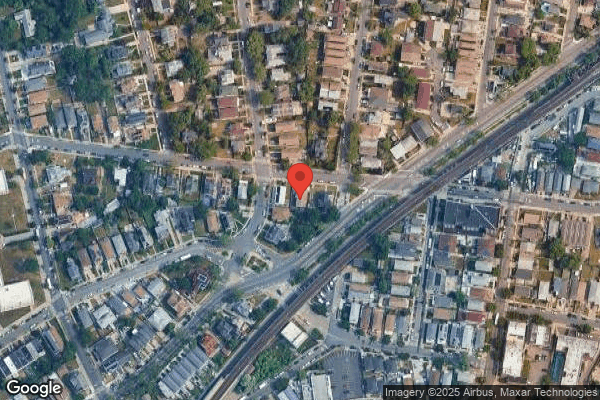
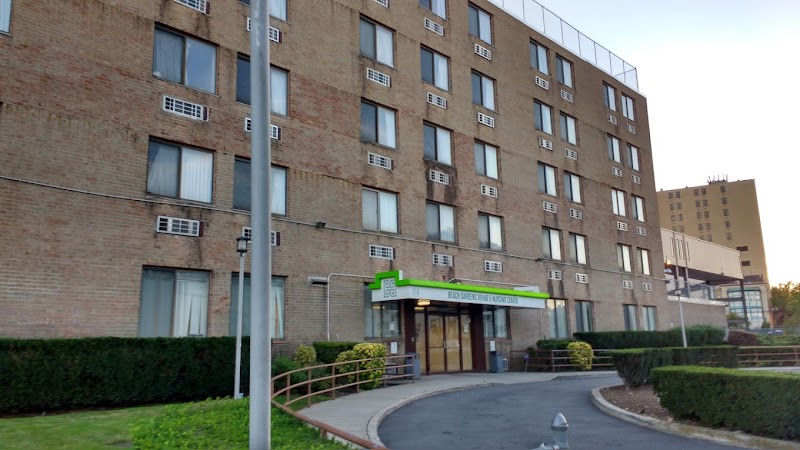
17 11 BROOKHAVEN AVENUE, FAR ROCKAWAY, NY 11691 (718) 869-8037
For profit - Corporation 163 Beds Independent Data: November 2025
Trust Grade
80/100
#139 of 594 in NY
Last Inspection: February 2024

Within standard 12-15 month inspection cycle. Federal law requires annual inspections.

Overview

Beach Gardens Rehab and Nursing Center has a Trust Grade of B+, indicating it is above average and generally recommended for families considering care options. It ranks #139 out of 594 facilities in New York, placing it in the top half of state facilities, and #13 out of 57 in Queens County, meaning only 12 local options are better. The facility's performance has been stable, with the same number of issues reported over the past two years. Staffing is a weakness here, rated at 2 out of 5 stars with a turnover rate of 39%, which is slightly below the state average but still indicates some instability. While the center has no fines on record, which is a positive sign, there have been concerns about food safety and infection control practices, including staff not washing hands during food preparation and entering COVID-19 positive residents' rooms without proper protective equipment.

Trust Score
B+
80/100
In New York
#139/594
Top 23%
Safety Record
Low Risk
No red flags
Inspections
Holding Steady
2 → 2 violations
Staff Stability
○ Average
39% turnover. Near New York's 48% average. Typical for the industry.
Penalties
✓ Good
No fines on record. Clean compliance history, better than most New York facilities.
Skilled Nurses
○ Average
Each resident gets 34 minutes of Registered Nurse (RN) attention daily — about average for New York. RNs are the most trained staff who monitor for health changes.
Violations
○ Average
7 deficiencies on record. Average for a facility this size. Mostly minor or procedural issues.
★★★★☆
4.0
Overall Rating
★★☆☆☆
2.0
Staff Levels
★★★☆☆
3.0
Care Quality
★★★★☆
4.0
Inspection Score
Stable
2024: 2 issues
2025: 2 issues

The Good

  • Full Sprinkler Coverage · Fire safety systems throughout facility
  • No fines on record
  • Staff turnover below average (39%)

    9 points below New York average of 48%

Facility shows strength in fire safety.

The Bad

Staff Turnover: 39%

Near New York avg (46%)

Typical for the industry

The Ugly 7 deficiencies on record

Aug 2025 2 deficiencies
CONCERN (D) 📢 Someone Reported This

A family member, employee, or ombudsman was alarmed enough to file a formal complaint

Potential for Harm - no one hurt, but risky conditions existed

Investigate Abuse (Tag F0610)

Could have caused harm · This affected 1 resident

Based on observation, interviews, and record review conducted during an Abbreviated Survey (NY00374237), the facility failed to ensure that all alleged violations are thoroughly investigated in respon...

Read full inspector narrative →
Based on observation, interviews, and record review conducted during an Abbreviated Survey (NY00374237), the facility failed to ensure that all alleged violations are thoroughly investigated in response to allegations of abuse, neglect, exploitation, or mistreatment, and that the results of all investigations are reported to the administrator or his or her designated representative and to other officials in accordance with State law, including to the State Survey Agency. This was evident for one out of six residents (Resident #1) reviewed for abuse. Specifically, during an interview on 07/30/2025 at 11:30 AM, Licensed Practical Nurse #1 stated that on 03/01/2025 or 03/02/2025, Resident #1's family complained to them that Certified Nursing Assistant #1 was verbally rough with Resident #1. Licensed Practical Nurse #1 stated that they called and notified Registered Nurse Supervisor #2. Registered Nurse Supervisor #2 did not initiate an investigation, did not remove Certified Nursing Assistant #1 from the schedule pending investigation, and did not inform the Director of Nursing or the Administrator.The findings are: The facility's Policy and Procedure entitled Abuse Prevention with last review date of 12/29/2023 documented it is the policy of this facility that if any staff is made aware of any alleged violation of abuse, neglect or mistreatment the facility will thoroughly investigate the alleged violation, attempt to prevent further abuse, neglect, exploitation and mistreatment from occurring while the investigation is in progress, and take appropriate corrective action as a result of investigation findings. The facility's Policy and Procedure entitled Accident and Incident Investigation and Reporting, last review date of 12/29/2023, documented that the Registered Nurse Supervisor is responsible for initiating the Accident and Incident form by ensuring that all required investigation statements are completed in a timely manner. Resident #1 was admitted to the facility with diagnoses including Hemiplegia, Hemiparesis, and Cerebral Infarction.The Minimum Data Set (a resident assessment tool), dated 03/05/2025, identified that Resident #1 had intact cognition. A Care Plan Behaviors: Risk for Abuse, effective date 02/26/2025, documented interventions include assisting the resident with concerns as they arise. A review of the Accident/Incident Log dated from 03/01/2025 to 03/31/2025 revealed that no incident for Resident #1 was registered in the log A review of the Grievance Log dated from 03/01/2025 to 03/31/2025, no grievance was documented regarding Resident #1's family complaint.A review of the Nursing Notes dated 03/01/2025-03/05/2025 revealed no documented evidence that Licensed Practical Nurse #1 and Registered Nurse Supervisor #1 spoke with Resident #1's family. During an interview on 7/30/2025 at 11:06 AM, the assigned Certified Nursing Assistant #1, who worked on the 7-3 shift on 03/01/2025 and 03/02/2025, stated that they remember Resident #1. Certified Nursing Assistant #1 stated they don't remember the exact day they observed Resident #1 ambulate to the bathroom with no assistance. Certified Nursing Assistant #1 stated they got a wheelchair that was close and placed it behind the resident to prevent a fall. A day or two after, the family came, and they spoke with Licensed Practical Nurse #1. Certified Nursing Assistant #1 stated that after Licensed Practical Nurse #1 talked with the family, Licensed Practical Nurse #1 told them that they could not go to Resident #1's room, and no one explained why. Certified Nursing Assistant #1 stated they were not asked to write a statement. During an interview on 07/30/2025 at 11:30 AM, Licensed Practical Nurse #1 stated that they worked on 03/01/2025 and 03/02/2025, 7-3 shifts. Licensed Practical Nurse #1 stated on 03/01/2025 or 03/02/2025 that they went to the room and the family member was there, who said they don't want Certified Nursing Assistant #1 to provide care for Resident #1. Licensed Practical Nurse #1 stated that a family member told them that Certified Nursing Assistant #1 spoke in the manner that Resident #1 did not like, and that Certified Nursing Assistant #1 was not nice to Resident #1 and was rough verbally. Licensed Practical Nurse #1 stated that they asked Resident #1, but they did not say anything except that they don't want Certified Nursing Assistant #1 providing care. Licensed Practical Nurse #1 stated that it was a form of abuse to be verbally rough with Resident #1. Licensed Practical Nurse #1 stated that they removed Certified Nursing Assistant #1 from Resident #1's care assignment, but they continued with the rest of their resident care assignments. Licensed Practical Nurse #1 stated that they had notified the Registered Nurse Supervisor #1, who came and spoke with the family member. Licensed Practical Nurse #1 stated that they were not asked to write a statement. During an interview on 07/30/2025 at 12:46 PM, Registered Nurse Supervisor #1, who worked on 03/02/2025 7-3 shift, stated Licensed Practical Nurse #1 informed them that the family doesn't want Certified Nursing Assistant #1 to take care of Resident #1. Registered Nurse Supervisor #1 stated they spoke with a family member who said that Resident #1 doesn't like Certified Nursing Assistant #1 because the tone of their voice was not nice when Resident #1 was ambulating by themself, and Certified Nursing Assistant #1 said it was not safe for Resident #1 to be ambulating by themself. Registered Nurse Supervisor #1 stated they switched Certified Nursing Assistant #1's assignments. Registered Nurse Supervisor #1 stated they did not report the incident to the Director of Nursing because there was no harm to Resident #1, and it was not a big deal. Registered Nurse Supervisor #1 stated that they did not ask Certified Nursing Assistant #1 what had happened, did not remove them from the unit, and did not initiate an investigation. During an interview on 07/30/2025 at 1:08 PM, the Director of Nursing stated that they were not informed on 03/02/2025 of any incident regarding Resident #1. The Director of Nursing stated that they should have started an investigation or grievance when Resident #1's family member complained of Certified Nursing Assistant #1 being verbally inappropriate and reported it immediately to the Director of Nursing. The Director of Nursing stated it should have been investigated to rule out abuse, neglect, or mistreatment. The Director of Nursing also stated that Certified Nursing Assistant #1 should have been sent home pending investigation. The Director of Nursing further stated that any alleged abuse should be thoroughly investigated and reported to the Department of Health. During an interview on 07/31/2025 at 1:39 PM, the Administrator stated that they were not made aware of any family complaint against Certified Nursing Assistant #1 being verbally rough with Resident #1. The Administrator stated it should be investigated. The Administrator stated Registered Nurse Supervisor #1 should have notified the Director of Nursing and the Administrator immediately. The Administrator stated it should be investigated, and based on the nature of the allegation, the proper authorities and necessary staff should be notified, and appropriate action should be taken. 10 NYCRR 483.12(c)(2)(4)
CONCERN (D) 📢 Someone Reported This

A family member, employee, or ombudsman was alarmed enough to file a formal complaint

Potential for Harm - no one hurt, but risky conditions existed

Medical Records (Tag F0842)

Could have caused harm · This affected 1 resident

Based on observation, interviews, and record review conducted during an Abbreviated Survey (NY00374494), the facility failed to ensure a resident's medical record contained complete nursing notes in a...

Read full inspector narrative →
Based on observation, interviews, and record review conducted during an Abbreviated Survey (NY00374494), the facility failed to ensure a resident's medical record contained complete nursing notes in accordance with professional standards of practice. This was evident in one out of six residents (Resident #2) reviewed for Abuse. Specifically, on 03/08/2025, at 2:30 PM, Resident #2 complained to Registered Nurse Supervisor #2 that Certified Nursing Assistant #2 had hit them on the arm. Registered Nurse Supervisor #1 performed a body assessment but did not document it in Resident #2's Electronic Medical Records. There were also no nursing notes in Resident #2's Electronic Medical Record addressing Resident #2's behavior witnessed by Licensed Practical Nurse #2. The findings are: The facility Policy and Procedure entitled Accident and Incident Investigation and Reporting, last review date of 12/29/2023, documented that the Unit Nurse will be responsible for documenting his/her observations with regard to the Accident/Incident in the medical record. The documentation should include a detailed account of the occurrence, description of any injuries, first aid administered, the resident‘s condition, and the time when the Registered Nurse Supervisor was notified. The Registered Nurse Supervisor RNS is responsible for documenting in the medical record his/her assessment findings, the time the Medical Doctor was notified, the Medical Doctor's response/instructions, the resident's response to any treatment/interventions, and the time the family member was notified. Resident #1 was admitted to the facility with diagnoses including Hemiplegia, Hemiparesis, and Cerebral Infarction.The Minimum Data Set (a resident assessment tool), dated 03/05/2025, identified that Resident #1 had intact cognition. A review of the facility's investigation dated 03/08/2025 documented that Resident #2 called police and accused Certified Nursing Assistant #2 of hitting them on their arm at approximately 2:30 PM. Registered Nurse Supervisor completed body assessment with no visible injury noted. The facility concluded that the abuse accusation was not substantiated. Review of the nursing progress notes from 03/08/2025 to 03/10/2025 revealed no documented evidence that the resident was assessed by a Registered Nurse. There was also no documented evidence of Resident #2 exhibiting behavior on 03/08/2025 During an interview on 07/31/2025 at 10:35 AM, Licensed Practical Nurse #2 stated that they were the charge nurse on the 7-3 shift on 03/08/2025. Licensed Practical Nurse #2 stated that they were by the pantry, which is opposite from the Resident #2 room, and they heard Resident #2 was talking loudly. Licensed Practical Nurse #2 stated that they went to see what happened and observed Certified Nursing Assistant #2 serving coffee. Certified Nursing Assistant #2 was approximately four feet away and had an overbed table between them and Resident #2. Resident #2 was sitting on their bed and yelling. Licensed Practical Nurse #2 stated that they asked Certified Nursing Assistant #2 what was happening, and Certified Nursing Assistant #2 said they were picking up the cups from the overbed table, and Resident #2 became upset, started throwing stuff from their table to the floor, and yelling. Licensed Practical Nurse #2 stated that they told Certified Nursing Assistant #2 to leave the room and let the resident calm down. Licensed Practical Nurse #2 stated that they provided emotional support and called Registered Nurse Supervisor #2. Licensed Practical Nurse #2 stated that they don't recall why they did not document Resident #2's behavior in the resident's medical chart, and they should have documented. During an interview on 07/31/2025 at 11:07 AM, Registered Nurse Supervisor #2 who worked on 03/08/2025 7-3 shift, stated that on 03/08/2025 around 2:30 PM, Resident #2 came to the office and reported Certified Nursing Assistant #2 hit their shoulder, took their coffee, threw coffee on the bed, and all staff from the overbed table to the floor. Registered Nurse Supervisor #2 stated that they went immediately to the unit with Resident #2 and assessed their skin. Registered Nurse Supervisor #2 stated that no injury or redness was noted. Registered Nurse Supervisor #2 was not able to recall which arm Resident #2 was complaining about. Registered Nurse Supervisor #2 stated they don't remember why they did not document the body assessment in Resident #1's Electronical Medical Record. Registered Nurse Supervisor #2 stated that they are responsible and should have documented the body assessment, that they called the Medical Doctor and Psychiatry and Psychology consults orders were taken and that the police came. Registered Nurse Supervisor #2 stated they notified the Director of Nursing right away and initiated the incident report. Registered Nurse Supervisor #2 also stated that they are responsible for monitoring if Licensed Practical Nurses are writing behavior notes. Registered Nurse Supervisor #2 stated that Licensed Practical Nurse#2 should have documented Resident #2's behavior on 03/08/2025 in the progress note, the resident's Electronic Medical Record, and the intervention that was implemented. During an interview on 07/31/2025 at 12:05 PM, Registered Nurse Supervisor #3, who worked on 03/08/2025 3PM-11PM shift, stated they checked Resident #2's well-being and interviewed Resident #2 after 5:00 PM due to an incident at 2:30 PM, but did not document in Resident#2's medical record, and should have. During an interview on 07/31/2025 at 12:44 PM, the Director of Nursing stated that Registered Nurse Supervisor #2 did not document Resident #2's body assessment in their Electronic Medical Record chart and should have. The Director of Nursing stated that the Registered Nurse Supervisor is responsible for documenting body assessment in the resident's medical chart and any interventions that were taken. The Director of Nursing stated that Licensed Practical Nurse #2 should have documented in the resident's medical chart the resident's behavior, and that the police had come. The Director of Nursing stated that they oversee the nursing department and are responsible for investigating and reporting the incident. 10 NYCRR 415.22(a) (1-4)
Nov 2021 3 deficiencies
CONCERN (D)

Potential for Harm - no one hurt, but risky conditions existed

Comprehensive Care Plan (Tag F0656)

Could have caused harm · This affected 1 resident

**NOTE- TERMS IN BRACKETS HAVE BEEN EDITED TO PROTECT CONFIDENTIALITY** 2.) The facility policy titled Resident Hygiene and ADL care dated last reviewed 10/15/2021 documented residents' preferences re...

Read full inspector narrative →
**NOTE- TERMS IN BRACKETS HAVE BEEN EDITED TO PROTECT CONFIDENTIALITY** 2.) The facility policy titled Resident Hygiene and ADL care dated last reviewed 10/15/2021 documented residents' preferences regarding grooming and hygiene that interfere with dignity will be reviewed by the IDT and a plan of care will de developed to promote dignity. Resident #70 was admitted to the facility on [DATE] with diagnoses which include: Peripheral Vascular Disease (PVD), Non-Alzheimer's Dementia, and Parkinson's Disease. The Quarterly Minimum Data Set 3.0 (MDS) assessment dated [DATE] documented the resident required total dependence of two plus persons for bed mobility, transfers eating, toilet use and personal hygiene. The Nursing admission assessment dated [DATE] documented resident required total dependence with all ADLs care. Medical progress notes dated 10/26/2021 documented Patient needs help with food preparation, bowels and bladder training, grooming, toilet use. Improving transfer and ambulate monitor for safety and independence. Physician orders dated 11/3/2021 documented order for Out Of Bed (OOB) to Geri-chair with total assist of two (2) persons via mechanical lift. Nursing progress note dated 11/3/2021 documented resident alert and verbally responsive. Refused out of bed despite encouragement, turned and positioned by staff. The Certified Nursing Assistant Accountability (CNAAR) dated ,11/2021, 10/2021, 9/2021, 8/2021, 7/2021, 6/2021 documented the resident required total dependence for ADL care. There was no documented evidence in the medical record that an active CCP for ADL care: Mobility, transfers, Personal Hygiene, eating, grooming, oral care was in place. The Facility provided surveyor with an ADL CCP initiated 11/5/2021 when the surveyor requested a copy of Resident #70's ADL CCP. On 11/05/21 at 02:32 PM, an interview was conducted with Certified Nursing assistant (CNA #2). CNA #2 stated the resident needs total care with all ADLs, and at times, the resident refuses to participate in ADL care despite encouragement. CNA #2 stated the resident refuses shower so give she gives the resident a bed bath. CNA #2 also stated the resident is total care with all ADLS including bed mobility, transfers, eating, all personal hygiene and toileting. CNA #2 documents in the Accountability record that total care was given. On 11/05/21 at 02:38 PM, an interview was conducted with Licensed practical Nurse, (LPN#3). LPN #3 stated is responsible for medication administration, monitoring the resident for any change in condition as well as monitoring the staff. LPN #3 stated the resident required total assistance with all ADLS and needs two staff for transfers. LPN #3 stated the resident refuses out of bed at times, receives bolus feeding by peg tube and is offered a soft diet but refuses to eat. LPN #3 is not responsible for developing the CCP but reports to the supervisor any concerns or changes in the resident. On 11/05/21 at 02:40 PM, an interview was conducted with Registered Nurse Supervisor (RNS #3). RNS #3 stated the resident is alert and oriented x 3 and requires total assistance from staff to complete all ADL care. RNS #3 stated the basic care plans are initiated on admission, and the team evaluates and ensures the care plans are in place. RNS #3 stated they were not sure how this care plan was missed, and it was an oversight. When the resident was last admitted , the CCP was not activated. RNS #3 stated the nurse who does the admission will do the basic CCP. On 11/09/21 at 12:00 PM, an interview was conducted with the Director of Nursing (DNS). The DNS stated that when a resident is newly admitted , the RN Supervisor initiates the necessary care plans needed for the resident. If the facility has a lot of admissions at a time, the other necessary care plans are initiated within the next 24 or 48 hours of the resident's admission. If the RNS is unable to complete the care plans, it is noted and passed on to the next shift. The Supervisor on the same floor is expected to check the next day to ensure that all the care plans are done. DNS stated that the care plan should have been checked for the affected residents by the other supervisors that worked thereafter to see that all the care plans are documented. DNS stated that moving forward, it has to be enforced that all relevant care plans are in place on time. 415.11 (c)(1) Based on observations, staff interviews and record reviews conducted during the recertification survey, the facility did not ensure that a person-centered comprehensive care plan (CCP) was developed and implemented in a timely manner to address the residents' medical, physical, mental, and psychosocial needs. Specifically, (1) No CCP was developed and implemented to address a resident's use of Psychotropic medications; and (2) A care plan with measurable goals and interventions was not developed for a resident receiving total assistance with Activities of Daily Living (ADL) care. This was evident for 1 out of 5 residents observed for Unnecessary Meds, Psychotropic Meds (Resident #82) and 1 of 2 residents observed for ADL care (Resident #70), out of an investigative sample of 25 residents. The Findings are: 1) The facility Policy and Procedure on Comprehensive care Plan dated 03/23/2011, last revised 02/24/2019, documented: The Interdisciplinary team will develop and implement the CCP within 21 days of admission. This CCP will address Resident/Representative Goals area/potential problems, needs, strengths and individual preferences of the resident .The residents CCP will be updated by the IDT with any episodic changes to include but not limited to: Medication changes, changes in ADL function, Behaviors/Mood State Changes Resident #82 was admitted to the facility 07/30/2021, with diagnoses that included Non-Alzheimer's Dementia, Anxiety Disorder, Depression, and Psychotic Disorder. The Quarterly Minimum Data Set 3.0 (MDS), Assessment Reference Date (ARD) 10/04/2021 documented that the resident had severe impairment in cognition with long and short-term memory problems, had adequate hearing, sometimes understands - responds adequately to simple, direct communication only, and have altered level of consciousness. MDS also documented that resident is on psychotropic medications, and the physician documented GDR (Gradual Dosage Reduction) was clinically contraindicated on 8/17/2021. The Comprehensive Care Plan (CCP) for Behavior dated 8/05/2021 documented that resident has behavior, attempt to stand from wheelchair unassisted; with interventions that included: - Address resident concerns as they arise; Attempt to ascertain reason for behavior; Staff to maintain clean and clutter free environment; Approach resident in calm manner; Encourage participation in programs of choice; Redirect resident as needed. No documented evidence of resident's use of Psychotropic medications. The Comprehensive Care plan (CCP) for Cognitive Loss/Dementia dated 8/2/2021, last updated 10/29/2021 documented that resident has diagnosis of neurocognitive disorder/dementia, with the goals including Resident's needs will be met within the next 90 days. Interventions included: - Encourage participation in programs of choice; Encourage resident to voice concerns to staff; Explain procedures before completion. Monitor for changes in mental/cognitive status. Provide daily stimulation. Staff to introduce self when approaching resident. No documented evidence of resident's use of Psychotropic medications. Progress Note Psychiatry dated 10/14/2021 at 12:31 pm, documented that resident was seen and evaluated 10/14/2021 for psychiatric follow up. Resident was hospitalized in September for treatment of AMS (Altered Mental Status). Melatonin and Trazodone were stopped in the hospital. As per unit's staff, resident is easily confused, anxious, paranoid and demanding at times. The Psychiatrist also documented that resident is irritable and annoyed but refused to state why. The plan/recommendations were: Continue current Ativan, Celexa, and Olanzapine; Supportive therapy and reassurance provided; Psychiatry follow up in 3 months and PRN. Progress note Nursing dated 10/21/2021 11:52 am documented: Called by assigned CNA to see resident. Resident with eyes closed but able to respond to name by opening eyes and to focus when directed, unable to respond verbally, did not have breakfast and unable to pull tongue back into the mouth. MD made aware, ordered given to transfer resident to the ER for evaluation. The Physician's orders, renewed 10/28/2021, included: Citalopram 10 mg tablet 1 tablet (10 mg) by oral route once daily for Major depressive disorder. Lorazepam 2 mg tablet 1 tablet (2 mg) by oral route 3 times per week on Hemodialysis days Tuesday Thursday Saturday at 2pm for Anxiety disorder due to known physiological condition. Olanzapine 2.5 mg tablet 1 tablet (2.5 mg) by oral route once daily for Delusional disorder. A Progress note Nursing dated 10/29/2021 at 12:00 am documented that resident was re-admitted from the hospital. Admitting diagnosis: Altered mental status, PMH: (Past Medical History) ESRD HD, HTN, HLD, Depression . There was no Comprehensive Care Plan developed to address the resident's psychiatric diagnoses or use of psychotropic medications. On 11/08/21 at 11:46 AM, an interview was conducted with the Licensed Practical Nurse, LPN #1. LPN #1 stated Resident #82 has been on Psychotropic medications since admission to the facility in July. Resident #82 was transferred to the hospital recently and readmitted [DATE] with psychotropic meds. LPN #1 further stated that resident's CCP are supposed to be initiated and updated by the RN Supervisors. On 11/08/21 at 11:52 AM, an interview was conducted with RN Supervisor, RN #1. The RN stated that resident is on Lorazepam 2mg 3 times per week prior to dialysis for anxiety disorder, Celexa 10mg daily for Major depressive disorder, Olanzapine 2.5mg daily for delusional. RN #1 was not able to see a Comprehensive Care Plan for the resident's use of Psychotropic meds and psych diagnoses in the resident's chart. RN #1 stated that the care plan is supposed to be initiated and updated by the RN Supervisor that assess the resident upon admission. On 11/09/21 at 09:53 AM, an interview was conducted with RN MDS Coordinator, RN-MDS. RN-MDS stated that the Registered Nurses that admit the resident initiate the care plans and are also responsible for the update or reactivation of the necessary care plans. RN-MDS stated that based on the documentation seen in the record, Resident #82 has been on the psychotropic medication since admission on [DATE]. A CCP on psychotropic meds was started on 8/15/21, and Resident #82 went to the hospital on 9/14/21 and returned 9/16/21. The care plan for psychotropic meds was not reactivated due to omission by the nurse that re-admitted the resident.
CONCERN (E)

Potential for Harm - no one hurt, but risky conditions existed

Infection Control (Tag F0880)

Could have caused harm · This affected multiple residents

**NOTE- TERMS IN BRACKETS HAVE BEEN EDITED TO PROTECT CONFIDENTIALITY** Based on observation, record review, and interviews conducted during the recertification survey from 11/3/2021 to 11/10/021, the...

Read full inspector narrative →
**NOTE- TERMS IN BRACKETS HAVE BEEN EDITED TO PROTECT CONFIDENTIALITY** Based on observation, record review, and interviews conducted during the recertification survey from 11/3/2021 to 11/10/021, the facility did not ensure that infection control practices and procedures were maintained to provide a safe, sanitary, and comfortable environment to help prevent the development and transmission of communicable diseases and infections. Specifically, a Registered Dietitian, a Certified Nursing Assistant, a Licensed Practical Nurse, and a Lead Mechanic were observed entering COVID-19 positive residents' room without wearing full PPE including N-95, goggle/face shield, gloves, and gown for droplet and contact precautions. This was evident for 3 out of 3 residents reviewed for Infection Control Task (Residents # 314, 312, and 316). The findings are: The CDC guidance for Recommended infection prevention and control (IPC) practices when caring for a patient with suspected or confirmed SARS-CoV-2 infection updated on 9/10/2021 documented health care provider entering the room of a resident with suspected or confirmed COVID-19 positive should use a NIOSH-approved N95 or equivalent or higher-level respirator, gown, gloves, and eye protection like goggles or a face shield that covers the front and sides of the face. The facility policy & procedure titled Droplet Precautions with effective date 11/3/2020 and last review date 8/1/2021 documented Staff caring for residents on Droplet Precautions should wear a facemask for contact with the resident. When caring for residents with significant cough or respiratory secretions, staff should consider adding goggles or a face shield to protect their eyes from exposure to respiratory droplets. PPE should be donned upon entry to the resident's room and discarded prior to exiting the room. It also documented Gowns/masks are required when entering the resident room for any reason. The facility policy & procedure titled Contact Precautions with effective date 11/3/2020 and last review date 8/1/2021 documented Staff caring for residents on Contact Precautions should wear a gown and gloves for all interactions that may involve contact with the resident or potentially contaminated areas in the resident's environment. PPE should be donned upon entry to the resident's room and discarded prior to exiting the room to contain organisms spread by direct or indirect contact. It also documented The use of gowns is to be worn whenever entering a transmission-based precaution room and Gloves are necessary whenever entering an isolation room. 1) Resident # 314 was admitted to the facility on [DATE] with diagnoses including COVID-19, Acute respiratory failure with hypercapnia and Chronic embolism and thrombosis of deep veins of unspecified upper extremity. The physician's order dated 10/27/2021 documented orders for Contact/Droplet isolation secondary to +COVID-19, Keep HOB elevated when in bed due to shortness of breathing when lying flat, and Oxygen at 2 liters/minute via nasal cannula continuously. The Comprehensive Care Plan (CCP) for Isolation Precautions with effective date 10/28/2021 documented Resident has an active infection requiring isolation precautions and the goal was Staff will prevent the spread of infection within the next 90 days with review date 01/26/2022. The interventions included Apply isolation equipment upon entry to the room, Place patient in an isolation room and Maintain contact precautions. The CCP for COVID-19 with effective date 10/28/2021 documented Resident is at risk for contracting Coronvirus/Covid 19 due to global pandemic. The goal was Resident will remain free from symptoms related to COVID-19 with review date 1/26/2022. The interventions included Initiate facility protocol if resident is suspected of having COVID-19 and Resident and staff will be educated on appropriate infection control methods. On 11/03/21 at 10:28 AM, Registered Dietitian (Staff #4) was observed in Resident #314's room and spoke to Resident # 314 from the rear side of bed. Staff # 4 was observed wearing surgical mask and goggle but not gown or gloves or N-95 mask in the room. Resident #314 was observed not wearing face mask lying in bed about 8 feet away from Staff # 4. Staff # 4 was observed leaving the room after conversation without any other contact with Resident # 314. There were signs of Droplet Precautions and Contact Precautions placed outside Resident # 314's room. The Droplet Precaution signage states Everyone Must Clean their hands, including before entering and when leaving the room, make sure their eyes, nose and mouth are fully covered before room entry and Remove face protection before room exit. The Contact Precaution signage states Everyone Must: Clean their hands, including before entering and when leaving the room and Providers and Staff Must Also: Put on gloves before room entry. Discard gloves before room exit. Put on gown before room entry. Discard gown before room exit. Do not wear the same gown and gloves for the care of more than one person. Use dedicated or disposable equipment. Clean and disinfect reusable equipment before use on another person. There was a drawer cart storing gloves, gown, and disinfecting hand wipes outside the room. On 11/03/21 at 10:45 AM, Certified Nursing Assistant (CNA) # 1 was observed in Resident #314's room with N-95 mask and surgical mask outside N-95 mask but no goggle/face shield, no gown and no gloves. CNA # 1 was observed speaking to Resident #314 about 7 feet from right side of bed. Resident # 314 was observed not wearing a face mask in the room. On 11/03/21 at 10:36 AM, an interview was conducted with Staff # 4. Staff # 4 stated all residents on the unit were COVID positive and were on droplet and contact precautions. Staff # 4 also stated they had in-service of infection control and were instructed to wear full PPE including gown, goggle/face shield, face mask and gloves when entering rooms on contact and droplet precautions and discarded them before leaving the room. Staff # 4 further stated he/she should put on the gown and gloves, but he/she forgot to do so prior to room entry. On 11/03/21 at 10:51 AM, an interview was conducted with CNA # 1. CNA # 1 stated all the residents on the unit were COVID-19 positive and were on droplet and contact precautions. CNA # 1 also stated they had to wear full PPE including N-95, gown, gloves and goggle/face shield if they needed to enter the room to provide care to resident or had direct contact with residents. CNA # 1 further stated they did not have to put on full PPE before room entry if they were not to provide direct care to resident. CNA # 1 admitted they were not able to predict if they had direct contact with resident after entering the room and should wear full PPE including gown, gloves, goggle/face shield, and N-95 mask before room entry. CNA # 1 stated they received infection control training every year and was instructed the appropriate use of PPE including wearing full PPE before entering room on droplet and contact precaution. CNA # 1 admitted they did not follow the instructions from the in-service of infection control and the droplet and contact precautions. 2) Resident #312 was admitted to facility on 10/23/2021 with diagnoses including COVID-19, Other Alzheimer's disease, and Atherosclerotic heart disease of native coronary artery without angina pectoris. The physician ordered on 10/23/2021 for Contact / droplet Isolation 2/2 covid +, Oxygen at 3 liters/minute via nasal cannula as needed, and Keep HOB elevated when in bed due to shortness of breathing when lying flat. The Comprehensive Care Plan (CCP) for COVID - 19 with effective date 10/25/2021 documented Resident is at risk for contracting Coronvirus/Covid 19 due to global pandemic and Resident has had changes in routine schedules and/or practices related to COVID-19. The goal was Resident will maintain psychosocial well-being during the changes in routine schedules and/or practices related to COVID-19 with review date 01/23/2022. The interventions included Resident and staff will be educated on appropriate infection control methods and RN/SW to provide education to resident/legally authorized representative regarding the changes of federal and state regulations related to the COVID-19 pandemic. On 11/03/21 at 11:06 AM, Licensed Practical Nurse (LPN) # 2 was observed wearing N95 and goggle and did not wear gloves or gown in Resident # 312's room speaking to Resident #312 from the rear side of bed on right side, about 7 ft away. Resident #312 was not wearing a mask Resident # 312 was on droplet and contact precaution and there were signs outside the room to remind everyone to put on full PPE including gown, gloves and cover eyes, nose and mouth before room entry. There was also a drawer cart storing gloves and gown outside Resident # 312's room. On 11/03/21 at 11:14 AM, an interview was conducted with LPN # 2. LPN # 2 stated all the residents on the unit were COVID positive and were on droplet and contact precautions. LPN # 2 also stated the droplet and contact precautions required everyone to wear full PPE prior room entry and discard the PPE before room exit. LPN # 2 stated they monitored vital signs and administered medications but did not provide direct care to residents. LPN # 2 also stated they did not wear gloves or gown when entering Resident # 312's room because they did not provide direct care or have contact with resident. LPN # 2 stated they had in-service of infection control like every 2 months and it did not specify the requirement to wear full PPE if no direct care was provided when entering resident's room on contact and droplet precaution. 3) Resident # 316 was admitted to the facility on [DATE] with diagnoses including COVID-19, Shortness of breath, and Other specified bacterial diseases. The physician ordered on 10/30/2021 for Contact/Droplet isolation secondary to +COVID-19, Oxygen at 2 liters/minute via nasal cannula continuously, Keep HOB elevated when in bed due to shortness of breathing when lying flat. The Comprehensive Care Plan (CCP) for Isolation Precautions with effective date 11/4/2021 documented Resident has an active infection requiring isolation precautions. Evidence by: (specify) Dx: COVID 19. The goals were Staff will prevent the spread of infection within the next 90 days with review day 02/04/2022. The interventions included Maintain contact precautions, Place patient in an isolation room, and Apply isolation equipment upon entry to the room The CCP for COVID - 19 with effective date 11/1/2021 documented Resident is at risk for contracting Coronvirus/Covid 19 due to global pandemic and Resident has had changes in routine schedules and/or practices related to COVID-19. The goal was Resident will maintain psychosocial well-being during the changes in routine schedules and/or practices related to COVID-19 with review date 01/30/2022. The interventions included Resident and staff will be educated on appropriate infection control methods and Staff will educate and remind resident to wear facemask while outside his/her room. On 11/05/21 at 03:28 PM, Lead Mechanic (Staff # 5) was observed kneeling down on a clean blanket on the floor about 7 feet away from Resident # 316 at the rear side of bed. Staff # 5 was also observed checking the bottom part of the bed frame by observation without touching anything in the room with only surgical mask on. Resident # 316 was lying in bed with oxygen via nasal cannula in use and a surgical mask on. Staff # 5 was also observed not wearing gown, face shield/goggle, N-95 mask and gloves in Resident # 316's room. There was signs of droplet precautions and contact precautions outside Resident # 316's room to request everyone to wear gloves, gown, and have eyes, nose and mouth fully covered before room entry. There was also a drawer cart storing gloves, gown, and disinfecting wipes outside the room. On 11/05/21 at 03:32 PM, an interview was conducted with Staff # 5. Staff # 5 stated they were checking the bed for Resident # 316 as it was reported the bed was not moving up and down for position change. Staff # 5 stated they were aware the residents on the unit were COVID positive. Staff # 5 also stated they saw the Droplet and Contact precautions posted outside Resident # 316's room but did not pay attention to the content. Staff # 5 further stated they did not remember when they had in-service of infection control last time. Staff # 5 stated they wore face mask in the facility and wiped hands with sanitizer outside the room prior to room entry and room exit. Staff # 5 also stated they did not wear other PPE including goggle/face shield, gown, or gloves prior entering Resident # 316's room. Staff # 5 stated they should wear full PPE including gown, gloves, goggle/face shield and mask prior to room entry for residents on droplet and contact precaution after reading the Droplet and Contact Precautions signs on the wall. On 11/05/21 at 09:57 AM, an interview was conducted with Registered Nurse Supervisor (RN # 2). RN # 2 stated all the residents on the unit were COVID positive admitted from hospitals and other facilities and were on droplet and contact precautions. RN # 2 also stated all staff were made aware the unit was designed for COVID positive residents and had to wear full PPE including gloves, N-95, goggle/face shield, and gown prior to room entry no matter they provided direct care or not to the residents. RN # 2 further stated all staff had in-service of infection control and they were instructed to wear full PPE including gloves, gown, N-95 and goggle/face shield before room entry to residents on droplet and contact precautions. RN # 2 stated supervisors did rounds on the units to make sure all staff were compliant to the infection control. On 11/05/21 at 10:42 AM, an interview was conducted with Infection Preventionist (IP). IP stated all residents on 5th floor were COVID positive admitted from hospitals and other facilities and staff were aware of it. IP also stated all residents on 5th floor were on droplet and contact precautions. IP further stated all staff had to wash hands, wear N-95, gloves, gown, and face shield/goggle before entering the rooms on droplet and contact precautions whether they provided direct care or not to the residents. IP stated all staff had in-service for infection control and it covered the use of PPE on droplet and contact precautions. IP also stated they provided infection control training periodically more than 1 time in a year. IP further stated RN supervisors and IP did the rounds on the units to make sure staff were compliant to infection control and PPE use. On 11/09/21 at 10:50 AM, an interview was conducted with Director of Nursing (DON). DON stated the 5th floor was designated for COVID-19 positive residents admitted from hospitals and other facilities. DON also stated they had one resident in one room on 5th floor. DON further stated all the residents on the 5th floor are on droplet and contact precautions and signages for droplet and contact precautions were placed outside every room. DON stated residents had to stay in their rooms until they got 2 PCR negative tests before they were transferred to other floors. DON also stated all staff entering the rooms had to wash hands and be fully dressed up in PPE including N-95, goggle/face shield, gown and gloves and undressed themselves and washed hands before leaving he room. DON further stated all staff had to put on full PPE prior to room entry and it did not matter if they provided direct care or not to the resident. DON stated the nurse and nurse supervisor on the unit were responsible to make sure the staff were compliant to infection control. DON also stated all staff had in-service of infection control at least once a year and as needed and they reviewed the droplet and contact precaution and appropriate use of PPE in the in-service. 415.19 (a)(1-3)
CONCERN (F)

Potential for Harm - no one hurt, but risky conditions existed

Food Safety (Tag F0812)

Could have caused harm · This affected most or all residents

Based on observation, interview and record review, the facility failed to ensure food was prepared in accordance with professional standards of food safety. Specifically, (1) staff were observed not p...

Read full inspector narrative →
Based on observation, interview and record review, the facility failed to ensure food was prepared in accordance with professional standards of food safety. Specifically, (1) staff were observed not performing hand hygiene during food preparation; (2) meat was observed thawing in a sink without cold running water; (3) bulk items were not dated with open and use by dates and containers/lids were not clean; (4) bulk thickening agent being used after the best used by date. This was evident for the Kitchen Observation. The findings are: 1) The Policy & Procedure Manual titled Proper Hand Sanitation, (policy number: SAN-201, created 4/2/98, Reviewed: 10/10) documented: Employees must always thoroughly wash their hands as part of proper food handling and personal hygiene procedures during food preparation and service. Procedure #2 documented, Use a sanitary nail brush to remove dirt from under fingernails. On 11/04/21 at 09:15 AM, Dietary Worker #2 was observed donning gloves without handwashing before preparing sandwiches. On 11/04/21 at 09:19 AM, the [NAME] was observed reentering the kitchen and going directly to the oven to remove food with hot mitt and then filling a coffee pitcher without washing hands. No nail brush was observed at any time at the hand washing sink area. On 11/04/21 at 09:34 AM, the [NAME] was observed returning to work area without handwashing. On 11/04/21 at 09:40 AM, the [NAME] was observed putting on gloves without handwashing. Then, the [NAME] proceeded to prepare food on the slicer. On 11/10/21 at 09:08 AM, the [NAME] was interviewed and stated the policy is to wash hands every time you change gloves, between tasks, and every time you enter in the kitchen. 2.) The Policy & Procedure Manual Titled Defrosting of Frozen Foods - General (Policy No. SAN-153, created 12/31/97, reviewed 01/08 page 1 of 1), 2b. frozen meats and poultry, may also be defrosted under portable running water. On 11/03/21 at 09:02 AM, meat packages were observed thawing in standing water in the sink without cold water running over them. On 11/09/21 at 02:30 PM, the Dietary Manager and VP of Culinary Services was interviewed. The VP stated that food should be thawed in the refrigerator (best practice) or under cold running water. 3.) Specifically, bulk items were not dated with open and use by dates and containers/lids were not clean. On 11/03/21 at 09:02 AM, bulk containers of rice and soup base had smudged fingerprints and food residue; lid of bulk container of mashed potato had a layer of clear residue; open container of chicken soup base with a delivery date and open date, but no use by date; open container of beef base with a delivery date, but no open date or use by date; closed container of Eucalyptus leaves had no delivery date; open container of peanut butter with a delivery date, but no open/use by date. Nutrition Management Services Company Policy & Procedure Manual Titled HACCP Receiving Procedures (Policy No. OPS-119 created 4/15/98 reviewed 1/08) page 1 of 2 Procedure: General Procedures: 3. Record the date received on the outside of each package and a use-by date, if applicable. 4.) On 11/10/21 at 09:00 AM Easy Mix Simply Thick bulk package was observed with open date of 11/3/21. Package Best if used by 04 JUN 2021. On 11/10/21 at 09:00 AM, Dietary Worker #4 was interviewed and stated they used the product in juice to make thick liquid. On 11/10/21 at 09:04 AM, Dietary Worker (DW) #5 was interviewed and stated that they used the thickener to make thickened liquids. DW #5 further stated they check the expiration dates and tells the Supervisor if a product is not good. DW #5 was asked to look for dates on the container and they observed the open date of 11/3/21 and expiration date of 04 JUN 2021 Best if used by date and acknowledged it was expired. On 11/10/21 at 09:07am an interview was conducted with the Dietary Manager who was asked to observe the container's open date and Best Used by date. The Dietary Manager noted that is was the only container of this product, and it should not have been used. Same was removed from work area. 415.14(h)
Mar 2019 2 deficiencies
CONCERN (D)

Potential for Harm - no one hurt, but risky conditions existed

Assessment Accuracy (Tag F0641)

Could have caused harm · This affected 1 resident

**NOTE- TERMS IN BRACKETS HAVE BEEN EDITED TO PROTECT CONFIDENTIALITY** Based on record review and interviews the facility did not ensure that the comprehensive assessment accurately reflected the res...

Read full inspector narrative →
**NOTE- TERMS IN BRACKETS HAVE BEEN EDITED TO PROTECT CONFIDENTIALITY** Based on record review and interviews the facility did not ensure that the comprehensive assessment accurately reflected the resident's status. Specifically, Resident #195 had behaviors (refusals of medications) that were documented in their medical record, but were not captured on the admission Assessment MDS 3.0 (Minimum Data Set.) The finding is: Resident #195 has diagnoses which include End Stage Renal Disease, Asthma, Hypertension, Chronic hepatic (Liver) failure without coma, Pulmonary Hypertension, Toxic liver disease with coma, Gastroesophageal Reflux Disease with esophagitis (inflammation of esophagus), and Type 2 Diabetes Mellitus (adult onset). The MDS admission assessment dated [DATE] documented that the resident has a (Brief Interview for Mental Status) score of 15, which indicates intact cognition. There were no mood indicators, no behaviors, no rejection of care documented for the 7 day look back period. The nurse's notes from 1/3/19-3/11/19 were reviewed. The notes documented the resident refused multiple medications despite education and encouragement by Nursing staff. The Medical Doctor was notified and is aware of her refusals. The Medication Administration Record for January, 2019 documented the resident: 1/2/19: refused Lactulose (it treats constipation and it also can treat liver disease). 1/3/19: refused Lactulose, Nephro vite 0.8 mg, (combination of B vitamins), Xifaxan 550 mg (relief of Irritable bowel symptoms such as abdominal pain and diarrhea) and nifedipine ER 60 mg (blood pressure medication) 1/4/19: refused Lactulose 15 ml x2 and Sucrafate 1 Gram x1 Propranolol 80 mg, Hydralazine 50 mg. On 03/12/19 at approximately 12:00 PM LPN (#1), charge nurse on the unit stated that she knows the resident well. She continued to state that the resident is cooperative with care: she doesn't refuse care, she refuses medications only. On 03/14/19 at approximately 2:44 PM an interview with the MDS coordinator ( RN #1) was conducted. Prior to the start of the interview RN #1 reviewed the MDS dated [DATE],the Nurse's notes, and the Medication Administration Record (MAR) for January 2019. She stated that on 1/3/19 the resident refused Lactulose and it should have been captured on the admission MDS dated [DATE]. She stated also the assessors do not wait for more than one refusal. She stated she might have overlooked it when reviewing the nurse's notes. The behavior should have be captured under Section E, titled Behavior and indicated that it was prevalent 1-3 days.
CONCERN (E)

Potential for Harm - no one hurt, but risky conditions existed

Infection Control (Tag F0880)

Could have caused harm · This affected multiple residents

**NOTE- TERMS IN BRACKETS HAVE BEEN EDITED TO PROTECT CONFIDENTIALITY** Based on observations and interviews, the facility did not ensure that appropriate hand hygiene and procedures governing the use...

Read full inspector narrative →
**NOTE- TERMS IN BRACKETS HAVE BEEN EDITED TO PROTECT CONFIDENTIALITY** Based on observations and interviews, the facility did not ensure that appropriate hand hygiene and procedures governing the use of Personal Protective Equipment (PPE) were followed during direct care of a resident on Isolation precautions. This was evident on for 2 Staff Members a Respiratory Therapist (RT#1) and a Certified Nurse Assistant (CNA#1) providing treatment and or services on two separate occasions for one resident. (Resident # 147.) The finding is: On 03/07/19 at 10:54 AM, posted outside of room [ROOM NUMBER] was a sign See Nurse and a plastic three (3) drawer bin that contained Personal Protective Equipment (PPE). PPE are face masks, yellow paper gowns and gloves which are necessary to don prior to entering an Isolation room. On 03/07/19 at 12:44 PM, a male staff member was observed wearing a blue paper mask and gloves while suctioning the Resident #147 without wearing a paper yellow gown. At approximately 12:45 PM, he was observed gathering up soiled and used equipment in a plastic bag while wearing gloves. At 12:47 PM, the same staff member was observed talking to the resident before leaving the bedside. He proceeded to remove his gloves and used hand gel upon leaving the room. At 12:48 PM, the staff who identified himself as a Respiratory Therapist (RT) was interviewed. The RT stated that he read the posted sign and was aware that the resident is on Isolation Precautions. He further stated that he did not put on the yellow paper gown before entering the room as the resident was in respiratory distress. He also stated that hand washing should be done after gloves are removed after suctioning. On 03/07/19 at 12:50 PM, a Certified Nursing Assistant (CNA) #1 was observed entering the room of Resident #147. CNA #1 did not don PPE before entering the room. CNA#1 proceeded to speak to the resident, handled the resident's lunch tray, and handed the resident a plastic cup. At 12:52 PM, CNA#1 exited the room and was interviewed immediately. CNA#1 stated the resident is on isolation for a respiratory reason and she is aware of the posted sign and that you are supposed to wear a gown, mask and gloves when taking care of anyone is on Isolation precautions. This protects other residents that are in facility. She also stated that she knows she's supposed to wear PPE but she just went in to give the resident the water that she asked for earlier. On 03/13/19 at 03:14 PM, the Assistant Director of Nursing was interviewed. The interview specifically addressed how the facility educates staff on infection control practices including; hand hygiene and the use of PPEs when residents are on Isolation precautions. She stated that RT #1 joined here in November or December, 2018 and received mandatory orientation which included infection control practices and hand washing. She stated that during competencies on hand hygiene the importance of preventing cross contamination is stressed. The In-service coordinator also trains and does pop quizzes with all facility staff including the CNA's on isolation precautions. Mandatory training is done during orientation and annually thereafter. 415.19(c)
Understanding Severity Codes (click to expand)
Life-Threatening (Immediate Jeopardy)
J - Isolated K - Pattern L - Widespread
Actual Harm
G - Isolated H - Pattern I - Widespread
Potential for Harm
D - Isolated E - Pattern F - Widespread
No Harm (Minor)
A - Isolated B - Pattern C - Widespread

Questions to Ask on Your Visit

  • "Can I speak with families of current residents?"
  • "What's your RN coverage like on weekends and overnight?"

Our Honest Assessment

Strengths
  • • Grade B+ (80/100). Above average facility, better than most options in New York.
  • • No major safety red flags. No abuse findings, life-threatening violations, or SFF status.
  • • No fines on record. Clean compliance history, better than most New York facilities.
  • • 39% turnover. Below New York's 48% average. Good staff retention means consistent care.
Concerns
  • • No significant concerns identified. This facility shows no red flags across CMS ratings, staff turnover, or federal penalties.
Bottom line: Generally positive indicators. Standard due diligence and a personal visit recommended.

About This Facility

What is Beach Gardens Rehab And Nursing Center's CMS Rating?

CMS assigns BEACH GARDENS REHAB AND NURSING CENTER an overall rating of 4 out of 5 stars, which is considered above average nationally. Within New York, this rating places the facility higher than 99% of the state's 100 nursing homes. This rating reflects solid performance across the metrics CMS uses to evaluate nursing home quality.

How is Beach Gardens Rehab And Nursing Center Staffed?

CMS rates BEACH GARDENS REHAB AND NURSING CENTER's staffing level at 2 out of 5 stars, which is below average compared to other nursing homes. Staff turnover is 39%, compared to the New York average of 46%. This relatively stable workforce can support continuity of care. RN turnover specifically is 60%, which is notably high. RNs provide skilled clinical oversight, so turnover in this role can affect medical care quality.

What Have Inspectors Found at Beach Gardens Rehab And Nursing Center?

State health inspectors documented 7 deficiencies at BEACH GARDENS REHAB AND NURSING CENTER during 2019 to 2025. These included: 7 with potential for harm.

Who Owns and Operates Beach Gardens Rehab And Nursing Center?

BEACH GARDENS REHAB AND NURSING CENTER is owned by a for-profit company. For-profit facilities operate as businesses with obligations to shareholders or private owners. The facility operates independently rather than as part of a larger chain. With 163 certified beds and approximately 157 residents (about 96% occupancy), it is a mid-sized facility located in FAR ROCKAWAY, New York.

How Does Beach Gardens Rehab And Nursing Center Compare to Other New York Nursing Homes?

Compared to the 100 nursing homes in New York, BEACH GARDENS REHAB AND NURSING CENTER's overall rating (4 stars) is above the state average of 3.1, staff turnover (39%) is near the state average of 46%, and health inspection rating (4 stars) is above the national benchmark.

What Should Families Ask When Visiting Beach Gardens Rehab And Nursing Center?

Based on this facility's data, families visiting should ask: "Can you walk me through typical staffing levels on day, evening, and night shifts?" "Can I visit during a mealtime to observe dining assistance and food quality?" "How do you handle medical emergencies, and what is your hospital transfer rate?" "Can I speak with family members of current residents about their experience?" These questions are particularly relevant given the below-average staffing rating.

Is Beach Gardens Rehab And Nursing Center Safe?

Based on CMS inspection data, BEACH GARDENS REHAB AND NURSING CENTER has a clean safety record: no substantiated abuse findings (meaning no confirmed cases of resident harm), no Immediate Jeopardy citations (the most serious violation level indicating risk of serious injury or death), and is not on the Special Focus Facility watch list (a federal program monitoring the lowest-performing 1% of nursing homes). The facility has a 4-star overall rating and ranks #1 of 100 nursing homes in New York. While no facility is perfect, families should still ask about staff-to-resident ratios and recent inspection results during their visit.

Do Nurses at Beach Gardens Rehab And Nursing Center Stick Around?

BEACH GARDENS REHAB AND NURSING CENTER has a staff turnover rate of 39%, which is about average for New York nursing homes (state average: 46%). Moderate turnover is common in nursing homes, but families should still ask about staff tenure and how the facility maintains care continuity when employees leave.

Was Beach Gardens Rehab And Nursing Center Ever Fined?

BEACH GARDENS REHAB AND NURSING CENTER has no federal fines on record. CMS issues fines when nursing homes fail to meet care standards or don't correct problems found during inspections. The absence of fines suggests the facility has either maintained compliance or corrected any issues before penalties were assessed. This is a positive indicator, though families should still review recent inspection reports for the full picture.

Is Beach Gardens Rehab And Nursing Center on Any Federal Watch List?

BEACH GARDENS REHAB AND NURSING CENTER is not on any federal watch list. The most significant is the Special Focus Facility (SFF) program, which identifies the bottom 1% of nursing homes nationally based on persistent, serious quality problems. Not being on this list means the facility has avoided the pattern of deficiencies that triggers enhanced federal oversight. This is a positive indicator, though families should still review the facility's inspection history directly.