BEZALEL REHABILITATION AND NURSING CENTER
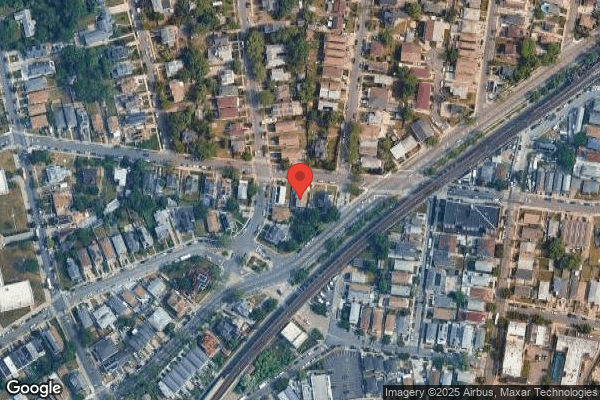
29 38 FAR ROCKAWAY BLVD, FAR ROCKAWAY, NY 11691 (718) 471-2600
Non profit - Corporation 120 Beds Independent Data: November 2025
Trust Grade
68/100
#262 of 594 in NY
Last Inspection: March 2024

Within standard 12-15 month inspection cycle. Federal law requires annual inspections.

Overview

Bezalel Rehabilitation and Nursing Center has a Trust Grade of C+, which means it is considered decent and slightly above average among nursing homes. It ranks #262 out of 594 facilities in New York, placing it in the top half of state options, and #32 out of 57 in Queens County, indicating only a few local facilities perform better. The facility is improving, as it has reduced its issues from 6 in 2022 to 3 in 2024. Staffing is a mixed bag; while turnover is relatively low at 28%, the staffing rating is just 2 out of 5 stars, suggesting some challenges in this area. There have been no recorded fines, which is a positive sign. However, there are some concerning findings from inspections. For example, the facility did not properly store and prepare food, which could lead to foodborne illnesses, and garbage disposal practices were lacking, with dumpsters overflowing and uncovered. Additionally, there were issues with infection control practices, such as not having a specific plan for managing water safety, which is critical for preventing infections. Overall, while there are strengths in the facility's performance, families should be aware of these significant weaknesses when considering this nursing home.

Trust Score
C+
68/100
In New York
#262/594
Top 44%
Safety Record
Low Risk
No red flags
Inspections
Getting Better
6 → 3 violations
Staff Stability
✓ Good
28% annual turnover. Excellent stability, 20 points below New York's 48% average. Staff who stay learn residents' needs.
Penalties
✓ Good
No fines on record. Clean compliance history, better than most New York facilities.
Skilled Nurses
○ Average
Each resident gets 33 minutes of Registered Nurse (RN) attention daily — about average for New York. RNs are the most trained staff who monitor for health changes.
Violations
⚠ Watch
18 deficiencies on record. Higher than average. Multiple issues found across inspections.
★★★☆☆
3.0
Overall Rating
★★☆☆☆
2.0
Staff Levels
★☆☆☆☆
1.0
Care Quality
★★★★☆
4.0
Inspection Score
Stable
2022: 6 issues
2024: 3 issues

The Good

  • Low Staff Turnover (28%) · Staff stability means consistent care
  • Full Sprinkler Coverage · Fire safety systems throughout facility
  • No fines on record
  • Staff turnover is low (28%)

    20 points below New York average of 48%

Facility shows strength in staff retention, fire safety.

The Bad

3-Star Overall Rating

Near New York average (3.1)

Meets federal standards, typical of most facilities

The Ugly 18 deficiencies on record

Mar 2024 1 deficiency
MINOR (B)

Minor Issue - procedural, no safety impact

MDS Data Transmission (Tag F0640)

Minor procedural issue · This affected multiple residents

Based on record review and interviews conducted during the Recertification survey from 03/14/2024 to 03/21/2024, the facility did not ensure Minimum Data Set 3.0 assessments were transmitted within 14...

Read full inspector narrative →
Based on record review and interviews conducted during the Recertification survey from 03/14/2024 to 03/21/2024, the facility did not ensure Minimum Data Set 3.0 assessments were transmitted within 14 days of completion. This was evident for 1 (Resident #88) of 2 residents reviewed for resident assessment out of 24 total sampled residents. Specifically, Resident #88's Minimum Data Set 3.0 assessments were not transmitted within 14 days of the completion date. The findings are: The facility policy titled Minimum Data Set 3.0 assessments dated 02/2024 documented all Minimum Data Set 3.0 assessments must be transmitted in a timely manner. The MDS assessment for: Minimum Data Set 3.0 assessment for Resident #88 documented a completion date of 02/02/2023 and transmission date of 02/22/2023, more than 14 days after completion. Minimum Data Set 3.0 assessment for Resident #88 documented a completion date of 03/14/2023 and transmission date of 04/14/2023, more than 14 days after completion. Minimum Data Set 3.0 assessment for Resident #88 documented a completion date of 03/29/2023 and transmission date of 05/02/2023, more than 14 days after completion. On 03/20/2024 at 02:43 PM, the Minimum Data Set Coordinator was interviewed and stated they were responsible for transmitting and submitting the assessments for resident. They did not recall the reason Resident #88's assessments were transmitted more than 14 days after completion in 2023. On 03/21/2024 at 09:48 AM, the Administrator was interviewed and stated the Minimum Data Set Coordinator reported if there were concerns with timely transmission and submission of resident assessments. The Administrator was not aware of any late resident assessment submissions. 10 NYCRR 415.11(a)(5)
Mar 2024 2 deficiencies
CONCERN (D) 📢 Someone Reported This

A family member, employee, or ombudsman was alarmed enough to file a formal complaint

Potential for Harm - no one hurt, but risky conditions existed

Accident Prevention (Tag F0689)

Could have caused harm · This affected 1 resident

**NOTE- TERMS IN BRACKETS HAVE BEEN EDITED TO PROTECT CONFIDENTIALITY** Based on staff interviews and record review during an Abbreviated Survey (NY00307950), the facility did not ensure each resident...

Read full inspector narrative →
**NOTE- TERMS IN BRACKETS HAVE BEEN EDITED TO PROTECT CONFIDENTIALITY** Based on staff interviews and record review during an Abbreviated Survey (NY00307950), the facility did not ensure each resident received adequate supervision to prevent elopement. This was evident in 1 of 3 residents (Resident #3) sampled for elopement. Specifically, on 01/01/2023, Resident #3, who was severely cognitively impaired and had a wander alert device in place, left the building undetected through the front door at 3:55 pm. Resident #3 was located by the Registered Nurse Supervisor on 01/01/2023 at approximately 8:13 pm with family members walking towards the emergency room in close proximity to the facility. The findings are: The facility's policy on Elopement with a review date of 01/2019 stated that the facility will ensure that the safety of residents who wander is maintained, and that elopement is prevented. Resident #3 was initially admitted to the facility on [DATE] with diagnoses of Dementia, Urinary Tract Infection, and Hypothyroidism. The Minimum Data Set, dated [DATE] documented Resident #3 had severely impaired cognition. A Nursing Elopement Risk assessment dated [DATE] documented Resident #3 was at risk for elopement as evidenced by wandering on the unit. A care plan on behavior symptoms related to wandering was initiated on 12/30/2022. The care plan documented Resident #3 exhibited wandering behavior as evidenced by wandering on unit and attempting to leave the floor on 12/29/2022. A care plan on wandering/elopement was initiated on 12/30/2022. The facility intervention included to check wander alert device to left lower extremity every shift for function and placement. A nurse's note dated 01/01/2023 at 9:19 pm by the Director of Nursing documented they were informed by the Nurse Supervisor at approximately 5:18 pm that Resident #3 was nowhere to be found after Code M (facility's code for missing person) was completed. Review of the facility camera was immediately initiated, and Resident #3 was noted leaving the facility at the front door together with non-related visitor at approximately 3:55 pm. The wander alert device alarm door sounded but was released after 15 seconds delay for safety reasons, resident was able to exit through the door. A Certified Nursing Assistant #2's written statement dated 01/01/2023 documented at approximately 3:30 pm, at the beginning of their shift, Resident #3 was in their room. At approximately 3:50 pm, they saw Resident #3 with a visitor going on the elevator. They did not approach Resident #3 because Resident #3 was with a visitor. At dinner time, staff realized Resident #3 was not in their room. Resident #3 was missing. The facility Investigation Summary dated 01/05/2023 documented that Resident #3 was provided care at approximately 1:00 pm and was left seated in their room at 1:30 pm. The Registered Nurse Supervisor saw Resident #3 seated in their room during rounds at 3:20 pm. A review of the facility camera was done and noted Resident #3 exited the facility at approximately 3:55 pm with non-related visitors. At approximately 8:13 pm, a call was received from the Registered Nurse Supervisor that Resident #3 was found in the hospital with their family and remained in the emergency room for evaluation. The facility concluded there was no reasonable cause to assume abuse, neglect, or mistreatment occurred. The summary documented that knowledge of Resident #3's behavior provides enough evidence to justify ruling out abuse, neglect, and mistreatment. A Wandering/Elopement Monitoring Sheet dated 01/01/2023 documented that Resident #3 was last seen in their room at 4:00 pm. There was no documentation of half hourly checks after 4:00 pm. A wander alert device list with resident photographs dated 12/29/2022 revealed that Resident #3's name and photo were not listed. During an interview on 03/13/2024 at 2:00 pm, Registered Nurse #1 stated at around 3:40 pm they saw Resident #3 standing at the nurses' station with a bag of clothes. Registered Nurse #1 stated Certified Nursing Assistant #1 assisted the Resident back to their room. Registered Nurse #1 stated they were informed by the Registered Nurse Supervisor #1 at 5:00 pm that Resident #3 was not in their room. During an interview on 03/15/2024 at 10:51 am, Certified Nursing Assistant #3 stated they were serving dinner with Certified Nursing Assistant #1 at around 4:30 pm, when they notice Resident #3 was not in their room. Certified Nursing Assistant #3 stated they told the charge nurse and the supervisor and started searching the unit for Resident #3 and Code M for missing person was called. During an interview on 03/13/2024 at 1:25 pm, Security Guard #1 stated that on 01/01/2023 at approximately 1:25 pm, the alarm for the wander alert system was activated. There were visitors leaving the facility at that same time, and there was a resident passing by the lobby with a wander alert device. Security Guard #1 stated they were not aware that Resident #3 exited with the visitors. They were not aware of Resident #3 being an elopement risk because their name and picture was not on the wander alert device list. During an interview on 03/15/2024 at 11:00 am, Registered Nurse Supervisor #1 stated they drove to the nearest hospital and saw Resident #3 with 3 females walking towards the emergency room. During an interview on 03/13/2023 at 2:40 pm, the Director of Nursing stated that on 01/01/2023, the wander alert alarm activated when Resident #3 approached the entrance door. At the same time there was another resident passing by who was also wearing a wander alert device. They stated that Resident #3 was located on the same day at about 8:00 pm. During a follow-up interview on 03/20/2024 at 2:40 pm, the Director of Nursing stated that Resident #3 was on half-hourly checks and that the Certified Nursing Assistant might have signed 4:00 pm in error. During a telephone interview on 03/18/2024 at 11:52 am, the Administrator stated that Registered Nurse Supervisor #1 notified them on 01/01/2023 at approximately at 5:18 pm that Resident #3 was missing from the facility. At approximately 8:13 pm, they were informed by the Registered Nurse Supervisor #1 that Resident #3 had been found in the hospital emergency room with family members and that Resident #3 was in stable condition. The Administrator stated they concluded in their investigation that abuse, neglect and mistreatment were ruled out based on Resident #3's behavior history. 10 NYCRR 415.2 (h) (2)
CONCERN (E) 📢 Someone Reported This

A family member, employee, or ombudsman was alarmed enough to file a formal complaint

Potential for Harm - no one hurt, but risky conditions existed

Report Alleged Abuse (Tag F0609)

Could have caused harm · This affected multiple residents

**NOTE- TERMS IN BRACKETS HAVE BEEN EDITED TO PROTECT CONFIDENTIALITY** 2.) Resident #3 was initially admitted to the facility on [DATE] with diagnoses of Dementia, Urinary Tract Infection, and Hypoth...

Read full inspector narrative →
**NOTE- TERMS IN BRACKETS HAVE BEEN EDITED TO PROTECT CONFIDENTIALITY** 2.) Resident #3 was initially admitted to the facility on [DATE] with diagnoses of Dementia, Urinary Tract Infection, and Hypothyroidism. The Minimum Data Set, dated [DATE] documented Resident #3 had severely impaired cognition. A Nurse's note by the Director of Nursing dated 01/01/2023 at 9:19 pm documented they were informed by the Nurse Supervisor at approximately 5:18 pm that Resident #3 was nowhere to be found after Code M was completed. Review of the facility camera was immediately initiated. It was noted that the Resident left the facility at the front door together with non-related visitor at approximately 3:55 pm. The wander alert device alarm door sounded but was released after 15 seconds delay for safety reasons. Resident #3 was able to exit through the door. The facility Investigation Summary dated 01/05/2023 documented that at approximately 5:18 pm, the Director of Nursing received a call from the Registered Nurse Supervisor who reported that Resident #3 was missing. A review of the facility camera was done, and it was noted that Resident #3 exited the facility at approximately 3:55 pm with non-related visitors. The facility concluded there was no reasonable cause to assume abuse, neglect or mistreatment occurred. During an interview on 03/20/2024 at 2:40 pm, the Director of Nursing stated they were required to report immediately upon learning of alleged incidents to the Department of Health. They stated that the email confirmation on initial submission would notify them to submit a 5-day Follow-up report to the Department of Health. For this incident, the email did not instruct them to submit a 5-day Follow up report. During an interview on 03/18/2024 at 11:52 am, the Administrator stated they helped the Director of Nursing to investigate and submit the report to the New York State Department of Health. They stated that the 5-day Follow-up report was not submitted because the email confirmation they received for the Initial report did not ask them to. The Administrator stated they were following the instructions on Frequently Asked Questions on Facility Incident Reporting that was effective on 10/24/2022, it stated that the facility acknowledgement email will indicate whether an investigative report is necessary, the link to the report will be included in the email. 10 NYCRR 415.4(b) (2) Based on record review and interviews conducted during an Abbreviated Survey (NY00309677 and NY00307950), the facility did not ensure that all alleged violations involving abuse and neglect,were reported immediately, but not later than 2 hours after the allegation was made to the State Survey Agency. Additionally, the facility did not ensure that the results of all investigations were reported to the State Survey Agency within 5 working days of the incident. This was evident in 3 of 3 residents (Residents #1, #2, #3) sampled for abuse. Specifically, 1.) On 01/30/2023 at approximately 4:30 am, Resident #2 was observed kissing and inappropriately touching Resident #1. An initial report was made to the New York State Department of Health on 01/30/2023 at 3:12 pm. The facility did not submit a Follow-up Investigation Report within 5 working days of the incident. 2.) On 01/03/2023 at approximately 3:55 pm, Resident #3 eloped from the facility. An initial report was made to the New York State Department of Health, but a Follow-up Investigation Report was not submitted by the facility within 5 working days of the incident. The findings are: A Dear Nursing Home Administrator Letter (DAL: NH 22-20) dated 10/18/2022 regarding Facility Incident Reporting System stated that the notice was to inform the Administrator of changes in reporting of nursing home facility incidents as detailed in QSO-22-19-NH and effective on 10/24/2022. The guidance stated that in addition to an initial facility incident report that must be submitted following reporting timelines, nursing homes must submit to the New York State Department of Health the results of the facility investigation. Within 5 business days of the incident, the facility must provide, in its report, sufficient information to describe the results of the investigation, and must indicate any corrective action(s) taken if the allegation was verified. The facility should include any updates to information provided in the initial report and the following additional information, including, but are not limited to, the following: 1. Additional/Updated information related to the reported incident, 2. Steps taken to investigate the allegation, 3. A conclusion, 4. Corrective action(s) taken, and 5. The name of the facility investigator. A facility policy titled Department of Health Facility Incident Reporting Guidelines dated 10/24/2022 stated that alleged violations are to be reported to the required individuals (e.g.: Administrator/Designee) immediately but no later than 2 hours after the initial allegation is made. The results of the investigation need to be reported within five (5) working days of the incident to the appropriate State survey agency. The policy defined alleged violations as a situation or occurrence that was observed or reported by a staff member, resident, relative, visitor, or other but has not yet been investigated and, if verified, could demonstrate noncompliance with the federal requirements related to mistreatment, exploitation, neglect, or abuse, including injuries of unknown sources and misappropriations of resident's property. 1.) Resident #1 was admitted to the facility with diagnoses of Dementia, Anxiety Disorder and Mood Disorder. The Minimum Data Set assessment dated [DATE] documented Resident #1 had severely impaired cognition. Resident #2 was admitted to the facility with diagnoses of Parkinson's Disease, Lewy Body Dementia, and Hemiplegia and Hemiparesis following Cerebral Infarction. The Minimum Data Set, dated [DATE] Resident #2 had intact cognition. A nurse's note dated 01/30/2023 at 2:50 pm by Registered Nurse Supervisor #2 documented that the writer received a report that Resident #2 was sexually inappropriate towards Resident #1. Resident #2 was found lying next to Resident #1. Resident #2 was kissing Resident #2's cheeks and was touching their breast. A Facility Investigation Summary dated 02/03/2023 documented on 01/30/2023 at approximately 4:30 am, Resident #2 was found in Resident #1's room. Resident #2 was noted kissing and inappropriately touching Resident #1. A Nursing Home Facility Incident Report documented that the incident report was submitted to the New York State Department of Health on 01/30/2023 at 3:12 pm. During an interview on 03/13/2024 at 4:13 pm, the Director of Nursing stated that on 01/30/2023 at 5:00 am, Registered Nurse Supervisor #1 notified them that Resident #2 was kissing and touching Resident #1's breast area. The Director of Nursing stated they were aware that abuse allegations must be reported immediately but not longer than 2 hours to the New York State Department of Health. The Director of Nursing stated that the Administrator was responsible for reporting the allegations. During an interview on 03/13/2024 at 4:30 pm, the Administrator stated they were responsible for reporting incidents to the Department of Health. They stated that the Director of Nursing notified them on 01/30/2023 at 12:10 pm that Resident #2 was found kissing Resident #1. The Administrator stated they reported the incident to the Department of Health on 01/30/2023 at 3:12 pm. The Administrator stated that they were aware that the abuse allegation should have been reported within two hours, but the nature of the incident was unclear. The Administrator stated they reported the incident right away when they arrived at the facility. During a subsequent interview on 03/15/2024 at 12:15 pm, the Administrator stated they did not submit a 5-day Follow-up report because the acknowledgment email they received for the Initial report did not ask them to submit a Follow-up report. The Administrator stated they were following the instructions on Frequently Asked Questions on Facility Incident Reporting that was effective on 10/24/2022, it stated that the facility acknowledgement email will indicate whether an investigative report is necessary, the link to the report will be included in the email.
Mar 2022 6 deficiencies
CONCERN (D)

Potential for Harm - no one hurt, but risky conditions existed

Deficiency F0657 (Tag F0657)

Could have caused harm · This affected 1 resident

**NOTE- TERMS IN BRACKETS HAVE BEEN EDITED TO PROTECT CONFIDENTIALITY** Based on record review and interviews conducted during the Recertification survey conducted from 3/08/2022 to 3/15/2022, the fac...

Read full inspector narrative →
**NOTE- TERMS IN BRACKETS HAVE BEEN EDITED TO PROTECT CONFIDENTIALITY** Based on record review and interviews conducted during the Recertification survey conducted from 3/08/2022 to 3/15/2022, the facility did not ensure, to the extent practicable, that residents/resident representatives participated in the development of a Comprehensive Care Plan (CCP). Specifically, cognitively intact residents were not afforded the opportunity to participate in the care plan meetings. This was evident for 2 of 3 residents reviewed for Care Plan out of a sample of 25 residents. (Resident #111 and #107) The findings are: The facility policy and procedure titled Care Plan Conferences, initiated 1/19 and reviewed 1/22, documented that the Social Services Director will inform residents and family members of the scheduled care conferences, and encourage them to attend. Resident # 111 was admitted to the facility with diagnoses that include Hypertension, Obesity, and Non-Alzheimer's Dementia. The admission Minimum Data Set (MDS) assessment dated [DATE] documented resident had moderately impaired cognition. The MDS assessment also documented that the resident required and dependent assistance of two persons for transfers and dependent assistance of one person for locomotion on and off the unit. On 03/09/22 at 10:20AM, Resident #111 was interviewed and stated they were admitted to the facility in 01/22 and that they did not attend any care plan meetings since their admission. Resident # 111 also stated they make decisions for themselves, together with their daughter who is involved, and wanted to participate in the care plan meeting. Social Worker (SW) note dated 1/28/22 documented care plan Invitation note: Social Worker invited resident for CCP meeting on 02/01/2022. Resident stated they will participate. Social Services (SS) to remain available as needed (PRN.) Social Worker note dated 02/01/22 documented that admission care plan meeting held on this date with Interdisciplinary team (IDT). Attempted to reach resident at time of meeting but was unable to be reached. SS to follow up. There was no documented evidence that resident was not in the facility at the time of the CCP meeting. There was no documented evidence that the SS or IDT team followed up with resident to discuss their plan of care. Resident #107 was admitted to the facility with diagnoses that include Debility, Cardiorespiratory Conditions, and Depression. The Annual Minimum Data Set (MDS) assessment dated [DATE] documented resident was cognitively intact and required extensive assistance with two persons physical assistance for transfers, and dependent assistance of one person for locomotion on and off the unit. On 03/09/22 at 10:45 AM, Resident #107 was interviewed and stated they did not recall attending any care plan meetings. Resident # 107 also stated they make decisions for themselves and wanted to participate in the care plan meeting. SW note dated 1/28/22 documented care plan invitation note: SW invited resident for CCP meeting on 02/01/2022. Resident stated they will participate. SS to remain available PRN. SW note dated 02/01/2022 documented Annual care plan meeting held on this date with IDT. The note also documented attempted to contact patient per their request but was unable to be reached. SS to follow up. There was no documented evidence that resident was not in the facility at the time of the CCP meeting. There was no documented evidence that the SS or IDT team followed up with the resident to discuss their plan of care On 03/14/22 at 01:50 PM an interview was conducted with Certified Nursing Assistant (CNA) #1. CNA #1 stated that when there is a care plan meeting, the supervisor will notify the staff, telling them what time the meeting is, then they will get the residents dressed and escort them down to the 1st floor where the meeting is held in the conference room. CNA #1 further stated that they were not informed about the meeting and asked to escort the resident. On 03/14/22 at 01:58 PM, an interview was conducted with Registered Nurse (RN) #1. RN #1 stated that the MDS coordinator plans the meetings, and the SW would call the family. RN #1 also stated that usually the CCP meeting is at 10:30AM and the family is called during the care plan meeting, or the resident will be brought to the conference room after the CNA gets the resident ready. RN #1 also stated that usually the Nursing Staff will get a list indicating who is scheduled for the meeting beforehand, however RN #1 said that they were not notified to bring resident #111 down on the day of their meeting. The MDS department represented Nursing that day, 02/01/22 at the meeting. RN #1 also said that the residents should be able to participate in their plan of care. On 03/14/22 at 02:17 PM, an interview was conducted with Registered Nurse (RN) #2. RN #2 stated that the SW has a list and invites the resident to the meetings. Supervisors attend the meeting, and the SW would contact the unit and the CNA, so someone would bring them down. RN #2 also stated a sign in sheet is done at the meeting for all attendees. RN #2 further stated that the SW does a follow-up discussion with the residents about the meeting. RN #2 stated they did not recall what transpired with Resident #107 on 02/01/22, the date of the scheduled CCP meeting and they did not recall receiving notification about the meeting for Resident #111. On 03/14/22 at 02:33 PM, an interview was conducted with the SW Director (SWD). The SWD stated that the MDS department sends a list to the unit for residents who have a meeting scheduled, then both themselves and the other SW will call the family and the residents to invite them to the meeting. The SWD also stated that they send out an email to the IDT, including the nursing Supervisors, informing the team of the day and time of the meeting and which residents are to attend. The SWD further stated that they make 2-3 attempts to reach the residents to attend the meeting, which is done by calling the residents on the phone in their rooms. The SW would then follow up with the residents after the meeting occurred usually within a week's time. The SWD stated that they might have been missed documenting on Resident #111 and Resident #107 that time following their care plan meetings. 415.11(c)(2) (i-iii)
CONCERN (D)

Potential for Harm - no one hurt, but risky conditions existed

Deficiency F0761 (Tag F0761)

Could have caused harm · This affected 1 resident

Based on observations and staff interviews conducted during a Recertification survey from 03/08/2022 to 03/15/2022, the facility did not ensure that controlled drugs were stored appropriately in locke...

Read full inspector narrative →
Based on observations and staff interviews conducted during a Recertification survey from 03/08/2022 to 03/15/2022, the facility did not ensure that controlled drugs were stored appropriately in locked compartments. Specifically, 1) two blister packets containing controlled drugs were observed stored in the refrigerator in the medication room and were not double locked, and 2) one bottle of controlled substance was observed stored in a removable double locked box locked in the refrigerator. This was observed on 2 of 3 units during the Medication Storage Task. (Units 2 and 4) The findings are: The facility policy titled Management of Controlled Substances revised 3/10/22, documented all controlled substances that need refrigeration must be stored in a double locked metal narcotic box stored and vaulted in the fridge. 1.On 03/10/22 at 12:20 PM, medication storage observation was done on Unit 2 with Licensed Practical Nurse (LPN) #1. LPN #1 unlocked the refrigerator in the medication room and two packets of Marinol were observed not double locked in the refrigerator. LPN #1 was interviewed immediately and stated that they were not aware that controlled substances in the refrigerator had to be double locked. LPN # 1 also stated that there had not been controlled substances in the refrigerator before and this medication was delivered the day before. 2.On 03/10/22 at 12:28 PM, a medication storage observation was done on Unit 4 with Registered Nurse Supervisor (RNS) #2. RNS #2 unlocked the refrigerator and removed a double- locked container out of the refrigerator and placed it on the counter in the medication room. One bottle of a controlled substance was observed in the locked container. The locked box was observed to not be permanently affixed, and the supervisor was able to remove the narcotic box. On 03/10/22 at 12:40 PM, an interview was conducted with RNS #1. RNS #1 stated that when the controlled substances are delivered to the unit, if it must be refrigerated, they just place it in the refrigerator, since they were not aware that it has to be doubled locked. RNS #1 also stated that this is the first time that they have a controlled substance on the unit that needed to be refrigerated. RNS #1 further stated that they were not aware that they currently had any controlled substance in the refrigerator on Unit 2. On 03/10/22 at 12:28 PM, an interview was conducted with RNS #2. RNS #2 stated that the locked box should not be able to be removed from the refrigerator because someone remove the entire box from the unit if the box is not bolted in the refrigerator. RNS #2 also stated that they are aware that all controlled substances should be doubled locked, regardless of the location. On 03/10/22 at 02:07 PM, an interview was conducted with the Director of Nursing (DON). The DON stated that narcotic boxes were ordered from the pharmacy three days ago, but the facility had never used the double locked narcotic boxes before. The DON also stated that controlled substances must be double locked, and the staff know that if there are controlled substances in the refrigerator, it must be locked. The DON further stated that they did not have locked narcotic boxes for the 2nd and 3rd floor and are in the process of getting them. The DON stated that they were not aware that there were controlled substances in the refrigerator as the supervisors are supposed to ensure that they are in the locked box, and that the DON was not aware that the locked narcotic boxes in the refrigerator are to be permanently secured in the refrigerator. The DON further stated that they had never heard of that regulation before and would verify with the pharmacist. 415.18(d)
CONCERN (E)

Potential for Harm - no one hurt, but risky conditions existed

MDS Data Transmission (Tag F0640)

Could have caused harm · This affected multiple residents

The Annual Assessment for Resident #14 was due for completion on 2/5/22 and required submission date was due no later than 2/12/22. The assessment had not been submitted to CMS as of 3/15/22. The Ann...

Read full inspector narrative →
The Annual Assessment for Resident #14 was due for completion on 2/5/22 and required submission date was due no later than 2/12/22. The assessment had not been submitted to CMS as of 3/15/22. The Annual Assessment for Resident #24 was due for completion on 2/6/22 and required submission date was due no later than 2/13/22. The assessment has not been submitted to CMS as of 3/15/22. The Quarterly Assessment for Resident #20 was due for completion on 2/9/22 and required submission date was due no later than 2/16/22. The assessment was submitted on 3/14/22. The Quarterly Assessment for Resident #22 was due for completion on 2/11/22 and required submission date was due no later than 2/18/22. The assessment was submitted on 3/14/22. The Quarterly Assessment for Resident #21 was due for completion on 2/12/22 and due for submission on 2/19/22. The assessment has not been submitted to CMS as of 3/15/22. The Quarterly Assessment for Resident #25 was due for completion on 2/12/22 and required submission date was due no later than 2/19/22. The assessment was submitted on 3/14/22. The Minimum Data Set assessments had not been transmitted in a timely manner and were over 120 days old. On 3/14/22 at 9:55 AM, an interview was conducted with the MDS Coordinator (MDSC) via telephone. The MDSC stated that it is their responsibility to ensure the resident's MDS assessments are completed by the required due date and submitted within 14 days from completion. The MDSC also stated that the late completion and submission of the MDS assessments was due to staff being out with illness and this issue started in January 2022. The MDSC further stated that they are fully aware of late completion and submission of MDS assessments and that they will be working to submit resident's assessments to CMS in the next two days. 415.11 Based on record review and staff interview, during the Recertification survey conducted from 03/08/2022- 03/15/2022, the facility did not ensure that the Minimum Data Set (MDS) assessment(s) were electronically transmitted to the CMS (Centers of Medicare/Medicaid Services) Data System within 14 days after assessments were completed. This was evident for 11 of 29 residents reviewed for MDS Discrepancy. (Residents: #30, #3, #4, #15, #19, #14, # 24, #20, #22, #21, #25). The findings are: A review of the Policy and Procedure titled: Minimum Data Set (MDS) Assessment Policy, dated 01/2022, documented the following: The Minimum Data Set is used as a data collection tool to classify Medicare and Medicaid residents into a Resource Utilization Group (RUG score). The MDS system assists staff to identify health problems and meets State and Federal Regulatory Requirements. The Quarterly Assessment for Resident # 30 was due for completion on 02/05/2022 as per the Assessment Reference Date (ARD). The assessment was not submitted to the CMS System until 03/14/2022. The Quarterly Assessment for Resident # 3 was due for completion on 01/16/2022 as per the Assessment Reference Date. The assessment was not transmitted to the CMS System until 03/07/2022. The Quarterly Assessment for Resident # 4 was due for completion on 01/22/2022 and not submitted to the CMS system until 03/07/2022. The Quarterly Assessment for Resident # 15 was due for completion on 01/29/2022 and was not submitted to the CMS system until 03/07/2022. The Annual Assessment for Resident # 19 was due for completion on 02/18/2022 and was not submitted to the CMS system until 03/14/2022.
CONCERN (F)

Potential for Harm - no one hurt, but risky conditions existed

Food Safety (Tag F0812)

Could have caused harm · This affected most or all residents

Based on observation and interview conducted during the Recertification survey, the facility did not ensure that food was stored, prepared, distributed, and served in accordance with professional stan...

Read full inspector narrative →
Based on observation and interview conducted during the Recertification survey, the facility did not ensure that food was stored, prepared, distributed, and served in accordance with professional standards for food service safety to prevent foodborne illness. Specifically, 1) nutrition supplements/paper goods storage room was not maintained in a clean sanitary manner, and 2) staff did not change contaminated gloves after disposing garbage. This was observed during the Kitchen facility task. The findings are: The facility's undated policy and procedure titled Paper Storage Room, documented nutrition supplements and paper goods will be stored in an area that is clean, dry, and free from contaminants. The facility's policy and procedure titled Bare Hand Contact with Food and Use of Plastic Gloves dated 1/1/22 documented single use gloves shall be used for only one task and discarded when damaged or soiled or when interruptions occur in the operation. On 3/8/22 at 9:41 AM, the nutrition supplement/paper goods storage room was observed. The walls were observed discolored, with water stains and paint peeling off in areas. The floor was observed with dust and brown spots of sticky food residue. There were plastic lids and plastic wrapping under the shelves on the floor. Shelves that stored pot washing chemicals were rusted and flaking. The storage room was also observed with a mattress stored on the top of boxes/gallons of emergency supply water. On 3/9/22 at 11:31 AM, Dietary Aide (DA) #2 was observed transporting two garbage receptacles from the kitchen to the disposal area. The garbage was moved through the facility lobby and out the main entrance doors to the compactor area. DA #2 was observed with visibly soiled gloved hands which they used to hold the door handles to manually open the double entrance doors. DA #2 then wheeled the garbage receptables through the double doors to the outside of the building and threw the garbage bags in the compactor/dumpster. DA #2 did not remove gloves or perform hand hygiene and then wheeled the receptables across the parking lot to the main entrance and touched the main entrance door handles to re-enter the building. On 3/9/22 at 11:58 AM, an interview was conducted with Dietary Aide (DA) #2. DA #2 stated he/she was supposed to change soiled gloves after disposing garbage and to wash hands upon returning to the kitchen. DA #2 acknowledged that he/she did not follow the protocol and did not change gloves after disposing garbage in the dumpsters/compactor. On 3/11/22 at 10:30 AM, an interview was conducted with the Food Service Director (FSD). The FSD stated that the Housekeeping Department is responsible for cleanliness of the walls, floors, and shelving racks in the nutrition supplement/paper goods storage room. The FSD also stated they did not know when the room was last cleaned or why the mattress was stored in the same room with nutrition supplement and paper goods. The FSD further stated that staff are expected to change gloves and/or wash hands when it has been soiled or contaminated. On 3/14/22 at 10:29 AM, an interview was conducted with the Housekeeping and Maintenance Director (HMD). The HMD stated that the paper goods storage room is to be cleaned and mopped daily by a housekeeping staff who is assigned to cover the first floor and that HMD was not sure why it was not swept nor mopped. HMD stated that he/she will be monitoring to ensure the paper goods storage room is cleaned daily. 415.14(h)
CONCERN (F)

Potential for Harm - no one hurt, but risky conditions existed

Garbage Disposal (Tag F0814)

Could have caused harm · This affected most or all residents

Based on observations and interviews conducted during the Recertification survey conducted from 3/8/22 to 3/15/22, the facility did not ensure that garbage and refuse were disposed of properly. Specif...

Read full inspector narrative →
Based on observations and interviews conducted during the Recertification survey conducted from 3/8/22 to 3/15/22, the facility did not ensure that garbage and refuse were disposed of properly. Specifically, garbage dumpsters located outside adjacent to the parking lot were observed to be uncovered, overflowing with garbage and the area surrounding was scattered with debris and trash. This was observed during the Kitchen task. The findings are: The facility's policy and procedure for Waste Disposal dated 1/1/22 documented all waste shall be kept in leak-proof, non-absorbent, fireproof container. Trash bags shall be sealed prior to removing them from the facility. Trash will be deposited into a sealed container outside the premises. On 3/9/22 at 11:31 AM, an observation was made of the garbage dumpster area. Two dumpsters were observed opened and not covered with lids. Garbage was observed scattered on the ground within the compactor area. There were soiled incontinence briefs, plastic utensils, disposable gloves, flattened cardboard boxes, ripped plastic bags, a mattress, and other debris on the ground. On 3/11/22 at 8:00 AM and 3/11/22 at 9:55 AM, the dumpster behind the compactor was observed overflowing with garbage, preventing the compactor lid from being closed properly and the scattered garbage remained on the ground. A plastic bottle (24 pack) wrapper was observed in front of the exit discharge of stair B/East door. On 3/9/22 at 11:58 AM, an interview was conducted with Dietary Aide (DA) #2. DA #2 stated that the garbage disposal area is maintained by staff from the Housekeeping Department. DA #2 also stated they were aware that dumpsters should be always closed and did not know why dumpsters were left opened. On 3/11/22 at 9:58 AM and on 3/14/22 at 10:29 AM, an interview was conducted with Housekeeping and Maintenance Director (HMD). The HMD stated the garbage blows in from the street and from the apartment complex and that staff are constantly cleaning the compactor area, 6 days a week. The HMD also stated that due to the circumstances it is hard to maintain cleanliness of the dumpster area and to enclose the dumpsters with lids due to overflowing of the garbage and trash coming from the street. 415.14(h)
CONCERN (F)

Potential for Harm - no one hurt, but risky conditions existed

Infection Control (Tag F0880)

Could have caused harm · This affected most or all residents

Based on observation, record review, and staff interviews during the Recertification/Complaint survey, the facility did not ensure that infection prevention control practices were followed to help pre...

Read full inspector narrative →
Based on observation, record review, and staff interviews during the Recertification/Complaint survey, the facility did not ensure that infection prevention control practices were followed to help prevent the spread, development, and transmission of communicable diseases and infections. Specifically, the facility did not have (1) a facility-specific water management plan for Legionella with mandatory components including but not limited to: a description of the facility's water distribution system; temperature profile of the water system; control measures and actions to be taken if control measures not met; or (2) a sampling plan for the potable water system. In addition, the facility (3) environmental risk assessment was not reviewed within the last year, as required. This was evident for the Water Management Plan review for Infection Control. The findings are: (1) Document review revealed the facility's water management plan (WMP) for Legionella mandatory, facility-specific components including but not limited to: a description of the facility's water distribution system; temperature profile of the water system; personnel roles and responsibilities; and control measures and actions to be taken if control measures not met. (1a) On 3/11/2022, record review of the facility's legionella policies, procedures, plans, and sample results revealed a facility Sampling and Management Plan (SMP) was not available for review. Record review of an Engineering Department policy titled, Maintenance and monitoring of water systems [the Water System Policy] with an effective date of 12/2016 and revised dates of 6/2009, 6/2020, and 6/2021 revealed the facility would maintain and monitor the facility's water system for Legionella bacterium, Pseudomonas, Acinetobacter species and Nontuberculous mycobacteria. There was no documentation within the policy to indicate the document served as a site-specific water management plan for Legionella. Statements under headings of prevention, surveillance, environmental culturing (as indicated), and reporting did not account for the actual design and operation of the facility's water system. Highlighted excerpts that are not facility-specific include but are not limited to the following: - Prevention. Instantaneous or semi-instantaneous water heaters should be used instead of tanks. If tanks are used, horizontal tanks are preferred over vertical tanks, and steps should be taken to maintain adequate circulation to minimize cool spots within tanks. - Surveillance. Additional prevention measure may be implemented in the event Legionella cases do occur and may include the following - restrict shower taking if water is contaminated with legionellae, perform additional treatment of water for nursing units. - Remediation. Should a culture show positive for legionella bacterium, decontamination of the affected system will be implemented, under direction an authorized agency. The Water System Policy was not sufficient to verify that the required element of a site-specific water management plan for Legionella was completed. Missing components included but were not limited to: a description of the facility's water distribution system; temperature profile of the water system; facility-specific personnel roles and responsibilities; control measures and actions to be taken if control measures not met. In an interview on 3/11/2022 at 1:50 PM, the Administrator stated the plan was in the policy for the remediation, and that the facility would have an authorized agency for remediation but did not document how or what would be done. They further stated that for specific control measures in place, the control measure was one positive sample for the facility. (1b) In email correspondence on 3/15/2022 at 4:30 PM, the Administrator attached the facility water management policy [WMP]. They additionally wrote that the attached policy [WMP] was in place in Bezalel since 2017 but was placed in the back of the Legionella binder with all sampling results. The plan [Water System Policy] that was previously submitted for DOH review was an outline of the legionella plan but not the detailed policy. Record review of the WMP and email correspondence revealed the following: The WMP titled, Legionella Risk Management Policy dated 12/2027 and revised 6/2019, 6/2021 lacked mandatory, facility-specific components including but not limited to: a description of the facility's water distribution system; temperature profile of the water system; and control measures and actions to be taken if control measures not met. Highlighted excerpts that are not facility-specific include but are not limited to the following: 6 Overview of Legionella risk management 6.1.1 The following figure provides an overview of Legionella management precautions in Bezalel. [no figure present, no description] 7. Risk Assessment 7.1 Each premise must undertake a legionella risk assessment (LRA). Most premises will have had an DOH 5222 completed, which will give details of the buildings water system. These documents should enable the LRA to be reviewed by either the RP, CP or Risk Assessor on a yearly basis. Those premises which have a low risk water system, where the risk assessment has identified as insignificant risk, shall conduct yearly test. (2) The facility did not have a sampling plan for Legionella. There was no documented evidence that the required element of a Legionella sampling plan was completed, with missing components including but not limited to: specific monitoring sites; frequency at which each monitored site is evaluated; control limits at each control location; and policies and procedures for personnel, new staff or an outside consultant to identify specific sampling locations for the facility staff and consultants when performing sampling and maintenance activities. (2a) On 3/11/2022, record review of the facility's legionella policies, procedures, plans, and sample results revealed a facility sampling plan was not available for review. In an interview on 3/11/2022 at 1:45 PM, the Administrator stated that the facility contracted with a water sampling vendor to complete Legionella testing, and the laboratory cover sheet also contained the facility policy. (2b) In email correspondence on 3/15/2022 at 4:30 PM, the Administrator attached the facility water management policy [WMP]. They additionally wrote that they attached the results report of recent water sampling conducted in February 2022. In addition, they wrote that the attached policy [WMP] was in place in Bezalel since 2017 but was placed in the back of the Legionella binder with all sampling results. The plan [Water System Policy] that was previously submitted for DOH review was an outline of the legionella plan but not the detailed policy. Record review of document attachments and email correspondence revealed the following: - The Building Water Sampling Services report dated 2/25/2022 revealed information on where samples were collected, how laboratory testing for legionella was analyzed, and included a summary of legionella test results, as well as analysis and interpretation of results. This document was of result of what sampling had been completed and did not include a sampling plan. - The Environmental Risk Assessment of Water Systems in Healthcare Settings dated 4/28/2017 was the facility risk assessment (DOH form 5222) and did not include a sampling plan. - The WMP titled, Legionella Risk Management Policy dated 12/2027 and revised 6/2019, 6/2021 did not include a sampling plan. (3) The facility did not have an up-to-date environmental assessment form for Legionella. (3a) On 3/11/2022, record review of the facility's legionella policies, procedures, plans, and sample results revealed an environmental risk assessment form was not available for review. In an interview on 3/11/2022 at 1:54 PM, the Administrator stated they would contact their Life Safety Code consultant to see if one was completed. (3b) In email correspondence on 3/15/2022 at 4:30 PM, the Administrator attached the facility environmental risk assessment, Legionella DOH 5222 form. Record review of the DOH 5222 form titled, Environmental Assessment of Water Systems in Healthcare Settings and dated 4/28/2017 revealed the document had not been reviewed or updated within the last year, as required. 415.19(a)(1-3)
Jun 2019 9 deficiencies
CONCERN (D)

Potential for Harm - no one hurt, but risky conditions existed

Resident Rights (Tag F0550)

Could have caused harm · This affected 1 resident

**NOTE- TERMS IN BRACKETS HAVE BEEN EDITED TO PROTECT CONFIDENTIALITY** Based on observation, record review, and interview during the recertification survey, the facility did not ensure that a residen...

Read full inspector narrative →
**NOTE- TERMS IN BRACKETS HAVE BEEN EDITED TO PROTECT CONFIDENTIALITY** Based on observation, record review, and interview during the recertification survey, the facility did not ensure that a resident was cared for in a manner that enhanced or maintained their dignity. Specifically, a resident was observed wearing a hospital gown throughout the day in common areas such as the main dining room and hallway. This was evident for 1 resident reviewed for Dignity out of a total sample of 26 residents (Resident #17). The finding is: Resident #17 is a resident admitted [DATE] with diagnoses which include Schizophrenia, Hypertension, and Diabetes Mellitus. The Minimum Data Set 3.0 (MDS) assessment dated [DATE] documented the resident had severely impaired cognition. The resident required extensive assist of one person for dressing. The Comprehensive Care Plan (CCP) for Activities of Daily Living dated 5/11/19 documented the resident required extensive assist of one person with dressing. The CCP included the intervention of dressing the resident appropriately to season and time of the day. On 06/11/19 at 12:25 PM, the resident was observed in the main dining room wearing a hospital gown with an open cardigan sweater over it. The resident said she was in rehab and staff reported that she was in rehab this morning. On 06/11/19 at 04:24 PM, the resident was observed in the hallway awaiting dinner and wearing a hospital gown with a cardigan sweater. On 6/12/19 at 9:30 AM, the resident was interviewed in her room. The resident was wearing a house dress. The resident stated that she does not have enough clothing. She wears clothing from donations, and rehab gave her the house dress to wear today from donated clothing. The resident stated that she lives in an adult home. The state agent (SA) observed the resident's closet with her permission. There was one pair of pants and 2 tops in a drawer and one shirt hanging. The resident stated that the items in the closet are too small and are from donations. She further stated that occasionally, she has to wear a hospital gown because she has no clothes to wear. On 06/14/19 at 09:51 AM, the resident was observed in her room seated in her wheelchair. The resident was wearing a black shirt and pants that she was given to wear from donated clothing. The resident was wearing velcro open shoes. The resident's feet were wrapped loosely with her toes exposed. The resident reported that she was admitted last month and did not have her clothes from the adult home. The closet contained the same items observed on 6/12/19 by the SA (3 tops and 1 pair of pants) and the cardigan sweater that the resident was wearing over the hospital gown. The hanging shirt was a size Medium and had the name of another resident labeled inside the collar. The resident stated that she usually wears size 3X. The resident stated that she does not have a lot of clothes at home. The resident stated that the laundry room is supposed to send up pieces of clothing for her and that there is one sweater in the closet that she usually wears. The SA observed a pair of pink socks in the drawer. The resident said the socks were too small and were also from donations. The resident stated that her feet are cold sometimes without socks. On 06/14/19 at 10:24 AM, an interview was conducted with CNA #2 who has been working with the resident as a floater. CNA #2 reported that she has been working in the facility for 1.5 years. She stated that the resident has been in the facility previously, and she has been assigned to the resident since this admission. The resident requires the assist of one person for care. CNA #2 stated she believed the resident's family brought her clothes, and the resident's clothes are too small. She has to call the laundry person or the nursing supervisor to obtain for clothes for resident. The CNA stated that she is not sure if resident has family or not. The facility finds clothes for the residents. On 06/14/19 at 10:50 AM, an interview was conducted with Registered Nurse Supervisor (RN #1). RN #1 stated that the staff usually make a referral to social work when a resident needs clothing. RN#1 reported that it is hard to find clothes to fit the resident, and staff donates or get clothing from the laundry that fit her. RN #1 stated that she was aware the resident did not have clothes and the concern was discussed in the morning meetings with the team during the morning report. RN#1 was not able to remember if the social worker was there when the resident was discussed. RN #1 also stated the staff use the stocking nets to cover the residents feet if socks are not available in her size. The resident has to wear a hospital gown when there are no clothes available in her size. She stated that sometimes the resident has wanted to stay in her room in her when she has to wear a hospital gown. On 06/14/19 at 10:54 AM, an interview was conducted with the Director of Social Work (DSW). The DSW was not aware that the resident does not have clothing at this time. The DSW stated that if she is informed that a resident needs clothing, they will contact involved family or check to see if the facility the resident came from can send clothing. She stated that they can also have someone from the facility go pick up the clothes from the adult home. The facility will also provide clothing from donated clothes. Another option is the facility can purchase clothing for the resident if they are not able to get clothing from the other sources. The DSW stated that the resident does not have any involved family. The DSW further stated that the resident did not have clothes during her previous admission, and they had to provide donated clothing to her. She stated that there was no specific policy for resident clothing. 415.5(a)
CONCERN (D)

Potential for Harm - no one hurt, but risky conditions existed

Assessment Accuracy (Tag F0641)

Could have caused harm · This affected 1 resident

Based on record review and interview during the recertification survey, the facility did not ensure the comprehensive and quarterly assessments accurately reflected the resident's status. Specifically...

Read full inspector narrative →
Based on record review and interview during the recertification survey, the facility did not ensure the comprehensive and quarterly assessments accurately reflected the resident's status. Specifically, a resident's diagnosis of Diabetes Mellitus was not reflected in the assessments. This was evident for 1 of 5 residents reviewed for Unnecessary Medication out of a total sample of 26 residents (Resident #89). The finding is: Resident #89 is a resident admitted with diagnoses which include Diabetes Mellitus, Hypertension, and Atherosclerotic Heart Disease of Native Coronary Artery without angina pectoris. The Annual and Quarterly Minimum Data Set 3.0 (MDS) assessments dated 10/31/18 and 4/30/19, respectively documented the resident received insulin injections. Both assessments did not include the diagnosis of Diabetes Mellitus under the section for Active Diagnoses. The Physician's Orders dated 5/28/19 documented the resident received the following medications for Diabetes Mellitus: Januvia 50 mg (milligram) tab- 1 tab PO (by mouth) daily (initiated 9/29/15) Novolog Flexpen U-100 Insulin aspart 100 unit/mL (milliliter) subcutaneous (SQ) - inject by SQ route 2 times per day as per sliding scale (initiated 1/29/19) Novolog Mix 70-30 100 unit/mL SQ sol- inject 15 units SQ before dinner (initiated 2/15/17) Novolog Mix 70-30 U-100 Insulin- inject 66 units SQ before meal at 7 am (initiated 1/28/19) On 06/13/19 at 03:35 PM and 4:14 PM, an interview was conducted with the Registered Nurse MDS Coordinator (RN #2). RN #2 stated she looks at the diagnosis section, Physician's Notes, and the Medication Administration Record (MAR) when completing the MDS. The RN stated that the missing diagnosis of Diabetes on the assessments was an oversight on her part. It is her responsibility to check to see that the information in the MDS is accurate. She stated that the medication orders usually trigger a diagnosis which is pulled into the MDS automatically in the Electronic Medical Record (EMR) program. In this case, that did not happen even though the resident does have Diabetes Mellitus on their diagnosis list. She stated she modified the MDS and made the correction. 415.11(b)
CONCERN (D)

Potential for Harm - no one hurt, but risky conditions existed

Deficiency F0688 (Tag F0688)

Could have caused harm · This affected 1 resident

**NOTE- TERMS IN BRACKETS HAVE BEEN EDITED TO PROTECT CONFIDENTIALITY** Based on observation, record review and interview during the recertification survey, the facility did not ensure that a resident...

Read full inspector narrative →
**NOTE- TERMS IN BRACKETS HAVE BEEN EDITED TO PROTECT CONFIDENTIALITY** Based on observation, record review and interview during the recertification survey, the facility did not ensure that a resident with limited range of motion received appropriate treatment and services to prevent further decrease in range of motion. Specifically, a resident with contractures and orders for bilateral hand rolls and a knee separator was observed on multiple occasions without the devices in place. This was evident for 1 of 1 resident reviewed for Limited Range of Motion (ROM) (Resident #107). The finding is: Resident #107 was admitted [DATE] with diagnoses which include Non-Alzheimer's Dementia, Osteoporosis, and Peripheral Vascular Disease. The Quarterly Minimum Data Set 3.0 (MDS) assessment dated [DATE] documented the resident had severely impaired cognition. The resident required the total assist of two persons for transfer, bed mobility, and toileting. The resident was totally dependent on staff for bed mobility, transfer, toileting, dressing, and hygiene. The MDS further documented the resident had bilateral limitations in range of motion for the upper and lower extremities. On 06/11/19 at 10:07 AM, the resident was observed in bed with contractures on both the upper and lower extremities. No devices were in place to relieve or reduce the complications of contractures. On 06/11/19 at 03:11 PM, the resident was observed in the day room sitting in a reclining Geri chair with no hand rolls or knee separator in place. On 06/11/19 at 04:17 PM, resident was observed in their room in the reclining Geri chair with no devices in place. On 06/12/19 at 08:40 AM, the resident was observed in bed, dressed in regular clothes with no hand rolls in place. On 06/12/19 at 11:18 AM, the resident was observed in the reclining Geri chair in the hallway with no hand rolls or knee separator in place. A subsequent observation was made in the day room at 3:28 PM with the same noted. On 06/13/19 at 08:53 AM, the resident was observed in bed lying supine with no hand rolls in place. On 06/13/19 at 12:05 PM, the resident was in the reclining chair in the hallway with no hand rolls or knee separator in place. The Comprehensive Care Plan on ADL Functional/Rehab Potential updated 1/19/2019 documented that resident required total assist for all ADLs, with measurable goals. The interventions included: Bilateral hand rolls to be worn at all times, can be removed for skin check, hygiene, and ROM exercise; Knee separator when OOB, can be removed while in bed, skin check, hygiene, and ROM exercise. The Physician's orders dated 5/29/19 documented: Bilateral hand rolls to be worn at all times, can be removed for skin checks, hygiene, and ROM exercises; Knee separator when OOB (out of bed), can be removed while in bed and for skin checks, hygiene, and ROM exercises. On 06/13/19 at 11:42 AM, the Certified Nursing Assistant (CNA#7) who has been working in the facility since 2001 and caring for the resident since last year was interviewed. The CNA stated that the resident is given a shower, washed, dressed and taken out of bed before 11:00 am. The resident is assisted in range of motion every day before they are taken out of bed. CNA stated that resident has hand rolls that are placed in both hands every day and pillows placed with a cushion between the knees most of the time. The CNA stated that the resident's hand rolls were sent downstairs for washing. She stated that she normally puts the hand rolls on, but she has not been putting them on the past few days because everything is going so fast. On 06/13/19 at 12:08 PM, the Registered Nurse RN/Supervisor (RN #5) was interviewed. The RN has worked in the facility on the night shift since 2010, and she has been working on the day shift for about 3 months. The RN stated that the staff are notified during morning report about the interventions to be carried out during residents' care. Detailed interventions to be done for every resident are are also documented in the CNA accountability records. The RN stated that what is expected to be done for each resident, including adaptive devices to be placed on the resident, are also noted in the CNA assignment books which are checked and signed every shift to ensure that it is done. The CNA is responsible for checking and making sure all the devices are in place, and they should document it every shift. The RN stated she always reminds and monitors the staff to ensure that all the devices are properly applied as per the physician's order, and she does not understand why the hand rolls and the knee separator were not placed on the resident. The RN further stated that she will check with the rehab to ask for spare devices so they can be replaced if one pair is sent out for washing to prevent re-occurrence. She will also give an in-service to the staff to ensure that the devices are in place as per the order and plan of care. 415.12(e)(2)
CONCERN (D)

Potential for Harm - no one hurt, but risky conditions existed

Deficiency F0745 (Tag F0745)

Could have caused harm · This affected 1 resident

**NOTE- TERMS IN BRACKETS HAVE BEEN EDITED TO PROTECT CONFIDENTIALITY** Based on observation, record review and interview, the facility did not ensure that a resident received medically related social...

Read full inspector narrative →
**NOTE- TERMS IN BRACKETS HAVE BEEN EDITED TO PROTECT CONFIDENTIALITY** Based on observation, record review and interview, the facility did not ensure that a resident received medically related social services to attain or maintain the highest practicable physical, mental and psychosocial well-being of each resident. Specifically, a resident did not receive assistance with obtaining clothing. This was evident for 1 of 26 sampled residents (Resident #17). The finding is: Resident #17 is a resident admitted [DATE] with diagnoses which include Schizophrenia, Hypertension, and Diabetes Mellitus. The Minimum Data Set 3.0 (MDS) assessment dated [DATE] documented the resident had severely impaired cognition. The resident required extensive assist of one person for dressing. The Comprehensive Care Plan (CCP) for Activities of Daily Living dated 5/11/19 documented the resident required extensive assist of one person with dressing. The CCP included the intervention of dressing the resident appropriately to season and time of the day. On 06/11/19 at 12:25 PM, the resident was observed in the main dining room wearing a hospital gown with an open cardigan sweater over it. The resident said she was in rehab and staff reported that she was in rehab this morning. On 06/11/19 at 04:24 PM, the resident was observed in the hallway awaiting dinner and wearing a hospital gown with a cardigan sweater. On 6/12/19 at 9:30 AM, the resident was interviewed in her room. The resident was wearing a house dress. The resident stated that she does not have enough clothing. She wears clothing from donations, and rehab gave her the house dress to wear today from donated clothing. The resident stated that she lives in an adult home. The state agent (SA) observed the resident's closet with her permission. There was one pair of pants and 2 tops in a drawer and one shirt hanging. The resident stated that the items in the closet are too small and are from donations. She further stated that occasionally, she has to wear a hospital gown because she has no clothes to wear. On 06/14/19 at 09:51 AM, the resident was observed in her room seated in her wheelchair. The resident was wearing a black shirt and pants that she was given to wear from donated clothing. The resident was wearing velcro open shoes. The resident's feet were wrapped loosely with her toes exposed. The resident reported that she was admitted last month and did not have her clothes from the adult home. The closet contained the same items observed on 6/12/19 by the SA (3 tops and 1 pair of pants) and the cardigan sweater that the resident was wearing over the hospital gown. The hanging shirt was a size Medium and had the name of another resident labeled inside the collar. The resident stated that she usually wears size 3X. The resident stated that she does not have a lot of clothes at home. The resident stated that the laundry room is supposed to send up pieces of clothing for her and that there is one sweater in the closet that she usually wears. The SA observed a pair of pink socks in the drawer. The resident said the socks were too small and were also from donations. The resident stated that her feet are cold sometimes without socks. On 06/14/19 at 10:24 AM, an interview was conducted with CNA #2 who has been working with the resident as a floater. CNA #2 reported that she has been working in the facility for 1.5 years. She stated that the resident has been in the facility previously, and she has been assigned to the resident since this admission. The resident requires the assist of one person for care. CNA #2 stated she believed the resident's family brought her clothes, and the resident's clothes are too small. She has to call the laundry person or the nursing supervisor to obtain for clothes for resident. The CNA stated that she is not sure if resident has family or not. The facility finds clothes for the residents. On 06/14/19 at 10:50 AM, an interview was conducted with Registered Nurse Supervisor (RN #1). RN #1 stated that the staff usually make a referral to social work when a resident needs clothing. RN#1 reported that it is hard to find clothes to fit the resident, and staff donates or get clothing from the laundry that fit her. RN #1 stated that she was aware the resident did not have clothes and the concern was discussed in the morning meetings with the team during the morning report. RN#1 was not able to remember if the social worker was there when the resident was discussed. RN #1 also stated the staff use the stocking nets to cover the residents feet if socks are not available in her size. The resident has to wear a hospital gown when there are no clothes available in her size. She stated that sometimes the resident has wanted to stay in her room in her when she has to wear a hospital gown. On 06/14/19 at 10:54 AM, an interview was conducted with the Director of Social Work (DSW). The DSW was not aware that the resident does not have clothing at this time. The DSW stated that if she is informed that a resident needs clothing, they will contact involved family or check to see if the facility the resident came from can send clothing. She stated that they can also have someone from the facility go pick up the clothes from the adult home. The facility will also provide clothing from donated clothes. Another option is the facility can purchase clothing for the resident if they are not able to get clothing from the other sources. The DSW stated that the resident does not have any involved family. The DSW further stated that the resident did not have clothes during her previous admission, and they had to provide donated clothing to her. She stated that there was no specific policy for resident clothing. 415.5(g)(1)(i-xv)
CONCERN (D)

Potential for Harm - no one hurt, but risky conditions existed

Drug Regimen Review (Tag F0756)

Could have caused harm · This affected 1 resident

**NOTE- TERMS IN BRACKETS HAVE BEEN EDITED TO PROTECT CONFIDENTIALITY** Based on record review and interview during the recertification survey, the facility did not ensure that the physician documente...

Read full inspector narrative →
**NOTE- TERMS IN BRACKETS HAVE BEEN EDITED TO PROTECT CONFIDENTIALITY** Based on record review and interview during the recertification survey, the facility did not ensure that the physician documented the clinical rationale for continuing with a medication identified as an irregularity by the pharmacist in the drug regimen review. This was evident for 1 of 5 residents reviewed for Unnecessary Medications (Resident #89). The finding is: Resident #89 is a resident admitted with diagnoses which include Diabetes Mellitus, Peripheral Vascular Disease, and Pain in Unspecified Knee. The Quarterly MDS dated [DATE] documented that resident had intact cognition. The resident reported frequent pain in last 5 days with no effect on function. There resident described the intensity of the pain as 4 out of 10 when the pain is at its worst. The Physician's orders dated 5/28/19 documented and order for Voltaren 1% topical gel to be applied via topical route 3 times per day to bilateral knees. The Drug Regimen Review dated 6/11/19 documented a recommendation by the pharmacist regarding Voltaren gel 2 mg TID. The pharmacist documented Please evaluate extended time for topical treatments. Topical NSAIDS (Non-steroidal Anti-inflammatory Drugs) experience side effects with long term use. Re-evaluate need. Consider taper to PRN (as needed) to d/c (discontinue) & monitor. The physician response to the pharmacist's recommendation documented the physician disagreed with the recommendation. The physician documented that the medication would be continued for now and reevaluated if needed. There was no documentation in the medical record of the clinical rationale for the physician's disagreement with the pharmacist's recommendations. On 06/14/19 at 12:38 PM, a telephone interview was conducted with resident's primary care physician (#4). The physician stated the resident's x-rays reveal severe Osteoarthritis and resident complains of persistent pain in his knees. The physician stated that the resident requested to not stop the Voltaren gel. There is no evidence of toxicity as a result of the medication, and the benefits outweigh the risk. He stated he monitors the resident's renal functions and liver functions to ensure there are no negative side effects. The physician further stated that he will document his clinical reasons for continuing the medication in the medical record. 415.18(c)(2)
CONCERN (D)

Potential for Harm - no one hurt, but risky conditions existed

Medication Errors (Tag F0758)

Could have caused harm · This affected 1 resident

**NOTE- TERMS IN BRACKETS HAVE BEEN EDITED TO PROTECT CONFIDENTIALITY** Based on observation, record review, and interview during the recertification survey, the facility did not ensure that a residen...

Read full inspector narrative →
**NOTE- TERMS IN BRACKETS HAVE BEEN EDITED TO PROTECT CONFIDENTIALITY** Based on observation, record review, and interview during the recertification survey, the facility did not ensure that a resident who used psychotropic drugs received gradual dose reductions (GDRs), unless clinically contraindicated, in an effort to discontinue these drugs. Specifically, a resident was admitted to the facility from the hospital on [DATE] receiving Remeron 15mg at bedtime. A GDR was never attempted for the resident since admission, and there was no evidence that the resident displayed any mood or behavioral symptoms that warranted continued use of the medication without a GDR attempt. In addition, there was no documented evidence that the facility attempted to confirm the resident's psychiatric history prior to admission. This was evident for 1 of 5 residents reviewed for Unnecessary Medications (Resident #11). The finding is: Resident #11 was admitted to the facility on [DATE] with diagnoses which include Dementia, Diabetes Mellitus, and Hypertension. The Patient Review Instrument (PRI) from the hospital St John's Episcopal hospital on [DATE]. As per the Hospital PRI, documented the resident was admitted from the Hospital to the facility with diagnosis that included, but not limited to Elevated Troponin, AKI, DM, HTN, Dementia. The Annual Minimum Data Set 3.0 (MDS) assessment dated [DATE] documented the resident had moderately impaired cognition with long and short-term memory problems. The resident displayed mood symptoms of feeling down or feeling tired half or more of the days during the assessment period. The resident's total severity score for mood symptoms is 4 out of 30. The MDS documented the resident had a diagnosis of Depression. The resident has been received antidepressant medication daily. The quarterly MDS dated [DATE] documented the resident had moderately impaired cognition. The resident displayed mood symptoms of trouble concentrating and feeling/appearing down several days and feeling tired nearly every day. The resident did not have any delusions, hallucinations or behavioral symptoms exhibited. The resident was still receiving antidepressant medication 7 days a week. On 6/17/19, at 12:40 PM, resident was observed wheeling her wheelchair on the unit. Resident was able to say good morning. She appeared well groomed. No hallucination noted. On 06/17/19 at 10:12 AM and 4:00 PM, the resident's granddaughter was interviewed. She stated that the resident did not have a diagnosis of Major Depression in the community, and the resident was always a happy person. She stated that the resident was started on Remeron in the hospital. She stated that she has asked the nurse in the facility why the resident was on the medication, and they kept telling her it is for Depression. She said that she does not know why it is needed, and she does not want the resident on that medication. She asked to speak to the physician, but the physician never got back to her about the medication. A review of the Patient Review Instrument (PRI) dated 11/05/15 documented the resident was discharged from the hospital on Remeron 15 mg (milligrams) at bedtime. No diagnosis of Depression was noted on the PRI. The Physician's Orders documented the resident has been prescribed Remeron 15 mg HS from 11/6/15 to present. The Admitting History and Physical dated 11/8/15 documented the resident was on Remeron for Depression. The Psychiatry consults in the last year were reviewed. The psychiatry consults documented that the Remeron was used for orientation and/or Depression. The psychiatrist continually documented that a GDR was contraindicated due to risk for relapse. The notes documented the resident had anxiety or depression, but they contained no specific information regarding the resident's symptoms. In the psychiatry notes, the psychiatrist routinely checked off that the medication risks and benefits were discussed. The reasons for why the psychiatrist believed that the resident would relapse were not documented. The Nursing Notes in the last year were reviewed. There were no behavior notes documenting monitoring of the resident for mood or behavioral symptoms. There was no documented evidence in the medical record that the resident displayed any behaviors or symptoms of depression in the past year. There was no documented evidence in the medical record that a GDR was ever attempted for the resident's Remeron since admission on [DATE]. There was no documented evidence that the resident displayed any behaviors or symptoms of Depression or Anxiety in the nursing notes or progress notes. On 6/17/19 at 12:40 PM and 04:24 PM, the Registered Nurse Supervisor (RN #4) for the unit was interviewed. RN #4 has been an RN Supervisor for about a year. Prior to that she has worked in the facility for many years as a CNA to an RN. She has known the resident since her admission and worked with her in various ways. She was not always assigned to the resident's unit. RN #4 stated that she has never seen the resident display any symptoms of Depression. The resident likes to be in her room to watch TV, and she participates in activities occasionally. The resident is not able to make her own medical decisions due to Dementia. She stated the granddaughter is the person responsible for making the resident's medical decisions. RN #4 stated that the medical record has no behavior notes or notes regarding Depression because the resident has not displayed any symptoms. If there were symptoms, they would be documented in the record. She stated that symptoms of Depression include loss of appetite, weight loss, crying, depressed mood, social withdrawal, among others. She has not known the resident to ever experience any depression symptoms. The resident has a very involved family that visits frequently. The Psychiatrist follows the resident. She stated that the physicians do ask her about the resident's behaviors and symptoms when she sees them, and she has told them that there are none. On 06/17/19 at 04:59 PM, the resident regular Certified Nursing Assistant (CNA #5) was interviewed. She stated that she has been the resident's CNA for a long time. The resident likes to eat in her room and has a good appetite. The resident has never shown any signs and symptoms of depression. On 6/13/19 at 4:04 PM and 06/17/19 at 04:20 PM, the Psychiatrist was interviewed. He stated that the resident was prescribed Remeron for Major Depression and anxiety. He reported that he keeps the resident on Remeron 15 mg at bedtime (a low dose) so the resident can remain stable. He stated the OBRA (Omnibus Budget Reconciliation Act) guidelines only applies to antipsychotics. He could not answer whether or not the resident had a history of Major Depression in the community. He stated that the benefits and risks of the medication should be discussed with the resident and/or family upon admission, but he was not sure if that was done for this resident. When asked about the education checked off in the psychiatry notes, the physician stated he educated the resident. He was not sure when the resident was assessed for capacity to make decisions, but he said that for a resident with Dementia, the assessment for capacity should be done annually due to mental status changes. The assessments for capacity should be documented in the medical record. The psychiatrist said he was not aware that the granddaughter wanted to speak to him about the medication. The psychiatrist could not answer what specific signs and symptoms of anxiety and depression the resident displayed. When asked about gradual dose reduction, the psychiatrist said that stopping antidepressant medication puts the person at risk for relapse. He stated that the resident has a diagnosis of Depression and that is the way depression is. He could not state what symptoms the resident has that makes him believe that the resident would relapse if a reduction was done. On 06/17/19 at 05:17 PM the Primary Medical Doctor (PMD) was interviewed. He stated that he began caring for the resident in January 2019. He further stated that he focuses more on antipsychotic medications, not on anti-depressants, when he is looking at psychotropic medications and gradual dose reductions. He does not understand that documentation has to be done to that degree of detail. Resident has physical and psychomotor retardation and she stays in her room more often at times. He stated that he communicates with the resident in English and some Spanish, and the staff have assisted him with communicating with her. He stated he spoke to the staff on the floor about her multiple times. The PMD stated the the resident is followed by the psychiatrist who documents the resident has anxiety and depression and GDR is contraindicated. He does not question the psychiatrist's recommendations. I don't usually write about gradual dose reduction or specific note in detail about antidepressants. The PMD could not recall ever speaking to the resident's family about the Remeron, and they never asked him for a decrease. On 06/17/19 at 02:27 PM, the Medical Director was interviewed. He stated that resident is seen by the psychiatrist every 3 months, and he does not feel that the resident needs a GDR. 415.12(1)(2)(ii)
CONCERN (D)

Potential for Harm - no one hurt, but risky conditions existed

Deficiency F0761 (Tag F0761)

Could have caused harm · This affected 1 resident

Based on observation, and interview during the recertification survey, the facility did not ensure drugs and biologicals used in the facility were labeled in accordance with currently accepted profess...

Read full inspector narrative →
Based on observation, and interview during the recertification survey, the facility did not ensure drugs and biologicals used in the facility were labeled in accordance with currently accepted professional principles, and include the appropriate accessory and cautionary instructions, and the expiration date when applicable. Specifically, the inhaler pumps did not have a label on the actual pump. This is evident for one out of three medication carts that were observed for medication storage and labeling (4th Floor medication cart). The finding is: The Medication Labeling Policy and Procedure dated 10/2018 documented: External medications provided in the manufacturers original box (inhalers, injections, etc.) will display a label on the box and a small flag label on the medication directly. If a product is in a foil, that foil will be flagged since it should not be opened until ready for use. Once the product is removed from the foil the facility should place a white sticker on the product with the patient's name and date opened. Additionally, the foil should be kept to store the product when it is not in use. On 06/13/19 at 04:40 PM, the 4th floor medication cart was observed for the Medication Storage and Labeling task. There were 9 inhaler pumps in the medication cart kept in boxes labeled with the residents' names and instructions. Eight of the pumps did not have a label on the actual inhaler pump with the resident's name. The Registered Nurse (RN #1) was immediately interviewed during the observation. RN #1 stated that the inhalers come from the pharmacy with the name labels on them. The label with the resident's name on the actual inhaler pump came from the pharmacy. The pumps are kept in the boxes on the cart, and the residents names are on the boxes. On 6/14/19 at 05:09 PM, the Director of Nursing (DON) was interviewed. She stated that the policy for labeling the medications comes from the pharmacy. Eye drops and inhaler are labeled by the pharmacy; it is fine as long as the medication has a label on the box. The pharmacy does not double label the inhalers. The DON stated she will verify the policy on labeling of inhalers with the pharmacy consultant and the facility vendor pharmacy. On 06/17/19 at 09:45 AM, the Pharmacy Director of Compliance was interviewed. He reported that the inhalers are sent to the facility with labels on the boxes/container and the actual vials/pumps are also labeled with the resident's name and dates. The medications that are sent in a foil pouch are sent unopened with a small label on them, and the facility is advised to keep the medication in the foil container. The outside container is also labeled. The Medication Labeling Policy and Procedure was submitted for further clarification. 415.18(e)(1-4)
CONCERN (E)

Potential for Harm - no one hurt, but risky conditions existed

Infection Control (Tag F0880)

Could have caused harm · This affected multiple residents

2) The policy and procedure for Cleaning and disinfecting Non-Critical Resident Care Equipment dated 6/8/18 documented that Oxygen with nasal cannula should not be touching the floor. The nasal cannul...

Read full inspector narrative →
2) The policy and procedure for Cleaning and disinfecting Non-Critical Resident Care Equipment dated 6/8/18 documented that Oxygen with nasal cannula should not be touching the floor. The nasal cannula should be changed every 3 days and placed in a ziplock bag labeled with the name of resident when not in use. The tubing should be replaced once soiling is observed. On 06/12/19 at 10:20 AM, Resident #317 was observed in the day room in his wheelchair with oxygen in use. The oxygen tubing was on the floor. On 06/12/19 at 03:37 PM, Resident #317 was observed in the hallway in his wheelchair. The resident's oxygen tubing was on the floor. On 06/13/19 at 11:59 AM, Resident #317 was observed in bed asleep with oxygen in place. The tubing was attached to the wheelchair and resting on the floor. On 06/14/19 at 04:38 PM, an interview with CNA #1 was conducted. CNA #1 reported that she does not recall ever seeing the tubing on the floor. She stated that sometimes she will put the oxygen tubing back on resident #317's nasal area if it falls out. If she sees the tubing touching the floor, she reports it to the nurse. The nurse would then replace the tubing. 3) On 06/13/19 at 11:51 AM, Resident #63 was observed in the dining area sitting in a reclined Geri chair with oxygen in place. The oxygen tubing was on the floor. On 06/14/19 at 09:49 AM, Resident #63 was observed asleep in Geri chair in the day room. The resident's oxygen tubing was on the floor. On 06/14/19 at 04:30 PM, an interview was conducted with the Licensed Practical Nurse (LPN #1) who is on the unit about once per week during the evening shift. She stated that oxygen tubing is changed per the instructions on the Treatment Administration Record (TAR). Oxygen tubing should be kept in a bag labeled with the resident's name and date when it is not in use. When the tubing is in use, she ensures that the tubing stays clean. If the tubing touches the floor, it must be changed due to infection control concerns. She has never had to change the tubing for Resident #63. On 06/17/19 at 12:33 PM, the Registered Nurse Supervisor (RN #1) for the unit of Resident #317 and #63 was interviewed. She reported that resident #317 is on continuous oxygen. She monitors the nasal canula throughout her shift and has never observed the tubing touching the floor. She stated that if the tubing touches the floor, it will have to be discarded and replaced. She would label the new tubing with the date and the initial of the person who changed it. RN #1 stated that sometimes the oxygen will come out or, as with resident #63, the family will remove the oxygen. RN #1 stated that she does constant rounds, and she is constantly monitoring to make sure the oxygen is in place. If the tubing is on the floor, she will follow the above procedures. RN #1 was made aware that the tubing has been observed on the floor during the survey. In response, the RN conducted an in-service with the staff on being mindful and to report to nursing if the tubing is on the floor. 415.19(a)(1-3) Based on observations and interviews and record reviews the facility did not ensure that an infection prevention and control program designed to provide a safe, sanitary and comfortable environment and to help prevent the development and transmission of communicable diseases and infections was maintained. Specifically, (1) a nurse used the computer mouse to shut off the device and proceeded to administer insulin to a resident without sanitizing or washing her hands; (2) residents were observed with nasal cannula tubing resting on the floor. This was evident for 1 of 10 residents observed during Medication Administration (Resident #217) and 2 of 2 residents reviewed for Respiratory Care (Resident #317 and #63). The findings are: 1) On 06/11/19 at 11:31 AM, the Licensed Practical Nurse (LPN #3) was observed giving medication to Resident #217. The nurse drew out the insulin from the vial into the syringe. While the syringe was in her hand, she touched the computer mouse to shut off the computer then went to the room to administer an insulin injection. The syringe cap fell on the bed, she picked up the cap with the same hand then wiped the injection site. On 06/11/19 at 12:11 PM, LPN #3 was interviewed. She stated that when giving insulin she should wash hands, don gloves, and use antiseptic in between. The LPN stated she was aware that she should have changed her gloves after touching the computer mouse. On 06/17/19 at 02:38 PM, the Director of Nursing (DON) was interviewed. The DON stated every 3 months, the facility does an in-service on hand washing, and there are ongoing in-services done when there is an infection in the facility. The staff conducts daily routine rounds to check that everything is in place. Tubing needs to be changed every 2 to 3 days. On 06/17/19 at 02:54 PM, the Infection Control Nurse was interviewed. She stated in-services are done every 3 months and annually. Handwashing in-services are done for every department. She stated she will in-service the LPN.
CONCERN (F)

Potential for Harm - no one hurt, but risky conditions existed

Deficiency F0577 (Tag F0577)

Could have caused harm · This affected most or all residents

Based on observation and interview during the recertification survey, the facility did not ensure that a notice of the availability of the survey results was posted in areas of the facility that are p...

Read full inspector narrative →
Based on observation and interview during the recertification survey, the facility did not ensure that a notice of the availability of the survey results was posted in areas of the facility that are prominent and accessible to the public. The finding is: On 06/13/19 at 10:35 AM, the Resident Council was interviewed. There were 13 residents at the meeting. The residents did not know the location of the survey results. One resident thought she saw a posting by the elevator (the state agency survey notice). Two other residents said that the facility will provide the survey results if they ask to see them. On 06/13/19 at 11:10 AM, the main lobby and first floor common areas, the elevators and units were observed. There was no posting informing residents and visitors where the survey results were posted. The survey results were located in a binder at the security desk at counter height. On 06/14/19 at 03:50 PM, the Administrator was interviewed. He stated he is responsible for the postings. He informed the state agent that there is a sign about the survey results posted on a pole next to the reception desk facing the elevator. When the state agent observed the pole, the side of the pole where the results was posted was not visible when entering the facility or when facing the elevators in the lobby. 415.3(1)(c)(1)(v)
Understanding Severity Codes (click to expand)
Life-Threatening (Immediate Jeopardy)
J - Isolated K - Pattern L - Widespread
Actual Harm
G - Isolated H - Pattern I - Widespread
Potential for Harm
D - Isolated E - Pattern F - Widespread
No Harm (Minor)
A - Isolated B - Pattern C - Widespread

Questions to Ask on Your Visit

  • "Can I speak with families of current residents?"
  • "What's your RN coverage like on weekends and overnight?"

Our Honest Assessment

Strengths
  • • No major safety red flags. No abuse findings, life-threatening violations, or SFF status.
  • • No fines on record. Clean compliance history, better than most New York facilities.
  • • 28% annual turnover. Excellent stability, 20 points below New York's 48% average. Staff who stay learn residents' needs.
Concerns
  • • 18 deficiencies on record. Higher than average. Multiple issues found across inspections.
Bottom line: Mixed indicators with Trust Score of 68/100. Visit in person and ask pointed questions.

About This Facility

What is Bezalel Rehabilitation And Nursing Center's CMS Rating?

CMS assigns BEZALEL REHABILITATION AND NURSING CENTER an overall rating of 3 out of 5 stars, which is considered average nationally. Within New York, this rating places the facility higher than 0% of the state's 100 nursing homes. This mid-range rating indicates the facility meets federal standards but may have areas for improvement.
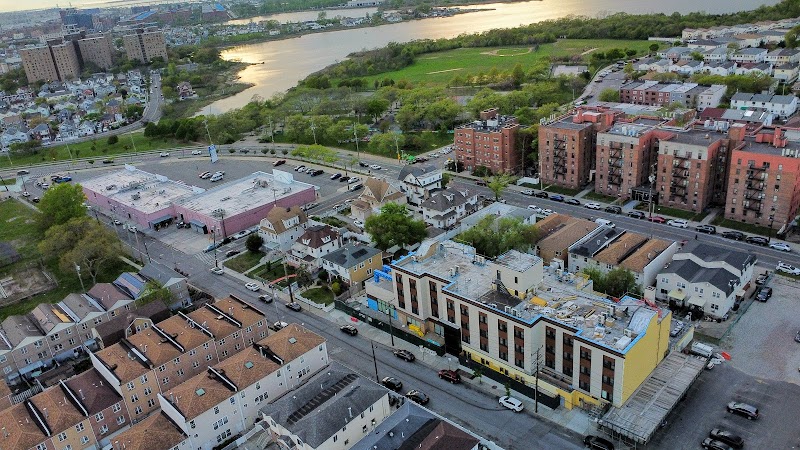
How is Bezalel Rehabilitation And Nursing Center Staffed?

CMS rates BEZALEL REHABILITATION AND NURSING CENTER's staffing level at 2 out of 5 stars, which is below average compared to other nursing homes. Staff turnover is 28%, compared to the New York average of 46%. This relatively stable workforce can support continuity of care.

What Have Inspectors Found at Bezalel Rehabilitation And Nursing Center?

State health inspectors documented 18 deficiencies at BEZALEL REHABILITATION AND NURSING CENTER during 2019 to 2024. These included: 17 with potential for harm and 1 minor or isolated issues.
Who Owns and Operates Bezalel Rehabilitation And Nursing Center?

BEZALEL REHABILITATION AND NURSING CENTER is owned by a non-profit organization. Non-profit facilities reinvest revenue into operations rather than distributing to shareholders. The facility operates independently rather than as part of a larger chain. With 120 certified beds and approximately 114 residents (about 95% occupancy), it is a mid-sized facility located in FAR ROCKAWAY, New York.
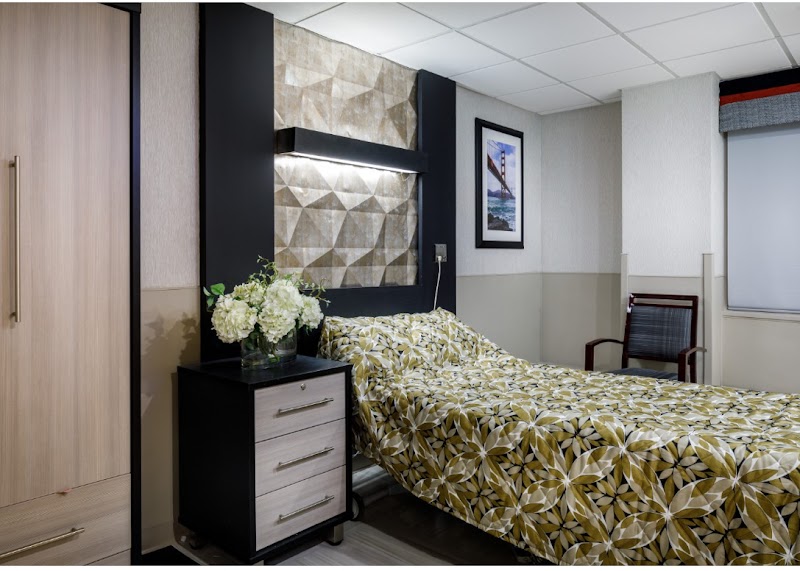
How Does Bezalel Rehabilitation And Nursing Center Compare to Other New York Nursing Homes?

Compared to the 100 nursing homes in New York, BEZALEL REHABILITATION AND NURSING CENTER's overall rating (3 stars) is below the state average of 3.1, staff turnover (28%) is significantly lower than the state average of 46%, and health inspection rating (4 stars) is above the national benchmark.

What Should Families Ask When Visiting Bezalel Rehabilitation And Nursing Center?

Based on this facility's data, families visiting should ask: "Can you walk me through typical staffing levels on day, evening, and night shifts?" "Can I visit during a mealtime to observe dining assistance and food quality?" "How do you handle medical emergencies, and what is your hospital transfer rate?" "Can I speak with family members of current residents about their experience?" These questions are particularly relevant given the below-average staffing rating.

Is Bezalel Rehabilitation And Nursing Center Safe?

Based on CMS inspection data, BEZALEL REHABILITATION AND NURSING CENTER has a clean safety record: no substantiated abuse findings (meaning no confirmed cases of resident harm), no Immediate Jeopardy citations (the most serious violation level indicating risk of serious injury or death), and is not on the Special Focus Facility watch list (a federal program monitoring the lowest-performing 1% of nursing homes). The facility has a 3-star overall rating and ranks #100 of 100 nursing homes in New York. While no facility is perfect, families should still ask about staff-to-resident ratios and recent inspection results during their visit.

Do Nurses at Bezalel Rehabilitation And Nursing Center Stick Around?

Staff at BEZALEL REHABILITATION AND NURSING CENTER tend to stick around. With a turnover rate of 28%, the facility is 18 percentage points below the New York average of 46%. Low turnover is a positive sign. It means caregivers have time to learn each resident's needs, medications, and personal preferences. Consistent staff also notice subtle changes in a resident's condition more quickly.

Was Bezalel Rehabilitation And Nursing Center Ever Fined?

BEZALEL REHABILITATION AND NURSING CENTER has no federal fines on record. CMS issues fines when nursing homes fail to meet care standards or don't correct problems found during inspections. The absence of fines suggests the facility has either maintained compliance or corrected any issues before penalties were assessed. This is a positive indicator, though families should still review recent inspection reports for the full picture.

Is Bezalel Rehabilitation And Nursing Center on Any Federal Watch List?

BEZALEL REHABILITATION AND NURSING CENTER is not on any federal watch list. The most significant is the Special Focus Facility (SFF) program, which identifies the bottom 1% of nursing homes nationally based on persistent, serious quality problems. Not being on this list means the facility has avoided the pattern of deficiencies that triggers enhanced federal oversight. This is a positive indicator, though families should still review the facility's inspection history directly.