FAR ROCKAWAY CENTER FOR REHABILITATION AND NURSING
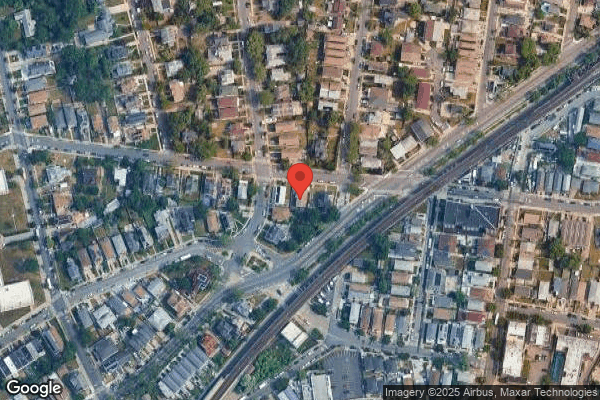
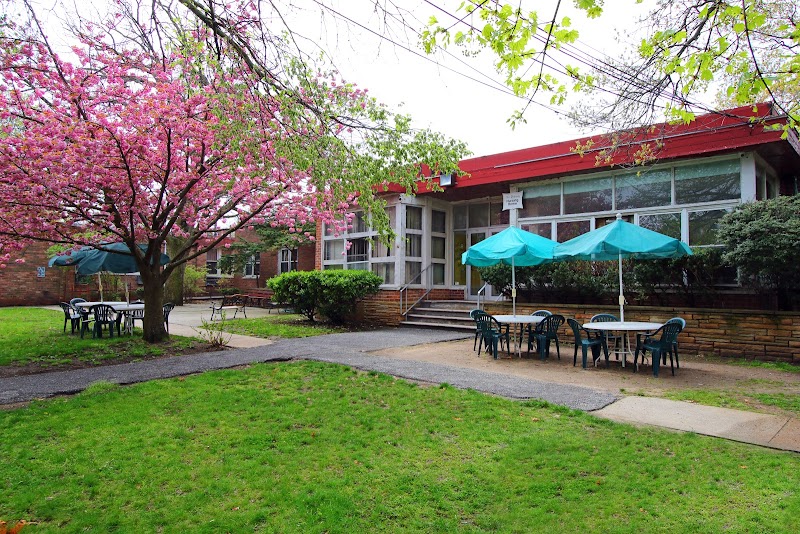
13 11 VIRGINA ST, FAR ROCKAWAY, NY 11691 (718) 327-2909
For profit - Partnership 100 Beds Independent Data: November 2025
Trust Grade
50/100
#401 of 594 in NY
Last Inspection: July 2024

Within standard 12-15 month inspection cycle. Federal law requires annual inspections.

Overview

The Far Rockaway Center for Rehabilitation and Nursing has a Trust Grade of C, which means it is average and positioned in the middle of the pack among nursing homes. It ranks #401 out of 594 facilities in New York, placing it in the bottom half, and #43 out of 57 in Queens County, indicating there are only a few local options that perform better. Unfortunately, the facility is worsening, with issues increasing from 6 in 2022 to 13 in 2024. Staffing received a rating of 2 out of 5 stars, with a turnover rate of 41%, which is average but suggests some instability. On a positive note, there have been no fines reported, which is a good sign, but the facility has concerningly less RN coverage than 97% of state facilities, meaning residents might not receive the level of medical oversight they need. Specific incidents noted in recent inspections include an ineffective pest control program, as many flies were observed throughout the facility, and housekeeping services that fell short, with broken blinds, soiled furniture, and damaged resident equipment. The environment's overall cleanliness and maintenance have also been criticized, with reports of peeling paint, cracked tiles, and other signs of disrepair. While the facility shows some strengths, such as having no fines, families should be aware of these significant weaknesses when considering care for their loved ones.

Trust Score
C
50/100
In New York
#401/594
Bottom 33%
Safety Record
Low Risk
No red flags
Inspections
Getting Worse
6 → 13 violations
Staff Stability
○ Average
41% turnover. Near New York's 48% average. Typical for the industry.
Penalties
✓ Good
No fines on record. Clean compliance history, better than most New York facilities.
Skilled Nurses
⚠ Watch
Each resident gets only 15 minutes of Registered Nurse (RN) attention daily — below average for New York. Fewer RN minutes means fewer trained eyes watching for problems.
Violations
⚠ Watch
27 deficiencies on record. Higher than average. Multiple issues found across inspections.
★★☆☆☆
2.0
Overall Rating
★★☆☆☆
2.0
Staff Levels
★★★☆☆
3.0
Care Quality
★★☆☆☆
2.0
Inspection Score
Stable
2022: 6 issues
2024: 13 issues

The Good

  • Full Sprinkler Coverage · Fire safety systems throughout facility
  • No fines on record
  • Staff turnover below average (41%)

    7 points below New York average of 48%

Facility shows strength in fire safety.

The Bad

2-Star Overall Rating

Below New York average (3.1)

Below average - review inspection findings carefully

Staff Turnover: 41%

Near New York avg (46%)

Typical for the industry

The Ugly 27 deficiencies on record

Jul 2024 13 deficiencies
CONCERN (D)

Potential for Harm - no one hurt, but risky conditions existed

Deficiency F0582 (Tag F0582)

Could have caused harm · This affected 1 resident

Based on interviews and record review conducted during the Recertification survey from 07/21/2024 to 07/25/2024, the facility did not ensure a resident, or their designated representative was provided...

Read full inspector narrative →
Based on interviews and record review conducted during the Recertification survey from 07/21/2024 to 07/25/2024, the facility did not ensure a resident, or their designated representative was provided appropriate notification at the termination of Medicare Part A benefits. This was evident for 1 (Resident #73) of 3 residents reviewed for Beneficiary Notification out of 28 total sampled residents. Specifically, the Notice of Medicare Non-Coverage were not mailed out to Resident #73's designated representatives on the same day as telephone notification. The findings are: Resident #73 was discharged from skilled services on 1/24/24. The Notice of Medicare Non-coverage documented that on 1/22/24, Resident #73's Representative was made aware that their last coverage date would be 1/24/24 and that a message was left by the Minimum Data Set Director, regarding content of the letter. The Notice of Medicare Non-coverage form also documented that the facility was waiting for a return call from the Resident #73's Representative. On 07/24/24 at 1:30 PM, the Minimum Data Set Director provided a Certified Mail Receipt addressed to Resident #73's Representative. The Certified Mail Receipt contained a signature but no date of delivery. The United States Postal Service Tracking number on the Certified Mail Receipt addressed to Resident #73's Representative indicated that there was no status update on when the mail was sent or arrived. On 07/25/24 at 02:18 PM, the Resident #73's Representative was contacted and stated that they did not receive a letter from the facility after 1/22/24 regarding any notices from the facility. Resident #73's Representative also stated that they did not know if maybe a letter was sent out and the facility had the wrong address, however the Administrator called them on 07/24/24 to verify their address. On 07/25/24 at 02:46 PM, the Administrator was interviewed and stated that they did not know if Resident #73's Representative received the Notice of Medicare Non-Coverage and that they are reviewing their systems on sending out the letters. On 07/25/24 at 03:01 PM, the Minimum Data Set Director was interviewed and stated that they are responsible for giving the letters for Notice of Medicare Non-Coverage. The letters are given out 2 days prior to the resident's last covered day. The Minimum Data Set Director also stated that they provide the letter to the residents who are cognitively intact, and for residents who are not cognitively intact the family is called. The Minimum Data Set Director further stated that if they cannot reach the representative after several calls, they would notify the Administrator who oversees sending out the letters. The Minimum Data Set Director stated that they did not know if the Resident #73's Representative had received the Notice of Medicare Non-Coverage. 10 NYCRR 415.3(g)(2)(i)
CONCERN (D)

Potential for Harm - no one hurt, but risky conditions existed

Deficiency F0583 (Tag F0583)

Could have caused harm · This affected 1 resident

Based on observation, interviews, and record review conducted during the Recertification Survey from 07/21/2024 through 07/25/2024, the facility did not ensure that residents' privacy was maintained. ...

Read full inspector narrative →
Based on observation, interviews, and record review conducted during the Recertification Survey from 07/21/2024 through 07/25/2024, the facility did not ensure that residents' privacy was maintained. This was evident for 2 of 2 residents (#23 & #27) reviewed for Privacy out of 28 sampled residents. Specifically, Licensed Practical Nurses were observed performing blood glucose monitoring and insulin administration in the hallway. The findings are: The facility policy and procedure titled Quality of Life/Dignity revised 10/2023, documented that each resident shall be cared for in a manner that promotes and enhances quality of life, dignity, respect, and individuality. Staff shall promote, maintain and protect resident privacy, including bodily privacy during assistance with personal care and during treatment procedures. 1. On 07/22/2024 at 04:06 PM, Licensed Practical Nurse #1 was observed in the North Unit hallway with Resident #23. Resident #23 was standing beside the medication cart while Licensed Practical Nurse #1 conducted blood glucose testing and then administered insulin to Resident #23. Other residents and staff members were present in the hallway while the testing was done and insulin was given. 2. On 07/22/24 at 04:51 PM, Licensed Practical Nurse #4 was observed in the South Unit hallway with Resident #27. Resident #27 was standing beside the medication cart while Licensed Practical Nurse #4 conducted blood glucose testing. Other residents and staff members were present in the hallway while the testing was done. On 07/24/2024 at 03:31 PM, Licensed Practical Nurse #4 was interviewed and stated that they do not perform blood glucose monitoring on residents in their rooms but instead try to isolate them as much as possible in the hallway. Licensed Practical Nurse #4 also stated that there was no particular reason why they do not perform blood glucose monitoring in resident rooms, and that doing it in the resident's room would be the most private place to do it in. Licensed Practical Nurse #4 further stated that they were unfamiliar with any facility policy related to maintaining resident privacy during treatments. On 07/24/2024 at 03:45 PM, Licensed Practical Nurse #1 was interviewed and stated that to maintain resident's privacy during treatments, the nurse will take the resident to their room and close the door or curtain. Licensed Practical Nurse #1 stated that they are supposed to do blood glucose monitoring and insulin administration in the resident's room, but they did it in the hallway with Resident #23 because they were nervous. On 07/25/24 at 12:25 PM, the Assistant Director of Nursing was interviewed and stated that finger sticks for blood glucose monitoring should be completed in resident rooms. The Assistant Director of Nursing also stated that performing treatments in the hallway does not follow best practices. On 07/25/24 at 03:52 PM, the Director of Nursing was interviewed and stated that blood glucose monitoring and insulin administration should be conducted in private, which involves closing the door, pulling the curtain, and ensuring that medical information is not discussed in an area where other residents can hear it. The Director of Nursing also stated that the hallways are not considered a private area to perform blood glucose monitoring or insulin administration. 10 NYCRR 415.3(e)(1)
CONCERN (D)

Potential for Harm - no one hurt, but risky conditions existed

Comprehensive Care Plan (Tag F0656)

Could have caused harm · This affected 1 resident

**NOTE- TERMS IN BRACKETS HAVE BEEN EDITED TO PROTECT CONFIDENTIALITY** Based on record review and interviews conducted during the Recertification Survey from 07/21/2024 to 07/26/2024, the facility di...

Read full inspector narrative →
**NOTE- TERMS IN BRACKETS HAVE BEEN EDITED TO PROTECT CONFIDENTIALITY** Based on record review and interviews conducted during the Recertification Survey from 07/21/2024 to 07/26/2024, the facility did not ensure a person-centered comprehensive care plan was developed and implemented to meet a resident's needs. This was evident for 1 (Resident #87) of 1 resident reviewed for Communication/Sensory out of 28 sampled residents. Specifically, there was no care plan created for Resident #87 who had concerns with vision. The findings include: The facility policy titled Care Plan-Comprehensive created 10/2015 and revised 10/2023 stated that a comprehensive, person-centered care plan that includes measurable objectives and timetables to meet the resident's physical, psychosocial and functional needs is developed and implemented for each resident. The care planning process will facilitate resident and or representative involvement, include an assessment of the resident's strength and needs and incorporate the resident's personal and cultural preferences in developing the goals of care. The Comprehensive Care person centered care plan will incorporate identified problem areas and areas of concern that are identified during the resident assessment will be evaluated before interventions are added to the care plan. Will aid in preventing or reducing decline in the resident's functional status or functional levels and enhance the optimal functioning of the resident by focusing on a rehabilitative program. Resident #87 was admitted to the facility with diagnoses that included Anemia, Malnutrition, and Dry Eye Syndrome. The Quarterly Minimum Data Set 3.0 assessment dated [DATE] documented that Resident #87 had impaired vision and used corrective lenses. On 07/24/2024 at 1:01 PM, Resident #87 was observed in their room wearing a pair of eyeglasses and writing in a book. The Consult Form dated 12/1/2023 documented that Resident #87 was seen by the Optometrist for Dry Eye Syndrome in both eyes. No new recommendations were made, and resident was scheduled for follow-up in December 2024. bilateral eyes. The Report of Consultation dated 12/12/23 documented that Resident #87 was seen by Ophthalmologist for left eye pain and was to be seen for follow-up in three months. There was no documented evidence that a Comprehensive Care Plan for vision was initiated for Resident #87. On 07/25/2024 at 10:01AM, the Director of Nursing was interviewed and stated that resident's care plans are done by the Unit Managers and Registered Nurse Supervisor on admission, significant change, quarterly and as needed if there are new care areas that needed to be addressed and care planned for. The Director of Nursing also stated that upon doing a quality review on care plans, they found out that there was no care plan for vision for Resident # 87 and that was an oversight on their part. 10 NYCRR 415.3(h)(1)
CONCERN (D)

Potential for Harm - no one hurt, but risky conditions existed

Deficiency F0658 (Tag F0658)

Could have caused harm · This affected 1 resident

Based on observations, record review, and interviews conducted during the Recertification and survey from 07/21/2024 to 07/25/2024, the facility did not ensure services provided met professional stand...

Read full inspector narrative →
Based on observations, record review, and interviews conducted during the Recertification and survey from 07/21/2024 to 07/25/2024, the facility did not ensure services provided met professional standards. This was evident for 1 (Resident #27) out of 29 total sampled residents. Specifically, Licensed Practical Nurse #4 was observed conducting blood glucose monitoring and then failing to administer insulin as per the doctor's order. The facility policy and procedure titled Blood Glucose Testing, Meter/Device Use revised 02/01/2024 states that the first step of blood glucose testing using the meter is to verify a healthcare provider's order for the procedure. After testing the blood glucose level, the procedure states to record the results of the blood glucose test on the resident's medication administration record and follow appropriate interventions regarding blood glucose testing results. Resident #27 was admitted to the facility with diagnoses that included Parkinson's Disease and Diabetes Mellitus. The Physician's Order for Resident #27 with start date 2/13/24 documented inject 19 units of Novolog Solution 100 unit/ml (Insulin Aspart) subcutaneously before meals for Diabetes Mellitus, hold if blood glucose is less than 100 mg/dl. On 07/22/2024 at 04:51 PM, Licensed Practical Nurse #4 was observed conducting blood glucose monitoring for Resident #27 in the South Unit hallway. Licensed Practical Nurse #4 stated that the resident's glucose was reading 114 mg/dL so the resident did not need to receive insulin. Resident #27 was escorted to the South Unit dining room where a Certified Nursing Assistant brought them a tray consisting of pureed split pea soup, pureed baked filet of fish, pureed spinach, pureed peaches, and skimmed milk. Resident #27 was observed feeding themself mashed potatoes and split pea soup. The Medication Administration Record dated July 2024 documented that Resident #27 had blood glucose levels above 100 mg/dL on 9 of 22 occasions and documentation entered on the Medication Administration Record was 12. The Medication Administration Record Chart Codes indicated that 12=No Insulin Required. There was no documented evidence that Novolog 19 units was administered by Licensed Practical Nurse #4 as ordered. The Medication Administration Record dated June 2024 documented that Resident #27 had blood glucose levels above 100 mg/dL on 10 of 30 occasions and documentation entered on the Medication Administration Record was 12. The Medication Administration Record Chart Codes indicated that 12=No Insulin Required. There was no documented evidence that Novolog 19 units was administered by Licensed Practical Nurse #4 as ordered. On 07/24/2024 at 03:31 PM, Licensed Practical Nurse #4 was interviewed and stated that they do not provide insulin coverage to Resident #27 if the blood glucose reading is less than 200 mg/dL. Licensed Practical Nurse #4 then looked at the order and read that Resident #27 was supposed to receive 19 units of Novolog before meals unless their blood glucose was under 100 mg/dL. Licensed Practical Nurse #4 stated that they believed that Resident #27 was on a sliding scale for insulin. Licensed Practical Nurse #4 also stated that they were not sure how many times they had made this error. Licensed Practical Nurse #4 further stated that they do not read orders before conducting blood glucose testing or administering insulin. On 07/25/2024 at 12:25 PM, the Assistant Director of Nursing was interviewed and stated that orders should be checked every time a medication is being administered, or a treatment is being conducted. The Assistant Director of Nursing also stated that Licensed Practical Nurse #4 should have checked the order prior to conducting blood glucose testing on Resident #27 and that if Licensed Practical Nurse #4 had any concerns about administering the insulin, they should have notified the Nurse Practitioner on call to be instructed on what to do. On 07/25/24 at 03:52 PM, the Director of Nursing was interviewed and was unable to provide a reason for why Licensed Practical Nurse #4 did not follow the orders for Resident #27's insulin administration. The Director of Nursing stated that staff education is needed to prevent medication errors from occurring in the future. On 07/25/2024 at 3:36 PM, Physician #1 was interviewed and stated that it was unacceptable for Licensed Practical Nurse #4 to fail to read the order and administer insulin as per the order's directions. Physician #1 also stated that if the nurse had concerns about providing insulin based on the order's parameters, they would be required to inform the provider who would determine if changes needed to be made to the order. Physician #1 further stated that they had not been contacted to change insulin orders or been informed that Resident #27 was not reciving insulin as ordered. 10 NYCRR 415.11(c)(3)(i)
CONCERN (D)

Potential for Harm - no one hurt, but risky conditions existed

Pressure Ulcer Prevention (Tag F0686)

Could have caused harm · This affected 1 resident

**NOTE- TERMS IN BRACKETS HAVE BEEN EDITED TO PROTECT CONFIDENTIALITY** Based on observations, record reviews, and interviews, conducted during the Recertification survey from 07/21/2024 to 07/25/2024...

Read full inspector narrative →
**NOTE- TERMS IN BRACKETS HAVE BEEN EDITED TO PROTECT CONFIDENTIALITY** Based on observations, record reviews, and interviews, conducted during the Recertification survey from 07/21/2024 to 07/25/2024, the facility did not ensure that a resident received care consistent with professional standards of practice to prevent infection and promote healing. This was evident for 1 of 2 residents (Resident #7) reviewed for Pressure Ulcer Injury out of a total of 28 sampled residents. Specifically, during wound care observation, Resident #7 did not receive the physician ordered pressure ulcer treatment and Licensed Practical Nurse #1 failed to maintain infection prevention standards. The findings are: The facility policy titled Skin and Pressure Injury Prevention revised 6/27/2024 documented that the facility will assess residents for risk in the development of pressure injuries and implement preventative measures in accordance with current standards of practice. Resident #7 was admitted with diagnoses that included Peripheral Vascular Disease, wound infection, and malnutrition. The Minimum Data Set Quarterly assessment dated [DATE] documented that Resident #7 was frequently incontinent of bowel and frequently incontinent of bladder and had 1 Stage 3 pressure ulcer that was present upon admission. The Comprehensive Care plan with a focus of Alteration in skin integrity-resident has an actual presence of injury related to sacrum stage 4 created 05/07/2024 documented a goal of the wound will show improvement appropriately for wound size/type through the review date. Interventions included evaluate wound weekly and as needed, document wound measurements, wound bed appearance, odor, draining, and surrounding tissue, and monitor dressing daily for signs and symptoms of infection. The Wound Evaluation & Management Summary dated 07/19/2024 documented that Resident #7 had a Stage 4 sacral pressure wound, and the dressing treatment plan was to add Isodosorb gel, cover with gauze island with border, and apply Zinc ointment to the peri wound once daily. The Order Audit Report documented an order dated 07/19/2024 for Iodosorb External Gel 0.9% (Cadexomer Iodine)-apply to sacrum topically every day shift for wound care. Cleanse with normal saline, apply Iodosorb Gel to wound bed, cover with dry gauze and bordered gauze island dressing daily and as needed. Apply zinc to peri wound with every dressing change and as needed. On 07/24/2024 at 10:47 AM, Licensed Practical Nurse #1 was observed performing wound care for Resident #7. Licensed Practical Nurse #1 laid a drape sheet on the bedside table and placed a box of 25 individually packaged abdominal pads, a package of 200 gauze sponges, a bottle of normal saline solution, Iodosorb Gel, and a box of gloves on top of the drape sheet. Licensed Practical Nurse #1 performed hand hygiene and donned a gown and gloves. With the assistance of a Certified Nursing Assistant, Resident #7 was rolled onto their side and their incontinence brief was removed. The sacral wound was visible with no dressing covering it. Licensed Practical Nurse #1 then removed a few gauze sponges from the package, wet the gauze sponges with normal saline solution, and pushed the wet gauze sponges into the wound two times to clean the wound. Licensed Practical Nurse #1 then disposed of the gauze sponges and performed hand hygiene before donning clean gloves. Licensed Practical Nurse #1 applied treatment to a dry gauze sponge and placed the gauze sponge with treatment on top of an abdominal pad. The abdominal pad with gauze sponge and treatment were then placed on Resident #7's sacral region. The ordered bordered gauze was not applied to secure the dressing, and a clean incontinence brief was placed on Resident #7. Licensed Practical Nurse #1 was not observed applying zinc ointment to the peri wound. Licensed Practical Nurse #1 then returned the box of abdominal pads and the package of gauze sponges to the treatment cart. On 07/24/2024 at 03:45 PM, Licensed Practical Nurse #1 was interviewed and stated that prior to the wound care observation, they had removed the sacral dressing while assisting Resident #7 with personal hygiene care. Licensed Practical Nurse #1 stated that they should have put another dressing on the wound immediately. Licensed Practical Nurse #1 also stated that they are supposed to clean the wound by going in a circular motion from clean to dirty, and they believed they did that while being observed, but were nervous during the observation. Licensed Practical Nurse #1 further stated that they did not use bordered gauze on the wound because they had noticed that Resident #7 was having skin breakdown from the bordered gauze's adhesive. Licensed Practical Nurse #1 stated that they did not notify the ordering physician of this to request a new order. Licensed Practical Nurse #1 stated that the gauze and abdominal pads that were brought into the room but were not used were returned to the treatment cart after Resident #7's wound care was completed. On 07/25/2024 at 12:13 PM, the Assistant Director of Nursing was interviewed and stated that their job responsibilities include making observations of nurses doing wound care weekly. The Assistant Director of Nursing stated that they do not observe every nurse every week but observe a sample of nurses each week. The Assistant Director of Nursing stated that the wound should always be covered with the ordered treatment and should not be left uncovered. The Assistant Director of Nursing stated that nurses performing wound care must follow the doctor's order and should report any concerns with the ordered treatment to the provider, and the supervisor or the Director of Nursing. The Assistant Director of Nursing stated that nurses cannot change the wound care treatment without a new order issued by a physician. The Assistant Director of Nursing also stated that nurses should only take as many supplies as they need for the treatment into the room, and that any supplies that enter a resident's room should stay in the resident's room or be discarded. On 07/25/24 at 03:59 PM, an interview was conducted with the Director of Nursing who stated that they had been informed about Licensed Practical Nurse #1 practices during the wound care observation. The Director of Nursing also stated that nurses should always follow the doctor's order and should know that any stock supplies being taken into a resident's room belong to that resident and should not be taken out. 10 NYCRR 415.12(c)(2)
CONCERN (D)

Potential for Harm - no one hurt, but risky conditions existed

Pharmacy Services (Tag F0755)

Could have caused harm · This affected 1 resident

Based on observation, record review, and interviews conducted during the Recertification survey from 07/21/2024 to 07/25/2024, the facility did not ensure timely identification and removal of expired ...

Read full inspector narrative →
Based on observation, record review, and interviews conducted during the Recertification survey from 07/21/2024 to 07/25/2024, the facility did not ensure timely identification and removal of expired medications. Specifically, a bag containing 8 syringes of Lorazepam gel with an expiration date of 12/29/2021 and 44 capsules of Dronabinol with an expiration date of 01/26/2024 were located in the refrigerator narcotics box in the South Unit medication room. Additionally, narcotics were not being stored in permanently affixed cabinets in the facility. The findings are: The facility policy titled Medication - Storage revised 1/2019 documented that the center will store medications in a manner that maintains the integrity of the product, ensures the safety of the residents, and is in accordance with Department of Health guidelines. Expired, discontinued and/or contaminated medications will be removed from the medication storage areas and disposed of in accordance with facility policy. The facility policy titled Controlled Substance Management created 8/2022 documented that the medication nurse is responsible for proper storage of controlled drugs in a double door, double locked, double keyed, steel, wall mounted, controlled drug cabinet during non-medication pass times and in locked controlled drug compartment of medication cart during medication pass times. The Director of Nursing Services is responsible for the secure storage of the controlled drugs and records, and for the proper destruction of controlled drugs in accordance with regulations. On 07/25/2024 at 11:40 AM, Licensed Practical Nurse #5 was observed in the medication storage room. Licensed Practical Nurse #2 open the narcotics lock box in the refrigerator. A bag with an expiration date of 12/29/2021 containing eight syringes of Lorazepam gel, and 44 capsules of Dronabinol with an expiration date of 01/26/2024 were located inside of the refrigerator lock box. On 07/25/2024 at 11:53 AM, Licensed Practical Nurse #5 was interviewed and stated that nurses in the facility do not use the narcotics cabinets located in the medication storage room. Licensed Practical Nurse #5 also stated that all narcotics being used for residents are stored in the medication carts. On 07/25/2024 at 12:45 PM, Licensed Practical Nurse #6 stated that the facility used to store narcotics in the medication room but changed the procedure about a year ago, and narcotics are now stored in the medication carts. On 07/25/2024 at 12:51 PM, Licensed Practical Nurse #1 was interviewed and stated that a supervisor directed the staff to stop using the narcotics box in the medication room and instead store the narcotics in the medication cart approximately one year ago. They stated that this supervisor is no longer employed by the facility. On 07/25/24 at 01:59 PM, the Assistant Director of Nursing was interviewed and stated that all expired or discontinued narcotics should be given to the Director of Nursing to be returned to the pharmacy. The Assistant Director of Nursing also stated that the facility previously disposed of medications through a destruction day program, but the facility now ships the medications to the pharmacy or has the pharmacy pick them up. The Assistant Director of Nursing further stated that they were not aware that narcotics were being stored in medication carts only. On 07/25/2024 at 03:52 PM, the Director of Nursing was interviewed and stated that if a resident is discharged , expires, or a narcotic is discontinued, the nurse is supposed to give the Director of Nursing the medication. The medication will be signed off in the narcotics book if it is a narcotic, and the Director of Nursing will place the medication in a lockbox that will be shipped back to the pharmacy to be disposed of. The Director of Nursing also stated that the nurse should bring the discontinued medication to the Director of Nursing immediately or by the next business day if the Director of Nursing is not in the building at the time the medication is discontinued. The Director of Nursing further stated that the nurses should be using the narcotics cabinets in the medication rooms, and that they provided an in-service to the nurses informing them that narcotics being used on their shift can be stored in the medication cart, and that all narcotics not being used on that shift must be stored in the medication cabinet. The Director of Nursing stated that they were not aware that nurses were not using the narcotic cabinets. 10 NYCRR 415.18(a)
CONCERN (D)

Potential for Harm - no one hurt, but risky conditions existed

Deficiency F0760 (Tag F0760)

Could have caused harm · This affected 1 resident

Based on record reviews and interviews conducted during the Recertification survey from 07/21/2024 to 07/25/2024, the facility did not ensure that all residents were free of significant medication err...

Read full inspector narrative →
Based on record reviews and interviews conducted during the Recertification survey from 07/21/2024 to 07/25/2024, the facility did not ensure that all residents were free of significant medication errors. Specifically, Resident #27 did not receive insulin in accordance with Physician's Orders. The findings are: The facility policy and procedure titled Blood Glucose Testing, Meter/Device Use revised 02/01/2024 states that the first step of blood glucose testing using the meter is to verify a healthcare provider's order for the procedure. After testing the blood glucose level, the procedure states to record the results of the blood glucose test on the resident's medication administration record and follow appropriate interventions regarding blood glucose testing results. On 07/22/2024 at 04:51 PM, Licensed Practical Nurse #4 was observed conducting blood glucose monitoring for Resident #27 in the South Unit hallway. Licensed Practical Nurse #4 stated that the resident's glucose was reading 114 mg/dL so Resident #27 did not need to receive 19 units of Novolog. Resident #27 was escorted to the South Unit dining room where a Certified Nursing Assistant brought Resident #27 a tray consisting of puree split pea soup, puree baked filet of fish, puree spinach, puree peaches, and skimmed milk. Resident #27 was observed feeding themself mashed potatoes and split pea soup. The Medication Administration Record dated July 2024 documented that Resident #27 had blood glucose levels above 100 mg/dL on 9 of 22 occasions and documentation entered on the Medication Administration Record was 12. The Medication Administration Record Chart Codes indicated that 12=No Insulin Required. There was no documented evidence that Novolog 19 units was administered by Licensed Practical Nurse #4 as ordered. The Medication Administration Record dated June 2024 documented that Resident #27 had blood glucose levels above 100 mg/dL on 10 of 30 occasions and documentation entered on the Medication Administration Record was 12. The Medication Administration Record Chart Codes indicated that 12=No Insulin Required. There was no documented evidence that Novolog 19 units was administered by Licensed Practical Nurse #4 as ordered. On 07/24/2024 at 03:31 PM, Licensed Practical Nurse #4 was interviewed and stated that they do not provide insulin coverage to Resident #27 if the blood glucose reading is less than 200 mg/dL. Licensed Practical Nurse #4 then reviewed the order and stated based on the order Resident #27 was supposed to have received 19 units of Novolog before meals unless their blood glucose was under 100 mg/dL. Licensed Practical Nurse #4 also stated that they believed that Resident #27 was on a sliding scale for insulin, and that they were not sure how many times they had made this error. Licensed Practical Nurse #4 further stated that they do not read orders before conducting blood glucose testing or giving insulin. On 07/25/2024 at 12:25 PM, the Assistant Director of Nursing was interviewed and stated that orders should be checked every time a medication is being administered, or a treatment is being conducted. The Assistant Director of Nursing also stated that Licensed Practical Nurse #4 should have checked the order prior to conducting blood glucose testing on Resident #27 and that if Licensed Practical Nurse #4 had any concerns about administering the insulin, they should have notified the Nurse Practitioner on call to be instructed on what to do. On 07/25/24 at 03:52 PM, the Director of Nursing was interviewed and was unable to provide a reason for why Licensed Practical Nurse #4 did not follow the orders for Resident #27's insulin administration. The Director of Nursing stated that staff education is needed to prevent medication errors from occurring in the future. On 07/25/2024 at 03:20 PM, Nurse Practitioner #1 was interviewed and stated that it is important that nurses follow medication administration orders. Nurse Practitioner #1 stated that failing to give ordered insulin prior to a meal can be significant due to the risk of the resident's blood sugar level increasing after eating. Nurse Practitioner #1 stated that they were not aware that the insulin was not being given to Resident #27 as per the order and that they were not contacted regarding any changes in insulin coverage for this resident. On 07/25/2024 at 3:36 PM, Physician #1 was interviewed and stated that it was unacceptable for Licensed Practical Nurse #4 to fail to read the order and administer insulin as per the order's directions. Physician #1 also stated that this would constitute a significant medication administration error. Physician #1 further stated that if the nurse had concerns about providing insulin based on the order's parameters, they would be required to inform the provider who would determine if changes needed to be made to the order. Physician #1 stated that they had not been contacted to change insulin orders or been informed that Resident #27 was not receiving insulin as ordered. 10 NYCRR 415.12(m)(2)
CONCERN (D)

Potential for Harm - no one hurt, but risky conditions existed

Deficiency F0761 (Tag F0761)

Could have caused harm · This affected 1 resident

Based on observation, record review, and interviews conducted during the Recertification survey from 07/21/2024 to 07/25/2024, the facility did not ensure medications and biologicals were stored in ac...

Read full inspector narrative →
Based on observation, record review, and interviews conducted during the Recertification survey from 07/21/2024 to 07/25/2024, the facility did not ensure medications and biologicals were stored in accordance with currently accepted professional principles. This was evident for 1 of 3 medication storage carts (South Unit medication cart) observed. Specifically, 3 open insulin vials did not contain the date opened on the vials, 1 opened vial of insulin did not contain a resident's name on the box or vial, and 3 inhalers did not contain the date opened or the resident's name on the inhaler devices. The findings are: The facility policy titled Medication-Storage revised 1/2019 documented the facility will store medications in a manner that maintains the integrity of the product, ensures the safety of the residents, and is in accordance Department of Health guidelines. Medications will be stored in the original, labeled containers received from the pharmacy. On 07/25/2024 at 11:13 AM, Licensed Practical Nurse #1 was observed at the medication cart on the South Unit. An open vial of Levemir for Resident #23, an open vial of Novolog for Resident #88, and an open vial of Lispro for Resident #9 was not labeled with the date opened or the resident's name on the vial. In addition, an open Breyna inhaler for Resident #15, an open Symbicort inhaler for Resident #96 and an open Dulera inhaler for Resident #83 did not have the date opened or the resident's name on the inhaler. On 07/25/24 at 11:26 AM, Licensed Practical Nurse #1 was interviewed and stated that the nurse opening a medication would be responsible for labeling. Licensed Practical Nurse #1 also stated that they label the medication box with the open date. Licensed Practical Nurse #1 stated that the facility policy does not specify where to label each medication. Licensed Practical Nurse #1 further stated that all nurses are responsible for ensuring that all medications are labeled but did not specify how or when this should be done. On 07/25/24 at 12:31 PM, the Assistant Director of Nursing was interviewed and stated that insulin should be labeled with the resident's name and the date opened should be placed on the vial and the box. The Assistant Director of Nursing also stated that inhalers should be labeled with a sharpie listing the first administration date on the inhaler and the resident's name. The Assistant Director of Nursing further stated that the nurse assigned to the cart for that shift is responsible for labeling medications, disposing of expired medications, and ensuring medications are stored properly. The Assistant Director of Nursing stated that the unit manager or the Registered Nurse Supervisor does sporadic checks of the medication carts and audits to ensure medications are labeled appropriately. On 07/25/2024 at 03:52 PM, the Director of Nursing was interviewed and stated that the date a medication was opened should be listed on the box and on the vial of insulin. The Director of Nursing also stated that inhalers come in a bag that is labeled with the resident's name and open date, and that the inhaler device should also be labeled with a sticker that lists the resident's name and the date the medication was opened. The Director of Nursing stated that this is what nurses in the facility have been in-serviced on and should be doing. 10 NYCRR 415.18(e)(1-4)
CONCERN (D)

Potential for Harm - no one hurt, but risky conditions existed

Deficiency F0806 (Tag F0806)

Could have caused harm · This affected 1 resident

**NOTE- TERMS IN BRACKETS HAVE BEEN EDITED TO PROTECT CONFIDENTIALITY** Based on observations, record review and interviews during the Recertification survey from 07/21/2024 to 07/25/2024, the facilit...

Read full inspector narrative →
**NOTE- TERMS IN BRACKETS HAVE BEEN EDITED TO PROTECT CONFIDENTIALITY** Based on observations, record review and interviews during the Recertification survey from 07/21/2024 to 07/25/2024, the facility did not ensure each resident received food that accommodated their allergies, intolerances, and preferences. This was evident for 1 (Resident #80) of 2 residents reviewed for food out of a sampe of 28 residents. Specifically, Resident #80 received lunch trays that included foods that did not accommodate their documented preferences. The findings include: The facility policy and procedure titled Honoring Preferences, Making Substitutions reviewed 02/2023 documented that food preferences are obtained as part of the admission process by a member of the food and nutrition department. Preferences and dislikes obtained are then transferred to the electronic meal program. Meal tickets should be reviewed carefully at all meals and a substitute of equal nutritive value should be substituted. If resident has numerous dislikes, the registered dietician is to meet with resident and discuss proper nutrition, substitutes, and make recommendations accordingly. The Quarterly Minimum Data Set assessment dated [DATE] documented that Resident #80 was cognitively intact and had diagnoses which included Hypertension, Malnutrition, and Gout. The Quarterly Nutritional assessment dated [DATE] documented that Resident #80 was on a Heart Healthy diet. The assessment also documented that diet preferences and dislikes were reviewed and updated, and that the resident's preferences were listed on the ticket. The Physician order dated 01/18/2024 documented that Resident #80 was on a heart healthy diet, regular texture, regular consistency. On 07/21/2024 at 11:54 AM, Resident #80 was observed in the dining room. Resident #80 was asked about their meal and stated that they were served pineapple juice when they were not supposed to receive pineapples. Orange-pineapple juice was observed on the Resident #80's tray. Resident #80's ticket also stated, no mashed potatoes, no pasta, no beans, no read meat, no pineapple. Resident #80 informed Certified Nursing Assistant #7 that pineapple juice was served, and the pineapple juice remained on Resident #80's tray with no substitution provided. On 07/23/2024 at 12:07 PM, Resident #80 was observed in the dining room with a lunch tray that included tuna fish, white rice, a cookie, orange-pineapple juice. Resident #80's ticket read that the tray should have included eggplant parmesan, chef choice starch, zucchini, sugar cookie, 4 fluid ounces of assorted juice. Resident #80's ticket also stated, no mashed potatoes, no pasta, no beans, no read meat, no pineapple. Resident #80 was served pineapple juice when the ticket indicated pineapples were not supposed to be served to the resident. On 07/24/2024 at 11:49 AM, Resident #80 was observed in the dining room being served lunch. The tray included corn, mashed potatoes, beef stew, cranberry cocktail juice, mandarin oranges. The tray ticket dated 7/24/24 stated that the tray should have included baked chicken with jerk sauce, rice, corn, mandarin oranges, 4 fluid ounces of assorted juice. Resident #80's ticket also stated, no mashed potatoes, no pasta, no beans, no read meat, no pineapple. Resident #80 was served mashed potatoes when the ticket indicated mashed potatoes were not supposed to be served. On 07/24/2024 at 02:10 PM, Certified Nursing Assistant #8 was interviewed and stated that they have worked with Resident #80 since 07/01/2024. Certified Nursing Assistant #8 stated that Resident #80 is independent in most aspects of care and that the only concern they can recall the resident ever having raised was related to meal trays not matching the tray tickets. Certified Nursing Assistant #8 was unable to recall how frequently this occurred, but stated that when it happens, Resident #80 notifies them of the issue, and they will then request the correct item for the resident from the kitchen. Certified Nursing Assistant #8 stated that sometimes the dietician will be in the dining room while meals are being served, will notice the discrepancy, and will go to the kitchen to get what is needed for Resident #80. On 07/25/2024 at 10:31 AM, the Director of Food Services was interviewed and stated that trays are assembled through the tray line process. The caller receives a tray that contains a meal ticket, condiments, and juice on it, and then calls out the instructions listed on the meal ticket related to the resident's diet and preferences. On the other side of the line, a person plates the ordered food according to what the caller reads out. The Director of Food Services also stated that there is a second checker who will randomly go through trays to ensure trays are correct as per the meal ticket and make corrections if necessary. The Director of Food Services further stated that substitutions should always be reflected on the ticket if the resident cannot have any of the items being served. The Director of Food Services stated that it is the responsibility of the callers to ensure that trays include the correct items before leaving the kitchen and that the Director of Food Services oversees the callers. The Director of Food Services stated that they do not know why Resident #80 received incorrect food items on multiple occasions and on occasion they review trays for accuracy. On 07/25/2024 at 11:00 AM, the Registered Dietician was interviewed and stated that their job responsibilities include overseeing resident diets, following weights, following appetite changes, and working to accommodate resident dietary needs. The Registered Dietician also stated that it is also their responsibility, shared with the Director of Food Services, to edit meal preferences and substitutions in the electronic meal ticket system. The Registered Dietician stated that Resident #80 was admitted to the facility with dietary restrictions that Resident #80 stated were recommended by a dietician during a prior hospitalization due to the diagnosis of gout. The Registered Dietician stated that they did not see any clinical basis for these restrictions and stated that they have not yet discussed this with the resident to determine if the restrictions or preferences should remain active. The Registered Dietician also stated that the meals served should always meet Resident #80's preferences. 10 NYCRR 415.14(d)(4)
CONCERN (D)

Potential for Harm - no one hurt, but risky conditions existed

Infection Control (Tag F0880)

Could have caused harm · This affected 1 resident

Based on observations and interviews conducted during a Recertification survey from 07/21/24 to 07/25/24, the facility did not ensure that infection control practices were maintained during multiple l...

Read full inspector narrative →
Based on observations and interviews conducted during a Recertification survey from 07/21/24 to 07/25/24, the facility did not ensure that infection control practices were maintained during multiple lunch meal observations. Specifically, during two lunch meal observations in the Main Dining Room, Certified Nurse Assistants (Certified Nurse Assistant # 6 & Certified Nurse Assistant #1) were observed assisting multiple residents in the dining room with hand hygiene. The Certified Nurse Assistants did not wear gloves, provided residents with hand sanitizing wipes, collected used hand sanitizing wipes, and assisted other residents without performing hand hygiene between resident contact. The findings are: On 07/21/24 at 11:37 AM, during a lunch meal observation, Certified Nurse Assistant #6 was observed handed out sanitizing wipes to residents with bare hands. Certified Nurse Assistant #6 assisted residents in hand hygiene with bare hands. Certified Nurse Assistant #6 then collected the used hand wipes with their left hand and continued from resident to resident handing out wipes with the right hand and performing hand hygiene with both hands for some residents. Certified Nurse Assistant #6 did not perform hand hygiene between residents. On 07/21/24 at 11:45 AM, Certified Nurse Assistant #1 was observed going from resident to resident and assisting residents with hand hygiene. Certified Nurse Assistant #1 was not wearing gloves during this task. Certified Nurse Assistant #1 was observed collecting the used hand wipes in one hand while going from resident to resident to assist residents and provide hand wipes. Certified Nurse Assistant #1 did not perform hand hygiene between residents. On 07/23/24 at 11:40 AM, during a lunch meal observation Certified Nurse Assistant #1 was observed going from resident to resident to hand out sanitizing hand wipes. Certified Nurse Assistant #1 was not wearing gloves. Certified Nurse Assistant #1 was observed assisting residents to clean their hands. Certified Nurse Assistant #1 continued to go from resident to resident and provided hand sanitizing wipes. Certified Nurse Assistant #1 did not perform hand hygiene between residents. On 07/23/24 at 11:48 AM, Certified Nurse Assistant #1 was interviewed and stated that they were trained to clean their hands before and after resident contact. Certified Nurse Assistant #1 further stated that they had used the wall mounted hand sanitizer before handing out the resident wipes. Certified Nurse Assistant #1 stated that if they had had skin contact with a resident, they would have to stop and clean their hands. Certified Nurse Assistant #1 could not recall having had assisted residents in performing hand hygiene or having had skin to skin contact with any resident while in the process of handing out sanitizing wipes. Certified Nurse Assistant #1 stated that after completing their task of providing hand wipes to the residents, they are to perform hand hygiene. The Director of Nursing was interviewed on 07/24/24 at 11:34 AM and stated that the staff were trained to first perform hand hygiene before and after resident contact and care. The Director of Nursing also stated that when providing sanitizing wipes to the residents before meals the staff should have gloves and carry a receptacle for collecting the used wipes. On 07/25/24 at 8:30 AM, the Infection Control Preventionist was interviewed and stated that the process for providing hand hygiene to residents before meals is as that staff are to first perform hand hygiene and then have a barrier between them and residents to prevent cross contamination and skin contact. A bag is to be used to collect the used hand wipes. The Infection Control Preventionist also stated that there is not a specific in service provided to staff or specific policy on the task of how to distribute hand wipes to residents before meals. The Infection Control Preventionist further stated that they want to provide a barrier between resident and staff when providing hand wipes to avoid cross contamination, to maintain best infection control practices. 10 NYCRR 415.19(b)(4)
CONCERN (D)

Potential for Harm - no one hurt, but risky conditions existed

Safe Environment (Tag F0921)

Could have caused harm · This affected 1 resident

**NOTE- TERMS IN BRACKETS HAVE BEEN EDITED TO PROTECT CONFIDENTIALITY** Based on observations and interviews conducted during a Recertification survey from 07/21/24 to 07/25/24, the facility did not e...

Read full inspector narrative →
**NOTE- TERMS IN BRACKETS HAVE BEEN EDITED TO PROTECT CONFIDENTIALITY** Based on observations and interviews conducted during a Recertification survey from 07/21/24 to 07/25/24, the facility did not ensure that a safe, functional, sanitary, and comfortable environment was provided for staff and the public Specifically, furniture in the nursing station was soiled, dirty, and in disrepair, visitor and staff bathrooms were in disrepair. The findings are: During multiple observations conducted between 07/21/24 and 07/25/24, the following was observed: 1.) In the North Unit Nurses Station there were chairs that were soiled, dirty, and in disrepair. 2.) In the Visitor Bathrooms across from the Dietician Office, both bathrooms had rusted radiators and in one of the two bathrooms there was a broken toilet paper dispenser, missing wall light cover and a rusted wall light cover. 3.) in the Staff Bathroom across from room [ROOM NUMBER] there were missing and broken wall tiles behind the sink area. During a tour on 07/25/24 at 10:30 AM, the Director of Housekeeping stated that the building is old, and their role is to try to maintain and provide a safe and comfortable environment for all of the residents, and they make multiple environmental observations to identify safety hazards, which they would address first. On 07/25/24 at 12:45 PM, the Administrator was interviewed and stated they would order new furniture for the nurse station, but that none was on order at this time. The Administrator also stated that money had been spent to improve the lobby area, the visitor bathroom and the staff bathroom, but additional areas of concern identified would be addressed. 10 NYCRR 415.29
CONCERN (D)

Potential for Harm - no one hurt, but risky conditions existed

Deficiency F0925 (Tag F0925)

Could have caused harm · This affected 1 resident

**NOTE- TERMS IN BRACKETS HAVE BEEN EDITED TO PROTECT CONFIDENTIALITY** Based on observations, interviews, and record reviews during the recertification survey, the facility did not ensure that an eff...

Read full inspector narrative →
**NOTE- TERMS IN BRACKETS HAVE BEEN EDITED TO PROTECT CONFIDENTIALITY** Based on observations, interviews, and record reviews during the recertification survey, the facility did not ensure that an effective pest control program was in place. Specifically, multiple flies were observed during the initial and subsequent tours of the North/South/Hallway Units, Nurse Station. The finding is: The policy and procedure titled Pest Control revised 11/2023, documented that the facility would maintain an ongoing pest control program to ensure the building is kept free of pests and rodents. The policy also documented that Pest Control service visit documentation will be kept on file in the facility, and screens would be maintained for facility windows. During multiple observations conducted from 07/21/24 to 07/25/24 the following was observed: 1.) Multiple flies were observed during initial and subsequent tours of resident rooms, nurse station, dining room area. 2.) In the North Unit Nurse Station there were multiple flies. 3.) In room [ROOM NUMBER] there were multiple flies on the privacy curtains and outside room walls. 4.) In room [ROOM NUMBER] there were multiple flies in the room. 5.) In the Dining Room area multiple flies. 6.) in the hallway there were multiple flies. The Pest Control Log Book were reviewed for North areas from January 2024 to July 2024. The Pest Control Log Sheet documented weekly or twice weekly exterminator visits from 03/21/24 to 07/18/24 which documented that staff observations was there were no reports on the North Unit. The Director of Housekeeping/Maintenance was interviewed on 07/25/24 at 11:223 AM and stated that the exterminator comes in 2 times a week, has targeted areas that they look at, and the fly situation has gotten a whole lot better. The Director of Housekeeping/Maintenance also stated that on each unit there is a Maintenance Work Book in which any staff can make a written report regarding environmental concerns, which is reviewed by maintenance staff at least twice a day. The Director of Housekeeping/Maintenance further stated that there are some challenging residents, and they try to keep up to prevent a worse situation from occurring. The Director of Housekeeping/Maintenance stated that they recently replaced or fixed all window screens to mitigate flies from coming in, and they have monthly window rounds to ensure that window screens are intact and not torn. The Director of Housekeeping/Maintenance also stated that the facility has been using ultraviolet lights that attract the flies and become stuck on glue trap within these ultraviolet lights and the exterminator replaces these glue traps often. 10 NYCRR 415.29(j)(5)
CONCERN (E)

Potential for Harm - no one hurt, but risky conditions existed

Safe Environment (Tag F0584)

Could have caused harm · This affected multiple residents

**NOTE- TERMS IN BRACKETS HAVE BEEN EDITED TO PROTECT CONFIDENTIALITY** Based on observations and interviews conducted during a Recertification survey from 07/21/24 to 07/25/24, the facility did not e...

Read full inspector narrative →
**NOTE- TERMS IN BRACKETS HAVE BEEN EDITED TO PROTECT CONFIDENTIALITY** Based on observations and interviews conducted during a Recertification survey from 07/21/24 to 07/25/24, the facility did not ensure that housekeeping and maintenance services were provided to maintain a safe, clean, comfortable, and homelike environment. Specifically multiple areas were observed to have broken blinds, mishung privacy curtains, furniture which was soiled and in disrepair, warped and loose floor tiles, resident equipment in disrepair, room sinks not firmly affixed to wall and torn, and frayed and stained clean linen cart covers. This was evident in 2 of 3 Units. (Units South and North) The findings include but are not limited to: 1.During observations made from 07/21/24 at 9:22 AM through 07/25/24 at 11:24 AM the following were observed on the South Unit. 1.) Room # 13 with multiple broken blinds 2.) Dining room with multiple broken and missing window slats 3.) Room # 16 with curtain off the hook 4.) room [ROOM NUMBER] with curtain off the hook On 07/25/24 at 12:18 PM, an interview was conducted with the Director of Maintenance and Housekeeping who stated that they are aware that they have to replace broken window blinds and missing slats on the window blinds. The Director of Maintenance also stated that they currently have no replacements for the broken window blinds and missing slats. On 07/25/24 at 01:20 PM, the Administrator was interviewed and stated new blinds are on order now and will soon be delivered. Once delivered they will immediately replace all broken blinds and missing window slats. Observations made from 07/21/24 beginning at 9:22 AM through 07/25/24 at 11:24 AM the following were observed on the South Unit. 2. During observations made from 07/21/24 at 10:21 AM through 07/25/24 at 10:40 AM, the following was observed on the North Unit. 1.) Outside room [ROOM NUMBER]: a.) wheelchair with torn bilateral arm rests, and metal frame below seat encrusted with dirt and debris. 2.) room [ROOM NUMBER]: a.) wheelchair with rusty metal frame, torn arm rest. 3.) Corridor bathroom across from room [ROOM NUMBER]: a.) metal frame chair inside the bathroom with torn armrest, tattered, and in disrepair. b.) rusty wall mounted paper towel dispenser. 4.) Corridor Area: a.) Two (2) blue mesh clean linen cart covers stained, torn, and frayed. 5.) room [ROOM NUMBER]a: a.) Torn privacy curtains b.) window curtains torn, hanging off window hooks 6.) Main Dining Room Area: a.) wobbly dining room tables b.) 3 half-moon shaped dining tables with rough bottom edges, rusty nails on top side of tables c.) window shade near exit door missing slat. d.) peeled, cracked paint surrounding air conditioner. e.) opened space surrounding the air conditioner. f.) radiators rusty and dusty. g.) dusty, sticky floors. 6a: Small TV area: a.) small television room area adjacent to the main dining room observed with wall mounted fan layered with dirt and dust. 7.) room [ROOM NUMBER]c: a.) torn back side of wheelchair with torn bilateral arm rests, metal frame layered with dirt and debris. 8.) room [ROOM NUMBER]a: a.) room sink with faulty handles, leaky faucet. b.) dresser drawer missing two of three drawer handles. c.) closet door unable to properly latch, uneven door closet, not firmly affixed to back hooks. 9.) room [ROOM NUMBER]b: a.) missing nail that secures the room number to the door. Room number 3 sticking out. b.) top closet drawer broken, off hinge, in disrepair. c.) bottom closet drawer unable to fully close. d.) room tray tables on a slant, wobbly, peeled, chipped table tops. 9.) room [ROOM NUMBER]a: a.) torn privacy curtains. b.) torn bilateral arm rest to wheelchair. 10.) room [ROOM NUMBER]: a.) bubbled up flooring, loose flooring in places, multiple flies in room. 11.) room [ROOM NUMBER]: a.) wheelchair with torn bilateral arm rests. 12.) room [ROOM NUMBER]: a.) multiple flies in room. b.) sticky floors. c.) torn, dusty window curtains hanging off hook. d.) room sink with cracked caulking, not firmly affixed to wall. Rusty streaks beneath sink wall. 13.) Corridor bathroom across from room [ROOM NUMBER] a.) metal frame chair with torn arm rest, rusty metal frame, in disrepair. On 07/24/24 the North Unit Maintenance Work Book was reviewed from dates 01/02/24 to 06/28/24 and revealed that there was no documented evidence the above concerns had been logged in. On 07/25/24 at 10:49 AM, Certified Nurse Aide #1 stated that when environmental concerns are identified, they can either verbally notify the Environmental Department or they can write concerns in the log book. On 07/25/24 at 10:50 AM, the North Unit Licensed Practical Nurse #1 was interviewed and stated that environmental issues are communicated either verbally or are noted in the log book located on the unit. Housekeeper #1 was interviewed on 07/25/24 at 10:55 AM and stated that they are responsible for cleaning all resident rooms from top to bottom. Housekeeper #1 also stated that when they come across issues that need repair or replacement, they verbally notify their supervisor, and staff can also make a written request in the log book for issues that they might identify. Housekeeper #1 further stated that there is an exterminator who comes in on a regular basis to address rodents, flies and other vermin. Housekeeper #1 stated they verbally report furniture and floor issues to maintenance and recently verbally reported the bubbled-up flooring but could not recall how long ago this was done. The Director of Housekeeping/Maintenance was interviewed on 07/25/24 at 11:223 AM and stated that the exterminator comes in 2 times a week, has targeted areas that they look at, and the fly situation has gotten a whole lot better. The Director of Housekeeping/Maintenance also stated that on each unit there is a Maintenance Work Book in which any staff can make a written report regarding environmental concerns, which is reviewed by maintenance staff at least twice a day. The Director of Housekeeping/Maintenance further stated their role is to try to maintain and provide a safe and comfortable environment for all of the residents, and they make multiple environmental observations to identify safety hazards, which they would address first. The Director of Housekeeping/Maintenance stated that there are some challenging residents, and they try to keep up to prevent a worse situation from occurring. The Director of Housekeeping/Maintenance stated that there is no set schedule for power washing the residents equipment. 10 NYCRR 415.5(h)(2)
Jun 2022 6 deficiencies
CONCERN (D)

Potential for Harm - no one hurt, but risky conditions existed

Deficiency F0558 (Tag F0558)

Could have caused harm · This affected 1 resident

**NOTE- TERMS IN BRACKETS HAVE BEEN EDITED TO PROTECT CONFIDENTIALITY** Based on observation and interview conducted during the recertification survey, the facility did not ensure reasonable accommoda...

Read full inspector narrative →
**NOTE- TERMS IN BRACKETS HAVE BEEN EDITED TO PROTECT CONFIDENTIALITY** Based on observation and interview conducted during the recertification survey, the facility did not ensure reasonable accommodation of needs were provided to residents. This was evident for 2 (Resident #10 and #81) of 27 sampled residents. Specifically, Resident #10 and Resident #81 were observed to have their call bells out of reach. The findings are: 1) Resident #10 had diagnoses of dementia, schizophrenia, and Parkinson's disease. The Minimum Data Set 3.0 (MDS) assessment dated [DATE] documented Resident #10 was cognitively intact and required the extensive assistance of one person to perform Activities of Daily Living (ADL). On 06/14/22 at 10:16 AM, the resident #10 was observed laying in bed with their call bell hanging on the floor behind their bedside table out of reach. Certified Nursing Assistant (C.N.A # 2) was present at the time of this observation and was observed pulling the bedside table away from the wall to pick up the call bell. 2) Resident #81 had diagnoses of history of falls and fractures. The MDS assessment dated [DATE] documented Resident #81 was cognitively intact and required the extensive assistance of one person to perform ADLs. On 06/14/22 at 10:25 AM, Resident #81 was observed laying in bed with their call bell on the floor approximately 4 feet from the resident. C.N.A #2 was present at the time of this observation. 06/14/22 at 10:30AM, C.N.A #2 was interviewed and stated residents are to have their call bells in reach whenever they are in bed. C.N.A #2 ensures call bells are within reach after washing the resident and did not make rounds this morning to check if call bells were within reach. C.N.A #2 was about to wash the residents. On 06/14/22 at 10:40 AM, Licensed Practical Nurse (LPN) #1 was interviewed and stated call bells must be within reach of the residents. LPN #1 ensures call bells are within reach by making observational rounds. 415.5 (e)(1)
CONCERN (D)

Potential for Harm - no one hurt, but risky conditions existed

Deficiency F0583 (Tag F0583)

Could have caused harm · This affected 1 resident

**NOTE- TERMS IN BRACKETS HAVE BEEN EDITED TO PROTECT CONFIDENTIALITY** Based on observations, record review, and interviews conducted during the Recertification Survey completed on 6/22/22, the facil...

Read full inspector narrative →
**NOTE- TERMS IN BRACKETS HAVE BEEN EDITED TO PROTECT CONFIDENTIALITY** Based on observations, record review, and interviews conducted during the Recertification Survey completed on 6/22/22, the facility did not ensure a resident's right to personal privacy was maintained. This was evident for 1 (Resident #5) of 27 sampled residents. Specifically, resident #5 was observed on multiple occasions without a privacy curtain around their bed. The findings are: The facility policy titled Resident Rights last revised on 2/2020 documented employees shall treat all residents with dignity and all residents have a right to a dignified existence. Resident #5 was had diagnoses of schizoaffective disorder, depression, and diabetes. The 3/1/22 Minimum Data Set 3.0 (MDS) assessment dated [DATE] documented Resident #5 had moderately impaired cognition some staff assistance with Activities of Daily Living (ADL). On 06/13/22 at 11:22 AM, 06/14/22 at 10:39 AM, 06/15/22 at 10:13 AM, 06/16/22 at 09:48 AM, 06/17/22 at 11:05, and 06/21/22 at12:43 PM, Resident #5's room was observed and Resident #5 did not have privacy curtain to prevent anyone in the hallway from looking into their room and seeing their bed and half of the room. Resident #5 shared a room with a roommate who had their own privacy curtain hanging from the ceiling. On 06/16/22 at 04:01 PM, Resident #5 was interviewed and stated they did not refuse to have a privacy curtain and the facility staff did not put the privacy curtain on around their bed. There was no documented evidence Resident #5 refused to have a privacy curtain around their bed. On 06/21/22 at 02:29 PM, Certified Nursing Assistant (CNA) #4 was interviewed and stated they are regularly assigned to Resident #5. If Resident #5 requires privacy, CNA #5 closes the door. Resident #5's privacy curtain may have been sent for washing and not put back up. On 06/21/22 at 03:57 PM, Licensed Practical Nurse (LPN) #1 was interviewed and stated if a curtain is sent for washing there is usually a spare replacement curtain available. CNAs are responsible for ensuring curtains are in place. On 06/21/22 at 04:17 PM, an interview was conducted with the DON, who stated Residents in double rooms will have a privacy curtain, they are not guaranteed a private room. If a resident requested time alone in their room, we'd try to provide that. Every resident should have a privacy curtain. Sometimes we take it down for washing, it should not take more than a day to put it back on. Sometimes if a resident is aggressive, they might destroy property and that would be a reason to take down curtains. Otherwise, all residents should have their privacy curtain. On 06/22/22 at 09:58 AM, the Housekeeper was interviewed and stated there are no spare curtains. When the Housekeeper brings them for washing, they bring them back and put them back up. Resident #5's privacy curtain may have been removed by the evening shift and the Housekeeper was unaware it was not hanging in the resident's room. On 06/22/22 at 10:39 AM, the Director of Buildings was interviewed and stated the nursing staff can request for a privacy curtain replacement. The porter checks the privacy curtains and brings them for washing if they are stained. 415.3
CONCERN (D)

Potential for Harm - no one hurt, but risky conditions existed

Infection Control (Tag F0880)

Could have caused harm · This affected 1 resident

**NOTE- TERMS IN BRACKETS HAVE BEEN EDITED TO PROTECT CONFIDENTIALITY** 2) Resident #346 was admitted to the facility on [DATE] with diagnoses of immobility syndrome (paraplegic), psychoactive substan...

Read full inspector narrative →
**NOTE- TERMS IN BRACKETS HAVE BEEN EDITED TO PROTECT CONFIDENTIALITY** 2) Resident #346 was admitted to the facility on [DATE] with diagnoses of immobility syndrome (paraplegic), psychoactive substance abuse, and mood disorder. Resident #346 denied being vaccinated and was placed on contact and droplet precautions x 14 days upon admission. On 06/15/22 at 10:17 AM, PPE supply cart and garbage bin with red bag was observed outside of resident #346's room. Licensed Practical Nurse (LPN) #2 was observed in resident #346's room with mask on, no gloves, eye protection or gown, giving resident #346 oral medications, touching the resident's water pitcher, and moving the tray table. A Blood Pressure (BP) machine was observed in the room. A medication cart was standing in the hallway just outside the room. LPN #2 was observed touching the BP machine and medication cart after caring for resident #346 without sanitizing hands. LPN #2 came out of the room pushing BP machine and went into the nurses' station where she left the BP machine without cleaning it. LPN #2 then proceeded to manipulate ensure cans belonging to other residents. LPN #2 was interviewed immediately following the observation and stated stated resident #346 is on precautions because they are a new admission who is not vaccinated and should be quarantined for 14 days. LPN #2 stated We are supposed to wear gown, full PPE. I didn't wear my full PPE because I wasn't supposed to be taking care of him at that time, but he called me in. On 06/16/22 at 03:44 PM, surveyor walked by resident #346's room and observed through open door that the Assistant Director of Nursing (ADON) and LPN #1 were caring for resident #346, one on each side of bed, leaning over the resident. LPN #1 was wearing a gown, gloves, mask, and goggles. ADON was on the other side of bed with mask, shield, and gloves on, but no gown, leaning over resident and performing care. ADON's scrubs noted touching the bed as they applied a dressing with tape on resident #346's body. ADON stepped away from bed, discarded gloves, went out to supply cart in the hallway, touched cart and opened drawers without sanitizing hands. Based on observation, record review and interviews during the Recertification survey, the facility did not ensure the infection prevention and control program was designed to provide a safe, sanitary, and comfortable environment, and to help prevent the spread, development, and transmission of communicable diseases and infections, including the development and transmission of COVID-19 infection. This was evidenced for 1 (Resident #346) of 35 sampled residents. Specifically, (1) the facility tested visitors for COVID-19 without donning full Personal Protective Equipment (PPE) consisting of gloves, masks, shield and gown and without maintaining a 6 foot distance; (2) Staff were observed not donning full PPE when caring for Resident #346 who was on contact isolation; (3) did not have a comprehensive Legionella Water Management Plan (LWMP). The findings are: The facility policy and procedure titled Isolation - room placement, created 3/24/20, revised 2/2/22, documented that residents with confirmed or suspected cases of Covid-19 will be cared for in accordance with guidelines as defined by the CDC and federal and State health care regulations. The policy further stated that new admissions whose vaccination is not up to date should be placed in quarantine for 10 days even if Covid-19 negative on admission. HCP caring for them should use full PPE (gowns, gloves, eye protection and N95 or higher-level respirator) The facility policy and procedure titled Isolation precautions, created 11/2016, revised 12/2021, documented that the facility would foster compliance with Federal and State Regulations, CDC and in accordance with HIPPA Regulations, to provide guidelines for general infection control while caring for residents. The policy further stated that when caring for residents on droplet precautions, staff should wear a mask and eye protection, wash hands before entering room and after removing PPE, and wipe any equipment with the appropriate disinfectant before removing from the room. When the resident is on contact precautions, a gown and gloves should be used as well if body/clothing contact with infective material is likely. 1) On 06/17/22 at 12:40 PM, Recreational Aide (RA) was observed sitting at the front desk with a surgical mask and gloves on. The RA tested a visitor for COVID-19 while sitting at the front desk, left the rapid antigen test for 5 minutes and then discarded the test. On 06/17/22 at 2:30 PM, The Security Guard (SG) was observed wearing a surgical mask and gloves and assisting 2 visitors at the front desk. The SG handed both visitors a rapid antigen COVID-19 test, the visitors tested themselves, the SG took the nasal swabs from the visitors, threw the swabs in the garbage, and the SG cleaned their hands. On 16/17/22 at 12:58 PM, the RA was interviewed and stated they relieve the security guard when they go on break. The RA was trained that it takes 2-15 minutes for a result to appear using a rapid antigen test. After the test is read, the RA throws the test in the garbage and sanitizes the desk. On 06/17/22 at 04:00 PM, the security guard was interviewed, and stated the were responsible for testing visitors and the Administrator showed them how to use the rapid antigen COVID-19 test. The SG used to wear full PPE but no longer dons full PPE when interacting with visitors. The visitors are not supposed to test themselves and the tester must wait 15 minutes before reading the test result. On 06/22/22 at 02:33 PM, the Administrator was interviewed and stated the facility assists visitors with COVID-19 testing and the SG monitors to ensure the test is done accurately. Staff should social distance by at least 6 feet and wear a mask when testing visitors. (3) Facility log titled Far Rockaway Center Water Management Program to Reduce Legionella Growth documented the following: - The water management plan was last reviewed on 12/13/2017. - 1.0 Program Team contained staff no longer at the facility (previous administrator listed as administrator). - 3.0 Analysis of Building Water Systems included a flow chart that indicate the locations where control measures would be applied to control legionella risks, but did not identify critical control points or thresholds, noted on the page titled, control measures & corrective actions: the basics as within limits (yes/no). On, 6/21/2022, review of facility-supplied document titled, Far Rockaway Center Water Management Program to Reduce Legionella Growth revealed the following: - 6.0 Legionella Sampling Procedures documented quarterly water sampling at 9 pre-determined locations as follows: Rooms 5, 9, 11, 23, 30, 36, 46, 39, 59. - 5.0 Control Measures contained quarterly and annual tasks for the Maintenance Director and/or Administrator to complete. - Page titled, Hot Water Supplemental Chlorine Disinfection System documented the facility contained a pump supplying diluted chlorine to the hot water supply, and that the system would be tested daily. Daily tasks included testing chlorine level at hot water main return. - Blank template titled, Control Measures Log documented quarterly and annual tasks to be logged. - Laboratory analyses of facility-supplied water samples for the presence and concentration of legionella spp. were documented from 2017 through 2021. Collection dates (and locations) were as follows: 3/07/2017, 6/12/2017, 9/05/2017, 12/06/2018, 12/26/2019 (rooms 1, 7, 11, 16, 17, 24, 35, 39, 45, 46; whirlpool; N Wing shower; S Wing shower), 12/22/2020 (rooms 1, 7, 16, 17, 37, 38, 45, 46; S Wing shower; N Wing shower; whirlpool; main line cold), 12/20/2021 (rooms 1, 7, 16, 17, 37, 39, 45; S Wing shower; therapy room; N Wing shower; main line cold). - Laboratory results were not available for review from the water sample collection dates of 12/6/2018 and 12/26/2019. The facility sampling plan did document specific monitoring sites, however, the plan did not match the actual sample locations collected on 12/26/2019, 12/22/2020, or 12/20/2021. In addition, the facility sampling plan did document the frequency at which each monitored site is evaluated (quarterly), however, the plan did not match the actual sampling frequency from 9/05/2017 to the date of review (yearly). On 6/21/2022, record review of the facility's legionella policies, procedures, plans, and sample results revealed an environmental risk assessment form was not available for review. The facility did not complete an environmental assessment for Legionella that would identify where Legionella and other opportunistic waterborne pathogens (e.g. Pseudomonas, Acinetobacter, Burkholderia, Stenotrophomonas, nontuberculous mycobacteria, and fungi) could grow and spread in the facility water system. There was no documented evidence that the required element of a Legionella sampling plan was reflective of the facility's practice, with missing components including but not limited to: control limits at each control location (control measures with actionable levels); and policies and procedures for personnel, new staff or an outside consultant to identify specific sampling locations for the facility staff and consultants when performing sampling and maintenance activities. There was no documented evidence the facility did not complete the quarterly and annual tasks for the Maintenance Director and/or Administrator - as noted in the water management plan. The facility was unable to provide documentation of such tasks, except for a yearly water sampling, as having been completed. In an interview on 6/21/2022 at 4:16pm, the Maintenance Director stated the following: - Although the facility had a water management plan, the sampling locations noted within the plan were not in use. - They completed water sampling at locations including resident rooms and showers across the building on an annual basis. - The sampling list was not what the Maintenance Director samples. They choose the sample locations by going to the end of the building, the shower rooms, the main cold-water line from the supply and the beginning. They also sometimes change the sample locations. - They send the samples to the laboratory for results. If there was a positive sample result, they would call corporate and call a vendor to clean the system. - Since the facility did not have a tank, they did not inspect, but did inspect temperature. - They did not inspect chlorine levels and were not told to complete maintenance tests or chlorine level tests, but that it is the hot water and may be for the hot water. - They did not have maintenance logs to provide because there were no maintenance tasks completed, only annual testing. They were not aware of anyone in the facility who completed preventative maintenance for legionella. - They had not completed testing for 2022. The Maintenance Director stated the LWMP was last reviewed at least 2 years ago - prior to March 2020 - that the facility did not have holding tanks for hot water - that the water goes straight to residents' taps. They further stated the two hot water tanks listed within the plan did partially serve the NW resident unit and the kitchen. In an interview on 6/21/2022 at approximately 5:15 PM, the Administrator stated they were not aware of these forms and would look to see if one was completed. 415.19(a)(1-3)
CONCERN (D)

Potential for Harm - no one hurt, but risky conditions existed

Deficiency F0919 (Tag F0919)

Could have caused harm · This affected 1 resident

**NOTE- TERMS IN BRACKETS HAVE BEEN EDITED TO PROTECT CONFIDENTIALITY** Based on observation and interviews, conducted during the recertification survey, the facility did not ensure a resident was ade...

Read full inspector narrative →
**NOTE- TERMS IN BRACKETS HAVE BEEN EDITED TO PROTECT CONFIDENTIALITY** Based on observation and interviews, conducted during the recertification survey, the facility did not ensure a resident was adequately equipped to call for assistance. This was evident for 1 (Resident #10) of 8 residents reviewed for Physical Environment out of a total of 35 sampled residents. Specifically, Resident #10 was observed without an operating call bell in place. The findings are: Resident #10 had diagnoses of dementia, schizophrenia, Parkinson's disease, asthma. The Minimum Data Set 3.0 (MDS) assessment dated [DATE] documented Resident #10 was cognitively intact and required extensive assistance of one person to perform activities of daily living (ADLs). On 06/14/22 at 10:16 AM, Resident #10 was observed lying in the bed in room [ROOM NUMBER]-09-A. The call bell button was hanging on the floor behind the resident's bedside table. Certified Nursing Assistant (C.N.A # 2) was present at the time of this observation and had to pull the bedside table aside to retrieve the call bell. C.N.A #2 pressed the call bell button and the call bell did not operate. There were no lights or ringing in the hallway and there was no alert at the base panel at the nursing station. On 06/14/22 at 10:18 AM, Resident #10 was interviewed and stated they did not know they had a call bell. Resident #10 usually calls out when they need assistance until someone comes to the room. There was no documented evidence facility staff were aware of the non-functioning call bell for Resident #10, or informed the Maintenance Department. On 06/14/22 at 10:16 AM, CNA #2 was interviewed and stated they just became aware the call bell for Resident #10 was not working. There is maintenance book where the CNA can communicate to the Maintenance Department that the call bell is not working. CNA #2 made rounds this morning [NAME] did not check the call bells. On 06/14/22 at 10:40 AM, License Practical Nurse (LPN) #1 was interviewed and stated it is their responsibility and they make rounds to ensure call bells are working and within reach of each resident. LPN #1 also reminds other nursing staff to ensure call bells are functioning. On 06/22/22 at 11:12 AM, Director of Facility Operations (DFO) was interviewed and stated all maintenance issues are documented in the maintenance log. The DFO was not informed that Resident #10 did not have a functioning call bell until today. 415.29
CONCERN (D)

Potential for Harm - no one hurt, but risky conditions existed

Safe Environment (Tag F0921)

Could have caused harm · This affected 1 resident

Based on observations, record review, and interviews conducted during the recertification survey, the facility did not ensure a safe, functional, sanitary and comfortable environment was provided for ...

Read full inspector narrative →
Based on observations, record review, and interviews conducted during the recertification survey, the facility did not ensure a safe, functional, sanitary and comfortable environment was provided for residents, staff and the public. This was evident in 1 (North Wing) of 2 wings of the facility. Specifically, common areas accessible to staff, residents, and the visitors were observed in disrepair and soiled. The findings are: The facility policy titled Maintenance Service last revised 6/2021 documented the Maintenance Department is responsible for maintaining the buildings, grounds and equipment and keeping the building in good repair and free from hazards. From 6/13/2022 through 6/21/2022, multiple observations of the North Wing (NW) common areas were made and the following was observed: 1) Floor linoleum located by an exit stairwell was cracked and peeling; 2) Peeling paint observed throughout the hallway; 3) The hallway shared resident bathroom was soiled and had black stains on the wall and the sink. There was also brown stains around the faucet of the sink; 4) Floor linoleum was stained with black spots and cracked and peeling at the nursing station; 5) A thick layer of dust was observed under a file cabinet hanging on the wall behind the nursing station. On 6/21/2022 at 2:47 PM, the Maintenance Director was interviewed and stated it is their responsibility to ensure the building does not fall apart. Renovation began but was stopped when the COVID-19 pandemic started. The facility does have a contract with another company to repair the building. On 6/21/2022 at 4:06 PM, the Administrator was interviewed and stated they recognize there is an issue, has a contractor to do the job, and renovations will begin in July 2022. 415.29
CONCERN (E)

Potential for Harm - no one hurt, but risky conditions existed

Safe Environment (Tag F0584)

Could have caused harm · This affected multiple residents

**NOTE- TERMS IN BRACKETS HAVE BEEN EDITED TO PROTECT CONFIDENTIALITY** On 6/15/22 at10:20 AM, observed a rusted radiator, peeling wall paints and cracked floor tiles were in NW nursing office. On 6/...

Read full inspector narrative →
**NOTE- TERMS IN BRACKETS HAVE BEEN EDITED TO PROTECT CONFIDENTIALITY** On 6/15/22 at10:20 AM, observed a rusted radiator, peeling wall paints and cracked floor tiles were in NW nursing office. On 6/21/22 at 2:35 PM, observed cracked floor tile under the sink, peeling paint of the radiator, dirty windowsill was in room [ROOM NUMBER]. On 6/22/22 at 9:48 AM, observed missing handle for closet A, cracked tiles, and broken baseboard were in room [ROOM NUMBER]. On 6/22/22 at 2:52 PM, observed rusty radiator, discolored floor tiles, baseboard with buildup wax, and peeling paint of the light switch cover were in room [ROOM NUMBER]. On 6/22/22 at 2:55 PM, observed missing tiles under bed A, mismatched floor tiles, peeling paint on the light switch cover were in room [ROOM NUMBER]. On 6/22/22 at 9:11 AM, Administrator was interviewed and stated the facility is aware of the environmental concerns and a quality assurance meeting was held a few months prior. A budget proposal was devised and the facility has now contracted with a company to make improvements. On 6/22/22 at 9:47 AM, the Director of Building Services (DBS) was interviewed and stated they are responsible for maintaining the building environment. Their staff is addressing other maintenance concerns and the DBS tries to address all the environmental issues. 415.5(h)(2) Observation on 6/21/22 at 11:53 AM within room [ROOM NUMBER] noted dirty and stained floor tiling. Observation on 6/21/22 at 12:02 PM within resident room [ROOM NUMBER] noted sticky and black grime on the floor. Observation on 6/21/22 at 3:10 PM within the South Wing pantry room noted a rolling cart with a resident food tray with partially chewed food and beverage. Plastic food wrappers and used paper napkins were on the floor. On 6/21/22 at 3:11 PM adjacent to the South Wing pantry, CNA #5 was interviewed, and stated that the pantry contained staff snacks, and the CNAs used the space to retrieve resident snacks earlier in the day. Based on observation, interviews, and record review conducted during the Recertification Survey, the facility did not ensure a safe, clean, comfortable and homelike environment was maintained. This was evident in 17 (1, 4, 7, 8, 9, 12, 13, 15, 17, 18, 22, 23, 24, 35, 41, 42, 46) residnt rooms of the North Wing (NW) and South Wing (SW) and in facility common areas. Specifically, there were items in disrepair, cracked, and broken, and the facility floors and walls were stained, emitting a foul odor, and cracked and peeling. The findings are: On 06/14/22 at 10:16 AM, resident room [ROOM NUMBER] was observed with dark stains in the corners around the entire room and there was a strong unidentifiable foul odor emanating from the room. On 06/14/22 at 10:55 AM, resident room [ROOM NUMBER] was observed with dark crusted dirt buildup and brown stains at each corner of there room. There were large black and brown stains on the linoleum near the residents' bedside tables. From 06/13/22 to 06/22/22, the facility entrance area remained dirty with dried black/ brown sticky stained on the floor around the entrance door. The entrance area continued to have a very strong unpleasant overpowering smell. On 06/21/22, between the hours of 02:00 PM to 5:30 PM, dirty floors were observed in room [ROOM NUMBER], 4, 8, 12, 15, 17, 18 and 47. Broken linoleum tiles were in room [ROOM NUMBER] near the sink, 41 near a resident's bed, 42 near the sink, and 46.
Sept 2019 8 deficiencies
CONCERN (D)

Potential for Harm - no one hurt, but risky conditions existed

Deficiency F0604 (Tag F0604)

Could have caused harm · This affected 1 resident

**NOTE- TERMS IN BRACKETS HAVE BEEN EDITED TO PROTECT CONFIDENTIALITY** Based on observation, records review, and staff interviews conducted during the recertification survey, the facility did not ens...

Read full inspector narrative →
**NOTE- TERMS IN BRACKETS HAVE BEEN EDITED TO PROTECT CONFIDENTIALITY** Based on observation, records review, and staff interviews conducted during the recertification survey, the facility did not ensure that a resident was free from physical restraints imposed for staff convenience. Specifically, a resident was observed on multiple occasions seated in a wheelchair with a chair alarm, in the dining room, positioned with the back of the wheelchair against the wall and the front of the wheelchair against a feeding table for the convenience of the staff. On several occasions, the resident was observed making attempts to get up and walk, but he was unable to do so due to his positioning against the table. The staff were not aware that this position was a physical restraint, and the resident had no assessment or physician's order for the chair alarm. This was evident for 1 of 1 resident reviewed for Physical Restraints out of a sample of 20 residents (Resident #73). The finding is: Resident #73 was admitted to the facility on [DATE] with Diagnoses which include Parkinson's Disease, Alzheimer's Disease, and Non-Alzheimer's Dementia. The facility policy and procedure for Restraints, revised 6/2018, documented that the facility will promote a restraint-free environment for all residents in accordance with state and Federal Regulations. The resident will have the right to be free from physical or mental abuse, corporal punishment, improper use of restraints, involuntary seclusion and any physical or chemical restraint imposed for purposes of discipline or staff convenience and not required to treat the resident's medical symptoms. The policy further documented that the decision to restrain a resident or discontinue the use of a restraint is an on-going process, closely monitored and evaluated by the Comprehensive Care Plan (CCP) Team. Prior to any decision to restrain a resident, alternative measures will be tried. Documentation by the team members and physician shall state the medical symptoms requiring the need for the restraint and the need for continued use in the CCP and all other relevant documentation. The policy further documented that the physician order will be obtained and the medical symptoms for the interventions will be specified. Once the device been determined to be necessary in the care of the resident, an appropriate release-time and rehabilitation nursing interventions is to be planned for any device that restricts freedom of movement or access to body. Resident #73 was admitted to the facility on [DATE] with diagnoses that include Alzheimer's Disease, Depression, Schizophrenia, and Psychotic Disorder. The annual Minimum Data Set 3.0 (MDS) assessment dated [DATE] documented the resident had severely impaired cognition. The assessment further documented the resident required the extensive assist of two persons for transfer, walking in the room, and walking in the corridor. The resident required total assist of two persons for bed mobility and total assist of one person for locomotion on and off the unit. The resident was not steady and required staff assistance to stabilize during moving from seated to standing position, walking, turning around, and surface-to-surface transfers. The resident used a wheelchair. The assessment documented that the resident had a bed rail physical restraint used daily. The assessment further documented no other physical restraints were used (chair alarm, bed alarm, trunk restraint, limb restraint, or chair prevents rising). The quarterly Minimum Data Set 3.0 (MDS) assessment dated [DATE] documented the resident had severely impaired cognition. The assessment further documented the resident required the extensive assist of two persons for bed mobility and transfer, and the resident required extensive assistance of one person for locomotion on and off the unit. The resident did not ambulate in the room or corridor during the assessment period. The assessment documented the resident did not walk, move from a seated to standing position, or participate in surface-to-surface transfers. The resident used a wheelchair for mobility. The assessment documented that no physical restraints were used (chair alarm, bed alarm, trunk restraint, limb restraint, or chair prevents rising). On 9/17/19 at 9:40 AM, during the initial screening process, Resident #73 was observed in the dining room, sitting in the wheelchair with the back of the wheelchair against the wall and the front of the wheelchair against a feeding table. The resident appeared confused and was unable to respond appropriately when the SA (State Agent) asked resident for his name. On 9/17/19 at 11:15 AM, the resident was observed sitting alone in the corner of the dining room with the wheelchair positioned with the back against the wall and the front against the feeding table. On 9/17/19 at 3:43 PM, the Resident was observed still seated in the same location. The resident made several attempts to stand, but he was unable to get up and walk because of the table in front of him and the chair alarm attached. A staff member was observed removing the resident from the corner by pushing the table to the left. She wheeled the resident to the middle of the room, and asked the State Agent (SA) if the resident was needed in their room. Once the SA responded no, she put the resident back into the corner in the same position. On 9/19/19 at 12:05 PM, the resident was observed seated in the dining room. The resident was in a wheelchair with an alarm device attached to his clothing. The wheelchair was still positioned against the wall with the circle feeding table in front of the wheelchair. The resident unable to push the feeding table. On 9/20/19 at 03:17 PM and 9/23/19 at 9:21 AM, the resident was observed in the dining room with the wheelchair in the same position with the feeding table in front of it. A wheelchair alarm was also attached to the resident. A review of medical record indicated that the resident has history of falls or injuries related to gait/balance problems from 10/20/2017. The Comprehensive Care Plan (CCP) for Actual Fall was initiated 10/20/17 and last revised 9/19/19. The CCP documented the resident had actual falls on 1/6/19, 2/4/19, 3/6/19, 4/11/19, and 7/16/19. The fall on 2/4/19 occurred in the main dining room. The CCP interventions included chair alarm (initiated 4/26/17) and bed alarm (initiated 4/18/17). An Accident/Incident Report documented the resident had a fall in the dining room on 2/26/19. There was no documented evidence in the medical record that the resident was evaluated for the use of physical restraints. A review of physician orders from May 2019 to 9/23/19 revealed there were no orders for the chair and bed alarms. On 09/23/19 at 10:10 AM, the day shift Certified Nursing Assistant (CNA #8) was interviewed. The CNA stated that she has been assigned to the resident for about 2 months due to rotation of the assignment. She stated that most of the time, the resident is restless and likes to get up all the time. She stated that the Assistant Director of nursing (ADON) instructed staff to put the resident in the dining room where somebody can keep an eye on him. She provides care and transfers the resident into the wheelchair. After breakfast, someone brings the resident to the dining room with the wheelchair alarm attached to the chair and his clothing. Whenever she takes the resident into the dining room, he is always placed with the wheelchair back against the wall and the feeding table in front of him. She stated she has seen him in this position before, and she places the resident in this position during lunch also. No one mentioned anything to her regarding the position used. She further stated she was not aware that placing the resident in this position would be considered a restraint. She further stated that she had in-service yearly and as needed by the facility. On 09/23/19 at 10:21 AM, the Assistant Director of Nursing (ADON) (RN #2) was interviewed. He stated that the resident was having frequent falls and staff put him in the dining room for close monitoring. The resident also needs to be fed. The resident used to stand up while being fed, so that is why he is positioned at the feeding table with other residents that need assistance. RN #2 was asked to observe the resident's position in the dining room with the SA. Afterwards, the ADON stated the resident would not be able to wheel himself out of that position in the corner. The ADON further stated he has seen the resident in the same position before, and he did not realize this would be considered a physical restraint. He stated no resident should be in that position. On 09/23/19 at 11:03 AM, the Director of Nursing (DON) (RN #1) was interviewed. The SA accompanied the DON to the dining room to observe Resident #73. The DON stated that at this present time, the resident needs to be in a wheelchair with an alarm and to be in an optimal position in the chair for comfort. The resident was leaning over the table and he should be sitting up. She stated he is a high risk for further falls with his back against the wall and the front of the wheelchair against the table. She stated she has seen him in this position on many occasions, and she did not realize that being positioned in the corner was a restraint that prevents him from moving freely. She further stated she will talk to the staff right away. The DON instructed the staff in the dining room to remove the resident from the corner to a different area. 415.4(a)(2-7)
CONCERN (D)

Potential for Harm - no one hurt, but risky conditions existed

Assessment Accuracy (Tag F0641)

Could have caused harm · This affected 1 resident

**NOTE- TERMS IN BRACKETS HAVE BEEN EDITED TO PROTECT CONFIDENTIALITY** Based on observation, record review, and interview, the facility did not ensure that the MDS accurately reflected the resident's...

Read full inspector narrative →
**NOTE- TERMS IN BRACKETS HAVE BEEN EDITED TO PROTECT CONFIDENTIALITY** Based on observation, record review, and interview, the facility did not ensure that the MDS accurately reflected the resident's status. Specifically, chair, bed alarms were not captured on the assessment. This was evident for 1 of 1 resident reviewed for Physical Restraints out of a total investigation sample of 20 residents (Resident # 73). The finding is: Resident #73 was admitted to the facility on [DATE] with Diagnoses which include Parkinson's Disease, Alzheimer's Disease, and Non-Alzheimer's Dementia. The facility policy and procedure for Restraints, revised 6/2018, documented that the facility will promote a restraint-free environment for all residents in accordance with state and Federal Regulations. The resident will have the right to be free from physical or mental abuse, corporal punishment, improper use of restraints, involuntary seclusion and any physical or chemical restraint imposed for purposes of discipline or staff convenience and not required to treat the resident's medical symptoms. The policy further documented that the decision to restrain a resident or discontinue the use of a restraint is an on-going process, closely monitored and evaluated by the Comprehensive Care Plan (CCP) Team. Prior to any decision to restrain a resident, alternative measures will be tried. Documentation by the team members and physician shall state the medical symptoms requiring the need for the restraint and the need for continued use in the CCP and all other relevant documentation. The policy further documented that the physician order will be obtained and the medical symptoms for the interventions will be specified. Once the device been determined to be necessary in the care of the resident, an appropriate release-time and rehabilitation nursing interventions is to be planned for any device that restricts freedom of movement or access to body. Resident #73 was admitted to the facility on [DATE] with diagnoses that include Alzheimer's Disease, Depression, Schizophrenia, and Psychotic Disorder. The annual Minimum Data Set 3.0 (MDS) assessment dated [DATE] documented the resident had severely impaired cognition. The assessment further documented the resident required the extensive assist of two persons for transfer, walking in the room, and walking in the corridor. The resident required total assist of two persons for bed mobility and total assist of one person for locomotion on and off the unit. The resident was not steady and required staff assistance to stabilize during moving from seated to standing position, walking, turning around, and surface-to-surface transfers. The resident used a wheelchair. The assessment documented that the resident had a bed rail physical restraint used daily. The assessment further documented no other physical restraints were used (chair alarm, bed alarm, trunk restraint, limb restraint, or chair prevents rising). The discharge with return anticipated MDS assessment dated [DATE] documented the resident had moderately impaired cognition. The MDS further documented the resident required extesnive assistance for all activities of daily living. The assessment documented that no physical restraints were used (chair alarm, bed alarm, trunk restraint, limb restraint, or chair prevents rising). The quarterly Minimum Data Set 3.0 (MDS) assessment dated [DATE] documented the resident had severely impaired cognition. The assessment further documented the resident required the extensive assist of two persons for bed mobility and transfer, and the resident required extensive assistance of one person for locomotion on and off the unit. The resident did not ambulate in the room or corridor during the assessment period. The assessment documented the resident did not walk, move from a seated to standing position, or participate in surface-to-surface transfers. The resident used a wheelchair for mobility. The assessment documented that no physical restraints were used (chair alarm, bed alarm, trunk restraint, limb restraint, or chair prevents rising). On 9/17/19 at 9:40 AM, during the initial screening process, Resident #73 was observed in the dining room, sitting in the wheelchair with the back of the wheelchair against the wall and the front of the wheelchair against a feeding table. The resident appeared confused and was unable to respond appropriately when the SA (State Agent) asked resident for his name. On 9/17/19 at 11:15 AM, the resident was observed sitting alone in the corner of the dining room with the wheelchair positioned with the back against the wall and the front against the feeding table. On 9/17/19 at 3:43 PM, the Resident was observed still seated in the same location. The resident made several attempts to stand, but he was unable to get up and walk because of the table in front of him and the chair alarm attached. A staff member was observed removing the resident from the corner by pushing the table to the left. She wheeled the resident to the middle of the room, and asked the State Agent (SA) if the resident was needed in their room. Once the SA responded no, she put the resident back into the corner in the same position. On 9/19/19 at 12:05 PM, the resident was observed seated in the dining room. The resident was in a wheelchair with an alarm device attached to his clothing. The wheelchair was still positioned against the wall with the circle feeding table in front of the wheelchair. The resident unable to push the feeding table. On 9/20/19 at 03:17 PM and 9/23/19 at 9:21 AM, the resident was observed in the dining room with the wheelchair in the same position with the feeding table in front of it. A wheelchair alarm was also attached to the resident. A review of medical record indicated that the resident has history of falls or injuries related to gait/balance problems from 10/20/2017. The Comprehensive Care Plan (CCP) for Actual Fall was initiated 10/20/17 and last revised 9/19/19. The CCP documented the resident had actual falls on 1/6/19, 2/4/19, 3/6/19, 4/11/19, and 7/16/19. The fall on 2/4/19 occurred in the main dining room. The CCP interventions included chair alarm (initiated 4/26/17) and bed alarm (initiated 4/18/17). A review of physician orders from May 2019 to 9/23/19 revealed there were no orders for the chair and bed alarms. On 09/23/19 at 10:10 AM, the day shift Certified Nursing Assistant (CNA #8) was interviewed. The CNA stated that she has been assigned to the resident for about 2 months due to rotation of the assignment. She stated that most of the time, the resident is restless and likes to get up all the time. She stated that the Assistant Director of nursing (ADON) instructed staff to put the resident in the dining room where somebody can keep an eye on him. She provides care and transfers the resident into the wheelchair. After breakfast, someone brings the resident to the dining room with the wheelchair alarm attached to the chair and his clothing. On 09/23/19 at 10:46 AM, the Director of Nursing (DON) (RN #1) was interviewed. She stated that she was the MDS Coordinator until 2 months ago when she became the DON. The MDS agreed the bed alarm and chair alarm were not reflected in the MDS assessments. She stated that the facility doesn't have a regular MDS Coordinator, and they are presently looking for one. She further stated that she was not aware that the resident was wearing the alarm devices without an actual order for use. She also stated that she will take care of that immediately. 415.11(b)
CONCERN (D)

Potential for Harm - no one hurt, but risky conditions existed

Deficiency F0657 (Tag F0657)

Could have caused harm · This affected 1 resident

**NOTE- TERMS IN BRACKETS HAVE BEEN EDITED TO PROTECT CONFIDENTIALITY** 2) Resident #43 was admitted to the facility on [DATE] with diagnoses which include Anemia and Thyroid disorder. The Annual Min...

Read full inspector narrative →
**NOTE- TERMS IN BRACKETS HAVE BEEN EDITED TO PROTECT CONFIDENTIALITY** 2) Resident #43 was admitted to the facility on [DATE] with diagnoses which include Anemia and Thyroid disorder. The Annual Minimum Data Set 3.0 (MDS) assessment dated [DATE] documented the resident had intact cognition. The MDS further documented the resident had no unhealed pressure ulcers or other wounds and skin problems. The Physician's Progress Note dated 9/12/19 documented the resident was seen and evaluated for rash on abdomen, chest, back, arms, groin and legs. Patient denies itching, denies pain and to continue to apply Benadryl cream as needed. To follow up in 1 month. The Dermatology consult dated 9/12/19 documented that res was seen initially for derm eval with rash on abdomen, chest, back, arms and legs. dx dermatitis vs scabies with a recommendation to apply benadryl cream & Ivermectin. The Physician's order dated 9/12/19 documented a new order for Permethrin cream 5%, apply to neck, trunk, arms, groin, leg topically stat for Dermatitis for 1 day, Let it sit for 8 hours then wash off. The Treatment Administration Record documented that the resident received the permethrin cream 5% for Dermatitis on 9/12/19 and permethrin lotion 1% on 9/13/19 for 1 day as ordered. There was no documented evidence that the CCP was reviewed and revised to address the resident's new diagnoses and treatments for Dermatitis/Scabies until after surveyor intervention on 9/17/19. On 09/23/19 at 1:55 PM, an interview was conducted with the DON. The DON stated that when there is a new problem, care plans are initiated right away. We did not create the care plan right away. We put it as a late entry on 9/17/19. On 9/23/19 at 2:19 PM an interview was conducted with the ADON, who stated that the care plan was initiated on 9/17/19. It should have been done either the same day or the day after. Right now, I don't have an answer. 415.11 (c)(2)(i-iii) Based on record reviews and interviews the facility did not ensure that a resident's comprehensive care plan was reviewed and revised. Specifically, two residents with possible scabies received prophylactic treatments, and a care plan was not reviewed and revised to reflect the new diagnosis and ongoing care needs. This was evident for two of four residents identified with rashes and diagnosis of Dermatitis verses Scabies. (Res #17, #43). The Findings are: 1) Resident #17 admitted to the facility on [DATE] with diagnoses including Alzheimer's, Dementia, Urticaria and Dermatitis. The resident (res) is assessed as extensive assist of one person for personal hygiene and bathing. The Dermatology consult dated 9/12/19 documented that the res was alert and confused and was seen for follow up skin evaluation. The staff reported that he's been scratching with no scaling of scalp. He had erythematous papules of abdomen and arms with excoriations on back. The consult further documented the diagnosis as dermatitis verses scabies with recommended treatments of triamcinolone .05% ointment to arms, back, abdomen twice a week for 2 weeks and Ivermectin. follow up in 1 month. The physician note dated 9/12/19 documented that the res was seen and examined for follow up on dermatitis and the res was assessed as having generalized persistent itching, linear erythematous rash on trunk, genitalia, legs and antecubital areas with a diagnosis of Urticaria, Dermatitis verses crusted scabies. The plan documented to start benadryl 25mg every 12 hours for 3 days, Permethrin 5% lotion to apply to generalized areas let sit for 10 minutes then wash off, and Ivermectin 13600mcg as one dose then repeat in 7 days. The nursing note dated 9/12/19 documented that the res had acute rash all over the body, and the doctor ordered stat permethrin cream 5% for his rash to apply cream below neck to trunk. The nursing attendant was made aware of lotion to be left on his body for 8 hours and wash it off well after 8 hours and the res tolerated it well. The physician order dated 9/12/19 documented contact precaution for 8 hours while Permethrin cream is on from neck to toes. The Treatment Administration Record documented that the resident received the permethrin cream 5% on 9/12/19 and permethrin lotion 1% on 9/13/19 for 1 day as ordered. A late entry care plan/progress note which was created on 9/17/19 documented Focus-Res impaired skin area will show signs of improvement/healing during the review period, effective date 9/12/19 14:40, created by the ADON. The comprehensive care plan dated 7/25/19 contained no documented evidence that the CCP was initiated, reviewed, or revised to reflect the care needs for the new diagnosis of possible scabies. On 09/23/19 at 01:55 PM the assistant director of nursing (ADON) was interviewed and he stated that he created the scabies care plan in the progress note as a late entry dated 9/17/19 as a focus problem. He further stated that the care plan should have been created either on 9/12/19 the day the res was diagnosed or day the day after. On 09/23/19 at 04:48 PM the director of nursing was interviewed and stated she is aware that the comprehensive care plan for the scabies was created on 9/17/19 and should have been created/revised since 9/13/19 due to res was diagnosed on [DATE]. The care plan was created by the ADON. 415.11(c)(2)(i-iii)
CONCERN (D)

Potential for Harm - no one hurt, but risky conditions existed

Deficiency F0676 (Tag F0676)

Could have caused harm · This affected 1 resident

**NOTE- TERMS IN BRACKETS HAVE BEEN EDITED TO PROTECT CONFIDENTIALITY** Based on observation, record review and interview during the recertification survey, the facility did not ensure that a resident...

Read full inspector narrative →
**NOTE- TERMS IN BRACKETS HAVE BEEN EDITED TO PROTECT CONFIDENTIALITY** Based on observation, record review and interview during the recertification survey, the facility did not ensure that a resident was given appropriate treatment and services to maintain or improve his or her ability to ambulate. Specifically, a resident was not provided with ambulation as recommended by the Physical Therapist and ordered by the Physician. This was evident for 1 of 1 resident reviewed for Activities of Daily Living (ADL's) out of a total sample of 23 residents (Resident #22). The finding is: Resident #22 was admitted to the facility on [DATE] and had a diagnosis including Hemiparesis, Cerebrovascular Disease, Long Term Use of Anticoagulants, Occlusion and Stenosis of Right Middle Cerebral Artery, Juvenile Arthritis. During a resident interview on 09/20/19 at 02:24 PM, the resident stated that staff were supposed to walk him on the unit, but they did not. He further stated that after he was graduated from therapy, the physical therapist said that he was supposed to do ambulation on the unit. They were doing it, but they stopped doing it about 1 and 1/2 months ago. His goal is to continue to ambulate on the unit. The current Physician's Order, initiated 7/27/2018, documented that patient should be ambulated at least 90 feet daily with the supervision of 1 and rest as needed. The 06/28/19 Minimum Data Set (MDS) assessment documented the resident was cognitively intact and required supervision with set-up for walking in the room and corridor. The 02/03/19 Comprehensive Care Plan (CCP) documented the resident requires assistance with activities of the daily living related to limited mobility and left hemiparesis. The goal was to maintain the current ADL status. The interventions included encourage the resident to participate to the fullest extent possible with each interaction, therapy as ordered, and floor ambulation program. The CNA Accountability dated September 2019 documented the resident was ambulated daily per staff signatures. During an interview with CNA #2 on 9/20/19 at 2:38 PM, she stated that she does ambulation when the resident asks for it. She further stated that the CNA Accountability record is signed daily for doing ambulation, but the ambulation is done when the resident asks for it. During an interview with the ADON, on 9/20/19 at 3 PM, he stated that this is the CNA's responsibility to assist the resident with ambulation as ordered and the nurse to supervise the CNA. If there is a problem, the nurse will take care of it. During an interview with the Director of Rehab on 9/20/19 at 3:12 PM, she stated that when a resident is graduated from therapy, they usually put the resident on floor ambulation and a Range of Motion program, if it is appropriate. Range of Motion was not recommended for the resident, but ambulation was. The floor ambulation program order for the resident to ambulate on the unit daily is still active. 415.12(a)(1)(i,ii)
CONCERN (D)

Potential for Harm - no one hurt, but risky conditions existed

Medical Records (Tag F0842)

Could have caused harm · This affected 1 resident

**NOTE- TERMS IN BRACKETS HAVE BEEN EDITED TO PROTECT CONFIDENTIALITY** Based on record reviews and interview of staff during the recertification survey, the facility did not ensure that a resident's ...

Read full inspector narrative →
**NOTE- TERMS IN BRACKETS HAVE BEEN EDITED TO PROTECT CONFIDENTIALITY** Based on record reviews and interview of staff during the recertification survey, the facility did not ensure that a resident's ambulation program record was accurately documented. Specifically the Certified Nursing Assistant accountibility record was signed daily for providing ambulation while the resident was not ambulating on the unit for a long period of time. This was evident for 1 of 1 resident reviewed for Activities of Daily Living (ADL'S) out of a total samplet of 23 residents (Resident # 22) The finding is: Resident #22 was admitted to the facility on [DATE] with diagnoses including Hemiparesis, Cerebrovascular Disease, Long Term Use of Anticoagulants, Occlusion and Stenosis of Right Middle Cerebral Artery, Juvenile Arthritis. The 06/28/19 Minimum Data Set (MDS) assessment documented the resident was cognitively intact and required supervision with set-up for walking in the room and corridor. During a resident interview on 09/20/19 at 02:24 PM, the resident stated that staff were supposed to walk him on the unit, but they did not. He further stated that after he was graduated from therapy, the physical therapist said that he was supposed to do ambulation on the unit. They were doing it, but they stopped doing it about 1 and 1/2 months ago. His goal is to continue to ambulate on the unit. The current Physician's Order, initiated 7/27/2018, documented that patient should be ambulated at least 90 feet daily with the supervision of 1 and rest as needed. The 02/03/19 Comprehensive Care Plan (CCP) documented the resident requires assistance with activities of the daily living related to limited mobility and left hemiparesis. The goal was to maintain the current ADL status. The interventions included encourage the resident to participate to the fullest extent possible with each interaction, therapy as ordered, and floor ambulation program. The CNA Accountability dated September 2019 documented the resident was ambulated daily per staff signatures. During an interview with CNA #2 on 9/20/19 at 2:38 PM, she stated that she does ambulation when the resident asks for it. She further stated that the CNA Accountability record is signed daily for doing ambulation, but the ambulation is done when the resident asks for it. 415.22(a)(1-4)
CONCERN (E)

Potential for Harm - no one hurt, but risky conditions existed

Safe Environment (Tag F0584)

Could have caused harm · This affected multiple residents

**NOTE- TERMS IN BRACKETS HAVE BEEN EDITED TO PROTECT CONFIDENTIALITY** Based on observations and interviews during the recertification survey the facility did not ensure that a clean, comfortable, an...

Read full inspector narrative →
**NOTE- TERMS IN BRACKETS HAVE BEEN EDITED TO PROTECT CONFIDENTIALITY** Based on observations and interviews during the recertification survey the facility did not ensure that a clean, comfortable, and homelike environment was provided. Specifically, dirty & broken wall panels, soiled curtain, broken sink edge and floor linoleums, window curtain off track were observed in 7 rooms on 2 resident care units. (Rooms #10, 12, 15,16, 17, 20, 23) The Findings are: On 9/17/19 to 9/23/19 during the initial and subsequent environmental tour of the units the following were observed: 1)room [ROOM NUMBER] on the southside missing wood piece on the edge of the sink exposing 2 small nails, broken panel surrounding the hand sanitizer dispenser, soiled tiles on the floor. 2)room [ROOM NUMBER] with soiled window curtain. 3)room [ROOM NUMBER] with soiled wall panel across from both beds and soiled area underneath the sink. 4)room [ROOM NUMBER] with broken panel surrounding the hand sanitizer dispenser. 5)room [ROOM NUMBER] window curtain partially off the track. 6)room [ROOM NUMBER] with opened wall panel behind the bedboard and night stand. 7)room [ROOM NUMBER] with broken linoleum on the floor On 9/18/19 at 11:54 AM during the environmental tour the following were observed in room [ROOM NUMBER]: dirty and broken tile on the floor, dirty torn curtain around the resident bed, and a hole in the wall over the resident's bed. On 9/19/19 at 9:45 AM, the door of the bathroom in the room was observed being held with a piece of plastic. On 9/20/19 at 10:00 AM, the resident #51 who resides in room [ROOM NUMBER] was interviewed, and she stated that when the state come here every year, nothing has changed, you people gave them citations, they are still open, what's the use then she closed her room door. On 9/20/19 at 10:25 AM the Registered Nursing supervisor was interviewed and stated that he understands the problem but there is a plan in place for a complete renovation and everything will be corrected. On 9/21/19 at 10:40 AM the administrator was interviewed and he stated that he is aware of all the concerns of flies, broken tiles and panels and a plan was submitted to the state. He is waiting for the approval from the state to start construction as soon as possible to make a better place for the residents. These problems will be resolved. A review of the director of housekeeping responsibilities documented that it is the responsibility of the director to perform daily rounds and spot checks of all areas of the facility and to evaluate the performance of the staff. On 09/23/19 at 11:57 AM the director of housekeeping/maintenance was interviewed and stated he has several porter/housekeeping staff who are scheduled to clean the north/south and middle section of the facility and he checks on their cleaning duties sporadically in some of the rooms not all. He checks the bathrooms in the rooms, in the hallways, and point out to the porter/housekeepers verbally any concerns found. The nursing staff reports any concerns they have to him and the housekeepers verbally. There is no work order or book being used to document any concerns for housekeeping to address. He is not always made aware by his staff of any housekeeping concerns brought to their attention by nursing staff. He stated he was made aware of the concerns of the flies within the facility by the nursing and social service staff and has been trying to address it the best way he can. He has been talking to the pest control company who comes every friday. He has a pest control book to be used but currently not being used by any staff. When he last spoke with pest company, he was told they would have to spray directly and chemical is a strong poison not to be used in res areas, which is why still have problem with flies. He further stated he did rounds last week and should have seen all of the environmental concerns that were observed during the survey which will be reported to corporate. He further stated we are just waiting for the state to give us the approval certificate to start construction, we do know there is problem. On 9/23/19 the SA accompanied by the director of housekeeping went to all of the environmental areas to visually see all of the concerns and he stated he should have seen all of them or his staff report or should have cleaned the ares themselves. He stated the dirty areas of the linoleum tiles is from the buffing machine due to floor not being flat. The curtains take a long time to re hook and when torn is replaced. A review of the Environmental Services policy to provide a safe and sanitary environment dated 3/18 included a procedure to spot clean the walls if necessary. 415.5(h)(2)
CONCERN (E)

Potential for Harm - no one hurt, but risky conditions existed

Safe Environment (Tag F0921)

Could have caused harm · This affected multiple residents

Based on observations and interviews during the recertification survey the facility did not ensure the physical environment was kept safe, sanitary, functional and comfortable for residents, staff and...

Read full inspector narrative →
Based on observations and interviews during the recertification survey the facility did not ensure the physical environment was kept safe, sanitary, functional and comfortable for residents, staff and the public. Specifically, There was dim lighting in the southside hallway in the vicinity of rooms #14, 15, 16, 17, 18. Within the area of the nursing station there were soiled chart cubicles, soiled mouse pad, the outside of the lower drawer of the metal file cabinet was soiled with brown crusted stains, and dirty linoleum tiles on the floor. This was evident on 1 of 2 units. (south side unit). The Findings are: On 9/17/19 to 9/23/19 during the initial and continued environmental tour of the units the following were observed: 1) Diim lighting in the hallway in the vicinity of rooms #14, 15, 16, 17, 18. 2) Nursing Station had soiled chart cubicles, desk in disrepair, soiled mouse pad, outer area of file cabinet in disrepair and dirty. On 9/21/19 at 10:40 AM the administrator was interviewed and he stated that he is aware of all the concerns of flies, broken tiles and panels and a plan was submitted to the state. He is waiting for the approval from the state to start construction as soon as possible to make a better place for our residents. These problems will be resolved. A review of the director of housekeeping responsibilities documented the it is the responsibility of the director to perform daily rounds and spot checks of all areas of the facility and evaluate the performance of the staff. A review of the Environmental Services policy to provide a safe and sanitary environment dated 3/18 included a procedure of to spot clean the walls if necessary. On 09/23/19 at 11:57 AM the Director of housekeeping/maintenance was interviewed. The Director stated that he has several porter and housekeeping staff who are scheduled to clean the north and south and middle section of the facility and he checks on their cleaning duties sporadically. He checks the bathrooms in the rooms, in the hallways, and point out to them verbally any concerns found. The nursing staff reports any concerns they have to him and the housekeeper verbally and no work order being used currently to document any concerns observed or the resolution of the problem. He is not always made aware by his staff of any housekeeping concerns brought to their attention by nursing staff or if any action taken. He further stated for the problem of the dim lighting, the facility has an outside vendor company who came and reported that the problem is an electrical issue not a lightbulb problem. The State Agent requested documentation from the lighting company and none was provided. On 9/23/19 the State Agent accompanied by the director of housekeeping went to all of the environmental areas to visually see all of the concerns. He observed the areas of concern and stated that these areas should have been observed, and cleaned and repaired prior to our walk thru. He further stated that the dirty areas of the linoleum tiles was from the buffing machine which burned the tiles due to floor not being flat. 415.29
CONCERN (F)

Potential for Harm - no one hurt, but risky conditions existed

Deficiency F0925 (Tag F0925)

Could have caused harm · This affected most or all residents

**NOTE- TERMS IN BRACKETS HAVE BEEN EDITED TO PROTECT CONFIDENTIALITY** Based on observations, interviews, and record reviews during the recertification survey, the facility did not ensure that an eff...

Read full inspector narrative →
**NOTE- TERMS IN BRACKETS HAVE BEEN EDITED TO PROTECT CONFIDENTIALITY** Based on observations, interviews, and record reviews during the recertification survey, the facility did not ensure that an effective pest control program was in place. Specifically, Many flies were observed during the initial and subsequent tours of the north/south side units, the dayroom, the nursing station and the conference room of the facility. This was evident throughout the resident and staff areas in use. (North/South side units, resident rooms, the Hallways, the Nursing stations, the Dining room, the Conference room). The Finding is: A review of the Pest Management Proposal dated 4/27/17 documented the following weekly invoices dated from 7/5/19 thru 9/20/19 which documented an ongoing problem throughout the facility with treatments for heavy fly and general pest activity with replacement of fly light glue boards which were being done weekly with no documented evidence of a decrease in pest or a resolution of the problem. On 9/17/19 during the environmental tour of room [ROOM NUMBER] the resident in the B bed was observed sleeping with a sticky fly strip hanging from the ceiling over the resident's bed with many flies on the strip. On 9/17/19 to 9/23/19 during the initial and subsequent environmental tour of the resident and staff areas of the north/south units and the middle section of the facility, many fruit flies and flies were observed flying throughout the facility. On 9/23/19 while the State Agents were seated in the conference room a large bug was observed hanging on the bottom of the curtain and was swatted by one of the surveyors and shown to the director of housekeeping. He apologized for that happening. On 9/21/19 at 10:40 AM the administrator was interviewed and he stated that he is aware of all the concerns of flies, broken tiles and panels and a plan was submitted to the state. He is waiting for the approval from the state to start construction as soon as possible to make a better place for the residents. He further stated that these problems will be resolved. A review of the director of housekeeping responsibilities documented that it is the responsibility of the director to perform daily rounds and spot checks of all areas of the facility and evaluate the performance of the staff. A review of the Environmental Services policy to provide a safe and sanitary environment dated 3/18 included a procedure to spot clean the walls if necessary. On 09/23/19 at 11:57 AM the Director of housekeeping/maintenance was interviewed. He stated that he was made aware of the concerns of flies within the facility by the nursing and social service staff, and has been trying to address it the best way he can. He has been talking to the pest control company who comes every friday. He has a pest control book to be used but currently not being used by any staff. When he last spoke with pest company, he was told they would have to spray directly in resident care areas and the chemical is a strong poison which is why they still have a problem with flies. He further stated he did rounds last week and should have seen all of the environmental concerns that were observed during the survey which will be reported to corporate. 415.29(j)(5)
Understanding Severity Codes (click to expand)
Life-Threatening (Immediate Jeopardy)
J - Isolated K - Pattern L - Widespread
Actual Harm
G - Isolated H - Pattern I - Widespread
Potential for Harm
D - Isolated E - Pattern F - Widespread
No Harm (Minor)
A - Isolated B - Pattern C - Widespread

Questions to Ask on Your Visit

  • "Can I speak with families of current residents?"
  • "What's your RN coverage like on weekends and overnight?"

Our Honest Assessment

Strengths
  • • No major safety red flags. No abuse findings, life-threatening violations, or SFF status.
  • • No fines on record. Clean compliance history, better than most New York facilities.
  • • 41% turnover. Below New York's 48% average. Good staff retention means consistent care.
Concerns
  • • 27 deficiencies on record. Higher than average. Multiple issues found across inspections.
  • • Grade C (50/100). Below average facility with significant concerns.
Bottom line: Mixed indicators with Trust Score of 50/100. Visit in person and ask pointed questions.

About This Facility

What is Far Rockaway Center For Rehabilitation And Nursing's CMS Rating?

CMS assigns FAR ROCKAWAY CENTER FOR REHABILITATION AND NURSING an overall rating of 2 out of 5 stars, which is considered below average nationally. Within New York, this rating places the facility higher than 0% of the state's 100 nursing homes. A rating at this level reflects concerns identified through health inspections, staffing assessments, or quality measures that families should carefully consider.

How is Far Rockaway Center For Rehabilitation And Nursing Staffed?

CMS rates FAR ROCKAWAY CENTER FOR REHABILITATION AND NURSING's staffing level at 2 out of 5 stars, which is below average compared to other nursing homes. Staff turnover is 41%, compared to the New York average of 46%. This relatively stable workforce can support continuity of care.

What Have Inspectors Found at Far Rockaway Center For Rehabilitation And Nursing?

State health inspectors documented 27 deficiencies at FAR ROCKAWAY CENTER FOR REHABILITATION AND NURSING during 2019 to 2024. These included: 27 with potential for harm.
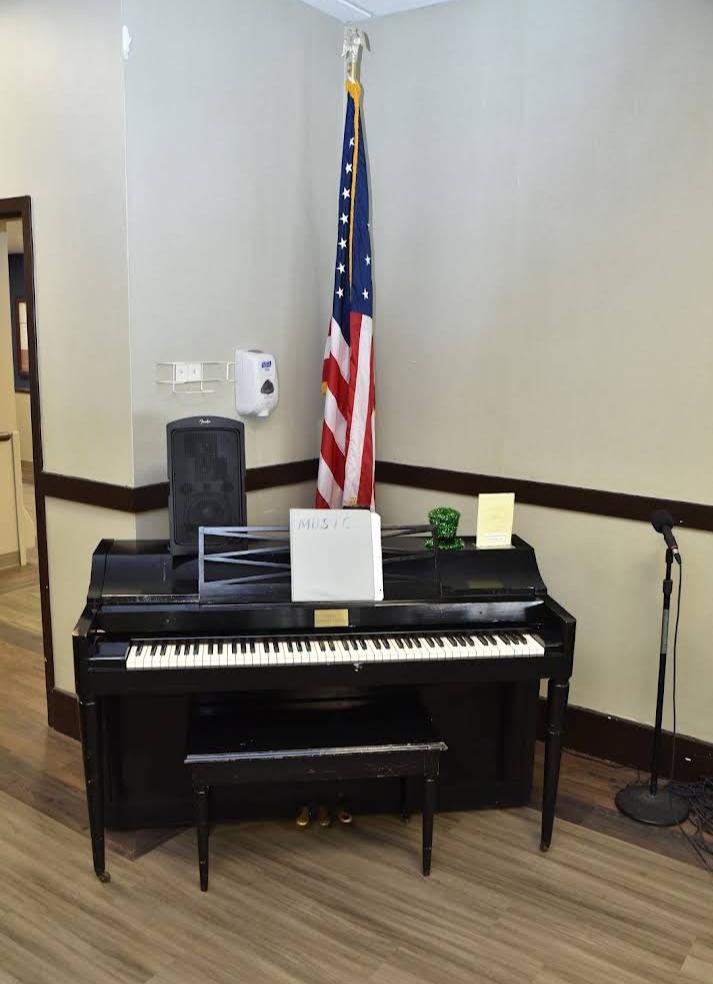
Who Owns and Operates Far Rockaway Center For Rehabilitation And Nursing?

FAR ROCKAWAY CENTER FOR REHABILITATION AND NURSING is owned by a for-profit company. For-profit facilities operate as businesses with obligations to shareholders or private owners. The facility operates independently rather than as part of a larger chain. With 100 certified beds and approximately 98 residents (about 98% occupancy), it is a mid-sized facility located in FAR ROCKAWAY, New York.
How Does Far Rockaway Center For Rehabilitation And Nursing Compare to Other New York Nursing Homes?

Compared to the 100 nursing homes in New York, FAR ROCKAWAY CENTER FOR REHABILITATION AND NURSING's overall rating (2 stars) is below the state average of 3.1, staff turnover (41%) is near the state average of 46%, and health inspection rating (2 stars) is below the national benchmark.

What Should Families Ask When Visiting Far Rockaway Center For Rehabilitation And Nursing?

Based on this facility's data, families visiting should ask: "Can you walk me through typical staffing levels on day, evening, and night shifts?" "Can I visit during a mealtime to observe dining assistance and food quality?" "How do you handle medical emergencies, and what is your hospital transfer rate?" "Can I speak with family members of current residents about their experience?" These questions are particularly relevant given the below-average staffing rating.

Is Far Rockaway Center For Rehabilitation And Nursing Safe?

Based on CMS inspection data, FAR ROCKAWAY CENTER FOR REHABILITATION AND NURSING has a clean safety record: no substantiated abuse findings (meaning no confirmed cases of resident harm), no Immediate Jeopardy citations (the most serious violation level indicating risk of serious injury or death), and is not on the Special Focus Facility watch list (a federal program monitoring the lowest-performing 1% of nursing homes). The facility has a 2-star overall rating and ranks #100 of 100 nursing homes in New York. While no facility is perfect, families should still ask about staff-to-resident ratios and recent inspection results during their visit.

Do Nurses at Far Rockaway Center For Rehabilitation And Nursing Stick Around?

FAR ROCKAWAY CENTER FOR REHABILITATION AND NURSING has a staff turnover rate of 41%, which is about average for New York nursing homes (state average: 46%). Moderate turnover is common in nursing homes, but families should still ask about staff tenure and how the facility maintains care continuity when employees leave.

Was Far Rockaway Center For Rehabilitation And Nursing Ever Fined?

FAR ROCKAWAY CENTER FOR REHABILITATION AND NURSING has no federal fines on record. CMS issues fines when nursing homes fail to meet care standards or don't correct problems found during inspections. The absence of fines suggests the facility has either maintained compliance or corrected any issues before penalties were assessed. This is a positive indicator, though families should still review recent inspection reports for the full picture.

Is Far Rockaway Center For Rehabilitation And Nursing on Any Federal Watch List?

FAR ROCKAWAY CENTER FOR REHABILITATION AND NURSING is not on any federal watch list. The most significant is the Special Focus Facility (SFF) program, which identifies the bottom 1% of nursing homes nationally based on persistent, serious quality problems. Not being on this list means the facility has avoided the pattern of deficiencies that triggers enhanced federal oversight. This is a positive indicator, though families should still review the facility's inspection history directly.