HAVEN MANOR HEALTH CARE CENTER, L L C
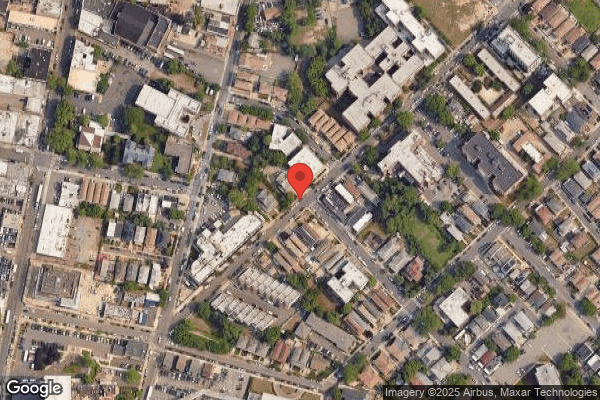
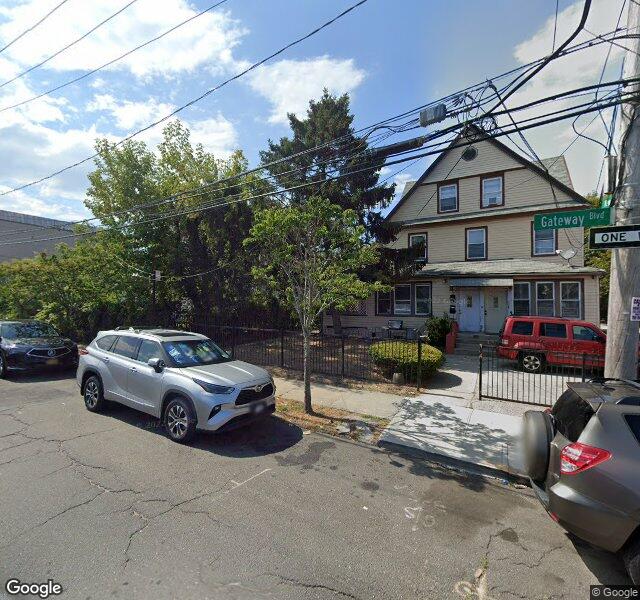
1441 GATEWAY BOULEVARD, FAR ROCKAWAY, NY 11691 (718) 471-1500
For profit - Limited Liability company 240 Beds Independent Data: November 2025
Trust Grade
53/100
#411 of 594 in NY
Last Inspection: November 2023

Within standard 12-15 month inspection cycle. Federal law requires annual inspections.

Overview

Haven Manor Health Care Center in Far Rockaway, New York, has a Trust Grade of C, indicating that it is average-neither great nor terrible. The facility ranks #411 out of 594 nursing homes in New York, placing it in the bottom half, and #44 out of 57 in Queens County, meaning there are only a few better local options. Unfortunately, the facility is worsening, with issues increasing from 6 in 2021 to 9 in 2023. Staffing is a relative strength, with a turnover rate of 30%, which is below the New York average of 40%. However, the facility has a concerning history of fines totaling $14,090, which is average but suggests some compliance issues. In terms of specific incidents, there was a failure to ensure that the surety bond covering residents' personal funds was sufficient for 165 out of 172 residents, raising potential financial risks. Additionally, the Director of Nursing was observed administering medication while the facility had more than 60 residents, which is against established policies. Lastly, there were reported concerns regarding the management of residents' care plans, highlighting the need for consistent monitoring to prevent complications. While the facility has some strengths, these significant issues should raise caution for families considering it for their loved ones.

Trust Score
C
53/100
In New York
#411/594
Bottom 31%
Safety Record
Low Risk
No red flags
Inspections
Getting Worse
6 → 9 violations
Staff Stability
○ Average
30% turnover. Near New York's 48% average. Typical for the industry.
Penalties
○ Average
$14,090 in fines. Higher than 75% of New York facilities. Some compliance issues.
Skilled Nurses
⚠ Watch
Each resident gets only 18 minutes of Registered Nurse (RN) attention daily — below average for New York. Fewer RN minutes means fewer trained eyes watching for problems.
Violations
⚠ Watch
17 deficiencies on record. Higher than average. Multiple issues found across inspections.
★★☆☆☆
2.0
Overall Rating
★★☆☆☆
2.0
Staff Levels
★★★☆☆
3.0
Care Quality
★★☆☆☆
2.0
Inspection Score
Stable
2021: 6 issues
2023: 9 issues

The Good

  • Full Sprinkler Coverage · Fire safety systems throughout facility
  • No fines on record
  • Staff turnover below average (30%)

    18 points below New York average of 48%

Facility shows strength in fire safety.

The Bad

2-Star Overall Rating

Below New York average (3.1)

Below average - review inspection findings carefully

Staff Turnover: 30%

15pts below New York avg (46%)

Typical for the industry

Federal Fines: $14,090

Below median ($33,413)

Minor penalties assessed

The Ugly 17 deficiencies on record

Nov 2023 9 deficiencies
CONCERN (D)

Potential for Harm - no one hurt, but risky conditions existed

Safe Environment (Tag F0584)

Could have caused harm · This affected 1 resident

**NOTE- TERMS IN BRACKETS HAVE BEEN EDITED TO PROTECT CONFIDENTIALITY** Based on observation, record review, and interviews conducted during a Recertification survey from 11/8/2023 to 11/15/2023, the ...

Read full inspector narrative →
**NOTE- TERMS IN BRACKETS HAVE BEEN EDITED TO PROTECT CONFIDENTIALITY** Based on observation, record review, and interviews conducted during a Recertification survey from 11/8/2023 to 11/15/2023, the facility did not ensure a safe, clean, comfortable, and homelike environment was provided to residents. This was evident for 1 (Unit 2) of 5 resident units. Specifically, rusty bedframes were observed being used for Resident #372 and #152. The findings are: The facility policy titled Resident Right - Safe/Clean/Comfortable/Homelike Environment dated 11/15/2023 documented Maintenance staff were responsible for conducting environmental rounds per defined schedule of all units and other areas to identify building issues that require repair. All staff were responsible to report issues related to cleanliness and equipment. The Director of Maintenance follows up with the Administrator for any issues not addressed in a timely manner. On 11/13/2023 at 02:54 PM, observations of the Unit 2 were conducted and Resident #372 and Resident #152 were observed with rusty bedframes. On 11/14/2023 at 09:47 AM, Licensed Practical Nurse (LPN) #3 was interviewed and stated staff can document in the unit Maintenance logbook if something needs to be addressed. On 11/14/2023 at 02:52 PM [NAME] was interviewed and stated that they would let the supervisor know and then they would call the PT, and they would get the chair replaced. I did not take her out today. This is anything that PT. On 11/14/2023 at 8:31 AM and 11/14/2023 at 9:31 AM, the Director of Maintenance (DM) was interviewed and stated the Maintenance Department was responsible for conducting environmental rounds and each floor had a communication book that informs the department of identified concerns. The Maintenance Director conducts room inspections on 1 wing of 1 unit each week and made notes of any damaged beds. The DM observed the bedframes for Resident #372 and #152 during the interview and stated the bedframes should be changed or repainted because of the rust. 10 NYCRR 415.5(h)(2)
CONCERN (D)

Potential for Harm - no one hurt, but risky conditions existed

Deficiency F0604 (Tag F0604)

Could have caused harm · This affected 1 resident

**NOTE- TERMS IN BRACKETS HAVE BEEN EDITED TO PROTECT CONFIDENTIALITY** Based on observations, interview, and record review conducted during the Recertification Survey from 11/08/2023 to 11/15/2023, t...

Read full inspector narrative →
**NOTE- TERMS IN BRACKETS HAVE BEEN EDITED TO PROTECT CONFIDENTIALITY** Based on observations, interview, and record review conducted during the Recertification Survey from 11/08/2023 to 11/15/2023, the facility did not ensure that residents remained free of physical restraints. This was evidenced for 2 (Resident #197, Resident #141) of 6 reviewed for Physical Restraints out of 38 total sampled residents. Specifically, 1) Resident #197 was observed with bilateral upper 1/2 siderails (SR) in place without assessment or Medical Doctor Order (MDO), and 2) Resident #141 was observed with bilateral 1/2 siderails (SR) in place without a restraint assessment or Medical Doctor Order (MDO). The findings are: The facility policy titled Restraints dated 11/13/2023 documented a physical restraint is any physical or mechanical device that the individual cannot remove easily which restricts freedom of movement, for example, side rails. The facility policy titled Side/Bed Rail dated 1/2023 documented the use of side rails is only permissible if they are used to treat a resident's medical symptoms or to assist with mobility and transfer of residents. The facility will assess to determine if the bed rail meets the definition of a restraint, whereby due to the resident's physical or cognitive inability to lower the bed rail independently. Resident #197 had diagnoses of acoustic neuroma and schizophrenia. The Minimum Data Set 3.0 (MDS) assessment dated [DATE] documented Resident #197 was severely cognitively impaired, totally dependent on 2 people for bed mobility, and did not use restraints. On 11/10/2023 at 08:34 AM and 11/13/2023 at 10:44 AM, Resident # 197 was observed in bed, alert and not responsive when greeted. Bilateral 1/2 upper SRs were in the raised position. The Comprehensive Care Plan (CCP) related to activities of daily living dated 1/31/2023 documented Resident #197 required 2 people to assist with bed mobility. The Restraint assessment dated [DATE] did not document Resident #197 required SRs. The SR assessment dated [DATE] documented Resident #197 had no factors that warranted SR use. There was no documented evidence Resident #197 was adequately assessed for SR use and a MDO for SR use was obtained. On 11/13/2023 at 10:44 AM, Certified Nursing Assistant (CNA) #2 was interviewed and stated Resident #197 had contractures and was unable to aid in bed mobility. Bilateral 1/2 upper SRs were always raised to prevent Resident #197 from slipping out of the bed. Resident #197 was unable to grab onto, raise, or lower the SRs on their own. On 11/14/2023 at 09:42 AM, Registered Nurse (RN) #2 was interviewed and stated Physical Therapy (PT) assessed Resident #197 for SR use. There was an MDO in place for Resident #197 to have SRs which are used for safety. SRs should be lowered when not in use and only used during morning care. Resident #197 was unable to move on their own and RN #2 stated Resident #197 was unable to grab onto the SRs to use them for bed mobility. RN #2 was responsible for completing the restraint assessments. On 11/14/2023 at 10:17 AM, the PT was interviewed and stated they assess residents to determine whether they can use the SR to assist in bed mobility and transferring out of bed. Resident #197 was assessed in 8/2023 and should not have a SR in use and no SRs should be raised on Resident #197's bed. 2) Resident #141 had diagnoses of catatonic disorder and systemic lupus erythematosus. The Minimum Data Set 3.0 (MDS) assessment dated [DATE] documented Resident #141 was severely cognitively impaired did not use SRs and was totally dependent on 1 person for bed mobility. On 11/12/2023 at 10:44 AM, 11/13/23 at 10:45 AM, and 11/14/23 at 11:44 AM, Resident #141 was observed in bed with bilateral 1/2 upper SRs raised. The Comprehensive Care Plan (CCP) related to activities of daily living initiated 08/01/2022 documented Resident #141 required the total assistance of 1 person for bed mobility. The CCP related to restraint use initiated 6/6/2023 did not document Resident #141's SR use. The SR assessment dated [DATE] documented Resident #141 did not have factors that warranted SR use and SRs were not indicated. The Restraint assessment dated [DATE] did not document Resident #141 used SRs. There was no documented evidence SR use was indicated or there was a MDO for SR use with Resident #141. On 11/14/2023 at 02:46 PM, Certified Nursing Assistant (CNA) #2 was interviewed and stated Resident #141 cannot follow direction and required 2 people to assist with bed mobility. Resident #141 was unable to grab onto, raise, or lower the SRs independently. On 11/15/2023 at 11:57 AM, the Assistant Director of Nursing (ADNS) was interviewed and stated Registered Nurse Supervisors decided whether residents need SR upon assessment. Maintenance was responsible for installing the SRs. The SR Assessment for Resident #141 clearly documented Resident #141 did not need SRs. 10 NYCRR 415.4(a)(2-7)
CONCERN (D)

Potential for Harm - no one hurt, but risky conditions existed

Assessment Accuracy (Tag F0641)

Could have caused harm · This affected 1 resident

**NOTE- TERMS IN BRACKETS HAVE BEEN EDITED TO PROTECT CONFIDENTIALITY** Based on record review and interview conducted during the recertification survey from 11/8/2023 to 11/15/2023, the facility did ...

Read full inspector narrative →
**NOTE- TERMS IN BRACKETS HAVE BEEN EDITED TO PROTECT CONFIDENTIALITY** Based on record review and interview conducted during the recertification survey from 11/8/2023 to 11/15/2023, the facility did not ensure accuracy of resident assessments. This was evident for 2 (Resident #110 and Resident #184) of 38 total sampled residents. Specifically, 1) the Minimum Data Set 3.0 (MDS) assessment for Resident #110 did not accurately reflect the resident's diagnoses, and 2) the MDS assessment for Resident #184 did not include the resident's use of a Wander Alert Device (WAD). The findings are: An undated facility policy titled Resident Assessment - MDS documented an accurate assessment of residents will be completed. 1). Resident #110 was diagnosed with schizophrenia and depression. The MDS assessments dated 7/27/2023 and 10/25/2023 documented Resident #110 was severely cognitively impaired. The MDS assessments did not document Resident #110 was diagnosed with schizophrenia, bipolar disorder, or depression. The Comprehensive Care Plan (CCP) related to psychotropic drug use initiated 7/19/2022 documented Resident #110 had diagnoses of schizoaffective disorder and depression. A CCP related to mood stated initiated 7/22/2022 documented Resident #110 had a diagnosis of depression. The Medical Progress Noted dated 10/19/2023 documented Resident #110 was diagnosed with bipolar disorder, depression, and schizoaffective disorder. The Psychiatry Consult dated 09/07/2023 documented Resident #110 had diagnoses of schizoaffective disorder. There is no documented evidence that the MDS dated [DATE] and 7/27/2023 documented Resident #110's diagnoses of schizophrenia, depression, and bipolar disorder. An interview was conducted on 11/13/2023 at 1:48 PM with the MDS Coordinator who stated they were responsible for completing the MDS assessments. Diagnoses for residents was gathered using the progress notes and doctor orders. The missing diagnoses from Resident #110's MDS assessments was an error. An interview was conducted on 11/13/2023 at 2:04 PM with the Director of Nursing Services (DNS) who stated an MDS Consultant reviews the work of the MDS Coordinator quarterly. The DNS was not aware of any concerns with the MDS accuracy. 2. Resident #184 had diagnoses of bipolar disorder and non-Alzheimer's dementia. The MDS assessment dated [DATE] documented Resident #184 was severely cognitively impaired and did not use a WAD. A comprehensive care plan (CCP) related to WAD use dated 7/15/2023 documented Resident #184 had a WAD in place as a result of exit-seeking. A Physician's Order dated 08/22/2023 documented Resident #184 had a WAD on their left arm. An Elopement Risk assessment dated [DATE] documented Resident #184 was at high risk for elopement and a WAD had been in place since their admission to the facility. Nursing Notes dated 08/22/2023 documented Resident #184 had a WAD on their left wrist. There was no documented evidence the MDS assessment dated [DATE] documented Resident #184's WAD to their left wrist. On 11/15/2023 at 01:34 PM, the MDS Coordinator was interviewed and stated they missed coding the WAD for Resident #184 on their MDS assessment and would make a correction immediately. On 11/15/2023 at 01:37 PM, Director of Nursing (DNS) was interviewed stated the MDS Coordinator made an errors and sometimes there were computer glitches that caused the MDS assessments to have inaccuracies. 10 NYCRR 415.11
CONCERN (D)

Potential for Harm - no one hurt, but risky conditions existed

Deficiency F0645 (Tag F0645)

Could have caused harm · This affected 1 resident

**NOTE- TERMS IN BRACKETS HAVE BEEN EDITED TO PROTECT CONFIDENTIALITY** Based on record review and interviews conducted during the Recertification survey from 11/08/2023 to 11/15/2023, the facility di...

Read full inspector narrative →
**NOTE- TERMS IN BRACKETS HAVE BEEN EDITED TO PROTECT CONFIDENTIALITY** Based on record review and interviews conducted during the Recertification survey from 11/08/2023 to 11/15/2023, the facility did not ensure that each resident was screened for a mental disorder (MD) or intellectual disability (ID) prior to admission to the facility. This was evident for 1 (Resident #472) of 38 total sampled residents. Specifically, Resident #472 did not have a Preadmission Screening and Resident Review (PASARR) completed prior to their admission to the facility. The findings are: The facility policy titled admission Screening Procedures dated 1/2022 documented the Screen was reviewed to determine if the could meet the applicant's needs. Resident #472 was admitted to the facility on [DATE] with diagnoses of osteoarthritis and dementia. The Minimum Data Set 3.0 (MDS) assessment dated [DATE] documented Resident #472 was severely cognitively impaired. There was no documented evidence that a PASARR was completed for Resident #472 prior to their admission to the facility. On 11/15/2023 at 02:59 PM, an interview was conducted with the Director of Social Work who stated they were unable to locate a copy of the PASARR for Resident #472. The PASARR was not available for review prior to Resident #472's admission to the facility. 10 NYCRR 415.11(e)
CONCERN (D)

Potential for Harm - no one hurt, but risky conditions existed

Deficiency F0657 (Tag F0657)

Could have caused harm · This affected 1 resident

**NOTE- TERMS IN BRACKETS HAVE BEEN EDITED TO PROTECT CONFIDENTIALITY** Based on observation, record review, and interviews conducted during the Recertification survey from 11/8/2023 to 11/15/2023, th...

Read full inspector narrative →
**NOTE- TERMS IN BRACKETS HAVE BEEN EDITED TO PROTECT CONFIDENTIALITY** Based on observation, record review, and interviews conducted during the Recertification survey from 11/8/2023 to 11/15/2023, the facility did not ensure comprehensive care plans (CCP) were reviewed and revised after each assessment. This was evident for 1 (Resident #110) of 38 total sampled residents. Specifically, the CCPs related to Activities of Daily Living (ADL) and psychotropic drug use were not reviewed and revised upon quarterly Minimum Data Set 3.0 (MDS) assessment. The findings are: An undated facility policy titled CCP documented goals, objectives, and interventions are reviewed and/or revised by the Interdisciplinary Team (IDT) at least quarterly and after each scheduled MDS assessment. Resident #110 had diagnoses of non-Alzheimer's dementia and diabetes mellitus. The MDS assessment dated [DATE] documented Resident #110 was severely cognitively impaired, required limited assistance for dressing, toilet use and personal hygiene, and required supervision for eating. The MDS assessment dated [DATE] documented Resident #110 was severely cognitively impaired, required partial assistance with dressing, toilet use, and personal hygiene, and was independent with eating. A CCP related to ADLs initiated 7/19/2022 and last reviewed 8/8/2023 documented Resident #110 required limited assistance with dressing, toilet use, and personal hygiene. Resident #110 was independent with eating. A CCP related to psychotropic drug use initiated 7/19/2022 and last reviewed 9/7/2023 documented Resident #110 had a diagnosis of psychosis, depressive disorder, and schizoaffective disorder and was prescribed Olanzapine, Haldol, Depakote ER, and Trazodone. There was no documented evidence the CCPs related to ADLs and psychotropic drug use were reviewed and revised upon the 10/25/2023 MDS assessment. On 11/13/2023 at 1:48 PM, an interview was conducted with the MDS Coordinator who stated that CCPs are reviewed by the nursing supervisors upon a resident's significant change, annual and quarterly MDS assessment. The MDS Coordinator assisted the nursing supervisors in reviewing CCPs when they were short of staff and checked the CCPs during the CCP meetings so the review and revision of the CCPs followed the MDS schedule. The MDS Coordinator stated Resident #110's CCPs were not reviewed timely when the MDS assessment was done 10/25/2023 and they were currently in the process of reviewing the resident's CCPs. On 11/13/2023 at 2:04 PM, an interview was conducted with the Director of Nursing Services (DNS) who stated the IDT and nursing supervisors review and update the CCPs according to the MDS assessment schedule. An MDS Consultant also reviews the CCPs monthly as part of quality assurance and the DNS is not aware of any CCP review issues. 10 NYCRR 415.11(c)(2)
CONCERN (D)

Potential for Harm - no one hurt, but risky conditions existed

Deficiency F0685 (Tag F0685)

Could have caused harm · This affected 1 resident

**NOTE- TERMS IN BRACKETS HAVE BEEN EDITED TO PROTECT CONFIDENTIALITY** Based on observation, record review, and interview conducted during the recertification survey from 11/8/2023 to 11/15/2023, the...

Read full inspector narrative →
**NOTE- TERMS IN BRACKETS HAVE BEEN EDITED TO PROTECT CONFIDENTIALITY** Based on observation, record review, and interview conducted during the recertification survey from 11/8/2023 to 11/15/2023, the facility did not ensure residents received proper treatment and services to maintain vision abilities. This was evident for 1 (Resident #143) resident of 38 total sampled residents. Specifically, Resident #143 did not receive a Ophthalmology consult in accordance with Medical Doctor Order (MDO). The findings are: The facility policy titled Consultation In-House and Outside Appointment dated 1/1/2023 documented all consultations ordered by the attending physicians will be completed for residents in a timely manner. Resident #143 had diagnoses of hypertension and hyperlipidemia. The Minimum Data Set 3.0 (MDS) assessment dated [DATE] documented Resident #143 was cognitively intact and had impaired vision. On 11/08/2023 at 10:49 AM, Resident #143 was interviewed and stated they were almost blind in their left eye, was supposed to have a follow up with the eye doctor, and was promised they would be seen for eye surgery over two weeks ago. The Comprehensive Care Plan (CCP) related to visual deficit dated 9/7/2023 documented Resident #143 was at risk for decline in vision and should be referred to the Ophthalmologist as appropriate. A CCP note dated 9/17/2023 documented Resident #142 was diagnosed with cataracts and was scheduled for Ophthalmologist followup on 10/10/2023. A CCP note dated 11/10/2023 documented Resident #143 an Ophthalmology consult was in place. MDO dated 09/17/2023 and renewed 11/13/2023 documented Resident #143 was scheduled to see the Ophthalmologist on 10/10/2023. There was no documented evidence Resident #143 had a followup consult with the Ophthalmologist in accordance with their CCP and MDO. On 11/14/2023 at 12:13 PM, an interview was conducted with Registered Nurse (RN) #4 who stated they work per diem, updated Resident #143's CCP related to vision, and was not responsible for scheduling or following up with Ophthalmology consults. The regular nursing staff should look at the MDO and ensure it is carried out. On 11/14/2023 at 09:05 AM, an interview was conducted with the Director of Nursing (DNS) who stated Resident #143 was seen by the Ophthalmologist upon admission to the facility in 9/2023 and was recommended to have cataract surgery. The DNS did not know when the surgery would be scheduled and the reason Resident #143 was not seen by the Ophthalmologist in accordance with the MDO on 10/10/2023. On 11/14/2023 at 12:59 PM, an interview was conducted with the Medical Director who stated they gave the MDO for Resident #143 to see the Ophthalmologist on 10/10/2023 and the consult should have been given to the Ophthalmologist consultant so they can evaluate the resident. The MDO was overlooked by staff and the MDO was not carried out. The Medical Director stated it was their responsibility to ensure the MDOs for consults were carried out and they would ensure they review their MDOs for consults in the future. On 11/15/2023 at 12:06 PM, the Administrator was interviewed and stated Resident #143 did not receive their Ophthalmology consult in accordance with the MDO because it was missed by staff. 10 NYCRR 415.12(3)(b)
CONCERN (D)

Potential for Harm - no one hurt, but risky conditions existed

Pharmacy Services (Tag F0755)

Could have caused harm · This affected 1 resident

Based on observation, record review, and interview conducted during the Recertification survey from 11/08/2023 to 11/15/2023, the facility did not ensure an account of all controlled drugs was maintai...

Read full inspector narrative →
Based on observation, record review, and interview conducted during the Recertification survey from 11/08/2023 to 11/15/2023, the facility did not ensure an account of all controlled drugs was maintained as per standard of practice. This was evident for 1 (Unit 6) of 5 Units. Specifically reconciliation of narcotics was performed by 1 Licensed Practical Nurse (LPN). The findings are: The facility policy titled Medication Administration dated 03/2021 documented controlled substances count will be conducted by two (2) nurses (on-coming and outgoing) each shift. On 11/10/2023 at 03:12 PM, LPN #6 was observed counting narcotics on Unit 6 alone and without a second nurse present. On 11/10/2023 at 03:13 PM, LPN #6 was interviewed and stated 2 nurses were supposed to count the narcotics at shift change. LPN #1 from the outgoing shift left the unit already and LPN #6 did not inform the Registered Nurse (RN) Supervisor. On 11/13/2023 at 02:15 PM, LPN #1 was interviewed and stated they had a personal emergency and was unable to remain on the unit to reconcile the narcotics with LPN #6. LPN #1 did not notify the RN Supervisor and signed the narcotics log prior to leaving. On 11/13/2023 at 02:06 PM, RN #1, the supervisor, was interviewed and stated they were unaware LPN #1 left the unit and LPN #6 reconciled the narcotics alone during shift change. Narcotics reconciliation was supposed to be done by 2 nurses and the supervisor should be made aware of any issues. On 11/15/2023 at 10:41 AM, an interview was conducted with the Director of Nursing (DNS) who stated they were not aware Unit 6 did not have 2 nurses present to reconcile the narcotics count. The incoming and outgoing nurses during shift change were required to complete the narcotics count together. If there were any emergencies, the DNS was available to be the 2nd nurse for the narcotics reconciliation. 10 NYCRR 415.18(a)
CONCERN (D)

Potential for Harm - no one hurt, but risky conditions existed

Infection Control (Tag F0880)

Could have caused harm · This affected 1 resident

**NOTE- TERMS IN BRACKETS HAVE BEEN EDITED TO PROTECT CONFIDENTIALITY** Based on observation, record review, and interview conducted during the Recertification survey from 11/08/2023 to 11/15/2023, th...

Read full inspector narrative →
**NOTE- TERMS IN BRACKETS HAVE BEEN EDITED TO PROTECT CONFIDENTIALITY** Based on observation, record review, and interview conducted during the Recertification survey from 11/08/2023 to 11/15/2023, the facility did not ensure infection prevention and control practices were maintained. This was evident for 1 (Resident #152) of 3 residents reviewed for Pressure Ulcer/Injury, out of 38 total sampled residents. Specifically, the Registered Nurse (RN) failed to practice hand hygiene and glove changes during wound care. The findings are: The facility's policy titled Dressing (Aseptic), revised on 1/21, documented that staff will perform wound and pressure ulcer dressing procedures according to aseptic (clean) technique, purpose is to promote rapid healing through aseptic method of applying the prescribed treatments. The policy also documented to apply clean gloves and cleanse wound using even strokes, remove gloves, wash hands and don clean gloves, and apply medication/treatment as ordered and secure the dressing. Resident #152 was admitted to the facility with diagnoses of Non-Alzheimer's Dementia, Respiratory Failure, and Malnutrition. The Minimum Data Set 3.0 (MDS) assessment dated [DATE] documented Resident #152 was severely cognitively impaired and had a Stage 3 pressure ulcer/injury. The Physician's Orders renewed on 11/06/23 documented apply Dry Protective Dressing (DPD) to left lower inner leg daily. On 11/13/23 at 10:27 AM, wound care observation was conducted for Resident #152 with RN #3 performing wound care. RN #3 came into the room, placed down the supplies, and washed their hands. RN #3 donned gloves, then removed Resident #152's soiled dressing from the wound on their left lower leg. RN #3 cleansed the left lower leg wound with normal saline solution, and then placed the clean dressing on the wound without changing gloves and without performing hand hygiene. RN #3 discarded the remaining soiled dressing, and then assisted the Certified Nursing Assistant (CNA) in changing Resident #152's bed linen. RN #3 then removed their gloves and left the room without performing hand hygiene. On 11/13/23 at 10:37 AM, RN#3 was interviewed and stated they have been employed by the facility for the past 6 months and that they were taught to wash their hands during dressing change. RN#3 stated they usually wash their hands during wound dressing change but failed to wash their hands because they were nervous. On 11/13/23 at 11:15 AM, RN#2 was interviewed and stated that it was the facility's policy on wound care to wash their hands, don clean gloves, take off the soiled dressing, wash their hands again, and put on new gloves before applying the treatment and clean dressing. RN#2 stated that as a nursing supervisor on the floor, they monitor the staff nurses and give reminders on dressing changes. On 11/13/23 at 02:23 PM, the Assistant Director of Nursing (ADNS) who was also the Educator was interviewed and stated that nurses were given in-service on dressing change. The ADNS stated that nurses were educated to remove their gloves, wash their hands, and don clean gloves after removing the soiled dressing. The ADNS stated that they perform staff competencies upon hiring. 415.19(b)(4)
CONCERN (E)

Potential for Harm - no one hurt, but risky conditions existed

Deficiency F0727 (Tag F0727)

Could have caused harm · This affected multiple residents

Based on observation, interview, and record review conducted during the Recertification survey from 11/8/2023 to 11/15/2023, the facility did not ensure the Director of Nursing (DNS) served as a charg...

Read full inspector narrative →
Based on observation, interview, and record review conducted during the Recertification survey from 11/8/2023 to 11/15/2023, the facility did not ensure the Director of Nursing (DNS) served as a charge nurse only when the facility has an average daily occupancy of 60 or fewer residents. This was evident for 1 (Unit 5) of 5 Units. Specifically, the DNS was observed working as a charge nurse and administered medication to residents. The findings are: The facility policy titled Competent Nursing Staff dated 1/1/2023 documented the facility will have sufficient nursing staff to provide nursing services. The facility census at the time of survey entrance on 11/8/2023 at 9:00 AM was 219 out of 240 available beds. On 11/14/2023 at 08:47 AM, the DNS was observed administering medication to a resident on Unit 5. On 11/15/2023 at 09:39 AM, the DNS was observed on Unit 5 administering medication to residents. The DNS was interviewed at the time of the observation and stated they need to attend to the residents' needs because the medication nurse scheduled to work did not come in and the facility was unable to get a replacement. On 11/15/2023 at 09:52 AM, an interview was conducted with the Nursing Secretary (NS) who stated the DNS worked as a medication nurse on 11/14/2023 because the scheduled nurse was coming in late and there was no other nurse to cover the unit. The medication nurse scheduled for 11/15/2023 called out, the NS could not get a replacement, and the DNS had to be on the unit to administer medications and attend to resident needs. On 11/15/2023 at 12:06 PM, the Administrator was interviewed and stated it has been difficult to staff the facility with nurses. The facility worked with staffing agencies and paid staff extra for staying overtime. The DNS has covered as the charge nurse on the unit on rare occasions. 10 NYCRR 415.13(b)(1)
Aug 2021 6 deficiencies
CONCERN (D)

Potential for Harm - no one hurt, but risky conditions existed

Deficiency F0561 (Tag F0561)

Could have caused harm · This affected 1 resident

**NOTE- TERMS IN BRACKETS HAVE BEEN EDITED TO PROTECT CONFIDENTIALITY** Based on observation, interviews, and record reviews, conducted during Recertification survey, the facility did not ensure that ...

Read full inspector narrative →
**NOTE- TERMS IN BRACKETS HAVE BEEN EDITED TO PROTECT CONFIDENTIALITY** Based on observation, interviews, and record reviews, conducted during Recertification survey, the facility did not ensure that the residents right to self-determination to make choices are respected. Specifically, the facility smoking program was cancelled on 03/20/2020 and residents were not given the choice to smoke when small group activities resumed. This was evident for 1 out of 4 resident review for Choices (Resident # 168) The findings are: The facility's policy and procedure titled Safe Smoking Program revised in 01/2021 documented that to maintain the highest quality of life for all residents, the facility will permit smoking in the designated area at a designated time for those residents who choose to smoke. The revised policy contained no documentation that the smoking program had been canceled due to the COVID-19 pandemic. Resident # 168 was admitted to the facility with diagnoses which include Schizophrenia and Hypertension. The Minimum Data Set (MDS) dated [DATE] documented Resident # 168 had moderately impaired cognition and was independent with bed mobility, transfer and required supervision in personal hygiene. During an interview on 08/13/2021 at 9:42 AM, Resident # 168 stated that they had not been able to smoke since the pandemic. On 08/18/2021 at 10:54 AM, Resident # 168 was observed sitting up in bed and said they would like to start smoking when the facility resumes the smoking program. The care plan titled Smoking on 12/29/2015 documented interventions that included allow residents to smoke in the designated smoking area with supervision as needed, check clothing regularly for signs of unsafe smoking, observe burns on fingers, burn holes on clothing and bed linen, and assist when smoking in the designated area. The revised care plan dated 03/30/2020 documented that the smoking program is suspended due to COVID-19. No new intervention documented. The revised care plan dated 07/15/2021 documented that the smoking program is cancelled due to COVID-19. No new interventions documented. The Smoking Care Plan Notes dated 01/11/2021, 05/04/2021, and 07/15/2021 documented that the smoking program had been canceled due to COVID-19. No interventions were documented. Review of the physician orders revealed no orders for smoking cessation aides for Resident # 168 . A review of the smoking care plan revealed no documentation that education on smoking cessation was provided to Resident #168. The facility Infection Prevention and Control Manual Coronavirus (COVID 19) Policy and Procedure updated 7/29/21 documented that based on QSO-20-39 dated 4/29/21 and CDC guidance communal activities would resume. There was no documented evidence that residents had been informed that the facility would be becoming smoke-free and that residents would no longer be permitted to smoke. During an interview on 08/18/21 at 11:34 AM, Registered Nurse #2 said that Resident # 168 is a smoker but smoking had been stopped since the pandemic. During an interview on 08/18/21 at 11:46 AM, the Activity Director (AD) stated that the smoking program was canceled on 3/20/2020. The residents were told that the smoking program had been canceled due to the pandemic. The AD also said that the residents did not ask to smoke and did not act out to smoke and because they did not appear to be craving cigarettes no interventions were implemented. The AD further stated that since the residents had not smoked in 17 months, they will make it a smoke-free facility. The AD stated that when asked by the residents if smoking would resume, the residents were told it is not good for their health and since it had been so long the residents are now used to not smoking. During a follow-up interview at 3:31 PM, the AD stated that residents would be informed in the Resident Council meeting next month that the facility will be smoke-free. The residents will be told that the smoking program will not be resuming. The AD said it was not included in the revised smoking policy that the smoking program is canceled because of the pandemic. During an interview on 08/18/2021 at 2:53 PM, the Director of Nursing (DON) said that they have residents who smoked before the pandemic. The residents used to smoke in the basement and at times at the patio when the weather permitted. The DON also stated that the smoking program had been canceled during the pandemic and is still canceled. The DON further stated residents did not complain or react to not being able to smoke and they were not sure on whether or not the smoking program would resume. During an interview on 08/18/2021 at 3:45 PM, the Administrator stated that the smoking program had not existed since the pandemic. The Administrator also stated there had not been any resident who asked to smoke and if requested, the resident would be taken to the patio to smoke. The Administrator stated that small group activity was resumed in 04/2021 and a few residents are taken to the patio at a time.The Administrator further stated that they did not know if there was a plan to bring back the smoking program. 415.5(b) (1-3)
CONCERN (D)

Potential for Harm - no one hurt, but risky conditions existed

Report Alleged Abuse (Tag F0609)

Could have caused harm · This affected 1 resident

**NOTE- TERMS IN BRACKETS HAVE BEEN EDITED TO PROTECT CONFIDENTIALITY** Based on interview and record review conducted during a recertification and complaint investigation (NY00278371) completed on 8/...

Read full inspector narrative →
**NOTE- TERMS IN BRACKETS HAVE BEEN EDITED TO PROTECT CONFIDENTIALITY** Based on interview and record review conducted during a recertification and complaint investigation (NY00278371) completed on 8/19/2021, the facility did not ensure all alleged violations involving abuse were reported immediately, but not later than 2 hours after the allegation is made, to the State Survey Agency. Specifically, the facility did not report an incident of resident-to-resident physical abuse that occurred on 6/22/2021 to NYSDOH until 6/23/2021. This was evident for 2 of 7 residents reviewed for Abuse (Resident # 101 and Resident # 424). The finding is: The facility policy and procedure titled Abuse Reporting revised 1/2017 documented it is the facility's responsibility to report incidences to the NY DOH as per guidance in the Nursing Home Incident Reporting Manual- August 2016. It is the facilities responsibility to notify local authorities per guidance of the Elder Justice Act if reasonable suspicion of a crime against an individual who is a resident of, or receiving care form, the facility. This information is included in the occurrence investigation. All alleged violation involving abuse, neglect, exploitation or mistreatment, including injuries of unknown source are reported immediately but not later than 2 hours after the allegation is made, if the events that cause the allegation involve abuse or result in serious bodily injury or no later than 24 hours if the events that cause the allegation do not involve abuse and do not result in serious bodily injury, to the administrator of the facility and to other officials (including the State Survey Agency and the adult protective services where state law provides for jurisdiction in long term care facilities in accordance with State law through established procedures. An immediate investigation must be made and report results to all investigation to the administrator or their designated representative withing 3 working days and to other officials in accordance with state law including the State Survey Agency, within 5 working days of the incident. 1. Resident # 424 was admitted with diagnoses which included Schizophrenia, Depression, Seizure disorder/Epilepsy and Muscle Weakness generalized. The Minimum Data Set (MDS) 3.0 assessment dated [DATE] documented Resident #424 had intact cognition with no behaviors. An Incident Report and Investigation Summary, initiated on 6/22/2021 at 10:10 PM, documented the Certified Nursing Assistant (CNA) stated they heard a noise in the hallway and witnessed resident #424 hit peer on the right side of their face. Licensed Practical Nurse (LPN) statement documented that at 10:10 PM they heard a commotion by the elevator and witnessed a resident punching another resident on the right side of their face and first aid was rendered. Review of the NYS DOH Automated Complaint Tracking System (ACTS) Complaint/Incident Investigation Report documented that the incident that occurred on 06/22/2021 at 10:10 PM was not reported until 06/23/2021 at 05:16 PM. The incident was submitted 19 hours and 06 minutes after the occurrence. The facility did not ensure that the alleged violation involving abuse was reported within 2 hours. 2. Resident #101 was admitted with diagnoses which included Diabetes Mellitus and other specified mental disorders due to known physiological condition. The Minimum Data Set (MDS) 3.0 assessment dated [DATE] and 03/01/2021 documented Resident #111 had intact cognition with no behaviors. An Incident Report and Investigation Summary, initiated on 6/22/2021 at 10:10 PM, documented the CNA statement stated they heard a noise in the hallway and witnessed a peer hit resident #101 on the right side of their face. LPN statement stated that 10:10 PM they heard a commotion by the elevator and saw a resident punching another resident on the right side of their face and first aid was rendered. The investigative summary documented the LPN that witnessed the incident reported to the charge nurse, both residents were assessed, and the report determined there was no evidence of abuse, neglect, mistreatment not credible. The summary also documented that resident #101 sustained a bruise measuring 2 x 2 centimeters on the right side of their face. Review of the NYS DOH Automated Complaint Tracking System (ACTS) Complaint/Incident Investigation Report documented that incident that occurred on 06/22/2021 at 10:10 PM was not reported until 06/23/2021 at 05:16 PM. The incident was submitted 19 hours and 06 minutes after the occurrence. The facility did not ensure that the alleged violation involving abuse with injury was reported within 2 hours. On 8/17/2021 at 10:13 AM, the Risk Manager (RM) was interviewed. The RM stated that they are familiar with the incident and they were notified that the incident occurred on 06/23/2021 at 7:30AM via the submitted incident report and they had not received a phone call when the incident occurred at 10:10 PM. The RM also stated that the supervisor makes copies of the incident report and a copy is placed in their box in the nursing office. The RM further stated that the reporting time frame is 24 hours or as soon they are alerted to the incident. The RM stated they had not read the policy in quite a while and was not sure of what the current reporting timeframes were. On 8/17/2021 at 2:30 PM, the Director of Nursing (DON) was interviewed. The DON stated that they were informed of the incident the following day when they reported to work. The DON also stated that staff have their cell phone contact number so they can contact the DON after hours. The DON further stated that the Risk Manager was responsible for submitting the incident reports which have to be submitted anywhere between 24 hours and whenever the incident summary is completed. 415.4(b)(1)(i)
CONCERN (D)

Potential for Harm - no one hurt, but risky conditions existed

Investigate Abuse (Tag F0610)

Could have caused harm · This affected 1 resident

**NOTE- TERMS IN BRACKETS HAVE BEEN EDITED TO PROTECT CONFIDENTIALITY** Based on record reviews, observations, and staff interviews during the recertification survey the facility did not ensure that a...

Read full inspector narrative →
**NOTE- TERMS IN BRACKETS HAVE BEEN EDITED TO PROTECT CONFIDENTIALITY** Based on record reviews, observations, and staff interviews during the recertification survey the facility did not ensure that an incident was thoroughly investigated. Specifically, the facility did not obtain staff statements from all witnesses on the previous shift for an investigation conducted regarding a resident who was transferred to the hospital for evaluation after an allegation of sexual assault. This was evident for 1 out of 7 residents reviewed for Abuse out of 36 sampled residents. (Resident #95). The finding is: The facility policy and procedure titled Abuse Reporting revised 1/2017 documented it is the facility's responsibility to report incidences to the NY DOH as per guidance in the Nursing Home Incident Reporting Manual- August 2016. The policy also documented all alleged violations involving abuse, neglect, exploitation or mistreatment, including injuries of unknown source are reported immediately but not later than 2 hours after the allegation is made, if the events that cause the allegation involve abuse or result in serious bodily injury or no later than 24 hours if the events that cause the allegation do not involve abuse and do not result in serious bodily injury, to the administrator of the facility and to other officials (including the State Survey Agency and the adult protective services where state law provides for jurisdiction in long term care facilities in accordance with State law through established procedures. An immediate investigation must be made and report results to all investigation to the administrator or their designated representative withing 3 working days and to other officials in accordance with state law including the State Survey Agency, within 5 working days of the incident. Resident #95 was admitted with diagnoses which included Schizoaffective Disorder. The admission Minimum Data Set 3.0 (MDS) assessment dated [DATE] documented Resident #95 had moderately impaired cognition. During an onsite interview on 08/12/2021 at 11:23 AM, Resident #95 stated they were touched inappropriately by a male staff member and went out to the hospital in April 2021. The Social Work note dated 04/09/2021 documented resident claimed that they were sexually assaulted, referred to medical provider and son notified, and resident sent to hospital. Psychiatry note dated 5/6/2021 documented resident claimed that they were sexually assaulted by staff. There was no documented evidence that an incident report or investigation summary had been completed by the facility in relation to the resident allegation on abuse. On 8/16/2021 at 3:20 PM, Registered Nurse (RN) # 4 was interviewed. RN #4 stated that no abuse concerns had been brought to their attention in relation to the resident since they have been working on the unit from March 2021. RN #4 also stated that when abuse concerns occur, they investigate, make a report, and discuss in team meeting as to what will be done. The Risk Manager and Social Worker will review the case. RN #4 also stated that the resident has a history of delusions and making false accusations against staff and can be verbally abusive and threatening also. RN #4 stated incidents for residents who display accusatory behavior are investigated. On 08/16/2021 at 3:32 PM, the Social Worker (SW) #1 was interviewed. SW #1 stated the resident had a history of accusatory behavior and stated they were sexually assaulted and wanted to go to the hospital. SW #1 also stated that they reported the resident's accusation to the RN and the resident was sent to the hospital by the medical provider. SW #1 further stated that when allegations are received, an incident report is completed and the process is a team effort with all disciplines involved. Cameras are reviewed and staff is interviewed. SW#1 stated that based on resident's history of accusatory behavior an incident report was not considered necessary. On 8/16/2021 at 3:58PM, the Director of Social Work (DSW) was interviewed. The DSW stated that when there is an incident we investigate, get statements from staff, and notify the Director of Nursing (DON). The DSW also stated that this was not reported directly to them and they were not aware of whether or not an incident report was written. The DSW further stated a case like this it would be investigated, staff would be interviewed even though the resident was in the hospital and as the investigation would not be dependent on resident being in the facility at the time. On 8/17/2021 at 10:25 AM, the Risk Manager (RM) was interviewed. The RM stated that there were no incidents reported to them by staff related to abuse for Resident #95. The RM also stated that all allegations should be taken seriously and staff reassigned as necessary. On 8/17/2021 at 02:19 PM, the Director of Nursing (DON) was interviewed. The DON stated no abuse concerns related to the resident had been brought to their attention. The DON also stated that the resident had reported that a staff person was paying unwanted attention to them but they could not verify who the staff person was. The DON further stated the Risk Manager does the reporting and annual and as needed training on abuse is provided to Nursing and Social Services staff. 415.4(b)(2)
CONCERN (E)

Potential for Harm - no one hurt, but risky conditions existed

Incontinence Care (Tag F0690)

Could have caused harm · This affected multiple residents

**NOTE- TERMS IN BRACKETS HAVE BEEN EDITED TO PROTECT CONFIDENTIALITY** 2. Resident #94 was admitted with diagnoses that include Hypertension and Neurogenic Bladder. The Quarterly Minimum Data Set (MD...

Read full inspector narrative →
**NOTE- TERMS IN BRACKETS HAVE BEEN EDITED TO PROTECT CONFIDENTIALITY** 2. Resident #94 was admitted with diagnoses that include Hypertension and Neurogenic Bladder. The Quarterly Minimum Data Set (MDS) dated [DATE] documented resident was moderately cognitively impaired alert and oriented. The MDS also documented that the resident required extensive assistance of staff for Activities of Daily Living, had an indwelling catheter and was always incontinent of bowel. On 08/16/21 at 09:10 AM, Resident # 94 was observed positioned to their right side in the Geri-recliner in their room. A Suprapubic catheter was observed draining clear yellow urine into a drainage bag on the right side of resident. The Comprehensive Care Plan (CCP) titled Elimination: Use of Indwelling Catheter created on 3/18/21, and reviewed on 9/23/21, documented resident SPT (suprapubic tube) will drain freely x 90 days and resident will not develop further UTI (Urinary Tract Infection) x 90 days. Interventions included change SPT every 4-6 weeks and PRN by Urologist, monitor for proper placement of drainage bag, monitor for signs of urinary retention, distention, pain, burning sensation, decreased output and monitor and document SPT output Q shift. Physician's Orders dated 6/02/2021, 6/08/2021, and 7/04/2021 documented change Suprapubic tube (SPT) every 4-6 weeks and PRN (as needed) by Urologist Dx: Obstructive Uropathy The Urology note dated 4/26/21 documented that medications were reviewed. Physical Examination: change of a 16 French aseptically. Urine is clear. Labs Reviewed. Impression: Neurogenic Bladder Plan: change every six weeks. Nursing notes dated 6/22/21 documented that the resident's adult brief was saturated with yellow urine approximately 500cc - 600cc, attempted to flush SPT not able to flush at this time, Nursing Supervisor made aware at this time. Will follow up with Urologist in house. Nursing notes dated 6/23/21 documented that 'Resident alert and responsive no output noted in the urinary bag, but the resident brief was fully saturated, no complaint voiced, will endorse to the next shift.' Nursing notes dated 6/24/21 documented as per St. John's Hospital, resident was admitted on Tower 8 for blocked Suprapubic tube. No time given. Will F/U in AM. The Urology note dated 8/17/21 documented that medications were reviewed. Physical Examination: change of a 16 French aseptically. Urine is clear. Labs Reviewed. Impression: Neurogenic Bladder Plan: change every six weeks. There was no documented evidence that the suprapubic catheter was changed every 4-6 weeks as per MD order. On 08/16/21 at 02:38 PM, Registered Nurse (RN) #1 was interviewed. RN#1 stated that Resident # 94 went to the hospital for a blocked suprapubic catheter, and it was changed at the hospital on 6/24/21. RN #1 also stated that the suprapubic catheter should be changed every 4-6 weeks and they would contact the Urologist today so the catheter can be changed. On 08/17/21 at 10:06 AM, the Consulting Urologist (CU) was interviewed. The CU stated that Resident # 94's suprapubic tube was changed today. The CU also stated the catheter is usually changed every 4-6 weeks but can be up to 3 months. The CU further stated that in this resident's case, the catheter should be changed every 6 weeks and since they were unclear about whether or not it was changed in the hospital it is being changed today. On 08/19/21 at 08:47 AM, the Director of Nursing (DON) was interviewed. The DON stated that in the case of a Urology consult, the nurses must write up a consult and the resident should be seen according to the order. The DON also stated the nurses must look at that time frame and call the consultant since they are not in the building. The DON further stated if there is nothing wrong with the resident's catheter, it can wait. 415.12(d)(1) Based on observation, record review and interview conducted during the Recertification Survey, the facility did not ensure that resident received appropriate care and services for catheter care. Specifically, two residents with suprapubic indwelling catheters did not have their catheters changed as ordered. This was evident for 2 of 3 reviewed for Urinary Catheters or Urinary Tract Infections (UTI) out of a sample of 36 residents, (Resident #73 and Resident #94) The findings are: The facility's Policy and Procedure on Care of Resident with Indwelling Catheter revision date 1/2021 documented that indwelling catheters should only be inserted when necessary for the following residents resident has acute urinary retention or bladder outlet obstruction. The policy also documented indwelling catheters should not be changed routinely exceptions include physician order to change catheter. 1. Resident #73 was admitted to the facility with diagnoses that included Unspecified Dementia without behavioral disturbance, Overactive Bladder, and other chronic pain and limitation of activities due to disability. The Quarterly Minimum Data Set (MDS) dated [DATE] and 6/10/2021 documented that the resident has intact cognition and required extensive assistance with toilet use. The MDS also documented that resident has an indwelling catheter (including suprapubic catheter or nephrostomy). The Comprehensive Care Plan (CCP) titled Elimination: Indwelling Catheter- SPT Tube effective 06/17/2015 , revised on 8/15/2021 documented that resident has neurogenic bladder. Interventions included monitor for signs/symptoms of UTI, report to physician if no urinary output in 24 hours, urology consult as ordered, change SPT (Suprapubic Tube) catheter every month and as needed by general urology (GU). On 08/19/2021 at 10:40 AM, Resident #73 was observed lying supine in bed and urine catheter bag was noted hanging on the left side of bed draining clear, yellow colored urine. Urology consult dated 5/20/2021 documented urinary retention on long term suprapubic catheter (SPC). Suprapubic tube (SPT) in place draining well no signs of gross hematuria, pelvic with foley catheter, suprapubic care combative. Continue Suprapubic protocol and change suprapubic catheter every 4 to 6 weeks. Hospital Note on 6/5/2021 documented resident went to the hospital for suprapubic catheter replacement. The suprapubic catheter was replaced secondary to documented resident complaint lower abdominal pain, unable to pass urine via SPT, nurse attempted to irrigate SPT but is unable to flushed due to clogged SPT abdomen hard to touch noticed and medial provide notified and resident transferred to hospital to replaced clogged SPT. There was no documented evidence that the suprapubic catheter had been changed between 6/5/21 and 8/7/21. Nursing Progress notes on 8/7/2021 documented resident complained of lower abdominal pain on assessment lower abdomen bladder area distended hard and firm, resident unable to pass urine despite distended bladder and MD notified and resident transferred to hospital for further evaluation. Additional documented resident returned from hospital and SPT #16 and 6 ml balloon functioning well with light yellow urine 400 ml, abdomen soft and not distended. Progress Note Medical note dated 8/16/2021 documented: Resident was found to have abnormal urine culture revealing >100,000 colonies of E. coli, seen, examined and UTI plan Nitrofurantoin 100 mg orally twice daily for 7 days and monitor clinically. On 08/18/2021 at 2:43 PM, an interview was conducted with the Medical Doctor (MD). The MD stated the resident has a history of prostatic enlargement and this is the reason for the suprapubic catheter. The MD further stated that as part of their evaluation they check to ensure that the suprapubic catheter is functioning and is changed by the urologist every 4 to 6 weeks. The MD further stated that if the catheter is left in there is a risk of obstruction in urinary system and risk of infection. On 08/18/2021 at 4:33 PM, an interview was conducted with RN Manager (RN #3). RN #3 stated that urology consults for the resident were done on 5/5/2021 and at times the resident would have catheter replaced at the hospital. RN #3 also stated that nursing sets up the appointment for the resident and the resident should have the SPT every 4 to 6 weeks.
CONCERN (E)

Potential for Harm - no one hurt, but risky conditions existed

Infection Control (Tag F0880)

Could have caused harm · This affected multiple residents

**NOTE- TERMS IN BRACKETS HAVE BEEN EDITED TO PROTECT CONFIDENTIALITY** 2.On 8/18/2 at 09:12 AM, Licensed Practical Nurse (LPN) #1 approached Resident #73 introduced themselves and provided the reside...

Read full inspector narrative →
**NOTE- TERMS IN BRACKETS HAVE BEEN EDITED TO PROTECT CONFIDENTIALITY** 2.On 8/18/2 at 09:12 AM, Licensed Practical Nurse (LPN) #1 approached Resident #73 introduced themselves and provided the resident with 2 pieces of tissue paper to hold. LPN #1 then took the 2 pieces of tissue from the resident and instilled Refresh tears one drop into each eye, using the same tissue to absorb liquid from both eyes. LPN #1 was interviewed immediately. LPN #1 stated that they thought that they used 2 different tissues for each eye. LPN #1 also stated that the reason 2 separate pieces of tissue should be used is to prevent transferrin a potential infection from one eye to the next. On 08/19/21 at 09:02 AM, the Assistant Director of Nursing (ADON) who is the Infection Control/Inservice Coordinator was interviewed. The ADON stated that competencies on medication administration are completed once a year and if something comes up, then an in-service specific to the topic is held. The ADON also stated that competencies include all types of medication administration and that the nurses are supposed to know about using separate tissues for each eye as part of administering eye drops. 415.19 (a)(1-3),(c) Based on observation, record reviews, and interviews conducted during the recertification survey, the facility did not ensure that infection control practices and procedures were maintained to provide a safe, sanitary, and comfortable environment to help prevent the development and transmission of communicable diseases and infections. Specifically, 1). a Housekeeping Aide (HA) did not perform hand hygiene after handling bed linen in resident rooms and before handling clean linen and after removing gloves, and 2). a Licensed Practical Nurse was observed during medication observations using the same tissue to instill eye drops to both eyes of a resident. The findings are: The facility policy titled Hand Washing Guidelines, revised 01/2021, documented all personnel wash their hands appropriately in accordance with current standards of practice and CDC guidelines. To reduce the risk of nosocomial infections by decreasing the risk of transmission of pathogenic microorganisms to residents and other persons with the health care setting. Hands must be washed after removing gloves, after contact with as source of micro-organisms, inanimate objects that ae likely to be contaminated. The facility policy titled Linen Soiled Disposal of revised 1/2021, documented that soiled linen and clothing will be disposed of using correct technique and following infection control guidelines, wash hands between each resident's linen change. On 08/12/2021 at 10:44 AM, the Housekeeping Aide (HA) #1 was observed in room [ROOM NUMBER] removing the linens from the bed 320A. HA #1 placed the soiled linen in a plastic trash bag, removed their gloves and put on a new pair of gloves. HA #1 was not observed performing hand hygiene after removing soiled gloves and putting on clean gloves. HA #1 retrieved clean linens from the linen cart and proceeded to change the bed linens for bed 320B. The soiled linen was placed in a plastic bag and then the bed was made with clean linens. Gloves were removed after the bed was made and used linens were taken into soiled room and the used linen bag was disposed of there. After exiting the soiled linen room, HA #1 walked back down the hallway, and with bare hands removed clean linen from the linen cart, placed them on top of the linen cart. HA #1 was not observed performing hand hygiene before handling the clean linen. HA #1 then entered room [ROOM NUMBER] donned gloves and then proceeded to remove the linens from bed 319A and placed them in a plastic bag on the floor. HA #1 exited the room, retrieved a bottle of spray from a cart outside the door, sprayed the bed and then placed the bottom sheet on the bed without wiping the bed or allowing it to air dry. After the bed was made, HA #1 doffed gloves, then returned to the linen cart and retrieved a blanket and placed it on the bed. HA #1 then disposed of the used linen in the soiled linen room. HA #1 was not observed performing hand hygiene after doffing clean gloves, and between handling soiled and clean linen. On 08/12/2021 at 11:04 AM, HA #1 was interviewed. HA #1 that after leaving both rooms they used the resident bathroom to wash their hands. HA #1 also stated hands should be after every room because they touched the resident's bed and linen and they are going to another room. HA #1 stated they have had in-service last week on hand hygiene. On 08/16/2021 at 02:32PM, the Assistant Housekeeping Supervisor (AHS) was interviewed. The AHS stated that the duties of the housekeeper include making the beds on units 3 to 6 as part of their daily tasks. The AHS also stated that when making bed they should wash their hands when they enter the room and change linen, and after removing gloves should wash hands before leaving the room. Housekeeper should wash hands in between changing each individual bed. Housekeeper should spray the rag and wipe down the mattress and the bed should be dry before putting on linen. The AHS further stated hand washing should be done after handling dirty linen carts and before retrieving clean linen. On 08/17/2021 at 02:59 PM, the Infection Preventionist Consultant (IPC) was interviewed. The IPC stated that staff should be performing hand hygiene with every resident contact before leaving room, and after removing gloves. Hand hygiene competency was done for staff in February 2021. The IPC also stated soiled linen should be placed in bags and hand hygiene performed before handling clean linen.
CONCERN (F)

Potential for Harm - no one hurt, but risky conditions existed

Deficiency F0570 (Tag F0570)

Could have caused harm · This affected most or all residents

**NOTE- TERMS IN BRACKETS HAVE BEEN EDITED TO PROTECT CONFIDENTIALITY** Based on record review and staff interviews during the Recertification survey, the facility did not ensure that a surety bond or...

Read full inspector narrative →
**NOTE- TERMS IN BRACKETS HAVE BEEN EDITED TO PROTECT CONFIDENTIALITY** Based on record review and staff interviews during the Recertification survey, the facility did not ensure that a surety bond or similar protection with the amount equal to at least the current total amount of resident's funds was purchased. Specifically, the surety bond held by the facility did not cover the total amount of resident personal funds deposited with the facility. This was evident for 165 of 172 residents who maintained personal funds accounts at the facility and was evident during the Personal Funds Facility Task. The findings are: The Facility Policy titled Resident Banking - Management of Personal Funds established 12/2010 documented- the Chief Financial Officer/designee will maintain a system that assures a full and complete separate accounting, according to generally accepted accounting principles, or each resident's personal funds entrusted to the facility on the resident's behalf . The policy did not containing reference to possession of a surety bond and how this would be managed. On 08/17/2021 at 1:16 PM, the facility provided a Resident Fund Ledger thru 8/19/2021 which documented total resident funds of $569,482.03. The facility also provided a memorandum provided stated resident accounts totaled $577,044 The Certificate of Liability Insurance was provided and documented A- Patient Fond Bond in the amount of $350,000 effective from 09/09/2020 to 09/09/2021 . The facility did not ensure that they had a surety bond with sufficient coverage amount for all funds held in resident accounts and not just an insurance policy to cover resident funds. On 08/17/2021 at 10:30 AM, an interview was conducted with the Facility Controller (FC). The Controller stated that the owner is in charge of procuring the bond and the bond should cover all of the resident funds. The FC also stated that historically no more than $225,000 to $300,000 was held in resident fund accounts however due to stimulus payments and in environment where there has been decreased spending by residents, the accounts have increased to an unheard-of amount. The FC also stated they would instruct the [NAME] to increase the coverage which we had done, and bond expires in September and to renew the bond to $650,000. On 08/18/2021 at 12:48 PM, an interview was conducted with the Administrator. The Administrator stated that they make sure that the facility has a surety bond. It is required by law and to prevent absconding of resident funds. The Administrator also stated the surety bond should match how much are in resident fund accounts and this is reviewed on a yearly basis. The Administrator further stated they had just been notified due to increase of funds due to COVID-19, that the bond did not cover access of funds and they requested an increase for $650,000 in funds. 415.26(h)(5)(v)
Mar 2019 2 deficiencies
CONCERN (D)

Potential for Harm - no one hurt, but risky conditions existed

Garbage Disposal (Tag F0814)

Could have caused harm · This affected 1 resident

Based on observations, record review and staff interviews, the facility did not ensure that the garbage receptacles were covered when being removed from the kitchen area to the compactor area. This wa...

Read full inspector narrative →
Based on observations, record review and staff interviews, the facility did not ensure that the garbage receptacles were covered when being removed from the kitchen area to the compactor area. This was evident during the Kitchen task of the recertification survey. The policy and procedure titled Infection Control-General Information documented that waste is disposed of by a compactor several times daily. Garbage and waste shall not be allowed to accumulate and shall be stored in leak proof containers with tight fitting lids. The findings are: On 03/19/19 at 11:25 AM, the 40-gallon garbage can with wheels by the pot washing area of the meat side of the kitchen was observed without a lid. Two(2) Dietary Aides(2), DA #1 and DA #2 were observed to take each a 40 (forty) - gallon capacity, uncovered garbage can from the kitchen to the compactor area, passing through the dairy side of the kitchen to the compactor area. The compactor door was closed. The 2 DAs threw out the contents of the garbage cans into the compactor. Compactor door was closed, and garbage cans rinsed before returning to the kitchen. Both DA's washed their hands before returning to the kitchen. On 03/19/19 at 11:33 AM, 40-gallon capacity, garbage cans with no lids were observed by the freezer on the meat side and the dishwashing area on the dairy side. On 03/20/19 at 01:36 PM, the 40-gallon capacity garbage can by the pot washing on the meat side of the kitchen was observed without a lid. The garbage can was filled almost to the rim with garbage. On 03/20/19 at 01:27 PM, DA #2 was interviewed. He stated that he empties the garbage cans most of the times. DA said that garbage is thrown out about 3 times/day. Sometimes, the garbage cans have lids but yesterday there were no lids on them. Dietary Aide said that the garbage cans need to be covered because of the smell. There will be Residents by the main dining area, which is next to the kitchen, and they can smell the garbage. There are times cans are thrown out, and opened cans with sharp edges may cause a cut. There were no incidence of rodents, pest and roaches. On 03/20/19 at 01:44 PM, [NAME] #1 was interviewed. [NAME] stated that there is a garbage can by the dairy side. The [NAME] stated that the garbage cans do have plastic lids. These garbage cans do not have step-on covers. The garbage can by the pot washing side of the meat was pointed out to him. He said that usually there is a cord that is attached to the lid to the handle of the can. [NAME] did not know what happened to the lids. When they were new, the lids were attached with cords by the handles. Ideally, the garbage cans must be covered. You don't want germs splashing into the food, and the smell, too. It is not just sanitary when the garbage lids are not covered. In-service trainings are done once a month on various topics by Dietary and by Nursing Supervisors. On 03/20/19 at 01:59 PM, Dietary Supervisor was interviewed. Garbage cans always need to be covered. The lids were not on yesterday because they were busy. Also, the garbage cans' lids were not washed yesterday. The garbage can needs to be covered because you could smell the leftover foods especially the meat because it is contaminated. On 03/20/19 at 02:24 PM, FSD was interviewed. The 40-gallon capacity garbage cans have regular lids. The two(2) garbage cans observed on 03/19/19 at 11:25 AM taken to the compactor area by the DA's had no lids. The staff don't put the lids. Garbage cans should be covered because of flies which can get into the food. On 03/21/19 at 01:02 PM DA #3 was interviewed. He stated that when the garbage was disposed on 03/19/19 at 11:25 AM, the garbage cans had no lids. Sometimes, there is a cover but that day there is no cover. The lid is needed because of sanitation, food hygiene, infection control and food can get contaminated. The person will get sick once contaminated food is eaten. 415.14(h)
CONCERN (E)

Potential for Harm - no one hurt, but risky conditions existed

Food Safety (Tag F0812)

Could have caused harm · This affected multiple residents

Based on observations, record review and staff interviews, the facility did not ensure that cold foods were stored at a temperature of 41 degrees and below, and the refrigerator temperature was not ma...

Read full inspector narrative →
Based on observations, record review and staff interviews, the facility did not ensure that cold foods were stored at a temperature of 41 degrees and below, and the refrigerator temperature was not maintained at 41F and below. Specifically, the egg sandwiches were not stored in the refrigerator under a temperature of 41F and below. This is evident during the initial and follow-up visits during the Kitchen Task. The policy and procedure titled Infection Control - General Information documented that thermometers are located in each refrigerator and freezer. Every effort is made to maintain recommended temperatures in refrigerator and freezers (38-41 degrees F for fresh fruit and vegetables, Diary products and Eggs, Meat and Poultry). The policy and procedure titled Temperature Logs of Refrigerator and Freezers documented that temperature log is maintained for refrigerators and freezers. Any temperatures above or below acceptable levels (41 degrees F for refrigerators, 0 degrees for freezers) are brought to the attention of the Director of Maintenance and the Assistant Administrator for resolution. The findings are: On 03/18/19 at 09:15 AM Food Service Director (FSD) toured the kitchen with SA. During this initial brief tour, it was observed that the manual refrigerator at the meat side of the kitchen registered a temperature of 44F. The manual thermometer was hanging in the innermost part of the refrigerator (left). Inside the refrigerator were coffee creamers, deli cold cuts and egg salad sandwiches. The egg salad was mixed with mayonnaise and prepared as sandwiches. The first tested egg sandwich had a temperature of 45.6F sandwiches and as per FSD were made about 30 minutes ago. On 03/18/19 at 09:24 AM, the second tested egg sandwich had a temperature reading of 45.5 F. The sandwiches' temperatures were taken while inside the refrigerator. On 03/19/19 at 11:11 AM, at the meat side of the kitchen, the manual refrigerator temperature had a reading of 48 F. The manual thermometer was hanging inside the refrigerator. Inside the refrigerators were water, fresh onions, coffee creamers salads, chopped meat; the egg sandwiches were stored in the freezer. At the dairy side of the kitchen, the refrigerator's manual thermometer read a temperature of 46 F. Inside the refrigerator were egg sandwiches, half and half and milk. The manual thermometer was inside the refrigerator. The first egg sandwich mixed with mayonnaise had an internal temperature of 49.2 F which was taken inside the refrigerator. A second egg salad sandwich was tested and had a temperature of 49 F. As per FSD, the sandwiches were made at 10 AM. On 03/20/19 at 01:18 PM, Dietary Aide(DA)#1 was interviewed. DA #1 stated that the cook makes and mixes the egg salad and the DA makes the sandwiches. Today, the sandwiches were prepared between 6:30 AM and 10 AM. The sandwiches made were salami, turkey, bologna, tuna and egg salad, peanut butter/jelly. After making the sandwiches, he puts them in the refrigerator. DA #1 stated that I don't know the temperature of the refrigerator. The supervisor takes the temperature of the refrigerator. DA#1 stated that when he picks up the egg or tuna to make sandwiches, he makes sure that they are placed on ice while making the sandwiches. DA#1 stated that if the temperature drops down, there will be bacteria. If the sandwich with bacteria is eaten, the residents will get sick. We had in-service trainings but I have been out. All I know is that the Supervisors check the temperature in the morning and tell me that the temperature is alright. On 03/20/19 at 01:37 PM, [NAME] #2 was interviewed. [NAME] #2 stated that cooks do not prepare the sandwiches but make the tuna and egg salad for the day and DA's prepare the sandwiches. Egg salad is usually made by steaming the eggs for 20 minutes, let them cool, shell them and mixed with mayonnaise. The egg salad is usually put in the refrigerator. The right temperature of the egg salad cannot go above 42 F which is the danger zone for tuna and egg. If the sandwich is above 42 F, bacteria will grow and the item will be spoiled. Most likely if you eat the contaminated sandwich, you might get Salmonella poisoning. Refrigerator temperature is usually 32 F. The refrigerator temperature needs to be below 42 F. Ideally, it should be 32 F. If the refrigerator temperature is above 42 F, we call the supervisor right away. On 03/20/19 at 01:52 PM, Dietary Supervisor(DS) was interviewed. DS stated that refrigerator temperature should be between 32 and 41 F. If above 41 F, the food is in the danger zone. If the food temperature is above 42 F - the item will get bacteria and you have to discard it. When one eats the contaminated item, one will get sick like diarrhea. Egg salad is a potential contaminated food because it is a cold item and, must be kept in a low temperature. Also, any meat leftover otherwise it will get spoiled. On 03/20/19 at 02:20 PM, the FSD was interviewed. Food temperature should be 41 F and below, especially tuna and egg salad. They will get rid of the food because the items are in the danger zone, and the food is too hot. The person who consumes the contaminated food will be sick. Tuna and egg salad are two of the items that need to be refrigerated and kept below 41 degrees. Refrigerator temperature should be 41 F and below. And if the temperature is 41 F and above, Maintenance will be called right away. 415.14(h)
Understanding Severity Codes (click to expand)
Life-Threatening (Immediate Jeopardy)
J - Isolated K - Pattern L - Widespread
Actual Harm
G - Isolated H - Pattern I - Widespread
Potential for Harm
D - Isolated E - Pattern F - Widespread
No Harm (Minor)
A - Isolated B - Pattern C - Widespread

Questions to Ask on Your Visit

  • "Can I speak with families of current residents?"
  • "What's your RN coverage like on weekends and overnight?"

Our Honest Assessment

Strengths
  • • No major safety red flags. No abuse findings, life-threatening violations, or SFF status.
  • • 30% turnover. Below New York's 48% average. Good staff retention means consistent care.
Concerns
  • • 17 deficiencies on record. Higher than average. Multiple issues found across inspections.
  • • $14,090 in fines. Above average for New York. Some compliance problems on record.
  • • Grade C (53/100). Below average facility with significant concerns.
Bottom line: Mixed indicators with Trust Score of 53/100. Visit in person and ask pointed questions.

About This Facility

What is Haven Manor Health, L L C's CMS Rating?

CMS assigns HAVEN MANOR HEALTH CARE CENTER, L L C an overall rating of 2 out of 5 stars, which is considered below average nationally. Within New York, this rating places the facility higher than 0% of the state's 100 nursing homes. A rating at this level reflects concerns identified through health inspections, staffing assessments, or quality measures that families should carefully consider.

How is Haven Manor Health, L L C Staffed?

CMS rates HAVEN MANOR HEALTH CARE CENTER, L L C's staffing level at 2 out of 5 stars, which is below average compared to other nursing homes. Staff turnover is 30%, compared to the New York average of 46%. This relatively stable workforce can support continuity of care.

What Have Inspectors Found at Haven Manor Health, L L C?

State health inspectors documented 17 deficiencies at HAVEN MANOR HEALTH CARE CENTER, L L C during 2019 to 2023. These included: 17 with potential for harm.

Who Owns and Operates Haven Manor Health, L L C?

HAVEN MANOR HEALTH CARE CENTER, L L C is owned by a for-profit company. For-profit facilities operate as businesses with obligations to shareholders or private owners. The facility operates independently rather than as part of a larger chain. With 240 certified beds and approximately 216 residents (about 90% occupancy), it is a large facility located in FAR ROCKAWAY, New York.

How Does Haven Manor Health, L L C Compare to Other New York Nursing Homes?

Compared to the 100 nursing homes in New York, HAVEN MANOR HEALTH CARE CENTER, L L C's overall rating (2 stars) is below the state average of 3.1, staff turnover (30%) is significantly lower than the state average of 46%, and health inspection rating (2 stars) is below the national benchmark.

What Should Families Ask When Visiting Haven Manor Health, L L C?

Based on this facility's data, families visiting should ask: "Can you walk me through typical staffing levels on day, evening, and night shifts?" "Can I visit during a mealtime to observe dining assistance and food quality?" "How do you handle medical emergencies, and what is your hospital transfer rate?" "Can I speak with family members of current residents about their experience?" These questions are particularly relevant given the below-average staffing rating.

Is Haven Manor Health, L L C Safe?

Based on CMS inspection data, HAVEN MANOR HEALTH CARE CENTER, L L C has a clean safety record: no substantiated abuse findings (meaning no confirmed cases of resident harm), no Immediate Jeopardy citations (the most serious violation level indicating risk of serious injury or death), and is not on the Special Focus Facility watch list (a federal program monitoring the lowest-performing 1% of nursing homes). The facility has a 2-star overall rating and ranks #100 of 100 nursing homes in New York. While no facility is perfect, families should still ask about staff-to-resident ratios and recent inspection results during their visit.

Do Nurses at Haven Manor Health, L L C Stick Around?

HAVEN MANOR HEALTH CARE CENTER, L L C has a staff turnover rate of 30%, which is about average for New York nursing homes (state average: 46%). Moderate turnover is common in nursing homes, but families should still ask about staff tenure and how the facility maintains care continuity when employees leave.

Was Haven Manor Health, L L C Ever Fined?

HAVEN MANOR HEALTH CARE CENTER, L L C has been fined $14,090 across 3 penalty actions. This is below the New York average of $33,220. While any fine indicates a compliance issue, fines under $50,000 are relatively common and typically reflect isolated problems that were subsequently corrected. Families should ask what specific issues led to these fines and confirm they've been resolved.

Is Haven Manor Health, L L C on Any Federal Watch List?

HAVEN MANOR HEALTH CARE CENTER, L L C is not on any federal watch list. The most significant is the Special Focus Facility (SFF) program, which identifies the bottom 1% of nursing homes nationally based on persistent, serious quality problems. Not being on this list means the facility has avoided the pattern of deficiencies that triggers enhanced federal oversight. This is a positive indicator, though families should still review the facility's inspection history directly.