PENINSULA NURSING AND REHABILITATION CENTER
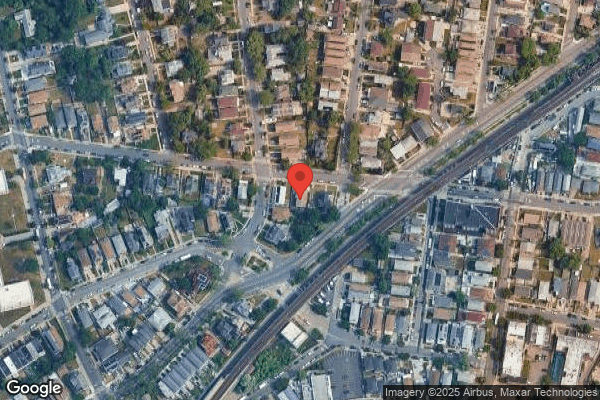
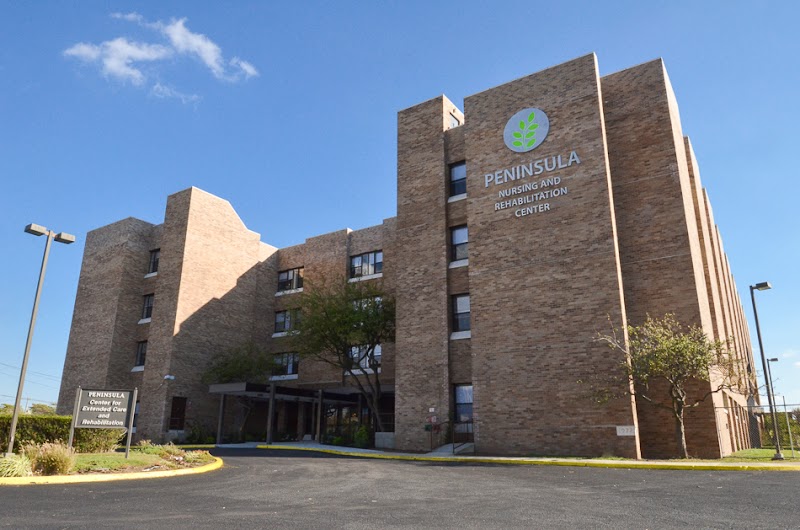
50 15 BEACH CHANNEL DRIVE, FAR ROCKAWAY, NY 11691 (718) 734-2000
For profit - Limited Liability company 200 Beds CASSENA CARE Data: November 2025
Trust Grade
85/100
#85 of 594 in NY
Last Inspection: July 2024

Within standard 12-15 month inspection cycle. Federal law requires annual inspections.

Overview

Peninsula Nursing and Rehabilitation Center has a Trust Grade of B+, which means it is above average and recommended for families seeking care. It ranks #85 out of 594 facilities in New York, placing it in the top half, and #9 out of 57 in Queens County, indicating only eight other local options are better. However, the facility's trend is worsening, as the number of reported issues increased from 2 in 2022 to 4 in 2024. Staffing is considered average with a 3/5 star rating and a turnover rate of 39%, which is below the state average. Notably, there have been no fines recorded, and the facility offers more RN coverage than 92% of New York facilities, which is a positive aspect since RNs can catch issues that CNAs might miss. On the downside, recent inspections revealed several concerns, including a failure to provide timely notification to residents about the termination of Medicare benefits and a lack of physician review for residents' care plans. Additionally, there were issues with wound care management for a resident with pressure ulcers, which highlights areas needing improvement. Overall, while the facility has strengths in staffing coverage and no fines, the emerging pattern of increased concerns should be carefully considered by families.

Trust Score
B+
85/100
In New York
#85/594
Top 14%
Safety Record
Low Risk
No red flags
Inspections
Getting Worse
2 → 4 violations
Staff Stability
○ Average
39% turnover. Near New York's 48% average. Typical for the industry.
Penalties
✓ Good
No fines on record. Clean compliance history, better than most New York facilities.
Skilled Nurses
✓ Good
Each resident gets 61 minutes of Registered Nurse (RN) attention daily — more than 97% of New York nursing homes. RNs are the most trained staff who catch health problems before they become serious.
Violations
⚠ Watch
13 deficiencies on record. Higher than average. Multiple issues found across inspections.
★★★★★
5.0
Overall Rating
★★★☆☆
3.0
Staff Levels
★★★★★
5.0
Care Quality
★★★★☆
4.0
Inspection Score
Stable
2022: 2 issues
2024: 4 issues

The Good

  • 5-Star Quality Measures · Strong clinical quality outcomes
  • Full Sprinkler Coverage · Fire safety systems throughout facility
  • No fines on record
  • Staff turnover below average (39%)

    9 points below New York average of 48%

Facility shows strength in quality measures, fire safety.

The Bad

Staff Turnover: 39%

Near New York avg (46%)

Typical for the industry

Chain: CASSENA CARE

Part of a multi-facility chain

Ask about local staffing decisions and management

The Ugly 13 deficiencies on record

Jul 2024 4 deficiencies
CONCERN (D)

Potential for Harm - no one hurt, but risky conditions existed

Deficiency F0582 (Tag F0582)

Could have caused harm · This affected 1 resident

Based on interviews and record review conducted during the Recertification survey from 06/26/2024 to 07/03/2024, the facility did not ensure a resident, or their designated representative was provided...

Read full inspector narrative →
Based on interviews and record review conducted during the Recertification survey from 06/26/2024 to 07/03/2024, the facility did not ensure a resident, or their designated representative was provided appropriate notification at the termination of Medicare Part A benefits. This was evident for 2 (Residents #166 and 428) of 3 residents reviewed for Beneficiary Notification out of 37 total sampled residents. Specifically, the Notice of Medicare Non-Coverage were not mailed out to Resident #166 and #428 designated representatives on the same day as telephone notification. The findings are: The facility policy titled Medicare Determination for SNF (Skilled Nursing Facility) with an effective date of 1/2021 states that the facility is required to provide notification of termination of services/Medicare coverage at least 2 business days before the last covered day. Notices mailed are certified and the receipt of certified mail is stapled to a copy of the letter and maintained in the MDS office for file. 1. Resident #166 was discharged from skilled services on 5/28/2024 with 59 days remaining and remained in the facility. The Notice of Medicare Non-coverage form with heading Telephonic notification documented that on 5/24/2024 at 10:50 am, Resident #166 representative was made aware that last coverage date would be 5/28/2024 and copy of Notice of Medicare Non-coverage was sent via certified mail. The United States Postal Service Tracking number from the Certified Mail Receipt addressed to resident's representative indicated that the mail arrived at the post office on May 29, 2024, at 8:05pm and was not mailed on 5/24/2024, the same day the telephone notification was made. 2. Resident #428 was discharged from skilled services on 1/5/2024 with 32 days remaining and remained in the facility. The Notice of Medicare Non-coverage form with heading Telephonic notification documented that on 1/3/2024 at 1:06 pm, Residents #428 representative was made aware that last coverage date would be 1/5/2024, and a copy of Notice of Medicare Non-Coverage was sent via certified mail. The United States Postal Service Tracking number from the Certified Mail Receipt addressed to resident's representative indicated that the mail arrived at the post office on January 5, 2024, at 9:31pm and was not mailed on 1/3/2024, the same day the telephone notification was made. On 07/03/24 at 12:04 PM, the Minimum Data Set Assessor #1 was interviewed and stated that if a resident is not alert, the resident's family will be contacted regarding resident's discharge from skilled services. The Minimum Data Set Assessors call the residents family two days prior to discharge from skilled services and the Notice of Medicare Non-Coverage form would be mailed out the same day. A copy of the certified mail showing that it was sent out the same day would be stored in the resident's file. The Minimum Data Set Assessor #1 stated that the Notice of Medicare Non-Coverage was dropped off at the front desk the same day as telephone notification to Resident #166's family member on 5/24/2024, but they were unsure when the mail man picked up the mail. On 07/03/24 at 12:10 PM, the Minimum Data Set Assessor #2 was interviewed and stated in case resident is not alert or oriented, the family representative or emergency contact would be informed regarding resident's date of discharge from skilled services. Usually, the family representatives would request that the Notice of Medicare Non-Coverage be mailed through certified mail. The Notice of Medicare Non-Coverage is mailed the same day that the conversation with family representative took place which usually occurs 2-3 days before resident is discharged from skilled services. The Minimum Data Set Assessor #2 also stated that the form is left at the front desk where the mail man picks them up, however they are unsure what time they come to pick it up. The Minimum Data Set Assessor #2 further stated that no one usually checks to see if mail was picked up but wait for the receipt to come back to confirm it was delivered. On 07/03/24 at 12:30 PM, the Minimum Data Set Coordinator was interviewed and stated that as per the policy the Notice of Medicare Non-Coverage should be signed by resident and family within 2 days to 48 hours before the last covered day. The last covered day may fall on a Monday or Tuesday so the Minimum Data Set Assessor will call the family on Friday and mail the letter out after confirming the address. The Minimum Data Set Coordinator stated that the Notice of Medicare Non-Coverage should be mailed out the same day and that the Minimum Data Set Assessors will drop the form to the front desk to be mailed on the same day of telephone conversation with the family representative. The mail man then picks up the forms from the front desk. 10 NYCRR 415.3(g)(2)(i)
CONCERN (D)

Potential for Harm - no one hurt, but risky conditions existed

Deficiency F0711 (Tag F0711)

Could have caused harm · This affected 1 resident

Based on observation, interview and record review conducted during the Recertification Survey from 06/24/2024 to 07/03/2024, the facility failed to ensure that the physician reviewed the resident's to...

Read full inspector narrative →
Based on observation, interview and record review conducted during the Recertification Survey from 06/24/2024 to 07/03/2024, the facility failed to ensure that the physician reviewed the resident's total program of care. This was evident for 2 residents (Resident #50 and Resident #377) observed for Medication Administration. Specifically, there were no physician orders specifying care and treatment for the maintenance of intravenous catheter lines. The findings are: The facility policy titled Care and Treatment of the Resident -Physician Orders Monthly Review, effective 06/2017, documented that to ensure appropriate ordering of medications, treatments, and services, it is the policy of the facility that the medical provider shall review and renew the monthly medication and treatments for the resident. The facility's policy titled Care and Treatment of the Peripherally Inserted Central Catheter, Maintenance and Care, documented that it is the policy of the facility to provide intermediate to long-term venous access in a safe, aseptic manner: General Guidelines Include - Lines should be flushed on a routine basis to maintain patency of the device. Lines should be flushed before and after the administration of any medication or solutions. The dressing change for the line is completed every 7 days or as needed. 1. On 06/26/24 at 09:32 AM, during the Medication Administration task, Registered Nurse #3 was observed performing dressing change for a Peripherally Inserted Central Catheter (An indwelling catheter that is inserted through a peripheral vein into a central vein for intravenous treatment) and administering intravenous antibiotic for Resident #377. The soiled dressing that was removed was observed to be dated 6/18/2024, which was 8 days since the dressing was last changed. last changed. Registered Nurse #3 was interviewed immediately, and they stated that they changed the dressing at this time because it was applied on 6/18/2024, 8 days ago, and should have been on changed 6/25/2024, the 7th day. A Physician Order dated 6/23/2024, documented that Resident #377 received Vancomycin intravenous solution every 12 hours for Osteomyelitis until 7/10/2024. There was no documented evidence of physician orders specifying the frequency of dressing changes for Resident #377's Peripherally Inserted Central catheter site. 2. On 6/27/2024 at 10:36 AM, during the Medication Administration task, Registered Nurse #4 was observed performing a dressing change for a Midline (an indwelling catheter that is inserted into a large peripheral vein in the upper arm for intravenous treatment) for Resident #50 and administering intravenous antibiotic. A Physician Order dated 6/17/2024, documented that Resident #50 was to receive Ceftriaxone Sodium Solution intravenously one time a day for osteomyelitis for 14 Days. There was no documented evidence of physician orders specifying the frequency of dressing changes for Resident #50's Midline Catheter site. On 07/02/24 at 12:09 PM, an interview was conducted with the Director of Nursing who stated Peripherally Inserted Central Catheters and Midlines (an indwelling catheter that is inserted into a large peripheral vein in the upper arm for intravenous treatment) site dressings should be changed every 7 days. On 07/03/24 at 12:42 PM, an interview was conducted with the Director of Nursing who stated physician orders are given in person or by phone. The Registered Nurse should enter orders in the computer system for intravenous line care and maintenance, monitoring for signs/symptoms of infection and dressing changes. The Director of Nursing further stated that for Resident #50 there is no order for dressing change and that they are working on determining if there is an order for Resident #377. On 07/03/24 at 02:53 PM, an interview was conducted via telephone with the Medical Director who stated that there should be documentation of the physician conversation with the nurse for orders requested and the physician should check that the order was entered in the computer system and signed off afterwards. On 07/03/24 at 3:21 PM, an interview was conducted with the Attending Physician who stated that when they place a telephone call to the nurse or speak to them in person when they request an order, they will enter the orders themselves if they are in the building. The Attending Physician also stated that if they are not in the building, the nurse should enter the order. After the nurse enters the order, the Attending Physician will verify and sign the order. The Attending Physician further stated that they did not check for a dressing change order for Resident #50. The Attending Physician stated that if there is an issue with an order for the resident the Director of Nursing would let them know. 10 NYCRR 415.15(b)(2)(iii)
CONCERN (D)

Potential for Harm - no one hurt, but risky conditions existed

Dental Services (Tag F0791)

Could have caused harm · This affected 1 resident

**NOTE- TERMS IN BRACKETS HAVE BEEN EDITED TO PROTECT CONFIDENTIALITY** Based on observation, record review, and interviews conducted during the Recertification survey completed from 6/26/2024 to 7/3/...

Read full inspector narrative →
**NOTE- TERMS IN BRACKETS HAVE BEEN EDITED TO PROTECT CONFIDENTIALITY** Based on observation, record review, and interviews conducted during the Recertification survey completed from 6/26/2024 to 7/3/2024, the facility did not ensure that a resident was promptly referred for annual dental evaluation and care. This was evident for 1 (Resident #92) of 4 residents reviewed for Dental out of a sample of 37 residents. Specifically, an annual dental evaluation was not performed for Resident #92. The facility policy titled Dental and Oral Health Services dated 11/2017 states that it is the policy of the facility to make routine and 24-hour emergency dental care available to its resident and that the dentist shall perform an annual re-evaluation for reach resident. A record of dental services and evaluations will be maintained in the resident's medical chart. Resident #92 was admitted with diagnoses that included Alzheimer's Disease, Non-Alzheimer's Dementia, and Seizure Disorder. The Annual Minimum Data Set, dated [DATE] documented that Resident #92 was moderately cognitively impaired, did not reject care, and required supervision assistance for oral hygiene and set-up/clean up assistance for eating. The Minimum Data Set assessment also documented that Resident #92 and had no concerns with swallowing and oral/dental status. On 06/26/2024 at 11:46 AM, Resident #92 was interviewed and stated that they told staff that they needed dentures to help chew their food, but no one had followed up on it. The Order Details dated 4/30/2023 documented orders for initial dental consult and follow up as needed. The Dental Consult dated 5/25/2023 located in the facility's Electronic Medical Record documented that Resident #92 was asymptomatic, has no complaints and is functional with present oral condition. There was no documented evidence in the Electronic Medical Record or physical chart on the unit that Resident #92 had been evaluated by the dentist after 5/25/2023. The Point Click Care Clinical Forms List for April, May and June 2024 did not document that a dental consult was placed for Resident #92. The Dental Orders and Progress Notes form documented that Resident #92 refused to be seen on 5/23/2024 and dentist unable to do exam. The Dental Orders and Progress Notes form also documented that on 5/30/2024, Resident #92 stated that they did not want to be seen now. On 7/2/2024 the Dental Orders and Progress Notes documented that resident is missing teeth but feels good without any problems. There was no documented evidence in the Electronic Medical Record or the physical chart that Resident #92 refused to be seen on 5/23/2024 and on 5/30/2024 or was seen on 7/2/2024. On 07/03/2024 at 11:28 AM, Registered Nurse #4 was interviewed and stated that they report to nursing supervisors if the resident has issues with dentures, tooth ache or loose teeth but the floor supervisor is responsible for scheduling annual dentist appointments. On 07/03/2024 at 11:33 AM, Nursing Supervisor #1 was interviewed and stated that dental consults are scheduled annually every 6 months. Nursing Supervisor #1 also stated that the floor supervisors schedule the dental consults and that the last dental consult for Resident #92 was performed on 5/25/2023. Nursing Supervisor #1 further stated that charts are checked manually to see which residents needs to be seen and who is due, then consults are put into the system by the supervisor where the dentist can view it. Nursing Supervisor #1 states they are unsure on how the scheduling of the annual dentist consult was missed for Resident #92. On 07/03/2024 at 01:08 PM, the Director of Nursing was interviewed and stated that dental consults are done annually and as needed. The Director of Nursing stated that the contracted dental company tracks annual consults, and the Director of Nursing will receive emails regarding when the consults are due for residents. If consults are due, then the supervisor on the floor will place orders for the dental consults. The Director of Nursing further stated they are unsure regarding the process and did not know whether emails regarding specific dental annuals had been received. The Director of Nursing stated they are unsure if there are other methods on following up with annual dental consults aside from notification from the dental provider. 10 NYCRR 415.17 (a-d)
CONCERN (E)

Potential for Harm - no one hurt, but risky conditions existed

Infection Control (Tag F0880)

Could have caused harm · This affected multiple residents

**NOTE- TERMS IN BRACKETS HAVE BEEN EDITED TO PROTECT CONFIDENTIALITY** 1(c). Resident #23 was admitted with diagnoses of Non-Alzheimer's Disease and Cerebrovascular Accident. The admission Minimum D...

Read full inspector narrative →
**NOTE- TERMS IN BRACKETS HAVE BEEN EDITED TO PROTECT CONFIDENTIALITY** 1(c). Resident #23 was admitted with diagnoses of Non-Alzheimer's Disease and Cerebrovascular Accident. The admission Minimum Data Set, dated [DATE] documented Resident #23 was moderately cognitively impaired and had one Stage 3 pressure ulcer and one unstageable pressure ulcer. The Order Details dated 5/1/2024 documented Enhanced Barrier Precautions during high contact resident care activities (Wounds). The Order Details dated 5/28/2024 discontinue use of Enhanced Barrier Precautions. The Order Details dated 6/4/2024 document to cleanse left heel wound, pat dry, apply sting free skin prep to peri-wound, allow to dry, pain with betadine, cover with abdominal pad and loosely wrap with rolled gauze. Every night shift for wound care and as needed. The Order Details dated 6/25/2024 documented to clean sacral area wound, pat dry, apply sting free skin prep to peri-wound. Allow to dry, apply treatment every day shift every Monday, Wednesday, Friday for wound care. The Wound Care Consult done on 6/4/2024 documented that resident has sacrum to bilateral buttocks pressure ulcer Stage 3 measuring 7cm x 8cm x 0.3cm, 100% granulation tissue, moderate serous drainage, peri-wound intact. The Interdisciplinary Team Weekly Wound Documentation done on 6/4/2024, 6/13/2024, 6/18/2024 and 6/25/2024 by wound care nurse documented that Resident #23 has Stage 3 pressure ulcer to the sacrum. On 07/01/24 at 11:39 AM, Registered Nurse #5 was observed performing wound care for sacral pressure ulcer for Resident #23 with assistance of Certified Nursing Assistant. There was no signage indicating Enhanced Barrier Precautions on Resident #23's door. Registered Nurse #5 did not don a gown or face mask before entering the room. Wound care was performed with no concerns and Registered Nurse #5 performed hand hygiene and exited the room. On 07/02/24 at 02:35 PM, the Registered Nurse #5 was interviewed and stated that Enhanced Barrier Precautions are for residents who have intravenous devices, feeding tubes and wounds. Registered Nurse #5 also stated that Resident #23 is not on Enhanced Barrier Precautions currently because Resident #23's wound has been healing and currently, they only have excoriation to the sacrum. Registered Nurse #5 stated that Enhanced Barrier Precautions has not been used because of current wound status and cannot recall if they have ever used Enhanced Barrier Precautions for Resident #23 since they started working on the unit one month ago. Registered Nurse #5 stated there are two residents on Enhanced Barrier precautions due to feeding tubes. Registered Nurse #5 stated it is necessary to wear gown, gloves and mask before entering the room of those residents. On 07/03/24 at 10:13 PM, the Certified Nursing Assistant #3 was interviewed and stated that Resident #23 was on Enhanced Barrier Precautions before but is currently off it now. If resident was currently on Enhanced Barrier Precautions, it would show up in the Electronic Medical Record which it does not. Certified Nursing Assistant #3 stated that resident has a dressing on sacrum which the nurse changes. On 07/03/24 at 10:19 AM, the Nursing Supervisor #1 was interviewed and stated that Resident #23 was on Enhanced Barrier Precautions from 5/1/2024-5/28/2024 and is currently not on precautions. Nursing Supervisor #1 also stated that residents are usually placed on Enhanced Barrier Precautions when they have chronic wounds, peripherally inserted central catheters or foley catheters. Nursing Supervisor #1 further stated Resident #23 may have been taken off precautions as the wound was either healing or healed. Nursing Supervisor #1 stated that the current ulcer staging in the Electronic Medical Record is a Stage 3 pressure ulcer to the sacrum. Nursing Supervisor #1 also stated that the wound care doctor evaluates resident with wounds 2-3 times a month and puts in the final order to discontinue use of Enhanced Barrier Precautions. On 07/03/24 at12:53 PM, the Assistant Director of Nursing and Infection Preventionist #1 was interviewed and stated that newly admitted residents are assessed for the need to be on Enhanced Barrier Precautions. If applicable, residents are placed on Enhanced Barrier Precautions particularly if have multi drug resistant organisms, foley catheters, feeding tubes, peripherally inserted central catheter lines. If a wound is healing which is determined by assessing the size, drainage, slough and drainage, then the Enhanced Barrier Precautions are lifted. The wound care nurse does daily assessments of wounds and will report it the doctor. The doctor will also evaluate the wound. The Wound care doctor makes the final decision on lifting Enhanced Barrier Precautions after consultation with the Infection Preventionist. If there is normal progression of healing from a 3-month period, then the wound is considered as healing and the Enhanced Barrier Precautions are lifted. If not, the resident would continue to be on precautions. Wound care nurse will continually assess resident and if wound is not healing, resident would continue to be on Enhanced Barrier Precautions. Based on observation, record review, and interviews conducted during the Recertification survey from 06/24/2024 to 07/03/2024, the facility did not ensure that infection control prevention practices and procedures were maintained to provide a safe and sanitary environment to help prevent the development and transmission of communicable diseases and infections. Specifically, 1). Enhanced Barrier Precautions were not implemented for 2 residents (Resident #377 and Resident #50) with indwelling medical devices and 1 resident (Resident #23) during a wound care observation, and 2). A Certified Nursing Assistant did not perform hand hygiene while assisting multiple residents in the dining room. The findings are: The Centers for Medicare and Medicaid Services, Center for Clinical Standards and Quality/Quality, Safety & Oversight Group memorandum titled Enhanced Barrier Precautions in Nursing Homes, Ref: QSO-24-08-NH dated 03/20/2024 documented that effective 04/01/2024, Centers for Medicare and Medicaid Services is issuing a new guidance for long term care facilities on the use of enhanced barrier precautions to align with nationally accepted standards. Enhanced Barrier Precautions recommendations now include use of enhanced barrier precautions for residents with chronic wounds or indwelling medical devices during high-contact resident care activities regardless of their multidrug-resistant organism status. The new guidance related to enhanced barrier precautions is being incorporated into F880 Infection Prevention and Control. The facility policy and procedure titled Enhanced Barrier Precautions, with a revision date of 05/2024, stated that the facility will utilize Enhanced Barrier Precautions which entails the use of gown and gloves during high-contact resident care activities for residents with wounds and/or indwelling medical devices, even if the resident is not known to be infected or colonized with Multidrug Resistant Organisms (germs that are resistant to many antibiotics and can cause infections). The policy also stated that high-contact resident care activities include care and use of devices including central lines and wound care. Enhanced Barrier Precautions protocols are to be followed to inhibit opportunities for transfer of Multidrug Resistant Organisms to staff hands and clothing during high-contact resident care activities. 1(a). On 06/26/2024 at 09:32 AM, during the Medication Administration task, Registered Nurse #3 was observed performing dressing change for a Peripherally Inserted Central Catheter (An indwelling catheter that is inserted through a peripheral vein into a central vein for intravenous treatment) and administering intravenous antibiotic for Resident #377. Registered Nurse #3 was observed wearing gloves and a mask however was not wearing a gown. There was no signage that Resident # 377 was on Enhanced Barrier Precautions. Order Details dated 6/28/2024 documented that Resident #377 required Enhanced Barrier Precautions during high-contact care activities for the PICC (Peripherally Inserted Central Catheter) Line every shift. 1(b). On 6/27/2024 at 10:36 AM, during during the Medication Administration task, Registered Nurse #4 was observed performing a dressing change for a Midline (an indwelling catheter that is inserted into a large peripheral vein in the upper arm for intravenous treatment) for Resident #50 and administering intravenous antibiotic. Registered Nurse #4 was observed wearing gloves and a mask however was not wearing a gown. There was no signage that Resident #50 was on Enhanced Barrier Precautions. A facility document titled Enhanced Barrier Precautions List, dated 6/28/2024, documented a list of residents who were maintained on Enhanced Barrier Precautions. Resident #377 was included on the list, and Resident #50 was not. On 06/27/24 at 03:08 PM, Registered Nurse #3 was interviewed and stated that at the time of the dressing change they did not know that Enhanced Barrier Precautions were needed. Registered Nurse #3 also stated that subsequently they learned that the resident had a Peripherally Inserted Central Catheter line and not a midline catheter, and that they were supposed to maintain Enhanced Barrier Precautions. On 06/28/24 at 11:48 AM, Registered Nurse #4 was interviewed and stated that there was no Enhanced Barrier Precaution notice posted on Resident #50's door although Resident #50 has a midline. Registered Nurse #4 also stated that they did not wear a gown when administering the intravenous antibiotic because they did not know a gown was needed. On 07/01/2024 at 10:02 AM, the Infection Control Preventionist/Assistant Director of Nursing, was interviewed and stated when care is provided for a resident with a Peripherally Inserted Central Catheter, Enhanced Barrier Precautions should be maintained. The Infection Control Preventionist/Assistant Director of Nursing also stated that Registered Nurse #3 should have worn a gown. On 07/02/24 at 12:09 PM, the Director of Nursing was interviewed and stated Enhanced Barrier Precautions are to be maintained for dressing changes and any care needs for a Resident with a Peripherally Inserted Central Catheter. The Director of Nursing further stated that Registered Nurse #3 did not use the gown as an Enhanced Barrier Precaution. 2. The facility policy titled Hand Hygiene Protocol effective 11/2017 documented the facility follows hand hygiene protocol in preventing the spread of potential pathogens on the hands. All personnel must perform hand hygiene as per standard guidelines. Alcohol based soaps are the most effective product for effective hand hygiene. Soap and water should be used if hands are visibly soiled. Guidelines for hand hygiene before and after eating. Resident hand hygiene should be performed before meals. The facility policy titled Meal Service-Assistance of Residents effective 4/2016 documented the facility will provide each resident a nourishing, palatable diet at proper temperature to meet the dietary needs of each resident. Certified Nursing Assistant wash resident's hands or offer handwipes. Offer and/or assist resident to cleanse their hands with a hand wipe. During an observation on 06/27/2024 at 11:46 AM, Certified Nursing Assistant #4 was observed in the dining room handing out hand wipes for residents to clean their hands for lunch meal. Certified Nursing Assistant #4 assisted Resident #37 with hand hygiene, removed Resident #37 used oral supplement and giving hand wipe to Resident #133, Resident #158, Resident #168, Resident #54, and Resident #5. Certified Nursing Assistant #4 collected hand wipes from some residents and asked some of them to put it in a plastic cup for used hand wipes. Certified Nursing Assistant #4 discarded the plastic cup with dirty hand wipes in the trash and wiped their own hands with hand wipes after. On 06/27/2024 at 11:50 AM, Certified Nursing Assistant #4 stated that they discarded the plastic cup with dirty wipes in the trash and cleaned their hands. They used the plastic cup to collect used wipes that needed to be disposed of. Certified Nursing Assistant #4 also stated that they thought they cleaned their hands with wipes in between residents, and it may have slipped their mind that they did not clean their hands. Certified Nursing Assistant #4 further stated that resident's hands may have bacteria and they do not want to spread any bacteria to other residents. On 07/03/2024 at 10:40 AM, Registered Nurse #7 stated that they monitored the dining room this past week. Staff should wash their hands first for 20 seconds. Certified Nursing Assistants should use hand wipes to clean their hands or wash their hands when it is visibly soiled. The Certified Nursing Assistants should stop and clean hands, so we do not have cross contamination. Registered Nurse #7 also stated that they have not noticed any issues with hand hygiene. 10 NYCRR 415.19 (b)(4)
Jul 2022 2 deficiencies
CONCERN (D)

Potential for Harm - no one hurt, but risky conditions existed

Safe Environment (Tag F0584)

Could have caused harm · This affected 1 resident

**NOTE- TERMS IN BRACKETS HAVE BEEN EDITED TO PROTECT CONFIDENTIALITY** Based on observation, record review, and interviews conducted during the recertification survey from 7/21/22 to 7/28/22, the fac...

Read full inspector narrative →
**NOTE- TERMS IN BRACKETS HAVE BEEN EDITED TO PROTECT CONFIDENTIALITY** Based on observation, record review, and interviews conducted during the recertification survey from 7/21/22 to 7/28/22, the facility did not ensure housekeeping and maintenance services necessary to maintain a sanitary, orderly, and comfortable interior were provided for 1 (Unit 4-Bay) of 5 units. Specifically, a resident's room, staff bathroom, oxygen room, and resident care equipment were observed dirty and in disrepair. The findings are: On 07/26/22 at 11:53 AM, the following was observed during a tour of Unit 4-Bay: 1. Resident room [ROOM NUMBER] contained walls with brownish stains and streaks throughout the entire room. The wall paint behind the head of the resident's bed was cracked and chipped, and the floors had black dirt that was ground into the tiles and not easily removed. One metal bed frame had brown stains and dust, and an oxygen concentrator in use was covered with dust and debris. The garbage bin was heavily soiled and stained. A blue vinyl chair had a missing right arm rest, loose swiveling left arm rest, and a torn seat. 2. The Oxygen Room floor was covered with dirt and dust. 3. The Staff Bathroom had loose faucet fixtures, dust covered wall tiles stained with dirt and grime, and black dirt ground into the floor tiles, not easily removed. 4. The blood pressure machine was attached to a pole covered in brown stains, dirt, and dust. The 4 wheels at the base of the pole were entangled with hair and covered in dirt and dust. There was no documented evidence of repair requests for the observations listed above in the Unit-4 Maintenance Log Book. On 07/26/22 at 02:36 PM, the Unit 4-Bay Housekeeper was interviewed and stated their role is to ensure a safe and clean environment by cleaning the floors daily and wiping the walls if there are stains. Resident rooms and bathrooms are cleaned daily. The Housekeeping staff have an ongoing Work Project to ensure soiled garbage bins in resident rooms are cleaned. The Unit 4-Bay Housekeeper communicates repair issues to the Maintenance staff by documenting in the Maintenance log book located on each unit. On 07/26/22 at 3:03 PM, the Director of Environmental Services (DES) was interviewed and stated their role is to create a livable, safe, and comfortable environment for the residents and staff. The facility is the resident's home. Daily rounds are made throughout the facility to ensure staff are getting their work done and to check for potential safety concerns and cleanliness issues. The DES makes frequent staffing adjustments to meet the needs of the facility. The overnight housekeeper position is vacant. Resident equipment, such as the stands and poles are cleaned by housekeeping. On 07/27/22 at 8:33 AM, the Director of Maintenance (DOM) was interviewed and stated they conduct daily inspections of the facility to ensure all the safety aspects of the building are met as per regulations. The facility has one painter on staff. Maintenance staff check the Maintenance Log Books on each unit and conduct weekly rounds to look at the floor, ceilings, beds and bathrooms to ensure that everything is in working condition. Any problems observed by staff should be fixed right away and the DOM is informed when the staff require parts that need to be ordered to complete a job. 415.29
CONCERN (D)

Potential for Harm - no one hurt, but risky conditions existed

Deficiency F0679 (Tag F0679)

Could have caused harm · This affected 1 resident

Based on observation, record review, and staff interview conducted during the Recertification / Complaint (NY274057, NY294505, NY286257, NY294811, NY264504, NY295942, NY294690, NY286257, NY290627) sur...

Read full inspector narrative →
Based on observation, record review, and staff interview conducted during the Recertification / Complaint (NY274057, NY294505, NY286257, NY294811, NY264504, NY295942, NY294690, NY286257, NY290627) survey from 07/21/2022 to 07/28/2022, the facility did not ensure an ongoing program of activities was provided to meet the interests of, and support the physical, mental, and psychosocial well-being of the resident based on the comprehensive assessment and care plan. This was evident for 1 (Resident #320) of 2 residents reviewed for Activities out of 37 sampled residents. Specifically, a resident was observed for extended periods of time not participating in any meaningful activities. The finding is: The facility Policy and Procedure tilted Activity Recreation Program and Assessment with effective date 03/2022 documented The facility shall provide for an ongoing program of activities designed to meet the interests and the physical, mental, psychosocial wellbeing of each resident. Resident #320 was admitted to the facility with diagnosis that included Anemia, Atrial fibrillation, and End Stage Renal Disease - on hemodialysis. On 07/21/22 at 12:08 PM, Resident #320, alert and oriented x 3, was observed on reclining chair in the room alone, with no activities, no music, TV turned off. Resident was interviewed and stated that no one comes in to turn on the TV, and no remote given within reach to turn it on. On 07/22/22 at 08:20 AM, Resident #320 was observed in bed sleeping. From 08:37 AM to 10:45 AM, Resident #320 was in bed lying down, awake, with TV off and no music. No recreation staff visited the resident. On 07/26/22, between 08:35 AM and 12:00pm, Resident #320 was in the room by themselves, awake with no music or TV on. No staff entered or exited the resident's room. On 07/27/22, Resident #320 was observed in bed between 09:19 AM and 12:05 PM, with the TV off and no activity in progress. Resident #320 was interviewed and stated the TV was off because they need someone to assist with turning it on, and they did not see someone to help. Resident #320 was noted with difficulty activating the call bell when asked to try use the call bell to call for help. There were no group activities or recreational staff observed on the unit on 07/22/22, between 08:20 am and 12:30 pm; 07/26/22, between 08:35 am and 12:00pm; and on 07/27/22, between 8:30 am and 12:30 pm. The Comprehensive Care Plan (CCP) for Activity dated 7/20/2022 documented Resident #320 was alert and oriented with some observed confusion, friendly and receptive to TR (Therapeutic Recreation) Staff. Resident reported a preference for both independent and group activities of choice, such as reading large print books and watching TV (Christian Channels) and Movies, among other things. The CCP Goals included: - Resident will engage in both independent and group activities of choice/interest, with assistance, resources and escort as needed, daily x 3 months; Resident will engage in socialization with staff, family and select peers, daily x 3 months; Resident's spiritual needs will be met, weekly and as needed x 3 months. The CCP Interventions included: TR will encourage Resident to propel wheelchair to activities independently or to accept escort as needed; TR will facilitate participation in spiritual activites of providing pastoral visits, spiritual literature, large print Bible, and reminders and escort to religious services; TR will keep Resident informed and aware of activities options via monthly Activity Calendars with verbal enhancement, daily overhead announcements and 1:1 invites; TR will monitor for changes in TR status/wants/needs and adapt accordingly; TR will monitor for preferences, inclusion and satisfaction; TR will offer increased opportunity for socialization via 1:1 visits and inclusion in activities of choice/interest; TR will provide 1:1 visits for socialization, calendars and other information/resources to foster independence and enhance enjoyment and environment, Google Duo Video Chats with family. The Rehab Intervention Note dated 7/20/2022 documented Resident #320 was screened at bedside upon admission. Resident #320 was alert and oriented x 3, able to communicate wants/needs, and able to follow simple commands. Progress note Nursing -Skilled Observation Note dated 7/21/2022 documented that Resident is alert and oriented x 3, communicates verbally with clear speech, and is able to understand and be understood; Also documented that The service that the resident is receiving can only be performed safely and/or effectively only by, or under the general supervision of skilled nursing or skilled rehabilitation personnel. There was no documented evidence of recreational activities that had been provided to the resident, including evidence of 1:1 recreational staff visits to the residents' room. There was no documented evidence that a recreational staff member was assigned to the unit for 1:1 recreational visits and activities for the residents during the dates of the observations. During an interview on 07/27/22 at 11:49 AM, the assigned Certified Nursing Assistant (CNA #1) stated Resident #320 required total care in all activities of daily living. CNA #1 stated they provided care to Resident #320 earlier in teh day, and they did not put the TV on because they thought Resident #320 did not want it on. CNA #1 could not recall any activities being provided to Resident #320. CNA #1 stated they don't work on the unit all the time so they are not assigned to Resident #320 daily. CNA #1 stated that they are regular on the unit and did not know what type of activities are provided for Resident #320. During an interview on 07/27/22 at 12:14 PM, the Registered Nurse Charge Nurse (RN #1) stated CNAs answer call bells and assist residents with TV as needed. RN #1 stated they thought the CNAs were assisting the Resident #320 with turning on the TV. RN #1 stated he/she was not aware of the Activity staff doing any 1:1 visits with Resident #320 in the room. RN #1 stated they will follow-up with the assigned CNA to ensure Resident #320 is assisted with the TV when needed. On 07/27/22 at 12:01 PM, an interview was conducted with the Director of Therapeutic Recreation, (DTR). DTR stated that they have group activities for the residents, 1:1 for the residents that do not want to get out of bed. Residents are provided with Strolling Therapeutic Recreational DJ Music, Strolling Accordion and Guitar Music that regularly come to the facility to entertain residents. The DTR stated Resident #320 was admitted recently, and they spoke with the family about Resident #320's preferences. The DTR brought Resident #320 some bibles, and a large print bible was just ordered for the resident. The DTR also stated there is a special channel on Resident #320's TV as per resident's preferences. DTR further stated that they were surprised that resident's TV was not being turned on, as there are activity staff that go around on 1:1 visit to assist the residents in their recreational activities. DTR stated that they will find out why the Resident #320's TV was not on during the period observed by the surveyor and check why Resident #320 was not visited when the music stroller was on the unit. On 07/28/22 at 11:57 AM, an interview was conducted with the Director of Nursing (DON). DON stated that the facility has large group activities in the dining room for the residents and do 1:1 visit if the resident has preference for it in their rooms. DON stated that there is no justification not to attend to the resident's needs of activities, and they will have to follow up with the Activity Director to make sure the issue is discussed and resolved. On 07/28/22 at 12:19 PM, the Administrator was interviewed and stated: we have recreation department that supposed to be making frequent rounds to ensure that residents' activity needs are attended to. The Administrator stated that they are not aware of the resident that was not being provided with the activities as per the plan of care but will follow up with the Activity director to avoid the repeat. 415.5 (f)(1).
Aug 2019 7 deficiencies
CONCERN (D)

Potential for Harm - no one hurt, but risky conditions existed

Resident Rights (Tag F0550)

Could have caused harm · This affected 1 resident

**NOTE- TERMS IN BRACKETS HAVE BEEN EDITED TO PROTECT CONFIDENTIALITY** Based on observations, record review, and staff interviews during the recertification survey, the facility did not ensure that e...

Read full inspector narrative →
**NOTE- TERMS IN BRACKETS HAVE BEEN EDITED TO PROTECT CONFIDENTIALITY** Based on observations, record review, and staff interviews during the recertification survey, the facility did not ensure that each resident was treated with respect and dignity and received care in a manner that promotes maintenance or enhancement of their quality of life. This was identified for 1 (Resident #78) of 1 resident reviewed for dignity. Specifically, Resident #78 had a Foley bag attached to a Suprapubic catheter. The Foley bag was observed hanging at the bedside in his room without a privacy pouch to maintain the resident's dignity and privacy. The uncovered Foley bag was visible to anyone passing by his room. The finding is: The facility's policy and procedure dated 11/2017 titled Dignity documented . Using dignity-enhancing tools, such as catheter bag covers . Resident #78 has diagnoses including End Stage Renal Disease (ESRD), Obstructive and Reflux Uropathy, and Hemiplegia. The resident was admitted to the facility on [DATE]. The Quarterly Minimum Data Set (MDS) assessment dated [DATE] documented the resident's Brief Interview for Mental Status (BIMS) score was 15 indicating the resident was cognitively intact and independent for daily decision making. The MDS documented the resident had an indwelling catheter in place and was not on a urinary toileting program. The Comprehensive Care Plan (CCP) developed for Alteration in Urinary Elimination related to Catheter Usage dated 4/4/19 documented the use of a Suprapubic catheter and to cover the drainage bag promoting privacy and dignity. The Physician's Order dated 8/4/19 documented to change urinary bag weekly and as needed (PRN). The Physician's Order dated 8/9/19 documented Suprapubic catheter care daily and PRN to cleanse tube site with Normal Saline (NS) and to apply the T-drain gauze daily. The resident was observed in bed on 8/07/19 at 9:15 AM and 10:58 AM. The resident had his Foley bag hanging at the bedside without a privacy pouch in place. The Foley bag was exposed and could be seen from outside the resident's room. An interview with the assigned 7:00 AM- 3:00 PM shift Certified Nursing Assistant (CNA) was conducted on 8/07/19 at 11:00 AM. The CNA stated the resident's Foley bag should be covered with a privacy pouch and that she did not notice that the privacy pouch was not in place. An interview with the Registered Nurse (RN) Unit Supervisor was conducted on 8/07/19 at 11:05 AM. The RN stated that the CNA should have covered the Foley bag with a privacy pouch per the facility's policy. An interview with the Director of Nursing Services (DNS) was conducted on 8/08/19 at 8:30 AM. The DNS stated that she started re-inservicing the nurses and CNAs regarding the use of a privacy pouch for the Foley bag to maintain the resident's dignity and privacy as per the facility's policy after the concern was brought to her attention. 415.3(c)(1)(i)
CONCERN (D)

Potential for Harm - no one hurt, but risky conditions existed

Investigate Abuse (Tag F0610)

Could have caused harm · This affected 1 resident

**NOTE- TERMS IN BRACKETS HAVE BEEN EDITED TO PROTECT CONFIDENTIALITY** Based on observation, record review, and staff interview during the recertification survey, the facility did not ensure that acc...

Read full inspector narrative →
**NOTE- TERMS IN BRACKETS HAVE BEEN EDITED TO PROTECT CONFIDENTIALITY** Based on observation, record review, and staff interview during the recertification survey, the facility did not ensure that accident report investigations were thoroughly investigated to establish the cause of a fall. This was identified for one (Resident #79) of five residents reviewed for falls. Specifically, Resident #79 had a fall on 4/15/19 in the unit dining room during the dinner meal, sustained a laceration to the back of the head and was sent to the hospital for Head Trauma. The Accident/Incident (A/I) Report lacked documented evidence of who was in the dining room with the resident at the time of the fall. The finding is: Resident #79 was readmitted to the facility on [DATE] with diagnoses including Dementia without Behavioral Disturbance, Hemiplegia, and Dysphagia. A Minimum Data Set (MDS) assessment dated [DATE] documented the resident's Brief Interview for Mental Status (BIMS) score as 3 which indicated severe cognitive impairment. The resident had no behavior problems, required extensive assist of one staff member for transfers, limited assist of one staff member for locomotion on and off the unit, and had one fall prior to this MDS assessment. A Comprehensive Care Plan (CCP) dated 4/11/17 documented the resident was at risk for falls/injury related to balance impairment and past history of falls. The progress note section of the CCP documented on 4/15/19 at approximately 17:40 (5:40 PM) the Supervisor was called by the nurse and the resident was observed on the floor in the dining room. The resident's vital signs were Blood Pressure 158/103, Pulse 92, Temperature 99.9. There was a laceration on the posterior side of head, bleeding, a pressure dressing was applied, and the Physician was called. Interventions included but were not limited to: yellow charm on bracelets to identify falls risk and check placement every shift, anticipate and meet the residents needs daily, follow facility falls policy, be sure resident's call bell is within reach and encourage resident to use it for assistance as needed. The CCP documented that the resident needs prompt response to all requests for assistance, to maintain a safe environment, keep all personal items within reach, and ensure the resident is wearing appropriate footwear. A CCP for Actual Falls dated 8/24/17 and last updated 4/16/19 documented the resident had a fall with injury on 4/15/19. Interventions including to keep the resident clean and dry, Physical Therapy (PT) consult for strength and mobility, and transfer to the emergency room (ER) for Computerized Axial Tomography (CT) scan of head. An A/I Report dated 4/15/19 at 5:40 PM documented the Supervisor was called by nurse. The resident was observed alert and verbally responsive on the floor in the dining room. The corrective action section documented pressure dressing applied, transferred to the hospital to rule out Head Trauma. The preventative action section documented: falls precaution and close monitoring. The accident post investigation section documented the resident was sitting in her wheelchair at 5:30 PM, was not identified as a frequent faller, unlocked the wheelchair and slid out of wheelchair. The statement from the Certified Nursing Assistant (CNA) assigned to the resident documented on 4/15/19 at 5:40 PM that the resident slid out of the chair and hit her head while eating dinner. The Supervisor Occurrence Investigation form documented the occurrence was unwitnessed. The A/I Report lacked clear documented evidence as to who was with the resident in the dining room at the time of the fall. During an interview conducted on 8/14/19 at 11:10 AM with the Falls Coordinator RN #8, she stated the RN on duty completes the initial investigation, then submits the A/I Report to her. RN #8 stated that the RN Supervisor is responsible for obtaining the interviews before the A/I Report is handed to the Falls Coordinator. RN #8 stated that when she receives the A/I Report she reviews the A/I Report for completion which includes to ensure that all interviews are obtained, the interventions are in place, and all Physician's orders are carried out. The RN stated that if there are interviews missing the A/I Reports are returned to the Supervisors to obtain all missing information. The RN stated that the A/I report should have included all pertinent information to establish how the resident fell who was with the resident and if any attempts to prevent the fall were made at that time. During an interview on 8/14/19 at 11:26 AM with the Director of Nursing Services (DNS), she stated that she reviews all the A/I Report before signing off to ensure all pertinent information is included in the A/I Report. The DNS stated that she did review the A/I Report and that the A/I Report should have been more thorough. The DNS further stated that she completed the A/I Report Summary based on the information provided. During an interview conducted on 8/14/19 at 1:36 PM with the Occupational Therapist (OT), she stated that she saw the resident after the fall and that the resident's baseline was the same. The OT stated the resident had no positioning issues prior to the fall and her evaluation revealed there were no changes in the resident's positioning after the fall. The OT stated that there were no reports of the resident sliding in her wheelchair and the resident was not observed sliding during the evaluation. The OT further stated there were no malfunction identified with the resident's wheelchair. During an interview conducted on 8/14/19 at 2:00 PM with CNA #2, she stated that the resident transfers out of bed into the wheelchair and eats in the dining room. The CNA stated the resident required extensive assist for transfers and the resident has no positioning problems when sitting in the wheelchair. 415.4(b)(1)(ii)
CONCERN (D)

Potential for Harm - no one hurt, but risky conditions existed

Comprehensive Care Plan (Tag F0656)

Could have caused harm · This affected 1 resident

**NOTE- TERMS IN BRACKETS HAVE BEEN EDITED TO PROTECT CONFIDENTIALITY** Based on observation, record review, and interviews during the Recertification Survey the facility did not ensure that comprehen...

Read full inspector narrative →
**NOTE- TERMS IN BRACKETS HAVE BEEN EDITED TO PROTECT CONFIDENTIALITY** Based on observation, record review, and interviews during the Recertification Survey the facility did not ensure that comprehensive person-centered care plans were implemented for each resident to meet the resident's medical and nursing needs. This was identified for one (Resident #42) of six residents reviewed for Position/Mobility and one (Resident #123) of six residents reviewed for Communication. Specifically, 1) Resident #42 had a Physician's order to wear a Z-Flex boot to the right foot at all times; however, the resident was observed on two occasions not wearing the boot; and; 2) Resident #123 had a Physician's order for a left half siderail to be up while the resident was in bed; however, the resident's bed did not have a left siderail. The findings are: 1) Resident #42 was admitted to the facility on [DATE] with diagnoses including Diabetes Mellitus, Seizure Disorder, and Acquired Absence of Left Leg Below Knee. The 5/26/19 Annual Minimum Data Set (MDS) assessment documented a Brief Interview for Mental Status (BIMS) score of 10, indicating the resident had moderately impaired cognition. The MDS documented the resident required extensive assist of two staff members for bed mobility, had upper and lower extremity range of motion impairment, and did not walk. A Physician's order, dated 8/3/19, ordered a Right Z-Flex Boot to be worn at all times; remove for skin checks, grooming, and hygiene. A Comprehensive Care Plan (CCP) dated 9/11/18 and last updated 6/25/19 had an intervention for a right Z-Flex boot to be worn at all times; remove for skin checks, grooming, and hygiene. Resident #42 was observed in bed on 8/08/19 at 10:45 AM. The resident's right lower extremity was bare and resting on the mattress. There was no Z-Flex boot on the resident's right foot. The resident was not receiving skin checks, grooming, or hygiene. Resident #42 was observed in bed on 8/09/19 at 8:55 AM. The resident's right lower extremity was bare and resting on the mattress. There was no Z-Flex boot on the resident's right foot. The resident was not receiving skin checks, grooming, or hygiene. The resident's Certified Nursing Assistant (CNA) was interviewed on 8/09/19 at 9:12 AM. She stated that she thought the resident had a special boot, but the resident was not on her assignment on a regular basis. The CNA searched through the resident's closet, but was unable to find the boot. The unit Registered Nurse (RN) Supervisor was interviewed on 8/09/19 at 9:23 AM. He stated that he just spoke to the resident and the resident said the boot was itchy, so he did not want to use it. The RN stated that he would have the Rehabilitation (Rehab) Department re-assess the resident for a new boot. The resident was interviewed on 8/09/19 at 9:25 AM. He stated that he had told the staff that the boot irritated him. He stated that he has not worn the boot for awhile. The Rehab Director was interviewed on 8/09/19 at 9:53 AM. She stated the Z-Flex boot was to protect the resident's right heel and that she was not notified that the boot irritated the resident's skin. 2) The facility's policy dated 11/2017 titled Restraint Devices and Siderails documented that if the siderail is determined not to be a restraint then the therapist will enter in the electronic medical record and complete the Activities of Daily Living (ADL) care plan to specify the use of the device or siderail. Resident #123 was admitted to the facility on [DATE] with diagnoses including Diabetes Mellitus, Cerebrovascular Accident, and Hemiplegia. The 7/5/19 Quarterly MDS assessment documented a BIMS score of 11, indicating the resident had moderately impaired cognition. The MDS documented the resident required total assistance of one staff member for bed mobility and had functional limitation in upper and lower extremity range of motion on one side. A Physician's order dated 7/26/19 ordered the left half side rail up while in bed. A Comprehensive Care Plan (CCP) titled ADL Self Care Deficit related to left hemiplegia/hemiparesis, initiated 4/11/17 and last updated 7/10/19, had an intervention for the left half rail up when in bed as an enabler for bed mobility and positioning. A Siderail Screen and Evaluation form dated 7/5/19 documented that a left half siderail was to be used as an enabler for bed mobility when in bed. The resident was interviewed with his Certified Nursing Assistant (CNA) present on 8/09/19 at 12:06 PM. The resident's bed did not have siderails (left or right). The resident said about three weeks ago the left siderail was taken off the bed and he did not know why. The CNA stated she has only worked with the resident for two days. The Registered Nurse (RN) Supervisor was interviewed on 8/09/19 at 12:15 PM. He stated he was not aware of the side rail being removed and did not know there was an order for the left siderail. He said he did not know why the siderail was removed. The Maintenance Director was interviewed on 8/09/19 at 12:27 PM. He stated he did not know why the siderail was removed and would speak to the Rehabilitation (Rehab) Department Director. The Maintenance Director was re-interviewed on 8/09/19 at 12:30 PM. He stated the resident needs the siderail and he does not know why it was removed. He further stated he was not notified when it was removed and that the siderail will be re-installed. The Rehab Director was interviewed on 8/09/19 at 1:16 PM. She stated she was not sure why the bed did not have the siderail. 415.11(c)(1)
CONCERN (D)

Potential for Harm - no one hurt, but risky conditions existed

Deficiency F0657 (Tag F0657)

Could have caused harm · This affected 1 resident

**NOTE- TERMS IN BRACKETS HAVE BEEN EDITED TO PROTECT CONFIDENTIALITY** Based on record review and staff interviews during the recertification survey, the facility did not ensure that the Comprehensiv...

Read full inspector narrative →
**NOTE- TERMS IN BRACKETS HAVE BEEN EDITED TO PROTECT CONFIDENTIALITY** Based on record review and staff interviews during the recertification survey, the facility did not ensure that the Comprehensive Care Plan (CCP) was reviewed and revised by the interdisciplinary team after each assessment. This was identified for 1 (Resident #129) of 1 resident reviewed for accidents. Specifically, Resident #129 has a fall incident with an injury. Review of the resident's CCP developed for Falls revealed that the CCP was not updated to reflect the 6/20/19 fall incident. The finding is: The facility's policy and procedure dated 7/2018 titled Care Planning Process documented . The care plan is reviewed and revised by the interdisciplinary team after each assessment . The care plan is revised by the members of the Interdisciplinary Team based on changing goals, preferences and needs of the resident, and in response to current intervention. The facility's policy and procedure dated 11/2016 titled Resident Accident Reporting And Investigation- New York documented . 14. Will review the plan of care and revise and update it as necessary to prevent a recurrent incident . Director of Nursing 1. Reviews all A/I reports to ensure accurate and complete documentation of the incident . Resident #129 has diagnoses including Cerebral Infarction, Pseudobulbar Affect, and Non-Alzheimer's Dementia. The resident was admitted to the facility on [DATE]. The Quarterly Minimum Data Set (MDS)assessment dated [DATE] documented the resident's Brief Interview for Mental Status score was 13 indicating the resident was cognitively intact and independent for daily decision making. The MDS documented the resident had one fall since admission or prior assessment with major injury. The Nurse's Progress Note (Health Status Note) dated 6/20/19 documented the resident had an actual fall. The resident stated she was pushing herself in a wheelchair and the wheelchair fell to the right side. Bilateral hip x-ray report was negative. The Radiologic Report dated 6/21/19 documented a mild to moderate displaced acute right fifth metacarpal fracture. The Occurrence Investigative Summary, written by the Director of Nursing Services (DNS), documented the resident was seen on 6/21/19 by a Nurse Practitioner and was observed with right hand swelling. The right hand x-ray reported a mild to moderate displaced acute right fifth metacarpal fracture. Review of the CCP for at risk for Falls/Injury related to Balance Impairment and Cognitive Impairment was reviewed on 8/14/19. The CCP documented actual falls on 1/14/18 with no injury, 5/23/18 with no injury, and 10/13/18 with no injury. The CCP did not document that the resident had a fall on 6/20/19 with a displaced acute right fifth metacarpal fracture. An interview with the Registered Nurse (RN) MDS Coordinator was conducted on 8/13/19 at 8:48 AM. The RN stated that the CCP should be been revised documenting that the resident had a fall on 6/20/19. An interview with the DNS was conducted on 8/13/19 at 10:50 AM. The DNS stated that the CCP for falls should have documented the 6/20/19 fall incident with injury. 415.11(c)(2)(i-iii)
CONCERN (D)

Potential for Harm - no one hurt, but risky conditions existed

Deficiency F0658 (Tag F0658)

Could have caused harm · This affected 1 resident

**NOTE- TERMS IN BRACKETS HAVE BEEN EDITED TO PROTECT CONFIDENTIALITY** Based on observation, record review and staff interview during the recertification survey, the facility did not ensure that serv...

Read full inspector narrative →
**NOTE- TERMS IN BRACKETS HAVE BEEN EDITED TO PROTECT CONFIDENTIALITY** Based on observation, record review and staff interview during the recertification survey, the facility did not ensure that services provided or arranged by the facility, as outlined by the the comprehensive care plan meet the current professional standards of quality. This was identified for one (Resident #142) of one resident reviewed for Skin Condition. Specifically, Resident #142 had a Physician's order for dressing change to his Left Plantar open callus one time daily on even days. The resident was observed on 8/7/19 with a dressing on his Left Plantar open callus dated 8/2/19. The Treatment Administration Record (TAR) dated August 2019 was signed on 8/4/19 and 8/6/19 as care was rendered; however, the care was not provided. The finding is: Resident #142 was admitted to the facility on [DATE] with diagnoses including Type II Diabetes Mellitus with Foot Ulcer and Hypertension. The Minimum Data Set (MDS) assessment dated [DATE] documented the resident had a Brief Interview for Mental Status (BIMS) Score of 11 which indicated moderate cognitive impairment. The resident required supervision for bed mobility, limited assist of one staff member for transfer and extensive assist of one staff member for toileting. The resident received application of ointment and dressing to feet. During the initial tour conducted on 8/07/19 at 9:46 AM in the resident's room, a small area of blood stain was observed on the resident's bed linen towards the foot of the bed. Multiple areas of blood stains were observed on the floor next to the resident's bed leading into the bathroom and also on the bathroom floor. The resident was not observed in his bed. Registered Nurse (RN) #2 was observed in hall way outside the resident's room and was asked about the blood observed on the resident's bed and the floor near the bed and in the bathroom. The RN stated no one reported to her that anyone was bleeding and the RN was unable to say where the resident was at that time. The RN then continued her medication pass without checking for the source of the bleeding or calling for assistance to follow up. At 10:06 AM the resident was observed in the hall way in front of his room and agreed to return to his room. The resident stated that he did not speak English but was able to say the blood on the bed linen and on the floor was from his left foot. The resident was wearing a diabetic shoe. The resident's shoe was removed by RN #9, the MDS Assessor. The resident was observed wearing a yellow non-skid sock which was observed with a large amount of blood stains on the posterior and anterior aspect of the sock. The sock was removed and the date on the dressing was documented as 8/2/19. The RN confirmed the date that was observed on the dressing. At 10:30 AM the dressing change was completed by RN#10 who also confirmed the date on the dressing was documented as 8/2/19. A Comprehensive Care Plan (CCP) dated 1/02/18 for Diabetic Foot Ulcer documented the resident had a foot ulcer related to Diabetes. The goals included for the site to remain free from signs and symptoms of infection, and will show signs of healing through the review period (10/17/19). Interventions included to administer treatment as per the facility protocol. A Physician's order dated 7/18/19 documented to clean the Left Plantar foot open callus with Dermacleanse, pat dry and apply Dermaginate dressing. Place dressing in contact with wound and cover with a dry protective dressing (DPD) every other day (QOD) one time a day on even days. A Review of the Treatment Administration Record (TAR) dated August 2019 documented to cleanse the left plantar foot open callus with Dermacleanse, pat dry and apply Dermaginate dressing. Place dressing in contact with the wound and cover with DPD QOD one time a day on even days for open callus. On 8/4/19 and 8/6/19 the TAR was signed as treatment was administered. A Review of the progress notes dated 8/2/19 to 8/7/19 lacked documented evidence the resident had refused his treatment to the left foot. During an interview conducted on 8/12/19 at 1:45 PM with Licensed Practical Nurse (LPN) #1, she stated that on 8/6/19 she went to the resident to inform him she was going to do his treatment and that the resident responded ok. The LPN stated that she placed all the supplies for the treatment in the resident's room and when she went to the resident he refused to have his treatment done. The LPN stated that before her shift was over she approached the resident a second time and the resident refused a second time. The LPN stated that she informed the 3:00 PM to 11:00 PM shift LPN #2 that the resident had refused his treatment and LPN #2 stated that she would complete the treatment. When LPN #1 was asked why she signed the TAR, she stated that she did sign the TAR but she should not have signed. The LPN stated when you sign the TAR it means treatment was administered. The LPN stated that when a resident refuses treatment or medication the protocol was to write an episodic note, and notify the RN Supervisor. During an interview conducted on 8/13/19 at 7:57 AM with the RN #3, she stated on 8/04/19 she worked as a floor nurse. The RN stated that she knew the resident's dressing was due at 10:00 AM and that after she had administered the resident's morning medication she explained to the resident his treatment had to be done. RN #3 stated at that time the resident refused to have his treatment done. The RN stated during the afternoon medication pass she approached the resident a second time and he refused. The RN stated that she signed the TAR so it would be signed in the right time frame and that prior to the end of the shift at around 2:57 PM she went to look for the resident, however, the resident was off the unit. The RN stated after she finished her tasks for her shift she forgot to edit her documentation. The RN further stated the protocol included that signing the TAR should be done after the treatment was completed and that she did not follow the protocol. During an interview conducted on 8/13/19 at 10:56 AM with LPN #2, she stated on 8/6/19 she had promised to do the treatment but forgot. The LPN stated that she was very busy during the shift and the treatment was not usually done on her shift. LPN #2 stated when LPN #1 approached her she was nervous and told LPN #1 that she had done the treatment. The LPN stated that she did not do the treatment because she forgot. During an interview with the Director of Nursing Services (DNS) on 8/14/19 at 11:38 AM, the DNS stated when a resident refuses treatment the nurse should re-approach the resident at a different time to complete the treatment. If the resident continues to refuse then the nurse should report the refusal of care to the RN Supervisor, document on the TAR Not Administered and initiate an episodic note. The DNS stated that the RN supervisor is responsible for notifying the Family/Representative, the Physician, and enter the refusal of care on the Behavior CCP. The DNS further stated that the nurse should not have signed the TAR if the care was not rendered. 415.11(c)(3)(i)
CONCERN (D)

Potential for Harm - no one hurt, but risky conditions existed

Quality of Care (Tag F0684)

Could have caused harm · This affected 1 resident

**NOTE- TERMS IN BRACKETS HAVE BEEN EDITED TO PROTECT CONFIDENTIALITY** Based on observation, record review and staff interview during the recertification survey, the facility did not ensure that resi...

Read full inspector narrative →
**NOTE- TERMS IN BRACKETS HAVE BEEN EDITED TO PROTECT CONFIDENTIALITY** Based on observation, record review and staff interview during the recertification survey, the facility did not ensure that residents receive treatment and care in accordance with professional standards of practice, and the comprehensive person-centered care plan. This was identified for one (Resident #142) of one resident reviewed for Skin Condition. Specifically, Resident #142 had a Physician's order for dressing change to his Left Plantar open callus one time daily on even days and treatment was not administered as ordered by the Physician on 8/4/19 and 8/6/19. Additionally, the Treatment Administration Record (TAR) dated August 2019 was signed on 8/4/19 and 8/6/19 as care being rendered when care was not provided. The finding is: Resident #142 was admitted to the facility on [DATE] with diagnoses that included Type II Diabetes Mellitus with Foot Ulcer and Hypertension. The Minimum Data Set (MDS) assessment dated [DATE] documented the resident had a Brief Interview for Mental Status (BIMS) Score of 11 which indicated moderate cognitive impairment. The resident required supervision for bed mobility, limited assist of one staff member for transfer and extensive assist of one staff member for toileting. The resident received application of ointment and dressing to feet. During the initial tour conducted on 8/07/19 at 9:46 AM in the resident's room, a small area of blood stain was observed on the resident's bed linen towards the foot of the bed. Multiple areas of blood stains were observed on the floor next to the resident's bed leading into the bathroom and also on the bathroom floor. The resident was not observed in his bed. Registered Nurse (RN) #2 was observed in hall way outside the resident's room and was asked about the blood observed on the resident's bed and the floor near the bed and in the bathroom. The RN stated no one reported to her that anyone was bleeding and the RN was unable to say where the resident was at that time. The RN then continued her medication pass without checking for the source of the bleeding or calling for assistance to follow up. At 10:06 AM the resident was observed in the hall way in front of his room and agreed to return to his room. The resident stated that he did not speak English but was able to say the blood on the bed linen and on the floor was from his left foot. The resident was wearing a diabetic shoe. The resident's shoe was removed by RN #9, the MDS Assessor. The resident was observed wearing a yellow non-skid sock which was observed with a large amount of blood stains on the posterior and anterior aspect of the sock. The sock was removed and the date on the dressing was documented as 8/2/19. The RN confirmed the date that was observed on the dressing. At 10:30 AM the dressing change was completed by RN#10 who also confirmed the date on the dressing was documented as 8/2/19. The dressing was removed by RN #10 and was noted to be dirty with dried blood. The resident's foot was also noted with blood stains on both the anterior and posterior aspect of the foot. The callus area was not able to be viewed due to the dried blood. A Comprehensive Care Plan (CCP) dated 1/2/18 for Diabetic Foot Ulcer documented the resident had a foot ulcer related to Diabetes. The goals included for the site to remain free from signs and symptoms of infection, and will show signs of healing through the review period (10/17/19). Interventions included to administer treatment as per the facility protocol. A CCP dated 9/29/17 documented the resident was refusing care as evidenced by refusing showers, treatment and medication. The interventions included to educate the resident on the importance of allowing care to be rendered, and to notify the Physician of the resident's refusal of care despite education. A Physician's order dated 7/18/19 documented to clean the Left Plantar foot open callus with Dermacleanse, pat dry, and apply Dermaginate dressing. Place dressing in contact with wound and cover with a dry protective dressing (DPD) every other day (QOD) one time a day on even days. A Review of the Treatment Administration Record dated August 2019 documented to cleanse the left plantar foot open callus with Dermacleanse, pat dry, and apply Dermaginate dressing. Place dressing in contact with the wound and cover with DPD QOD one time a day on even days for open callus. On 8/4/19 and 8/6/19 the TAR was signed as treatment was administered. A Review of the progress notes dated 8/2/19 to 8/7/19 lacked documented evidence the resident had refused his treatment to the left foot. During an interview conducted on 8/12/19 at 1:45 PM with Licensed Practical Nurse (LPN) #1, she stated that on 8/6/19 she went to the resident to inform him she was going to do his treatment and that the resident responded ok. The LPN stated that she placed all the supplies for the treatment in the resident's room and when she went to the resident he refused to have his treatment done. The LPN stated that before her shift was over she approached the resident a second time and the resident refused a second time. The LPN stated that she informed the 3:00 PM to 11:00 PM shift LPN #2 that the resident had refused his treatment and LPN #2 stated that she would complete the treatment. LPN #1 stated when she heard that the treatment was not completed she spoke with LPN #2 and was told the treatment was done. LPN #1 stated when the resident had first refused to have his treatment done she notified her Supervisor of the resident's refusal of treatment and that she was going to attempt to do the treatment a second time. LPN #1 stated that she was unable to notify the RN Supervisor as the Supervisor had already left for the day, however, she had informed the evening LPN #2 and LPN #2 agreed to do the treatment. When LPN #1 was asked why she signed the TAR, she stated that she did sign the TAR but she should not have signed. The LPN stated when you sign the TAR it means treatment was administered. The LPN stated that when a resident refuses treatment or medication the protocol was to write an episodic note, and notify the RN Supervisor. During an interview conducted on 8/12/19 at 1:54 PM with the 7:00 AM - 3:00 PM RN #1, she stated on 8/06/19 LPN#1 had made her aware the resident had refused his treatment and that she had approached the resident several times. The RN stated that she did not go to see the resident because the LPN had already approached him several times and that was his behavior. The RN stated she had instructed LPN #1 to document the resident's refusal. The RN stated she notifies the Physician and family when she is notified of a resident's refusals of care after several attempts were made. The RN stated the Physician and the family was not notified because there was no refusals documented in the medical record, and that she did not know the resident had refused again after the LPN approached the resident the second time. During an interview conducted on 8/13/19 at 7:57 AM with the RN #3, she stated on 8/04/19 she worked as a floor nurse. The RN stated that she knew the resident's dressing was due at 10:00 AM and that after she had administered the resident's morning medication she explained to the resident his treatment had to be done. The RN stated at that time the resident refused. The RN stated during the afternoon medication pass she approached the resident a second time and he refused. The RN stated that she signed the TAR so it would be signed in the right time frame. The RN stated that prior to the end of the shift at around 2:57 PM she went to look for the resident and the resident was off the unit. The RN stated she finished up her tasks for her shift and that she forgot to edit her documentation. The RN stated that she did not report the resident's refusal as the protocol was to attempt three times to administer the treatment. The RN stated that she did not inform to the evening shift that the resident had refused to have his treatment done. The RN stated that she did not document in the progress notes and did not update the CCP regarding the resident's refusal. The RN stated that signing the TAR should be done after the treatment was completed. The RN stated that the protocol was for her to inform the supervisor, update the CCP, fill out an episodic note and notify the Physician, supervisor and the family. The RN further stated that she did not follow the protocol. During an interview conducted on 8/13/19 at 10:56 AM with LPN #2, she stated on 8/06/19 that she had promised to do the treatment but forgot. The LPN stated that she was very busy during the shift and the treatment was not usually done on her shift. LPN #2 stated when LPN #1 approached her she was nervous and told LPN #1 that she had done the treatment. The LPN stated that she did not do the treatment because she forgot. During an interview conducted on 8/13/19 at 2:20 PM with the resident's 7:00 AM - 3:00 PM shift Certified Nursing Assistant (CNA #1), she stated the resident required total care and can be difficult to care for. The CNA stated the resident was accustomed to her caring for him and was cooperative with her when care is being rendered. The CNA stated that during care she checks the resident's skin for any changes and reports it to the nurse. The CNA stated that when she does care she does not usually look at the date on the treatment bandage but after care she would let the nurse know if the resident's dressing needed to be changed. The CNA further stated that on 8/07/19 she had observed blood on the bed linen and on the floor and that she told the nurse the resident's dressing needed to be changed. During an interview with the Director of Nursing Services (DNS) on 8/14/19 at 11:38 AM, the DNS stated that when a resident refuses treatment the nurse should re-approach the resident at a different time to complete the treatment. If the resident continues to refuse then the nurse should report the refusal of care to the RN Supervisor, document on the TAR Not Administered and initiate an episodic note. The DNS stated that the RN supervisor is responsible for notifying the Family/Representative, the Physician, and enter the refusal of care on the Behavior CCP. The DNS further stated that the nurse should not have signed the TAR if the care was not rendered. Additionally, the DNS stated when it was brought to RN #2's attention there was a blood stain on a resident's bed linen and on the floor, if the nurse was in the middle of a medication pass she should have sought out the assistance of the covering supervisor to follow up on why there was blood on the resident's bed and on the floor. During a subsequent interview on 8/14/19 at 12:46 PM with RN #2, regarding her response when it was brought to her attention that there was blood stains on the resident bed linen and on the floor, she stated that her response should have been to look for the resident to ensure that the resident was okay. 415.12
CONCERN (D)

Potential for Harm - no one hurt, but risky conditions existed

Deficiency F0761 (Tag F0761)

Could have caused harm · This affected 1 resident

Based on observation, and interviews during the Recertification Survey the facility did not ensure that controlled drugs were stored in accordance with State and Federal laws, including storing contro...

Read full inspector narrative →
Based on observation, and interviews during the Recertification Survey the facility did not ensure that controlled drugs were stored in accordance with State and Federal laws, including storing controlled drugs in separately locked, permanently affixed compartments in the medication carts. This was identified on 1 of 5 medication carts. Specifically, the medication cart on 3rd floor Oceanside unit had a faulty lock mechanism on the narcotic box and the box contained narcotic medication. The finding is: The facility Policy and Procedure dated 6/2018 titled storage of drugs, documented it is the policy of the facility that all medications be stored in accordance with federal and state laws and guidelines. The purpose is to assure proper storage and administration of medications. Controlled substances may be transferred during the medication pass to the locked cabinet section within the medication cart. Once the medication pass is completed, the controlled substance will be transferred back to the double-locked cabinet in the medication room. During review of the 3rd floor Oceanside unit medication cart on 8/13/2019 at 2:05 PM with Registered Nurse (RN) #5 present, the RN opened the locked medication cart. The narcotic box inside the drawer was able to be opened without a key and the drawer contained narcotics. RN #5 tried to lock the drawer four times by slamming the lid. The Assistant Director of Nursing Services (ADNS) was notified, she arrived immediately to the 3rd floor Oceanside, where the Director of Maintenance was working on the cart. An interview with RN #5 was held on 8/13/2019 at 2:06 PM. RN #5 stated the narcotic lock box closes if you slam the lid. Four attempts were made to lock the lock box and finally locked on the 4th attempt. An interview with the Assistant Director of Nursing Services (ADNS) #1 was held on 8/13/2019 at 2:10 PM. The ADNS #1 stated she is not aware the narcotic boxes was defective and that the RNs inspecting the carts should notify her if they are not functional. An interview with the Director of Maintenance was held on 8/13/2019 at 2:21PM. The Director of Maintenance stated that the narcotic lock box was fixed after the lock box was observed not locking properly. The Director of Maintenance stated the lock may not work every time. An interview with the Assistant Administrator was held on 8/13/2019 at 2:52 PM. The Assistant Administrator stated that a new medication cart was ordered immediately. A different medication cart was brought in from another facility to replace the 3rd floor Oceanside unit cart. An interview with the Director of Nursing Service (DNS) was held on 8/14/2019 at 11:49 AM. The DNS stated the medication carts are visually inspected by the nurses on the beginning of each shift and the carts are also inspected by the Pharmacist. If the nurses find any problems, they are to report the problem to the Nursing Supervisor, Director of Nursing, and the Maintenance Department. 415.18(d)
Understanding Severity Codes (click to expand)
Life-Threatening (Immediate Jeopardy)
J - Isolated K - Pattern L - Widespread
Actual Harm
G - Isolated H - Pattern I - Widespread
Potential for Harm
D - Isolated E - Pattern F - Widespread
No Harm (Minor)
A - Isolated B - Pattern C - Widespread

Questions to Ask on Your Visit

  • "Can I speak with families of current residents?"
  • "What's your RN coverage like on weekends and overnight?"

Our Honest Assessment

Strengths
  • • Grade B+ (85/100). Above average facility, better than most options in New York.
  • • No major safety red flags. No abuse findings, life-threatening violations, or SFF status.
  • • No fines on record. Clean compliance history, better than most New York facilities.
  • • 39% turnover. Below New York's 48% average. Good staff retention means consistent care.
Concerns
  • • 13 deficiencies on record. Higher than average. Multiple issues found across inspections.
Bottom line: Generally positive indicators. Standard due diligence and a personal visit recommended.

About This Facility

What is Peninsula's CMS Rating?

CMS assigns PENINSULA NURSING AND REHABILITATION CENTER an overall rating of 5 out of 5 stars, which is considered much above average nationally. Within New York, this rating places the facility higher than 99% of the state's 100 nursing homes. This rating reflects solid performance across the metrics CMS uses to evaluate nursing home quality.
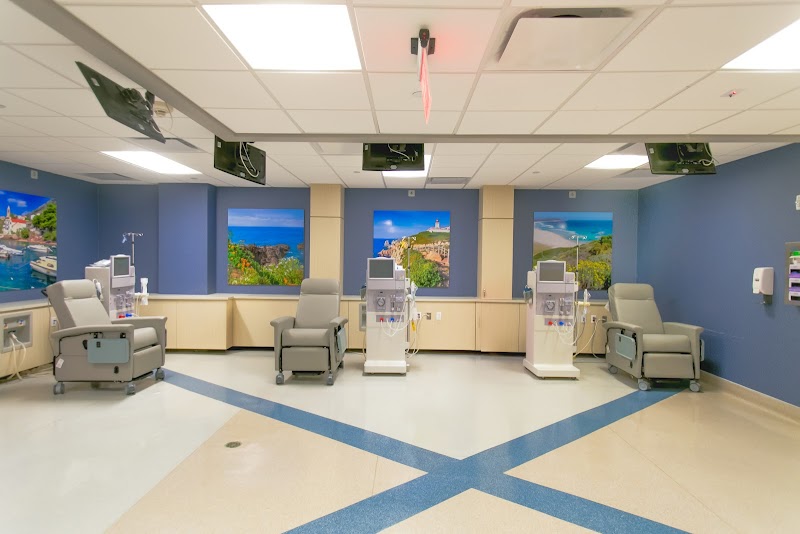
How is Peninsula Staffed?

CMS rates PENINSULA NURSING AND REHABILITATION CENTER's staffing level at 3 out of 5 stars, which is average compared to other nursing homes. Staff turnover is 39%, compared to the New York average of 46%. This relatively stable workforce can support continuity of care.

What Have Inspectors Found at Peninsula?

State health inspectors documented 13 deficiencies at PENINSULA NURSING AND REHABILITATION CENTER during 2019 to 2024. These included: 13 with potential for harm.
Who Owns and Operates Peninsula?

PENINSULA NURSING AND REHABILITATION CENTER is owned by a for-profit company. For-profit facilities operate as businesses with obligations to shareholders or private owners. The facility is operated by CASSENA CARE, a chain that manages multiple nursing homes. With 200 certified beds and approximately 189 residents (about 94% occupancy), it is a large facility located in FAR ROCKAWAY, New York.

How Does Peninsula Compare to Other New York Nursing Homes?

Compared to the 100 nursing homes in New York, PENINSULA NURSING AND REHABILITATION CENTER's overall rating (5 stars) is above the state average of 3.1, staff turnover (39%) is near the state average of 46%, and health inspection rating (4 stars) is above the national benchmark.

What Should Families Ask When Visiting Peninsula?

Based on this facility's data, families visiting should ask: "Can I visit during a mealtime to observe dining assistance and food quality?" "How do you handle medical emergencies, and what is your hospital transfer rate?" "Can I speak with family members of current residents about their experience?"

Is Peninsula Safe?

Based on CMS inspection data, PENINSULA NURSING AND REHABILITATION CENTER has a clean safety record: no substantiated abuse findings (meaning no confirmed cases of resident harm), no Immediate Jeopardy citations (the most serious violation level indicating risk of serious injury or death), and is not on the Special Focus Facility watch list (a federal program monitoring the lowest-performing 1% of nursing homes). The facility has a 5-star overall rating and ranks #1 of 100 nursing homes in New York. While no facility is perfect, families should still ask about staff-to-resident ratios and recent inspection results during their visit.

Do Nurses at Peninsula Stick Around?

PENINSULA NURSING AND REHABILITATION CENTER has a staff turnover rate of 39%, which is about average for New York nursing homes (state average: 46%). Moderate turnover is common in nursing homes, but families should still ask about staff tenure and how the facility maintains care continuity when employees leave.

Was Peninsula Ever Fined?

PENINSULA NURSING AND REHABILITATION CENTER has no federal fines on record. CMS issues fines when nursing homes fail to meet care standards or don't correct problems found during inspections. The absence of fines suggests the facility has either maintained compliance or corrected any issues before penalties were assessed. This is a positive indicator, though families should still review recent inspection reports for the full picture.

Is Peninsula on Any Federal Watch List?

PENINSULA NURSING AND REHABILITATION CENTER is not on any federal watch list. The most significant is the Special Focus Facility (SFF) program, which identifies the bottom 1% of nursing homes nationally based on persistent, serious quality problems. Not being on this list means the facility has avoided the pattern of deficiencies that triggers enhanced federal oversight. This is a positive indicator, though families should still review the facility's inspection history directly.