ROCKAWAY CARE CENTER
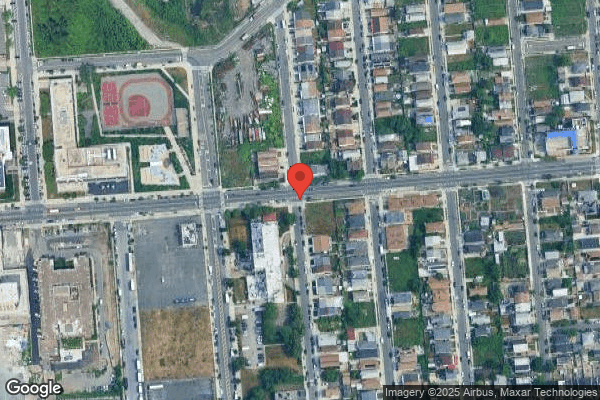
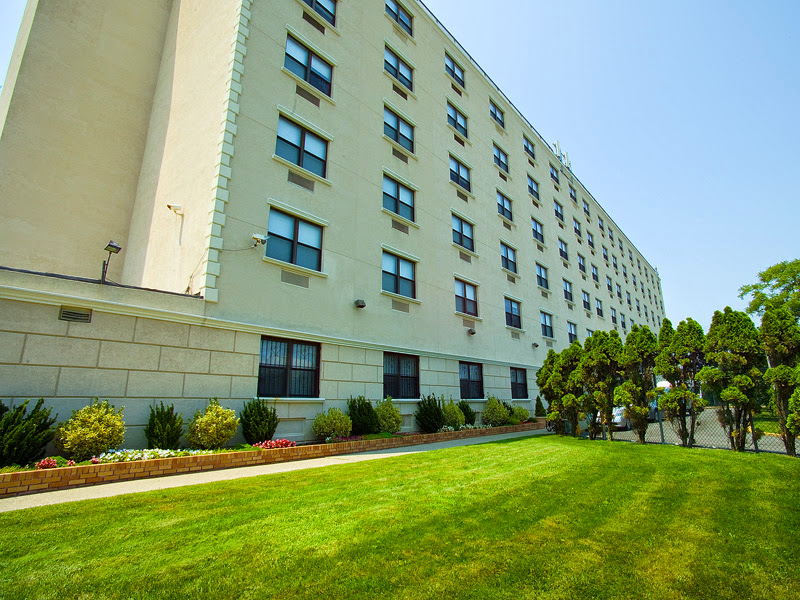
353 BEACH 48TH STREET, FAR ROCKAWAY, NY 11691 (718) 471-5000
For profit - Corporation 228 Beds Independent Data: November 2025
Trust Grade
48/100
#438 of 594 in NY
Last Inspection: July 2023

Over 2 years since last inspection. Current conditions may differ from available data.

Overview

Rockaway Care Center has a trust grade of D, which indicates below-average performance and raises some concerns about care quality. It ranks #438 out of 594 nursing homes in New York, placing it in the bottom half of facilities statewide, and #47 out of 57 in Queens County, meaning only a few local options are worse. Unfortunately, the facility is worsening, with issues increasing from 5 in 2021 to 7 in 2023. Staffing appears to be a strength, with a turnover rate of 26%, significantly lower than the state average, and good RN coverage that exceeds 75% of New York facilities. However, the facility has incurred $135,193 in fines, which is concerning and suggests ongoing compliance issues. Specific incidents include a resident being restrained without proper assessment and failure to report an abuse allegation within the required timeframe, which could pose risks to residents' safety and well-being. Overall, while staffing is a positive aspect, the facility has significant weaknesses that families should consider.

Trust Score
D
48/100
In New York
#438/594
Bottom 27%
Safety Record
Moderate
Needs review
Inspections
Getting Worse
5 → 7 violations
Staff Stability
✓ Good
26% annual turnover. Excellent stability, 22 points below New York's 48% average. Staff who stay learn residents' needs.
Penalties
○ Average
$135,193 in fines. Higher than 62% of New York facilities. Some compliance issues.
Skilled Nurses
○ Average
Each resident gets 41 minutes of Registered Nurse (RN) attention daily — about average for New York. RNs are the most trained staff who monitor for health changes.
Violations
⚠ Watch
12 deficiencies on record. Higher than average. Multiple issues found across inspections.
★★☆☆☆
2.0
Overall Rating
★★★☆☆
3.0
Staff Levels
★☆☆☆☆
1.0
Care Quality
★★★☆☆
3.0
Inspection Score
Stable
2021: 5 issues
2023: 7 issues

The Good

  • Low Staff Turnover (26%) · Staff stability means consistent care
  • Full Sprinkler Coverage · Fire safety systems throughout facility
  • No fines on record
  • Staff turnover is low (26%)

    22 points below New York average of 48%

Facility shows strength in staff retention, fire safety.

The Bad

2-Star Overall Rating

Below New York average (3.1)

Below average - review inspection findings carefully

Federal Fines: $135,193

Well above median ($33,413)

Significant penalties indicating serious issues

The Ugly 12 deficiencies on record

Jul 2023 7 deficiencies
CONCERN (D)

Potential for Harm - no one hurt, but risky conditions existed

Deficiency F0604 (Tag F0604)

Could have caused harm · This affected 1 resident

**NOTE- TERMS IN BRACKETS HAVE BEEN EDITED TO PROTECT CONFIDENTIALITY** Based on observations, interview, and record review conducted during the Recertification Survey from 7/19/2023 to 7/27/2023, the...

Read full inspector narrative →
**NOTE- TERMS IN BRACKETS HAVE BEEN EDITED TO PROTECT CONFIDENTIALITY** Based on observations, interview, and record review conducted during the Recertification Survey from 7/19/2023 to 7/27/2023, the facility did not ensure a resident remained free of physical restraints. This was evidenced for Resident #88 reviewed for Physical Restraints out of 38 total sampled residents. Specifically, Resident #88 was observed with bilateral 1/2 SR in place and unable to independently use or release the SRs. The findings are: The facility's policy titled Side Rail Usage last reviewed 10/1/22 dated 10/1/2022 documented partial SR will only be used by a resident to assist with his or her bed mobility and will not interfere with the resident's ability to egress from the bed surface. The Rehab Therapist will complete the Rehab SR assessment found in the electronic medical record (EMR). Resident #88 had diagnoses of seizures and Cerebral Vascular Accident (CVA). The Minimum Data Set 3.0 (MDS) dated [DATE] documented Resident #88 was moderately cognitively impaired, totally dependent on 2 people for transfers, totally dependent on 1 person for bed mobility, and did not use SRs or restraints. On 07/24/2023 at 01:27 PM and 07/26/2023 at 10:03 AM, Resident # 88 was observed alert in bed with bilateral upper 1/2 SRs raised. On 07/26/2023 at 10:18 AM, Certified Nursing Assistant (CNA) #7 was observed preparing to turn and position Resident #88 at bedside. Bilateral upper 1/2 SRs were in the raised position. Resident #88 stated they are unable to move their upper extremities. CNA #7 turned Resident #88 and placed the resident's right arm over the left upper 1/2 SR. Resident #88 did not grasp or hold onto the SR. A Physician's Order initiated 6/18/2021 and last renewed 7/21/2023 documented Resident #88 have bilateral 1/2 SRs as an enabler for turning, positioning, and bed mobility. The Comprehensive Care Plan (CCP) titled Activities of Daily Living (ADL) effective 07/17/2023 documented Resident #88 uses bilateral SRs for bed mobility. The Rehab SR assessment dated [DATE] documented SRs were recommended for Resident #88 for bed mobility and transfers. Resident #88 had left upper extremity strength 3 out of 5 and required maximum assistance of 2 people for bed mobility. There was no documented evidence the facility obtained consent for the use of SRs with Resident #88 and that a current assessment of Resident #88's ADL status was used to determine the appropriateness of SR use. On 07/26/2023 at 09:46 AM, CNA #7 was interviewed and stated they cared for Resident #88 for the past 6 months and the resident required 2 people to assist them with bed mobility, turning, and positioning. CNA #7 stated Resident # 88 cannot use their hands due to the contractures, cannot turn on their own, but can assist by holding onto the SR when turned by staff. On 07/26/2023 at 11:01 AM, Registered Nurse (RN) #1 was interviewed and stated the Rehab department does the SR assessment. If any staff believe a resident can benefit from SR use, the Interdisciplinary Team (IDT) discusses the resident in morning report. The Rehab department may also place them on services for SR use. These assessments are done on a quarterly basis, and the decision for SR usage is determined by Rehab. RN#1 could not recall if Resident # 88 used SRs. On 07/27/2023 at 08:47 AM, the Rehab Director was interviewed and stated that they do a SR assessment to determine if residents can use SRs. Resident #88 was assessed for SR in 4/2022 and it was determined Resident #88 were able to use SRs. Resident # 88 is currently receiving Occupational Therapy (OT) for upper body strengthening, but not bed mobility. The SR assessment dated [DATE] showed that was Resident # 88 was able to do better than before and was able to turn a little with the CNA. Resident # 88 can use the SR to pull themselves up in bed. The Rehab Director stated they will be discussing Resident #88 with nursing so they can give their input in the assessment. On 07/26/2023 at 05:33 PM, the Director of Nursing (DON) was interviewed, and stated nursing is involved in the SR assessment process when a cognitively intact resident is admitted to the facility and requests SRs. Nursing makes a referral to Rehab who checks for the functional status of the resident. The SR is considered a restraint when it restricts the resident's movement or when the resident cannot move independently and put the SR up or down. If the resident is unable to move from one side to another, or needs 2 people to turn, then there is no need for the SR. If the resident is holding on by grabbing the SR, then they can assist with bed mobility. 415.4(a) (2-7)
CONCERN (D) 📢 Someone Reported This

A family member, employee, or ombudsman was alarmed enough to file a formal complaint

Potential for Harm - no one hurt, but risky conditions existed

Report Alleged Abuse (Tag F0609)

Could have caused harm · This affected 1 resident

**NOTE- TERMS IN BRACKETS HAVE BEEN EDITED TO PROTECT CONFIDENTIALITY** Based on interviews and record review conducted during the Recertification and Complaint Survey (NY00303837) from 07/19/2023 to ...

Read full inspector narrative →
**NOTE- TERMS IN BRACKETS HAVE BEEN EDITED TO PROTECT CONFIDENTIALITY** Based on interviews and record review conducted during the Recertification and Complaint Survey (NY00303837) from 07/19/2023 to 07/27/2023, the facility did not ensure all alleged violations involving abuse were reported immediately to the New York State Department of Health (NYSDOH), but not later than 2 hours after the alleged occurrence. This was evident for 2 (Resident # 153 and # 100) of 4 residents reviewed for Abuse out of 38 total sampled residents. Specifically, an altercation involving Resident #153 and # 100 was not reported to the NYSDOH within 2 hours of occurrence. The findings are: The facility policy titled Abuse Prevention dated 9/19/2022 documented the facility must report alleged violations related to mistreatment, exploitation, neglect, or abuse including injuries of unknown source and misappropriation of resident property and report the results to all investigations to all the proper authorities within prescribed timeframes. Alleged violations involving abuse, neglect, exploitation mistreatment is reported immediately, but not later than 2 hours after the allegation is made, if the events that cause the allegation involve abuse or result in serious bodily injury. Resident # 153 had diagnoses of dementia and bipolar disorder. The Minimum Data Set 3.0 (MDS) assessment dated [DATE] documented Resident # 153 had severely impaired cognition, required extensive assistance of 1 person to assist with Activities of Daily Living (ADL), and exhibited inappropriate behavior. Resident #100 had a diagnosis of dementia, depression, and psychotic disorder. The MDS 3.0 assessment dated [DATE] documented Resident # 100 has severely impaired cognition, required limited assistance of 1 person to assist with ADL. The Accident /Incident (AI) Report dated 10/15/2022 documented on 10/15/2022 at 12:45 AM, Resident #153 went into Resident # 100's room and slapped Resident #100 in the face with a slipper. Resident #100 pushed Resident #153 to the floor and Resident #153 sustained a 6 cm temporal laceration. The Aspen Complaint Tracking System (ACTS) documented the facility reported the incident between Resident #100 and #153 on 10/16/2022 at 7:58 PM, more than 2 hours after the occurrence. On 07/27/2023 at 12:22 PM, an interview was conducted with the Director of Nursing (DON) who stated the resident-to-resident altercation involving Resident #153 and Resident #100 happened when she was not in the facility, and it was the corporate DON that reported the incident to NYSDOH. On 07/27/2023 at 12:37 PM, the Administrator was interviewed, and stated resident-to-resident altercation must be reported to NYSDOH in the mandated timeframe. 415.4(b)(2)
CONCERN (D) 📢 Someone Reported This

A family member, employee, or ombudsman was alarmed enough to file a formal complaint

Potential for Harm - no one hurt, but risky conditions existed

Deficiency F0700 (Tag F0700)

Could have caused harm · This affected 1 resident

**NOTE- TERMS IN BRACKETS HAVE BEEN EDITED TO PROTECT CONFIDENTIALITY** Based on observation, record review, and interviews conducted during the Recertification and Abbreviated (NY0029797) survey, the...

Read full inspector narrative →
**NOTE- TERMS IN BRACKETS HAVE BEEN EDITED TO PROTECT CONFIDENTIALITY** Based on observation, record review, and interviews conducted during the Recertification and Abbreviated (NY0029797) survey, the facility did not ensure correct installation and maintenance of bed rails. This was evident for 1 (Resident #33) of 5 residents reviewed for Accidents out of 38 total sampled residents. Specifically, Resident #33 had bilateral half upper side rails (SR) in place without an assessment for risk of entrapment and proper installation and Resident #33 fell from the bed while attempting to use the SRs. The findings are: The facility policy titled SR Use dated 10/1/2022 documented the resident will be assessed for functional status on admission, readmission and quarterly. Partial SR will only be used by a resident to assist with his or her bed mobility. The initial assessment of SR will be completed by the Interdisciplinary team (IDT) including nursing, rehab, and social service. The resident or significant other will be notified and educated about the SR. The maintenance worker will conduct appropriate measurement and maintain monitoring of the risk of entrapment. Resident # 33 had diagnoses of Deep Venous Thrombosis (DVT) and Depression. The Minimum Data Set 3.0 (MDS) assessment dated [DATE] documented Resident #33 had intact cognition, required supervision assistance of one person for transfers and toilet use, and did not use bed rails. On 07/20/2023 at 12:01 PM, Resident #33 was interviewed and stated on 6/22/2022, they were trying to clean themselves holding onto the right upper SR and the SR fell off because it was broken and loose. Resident #33 used SRs for an extended period prior to the incident without an issue. A Physician Order dated 04/14/2022 documented Resident #33 use bilateral 1/2 SRs as an enabler for bed mobility. The Facility Reported Incident dated 06/23/2022 documented on 6/22/2022, Resident #33 was found kneeling on the floor with the upper half of their body still on the bed. The upper SR was still attached to the bed but was pushed outward. Resident #33 reported they were turning to the right while holding onto the SR and the SR fell sideways causing the resident to slide to their knees. The SR Assessments dated 06/24/2022 and 9/27/2022 documented Resident #33 was recommended to use SR as an enabler to promote independence and bed mobility. The Comprehensive Care Plan (CCP) related to SR initiated 8/15/2021 and last reviewed 6/20/2023 documented Resident #33 used bilateral 1/2 SR an enabler for turning and positioning and bed mobility. Interventions included assessing Resident #33's ability to use SR, ensure the resident can demonstrate proper use of SR, instruct resident/family that the use of SR is for quality of life and promote independence, and promptly notify staff if the use of SR inhibits independence in any way. Resident #33 will be able to judge distance to the edge of bed by using the SR as a marker of the bed edges. There was no documented evidence a SR assessment, including the resident's risk for entrapment, was completed for Resident #33 after 9/27/22. There was no documented evidence consent was obtained by the resident or family for SR use with Resident #33. There was no documented evidence the SRs were assessed for use with the bed dimensions and Resident #33's size. On 07/25/2023 at 02:51 PM, Maintenance Worker (MW) #1 was interviewed and stated the Maintenance Director (DM) instructs MW #1 what type of bed and SR are appropriate for a resident. MW #1 is not responsible for any scheduled maintenance of beds or SR. MW #1 was informed after Resident #33 fell from their bed due to a broken SR. MW #1 observed the SR was loose from Resident #33's bed and MW #1 repaired it by ensuring it was securely fastened to the bed. On 07/27/2023 at 12:00 PM, Certified Nursing Assistant (CNA) #3 was interviewed and stated they went into Resident #33's room on 6/22/2022 and found the resident wedged between the SR and the bed. The SR was loose and had fallen to the down position. On 07/25/2023 at 03:08 PM, the DM was interviewed, and stated Rehab informs them of what SR a resident requires. And generates the Physician Order. If SR are broken, the staff will let Maintenance know by using the logbook located on each unit. The DM also makes rounds, and the staff inform them of any broken SR. Resident #33 had loose SR that cause their fall, but they were not broken. The DM stated the facility started monthly SR inspections in January 2023. Inspections were not being performed prior to this. On 07/27/2023 at 11:47 AM, an interview was conducted with the Director of Nursing (DON) who Rehab assesses residents for SR and the nursing department completes the CCP. Rehab and Maintenance are looking for a way to ensure better safety with SR use. 415.12(h)(1)
CONCERN (D)

Potential for Harm - no one hurt, but risky conditions existed

Deficiency F0806 (Tag F0806)

Could have caused harm · This affected 1 resident

**NOTE- TERMS IN BRACKETS HAVE BEEN EDITED TO PROTECT CONFIDENTIALITY** Based on observations, record review, and interviews conducted during the Recertification survey from 07/19/2023 to 7/27/2023, t...

Read full inspector narrative →
**NOTE- TERMS IN BRACKETS HAVE BEEN EDITED TO PROTECT CONFIDENTIALITY** Based on observations, record review, and interviews conducted during the Recertification survey from 07/19/2023 to 7/27/2023, the facility did not ensure each resident received food that accommodated resident's allergies and preferences. This was evident for 1 (Resident #2) of 38 total sampled residents. Specifically, Resident #2 preferred not to consume milk and was observed with milk served on their meal tray. The findings are: The facility's policy titled Tray Line Food Service dated 07/09/2023 documented ensure that the staff are providing residents' food preferences. The Food Supervisor will be responsible for double checking the tray accuracy prior to the food truck leaving the kitchen. Resident #2 had diagnoses of multiple sclerosis and bladder cancer. The Minimum Data Set 3.0 (MDS) assessment dated [DATE] documented Resident #2 had moderate cognitive impairments and required the limited assistance of 1 for eating. On 07/24/2023 at 12:46 PM, Resident # 2 observed with their lunch meal tray and the Certified Nursing Assistant (CNA) opened the container of milk on the resident's tray. Resident #2's meal ticket on their tray documented the resident preferred no milk. On 07/25/2023 at 12:42 PM, Resident #2's lunch meal tray was prepped by the CNA and a milk container was observed on the tray. The meal ticket on the tray documented no milk. Resident #2 stated they do not like to drink milk because it gives them diarrhea. The Comprehensive Care Plan (CCP) related to nutritional status initiated 11/30/2016 and last updated 5/18/2023 documented Resident #2 will be satisfied with alternative menu options. Resident Council Meeting Minutes dated 4/27/2023 documented the Food Service Director (FSD) will investigate the reason residents are not receiving items on their trays that match what they ordered. On 5/25/2023, the FSD reported to the Resident Council that kitchen staff were being inserviced on ticket and tray accuracy. On 6/29/2023, the FSD reported the kitchen changed the way tray line service was conducted and hoped there will be improvement. On 07/25/2023 at 01:11 PM, CNA #4 was interviewed and stated they check Resident #2's meal ticket with the food that is served on the tray. CNA #4 looks at the ticket to see the name and to check the type of diet, The ticket is checked before giving the resident their meal. On 07/25/2023 at 01:15 PM, CNA #5 was interviewed and stated they glance at the meal ticket. The kitchen is aware of what the residents can and cannot have. The dietician sometimes checks the tray. On 07/25/2023 at 01:17 PM the Dietician was interviewed and stated the tray line staff check the trays against the meal tickets and sends the meal trays to the units. If the ticket says the resident has a preference for no milk then no milk should be sent on the tray. The FSD oversees the tray line. The Dietician meets with the residents monthly to discuss food preferences. There is a new process of checking the tray line. It has been revised. On 07/25/2023 at 04:14 PM, the FSD was interviewed and stated that they started a new method as they have been trying to change up the tray line and that they met with the resident council to discuss the issue since the process wasn't running smooth. This new process is to ensure that everything on the meal tickets goes up to the units. The FSD was aware that Resident #2 received milk on their tray even though the resident preferred no milk. The new tray line service just started 07/10/2023. 415.14(d)(4)
CONCERN (D)

Potential for Harm - no one hurt, but risky conditions existed

Food Safety (Tag F0812)

Could have caused harm · This affected 1 resident

Based on observations, record review, and interviews conducted during the Recertification Survey from 7/19/2023 to 7/27/2023, the facility did not ensure safe food storage was practiced. This was evid...

Read full inspector narrative →
Based on observations, record review, and interviews conducted during the Recertification Survey from 7/19/2023 to 7/27/2023, the facility did not ensure safe food storage was practiced. This was evident during observation of the Kitchen. Specifically, 48 cans of expired beans were observed in the emergency food storage area. The findings are: The facility policy titled 3 Day Emergency Food Supply dated 1/10/2019 documented monthly inventory checks are done to ensure that emergency supply is adequate in meeting needs of all residents with regards to diet ordered and applicable supplies. The Dietary Inventory of Emergency Food Supply form documented food items must be counted and expiration date of the items must be documented. Check all food items on a regular basis for expiration date. During the initial tour of the kitchen and emergency food storage area storage on 7/25/2023 at 11:00 AM, 48 cans of beans with use date of June 2023 (lot # EST199W) were on the shelf in the emergency food supply area. On 7/25/2023 at 11:30 AM, the Food Service Director was interviewed and stated the Dietary Aides check the food items in the emergency supply room and if any items are expired, they will be removed from that room. The Dietary Aide was planning to remove the 48 cans of expired beans. Expired items are not good for residents and should not be consumed as they are a health hazard. On 7/25/2023 at 11:35 AM, the Dietary Aide was interviewed and stated they are responsible for checking the food expiration date and if found nearing expiration, they will remove the items because residents cannot be given expired foods On 7/25/2023 at 11:40 AM, Corporate Registered Dietician was interviewed stated they make sure all items in the emergency supply room are not expired. They have a list of all items with expiration date and the Dietary Aide knows to remove the expired items, but it was overlooked. 415.14 (h)
CONCERN (D)

Potential for Harm - no one hurt, but risky conditions existed

Deficiency F0849 (Tag F0849)

Could have caused harm · This affected 1 resident

**NOTE- TERMS IN BRACKETS HAVE BEEN EDITED TO PROTECT CONFIDENTIALITY** Based on observation, record review, and interviews conducted during the recertification survey from 7/19/2023 to 7/27/2023, the...

Read full inspector narrative →
**NOTE- TERMS IN BRACKETS HAVE BEEN EDITED TO PROTECT CONFIDENTIALITY** Based on observation, record review, and interviews conducted during the recertification survey from 7/19/2023 to 7/27/2023, the facility did not ensure a communication process, including how the communication will be documented between the facility and the hospice provider, to ensure that the needs of the resident are addressed and met 24 hours per day, and a provision that the facility immediately notifies hospice about a need to transfer the resident from the facility for any condition. This was evident for Resident #55 reviewed for Hospice out of 38 total sampled residents. Specifically, there was no documented evidence the facility communicated with Hospice when Resident #55 was transferred to the hospital. The finding is: The facility policy titled Hospice Care dated 2/2018 documented the following the facility will ensure a communication process with hospice, including how the communication will be documented between the facility and the hospice care provider, to ensure that the need of the residents is addressed and met daily. The facility Hospice Care Agreement dated 07/19/2022 documented hospice shall provide routine home care and continuous care and services according to the frequency specified in the hospice plan of care, including but not limited to the following services (hospice nurse, hospice social worker, spiritual counselors, dietary, Home Health Aide, and hospice medical director or physician). Resident #55 had diagnoses of dementia and depression. The Minimum Data Set 3.0 (MDS) dated [DATE] documented Resident #55 was severely cognitively impaired and receiving hospice services. On 07/20/2023 at 10:45 AM, the resident was observed in the room, alert and awake. The resident appeared confused. The LPN #1 was present at the time of this observation and stated that the resident's hospice care has been discontinued for about few months now, and that the HHA and the hospice nurse have not been coming. Physician order initiated 11/24/2021 and last renewed 7/07/2023 documented Resident #55 receive Hospice care. The Comprehensive Care Plan related to Hospice related to Hospice Care initiated 11/24/2021 and last reviewed on 2/21/2023 documented to assess the resident for comfort and pain and administer medications as ordered. The Social Work (SW) Note dated 7/20/2023 documented the SW Department was informed today that Hospice services are no longer in place for Resident #55 as of 4/29/2023. The facility was not informed on 4/29/2023 that Resident #55 was taken off services after being transferred to the hospital for evaluation. Resident #55 was never discharged from the facility and the SW Department did not contact Hospice to say the resident is not at the facility. Resident #55 returned from the hospital and there were no changes. Hospice usually gives the facility a discharge paper if a resident is being taken off services. On 07/24/2023 at 01:06 PM, the Director of Social Work (DSW) was interviewed and stated the DSW does the initial Hospice referral and assessment, obtains the physician order, and informs family members. If the resident is sent to the hospital, the DSW notifies Hospice if the resident is admitted or not. If the resident comes back from the hospital the same day, there is no need for the DSW to Hospice. The DSW does not contact Hospice care to discontinue services and could not recall if they spoke with the Hospice nurse about the hospital transfer. The SW concluded that they were not aware that Hospice services were not coming into the facility for Resident #55. On 07/24/23 at 02:34 PM, an interview conducted with the Hospice Representative who stated that Hospice Nurse came to the facility on 4/29/2023 and was informed by the SW that Resident #55 was transferred to the hospital. The Hospice Nurse then discontinued Resident #55 from Hospice services because it was considered that the resident moved out of their service area. Hospice does not provide the facility with any discharge notice or documentation when a resident is taken off services. The communication between Hospice and the facility was bad, there was no phone call, and a mistake was made. On 07/27/23 at 12:30 PM, an interview conducted with the Administrator who stated that usually Hospice will let us know if a resident is discharged from their services. Hospice did not inform the facility that Resident #55 was no longer on services and the facility still believed the resident was receiving Hospice services. The Hospice agreement does not address how long a resident must be in the hospital before being taken off services. If the resident were admitted to the hospital, the facility should let Hospice know. Hospice does not have any on site documentation with the facility. Hospice does their own documentation for their own program offsite. There is no documentation of Hospice visits. 483.70(o)(1-4)
CONCERN (D)

Potential for Harm - no one hurt, but risky conditions existed

Infection Control (Tag F0880)

Could have caused harm · This affected 1 resident

**NOTE- TERMS IN BRACKETS HAVE BEEN EDITED TO PROTECT CONFIDENTIALITY** Based on observation and interview conducted during the Recertification survey from 07/19/2023 to 07/27/2023, the facility did n...

Read full inspector narrative →
**NOTE- TERMS IN BRACKETS HAVE BEEN EDITED TO PROTECT CONFIDENTIALITY** Based on observation and interview conducted during the Recertification survey from 07/19/2023 to 07/27/2023, the facility did not ensure infection prevention and control practices were maintained. This was evident for 1 (Resident #111) of 6 residents investigated for Pressure Ulcer/Injury out of 38 total sampled residents. Specifically, the Registered Nurse (RN) failed to practice hand hygiene and glove changes during wound care observation. The findings are: The facility policy titled Treatment Policy dated 07/10/2023 documented after cleansing and drying the wound, discard gloves, wash hands, and apply clean gloves. Resident #111 had diagnoses of right elbow pressure ulcer and respiratory failure. The Minimum Data Set 3.0 (MDS) assessment dated [DATE] documented Resident #111 was severely cognitively impaired and had a stage 4 pressure ulcer. On 07/27/2023 at 09:31 AM, a wound care observation of Resident #111 was conducted with RN #3 performing the wound care. RN #3 washed their hands and donned gloves, then took off the Resident #111's soiled dressing from the wound on their right elbow, cleaned the wound with Dakin's solution, dried the wound with gauze, applied gauze with Santyl, and covered the wound with an adhesive covering. RN#3 then stated they don't have to change their gloves after removing the soiled dressing because it is a clean dressing and not a sterile one. The Physician's Order dated 07/26/2023 documented Santyl 250 unit/gram topical ointment: apply by topical route daily for 14 days. Cleanse right elbow with Dakin, apply Santyl ointment, and apply dry protective dressing. On 07/27/2023 at 10:04 AM, RN#3 was interviewed and stated they don't recall the last competency and in service they received re: wound care. RN #3 stated they were taught that after cleaning a wound, the gloves does not have to be changed because it's a clean dressing. RN#3 further stated that only when there is a sterile dressing being done, then the gloves must be changed after the cleansing the wound. The wound did not have any drainage, but if there was a lot of drainage, then RN #3 would change their gloves. On 07/27/2023 at 10:24 AM, the Director of Nursing Services (DNS) was interviewed, and stated gloves must be changed after cleansing the wound and nurses were in-serviced on this. The DNS was not aware RN #3 did not practice gloves changes in between removing the soiled dressing during wound care. 415.19(b)(4)
Jul 2021 5 deficiencies
CONCERN (D)

Potential for Harm - no one hurt, but risky conditions existed

Deficiency F0558 (Tag F0558)

Could have caused harm · This affected 1 resident

**NOTE- TERMS IN BRACKETS HAVE BEEN EDITED TO PROTECT CONFIDENTIALITY** Based on observations, record review and interview during the Recertification survey, the facility did not ensure that residents...

Read full inspector narrative →
**NOTE- TERMS IN BRACKETS HAVE BEEN EDITED TO PROTECT CONFIDENTIALITY** Based on observations, record review and interview during the Recertification survey, the facility did not ensure that residents received services that accommodated the resident's needs and preferences. Specifically, the call bell buttons were not kept within the reach of the residents. This was evident for 6 of 9 residents reviewed for Accommodation of Needs in the Environment facility Task (Residents #8, 84, 120, 157, 185 and 186). The findings included but are not limited to: 1) Resident #84 was admitted with diagnoses which include Schizoaffective Disorder, Diabetes Mellitus, and Hypertension. The Minimum Data Set 3.0 (MDS) assessment dated [DATE] documented the resident had intact cognition. The resident required limited assistance of one person when performing Activities of Daily Living (ADLs). On 07/06/21 at 12:31 PM, resident #84 was observed in bed, alert and awake. The call bell button was found on the floor, approximately 4 feet away from the resident. On 07/06/21 at 02:43 PM, a follow-up observation was conducted. Resident #84 was in bed, and the call bell button was still on the floor. Resident #84 stated Resident #84 could not recall how long the call bell button was on the floor. 2) Resident #120 was admitted to the facility with diagnoses which include Muscle Weakness and Viral Hepatitis. The Minimum Data Set 3.0 (MDS) assessment dated [DATE] documented the resident had intact cognition. The resident required limited assistance of one person when performing Activities of Daily Living (ADLs). On 07/06/21 at 12:33 PM and 2:43 PM, Resident #120 was observed in bed, alert and awake. The call bell button was found on the floor, approximately 4 feet away from the resident. On 07/07/21 at 11:26 AM, Resident #120 was observed sitting in a wheelchair approximately 5 feet from the call bell button which was still on the floor. Resident #120 stated that the call bell button has been on the floor since yesterday. 3) Resident #185 was admitted to the facility with diagnoses which include Heart Failure, Hypertension, and Parkinson's Disease. The Minimum Data Set 3.0 (MDS) assessment dated [DATE], documented that the resident had intact cognition. The resident required extensive assist of one person for Activities of Daily Living (ADLs). On 07/06/21 at 01:01 PM and 2:42 PM, Resident #185 was observed in bed, alert and awake. The call bell button was clipped to the wall approximately 4 feet away from the resident. On 07/07/21 at 11:30 AM, another follow-up observation was conducted. The call bell button was still attached to the wall while the resident was in bed. 4) Resident #186 was admitted to the facility with diagnoses which include Hypertension, Anemia, and Neurogenic Bladder. The Minimum Data Set 3.0 (MDS) assessment dated [DATE], documented that the resident's cognitive status is intact, and the resident required a limited assistance with one person when performing Activity of Daily Livings (ADLS). On 07/06/21 at 01:01 PM and 2:42 PM, the resident was observed in bed, alert and awake. The call light was clipped to the wall approximately 3.5 feet away from the resident. On 07/07/21 at 11:30 AM, another follow-up observation was conducted the following day. The call light was still attached to the wall while the resident was in bed. The resident stated the call bell has always been in that position. On 07/08/21 at 10:02 AM, an interview was conducted with the Certified Nursing Assistant (CNA #3) who was assigned to the above-mentioned residents. CNA #3 stated after performing the ADLs, CNA #3 will position the call bell button by the resident's side so that the resident can have access to it. CNA #3 stated CNA #3 hung the call bell button on the wall while performing care. The call bell buttons on the floor fell and staff forgot to pick them up. Some of the call bell cords do not have a clip to affix them to the bed. On 07/11/21 11:19 AM, an interview was conducted with CNA #4 who was assigned to the residents on the 11pm to 7am shift. CNA #4 stated CNA #4 ensures call bells are within reach during rounds conducted at the beginning of the shift. CNA #4 stated Resident #s 84, 120, 185, and 186 rarely use the call bell, and that could be the reason CNA #4 did not notice the location of the call bell buttons. On 07/11/21 at 11:40 AM, an interview was conducted with CNA#5, who worked 3pm to 11pm and 11pm to 7am on those days. CNA #5 stated they ensure call bells are within reach during rounds. CNA #5 could not recall if the call bells were within reach for these residents. On 07/08/21 at 10:20 AM, an interview was conducted with the License Practical Nurse (LPN#2). LPN #2 stated LPN #2 informs the staff that they need to ensure call bells are within reach of the residents. LPN #2 makes rounds and looks to see if call bells are within reach. LPN #2 stated the staff will make changes to ensure this is done. On 07/08/21 at 11:53, and interview was conducted with the RN Manager (RN #3). RN #3 stated RN #3 has not received any complaints about the call bells. Call bell buttons should be within reach and clipped to the bed. RN #3 stated RN #3 conducts rounds on the unit every morning, and RN #3 was not aware of any issue with call bells not being within reach prior to this morning. RN #3 stated staff on the floor were in-serviced. The CNAs should ensure call bell buttons are within reach, and the medication nurses are responsible for supervising the CNAs. On 07/12/21 at 12:43 PM, an interview was conducted with the Director of Nursing (DON). The DON stated the DON heard about the concern of the call bells not placed within reach, and the facility will correct the issue. 415.5 (e)(1)
CONCERN (D)

Potential for Harm - no one hurt, but risky conditions existed

Assessment Accuracy (Tag F0641)

Could have caused harm · This affected 1 resident

**NOTE- TERMS IN BRACKETS HAVE BEEN EDITED TO PROTECT CONFIDENTIALITY** Based on record review and interview during the Recertification survey, the facility failed to ensure Minimum Data Set (MDS) 3.0...

Read full inspector narrative →
**NOTE- TERMS IN BRACKETS HAVE BEEN EDITED TO PROTECT CONFIDENTIALITY** Based on record review and interview during the Recertification survey, the facility failed to ensure Minimum Data Set (MDS) 3.0 assessments were completed accurately to reflect the resident's status. Specifically, a resident who was placed on a wander guard device since [DATE] was not coded for having a wander guard device. This was evident for 1 of 37 sampled residents reviewed for MDS assessment (Resident #68). The finding is: Resident #68 was admitted to the facility with diagnoses which include Hypertension and Schizophrenia. The most recent Minimum Data Set 3.0 (MDS) assessment dated [DATE] documented that the resident had severely impaired cognition. Resident #68 required the limited assistance of one person for Activities of Daily Living (ADLs). On [DATE] at 11:09 AM, Resident #68 was observed in the hallway with a Wander guard device on the left wrist. On [DATE] at 12: 05 PM, Resident #68 was observed in the room with a Wander Guard device on the left wrist. The Registered Nurse (RN#3) was also present at the time of this observation. The Physician's order initiated [DATE] and renewed [DATE] documented the following: Wander Guard Check placement every shift (right wrist). The Comprehensive Care Plan (CCP) for Elopement Risk dated [DATE], revised [DATE], documented the resident would have a Secure Care Bracelet (wander guard) applied. Interventions also included: check wander guard placement every shift and replace expired or malfunctioning wander guard as needed. The Treatment Administration Record (TAR) dated [DATE] to [DATE] documented that the wander Guard device was observed on the right wrist every shift (7AM, 3PM and 11PM). The MDS assessments dated [DATE] (annual) and [DATE] (quarterly) documented in Section P0200-Alarm that Wander/Elopement Alarm was not used. On [DATE] at 01:00 PM, an interview was conducted with the MDS Assessor, who stated they completed the MDS dated [DATE]. The MDS Assessor sees the residents and reviews the progress notes and orders prior to completing the MDS. The MDS Assessor stated the missing wander guard on the MDS was an oversight. On [DATE] at 12:32 PM, an interview was conducted with the Director of Nursing (DON) who stated the MDS assessment is an important part of the records, and residents must be assessed accurately. 415.11 (b)
CONCERN (D)

Potential for Harm - no one hurt, but risky conditions existed

Comprehensive Care Plan (Tag F0656)

Could have caused harm · This affected 1 resident

**NOTE- TERMS IN BRACKETS HAVE BEEN EDITED TO PROTECT CONFIDENTIALITY** Based on staff interview and record review conducted during a the Recertification survey, the facility did not ensure that perso...

Read full inspector narrative →
**NOTE- TERMS IN BRACKETS HAVE BEEN EDITED TO PROTECT CONFIDENTIALITY** Based on staff interview and record review conducted during a the Recertification survey, the facility did not ensure that person-centered care plans with measurable goals, time frames and interventions were developed to address a resident's concerns. Specifically, care plans were not developed to address the care needs of oxygen therapy, nebulizer treatment, CPAP use, inslin use, and anticoagulant therapy. This was evident for 2 of 37 sampled residents (Resident #46 and Resident #66). The findings are: The policy and procedure titled Comprehensive Care Plan dated 3/2017 documented that each discipline involved in the Comprehensive assessment and care planning will develop a proposed plan of care which includes measurable objectives, interventions and timetables to evaluate the effectiveness or lack of effectiveness of the interventions. 1) Resident #46 was admitted to facility with diagnoses which include Chronic Obstructive Pulmonary Disease (COPD), Hypertension (HTN), and Anxiety Disorder. The quarterly Minimum Data Set 3.0 (MDS) assessment dated [DATE] documented Resident #46 had intact cognition and required the total assist of two or more persons with most activities of daily living and supervision for eating. The MDS further documented Resident #46 received oxygen therapy. The Order Physician Summary Report with different initiated dates for the medications documented the following orders: Duo-Neb 0.5 mg (milligrams)-3 mg (2.5 mg base)/3 mL (milliliters) solution for nebulization inhale 3 milliliters by inhalation route every 6 hours To be given at least for 15 min for COPD (initiated 6/7/21); Oxygen 2 Liters per minute for Shortness of Breath [initiated 6/2/2021]; and CPAP on at bedtime and off in the morning and as needed with settings: 13 [initiated 6/15/2021]. Review of the Medication Administration Record documented that the resident had received the ordered medication Duo-Neb 0.5 mg (milligrams)-3 mg (2.5 mg base)/3 mL (milliliters) solution for nebulization inhale 3 milliliters by inhalation route every 6 hours To be given at least for 15 min for COPD (initiated 6/7/21); Oxygen 2 Liters per minute for Shortness of Breath [initiated 6/2/2021] daily since ordered. There was no documented evidence that care plans with measurable objectives, time frames and appropriate interventions were developed to address the care needs for the resident's Oxygen therapy, Nebulizer use, and CPAP. On 07/09/21 at 11:47 AM, an interview was conducted with the Registered Nurse supervisor (RN#1) who stated the registered nurse charge nurse and supervisors are responsible for initiating the Comprehensive Care Plans. RN #1 stated anyone can update the care plan. RN #1 stated if the resident is receiving any type of respiratory care, like oxygen and nebulization treatments, or has a respiratory diagnosis there should be a respiratory CCP in place. RN #1 stated RN #1 will go downstairs and take care of this right away. 2) Resident #66 was originally admitted with diagnoses of Cerebral Vascular Accident (CVA), Diabetes, and Acute embolism and thrombosis of unspecified femoral vein. The Quarterly Minimum Data Set 3.0 (MDS) assessment dated [DATE] documented the resident required the total assist of 2 persons for most activities of daily living. The resident received insulin and anticoagulants daily. The Physician's order dated 6/11/21 documented orders for Lantus insulin 5 units by subcutaneous injection once daily at bedtime and Heparin (an anticoagulant) 5,000 units every 8 hours via subcutaneous injection. There was no documented evidence that a CCP (Comprehensive Care Plan) was developed with interventions to address the resident's anticoagulant therapy and insulin. On 07/09/21 at 10:22 AM, RN #1 stated RN #1 supervises the units and initiates and update care plans. RN #1 stated that care plans are supposed to be initiated on admission and after any changes in condition, RN #1 stated the resident should have had a care plan with interventions for insulin and anticoagulant therapy. RN #1 stated RN #1 will initiate the care plans for insulin and anticoagulant therapy right away. On 07/09/21 at 02:00 PM, an interview was conducted with the Director of Nursing (DON). The DON stated that care plans are supposed to be done on admission, quarterly and annually. If there are any changes in the resident's conditions, the care plan must be updated. The Care Plans should have been done. On 07/09/21 at 02:05 PM, the Corporate DNS stated care plans have to be done upon admission and with any changes in conditions. The Corporate DNS stated the Corporate DNS monitors the resident records regularly and will ensure the care plans are completed. 415.11(c)(1)
CONCERN (D)

Potential for Harm - no one hurt, but risky conditions existed

Pressure Ulcer Prevention (Tag F0686)

Could have caused harm · This affected 1 resident

**NOTE- TERMS IN BRACKETS HAVE BEEN EDITED TO PROTECT CONFIDENTIALITY** Based on observations, record reviews and interviews during the recertification survey, the facility failed to ensure a resident...

Read full inspector narrative →
**NOTE- TERMS IN BRACKETS HAVE BEEN EDITED TO PROTECT CONFIDENTIALITY** Based on observations, record reviews and interviews during the recertification survey, the facility failed to ensure a resident receives care, consistent with professional standards of practice, to prevent pressure ulcers. Specifically, a resident with orders to apply bilateral heel pads when in bed and in the wheelchair was observed not wearing the heel pads during multiple observations. This was evident for 1 of 2 residents reviewed for Pressure Ulcer (Resident #9). The finding is: The facility's Policy and Procedure dated 4/12/2012, titled Adaptive Equipment Policy documented It is the policy of this facility that assistive/adaptive equipment is issued after resident's evaluation by the licensed rehabilitation therapist. The nursing department and the rehabilitation department will monitor care and proper use of adaptive device. Nursing will document the use of these devices on Certified Nursing Assistance (CNA)accountability record. The CNAs are accountable to ensure presence and proper functioning of the device every shift. Resident #9 was admitted to the facility on [DATE] with diagnosis of Cerebrovascular Accident, Transient Ischemic attack, and Muscle spasm. The annual Minimum Data Set 3.0 (MDS) assessment dated [DATE] documented Resident #9 had cognition. Resident #9 required the total assist of 2 persons for bed mobility and transfers. The MDS further documented Resident #9 was at risk for developing pressure ulcers, and Resident #9 had one stage 3 pressure ulcer on the sacral area. The Comprehensive Care Plan (CCP) for ADL Functional/rehabilitation Potential care area dated 5/9/2021 documented resident has Self-Care deficit related to impaired physical mobility as evidence by resident being totally dependent on staff for self-care. Documented Intervention for this care plan were to provide bilateral heel pads to both feet, to be applied when in bed. The Physician's orders dated 6/10/2021 documented orders for Bilateral Heel pads to be applied when in bed and wheelchair. On 7/6/21 at 11:51 AM, 7/7/21 at 11:40 AM, 7/8/21 at 12:35 PM, and 7/9/21 at 12:45 PM, Resident #9 was observed sitting in a wheelchair with no bilateral heel pads in place. On 7/8/21 at 9:17 AM, the resident was observed in bed with no bilateral heel pads in place. The CNA Accountability Record dated July 1, 2021 to July 8, 2021 documented the Bilateral Heel pads were not consistently applied on three shifts. On 7/1, 7/2, 7/6, and 7/7, during the 3:30 PM to 11:30 PM shift and 7/2, 7/5, 7/6, and 7/7, during the 11:30 PM to 7:30 AM shift, the bilateral heel pads were not applied. There was no documentation regarding failure to apply the heel pads. On 7/9/21 at 2:03 PM, the Certified Nursing Assistant (CNA #1) was interviewed and stated Resident #9 refused the heel pads, but CNA #1 will try to apply them later. On 7/9/21 at 2:47 PM, the Rehab CNA (CNA #3) was interviewed and stated CNA #3 checks the kiosk to see which residents have orders for assistive devices and then ensures they are applied. If CNA #3 sees devices not applied, CNA #3 will question the CNA assigned to the resident. CNA #3 will ask why assistive device not applied, she will check the order for assistive device, she will check the reason given by the CNA assigned to the residents reason assistive device not applied. CNA #3 acknowledged Resident #9 has order for heel pads to be applied while in bed and in wheelchair and she is not aware heel pads not applied that should have been applied since resident has an order for heel pads. On 7/9/21 at 2:29 PM,the Registered Nurse Supervisor (RN #2) was interviewed and stated that the Rehab CNA checks to see if assistive devices are in place. If a CNA does not apply a device for any reason, the CNA should report it to RN #2. RN #2 stated no one reported to RN #2 that the heel pads are not being applied to Resident #9. There is an order for the heel pads so they need to be applied. 415.12 (c) (1)
CONCERN (D)

Potential for Harm - no one hurt, but risky conditions existed

Infection Control (Tag F0880)

Could have caused harm · This affected 1 resident

**NOTE- TERMS IN BRACKETS HAVE BEEN EDITED TO PROTECT CONFIDENTIALITY** Based on observation, record review, and interview during the recertification survey, the facility failed to ensure infection co...

Read full inspector narrative →
**NOTE- TERMS IN BRACKETS HAVE BEEN EDITED TO PROTECT CONFIDENTIALITY** Based on observation, record review, and interview during the recertification survey, the facility failed to ensure infection control practices and procedures were maintained to provide a safe and sanitary environment to help prevent the development and transmission of communicable diseases and infections. Specifically, Oxygen tubing, nebulizer tubing, and nebulizer masks were observed on multiple occasions touching the floor, uncovered, and improperly stored. This was evident for 3 of 6 residents reviewed for Respiratory Care (Resident #46, #118, #438) out of an investigative sample of 37 residents. The findings are: The undated facility policy titled Oxygen Tubing documented the following under the section titled procedure: 1. During hourly rounds oxygen tubing will be checked to ensure it not touching the floor. 2. Excess tubing will be secure to prevent it from touching the floor. 3. Oxygen tubing noted touching the floor will be cleaned with EPA registered germicidal wipes or replace and 4. Cognitively competent resident will be educated on keeping oxygen tubing off the floor and to notify staff if assistance is needed or if tubing needs to be cleaned. 1) Resident #46 was admitted with diagnoses which include Chronic Obstructive Pulmonary Disease (COPD), Hypertension, and Anxiety Disorder. The Minimum Data Set 3.0 (MDS) Quarterly assessment dated [DATE] documented the resident had intact cognition and required total assist of two or more persons for most activities of daily living. The MDS further documented Resident s#46 received oxygen therapy. On 07/06/21 at 10:56 AM, Resident #46 was observed lying in bed in no distress with oxygen via nasal cannula in use supplied by an oxygen concentrator. The oxygen tubing was on the floor and not dated. A Nebulizer mask and Continuous Positive Airway Pressure (CPAP) mask were on top of the bedside drawer uncovered and open to air. There were no dates on the tubing for the nebulizer and CPAP masks. On 07/07/21 at 11:51 AM, the resident was observed in bed with oxygen via nasal cannula in use. The oxygen tubing was on the floor. The nebulizer and CPAP masks on top of the bedside drawer were uncovered. The nebulizer mask was attached to nebulizer machine and the CPAP mask was attached to the CPAP machine. On 07/08/21 at 09:45 AM, the resident was observed lying in bed. The Nebulizer mask was observed hanging from the bed rails uncovered, with nebulizer tubing was resting on the floor. The CPAP mask was observed on top of the bedside drawer uncovered and attached to CPAP machine. On 07/09/21 at 09:23 AM, the resident was observed lying in bed with oxygen in use via Nasal cannula. The nebulizer mask was observed Resident #46's lap uncovered. Resident #46 stated they received a treatment at 6 AM. The CPAP mask remained uncovered on top of the bedside drawer. On 07/09/21 at 11:51 AM, an observation was conducted with the Registered Nurse in charge [RN#1]. The resident was in bed with oxygen in use. The Nebulizer mask was in the resident's lap on top of the sheet, and the CPAP mask was on the bedside drawer uncovered and open to air. The RN looked in the drawer and was unable to locate the plastic bags used to store the nebulizer and CPAP masks. On 07/08/21 at 09:48 AM, an interview was conducted with Resident #46. Resident #46 stated they receive nebulizer treatments four times per day. Resident #46 stated staff do not provide anything to put the nebulizer mask in. The staff put the nebulizer mask in the bedside table. Resident #46 stated Resident #46 was never educated on the care of the mask, the need for the mask to be placed in a plastic bag, or the need to keep oxygen tubing off the floor. 2) Resident #118 was admitted with diagnoses which include Chronic Obstructive Pulmonary Disease (COPD), Anemia and Diabetes. The Minimum Data Set 3.0 (MDS) Quarterly assessment dated [DATE] documented the resident had moderately impaired cognition and required extensive to total assist of one person for most activities of daily living. The physician order dated 6/9/2021 documented order for Oxygen Rate: 4-5 Liters per min by Nasal Cannula as needed for Shortness of breath. Albuterol sulfate 2.5 mg/3 mL (0.083 %) solution for nebulization inhale 3 milliliters (2.5 mg) by nebulization route 3 times per day for Shortness of breath. On 07/06/21 at 09:39 AM and 2:38 PM, Resident #118 was observed sitting up in bed receiving oxygen via nasal cannula from an oxygen concentrator. The undated oxygen tubing was on the floor. On 07/09/21 at 11:55 AM, Resident #118 was observed lying in bed receiving oxygen via nasal cannula. The oxygen tubing was on the floor and undated. A nebulizer mask was in the bedside drawer with tubing attached and hanging down to the floor. 3) Resident #438 was admitted to facility with diagnosis which include Tracheostomy Status, Respiratory Failure, and Asthma. The Minimum Data Set 3.0 (MDS) admission assessment dated [DATE] documented the resident had intact cognition and required limited to extensive assistance of one person for most activities of daily living. The MDS further documented resident received Oxygen therapy. On 07/06/21 at 10:05 AM and 2:40 PM and 7/8/21 at 9:55 AM Resident #438 was observed lying in bed receiving oxygen via tracheostomy from an oxygen concentrator. The oxygen tubing connected to the tracheostomy was on the floor. On 07/07/21 at 11:00 AM, Resident #438 was observed sitting on the bed with oxygen via tracheostomy in use. The oxygen tubing attached to the tracheostomy was resting on the floor. On 07/09/21 at 11:54 AM, Resident #438 was observed with the Registered Nurse in charge (RN #1?). Resident #438 was in bed with oxygen via tracheostomy in use. The oxygen tubing was attached to the bottom of the bedside table and resting on the floor. On 07/08/21 at 09:55 AM, an interview was conducted with Resident #438. Resident #438 communicated by gestures, shaking head yes or no, and writing on a pad. Resident #438 was asked if they were educated by staff about the importance of keeping the oxygen tubing off the floor. Resident #438 wrote no. On 07/09/21 at 11:00 AM, an interview was conducted with License Practical Nurse (LPN#1) on the unit. LPN #1 stated not responsible for treatment but administers medications. LPN stated if see any oxygen tubing on the floor or if the resident removes the tubing responds by cleaning or replacing the tubing. LPN stated at times the resident may remove the tubing and will replace the tubing. LPN stated did not see any tubing on floor and stated was not aware of nebulizer mask, CPAP mask left uncovered in the resident room. LPN also stated if I see anything with the tubing it will be replace right away. LPN added was not responsible to administering treatments and treatments are done by the charge nurse. On 07/09/21 at 11:38 AM an interview was conducted with Registered Nurse (RN #1), and charge nurse for the unit (3rd floor). RN #1 stated the facility protocol for nebulizer mask, BiPAP/CPAP mask is to clean the mask after use and place the mask in a plastic bag and put the masks in the resident bedside drawer. RN stated all staff was educated on these protocols, and are aware to follow these protocols, RN stated this protocol is followed on this unit. RN#1 stated monitors the units by constantly making rounds, talking to staff, and talking to the residents. RN#1 had no explanation as to why nebulizer mask and CPAP mask was left uncovered open to air at the resident's bedside draw. RN #1 stated Oxygen tubing are changed once weekly and dated and as needed RN stated once the tubing touches the floor the tubing should be thrown away and a new one provided. RN stated they do educate them as she goes and stated did not note the tubing on the floor. RN stated did not documented the education but educated as monitor unit. On 07/09/21 at 02:44 PM an interview was completed with Other staff #3, Infection Control Preventionist (ICP) for the facility. ICP stated started in the facility for the past four months. ICP stated getting familiar with process and is aware of Infection prevention standards. ICP stated when the staff uses the nebulizer mask, the CPAP mask they need to return to the resident and remove the mask clean and put the mask away. ICP stated staff have zip lock bag to put the mask. ICP stated was inserviced and will continue to reinserviced and educate staff so that the right protocols are followed. ICP stated monitors that the right protocols are followed by making rounds, doing spot checks, and discussing infection control practices in morning report. ICP state stated that all oxygen tubing, nebulizer tubing should not be on the floor at any time. ICP stated if the tubing is noted on the floor the tubing must be discarded and a new tubing applied. ICP stated all staff is responsible for monitoring and can make a correction as soon as discovered. ICP stated if tubing is noted on the floor it should be discarded and replace. ICP stated continue to make rounds and spot check every unit and did not see tubing on the floor as a widespread problem. ICP stated will continue to educate staff and correct issues as they arise. ICP added tubing, mask they must be properly stored by the staff and added the alert resident can be educated regarding infection control practices s they can keep the tubing off the floor. 415.19(b)(4)
Understanding Severity Codes (click to expand)
Life-Threatening (Immediate Jeopardy)
J - Isolated K - Pattern L - Widespread
Actual Harm
G - Isolated H - Pattern I - Widespread
Potential for Harm
D - Isolated E - Pattern F - Widespread
No Harm (Minor)
A - Isolated B - Pattern C - Widespread

Questions to Ask on Your Visit

  • "Can I speak with families of current residents?"
  • "What's your RN coverage like on weekends and overnight?"

Our Honest Assessment

Strengths
  • • 26% annual turnover. Excellent stability, 22 points below New York's 48% average. Staff who stay learn residents' needs.
Concerns
  • • 12 deficiencies on record. Higher than average. Multiple issues found across inspections.
  • • $135,193 in fines. Extremely high, among the most fined facilities in New York. Major compliance failures.
  • • Grade D (48/100). Below average facility with significant concerns.
Bottom line: Trust Score of 48/100 indicates significant concerns. Thoroughly evaluate alternatives.

About This Facility

What is Rockaway's CMS Rating?

CMS assigns ROCKAWAY CARE CENTER an overall rating of 2 out of 5 stars, which is considered below average nationally. Within New York, this rating places the facility higher than 0% of the state's 100 nursing homes. A rating at this level reflects concerns identified through health inspections, staffing assessments, or quality measures that families should carefully consider.
How is Rockaway Staffed?

CMS rates ROCKAWAY CARE CENTER's staffing level at 3 out of 5 stars, which is average compared to other nursing homes. Staff turnover is 26%, compared to the New York average of 46%. This relatively stable workforce can support continuity of care.

What Have Inspectors Found at Rockaway?

State health inspectors documented 12 deficiencies at ROCKAWAY CARE CENTER during 2021 to 2023. These included: 12 with potential for harm.

Who Owns and Operates Rockaway?

ROCKAWAY CARE CENTER is owned by a for-profit company. For-profit facilities operate as businesses with obligations to shareholders or private owners. The facility operates independently rather than as part of a larger chain. With 228 certified beds and approximately 203 residents (about 89% occupancy), it is a large facility located in FAR ROCKAWAY, New York.

How Does Rockaway Compare to Other New York Nursing Homes?

Compared to the 100 nursing homes in New York, ROCKAWAY CARE CENTER's overall rating (2 stars) is below the state average of 3.1, staff turnover (26%) is significantly lower than the state average of 46%, and health inspection rating (3 stars) is at the national benchmark.

What Should Families Ask When Visiting Rockaway?

Based on this facility's data, families visiting should ask: "Can I visit during a mealtime to observe dining assistance and food quality?" "How do you handle medical emergencies, and what is your hospital transfer rate?" "Can I speak with family members of current residents about their experience?"

Is Rockaway Safe?

Based on CMS inspection data, ROCKAWAY CARE CENTER has a clean safety record: no substantiated abuse findings (meaning no confirmed cases of resident harm), no Immediate Jeopardy citations (the most serious violation level indicating risk of serious injury or death), and is not on the Special Focus Facility watch list (a federal program monitoring the lowest-performing 1% of nursing homes). The facility has a 2-star overall rating and ranks #100 of 100 nursing homes in New York. While no facility is perfect, families should still ask about staff-to-resident ratios and recent inspection results during their visit.

Do Nurses at Rockaway Stick Around?

Staff at ROCKAWAY CARE CENTER tend to stick around. With a turnover rate of 26%, the facility is 20 percentage points below the New York average of 46%. Low turnover is a positive sign. It means caregivers have time to learn each resident's needs, medications, and personal preferences. Consistent staff also notice subtle changes in a resident's condition more quickly.

Was Rockaway Ever Fined?

ROCKAWAY CARE CENTER has been fined $135,193 across 1 penalty action. This is 3.9x the New York average of $34,431. Fines at this level are uncommon and typically indicate a pattern of serious deficiencies, repeated violations, or failure to correct problems promptly. CMS reserves penalties of this magnitude for facilities that pose significant, documented risk to resident health or safety. Families should request specific documentation of what issues led to these fines and what systemic changes have been implemented.

Is Rockaway on Any Federal Watch List?

ROCKAWAY CARE CENTER is not on any federal watch list. The most significant is the Special Focus Facility (SFF) program, which identifies the bottom 1% of nursing homes nationally based on persistent, serious quality problems. Not being on this list means the facility has avoided the pattern of deficiencies that triggers enhanced federal oversight. This is a positive indicator, though families should still review the facility's inspection history directly.