WEST LAWRENCE CARE CENTER, L L C
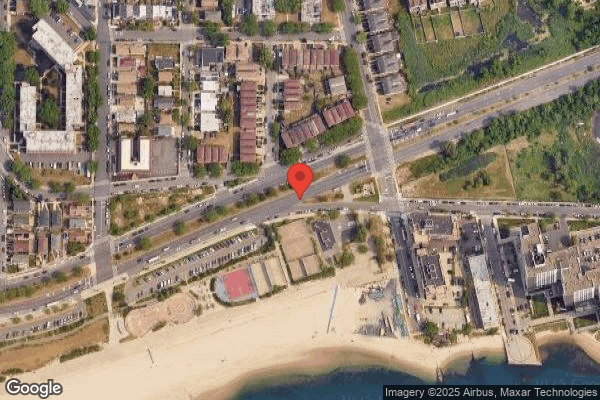
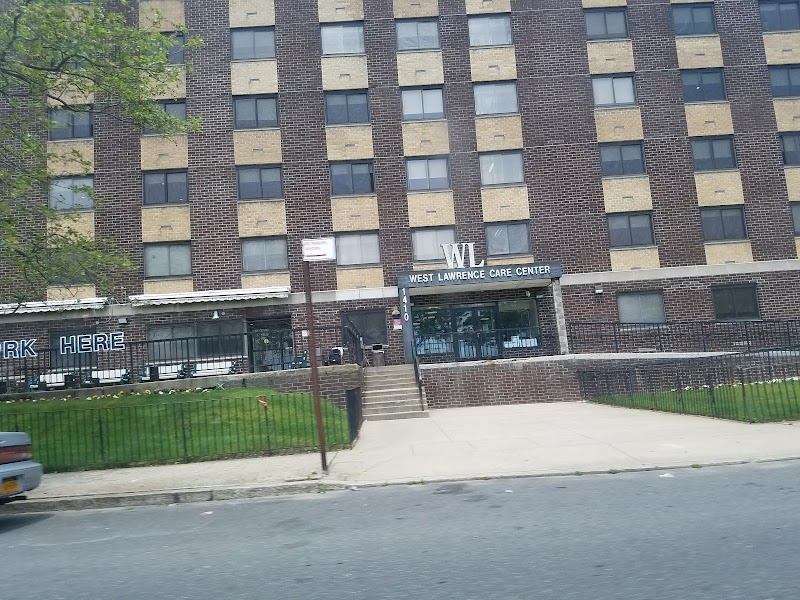
1410 SEAGIRT BLVD, FAR ROCKAWAY, NY 11691 (718) 471-7000
For profit - Limited Liability company 215 Beds Independent Data: November 2025
Trust Grade
25/100
#589 of 594 in NY
Last Inspection: July 2023

Over 2 years since last inspection. Current conditions may differ from available data.

Overview

West Lawrence Care Center has received a Trust Grade of F, indicating poor performance and significant concerns about its operations. It ranks #589 out of 594 nursing homes in New York, placing it in the bottom half of facilities statewide and #56 out of 57 in Queens County, meaning there is only one other option nearby that is better. While the facility's trend is improving, with the number of issues decreasing from 10 in 2023 to 5 in 2025, the staffing rating is low at 1 out of 5 stars, with a turnover rate of 49%, which is average for the state. The facility has incurred $114,564 in fines, which is concerning and indicates repeated compliance issues. There are specific incidents of concern, such as a lack of documented reviews for care plans for residents with serious health conditions like cancer and depression, and issues with food safety standards, where food was not stored or prepared according to safety guidelines. Overall, while there are some signs of improvement, families should weigh the facility's significant issues against its strengths before making a decision.

Trust Score
F
25/100
In New York
#589/594
Bottom 1%
Safety Record
Moderate
Needs review
Inspections
Getting Better
10 → 5 violations
Staff Stability
⚠ Watch
49% turnover. Above average. Higher turnover means staff may not know residents' routines.
Penalties
⚠ Watch
$114,564 in fines. Higher than 81% of New York facilities, suggesting repeated compliance issues.
Skilled Nurses
⚠ Watch
Each resident gets only 22 minutes of Registered Nurse (RN) attention daily — below average for New York. Fewer RN minutes means fewer trained eyes watching for problems.
Violations
⚠ Watch
22 deficiencies on record. Higher than average. Multiple issues found across inspections.
★☆☆☆☆
1.0
Overall Rating
★☆☆☆☆
1.0
Staff Levels
★★★☆☆
3.0
Care Quality
★★☆☆☆
2.0
Inspection Score
Stable
2023: 10 issues
2025: 5 issues

The Good

  • Full Sprinkler Coverage · Fire safety systems throughout facility
  • No fines on record

Facility shows strength in fire safety.

The Bad

1-Star Overall Rating

Below New York average (3.0)

Significant quality concerns identified by CMS

Staff Turnover: 49%

Near New York avg (46%)

Higher turnover may affect care consistency

Federal Fines: $114,564

Well above median ($33,413)

Significant penalties indicating serious issues

The Ugly 22 deficiencies on record

Aug 2025 3 deficiencies
CONCERN (D) 📢 Someone Reported This

A family member, employee, or ombudsman was alarmed enough to file a formal complaint

Potential for Harm - no one hurt, but risky conditions existed

Free from Abuse/Neglect (Tag F0600)

Could have caused harm · This affected 1 resident

**NOTE- TERMS IN BRACKETS HAVE BEEN EDITED TO PROTECT CONFIDENTIALITY** Number of residents sampled: 6Number of residents cited: 1Based on record review and staff interviews conducted during a Recerti...

Read full inspector narrative →
**NOTE- TERMS IN BRACKETS HAVE BEEN EDITED TO PROTECT CONFIDENTIALITY** Number of residents sampled: 6Number of residents cited: 1Based on record review and staff interviews conducted during a Recertification and Complaint (759838) survey, the facility did not ensure that each resident is free from abuse, neglect, and corporal punishment of any type by anyone. This was evident for 1 (Resident #13) out 6 residents reviewed for Abuse. Specifically, Resident #13 was bit on their right arm by Certified Nursing Assistant #2 while being assisted with Activities of Daily Living on 03/23/2025. The findings include: The facility's policy and procedure titled Resident Abuse, Neglect, & Exploitation with effective date 3/2013 and last review date 1/2025 stated the facility is to ensure all residents are free from abuse, neglect, misappropriate of resident property, and exploitation. Abuse means the willful infliction of injury, unreasonable confinement, intimidation, or punishment with resulting physical harm, pain or mental anguish. The policy also stated the responsible person for Abuse Prohibition is the Director of Nursing. The policy further stated all prospective employees will be screened prior to employment to rule out any history of abuse, neglect or mistreatment or resident. All employees would be trained on abuse prevention policy. All incidents will be investigated. The facility will report all incident or violations where abuse, neglect, mistreatment of misappropriation of property suspected to New York State Department of Health according to protocol.Resident #13 had diagnoses including Hemiplegia, Vascular dementia, and Aphasia. The Annual Minimum Data Set assessment dated [DATE] documented Resident #13 had severely impaired cognition, had no behavior symptoms, no rejection of care and was dependent on staff for Activities of Daily Living. The Nursing note dated 3/23/2025 documented that Resident #13 stated they had been bitten by Certified Nursing Assistant #2. The Nursing note also documented Certified Nursing Assistant #2 admitted biting Resident #13 with a towel placed over Resident #13's right arm. The Nursing note further documented redness, and a bite mark was observed on Resident #13's right arm.The Employee Statement by Certified Nursing Assistant #2 documented they placed a towel over Resident #13's right arm and bit Resident #13's right arm through the towel.The Facility Investigation Report dated 3/28/2025 documented there was reasonable cause to believe that abuse, neglect, or mistreatment occurred. The facility investigation report documented Resident #13 reported Certified Nursing Assistant #2 bit them. Certified Nursing Assistant #1 who was assigned to Resident #13 stated they asked Certified Nursing Assistant #2 for assistance as Resident #13 required 2-person assistance. Certified Nursing Assistant #1 witnessed a conversation between Resident #13 and Certified Nursing Assistant #2, in which Certified Nursing Assistant #2 told Resident #13 that if you bite me, I will bite you back. Certified Nursing Assistant #1 stated Resident #13 had tendencies to attempt to bite staff and could be resistive and combative during care at times. The facility investigation report documented Certified Nursing Assistant #1 observed Certified Nursing Assistant #2 place a towel on Resident #13's right arm as part of care. Certified Nursing Assistant #1 removed the towel after care and noticed redness and impressions on Resident #13's right arm. Certified Nursing Assistant #1 immediately reported the finding to the nurse on the unit. Certified Nursing Assistant #1 stated they did not witness Certified Nursing Assistant #2 biting Resident #13. The facility investigation report documented Certified Nursing Assistant #2 stated Resident #13 bit their right arm and that why they bit Resident #13 back. It also documented Certified Nursing Assistant #2 stated the placed their mouth over a towel on Resident #13's right arm and bit Resident #13. Licensed Practical Nurse #1 checked on Resident #13 and noticed redness on Resident #13's right arm after receiving report from Certified Nursing Assistant #1. Registered Nurse #1 assessed Resident #13 and interviewed all parties involved. The facility investigation report documented Certified Nursing Assistant #2 acknowledged biting Resident #13. It also documented 911 was called and police officers came and then left without arresting anyone. It further documented Certified Nursing Assistant #2 was suspended pending the outcome of the investigation.The Criminal History Record Check Termination Notice (Form 105) documented Certified Nursing Assistant #2 was terminated from the Criminal History Record Check Program on 3/25/2025. On 07/30/2025 at 10:05 AM, Certified Nursing Assistant #2 was interviewed and stated Resident #13 tried to bite them during care and they told Resident #13 that they would bite back if Resident #13 did so. Certified Nursing Assistant #2 admitted they placed a piece of towel on Resident #13's right arm and put their mouth on the towel. Certified Nursing Assistant #2 stated they just played with Resident #13 and did not bite Resident #13. On 07/30/2025 at 9:29 AM, Certified Nursing Assistant #1 was interviewed and stated Resident #13 had intact skin and no redness on skin before care. Certified Nursing Assistant #1 also stated only themself, Certified Nursing Assistant #2 and Resident #13 were in the room at the time. Certified Nursing Assistant #1 stated they observed Resident #13's right arm was covered by a piece of towel during care and the towel was not there before care. Certified Nursing Assistant #1 further stated they removed the towel after care and observed redness and teeth mark on Resident #13's right lower arm closed to elbow. Certified Nursing Assistant #1 stated they reported the finding immediately to the Licensed Practical Nurse #1. On 07/30/2025 at 9:36 AM, Licensed Practical Nurse #1 was interviewed and stated they went to see Resident #13 after receiving the report from Certified Nursing Assistant #1 about redness on Resident #13's right arm. Licensed Practical Nurse #1 also stated they observed Resident #13 had redness on the right arm close to elbow. Licensed Practical Nurse #1 further stated Resident #13 kept saying they were bitten. On 07/31/2025 at 8:56 AM, Registered Nurse #1 was interviewed and stated they assessed Resident #13 after receiving the report from Licensed Practical Nurse #1. Registered Nurse #1 also stated they found Resident #13 had redness in the shape of teeth bite on the right arm. Registered Nurse #1 further stated they had the two involved Certified Nursing Assistants, #1 and #2, stand in front of Resident #13 for Resident #13 to identify the abuser. Registered Nurse #1 also stated Resident #13 pointed at Certified Nursing Assistant #2 and stated they bit Resident #13. Registered Nurse #1 further stated Certified Nursing Assistant #2 was dismissed immediately, and they reported the incident to Director of Nursing immediately afterward. On 08/01/2025 at 8:49 AM, the Director of Nursing was interviewed and stated the facility started an investigation after receiving report of the incident. The staff involved were interviewed, and Certified Nursing Assistant #2 admitted they placed a towel on Resident #13's right arm and bit Resident #13. The Director of Nursing stated they determined that abuse did happen and terminated Certified Nursing Assistant #2. The Director of Nursing also stated all staff received training on abuse during orientation. 10 NYCRR 415.4(b)(1)(i)
CONCERN (D) 📢 Someone Reported This

A family member, employee, or ombudsman was alarmed enough to file a formal complaint

Potential for Harm - no one hurt, but risky conditions existed

Report Alleged Abuse (Tag F0609)

Could have caused harm · This affected 1 resident

**NOTE- TERMS IN BRACKETS HAVE BEEN EDITED TO PROTECT CONFIDENTIALITY** Number of residents sampled: 4Number of residents cited: 2 Based on record review and interview conducted during the Recertifica...

Read full inspector narrative →
**NOTE- TERMS IN BRACKETS HAVE BEEN EDITED TO PROTECT CONFIDENTIALITY** Number of residents sampled: 4Number of residents cited: 2 Based on record review and interview conducted during the Recertification and Complaint Survey (759831), the facility did not ensure all alleged violations involving abuse were reported immediately, but not later than 2 hours after the allegations were made, to the State Survey Agency. This was evident for 2 (Resident #51 & Resident #104) of 4 resident reviewed for Abuse out of 34 total sampled residents. Specifically, the facility's incident report documented that on 11/11/2024 at 10:00 AM, Resident #51 hit Resident #104 with the leg rest of Resident #51's wheelchair, accusing them of stealing underwear. The Administrator was first made aware of the incident on 11/11/2024 at 10:45 AM, and the facility did not report the abuse allegation to the New York State Department of Health until 11/11/2025 at 02:52 PM.The findings are:The facility's policy titled Resident Abuse, Neglect, & Exploitation, effective 03/13, last reviewed 01/2025 stated the Administration/Director of Nursing is responsible to report immediately, but not later than 2 hours after the allegation is made, if the events that cause the allegation involve abuse or result in seriously bodily injury, to the Administrator of the facility and to other officials in accordance with State law through established procedure.Resident #51 was admitted to the facility with diagnoses that include Non-Alzheimer's Dementia, Anxiety Disorder, and Schizophrenia.The Annual Minimum Data Set assessment dated [DATE] documented Resident #51 had severely impaired cognition, and had no behavioral symptoms directed towards others.Resident #104 was admitted to the facility with diagnoses that include End Stage Renal Disease and Depression.The Annual Minimum Data Set assessment dated [DATE] documented Resident #51 had short and long-term memory impairment and had no behavioral symptoms directed towards others.A Nurse's note dated 11/11/24 documented the New York City Police Department was notified of the altercation, 2 officers reported to facility from precinct and Resident #51 to be transferred to the hospital for psychiatric evaluation and departed the facility at 3:35 PM.The facility's report titled Occurrence Report, dated 11/11/24 at 10:00 AM, documented Resident #51 accused Resident #104 of stealing underwear. Resident #51 used the leg rest of the wheelchair to hit Resident #104 on their leg. Both residents were evaluated and denied any injuries. An emergency code was called, and the residents were separated. Both residents were evaluated and there were no visible injuries. Resident #51 was transferred to the hospital for evaluation. The Nursing Home Facility Incident Report documented that the incident occurred on Monday, 11/11/2024 at 10:00 AM, the Administrator was first made aware of the incident on Monday, 11/11/2024 at 10:45 AM, and the Director of Nursing reported the altercation to the New York State Department of Health on Monday 11/11/2024 at 14:52.On 08/04/2025 at 4:09 PM, the Administrator was interviewed and stated that they were made aware when the resident-to-resident interaction occurred. The Administrator also stated that the Director of Nursing that reported the altercation no longer works with the facility, but that they do not recall if the regulations state that all resident-to-resident interactions are to be reported within 2 hours. 10 NYCRR 415.4(b)(2)
CONCERN (D) 📢 Someone Reported This

A family member, employee, or ombudsman was alarmed enough to file a formal complaint

Potential for Harm - no one hurt, but risky conditions existed

Deficiency F0627 (Tag F0627)

Could have caused harm · This affected 1 resident

**NOTE- TERMS IN BRACKETS HAVE BEEN EDITED TO PROTECT CONFIDENTIALITY** Based on observations, record review, and interviews during the Recertification and Complaint (759832) survey conducted from 7/2...

Read full inspector narrative →
**NOTE- TERMS IN BRACKETS HAVE BEEN EDITED TO PROTECT CONFIDENTIALITY** Based on observations, record review, and interviews during the Recertification and Complaint (759832) survey conducted from 7/28/2025 to 8/02/2025, the facility did not ensure that they permitted each resident to remain in the facility, and did not transfer or discharge the resident from the facility unless the transfer or discharge was necessary for the resident's welfare and the resident's needs cannot be met in the facility. This was evident for 1 (Resident #151) out of 5 reviewed for Choices out of a sample of 34 residents. Specifically, Resident #151 was not permitted to return to the facility after they went out on pass and returned late and was instead transferred to the hospital. In addition, the facility failed to provide any documentation regarding Against Medical Advice status or a discharge notice provided to the resident prior to hospital transfer. The findings included:The facility policy Out on Pass with Responsible Party/Leave of Absence reviewed 7/10/2024 documented to enable residents to safely enjoy and spend quality time outside the confines of the facility, [NAME] Center to grant temporary leave form the facility (Out on Pass/Leave of Absence). This temporary leave is granted upon request by either resident or family/responsible party after assessment by the Interdisciplinary Team. A resident leaving the facility other than going for scheduled or approved medical purposes is considered as Out on Pass/Leave of Absence. Out on Pass maybe in the form of a day pass (before midnight) or overnight pass (after midnight). Residents who go Out on Pass with Responsible Party must return prior to midnight. Failure to return by midnight will be considered a voluntary Against Medical Advice and be discharged from our facility. If resident wishes to be readmitted resident must go to the Hospital and obtain a Patient Review Instrument for admission. The interdisciplinary team may also specify the number of hours a resident may go Out On Pass with Responsible Party based on their specific medical status, care needs, diet order and medication/treatment regimen. The facility policy and procedure Discharge Planning dated 01/2025 stated the facility will transfer or discharge resident only when such transfer or discharge is made in recognition of the resident's right to receive considerate and respectful care, to receive necessary care and services, and to participate in the development of the comprehensive care plan and in recognition of the residents rights of other resident in the facility. The policy also stated the facility will transfer or discharge a resident only when the interdisciplinary team, in consultation with the resident or the resident designated representative determines that: transfer or discharge necessary for the residents welfare and the residents needs cannot be met after reasonable attempts at accommodation in the facility.Resident # 151 was admitted to the facility with diagnoses that included Anxiety disorder, Osteoarthritis of knee, and Pain. The Quarterly Minimum Data Set assessment dated [DATE] and 07/09/2025 documented Resident #151 had intact cognition, required supervision or touching assistance with eating and participated in assessment and goal setting.The Annual Minimum Data Set assessment dated [DATE] documented in Section F Preferences for Customary Routines and Activities that it was very important to do their favorite activities and things with groups of people. The Physicians order initiated on 6/3/2022, last renewed on 7/16/2025 documented Resident #151 can go out on pass with a responsible party. The Nursing Progress notes dated 11/1/2024 documented at 10:17 PM, Resident went out of pass during 3 PM -11 PM shift for daughter's wedding. Resident did not return as of 10:15 PM, 3 PM-11 PM shift endorse to 11 PM-7 PM shift to follow up on return, The Nursing progress note dated 11/1/2024 at 11:56 PM, documented at 11:49 PM, Resident did not return from out on pass, call placed to emergency contact #4 that picked resident up message left with reminder that resident must be back in the facility prior to 12 AM. The Nursing progress note dated 11/2/2024 at 12:09 AM, documented 11:56 PM another call placed to emergency contact #4 was unanswered. Reminder message left that resident must be back prior to 12 AM for acceptance back to the facility. Attempt made to call emergency contact #1 was unsuccessful, Social Worker informed. The Nursing progress note written by Registered Nurse #5 on 11/2/2024 at 1:09 AM documented at 12:35AM call received from front desk the resident arrives outside the facility and wants to speak with writer. Resident noted sitting in wheelchair in entry area alone without responsible party. When asked for responsible party that he returned with the resident stated she is gone, she is incapacitated car noted reversing form driveway. Resident #151 was reeducated that Out On Pass protocol is that return must be done prior to 12 AM and if not, is considered as a voluntary Against Medical Advice so the responsible returning party would need to resume responsibility. Resident #151 was notably upset, the former Director of Nursing and Director Social Worker were notified. The Director of Social Work stated that resident has to return with party, or if left alone 911 has to be called. The Director Social Worker is able to speak with resident. Documented at 12:43 - 911 called to pick resident up and at 12:48 PM- 911 arrives resident picked up and taken to hospital. There was no documented evidence Resident #151 was permitted to return to the facility and appropriately assessed for any ill effects from being away from the facility longer than expected when they returned later than agreed upon after a therapeutic leave. In addition, there was no evidence in the medical record that Resident #151 was evaluated by their Physician, and the information for the basis of the transfer was documented. The Nursing progress note dated 11/4/2024 at 2:41 PM documented Resident #151 was readmitted at 1:47 PM from the hospital in stable condition, alert and oriented, able to make needs known. Resident went Out on Pass and signed Against Medical Advice to hospital. Resident refused readmission assessment. Medical Doctor aware of readmission and medication reconciled. Monitoring continues.The Medical progress note dated 11/5/2024 at 6:11 PM, documented Resident #151 was readmitted on [DATE] after hospitalized on [DATE] as was denied entry to skilled nursing facility due to late arrival and missing reentry curfew and required reevaluation. After medical optimization and hemodynamically stable, Resident discharged from the hospital and has been readmitted to our facility. Hospital records reviewed, medication reconciliation and no altered mental status. There was no documented evidence provided regarding the Out on Pass notice provided to Resident #151 on 11/02/2024 or the Against Medical Advice form that Resident #151 signed prior to being transferred to the hospital after returning 30 minutes late from pass. During an interview on 07/28/2025 at 11:51 AM, Resident #151 stated they got back after midnight, and they were locked out of the building, and they were sent to hospital for the weekend due to violating curfew. Resident #151 also stated that there was no set return time documented on the paperwork. Resident #151 further stated that in November 2024 it was cold outside, and they were taken to the hospital. Resident #151 stated they did not want to go to the hospital, but they were told they had to go.During an interview on 7/31/2025 at 3:17 PM, Emergency Contact #1 for Resident #151 stated they were not called and notified Resident #151 was sent to the hospital. Emergency Contact #1 also stated they ordered an Uber to take Resident #151 back to the facility and they arrived at the facility at 12:30 AM. During an interview on 08/01/2025 at 10:30 AM, the Director of Social Work stated Resident #151 was late returning from pass. The Director of Social Work also stated when residents return from pass after midnight they are sent to the hospital and have to go to the hospital and get a Patient Review Instrument completed in order to be readmitted to the facility. During an interview on 08/01/2025 at 11:01 AM, Registered Nurse #5 stated when a resident goes out on pass an Out on Pass form is completed which has the contact information for the designated person and residents have to be back in the facility before midnight. Registered Nurse #5 also stated the Nursing Supervisor, or unit nurse will contact the resident or designated representative 1 hour before 12 AM to let them know they have to be back before midnight. Registered Nurse #5 further stated Resident #151 attended their child's wedding and needed to be back before 12 AM, so they contacted Resident #151 and their designated representative, and no one answered the call. They also tried unsuccessfully to reach all the other emergency contacts and informed the Social worker and the Director of Nursing when they were unable to do so. Registered Nurse #5 stated they were notified by the facility receptionist by phone that Resident #151 was downstairs on 11/02/2024 and they met Resident #151 at the doors and Resident #151 explained that they did not hear the phone. Registered Nurse #5 stated the Social Worker and Director of Nursing were contacted by phone and informed Resident #151 they had to go to the hospital, and Resident #151 was sent to the hospital. During an interview on 08/01/2025 at 11:22 AM, the Director of Nursing there may be reasons for a resident's late arrival back to the facility, such as traffic accident and patients are educated individually. The Director of Nursing also stated when a resident arrives after midnight circumstance of late arrival is reviewed on a case by case basis, and sometimes if a resident arrives after midnight they are transferred to hospital as Against Medical Advice. During an interview on 8/4/2025 at 2:11 PM, the Administrator stated when Resident came back late from pass the Director of Nursing directed the nursing supervisor to send the resident to the hospital.10 NYCRR 415.3(i)(1)(iii)
Feb 2025 2 deficiencies
CONCERN (D) 📢 Someone Reported This

A family member, employee, or ombudsman was alarmed enough to file a formal complaint

Potential for Harm - no one hurt, but risky conditions existed

Deficiency F0604 (Tag F0604)

Could have caused harm · This affected 1 resident

Based on observation, record review, and interviews during an abbreviated survey, (NY00325381), the facility did not ensure the resident's right to be treated with respect and dignity including the ri...

Read full inspector narrative →
Based on observation, record review, and interviews during an abbreviated survey, (NY00325381), the facility did not ensure the resident's right to be treated with respect and dignity including the right to be free from physical or chemical restraints imposed for the purposes of discipline or convenience and that are not required to treat the resident's medical symptoms. This was evident for one (1) out of three (3) residents sampled (Resident #1). Specifically, on 10/04/2023, Registered Nurse Supervisor #1 documented received a call from License Practical Nurse #1 at approximately 8:20 AM. License Practical Nurse #1 and Certified Nursing Assistant #1 stated Resident #1's left arm was tied to the siderail of the bed with a sock. Registered Nurse Supervisor #1 interviewed Resident #1 and Resident #1 stated they were tied up all night and was experiencing pain. There were no signs of bruised or injuries and an x-ray was ordered. The findings are: The facility's Policy and Procedure titled Resident Abuse, Neglect and Exploitation revised 04/2023, documented the facility ensures all residents are free from abuse, neglect, misappropriation of resident property and exploitation. This also includes the right to be free from corporal punishment, involuntary seclusion and any physical or chemical restraint not required to treat the resident's medical symptoms. The facility's Policy and Procedure titled, Physical Restraints revised 10/2024, documented the facility recognizes and respects the right of their residents to be free from physical and chemical restraints unless its use is medically indicated and permitted under applicable laws, guidelines, and standards. Resident #1 was admitted to the facility with diagnoses including Hypertension (high blood pressure), Hyperlipidemia (a condition characterized by abnormally high levels of fats in the blood), Age related muscle weakness with severe contractures to digits on the left hand. The Minimum Data Set (an assessment tool), dated 09/13/2023, documented Resident #1 had a Brief Interview of Mental Status (used to determine attention, orientation, and ability to recall information) score of 12 associated with moderately impaired cognition. The facility's investigation dated 10/16/2023, documented on 10/04/2023 at approximately 8:15 AM, Certified Nursing Assistant #1 observed Resident #1's left arm tied with a sock to the siderail of the bed. They removed the sock immediately and reported it to License Practical Nurse # 1. Resident #1 was interviewed by the Social Worker #1, and they reported their arm was tied with a sock to the side rail all night. The facility's investigation revealed Certified Nursing Assistant #3 was assigned to Resident #1 on the 11:00 PM -7:00 AM shift, and the surveillance video showed they did not provide any activity of daily living care to Resident #1. On 10/04/2023 at approximately 12:00 PM, Certified Nursing Assistant #4 reported to the Director of Nursing that Certified Nursing Assistant #2 called the facility at approximately 9:00 AM requesting that Certified Nursing Assistant #4 untie Resident #1's hand from the siderail. The Facility's investigation concluded restraints were used. The x-ray results dated 10/04/2023 documented no obvious fracture or dislocation. Employee Statement of Occurrence (no date specified) by Certified Nursing Assistant #3 documented at 11:00 PM, when monitoring residents, (no date was provided) Resident #1. Was okay. Certified Nursing Assistant #3 did not notice anything unusual. Resident #1 appeared to be clean and dry and did not need to be changed. Employee Statement of Occurrence dated 10/04/2023, by Registered Nurse Supervisor #1 documented they received a call from License Practical Nurse #1 at approximately 8:20 AM, License Practical Nurse #1 and Certified Nursing Assistant #1 stated that they observed Resident #1's left arm tied to the bed rail with a sock. Registered Nurse Supervisor #1 interviewed Resident #1 and Resident #1 stated they were tied up all night and was experiencing pain. Physical assessment done and no bruises were noted, and an x-ray was ordered. Untitled statement dated 10/04/2023 by Certified Nursing Assistant #2 documented they did not restrain Resident #1 on 10/03/2023. Untiled statement dated 10/05/2023, by Receptionist documented on 10/04/2023 at approximately 8:45 AM, Certified Nursing Assistant #2 called the facility asking to speak to Certified Nursing Assistant #4. Statement further documented Certified Nursing Assistant #2's tone sound urgent. Employee Statement of Occurrence dated 10/12/2023, by Certified Nursing Assistant #1 documented on 10/04/2023 at 8:30 AM, Certified Nursing Assistant #1 observed Resident #1 soaked with urine and their left hand was tied to the siderail of the bed. During an interview on 12/31/2024 at 11:17 am, Resident #1 stated the staff does not disrespect them and that they have never tied their wrist. Several attempts made to interview Certified Nursing Assistant #1 but was unsuccessful, letter sent on 01/13/25. Several attempts made to interview Certified Nursing Assistant #3 but was unsuccessful, letter sent on 01/13/25. During a telephone interview on 01/13/2025 at 1:31 PM, License Practical Nurse #1 stated Certified Nursing Assistant #1 reported to them on 10/04/2023 (can't recall the time) that Resident #1's left arm was observed tied to the bedrail with a sock. Certified Nursing Assistant #1 had removed the sock, and they did not observe any bruises to Resident #1's skin. License Practical Nurse #1 stated they reported it to their supervisor immediately. During a telephone interview on 01/13/2025 at 1:50 PM, Certified Nursing Assistant #4 stated they were sitting at the nurse's station when they answered a call on the facility's phone. Certified Nursing Assistant #4 stated it was approximately 9:00 AM and Certified Nursing Assistant #2 asked them if they can check on Resident #1. Certified Nursing Assistant #4 stated Certified Nursing Assistant #2 stated they tied Resident #1's hand. Certified Nursing Assistant #4 stated they did not witness Resident #1's hand tied, and they reported to their supervisor what Certified Nursing Assistant #2 told them. During a telephone interview on 01/21/2025 at 10:45 AM, Certified Nursing Assistant #2 stated they were assigned to Resident #1 on the 3:00 PM-11:00 PM shift 10/03/2023. They denied restraining Resident #1. Certified Nursing Assistant #2 stated they went back to Resident #1's room at 10:00 PM to check to see if Resident #1's incontinent brief was dry. They stated they pulled the sheet and Resident #1's incontinent brief was dry, and they did not observe anything on Resident #1. They stated they did not call or speak to anyone at the facility on 10/04/2023. During a telephone interview on 01/28/2025 at 11:36 AM, Social Worker stated Registered Nurse Supervisor #1 informed them on 10/04/2023 (can't recall the time) that Resident #1's wrist was tied with a sock to the bedrail. Social Worker stated they met with Resident #1 (on the same day, can't recall the time) and Resident #1 stated their hand was tied to the siderail with a sock all night and they were experiencing pain. Social Worker also stated Resident #1 stated they weren't changed all night. During a telephone interview on 01/28/2025 at 11:50 AM, Director of Nursing stated they concluded Certified Nursing Assistant #2 restrained Resident #1 because Certified Nursing Assistant #2 was the last known staff that cared for Resident #1. Certified Nursing Assistant #3 was assigned to Resident #1 on the 11:00 PM-7:00 AM shift and admitted to not providing care to Resident #1. Director of Nursing stated Certified Nursing Assistant #2 called the facility on 10/04/2023 and spoke to Certified Nursing Assistant #4. They reviewed the surveillance video and observed Certified Nursing Assistant #4 rushing to Resident #1's room after speaking on the phone. During a telephone interview on 01/28/2025 at 2:44 PM, the Administrator stated they were away and received a call from the facility informing them of the incident in October 2023 (can't recall date or time). They stated Certified Nursing Assistant #2 was removed from the schedule immediately and was later terminated. 10 NYCRR 415.4(a) (2-7)
CONCERN (D) 📢 Someone Reported This

A family member, employee, or ombudsman was alarmed enough to file a formal complaint

Potential for Harm - no one hurt, but risky conditions existed

ADL Care (Tag F0677)

Could have caused harm · This affected 1 resident

Based on observation, record review, and interviews during an abbreviated survey (NY00325381), the facility did not ensure that a resident who is unable to carry out activities of daily living receive...

Read full inspector narrative →
Based on observation, record review, and interviews during an abbreviated survey (NY00325381), the facility did not ensure that a resident who is unable to carry out activities of daily living received the necessary services to maintain good personal hygiene. This was evident for one (1) out of three (3) residents sampled (Resident #1) Specifically, on 10/03/2023 during the 11:00 PM-7:00 AM shift, Certified Nursing Assistant #3 stated they did not provide personal care to Resident #1 because they forgot and falsely documented care was provided. The surveillance video was reviewed and confirmed that Certified Nursing Assistant #3 did not provide any activity of daily living care to Resident #1. On 10/04/2023 at 8:30 AM, Resident #1 was observed saturated with urine. Certified Nursing Assistant #3 was terminated. The findings are: The facility's Policy and Procedure titled Resident Abuse, Neglect and Exploitation revised 04/2023, documented the facility ensures all residents are free from abuse, neglect, misappropriation of resident property and exploitation. The facility's Policy and Procedure titled Activities of Daily Living Protocol revised 01/2023, documented the facility will implement measures to assess the resident's ability to perform activity of daily living and based on the assessment, implement treatment and services for resident's needs to maintain, improve and prevent decline. Resident #1 was admitted to the facility with diagnoses including Hypertension (high blood pressure), Hyperlipidemia (a condition characterized by abnormally high levels of fats in the blood), and Age related muscle weakness. The Minimum Data Set (an assessment tool), dated 09/13/2023, documented Resident #1 had a Brief Interview of Mental Status (used to determine attention, orientation, and ability to recall information) score of 12 associated with moderately impaired cognition. The Comprehensive Care Plan titled: Activity of Daily Living Tasks dated 08/07/2023, documented interventions to provide incontinent care. Resident Nursing Instructions dated 07/19/2022, documented Resident #1 was incontinent of bowel and bladder, and they required dependent assistance by staff for incontinent care every shift. The facility's investigation dated 10/16/2023, documented at approximately 8:15 AM on 10/04/2023, Certified Nursing Assistant #1 observed Resident #1 saturated with urine when they went to provide personal care. Initially, Certified Nursing Assistant #3 provided the facility with a statement documenting that they did resident monitoring and Resident #1 did not require changing. The Director of Nursing interviewed Certified Nursing Assistant #3 who was assigned to Resident #1 during the 11:00 PM-7:00 AM shift, and they stated they did not render care to Resident #1 because they forgot. The surveillance video was reviewed and confirmed that Certified Nursing Assistant #3 did not provide any activity of daily living care to Resident #1. Certified Nursing Assistant #3 was terminated on 10/04/2023, for confirmed patient neglect and mistreatment as well as falsification of documentation. Employee Statement of Occurrence (no date specified) by Certified Nursing Assistant #3, documented Certified Nursing Assistant #3 did resident monitoring at 11:00 PM (no date provided) and checked on Resident #1. Resident #1 stated they were okay. Certified Nursing Assistant #3 did not notice anything unusual. Resident #1 appeared to be clean and dry, and they did not need to be changed. Employee Statement of Occurrence dated 10/12/2023 by Certified Nursing Assistant #1 documented on 10/04/2023 at 8:30 am, Certified Nursing Assistant #1 observed Resident #1 soaked with urine. During an interview on 12/31/2024 at 11:17 am, Resident #1 stated the staff does not disrespect them. Several attempts made to interview Certified Nursing Assistant #1 but was unsuccessful, letter was sent on 01/13/2025. Several attempts made to interview Certified Nursing Assistant #3 but was unsuccessful, letter was sent on 01/13/2025. During a telephone interview on 01/28/2025 at 11:36 AM, Social Worker stated Resident #1 reported to them that they weren't changed all night. During a telephone interview on 01/28/2025 at 11:50 AM, Director of Nursing stated Certified Nursing Assistant #3 was assigned to Resident #1 on the 11:00 PM-7:00 AM shift and admitted to not providing care to Resident #1. During a telephone interview on 01/28/2025 at 2:44 PM, the Administrator stated they were away and received a call from the facility informing them of the incident in October 2023 (can't recall date or time). 10 NYCRR 415.12(a)(3).
Jul 2023 10 deficiencies
CONCERN (D)

Potential for Harm - no one hurt, but risky conditions existed

Safe Environment (Tag F0584)

Could have caused harm · This affected 1 resident

Based on observation, interviews, and record review conducted during the Recertification Survey from 07/10/2023 to 0714/2023, the facility did not ensure the resident's right to a safe, clean, comfort...

Read full inspector narrative →
Based on observation, interviews, and record review conducted during the Recertification Survey from 07/10/2023 to 0714/2023, the facility did not ensure the resident's right to a safe, clean, comfortable, and homelike environment. This was evident for 1 (Unit 4) of 4 units. Specifically, Unit 4 was observed a frayed shower chair with accumulation of black grime at the seams and a recliner shower chair with feces under the seat. The findings are: The facility policy titled Shower Chairs - Cleaning and Disinfection dated 07/2023 documented shower chairs will be cleaned and disinfected between each resident use. The Certified Nursing Assistant (CNA) will clean and disinfect the back and seat of the shower chair using germicidal disposable wipes. All solid waste material is to be removed prior to disinfecting the chair. During an observation on 07/12/2023 at 11:10AM, 07/13/2023 at 12:13 PM, and 07/14/2023 at 10:45 AM, the Unit 4 shower room contained a large shower chair with heavily frayed mesh and black grime along the mesh seams. A recliner shower chair was located inside the shower stall and had feces staining the bottom of the seat. During an interview on 07/14/2023 at 10:38 AM, CNA # 1 stated CNAs were responsible for ensuring the shower chairs were clean before placing a resident in the chair. If the shower chair is not in good condition, CNA #1 reports to the nurse. If the shower chair is very dirty, CNA #1 informs housekeeping to use a special disinfectant spray. During an interview on 07/14/2023 at 10:53 AM, Registered Nurse Supervisor (RNS) #1, manager for the 4th floor, stated the day shift CNA is responsible for cleaning the shower chairs after each use. The shower chairs are cleaned after the last resident uses them for the day and stored in the shower room for the evening shift to use. The day and evening shift CNAs are responsible for disinfecting the chairs with germicidal wipes and preparing the chairs after each use. If the chairs are heavily soiled, nursing staff notify housekeeping to use a disinfectant spray. If there are safety concerns with a shower chair, the maintenance department is informed using the Maintenance Logbook located on the unit. The housekeeper complained to RNS #1 that CNAs were leaving wet clothing and towels on the shower chairs in the shower rooms. RNS #1 had a huddle with the CNAs to reinforce leaving the shower rooms and chairs clean. RNS #1 checks the shower rooms for cleanliness. During an interview on 07/14/2023 at 11:31 AM, the Director of Housekeeping (DH) stated they are responsible for terminal cleaning of the shower chairs during the 11:00 PM - 7:00 AM shift every day. Housekeeping staff use a disinfectant spray and wipe down the chairs daily. The CNAs are responsible for cleaning any feces and disinfecting the shower chairs after each resident use. If the shower chairs are heavily soiled, housekeeping is notified, and they use special products to disinfect the chair. 10 NYCRR 415.5(h)(2)
CONCERN (D)

Potential for Harm - no one hurt, but risky conditions existed

Deficiency F0638 (Tag F0638)

Could have caused harm · This affected 1 resident

**NOTE- TERMS IN BRACKETS HAVE BEEN EDITED TO PROTECT CONFIDENTIALITY** Based on record review and staff interview conducted during the Recertification survey from 7/10/2023 to 7/14/2023, the facility...

Read full inspector narrative →
**NOTE- TERMS IN BRACKETS HAVE BEEN EDITED TO PROTECT CONFIDENTIALITY** Based on record review and staff interview conducted during the Recertification survey from 7/10/2023 to 7/14/2023, the facility did not ensure residents were assessed once every 3 months using the Minimum Data Set 3.0 (MDS) assessment tool. This was evident for 1 (Resident #132) of 31 total sampled residents. Specifically, Resident #132's quarterly MDS assessment was completed more than 92 days after their annual MDS assessment. The findings are: The facility policy titled Completion of the MDS dated 1/2023 documented MDS assessments are done for residents every 3 months, at least every 92 days following a comprehensive assessment. Resident #132 had diagnoses of osteoarthritis and seizure disorder. The quarterly MDS with assessment reference date of 6/2/2023 was completed 7/11/2023 more than 14 days after the reference date and more than 92 days after the annual MDS with assessment reference date of 3/03/2023. During an interview on 7/13/2023 at 11:29 AM, the MDS Coordinator stated they work for the facility per diem and MDS assessment completion should be completed within 14 days of the assessment reference date. Resident #132's quarterly MDS dated [DATE] was completed late. 10 NYCRR 415.11(a)(4)
CONCERN (D)

Potential for Harm - no one hurt, but risky conditions existed

MDS Data Transmission (Tag F0640)

Could have caused harm · This affected 1 resident

**NOTE- TERMS IN BRACKETS HAVE BEEN EDITED TO PROTECT CONFIDENTIALITY** Based on record review and interviews conducted during the recertification survey from 7/10/2023 to 7/14/2023, the facility did ...

Read full inspector narrative →
**NOTE- TERMS IN BRACKETS HAVE BEEN EDITED TO PROTECT CONFIDENTIALITY** Based on record review and interviews conducted during the recertification survey from 7/10/2023 to 7/14/2023, the facility did not ensure that the Minimum Data Set 3.0 (MDS) assessments were electronically transmitted to the Quality Improvement Evaluation System (QIES) Assessment Submission and Processing (ASAP) system in a timely manner. This was evident for 1 (Resident #10) of 31 total sampled residents. Specifically, the MDS assessments for Resident #10 were not submitted and transmitted within 14 days of the completion date. The findings are: A facility policy titled Resident assessment dated 1/2023 documented assessments will be transmitted within 14 days of the completion date. The MDS dated [DATE] for Resident #10 documented a completion date of 3/6/2023 and a submission date of 6/13/2023. The submission date was more than 14 days after completion date. During an interview on 7/12/2023 at 3:47 PM, the MDS Coordinator stated they work at the facility per diem and the Administrator was responsible for submitting MDS assessments. The MDS assessments must be submitted within 14 days of completion. The MDS Coordinator prompts the Administrator when MDS assessments are ready for submission. 10 NYCRR 415.11
CONCERN (D)

Potential for Harm - no one hurt, but risky conditions existed

Deficiency F0655 (Tag F0655)

Could have caused harm · This affected 1 resident

**NOTE- TERMS IN BRACKETS HAVE BEEN EDITED TO PROTECT CONFIDENTIALITY** Based on observation, record review, and interviews conducted during the Recertification survey from 07/10/2023 to 0714/2023, th...

Read full inspector narrative →
**NOTE- TERMS IN BRACKETS HAVE BEEN EDITED TO PROTECT CONFIDENTIALITY** Based on observation, record review, and interviews conducted during the Recertification survey from 07/10/2023 to 0714/2023, the facility did not ensure that the resident and their representative were provided with a written summary of the baseline care plan (BCP). This was evident for 1 (Resident #110) of 31 total sampled residents. Specifically, Resident #110 was not provided with a copy of their BCP within 48 hours of admission to the facility. The findings are: The facility policy titled Comprehensive Care Planning dated 01/2023 documented the BCP will be developed and implemented within 48 hours of admission and a written summary will be delivered to the resident and/or representative that includes the initial goals, summary of medications, and dietary instructions. Resident #110 was admitted to the facility on [DATE] with diagnoses of anemia and depression. The Minimum Data Set 3.0 (MDS) assessment dated [DATE] documented Resident #110 was cognitively intact and participated in their assessment. During an interview on 07/11/2023 at 09:40 AM, Resident #110 stated they were not provided with a copy o their BCP upon admission to the facility. A BCP initiated 2/9/2023 documented a completion date of 6/22/2023. There was no documented evidence Resident #110 was provided with a copy of their BCP within 48 hours of admission to the facility. During an interview on 07/13/2023 at 10:07 AM, Registered Nurse Supervisor (RNS) #1 stated the RNS initiates the BCP upon a resident's admission and reviews the BCP with the resident once completed. RNS #1 stated they were not aware the BCP was supposed to be given to the resident. During an interview on 07/14/2023 at 10:31 AM, the Director of Nursing (DON) stated the BCP is initiated upon a resident's admission, the IDT discuss the CCP and the RNS ensures each member completes their section. The RNS prints out the BCP and gives a copy to the resident. Most of the nurses are brand new and the DON noticed recently that the nurses were not giving out copies of the BCP to residents. 10 NYCRR 415.11(c)
CONCERN (D)

Potential for Harm - no one hurt, but risky conditions existed

Comprehensive Care Plan (Tag F0656)

Could have caused harm · This affected 1 resident

**NOTE- TERMS IN BRACKETS HAVE BEEN EDITED TO PROTECT CONFIDENTIALITY** Based on observation, record review, and interviews conducted during the Recertification survey from 07/10/2023 to 07/14/2023, t...

Read full inspector narrative →
**NOTE- TERMS IN BRACKETS HAVE BEEN EDITED TO PROTECT CONFIDENTIALITY** Based on observation, record review, and interviews conducted during the Recertification survey from 07/10/2023 to 07/14/2023, the facility did not ensure a person-centered comprehensive care plan (CCP) was developed and implemented to address the resident's needs. This was evident for 1 (Resident #110) of 31 total sampled residents. Specifically, a CCP related to Resident #110's use of left palm guard was not developed and implemented. The findings are: The facility policy on Comprehensive Care Planning dated 01/2023 documented the interdisciplinary team (IDT) will implement a nursing CCP to meet the resident's needs. Resident #110 had diagnoses of multiple sclerosis (MS) and seizure disorder. The Minimum Data Set 3.0 (MDS) assessment dated [DATE] documented Resident #110 was cognitively intact and required extensive to total assistance from staff to complete Activities of Daily Living (ADL). Occupational Therapy (OT) Note dated 3/23/2023 documented Resident #110 was discharged from skilled services and an order for left palm guard was in place. Physician's Order dated 6/20/2023 documented Resident #110 wear left palm guard daily as tolerated. There was no documented evidence a CCP related to Resident #110's left palm guard was developed and implemented. During an interview on 07/13/2023 at 10:07 AM, Registered Nurse Supervisor (RNS) #1 stated Resident #110 had a left hand contracture and was given the left palm guard as a splinting device. The Physician order was placed by the OT and RNS #1 was not aware a CCP was not initiated for Resident #110's use of left palm guard. During an interview on 07/13/2023 at 10:20 AM, the OT stated when the Physician Order was placed in the electronic medical record, it is expected to be reflected in the resident's CCP. Resident #110's left palm guard was erroneously omitted from having a CCP for its use developed. During an interview on 07/14/2023 at 10:31 AM, the Director of Nursing (DON) stated an order for special devices is expected to trigger CCP development. The DON stated they noticed orders for splints has not been triggering CCP development which has contributed to Resident #110's omitted CCP. 10 NYCRR 415.11(c)(1)
CONCERN (D)

Potential for Harm - no one hurt, but risky conditions existed

Deficiency F0685 (Tag F0685)

Could have caused harm · This affected 1 resident

**NOTE- TERMS IN BRACKETS HAVE BEEN EDITED TO PROTECT CONFIDENTIALITY** Based on observation, interviews, and record review conducted during Recertification survey from 07/10/2023 to 07/14/2023, the f...

Read full inspector narrative →
**NOTE- TERMS IN BRACKETS HAVE BEEN EDITED TO PROTECT CONFIDENTIALITY** Based on observation, interviews, and record review conducted during Recertification survey from 07/10/2023 to 07/14/2023, the facility did not ensure that a resident received proper treatment to maintain hearing. This was evident for 1 (Resident #127) of 31 total sampled residents. Specifically, Resident #127 did not have a follow up Ear Nose and Throat (ENT) appointment scheduled in accordance with the Audiologist's recommendations. The findings are: The facility policy titled Consultation In-House and Outside Appointment dated 1/1/2023 documented paperwork received at consult appointments will be reviewed by the charge nurse and attending physician will be contacted for any recommendations. Resident #127 had diagnoses of schizophrenia and dementia. The Minimum Data Set 3.0 (MDS) assessment dated [DATE] documented Resident #127 had moderate difficulty hearing, had no hearing aids, and was moderately cognitively impaired. During an interview on 07/10/2023 at 10:10 AM, Resident #127 was observed without hearing aids and needed to be spoken to loudly. An Audiology Consult dated 3/2/23 documented refer Resident #127 to the ENT specialist for medical clearance for hearing aids and a trial with amplification. Resident #127 was provided with the phone number for assistance with insurance costs of 2 hearing aids. There was no documented evidence an ENT consult was ordered or scheduled for Resident #127. During an interview on 07/13/2023 at 10:57 AM, Registered Nurse Supervisor (RNS) #1 stated they recently began working for the facility and noticed that consults from prior to their employment were not being put into the resident's medical record by the nursing office when the resident would return from their appointments. This resulted in consult recommendations being missed by the RNs and the Medical Doctor (MD). RNS #1 asks for a hard copy of consult reports when residents return from clinic appointments. RNS #1 was not aware of audiology consult recommendations from 3/2/2023 for Resident #127 to have an ENT consult. RNS #1 stated they will try and get an appointment with the ENT for the resident. During an interview on 07/13/2023 at 11:52 AM, MD #2 stated, when a resident return from clinic appointment, MD #2 reviews the consult report and follows the recommendations accordingly. MD #2 stated they were not the MD assigned to Resident #127 and could not answer as to the reason the Audiology consult recommendations were not followed. 10 NYCRR 415.12(3)(b)
CONCERN (D)

Potential for Harm - no one hurt, but risky conditions existed

Medication Errors (Tag F0758)

Could have caused harm · This affected 1 resident

**NOTE- TERMS IN BRACKETS HAVE BEEN EDITED TO PROTECT CONFIDENTIALITY** Based on observation, interview, and record review conducted during the recertification survey of 7/10/2023 to 7/14/2023, the fa...

Read full inspector narrative →
**NOTE- TERMS IN BRACKETS HAVE BEEN EDITED TO PROTECT CONFIDENTIALITY** Based on observation, interview, and record review conducted during the recertification survey of 7/10/2023 to 7/14/2023, the facility did not ensure a resident was prescribed a psychotropic drug to treat a specific condition and received Gradual Dose Reductions (GDR) unless clinically contraindicated. This was evident for 1 (Resident #74) of 5 residents reviewed for Unnecessary Medication of 31 total sampled residents. Specifically, Resident #74 had a diagnosis of dementia and was prescribed an antipsychotic medication to treat depression. The findings are: A facility policy titled Psychotropic Drugs dated 1/2021 documented residents who use antipsychotic drugs are not given these drugs unless antipsychotic drug therapy is necessary to treat a specific condition as diagnosed and documented in the medical record. The facility will ensure that residents who are prescribed antipsychotic drugs receive GDR at the discretion of the Psychiatrist/Medical Doctor (MD) and behavior interventions. Resident # 74 had diagnoses of non-Alzheimer's dementia and depression. The Minimum Data Set 3.0 (MDS) assessment dated [DATE] documented Resident #74 was severely cognitively impaired, received antipsychotic medication regularly, did not have a Gradual Dose Reduction (GDR) attempted, and the DRR did not find clinically significant medication issues. An observation was conducted on 07/10/2023 at 10:31 AM, 07/11/2023 at 02:26 PM, and 07/12/2023 at 10:32 AM of Resident # 74 in their room, responsive, calm, and confused. A Comprehensive Care Plan (CCP) related to psychotropic drug use, initiated 12/26/2022 and last reviewed 5/1/2023, documented Resident # 74 received Quetiapine (Seroquel) 50 mg at bedtime for a diagnosis of recurrent depressive disorders. Resident #74 will not show a decrease in function due to confusion and disorganized thoughts x 90 days. Administer medications as ordered. A CCP related to behavior problems, initiated 1/5/2023 and last reviewed 5/17/2023, documented Resident # 74 exhibited physically aggressive behavior towards staff and others, made attempts to get out of bed, and attempted to stand up when sitting in their wheelchair. The Medication Regimen Review (MRR) Form dated 1/3/2023 documented Resident #74 was receiving an antipsychotic medication for a non-psychotic indication. Please reevaluate use in view of federal regulations. A Psychiatry Consult dated 1/26/2023 documented Resident #74 remains resistive to care, paranoid, and guarded. Resident #74 was noted to refuse medications, had irritable behavior, was receiving Seroquel 50 mg at bedtime and had a diagnosis of dementia, depressive disorder, psychotic disorder, and insomnia. Cognitive behavior impairment has not occurred since initiation of psychopharmacological medication. The MRR Form dated 2/6/2023 documented Resident #74 had orders for Acetaminophen with potential to exceed 3 gm per day. Please adjust orders accordingly to remove this risk. Resident #74 was also documented as receiving Seroquel with a Food and Drug Administration (FDA) black box warning of increased mortality in elderly patients diagnosed with dementia receiving antipsychotics. Please consider GDR, discontinuing, or documenting the risks and benefits evaluation is the medication continues. The MRR Form dated 3/6/2023 documented Resident #74 was on an antipsychotic medication for non-psychotic indications and recommended to ensure the correct diagnosis was used as per psychiatric consult. A Psychiatry Consult dated 4/30/2023 documented Resident # 74 was evaluated for confusion and behavioral disturbance. Resident # 74 was agitated and more confused in the evenings. No new recommendations were documented. A Nursing Note dated 5/16/2023 documented Resident #74 was readmitted from the hospital with diagnosis of Hilar mass, pneumonia, and vascular dementia. Resident #74's cognitive status was alert and oriented to person, place, and situation with periods of confusion. A Social Work Note dated 5/16/2023 documented Resident #74 was readmitted from the hospital and noted very forgetful. Resident #74 reported feeling down related to missing their family, trouble staying asleep, decreased energy, poor appetite, and trouble concentrating on doing things during their mood assessment. Resident #74 was able to make their needs known in Polish. The MD Orders initiated 5/16/2023 documented Resident #74 receive Quetiapine (Seroquel) 50 mg at bedtime for a diagnosis of recurrent depressive disorders. The MD Note dated 5/20/2023 documented Resident #74 was evaluated on 5/18/2023 for readmission from the hospital after management of pneumonia and findings of an endobronchial (bronchial tube) mass. Resident #74 had a diagnosis of dementia and was alert and disoriented. The Nursing Note dated 5/25/2023 documented Resident #74 complained of dizziness and was hypotensive. MD Made aware. The Nursing Note dated 6/12/2023 and 6/15/2023 documented Resident #74 was awake most of the evening shift, walking up and down the unit, and refusing to go to sleep. The MD Note dated 6/16/2023 documented Resident #74 was alert and disoriented. No dizziness or syncope. The Nursing Note dated 6/23/2023 documented Resident #74 continued to walk up and down the hallway at 10:57 PM and opened a stairwell door causing an alarm to sound. The Nursing Note dated 7/2/2023 documented Resident #74 was out of bed ambulating on the 3PM to 11PM shift. The Medication Administration Record (MAR) for May, June, and July 2023 documented Resident #73 received Seroquel 50 mg according to MD Order. The MRR Form dated 7/4/2023 documented Resident #74 was receiving an antipsychotic medication with a FDA black box warning. The recommendation was for a GDR, discontinuance, or documented risk/benefits evaluation. There was no documented evidence the MD reevaluated the use of an antipsychotic medication, Seroquel, for the clinical indication, appropriate diagnosis, or when the Resident #74 began exhibiting a change in cognitive status and sleep patterns. During an interview on 7/14/2023 at 10:09 AM, Certified Nursing Assistant (CNA) #4 stated Resident #74 can make their needs known, has had no recent combative or aggressive behavior, but can be verbally disruptive at times. Resident #74 speaks Polish. On 07/14/23 at 10:45 AM, Licensed Practical Nurse (LPN) #1 was interviewed and stated Resident # 74 was quiet most of the time and takes medications without problem. During an interview on 07/14/2023 at 10:49 AM, Registered Nurse (RN) #4 stated Resident # 74 was last seen by the Psychiatry Nurse Practitioner (PNP) on 4/30/2023 and will be reevaluated this month, July 2023. RN #4 stated Resident #74 was very abusive, combative, and resistant to care on the first few days after their readmission. Resident # 74 speaks Polish and would calm down when speaking with Polish-speaking staff. Resident # 74 continues to periodically have verbal aggressiveness. During an interview on 7/14/2023 at 11:41 AM, MD # 1 stated they were aware of the FDA black box warning re: antipsychotic use with the elderly. They made a mistake and did not document an appropriate indication for the use of Seroquel with Resident #74. Going forward, MD #1 will consult with psychiatrist and their indication for antipsychotic medications. During an interview on 7/14/2023 at 12:05 PM, the Director of Nursing (DON) stated they are unable to provide an explanation the MRR Form was not addressed, and a GDR was not performed for Resident #74. 10 NYCRR 415.18(a-d)
CONCERN (E) 📢 Someone Reported This

A family member, employee, or ombudsman was alarmed enough to file a formal complaint

Potential for Harm - no one hurt, but risky conditions existed

Deficiency F0657 (Tag F0657)

Could have caused harm · This affected multiple residents

**NOTE- TERMS IN BRACKETS HAVE BEEN EDITED TO PROTECT CONFIDENTIALITY** 2) Resident #97 had diagnoses of chronic obstructive pulmonary disease and cancer. The Minimum Data Set 3.0 (MDS) assessment da...

Read full inspector narrative →
**NOTE- TERMS IN BRACKETS HAVE BEEN EDITED TO PROTECT CONFIDENTIALITY** 2) Resident #97 had diagnoses of chronic obstructive pulmonary disease and cancer. The Minimum Data Set 3.0 (MDS) assessment dated [DATE] documented Resident #97 was cognitively intact. A CCP related to Resident #97's visual deficits initiated 5/9/2018 documented a review date of 12/22/2022. A CCP related to Resident #97's diagnosis of depression initiated 5/9/2018 documented a review date of 2/23/23. A CCP related to Resident #97's diagnosis of cancer initiated 10/7/2020 documented a review date of 12/23/2022. There was no documented evidence Resident #97's CCPs related to visual deficits, depression, and cancer were reviewed upon MDS assessments dated 3/21/2023 and 6/19/2023. During an interview on 7/12/2023 at 3:47 PM, the MDS Coordinator stated they have 7 days to review and revise CCPs after completion of the MDS assessments. The MDS Coordinator is supposed to make a notation in the CCP note. Based on observation, record review, and interviews conducted during the Recertification survey from 7/10/2023 to 7/14/2023, the facility did not ensure residents or their representatives were offered the opportunity to participate in the revision and/or review of the comprehensive care plan (CCP) and that the CCP was reviewed and revised upon each assessment. This was evident for 7 (Resident #s 43, 97, 145, 48, 59, 110, and 98) of 31 total sampled residents. Specifically, 1) Resident #43 was not invited to their CCP meetings, 2) CCPs related to vision, depression, and cancer were not reviewed upon assessment for Resident #97, 3) the CCP related to anxiety for Resident #145 was not reviewed upon each assessment, 4) the CCP related to dental status for Resident #45 was not reviewed upon each assessment, 5) Resident #59 and their representative were not invited to the resident's CCP meetings, 6) Resident #110 and their representative were not invited to the resident's CCP meetings, and 7) Resident #98 and their representative were not invited to the resident's CCP meetings. The findings include but are not limited to: The facility policy titled Comprehensive Care Planning dated 01/2023 documented the process must facilitate the inclusion of the resident and/or resident representative. The interdisciplinary team in conjunction with the resident are responsible in the development, review and revision of the resident's CCP. Goals and objectives are reviewed and revised when there is a significant change, when the desired outcome has not been achieved and at least quarterly. 1) Resident #43 had diagnoses of anemia and anxiety disorder. The Minimum Data Set 3.0 (MDS) assessment dated [DATE] documented Resident #43 was cognitively intact and participated in their assessment. During an interview on 07/11/2023 at 08:52 AM, Resident #43 stated they have not been invited to a CCP meeting in the 4 years they have been a resident at the facility. The Care Plan Meeting Report dated 06/08/2023, 12/22/2022, and 09/29/2022 documented CCP meetings were held for Resident #43. There was no documented evidence Resident #43 attended the CCP meetings. There was no documented evidence Resident #43 was invited to their scheduled CCP meetings on 9/29/2022, 12/22/2022, and 6/8/2023. During an interview on 07/12/23 at 11:33 AM and 07/13/2023 at 11:07 AM, the Director of Social Services (DSS) stated the MDS Coordinator prepares the CCP meeting list. The DSS sends letters to resident representatives and invites residents verbally to the CCP meetings. Residents with capacity are invited a week prior to the CCP meeting. If the resident agrees, staff bring them to the CCP meeting. If the resident refuses, they are invited again on the day the CCP meeting is scheduled. A resident's refusal to attend the CCP meeting is not documented in the chart. If the resident attends the CCP meeting, it is documented in their medical record. The DSS does not keep a documented record of CCP invitation letters sent to resident representatives. The DSS does not document when residents are invited to the CCP meetings. During an interview on 07/14/2023 at 10:31 AM, the Director of Nursing (DON) stated things lapsed in relation to resident and resident representative invitations to the CCP meetings because the CCP meetings were being held via telephone conference during the COVID-19 pandemic. The DON stated they noticed they have not started fully inviting residents and their representatives to the CP meetings as expected after the pandemic restrictions were lifted. During an interview on 07/14/2023 at 11:34 AM, the Administrator stated the Social Worker or designee called to notify the family members about the CCP meeting. Residents do attend the meetings. The Administrator stated they were not aware residents were not being invited to their CCP meetings. Residents have been refusing to attend, which is not being documented. 3) Resident # 145 had diagnoses of vascular dementia and anxiety disorder. The Minimum Data Set 3.0 (MDS) assessment dated [DATE] documented Resident #145 was severely cognitively impaired. The CCP related to anxiety initiated 10/6/2022 documented Resident #145 was diagnosed with anxiety disorder. There was no documented evidence Resident #145's CCP related to anxiety was reviewed upon assessments dated 1/9/2023, 4/11/2023, and 5/10/2023. During an interview on 7/13/2023 at 3:23 PM, Registered Nurse (RN) #3 stated they are backed up on updating CCPs in the facility. CCPs must be updated every 3 months, as needed, and when there is a change in the resident's condition. During an interview on 7/13/2023 at 4:29 PM, the Director of Nursing (DON) stated CCP updates need to occur every 90 days. The facility has been working on resident CCPs to make sure they are updated on time. The DON stated this is one of the many projects for the facility. 10 NYCRR 415.11(c) (1)
CONCERN (E)

Potential for Harm - no one hurt, but risky conditions existed

Drug Regimen Review (Tag F0756)

Could have caused harm · This affected multiple residents

**NOTE- TERMS IN BRACKETS HAVE BEEN EDITED TO PROTECT CONFIDENTIALITY** 2) Resident #10 had diagnoses of anxiety disorder and schizophrenia. The Minimum Data Set 3.0 (MDS) assessment dated [DATE] doc...

Read full inspector narrative →
**NOTE- TERMS IN BRACKETS HAVE BEEN EDITED TO PROTECT CONFIDENTIALITY** 2) Resident #10 had diagnoses of anxiety disorder and schizophrenia. The Minimum Data Set 3.0 (MDS) assessment dated [DATE] documented Resident #10 was moderately cognitively impaired, received antipsychotic medication, and did not have a Gradual Dose Reduction (GDR) done. The Medical Doctor (MD) Orders dated 9/16/2022 documented Resident #10 receive Risperdal 0.5mg at bedtime for Diagnosis: Violent behavior. The MD Order dated 3/10/2023 documented discontinue Resident #10's Risperdal 0.5 mg and start Risperdal 1 mg at bedtime for Diagnosis: Violent behavior. The Psychiatry Consult dated 3/9/2023 and 6/4/2023 documented Resident #10 had a diagnosis of schizophrenia. The Medication Regimen Review (MRR) Form dated 3/6/2023, 4/5/2023, 5/2/2023, 6/7/2023, 7/5/2023 documented Resident #10 was receiving an antipsychotic for non-psychotic indication. Please ensure the correct diagnosis as per psych consult. There was no documented evidence the Medical Doctor (MD) reviewed and responded to pharmacy recommendations for Resident #10 on the MRR Form. During an interview on 7/13/2023 at 3:04 PM, MD #1 stated violent behavior is not an appropriate diagnosis for the use of Risperdal. Upon chart review, MD #1 stated Resident #10 was diagnosed with schizophrenia. During an interview on 7/14/2023 at 12:05 PM, the DON stated the Pharmacist performs a DRR monthly and their recommendation is documented in the resident's medical record and on the MRR Form. A copy of the MRR Form is placed in the MD's mailbox located in the administration office. The MD passes by the administration office and collects the MRR Forms from their mailbox. The MD must address the findings or recommendations on the MRR Form. The DON had no explanation for the MRR Forms not being addressed by the MD. 10 NYCRR 415.18(c)(2) Based on observation, record review, and interviews conducted during the Recertification survey from 7/10/2023 to 7/14/2023, the facility did not ensure the attending physician documented in the resident's medical record that an identified irregularity from the pharmacy has been reviewed and what, if any, action has been taken to address it. This was evident for 2 (Resident #74 and #10) of 5 residents reviewed for Unnecessary Medication out of 31 total sampled residents. Specifically, 1) there was no documented evidence the Medical Doctor (MD) responded to pharmacy irregularities for Resident #74, and 2) there was no documented evidence the MD responded to pharmacy irregularities for Resident #10. The findings are: The facility policy titled Policy and Procedure for Monthly Drug Regimen Reviews dated 11/28/2022 documented pharmacist reviews the drug regimen of each resident at least monthly and reports any irregularity to the Medical Director, the Director of Nursing (DON), and the MD. The prescriber/licensed designee acts upon drug regimen review findings/recommendations in a timely manner of 30 days or less and documents on the DRR Form regarding agreement/disagreement with the recommendation and provides a brief clinical rationale if no change is to be made. 1) Resident # 74 had diagnoses of non-Alzheimer's dementia and depression. The Minimum Data Set 3.0 (MDS) assessment dated [DATE] documented Resident #74 was severely cognitively impaired, received antipsychotic medication regularly, did not have a Gradual Dose Reduction (GDR) attempted, and the DRR did not find clinically significant medication issues. The Medication Regimen Review (MRR) Form dated 1/3/2023 documented Resident #74 was receiving an antipsychotic medication for a non-psychotic indication. Please reevaluate use in view of federal regulations. The MRR Form dated 2/6/2023 documented Resident #74 had orders for Acetaminophen with potential to exceed 3 gm per day. Please adjust orders accordingly to remove this risk. Resident #74 was also documented as receiving Seroquel with a Food and Drug Administration (FDA) black box warning of increased mortality in elderly patients diagnosed with dementia receiving antipsychotics. Please consider GDR, discontinuing, or documenting the risks and benefits evaluation is the medication continues. The MRR Form dated 3/6/2023 documented Resident #74 was on an antipsychotic medication for non-psychotic indications and recommended to ensure the correct diagnosis was used as per psychiatric consult. The Psychiatry Consult dated 4/30/2023 documented Resident # 74 had no paranoia issues, denied auditory/visual hallucinations, or psychotic symptoms. Resident #74 had limited cognition and should continue Seroquel. The MD Orders initiated 5/16/2023 documented Resident #74 receive Quetiapine (Seroquel) 50 mg at bedtime for a diagnosis of recurrent depressive disorders. The Medication Administration Record (MAR) for May, June, and July 2023 documented Resident #73 received Seroquel 50 mg according to MD Order. The MRR Form dated 7/4/2023 documented Resident #74 was receiving an antipsychotic medication with a FDA black box warning. The recommendation was for a GDR, discontinuance, or documented risk/benefits evaluation. There was no documented evidence the MD reviewed and responded to the pharmacy DRR recommendations on the MRR Form or in Resident #74's medical record. During an interview on 07/14/2023 at 10:49 AM, Registered Nurse Supervisor (RNS) #4 stated they were not aware a GDR had not been done for Resident #74. Pharmacy recommendations regarding DRR are usually sent to the DON and MD to address. RNS #4 stated they were not aware that DRR recommendations had not been addressed for Resident #74. During an interview on 07/14/2023 at 11:09 AM, Pharmacist #1 stated DRR recommendations are sent to the DON on the MRR Form, and it is the facility's responsibility to follow up re: whether the MD addresses the Pharmacist's recommendations. They are aware Resident #74 is receiving antipsychotic medications for depression, a non-psychotic condition. Pharmacist #1 stated they brought Resident #74's irregularity to the attention of the facility but there was no change to the resident's record when Pharmacist #1 returned to the facility for their next DRR. During an interview on 7/14/2023 at 11:25 AM, Psychiatrist Nurse Practitioner (PNP) #1 stated they have not worked in the facility since 6/2023 and barely remember Resident #74. They did not see the MRR Form for Resident #74. If PNP #1 sees a MRR Form with a pharmacy recommendation, PNP #1 acts on it immediately. During an interview on 7/14/2023 at 11:41 AM, MD #1 stated they did not receive the MRR Form for Resident #74. If MD #1 received the MRR Forms, they would certainly address the findings or recommendations because that's part of their responsibilities.
CONCERN (E)

Potential for Harm - no one hurt, but risky conditions existed

Food Safety (Tag F0812)

Could have caused harm · This affected multiple residents

Based on observation, interview, and record review conducted during the Recertification survey from 7/10/2023 - 7/14/2023, the facility did not ensure food was stored, prepared, distributed, and serve...

Read full inspector narrative →
Based on observation, interview, and record review conducted during the Recertification survey from 7/10/2023 - 7/14/2023, the facility did not ensure food was stored, prepared, distributed, and served in accordance with professional standards for food service safety. This was observed during the Kitchen Task. Specifically, food items were observed during the initial tour, without proper packaging, labeling, and dating, and 2 dietary staff were observed preparing food without a facial hair covering. The findings are: A facility policy titled Food Labeling, Dating & Rotation of Food Supplies dated 3/1/2022 documented food must be stored in properly labeled original containers or in containers labeled to identify food. All prepared foods must contain two dates (1) date prepared and (2) use-by date. If a prepared food is removed from its original container the new container it is placed into must be provided a use-by following the guidelines of the Food Dating Chart. During an observation on 7/10/2023 at 9:16 AM with the Food Service Director (FSD), the kitchen produce refrigerator contained an open package of American cheese, shredded mozzarella cheese, a gallon bottle of smoke barbecue sauce, and an open container of crushed garlic without an open or use-by date. The 2-door reach-in freezer had multiple packages of seafood flakes removed from their original packaging and without a delivery date. The spice cart had an open, 1 lb. bag of granulated sugar with no open date. The walk-in produce freezer had an open bag of cookie dough without a label or an open date. The 2-door reach-in meat refrigerator had 5 packages of burger buns, 2 packages of frankfurter buns, and 3 loaves of white bread without a delivery date. There was an open package of burger buns and a loaf of white bread without a delivery or open date. During an observation on 7/12/2023 at 10:51 AM, Dietary Aide (DA) #1 was in the kitchen and had a surgical face mask in place and their beard was visibly sticking out of the sides of the mask. [NAME] #1 was in the kitchen with their beard exposed and without a beard guard in place. During an interview on 7/12/2023 at 10:55 AM, DA #1 stated they had been trained on infection control protocols and wear an apron and gloves when preparing food. DA #1 thought the surgical mask sufficiently covered their beard and was aware there are beard guards available in the kitchen. During an interview on 7/12/2023 at 10:59 AM, [NAME] #1 stated they were inserviced re: infection control and was aware they needed to wear a beard guard to cover their beard in the kitchen. During an interview on 7/10/2023 at 9:41 AM, the FSD stated they and the rest of the dietary staff are responsible for ensuring that food is properly stored. The FSD performs rounds on the kitchen when they come arrive at work, but, today, they had to make coffee for the Recreation department and did not perform their rounds in the kitchen. 10 NYCRR 415.14(h)
Jun 2021 2 deficiencies
CONCERN (D)

Potential for Harm - no one hurt, but risky conditions existed

Deficiency F0563 (Tag F0563)

Could have caused harm · This affected 1 resident

**NOTE- TERMS IN BRACKETS HAVE BEEN EDITED TO PROTECT CONFIDENTIALITY** Based on record review and staff interview conducted during the Recertification and Abbreviated Survey (NY00268056), the facilit...

Read full inspector narrative →
**NOTE- TERMS IN BRACKETS HAVE BEEN EDITED TO PROTECT CONFIDENTIALITY** Based on record review and staff interview conducted during the Recertification and Abbreviated Survey (NY00268056), the facility did not ensure resident has a right to receive visitors of his or her choosing at the time of his or her choosing, subject to the resident's right to deny visitation when applicable, and in a manner that does not impose on the rights of another resident. Specifically, the facility did not allow the resident's representatives to visit a resident who was categorized under the exception of end of life status. This was evident for 1of 2 residents reviewed for Choices out of a sample of 38 residents. (Resident # 253) The findings are: The New York State Department of Health (NYSDOH) advisory dated [DATE] and revised [DATE], titled Health Advisory: COVID-19 Cases in Nursing Homes and Adult Care Facilities, documented: Effective immediately, suspend all visitation except when medically necessary (i.e. visitor is essential to the care of the patient or is providing support in imminent end-of-life situations) or for family members of residents in imminent end-of-life situations, and those providing Hospice care, or if otherwise authorized . The duration and number of visits should be minimized. Visitors should wear a facemask while in the facility and should be allowed only in the resident's room. The NYSDOH advisory dated [DATE] titled, Health Advisory: Revised Skilled Nursing Facility Visitation, documented: Nursing Homes may resume limited visitation and activities under this revised guidance beginning [DATE] under listed conditions, which include: Visitation is strictly prohibited in resident rooms or care areas with few exceptions such as end of life visits or parents visiting a pediatric resident (up to age [AGE]) on a dedicated pediatric unit/wing, or residents who are bedbound. The facility policy titled Visitor Restrictions dated [DATE] documented the facility will restrict visitation of all visitors and non-essential health care personnel, except for certain compassionate care situations, such as an end of life situation until visitation is permitted under the State and Federal guidance for reopening. Resident #253 was admitted to the facility on [DATE] with diagnoses which included Lung Cancer, Acute Respiratory Failure, and Chronic Obstructive Pulmonary Disease (COPD). The quarterly Minimum Data Set (MDS) 3.0 assessment dated [DATE] documented that the resident's cognitive status was impaired. The MDS further documented that the resident required total assistance in performing activities of daily living, and the resident was receiving Hospice Care. Physician order dated [DATE] documented Hospice care Dx Lung Cancer with Metastasis and was renewed monthly until [DATE] when the resident expired. The Comprehensive Care Plan for Hospice care, dated [DATE], documented the following interventions: Encourage family involvement in resident care, provide emotional support, provide spiritual support as needed, and follow hospice plan of care. Encourage discussions regarding end of life care to ensure preferences are honored. Social worker (SW) note dated [DATE] documented that the Director of Nursing (DON) and Registered Nurse (RN) supervisor reached out to resident's surrogate/sister, that per the physician and the Hospice care agency, resident's condition is stable at this time. It was explained to the family member that resident's condition was stable and at this time, in-person family visitation is now suspended. However, if resident's condition should significantly change a plan for visitation can be discussed. The SW note also documented that the facility would continue to encourage family involvement via phone calls and facetime, and the SW would remain available as needed. Nurse notes dated [DATE] and [DATE] documented the following: Hospice care continues. All needs met by staff. Every 30 mins monitoring continues. Left in bed and made comfortable, call bell within reach. Continue to monitor. Nurse note dated [DATE] documented that Hospice care continues. All needs met by staff. Every 30 mins monitoring continues. Resident asleep majority of tour. Left in bed and made comfortable, call bell within reach. Continue to monitor. There was no documented evidence in the medical record that the resident's condition had improved and compassionate care visits should be suspended. There was no documented evidence in the nurses notes that family did not attend visits at scheduled times or had been late for visits. On [DATE] at 01:28 PM, an interview was conducted with the complainant who stated that the facility did not treat them fairly. They stated the facility was not flexible with them during visitation. The complainant stated that when they were running late, they informed the facility that they were running late. They said the facility refused to let them see the resident when they arrived 5 minutes late. They stated that when they complained to the evening supervisor about the resident being soiled when they visited, the supervisor became angry toward them and to their surprise, they received a call from the facility stating that they cannot come to visit the resident anymore as the resident is stable. They also stated that no further plan for visitation was ever discussed with them. On [DATE] at 02:15 PM, an interview was conducted with the Director of Nursing (DON). The DON stated that the resident was stable at some time in [DATE], and that the resident's death was not imminent at that time. The DON also stated that the family members had been visiting when the resident's condition had worsened. The DON also stated that the resident's condition was resident improving, visits were being conducted on the unit and vaccines were not yet available. On one occasion, thee family came 45 minutes later than the scheduled time and the family was upset because the RN supervisor told them they were late. We allowed the family because the resident had taken a turn for the worst. The DON further stated that the family was not prevented from entering the building. On [DATE] at 1:45 PM, a further interview was conducted with the DON who stated that the physician and the hospice nurse made the determination that the resident improved, however, this was not documented anywhere in the medical record. On [DATE] at 11:52 AM, an interview was conducted with the RN Supervisor (RN#2) who worked on the 3 PM to 11 PM shift and covered all the units. RN #2 stated that the facility had a list of residents that received visitors and the time was agreed upon with the DON. RN# 2 stated that the visitor would complete a form at the front desk, do COVID-19 screening protocol, then the RN would then escort the visitor to the unit. The RN #2 stated that two family members came 15 to 30 minutes late and were informed that they should try to call the facility when running late. On one occasion, they called to state that they were running late. On another occasion they came about 2.5 hours late. They had not called to say they were running late and were informed that a 10 minute visit would be accommodated at that time. The family became angry and stated they were entitled to a 30 minute visit. They went to the unit anyway and were disruptive so they were escorted to the lobby. RN #2 also stated that this incident was discussed with the Social Worker but was not documented in the medical record or reported to the DON. On [DATE] at 12:51 PM, an interview was conducted with the Social Worker (SW). The SW stated that the family was allowed to make compassionate care visits and they used to come to see the resident. The SW also stated that the hospice nurse and the physician told her in [DATE] that the resident was medically stable and that was the reason why they called the family member to stop visits. The SW further stated that she was told visitation could be stopped because the resident was no longer in end of life status. The SW also stated she was not included in the discussion with the hospice nurse and the physician and was informed verbally about the decision. A review of the Visitor Screening Questionnaire revealed that the family's last visit was on [DATE]. The family members were not permitted further visits with the resident who expired in the facility on [DATE]. 415.3(c)(2)(iv)(d)
CONCERN (D)

Potential for Harm - no one hurt, but risky conditions existed

Assessment Accuracy (Tag F0641)

Could have caused harm · This affected 1 resident

**NOTE- TERMS IN BRACKETS HAVE BEEN EDITED TO PROTECT CONFIDENTIALITY** Based on observations, interviews and record reviews during a Recertification and Abbreviated survey, the facility did not ensur...

Read full inspector narrative →
**NOTE- TERMS IN BRACKETS HAVE BEEN EDITED TO PROTECT CONFIDENTIALITY** Based on observations, interviews and record reviews during a Recertification and Abbreviated survey, the facility did not ensure that assessments accurately reflected the residents' status. Specifically, the most recent assessment did not reflect that a wander/elopement alarm was used for a resident. This was evident for 1 of 1 residents reviewed for Accidents out of a sample of 38 residents. (Resident # 86) The finding is: Resident #86 was admitted to the facility with diagnoses which include Dementia, Depression, and Psychotic Disorder. The quarterly Minimum Data Set (MDS) 3.0 assessment dated [DATE] documented the resident had moderately impaired cognition and was independent in performing activities of daily living. The MDS further documented in the Section P0200-Alarm that Wander/Elopement Alarm was not used. On 06/07/21 at 11:24 AM, Resident # 86 was observed in the day room during activities with a wander guard (WG) device on the left wrist. The Comprehensive Care Plan for Behavior Symptoms: Wandering/Elopement risk dated 10/05/20, revised 04/01/21 documented interventions which included check ID bracelet is on wrist, WG to Right Wrist, and maintain safety. The physician order's dated 03/02/21 documented the following: Wander guard-Check Q Shift for Placement. The Medication Administration Record (MAR) dated 03/02/21 to 06/08/21 documented the observation of wander guard device every shift daily (7:00 AM, 3:00 PM, and 11:00 PM). On 06/08/21 at 10:16 AM, an interview was conducted with the Registered Nurse (RN#1) who stated that she had been working a floor nurse manager, completes MDS assessments and had trained as MDS assessor prior to coming to this facility. RN #1 stated that most sections of the MDS have a 7-day look-back period including Section P. RN#1 also stated that a wander guard was placed on Resident #83 in March because they were at risk for elopement. RN#1 stated that the resident was just moved to the unit, and it was an oversight that the wander guard was not captured. 415.11 (b)
Jan 2019 5 deficiencies
CONCERN (D)

Potential for Harm - no one hurt, but risky conditions existed

Safe Environment (Tag F0584)

Could have caused harm · This affected 1 resident

**NOTE- TERMS IN BRACKETS HAVE BEEN EDITED TO PROTECT CONFIDENTIALITY** Based on observation, record review, and interviews, the facility did not ensure each resident has a right to a safe, clean, com...

Read full inspector narrative →
**NOTE- TERMS IN BRACKETS HAVE BEEN EDITED TO PROTECT CONFIDENTIALITY** Based on observation, record review, and interviews, the facility did not ensure each resident has a right to a safe, clean, comfortable and homelike environment, including the maintenance of comfortable sound levels. This was noted for one resident. Specifically, for Resident #294 the facility did not ensure that the resident's environment was free from a noise disturbance. The finding is: Resident #294 was admitted to the facility on [DATE] with diagnoses including Hypotension and Acute Kidney Failure. The resident's Minimum Data Set (MDS) assessment dated [DATE] documented the resident's Brief Interview for Mental Status (BIMS) score was 15, indicating that the resident was cognitively intact. The MDS documented the resident required total assist of two people for bed mobility and extensive assistance of two people for transfers. A Care plan for Cognition dated 12/14/18 documented the resident was cognitively intact. A Care plan for Activities of Daily Living (ADL) dated 12/13/18 documented that the resident required assist of two persons for bed mobility and transfers. A Care plan for Pressure Ulcers dated 12/13/18 documented that a Low Air Loss Mattress was instituted on 1/3/19. During an observation of Resident #294's room on 1/8/19 at 9:00 AM, the resident was observed in bed. The air mattress pump was making a loud noise. The resident was observed in bed on 1/9/19 at 9:30 AM. The air mattress pump was making a loud noise. The resident was interviewed on 1/9/19 at 9:30 AM. The resident stated that he was disturbed by this noise and was unable to sleep because of the noise. The resident stated that this noise has been occurring for four or five days and the mattress should be taken away. He stated that he told the staff member when they installed the mattress that it disturbed him and that he told the staff every time they came to change his bed and every time he went for therapy. He further stated that he was told it would get it corrected, but could not recall which staff member told him it would get corrected. The resident's 7:00 AM to 3:00 PM Certified Nursing Assistant (CNA) was interviewed on 01/09/19 at 10:08 AM. The CNA stated she cleans, washes, and shaves the resident daily and then helps him transfer to the wheel chair. The CNA stated the resident's bed mattress pump is loud and the resident was telling her that he cannot sleep because the sound is too loud. The CNA stated the resident reported to her that he had spoken to the nurses many times about the air mattress noise. The CNA stated she told the RN Charge Nurse one morning; however, could not recall the specific date, and that the RN said she will talk to the resident and she will look into it. The unit Charge Registered Nurse was interviewed on 01/09/19 at 10:09 AM. The RN stated she did not know anything about the loud noise until now and that the sound is loud. The RN stated the sound level was 6 out of 10, it was a vibration sound, and that it was impossible to sleep. The Director of Housekeeping was interviewed on 01/9/19 at 10:20 AM and stated he had installed the mattress on the resident's bed on 1/3/19 and there were no issues noted. He further stated that the Housekeeping Department does not have a system to follow up on newly installed devices but the Maintenance Department conducts daily rounds for any issues. The Maintenance Director was interviewed on 01/9/19 at 10:21 AM and stated they cannot check all rooms every day during rounds and he did not know that he had to follow up on this new mattress. He stated that if a problem was reported he would have looked into it. He further stated that his staff will check the mattress when it is installed and they do not go back unless there is a problem reported. The Physical Therapy Assistant (PTA) working with resident was interviewed on 01/15/19 at 12:23 PM. The PTA stated the resident mentioned that his bed was very noisy, he was not comfortable with this mattress, he did not get enough sleep, and that he has talked to the Nurses and CNAs about the mattress. The PTA further stated that she mentioned the resident's mattress noise to a CNA who was getting him out of bed to the chair, but could not recall which CNA and on which day. 415.5(h)(5)
CONCERN (D)

Potential for Harm - no one hurt, but risky conditions existed

Comprehensive Care Plan (Tag F0656)

Could have caused harm · This affected 1 resident

**NOTE- TERMS IN BRACKETS HAVE BEEN EDITED TO PROTECT CONFIDENTIALITY** Based on observations, record review, and staff interviews during the recertification survey, the facility did not ensure that a...

Read full inspector narrative →
**NOTE- TERMS IN BRACKETS HAVE BEEN EDITED TO PROTECT CONFIDENTIALITY** Based on observations, record review, and staff interviews during the recertification survey, the facility did not ensure that a comprehensive person-centered care plan (CCP) for each resident that includes measurable objectives and timeframes to meet a resident's medical and nursing needs that are identified in the comprehensive assessment were developed and implemented. This was evident for 2 (Residents #40 and #131) of 2 residents reviewed for positioning and mobility and for 1 (Resident #138) of 2 residents reviewed for Activities of Daily Living (ADLs). Specifically, 1) Residents # 131 and 2) Resident # 40 had contractures of their upper extremities. The Physician ordered a nursing rehabilitation program for range of motion (ROM). There was no CCP developed for ROM. In addition, Resident #40 had a Physician's Order to apply gauze rolls to both hands at all times to prevent contractures of the fingers and skin breakdown. The resident was observed without gauze rolls applied on both hands. 3) Resident #138 did not have a Comprehensive Care Plan (CCP) developed for the resident's behavior of refusing oral hygiene care. The findings are: 1) Resident #131, with diagnoses including Major Depressive Disorder, Extrapyramidal and Movement Disorder, and Hypertension, was admitted to the facility on [DATE]. The Quarterly Minimum Data Set (MDS) assessment dated [DATE] documented the resident had long and short term memory problems, had severely impaired cognition, required total dependence in ADLs, and had functional limitation in ROM with impairment to both upper (UE) and lower extremities (LE). The Physical Therapy/Occupational Therapy (PT/OT) Rehabilitation Screen dated 10/30/18 documented the resident had hip, neck, and knee impairment on both sides and recommended a nursing rehabilitation program for ROM to UE/LE 10 repetitions to all joints as tolerated twice a day (BID). The Physician's Order, dated 11/9/18 and renewed 12/19/18, documented the resident was to receive nursing rehabilitation for ROM to UE/LE 10 repetitions to all joints as tolerated BID. The electronic medical record revealed that there was no CCP developed for ROM. The RN Unit Charge Nurse was interviewed on 1/14/19 at 11:16 AM. The RN stated there was no CCP developed for ROM. An interview with the Assistant Director of Nursing Services (ADNS) was conducted on 1/15/19 at 9:46 AM. The ADNS stated that the facility does not develop a CCP for ROM. The ADNS stated that ROM is only documented in the Certified Nursing Assistant Accountability Record (CNAAR). An interview with the Director of Rehabilitation was conducted on 1/15/19 at 10:55 AM. The Director stated that the facility does not develop a CCP for ROM. 2) Resident #40 has diagnoses including Bipolar Disorder, Ataxic Gait, and Vascular Dementia. The resident was re-admitted to the facility on [DATE]. The Quarterly Minimum Data Set (MDS) assessment dated [DATE] documented the resident had long and short memory problems, was severely impaired in cognition, and had functional limitation in ROM with impairment to both UE and LEs. The Physical Therapy/Occupational Therapy (PT/OT) Rehabilitation Screen dated 9/25/18 documented ROM impairment of both shoulders, elbows, wrists, fingers of both hands, hips, knees, and ankles. The Physician's Order, dated 10/4/18 and renewed 12/27/18, documented to apply bilateral gauze rolls to the resident's hands at all times to prevent contractures of the fingers and skin breakdown. The gauze rolls were to be removed only for skin checks and personal hygiene. The Physician's Order, dated 10/9/18 and renewed 12/27/18, documented a nursing rehabilitation program for ROM to Upper Extremity/Lower Extremity (UE/LE), 10 repetitions to all joints as tolerated twice daily. The Physician's Order dated 12/27/18 documented a nursing rehabilitation program for ROM to UE/LE 5 repetitions to each joint 5 x/week as tolerated. The PT/OT Rehabilitation Screen dated 1/2/19 documented recommendations for a nursing rehabilitation program for ROM to all extremities. The resident was observed in the day room on 1/09/19 at 10:57 AM and on 1/15/19 at 9:55 AM. There was no gauze rolls applied to both hands on both observations. Review of the electronic medical record revealed that there was no CCP developed for ROM. The Certified Nursing Assistant Accountability Record (CNAAR) for January 2019 documented nursing rehabilitation passive ROM for the 7 AM -3 PM and 3 PM-11PM nursing shifts. An interview with the Registered Nurse (RN) Unit Charge Nurse was conducted on 1/14/19 at 11:10 AM. The RN stated there was no CCP for ROM that could be located. The RN also stated that the gauze rolls should have been applied to both hands as ordered. An interview with the assigned 7:00 AM-3:00 PM shift CNA was conducted on 1/14/19 at 11:12 AM. The CNA stated that she did not notice the gauze rolls in the resident's room so she did not apply them to the resident's hands. The CNA stated that the resident should have the gauze rolls applied to both hands. An interview with the Assistant Director of Nursing Services (ADNS) was conducted on 1/15/19 at 9:46 AM. The ADNS stated that the facility does not develop a CCP for ROM. The ADNS stated that ROM is only documented in the CNAAR. The ADNS further stated that the bilateral gauze rolls should have been applied as ordered. 3) Resident #138 was re-admitted to the facility on [DATE] with diagnoses including Cerebrovascular Accident (CVA), Dysphagia and Dementia. A quarterly Minimum Data Set (MDS) assessment dated [DATE] documented the resident's Brief Interview for Mental Status (BIMS) score could not be completed and that the resident had moderately impaired cognition. The MDS documented the resident required total assistance of one person for bathing, personal hygiene, and dressing. A CCP for ADLs, dated 5/12/17 and updated on 8/30/18, documented that the resident required total assistance with all areas of ADLs. A CCP dated 1/06/17 for Behavioral symptoms: resists care, addressed the resident's resistiveness to care related to blood work. The CCP did not document refusal of any other care. The Resident Nursing Instructions for the Certified Nurses Assistants (CNAs), effective 1/25/16, included to provide oral care every (Q) shift and as needed (PRN), and to provide grooming and hygiene needs. The Resident Nursing Instructions for the Certified Nurses Assistants documented the resident required extensive assistance of one person for personal hygiene and also documented that the resident resists care since 7/30/15. The resident was observed on 01/08/19 at 9:47 AM in his room, seated in a recliner. The resident's mouth was observed. The resident's mouth emitted a strong foul odor when he coughed. The corners of his mouth had white encrusted material. The resident was observed attending Recreation activities in the unit Dining Room on 1/9/19 at 9:30 AM. The resident's mouth was observed with thickened saliva build up when he spoke. Resident #138's 7:00 AM to 3:00 PM Certified Nursing Assistant (CNA) was interviewed on 01/15/19 at 10:05 AM. The CNA stated that she was assigned to him three days ago, the resident refuses to brush his teeth, and that depending on his mood the resident sometimes does not let them do anything for him. The CNA further stated that she only attempts to cleanse the resident's mouth with a Q tip when she sees the need for it. The unit RN Supervisor was interviewed on 01/15/19 at 10:11 AM and stated that she has been on this unit for the last 3 weeks. The RN reviewed the Resident Nursing Instructions and stated the resident needs total care and that the CNA should brush the resident's teeth. She stated no one reported to her that the resident was refusing oral hygiene. The 7:00 AM to 3:00 PM CNA who was assigned to care for the resident for the previous month was interviewed on 01/15/19 at 10:28 AM and stated that she never brushed the resident's teeth because the resident closes his mouth and he fights you. The CNA stated that she cleans the resident's mouth with a Q tip sometimes when he does not fight. She further stated that she had told the Charge Licensed Practical Nurse (LPN) about the resident's refusal to brush his teeth. The unit RN Supervisor was interviewed on 01/15/19 at 11:42 AM. She stated that she interviewed both 7:00 AM to 3:00 PM shift CNAs involved in Resident #138's care. She stated that both CNAs stated that the resident fights them during care. The Social Worker (SW) was interviewed on 01/15/19 at 11:17 AM and stated that she has known the resident for three and a half years and that she only knew about the resident's history of refusing blood work in 2017. She further stated that she documented a CCP for Behavioral symptoms, specific to the resident's history of refusing blood work, and did not document refusal of any other care. 415.11(c)(1)
CONCERN (D)

Potential for Harm - no one hurt, but risky conditions existed

Deficiency F0712 (Tag F0712)

Could have caused harm · This affected 1 resident

**NOTE- TERMS IN BRACKETS HAVE BEEN EDITED TO PROTECT CONFIDENTIALITY** Based on record review and interviews during the recertification survey, the facility did not ensure that each resident was seen...

Read full inspector narrative →
**NOTE- TERMS IN BRACKETS HAVE BEEN EDITED TO PROTECT CONFIDENTIALITY** Based on record review and interviews during the recertification survey, the facility did not ensure that each resident was seen by a physician; at least every 30 days for the first 90 days after admission, at least once every 60 days thereafter, and no later than 10 days after the date the visit was required. This was identified for one (Resident #129) of one dialysis resident. Specifically, Resident #129 was seen by the physician 75 days after the previous visit. The finding is: The undated facility Policy and Procedure entitled Physician Visits, Routine/New admission was reviewed. The policy documented Physician Services - All new admissions will be seen by the Attending Physician (PCP) within 48 hours. Physicians attend their residents every 30 days for the first 90 days, then at least once every 60 days, based on the date of the previous visit, or more often if necessary. A physician visit is considered timely if it occurs no later then ten (10) days after the date the visit was required. Resident #129 has diagnoses which include End Stage Renal Disease and Hypertension. The resident was admitted to the facility on [DATE]. The Annual Minimum Data Set (MDS) assessment dated [DATE] documented the resident could understand and be understood. The resident had a Brief Interview for Mental Status (BIMS) score of 15 which indicated the resident was cognitively intact. Review of the resident's Electronic Medical Record (EMR) on 1/11/19 at 11:30 AM revealed the resident was not seen by a Physician and/or Nurse Practitioner (NP) from 10/2/18 to 12/16/18, which was a total of 75 days. The resident's Primary Care Physician (PCP) was interviewed on 1/14/19 at 9:25 AM and stated that a resident's total plan of care should be reviewed every month. The PCP stated that he took over for another PCP who had left and that it was his responsibility to keep track of the monthly schedule of when resident's needed to be seen. The Director of Nursing Services (DNS) was interviewed on 1/14/19 at 9:35 AM and stated that normally the doctor sees a resident every 60 days and the NP every 30 days in between. The DNS stated that the resident was overdue to be seen by a few days. 415.15(b)(2)(ii)
CONCERN (E)

Potential for Harm - no one hurt, but risky conditions existed

Deficiency F0761 (Tag F0761)

Could have caused harm · This affected multiple residents

Based on observation, record review, and interviews during the Recertification Survey the facility did not ensure that drugs and biologicals used in the facility were labeled in accordance with curren...

Read full inspector narrative →
Based on observation, record review, and interviews during the Recertification Survey the facility did not ensure that drugs and biologicals used in the facility were labeled in accordance with currently accepted professional principles on 3 of 5 nursing units. Specifically, artificial tear eye drop boxes for individual residents did not have pharmacy labels. The boxes were labeled by nurses with the resident name, room number, and the date when the eye drop box was opened. The findings are: During review of the 5th floor medication cart on 1/9/2019 at 9:56 AM with the Licensed Practical Nurse (LPN) medication nurse, 8 boxes containing artificial tears did not have pharmacy labels. Instead, the boxes had hand written when-opened dates, hand written room numbers, and hand-written resident names. One of the boxes did not have a name. During review of the 4th floor medication cart on 1/9/2019 at 10:08 AM with the LPN medication nurse, 8 boxes containing artificial tears did not have pharmacy labels. Instead, the boxes had hand written when-opened dates, hand written room numbers, and hand-written resident names. One of the boxes did not have a name. During review of the 3rd floor medication cart on 1/9/2019 at 10:17 AM with the LPN medication nurse, 8 boxes containing artificial tears did not have pharmacy labels. Instead, the boxes had hand written when-opened dates and hand-written room numbers. The boxes did not contain the resident's name. The LPN stated that she had to review the boxes and put the resident names on them. The pharmacy supervisor at the pharmacy that provides the facility's medications was interviewed on 1/9/2019 at 12:40 PM. She stated that her pharmacy does not provide the artificial tears to the facility as per the facility's choice because the facility keeps artificial tears in stock. She stated her pharmacy does not receive the physician's order for the artificial tears and that if her pharmacy received the physician's order for the artificial tears, the pharmacy would provide a full pharmacy label on each individual box of artificial tears. The Director of Nursing Services (DNS) was interviewed on 1/9/2019 at 1:02 PM. She stated that she had spoken to her pharmacy consultant and that there is no requirement for a pharmacy label on stock medications. She stated that nurses putting the names and room numbers on the artificial tears boxes was acceptable, but the nurses could not put the dosage on the artificial tears boxes because that would be considered labeling. 415.18(d)
MINOR (B)

Minor Issue - procedural, no safety impact

Medical Records (Tag F0842)

Minor procedural issue · This affected multiple residents

**NOTE- TERMS IN BRACKETS HAVE BEEN EDITED TO PROTECT CONFIDENTIALITY** Based on record review and staff interviews during the recertification survey, the facility did not ensure that residents' medic...

Read full inspector narrative →
**NOTE- TERMS IN BRACKETS HAVE BEEN EDITED TO PROTECT CONFIDENTIALITY** Based on record review and staff interviews during the recertification survey, the facility did not ensure that residents' medical records were in accordance with accepted professional standards and practices and were complete and accurately documented. This was evident for 1 (Resident #62) of 2 residents reviewed for respiratory care, for 1 (Resident #109) of 4 residents reviewed for pressure ulcer, and for 1 (Resident #344) of 2 residents reviewed for Insulin medication administration. Specifically, 1) Resident #62 had an as needed (PRN) Oxygen (O2) therapy order. The order had no medical indication for its PRN use and no documented route as to how the O2 therapy should be delivered. 2) Resident #109 had a Physician's Order to cleanse the sacrum and buttock with Normal Saline (NS) and to apply Dermasetic. The order had no diagnosis or clinical finding. 3) Resident #344 had missing documentation of the sliding scale dose of Humalog KwikPen administered in the Medication Administration Record (MAR). The findings are: 1) Resident #62 has diagnoses including Vascular Dementia, Chronic Obstructive Pulmonary Disease (COPD), and Type 2 Diabetes Mellitus (DM) with Diabetic Neuropathy. The resident was admitted to the facility on [DATE]. The Quarterly Minimum Data Set (MDS) assessment dated [DATE] documented the resident had a Brief Interview for Mental Status (BIMS) score of 15 indicating the resident was independent in cognitive skills. The MDS identified COPD as an active diagnosis. The Comprehensive Care Plan (CCP) for COPD, dated 5/4/17 and reviewed 10/29/18, documented O2 therapy as per the physician's order. The Physician's Order dated 12/24/18 documented O2 device: (mask/cannula/track mask) at 2 liters/minute (l/min) as needed (PRN). The Physician's Order did not have a medical indication for O2 PRN use and also the route that it was to be administered; either via mask, or via nasal cannula, or via track mask. An interview with the Attending Physician was conducted on 1/15/19 at 9:46 AM. The Physician stated that the order should have a medical indication for O2 use as PRN. 2) Resident #109 has diagnoses including Schizoaffective Disorder, Contracture, and Subarachnoid Hemorrhage. The resident was admitted to the facility on [DATE]. The Quarterly MDS assessment dated [DATE] documented the resident's BIMS score was 3 indicating the resident was severely impaired in cognition, was at risk for pressure ulcer (P/U), and had one unhealed P/U and 2 Deep Tissue Injury (DTIs). The Physician's Order dated 1/7/19 documented to cleanse the sacrum and buttock with NS, to apply Dermasetic and then cover with dry dressing q shift and PRN. The order had no documented clinical indication as to why it was ordered. An interview with the Attending Physician was conducted on 1/15/19 at 9:44 AM. The Physician stated that the sacral and buttock cleansing and application with Dermasetic should have a clinical indication in the order. 3) Resident #344 has diagnoses including Chronic Ischemic Heart Disease, Coronary Artery Dissection, and Sepsis. The resident was admitted to the facility on [DATE]. The Physician's Order dated 1/3/19 documented Humalog KwikPen (U-100) Insulin 100 unit/ml , subcutaneous (SQ) inject by SQ route 3 times per day. Sliding scale: 201-250= 2 units, 251-300 =4 units, 301-350= 6 units, 351-400= 8 units. The Medication Administration Record (MAR) from 1/3/19 through 1/14/19 documented Humalog KwikPen (U-100) Insulin 100 unit/ml SQ inject by SQ route 3 times per day. Sliding scale: 201-250= 2 units, 251-300 =4 units, 301-350= 6 units, 351-400= 8 units. The record showed no sliding scale dose administered on 6 occasions that were above 200s and 300s. An interview with the Assistant Director of Nursing Services (ADNS) was conducted on 1/15/19 at 9:45 AM. The ADNS stated that she would will look at the Humalog KwikPen order. The ADNS stated that the nurses do not have to document the Humalog dose administered per the sliding scale on the MAR. The ADNS further stated that all the nurses have to do is sign that it was administered. 415.22(a)(1-4)
Understanding Severity Codes (click to expand)
Life-Threatening (Immediate Jeopardy)
J - Isolated K - Pattern L - Widespread
Actual Harm
G - Isolated H - Pattern I - Widespread
Potential for Harm
D - Isolated E - Pattern F - Widespread
No Harm (Minor)
A - Isolated B - Pattern C - Widespread

Questions to Ask on Your Visit

  • "Can I speak with families of current residents?"
  • "What's your RN coverage like on weekends and overnight?"

Our Honest Assessment

Strengths
  • • Licensed and certified facility. Meets minimum state requirements.
Concerns
  • • 22 deficiencies on record. Higher than average. Multiple issues found across inspections.
  • • $114,564 in fines. Extremely high, among the most fined facilities in New York. Major compliance failures.
  • • Grade F (25/100). Below average facility with significant concerns.
Bottom line: Trust Score of 25/100 indicates significant concerns. Thoroughly evaluate alternatives.

About This Facility

What is West Lawrence, L L C's CMS Rating?

CMS assigns WEST LAWRENCE CARE CENTER, L L C an overall rating of 1 out of 5 stars, which is considered much below average nationally. Within New York, this rating places the facility higher than 0% of the state's 100 nursing homes. A rating at this level reflects concerns identified through health inspections, staffing assessments, or quality measures that families should carefully consider.
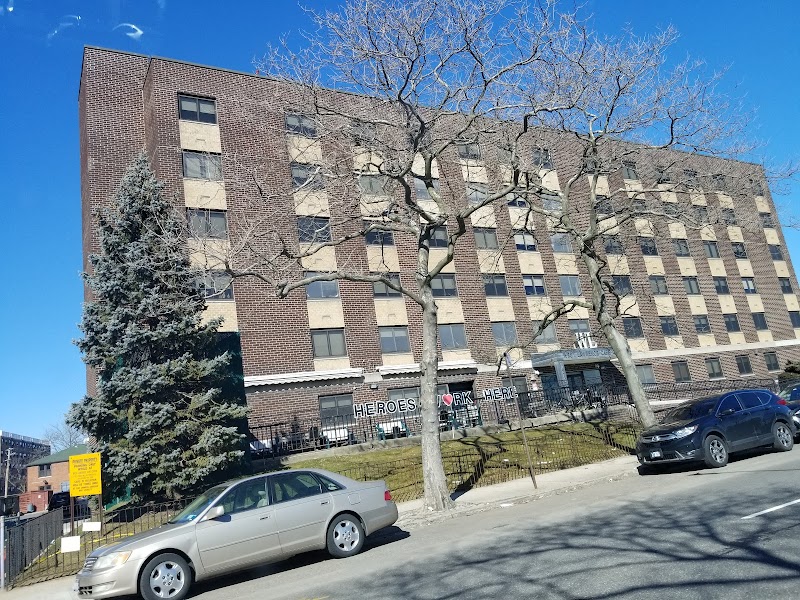
How is West Lawrence, L L C Staffed?

CMS rates WEST LAWRENCE CARE CENTER, L L C's staffing level at 1 out of 5 stars, which is much below average compared to other nursing homes. Staff turnover is 49%, compared to the New York average of 46%. RN turnover specifically is 64%, which is notably high. RNs provide skilled clinical oversight, so turnover in this role can affect medical care quality.

What Have Inspectors Found at West Lawrence, L L C?

State health inspectors documented 22 deficiencies at WEST LAWRENCE CARE CENTER, L L C during 2019 to 2025. These included: 21 with potential for harm and 1 minor or isolated issues.
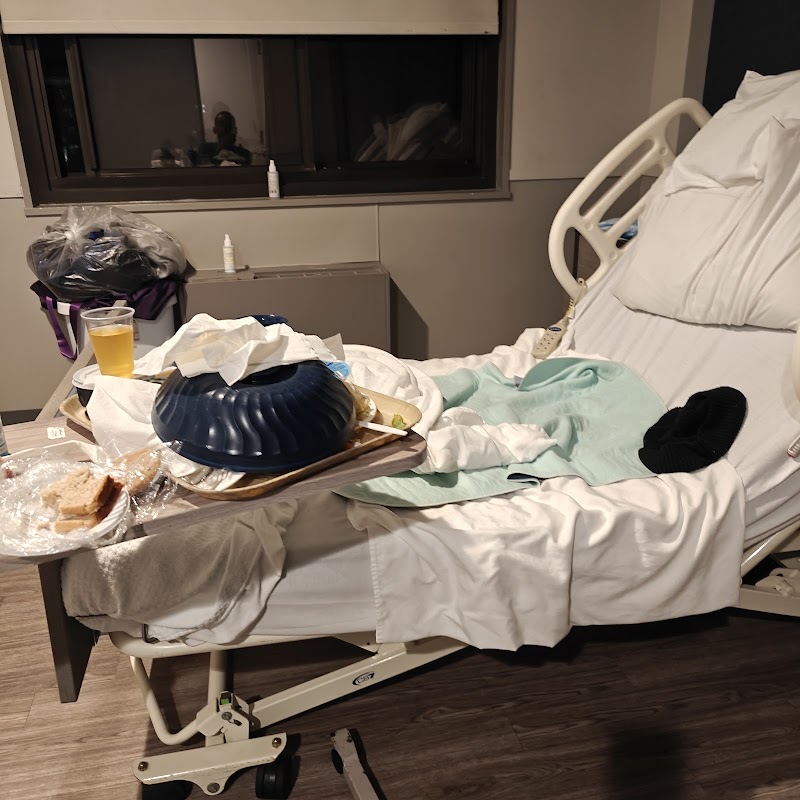
Who Owns and Operates West Lawrence, L L C?

WEST LAWRENCE CARE CENTER, L L C is owned by a for-profit company. For-profit facilities operate as businesses with obligations to shareholders or private owners. The facility operates independently rather than as part of a larger chain. With 215 certified beds and approximately 159 residents (about 74% occupancy), it is a large facility located in FAR ROCKAWAY, New York.
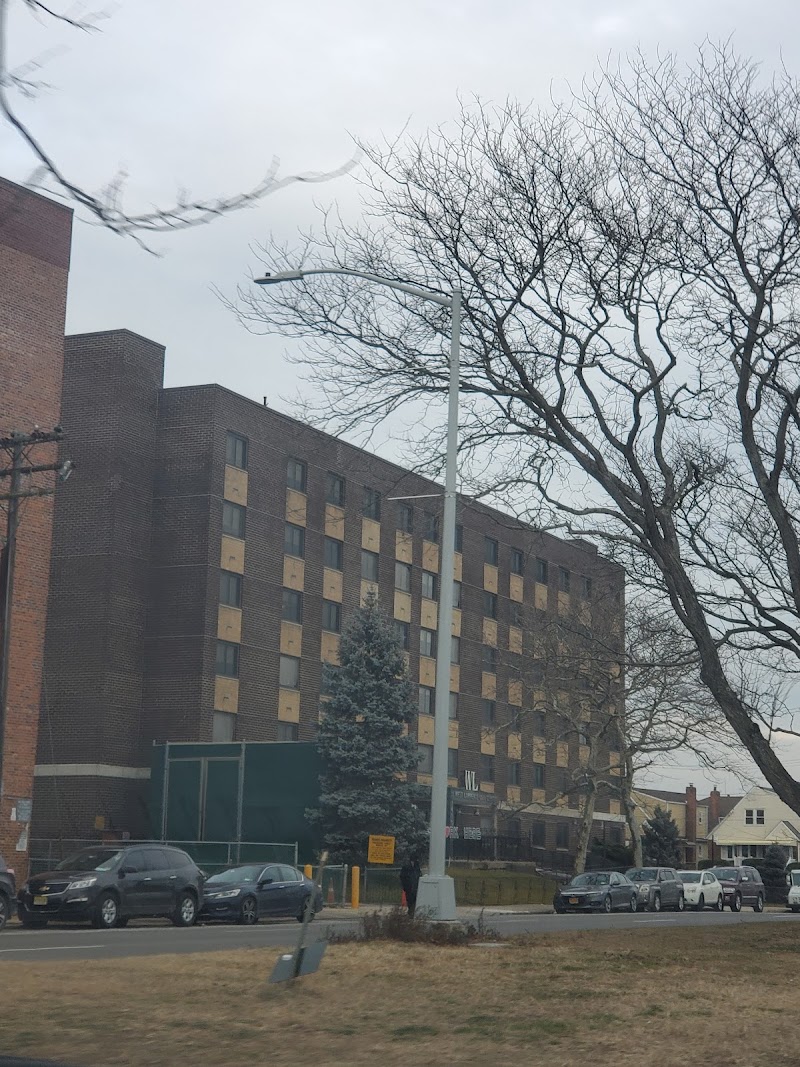
How Does West Lawrence, L L C Compare to Other New York Nursing Homes?

Compared to the 100 nursing homes in New York, WEST LAWRENCE CARE CENTER, L L C's overall rating (1 stars) is below the state average of 3.0, staff turnover (49%) is near the state average of 46%, and health inspection rating (2 stars) is below the national benchmark.

What Should Families Ask When Visiting West Lawrence, L L C?

Based on this facility's data, families visiting should ask: "Can you walk me through typical staffing levels on day, evening, and night shifts?" "Can I visit during a mealtime to observe dining assistance and food quality?" "How do you handle medical emergencies, and what is your hospital transfer rate?" "Can I speak with family members of current residents about their experience?" These questions are particularly relevant given the below-average staffing rating.

Is West Lawrence, L L C Safe?

Based on CMS inspection data, WEST LAWRENCE CARE CENTER, L L C has a clean safety record: no substantiated abuse findings (meaning no confirmed cases of resident harm), no Immediate Jeopardy citations (the most serious violation level indicating risk of serious injury or death), and is not on the Special Focus Facility watch list (a federal program monitoring the lowest-performing 1% of nursing homes). The facility has a 1-star overall rating and ranks #100 of 100 nursing homes in New York. While no facility is perfect, families should still ask about staff-to-resident ratios and recent inspection results during their visit.

Do Nurses at West Lawrence, L L C Stick Around?

WEST LAWRENCE CARE CENTER, L L C has a staff turnover rate of 49%, which is about average for New York nursing homes (state average: 46%). Moderate turnover is common in nursing homes, but families should still ask about staff tenure and how the facility maintains care continuity when employees leave.

Was West Lawrence, L L C Ever Fined?

WEST LAWRENCE CARE CENTER, L L C has been fined $114,564 across 23 penalty actions. This is 3.3x the New York average of $34,225. Fines at this level are uncommon and typically indicate a pattern of serious deficiencies, repeated violations, or failure to correct problems promptly. CMS reserves penalties of this magnitude for facilities that pose significant, documented risk to resident health or safety. Families should request specific documentation of what issues led to these fines and what systemic changes have been implemented.

Is West Lawrence, L L C on Any Federal Watch List?

WEST LAWRENCE CARE CENTER, L L C is not on any federal watch list. The most significant is the Special Focus Facility (SFF) program, which identifies the bottom 1% of nursing homes nationally based on persistent, serious quality problems. Not being on this list means the facility has avoided the pattern of deficiencies that triggers enhanced federal oversight. This is a positive indicator, though families should still review the facility's inspection history directly.