FRANKLIN CENTER FOR REHABILITATION AND NURSING
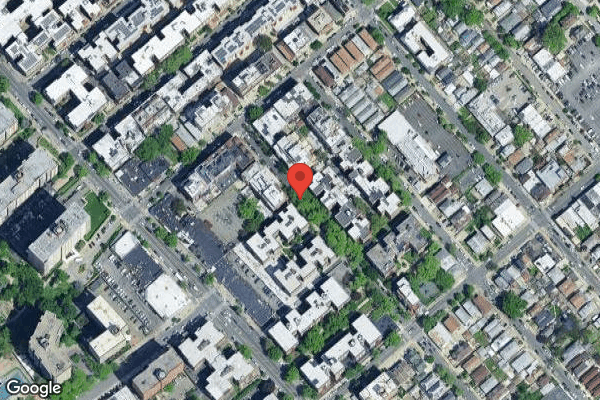
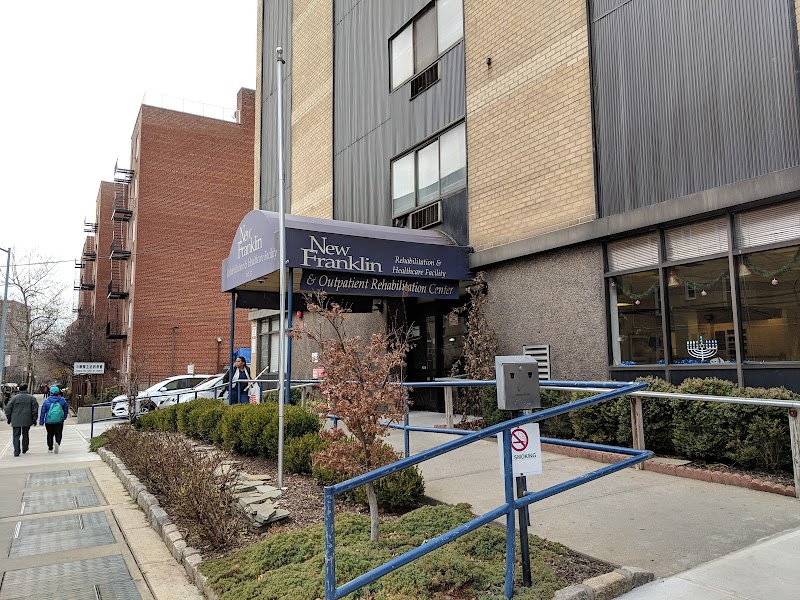
142 27 FRANKLIN AVENUE, FLUSHING, NY 11355 (718) 670-3400
For profit - Limited Liability company 320 Beds Independent Data: November 2025
Trust Grade
88/100
#40 of 594 in NY
Last Inspection: February 2024

Within standard 12-15 month inspection cycle. Federal law requires annual inspections.

Overview

Franklin Center for Rehabilitation and Nursing has a Trust Grade of B+, indicating it is above average and recommended for care. It ranks #40 out of 594 facilities in New York, placing it in the top half, and #5 out of 57 in Queens County, meaning only four local options are better. However, the facility's trend is worsening, with issues increasing from 2 in 2022 to 6 in 2024. Staffing is a strength, rated at 4 out of 5 stars with a turnover rate of 29%, lower than the state average, and it has more RN coverage than 91% of facilities in New York. On the downside, there have been serious incidents, such as a resident sustaining a laceration in a resident-to-resident altercation and another resident being punched, which indicate concerns about resident safety. Additionally, there were issues with care plan meetings where family representatives were not invited, and medication management practices were not consistently followed, raising potential health risks.

Trust Score
B+
88/100
In New York
#40/594
Top 6%
Safety Record
Moderate
Needs review
Inspections
Getting Worse
2 → 6 violations
Staff Stability
✓ Good
29% annual turnover. Excellent stability, 19 points below New York's 48% average. Staff who stay learn residents' needs.
Penalties
✓ Good
No fines on record. Clean compliance history, better than most New York facilities.
Skilled Nurses
✓ Good
Each resident gets 64 minutes of Registered Nurse (RN) attention daily — more than 97% of New York nursing homes. RNs are the most trained staff who catch health problems before they become serious.
Violations
⚠ Watch
11 deficiencies on record. Higher than average. Multiple issues found across inspections.
★★★★★
5.0
Overall Rating
★★★★☆
4.0
Staff Levels
★★★★★
5.0
Care Quality
★★★★☆
4.0
Inspection Score
Stable
2022: 2 issues
2024: 6 issues

The Good

  • 4-Star Staffing Rating · Above-average nurse staffing levels
  • 5-Star Quality Measures · Strong clinical quality outcomes
  • Low Staff Turnover (29%) · Staff stability means consistent care
  • Full Sprinkler Coverage · Fire safety systems throughout facility
  • No fines on record
  • Staff turnover is low (29%)

    19 points below New York average of 48%

Facility shows strength in staffing levels, quality measures, staff retention, fire safety.

The Bad

No Significant Concerns Identified

This facility shows no red flags. Among New York's 100 nursing homes, only 1% achieve this.

The Ugly 11 deficiencies on record

1 actual harm
Feb 2024 6 deficiencies
CONCERN (D)

Potential for Harm - no one hurt, but risky conditions existed

Safe Environment (Tag F0584)

Could have caused harm · This affected 1 resident

**NOTE- TERMS IN BRACKETS HAVE BEEN EDITED TO PROTECT CONFIDENTIALITY** Based on record review and interviews conducted during the Recertification Survey from 02/21/2024 to 02/28/2024, the facility di...

Read full inspector narrative →
**NOTE- TERMS IN BRACKETS HAVE BEEN EDITED TO PROTECT CONFIDENTIALITY** Based on record review and interviews conducted during the Recertification Survey from 02/21/2024 to 02/28/2024, the facility did not ensure that residents were provided a safe and homelike environment and that residents received care and services safely and does not pose a safety risk. This was evident for 1 (Resident #5) of 3 residents investigated for Respiratory care out of an investigative sample of 38 residents. Specifically, on 02/22/2024, a Maintenance staff was observed cleaning the air conditioning unit while Resident #5 was in bed sleeping in their room. The findings are: The facility's policy titled Entry of Engineers and Repair Workers dated 03/03/2023 stated that before entering a resident's room, engineers and repair workers must first check in with the nurse on duty in that unit. They should provide details about the nature of the work, estimated duration, and any potential disturbances. The purpose is to ensure the safety, privacy, and dignity of our residents when engineers and repair workers need to enter their rooms for maintenance or repair work. On 02/22/2024 at 10:24 AM, the State Surveyor observed two Maintenance Staff in Resident #5's room. One Maintenance Staff was vacuuming the air conditioning unit while the other Maintenance Staff was standing next to them. Resident #5 was observed in bed sleeping with oxygen via nasal canula. The State Surveyor observed dust coming from the vacuum and blowing inside the room. Resident #5 was admitted to the facility with diagnoses of Schizoaffective Disorder, Panic Disorder with Agoraphobia, and Sleep Apnea. The Significant Minimum Data Set, dated [DATE], documented Resident #5's cognition was intact, independent for bed mobility, dependent for transfer and toilet use, and uses Oxygen therapy. A Comprehensive Care Plan for Respiratory: Oxygen Use was initiated on 01/11/2024. The care plan documented that resident requires use of oxygen due to episodes of shortness of breath. The interventions included providing oxygen as ordered by the physician and to assess for discomfort with breathing. 02/28/2024 10:19 AM, the Inservice Coordinator was interviewed and stated that Maintenance staff must notify the charge nurse when work will be done in a resident's room and that residents must be taken out of the room. The Inservice Coordinator stated they were not notified that Maintenance will be working in Resident #5's room on 02/22/2024. On 02/28/2024 at 01:39 PM, the Maintenance Assistant was interviewed and stated they forgot to let the nurse know that they will be working on Resident #5's room on 02/22/2024. On 02/28/2024 at 01:42 PM, the Director of Maintenance was interviewed and stated that they are responsible for scheduling the maintenance works. They stated they usually notifies the nurse about the type of work and the nurse would either let the resident know or have the resident move out of the room. The Director of Maintenance stated that on 02/22/2024, the Maintenance Assistant forgot to tell the nurse that they were going to work on Resident #5's room. 415.5(h)(2)
CONCERN (D) 📢 Someone Reported This

A family member, employee, or ombudsman was alarmed enough to file a formal complaint

Potential for Harm - no one hurt, but risky conditions existed

Report Alleged Abuse (Tag F0609)

Could have caused harm · This affected 1 resident

**NOTE- TERMS IN BRACKETS HAVE BEEN EDITED TO PROTECT CONFIDENTIALITY** Based on record review and interviews conducted during the Recertification and Abbreviated (NY00330116) Survey from 02/21/2024 t...

Read full inspector narrative →
**NOTE- TERMS IN BRACKETS HAVE BEEN EDITED TO PROTECT CONFIDENTIALITY** Based on record review and interviews conducted during the Recertification and Abbreviated (NY00330116) Survey from 02/21/2024 to 02/28/2024, the facility failed to ensure that all alleged violations involving abuse and injuries of unknown source were reported immediately but not later than 2 hours after the allegation was made to the New York State Department of Health. This was evident for 3 (Resident #655, #203, and #97) of 38 total sampled residents. Specifically, 1) On 02/12/2024, Resident #655 sustained a laceration to their right eyebrow. The injury was not witnessed, and the source of injury could not be explained by the Resident. The injury was not reported to the New York State Department of Health, and 2) On 12/18/2023 at approximately 5:45 AM, Residents #203 and #97 were involved in a resident-to-resident altercation. The alleged incident was not reported to the New York State Department of Health within 2 hours after the allegation was made. The findings are: The facility policy titled Abuse, Neglect, Mistreatment, Exploitation Prohibition dated 09/26/2022 documented the facility shall ensure that alleged violations involving mistreatment, neglect, or abuse, including injuries of unknown source, are reported immediately to the Administrator of the facility or his/her designee. When required by law or regulation, the facility shall ensure timely notification to the Department of Health. 1) Resident #655 had diagnoses of Diabetes Mellitus, Coronary Artery Disease, and Heart failure. The Minimum Data Set assessment dated [DATE] documented Resident #655 had severely impaired cognition. A Nurses' Notes dated 02/12/2024 at 9:10 AM documented Resident #655 was observed in bed with a small cut to their right eyebrow with moderate amount of bleeding. Resident was unable to give account of what happened. The facility's Occurrence Investigative Risk Management Summary Report dated 02/12/2024 documented Resident #655 was observed lying in bed with a small cut close to their eyebrow. The facility concluded that Resident #655's head may have come in contact with the call bell clip during movement and that their investigation has not revealed cause to believe an alleged exploitation, abuse, mistreatment, or neglect had occurred. A review of Occurrence Reports and Employee Statements did not indicate any witness to how Resident #655 sustained the eyebrow laceration. There was no documented evidence that Resident #655's eyebrow laceration was reported to the New York State Department of Health. 2. Resident #203 had diagnoses of Nontraumatic Intracerebral Hemorrhage and Cerebrovascular Accident. The Minimum Data Set assessment dated [DATE] documented Resident #203 had intact cognition. Resident #97 had diagnoses of Cerebrovascular Accident and Mood disorder. The Minimum Data Set assessment dated [DATE] documented Resident #97 had intact cognition. A Nurses' Notes dated 12/18/2023 at 6:57 AM documented that Resident #97 called Resident #203 N*gger. Resident #203 told Resident #97 to stop. Resident #97 refused to stop; Resident #203 started to hit Resident #97 with a stick. A Nurses' Notes dated 12/18/2023 at 3:07 PM documented that at 5:45 AM, was called by the Charge Nurse and stated that Resident #97 was poked by their roommate with a stick. Resident #97 was noted with scratch marks on the right forearm. The facility's Investigation Report dated 12/19/2023 documented that during interview Resident #97 stated they wanted to turn down the heat in their room. Resident #203 told them to stop yelling and go back to sleep. Resident #97 told Resident #203 Shut up N*gger. A verbal exchange continued, Resident #203 approached Resident #97 and poked them with a reacher bar. Resident #97 sustained superficial scratch to their right forearm. The facility concluded there was no evidence of abuse, neglect, or mistreatment by the facility. Resident #97 provoked Resident #203 when they called them N*gger. The Nursing Home Facility Incident Report documented that the staff was first made aware of the incident on 12/18/2023 at 5:45 AM. The report documented that the facility Administrator submitted the incident report to the New York State Department of Health on 12/18/2023 at 6:04 PM. On 02/22/2024 at 11:50 AM, Resident #203 was interviewed and stated that the other resident he had an altercation with would not call for the nurse but would holler. Resident #203 stated one night they got into it and that they jumped them. Resident #203 stated they were moved to a different floor. On 2/28/2024 at 10:22 AM, the Director of Nursing was interviewed and stated they did not report Resident #655's laceration because it was explainable. The Director of Nursing stated that they did an investigation and that it was unsubstantiated since there was evidence of blood stain on the clip and that was how they knew the injury was self-inflicted. On 02/28/2024 at 10:28 AM, the Director of Nursing stated during the interview that the incident between Residents #203 and #97 occurred at 12/18/2023 at 5:45 AM and was submitted to the New York State Department of Health on 12/18/2023 at 6:04 PM. The Director of Nursing stated it should have been reported to the New York State Department of Health within 2 hours. They added that they need to gather all information that was why it takes a while for them to report. On 2/28/24 at 12:17 PM, the Administrator was interviewed and stated the facility policy on abuse reporting stated that reporting is to be done within 24 hours or within 2 hours if there is an obvious injury. The Administrator further stated name calling does not constitute abuse. 10 NYCRR 415.4(b)
CONCERN (D)

Potential for Harm - no one hurt, but risky conditions existed

Assessment Accuracy (Tag F0641)

Could have caused harm · This affected 1 resident

**NOTE- TERMS IN BRACKETS HAVE BEEN EDITED TO PROTECT CONFIDENTIALITY** Based on record review and interviews conducted during the Recertification Survey from 02/21/2024 to 02/28/2024, the facility fa...

Read full inspector narrative →
**NOTE- TERMS IN BRACKETS HAVE BEEN EDITED TO PROTECT CONFIDENTIALITY** Based on record review and interviews conducted during the Recertification Survey from 02/21/2024 to 02/28/2024, the facility failed to ensure that the Minimum Data Set assessments accurately reflected the residents' status. This was evident for 2 (Resident #181 and Resident#25) of 2 residents sampled for catheter care, out of 38 sampled residents. Specifically, Resident #181's Foley catheter was not documented, and Resident #25 's use of suprapubic catheter was documented as an ostomy, instead of indwelling catheter. The findings are: The facility's policy titled Minimum Data Set Assessment and Completion with an approval date of 02/01/2022 documented that the Minimum Data Set 3.0 manual is to be utilized by all disciplines participating in the completion of the Resident Assessment Instrument and that each individual completing a portion of the assessment, signs and certifies the accuracy of that portion of the assessment. Resident #181 was admitted to the facility with diagnoses of Stroke and Cardiac Arrest. The Quarterly Minimum Data Set, dated [DATE], documented that Resident #181 was severely cognitively impaired, dependent on bed mobility, transfers, eating, and toilet use. The Minimum Data Set also documented always incontinent of urine and bowel. The Minimum Data Set did not document the use of indwelling catheter. The admission Peer Review Instrument dated 01/10/2024 documented indwelling catheter. The Physician's orders dated 01/19/2024, documented Foley Catheter, change as needed with size 16 French, 10 milliliter balloon. Irrigate Catheter with 200 milliliter sterile saline as needed for increase sediments and / or blockage of urine flow. Provide Foley care every shift and as needed, record urine output every shift and as needed. The Comprehensive Care Plan on bladder elimination/indwelling catheter/genitourinary, created on 07/28/2022, documented aging process: neurogenic bladder, as evidenced by use of a Foley catheter. Interventions include to provide Foley care every shift and as needed, observe and monitor resident's urine output. Resident #25 was admitted to the facility with diagnoses of Obstructive Uropathy, Quadriplegia, and Respiratory Failure. The Quarterly Minimum Data Set, dated [DATE] documented Resident #25's cognition was intact, had ostomy, and always incontinent of bowel. The Physician's Orders dated 12/17/2018 with renewal date of 02/22/2024 documented to irrigate suprapubic tube with 200 milliliter of normal saline solution for malfunction as needed, and suprapubic tube care every shift. The Comprehensive Care Plan titled bladder elimination/indwelling catheter/ genitourinary status, created on 01/28/2023 documented neurogenic bladder, use of a suprapubic catheter. Interventions include to observe and monitor resident's urine output color, appearance, and odor of urine; record urine output as instructed and if abnormalities were evident. On 02/28/2024 at 12:23 PM, the Minimum Data Set Assessor was interviewed and stated they are the Case Manager and also completed the Minimum Data Set. They stated that Resident #181 came back from the hospital on [DATE] with a Foley catheter and it should have been documented in the Minimum Data Set. They stated they probably missed it. The Minimum Data Set Assessor stated the Assessors crosscheck each other's work to ensure that the Minimum Data Set was accurate. On 02/28/2024 at 12:04 PM, the Minimum Data Set Coordinator was interviewed and stated they completed the Minimum Data Set assessment dated [DATE] for Resident #25. They stated that the suprapubic tube should have been coded as indwelling catheter and not as ostomy. The Minimum Data Set Coordinator stated it was probably an oversight and that each staff who completed their section of the Minimum Data Set is responsible for the accuracy of their documentation. 10 NYCRR 415.11 (b)
CONCERN (D)

Potential for Harm - no one hurt, but risky conditions existed

Comprehensive Care Plan (Tag F0656)

Could have caused harm · This affected 1 resident

**NOTE- TERMS IN BRACKETS HAVE BEEN EDITED TO PROTECT CONFIDENTIALITY** Based on observations, interviews and record review conducted during the Recertification Survey from 02/21/2024 to 02/28/2024, t...

Read full inspector narrative →
**NOTE- TERMS IN BRACKETS HAVE BEEN EDITED TO PROTECT CONFIDENTIALITY** Based on observations, interviews and record review conducted during the Recertification Survey from 02/21/2024 to 02/28/2024, the facility failed to ensure a person-centered comprehensive care plan was developed and implemented to meet residents' preferences. This was evident for 1 (Resident #116) of 38 total sampled residents. Specifically, a Comprehensive Care Plan was not developed to address Resident #116's preference not to use a urinary catheter privacy bag. The findings are: The facility policy titled Care Planning-Conferences with an approval date of 04/17/2021 stated that the facility will develop and implement a comprehensive person-centered care plan for each resident. The policy stated that the comprehensive care plan must be prepared by an interdisciplinary team and other appropriate staff or professionals in disciplines as determined by the resident's needs or as requested by the resident. Resident #116 had diagnosis of Obstructive Uropathy, Benign Prostatic Hyperplasia, and Bipolar Disorder. The Minimum Data Set assessment dated [DATE] documented that Resident #116 was cognitively intact and had an indwelling catheter. On 02/21/2024 at 12:03 PM, 02/22/2024 at 12:17 PM, and 02/23/2024 at 12:14 PM, Resident #116 was observed in the dining room sitting in their wheelchair with an exposed Foley catheter bag containing urine hanging on the arm of their wheelchair. There were other residents sitting in the dining room eating lunch at the time. The Physician's Order dated 11/04/2023 and was last renewed on 02/21/2024 documented the following: Change suprapubic catheter once a month and as needed size 24 French 10 milliliter balloon. There was no documented evidence that a Comprehensive Care Plan to address Resident #116's preference not to use a Foley privacy bag was developed. On 02/28/2024 at 1:01 PM, Resident #116 was interviewed and stated they have a black bag that covers the urine bag, but they do not want to use it. Resident #116 further stated that the nurses have asked them to cover their urine bag with the black bag in the past. On 02/27/2024 at 11:29 AM, the Assistant Director of Nursing was interviewed and stated that Resident #116 refused to use a urinary catheter privacy bag because the Resident complained that the wheel on the wheelchair rubs off on the privacy bag. The Assistant Director of Nursing stated they will update Resident #116's Comprehensive Care Plan with their preference not to use a urinary catheter privacy bag. On 02/28/2024 at 10:05 AM, the Director of Nursing was interviewed and stated that Resident #116 removed their urinary catheter privacy bag because it keeps getting caught in the wheelchair. The Director of Nursing stated that a care plan for Resident #116's refusal to use privacy bag should have been documented. 10 NYCRR 415.11(c)(1)
CONCERN (D) 📢 Someone Reported This

A family member, employee, or ombudsman was alarmed enough to file a formal complaint

Potential for Harm - no one hurt, but risky conditions existed

Accident Prevention (Tag F0689)

Could have caused harm · This affected 1 resident

**NOTE- TERMS IN BRACKETS HAVE BEEN EDITED TO PROTECT CONFIDENTIALITY** Based on interviews and record review conducted during a Recertification and Complaint survey (NY00295349) from 02/21/2024 to 02...

Read full inspector narrative →
**NOTE- TERMS IN BRACKETS HAVE BEEN EDITED TO PROTECT CONFIDENTIALITY** Based on interviews and record review conducted during a Recertification and Complaint survey (NY00295349) from 02/21/2024 to 02/28/2024, the facility failed to ensure each resident received adequate supervision to prevent elopement. This was evident for 1 (Resident #163) of 5 residents investigated for Accidents out of an investigative sample of 38 residents. Specifically, on 05/02/2022 at 7:45 PM, Resident #163 identified as at high risk for elopement, was able to exit the facility undetected through the fire exit gate on the main floor. Resident #163 was located by the New York City Police Department on 05/04/2022 at an apartment building that Resident claimed they previously lived. The findings are: The facility's policy and procedure titled Missing Persons with a review date of 05/06/2022 documented that it is the policy of the facility to ensure that conditions for security of residents and the building and the prevention of a resident from becoming a missing person is maintained at all times through environmental technology, worker surveillance, and procedural conditions. The facility's Policy titled Elopement and Unsafe Wandering, Prevention of, with a review date of 05/06/2022, documented that in order to eliminate and or control unsafe wandering and elopement behavior of residents, it is the policy of this facility to have the people , system and tools in place to do all that is reasonable to identify and prevent unsafe wandering and or elopement and to act quickly and prudently, should either occur. Resident #163 was admitted to the facility with diagnoses of Hemicraniectomy, Seizure Disorders and Anxiety Disorder. The Quarterly Minimum Data Set assessment dated [DATE] documented Resident #163's cognition as severely impaired and required supervision with set-up help for locomotion on and off the unit, and no mobility devices used. Section E of the Minimum Data Set assessment documented that Resident #163 had wandering behavior that occurred daily and had a wander/elopement alarm, used daily. The elopement risk assessment dated [DATE] documented Resident #163 was at high risk for elopement. The form documented Resident #1163 was independently mobile; elopement risk factors include exhibited wandering behavior, cognitively impaired or demonstrated impaired decision making, verbalized wanting to go home or indicated desire to leave unit/building. A Comprehensive Care Plan on Elopement/Wandering was initiated on 03/07/2022. The facility interventions included to communicate to staff resident's unsafe wandering/potential elopement status via 24-hour report; place a wander alert device on the resident, check for placement every shift and for proper functioning; place a picture of resident in the front desk/lobby. A Nurse's Note dated 05/03/2022 at 12:01 AM documented that Resident #163 stated they were waiting for their ordered food for half an hour. The writer called the operator who stated that they did not see any food for Resident #163. Resident became agitated, and at around 7:40 PM, Resident stepped in the elevator. Writer told Resident they can wait for their ordered food in the unit, but Resident did not respond. A Nurse's Note dated 05/03/2022 at 8:03 PM documented that Resident #163 walked out of the building followed by the receptionist, the Director of Nursing, Supervisor and the housekeeper and was escorted back to unit. At around 8:15 PM, a call was received from the Receptionist informing writer that Resident was not in the facility. Code E was activated, and staff searched all units and each room including the rooftop and basement. Search was done on outside area of the building and the nearby streets around the facility. The Director of Nursing and other administrative staff were informed and continued the search around the neighborhood. New York Police Department was informed. A Nurse's Note dated 05/04/2022 by the Director of Nursing documented that at around 7:06 PM, they were informed by a Police Officer that Resident #163 was found sitting in an apartment building and will be sent to the hospital for evaluation. The facility's Investigation Summary dated 05/03/2022 documented that based on the review of security camera footage, Resident #163 exited the facility on 05/02/2022 at 7:45 PM through the fire exit gate from the outdoor main floor outdoor terrace. Resident was dressed in black leather coat and black polo shirt. The summary documented that Resident #163 made an earlier attempt to leave the facility through the lobby to get food at 6:45 PM, however, the wander alert device alerted the lobby attendant and Resident was redirected back to their unit. At 7:30 PM, there was a disturbance in the lobby when a large group of visitors wanting to visit a resident were aggressively protesting the COVID-19 requirement. While the commotion was going on in the lobby, Resident #163 returned to the main floor, likely saw the melee in the lobby and used the opportunity to exit through the main floor terrace fire exit. Resident #163 exited through the side main floor terrace gate sounding the alarm at the reception desk. The alarm was not immediately heard due to disturbance caused by the visitors. Several minutes passed before the alarm was noticed and a quick check of the location did not show anyone exiting. The lobby attendant called the unit and was told that Resident #163 was there, and later on received a call confirming that Resident #163 was not in the unit. Code E was called, and search was initiated. On 02/26/2024 at 2:34 PM, Licensed Practical Nurse #3 was interviewed and stated that they worked on the evening shift on 05/02/2022. They stated that Resident #163 often goes downstairs by themselves. Licensed Practical Nurse #3 stated that they saw when Resident #163 went downstairs, and they called the operator. They stated that at round 8:30 PM, the Certified Nursing Assistant reported that Resident #163 was not back. They called the operator who stated that they did not see the Resident. Licensed Practical Nurse #3 stated they started the search and reported the incident to the supervisor. On 02/26/24 at 04:21 PM, Front Desk Receptionist #3 was interviewed and stated that on 05/02/2022, there were about 10 family members at the lobby who needed COVID-19 testing and would not allow them to respond quickly when they heard the alarm. They stated that by the time they responded to the alarm, they could not get to the door fast enough. Front Desk Receptionist #3 stated they called the unit and was told that Resident #163 was not there, they then called Code E and the search ensued. On 02/27/24 09:19 AM, the Director of Nursing was interviewed and stated that there was a commotion in the lobby. When Resident #163 saw the commotion, the Resident directed themselves out in the back door and the receptionist missed the alarm. When the commotion settled, the receptionist called the unit and found that Resident #163 was missing. The Director of Nursing stated that Resident was found the next day. The Director of Nursing stated they had a Quality Assurance Performance Improvement meeting and discussed the elopement. They re-assigned the COVID-19 testing to another staff member since it was during the time when the elopement occurred. The receptionist was involved with testing which caused the delay in answering the alarm. On 02/26/2024 at 03:15 PM, the Administrator was interviewed and did a replay of what occurred on 05/02/2022. The Administrator stated that Resident #163 had a tendency to come off the elevator frequently and to the main floor. On 05/02/2022, they reviewed the camera, and it showed that the Resident went to the right of the elevator, and walked towards the back of the main floor, to the physical therapy gym, where there is an exit door to the left of the main floor. The Administrator stated that the Resident went through both doors which lead to the side courtyard. The resident then opened the gate leading to the driveway, out to the street. The Administrator stated that the gate had an alarm which went off, but the receptionist had a delay in attending to the alarm due to the commotion in the lobby. The facility implemented corrective actions and was found to be in substantial compliance on 05/12/2022, prior to the start of the Recertification Survey on 02/21/2024. Resident #163 was located by the Police on 05/04/2022 and was sent to the hospital. Resident was readmitted to the facility on [DATE] without injury. The Comprehensive Care plan for Elopement for Resident #163 was updated Elopement prevention policy reviewed and updated. The Policy and Procedure on Elopement, Missing Persons were reviewed on 5/6/2022. An ad hoc Quality Assurance Performance Improvement meeting was held on 05/06/2022. Resident #163's elopement was discussed. The Covid testing area was relocated from lobby entrance, and a second staff were assigned to attend the duties of testing. Audits were completed for exit doors to be checked weekly to ensure functionality. Elopement drills were scheduled and were completed. All wander alert and exit door alarms in the facility were inspected and were in working condition. All fire exit panic alarms at the Reception desk were tested working as intended. A facility wide in-service on Elopement and Elopement Drills were completed on 05/12/2022, 06/06/2022, and 07/08/2022. All lobby attendants were re-educated on importance of monitoring exit alarms and make them highest priority even if other activity is present in the lobby. 415.12(h)(2)
CONCERN (E)

Potential for Harm - no one hurt, but risky conditions existed

Deficiency F0553 (Tag F0553)

Could have caused harm · This affected multiple residents

**NOTE- TERMS IN BRACKETS HAVE BEEN EDITED TO PROTECT CONFIDENTIALITY** 2. Resident #142 had diagnoses of Hemiplegia and Hemiparesis following Cerebral Infarction, Aphasia, and Other Seizures. The an...

Read full inspector narrative →
**NOTE- TERMS IN BRACKETS HAVE BEEN EDITED TO PROTECT CONFIDENTIALITY** 2. Resident #142 had diagnoses of Hemiplegia and Hemiparesis following Cerebral Infarction, Aphasia, and Other Seizures. The annual Minimum Data Set assessment dated [DATE] documented Resident #142 was cognitively impaired and only the representative participated in the assessment. The social services notes from 01/01/2023 to 02/22/2024 were reviewed. There was no documented evidence that Resident #142 and/or their designated representative were invited to any care plan meeting. The care plan meeting reports dated 04/20/2023, 07/13/2023, and 09/28/2023 documented these were quarterly care plan meetings. The reports did not document Resident #142 and/or their designated representative were invited to the care plan meetings nor attended these meetings. There was no documented evidence in the medical record that Resident #142 and/or their designated representative participated in the review and revision of comprehensive care plans or attended the care plan meetings scheduled on 04/20/2023, 07/13/2023, and 09/28/2023. 3. Resident #165 had diagnoses of Major Depressive Disorder, Bipolar Disorder, and Unspecified Fracture of the Right Femur. The quarterly Minimum Data Set assessment dated [DATE] documented Resident #165 was cognitively intact and had no rejection of care. It documented only Resident # 165 participated in the assessment. On 02/21/2024 at 09:45 AM, Resident #165 was interviewed and stated they make their own decisions. Resident #165 stated they did not recall being invited to any care plan meeting for a long time. The social services notes from 01/01/2023 to 02/22/2024 were reviewed. There was no documented evidence that Resident #142 and/or their designated representative were invited to any care plan meeting. The care plan meeting reports dated 01/12/2023, 07/13/2023, 10/12/2023 and 01/18/2024 documented these were quarterly care plan meetings. The reports did not document Resident #165 and/or their designated representative were invited to the care plan meetings nor attended these care plan meetings. There was no documented evidence in the medical record that Resident #165 and/or their designated representative participated in the review and revision of comprehensive care plans or attended the care plan meetings scheduled on 01/12/2023, 07/13/2023, 10/12/2023 and 01/18/2024. On 02/21/2024 at 10:57 AM, Resident #142's representative was interviewed and stated they made decisions for Resident #142. The representative also stated they were never invited to any care plan meeting. On 02/26/2024 at 02:14 PM, Social Worker #1 stated during the interview they received training from the Social Work Director and stated they only invite residents and/or their designated representative to the initial, annual, and significant change care plan meetings. Social Worker #1 stated they were told by the Social Work Director that they do not have to invite residents and/or their designated representative to the quarterly care plan meetings. On 02/26/24 at 02:31 PM, the Social Work Director was interviewed and stated they were trained by the previous two Social Work Directors that they were not required to invite the residents and/or their designated representative to participate in the quarterly care plan meetings. The Social Work Director stated they were not aware the Centers for Medicare & Medicaid Services regulation requires the residents' participation in the care plan meetings. 10 NYCRR 415.11(c)(2)(i-iii) Based on record review and interviews conducted during the Recertification survey from 02/21/2024 to 02/28/2024, the facility did not ensure that a resident and/or resident's representative were offered the opportunity to participate in the revision and/or review of the comprehensive care plan. This was evident for 3 residents (Resident #31, #142, and #165) reviewed for Care Planning out of 38 total sampled residents. Specifically, 1) Resident #31 and/or their designated representative were not invited to their care plan meeting, 2) Resident #142 and/or their designated representative were not invited to their care plan meeting, and 3) Resident # 165 was not invited to their care plan meeting. The findings are: The facility policy and Procedure titled Care Planning - Conferences with approval date 04/17/2021 documented the resident had the right to participate in the planning process, including the right to identify individuals or roles to be included in the planning process. It also documented the Comprehensive Care Meetings are scheduled on Admission, for Significant Change, Annually, and a Quarterly review. The resident/representative is invited to attend the annual, significant change and admission meetings. 1. Resident #31 was admitted to the facility with diagnoses of Hypertension, Respiratory Failure, Tracheostomy Status, Diabetes, Pressure Ulcer and Major Depressive Disorder. The quarterly Minimum Data Set assessment dated [DATE] documented Resident #31 was moderately cognitively impaired and participated in the assessment. The social services notes from 07/28/2023 to 01/31/2024 were reviewed. There was no documented evidence that Resident #31 and/or their designated representative, or family were invited to any quarterly care plan meetings. The care plan meeting reports dated 10/27/2023 and 01/19/2024 documented these were quarterly care plan meetings. The reports did not document Resident #31 and/or their designated representative or Family were invited to the care plan meetings nor attended these meetings. There was no documented evidence in the medical record that Resident #31 and/or their designated representative, and or family participated in the review and revision of quarterly comprehensive care plans or attended the quarterly care plan meetings scheduled on 10/27/2024 and 01/19/2024.
Jan 2022 2 deficiencies
CONCERN (D)

Potential for Harm - no one hurt, but risky conditions existed

Assessment Accuracy (Tag F0641)

Could have caused harm · This affected 1 resident

**NOTE- TERMS IN BRACKETS HAVE BEEN EDITED TO PROTECT CONFIDENTIALITY** Based on observation, record review, and staff interviews conducted during Recertification survey, the facility did not ensure t...

Read full inspector narrative →
**NOTE- TERMS IN BRACKETS HAVE BEEN EDITED TO PROTECT CONFIDENTIALITY** Based on observation, record review, and staff interviews conducted during Recertification survey, the facility did not ensure that each portion of the Minimum Data Set (MDS) assessment accurately reflects the resident's status. Specifically, the most recent MDS did not accurately indicate tube feeding. This was evident for 1 out of 35 sampled residents reviewed (Resident # 34). The finding is: The facility's policy and procedure titled MDS Assessment and Completion dated 12/01/2020 states that the assessment system will provide a comprehensive, accurate, standardized, reproducible assessment of each resident's functional capabilities and assist staff in identifying health problems and care plan development. The policy further states that the assessment must reflect the resident's status, including the resident's strengths and needs, which must be addressed in an individualized care plan. Resident # 34 was admitted to the facility on [DATE] with diagnoses that include Hypertension, Cerebral infarction, Dysphasia, and Major Depressive Disorder The Quarterly MDS assessment dated [DATE] identified Resident #34's cognition as moderately impaired. Section K of the MDS indicated that Resident # 34 is on mechanically altered diet. A Physician Order dated 03/31/2021 documented Tube feeding; Formula: Vital 1.5, Bolus @ 237 ml each time four times a day for Dysphasia. Check placement and patency of GT before feeding, [NAME] fluid flush 200 ml Q6H of flush via PEG and Elevate the head of the bed at least 30 degrees during feeding and 1/2 hour after feeding. The orders were renewed 11/30/2021. A Tube Feeding Care Plan initiated on 12/10/2016 documented that Resident # 34 is on tube feeding-related to dysphagia. The interventions include administering formula with the required amount of water, keeping the head of the bed elevated about 35-45 degrees during feeding and one hour after feeding. The revised care plan dated 10/07/2021 documented Resident # 34 is on tube feeding for nutrition and hydration. The MDS did not accurately document that Resident # 34 was on tube feeding during the review period. During an interview on 12/29/2021 at 02:27 PM, the MDS Assessor stated that the MDS Assessor completed a quarterly MDS assessment on 10/10/21. Each department conducts the required section of the MDS. Resident # 34 has been on tube feeding since 03/31/2021. There has been an order for tube feeding since 03/2021. The dietician completes the nutrition section of the MDS. Each department signs the last section of the MDS to ensure that it is completed. During an interview on 12/29/2021 02:39 PM, the Chief Clinical Dietician stated that the dietician does the swallowing and the nutrition section of the MDS. The MDS does not indicate that Resident #34 received tube feeding. It seems that it was overlooked, and it was an oversight. During an interview on 12/29/2021 at 11:17 AM, the MDS Coordinator stated that they interview the residents, the staff, and review the chart, and then code the MDS according to the resident's condition. Each department Is responsible for reviewing each section, and then the MDS clerk submits the assessment. They check and make sure each section is complete. They do not check for accuracy. Each department is responsible for checking for the accuracy of the assessment. 415.11(b)
CONCERN (D)

Potential for Harm - no one hurt, but risky conditions existed

Deficiency F0688 (Tag F0688)

Could have caused harm · This affected 1 resident

**NOTE- TERMS IN BRACKETS HAVE BEEN EDITED TO PROTECT CONFIDENTIALITY** (2) Resident #106 was initially admitted to the facility on [DATE], with diagnoses that included Aphasia, Non-Alzheimer's Dement...

Read full inspector narrative →
**NOTE- TERMS IN BRACKETS HAVE BEEN EDITED TO PROTECT CONFIDENTIALITY** (2) Resident #106 was initially admitted to the facility on [DATE], with diagnoses that included Aphasia, Non-Alzheimer's Dementia, Contractures, Asthma/COPD, Respiratory Failure. The Quarterly Minimum Data Set (MDS), Assessment Reference Date (ARD) 11/01/2021 documented that the resident had severe impairment in cognition with long and short-term memory problems. The MDS documented the resident was totally dependent on staff for all Activities of Daily Living (ADLs). The Comprehensive Care Plan (CCP) for Contractures dated 2/13/2018 documented that resident is at risk to develop contractures, has actual contracture/s - Lt hand. Goals included: Resident will not develop further contractures within the next 90 days. Interventions included: - Passive ROM exercise as ordered; Turn and position resident q 2 hours & as needed. Apply positioning devices as indicated; Left hand roll at all times, remove for ADL care. Occupational Therapy OT Evaluation & Plan of Treatment dated 10/25/2021 documented that resident has LUE (left upper extremity) impaired, contractures shoulder to wrist, increased flexion in digits - Left Hand roll to be worn AAT (at all time) except during hygiene and skin check. The following observations were made during the recertification/complaint survey: On 12/27/21, between 11:50 AM and AM 02:22 PM, Resident #106 was observed in room on reclining Geri chair, noted with contractures on left hand, no device applied to relieve the pressure on the hands. On 12/28/2021, between 09:15 AM and 01:49 PM, the resident was observed in bed with no hand roll. On 12/29/21, between 10:10 AM and 12:45 PM, resident was observed on reclining chair placed on left side of bed in the room, no hand roll in place. On 12/30/21, between 08:35 AM to 11:53 AM, resident was in bed sleeping, no device noted on left hand. On 12/30/21 at 11:52 AM, an interview was conducted with the Certified Nursing Assistant (CNA #4). CNA #4 stated that resident is given AM care, oral care, body care, dressed and taken out of bed every other day. CNA #4 also stated that resident has blue hand roll that is supposed to be applied every day, when the blue one is dirty, the supervisor brings white roll to apply. The CNA was not able to locate any hand roll in the resident's room, and no hand roll was noted on resident's hand when the CNA was accompanied by the surveyor to the resident's room at 11:55 AM. CNA was not able to explain the last time that resident's hand roll was seen or applied. On 12/30/21 at 12:05 PM, an interview was conducted with the unit's Licensed Practical Nurse (LPN #2). LPN #2 stated they were not sure if the resident had a hand roll. LPN #2 further stated that the Unit RN supervisor is supposed to review and update the CNA Accountability Record with resident's care plan, to check interventions in place for the residents. On 12/30/21 at 12:10 PM, an interview was conducted with the Registered Nurse RN Supervisor, (RNS #2). RN Supervisor stated that the supervisor is supposed to review the CNAAR and resident's care plan to ensure that the interventions are being carried out for the resident. RNS #2 stated that there was no recommendation received from rehab for Resident #106 to have hand roll per the list on the floor. RNS #2 also stated that Resident #106's name was not on the list checked yesterday. RNS #2 later stated that based on the care plan just reviewed, the resident is supposed to have a left hand roll, and it was an omission that staff have not been applying the hand roll. RNS #2 stated that rehab will be contacted to get one for the resident. On 12/30/21 at 02:50 PM, an interview was conducted with Occupational Therapist, (OT). The OT stated that after the resident is assessed, and recommendation given for device, sigma message is sent to RN of the unit and Assistant director of Nursing to update the care plan. OT stated that rounds are done by the Rehab every month to make sure staff are applying the devices on the residents. If a device is not applied or lost, another device is given and the nursing staff are advised on the need to apply the device as recommended. The OT stated they were not aware the resident did not have the hand roll in place. On 01/03/22 at 11:30 M, an interview was conducted with the Director of Rehab (DOR). The DOR stated that resident was seen, treated, and discharged from OT in 2019 with a recommendation for Left hand roll to be applied at all times except during hygiene care. DOR stated that instruction on the hand roll is documented in the OT discharge progress note that generates into the resident's care plan for the nursing to implement. DOR also stated that a list of residents on hand rolls is sent to the floor, and a Therapist goes up to the floors every week to ask if nursing needs extra rolls which is given as needed. Nursing sometimes calls Rehab if any device is missing. DOR stated that OT checks the residents once every 1 to 3 months to see that they are being given the device as recommended, and the nursing staff is responsible for checking every day to ensure that resident has the device as per plan of care. DOR further stated that nursing usually call rehab to request for extra hand roll but cannot understand why they did not call this time to request for this resident when the hand roll was missing. On 01/03/22 04:05 PM, interview was conducted with the Director of Nursing (DON). The DON stated that the RN supervisors are expected to check the residents and monitor the staff to see that assistive devices are provided to the residents as per resident's plan of care. The DON stated that they were just being made aware that the residents are not being provided with their devices as per plan of care. The DON further stated that it will be part of the projects to work on, to ensure that residents are provided with interventions as per their plan of care. 415.12 (e)(2). Based on record review, observations, and staff interviews during the recertification survey, the facility did not ensure that needed services, care and equipment are provided to assure that resident with limited range of motion and mobility maintain or improve function based on the residents' clinical condition. Specifically, (1) a resident was not provided with assistive device - right ankle orthosis and not ambulated as per discharge instructions from the rehabilitation department (2) a resident was not provided with the hand roll device as per plan of care to improve resident's contractures. This was evident for 2 out of 2 residents reviewed for Rehab and Limited ROM, (residents #41 and #106) out of total sample of 35 residents sampled. The findings are: The facility's Policy for Rehabilitation: Contractures-Range of Motion dated 04/04/2012 documented that a resident with limited range of motion receives appropriate treatment and services to increase range of motion and/or to prevent further decrease in range of motion. 1.) Resident #41 was admitted to the facility with diagnoses : Coronary heart Disease, Cerebro Vascular Accident, Non-Alzheimer's Disease, hemiplegia , Aphasia , and Seizure Disorder. The Minimum Data Set 3.0 (MDS) assessment dated [DATE] documented the resident had intact cognition. The resident was independent with some activities of daily living (ADLs) and required supervision for some ADLs. Resident was able to ambulate with supervision and minimal assistance within the room, specifically from bed to bathroom with the use of the wheelchair. Resident #41 was observed on 12/29/2021 at 11:30 AM in the room, seated in the wheelchair with a splint on the right hand. Lower extremities noted with no device in use. On 12/31/2021 at 12:00 PM, the resident was observed and interviewed. There was no right ankle orthosis in place. The resident stated they were able to wheel themselves in the wheelchair. The Comprehensive Care Plan (CCP) on Activities of Daily Living, updated on 10/06/2021, documented interventions of Nursing rehabilitation Active range of motion (ROM) of the upper and lower extremities, use of right resting hand splint to be worn when out of bed, and right ankle orthosis during ambulation. Review of the medical record reveals documentation from the Physical therapist that resident has completed treatment and discharged to nursing with instruction for floor ambulation program (FAP), to ambulate 100 feet daily with the use of the right ankle orthosis during ambulation . The Certified Nursing Assistant Activity Record (CNAAR) on ambulation from 11/01/2021 to 12/28/2021 documented no staff signatures for completed ambulation, indicating the activity did not occur. On 12/31/2021 at 1:41 PM, an interview was conducted with the Certified Nursing Assistant (CNA #5) who stated the resident was discharged from therapy. CNA #5 stated the resident was supposed to have a right ankle orthosis, but the resident does not have it. CNA #5 stated they did not ambulate the resident because there was no right ankle orthosis, and CNA #5 did not think they reported it to the Charge Nurse or Nursing Supervisor. On 01/03/2022 at 9:20 AM, the Director of Rehab. and the Physical Therapist were interviewed and both stated the device has been issued to the resident and all CNAs were inserviced and knowledgeable on the use of the devices. If there is a need, there is an open communication between nursing and rehab to re-inservice staff. The PT then went to the resident's room and retrieved the right ankle orthosis and stated the device is in the resident's drawer. On 01/03/2022 at 12:00 PM, the Registered Nurse Unit Supervisor (RNUS) was interviewed and stated the CNA has not reported any issue to the RNUS or the Licensed Nurse. The RNUS stated the unit has a list of residents the CNAs should ambulate for Floor Ambulation Programs, and the resident is on the list.
Jul 2019 3 deficiencies 1 Harm
SERIOUS (G)

Actual Harm - a resident was hurt due to facility failures

Free from Abuse/Neglect (Tag F0600)

A resident was harmed · This affected 1 resident

**NOTE- TERMS IN BRACKETS HAVE BEEN EDITED TO PROTECT CONFIDENTIALITY** Based on record review and interview conducted during the re-certification and abbreviated survey, the facility did not ensure t...

Read full inspector narrative →
**NOTE- TERMS IN BRACKETS HAVE BEEN EDITED TO PROTECT CONFIDENTIALITY** Based on record review and interview conducted during the re-certification and abbreviated survey, the facility did not ensure that residents were free from abuse, neglect, and exploitation. Specifically, (1) Resident #69 sustained an injury of a laceration to her right leg that required sutures in a resident-to-resident altercation (NY#00215196); and (2) Resident #604 was punched in the head by another resident and suffered a headache and blurred vision (NY#00218990). Both incidents involved the same aggressor (Resident #267). This was evident for 2 of 5 residents reviewed for Abuse (Resident #69 and Resident #604). This deficient practice resulted in actual harm to Resident #69. The findings are: The undated policy for Resident to Resident Abuse documents that the facility will ensure residents' right to be free from verbal and physical abuse and misappropriation of property from other residents. All forms of resident to resident abuse must be reported immediately to the nursing supervisor who will notify the physician, director of nursing, administrator and social worker. Procedures for the aggressor include developing a care plan for residents at risk of abusing other residents that have strategies and interventions to prevent occurrences, developing a behavioral care plan with interventions, and monitoring the resident for aggressive behavior. Procedures for the victim include identifying residents who may be victims of abuse, psychiatrist and/or psychologist evaluations if necessary, and providing in-service education to staff. Resident #267 was admitted to the facility on [DATE] with diagnoses of Psychotic Disorder, Schizophrenia, and Anxiety Disorder due to known Physiological Condition. On 7/18/19 at 8:40 AM and 7/19/19 at 11:11 AM Resident #267 was observed in his room doing activities by himself. Resident was calm. A Quarterly MDS dated [DATE] documented resident #267 is usually understood and usually understands others, cognitively intact, no delusions, mood severity score of 2, no hallucinations, no delusions, no behaviors, independent with ADLs. The resident's active diagnosis includes Psychotic Disorder, Schizophrenia, Autistic Disorder. The resident received antipsychotic medication daily. The CCP titled Behavior symptoms dated 1/29/18 documented wandering, resident has a history of verbally abusive/yelling/screaming, history of physically abusive throwing chairs at others, socially inappropriate, easily agitated when does not get what he wants. Interventions included allow to vent feelings, assess mental status, call resident's mother to help him calm down when agitated, monitor and document changes in behavior, provide verbal and emotional support, psychological consult and treatment as ordered, redirect as needed, remove resident from situations with increased behaviors A Nursing Note dated 1/27/18 documented Resident #267 was screaming and talking to himself at times. Emotional support was provided, and the behavior was redirected. Staff set limits with the resident and encouraged the resident to play with Play Do or color, but the interventions were not effective. The MD ordered Seroquel 50 mg PRN to be given. A Nursing Note dated 1/30/18 documented Resident #267 was transferred to the hospital for aggressive behavior of lifting and throwing a chair on the floor in front of other residents in the dining room because he was frustrated with his computer program running slow. Resident #267 was moved away from other residents and emotional support was provided. Resident #267 was at high risk for hurting self and others. Resident #267 was transferred to [NAME] hospital for unmanageable behaviors. The resident returned to the facility on 1/30/18. There was no documented evidence in the medical record that the facility reviewed or updated the plan of care with interventions to address the resident's aggressive and unmanageable behaviors after the resident returned from the hospital. A Nursing Note dated 2/6/18 documented Resident #267 returned to the facility from an appointment and had a scheduled room change to a different unit. Subsequent nursing notes documented behaviors of screaming, yelling, and becoming upset when he cannot get his way. Resident #267 was not responsive to emotional support and redirection. 1) A nursing note dated 2/11/18 documented Resident #267 began hitting and yelling at staff and residents. The resident became agitated when his tablet was not working. Resident #267 was a danger to himself and others with no self-control. Resident #267 became aggressive in the dining room and inflicted physical harm to Resident #69 via laceration resulting in Resident #69 being transferred to the hospital for suturing. Resident # 267 was transferred to the hospital for psychiatric evaluation. A Nursing note dated 2/11/18 documented Resident #69 was transferred to the hospital at 11:50 AM. Resident had a laceration on right lower leg 7 cm x 1 cm bleeding. Resident #69 was sitting in her recliner chair and Resident #267 held her leg and scratched her causing lacerations. The resident was transferred to the hospital for suturing. A Social Work Note dated 2/11/18 documented that Resident #69 was seen after the incident. The resident was not able to recall the incident or express feelings regarding the incident. The facility Occurrence Report dated 2 /11/18 documented resident #267 is an Autistic patient who became agitated/yelling at patients and staff. Resident #267 is a danger to self and others. Resident #267 follows staff around verbally abusing them. Resident # 267 is a hostile resident with no self-control, may cause hard to self and/or others. Resident #267 got aggressive in the dining room causing another resident physical harm. Resident #267 caused a laceration on resident #69 leading to resident #69 being transferred to the hospital for suturing. Attached to the report were two separate statements from CNA #2. The statements differ in the account of events. In the first written statement dated 2/11/18, CNA #2 reported that around 11:45 AM she was in the dining room when Resident #267 came into the dining room banging his hands on the tables. Resident #267 was hostile and started following her around. Resident #69 was in her recliner chair when Resident #267 began banging her leg and then scratched it. CNA #2 stated Resident #69 was already bleeding when she was able to intervene. In the second written statement dated 2/11/18, CNA #2 reported that between 11:15-11:30 AM she was in the dining room observing the residents. CNA #2 reported resident #267 entered the dining room upset about his iPod not working. CNA #2 told the resident she could not help him, resident #267 began screaming I need You Tube and began banging his fists on the table. CNA #2 reported that resident #267 began following her while banging his fists on other tables. Resident #69 was close to resident #267. Resident #267 then spun around and banged on resident #69's leg, causing resident #69's leg to slip out of the wheelchair and start bleeding. Resident #267 moved to the other side of the room and started to pack his things asking where he was going to be sent. Shortly after this resident #267 went over and sanitized his hands. In a written statement dated 2/11/18, the Licensed Practical Nurse (LPN #1) reported she provided wound care to Resident #69 after the incident. In a written statement dated 2/11/18, the Nurse Practitioner (NP) reported they were called to evaluate Resident #69 after the incident. The NP determined Resident #69 should be transferred to the hospital for stitches since the wound was deep. The NP reported that Resident #267 was sitting in his wheelchair watching television saying he was sorry and that his tablet was not working, and he was agitated about that. The facility investigation summary of the incident dated 2/14/18 documented that on 2/11/18, around 10:30 AM, Resident #267 became upset when his iPod was not working. Certified Nursing Assistant (CNA) #2 was in the dining room when the incident occurred. CNA #2 stated resident #267 began screaming I need You Tube and started banging his fists on the table. Resident #267 followed the CNA around the room and eventually banged his fists on resident #69 leg. CNA #2 intervened and separated the residents. The nursing supervisor was notified. Resident # 267 was sent to the hospital for psychiatric evaluation, and Resident #69 was sent to the hospital for suturing of the lower right leg. The investigation concluded that there was insufficient reason to believe that resident #267 willfully tried to inflict injury on Resident #69 and stated resident #267 has a diagnosis of Autism. Nursing Notes dated 2/15/18 documented Resident #267 returned to the facility from the hospital. The resident was transferred to a different floor and placed on 1:1 (one-to-one) 24-hour supervision. Resident #69 was admitted to the facility on [DATE] with diagnosis that include, but are not limited to: Non-Alzheimer's Dementia, difficulty walking. The admission Minimum Data Set 3.0 (MDS) assessment dated [DATE] documented Resident #69 is sometimes understood and sometimes understands others. The resident had moderately impaired cognitive skills for daily decision making, and there were no signs and symptoms of delirium, delusions, or hallucinations. The behavior of rejecting care occurred four to six days. The resident required extensive assistance for bed mobility and transfer. The resident was totally dependent on staff for locomotion on and off unit, dressing and toilet use. The resident had range of motion impairment on both sides of upper and lower extremities. The resident did not have any skin conditions upon admission. The Comprehensive Care Plan (CCP) titled Cognitive status, for Resident #69, dated 2/1/18 documented the resident has moderately impaired (alert and oriented X (times) 1 to self only) cognition with short- and long-term memory loss. Interventions included assessing the resident's mental status, providing an interpreter as needed, and allowing the resident to express feelings. The CCP titled Behavior Symptoms dated 2/1/18 documented the resident is verbally abusive, physically aggressive, socially inappropriate talking to herself, and resists care. Interventions included: allow resident to vent feelings, assess mental status, monitor and document changes in behavior, redirect as needed, and remove from situations where resident may have increased behaviors. The CCP titled Communication dated 2/1/18 documented the resident has impaired communication related to hearing loss and cognitive impairment, and the resident is Spanish speaking. Interventions included anticipate needs, use short and simple sentences, and non-verbal communication techniques. The resident was observed by the SA (State Agency Surveyor) on 7/16/19 at 11:54 AM and again on 7/23/19 at 9:32 AM. Both times the resident was observed, sitting in her wheelchair, in the dayroom. The resident is Spanish speaking. The resident was observed to speak louder when staff approaches to give assistance. It was observed that once staff gives resident emotional support she calms down. On 7/16/19 at 11:59 AM an interview was held with Resident #69's nephew. The resident's nephew stated he comes to visit his aunt every day to feed her during lunch time since she was admitted to the facility. Prior to the incident on 2/11/18, the resident's nephew stated his aunt never had any altercations or problems with other residents. Resident #69's nephew stated that his aunt is confused and mostly talks to herself and sometimes gets scared when staff try to provide care. The resident's nephew confirmed that his aunt was assaulted by another resident last year. He identified the resident as resident (#267). The facility called him after the incident. The resident's nephew stated his aunt was sent to the hospital and got stitches. The resident's nephew stated his aunt does not remember the incident. He stated that resident #267 was transferred to another unit and he was pleased. He stated that his aunt is confused, so he did not notice any change in his aunt after the incident. On 07/23/19 at 10:56 AM, the Director of Nursing (DON) was interviewed. The DON stated that Resident # 69 is demented and needs total assistance from staff with her Activities of Daily Living (ADL's). The DON stated that Resident #69 is out of bed in the recliner wheelchair in the dayroom and is usually very noisy. The DON stated that if you touch Resident #69 she will scream. The DON stated Resident #69 is very confused and maybe only recognizes her nephew's face. The DON also stated that Resident #267 will lash out when he does not get his way and gets upset quickly. Resident #267 gets very upset when he does not get his way. The DON stated that she was in the building at the time of the incident and became aware of the incident immediately. The DON reported that Resident #267 was upset his iPod was not working. The DON stated that staff were trying to fix his iPod and it was taking too long so resident #267 became upset and started banging on the tables before banging on Resident # 69's leg. The DON stated that the CNA assigned to the dining room separated the residents as soon as she could. The DON stated Resident #69 was sent out to the hospital for stitches after the incident and was evaluated by a psychiatrist. The DON stated that after the incident, staff monitored Resident #69 for any psychological effects from the event, and none were exhibited. Resident #69 continues to have the behavior of screaming out when she is touched, so staff try to position her correctly. The staff also move her out of the room when she gets upset to prevent other residents getting upset. The DON stated that Resident #69 has a very involved family and they did not express any concerns after Resident #267 was moved to another unit. The DON stated that after the incident there was an in-service done with direct staff. The training was done by someone who specializes in Autism. The in-service topics included how to approach a resident in a calm manner. The DON stated that staff are in-serviced on abuse upon hire and annually. Resident #267 was transferred to a different unit and put on 1:1 monitoring for 24 hours a day. The DON stated the interdisciplinary team developed a comprehensive care plan and a solo activity schedule to keep Resident #267 occupied. The DON reported the activity schedule was written on a board, so all staff members knew what Resident #267 was scheduled to be doing throughout the day. The DON reported there were scheduled times for the resident to call his mother, which was identified as a non-pharmacological intervention to calm the resident down. The DON stated that after the incident in February, the structured routine and schedule was working well for the resident, and with 1:1 supervision, the resident was doing well. The DON stated attempts were made to interview Resident #267 about the incident, but the resident would not talk about it. On 07/23/19 at 11:15 AM, an interview was held with CNA #1. CNA #1 stated Resident #267 needs a routine and structure. Since the implementation of the activity schedule, the resident's behavior has improved. CNA #1 stated that the resident can perform his ADLs with supervision. CNA #1 stated that the resident can wash, dress, brush his teeth, make the bed, and eat by himself. CNA #1 stated that Resident #267 has poor impulse control. The CNA reported that after the incident, the resident was not able to recall the incident, but he apologized afterwards. On 7/23/19 at 12:21 PM, an interview with the Registered Nurse (RN #2) was conducted. RN #2 stated that she was in the building during the incident. After the incident, Resident #69's mental status was assessed. As a result of the assessment, the staff keep constant visual contact on the resident to make sure she is safe. The RN stated that staff will monitor to see if any residents try and to get closer to Resident #69 for any reason. RN #2 stated that the resident is vulnerable, and, after the incident, staff need to make sure the resident is safe both physically and emotionally. Per the DON, CNA #2 was not available for interview because they were out on medical leave, and LPN #1 was not available. 2) The undated policy titled Special Assignment (1:1) documents one-to-one/special assignment is provided to residents that exhibit potential to harm themselves or others. A CNA will be scheduled to monitor the resident's behavior and indicate on the monitoring log form any concerns noted. Any behavioral issues will be reported to the charge nurse for intervention and follow up, and period assessment for need will be conducted. Resident #604 was admitted to the facility on [DATE] with diagnosis which include but are not limited to the following: Muscle weakness, difficulty walking, Anxiety Disorder, and Major Depressive Disorder. The Quarterly MDS assessment dated [DATE] documented the resident was understood and understands others, the resident had intact cognition. The resident did not experience any hallucinations, delusions, or symptoms of delirium. The resident did not display any behaviors. The resident required extensive assistance from staff for Activities of Daily Living (ADLs). The resident's diagnoses included: Anxiety Disorder. Resident #604 was discharged from the facility on 12/21/18, therefore no observations were made. The Comprehensive Care Plan (CCP), for resident #604, titled Mood dated 12/22/18 documented the resident was feeling down, depressed, hopeless, feeling bad about self, and had a diagnosis of Anxiety Disorder. Interventions included allowing resident to vent feelings, assessing the resident's mental status, and monitor and document any mood changes. The facility investigation summary report dated 4/27/18 documented, prior to the incident, Resident #267 was sitting in his wheelchair in front of the nursing station asking staff to call his mother. Staff called the resident's mother four times with no answer. Resident #267 became anxious and the MD was notified. The MD instructed staff to redirect and monitor the resident with no new orders given. A CNA offered the resident juice and told the resident they were going to call his mother in a little bit. After a few minutes, the resident asked for more juice and permission to ride his wheelchair into the dining room. Around 12:45 PM resident #267 stood up from his wheelchair in the dining room asking where his mom was and became anxious. Resident #267 walked to the dining room and struck another resident (#604) in the head. Staff immediately responded and separated the residents. Resident #267 received a Haldol injection per the MD order and was transferred to the hospital for agitation. Resident #604 was assessed by the nurse and the MD ordered the resident's transfer to the hospital for evaluation. The investigation concluded that there was insufficient reason to believe that resident #267 willfully tried to inflict injury on Resident #604 because Resident #267 has a diagnosis of Autism. The resident did not sustain injury. In a written statement dated 4/27/18 LPN #2 reported that around 12:40 PM, on 4/27/18, resident #267 asked the nurse to call his mom and the nurse and social worker called the resident's mom four times, but the mom did not answer the phone. In the hallway by the nursing station, Resident #267 got out of his wheelchair and asked, Where is my mom? The CNA offered the resident juice, and the nurse explained she would call his mom back in a little bit. Resident # 267 asked for more juice and permission to ride his wheelchair into the dining room. In the dining room, Resident # 267 became anxious and began asking where his mom was. The staff tried to redirect him, but it was not effective. Resident #267 stood up and punched resident #604 in the head. In a written statement dated 4/27/18 CNA #3 reported around 12:40 PM she went into the dining room and noticed Resident #267 got out of his chair and was very agitated. Resident #267 turned and punched resident #604 in the head and turned away and slapped resident #604 in the head again. CNA #3 stated she tried to calm resident #267 down and the resident got angry and spit on her. Resident #267 apologized to the CNA afterwards. Nursing Notes dated 2/15/18 documented Resident #267 returned to the facility from the hospital after a resident-to-resident altercation. The resident was transferred to another floor and placed on 1:1 (one-to-one) 24-hour supervision. A Nursing Note dated 4/1/18 documented resident #267 was on 15-minute checks. The resident was observed with verbal disturbances of laughing and having conversations with himself. Subsequent Nursing Notes documented Resident #267 displayed behaviors of talking to self and yelling, disrupting other residents. Resident #267 remained on 1:1 supervision and started on Celexa for psychosis. A Social Work Note dated 4/13/18 documented a team meeting was held to discuss resident #267 plan of care. The team discussed the resident's behaviors, recreational needs, and monitoring. The plan was for structured activities and 1:1 monitoring to be continued. Social Work Notes dated 4/18/18 and 4/19/18 documented the resident was approved for a 24-hour aide and supportive services from OPWDD after discharge. The resident could return home and wait for group home placement with a tentative discharge the following week. In the meantime, Resident #267 was transferred Resident #604's unit. The Physician's (MD) note dated 4/19/18 documented Resident #267 was seen by the psychiatrist and the recommendation was made to continue 1:1 monitoring. A Social Work Note dated 4/23/18 documented extended homecare was declined because Resident #267's mother did not want to care for the resident at home. Resident #267 had to remain in the facility until appropriate placement could be obtained. There was no documentation in the record indicating whether the resident received notice or increased support regarding not being able to be discharged home to live with his mother. The April 2018 progress notes were reviewed for resident #604, and there were no behavior notes documented. The MD Note dated 4/27/18 documented the MD was called to the unit to evaluate Resident #604 after she was struck by another resident (#267) around 12:45 PM. Resident #604 had mild edema to the temple and cheek area. Resident #604 complained of left side facial pain and blurry vision. The MD ordered for Resident #604 to be transferred to the hospital for an evaluation. The MD documented Resident #604 had a history of anxiety and was not currently on any medications or followed by psychology or psychiatry. A Nursing Note dated 4/27/18 documented resident #604 was transferred to the hospital status post trauma to the head at 12:45 PM. Resident #604 was the victim of abuse when she was hit/slapped in the head by another resident (#267) suddenly without reason while in the main dining room. Resident #604 complained of left side facial pain and blurry vision. An ice pack was applied to the resident's head. A Social work Note dated 4/27/18 documented Resident #604 was the victim of abuse this afternoon; the resident was hit by another resident (#267) while in the dining room. Resident #604 was expressive and appeared to be saddened about the incident. Resident #604 was counseled and expressed desire to remain on the unit at the time. Psychology follow up was requested. The CCP titled Resident to Resident Altercation dated 4/27/18 documented the resident was a victim of abuse and was hit by another resident (Resident #267). The resident also had verbally abusive behavior and was easily annoyed with a short temper. Interventions included counseling resident to assist with coping with stressful situations, monitoring resident interactions with peers, and psychological evaluation and services. A review of the Resident Status Observation Log dated 4/27/18, for Resident #267, documented the resident exhibited upset, aggressive behavior from 8:30-9:00 AM. At 9:45 AM, it was documented that the resident was repeatedly calling his mother with no answer on the other end. From 12:15-1:15 PM the CNA assigned to resident #267 was on their lunch break, the resident was no longer being monitored 1:1. It is documented that While I was out for lunch [the resident] hit a patient/spat on CNA. A post incident report dated 4/27/18 documented Resident #267 returned from the hospital the same day, 4/27/18. MD ordered resident #267 to be closely monitored to prevent his autistic related behavior from injuring others. An post incident Report dated 4/27/18 documented Resident #604 returned from the hospital on the same day, 4/27/18, with a clear CT scan of head, neck and spine. Resident # 604 was referred to psychological services for emotional support and optometry for blurred vision. A Social work note dated 4/30/18 documented resident #604 was seen by the psychologist today and no recommendations made. A Social Work Note dated 4/30/18, for Resident #267, documented the Social Worker requested 1:1 companion from OPWDD until the resident can be placed into a group home. On 07/23/19 around 11:10 AM, RN #1 was interviewed. RN #1 stated she was the supervisor on the unit at the time. RN #1 stated that Resident #267 got very angry when his mom did not answer the phone and went into the dining room and slapped resident #604 in her face. RN #1 stated that resident #267 calmed down after the incident. RN#1 stated that both residents involved in the incident were sent out to the hospital. RN #1 stated that resident #267 was on 1:1 at the time of the incident, and the CNA watching him was on their lunch break. When asked about who covers the resident when staff goes on lunch break, RN #1 stated the floor staff provide coverage and monitor the resident. She stated there is no one person who relieves the CNA from 1:1 assignment when they go on break. RN #1 stated that resident #267 is allowed to be in his room alone. When questioned about impulsive behavior or unsafe behavior in the resident's room, RN #1 reported that the staff are monitoring every 30 minutes and there had been no episodes since February. RN #1 reported during lunch time, there are 5 CNAs and a nurse in the dining room, which provides enough coverage to monitor residents. RN #1 reported that resident #267 behaviors are episodic and unpredictable. RN #1 stated that the resident was supposed to be discharged that week before the incident, but the resident mother did not want to take him back home. The facility was working on getting him placement in a group home. RN #1 stated that resident #604 is alert and oriented x 3. RN #1 stated that resident # 604 was very anxious and depressed about her placement in the nursing home from the beginning. RN #1 stated that after the incident, Resident #604 was placed on psychotherapy. RN #1 stated that the resident's daughter is very involved and would take her outside and spend time with her. After the incident, RN #1 stated that resident #604 was offered a transfer to a different unit but declined at the time. The facility continued treatment for the resident and planned for a safe discharge. On 07/23/19 at 10:56 AM, the Director of Nursing (DON) was interviewed. The DON stated that most incidents that happen with Resident #267 involve his mother. The DON reported that the resident's mother was not working with the facility on caring for the resident. The DON reported that after this incident, the resident's mother has been more cooperative with the team and is working on getting housing where she can live with the resident at home. The DON reported that to date, Resident #267 has been declined from four group homes and they are still looking for appropriate placement. Per the DON, CNA #3 and LPN #2 were not available for interview. The facility staff did not ensure that the 1:1 supervision was provided, as recommended, in order to prevent further incidents. In addition, Resident #267 was permitted to go into the dining room with other residents without the 1:1 supervision after displaying aggressive behavior and increased anxiety. This put other residents at risk for being abused by the resident. The facility did not protect other residents from being abused by Resident #267. 415.4(b)(1)(i)
CONCERN (E)

Potential for Harm - no one hurt, but risky conditions existed

Deficiency F0761 (Tag F0761)

Could have caused harm · This affected multiple residents

**NOTE- TERMS IN BRACKETS HAVE BEEN EDITED TO PROTECT CONFIDENTIALITY** Based on observation and interviews conducted during the Post Survey Revisit, the facility did not ensure that drugs and biologi...

Read full inspector narrative →
**NOTE- TERMS IN BRACKETS HAVE BEEN EDITED TO PROTECT CONFIDENTIALITY** Based on observation and interviews conducted during the Post Survey Revisit, the facility did not ensure that drugs and biologicals used in the facility were dated when opened and discarded in appropriate time frames after opening. Specifically, (1). Two vials of Latanoprost Ophthalmic solution were observed opened and not dated to be discarded 42 days after opening, (2). Three insulin pens were not disposed of by the discard date, (3). Nursing staff were unclear about management of multi-dose vials specifically, what should be dated and when medications should be discarded. This was evident on 7 of 8 units. (Unit 1, 2, 3, 4, 5, 7 and 8) The findings are: The facility policy titled Multi-Dose Vials dated 8/10/19 documented multi dose vials for Purified Protein Derivative (PPD), Lantus Insulin and Humalog Insulin vials will be dated once opened and discarded 28 days after opening. The policy also documented all other multi-dose vials (e.g. Influenza, Insulin, Pneumovax, etc.) may be used up to the listed manufacturers expiration date. Refer to Medications with Shortened Expiration Dates Reference for medication specific discard dates. On 9/30/19 at 10:50 AM, an observation was made of a medication cart on the 8th Floor. Two boxes of Artificial Tears were observed opened and undated. One vial of Latanoprost Ophthalmic solution was observed opened and not dated. A red label was affixed that obscured the refill date. An interview was conducted with LPN #1. LPN #1 stated all eye drops are used until the refill date. Artificial Tears can be used until the refill date or for one month. LPN #1 also stated the day checks the medication for medications that are given once daily and twice daily, and the evening and night shifts are responsible for refills on their shifts. The LPN further stated that she received in-service on medication storage about 2 months ago. At 11:07 AM, observation was done of the medication cart on the 7th Floor. One vial of Saline drops was observed opened and not dated. A vial of Fluticasone propionate nasal spray was observed opened and not dated. An interview was conducted with LPN #2. LPN #2 stated that saline drops did not need to be dated and would be discarded once completed. LPN #2 also stated the nasal spray would be discarded on the pharmacy refill date; however, she was unsure of what that date would be, as the date was covered by a red label which she was not able to remove. LPN #2 further stated that she checks medication every day. At 11:15 AM, an observation was conducted of the medication cart and medication room of the 5th Floor. One Lantus pen was observed with an open date of 8/29/19 and a discard date of 9/25/19. The pharmacy label affixed documented discard after 28 days. An interview was conducted with LPN #3. LPN #3 stated that all nurses are supposed to check medications daily at the beginning of the shift. LPN #3 also stated that she did not check when she started her shift today as she was late beginning work. LPN #3 further stated she was unsure of when eyedrops or inhalers should be discarded, and nasal sprays should be discarded after 30 to 31 days. At 11:35 AM, an observation was conducted of the medication cart on the 4th Floor. One vial of Latanoprost Ophthalmic solution was observed opened and not dated. A vial of Systane eye drops was observed with an open date of 8/14/19. An interview was conducted with LPN #4. LPN#4 stated the Latanoprost eye drops should be dated when opened and discarded after 1 month. LPN #4 also stated she uses the chart provided by pharmacy to determine discard dates. The Systane should be discarded after 30 days or by refill date. Refill date on the vial was 9/11/19 and she could not explain why the vial would still be in use based on what she stated was the discard procedure. LPN #4 further stated that she checks dates when she comes on duty; however, she did not check today as night shift staff usually does that. At 11:56 AM, the RN Supervisor assigned to the 4th Floor was interviewed and stated that Systane is a type of Artificial Tears which should be discarded 30 days from opening. At 11:50 AM, an observation was conducted of the medication cart on the 2nd Floor. All multi-dose vials were labeled with current dates. An interview was conducted with LPN #5. LPN #5 stated that vials are dated when opened. Ophthalmic solutions are used until refill date or one month after opening, whichever occurs first. Artificial tears and nasal sprays are used for 1 month and then discarded. LPN #5 also stated that she uses the chart provided by pharmacy to determine discard dates, but these medications were not included on the list. LPN #5 further stated that she received in-service on medication storage 2 months ago. At 12:00 PM, an observation was conducted of the medication room on the 3rd Floor. One Novolog Flex Pen was observed with an opened date of 8/26/19 and discard date of 9/26/19 and one Basaglar KwikPen was observed with an opened date of 8/29/19 and a discard date of 9/25/19. The affixed label documented discard after 28 days. An interview was conducted with LPN #6. LPN #6 stated she did not check the insulin pens because she did not use them. LPN #6 also stated that the pens would be checked by the B side nurse as the residents prescribed that medication are on that side. At 12:10 PM, an interview was conducted with LPN #7 who was assigned to the 3rd Floor B side. LPN#7 stated that she is an agency nurse that floats to all floors. LPN #7 also stated that she only checks insulin pens prior to giving medication and she had not given any today. LPN #7 further stated that she received in-service on medication storage at the facility approximately 1 week ago. At 12:20 PM, an observation was conducted of the medication cart on the 1st Floor. All multi-dose vials were labeled with current dates. An interview was conducted with LPN #8. LPN #8 stated that ophthalmic solutions are discarded after 28 days, nasal sprays and artificial tears are dated when opened and discarded after 30 days. LPN #8 also stated insulin is checked only if she is administering it. LPN #8 further stated she received in-service on medication storage 1-2 months ago. On 9/30/19 at 12:45 PM, an interview was conducted with the Inservice Director. The Inservice Director stated that after survey exit all active staff was in-serviced on medication storage. The Lesson Plan focused on administration of medications, following physician's orders, reading and comparing labels and use of the Medex to identify any order changes. In addition, storage of medication was reviewed. Inhalers were to be kept in the box provided by pharmacy as pharmacy is not able to place a label on the actual device. Inservice was provided by [NAME] Script pharmacy on dating multi-dose medication when opened and emphasis was placed on utilizing the Medications with Shortened Expiration Dates reference provided by the pharmacy. Nurses were instructed to use the calendar to count the dates and when in doubt call the pharmacy for clarification. The Inservice Director also stated that the inservice provided did cover artificial tears and nasal sprays which should be dated when opened and discarded by manufacturers expiration date. All multi-dose medication should be dated once opened. Latanoprost, which is included on the pharmacy list, should be labeled when opened and discarded after 42 days. The Inservice Director further stated that all nurses are expected to check expiration dates during their shift and discard and reorder medication as necessary. Nursing Supervisors are expected to check on a weekly basis to ensure dates are accurate and valid. The Inservice Director stated that audits were done once a month on 25% of all residents with insulin in multi-dose vials and 25% of residents with an inhaler device in a storage box and 100% compliance was found. 415.18(d)
CONCERN (E)

Potential for Harm - no one hurt, but risky conditions existed

Food Safety (Tag F0812)

Could have caused harm · This affected multiple residents

**NOTE- TERMS IN BRACKETS HAVE BEEN EDITED TO PROTECT CONFIDENTIALITY** Based on observation and staff interviews during recertification survey, the facility did not ensure that food was stored and pr...

Read full inspector narrative →
**NOTE- TERMS IN BRACKETS HAVE BEEN EDITED TO PROTECT CONFIDENTIALITY** Based on observation and staff interviews during recertification survey, the facility did not ensure that food was stored and prepared in accordance with professional standards for food service safety. Specifically, potentially hazardous cold foods were not maintained at the proper temperature (at or below 41 degrees Fahrenheit), and equipment was not properly sanitized during cleaning. This was evident for the Kitchen Observation facility task. The findings are: 1). The facility's policy and procedure titled New [NAME] Food Service/Dietary Department Making Sandwiches, effective 01/2018, documented that all cold sandwiches should be prepared on ice, labeled, dated, and refrigerated immediately. The policy and procedure titled Food Service/Dietary Department Storage of Cold Food dated 01/2018 documented: The facility will hold cold food as per the parameters specified by ServSafe. Cold food will be held at 41 degrees or lower before removing from refrigeration, and the food will be discarded immediately if the temperature of food exceeds 70 degrees. Cold foods must be served within 6 hours or discarded from production time as soon as the temperature exceeds 41 but is below 70 degrees. A tray line observation was done on 07/17/2019 at 4:55 PM with the Director of Food Service (DFS). The internal temperature of a tuna sandwich was 60 degrees Fahrenheit (F). The State Agent (SA) and DFS checked the temperature of the sandwiches stored in the refrigerator. The temperature of the refrigerator was 38 degrees F, but the internal temperature of a tuna sandwich in the refrigerator was 60 degrees F. The DFS was interviewed on 07/17/2019 at 5:00 PM. The DFS stated that the sandwiches were prepared at 2:00 PM from cold ingredients on ice, and they were refrigerated after preparation. An interview was conducted with the Dietary Aide (DA #1) on 07/22/2019 at 1:45 PM. DA #1 stated that she begins making the sandwiches at 9:00 AM and finishes by 10:30 AM. As soon as the sandwiches are made, they are put into the freezer. She then completes a production sheet and documents the temperature on that sheet. 2). The facility's policy and procedure titled Food Service/Dietary Department Cleaning of Slicer dated 1/2018 documented: The unplugged food slicer will be washed and cleaned with a soapy solution after use. All blades and areas used to process food will be scrubbed and cleaned. A clean sanitized rag will be dipped in a sanitizing solution with a concentration of 200 parts per million (ppm). A kitchen observation of the equipment cleaning was done on 07/22/2019 at 1:50 PM. The Dietary Aide #2 in charge of equipment cleaning was in the process of cleaning the equipment. He tested the concentration of the sanitizing solution that he was using, and the concentration was 0 ppm. The aide confirmed that he already used the solution to clean the Robocoop machine. An interview was conducted with Dietary Aide #2 on 07/22/2019 at 1:55 PM. DA #2 stated that he tests the concentration of the sanitizing solution prior to cleaning the equipment. When asked what the concentration should be, the aide was unsure and pointed to the 0 ppm color on the test strip indicator key. The Director of Food Service then reminded him that the concentration should be 200 ppm as per what they were taught in training. The manufacturer label for the sanitizing solution was reviewed. Under the Food Contact Surface Sanitization Directions, the label documented: when used as directed, this product is an effective sanitizer at an active quaternary concentration of 200-400 ppm when diluted in water. 415.14(h)
Understanding Severity Codes (click to expand)
Life-Threatening (Immediate Jeopardy)
J - Isolated K - Pattern L - Widespread
Actual Harm
G - Isolated H - Pattern I - Widespread
Potential for Harm
D - Isolated E - Pattern F - Widespread
No Harm (Minor)
A - Isolated B - Pattern C - Widespread

Questions to Ask on Your Visit

  • "Can I speak with families of current residents?"
  • "What's your RN coverage like on weekends and overnight?"

Our Honest Assessment

Strengths
  • • Grade B+ (88/100). Above average facility, better than most options in New York.
  • • No fines on record. Clean compliance history, better than most New York facilities.
  • • 29% annual turnover. Excellent stability, 19 points below New York's 48% average. Staff who stay learn residents' needs.
Concerns
  • • 11 deficiencies on record, including 1 serious (caused harm) violation. Ask about corrective actions taken.
Bottom line: Generally positive indicators. Standard due diligence and a personal visit recommended.

About This Facility

What is Franklin Center For Rehabilitation And Nursing's CMS Rating?

CMS assigns FRANKLIN CENTER FOR REHABILITATION AND NURSING an overall rating of 5 out of 5 stars, which is considered much above average nationally. Within New York, this rating places the facility higher than 99% of the state's 100 nursing homes. This rating reflects solid performance across the metrics CMS uses to evaluate nursing home quality.
How is Franklin Center For Rehabilitation And Nursing Staffed?

CMS rates FRANKLIN CENTER FOR REHABILITATION AND NURSING's staffing level at 4 out of 5 stars, which is above average compared to other nursing homes. Staff turnover is 29%, compared to the New York average of 46%. This relatively stable workforce can support continuity of care.

What Have Inspectors Found at Franklin Center For Rehabilitation And Nursing?

State health inspectors documented 11 deficiencies at FRANKLIN CENTER FOR REHABILITATION AND NURSING during 2019 to 2024. These included: 1 that caused actual resident harm and 10 with potential for harm. Deficiencies causing actual harm indicate documented cases where residents experienced negative health consequences.
Who Owns and Operates Franklin Center For Rehabilitation And Nursing?

FRANKLIN CENTER FOR REHABILITATION AND NURSING is owned by a for-profit company. For-profit facilities operate as businesses with obligations to shareholders or private owners. The facility operates independently rather than as part of a larger chain. With 320 certified beds and approximately 312 residents (about 98% occupancy), it is a large facility located in FLUSHING, New York.
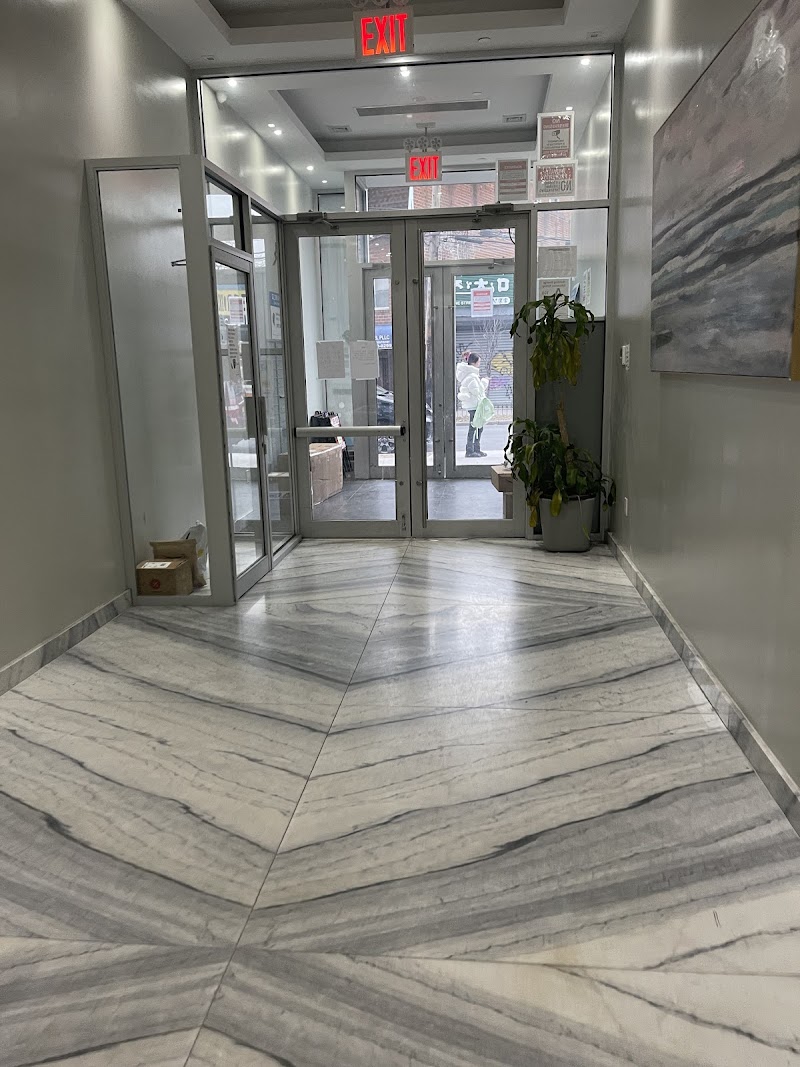
How Does Franklin Center For Rehabilitation And Nursing Compare to Other New York Nursing Homes?

Compared to the 100 nursing homes in New York, FRANKLIN CENTER FOR REHABILITATION AND NURSING's overall rating (5 stars) is above the state average of 3.1, staff turnover (29%) is significantly lower than the state average of 46%, and health inspection rating (4 stars) is above the national benchmark.

What Should Families Ask When Visiting Franklin Center For Rehabilitation And Nursing?

Based on this facility's data, families visiting should ask: "Can I visit during a mealtime to observe dining assistance and food quality?" "How do you handle medical emergencies, and what is your hospital transfer rate?" "Can I speak with family members of current residents about their experience?"

Is Franklin Center For Rehabilitation And Nursing Safe?

Based on CMS inspection data, FRANKLIN CENTER FOR REHABILITATION AND NURSING has a clean safety record: no substantiated abuse findings (meaning no confirmed cases of resident harm), no Immediate Jeopardy citations (the most serious violation level indicating risk of serious injury or death), and is not on the Special Focus Facility watch list (a federal program monitoring the lowest-performing 1% of nursing homes). The facility has a 5-star overall rating and ranks #1 of 100 nursing homes in New York. While no facility is perfect, families should still ask about staff-to-resident ratios and recent inspection results during their visit.

Do Nurses at Franklin Center For Rehabilitation And Nursing Stick Around?

Staff at FRANKLIN CENTER FOR REHABILITATION AND NURSING tend to stick around. With a turnover rate of 29%, the facility is 17 percentage points below the New York average of 46%. Low turnover is a positive sign. It means caregivers have time to learn each resident's needs, medications, and personal preferences. Consistent staff also notice subtle changes in a resident's condition more quickly.

Was Franklin Center For Rehabilitation And Nursing Ever Fined?

FRANKLIN CENTER FOR REHABILITATION AND NURSING has no federal fines on record. CMS issues fines when nursing homes fail to meet care standards or don't correct problems found during inspections. The absence of fines suggests the facility has either maintained compliance or corrected any issues before penalties were assessed. This is a positive indicator, though families should still review recent inspection reports for the full picture.

Is Franklin Center For Rehabilitation And Nursing on Any Federal Watch List?

FRANKLIN CENTER FOR REHABILITATION AND NURSING is not on any federal watch list. The most significant is the Special Focus Facility (SFF) program, which identifies the bottom 1% of nursing homes nationally based on persistent, serious quality problems. Not being on this list means the facility has avoided the pattern of deficiencies that triggers enhanced federal oversight. This is a positive indicator, though families should still review the facility's inspection history directly.