MEADOW PARK REHABILITATION AND HEALTH CENTER L L C
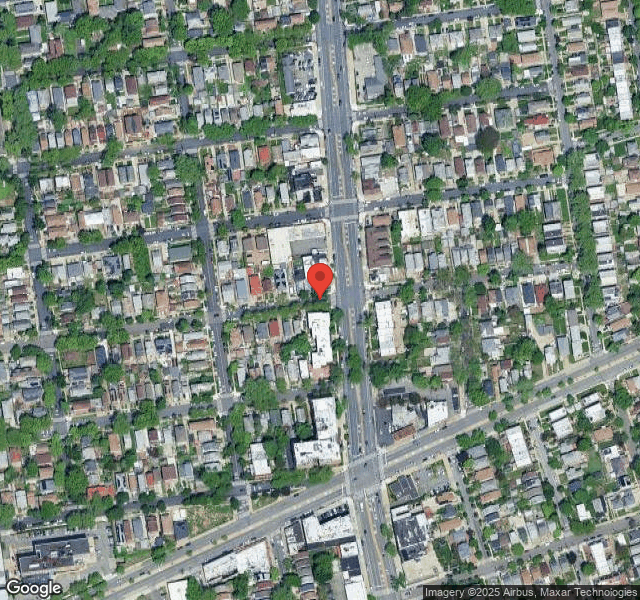

78-10 164TH STREET, FLUSHING, NY 11366 (718) 591-8300
For profit - Corporation 135 Beds BENJAMIN LANDA Data: November 2025
Trust Grade
70/100
#299 of 594 in NY
Last Inspection: April 2024

Within standard 12-15 month inspection cycle. Federal law requires annual inspections.

Overview

Meadow Park Rehabilitation and Health Center has a Trust Grade of B, which means it is considered a good choice for care, though there may be some areas for improvement. It ranks #299 out of 594 facilities in New York, placing it in the bottom half, and #35 out of 57 in Queens County, indicating that there are better local options available. The facility's trend is stable, with four issues reported in both 2024 and 2025, but it has some concerning incidents, such as failing to post important information about the state health complaint hotline and not adequately accommodating residents' dietary preferences. Staffing is a relative strength, with a low turnover rate of 21%, which is well below the New York average, though the overall staffing rating is below average at 2 out of 5 stars. Notably, the facility has not incurred any fines, which is a positive sign, but it does have average RN coverage, meaning there is room for improvement in nursing staff availability.

Trust Score
B
70/100
In New York
#299/594
Top 50%
Safety Record
Low Risk
No red flags
Inspections
Holding Steady
4 → 4 violations
Staff Stability
✓ Good
21% annual turnover. Excellent stability, 27 points below New York's 48% average. Staff who stay learn residents' needs.
Penalties
✓ Good
No fines on record. Clean compliance history, better than most New York facilities.
Skilled Nurses
⚠ Watch
Each resident gets only 28 minutes of Registered Nurse (RN) attention daily — below average for New York. Fewer RN minutes means fewer trained eyes watching for problems.
Violations
⚠ Watch
13 deficiencies on record. Higher than average. Multiple issues found across inspections.
★★★☆☆
3.0
Overall Rating
★★☆☆☆
2.0
Staff Levels
★★★★☆
4.0
Care Quality
★★★☆☆
3.0
Inspection Score
Stable
2024: 4 issues
2025: 4 issues

The Good

  • 4-Star Quality Measures · Strong clinical quality outcomes
  • Low Staff Turnover (21%) · Staff stability means consistent care
  • Full Sprinkler Coverage · Fire safety systems throughout facility
  • No fines on record
  • Staff turnover is low (21%)

    27 points below New York average of 48%

Facility shows strength in quality measures, staff retention, fire safety.

The Bad

3-Star Overall Rating

Near New York average (3.1)

Meets federal standards, typical of most facilities

Chain: BENJAMIN LANDA

Part of a multi-facility chain

Ask about local staffing decisions and management

The Ugly 13 deficiencies on record

Jul 2025 4 deficiencies
CONCERN (D) 📢 Someone Reported This

A family member, employee, or ombudsman was alarmed enough to file a formal complaint

Potential for Harm - no one hurt, but risky conditions existed

Free from Abuse/Neglect (Tag F0600)

Could have caused harm · This affected 1 resident

**NOTE- TERMS IN BRACKETS HAVE BEEN EDITED TO PROTECT CONFIDENTIALITY** Based on observation, record review, and interviews conducted during an abbreviated survey (NY00336488), the facility did not en...

Read full inspector narrative →
**NOTE- TERMS IN BRACKETS HAVE BEEN EDITED TO PROTECT CONFIDENTIALITY** Based on observation, record review, and interviews conducted during an abbreviated survey (NY00336488), the facility did not ensure the resident's right to be free from abuse and neglect. This was evident for one (1) out of four (4) residents (Resident #1). Specifically, on 03/19/2024 at 9:45 PM Licensed Practical Nurse #1 responded to a loud noise coming from Resident #1 and Resident #2's room. When Licensed Practical Nurse #1 approached the room they observed Resident #2 standing in the doorway holding a wheelchair leg rest in their hand and Resident #1, who was Resident #2's roommate, sitting on the floor in the room. Resident #1 had a laceration to the left side of their forehead and was transferred to the hospital on [DATE]. The hospital Discharge summary dated [DATE] documented left facial and periorbital soft tissue swelling/hematoma. Laceration repaired. Facility staff was not able to state how Resident #2 was able to come into possession of a wheelchair leg rest. The findings are: The facility's policy titled Abuse Prevention and Reporting effective 11/07/2023 documented, each resident had the right to be free from abuse, corporal punishment, and involuntary seclusion. Physical abuse is defined as hitting, slapping, pinching, kicking, etc. It also includes controlling behavior through corporal punishment. Resident #1 was admitted to the facility with diagnoses including Dementia without Behaviors, Depression, and Legal Blindness. The Minimum Data Set Assessment, an assessment tool, dated prior to 02/24/2024 documented Resident #1 had severe cognitive impairment. Resident #1 had a potential for abuse care plan in place dated 02/17/2023. The interventions dated 02/21/2024 documented for ongoing assessment and reporting of any unusual markings on the resident body to nurse charge. Monitoring for any signs or symptoms of distress and sadness. Monitoring body language and facial expression for any signs/symptoms of distress. The care plan was updated to reflect on the abuse incident. Resident #2 was admitted to the facility with diagnoses including vascular Dementia without Behaviors, Anxiety Disorder, and recurrent Major Depressive disorder. The Minimum Data Set assessment dated [DATE] documented Resident #2 had severe cognitive impairment. A Behavior Care Plan (Actual) dated 10/16/2023 that documented as evidenced by verbally abusive, wandering, physically aggressive, aggressive/destructive behavior, screaming/crawling on the floor looking for their children, throwing food, related to new admission, cognitive deficits, and psychiatric history. The interventions documented for staff to identify possible triggers of negative behavior, refer for psychiatry evaluation, administer medications as ordered, and document in the medical record the frequency, intensity, and duration of negative behaviors. A Nursing Progress Note dated 03/19/2024 documented Registered Nurse Supervisor #5 assessed Resident #1, who was alert, but confused. Resident #1 had a small bump on their left lower eye and a small laceration with minimal bleeding. Resident #1's vitals were taken, and Resident #1 was not in any respiratory distress, did not complain of pain and denied dizziness. 911 was called and Resident #1's Nurse Practitioner and Power of Attorney, as well as a family member were notified. At approximately 10:00 PM, the police and the Emergency Medical Services arrived. Resident #1 left the facility at 10:33 PM with the police, Emergency Medical Services, and their family. The facility's Investigative Summary dated 03/22/2024 documented, a physical altercation occurred between Resident #1 and Resident #2 on 03/19/2024 at approximately 9:45 PM. Licensed Practical Nurse #1 heard a loud disagreement coming from the joint room of Resident #1 and Resident #2 and immediately responded to the room. Licensed Practical Nurse #1 observed Resident #2 holding a wheelchair leg rest and removed it from Resident #2. Licensed Practical Nurse #1 also observed Resident #1 sitting on the floor of their room with swelling to the left eye and a small laceration under the left eye, at the lateral side of the face. Resident #1 and Resident #2 were transferred to the hospital for evaluation. Resident #1's hospital discharge paperwork dated 03/20/2024 documented that a computer tomograph revealed no acute fracture and the presence of left facial and periorbital soft tissue swelling/hematoma. Resident #2's emergency room discharge paperwork documented no physical injury. The facility's Investigative Summary documented that the incident was unpredictable and unforeseeable as both residents involved in the incident had been roommates since 01/31/2024, and there was no previous history of altercation. The facility's finding was that there was no reason to believe that abuse, neglect, or mistreatment occurred. A Statement of Accident, by Registered Nurse Supervisor #4, dated 03/19/2025, documented that Registered Nurse Supervisor #4 was summoned at approximately 9:45 PM on 03/19/2024 to Resident #1 and Resident #2's room. Resident #1 was observed sitting on the floor of their room with moderate amount of swelling and small laceration to their left lower eye. Resident #2 (roommate) was standing in the doorway holding a wheelchair leg rest in their hand. Resident #2 said can you believe Resident #1 took their spouse away from them and that Resident #1 was not their spouse's type. They are their spouse's type. Resident #1's hospital Discharge summary dated [DATE] documented that Resident #1 was evaluated, and a maxillofacial computer tomograph was done. It revealed no acute fracture and the presence of left facial and periorbital soft tissue swelling/hematoma. During a telephone interview on 05/20/2025 at 1:32 PM, Licensed Practical Nurse #1 stated that they heard a noise in the hallway that was coming from Resident #1 and Resident #2's room. Licensed Practical Nurse #1 stated that they responded to the room and observed Resident #2 standing in the doorway of their room holding a wheelchair leg rest and Resident #1 sitting on the floor in the room. Licensed Practical Nurse #1 stated that Resident #2 was standing less than 6 feet away from Resident #1. Licensed Practical Nurse #1 stated that they screamed for help and removed the leg rest from Resident #2. Licensed Practical Nurse #1 stated that Registered Nurse Supervisor #4 came into the room, and they took Resident #2 out of the room to keep the residents separated. Licensed Practical Nurse #1 stated that they continued with their daily duties while Registered Nurse Supervisor #4 called 911. Licensed Practical Nurse #1 stated that Resident #1 was sent to the hospital. Registered Nurse Supervisor #4 are no longer working at the facility and could not be reached. During a telephone interview on 06/18/2025 at 9:24 AM, Certified Nursing Assistant #4 stated that both Residents #1 and #2 were ambulatory and that they do not know where Resident #2 get the wheelchair leg rest. Certified Nursing Assistant #4 stated after putting the wheelchair bound residents in bed they stationed the wheelchair out of the room, if there are no space in the room to keep the wheelchair. During a telephone interview on 06/23/2025 at 10:08 AM, Certified Nursing Assistant #5 stated they do not know where Resident #2 get the wheelchair leg rest from. Certified Nursing Assistant #5 stated after putting a wheelchair bound resident in bed, the wheelchair would either stay in the room or be taken out of the room and stored in a corner in the hallway. Certified Nursing Assistant #2 stated that a resident would not be able to take off the leg rests from the wheelchair as the wheelchairs are parked with the legs facing the wall. During a telephone interview on 05/29/2025 at 3:09 PM, the Director of Nursing stated prior to current incident, there has never been an altercation between Resident #1 and Resident #2. The Director of Nursing stated that the incident was unpredictable and unforeseeable. The Director of Nursing stated that Resident #2 reported that Resident #1 had taken away their spouse, even though Resident #1 was not the spouse's type. During a follow up telephone interview on 06/23/2025 at 2:00 PM, the Director of Nursing stated there were three residents in a 4-beded room and that one of the residents used a wheelchair. The Director of Nursing stated that they were unsure of how Resident #2 got ahold of the wheelchair leg rest. Further stated that this was the facility's first and only incident involving a wheelchair leg rest. During a follow up telephone interview on 06/26/2025 at 9:25 AM, the Director of Nursing stated that they investigated the incident, but did not think to investigate how Resident #2 was able to get ahold of the wheelchair leg rest. The Director of Nursing stated that they did not implement any interventions to prevent this incident from happening again. The Director of Nursing stated at times they observed that the wheelchair leg rests stayed attached to the wheelchairs but sometimes, the leg rests are placed on the seat of the wheelchair. During a telephone interview on 07/07/2025 at 12:05 PM, Registered Nurse Supervisor #5 stated that when they arrived on the unit, they observed Resident #1 sitting at a dining table in front of the nurse's station for safety, as Resident #2 was holding a wheelchair leg rest. Registered Nurse Supervisor #5 stated that Resident #1 had a small laceration below their left eye and that there were no witnesses to the incident. Registered Nurse Supervisor #5 stated that they do not know where Resident #2 get the leg rest from. Registered Nurse Supervisor #5 stated that they looked at the leg rest but did not see any blood on the leg rest. Registered Nurse Supervisor #5 stated that the wheelchairs are either stored in a small storage room on the unit, in the hallways, or in the residents' rooms. Registered Nurse Supervisor #5 stated that some of the staff members remove the wheelchair leg rests off the wheelchairs when they put the residents in bed, and they store them on the seats of the wheelchair. 10NYCRR 415.4(b)(1)(ii)
CONCERN (D) 📢 Someone Reported This

A family member, employee, or ombudsman was alarmed enough to file a formal complaint

Potential for Harm - no one hurt, but risky conditions existed

Report Alleged Abuse (Tag F0609)

Could have caused harm · This affected 1 resident

**NOTE- TERMS IN BRACKETS HAVE BEEN EDITED TO PROTECT CONFIDENTIALITY** Based on record review, and interviews conducted during an Abbreviated Survey (NY00336488), the facility did not ensure that the...

Read full inspector narrative →
**NOTE- TERMS IN BRACKETS HAVE BEEN EDITED TO PROTECT CONFIDENTIALITY** Based on record review, and interviews conducted during an Abbreviated Survey (NY00336488), the facility did not ensure that the results of all investigations pertaining to alleged violations involving abuse, neglect, exploitation or mistreatment, were reported to the administrator or his or her designated representative and to other officials in accordance with State law, including to the State Survey Agency, within five (5) working days of the incident, and if the alleged violation is verified appropriate corrective action must be taken. This was evident for one out of four residents (Resident #1) sampled for abuse. Specifically, on 03/19/2024 at approximately 9:45 PM Licensed Practical Nurse #1 responded to a loud verbal disagreement into Resident #1 and Resident #2's room. Licensed Practical Nurse #1 observed Resident #2 standing at their room door holding the leg rest of a wheelchair in their hand and Resident #1 was sitting on the floor in their room with swelling and a laceration to their left eye. The facility submitted their five-day investigation results to the New York State Department of Health on 03/27/2024 at 4:08 PM. The findings are: The facility's Policy and Procedure titled Abuse Prevention and Reporting with an effective date of 11/07/2023 documented under the heading Investigation: The Director of Nursing/Designee will complete the investigation summary and attach it to the occurrence report and collected statements, oversee the investigation process, determine need for further information, collect all facts and ensure all alleged abuse is reported to the Department of Health, and report all occurrences immediately to the Administrator. Resident #1 was admitted to the facility with diagnoses including Dementia, Depression, and Legal Blindness. The Minimum Data Set, an assessment tool, dated 11/24/2024 documented Resident #1 had severe cognitive impairment. Resident #2 was admitted to the facility with diagnoses including Vascular Dementia, Stroke and Hypertension. The Minimum Data Set, dated [DATE] documented Resident #3 had severe cognitive impairment. The facility's Investigative Summary dated 03/22/2024 documented that Licensed Practical Nurse #1 heard a loud verbal disagreement coming from Resident #1 and Resident #2's joint room. As Licensed Practical Nurse #1 entered the residents' room, they observed that Resident #2 was holding a wheelchair leg rest in their hand and Resident #1 was sitting on the floor with swelling and a laceration to the left eye. The facility's Investigative Summary dated 03/22/2024 documented that the incident was unpredictable and unforeseeable as both residents involved in the incident had been roommates since 01/31/2024, and there was no previous history of altercation. The facility's finding was that there was no reason to believe that abuse, neglect, or mistreatment occurred. The facility reported the incident to the Department on 03/19/2024 at 11:06 PM and received an email from the Department of Health that the report was received on 03/20/2024 at 12:51 PM. The facility however, submitted their final facility investigation results on 03/27/2024 at 4:08 PM. During an interview on 05/21/2025 at 3:43 PM, the Director of Nursing stated that the facility had five business days from the date the facility received the Department's email that the incident was received, to submit the final facility investigation to the Department. The Director of Nursing stated after they reviewed the March 2024 calendar, the facility's final investigation should have been submitted on 03/26/2027. 10 NYCRR 415.4(b)(2)
CONCERN (D) 📢 Someone Reported This

A family member, employee, or ombudsman was alarmed enough to file a formal complaint

Potential for Harm - no one hurt, but risky conditions existed

Investigate Abuse (Tag F0610)

Could have caused harm · This affected 1 resident

**NOTE- TERMS IN BRACKETS HAVE BEEN EDITED TO PROTECT CONFIDENTIALITY** Based on record review and interviews conducted during an abbreviated survey (NY00336488), the facility did not ensure that all ...

Read full inspector narrative →
**NOTE- TERMS IN BRACKETS HAVE BEEN EDITED TO PROTECT CONFIDENTIALITY** Based on record review and interviews conducted during an abbreviated survey (NY00336488), the facility did not ensure that all incidents were thoroughly investigated. This was evident for (1) out of (4) residents (Resident #1). Specifically, on 03/19/2024 at 9:45 PM Licensed Practical Nurse #1 responded to a loud noise that was coming from Resident #1 and Resident #2's room. When Licensed Practical Nurse #1 approached the room, they observed Resident #2 standing in the doorway to their room holding a wheelchair leg rest in their hand and Resident #2's roommate, Resident #1, sitting on the floor in their room. Registered Nurse Supervisor #5 assessed Resident #1 who had a laceration to the left side of their forehead. Resident #1 was transferred to the hospital for an evaluation on 03/19/2024. The Hospital Discharge paperwork dated 03/20/2024 documented that Resident #1 had a soft tissue swelling and hematoma to the left facial and periorbital area. The facility's investigation did not identify where Resident #2 found the wheelchair the leg rest, and there were no interventions implemented to prevent this type of incident from reoccurring. The findings are: The facility's policy titled Abuse Prevention and Reporting effective 11/07/2023 documented, each resident had the right to be free from abuse, corporal punishment, and involuntary seclusion. All reports of alleged abuse, mistreatment, or neglect will be investigated immediately by the Registered Nurse (Assistant Director of Nursing or House Supervisor) and reported to the Director of Nursing/Designee. The Investigation shall include .Registered Nurse Supervisor (Assistant Director of Nursing or House Supervisor) at the time of the occurrence or when reported will: Examine the scene/environment for obstacles, items that may be involved (i.e., tied linens, restraints) equipment in need of repair, wet surfaces, etc. Resident #1 was admitted to the facility with diagnoses included Dementia without Behaviors, Depression, and Legal Blindness. The Minimum Data Set assessment dated [DATE] documented Resident #1 had severe cognitive impairment. Resident #2 was admitted to the facility with diagnoses included Vascular Dementia without Behaviors, Anxiety Disorder, and Recurrent Major Depressive Disorder. The Minimum Data Set assessment dated [DATE] documented Resident #2 had severe cognitive impairment. A Nursing Progress Note dated 03/19/2024 documented Registered Nurse Supervisor #5 assessed Resident #1, who was awake, alert, and confused with a small bump on their left lower eye and a small laceration with minimal bleeding. Resident #1's vitals were taken, the resident was not in any respiratory distress, did not complain of pain and denied dizziness. 911 was called along with the Nurse Practitioner, Resident #1's Power of Attorney, and a family member. At approximately 10:00 PM, the police and emergency medical team arrived, and Resident #1 left the facility at 10:33 PM with the police, the emergency medical team, and Resident #1's family member. Resident #1's hospital discharge paperwork dated 03/19/2024 documented that Resident #1 was evaluated, and a Maxillofacial computer tomograph was done. It revealed no acute fracture and the presence of left facial and periorbital soft tissue swelling/hematoma. The facility's Investigative Summary dated 03/22/2024 documented that a physical altercation occurred between Resident #1 and Resident #2 on 03/19/2024 at approximately 9:45 PM. Licensed Practical Nurse #1 heard a loud disagreement coming from the joint room of Resident #1 and Resident #2 and immediately responded to the room. Licensed Practical Nurse #1 observed Resident #2 holding a wheelchair leg rest and removed it from Resident #2. Licensed Practical Nurse #1 also observed Resident #1 sitting on the floor of their room with swelling to the left eye and a small laceration under the left eye, lateral side of the face. Resident #1 and Resident #2 were transferred to the hospital for evaluation. Resident #1's hospital discharge paperwork dated 03/20/2024 documented that a computer tomograph revealed no acute fracture and the presence of left facial and periorbital soft tissue swelling/hematoma. Resident #2's emergency room discharge paperwork documented no physical injury. The facility's finding was that there was no reason to believe that abuse, neglect, or mistreatment occurred. There was no documented evidence that the facility addressed the wheelchair leg rest and implemented preventive measures. During a telephone interview on 05/20/2025 at 1:32 PM, Licensed Practical Nurse #1 stated that they heard a noise in the hallway coming from Resident #1 and Resident #2's room. Licensed Practical Nurse #1 stated that they responded to the room and observed Resident #1 sitting on the floor in the room and Resident #2 standing less than 6 feet away from Resident #1 holding a wheelchair leg rest. Licensed Practical Nurse #1 stated that they screamed for help and removed the leg rest from Resident #2. Licensed Practical Nurse #1 stated that Registered Nurse Supervisor #4 came into the room, and they took Resident #2 out of the room to keep the residents separated. Licensed Practical Nurse #1 stated that they continued with their daily duties while Registered Nurse #4 called 911. Licensed Practical Nurse #1 stated that Resident #1 was sent to the hospital. Registered Nurse Supervisor #4 are no longer working at the facility. During a follow up telephone interview on 06/23/2025 at 2:00 PM, the Director of Nursing stated there were three residents in a 4-beded room and that they were unsure if one of the residents used a wheelchair. The Director of Nursing stated that they were unsure of how Resident #2 got ahold of the wheelchair leg rest. Further stated that this was the facility's first and only incident involving a wheelchair leg rest. During a follow up telephone interview on 06/26/2025 at 9:25 AM, the Director of Nursing stated that they investigated the incident, but did not think to investigate how Resident #2 was able to get ahold of the wheelchair leg rest. The Director of Nursing stated that they did not implement any interventions to prevent this incident from happening again. The Director of Nursing stated at times they observed that the wheelchair leg rests stayed attached to the wheelchairs but sometimes, the leg rests are placed on the seat of the wheelchair. During a telephone interview on 07/07/2025 at 12:05 PM, Registered Nurse Supervisor #5 stated that when they arrived on the unit, they observed Resident #1 sitting at a dining table in front of the nurse's station for safety, as Resident #2 was holding a wheelchair leg rest. Registered Nurse Supervisor #5 stated that Resident #1 had a small laceration below their left eye and that there were no witnesses to the incident. Registered Nurse Supervisor #5 stated that they do not know where Resident #2 get the leg rest from. Registered Nurse Supervisor #5 stated that they looked at the leg rest but did not see any blood on the leg rest. Registered Nurse Supervisor #5 stated that the wheelchairs are either stored in a small storage room on the unit, in the hallways, or in the residents' rooms. Registered Nurse Supervisor #5 stated that some of the staff members remove the wheelchair leg rests off the wheelchairs when they put the residents in bed, and they store them on the seats of the wheelchair. 10NYCRR 415.4(b)(1)(ii)
CONCERN (D) 📢 Someone Reported This

A family member, employee, or ombudsman was alarmed enough to file a formal complaint

Potential for Harm - no one hurt, but risky conditions existed

Deficiency F0657 (Tag F0657)

Could have caused harm · This affected 1 resident

**NOTE- TERMS IN BRACKETS HAVE BEEN EDITED TO PROTECT CONFIDENTIALITY** Based on observation, record review, and interviews conducted during an abbreviated survey (NY00355163), the facility failed to ...

Read full inspector narrative →
**NOTE- TERMS IN BRACKETS HAVE BEEN EDITED TO PROTECT CONFIDENTIALITY** Based on observation, record review, and interviews conducted during an abbreviated survey (NY00355163), the facility failed to ensure the timeliness of each resident's person-centered, comprehensive care plan, and to ensure that the comprehensive care plan is reviewed and revised by an interdisciplinary team composed of individuals who have knowledge of the resident and their needs, and that each resident and resident representative, if applicable, is involved in the developing the care plan and making decisions about their care. This was evident for one (1) out of four (4) residents (Resident #4). Specifically, on 08/06/2024 at 10:25 PM Resident #4 was observed on the floor next to their bed. The Physical Therapist evaluated the resident on 08/07/2024, as ordered by the physician, and recommended a floor bed. There was no documented evidence that the care plan was reviewed and revised to reflect the fall of 08/06/2024. The findings are: The facility policy titled Comprehensive Care Planning, revised 03/2019, documented that assessments of residents are ongoing, and care plans are revised as information about the resident and the resident's condition change. The facility policy titled Fall Prevention Program, revised 04/01/2024, documented that each resident's risk factors, and environmental hazards will be evaluated when developing the residents comprehensive plan of care. Interventions will be monitored for effectiveness and the plan of care will be revised as needed. When any resident experiences a fall, the facility will, among other actions, review the resident's care plan and update as indicated, Resident #4 was admitted to the facility with diagnoses including Acute Respiratory Failure with Hypoxia, Dementia, and Hypertension. The Minimum Data Set, an assessment tool, dated 07/03/2024 documented Resident #4 had a short-term memory problem. The Fall Risk assessment dated [DATE] documented under History of falls (past three months) that Resident #4 had one-two falls and a total fall risk assessment score of eight (8) denoting low to moderate fall risk. A review of Resident #4's Comprehensive Care Plan dated 06/14/2024 documented Resident #4 was at Risk for Falls/Injury. The interventions documented reducing environmental hazards, i.e., keep floors dry and clear; instruct/reinforce safety measures with resident/family, i.e., transfer techniques, proper footwear, locking wheelchair; providing resident/family with information on safety risk factors; advising staff/resident/family to keep personal items within reach; call bell within reach. Encouraging resident to ask for assistance as needed, monitoring for changes in Activities of Daily Living. Resident #4's Certified Nursing Assistant Accountability and Nursing Instructions for July 2024 documented no bed rails; precautions for fall and keep at nursing station. Licensed Practical Nurse #2's nursing progress note dated 08/06/2024 documented that Resident #4 was observed sitting on the floor mat next to their bed. Resident #4 could not explain what had happened. Resident #4 was assisted back to their bed with the assistance of two staff members. Resident #4 was assessed by Registered Nurse #3 with no visible injuries observed. Resident #4 did not complain of pain or discomfort. The emergency contact and primary medical doctor were notified. Primary Medical Doctor #1 ordered on 08/07/2024 a Physical Therapy Screen to evaluate and treat for fall. A Fall Risk Assessment completed by Registered Nurse #3 on 08/06/2024 following Resident #4's fall documented under the section History of Falls (past three months): No falls and a total fall risk assessment score of 8 (low to moderate fall risk). Physical Therapist #1's Progress Note dated 08/07/2024 documented that Resident #4 was seen following their fall and denied any pain. Range of motion to bilateral lower extremities was within functional limits. Resident #4 required constant assist of one (1) person for all transfers and a floor mat was noted. Physical Therapist #1 recommended a floor bed and made Registered Nurse #2 aware. There was no documented evidence that the care plan was updated to reflect on the fall of 08/06/2024. There was no documented evidence Resident #4 received or did not receive a floor bed. Registered Nurse #3 stated during a telephone interview on 05/21/2024 at 12:32 PM that it might have been a mistake that they did not click 1-2 falls on the fall assessment following the resident's first fall on 08/06/2024. Registered Nurse #3 further stated that they might have just clicked through the assessment and missed that 08/06/2024 accident. During an interview on 05/21/2025 at 3:43 PM, the Director of Nursing stated, if the Physical Therapist evaluated Resident #4 and recommended a floor bed, then it should have been listed as an intervention on the resident's fall risk care plan. The Director of Nursing stated during a follow up telephone interview on 06/10/2025 at 1:21 PM that any Registered Nurse can update a resident's care plan and the nursing instruction on the Certified Nursing Assistant Accountability, but that the person ultimately responsible for supervision is the Minimum Data Set coordinator. The Director of Nursing stated that the Physical Therapist discussed during morning meeting that they have recommended a floor bed. The Director of Nursing stated that the Director of Building Services, who was at the morning meeting stated that they would take care of it. The Director of Nursing stated that the nurse did not document in Resident #4's progress notes that a floor bed was delivered. The Director of Nursing stated that they were now aware that it was an omission that the floor bed was not added to Resident #4's care plan and that it should have been updated as an intervention on 08/06/2024 after the resident's first fall. 10 NYCRR 415.11(c)(1)
Apr 2024 4 deficiencies
CONCERN (D)

Potential for Harm - no one hurt, but risky conditions existed

Report Alleged Abuse (Tag F0609)

Could have caused harm · This affected 1 resident

**NOTE- TERMS IN BRACKETS HAVE BEEN EDITED TO PROTECT CONFIDENTIALITY** Based on interviews and record review conducted during Recertification and Complaint investigations (NY00332356), the facility d...

Read full inspector narrative →
**NOTE- TERMS IN BRACKETS HAVE BEEN EDITED TO PROTECT CONFIDENTIALITY** Based on interviews and record review conducted during Recertification and Complaint investigations (NY00332356), the facility did not ensure all alleged violations involving abuse, neglect, exploitation, or mistreatment, including injuries of unknown source and misappropriation of resident property were reported to the State Survey Agency. Specifically, the facility did not report suspected abuse that resulted in a resident sustained a 4-centimeter hematoma to right side of their forehead. This was evident for 2 of 2 residents reviewed for Abuse out of a sample of 30 residents. (Resident # 12 and Resident #68). The findings are: The facility policy and procedure titled Abuse Prevention and Reporting effective 11/7/2023 documented facility will investigate all incidents and complaints and report all occurrences promptly to the Department of Health when there is reasonable cause to believe abuse, neglect, or mistreatment (hereinafter abuse) has occurred. All employees and licensed health care professionals are required by the regulation to report any instance of physical abuse, neglect, or mistreatment to the New York State Department of Health Office. Professionals who care for Nursing Home residents and those employed by this facility as well as those who provide services to the residents are mandated reporters. All facility staff must notify the supervisor who will notify the registered Nurse Supervisor immediately of any observation or communication that abuse, neglect, or mistreatment has/may have occurred. All reports of alleged abuse, mistreatment or neglect will be investigated immediately by the Registered Nurse Supervisor and reported to the Director of Nursing/Designee. The facility will ensure that the Department of Health is notified of all reportable events. The Nursing Progress Note dated 1/28/2024 at 2:30 AM written by Licensed Practical Nurse #1 documented they were called to Resident #12's room and observed them with a bruise on their forehead and crying and when asked that stated their roommate Resident #68 [NAME] a plastic bottle that hit them on their forehead. The nurse supervisor was called to the floor, resident assessed, ice applied pack applied and pain medication given. Resident #68 was moved and family notified. The Nursing Progress Note dated 1/28/2024 at 3:39 AM was written by the Registered Nurse Supervisor #1 stated that they were called to see the resident at 12:45 AM on arrival observed Resident #12 crying in bed saying their roommate hurt them. Resident #12 pointed to resident #68. Resident #12 was noted with a hematoma measure 4 centimeters to their right forehead with small, bruised area in the center measuring 0.3 cm. Resident #68 admitted they were angry and because they were agitated, they threw a perfume bottle but they did not hit resident #12. A plastic perfume bottle was found on the floor near their doorway. Cold compress applied immediately, and pain medication given for pain. The medical provider called and pain medication cold compress and neuro checks ordered. An Accident Report dated 1/28/2024 at 12:48AM documented that Resident #12 was noted with a hematoma 4 centimeters on their forehead. Resident #12's roommate threw a plastic bottle and it hit Resident #12 on the forehead. Resident #12 was moved away from roommate and Resident #68 was moved out of the room to another unit. The Department of Health in the Health Electronic Response Data System (HERDS) confirmation email from the Department of Health dated 1/30/2024 at 3:06 PM documented the incident report has been received. The resident-to-resident incident was reported to the New York State Department of Health 1/30/2024 at 3:06 PM more than 48 hours after the incident occurred. During an interview on 4/01/2024 at 3:47 PM, Registered Nurse Supervisor #1 was interviewed and stated that they were called to the unit and the investigation revealed a bruise of the right forehead and assumed resident #68 threw a bottle at resident #12. The Director of Nursing was not notified right away but a few hours later. The incident occurred at approximately 1 AM or at the beginning of the shift 12AM-2AM. Registered Nurse Supervisor #1 also stated that there is a protocol in place and abuse should be reported immediately. During an interview on 04/02/2024 at 12:11 PM, the former Director of Nursing stated that they were called to the unit and informed of the incident but they could not recall the time of day that the incident was reported to them. The former Director of Nursing stated that they called the administrator to report the incident and that they have to report a major injury or abuse within 2 hours and all other incidents report within 24 hours. During an interview on 04/02/2024 at 11:43 AM, the Administrator was interviewed and stated that they are informed of the incidents and the Director of Nursing was in charge of reporting the incident to the Department of Health. The Administrator also stated that they have access to the reporting system. The Administrator further stated that the time frame for reporting for a resident-to-resident incident is 24 hours. During an interview on 4/2/2024 at 1:48 PM, the current Director of Nursing was interviewed and stated that if there is a resident-to-resident altercation with injury it needs to be reported within 2 hours and a resident-to-resident altercation with no injury needs to be reported within 24 hours. If there is an injury of unknown origin it needs to be reported within 2 hours. 10 NYCRR 415.4(b)(1)(2)
CONCERN (D)

Potential for Harm - no one hurt, but risky conditions existed

Comprehensive Care Plan (Tag F0656)

Could have caused harm · This affected 1 resident

**NOTE- TERMS IN BRACKETS HAVE BEEN EDITED TO PROTECT CONFIDENTIALITY** Based on observation, record review and staff interviews conducted during the Recertification/Complaint Survey from 3/26/24 to 4...

Read full inspector narrative →
**NOTE- TERMS IN BRACKETS HAVE BEEN EDITED TO PROTECT CONFIDENTIALITY** Based on observation, record review and staff interviews conducted during the Recertification/Complaint Survey from 3/26/24 to 4/2/24, the facility did not ensure that a person-centered comprehensive care plan (CCP) was developed and implemented to address the resident's medical, physical, mental, and psychosocial needs. Specifically, there was no comprehensive care plan developed and implemented for resident's use of anticoagulant therapy. This was evident for 1 of 5 residents reviewed for Unnecessary Medications out of 30 sampled residents (Resident #59). The findings are: The facility policy and procedure titled Comprehensive Care Planning dated 01/2008, last revised 03/2019, documented that an individualized comprehensive care plan that includes measurable objectives and timetables to meet the resident's medical, nursing, mental and psychosocial needs is developed for each resident. The policy also documented that each resident's comprehensive care plan is designed to incorporate identified problem areas. Resident #59 was admitted to the facility with diagnoses that included Atrial Fibrillation, Coronary Artery Disease, Cerebrovascular Accident, and Non-Alzheimer's Dementia. The admission Minimum Data Set assessment dated [DATE] documented the resident had severe impairment in cognition with long and short-term memory problems. The Minimum Data Set assessment also documented that resident received antidepressant, anticoagulant, and hypoglycemic medication. The Comprehensive Care Plan (CCP) titled Cardiovascular dated 01/30/2024 last updated 2/14/2024, documented that the resident is at risk for Cardiovascular dysfunction and resident will be free from signs/symptoms of cardiovascular dysfunction for 90 days. Interventions included monitor for signs/symptoms of cardiovascular dysfunction, mental status changes, headache, fatigue, weakness, palpitations, rapid weight gain cyanosis, shortness of breath, blurred vision, congestion, bradycardia, tachycardia. The Physician's order dated 3/27/2024 documented: Eliquis 2.5 mg tablet by g-tube route every 12 hours for unspecified Atrial Fibrillation which first became standing on 1/30/2024. There was no documented evidence a comprehensive care plan had been developed to address the resident anticoagulant therapy. On 03/28/24 at 02:30 PM, an interview was conducted with Registered Nurse Supervisor- Registered Nurse #1 who stated that Resident #59 is prescribed Aspirin 81mg daily and Eliquis 2.5 every 12 hours for Atrial Fibrillation. Registered Nurse #1 also stated that Resident #59 was prescribed Eliquis upon admission from the hospital. Registered Nurse #1 further stated that there is care plan for cardiovascular and psychotropic medication use but there was none for anticoagulant therapy. Registered Nurse #1 further stated that the admission Nurse was supposed to initiate the care plan on admission as Resident #59 was prescribed anticoagulant medication when they first came to the facility. Registered Nurse #1 stated they are not sure why the care plan was not initiated since admission. On 03/28/24 at 02:38 PM, the Director of Nursing was interviewed and stated the Registered Nurse should be initiating the care plan upon admission, and the next day, the Registered Nurse Supervisor should review it for completion. The Director of Nursing also stated that the care plan for anticoagulant therapy could have been on the resident's cardiovascular care plan. 10 NYCRR 415.11(c)(1)
CONCERN (D)

Potential for Harm - no one hurt, but risky conditions existed

Deficiency F0761 (Tag F0761)

Could have caused harm · This affected 1 resident

Based on observations and interviews conducted during the Recertification survey from 3/26/2024 to 4/02/2024, the facility did not ensure that drugs and biologicals were safe and secure to protect fro...

Read full inspector narrative →
Based on observations and interviews conducted during the Recertification survey from 3/26/2024 to 4/02/2024, the facility did not ensure that drugs and biologicals were safe and secure to protect from unauthorized access. Specifically, 1) antibiotic solutions and intravenous fluids were located in unlocked cabinets in the nurse's station on the 3rd floor where authorized licensed staff and unauthorized staff were noted entering the nurses station area, and 2) medications were noted to be left out on the medication cart unsecured. This was evident for the Medication Storage Task on Unit 2 and Unit 3. The findings are: 1.The facility policy titled Storage of Drugs revised 12/14/2023 documented all drug s in the nursing station are to comply with the following conditions: Drugs are stored in an orderly manner in cabinets, drawers, or care of sufficient size to prevent crowding. All medications and other drugs including treatment items, are stored in locked cabinet or room, inaccessible to residents and visitors. Drugs are accessible only to personnel designated in writing by facility resident care policies. On 03/28/2024 at 11:57 AM, Registered Nurse #3 was observed taking 0.95 % Sodium chloride intravenous solution and Ampicillin 2-gram placed in a dark brown light protection bag from an unlocked drawer in the nurse's station on Unit 3 and walking down the hallway. Registered Nurse #3 stated that they were going to hang the intravenous antibiotic for Resident #62 after lunch. On 03/28/2024 at 12:56 PM, Registered Nurse #3 was observed administering the intravenous antibiotics to Resident #62. On 03/28/2024 at 03:42 PM, Registered Nurse #3 stated that intravenous medications are stored in the nurse's station and there is not any place else. They are in the process of reconstructing the building and they are doing this floor and unsure of the date maybe after the survey. The Director of Nursing and Administrator are aware of the lack of storage for the intravenous and intravenous antibiotics, and this issues has been brought up at morning meeting. Registered Nurse # 3 stated that the medications need to be secured. On 03/29/2024 at 10:20 AM, multiple medications were observed in the drawer in the nurse's station bellow the binders on the shelf that included 0.9% sodium chloride flush -1 flush, 11 bags of 1000 milliliters of intravenous fluids of 0.45% sodium chloride, 2 bags of 1000 milliliters bags of 5% dextrose intravenous fluids. Bags of intravenous fluids also were also observed labeled with resident's personal information stored in an unlocked drawer at the back of the nurse's station. On 03/29/2024 at 10:33 AM, Maintenance Worker #1 was observed on the unit putting locks on the nurse's station drawers. There was on lock on the top right side drawer. On 03/29/2024 at 12:50 PM, Registered Nurse #5 was interviewed and stated they check the medication cart every shift with the medication nurses. We had supplies of intravenous fluids medication supplies and all antibiotics and items should be locked up because we have wandering residents. On 04/01/2024 at 11:56 AM, Maintenance Worker #1 was interviewed and stated that one side to the locks were done and the staff kept losing the keys. There were antibiotics and intravenous fluids which needed to be locked up so we repaired the broken lock and added locks to the other side on all 3 floors. On 04/01/2024 at 1:01 PM, Maintenance Worker #2 stated that the locks were not working properly, they were loose and they were replaced a month ago. Maintenance Worker #2 also stated that they were told that the locks were not working properly so they are in the process of repairing them. 2. During multiple observations of the Unit 2 medication cart conducted from 3/26/24, the medication cart had been observed placed in hallway, sometimes unattended. On 03/29/24 at 09:57 AM, the facility Medication Storage task was performed on Unit 2 with Licensed Practical Nurse #1 and 2 bottles of Liquid Protein Supplement 960ml, one 510g bottle of Polyethylene Glycol 3350 powder, and one 473ml bottle of Docusate sodium liquid were placed unsecured, on top of the left side of the medication cart. Licensed Practical Nurse #2 was interviewed immediately and stated that there was not enough space in the medication cart to store the medications inside the cart. On 03/29/24 at 10:13 AM, Registered Nurse #2 was interviewed and stated that the medications on top of the cart should not have been there but there is no space to lock them up in the cart. Registered Nurse #2 also stated that they do not stock medication in their medication room on the unit, and all the stocked medications are collected from the storage downstairs as they are needed. 10 NYCRR 415.18(e)(1-4)
CONCERN (D)

Potential for Harm - no one hurt, but risky conditions existed

Food Safety (Tag F0812)

Could have caused harm · This affected 1 resident

Based on observations, record review, and interviews conducted during the Recertification survey from 3/26/2024 to 4/02/2024, the facility did not ensure food was prepared and served in accordance wit...

Read full inspector narrative →
Based on observations, record review, and interviews conducted during the Recertification survey from 3/26/2024 to 4/02/2024, the facility did not ensure food was prepared and served in accordance with professional standards for food service safety to prevent foodborne illness. This was evident for 1 of 3 dining rooms (2nd Floor). Specifically, Certified Nursing Assistant #6 was observed assisting multiple residents with hand hygiene with bare hands without performing hand hygiene in between residents and was also observed touching the inside of paper and plastic cups while preparing beverages for residents at the lunch meal on the 2nd floor. This was evident for 1 of 3 dining rooms during the Dining Task. The findings are: The facility policy titled Infection Surveillance revised 10/16/2023 documented employee, volunteer and contract employee infections will be tracked as appropriate, such as influenza and gastrointestinal outbreaks. The facility will collect data to properly identify possible communicable diseases or infections among residents and staff before they spread by identifying. Data to be collected, including how often and the type of data to be documented including observations of staff including the identification of ineffective practices, if any. On 03/26/2024 from 11:54 AM to 11:57AM, Certified Nursing Assistant # 1 was observed handing out hand wipes to residents on the 2nd floor to clean their hands before lunch. Certified Nursing Assistant #1 adjusted a resident's clothing, gave wipes to 3 other residents to clean their hands, assisted Resident # 14 to clean their hands, picked up the used hand wipe and proceeded to get a hand wipe for Resident #29 and wiped the hands of Resident #55 without performing hand hygiene between residents. On 03/26/2024 from 11:57 AM to 12:16 PM, Certified Nursing Assistant #1 was observed washing their hands at the sink. Certified Nursing Assistant #1 then handed out clothing protectors to residents and picking up used hand wipes in paper cloth protector and disposed of them. Certified Nursing Assistant #1 was then observed pouring beverages into paper and plastic cups for residents. Certified Nursing Assistant #1 was observed placing their fingers inside the cups while handling before placing lids on the cup. During an interview on 03/26/2024 at 12:59 PM, Certified Nursing Assistant #1 stated that they did wash their hands in-between residents and the resident's hands must be cleaned to protect the residents and the staff. During an interview on 4/01/2024 at 12:03 PM, Registered Nurse #2 was interviewed and stated when staff come into room, they utilize hand sanitizer to clean their hands. If helping residents with wiping their hands they should sanitize their hands in between residents. Registered Nurse #2 also stated that the aides should place the cups on the tray and serve to the residents and hands should not touch the inside of the cup, top of the cup or anywhere resident's mouth will make contact. During a subsequent interview on 04/01/2024 at 3:03 PM, Certified Nursing Assistant #1 stated that it is important that the beverage cups are handled correctly so residents do not get sick and there is not bacteria in anything they are going to drink. During an interview on 04/02/2024 at 11:52 AM, the Infection Preventionist stated that they do rounds once a day in the morning. Hand hygiene in-service was done in December 2023 by the Assistant Director of Nursing. They stated that they observe dining once a week to look for resident use of hand wipes, staff hand hygiene, handling of cups with bare hands and sanitizer before anything. 10 NYCRR 415.14(h)
Jun 2019 5 deficiencies
CONCERN (D)

Potential for Harm - no one hurt, but risky conditions existed

Deficiency F0688 (Tag F0688)

Could have caused harm · This affected 1 resident

**NOTE- TERMS IN BRACKETS HAVE BEEN EDITED TO PROTECT CONFIDENTIALITY** Based on observation, record review, and staff interviews conducted during the re-certification survey, the facility did not ens...

Read full inspector narrative →
**NOTE- TERMS IN BRACKETS HAVE BEEN EDITED TO PROTECT CONFIDENTIALITY** Based on observation, record review, and staff interviews conducted during the re-certification survey, the facility did not ensure a resident with limited range of motion received treatment and services to increase and/or to prevent further decrease in range of motion. Specifically, a resident with physician orders for a Right Ankle Foot Orthosis (AFO) and a Right hand roll were not provided to a resident. This was evident for 1 of 1 resident reviewed for Limited Range of Motion (Resident #32) out of a sample of 35 residents investigated for quality of care/life. The finding is. The facility policy and procedure for Restorative Nursing dated 08/2018 documented the facility will provide interventions that promote the resident's ability to adapt and adjust to living as independently and safe as possible. The facility policy stated that the restorative nursing program must be ordered by physician and daily documentation that the program were provided/performed. The facility policy further documented resident with splint devices will be provided as prescribed by physician. The Certified Nursing Assistant (CNA) will oversee that the resident performs/participates the task and document on the CNA accountability record that the splint devices was applied or indicate R for Refused and U for unable. If the resident refused or was unable to perform the task as indicated in the order, the CNA must report the same to the license nurse by the end of the shift. Resident #32 was initially admitted to the facility on [DATE] with the most recent re-admission on [DATE]. Resident's diagnoses include but not limited to Dementia , Hemiplegia, Cerebral Infraction due to unspecified Occlusion or Stenosis, Depression, and Diabetes. Physician order dated 01/06/18 and renewed on 05/25/19 documented the following, Right Ankle Foot Orthosis (AFO) to be worn when out of bed (OOB), remove during ADL, hygiene, and skin care. Right hand roll to be worn when OOB. The most recent Minimum Data Set (MDS) 3.0 quarterly assessment dated [DATE] documented the resident's cognitive status as severely impaired. The MDS also indicated the resident requires extensive assistance with one person in bed mobility, transfer, and toilet use. It also documented that the resident has limited range of motion on one side of both upper and lower extremities. On 06/03/19 at 10:23 AM, the resident was observed with an impairment to his right hand and right leg. On 06/03/19 at 01:59 PM, the resident was observed in his room sitting in a wheel chair watching television with no AFO or hand roll in place. On 06/04/19 at 09:52 AM, the resident was observed sitting in the day room with no AFO or hand toll in place. A review of the CNA accountability record dated from 05/01/19 to 06/04/19 documented that the splint devices were applied. The comprehensive care plan (CCP) for restorative rehab dated 12/24/18 and revised 03/27/19 documented the Right AFO to be worn when out of bed, remove during hygiene and skin care. The CCP also documented a right hand roll to be worn when out of bed and remove during ADLs and Hygiene. On 06/04/19 at 09:53 AM and on 06/05/19 at 10:42 AM, an interview conducted with CNA #2 stated the resident is always on her regular assignment. She stated the resident is weak on the right hand. The 11 AM to 7 AM shift gets him cleaned up and she gets him out of bed. CNA #2 then stated she performs range of motion during care as tolerated. She further stated she was not aware the resident uses a hand device but the one for his foot has been discontinued. CNA #2 stated if a resident needs a splint device it should be reflected on the CNA accountability record where every task will be signed off daily. She further stated it was a mistake that she signed off on the task for applying the splint device on the resident even though it was not done. On 06/04/19 at 10:01 AM, RN #3 stated she does rounds and ensures the staff complete their assignments. She stated the resident has a weakness to the right hand due to history of a stroke. RN #3 stated the resident is on AROM during care. She then stated resident used to receive right AFO but had refused the device. She further stated it is documented on the behavior care plan which was discontinued 12/28/18. On 06/06/19 at 10:35 AM, the Director of Rehab stated the last time the resident received PT was 03/21/19 and 03/20/19 for OT. He stated the resident was seen at that time for the quarterly assessment. On 03/21/19, the PT recommendation at that time was PROM to Right lower extremity, right AFO (Ankle Foot Orthosis). He stated the resident had a foot drop and the AFO was recommended to prevent further contractures. OT recommendation dated 03/20/19 was PROM to right upper extremities and right hand rolls when out of bed. The director stated he did not receive any referral from the nursing staff regarding a re-evaluation for the devices. 415.12(e)(2)
CONCERN (D)

Potential for Harm - no one hurt, but risky conditions existed

Garbage Disposal (Tag F0814)

Could have caused harm · This affected 1 resident

Based on observations and staff interview during the re-certification survey, the facility did not ensure garbage and refuse containers by the loading dock were kept clean, free of foul odors, and in ...

Read full inspector narrative →
Based on observations and staff interview during the re-certification survey, the facility did not ensure garbage and refuse containers by the loading dock were kept clean, free of foul odors, and in good condition. Specifically, an opaque colored leak with a foul odor was observed coming from the garbage dumpster area. The finding is. On 06/04/19 at around 03:30 PM, State surveyor observed a foul odor coming from the garbage dumpster area located on the left side of the building. On 06/05/19 at 09:00 AM, 06/06/19 at 12:43 PM, and on 06/07.19 at 08:45 AM, the base of the dumpster was observed rusted and dirty, with liquid draining out from the dumpster along the side walk to the street and had a foul odor. On 06/07/19 at 09:19 AM, State surveyor observed a leak with a foul odor coming from under the garbage dumpster. Additionally, the side walk on the street was covered with an opaque colored liquid substance. On 06/07/19 at 09:29 AM, the Food Service Director (FSD) was interviewed and stated the foul odor is due to a leak coming from the dumpster. On 06/07/19 at 09:41 AM, the Director of Building Services was interviewed and stated there are two leaks from under the garbage compactor which is causing the smell. He further stated the garbage compactor company was contacted to fix the leak. 415.14(h)
CONCERN (D)

Potential for Harm - no one hurt, but risky conditions existed

Infection Control (Tag F0880)

Could have caused harm · This affected 1 resident

**NOTE- TERMS IN BRACKETS HAVE BEEN EDITED TO PROTECT CONFIDENTIALITY** Based on observation, record review, and staff interviews during the re-certification survey, the facility did not ensure an inf...

Read full inspector narrative →
**NOTE- TERMS IN BRACKETS HAVE BEEN EDITED TO PROTECT CONFIDENTIALITY** Based on observation, record review, and staff interviews during the re-certification survey, the facility did not ensure an infection prevention and control program was maintained to provide a safe, sanitary, and comfortable environment and to help prevent the development and transmission of communicable diseases and infections. Specifically, a resident who has an physician order to be on contact precautions did not have clear signage to the resident's room identifying the category of transmission-based precautions, instructions for use of Personal Protective Equipment (PPE), and/or instructions to see the nurse before entering. This was evident for resident #128 who resides in a four bed room out of a final sample of 35 residents investigated for quality of care/life. The finding is. The facility policy and procedure titled, Infection Prevention and Control Program (Dated 3/2019) was reviewed and documented the following. Resident/Family/Visitor education includes the usage of isolation signs to alert staff, family members, and visitors of isolation precautions (page 3, #11c). The facility policy and procedure titled, Procedure for Isolation: Initiation of Isolation vs. Standard/Universal Precautions (Dated 5/2018) was reviewed and documented the following. Gathering equipment includes placing over the door PPE receptacle and obtain appropriate signage and post outside the door frame. On 06/03/19 at 10:49 AM, resident #128 room was observed with PPE supplies (PPE gown, gloves, and mask) hung over the door. There was no sign specifying the type of precautions needed or a sign directing others to see a nurse before entering. Resident #128 was admitted on [DATE] with diagnosis of including but not limited to disruption of wound. Physician orders were reviewed and documented resident to be on contact precautions for Vancomycin-Resistant Enterococcus (VRE) in right knee surgical wound dated 04/17/19. On 06/07/19 at 08:37 AM, the Certified Nursing Assistant (CNA) #1 was interviewed and stated she was not sure about any signage because she receives morning report from the nurse and was told the resident is on contact precautions and was told what protection to put on. She further stated it is important to put on the equipment to protect herself and others. On 06/07/19 at 08:41 AM, the Licensed Practical Nurse (LPN) #1 was interviewed and stated resident was on contact precautions for VRE in the wound. She further stated there should've been a sign on the PPE box but it might have fell off. LPN #1 stated it is important for the sign to be on there to let not only staff but visitors know what precautions to take. On 06/03/19 at 10:49 AM and on 06/07/19 at 08:45 AM, the Registered Nurse Supervisor (RN) #1 stated resident was on contact precautions for VRE in the wound. She stated a sign is not needed because the supplies are there which will automatically prompt staff to don PPE before entering. RN Supervisor #1 further stated the other residents and/or visitors in the room will not be affected because the infection is in the resident's wound. On 06/07/19 at 11:22 AM, the Infection Control RN #2 was interviewed and stated she a sign should always be placed up with the PPE kit to let both staff and visitors know what kind of precautions are needed and what to put on. She further stated she was not made aware that there was no sign on PPE kit for above resident. If there are no signs, the nurses on the unit knows to get it from her or the Director of Nursing. 415.19(b)(1)
CONCERN (E)

Potential for Harm - no one hurt, but risky conditions existed

Deficiency F0558 (Tag F0558)

Could have caused harm · This affected multiple residents

Based on record review and resident and staff interviews during the re-certification survey, the facility did not provide reasonable accommodation of resident's needs and preferences to ensure residen...

Read full inspector narrative →
Based on record review and resident and staff interviews during the re-certification survey, the facility did not provide reasonable accommodation of resident's needs and preferences to ensure residents preferences were essential in creating an individualized, home-like environment. Specifically, residents were instructed to eat in their rooms when ordering out non-Kosher food. This was evident in 12 of 12 residents (#21, 89, 106, 28, 114, 108, 65, 4, 117, 57, 67, 72) all of whom participated in the resident council meeting. The finding is. The facility food committee meeting minutes were reviewed from 12/2018 to 04/2019. The food committee staff which consists of the Food Service Director (FSD) and residents had a meeting on 04/18/19. Residents were reminded about the non-Kosher food restriction stating, As always, residents are permitted to eat non-Kosher food in their room. As of 06/06/19 to 06/07/19, the facility provided a list of 21 residents out of a census of 141 residents who are currently following kosher diet practices. On 06/05/19 at 11:00 AM, 12 residents participated in the resident council meeting. All 12 residents stated they were not allowed to eat in the dining room facility when they order out non-Kosher food. On 06/06/19 at 04:03 PM, resident #28 stated he has been a resident in this facility since March. He further stated he orders food from the outside and stays in his room to eat it because he was told the food is not Kosher and he is not allowed to eat in the dining room. On 06/06/19 at 04:14 PM, resident #89 stated he has to eat in his room when he orders out. He further stated the reason is because this is a Kosher facility and was told if he didn't like it, to find another facility. On 06/06/19 at 04:18 PM, resident # 67 stated he has to eat in his room when he orders out. On 06/05/19 at 01:23 PM, the Registered Dietitian stated all residents are allowed to order food from outside if they choose to. If the food is non-Kosher, they are not allowed to put it on the dining room table because those are the Rabbi regulations. On 06/05/19 at 01:49 PM, the Administrator stated it is part of the strict Kosher law to not have non-Kosher food on the same table as Kosher food. He further stated he was not aware residents were informed they were only allowed to eat non-Kosher food in their rooms and the facility currently does not have a communal dining area for residents to eat non-Kosher food. On 06/06/19 at 04:31 PM, the FSD stated it is the facility's policy to not serve meat with dairy because it is a Kosher facility. 415.5(e)(1)
CONCERN (F)

Potential for Harm - no one hurt, but risky conditions existed

Deficiency F0575 (Tag F0575)

Could have caused harm · This affected most or all residents

Based on observations and staff interviews during the recertification survey, the facility did not ensure pertinent state agency information had been posted as required. Specifically, the New York Dep...

Read full inspector narrative →
Based on observations and staff interviews during the recertification survey, the facility did not ensure pertinent state agency information had been posted as required. Specifically, the New York Department of Health Complaint Hotline number and information was not posted on any resident units or lobby area. The finding is. During the initial tour on 06/03/19 of units one, two, and three, and the lobby, there were no postings informing residents of the telephone number to New York State Department of Health Complaint Hotline. The Director of Nursing (DON) was interviewed on 06/03/19 at 11:00AM and she stated she is the responsible person for ensuring residents rights are respected and that they are informed. She further stated it is very important for residents, families, and staff to have independent and outside resources to enhance the confidence and freedom in reporting complaints without facility constraints. 415.3(d)(3)
Understanding Severity Codes (click to expand)
Life-Threatening (Immediate Jeopardy)
J - Isolated K - Pattern L - Widespread
Actual Harm
G - Isolated H - Pattern I - Widespread
Potential for Harm
D - Isolated E - Pattern F - Widespread
No Harm (Minor)
A - Isolated B - Pattern C - Widespread

Questions to Ask on Your Visit

  • "Can I speak with families of current residents?"
  • "What's your RN coverage like on weekends and overnight?"

Our Honest Assessment

Strengths
  • • No major safety red flags. No abuse findings, life-threatening violations, or SFF status.
  • • No fines on record. Clean compliance history, better than most New York facilities.
  • • 21% annual turnover. Excellent stability, 27 points below New York's 48% average. Staff who stay learn residents' needs.
Concerns
  • • 13 deficiencies on record. Higher than average. Multiple issues found across inspections.
Bottom line: Mixed indicators with Trust Score of 70/100. Visit in person and ask pointed questions.

About This Facility

What is Meadow Park Rehabilitation And L L C's CMS Rating?

CMS assigns MEADOW PARK REHABILITATION AND HEALTH CENTER L L C an overall rating of 3 out of 5 stars, which is considered average nationally. Within New York, this rating places the facility higher than 0% of the state's 100 nursing homes. This mid-range rating indicates the facility meets federal standards but may have areas for improvement.
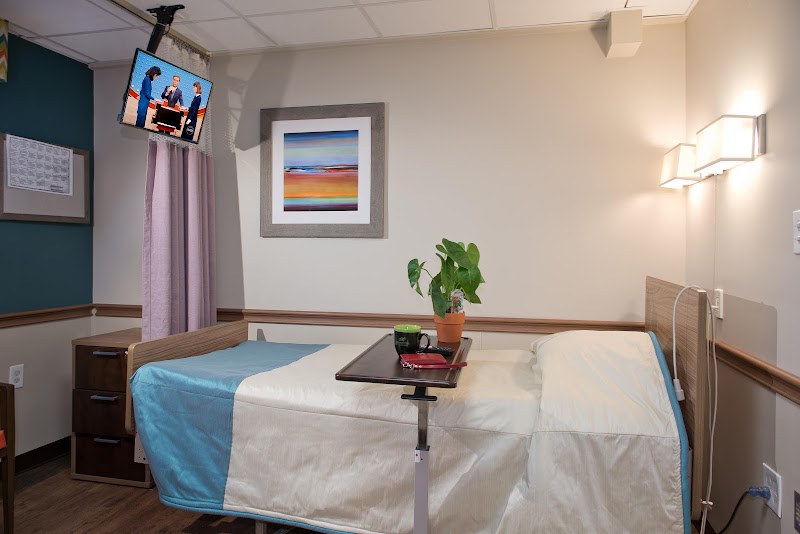
How is Meadow Park Rehabilitation And L L C Staffed?

CMS rates MEADOW PARK REHABILITATION AND HEALTH CENTER L L C's staffing level at 2 out of 5 stars, which is below average compared to other nursing homes. Staff turnover is 21%, compared to the New York average of 46%. This relatively stable workforce can support continuity of care.

What Have Inspectors Found at Meadow Park Rehabilitation And L L C?

State health inspectors documented 13 deficiencies at MEADOW PARK REHABILITATION AND HEALTH CENTER L L C during 2019 to 2025. These included: 13 with potential for harm.
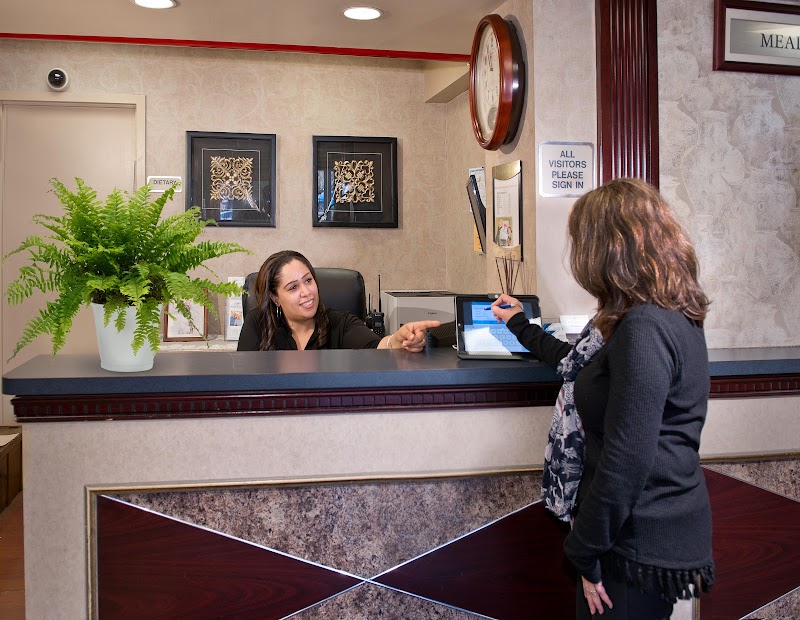
Who Owns and Operates Meadow Park Rehabilitation And L L C?

MEADOW PARK REHABILITATION AND HEALTH CENTER L L C is owned by a for-profit company. For-profit facilities operate as businesses with obligations to shareholders or private owners. The facility is operated by BENJAMIN LANDA, a chain that manages multiple nursing homes. With 135 certified beds and approximately 127 residents (about 94% occupancy), it is a mid-sized facility located in FLUSHING, New York.
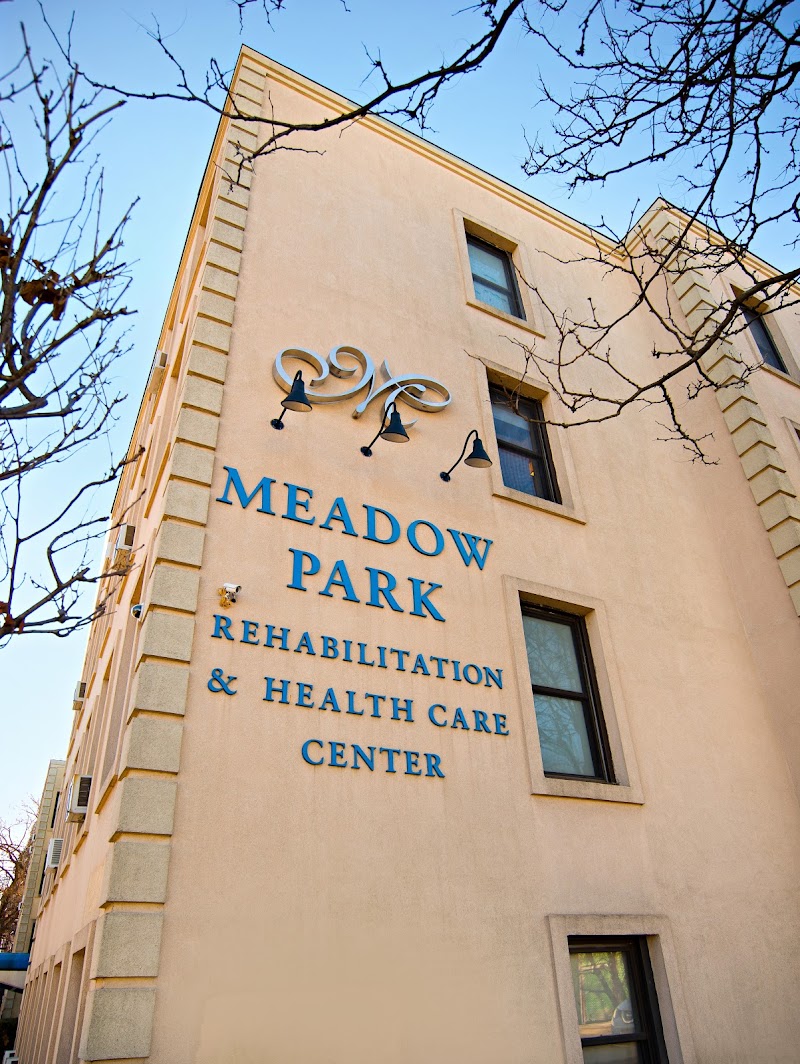
How Does Meadow Park Rehabilitation And L L C Compare to Other New York Nursing Homes?

Compared to the 100 nursing homes in New York, MEADOW PARK REHABILITATION AND HEALTH CENTER L L C's overall rating (3 stars) is below the state average of 3.1, staff turnover (21%) is significantly lower than the state average of 46%, and health inspection rating (3 stars) is at the national benchmark.

What Should Families Ask When Visiting Meadow Park Rehabilitation And L L C?

Based on this facility's data, families visiting should ask: "Can you walk me through typical staffing levels on day, evening, and night shifts?" "Can I visit during a mealtime to observe dining assistance and food quality?" "How do you handle medical emergencies, and what is your hospital transfer rate?" "Can I speak with family members of current residents about their experience?" These questions are particularly relevant given the below-average staffing rating.

Is Meadow Park Rehabilitation And L L C Safe?

Based on CMS inspection data, MEADOW PARK REHABILITATION AND HEALTH CENTER L L C has a clean safety record: no substantiated abuse findings (meaning no confirmed cases of resident harm), no Immediate Jeopardy citations (the most serious violation level indicating risk of serious injury or death), and is not on the Special Focus Facility watch list (a federal program monitoring the lowest-performing 1% of nursing homes). The facility has a 3-star overall rating and ranks #100 of 100 nursing homes in New York. While no facility is perfect, families should still ask about staff-to-resident ratios and recent inspection results during their visit.

Do Nurses at Meadow Park Rehabilitation And L L C Stick Around?

Staff at MEADOW PARK REHABILITATION AND HEALTH CENTER L L C tend to stick around. With a turnover rate of 21%, the facility is 24 percentage points below the New York average of 46%. Low turnover is a positive sign. It means caregivers have time to learn each resident's needs, medications, and personal preferences. Consistent staff also notice subtle changes in a resident's condition more quickly. Registered Nurse turnover is also low at 29%, meaning experienced RNs are available to handle complex medical needs.

Was Meadow Park Rehabilitation And L L C Ever Fined?

MEADOW PARK REHABILITATION AND HEALTH CENTER L L C has no federal fines on record. CMS issues fines when nursing homes fail to meet care standards or don't correct problems found during inspections. The absence of fines suggests the facility has either maintained compliance or corrected any issues before penalties were assessed. This is a positive indicator, though families should still review recent inspection reports for the full picture.

Is Meadow Park Rehabilitation And L L C on Any Federal Watch List?

MEADOW PARK REHABILITATION AND HEALTH CENTER L L C is not on any federal watch list. The most significant is the Special Focus Facility (SFF) program, which identifies the bottom 1% of nursing homes nationally based on persistent, serious quality problems. Not being on this list means the facility has avoided the pattern of deficiencies that triggers enhanced federal oversight. This is a positive indicator, though families should still review the facility's inspection history directly.