UNION PLAZA CARE CENTER
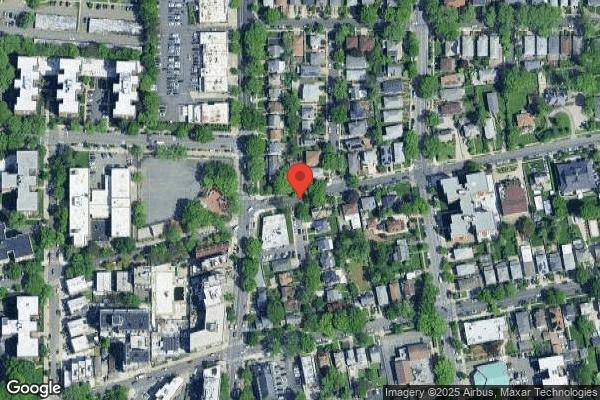

33 23 UNION STREET, FLUSHING, NY 11354 (718) 670-0700
For profit - Corporation 280 Beds Independent Data: November 2025
Trust Grade
85/100
#248 of 594 in NY
Last Inspection: August 2024

Within standard 12-15 month inspection cycle. Federal law requires annual inspections.

Overview

Union Plaza Care Center in Flushing, New York, has a Trust Grade of B+, indicating it is above average and recommended for families. It ranks #248 out of 594 facilities in New York, placing it in the top half overall, and #31 out of 57 in Queens County, meaning there are only a few local options that perform better. However, the facility is experiencing a concerning trend, with issues increasing from 1 in 2023 to 5 in 2024. Staffing is relatively stable with a turnover rate of 21%, significantly lower than the state average, but the RN coverage is average. Notably, the facility has no fines on record, which is a positive sign. On the downside, there have been specific incidents of concern. For example, one resident was not given medication as prescribed, taking it daily instead of every other day, which could lead to health complications. Additionally, the facility failed to involve a resident or their representative in care plan meetings as required, and there were instances where allegations of abuse were not reported within the mandated timeframe, potentially compromising resident safety. Overall, while there are strengths in staffing and no fines, these recent concerns should be carefully considered by families looking into this facility.

Trust Score
B+
85/100
In New York
#248/594
Top 41%
Safety Record
Low Risk
No red flags
Inspections
Getting Worse
1 → 5 violations
Staff Stability
✓ Good
21% annual turnover. Excellent stability, 27 points below New York's 48% average. Staff who stay learn residents' needs.
Penalties
✓ Good
No fines on record. Clean compliance history, better than most New York facilities.
Skilled Nurses
○ Average
Each resident gets 40 minutes of Registered Nurse (RN) attention daily — about average for New York. RNs are the most trained staff who monitor for health changes.
Violations
○ Average
9 deficiencies on record. Average for a facility this size. Mostly minor or procedural issues.
★★★★☆
4.0
Overall Rating
★★★☆☆
3.0
Staff Levels
★★★★☆
4.0
Care Quality
★★★★☆
4.0
Inspection Score
Stable
2023: 1 issues
2024: 5 issues

The Good

  • 4-Star Quality Measures · Strong clinical quality outcomes
  • Low Staff Turnover (21%) · Staff stability means consistent care
  • Full Sprinkler Coverage · Fire safety systems throughout facility
  • No fines on record
  • Staff turnover is low (21%)

    27 points below New York average of 48%

Facility shows strength in quality measures, staff retention, fire safety.

The Bad

No Significant Concerns Identified

This facility shows no red flags. Among New York's 100 nursing homes, only 1% achieve this.

The Ugly 9 deficiencies on record

Aug 2024 5 deficiencies
CONCERN (D)

Potential for Harm - no one hurt, but risky conditions existed

Deficiency F0553 (Tag F0553)

Could have caused harm · This affected 1 resident

**NOTE- TERMS IN BRACKETS HAVE BEEN EDITED TO PROTECT CONFIDENTIALITY** Based on observation, record review and interviews conducted during the Recertification survey from 8/21/2024 to 8/28/2024, the ...

Read full inspector narrative →
**NOTE- TERMS IN BRACKETS HAVE BEEN EDITED TO PROTECT CONFIDENTIALITY** Based on observation, record review and interviews conducted during the Recertification survey from 8/21/2024 to 8/28/2024, the facility did not ensure that, to the extent practicable, the resident or resident representative participated in the development, review and revision of the comprehensive care plan. Specifically, Resident #54 and/or Designated Representative were not afforded the opportunity to participate in quarterly care plan meetings. This was evident in 1 out of 1 residents reviewed for Resident Assessment (Resident #54). The findings are: The facility's policy and procedure titled Care Plan reviewed 4/8/2024 documented: interdisciplinary team will meet to discuss and review the comprehensive care plan of each resident on admission, by 21 day, quarterly, annually for any significant change and as needed. Resident/family/responsible party will be invited to participate in the meeting. Resident #54 was admitted to the facility with diagnosis of Diabetes Mellitus, Hyperlipidemia and Non-Alzheimer's Dementia. The Quarterly Minimum Data Set, dated [DATE] documented resident has moderately impaired cognition. Resident and family participated in the assessment. On 8/28/2024 at 11:11 AM, Resident #54 stated they do not recall getting invited or participating in a meeting to discuss their treatments/care needs. The Comprehensive Care Plan meeting sign in sheet for Resident #54 contained no signatures from Resident #54 or their representative for the quarterly care plan meeting held on 3/8/2024. A review of Social Service notes revealed care plan meeting for significant change was held for Resident #54 on 3/8/2024. There is no documented evidence Resident #54 and/or their Designated Representative were invited to the quarterly care plan meeting on 3/8/2024. On 8/28/2024 at 11:12 AM, Registered Nurse Supervisor #5 was interviewed and stated, the care plan meeting is held by the interdisciplinary team for initial/annual, significant change or when a psychotropic med is initiated. Resident #54 and/or their Designated Representative are invited to these meetings. Registered Nurse Supervisor #5 stated the interdisciplinary team do not hold care plan meetings quarterly, but every department is responsible to review/update resident's care plans quarterly. Currently, there is no quarterly care plan meeting happening for residents and their designated representatives. On 8/27/2024 at 10:01 AM, the Director of Social Service was interviewed and stated there are no quarterly care plan meetings held by the interdisciplinary team, only when requested. Director of Social Service stated they have not been doing any meetings with the resident/designated representative for quarterly care plan review. It has not been the facility's practice to offer residents to participate every quarter. On 8/28/2024 at 11:07 AM, the Director of Nursing was interviewed and stated, the interdisciplinary team does not have quarterly meetings for care plan review. Resident/designated representative have not been invited to care plan meetings quarterly. However, care plans are reviewed and updated every quarter by the departments. 10 NYCRR 415.11(c)(2)(i-iii)
CONCERN (D) 📢 Someone Reported This

A family member, employee, or ombudsman was alarmed enough to file a formal complaint

Potential for Harm - no one hurt, but risky conditions existed

Report Alleged Abuse (Tag F0609)

Could have caused harm · This affected 1 resident

Based on observation, record review, and interviews conducted during the Abbreviated survey (NY00320628 and NY00346784) and Recertification survey from 8/21/24 to 8/28/24, the facility did not ensure ...

Read full inspector narrative →
Based on observation, record review, and interviews conducted during the Abbreviated survey (NY00320628 and NY00346784) and Recertification survey from 8/21/24 to 8/28/24, the facility did not ensure that all alleged violations involving abuse, neglect, exploitation, and mistreatment, are reported immediately, but not later than 2 hours after the allegation is made. This was evident in 3 out of 38 residents sampled (Residents #22, #147, and #44). Specifically, on 07/21/2023 approximately 5 minutes apart, Resident #22 and Resident #147 (who are roommates) reported that they were rough handled and hit by Certified Nursing Assistant #1. The facility did not report the allegations of abuse within 2 hours to New York State Department of Health. 2) Resident #44 reported an allegation of abuse that was not reported within 2 hours to the New York State Department of Health. The Facility's Policy and Procedure on Resident Freedom from Abuse, Neglect, and Mistreatment revised 09/05/2023, documented that it is the policy of this facility to ensure that every resident be free from verbal, sexual, physical, and mental abuse. The policy further documented if, at any point during the investigation, a determination is made that there is reasonable cause, sufficient evidence for a prudent person to believe that abuse occurred, the Administrator/Designee will immediately report the allegations to the Department of Health. The Facility's Policy and Procedure on Accident/Incident Reporting Protocol revised 12/21/2023, documented that it is the policy of this facility to ensure an environment that is free from accidents, hazards, and provides supervision and assistive devices to each resident to prevent avoidable accidents. The policy further documented to report of an alleged violation involving abuse OR resulting in serious bodily injury immediately, but not later than two hours after the allegation is made, to the administrator of the facility and to other officials, including to the State survey and certification agency. 1) Resident #22 was admitted to the facility with diagnoses including Heart Failure, Respiratory Failure, and Diabetes Mellitus. The Minimum Data Set (an assessment tool), dated 06/24/2023, documented Resident #22 had a Brief Interview of Mental Status (used to determine attention, orientation, and ability to recall information) score of 12 associated with moderately impaired cognition. A Comprehensive Care Plan for abuse dated 05/27/2023, documented interventions to provide supportive services and emotional reassurance as needed and encourage resident to promptly report any negative interactions with peers, staff , or family. Resident #147 was admitted to the facility with diagnoses including Coronary Artery Disease, Non-Alzheimer's Dementia, Heart failure, and Depression. The Minimum Data Set (an assessment tool), dated 06/05/2023, documented Resident #147 had a Brief Interview of Mental Status (used to determine attention, orientation, and ability to recall information) score of 11 associated with moderately impaired cognition. A Comprehensive Care Plan for abuse dated 04/26/2023, documented interventions to provide supportive services and emotional reassurance as needed and encourage resident to vent/verbalize feelings. The facility's Investigation Summary dated 07/25/2023 documented that at approximately 7:20 am Resident #22 reported to Registered Nurse Supervisor that the night shift (11:00 pm-7:00 am shift) Certified Nursing Assistant was rough during care and hit them in their buttocks and face. On 07/21/2023 at approximately 7:25 am, Resident #147 (roommate of Resident #22) reported to Registered Nurse Supervisor that Certified Nursing Assistant #1 was rough during care and hit them in the face and shoulder. The investigation documented that Resident #22 and Resident #147 were assessed. There were no visible injuries noted. The investigation concluded that the allegation could not be verified because of insufficient information. During an interview on 08/23/2024 at 3:18 pm, Administrator stated any abuse allegation should be reported within two hours. Administrator stated they do not know why the incident was not reported within the time frame. During a telephone interview on 08/26/2024 at 1:45 pm, Registered Nurse Investigator stated they were under the impression that if there is bodily injury, an allegation of abuse should be reported to New York State Department of Health within 2 hours. Registered Nurse Investigator stated they reported the incident to New York State Department of Health within 24 hours of being aware. ) 2) Resident #44 was admitted to the facility with diagnoses including Diabetes Mellitus, Cerebral Infarction, and Age-related cognitive decline. The Minimum Data Set (an assessment tool), dated 06/30/2024, documented Resident #44 had a Brief Interview of Mental Status (used to determine attention, orientation, and ability to recall information) score of 13 associated with intact cognition. A Comprehensive Care Plan for abuse dated 06/23/2024, documented interventions to provide supportive services and emotional reassurance as needed and encourage resident to promptly report any negative interactions with peers, staff, or family. The facility's Accident/Incident Summary dated 07/08/2024 documented that Resident #44 reported on 06/29/2024 that two different black men on two different occasions touched their shoulders and breast. The investigative findings documented that Resident #44 was assessed and there were no visible injuries or emotional distress noted. The investigation concluded that the allegation could not be verified because there was not sufficient evidence to support that abuse occurred. During an interview on 08/28/2024 at 9:51 am, the Director of Nursing stated the abuse allegation was reported 2 hours late and it should have been reported within 2 hours. The Director of Nursing further stated they do not know why the incident was reported late since the Administrator conducted the investigation. During an interview on 08/30/2024 at 1:02 PM, the Administrator who is also the Investigator stated they reported the sexual abuse allegation late because they were on site in Resident #44's room spending time with Resident #44, their offspring, and the police officers. The Administrator stated next time they will notify the New York State Department of Health immediately with whatever information they have. The Administrator further stated staff has been inserviced that abuse allegations have to be reported within two hours. 10 NYCRR 415.4(b)
CONCERN (D)

Potential for Harm - no one hurt, but risky conditions existed

Deficiency F0688 (Tag F0688)

Could have caused harm · This affected 1 resident

**NOTE- TERMS IN BRACKETS HAVE BEEN EDITED TO PROTECT CONFIDENTIALITY** Based on observation, record review and staff interviews conducted during the recertification survey from 08/21/2024 to 08/28/20...

Read full inspector narrative →
**NOTE- TERMS IN BRACKETS HAVE BEEN EDITED TO PROTECT CONFIDENTIALITY** Based on observation, record review and staff interviews conducted during the recertification survey from 08/21/2024 to 08/28/2024, the facility did not ensure that a resident with limited range of motion received appropriate treatment and services to increase range of motion and/or prevent further decrease in range of motion. This was evident for 1 (Resident #190) of 2 residents reviewed for Activities of Daily Living out of 38 sampled residents. Specifically, Resident #190 was not provided hand rolls for bilateral hand contractures in accordance with physician's orders. The findings are: The facility's policy and procedure titled Adaptive Devices/Positing Devices revised 12/20/2023 documents that it is the policy of Union Plaza Care Center to provide residents with adaptive/positioning devices as necessary. The device will be checked daily by the nurse aide. If any adaptive or positioning device is malfunctioning or missing, nursing will notify Occupational Therapy using a Nursing to Occupational Department notification form. Resident #190 was admitted to the facility with diagnoses that included Non-Alzheimer's Dementia, frontotemporal neurocognitive disorder, and malnutrition. The Quarterly Minimum Data Set, dated [DATE] documents that Resident #190 is rarely/never understood by others and is rarely/never able to understand others. Resident #190 has a short-term memory problem, and a long-term memory problem, and their cognitive skills for daily decision making is severely impaired. Resident #190 has upper extremity limitations on both sides and requires dependent level assistance for: eating, oral hygiene, toileting, showering/bathing, upper and lower body dressing, personal hygiene, bed mobility, and transfer. Physician's Treatment Order #289576 initiated 09/20/2023 and renewed on 08/27/2024 documents: Hand roll to both hands. Remove during ADL care to check skin integrity each shift. Care Plan titled Osteoporosis, risk for spontaneous fracture effective 02/10/2022 and updated 08/09/2024 documents an intervention of Hand rolls to both hands. Care Plan titled Self Care Deficit effective 02/10/2022 and updated 08/09/2024 documents an intervention of: Hand rolls to both hands. On 08/21/2024 at 12:55 PM, an interview was conducted with Resident #190's spouse who stated that the resident is supposed to use hand rolls in both hands due to hand contractures but the facility has failed to ensure the resident receives these on multiple occasions. Resident #190's spouse stated that they would alert the staff on the unit when this was observed and the device would be provided daily for a few weeks following the inquiry, but would then fail to be provided again. On 08/21/2024 at 12:55 PM, Resident #190 was observed in bed with both hands clenched in a closed fist position with no hand rolls in place. On 08/27/2024 at 11:16 AM, Resident #190 was observed in bed with both hands clenched in a closed fist position with no hand rolls in place. On 08/27/2024 at 11:17 AM, Registered Nurse Supervisor #1 was interviewed and stated that Resident #190 requires hand rolls in both hands at all times other than during care that involves cleaning the hands. Registered Nurse Supervisor #1 was observed entering Resident #190's room and looking in the resident's bed sheets for the devices. The devices were not located in the bed sheets. Registered Nurse Supervisor #1 left Resident #190's room and returned with two new hand rolls that were then inserted into the resident's hands. On 08/27/2024 at 12:39 PM, Certified Nursing Assistant #1 was interviewed and stated that Resident #190 requires total care assistance with all activities of daily living. Certified Nursing Assistant #1 stated that they gave Resident #190 a shower on 08/27/2024 at around 09:00 AM. Certified Nursing Assistant #1 stated that after giving Resident #190 a shower, they typically wait about 20 minutes to return the hand rolls to Resident #190's hands to give the skin a little rest. Certified Nursing Assistant #1 stated that they had planned to return the hand rolls to Resident #190's hands 20 minutes after the shower on 08/27/2024, but had to assist another resident and was unable to return to Resident #190's room by the time that the observation was made at 11:16 AM. On 08/27/2024 at 12:54 PM, Registered Nurse Supervisor #1 was interviewed and stated that Resident #190 was given a shower by Certified Nursing Assistant #1 earlier in the day on 08/27/2024. Registered Nurse Supervisor #1 stated that they believed that after Certified Nursing Assistant #1 provided Resident #190 with a shower, they may have forgotten to replace the hand devices. Registered Nurse Supervisor #1 stated that the contracture devices should have been replaced as soon as the resident's hands were dried after the shower and should have been returned to the resident's hands before the observation on 08/27/2024 at 11:16 AM. On 08/27/2024 at 3:10 PM, the Director of Nursing was interviewed and stated that Resident #190 requires the use of hand rolls in both hands at all times other than when staff are providing care that is related to the hands, such as showering or hand washing. The Director of Nursing stated that after that care is provided, the hand rolls should be returned to the hands as soon as they are dry, which would typically be within the span of a few minutes. The Director of Nursing stated that if Certified Nursing Assistant #1 showered Resident #190 around 09:00 AM on 08/27/2024, that the hand rolls should have been returned to the resident's hands before the observation on 08/27/2024 at 11:16 AM. On 08/28/2024 at 09:59 AM, the Director of Rehabilitation was interviewed and stated that Resident #190 has very limited mobility and uses hand rolls for contractures in both hands, which were recommended based on the rehabilitation department's evaluation of the resident. The Director of Rehabilitation stated that in rest position, Resident #190 clenches both fists and this can cause skin breakdown on the inner part of the hand due to the fingernails digging into the skin. The use of hand rolls prevents this. The Director of Rehabilitation also stated that hand rolls are used to ensure that the contractures do not become more severe, and to allow the resident to maintain their current functional ability while preventing decline. The Director of Rehabilitation stated that Resident #190 is supposed to use hand rolls in both hands at all times other than when receiving care that affects the hands. The Director of Rehabilitation stated that as soon as that care is completed, the hand rolls should be returned to the hands. 10 NYCRR 415.12(e)(2)
CONCERN (D) 📢 Someone Reported This

A family member, employee, or ombudsman was alarmed enough to file a formal complaint

Potential for Harm - no one hurt, but risky conditions existed

Accident Prevention (Tag F0689)

Could have caused harm · This affected 1 resident

**NOTE- TERMS IN BRACKETS HAVE BEEN EDITED TO PROTECT CONFIDENTIALITY** Based on record review and interviews conducted during the Abbreviated (NY#00339083) and Recertification survey from 8/21/2024 t...

Read full inspector narrative →
**NOTE- TERMS IN BRACKETS HAVE BEEN EDITED TO PROTECT CONFIDENTIALITY** Based on record review and interviews conducted during the Abbreviated (NY#00339083) and Recertification survey from 8/21/2024 to 8/28/2024, the facility did not ensure resident was free from accidents. This was evident in 1 (Resident #26) of 7 residents reviewed for Accident. Specifically, Resident #26 sustained 2 cm skin cut to the eyebrow during toileting when staff assisted without a second staff member. The findings are: The facility's policy titled Abuse, Neglect and Mistreatment reviewed 9/5/2023 documented every resident be free from verbal, sexual, physical, mental abuse, corporal punishment, misappropriation of property and involuntary seclusion. The facility's policy titled Fall Prevention Program reviewed 12/20/2023 documented to identify residents who are at fall risk through use of standardized criteria and to assist interdisciplinary committee in developing a care plan for preventions. Maximize resident's mobility and reduce the threat of injury from falls. Resident #26 was admitted to the facility with diagnosis of Alzheimer's Disease, Diabetes Mellitus, and Hypertension. The Minimum Data Set, dated [DATE] documented Resident #26 had severely impaired cognition and was dependent for toilet transfer/toileting and resident utilized wheelchair for mobility. The Comprehensive Care Plan for Falls/Injuries initiated 7/1/2019, revised 7/1/2024 documented but not limited to keep Resident #26 in a highly supervised area when awake, encourage, and place resident in common areas, increased observations due to poor safety awareness, non-compliance with transfer, and incontinence care every 2-4 hours. The Nursing Instruction for Certified Nurse Aid revised 5/6/2024 documented Resident #26 is dependent for toileting and incontinent care every 2-4 hours, as needed. The Nursing Note dated 6/21/2024 documented on 6/21/2024 at 2:57PM, Resident #26 in bathroom located inside of the dining room, noted with skin cut on left eyebrow, measured about 2 cm in length with minimal amount of bleeding and redness around left cheek observed. Certified Nurse Aid #13 was also noted next to the Resident #26. Resident is very confused and unable to tell what happened. Family notified and transferred resident to hospital for evaluation to rule out head injury. The Facility's Incident Report completed 6/25/2024 revealed that the Certified Nurse Aid #13 was in the dining room when Certified Nurse Aide #13 noticed Resident #26 attempting to self-propel their wheelchair and made gesture to use the bathroom. Certified Nurse Aid #13 safely transfer Resident #26 to the bathroom and on to the toilet seat. When Resident #26 was bending over to wipe themselves in seated position, losing balance falling forward. Certified Nurse Aid #13 was able to hold resident's trunk and preventing from falling. However, Resident #26's left eyebrow made contact with the edge of leg rest of wheelchair placed next to the toilet. This resulted in a superficial skin cut measuring 2 cm in length and 0.5 cm in depth with minimal amount of bleeding and redness around the area. No other injuries noted. The investigation concluded that there is no reasonable cause to believe that resident was abused, neglected. However, Certified Nurse Aid #13 who was not primary certified nurse aid for Resident #26, assisted toileting without checking resident's plan of care and instructions. Certified Nurse Aid #13 was provided with written warning and education to ensure reviewing plan of care and nursing instructions prior to providing resident care. On 8/27/2024 at 10:52 AM, Certified Nurse Aid #14 stated Resident #26 has been on their assignment for some time now and was assigned to them on 6/21/2024. Resident #26 has been incontinent and is total dependent for incontinent care. Resident #26 is on schedule for incontinent care every 2 to 4 hours, as needed. Certified Nurse Aid #14 recalled Resident #26 was provided incontinent care in the room with another staff's assistance prior to wheeling Resident #26 to the dining room around 2:15PM. Certified Nurse Aid #14 then left work early for a personal matter. On 8/27/2024 at 10:40 AM, Certified Nurse Aid #13 stated they were watching residents in the dining room on 6/21/2024 when Resident #26 gestured to go to the toilet and attempting to wheel to the bathroom located inside the dining room. Certified Nurse Aid #13 wanting to help, transferred resident safely to the bathroom and to the toilet seat. Resident #26 was observe falling forward when resident trying to wipe themselves, so Certified Nurse Aid #13 reacted quickly to prevent resident falling to the floor. However, Resident #26's left eyebrow made contact with the wheelchair leg rest, resulting in a superficial skin cut in the area. Certified Nurse Aid #13 stated they had taken care of Resident #26 previously but did not know Resident #26 required two persons for toileting. Certified Nurse Aid #13 stated that they should have asked the nurse supervisor about resident's care needs but did not do so. On 8/22/2024 at 10:24 AM, Registered Nurse Supervisor #7 stated Resident #26 is confused, forgetful at time and who has been up getting out of bed without assistance. Due to the functional declining, resident doesn't get up as often. Resident #26 had an incident on 6/21/2024 around 3PM when resident had a fall incident during toileting. Resident #26 was assisted in transferring and toileting by Certified Nurse Aid #13. Certified Nurse Aid #13 who was not the primary aid assisted the resident to toileting without checking the nursing instructions. Resident #26 is dependent for toileting at the time of incident on 6/21/2024; had schedule for incontinent care every 2 to 4 hours. Certified Nurse Aid #13 has provided care in the past but not always assigned to cover on this unit. Certified Nurse Aid #13 didn't check Resident #26's plan of care prior to assisting the resident for toileting. Resident #26 has been dependent for incontinent care every 2 hours, placed floor mats, lowered the bed and staff are making rounds every hour for resident's safety. On 8/28/2024 at 10:49 AM, Director of Nursing stated they were not aware of this incident, but Certified Nurse Aid #13 should have asked for Resident #26's care instruction prior to assisting the resident. Staff responded quickly to assist resident for toileting, but resident fell and hit their head on the wheelchair. The incident was not resulted from abuse, or neglect but it was an accident that occurred for this resident on 6/21/2024. 10 NYCRR 415.12(h)(1)
MINOR (B)

Minor Issue - procedural, no safety impact

MDS Data Transmission (Tag F0640)

Minor procedural issue · This affected multiple residents

Based on record review and interviews conducted during the Recertification survey from 8/21/2024 to 8/28/2024, the facility did not ensure Minimum Data Set 3.0 (MDS) comprehensive and non-comprehensiv...

Read full inspector narrative →
Based on record review and interviews conducted during the Recertification survey from 8/21/2024 to 8/28/2024, the facility did not ensure Minimum Data Set 3.0 (MDS) comprehensive and non-comprehensive assessments were submitted and transmitted into the Quality Improvement Evaluation System (QIES) Assessment Submission and Processing (ASAP) system timely. This was evident in 1 (Resident #54) out of 1 resident reviewed for Resident Assessment. Specifically, the quarterly Minimum Data Set 3.0 assessment for Resident #54 was not submitted and transmitted within 14 calendar days from the assessment complete date. The findings are: The facility's policy and procedure titled MDS Assessment/Submission revised 12/21/2023 documented on a quarterly basis, a MDS assessment is to be completed by appropriate interdisciplinary clinicians in accordance with Federal and State regulations. Resident #54's quarterly Minimum Data Set 3.0 with assessment reference date of 6/2/2024 and completion date of 6/9/2024. The assessment was not submitted as of 8/26/2024. On 8/27/2024 at 11:03 AM, Minimum Data Set Coordinator was interviewed and stated, that the computer software automatically schedules the assessment in the system for every resident. The Minimum Data Set Coordinator stated department staff will complete their part of the assessment within the due date and upon completion. The Minimum Data Set Coordinator will submit it within 14 days. The Minimum Data Set Coordinator stated Resident #54's quarterly assessment was last submitted on 3/12/2024. Upon reviewing, the assessment did not populate in the scheduler for Resident #54. The Minimum Data Set Coordinator further stated the assessment should have been completed and submitted every three months, which is overdue now. On 8/28/2024 at 11:07 AM, Director of Nursing was interviewed and stated, the assessment is scheduled automatically for every resident and staff are responsible to complete their section in the assessment in a timely manner. The Minimum Data Set Coordinator ensures the assessment is completed and submitted in a timely manner. Director of Nursing further stated the system did not populate an assessment for Resident #54's scheduler; therefore, staff were not aware that assessment was not submitted until it was pointed out by the surveyor. 10 NYCRR 415.11
Mar 2023 1 deficiency
CONCERN (D)

Potential for Harm - no one hurt, but risky conditions existed

Report Alleged Abuse (Tag F0609)

Could have caused harm · This affected 1 resident

**NOTE- TERMS IN BRACKETS HAVE BEEN EDITED TO PROTECT CONFIDENTIALITY** Based on interviews and record review conducted during the Recertification survey from 03/21/23 to 03/28/23, the facility did no...

Read full inspector narrative →
**NOTE- TERMS IN BRACKETS HAVE BEEN EDITED TO PROTECT CONFIDENTIALITY** Based on interviews and record review conducted during the Recertification survey from 03/21/23 to 03/28/23, the facility did not ensure all alleged violations involving abuse were reported immediately, but not later than 2 hours after the allegation was made, to the New York State Department of Health (NYSDOH), if the events that cause the allegation involve abuse or result in serious bodily injury. This was evident for 1 (Resident #224) of 4 residents reviewed for Accidents out of 40 total sampled residents. Specifically, the facility did not report an incident where Resident #224 was found on the floor with rib fractures to NYS DOH. The findings are: The facility policy titled Accident/ Incident (A/I) Reporting Protocol last revised 11/22/22, documented that if an A/I occur, Injuries in serious bodily injury must be reported within 2 hours after forming the suspicion. All other incidents must be reported within 24 hours. Resident #224 had diagnoses of diabetes mellitus and Alzheimer's disease. The Minimum Data Set 3.0 (MDS) dated [DATE] documented Resident #224 had severely impaired cognition and required the extensive assistance of 1 person for activities of daily living. A Nursing Note dated 2/28/23 documented Resident #224 was found lying on the floor and was transferred to the hospital for cat scan and x-rays. A Nursing Note dated 03/01/23 documented Resident #224 was readmitted to the facility with diagnosis of fracture to the left 4th 5th and 7th ribs. The A/I Summary dated 03/03/23 documented Resident #224 could not provide an account of the occurrence. The A/I concluded Resident #224 attempted to get up without assistance and fell, sustaining fractures to the left ribs. The criteria was not met for reporting. There was no documented evidence the facility reported Resident #224's incident involving serious bodily injury, rib fractures, to the NYSDOH within 2 hours of occurrence. On 03/27/23 at 03:30 PM, the Registered Nurse (RN) Supervisor, RN #1, was interviewed and stated they saw Resident #224 on the floor on the side of their bed, and the resident was very confused and could not say what transpired. RN #1 informed the Medical Doctor (MD). On 03/28/23 at 09:25 AM, the Director of Nursing (DON) was interviewed and stated the interdisciplinary team, including the Risk Manager and the Assistant Administrator (AA), reviews the A/I Investigations and determines which incidents are reported to the NYSDOH. Resident #224 had an injury on 2/28/23 that was not reportable to the NYSDOH because they concluded that it was from an unwitnessed fall. On 03/28/23 at 09:46 AM, the AA was interviewed and stated falls resulting in fractures will be discussed by the team and if there is anything the team is not sure about, the incident will get reported to the NYSDOH. Resident's #224's rib fracture was not reported because the investigation ruled out abuse or care plan violation and it was not considered a reportable incident. 415.4(b)2
Mar 2020 3 deficiencies
CONCERN (D)

Potential for Harm - no one hurt, but risky conditions existed

Deficiency F0808 (Tag F0808)

Could have caused harm · This affected 1 resident

**NOTE- TERMS IN BRACKETS HAVE BEEN EDITED TO PROTECT CONFIDENTIALITY** Based on observations, record review, and staff interviews conducted during the re-certification survey, the facility did not en...

Read full inspector narrative →
**NOTE- TERMS IN BRACKETS HAVE BEEN EDITED TO PROTECT CONFIDENTIALITY** Based on observations, record review, and staff interviews conducted during the re-certification survey, the facility did not ensure a resident received and consumed foods in the appropriate form as prescribed by a physician. Specifically, the CNA did not provide the resident the correct consistency diet as prescribed. This was evident for 1 of 3 residents reviewed for Nutrition out of an investigation sample size of 38 residents. (Resident#171) The finding is: The most recent Minimum Data Set, dated [DATE] documented resident has a diagnosis of dysphagia and requires nectar thick liquids. On 3/2/2020 at 12:45 PM, resident was observed coughing in the dining room during lunch service. CNA #1 walked over to resident and held a cup of thin water to the resident while she drank. Tray ticket for the resident documented nectar thick liquids. Physician's order dated 3/6/20 documented nectar thick liquids. Speech Language Pathology (SLP) screen dated 2/10/20, SLP evaluation dated 1/6/20, and Nutrition assessment dated [DATE] all documented the resident is prescribed nectar thick fluids. On 3/05/2020 at 2:34 PM, an interview was conducted with LPN#1. LPN#1 stated the trays got switched. One resident gets thin liquids and the other gets nectar thick. Initially the trays were placed in front of the wrong residents. The cups of water were given out to the residents that receive thin liquids. Before the residents started eating, I switched the trays back to the appropriate resident, however I forgot to place the thin water back in front of the resident who receives thin liquids. Then when resident #171 started coughing, the CNA seeing the thin liquids in front of her gave it the resident. On 3/11/2020 at 2:51 PM, an interview was conducted with RN Supervisor #1. RN #1 stated We don't necessarily encourage staff to memorize diet orders since they should always be checking what is on the ticket. This is especially important since residents may be upgraded or downgraded in consistency. We don't have a list or any other documents with diet orders in the dining room, staff relies on the tray tickets. The nurses have access to the diet orders in Sigma which helps us stay up to date on diet changes. At meal times there is always a nurse present. Dispensing of water can be completed by either a CNA or a nurse. On 03/11/2020 at 2:24 PM, an interview was conducted with CNA #1 via telephone. CNA #1 stated when it is mealtime, I look at the tray ticket. If I see a patient with thickened water, I won't give them water and I will tell whoever is giving out the water not to give it the resident. CNA #1 stated she doesn't know why she had given the resident thin liquids because she always follows what is on the tray ticket. 415.14(e)
CONCERN (D)

Potential for Harm - no one hurt, but risky conditions existed

Infection Control (Tag F0880)

Could have caused harm · This affected 1 resident

**NOTE- TERMS IN BRACKETS HAVE BEEN EDITED TO PROTECT CONFIDENTIALITY** Based on observation and staff interview conducted during the Recertification survey, the facility did not ensure that an infect...

Read full inspector narrative →
**NOTE- TERMS IN BRACKETS HAVE BEEN EDITED TO PROTECT CONFIDENTIALITY** Based on observation and staff interview conducted during the Recertification survey, the facility did not ensure that an infection prevention and control program was established and maintained a safe, sanitary and comfortable environment to help prevent the development and transmission of communicable diseases and infections. Specifically, oxygen tubing connected to resident from a Bi-pap machine was observed touching the floor and a resident's nasal cannula was found attached to a portable oxygen tank uncovered and touching the floor. This was evident in 1 of 3 residents reviewed for Infections out of sample size of 38 residents. (Resident # 304) The finding is: The undated policy titled Oxygen Therapy documented if oxygen is to be used for greater than 24 hours, the mask and or cannula and humidifier will be replaced weekly. The tubing is to be dated when first used and the 11-7 staff is responsible for setting up the new system. Resident #304 was admitted with diagnoses which included Respiratory Failure, Atrial Fibrillation and Acute Endocarditis. The Minimum Data Set (MDS) 3.0 assessment dated [DATE] documented resident with intact cognition and required extensive assistance of staff with Activities of Daily Living. On 03/06/2020 at 11:00 AM, resident was observed in bed asleep with oxygen mask with ongoing treatment. The tubing from the oxygen concentrator was observed touching the floor from the concentrator to the resident. In addition, a wheelchair in the resident's room was observed with an attached oxygen tank and the nasal cannula tubing was coiled around the wheelchair with no cover. The tubing was dated 02/21/2020, indicating the tubing had not been changed for two (2) weeks. Review of the physician's order dated 02/17/2020 documented change oxygen tubing weekly. On 3/06/2020 at 11:20 AM, Registered Nurse (RN) #8 was interviewed. RN # 8 stated she was unsure of the facility policy on changing oxygen tubing and would check and get back to the surveyor. On 3/06/2020 at 11:20 AM, RN # 9 was interviewed. RN #9 stated tubing is changed weekly by the night shift and should be dated. On 03/06/2020 at 3:45 PM, Infection Control Coordinator (ICC) was interviewed. The ICC stated nasal tubing are change weekly and dated and there is a specific staff person assigned to this task. The ICC also stated the resident's family takes the resident out of the room and this may contribute to tubing touching the floor. The ICC further stated re-education and reminders to staff about different practices including tubing of oxygen and catheter is ongoing and family members would be re-educated. 415.19 (a)(1-3)
CONCERN (E)

Potential for Harm - no one hurt, but risky conditions existed

Quality of Care (Tag F0684)

Could have caused harm · This affected multiple residents

**NOTE- TERMS IN BRACKETS HAVE BEEN EDITED TO PROTECT CONFIDENTIALITY** 2. Resident # 245 was admitted to facility with diagnoses which included Heart Failure, Hypertension and Diabetes Mellitus. The...

Read full inspector narrative →
**NOTE- TERMS IN BRACKETS HAVE BEEN EDITED TO PROTECT CONFIDENTIALITY** 2. Resident # 245 was admitted to facility with diagnoses which included Heart Failure, Hypertension and Diabetes Mellitus. The Quarterly Minimum Data Set (MDS dated [DATE] documented resident as cognitively intact. Physician order dated 2/26/2020 documented Lasix 20 mg tablet Give 1 tablet (20mg) by oral route every other day. Medication Administration Record (MAR) dated February 2020 documented resident receive medications on the flowing dates at 9:30am: 2/27/2020, 2/28/2020 and 2/29/2020. MAR dated March 2020 documented resident received the medication on the following dates at 9:30am: 3/1/2020, 3/2/2020, 3/3/2020, 3/4/2010 and 3/5/2020. Medication was administered to the resident on a daily basis and not every other day as ordered by the physician. On 03/06/20 at 01:34 PM, an interview was conducted via telephone with Licensed Practical Nurse (LPN #2). LPN #2 stated when administering medications, she normally follows the five rights of medication administration and according to the physician's orders and is not sure how this error occurred. LPN #2 also she read the order but did not check the scheduling of the order because the wording was correct. LPN #2 further stated she thought she did the correct thing when administering the medication. On 03/05/20 at 02:03 PM an interview was conducted with Licensed Practical Nurse (LPN #3) LPN #3 stated she is the regular medication nurse for the unit and administered this medication to the resident on 2/29/20, 3/1//20, 3/3/20, 3/4/20 and 3/5/20. LPN #3 stated she read the orders and I administered medications as they as it appeared in the MAR. LPN #3 also stated she is not allowed to enter orders but has to confirm orders placed before giving medication. LPN #3 further stated she saw the initial order last week, confirmed the order was for every other day but did not check the schedule of the order because she assumed it was correct as the wording in the order was correct. On 03/05/20 at 12:04 PM, an interview was conducted with Unit Manager (RN #2). RN #2 stated she is responsible for entering and reviewing all orders in the computer. RN #2 stated she received a telephone order from the Medical Doctor (MD) to decrease Lasix from 20 mg daily to Lasix 20 mg every other day which was confirmed by MD on 2/27/2020. She then changed the wording to Lasix 20mg every other day but forgot to change the schedule of the order so that it would show in the MAR to administer medication every other day. As a result of not changing the schedule in the computer the error was made and the medication was administered every day instead of every other day. RN #2 further stated when a new order is entered in the system, two other nurses also confirm that the order is correct. 415.12 Based on record review and staff interview conducted during the recertification and abbreviated survey, the facility did not ensure needed care and services that are in accordance with the resident's preferences, goals for care and professional standards of practice were provided. Specifically, 1). a resident was administered a dose of insulin without a physician's order and 2). a resident ordered to receive medication every other day received medication on a daily basis. This was evident for 2 of 9 residents reviewed for Unnecessary Medications out of a sample of 35 residents (Resident # 401-Complaint #NY 00226392 and Resident # 245) The findings are: 1. Resident #401 was admitted to the facility on [DATE] with diagnoses which included Nontraumatic Intracranial Hemorrhage, Hypertension and Diabetes Mellitus without complications. Medication Administration Record dated September 2018 documented there was no order for insulin and resident was ordered Metformin 500mg by mouth once daily during admission from 9/3/18 to 9/19/18. Accident/Incident Report dated 9/14/18 documented that resident was administered Lantus insulin 7 units at 9:15 PM. There was no documented evidence that the resident had a physician order for Lantus Insulin. The attending physician was notified, and resident was transferred to the hospital at 10:00PM. Blood glucose by fingerstick was 194mg/dL. ED Patient Discharge Instructions dated 9/15/2018 documented blood glucose was assessed via meter at 2:19 AM. The blood glucose level was 168 mg/dL. On 9/15/18 at 2:35 AM, a Basic Metabolic Panel (BMP) was done in the hospital, the blood glucose level was 179 mg/dl. Nursing progress notes dated 9/15/18 at 1PM documented a call was received from a Nurse Manager at the hospital indicating the resident is stable to return. There were no episodes of hypoglycemia and blood glucose via fingerstick was 168mg/dL. Attempts to contact the Licensed Practical Nurse via telephone for interview were unsuccessful. LPN is no longer employed at the facility. On 3/6/2020 at 11:38 AM, the resident's primary physician (MD #4) was interviewed. MD #4 stated the resident did not have an order for Lantus and there was a medication error. MD #4 also stated the resident's daughter requested the resident be transferred to the hospital for evaluation. On 3/6/2020, at 11:50 AM, an interview was conducted with the RN Supervisor (RN #3). RN #3 stated when she reviewed the resident's record, there was no insulin order noted on the Medication Administration Record.
Understanding Severity Codes (click to expand)
Life-Threatening (Immediate Jeopardy)
J - Isolated K - Pattern L - Widespread
Actual Harm
G - Isolated H - Pattern I - Widespread
Potential for Harm
D - Isolated E - Pattern F - Widespread
No Harm (Minor)
A - Isolated B - Pattern C - Widespread

Questions to Ask on Your Visit

  • "Can I speak with families of current residents?"
  • "What's your RN coverage like on weekends and overnight?"

Our Honest Assessment

Strengths
  • • Grade B+ (85/100). Above average facility, better than most options in New York.
  • • No major safety red flags. No abuse findings, life-threatening violations, or SFF status.
  • • No fines on record. Clean compliance history, better than most New York facilities.
  • • 21% annual turnover. Excellent stability, 27 points below New York's 48% average. Staff who stay learn residents' needs.
Concerns
  • • No significant concerns identified. This facility shows no red flags across CMS ratings, staff turnover, or federal penalties.
Bottom line: Generally positive indicators. Standard due diligence and a personal visit recommended.

About This Facility

What is Union Plaza's CMS Rating?

CMS assigns UNION PLAZA CARE CENTER an overall rating of 4 out of 5 stars, which is considered above average nationally. Within New York, this rating places the facility higher than 99% of the state's 100 nursing homes. This rating reflects solid performance across the metrics CMS uses to evaluate nursing home quality.

How is Union Plaza Staffed?

CMS rates UNION PLAZA CARE CENTER's staffing level at 3 out of 5 stars, which is average compared to other nursing homes. Staff turnover is 21%, compared to the New York average of 46%. This relatively stable workforce can support continuity of care.

What Have Inspectors Found at Union Plaza?

State health inspectors documented 9 deficiencies at UNION PLAZA CARE CENTER during 2020 to 2024. These included: 8 with potential for harm and 1 minor or isolated issues.
Who Owns and Operates Union Plaza?

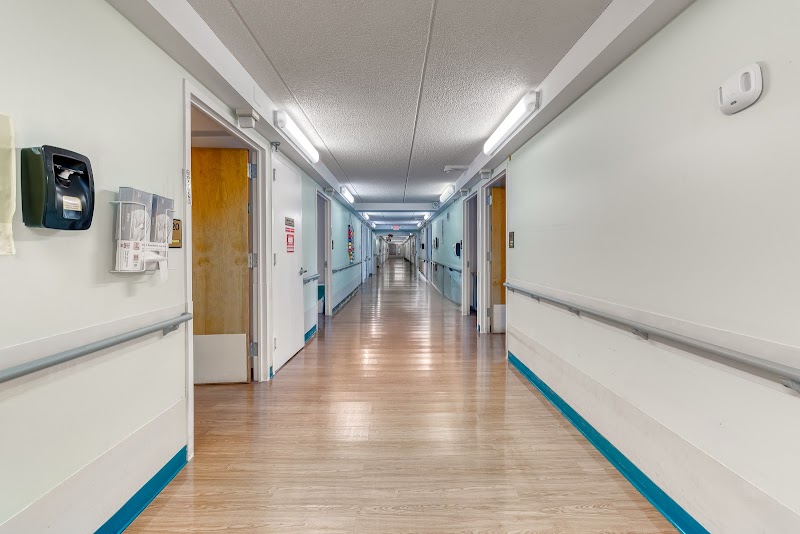
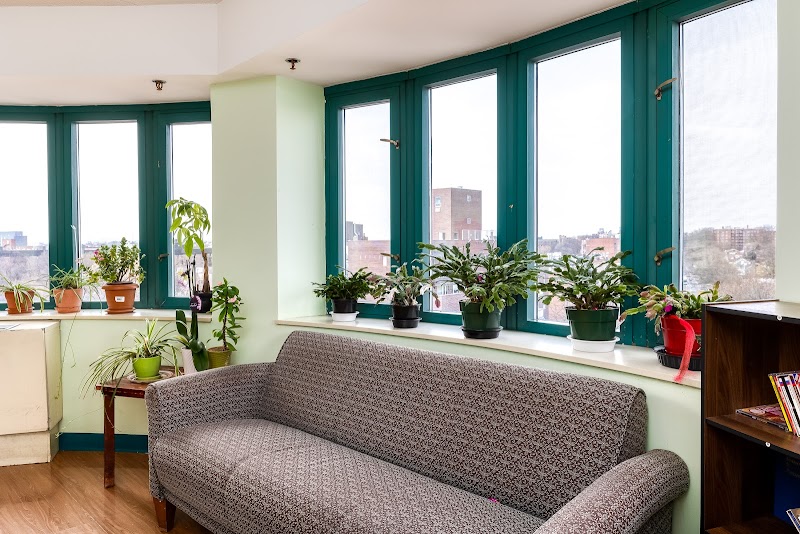
UNION PLAZA CARE CENTER is owned by a for-profit company. For-profit facilities operate as businesses with obligations to shareholders or private owners. The facility operates independently rather than as part of a larger chain. With 280 certified beds and approximately 268 residents (about 96% occupancy), it is a large facility located in FLUSHING, New York.
How Does Union Plaza Compare to Other New York Nursing Homes?

Compared to the 100 nursing homes in New York, UNION PLAZA CARE CENTER's overall rating (4 stars) is above the state average of 3.1, staff turnover (21%) is significantly lower than the state average of 46%, and health inspection rating (4 stars) is above the national benchmark.

What Should Families Ask When Visiting Union Plaza?

Based on this facility's data, families visiting should ask: "Can I visit during a mealtime to observe dining assistance and food quality?" "How do you handle medical emergencies, and what is your hospital transfer rate?" "Can I speak with family members of current residents about their experience?"

Is Union Plaza Safe?

Based on CMS inspection data, UNION PLAZA CARE CENTER has a clean safety record: no substantiated abuse findings (meaning no confirmed cases of resident harm), no Immediate Jeopardy citations (the most serious violation level indicating risk of serious injury or death), and is not on the Special Focus Facility watch list (a federal program monitoring the lowest-performing 1% of nursing homes). The facility has a 4-star overall rating and ranks #1 of 100 nursing homes in New York. While no facility is perfect, families should still ask about staff-to-resident ratios and recent inspection results during their visit.

Do Nurses at Union Plaza Stick Around?

Staff at UNION PLAZA CARE CENTER tend to stick around. With a turnover rate of 21%, the facility is 24 percentage points below the New York average of 46%. Low turnover is a positive sign. It means caregivers have time to learn each resident's needs, medications, and personal preferences. Consistent staff also notice subtle changes in a resident's condition more quickly. Registered Nurse turnover is also low at 21%, meaning experienced RNs are available to handle complex medical needs.

Was Union Plaza Ever Fined?

UNION PLAZA CARE CENTER has no federal fines on record. CMS issues fines when nursing homes fail to meet care standards or don't correct problems found during inspections. The absence of fines suggests the facility has either maintained compliance or corrected any issues before penalties were assessed. This is a positive indicator, though families should still review recent inspection reports for the full picture.

Is Union Plaza on Any Federal Watch List?

UNION PLAZA CARE CENTER is not on any federal watch list. The most significant is the Special Focus Facility (SFF) program, which identifies the bottom 1% of nursing homes nationally based on persistent, serious quality problems. Not being on this list means the facility has avoided the pattern of deficiencies that triggers enhanced federal oversight. This is a positive indicator, though families should still review the facility's inspection history directly.