WOODCREST REHAB & RESIDENTIAL H C CENTER, L L C
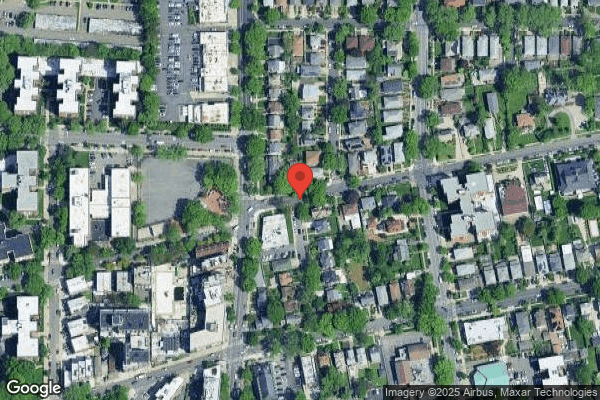
119 09 26TH AVENUE, FLUSHING, NY 11354 (718) 762-6100
For profit - Partnership 200 Beds Independent Data: November 2025
Trust Grade
63/100
#367 of 594 in NY
Last Inspection: February 2023

Over 2 years since last inspection. Current conditions may differ from available data.

Overview

Woodcrest Rehab & Residential Health Center has a Trust Grade of C+, indicating it is slightly above average but not exceptional. It ranks #367 out of 594 in New York, placing it in the bottom half of facilities statewide, and #42 out of 57 in Queens County, suggesting limited options in the area. Although staffing is rated average with a 45% turnover, the facility's trend is worsening, with issues increasing from 6 in 2020 to 7 in 2023. The facility has concerning fines of $13,985, which are higher than 75% of New York facilities, indicating potential compliance issues. Specific incidents include improper food storage practices that could lead to illness, inadequate security for residents' personal funds, and various maintenance issues in resident rooms, highlighting a mix of strengths and weaknesses that families should consider carefully.

Trust Score
C+
63/100
In New York
#367/594
Bottom 39%
Safety Record
Low Risk
No red flags
Inspections
Getting Worse
6 → 7 violations
Staff Stability
⚠ Watch
45% turnover. Above average. Higher turnover means staff may not know residents' routines.
Penalties
✓ Good
$13,985 in fines. Lower than most New York facilities. Relatively clean record.
Skilled Nurses
⚠ Watch
Each resident gets only 29 minutes of Registered Nurse (RN) attention daily — below average for New York. Fewer RN minutes means fewer trained eyes watching for problems.
Violations
⚠ Watch
18 deficiencies on record. Higher than average. Multiple issues found across inspections.
★★★☆☆
3.0
Overall Rating
★★★☆☆
3.0
Staff Levels
★★☆☆☆
2.0
Care Quality
★★★☆☆
3.0
Inspection Score
Stable
2020: 6 issues
2023: 7 issues

The Good

  • Full Sprinkler Coverage · Fire safety systems throughout facility
  • No fines on record

Facility shows strength in fire safety.

The Bad

3-Star Overall Rating

Near New York average (3.1)

Meets federal standards, typical of most facilities

Staff Turnover: 45%

Near New York avg (46%)

Higher turnover may affect care consistency

Federal Fines: $13,985

Below median ($33,413)

Minor penalties assessed

The Ugly 18 deficiencies on record

Feb 2023 7 deficiencies
CONCERN (D)

Potential for Harm - no one hurt, but risky conditions existed

Deficiency F0568 (Tag F0568)

Could have caused harm · This affected 1 resident

**NOTE- TERMS IN BRACKETS HAVE BEEN EDITED TO PROTECT CONFIDENTIALITY** Based on observation, record review and staff interviews during the Recertification Survey from 2/2/23 to 2/9/23, the facility d...

Read full inspector narrative →
**NOTE- TERMS IN BRACKETS HAVE BEEN EDITED TO PROTECT CONFIDENTIALITY** Based on observation, record review and staff interviews during the Recertification Survey from 2/2/23 to 2/9/23, the facility did not ensure quarterly financial records were made available to a resident's representative. This was evident for 1 (Resident #78) of 1 resident(s) Personal Funds review. Specifically, Resident #78's designated representative (DR) did not receive quarterly statements of the resident's Personal Needs Account (PNA). The findings are: The facility policy titled Resident Funds dated 02/2023 documented statements will be distributed to residents/DR on a quarterly basis. Resident #78 had diagnoses of anemia and dementia. The Minimum Data Set 3.0 (MDS) dated [DATE] documented Resident #78 was severely cognitively impaired and the DR participated in the assessment. On 02/02/23 at 12:34 PM, Resident #78's DR was interviewed and stated Resident #78 has a PNA with the facility but the DR has never received quarterly statements. The DR stated hey visit Resident #78 regularly and no one in the facility provided the DR with statements of the resident's PNA. The Resident Fund Listing Balance dated 02/06/2023 documented Resident #78's PNA balance was $1,011.06. There was no documented evidence Resident #78's DR was provided with quarterly statements of the resident's PNA. On 02/07/23 at 10:54 AM, Social Worker (SW) #1 was interviewed and stated the business office prints out the PNA statements and the SW distributes the quarterly statements to residents' family/DR. The Director of Social Work (DSW) is responsible for mailing the statements but does not keep a record of statements that were mailed. Resident #78's family is very involved in the resident's care. On 02/07/23 at 12:39 PM, The DSW was interviewed and stated the SW Department is responsible for mailing statements to resident family members/DR. The DSW does not document or keep record of the quarterly statements that were mailed out. On 02/08/23 at 02:49 PM, the Administrator was interviewed and stated they do not know the reason the DSW did not document mailing out quarterly statements to the resident DRs. 415.26(h)(5)(i)
CONCERN (D) 📢 Someone Reported This

A family member, employee, or ombudsman was alarmed enough to file a formal complaint

Potential for Harm - no one hurt, but risky conditions existed

Free from Abuse/Neglect (Tag F0600)

Could have caused harm · This affected 1 resident

**NOTE- TERMS IN BRACKETS HAVE BEEN EDITED TO PROTECT CONFIDENTIALITY** Based on interviews and record review conducted during Recertification and Complaint (NY00305874) Survey from 2/2/23 to 2/9/23, ...

Read full inspector narrative →
**NOTE- TERMS IN BRACKETS HAVE BEEN EDITED TO PROTECT CONFIDENTIALITY** Based on interviews and record review conducted during Recertification and Complaint (NY00305874) Survey from 2/2/23 to 2/9/23, the facility did not ensure residents were free from abuse. This was evident for 2 (Resident #37 and Resident #97) of 4 residents reviewed for Abuse. Specifically, Residents #37 and #97 were victims of resident-to-resident abuse from Resident #402, a resident with Dementia, aggression and a history of a previous altercation with Resident #145. The facility did not implement new interventions for Resident #402 after each incident of resident-to-resident abuse to prevent additional altercations. The findings are: The facility policy titled Abuse, Neglect and Exploitation: Prevention and Reporting revised 6/2018 documented all residents have the right to be free from abuse. Immediate intervention is necessary and staff must put a stop to potential resident harm. Resident #402 had diagnoses of Alzheimer's disease and psychotic disorder. The Minimum Data Set 3.0 (MDS) assessment dated [DATE] documented Resident #402 was severely cognitively impaired and required assistance of 1-2 people to complete activities of daily living. Resident #145 had diagnoses of schizophrenia and hypertension. The MDS dated [DATE] documented Resident #145 was moderately cognitively impaired. The Accident/Incident (A/I) Report dated 10/29/2022 documented Resident #402 punched and kicked Resident #145 while in the unit dining room. Resident #402 was administered Haldol 2mg intramuscularly (IM). The Comprehensive Care Plan (CCP) related to aggressive behavior initiated 9/28/22 documented on 10/29/22, Resident #402 had an altercation with Resident #145, was administered Haldol 2mg IM, and will be monitored. There was no documented evidence the CCP was revised to include new intervention to prevent Resident #402 from having further resident-to-resident altercations. 1) Resident #37 had diagnoses of cerebrovascular accident and seizure disorder. The MDS assessment dated [DATE] documented Resident #37 was moderately cognitively impaired and did not exhibit behaviors. The A/I Report dated 11/3/2022 documented Resident # 402 entered Resident #37's room and punched Resident #37 in the left eye. Resident #37 was sent to the hospital for evaluation. The CCP related to aggressive behavior was updated 11/3/22 and documented Resident #402 hit Resident #37. Haldol 2mg IM was administered and a psychiatry consult was ordered. There was no documented evidence the CCP was revised to include new intervention to prevent Resident #402 from having further resident-to-resident altercations. 2) Resident # 97 had diagnoses of dementia and hypertension. The MDS assessment dated [DATE] documented Resident #97 had severely impaired cognition. A Nursing Note dated 11/15/2022 documented Resident #97 was involved in a resident-to-resident altercation. Resident #97 was alert and verbally responsive with periods of confusion, and there were no injuries, swelling, bleeding, or pain. Neuro-checks were initiated, and the physician and family were notified. A Comprehensive Care Plan (CCP) related to Resident #97 being a victim of physical aggression was initiated 11/15/2022. Interventions included ensure staff is dedicated to maintaining Resident #97's safety, redirect as needed, and remove immediately from potentially escalating situations. A Social Services Note dated 11/16/2022 documented Resident #97 had a resident-to-resident altercation on 11/15/2022. Both resident's were separated. The Social Worker (SW) met with Resident #97 and provided emotional support. Resident #97 was unable to recall what happened due to confusion and was not a candidate for psychological services due to impaired cognition. The note documented the SW and staff would continue to monitor the resident. The A/I Report initiated 11/15/2022 and completed 11/17/22 documented Resident #402 punched Resident #97 while they were in the unit dining room. Resident #402 was sent to the hospital and admitted for psychiatric evaluation and treatment. On 2/9/2023 at 1:07 PM, the Director of Nursing (DON) was interviewed and stated Resident #402 had a history of physical aggression and, after the allegations were investigated, the, the facility did not see the need to change the rooms of the residents involved. The staff continuously monitored Resident #402 for safety. The DON stated the incidents involving Resident #402 were not considered abuse, and the facility investigation concluded there was no reason to believe abuse occurred. During an interview on 2/9/2023 at 1:46 PM, the Administrator stated the facility and nursing staff should follow the regulation for monitoring and protecting residents from harm. 415.4(b)(I)(i)
CONCERN (D)

Potential for Harm - no one hurt, but risky conditions existed

MDS Data Transmission (Tag F0640)

Could have caused harm · This affected 1 resident

Based on record review and interviews conducted during the Recertification Survey, the facility did not ensure Minimum Data Set 3.0 (MDS) comprehensive and non-comprehensive assessments were submitted...

Read full inspector narrative →
Based on record review and interviews conducted during the Recertification Survey, the facility did not ensure Minimum Data Set 3.0 (MDS) comprehensive and non-comprehensive assessments were submitted and transmitted into the Quality Improvement Evaluation System (QIES) Assessment Submission and Processing (ASAP) system in timely. This was evident for 2 (Resident #37 and #15) of 2 residents reviewed for Resident Assessment of a sample of 38 residents. Specifically, 1) Resident #37's quarterly and significant change MDS were submitted more than 14 days after completion, and 2) Resident #15's quarterly MDS assessments were submitted more than 14 days after completion. The findings are: The facility policy titled Submission and Correction MDS Assessments last revised 10/10/2022 documented comprehensive assessments must be transmitted within 14 days of the care plan completion date and all other assessments must be submitted within 14 days of the completion date. 1) The significant change MDS for Resident #37 with assessment reference date of 7/1/22 was completed 7/5/22 and was submitted 8/17/22, more than 14 days after the completion date. The quarterly MDS for Resident #37 with assessment reference date of 1/1/23 was completed on 1/15/23 and submitted on 2/2/23, more than 14 days after completion. 2) The quarterly MDS for Resident #15 with assessment reference date of 1/2/23 was completed on 1/16/23 and was submitted on 2/2/23, more than 14 days after completion. On 02/07/23 at 12:19 PM, an interview was conducted with MDS Director (MDSD) who stated the MDSD reviews the completed MDS assessments prior to contract staff submitting and transmitting the assessments in QIES. The MDSD discovered MDS assessments were submitted late after printing out the validation report. The delay in submission could be due to a delay in completion of the MDS, a delay in uploading the report, or staffing challenges related to COVID-19. On 02/08/23 at 11:22 AM, Medical Records (MR) was interviewed and stated they upload the MDS assessment immediately once completed. MR could not explain the late submissions because MR checks the system for completed MDS assessments every day. On 02/08/23 at 11:36 AM, the Director of Nursing was interviewed and stated the MDS coordinators must assist with providing care when there is no nurse on the units and some MDS assessments have been submitted late due to staffing issues. 415.11
CONCERN (D)

Potential for Harm - no one hurt, but risky conditions existed

Deficiency F0919 (Tag F0919)

Could have caused harm · This affected 1 resident

**NOTE- TERMS IN BRACKETS HAVE BEEN EDITED TO PROTECT CONFIDENTIALITY** Based on observation and interview during the recertification survey, the facility did not ensure that the residents' call bell ...

Read full inspector narrative →
**NOTE- TERMS IN BRACKETS HAVE BEEN EDITED TO PROTECT CONFIDENTIALITY** Based on observation and interview during the recertification survey, the facility did not ensure that the residents' call bell system was maintained in proper working order. This was evident for 1 (Resident #76) of 9 residents reviewed for the environment. Specifically, Resident #76's call bell and light did not work when they were activated by the surveyor. The findings are: The facility's Policy and Procedure for Call Bell System dated 10/2022 documented broken call bells should be reported to the maintenance department immediately and entered into the repair book. There is a repair book on each floor at the nursing station. Resident #76 had diagnoses which include Osteoarthritis, Chronic Obstructive Pulmonary Disease, and Congestive Heart Failure. The Annual Minimum Data Set 3.0 (MDS) dated [DATE] documented Resident #76 had intact cognition and required the limited assist of one person for dressing, toileting, and personal hygiene. The resident also rquired supervision with set-up for bed mobility, transfer and eating. During observation on 02/06/2023 at 03:34PM and 02/07/2023 at 12:31PM, Resident #76's call bell was activated by the surveyor. No sound could be heard coming from the Nurses Station, and the light did not come on above the resident's door. Staff did not respond to the call bell. During an interview on 2/8/2023 at 12:48PM, Resident #76 stated that the call bell had not been working for a while. They need to use the call bell in case of emergency, to tell staff when they have pain, reqest water, and to call the Certifiedn Nursing Assistant. Resident #76 stated they reported the problem to the staff, but nothing was done. The resident stated they ask their roommate (Resident #59) to call for the staff for them when they need assistance. On 2/8/2023, at 3:38PM, Resident #59 was interviewed and stated they used their call bell to help Resident #76 call staff for help a few times. During an interview on 2/7/2023 at 10:10AM, the Maintenance Director stated they check the maintenance books on each unit every morning so that they can fix whatever needs repair. If there are no concerns documented in the log, then it means no repairs are needed. 415.29
CONCERN (E)

Potential for Harm - no one hurt, but risky conditions existed

Deficiency F0570 (Tag F0570)

Could have caused harm · This affected multiple residents

Based on record review and interviews during the recertification survey from 2/2/23 to 2/9/23, the facility did not ensure the surety bond provided security of all personal funds of residents deposite...

Read full inspector narrative →
Based on record review and interviews during the recertification survey from 2/2/23 to 2/9/23, the facility did not ensure the surety bond provided security of all personal funds of residents deposited with the facility. This was evident for 122 of 194 residents with personal needs accounts (PNA) with the facility. Specifically, the facility's surety bond was less than the total amount from 122 PNAs maintained by the facility. The findings are: The facility policy titled Resident Funds dated 02/2023 documented the facility holds a surety bond to guarantee the protection of residents' funds managed by the facility on behalf of the residents. The facility's Resident Fund Listing Balance dated 02/06/2023 documented the Total Resident Fund = $219,839.48. The facility Surety Bond documented resident PNAs were protected against $150,000. The surety bond ($150,000) is less than and does not cover all of the resident PNAs ($219,839.48). On 02/07/23 at 12:44 PM, the Finance Director (FD) was interviewed and stated they just now realized the facility's current surety bond was not enough to cover all of the resident PNAs. The FD messed up by not increasing the surety bond to match the increase in PNA caused by residents receiving stimulus monies last year. The FD stated they would rectify the issue immediately. On 02/08/23 at 02:49 PM, an interview was conducted with the Administrator who started it was an oversight that the surety bond was not increased to cover the total sum of all resident PNAs. 415.26(h)(5)(v)
CONCERN (E)

Potential for Harm - no one hurt, but risky conditions existed

Safe Environment (Tag F0584)

Could have caused harm · This affected multiple residents

**NOTE- TERMS IN BRACKETS HAVE BEEN EDITED TO PROTECT CONFIDENTIALITY** 2) On 02/02/23, between 11:01 AM and 01:05 PM, and on 02/03/23, between 08:00 AM and 11:29 AM, the following was observed on Uni...

Read full inspector narrative →
**NOTE- TERMS IN BRACKETS HAVE BEEN EDITED TO PROTECT CONFIDENTIALITY** 2) On 02/02/23, between 11:01 AM and 01:05 PM, and on 02/03/23, between 08:00 AM and 11:29 AM, the following was observed on Unit 4: A) 417B- Peeling paint above the head of the bed and a closet door hanging loosely off its track; B) 416- Rusty pipe under the sink and peeling paint on the walls near the door and on the left side of the room; C) Dayroom- Broken linen closet door; D) Common Bathroom near the Dayroom- rusted toilet paper holder and loose safety bar hand grip with 4 screws missing. On 02/08/23 at 10:25 AM, Certified Nursing Assistant (CNA) #1 was interviewed and stated damage in resident rooms are reported in the Maintenance Log Book and to the nursing supervisor. The nursing supervisor can call Maintenance to come immediately to get repairs done. CNA #1 was assigned to room [ROOM NUMBER] and room [ROOM NUMBER] at the beginning of this month and did not notice loose doors or other repair issues. On 02/08/23 at 10:35 AM, the Unit 4 Housekeeper was interviewed and stated the broken door in room [ROOM NUMBER] was reported to maintenance immediately when observed by the Unit 4 Housekeeper last week. the Unit 4 Housekeeper reported peeling paint and the rusty pipe to their supervisor a while ago. On 02/08/23 at 10:42 AM, the Registered Nurse (RN) #2 was interviewed and stated the Maintenance Department is notified immediately when items are damaged and [NAME] repair. The broken closet door was reported to Maintenance last week. The peeling paint and rusty pipe were supposed to be reported to Housekeeping and Maintenance. The Unit 4 Housekeeper informed RN #2 of the broken linen door and loose safety bar hand grip and RN #2 already reported these issues to Maintenance. RN #2 stated the Unit 4 Maintenance Log Book was missing this morning and could not verify when log entries were made. The Director of Housekeeping (DH) was interviewed on 02/08/23 at 10:16 AM and stated they check for cleanliness when they make daily rounds on all the units. It is important to provide a clean place for the residents, staff, and visitors. There are Housekeepers assigned to each unit and they are provided with a daily cleaning schedule. The DH inspects the Housekeepers' work daily and has the Housekeeper immediately remedy any issues. The Director of Maintenance (DM) was interviewed on 02/08/23 at 11:00 AM and stated they are the only Maintenance worker for the whole building. The facility is in the process of trying to hire another Maintenance worker. The DM checks the Maintenance Logs daily on all units and repairs what they can address. The DM looks for loose handrails, leaking faucets, and broken blinds. 415.5(h)(2) Based on observations, interviews, and record review conducted during the recertification survey from 2/2/23 to 2/9/23, the facility did not ensure Housekeeping and Maintenance services maintained a sanitary, orderly, and comfortable interior. This was evident on 2 (Unit 4 and 5) of 5 units. Specifically, 1) Unit 5 was observed with multiple environmental concerns throughout the unit including furniture in disrepair, dirty floors, dust, rust, and stains in resident rooms and the common areas, and 2) Unit 4 was observed with peeling paint, rusty areas, a broken closet door, and equipment in disrepair. The findings are: The facility's policy titled Resident Room Cleaning dated 3/2016 documented daily cleaning will ensure optimum levels of cleanliness and sanitation, prohibit the spread of infection and bacteria, and maintain the outward appearance of the facility. 1) Observation of Unit 5 was conducted on 02/02/2023 at 9:00AM with the following being observed: A ) in the lobby outside of the Admissions Office, 3 chairs and 1 love seat were heavily soiled, discolored and faded. A bookcase door and an end table door were hanging loosely off their hinges; B ) in the Activities Room, 2 tables had holes gauged in them and clear tape was placed on the table as a form of repair; C ) the Nursing Station had broken and missing panels exposing the inner wood of the desk, computer mouse pads were stained and dirty, and phones and computers were covered in dust; D ) the residents' common bathroom across from room [ROOM NUMBER] had a loose handle bar not securely attached to the floor, broken and missing grout at the base of the toilet, corners of the floor were embedded with dirt and black substance; E ) the Dining Room tables were layered with dirt and dust on their metal bases; F ) the following Resident Rooms: 501A - Bathroom door off bottom track preventing it from closing properly, bathroom floor corners embedded with black dirt, a heavily worn bedside table exposing the inner cork, and a rusty and dusty metal bed frame; 501B - Wall above the air conditioner chipped and broken plaster, call bell wall panel covered with dirty peeling tape, a large black stain on the back of the room door, rusty toilet paper holders, and stained and dirty wall surrounding the sink; 510B - 1/2 side rail stained with black substance, heater covered with rust stains, and a bed frame and baseboard layered with dirt and dust; 510C - Floor had ground in dirt and debris, heavily wrapped tape was used to keep the metal bed frame together, bedside heavily worn bedside table exposing the inner cork, cracked and chipped plaster on the ceiling above the bed, torn and dirty privacy curtain, stained walls around the sink, and bathroom floor corners with ground in dirt and debris; 515B - Loose door knob on closet door, rusty toilet paper holder. bathroom floor that is dirty and embedded with black substance, a loose bathroom handle bar, wobbly bedside table missing a leg; 518A - Metal bed frame with scattered brown stains, and brown stains and streaks on the walls. The Unit 5 Maintenance Log Book entry dated 02/03/23 documented room [ROOM NUMBER] had a dresser in disrepair and bathroom door difficult to open. On 02/08/23 at 09:34 AM, the Unit 5 Housekeeper was interviewed and stated they are responsible for sweeping and mopping all the floors and dusting the bed frames, bedside tables, and handrails in the corridor. The Housekeeper uses the Maintenance Log Book to report repair needs. Housekeeping performs monthly room cleanings and the Director of Housekeeping inspects the Housekeepers' work. On 02/08/23 at 10:07 AM, Certified Nursing Assistant (CNA) #2 was interviewed and stated they report repair needs to the nurse. CNA #2 does not use the Maintenance Log Book but has spoken to the Housekeeper about the wobbly bedside table in room [ROOM NUMBER]. On 02/08/23 at 11:16 AM, Unit 5 Registered Nurse (RN) # 5 was interviewed and stated staff inform RN #5 when a resident's furniture or equipment needs repair or replacement. RN #5 uses the Maintenance Log Book to inform Maintenance of repair issues and immediately informs the Housekeeper of housekeeping issues. RN #5 then makes their own observations of the reported issues.
CONCERN (E) 📢 Someone Reported This

A family member, employee, or ombudsman was alarmed enough to file a formal complaint

Potential for Harm - no one hurt, but risky conditions existed

Report Alleged Abuse (Tag F0609)

Could have caused harm · This affected multiple residents

**NOTE- TERMS IN BRACKETS HAVE BEEN EDITED TO PROTECT CONFIDENTIALITY** Based on interviews and record review conducted during the Recertification and Complaint Survey (NY00305874) from 2/2/23 to 2/9/...

Read full inspector narrative →
**NOTE- TERMS IN BRACKETS HAVE BEEN EDITED TO PROTECT CONFIDENTIALITY** Based on interviews and record review conducted during the Recertification and Complaint Survey (NY00305874) from 2/2/23 to 2/9/23, the facility did not ensure all alleged violations involving abuse were reported immediately, but not later than 2 hours after the allegations were made, to the New York State Department of Health (NYSDOH). This was evident for 3 resident-to-resident altercations involving 4 (Resident # 402, # 145, # 37 and # 97) out of 4 residents reviewed for Abuse. Specifically, 1) the facility did not report to NYSDOH after Resident #402 hit Resident #145, 2) the facility did not report to NYSDOH after Resident #402 hit Resident #37, and 3) the facility did not report to NYSDOH after Resident #402 hit Resident #97. The findings are: The facility policy titled Abuse, Neglect and Exploitation: Prevention and Reporting revised 6/2018 documented the Administrator or Director of Nursing (DON) must report allegation of abuse immediately but no later than 2 hours after the alleged incident. Resident #402 had diagnoses of Alzheimer's disease and psychotic disorder. The Minimum Data Set 3.0 (MDS) assessment dated [DATE] documented Resident #402 was severely cognitively impaired and required assistance of 1-2 people to complete activities of daily living. 1) Resident #145 had diagnoses of schizophrenia and hypertension. The MDS dated [DATE] documented Resident #145 had moderate cognitive impairments. The Accident/Incident (A/I) Report dated 10/29/22 documented Resident #402 punched and kicked Resident #145 while in the unit dining room. There was no documented evidence the facility reported the incident involving Resident #402 and Resident #145 to the NYSDOH. 2) Resident # 37 (NY00305874) had diagnoses of seizure disorder and cerebrovascular accident. The MDS dated [DATE] documented Resident # 37 was moderately cognitively impaired and did not exhibit behaviors. The Accident/Incident (A/I) Report dated 11/3/2022 documented Resident #402 entered Resident #37's room and hit Resident #37 in the left eye. There was no documented evidence the incident involving Resident #402 and Resident #37 was reported to the NYSDOH. 3) Resident # 97 had diagnoses of dementia and hypertension. The MDS dated [DATE] documented Resident #97 was severely cognitively impaired. The Accident/Incident (A/I) Report dated 11/15/2022 documented Resident # 402 punched Resident #97 in the face while the residents were in the unit dining room. There was no documented evidence the facility reported the incident involving Resident #402 and Residnt #97 to the NYSDOH. On 02/09/2023 at 01:07 PM the DON was interviewed and stated the resident-to-resident altercations involving Resident #402 were investigated by the facility and it was determined no abuse occurred. This is the reason the incidents were not reported to the NYSDOH. On 02/09/2023 at 01:46 PM the Administrator was interviewed and stated they believed resident-to-resident altercations were not reported to the NYSDOH after the facility completes their investigation. 415.4(b)(2)
Feb 2020 6 deficiencies
CONCERN (D)

Potential for Harm - no one hurt, but risky conditions existed

Comprehensive Care Plan (Tag F0656)

Could have caused harm · This affected 1 resident

Based on record review and interviews during the re-certification survey, the facility did not ensure residents comprehensive care plans (CCP) were developed and implemented to meet a resident's medic...

Read full inspector narrative →
Based on record review and interviews during the re-certification survey, the facility did not ensure residents comprehensive care plans (CCP) were developed and implemented to meet a resident's medical, nursing, and mental and psychosocial needs. Specifically, (1) Resident #165 did not have a CCP in place to address contact precautions for Carbapenem-Resistant Enterobacteriaceae (CRE) Pseudomonas in the urine, and (2) Resident #187 did not have a CCP in place to address that the resident was prescribed to use bilateral hand rolls. This was evident in 2 residents out of a final sample of 38 residents (Resident #165 and #187). The findings are: (1) Resident #165 had diagnoses which included pseudomonas. The Physician's orders dated 01/14/2020 indicated the resident is on contact precautions for CRE Pseudomonas in the urine. There was no CCP in place to address the resident's care needs for contact precautions. On 02/07/2020 at 12:29 PM, the Registered Nurse Supervisor (RNS) #2 was interviewed. She stated nursing is responsible for implementing care plans for residents if they are new admissions or readmissions. The care plans are completed by either nursing supervisors or the Minimum Data Set (MDS) assessors. RNS #2 stated she and the MDS assessor were unable to locate the resident's CCP. (2) Resident #187 had diagnoses including but not limited to non-Alzheimer's dementia. The Quarterly Minimum Data Set (MDS) 3.0 dated 12/12/2019 documented the resident had functional limitation in range of motion (ROM) with impairment on both sides of the upper extremities (UE). The Physician's orders dated 11/01/2019 documented orders for bilateral hand rolls. There was no CCP in place that addressed the care needs for contractures or the use of bilateral hand rolls. On 02/07/2020 at 09:57 AM and on 02/10/2020 at 09:08 AM, the Rehabilitation Director was interviewed. He stated if a therapist recommends a splint device, the therapist is responsible for making sure the CCP is in place and updated. The care plan titled, Occupational Therapy (Last updated 11/01/2019) was the old CCP and the new CCP titled, Rehab Program Contractures should have been implemented. 415.11(c)(1)
CONCERN (D)

Potential for Harm - no one hurt, but risky conditions existed

Deficiency F0685 (Tag F0685)

Could have caused harm · This affected 1 resident

**NOTE- TERMS IN BRACKETS HAVE BEEN EDITED TO PROTECT CONFIDENTIALITY** Based on observation, record review and interview during the recertification survey, the facility did not ensure that residents ...

Read full inspector narrative →
**NOTE- TERMS IN BRACKETS HAVE BEEN EDITED TO PROTECT CONFIDENTIALITY** Based on observation, record review and interview during the recertification survey, the facility did not ensure that residents receive proper treatment and assistive devices to maintain hearing abilities. Specifically, a resident who is hard of hearing did not receive a hearing aid evaluation, annual audiology exam, and ENT (Ear, Nose, and Throat) follow-up for cerumen removal as recommended by the ENT. This was evident for 1 of 1 resident reviewed for Vision/Hearing (Resident#213). The findings are: Resident #213 has diagnoses which include Dementia, Coronary Artery Disease, and Hearing Loss. The Minimum Data Set 3.0 (MDS) assessment dated [DATE] documented the resident had severely impaired cognition (Brief Interview of Mental Status score of 5 out of 15). The MDS further documented the resident did not use a hearing aid and had minimal difficulty hearing (difficulty in some environments). On 02/05/20 at 9:54 AM, Resident#213 was observed in her room. When approached, the resident stated that she was hard of hearing. No hearing aid device was in use. The ENT Consultation Report dated 4/26/18 documented that the consult was requested because the resident was hard of hearing and may benefit from a hearing aid. The ENT recommended the resident have a hearing aid consultation, annual audiology exam, and follow-up (f/u) in 6 months for cerumen removal. The attending physician's signature on the consult was undated. The Physician's (MD) Progress Note dated 5/3/18 documented the resident was seen for the monthly evaluation. There were no consults reviewed for the past month, and the MD did not refer to the ENT recommendations. The Comprehensive Care Plan (CCP) for Impaired Communication dated 12/2/18 documented the resident hard of hearing. The CCP was not updated with the recommendations from ENT or ENT follow-up. The CCP for Impaired Communication dated 12/3/19 documented no ENT evaluations or f/u for the resident until 2/5/20. There was no documented evidence that the resident ever received a hearing aid evaluation or was seen for cerumen removal. The ENT Consult dated 2/5/20 documented the consult was requested to evaluate the resident's hearing loss. The ENT documented the resident had presbycusis (hearing loss) and cerumen impaction requiring treatment with Debrox BID (twice per day) for 10 days. They recommended the resident return to the clinic in 2 months. The MD Order dated 2/6/20 documented orders for ENT f/u in 2 weeks. On 02/10/20 at 10:53am, the Nursing Supervisor (RN#1) was interviewed. He stated that when a resident returns from an appointment, he reads the consultation report and calls the doctor to inform them of the findings/recommendations. If an order needs to be placed, a telephone is obtained and carried out. The RN was unable to explain what occurred after the resident's ENT consult on 4/26/18 because he was not working in the facility at that time. On 02/10/20 at 11:08 AM, the Director of Nursing (DON) was interviewed. She stated that once the resident is seen by the consultant MD, the information report is given to the attending physician so they can determine f/u and make orders based on the recommendation. The consultation report is given to the MD who signs off. The undated MD signature on the 4/26/18 ENT consultation indicates the MD was aware of the consultation. The DON stated that they are unable to locate any f/u notes or orders regarding the recommendations made by the ENT on 4/26/18. The MD monthly evaluations dated 5/3/2018 and 5/28/2018 did not contain any documentation regarding review of the ENT consult. The DON stated that f/u should have been done after the recommendations were made by ENT on 4/26/18. On 02/10/20 at 11:26 AM, the Physician (Staff #1) was interviewed and stated that f/u should have been done after the recommendations were made by the ENT on 4/26/18. He stated that he remembered that the resident was seen by the ENT last week and orders were made for ear drops and f/u in 2 weeks. On 2/10/2020, several attempts made via telephone to contact the Medical Director without success. 415.12(3)(b)
CONCERN (D)

Potential for Harm - no one hurt, but risky conditions existed

Deficiency F0688 (Tag F0688)

Could have caused harm · This affected 1 resident

Based on observations, record reviews, and interviews during the re-certification survey, the facility did not ensure residents with limited range of motion receives appropriate treatment and services...

Read full inspector narrative →
Based on observations, record reviews, and interviews during the re-certification survey, the facility did not ensure residents with limited range of motion receives appropriate treatment and services to increase range of motion and/or to prevent further decrease in range of motion. Specifically, (1) a resident did not have a right hand splint in place, as ordered; and (2) a resident did not have bilateral hand rolls in place, as ordered. This was evident in 2 of 5 residents reviewed for limited range of motion out of a total sample of 38 residents (Resident #113 and #187). The finding is. The facility policy and procedure titled, Splints and Braces (Dated 11/19) documented the following: .the splinting program is initiated by occupational therapy .the splinting program is noted in resident care plan when the occupational therapist has determined the fit and wearing time for the splint .the nurse is responsible for implementation of the splinting program when determined by occupational therapy,,,nurses periodically review the condition of residents who use splints/braces on their units. The occupational/physical therapist is notified of any changes, modifications or repairs needed. (1) Resident #113 had diagnoses which include cerebral vascular disease (CVA) and right hand contracture. The Minimum Data Set (MDS) 3.0 Annual and Quarterly assessments dated 04/05/2019 and 11/29/2019 documented the resident had limited range of motion with impairment on one side of the upper and lower extremities. On 02/04/2020 at 09:32 AM, on 02/05/2020 from 09:10 AM to 12:17 PM, and on 02/06/2020 from 08:25 AM to 10:30 AM, the resident was observed sitting in her wheelchair in the hallway and dining room with a right hand contracture and no splint device in place. The comprehensive care plans (CCPs) titled, Physical impaired skin integrity and Rehab Program Contractures(initiated 04/05/2019 and last updated 11/29/2019) documented the resident had a right hand contracture. The interventions included providing a right hand splint at all times. The renewal physician's order dated 1/29/2020 documented the resident should be provided with a right hand splint at all times. Remove for hygiene, range of motion, and skin check, and sleep time. The order was intitiated on 01/24/2018. The certified nursing assistant accountability record (CNAAR) instruction sheet was reviewed. The directive to place the right hand splint on resident was inactive as of 05/09/2018. The occupational therapy progress notes were reviewed from 01/25/2019 to 02/10/2020. Notes dated 01/25/2019, 02/14/2019, 02/21/2019, 05/02/2019, and 05/29/2019 did not document that a right hand splint was in place. The rehabilitation physical and occupational therapy screen dated 11/15/2019 documented resident with a functional limitation in range of motion to one side on the upper and lower extremity. A recommendation to apply a right hand splint was made. On 02/07/2020 at 09:07 AM, the certified nursing assistant (CNA) #1 was interviewed. CNA #1 stated the resident had a stroke with right sided weakness. She provides range of motion during care. CNA #1 further stated the resident currently does not use any hand rolls or splint devices. If the resident had any devices it would be in the accountability record. (2) Resident #187 had diagnoses which include Parkinson's disease, anemia, and gastroesophageal reflux disease. The MDS 3.0 admission and Quarterly assessments dated 03/28/2019 and 12/12/2019 respectively were reviewed. Both assessments documented resident with a presence of a functional limited range of motion with impairment to both sides to his upper extremity. On 02/04/2020 at 09:35 AM, on 02/05/2020 at 09:08 AM and 12:16 PM, and on 02/06/2020 at 08:22 AM and 12:22 PM, the resident was observed in bed with a closed fist on his right hand without any splint devices in place. The CCP titled, Occupational Therapy (initiated 03/22/2019 and last updated 11/01/2019) documented the resident had decreased range of motion on both upper extremities. The interventions included a right hand roll. The CCP titled, Rehab Program Contracture (initiated 02/07/2020) documented the resident had contractures to both upper extremities. The interventions included bilateral hand rolls. The rehabilitation physical and occupational therapy screen dated 03/22/2019 documented the resident had a functional limitation in range of motion for both sides of upper and lower extremity. No recommendation for a splint device was made. The rehabilitation physical and occupational therapy screen dated 05/29/2019 documented resident with a functional limitation in range of motion for one side of upper extremity. No recommendation for a splint device was made. The occupational therapy progress noted were reviewed from 03/22/2019 to 02/10/2020. Notes dated 04/12/2019, 04/18/2019, 11/01/2019 documented the resident should use bilateral hand rolls. The nursing communication forms dated 04/12/2019, 05/29/2019, and 11/01/2019 documented recommendation for bilateral hand rolls. Nursing progress note dated 11/01/2019 documented acknowledgement of recommendation for resident to have bilateral hand rolls made by rehab. The physician's renewal order dated 1/16/2020 documented the resident should be provided with bilateral hand rolls to be worn 8 AM - 8 PM and removed for skin hygiene. The hand rolls were initially ordered on 11/01/2019. The rehabilitation physical and occupational therapy screen dated 12/12/2019 documented resident with a functional limitation in range of motion for both sides of upper extremity. A recommendation for bilateral hand rolls was made. The CNAAR instruction sheet was reviewed. The directive to place the bilateral hand rolls on resident was inactive as of 01/21/2020. On 02/07/2020 at 09:20 AM, CNA #2 was interviewed and stated she has known resident for one week. The charge nurse and/or supervisor gives her report on the resident. CNA #2 stated she was told the resident gets a hand roll to the left hand but nothing on the right hand. She further stated the CNAAR instructions does not indicate anything about the hand roll. On 02/07/2020 at 09:26 AM, The registered nurse supervisor (RN) #1 was interviewed and stated the following: Resident #113 and #187 were supposed to have a splint device and bilateral hand rolls on respectively. He stated the instructions in the CNAAR became inactive for both residents. RN #1 stated he is responsible to make sure the instruction is active, and he doesn't know why it became inactive. He further stated once a week he makes rounds to make sure residents have on devices as ordered. On 02/07/2020 at 09:57 AM and on 02/10/2020 at 09:08 AM, the rehab director was interviewed. The Director stated if a therapist recommends a splint device, the therapist documents it in the CCP, completes a communication form, applies the splint on the resident, educates the CNA, and documents it in sigma care. Nursing will communicate to rehab if there are issues or if a resident needs to be assessed. When a therapist completes a screen, which is done quarterly, they do visual and tactile checks and review the chart. During these times, any therapist will go check the resident to see if the recommended devices are in place. He stated it is up to nursing to communicate to rehab if a resident is missing a device. 415.12(e)(2)
CONCERN (D)

Potential for Harm - no one hurt, but risky conditions existed

Deficiency F0711 (Tag F0711)

Could have caused harm · This affected 1 resident

**NOTE- TERMS IN BRACKETS HAVE BEEN EDITED TO PROTECT CONFIDENTIALITY** Based on observation, record review and interview during the recertification survey, the facility did not ensure that the physic...

Read full inspector narrative →
**NOTE- TERMS IN BRACKETS HAVE BEEN EDITED TO PROTECT CONFIDENTIALITY** Based on observation, record review and interview during the recertification survey, the facility did not ensure that the physician reviewed the resident's total program of care. Specifically, the physician did not follow-up on a resident's ENT (Ear, Nose, and Throat) recommendations for a hearing aid evaluation, annual audiology exam, and ENT follow-up for cerumen removal. This was evident for 1 of 1 resident reviewed for Vision/Hearing (Resident#213). The findings are: The Policy & Procedure for Physician Services, revised 2/1/19, docmented the phsycian must review the resident's condition, total program of care, including medications and treatments, and evaluate the continued appropriateness of the resident's current medical regime at each visit. The Policy & Procedure for Consultation visits, reviewed 10/19, documented the consultant physicians write orders on resident's charts, but the orders cannot be implemented without approval of an attending or covering physician. Such orders must be counter-signed by an attending or covering physician. Resident #213 has diagnoses which include Dementia, Coronary Artery Disease, and Hearing Loss. The Minimum Data Set 3.0 (MDS) assessment dated [DATE] documented the resident had severely impaired cognition (Brief Interview of Mental Status score of 5 out of 15). The MDS further documented the resident did not use a hearing aid and had minimal difficulty hearing (difficulty in some environments). On 02/05/20 at 9:54 AM, Resident#213 was observed in her room. When approached, the resident stated that she was hard of hearing. No hearing aid device was in use. The ENT Consultation Report dated 4/26/18 documented that the consult was requested because the resident was hard of hearing and may benefit from a hearing aid. The ENT recommended the resident have a hearing aid consultation, annual audiology exam, and follow-up (f/u) in 6 months for cerumen removal. The attending physician's signature on the consult was undated. The Physician's (MD) Progress Note dated 5/3/18 documented the resident was seen for the monthly evaluation. There were no consults reviewed for the past month, and the MD did not refer to the ENT recommendations. The Comprehensive Care Plan (CCP) for Impaired Communication dated 12/2/18 documented the resident hard of hearing. The CCP was not updated with the recommendations from ENT or ENT follow-up. The CCP for Impaired Communication dated 12/3/19 documented no ENT evaluations or f/u for the resident until 2/5/20. There was no documented evidence that the resident ever received a hearing aid evaluation or was seen for cerumen removal. The ENT Consult dated 2/5/20 documented the consult was requested to evaluate the resident's hearing loss. The ENT documented the resident had presbycusis (hearing loss) and cerumen impaction requiring treatment with Debrox BID (twice per day) for 10 days. They recommended the resident return to the clinic in 2 months. The MD Order dated 2/6/20 documented orders for ENT f/u in 2 weeks. On 02/10/20 at 10:53am, the Nursing Supervisor (RN#1) was interviewed. He stated that when a resident returns from an appointment, he reads the consultation report and calls the doctor to inform them of the findings/recommendations. If an order needs to be placed, a telephone is obtained and carried out. The RN was unable to explain what occurred after the resident's ENT consult on 4/26/18 because he was not working in the facility at that time. On 02/10/20 at 11:08 AM, the Director of Nursing (DON) was interviewed. She stated that once the resident is seen by the consultant MD, the information report is given to the attending physician so they can determine f/u and make orders based on the recommendation. The consultation report is given to the MD who signs off. The undated MD signature on the 4/26/18 ENT consultation indicates the MD was aware of the consultation. The DON stated that they are unable to locate any f/u notes or orders regarding the recommendations made by the ENT on 4/26/18. The MD monthly evaluations dated 5/3/2018 and 5/28/2018 did not contain any documentation regarding review of the ENT consult. The DON stated that f/u should have been done after the recommendations were made by ENT on 4/26/18. On 02/10/20 at 11:26 AM, the Physician (Staff #1) was interviewed and stated that f/u should have been done after the recommendations were made by the ENT on 4/26/18. He stated that he remembered that the resident was seen by the ENT last week and orders were made for ear drops and f/u in 2 weeks. On 2/10/2020, several attempts made via telephone to contact the Medical Director without success. 415.15(b)(2)(iii)
CONCERN (D)

Potential for Harm - no one hurt, but risky conditions existed

Infection Control (Tag F0880)

Could have caused harm · This affected 1 resident

Based on observation, record review, and interviews during the re-certification survey, the facility did not ensure infection control practices were maintained to help prevent the development and tran...

Read full inspector narrative →
Based on observation, record review, and interviews during the re-certification survey, the facility did not ensure infection control practices were maintained to help prevent the development and transmission of communicable diseases and infections. Specifically, a staff member was observed entering the room of a resident on contact precautions for Carbapenem-Resistant Enterobacteriaceae (CRE) Pseudomonas in the urine without donning Personal Protective Equipment (PPE) (Resident #165). This was evident for 1 of 5 resident floors observed for Infection Control (2nd Floor). The finding is: The facility policy and procedure titled, Contact Precautions (Dated 11/01/2019) was reviewed. Contact precautions are to be used for specific residents known to be infected that can be transmitted with indirect contact with environmental surfaces or resident care items in the resident's environment. Contact precautions also apply where the presence of discharges from the body suggest an increased potential for extensive environmental contamination and risk of transmission. Gown and gloves are to be worn for all interactions that may involve contact with the patient or potentially contaminated areas in the patient's environment. The facility policy and procedure titled, Transmission-Based Precautions (Dated 11/01/2019) was reviewed.wear a gown and gloves for all interactions that may involve contact with the patient or the patient's environment . The facility policy and procedure titled, Personal Protective Equipment (PPE) for Healthcare Personnel (Dated 11/01/2019) was reviewed.when contact precautions are used, donning of both gown and gloves upon entry is indicated if exposure to potentially infectious organism or contaminated environmental surfaces is anticipated . Resident #165 had diagnoses which include pseudomonas. Physician's orders dated 01/14/2020 indicated resident on contact precautions for CRE Pseudomonas in the urine. On 02/05/2020 at 11:51 AM, the housekeeper on the second floor was observed entering into resident #165 room without donning PPE despite presence of signage and supplies. He was observed mopping the floor from inside of the room around and under the bed and then back out towards the door while the resident was in bed. He then placed the yellow caution wet floor sign on the floor in front of room. The housekeeper proceeded to place the mop inside the yellow bucket and pushed it into the porter closet for storage. On 02/10/2020, multiple attempts were made to speak with the housekeeper but the housekeeper was not available. On 02/10/2020 at 11:58 AM, the Housekeeping Director was interviewed and stated the housekeepers are supposed to wear the gown, mask, and gloves when entering into a resident room who is on contact precautions. They can also ask the nurse to make sure if they need a gown, mask, or gloves when they see the sign posted and the supply set up. It is preferred the housekeepers clean contact precaution rooms last to prevent the spread to other rooms. After cleaning a contact precaution room, the used water is dumped and the mop head changed and replaced. On 02/10/2020 at 12:18 PM, the Assistant Director of Nursing and Infection Preventionist stated all staff including housekeeping were in-serviced on taking proper measure for residents on contact precautions and needing to wear PPE. Resident #165 is on contact precautions because he has CRE Pseudomonas in the urine. She further stated the staff needs gown and gloves to enter the room, especially if the resident is in the room because this infection is difficult to control. 415.19(a)(1-3)
CONCERN (E)

Potential for Harm - no one hurt, but risky conditions existed

MDS Data Transmission (Tag F0640)

Could have caused harm · This affected multiple residents

Based on record review and interview during the re-certification survey, the facility did not ensure Minimum Data Set (MDS) 3.0 comprehensive and non-comprehensive assessments were electronically tran...

Read full inspector narrative →
Based on record review and interview during the re-certification survey, the facility did not ensure Minimum Data Set (MDS) 3.0 comprehensive and non-comprehensive assessments were electronically transmitted to the Quality Improvement Evaluation System (QIES) Assessment Submission and Processing (ASAP) system in a timely manner. Specifically, quarterly assessments were not submitted and transmitted within 14 calendar days from the MDS Completion Date, and comprehensive assessments were not submitted within 14 days of the care plan completion dated. This is evident for 7 of 12 residents reviewed for the Resident Assessment facility task (Resident #s 2, 13, 4, 45, 8, 10, and 40). The findings are: The facility policy and procedure titled, Policy and procedure on submission and corrections of the MDS assessments (Dated 10/01/2019) documented the following: .transmitting data within 7 days after a facility completes a resident's assessment .transmittal requirements within 14 days after a facility completes a resident assessment, a facility must electronically transmit encoded, accurate, and complete MDS data to the CMS system on same above list of assessments .comprehensive assessments must be transmitted electronically within 14 days of the care plan completion date .all other assessments must be submitted within 14 days of the MDS completion date . (1) Resident #2 had a significant change assessment with an assessment reference date of 08/09/2019. The assessment was submitted late on 09/11/2019. (2) Resident #13 had a quarterly assessment with an assessment reference date of 10/02/2019. The assessment was submitted late on 11/07/2019. An annual assessment with an assessment reference date of 12/27/2019 was submitted late on 02/06/2020. (3) Resident #4 had an admission assessment with an assessment reference date of 08/20/2019. The assessment was submitted late on 09/11/2019. (4) Resident #45 had an annual assessment with an assessment reference date of 10/03/2019. The assessment was submitted late on 11/29/2019. A quarterly assessment with an assessment reference date of 01/03/2020 was submitted late on 02/06/2020. (5) Resident #8 had a quarterly assessment with an assessment reference date of 09/30/2019. The assessment was submitted late on 02/06/2020. An annual assessment with an assessment reference date of 12/28/2019 was submitted late on 02/06/2020. (6) Resident #10 had a quarterly assessment with an assessment reference date of 01/02/2020. The assessment was submitted late on 02/06/2020. (7) Resident #40 had a annual assessment with an assessment reference date of 10/03/2019. The assessment was submitted late on 11/29/2019. A quarterly assessment with an assessment reference date of 01/03/2020 was submitted late on 02/06/2020. On 02/10/2020 at 09:45 AM, the MDS Clerk was interviewed and stated the following: She is responsible for submitting completed MDS assessments. The MDS assessors first complete MDS books, and she checks what needs to be submitted through the Visual electronic medical record. She can track all assessments including admission, quarterly, significant change, and annual books. The clerk stated she will submit MDS assessments 2 to 4 times per week. She further stated there was a delay in submitting MDS books because of the new MDS changes with PDPM model. Completed MDS books were being reviewed by all disciplines before submission. There was no change in submission dates.
Jun 2018 5 deficiencies
CONCERN (D)

Potential for Harm - no one hurt, but risky conditions existed

Comprehensive Care Plan (Tag F0656)

Could have caused harm · This affected 1 resident

**NOTE- TERMS IN BRACKETS HAVE BEEN EDITED TO PROTECT CONFIDENTIALITY** Based on observation , record review and staff interviews during the recertification period, the facility did not ensure that a ...

Read full inspector narrative →
**NOTE- TERMS IN BRACKETS HAVE BEEN EDITED TO PROTECT CONFIDENTIALITY** Based on observation , record review and staff interviews during the recertification period, the facility did not ensure that a person centered care plan that includes measurable objectives and timeframe's to meet a a resident's medical , nursing , mental and psychosocial needs. Specifically a comprehensive care plan for hospice care was not developed for a resident who was receiving hospice care services at the facility, through an outside contractor. This was identified in one (1 ) of one (1) resident reviewed for hospice care. Resident #34. The finding is: Resident #34 admitted to the facility on [DATE] with diagnoses of ; anemia , peripheral vascular disease , gastronomy status, non- Alzheimer's disease and legally blind. On 06/05/2018 at 3:33 PM, resident was observed in her room, alert, answers appropriately to questions, frail in appearance and denies any pain. The Minimum data set ( MDS ) assessment dated [DATE] identified the resident with good cognition , able to make decision for herself. The resident requires assistance in dressing and ambulation. The resident receives feeding via peg tube. The physician's order on 05/29/2018 documented referral to hospice care. The medical record documented that the resident was referred and admitted to hospice by a Contractor Nursing Service on 05/29/2018. The admission data documented amongst other the frequency of visit of the social worker, HHA ( home health aide ) and the nurse who will evaluate, develop and establish a plan of care. The hospice nurse will evaluate, develop and establish a care plan. Review of the comprehensive care plan (CCP ) reveals no documented evidenced of a hospice care plan. On 06/07/2018 at 3:35 PM,the Registered Nurse, Clinical Nurse Manager( RN CNM ) was interviewed. The RNCNM reviewed the CCP, but was unable to locate the hospice care plan. She called the RN Coordinator who could not locate the hospice care plan. The coordinator then stated I will call the Contractor Nurse . The RNCNM contacted the Contractor, a copy of the CCP was faxed to the facility on 6/8/18 at 11:20 AM. Review of the contract between the Contractor and the facility on section J Interdisciplinary Plan of Care stated a single coordinate written plan of care collaboratively developed by the hospice interdisciplinary group and the home with input from ---------- . 415.11(c)(1)
CONCERN (D)

Potential for Harm - no one hurt, but risky conditions existed

Deficiency F0658 (Tag F0658)

Could have caused harm · This affected 1 resident

**NOTE- TERMS IN BRACKETS HAVE BEEN EDITED TO PROTECT CONFIDENTIALITY** Based on observation record review and interview the facility did not ensure that a routine medication was acquired in a timely ...

Read full inspector narrative →
**NOTE- TERMS IN BRACKETS HAVE BEEN EDITED TO PROTECT CONFIDENTIALITY** Based on observation record review and interview the facility did not ensure that a routine medication was acquired in a timely manner. Specifically: a blood pressure medication was not available during a medication pass observation. This was evident for 1 resident during a medication pass observation. (Resident # 83). The finding is: The facility policy and procedure (not dated) for Ordering Medications from the Pharmacy, was reviewed and found no documentation as to the time frame for reordering / refilling medications. Resident # 83 was admitted on [DATE]. Her diagnosis included: essential hypertension (high blood pressure) and acute myocardial infarction, ( coronary artery damage resulting from hypertension). During a medication pass observation on 06/05/18 at 8:55 am a hypertension medication ( carvedilol ) 6.25 milligram (mg) was not available for administration by mouth (po). The physician's order dated 05/24/18 documented, .carvedilol 6 . 25 mg po twice a day (bid), for essential hypertension to be given at 9:00 am and 5:00 PM. The Comprehensive Care Plan (CCP) for Hypertension documented, for interventions/approaches .including, administer carvedilol 6.25 mg po bid . The licensed practical nurse (LPN) administering medications was interviewed on 06/05/18 at 9:15 am and stated that she recalled the resident receiving her medication the previous morning and thought that there were pills remaining in the blister pack. The LPN stated when when five (5) pills are remaining , then its time for her to let her unit nurse supervisor know. The LPN stated that she would need to place a reorder sticker label on a form and give this to the supervisor. She stated that re-orders are done electronically and she is not authorized. The registered nurse (RN) supervisor was interviewed on 06/05/18 at 9:35 am and stated that reorders are done when ten (10) pills are left on the blister pack. On subsequent interviews the RN retracted and stated that reordering is done when (5) five or seven (7) pills are left on the blister pack. The RN stated that there is no specific policy that details when a re-order is to be done. She stated that nurses need to use there judgement and that re-ordering should not be done when one (1) pill is left. At 2:15 PM the RN presented the arrival from pharmacy for the carvedilol 6. 25 mg to the SA (State Agency) as previously requested. The RN stated that she contacted the physician and that the resident would now receive her missed am dose. She stated that the 5:00 PM would be be given and that the resident would resume her usual dosage the following day. The resident was interviewed on 06/08/18 at 11:15 am and stated that the above has happened maybe one other time. A review of the physician order form dated 06/05/18 timed at 2:14 PM documented that the resident received her 9:00 am dose of carvedilol 6.25 mg by mouth at 2:26 PM. Interview with the Pharmacist from Pharmscript on 06/08/18 at 2:00 PM stated that on May 3, 2018 a 60 day supply was last delivered. He stated that there have been no subsequent requests for refills of this medication on record. The Director of Nursing Services ( DON) was interviewed on 06/08/18 at 11: 45 am and stated that nurses are to re-order medications when the blister pack reaches the last seven (7) pills. The DON stated that we provide in- services as to our policy for re-ordering. The DON was reminded that the facility policy documented no specific time frame for re-ordering. She stated that the policy would be amended. 415.11(c)(3)(i)
CONCERN (D)

Potential for Harm - no one hurt, but risky conditions existed

Pharmacy Services (Tag F0755)

Could have caused harm · This affected 1 resident

**NOTE- TERMS IN BRACKETS HAVE BEEN EDITED TO PROTECT CONFIDENTIALITY** Based on observation record review and interview the facility did not ensure that a routine medication was acquired in a timely ...

Read full inspector narrative →
**NOTE- TERMS IN BRACKETS HAVE BEEN EDITED TO PROTECT CONFIDENTIALITY** Based on observation record review and interview the facility did not ensure that a routine medication was acquired in a timely manner. Specifically: a blood pressure medication was not available during a medication pass observation. This was evident for one (1) out of seven (7) residents observed during a medication pass observation. (Resident # 83). The finding is: The facility policy and procedure (not dated) for Ordering Medications from the Pharmacy, was reviewed and found no documentation as to the time frame for reordering / refilling medications. Resident # 83 was admitted on [DATE]. Her diagnosis included: essential hypertension (high blood pressure) and acute myocardial infarction, ( coronary artery damage resulting from hypertension). During a medication pass observation on 06/05/18 at 8:55 am a hypertension medication ( carvedilol ) 6.25 milligram (mg) was not available for administration by mouth (po). The physician's order dated 05/24/18 documented, .carvedilol 6 . 25 mg po twice a day (bid), for essential hypertension to be given at 9:00 am and 5:00 pm. The Comprehensive Care Plan (CCP) for Hypertension documented, for interventions/approaches .including, administer carvedilol 6.25 mg po bid . The licensed practical nurse (LPN) administering medications was interviewed on 06/05/18 at 9:15 am and stated that she recalled the resident receiving her medication the previous morning and thought that there were pills remaining in the blister pack. The LPN stated when when five (5) pills are remaining , then its time for her to let her unit nurse supervisor know. The LPN stated that she would need to place a reorder sticker label on a form and give this to the supervisor. She stated that re-orders are done electronically and she is not authorized. The registered nurse (RN) supervisor was interviewed on 06/05/18 at 9:35 am and stated that reorders are done when ten (10) pills are left on the blister pack. On subsequent interviews the RN retracted and stated that reordering is done when (5) five or seven (7) pills are left on the blister pack. The RN stated that there is no specific policy that details when a re-order is to be done. She stated that nurses need to use there judgement and that re-ordering should not be done when one (1) pill is left. At 2:15 pm the RN presented the arrival from pharmacy for the carvedilol 6. 25 mg to the SA (State Agency) as previously requested. The RN stated that she contacted the physician and that the resident would now receive her missed am dose. She stated that the 5:00 pm would be be given and that the resident would resume her usual dosage the following day. The resident was interviewed on 06/08/18 at 11:15 am and stated that the above has happened maybe one other time. A review of the physician order form dated 06/05/18 timed at 2:14 pm documented that the resident received her 9:00 am dose of carvedilol 6.25 mg by mouth at 2:26 pm. Interview with the Pharmacist from Pharmscript on 06/08/18 at 2:00 pm stated that on May 3, 2018 a 60 day supply was last delivered. He stated that there have been no subsequent requests for refills of this medication on record. The Director of Nursing Services ( DON) was interviewed on 06/08/18 at 11: 45 am and stated that nurses are to re-order medications when the blister pack reaches the last seven (7) pills. The DON stated that we provide in- services as to our policy for re-ordering. The DON was reminded that the facility policy documented no specific time frame for re-ordering. She stated that the policy would be amended. 415.18(b)(1)(2)(3)
CONCERN (E)

Potential for Harm - no one hurt, but risky conditions existed

Safe Environment (Tag F0584)

Could have caused harm · This affected multiple residents

**NOTE- TERMS IN BRACKETS HAVE BEEN EDITED TO PROTECT CONFIDENTIALITY** The second floor maintenance log book was reviewed from 03/2018 to date. There was no documentation regarding stained lounge cha...

Read full inspector narrative →
**NOTE- TERMS IN BRACKETS HAVE BEEN EDITED TO PROTECT CONFIDENTIALITY** The second floor maintenance log book was reviewed from 03/2018 to date. There was no documentation regarding stained lounge chairs and/or torn window screens. Resident council meeting minutes dated 04/24/18 were reviewed. Minutes documented a resident reported a complaint regarding a torn window screen in her room. On 06/05/18 from 10:11 AM to 10:15 AM and on 06/06/18 at 10:04 AM, the dayroom on floor 2 was observed with two beige colored lounge chairs stained and discolored with a black color on the back and seat cushion of the chair. A window screen was also observed to be more than half missing and torn. On 06/07/18 at 11:44 AM the Floor 2 Housekeeper#1 was interviewed and stated he cleans the dayroom in the morning. Specifically, he dusts the windows, blinds and clean the furniture in the dayroom. He stated the lounge chairs are cleaned with sanitize wipes. The housekeeper stated the two stained lounge chairs cannot be cleaned and are worn out. He stated he reported it to his supervisor recently that it needs to be either replaced or thrown out. The housekeeper stated he noticed the window screen was torn when he cleaned the windows and had reported it to his supervisor and maintenance verbally. He further stated he was supposed to log the torn window screen and stained lounge chair in the maintenance log book but he didn't because he notified his supervisor and maintenance verbally. Based on observations and interviews the facility did not ensure that housekeeping and maintenance services maintained a sanitary interior. Specifically: Observations include but were not limited to: multiple floors and areas were observed to have furniture in disrepair and dirty, clutter, trash and debris on floors. Chipped and broken floor tiles were observed in bathrooms, odors emitting from resident rooms, bathroom fixtures broken or in disrepair. The findings are: Upon the initial entrance to the facility on 6/4/2018 at approximately 6:30 AM and subsequent observations suring the recertification survey the following environmental issues were observed: A.) In the lobby area elevator tracks cluttered with dirt and trash and debris. The lobby chairs were heavily soiled and stained and discolored. The emergency exit area was noted, dark and dingy sheer curtains hanging off the hooks with bent curtain rods. B.) In the dining room on the 2nd floor the furniture (chair seat cushions) was dirty and stained and window screen was broken. C.) There was an unidentified odor emitting prevalent on the 3rd floor. In addition the walls had dried liquid stains with dirty or torn wall paper. The nurse station with torn and dirty and stained wall paper. The staff bathroom with rust stains, wall tiles embedded with dirt and debris. Bathroom floors encrusted with ground in black dirt. Unit floors embedded with encrusted dirt and debris all around the corridors and unit floors. Missing end caps protective guard railings along the corridor wall. The framed Plexiglas sign, hanging inbetween the two elevators, was cracked and broken. Nurse station area missing with panels. heavily dusty computers, phones and work area. Wallpaper at nurse station with streaks, dirt and debris. In the Resident Rooms the following was observed: 304: broken floor tiles in between two beds. Stained and streaked walls. Room floors embedded with ground in dirt and debris. Accumulation of layered dust and dirt behind the bed frame. Bed frames layered with dirt and dust. Wall near the head of the bed with broken plaster and holes. Feeding pump and pole with dried crusty substance. Wobbly IV pole. Oxygen concentrator layered with dust and dirt. clothes closet with dried streaks and loose, hanging panel strip on bottom. The base of tray tables with old food stains and accumulation of dirt and debris. metal frame of wheelchairs encrusted dried food particles and debris. 310 A: sink not secured to wall; clothing closet with missing handle, clothing closet door malfunction; dirty walls, floors, window area and frames littered with dirt and debris. Overhead light switch chain is short and is tied to a clear plastic bag. 317: torn wallpaper, stains on walls, The heater with an accumulation of dust and dirt to its grates. Bed frame layered with dust and dirt. D.) In room [ROOM NUMBER] there were missing door handles to the bathroom door. The floor tiles near bathroom area were embedded with dirt and debris. Metal bracket to bathroom door encrusted with dirt, rust and debris. E.) The following conditions were observed on the 6th floor: built up dirt and dust in corridor corners, baseboards, and heater grill/vents, the floor of the dining room were very dusty and dirty. There were soiled tiles and ground in dirt on floor corners, layered dust and debris on walls and wall tiles in the staff bathroom. In the resident rooms the following was observed: 608-brownish , black substance splattered on floor 609C- footboard chipped, telephone outlet layered with dust. Dirty, dusty floor mats. 610- chipped tiles, bathroom door handle broken. Dirty wall tiles, and call bell panel layered with ground in dirt. 614- loose sink. brownis substance splattered on closet door. 615-heating vents dusty. dried brownish substance on wall near sink. 617-broken baseboard near sink. 618-broken closet door A / B The 2nd floor housekeeper # 1 was interviewed on 06/08/18 at 9:15 am stated that a regular housekeeping schedule is assigned and that responsibilities include the cleaning of floors, walls, rooms, emptying of trash, He stated that a housekeeping/maintenance log book is located on the unit for nurses to log in any fixtures needed. The 3rd floor housekeeper # 2 was interviewed on 06/05/18 at 09:35 AM and stated that his responsibilities include sweeping, mopping the floor every day in every room, including the corridors. The buffing of the floors is also part of his role as a housekeeper. The cleaning of the walls are done on Saturdays and Sundays. The bathrooms are cleaned everyday, including the staff bathrooms. The sinks in the resident rooms are cleaned every day. if I notice anything that needs repairing, I report this it to the maintenance person or my supervisor. I do not log into the maintenance book on the unit, I think its for only nursing to log. Interview with the certified nurse aide (CNA) assigned to residents in room [ROOM NUMBER] on 06/05/18 at 8:45 am and she stated that she is assigned to both residents in the room. She stated that she has not reported the missing handle on the residents' bathroom door. She stated that her residents do not use the bathroom in their room. She stated that she should have reported it anyway. The 6th floor housekeeper # 3 was interviewed on 06/08/18 at 2:30PM and he stated that he cleans the floors, bathrooms and corridors and bed frames. He stated that if something needs repairs he will note it in the maintenance book located on the unit. The Director of Housekeeping Services was interviewed on 06/08/18 at 12:34 PM and he stated that he is responsible for the safety and cleanliness of the facility for the residents and staff. He stated that a housekeeping/maintenance log book is on each unit. He stated that he makes daily environmental rounds and has come across environmental issues. He stated that he counsels his staff. He stated that he expects his staff to report issues of repair to maintenance and that they can write it on the unit log book. He stated that wheelchairs are cleaned once a month by his night staff. The Director of Maintenance was interviewed on 06/08/18 at 2:fpm and he stated that he does random rounds and has one staff. He stated that he prioritizes his work day accordingly, and that his staff or himself will check the unit log book daily to address needed repairs. My one staff is mainly responsible for painting. I do everything else.
CONCERN (F)

Potential for Harm - no one hurt, but risky conditions existed

Food Safety (Tag F0812)

Could have caused harm · This affected most or all residents

Based on observations, record review, and interview during the re-certification survey, the facility did not ensure proper sanitation and food handling practices to prevent food-borne illness were per...

Read full inspector narrative →
Based on observations, record review, and interview during the re-certification survey, the facility did not ensure proper sanitation and food handling practices to prevent food-borne illness were performed. Specifically, food was not stored and served under sanitary conditions. The following were observed, (1) cold food items (tuna and salami sandwiches, turkey) on the tray line were not held at proper temperatures of 41 degrees Fahrenheit or below, (2) the ice cream refrigerator was observed with pink, brown, and white drippings on the inside of the door and base of the refrigerator and was stuffed with boxes preventing air flow, (3) observed cross contamination practices between food items during temperature testing (puree turkey and potato salad) and when handling food (transferring turkey slices with gloved hands instead of using a serving utensil). This was evident during mulitple observations made during the Kitchen and Food Service task. The findings are: The facility policy and procedure titled, Dietary Department Policy and Procedure F371 Sanitary Conditions and F441 Infection Control (Dated 6/5/18) was reviewed. Documentation revealed the following.All cold foods must be served at the tray line at 36 Degrees .cold food 41 degrees or below .Daily cleaning of kitchen and refrigerators .gloves must be changed before and after taking food temperatures and in between if needed .thermometer must be clean and sanitized after each food item temperature is taken. All food must be handle and serve with proper utensils . (1) On 06/04/18 at 12:12 PM the cold food temperatures were observed measured and the following results were found: A tuna sandwich was tested twice with temperatures of 58 and 60 degrees Fahrenheit. A salami sandwich was 50 degrees Fahrenheit. On 06/05/18 from 11:40 AM to 11:45 AM, additional cold food temperatures were measured. The Surveyor observed that the tray line compartments were filled with 75% water and 25% ice. The pureed turkey was 50 degrees Fahrenheit and the turkey slices was tested twice with temperatures of 49 and 51 degrees Fahrenheit. A tuna and salami sandwich was also re-tested and the temperatures were 42 degrees Fahrenheit. (2) On 06/04/18 at 09:20 AM and 12:19 PM, the ice cream refrigerator was observed stuffed with multiple boxes of ice cream preventing air flow. Observed pink, white, and brown colored drippings on the inside part of the door to the bottom base of the refrigerator. On 06/05/18 at 11:56 AM, the ice cream refrigerator was observed again with pink colored drippings on the bottom base of the refrigerator door. (3) On 06/05/18 from 11:40 AM to 11:45 AM during observation of food temperatures on the tray line, the food service manager (FSM) was observed not wiping or sanitizing the thermometer in between testing food items when he tested the pureed turkey and the potato salad. On 06/05/18 at 11:48 AM, the FSM was observed taking out the turkey slices with his used gloved hands and placed them on an aluminum serving tray without using a serving utensil. The FSM also did not change his gloves prior to handling the turkey slices. On 06/08/18 at 10:03 AM, the FSM was interviewed. He stated the refrigerators are cleaned two to three times a week by one of the kitchen staff and the ice cream refrigerator lack of cleanliness was overlooked. The FSM stated cold food items such as the tuna and salami sandwiches, and the pureed turkey and turkey slices should be 41 degrees or below. He further stated the sandwiches were not prepared ahead of time and the turkey slices were not divided properly for the items to be stored in the freezer to maintain temperature. The FSM stated he should've calibrated and cleaned the thermometer when testing temperature of each food item. He also stated he should've used a serving utensil when handling the turkey. 415.14(h)
Understanding Severity Codes (click to expand)
Life-Threatening (Immediate Jeopardy)
J - Isolated K - Pattern L - Widespread
Actual Harm
G - Isolated H - Pattern I - Widespread
Potential for Harm
D - Isolated E - Pattern F - Widespread
No Harm (Minor)
A - Isolated B - Pattern C - Widespread

Questions to Ask on Your Visit

  • "Can I speak with families of current residents?"
  • "What's your RN coverage like on weekends and overnight?"

Our Honest Assessment

Strengths
  • • No major safety red flags. No abuse findings, life-threatening violations, or SFF status.
Concerns
  • • 18 deficiencies on record. Higher than average. Multiple issues found across inspections.
  • • $13,985 in fines. Above average for New York. Some compliance problems on record.
Bottom line: Mixed indicators with Trust Score of 63/100. Visit in person and ask pointed questions.

About This Facility

What is Woodcrest Rehab & Residential H C Center, L L C's CMS Rating?

CMS assigns WOODCREST REHAB & RESIDENTIAL H C CENTER, L L C an overall rating of 3 out of 5 stars, which is considered average nationally. Within New York, this rating places the facility higher than 0% of the state's 100 nursing homes. This mid-range rating indicates the facility meets federal standards but may have areas for improvement.

How is Woodcrest Rehab & Residential H C Center, L L C Staffed?

CMS rates WOODCREST REHAB & RESIDENTIAL H C CENTER, L L C's staffing level at 3 out of 5 stars, which is average compared to other nursing homes. Staff turnover is 45%, compared to the New York average of 46%. This relatively stable workforce can support continuity of care.

What Have Inspectors Found at Woodcrest Rehab & Residential H C Center, L L C?

State health inspectors documented 18 deficiencies at WOODCREST REHAB & RESIDENTIAL H C CENTER, L L C during 2018 to 2023. These included: 18 with potential for harm.

Who Owns and Operates Woodcrest Rehab & Residential H C Center, L L C?

WOODCREST REHAB & RESIDENTIAL H C CENTER, L L C is owned by a for-profit company. For-profit facilities operate as businesses with obligations to shareholders or private owners. The facility operates independently rather than as part of a larger chain. With 200 certified beds and approximately 194 residents (about 97% occupancy), it is a large facility located in FLUSHING, New York.

How Does Woodcrest Rehab & Residential H C Center, L L C Compare to Other New York Nursing Homes?

Compared to the 100 nursing homes in New York, WOODCREST REHAB & RESIDENTIAL H C CENTER, L L C's overall rating (3 stars) is below the state average of 3.1, staff turnover (45%) is near the state average of 46%, and health inspection rating (3 stars) is at the national benchmark.

What Should Families Ask When Visiting Woodcrest Rehab & Residential H C Center, L L C?

Based on this facility's data, families visiting should ask: "Can I visit during a mealtime to observe dining assistance and food quality?" "How do you handle medical emergencies, and what is your hospital transfer rate?" "Can I speak with family members of current residents about their experience?"

Is Woodcrest Rehab & Residential H C Center, L L C Safe?

Based on CMS inspection data, WOODCREST REHAB & RESIDENTIAL H C CENTER, L L C has a clean safety record: no substantiated abuse findings (meaning no confirmed cases of resident harm), no Immediate Jeopardy citations (the most serious violation level indicating risk of serious injury or death), and is not on the Special Focus Facility watch list (a federal program monitoring the lowest-performing 1% of nursing homes). The facility has a 3-star overall rating and ranks #100 of 100 nursing homes in New York. While no facility is perfect, families should still ask about staff-to-resident ratios and recent inspection results during their visit.

Do Nurses at Woodcrest Rehab & Residential H C Center, L L C Stick Around?

WOODCREST REHAB & RESIDENTIAL H C CENTER, L L C has a staff turnover rate of 45%, which is about average for New York nursing homes (state average: 46%). Moderate turnover is common in nursing homes, but families should still ask about staff tenure and how the facility maintains care continuity when employees leave.

Was Woodcrest Rehab & Residential H C Center, L L C Ever Fined?

WOODCREST REHAB & RESIDENTIAL H C CENTER, L L C has been fined $13,985 across 3 penalty actions. This is below the New York average of $33,219. While any fine indicates a compliance issue, fines under $50,000 are relatively common and typically reflect isolated problems that were subsequently corrected. Families should ask what specific issues led to these fines and confirm they've been resolved.

Is Woodcrest Rehab & Residential H C Center, L L C on Any Federal Watch List?

WOODCREST REHAB & RESIDENTIAL H C CENTER, L L C is not on any federal watch list. The most significant is the Special Focus Facility (SFF) program, which identifies the bottom 1% of nursing homes nationally based on persistent, serious quality problems. Not being on this list means the facility has avoided the pattern of deficiencies that triggers enhanced federal oversight. This is a positive indicator, though families should still review the facility's inspection history directly.