FAIRVIEW NURSING CARE CENTER INC
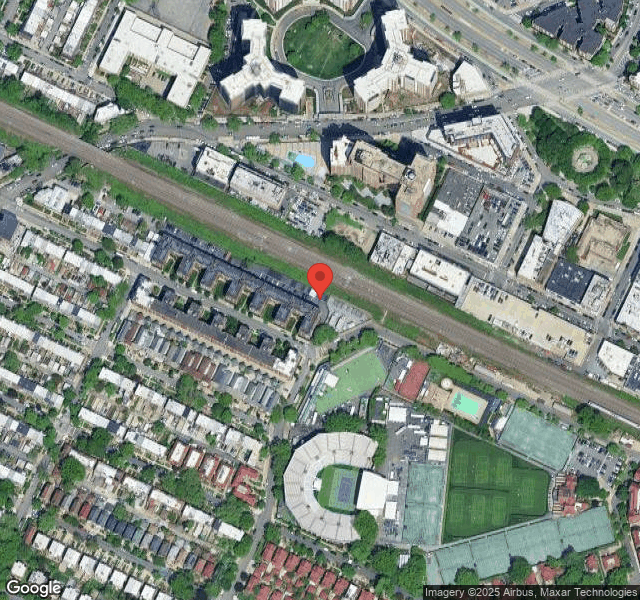

69 70 GRAND CENTRAL PARKWAY, FOREST HILLS, NY 11375 (718) 263-4600
For profit - Individual 200 Beds Independent Data: November 2025
Trust Grade
75/100
#168 of 594 in NY
Last Inspection: November 2023

Within standard 12-15 month inspection cycle. Federal law requires annual inspections.

Overview

Fairview Nursing Care Center Inc has a Trust Grade of B, indicating it is a good option for families looking for care, though there are some areas that could be improved. It ranks #168 out of 594 facilities in New York, placing it in the top half, and #17 out of 57 in Queens County, meaning only 16 local facilities are rated higher. The facility is currently improving, with the number of reported issues decreasing from 8 in 2021 to 6 in 2023. Staffing is rated 4 out of 5 stars, with a turnover rate of 50%, which is average for the state but indicates some stability. Notably, there have been no fines assessed against the facility, and it has more RN coverage than 96% of New York facilities, ensuring better oversight of resident care. However, there are weaknesses to consider. Recent inspections revealed concerns such as the failure to maintain necessary infection control measures during a COVID-19 outbreak, with 66 cases reported at the facility. Additionally, residents were not informed about how to lodge complaints with the New York Department of Health, and there were issues with food storage practices, including expired cottage cheese. These incidents highlight the importance of ongoing monitoring and improvements in certain operational areas.

Trust Score
B
75/100
In New York
#168/594
Top 28%
Safety Record
Low Risk
No red flags
Inspections
Getting Better
8 → 6 violations
Staff Stability
⚠ Watch
50% turnover. Above average. Higher turnover means staff may not know residents' routines.
Penalties
✓ Good
No fines on record. Clean compliance history, better than most New York facilities.
Skilled Nurses
✓ Good
Each resident gets 119 minutes of Registered Nurse (RN) attention daily — more than 97% of New York nursing homes. RNs are the most trained staff who catch health problems before they become serious.
Violations
⚠ Watch
20 deficiencies on record. Higher than average. Multiple issues found across inspections.
★★★★☆
4.0
Overall Rating
★★★★☆
4.0
Staff Levels
★★★★★
5.0
Care Quality
★★★☆☆
3.0
Inspection Score
Stable
2021: 8 issues
2023: 6 issues

The Good

  • 4-Star Staffing Rating · Above-average nurse staffing levels
  • 5-Star Quality Measures · Strong clinical quality outcomes
  • Full Sprinkler Coverage · Fire safety systems throughout facility
  • No fines on record

Facility shows strength in staffing levels, quality measures, fire safety.

The Bad

Staff Turnover: 50%

Near New York avg (46%)

Higher turnover may affect care consistency

The Ugly 20 deficiencies on record

Nov 2023 6 deficiencies
CONCERN (D)

Potential for Harm - no one hurt, but risky conditions existed

Deficiency F0559 (Tag F0559)

Could have caused harm · This affected 1 resident

**NOTE- TERMS IN BRACKETS HAVE BEEN EDITED TO PROTECT CONFIDENTIALITY** Based on interviews and record review conducted during the Recertification survey from 11/8/23 to 11/15/23, the facility did not...

Read full inspector narrative →
**NOTE- TERMS IN BRACKETS HAVE BEEN EDITED TO PROTECT CONFIDENTIALITY** Based on interviews and record review conducted during the Recertification survey from 11/8/23 to 11/15/23, the facility did not ensure a resident received appropriate notice before the resident's room in the facility was changed. This was evident for 1 of 4 residents reviewed for Choices out of a sample of 38 residents. Specifically, Resident #115 was not given the opportunity to view the new room, meet roommates and ask questions before the room was changed. The findings are: The facility policy and procedure titled Room Changes effective 11/2017 and last reviewed 09/2023, documented that changes in rooms or roommate assignment are made when the facility deems it is necessary or when the resident request the change. Prior to changing a room or roommate assignment all parties involved are notified. Advanced written notice of a room change includes the reason why the change is being made and any information that will assist the roommate in becoming acquainted with their roommate. The policy also documented that documentation of the room change is recorded into the resident's medical record. Inquiries concerning room changes should be referred to Social Work. Resident #115 was admitted to the facility with diagnoses that included Coronary Artery Disease, Benign Prostatic Hypertrophy, and Diabetes Mellitus. The Quarterly Minimum Data Set (MDS) assessment dated [DATE] documented the resident's cognition was intact and resident made own decisions. The MDS also documented that the resident had no behavioral symptoms and did not reject care. On 11/08/23 at 11:16 AM, during an interview Resident #115 stated that they had been moved from another room and had not been informed of the room change ahead of time. Resident #115 also stated that they were told that the room had one other resident and when they arrived at the new room they found out there were three roommates. Resident #115 also stated they would not have agreed to a room change with three new roommates. Social Services progress note titled request for room change dated 11/01/2023 at 6:47 PM documented that resident will have a room change based on medical necessity. Family and resident have been advised of room transfer and agreed with the plan. Notification provided in writing and verbally prior to transfer. Introduction to new roommate, unit staff, social worker (SWK). SWK will monitor adjustment to room transfer and provide support assistance with transition. A letter not located in the electronic medical record with no title was provided by the Social Work Assistant. The letter documented as follows: Note: the reason for this letter of notification is to inform that you are being moved to another room. The name of the resident's friend was added, and resident's name was listed after. The letter also documented that on 11/1/23 you were informed of a necessary room change for the above referenced resident due to medical necessity. In accordance with regulatory requirements, we are notifying you the new room number will be effective on 11/1/23. The letter further stated that notification was made to Resident #115's friend and that the notification of room change was made on 11/1/23 at 4:30 PM. The ADT (Admission, Discharge, Transfer) history in the Electronic Medical Record documented that Resident #115 was transferred to the new room on 11/1/23 at 4:51 PM. On 11/15/23 at 11:44 AM, the Social Work Assistant (SWA) was interviewed and stated that they informed Resident #115 that there was going to be a rom change however they could not recall how much in advance the notification had been made. The SWA also stated that they did not know why the notification letter was not included in the medical record. The SWA further stated that they are informed in the morning about potential room changes and also at the daily meeting done at 4 PM with the admissions staff. The SWA stated that notification for Resident #115 was done a little later in the day and they wrote the letter around 4 PM and wrote in the time when the resident's friend was notified. The SWA also stated that they know that they did notify Resident #115, however they could not recall how much in advance it was done, but they believe more than 20 minutes prior notice was provided. On 11/15/23 at 12:18 PM, the Director of Social Work (DSW) was interviewed and stated that room changes can occur throughout the day and happens most of the time during the afternoon. The DSW also stated that they let the resident know of the room change, the new room number, we give them a copy so they have a tangible note of the new room. We let the loved one know of the room change so they know where to visit. The DSW further stated that there was nowhere for the resident to sign acknowledging that they had been informed of the room change and provided the opportunity to visit the new room. The DSW stated that the room change notification letter is not included in the medical record. The DSW also stated that they were not involved in this room change and since the change occurred on the same unit, it could have all been done within 20 minutes. The DSW did not respond to what would be an appropriate amount of time for a resident to be informed of a room change. On 11/15/23 at 01:47 PM, an interview was conducted with the Facility Administrator (FA) who stated that residents are informed prior to any room change, and are give the opportunity to view the new room and meet the new roommates. The FA also stated that with Resident #115 the nursing supervisor was also involved with showing the Resident #115 the new room however did not document this in the medical record. The FA further stated they were not aware of how much notice Resident 115 received before the move. 415.5 (e)(2)
CONCERN (D)

Potential for Harm - no one hurt, but risky conditions existed

Report Alleged Abuse (Tag F0609)

Could have caused harm · This affected 1 resident

**NOTE- TERMS IN BRACKETS HAVE BEEN EDITED TO PROTECT CONFIDENTIALITY** Based on staff interviews and record review conducted during the Recertification survey from 11/08/23-11/15/23, the facility did...

Read full inspector narrative →
**NOTE- TERMS IN BRACKETS HAVE BEEN EDITED TO PROTECT CONFIDENTIALITY** Based on staff interviews and record review conducted during the Recertification survey from 11/08/23-11/15/23, the facility did not ensure that all alleged violations including injuries of unknown origin were reported immediately but not later than two hours to the New York State Department of Health (NYSDOH). This was evident for 1 of 5 residents reviewed for Accidents out of 38 total sampled residents. Specifically, Resident #54 had an unwitnessed event which resulted in the fracture of the left hip. The finding is: The facility's Abuse, Prevention, Prohibition & Reporting, policy, revised date 04/21/2023, documented, that staff development provides and orientation program which includes reporting abuse including injuries of unknown origin, and to whom and when staff and others must report their knowledge. On 11/08/23 at 11:42 AM, Resident #54 was observed in their room in bed, awake, non-verbal with support cushions in place for contractures of lower extremities. Resident #54 was admitted with diagnoses that included Dementia, Osteoarthritis and Osteoporosis. The Quarterly Minimum Data Set, dated [DATE] documented that resident had short and long-term memory impairment and required total assistance of staff with most Activities of Daily Living. The MDS also documented that resident had limitation on both sides of upper and lower extremity. The Nurse Practitioner (NP) note dated 09/08/23 documented, called by nursing staff to evaluate resident for warm, painful edematous left leg. Has been moaning, which is not their baseline, pain medications were ordered, including X-rays of left pelvis and femur due to possible pelvis / femur fracture. The X-ray results dated 09/08/23 documented, Impression: Acute angulated comminuted fracture of the distal left femoral shaft/metaphysis. The NP note dated 09/13/23 documented that the family is now agreeable to send the resident to the emergency room for evaluation of left distal femur fracture. The Hospital X-ray results dated 09/13/23 Concluded: Left femur fracture with angulations. The facility's internal investigation dated 09/13/23 concluded the following, the investigative review supports that there is no reasonable cause to believe that any alleged abuse, neglect, mistreatment, misappropriation of property or quality concerns has occurred. On 11/14/23 at 7:30 AM, Registered Nurse (RN) #1 was interviewed and stated that the Certified Nurse Aide (CNA) observed and reported to the unit nurse that the resident was experiencing pain to the left leg when moved. RN #1 also stated that they are the person responsible for conducting the investigation and that the team's weekly Medical Board Meetings together with the Medical Director conduct case reviews. RN #1 further stated that this case was reviewed and determined that abuse was ruled out due to the residents underlying medical diagnosis which included, severe osteoporosis. On 11/14/23 at 07:52 AM, the Director of Nursing (DON) was interviewed and stated that because this was an unwitnessed event which resulted in a fracture it should have been reported to the NYSDOH. The DON also stated that NYSDOH would have investigated the case to rule out abuse, neglect, or mistreatment. This case was an unwitnessed event which needed to be reported immediately within 2 hours. 415.4(b)(2)
CONCERN (D)

Potential for Harm - no one hurt, but risky conditions existed

Menu Adequacy (Tag F0803)

Could have caused harm · This affected 1 resident

**NOTE- TERMS IN BRACKETS HAVE BEEN EDITED TO PROTECT CONFIDENTIALITY** Based on observations, interviews, and record review conducted during the Recertification survey from 11/08/2023 to 11/15/2023, ...

Read full inspector narrative →
**NOTE- TERMS IN BRACKETS HAVE BEEN EDITED TO PROTECT CONFIDENTIALITY** Based on observations, interviews, and record review conducted during the Recertification survey from 11/08/2023 to 11/15/2023, the facility did not ensure that menus were followed. This was evident for 1 of 5 residents reviewed for Food out of 38 total sampled residents. Specifically, Resident # 18 received items that were listed on the allergies/preferences section of their tray ticket during mealtimes. The findings are: The facility policy titled Serving Food dated February 2023 documented resident preferences at mealtime are important to the satisfaction of the dining experience and the staff will call for alternative trays upon resident request. Food preferences will be indicated on tray cards meal. Resident #18 was admitted with diagnoses that included Anemia, Hypertension, and Malnutrition. The admission Minimum Data Set 3.0 (MDS) dated [DATE] documented Resident #18 was cognitively intact and required set up and supervision with eating. Physician's Orders initiated 8/21/2023 documented No Added Salt diet, on 9/6/2023 Food consistency regular 8/22/2023 thin liquid 11/1/2023. During an interview on 11/08/2023 at 12:49 PM, Resident #18 was interviewed and stated that breakfast is the best meal and lunch, and dinner leaves a lot to be desired. The breaded meat tastes awful they are tasteless. The resident stated that they are supposed to get ginger ale and got milk. On 11/08/2023 at 12:47 PM, Resident #18 was observed with their lunch tray. The tray had breaded fish, mixed vegetables, mashed potato, chocolate ice cream, whole milk, apple juice. The tray ticket documented Diet No Added Salt (NAS), Supper Prefers juice, no veggie burger, no pasta, no breaded food. Resident #18 was noted picking off the breading from the fish. On 11/14/2023 at 01:02 PM, Resident #18 was noted with a lunch tray that contained breaded chicken. The Dietary Progress notes dated 8/21/2023 to 10/17/2023 documented resident food preferences include cold cereal, scrambled eggs, wheat bread, and whole milk. Food preferences were updated to include two servings of scrambled eggs, and dislikes turkey burger. Meal ticket was updated on 10/16/2023. During an interview on 11/14/2023 at 03:11 PM, the Food Service Director (FSD)/Registered Dietitian (RD) stated that whatever is on the menu and the alternate is printed on the ticket with an A is written on the ticket meaning an alternate item is offered and dietary provides food items to the residents. For the weekly menu staff go around and circle the items with the resident and make sure the food consistency is matched. The FSD/RD stated that they have reviewed food preferences with Resident #18, and they stated on 11/14/2023 when the resident received the breaded chicken they were not offered the turkey burger since it was not their preference and their ticket stated no turkey burger which was the alternate item. During an interview on 11/15/2023 10:13 AM, the [NAME] (Cook #2) was interviewed and stated when breaded fish is given, a non-breaded option is provided or other options such as egg or vegetable patty. [NAME] #2 also stated that grilled cheese sandwiches or beans may be offered. [NAME] #2 also stated that residents can ask for a sandwich (peanut butter, egg salad, bologna, and tuna) as alternate instead of breaded fish or chicken. During an interview on 11/15/2023 at 10:22 AM, FSD/RD stated that there every week residents are given the menu, and they choose what they want to eat. The FSD/RD also stated that the menu choices from last week for Resident #18 were no longer available. The FSD/RD further stated that they look at the tray line daily and food preferences are placed on the tray ticket and in Sigma also. If a resident asks for an alternate item their tray ticket is labeled with the letter A. For resident satisfaction, they honor likes and dislikes. The FSD/RD stated that they send extra alternates in the event someone needs it, and try hard to ensure menu choices to reduce call backs. During an interview on 11/15/2023 at 10:31 AM, the Dietary Aide (DA) # 2 was interviewed and stated they put items on the tray as part of assignment. They read the meal ticket and put food items on the tray accordingly. There is always an alternative regular chicken and some resident instead prefer the alternate which is a sandwich. We always have something to offer the resident if they want it. They have received training on reading the meal ticket and allergies are listed on the bottom of the ticket 415.14(c)(1-3)
CONCERN (D)

Potential for Harm - no one hurt, but risky conditions existed

Infection Control (Tag F0880)

Could have caused harm · This affected 1 resident

**NOTE- TERMS IN BRACKETS HAVE BEEN EDITED TO PROTECT CONFIDENTIALITY** 2. The undated facility policy titled Handwashing/Hand Hygiene Policy documented that the facility considers hand hygiene the pr...

Read full inspector narrative →
**NOTE- TERMS IN BRACKETS HAVE BEEN EDITED TO PROTECT CONFIDENTIALITY** 2. The undated facility policy titled Handwashing/Hand Hygiene Policy documented that the facility considers hand hygiene the primary means to prevent the spread of infections. All personnel shall be trained and regularly in-serviced on the importance of hand hygiene procedures in preventing the transmission of healthcare associated infections. All personnel shall follow the handwashing/hand hygiene procedures to help prevent the spread of infection to other personnel, residents, and visitors. The use of gloves does not replace handwashing/hand hygiene. Resident #101 was admitted with diagnoses that included Vascular Dementia unspecified Osteomyelitis of vertebra, and Pressure Ulcer of sacral region stage 4. The Quarterly Minimum Data Set assessment dated [DATE] documented that resident had one Stage 4 ulcer. The Physicians Order dated 11/09/2023 documented clean sacral wound with normal saline, pat dry, apply Calcium alginate and Zinc oxide to peri wound. Cover with DPD (dry protective dressing). On 11/14/2023 at 09:58 AM, a wound care observation was conducted with Registered Nurse (RN) #4. RN #4 washed their hands and placed a sterile drape on the overbed table. RN #4 then placed a Styrofoam tray on top of the drape sheet. In the tray they placed gloves and a zip-lock bag which contained zinc oxide. RN #4 also placed unopened gauze packets on top of the sterile drape. RN #4 then washed their hands with soap and water, donned gloves, removed the soiled dressing, and removed and discarded gloves. RN #4 did not perform hand hygiene and with ungloved hands began to open the gauze packets, placing the gauze on the Styrofoam tray below the zip-lock bag and gloves. RN #4 then poured normal saline onto the gauze pads, opened the dry protective dressing and treatment which they placed on the drape sheet. RN then donned gloves without performing hand hygiene and cleaned the wound and patted the wound dry. RN #4 then removed gloves and washed hands before applying the treatment and applying the dressing. RN #4 completed rest of dressing change with no additional concerns. On 11/15/23 at 11:14 AM, RN #4 was interviewed stated that they are the wound care nurse at the facility. RN #4 also stated that the procedure is after they prepare the supplies, they wash their hands before returning to care for the wound. RN#4 further stated that they were not aware that they had not washed hands after preparing supplies and before cleaning the wound. RN #4 also stated that it is their standard practice to open gauze unto the Styrofoam tray instead of unto the sterile drape sheet although they could not say how clean the tray was. RN #4 stated that they usually follow all infection control practices and must have made a mistake today. On 11/15/23 at 11:34 AM, the Infection Preventionist (IP) was interviewed and stated that they do rounds on all units every day to see if staff are following protocol and hand hygiene and they also check wound treatments. The IP also stated that they do observations of the Wound Care Nurse and check to make sure that they are doing hand hygiene and maintaining proper infection control procedures. The IP further stated that it is acceptable practice to moisten gauze over the sink or place gauze on the Styrofoam tray after it has been moistened there. On 11/15/23 at 11:53 AM, the Staff Development Coordinator (SDC) was interviewed and stated that they make rounds on all the units to see if there are any concerns or issues. Staff should be following infection control principles for hand hygiene, and bring only what is needed into the room for wound care. The SDC also stated that every time staff takes off gloves, they have to perform hand hygiene. Hand hygiene should also be performed after removing soiled dressing and after opening gauze at the overbed drape sheet as the outside packaging is not considered clean. The SDC stated that wound care competencies are done on hire and annually. 415.19 (a)(1-3),(b)(4) Based on observations, record review, and interviews during the Recertification survey conducted from 11/08/2023 to 11/15/2023, the facility did not ensure that infection control practices were maintained. Specifically, (1) a Registered Nurse (RN #3) was observed using a blood pressure cuff (BPC), and pulse oximeter on multiple residents without sanitizing the BPC between residents and not performing consistent hand hygiene between residents (Resident # 282, Resident # 18, Resident #336, and Resident #337), and (2) the Wound Care Nurse was did not practice appropriate hand hygiene while performing a wound care treatment. The findings are: 1.The policy titled Cleaning and Disinfecting of Resident Care Items and Equipment last reviewed 10/2022 documented resident care equipment including reusable items and durable medical equipment will be cleaned and disinfected according to the Centers for Disease Control (CDC) recommendations for disinfection ad the OSHA Bloodborne Pathogens standards. During an observation on 11/08/2023 between 3:41 PM to 03:55 PM, RN #3 was observed in removing the blood pressure cuff (BPC) off the left upper arm of Resident #139 and removing the pulse oximeter off the resident's left second digit. RN #3 then proceeded to Resident #18 located in the same room, and assessed blood pressure on the resident's right upper arm and placed the pulse on their right second digit. RN #3 did not perform hand hygiene, and the blood pressure cuff and pulse oximeter were not cleaned between residents. RN #3 then proceeded to don a gown and gloves, approached Resident #336 in their room and placed the same blood pressure cuff on the left forearm and pulse oximeter on the left second digit. RN #3 then removed and cleaned the equipment, removed their gloves, and documented the vital signs. RN #3 donned clean gloves without performing hand hygiene and completed vital signs for Resident #337 who was located in the same room. RN #3 cleaned the BP cuff and pulse oximeter, removed their PPE, exited the room, and then applied alcohol based hand rub from the dispenser located in the hallway outside the resident's room. During an interview on 11/03/2023 at 04:49 PM, RN #3 stated that they noticed that they did not clean the BPC and pulse oximeter. RN #3 stated that they are supposed to clean the BPC and pulse oximetry between residents. RN #3 also stated that they did clean the equipment after use. RN #3 further stated that they know they should have done hand hygiene after changing their gloves. On 11/15/2023 at 12:34 PM, the Infection Preventionist (IP) was interviewed and stated they do rounds randomly. They look at how staff practice infection control and hand washing and if staff are following the facility protocol. The shared equipment (BPC and pulse oximetry) has to be cleaned with the appropriate wipes before and after use. The IP also stated that they do random infection control rounds and checks to make sure that the equipment is clean before it is used with other residents and so prevent cross contamination. The IP further stated that they do hand hygiene in-service regularly and they do one-on-one in-service for staff if needed. On 11/15/2023 at 01:08 PM, the Director of Nursing (DON) was interviewed and stated they do rounds in the morning and at least every 2 hours and when they are free in the facility. The DON also stated that hand hygiene should be done before touching a resident, and hands should be washed also. The BPC should be cleaned between use and staff should do hand hygiene with alcohol based sanitizer, use sink to wash hands and wear gloves after hand hygiene. The DON further stated that after staff touch things, remove gloves, and dispose of the gloves, they should do hand hygiene and can use sanitizing hand wipes for hands and the sanitizing wipes for the shared equipment. The DON stated that staff are in-serviced regularly and if they notice staff need correction they will do a one-on-one in-service to educate staff.
CONCERN (E)

Potential for Harm - no one hurt, but risky conditions existed

Deficiency F0575 (Tag F0575)

Could have caused harm · This affected multiple residents

Based on observations and staff interviews conducted during the recertification survey on 11/08/23 - 11/15/23 the facility did not ensure that pertinent State Agency information was posted as is requi...

Read full inspector narrative →
Based on observations and staff interviews conducted during the recertification survey on 11/08/23 - 11/15/23 the facility did not ensure that pertinent State Agency information was posted as is required. Specifically, the New York Department of Health Complaint Hotline number and related information were observed not posted on any resident units. This was evident for 5 of 5 resident units. The finding is: The undated facility policy & procedure titled Residents' Rights documented that any written information required to be posted shall be posted conspicuously in a public place in the facility that is frequented by residents and visitors, posted at wheelchair level. During the initial tour on 11/08/23, and subsequent observations on all resident units (1-5) on 11/09/23 and 11/10/23, there were no postings informing residents of how to contact the New York State Department of Health Complaint Hotline. During the Resident Council Meeting conducted on 11/9/23 at 3:00 PM, all residents stated that they did not know how to formally complain to the State about care they are receiving. On 11/13/23 at 10:12 AM the Director of Recreation (DOR) was interviewed and stated that they receive posters to display from the Director of Social Services (DSS). The DOR also stated that the postings included but was not limited to the following the NYSDOH, Ombudsman, Resident Rights. The DOR further stated that they also post the facility process information from our Compliance Officers with contact information for our Grievance & Abuse Officer and includes contact telephone numbers for the Director of Nursing which the residents would use to file any complaints. On 11/13/23 at 10:18 AM the Director of Social Services was interviewed and stated that the NYSDOH Abuse Hotline information is posted in the lobby area. The DSS also stated that the postings should be in large readable print and posted at eye level and large enough for residents with visual impairment, or who are in wheelchairs, can easily read and access the required State information and postings. The DSS further stated that it is very important for residents, families, and staff to have independent and outside resources information to enhance the confidence and freedom in reporting complaints without facility constraints. 415.3(d)(3)
CONCERN (E)

Potential for Harm - no one hurt, but risky conditions existed

Food Safety (Tag F0812)

Could have caused harm · This affected multiple residents

**NOTE- TERMS IN BRACKETS HAVE BEEN EDITED TO PROTECT CONFIDENTIALITY** Based on observations, record review, and interviews conducted during the Recertification survey (17LT11) from 11/08/2023 to 11/...

Read full inspector narrative →
**NOTE- TERMS IN BRACKETS HAVE BEEN EDITED TO PROTECT CONFIDENTIALITY** Based on observations, record review, and interviews conducted during the Recertification survey (17LT11) from 11/08/2023 to 11/15/2023 the facility did not ensure safe food storage and infection control was practiced. Specifically, two five- pound cottage cheese tubs with a use by date of 10/19/2023 was noted with broken plastic seal and green colored discoloration on top of one container top. This was evident during the Kitchen Observation Task. The findings are: The facility policy on food storage was requested and it was not provided. On 11/08/2023 between 09:29 AM and 09:45 AM during the tour of the main kitchen with the Food Service Director (FSD), two five-pound plastic containers of [NAME] Cottage cheese 4% milk fat minimum containers of cottage cheese were observed on the shelf in the kitchen. The containers were stamped with sell by [DATE] X AG 12:08 below the cover and stamped with a receive date stamp of 9/22/2023 on top of the container lid. The containers were noted with broken plastic seals and both containers were approximately three-quarters full. One of the containers had a green colored substance covering the top layer (approximately 1 inch x ½ inch in length). The inventory order form with invoice number 1906680 dated 9/22/2023 documented that there were 2 tubs of 5-pound cottage cheese 4% made by [NAME] delivered for the facility. An email from [NAME] Cheese Customer Service dated 11/15/2023 at 4:04 PM, documented that the date printed on the package is the sell-by date. When properly refrigerated and unopened, we guarantee the product until that date. Once the seal is broken, it is difficult to predict how our product will react to the environment it is exposed to; hence, we do not provide any assurances once opened. During an interview on 11/08/2023 at 09:45 AM, the FSD stated they did not know why staff did not see this and cottage cheese containers will be thrown out. The FSD also stated that the storeroom person is in charge of stocking. The FSD further stated that they wanted to return the containers to the company since this was not the cottage cheese that they normally use. During an interview on 11/08/2023 at 09:59 AM, Dietary Aide (DA) #1 was interviewed and stated they check the cottage cheese before use and cottage cheese is used daily. DA #1 also stated that they look at the expiration, and check to see date is still good and food does not smell. DA #1 further stated that a new company is being used and items are being labeled differently with a sell by date instead of an expiration date. DA #1 stated that the cook uses the cottage cheese for cold plates for residents. During an interview on 11/10/2023 at 01:01 PM, the [NAME] (# 1) was interviewed and stated that they make the cottage cheese trays on occasion, and check the expiration date and the temperature to make sure it is good. [NAME] #1 also stated that once cottage cheese is opened, they put an open date on it to track that item. [NAME] #1 further stated that they regularly have in-service on food handling and temperature, and safe zones for food. During an additional interview on 11/13/2023 at 09:56 AM, the FSD stated no one touched the cottage cheese, and they were told by the manufacturer that if air got inside the container, it could form mold. The FSD also stated that the cottage cheese was never given to a resident and the manufacturer stated that the product is good for 30 days beyond the sell by date. The FSD also stated that staff is trained to do first in, first out. The FSD stated that all staff looks for expired food as it can be harmful to residents and cause an outbreak. The FSD also stated that the container was 100% full not one scoop was taken out. 415.14 (h)
Oct 2021 8 deficiencies
CONCERN (D)

Potential for Harm - no one hurt, but risky conditions existed

Safe Environment (Tag F0584)

Could have caused harm · This affected 1 resident

**NOTE- TERMS IN BRACKETS HAVE BEEN EDITED TO PROTECT CONFIDENTIALITY** Based on record review and interviews conducted during the Recertification and Abbreviated survey (NY00281452), the facility did...

Read full inspector narrative →
**NOTE- TERMS IN BRACKETS HAVE BEEN EDITED TO PROTECT CONFIDENTIALITY** Based on record review and interviews conducted during the Recertification and Abbreviated survey (NY00281452), the facility did not ensure housekeeping and maintenance services necessary to maintain a sanitary, orderly,and comfortable interior were provided. Specifically, a resident's chest of drawers was in disrepair with rot and holes. This was evident for 1 of 5 units observed for the environment (Units 3). The findings are: 1) On 10/19/21 at 11:30 AM, Resident #434 in room [ROOM NUMBER] was interviewed. Resident #434 complained that they do not have a place to put personal belongings because the bedside dresser drawer is broken. The surveyor opened the 3 dresser drawers and observed the drawers were in disrepair and rotten with holes in them. On 10/25/21 at 01:04 PM, a further interview conducted with the Director of Facility, The DF stated that that he started overseeing facility operations in July 8, 2021. The DF stated no one ever informed them about the broken dresser drawers in room [ROOM NUMBER]. The DF was aware of dresser drawers in disrepair in rooms [ROOM NUMBERS]. The DF stated that the staff usually call them on the radio to report maintenance concerns, and there is no maintenance log. 10NYCRR415.5(h)(2
CONCERN (D)

Potential for Harm - no one hurt, but risky conditions existed

Deficiency F0688 (Tag F0688)

Could have caused harm · This affected 1 resident

**NOTE- TERMS IN BRACKETS HAVE BEEN EDITED TO PROTECT CONFIDENTIALITY** Based on observation, record review, and interview conducted during the Recertification survey, the facility failed to ensure th...

Read full inspector narrative →
**NOTE- TERMS IN BRACKETS HAVE BEEN EDITED TO PROTECT CONFIDENTIALITY** Based on observation, record review, and interview conducted during the Recertification survey, the facility failed to ensure that a resident with limited range of motion received appropriate treatment and services to prevent further decrease in range of motion. Specifically, a resident with hand contractures, was not wearing splint devices as ordered. This was evident for 1 of 1resident reviewed for Limited Range of Motion (Resident #1). The finding is: Resident #1 was was admitted with diagnoses which include Seizure Disorder, Vitamin Deficiency, and Subarachnoid Hemorrhage. The Quarterly Minimum Data Set 3.0 (MDS) assessment dated [DATE]documented the resident had severely impaired cognition. The resident required extensive assist of 2 for bed mobility, total assist of 2 for transfer and extensive assist of one for dressing and personal hygiene.Furthermore, the Resident has functional limitation in Range of Motion on both upper and lower extremities. On 10/17/2021 at 10:28 AM and 10/19/2021 at 11:34 AM, Resident #1 was observed in bed with contractures on both hands. No hand splint was in place. Resident #1 has an order to wear splint on both hands at all the time. Splint is to be removed during hygiene and exercise. The OT progress note dated 3/8/2021 documented Resident #1 was provided with maximum verbal and tactile cues during an occupational therapy session with bilateral hand splints. As per OT progress notes dated from 3/8/21 to 10/13/21, Resident's wrist and hands were developing a contracture. The Physician's Order, initiated 3/3/2021 and renewed on 10/17/2021, documented orders to apply bilateral hand splints to the wrist/hand at all times with removal for hygiene, skin care and exercise. On 10/19/2021 at 12:33 PM, the Certified Nursing Assistant (CNA #3) was interviewed and stated that she positioned Resident #1, but she did not see any splint to put on the resident. On 10/19/2021 at 12:30 PM, the Occupational Therapist (OT #8) was interviewed and stated that rehab gave an in-service about the splints to the nurses. Resident #1's splints should be placed on everyday and removed for hygiene and skin checks. On 10/21/2021 at 10:01 AM, the Licensed Practical Nurse Charge Nurse (LPN #3) was interviewed and stated that the splint was sent to the laundry to be washed and was never brought back to the unit for Resident #1 to wear. It was found in the rehab department's closet. On 10/25/2021 at 12:03 PM, the Director of Nursing (DON) was interviewed and stated that it is not acceptable for the Resident not to have the device on. The DON stated they will give an in-service to the staff about the Resident's devices. 415.12(e)(2)
CONCERN (D)

Potential for Harm - no one hurt, but risky conditions existed

Accident Prevention (Tag F0689)

Could have caused harm · This affected 1 resident

**NOTE- TERMS IN BRACKETS HAVE BEEN EDITED TO PROTECT CONFIDENTIALITY** Based on record review and interviews conducted during the Recertification and Abbreviated survey (NY00278100), the facility did...

Read full inspector narrative →
**NOTE- TERMS IN BRACKETS HAVE BEEN EDITED TO PROTECT CONFIDENTIALITY** Based on record review and interviews conducted during the Recertification and Abbreviated survey (NY00278100), the facility did not ensure the resident environment remained as free of accident hazards as possible. Specifically, the Licensed Practical Nurse (LPN) left controlled subtances unlocked and unattended on the medication cart in the hallway, leaving them accessible to residents. A resident took two narcotic blister packs from the medication cart narcotic box. (Percocet 10/325mg tablets -16 tablets and Oxycodone 5mg tablets -16 tablets) and ingested some of the medication. This was evident for 1 out of 35 sampled residents (Resident #484). The findings include: The Facility Policy and Procedure tilted Controlled Substance with last revised date 10/22/2019 states that only authorized practitioners and licensed nursing and pharmacy personnel shall have access to Schedule II Controlled substance in the facility. The policy further states that during Med-Pass, controlled substances are stored in the medication cart's inner storage bin. Both inner storage bin and medication cart are locked at all times unless medications are being taken out. Resident #484 was admitted to the facility on [DATE] with diagnoses which include Opioid Dependency, Chronic pain, Anxiety disorder, and Hypertension. The Minimum Data Set, dated [DATE] identified Resident # 484 cognition as moderately impaired with a Brief Interview for mental Status Score of 12. Resident #484 requiresd one-person physical assistance with locomotion on and off the unit. The Facility's Loss of Controlled Substance Report dated 06/20/2021 documented that Registered Nurse Supervisor #1 (RNS #1) reported at 7:40 AM that two narcotic blister packs were identified missing from the 5th floor. Percocet 10/325mg tablets -16 tablets and Oxycodone 5mg tablets -16 tablets missing. Upon reviewing the camera, Resident # 484 took two blister packs from the medication cart narcotic box. The Facility Occurrence Review and Investigation dated 06/20/2021 documented that the day nurse spoke to Resident # 484, and the resident handed 16 tablets back to the day nurse. The 16 tablets returned had 10/325 labels on each tablet. Resident # 484 then showed a small bag with green-colored pills to the day nurse and the nursing supervisor, but instead of handling it to the nurse, the resident swallowed the pills in front of the nurses. Resident # 484 was transferred to the hospital for evaluation and returned the same day. A review of the Percocet narcotic sheet revealed that 16 tablets of Oxycodone/APAP (Percocet) 10/325mg were on the blister pack on 06/19/2021 at 8:00 PM. A review of the Oxycodone narcotic sheet revealed that 16 tablets of Oxycodone 5mg were on the blister pack on 06/20/2021 at 6:00 AM. A review of the LPN statement dated 06/20/2021 revealed that the medication cart was left unattended during 6:00 AM medication administration. Two medication blister packs were identified missing while counting with the morning medication. A Nurse's Progress Note dated 06/20/2021 at 9:51 PM documented that Resident #484 returned from the hospital in no apparent distress, no vomiting, no distress noted. A Physician Progress Note dated 06/21/2021 at 11:36 AM, documented that Resident # 484 was seen for follow-up after return from the hospital. It is documented that as per Resident # 484 explained that many antihypertensive pills were ingested to keep staff from taking the pills. The resident was monitored for psych and medicine in the emergency department plan and returned to the nursing home the same day. Monitor for acute changes and notify MD. A review of the facility's in-service attendance record revealed no documented evidence that the night shift LPN received a prior in-service on handling-controlled substances. During an interview on 10/19/2021 at 3:00 PM, Registered Nurse Supervisor #1 (RNS #1) stated that the night nurse from the 5th floor called around 7:30 AM said some narcotics were missing. RNS #1 went to the floor immediately with the morning supervisor and checked the medication room and the medication carts, and they could not find the missing narcotics. The Director of Nursing ( DON) was informed and reviewed the surveillance video and saw that Resident # 484 took two blister packs from the medication cart narcotic box. Resident # 484 had some tablets in hand, showed them to the nurse, and then swallowed them in front of the nurses. The doctor was informed, and the resident was transferred to the hospital for evaluation. During an interview on 10/25/2021 at 9:42 AM, the Director of Nursing (DON) said that RNS #1 informed the DON immediately they noticed that the narcotics were missing. Two blisters' packs of medication were missing during shift change. The medication room and the medication cart were searched thoroughly, but they could not find them. The DON reviewed the camera and saw that Resident # 484 took the narcotics blister packs from the med cart. The med cart was left open while the nurse went to a resident room. Resident # 484 gave the morning nurse 10/325mg white 16 tablets out of the blister pack. The resident also showed 16 green tablets out of the blister pack to the nurse but did not give them to the nurse and swallow them in front of the nurse. The resident was sent to the hospital immediately for a possible drug overdose. The LPN was suspended and was going to be terminated but did return to work. 415.12(h)(2)
CONCERN (D)

Potential for Harm - no one hurt, but risky conditions existed

Respiratory Care (Tag F0695)

Could have caused harm · This affected 1 resident

**NOTE- TERMS IN BRACKETS HAVE BEEN EDITED TO PROTECT CONFIDENTIALITY** Based on observation, record review, and interviews conducted during the Recertification survey, the facility did not ensure res...

Read full inspector narrative →
**NOTE- TERMS IN BRACKETS HAVE BEEN EDITED TO PROTECT CONFIDENTIALITY** Based on observation, record review, and interviews conducted during the Recertification survey, the facility did not ensure residents with respiratory care were provided such care consistent with professional standards of practice. Specifically, residents were receiving oxygen therapy without physician's orders and a comprehensive care plan in place for oxygen therapy. This was evident for 2 out of 2 residents reviewed for quality of care out of a total investigation sample of 35 residents (Resident #142 and #486). The findings are: The facility policy and procedure titled Oxygen Therapy dated 08/23/2016 states that residents requiring oxygen may receive oxygen as per the physician's order. 1) Resident #142 was admitted to the facility on [DATE] with diagnoses which include Atrial Fibrillation, Hypertension, Diabetes Mellitus, and COVID-19. The Minimum Data Set 3.0 (MDS) assessment dated [DATE] documented Resident #142 had moderately impaired cognition with a Brief Interview of Mental Status (BIMS) score of 12 out of 15. Section O of the MDS has no documented evidence that Resident #142 was on oxygen therapy. On 10/17/2021 at 9:45 AM, Resident #142 was observed on Oxygen 2 liters via nasal cannula. On 10/18/2021 at 10:10 AM, Resident #142 was observed on Oxygen 2 liters via nasal cannula. On 10/19/2021 at 10:12 AM, Resident #142 was observed on Oxygen 2 liters via nasal cannula. A review of the care plans contained no care plan for oxygen. A review of the Physician Orders dated 09/22/2021 to 10/19/2021 contained no orders for oxygen therapy. The Treatment Administration Record (TAR) dated 09/22/2021 to 10/19/2021 had no documentation regarding using oxygen 2 liters via nasal cannula. A Physician Progress Note dated 10/17/2021 at 2:46 PM documented that Resident # 142 has no shortness of breath and continues supplemental oxygen. A Physician Progress Note dated 10/18/2021 at 3:06 PM documented that Resident #142 oxygen saturation was 85-90% on room air and to continue with oxygen. A review of the nurse's notes dated 10/02/2021 to 10/19/2021 contained no documentation that Resident #142 was on oxygen therapy. 2) Resident # 486 was admitted to the facility on [DATE] with diagnoses that include Chronic Obstructive Pulmonary Disease, Hypertension (COPD), and Chronic Pulmonary Embolism. The MDS dated [DATE] identified Resident #486 cognition as moderately impaired with a BIMS score of 10. MDS Section O review has no documented evidence that Resident # 486 was receiving oxygen. On 10/17/2021 at 10:15 AM, Resident # 486 was observed on Oxygen 2 liters via nasal cannula On 10/18/2021 at 9:26 AM, Resident # 486 was observed on Oxygen 2 liters via nasal cannula. On 10/19/2021 at 9:43 AM, Resident # 486 was observed on Oxygen 2 liters via nasal cannula. A review of the care plans contained no care plan for oxygen. The Physician's Orders dated 10/06/2021 to 10/19/2021 contained no orders for oxygen. The Treatment Administration Record dated 10/06/2021 to 10/19/2021 revealed no documented evidence that Resident # 486 was receiving oxygen. A Physician Progress Note dated 10/19/2021 at 1:23 PM documented that Resident # 486 oxygen saturation was 93% on room air. The resident to continue oxygen supplementation 2 Liters nasal cannula to keep oxygen saturation >90 %. A Physician Progress Note dated 10/18/2021 at 5:27 PM documented that Resident # 486 oxygen saturation is 93% on room air. The resident to continue oxygen supplementation 2 liters nasal cannula to keep oxygen saturation >90 %. A Physician Progress Note dated 10/17/2021 at 3:37 PM documented that Resident # 486 oxygen saturation is 93% on room air. The residents should continue oxygen supplementation 2 liters via nasal cannula to keep oxygen saturation >90 %. During an interview on10/20/2021 at 10:26 AM, the Licensed Practical Nurse (LPN #1) stated that Resident #142 was transferred to the unit three days ago and complained of trouble breathing. The oxygen saturation was 92%. LPN #1 informed the doctor, and the doctor ordered oxygen 2 liters via nasal cannula as a stat order. According to LPN #1, the doctor gave the order, but LPN #1 forgot to write the order. LPN #1 stated that Resident #486 was transferred from the first floor with oxygen 2 liters via nasal cannula. Resident # 486 has COPD and complained of trouble breathing, so the resident was placed on oxygen 2 liters via nasal cannula. There is no order in the computer for oxygen 2 liters for Resident # 486. During an interview on 10/22/2021 at 3:13 PM, the Attending Physician said that the nurses take care of the oxygen orders. The doctor will usually give a verbal order and then sign the order later during chart review. An oral order for the oxygen was given to the nurse, but it was not entered into the computer. The facility protocol is that the nurses call the doctor for an oxygen order when a resident needs oxygen. The order must be entered into the computer so that the doctor can sign it during chart review. During an interview on 10/25/2021 at 10:06 AM, the Director of Nursing (DON) said that Oxygen 2 liters can be given when resident oxygen saturation drops below 95% or 90% depending on the diagnosis. Oxygen can also be administered when a resident has symptoms such as shortness of breath. However, the nurse must call the doctor immediately and get an order. There should have been an order in the computer for the two residents who were on oxygen. 415.12(k)(6)
CONCERN (D)

Potential for Harm - no one hurt, but risky conditions existed

Deficiency F0761 (Tag F0761)

Could have caused harm · This affected 1 resident

**NOTE- TERMS IN BRACKETS HAVE BEEN EDITED TO PROTECT CONFIDENTIALITY** Based on record review and interviews conducted during the Recertification and Abbreviated survey (NY00278100), the facility did...

Read full inspector narrative →
**NOTE- TERMS IN BRACKETS HAVE BEEN EDITED TO PROTECT CONFIDENTIALITY** Based on record review and interviews conducted during the Recertification and Abbreviated survey (NY00278100), the facility did not ensure that Schedule II Controlled Substances were locked in compartments permitting only authorized personnel to have access. Specifically, on 06/20/2021, the Licensed Practical Nurse (LPN) left the medication cart unattended during medication administration. A resident took two narcotic blister packs from the medication cart narcotic box. (Percocet 10/325mg tablets -16 tablets and Oxycodone 5mg tablets -16 tablets). This was evident for 1 out of 35 sampled residents (Resident #484) on 1 of 5 units (Unit 5) reviewed for Medication Storage. The findings include: The Facility Policy and Procedure tilted Controlled Substance with last revised date 10/22/2019 states that only authorized practitioners and licensed nursing and pharmacy personnel shall have access to Schedule II Controlled substance in the facility. The policy further states that during Med-Pass, controlled substances are stored in the medication cart's inner storage bin. Both inner storage bin and medication cart are locked at all times unless medications are being taken out. Resident #484 was admitted to the facility on [DATE] with diagnoses which include Opioid Dependency, Chronic pain, Anxiety disorder, and Hypertension. The Minimum Data Set, dated [DATE] identified Resident #484 cognition as moderately impaired with a Brief Interview for mental Status Score of 12. Resident #484 requires one-person physical assistance with locomotion on and off the unit. The Facility's Loss of Controlled Substance Report dated 06/20/2021 documented that Registered Nurse Supervisor #1 (RNS #1) reported at 7:40 AM that two narcotic blister packs were identified missing from the 5th floor. Percocet 10/325mg tablets -16 tablets and Oxycodone 5mg tablets -16 tablets missing. Upon reviewing the camera, Resident # 484 took two blister packs from the medication cart narcotic box. The Facility Occurrence Review and Investigation dated 06/20/2021 documented that the day nurse spoke to Resident # 484, and the resident handed 16 tablets back to the day nurse. The 16 tablets returned had 10/325 labels on each tablet. Resident #484 then showed a small bag with green-colored pills to the day nurse and the nursing supervisor, but instead of handling it to the nurse, the resident swallowed the pills in front of the nurses. Resident #484 was transferred to the hospital for evaluation and returned the same day. A review of the Percocet narcotic sheet revealed that 16 tablets of Oxycodone/APAP (Percocet) 10/325mg were on the blister pack on 06/19/2021 at 8:00 PM. A review of the Oxycodone narcotic sheet revealed that 16 tablets of Oxycodone 5mg were on the blister pack on 06/20/2021 at 6:00 AM. A review of the facility's in-service attendance record revealed no documented evidence that the night shift LPN received a prior in-service on handling-controlled substances. A review of the LPN statement dated 06/20/2021 revealed that the medication cart was left unattended during 6:00 AM medication administration. Two medication blister packs were identified missing while counting with the morning medication. During an interview on 10/19/2021 at 3:00 PM, Registered Nurse Supervisor #1 (RNS #1) stated that the night nurse from the 5th floor called around 7:30 AM said some narcotics were missing. RNS #1 went to the floor immediately with the morning supervisor and checked the medication room and the medication carts, and they could not find the missing narcotics. The Director of Nursing ( DON) was informed and reviewed the surveillance video and saw that Resident # 484 took two blister packs from the medication cart narcotic box. Resident #484 had some tablets in hand, showed them to the nurse, and then swallowed them in front of the nurses. The doctor was informed, and the resident was transferred to the hospital for evaluation. During an interview on 10/25/2021 at 9:42 AM, the Director of Nursing (DON) said that RNS #1 informed the DON immediately they noticed that the narcotics were missing. Two blisters packs of medication were missing during shift change. The medication room and the medication cart were searched thoroughly, but they could not find them. The DON reviewed the camera and saw that Resident #484 took the narcotics blister packs from the med cart. The med cart was left open while the nurse went to a resident room. Resident #484 gave the morning nurse 10/325mg white 16 tablets out of the blister pack. The resident also showed 16 green tablets out of the blister pack to the nurse but did not give them to the nurse and swallow them in front of the nurse. The resident was sent to the hospital immediately for a possible drug overdose, and the LPN was suspended. The LPN was going to be terminated, but they did not return to work. 415.18(e)(1)
CONCERN (D)

Potential for Harm - no one hurt, but risky conditions existed

Deficiency F0919 (Tag F0919)

Could have caused harm · This affected 1 resident

**NOTE- TERMS IN BRACKETS HAVE BEEN EDITED TO PROTECT CONFIDENTIALITY** Based on observation, record review and interviews, conducted during the Recertification survey, the facility did not ensure tha...

Read full inspector narrative →
**NOTE- TERMS IN BRACKETS HAVE BEEN EDITED TO PROTECT CONFIDENTIALITY** Based on observation, record review and interviews, conducted during the Recertification survey, the facility did not ensure that a resident was adequately equipped to call for assistance through a communication system that relays the call directly to a staff member or a centralized staff work area. Specifically, a resident was observed on multiple occasions without an operating call bell in place. This was evident for 1 of 1 resident reviewed for Physical Environment out of 35 residents reviewed. (Resident #38). The findings include: The facility Call Bells Policy and Procedure dated 05/25/2018 states malfunction call bells shall be called to the immediate ate4ention of the nursing supervisor on duty and provide tap bells immediately. The policy further states that a malfunction call bell shall be call to the immediate attention of the maintenance department for repair. Resident # 38 was admitted to the facility on [DATE] with diagnoses which include Hypertension, Anxiety Disorder, Osteoporosis, and Cerebrovascular Accident. The Minimum Data Set (MDS) dated [DATE] identified Resident #38's cognition as moderately impaired with a Brief Interview of Mental Status score of 12. Resident #38 requires extensive assistance of two people in bed mobility, toilet use, and total dependence of one person in personal hygiene. On 10/17/2021 at 10:30 AM, Resident #38 was heard calling for help to be changed. Resident #38 was observed lying on the bed with the call bell over the side rail. Resident #38 hands and fingers were contracted and would not reach the call bell. Resident #38 was interviewed and stated the call bell was not working. On 10/18/2021 at 10:18 AM, the call bell was on top of Resident #38. Resident #38 pressed the call bell, but it did not ring. Resident #38 stated the call bell does not work, and they yell for help when needed. On 10/19/2021 at 10:23 AM, Resident #38's call bell was observed on the bed. The Registered Nurse Supervisor #2 pressed the call bell, but it did not ring. During an interview on 10/19/2021 at 10:23 AM, Resident #38 said that the call bell had not worked for a long time. All the staff is aware, but it has not been fixed. The call bell never works. A review of the Maintenance Book dated 10/2021 revealed no documented evidence that maintenance was informed of the malfunctioning call bell. During an interview on 10/19/2021 at 10:25 AM, the Registered Nurse Supervisor (RNS #2) stated they were not aware Resident #38's call bell was not working. RNS #2 stated that residents are given a tap bell when their call bell is not working, but Resident #38 cannot use the tap bell because of the deformity of the hands. Maintenance will be notified immediately. During an interview on 10/19/2021 at 2:28 PM, the Certified Nursing Assistant #1 (CNA #1) said that maintenance was informed that the call bell in Resident #38's room had not worked for three weeks. Maintenance was notified via radio immediately. CNA #1 became aware that the call bell was not working. There is a maintenance book, but it was not in the book. They call maintenance for things to be done right away. They have a tap bell, but Resident #38 cannot use the tap bell because of the deformity of the hands. The resident yells out for help, and the staff immediately goes and helps the resident. During an interview on 10/20/2021 at 10:33 AM, the Licensed Practical Nurse #1 (LPN #1) said that he knew that the resident call bell was not working, and maintenance was informed. The facility policy is to document in the maintenance book; however, a malfunction call bell needs immediate attention, so maintenance was called right away. LPN #1 said that maintenance came to repair the call bell yesterday, and the call bell is working. This Surveyor went to Resident #38's room with LPN #1. Resident #38 pressed the call bell it was not working. During an interview on 10/22/2021 at 11:02 AM, the Director of Facility (DF) said that the facility policy is to notify maintenance via radio or put it in the maintenance log. The DF said that maintenance became aware that the call bell was not working two days ago. The DF went to inspect the call bell, but it was pulled off the wall. The resident was given a mobile call bell. The call bell has been repaired. The DF insisted that no one informed maintenance that the resident call bell was not working. During an interview on 10/25/2021 at 10:16 AM, the Director of Nursing (DON) said that if there is a problem with a call bell, they must put it in the maintenance book. Maintenance is supposed to check the book every day and follow up. The nurse usually calls maintenance, but the protocol is to put it in the maintenance book simultaneously. The DON said that it was not right that the call bell was not working. The resident should not be in a room with no call bell. Resident #38 was moved out of the room to a different floor with a functioning call bell. The nurse is supposed to follow up within a day to ensure that the call bell is working. Maintenance and all the staff on the floor are to ensure that call bells are working. The nursing staff is responsible for reporting malfunction call bell. 415.29
CONCERN (E)

Potential for Harm - no one hurt, but risky conditions existed

Deficiency F0925 (Tag F0925)

Could have caused harm · This affected multiple residents

**NOTE- TERMS IN BRACKETS HAVE BEEN EDITED TO PROTECT CONFIDENTIALITY** Based on observation, record review, and staff interview during the recertification survey, the facility did not maintain an eff...

Read full inspector narrative →
**NOTE- TERMS IN BRACKETS HAVE BEEN EDITED TO PROTECT CONFIDENTIALITY** Based on observation, record review, and staff interview during the recertification survey, the facility did not maintain an effective pest control program so that the facility is free of pests. Specifically, multiple flies were observed in resident rooms and the hallway area. This was evident for 42 residents on 1 of 5 units observed for the Environment (Unit 5). The finding is: The undated facility policy, titled pest control program, documented that the facility will maintain an effective pest control to eradicate and contain common household pests and rodents (for example: bed bugs, lice, roaches, ants, mosquitoes and rats). The policy also documented that the facility will provide comprehensive pest control services on a regular and scheduled basis. Observations were made on 10/18/21 on Unit 5 between the hours of 10:00 AM and 2:30 PM,. Flies were observed in the hallway and in rooms # 507, #508, #510 and #520. These rooms were occupied with residents. Unit 5 is a 20-bed unit with 42 residents. During an interview on 10/18/21 at 10:30 AM in room [ROOM NUMBER], Resident #17 stated that flies are everywhere. Resident #17 stated the facility does not care about them, and no one ever came to speak to Resident #17 regarding the flies concern. The flies never go away, and Resident #17 has never seen any exterminator coming to their room. During an interview, in room [ROOM NUMBER], on 10/18/21 at 10:40 AM, flies were observed in the room. Multiple flies were seen on Resident #143's bed and flying around the room. Resident #143 stated This is very annoying and disgusting, and no one is talking about it. Resident #180 stated that the management is aware of these flies, and Resident #180 has not seen any exterminator coming to the building or spoken to management to address their concerns about the flies. Resident #180 was not happy about it. The pest-control service reports were reviewed. On 10/13/21, the service reports revealed that the facility was treated for flies, but Unit 5 was not listed as being treated. This was the only treatment for flies documented prior to the survey. The facility pest control services were not adequate. On 10/19/21 at 10:31 AM, an interview conducted with the Certified Nursing Assistant (CNA #5). CNA #5 stated that they started seeing flies in the unit a month ago. The flies used to follow a former resident on the unit, and the Housekeeping manager is aware of it. CNA #5 stated that the exterminator comes but the flies never go away. On 10/18/21 at 12:04 PM, an interview was conducted with a 5th floor Housekeeper. The Housekeeper stated they started seeing flies a few week ago, and they could not figure out where the flies came from. The Housekeeper stated the exterminator once per week, and it will take some time. During an interview on 10/25/2021 at 01:04 PM, the Director of Facility ( DF) stated they became aware of the flies on the unit 3 weeks ago. The exterminators came in and treated the area. The exterminators came in on Wednesday to inspect and treat the areas, specifically the rooms with complaints (rooms [ROOM NUMBERS]). The DF was informed by the staff via the radio that there were flies in the room. The exterminator comes once per week, and the treatment is working well. The DF also stated that the facility does not have a pest control log, but there are several avenues we report incidents like this. There is a group chat, and staff also communicate on the radios as well. On 10/25/21 05:00 PM, an interview conducted with the Administrator. She stated that there was a resident who was admitted with some skin problems on the foot. The resident had maggots on the leg and flies came into the facility with the resident. The administrator further stated that the resident was noncompliant, and the facility tried there best to accommodate. The exterminator comes once a week, and the treatment is effective. 10 NYCRR 415.29(j)(5)
CONCERN (F)

Potential for Harm - no one hurt, but risky conditions existed

Infection Control (Tag F0880)

Could have caused harm · This affected most or all residents

**NOTE- TERMS IN BRACKETS HAVE BEEN EDITED TO PROTECT CONFIDENTIALITY** Based on observation, record review and interview conducted during the recertification and abbreviation survey (NY00271315) , th...

Read full inspector narrative →
**NOTE- TERMS IN BRACKETS HAVE BEEN EDITED TO PROTECT CONFIDENTIALITY** Based on observation, record review and interview conducted during the recertification and abbreviation survey (NY00271315) , the facility failed to maintain an infection prevention and control program to prevent the development and transmission of COVID-19. Specifically, the facility did not take additional measures and precautions, per NYS Epidemiology and Centers for Disease Control and Prevention (CDC) recommendations, to prevent ongoing transmission of COVID-19 during a facility outbreak with uncontrolled transmission of COVID-19. There were 66 COVID-19 cases identified in the facility from 9/18/21 to 10/21/21 on all units. The facility did not cease indoor visitation when the outbreak spread to more than one unit per NYS guidance. Residents residing on units with positive cases were not put on transmission-based precautions to prevent further spread. Unvaccinated newly admitted residents are placed on quarantine for 10 days instead of 14 days per CDC recommendations. This was evident for 5 of 5 units observed for Infection Control and Prevention (Units 1, 2, 3, 4, and 5). The findings include but are not limited to: The CDC recommendations titled, Interim Infection Prevention and Control Recommendations to Prevent SARS-CoV-2 Spread in Nursing Homes, updated Sept. 10, 2021, documents, Fully vaccinated residents who have had close contact with someone with SARS-CoV-2 infection should wear source control and be tested as described in the testing section. Fully vaccinated residents and residents with SARS-CoV-2 infection in the last 90 days do not need to be quarantined, restricted to their room, or cared for by HCP using the full PPE recommended for the care of a resident with SARS-CoV-2 infection unless they develop symptoms of COVID-19, are diagnosed with SARS-CoV-2 infection, or the facility is directed to do so by the jurisdiction ' s public health authority. In addition, the recommendations specify, In the event of ongoing transmission within a facility that is not controlled with initial interventions, strong consideration should be given to use of quarantine for fully vaccinated residents and work restriction of fully vaccinated HCP with higher-risk exposures. In addition, there might be other circumstances for which the jurisdiction ' s public authority recommends these and additional precautions. The CDC recommendations further document, In general, all unvaccinated residents who are new admissions and readmissions should be placed in a 14-day quarantine, even if they have a negative test upon admission. Facilities located in counties with low community transmission might elect to use a risk-based approach for determining which unvaccinated residents require quarantine upon admission. Decisions should be based on whether the resident had close contact with someone with SARS-CoV-2 infection while outside the facility and if there was consistent adherence to IPC practices in healthcare settings, during transportation, or in the community prior to admission. The Centers for Medicare & Medicaid Services (CMS) QSO-20-39-NH memo, revised 4/27/21, documents: Facilities should allow indoor visitation at all times and for all residents (regardless of vaccination status), except for a few circumstances when visitation should be limited due to a high risk of COVID-19 transmission. These scenarios include limiting indoor visitation for: Residents with confirmed COVID-19 infection, whether vaccinated or unvaccinated, until they have met the criteria to discontinue Transmission-Based Precautions; or Residents in quarantine, wether vaccinated or unvaccinated, until they have met criteria for release from quarantine. During an outbreak of COVID-19, indoor visitation can occur if outbreak testing shows the outbreak is contained to a single area. If the initial or subsequent rounds of outbreak testing identify one or more additional COVID-19 cases in other areas/units of the facility, the the facility should suspend visitation for all residents (vaccinated and unvaccinated), until the facility meets the criteria to discontinue outbreak testing. The Executive Order #202.1 dated March 12, 2020 documented the following: Any guidance issued by the New York State Department of Health related to prevention and infection control of COVID-19 at nursing homes and adult care facilities, including but not limited to guidance on visitation, shall be effective immediately and shall supersede any prior conflicting guidance issued by the New York State Department of Health and any guidance issued by any local board of health, any local department of health, or any other political subdivision of the State related to the same subject. The NYS Department of Health advisory titled, Health Advisory: Revised Skilled Nursing Facility Visitation, dated July 8, 2021, documents, In accordance with CDC and CMS guidance, facilities should allow indoor visitation at all times and for all residents (regardless of vaccination status), except for a few circumstances when visitation should be limited to compassionate care situations due to a high risk of COVID-19 transmission. These scenarios include limiting indoor visitation for: Residents with confirmed COVID-19 infection, whether vaccinated or unvaccinated, until they have met the criteria to discontinue Transmission-Based Precautions; or Residents in quarantine, wether vaccinated or unvaccinated, until they have met criteria for release from quarantine. During an outbreak of COVID-19, indoor visitation can occur if outbreak testing shows the outbreak is contained to a single area. If the initial or subsequent rounds of outbreak testing identify one or more additional COVID-19 cases in other areas/units of the facility, the the facility should suspend visitation for all residents (vaccinated and unvaccinated), until the facility meets the criteria to discontinue outbreak testing. The facility policy titled Cohorting Residents-admission and Re-Admission dated 03/12/20, last revised 09/18/21, documented: Newly admitted residents with known COVID-19 positive will be placed in an isolation room and put on appropriate Transmission-Based precaution (TBP) on a designated COVID-19 unit. COVID-19 positive admissions will have no testing within 90 days an be quarantined for a minimum of 10 days. If residents remain symptomatic, they will remain on the unit and continue TBP; if symptom improved, within 24 hours with no use of fever reducing medication and symptoms appeared at least 10 days ago, then the resident may be moved to a non-COVID unit. If asymptomatic at least 10 days passed, may be moved to another non-COVID-19 unit. The policy further documented that the new admission with known negative results are placed on the designated admission unit for monitoring at least for 10 days quarantine. Testing may be done within 7 to 10 business days upon admission, and if resident tested negative and asymptomatic, may be moved to a non-Covid-19 unit after completion of quarantine. The fully vaccinated residents do not required quarantine, but they are monitored for 10 days for signs and symptoms of COVID-19. The policy did not specify quarantine for unvaccinated new admissions. The COVID-19 positivity rate was 2.69% in the community and 1.6% in Queens County at the time of the survey. 1) The List of Staff and Patients COVID Positive submitted by the facility to NYS Epidemiology documented positive results received from 9/17/21 through 10/6/21. The listing documented 56 positive cases were identified in the facility. Positive residents were identified on more than one unit as early as 10/4/21. There were 6 cases on Unit 3, 10 cases on Unit 1, and 4 cases on Unit 4. Other positive cases listed did not include the resident's location when they became positive. NYSDOH Epidemiology conducted an onsite visit on 9/22/21 and a virtual walk-through on 10/11/21. An email was sent by NYS DOH Epidemiology to the Director of Nursing (DON), Administrator, and Nursing Supervisor on 10/11/21 with recommendations following the virtual visit. Recommendations from 10/11/21 included putting exposed residents on quarantine with contact and droplet precautions in addition to testing and conducting more contact tracing and investigation of each positive to see if the cause of the transmission and those at risk could be identified. The facility was also informed that there were concerns that the multiple positive cases were identified on more than one unit. The facility was informed that given the situation, roommates and possibly whole hallways or units may need to quarantine. The survey team requested a list of residents who tested positive for COVID-19 from 9/18/21 to present. Initially, the facility submitted a list of 40 residents diagnosed with COVID-19 at the facility. On 10/20/21, the facility submitted an updated list with 66 residents who tested positive for COVID-19 in the current outbreak from 9/18/21 to 10/20/21. Positive residents were identified on units 1, 3, 4, and 5. Unit 2 is the COVID-19 positive unit. There were inconsistencies in the vaccine records provided. On 10/21/21, the facility also provided to the state agency (SA), a list of fully vaccinated residents containing 68 residents and 35 unvaccinated residents. The Director of Nursing (DON) stated that there were still some residents whose vaccination status was unconfirmed. The DON stated they are currently working on it. On 10/25/21, the DON provided a list of residents who received COVID vaccines at the facility. The list contained 156 residents with no dates. The DON stated that some of the residents on the list had received 1 dose and some were fully vaccinated. The DON stated it would take longer to specify, so they gave the information they had so far. Vaccination status should be considered when effectively and accurately cohorting residents, assessing risk when exposed, and putting residents on the appropriate precautions. room [ROOM NUMBER], a 4-bed room, had two residents that tested positive for COVID-19. Resident #89 tested positive for COVID-19 on 10/6/21, and Resident #58 tested positive on 10/11/21. Resident #159, a fully vaccinated roommate, remained in the room and was not placed on quarantine related to the exposure. A resident in room [ROOM NUMBER], Resident #53, tested positive for COVID-19 on 10/18/2021. Resident #53 was moved to the COVID-19 unit on 10/19/2021. Resident #245, the exposed roommate, was not placed on quarantine and remained in the room. The facility did not follow the recommendations to quarantine exposed residents or units/hallways in an attempt to control transmission. There was no documented evidence that the facility conducted more thorough contact tracing. 2) Resident #389 was admitted to the New admission unit on 10/02/21 to room [ROOM NUMBER]B. Resident #389 was fully vaccinated with the Johnson and Johnson vaccine on 4/30/21, per hospital records. On 10/11/21, 9 days after admission, the resident was transferred from 105B to 303A. On 10/11/21, the resident was diagnosed with COVID-19 and transferred from the 3rd floor to the 2nd floor COVID-19 unit. The facility did not implement their policy to observe vaccinated residents for at least 10 days upon admission. In addition, Resident #389 received an unvaccinated roommate (Resident #390) on 10/7/21 during their time on the New admission unit. 3) Resident #390 was admitted to the New admission unit on 10/7/21 to 105A. Resident #390 was not vaccinated for COVID-19. On 10/11/21, 4 days after admission, the resident was moved to the 5th floor, in 504B. Resident #390 tested positive for COVID-19 on 10/13/21 and was moved to the COVID unit. The facility admitted an unvaccinated resident to a room with a roommate. In addition, Resident #390 was not placed on quarantine for 14 days as per CDC recommendations for unvaccinated new admissions. 4) The facility had full visitation in progress on all units even though new COVID-19 cases were identified on all non-COVID units. From 10/17/21 to 10/21/21, the survey team observed visitors riding the elevator to all units throughout survey. The Visitors' Log documented that the facility had 183 visitors from 9/17/21 to 10/21/21. Visitors went on all Units, including the quarantined units, Unit 1 (New admission unit) and Unit 2 (dedicated COVID-19 unit). The DON stated there is no restriction for visitors, however, the visitors are screened for COVID-19 symptoms questioners and they check their temperatures before going into the unit. On 10/20/2021 at 2:18 PM, an interview conducted with the 3rd floor Charge Nurse, Licensed Practical Nurse (LPN#2). LPN #2 stated visitors have to wear face shields and masks on the unit, and the visitors are escorted to the resident rooms. LPN #2 stated that the residents on the unit are allowed to have visitors in the room, and the last new COVID-19 positive resident on the 3rd floor was identified on 10/19/21 in room [ROOM NUMBER]B. The positive resident did not have a roommate at the time of diagnosis. On 10/20/2021 at 2:45 PM, an interview conducted with LPN #1, the 4th Floor Charge Nurse who stated visitors fill out forms and have a rapid COVID test in the lobby before coming to the unit. Visitors have to wear a mask and eye protection, and extra PPE is kept on the unit in case it is needed. An escort brings the visitor to the resident's room if they are wandering looking for the room. One resident on the 4th floor came down with COVID-19 last week on Wednesday, and the resident was moved to the COVID unit. That resident did not have a roommate. On 10/25/2021 at 5:09 PM, an interview conducted with the Director of Recreation who stated a few days ago, the facility implemented a visiting schedule where visitors have to call in advance for the 1st and 2nd floors. Prior to that, visitors to all units could visit any time during visiting hours. Visitors for the 1st and 2nd floors need to call 12 hours in advance. All visitors sign-in at the front desk, have their temperature taken, and write their name, number on the contact tracing form. The resident they are visiting is also recorded so that they know which room the visitor is going to. A designated person usually escorts them to the unit. The escort turns the visitor over to the CNAs or radios ahead on the walkie-talkie to let them know someone is coming up. On units 3, 4 and 5, people can visit any time during visiting hours -- 9:30 to 11:30, 2:45 to 4:30 and 6:30 to 8:00. The rationale is that only one elevator is working right now, and the facility doesn't want any cross contamination during meal service and room changes. The elevator is sanitized after meal service and each visiting period. Recreation staff are responsible for putting in the care plans for Personal and Compassionate Visiting. Every resident has a Compassionate Visiting Care Plan, not just residents who are at end of life. On 10/20/21 at 01:49 PM, an interview conducted with the Medical Director (MD) who stated the protocol for COVID-19 changes case by case. Usually, COVID-19 positive residents are isolated, monitored, and they make sure they are not aerosolizing the COVID. Residents are tested based on the positivity rate and per DOH guidelines and the infectious disease nurse. Residents admitted with COVID-19 are isolated with quarantine precautions and monitored for the appropriate time. The MD stated he believes residents are isolated for 14 days unless the immunologist at DOH tells the facility otherwise. The MD stated they could not generalized because guidelines change daily. Residents exposed to COVID-19 are isolated and re-tested. The MD stated hew would have to check with the DON regarding the policy for new admissions. The MD stated, let's face it, every patient that comes from the outside is an exposed patient. New admissions are quarantined and put in the general patient population after 14 days or maybe 10, they need to check the policy. The MD is a member of the QA Committee, and there are no medical concerns that the MD is aware of. The MD stated they communicate with the Administrator and DON daily. During an interview on 10/20/2021 at 1:44 PM, the Director of Nursing (DON) who is also the Infection Control Preventionist was interviewed. The DON stated that residents admitted with COVID-19 are placed on the 2nd floor COVID-19 unit for 10 days. Symptomatic residents are placed in a private room, and asymptomatic positive residents can be cohorted with another positive resident. After 10 days of isolation, COVID-19 positive residents are no longer considered infectious. COVID-19 positive residents are not tested again for COVID until 90 days after admission, per the CDC recommendations, and they are moved to a regular unit in a semi-private room after clearance from the doctor. COVID-19 positive residents have to be asymptomatic and no longer infectious. There is no cohorting in the facility based on vaccination status. The facility has had some residents who tested positive for COVID-19 after admission. Contact tracing is done with a resident tests positive. The CNAs and nurses assigned to the COVID-19 unit and the 1st floor new admission unit are dedicated and do not float, but the IV nurses work on all units and adhere to infection control protocols. The facility is currently doing outbreak testing for staff and residents twice per week. The DON stated the facility is open for indoor visitation, especially on the non-COVID units. The two isolation units have had some visitors also. On 10/25/21 at 05:20 PM, the DON was interviewed again. The DON stated that the facility previously had an Infection Control Preventionist consultant who is no longer used. The DON stated the 2nd Floor COVID-19 unit was created on 9/23/21 in response to an outbreak per CDC recommendations. The only unit on quarantine prior to the outbreak was the Unit 1 New admission unit. The DON stated that exposed unvaccinated residents who never had COVID-19 are placed on isolation, but residents who recovered from COVID-19 within 90 days and vaccinated residents do not need to be on isolation. The DON reported NYSDOH Epidemiology recommended a dedicated COVID-19 area and no blowers in the hallway. Epidemiology also recommended cohorting vaccinated residents with vaccinated residents and unvaccinated with unvaccinated residents, and the DON is curious about the reason for the recommendation because the DON has not found any guidelines about that. On 10/20/21 at 11:40 AM, an interview was conducted with the Administrator who stated that positive residents are admitted to the 2nd floor, which is a dedicated COVID-19 floor with dedicated staff. In general, residents are not tested for COVID-19 unless they are having symptoms, however, some residents requested to be tested and we honored that. At times, the facility conducts serial testing for COVID-19 just to make sure infections are not spreading all over. The Administrator stated once a COVID-19 positive resident is asymptomatic and moved off the COVID unit, they do not have to be quarantined again, especially if vaccinated. The facility reports COVID-19 positive new admissions from the hospital and COVID-19 positive in-house cases to HERDS. Asymptomatic COVID-19 positive residents are quarantined for 10 days, and symptomatic COVID-19 positive residents are quarantined for 14 days or more, depending on the situation. The Administrator stated that they are using the CDC symptom-based strategy. Those residents who are immunocompromised with more symptoms can be quarantined for 14 days, and the physician will review prior to moving the resident off of the 2nd floor COVID unit. The Administrator also stated that facility staff work diligently calling the families to reach out to them for proof of vaccination. She stated that the facility infection surveillance conducted a review and concluded that the infection rates are up due to the fact that residents go out to appointments and have contact with people in the community. The facility also had visitors coming everyday, and they can't stop them. The Administrator stated the good thing is that many of the positive residents are asymptomatic. On 10/25/21 at 05:00 PM, a follow-up interview was conducted with the Administrator who stated that the facility is still having full visitation. On Friday, 10/22/21, the facility implemented visitation by appointment. Before 10/22/21, no appointments were needed for visits. Visitors are allowed on all units. Visitors are screened and escorted upstairs. The visitors then meet with the nurses who arrange for the visitor to meet with the resident in the room one at a time. There are no designated spaces for visits outside of resident rooms because the facility does not have enough space. The visitors log indicates who the person visited, and the facility can trace them when doing contact tracing. Visitors are offered a mask and face shield, and they are given a gown if visiting on Units 1 and 2. The Administrator stated that all the residents are on compassionate care, no argument about that. The Administrator stated that compassionate care is no longer strictly for people with Hospice care or end of life. Residents in the nursing homes are going through psychological problems. If the facility stops visitation and does Facetime, the facility would get a lot complaints. The Administrator stated, We make sure we have to have compassionate care to cover it. Who am I to argue it. The Administrator stated they were not aware of NYSDOH Epidemiology recommendations because they were not present when Epidemiology visited. The Administrator stated that there was a memo received from NYSDOH dated 05/03/21 the documented residents who recovered from COVID-19 within the last 90 days do not need to be tested or quarantined. Also, the decision to discontinue precautions can be made using the symptom-based strategy. 415.19(b)(4)
Apr 2019 6 deficiencies
CONCERN (D)

Potential for Harm - no one hurt, but risky conditions existed

Transfer Requirements (Tag F0622)

Could have caused harm · This affected 1 resident

**NOTE- TERMS IN BRACKETS HAVE BEEN EDITED TO PROTECT CONFIDENTIALITY** Based on record review and staff and resident representative interviews, the facility did not ensure that residents were permitt...

Read full inspector narrative →
**NOTE- TERMS IN BRACKETS HAVE BEEN EDITED TO PROTECT CONFIDENTIALITY** Based on record review and staff and resident representative interviews, the facility did not ensure that residents were permitted to remain in the facility for long term care after completing short-term rehabilitation. Specifically, 1). Resident #85 was transferred to another nursing home further from home neighborhood despite the need for continued long term care. 2). Resident #114 was transferred to another nursing home despite of the need for long term nursing care. This was evident in 2 of 6 residents reviewed for discharge out of a sample of 43 residents. The findings are: 1. Resident #85 is an [AGE] years old admitted to the facility on [DATE] with diagnoses that included Alzheimer's Disease, Dementia, Parkinson's Disease and Hip Fracture. admission Minimum Data Set 3.0 dated 12/1/18 documented the resident with severe cognitive impairment. Section Q Participation in Assessment and Goal Setting documented that resident participated in assessment but family did not. Section Q 0300 Resident's Overall Expectation was not coded. Discharge Plan Meeting note dated 2/20/19 documented that a meeting was held with resident's son. Rehab reported that resident is near max potential and required continued assistance with ADL's, bed mobility, transfers and ambulation. Nursing reported that resident had C-diff and a Stage 4 sacral ulcer and was being seen by wound team. Resident's son reported that resident previously had the services of a home health aide for 8 hours, 6 days weekly and he is not able to care for the resident and is looking for long-term placement. Nursing-Hospital Transfer Form dated 3/12/19 documented that resident was being sent to Peninsula Nursing and Rehab and documented reason for transfer as for transfer to another nursing home. There was no documented evidence that the resident's family requested transfer to another long-term care facility. In addition, the medical record did not document that the resident was given the option to remain at the facility and receive long-term care. On 04/05/19 at 5:45 PM, an interview was conducted with the resident's son. He stated he was present when his father was admitted to the facility right after Thanksgiving 2018. At the time of admission, he was informed that this is a short stay facility and the resident will be discharged home after care is completed. He also stated that the resident was rehospitalized 6 weeks later and returned to the facility after discharge. At that time he was informed by the Social Worker that the resident's insurance was running out and they would need to discharge the resident home. If the resident required a longer stay at the facility they would have to pay out-of-pocket. The resident son's further stated that a few days later he received a call from the facility that a bed had been located at Peninsula Nursing Home in Far Rockaway. He stated that he informed the facility that the nursing home was located too far away and would present a hardship for the family as they live in the neighborhood and this was the reason why this facility was selected for his father's placement. He stated that he was informed that the facility did accept his father's medical coverage for long term care and since Peninsula would accept that insurance his father would be transferred there. On 04/05/19 at 06:20 PM, an interview was conducted with the Director of Social Work (DSW). The DSW stated that the resident had managed Medicaid coverage which the facility does not accept. The DSW stated that the resident was admitted to the facility for short stay with a plan to be discharged home. The DSW further stated that when the resident the resident exhausted all Medicare days and had not improved sufficiently to be discharged home, we called another facility that would accept his coverage and made arrangements for him to be transferred there. 2. Resident #114 is an [AGE] year old admitted to the facility on [DATE] with diagnoses that included Cerebrovascular Accident/Transient Ischemic Attack and Hypertension. admission Minimum Data Set 3.0 dated 2/7/19 documented the resident with moderately impaired cognitive skills for decision-making and short and long term memory impairment. Section Q Participation in Assessment and Goal Setting documented that resident participated in assessment but family did not. Section Q 0300 Resident's Overall Expectation was not coded. Nursing-Hospital Transfer Form dated 3/6/19 documented that resident was being sent to Park Terrace Nursing Home for long term placement. Social Work Progress note dated 04/05/2019 at 1:58 PM (one month after the resident was discharged from the facility) documented that discharge planning meeting was done with the interdisciplinary team and family on an unspecified date. The note also documented that rehab reported that the resident had reached the maximum potential for short term care and there was a need for long term care. The note further documented that the family indicated that they would not be able to take care of the resident and would need to transfer patient to long term care facility. Subsequent Social Work Progress note dated 04/05/2019 at 3:18 PM documented resident was transferred to Park Terrace on 3/06/2019 with family request. The facility's Short Term Contract Information documented if a resident is no longer able to be on the skilled rehabilitation program, the resident will be notified and moved to a long term unit, based on availability. If there are no long term beds, the facility will seek alternative placement either with a family member or another facility. There was no documented evidence that the resident's family requested transfer to another long-term care facility. In addition, the medical record did not document that resident was given the option to remain at the facility and receive long-term care. A telephone interview was conducted with the resident's daughter on 04/05/2019 at 6:00 PM. Daughter stated that she was told that once the resident completed therapy she would have to take the resident home or place in another nursing home. She also stated that she could not care for him at home as he still had wounds and she did not know how to care for the resident. She further stated the Social worker told us she will help to find a new nursing home and the resident was transferred there on 03/06/2019. On 04/05/2019 at 12:00 PM, the Assistant Director of Nursing #2 was interviewed and stated we only admit short term residents, no long term. On 04/05/2019 at 1:00 PM, the Registered Nurse Discharge Planner #4 was interviewed and stated we only admit short term residents, not long term. I have been at the facility since November 2018 and I don't remember admitting anyone for long term care. RN #4 further stated that if the resident needs care after completion of their rehabilitation, we inform the family and we assist them in search of a nursing home. On 04/05/2019 at 5:00 PM, RN #4 was re-interviewed and stated that on admission he reviews the electronic medical record and the Patient Review Instrument (PRI ) which will let me know that the resident is for short term because this will be written there. I also find my documentation on the interdisciplinary meeting and notes. RN #4 also stated the patient and family member are given information and options for care and we assist them in finding a nursing home. RN #4 further stated that he had not encountered any family members requesting to stay at the facility after rehab is completed as they are informed on admission that they are only here for short term rehab. On 04/05/2019 at 2:30 PM, the Director of Nursing (DON) was interviewed. The DON stated that she read the facility profile on the CMS website and as far as she knew the facility is still a long term care provider. The DON further stated that she was informed by the administrator that the facility was no longer admitting residents for long term care but they were only admitting residents for short term rehabilitation. In addition, the DON stated that most of the units are now designated for short term stay and residents residing on the 1st floor who are long term are mostly grandfathered in because they have been at the facility for a long time. The DON further stated residents who have completed their rehabilitation are sent home. Residents who need more care which the family cannot provide are assisted to find other facilities and then the residents are transferred to another nursing home. The facility administrator was unavailable for interview. 415.3(h)(1)(i) (a-c)
CONCERN (D)

Potential for Harm - no one hurt, but risky conditions existed

Deficiency F0658 (Tag F0658)

Could have caused harm · This affected 1 resident

**NOTE- TERMS IN BRACKETS HAVE BEEN EDITED TO PROTECT CONFIDENTIALITY** Based on record review and staff interview during the recertification survey, the facility did not ensure that a physician order...

Read full inspector narrative →
**NOTE- TERMS IN BRACKETS HAVE BEEN EDITED TO PROTECT CONFIDENTIALITY** Based on record review and staff interview during the recertification survey, the facility did not ensure that a physician order was followed. Specifically, a resident with an order to repeat a laboratory order was not followed. This was evident for 1 of 5 residents reviewed for Unnecessary Medications out of a sample of 43 residents. (Resident #440) The finding is: Resident #440 was admitted to the facility on [DATE] and with diagnoses that included Type II Diabetes Mellitus, Chronic Obstructive Pulmonary Disease, Essential Tremor, Streptococcal Sepsis, and Hypokalemia. The Minimum Data Set 3.0 admission assessment dated [DATE] documented the resident with moderately impaired cognition. Record review on 4/3/19 revealed a laboratory order dated 3/25/19 for Basic Metabolic Panel (BMP) to repeat the potassium level on 3/26/2019. A prior laboratory report documented that on 3/25/2019, the resident's potassium level was 2.9 mmol/L (normal range is 3.6-5.2 mmol/L). There was no documented evidence that the physician order was picked up and lab work completed. Blood draw for the Basic Metabolic Panel was done on 4/3/19 during the recertification survey. On 4/5/2019 at 11:33 AM, RN #1 was interviewed and stated all nurses on each shift can check the lab book. If we notice that a lab specimen has not been collected, we request a STAT lab. The technician will come the same day. RN#1 also stated that while reviewing the resident's notes and orders on 4/3/19, he realized that the order to repeat BMP on 3/26/19 was not picked up. 415.11 (c)(3)(i)
CONCERN (D)

Potential for Harm - no one hurt, but risky conditions existed

Deficiency F0745 (Tag F0745)

Could have caused harm · This affected 1 resident

**NOTE- TERMS IN BRACKETS HAVE BEEN EDITED TO PROTECT CONFIDENTIALITY** Based on staff interviews and record review conducted during the Recertification Survey, the facility did not ensure medically r...

Read full inspector narrative →
**NOTE- TERMS IN BRACKETS HAVE BEEN EDITED TO PROTECT CONFIDENTIALITY** Based on staff interviews and record review conducted during the Recertification Survey, the facility did not ensure medically related social services to attain or maintain the highest practical, mental and psychosocial well-being of each resident were provided. Specifically, a resident missed his medical appointment due to the non-availability of staff. This was evident for 1 resident reviewed for Dignity out of a sample of 43 residents. (Resident # 154) The finding is: Resident # 154 was admitted to the facility on [DATE] with diagnoses that included Anemia, Hypertension, Peripheral Vascular Disease (PVD), Diabetes, and Cerebral Vascular Accident(CVA). The admission Minimum Data Set (MDS) 3.0 assessment dated [DATE] documented the resident had moderate cognitive impairment, exhibited no behavioral problem and required extensive assistance with one to two person for Activities of Daily Living (ADL's). Physician order dated 3/11/19 documented the following: Consultation Surgery follow-up on 3/11/19. Physician order dated 3/27/19 documented consultation surgery follow-up with Dr. Soma Brahmanandam on April 8, 2019 at 1:45 PM. 04/02/19 at 11:35 AM, during the initial screening process, Resident #154 was observed in front of his room, alert and awake. The resident was sitting in a wheel chair and was observed to have a left leg amputation. The resident appeared to be cognitively intact and was able to answer questions appropriately with no difficulty when speaking. The resident appeared upset and stated that the facility staff take an excessive amount of time to address his concerns. He further stated that he missed his medical appointment for ultrasound because there was no escort to go with him. In addition, the staff disregard his complaints and sometimes walk away from him whenever he attempts to talk to them. On 04/05/19 at 11:37 AM, an interview was conducted with Registered Nurse (RN#5). RN# 5 stated that the only complaint she gets from the resident was in reference to the missed appointment. She stated that the resident was scheduled for Ultrasound consultation on 3/25/19 at 12:30 PM. The escort who was supposed to go with him on that day called out and we could not find anyone to replace him. RN #5 also stated that she found out around 9:30 AM on 3/25/19. The nurse further stated that the only option they had was to call the resident's sister who stated that she cannot make it because she is taking care of their mother at home. RN # 5 stated that she is not responsible for the scheduling, that is the responsibility of the staffing coordinator. On 04/05/19 at 12:15 PM, an interview was conducted with the Director of Social Services who stated that the resident never brought any concerns to her regarding the missed appointment. On 04/05/19 at 01:05 PM, an interview was conducted with LPN #6, who is also the staffing coordinator. LPN #6 stated she does scheduling for the nurses and Certified Nursing Assistants (CNA's). Two residents were scheduled for appointment for on that day with different times and locations. The escort who was scheduled for the resident at 8 AM called out and she replaced the escort who was scheduled for resident #154 at 12:30 PM with the one scheduled for 8 AM. LPN #6 also stated that they thought that the escort would have come back in time to be able to take resident #154 to his appointment, but unfortunately it did not happened the way they planned. LPN # 6 further stated that she could not take anyone from the floor to go with the resident. 415.5 (g)(1)(i-xv)
CONCERN (D)

Potential for Harm - no one hurt, but risky conditions existed

Infection Control (Tag F0880)

Could have caused harm · This affected 1 resident

**NOTE- TERMS IN BRACKETS HAVE BEEN EDITED TO PROTECT CONFIDENTIALITY** Based on observations and staff interviews conducted during the recertification survey, the facility did not ensure that infecti...

Read full inspector narrative →
**NOTE- TERMS IN BRACKETS HAVE BEEN EDITED TO PROTECT CONFIDENTIALITY** Based on observations and staff interviews conducted during the recertification survey, the facility did not ensure that infection control protocols were maintained to help prevent transmission of communicable diseases and infections. Specifically, 1). Staff members were observed on multiple occasions entering a Contact Isolation room without the use of Personal Protective Equipment (PPE); 2). During a dining observation, a Certified Nurse Assistant (CNA) was observed holding the resident's bread with bare hands. The findings are: The facility policy on Transmission Based Standard/Contact/Isolation precautions dated 09/2018 documented that the facility's Infection Control Program includes activities to control the transmission of any identified infections. The policy also documented that the facility will make every effort to follow current New York City/State Department of Health and the Center for Disease Control and prevention (CDC) guidelines of practice and management to prevent the spread of infection. For residents on contact precaution, the policy further indicated that staff wash their hands and wear gloves when entering the room. Staff are also to wear gowns when entering the room if they anticipate clothing will have substantial contact with residents, contaminated environmental surfaces/items, body fluids or wound drainage. 1. Resident # 184 was admitted to the facility on [DATE] with diagnoses that included Hypertension, Benign Prostatic Hyperplasia (BPH), and End State Renal Disease (ESRD). The Minimum Data Set assessment (MDS) dated [DATE] indicated that the resident is cognitively intact. The MDS further documented that the resident required extensive assistance with toileting and personal hygiene. The Physician orders dated from March 2019 and April 2, 2019 documented that the resident is on contact Precaution for Methicillin-Resistant Staphylococcus Aureus (MRSA) infection. The Physician order also documented that the resident is on Contact Precaution protocol. On 04/02/19 at 10:00 AM, Resident # 184 was observed in the hallway in a wheel chair, and was being escorted by a private companion. The resident was wheeled to his room by the private companion. A sign Contact Precaution, check with the nurse before entering was posted outside the resident's room (room [ROOM NUMBER]). On 04/02/19 at 10:07 AM, the Licensed Practical Nurse (LPN #1) was observed entering room [ROOM NUMBER]. LPN #1 did not wash hands prior to putting on gloves. While the roommate was exiting the room, the LPN #1 was seen by the bedside performing wound care for resident #184. LPN #1 was not wearing a gown while performing wound care. On 04/02/19 at 1:00 PM, an interview was conducted with the Registered Nurse # 5 (RN Manager). RN #5 stated that Resident #184 has been maintained on Contact Precaution for a while due to recurrent MRSA of the wound. RN #5 also stated that the resident had cellulitis of the legs. Staff are aware that this resident is on contact precaution. RN #5 further stated that PPE is to be worn while performing care for the resident and she could not explain why the nurse did not wear gown when performing wound care. On 04/03/19 at 09:45 AM, an interview was conducted with LPN #1. LPN #1 stated she has been working in the facility for 2 years. LPN #1 also stated that she had received in-services for infection control and standard precautions on a regular basis, especially on contact precautions and the use of PPE. LPN #1 further stated that she was fully aware that the Resident #184 is on contact precaution and she is supposed to wash hands before putting on gloves and wear a gown while performing wound care for this resident. LPN#1 stated that she was rushing as the resident has a daily pass, and she wanted to do wound care before the resident left the unit. On 04/03/19 at 10:57 AM, an interview was conducted with the Director of Nursing (DON) who is also the facility Infection Control person. The DON stated when someone is on contact precaution, PPE which includes gown, mask, and glove are required. A gown must be worn while performing the wound care. In the case of Resident #184, the MRSA is in his foot and it is colonized. The DON also stated that she provided in-service to the staff as recently as the day prior regarding infection control protocol. 2. The facility policy and procedure on Handling Food dated 4/4/19 documented all employees must wash their hands with water and soap for at least 20 seconds and put on gloves before preparing any food or touching any surfaces. On 4/1/19 at approximately 08:26 AM, during dining observation conducted on the 1st floor, a Certified Nursing Assistant (CNA #4) was observed picking up unwrapped bread with her bare hands and placing it on the resident's meal tray. On 4/3/19 at 8:46 AM, the Assistant Director of Nursing (ADON) was interviewed and stated that the CNA's should not be touching the bread with their bare hands. The ADON also stated the CNA did not practice infection control and all staff was educated not to touch bread with their bare hands. On 04/04/19 at 03:18 PM, CNA#4 was interviewed. CNA #4 stated she received in-service on 4/1/2019 on infection control, food contamination, and handling food with bare hands. CNA#4 also stated she was rushing and trying to move quickly to finish her work and should have handled the bread with the plastic wrapping as touching the bread with bare hands could contaminate the bread and cause infection. 415.19(a)(1-3)
CONCERN (E)

Potential for Harm - no one hurt, but risky conditions existed

Comprehensive Assessments (Tag F0636)

Could have caused harm · This affected multiple residents

**NOTE- TERMS IN BRACKETS HAVE BEEN EDITED TO PROTECT CONFIDENTIALITY** Based on record review and staff interview conducted during a recertification survey, the facility did not ensure that comprehen...

Read full inspector narrative →
**NOTE- TERMS IN BRACKETS HAVE BEEN EDITED TO PROTECT CONFIDENTIALITY** Based on record review and staff interview conducted during a recertification survey, the facility did not ensure that comprehensive Minimum Data Set (MDS) assessments were completed on a timely manner, in accordance with the guidelines of the CMS (Centers for Medicare and Medicaid Services). Specifically, the admission MDS assessment was not completed within 14 calendar days after admission. This was evident for 2 of 43 residents reviewed for MDS assessment. (Residents # 386 and 387). The findings are: The facility policy on MDS assessment dated 1/2017 documented that the admission assessment is a comprehensive assessment for new residents that must be completed on an annual basis. This assessment must be completed by the end of day 14, counting from the date of admission to the nursing home. 1. Resident #386 was admitted to the facility on [DATE] with diagnoses that included Diabetes Type 2, Anemia, Coronary Artery Disease, Cirrhosis of the Liver, and Manic Depression. On 04/3/19, which was 21 days after the resident was first admitted to the facility, the admission MDS assessment with an ARD date of 3/21/19 was reviewed and found to be incomplete. The following MDS sections were in incomplete status : Section G-Functional status, J- Health Conditions, O- Special Treatment and Procedures. 2. Resident #387 was admitted to the facility on [DATE] with diagnoses that included Clostridium Difficile (C-Diff), Anxiety Disorder, Depression, and Pressure Ulcers. On 04/3/19, which was 16 days after the resident was first admitted to the facility, the admission MDS assessment, with an ARD date of 3/26/19 was reviewed and was found to be incomplete. The following MDS sections were in incomplete status : Section G-Functional status, H- Bladder and Bowel, J- Health Conditions O- Special Treatment and Procedures. On 04/03/19 at 12:40 PM, an interview was conducted with the Director Of Nursing. The DON stated that the majority of the residents here are short term, and the admission and discharge rate is high with on average 15 to 20 residents a week. Most residents stay at the facility for 4 to 6 weeks. The DON also stated that there are 3 MDS assessors and based on MDS and CMS policy MDS assessments have to be completed within 14 days of admission. On 04/05/19 at 01:23 PM, an interview was conducted with the MDS Assessor. She stated that she had been working in the facility for almost 2 years. She also stated that she has more than 17 years of MDS experience. She stated that when the resident enters the facility, the MDS system generates the due dates, from day 1 to 8 is ARD date. We must complete the book in another 6 days, which is day 14 from admission, they have to be completed at the day 14. The MDS Assessor further stated that they tried to complete the assessment on time but the reason for the delay was the resident are sometimes busy going for therapy and appointments. The MDS assessor acknowledged that the completion date may be late but we try to summit the MDS on time. 415.11(a)(3)(i)
CONCERN (E)

Potential for Harm - no one hurt, but risky conditions existed

Comprehensive Care Plan (Tag F0656)

Could have caused harm · This affected multiple residents

**NOTE- TERMS IN BRACKETS HAVE BEEN EDITED TO PROTECT CONFIDENTIALITY** Based on record reviews and staff interviews conducted during the recertification survey, the facility did not ensure the develo...

Read full inspector narrative →
**NOTE- TERMS IN BRACKETS HAVE BEEN EDITED TO PROTECT CONFIDENTIALITY** Based on record reviews and staff interviews conducted during the recertification survey, the facility did not ensure the development and implementation of comprehensive person-centered care plans for each resident, consistent with the resident rights that includes measurable objectives and time frames to meet residents medical, nursing, and mental and psychosocial needs that are identified in the comprehensive assessment. This was evident for 5 of 43 residents review for comprehensive care planning (Resident # 126, 145, 184, 386 and 387). The findings are: The facility policy on Comprehensive Care Plans dated 9/30/2018 documented that the facility will develop and implement a comprehensive care plan for each resident, consistent with the residents' right set forth and, that include measurable objectives and timeframes to meet a patient's medical, nursing, and mental and psychosocial needs that are identified in the comprehensive assessment. The facility policy on the Minimum Data Sets (MDS) assessment dated 1/2017 documented that the admission assessment is a comprehensive assessment for new residents that must be completed on an annual basis. This assessment must be completed by the end of day 14, counting from the date of admission to the nursing home. 1). Resident # 126 was admitted to the facility on [DATE] with diagnoses that included Diabetes Mellitus, Hypertension, Urinary Tract Infection (UTI), Depression, and Anxiety Disorder. The MDS admission assessment dated [DATE] documented the resident with moderate cognitive impairment, and required extensive assistance with Activities of Daily Living (ADL's). The MDS further documented that the resident was always incontinent of bowel and bladder. Physician order dated 2/19/19 documented the following: Humalog Kwikpen (U-100) 100 unit/mL subcutaneously inject 4 units by subcutaneous route 3 times per day before meals, and Humalog Kwikpen (U-100) 100 unit/mL if blood sugar is 200-250=2 units, 251-300=4 units, 301-350=6 units, 351-400=8 units, if greater than 410 or less than 70, call prescriber. Review of medical records conducted on 04/03/19 revealed there was no care plan developed for Resident #126 that addressed care and management for a resident with a diagnosis of Diabetes Mellitus. In addition, a care plan Activity of Daily Living (ADLs)/ Functional/Rehabilitation Potential was initiated on 2/15/19 with no active interventions or goals developed. 2). Resident #145 was admitted to the facility on [DATE] with diagnoses that included Hypertension, Diabetes, Depression, Alzheimer's Disease, and Dementia. The admission MDS assessment dated [DATE] documented the resident was severely cognitively impaired and required extensive assistance with Activities of Daily Living (ADL's). The MDS further documented that the resident was frequently incontinent of bowel and bladder. The Care Area Assessment (CAA) Summary documented that the Dehydration/Fluid Maintenance care areas triggered and were addressed in the care plan. Review of medical records conducted on 4/5/19 revealed no evidence that a care plan had been created to address the Dehydration/Fluid Maintenance care area. 3). Resident # 184 was admitted to the facility on [DATE] with diagnoses that included Hypertension, Benign Prostatic Hyperplasia (BPH), and End State Renal Disease (ESRD). Physician orders dated March 2019 and April 2, 2019 documented that the resident was on Contact Precaution for Methicillin-Resistant Staphylococcus Aureus (MRSA) infection. Throughout the survey period (04/02/19 to 04/05/19), a sign Contact Precaution, check with the nurse before entering was posted outside the resident's room (room [ROOM NUMBER]). Review of medical records conducted on 4/03/19 revealed no documented evidence that a care plan was created to address the care of a resident on Contact Precautions. 4). Resident #386 was admitted to the facility on [DATE] with the diagnoses that included Diabetes Mellitus (DM), Coronary Artery Disease (CAD), Cirrhosis of the Liver, and Manic Depression. Physician's order dated 3/14/19 documented the following: 1). Enoxaparin 40 mg/0.4 mL Subcutaneous syringe. Inject 0.4 milliliter (40 mg) by subcutaneous route once a day for prophylactic measures; 2).Tylenol 325 mg give 2 tablets by oral route every 6 hours as needed for pain; 3). Admelog SolStar U-100 unit/mL subcutaneous pen. Inject 4 units by subcutaneous route 3 times per day before meals. If blood sugar is 200-250=2 units, 251-300=4 units, 301-350=6 units, 351-400=8 units, if greater than 410 or less than 70, call prescriber; and 4). Metformin 1000 mg 1 tablet by oral route 2 times per day for diagnosis of DM Type 2. Review of medical records was conducted on 04/03/19. The following care plans were initiated on 3/14/19: Pain, Anticoagulant useDiabetes, Visual Function and Urinary/Bowel/Incontinence and Indwelling Catheter. There was no documented evidence that measurable goals and interventions had been developed for any of the above care plans. 5). Resident #387 was admitted to the facility on [DATE] with diagnoses that included Enterocolitis/Clostridium Difficile (C-Diff), Anxiety Disorder, Depression, and Pressure Ulcers. Review of physician orders dated 3/29/19 documented that the resident was prescribed Metronidazole 500 mg 1 tablet by oral route every 8 hours for 10 days for the diagnoses of Enterocolitis/Clostridium Difficile (C-Diff) and was ordered placed on Contact Precautions for C-Diff. Record review on 04/03/19 revealed that a care plan for Infection on Contact Precaution was initiated on 3/21/19 however, there was no documented evidence that measurable goals and interventions had been developed. On 04/03/19 at 12:40 PM, an interview was conducted with the Director Of Nursing. The DON stated that the majority of the residents here are short term, and admission and discharge rate is high with an average 15 to 20 residents a week. Most residents remain at the facility for 4 to 6 weeks. The DON also stated that the Comprehensive Care Plans (CCP) follow the CAA's (Care Area Assessments) which are triggered by the comprehensive MDS assessment. By regulation and guidelines we should complete the CCP not later than 21 days. The DON further stated that there are some situation or certain diagnoses that warrant immediate care plan development, such as infections, pain and fall care plans. The facility is very complex, we receive complex residents, and we have some new in-experienced nurses. The DON also stated there was noncompliance with the documentation because the nurses are taking care of the resident but did not have the time to complete the documentation. Our priority is to make sure that the resident are being taken care of. On 04/05/19 at 11:37 AM, an interview was conducted with Registered Nurse (RN#5) the nurse manager for Unit 3. She stated that she had been working on the the units for the past 2 weeks. RN #5 also stated that part of her responsibility is to completion of a comprehensive assessment, development of care plans and management of the clinical aspect of residents. The RN who performs the assessment initiates the care plans, then she will then follow through since most residents are admitted in the evenings. RN #5 further stated some care plans required immediate attention due to the condition of the resident. Care plans for infection, wounds, fall and so on needed to be developed on time. We cannot wait for days 21. In addition, RN #5 stated that the CCP is supposed to be completed as soon as we identify the residents problems. The units are very busy and the residents are very demanding. Many times we did not have time to complete the paperwork. All we do is to attend to the residents and make sure they are being care for. On 04/05/19 at 03:17 PM, an interview was conducted with RN # 7 (charge nurse on the 2nd floor unit where Resident # 145 resides). RN #7 stated she has been working at the facility for the past 2 years. RN #7 also stated one of her primary roles is to develop and update care plans accordingly. She could not explain why the care plan had not been completed. 415.11(c)(1)
Understanding Severity Codes (click to expand)
Life-Threatening (Immediate Jeopardy)
J - Isolated K - Pattern L - Widespread
Actual Harm
G - Isolated H - Pattern I - Widespread
Potential for Harm
D - Isolated E - Pattern F - Widespread
No Harm (Minor)
A - Isolated B - Pattern C - Widespread

Questions to Ask on Your Visit

  • "Can I speak with families of current residents?"
  • "What's your RN coverage like on weekends and overnight?"

Our Honest Assessment

Strengths
  • • No major safety red flags. No abuse findings, life-threatening violations, or SFF status.
  • • No fines on record. Clean compliance history, better than most New York facilities.
Concerns
  • • 20 deficiencies on record. Higher than average. Multiple issues found across inspections.
Bottom line: Generally positive indicators. Standard due diligence and a personal visit recommended.

About This Facility

What is Fairview Nursing Inc's CMS Rating?

CMS assigns FAIRVIEW NURSING CARE CENTER INC an overall rating of 4 out of 5 stars, which is considered above average nationally. Within New York, this rating places the facility higher than 99% of the state's 100 nursing homes. This rating reflects solid performance across the metrics CMS uses to evaluate nursing home quality.

How is Fairview Nursing Inc Staffed?

CMS rates FAIRVIEW NURSING CARE CENTER INC's staffing level at 4 out of 5 stars, which is above average compared to other nursing homes. Staff turnover is 50%, compared to the New York average of 46%. RN turnover specifically is 59%, which is notably high. RNs provide skilled clinical oversight, so turnover in this role can affect medical care quality.

What Have Inspectors Found at Fairview Nursing Inc?

State health inspectors documented 20 deficiencies at FAIRVIEW NURSING CARE CENTER INC during 2019 to 2023. These included: 20 with potential for harm.
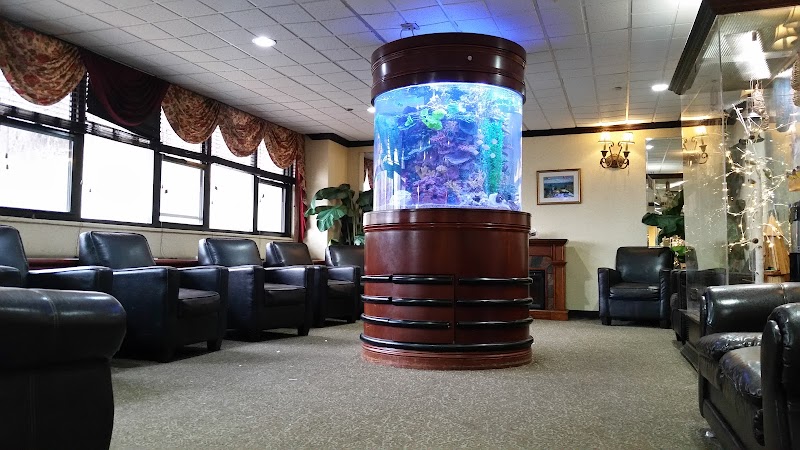
Who Owns and Operates Fairview Nursing Inc?

FAIRVIEW NURSING CARE CENTER INC is owned by a for-profit company. For-profit facilities operate as businesses with obligations to shareholders or private owners. The facility operates independently rather than as part of a larger chain. With 200 certified beds and approximately 197 residents (about 98% occupancy), it is a large facility located in FOREST HILLS, New York.
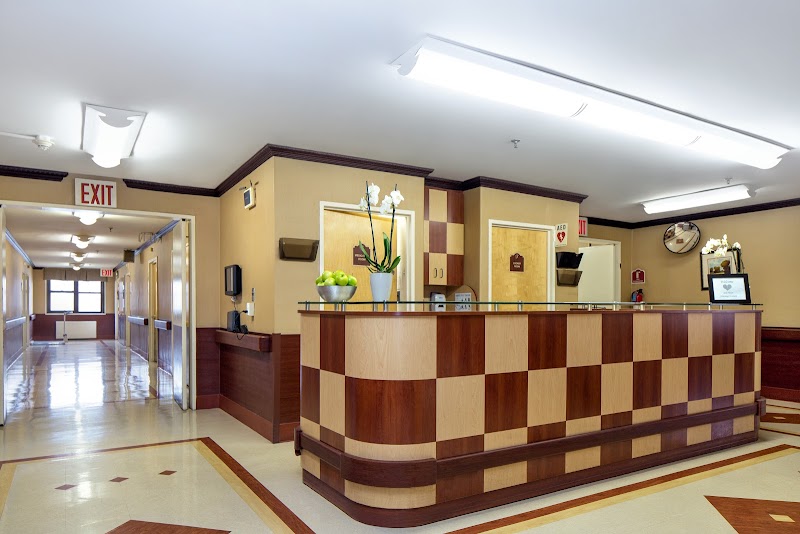
How Does Fairview Nursing Inc Compare to Other New York Nursing Homes?

Compared to the 100 nursing homes in New York, FAIRVIEW NURSING CARE CENTER INC's overall rating (4 stars) is above the state average of 3.1, staff turnover (50%) is near the state average of 46%, and health inspection rating (3 stars) is at the national benchmark.

What Should Families Ask When Visiting Fairview Nursing Inc?

Based on this facility's data, families visiting should ask: "Can I visit during a mealtime to observe dining assistance and food quality?" "How do you handle medical emergencies, and what is your hospital transfer rate?" "Can I speak with family members of current residents about their experience?"

Is Fairview Nursing Inc Safe?

Based on CMS inspection data, FAIRVIEW NURSING CARE CENTER INC has a clean safety record: no substantiated abuse findings (meaning no confirmed cases of resident harm), no Immediate Jeopardy citations (the most serious violation level indicating risk of serious injury or death), and is not on the Special Focus Facility watch list (a federal program monitoring the lowest-performing 1% of nursing homes). The facility has a 4-star overall rating and ranks #1 of 100 nursing homes in New York. While no facility is perfect, families should still ask about staff-to-resident ratios and recent inspection results during their visit.

Do Nurses at Fairview Nursing Inc Stick Around?

FAIRVIEW NURSING CARE CENTER INC has a staff turnover rate of 50%, which is about average for New York nursing homes (state average: 46%). Moderate turnover is common in nursing homes, but families should still ask about staff tenure and how the facility maintains care continuity when employees leave.

Was Fairview Nursing Inc Ever Fined?

FAIRVIEW NURSING CARE CENTER INC has no federal fines on record. CMS issues fines when nursing homes fail to meet care standards or don't correct problems found during inspections. The absence of fines suggests the facility has either maintained compliance or corrected any issues before penalties were assessed. This is a positive indicator, though families should still review recent inspection reports for the full picture.

Is Fairview Nursing Inc on Any Federal Watch List?

FAIRVIEW NURSING CARE CENTER INC is not on any federal watch list. The most significant is the Special Focus Facility (SFF) program, which identifies the bottom 1% of nursing homes nationally based on persistent, serious quality problems. Not being on this list means the facility has avoided the pattern of deficiencies that triggers enhanced federal oversight. This is a positive indicator, though families should still review the facility's inspection history directly.