FOREST HILLS CARE CENTER
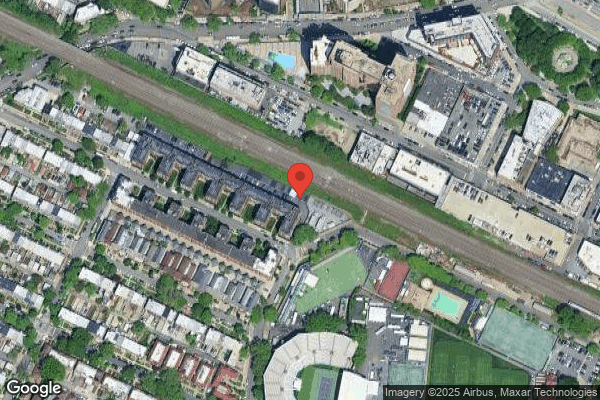
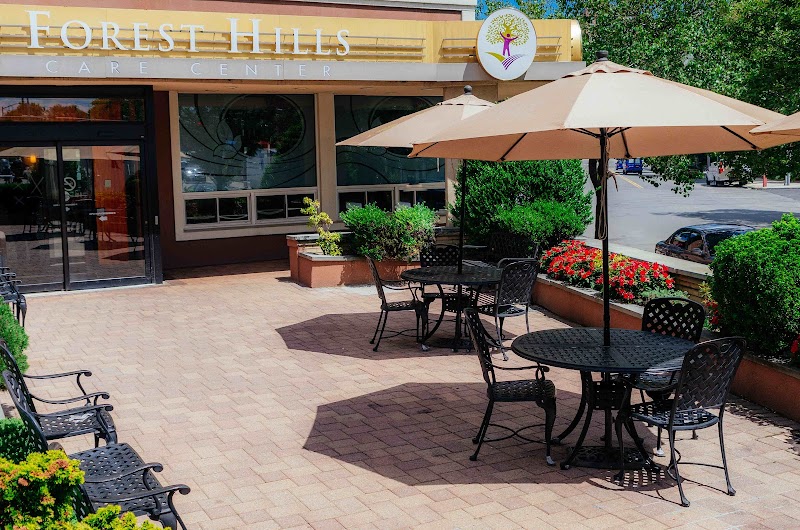
71 44 YELLOWSTONE BLVD, FOREST HILLS, NY 11375 (718) 544-4300
For profit - Partnership 100 Beds Independent Data: November 2025
Trust Grade
73/100
#279 of 594 in NY
Last Inspection: December 2023

Within standard 12-15 month inspection cycle. Federal law requires annual inspections.

Overview

Forest Hills Care Center has a Trust Grade of B, indicating it is a good choice among nursing homes, though there may be areas for improvement. It ranks #279 out of 594 facilities in New York, placing it in the top half, and #34 out of 57 in Queens County, meaning only a few local options are better. Unfortunately, the facility's trend is worsening, with issues increasing from 3 in 2021 to 9 in 2023. Staffing is a strength, with a turnover rate of 25%, significantly lower than the state average, though their RN coverage is average. On the downside, recent inspections revealed problems such as food safety concerns, where staff failed to follow proper hand washing protocols during food preparation, and the survey results were not easily accessible to residents and families. Additionally, some residents reported issues with broken window blinds affecting their comfort.

Trust Score
B
73/100
In New York
#279/594
Top 46%
Safety Record
Low Risk
No red flags
Inspections
Getting Worse
3 → 9 violations
Staff Stability
✓ Good
25% annual turnover. Excellent stability, 23 points below New York's 48% average. Staff who stay learn residents' needs.
Penalties
✓ Good
No fines on record. Clean compliance history, better than most New York facilities.
Skilled Nurses
○ Average
Each resident gets 33 minutes of Registered Nurse (RN) attention daily — about average for New York. RNs are the most trained staff who monitor for health changes.
Violations
⚠ Watch
12 deficiencies on record. Higher than average. Multiple issues found across inspections.
★★★☆☆
3.0
Overall Rating
★★★☆☆
3.0
Staff Levels
★★★★★
5.0
Care Quality
★★☆☆☆
2.0
Inspection Score
Stable
2021: 3 issues
2023: 9 issues

The Good

  • 5-Star Quality Measures · Strong clinical quality outcomes
  • Low Staff Turnover (25%) · Staff stability means consistent care
  • Full Sprinkler Coverage · Fire safety systems throughout facility
  • No fines on record
  • Staff turnover is low (25%)

    23 points below New York average of 48%

Facility shows strength in quality measures, staff retention, fire safety.

The Bad

3-Star Overall Rating

Near New York average (3.1)

Meets federal standards, typical of most facilities

The Ugly 12 deficiencies on record

Dec 2023 9 deficiencies
CONCERN (D)

Potential for Harm - no one hurt, but risky conditions existed

Deficiency F0561 (Tag F0561)

Could have caused harm · This affected 1 resident

**NOTE- TERMS IN BRACKETS HAVE BEEN EDITED TO PROTECT CONFIDENTIALITY** Based on interview and record review conducted during the Standard survey completed on 12/21/2023, the facility did not ensure t...

Read full inspector narrative →
**NOTE- TERMS IN BRACKETS HAVE BEEN EDITED TO PROTECT CONFIDENTIALITY** Based on interview and record review conducted during the Standard survey completed on 12/21/2023, the facility did not ensure that it promoted and facilitated resident self-determination through the support of resident choice for two (Resident #18 and #67) of four residents reviewed. Specifically, the preferred number of showers per week were not obtained and not provided in accordance with Resident #18 's and Resident #67 's wishes. The finding is: The policy and procedure titled Bath and Shower revised 01/2023 documented all residents receive a daily bed bath. All residents receive a shower twice a week and per resident's choice it always can be adjusted. Shower schedule is kept on each floor (updated daily as residents are discharged and admitted . CNA will provide showers in accordance with a shower list. 1.Resident #18 had diagnoses which included End Stage Renal Disease, Major Depressive Disorder, and Diabetes Mellitus. The Quarterly Minimum Data Set assessment dated [DATE] documented Resident #18 was cognitively intact, required limited assist of one staff member with bathing, and there was no rejection of care. The Annual Quarterly Minimum Data Set assessment dated [DATE] further documented it was very important for the resident to choose between a tub bath, shower, bed bath, or sponge bath. During an interview on 12/18/2023 at 10:37 AM with a Spanish language interpreter, Resident #18 stated they received a shower on Mondays and Fridays. Resident #18 also stated that they wished it could be more often, but they were told they cannot have a shower every day, and they did not recall who told them that but that is the way it is. The Activities of Daily Living Comprehensive Care Plan for bathing created 2/10/2017 and revised 12/12/2023 documented interventions which included to bathe as schedule and as requested, encourage resident to bathe self, and allow resident ample time to complete task. The Certified Nursing Assistant Documentation Record dated 11/2023 and 12/2023 revealed that Resident #18 received a shower on Mondays and Fridays as indicated by the Certified Nursing Assistant's initials. During an interview on 12/21/23 at 11:27 AM, Certified Nursing Assistant #7 stated they do not speak Spanish and Resident #18 received showers on Mondays and Fridays. Certified Nursing Assistant #7 also stated that Resident #18 would request towels from staff and perform their own morning care in their room. Certified Nursing Assistant #7 further stated that Resident #18 had not asked to shower more often, because they knows their set shower days. Certified Nursing Assistant #7 stated that if a resident requested to receive more showers, they would have to report to the nurse, because the Certified Nursing Assistant Documentation Record documentations does not allow the staff to document extra shower days outside of the scheduled days. 2. Resident #67 had diagnoses which included Osteoarthritis, Hypertension, and Depression. The Quarterly Minimum Data Set assessment dated [DATE] documented that Resident #67 was cognitively intact, required moderate assistance with hygiene and lower body dressing, and required maximum assist with upper body dressing and oral and personal hygiene. The Annual Minimum Data Set assessment dated [DATE] documented it is very important to choose between a tub bath, shower, bed bath, or sponge bath. The Activities of Daily Living Comprehensive Care Plan created 3/20/2021 and revised 10/03/2023 documented interventions which included to bathe as schedule and as requested, encourage resident to bathe self, and allow resident ample time to complete task. During an interview on 12/19/23 at 09:28 AM with a Spanish language interpreter, Resident #67 stated they received a bed bath two to three times a week, and would prefer to get a shower every day. Resident #67 also stated that showering everyday was not allowed at the facility and they felt like they had to follow the rules at the facility. Resident #67 further stated that they felt like they could not decide when to shower, and that was the way things were done at the facility. The Certified Nursing Assistant Documentation Record dated 11/2023 and 12/2023 revealed that Resident #67 received a shower on Thursdays and Sundays as indicated by the Certified Nursing Assistant's initials. During an interview on 12/21/23 at 11:48 AM, Certified Nursing Assistant #8 stated they do not speak Spanish, and sometimes they get help interpreting from other Certified Nursing Assistants for Resident #67. Certified Nursing Assistant #8 also stated that Resident #67's shower days are Thursdays and Sundays and if they wanted an extra shower, they would report to the nurse to have it scheduled. During an interview on 12/21/23 at 12:21 PM, Registered Nurse #2 stated that all residents have a showers prearranged, and every room has certain days and times for shower. Registered Nurse #2 also stated that showers are prearranged and they were not sure if anybody ever asked the residents what they preferred shower schedule to be. Registered Nurse #2 further stated that if a resident requested additional showers, they would notify the staff and it would be arranged. During an interview on 12/21/2023 at 12:35 PM, the Director of Nursing stated that when residents are admitted they are informed that they will be showered two days a week, usually three to four days apart. Residents are told the day and shift of the shower and if the resident prefers to shower at a different time, it can be changed for a different shift. The Director of Nursing further stated that if residents want to shower more frequently, staff has to arrange it. The Director of Nursing stated that they did not think that staff ever asked the residents when and how often they would like to have a shower. During an interview on 12/21/23 at 02:58 PM, the Administrator stated that when a resident is admitted we have a set schedule, so we ask if they prefer day or evening, or how frequently. The Administrator also stated that shower preferences are discussed by the nurses on the floor during the admission interview or the Social Worker may ask. The Administrator further stated they were not aware that resident's shower preferences were not being honored as they have had conversations with family members and accommodated more frequent showers for some of the residents. 10 NYCRR 415.5(b)(1-3)
CONCERN (D)

Potential for Harm - no one hurt, but risky conditions existed

Comprehensive Care Plan (Tag F0656)

Could have caused harm · This affected 1 resident

**NOTE- TERMS IN BRACKETS HAVE BEEN EDITED TO PROTECT CONFIDENTIALITY** Based on observation, record review, and interviews conducted during the Recertification survey conducted from 12/18/2023 to 12/...

Read full inspector narrative →
**NOTE- TERMS IN BRACKETS HAVE BEEN EDITED TO PROTECT CONFIDENTIALITY** Based on observation, record review, and interviews conducted during the Recertification survey conducted from 12/18/2023 to 12/21/2023, the facility did not ensure a person-centered Comprehensive Care Plan (CCP) was developed and implemented to address the resident's needs. This was evident for 1 (Resident #9) of 22 total sampled residents. Specifically, a Comprehensive Care Plan related to Resident #9's discharge plan was not developed and implemented. The findings are: The facility policy on Comprehensive Care Plan regarding Discharge Planning Procedure effective on 1/2022 and last reviewed 2/2023 documented a written Comprehensive Care Plan will be developed and implemented for each resident, in conjunction with the residents and or resident representatives. The policy also documented discharge planning and documentation begins at admission and is discussed at the weekly discharge planning meeting and at the initial care plan meeting within 21 days after admission and the primary goal is to continue the comprehensive care of the resident. Discharge planning is to be documented and addressed on the resident's Comprehensive Care Plan and updated accordingly by the social worker. Resident #9 was admitted on [DATE] with diagnoses that included Hypertension, End Stage Renal Disease, and Malnutrition. The Significant Change Minimum Data Set 3.0 (MDS) assessment dated [DATE] documented Resident #9 had moderate cognitive impairment and required extensive assistance from staff to complete Activities of Daily Living (ADL). Section Q of MDS-Participation in Assessment and Goal setting, documented that Resident #9 was an active participant in assessment process and the family responded that they did want to talk to someone about the possibility of leaving the facility and returning to live and receive services in the community. On 12/19/23 at 11:56 AM, Resident #9 was observed sitting in the wheelchair talking to a family member. The family member identified themselves as the Health Care Proxy and stated they told the Social Worker that they wanted Resident #9 discharged home and nobody had given them any update regarding the discharge plan. There was no evidence a Comprehensive Care Plan for discharge was developed and implemented. On 12/21/23 at 10:11 AM, Certified Nursing Aide #1 was interviewed and stated Resident #9's family member always visits and they wanted Resident #9 to be discharge. Certified Nursing Aide #1 also stated that the family member would always tell them of their plans for Resident #9's return home. On 12/21/23 at 10:19 AM, Licensed Practical Nurse #1 was interviewed and stated a family member always comes to visit and talks about Resident #9 going home soon and they are waiting for the Social Worker to update them of the plan for Resident #9 to go home. On 12/21/23 at 10:27 AM, Director of Social Service was interviewed and stated Resident #9 family member told us last week that they want Resident #9 to be discharged soon. The Director of Social Service stated they did not start discharge planning because it was just last week and they did not know if the family would change their mind. The Director of Social Service also stated that they did not document the request for discharge. On 12/21/23 at 10:44 AM, Social Worker #1 was interviewed and stated they are aware of Resident #9's family member's request for discharge however they did not initiate the care plan for discharge, and that was on oversight. Social Worker #1 also stated that care planning for discharge should be initiated as early as possible to help the family settle the resident at home. On 12/21/23 at 11:48 AM, the Director of Nursing was interviewed and stated that they were only made aware of Resident #9's request for discharge a few days ago. The Director of Nursing also stated that planning for discharge should have been initiated as soon as the resident was admitted to the facility. The Director of Nursing further stated they will check to ensure that care plans for discharge are in place from now on. 10 NYCRR 415.11(c)(1)
CONCERN (D)

Potential for Harm - no one hurt, but risky conditions existed

Deficiency F0761 (Tag F0761)

Could have caused harm · This affected 1 resident

**NOTE- TERMS IN BRACKETS HAVE BEEN EDITED TO PROTECT CONFIDENTIALITY** Based on observations and interviews conducted during the Recertification survey from 12/18/2023 to 12/21/2023, the facility did...

Read full inspector narrative →
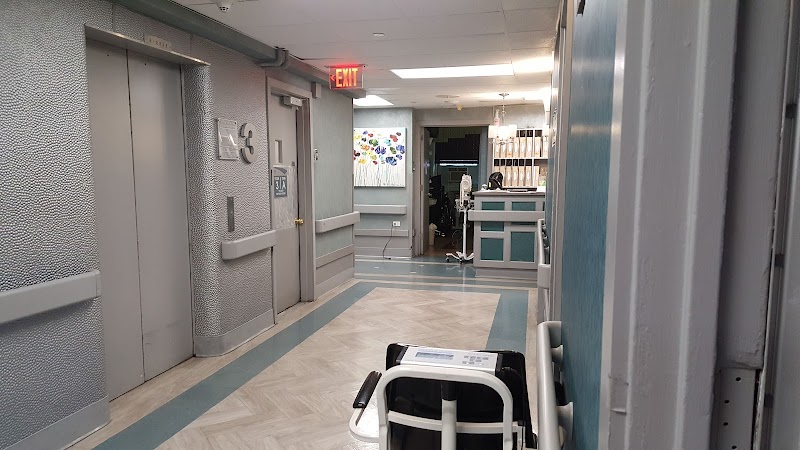
**NOTE- TERMS IN BRACKETS HAVE BEEN EDITED TO PROTECT CONFIDENTIALITY** Based on observations and interviews conducted during the Recertification survey from 12/18/2023 to 12/21/2023, the facility did not ensure that drugs and biologicals were safe and secure to protect from unauthorized access. Specifically, 1) authorized and unauthorized staff were noted entering the medication room with and without using the keypad on the door, and 2) medication was left unattended in resident areas. This is evident for the Medication Storage Task on Unit 3. The findings are: 1.The facility policy titled Medication Storage/Handling revised 11/20/2023 documented the facility will ensure all medications, in all forms, are stored and handled according to manufacturer's recommendations and best practice standards in order to maintain the integrity of the medication as well as reduce the risk of medication errors. Medication room (s) storage cabinet(s), refrigerator(s) and carts should always be locked when not in use. On 12/18/2023 between 11:33 AM and12:31 PM, the Director of Housekeeping Licensed Practical Nurse #6, Licensed Practical Nurse #5, and Resident Nurse #1 entered the medication room without using the keypad lock. On 12/18/2023 between 02:20 PM and 02:57 PM, Licensed Practical Nurse #5 knocked on the medication room door and then entered the room without using the keypad. In addition, Licensed Practical Nurse #6 was observed walking into the medication room without using the keypad lock. The medication storage room was observed to contain containing a double locked narcotic locker, locked refrigerated medications, emergency box with tamper proof seal attached, over the counter medications not in a locked compartment, diabetic testing supplies not in a locked compartment, treatment supplies, sodium chloride and heparin flush syringes in a carboard box on the right bottom side shelf of the medication room. On 12/18/23 at 03:42 PM, the Director of Maintenance was observed at the medication room working on the lock. On 12/19/23 at 11:13 AM, the Director of Maintenance was observed in the 3rd floor medication room. Staff was heard calling out the medication room code in a loud voice in the nurse's station. The Director of Maintenance removed a stuffed cotton like material from the door area for the lock and disposed of it in the trash in the nurse's station. On 12/19/23 at 11:03 AM, the 2022-23 - 3rd Floor Maintenance Book was reviewed and revealed documentation on 12/18/2023 the med room doesn't fully close adjusted and was signed with Director of Maintenance's initials. On 12/20/23 at 12:02 PM, Licensed Practical Nurse #6 was observed entering the medication room and closing the door. Upon exiting the medication room, the lock was heard engaging approximately10 seconds after Licensed Practical Nurse #6 exited the room. On 12/20/23 01:03 PM, Certified Nursing Assistant #4 was observed entering the lock code into the medication room keypad to allow an outside vendor to enter the room. The door was propped open and the vendor remained in the room unsupervised. At 01:06 PM, Licensed Practical Nurse #4 was observed at the door supervising the vendor. During an interview on 12/19/23 at 10:35 AM, Licensed Practical Nurse #4 stated that the medication room lock has been broken since last week on Sunday (12/17/23). Licensed Practical Nurse #4 also stated that the medication room should be secure because we have over the counter (OTC) medications, treatment supplies and narcotics in there. Licensed Practical Nurse #4 further stated that only nurses are allowed in the medication room and we have to make sure to pull in door before we leave or else the door will not be locked. During an interview on 12/19/23 at 10:44 AM, Licensed Practical Nurse #5 stated there has been no issue with the lock for the med room. Licensed Practical Nurse #5 also stated that only nurses have the code to get in the medication room. During an interview on 12/19/23 at 10:47 AM, Registered Nurse #1 stated that intermittently the medication room door does not close properly, and maintenance has to go and check it. The last time this was an issue was 3 months ago and an entry was made in logbook and any concerns should be written in the maintenance book. Registered Nurse #1 also stated that if the medication room is not secure anyone can have access. Registered Nurse #1 further stated only the med nurse has access to narcotics and medications. During an interview on 12/20/23 at 01:08 PM, Certified Nursing Assistant #4 stated they opened medication room door for the contractor. We have access to medication room because the hygiene soap is kept there. During an interview on 12/20/23 at 02:53 PM, Certified Nursing Assistant #5 stated they will go to the medication room if the nurse asks them to get something, and sometimes the nurses will give them hygiene supplies. They stated that they will ask to go into the medication room, and they are not ordinarily supposed to go in there because medications there in the medication room. The nurses should supervise them when they go to medication room for the hygiene supplies. During an interview on 12/20/23 05:18 PM, Licensed Practical Nurse #7 stated there are no issues with the medication room lock and all nurses have access to the medication room. Licensed Practical Nurse #7 stated that the Certified Nursing Assistant would ask for what supplies they need, but some Certified Nursing Assistants would go to the medication room on their own to get supplies needed. Licensed Practical Nurse #7 further stated that the medication room should be locked. During an interview on 12/20/23 05:22 PM, Certified Nursing Assistant #3 stated that they go into the medication room to get hygiene supplies for residents. Certified Nursing Assistant #3 also stated that they were informed of how to access the room from previous nursing staff. The medication room should be locked because we have residents who wander so it should be locked at all times. During an interview on 12/21/23 at 10:01 AM and 02:31 PM, the Director of Housekeeping stated they dropped off supplies on Monday and Thursdays in the medication room and they have automatic access to the room because supplies are stored in there. The Director of Housekeeping also stated that nursing gave them the code to the medication room. The Director of Housekeeping further stated the supply room is separate from medication room in other nursing homes, but at this facility the supplies and medication room are in the same room. During an interview on 12/21/23 at 02:26 PM, the Director of Nursing was interviewed and stated they do not know the code to access the medication rooms. The medication rooms have medications, treatment supplies and only a licensed nurse can go inside. If the CNA want something they should have to the ask licensed nurse. The Director of Nursing also stated that the supply person will ask if they can open the medication room and nursing should observe when supplies are delivered. The Director of Nursing further stated that they heard about issue with lock this week and staff need to inform maintenance that the door does not lock completely. 2. The facility policy titled Medication Storage/Handling revised 11/20/2023 documented that for discontinued and expired medications immediately remove from the cart and directly bring to the Director of Nursing office then return to pharmacy. Never leave the medication with resident name in the medication room. The facility policy and procedure Return/Disposal of Discontinued Medication documented all discontinued medication are immediately removed form cart and brought to Director of nursing office for proper disposal and prevention of any medications errors. Upon identification that a medication is discontinued/resident discharged from facility, it is the responsibility of the RN/LPN to immediately remove the medication from the cart. Send the cart to the first floor DNS office. On 12/18/23 from 03:17 PM to 03:29 PM, an anti-thyroid medication was left unattended by Registered Nurse #1. at the nurse's station in front of resident room [ROOM NUMBER]. During an interview on 12/19/23 at 10:47 AM, Registered Nurse #1 stated that the medications were discontinued so they removed them from the medication cart. Registered Nurse #1 also stated that they planned to give the discontinued medication to the Assistant Director of Nursing. Registered Nurse #1 further stated that they do not have a designated area to store discontinued medication, and they forgot to keep this medication in the medication room. 10 NYCRR 415.18(e)(1-4)
CONCERN (D)

Potential for Harm - no one hurt, but risky conditions existed

Deficiency F0773 (Tag F0773)

Could have caused harm · This affected 1 resident

Based on observations, interviews and record review conducted during the Recertification survey 12/18/2023-12/21/2023, the facility did not promptly notify the ordering physician, physician assistant,...

Read full inspector narrative →
Based on observations, interviews and record review conducted during the Recertification survey 12/18/2023-12/21/2023, the facility did not promptly notify the ordering physician, physician assistant, nurse practitioner or clinical specialist of laboratory results that fall outside of clinical reference ranges in accordance with facility policies, and procedures for notification of a practitioner. This was evident for 1 of 4 residents reviewed for Pressure Ulcer/Injury out of 21 sampled residents. (Resident #4) Specifically, there was no evidence the facility promptly notified the Medical Director of a contaminated urine culture report received on 12/15/2023 that required resubmission due to contamination. The findings are: The facility policy and procedure titled Urine Specimen Collection, revised 2/2023, documented that upon receiving laboratory results/called by the lab for urine contamination, the Doctor should be immediately informed, and a telephone order written to recollect the urine. The procedure titled Nursing Standing Laboratory Test/Order, revised 4/2023, documented that laboratory test results are to be reported to the Physician as soon as they are in. Resident #4 was admitted to the facility with diagnoses that included Lymphoma, Hypertension and Diabetes Mellitus. A Urine Culture Report, (a urine test that identifies the specific bacteria that is causing a Urinary Tract Infection (UTI), documented that a urine sample was collected on 12/15/2023 at 3:58 PM. The final results of the Urine Culture were reported on 12/15/2023 at 5:37 PM and documented growth found. Final Result. Three or more organism isolated, probably contaminated. Please resubmit. Record review on 12/21/2023 revealed no documented evidence that the urine culture had been repeated. On 12/21/2023 at 1:57 PM, the Medical Director was interviewed and stated that a contaminated urine culture should have been repeated immediately. On 12/21/2023 at 2:41 PM, Registered Nurse #2 was interviewed and stated that the urine culture report with the request to resubmit the urine sample was received by the facility on 12/18/2023 but not viewed until today (12/21/2023) after the State Surveyor's inquiry. Registered Nurse #2 also stated that the facility Physician was not notified, a repeat urine sample was not submitted, and a repeat urine culture was not performed. Registered Nurse #2 further stated that the test results should have viewed, and the urine sample repeated on the same day that the contaminated results were received by the facility. On 12/21/2023 at 2:49 PM, the Director of Nursing was interviewed and stated that contaminated laboratory results are reported to the facility by phone. The notification is reviewed by the Registered Nurse Supervisor, documented in a book and the Medical Director or Nurse Practitioner is notified and a follow up order obtained immediately. The Director of Nursing also stated that the Medical Director or Nurse Practitioner should be notified of abnormal/contaminated laboratory results as soon as the report is received. After the Medical Director or Nurse Practitioner signs the laboratory report, a signature is entered indicating that the report has been reviewed. The Director of Nursing further stated that laboratory reports are also found on the dashboard in the resident's Electronic Medical Record. The Director of Nursing stated that every shift of nurses should check for laboratory reports and contact the Medical Director or Nurse Practitioner right away with abnormal or contaminated results. 10 NYCRR 415.20
CONCERN (D)

Potential for Harm - no one hurt, but risky conditions existed

Food Safety (Tag F0812)

Could have caused harm · This affected 1 resident

Based on observation, interviews, and record review conducted during the Recertification survey of 12/18/2023 through 12/21/2023, the facility did not ensure that food was stored, prepared, distribute...

Read full inspector narrative →
Based on observation, interviews, and record review conducted during the Recertification survey of 12/18/2023 through 12/21/2023, the facility did not ensure that food was stored, prepared, distributed, and served in accordance with professional standards for food service safety. Specifically, staff was observed not washing hands or wearing gloves before handling food for the resident. This was evident during the Dining observation. The facility's policy titled Infection Control: Meal services in Dining Room revised 01/2023 documented to never touch any prepared food items i.e. muffins bread with bare hands. On 12/18/23 at 12:11 PM, Certified Nursing Assistant #12 was observed during lunch time in the 2nd floor dining room assisting Resident #21 with their meal. Certified Nursing Assistant #12 removed bread from the plastic wrapping and spread butter on it while holding the bread with their bare hands. During an interview on 12/20/2023 2:29 PM, Certified Nursing Assistant #12 stated they have to wash or sanitize their hands prior to opening the bread wrapping and they are not supposed to touch the bread with their hands. They can leave the bread in the wrapping or let the resident butter their own bread. Certified Nursing Assistant #12 also stated that they did not remember if they opened the bread correctly during the lunch time observation but recalled that they were nervous being observed by the State Surveyors. During an interview on 12/21/2023 at 01:55 PM, Registered Nurse #2 stated that the Certified Nursing Assistants are not supposed to touch the bread with their bare hands and should use some sort of barrier, either the wrapping or gloves. Registered Nurse #2 stated that they go into . the dining room to observe that the Certified Nursing Assistants are doing what they should in the dining room. During an interview on 12/21/2023 at 12:35 PM, the Director of Nursing stated that Certified Nursing Assistants re not supposed to touch the bread with bare hands when they open it for resident. The Director of Nursing also stated that the nurses are supposed to supervise the Certified Nursing Assistants while they are in the dining room. 10 NYCRR 415.14 (h)
CONCERN (D)

Potential for Harm - no one hurt, but risky conditions existed

Infection Control (Tag F0880)

Could have caused harm · This affected 1 resident

Based on observation, record review, and interviews conducted during the Recertification survey from 12/18/2023 to 12/21/2023, the facility did not ensure infection control practices were maintained. ...

Read full inspector narrative →
Based on observation, record review, and interviews conducted during the Recertification survey from 12/18/2023 to 12/21/2023, the facility did not ensure infection control practices were maintained. This was evident for 1 (2nd Floor) of 3 Units observed for dining. Specifically, a Certified Nursing Assistant did not perform hand hygiene between assisting residents with hand hygiene. The findings are: The policy and procedure titled Infection Control: Meal services in Dining Room revised 01/2023 documented hand hygiene must be performed by the nursing staff prior, during and after meal service. On 12/18/23 at 12:11 PM, Certified Nursing Assistant #12 was observed during lunch time in the 2nd floor dining room assisting two residents (Resident #60 and #63) with hand hygiene by using hand wipes before meal service. Certified Nursing Assistant #12 cleaned Resident #60's resident's hands and then cleaned Resident #63's before leaving the dining room to wash their hands. after she finished the task for both residents. Certified Nursing Assistant #12 did not perform hand hygiene between the residents. During an interview on 12/20/2023 at 2:29 PM, Certified Nursing Assistant #12 stated they are supposed to clean the hands for each resident and clean their own hands in between. Certified Nursing Assistant #12 stated they did not remember if they washed their hands between cleaning each resident's hands, because they were nervous because State Surveyors were making observations in the dining room. During an interview on 12/21/2023 at 01:55 PM, Registered Nurse #2 stated that the nurses give Certified Nursing Assistants sanitizing hand wipes and they are supposed to help the residents clean their hands before meals. Registered Nurse #2 also stated that Certified Nursing Assistants can clean their hands in between the residents with sanitizing wipes or wash their hands. Registered Nurse #2 further stated that nurses go to the dining room to observe that the Certified Nursing Assistants are doing what they should be doing in the dining room. During an interview on 12/21/2023 at 12:35 PM, the Director of Nursing stated that if the Certified Nursing Assistants are cleaning hands for several residents, they have to clean their hands in between. The Director of Nursing also stated that the nurses are supposed to supervise the Certified Nursing Assistants while they are in the dining room. 10 NYCRR 415.19(b)(4)
CONCERN (D)

Potential for Harm - no one hurt, but risky conditions existed

Safe Environment (Tag F0921)

Could have caused harm · This affected 1 resident

Based on observations and interviews conducted during the Recertification survey, the facility did not ensure that a safe, functional, and comfortable environment was provided for residents, staff, an...

Read full inspector narrative →
Based on observations and interviews conducted during the Recertification survey, the facility did not ensure that a safe, functional, and comfortable environment was provided for residents, staff, and the public. Specifically, staff bathrooms in the nursing station was observed in disrepair. This was observed on the 3rd floor and basement level of the facility. The finding is: On 12/20/2023 at 11:34 AM, 12/21/2023 at 11:01 AM, the staff bathroom located in the 3rd Floor nursing station area was observed with a discolored radiator with a rusty brown colored stain on it, and peeling paint. In addition, an opening was observed in the corner between the wall and the floor. On 12/20/23 at 01:15 PM, the the basement bathroom by physical therapy the bathroom noted with dirty corners with black colored residue on left and right edges of the 2-inch tiles in entry way. The hand washing sink was noted with a missing seal to right and left edge of sink connected to the wall. On 12/21/2023, at 11:07 AM, Registered Nurse #1 was interviewed and stated that maintenance was aware of the bathroom and they were told that this is an old building. Registered Nurse #1 also stated that the rusty brown color on the bathroom radiator has been there for a while. On 12/21/2023 at 11:26 AM, Housekeeper #1 assigned to the 3rd floor was interviewed and stated that the bathroom is cleaned 2-3 times a day and the condition of the radiator had been observed. Housekeeper #1 gave no response when asked about the rusty brown colored stain radiator on the radiator. On 12/21/23 at 12:04 PM, the Director of Maintenance was interviewed and stated that the facility had construction going on months ago but it was stopped and the administration does have plans of continuing construction. On 12/21/23 at 12:24 PM, the Administrator was interviewed and stated that construction was stopped because of the holidays. The Administrator stated that construction will resume but will focus on empty resident rooms before moving to other areas. 10 NYCRR 415.29
CONCERN (E)

Potential for Harm - no one hurt, but risky conditions existed

Deficiency F0577 (Tag F0577)

Could have caused harm · This affected multiple residents

Based on observations and interviews conducted during the Recertification survey, the facility did not ensure that the survey results were posted in a place readily accessible to residents, family mem...

Read full inspector narrative →
Based on observations and interviews conducted during the Recertification survey, the facility did not ensure that the survey results were posted in a place readily accessible to residents, family members, and legal representatives in areas of the facility that are prominent and accessible to the public. Specifically, the survey results were located in a corner with no signage in the area, and was not readily accessible to residents. The finding is: The facility policy and procedure titled Resident Right effective 11/2/2021and revised 10/4/2023 documented the facility will post reports with respect to any survey, certification and complaint investigation made respecting the facility during the 3 preceding years. It should be available for any individual to review upon request. During multiple observations of prominent areas and resident units in the facility, the survey results or information about the whereabouts of the survey results could not be located. On 12/19/2023 at 11:05 AM-12:08PM, during the Residents Council meeting 12 Residents were asked about the location of the survey result book. All residents indicated that they did not know where the survey results were located. During multiple observations between 12/18/23 to 12/21/23, the survey result were observed placed in a black binder with a small thin label. The binder was located in a black metal bin attached to the wall in a corner area of the lobby behind a clear plastic guard. There was a shredder bin placed right under the black bin holding the survey results which obstructed resident's access to the binder. In addition, there was no signage indicating the survey results could be located in this area. During multiple observations on resident Units 1 and 3 from 12/18/23 to 12/20/23 there were signs indicating that the survey results could be located in the lobby area. The signs were not at eye level for residents in wheelchairs and the print was difficult to read due to the print and design of the signs. There was no signage located on Unit 2 indicating where survey results could be found. On 12/21/2023 at 1:09 PM, the Administrator was interviewed and stated the survey results are located in the lobby near to the pay phone. The Administrator also stated that they always tell the residents during Resident Council meetings where the results can be located. 10 NYCRR 415.3(d)(1)(v)
CONCERN (E)

Potential for Harm - no one hurt, but risky conditions existed

Safe Environment (Tag F0584)

Could have caused harm · This affected multiple residents

**NOTE- TERMS IN BRACKETS HAVE BEEN EDITED TO PROTECT CONFIDENTIALITY** During multiple observations from 12/18/23 to 12/21/23, Rooms 318, 319, 320 and 320 were observed with window blinds with open s...

Read full inspector narrative →
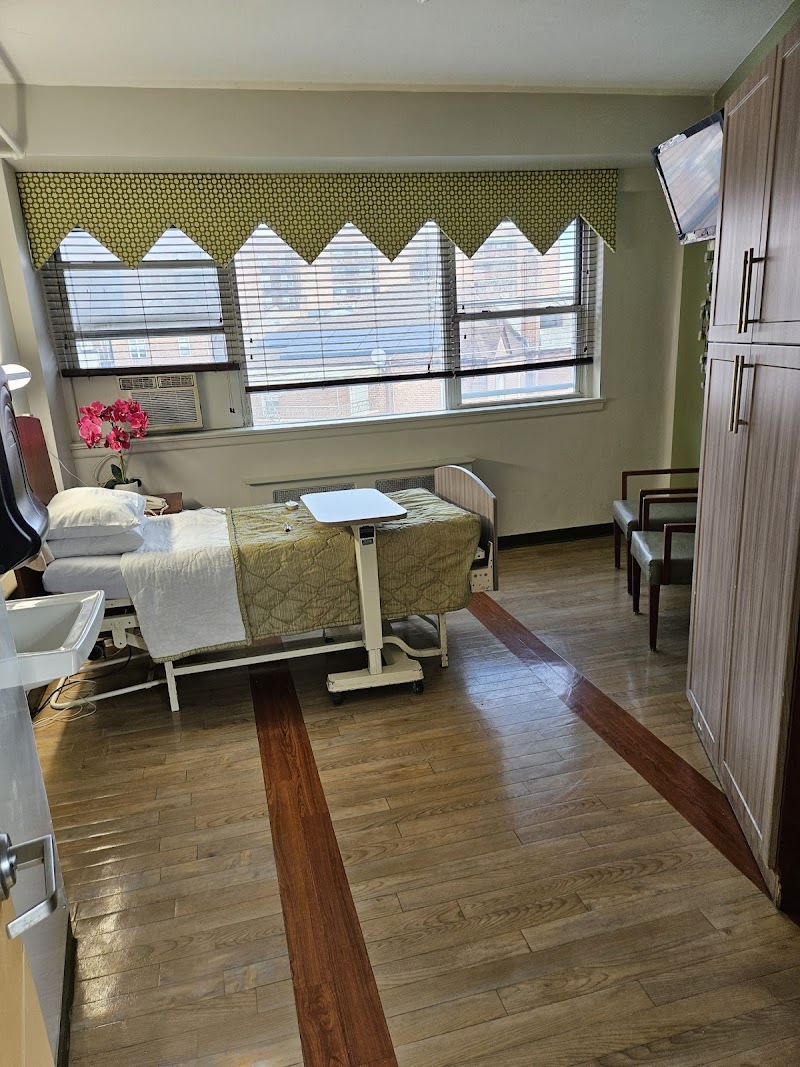
**NOTE- TERMS IN BRACKETS HAVE BEEN EDITED TO PROTECT CONFIDENTIALITY** During multiple observations from 12/18/23 to 12/21/23, Rooms 318, 319, 320 and 320 were observed with window blinds with open spaces, broken and loose slats. In addition, hallway windows near room [ROOM NUMBER], were observed with peeling of paint and gray duct tape on all sides. On 12/20/2023 at 12:15 PM, Resident in room [ROOM NUMBER] was interviewed and stated we do not like window blinds with broken loose slats, and we like our room to be a little darker but because there is a broken slats their room is still bright. On 12/21/23 at 12:04 PM, the Director of Maintenance was interviewed and stated lately they have noticed the blinds in the resident room were sagging, the materials used as slats were of poor quality. They have a plan of replacing all sagging and broken blinds. The Director of Maintenance further stated the maintenance staff will make frequent rounds to check all blinds and replace them as needed. The windows that have duct tape were temporary because we noticed some air coming in from outside so we just tape them but we have plan of fixing broken window sills and painting the window's wood area because some paint is peeling off especially in the second and third floor windows in the hallway. The Director of Maintenance also stated that air conditioner covers on some rooms in the third floor were dusty and with duct tape around, some heater have debris and is blackened so we will clean them up. The Director of Maintenance stated thzat they were aware of splash guards on some sink areas that are cracked, wall paper peeling off from the wall and bedside table that have chipped so they will be repainted. The Director of Maintenance also stated that the facility had construction going months ago but stopped and the Administration has plans of doing construction again. On 12/21/23 at 12:24 PM, the Administrator was interviewed and stated that because of the holidays, construction at the facility had stopped. The Administrator also stated that cleanliness must be observed on all rooms, and they are aware and frequently monitoring and repairing broken blinds, and fixing wall paper as soon as possible. The Administrator further stated that they will start with rooms that are vacant now and will eventually check all rooms. 10 NYCRR 415.5(h)(2) During observations from 12/18/23 to 12/21/23, Rooms 301, 302, 303, 304, 305, 306, 307, 308, 309, 310 and 311 were observed with air conditioner units that had black debris, and had areas of duct tape covering parts of the unit. In addition, some bedside tables and footboards had chipped areas,there was peeling wallpaper and broken plastic wall coverings. During an interview on 12/20/23 at 03:53 PM, Housekeeper #2 stated that they look for dirt under bed, table, and furniture cleaning, to clean dust in room. Housekeeper #2 stated that they noticed the dusty AC units and will try to clean them. Housekeeper #2 further stated that they did not notice the chipped foot board and maintenance takes care of that and the bedside tables. During an interview on 12/21/23 at 10:04 AM, the Director of Housekeeping stated that air conditioner filters are cleaned but they keep no record of this. During a follow-up interview on 12/21/23 at 11:04 AM, Housekeeper # 1 stated that they look at the bedside table condition bottom to see if there are any droppings from food on it not to see if it needs to be painted. Housekeeper #1 also stated that AC units are cleaned one time a week and we clean and wipe the outside if there is any dust. Housekeeper #1 further stated that air conditioner units are duct taped regularly and the duct tape has been there less than 1 year. During an interview on 12/21/23 12:50 PM, the Director of Maintenance stated that the last time half the air conditioners on the 3rd floor were cleaned was in April 2023. They should be cleaned at least twice monthly or quarterly. Based on observation, record review, and interviews conducted during the recertification survey from 12/18/2023 to 12/21/2023, the facility did not ensure a clean, comfortable, and homelike environment was maintained. This was evident for 2 of 3 resident units. (Unit 2, and Unit 3) during review of the Environment. Specifically, 1) multiple resident rooms on Unit 2 were observed with multiple white colored streaks on the splash guard for the handwashing sink in the resident rooms and 2) overbed tables were noted with missing white paint on the bottom foot base bottom, multiple wall air conditioning and heater units were noted with dust on the outside and black colored debris on the inside top coils and top of the unit and air conditioning units were also noted with silver duct tape affixed to the edges and on surrounding wood based had silver duct tape, multiple resident rooms were noted with cracked or missing footboard veneer on there was cracked furniture in resident rooms Unit 3. This is evident for Environmental Task. The findings are: The policy and procedure titled Cleaning Maintaining Resident Room Equipment dated 11/20/2023 documented the facility will ensure that all equipment in the resident room is properly maintained, cleaned, and sanitized on a regular basis. Upon finding any malfunctioning of this equipment, immediately inform maintenance personnel for repair and new replacement. It is the responsibility of the maintenance department to monitor for monthly upkeep. During multiple observations on Unit 2 from 12/18/2023 to 12/21/23, Rooms 202, 203, 204, 205, 206, 207, 208, 209, 210, 211 the plastic covering on the wall between bathroom and sink was observed with multiple whitish streaks running up and down which were easily removed by the State Surveyor with wet paper towel. room [ROOM NUMBER] was noted with torn wallpaper, a large area of previously wall papered wall was covered with a large splatch of paint, and covered with and the radiator shell below the window had a chipped and raised top, and the night stand drawers had areas covered with cream colored duct tape. On 12/21/23 at 11:55 AM, Housekeeper #3 was interviewed and stated that they usually do special projects and was currently covering for the regularly assigned housekeeper who was on vacation. Housekeeper #3 also stated that they did not know how often the plastic covering on the wall has to be cleaned, because it's a special project that the regular housekeepers do not do as part of their daily routine. On 12/21/23 at 02:51 PM, the Director of Housekeeping was interviewed and that they do rounds twice a day throughout the units, checking nursing stations, shower rooms, dirty utility rooms, clean utility rooms and dining rooms. Each floor has one housekeeper. The housekeepers have a standard assignment of what to do, and they have to clean the rooms. The Director of Housekeeping also stated that all housekeepers are required to clean the walls, toilets, floors.
Oct 2021 3 deficiencies
CONCERN (D)

Potential for Harm - no one hurt, but risky conditions existed

Resident Rights (Tag F0550)

Could have caused harm · This affected 1 resident

**NOTE- TERMS IN BRACKETS HAVE BEEN EDITED TO PROTECT CONFIDENTIALITY** Based on observation, record review, and interview during the Re-certification survey, the facility did not ensure a resident wa...

Read full inspector narrative →
**NOTE- TERMS IN BRACKETS HAVE BEEN EDITED TO PROTECT CONFIDENTIALITY** Based on observation, record review, and interview during the Re-certification survey, the facility did not ensure a resident was treated with respect and dignity and cared for in a manner that promotes maintenance or enhancement of his or her quality of life, recognizing each resident's individuality. Specifically, Resident # 35 was observed on 2 occasions wearing inappropriate clothing, one occasion wearing a pajama pant and a different pajama top, then on another occasion, wearing a cotton like short pant and a t-shirt, and a blanket on the wheelchair, in the dining room, This was evident for 1 of 2 residents reviewed for Dignity (Resident #35) The findings are: The facility Policy and Procedure (P&P) titled Dignity, revised 09/13, documents; Dignity defined is that the facility must promote care for residents' in a manner and in an environment that maintains or enhances each resident's dignity and respect in full recognition of his/her individuality. Respecting a resident's preferences, choices, and routines: grooming, that residents should be appropriately dressed, with proper footwear, for the time of day and for the weather. The undated facility P&P titled Donation Clothing, documents; It is the policy of Forest Hill Care Center to ensure that all residents have appropriate clothing to maintain dignity. If the resident does not have appropriate clothing, nursing will notify the Social Worker and Recreation and residents will be asked permission if donation clothing is acceptable. If the resident is in agreement with receiving donation clothing, all clothing will be labeled with resident's name. Resident #35 was admitted to the facility with diagnoses including Hypertension (HTN), Coronary Artery Disease (CAD), Heart Failure (HF). The Quarterly Minimum Data Set 3.0 (MDS) dated [DATE] documented Resident #35 was cognitively intact, and had no behavior issues. On 10/26/21 at 10:16AM, Resident #35 was observed out of bed sitting in a wheelchair wearing pajama pants and a different pajama top. Resident #35 stated they don't have any clothes, and Resident #35 gets cold in the dining room, so he/she doesn't like to go to the dining room to eat. Resident also stated that the staff knows he/she doesn't have any clothing. On 10/26/21 at 02:29PM, Resident #35 was observed sitting outside their room wearing the same mismatched clothing. On 10/27/21 at 12:30 PM, Resident #35 was observed wearing a cotton like shorts and a t-shirt in the dining room. Resident #35 stated that they were cold and that staff put them in the dining room without appropriate pants on. Resident #35 was observed with a blanket draped on the back of the wheelchair. On 10/28/21 at 12:48PM, Resident #35 was observed in bed asleep, wearing a sweatshirt. The Comprehensive Care Plan (CCP) titled Dressing, created on 03/10/21, and CCP titled - Activities of Daily Living (ADL) Functional/Rehabilitation Potential dated 3/10/21 documented that the resident required extensive assist of 1 person, related to weakness, cognitive deficits, as evidenced by impaired ability to put on / take off clothing and unable to reach lower extremities. Goals included that resident will be dressed appropriately, comfortably daily X 90 days. Interventions included to encourage the resident to participate in dressing and praise accomplishment. Social Worker Notes dated 10/28/21 documented the Social Worker (SW) made aware on 10/27/2021 that Resident #35 did not have appropriate clothing for the weather change. The SW immediately reached out to the resident's APS (Adult Protective Services) caseworker, however was unable to reach them and left a voicemail. Resident #35 stated he/she would be ok with wearing donation clothing. Recreation and SW were able to find clothing, and most were labeled and brought to the resident's room. SW will monitor and remain available as needed. SW encouraged resident and staff to inform them of any concerns noted. During an interview on 10/27/21 at 2:39 PM, a Certified Nurse's Aide (CNA #1}, stated to the State Surveyor (S.A) they were sorry that the resident did not have on appropriate clothing in the dining room, and Resident #35 only had shorts and t-shirts. The blanket was given in case the resident was cold. CNA #1 stated that they went down to collect donated clothing and got clothes for the resident, for the rest of the week. On 10/29/21 at 10:32AM, a follow-up interview was conducted with CNA #1 who stated that when a resident has no clothing, it is reported to the Nurse or the Social Worker. Normally, the Social Worker would get the donated clothing, but nursing staff can also go get the donated clothes. Resident #35 was admitted with only one long sleeved shirt, one pair of pants, and the rest of their clothing was shorts and t-shirts. CNA # 1 went to get some donated clothes, but did not find any since Resident #35 only likes loose clothes. when? They told the Social Worker and the Recreation Therapist that day about resident's clothing status, but the RN Supervisor wasn't aware. CNA #1 said that the resident was given a blanket while in the dining room, in case they got cold, since CNA #1 knew that the clothing was inappropriate. CNA #1 later went down to the basement to collect donated clothing for the resident for the rest of the week. On 10/28/21 at 11:54AM, an interview was conducted with CNA #2 who stated that the resident was on their assignment today and 10/27. CNA #2 stated Resident #35 doesn't have much clothing. The CNA also stated that they told Resident #35 to tell their family to bring clothing before, and the nurses know the resident needs clothing. If the resident does not have appropriate clothing, then donated clothing stored in the basement, can be used. CNA #2 stated that there was no need to get clothing downstairs before since summer just ended, and Resident #35 had shorts and t-shirts. If the resident voiced that they were cold, a blanket or sheet would be provided. On 10/28/21 at 12:03PM an interview was conducted with Registered Nurse Supervisor (RNS), who stated the Staff said that the resident was cold, so they put a blanket around the resident's back. RNS stated that the resident was complaining that they were cold and was wearing shorts, and the Director of Recreation went down to get them pants. It was inappropriate for Resident #35 to be wearing shorts if it was cold. They weren't aware that the resident needed clothing, and if the RNS had known, they would have called the family to bring in clothes. If clothing was needed immediately, Staff would go downstairs and get the donated clothes. The Social Worker would be informed and follow-up with the family On 10/27/21 at 12:37 PM an interview was conducted with the Director of Recreation who brought up clothing for Resident #35. The Director of Recreation stated that they spoke to the resident's brother about clothing for the resident, but no clothes were sent to the facility for the resident. The resident should not have been in the dining area with short pants and a t-shirt as it is colder in there, and as soon as they were notified, the Director of Recreation obtained appropriate clothing. The facility has donated clothes in the basement, and if there is a need for clothes, it can be provided. On 10/28/21 at 04:05PM an interview was conducted with Director of Social Services (DSS), who stated that they were not aware that the resident needed clothes. On 10/27, the CNA assigned to Resident #35 said Resident #35 needed clothing. The DSS called Resident #35's family and left a message requesting clothing. If a resident needs clothing immediately, they ask the resident if they want to wear donated clothes. Once permission is given, clothes are given to the resident. As the weather gets cold, the resident should be dressed appropriately. 415.3(c)(1)(i)
CONCERN (E)

Potential for Harm - no one hurt, but risky conditions existed

Infection Control (Tag F0880)

Could have caused harm · This affected multiple residents

Based on observations, record review, and interviews conducted during the recertification survey, the facility did not ensure infection control practices were maintained. Specifically, 1- oxygen tubin...

Read full inspector narrative →
Based on observations, record review, and interviews conducted during the recertification survey, the facility did not ensure infection control practices were maintained. Specifically, 1- oxygen tubing was observed touching the floor; and, 2- recreation staff were observed not wearing Personal Protective Equipment (PPE) before entering a resident's room on contact/droplet precautions. This was evident for 2 of 2 residents reviewed in the area of Respiratory Care. (Resident # 236 and # 389) The findings are: 1). Resident # 236 had a diagnosis which includes Acute Respiratory Failure with Hypoxia, Pneumonia, and Pleural Effusion. The facility policy titled Oxygen Therapy dated 5/21 documented oxygen tubing must be changed every week and the Certified Nursing Assistants (CNA) are responsible for checking that the oxygen is functioning properly. The Physicians Order dated 10/21/2021 documented Resident #236 was to receive continuous oxygen via nasal cannula at a rate of 3 liters per minute (lpm). The Nursing Progress Notes dated 10/21/2021 documented Resident #236 was admitted and was receiving oxygen via Nasal Cannula at 3lpm. The Physician History and Physical dated 10/23/2021 documented Resident #236 was status post hospitalizations for Acute respiratory failure on BiPAP and Oxygen. The Medication Administration Record (MAR) for October 2021 documented the resident received oxygen as per MD orders. On 10/25/21 at 10:13AM, Resident #236 was observed lying in bed. An oxygen concentrator was observed to be on and at bed side. Oxygen tubing allowing for the flow of oxygen from the concentrator to the Nasal Canula (NC) in resident's nostrils was observed to be undated and on the floor. On 10/26/21 at 09:26AM, the resident was observed lying in bed while License Practical Nurse (LPN #1) was at bedside administering medications. The oxygen concentrator was observed to be and at bedside. The oxygen tubing connecting the concentrator to the NC in the resident's nostril was looped under the resident's bedside table and was touching the floor. The LPN #1 administered the medications and exited room without addressing the oxygen tubing. Further observations of the oxygen tubing on the floor were made on 10/27/21 at 08:39AM and 10/28/21 at 09:10AM. On 10/28/21 at 11:54 AM, an interview was conducted with LPN#1 who stated rounds are done every morning and this includes observing oxygen tubing to ensure it is not on the floor. The LPN also makes observations of oxygen tubing when administering medications. LPN #1 did not see the oxygen tubing on the floor when administering medications to Resident #236 on 10/26/21. If oxygen tubing is on the floor, it is to be discarded. On 10/28/21 at 12:31 PM, an interview was conducted with Registered Nurse (RN) #2 who stated dates for the oxygen tubing should be placed on the concentrator in the room. Oxygen tubing is changed weekly and as needed if soiled. Oxygen tubing is not supposed to be on the floor and, if found on the floor, must be discarded, and changed right away. I and the LPNs on the unit make rounds in the morning and throughout the day to monitor residents and ensure oxygen tubing is not on the floor. On 10/28/2021 at 4:39 PM, an interview was conducted with Infection Preventionist (IP) who stated rounds are made continuously throughout the day. Resident receiving oxygen are monitored to ensure the tubing does not touch the floor. 2). Resident #389 was admitted to the facility with diagnosis of Shortness of Breath and Acute on chronic systolic congestive heart failure. The facility policy titled Droplet Precautions revised 03/2021 documented droplet precautions should be implemented for patients known or suspected to be infected with pathogens transmitted by respiratory droplets that are generated by a patient who is coughing, sneezing, or talking. PPE use includes gown, face mask (or face shield in place of goggles) should be worn. Gloves should be donned, and hand hygiene performed before and after touching the patient and after contact with respiratory secretions and contaminated objects/materials. Physician Order dated 10/22/2021 documented Resident #389 was placed on contact/droplet precaution for Covid x 14 days. The resident was ordered to receive continuous oxygen via NC at 2lpm daily. Oxygen tubing is to be replaced every Sunday and as needed. On 10/25/2021 at 09:44AM, Resident #389 room door was observed with a droplet precaution sign that read: Use Proper Personal Protective Equipment (PPE) before entering room. The PPE documented on the sign included gown, mask or respirator, goggles or face shield, and gloves. On 10/25/2021 at 12:19PM, the Director of Recreation (DOR) was observed wearing a face mask and entering the resident's room. The DOR did not don a gown, gloves, or face shield upon entering the resident's room. The DOR then assisted Resident #389 with sitting up in bed by holding onto the resident's arm with ungloved hands. The DOR went to the kitchen to retrieve a soda for the resident. The DOR then returned with a soda, donned gloves, opened the soda for the resident, doffed gloves, and then washed their hands. On 10/25/2021 at 12:40PM, Resident #389 was observed sitting up in bed and oxygen tubing connecting the resident's NC to the oxygen concentrator on the ground. At 12:47PM, DOR enters the resident's room wearing a surgical mask. The DOR was not wearing a gown or face shield and the resident was not wearing a face mask. At 02:36PM, oxygen tubing was observed to still be touching the floor. On 10/28/2021 at 10:50 AM, 12:10PM, and 02:21PM, Resident #389 was observed sitting up in bed and oxygen tubing was touching the floor. On 10/25/2021 at 02:13PM, The Director of Recreation was interviewed and stated they are aware Resident #389 has a contact/droplet precaution sign on their door. The DOR was aware that a gown should be donned when entering the resident's room but was distracted at the time of the observation. PPE wearing is part of infection control and is important to stop the spread of COVID-19. On 10/28/2021 at 02:50PM, Certified Nursing Assistant (CNA #3) was interviewed and stated infection control inservice was provided within the last 3 months. Oxygen tubing should not be touching the floor because it is dirty. There are times a resident is put in bed and the tubing ends up on the floor. If the tubing becomes soiled, the CNA informs the nurse. On 10/28/2021 at 02:58PM, Licensed Practical Nurse (LPN #2) was interviewed. LPN#2 stated that rounds are done of the entire unit hourly and during medication pass. If tubing is found on the floor, it should be removed and changed. The tubing is long, so it does not restrict the resident's mobility. Tubing should be off the floor to promote infection control. An interview was conducted with the Director of Nursing (DON) on 10/28/2021 at 04:28PM and 10/29/2021 at 11:52AM. The DON stated rounds are done in the morning for all units. The oxygen tubing for Resident #389 is long because the resident moves around and requires CNA assistance when walking to the bathroom. Oxygen tubing cannot touch the ground for infection control reasons. Resident #389 is on contact precautions and anyone going inside the resident room should wear PPE, including a gown. Staff providing direct care should wear a face shield as well. Inservices and reminders in the facility daily morning meeting are provided to staff re: proper PPE use and residents on contact precautions. On 10/29/2021 at 11:59AM, RN #2 was interviewed and stated hourly rounds are done to ensure staff are wearing the correct PPE when entering the room of a resident on contact/droplet precautions. The PPE to be worn includes a face mask, gown, gloves, and goggles or shield. RN #2 has provided education to staff re: how to properly don and doff PPE. Resident #389 has refused the COVID-19 vaccine and is noncompliant with wearing a surgical mask. 415.19(b)(4) 415.19(a)(1-3), 400.2
CONCERN (F)

Potential for Harm - no one hurt, but risky conditions existed

Food Safety (Tag F0812)

Could have caused harm · This affected most or all residents

Based on observation, interviews, and record review conducted during the Recertification and Complaint survey, the facility did not ensure food was prepared in accordance with professional standards o...

Read full inspector narrative →
Based on observation, interviews, and record review conducted during the Recertification and Complaint survey, the facility did not ensure food was prepared in accordance with professional standards of food safety. Specifically, staff were observed not washing hands prior to and during food preparation, not washing hands after disposing of trash, refrigerator temperatures were not maintained, dishwasher temperatures were not in accordance with manufacturer guidelines, food was not labeled and dated in the kitchen storeroom. The findings are: Dietary Policy and Procedure titled Storage/Distribution (undated) states utilize proper personal hygiene practices (ex. Proper hand washing and appropriate use of gloves) to prevent contamination of food. Dietary Policy and Procedure titled Storage/Distribution (undated), under Storage section, Procedure: all products will be labeled, dated with a date gun and rotated upon delivery using FIFO method. Any food that has reached its use-by date, will be thrown out. Inspect cans for dents, severe damage, expiration date, and smell. any food that has reached its use-by date, will be thrown out. On 10/26/21 at 11:03 AM the [NAME] was observed coming out of storeroom and putting on gloves without washing hands. On 10/26/21 at 11:07 AM the [NAME] was observed coming out of the storeroom with gloves on, who then took them off, put margarine into vegetables and then put on gloves. On 10/26/21 at 11:08 AM Dietary Aide #1 put on gloves without prior hand washing, and went on tray line to serve. On 10/26/21 at 11:11 AM the [NAME] was observed opening a garbage can with gloved hands and then put tray food into a steamer. On 10/26/21 at 11:25 AM Dietary Aide #2 was observed coming out of the storeroom and did not take off dirty gloves, did not wash hands and did not don new gloves. Review of Meal Temperatures Log dated October 2021, reflects omission of temperatures for the breakfast meal for October 1st through October 26th, 2021 as well as temperatures for the lunch meal for October 4th, 16th, 17th, 2021. On 10/25/21 at 9:20AM Spice containers were observed with black dust on the lid of the containers, as well as no use-by date on the meat side of kitchen. On 10/26/21 at 09:43AM Dietary Aide #1 observed with mask down on chin. On 10/26/21 at 10:01AM the [NAME] was observed wearing a mask not covering the nose. On 10/26/21 at 11:21AM Dietary Aide #2 was observed wearing face mask below the mouth and covering the chin. On 10/28/21 at 09:04AM the Rabbi was observed wearing face mask below the mouth and covering the chin. On 10/25/21 at 9:20AM it was observed that the 2-door dairy refrigerator - exterior unit thermometer documents def. Temperature log was not posted on the refrigeration unit. The internal thermometer documents 48 degrees F. On 10/25/21 at 9:25AM the Food Service Director (FSD) stated staff had been in and out of the box recently. On 10/25/21 at 10:36 AM it was observed that the 2-door dairy refrigerator exterior unit thermometer documentsdef. Internal thermometer documents 42 degrees F. Refrigerator temperature should be between 35-41 degrees. On 10/26/21 at 11:17 AM, Dietary Aide #3 was observed running the meat dish machine in use with wash temperature at 130 degrees Fahrenheit. Dish washer temps log for the month of October meat side, indicates wash temperature of 150 degrees Fahrenheit. Several dates have omissions (October 1, 5, 8, 11, 15, 2021). The manufacturer's temperature guide posted on meat dish machine is 155-160 degrees Fahrenheit. The dish machine PPM log for dairy side, October 2021, reflects monitoring of ppm for breakfast, and wash/rinse temperatures for dinner. No signatures/initials are recorded for the breakfast record. For dinner temperatures, there are several omissions (October 1, 6 9, and 18, 2021). The record indicates 120, which, if a temperature, falls below the manufacturers recommended wash temperature of 155-160 degrees Fahrenheit. On 10/27/21 at 12:28 PM the kitchen store room was observed. there were items dated with a sticker from a date gun. Three 64-ounce bottles of prune juice and 2 bottles of lemon juice were not dated. An open bottle of red cooking and white cooking wine were open with a date sticker but no use-by-date. On 10/27/21 at 12:28 PM the State Agent (SA) toured the storeroom with FSD and Food Service Manager (FSM). Two plastic bins were observed in the 2-door dairy refrigerator. FSD identified product as homemade pesto. There was no date or name of product on the container. FSD states a date gun is used to date food items during delivery and when taken out of a case pack. A package of Oreo type cookies in plastic wrap, 3- 64 oz. bottles prune juice, and 2 bottles lemon juice observed not dated. As per Dietary Policy and Procedure titled Dented, Damaged and/or Bulging Food Cans (undated), dented, damaged or bulging cans will be set aside on a shelf and labeled as follows: DENTED CANS. During kitchen tour, no such shelf was observed. Dented cans were found on the can rack. 415.14(h)
Understanding Severity Codes (click to expand)
Life-Threatening (Immediate Jeopardy)
J - Isolated K - Pattern L - Widespread
Actual Harm
G - Isolated H - Pattern I - Widespread
Potential for Harm
D - Isolated E - Pattern F - Widespread
No Harm (Minor)
A - Isolated B - Pattern C - Widespread

Questions to Ask on Your Visit

  • "Can I speak with families of current residents?"
  • "What's your RN coverage like on weekends and overnight?"

Our Honest Assessment

Strengths
  • • No major safety red flags. No abuse findings, life-threatening violations, or SFF status.
  • • No fines on record. Clean compliance history, better than most New York facilities.
  • • 25% annual turnover. Excellent stability, 23 points below New York's 48% average. Staff who stay learn residents' needs.
Concerns
  • • 12 deficiencies on record. Higher than average. Multiple issues found across inspections.
Bottom line: Mixed indicators with Trust Score of 73/100. Visit in person and ask pointed questions.

About This Facility

What is Forest Hills's CMS Rating?

CMS assigns FOREST HILLS CARE CENTER an overall rating of 3 out of 5 stars, which is considered average nationally. Within New York, this rating places the facility higher than 0% of the state's 100 nursing homes. This mid-range rating indicates the facility meets federal standards but may have areas for improvement.

How is Forest Hills Staffed?

CMS rates FOREST HILLS CARE CENTER's staffing level at 3 out of 5 stars, which is average compared to other nursing homes. Staff turnover is 25%, compared to the New York average of 46%. This relatively stable workforce can support continuity of care.

What Have Inspectors Found at Forest Hills?

State health inspectors documented 12 deficiencies at FOREST HILLS CARE CENTER during 2021 to 2023. These included: 12 with potential for harm.
Who Owns and Operates Forest Hills?

FOREST HILLS CARE CENTER is owned by a for-profit company. For-profit facilities operate as businesses with obligations to shareholders or private owners. The facility operates independently rather than as part of a larger chain. With 100 certified beds and approximately 88 residents (about 88% occupancy), it is a mid-sized facility located in FOREST HILLS, New York.
How Does Forest Hills Compare to Other New York Nursing Homes?

Compared to the 100 nursing homes in New York, FOREST HILLS CARE CENTER's overall rating (3 stars) is below the state average of 3.1, staff turnover (25%) is significantly lower than the state average of 46%, and health inspection rating (2 stars) is below the national benchmark.

What Should Families Ask When Visiting Forest Hills?

Based on this facility's data, families visiting should ask: "Can I visit during a mealtime to observe dining assistance and food quality?" "How do you handle medical emergencies, and what is your hospital transfer rate?" "Can I speak with family members of current residents about their experience?"

Is Forest Hills Safe?

Based on CMS inspection data, FOREST HILLS CARE CENTER has a clean safety record: no substantiated abuse findings (meaning no confirmed cases of resident harm), no Immediate Jeopardy citations (the most serious violation level indicating risk of serious injury or death), and is not on the Special Focus Facility watch list (a federal program monitoring the lowest-performing 1% of nursing homes). The facility has a 3-star overall rating and ranks #100 of 100 nursing homes in New York. While no facility is perfect, families should still ask about staff-to-resident ratios and recent inspection results during their visit.

Do Nurses at Forest Hills Stick Around?

Staff at FOREST HILLS CARE CENTER tend to stick around. With a turnover rate of 25%, the facility is 20 percentage points below the New York average of 46%. Low turnover is a positive sign. It means caregivers have time to learn each resident's needs, medications, and personal preferences. Consistent staff also notice subtle changes in a resident's condition more quickly. Registered Nurse turnover is also low at 15%, meaning experienced RNs are available to handle complex medical needs.

Was Forest Hills Ever Fined?

FOREST HILLS CARE CENTER has no federal fines on record. CMS issues fines when nursing homes fail to meet care standards or don't correct problems found during inspections. The absence of fines suggests the facility has either maintained compliance or corrected any issues before penalties were assessed. This is a positive indicator, though families should still review recent inspection reports for the full picture.

Is Forest Hills on Any Federal Watch List?

FOREST HILLS CARE CENTER is not on any federal watch list. The most significant is the Special Focus Facility (SFF) program, which identifies the bottom 1% of nursing homes nationally based on persistent, serious quality problems. Not being on this list means the facility has avoided the pattern of deficiencies that triggers enhanced federal oversight. This is a positive indicator, though families should still review the facility's inspection history directly.