ABSOLUT CTR FOR NURSING & REHAB GASPORT L L C

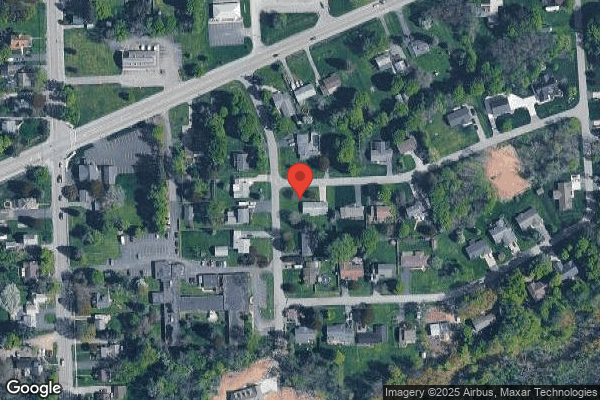
4540 LINCOLN DRIVE, GASPORT, NY 14067 (716) 772-2631
For profit - Limited Liability company 83 Beds ABSOLUT CARE Data: November 2025
Trust Grade
70/100
#256 of 594 in NY
Last Inspection: July 2024

Within standard 12-15 month inspection cycle. Federal law requires annual inspections.

Overview

The Absolut Center for Nursing & Rehab in Gasport, New York, has a Trust Grade of B, which indicates it is a good, solid choice for families considering care options. It ranks #256 out of 594 facilities in New York, placing it in the top half, and #6 out of 10 in Niagara County, meaning only five local options are better. However, the facility is trending worse, with issues increasing from 1 in 2023 to 5 in 2024. Staffing is a weakness here, rated only 2 out of 5 stars with a turnover rate of 47%, which is average for New York. While the facility has no fines on record, indicating compliance with regulations, it has concerning low RN coverage, being less than 98% of state facilities, which may impact care quality. Specific incidents noted by inspectors included a failure to follow infection control practices during catheter care and medication administration, which could lead to infections. Additionally, there was an inadequate investigation of a bruise on a resident's face, raising concerns about potential abuse. Another incident involved a resident eloping from the facility unnoticed, highlighting a lack of adequate supervision. Overall, while there are positive aspects like the absence of fines, families should be aware of the facility's deficiencies and recent trends in care quality.

Trust Score
B
70/100
In New York
#256/594
Top 43%
Safety Record
Low Risk
No red flags
Inspections
Getting Worse
1 → 5 violations
Staff Stability
⚠ Watch
47% turnover. Above average. Higher turnover means staff may not know residents' routines.
Penalties
✓ Good
No fines on record. Clean compliance history, better than most New York facilities.
Skilled Nurses
⚠ Watch
Each resident gets only 14 minutes of Registered Nurse (RN) attention daily — below average for New York. Fewer RN minutes means fewer trained eyes watching for problems.
Violations
⚠ Watch
11 deficiencies on record. Higher than average. Multiple issues found across inspections.
★★★☆☆
3.0
Overall Rating
★★☆☆☆
2.0
Staff Levels
★★★☆☆
3.0
Care Quality
★★★☆☆
3.0
Inspection Score
Stable
2023: 1 issues
2024: 5 issues

The Good

  • Full Sprinkler Coverage · Fire safety systems throughout facility
  • No fines on record

Facility shows strength in fire safety.

The Bad

3-Star Overall Rating

Near New York average (3.1)

Meets federal standards, typical of most facilities

Staff Turnover: 47%

Near New York avg (46%)

Higher turnover may affect care consistency

Chain: ABSOLUT CARE

Part of a multi-facility chain

Ask about local staffing decisions and management

The Ugly 11 deficiencies on record

Jul 2024 5 deficiencies
CONCERN (D) 📢 Someone Reported This

A family member, employee, or ombudsman was alarmed enough to file a formal complaint

Potential for Harm - no one hurt, but risky conditions existed

Investigate Abuse (Tag F0610)

Could have caused harm · This affected 1 resident

Based on interview and record review conducted during a Complaint investigation (#NY00319528) during the Standard survey completed on 7/19/24, the facility did not ensure that all alleged violations o...

Read full inspector narrative →
Based on interview and record review conducted during a Complaint investigation (#NY00319528) during the Standard survey completed on 7/19/24, the facility did not ensure that all alleged violations of abuse and neglect were thoroughly investigated for one (Resident #36) of five residents reviewed. Specifically, there was a lack of employee interviews and statements to rule out abuse regarding an injury of bruising below the resident's right eye. The finding is: The facility policy and procedure titled, Facility Incident/Abuse Investigation and Reporting, with a revision date of 6/7/23, documented the facility will conduct an immediate and thorough investigation, upon discovery of an incident including injury of unknown source. An injury should be classified as an injury of unknown source when all of the following criteria are met: The source of the injury was not observed by any person; and the source of the injury could not be explained by the resident; and the injury is suspicious because of the extent of the injury or the location of the injury (e.g., the injury is located in an area not generally vulnerable to trauma) or the number of injuries observed at one particular point in time or the incidence of injuries over time. The investigation should rule out or confirm abuse, mistreatment, or neglect by review of supporting evidence, including interviews and statements that offer valid information, observations, and record review. The outcome is determined by fact, based on the evidence and not on opinion. The Director of Nursing services interview shall consist of but not limited to the following: an interview with the person(s) reporting the incident, pertinent staff interviews preceding the incident minimally 2 shifts for any unexplained injuries of unknown etiology. Resident #36 had diagnoses that included unspecified dementia without behavioral disturbance, mood and anxiety disorder, peripheral vascular disease (decreased blood flow of extremities), spinal stenosis (a condition where spinal column narrows and compresses the spinal cord). The Minimum Data Set (a resident assessment tool) dated 6/17/23 documented Resident #36 had severe cognitive impairment. The assessment tool documented that Resident #36 had no impairment on the upper or lower extremities and was totally dependent on staff for locomotion on unit and off unit, including extensive assistance for personal hygiene and bathing. The comprehensive care plan dated 6/24/23 documented Resident #36 had a self-performance deficit related to dementia and spinal stenosis while transferring. Resident #36 was care planned for a maximal assist of two, handheld assist stand pivot method. Resident #36 was non-ambulatory and was wheelchair dependent and was to have two care givers for personal hygiene due to behavioral problems. Review of a Progress Note dated 7/26/23 at 7:32 AM by Licensed Practical Nurse Supervisor # 1 documented they were notified Resident #36 had a small, dark purple bruise to the outer aspect of right eye. Resident #36 was combative with care and often swings randomly at times striking themselves or others. Resident #36 showed no signs or symptoms of pain. Review of an incident report dated 7/26/23 at 4:00 AM completed by Licensed Practical Nurse Supervisor #1, documented they were notified that Resident #36 had a small, dark purple bruise to the outer aspect of their right eye. Resident was noted to be combative with care, and often swings randomly at times striking themselves or others. Resident #36 showed no signs or symptoms of pain. Resident #36 was unable to give description of the incident. Resident #36 was oriented to person. Predisposing Physiological factors included agitation, severe cognitive decline, impaired memory, confused, and incontinent. Resident #36 was a two-assist transfer and call bell was within reach, plan of care was followed. A note on the incident report dated 7/28/23 written by the Director of Nursing, documented the investigation was completed. The resident was unable to make a statement as to what happened due to their current mental status. A Certified Nursing Assistant found a deep purple bruise measuring 1 x 1 to the resident's outer right eye. No other delayed injuries were observed, no care plan changes were made. The resident was a 2-person caregiver due to how combative the resident was during care and the bruise was attributed to this combativeness. There were no interviews or statements from staff who worked the previous two shifts included for this investigation. During an interview on 7/19/24 at 1:47 PM with Certified Nursing Assistant #1, they stated during their shift on 7/26/23 they noticed the bruising on Resident #36 right eye when they entered the resident's room to perform care and they informed their supervisor immediately. They stated they were trained to have two assists with this resident due to combative behavior. They stated they would give the resident a towel or sheet to keep their hands busy while the other aide provided care. During an interview on 7/19/24 at 1:59 PM with Licensed Practical Nurse #5, they stated that Resident #36 was to always have two aides while providing care due the resident's behaviors. The aides were trained if Resident #36 became combative to reapproach the resident later. They stated that Resident #36 did try and kick them the other day and tried to swat them a few times. They stated they were trained to reapproach at another time when Resident #36 was combative. During an interview on 7/19/24 at 1:53 PM with the Director of Nursing, they stated that they were able to rule out abuse for the incident that occurred on 7/26/23 because they knew Resident #36 was combative and would grab their own arms, flail their arms in the air, and often hit themselves. They stated this Resident always had two care givers when providing care, one to provide care and one to distract the Resident. They stated that the bruising of the right eye was not an unknown injury and did not go back 48 hours to get witness statements because they believed the injury was of a known source. They stated that based on their investigation they concluded the Resident's regular demeanor and combativeness was the cause. If they believed the injury to be abuse, they would have reported it as abuse. During an interview on 7/19/24 at 2:36 PM with the Administrator, when asked if they felt that the Director of Nursing did a complete investigation on the incident that occurred on 7/26/23 with Resident #36 right eye injury of unknown source, they stated due to the resident's combativeness it was a reasonable conclusion the injury occurred due to Resident #36 behaviors. The Administrator stated getting witness statements from staff who worked previous shifts could have been done and would be a good step to take in the future, however, it did not change their position about this incident's conclusion. They stated that they felt a reasonable conclusion was founded and that the injury of Resident #36's right eye was due to combativeness and probably self-inflicted. 10NYCRR 415.4(b)(3)
CONCERN (D) 📢 Someone Reported This

A family member, employee, or ombudsman was alarmed enough to file a formal complaint

Potential for Harm - no one hurt, but risky conditions existed

Accident Prevention (Tag F0689)

Could have caused harm · This affected 1 resident

**NOTE- TERMS IN BRACKETS HAVE BEEN EDITED TO PROTECT CONFIDENTIALITY** Based on interview, observation, and record review conducted during a Complaint investigation (#NY00322578) conducted during a S...

Read full inspector narrative →
**NOTE- TERMS IN BRACKETS HAVE BEEN EDITED TO PROTECT CONFIDENTIALITY** Based on interview, observation, and record review conducted during a Complaint investigation (#NY00322578) conducted during a Standard survey, the facility did not ensure that each resident receives adequate supervision and assistance devices to prevent accidents for one (Resident #38) of two residents reviewed for accidents. Specifically, Resident #38 who was a risk for elopement, eloped from the facility without staff knowledge and was outside of the facility for 20 minutes. The finding is: The policy and procedure titled Risk of Elopement dated 1/26/22 documented that a safe environment is provided for patients/residents who are at risk to wander. The policy and procedure titled Loss of Resident/Missing Resident dated 11/09 documented that all staff will be able to follow an organized plan to enable us to locate a missing resident as quickly as possible. The policy and procedure titled Elopement Security System Alarms/Devices dated 5/08 documented that security alert devices are used to alert staff to resident movement outside a designated area. The policy and procedure documented that alarm devices will be assessed at regular intervals to ensure proper functioning and wander guard devices will be monitored every shift by placing it on the treatment administration record. The policy and procedure titled Exits dated 10/22 documented that all unsupervised exits will be magnetically locked or equipped with an alarm and will be kept free of obstructions for the safety of security of the residents. The policy and procedure documented that at no time will the magnetic locks be disengaged or alarmed door alarms are in the off position and unsupervised at the same time. Resident #38 was admitted to the facility with diagnoses of dementia and depression. Review of the Minimum Data Set (a resident assessment tool) dated 6/8/24 documented that the resident was severely cognitively impaired, usually understood by others, sometimes understands others. The Minimum Data Set documented Resident #38 had wandering behaviors one to three days in the last seven days. Review of an Elopement Risk assessment dated [DATE] documented that Resident #38 was ambulatory (can walk independently); was a new admission and questioned the need to be in the facility; cognitively impaired with poor decision making skills; has a diagnosis of dementia; has a history of wandering; making statements of leaving or looking for someone; displays behaviors that indicated that an elopement may be forthcoming; educate staff to and add to care guide; utilize wander guard system; apply wander detection bracelet; and post resident's photo at the front desk. Review of the comprehensive care plan dated 7/26/23 it documented that Resident #38 was a risk for elopement with interventions to include a wander guard alarm and the resident's photograph at the front desk to identify them. Review of the physician order dated 7/26/23 documented that Resident #38's wander guard placement was to be checked every shift. Review of an undated document titled Nursing Supervisor Door Check Log documented that all doors should be checked every shift to ensure they were locked by trying to push the door open and, if there were any issues with the door, the door must be manned until maintenance fixed the problem. Review of a Nursing Supervisor Door Check dated 8/14/23 to 8/22/23 documented that doors were checked on the 11 PM to 7 AM shift. Review of the August 2023 Mag Lock and Wander Guard System Daily Audit documented that the magnetic lock doors were in working order and that the delayed egress (exit) signage was posted. Review of the August 2023 treatment administration record documented that Resident #38's wander guard was checked on each shift. Review of a security video dated 8/21/23 revealed that at 3:54 PM, Certified Nurse Assistant #9 left through the Unit C emergency exit door. The ambulance door was noted to have an emergency exit only sign. At 3:58 PM, Resident #38 left through the same door. The Investigation Summary Form dated 8/21/23 documented that Resident #38 was last seen at 3:53 PM by the Unit C emergency exit door and the resident was redirected away from the door. Certified Nurse Assistant #9 exited the Unit C emergency exit door at 3:55 PM. Certified Nurse Assistant #9 did not let the door closer close the door as designed and manually closed the door which caused the door not to latch correctly. Resident #38 pushed open the Unit C emergency exit door at 3:58 PM. At 4:12 PM, a family member reported that a resident may be outside the facility. Resident #38 was found on a neighbor's front lawn at 4:19 PM. It was noted that the Unit C emergency exit door does not have a wander guard alarm. Multiple observations of Unit C emergency door exit from 7/15/24 to 7/19/24 during day shift hours revealed that the door was locked. Additional observations during this time of the Unit C emergency exit door revealed no staff exited the emergency exit door. Multiple observations from 7/15/24 to 7/19/24 of Resident #38 wandering through the facility. Resident #38 did not attempt to leave the facility during these observations. Resident #38 was noted to have a wander guard bracelet on their ankle. During a telephone interview on 7/18/24 at 10:13 AM, Certified Nurse Assistant #9 stated they entered a code on the Unit C emergency exit door and exited the facility to go to their car to retrieve their phone. They stated that they obtained the code from another employee to open the emergency exit door. Certified Nurse Assistant #9 stated they saw other employees use that exit before. They stated that held the door open because they saw a nurse and they thought the nurse might want to use the door as well. They stated that they did not know that Resident #38 was behind them or in the hall. Certified Nurse Assistant #9 did not see the resident exit the building. They stated they thought they closed the emergency exit door correctly. They stated that they were in-serviced on elopement after the incident. Certified Nurse Assistant #9 stated that they no longer work for the facility. During an interview on 7/18/24 at 10:52 AM, the Director of Nursing stated that Certified Nursing Assistant #9 saw them down the end of the hall and held the door open. They stated that made a no motion with their hands to indicate that they weren't leaving the building. The Director of Nursing stated that they were going to talk to Certified Nurse Assistant #9 after they came back into the facility. The Director of Nursing stated that they thought that Certified Nurse Assistant #9 had closed the door all the way, so the lock engaged. The Director of Nursing did not realize that the door was not closed. The Director of Nursing stated that they did not realize that Resident #38 had left the building through the emergency exit door. They stated the resident was brought back, and a full body assessment was done to check for any injuries. The Director of Nursing stated that they expect employees to use the correct entrances and exits when entering or leaving the building. During an interview on 7/19/24 at 10:31 AM with the Administrator stated that they expect staff to use the correct employee entrances and exits. The Administrator stated that Certified Nurse Assistant #9 was an agency employee and no longer worked at the facility. The following corrective actions were implemented by the facility to correct the non-compliance as of 8/28/23 at 11:00 PM: -Resident #38 was assessed for injuries at the time of the elopement and none noted. -Starting on 8/21/23, facility staff and Certified Nursing Assistant #9 were educated on resident elopement; proper use of emergency exit doors; proper exit and entry doors for employees and to ensure doors latch correctly; and not to give door codes to outside vendors including agency staff. -During the Standard survey period from 7/15/24 to 7/19/24, Resident #38 was not observed attempting to elope. -During the Standard survey period from 7/15/24 to 7/19/24, employees were not observed using the Unit C emergency exit door as an exit or entrance. -During the Standard survey period from 7/15/24 to 7/19/24, emergency exit doors were observed to have emergency exit signs with instructions of how to open door in case of emergency. -During the Standard survey period from 7/15/24 to 7/19/24 verified through record review and staff interview, it was determined that the facility re-educated 100% of their employees on emergency exit doors, exits and entrances for employees, not to give door codes to outside vendors and elopement. 10NYCRR 415.12(h)(1)
CONCERN (D)

Potential for Harm - no one hurt, but risky conditions existed

Incontinence Care (Tag F0690)

Could have caused harm · This affected 1 resident

**NOTE- TERMS IN BRACKETS HAVE BEEN EDITED TO PROTECT CONFIDENTIALITY** Based on observation, interview, and record review conducted during a Standard survey completed on 7/19/24, the facility did not...

Read full inspector narrative →
**NOTE- TERMS IN BRACKETS HAVE BEEN EDITED TO PROTECT CONFIDENTIALITY** Based on observation, interview, and record review conducted during a Standard survey completed on 7/19/24, the facility did not ensure that residents who had an indwelling (foley) catheter (tube inserted into the bladder to drain urine) received the appropriate care and services to manage catheters for one (Resident #37) of one resident reviewed. Specifically, there was lack of voiding trial (removal of a urinary catheter to see if someone can pass urine normally) when the resident was readmitted to the facility from the hospital with a foley catheter and the lack of a urology (part of health care that focuses on diseases of the urinary system) consult. The finding is: The policy and procedure titled Catheter (urinary) Insertion and Removal dated 9/2/20, documented prior to insertion or upon continued use upon admission, the unit coordinator or designee will discuss and document the involvement of the resident/representative of the risk and benefits of the use of a catheter, removal of the catheter when criteria or indication for use is no longer present, and the right to decline the use of a catheter. Resident #37 had diagnoses including hemiplegia (paralysis on one side of the body), type 2 diabetes, and major depressive disorder. The Minimum Data Set, dated [DATE] documented the resident had moderately impaired cognition and an indwelling urinary catheter. The comprehensive care plan dated 6/26/24 documented the resident had a urinary catheter related to neurogenic bladder (bladder with diminished sensation). Interventions included catheter care every shift and to follow provider orders for catheter/irrigation. Review of the hospital Discharge summary dated [DATE] documented the resident was admitted with severe sepsis thought to be secondary to urinary tract infection with chronic foley catheter secondary to neurogenic bladder chronic foley catheter and to follow up with urology. Review of nurse Progress Notes dated 4/29/24 at 9:36 AM revealed the resident was seen by the Medical Director who wanted a voiding trial done to discontinue the foley catheter. On 4/30/24 at 2:21 PM, the resident's foley was removed. On 5/2/24 at 7:55 PM, the resident voided large amount of urine and had no complaints. Review of nurse and physician Progress Notes from 4/30/24-6/9/24 revealed the urinary catheter was not re-inserted and the resident was not seen by a urologist. The Order Summary Report (medical provider orders) documented an active order dated 6/12/24 for a foley catheter 16 French (measurement scale used to describe dimension of medical device tubing) with 10 cubic centimeter bulb, change as needed. Review of nurse and physician Progress Notes dated 6/12/24-7/17/24 revealed there was no documentation that a voiding trial was completed upon readmission from the hospital. During an interview and observation on 7/15/24 at 10:47 AM, Resident #37 stated they had a catheter that was put in during their last hospital stay and had asked staff to remove it. The resident stated it had been in for over two weeks and they had a urinary tract infection recently but wasn't sure if they still did. The resident had a urinary collection bag in a privacy bag hooked onto the bed frame that had clear yellow urine in the catheter tubing. During an interview on 7/18/24 at 1:49 PM, Licensed Practical Nurse #7 stated when the resident went to the hospital, they decided they had retention, so they put in the foley catheter, and the Licensed Practical Nurse #7 wasn't sure if they did a voiding trial when the resident returned to the facility in June. During an interview on 7/18/24 at 3:43 PM, the Registered Nurse Resident Care Coordinator #1 stated Resident #37 had a foley catheter for a neurogenic bladder diagnosis that was documented in a hospital discharge summary in April. The Registered Nurse Resident Care Coordinator #1 reviewed the resident's electronic medical record and stated they didn't see any urology consults and that the resident was re-hospitalized in June with stroke like symptoms caused by a urinary tract infection. They stated a voiding trial wasn't done since the readmission in June because of the same issue the resident was hospitalized with. During an interview on 7/19/24 at 10:00 AM, the Infection Preventionist/Director of Nursing stated they didn't know the reason Resident #37's foley catheter wasn't removed since most recent readmission, the Minimum Data Set (MDS) nurse would know because they make sure residents had the correct diagnosis and if the foley wasn't appropriate, they would do a voiding trial. During an interview on 7/19/24 at 10:39 AM, the Minimum Data Set (MDS) Coordinator reviewed Resident #37's electronic medical record and stated the resident got the neuromuscular dysfunction of the bladder diagnosis in April 2024 hospitalization and had a voiding trial when they were readmitted in April. They stated the resident didn't have the catheter when they went back to the hospital in June, and they didn't catch that because the discharge summary said chronic foley and it didn't click to them that the resident didn't have the foley when they were sent to the hospital in June. Because of the diagnosis of neurogenic bladder, they didn't question the foley catheter. The Minimum Data Set Coordinator stated it didn't look like the resident saw a urologist. During a telephone interview on 7/19/24 at 11:20 AM, the Medical Director stated Resident #37 should have had a voiding trial when they were readmitted from the hospital. When asked about the neurogenic bladder diagnosis from April and the subsequent voiding trial in April the Medical Director stated they always did a voiding trial when someone returned with a foley catheter. The Medical Doctor stated if they were not able to discontinue the foley, then they would follow up with a urologist. The Medical Director stated they didn't know why a voiding trial wasn't done when the resident was readmitted in June and that the resident was more at risk for sepsis, that was why they tried to remove the foley catheter as fast as they could. 10 NYCRR 415.12(d)(1)(2)
CONCERN (D)

Potential for Harm - no one hurt, but risky conditions existed

Antibiotic Stewardship (Tag F0881)

Could have caused harm · This affected 1 resident

Based on interview and record review conducted during the Standard survey completed on 7/19/24, the facility did not ensure an antibiotic stewardship program that included antibiotic use protocols and...

Read full inspector narrative →
Based on interview and record review conducted during the Standard survey completed on 7/19/24, the facility did not ensure an antibiotic stewardship program that included antibiotic use protocols and a system to monitor antibiotic use for one (Resident #65) of one resident reviewed. Specifically, Resident #65 received Augmentin (antibiotic, Amoxicillin-Potassium Clavulanate 875-125 milligram) for osteomyelitis (bone infection) since 7/25/23 and there was no ongoing monitoring by the Antibiotic Stewardship Program including communication, tracking of its use, appropriate indications for continued use, or follow up appointment with the Infectious Disease Physician as recommended. The finding is: Review of the policy and procedure titled Antibiotic Stewardship Program effective 5/2017, documented the primary goal is to optimize the treatment of infections and clinical outcomes while minimizing unintended consequences of antibiotic use. The antibiotic stewardship program includes a system of monitoring antibiotic use. Actions to improve antibiotic prescribing/use include institute an antibiotic time-out which is an antibiotic review process to reassess the ongoing need for and choice of antibiotic while waiting for more information. Tracking: the facility will track adherence to clinical assessment documentation of signs and symptoms, vital signs, and physical examination findings of infection; the facility will track adherence to prescribing documentation (dose, duration, indication.) Resident #65 had diagnoses which included osteomyelitis (bone infection) of vertebra, sacral (sacrum) and sacrococcygeal (sacrum/coccyx (tailbone)) region; pressure ulcer of sacral region (stage 4, full thickness tissue loss with expose bone, tendon, or muscle), and methicillin resistant staphylococcus aureus (bacteria that is resistant to certain antibiotics) infection. The Minimum Data Set (resident assessment tool) dated 7/8/24 documented Resident #65 was cognitively intact and was receiving an antibiotic. The comprehensive care plan initiated 1/2/2023, revised 4/18/2024 revealed there was no documented evidence of antibiotic use for osteomyelitis. Review of hospital consult by infectious disease dated 12/2/2022 documented sacral osteomyelitis. Recommendations included: 12/17/2022 start Augmentin 875 twice a day for months until wound is better; check labs (complete blood count, comprehensive metabolic panel, erythrocyte sedimentation rate, and c-reactive protein) monthly and fax to infectious disease. Additionally, recommended return to clinic in 3 months with future appointment scheduled for 3/2/23 with infectious disease. Review of the Order Summary Report from 1/2/23 to 7/17/24 documented an active physician order for Augmentin 875-125 milligrams with instructions to give 1 tablet by mouth every morning and at bedtime for osteomyelitis with a start date of 7/28/2023. There was no stop date. Review of the monthly infections list, as identified by the Director of Nursing from July 2023 to June 2024 revealed there was no documented evidence the antibiotic/Augmentin use was monitored and tracked for Resident #65. Review of Medication Administration Record from July 2023 through July 2024 documented Resident #65 received Augmentin 875-125 milligrams twice a day for osteomyelitis. Review of Progress Notes transcribed by Medical Provider, Medical Doctor #1, dated 8/21/23 through 7/11/2024 documented no evidence of antibiotic use and no documented rationale for the continued use of the antibiotic. Review of nursing Progress Notes dated 1/2/2024 through 7/17/2024 did not document evidence that Resident #65's was being monitored for antibiotic use. During an observation and interview on 7/17/24 at 11:15 AM, Resident # 65 was lying in bed watching television. Resident #65 stated they saw an infectious disease doctor while at a local hospital for their pressure ulcer on their butt prior to being transferred from a sister facility in January of 2023. Resident #65 stated they don't recall seeing an infectious disease doctor since. During an interview on 7/19/24 at 8:45 AM, Licensed Practical Nurse #5 Unit Manager stated the Infection Preventionist/ Director of Nursing tracks antibiotic use in the facility. Licensed Practical Nurse #5 Unit Manager stated that Resident #65 was started on Augmentin prior to coming to facility for osteomyelitis. They stated Resident #65's sacral pressure ulcer was healing well, and there has been no recent signs/symptoms of infection noted or reported. They stated that to their knowledge there has been no follow up consults related to Resident #65's osteomyelitis in the last year. Additionally, they stated that long term use of antibiotics could cause problems like Clostridioides difficile (C. diff- infection of the colon) and antibiotic resistance. During an interview on 7/19/24 at 8:57 AM, Director of Nursing/Infection Preventionist stated they generate, run an antibiotic report every month and discuss at quality assurance and performance improvement (QAPI) meetings. They stated they track only acute antibiotic use and residents who are admitted to the facility on an antibiotic. They stated they do not track Resident #65 antibiotic use for osteomyelitis as they were receiving it long term. Additionally, they stated they have not reviewed Resident #65 antibiotic use since Medical Doctor #1 reinstated it last year (7/2023). During a telephone interview on 7/19/24 at 10:47 AM, Pharmacy Consultant stated they do not provide, nor have they been asked to provide the facility with a monthly antibiotic report. They stated all antibiotics should be tracked, to monitor for appropriate usage and resistance. Additionally, they stated antibiotics were reviewed at quality assurance and performance improvement (QAPI) meeting. During a telephone interview on 7/19/24 at 11:15 AM, Medical Doctor #1 stated they expected the facility to follow protocol for tracking antibiotic use. They stated they accessed Resident #65's medical record electronically and that Resident #65 was receiving Augmentin for chronic osteomyelitis. Medical Doctor #1 was unable to say whether Resident #65 has had any follow up consults with infectious disease concerning the osteomyelitis. They stated they follow the recommendations from the wound team at the facility. They stated they would only document on the antibiotic if there were ill effects from it. Additionally, they stated they attend quality assurance and performance improvement (QAPI) meetings and antibiotic use was discussed, however they could not recall if Resident #65's use of Augmentin has been discussed. 10NYCRR 415.12(l)(1)
CONCERN (F)

Potential for Harm - no one hurt, but risky conditions existed

Infection Control (Tag F0880)

Could have caused harm · This affected most or all residents

**NOTE- TERMS IN BRACKETS HAVE BEEN EDITED TO PROTECT CONFIDENTIALITY** Based on observation, record review, and interview conducted during a Standard survey completed on 7/19/24, the facility did not...

Read full inspector narrative →
**NOTE- TERMS IN BRACKETS HAVE BEEN EDITED TO PROTECT CONFIDENTIALITY** Based on observation, record review, and interview conducted during a Standard survey completed on 7/19/24, the facility did not ensure infection control prevention practices were maintained to prevent the development and transmission of communicable diseases/infections or implement a system of surveillance designed to identify possible communicable diseases/infection before they can spread to other persons in the facility for three (Residents #3,22, and 37) of six residents reviewed. Specifically, the issues involved; staff did not wear a gown during peripherally inserted central catheter (a catheter that is inserted through a vein and advanced until the tip enters the central venous system) care; staff did not wear a gown and gloves during medication administration for a resident on contact and enhanced barrier precautions (infection control interventions including gown and glove use for high contact resident care activities designed to reduce transmission of multidrug-resistant organisms) (Resident #22). Residents who had an indwelling urinary catheter did not have signs posted that indicated enhanced barrier precautions (Resident #3, 37) and staff did not wear a gown while emptying the urine collection bag (Resident #37). In addition, the Infection Preventionist/program did not track close contacts of residents who were diagnosed with scabies (parasitic infestation of the skin caused by tiny mites). The findings are: The policy and procedure titled Infection Prevention and Control-General Statement dated 5/2023 documented the facility would perform surveillance investigation and monitoring to prevent the spread of infection. This includes a system for preventing and controlling infections and communicable disease for all residents and staff. The Centers for Medicare and Medicaid Services Quality Safety and Oversight memoranda QSO-24-08-NH dated 3/20/24, documented enhanced barrier precautions were indicated for residents with indwelling medical devices even if the resident was not known to be infected or colonized with a multidrug-resistant organism. Examples of indwelling medical devices include central lines and urinary catheters. Enhanced barrier precautions were to be used when staff performed wound care for any skin opening that required a dressing. The memo also documented enhanced barrier precautions are employed for high contact resident care activities including the care or use of a urinary catheter. The document titled Policy on Outbreak Investigation and Infection Control Measures revised 6/24 documented an outbreak is one case of infection that is highly communicable, including scabies. Steps to be taken to facilitate the investigate include but are not limited to clarification of nature and extent of problem, planning investigative process, institution of control measures. The document titled Policy on Disease Specific Isolation/Precautions dated 6/11/24 documented Enhanced Barrier Precautions may be recommended for residents with wounds and/or indwelling medical devices even if the resident is not known to be infected or colonized with a multidrug-resistant organism. Examples of indwelling medical devices include central lines and urinary catheters. Contact precautions are intended to prevent infections that are spread by direct contact or indirect contact with the resident or their environment and require use of personal protective equipment, including gown and gloves upon entering the room. 1. Resident #22 diagnosis include necrotizing fasciitis (bacterial infection), methicillin resistant staphylococcus aureus (antibiotic resistant bacteria) infection and Alzheimer's disease. The Minimum Data Set (resident assessment tool) dated 6/10/24 documented the resident understood, usually understands, and had severe cognitive impairment. Resident #22 was dependent on staff for transfers, required partial/moderate assist with hygiene, and received intravenous (through the vein) medications. During an observation on 7/15/24 at 10:40 AM, Resident #22's private room had sign (laminated orange) posted outside room indicating enhanced barrier precautions. At 10:44 AM Resident #22 exited the shower room in a shower chair covered with a bath blanket. Nursing staff transporting Resident #22 to their room were wearing a gown and gloves. The comprehensive care plan revised on 7/16/24 documented Resident #22 had an active infection related to infected sacral (area above the tailbone) decubitus (bedsore) and rash positive for scabies 7/16/24. Interventions included enhanced barrier precautions, labs and diagnostic testing per medical doctor order, transmission-based precautions as per policy, and administer antibiotic/medication as ordered. Review of Lab Results Report dated 7/16/24 documented a skin scraping to rule out scabies was collected on 7/16/24 at 9:00 AM and reported on 7/16/24 at 2:45 PM. The results showed sarcoptes scabiei (scabies). Review of [NAME] Report (guide used by staff to provide care) dated 7/17/24 documented enhanced barrier precautions and transmission-based precautions as per policy. During an observation on 7/17/24 at 8:43 AM, Resident #22's private room had additional signage posted outside the room that included a white laminated sign with stop signs present instructing all staff and visitors to check with the nurse prior to entering the room. Different precaution levels were listed that included contact, droplet, enhanced droplet, and airborne. The sign indicated what personal protective equipment was needed for each precaution level. Contact precautions were marked and indicated use of gloves and gown. The enhanced barrier precaution sign remained. During an observation from the hallway on 7/17/24 at 1:55 PM, Registered Nurse Resident Care Coordinator #1, was in Resident #22's room wearing only gloves and was observed to disconnect infusion tubing connected to Resident #22's right arm, peripherally inserted central catheter (PICC) and flushed the catheter with a syringe. Registered Nurse Resident Care Coordinator #1 adjusted Resident #22 bed sheets over their arms while they leaned into the side of the bed with their scrubs (clothing) touching the sheets on the bed. During an interview on 7/17/24 at 1:59 PM, Registered Nurse Resident Care Coordinator #1 stated the facility identified residents on precautions by the signs that were posted outside the resident's room and that they received a list from the Director of Nursing or Assistant Director of Nursing of all residents on precautions. They stated the type of personal protective equipment that was required depended on what type of precautions a resident was on and what the staff were doing with the resident on precautions. Registered Nurse Resident Care Coordinator #1 stated they did not know why Resident #22 was on enhanced barrier precautions, but believed it was for wound care. They stated that enhanced barrier precautions were implemented on residents with an active infection. They stated they did not apply a gown prior to entering Resident #22's room as they were not performing wound care. During an observation and interview on 7/17/24 at 2:05 PM, Registered Nurse Resident Care Coordinator #1 observed the signage outside Resident #22's room and stated that Resident #22 was on contact precautions. Then stated I guess I should have been wearing a gown as it states it right there on the sign. They stated it was important to follow precautions to prevent spreading whatever it was the resident had. Additionally, they stated they did not know Resident #22 had scabies and should have been informed. During an observation of medication administration on 7/18/24 at 8:25 AM, Licensed Practical Nurse #3 entered Resident #22's room. There were signs on the outside of the room that indicated the resident was on contact precautions and enhanced barrier precautions. The Licensed Practical Nurse #3 did not put on personal protective equipment including gloves and gown before they entered the room. The Licensed Practical Nurse #3 handed the plastic medication cup to the resident, the resident took the medications and handed the cup back to the Licensed Practical Nurse #3. The Licensed Practical Nurse #3 then touched the overbed table and brought it closer in front of the resident and exited the room without washing their hands. The Licensed Practical Nurse #3 went to their medication cart and performed hand hygiene with hand sanitizer. The Licensed Practical Nurse #3 stated they thought Resident #22 was on precautions because of their wound and was on intravenous antibiotics. Licensed Practical Nurse #3 stated they weren't sure about the two signs outside the resident's doorway and that anyone with a foley catheter or wound were on enhanced barrier precautions. If a resident was on contact precautions you had to wear gloves and a gown when they were dealing with that specific area during hands on care, not when they passed a meal tray or gave medications. During an interview on 7/19/24 at 12:39 PM, Infection Preventionist/Director of Nursing stated they expected nursing staff to wear proper personal protective equipment prior to entering a resident's room as posted on the precaution signs posted outside a resident's room. They stated Registered Nurse #1 should have been wearing a gown and gloves prior to entering Resident #22's room because that was what was required. They stated wearing a gown protects personal clothing from coming in contact acquiring what the resident has. 2. Review of Precaution Status Weekly Report updated 7/15/24, Resident #3 and Resident #37 were not listed as being on precautions, specifically enhanced barrier precautions and had foley catheters. Resident #3 had diagnoses included obstructive and reflux uropathy (obstruction in the urinary tract), benign prostatic hyperplasia with lower urinary tract symptoms and retention of urine. The Minimum Data Set, dated [DATE] documented Resident #3 usually understood/usually understands, had moderate cognitive impairment and an indwelling catheter. The comprehensive care plan initiated 11/1/2022 documented Resident #3 had a urinary catheter. Interventions included urinary catheter care every shift, change urinary drainage bag as needed, and follow orders for catheter/irrigation. There was no documented evidence the resident was on enhanced barrier precautions. During an observation on 7/15/24 at 11:53 AM, 7/18/24 at 9:38 AM and 7/19/24 at 12:50 PM, Resident #3 was in their room and had a foley catheter bag in a privacy cover. There was no signage posted indicating Resident #3 was on enhanced barrier precautions, and there was no personal protective equipment set up outside the resident's room. During an interview on 7/17/24 at 1:43 PM, Certified Nurse Aide #7 stated they were aware of which residents were on precautions by the signage posted outside the resident's room, bins with personal protective equipment were also located outside the room, and they also received a report from the nurse. They stated they knew what personal protective equipment to wear by what was posted on the sign. Certified Nurse Aide #7 stated personal protective equipment was required for residents on enhanced barrier precautions, which would include any resident with a wound, infection, or tubes going into their bodies. During an interview on 7/18/24 at 10:01 AM, Licensed Practical Nurse #5, Unit Manager, stated Resident #3 was not on enhanced barrier precautions because their urine was contained within the foley. They stated that nursing staff used standard precautions and if staff felt they would be splashed while draining urine from the urinary collection bag they could wear a gown. Licensed Practical Nurse #5 stated enhanced barrier precautions weren't needed for residents with a foley. Resident #37 had diagnoses including hemiplegia (paralysis on one side of the body), type 2 diabetes, and major depressive disorder. The Minimum Data Set, dated [DATE] documented the resident had moderately impaired cognition and an indwelling urinary catheter. The comprehensive care plan dated 6/26/24 documented the resident had a urinary catheter related to neurogenic bladder (bladder with diminished sensation). Interventions included catheter care every shift and to follow provider orders for catheter/irrigation. There was no evidence the resident was on enhanced barrier precautions. During observation on 7/16/24 at 2:49 PM and 7/17/24 at 8:24 AM Resident #37 was in their room with a foley catheter bag in a privacy cover. There were no signs for enhanced barrier precautions on the doorway or wall near the door. There was no bin for personal protective equipment near the resident's door. During an observation on 7/18/24 at 1:52 PM, Certified Nurse Aide #5 wore gloves while they emptied Resident #37's urine collection bag. The Certified Nurse Aide #5 did not wear a gown during the observation. During an interview on 7/18/24 at 2:00 PM, Certified Nurse Aide #5 stated they never wore a gown when they emptied a foley catheter because they tried to be careful and not splash the urine anywhere. The Certified Nurse Aide #5 stated they would wear a gown if the resident had something in the urine, like an infection. During an interview on 7/18/24 at 3:43 PM, the Registered Nurse Resident Care Coordinator #1 stated after a resident had completed their antibiotics for a multidrug-resistant organism, then they were placed on enhanced barrier precautions. It was for people who have had infections that never went away but weren't active anymore. They stated they've had education about it and the guidance was confusing. They didn't know residents with foley catheters were supposed to be on enhanced barrier precautions. During an interview on 7/19/24 at 9:11 AM, the Infection Preventionist/Director of Nursing stated residents who had a multidrug-resistant organism that completed antibiotic treatment but had a wound with secretions would be placed on enhanced barrier precautions when staff performed care. The Infection Preventionist/Director of Nursing stated a resident with a foley catheter would not have to be on enhanced barrier precautions and if staff felt there was a risk for splash when emptying a foley catheter bag they would wear a gown and the gown was optional with any resident who had a catheter or indwelling device. The Infection Preventionist/Director of Nursing stated that there was a risk for splashing of urine while staff emptied a foley collection bag. During an interview on 7/19/24 at 1:10 PM, Corporate Quality Assurance Nurse, stated everybody was on Enhanced Barrier Precautions, then changed to basically anyone not contained, to make it more homelike. Standard precautions are used for residents with foley catheters. They stated they can't say with 100% certainly that staff aren't going to get splashed. 3. The undated facility document titled Scabies Line List documented two residents were confirmed positive for scabies since 7/9/24. Review of the facility document titled Permethrin Cream List (topical treatment for scabies) starting 7/10/24 revealed a list of seven staff members including the Infection Preventionist/Director of Nursing and six Certified Nurse Aides. During a telephone interview on 7/18/24 at 11:15 AM, the Regional Epidemiologist stated during a facility outbreak, the Infection Preventionist/Director of Nursing should have a line list of every staff with potential exposures to the positive scabies cases and which staff accepted the treatment. The lists of contacts should be as inclusive as possible initially in order to treat them all at the same time ideally, that is what helps to not provide an escape system for scabies. During an interview on 7/19/24 at 9:11 AM, the Infection Preventionist/Director of Nursing stated the list they provided was the staff members who opted for scabies treatment, and it did not include all close contacts of the resident who tested positive for scabies on 7/9/24. They stated they had their scheduler working on that contact list. The Infection Preventionist/Director of Nursing stated that guidance from Epi (Epidemiologist) did mention contact tracing, but it had been confusing, and they were just trying to get everything done. They've had help with room cleaning but not much help with the contact tracing aspect. During an interview on 7/19/24 at 2:49 PM, the Infection Preventionist/Director of Nursing stated it was important to do the tracking so if anyone got a rash, they would know where it came from, and they could track back to know where it started and if it was spreading. During a telephone interview on 7/19/24 at 11:24 AM, the Medical Director stated that they had been informed of the outbreak and that the facility should have a list of staff who had contact with the scabies positive residents for tracking purposes. 10 NYCRR 415.19(a)(1)
Aug 2023 1 deficiency
CONCERN (D) 📢 Someone Reported This

A family member, employee, or ombudsman was alarmed enough to file a formal complaint

Potential for Harm - no one hurt, but risky conditions existed

Notification of Changes (Tag F0580)

Could have caused harm · This affected 1 resident

**NOTE- TERMS IN BRACKETS HAVE BEEN EDITED TO PROTECT CONFIDENTIALITY** Based on interview and record review during an Abbreviated survey (Complaint #NY00322015) completed on 8/22/23, the facility did...

Read full inspector narrative →
**NOTE- TERMS IN BRACKETS HAVE BEEN EDITED TO PROTECT CONFIDENTIALITY** Based on interview and record review during an Abbreviated survey (Complaint #NY00322015) completed on 8/22/23, the facility did not ensure that they immediately informed the resident's representative and the physician when there was a significant change in the resident's health, mental, or psychosocial status for two (Residents #1 and #2) of three residents reviewed. Specifically, Resident #1 was observed to have a left heel blister and the facility did not notify their Health Care Proxy (HCP). Additionally, Resident #2 had a recent history of a gastrointestinal (GI) bleed and the facility did not ensure they immediately consulted with the resident's physician when the resident developed emesis that had a coffee ground (vomit that is brown or black with a lumpy texture that looks like coffee grounds and was a sign of internal bleeding) appearance. The findings are: The policy and procedure (P&P) titled Change in a Resident's Condition or Status revised 3/2020, documented that the resident, his or her attending physician and representative are notified of changes in the resident's condition and/or status within 24 hours. The P&P documented that nursing services will notify the residents' attending physician when there is significant change in the resident's physical, mental or psychosocial status, a need to alter treatment significantly or a decision to transfer or discharge the resident from the facility. The P&P documented unless otherwise instructed by the resident, a nurse will notify the resident's next-of-kin or representative when there is a significant change in the resident physical, mental or psychosocial status. 1. Resident #1 had diagnoses including Parkinson's disease, diabetes mellitus type II and dementia. The Minimum Data Set (MDS- a resident assessment tool) dated 6/24/23 documented Resident #1 usually understood, usually understands, and had moderate cognitive impairment. Review of the Nursing: Weekly Skin Check LPN (Licensed Practical Nurse) (Shower Check) dated 7/27/23 at 6:55 PM, LPN #1 documented that Resident #1 had a skin abnormality identified and heel discolored and supervisor noted. Review of the RN (Registered Nurse) admission Skin Assessment dated 7/28/23 at 5:26 PM, RN #1 (RN Supervisor) documented that Resident #1 had a left heel blister measuring 3.5 centimeters (cm) x 3.5 cm x 0 cm. Review of the Order Recap Report dated 8/18/23 documented on 7/28/23 an order was initiated for skin prep to be applied to left heel fluid filled blister every shift. Review of the Progress Notes dated 7/28/23-8/6/23 revealed that there was no documentation that HCP #1 or HCP #2 were notified that Resident #1 had a left heel blister. During a telephone interview on 8/18/23 at 9:10 AM, Resident #1's HCP #2 stated that Resident #1 was noted to have pressure ulcer sores on their heels when they were sent from the facility and admitted to the hospital on [DATE]. HCP #2 stated the facility had never notified them of Resident #1 having pressure ulcers to their heels prior to hospitalization. During a telephone interview on 8/18/23 at 12:02 PM, HCP #1 stated they were Resident #1's HCP and they made medical decisions for Resident #1 along with HCP #2. HCP #1 stated the facility had never notified them that Resident #1 had any skin concerns including a new blister to their left heel. During a telephone interview on 8/21/23 at 2:22 PM, RN #1 stated when Resident #1 returned from an emergency room visit on 7/28/23 they completed an admission skin assessment. RN #1 stated they observed a fluid filled blister on Resident's #1 left heel. RN #1 stated the left heel blister was a serous (pale yellow, transparent body fluid) fluid filled blister that measured 3.5 cm x 3.5 cm x 0 cm. RN #1 stated they would usually notify the Resident Care Coordinator (RCC) verbally in person or write them an email when they observed a new area of pressure on a resident. RN #1 stated they could not locate an email for who they notified about Resident #1's heel, and they did not know if they verbally reported the area to anyone. RN #1 stated that they did not notify Resident #1's HCP and that it was the RCC's responsibility to notify a resident's representative of any new skin issues. During a telephone interview on 8/22/23 at 10:45 AM, LPN #1 stated on 7/27/23 they had found Resident #1 had fallen onto the floor. LPN #1 stated that when they were looking for any injuries, they observed that Resident #1's left heel was discolored. LPN #1 stated other nursing management staff responded to the fall but could not recall who they were. LPN #1 stated that the other supervisors also assessed Resident #1 for injuries and were aware of Resident #1 discolored area on their heel. LPN #1 stated they left the room at that point and the supervisors took over the situation. LPN #1 stated they documented Resident #1 discolored heel on the LPN shower sheet and did not notify the family of the new skin area. 2. Resident #2 had diagnoses including fracture of the right femur, GI hemorrhage and acute posthemorrhagic anemia (anemia due to a quick large amount of blood loss). The MDS dated [DATE] documented that the resident was understood, understands and was cognitively intact. Review of the Progress Notes revealed: -LPN #2 documented on 6/14/23 at 12:14 AM, that Resident #2 voiced GI upset and shortly after had a moderate amount of brown coffee ground emesis. -LPN #2 documented on 6/14/23 at 3:04 AM, that Resident #2 had another moderate amount of coffee ground colored emesis and vital signs were stable. -LPN #3 documented on 6/14/23 at 7:49 AM, that Resident #2 was having a large amount of coffee ground emesis. LPN #3 documented that the spouse and medical provider were notified, and the resident was sent to the hospital. Review of the hospital Discharge Summary dated 6/15/23, documented that Resident #2 had a recent admission to the hospital on 6/8/23 for a GI bleed and returned again to the hospital from the rehabilitation center on 6/14/23 due to emesis with blood in it. The summary documented that Resident #2 was admitted to the hospital for an upper GI bleed with severe gastritis (inflammation of the lining of the stomach) due to Helicobacter Pylori (bacteria in the lining of the stomach that causes an infection). During a telephone interview on 8/22/23 at 9:00 AM, the Medical Doctor (MD) #1 stated that their expectation for a resident that had coffee ground emesis with history of GI bleeding was staff to notify the medical provider immediately. MD #1 stated that a medical provider should have been notified after Resident #2's first episode of emesis for further orders. MD #1 stated they did not recall if they were notified about Resident #2 having coffee ground emesis on 6/14/23 during the night. During a telephone interview on 8/22/23 at 11:02 AM, LPN #2 stated that they worked the night of 6/14/23 and Resident #2 was having projectile emesis that was brown in color, foul smelling and it had an appearance of being coffee ground emesis. LPN #2 stated that they told the nursing supervisor but could not recall who the nursing supervisor was. They stated that they should have charted that they notified the supervisor in their nursing progress notes. In a further interview on 8/22/23 at 1:17 PM, LPN #2 stated occasionally they had to supervise the building and they were the supervisor on 6/14/23. LPN #2 stated they did not notify a medical provider during their shift about Resident #2 having coffee ground emesis because Resident #2 was resting comfortably, and their vital signs were stable. They stated that they notified LPN #3 when they arrived at work in the morning. LPN #2 stated that they should have called the MD after the first incident of emesis because Resident #2 had just returned from the hospital with a diagnosis of GI bleed. During a telephone interview on 8/22/23 at 1:23 PM, LPN RCC #3 stated the nursing staff should notify them verbally if a resident had a new area of skin concern. LPN RCC #3 stated they were not notified that Resident #1 had a new left heel blister on 7/28/23 and they should have been. LPN RCC #3 stated they were responsible for notifying the resident representatives when there was a change in the resident's condition, a change in their medications or a new area of skin concern. LPN RCC #3 stated they did not notify Resident #1 representatives of a left heel blister because they were unaware Resident #1 had one. LPN RCC #3 stated on 6/14/23 around 7:00 AM they were notified by a Certified Nursing Assistant (CNA) that Resident #2 had emesis. LPN RCC #3 stated that when they visualized the emesis it had the appearance of coffee ground emesis. LPN RCC #3 stated they notified the on-call medical provider and Resident #2 was sent to the hospital for evaluation around 8:00 AM. LPN RCC #3 stated they notified the medical provider because it was a change in Resident #2 condition. During a telephone interview on 8/22/23 at 1:34 PM, the Director of Nursing (DON) stated when a new pressure ulcer was observed, the resident's representative was to be notified because it was a change in the resident's condition. The DON stated it was the responsibility of the nurse that observed the area to notify the resident representative. The DON stated that they were not aware if Resident #1's HCP was notified on 7/28/23 of the new pressure area to their left heel. The DON stated that on 7/28/23, RN #1 measured the pressure area on Resident #1 and began a treatment. They stated that their expectation was that RN #1 would notify Resident #1's HCP because Resident #1 did not have capacity for medical decisions. The DON stated they expected staff to contact them and/or the medical provider when a resident started having coffee ground emesis. The DON stated Resident #2 had a history of a recent GI bleed and the medical provider should have been contacted immediately on 6/14/23 when the resident started having coffee ground emesis. The DON stated the importance of notifying the medical provider was because emesis of coffee ground appearance could be evidence that there is internal bleeding. The DON stated Resident #2 recently had a GI bleed and the presence of coffee ground emesis could mean Resident #2 was still bleeding. 10 NYCRR 415.3(f)(2)(ii)(b)
Oct 2022 3 deficiencies
CONCERN (D)

Potential for Harm - no one hurt, but risky conditions existed

Report Alleged Abuse (Tag F0609)

Could have caused harm · This affected 1 resident

Based on interview and record review during a Standard survey started 9/28/22 and completed 10/4/22, the facility did not ensure that all alleged violations including abuse are reported immediately, b...

Read full inspector narrative →
Based on interview and record review during a Standard survey started 9/28/22 and completed 10/4/22, the facility did not ensure that all alleged violations including abuse are reported immediately, but not later than 2-hours after the allegation is made to the appropriate officials (including the State Survey Agency). Specifically, one (Resident #39) of one resident reviewed for allegation of physical abuse was not reported to the New York State (NYS) Department of Health (DOH) as required. The finding is: The policy titled Abuse Reporting and Facility Incident Reporting revised date 4/1/21 documented any alleged violations involving mistreatment or abuse will be reported to the appropriate involved parties and state agencies. The facility administrator, or designee, notifies the State Licensing and Certification Agency when there is an allegation that a resident has been abused. All alleged violations involving abuse against a resident are reported immediately, but not later than 2 hours after the allegation is made, if the events that caused the allegation involve abuse, to the administrator of the facility and to other officials (including the State Survey Agency) in accordance with State law through established procedures. 1. Resident #39 has diagnoses including unspecified dementia, behavioral disturbance, psychotic disorder with delusions and major depressive disorder. The Minimum Data Set (MDS- a resident assessment tool) dated 8/17/22 documented Resident #39 was usually understood, usually understands, and severely cognitively impaired. The untitled comprehensive care plan with revised date of 7/29/21 documented alteration in psychosocial well-being; alteration in mood disorder. Interventions include two staff if available when providing care dated 11/25/21 and two staff and that the members in room with all and that the personal care dated 9/18/21. Respond to behaviors with the following diversions/ approaches: resident makes false accusations towards staff, calls staff and residents inappropriate names and yells at them, has boundary issues with other residents-direct resident back to room or help phone their sister, re-approached at a later time. Review of Director of Nursing (DON) summary dated 4/29/2022 documented on 4/29/2022 at approximately 4:30/4:45 AM Resident #39 stated to Licensed Practical Nurse (LPN) #1 that he was beat up by a big black (explicit word). LPN #1 immediately reported accusation to Registered Nurse (RN) #1 Supervisor. RN #1 immediately reported to Resident #39's room to interview and physically assessed the resident. During interview resident stated it happened last week and it was the certified nurse aide (CNA) #4. Through further questioning resident changed their story to state that the person who beat them was a young boy and it happens weeks ago. A full head to toe assessment revealed no injury. LPN #1 performed neuro checks, all within normal limits for resident baseline. Incident reported to DON. DON in and interviewed resident at approximately 6:30 AM. Resident stated they were not beat up but was lonely and bored and wanted some attention. Two alert and oriented residents were interviewed to determine care provided by CNA #4 and they had no issues. LPN #1 and RN #1 the stated that CNA #4 has always been noted to be patient and caring and have never received a complaint previously. Resident care planned for two assist care at all times due to history an accusatory statements. Resident has a history of discriminatory language targeting African Americans. Staff who had routinely worked with CNA #4 spoken with and stated all care performed with two assist and no care concerns during any interactions in April. Staff reminded to report any and all care concerns immediately. CNA #4 stated they always provide care with two assist due to resident accusations. Nothing unusual occurred with the resident during care in the last weeks. Review of the NYS DOH Automated Complaint Tracking System (ACTS) Facility Summary between 4/1/22 and 6/8/22 revealed that no report from the facility had been filed regarding the allegation of physical abuse for Resident #39 on 4/29/22. During an interview on 10/3/22 at 12:06 PM, LPN #1 stated Resident #39 came to them and reported that CNA #4 had come into their room and beat them up. The accusation was reported to RN #1 Supervisor. During a telephone interview on 10/3/22 at 12:58 PM, the DON stated, I did not feel this incident was reportable to the state because after we did our investigation for the allegation of abuse, it was felt there was no abuse. I am familiar with the reporting the regulations for reporting abuse as I use the New York State (NYS) reporting manual from August 2016. I am not aware of the abuse regulations from the CMS (Centers for Medicare and Medicaid Services) federal guidelines. During an interview on 10/3/22 at 2:05 PM, RN #1 Supervisor stated they remembered Resident #39, the incident and started an investigation. They reported it immediately to the DON. During an interview on 10/3/22 at 2:56 PM the Administrator stated, I would consider the allegation made by Resident #39 an allegation of abuse. The investigation was not reported to the NYS DOH because after the investigation the DON felt it was not abuse. I am familiar with the reporting process and use the NYS reporting manual. 415.4(b)(4)
CONCERN (D)

Potential for Harm - no one hurt, but risky conditions existed

Deficiency F0660 (Tag F0660)

Could have caused harm · This affected 1 resident

**NOTE- TERMS IN BRACKETS HAVE BEEN EDITED TO PROTECT CONFIDENTIALITY** Based on record review and interviews conducted during the Standard survey started on 9/28/22 and completed on 10/4/22, the faci...

Read full inspector narrative →
**NOTE- TERMS IN BRACKETS HAVE BEEN EDITED TO PROTECT CONFIDENTIALITY** Based on record review and interviews conducted during the Standard survey started on 9/28/22 and completed on 10/4/22, the facility did not develop and implement an effective discharge planning process that focuses on the resident's discharge goals, the preparation of residents to be active partners and effectively transition them to post-discharge care. Specifically, three (Residents #18, 25, and 49) of four residents reviewed for discharge planning lacked a referral to the local contact agency when a desire to return to the community was expressed. In addition, the facility did not develop a care plan that included the resident's discharge planning needs to address their desire to return to the community (Resident #25). The findings are: The facility policy and procedure (P&P) titled Discharge Plan dated 3/2020 documented an individualized interdisciplinary discharge care plan is developed with input from the patient and patient's representative to meet the patient's needs and goals. For patient's that request return to the community and express an interest in receiving information, the Social Worker (SW)/Discharge Planner will make referrals as appropriate and document such referrals. 1. Resident #18 had diagnoses including paraplegia (paralysis of lower extremities), peripheral vascular disease (PVD-poor circulation to extremities) and anxiety disorder. The Minimum Data Sets (MDS-a resident assessment tool) dated 4/19/22 and 7/20/22 documented Resident #18 was cognitively intact and expressed an interest in speaking to someone about the possibility of leaving the facility and returning to live and receive services in the community. The MDS documented a referral to the local contact agency was not needed. The comprehensive care plan revised 4/22/22, documented Resident #18 expressed an interest in returning to the community. Interventions included to evaluate preferences and needs for possible transition to community and provide information about community services/support and assist as needed. Review of interdisciplinary Progress Notes from 4/1/22 to 9/30/22 revealed there was no documented evidence that a referral to the local contact agency was made or a reason why a referral was not made. During an interview on 9/29/22 at 8:40 AM, Resident #18 stated they would like to return to the community and had never been referred to the local contact agency. The resident stated they would be interested in more information about the agency. During an interview on 9/30/22 at 3:00 PM, the SW stated when a resident expressed an interest in being discharged , they would call the resident's family or health care proxy to see if it was possible, safe, in the resident's best interest and within their capabilities to go home. The SW stated they were aware of the independent living center; it was called the Good Neighbor Program (open-door program) but thought a referral to this agency was a last resort if the resident wasn't able get more independent on their own. The SW stated they had not made a referral for Resident #18 to the Good Neighbor Program because they were waiting for some medical consults the resident was having prior to making a referral. 2. Resident #25 had diagnoses including diabetes, chronic obstructive pulmonary disease (COPD-lung disease that blocks airflow making it difficult to breathe), and cystitis (inflammation of the bladder). The MDS dated [DATE] documented Resident #25 was cognitively intact and expressed an interest in speaking to someone about the possibility of leaving the facility and returning to live and receive services in the community. The MDS documented a referral to the local contact agency was not needed. The comprehensive care plan revised 11/24/21, documented Resident #25 did not express an interest in returning to the community. Interventions included the resident required long term placement and to maintain their customary routine. Review of SW Progress Notes dated 6/28/22 at 8:54 AM, documented Resident #25 stated they wanted to be home by Christmas as they were still paying rent on their apartment and hoped to return. The SW documented the resident would need to be independent in all self-care activities of daily living (ADLs) in order to return home. A meeting was to be set up with the resident's health care proxy (HCP) to discuss the living environment. The resident was referred to therapy to work on goals needed to return to the community. There was no documented evidence that a referral to the local contact agency was made or a reason why a referral was not made. During an interview on 9/28/22 at 2:58 PM, Resident #25 stated their plan was to get home before Christmas. The resident stated they had tried a rehab program to help them walk again. The resident stated they did not know if any referrals were made, or any agencies were contacted to assist with their discharge plan. During an interview on 9/30/22 at 3:00 PM, the SW stated Resident #25 expressed an interest in going home, so they started a rehab program a couple months ago, but the resident didn't progress to be more independent with ADLs. The SW stated they did not think of the Good Neighbor Program for the resident and didn't make a referral. During an interview on 10/3/22 at 10:00 AM, the MDS Coordinator stated when a resident expressed, they wanted to return to the community, they would tell the SW and then the SW came up with a plan. The MDS Coordinator stated when the facility developed a discharge plan, the SW decided when a referral to an outside agency was needed. During further interview on 10/3/22 at 11:50 AM, the SW stated they would be responsible to update the discharge planning care plan. The SW stated the care plan was reviewed in June and at that time the resident expressed an interest in returning to the community and was reviewed again in August, but it wasn't updated because the resident had an acute illness. During an interview on 10/4/22 at 10:59 AM, the Administrator stated they were familiar with the local contact agency and had recently given the SW information on the program that they had obtained online. The Administrator stated they didn't know if their discharge planning policy specifically covered making a referral to the local contact agency and was not aware of the MDS questions regarding the resident's discharge interest and needing to make a referral. 3. Resident #49 has diagnoses including type 2 diabetes mellitus, congestive heart failure (CHF), and anxiety disorder. The MDS dated [DATE] documented Resident #49 was understood, understands and cognitively intact. Section Q: Resident responded yes to the question do you want to talk to someone about the possibility of leaving this facility and returning to live and receive services in the community and no-referral not needed was marked for has a referral been made to the local contact agency. The untitled care plan dated 5/13/21 documented Resident #49 expressed an interest in returning to the community. Interventions included to evaluate preferences and needs for possible transition to community and provide information regarding community services/ support and assist as needed. During an interview on 10/4/22 at 10:37 AM, Resident #49 stated they would like to go home as soon as they are able to and that this was their goal since admission. They stated they have not received or have been given any information or have spoken to anyone about services available in the community. During an interview on 10/4/22 at 10:44 AM, the SW stated they have not referred or given Resident #49 any information regarding community services or support and the open-door program information was not given. The Social Worker stated they thought they did not have to give that information to the resident until they were actually being discharged . 415.3(c)(3)
CONCERN (D)

Potential for Harm - no one hurt, but risky conditions existed

Medication Errors (Tag F0758)

Could have caused harm · This affected 1 resident

Based on observation, interview, and record review conducted during a Standard survey started on 9/28/22 and completed on 10/4/22, the facility did not ensure that residents who receive a psychotropic...

Read full inspector narrative →
Based on observation, interview, and record review conducted during a Standard survey started on 9/28/22 and completed on 10/4/22, the facility did not ensure that residents who receive a psychotropic medication have gradual dose reductions (GDR), unless clinically contraindicated, in an effort to discontinue these drugs for one (Resident #10) of three residents reviewed for antipsychotic medication use. Specifically, there was a lack of a GDR for a resident receiving antipsychotic medication and a lack of supporting documentation for the continued use of the antipsychotic. The finding is: The facility policy and procedure (P&P) titled Psychotropic Med Use Initiation and Gradual Dose Reduction dated 3/1/2020 documented that each resident is evaluated for the continued need of psychotropic medications and the determination of whether they are being maintained on the lowest effective dose. The P&P documented a GDR is to occur with the first year after admission in two separate quarters, with at least one month between attempts unless clinically contraindicated. The P&P documented tapering may be indicated when the resident's clinical condition has improved or stabilized, the underlying causes of the original targeted symptoms have resolved, and/or non-pharmacological approaches have been effective in reducing the symptoms. The P&P documented the GDR is considered clinically contraindicated if the physician has documented the clinical rationale for why any additional attempted dose reductions at that time would be likely to impair the residents' function or increase distressed behavior. 1. Resident #10 had diagnoses of dementia without behavioral disturbance, peripheral vascular disease (PVD-poor circulation of the lower extremities) and chronic obstructive pulmonary disease. The Minimum Data Set (MDS - a resident assessment tool) dated 7/10/22 documented Resident #10 was severely cognitively impaired, sometimes understands and usually understood. The MDS documented Resident #10 received antipsychotic medications on a routine basis, and there was no GDR attempted with the physician documenting a GDR attempt was clinically contraindicated on 1/6/22. The MDS documented that Resident #10 had no physical, verbal, or other behavioral symptoms that were directed nor non-directed toward others. During intermittent observations during the survey period of 9/28/22 to 10/3/22 from 10:00 AM to 3:00 PM Resident #10 had no violent outbursts or striking out at staff or residents. The Comprehensive Care plan with initiated/revision date of 12/15/21 (identified as current) documented Resident #10 had an alteration in mood and behavior pattern r/t (related to) dementia with behavioral disturbance. Interventions included to establish trust, identify interventions that where effective to minimize triggers; provide calm and reassuring environment; administer non-psychotropic and psychotropic medications per medical doctor (MD) order; and respond to behavior by walking away and reapproach. There were no targeted behaviors documented in the care plan. The Order Recap Report dated 10/4/22, documented a physician order on 12/16/21 for Risperidone 0.5 mg (milligrams) by mouth at bedtime for anxiety caused by tinnitus (ringing in the ears). -1/21/22 Risperidone was increased to 0.75 mg at bedtime for aggressive behaviors. -2/18/22 an additional dose of 0.25 mg was ordered daily for aggressive behaviors. -9/21/22 the indication for Risperidone 0.25 mg daily and 0.75 mg at bedtime for dementia with behavior disturbance. The Medication Administration Record (MAR) documented Risperidone 0.5 mg was to be administered at bedtime from 12/16/21-1/30/22. The MAR documented Risperidone 0.75 mg was to be administer at bedtime from 1/31/22-10/3/22. The MAR further documented Risperidone 0.25 mg was to be administer at 9:00 AM from 2/18/22-10/3/22. The MAR also documented Resident #10 refused medications at times. The Note to Attending Physician/Prescriber (documentation of recommendations from the Consultant Pharmacist) documented on 1/4/22 a recommendation to GDR the current dose of Risperidone to 0.25 mg daily. The physician response area was signed and checked agreed on 1/10/22. This GDR recommendation was not acted upon. On 7/18/22 a recommendation was made by the Consultant Pharmacist to GDR the current dose of Risperidone to just 0.75 mg at bedtime. The MD response was signed, checked disagree with benefits over risks handwritten on 7/21/22. Review of the interdisciplinary progress notes dated 5/1/22- 10/4/22 documented five episodes of verbal and/or physical aggression. Last being 8/25/22. Review of the Progress notes on 7/1/22, written by the Director of Social Work (SW) documented Resident #10's mood was stable. Review of the Progress notes written by the Medical Director for Resident #10 from 5/12/22-10/4/22 documented psych: displays comfort does not display anxiety or depression during encounter. The progress notes further documented documentation above supports appropriate use for each psychotropic medication. There was no documented evidence of a clinical rational or the resident's behaviors were detrimental to resident or others. During an interview on 10/4/22 at 9:54 AM, CNA #2 stated they are familiar with Resident #10. Resident #10, at times, would push and yell at staff during care but the behavior would stop when the staff reapproached the resident, did not rush the resident, and wrote on a note pad the care they were to provide for the resident to read. CNA #2 stated that Resident #10 would yell out in the hallway, but not mean things. Resident #10 just wants someone to pay attention to them. During an interview on 10/4/22 at 10:11 AM, Register Nurse (RN) #3 stated they were familiar with Resident #10. RN #3 stated they have not witnessed Resident #10 to be aggressive with staff or residents. RN #3 stated that Resident #10 was hard of hearing and their behavior would consist of yelling out, repetitive speech and refusal of care. RN #3 stated Resident #10's behaviors would stop when the resident was reapproached, and staff wrote things down on the residents note pad for them to read. During a telephone interview on 10/4/22 at 10:50 AM, the Pharmacist Consultant stated that a GDR of an antipsychotic medication should be done quarterly but not in two consecutive quarters. They stated that Resident #10 did not have a GDR completed of their Risperidone and they recommended a GDR in January of 2022 and July 2022. During a telephone interview on 10/4/22 at 10:56 AM, the Medical Director stated that the regulation for a GDR of an antipsychotic medication was if a resident was stable then a GDR is to be attempted. They stated that Resident #10's targeted behavior was outbursts, agitation and Resident #10 had been aggressive in the past. During an interview on 10/4/22 at 11:56 AM, the Director of SW stated a resident receiving an antipsychotic medication should have a gradual dose reduction attempted yearly. The SW stated they attend and prepare the documentation for Behavior Modifying Agent and Review Committee (BMARC) meetings. Resident #10 was to be reviewed in August 2022, but the committee did not meet in August and Resident #10 was not placed on the September 2022 schedule. They stated they did not review Resident #10 in September because the MD disagreed with the GRD recommendation from the pharmacist consultant in July 2022. The Director of SW stated they did not receive any reports of Resident #10 being aggressive to staff or other residents and did not feel they were a harm to self or others. The Director of SW stated that targeted behavior for the use Risperidone was aggression and yelling. In a further interview on 10/4/22 at 12:26 PM, the Director of SW stated they were responsible for care planning of for the use of an antipsychotic medication. They stated Resident #10's care plan does not include the target behavior and that it should have. During an interview on 10/4/22 at 12:30 PM, the Director of Nursing (DON) stated they do not know how often a gradual dose reduction should be attempted for a resident receiving an antipsychotic medication. The DON stated that Resident #10's behaviors had improved and were minimal when compared to when they were first admitted . The DON stated they would expect Resident #10 care plan to be more detailed and have the targeted behaviors listed. 415.12 (I) (2) (ii)
Oct 2020 2 deficiencies
CONCERN (D)

Potential for Harm - no one hurt, but risky conditions existed

Drug Regimen Review (Tag F0756)

Could have caused harm · This affected 1 resident

**NOTE- TERMS IN BRACKETS HAVE BEEN EDITED TO PROTECT CONFIDENTIALITY** Based on interview and record review conducted during the Standard survey completed on 10/21/20, the facility did not ensure tha...

Read full inspector narrative →
**NOTE- TERMS IN BRACKETS HAVE BEEN EDITED TO PROTECT CONFIDENTIALITY** Based on interview and record review conducted during the Standard survey completed on 10/21/20, the facility did not ensure that the attending physician documented in the medical record, their rationale for not acting upon a medication irregularity reported by the pharmacist for two (Resident #10 and #41) of five residents reviewed. Specifically, there is lack of a documented rationale for disagreeing with the consultant pharmacist's recommendations to discontinue a medication (Resident #10) and to change a medication from as needed (PRN) to routinely scheduled (Resident #41). The findings are: The policy and procedure (P&P) titled Medication Reconciliation and admission Medication Review dated 9/15/20, documented the Consultant Pharmacist conducts a medical review in conjunction with a drug regimen review monthly and as needed. The pharmacy consultant reports irregularities to the attending physician, facility Medical Director, and Director of Nursing. On the next scheduled visit, the attending physician reviews and documents the irregularity and what/if any action has been taken to address it. Should there be no change, the physician documents their rationale. 1. Resident #10 was admitted to the facility with diagnoses which include dementia, congestive heart failure (CHF), and hypertension (high blood pressure). The Minimum Data Set (MDS - a resident assessment tool) dated 8/6/20 documented the resident was moderately cognitively impaired, was understood and understands. In addition, the MDS documented minimal depression, no behaviors, and antipsychotic medication was received on six of the past seven days. The Order Summary Report dated 10/20/20 included an active physician order for Quetiapine Fumarate (antipsychotic medication) Tablet 25 MG (milligrams). Give 1 tablet by mouth at bedtime for sleep/ dementia with a start date of 7/30/2020. Review of Note To Attending Physician/ Prescriber dated 8/14/20 documented the following recommendation: Resident #10 with an order for Quetiapine 25 mg po (by mouth) HS (hour of sleep) for sleep/ dementia. Please consider discontinuing Quetiapine at this time. The Physician/ Prescriber Response section of the form documented the physician disagreed with the recommendation, signed and dated it on 8/19/20, but did not document the rationale. 2. Resident #41 was admitted to the facility with diagnoses which include dementia, chronic obstructive pulmonary disease (COPD - a group of lung diseases that block airflow and make it difficult to breathe), and congestive heart failure (CHF). The MDS dated [DATE] documented the resident had severe cognitive impairment, was understood and understands. In addition, the MDS documented moderate depression, no behaviors, and antianxiety medication was received on six of the past seven days. The Order Listing Report with date range 1/23/20 through 10/31/20, included the order Lorazepam (antianxiety medication) Solution 2 MG/ML (milligrams per milliliter) give 0.5 ml by mouth every 4 hours as needed for anxiety/restlessness/SOB (shortness of breath). Order date was 4/12/20 with revision date of 10/1/2020. Review of Note To Attending Physician/ Prescriber dated 7/6/20 included the following recommendation: Resident #41 currently receiving Lorazepam 1 mg by mouth every 4 hours PRN for anxiety. It was noted the resident had received PRN Lorazepam 16 times in the last 30 days. For resident's comfort and decreased anxiety, a recommendation is being made to discontinue PRN Lorazepam and schedule Lorazepam 1 mg by mouth twice a day for anxiety. The Physician/ Prescriber Response section of the form documented the physician disagreed with the recommendation, signed but did not date the form, and did not document the rationale. During a telephone interview on 10/21/20 at 11:03 AM, the current Consultant Pharmacist stated the expectation of the medical provider is to document a rationale in the medical record if they disagree with the Consultant Pharmacist recommendation. During a telephone interview on 10/21/20 at 12:20 PM, the current Medical Director, who is also Resident #41 and #10's attending physician, stated if a provider disagrees with a Consultant Pharmacist recommendation, they would expect ideally a rationale as to why the provider disagreed. During an interview on 10/21/20 at 1:21 PM, the Director of Nursing (DON) stated the attending physician is expected to document an explanation as to why they disagreed with a Consultant Pharmacist recommendation. 415.18(c)(2)
CONCERN (D)

Potential for Harm - no one hurt, but risky conditions existed

Unnecessary Medications (Tag F0759)

Could have caused harm · This affected 1 resident

Based on observation, interview, and record review conducted during the Standard survey completed on 10/21/20, the facility did not ensure it is free of a medication error rate of five percent or grea...

Read full inspector narrative →
Based on observation, interview, and record review conducted during the Standard survey completed on 10/21/20, the facility did not ensure it is free of a medication error rate of five percent or greater. There were two errors for 30 observed medication opportunities resulting in a medication error rate of 6.67 % (percent). Specifically, medications were not administered in accordance with the physician's order. Resident #269 was involved. The finding is: The facility policy titled Medication Administration, dated 2/20 documented to locate the resident's EMAR (Electronic Medication Administration Record) to verify what medications are to be administered. Prior to administering medications follow the five rights of medication administration. a) verify it is the correct resident. b) check the medication cassette/ container with the EMAR to verify the correct drug. c) check the medication cassette/ container with the EMAR to verify the right dose. d) Check the medication cassette/ container with the EMAR to verify the right time. e) Check the medication cassette/ container with the EMAR to verify the right route. Administer the medications to the to the resident. Sign off administered medications via EMAR. 1. Resident #269 was admitted into the facility with diagnoses including hypertension (HTN), overactive bladder (bladder dysfunction that causes sudden need to urinate), and vitamin D deficiency. The Comprehensive Care Plan (CCP) dated 10/9/20 documented Urge Bladder Incontinence related to overactive bladder and did not address the vitamin D deficiency. Review of an Order Summary Report dated 10/20/20 revealed orders for the following medications to be administered at 9:00 AM: Omeprazole (ant-acid) OTC (over the counter) 20 mg (milligrams) give 2 tablets by mouth (po) one time a day (qd) for GERD (gastric esophageal reflux disease), Cholecalciferol tablet (Vitamin D)1,000 units give 1 tablet po qd for supplementation, Myrbetriq Tablet Extended Release (ER) 24 hours 50 mg (milligrams) give 1 tablet po qd for overactive bladder, Lovastatin (statin- lowers cholesterol) tablet 20 mg give 1 tablet po qd for hyperlipidemia (high cholesterol), Meloxicam (anti-inflammatory) tablet 7.5 mg give 1 tablet po qd for pain, Trospium Chloride (anti-spasmodic) ER capsule 60 mg give 1 capsule po qd for bladder spasm, Gabapentin (anti-convulsant) 300 mg give 1 tablet po three times a day (TID) for neuropathy (disease of nerves), Oxybutynin Chloride (anti-spasmodic) Tablet 5 mg give three tablets po TID for bladder spasms, Metoclopramide HCL (anti-emetic-nausea) tablet 10 mg give 1 tablet po qd for GI distress. During a medication administration observation on 10/20/20 at 9:11 AM Licensed Practical Nurse (LPN) #1 dispensed the following medications into a medication cup: Omeprazole OTC 20 mg 2 tablets, Trospium CHL 60 mg ER 1 capsule, Gabapentin 300 mg 1 capsule, Lovastatin 20 mg 1 tablet, Oxybutynin 5 mg tablets give 3 tablets, Metoclopramide 10 mg 1 tablet, Meloxicam 7.5 mg 1 tablet. LPN #1 verified each medication dispensed into the cup with the EMAR. The surveyor also verified each medication that LPN #1 dispensed into the medication cup and counted there were 10 pills in the medication cup. LPN #1 locked the medication cart and administered Resident #269 the medications. LPN #1 returned to the medication cart, unlocked the EMAR, clicked save and a green check mark appeared next to all scheduled 9:00 AM medications on the EMAR, indicating all 9:00 AM medications were given. LPN #1 did not dispense or administer Vitamin D or Myrbetriq as ordered by the physician however documented that he had. During an interview on 10/20/20 at 9:35 AM, LPN #1 stated he did not count the pills prior to administration, and he did not click on each medication (physician) order in the EMAR to verify each medication that was to be given prior to administration and he should have. During an interview on 10/20/20 at 11:34 AM, Registered Nurse (RN) #1 Resident Care Coordinator (RCC) stated medications are prioritized, compared one by one with the physician order on the EMAR, then dispensed into medication cup. Nurses are expected to click on each physician order on the EMAR, compare the label to the EMAR, follow the five rights of medication administration before administering. The nurse should have clicked on each physician order in the EMAR. During an interview on 10/21/20 at 1:07 PM, the Director of Nurses (DON) stated nurses are expected to follow the five rights of medication administration, and labels are checked against the EMAR. Each medication dispensed during administration should be checked yes on the EMAR and verified prior to administration. 415.12(m)(1)
Understanding Severity Codes (click to expand)
Life-Threatening (Immediate Jeopardy)
J - Isolated K - Pattern L - Widespread
Actual Harm
G - Isolated H - Pattern I - Widespread
Potential for Harm
D - Isolated E - Pattern F - Widespread
No Harm (Minor)
A - Isolated B - Pattern C - Widespread

Questions to Ask on Your Visit

  • "Can I speak with families of current residents?"
  • "What's your RN coverage like on weekends and overnight?"

Our Honest Assessment

Strengths
  • • No major safety red flags. No abuse findings, life-threatening violations, or SFF status.
  • • No fines on record. Clean compliance history, better than most New York facilities.
Concerns
  • • 11 deficiencies on record. Higher than average. Multiple issues found across inspections.
Bottom line: Mixed indicators with Trust Score of 70/100. Visit in person and ask pointed questions.

About This Facility

What is Absolut Ctr For Nursing & Rehab Gasport L L C's CMS Rating?

CMS assigns ABSOLUT CTR FOR NURSING & REHAB GASPORT L L C an overall rating of 3 out of 5 stars, which is considered average nationally. Within New York, this rating places the facility higher than 0% of the state's 100 nursing homes. This mid-range rating indicates the facility meets federal standards but may have areas for improvement.

How is Absolut Ctr For Nursing & Rehab Gasport L L C Staffed?

CMS rates ABSOLUT CTR FOR NURSING & REHAB GASPORT L L C's staffing level at 2 out of 5 stars, which is below average compared to other nursing homes. Staff turnover is 47%, compared to the New York average of 46%. RN turnover specifically is 67%, which is notably high. RNs provide skilled clinical oversight, so turnover in this role can affect medical care quality.

What Have Inspectors Found at Absolut Ctr For Nursing & Rehab Gasport L L C?

State health inspectors documented 11 deficiencies at ABSOLUT CTR FOR NURSING & REHAB GASPORT L L C during 2020 to 2024. These included: 11 with potential for harm.

Who Owns and Operates Absolut Ctr For Nursing & Rehab Gasport L L C?

ABSOLUT CTR FOR NURSING & REHAB GASPORT L L C is owned by a for-profit company. For-profit facilities operate as businesses with obligations to shareholders or private owners. The facility is operated by ABSOLUT CARE, a chain that manages multiple nursing homes. With 83 certified beds and approximately 79 residents (about 95% occupancy), it is a smaller facility located in GASPORT, New York.

How Does Absolut Ctr For Nursing & Rehab Gasport L L C Compare to Other New York Nursing Homes?

Compared to the 100 nursing homes in New York, ABSOLUT CTR FOR NURSING & REHAB GASPORT L L C's overall rating (3 stars) is below the state average of 3.1, staff turnover (47%) is near the state average of 46%, and health inspection rating (3 stars) is at the national benchmark.

What Should Families Ask When Visiting Absolut Ctr For Nursing & Rehab Gasport L L C?

Based on this facility's data, families visiting should ask: "Can you walk me through typical staffing levels on day, evening, and night shifts?" "Can I visit during a mealtime to observe dining assistance and food quality?" "How do you handle medical emergencies, and what is your hospital transfer rate?" "Can I speak with family members of current residents about their experience?" These questions are particularly relevant given the below-average staffing rating.

Is Absolut Ctr For Nursing & Rehab Gasport L L C Safe?

Based on CMS inspection data, ABSOLUT CTR FOR NURSING & REHAB GASPORT L L C has a clean safety record: no substantiated abuse findings (meaning no confirmed cases of resident harm), no Immediate Jeopardy citations (the most serious violation level indicating risk of serious injury or death), and is not on the Special Focus Facility watch list (a federal program monitoring the lowest-performing 1% of nursing homes). The facility has a 3-star overall rating and ranks #100 of 100 nursing homes in New York. While no facility is perfect, families should still ask about staff-to-resident ratios and recent inspection results during their visit.

Do Nurses at Absolut Ctr For Nursing & Rehab Gasport L L C Stick Around?

ABSOLUT CTR FOR NURSING & REHAB GASPORT L L C has a staff turnover rate of 47%, which is about average for New York nursing homes (state average: 46%). Moderate turnover is common in nursing homes, but families should still ask about staff tenure and how the facility maintains care continuity when employees leave.

Was Absolut Ctr For Nursing & Rehab Gasport L L C Ever Fined?

ABSOLUT CTR FOR NURSING & REHAB GASPORT L L C has no federal fines on record. CMS issues fines when nursing homes fail to meet care standards or don't correct problems found during inspections. The absence of fines suggests the facility has either maintained compliance or corrected any issues before penalties were assessed. This is a positive indicator, though families should still review recent inspection reports for the full picture.

Is Absolut Ctr For Nursing & Rehab Gasport L L C on Any Federal Watch List?

ABSOLUT CTR FOR NURSING & REHAB GASPORT L L C is not on any federal watch list. The most significant is the Special Focus Facility (SFF) program, which identifies the bottom 1% of nursing homes nationally based on persistent, serious quality problems. Not being on this list means the facility has avoided the pattern of deficiencies that triggers enhanced federal oversight. This is a positive indicator, though families should still review the facility's inspection history directly.