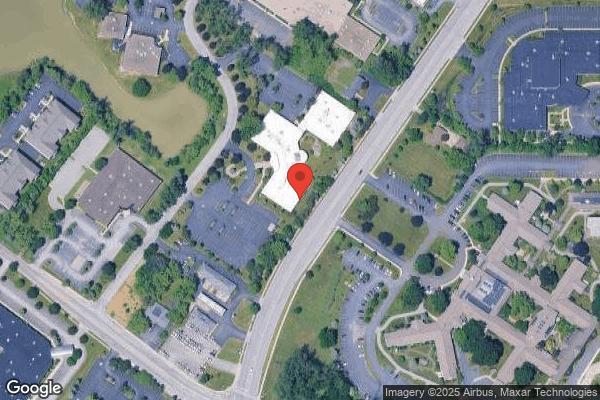

BEECHWOOD HOMES

2235 MILLERSPORT HIGHWAY, GETZVILLE, NY 14068 (716) 810-7000
Non profit - Corporation 272 Beds Independent Data: November 2025
Trust Grade
90/100
#9 of 594 in NY
Last Inspection: November 2023

Within standard 12-15 month inspection cycle. Federal law requires annual inspections.

Overview

Beechwood Homes in Getzville, New York, has received an impressive Trust Grade of A, indicating it is highly recommended and excels in care quality. It ranks #9 out of 594 facilities in New York, placing it in the top tier of nursing homes, and #2 out of 35 in Erie County, with only one local option rated higher. The facility is improving, having reduced issues from three in 2022 to just one in 2023, and boasts a strong staffing rating of 4 out of 5 stars, with a turnover rate that is on par with the state average at 40%. Notably, there have been no fines, which is a positive sign, though there are some concerns, such as a lack of proper monitoring for residents after incidents and failure to store medications securely. Overall, while Beechwood Homes has many strengths, families should be aware of these weaknesses in care practices.

Trust Score
A
90/100
In New York
#9/594
Top 1%
Safety Record
Low Risk
No red flags
Inspections
Getting Better
3 → 1 violations
Staff Stability
○ Average
40% turnover. Near New York's 48% average. Typical for the industry.
Penalties
✓ Good
No fines on record. Clean compliance history, better than most New York facilities.
Skilled Nurses
○ Average
Each resident gets 37 minutes of Registered Nurse (RN) attention daily — about average for New York. RNs are the most trained staff who monitor for health changes.
Violations
○ Average
7 deficiencies on record. Average for a facility this size. Mostly minor or procedural issues.
★★★★★
5.0
Overall Rating
★★★★☆
4.0
Staff Levels
★★★★★
5.0
Care Quality
★★★★★
5.0
Inspection Score
Stable
2022: 3 issues
2023: 1 issues

The Good

  • 4-Star Staffing Rating · Above-average nurse staffing levels
  • 5-Star Quality Measures · Strong clinical quality outcomes
  • Full Sprinkler Coverage · Fire safety systems throughout facility
  • No fines on record
  • Staff turnover below average (40%)

    8 points below New York average of 48%

Facility shows strength in staffing levels, quality measures, fire safety.

The Bad

Staff Turnover: 40%

Near New York avg (46%)

Typical for the industry

The Ugly 7 deficiencies on record

Nov 2023 1 deficiency
CONCERN (D)

Potential for Harm - no one hurt, but risky conditions existed

Quality of Care (Tag F0684)

Could have caused harm · This affected 1 resident

**NOTE- TERMS IN BRACKETS HAVE BEEN EDITED TO PROTECT CONFIDENTIALITY** Based on observation, interview, and record review conducted during the Standard survey completed on 11/8/23, the facility did n...

Read full inspector narrative →
**NOTE- TERMS IN BRACKETS HAVE BEEN EDITED TO PROTECT CONFIDENTIALITY** Based on observation, interview, and record review conducted during the Standard survey completed on 11/8/23, the facility did not ensure that each resident received treatment and care in accordance with professional standards of practice and the comprehensive person-centered care plan for two (Resident #6 and #66) of seven residents reviewed for quality of care related to accidents and positioning. Specifically, there was lack of assessments and monitoring for Resident #6 after they spilled coffee on themselves, and Resident #66 was not provided with leg rests while they were in their wheelchair. Additionally, while sitting in their wheelchair, Resident #66's feet were hanging down and were approximately six inches from touching the floor for extended periods of time. The findings are: The policy and procedure (P&P) titled Positioning - Chair/Bed dated 8/29/2018 documented adaptations to the wheelchair are provided as needed and noted in the electronic medical record (EMR). Additionally, the P&P documented, if the resident's condition and need for wheelchair changes, the rehabilitation department is notified, and an evaluation will be completed. Appropriate changes will be made and documented on the resident [NAME] (a guide used by staff to provide care)/care plan. Follow up nursing education will be completed based on resident need and condition to maintain safety and optimal functional level. The P&P titled Resident Accident and Incident Reporting dated 1/24/22 documented all resident accidents and incidents were reported to ensure that the residents receive appropriate intervention and care plan updates. The nurse documents the occurrence and necessary treatment in the nurse's notes. 1. Resident #66 was admitted with diagnoses dementia, osteoarthritis (a type of arthritis that causes pain and stiffness in joints), and anxiety. The Minimum Data Set (MDS- a resident assessment tool) dated 10/19/2023 documented Resident #66 was rarely understood, rarely understands and was severely cognitively impaired. The Comprehensive Care Plan (CCP) dated 10/11/2023 documented Resident #66 was at risk for alteration in positioning related to diagnosis of Alzheimer's dementia. Interventions included: for transport and meals only: high back wheelchair (a wheelchair with a higher back than a standard wheelchair) with anti-thrust cushion (a type of cushion with a higher front surface and lower back surface to prevent sliding) with gel overlay on top and bilateral leg rests. The [NAME] (guide used by staff to provide care) dated 11/6/23 documented Resident #66 required for transport and meals only: high back wheelchair with anti-thrust cushion with gel overlay on top and bilateral leg rests. During a continuous observation on 11/6/23 from 9:13 AM until 12:14 PM, Resident #66 was sitting in their wheelchair with their feet dangling unsupported. Resident #66 was sitting in their wheelchair holding on to a table and rocking back and forth. Resident #66's wheelchair did not have leg/footrests and Resident #66's feet were unable to touch the floor. At 9:35 AM, Certified Nursing Assistant (CNA) #1 wheeled Resident #66 to the lounge area. Resident #66 sat in their wheelchair in the lounge area; their feet dangled, unsupported and did not touch the floor (approximately six inches from the floor). Resident #66 continued to rock in their wheelchair. At 12:00 PM, Resident #66 was wheeled back to the dining room. Staff did not attempt to put leg rests/foot support on Resident #66's wheelchair throughout the observation. During a continuous observation on 11/7/23 from 8:00 AM through 10:31 AM, Resident #66 was sitting in their wheelchair with their feet dangling unsupported. Resident #66 was sitting in their wheelchair in the dining room and occasionally rocking back and forth. Resident #66's feet were unable to reach the floor and were approximately six inches from the floor. At times, Resident #66 would move their feet and point their toes downwards. At 10:31 AM, CNA #1 wheeled Resident #66 to the lounge. CNA #1 and CNA #2 transferred Resident #66 to a reclining chair in the lounge area. CNA #1 elevated the leg rests of the reclining chair. Resident #66 placed their feet flat on the leg rest of the reclining chair. During an interview on 11/7/23 at 12:45 PM, CNA #2 stated they checked the [NAME] at least once a week because the [NAME] could change. CNA #2 stated Resident #66 was dependent on the staff for care. CNA #2 stated they were not sure if Resident #66's feet could touch the floor while they were seated in their wheelchair because Resident #66 was fidgety. CNA #2 stated they did not know when the last time Resident #66 had leg rests on their wheelchair and they could have been misplaced. During an interview on 11/7/23 at 12:52 PM, CNA #1 stated Resident #66's feet were able to touch the floor when Resident #66 was in their wheelchair. CNA #1 stated Resident #66 was not supposed to have leg rests on their wheelchair. CNA #1 stated they checked the [NAME] every morning. During an observation on 11/7/23 at 1:01 PM, CNA #1 and CNA #2 transferred Resident #66 into their wheelchair. Resident #66's wheelchair had a cushion in it that had a dip towards the back and was raised approximately 2-3 in the front. When Resident #66 sat in their chair, their feet did not touch the floor and were approximately six inches from the floor. CNA #1 and CNA #2 stated Resident #66's feet did not touch the floor. During an interview on 11/7/23 at 1:03 PM, Occupational Therapist (OT) #1 stated, Oh Resident #66 has foot pedals. OT #1 stated, usually Resident #66 was only in their wheelchair for meals and would have pedals on the wheelchair at that time. OT #1 stated Resident #66 would have the potential for foot drop if they were in the wheelchair for an extended time without the pedals. OT #1 stated Resident #66 was very active so they were not sure how long it would take for foot drop to develop. OT #1 stated they were going to go get new foot pedals for Resident #66. During an interview on 11/7/23 at 1:06 PM, Registered Nurse (RN) #1 stated they expected the CNAs to check the [NAME] every day for new recommendations and they should follow the recommendations on the [NAME]. RN #1 stated it would not be comfortable for Resident #66 to sit for a long period of time without their feet touching the floor or foot pedals. During an interview on 11/8/23 at 10:40 AM, OT #2 stated residents were screened at least four times a year and with any referrals from nursing. OT #2 stated Occupational Therapy was responsible for wheelchair positioning. OT #2 stated Resident #66 had a lot of movement that they considered sensory movement. OT #2 stated an antithrust cushion was added to Resident #66's wheelchair on 10/6/23 to prevent Resident #66 from sliding and Resident #66 had better positioning with the antithrust cushion in their wheelchair. OT #2 stated there should have been foot pedals on Resident #66's wheelchair for foot support. OT #2 stated Resident #66 could potentially have discomfort without the foot pedals. During an interview on 11/8/23 at 10:47 AM, OT #1 stated they usually see Resident #66 during meals, and they have never checked under the dining room table to see if Resident #66 had their foot pedals on the wheelchair. OT #1 stated therapy made the recommendations, and it was expected that nursing follows the recommendations. OT #1 stated if it was noticed the recommendations were not followed, then they would intervene. OT #1 stated Resident #66 could not verbalize when they had pain, but in the past, they either pointed or tapped where they had pain. OT #1 stated, We would hope Resident #66 would point or something to tell us if they were hurting. OT #1 stated they would encourage the use of foot pedals when in the wheelchair for overall security, to keep the feet from dragging and to promote alignment and upright positioning. During a telephone interview on 11/8/23 at 11:22 AM, Hospice RN #2 stated they were concerned about the length of time Resident #66 sat in their wheelchair with their feet hanging down without any support. RN #2 stated they considered that a positioning problem and there was a possibility that Resident #66 had discomfort. During an interview on 11/8/23 at 12:05 PM, the Director of Nursing (DON) stated if it was care planned, it was expected the staff put leg rests on the wheelchair. DON stated the feet should be supported for comfort and to prevent dependent edema. DON stated the CNAs were responsible to look at the [NAME] every day. DON stated the nurses on the unit should make sure the CNAs were looking at the [NAME] and following it. 2. Resident #6 had diagnoses including depression, muscle weakness, and post-polio syndrome (a group of potentially disabling symptoms that appear decades after a polio infection). The MDS dated [DATE] documented the Resident #6 had moderate cognitive impairment. The [NAME] dated 11/8/23 documented Resident #6 needed set up assistance for eating. The CCP dated 9/27/23 documented Resident #6 was at risk for alteration in feeding related to their diagnosis of post-polio syndrome. Interventions included mugs for soups and set up assistance for eating. During a lunch observation on 11/2/23 at 12:35 PM, Resident #6 was seated at a table in the unit dining area and spilled coffee on their lap. The lid on the disposable cup was not secured. Review of the nursing Progress Notes dated 11/2/23 revealed there was no assessment or monitoring of the resident's skin. Review of the Buffalo House report sheets dated 11/2/23-11/3/23 revealed there was no documentation that Resident #6 was assessed or monitored after the coffee spill. During an interview on 11/7/23 at 9:44 AM, CNA #3 stated they remembered Resident #6 spilled coffee on themselves last Thursday (11/2). CNA #3 stated they saw the resident patting themselves off, so they went over to the resident and noticed they had liquid on their clothing. CNA #3 stated the lid for the coffee cup wasn't on all the way and the resident must have spilled it on themselves. CNA #3 stated they reported it to the nurse, they weren't sure their name but thought it was the nurse working today (Licensed Practical Nurse (LPN) #1). During an interview on 11/7/23 at 12:09 PM, LPN #1 stated they left early that day (11/2/23) and didn't recall Resident #6 spilling their coffee on themselves and that nobody reported anything to them. During an interview on 11/7/23 at 12:07 PM, LPN #2 stated they worked on 11/2/23 and at lunch time they stayed on their side during lunch and did not know anything about a resident that spilled coffee on themselves. During an interview on 11/7/23 at 12:51 PM, Registered Nurse (RN) Unit Manager (UM) #3 stated if a resident spilled coffee on themselves there would usually be a note about the skin and to monitor the resident. During a telephone interview on 11/8/23 at 8:56 AM, LPN #1 stated they would expect the CNAs to tell them if a resident spilled coffee on themselves and they would have checked the resident, documented it, and told the supervisor. LPN #1 stated they were not in the dining area on 11/2/23. During an interview on 11/8/23 at 11:04 AM, the Director of Nursing (DON) stated they would consider this an accident and the staff should have told the nurse. There was a miscommunication between the CNAs where each thought the other told the nurse about the spill. The resident should have been assessed for redness and put on report to monitor for any delayed injury or if blister formed. The DON stated for hot drink spills they would fill out and incident report as there was potential for a burn. The DON stated when they found out about this yesterday, they had Occupational Therapy (OT) look at the resident which was routine for any spill during meal. The DON stated the nurse should have been in the dining room during meals to monitor the residents. During a telephone interview on 11/8/23 at 1:24 PM, CNA #4 stated when they were passing lunch trays (on 11/2/23), CNA #3 asked Resident #6 if they were ok, so CNA #4 went to see what happened. CNA #4 stated they didn't tell the nurse because they thought CNA #3 told the nurse. CNA #4 stated they didn't know if the nurse was on the floor when this happened and it was something that normally was reported to the nurse. 10NYCRR 415.12
Jan 2022 3 deficiencies
CONCERN (D)

Potential for Harm - no one hurt, but risky conditions existed

Report Alleged Abuse (Tag F0609)

Could have caused harm · This affected 1 resident

Based on observation, interview and record review conducted during a Standard survey completed on 1/14/2022, the facility did not ensure that all alleged violations of abuse, neglect, exploitation, or...

Read full inspector narrative →
Based on observation, interview and record review conducted during a Standard survey completed on 1/14/2022, the facility did not ensure that all alleged violations of abuse, neglect, exploitation, or mistreatment, including injuries of unknown origin are reported to the administrator as required for one (Resident #74) of one resident reviewed. Specifically, staff did not report facial bruising to their supervisor, Director of Nursing or the Administrator. The finding is: The facility policy and procedure (P&P) titled, Abuse, Neglect, Mistreatment, Misappropriation of Property or Exploitation: Care - Resident Rights dated 11/1/2016 documented; if a staff member has a concern regarding a resident's care, they will notify their immediate supervisor, the Director of Nursing or the Administrator. All accidents/ incidents involving residents will be assessed by the RN (registered nurse); an incident report and follow up investigation will be completed. The facility P & P titled, Accident /Incident Report- Resident dated 11/1/2017 documented; for any injuries of unknown origin, interviews and statement must be part of the investigation to determine the cause and to rule out abuse/neglect. Registered Nurse (RN) assessment is needed with documentation for injuries of unknown origin with full body assessments. 1. Resident #74 was admitted with diagnoses which included dementia, cognitive communication deficit and osteoarthritis. The Minimum Data Set (MDS - a resident assessment tool) dated 10/25/21 documented Resident #74 had moderately impaired cognition, makes self understood and usually understands. The Comprehensive Care Plan (CCP) dated 10/19/21 documented Resident #74 is at risk for falls related to history of falls and on 1/3/22 fell on floor with minor injury. Planned interventions included the Falling Leaf Falls Prevention Program. On 1/10/22 at 1:55 PM Resident #74 was observed with a yellowing bruise above their right eye extending to the right temple approximately 2 inches x 2 inches. During an interview at that time of the observation Resident #74 stated they think they got the bruise from a fall and doesn't recall any specifics. Review of the Progress Notes from 10/18/21 through 1/12/22 revealed there was no documented evidence Resident #74 had bruising above their right eye and temple area. Review of the Nursing RN/ Therapy Skin Assessment from 10/18/21 through 1/12/21 for Resident #74 revealed there was no documented evidence of bruising to the resident's right eye and temple area. Review of the Medication Administration Record and Treatment Administration Records dated 12/1/21 through 1/13/22 revealed there was no documented evidence of neuro checks completed related to the bruise observed above Resident #74's right eye. Review of the Facility Accident/Incident (A/I) Reports provided by the facility dated 10/18/21 through 1/13/22 revealed there was no documented evidence an investigation was initiated related to Resident's #74's bruising above their right (rt) eye. An A/I report dated 1/3/22 revealed at 11:15 PM Resident #74 was found lying on the floor next to the bed on their left side. An RN assessment was completed, and their no visible injuries noted, range of motion (ROM) to all extremities were within normal limits (WNL). Resident offered no complaints of discomfort and denied hitting their head with no visible head injury. In addition, on 1/5/22 Resident #74 complained of left thigh/knee pain with diffuse bruising to the left inner thigh area; doctor was updated, and an x-ray of the left femur and knee were ordered. There was no documented evidence that there was a bruise to Resident #74's right eye and temple. During an interview and observation on 1/13/22 at 10:41 AM, RN #4 stated they were not aware Resident #74 had any bruising on their head or face. During an observation of Resident #74 with RN #4 revealed a yellowing bruise above the resident's rt eye and temple area. During an interview on 1/13/22 at 10:47 AM, Certified Nursing Assistant (CNA) #6 stated they had observed the bruise above Resident #74's right eye on January 4th or January 5th, 2022 and reported it immediately to Licensed Practical Nurse (LPN) #4. CNA #6 stated their responsibility was to report injuries, falls and bruises to the nurse. During interview on 1/13/22 at 10:57 AM RN #4, stated if CNA #6 reported the bruise to a nurse, the nurse should have reported the bruise to supervisor/manager, an RN assessment should have been completed and neuro checks initiated. Additionally, an investigation would have been completed to rule out abuse. During an interview on 1/13/22 at 11:19 AM, LPN #4 stated they recalled observing a bruise above Resident #74's rt. eye with CNA #6 while transferring the resident out of bed either on January 4th or January 5th, 2022. LPN #4 stated they believed the bruise was related to the previous falls but had not looked at the previous A/Is to determine if the bruise was previously noted. LPN #4 stated they didn't document their observation, report it to the Nurse Manger/supervisor or initiate neuro checks and should have. During an interview on 1/14/22 at 11:56 AM, the Director of Nursing (DON) stated they would have expected LPN #4 to have reported Resident #74's bruise to RN #4, and initiated neuro checks. The DON stated an investigation should have been initiated to determine the cause of the bruise and to rule out abuse. During an interview on 1/14/22 at 11:57 AM, the Administrator stated they would have expected the nurse to report the bruise to their Nurse Manager or Nursing Supervisor, an RN assessment completed, and an investigation initiated immediately to rule out abuse. 415.4 (b)(2)
CONCERN (D)

Potential for Harm - no one hurt, but risky conditions existed

Deficiency F0761 (Tag F0761)

Could have caused harm · This affected 1 resident

**NOTE- TERMS IN BRACKETS HAVE BEEN EDITED TO PROTECT CONFIDENTIALITY** Based on observation, interview and record review conducted during the Standard survey completed on 1/14/22, the facility did no...

Read full inspector narrative →
**NOTE- TERMS IN BRACKETS HAVE BEEN EDITED TO PROTECT CONFIDENTIALITY** Based on observation, interview and record review conducted during the Standard survey completed on 1/14/22, the facility did not store all drugs and biologicals in locked compartments and permit only authorized personnel to have access for two of two medication storage cabinets ([NAME] and [NAME] Units) observed for safe medication storage. Specifically, two medication cabinets located in common areas were observed unlocked with over-the-counter medication bottles ([NAME] and [NAME] Units) and one medication cabinet contained 21 prescription blister packs and two prescription nebulizer (inhaled) medications ([NAME] Unit). The finding is: 1. Review of the facility policy titled Medications Administering-Equipment & Supplies effective 1/8/09 revealed the facility maintains equipment and supplies necessary for the preparation and administration of medications to residents. The following equipment and supplies are acquired and maintained by the facility for the proper storage, preparation, and administration of medications include: Lockable medication carts and medication cabinets, drawers or rooms with well-lit dose preparation areas. a. During an observation on 1/12/22 at 7:53 AM on the [NAME] Unit, the medication storage cabinet located in the common area near the resident dining room was observed unlocked and unattended by staff. At 7:54 AM Registered Nurse (RN) #4 stated they had the medication cabinet keys and the medication cabinets were to be locked at all times when not attended by a nurse. RN #4 also stated they had just retrieved medications from the cabinet and did not lock it. On 1/12/22 at 7:57 AM, RN #4 was observed to walk away from the unlocked medication cabinet to answer a call light. During an observation from 7:57 AM until 8:03 AM the medication cabinet was unlocked and no facility staff was in the area. During another observation at 8:18 AM, the medication cabinet was unlocked and unattended. During an interview on 1/12/22 at 9:32 AM, RN #4 stated they broke the key in the cabinet door, called maintenance to fix it, and should have maintained the medication cabinet within visual sight to ensure residents and others did not have access to the medications. Observation on 1/12/22 at 9:32 AM, in the presence of RN #4 and RN #5 revealed the following over-the-counter medications were located in the [NAME] Unit medication cabinet: · Aspirin 325 milligram (mg) 2 bottles, 100 tablets each · Enteric Coated Aspirin 325 mg 2 bottles, 100 tablets each · Aspirin chewable 81 mg 1 bottle, 36 tablets · Aspirin 81 mg 1 bottle, 300 tablets · Acetaminophen (pain reliever) 325 mg 1 bottle, 100 tablets · Acetaminophen 500 mg 1 bottle, 100 tablets · Calcium (dietary supplement) 600 mg 1 bottle, 180 tablets · Thera-M multivitamin/multimineral supplement 2 bottles, 100 tables each · Ferrous Sulfate (iron supplement) 325 mg 2 bottles, 100 tablets each · Lactobacillus (dietary supplement) 2 bottles, 50 tablets each · Senna (laxative) 8.6 mg 4 bottles, 100 tablets each · Stool Softener 100 mg 2 bottles, 100 soft-gels each · Melatonin (sleep aid) 3 mg 1 bottle, 60 tabs · Multi-vitamin 2 bottles, 100 tablets each · Vitamin C 500 mg, 1 bottle, 100 tablets · Vitamin D3 25 mcg 1 bottle, 100 tablets · Ferrous Sulfate Elixir 220mg / 5 milliliters (ML) 473 ml. · Antacid and Anti-gas 1 bottle 355 mL · Antacid tablets 500 mg 1 bottle 150 tablets · Milk of Magnesia (laxative) 1 bottle 473 mL · Polyethylene Glycol 3350 (powder laxative) 17.9 ounces b. During an observation on 1/12/22 from 8:45 AM until 8:48 AM on the [NAME] Unit, the medication storage cabinet located in a common area near the resident dining room was observed to be unlocked and unattended by staff with bottles of over-the-counter medications and prescription medication blisters packs. During an interview on 1/12/22 at 8:48 AM, RN #1 stated they had the keys to the medication cabinet and didn't know if the cabinet was to be locked. RN #1 asked Licensed Practical Nurse (LPN) #4 if the cabinet should be locked and LPN #4 stated yes. During an interview on 1/12/22 at 8:50 AM, LPN #4 stated medication cabinets were always to be locked when not attended by the nurse to prevent residents and others from opening and having access to the medications. LPN #4 stated the cabinet should have been locked. Observation on 1/12/22 at 8:50 AM, in the presence of RN #1 and LPN #4 revealed the following over-the-counter medications were located in the [NAME] Unit medication cabinet: · Aspirin 325 milligram (mg) 4 bottles, 100 tablets each · Enteric Coated Aspirin 325 mg 1 bottle, 100 tablets each · ASA Chewable 81 mg 1 bottle, 36 tablets · Acetaminophen 325 mg 4 bottles, 100 tablets · Acetaminophen 500 mg 4 bottles, 100 tablets · Calcium 600 mg 2 bottles, 180 tablets · Thera-M multivitamin/multimineral supplement 1 bottle, 100 tables each · Ferrous Sulfate 325 mg 3 bottles, 100 tablets each · Lactobacillus 10 bottles, 50 tablets each · Senna 8.6 mg 6 bottles, 100 tablets each · Stool Softener 100 mg 7 bottles, 100 soft-gels each · Multi-vitamin 3 bottles, 100 tablets each · Vitamin C 500 mg, 2 bottles, 100 tablets · Vitamin D3 25 micrograms (mcg) 1 bottle, 100 tablets · Acetaminophen Suppositories 650 mg, 1 box 12 suppositories · Antacid and Anti-gas 1 bottle 355 mL · Milk of Magnesia 1 bottle 473 mL · Polyethylene Glycol 3350 17.9 ounces In addition, the following resident specific blister pack medications were on the top shelf in the [NAME] Unit medication cabinet: · Acetaminophen 325 mg, 18 tablets · Albuterol neb (increases airflow to lungs) 2.5 mg - 3mL, 15 vials · Augmentin (antibiotic) 500 mg, 4 tablets · Aspirin chewable 81 mg, 44 tablets · Docusate Sod Cap (stool softener) 100 mg, 22 tablets · Doxycycline HYC (antibiotic) 100 mg, 6 tablets · Eliquis (blood thinner) 2.5 mg, 18 tablets · Eliquis 5 mg, 18 tablets · Famotidine (antacid) 20 mg, 30 tablets · Galantamine (used for dementia) 8 mg, 53 tablets · Guaifenesin (cough medicine) 200 mg, 162 tablets · Ibuprofen (pain reliever) 600 mg, 36 tablets · Iprat - albut (Duoneb) (increases airflow to lungs) 0.5-3mg / 3mL, 15 vials · Loratadine (allergy medication) 10 mg, 29 tablets · Memantine HCL (used for dementia) 5 mg, 30 tablets · Metoprolol Tartrate (antihypertensive) 25 mg, 11 tablets · Metoprolol Tartrate 100 mg, 11 tablets · Potassium Chloride (supplement) 10 MEQ ER, 28 tablets · Quinapril/HCTZ (antihypertensive) 20-25 mg, 30 tablets · Rosuvastatin (high cholesterol) 10 mg, 30 tablets · Sodium Bicarb (antacid) 650 mg, 22 tablets · Trazodone (antidepressant) 25 mg, 8 tablets · Vitamin D3 1000IU (25 mcg), 30 tablets During an interview on 1/12/22 at 9:13 AM, RN #7 Assistant Director of Nursing (ADON) stated the medication cabinets in the common areas should always be locked if unattended by a nurse to prevent residents and others from having access to the medications for resident safety, and it was the responsibility of the nurse who had the keys for the cabinet to ensure the cabinet was locked. During an interview on 1/14/22 at 11:08 AM, the Pharmacy Consultant stated they would have expected all medications cabinets in common areas to be securely locked at all times when unattended by a nurse to prevent access for the safety of the residents. During an interview on 1/14/22 at 11:54 AM, the Director of Nursing (DON) stated they expected all medications cabinets in the common areas to be locked when unattended by a nurse for the safety of the residents. The DON stated it was the responsibility of the nurse to ensure the cabinets were locked. 415.18 (c)(1-4)
MINOR (B)

Minor Issue - procedural, no safety impact

Room Equipment (Tag F0908)

Minor procedural issue · This affected multiple residents

**NOTE- TERMS IN BRACKETS HAVE BEEN EDITED TO PROTECT CONFIDENTIALITY** Based on observation and interview during the Standard survey completed on 1/14/22, the facility did not maintain all essential ...

Read full inspector narrative →
**NOTE- TERMS IN BRACKETS HAVE BEEN EDITED TO PROTECT CONFIDENTIALITY** Based on observation and interview during the Standard survey completed on 1/14/22, the facility did not maintain all essential mechanical, electrical and patient care equipment in safe operating condition. Specifically, shower plumbing devices and hoses did not have vacuum breakers installed to prevent backflow in eight ([NAME]/Pines House tub/shower room, Wells/[NAME] tub/shower room, Harmony House tub/shower room, [NAME] House tub/shower room, [NAME] House tub/shower room, [NAME] House tub/shower room, Horizons House low side tub/shower room, Horizons House high side tub/shower room) of eleven tub/shower rooms located in two (East Village Building and [NAME] Village Building) of two resident use buildings. The findings are: 1. a) Observation in the East Village Building on 1/10/22 at 8:50 AM revealed the hand-spray wand in the shower stall was not equipped with a vacuum breaker in the [NAME]/Pines House tub/shower room. Additional observation at this time revealed the length of the hose allowed the hand-spray wand to be submerged if the shower's floor drain did not drain properly. During an interview at the time of the observation, the Director of Plant Operations stated there is no vacuum breaker on this device because they usually use shorter hoses that don't reach the shower floor. b) Observation in the [NAME] Village on 1/10/22 at 1:10 PM revealed the hand-spray wand in the shower stall was not equipped with a vacuum breaker in the Wells/[NAME] House tub/shower room. Additional observation at this time revealed the length of the hose allowed the hand-spray wand to be submerged if the shower's floor drain did not drain properly. During an interview at the time of the observation, the Director of Plant Operations stated the hose that is currently connected is not the hose that came with the fixture. c) Observation in the [NAME] Village on 1/10/22 at 2:10 PM revealed the hand-spray wand in the shower stall was not equipped with a vacuum breaker in the Harmony House tub/shower room. Additional observation at this time revealed the length of the hose allowed the hand-spray wand to be submerged if the shower's floor drain did not drain properly. d) Observation in the [NAME] Village on 1/10/22 at 2:33 PM revealed the hand-spray wand in the shower stall was not equipped with a vacuum breaker in the [NAME] House tub/shower room. Additional observation at this time revealed the length of the hose allowed the hand-spray wand to be submerged if the shower's floor drain did not drain properly. e) Observation in the [NAME] Village on 1/10/22 at 2:52 PM revealed the hand-spray wand in the shower stall was not equipped with a vacuum breaker in the [NAME] House tub/shower room. Additional observation at this time revealed the length of the hose allowed the hand-spray wand to be submerged if the shower's floor drain did not drain properly. f) Observation in the [NAME] Village on 1/10/22 at 3:30 PM revealed the hand-spray wand in the shower stall was not equipped with a vacuum breaker in the [NAME] House tub/shower room. Additional observation at this time revealed the length of the hose allowed the hand-spray wand to be submerged if the shower's floor drain did not drain properly. g) Observation in the [NAME] Village on 1/11/22 at 9:35 AM revealed the hand-spray wand in the shower stall was not equipped with a vacuum breaker in the Horizons House low side tub/shower room. Additional observation at this time revealed the length of the hose allowed the hand-spray wand to be submerged if the shower's floor drain did not drain properly. h) Observation in the [NAME] Village on 1/11/22 at 10:00 AM revealed the hand-spray wand in the shower stall was not equipped with a vacuum breaker in the Horizons House high side tub/shower room. Additional observation at this time revealed the length of the hose allowed the hand-spray wand to be submerged if the shower's floor drain did not drain properly. 415.29(d)(f)(4)
May 2019 3 deficiencies
CONCERN (D)

Potential for Harm - no one hurt, but risky conditions existed

Tube Feeding (Tag F0693)

Could have caused harm · This affected 1 resident

**NOTE- TERMS IN BRACKETS HAVE BEEN EDITED TO PROTECT CONFIDENTIALITY** Based on observation, interviews, and record review conducted during the Standard survey, completed on 5/9/19, the facility did ...

Read full inspector narrative →
**NOTE- TERMS IN BRACKETS HAVE BEEN EDITED TO PROTECT CONFIDENTIALITY** Based on observation, interviews, and record review conducted during the Standard survey, completed on 5/9/19, the facility did not ensure that a resident who is fed by enteral means (method of feeding that uses the gastrointestinal (GI) tract to deliver part or all of a person's caloric requirements) receives the appropriate treatment and services to prevent possible complications for one (Resident #218) of two residents reviewed for feeding tubes. Specifically, the facility did not provide tube feed formula as ordered by the physician. In addition, the nursing staff documented the formula was administered as ordered. The finding is: 1. Resident #218 was admitted [DATE] and has diagnoses that included a gastrostomy tube (GT, tube feed), throat cancer, protein calorie malnutrition, and borderline gluten intolerance (wheat allergy). The Minimum Data Set (MDS-an assessment tool) dated 4/16/19 documented the resident was cognitively intact. Review of an Order Summary Report (physician's orders) dated 4/14/19 revealed an order for Jevity 1.5 (tube feed formula) via PEG (percutaneous endoscopic gastrostomy tube-feeding tube inserted into the stomach) with instructions to infuse at 50 cc (cubic centimeters) per hour, continuously for 24 hours. During an observation of the resident on 5/3/19 at 11:45 AM revealed the resident's tube feed formula, Jevity 1.5 was running via PEG at 50 cc per hour. During an observation on 5/7/19 at 8:05 AM revealed the resident's tube feed formula, Impact 1.5 was running via PEG at 50 cc an hour. During an interview on 5/7/19 at 12:00 PM the resident stated the feed was on continuously except during therapy and care. The Impact 1.5 formula was still running at 50 cc/hr. at that time. Review of the Order Summary Reports and Interdisciplinary Team Notes (IDT) dated 5/6/19 through 5/7/19 revealed a lack of documented evidence for a change in formula. Review of the Medication Administration Record (MAR) dated 5/1/19 through 5/31/19 revealed on 5/7/19 the nurses signed that Jevity 1.5 was administered as ordered. During an observation on 5/7/19 3:10 PM in the presence of the Registered Nurse (RN) Unit Manager #4 revealed the resident still had the Impact 1.5 formula running via a pump through the PEG tube. Interview with the RN #4 at the time of the observation stated she was unaware of any formula changes for the resident. During an interview on 5/8/19 at 7:35 AM, RN #4 stated the wrong formula order was placed in the resident's closet. The nurse didn't look at the tube feeding when she hung it. The resident now has the correct formula. Additionally, a medication error report form was completed for the night nurse for hanging the wrong formula and the day nurse who didn't identify it was the wrong formula. During an interview on 5/8/19 at 8:15 AM, RN #4 stated generally the Unit Clerk signs the invoice for the formula and the delivery person puts the formula in the resident's closet in their room. It was the nurse's responsibility to check the packaging of the product to make sure it's the right formula before hooking it up (providing the formula to the resident). During an interview on 5/9/19 at 6:24 AM, the night shift Licensed Practical Nurse (LPN #5) stated she hung the bag of Impact 1.5. She stated there was a big box of the Impact 1.5 formula instead of the Jevity formula in the resident's closet and assumed there was a new order for that formula. The LPN stated she should have checked the order or verified the order with the physician if she was not sure. During a telephone interview on 5/9/19 at 1:00 PM, the day shift LPN #6 stated she did not hang the bag of Impact 1.5 formula, so she didn't check it. 415.12 (g)(2)
CONCERN (D)

Potential for Harm - no one hurt, but risky conditions existed

Room Equipment (Tag F0908)

Could have caused harm · This affected 1 resident

**NOTE- TERMS IN BRACKETS HAVE BEEN EDITED TO PROTECT CONFIDENTIALITY** Based on observation, interview, and record review conducted during the Standard survey completed on 5/9/19, it was determined t...

Read full inspector narrative →
**NOTE- TERMS IN BRACKETS HAVE BEEN EDITED TO PROTECT CONFIDENTIALITY** Based on observation, interview, and record review conducted during the Standard survey completed on 5/9/19, it was determined that the facility did not maintain all mechanical, electrical and patient care equipment in safe operating condition. Specifically, ten (Arms, [NAME], [NAME], Eschelman, Harmony, [NAME], Horizon, Hospice, [NAME], [NAME]) of 15 resident household washing machines reviewed for safe operating condition had black debris on the rubber door gaskets and stale mildew odors in the washers. The findings are: 1. During an interview on 5/6/19 at 11:30 AM, a family member of Resident A revealed that the frontloading washing machine on the [NAME] Household had a smell to it and had a black ring around the inside of the door. Observations of the facility's frontloading washing machines between 5/7/19 and 5/9/19 revealed the following: - 5/7/19 at 8:11 AM - [NAME] Household - the washing machine had the door closed. The Surveyor opened the door and observed black debris all around the inside rubber gasket. The washer had a slight mildew odor on the inside. A note taped to the front of the door read to leave the door open between cycles and clean gasket with Affresh wipes every Tuesday. Interview with a Registered Nurse (RN #5) at the time of the observation revealed that bibs/clothing protectors, bedspreads, or residents' clothing at the request of family, are washed in the washer. - 5/8/19 at 3:31 PM - Horizon Household - the washing machine in the soiled utility room had a large amount of black debris along the bottom of the gasket. The washer and the soiled utility room had a musty, mildew odor. The washer contained an unidentified green clothing item which was dry to the touch. - 5/9/19 at 6:34 AM - Harmony Household - the door of the washing machine, located next to the servery area, was closed. A note affixed to the door stated it was to be kept open between cycles and to be wiped with a cleaning wipe every Tuesday. There was a slight mildew odor on the inside of the machine. Interview with a Licensed Practical Nurse (LPN #1) revealed that clothing protectors, slings for the sit to stand lift, and residents' soiled personal clothing are washed in this washer. The LPN could not confirm who was responsible for the care and upkeep of the washer. - 5/9/19 at 6:39 AM - [NAME] Household - the washing machine door was closed. A note affixed to the door stated that the door should be kept open and wiped with a wipe every Tuesday. The washer had a very slight mildew odor when the door was open. The washer contained slings and clothing protectors. Interview with a Certified Nurse Aide (CNA #2) revealed that staff put clothing protectors, slings, and residents' clothing in this machine. She was not sure who was responsible for the washing machine. - 5/9/19 at 6:44 AM - [NAME] Household - the washing machine door was closed. A note affixed to the door stated it is to be kept open and wiped every Tuesday. The Surveyor opened the door and observed black debris all around the rubber gasket and the washer had a mildew odor. Interview with CNA #3 revealed that they wash clothing protectors, but she was not sure if they washed anything else in it. She was not sure who was responsible for the cleaning of the washer. - 5/9/19 at 6:49 AM - Arms Household - the washing machine door was open with a note affixed to it for the door to be kept open and wiped with a wipe every Tuesday. Inside the washing machine there was a strong mildew odor and the gasket had a heavy coating of black debris all around it. - 5/9/19 at 6:54 AM - [NAME] Household - the washing machine was located in a separate closet type room. The door of the machine was closed with a note affixed to it for the door to be kept open after cycles and wiped with a wipe every Tuesday. The washer had a mildew odor. Interview with CNA #4 revealed that residents' clothes are washed in this machine if they or their families do not have a washing machine. She cleans it when she is finished with it. - 5/9/19 at 7:37 AM - [NAME] Household - the washing machine was located next to the server. The washer door was closed with a note affixed to it for the door to be kept open after cycles and wiped with a wipe every Tuesday. The Surveyor opened the door and there was an area of black debris on the bottom of the gasket, three inches long and one inch wide, with a mildew odor. Interview with Homemaker #4 at revealed that she only puts clothing protectors in the washer. She cleans it after she is done with the washer. - 5/9/19 at 7:46 AM - Hospice Household - the washing machine door was open. There was a note affixed to it for the door to be kept open after cycles and wiped with a wipe every Tuesday. The Surveyor opened the door and there was a mildew odor. Interview with CNA #1 revealed that she washes clothing protectors and slings in the machine. She was not sure who is in charge of maintenance of the washers. - 5/9/19 at 7:58 AM - [NAME] Household - the washing machine door was open. There was a note affixed to it for the door to be kept open after cycles and wiped with a wipe every Tuesday. The gasket around the opening had black debris and a strong mildew odor. Interview with Homemaker #1 revealed that clothing protectors, shower robes, and residents' personal clothing gets washed in the machine if they become soiled. - 5/9/19 at 8:16 AM - [NAME] Household - the washing machine door was open. The gasket around the opening had black debris all around it and there was a strong mildew odor. There was a small puddle of water at the bottom of the gasket. Next to the washer, there were folded clothes and clothing protectors that appeared to be freshly washed and dried. Interview on 5/9/19 at 9:28 AM with the RN Infection Preventionist revealed that she expects that staff not use a washing machine if there is black debris on the gasket and is smelly. She said that staff should clean it or report it to housekeeping. Interview on 5/9/19 at 9:46 AM with the Facilities Director revealed that he was not aware of the issue. He stated that there needs to be staff education about the washers even though there are notes about the front loader door needing to be left open and the washer needs to be wiped down. He will have maintenance staff replace what gaskets they can now, and they will have new gaskets for the other washers in a few days. He will have residents' personal clothing go to laundry and the clothing protectors should be washed in the household washers. Review of a facility policy and procedure (P&P) entitled Household Washing Machine Cleaning Procedures dated April 2015 revealed that staff are to maintain overall cleanliness and sanitation of washing machines on the households and must do the following: 1. After completed wash, remove items, and then use the machine cleaning wipes. 2. Wipe thoroughly the machine door gasket. 3. Leave washing machine door open after each use and when not in use. 415.29(b)
MINOR (C)

Minor Issue - procedural, no safety impact

Deficiency F0655 (Tag F0655)

Minor procedural issue · This affected most or all residents

**NOTE- TERMS IN BRACKETS HAVE BEEN EDITED TO PROTECT CONFIDENTIALITY** Based on interview and record review conducted during the Standard survey completed on 5/9/19, the facility did not ensure that ...

Read full inspector narrative →
**NOTE- TERMS IN BRACKETS HAVE BEEN EDITED TO PROTECT CONFIDENTIALITY** Based on interview and record review conducted during the Standard survey completed on 5/9/19, the facility did not ensure that a written summary of the baseline care plan, that included initial goals, a list of current medications, dietary instructions, and services/treatments to be administered by facility and personnel acting on the behalf of the facility, was provided to the resident or the resident's representative. Specifically, 17 (Residents #16, 21, 44, 58, 99, 118, 127, 158, 162, 180, 184, 218, 219, 233, 282, 431, 481) of 17 admitted residents reviewed for Baseline Care Plans had no documented evidence that Baseline Care Plans were completed or that a written summary of the baseline care plan was provided to the resident and/or the resident's representative by completion of the comprehensive care plan. The findings include but are not limited to: A facility policy and procedure entitled Baseline (New Admission) Care Plan dated 12/1/17 documented a baseline care plan will be developed within the first 48 hours of admission for each resident to promote continuity of care and communication among staff, enhance resident safety, and to ensure the resident /responsible party are informed of the initial plan of care. 1. Resident #44 was admitted to the facility on [DATE] with diagnoses including Alzheimer's disease, urinary retention, and hypertension (high blood pressure). Review of the Minimum Data Set (MDS - a resident assessment tool) dated 4/22/19 documented the resident was severely cognitively impaired, understood and usually understands. Review of interdisciplinary team Progress Notes dated 2/12/19 through 2/19/19 revealed no documented evidence that a baseline care plan was provided to the resident or the resident's representative. During an interview on 5/8/19 at 1:36 PM, the Director of Social Work stated the [NAME] is done immediately but is not all inclusive. The baseline care plans ([NAME]) are on the back of the resident's door. The residents and families have access for review, if desired. It is available to them. We offer copies to them if they request, we don't just give them a copy. At the initial care plan meeting, about 21 days after admission, the care plan is reviewed with them. Review of the resident's [NAME] (care guide used by staff to provide care) dated 2/12/19 revealed that it did not contain information as required for the Baseline Care Plan. The [NAME] did not include initial goals, physician's orders, or a current list of the resident's medications. During an interview on 5/8/19 at 1:57 PM, Registered Nurse (RN) MDS Nurse stated the RN Unit Manager (UM) or Nursing Supervisor completes the admission care plan, a template that consists of Activities of Daily Living (ADL), mobility, toileting, risk factors, diet, and code status. A copy is not provided to the family and/or resident. The Director of Nursing (DON) spoke to me about it a couple months ago and we were looking at templates from other facilities. We have not determined a template yet or process of notification to resident and/or family. During an interview on 5/9/19 at 8:09 AM, the DON stated the [NAME] on the door is the baseline care plan. The RNs do the admission care plan of ADLs, safety, the essentials. Goals and physician orders are not addressed. We do not give a copy to the resident or family, but we do have a conversation with them, for the preferences, so we can develop the care plan. It is reviewed with the family. Medications are not addressed. If they ask we go over it. A copy is not provided unless they ask because it's on the back of the door. She stated they are in the process of looking at different templates, but the process hasn't been developed yet and there is no formal process for documentation. The Comprehensive Care Plan is completed within 21 days, and they have a care plan meeting. Everything is reviewed, but we don't give them a copy unless they ask for it. During an interview on 5/9/19 at 9:45 AM, the Registered Nurse (RN # 5) Unit Manager stated when a resident is admitted to the facility, a plan of care is initiated after reviewing the resident's paperwork and talking with the resident and their family regarding preferences and main points of care. RN #5 stated I do not give them a copy of the care plan, I was not aware they should be provided with a copy. During an interview on 5/9/19 at 11:12 AM, the Administrator stated I have nothing for baseline care plans yet, we haven't finished formalizing the process. I'll take responsibility for that. They haven't been doing a full baseline care plan. The [NAME] is developed immediately with the initial information. We have not been giving them to the family or the resident. We knew that we needed to get something into place. We have reviewed templates from other facilities, we just haven't finished the process. 2. Resident #158 was admitted to the facility on [DATE] with diagnoses including dementia, major depressive disorder, and benign prostatic hyperplasia (BPH -enlarged prostate gland). Review of the MDS dated [DATE] revealed the resident had severe cognitive impairment. Review of the resident's medical record, including IDT (interdisciplinary team) progress notes dated 8/14/18 to 8/21/18, revealed no documented evidence a written summary of the baseline care plan was provided to the resident or resident's responsible party. During an interview on 5/9/19 at 9:22 AM, the Registered Nurse (RN #6) Neighborhood Manager stated when someone initially comes in they do complete an initial care plan and a [NAME], but they haven't been going over it with the family or giving them a copy. Review of the [NAME] (guide used by staff to direct care) dated 8/15/18 revealed that it did not contain information as required for the baseline care plan. The [NAME] did not include diagnoses, initial goals, physician's orders or a current list of the resident's medications. 3. Resident #431 was admitted to the facility on [DATE] with diagnoses of basal cell cancer of the face and depression. Review of the admission MDS dated [DATE] revealed that the resident was cognitively intact, understood, and understands. Chronological review of the resident's medical record revealed no documented evidence that a baseline care plan was completed within 48 hours of admission or that a written summary of a baseline care plan was provided to the resident or their responsibility party within 21 days of admission. The resident refused to be interviewed on 5/9/19. Interview on 5/9/19 at 11:18 AM with Licensed Practical Nurse (LPN #3) revealed they do an initial care plan when the resident is admitted . They go over the [NAME] (a care plan for the certified nurse aides) with the resident and the family and the [NAME] is posted on the back of the resident's door. If the family or the resident wanted a copy of the [NAME], they would give them one. Review of the resident's [NAME] dated 4/17/19 revealed that it did not contain information as required for the Baseline Care Plan. The [NAME] did not include diagnoses, initial goals, physician's orders, or a current list of the resident's medications. 415.11(c)(1)
Understanding Severity Codes (click to expand)
Life-Threatening (Immediate Jeopardy)
J - Isolated K - Pattern L - Widespread
Actual Harm
G - Isolated H - Pattern I - Widespread
Potential for Harm
D - Isolated E - Pattern F - Widespread
No Harm (Minor)
A - Isolated B - Pattern C - Widespread

Questions to Ask on Your Visit

  • "Can I speak with families of current residents?"
  • "What's your RN coverage like on weekends and overnight?"

Our Honest Assessment

Strengths
  • • Grade A (90/100). Above average facility, better than most options in New York.
  • • No major safety red flags. No abuse findings, life-threatening violations, or SFF status.
  • • No fines on record. Clean compliance history, better than most New York facilities.
  • • 40% turnover. Below New York's 48% average. Good staff retention means consistent care.
Concerns
  • • No significant concerns identified. This facility shows no red flags across CMS ratings, staff turnover, or federal penalties.
Bottom line: Generally positive indicators. Standard due diligence and a personal visit recommended.

About This Facility

What is Beechwood Homes's CMS Rating?

CMS assigns BEECHWOOD HOMES an overall rating of 5 out of 5 stars, which is considered much above average nationally. Within New York, this rating places the facility higher than 99% of the state's 100 nursing homes. This rating reflects solid performance across the metrics CMS uses to evaluate nursing home quality.

How is Beechwood Homes Staffed?

CMS rates BEECHWOOD HOMES's staffing level at 4 out of 5 stars, which is above average compared to other nursing homes. Staff turnover is 40%, compared to the New York average of 46%. This relatively stable workforce can support continuity of care.

What Have Inspectors Found at Beechwood Homes?

State health inspectors documented 7 deficiencies at BEECHWOOD HOMES during 2019 to 2023. These included: 5 with potential for harm and 2 minor or isolated issues.

Who Owns and Operates Beechwood Homes?

BEECHWOOD HOMES is owned by a non-profit organization. Non-profit facilities reinvest revenue into operations rather than distributing to shareholders. The facility operates independently rather than as part of a larger chain. With 272 certified beds and approximately 183 residents (about 67% occupancy), it is a large facility located in GETZVILLE, New York.

How Does Beechwood Homes Compare to Other New York Nursing Homes?

Compared to the 100 nursing homes in New York, BEECHWOOD HOMES's overall rating (5 stars) is above the state average of 3.1, staff turnover (40%) is near the state average of 46%, and health inspection rating (5 stars) is much above the national benchmark.

What Should Families Ask When Visiting Beechwood Homes?

Based on this facility's data, families visiting should ask: "Can I visit during a mealtime to observe dining assistance and food quality?" "How do you handle medical emergencies, and what is your hospital transfer rate?" "Can I speak with family members of current residents about their experience?"

Is Beechwood Homes Safe?

Based on CMS inspection data, BEECHWOOD HOMES has a clean safety record: no substantiated abuse findings (meaning no confirmed cases of resident harm), no Immediate Jeopardy citations (the most serious violation level indicating risk of serious injury or death), and is not on the Special Focus Facility watch list (a federal program monitoring the lowest-performing 1% of nursing homes). The facility has a 5-star overall rating and ranks #1 of 100 nursing homes in New York. While no facility is perfect, families should still ask about staff-to-resident ratios and recent inspection results during their visit.

Do Nurses at Beechwood Homes Stick Around?

BEECHWOOD HOMES has a staff turnover rate of 40%, which is about average for New York nursing homes (state average: 46%). Moderate turnover is common in nursing homes, but families should still ask about staff tenure and how the facility maintains care continuity when employees leave.

Was Beechwood Homes Ever Fined?

BEECHWOOD HOMES has no federal fines on record. CMS issues fines when nursing homes fail to meet care standards or don't correct problems found during inspections. The absence of fines suggests the facility has either maintained compliance or corrected any issues before penalties were assessed. This is a positive indicator, though families should still review recent inspection reports for the full picture.

Is Beechwood Homes on Any Federal Watch List?

BEECHWOOD HOMES is not on any federal watch list. The most significant is the Special Focus Facility (SFF) program, which identifies the bottom 1% of nursing homes nationally based on persistent, serious quality problems. Not being on this list means the facility has avoided the pattern of deficiencies that triggers enhanced federal oversight. This is a positive indicator, though families should still review the facility's inspection history directly.