NEW GLEN OAKS NURSING HOME, INC
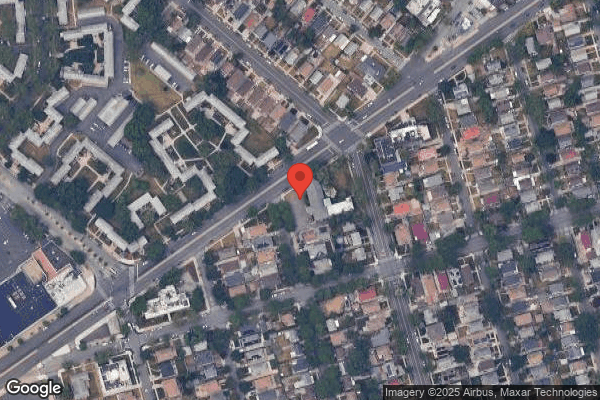
260 01 79TH AVENUE, GLEN OAKS, NY 11004 (718) 343-0770
For profit - Corporation 60 Beds Independent Data: November 2025
Trust Grade
81/100
#204 of 594 in NY
Last Inspection: June 2024

Within standard 12-15 month inspection cycle. Federal law requires annual inspections.

Overview

New Glen Oaks Nursing Home, Inc. has a Trust Grade of B+, which indicates it is above average and recommended for families considering care options. Ranked #204 out of 594 facilities in New York, it falls within the top half of nursing homes in the state, and it ranks #26 out of 57 in Queens County, meaning there are only 25 local facilities that perform better. However, the facility is experiencing a concerning trend, worsening from 2 issues in 2022 to 7 in 2024, which raises some red flags. Staffing is relatively stable with a turnover rate of 26%, well below the state average, but the facility has incurred $23,443 in fines, which is higher than 90% of nursing homes in New York, indicating potential compliance issues. While the home provides average RN coverage, there were specific incidents including failures to involve residents in their care plans and maintaining proper cleanliness standards, which suggest areas needing improvement despite its strengths in staffing stability and overall quality measures.

Trust Score
B+
81/100
In New York
#204/594
Top 34%
Safety Record
Low Risk
No red flags
Inspections
Getting Worse
2 → 7 violations
Staff Stability
✓ Good
26% annual turnover. Excellent stability, 22 points below New York's 48% average. Staff who stay learn residents' needs.
Penalties
✓ Good
$23,443 in fines. Lower than most New York facilities. Relatively clean record.
Skilled Nurses
○ Average
Each resident gets 32 minutes of Registered Nurse (RN) attention daily — about average for New York. RNs are the most trained staff who monitor for health changes.
Violations
○ Average
9 deficiencies on record. Average for a facility this size. Mostly minor or procedural issues.
★★★★☆
4.0
Overall Rating
★★★☆☆
3.0
Staff Levels
★★★★★
5.0
Care Quality
★★★☆☆
3.0
Inspection Score
Stable
2022: 2 issues
2024: 7 issues

The Good

  • 5-Star Quality Measures · Strong clinical quality outcomes
  • Low Staff Turnover (26%) · Staff stability means consistent care
  • Full Sprinkler Coverage · Fire safety systems throughout facility
  • No fines on record
  • Staff turnover is low (26%)

    22 points below New York average of 48%

Facility shows strength in quality measures, staff retention, fire safety.

The Bad

Federal Fines: $23,443

Below median ($33,413)

Minor penalties assessed

The Ugly 9 deficiencies on record

Jun 2024 7 deficiencies
CONCERN (D)

Potential for Harm - no one hurt, but risky conditions existed

Deficiency F0657 (Tag F0657)

Could have caused harm · This affected 1 resident

Based on observation, record review and staff interviews conducted during the Recertification survey from 06/03/2024 to 06/10/2024, the facility did not ensure that Comprehensive Care Plans were revie...

Read full inspector narrative →
Based on observation, record review and staff interviews conducted during the Recertification survey from 06/03/2024 to 06/10/2024, the facility did not ensure that Comprehensive Care Plans were reviewed and revised by the interdisciplinary team after each assessment. Specifically, the care plan related to therapeutic activities was not revised quarterly. This was evident for 1 of 1 residents (Resident #41) reviewed for Activities out of 17 total sampled residents. The findings are: The facility's policy and procedure titled Comprehensive Care Plan reviewed 2/24 documented the team will update team care plan after each quarterly assessment or reassessment review or more often if necessary. Resident #41 was admitted to the facility with diagnosis of Dementia, Hypertension and Hyperkalemia. The Quarterly Minimum Data Set was completed on 2/15/2024 and 5/16/2024. The Care Plan for Activity titled Customary Routines for Resident #41 was dated 4/6/2023 and last reviewed/revised on 10/27/2023 documented that resident likes keeping up with news via television and loves to color, group activities. The goal was to participate 2-3x a week and will participate independently daily and 1:1 1-2x/week. Interventions included group activity preferences of social entertainment programs and coloring/art. There was no documented evidence that the comprehensive care plan had been reviewed and revised after quarterly assessment on 2/15/2024 and 5/16/2024. On 6/6/2024 10:23 AM, Registered Nurse #1 stated resident's care plans are reviewed/revised after every assessment and during the meetings held annually, quarterly, or when there is a significant change in resident's status. All departments including activity are responsible to review and revise the related care plans. On 6/10/2024 at 10:43 AM, the Interim Recreation Director stated they have been in this role for few months and had not yet attended the care plan meetings for Resident #41. The Interim Recreation Director could not explain why the care plans were not reviewed or revised after the Quarterly assessments were completed on 2/15/2024 and 5/16/2024. 10 NYCRR 415.11(c)(2)(i-iii)
CONCERN (D)

Potential for Harm - no one hurt, but risky conditions existed

Deficiency F0678 (Tag F0678)

Could have caused harm · This affected 1 resident

**NOTE- TERMS IN BRACKETS HAVE BEEN EDITED TO PROTECT CONFIDENTIALITY** Based on observation, record review and staff interviews conducted during the Recertification survey from 06/03/2024 to 06/10/20...

Read full inspector narrative →
**NOTE- TERMS IN BRACKETS HAVE BEEN EDITED TO PROTECT CONFIDENTIALITY** Based on observation, record review and staff interviews conducted during the Recertification survey from 06/03/2024 to 06/10/2024, the facility did not ensure that the resident's wishes regarding Cardiopulmonary Resuscitation were accurately documented. Specifically, the medical order and labelling of the medical record did not match. This was evident in 1 of 1 resident reviewed for Advanced Directives (Resident #23) out of 17 total sampled residents. The findings are: The facility policy and procedure titled Residents' Rights Regarding Treatment and Advance Directives revised/reviewed 3/24 documented that it is the resident's right to formulate an Advance Directive, and copies will be made and placed on the chart as well as communicated to the staff. Resident #23 was admitted to the facility with diagnosis of Diabetes Mellitus, Dementia, and Hypertension. The Quarterly Minimum Data Set, dated [DATE] documented resident has severely impaired cognition. During observations on 6/6/2024 at 11:43 AM and 12:17 PM, Resident #23's identification bracelet on their wrist was white in color indicating Cardiopulmonary Resuscitation status and was not yellow in color reflecting Do Not Resuscitate. Resident #23's medical paper chart had white label on the chart that documented Cardiopulmonary Resuscitation, Do Not Intubate. The Medical Orders for Life-Sustaining Treatment (MOLST) form dated 8/23/2022 documented resident's health care proxy formulated for Resident #23 to attempt Cardiopulmonary Resuscitation and Do Not Intubate for life-sustaining treatment. The Physician's Order renewed 1/18/2024 documented Cardiopulmonary Resuscitation and Do Not Intubate. The Hospital Discharge Summary documented Resident #23 was hospitalized from [DATE] to 2/21/2024 for hypoxia. The Physician's Orders dated renewed on 5/16/2024 documented to Do Not Resuscitate and did not document Do Not Intubate and Cardiopulmonary Resuscitation orders. The Comprehensive Care Plan for Advance Directive reviewed 5/6/2024 documented Cardiopulmonary Resuscitation, Do Not Intubate remains in place. Interventions included offer explanation on Health Care Proxy, Do Not Resuscitate to resident or representative if resident does not understand, review and regard Advanced Directives quarterly and as needed, assess capacity quarterly, involve Health Care Proxy if resident should lack capacity. The Social Service note dated 5/6/2024 documented resident has Health Care Proxy, and the advance directives remain in place as per MOLST form (Do Not Intubate, Cardiopulmonary Resuscitation). There was no documented evidence Resident #23's Health Care Proxy changed Resident #23's advance directive status during hospitalization or upon readmission from the hospital on 2/21/2024. On 6/6/2024 at 12:18 PM, Registered Nurse #2 stated that Resident #23 has Do Not Resuscitate order as per most recently renewed medical orders. Resident #23 had a full code status prior to hospitalization in February 2024 and upon readmission, the Do Not Resuscitate order was initiated. Registered Nurse #2 also stated they were not able to locate any documentation reflecting the change to Do Not Resuscitate in Resident #23's medical record. On 6/7/2024 at 10:50 AM, the Medical Doctor stated that upon reviewing Resident #23's medical chart, the Do Not Resuscitate order was initiated after resident returned from the hospital. The Medical Doctor also stated that Resident #23's advance directive preferences were reviewed and acknowledged that it should have not been coded Do Not Resuscitate. The Medical Doctor further stated it was entered in error and was an oversight on their part. On 6/7/2024 at 11:03 AM, Social Worker #1 stated that Resident #23 has a Health Care Proxy and has Cardiopulmonary Resuscitation, Do Not Intubate orders in place. Social Worker #1 also stated that Resident #23's advance directive was reviewed with the resident's representative on 5/6/2024 and there were no changes made. 10 NYCRR 415.3(e)(2)(iii)
CONCERN (D)

Potential for Harm - no one hurt, but risky conditions existed

Deficiency F0679 (Tag F0679)

Could have caused harm · This affected 1 resident

**NOTE- TERMS IN BRACKETS HAVE BEEN EDITED TO PROTECT CONFIDENTIALITY** Based on observations, record review and staff interviews conducted during the Recertification survey from 06/03/2024 to 06/10/2...

Read full inspector narrative →
**NOTE- TERMS IN BRACKETS HAVE BEEN EDITED TO PROTECT CONFIDENTIALITY** Based on observations, record review and staff interviews conducted during the Recertification survey from 06/03/2024 to 06/10/2024, the facility did not ensure an ongoing activities program was provided to meet the interests of and support the physical, mental, and psychosocial well-being of the residents. Specifically, a resident was observed for extended periods of time without ongoing activity program in accordance with their preferences. This was evident for 1 of 1 resident (Resident #41) reviewed for Activities out of 17 total sampled residents. The findings are: The facility's policy and procedure titled Resident Activities reviewed 11/2023 documented the purpose of activity program is to provide a continued interest in living as opposed to existing and to prevent or defer withdrawal from the activities that make life worthwhile. Resident #41 was admitted to the facility with diagnosis of Dementia, Hypertension and Hyperkalemia. The Annual Minimum Data Set, dated [DATE] documented Resident #41 had moderately impaired cognition. The Annual Minimum Data Set also documented that it is very important for the resident to keep up with news, do favorite activities and somewhat important to do things with groups of people, listen to music, go outside for fresh air and to participate in religious service/practice. The Quarterly Minimum Data Set, dated [DATE] documented resident had moderately impaired cognition. On 6/3/2024 from 10:08 AM to 11:49 AM, Resident #41 was observed sitting in their wheelchair with other residents in the dining room. No staff interaction with residents was observed and there were no activities occurring on the unit. The activity calendar posted on the bulletin board documented rolling resource cart at 10:30 AM. On 6/4/2024 from 9:55 AM to 12:03 PM, Resident #41 was observed sitting and propelling their wheelchair in the hallway aimlessly. There was no staff interaction with residents or an organized activity occurring on the unit. Resident #41 approached the nursing station and began to engage in conversation with the State Surveyor. The activity calendar posted on the bulletin board documented coffee cart at 10:30 AM. On 6/10/2024 from 10:01 AM to 12:02 PM, Resident #41 was observed wandering around in the hallway without any interaction. No staff interaction with residents was observed and there was not an organized activity occurring on the unit. The activity calendar posted on the bulletin board documented morning coloring at 10:30 AM. The Care Plan for Customary Routines initiated 4/6/2023 and last reviewed 10/27/2023 documented that resident likes keeping up with news via television and loves to color, group activities. The goal was to participate 2-3x a week and will participate independently daily and 1:1 1-2x/week. Interventions included group activity preferences of social entertainment programs and coloring/art. The Therapeutic Recreation assessment completed 2/19/2024 documented resident is alert and oriented to person with some confusion. Resident enjoys relaxing in the dayroom with peers, coloring, and reading magazines. Activity preferences are art/craft, entertainment program, magazine, 1:1 visit from recreation staff, family visits, 1:1 strolling music visit. Resident will participate 2-3 per week, and 1:1 visit 1-2 per week. The Activity Log from 3/1/2024 to 5/31/2024 revealed resident attended 18 days out of 92 days (6 days in March 2024, 6 days in April 2024, 6 days in May 2024). Activities attended included Bingo, Sunday Social, Birthday Party, Movie, and Fresh Air Club. There was no documented evidence Resident #41 was engaged in an ongoing activity to meet their interests and needs. There was no documented evidence that Resident #41 refused to participate in any activities. On 6/10/2024 at 12:22 PM, Certified Nurse Aide #1 stated there are activities happening sometimes in the dining room. Resident #41 likes to have conversations and socialize with their friend. Certified Nurse Aide #1 also stated there was no activity happening on the unit today. On 6/10/2024 at 12:43 PM, Licensed Practical Nurse #1 stated Resident #41 likes to watch television and talk to their friend who also resides on the unit. Licensed Practical Nurse #1 also stated they have seen Resident #41 participate in activities like watching movies, birthday celebration, bingo, and Pictionary games. Licensed Practical Nurse #1 further stated residents will need to be assisted to attend any event happening on the 1st floor, however, they have not seen Resident #41 attend any event on the 1st floor. On 6/10/2024 at 10:21 AM, Recreation Assistant #1 stated the morning activity starts usually around 10:30AM in the dining room of the 1st or 2nd floor. Recreation Assistant #1 also stated that they visit residents on the unit prior to the morning activity to chat and invite them to the activity Recreation Assistant #1 further stated that Resident #41 does not prefer group activities but likes to attend Sunday social, likes to listen to music, and always gets coffee especially when the coffee cart is going around on the unit. Resident #41 is confused most of the time and does not seem to understand when they are asked to participate in the activities. On 6/10/2024 at 10:43 AM, the Interim Recreation Director stated they have been in this role for few months; therefore, they were not able to explain when Resident #41 was assessed for their activity preferences. The Interim Recreation Director also stated that based on their experience, Resident #41 likes to read magazines and have open conversation with others. Resident #41 is confused and does not really understand when they are invited to the activity, so they do not know which activities are preferred by the resident although the goal is for Resident #41 to participate more in activities. The Interim Recreation Director further stated that the care plan was created by the previous Recreation Director, and they had not participated in Resident #41's care plan meeting and was not able to explain why the care plan had not been revised since 10/27/2023. The Interim Recreation Director stated that activities in the facility were mostly happening on the 1st floor so residents on the 2nd floor would need to be assisted to the 1st Floor to attend the activities. 10 NYCRR 415.5(f)(1)
CONCERN (D)

Potential for Harm - no one hurt, but risky conditions existed

Deficiency F0849 (Tag F0849)

Could have caused harm · This affected 1 resident

**NOTE- TERMS IN BRACKETS HAVE BEEN EDITED TO PROTECT CONFIDENTIALITY** Based on observation, record review and interview conducted during the Recertification Survey from 06/03/2024 to 06/10/2024, the...

Read full inspector narrative →
**NOTE- TERMS IN BRACKETS HAVE BEEN EDITED TO PROTECT CONFIDENTIALITY** Based on observation, record review and interview conducted during the Recertification Survey from 06/03/2024 to 06/10/2024, the facility did not ensure that the most recent hospice plan of care was provided for a resident. Specifically, the Hospice Assessment, Plan of Care, and Hospice team interdisciplinary notes were not provided to the facility and available for review. In addition, the facility was unaware that the resident had been discharged from Hospice Services on 05/30/2024. This was evident for 1 of 1 resident (Resident #9) reviewed for Hospice out of 17 sampled residents. The findings are: The facility policy and procedure titled Hospice Program with a revision date of 02/2024 documented that the facility contracts for hospice services for resident who wish to participate in such program. The policy also documented that when a resident participates in the hospice program, a coordinated plan of care between the facility, Hospice Agency, and resident/family will be developed and shall include directives for managing pain and other uncomfortable symptoms. The care plan shall be revised and updated as necessary to reflect the resident's current status. The Agreement for Hospice Care to Skilled Nursing Facility residents signed between Hospice Care Network and the facility dated March 15, 2016, documented in Section 12.20 that notwithstanding any other provision in this contract, the Hospice remains responsible for: (a) Ensuring that any service provided pursuant to this contract complies with all pertinent provisions of federal, State and local statues, rules and regulations. (b) Planning, coordinating and ensuring the quality of all services provided and (c) Ensuring adherence to the plan of care established for patients. Article 3 Section 2.4 documented that the Hospice shall develop, review, and revise a Hospice Plan of Care for each Hospice resident which reflect the participation of the Hospice, Skilled Nursing Facility and the Hospice resident and family to the extent possible. Hospice will furnish Skilled Nursing Facility with a copy of the Plan of Care and will identify the services to be furnished by Skilled Nursing Facility, and those services to be provided by Hospice. The agreement also documented that would be communication between Hospice and Skilled Nursing Facility to ensure that the needs of Hospice residents are addressed and met 24 hours a day. Resident #9 had diagnoses that included Coronary Artery Disease, Hypertensive Heart Disease with Heart Failure, and Respiratory Failure. The Quarterly Minimum Data Set assessment dated [DATE] documented that the resident was moderately cognitively impaired, dependent on staff for all Activities of Daily Living and was receiving Hospice Care while a resident. On 06/07/24 at 01:29 PM, Resident #9 was observed in their room seated in a wheelchair alert, soft spoken and well-groomed watching a television program. On 06/10/2024 at 12:30 PM, Resident #9 was observed in their room seated in a wheelchair being fed by a Certified Nursing Assistant. Resident #9 was admitted to Hospice on 10/11/2023. The Physician's order dated 05/11/2024 documented resident with Advance Directive, no blood work, Hospice Services, Do Not Resuscitate, Do Not Intubate. Review of the medical record revealed that there was no Comprehensive Care Plan from the Hospice Agency on file. In addition, there were no interdisciplinary team documentation from the different disciplines which included Social Worker, Hospice Physician and Nurse visits. On 06/10/2024 at 1:30PM, Licensed Practical Nurse #2 was interviewed and stated the Hospice Nurse comes once a week. During the visit, the Hospice Nurse sometimes asked about the resident vital signs and at times, the Hospice Nurse will check the vital signs themselves. Licensed Practical Nurse #2 also stated that they did not recall being given any records from the Hospice agency. On 06/10/2024 at 12:05 PM, the Director of Nursing was interviewed and stated that the Hospice Nurse comes to the facility twice a week. The Director of Nursing also stated that after review of the chart they were not able to locate any documentation from the Hospice agency. On 06/10/2024 at 1:24 PM, a telephone interview was conducted with the Hospice Registered Nurse who stated that once a resident is admitted to hospice, they evaluate the resident once or twice a week. A Home Health Aide is assigned five days a week for four hours, but that had been discontinued since Resident #9 was discharged from Hospice on 05/31/2024. The Hospice Registered Nurse also stated that they do not bring reports to the facility but instead submit them to staff in the office who then provide a copy to the facility. The Hospice Registered Nurse stated that they did not inform the facility that Resident #9 had been discharged , however their office staff was aware of Resident #9's status. During a follow up interview conducted on 06/10/2024 at 2:15 PM, the Director of Nursing stated that they were not aware that Resident #9 had been discharged from Hospice Care on 05/31/2024. 10 NYCRR 415.12
CONCERN (E)

Potential for Harm - no one hurt, but risky conditions existed

Deficiency F0553 (Tag F0553)

Could have caused harm · This affected multiple residents

**NOTE- TERMS IN BRACKETS HAVE BEEN EDITED TO PROTECT CONFIDENTIALITY** Based on observation, record review and staff interviews conducted during the Recertification survey from 06/03/2024 to 06/10/20...

Read full inspector narrative →
**NOTE- TERMS IN BRACKETS HAVE BEEN EDITED TO PROTECT CONFIDENTIALITY** Based on observation, record review and staff interviews conducted during the Recertification survey from 06/03/2024 to 06/10/2024, the facility did not ensure that residents were involved in developing the comprehensive care plan and making decisions about their care. Specifically, the facility did not ensure that residents were afforded the opportunity to participate in the Comprehensive Care Plan meeting. This was evident for 3 of 3 residents reviewed for Care Planning out of 17 total sampled residents (Resident #41, #23, and #48). The findings are: The facility's policy and procedure titled Comprehensive Care Plan reviewed 2/2024 documented the Interdisciplinary team will update the team care plan after each quarterly assessment or reassessment review or more often if necessary. The policy also documented Resident, family, significant others will be invited to attend for admission, when there is a significant change, and annually. 1. Resident #41 was admitted to the facility with diagnosis of Dementia, Hypertension, and Hyperkalemia. The Quarterly Minimum Data Set, dated [DATE] documented resident has moderately impaired cognition. The Quarterly Minimum Data Set also documented the resident and family participated in the assessment. On 6/7/2024 at 9:18 AM, Resident #41's family was interviewed and stated they attended a care plan meeting when resident was admitted to the facility over a year ago and have not attended or been invited to attend any care plan meeting since the initial meeting. The Comprehensive Care Plan meeting sign in sheet for Resident #41 contained no signatures from Resident #41 or their representative for quarterly care plan meetings held on 2/21/2024 and 5/22/2024. The Social Service notes dated 2/12/2024 and 5/10/2024 documented the resident's care plans were reviewed quarterly. There was no documented evidence that Resident #41 and or their family representative were invited to participate in the quarterly care plan meetings. 2. Resident #23 was admitted to the facility with diagnosis of Diabetes Mellitus, Dementia, Hypertension. The Quarterly Minimum Data Set, dated [DATE] documented resident has severely impaired cognition. The Quarterly Minimum Data Set also documented that the resident and family participated in the assessment. The Comprehensive Care Plan meeting sign in sheet for Resident #23 contained no signatures from Resident #23 or their representative for quarterly care plan meetings held on 2/13/2024 and 5/8/2024. Social Service notes dated 1/1/2024 to 5/31/2024 contained no documented evidence that Resident #23 and/or their family representative were invited to the quarterly care plan meetings. 3. Resident #48 was admitted to the facility with diagnosis of Aphasia, Hypertension, and Diabetes Mellitus. The Annual Minimum Data Set, dated [DATE] documented resident rarely/never understood, unable to conduct interview. The Annual Minimum Data Set documented family participated in the assessment. The Comprehensive Care Plan meeting sign in sheet for Resident #48 revealed Resident #48's representative attended the annual care plan meeting held on 4/26/2023 but did not attend the care plan meetings held on 7/19/2023, 10/10/2023, 1/3/2024 and 3/20/2024. The Social Service notes dated 6/1/2023 to 5/31/2024 revealed resident/family was invited to the annual care plan meeting held on 3/20/2024. However, there was no documented evidence that family/resident were invited to the quarterly care plan meetings held on 7/19/2023, 10/10/2023 and 1/3/2024. On 6/6/2024 at 10:23 AM, Registered Nurse #1 stated that resident's care plan meetings are held annually, quarterly, or when there is a significant change in the resident's status. The interdisciplinary team will invite resident/family to the annual care plan meeting, but residents and family members are not invited to the quarterly meeting unless there is a significant change. Registered Nurse #1 also stated the resident/family are made aware that they can always request a care plan meeting if they wish at any time. On 6/5/2024 at 10:13 AM, Social Worker #1 was interviewed and stated, the care plan meeting is done initially upon admission, quarterly, annually, and when there is a significant change in status. Resident/family are invited to the care plan meetings except for the quarterly meetings. Social Worker #1 also stated that it has never been the practice to invite resident/family to the quarterly; therefore, they had not been inviting them to any quarterly meetings. On 6/10/2024 at 1:24 PM, the Administrator was interviewed and stated Resident #48's representative is very involved, visits the facility very often so they have constant communication with the staff. Administrator further stated resident/representative are invited to the care plan meetings but not always available for the attendance. The Administrator also stated they were not aware that residents and /or their representatives were not being invited to all the care plan meetings including quarterly meetings. 10 NYCRR 415.11(c)(2)(i-iii)
CONCERN (E)

Potential for Harm - no one hurt, but risky conditions existed

Safe Environment (Tag F0584)

Could have caused harm · This affected multiple residents

On 06/03/2024 at 10:53 AM and on 06/04/2024 at 9:33 AM, room B-8W on Unit 2 the overbed table was observed uncleaned with a sticky surface, the wall above the headboard was observed with dark streaks,...

Read full inspector narrative →
On 06/03/2024 at 10:53 AM and on 06/04/2024 at 9:33 AM, room B-8W on Unit 2 the overbed table was observed uncleaned with a sticky surface, the wall above the headboard was observed with dark streaks, brown spots, mismatched paints, the blinds and windowsill were dusty, and there were cracks in the walls above the air conditioner. On 06/04/2024 at 11:27 AM and 06/05/2024 at 10:06 AM, in room B-1D on Unit 2 broken blinds, a dusty windowsill, and cracked walls above the air conditioner and the radiator were observed. In addition, the walls were observed with brown stains and mismatched paint and the tabletop had gray paint marks. During an interview on 06/06/2024 at 11:59 AM, the Interim Environmental Director was interviewed and stated they oversee the Housekeeping and Maintenance Departments. The Interim Environmental Director also stated that they do daily rounds on the units and are made aware of any issues. The facility does not have a logbook for maintenance requests. The Interim Environmental Director further stated that windowsills are cleaned daily and as needed by the housekeeping staff, and all broken blinds were recently changed, and they were not aware of any new issues. The Interim Environmental Director stated they had already plastered and painted the walls in the hallway, the doors, and side rails on the 1st and 2nd floor, and it takes more time to do work in resident's rooms and so they have only plastered a few rooms. During an interview on 06/06/2024 at 12:16 PM, the Administrator stated they had recently replaced the broken blinds in some of the rooms and were not aware there are more broken blinds. The Administrator also stated the dusty areas are cleaned and rooms are maintained by the housekeeping staff daily. 10 NYCRR 415.5(h)(2) Based on observation, record review, and interview conducted during the Recertification Survey from 06/03/2024 to 06/10/2024, the facility did not ensure a safe, clean, comfortable, and homelike environment was provided to the residents. Specifically, maintenance services necessary to maintain a sanitary, orderly and comfortable interior were not provided to the residents. Specifically, on Unit 2 mismatched paint, unpainted walls, stained bathroom floors, dusty windowsills, a cracked wall, a sticky tabletop surface, and broken window blinds were observed. This was evident in multiple rooms on 1 of 2 units observed. (Unit 2) The findings are: The facility's policy titled Housekeeping Policy with a reviewed date of 02/2024 documented the purpose of the procedure was to provide guidelines for cleaning and disinfecting resident rooms. The policy documented housekeeping surfaces, including tabletops, will be cleaned on a regular basis, when spill occurs, and when these surfaces are visibly soiled. Walls, blinds, and window curtains in resident areas will be cleaned when these surfaces are visibly contaminated or soiled. The facility's policy titled Maintenance Department with a reviewed date of 03/2024 documented the Maintenance Department provides a safe and functional environmental by systematic inspection and preventative maintenance of all equipment and construction of the facility. It is the responsibility of the Maintenance Department to provide emergency repairs and proper care of the entire physical structure of the facility. On 06/03/2024 between 10:00 AM and 2:00 PM, the following observations were made on Unit 2: a.) Room B11 had unpainted areas on the wall near the air conditioning unit, and there were areas of mismatched paint on either side of the air conditioning unit. b.) Room B12 had mismatched paint on the walls. c.) Room B9 and B14 had areas with unpainted walls. d.) Resident's common bathroom next to Room B15 had black stains on the floor next to the toilet bowl. During an interview on 06/10/2024 at 12:29 PM, Resident #209 stated their room had mismatched paint and they wished it could be painted with the same color to make their room look lively and bright. During an interview on 06/06/2024 at 11:59 AM, the Interim Environmental Director was interviewed and stated they oversee the Housekeeping and Maintenance Departments. The Interim Environmental Director also stated they started plastering and painting the walls in the hallway, the doors, and side rails on the 1st and 2nd floor and plastered the walls near the air conditioning unit as needed. The Interim Environmental Director further stated they make daily rounds to see if any work needs to be done, but they do not keep logs or keep track of the ongoing work. During an interview on 06/10/2024 at 12:02 PM, the Administrator stated they were stated that some rooms need to be painted and they were doing the best to paint all resident rooms. The Administrator also stated that they are planning to hire an Environmental Director.
MINOR (B)

Minor Issue - procedural, no safety impact

MDS Data Transmission (Tag F0640)

Minor procedural issue · This affected multiple residents

Based on interview and record review conducted during the Recertification Survey from 06/03/2024 to 06/10/2024, the facility did not ensure Minimum Data Set assessments were electronically transmitted...

Read full inspector narrative →
Based on interview and record review conducted during the Recertification Survey from 06/03/2024 to 06/10/2024, the facility did not ensure Minimum Data Set assessments were electronically transmitted to the Centers for Medicare and Medicaid Services Data System within 14 days after assessments were completed. This was evident for 3 (Resident # 2, # 21, # 23) of 3 residents reviewed for Resident Assessment out of 17 total sampled residents. Specifically, Resident #2, #21, and #23's Minimum Data Set assessments were not transmitted within 14 days of completion. The findings include but are not limited to: The facility's policy titled Electronic Submission of Minimum Data Set with a reviewed date of 04/2024 documented all Minimum Data Set Assessments will be completed and electronically encoded into the facility's Minimum Data Set information system and transmitted to the Centers for Medicare and Medicaid Services Quality Improvement Evaluation System (QIES) in accordance with current Omnibus Budget Reconciliation Act regulations governing transmission of Minimum Data Set data. The facility policy also documented comprehensive assessments must be transmitted electronically within 14 days of care plan completion and all other Minimum Data Set assessments must be submitted within 14 days of Minimum Data Set completion date. The Quarterly Minimum Data Set Assessment for Resident #2 was completed on 01/02/2024 and was not transmitted to the Centers for Medicare and Medicaid Services Data System until 04/10/2024. The Quarterly Minimum Data Set Assessment for Resident #21 was completed on 01/02/2024 and was not transmitted to the Centers for Medicare and Medicaid Services Data System until 03/10/2024. The Significant Change in Status Minimum Data Set Assessment for Resident #23 was completed on 01/09/2024 and was not transmitted to the Centers for Medicare and Medicaid Services Data System until 04/11/2024. In addition, the Quarterly Minimum Data Set Assessment for Resident #23 was completed on 05/06/2024 and was not transmitted to the Centers for Medicare and Medicaid Services Data System until 06/06/2024. On 06/10/24 at 12:02 PM, the Minimum Data Set Coordinator (MDSC) was interviewed and stated they are responsible for scheduling and ensuring each department completed their section in the Minimum Data Set assessment. The Minimum Data Set Coordinator also stated that the owner of the facility is the one who transmits the Minimum Data Set to the Centers for Medicare and Medicaid Services Data System once completed. Th Minimum Data Set Coordinator further stated they did not know the reason why Residents #1, #21, and #23's Minimum Data Set assessments were submitted late. On 06/10/24 at 1:55 PM, the facility's owner was interviewed and stated they had no idea the Minimum Data Set assessments were submitted late. On 06/10/2024 at 12:27 PM, the Administrator was interviewed and stated the Minimum Data Set Coordinator ensures the completion of the Minimum Data Set assessments and the Owner of the facility transmits the assessments to the Centers for Medicare and Medicaid Services Data System. The Administrator also stated they were not aware there were Minimum Data Set assessments that were submitted late. 10 NYCRR 415.11
Aug 2022 2 deficiencies
CONCERN (D)

Potential for Harm - no one hurt, but risky conditions existed

Quality of Care (Tag F0684)

Could have caused harm · This affected 1 resident

**NOTE- TERMS IN BRACKETS HAVE BEEN EDITED TO PROTECT CONFIDENTIALITY** Based on record review and interview conducted during the Recertification and Complaint (NY00284296) Survey from 8/3/22 to 8/10/...

Read full inspector narrative →
**NOTE- TERMS IN BRACKETS HAVE BEEN EDITED TO PROTECT CONFIDENTIALITY** Based on record review and interview conducted during the Recertification and Complaint (NY00284296) Survey from 8/3/22 to 8/10/22, the facility did not ensure a resident with an indwelling catheter received appropriate treatment and services to prevent urinary tract infection. This was evident for 1 (Resident #167) of 1 residents reviewed for Urinary Catheter Care out of a sample of 19 residents. Specifically, Resident #167 had a Foley Catheter (FC), was at high risk for urinary tract infection, and did not have a repeat urine culture following the lab report recommending for repeat collection of urine specimen. The findings are: The facility's policy titled Specimen Collection and Labs dated 11/2019 documented nursing staff will comply with Physician's Orders (PO) in obtaining urine/stool/blood specimens for laboratory studies to enable laboratory analysis for diagnostic purposes and to enable treatment. The medical record will document the date and time the specimen was collected, the name and title of the individual(s) who performed the procedure, and the character, clarity, and color of urine. Resident #167 was admitted to the facility on [DATE] with diagnoses of urinary tract infection, urinary retention, and bilateral pyelonephritis. The Minimum Data Set (MDS) dated [DATE] documented that resident was cognitively intact, totally dependent on staff for most activities of daily living and had an indwelling catheter. On 10/06/2021 at 10:16 AM, the Complainant reported to the Aspen Complaint Tracking System (ACTS) Resident #167 was discharged from the hospital and admitted to the facility with a FC in September 2021 and was examined by the Medical Doctor (MD) on 9/11/21. On 9/27/21, Resident #167 was observed with blood in the catheter tubing, the catheter was removed, and a urine culture was taken. The family informed facility staff that Resident #167 was displaying signs of a urinary tract infection including slurring, being tired, and being forgetful. Facility staff told the family the MD would be consulted re: ordering antibiotic therapy. On 9/30/21, the lab reported Resident #167's urine sample was contaminated. Another urine sample was collected but not sent to the lab. Resident #167 was transferred to the hospital on [DATE] and the hospital MD informed the family Resident #167 was in grave condition as result of this infection. The Comprehensive Care Plan (CCP) related to FC, initially discontinued 8/23/21 and resumed on 9/10/21, documented Resident #167 had a foley catheter. Staff were to provide catheter care each shift and report changes in urine features to the Medical Doctor (MD). The Hospital Discharge Summary Instructions dated 9/10/2021 documented Resident #167 was treated for urinary tract infection caused by urinary retention and will require a FC indefinitely. Resident #167 will have a high risk of another urinary tract infection without a chronic indwelling FC. Nursing Note (NN) dated 9/16/21 documented the Urologist recommended for Resident #167 to keep the FC until further notice. NN dated 9/27/21 documented Resident #167's FC was cloudy and pus colored, and Resident #167 complained of pain upon urination. The MD was called and recommended a urine culture be done and FC be removed. PO order dated 9/27/21 documented a urine culture and FC removal for Resident #167. NN dated 9/27/21 documented Resident #167 was voiding, had 2 wet diapers, and voided approximately 100 ccs into a bed pan. Lab Report dated 09/29/2021 documented the urine culture for Resident #167 collected on 9/27/2021 was probably contaminated. Please resubmit. There was no documented evidence the Lab Report was reviewed, or MD was made aware another urine culture was recommended for Resident #167. NN dated 10/5/21 documented Resident #167 had increased weakness, poor appetite, and poor intake. Resident #167 was transferred and admitted to the hospital with a diagnosis of sepsis. Lab Report dated 10/07/2021 documented the urine culture for Resident #167 collected on 10/05/2021 was probably contaminated. Please resubmit. NN dated 10/21/21 documented Resident #167 was readmitted from the hospital with primary diagnosis of sepsis and FC in place. MD admission History and Physical Examination dated 10/22/21 documented Resident #167 completed intravenous antibiotic on 10/21/21 for sepsis. On 08/08/22 at 02:20 PM, Registered Nurse (RN) #1 was interviewed and stated if the lab reported a specimen is contaminated, the MD is informed, the RN obtains an order for a repeat specimen collection and documents in the resident's medical record. On 08/08/22 at 03:57 PM, RN #2 was interviewed and stated if they are unable to collect the specimen during their tour, it is handed over for the next shift to collect and document as needed. RN #2 stated that they could not provide a reason Resident #167's medical record did document time of collection and pick up by the lab. On 08/08/22 at 04:27 PM, the MD was interviewed and stated treatment is ordered based on the results of lab reports. A repeat lab culture was ordered for Resident #167 when the lab reported the initial specimen might have been contaminated. The MD believed the contamination of the urine specimen was due to incompetency of the staff that collected the specimen. On 9/27/21, the RN was given an order to temporarily discontinue the Resident #167's catheter, flush, observe, and then reinsert the FC. The MD could not recall giving an order to permanently remove the resident's FC and could not understand the reason the nurse failed to follow instructions. The MD was not aware if a repeat urine specimen was collected from Resident #167. The MD stated they were surprised there was no documentation in Resident #167's medical record re: the lab report or urine specimen collection. On 08/10/22 at 12:00 PM, an interview was conducted with the Director of Nursing (DON) who stated time of urine collection and pick up is documented in the resident's chart, the supervisor notes, and endorsed to the incoming shift to follow up. The DON was not employed by the facility at the time of the complaint. 415.12
CONCERN (F)

Potential for Harm - no one hurt, but risky conditions existed

MDS Data Transmission (Tag F0640)

Could have caused harm · This affected most or all residents

On 08/10/22 at 12:52 PM, MDS Coordinator was interviewed and stated MDS assessments must be submitted 14 days after completion. The Owner of the facility submits the MDS assessments. On 08/10/22 at 0...

Read full inspector narrative →
On 08/10/22 at 12:52 PM, MDS Coordinator was interviewed and stated MDS assessments must be submitted 14 days after completion. The Owner of the facility submits the MDS assessments. On 08/10/22 at 01:53 PM, the Administrator was interviewed and stated that the Owner told the Administrator the facility had a waiver and the Owner knows the rules for MDS submission. On 08/10/22 at 02:31 PM, the Owner was interviewed and stated they believe it is 30 days in total for the MDS to initiated and submitted. an interview was conducted with the President/Owner. The President stated that the MDS goes to the Keys system and that the person assigned to the system creates a file when it says that the MDS is ready to be submitted, it is submitted. There was a backlog of MDS submissions from the COVID-19 pandemic and this was part of the waiver. The Administrator does not have control of how fast the books are submitted. MDS lists are created. 415.11 Based on record review and interviews conducted during the recertification survey, the facility did not ensure Minimum Data Set 3.0 (MDS) assessments were submitted and transmitted into the Quality Improvement Evaluation System (QIES) Assessment Submission and Processing (ASAP) system in a timely manner. This was evident for 44 of 44 Residents reviewed for Resident Assessments. (Resident #s 26, 21, 11, 29, 52, 45, 16,48, 50, 8, 51, 33, 46, 28, 55, 32, 12, 1, 25, 31, 4, 7, 23, 19, 30, 44, 22, 27, 24, 14, 3, 17, 10, 54, 9, 5, 20, 18, 13, 15, 2, 47, 49, 53). Specifically, admission, annual, and quarterly MDS assessments were not submitted and transmitted within 14 calendar days after the assessments were completed. The findings include but are not limited to: The Centers for Medicare Services (CMS) Resident Assessment Instrument Manual (Dated October 2017) documented MDS completion date must be no later than 14 days after the Assessment Reference Date (ARD) assessments. Comprehensive assessments must be transmitted electronically within 14 days of the care plan completion date. All other MDS assessments must be submitted within 14 days of the MDS completion date. 1. Resident #51 admission MDS with ARD 03/07/2022 was submitted 07/12/2022 = 4 months late. 2. Resident #15 Quarterly MDS with ARD 02/17/2022 was submitted 07/04/2022 = more than 4 months late. 3. Resident #53 admission MDS with ARD 03/14/2022 was submitted 07/12/2022 = 4 months late.
Understanding Severity Codes (click to expand)
Life-Threatening (Immediate Jeopardy)
J - Isolated K - Pattern L - Widespread
Actual Harm
G - Isolated H - Pattern I - Widespread
Potential for Harm
D - Isolated E - Pattern F - Widespread
No Harm (Minor)
A - Isolated B - Pattern C - Widespread

Questions to Ask on Your Visit

  • "Can I speak with families of current residents?"
  • "What's your RN coverage like on weekends and overnight?"

Our Honest Assessment

Strengths
  • • Grade B+ (81/100). Above average facility, better than most options in New York.
  • • No major safety red flags. No abuse findings, life-threatening violations, or SFF status.
  • • 26% annual turnover. Excellent stability, 22 points below New York's 48% average. Staff who stay learn residents' needs.
Concerns
  • • $23,443 in fines. Higher than 94% of New York facilities, suggesting repeated compliance issues.
Bottom line: Generally positive indicators. Standard due diligence and a personal visit recommended.

About This Facility

What is New Glen Oaks, Inc's CMS Rating?

CMS assigns NEW GLEN OAKS NURSING HOME, INC an overall rating of 4 out of 5 stars, which is considered above average nationally. Within New York, this rating places the facility higher than 99% of the state's 100 nursing homes. This rating reflects solid performance across the metrics CMS uses to evaluate nursing home quality.

How is New Glen Oaks, Inc Staffed?

CMS rates NEW GLEN OAKS NURSING HOME, INC's staffing level at 3 out of 5 stars, which is average compared to other nursing homes. Staff turnover is 26%, compared to the New York average of 46%. This relatively stable workforce can support continuity of care.

What Have Inspectors Found at New Glen Oaks, Inc?

State health inspectors documented 9 deficiencies at NEW GLEN OAKS NURSING HOME, INC during 2022 to 2024. These included: 8 with potential for harm and 1 minor or isolated issues.

Who Owns and Operates New Glen Oaks, Inc?

NEW GLEN OAKS NURSING HOME, INC is owned by a for-profit company. For-profit facilities operate as businesses with obligations to shareholders or private owners. The facility operates independently rather than as part of a larger chain. With 60 certified beds and approximately 56 residents (about 93% occupancy), it is a smaller facility located in GLEN OAKS, New York.

How Does New Glen Oaks, Inc Compare to Other New York Nursing Homes?

Compared to the 100 nursing homes in New York, NEW GLEN OAKS NURSING HOME, INC's overall rating (4 stars) is above the state average of 3.1, staff turnover (26%) is significantly lower than the state average of 46%, and health inspection rating (3 stars) is at the national benchmark.

What Should Families Ask When Visiting New Glen Oaks, Inc?

Based on this facility's data, families visiting should ask: "Can I visit during a mealtime to observe dining assistance and food quality?" "How do you handle medical emergencies, and what is your hospital transfer rate?" "Can I speak with family members of current residents about their experience?"

Is New Glen Oaks, Inc Safe?

Based on CMS inspection data, NEW GLEN OAKS NURSING HOME, INC has a clean safety record: no substantiated abuse findings (meaning no confirmed cases of resident harm), no Immediate Jeopardy citations (the most serious violation level indicating risk of serious injury or death), and is not on the Special Focus Facility watch list (a federal program monitoring the lowest-performing 1% of nursing homes). The facility has a 4-star overall rating and ranks #1 of 100 nursing homes in New York. While no facility is perfect, families should still ask about staff-to-resident ratios and recent inspection results during their visit.

Do Nurses at New Glen Oaks, Inc Stick Around?

Staff at NEW GLEN OAKS NURSING HOME, INC tend to stick around. With a turnover rate of 26%, the facility is 20 percentage points below the New York average of 46%. Low turnover is a positive sign. It means caregivers have time to learn each resident's needs, medications, and personal preferences. Consistent staff also notice subtle changes in a resident's condition more quickly.

Was New Glen Oaks, Inc Ever Fined?

NEW GLEN OAKS NURSING HOME, INC has been fined $23,443 across 5 penalty actions. This is below the New York average of $33,313. While any fine indicates a compliance issue, fines under $50,000 are relatively common and typically reflect isolated problems that were subsequently corrected. Families should ask what specific issues led to these fines and confirm they've been resolved.

Is New Glen Oaks, Inc on Any Federal Watch List?

NEW GLEN OAKS NURSING HOME, INC is not on any federal watch list. The most significant is the Special Focus Facility (SFF) program, which identifies the bottom 1% of nursing homes nationally based on persistent, serious quality problems. Not being on this list means the facility has avoided the pattern of deficiencies that triggers enhanced federal oversight. This is a positive indicator, though families should still review the facility's inspection history directly.