FULTON CENTER FOR REHABILITATION AND HEALTHCARE
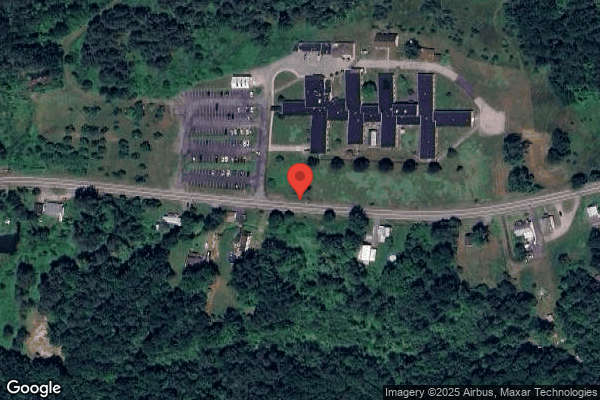
847 COUNTY HIGHWAY 122, GLOVERSVILLE, NY 12078 (518) 773-3400
For profit - Corporation 176 Beds CENTERS HEALTH CARE Data: November 2025
Trust Grade
45/100
#404 of 594 in NY
Last Inspection: November 2023

Within standard 12-15 month inspection cycle. Federal law requires annual inspections.

Overview

Fulton Center for Rehabilitation and Healthcare has received a Trust Grade of D, indicating below-average performance with some concerning issues. They rank #404 out of 594 facilities in New York, placing them in the bottom half, but they are #1 out of 3 facilities in Fulton County, meaning they are the best option locally. While the facility is on an improving trend, reducing issues from 5 in 2023 to 1 in 2024, staffing remains a significant weakness with a low rating of 1 out of 5 stars and a high turnover rate of 59%, which is concerning compared to the state average of 40%. Although there have been no fines, which is a positive aspect, the facility has received reports of not providing necessary respiratory care for some residents and serving food that was either cold or unappetizing, which could affect residents' satisfaction and health. Overall, while there are some strengths, such as the absence of fines, the facility has notable weaknesses that families should consider.

Trust Score
D
45/100
In New York
#404/594
Bottom 32%
Safety Record
Low Risk
No red flags
Inspections
Getting Better
5 → 1 violations
Staff Stability
⚠ Watch
59% turnover. Above average. Higher turnover means staff may not know residents' routines.
Penalties
✓ Good
No fines on record. Clean compliance history, better than most New York facilities.
Skilled Nurses
⚠ Watch
Each resident gets only 21 minutes of Registered Nurse (RN) attention daily — below average for New York. Fewer RN minutes means fewer trained eyes watching for problems.
Violations
⚠ Watch
23 deficiencies on record. Higher than average. Multiple issues found across inspections.
★★☆☆☆
2.0
Overall Rating
★☆☆☆☆
1.0
Staff Levels
★★★☆☆
3.0
Care Quality
★★★☆☆
3.0
Inspection Score
Stable
2023: 5 issues
2024: 1 issues

The Good

  • Full Sprinkler Coverage · Fire safety systems throughout facility
  • No fines on record

Facility shows strength in fire safety.

The Bad

2-Star Overall Rating

Below New York average (3.1)

Below average - review inspection findings carefully

Staff Turnover: 59%

13pts above New York avg (46%)

Frequent staff changes - ask about care continuity

Chain: CENTERS HEALTH CARE

Part of a multi-facility chain

Ask about local staffing decisions and management

Staff turnover is elevated (59%)

11 points above New York average of 48%

The Ugly 23 deficiencies on record

May 2024 1 deficiency
CONCERN (E) 📢 Someone Reported This

A family member, employee, or ombudsman was alarmed enough to file a formal complaint

Potential for Harm - no one hurt, but risky conditions existed

Safe Environment (Tag F0584)

Could have caused harm · This affected multiple residents

Based on observation and interview during abbreviated survey (case #NY00329501), the facility did not provide effective maintenance services one (1) of 4 resident units and 3 dining areas. Specificall...

Read full inspector narrative →
Based on observation and interview during abbreviated survey (case #NY00329501), the facility did not provide effective maintenance services one (1) of 4 resident units and 3 dining areas. Specifically, furniture in the facility was not in good repair. This is evidenced by: During observations on 01/10/2024 from 10:26 AM through 1:31 PM, resident chairs had worn upholstery in the following areas: Golden Hours Room dining and recreation room: 3 chairs. Mountain View Dining Room: 2 chairs. Evergreen Dining Room: 6 chairs. D Unit nurse station: 2 chairs. During an interview on 05/08/2024 at 2:52 PM, Administrator #1 stated that Director of Maintenance #1 would be directed to remove that worn chairs, and new chairs would be ordered. 10 New York Codes, Rules, and Regulations 415.5(h)(4)
Nov 2023 4 deficiencies
CONCERN (D) 📢 Someone Reported This

A family member, employee, or ombudsman was alarmed enough to file a formal complaint

Potential for Harm - no one hurt, but risky conditions existed

Deficiency F0659 (Tag F0659)

Could have caused harm · This affected 1 resident

Based on observation, record review, and interview during a recertification and abbreviated survey (Case #NY00283608) the facility did not ensure that medications for a resident, ordered by the physic...

Read full inspector narrative →
Based on observation, record review, and interview during a recertification and abbreviated survey (Case #NY00283608) the facility did not ensure that medications for a resident, ordered by the physician were administered by a Licensed Professional Nurse in accordance with regulation for one (Resident #523) of 17 residents reviewed. Specifically, the facility did not ensure medications were provided by a Licensed Professional Nurse, when on 9/19/2021, on the evening shift, a Certified Nursing Aide (CNA) gave medications to Resident #523 after a Registered Nurse (RN) prepared them. This was evidenced by: The facility's policy and procedure for Medication Administration dated 12/2019, documented that only persons licensed or permitted by this State (New York) to prepare, administer, and document the administration of medications may do so. Resident #523: Resident #523 was admitted to the facility with diagnoses of chronic obstructive pulmonary disease (COPD), coronary artery disease (CAD), and atrial fibrillation (irregular and often very rapid heart rhythm). The Minimum Data Set (MDS-an assessment tool) dated 8/3/2021, documented the resident was understood, could understand and was severely cognitively impaired. Resident #523 no longer lives at the facility. During observations from 11/09/2023 - 11/10/2023, and from 11/13/2023 - 11/16/2023 from 8:00 AM to 5:00 PM, qualified persons performed medication administration and would care for residents at the facility. A nursing progress note dated 9/20/2021 at 6:15 PM, documented Resident #523 was notified of a potential medication administration concern that occurred on 9/19/2021. Resident #523 was assessed by the Registered Nurse (RN), and their chart was reviewed for any adverse effects related to the potential concern. There were no adverse effects noted. A physician progress note dated 9/24/2021 at 12:07 PM, documented Resident #523 was seen at the request of staff after reports that a Certified Nurse Aide (CNA) had administered medication to the resident 5 days earlier. The resident was monitored, and there were no signs or symptoms of any acute abnormalities found or reported. A review of the facility's investigation notes dated 9/24/2021, documented that on 9/19/2021, a CNA had contacted the Director of Nursing (DON) and reported that an RN had a CNA assist them with the evening medication pass. Registered Nurse (RN) #4 and Certified Nurse Aide (CNA) #12 admitted that CNA #12 gave Resident #523 pills that were prepared by RN #4. During an interview on 11/14/2023 at 3:01 PM, the DON stated a RN working at the facility had allowed a CNA to assist with the medication pass on 9/19/2021 on the evening shift. The facility's investigation was completed on 9/21/2021 with the determination that at least one resident had been given medication by CNA #12 that was prepared by RN #4. RN #4 stated they had been right outside the door when the cup of medication had been given to the resident by CNA #12. Based on the following corrective actions taken, there was sufficient evidence the facility corrected the noncompliance and was in substantial compliance for this specific regulatory requirement at the time of this survey: -Reeducated 99% of staff (RN's, LPN's, and CNA's) -Performed Medication Administration Competency for all staff (RN, LPN's) -Reeducated all staff regarding Competency of Job Duties (scope of practice) -Reeducation of all staff on reporting of unusual occurrences -A post-test was given after the trainings for licensed staff competencies. 10NYCRR 415.11(c)(3)(ii)
CONCERN (D)

Potential for Harm - no one hurt, but risky conditions existed

Deficiency F0698 (Tag F0698)

Could have caused harm · This affected 1 resident

**NOTE- TERMS IN BRACKETS HAVE BEEN EDITED TO PROTECT CONFIDENTIALITY** Based on observations, record review, and interviews during a recertification survey from 11/9/2023 through 11/16/2023, the faci...

Read full inspector narrative →
**NOTE- TERMS IN BRACKETS HAVE BEEN EDITED TO PROTECT CONFIDENTIALITY** Based on observations, record review, and interviews during a recertification survey from 11/9/2023 through 11/16/2023, the facility did not ensure that residents who require dialysis receive such services, consistent with professional standards of practice, the comprehensive person-centered care plan, and the resident's goals and preferences, for one (Resident #4) of one resident reviewed for dialysis. Specifically, for Resident #4, the facility did not ensure nursing consistently completed and reviewed the resident's dialysis communication log between 10/12/2023 through 11/9/2023. This was evidenced by: Resident #4: Resident #4 was admitted to the facility on [DATE] with the diagnoses of end-stage renal disease (ESRD), chronic respiratory failure, and essential hypertension. The Minimum Data Set (MDS - an assessment tool) dated 9/22/2023 documented the resident could be understood and could understand others. The policy and procedure titled Dialysis, dated 5/2019, documented that a Communications Log would be used to establish open communication with the resident's dialysis center by completing the Dialysis Communication Form. Before the resident leaves, the facility would fill out the form, including all resident vital signs for the day and any pertinent resident information. Upon the resident's return from the dialysis session, the nurse would review the communication book for any information on the resident's vital signs and treatment issues. A comprehensive care plan (CCP) for Dialysis, dated 9/15/2023, documented to use the communications book to relay information to and from dialysis staff regarding the plan of care. A physician order dated 9/19/2023 documented the resident was to receive dialysis three (3) times a week on Tuesday, Thursday, and Saturday. Vital signs were to be completed before and after dialysis treatment. A review of the Dialysis Communication Book on 11/15/2023 at 12:11 PM revealed the following: - 11/9/2023; did not include documentation provided by the certified dialysis facility for monitoring of complications after dialysis treatment, did not include residents' weights, vital signs (temp, respirations, pulse, blood pressure), completion of dialysis, or signatures. - 11/2/2023, 11/4/2023, and 11/7/2023; did not include documentation of communication between the facility and the dialysis center - Several undated dialysis communications did not include documentation of the resident's pre-dialysis weight, vital signs or any other pertinent information needed to be communicated with the dialysis facility. - 10/24/2023 and 10/21/2023; did not include documentation from the facility of the resident's pre-weight and vital signs. - 10/19/2023; a document with instructions see attached and there were no additional attachments. - 10/17/2023 and 10/14/2023; did not include documentation from the facility or dialysis center. Review of progress notes dated 10/31/2023 - 11/15/2023 did not include documentation of communication between the facility and the dialysis center regarding the resident's dialysis care. During an interview on 11/14/2023 at 11:14 AM, Certified Nursing Aide (CNA) #8 stated they did not have extensive training in dialysis but would notify the nurse if they noticed anything abnormal with the resident's dialysis site. During an interview on 11/14/2023 at 12:20 AM, CNA #9 stated they did not have extensive training in dialysis but would notify the nurse if they noticed anything abnormal with the resident's dialysis site. During an interview on 11/15/2023 at 10:31 AM, Licensed Practical Nurse (LPN) #7 stated the resident's weight and vital signs were obtained in the facility prior to the resident leaving for dialysis and were documented in the dialysis communication book. Weights and vital signs were not obtained when the resident returned from dialysis. The communication book was to be reviewed upon return from dialysis. Vital signs and pertinent information would be documented in the communication book and in the Electronic Medical Record (EMR). The Dialysis Center usually recorded the resident's post-dialysis information and reviewed by the Registered Nurse (RN) or manager on the resident's return. The communication book was either in the resident's book bag, on their wheelchair, or on the shelf behind the nurse's station. During an interview on 11/15/2023 at 11:06 AM, LPN #9 indicated that the communication book was usually placed in the resident's book bag on the wheelchair when transferred for dialysis treatment. They also stated that the RN should review the dialysis communication upon the resident's return. During an interview on 11/15/2023 at 11:36 AM, RN Unit Manager #3 stated an RN was supposed to review and initial the resident's dialysis communication book when the resident returned to the facility after a dialysis treatment. If the RN did not initial the communication book, it was most likely not reviewed. The RN should review the book and call the on-call provider if the dialysis facility recommended new orders. RN #3 stated the resident was to be weighed and have vital signs taken before they went to dialysis but not when they returned. During an interview on 11/15/2023 at 12:20 PM, LPN #9 stated missing documents in the communication book did not mean the resident did not go to dialysis. They also stated that if the communication book had missing information from dialysis notes not documented, the RN would have to contact the dialysis center for the information that needed to be included. They were not sure if that had been done or not, and the RN should have documented the information for each day in the communication book. 10NYCRR415.12
CONCERN (E)

Potential for Harm - no one hurt, but risky conditions existed

Respiratory Care (Tag F0695)

Could have caused harm · This affected multiple residents

**NOTE- TERMS IN BRACKETS HAVE BEEN EDITED TO PROTECT CONFIDENTIALITY** Based on observation, record review and interviews during the recertification survey, the facility did not ensure residents who ...

Read full inspector narrative →
**NOTE- TERMS IN BRACKETS HAVE BEEN EDITED TO PROTECT CONFIDENTIALITY** Based on observation, record review and interviews during the recertification survey, the facility did not ensure residents who needed respiratory care for 4 (Resident #'s 4, 41, 46, and 73) of 7 residents reviewed for respiratory care were provided such care, consistent with professional standards of practice. Specifically, for Resident #4, the facility did not ensure supplemental oxygen was provided as ordered by the physician on 11/10/2023, 11/13/2023, 11/14/2023, and 11/15/2023 and did not ensure supplemental oxygen tubing was dated and labeled to reflect the tubing was changed as ordered; for Resident #41, the facility did not ensure supplemental oxygen was provided as ordered by the physician on 11/10/2023, 11/13/2023, and 11/14/2023 and the resident's nasal cannula (NC) and humidifier bottle were changed as ordered by the physician on 11/08/2023; for Resident #46, did not ensure oxygen tubing was labeled with a time and date in accordance with physician orders on 11/09/2023, 11/10/2023, and 11/16/2023; and for Resident #73, did not ensure supplemental oxygen tubing was dated and labeled to reflect the tubing was changed as ordered. This was evidenced by: The policy and procedure (P&P) titled Oxygen Administration, dated 10/2019, documented oxygen would be administered by licensed nurses with a physician's order. All tubing would be changed at least weekly, more often if soiling with secretions occurred. When humidification was used, disposable bottles would be changed weekly or when empty. Resident #4: Resident #4 was admitted to the facility on [DATE] with the diagnoses of end-stage renal disease (ESRD), chronic respiratory failure, and essential hypertension. The Minimum Data Set (MDS - an assessment tool) dated 9/22/2023, documented the resident could be understood, and could understand others. The comprehensive care plan (CCP) titled Alteration in Respiratory System, dated 10/10/2023, documented to provide oxygen per physician orders and maintain/change tubing per protocol. A review of physician orders documented: - 9/15/2023; supplemental oxygen 4 liters per minute via nasal cannula (LNC) to maintain oxygen saturation greater than 90% every shift. - 9/15/2023; oxygen equipment maintenance every night shift on Wednesday; change oxygen tubing (mask, nasal cannula (NC), humidifier bottle, ear protectors (if applicable) weekly). During observations on: - 11/10/2023 at 11:48 AM, the resident's oxygen was running at 5LNC via concentrator. The NC tubing was dated 10/25/2023. - 11/13/2023 at 10:46 AM, the resident's oxygen was running at 5LNC via concentrator. The NC tubing was dated 10/25/2023. - 11/14/2023 at 10:25 AM, the resident's oxygen was running at 5LNC via concentrator. The NC tubing was dated 10/25/2023. - 11/15/2023 at 10:02 AM, the resident's oxygen was running at 5LNC via concentrator. The NC tubing was dated 11/15/2023. The Medication Administration Record (MAR) dated 11/10/2023, 11/14/2023 and 11/15/2023, documented the resident was using supplemental oxygen via 4LNC during the dayshift by Licensed Practical Nurse (LPN) #7 and #8. The MAR dated 11/13/2023 documented the resident was using supplemental oxygen via 2LNC during the dayshift by LPN #8. The Treatment Administration Record (TAR) dated 11/15/2023, documented the resident's NC was changed on the night shift by LPN #11. There was no additional documentation for changing the resident's tubing recorded during the previous weeks. A review of progress notes dated 11/10/2023 - 11/14/2023, did not include documentation that the resident required oxygen administered at a higher rate than what was ordered. During an interview on 11/15/2023 at 10:31 AM, LPN #7 stated that the resident was on oxygen per physician order. LPN #7 stated the resident was usually on two (2) liters per minute (LPM) of oxygen during the daytime and four (4) LPM at nighttime, and when researching the physician's order, they stated the resident should be on four (4) LPM constantly. LPN #7 stated that while the nurse was performing resident care, they should verify the liter flow of oxygen. They stated the resident should not change the concentrator liter flow; only a nurse can change it. LPN #7 stated they did not know why the liter flow on the resident's concentrator was set at five (5) LPM and was not sure why the documentation in the MAR did not match the documented observations on 11/10/2023, 11/13/2023, 11/14/2023, and 11/15/2023. They stated the night LPN would change the oxygen tubing for the resident every week, and it should have been changed on 11/1/2023 and 11/8/2023. During an interview on 11/15/2023 at 11:06 AM, LPN #9 stated that the resident was on oxygen that should be set per physician orders in the resident's computer chart. They stated that residents were not allowed to change the concentrator settings, and nurses checked the liter flow during their care during the day and evening, then document it in the resident's chart. LPN #9 stated they did not know why the documentation and observed liter flows were different. During an interview on 11/15/2023 at 11:36 AM, Registered Nurse (RN) #3 stated that the resident's oxygen was set per physician order at four (4) LPM. RN #3 stated nurses should check the oxygen level during their routine care and document the findings in the resident's files. RN #3 stated they did not know why the documentation did not match the observations, and nurses would report to them if there were any changes in settings. During an interview on 11/16/2023 at 11:00 AM, the Director of Nursing (DON) stated residents on oxygen had care plans and physician orders that documented the liter flow residents were to receive. Nurses were the only staff who should be adjusting oxygen liter flow. Resident #41: Resident #41 was admitted to the facility with diagnoses of chronic obstructive pulmonary disease (COPD), anxiety disorder, and atrial fibrillation (irregular and rapid heart rate). The Minimum Data Set (MDS - an assessment tool) dated 10/08/2023, documented the resident was able to make themselves understood, able to understand others, and was severely cognitively impaired. The comprehensive care plan (CCP) titled Alteration in Respiratory System, dated 9/19/2023, documented to provide oxygen per physician orders, and maintain/change tubing per protocol. Finding #1 The facility did not ensure supplemental oxygen was provided as ordered by the physician on 11/10/2023, 11/13/2023, and 11/14/2023. A review of physician orders documented: - 07/03/2023: supplemental oxygen 2 liters per minute via nasal cannula (LNC) to maintain oxygen saturation greater than 90% every shift. During observations on: - 11/10/2023 at 11:15 AM, the resident's oxygen was running at 3LNC via concentrator. - 11/13/2023 at 08:41 AM, the resident's oxygen was running at 3LNC via concentrator. - 11/14/2023 at 09:46 AM, the resident's oxygen was running at 3LNC via concentrator. - 11/14/2023 at 10:31 AM, the resident's oxygen was running at 3LNC on the concentrator. The Medication Administration Record (MAR) dated 11/10/2023, 11/13/2023, and 11/14/2023, documented the resident was using supplemental oxygen via 2LNC during the dayshift by Licensed Practical Nurse (LPN) #4. Review of progress notes dated 11/10/2023 - 11/14/2023 did not include documentation the resident required oxygen administered at a higher rate than what was ordered. Finding #2 The facility did not ensure the resident's NC and humidifier bottle were changed as ordered by the physician on 11/08/2023. A review of physician orders documented: - 07/03/2023; oxygen equipment maintenance every night shift on Wednesday; change oxygen tubing (mask, NC, humidifier bottle, ear protectors, and storage bags weekly. During observations on: - 11/10/2023 at 11:15 AM, the resident's oxygen NC tubing was dated 10/05/2023, and the humidifier bottle was dated 07/13/2023. - 11/13/2023 at 08:41 AM, the resident's oxygen NC tubing was dated 10/05/2023, and the humidifier bottle was dated 07/13/2023. - 11/14/2023 09:46 AM, the resident's oxygen NC tubing was dated 10/05/2023, and the humidifier bottle was dated 07/13/2023. - 11/14/2023 at 10:31 AM, the resident's oxygen NC tubing was dated 10/05/2023, and the humidifier bottle was dated 07/13/2023. The Treatment Administration Record (TAR) dated 11/08/2023, documented the resident's NC and humidifier bottle were changed on the night shift by LPN #5. During an interview on 11/14/23 at 10:31 AM, LPN #4 stated when residents were on oxygen, they had physician orders that were reflected on the MAR, which normally required the nurse to check the flow rate of the oxygen during each shift. Equipment used for oxygen delivery, like NCs and humidifier bottles, needed to be changed weekly and typically done on the night shift. They did not know why the resident's oxygen was currently running at 3LNC, it was running at 2LNC when they documented it earlier. They did not know why their documentation of the resident's oxygen liter flow rate did not match what the resident's oxygen was observed running at by the surveyor on 11/10/2023, 11/13/2023, and 11/14/2023. The resident was incapable of changing the liter flow themselves, and nurses were the only staff who were supposed to be adjusting this. LPN #4 stated the resident's humidifier bottle and NC should have been replaced and dated on 11/08/2023 when it was documented they were changed. During an interview on 11/16/2023 at 11:16 AM, LPN #2 stated residents on oxygen had physician's orders that included the flow rate and type of delivery device, and for equipment monitoring/maintenance that included changing the NC and humidifier bottle weekly and as needed. These were documented on the MAR and TAR. Nurses were the only ones that managed oxygen flow rate. Residents on oxygen also had a respiratory CCP; Resident #41's documented to provide oxygen per physician orders and change the NC per protocol. On 11/10/2023, 11/13/2023, and 11/14/2023, the resident's oxygen should have been running at 2LNC as ordered, they did not know why it was observed running at 3LNC. The resident's NC and humidifier bottle should have been changed when they were signed off by LPN #5 on 11/08/2023. They had already spoken with LPN #5 and were told they misread the oxygen equipment order. They thought they were supposed to just be monitoring the NC and humidifier bottle and did not realize they were supposed to be changing these items. During an interview on 11/16/2023 at 12:09 PM, the Director of Nursing (DON) stated residents on oxygen had a CCP and physician orders that included documentation of the liter flow, delivery equipment used, and how often to change the equipment. Nurses were the only staff who should be adjusting oxygen liter flow. Resident #41's oxygen should have been running at 2LNC and not 3LNC as ordered on 11/10/2023, 11/13/2023, and 11/14/2023. If a higher flow rate than what was ordered was required, the physician should have been called and a progress note written. The resident's NC and humidifier bottle should have been changed on 11/08/2023 when it was documented it was done. Resident #46: Resident #46 was admitted to the facility with diagnoses of metabolic encephalopathy (a series of neurological disorders not caused by primary structural abnormalities but rather result from systemic illness), osteomyelitis (inflammation or swelling that occurs in the bone) due to a stage 4 pressure sore, and asthma requiring continuous oxygen. The Minimum Data Set (MDS) dated [DATE], documented the resident was understood, could usually understand and had severely impaired cognition. During observations on 11/9/2023 at 11:07 AM, 11/10/2023 at 10:23 AM, and 11/16/2023 at 12:18 PM, Resident #46's oxygen tubing was not labeled with a time and date. The comprehensive care plan (CCP) titled Alteration in Respiratory System, dated 10/28/2023, documented to provide oxygen per physician orders, and maintain/change tubing per protocol. A review of physician orders documented: - 10/28/2023: Supplemental oxygen 2 liters (2L)/minute via nasal cannula (NC) to maintain oxygen saturation greater than 90% every shift. - 10/28/2023: Oxygen equipment maintenance every night shift on Wednesday; change oxygen tubing (mask, NC, humidifier bottle, ear protectors, and storage bags weekly. The Medication Administration Record (MAR), dated 11/2023 documented the resident was using continuous oxygen 2L via NC. The Treatment Administration Record (TAR), dated 11/8/2023, documented the resident's NC and humidifier bottle were changed on the night shift. Review of progress notes dated 11/01/2023 - 11/16/2023 did not include documentation the resident's oxygen tubing had been changed. During an interview on 11/13/2023 at 11:23 AM, Certified Nursing Assistant (CNA) #10 stated nurses were the only ones who took care of oxygen and tubing. If a resident had an oxygen tank that was low, or if there was a problem with the concentrator, they would notify the nurse and the nurse would resolve it. CNA #10 stated they had not noticed whether oxygen tubing was dated. During an interview on 11/16/2023 at 9:57 AM, Licensed Practical Nurse Unit Manager (LPNUM) #10 stated the oxygen tubing was changed and respiratory equipment was cleaned every Wednesday night on the 11 PM to 7 AM shifts and documented on the electronic treatment administration record (eTAR). LPNUM #10 stated when the tubing was changed it was dated and timed. LPNUM #10 stated if the eTAR was signed but the tubing was not dated, no one would know if it was done. LPNUM #10 further stated that they were just recently educated in changing and placing the date and time on the tubing. Resident #46 went out to the hospital on [DATE] in the afternoon but returned on 11/15/2023 in the afternoon and was still on continuous oxygen. During an interview on 11/16/2023 at 10:06 AM, the Director of Nursing (DON) stated they had just recently reeducated staff on care of the respiratory equipment and changing tubing weekly. The DON further stated the inservice highlighted the importance of dating tubing to ensure tubing had been changed, and that additional education would be required. 10 NYCRR 415.12(k)(6)
CONCERN (E)

Potential for Harm - no one hurt, but risky conditions existed

Deficiency F0804 (Tag F0804)

Could have caused harm · This affected multiple residents

Based on record review, observations and interviews during the recertification survey dated 11/9/2023-11/16/2023, the facility did not ensure that each resident received, and the facility provided, fo...

Read full inspector narrative →
Based on record review, observations and interviews during the recertification survey dated 11/9/2023-11/16/2023, the facility did not ensure that each resident received, and the facility provided, food and drink that was palatable, attractive, and at a safe and appetizing temperature for 5 of 5 units. Specifically, on 11/15/2023, the facility did not ensure food served was pleasant tasting and that cold food was served at temperatures less than 41 degrees Fahrenheit (F), and warm food was served at temperatures greater than 135 F. This was evidenced by: Food Council Meeting Minutes dated August 2023 through October 2023 documented the following: - 9/26/2023 - Residents complained that the food was served cold, and trays delivered late. - 10/24/2023 - Residents complained that trays were delivered. and sat in the hallways for 20 minutes because staff were not present to pass the trays and that coffee and eggs were served cold. Unit A During an observation on 11/15/2023 at 1:33 PM, the last lunch tray was served, and a test tray provided. The test tray temperatures were taken, and items served were tasted. The results were as follows: Water; 62.6 degrees Fahrenheit (F), cool, tasted like water Mandarin oranges; 66.8 F, consistency and taste was ok Coffee; 136.6 F, warm, tasted like coffee Green Beans; 127.4 F, mushy, not flavorful and lacked seasoning Pasta; 127.3 F, sticky, overcooked, and starchy Chicken; 128.1 F, hard to cut, and dry Alfredo sauce; 113 F, warm, gritty, clumpy and congealed The overall taste of the lunch meal was not palatable (pleasant to taste). Unit B On 11/15/2023 at 1:40 PM, the last lunch tray was served, and a test tray provided. The test tray temperatures were taken, and items served were tasted. The results were as follows: Chicken with sauce; 120.4 F, warm, not hot, sauce was thickened and clumped. Green beans; 112F, cool, soggy, and tasteless. Noodles with sauce; 123.2 F, mushy and clumped together (could not wind around fork) Mandarin oranges; 50.2 F Water; 65.1 Coffee directly from the serving container; 119.4 F, lukewarm. Unit C On 11/15/2023 at 12:38 PM, the last lunch tray was served, and a test tray provided. The test tray temperatures were taken, and items served were tasted. The results were as follows: Coffee: 122.0 F, warm tasted like coffee Cup of water: 65.5 F slightly cool, almost room temperature, tasted like water Cup of mandarin oranges: 58.1 F, tasted possibly like canned mandarin oranges Chicken with sauce: 119.1 F, chicken was very dry, sauce thickened on top of chicken and tasted very salty. Green Beans: 118.4 F, overcooked and very mushy consistency. Noodles with sauce: 122.0 F, noodles were overcooked, some noodles were hard and stuck together, and some of the noodles had cold spots once tasted. Unit D/E On 11/15/2023, at 12:28 PM, the last lunch tray was served, and a test tray provided. The test tray temperatures were taken, and items served were tasted. The results were as follows: Chicken Alfredo; 114.4 F, cool Pasta Alfredo; 122.2 F, cool and the [NAME] sauce was cold, and tasted salty Green beans; 118.9 F, cool Black coffee; 119.1 F, warm and tasty Cup of water; 64.6 F Mandarin oranges; 50.7 F Salt, pepper, & sugar packets were present on the ticket and tray. Interviews: During an interview on 11/14/2023 at 12:49 PM, a resident stated lunch was sometimes served cold on Unit A, and residents had tried asking staff to reheat it for them in the past but was told there was no microwave available on the unit. The resident further stated they had not asked about it since. During an interview on 11/16/2023 at 10:34 AM, Certified Nurse Aide (CNA) #4 stated that residents had sometimes reported their food was too cold, and as of result, their food would be reheated in the microwave if needed. CNA #4 further stated residents most frequently asked for their dinner food to be reheated. During an interview on 11/16/2023 at 12:06 PM, CNA #10 stated that if a resident complained their food was cold, staff would get the resident a sandwich because they were hungry and didn't want to wait for food to be heated. CNA #10 further stated that when residents complain about hot food being too cold, staff would relay the information to dietary. During an interview on 11/16/2023 at 12:59 PM, the Food Service Director (FSD) stated the afternoon meal was temped prior to plating the food, with the chicken temped at 165 F prior to plating to resident trays. The FSD stated the food was taken directly to resident units and transported in open carts. The FSD further stated residents had continued to complain about hot food being cold, and that the facility had planned to purchase new closed carts for transporting food to the units. The FSD stated keeping food at the proper temperature was an issue September 2023 but was related to equipment; the facility addressed the issue after the Food Committee meeting occurred. The FSD stated that they believed continued complaints of hot food being cold was due to hot food being transported in open carts, and that enclosed food carts were needed. The FSD stated they were not aware if the facility investigated or had taken temperatures of the food once the carts had left the kitchen, were transported to the units, and left with staff to pass the food trays to residents. The FSD stated that only two units had microwaves to reheat food. The FSD further stated a complaint of cold trays and late passing of trays was brought up in Resident Food Council meeting. During an interview on 11/16/2023 at 12:56 PM, the Administrator stated they were not aware of any trends regarding issues related to food temperature or quality. The Administrator further stated that they were aware of complaints about the taste of the facility's soups mentioned by residents during the facility's food team meetings but were not aware of any changes that had been made regarding the soups. 10NYCRR415.14(d)(1)(2)
Oct 2023 1 deficiency
CONCERN (D) 📢 Someone Reported This

A family member, employee, or ombudsman was alarmed enough to file a formal complaint

Potential for Harm - no one hurt, but risky conditions existed

Notification of Changes (Tag F0580)

Could have caused harm · This affected 1 resident

Based on record review and interviews during an abbreviated survey (Case # NY00291136), the facility did not ensure the resident representative(s) was informed when accidents occurred for 1 (Resident ...

Read full inspector narrative →
Based on record review and interviews during an abbreviated survey (Case # NY00291136), the facility did not ensure the resident representative(s) was informed when accidents occurred for 1 (Resident #1) out of 9 residents reviewed. Specifically, the facility did not inform Resident #1's representative after the resident had an unwitnessed fall on 12/25/21 and was sent out to the hospital. This was evidenced by: The Policy and Procedure (P&P) titled, Change in Condition Notification, dated August 2019, read in pertinent part, It was the policy of this facility to monitor residents' for changes in their condition, to respond appropriately to those changes and to notify the physician and responsible party/family member of changes. Unless otherwise instructed by Resident's choice, the licensed nurse will notify the resident's next of kin / responsible person when the Resident is involved in any accident / incident, that results in injury including injuries of unknown origin. If the physician cannot be reached, the resident will be transported immediately to a higher level of care and the physician notified as soon as possible. Resident #1 Resident #1 was admitted to the facility with diagnoses which included chronic respiratory failure, atherosclerotic heart disease native coronary artery without angina pectoris and type II diabetes. The Minimum Data Set (MDS, an assessment tool) dated 2/2/2022, documented the resident could usually be understood and could usually understand others with a Brief Interview of Mental Status (BIMS) score assessed to be 14/15, indicative of intact cognition for decisions of daily living. A Fall Investigation dated 12/25/2021 documented Resident #1 was found on the floor of their room and heard yelling out for help by nursing staff. The resident reported they hit their forehead on the floor. Resident #1 was assessed by the nurse and documented to have sustained a skin tear to their right foot. New orders were obtained from their physician for acetaminophen 650 milligram (mg) every eight (8) hours for two (2) days as needed and for a head x-ray to be completed. The investigation documented that the resident representative was not notified, and that the resident did not have an emergency contact/resident representative listed in their chart. Review of Resident #1's record revealed a family member was documented as their emergency contact in their medical chart. During an interview on 9/19/2023 at 12:25 PM, Licensed Practical Nurse (LPN) #1 said with any resident fall or change of condition, the resident should be assessed by a Registered Nurse (RN) and then the nurse should contact the resident's physician and family/representative to notify them. They said the physician and resident's family/representative should always be notified after a fall or any change in condition. During an interview on 10/5/23 at 1:38 PM, the Director of Nursing (DON) said resident family members/ representatives should be notified if a fall occurs unless the resident is alert and oriented and voices that they did not want their emergency contact notified. They said facility nurses were instructed to ask alert and oriented residents would like their emergency contact notified after a fall occurs. They said residents' emergency contact(s) should be identified upon admission and documented in the resident medical chart. They said when Resident #1 had an unwitnessed fall on 12/25/21, they did not know why the fall investigation documented that the resident did not have an emergency contact on file or why no notification was made. 10 NYCRR 415.3(e)(2)(ii)(b)
Jul 2021 10 deficiencies
CONCERN (D)

Potential for Harm - no one hurt, but risky conditions existed

Notification of Changes (Tag F0580)

Could have caused harm · This affected 1 resident

**NOTE- TERMS IN BRACKETS HAVE BEEN EDITED TO PROTECT CONFIDENTIALITY** Based on interviews, and record review during a recertification survey, the facility did not ensure it immediately consulted the...

Read full inspector narrative →
**NOTE- TERMS IN BRACKETS HAVE BEEN EDITED TO PROTECT CONFIDENTIALITY** Based on interviews, and record review during a recertification survey, the facility did not ensure it immediately consulted the resident's physician when there was a significant change in condition for 1 (Resident #52) of 2 residents reviewed for hospitalization. Specifically, for Resident #52, the facility did not ensure that the Medical Doctor (MD) was notified on 7/17/2021 that the resident, who was receiving a blood thinner medication, had been vomiting since the evening of 7/16/2021, and given a medication to prevent vomiting twice with no effect, vomited a large amount of black liquid and continued to vomit until the resident was found in his room, grey in color and gasping for breath. Subsequently, the resident was admitted to the hospital with the diagnosis of gastrointestinal bleed and shock. This is evidenced by: Resident #52: The resident was admitted to the facility with diagnoses of ileus (temporary and often painful lack of movement in the intestines, occurs when the intestines do not move food through in the normal way) in 4/2021, diabetes and atrial fibrillation treated with a blood thinner. The Minimum Data Set, dated [DATE], documented the resident was cognitively intact. A facility policy and procedure titled, Change in Condition Notification dated 8/2019, documented it was the policy of the facility to monitor residents for changes in condition, to respond appropriately to those changes and to notify the physician of those changes. In the event of life-threatening change, the facility will initiate emergency care by calling 911 and provide appropriate emergency treatment until they arrive. In the event of a non-life threatening but significant change in condition, the facility will notify the physician. If the physician cannot be reached, the resident will be transported immediately to a higher level of care and the physician notified as soon as possible. Licensed Nurse will record in the resident's medical record any significant changes in the resident's condition or medical status. The Bedside [NAME] Report, undated, documented to monitor for signs and symptoms (s/s) of abnormal bleeding, coffee ground like emesis (vomiting of dark brown, granular material that resembles coffee grounds, results from upper GI bleeding that has slowed or stopped, with conversion of red hemoglobin to brown hematin by gastric acid) and hematuria (blood in the urine). The Comprehensive Care Plan for Impaired Gastrointestinal (GI) Function related to (r/t) diarrhea/constipation and recent ileus dated 4/29/2021, documented the resident would be free of signs and symptoms (s/s) of GI upset, nausea, vomiting, and internal bleeding. The Physician Orders dated 4/29/2021, documented the following: -Eliquis (blood thinner, prevents blood clots from forming, can cause bleeding) 5 mg: 1 tablet twice daily. -Ondansetron HCL 4 mg: 1 tab every 8 hours as needed for nausea and vomiting (n/v). Progress Notes (PN) documented the following: -07/16/2021 at 5:17 AM, written by the Licensed Practical Nurse (LPN) #4; the resident vomited twice during the shift, the vomitus appeared to be dinner with small chunks of meat and was brown in color, the Registered Nurse Supervisor (RNS) was notified, the resident showed no visible s/s of distress, and will report to next shift. -07/16/2021 at 4:10 pm, Ondansetron 4 mg given for n/v. -07/17/2021 at 12:02 AM, written by LPN #4, Ondansetron was ineffective, the resident continues to vomit x 5 throughout shift. Ondansetron 4 mg given for n/v. The RNS was notified, and MD was aware. -07/17/2021 at 1:30 AM, written by LPN #4, documented LPN #4 was called to resident room due to vomiting again greenish/brown liquid. The RNS was made aware. -07/17/2021 at 6:37 AM, written by LPN #4, documented the Certified Nursing Assistant (CNA) notified LPN #4 that the resident vomited again for the 6th time. LPN #4 entered the room and noted a large amount of black liquid noted in the emesis basin. LPN #4 notified the RNS. The resident showed no visible s/s distress and denies pain, will report to oncoming shift. -07/17/2021 at 3:47 PM, written by LPN # 3, documented the previous shift reported that the resident vomited dark emesis six times during the night. The resident continued to vomit this AM. Was observed by staff putting their finger down their throat and making themselves vomit. When asked why, the resident stated because it was right there, and I want to get it out. RNS made aware. At 12:45 PM, staff called this writer to room. The resident was grey in color and skin was cold and clammy. The resident complained of not being able to breath. Oxygen saturation was 75%. The resident was vomiting small amounts of dark emesis. Gurgling sound noted from the resident. The on call medical provider was called by the RN supervisor and orders were received to send the resident to the ER. The resident became unresponsive as the ambulance arrived. The Nurses 24-hour Reports documented the following; 07/15/2021-11:00 PM -7:00 AM, the resident vomited twice, 06/16/2021 -11:00 PM -7:00 AM, the resident vomited 5 times and Ondansetron was given at 1:01 AM, 07/17/2021- 7:00 AM - 3:00 PM, the resident was sticking their finger down their throat and vomiting black emesis. 1:00 PM, the residents color was gray, skin cold and clammy, sent to the emergency room at 2:00 PM. A Hospital emergency room History and Physical dated 7/71/2021, documented the Nurse Practitioner called to relate the situation that the resident had a history of small bowel obstruction, paralytic (resembling paralysis) ileus and GI bleeding and had been vomiting coffee ground material. Pulse oxygen was 75% on room air. The resident was intubated and given 2 liters of Intravenous (IV) fluid wide open by Emergency Medical Services (EMS). An abdominal x-ray showed bowel and colonic distention could be indicative of ileus. Gastric occult blood was positive. central line inserted. Clinical impression summary was shock, coffee ground emesis, upper GI bleed and anticoagulation with Eliquis and a urinary tract infection. Condition was critical and resident was sent to another hospital. A Receiving Hospital History and Physical dated 7/18/2021 at 3:28 AM, documented the resident arrived in shock and had coffee ground emesis in the previous hospital. It documented the resident's CT (computerized tomography) was suspicious of small bowel ischemia (death of tissue). The resident's acidosis has improved on mechanical ventilation. Prognoses is poor overall given the need for high pressor support (Levophed- a medication used to treat life-threatening conditions such as shock and low blood pressure) and likely ischemic small bowel. An Operative Report dated 7/18/2021 at 9:56 AM, documented the resident underwent abdominal surgery where there was approximately 1 liter of turbid (cloudy, opaque, or thick with suspended matter) appearing slightly blood-tinged fluid and a large amount of blackened small intestine. During an interview on 07/19/2021 at 12:30 PM, Registered Nurse Manager (RNM) #3 stated she did rounds upon arrival in the morning of 7/16/2021 and the resident did not report vomiting the evening prior. RNM #3 got a text from Licensed Practical Nurse (LPN) #3 on 7/17/2021 that the resident vomited black liquid and was still doing it, that the MD was notified, and the resident was sent to hospital. RNM #3 was passing medications on 7/16/2021, because they were short nurses. She did not look at the shift to shift report and LPN #4 did not report to her. RNM #3 got a text from LPN #4 in the AM of 7/17/2021, that the resident vomited on Saturday, that the resident had stuck their finger down their throat because they felt like there was something stuck in their throat. During an interview on 07/19/2021 at 01:07 PM, Medical Doctor (MD) #1 stated he was told that the resident passed over the weekend. He was not notified of any issues with this resident. He was not on call over the weekend but there was always a provider available. During an interview on 07/19/2021 at 01:47 PM, CNA #6 stated they worked 7:00 AM - 3:00 PM on 7/17/2021. The resident vomited 6 times during the shift and kept asking for water. CNA #6 and the other CNA on the unit were passing lunch trays on that side of the hall when Resident #150 came to them to say something was wrong with Resident #52. The residents color was bad, so CNA #6 ran and got oxygen and alerted LPN #3. LPN #3 assessed the resident and yelled to page the Supervisor. The Supervisor came down and called 911. During an interview on 07/19/2021 at 02:05 PM, LPN #3 stated report was received from the night nurse that the resident vomited six times, had black emesis and that the supervisor was made aware. CNA #5 reported seeing the resident sticking their finger down their throat. LPN #3 went to the resident's room and the resident said it was right there and they needed to get it out and thought it would make them feel better. LPN #3 saw the RNS #8 coming up the hall and informed the RNS that the resident was vomiting and sticking their finger down their throat and that the emesis was dark in color. RNS #8 told LPN #3 that RNS #8 was aware as RNS #4 reported this to them that morning. RNS #8 see the resident at that time. LPN #3 stated they were having an issue with another resident (Resident #83) at the time. RNS #8 saw Resident #83, and LPN #3 contacted the MD regarding Resident #83; but did not talk to the MD regarding Resident #52. At 1:03 PM, (per LPN #3's phone record) LPN #3 attempted to call the Nurse Practitioner but could not get a hold of them, and contacted RNS #8, when the resident did not look good. The MD was contacted by RNS #8 and orders to send the resident to the hospital were obtained. When the ambulance arrived, the resident went unresponsive and went to the hospital. LPN #3 stated the resident had a history of Gastrointestinal (GI) bleeding and the emesis was black like a GI bleed. During an interview on 07/19/2021 at 02:32 PM, the Director of Nursing stated she gets morning report around 9:00 AM from the RNS's, even on weekends. She became aware from the Day Supervisor that the resident had to go out to the hospital, but she was not aware of the vomiting previously. She reviewed the Supervisor Shift to Shift Report from 7/15 - 7/17/2021, in the presence of the surveyor, and stated there was no note that the resident was having multiple episodes of black emesis or that the MD was contacted. During an interview on 07/19/2021 at 03:27 PM, LPN #4 stated the resident started vomiting on Thursday, the night of 7/15 into 7/16/2021. LPN #4 felt it was remnants from dinner and had a brown color with little chunks of what she thought was chicken. She notified the RNM. LPN#4 agency nurse, stated the process at the facility was that the LPN told the RNS and the RNS contacted the MD. On 6/16/2021, when LPN #4 notified the night RNS, the RNS told LPN #4 that the RNM #1 and the MD were aware, and that was why she documented the MD was aware in her note dated 7/17/20 at 12:02 AM. She came back for a double shift on 7/16/2021 from 3:00 PM - 7/17/2021 at 7:00 AM, and during that time the resident vomited 6-7 more times. The CNAs reported that they saw the resident making themselves vomit. LPN #4 went in to see the resident and educated the resident not to stick their fingers in their throat because it would make it worse. She reported this to RNS #4, who was also on double shift from 7/16/2021 from 3:00 PM - 7/17/21 at 7:00 AM. The RNS #4 came up and talked to the resident about making themselves vomit. During the morning medication pass the resident vomited a large amount of black liquid, and RNS #4 was called again. RNS #4 came back up and told LPN #4, RNS #4 would report the incident to the oncoming RNS. LPN #4 was still working on other things when RNS #4 came to the unit, so LPN #4 was not sure if RNS #4 went back in to see resident. During an interview on 07/19/2021 at 03:35 PM, MD #1 stated MD #1 got the hospital report and the resident died of an ischemic bowel. MD #1 stated there was a definite delay with multiple opportunities to notify medical. During an interview on 07/20/2021 at 08:03 AM, RNS #4 stated at 6:00 AM on 7/16/21 LPN #4 had reported that the resident vomited a couple times. At that time, the resident said the resident felt ok. She asked about pain, the resident looked OK and vitals were normal. She notified Nurse Manager (NM) #3 of the vomiting. NM #3 said she would address it. RNS #4 came back at 3:00 PM on 7/16/2021 until 7/17/2021 at 7:00 AM. At 4:00 PM, LPN #4 told RNS #4 the resident vomited again. RNM #4 spoke to RNM #3, who was still there. RNM #3 stated MD #1 was aware and that it was being addressed. On 7/17/2021 in the AM, LPN #4 notified RNS #4 that the resident was vomiting again. RNS #4 entered the resident's room just as the resident was ready to put their fingers in their throat and told the resident not to do that. RNS #4 stated RNS #4 did not listen to the resident's bowel sounds (BS). The day shift RNS had already gotten there and she asked the day RNS to call the MD because she was still giving medications. RNS #4 did not know there was black emesis. RNS #4 came back on 7/17/2021 at 10:00 PM and was told the resident was in the hospital. During an interview on 07/20/2021 at 10:19 AM, CNA #5 stated she was on Saturday AM and got report that the resident was vomiting. CNA #5 cleaned the resident and saw the resident putting their finger down their throat. The resident stated his stomach hurt and did not feel well. The resident vomited black emesis 5 times from 7:00 AM until he went to the hospital. CNA #5 reported to LPN #3 at approximately 8:30 -9:00 AM. and again around 10:00 AM that the resident vomited and had a stomach ache. LPN #3 came in each time and saw the black emesis. The resident is non-compliant with his diet and orders take out. This will make him vomit at times, but the resident did not order take out on 7/16 or 7/17/2021. They were passing meal trays when Resident #150 asked them if they had seen the resident as the resident did not look good. CNA #5 went in to see the resident whose color was gray and was gasping for air. The resident was not talking, acknowledged CNA #5 and was gurgling. CNA #5 ran for LPN #3 who came in the resident's room and then the RNS came in. During an interview on 7/21/2021 at 3:15 PM, the Medical Director stated he would need to know what was going on with the resident, i.e they were on an anticoagulant, what their history was and other issues to make a decision on what to do and would expect a call from staff when the resident had large amount of black emesis. 10NYCRR 415.3(e)(2)(ii)(b)
CONCERN (D)

Potential for Harm - no one hurt, but risky conditions existed

Investigate Abuse (Tag F0610)

Could have caused harm · This affected 1 resident

Based on interview and record review during a recertification survey, the facility did not ensure that all alleged violations are thoroughly investigated in response to allegations of abuse, neglect, ...

Read full inspector narrative →
Based on interview and record review during a recertification survey, the facility did not ensure that all alleged violations are thoroughly investigated in response to allegations of abuse, neglect, exploitation, or mistreatment. Specifically, for Resident #83, the facility did not ensure a thorough investigation was completed when the resident reported their watch was missing. This is evidenced by: A facility policy titled Grievances, last revised 9/2020, documented the facility will investigate and resolve resident grievances timely to ensure residents' rights are protected. The Director of Social Work (DSW) is the facility's Grievance Officer (GO) and is responsible for facilitating the complaint/grievance process. All complaint/grievances should be given to the GO/DSW when they are received. The GO will then give the complaint/grievance form to the department involved in the complaint/grievance. Upon receipt of a complaint/grievance the department will investigate the allegation and submit a written report of the findings within 7 business days. The Administrator will review the findings with the person investigating to determine what corrective actions, if any, need to be taken. The person filing the grievance/complaint will be informed verbally and in writing of the findings of the investigation and actions to be taken. The facility will maintain evidence demonstrating the results of grievances for a period of no less that 3 years for the issuance of the grievance decision. Resident #83: The resident was admitted to the facility with diagnoses of insomnia, neuromuscular dysfunction of bladder and gastrointestinal esophageal reflux disease. The Minimum Data Set (MDS- an assessment tool) dated 7/19/2021, documented the resident was cognitively intact. During an interview with Resident #83 on 07/15/2021 at 12:12 PM, the resident stated their watch went missing a couple of months ago and they reported it to staff. The resident stated staff had not followed up with the resident regarding the missing watch. The medical record did not include documentation regarding the resident's report of a missing watch. During an interview on 07/19/2021 at 09:52 AM, Certified Nursing Assistant (CNA) #7 stated the resident had complained a few months ago that their watch was missing. CNA #7 stated CNA #7 had heard it was reported and they all got asked about it and Resident #83's room was searched. The resident was very careless with possessions and everyday they had to tell the resident to put their bank card away as it was always in the resident's bed. During an interview on 07/19/2021 at 01:40 PM, Registered Nurse Manager (RNM) #3 stated the resident reported a couple months ago that their watch was missing. RNM #3 spoke to the resident's parent and had the Resident Advocate (RA) get a report. RNM #3 had not seen the watch before, and as far as RNM #3 knew, the watch had not been located. RNM #3 reported the incident to the Resident Advocate (RA). During an interview on 07/20/2021 at 08:59 AM, the Social Service Director (SSD) stated she heard recently that the resident had a missing watch but thought it was found. They could not locate a grievance report or misappropriation form for the incident. During an interview on 07/20/2021 at 09:01 AM, Social Worker (SW) #4 stated the resident told SW #4 about the missing watch last week. The resident reported the watch was missing months ago and that it was reported to the RA. SW #4 did not do a grievance because the RA was aware. SW #4 spoke to the RA last week and the RA was going to write something up. Normally the grievances and misappropriation forms went to the SSD for an internal investigation. During an interview on 07/20/2021 at 09:13 AM, the RA stated that a few months ago it was reported that Resident #83 was missing a watch. The RA did a grievance report and misappropriation form and gave it to the SSD back in maybe March. During an interview on 07/20/2021 at 09:24 AM, the SSD stated if a resident reported a missing item, a misappropriation form should have been started by the person receiving the report. The report would then come to the SSD for an investigation with statements from staff. She had heard about the watch from RNM #3 and that RNM #3 had spoken to the resident's parent. SSD should have spoken to the resident when the RNM #3 told her about the incident. During an interview on 07/20/2021 at 12:46 PM, the Director of Nursing (DON) stated they were not aware of a missing watch. Any reports of missing items should have been investigated. This would entail looking in the room, and interviewing. If they could not find the item a misappropriation form would be filled out and it would be discussed as a team in morning meeting as part of the investigation. They should have talked about it as a team and got statements from staff. There should have also been documentation in the chart that the resident reported the watch missing and that there was a discussion with the family. 10 NYCRR 415.4(b)(1)(ii)
CONCERN (D)

Potential for Harm - no one hurt, but risky conditions existed

Accident Prevention (Tag F0689)

Could have caused harm · This affected 1 resident

Based on observation and staff interview during the recertification survey, the environment was not free from accident hazards over which the facility has control. The resident environment is to remai...

Read full inspector narrative →
Based on observation and staff interview during the recertification survey, the environment was not free from accident hazards over which the facility has control. The resident environment is to remain as free from accident hazards as is possible. Specifically, sharp objects were protruding from door frames in resident areas. This is evidenced as follows. A general inspection of the nursing units on 07/20/2021 01:50 PM revealed two protruding and partially attached screws in each of the door frames in resident room #'s 812, 813, and #903 and the Evergreen Dining Room resident area storeroom door. The Director of Maintenance stated in an interview on 07/20/2021 at 04:40 PM that the facility will be checked for protruding screws. 10 NYCRR 415.12(h)(1)
CONCERN (D)

Potential for Harm - no one hurt, but risky conditions existed

Deficiency F0725 (Tag F0725)

Could have caused harm · This affected 1 resident

**NOTE- TERMS IN BRACKETS HAVE BEEN EDITED TO PROTECT CONFIDENTIALITY** Based on observation, record review and interview during a recertification and abbreviated (Case # NY00278860) survey, the facil...

Read full inspector narrative →
**NOTE- TERMS IN BRACKETS HAVE BEEN EDITED TO PROTECT CONFIDENTIALITY** Based on observation, record review and interview during a recertification and abbreviated (Case # NY00278860) survey, the facility did not ensure sufficient nursing staff to provide nursing and related services for 1 (Unit D) of 4 units surveyed. Specifically, the facility did not ensure there was sufficient staffing to ensure residents were fed and cared for in a timely manner on the D unit, Wing 800 on 7/15/2021 and 7/20/2021. This was evidenced by: The Policy & Procedure titled Dining and dated 1/2020 documented, residents who are unable to come to the dining room or who desire to dine in their own room shall be provided with room service. Nursing Services was responsible for the delivery of individual trays including obtaining tray from cart and assisting the resident with tray set-up as necessary. Trays shall be delivered within 15 minutes of cart delivery. The Facility Census and Condition (C&C) dated 7/15/2021, documented the current facility census was 171. A C&C provided by the facility for Wing 800 documented the census was 20. Of the 20 residents on Wing 800, the C&C documented 13 residents were an assist of one or two staff for eating, 12 residents were an assist of one or two staff for transferring and 15 residents were an assist of one or two staff for toilet use. In addition, of the 20 residents on Wing 800, the C&C documented 1 resident was dependent for eating, 4 residents were dependent for transferring and 3 residents were dependent for toilet use. Finding #1 Resident #75: Resident #75 was admitted to the facility with the diagnoses of dementia with behavioral disturbance, chronic pain, and heart disease. The MDS (Minimum Data Set- an assessment tool) dated 5/26/2021, documented the resident had severe cognitive impairment, could rarely/never understand others, and could rarely/never make self-understood. The Comprehensive Care Plan for Activities of Daily Living, last revised 5/26/2021, documented the resident was totally dependent (the resident does not assist with feeing themselves) for eating. During observations on Unit D, Wing 800 on 7/15/2021 at: -12:40 PM, the first Food Tray Cart was delivered to the 800 Wing of Unit D. Certified Nursing Assistant (CNA) #9 was observed delivering lunch trays. After CNA #9 was finished passing the meal trays from the first Food Tray Cart, CNA #9 brought a meal tray to Resident #75 who was sitting in the hallway with an overbed table in front of Geri-chair (geriatric chair). CNA #9 sat in a chair next to Resident #75 and began feeding Resident #75. -12:55 PM, the second Food Tray Cart arrived; CNA #9 then stopped feeding Resident #75 to deliver lunch trays to the residents on the 800 Wing, a 20-bed unit. Resident #75 had approximately 80% of food still on the tray. -1:05 PM, another staff member arrived and delivered one meal tray to a resident then left the 800 Wing. -1:15 PM, CNA #9 returned to sit down with Resident #75 to finish feeding the resident after taking the hot food to be reheated. -1:15 PM, the Food Tray Cart still had two residents' meal trays in it for residents who required assistance with eating their meal. The trays were not delivered within 15 minutes of cart delivery. During an interview on 07/15/2021 at 1:25 PM, CNA #9 stated they worked short like this all the time. CNA #9 stated another staff member had to leave at 11:30 AM today and CNA #9 was not told until CNA #9 realized they were on the unit alone and then asked a nurse. CNA #9 was working the entire 800 Wing (20 residents) alone. CNA #9 stated CNA #9 had to stop feeding Resident #75 to pass meal trays to the other residents and now the food for Resident #75 had to be heated up. CNA #9 stated the two residents in room [ROOM NUMBER] required assistance to eat their meals and CNA #9 was not sure if someone was going to come and feed them or if CNA #9 was going to have to feed the two residents after feeding Resident #75. CNA #9 stated all the residents had to wait longer for their trays when staffing was short and sometimes the food was cold when the residents received their trays. CNA #9 stated when the lunch meal was over the residents needed to be checked and changed and some needed to be toileted and/or put back to bed. CNA #9 stated CNA #9 did the best CNA #9 could do before the shift ended but was not sure what CNA #9 would get done. CNA #9 stated CNA #9 knew all the resident care would not get done by the end of the shift. Finding #2: During observations on Unit D, Wing 800 on 07/20/2021 at: -12:38 PM, the lunch meal trays arrived to Wing 800. -12:42 PM, CNA #10 was observed delivering lunch trays from the Food Tray Cart that had been delivered. Four residents were standing around the food cart waiting for their trays. -12:57 PM, CNA #10 was still delivering trays to the residents without assistance from any other staff member. The trays were not delivered within 15 minutes of cart delivery. -1:00 PM, CNA #10 took a tray and went into a room to feed Resident #120, while Resident #75 was observed sitting in a lounge chair in Resident #75's room with a lunch tray on the table in front of Resident #72. Resident #72 was for someone to assist Resident #75 with eating the meal. -1:30 PM, Resident #75 was observed being fed by CNA #10. During an interview on 7/20/2021 at 11:05 AM, CNA #10 stated CNA #10 was the only CNA on Wing 800 as of 11:00 AM and would be responsible for all 20 residents on Wing 800. CNA #10 stated CNA #10 would have to deliver all the resident meal trays and feed those residents who needed assistance. CNA #10 stated CNA #10 would not be able to provide afternoon care to all the residents on the Wing 800 by 3:00 PM since CNA #10 would be the only one to deliver the trays and feed those residents who needed assistance. CNA #10 stated CNA #10 would be lucky if 3 residents got checked and changed before 3:00 PM. CNA #10 stated short staffing happened all the time and it was known some residents did not get to eat all their meals and some food was cold by the time all the trays were passed. CNA #10 stated when there was only one CNA for a wing of 20 residents, the residents were not getting all the care they deserved. During an interview on 7/20/2021 at 2:14 PM, Licensed Practical Nurse (LPN) #2 stated if there was not enough staff, all the staff tried to go out and help. The LPN stated there were 20 Residents on the 800 Wing and some needed to be checked and changed, some needed toileting, some were independent, and some had to go back to bed. LPN #2 stated the only way we know if things did not get done on the day shift was if the evening shift staff complained. The LPN stated there was no system for checking what was done and not done when the unit was short staffed. LPN #2 stated there were usually have 4-5 CNAs for the D Unit and D Unit had three wings. LPN #2 stated today we were supposed to have 7 CNAs but ended up with 5 and then one CNA left at 11:00 AM which left the unit with 4 CNAs for 3 wings. LPN #2 stated it was common to have poor staffing and they had 1 CNA for each wing on the weekends. LPN # 2 stated the CNAs did what they had to do to get the care done and the residents fed. Interviews: During an interview on 7/21/2021 at 10:17 AM, the Director of Nursing (DON) stated staffing was challenging; usually on the weekends and sometimes the day shift was challenging for staffing as well. The DON stated on the day shift, the facility had the other departments to utilize for assistance. On 7/15/2021 and 7/20/2021, the staffing coordinator should have been told that a staff member left early and then would have arranged some help for Wing 800. The DON did not know the 800 Wing was left short for CNAs on the 15th and 20th. The DON stated it would be very difficult for one CNA to complete all the resident duties required after passing the trays and feeding some residents. The DON stated it should have been communicated that the Wing was short on staffing. The DON stated the day shift had many other people who could have helped, and, on the weekends, there was sometimes 1 CNA on a hall/wing and one nurse and other people from other departments would come in to help at times. During an interview on 7/21/2021 at 12:01 PM, the Administrator stated the facility had definitely been more strict with staffing and was now pulling from the other departments for assistance. The Administrator stated someone should have been pulled to help the CNA on the 800 Wing. For example, if a staff member was doing a 1:1 with a resident, they could have pulled a maintenance or housekeeping staff for the 1:1 and sent that staff member to help the CNA. The Administrator stated were staffing issues everywhere, and facility is constantly recruiting, hiring new employees, continuing with CNA classes, and the Unit assistance program. Facility recently started a Manager on Duty program that included non-nursing staff coming in on weekends to monitor and assist with what was happening in the facility. During a subsequent interview on 07/21/21 at 12:40 PM, the Administrator stated facility staffing was based on holes in the schedule. The schedule was created by the schedule coordinator and the posted for all staff to see. Staff would sign up to fill in any holes they saw in the schedule. The Administrator stated Unit D was the largest unit in the facility and D was the most critical for staffing. The Administrator stated there were a total of 68 beds on Unit D and if there was not enough staff, the facility would pull from other units and other departments to ensure the unit was adequately staffed. 10 NYCRR 483.35(a)
CONCERN (D)

Potential for Harm - no one hurt, but risky conditions existed

Deficiency F0813 (Tag F0813)

Could have caused harm · This affected 1 resident

Based on record review and staff interview during the recertification survey, the facility did not ensure foods brought to residents is in accordance with adopted regulations. Specifically, the facili...

Read full inspector narrative →
Based on record review and staff interview during the recertification survey, the facility did not ensure foods brought to residents is in accordance with adopted regulations. Specifically, the facility does not provide information for family and other visitors on safe food handling practices or safe reheating of food that they bring to residents. This is evidenced is as follows. The facility policy for foods brought in by visitors was reviewed on 07/16/2021. This policy states that the Dietitian/Nursing will provide family and visitors with education of safe food handling practices. Observations inside the A Unit kitchenette refrigerator on 07/16/2021 at 9:42 AM, revealed food in residential/domestic style containers labeled with the name of Resident #62. The Registered Nurse (RN #1) on the A Unit stated in an interview on 07/16/2021 at 9:42 AM, that Resident #62, on the evening of 07/14/2021, had food (porridge, macaroni & cheese) provided most likely by the sibling or former spouse of Resident #62. RN #1 was not aware if the nursing staff provided safe food preparation/handling information to the sister of the resident and less likely the former spouse to the resident; the dietician provides information on safe food handling; and did not know who ensures family, and/or visitors understand the policy. The Director of Nursing stated in an interview on 07/16/2021 at 10:20 AM, that the dietician gives information on safe food preparation given to family and visitors and is given to residents in their admission package. When interviewed on 07/16/2021 at 9:55 AM, the Registered Dietician (RD) stated that safe food preparation/handling information was not provided or discussed with the Resident #62's sibling or former spouse. During a telephone interview on 07/21/2021 at 10:36 AM, Resident #62's sibling stated that the facility did not provide safe food preparation/handling information prior to bringing food to Resident #62.
CONCERN (E)

Potential for Harm - no one hurt, but risky conditions existed

Food Safety (Tag F0812)

Could have caused harm · This affected multiple residents

Based on observation and staff interview during the recertification survey, the facility did not store, prepare, distribute and serve food in accordance with professional standards for food service sa...

Read full inspector narrative →
Based on observation and staff interview during the recertification survey, the facility did not store, prepare, distribute and serve food in accordance with professional standards for food service safety. Automatic dishwashing machines are to operate in accordance with manufacturer specifications, food temperature thermometers are to be calibrated, and food and non-food contact surfaces, floors, and walls are to be kept clean and in good repair. Specifically, automatic dish washing machines were not rinsing at the specified water pressure, food temperature thermometers were not in calibration, and in the main kitchen and unit kitchenettes the floors, walls, and equipment were not clean and/or in good repair. Additionally, the Emergency Food Supply Storage Room floor and walls were not clean, does not have a door, was very dusty and had a heavy musty odor. This is evidenced as follows. Finding #1 The main kitchen was inspected on 07/15/2021 at 9:59 AM. The 3 bulk food containers were not labeled, and the bulk sugar bin had a cracked lid and is not cleanable. One of 3 food temperature thermometers was found not in calibration at 35 degrees Fahrenheit (F) when tested in a standard ice-bath method. The automatic dish washing machine (machine) final rinse registered 28 pounds per square inch (psi) when tested. The data plate instructions on the machine state that the final rinse water flow pressure is to be 15 to 25 psi. The following non-food contact items were soiled with food particles: food temperature thermometer holders; bulk food bins; knife holder; doors to drawers to refrigerators; appliance casings and controls on refrigerators, stoves, ovens, steamer cooker, clean plate heater, hot food carts, and steam-jacketed kettle; wire rack on rollers; kitchen door, walls, and floor; sprinkler system piping; mop and bucket; standing dust bin; wet floor sign; waste piping under sinks; electrical cord to the wall heater; K-rated fire extinguishers; First Aid Kit box; and soiled linen receptacle. The unit kitchenettes were inspected on 07/16/2021 at 8:49 AM. The microwave ovens, refrigerators, cupboards, cabinets, vinyl coving baseboards, and/or floors on the B Unit kitchenette, C Unit Kitchenette, and the D Unit kitchenette were soiled with food particles. In the C Unit Kitchenette, the cabinet doors would not close, and there was a hole in the wall by the utility cart. The Food Service Director stated in an interview on 07/15/21 at 1:31 PM and again on 07/19/2021 at 8:20 AM that maintenance will be contacted about the dishwashing machine and the kitchenette cupboards and wall hole; the cooks will be in-serviced on thermometer calibration; the bulk food containers will be labeled and a new lid will be ordered for the bulk sugar; and the cleaning items will be assigned to designated employees to ensure they are done. Finding #2 The Emergency Food Supply storage was inspected on 07/20/2021 at 1:50 PM. The floor and walls in this room are not clean; the room is located in the crawl space located under the building, does not have a door, and is very dusty with a heavy musty odor likely from the dirt floors in the adjacent open rooms. The Administrator stated in an interview on 07/21/2021 at 9:23 AM, that the emergency food supply and single-use serving items will be moved to a cleanable location. 10 NYCRR 415.14(h); Chapter 1 State Sanitary Code Subpart 14-1.43(e), 14-1.85, 14-1.110, 14-1.113, 14-1.170, 14-1.171
CONCERN (E)

Potential for Harm - no one hurt, but risky conditions existed

Deficiency F0838 (Tag F0838)

Could have caused harm · This affected multiple residents

**NOTE- TERMS IN BRACKETS HAVE BEEN EDITED TO PROTECT CONFIDENTIALITY** Based on record review and interview during a recertification survey, the facility did not provide a Facility Assessment that do...

Read full inspector narrative →
**NOTE- TERMS IN BRACKETS HAVE BEEN EDITED TO PROTECT CONFIDENTIALITY** Based on record review and interview during a recertification survey, the facility did not provide a Facility Assessment that documented a facility wide assessment to determine what resources were necessary to care for its residents competently during both day-to-day operations and emergencies during the recertification survey. Specifically, the facility did not ensure the facility assessment included an evaluation of the overall number of facility staff needed to ensure sufficient number of qualified staff were available to meet each resident's needs. This is evidenced by: On 07/21/2021, the Facility assessment dated [DATE], documented under the heading Staffing Plan that staffing was modeled to meet the needs of all resident based on their clinical acuity. The Facility Assessment did not include an evaluation of the overall number of facility staff needed to ensure sufficient number of qualified staff were available to meet each resident's needs. During an interview on 7/21/2021 at 11:11 AM, Human Resource Director (HRD) #15 stated HRD #15 covered for the staffing coordinator when the staffing coordinator was in the facility such as today. HRD #15 stated the staffing schedule was created using a spreadsheet and was completed on a week-to-week basis. HRD #15 did not know what staffing numbers were used to adequately staff the units. During an interview on 7/21/2021 at 12:40 PM, the Administrator stated the facility assessment provided to the survey team on 7/21/2021 was the current Facility Assessment. The Administrator stated the facility's understanding was the facility did not need to have specific staffing numbers in the Facility Assessment and the Administrator was not aware of the specific regulation for an evaluation of the overall number of facility staff needed. During a subsequent interview on 7/21/2021 at 1:07 PM, the Administrator reviewed the Facility Assessment and stated the Facility Assessment documented the facility based their staffing off of the individual residents on any given day utilizing our twenty-four-hour report and the review of the EHR (Electronic Health Record) dashboard. The Administrator stated the facility did not have an overall number because that number could change every day, so the unit managers assessed what staff they needed daily based on the 24-hour report from the previous day and the dashboard in the EHR.
CONCERN (E)

Potential for Harm - no one hurt, but risky conditions existed

Deficiency F0924 (Tag F0924)

Could have caused harm · This affected multiple residents

Based on observation and staff interview during the recertification survey, the facility did not ensure corridors were equipped with firmly secured handrails on each side. Specifically, handrails were...

Read full inspector narrative →
Based on observation and staff interview during the recertification survey, the facility did not ensure corridors were equipped with firmly secured handrails on each side. Specifically, handrails were not firmly secured and affixed to corridor walls. This is evidenced as follows. During facility observations on 07/20/2021 at 1:50 PM, the handrail on the corridor wall between resident room #'s 169 and #171 was loose when checked. The Director of Maintenance stated in an interview on 07/20/2021 at 4:18 PM, that the loose handrail will be repaired and checked and the other handrails will also be checked. 483.90(i)(3)
MINOR (C)

Minor Issue - procedural, no safety impact

Safe Environment (Tag F0584)

Minor procedural issue · This affected most or all residents

**NOTE- TERMS IN BRACKETS HAVE BEEN EDITED TO PROTECT CONFIDENTIALITY** Based on observation and staff interview during the recertification survey, the facility did not provide effective housekeeping ...

Read full inspector narrative →
**NOTE- TERMS IN BRACKETS HAVE BEEN EDITED TO PROTECT CONFIDENTIALITY** Based on observation and staff interview during the recertification survey, the facility did not provide effective housekeeping and maintenance services and that bed and bath linens provided to the residents' were clean and in good condition. Specifically; the facility did not ensure that on 4 of 4 resident units and the service areas, furniture, walls, and floors were clean and/or in good repair. This was evidenced by: This is evidenced as follows. Finding #1 The facility did not ensure that on 4 of 4 resident units and the service areas, furniture, walls, and floors were clean and/or in good repair. Resident Units A, B, C and D and the service areas were spot checked on 07/20/2021 at 11:30 AM and again at 01:50 PM. The vanities in resident room #'s 163, 606, 608, 813, and #909 had chipped paint or missing drawer fronts. The walls in resident room #'s 163 and #909 and the Activities Room had chipped paint, chipped gypsum board or peeling plaster. The floors were soiled with a brown buildup next to walls and in corners, the vinyl coving was soiled, and door frames chipped in the corridors, all exit foyers, and resident rooms on resident units A, B, C, and D. The ventilation duct grates were heavily soiled with dust in resident room [ROOM NUMBER] and all soiled utility rooms and clean utility rooms. All utility area floors and doors, including the D Mechanical Room, service corridors, loading dock and loading dock door, maintenance office, hot water tank room, all rooms in the basement crawl space storage areas such as the emergency food supply room, were soiled with dust, dirt and/or grime. The Director of Housekeeping and Laundry and the Director of Maintenance stated in an interview on 07/20/2021 at 04:40 PM, that the floors had not been stripped and waxed in a long time due to the resignation of the floor technician, but the cleaning and maintenance items found will be placed in the maintenance schedule. 483.10(i)(3)
MINOR (C)

Minor Issue - procedural, no safety impact

Garbage Disposal (Tag F0814)

Minor procedural issue · This affected most or all residents

Based on observation and staff interview during the recertification survey, the facility did not dispose of garbage and refuse properly. Specifically, dumpsters were not maintained in a sanitary condi...

Read full inspector narrative →
Based on observation and staff interview during the recertification survey, the facility did not dispose of garbage and refuse properly. Specifically, dumpsters were not maintained in a sanitary condition. This is evidenced as follows. The garbage dumpsters were inspected on 07/15/2021 at 9:59 AM. One of 3 dumpsters was placed on the earthen ground and was soiled with oily black drip marks around the side door. The instructions on the dumpster state Notice, Container Must Be Placed on a Hard Level Surface, Load Uniformly. The Director of Maintenance stated in an interview on 07/15/2021 at 1:31 PM, that the waste disposal vendor will be instructed to place all dumpsters on the blacktop, and the dumpster that needs cleaning will be switched out. 10 NYCRR 415.14(h)
Jul 2019 7 deficiencies
CONCERN (D)

Potential for Harm - no one hurt, but risky conditions existed

Resident Rights (Tag F0550)

Could have caused harm · This affected 1 resident

**NOTE- TERMS IN BRACKETS HAVE BEEN EDITED TO PROTECT CONFIDENTIALITY** Based on observation, record review, and interviews during the recertification survey, the facility did not ensure each resident...

Read full inspector narrative →
**NOTE- TERMS IN BRACKETS HAVE BEEN EDITED TO PROTECT CONFIDENTIALITY** Based on observation, record review, and interviews during the recertification survey, the facility did not ensure each resident was treated with respect and dignity and cared for in a manner and in an environment that promotes maintenance or enhancement of quality of life for 1 (Resident # 48) of 2 residents reviewed for dignity. Specifically, the facility did not ensure Resident #48 was covered when in bed and was not visable in an uncovered state from the hallway. This is evidenced by: Resident #48: The resident was admitted to the facility on [DATE], with the diagnoses of muscle weakness, schizoaffective disorder, and major depressive disorder. The Minimum Data Set (MDS- an assessment tool) documented the resident had severely impaired cognition, could understand others and could make himself understood. The Policy and Procedure titled Quality of Life - Dignity dated 8/2009, documented staff should promote, maintain, and protect resident privacy including bodily privacy. During an observation on 7/17/19 at 9:50 AM, the resident was lying in bed in his room in his brief. The resident was visible from the hallway. A nursing staff member said Hi to the resident as she walked by the resident's room, and continued walking down the hallway. The staff member did not offer to cover the resident. During an observation on 7/23/19 at 9:53 AM, the resident was lying in bed in his room, uncovered with his brief exposed, and could be seen from the hallway. During an observation on 7/24/19 at 9:06 AM, the resident was lying in bed in his room, uncovered with his upper buttocks exposed, and could be seen from the hallway. During an interview on 7/24/19 at 9:03 AM, Certified Nursing Assistant (CNA) #2 stated if she saw a resident uncovered with their brief exposed, she would offer to cover them. During an interview on 7/24/19 at 9:08 AM, Licensed Practial Nurse (LPN) #2 stated she would expect that staff walking by would offer to cover the resident if he was uncovered and his brief was exposed. During an interview on 7/24/19 at 10:02 AM, the Director of Nursing stated the resident should be covered. 10NYCRR415.3(c)(1)(i)
CONCERN (D)

Potential for Harm - no one hurt, but risky conditions existed

Accident Prevention (Tag F0689)

Could have caused harm · This affected 1 resident

Based on observations, record review, and interviews during a recertification survey the facility did not ensure that each resident received adequate supervision and assistance devices to prevent acci...

Read full inspector narrative →
Based on observations, record review, and interviews during a recertification survey the facility did not ensure that each resident received adequate supervision and assistance devices to prevent accidents for one (Resident #59) of two residents reviewed for accidents. Specifically, for Resident #59, who had severe dysphagia (difficulty swallowing), the facility did not ensure the resident was supervised for choking and aspiration during breakfast. This is evidenced by: Resident #59: The resident was admitted to the nursing home on 1/21/19, with diagnoses of schizophrenia, bipolar disorder, and anxiety. The Minimum Data Set (MDS-an assessment tool) dated 5/15/19, assessed the resident as having moderately impaired cognitive skills for daily decision making. It documented that the resident understood and was understood by others. During observations on 7/18/19 at 9:35 AM, 7/23/19 10:29 AM, and 7/24/19 at 8:46 AM, the resident ate in his room. The curtain in the room was pulled obstructimg the view of the resident from the hall. There were no staff in attendance. A Videoflouroscopy Swallowing Evaluation (a radiological test for swallowing ability) dated 5/29/19, documented that the resident had repeated episodes of silent aspiration with all consistencies. Recommendations included strict NPO (nothing by mouth), an alternate route for nutrition, hydration, and medication or eat with known risk of aspiration, choking, pneumonia and even death. The Comprehensive Care Plan (CCP) did not include a care plan to address the residents dysphagia (difficulty swallowing), increased risk for choking, or supervision during meals. The current Certified Nursing Assistant (CNA) Care Card, documented the resident was to be out of bed and supervised for all meals and was to eat breakfast at the nurse's station. A Progress Note by the Nurse Practitioner dated 6/8/19, documented the resident was seen because he was at high risk for aspiration, did not want a Gastric Tube (GT) for feeding and stated he wanted regular food and liquids. The resident was made aware of the risks of having a regular diet including aspiration and possible death. A Interdisciplinary Team Meeting dated 6/10/19, documented that the resident was deemed to have capacity to make his own decisions. The speech therapist recommended liquid puree texture and thin liquids due to silent aspiration. The resident declined the altered diet. The risks of a regular diet were given to the resident verbally and in writing. The resident verbalized understanding of the risks and chose to have a regular diet. The resident would be supervised by nursing for meals. During an interview on 7/24/19 at 10:29 AM, CNA #6 stated she generally asked the resident to go up front by the nursing station, and if he refused, she usually reported his refusals to the Nurse Manager. During an interview on 07/24/19 10:38 AM, Unit Assistant (UA) #12 stated that she gave him his breakfast tray in his room this morning and was not aware that he required supervision and was to eat breakfast at the nursing station. She was told just to pass the trays, but did not know what each resident required for assistance or supervision because the UAs did not have access to the electronic Kiosk where the residents Care Card was stored. During an interview on 7/24/19 at 10:40 AM, UA #13 stated she did give him his tray in the morning. He used to need assistance setting up his meal, but now she just gave him the tray because he did everything himself. She was not aware that the resident required supervision during the meal and that he was not supposed to eat breakfast in his room. During an interview on 7/24/19 at 10:48 AM, the Director of Nursing (DON) stated that staff should have been looking in the kiosk at the CNA Care Card. The DON did not respond when the surveyor stated that the UAs did not have access to the kiosk. During an interview on 7/24/19 at 1:57 PM, Registered Nurse Manager (RNM) #3 stated the resident was at risk for choking because he was on a diet not recommended by speech therapy. She had not gotten any reports that the resident refused to come out of his room for breakfast, but there was no reason for him to be out in the common area to eat, he was deemed to have capacity and could make his own decisions. After looking at the CNA Care Card, RNM #3 stated that she would expect him to be at the nursing station or staff to report if he did not want to come to the nursing station. He should have had a care plan in place for his swallowing issues and risk of aspiration. During an interview on 7/24/19 at 1:28 PM, Speech Therapist (ST) #4 stated she reevaluated the resident on 4/30/19 after his readmission to the nursing home from a hospitalization for pneumonia. She recommended a Videoflouroscopy Swallowing Evaluation due to the resident's diagnosis of pneumonia and his unhappiness with his current meal consistency. The swallowing evaluation showed the resident had multiple silent aspirations and severe dysphagia. The ST at the hospital recommended that the resident be NPO or to remain on thin liquids and thin liquid puree. The resident should not have been eating alone in his room due to his increased risk of choking. 10NYCRR 415.12(h)(1)
CONCERN (D)

Potential for Harm - no one hurt, but risky conditions existed

Garbage Disposal (Tag F0814)

Could have caused harm · This affected 1 resident

Based on observation and staff interview during the recertification survey, the facility did not dispose of garbage and refuse properly. Specifically, 1 of 2 trash dumpsters were not clean and were no...

Read full inspector narrative →
Based on observation and staff interview during the recertification survey, the facility did not dispose of garbage and refuse properly. Specifically, 1 of 2 trash dumpsters were not clean and were not pest resistant. This is evidenced as follows. The trash dumpster area was inspected on 07/17/2019 at 10:40 AM. The interior of the right dumpster was heavily soiled with black build-up and yellowish-white liquid waste. A drain cleanout plug was not installed. The Director of Maintenance stated in an interview non 07/17/2019 at 10:40 AM, that he will have the dumpster vendor provide a clean dumpster and will have a drain plug installed. 10 NYCRR 415.14(h)
CONCERN (E)

Potential for Harm - no one hurt, but risky conditions existed

Deficiency F0801 (Tag F0801)

Could have caused harm · This affected multiple residents

Based on record review and interviews during the re-certification survey, the facility did not ensure food and nutrition staff had appropriate qualifications. Specifically, the facility did not ensure...

Read full inspector narrative →
Based on record review and interviews during the re-certification survey, the facility did not ensure food and nutrition staff had appropriate qualifications. Specifically, the facility did not ensure the Food Service Director (FSD) designated to serve as the Director of Food and Nutrition Services received frequent scheduled consultations from the dietitian. This is evidenced by: The facility did not provide documentation of frequently scheduled consultations from the qualified dietitian to the FSD. During an interview on 07/23/19 08:56 AM, the Food Service Director stated she has been in her current position for almost 3 years, and the consulting dietitian worked part time in the facility. During an interview on 07/23/19 01:04 PM, the Registered Dietitian stated she provides consultation to the FSD when asked, and that they do not have regularly scheduled consultations. 10NYCRR415.14(a)(1)(2)
CONCERN (E)

Potential for Harm - no one hurt, but risky conditions existed

Food Safety (Tag F0812)

Could have caused harm · This affected multiple residents

Based on observation and staff interview during the recertification survey, the facility did not store, prepare, distribute and serve food in accordance with professional standards for food service sa...

Read full inspector narrative →
Based on observation and staff interview during the recertification survey, the facility did not store, prepare, distribute and serve food in accordance with professional standards for food service safety. Foods time/temperature controlled for safety (TCS foods), formerly identified as potentially hazardous foods, are to be cooled to 41 degrees Fahrenheit (F) within 4 hours if prepared from ingredients at ambient temperature, such as canned foods. Food contact surfaces shall be cleaned after use, and walls are to be kept clean. Specifically, TCS foods were not cooled safely and food contact and non-food contact surfaces and floors were not clean. This is evidenced as follows. The main kitchen and unit kitchenettes were inspected on 07/17/2019. At 9:25 AM, the handles of drawers in the bakery section and kitchen walls, and kitchenette microwave ovens, cupboards, drawers, cabinets, and/or walls were soiled with food particles, grime, or dust. The Food Service Director stated in an interview on 07/30/2018 at 10:36 AM, that she will address the items that needed to be cleaned. The temperature of the tuna salad was 49 F when checked at 4:23 PM. The Food Service Director immediately discarded the tuna salad. The Food Service Director stated in an interview on 07/17/2019 at 4:23 PM, that the tuna salad was prepared at 11:15 AM this morning, and staff are trained to and should have cooled the tuna salad, made from room temperature ingredients, to 41 F within 4 hours. 10 NYCRR 415.14(h); State Sanitary Code Subpart 14-1.40(b), 14-1.71, 14-1.110, 14-1.170
CONCERN (E)

Potential for Harm - no one hurt, but risky conditions existed

Infection Control (Tag F0880)

Could have caused harm · This affected multiple residents

Based on observation, interview and record review during a recertification survey the facility did not ensure it established and maintained an infection prevention and control program (IPCP) designed ...

Read full inspector narrative →
Based on observation, interview and record review during a recertification survey the facility did not ensure it established and maintained an infection prevention and control program (IPCP) designed to help prevent the development and transmission of communicable diseases and infection. Specifically, the facility did not conduct an annual review of its IPCP and update their program, as necessary. This is evidenced by: Review of the following policies documented: The Infection Control Committee Policy was last revised on October 2007. The Pneumococcal Vaccine for Residents Policy was dated October 2016. The Prevention and Control of Seasonal Influenza Date was updated on January 2017. The Antibiotic Stewardship Policy was dated October 2017. During an interview on 7/24/19 at 1:50 PM, the Infection Control Nurse could not provide documentation that the IPCP had been reviewed annually. During an interview on 7/24/19 at 1:50 PM, Registered Nurse Consultant #6 reported the IPCP was not reviewed annually and it should have been reviewed annually and revised as needed. 10NYCRR415.19(a)(1-3)
CONCERN (E)

Potential for Harm - no one hurt, but risky conditions existed

Room Equipment (Tag F0908)

Could have caused harm · This affected multiple residents

Based on observation, staff interview, and policy record review during the recertification survey, essential equipment was not maintained in safe operating condition. Specifically, equipment and plumb...

Read full inspector narrative →
Based on observation, staff interview, and policy record review during the recertification survey, essential equipment was not maintained in safe operating condition. Specifically, equipment and plumbing fixtures in the main kitchen and unit kitchenettes were not functioning properly. This is evidenced as follows. The main kitchen and unit kitchenettes were inspected on 07/17/2019 at 09:25 AM. The walk-in refrigerator was dripping condensation from ceiling throughout unit including over food storage areas, the floor mixer was dripping oil from the fitting above the hook attachment, the 2-door reach-in refrigerator door gasket was split in disrepair, and the drawers left of the hot food line will not open and close smoothly. The Food Service Director stated in an interview on 07/17/2019 at 10:36 AM, that the drawers, refrigerator door gaskets, floor mixer, leaking ice machine on the D Unit, and condensation in the walk-in refrigerator should be repaired, and a work order has not been submitted for these repairs. Record review of the facility policy Fulton Center - Work Orders, Maintenance on 07/18/2019, revealed that work orders are to be submitted by Department Heads to establish a priority of maintenance service. 10 NYCRR 415.5(e)(1)(2)
Understanding Severity Codes (click to expand)
Life-Threatening (Immediate Jeopardy)
J - Isolated K - Pattern L - Widespread
Actual Harm
G - Isolated H - Pattern I - Widespread
Potential for Harm
D - Isolated E - Pattern F - Widespread
No Harm (Minor)
A - Isolated B - Pattern C - Widespread

Questions to Ask on Your Visit

  • "Why is there high staff turnover? How do you retain staff?"
  • "Can I speak with families of current residents?"
  • "What's your RN coverage like on weekends and overnight?"

Our Honest Assessment

Strengths
  • • No major safety red flags. No abuse findings, life-threatening violations, or SFF status.
  • • No fines on record. Clean compliance history, better than most New York facilities.
Concerns
  • • 23 deficiencies on record. Higher than average. Multiple issues found across inspections.
  • • Grade D (45/100). Below average facility with significant concerns.
  • • 59% turnover. Above average. Higher turnover means staff may not know residents' routines.
Bottom line: Trust Score of 45/100 indicates significant concerns. Thoroughly evaluate alternatives.

About This Facility

What is Fulton Center For Rehabilitation And Healthcare's CMS Rating?

CMS assigns FULTON CENTER FOR REHABILITATION AND HEALTHCARE an overall rating of 2 out of 5 stars, which is considered below average nationally. Within New York, this rating places the facility higher than 0% of the state's 100 nursing homes. A rating at this level reflects concerns identified through health inspections, staffing assessments, or quality measures that families should carefully consider.
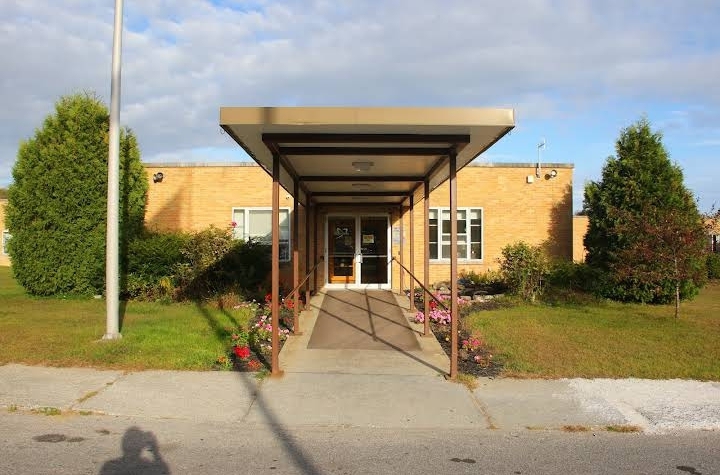
How is Fulton Center For Rehabilitation And Healthcare Staffed?

CMS rates FULTON CENTER FOR REHABILITATION AND HEALTHCARE's staffing level at 1 out of 5 stars, which is much below average compared to other nursing homes. Staff turnover is 59%, which is 13 percentage points above the New York average of 46%. High turnover can affect care consistency as new staff learn residents' individual needs. RN turnover specifically is 57%, which is notably high. RNs provide skilled clinical oversight, so turnover in this role can affect medical care quality.

What Have Inspectors Found at Fulton Center For Rehabilitation And Healthcare?

State health inspectors documented 23 deficiencies at FULTON CENTER FOR REHABILITATION AND HEALTHCARE during 2019 to 2024. These included: 21 with potential for harm and 2 minor or isolated issues.

Who Owns and Operates Fulton Center For Rehabilitation And Healthcare?

FULTON CENTER FOR REHABILITATION AND HEALTHCARE is owned by a for-profit company. For-profit facilities operate as businesses with obligations to shareholders or private owners. The facility is operated by CENTERS HEALTH CARE, a chain that manages multiple nursing homes. With 176 certified beds and approximately 169 residents (about 96% occupancy), it is a mid-sized facility located in GLOVERSVILLE, New York.
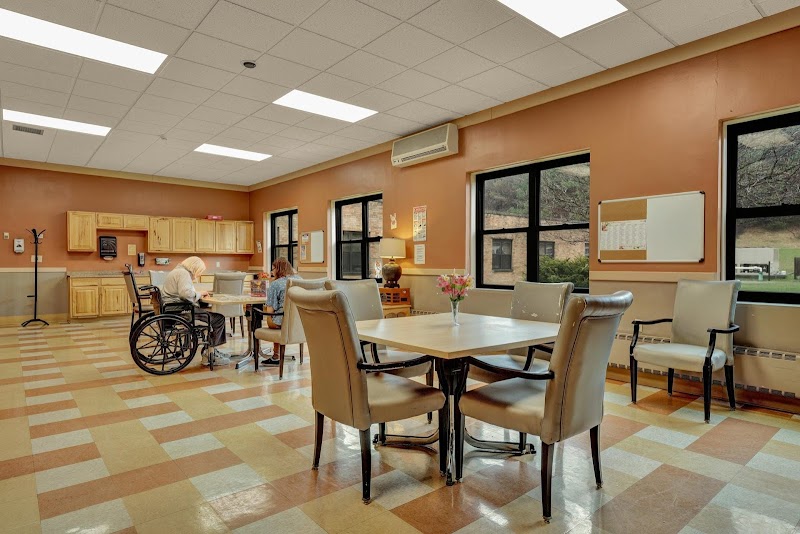
How Does Fulton Center For Rehabilitation And Healthcare Compare to Other New York Nursing Homes?

Compared to the 100 nursing homes in New York, FULTON CENTER FOR REHABILITATION AND HEALTHCARE's overall rating (2 stars) is below the state average of 3.1, staff turnover (59%) is significantly higher than the state average of 46%, and health inspection rating (3 stars) is at the national benchmark.

What Should Families Ask When Visiting Fulton Center For Rehabilitation And Healthcare?

Based on this facility's data, families visiting should ask: "How do you ensure continuity of care given staff turnover, and what is your staff retention strategy?" "Can you walk me through typical staffing levels on day, evening, and night shifts?" "Can I visit during a mealtime to observe dining assistance and food quality?" "How do you handle medical emergencies, and what is your hospital transfer rate?" These questions are particularly relevant given the facility's high staff turnover rate and the below-average staffing rating.

Is Fulton Center For Rehabilitation And Healthcare Safe?

Based on CMS inspection data, FULTON CENTER FOR REHABILITATION AND HEALTHCARE has a clean safety record: no substantiated abuse findings (meaning no confirmed cases of resident harm), no Immediate Jeopardy citations (the most serious violation level indicating risk of serious injury or death), and is not on the Special Focus Facility watch list (a federal program monitoring the lowest-performing 1% of nursing homes). The facility has a 2-star overall rating and ranks #100 of 100 nursing homes in New York. While no facility is perfect, families should still ask about staff-to-resident ratios and recent inspection results during their visit.

Do Nurses at Fulton Center For Rehabilitation And Healthcare Stick Around?

Staff turnover at FULTON CENTER FOR REHABILITATION AND HEALTHCARE is high. At 59%, the facility is 13 percentage points above the New York average of 46%. Registered Nurse turnover is particularly concerning at 57%. RNs handle complex medical decisions and coordinate care — frequent RN changes can directly impact care quality. High turnover means new staff may not know residents' individual needs, medications, or preferences. It can also be disorienting for residents, especially those with dementia who rely on familiar faces. Families should ask: What is causing the turnover? What retention programs are in place? How do you ensure care continuity during staff transitions?

Was Fulton Center For Rehabilitation And Healthcare Ever Fined?

FULTON CENTER FOR REHABILITATION AND HEALTHCARE has no federal fines on record. CMS issues fines when nursing homes fail to meet care standards or don't correct problems found during inspections. The absence of fines suggests the facility has either maintained compliance or corrected any issues before penalties were assessed. This is a positive indicator, though families should still review recent inspection reports for the full picture.

Is Fulton Center For Rehabilitation And Healthcare on Any Federal Watch List?

FULTON CENTER FOR REHABILITATION AND HEALTHCARE is not on any federal watch list. The most significant is the Special Focus Facility (SFF) program, which identifies the bottom 1% of nursing homes nationally based on persistent, serious quality problems. Not being on this list means the facility has avoided the pattern of deficiencies that triggers enhanced federal oversight. This is a positive indicator, though families should still review the facility's inspection history directly.