SAN SIMEON BY THE SOUND CENTER FOR NURSING & REHAB

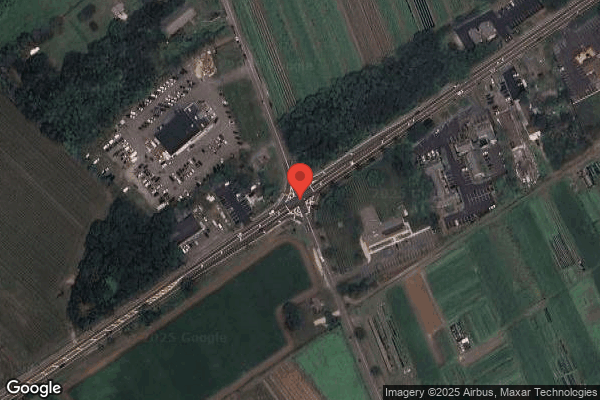
61700 ROUTE 48, GREENPORT, NY 11944 (631) 477-2110
For profit - Corporation 120 Beds Independent Data: November 2025 3 Immediate Jeopardy citations
Trust Grade
0/100
#557 of 594 in NY
Last Inspection: September 2024

Within standard 12-15 month inspection cycle. Federal law requires annual inspections.

Overview

San Simeon by the Sound Center for Nursing & Rehab has received a Trust Grade of F, indicating significant concerns about the quality of care provided. Ranking #557 out of 594 facilities in New York places it in the bottom half of statewide nursing homes, and it is the lowest-rated facility in Suffolk County. The trend appears to be worsening, with the number of reported issues increasing from 2 in 2023 to 8 in 2024, and the facility has a concerning 67% staff turnover rate, which is much higher than the state average. Additionally, the facility has incurred $120,209 in fines, suggesting repeated compliance problems, and while RN coverage is average, there are critical incidents reported, including failure to investigate allegations of sexual abuse and risks of burns from hot water temperatures, which pose serious safety concerns for residents. Overall, families should weigh these considerable weaknesses against the facility's few strengths before making a decision.

Trust Score
F
0/100
In New York
#557/594
Bottom 7%
Safety Record
High Risk
Review needed
Inspections
Getting Worse
2 → 8 violations
Staff Stability
⚠ Watch
67% turnover. Above average. Higher turnover means staff may not know residents' routines.
Penalties
✓ Good
$120,209 in fines. Lower than most New York facilities. Relatively clean record.
Skilled Nurses
○ Average
Each resident gets 41 minutes of Registered Nurse (RN) attention daily — about average for New York. RNs are the most trained staff who monitor for health changes.
Violations
⚠ Watch
16 deficiencies on record. Higher than average. Multiple issues found across inspections.
★☆☆☆☆
1.0
Overall Rating
★★☆☆☆
2.0
Staff Levels
★★★★☆
4.0
Care Quality
★☆☆☆☆
1.0
Inspection Score
Stable
2023: 2 issues
2024: 8 issues

The Good

  • 4-Star Quality Measures · Strong clinical quality outcomes
  • Full Sprinkler Coverage · Fire safety systems throughout facility
  • No fines on record

Facility shows strength in quality measures, fire safety.

The Bad

1-Star Overall Rating

Below New York average (3.0)

Significant quality concerns identified by CMS

Staff Turnover: 67%

21pts above New York avg (46%)

Frequent staff changes - ask about care continuity

Federal Fines: $120,209

Well above median ($33,413)

Significant penalties indicating serious issues

Staff turnover is elevated (67%)

19 points above New York average of 48%

The Ugly 16 deficiencies on record

3 life-threatening 1 actual harm
Sept 2024 8 deficiencies 1 IJ (1 facility-wide)
CRITICAL (L)

Immediate Jeopardy (IJ) - the most serious Medicare violation

Accident Prevention (Tag F0689)

Someone could have died · This affected most or all residents

⚠️ Facility-wide issue

**NOTE- TERMS IN BRACKETS HAVE BEEN EDITED TO PROTECT CONFIDENTIALITY** Based on observations, record review, and interviews during the Recertification Survey initiated on 8/26/2024 and completed on 9...

Read full inspector narrative →
**NOTE- TERMS IN BRACKETS HAVE BEEN EDITED TO PROTECT CONFIDENTIALITY** Based on observations, record review, and interviews during the Recertification Survey initiated on 8/26/2024 and completed on 9/5/2024, the facility failed to ensure the residents' environment remained free of accident hazards. This was evident at the resident sinks and common shower rooms on all 4 of 4 resident units. Specifically, the facility failed to protect all 114 residents from the likelihood of burns related to excessive hot water temperatures from the facility's domestic hot water system. This resulted in no actual harm with likelihood of serious harm that is Immediate Jeopardy and Substandard Quality of Care to all residents' health and safety. The findings are: 42 CFR 483.470 (d)(3) PART 483-REQUIREMENTS FOR STATES AND LONG-TERM CARE FACILITIES 483.470 Condition of Participation: Physical environment. (d) Standard: Client bathrooms. The facility must ensure: (3) In areas of the facility where clients who have not been trained to regulate water temperature are exposed to hot water, ensure that the temperature of the water does not exceed 110 °Fahrenheit. NYS Rules and Regulations, Article 2 Medical Facility Construction, Part 713- Standards of Construction for Nursing home facilities, Section 713-1.9- Mechanical requirements, (m) Domestic hot water systems shall provide adequate hot water at each outlet at all times. Hot water temperature at fixtures used by residents shall not exceed one hundred ten degrees Fahrenheit. The facility's policy and procedure for Heating System and Water Temperature last revised in December 2009 documented the tap water in the facility shall be kept within a temperature range to prevent scalding of residents. The water heaters that service resident rooms, bathrooms, common areas, and tub/shower areas shall be set to temperatures of no more than 120 degrees Fahrenheit or the maximum allowable temperature per state regulation. Maintenance staff shall conduct periodic tap water temperature checks and record the water temperatures in a safety log. If at any time water temperatures feel excessive to the touch (i.e., hot enough to be painful or cause reddening of the skin after removal of the hand from the water), staff will report this finding to the immediate supervisor. During an on-site visit on 8/27/2024 between 1:00 PM and 4:00 PM following observations were made: At 1:00 PM Surveyor #1, tested the hot water in the bathroom located in the main lobby, by running the water over their hand. After approximately 25-30 seconds, the hot water became so hot the surveyor had to remove their hand. On 8/27/2024 between 1:10 PM to 3:00 PM, Surveyor #2 tested the hot water temperature throughout the facility. The temperature readings were as follows: At 1:10 PM, the water temperature in the bathroom, located in the facility lobby, was measured at 124.3 degrees Fahrenheit. At 1:21 PM, the water temperature in the [NAME] Unit tub/shower room was measured at 127.9 degrees Fahrenheit. At 1:26 PM, the sink water temperature in the [NAME] Unit room [ROOM NUMBER] was measured at 125 degrees Fahrenheit. At 1:35 PM, the water temperature in the East Unit tub/shower room was measured at 124.3 degrees Fahrenheit. At 1:40 PM, the sink water temperature in the East Unit room [ROOM NUMBER] was measured at 124.7 degrees Fahrenheit. At 1:50 PM, the sink water temperature in Unit B room [ROOM NUMBER] was measured at 121.8 degrees Fahrenheit. During an observation and interview of the boiler room on 8/27/2024 at 3:00 PM with the Director of Plant Operations, the mixing valve digital display indicating the water temperature at the mixing valve was set at 130 degrees Fahrenheit. There were two boilers present in the boiler room. The water temperature of the boilers was checked and found to be 165 degrees Fahrenheit. In an immediate interview the Director of Plant Operations stated that the water temperatures at the mixing valve are manually adjusted if the temperature is noted to be too high. The Director of Plant Operations stated the water temperature at the mixing valve usually fluctuates between 115-118 degrees Fahrenheit and should not be set at more than 120 degrees Fahrenheit. During an observation and interview on 8/27/2024 at 3:10 PM, the Director of Plant Operations was observed checking the hot water temperature in the resident rooms on all units. There were mercury thermometers in the resident shower rooms and tub room secured with a string next to the shower faucet. The Director of Plant Operations used an infrared thermometer to measure the hot water temperature collected in a cup. The Infrared thermometer was unable to register the hot water temperature that was taken from the shower in room [ROOM NUMBER]. The Director of Plant Operations stated they would bring a calibrated digital thermometer from the kitchen. In an immediate interview the Director of Plant Operations stated they check the water temperatures daily at 8:00 AM by using the mercury thermometers that are present in the resident shower rooms and the tub rooms. The Director of Plant Operations stated that all resident shower rooms have mercury thermometers which can only read temperatures up to 120 degrees Fahrenheit. The Director of Plant Operations stated the water temperature is only checked for the resident shower rooms and tub rooms. The Director of Plant Operations stated the water temperature was checked on 8/27/2024 at 8:00 AM and was noted to be 115 degrees Fahrenheit. On 8/27/2024 at 3:15 PM, the Director of Plant Operations obtained a digital stem kitchen thermometer and used the thermometer to measure the water temperatures. Four resident rooms were checked between 3:15 PM to 4:00 PM. At 3:40 PM, the water temperature in the East unit room [ROOM NUMBER] shower was measured at 124.5 degrees Fahrenheit. At 3:45 PM, the water temperature in the [NAME] unit room [ROOM NUMBER] shower was measured at 122 degrees Fahrenheit. At 3:55 PM, the sink water temperature in Unit C room [ROOM NUMBER] was measured at 127 degrees Fahrenheit. At 4:00 PM, the sink water temperature in Unit B room [ROOM NUMBER] was measured at 129 degrees Fahrenheit. A review of the Temperature Logs for August 2024 indicated that the water temperature levels were documented at 115 degrees Fahrenheit each day. During an interview on 8/27/2024 at 3:22 PM, Certified Nurse Assistant # 2 stated they provide showers to the residents during the evening shift and use the shower thermometer to test the water temperatures. The thermometer only reads up to 120 degrees Fahrenheit. Certified Nurse Assistant # 2 stated they also use their hand to test the water to make sure it is not too hot and then adjust the water temperature to the residents' preference. During an interview on 8/27/2024 at 3:27 PM, Certified Nurse Assistant #1 stated they usually provide showers to the residents in their rooms. Some bathrooms have thermometers, and some do not. If there is no thermometer available, they test the water temperature by using their hands. Certified Nurse Assistant #1 stated that water temperature above 110 degrees Fahrenheit is considered unsafe. During an interview on 8/27/2024 at 3:35 PM, Certified Nurse Assistant # 4 stated they check the water temperature by using their hand to make sure the water is comfortable for the resident. If the resident wants the water to be hot, they make the water hot. They do not use the thermometer to check the water temperature before showering a resident. During an interview on 8/27/2024 at 3:37 PM, Certified Nurse Assistant #3 stated they do not use the thermometer to check the water temperature before they shower a resident. They usually put the resident's feet in the water first to see if the resident is comfortable with the water temperature. Certified Nurse Assistant #3 stated for showers, safe water temperature should be between 70-89 degrees Fahrenheit. During an interview on 8/27/2024 at 3:28 PM, Certified Nurse Assistant # 5 stated they first check the water with their hands to make sure it is not too hot and then they use the thermometer to measure the water temperature before showering a resident. The water temperature should not be over 100 degrees Fahrenheit. If the water temperature is above 100 degrees Fahrenheit, they notify the charge nurse. During an interview on 8/27/2024 at 4:58 PM, the Administrator stated they were recently hired and were unaware of any unsafe hot water temperature issues at the facility. The Administrator stated water temperature above 120 degrees Fahrenheit is unsafe. During an interview on 8/28/2024 at 11:40 AM, the Director of Nursing Services (DNS) stated there were no reported burn injuries. The Director of Nursing Services stated the staff should run the water prior to showering a resident to ensure water temperatures are between 100 to 120 degrees Fahrenheit. The staff should check the temperature by using the thermometers that are available in the shower rooms. The Director of Nursing Services stated they did not know the thermometers that were in the shower rooms and the tub room could only measure temperature levels up to 120 degrees Fahrenheit. The Director of Nursing Services stated water temperatures above 120 degrees Fahrenheit would put residents at risk for burns. During an interview on 8/28/2024 at 11:55 AM, the Medical Director stated excessive hot water temperatures would increase the risk of burns to the residents, especially residents with certain medical conditions such as Neuropathy or other sensory issues. The Medical Director stated the water temperatures should be maintained below 120 degrees Fahrenheit. During an interview on 8/28/2024 at 5:00 PM, the Administrator stated they were unaware that the unsafe hot water temperature regulation was changed from 120 degrees Fahrenheit to 110 degrees Fahrenheit. The Administrator stated the facility policy and procedures did not match the regulatory requirements and would be changed to reflect the new regulations. 10 NYCRR 415.12(h)(l). The facility was notified of the Immediate Jeopardy on 8/28/2024. The Immediate Jeopardy was removed on 8/30/2024 prior to the completion of the survey. The facility implemented the following to remove the immediacy: -The facility revised the Water Temperature policy, and the procedure was updated to reflect the date, time, location, and intervention applicable. All Maintenance staff were re-in serviced on the usage of the new water temperature log sheet. - A full house audit of all residents was completed by the facility for the potential to be affected by this deficient practice, no issues were identified (8/28/2024). - Water Temperature in each resident room was tested and water temperature logs dated 8/28/2024 through 8/30/2024 were presented to the survey team by the facility with no negative findings. - The survey team interviewed 18 staff members from various disciplines and various shifts (including all 4 maintenance staff). All staff demonstrated knowledge of the new/revised policy related to Water Temperature. The facility provided in-service education to 99 % staff: Rehabilitation: 99%; Recreation- 100%; Maintenance/Housekeeping; 100%, Administration; 100%; Nursing- 99%; and Dietary- 100%
CONCERN (D)

Potential for Harm - no one hurt, but risky conditions existed

Comprehensive Care Plan (Tag F0656)

Could have caused harm · This affected 1 resident

**NOTE- TERMS IN BRACKETS HAVE BEEN EDITED TO PROTECT CONFIDENTIALITY** Based on observations, record review, and interviews during the Recertification Survey initiated on 8/26/2024 and completed on 9...

Read full inspector narrative →
**NOTE- TERMS IN BRACKETS HAVE BEEN EDITED TO PROTECT CONFIDENTIALITY** Based on observations, record review, and interviews during the Recertification Survey initiated on 8/26/2024 and completed on 9/5/2024, the facility did not ensure it developed and implemented a comprehensive person-centered care plan for each resident. This was identified for one (Resident #85) of four residents reviewed for Advanced Directives and for one (Resident #99) of one resident reviewed for skin conditions. Specifically, 1) Resident #85 had physician's orders for advance directives to include Do Not Resuscitate, Do Not Intubate, and No Feeding Tube. There was no comprehensive care plan developed to reflect the resident's Advanced Directives status. 2) Resident #99 had a physician's order to treat the left shin (front of the leg below the knee) wound twice a day. There was no documented evidence that the staff consistently provided the wound care as ordered by the Physician. The findings are: 1) The facility's policy titled, Minimum Data Set/Care Planning dated 11/20/2017 documented, that the facility shall have a care planning process that is person-centered which includes: integrating assessment findings in care planning, developing an interdisciplinary care plan, regularly reviewing and revising the care plan, and providing the care and documenting the care. The care plan shall describe the services that are being provided and any services/treatment that would otherwise be required but are not provided due to the resident's/patient's exercise of the right to refuse treatment. The facility's policy titled, Advanced Directives last reviewed on 2/17/2017 documented the resident's advanced directives will be reviewed with the resident and/or their representative upon admission and periodically to ensure that such directives reflect the current wishes of the resident or representative, in light of the resident's medical status and life circumstances. As part of the admission process, the social worker will review any accompanying advanced directives for completeness, accuracy, and validity, and will review such directives with the resident and/or representative to ascertain the current wishes of the resident or representative. The resident's physician and staff involved in the resident's care will be notified of any change in advanced directives and the medical record and comprehensive care plan will be amended accordingly. Resident #85 had diagnoses of a Fracture of the Right Femur (Thighbone), Dementia, and Alzheimer's Disease. The Quarterly Minimum Data Set assessment dated [DATE] documented Resident #85 had a Brief Interview for Mental Status score of 14 indicating an intact cognition. The Quarterly Minimum Data Set documented the resident's Advanced Directives as Do Not Resuscitate, Do Not Intubate (no breathing tube will be placed), and Feeding Restrictions. The resident had an invoked healthcare proxy (a designated person to make healthcare decisions on their behalf if they are unable to do so). A physician's order dated 5/11/2024 documented Resident #85's advanced directives as Do Not Resuscitate. Treatment guidelines- limited medical interventions. Instructions for intubation and mechanical ventilation- Do not intubate. Future hospitalization/Transfer - Do not send to the hospital unless pain or severe symptoms cannot be otherwise controlled. Artificially administered fluid and nutrition- No feeding tube, a trial period of IV fluids. Antibiotics- Determine the use or limitation of antibiotics when infection occurs. Use antibiotics. The physician's order was renewed on 7/24/2024. A review of Resident #85's electronic medical record revealed that Resident #85 did not have an active Comprehensive Care Plan for Advanced Directives. Further review revealed an inactive Comprehensive Care Plan for Advanced Directives with an effective date of 2/2/2024 and the status of the Comprehensive Care Plan was documented as the resident was discharged on 5/9/2024. The admission, discharge, and transfer history in the electronic medical record documented that Resident #85 was discharged to the hospital on 5/8/2024 and was readmitted to the facility on [DATE]. A social work progress note dated 5/15/2024 documented the resident was readmitted to the facility and the Medical Orders for Life Sustaining Treatment and advanced directives were in place. A social work progress note dated 5/26/2024 documented a care plan meeting was held with Resident #85 and the healthcare proxy. The interdisciplinary team updated and reviewed the plan of care. The resident had advanced directives and Medical Orders for Life-Sustaining Treatment in place with no changes. The Licensed Master Social Worker assigned to Resident #85 was unavailable for an interview. Licensed Master Social Worker #1 was interviewed on 9/3/2024 at 3:34 PM and stated Resident #85 should have an active Comprehensive Care Plan for Advanced Directives. Licensed Master Social Worker #1 reviewed Resident #85 physician's orders and stated the Comprehensive Care Plan for Advanced Directives was not active in the electronic medical record. Licensed Master Social Worker #1 stated Resident #85 was sent to the hospital on 5/8/2024 and because the resident did not return by midnight, the electronic medical record software automatically inactivated all of the resident's Comprehensive Care Plans. Licensed Master Social Worker #1 stated the assigned Licensed Master Social Worker was responsible for reviewing and reactivating the Comprehensive Care Plan for Advanced Directives when the resident was readmitted . The Comprehensive Care Plan for Advanced Directives with an effective date of 2/2/2024 appeared active in the electronic medical record on 9/3/2024 after the surveyor interviewed the Licensed Master Social Worker. The Acting Director of Nursing Services was interviewed on 9/5/2024 at 3:55 PM and stated an active Comprehensive Care Plan for Advanced Directives should have been in place for Resident #85. The Acting Director of Nursing Services stated when a resident is readmitted , after a hospital stay, all their relevant Comprehensive Care Plans should be reactivated. The Acting Director of Nursing Services stated they expected that a resident with Medical Orders for Life-Sustaining Treatment and physician's orders for advanced directives should have an active Comprehensive Care Plan for Advanced Directives. 2) Resident #99 was admitted with diagnoses including Multiple Rib Fractures and an open wound to the left lower leg. The Minimum Data Set assessment dated [DATE] documented a Brief Interview for Mental Status (BIMS) score of 15, indicating the resident had intact cognition. The resident had an application of nonsurgical dressings (with or without topical medications) other than to feet. The resident did not have pressure ulcers. The comprehensive care plan dated 8/5/2024 documented the resident had skin impairment with a full thickness wound to the left shin. Interventions included but were not limited to provide treatment as per the physician's orders. The physician's orders dated 8/9/2024 to 8/16/2024 documented to apply Dakin's (an antiseptic wound cleansing solution) solution 0.25% wet to moist dressing to the left lower extremity wound and cover with an abdominal pad and Kling. Soak with normal saline to remove the old dressing twice daily. A review of the resident's Treatment Administration Record from 8/1/2024 to 8/31/2024 revealed there was no documented evidence that the wound treatments were administered on 8/10/2024 and from 8/14/2024 to 8/17/2024 during the 7:00 PM to 7:00 AM shift. Registered Nurse #5, who was assigned to Resident #99 on 8/15/2024 and 8/16/2024 was not available for an interview. Registered Nurse #7, who was assigned to Resident #99 on 8/17/2024 was interviewed on 9/4/2024 at 5:03 PM and stated they could not recall if they had administered the treatments for Resident #99 on 8/17/2024. Registered Nurse # 8, who was assigned to Resident #99 on 8/14/2024, was interviewed on 9/4/2024 at 5:06 PM and stated if the treatment record was not signed that means the treatment was not done. Registered Nurse #8 stated, I don't recall treating the resident's wound with Dakin's dressing. I have always applied Xeroform dressing. The Director of Nursing Services was interviewed on 9/4/2024 at 5:08 PM and stated that all nurses should provide treatment as per the physician's orders and document in the resident's medical record. The Director of Nursing Services stated that if the treatment administration is not signed for, it is considered that the treatment was not provided. The Administrator was interviewed on 9/4/2024 at 5:15 PM and stated that all nurses should sign in the Treatment Administration Record that the treatment was provided as per the physician's orders. The Administrator stated if the Treatment Administration Record was not signed, that means the treatment was not provided. 10 NYCRR 415.11(c)(1)
CONCERN (D) 📢 Someone Reported This

A family member, employee, or ombudsman was alarmed enough to file a formal complaint

Potential for Harm - no one hurt, but risky conditions existed

Quality of Care (Tag F0684)

Could have caused harm · This affected 1 resident

**NOTE- TERMS IN BRACKETS HAVE BEEN EDITED TO PROTECT CONFIDENTIALITY** Based on observations, record review, and interviews during the Recertification Survey initiated on 8/26/2024 and completed on 9...

Read full inspector narrative →
**NOTE- TERMS IN BRACKETS HAVE BEEN EDITED TO PROTECT CONFIDENTIALITY** Based on observations, record review, and interviews during the Recertification Survey initiated on 8/26/2024 and completed on 9/5/2024, the facility did not ensure that all residents received treatment and care in accordance with professional standards of practice. This was identified for one (Resident #256) of one resident reviewed for Pain Management. Specifically, Resident #256 reported left-hand pain on 8/4/2024. The medical provider was contacted and ordered an x-ray of the left hand. Registered Nurse #6 wrote the telephone order in the medical record and erroneously indicated an x-ray order for the right hand. The x-ray of the right hand was completed; however, neither the Medical Doctor nor the Nurse Practitioner reviewed the x-ray results. The facility staff were not aware of the transcription error until it was brought to the facility's attention by the surveyor. The finding is: The facility's untitled and undated policy statement regarding medication administration documented, that the Licensed Nurse may obtain orders from a Physician, a Nurse Practitioner, or a Physician Assistant. Telephone orders must be read back to the medical practitioner to ensure that the order is correct. The facility's undated policy titled, Radiology Services documented, it is the Attending Physician's responsibility to provide a written order for an x-ray. The Licensed Nursing staff are responsible for completing the x-ray requisition form ensuring all pertinent diagnoses and the physician's rationale for ordering the diagnostic services. The Licensed Nurse presents the results to the medical doctor. Resident #256 had diagnoses that included Morbid Obesity, Type 2 Diabetes, and Unspecified Pain. The Quarterly Minimum Data set assessment dated [DATE] documented Resident #256 had a Brief Interview for Mental Status score of 15, indicating the resident was cognitively intact. The Quarterly Minimum Data set documented Resident #256 did not have an upper extremity impairment. The Musculoskeletal Disease Comprehensive Care Plan effective 8/29/2024 documented Resident #256 was diagnosed with gout as evidenced by pain. Interventions included to monitor for pain or swelling of joints, to administer medications as per the medical doctor's orders, and to obtain diagnostic services as per the medical doctor's orders. The Pain Comprehensive Care Plan effective 6/26/2024 documented Resident #256 had the potential for pain. Interventions included to administer medications as per the medical doctor's orders, monitor for effectiveness and side effects, re-evaluate as necessary, and report any redness, pain, or swelling promptly. A Comprehensive Care Plan note dated 8/4/2024 documented Resident #256 complained of pain in their left hand, their index finger appeared slightly swollen, and the resident reported pain to the finger when touched. A Nursing Progress note dated 8/4/2024 documented the resident complained of pain to their left hand. The index finger looked slightly swollen and they had pain when touched. The Medical Doctor and Nurse Practitioner were notified, and an x-ray of the right hand was ordered. A physician's order, entered by Registered Nurse #6, dated 8/4/2024 documented an order for an x-ray with three views of the right hand. The Nurse Practitioner's note dated 8/5/2024 documented they saw Resident #256 to assess the left index finger and trace edema (swelling caused by fluid trapped in the body's tissues). The assessment and plan documented inflammatory osteoarthritis (a type of osteoarthritis that is characterized by inflammation and typically affects the middle and last joints of the fingers) and mild gout (a form of arthritis that occurs when high levels of uric acid in the blood cause crystals to form and accumulate in and around a joint). The recommendation was to wait for the x-ray of the left hand. An x-ray report dated 8/5/2024 documented an x-ray of the right hand with three views. The right hand was noted with arthritic changes. There was no documented evidence that the x-ray report was reviewed by the physician or nurse practitioner. Resident #256 was interviewed on 8/26/2024 at 11:21 AM and stated they often had pain in their hands. Resident #256 stated they received acetaminophen (Tylenol-drug used to treat pain) for pain. Resident #256 stated they could not recall how long they had the hand pain and did not recall injuring their hands. Resident #256 stated they were told by a nurse (they did not know the nurse's name) that they had Gout and Arthritis which could cause the pain and they received medication for Gout and acetaminophen for pain. A Nurse Practitioner's note dated 8/28/2024 documented that Resident #256 had a complaint of pain to their left hand. Resident #256 was to continue acetaminophen and have bloodwork to check their uric acid level (an indicator of gout). A second interview was conducted with Resident #256 on 9/4/2024 at 10:30 AM. Resident #256 stated they were having pain in their left hand. Resident #256 stated the index finger on their left hand hurt the most and they could not bend the finger, could not grip anything, or close their hand. Resident #256 stated they asked for and received acetaminophen that morning for their left-hand pain. Licensed Practical Nurse #6 was interviewed on 9/4/2024 at 10:48 AM and stated Resident #256 complained of pain in their left hand and was given acetaminophen that morning 9/4/2024 at about 8:00 AM. Licensed Practical Nurse #6 stated the resident has a physician's order for acetaminophen and Resident #256 would ask for their pain medication when they are experiencing pain. A nursing progress note dated 9/4/2024 documented that Resident #256 complained of pain to the left hand. Tylenol was administered and the nursing supervisor was notified. Orders were placed for an x-ray of the left hand. A Nurse Practitioner's progress note dated 9/4/2024 documented Resident #256 reported pain to their left hand. There was trace edema (swelling caused by fluid trapped in the body's tissues) of #1-#4 digits (the thumb, index finger, middle finger, and the ring finger) of the left hand, no erythema (redness of the skin), and decreased active range of motion (movement using their own muscles) to digits (fingers) at metacarpophalangeal joint (knuckle joint). The Nurse Practioner recommend to obtain an x-ray of the left hand. The Nurse practitioner documented to adding ibuprofen (a nonsteroidal anti-inflammatory drug) 400 milligrams every twelve hours for forty-eight hours and starting Methylprednisone (a steroidal medication used to treat arthritis) in the morning. A nursing progress note dated 9/4/2024 documented the x-ray results of Resident #256's left hand were received and documented left-hand Arthritis. The Nurse Practitioner was notified of the findings. Registered Nurse #6 was interviewed on 9/4/2024 at 12:39 PM and stated they could not recall Resident #256 reporting pain in their left hand on 8/4/2024, whether or not they contacted the Nurse Practitioner, and entered an order for the x-ray of the right hand instead of the left hand. Nurse Practitioner #1 was interviewed on 9/4/2024 at 1:21 PM and stated Resident #256 had chronic pain in their left hand. On 8/4/2024 they gave Registered Nurse #6 a telephone order for an x-ray of the resident's left hand. Nurse Practitioner #1 stated they should have ensured the correct order had been placed when they signed off on the order. Nurse Practitioner #1 stated they did not review the right-hand x-ray report when it was received from the Radiologist because they were not informed of the receipt of the results. Nurse Practitioner #1 stated they are supposed to be notified by unit nurses that a radiology report was received. The Nurse Practitioner stated when they give a telephone order, they expect the order to be transcribed accurately. Nurse Practitioner #1 stated they also expect to be notified of the radiology results when received by the facility staff. The Acting Director of Nursing Services was interviewed on 9/5/2024 at 3:47 PM and stated the Registered Nurse is responsible for entering telephone orders as directed by the Physician or the Nurse Practitioner. The Acting Director of Nursing Services stated the Physician or the Nurse Practitioner was also responsible for ensuring the order's accuracy. The Acting Director of Nursing Services stated the unit nurses are responsible for notifying the Physician or the Nurse Practitioner when x-ray reports are received from the vendor company. The Acting Director of Nursing stated the Physician and the Nurse Practitioner were responsible for following up on the radiology results. 10 NYCRR 415.15(b)(2)(iii)
CONCERN (D)

Potential for Harm - no one hurt, but risky conditions existed

Deficiency F0692 (Tag F0692)

Could have caused harm · This affected 1 resident

**NOTE- TERMS IN BRACKETS HAVE BEEN EDITED TO PROTECT CONFIDENTIALITY** Based on record review and interviews the facility did not ensure that each resident maintained acceptable parameters of nutriti...

Read full inspector narrative →
**NOTE- TERMS IN BRACKETS HAVE BEEN EDITED TO PROTECT CONFIDENTIALITY** Based on record review and interviews the facility did not ensure that each resident maintained acceptable parameters of nutritional status, such as usual body weight or desirable weight range, unless the resident's clinical condition demonstrates that this is not possible or resident preferences indicate otherwise. This was evident for one (Resident #79) of four residents reviewed for Nutrition. Specifically, Resident #79 was admitted to the facility on [DATE] and was receiving tube feeding via enteral means. The facility did not obtain and monitor the resident's weight since the resident was admitted to the facility. The finding is: A facility policy titled Weight and Weight Changes last updated in March 2024, documented to obtain weights on all residents as per the medical doctors' orders. All residents will be weighed within 72 hours of admission and/or readmission to the facility. The resident's weight is rechecked on two consecutive days for accuracy and to verify initial weight; and then weekly for the next four weeks to establish a baseline. Thereafter, monthly weights will be obtained unless otherwise indicated by the Physician, Nurses, or Dietitian. Resident #79 had diagnoses of Malnutrition, Cerebral Vascular Accident, and Quadriplegia. An admission Minimum Data Set assessment dated [DATE] documented Resident #79 had a Brief Interview for Mental Status score of 9, which indicated the resident had moderate cognitive impairment. Resident #79 had no behaviors or refusal of care and was dependent on staff for Activities of Daily Living. The Minimum Data Set indicated the resident had an active diagnosis of Malnutrition (protein or calorie) or was at risk for Malnutrition. The resident's height was 74 inches, and the weight was 172 pounds. Resident #79 was fed via the enteral (tube feeding) route. A comprehensive care plan titled Nutritional Status, effective 8/2/2024 documented the resident had nutritional deficiency and was on gastrostomy tube feeding. The interventions included aspiration precautions, to monitor laboratory values as per physician's orders, and to monitor the resident's weight: weekly for four weeks and as needed. The Physician's orders included multiple orders for obtaining Resident #79's weight: The admission physician's order dated 8/2/2024 documented: weight upon admission, daily weight for three days, and then weekly weight every Tuesday for four weeks. The Initial Nutrition Assessment completed on 8/3/2024 documented that the resident's current weight per hospital records was 172 pounds. A request for admission weight was made. The resident received enteral feeding as their primary source of nutrition and hydration and was at risk for malnutrition related to dependence on tube feeding related to dysphagia and a wound. Resident #79 received 1350 milliliters of Jevity 1.5 (a high-fiber tube feeding formula). The physician's order dated 8/8/2024 documented: a one-time weight. The physician's order dated 8/11/2024 documented: a one-time weight. The physician's order dated 8/12/2024 documented: a one-time weight. The physician's order dated 8/15/2024 documented: a one-time weight. The physician's order dated 8/21/2024 documented: a one-time weight. The physician's order dated 8/25/2024 documented: a one-time weight. A review of the medical record from 8/2/2024 to 8/27/2024 lacked documented evidence that the resident's weights were obtained as per the physician's orders. Resident #79 was transferred to the hospital on 8/28/2024 at 6:00 PM for evaluation for bleeding around urinary catheter insertion. Licensed Practical Nurse #1 was interviewed on 9/3/2024 at 2:03 PM and stated that the Certified Nursing Assistants are responsible for obtaining the resident's weights. The Certified Nursing Assistant should then verbally tell the Nurse the weight, and the Nurse should enter the information into the medical record. Licensed Practical Nurse #1 stated that for a new admission, the weight is taken on admission and then weekly. Licensed Practical Nurse #1 was not aware that Resident #79's weight was not obtained. Registered Dietitian #1 was interviewed on 9/3/2024 at 2:08 PM and stated that nursing staff is responsible for obtaining the resident's weights on admission and then daily for three days. The Dietitian will enter one-time orders for weights when additional weights are needed. When the resident's weights are missing, it is discussed in the morning meeting, and directly with the unit nurse and the nursing supervisors. Registered Dietitian #1 further stated that several attempts were made to alert the nursing staff to provide weights for Resident #79; however, the weights were never obtained. The Registered Nurse Supervisor was interviewed on 9/4/2024 at 1:05 PM and stated during the morning meeting they instructed the staff to obtain the residents' weights and the unit charge nurse also should have indicated the need for the resident's weights on the certified nursing assistant assignment sheet. They further stated that every nurse needs to make sure that the weights are completed. The Registered Nurse Supervisor was not aware that Resident #79's weights were not obtained. The Acting Director of Nursing Services was interviewed on 9/5/2024 at 10:50 AM and stated the unit nurses should have made sure that Resident #79's weights were obtained as per the physician's orders and if the weights were not obtained a note should have been written to explain why the weights were not obtained. The Acting Director of Nursing Services stated Ultimately, it is everyone's responsibility to ensure that the weights are taken. 10 NYCRR 415.12 (i)(1)
CONCERN (D)

Potential for Harm - no one hurt, but risky conditions existed

Infection Control (Tag F0880)

Could have caused harm · This affected 1 resident

Based on observations, record review, and interviews during the Recertification Survey initiated on 8/26/2024 and completed on 9/5/2024, the facility did not maintain an infection control program desi...

Read full inspector narrative →
Based on observations, record review, and interviews during the Recertification Survey initiated on 8/26/2024 and completed on 9/5/2024, the facility did not maintain an infection control program designed to provide a safe, sanitary, and comfortable environment to help prevent the development and transmission of communicable diseases and infections. This was identified for one (West Unit) of four Units during the infection control task. Specifically, the facility did not ensure staff appropriately discarded dirty linens in a sanitary manner and did not timely change suction canister and tubing after use. The findings are: The facility's Policy and Procedure titled, Infection Prevention and Control last reviewed January 2023, documented that an Infection Control Program is established and maintained to provide a safe, sanitary, and comfortable environment and to help prevent the development and transmission of communicable diseases and infections. Important facets of infection prevention include educating staff and ensuring they adhere to proper techniques and procedures. The facility's policy for Suction Equipment revised on 6/1/2009, documented that all suction equipment will be cleansed after each use to reduce the possibility of contamination. Procedures include: Licensed Nursing Staff will disinfect a suction bottle or machine by wiping down the suction machine after each use and at the end of each shift; discarding the disposable suction bottle at the end of each shift; replacing the tubing on the suction bottle once each week; and replacing suction tubing between residents. According to the Centers for Disease Control and Prevention's Core Infection Prevention and Control Practices for best practices for linen (and laundry) handling found online at https://www.cdc.gov/healthcare-associated-infections/hcp/cleaning-global/appendix-d.html, documented: - Always wear reusable rubber gloves before handling soiled linen (e.g., bed sheets, towels, curtains). - Never carry soiled linen against the body. Always place the soiled linen in the designated container. - Carefully roll up soiled linen to prevent contamination of the air, surfaces, and cleaning staff. Do not shake linen. - If there is any solid excrement on the linen, such as feces or vomit, scrape it off carefully with a flat, firm object and put it in the commode or designated toilet/latrine before putting linen in the designated container. -Place soiled linen into a clearly labeled, leak-proof container (e.g., bag, bucket) in the patient care area. Do not transport soiled linen by hand outside the specific patient care area from where it was removed. 1) During an observation on the [NAME] Unit, on 8/26/2024 at 11:17 AM, Licensed Practical Nurse #2 was observed walking out of a resident room. The resident's room was identified by signage as being under Enhanced Barrier Precautions. Licensed Practical Nurse #2 was wearing gloves and was transporting the used linen to the dirty linen cart. The linen was not secured in a sealed bag and was observed touching Licensed Practical Nurse #2's uniform. Licensed Practical Nurse #2 was interviewed immediately after the observation on 8/26/2024 and stated I know I am not supposed to carry dirty linen without a plastic bag, but there were no plastic bags in the room. 2) On 8/26/2024 at 12:45 PM during the lunch meal observation, the [NAME] Unit dining room was observed to have a dirty suction canister that contained cloudy fluid with food particles and used suction tubing attached to the suction machine. Registered Nurse Supervisor #2 was interviewed immediately after the observation on 8/26/2024 and stated the suction machine was not used today. The canister and tubing should have been replaced after every use. Registered Nurse Supervisor #2 stated they were supposed to check the suction machine before each meal but they did not check the suction machine before today's lunch meal. The Infection Control Registered Nurse was interviewed on 9/04/2024 at 12:16 PM and stated the suction machine should be checked every night by the night shift staff. When the suction machine is used, the nurse should change the canister and the suction tubing after each use. The suction machine should be ready at meal times, in the event there is an emergency. The Infection Control Registered Nurse also stated all dirty linens should be sealed in a plastic bag and placed in the dirty linen cart. If there was no plastic bag available, the nurse should have called someone to bring the plastic bag to the room. 10 NYCRR 415.19 (a) (1-3)(c)
CONCERN (E)

Potential for Harm - no one hurt, but risky conditions existed

Safe Environment (Tag F0584)

Could have caused harm · This affected multiple residents

**NOTE- TERMS IN BRACKETS HAVE BEEN EDITED TO PROTECT CONFIDENTIALITY** 3) During an environmental tour of the B Unit, on 8/29/2024 at 4:26 PM, the resident bathroom in the hallway was observed with a...

Read full inspector narrative →
**NOTE- TERMS IN BRACKETS HAVE BEEN EDITED TO PROTECT CONFIDENTIALITY** 3) During an environmental tour of the B Unit, on 8/29/2024 at 4:26 PM, the resident bathroom in the hallway was observed with a dried brown feces-like substance on the toilet bowl seat. During an environmental tour of the [NAME] Unit on 8/30/2024 at 12:53 PM, room [ROOM NUMBER]'s bathroom was observed with a dried brown feces-like substance on the toilet bowl seat. Housekeeper #2, assigned to the B Unit, was interviewed on 8/30/2024 at 1:03 PM and stated they cleaned each resident's room daily and had already cleaned the bathroom in room [ROOM NUMBER] this morning. Licensed Practical Nurse #3 was interviewed on 9/4/2024 at 10:10 AM and stated the housekeepers clean the resident bathrooms every day and as needed. Licensed Practical Nurse #3 stated when the housekeeper had already cleaned the bathroom, and the bathroom was soiled afterward, then Certified Nursing Assistants should have notified the housekeepers to clean the bathroom. The Director of Housekeeping and Maintenance was interviewed on 9/5/2024 at 9:18 AM and stated that it was not acceptable that the toilet seat in the resident's bathroom and the toilet in the hallway were soiled. The Director of Housekeeping and Maintenance stated they would start doing frequent rounds on the floors to ensure the resident environment remains clean. The Director of Nursing Services was interviewed on 9/5/2024 at 1:08 PM and stated it was not acceptable to have a soiled toilet seat in the resident's bathroom and would expect nursing staff to report soiled and dirty toilets and other resident areas to the housekeeping department to maintain a clean environment for each resident. 10 NYCRR 415.5(h)(2) 2) Resident #47 had diagnoses of Acute Kidney Failure, Chronic Obstructive Pulmonary Disease, and Dementia. The Quarterly Minimum Data Set assessment dated [DATE] documented the resident had a Brief Interview for Mental Status score of six, which indicated severe cognitive impairment. Resident #47 had moderate visual impairment with corrective lenses. During an environmental tour of Resident #47's room on 8/26/2024 at 11:49 AM, Resident #47's privacy curtain was observed with staining along the bottom edge of the curtain and had gray spots and streaks of gray stains throughout the rest of the curtain. Resident #47 stated they could not see the stains on the curtain. During an observation on 8/29/2024 at 4:05 PM Resident #47's privacy curtain was observed with staining along the bottom edge of the curtain and had spots and streaks of stains throughout the rest of the curtain. Resident #100 had diagnoses of Fracture of Facial Bones, Fracture of Lumbosacral (lower back) Spine and Pelvis, and Schizoaffective Disorder. The Minimum Data Set assessment dated [DATE] documented the resident had a Brief Interview for Mental Status score of 15, indicating an intact cognition. Resident #100 had adequate vision without corrective lenses. During an environmental tour of Resident #100's room on 8/26/2024 at 12:03 PM, Resident #100's privacy curtain was observed to have a large reddish-brown stain in the middle of the curtain. Resident #100 stated they would like a clean curtain. During an observation on 8/29/2024 at 4:08 PM, The privacy curtain was observed with the same reddish-brown stain. There was no resident in the room at the time of the observation. Certified Nursing Assistant #6, Resident #47's assigned Certified Nursing Assistant, was interviewed on 8/30/2024 at 1:17 PM and stated they saw the stains on Resident #47's privacy curtain but they did not know how long the stains had been there. Certified Nursing Assistant #6 stated they should have reported the stained privacy curtain to the nurse on the unit or the housekeeper so the curtain could be cleaned. Certified Nursing Assistant #6 stated Resident #100 moved to a new room on 8/28/2024 and a new resident moved into the room on 8/28/2024 and was discharged on 8/29/2024. Housekeeper #1 was interviewed on 8/30/2024 at 1:20 PM and stated they were the assigned housekeeper for the unit and they cleaned all the resident rooms on the unit. Housekeeper #1 stated they are supposed to check the privacy curtains as part of their room cleaning task. Housekeeper #1 stated they did not see the dirty privacy curtain in Resident #47's room, but they should have checked it. Housekeeper #1 stated the privacy curtain in Resident #100's room should have been removed and laundered after Resident #100 moved to another room. Housekeeper #1 stated when a resident moves out of a room the room is cleaned and disinfected, and the privacy curtain is removed and laundered. Licensed Practical Nurse #2, the charge nurse, was interviewed on 8/30/2024 at 1:36 PM and stated they did not notice the dirty privacy curtains in Resident #47's or Resident #100's room. Licensed Practical Nurse #2 stated the resident's privacy curtains should be clean and without stains. Licensed Practical Nurse #2 stated when a resident moves out, the room should be thoroughly cleaned and disinfected, including laundering the privacy curtains before a new resident moves in the room. The Director of Operations was interviewed on 9/3/2024 at 4:50 PM and stated they oversee housekeeping operations and that the housekeepers on the unit are responsible for the cleanliness of resident rooms, including the privacy curtains. The Director of Operations stated the housekeeper would be responsible for removing the privacy curtains and taking them to the laundry room. The Director of Operations stated when a resident moves out of a room, the room should have a terminal cleaning, meaning the room is thoroughly cleaned and disinfected, including the privacy curtains. The Administrator was interviewed on 9/5/2024 at 4:06 PM and stated the resident's privacy curtains should be clean and free of stains. The Administrator stated they expected the privacy curtains to be inspected during daily room cleaning and if they are dirty they should be removed and replaced immediately. Based on observations, record review, and interviews during the Recertification Survey initiated on 8/26/2024 and completed on 9/5/2024, the facility did not ensure that all residents were provided a safe, clean comfortable, and homelike environment. This was identified for two (B Unit and [NAME] Unit) of four units reviewed during the environmental task; and for two residents (Resident #48 and Resident #100) of three residents reviewed for the environment task. Specifically, 1) the suction machine on the [NAME] Unit dining room was observed with used suction tubing and a dirty suction canister that contained cloudy fluid with food particles, and 2) the privacy curtains for Resident #47 and Resident #100 were observed to be soiled. 3) The hallway bathroom on B Unit and the bathroom in room [ROOM NUMBER] were observed to have a dried brown feces-like substance on the toilet bowl seat. The findings are: The facility's undated policy titled, Department Protocols: Housekeeping Department documented that the purpose of the policy was to prevent infections. Resident rooms and toilets are cleaned daily and when needed. The documented department protocols for terminal cleaning were to remove and clean the drapes and cubicle curtains. The facility's policy for Bathroom Cleaning dated 11/14/2023 documented that housekeepers were to clean each resident's bathroom including all surfaces, toilets, and handrails at least once daily and as needed. The facility's policy for Suction Equipment revised on 6/1/2009, documented that all suction equipment will be cleansed after each use to reduce the possibility of contamination. Procedures include: Licensed Nursing Staff will disinfect a suction bottle or machine by wiping down the suction machine after each use and at the end of each shift; discarding the disposable suction bottle at the end of each shift; replacing the tubing on the suction bottle once each week; and replacing suction tubing between residents. 1 ) On 8/26/2024 at 12:45 PM during the lunch meal observation, the [NAME] Unit dining room was observed to have a dirty suction canister that contained cloudy fluid with food particles and used suction tubing attached to the suction machine. Registered Nurse Supervisor #2 was interviewed immediately after the observation on 8/26/2024 and stated the suction machine was not used today and the canister/tubing should have been replaced after every use. Registered Nurse Supervisor #2 stated they were supposed to check the suction machine before each meal I had not checked the machine prior to lunch meal. The Infection Control Registered Nurse was interviewed on 9/04/2024 at 12:16 PM and stated the suction machine should be checked every night by the night shift staff. When the suction machine is used, the nurse should change the canister and the suction tubing after each use. The suction machine should be ready at meal times, in the event there is an emergency.
CONCERN (E)

Potential for Harm - no one hurt, but risky conditions existed

Deficiency F0761 (Tag F0761)

Could have caused harm · This affected multiple residents

Based on observations, record review, and interviews during the Recertification Survey initiated on 8/26/2024 and completed on 9/5/2024, the facility did not ensure that all drugs and biologicals wer...

Read full inspector narrative →
Based on observations, record review, and interviews during the Recertification Survey initiated on 8/26/2024 and completed on 9/5/2024, the facility did not ensure that all drugs and biologicals were labeled in accordance with currently accepted professional principles. This was identified for three (Unit B, Unit C, and East Unit) of four units observed during the Medication Storage Task. Specifically, loose unidentifiable medications were observed in a medication cart for Unit B, East Unit, and Unit C. Additionally, the medication carts were utilized for storing items other than the medications. The findings are: The Medication Rooms/Areas Policy dated 6/1/2009 and last reviewed in February 2023 documented to assure that the medication room/area contains only drugs, biological or other items needed for the administration of medication. The Medication cart policy dated 6/1/2024 and last updated February 2023 documented that all medication carts will be maintained with adequate supplies, in a state of cleanliness, and will be appropriately safeguarded to assure the safety of the residents. The Unit B medication cart was observed on 8/26/2024 at 11:06 AM, in the presence of Licensed Practical Nurse #3. There were seven unidentified loose medications including capsules and tablets on the base of the second drawer of the medication cart. Licensed Practical Nurse #3 was interviewed on 8/26/2024 at 11:06 AM and stated they were not aware that the cart had loose pills and capsules. Licensed Practical Nurse #3 stated there should not be any unidentified loose pills in the cart. The East Unit medication cart was observed on 8/26/2024 at 11:25 AM, in the presence of Licensed Practical Nurse #4. There were 18 unidentified loose medications including capsules and tablets on the base of the second and third drawer of the medication cart. Licensed Practical Nurse #4 stated they did not know there were loose medications tablets and capsules in the medication cart and it was not okay to have the loose medications on the medication carts. The Unit C medication cart was observed on 8/26/2024 at 11:31 AM, in the presence of Licensed Practical Nurse #5. There were two unidentified loose medication tablets at the base of the second drawer. Additionally, a large nail clipper which was not kept in a separate bag was stored in the medication cart. Licensed Practical Nurse#5 was interviewed immediately after the observation on 8/26/2024 and stated they did not know who placed the nail clipper in the medication cart, but it should not be there because it is not a medication. Licensed Practical Nurse #5 stated the medication cart should not have loose medications in it. The Director of Nursing Services was interviewed on 9/5/2024 at 12:52 PM and stated it was not acceptable to have loose medications and nail clippers in the medication cart. 10 NYCRR 415.18(e)(1-4)
CONCERN (E)

Potential for Harm - no one hurt, but risky conditions existed

Food Safety (Tag F0812)

Could have caused harm · This affected multiple residents

Based on observations, record review, and interviews conducted during the Recertification Survey, initiated on 8/26/2024 and completed on 9/5/2024, the facility did not ensure that food was stored, pr...

Read full inspector narrative →
Based on observations, record review, and interviews conducted during the Recertification Survey, initiated on 8/26/2024 and completed on 9/5/2024, the facility did not ensure that food was stored, prepared, distributed, and served in accordance with professional standards for food service safety. This was identified during the Kitchen Task. Specifically, 1) an opened, undated package of cod fish and pancakes was observed in a single-door refrigerator. In the dry storage area, four packages of opened and undated dry cereals were observed 2) Dietary Aide #1 was observed licking their fingers and then setting up napkins and utensils on resident trays without performing hand hygiene. 3) A chicken salad sandwich temperature was not maintained within the acceptable temperature range for food safety. The findings are: A facility policy titled Label & Date Food, last reviewed on 8/29/2024, documented that the marking of the date of preparation and or opening of the food is required. Food that is not readily identifiable is to be stored in properly labeled original product containers or in containers labeled to identify the food by common name. Food removed from the original container or package is to be protected from contamination by storing the items in a clean, covered, sanitized container and maintained at safe temperatures. Unused, unprotected food of any kind may not be served again. A facility policy titled General Hazard Analysis and Critical Control Points (HACCP) Guidelines for Food Safety, dated 2010, documented that staff must be educated and supervised on all Hazard Analysis and Critical Control Points information and procedures. The Temperature Danger Zone (TDZ): Food must be held greater than 135 degrees Fahrenheit or less than 41 degrees Fahrenheit. A facility policy titled Hand Washing, dated 11/27/2000, last reviewed 8/29/2024 documented that all employees will ensure hands are clean by using the proper hand washing technique. At a minimum, this technique should be done when arriving for work, before and after handling food, before and after cleaning any equipment, when changing any job in the Nutritional Services Department, after eating, after smoking, after sneezing, after coughing, after using the bathroom, and when leaving for the day. 1) During the initial tour of the kitchen conducted on 8/26/2024 at 10:38 AM with the Food Service Director, the single-door freezer was observed with a bag of unidentified food items and a bag of pancakes with no date or a label. The unidentified bag of food, according to the Food Service Director, was cod fish. The dry storage room was observed with an open, unlabeled, and undated bag of rice crispy, cheerios, and cornflakes that were not stored in a tightly sealed container as instructed in the policy and procedure for food storage. There were also four pouches of tuna, four pouches of salmon, six bottles of ketchup, five bottles of relish, and six bottles of grape jelly observed removed from their original packaging, without a delivery date in the dry storage area. 2. During the initial tour of the kitchen conducted on 8/26/2024 at 10:46 AM with the Food Service Director, Dietary Aide #1 was observed licking their fingers and then continuing to pull napkins and other condiments to set up resident trays for the lunch meal. Dietary Aide #1 was interviewed immediately after the observation on 8/26/2024 and stated they did not realize that they had licked their fingers as they were preparing the tray. Dietary Aide #1 stated they should have performed hand hygiene after licking their fingers and before returning to setting up the resident meal trays. The Food Service Director was also interviewed immediately after the observation on 8/26/2024 and acknowledged that Dietary Aide #1 was licking their fingers while preparing the meal tray. The Food Service Director stated that Dietary Aide #1 should have performed hand hygiene. 3. During the follow-up tour of the kitchen conducted on 8/28/2024 at 11:41 AM with the Food Service Director, the [NAME] was observed making a chicken salad sandwich; however, the chicken salad was not chilled in an ice bath. The [NAME] was interviewed immediately after the observation on 8/28/2024 and stated they usually refrigerate the sandwiches prior to the start of the lunch meal service/tray-line; however, on this day they were running late and there was not enough time to chill the sandwiches to a proper temperature. The [NAME] stated that the temperature of the sandwich should not be above 41 degrees Fahrenheit. The temperature of a sandwich was taken and measured at 75 degrees Fahrenheit. The Food Service Director was interviewed on 8/28/2024 at 11:44 AM and stated that the chicken salad sandwich temperature of 75 degrees Fahrenheit was in the danger zone. The cook should have chilled the chicken salad in an ice bath. 10 NYCRR 415.14(h)
Dec 2023 2 deficiencies 2 IJ
CRITICAL (J) 📢 Someone Reported This

A family member, employee, or ombudsman was alarmed enough to file a formal complaint

Immediate Jeopardy (IJ) - the most serious Medicare violation

Report Alleged Abuse (Tag F0609)

Someone could have died · This affected 1 resident

**NOTE- TERMS IN BRACKETS HAVE BEEN EDITED TO PROTECT CONFIDENTIALITY** Based on record review, staff, and resident interviews during an Abbreviated Survey (Complaint # NY00329617), the facility faile...

Read full inspector narrative →
**NOTE- TERMS IN BRACKETS HAVE BEEN EDITED TO PROTECT CONFIDENTIALITY** Based on record review, staff, and resident interviews during an Abbreviated Survey (Complaint # NY00329617), the facility failed to ensure that two allegations of sexual abuse were reported to the Department of Health and Local Law Enforcement within two hours. This was evident for two (Resident #1 and Resident #2) of three residents reviewed for sexual abuse. Specifically, Resident #1 reported on 12/2/2023 to Certified Occupational Therapist Assistant #1 that Certified Nursing Assistant #1 asked the resident to remove their clothes and play a game. Resident #2 reported to Social Worker #1 on 12/07/2023 that Certified Nursing Assistant #1 touched their thigh while resident was in their bed and asked to take them to dinner which scared and upset the resident. This resulted in Immediate Jeopardy for Resident #1 and Resident #2 and a potential to affect 104 other facility residents. The findings are: The facility's undated policy titled. Abuse Prevention documented under the Reporting portion of the policy and reads in part: Reporting- All employees are required to immediately report any information which leads them to believe abuse has occurred. Reports can be made to chain of command: to the nurse, a supervisor, department head, Social Services, Nursing Administration, Administration, or to the New York State Department of Health. The policy did not address the reporting timeframe and the requirement to inform the local law enforcement of any allegations of abuse. 1) Resident #1 was admitted with diagnoses including Pubic Fracture (break in the pubic bone), Fracture of the Sacrum (a break in the sacral bone)and Dementia (memory loss).The Minimum Data Set, dated [DATE] documented a Brief Interview for Mental Status score of 6 indicating severe cognitive impairment. A grievance report dated 12/07/2023 documented that on 12/2/2023 Resident #1's family reported to Social Worker #2 that Resident #1 told them that someone molested (to make unwanted or improper sexual advances towards someone) Resident #1 the night of 12/1/2023. There was no documented evidence that the facility reported the alleged abuse to the Local Law Enforcement or the New York State Department of Health. During an interview on 12/20/2023 at 11:41 A.M.,Certified Occupational Therapist Assistant #1 stated?Resident #1 told them on 12/02/2023 that Certified Nursing Assistant #1 asked Resident #1 to remove their clothes to play a game and inappropiately touched them the day before. Certified Occupational Therapist Assistant #1 stated they reported the allegations to a nursing staff member (could not recall the name). Certified Occupational Therapist Assistant #1 stated they did not document the allegations in the residents' records. During an interview on 12/21/2023 at 11:07 AM with Resident #1,they stated that a male staff member was in their room and told them to take off their clothes so they could play a game. Resident #1 was crying during the interview. Resident #1 stated they did not recall the name of the staff member. The resident was unable to give any further description of the alleged perpetrator or further account of their encounter with the alleged perpetrator. During an interview with Social Worker #2 on 12/21/2023 at 1:01 PM, they stated someone (did not recall the name and date) from the rehabilitation department told them that Resident #1 reported that a Certified Nursing Assistant (did not give a specific name) told Resident #1 to take off their clothes and do a dance. Social Worker #2 stated they interviewed Resident #1 on 12/07/2023 with Resident #1's family present. Social Worker #2 stated that Resident #1 was confused at the time of the interview and did not have a recollection of the alleged abuse. Social Worker #2 stated Resident #1's family told them that Resident #1 identified Certified Nursing Assistant #1 as the individual who had the alleged encounter with Resident #1. Social Worker #2 stated they reported the sexual abuse allegation to Social Worker #1. During an interview with Social Worker #1 on 12/22/2023 at 12:13 PM they stated they became aware of an allegation of sexual abuse made by Resident #1 involving Certified Nursing Assistant #1 on 12/07/2023. Social Worker #1 was made aware of the allegation by Social Worker #2. Social Worker #1 stated they interviewed Resident #1 about the sexual abuse allegation but Resident #1 was confused and was not able to disclose any information about the alleged abuse. Social Worker #1 stated they were unsuccessful at getting any information from Resident #1 hence they did not do anything further. Social Worker #1 stated they were in-serviced on abuse in the past. Social Worker #1 stated they documented on the grievance report and informed the Director of Nursing on 12/8/2023. During an interview on 12/21/2023 at 11:05 AM, Registered Nurse #1 stated they became aware an allegation was made by Resident #1 against Certified Nurse Assistant #1, where in Certified Nursing Assistant #1 told Resident #1 to take off their clothes to do a dance. Registered Nurse #1 stated they could not recall the date they became aware or how they became aware. Registered Nurse #1 stated they did not assess Resident #1 after being informed of the allegation because they did not think it was necessary. Registered Nurse #1 stated they did not document the allegation in the resident's medical record or the nurses' daily report. Registered Nurse #1 stated they did not report the allegation to anyone because they were aware the allegation was being investigated by the social worker. During an interview on 12/22/2023 at 10:03 AM, Registered Nurse #2 stated that Social Worker #2 told them on 12/6/2023 of an allegation of sexual abuse. Registered Nurse #2 stated that Certified Nursing Assistant #1 asked Resident #1 to take off their gown and dance. Registered Nurse #2 stated they did not do an assessment on Resident#1 after they were made aware of the allegation. Registered Nurse #2 stated they believed that Social Worker #1 initiated an investigation related to the sexual abuse allegation. Registered Nurse #2 stated they notified the Director of Nursing of the alleged abuse via an e-mail on 12/06/2023. During an interview with the Director of Nursing on 12/22/2023 at 11:02 AM they stated they received an e-mail on 12/06/2023 from Registered Nurse #2 informing them that Certified Nursing Assistant #1 should no longer be assigned to Resident #1. The Director of Nursing stated the e-mail from Registered Nurse #2 did not allege abuse and that the e-mail only documented removing Certified Nursing Assistant #1 from Resident #1's assignment. The Director of Nursing further stated on 12/08/2023 they were informed of a grievance report regarding an allegation of sexual abuse made by Resident #1 involving Certified Nursing Assistant #1. The Director of Nursing stated they did not report the sexual abuse allegations to Local Law Enforcement or the New York State Department of Health because they were out sick and thought that the incident was already reported. During an interview on 12/22/2023 at 11:36 AM with the Administrator, they stated they were aware of a grievance report alleging sexual abuse reported by Resident #1 involving Certified Nursing Assistant #1. The Administrator did not recall the date they became aware of the allegation. The Administrator stated they did not report the allegation to the Local Law Enforcement or the Attorney General because they believed it was sexual abuse discrimination against Certified Nursing Assistant #1. The Administrator further stated that Certified Nursing Assistant #1 was not suspended and continued to perform their regular duties. The Administrator stated that Certified Nursing Assistant #1 was removed from Resident #1's assignment. During an interview on 12/22/2023 at 3:36 PM Certified Nursing Assistant #1 stated they were interviewed about the allegation made by Resident #1, however, they did not recall who interviewed them or the date of the interview. Certified Nursing Assistant #1 stated they were told they could not care for Resident #1. Certified Nursing Assistant #1 stated they were not suspended or re-educated on abuse and denied the allegation. 2) Resident #2 was admitted with diagnosis including Schizophrenia, Chronic Obstructive Pulmonary and Diabetes Mellitus without complications. The Quarterly Minimum Data Set, dated [DATE] documented a Brief Interview for Mental Status score of 15 which indicated the resident was cognitively intact. The assessment indicated Resident #2 was independent with some activities of daily living and required supervision and setup with others. A grievance report dated 12/06/2023 documented that Social Worker #1 and Social Worker #2 were informed (the grievance did not identify the informant) that Resident #2 reported to the social workers today 12/06 that Certified Nursing Assistant #1 touched Resident #2's leg and called them baby. It further documented that Resident #2 reported to the social workers that two weeks earlier, Certified Nursing Assistant #1 invited them out to dinner in New York City which made Resident #2 uncomfortable. The Grievance documented that Social Worker #1 and Social Worker #2 spoke with Registered Nurse #1 and Nursing Supervisor #2 and requested Certified Nursing Assistant #1 not be assigned to Resident #2. There was no documented evidence in Resident #2's medical record of the sexual abuse allegation. There was no documented evidence that the facility reported the allegation to the Local Law Enforcement or the New York State Department of Health. During an interview with Resident #2 on 12/21/2023 at 10:27 AM, Resident #2 stated they are independent with most activities of daily living. Resident #2 stated Certified Nursing Assistant #1 approached Resident #2 while the resident was on their bed filing their nail. Resident #2 stated Certified Nursing Assistant #1 sat next to them on their bed, and then placed their hand on Resident #2's inner thigh and rubbed on it. Resident #2 described the touch as unwelcomed, uncomfortable, and scary. Resident #2 was crying during the interview. Resident #2 stated Certified Nursing Assistant #1 also invited Resident #2 out to dinner in the city. Resident #2 stated they informed a staff member that they do not want Certified Nursing Assistant #1 to care for them any longer. Resident #2 stated they feel unsafe because they see Certified Nursing Assistant #1 all the time. Resident #1 stated the facility's social workers did not provide any emotional support. During an interview on 12/21/2023 at 11:05 AM, Registered Nurse #1 stated that they became aware that an allegation was made by Resident #2 that Certified Nursing Assistant #1 inappropriately touched Resident #2's thigh. Registered Nurse #1 stated they could not recall the date they became aware or how they became aware. Registered Nurse #1 stated they did not assess Resident #2 after being informed of the allegation because they did not think it was necessary. Registered Nurse #1 stated they did not document the allegation in the resident's medical record or the nurses' daily report. Registered Nurse #1 stated they did not report the allegation to anyone because they were aware the allegation was being investigated by the social worker. During an interview with Social Worker #2 on 12/21/2023 at 1:01 PM, they stated someone (did not recall the name and date) from the rehabilitation department told them that Resident #2 reported that Certified Nursing Asistant #1 touched Resident #2's thigh and made them uncomfortable and scared. Social worker #2 stated that they interviewed Resident #2 on 12/06/2023. Resident #2 reiterated the sexual abuse allegation to Social Worked #2. Social Worker #2 stated they documented Resident #2's sexual abuse allegation on the grievance paperwork and placed it in the Director of Nursing Box (did not recall the date of placement). Social Worker #2 stated that they observed Resident #2 in the facility's hallway on 12/07/2023 and Resident #2 appeared to be fine. Social Worker #2 stated they did not offer any social services to Resident #2 because the resident appeared fine. During an interview on 12/22/2023 at 10:03 AM, Registered Nurse #2 stated that Social Worker #2 told them of the allegation of sexual abuse to Resident #2. Registered Nurse #2 stated Certified Nursing Assistant #1 was inapprpropriately rubbing Resident #2 inner thigh. Registed Nurse stated #2 stated they did not assess Resident #2 because the alleged encounter between Resident #2 and Certified Nursing Assistant #1 happened several days prior (can not recall date). Registered Nurse #2 stated they relied on the social worker to assess the residents and investigate the sexual abuse allegation. Registered Nurse #2 stated they notified the Director of Nursing of the alleged abuse via an e-mail on 12/06/2023. During an interview with the Director of Nursing on 12/22/2023 at 11:02 AM they stated they received an email on 12/06/2023 from Registered Nurse #2 informing them that Certified Nursing Assistant #1 should no longer be assigned to Resident #2. The Director of Nursing stated the email from Registered Nurse #2 did not allege abuse, the email documented not having Certified Nursing Assistant #1 take care of Resident #1 for now and that social service was involved. The Director of Nursing further stated on 12/08/2023 that they were informed of a grievance report regarding an allegation of sexual abuse made by Resident #2 involving Certified Nursing Assistant #1. The Director of Nursing stated they did not report the sexual abuse allegations to Local Law Enforcement or the New York State Department of Health because they were out sick and thought it was already reported. During interview on 12/22/23 at 11:36 AM with the Administrator they stated they were aware of a grievance report alleging sexual abuse reported by Resident #2 involving Certified Nursing Assistant #1. The Administrator did not recall the date they became aware. The Administrator stated they did not report the allegation to the Local Law Enforcement or the Attorney General because they believed it was discrimination against Certified Nurse Assistant #1. The Administrator further stated that Certified Nursing Assistant #1 was not suspended and continued to perform their regular duties. The Administrator stated that Certified Nursing Assistant #1 was removed from Resident #2 assignment. During an interview with Social Worker #1 on 12/22/2023 at 12:13 PM they stated they became aware of an allegation of sexual abuse made by Resident #2 involving Certified Nursing Assistant #1 on 12/06/2023. Social Worker #1 stated they interviewed Resident #2 and the resident stated that Certified Nursing Assistant #1 asked them out to dinner and called Resident #2 baby. The resident also stated that Certified Nursing Assistant #1 proceeded to touch their (Resident #2's) thigh while they (Resident #2) were sitting on their bed. Resident #2 requested that Certified Nursing Assistant #1 no longer provide care to them. Social Worker #1 stated that they documented the allegation of sexual abuse on a grievance report and informed the Director of Nurses. Social Worker #1 did not go any further with the allegation because they (Social Worker #1) felt it was not sexual abuse. Social Worker #1 stated that calling a resident baby and asking them to dinner was inappropriate. Social Work #1 also stated that Resident #2 requested to remove Certified Nursing Assistant #1 from their care. Social Worker #1 also stated that they were in-serviced on abuse in the past (not sure of the date). During an interview on 12/22/2023 at 3:36 PM Certified Nursing Assistant #1 stated they were interviewed about the allegation reported by Resident #2, however they did not recall who interviewed them or the date of the interview. Certified Nursing Assistant #1 stated they were told they could not care for Resident #2 going forward and they were not suspended or re-educated on abuse. During an interview with the Medical Director on 01/03/2024 at 1:15 PM, the Medical Director stated they were not aware of the sexual abuse allegations involving Resident #1 or Resident #2. Medical Director stated they became aware the evening of 12/22/2023 when the facility was in Immediate Jeopardy. The Medical Director stated that the facility should have reported the sexual abuse allegations to the New York State Department of Health and to the Local Law Enforcement within two hours. 10 NYCRR 415.4(b)(2)
CRITICAL (J) 📢 Someone Reported This

A family member, employee, or ombudsman was alarmed enough to file a formal complaint

Immediate Jeopardy (IJ) - the most serious Medicare violation

Investigate Abuse (Tag F0610)

Someone could have died · This affected 1 resident

**NOTE- TERMS IN BRACKETS HAVE BEEN EDITED TO PROTECT CONFIDENTIALITY** Based on record review, staff, and resident interviews during an Abbreviated Survey (Complaint # NY00329617), the facility faile...

Read full inspector narrative →
**NOTE- TERMS IN BRACKETS HAVE BEEN EDITED TO PROTECT CONFIDENTIALITY** Based on record review, staff, and resident interviews during an Abbreviated Survey (Complaint # NY00329617), the facility failed to ensure that two allegations of sexual abuse were investigated. This was evident for two (Resident #1 and Resident #2) of three residents reviewed for sexual abuse. Specifically, Resident #1 reported on 12/2/2023 to Certified Occupational Therapist Assistant #1 that Certified Nursing Assistant #1 asked the resident to remove their clothes and play a game. Resident #2 reported to Social Worker #1 on 12/07/2023 that Certified Nursing Assistant #1 touched their thigh while resident was in their bed and asked to take them to dinner which scared and upset the resident. This resulted in Immediate Jeopardy for Resident #1 and Resident #2 and a potential to affect 104 other facility residents. The findings are: The facility's undated policy titled. Abuse Prevention documented under the Reporting portion of the policy and reads in part: Reporting- All employees are required to immediately report any information which leads them to believe abuse has occurred. Reports can be made to chain of command: to the nurse, a supervisor, department head, Social Services, Nursing Administration, Administration, or to the New York State Department of Health. The policy did not address the reporting timeframe and the requirement to inform the local law enforcement of any allegations of abuse. 1) Resident #1 was admitted with diagnoses including Pubic Fracture (break in the pubic bone), Fracture of the Sacrum (a break in the sacral bone) and Dementia (memory loss). The Minimum Data Set, dated [DATE] documented a Brief Interview for Mental Status score of 6 indicating severe cognitive impairment. A grievance report dated 12/07/2023 documented that on 12/2/2023 that Resident #1's family reported to Social Worker #2 that Resident #1 told them that someone molested (to make unwanted or improper sexual advances towards someone) Resident #1 the night of 12/1/2023. There was no documented evidence that the facility investigated the reported sexual abuse. During an interview on 12/20/2023 at 11:41 A.M., Certified Occupational Therapist Assistant #1 stated?Resident #1 told them on 12/02/2023 that Certified Nursing Assistant #1 asked Resident #1 to remove their clothes to play a game and inappropriately touched them the day before. Certified Occupational Therapist Assistant #1 stated they reported the allegations to a nursing staff member (could not recall the name). Certified Occupational Therapist Assistant #1 stated they did not document the allegations in the residents' records. During an interview on 12/21/2023 at 11:07 AM with Resident #1,?they stated that a male staff member was in their room and told them to take off their clothes so they could play a game. Resident #1 was crying during the interview.? Resident #1 stated they did not recall the name of the staff member. The resident was unable to give any further description of the alleged perpetrator or further account of their encounter with the alleged perpetrator. During an interview with Social Worker #2 on 12/21/2023 at 1:01 PM, they stated someone (did not recall the name and date) from the rehabilitation department told them that Resident #1 reported that a Certified Nursing Assistant (did not give a specific name) told Resident #1 to take off their clothes and do a dance. Social Worker #2 stated they interviewed Resident #1 on 12/07/2023 with Resident #1's family present. Social Worker #2 stated that Resident #1 was confused at the time of the interview and did not have a recollection of the alleged abuse. Social Worker #2 stated Resident #1's family told them that Resident #1 identified Certified Nursing Assistant #1 as the individual who had the alleged encounter with Resident #1. Social Worker #2 stated they reported the sexual abuse allegation to Social Worker #1. During an interview with Social Worker #1 on 12/22/2023 at 12:13 PM they stated they became aware of an allegation of sexual abuse made by Resident #1 involving Certified Nursing Assistant #1 on 12/07/2023. Social Worker #1 was made aware of the allegation by Social Worker #2. Social Worker #1 stated they interviewed Resident #1 about the sexual abuse allegation but Resident #1 was confused and was not able to disclose any information about the alleged abuse. Social Worker #1 stated they were unsuccessful at getting any information from Resident #1 hence they did not do anything further. Social Worker #1 stated they were in-serviced on abuse in the past. Social Worker #1 stated they documented on the grievance report and informed the Director of Nursing on 12/8/2023. During an interview on 12/21/2023 at 11:05 AM, Registered Nurse #1 stated that they became aware that an allegation was made by Resident #1 that Certified Nursing Assistant #1 told Resident #1 to take off their clothes to do a dance. Registered Nurse #1 stated they could not recall the date they became aware or how they became aware. Registered Nurse #1 stated they did not assess Resident #1 after being informed of the allegation because they did not think it was necessary. Registered Nurse #1 stated they did not document the allegation in the resident's medical record or the nurses' daily report. Registered Nurse #1 stated they did not report the allegation to anyone because they were aware the allegation was being investigated by the social worker. During an interview on 12/22/2023 at 10:03 AM, Registered Nurse #2 stated that Social Worker #2 told them on 12/6/2023 of an allegation of sexual abuse. Registered Nurse #2 stated that Certified Nursing Assistant #1 asked Resident #1 to take off their gown and dance. Registered Nurse #2 stated they did not do an assessment on Resident#1 after they were made aware of the allegation. Registered Nurse #2 stated they believed that Social Worker #1 initiated an investigation related to the sexual abuse allegation. Registered Nurse #2 stated they notified the Director of Nursing of the alleged abuse?via an e-mail on 12/06/2023. ? During an interview with the Director of Nursing on 12/22/2023 at 11:02 AM they stated they received an e-mail on 12/06/2023 from Registered Nurse #2 informing them that Certified Nursing Assistant #1 should no longer be assigned to Resident #1. The Director of Nursing stated the e-mail from Registered Nurse #2 did not allege abuse and that the e-mail only documented removing Certified Nursing Assistant #1 from Resident #1's assignment. The Director of Nursing further stated on 12/08/2023 that they were informed of a grievance report regarding an allegation of sexual abuse made by Resident #1 involving Certified Nursing Assistant #1. The Director of Nursing stated they did not do an investigation because they were out sick and thought that the incident was already investigation. During an interview on 12/22/2023 at 11:36 AM with the Administrator, they stated they were aware of a grievance report alleging sexual abuse reported by Resident #1 involving Certified Nursing Assistant #1. The Administrator did not recall the date they became aware of the allegation. The Administrator stated that an investigation was not initiated because they believed it was sexual abuse discrimination against Certified Nursing Assistant #1. The Administrator further stated that Certified Nursing Assistant #1 was not suspended and continued to perform their regular duties. The Administrator stated that Certified Nursing Assistant #1 was removed from Resident #1's assignment. During an interview on 12/22/2023 at 3:36 PM Certified Nursing Assistant #1 stated they were interviewed about the allegation made by Resident #1, however, they did not recall who interviewed them or the date of the interview. Certified Nursing Assistant #1 stated they were told they could not care for Resident #1. Certified Nursing Assistant #1 stated they were not suspended or re-educated on abuse and denied the allegation. 2) Resident #2 was admitted with diagnosis including Schizophrenia, Chronic Obstructive Pulmonary Disease, Diabetes mellitus without complications. The Quarterly Minimum Data Set, dated [DATE] documented a Brief Interview for Mental Status score of 15 which indicated the resident was cognitively intact. The assessment indicated Resident #2 was independent with some activities of daily living and required supervision and setup with others. A grievance report dated 12/06/2023 documented that Social Worker #1 and Social Worker #2 were informed (the grievance did not identify the informant) that Resident #2 reported to the social workers today 12/06/2023 that Certified Nursing Assistant #1 touched Resident #2's leg and called them baby. It further documented that Resident #2 reported to the social workers that two weeks earlier, Certified Nursing Assistant #1 invited them out to dinner in New York City which made Resident #2 uncomfortable. The Grievance documented that Social Worker #1 and Social Worker #2 spoke with Registered Nurse #1 and Nursing Supervisor #2 and requested Certified Nursing Assistant #1 not be assigned to Resident #2.? There was no documented evidence in Resident #2's medical record of the sexual abuse allegation. During an interview with Resident #2 on 12/21/2023 at 10:27 AM, Resident #2 stated they are independent with most activities of daily living. Resident #2 stated Certified Nursing Assistant #1 approached Resident #2 while the resident was in their bed filing their nail. Resident #2 stated Certified Nursing Assistant #1 sat next to them on their bed, and then placed their hand on Resident #2's inner thigh and rubbed on it. Resident #2 described the touch as unwelcomed, uncomfortable, and scary. Resident #2 was upset and crying during the interview. Resident #2 stated Certified Nursing Assistant #1 also invited Resident #2 out to dinner in the city. Resident #2 stated they informed a staff member that they do not want Certified Nursing Assistant #1 to care for them any longer. Resident #2 stated they feel unsafe because they see Certified Nursing Assistant #1 all the time. Resident #1 stated the facility's social workers did not provide any emotional support.??? ?? During an interview on 12/21/2023 at 11:05 AM, Registered Nurse #1 stated that they became aware that an allegation was made by Resident #2 that Certified Nursing Assistant #1 inappropriately touched Resident #2's thigh. Registered Nurse #1 stated they could not recall the date they became aware or how they became aware. Registered Nurse #1 stated they did not assess Resident #2 after being informed of the allegation because they did not think it was necessary. Registered Nurse #1 stated they did not document the allegation in the resident's medical record or the nurses' daily report. Registered Nurse #1 stated they did not report the allegation to anyone because they believed the allegation was being investigated by the social worker. ? During an interview with Social Worker #2 on 12/21/2023 at 1:01 PM, they stated someone (did not recall the name and date) from the rehabilitation department told them that Resident #2 reported that Certified Nursing Assistant #1 touched Resident #2's thigh and made them uncomfortable and scared. Social worker #2 stated that they interviewed Resident #2 on 12/06/2023. Resident #2 reiterated the sexual abuse allegation to Social Worked #2. Social Worker #2 stated they documented Resident #2's sexual abuse allegation on the grievance paperwork and placed it in the Director of Nursing Box (did not recall the date of placement). Social Worker #2 stated that they observed Resident #2 in the facility's hallway on 12/07/2023 and Resident #2 appeared to be fine. Social Worker #2 stated they did not offer any social services to Resident #2 because the resident appeared fine.? During an interview on 12/22/2023 at 10:03 AM, Registered Nurse #2 stated that Social Worker #2 told them of the allegation of sexual abuse to Resident #2. Registered Nurse #2 stated that Certified nursing Assistant #1 was inappropriately rubbing Resident #2's inner thigh. Register Nurse #2 stated they did not assess Resident #2 because the alleged encounter between Resident #2 and Certified Nursing Assistant #1 happened several days prior (cannot recall date). Registered Nurse #2 stated they relied on the social worker to assess the residents and investigate the sexual abuse allegation. Registered Nurse #2 stated they notified the Director of Nursing of the alleged abuse via an e-mail on 12/06/2023. During an interview with the Director of Nursing on 12/22/2023 at 11:02 AM they stated they received an e-mail on 12/06/2023 from Registered Nurse #2 informing them that Certified Nursing Assistant #1 should no longer be assigned to Resident #2. The Director of Nursing stated the e-mail from Registered Nurse #2 did not allege abuse, that the e-mail documented that Certified Nursing Assistant #1 was removed from Resident #1's assignment and that social service was involved. The Director of Nursing further stated on 12/08/2023 that they were informed of a grievance report regarding an allegation of sexual abuse made by Resident #2 involving Certified Nursing Assistant #1. The Director of Nursing stated they did not investigate the sexual abuse allegations because they were out sick and thought it was already investigated. During interview on 12/22/23 at 11:36 AM with the Administrator they stated they were aware of a grievance report alleging sexual abuse reported by Resident #2 involving Certified Nursing Assistant #1. The Administrator did not recall the date they became aware. The Administrator stated they did not investigate the sexual allegation abuse because they believed it was discrimination against Certified Nurse Assistant #1. The Administrator further stated that Certified Nurse Assistant #1 was not suspended and continued to perform their regular duties. The Administrator stated that Certified Nurse Assistant #1 was removed from Resident #2's assignment. During an interview with Social Worker #1 on 12/22/2023 at 12:13 PM they stated they became aware of an allegation of sexual abuse made by Resident #2 involving Certified Nursing Assistant #1 on 12/06/2023. Social Worker #1 stated they interviewed Resident #2 and the resident stated that Certified Nursing Assistant #1 asked them out to dinner and called Resident #2 baby. The resident also stated that Certified Nursing Assistant # 1 proceeded to touch their (Resident #2's) thigh while they (Resident #2) were sitting on their bed. Resident #2 requested that Certified Nursing Assistant #1 no longer provide care to them. Social Worker #1 stated that they documented the allegation of sexual abuse on a grievance report and informed the Director of Nursing. Social Worker #1 did not go any further with the allegation because they (Social Worker #1) felt it was not sexual abuse. Social Worker #1 stated that calling a resident baby and asking them to dinner was inappropriate. Social Work #1 also stated that Resident #2 requested to remove Certified Nursing Assistant #1 from their care. Social Worker #1 also stated that they were in-serviced on abuse in the past (not sure of the date). During an interview on 12/22/2023 at 3:36 PM Certified Nursing Assistant #1 stated they were interviewed about the allegation reported by Resident #2, however they did not recall who interviewed them or the date of the interview. Certified Nursing Assistant #1 stated they were told they could not care for Resident #2 going forward and they were not suspended or re-educated on abuse. During an interview with the Medical Director on 01/03/2024 at 1:15 PM, the Medical Director stated they were not aware of the sexual abuse allegations involving Resident #1 or Resident #2. Medical Director stated they became aware the evening of 12/22/2023 when the facility was in Immediate Jeopardy. The Medical Director stated that the facility should have investigated the sexual abuse allegation. 10NYCRR 415.4 (b) (3)
Nov 2022 6 deficiencies 1 Harm
SERIOUS (G)

Actual Harm - a resident was hurt due to facility failures

Accident Prevention (Tag F0689)

A resident was harmed · This affected 1 resident

**NOTE- TERMS IN BRACKETS HAVE BEEN EDITED TO PROTECT CONFIDENTIALITY** Based on observations, record review, and staff interviews during the Recertification Survey initiated on 11/17/2022 and complet...

Read full inspector narrative →
**NOTE- TERMS IN BRACKETS HAVE BEEN EDITED TO PROTECT CONFIDENTIALITY** Based on observations, record review, and staff interviews during the Recertification Survey initiated on 11/17/2022 and completed on 11/23/2022, the facility did not ensure that each resident received adequate supervision to prevent accidents. This was identified for one (Resident #31) of eight residents reviewed for accidents. Specifically, Resident #31, required supervision at all times and was not to be left alone in their room as per their Comprehensive Care Plan (CCP). Resident #31 had an unwitnessed fall in their room on 10/11/2022 when a Certified Nursing Assistant (CNA) #4 left the resident unsupervised in their room and exited the room. Resident #31 fell out of the wheelchair and sustained a C 1 Cervical fracture. This resulted in actual harm to Resident #31 that is not Immediate Jeopardy. The finding is: The facility Policy on Accident and Safety: Definitions dated 4/2022 defined an accident as an unexpected or an unintentional incident, which may result in injury or illness to a resident. The Policy defined an avoidable accident as an accident that occurred because the facility failed to implement interventions consistent with resident's needs, goals, plan of care, and current standards of practice to reduce risk of an accident. The Fall Prevention and Falling Star Program policy last revised 5/2022 documented the facility will provide a safe environment for each resident. This includes the assessment of and care planning for residents identified as being at risk for falls in an effort to prevent or minimize the number of falls. Each resident's fall risk is to be assessed upon admission/readmission, with significant change in condition and on a quarterly basis. The risk assessment may be completed at any time if a change in the resident's safety risk is identified. Any resident scoring over 25 points on the Fall Risk Assessment will be considered as at risk'' for falls. The Interdisciplinary Care Plan Team is to develop a CCP addressing the resident's fall risk potential and plan to prevent falls and to document care plan directives on the CNA Resident Care Profile (RCP). Any resident with two falls within the last three months will be placed on a Falling Star program and have a yellow star next to their name posted by the door to their room to alert all staff that the resident requires ongoing monitoring, protection, and prevention of falls. Resident #31 was readmitted from the hospital status post fall on 9/29/2022 and had diagnoses including Parkinson's Disease, Anxiety Disorder, and Lack of Coordination. The Minimum Data Set (MDS) assessment dated [DATE] documented the resident had a Brief Interview for Mental Status (BIMS) score of 15 which indicated the resident was cognitively intact. The MDS documented Resident #31 required two-person assistance for transfer and toilet use and supervision with set up help for locomotion on the unit. The MDS documented Resident #31 had decreased Range of Motion to both lower extremities, was not steady and only able to stabilize with staff assistance. The resident was frequently incontinent of bowel and bladder and utilized a wheelchair for mobility. The 10/6/2022 MDS assessment documented the resident had a BIMS score of 15 which indicated the resident was cognitively intact. The MDS documented Resident #31 required two-person assistance for transfer and toilet use and supervision with set up help for locomotion on the unit. The MDS documented Resident #31 had decreased Range of Motion to both lower extremities, was not steady and only able to stabilize with staff assistance. The resident was frequently incontinent of bowel and bladder and utilized a wheelchair for mobility. The MDS documented Resident #31 had falls with injury since readmission. The Activity of Daily Living (ADL) Functional/Rehabilitation potential care plan dated 9/30/2022 documented to utilize a mechanical lift (maxi or Hoyer) with two-person assistance for transfers. The Accident and Incident Reports dated 9/25/2022 at 2:15 AM and at 8 AM indicated the resident had two falls on 9/25/2022. At 2:15 AM the resident was noted sitting on the floor mat in their room at the bedside. At 8 AM the resident was found lying on the floor face down. The resident was transferred to the hospital for medical workup. Both falls occurred in the resident's room. The Fall Risk Screen that was attached to the 9/25/2022 Accident and Incident Report documented the resident was at high risk for falls. The Falls/Injury -Potential/Actual Fall Care Plan dated 10/2/2022 documented the resident has a potential for falls related to a history of falls, decline in functional status and unsteady gait. The interventions included but were not limited to resident to sit in a closely supervised area. The Nursing Progress Note dated 10/3/2022 documented that the resident was observed in their room on the floor, lying on their right side at the foot of their bed, with the wheelchair next to them. Minimal amount of bleeding was noted from a small hematoma on the right side of the forehead. The resident was at high risk for falls with recent multiple falls and hospitalization. The resident is no longer to be left alone in their room when in the wheelchair to ensure safety. The Accident and Incident Report dated 10/3/2022 documented that the resident was found on the floor in their room. The facility's root cause analysis summary documented, the resident is impulsive and does not want to wait for assistance from staff. The resident got out of their wheelchair unassisted and fell. The Falls/injury-Potential/Actual Fall CCP was updated on 10/3/2022 to include an intervention that the resident is not to be left alone in their room when out of bed in their wheelchair. The Resident Nursing Instructions form (guidance provided to CNAs for resident care needs) documented Resident #31 utilized mechanical lift with two people to transfer from one surface to another. The Resident Nursing Instructions form under the safety section documented to keep the resident in a supervised area when out of bed effective 5/23/2022. The Resident Nursing Instruction form was not updated to include the new intervention identified in the 10/3/2022 nursing progress note and on the CCP that indicated the resident is not to be left alone in their room when out of bed in their wheelchair. The Fall Risk Screen dated 10/3/2022 documented the resident's fall risk score was 26 which indicated the Resident is high risk for fall. The Nursing Progress Note dated 10/11/2022 at 4:05 PM, written by the Assistant Director of Nursing (ADNS), documented that the resident was brought to their room in the wheelchair by staff and the staff left the resident's room to get another staff member and a mechanical lift to transfer the resident to bed. The resident attempted to self-transfer resulting in a fall prior to the staff returning. The resident was observed face down, leaning on their left arm with legs outstretched. The resident complained of pain to the left arm and head. Left arm skin tear and head laceration was noted. The resident was assisted to bed via a mechanical lift and 3 staff members' assistance. The Physician was made aware and ordered to transfer the resident to the hospital for evaluation. The Accident and Incident report dated October 11, 2022, documented the resident fell on October 11, 2022, at 4:05 PM. The root cause analysis summary documented that CNA (CNA #3) brought the resident (Resident #31) to their room in a wheelchair and then the CNA (CNA #3) went to get a Hoyer lift and another CNA to assist with the mechanical lift. When the CNA (CNA# 3) returned to the resident's room, the resident was observed on the floor. The Accident and Incident report documented that the resident had attempted to self-transfer and fell face forward. The resident was transferred to the hospital for evaluation. The facility concluded there was no reasonable cause to believe any alleged abuse, mistreatment or neglect regarding this resident had occurred. The Hospital Discharge instructions dated 10/11/2022 documented a diagnosis of C (Cervical) 1 fracture, head contusion/abrasions and left elbow skin tear/contusion. The resident was discharged back to the facility with a hard Cervical Collar. The Computerized Tomography (CT) scan of the Cervical spine dated 10/11/2022 documented there was an acute fracture involving the left-sided anterior arch of C 1 and the left side of the posterior arch of C 1. The MD orders dated 10/12/2022 documented to apply a Cervical Collar at all times except for skin checks and hygiene every day at 7:00 AM -7:00 PM; 7:00 PM-7:00 AM. The Orthopedic Consultation Report dated 11/1/2022 documented the resident had a C 1 fracture with the recommendation to utilize a Miami J Collar and follow up in four weeks. Resident #31 was observed on 11/22/2022 at 12:02 PM wearing a Cervical Collar while seated in a wheelchair at the nurses' station. The resident was observed on 11/22/2022 at 2:15 PM in their bed sleeping with a Cervical Collar in place. The Resident's name plate outside the resident's door was observed with a yellow star, which indicated the resident was on the falling star program. Resident #31 was interviewed on 11/23/2022 at 3:00 PM regarding the resident's fall on 10/11/2022. Resident #31 stated they wanted to go to their bed and fell and is now wearing a Cervical Collar. The Resident stated that the Cervical Collar was not comfortable, and they (Resident#31) had pain where the fracture was. CNA #2 was interviewed on 11/22/2022 at 2:01 PM and stated that they (CNA #2) worked on 10/11/2022 on the 3 PM to 11 PM nursing shift but they were not the assigned CNA for Resident #31. CNA #2 stated they were by the nurses' station at the time of the accident and saw CNA #3 a couple of doors away from Resident #31's room in the hallway with a Hoyer lift. CNA #2 stated they saw CNA #3 go into Resident #31's room with the Hoyer lift and then heard CNA #3 yelling for help. CNA #2 stated they (CNA #2) ran into Resident #31's room and saw the resident on the floor. The resident was face down on the floor, there was blood, and the wheelchair was behind the resident. CNA #2 stated they notified the Licensed Practical Nurse (LPN) #1. CNA #2 stated that CNA #3 did not ask for assistance for the resident prior to the accident. CNA #3 was interviewed on 11/22/2022 at 2:21 PM and stated they (CNA #3) were assigned to Resident #31 on 10/11/2022 on the 3PM to 11 PM nursing shift. CNA #3 stated that Resident #31 was at risk for falls and the staff made sure Resident #31 always sat by the nurses' station so that the staff could monitor Resident #31 closely. CNA #3 stated the resident asked CNA #3 to go back to their bed. CNA #3 stated they (CNA #3) brought the resident into their room. CNA #3 stated they (CNA #3) went to get the Hoyer lift from the hallway. CNA #3 stated that they gave Resident #31 the call bell and instructed the resident to call when they (Resident #31) need something. CNA #3 stated they left the room to get the Hoyer lift and then heard a loud thump sound and ran to the resident's room with the Hoyer lift. CNA #3 stated after the resident's fall on 10/3/2022 they (CNA #3) were instructed by the Director of Nursing Services (DNS) that Resident #31 is to never be left alone in their room, in their wheelchair. CNA#3 stated they knew that they should not have left the resident alone in their bedroom unsupervised because the resident was a fall risk, was on the falling star program, and had a behavior of getting out of their wheelchair. LPN #1 was interviewed on 11/22/2022 at 2:35 PM and stated they (LPN #1) worked on 10/11/2022 from 7 AM to 7:30 PM. LPN#1 stated that Resident #31 had a recent fall on 10/3/2022 and all staff were instructed to always supervise Resident #31 closely. LPN #1 stated that the resident had behaviors of getting out of their wheelchair when unsupervised. LPN #1 stated on 10/11/2022 they (LPN #1) were notified by CNA #2 that the resident was on the floor. LPN #1 stated that they went to Resident #31's room and observed Resident #31 on the floor face down and there was blood on the floor. LPN #1 stated they called the nursing supervisor, however, the DNS and the ADNS responded. LPN#1 further stated that 911 was called to send Resident #31 to the Emergency Department for evaluation. The Acting DNS was interviewed on 11/22/2022 at 4:53 PM and stated that Resident #31 was alert and not confused. The Acting DNS stated that the resident needed constant supervision and expected staff to keep the resident close to the nurse's station. The Acting DNS stated on 10/11/2022, they (Acting DNS) were called to Resident #31's room and instructed LPN #1 to call 911 since the resident was bleeding and it was an unwitnessed fall. The ADNS/Educator was interviewed on 11/22/2022 at 5:35 PM and stated that Resident #31 was a fall risk based on the resident's fall risk assessment and history of previous falls. The ADNS stated the CNA Accountability (Resident Nursing Instruction form) instructed the CNAs to keep the resident in supervised areas when the resident was out of bed. The ADNS stated on 10/11/2022 CNA #3 informed the ADNS that they (CNA #3) had left Resident #31 in their room to get the Hoyer lift to transfer the Resident from the wheelchair to their (Resident #31) bed. The Acting DNS was re-interviewed on 11/23/2022 at 3:21 PM and stated that CNA #3 was instructed not to leave Resident #31 alone in their room, in their wheelchair prior to the accident. 10NYCRR-415.12(h)(2)
CONCERN (D)

Potential for Harm - no one hurt, but risky conditions existed

Report Alleged Abuse (Tag F0609)

Could have caused harm · This affected 1 resident

**NOTE- TERMS IN BRACKETS HAVE BEEN EDITED TO PROTECT CONFIDENTIALITY** Based on observation, record review and interviews during the Recertification Survey initiated on 11/17/2022 and completed on 11...

Read full inspector narrative →
**NOTE- TERMS IN BRACKETS HAVE BEEN EDITED TO PROTECT CONFIDENTIALITY** Based on observation, record review and interviews during the Recertification Survey initiated on 11/17/2022 and completed on 11/23/2022, the facility did not ensure that all alleged violations involving abuse, neglect, exploitation, or mistreatment, including injuries of unknown source and misappropriation of resident property, were reported immediately, but not later than 2 hours after the allegation is made, if the events that cause the allegation involve abuse or result in serious bodily injury. This was identified for one (Resident #31) of eight residents reviewed for Accidents. Specifically, Resident # 31's Comprehensive Care Plan (CCP) for falls included an intervention dated 10/03/2022 that the resident is not to left alone in their room when out of bed in their wheelchair. On 10/11/2022 Certified Nursing Assistant (CNA) # 3 left Resident # 31 alone in their room. Resident #31 sustained an unwitnessed fall resulting in a Cervical (C) 1 neck fracture and was transferred to the hospital. The facility did not report the Accident, that resulted in a serious injury, to the New York State Department of Health (NYSDOH) as required. The finding is: The Policy on Abuse Mistreatment Neglect last reviewed and revised 10/2022 documented to immediately report to the New York State Department of Health (NYSDOH) and appropriate required regulatory agencies, in accordance with law, alleged violations involving abuse, mistreatment, neglect, exploitation, misappropriation or involuntary seclusion. Incidents resulting in serious bodily injury must be reported within two (2) hours after forming the suspicion. All other incidents must be reported within 24 hours. Neglect is defined as failure of the facility, its employees or service providers to provide timely consistent, safe, adequate and appropriate services, treatment and/or care to a resident including but not limited to nutrition, medication, goods, therapies, sanitary clothing and surroundings, and activities of daily living that are necessary to avoid physical harm, pain, mental anguish or mental illness. The facility Policy on Accident and Safety: Definitions dated 4/2022 defined an accident as an unexpected or an unintentional incident, which may result in injury or illness to a resident. The Policy defined an avoidable accident as an accident that occurred because the facility failed to implement interventions consistent with resident's needs, goals, plan of care, and current standards of practice to reduce risk of an accident. Resident #31 was readmitted status post fall on 9/29/2022 with diagnoses including Parkinson's Disease, Anxiety Disorder, and Lack of Coordination. The Minimum Data Set (MDS) assessment dated [DATE] documented the resident had a Brief Interview for Mental Status (BIMS) score of 15 which indicated the resident was cognitively intact. The MDS documented Resident #31 required two-person assistance for transfer, had decreased Range of Motion to both lower extremities, was not steady and only able to stabilize with staff assistance. The MDS documented Resident #31 had falls with injury since readmission. The Activity of Daily Living (ADL) Functional/Rehabilitation potential care plan dated 9/30/2022 documented to utilize a mechanical lift (maxi or Hoyer) with two-person assistance for transfers. The Nursing Progress Note dated 10/3/2022 documented that the resident was observed in their room on the floor, lying on their right side at the foot of their bed, with the wheelchair next to them. Minimal amount of bleeding was noted from a small hematoma on the right side of the forehead. The resident was at high risk for falls with recent multiple falls and hospitalization. The resident is no longer to be left alone in their room when in the wheelchair to ensure safety. The Falls/injury-Potential/Actual Fall CCP was updated on 10/3/2022 to include an intervention that the resident is not to be left alone in their room when out of bed in their wheelchair. The Resident Nursing Instructions form (guidance provided to CNAs for resident care needs) under the safety section documented to keep the resident in a supervised area when out of bed effective 5/23/2022. The Resident Nursing Instruction form was not updated to include the new intervention identified in the 10/3/2022 nursing progress note and on the CCP that indicated the resident is not to be left alone in their room when out of bed in their wheelchair. The Nursing Progress Note dated 10/11/20222 at 4:05 PM documented that the resident was brought to their room in the wheelchair by staff and the staff left the resident's room to get another staff member and a mechanical lift to transfer the resident to bed. The resident attempted to self-transfer resulting in a fall prior to the staff returning. The resident was observed face down, leaning on their left arm with legs outstretched. The resident complained of pain to the left arm and head. Left arm skin tear and head laceration was noted. The resident was assisted to bed via a mechanical lift and 3 staff members' assistance. The Physician was made aware and ordered to transfer the resident to the hospital for evaluation. The Accident and Incident report dated October 11, 2022, documented the resident fell on October 11, 2022, at 4:05 PM. The root cause analysis summary documented that CNA (CNA #3) brought the resident (Resident #31) to their room in a wheelchair and then the CNA (CNA #3) went to get a Hoyer lift and another CNA to assist with the mechanical lift. When the CNA (CNA# 3) returned to the resident's room, the resident was observed on the floor. The Accident and Incident report documented that the resident had attempted to self-transfer and fell face forward. The facility concluded there was no reasonable cause to believe any alleged abuse, mistreatment or neglect regarding this resident had occurred. The Hospital Discharge instructions dated 10/11/2022 documented a diagnosis of C (Cervical) 1 fracture, head contusion/abrasions and left elbow skin tear/contusion. The resident was discharged with a hard Cervical Collar. The resident was observed on 11/22/2022 at 2:15 PM in their bed sleeping with a Cervical Collar in place. The Resident's name plate outside the resident's door was observed with a yellow star, which indicated the resident was on the falling star program. CNA #2 was interviewed on 11/22/2022 at 2:01 PM and stated that they (CNA #2) worked on 10/11/2022 on the 3 PM to 11 PM nursing shift but they were not the assigned CNA for Resident #31. CNA #2 stated they were by the nurses' station at the time of the accident and saw CNA #3 a couple of doors away from Resident #31's room in the hallway with a Hoyer lift. CNA #2 stated they saw CNA #3 go into Resident #31's room with the Hoyer lift and then heard CNA #3 yelling for help. CNA #2 stated they (CNA #2) ran into Resident #31's room and saw the resident on the floor face down, there was blood, and the wheelchair was behind the resident. CNA #2 stated they notified the Licensed Practical Nurse (LPN) #1. CNA #2 stated that CNA #3 did not ask for assistance for the resident prior to the accident. CNA #3 was interviewed on 11/22/2022 at 2:21 PM and stated they (CNA #3) were assigned to Resident #31 on 10/11/2022 on the 3PM to 11 PM nursing shift. CNA #3 stated that Resident #31 was at risk for falls and the staff made sure Resident #31 always sits by the nurses' station so that the staff could monitor Resident #31 closely. CNA #3 stated the resident asked CNA #3 to go back to their bed. CNA #3 stated they (CNA #3) brought the resident into their room. CNA #3 stated they (CNA #3) went to get the Hoyer lift from the hallway by room [ROOM NUMBER]. CNA #3 stated that they gave Resident #31 the call bell and instructed the resident to call when they (Resident #31) need something. CNA #3 stated they left the room to get the Hoyer lift and then heard a loud thump sound and ran to the resident's room with the Hoyer lift. CNA #3 stated that after the resident's 10/3/2022 fall, they (CNA #3) were instructed by the Director of Nursing Services (DNS) to never leave Resident #31 alone in their room, in their wheelchair. CNA#3 stated they knew that they should not have left the resident alone in their bedroom unsupervised because the resident was a fall risk, was on the falling star program, and had a behavior of getting out of their wheelchair. The Acting DNS was interviewed on 11/22/2022 at 4:53 PM and stated that they (Acting DNS) were responsible for ensuring that all investigations are completed and report incidents that need to be reported to the NYSDOH. Resident #31 needed constant supervision and they (Acting DNS) expected staff to keep the resident close to the nurse's station. The Acting DNS stated on 10/11/2022, they (Acting DNS) were called to Resident #31's room when the resident was found on the floor and instructed LPN #1 to call 911 since the resident was bleeding and it was an unwitnessed fall. The Acting DNS stated they assumed CNA#3 did not leave the resident unsupervised and believed that the CNA turned their (CNA#3) back to get the Hoyer lift which was outside the resident's room. The Acting DNS stated that they (Acting DNS) did not report the 10/11/2022 incident to the NYSDOH. The Assistant Director of Nursing Services (ADNS)/Educator was interviewed on 11/22/2022 at 5:35 PM and stated that Resident #31 was a fall risk based on the resident's fall risk assessment and history of previous falls. The ADNS stated the CNA Accountability (Resident Nursing Instruction form) instructed the CNAs to keep the resident in supervised areas when the resident was out of bed. The ADNS stated on 10/11/2022 CNA #3 informed the ADNS that they (CNA #3) had left Resident #31 in their room to get the Hoyer lift to transfer the Resident from the wheelchair to their (Resident #31) bed. 10 NYCRR-415.4(b)(2)
CONCERN (D) 📢 Someone Reported This

A family member, employee, or ombudsman was alarmed enough to file a formal complaint

Potential for Harm - no one hurt, but risky conditions existed

Investigate Abuse (Tag F0610)

Could have caused harm · This affected 1 resident

**NOTE- TERMS IN BRACKETS HAVE BEEN EDITED TO PROTECT CONFIDENTIALITY** 2) Resident #31 was readmitted from the hospital status post fall on 9/29/2022 and had diagnoses including Parkinson's Disease, ...

Read full inspector narrative →
**NOTE- TERMS IN BRACKETS HAVE BEEN EDITED TO PROTECT CONFIDENTIALITY** 2) Resident #31 was readmitted from the hospital status post fall on 9/29/2022 and had diagnoses including Parkinson's Disease, Anxiety Disorder, and Lack of Coordination. The Minimum Data Set (MDS) assessment dated [DATE] documented the resident had a Brief Interview for Mental Status (BIMS) score of 15 which indicated the resident was cognitively intact. The MDS documented Resident #31 required two-person assistance for transfer and toilet use and supervision with set up help for locomotion on the unit. The MDS documented Resident #31 had decreased Range of Motion to both lower extremities, was not steady and only able to stabilize with staff assistance. The resident was frequently incontinent of bowel and bladder and utilized a wheelchair for mobility. The MDS documented Resident #31 had falls with injury since readmission. The Activity of Daily Living (ADL) Functional/Rehabilitation potential care plan dated 9/30/2022 documented to utilize a mechanical lift (maxi or Hoyer) with two-person assistance for transfers. The Accident and Incident Report dated 10/3/2022 documented that the resident was found on the floor in their room. The facility's root cause analysis summary documented, the resident is impulsive and does not want to wait for assistance from staff. The resident got out of their wheelchair unassisted and fell. The Falls/injury-Potential/Actual Fall CCP was updated on 10/3/2022 to include an intervention that the resident is not to be left alone in their room when out of bed in their wheelchair. The Resident Nursing Instructions form (guidance provided to CNAs for resident care needs) documented Resident #31 utilized mechanical lift with two people to transfer from one surface to another. The Resident Nursing Instructions form under the safety section documented to keep the resident in a supervised area when out of bed effective 5/23/2022. The Resident Nursing Instruction form was not updated to include the new intervention identified in the 10/3/2022 updated CCP that indicated the resident is not to be left alone in their room when out of bed in their wheelchair. The Nursing Progress Note dated 10/11/2022 at 4:05 PM, written by the Assistant Director of Nursing (ADNS), documented that the resident was brought to their room in the wheelchair by staff and the staff left the resident's room to get another staff member and a mechanical lift to transfer the resident to bed. The resident attempted to self-transfer resulting in a fall prior to the staff returning. The resident was observed face down, leaning on their left arm with legs outstretched. The resident complained of pain to the left arm and head. Left arm skin tear and head laceration was noted. The resident was assisted to bed via a mechanical lift and 3 staff members' assistance. The Physician was made aware and ordered to transfer the resident to the hospital for evaluation. The Accident and Incident report dated October 11, 2022, documented the resident fell on October 11, 2022, at 4:05 PM. The root cause analysis summary documented that CNA (CNA #3) brought the resident (Resident #31) to their room in a wheelchair and then the CNA (CNA #3) went to get a Hoyer lift and another CNA to assist with the mechanical lift. When the CNA (CNA# 3) returned to the resident's room, the resident was observed on the floor. The Accident and Incident report documented that the resident had attempted to self-transfer and fell face forward. The resident was transferred to the hospital for evaluation. The facility concluded there was no reasonable cause to believe any alleged abuse, mistreatment or neglect regarding this resident had occurred. The Accident and Incident report under the Registered Nurse (RN) assessment/Investigation and Action Plan was incomplete and did not include if the resident's CCP was in effect [followed] at the time of the incident. The resident was observed on 11/22/2022 at 2:15 PM in their bed sleeping with a Cervical Collar in place. The Resident's name plate outside the resident's door was observed with a yellow star, which indicated the resident was on the falling star program. CNA #2 was interviewed on 11/22/2022 at 2:01 PM and stated that they (CNA #2) worked on 10/11/2022 on the 3 PM to 11 PM nursing shift but they were not the assigned CNA for Resident #31. CNA #2 stated they were by the nurses' station at the time of the accident and saw CNA #3 a couple of doors away from Resident #31's room in the hallway with a Hoyer lift. CNA #2 stated they saw CNA #3 go into Resident #31's room with the Hoyer lift and then heard CNA #3 yelling for help. CNA #2 stated they (CNA #2) ran into Resident #31's room and saw the resident on the floor. The resident was face down on the floor, there was blood, and the wheelchair was behind the resident. CNA #2 stated they notified the Licensed Practical Nurse (LPN) #1. CNA #2 stated that CNA #3 did not ask for assistance for the resident prior to the accident. CNA #3 was interviewed on 11/22/2022 at 2:21 PM and stated they (CNA #3) were assigned to Resident #31 on 10/11/2022 on the 3PM to 11 PM nursing shift. CNA #3 stated that Resident #31 was at risk for falls and the staff made sure Resident #31 always sat by the nurses' station so that the staff could monitor Resident #31 closely. CNA #3 stated the resident asked CNA #3 to go back to their bed. CNA #3 stated they (CNA #3) brought the resident into their room. CNA #3 stated they (CNA #3) went to get the Hoyer lift from the hallway. CNA #3 stated that they gave Resident #31 the call bell and instructed the resident to call when they (Resident #31) need something. CNA #3 stated they left the room to get the Hoyer lift and then heard a loud thump sound and ran to the resident's room with the Hoyer lift. CNA #3 stated after the resident's fall on 10/3/2022 they (CNA #3) were instructed by the Director of Nursing Services (DNS) that Resident #31 is to never be left alone in their room, in their wheelchair. CNA#3 stated they knew that they should not have left the resident alone in their bedroom unsupervised because the resident was a fall risk, was on the falling star program, and had a behavior of getting out of their wheelchair. The Acting DNS was interviewed on 11/22/2022 at 4:53 PM and stated that Resident #31 was alert and not confused. The Acting DNS stated that the resident needed constant supervision and they expected staff to keep the resident close to the nurse's station. The Acting DNS stated on 10/11/2022, they (DNS) were called to Resident #31's room and instructed LPN #1 to call 911 since the resident was bleeding and it was an unwitnessed fall. The Acting DNS stated they assumed CNA #3 did not leave the resident unsupervised since the Hoyer lift (mechanical lift) was right outside the room. The Acting DNS believed at the time of the accident that the CNA turned their (CNA#3) back to get the Hoyer lift which was outside the resident's room. The DNS stated they should have investigated this accident thoroughly to see if this accident was unavoidable. The DNS further stated in the future they will review the CNA statements and investigate accidents thoroughly. 10NYCRR-415.4(b)(3) Based on record review, and staff interview during the Recertification Survey and Abbreviated survey (NY 00281584) initiated on 11/17/2022 and completed on 11/23/2022, the facility did not ensure that all alleged violations of abuse, neglect, exploitation, or mistreatment are thoroughly investigated. This was identified for two (Resident #153 and Resident #31) of eight residents reviewed for accidents. Specifically, 1) Resident #153 who required assistance with transfer, had an unwitnessed fall on 8/12/2021 and was found sitting on the floor at 8:25 PM in the common/television area. The Accident and Incident (A/I) report did not investigate whether the staff applied the wheelchair breaks prior to the accident. 2) Resident #31, with a history of multiple falls, had an unwitnessed fall on 10/11/2022 from their wheelchair while being left unsupervised in their room resulting in a Cervical (C) 1 neck fracture. Certified Nursing Assistant (CNA) # 3 did not follow the Comprehensive Care Plan (CCP) and left Resident # 31 alone in their room. The facility investigation did not thoroughly investigate the root cause of the resident's fall. The finding is: The facility's policy titled Accident and Occurrences / Residents: Reporting to Staff, revised 10/1/2019 documented that all accidents/occurrences will be reported and documented on an Accident/Occurrences Report in order to provide a tracking tool that identifies all known aspects of the accident/occurrence, and which will include the investigation of possible causes and preventative measures. The Director of Nursing/ Administrator/Medical Director reviews the completed incident report and investigation to identify any areas that require attention, and to identify potential abuse, neglect, or mistreatment, signing the reports in the designated areas. 1) Resident #153 was admitted with diagnoses including Chronic Systolic Heart Failure, Atrial Fibrillation and Pulmonary Hypertension. The Minimum Data Set (MDS) assessment dated [DATE] documented Resident#153 had short- and long-term memory problems and severely impaired cognition. The MDS also documented that Resident #153 required extensive assistance of two staff members for transfers and extensive assistance of one staff member for locomotion. The resident utilized wheelchair for mobility. The Comprehensive Care Plan (CCP) titled Alteration in ADLs, Functional Rehab Potential dated 8/10/2021 documented interventions including but not limited to transfers with extensive assistance of one [staff member] with rolling walker. The facility's Accident and Incident Report dated 8/12/2021, completed by the Director of Nursing (DON), documented that the resident was alert with confusion. The resident had the ability to stand without assistance. Hazard and contributing factors were- the resident's inability to walk; poor balance; and a lack of cognition of the safety hazards. Resident #153 stood from their wheelchair and fell. The report documented that there was no reasonable cause to believe that any alleged resident abuse, mistreatment, or neglect had occurred. The Licensed Practical Nurse (LPN) #4 Investigation Statement dated 8/12/2021 documented that while in the nursing office, LPN #4 heard a crashing sound and then saw the resident's wheelchair rolling backwards. The resident was observed sitting upright on the floor with no complaints of pain. Resident denied hitting their head. LPN#4 was not available for interview as they no longer worked at the facility during the time of survey. The Accident and Incident Report lacked documented evidence that the incident was thoroughly investigated regarding any consideration of the locking mechanism of the wheelchair and implications to the events that took place. During an interview with Certified Nursing Assistant (CNA) #6 on 11/23/2022 at 3:30 PM, CNA#6 stated that they always lock the wheelchair as a matter of practice and is usually asked if the wheelchair was locked in investigative matters involving falls with wheelchairs. CNA #6 was not able to remember specifics regarding Resident #153. During an interview with the Acting Director of Nursing (DNS) on 11/23/2022 at 3:30 PM the Acting DNS stated that they overlooked the matter of the wheelchair brakes in the investigation involving Resident #153. They based the conclusions exclusively on available statements made by staff at that time and should have considered the wheelchair locks based on LPN #4's statement that the wheelchair was observed rolling backwards. The Acting DNS stated that neglect would have been considered if they had believed the wheelchair locks were not engaged by staff at the time of the incident.
CONCERN (D)

Potential for Harm - no one hurt, but risky conditions existed

Deficiency F0676 (Tag F0676)

Could have caused harm · This affected 1 resident

**NOTE- TERMS IN BRACKETS HAVE BEEN EDITED TO PROTECT CONFIDENTIALITY** Based on observations, record review, and staff interviews during the Recertification Survey and Abbreviated Survey (Complaint #...

Read full inspector narrative →
**NOTE- TERMS IN BRACKETS HAVE BEEN EDITED TO PROTECT CONFIDENTIALITY** Based on observations, record review, and staff interviews during the Recertification Survey and Abbreviated Survey (Complaint # NY 00286139) initiated on 11/17/2022 and completed on 11/23/2022, the facility did not ensure that based on the comprehensive assessment of a resident and consistent with resident's needs and choices the facility must provide the necessary care and services to ensure that a resident's ability in Activities of Daily Living (ADL) do not diminish. This includes that a resident is given the appropriate treatment and services to maintain or improve his or her ability to carry out activities of daily living including elimination, transfer, and ambulation. This was identified for one (Resident #61) of two residents reviewed for bowel and bladder incontinence and one (Resident #5) of two residents reviewed for ADLs. Specifically, 1) Resident #61, who required total assistance with toileting and was frequently incontinent of bowel and bladder, was heard sobbing in their room from the hallway. The resident was observed crying with eyes reddened and tears running down their cheeks. Resident #61 was lying in bed wearing a urine and stool-soaked brief and had a soiled wet cloth pad underneath the resident. The resident stated they (Resident #61) had not been changed on the current 7 AM-3 PM and on the previous 3PM-11 PM and 11 PM-7 AM shifts. 2) Resident #5 had a Physician's order for floor ambulation program twice a day. The resident complained of not being walked. There was no documented evidence that Resident #5 was ambulated as per their Physician's orders. The findings are: 1) Resident #61 was admitted with diagnoses that include Anxiety Disorder, Bipolar Disorder, Post Traumatic Stress Disorder and a history of Changes in Skin. The Quarterly Minimum Data Set (MDS) assessment dated [DATE] documented the resident's Brief Interview for Mental Status (BIMS) score was 15 which indicated the resident had intact cognition. The resident was assessed to have mood symptoms of little interest or pleasure in doing things and feeling down, depressed, or hopeless. The resident had no behavioral symptoms and did not reject care. The resident required total assistance of two staff members for toileting and was frequently incontinent of bowel and bladder. The resident was not on a urinary toileting program. During an observation conducted on 11/18/2022 at 11:30 AM on Unit C, Resident #61 was heard from the hallway sobbing in their room. Upon entering the resident's room, the resident was observed sitting in bed with the head of the bed elevated approximately at a 90-degree angle. The bed control was observed in the resident's left hand and the resident was observed pressing the control with the right hand. The resident was sobbing, and their eyes were observed to be red and tearful with tears rolling down their cheeks. The resident stated that they (Resident #61) were lying in a wet brief since the night and had not been changed on the current 7 AM-3 PM or on the previous 3PM-11 PM and 11 PM-7 AM shifts. The resident stated the Certified Nursing Assistant (CNA) #4, came into their room before breakfast and said they (CNA #4) would be back after breakfast but never came back. A Comprehensive Care Plan (CCP) dated 9/6/2020 and last updated on 8/26/2022 for urinary incontinence documented the resident is always incontinent of bowel and incontinent of bladder. Interventions included to provide incontinent care every two to four hours and as needed, keep skin clean and dry, moisture barrier as needed, and to observe skin for redness and changes. CNA #4 who was assigned to Resident #61 on the 7:00 AM - 3:00 PM shift on 11/18/2022, was interviewed on 11/18/2022 at 11:30 AM and stated that Resident #61 did not receive care on the 11:00 PM-7:00 AM shift. CNA #4 stated when they went to check Resident #61 after morning report the resident informed them that they (Resident #61) were wet and needed to be changed. CNA #4 stated that they had to administer care to three residents who were at risk for falls prior to caring for Resident #61. CNA #4 stated that they informed Resident #61 that they (CNA #4) would be back after breakfast to provide morning care. During morning care observation on 11/18/2022 at 11:45 AM, the resident was observed wearing a brief that was saturated with urine and stool. A strong urine odor was noted in the resident's room during care. The resident was lying on five cloth pads and the pad closest to the resident's skin was observed wet and had a large yellow/brownish ring. A subsequent interview with Resident #61 was conducted on 11/18/2022 at 3:18 PM. Resident #61 stated that they were upset because they were lying in a wet brief from the day before, however, they were now feeling much better. The resident stated that they were last changed on 11/17/2022 at approximately 2:00 PM when CNA #4 changed them. The resident stated on the 3:00 PM-11:00 PM shift CNA #3 might have come into the room, but they (Resident #61) may not have needed to be changed at that time. Resident #61 stated that CNA #3 came in towards the end of the 11:00 PM - 7:00 AM shift on 11/18/2022 and that it was the same CNA #3 that had done a terrible job in caring for them (Resident #61) previously. Resident #61 stated they knew CNA #4 would be working on the 7:00 AM - 3:00 PM shift and decided to wait for the day shift CNA #4. A subsequent interview with CNA #4 was conducted on 11/21/2022 at 3:04 PM. CNA #4 stated that they had been caring for Resident #61 for the past three months and the resident is a two-person approach due past accusatory behaviors. CNA #4 stated on multiple occasions at the beginning of their shift the resident's brief was observed soaking wet because they (Resident #61) were not changed on the prior shifts. CNA #4 stated that on 11/18/2022 there were three residents on their assignment that needed to get out of bed early due to high risk for falls. CNA #4 stated there were three CNAs on the unit: a new CNA, a CNA who was on light duty and themselves. CNA #4 stated they (CNA #4) had to assist the new CNA because the new CNA was not familiar with the routine or the residents on the unit. CNA #4 stated between handing out the trays, feeding the residents, and collecting the trays, breakfast was not completed until after 10:00 AM and therefore, they (CNA #4) could not get to Resident #61 until approximately 11:30 AM. CNA #4 stated most of the residents on the unit required assistance for toileting and activities of daily living (ADL)s and required a Hoyer lift (mechanical lift) for transfers. CNA #4 stated if there were more staff on the unit, and if they (CNA #4) did not have residents that were falls risk on their assignment they would have changed Resident #61 sooner. CNA #4 stated they were instructed by LPN #2 to get to Resident #61 as soon as they (CNA #4) could. CNA #4 further stated that the LPN #2 instructed them to administer care to the residents that were at risk for falls prior to going to Resident #61. An interview with LPN #2 who was in charge on 11/18/2022 on the C Unit was conducted on 11/22/22 at 1:15 PM. LPN #2 stated in the morning report with the CNAs they (LPN #2) informed CNA #4 that the resident had refused care on the 11:00 PM-7:00 AM shift and that CNA #4 went to check the resident. LPN #2 stated CNA #4 informed them (LPN #2) that they had to complete care on other residents who were high risk for falls first before going to Resident #61. LPN #2 stated they instructed CNA #4 when they were finished with the care of these residents to go to Resident #61. LPN #2 stated that they were not aware at 11:30 AM that the Resident #61 was not given care and that CNA #4 had not gone into the resident's room after breakfast was completed. The Acting Administrator was interviewed on 11/23/2022 at 9:37 AM and stated that the facility is short staffed with CNAs. The Acting Administrator stated on the 7:00 AM-3:00 PM shift there should be at least three CNAs, however, the units have been working with two CNAs. The Acting Administrator stated there should be 2 CNAs on the 3:00 PM - 11:00 PM shift and that the units are working below the staffing level that is specified on the Facility Assessment. 2) The facility's policy for Floor Ambulation, revised 5/2021, documented if a resident was on a floor ambulation program assist the resident as ordered and reflect the ambulation on the Certified Nursing Assistant (CNA) Accountability Record. Resident #5 was admitted with diagnoses that include Muscle Wasting, Primary Generalized Arthritis, and Lack of Coordination. An Annual Minimum Data Set (MDS) assessment dated [DATE] documented the resident's Brief Interview for Mental Status (BIMS) score was 15 which indicated intact cognition. The resident had no behavioral symptoms, did not reject care, and required limited assistance of one staff member for walking in the corridor on the unit. Resident #5 was interviewed on 11/17/2022 at 2:30 PM and stated that they (Resident #5) were supposed to be walked two times daily; however, they (Resident #5) were not being walked. The resident stated when they (Resident #5) remind staff to walk them (Resident #5), the staff tells them (Resident #5) that after lunch they would be walked. Resident #5 stated the staff never comes back to walk them. Resident #5 further stated that they had informed the charge nurse, however, could not recall the date. A Physical Therapist (PT) note dated 7/5/2022 recommended the Floor Ambulation Program (FAP) up to 75 feet (ft) with limited assistance of one staff member with a rolling walker (RW) twice a day (BID). A Physician's order dated 7/16/22 documented FAP up to 150 ft with limited assistance of one staff member with a RW BID. The ADL Comprehensive Care Plan (CCP) dated 10/29/2022 documented the resident had alteration in ADLs related to decreased mobility. Interventions included but were not limited to FAP up to 150 ft with limited assistance of one staff member with a RW BID. The Resident Certified Nursing Assistant (CNA) Documentation for Walking in Corridor Record documented the following: -7/16/2022 to 7/31/2022 there were 10 occasions without documented evidence Resident #5 was walked. - 8/1/2022 to 8/31/2022 there were 13 occasions without documented evidence Resident #5 was walked. -9/1/2022 to 9/30/2022 there were 7 occasions without documented evidence Resident #5 was walked. -10/1/2022 to 11/23/2022 there were a total of 5 occasions without documented evidence Resident #5 was walked. CNA #5, who was assigned to Resident #5, was interviewed on 11/23/2022 at 1:13 PM and stated that they (CNA #5) cared for the resident over the last several months. CNA #5 stated for the past one year they have been working with only two CNAs on the unit and they (CNA #5) were not able to complete all their tasks because of short staffing. CNA #5 stated that they were not able to always walk Resident #5 because they (CNA #5) did not have the time. CNA #5 stated that there are other residents that were on a FAP that were not being walk as well. CNA #5 stated that there were times that they intended to ambulate the resident but could not because there were so much to do. CNA #5 further stated it was not fair to ambulate one resident when there were other residents that should be ambulated as well. The Physical Therapist (PT) #1, who recommended the FAP for Resident #5, was interviewed on 11/23/2022 at 1:28 PM. PT #1 stated that the resident was recommended for the FAP because the FAP is a functional maintenance program for residents that have reached their rehabilitation goals and no longer required skilled PT. PT#1 stated nursing was responsible to ensure the FAP was being done as ordered. The Licensed Practical Nurse (LPN) #3, who was assigned to Resident #5, was interviewed on 11/23/2022 at 1:41 PM. LPN #3 stated they had cared for the resident for the last three years. LPN #3 stated that they knew many of the residents were not being walked and that the CNAs were not reporting to them when they were not able to walk the residents. LPN #3 stated that there were only two CNAs on the unit and that usually there would be at least three CNAs on the unit. LPN #3 stated that the nurses were responsible to ensure that the residents are being walked as ordered. The Acting Director of Nursing Services who is the Assistant Director of Nursing (ADNS) was interviewed on 11/23/2022 at 1:57 PM. The Acting DNS stated that they were not aware that Resident #5 was not being walked. The Acting DNS stated that CNA #5 should report to the nurse when they are not able to complete a task and why they were not able to complete that task. The Acting DNS stated the LPN should then report to their Registered Nurse (RN) Supervisor for follow up. The Acting DNS stated that the facility was short of CNA staff. The Acting DNS stated in the past they tried to utilized CNAs just for the FAP; however, it did not work because they needed the CNA manpower on the units to care for the residents. The Acting DNS stated that the charge nurse was responsible for ensuring floor ambulation is being completed. 10NYCRR- 415.12(a)(2)
CONCERN (D) 📢 Someone Reported This

A family member, employee, or ombudsman was alarmed enough to file a formal complaint

Potential for Harm - no one hurt, but risky conditions existed

Incontinence Care (Tag F0690)

Could have caused harm · This affected 1 resident

**NOTE- TERMS IN BRACKETS HAVE BEEN EDITED TO PROTECT CONFIDENTIALITY** Based on observation, record review, and interview during the Recertification and Abbreviated Survey (Complaint # NY 00286139) i...

Read full inspector narrative →
**NOTE- TERMS IN BRACKETS HAVE BEEN EDITED TO PROTECT CONFIDENTIALITY** Based on observation, record review, and interview during the Recertification and Abbreviated Survey (Complaint # NY 00286139) initiated on 11/17/2022 and completed on 11/23/2022, the facility did not ensure that a resident who is incontinent of bladder receives appropriate treatment and services to prevent urinary tract infection and to restore continence to the extent possible. This was identified for one (Resident #61) of two residents reviewed for bowel and bladder incontinence. Specifically, Resident #61, who required total assistance with toileting and was frequently incontinent of bowel and bladder, was heard sobbing in their room from the hallway. The resident was observed crying with eyes reddened and tears running down their cheeks. Resident #61 was lying in bed wearing a urine and stool-soaked brief and had a soiled wet cloth pad underneath the resident on the bed. The resident stated they (Resident #61) had not been changed on the current 7 AM-3 PM or on the previous 3PM-11 PM and 11 PM-7 AM shifts. The finding is: The facility's Incontinent Care policy updated 4/2019 documented the residents who are not able to control bowel and or bladder function will be assisted by staff to maintain hygiene and comfort, and that care of the incontinent resident will be provided in a manner that will maintain the resident's dignity. Resident #61 was admitted with diagnoses that include Anxiety Disorder, Bipolar Disorder, Post Traumatic Stress Disorder and a history of Changes in Skin. The Quarterly Minimum Data Set (MDS) assessment dated [DATE] documented the resident's Brief Interview for Mental Status (BIMS) score was 15 which indicated the resident had intact cognition. The resident was assessed to have mood symptoms of little interest or pleasure in doing things and feeling down, depressed, or hopeless. The resident had no behavioral symptoms and did not reject care. The resident required total assistance of two staff members for toileting and was frequently incontinent of bowel and bladder. The resident was not on a urinary toileting program. During an observation conducted on 11/18/2022 at 11:30 AM on Unit C, Resident #61 was heard from the hallway sobbing in their room . Upon entering the resident's room, the resident was observed sitting in bed with the head of the bed elevated approximately at a 90-degree angle. The bed control was observed in the resident's left hand and the resident was observed pressing the control with the right hand. The resident was sobbing, and their eyes were observed to be red and tearful with tears rolling down their cheeks. The resident stated that they (Resident #61) were lying in a wet brief since the night and had not been changed on the current 7 AM-3 PM or on the previous 3PM-11 PM and 11 PM-7 AM shifts. The resident stated the Certified Nursing Assistant (CNA) #4, came into their room before breakfast and said they (CNA #4) would be back after breakfast but never came back. A Comprehensive Care Plan (CCP) dated 9/6/2020 and last updated on 8/26/2022 for urinary incontinence documented the resident is always incontinent of bowel and incontinent of bladder. Interventions included to provide incontinent care every two to four hours and as needed, keep skin clean and dry, moisture barrier as needed, and to observe skin for redness and changes. CNA #4 who was assigned to Resident #61 on the 7:00 AM - 3:00 PM shift on 11/18/2022, was interviewed on 11/18/2022 at 11:30 AM and stated that Resident #61 did not receive care on the 11:00 PM-7:00 AM shift. CNA #4 stated when they went to check Resident #61 after morning report the resident informed them that they (Resident #61) were wet and needed to be changed. CNA #4 stated that they had to administer care to three residents who were at risk for falls prior to caring for Resident #61. CNA #4 stated that they informed Resident #61 that they (CNA #4) would be back after breakfast to provide morning care. During morning care observation on 11/18/2022 at 11:45 AM, the resident was observed wearing a brief that was saturated with urine and stool. A strong urine odor was noted in the resident's room during care. The resident was lying on five cloth pads and the pad closest to the resident's skin was observed wet and had a large yellow/brownish ring. A subsequent interview with Resident #61 was conducted on 11/18/2022 at 3:18 PM . Resident #61 stated that they were upset because they were lying in a wet brief from the day before, however, they were now feeling much better. The resident stated that they were last changed on 11/17/2022 at approximately 2:00 PM when CNA #4 changed them. The resident stated on the 3:00 PM-11:00 PM shift CNA #3 might have come into the room, but they (Resident #61) may not have needed to be changed at that time. Resident #61 stated that CNA #3 came in towards the end of the 11:00 PM - 7:00 AM shift on 11/18/2022 and that it was the same CNA #3 that had done a terrible job in caring for them (Resident #61) previously. Resident #61 stated they knew CNA #4 would be working on the 7:00 AM - 3:00 PM shift and decided to wait for the day shift CNA #4. A subsequent interview with CNA #4 was conducted on 11/21/2022 at 3:04 PM. CNA #4 stated that they had been caring for Resident #61 for the past three months and the resident is a two-person approach due past accusatory behaviors. CNA #4 stated on multiple occasions at the beginning of their shift the resident's brief was observed soaking wet because they (Resident #61) were not changed on the prior shifts. CNA #4 stated that on 11/18/2022 there were three residents on their assignment that needed to get out of bed early due to high risk for falls. CNA #4 stated there were three CNAs on the unit: a new CNA, a CNA who was on light duty and themselves. CNA #4 stated they (CNA #4) had to assist the new CNA because the new CNA was not familiar with the routine or the residents on the unit. CNA #4 stated between handing out the trays, feeding the residents, and collecting the trays, breakfast was not completed until after 10:00 AM and therefore, they (CNA #4) could not get to Resident #61 until approximately 11:30 AM. CNA #4 stated most of the residents on the unit required assistance for toileting and activities of daily living (ADL)s and required a Hoyer lift (mechanical lift) for transfers. CNA #4 stated if there were more staff on the unit, and if they (CNA #4) did not have residents that were falls risk on their assignment they would have changed Resident #61 sooner. CNA #4 stated they were instructed by LPN #2 to get to Resident #61 as soon as they (CNA #4) could. CNA #4 further stated that the LPN #2 instructed them to administer care to the residents that were at risk for falls prior to going to Resident #61. An interview with LPN #2 who was in charge on 11/18/2022 on the C Unit was conducted on 11/22/22 at 1:15 PM. LPN #2 stated that in the morning report with the CNAs they (LPN #2) informed CNA #4 the resident had refused care on the 11:00 PM-7:00 AM shift and that CNA #4 went to check the resident. LPN #2 stated CNA #4 informed them (LPN #2) that they had to complete care on other residents who were high risk for falls first before going to Resident #61. LPN #2 stated they instructed CNA #4 when they were finished with the care of these residents to go to Resident #61. LPN #2 stated that they had 2 CNAs on the unit. One of the two CNAs were new to the unit. There was a third CNA who was on light duty and was limited to providing only nail care, shaving, assistance with feeding, and making beds. LPN #2 stated that they were not aware that the resident was lying in a wet brief. LPN #2 stated that they were not aware at 11:30 AM that the Resident #61 was not given care and that CNA #4 had not gone into the resident's room after breakfast was completed. The Acting Administrator was interviewed on 11/23/2022 at 9:37 AM and stated that the facility is short staffed with CNAs. The Acting Administrator stated on the 7:00 AM-3:00 PM shift there should be at least three CNAs, however, the units have been working with two CNAs. The Acting Administrator stated there should be 2 CNAs on the 3:00 PM - 11:00 PM shift and that the units are working below the staffing level that is specified on the Facility Assessment. 10NYCRR-415.12(d)(2)
CONCERN (E) 📢 Someone Reported This

A family member, employee, or ombudsman was alarmed enough to file a formal complaint

Potential for Harm - no one hurt, but risky conditions existed

Deficiency F0725 (Tag F0725)

Could have caused harm · This affected multiple residents

**NOTE- TERMS IN BRACKETS HAVE BEEN EDITED TO PROTECT CONFIDENTIALITY** Based on observations, record review and staff interviews during the Recertification Survey and Abbreviated Survey (Complaint # ...

Read full inspector narrative →
**NOTE- TERMS IN BRACKETS HAVE BEEN EDITED TO PROTECT CONFIDENTIALITY** Based on observations, record review and staff interviews during the Recertification Survey and Abbreviated Survey (Complaint # NY 00286139) initiated on 11/17/2022 and completed on 11/23/2022, the facility did not ensure sufficient nursing staff were available to provide nursing services to attain or maintain the highest practicable physical, mental, and psychosocial wellbeing of each resident. This was identified on two of four nursing units. Specifically, 1) The facility's nursing staffing assignments did not reflect the staffing needs as indicated in the facility assessment for the Certified Nursing Assistants (CNA); 2) Resident #61 did not receive assistance to meet their toileting needs in a timely manner 3) Resident #5 was not ambulated as per their Physician's orders. The findings are: The Facility Staffing policy updated 4/2022 documented when staffing levels cannot be maintained with permanent staff on the unit, the staffing coordinator will supplement the staffing through reassignment or staffing agencies under contract, per diem staff, and offer overtime to all qualified staff to meet requirements for the unit. 1) The Facility Assessment last reviewed on 5/12/2022 documented the facility provides care for 120 residents divided by 4 units. The Facility Assessment documented that there should be a minimum of 12 CNAs assigned to the 7:00 AM-3:00 PM shift, 8 CNAs assigned to the 3:00 PM-11:00 PM shift, and 4 CNAs assigned to the 11:00 PM-7:00 AM shift. A review of the daily schedule from 11/17/2022 to 11/23/2022 revealed the following: -On 11/17/2022, 11/18/2022, 11/19/2022, 11/20/2022, 11/22/2022, and 11/23/2022 during the 7 AM - 3 PM shift, the facility had a total of 8 CNAs scheduled to work for four units. The Facility Assessment indicated a need for 12 CNAs during the 7 AM to 3 PM shift. -On 11/20/2022, 11/21/2022, 11/22/2022, and 11/23/2022 during the 3 PM to 11 PM shift the facility had a total of 7 CNAs and on 11/19/2022 on the 3 PM-11 PM shift the facility had a total of 6.5 CNAs. The Facility Assessment indicated a need for 8 CNAs during the 3 PM-11 PM shift. The Acting Administrator was interviewed on 11/23/2022 at 9:37 AM and stated that the facility is short staffed with CNAs. The Acting Administrator stated on the 7:00 AM-3:00 PM shift there should be at least three CNAs, however, the units have been working with two CNAs. The Acting Administrator stated there should be 2 CNAs on the 3:00 PM - 11:00 PM shift and that the units are working below the staffing level that is specified on the Facility Assessment. The Acting Administrator stated that they did not reach out to the New York State Department of Health (NYSDOH) for assistance with staffing needs. The facility is currently advertising for hiring staff on multiple social media sources, local newspapers, and television channels. The Acting Administrator further stated that the facility has staffing contracts with 12 agencies, however, only 4 agencies are able to provide CNAs. 2) Resident #61 was admitted to the facility with diagnoses that included Anxiety Disorder, Bipolar Disorder and Post Traumatic Stress Disorder. The Quarterly Minimum Data Set (MDS) assessment dated [DATE] documented the resident's Brief Interview for Mental Status (BIMS) score was 15. The resident required total assistance of two staff members for toileting and was frequently incontinent of bowel and bladder. During an observation conducted on 11/18/2022 at 11:30 AM on the C Unit, Resident #61 was heard sobbing in their room from the hallway. Upon entering the resident's room, the resident was observed sitting in bed with the head of the bed elevated approximately at a 90-degree angle. The bed control was observed in the resident's left hand and the resident was observed pressing the control with the right hand. The resident was sobbing, and their eyes were observed to be red and tearful with tears rolling down their cheeks. The resident stated that they (Resident #61) were lying in a wet brief since the night and did not receive care on the night (11:00 PM to 7:00 AM) shift. The resident stated the Certified Nursing Assistant (CNA) #4, came into their room before breakfast and said they (CNA #4) would be back after breakfast but never came back. A Comprehensive Care Plan (CCP) dated 9/6/2020 and last updated on 8/26/2022 for urinary incontinence documented the resident is always incontinent of bowel and incontinent of bladder. Interventions included to provide incontinent care every two to four hours and as needed, keep skin clean and dry, moisture barrier as needed, and to observe skin for redness and changes. CNA #4, who was assigned to Resident #61 on 11/18/2022 on the 7:00 AM - 3:00 PM shift, was interviewed on 11/18/2022 at 11:30 AM and stated that Resident #61 did not receive care on the 11:00 PM-7:00 AM shift. CNA #4 stated when they went to check Resident #61 after morning report the resident informed them that they (Resident #61) were wet and needed to be changed. CNA #4 stated they (CNA #4) had to administer care to three residents who were at risk for falls prior to caring for Resident #61. CNA #4 stated that they informed Resident #61 that they (CNA #4) would be back after breakfast to provide morning care. During morning care observation on 11/18/2022 at 11:45 AM, the resident was observed wearing a brief that was saturated with urine and stool. A strong urine odor was noted in the room during care. The resident was lying on five cloth pads and the pad closest to the resident's skin was observed wet and had a large yellow/brownish ring. A subsequent interview with CNA #4 was conducted on 11/21/2022 at 3:04 PM. CNA #4 stated that they had been caring for Resident #61 for the past three months and the resident is a two-person approach due past accusatory behaviors. CNA #4 stated on multiple occasions at the beginning of their shift the resident's brief was observed soaking wet because they (Resident #61) were not changed on the prior shifts. CNA #4 stated that on 11/18/2022 there were three residents on their assignment that needed to get out of bed early due to high risk for falls. CNA #4 stated there were three CNAs on the unit: a new CNA, a CNA who was on light duty and themselves. CNA #4 stated they (CNA #4) had to assist the new CNA because the new CNA was not familiar with the routine or the residents on the unit. CNA #4 stated between handing out the trays, feeding the residents, and collecting the trays, breakfast was not completed until after 10:00 AM and therefore, they (CNA #4) could not get to Resident #61 until approximately 11:30 AM. CNA #4 stated most of the residents on the unit required assistance for toileting and activities of daily living (ADL)s and required a Hoyer lift (mechanical lift) for transfers. CNA #4 stated if there were more staff on the unit, and if they (CNA #4) did not have residents that were falls risk on their assignment they would have changed Resident #61 sooner. CNA #4 stated they were instructed by LPN #2 to get to Resident #61 as soon as they (CNA #4) could. CNA #4 further stated that LPN #2 instructed them to administer care to the residents that were at risk for falls prior to going to Resident #61. An interview with LPN #2 who was in charge on 11/18/2022 on the C Unit was conducted on 11/22/22 at 1:15 PM. LPN #2 stated in the morning report with the CNAs they (LPN #2) informed CNA #4 that the resident had refused care on the 11:00 PM-7:00 AM shift and that CNA #4 went to check the resident. LPN #2 stated CNA #4 informed them (LPN #2) that they had to complete care on other residents who were high risk for falls first before going to Resident #61. LPN #2 stated they instructed CNA #4 when they were finished with the care of these residents to go to Resident #61. LPN #2 stated that they had 2 CNAs on the unit. One of the two CNAs were new to the unit. There was a third CNA who was on light duty and was limited to providing only nail care, shaving, assistance with feeding, and making beds. LPN #2 stated that they were not aware that the resident was lying in a wet brief. LPN #2 stated that they were not aware at 11:30 AM that the Resident #61 was not given care and that CNA #4 had not gone into the resident's room after breakfast was completed. 3) The facility's policy for Floor Ambulation, revised 5/2021, documented if a resident was on a floor ambulation program to assist the resident as ordered and reflect the ambulation on the Certified Nursing Assistant (CNA) Accountability Record. Resident #5 was admitted with diagnoses that include Muscle Wasting, Primary Generalized Arthritis, and Lack of Coordination. An Annual Minimum Data Set (MDS) assessment dated [DATE] documented the resident's Brief Interview for Mental Status (BIMS) score was 15 which indicated intact cognition. The resident had no behavioral symptoms, did not reject care, and required limited assistance of one staff member for walking in the corridor on the unit. Resident #5 was interviewed on 11/17/2022 at 2:30 PM and stated that they (Resident #5) were supposed to be walked two times daily; however, they (Resident #5) were not being walked. The resident stated when they (Resident #5) remind staff to walk them (Resident #5), the staff tells them (Resident #5) that after lunch they would be walked. Resident #5 stated the staff never comes back to walk them. Resident #5 further stated that they had informed the charge nurse, however, could not recall the date. A Physician's order dated 7/16/2022 documented Floor Ambulation Program (FAP) up to 150 feet (ft) with limited assistance of one staff member with a rolling walker (RW) twice a day (BID). The Activities of Daily Living (ADL) Comprehensive Care Plan (CCP) dated 10/29/2022 documented the resident had alteration in ADLs related to decreased mobility. Interventions included but were not limited to FAP up to 150 ft with limited assistance of one staff member with a RW, BID. The Resident CNA Documentation for Walking in Corridor Record documented the following: -7/16/2022 to 7/31/2022 there were 10 occasions without documented evidence Resident #5 was walked. - 8/1/2022 to 8/31/22 there were 13 occasions without documented evidence Resident #5 was walked. -9/1/2022 to 9/30/22 there were occasions without documented evidence Resident #5 was walked. -10/1/2022 11/23/2022 there were a total of 5 shifts without documented evidence Resident #5 was walked. CNA #5, who was assigned to Resident #5, was interviewed on 11/23/2022 at 1:13 PM and stated that they (CNA #5) cared for the resident over the last several months. CNA #5 stated for the past one year they have been working with only two CNAs on the unit and that they (CNA #5) were not able to complete all their tasks because of short staffing. CNA #5 stated that they were not able to always walk Resident #5 because they (CNA #5) did not have the time. CNA #5 stated that there are other residents that were on a FAP that were not being walk as well. CNA #5 stated that there were times that they intended to ambulate the resident but could not because there were so much to do. CNA #5 further stated it was not fair to ambulate one resident when there were other residents that should be ambulated as well. The Acting Director of Nursing Services who is the Assistant Director of Nursing Services (ADNS) was interviewed on 11/23/2022 at 1:57 PM. The Acting DNS stated that they were not aware that Resident #5 was not being walked. The Acting DNS stated that CNA #5 should report to the nurse when they are not able to complete a task and why they were not able to complete that task. The Acting DNS stated the LPN should then report to their Registered Nurse (RN) Supervisor for follow up. The Acting DNS stated that the facility was short of CNA staff. The Acting DNS stated in the past they tried to utilized CNAs just for the FAP, however, it did not work because they needed the CNA manpower on the units to care for the residents. The Acting DNS stated that the charge nurse was responsible for ensuring floor ambulation is being completed. The Acting Administrator was interviewed on 11/23/2022 at 9:37 AM and stated that the facility is short staffed with CNAs. The Acting Administrator stated on the 7:00 AM-3:00 PM shift there should be at least three CNAs, however, the units have been working with two CNAs. The Acting Administrator stated there should be 2 CNAs on the 3:00 PM - 11:00 PM shift and that the units are working below the staffing level that is specified on the Facility Assessment. The Acting Administrator stated that they did not reach out to the New York State Department of Health (NYSDOH) for assistance with staffing needs. The facility is currently advertising for hiring staff on multiple social media sources, local newspapers, and television channels. The Acting Administrator further stated that the facility has staffing contracts with 12 agencies, however, only 4 agencies are able to provide CNAs. 10NYCRR-415.13(a)(1)(i-iii)
Understanding Severity Codes (click to expand)
Life-Threatening (Immediate Jeopardy)
J - Isolated K - Pattern L - Widespread
Actual Harm
G - Isolated H - Pattern I - Widespread
Potential for Harm
D - Isolated E - Pattern F - Widespread
No Harm (Minor)
A - Isolated B - Pattern C - Widespread

Questions to Ask on Your Visit

  • "What changes have you made since the serious inspection findings?"
  • "Why is there high staff turnover? How do you retain staff?"
  • "Can I speak with families of current residents?"
  • "What's your RN coverage like on weekends and overnight?"

Our Honest Assessment

Strengths
  • • Licensed and certified facility. Meets minimum state requirements.
Concerns
  • • Multiple safety concerns identified: 3 life-threatening violation(s), Special Focus Facility, 1 harm violation(s), $120,209 in fines. Review inspection reports carefully.
  • • 16 deficiencies on record, including 3 critical (life-threatening) violations. These warrant careful review before choosing this facility.
  • • $120,209 in fines. Extremely high, among the most fined facilities in New York. Major compliance failures.
  • • Grade F (0/100). Below average facility with significant concerns.
Bottom line: This facility is on CMS's Special Focus list for poor performance. Consider alternatives strongly.

About This Facility

What is San Simeon By The Sound Center For Nursing & Rehab's CMS Rating?

CMS assigns SAN SIMEON BY THE SOUND CENTER FOR NURSING & REHAB an overall rating of 1 out of 5 stars, which is considered much below average nationally. Within New York, this rating places the facility higher than 0% of the state's 100 nursing homes. A rating at this level reflects concerns identified through health inspections, staffing assessments, or quality measures that families should carefully consider.

How is San Simeon By The Sound Center For Nursing & Rehab Staffed?

CMS rates SAN SIMEON BY THE SOUND CENTER FOR NURSING & REHAB's staffing level at 2 out of 5 stars, which is below average compared to other nursing homes. Staff turnover is 67%, which is 21 percentage points above the New York average of 46%. High turnover can affect care consistency as new staff learn residents' individual needs.

What Have Inspectors Found at San Simeon By The Sound Center For Nursing & Rehab?

State health inspectors documented 16 deficiencies at SAN SIMEON BY THE SOUND CENTER FOR NURSING & REHAB during 2022 to 2024. These included: 3 Immediate Jeopardy (the most serious level, indicating potential for serious harm or death), 1 that caused actual resident harm, and 12 with potential for harm. Immediate Jeopardy findings are rare and represent the most serious regulatory concerns. They require immediate corrective action.

Who Owns and Operates San Simeon By The Sound Center For Nursing & Rehab?

SAN SIMEON BY THE SOUND CENTER FOR NURSING & REHAB is owned by a for-profit company. For-profit facilities operate as businesses with obligations to shareholders or private owners. The facility operates independently rather than as part of a larger chain. With 120 certified beds and approximately 112 residents (about 93% occupancy), it is a mid-sized facility located in GREENPORT, New York.

How Does San Simeon By The Sound Center For Nursing & Rehab Compare to Other New York Nursing Homes?

Compared to the 100 nursing homes in New York, SAN SIMEON BY THE SOUND CENTER FOR NURSING & REHAB's overall rating (1 stars) is below the state average of 3.0, staff turnover (67%) is significantly higher than the state average of 46%, and health inspection rating (1 stars) is much below the national benchmark.

What Should Families Ask When Visiting San Simeon By The Sound Center For Nursing & Rehab?

Based on this facility's data, families visiting should ask: "What changes have been made since the serious inspection findings, and how are you preventing similar issues?" "How do you ensure continuity of care given staff turnover, and what is your staff retention strategy?" "Can you walk me through typical staffing levels on day, evening, and night shifts?" "Can I visit during a mealtime to observe dining assistance and food quality?" These questions are particularly relevant given the facility's Immediate Jeopardy citations, the facility's high staff turnover rate, and the below-average staffing rating.

Is San Simeon By The Sound Center For Nursing & Rehab Safe?

Based on CMS inspection data, SAN SIMEON BY THE SOUND CENTER FOR NURSING & REHAB has documented safety concerns. Inspectors have issued 3 Immediate Jeopardy citations (the most serious violation level indicating risk of serious injury or death). The facility is currently on the Special Focus Facility watch list (a federal program monitoring the lowest-performing 1% of nursing homes nationwide). The facility has a 1-star overall rating and ranks #100 of 100 nursing homes in New York. Families considering this facility should ask detailed questions about what corrective actions have been taken since these incidents.

Do Nurses at San Simeon By The Sound Center For Nursing & Rehab Stick Around?

Staff turnover at SAN SIMEON BY THE SOUND CENTER FOR NURSING & REHAB is high. At 67%, the facility is 21 percentage points above the New York average of 46%. High turnover means new staff may not know residents' individual needs, medications, or preferences. It can also be disorienting for residents, especially those with dementia who rely on familiar faces. Families should ask: What is causing the turnover? What retention programs are in place? How do you ensure care continuity during staff transitions?

Was San Simeon By The Sound Center For Nursing & Rehab Ever Fined?

SAN SIMEON BY THE SOUND CENTER FOR NURSING & REHAB has been fined $120,209 across 4 penalty actions. This is 3.5x the New York average of $34,281. Fines at this level are uncommon and typically indicate a pattern of serious deficiencies, repeated violations, or failure to correct problems promptly. CMS reserves penalties of this magnitude for facilities that pose significant, documented risk to resident health or safety. Families should request specific documentation of what issues led to these fines and what systemic changes have been implemented.

Is San Simeon By The Sound Center For Nursing & Rehab on Any Federal Watch List?

SAN SIMEON BY THE SOUND CENTER FOR NURSING & REHAB is currently an SFF Candidate, meaning CMS has identified it as potentially qualifying for the Special Focus Facility watch list. SFF Candidates have a history of serious deficiencies but haven't yet reached the threshold for full SFF designation. The facility is being monitored more closely — if problems continue, it may be added to the official watch list. Families should ask what the facility is doing to address the issues that led to this status.