ELDERWOOD AT HAMBURG

5775 MAELOU DRIVE, HAMBURG, NY 14075 (716) 648-2820
For profit - Limited Liability company 166 Beds ELDERWOOD Data: November 2025
Trust Grade
75/100
#164 of 594 in NY
Last Inspection: June 2025

Inspected within the last 6 months. Data reflects current conditions.

Overview

Elderwood at Hamburg has a Trust Grade of B, indicating it is a good choice for families seeking care, though there is room for improvement. Ranking #164 out of 594 facilities in New York places it in the top half, and #15 out of 35 in Erie County suggests only a handful of local options are better. The facility's trend is improving, as the number of issues decreased from 6 in 2023 to 4 in 2025. However, staffing is a concern with a rating of 2 out of 5 stars and a high turnover rate of 59%, which is above the state average. On the positive side, there are no fines on record, indicating a solid compliance history, and the facility provides more RN coverage than 76% of similar facilities, ensuring better oversight of resident care. Specific incidents of concern include not allowing a resident to choose their shower schedule as preferred and failing to provide timely incontinence care when requested. Additionally, there were issues with maintaining proper infection control practices for residents with indwelling catheters, highlighting areas that need attention. Overall, while there are strengths in care oversight and compliance, staffing challenges and specific care shortcomings should be carefully considered by prospective residents and their families.

Trust Score
B
75/100
In New York
#164/594
Top 27%
Safety Record
Low Risk
No red flags
Inspections
Getting Better
6 → 4 violations
Staff Stability
⚠ Watch
59% turnover. Above average. Higher turnover means staff may not know residents' routines.
Penalties
✓ Good
No fines on record. Clean compliance history, better than most New York facilities.
Skilled Nurses
✓ Good
Each resident gets 42 minutes of Registered Nurse (RN) attention daily — more than average for New York. RNs are trained to catch health problems early.
Violations
⚠ Watch
12 deficiencies on record. Higher than average. Multiple issues found across inspections.
★★★★☆
4.0
Overall Rating
★★☆☆☆
2.0
Staff Levels
★★★★☆
4.0
Care Quality
★★★★☆
4.0
Inspection Score
Stable
2023: 6 issues
2025: 4 issues

The Good

  • 4-Star Quality Measures · Strong clinical quality outcomes
  • Full Sprinkler Coverage · Fire safety systems throughout facility
  • No fines on record

Facility shows strength in quality measures, fire safety.

The Bad

Staff Turnover: 59%

12pts above New York avg (46%)

Frequent staff changes - ask about care continuity

Chain: ELDERWOOD

Part of a multi-facility chain

Ask about local staffing decisions and management

Staff turnover is elevated (59%)

11 points above New York average of 48%

The Ugly 12 deficiencies on record

Jun 2025 4 deficiencies
CONCERN (D)

Potential for Harm - no one hurt, but risky conditions existed

Deficiency F0561 (Tag F0561)

Could have caused harm · This affected 1 resident

**NOTE- TERMS IN BRACKETS HAVE BEEN EDITED TO PROTECT CONFIDENTIALITY** Based on observation, record review, and interview conducted during the Standard survey completed on 6/5/25, the facility did no...

Read full inspector narrative →
**NOTE- TERMS IN BRACKETS HAVE BEEN EDITED TO PROTECT CONFIDENTIALITY** Based on observation, record review, and interview conducted during the Standard survey completed on 6/5/25, the facility did not ensure residents had the right to choose activities, schedules, and health care consistent with their interests, assessments, and plan of care for one (1) (Resident #36) of five (5) residents reviewed for choices. Specifically, Resident #36 was not provided showers twice a week per their preference. The findings are: The policy and procedure titled Bath, Tub/Shower dated 8/7/2021 documented a shower or tub bath will be given once a week and/or as deemed necessary to all residents or per the resident's preference. The policy and procedure titled Resident Rights effective 2/24/2022 documented the facility shall ensure that all residents are afforded their right to a dignified existence, self-determination, respect, full recognition of their individuality, consideration and privacy in treatment and care for personal needs. The facility shall protect and promote the rights of each resident and shall encourage and assist each resident in the fullest possible exercise of these rights as set forth. The facility shall also consult with residents in establishing and implementing facility policies regarding residents' rights and responsibilities. 1. Resident #36 had diagnoses including hemiplegia (paralysis on one side of the body) and hemiparesis (weakness of one side of the body) of right dominant side, major depressive disorder and anxiety disorder. The Minimum Data Set (a resident assessment tool) dated 5/22/25, documented Resident #36 was understood and understands and was severely cognitively impaired. The Minimum Data Set documented, Resident #36 required partial/moderate assistance (helper does less than half of the effort) for showering and there were no refusals of care. The Annual Minimum Data Set, dated [DATE] documented it was very important for Resident #36 to choose between a tub bath, shower, bed bath, or sponge bath. Review of the (current) comprehensive care plan revised on 11/30/2021 documented Resident #36 had a potential for alteration in their daily customary routing related to long term care placement. An intervention included bathing preference and frequency: No male aide for showers only. Review of the Kardex (a guide used by staff to provide care) dated 6/3/25 documented bathing schedule: shower Friday 7:00 AM - 3:00 PM shift. Review of Skilled Nursing Facility Admission/readmission forms dated 9/30/2016, 1/9/2017, and 1/10/2017 documented Resident #36 was alert and oriented to person, place and time, and they were not confused. The forms documented Resident #36 preferred a shower twice a week. Review of the Skilled Nursing Facility Admission/readmission form dated 3/4/2017 documented Resident #36 was readmitted to the facility, was oriented to person and presented with confusion. The form documented Resident #36's preference was a shower per schedule. The Unit 2 Shower Schedule dated 1/25/25 documented Resident #36 was scheduled to have a shower on Friday on the 7:00 AM - 3:00 PM shift. Review of the Progress Notes dated 4/1/25 through 6/3/25 revealed there was no documented evidence Resident #36 had received or refused their showers. Review of the Documentation Survey Report dated 5/1/25 - 5/31/25, Certified Nurse Aide #6 documented Resident #36 received a sponge bath. During an interview on 5/29/25 at 11:20 AM, Resident #36's Responsible Party stated there was a time when Resident #36 received two (2) showers a week but then the pandemic hit, and they were told that because of staffing only one shower a week could be scheduled. They stated they had asked various staff members through different meetings if Resident #36 could have an additional shower a week because Resident #36 tends to become very hot and sweaty. The answer was always the same; only one shower a week could be scheduled because of there was not enough staff. During an observation and interview on 5/30/25 at 10:03 AM, Resident #36 was fully dressed and sitting in their wheelchair just inside their room with a visitor. The visitor stated, Resident #36 has not received their shower yet today. During an observation and interview on 5/30/25 at 3:46 PM, Resident #36 was in their room and stated they never received a shower during the day shift. They stated their family member who was visiting stated that it was probably going to be done either before or after lunch. Resident #36 stated all they ever will give us here was one shower a week, if that, but they would love an additional shower during the week. During a telephone interview on 6/3/25 at 8:13 AM, Resident #36's Responsible Party stated Resident #36 never received a shower on 5/30/25. They stated a sponge bath was not the same as a shower and Resident #36's preference was always to have a shower. During an interview on 6/3/25 at 10:03 AM, Certified Nurse Aide #4 stated all the resident's preferences were on the care plan; including what type of activities the resident liked, when the resident liked to wake up or go to bed, and if they preferred showers or bed baths. They stated at the facility residents received only one shower a week. Certified Nurse Aide #4 stated that the residents should be allowed to have as many showers as they would like. They stated they worked last week on 5/30/25 but they were not Resident #36's assigned aide. They stated the assigned aide should have provided Resident #36 with a shower and not a bed bath because it was Resident #36's preference. During an interview on 6/3/25 at 10:35 AM, Certified Nurse Aide #5 stated they reviewed the Kardex at the beginning of the shift and throughout it to check a resident's preferences and how to take care of them. They stated residents at the facility usually received a shower once a week. The Kardex would state if a resident was to receive a shower or a bed bath and which day of the week the resident received their shower. There was also a shower list at the nurse's station. They stated the shower days for residents usually change when they change rooms or from one unit to another. They stated Resident #36's Kardex indicated they should receive a shower on Fridays during the 7-3 (day) shift. They stated there was a difference between showers and bed baths because it just seems like a shower gets everyone cleaner. They stated resident #36 should always receive a shower and never a bed bath because that was what they wanted. During a telephone interview on 6/3/25 at 11:13 AM, Certified Nurse Aide #6 stated they were assigned Resident #36 on 5/30/25 but they did not get into the facility until a couple hours after the shift started. They stated when they got to the unit, Resident #36 was already up and dressed for the day and they assumed that Resident #36 already had a shower. They stated they did not ask any of the Certified Nurse Aides working on the unit if Resident #36 received a shower or who had gotten them up for the day. Certified Nurse Aide #6 stated that they documented that a sponge bath was given on 5/30/25 because it was essentially the same thing as morning care. They stated that they figured someone would have told them what needed to be completed with the residents on their assignment. Certified Nurse Aide #6 stated that they should have reviewed the Kardex for Resident #36's preferences. They stated all residents had the right to choose between a shower and bed bath and how often they received a shower because that was their right. During an interview on 6/3/25 at 1:06 PM, Licensed Practical Nurse #1 stated residents usually received a shower once a week and the Certified Nurse Aides were responsible for completing the showers. They stated the Certified Nurse Aides would let them know if a resident was refusing their shower and would want a bed bath instead and then that would be documented in the nursing progress notes. They stated the residents' preference for showers would be listed in the Kardex. Licensed Practical Nurse #1 stated residents have the right to choose if they wanted a shower or bed bath and if they wanted more than one shower a week. They stated someone else at the facility determines that. During an interview on 6/3/25 at 1:41 PM, Licensed Practical Nurse #2 Unit Manager stated residents on the unit were showered once or twice a week whenever they preferred. They stated residents who do not want showers were given a good bed bath. Their preference would be listed in the care plan and there was a shower list in the back of the assignment book at the nurse's station. They stated a resident was asked their preferences related to showers when they were admitted to the facility. If the resident who admitted to the facility was confused, then the nurse doing the admission would have to speak to the resident's family to determine what their preferences were. Licensed Practical Nurse #2 Unit Manager stated it was documented by Certified Nurse Aide #6 that Resident #36 received a sponge bath but according to Resident #36's Kardex their preference was a shower. They stated that it was never brought to their attention by anyone that Resident #36 received a sponge bath instead of a shower and it was not documented in the nursing progress notes if Resident #36 refused their shower. Resident #36 should have been given a shower because that was what they would have wanted and if they wanted two showers a week that should have been accommodated because that was their preference During a telephone interview on 6/3/25 at 3:05 PM, Registered Nurse #3 stated they were responsible for completing new admission forms. When a resident admitted to the facility and was confused, they would attempt to ask them their shower preferences, but it they could not answer the question they might ask the family, or they would just follow the schedule set by the room number without following up. They stated, typically they would just follow the set schedule. Registered Nurse #3 stated if a resident admitted to the facility and was confused, they should have followed up with a responsible party. During an interview on 6/4/25 at 8:41 AM, Licensed Practical Nurse #3 stated on 5/30/25 there was confusion over which Certified Nurse Aide was responsible for Resident #36 in the morning. They were unsure who had gotten them up and ready for the day and was not told that Resident #36 did not receive their shower. Licensed Practical Nurse #3 stated they believed Resident #36 preferred to have a shower and was scheduled to have showers every Tuesday and Friday. They stated Resident #36 had the right to receive a shower twice a week because that was their preference. During an interview on 6/4/25 at 10:20 AM, the Director of Nursing stated their expectation was to accommodate a resident's preference as best they could, and the preferences should be reviewed quarterly with the care plan reviews. Staffing was never an excuse to not accommodate a resident's preference. They stated they expected the Unit Manager of the unit to follow up with the residents regarding their preferences and document in the nursing progress notes. 10NYCRR 415.5 (b) (1,3)
CONCERN (D)

Potential for Harm - no one hurt, but risky conditions existed

ADL Care (Tag F0677)

Could have caused harm · This affected 1 resident

Based on observation, interview, and record review conducted during a Standard survey completed on 6/4/25, the facility did not ensure that residents who were unable to carry out activities of daily l...

Read full inspector narrative →
Based on observation, interview, and record review conducted during a Standard survey completed on 6/4/25, the facility did not ensure that residents who were unable to carry out activities of daily living received the necessary services to maintain good grooming and personal hygiene for one (Resident #90) of five residents reviewed. Specifically, Resident #90 was not provided with timely incontinence care after they requested to be changed for AM care. The finding is: The policy titled Perineal, Incontinence Care dated 5/3/18 documented perineal care will be provided with morning and HS care (hour of sleep), and when residents are incontinent or cannot provide such care for themselves. Perineal care will be given to cleanse the genital area, to prevent infection and to eliminate odors. Nursing Assistants will perform perineal care for residents. The policy titled ADL (activities of daily living) Assistance and Supervision dated 1/8/18 documented the unit manager/designee will ensure that a plan of care for receiving activities of daily living assistance is incorporated into the daily nursing care for each resident if needed. The unit manager/designee monitors the activities of daily living assistance provided for residents throughout the shift and gives appropriate guidance and assistance to the nursing staff. The policy documented the team leader provides a daily report to the nursing assistants regarding the activities of daily living assistance status of each assigned resident as needed and monitor the activities of daily living assistance provided for residents throughout the shift. The team leader gives appropriate guidance and assistance to nursing assistant. The policy documented nursing assistants provided activities of daily living assistance to assigned residents and assists other nursing assistants in giving activities of daily living care as needed. Resident #90 had diagnoses including rheumatoid arthritis, morbid obesity and diabetes mellitus type II. The Minimum Data Set (a resident assessment tool) dated 4/25/25 documented Resident #90 was cognitively intact, was understood, and understands. The assessment tool documented Resident #90 was always incontinent of bowel and bladder and was dependent on staff for toileting hygiene. The comprehensive care plan revised 5/15/25, documented Resident #90 had a deficit in activities of daily living due to related medical diagnosis and interventions included they were total dependence for toileting hygiene and maximal assist of two persons for bathing. The care plan documented Resident #90 had an alteration in bladder/bowel elimination and inventions included they were always incontinent of bowel and bladder and were to have incontinent care every 2-4 hours and as needed. The care plan documented Resident #90 had the potential for alteration in their daily customary routine due to a new environment and their rise time preference was 7:00-10:00 AM. The Kardex (guide used for staff providing care) dated 6/3/25 documented Resident #90 was total dependent on staff for toileting hygiene and a maximal assist of two persons for bathing. The Kardex documented Resident #90 was to be provided incontinent care every 2-4 hours and as needed and was always incontinent of bladder and bowel. During an interview on 5/30/25 at 9:03 AM, Resident #90 stated staff did not provide them incontinent care when they asked to be changed. Resident #90 stated staff turned off their light and told them they needed to get a second person. Resident #90 stated there were times they had to wait four hours and at times were not provided incontinent care/morning care until lunch time. A continuous observation of Resident #90 on 6/3/25 from 9:54 AM-11:54 AM revealed the following: -at 9:54 AM, Resident #90 was in bed in a hospital gown. The resident stated they had not seen their certified nurse aide yet that morning and was not sure who was assigned to their care. They stated that they were incontinent of stool at present and 5:30 AM was the last time they were provided incontinent care by the night shift. -at 10:36 AM, Resident #90 remained in bed, in the same hospital gown and had an odor of stool. Resident #90 stated they told Licensed Practical Nurse #6 that they needed incontinent care and was also ready to for AM care. Resident #90 stated still no staff had been in their room to provide care. -at 10:40 AM, Licensed Practical Nurse #6 was observed standing at their medication cart near Resident #90's room. They stated, about 10 minutes ago Resident #90 told them they needed incontinent care and would like to be washed and changed for the morning. Licensed Practical Nurse #6 stated they informed Certified Nurse Aide #11 and Certified Nurse Aide #10. They stated that Resident #90 was incontinent of bowel and bladder and should receive incontinent care every 2-4 hours. Licensed Practical Nurse #6 stated they would have expected AM care to be completed by now and incontinent care be provided to a resident within 10-15 minutes of them asking. -at 11:54 AM, Resident #90 remained in bed wearing a hospital gown without any care provided. During an observation of AM care on 6/3/25 at 11:55 AM, Certified Nurse Aide #11 and Certified Nurse Aide #10 gathered their supplies for care, Resident #90 stated again that they had not had incontinent care since 5:30 AM that morning. Resident #90 stated they felt dirty and itchy and had to wait for care like this every day. Certified Nurse Aide #11 provided AM care with rolling assistance from Certified Nurse Aide #10, washing Resident #90's face, neck, chest, arms, perineal (area between the anus and genitalia) area and back. When the two staff members provided perineal care to Resident #90, it was observed that the resident was incontinent of a moderate amount of semi formed stool with foul odor in their brief. During an interview on 6/3/25 at 3:04 PM, Certified Nurse Aide #10 stated Licensed Practical Nurse #6 made them aware around 11:00 AM that Resident #90 requested to be changed. Certified Nurse Aide #10 stated they agreed to help Certified Nurse Aide #11 with the care after Certified Nurse Aide #11 completed a shower on a different resident. Certified Nurse Aide #10 stated that Resident #90 was incontinent and incontinent care should be given every 2-3 hours. Certified Nurse Aide #10 stated they did not provide any care to Resident #90 on 6/3/25 until 11:55 AM and Resident #90 was not given care in an appropriate time frame. They stated residents should only have to wait a maximum of 10 minutes after asking for care to be given. During an interview on 6/3/25 at 3:26 PM, Certified Nurse Aide #11 stated they had arrived to work 8:00 AM and unit 2 was not their regular unit. They stated when they arrived on the unit, Registered Nurse #1 Unit Manager, instructed them to focus on the residents that needed to be out of bed for breakfast, the residents that needed to get out of bed for therapy and the scheduled showers. Certified Nurse Aide #11 stated they did not have time to read all care guides for their assigned residents and was unaware that Resident #90 was incontinent. They stated between 10:00 AM -10:30 AM, Licensed Practical Nurse #6 informed them that Resident #90 needed care. Certified Nurse Aide #11 stated the first time they provided care for Resident #90 was at 11:55 AM and they would not consider that timely incontinent care. Certified Nurse Aide #11 stated all incontinent residents should be provided incontinent care after breakfast and after lunch. Certified Nurse Aide #11 stated if they were aware Resident #90 did not receive any incontinent care since 5:30 AM they would have prioritized their care prior to giving other residents showers. During an interview on 6/4/25 at 11:03 AM, Registered Nurse #1, Unit Manager, stated their expectation was all residents should have AM care completed by 11:30 AM. Registered Nurse #1 stated their expectation for timely incontinent care would be every 2-4 hours and within 10-15 minutes of a resident requesting to be changed. They stated that Resident #90 was incontinent, and their care plan indicated that the resident be provided incontinent care every 2-4 hours and as needed. Registered Nurse #1 stated Certified Nurse Aide #11 was assigned to Resident #90 and they gave report to Certified Nurse Aide #11 on who needed to be up for breakfast and showed them the shower list. Registered Nurse #1 stated they did not recall giving report to Certified Nurse Aide #11 on which residents were incontinent. They stated Resident #90 not receiving incontinent/AM care from 5:30 AM until 11:55 AM was not timely and incontinent care should have been prioritized over showers. Registered Nurse #1 stated that untimely care could lead to increased risk of infection, skin issues, emotional turmoil to the resident and a dignity issue. During an interview on 6/4/25 at 12:07 PM, the Director of Nursing stated that Resident #90 was incontinent, and they expected staff to provide incontinent care every three to hours and as needed. They stated they expected that care be provided less than 20 minutes from when a resident requested care. They stated it was important to provide timely care because it could affect a resident's dignity, skin and comfort. 10NYCRR 415.12(a)(3)
CONCERN (D)

Potential for Harm - no one hurt, but risky conditions existed

Incontinence Care (Tag F0690)

Could have caused harm · This affected 1 resident

Based on observation, interview, and record review conducted during the Standard survey completed on 6/4/25, the facility did not ensure that residents who had an indwelling foley catheter (tube inser...

Read full inspector narrative →
Based on observation, interview, and record review conducted during the Standard survey completed on 6/4/25, the facility did not ensure that residents who had an indwelling foley catheter (tube inserted into the bladder to drain urine) received appropriate care and services to manage catheters for two (Resident #45 and Resident #96) of two residents reviewed. Specifically, infection control practices were not maintained (#45, #96) and staff did not utilize enhanced barrier precautions (interventions designed to reduce transmission of multi-drug-resistant organisms including gown and glove use during high contact resident care activities) when providing direct hands-on care (#45). The findings are: The policy and procedure titled Catheter; Daily Care (Indwelling) dated 11/23/22 documented position of the catheter bags should be below the level of bladder. Collection bags and tubing should not touch the floor. Barriers like dignity bags or basins may be necessary due to individual position needs. The policy and procedure titled Catheter, Emptying/Changing of Urinary Drainage Bag dated 9/18/20 documented, residents with indwelling catheters will have regular catheter care including emptying/changing of drainage bag for the purpose of preventing urinary tract infections and maintain catheter patency. Staff to place barrier pad on floor below resident; place graduate cylinder on top of barrier pad; and allow all urine to drain into graduate cylinder. Ensure catheter tubing and bag does not touch the cylinder or floor; cleanse end of catheter tubing with an alcohol wipe and reconnect catheter tubing to collection bag. The policy and procedure titled Transmission Based Precautions Levels dated 6/6/24 documented that Enhanced Barrier Precautions involve gown and glove use during high contact resident care activities for residents known to be colonized or infected with a multidrug-resistant organism as well as those at increased risk of multidrug-resistant organism acquisition (example: residents with wounds or indwelling medical devices). Enhanced barrier precautions can be applied to residents with any of the following: wounds or indwelling medical devices regardless of multidrug-resistant organism colonization status. Examples of indwelling medical devices include central line, urinary catheter (tube inserted into the bladder to drain urine), feeding tube and tracheostomy/ventilator. 1. Resident #45 had diagnoses of congestive heart failure, dementia with mild behavioral disturbance, and chronic kidney disease. The Minimum Data Set (a resident assessment tool) dated 5/28/25 documented Resident #45 was severely cognitively impaired and could not understand others and could not be understood by others. Resident #40 had no impairment to upper and lower extremities, used a wheelchair and required supervision or touching assistance for toileting. The undated comprehensive care plan report documented Resident #45 had an alteration in bladder/bowel elimination related to functional incontinence, urinary retention, aging process, history of urinary tract infections and impaired mobility. Interventions included, but not limited to, monitor for signs and symptoms of urinary tract infections, pain, burning, blood-tinged urine, cloudiness, no output, change in behavior and deepening of urine color. The Kardex (guide used by staff to provide care) dated 6/4/25 for documented enhanced barrier precautions were in place for a Resident #45 related to the use of an indwelling foley urinary catheter. Staff were to monitor the indwelling catheter's urine input and output, record every shift and to notify supervisor of any irregularities in the urine characteristics. Observation on 5/30/25 at 9:24 AM Resident #45 was in their room lying in bed with their urinary catheter bag full of dark gold urine and the catheter tubing and catheter bag were lying directly on the floor. Observation on 5/30/25 at 9:46 AM Resident #45 was lying in bed while housekeeping mopped the floor. The housekeeper picked up the resident's catheter bag by the tubing, mopped under the catheter bag and placed the catheter bag back on the damp floor. Observation on 5/30/24 at 11:05 AM Resident #45 urinary catheter bag and tubing was lying directly on the floor and a portion of the catheter bag was under one of the tray table wheels. Observation on 6/02/25 at 3:04 PM Resident #45 sat in a recliner in the common area with their pant leg rolled up above their right knee. The resident's catheter leg bag was visible and noted to be half full of tea colored urine. Observation on 6/2/25 at 3:17 PM revealed Resident #45 was taken to their room by Certified Nurse Aide #1. There was an Enhanced Barrier Precaution sign posted on the door indicting personal protective equipment was required. This included but not limited to gloves and a gown for transferring, assisting with toileting and urinary catheter care. Certified Nurse Aide #1 transferred Resident #45 to the toilet, the resident had a bowel movement and then was transferred back into their wheelchair. Certified Nurse Aide #1 was not wearing a protective gown. Certified Nursing Aide #1 then washed their hands, applied clean gloves, placed a cylinder on the floor with no protective barrier and proceeded to drain the resident's catheter collection bag without ensuring the spigot did not come in contact with the sides of the cylinder. Certified Nursing Aide #1 wiped the spigot with a with a wipe, (not an alcohol wipe) and placed back into the holder. During an interview on 6/2/25 at 3:37 PM, Certified Nursing Aide #1 stated Resident #45 was on enhanced barrier precautions, and they should have put on personal protective equipment prior to providing care. They stated they should have put on a gown in addition to their gloves during care because this would reduce the risk of cross contamination. They stated they did not place a barrier on the floor before draining the catheter bag and they should have to prevent any urine from spilling on the floor. They stated they also should have provided peri care after the resident had a bowel movement to decrease the risk of infection. During an interview on 6/2/25 at 3:40 PM, Registered Nurse Unit 3 Manager #1 stated Resident #45 had just finished Bactrim (antibiotic) on 5/27/25 for a urinary tract infection. Resident #45 was a high risk for urinary tract infections, and Certified Nursing Aide #1 should have read the Transmission Based Infection notice placed on the outside of the resident's door prior to entering the room. They expected the aides to wear a gown and clean gloves while providing care for Resident #45. They stated Certified Nursing Aide #1 should have done peri care after the resident had a bowel movement to prevent any feces from going into the catheter tubing. They stated they expected Certified Nursing Aide #1 to place a barrier on the floor before they emptied the catheter bag to help decrease the risk of cross contamination. During an interview on 6/3/25 at 11:41 AM, the Director of Nursing stated staff were to wear clean gloves and a gown at the minimum but should wear goggles if a high risk of splashing any bodily fluid could occur. They stated they would have expected Certified Nursing Aide #1 to have read the transmission-based precautions sign placed outside the resident's door before entering the resident's room and providing care. They stated they would expect them to place a barrier on the floor prior to draining the urine from the catheter bag and to provide peri care after a bowel movement to avoid cross contamination. They stated the spigot should be wiped with an alcohol wipe before draining, should not touch the sides of the cylinder, and should be wiped again with a new alcohol wipe after drained. They stated this was important to decrease the risk of infection. During an interview on 06/03/25 at 12:40 PM, Registered Nurse Educator, stated it was important to provide peri care after a resident had a bowel movement when they had a foley catheter and they would have expected Certified Nursing Aide #1 to have done that prior to draining Resident #45 catheter bag. This was important to keep the peri area clean to help prevent the risk of an infection. They stated they would have expected Certified Nursing Aide #1 to wear a gown, clean gloves, and goggles while care was provided for Resident #45. They stated they expected them to place a protective barrier under the cylinder before they emptied the catheter bag for infection control reasons. During an interview on 6/3/25 at 12:48 PM, the Assistant Director of Nursing/Infection Control stated all certified nursing aides were trained on emptying catheter bags and maintaining proper infection control measures. The expectation would be for staff to do what they were taught and trained in for providing care to any of the residents. Staff could reference the back of their name badge where they had a guide to refer to when a resident was on transmission-based precautions and what personal protective equipment should be worn while providing care. They stated the transmission-based precaution signs were always visibly placed on the outside of the resident's room and they would expect the staff to read what type of personal protective equipment should be worn before they even enter the room. 2. Resident #96 had diagnoses that included obstructive and reflex uropathy (obstruction in the urinary tract), urinary retention and dementia. The Minimum Data Set (a resident assessment tool) dated 4/11/25 documented Resident #96 had severe cognitive impairment, required substantial/ maximal assistance with toileting and had an indwelling urinary catheter. The comprehensive care plan revised on 12/2/24 documented Resident #96 had an alteration in bladder and bowel elimination was at risk for urinary tract infections and had an indwelling foley catheter. Interventions included to monitor/document for signs and symptoms of urinary tract infection, record output every shift, urinary leg bag placed on in morning and removed for bedtime, catheter bag to be applied at bedtime until morning. The Kardex dated 6/4/25, documented Resident #96 had an indwelling foley catheter, staff to record output every shift. Urinary leg bag to be placed on in the mornings and urinary catheter bag to be on at bedtime. The provider note dated 5/8/25, signed by Physician Assistant #1 documented Resident #96 had a history of urinary tract infections. The Order Listing Report dated 4/1/25 - 6/30/25 documented orders for urinary catheter to gravity related to obstructive uropathy every shift, apply leg bag while out of bed, and apply drainage bag while in bed every shift. Observation on 5/29/25 at 3:43 PM, Resident #96 was lying in bed with the bed lowered to the floor. The catheter drainage bag was clipped to the side of the bed frame and the bottom of the catheter drainage bag was lying directly on the floor without a barrier. Observations on 6/2/25 at 12:21 PM and 1:13 PM Resident #96 was sitting in their wheelchair in the TV lounge with 6-8 inches of the catheter tubing lying directly on the floor under wheelchair. Urine in the catheter tubing was cloudy yellow. Observation on 6/2/25 at 4:37 PM, Resident #96 was observed to be self-propelling in their wheelchair in the TV lounge with 6-8 inches of the catheter tubing dragging directly on the floor. Observation on 6/3/25 at 8:30 AM, Resident #96 was sitting up in bed and their foley catheter drainage bag was lying flat on the floor under bed without a barrier. At 8:40 AM staff entered Resident #96's room, assisted to open items on their breakfast tray and left the room, and the catheter drainage bag remained on the floor. Observation of catheter care on 6/3/25 at 9:15 AM, Certified Nurse Aide #2 and Certified Nurse Aide #10 entered Resident #96's room, washed their hands, gathered supplied and applied gown and gloves. Certified Nurse Aide #10 picked up Resident #96's catheter drainage bag off the floor from under their bed and attached it to the side of the bed frame. Certified Nurse Aide #10 applied a barrier on the floor and obtained a graduate cylinder from bathroom and placed on top of barrier. Without wiping off the spigot of the drainage bag, Certified Nurse Aide #10 placed the spigot into the graduate cylinder to empty the catheter drainage bag, closed it and then placed it back into the drainage bag without cleaning the end of the spigot. During an interview on 6/3/25 at 9:45 AM, Certified Nurse Aide #10 stated Resident #96 catheter drainage bag was lying on the floor when they first entered their room, they stated catheter bags should not be on the floor so they hooked to the side of the bed for infection control purposes. They were unsure how long the catheter bag was on the floor. Certified Nurse Aide #10 stated they had emptied Resident #96's catheter bag and forgot to wipe off the spigot prior to and after draining. They stated it was important to prevent germs from entering the catheter bag. During an interview on 6/3/25 at 9:50 AM, Certified Nurse Aide #2 stated they did not see Resident #96's catheter bag lying on floor when entering their room. They stated catheter drainage bag and tubing should never be touching the floor, drainage bags should be hooked on the side of the bed off the floor. During an interview in 6/3/25 at 11:20 AM, Licensed Practical Nurse #6 stated catheter drainage bags and tubing should never be on the floor due to risk for contamination and infection. They stated drainage bags should be positioned below the level of the balder and on a nonmoving part of the bed. Licensed Practical Nurse #6 stated Resident #96 should have a leg bag on when out of bed unless refused, they stated Resident #96 was able to self-propel in their wheelchair and could run the tubing over if it was on the floor. During an interview on 6/3/25 at 11:37 AM, Registered Nurse Manager #1 stated the certified nurse aides were responsible to check position of the foley catheter drainage bag and tubing and should monitor and document output every shift. They stated catheter drainage bags and tubing should never be on the floor for infection control purposes, it was possible for bacteria to travel up to the resident and place them at risk for urinary tract infections. Registered Nurse Manager #1 stated staff should have cleaned the spigot on the catheter bag prior to and after emptying to prevent bacteria from getting inside the catheter bag. They stated Resident #96 had a history of urinary tract infections and their foley catheter was recently re-inserted due to urinary retention. During an interview on 6/4/25 at 10:01 AM, the Director of Nursing stated all staff were responsible to monitor the placement of catheter bags and tubing, they expected nursing staff to maintain infection control while providing catheter care. They stated catheter drainage bags and tubing should not be on the floor, and the spigot of the catheter drainage bag should be wiped with an alcohol pad before and after draining to prevent bacteria from entering. 10 NYCRR 415.12 (d)(1)
CONCERN (D)

Potential for Harm - no one hurt, but risky conditions existed

Deficiency F0697 (Tag F0697)

Could have caused harm · This affected 1 resident

Based on observation, interview, and record review conducted during the Standard survey completed on 6/4/25, the facility did not ensure that pain management was provided to residents who require such...

Read full inspector narrative →
Based on observation, interview, and record review conducted during the Standard survey completed on 6/4/25, the facility did not ensure that pain management was provided to residents who require such services, consistent with standards of practices, the comprehensive person-centered care plan, and the resident's goals and preferences for one (1) (Resident #9) of one (1) resident reviewed for pain management. Specifically, there was a delay in addressing Resident #9's continued hip pain when non-opioid oral and topical analgesics (pain medications) were ineffective. The finding is: The policy titled Pain Management, dated 3/17/25, documented the to ensure that pain management was provided to residents who required such services, consistent with professional standards of practice, the comprehensive person-centered care plan, and the residents' goals and preferences would be evaluated upon admission, readmission, through periodic assessments, and as needed. The interdisciplinary team was responsible for developing a pain management regimen. If the resident's pain was not controlled by the current treatment regimen, the practitioner should be notified. The policy titled Medical Provider Notification Guidelines, dated 2/13/20, documented the facility utilized guidelines as to when to notify the medical providers of urgent or non-urgent resident concerns. Routine notification or non-immediate notification (notification to provider same day of the finding) would be indicated for but not limited to positive cultures, abnormal radiology results, and acute issues needing to be addressed before the next facility visit. Resident #9 had diagnoses including dementia without behavioral disturbances, anxiety, and osteoarthritis (swelling and tenderness in joints that occurs when flexible tissue at the ends of bones wears down causing pain and stiffness). The Minimum Data Set (a resident assessment tool) dated 4/10/25 documented Resident #9 was moderately cognitively impaired, usually understands, was usually understood, and received scheduled pain medication regimen for frequent moderate pain that rarely interfered with day-to-day activities. The comprehensive care plan dated 3/14/23 documented Resident #9 had pain or had the potential of an alteration in their comfort with interventions to report non-verbal or verbal signs and symptoms of pain promptly to the nurse, assess characteristics of pain as needed, complete pain evaluation assessment per policy, reassess and adjust plan to optimize pain relief as needed, and teach resident to request analgesics/non pharmacological methods before pain becomes severe. The Kardex (guide used by staff providing care) dated 6/3/25 documented Resident #9 was independent for ambulation, bed mobility, dressing, and toileting hygiene. Review of 24-hour Report sheets dated 5/29/25 to 6/2/25 revealed on 6/1/25 Resident #9 complained of pain unrelieved by Tylenol and during the evening (3:00 PM - 11:00 PM) shift, requested a stronger analgesic. Review of untitled documents located in a binder, identified by Licensed Practical Nurse #3 Unit Manager as the medical provider communication book, dated 5/29/25 to 6/2/25 revealed Resident #9 was written in the communication book on 6/2/25 for complaints of right hip pain and was requesting something stronger than Tylenol. There was no documented evidence that Resident #9's complaint of unrelieved hip pain was placed in the communication book prior to 6/2/25. Review of Medication Review Report dated 6/3/25 documented Resident #9 had orders dated 5/30/25 for Acetaminophen Tablets 650 mg (milligrams) (Tylenol, non-opioid analgesic) by mouth three (3) times a day for pain and every 4 (four) hours as needed, and Aspercreme Lidocaine patch 4% (topical analgesic) to their low back one time a day. During an observation and interview on 5/29/25 at 10:28 AM, Resident #9 was transferring from their wheelchair to bed, holding their right hip. They stated they were awake all night because of the pain in their right hip and had received Tylenol that took the edge off. Licensed Practical Nurse #5 entered the room at 10:31 AM and stated they had Tylenol for the resident. Resident #9 started to rub their hip and stated oh, it hurts so bad. Review of nursing progress note dated 5/29/25 at 11:34 PM, Licensed Practical Nurse #4 documented Resident #9 was alert and able to make needs known, was given Tylenol for complaints of right hip pain, which was effective, and requested an x-ray. Resident #9 denied any fall or injury. During an observation on 5/30/25 at 9:14 AM, the Activities Director brought Resident #9 their breakfast tray and Resident #9 grabbed their hip, said their right hip hurt and had been hurting for a while. Review of nursing progress note dated 5/30/25 at 3:10 PM, Licensed practical Nurse #5 documented Resident #9 complained of right hip pain that was severe and unrelieved by Tylenol. Licensed Practical Nurse #3 Unit Manager was made aware and placed call to Physician Assistant #1 requesting an x-ray of the right hip. Review of nursing progress note dated 6/1/25 at 11:07 PM, Licensed Practical Nurse #4 documented Resident #9 complained of right hip pain, as needed Tylenol was given with little effect. Resident #9's family was in visiting and requested a stronger analgesic than Tylenol because Resident #9's pain was disruptive. During follow up observations and interviews on 6/2/25 at 9:56 AM and 6/2/25 at 10:39AM, Resident #9 was lying in bed, they grabbed at and rubbed their right hip. Resident #9 stated their right hip was still very painful. Review of nursing progress note dated 6/2/25 at 2:22 PM, Licensed Practical Nurse #4 documented Resident #9 in tears again today over pain in hip and wants something more helpful than Tylenol and a lidocaine patch. Review of nursing progress note dated 6/2/25 at 4:00 PM, Licensed Practical Nurse #3 Unit Manager documented Resident #9's Health Care Proxy was in the facility and asked if Resident #9 could have a stronger analgesic than Tylenol for when that did not work, and a note was left in the book for the provider. During an interview on 6/3/25 at 9:11 AM, Certified Nurse Aide #9 stated Resident #9 had complained of right hip pain to them two days prior. They stated they told Licensed Practical Nurse #5 about Resident #9's complaints and were unsure of what happened after that. During an observation and interview on 6/3/25 at 9:17 AM, Resident #9 stated they were still in pain and Tylenol was not effective. They stated they thought the head nurse was going to come and speak with them about something stronger. During an interview on 6/3/25 at 9:24 AM, Licensed Practical Nurse #5 stated Resident #9 had been complaining of right hip pain for a couple days and complained more when visitors were present, had an x-ray that was negative and received Tylenol and a pain relief patch for pain management. Licensed Practical Nurse #9 stated they updated Licensed Practical Nurse #3 Unit Manager on 6/2/25 that Resident #9's pain was unrelieved by Tylenol and wanted something stronger. Licensed Practical Nurse #3 Unit Manager wrote in the doctor book to address this when they were in the facility next. During an interview on 6/3/25 at 9:44 AM, Licensed Practical Nurse #3 Unit Manager stated Resident #9 had complained of right hip pain and had an x-ray on 5/30/25 that was negative. They stated on 6/2/25 they were made aware the Tylenol was no longer relieving Resident #9's pain, and they wrote in the doctors' book that Resident #9 and their family requested something stronger than Tylenol for the pain. They stated they did not feel it was emergent and could be addressed the next day. Licensed Practical Nurse #3 Unit Manager stated they were unaware that Resident #9 was crying in pain on 6/2/25, Licensed Practical Nurse #5 should have verbally told them, and they would have called the provider to get an order sooner. During an interview on 6/3/25 at 10:04 AM, the Director of Nursing stated there were no requests for any residents to be seen in the doctors' book from Unit 2 (the unit Resident #9 resided on) for 5/29/25, 5/30/25, 5/31/25, and 6/1/25. During a telephone interview on 6/3/25 at 10:41 AM, Licensed Practical Nurse #4 stated Resident #9 had complained of right hip pain and received scheduled and as needed Tylenol but that was ineffective in managing their pain. They stated they wrote on the 24-hour report sheet that Resident #9 was requesting a stronger analgesic and updated the nursing supervisor but could not recall who the supervisor was. During a telephone interview on 6/3/25 at 11:24 AM, Resident #9's Health Care Proxy stated Resident #9 had issues with pain in their hip and back in the past that was relieved with Tramadol (opioid analgesic used to relieve moderate to severe pain) when Tylenol didn't work. They stated they visited on 6/2/25 and requested a stronger analgesic for Resident #9. During an interview on 6/3/25 at 1:36 PM, Licensed Practical Nurse #3 Unit Manager stated they were unaware of the facility's pain assessment policy but if a resident complained of new or worsening pain they would go down and physically assess them right away. They stated they went down to assess Resident #9 on 6/2/25 but they were asleep and when they woke up did not have any pain at that time. The resident complained of increased pain later that day and asked for something for breakthrough pain so they added Resident #9 to the list to be seen by the medical provider the next day. Review of nursing progress note dated 6/3/25 at 4:49 PM, Licensed Practical Nurse #5 documented Resident #9 was still complaining of right hip pain, Tylenol and pain relief patch were ineffective. During a telephone interview on 6/4/25 at 7:50 AM, Physician Assistant #1 stated they would have expected staff to notify them on 6/1/25 that Resident #9 was having pain unrelieved by their scheduled and as needed pain medication. They stated they were not made aware that Resident #9 was crying and in tears from pain and would have expected to be updated right away; it was important to get pain taken care of before it became too severe. Physician Assistant #1 stated they received a call on 6/3/25 that Resident #9's family was requesting Tramadol for their increased pain because it had worked for them in the past. During an interview on 6/4/25 at 9:32 AM, Licensed Practical Nurse #3 Unit Manager stated they had not reviewed the 24-hour report sheets from previous days and were unaware Resident #9 complained of right hip pain unrelieved by Tylenol on 6/1/25. During an interview on 6/4/25 at 9:38 AM, the Director of Nursing stated the provider should have been updated on 6/1/25, as soon as Resident #9 stated they had pain unrelieved by Tylenol. They stated it was important to update the provider right away when someone had unrelieved pain because no one should live with pain. They stated a pain assessment should have been completed as soon as Resident #9 complained of increased pain. 10NYCRR 415.12
Oct 2023 6 deficiencies
CONCERN (D)

Potential for Harm - no one hurt, but risky conditions existed

Resident Rights (Tag F0550)

Could have caused harm · This affected 1 resident

**NOTE- TERMS IN BRACKETS HAVE BEEN EDITED TO PROTECT CONFIDENTIALITY** Based on observation, interview and record review conducted during the Standard survey completed 10/3/23, the facility did not p...

Read full inspector narrative →
**NOTE- TERMS IN BRACKETS HAVE BEEN EDITED TO PROTECT CONFIDENTIALITY** Based on observation, interview and record review conducted during the Standard survey completed 10/3/23, the facility did not protect, promote, and treat each resident with respect and dignity and care for residents in a manner and in an environment that promotes maintenance or enhancement of his or her quality of life, recognizing each resident's individuality. Specifically, four (Resident #8, #63, #71 and #80) of seven residents reviewed for dignity with dining were observed being fed by staff (Registered Nurse (RN) #2, Occupational Therapist, Registered (OTR), and Licensed Practical Nurse (LPN) #6) who were standing while providing meal assistance on multiple occasions. The findings are but not limited to the following: The policy and procedure titled Feeding Guidelines dated 3/12 documented, sit at residents' eye level while providing assistance with meals. 1.) Resident #8 has diagnoses including dementia, Alzheimer's disease, and diabetes mellitus. The Minimum Data Set (MDS - an assessment tool) dated 8/24/23 documented Resident #8 was understood and understands and required limited assistance of one person for eating. Review of the untitled [NAME] (a resident care guide) as of date 10/2/23 revealed Resident #8 was supervision with set up help only for eating. During an observation on 9/27/23 at 12:08 PM to 12:18 PM, Resident #8 was seated in their wheelchair in the 3rd floor dining room. RN # 2, Unit Manager (UM) leaned on the top of table with their left hand, hovered over Resident #8. RN #2 assisted Resident #8 with their right hand. During an interview on 10/2/23 at 3:14PM, RN #2 stated normally they sit at eye level and engage in conversation with Resident #8. RN #2 stated the dining room was busy on 9/27/23 and they had to circulate. Standing was inappropriate. RN #2 stated they should have sat down. 2.) Resident #71 has diagnoses including schizophrenia, dementia, and dysphagia (difficulty swallowing). The MDS dated [DATE] documented Resident #71 was rarely/never understood and rarely/never understands and required extensive assistance of one person for eating. Review of the Visual/Bedside [NAME] Report with as of date 10/2/23 documented Resident #71 required extensive assistance/ one person physical assist for eating. During an observation on 10/2/23 from 12:13 PM to 12:30 PM, the OTR stood while they assisted Resident #71 with their lunch. During an interview on 10/2/23 at 12:31PM, the OTR stated Resident #71 was too tall and wouldn't be able to reach Resident #71's mouth. No chairs were available, standing was undignified and should have located a chair from another room. 3.) Resident #63 has diagnoses including dementia, hemiplegia (paralysis on one side of the body), and metabolic encephalopathy (disease of the brain and spinal cord). The MDS dated [DATE] documented Resident #63 was always understood, always understands, and had moderate cognitive impairment. Resident #63 required extensive assistance of one staff member for eating. The comprehensive care plan revised 9/14/23 documented Resident #63 required extensive assistance of one staff member for eating. Review of the Visual/Bedside [NAME] Report dated 10/3/23 revealed Resident #63 required extensive assistance of one staff member for eating. During an observation on 9/29/23 from 9:57 AM to 10:05 AM, in the residents' television lounge, LPN #6 was standing next to Resident #63 who was in a Geri chair (a specialized reclining chair with wheels) assisting them by alternating yogurt and a drink while standing over them. During an observation on 10/2/23 at 8:58 AM, LPN #6 was in Resident #63's room assisting them during breakfast. Resident #63's bed was in low position with the head of the bed elevated. Resident #63 was sitting up in bed with a slight lean to the right. LPN #6 was on the left side of the bed, standing over Resident #63's while assisting them with their breakfast. During an interview on 10/2/23 at 10:03 AM, LPN #6 stated Resident #63 does not eat much during meals; they would only drink their boost and take bites. LPN #6 stated they offered yogurt between meals because Resident #63 enjoyed yogurt and they wanted to encourage Resident #63 to eat as much as possible. LPN #6 stated they should have sat while assisting Resident #63 to eat. LPN #6 stated it was easier to stand while assisting Resident #63 to eat in bed because Resident #63 was leaning to the side LPN #6 stated they should have been at eye level with Resident #63, both times, to make the resident more comfortable. During an interview on 10/2/23 at 1:48 PM, the Dietitian stated it was policy for staff to sit while assisting any resident to eat. The Dietitian stated staff should be seated at eye level because it was a dignity thing. During an interview on 10/3/23 at 8:22 AM, RN #4 stated staff should be seated at the same level as residents when they are assisting them to eat because it shows respect, gives the residents dignity, and provides a more personal interaction. During an interview on 10/3/23 at 10:11 AM, RN #3, Nurse Educator stated staff should be focused at eye level and engaged with conversation with the resident. Leaning on the table, standing, and hovering over someone was undignified. During an interview on 10/3/23 at 10:48AM, the Director of Nurses, DON stated sitting at eye level provided a sense of dignity. Staff were expected to make every attempt to sit while assisting with meals. 10 NYCRR 415.5(a)
CONCERN (D)

Potential for Harm - no one hurt, but risky conditions existed

Deficiency F0604 (Tag F0604)

Could have caused harm · This affected 1 resident

Based on observation, interview, and record review conducted during the Standard survey completed on 10/03/23 the facility did not ensure that residents were free from physical restraints for the purp...

Read full inspector narrative →
Based on observation, interview, and record review conducted during the Standard survey completed on 10/03/23 the facility did not ensure that residents were free from physical restraints for the purposes of discipline or convenience, and that are not required to treat the resident's medical symptoms for one (Resident #83) of three residents reviewed. Specifically, Resident #83 was observed with a seat belt restraint, that was not ordered by the physician. The finding is: The policy & procedure (P&P) titled Physical Restraints Policy dated 5/24/2018 documented that a physical restraint will be defined as any manual method or physical or mechanical device, material or equipment attached or adjacent to the resident's body that the individual cannot remove easily, and which restricts freedom of movement or normal access to one's body. The P&P documented that physical restraints will only be used after all reasonable less restrictive alternatives have been considered and rejected for reasons related to the resident's well-being, and medical causes are ruled out. The use of a physical restraint under non-emergency conditions, would always require a physician's order and an individual nursing plan of care to insure the proper care of the resident with a restraint. The P&P titled Restraints - Self Release Belts dated 7/24/2018 documented that self-release belts will be utilized for residents with medical symptoms warranting application for time periods and conditions as ordered by the Attending Physician. Place belt (attached to chair) around resident's waist over clothing and secure Velcro or clip. The State Operations Manual issued 10/21/22 defined a physical restraint as any manual method, physical or mechanical device, equipment, or material that is attached or adjacent to the resident's body and cannot be removed easily by the resident and restricts the resident's freedom of movement or normal access to their body. Examples of the facility practices that mean the definition of physical restraint include but not limited to using devices in conjunction with a chair, such as belts, that the resident cannot remove and prevents the resident from rising. 1. Resident #83 had diagnoses which included dementia with agitation, repeated falls, and adjustment disorder (an unhealthy response to a change in a person's life) with mixed disturbance of emotions and conduct. The Minimum Data Set (MDS- a resident assessment tool) dated 9/19/23 documented Resident #83 was moderately cognitively impaired, understood and usually understands. The MDS documented the resident required an extensive assist for transfers, wandered daily, and had a history of falls. In addition, the MDS revealed no evidence that a physical restraint was used. The comprehensive care plan (CCP) revised 8/29/23, documented Resident #83 had episodes of wandering and was at risk for falls related to self-transfers. There CCP did not document the use of a seat belt restraint. The facility Matrix (a tool used to identify pertinent care areas for residents in a skilled nursing facility) dated 9/27/23 documented that no restraints were used in the facility. The physician's Order Summary Report for Resident #83 dated from 3/1/23 to 9/30/23 revealed there was no physician's order for the use of a self-release belt or any type of physical restraint. The SNF Physical Restraint/Device Decision Tree Evaluation V2 with the effective dates of 3/30/23, 4/15/23, 8/23/23, and 9/19/23 revealed there were no physical devices or equipment which may potentially restrict Resident #83's movement used. Review of the facility's accident and injury (A&I) reports from 4/15/23 through 9/12/23 revealed Resident #83 had twenty-three falls. Review of the progress notes from 7/1/23-9/29/23 revealed that Resident #83 had sustained multiple falls related to self-transfers. During an observation on 9/27/23 at 9:31 AM on Unit 3, Resident #83 was in their wheelchair in the 3rd floor dining room. A black seatbelt restraint clip was visible and hanging off the left handle of the wheelchair. Review of a 9/27/23 dated work order revealed the Rehab Aide #1 notified Maintenance at 10:00 AM, to please add reminder belt to wheelchair. During an observation on 9/28/23 at 10:10 AM on Unit 3, Resident #83 was in their wheelchair with a black seatbelt restraint across their waist and was secured and buckled. During an observation and interview on 9/28/23 at 11:09 AM on Unit 3, Resident #83 was in their wheelchair, self-propelling down the north hall. The seatbelt was secured and buckled across their waist. Each side of the black restraint belt had gromets that were bolted to the sides of the wheelchair. Resident #83 could not release the seatbelt buckle and stated, I know it starts over here and ends over there. While pointing to both ends of the belt. Resident #83 was unable to release the belt buckle. Review of a 9/28/23 dated work order revealed Social Worker #1 submitted a work order at 12:22 PM to Maintenance and requested to remove belt from wheelchair asap. During an observation on 9/29/23 at 8:56 AM on Unit 3, Resident #83 was in their wheelchair. The seatbelt was no longer on Resident #83's wheelchair. During an interview on 9/29/23 at 10:04 AM, Certified Nursing Assistant (CNA) #2 stated that Resident #83 had the seat belt on their chair for at least a month. During an interview on 9/29/23 at 10:08 AM, CNA #1 stated they saw Resident #83 in their wheelchair with the seatbelt buckled on 9/28/23. During an interview on 9/29/23 at 10:11 AM, Licensed Practical Nurse (LPN) #7 stated they noticed the seatbelt on 9/28/23. Resident #83 had a seat belt and there was no physician's order. Resident #83 was cognitively unable to follow commands, therefore should not have had a seatbelt. The seatbelt was a restraint. LPN #7 stated Resident #83 had a history of falls and did not know how long the seatbelt was used. LPN #7 stated the restraint was not on the care plan and had notified Registered Nurse (RN) #2 to have it removed. During a telephone interview on 9/29/23 at 10:37 AM, CNA #3 stated that Resident #83 had the seatbelt on their chair since at least 8/29/23 due to falls and self-transfers. Resident #83 was incapable of removing the seatbelt. During an interview on 9/29/23 at 12:46 PM, RN #2 Unit Manager (UM) stated they were unaware of the seatbelt. The facility did not use seatbelts unless the resident could self-release it on command because that would be considered a restraint. RN #2 (UM) stated Resident #83 would be unable to self-release the seatbelt. Restraints required Interdisciplinary Team (IDT) review and a physician's order. RN#2 stated there was no order for the restraint. RN #2 stated Resident #83 should not have had the seatbelt. During an interview on 9/29/23 at 12:56 PM, Rehab Aide #1 stated that on 9/27/23 they were instructed by the Occupational Therapist (OT) #1 to submit a work order to have the seatbelt removed. The Rehab Aide mistakenly requested Maintenance to apply a reminder belt to Resident #83's wheelchair and should have requested the seat belt be removed. During an interview on 9/29/23 at 1:07 PM, OT #1 stated they noticed the seatbelt on Resident #83's wheelchair a few weeks ago. They notified the rehab aide # 1 to put in a work order and have the belt removed. Resident # 83 should not have had a seatbelt and it was placed on the wheelchair in error. The OT stated Resident #83 was unable to release the seatbelt due to their cognition, making the seatbelt a restraint. During an interview on 9/29/23 at 2:19 PM, Maintenance worker #1 stated that they did not know how the seat belt got put onto Resident #83's wheelchair. When they received the work order (9/27/23) to add the belt to the chair, they noticed that the seatbelt was already on the wheelchair. During an interview on 9/29/23 at 2:22 PM, the Social Worker #1 stated they noticed the seatbelt on Resident #83's wheelchair on 9/15/23 and left a voicemail for therapy, questioning why it was there. Review of an email dated 9/15/23 at 8:31 AM revealed Physical Therapist (PT), Assistant Director of Rehab, responded to the SW's voicemail via email that they would look into this today. During an interview on 9/29/23 at 2:51 PM, The Director of Rehab stated they were unaware of who put the seatbelt on, when the seatbelt was put on, and why the seatbelt was put on Resident #83's wheelchair. Seat belts were used as a reminder for residents to sit down when attempting to stand. They also stated that Resident #83 should not have had a seatbelt because they would not be able to self-release it. The seat belt for Resident #83 was a restraint. During an interview on 10/2/23 at 10:18 AM, the PT Assistant Director of Rehab stated that they did not know how long Resident #83 had the seatbelt on their wheelchair. They stated that when they received the voicemail about the seatbelt that they requested OT to evaluate Resident #83 to see if the seatbelt was appropriate. They stated that the resident did not pass the evaluation, so they requested to have the seatbelt removed. During an interview on 10/2/23 at 3:06 PM, CNA #4 stated the seatbelt was used because Resident #83 self-transfers, falls and had been used for a month. CNA #4 stated the seatbelt was not on Resident #83's care plan. During an interview on 10/3/23 at 10:06 AM, RN #3, Nurse Educator, stated CNAs were taught that the facility did not use restraints due to entrapment (a state of being caught or stuck). Residents must be able to self-release the seatbelt, otherwise it would be a restraint. Restraints were documented on the care plan. RN #3 stated CNAs were to interact with residents and implement activities which reduced behaviors as an alternative means to utilizing restraints. During an interview on 10/3/23 at 10:47 AM, The Director of Nursing (DON) stated they did not know how long or why the seatbelt was on Resident #83's wheelchair. Seatbelts were not indicated for frequent falls. The IDT determined the need for a seatbelt. The seatbelt would be reviewed with the physician. The physician would write an order and the seatbelt would be implemented on the care plan. The DON stated falls were discussed at morning report. A seat belt for Resident #83 was never discussed, did not have a physician's order, and was not on the care plan. The seatbelt on Resident #83's wheelchair was a restraint and should not have been used. During an interview on 10/3/23 at 11:03 AM, the Administrator stated that they were unaware of the seatbelt on Resident #83's wheelchair. OT identified the seatbelt two weeks ago. The seatbelt should have been removed but fell through the cracks and was used in error. During an interview on 10/3/23 at 11:18 AM, The Physician's Assistant (PA) stated they didn't recall writing a physician's order for a seatbelt restraint for Resident #83. A seatbelt would be the last choice of intervention to deal with frequent falls. The PA also stated that for a resident to qualify for a seatbelt they would have to be able to self-release it. They stated that Resident #83 was at risk for falls but that they were not really on their radar for someone that would require a seatbelt. 10 NYCRR 415.4 (a)(2)(iii)
CONCERN (D) 📢 Someone Reported This

A family member, employee, or ombudsman was alarmed enough to file a formal complaint

Potential for Harm - no one hurt, but risky conditions existed

ADL Care (Tag F0677)

Could have caused harm · This affected 1 resident

Based on observation, interview, and record review conducted during complaint investigations (Complaint #NY00322837) during the Standard survey completed on 10/3/23, the facility did not ensure that a...

Read full inspector narrative →
Based on observation, interview, and record review conducted during complaint investigations (Complaint #NY00322837) during the Standard survey completed on 10/3/23, the facility did not ensure that a resident who was unable to carry out activities of daily living (ADLs) received the necessary services to maintain good grooming, personal hygiene for one (Resident #47) of two residents reviewed. Specifically, the CNA (Certified Nurse Aide) lacked proper hand hygiene and glove changes during bowel incontinence care (Resident #47) and before touching items in the environment. The finding is: The policy and procedure (P&P) titled Perineal, Incontinent Care last modified 5/3/2018 documented perineal care will be provided when residents are incontinent or cannot provide such care for themselves. Assist resident onto bedpan, toilet, or commode chair or perform procedure directly in bed. In cleansing perineal areas of female resident, always cleanse from front perineal areas to rectum to prevent contamination of orifices. Discard gloves and wash hands thoroughly. Required for infection control. 1. Resident #47 had diagnoses including unspecified dementia, hemiplegia (paralysis on one side of body) and hemiparesis (weakness of one side of body) following cerebral vascular accident (CVA-stroke). The Minimum Data Set (MDS - a resident assessment tool) dated 8/10/23, documented Resident #47 had moderate cognitive impairment. In addition, Resident #47 was always incontinent of bowel and bladder; required extensive assist of two staff members for transfers and toilet use. The comprehensive care plan (CCP) revised on 5/15/23 documented that Resident #47 had a deficit in ADL (Activities of Daily Living). The resident required extensive assistance with the use of a mechanical lift (Sit to Stand), two-person physical assist for transfers, initiated 10/13/21 and toileting hygiene the resident required total dependence of one-person, initiated 9/2/21. Review of complaint intake detail report received 8/23/23 at 11:42 AM, revealed the complaintant reported that Resident #47 was helpless and relied on staff for all hygiene. During an observation of incontinent care on 10/2/23 at 1:19 PM to 1:33 PM, with CNA's #7 and #8, Resident #47 was lifted by the mechanical lift to a standing position in front of wheelchair in the middle of their room. While wearing clean gloves, CNA #7 removed a soiled brief of urine and bowel from Resident #47 and placed it on a barrier at bottom of a bed. CNA #7 then used prepped washcloths with soap and water from a clean barrier on tray table to provide incontinent care while Resident #47 stood in lift. After cleaning Resident #47's genital area, CNA #7 proceeded behind the resident to cleanse their buttocks and rectal area. While cleansing rectal area, Resident #47 was observed to be moving their bowels, as CNA #7 continued wiping rectal area, several more times, with presence of soft brown stool. CNA #7's gloved hands touched the stool soiled washcloth. CNA #8 asked Resident #47 if they would like to sit on the toilet. Resident #47 responded they didn't think so. After continued wiping of rectum with washcloths to remove the stool, CNA #7 while wearing the same gloves to provide incontinent care, touched the mechanical lift and operated the controller of the lift. While still standing on mechanical lift, Resident #47 was transferred into their bathroom and placed on toilet. CNA #8 assisted with guidance of resident into the bathroom and placement onto toilet. CNA #7 doffed (took off) gloves at this time and donned (put on) new gloves without sanitizing or washing their hands. Upon completion of Resident #47 moving their bowels while sitting on the toilet, Resident #47 was brought to a standing position via the mechanical lift. CNA #7 wiped Resident #47 back to front with the presence of stool on the washcloth. After completion of care and prior to doffing (removing) the contaminated gloves; CNA #7 handled a clean towel to dry Resident #47, assisted CNA #8 with applying a clean brief, pulling up clothing and maneuvering the mechanical lift out of bathroom and placing Resident #47 back into their wheelchair. CNA #7 doffed gloves and donned new gloves to gather soiled linen prior to leaving the room to dispose the linens in the soiled work room. CNA #7 doffed their gloved hand after disposing soiled linen, garbage and washed their hands with soap and water. During an interview on 10/2/23 at 1:33 PM, CNA #7 stated they did not change their gloves or wash their hands after gloves came into contact with stool during incontinent care. Additionally, CNA #7 stated they were supposed to wipe front to back when providing peri-care and that Resident #47 had stool in their genital area area while completing peri-care after toileting. CNA #7 stated by not removing their gloves prior to touching clean items they would have contaminated the whole area, everything they touched. During an interview on 10/2/23 at 1:40 PM, CNA #8 stated, CNA #7 should have changed their gloves after cleansing Resident #47 of stool because their gloves were contaminated, and they did not. Additionally, CNA #8 stated CNA #7 should have removed gloves prior to touching anything clean. During an interview on 10/2/23 at 1:44 PM, Licensed Practical Nurse (LPN) #8 stated hands should be washed before care, washed after soiled gloves were removed, and directly after care was provided. LPN #8 stated they would expect staff to remove gloves that were contaminated prior to touching anything clean to prevent cross contamination. LPN #8 stated residents should always be cleaned front to back during incontinent/peri-care to prevent infection. Additionally, LPN #8 stated they would expect staff to change residents in their bed or be transferred onto the toilet, unless their plan of care stated something different. During an interview on 10/2/23 at 1:54 PM, Registered Nurse (RN) #4 Unit Manager (UM) stated incontinent care should be performed in a private area and per residents' preference. RN #4 UM stated they expected nursing staff to remove gloves and wash hands between different tasks with incontinent care for infection control practices. During an interview on 10/2/23 at 2:02 PM, the Director of Nursing (DON) stated they expected incontinent care to be performed with a front to back motion, so nothing was introduced from the back to the front. DON stated this was an infection risk if a resident was cleansed back to front. Additionally, DON stated they expected gloves to be changed when visibly soiled and hands sanitized before touching anything clean. 10NYCRR 415.12(a)(3)
CONCERN (D) 📢 Someone Reported This

A family member, employee, or ombudsman was alarmed enough to file a formal complaint

Potential for Harm - no one hurt, but risky conditions existed

Accident Prevention (Tag F0689)

Could have caused harm · This affected 1 resident

**NOTE- TERMS IN BRACKETS HAVE BEEN EDITED TO PROTECT CONFIDENTIALITY** Based on observation, interview, and record review conducted during a Complaint investigation (Complaint #NY00320987) during the...

Read full inspector narrative →
**NOTE- TERMS IN BRACKETS HAVE BEEN EDITED TO PROTECT CONFIDENTIALITY** Based on observation, interview, and record review conducted during a Complaint investigation (Complaint #NY00320987) during the Standard survey completed on 10/3/23, the facility did not ensure the resident environment was free of accident hazards as possible for two (Residents #60 & #94) of three residents reviewed for falls. Specifically, staff did not follow each resident's care plan which resulted in falls. The findings are: The policy and procedure (P&P) titled ADL (Activities of Daily Living) Assistance and Supervision last modified 1/4/2018, documented the Unit Manager/designee monitors the ADL assistance/supervision provided for residents throughout the shift and gives appropriate guidance and assistance to nursing staff. The Personal Care Profile/[NAME] and Care Plan are the documents to be referenced for the type of ADL assistance/supervision needed by a resident. The Nursing Assistant provides ADL assistance/supervision to assigned residents and assists other Nursing Assistants in giving ADL care as needed. The P&P titled Care Planning (IDT-Interdisciplinary Team) last modified 1/22/19, documented the IDT will develop and implement a comprehensive person-centered care plan for each resident consistent with the resident rights that includes measurable objectives and timeframes to meet a resident's medical, nursing, and mental and psychosocial needs that are identified in the comprehensive assessment. Services that are to be furnished to attain or maintain the residents highest practicable physical, mental, and psychosocial wellbeing. The [NAME] will be utilized by the IDT as a guide to provide care to the resident. 1. Resident #60 had diagnoses including rheumatoid arthritis (chronic inflammatory disorder), spinal stenosis (narrowing of the spinal space) and obesity. The Minimum Data Set (MDS- a resident assessment tool) dated 7/11/23 documented the resident was cognitively intact, understands and was understood. The MDS also documented Resident #60 required total dependence of two assist with transfers and extensive assist of two staff members with bed mobility and toileting. The Comprehensive Care Plan (CCP) initiated on 11/14/17 documented Resident #60 had an ADL function/mobility deficit related to their medical diagnosis. Interventions, initiated on 1/21/23, included that the resident required extensive two-person assistance for rolling side to side in bed and two-person assistance using a mechanical lift (Hoyer) with a green sling for transfers. The [NAME] (a guide used by staff to provide care) dated 7/28/23 documented Resident #60 required extensive two-person assistance for rolling side to side in bed and two-person assistance using a mechanical lift (Hoyer) with a green sling for transfers. The incident report dated 7/5/23 at 10:45 AM, completed by Registered Nurse (RN) #5 documented Certified Nursing Assistant (CNA) #5 used a sit to stand lift with a yellow sling to transfer Resident #60 into their wheelchair. The resident was care planned for a full body mechanical lift. CNA #5 stated the resident was unable to stand and slipped down out of the lift and to the floor. No injuries were noted at that time. A note dated 7/6/23 completed by the Director of Nursing (DON), documented that CNA #5 did not follow the care plan. The incident report dated 7/28/23 at 7:15 AM, completed by Licensed Practical Nurse (LPN) #9 supervisor documented Resident #60 fell on the floor during care. Certified Nursing Assistant (CNA) #1 had Resident #60 turn onto their left side with the bed in a high position while providing care. The Incident Investigation dated 8/3/23, completed by the DON documented type of incident as a care plan violation, CNA #1 was preparing to provide personal care to Resident #60. CNA #1 attempted to remove the brief from Resident #60 even though they knew Resident #60 was a two assist. In the process Resident #60 grabbed the curtain to pull themselves over and fell out of the bed onto the floor. During an interview on 10/2/23 at 9:21 AM, CNA #1 stated Resident #60 was incontinent of bowel and requested to be changed. CNA #1 stated there were no other nursing staff on the unit at that time and Resident #60 needed help. CNA #1 stated Resident #60 was a two assist for rolling in bed and won't attempt to take care of Resident #60 again by themselves. During a telephone interview on 10/2/23 at 9:58 AM, LPN #9 Supervisor stated that Resident #60 was care planned to have two aides at the time they fell out of bed. LPN #9 stated the incident could have been avoided if staffing wasn't so poor at that time. During a telephone interview on 10/2/23 at 4:13 PM, CNA #5 stated they did not check Resident #60's [NAME] prior to providing care and that they were literally directed by another staff member, not sure who, to transfer Resident #60 with the sit to stand lift. CNA #5 stated they remembered Resident #60 had fallen, and that their statement given on 7/5/23 sounded familiar. During an interview on 10/2/23 at 4:23 PM, the DON stated they expected anyone who interacts with residents to follow their care plans for resident safety. The DON stated Resident #60's falls could have been prevented if their care plans were followed. 2. Resident #94 had diagnoses including dementia, repeated falls, and osteoporosis (a disease that weakens your bones). The MDS dated [DATE] documented the resident was severely cognitively impaired, usually understands and was understood. The MDS documented Resident #94 required total assistance of two staff members for transfers. The CCP initiated on 12/1/22 documented Resident #94 had an ADL function/mobility deficit related to their medical diagnosis. Interventions, initiated on 3/8/23, included the resident required a mechanical lift (Hoyer) and two-person physical assist, with a green trim sling for transfers. The incident report for a witnessed fall dated 4/1/23 at 11:35 AM, completed by LPN #10, documented they were called to Resident #94's room by an aide, Resident #94 was sitting on the floor in the bathroom. Resident #94 slid out of the sit to stand (mechanical lift). Review of a Progress Note dated 4/1/23 at 12:15 PM, LPN #10 documented Resident #94 was being placed on the toilet with the sit to stand lift when they let go of the handles and slid out of the sling. The Notice of Disciplinary Action dated 4/14/23 documented that on 4/1/23 CNA #6 transferred Resident #94, who was care planned as a two person assist without assistance. The document contained the Administrator and CNA #6's signatures. During an interview on 10/2/23 at 5:20 PM, Administrator stated they expected each person rendering care to review the care plan and provide care according to the resident's care plan. 10 NYCRR 415.12(h)(2)
CONCERN (D)

Potential for Harm - no one hurt, but risky conditions existed

Unnecessary Medications (Tag F0759)

Could have caused harm · This affected 1 resident

Based on observation, interview, and record review conducted during the Recertification Survey completed on 10/3/23, the facility did not ensure it is free of a medication error rate of five percent o...

Read full inspector narrative →
Based on observation, interview, and record review conducted during the Recertification Survey completed on 10/3/23, the facility did not ensure it is free of a medication error rate of five percent or greater for one (Resident #115) of 8 residents observed during medication administration. There were two errors for 27 observed medication opportunities resulting in a medication error rate of 7.41 % (percent). Specifically, medications were not administered to Resident #115 in accordance with the physician's order. The finding is: The policy and procedure titled Medication Administration Methods last modified 7/12/2022, documented the Medication Nurse must follow the five rights of administration (Right Drug, Right Dose, Right Time, Right Resident, Right Route). Medication may be administered one hour before or after the routine scheduled time, unless otherwise indicated. All problems related to medication administration are noted and later reported to Unit Manager/Supervisor. Resident #115 had diagnoses including hypokalemia (low potassium levels in the blood), history of falls, and cerebral infarction (stroke). The Minimum Data Set (MDS, a resident assessment tool) dated 7/9/23, documented the resident had severe cognitive impairment. The comprehensive care plan (CCP) dated 6/22/23 documented alteration in cardiac status related to hypokalemia, cerebral infarction. Interventions documented administer medications per Physician/ Nurse Practitioner (MD/NP) order. Review of the facility Order Summary Report dated 10/2/23 revealed the following active medications: a. Klor-Con M20 (medication used to treat or prevent low amounts of potassium in the blood) Tablet Extended Release (ER) 20 mEq (milliequivalent) (Potassium Chloride Crys ER), give 2 tablets by mouth (po) three times a day for potassium supplement. b. Senna-S (medication used to relieve occasional constipation) Tablet 8.6-50 mg (milligrams) (Sennosides-Docusate Sodium), give 2 tablets po every morning and at bedtime for constipation. Review of the Medication Administration Record (MAR) dated September 2023 documented Klor-Con M20 Tablet ER 20 mEq, 2 tablets po had administration times of 7:00 AM- 9:00 AM, 12:00 PM-2:00 PM and 7:00 PM-9:00 PM and Senna-S tablet 8.6-50 mg, 2 tablets po at 7:00 AM-9:00 AM and 7:00 PM-9:00 PM. During an observation of medication pass on 9/27/23 at 11:50 AM, Licensed Practical Nurse (LPN) #8 stated Resident #115 was in the shower and was then available to give medications to. LPN #8 administered multiple medications (6) to Resident #115 including, but not limited to, Klor-Con tablets dissolved in plastic medication cup with water and over the counter (OTC) geri-kot (senna- medication to treat constipation) 8.6 mg, 2 tablets. LPN #8 did not dispense or administer morning doses of Klor-Con or Senna-S as ordered by the physician however documented that they had. Review of facility progress note dated 9/28/23 at 9:44 AM by Registered Nurse (RN) #4 Unit Manager (UM) documented a late entry: Provider made aware resident (#115) received am medications on 9/27/23 at approximately: 11:30 AM. Review of the Medication Admin Audit Report dated 10/3/23, documented Klor-Con M20 tablet ER 20 MEQ, 2 tablets scheduled for 9/27/23 7:00 AM was administered on 9/27/23 at 11:55 AM by LPN #8 and there is no documented evidence that the scheduled 12:00 PM-2:00 PM dose of Klor-Con was administered as ordered. During an interview on 9/27/23 at 11:21 AM, LPN #8 stated they had 30 residents to administer medications to that morning and they had 4 residents remaining. LPN #8 stated all morning medications should be done by 10:00-10:30 AM, they have an hour leeway before and after scheduled administration time. During a follow up interview on 10/3/23 at 8:58 AM, LPN #8 stated they typically write a list of the medications administered late for the UM so they can get an order to cover them being administered outside the parameters. LPN #8 stated they did not administer the 12:00 PM-2:00 PM scheduled dose of Klor-Con on 9/27/23 because it was too close to the morning dose given at 11:50 AM. LPN #8 stated they thought they reported administering Resident #115 medications late to the unit manager and was waiting to hear if it was ok to give the 12:00 PM-2:00 PM dose of Klor-Con. Additionally, LPN #8 stated they assumed they had given the correct Senna, because the other senna is unable to be crushed. LPN #8 stated they shouldn't have given the senna and should have gotten an order clarification. During an interview on 10/3/23 at 10:14 AM, RN #4 UM stated they expected medications to be administered as ordered on time and to be notified of issues so they could follow up with a medical provider. RN #4 UM stated LPN #8 gave them a list of residents who didn't receive their medications on time on 9/27/23. RN #4 UM stated they documented in the medical record that the provider was notified of medications being administered late but was not aware of the omitted dose of the Klor-Con on 9/27/23 at 12:00 PM-2:00 PM. RN #4 UM stated this was a medication error because a dose of Klor-Con was omitted, and a provider wasn't notified. Additionally, RN #4 UM stated LPN #8 should have double checked the label on the bottle of senna, because senna-s has docusate (Colace-laxative/ stool softener) in it. During an interview on 10/3/23 at 10:31 AM, Director of Nursing (DON) stated they expected the nurses to verify and identify that the proper medication is administered as prescribed. Additionally, DON stated it is not standard practice to omit medications and that the medical provider should have been notified. During an interview on 10/3/23 at 10:53 AM, Physician Assistant (PA) #1 stated they would expect some type of communication to be notified of late administration, omission of medications, or anything out of policy. 10 NYCRR: 415.12(m)(1)
MINOR (B)

Minor Issue - procedural, no safety impact

Staffing Information (Tag F0732)

Minor procedural issue · This affected multiple residents

Based on observation, interview, record review conducted during a Standard Survey completed on 10/3/23, the facility did ensure the Nurse Staffing information and data requirements were posted daily a...

Read full inspector narrative →
Based on observation, interview, record review conducted during a Standard Survey completed on 10/3/23, the facility did ensure the Nurse Staffing information and data requirements were posted daily and the data was maintained for 18 months. Specifically, the facility did not keep the staffing data for 18 months and the facility did not update and post the daily Nurse Staffing information on 9/30/23, 10/1/23 and 10/2/23. The finding is: The policy and procedure(P&P) titled, Posting of Daily Resident Care Staffing (BIPA) dated 4/12/2018, it documented that Skilled Nursing Facilities (SNFs), and Nursing Facilities (NFs) staffing will be posted at the beginning of each shift the facility specific shift schedule for a 24-hour period licensed and unlicensed personnel who provide direct care to residents. Further review of the P&P documented that the facility must keep records of the posted nurse staffing information for 18 months. During an observation on 10/2/23 at 8:00 AM, the posted nurse staffing information sheet titled, Report of Nursing Staff Directly Responsible for Resident Care had the date of 9/29/23. During an additional observation on 10/2/23 at 9:30 AM, the posted Report of Nursing Staff Directly Responsible for Resident Care had the date of 9/29/23. During an interview on 10/2/23 at 11:35 AM, the Administrator stated that they don't keep copies of the BIPA as they have it in their time management system. The Administrator stated that they could produce the nurse staffing information, but they would not have 18 months' worth. The Administrator stated the Report of Nursing Staff Directly Responsible for Resident Care sheet gets discarded and they would not have copies of it. The Administrator stated the posted nurse staffing information was probably not posted over the weekend. The Administrator stated the Nursing Supervisor was responsible to post the nurse staffing information. During an interview on 10/3/23 at 8:38 AM, the Registered Nurse (RN) Nursing Supervisor (RNS) #1 stated that it was the Nursing Supervisor's responsibility to post the nurse staffing information daily, but the facility does not staff a Nursing Supervisor every day. RNS #1 stated only certain staff members have access to information and the system. They stated that Unit Managers do not have access to this information. RNS #1 stated there were no Nursing Supervisors working this past weekend. 10NYCRR 415.13
Oct 2021 2 deficiencies
CONCERN (D)

Potential for Harm - no one hurt, but risky conditions existed

ADL Care (Tag F0677)

Could have caused harm · This affected 1 resident

**NOTE- TERMS IN BRACKETS HAVE BEEN EDITED TO PROTECT CONFIDENTIALITY** Based on observation, interview, and record review conducted during a Standard survey completed on 10/13/21, the facility did no...

Read full inspector narrative →
**NOTE- TERMS IN BRACKETS HAVE BEEN EDITED TO PROTECT CONFIDENTIALITY** Based on observation, interview, and record review conducted during a Standard survey completed on 10/13/21, the facility did not ensure that a resident who was unable to carry out activities of daily living receives the necessary services to maintain good grooming, and personal hygiene for one (Resident #54) of four residents reviewed for activities of daily living (ADLS). Specifically, Resident #54 was unshaven and had dark brown/ black debris beneath all their fingernails. The finding is: The facility policy and procedure (P&P) titled Hand and Nail Care dated 1/25/19 documented that residents will receive nail care for cleanliness and to prevent infection. Appropriately trained nursing assistants will provide nail care for all residents except those with diabetes mellitus or severe peripheral vascular disease. The facility P&P titled A.M. Care dated 4/10/2018 documented that morning (A.M.) care will be provided for all residents in preparation for breakfast and the daily routine. The procedure included to provide nail care if indicated and assist with grooming needs, brush, comb hair, shave or clip facial hair if applicable. The facility P&P titled Hygiene and Grooming dated 7/24/18 documented that nursing staff will ensure that residents are clean and appropriately groomed at all times. Residents will be provided with care to maintain or improve abilities to perform hygiene and grooming tasks as needed. Grooming Regimen included nails are cleaned and trimmed as part of the bath/shower routine and whenever needed. The facility P&P titled Shaving a Male Resident dated 5/8/18 documented that the nursing assistant will shave the face of a male resident if the resident is unable to do the procedure safely by himself. The procedure will be carried out daily or as needed. 1. Resident #54 had diagnoses including Parkinson's Disease, dementia, and major depressive disorder. The Minimum Data Set (MDS, a resident assessment tool) dated 8/19/21 documented Resident #54 was cognitively severely cognitively impaired, did not reject care, and required extensive assistance of one person for personal hygiene. Review of the undated Comprehensive Care Plan (identified as current) documented Resident #54 had an ADL deficit related to medical diagnoses and required supervision/set up help for personal hygiene. Review of the Visual/Bedside [NAME] Report (a guide staff use to provide care) dated 10/13/21 documented Resident #54 required supervision/set up help for personal hygiene. Review of the Progress Notes dated 10/8/21 through 10/13/21 revealed there was no documented evidence Resident #54 refused ADL care. During intermittent observations on 10/6/21 at 3:39 PM, 10/7/21 at 1:39 PM, 10/8/21 at 9:59 AM, 11:08 AM at 2:55 PM, 10/12/21 at 8:07 AM, 11:09 AM, and 12:33 PM revealed Resident #54 remained unshaven and had dark brown/black debris beneath all their fingernails. During an interview on 10/7/21 at 9:22 AM, Resident #54's Heath Care Proxy Agent stated in the past they have had to speak with facility staff regarding the resident's fingernails because they were long and dirty. During a morning care observation on 10/13/21 at 8:25 AM Resident #54 was unshaven and had dark brown/black debris beneath all their fingernails. Certified Nursing Assistant (CNA) #1 did not offer Resident #54 to be shaved, and/or to have their fingernails cleaned/trimmed. During an interview on 10/13/21 at 8:38 AM at the completion of AM care, CNA #1 stated that morning care was completed and morning care for a resident consisted of washing, dressing, toileting and brushing teeth. CNA #1 stated they were familiar with Resident #54 and Resident #54 was to be shaved and provided with fingernail care on shower days and when needed. At 8:40 AM, CNA #1 observed Resident #54 and stated that during morning care Resident #54 should have been shaved and provided with nail care. During an interview on 10/13/21 at 8:43 AM, Registered Nurse (RN) #1 Unit Manager stated the CNA staff should be shaving and providing nail care as needed as part of the resident's morning care. At the time of the interview RN #1 observed Resident #54 and stated the resident should have been shaved and provided with nail care during morning care. RN #1 stated the CNAs do not specifically sign for shaving or fingernail care because it was expected to be completed during ADL care. During an interview on 10/13/21 at 12:02 PM, the Director of Nursing (DON) stated they expected residents to be shaved with morning care and nail care to be provided on shower days and as needed. The DON stated, Team Leaders and unit Managers should be looking at the residents every day to ensure they have received all ADL care which included shaving and fingernail care. 415.12 (a)(3)
MINOR (B)

Minor Issue - procedural, no safety impact

Deficiency F0804 (Tag F0804)

Minor procedural issue · This affected multiple residents

Based on observation, interview, and record review conducted during the Standard survey completed on 10/13/21, the facility did not ensure that each resident receives and the facility provides food pr...

Read full inspector narrative →
Based on observation, interview, and record review conducted during the Standard survey completed on 10/13/21, the facility did not ensure that each resident receives and the facility provides food prepared by methods that conserve nutritive value, flavor and appearance and food that is palatable. Specifically, one (kitchen) of one kitchen reviewed for pureed food preparation had issues involving pureed food items that were not palatable or appetizing. The finding is: The policy and procedure (P&P) titled Level 1 Diet (pureed) dated 11/09 documented this diet meets recommended dietary allowances for all residents consists of pureed, homogenous (smooth) and cohesive (adhered together) foods. Foods should be pudding-like and no coarse textures. The recipe titled Pureed [NAME] Beans dated 2/11/19 documented Ingredients - green beans and water. Prepare green beans by portioning out green beans servings for purees. Add green beans into the food processor and then add water as needed, one cup at a time. Blend until smooth or desired consistency is achieved. Review of the recipe entitled Pureed Noodles dated 10/8/21 Ingredients- pasta noodles and water. Prepare noodles by portioning out noodles servings for purees. Add noodles into the food processor and then add water as needed, one cup at a time. Blend until smooth or desired consistency is achieved. During an observation on 10/08/21 at 11:10 AM in the presence of Dietary Services (DDS) the [NAME] scooped approximately 6-7 large spoon full of green beans from the steam table into the food processor. The [NAME] proceeded to the sink and added water directly from the faucet into the blender without measuring, covering the green beans. The green beans were blended for approximately 40 seconds and were poured into a square pan. The green beans were watery when poured into the pan. The [NAME] added approximately one cup the thickener into the green beans in the pan directly from the container (without measuring). The [NAME] whisked the beans for approximately 20 seconds and proceed to add approximately another cup of thickener to the beans directly from the container and whisked again for a few seconds. The green beans were tempted, covered in foil and placed on the steam table. After cleaning the food processor, washing their hands and putting on clean gloves, the [NAME] spooned seven large scoops of egg noodles from the steam table into the food processor. The [NAME] proceeded to the sink and added water directly from the faucet without measuring covering the egg noodles. The [NAME] blended the egg noodles for approximately 40 seconds and poured the egg noodles into a square pan. The egg noodles were watery when poured into the pan. The [NAME] added approximately one cup of thickener into the egg noodles in the pan from directly from the container without measuring. The [NAME] whisked the egg noodles for approximately 30 seconds. The egg noodles were tempted, covered them with tin foil and placed the egg noodles on the steam table. After all the trays were served at 12:45 PM, a test tray was conducted off the serving line with the DDS. The results were as followed: - [NAME] beans had very little taste and were very pasty - Egg noodles had no taste and were very pasty During an interview on 10/08/21 at 12:32 PM, the DDS stated in the presence of the Diet Tech (DT) the the Speech Therapist gives direction on how to make the pureed consistency, they like it like pudding texture. The recipes do not call for thickener and the green beans were watery when they came out of the food processor. The cook should have added water gradually like the recipes calls for. When the DDS tasted the pureed green beans and egg noodles, they stated the food tasted weak in flavor and was pasty. The DT did not taste the pureed food, and nodded in agreement to the DDS statements. During an interview on 10/08/21 at 12:40 PM, the [NAME] stated they were never educated on how to puree food and was unaware of there were any recipes to follow. The pureed texture should be pudding consistency. The [NAME] stated they add water to the top of the food in the food processor before blending. The [NAME] stated the green beans and egg noodles were watery and was unsure how much thickener was added but had to add more to get it to the proper consistency. After reviewing the recipes provided by the DDS for the pureed green beans and egg noodles, the [NAME] stated the recipes did not call for thickener. During an interview on 10/08/21 at 1:10 PM, the Speech Language Pathologist (SLP) stated they would expect the pureed food to be like a mashed potato/pudding consistency and they were unsure how the pureed food was prepared or if thickener was used. During an interview on 10/08/21 at 1:17 PM, the Registered Dietitian (RD) stated we do not normally use thickener in our pureed food. If the end product was too thin, the cook should have added more of the product, so you're not taking away from the nutritional valve of the food. Water should be added in small amounts and a small amount of thicker was ok at times. Excessive thickener and water take away the nutritional value of the food. The RD stated they would expect the consistency of the pureed food to be smooth, no lumps and doesn't run off the spoon. During an interview on 10/08/21 at 2:10 PM, Resident #60 (who received a pureed meal) stated the green beans and egg noodles were not good. 415.14(d)(1)(2)
Understanding Severity Codes (click to expand)
Life-Threatening (Immediate Jeopardy)
J - Isolated K - Pattern L - Widespread
Actual Harm
G - Isolated H - Pattern I - Widespread
Potential for Harm
D - Isolated E - Pattern F - Widespread
No Harm (Minor)
A - Isolated B - Pattern C - Widespread

Questions to Ask on Your Visit

  • "Why is there high staff turnover? How do you retain staff?"
  • "Can I speak with families of current residents?"
  • "What's your RN coverage like on weekends and overnight?"

Our Honest Assessment

Strengths
  • • No major safety red flags. No abuse findings, life-threatening violations, or SFF status.
  • • No fines on record. Clean compliance history, better than most New York facilities.
Concerns
  • • 12 deficiencies on record. Higher than average. Multiple issues found across inspections.
  • • 59% turnover. Above average. Higher turnover means staff may not know residents' routines.
Bottom line: Generally positive indicators. Standard due diligence and a personal visit recommended.

About This Facility

What is Elderwood At Hamburg's CMS Rating?

CMS assigns ELDERWOOD AT HAMBURG an overall rating of 4 out of 5 stars, which is considered above average nationally. Within New York, this rating places the facility higher than 99% of the state's 100 nursing homes. This rating reflects solid performance across the metrics CMS uses to evaluate nursing home quality.
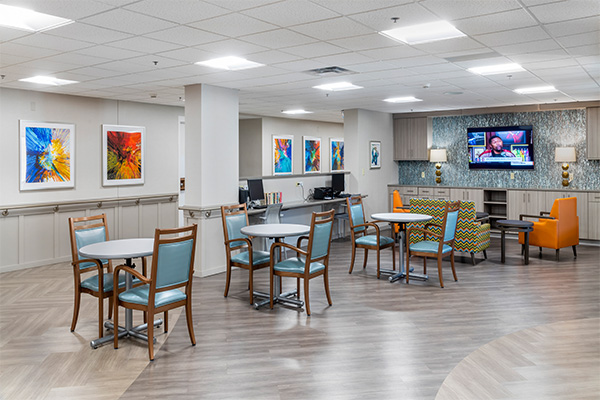
How is Elderwood At Hamburg Staffed?

CMS rates ELDERWOOD AT HAMBURG's staffing level at 2 out of 5 stars, which is below average compared to other nursing homes. Staff turnover is 59%, which is 12 percentage points above the New York average of 46%. High turnover can affect care consistency as new staff learn residents' individual needs.

What Have Inspectors Found at Elderwood At Hamburg?

State health inspectors documented 12 deficiencies at ELDERWOOD AT HAMBURG during 2021 to 2025. These included: 10 with potential for harm and 2 minor or isolated issues.
Who Owns and Operates Elderwood At Hamburg?

ELDERWOOD AT HAMBURG is owned by a for-profit company. For-profit facilities operate as businesses with obligations to shareholders or private owners. The facility is operated by ELDERWOOD, a chain that manages multiple nursing homes. With 166 certified beds and approximately 141 residents (about 85% occupancy), it is a mid-sized facility located in HAMBURG, New York.
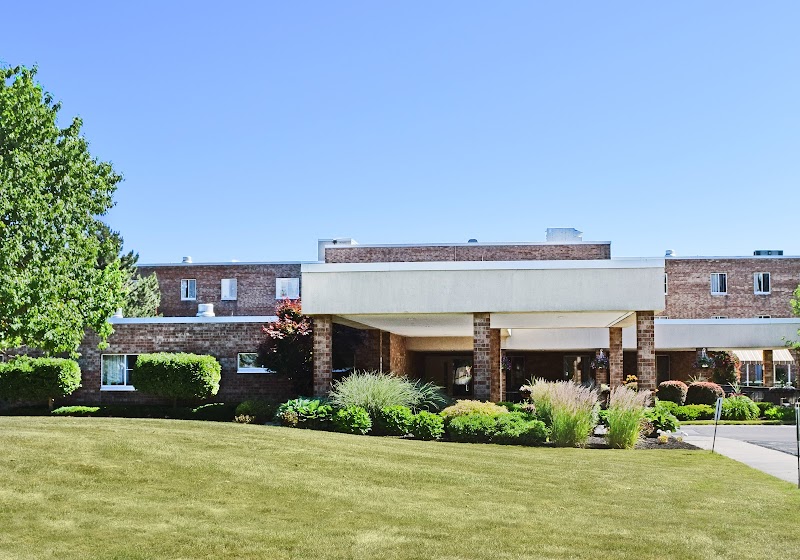
How Does Elderwood At Hamburg Compare to Other New York Nursing Homes?

Compared to the 100 nursing homes in New York, ELDERWOOD AT HAMBURG's overall rating (4 stars) is above the state average of 3.1, staff turnover (59%) is significantly higher than the state average of 46%, and health inspection rating (4 stars) is above the national benchmark.

What Should Families Ask When Visiting Elderwood At Hamburg?

Based on this facility's data, families visiting should ask: "How do you ensure continuity of care given staff turnover, and what is your staff retention strategy?" "Can you walk me through typical staffing levels on day, evening, and night shifts?" "Can I visit during a mealtime to observe dining assistance and food quality?" "How do you handle medical emergencies, and what is your hospital transfer rate?" These questions are particularly relevant given the facility's high staff turnover rate and the below-average staffing rating.

Is Elderwood At Hamburg Safe?

Based on CMS inspection data, ELDERWOOD AT HAMBURG has a clean safety record: no substantiated abuse findings (meaning no confirmed cases of resident harm), no Immediate Jeopardy citations (the most serious violation level indicating risk of serious injury or death), and is not on the Special Focus Facility watch list (a federal program monitoring the lowest-performing 1% of nursing homes). The facility has a 4-star overall rating and ranks #1 of 100 nursing homes in New York. While no facility is perfect, families should still ask about staff-to-resident ratios and recent inspection results during their visit.

Do Nurses at Elderwood At Hamburg Stick Around?

Staff turnover at ELDERWOOD AT HAMBURG is high. At 59%, the facility is 12 percentage points above the New York average of 46%. High turnover means new staff may not know residents' individual needs, medications, or preferences. It can also be disorienting for residents, especially those with dementia who rely on familiar faces. Families should ask: What is causing the turnover? What retention programs are in place? How do you ensure care continuity during staff transitions?

Was Elderwood At Hamburg Ever Fined?

ELDERWOOD AT HAMBURG has no federal fines on record. CMS issues fines when nursing homes fail to meet care standards or don't correct problems found during inspections. The absence of fines suggests the facility has either maintained compliance or corrected any issues before penalties were assessed. This is a positive indicator, though families should still review recent inspection reports for the full picture.

Is Elderwood At Hamburg on Any Federal Watch List?

ELDERWOOD AT HAMBURG is not on any federal watch list. The most significant is the Special Focus Facility (SFF) program, which identifies the bottom 1% of nursing homes nationally based on persistent, serious quality problems. Not being on this list means the facility has avoided the pattern of deficiencies that triggers enhanced federal oversight. This is a positive indicator, though families should still review the facility's inspection history directly.