HOLLIS PARK MANOR NURSING HOME
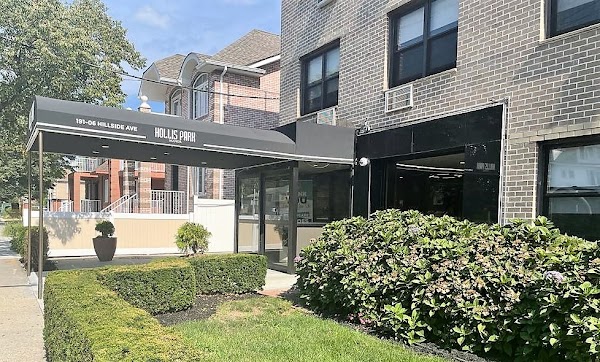
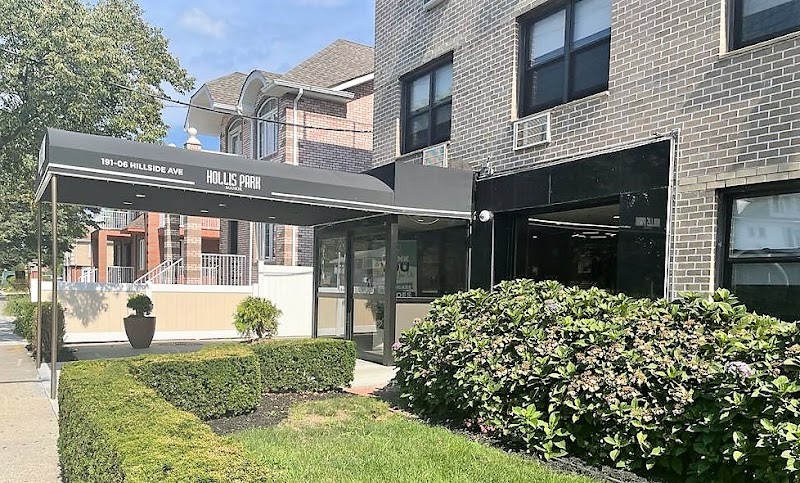
191 06 HILLSIDE AVENUE, HOLLIS, NY 11423 (718) 479-1010
For profit - Corporation 80 Beds Independent Data: November 2025
Trust Grade
83/100
#183 of 594 in NY
Last Inspection: January 2024

Within standard 12-15 month inspection cycle. Federal law requires annual inspections.

Overview

Hollis Park Manor Nursing Home has a Trust Grade of B+, which means it is recommended and above average in quality compared to other facilities. It ranks #183 out of 594 nursing homes in New York, placing it in the top half, and #20 out of 57 in Queens County, indicating that only a few local options are better. However, the facility is experiencing a worsening trend, with the number of issues increasing from 4 in 2022 to 5 in 2024. Staffing is a strength, with a rating of 4 out of 5 stars and a turnover rate of 29%, which is well below the state average, ensuring that staff are familiar with the residents. There have been no fines, which is a positive sign, and the facility has more registered nurse coverage than 94% of other facilities in New York, providing an added layer of care. Despite these strengths, there are some concerning findings. For example, a resident was unable to use their bathroom due to a locked door, which compromises their comfort and dignity. Additionally, there were cleanliness issues observed, such as dusty equipment and stained furniture in resident rooms. Lastly, a serious concern was noted where an incident involving a resident's fall was not reported to the health department as required, which raises questions about the facility's compliance with safety protocols. Overall, families should weigh these strengths and weaknesses when considering Hollis Park Manor for their loved ones.

Trust Score
B+
83/100
In New York
#183/594
Top 30%
Safety Record
Low Risk
No red flags
Inspections
Getting Worse
4 → 5 violations
Staff Stability
✓ Good
29% annual turnover. Excellent stability, 19 points below New York's 48% average. Staff who stay learn residents' needs.
Penalties
✓ Good
No fines on record. Clean compliance history, better than most New York facilities.
Skilled Nurses
✓ Good
Each resident gets 76 minutes of Registered Nurse (RN) attention daily — more than 97% of New York nursing homes. RNs are the most trained staff who catch health problems before they become serious.
Violations
⚠ Watch
12 deficiencies on record. Higher than average. Multiple issues found across inspections.
★★★★☆
4.0
Overall Rating
★★★★☆
4.0
Staff Levels
★★★★☆
4.0
Care Quality
★★★★☆
4.0
Inspection Score
Stable
2022: 4 issues
2024: 5 issues

The Good

  • 4-Star Staffing Rating · Above-average nurse staffing levels
  • 4-Star Quality Measures · Strong clinical quality outcomes
  • Low Staff Turnover (29%) · Staff stability means consistent care
  • Full Sprinkler Coverage · Fire safety systems throughout facility
  • No fines on record
  • Staff turnover is low (29%)

    19 points below New York average of 48%

Facility shows strength in staffing levels, quality measures, staff retention, fire safety.

The Bad

No Significant Concerns Identified

This facility shows no red flags. Among New York's 100 nursing homes, only 1% achieve this.

The Ugly 12 deficiencies on record

Jan 2024 5 deficiencies
CONCERN (D)

Potential for Harm - no one hurt, but risky conditions existed

Deficiency F0558 (Tag F0558)

Could have caused harm · This affected 1 resident

**NOTE- TERMS IN BRACKETS HAVE BEEN EDITED TO PROTECT CONFIDENTIALITY** Based on observation, record review, and interviews conducted during the recertification survey from 01/16/2024 to 01/23/2024, t...

Read full inspector narrative →
**NOTE- TERMS IN BRACKETS HAVE BEEN EDITED TO PROTECT CONFIDENTIALITY** Based on observation, record review, and interviews conducted during the recertification survey from 01/16/2024 to 01/23/2024, the facility did not ensure a resident's right to receive services with reasonable accommodation of their needs and preferences. This was evident for 1 (Resident #15) of 21 total sampled residents. Specifically, Resident #15 was prevented from using their room's bathroom due to the door being locked. The findings are: Resident #15 was admitted on [DATE] with diagnoses of cerebral vascular accident with left hemiplegia and atrial fibrillation. The Minimum Data Set 3.0 assessment dated [DATE] documented Resident #15 was cognitively intact, required substantial to maximal assistance with toileting, and had episodes of bladder incontinence. On 01/16/2024 at 10:20 AM and 01/17/24 at 10:17 AM, Resident #15 was interviewed and stated they were unable to use the bathroom in their room. The bathroom was shared between Resident #15's room and the room next to theirs. The resident in the adjoining room locked Resident #15's bathroom door from inside the bathroom preventing Resident #15 from accessing the bathroom. The toilet was consistently clogged, unable to be flushed, and not functional. Resident #15 stated this was an ongoing problem since they were admitted to the facility. Resident #15 used their cane to walk to the unit bathroom in the hallway or ask other residents to use their toilet. Resident #15 stated they felt embarrassed because they soiled themselves when they were unable to reach the bathroom on time. Their bathroom concerns were reported to the Social Worker and the Housekeeper but Resident #15 stated nothing was done. On 01/16/2024 at 10:45 AM, the bathroom door in Resident #15's room was locked and could not be opened. The bathroom door in the adjoining room that shared the bathroom was open. The toilet did not flush when the handle was pushed. On 01/17/2024 at 9:25 AM, Resident #15 was observed ambulating with their cane from their room to the unit bathroom in the hallway. Resident #15 was unable to use the hallway bathroom because it was occupied and proceeded to another resident's room on the unit. Resident #15 knocked on the other resident's door, asked to use the bathroom, and was observed walking into the bathroom in the other resident's room. On 01/19/2024 at 08:15 AM, Resident #15 was observed using a rolling walker to ambulate from their room and use the unit bathroom in the hallway. There was no documented evidence Resident #15's need and preference to use the bathroom in their room was accommodated by the facility. On 01/19/2024 at 10:45 AM, Certified Nursing Assistant #1 was interviewed and stated Resident #15 used their cane to ambulate to the unit bathroom in the hallway. Certified Nursing Assistant #1 did not ask Resident #15 the reason they used the hallway bathroom. Certified Nursing Assistant #1 knew the toilet in Resident #15's shared bathroom did not flush, reported the issue to the Director of Environmental Services, and did not log the broken toilet in the maintenance logbook. On 01/19/2024 at 11:18 AM, [NAME] #1 was interviewed and stated the toilet in Resident #15's shared bathroom was working before they went on vacation in 12/2023. [NAME] #1 returned from vacation on 1/18/2024 and noticed Resident #15's toilet did not flush but did not report the broken toilet to their supervisor. On 01/19/2024 at 12:55 PM, Licensed Practical Nurse #1 was interviewed and stated they were not aware Resident #15's toilet did not flush, and Resident #15 did not have access to their bathroom because the door was locked. Unit staff should have reported the issue to Licensed Practical Nurse #1 so they could immediately alert the Maintenance Department. Licensed Practical Nurse #1 stated they did not ask Resident #15 the reason they did not use the toilet in their room and assumed Resident #15 chose to use the unit hallway bathroom because their roommate also used the bathroom in the hallway. The resident in Resident #15's adjoining room locked the shared bathroom door for privacy and stuffed paper down the toilet causing it to clog and overflow. On 01/19/2024 at 11:34 AM, the Director of Environmental Services was interviewed and stated they were aware the resident in Resident #15's adjoining room had a recurrent behavior of causing the toilet to clog by stuffing it with paper and objects. The maintenance logbook was available on each unit and [NAME] #1 should have made the Director of Environmental Services aware this was an issue. On 01/22/2024 at 11:12 AM, the Director of Social Services was interviewed and stated they were not aware Resident #15 did not have access to the shared bathroom in their room. The Director of Nursing was interviewed on 01/22/2024 at 08:14 AM and stated staff on Resident #15's unit should have made rounds more frequently to ensure the resident had access to their bathroom and the toilet was functional. 10 NYCRR 415.5(e)(1)
CONCERN (D)

Potential for Harm - no one hurt, but risky conditions existed

Safe Environment (Tag F0584)

Could have caused harm · This affected 1 resident

Based on observation, interviews, and record review conducted during the Recertification Survey from 01/16/2024 to 01/23/2024, the facility did not ensure the residents' right to a safe, clean, comfor...

Read full inspector narrative →
Based on observation, interviews, and record review conducted during the Recertification Survey from 01/16/2024 to 01/23/2024, the facility did not ensure the residents' right to a safe, clean, comfortable, and homelike environment. This was evident for 1 (Unit C) of 3 units. Specifically, resident rooms had loose wires and dusty, dirty equipment, and the floor dining room had dirty window shades. The findings are: 1) Unit C was observed multiple times from 01/16/2024 at 8:00 AM to 01/23/2024 at 12:00 PM with the following: 1- Room C05 had a wheelchair and seat cushion with crusty brown stains, food particles, and dust and dirt on the metal frame and wheel spokes. 2- Room C06 had a dusty wheelchair with brown stains and a tube feeding pump and pole with crusty brown stain. The dusty, dirty clothing hamper had brown stains. 3- Room C10 had a recliner chair and stained cushion with food particles and layers of dirt and dust. 4- Room C11 had a dirty and dusty wheelchair and a dusty, dirty clothing hamper with brown stains. 5- Room C12 had a tube feeding pump pole and power cord with dried brown stains. 6- The unit chair scale frame and footrest were dusty and dirty. 7- The floor dining room window shades were splattered with dried brown stains. On 01/19/2024 at 11:34 AM, the Director of Environmental Services was interviewed and stated they made daily rounds to ensure the facility was clean. They were responsible for power washing wheelchairs daily according to the cleaning schedule posted on each unit. The nursing staff reported to them when wheelchairs were dirty and required immediate attention. The nursing staff were responsible for wiping down the tube feeding pumps. Housekeeping was responsible for cleaning the tube feeding poles and the chair scales. There was a maintenance logbook on each unit that was checked daily to ensure resident equipment was in good working condition. 10 NYCRR 415.5(h)(2)
CONCERN (D)

Potential for Harm - no one hurt, but risky conditions existed

Report Alleged Abuse (Tag F0609)

Could have caused harm · This affected 1 resident

**NOTE- TERMS IN BRACKETS HAVE BEEN EDITED TO PROTECT CONFIDENTIALITY** Based on observation, record review and interviews conducted during the Recertification survey from 01/16/2024 to 01/23/2024, th...

Read full inspector narrative →
**NOTE- TERMS IN BRACKETS HAVE BEEN EDITED TO PROTECT CONFIDENTIALITY** Based on observation, record review and interviews conducted during the Recertification survey from 01/16/2024 to 01/23/2024, the facility did not ensure all alleged violations involving abuse, neglect, exploitation or mistreatment, including injuries of unknown source, were reported immediately, but not later than 2 hours after the allegation was made, to the New York State Department of Health. This was evident in 1 (Resident #30) of 18 total sampled residents. Specifically, Resident #30 fall resulting in spinal fracture was not reported to the New York State Department of Health. The findings are: The facility policy titled Accidents and Incidents Investigation and Reporting dated 12/2023 documented all accidents and incidents shall be investigated and reported to the Administrator and Director of Nursing. Resident #30 had diagnoses of dementia and hypertension. The Minimum Data Set 3.0 assessment dated [DATE] documented Resident #30 was severely cognitively impaired. Nursing Note dated 12/17/2023 documented Resident #30 was found on the floor in their room and no apparent injury was noted. Resident #30's heart rate was later elevated, and the Medical Doctor ordered for the resident to be transferred to the hospital for computerized tomography of the head. Nursing Note dated 12/20/2023 documented Resident #30 was readmitted from the hospital with diagnosis of cervical spinal fracture. There was no documented evidence Resident #30's unwitnessed fall resulting in a spinal fracture was reported to the New York State Department of Health. On 01/18/2024 at 11:30 AM, an interview was conducted with the Acting Director of Nursing who stated the Director of Nursing at the time of the incident no longer works at the facility and they were unable to provide an explanation the facility did not report Resident #30's fall and fracture to the New York State Department of Health. 10 NYCRR 415.4(b)(2)
CONCERN (D)

Potential for Harm - no one hurt, but risky conditions existed

Deficiency F0658 (Tag F0658)

Could have caused harm · This affected 1 resident

**NOTE- TERMS IN BRACKETS HAVE BEEN EDITED TO PROTECT CONFIDENTIALITY** Based on observation, record review, and interviews conducted during the Recertification survey from 01/16/2024 to 01/23/2024, t...

Read full inspector narrative →
**NOTE- TERMS IN BRACKETS HAVE BEEN EDITED TO PROTECT CONFIDENTIALITY** Based on observation, record review, and interviews conducted during the Recertification survey from 01/16/2024 to 01/23/2024, the facility did not services provided met professional standards of quality. This was evident for 1 (Resident #16) 18 total sampled residents. Specifically, the nurse did not inform Physician #1 of Resident #16's high fingerstick blood sugar readings in accordance with Physician's Orders. The findings are: The facility policy titled Long-term Diabetic Care dated 07/2017 documented the Physician will confirm factors that may influence glucose tolerance. Resident #16 had diagnoses of diabetes mellitus and hypertension. The Minimum Data Set 3.0 assessment dated [DATE] documented Resident #16 was moderately cognitively impaired. The Comprehensive Care Plan related to diabetes mellitus dated 11/10/2023 documented Resident #16 was at risk for abnormal glucose levels and blood glucose levels were monitored according to physician's order. Physician's Orders dated 12/18/2023 documented Resident #16 received Basaglar insulin 26 units at bedtime and Admelog insulin 16 units before each meal for diabetes mellitus. Resident #16 was ordered to have fingerstick blood sugar testing 3 times daily and staff were ordered to inform the physician if Resident #16's blood sugar reading was more than 350. Resident #16 had fingerstick blood sugar readings above 350 on the following dates: 12/01/2023 = 392 12/04/2023 = 357 01/14/2023 = 383 01/15/2024 = 375 01/15/2024 = 362 There was no documented evidence the nurse informed Physician #1 when Resident #16's fingerstick blood sugar readings were above 350. On 01/19/2024 at 3:15 PM, an interview was conducted with Licensed Practical Nurse #2 who stated they did not recall contacting Physician #1 when Resident #16's fingerstick blood sugar readings were above 350. Licensed Practical Nurse #2 would administer Resident #16's ordered medications and did not retest the resident's blood sugar after high blood sugar readings. On 01/22/2024 at 2:00 PM, Physician #1 was interviewed and stated they chose not to take an aggressive approach with adjusting Resident #16's insulin orders because they were unsure how it would affect the resident's blood sugar. Physician #1 stated they should have ordered for Resident #16 to be evaluated by an Endocrinologist to address the Resident #16's persistently high blood glucose levels. 10 NYCRR 415.11(c)(3)(i)
CONCERN (D)

Potential for Harm - no one hurt, but risky conditions existed

Deficiency F0711 (Tag F0711)

Could have caused harm · This affected 1 resident

**NOTE- TERMS IN BRACKETS HAVE BEEN EDITED TO PROTECT CONFIDENTIALITY** Based on observation, record review, and interviews conducted during the Recertification survey from 01/16/2024 to 01/23/2024, t...

Read full inspector narrative →
**NOTE- TERMS IN BRACKETS HAVE BEEN EDITED TO PROTECT CONFIDENTIALITY** Based on observation, record review, and interviews conducted during the Recertification survey from 01/16/2024 to 01/23/2024, the facility did not ensure physician reviewed the resident's total program of care at each visit. This was evident for 1 (Resident #16) 18 total sampled residents. Specifically, Physician #1 did not address Resident #16's consistently high blood glucose levels. The findings are: The facility policy titled Long-term Diabetic Care dated 07/2017 documented the Physician will confirm factors that may influence glucose tolerance. Resident #16 had diagnoses of diabetes mellitus and hypertension. The Minimum Data Set 3.0 assessment dated [DATE] documented Resident #16 was moderately cognitively impaired. The Comprehensive Care Plan related to diabetes mellitus dated 11/10/2023 documented Resident #16 was at risk for abnormal glucose levels and blood glucose levels were monitored according to physician's order. Hemoglobin A1c laboratory results for Resident #16 dated 10/3/2023 documented a 12.8% result above the normal reference range of 5.6% and below. Physician's Orders dated 12/18/2023 documented Resident #16 received Basaglar insulin 26 units at bedtime and Admelog insulin 16 units before each meal for diabetes mellitus. Resident #16 was ordered to have fingerstick blood sugar testing 3 times daily and staff were ordered to inform the physician if Resident #16's blood sugar reading was more than 350. Hemoglobin A1c laboratory results for Resident #16 dated 1/2/2024 documented a 12.2% result above the normal reference range of 5.6% and below. Resident #16 had fingerstick blood sugar readings above 350 on the following dates: 12/01/2023 = 392 12/04/2023 = 357 01/14/2023 = 383 01/15/2024 = 375 01/15/2024 = 362 The Physician's Note dated 1/8/2024 documented Resident #16 was evaluated for their monthly review and did not document the resident's laboratory results or elevated blood glucose readings. There was no documented evidence Physician #1 addressed Resident #16's high blood glucose levels in relation to their diagnosis of diabetes mellitus. On 01/22/2024 at 2:00 PM, Physician #1 was interviewed and stated they chose not to take an aggressive approach with adjusting Resident #16's insulin orders because they were unsure how it would affect the resident's blood sugar. Physician #1 stated they should have ordered for Resident #16 to be evaluated by an Endocrinologist to address the Resident #16's persistently high blood glucose levels. 10 NYCRR 415.15(b)(1)(i)(ii)
Feb 2022 4 deficiencies
CONCERN (D)

Potential for Harm - no one hurt, but risky conditions existed

Deficiency F0637 (Tag F0637)

Could have caused harm · This affected 1 resident

**NOTE- TERMS IN BRACKETS HAVE BEEN EDITED TO PROTECT CONFIDENTIALITY** Based on observation, record review and interview conducted during the Recertification/Complaint Survey, the facility did not en...

Read full inspector narrative →
**NOTE- TERMS IN BRACKETS HAVE BEEN EDITED TO PROTECT CONFIDENTIALITY** Based on observation, record review and interview conducted during the Recertification/Complaint Survey, the facility did not ensure that a Significant Change (MDS) Minimum Data Set assessment was completed for a resident within 14 days of determining the status change was significant. Specifically, a resident who had a change in Activity of Daily Living (ADL), in more than 2 care areas did not have a significant change assessment initiated within 14 days. This was evident for 1 of 1 resident reviewed for ADL decline, out of a sample of 23 residents. (Resident #14). The findings are: The Centers for Medicare and Medicaid Services (CMS) Long Term Care Resident Assessment Instrument (RAI) Manual 3.0 documented: A significant change is a major decline or improvement in a resident's status that: 1. Will not normally resolve itself without intervention by staff or by implementing standard disease-related clinical interventions, the decline is not considered self-limiting. 2. Impacts more than one area of the resident's health status; and 3. Requires interdisciplinary review and/or revision of the care plan. The RAI Manual documented a significant change assessment should be completed when there is a decline in two or more areas including but not limited to: - Any decline in an ADL physical functioning area (at least 1) where a resident is newly coded as Extensive assistance, Total dependence, or Activity did not occur since last assessment and does not reflect normal fluctuations in that individual's functioning. Resident #14 was admitted to the facility 01/14/2021, with diagnoses that included Congestive Heart Failure, Hypertension, Urinary Tract Infection, Renal Insufficiency, Depression and Asthma. The Quarterly Minimum Data Set (MDS) dated [DATE] documented the resident had severe impairment in cognition with long and short-term memory problems. MDS documented that resident is extensive assistance of 2 staff for bed mobility and transfer, extensive assistance of 1 staff for eating, toilet use, and personal hygiene. The Annual Minimum Data Set (MDS) dated [DATE] documented the resident had severe impairment in cognition with long and short-term memory problems. The MDS also documented the resident is total dependence of 2 staff for bed mobility, transfer, toilet use, and total dependence of 1 staff for eating and personal hygiene. The Comprehensive Care Plan (CCP) for Activities of Daily Living-ADL Functional / Rehabilitation Potential dated 01/14/2021, last revised 11/24/2021 documented that Resident requires assist with activities of daily living R/T impaired functional mobility secondary to: Diagnose of Anemia, increase fatigue, COPD, generalized weakness chronic left humerus fracture. Goals included: Resident status will not decline x 90 days. Interventions included: - Resident likes to choose his/her clothing and care for his/her personal belongings. Allow to choose bedtime. Initiate PROM of B UE and LE 3 sets 10 reps BID except Left shoulder during ADLs care daily. Provided with Left arm sling all times except during care for safe positioning of shoulder during transfers and positioning. (11/25/21). Resident requires total assist for bed mobility with 2 staff to pull resident up in bed; Total assist x1 for eating; Total assist x1 for hygiene; Bathing with total assist x 2 on Mondays and Thursdays; Total assist via Hoyer lift for transfer; Total assist x 2 staff for toilet use. Encourage resident to participate in ADLS to fullest extent as tolerable. The CCP for ADL Evaluation notes dated 12/02/2021 documented annual POC review no significant change from last assessment. Will continue with CCP daily x 90 days Physician's order revision date: 11/15/2021 documented: Treatment Order: Physical Therapy(PT0: Minimum 3-6x/week x up to 6 weeks; Therapeutic Exercise/Therapeutic Activity/Neuromuscular Re-education/Gait and Stair Training/Hot or Cold Pack/E-Stim/Ultrasound/Other. Treatment Order: Skilled Occupational Therapy (OT): minimum 3x-6x/week x 6 weeks; Therapeutic Exercise/Therapeutic Activity/ADL Training/Wheelchair Management/Neuromuscular Re-education/Other. There was no documented evidence that a significant change MDS assessment was completed within 14 days after a determination was made that the resident had decline in more than two (2) ADLs status. On 02/14/22 at 08:53 AM, an interview was conducted with the Certified Nursing Assistant CNA#1 who stated that resident is now being spoon-fed and has been consuming over 50% of food. The resident was able to feed self with supervision and encouragement to complete meal but is now totally dependent of staff to be fed. The resident used to be extensive assistance of 2 staff to transfer. Hoyer lift with 2 staff are now required to transfer the resident. On 02/14/22 at 02:26 PM, an interview was conducted with the Licensed Practical Nurse Supervisor (LPN#1) who stated that resident used to be able to feed self with supervision, previously required extensive assistance of staff for bed mobility, transfer and toileting, but is now totally dependent of staff for bed mobility, transfer, eating and toileting. LPN #1stated I cannot answer why there is no significant change in MDS, as the assessments for MDS are done by the MDS Coordinator. On 02/15/22 at 08:13 AM, an interview was conducted with the Rehab Director (RD). RD stated that when resident was assessed on 11/15/2021 on readmission from the hospital, the transfer status was total with Hoyer lift, bed mobility: extensive of 1, eating: total, toilet use is total. RD stated that it is the MDS Coordinator that was expected to schedule for the significant change assessmen. The role of rehab is just to document what the findings are. On 02/15/22 at 08:46 AM, MDS Coordinator (MDSC) was interviewed, stated that the significant change MDS is done whenever there is permanent decline or improvement in resident's 2 or more ADLs, any new diagnosis from incoming acute care, any new areas of skin breakdown with multiple stages 2 or 3 or 4 pressure injuries. MDSC stated that the significant change in the resident's ADL documented in MDS of 11/20/2021 was not considered permanent because there was justification to the decline, the resident was transferred to the hospital, and was also noted with poor by mouth(po) intake during that period. On 02/15/22 at 10:57 AM, an interview was conducted with the Director of Nursing who stated, if there are 2 or more declines or improvements in the resident's ADL, a significant change assessment needs to be done within 7 to 14 days of the change in status. DON stated that they just resumed work at the facility and is not aware that there were no significant Change assessments done for the resident. On 02/16/22 at 12:25 PM, the Administrator was interviewed, stated that the MDS Coordinator is a Registered Nurse, trained, and Certified on MDS assessments, and is responsible for completion and timely submission of the MDS. The Administrator stated that MDS Coordinator is supposed to make sure that the MDS is accurately completed and submitted on time. The Administrator further stated that Significant change assessment MDS needs to be done when there are decline or improvement in 2 or more resident's activities of daily living. The Administrator further stated that they never heard before now that there has been error in MDS assessment and was not aware of the late submissions of the MDS. 415.11(a)(3)(ii)
CONCERN (D)

Potential for Harm - no one hurt, but risky conditions existed

MDS Data Transmission (Tag F0640)

Could have caused harm · This affected 1 resident

**NOTE- TERMS IN BRACKETS HAVE BEEN EDITED TO PROTECT CONFIDENTIALITY** Based on record review and interviews, during the Recertification/Complaint Survey, the facility did not ensure that Minimum Dat...

Read full inspector narrative →
**NOTE- TERMS IN BRACKETS HAVE BEEN EDITED TO PROTECT CONFIDENTIALITY** Based on record review and interviews, during the Recertification/Complaint Survey, the facility did not ensure that Minimum Data Set (MDS) 3.0 comprehensive and non-comprehensive assessments were submitted and transmitted into the Quality Improvement Evaluation System (QIES) Assessment Submission and Processing (ASAP) system in a timely manner. Specifically, a resident's Discharge Assessments were not submitted and transmitted within 14 calendar days after the assessments were completed. This was evident for 1 of the 2 residents reviewed for Resident Assessment, out of a sample of 23 residents. (Resident #2). The CMS RAI Version 3.0 Manual (Dated October 2017) was referenced. Chapter 5 titled Submission and Correction of the MDS Assessments was reviewed. The MDS completion date must be no later than 14 days after the ARD for all non-admission, OBRA, and PPS assessments. The MDS completion date must be no later than 13 days after the entry date for admission assessments. Comprehensive assessments must be transmitted electronically within 14 days of the care plan completion date. All other MDS assessments must be submitted within 14 days of the MDS completion date. The findings are: The facility policy and procedure titled MDS Completion, Submission Timeframe's and Electronic Transmission dated 01/2017 documented: Facility will conduct and submit resident assessments in accordance with current Federal and State submission timeframe's. All MDS assessments (e.g., admission, annual, significant change, quarterly review, etc.) and discharge and reentry records will be completed and electronically encoded into our facility's MDS information system and transmitted to CMS' QIES Assessment Submission and Processing (ASAP) system in accordance with current OBRA regulations governing the transmission of MDS data. Resident #2 was admitted to the facility on [DATE] and discharged [DATE]. The Facility's MDS Submission Reports printed 02/14/2022 documented that resident's Discharge Assessment MDS of Target Date 12/24/2021 was submitted 02/14/2022. The submission date is more than 14 days after the assessment. On 02/14/22 at 11:10 AM, an interview was conducted with the MDS Coordinator, (MDSC). The MDSC stated that each interdisciplinary team member completing the MDS book checks for accuracy of the sections completed, the MDS Coordinator will validate and finalize the assessments before submission. MDSC also stated that they are responsible to ensure timely submission of the assessment but could not understand why there was that delay error in the submission of the resident's Discharge MDS. On 02/16/22 at 12:25 PM, the Administrator was interviewed, stated that the MDS Coordinator is a Registered Nurse, trained, and Certified on MDS assessments, and is responsible for completion and timely submission of the MDS. The Administrator stated that MDS Coordinator is supposed to make sure that the MDS is accurately completed and submitted on time. The Administrator further stated that they never heard before now that there has been error in MDS assessment and was not also aware of the late submission of the MDS. 415.11
CONCERN (D)

Potential for Harm - no one hurt, but risky conditions existed

Deficiency F0757 (Tag F0757)

Could have caused harm · This affected 1 resident

**NOTE- TERMS IN BRACKETS HAVE BEEN EDITED TO PROTECT CONFIDENTIALITY** Based on observation, record review and staff interviews during the recertification survey , the facility did not ensure that ea...

Read full inspector narrative →
**NOTE- TERMS IN BRACKETS HAVE BEEN EDITED TO PROTECT CONFIDENTIALITY** Based on observation, record review and staff interviews during the recertification survey , the facility did not ensure that each resident's drug regimen must be free from unnecessary drugs when used in the presence of adverse consequences which indicate the dose should be reduced or discontinued. This was evident in 1 of 1 resident reviewed for change in condition in a sample of 16. (Resident #39) The finding is : The facility policy titled, Laboratory (LAB) and Diagnostic Test Results with effective date of 1/2016 documents, Assessment and Recognition: The physician will identify and order diagnostic test and lab testing based on diagnostic and monitoring needs. The staff will process test requisition and arrange for tests. The laboratory, diagnostic radiology provider, or other testing source will report test results to the facility. It further documents on Identifying Situations that Warrant Immediate Notification step #4-- High or toxic drug levels. If a test was obtained to monitor the blood level of a medication and the level is reported as high (above therapeutic range) or toxic, the nurse will notify the physician promptly and will not give the next dose until the situation has been reviewed with the physician. Resident # 39 was admitted to the facility with diagnoses including: Diabetes Mellitus, Anxiety, Seizure Disorder, Bipolar Disorder and Abnormal level of Drug amongst other. The Minimum Data Set (MDS) 3.0 assessment dated [DATE] identified Resident #39 with a score of 14 on the Brief Interview for Mental Status (BIMS). Resident is able to make needs known. On Activities of Daily Living (ADL) resident needs extensive assist of one person including bed transfer, locomotion, transfer and personal hygiene. The physician's order dated 10/01/2021 documented Dilantin Extended capsule 100 milligram (mg) 2 caps Three times a day (TID), Crestor 20 mg - 1 tablet (tab) at bedtime (HS) amongst other. The Comprehensive Care Plan (CCP) dated 08/23/2021 and last updated on 12/23/2021 titled Seizure states resident at risk for injury secondary to seizure disorder. The goal was resident will be free from seizure related injury. Interventions and Approach listed the following: administer medications as per Medical Doctor (MD) order, encourage resident to report any aura headaches, blurred vision or ear pain. Follow up with Neurologist as needed ,keep bed in lowest position, maintain a safe environment, monitor labs as per MD order, observe for any twitching, staring into space and jerking movements. On 11/02/2021 a pharmacy review was done with the recommendation to obtain a Dilantin blood level. This was conveyed to the Nurse Practitioner and Director of Nursing. A Dilantin level was odered. The result was called in to the facility on [DATE] with a result of 37.8 microgram per milliliter (ug/ml ) almost double the normal level of 10-20 ug/ml. Resident # 39 last Dilantin blood level on record was done on 05/06/2021 with a reading of 9.6 ug/ml. The nurses notes dated 11/05/2021 documented lab results received and sent to Primary Medical Doctor (PMD). Will continue to monitor for any changes. Review of the 24 hours Nursing Supervisor Reports documented on 11/05/2021, that lab results were received and sent to the PMD. Further review of the medical record from 11/05/2021 to 12/02 /2021 reveals no documented evidence that the abnormal Dilantin level was addressed by the PMD nor was there any follow up made by the licensed nurses. Dilantin medications was given continuously until 12/03/2021. The Physician notes dated 12/05/2021, documented, Dilantin on hold following a repeat blood test to be done on 12/06/2021. Case was discussed with resident and daughter. Resident has been on long standing Dilantin with no seizure activities for the last 5 years. Plan of treatment is Keppra 750 mg BID, will do Neurology follow up, taper Dilantin and discontinue. Review of the repeat Dilantin blood level of 12/06/2021 documented the result as 40 ug/ml. Resident # 39 was monitored and evaluated, with no seizure activity, no signs and symptoms of lethargy. Electrocardiogram (EKG) done with no arrhythmia. Dilantin was discontinued on 12/05/2021 and Keppra was started . On 02/15/2022 at 4;45 PM during a telephone interview with the Primary Medical Doctor who stated, The honest truth is that I was not informed about the elevated Dilantin level that was done in November. I was informed about that in December and that is when I stopped the Dilantin and ordered another blood level. The blood level came back very high at 40ug/ml. I spoke with the resident and the daughter and explained my plan of treatment which included the referral to a Neurologist and Cardiologist. The resident did not have any seizure episodes in the last 5 years. On 02/15/2022 at 5:00PM the Registered Nursing Supervsor (RNS) 3-11 shift was interviwed and stated, When I come to work, my first priority is to look at the lab results and distribute them to the unit. If there is any critical value that the labs called in or the results comes in, I will immediately call the PMD. If I don't get hold of the doctor I will call the Medical Director. I don't remember that I received the result of the Dilantin blood level being high, for I would document that. We have a 24 hour report book. On 02/16/2022 at 2:00PM , the Licensed Practical Nurse LPN #1 was interviewed and stated, I remember that the physician was called, however, it was not clear what laboratory results were reported to the PMD. 415.12(I)(I)
CONCERN (D)

Potential for Harm - no one hurt, but risky conditions existed

Deficiency F0761 (Tag F0761)

Could have caused harm · This affected 1 resident

Based on observation and interviews conducted during the recertification and abbreviated survey, the facility did not ensure that drugs and biological's were stored under proper temperature. Specifica...

Read full inspector narrative →
Based on observation and interviews conducted during the recertification and abbreviated survey, the facility did not ensure that drugs and biological's were stored under proper temperature. Specifically an eye drop that was supposed to be kept refrigerated before opening was found sitting in the cart top drawer unopened. This was evident during the facility Medication Storage Task on 1 of 3 units. (Unit A-first floor) The findings are The facility policy Storage of medication effective in January 2017 documented medication requiring refrigeration must be stored in a refrigerator located in the drug room at the nurse's station or other secured location. Medications must be stored and labeled accordingly. On 2/11/2022 at 11:21 AM, during the medication storage task, an unopened bottle of Rhopressa 0.02%, eye drop was observed in a bag labeled refrigerate. The medication was sitting in the top drawer of the medication cart on unit A, the first floor. A label affixed to the Rhopressa bottle documented the medication has been dispensed from the pharmacy on 1/31/2022 The Drug insert documented Rhopressa, the eye drop, is supposed to be stored in the refrigerator at 36-46 degrees F until opened. After opening, the product may be kept at 36-77F degrees for up to 6 weeks. On 2/15/22 at 10:19 AM, the Director of Nursing (DON) was interviewed and stated that the nurse who receives the medication is supposed to look at the medication information. Everything should be checked by the nurse. If it is done the wrong way, it is not safe for the resident. If the label says refrigerate, it should be refrigerated. On 2/15/20022 at 10:43AM, the Administrator was interviewed and stated that I understand, this is a problem. For the safety of the residents all nurses should be inserviced. On 2/15/2022 at 11:03AM, LPN #4 was interviewed and stated that medications should be distributed to each floor by the nurses then stored accordingly. On 2/15/22 at 11:13 AM RN #2 was interviewed and stated, I usually receive medications from the pharmacy. Eye drops are dated on the date they are opened. Whatever is supposed to be refrigerated has to be refrigerated. That's the norm. If the unopened medication was supposed to be refrigerated and was found in the cart by the surveyor, that's not safe for the resident. 415.18(e)(1-4)
Jun 2019 3 deficiencies
CONCERN (D)

Potential for Harm - no one hurt, but risky conditions existed

Resident Rights (Tag F0550)

Could have caused harm · This affected 1 resident

**NOTE- TERMS IN BRACKETS HAVE BEEN EDITED TO PROTECT CONFIDENTIALITY** Based on observation and staff interview conducted during the Recertification survey, the facility did not ensure that a residen...

Read full inspector narrative →
**NOTE- TERMS IN BRACKETS HAVE BEEN EDITED TO PROTECT CONFIDENTIALITY** Based on observation and staff interview conducted during the Recertification survey, the facility did not ensure that a resident was cared for in a manner that maintained or enhanced his dignity. Specifically, a resident's Foley catheter bag and tubing were left uncovered and exposed to public view. This was evident for 1 of 18 sampled residents. (Resident #73) The finding is: The facility policy and procedure titled Foley Care revised June 2019, documented ensure bag and tubing remain covered at all times. Resident # 73 was admitted to the facility on [DATE] with diagnoses that included Hypertension, Neurogenic Bladder, Diabetes Mellitus, and Non-Alzheimer's Dementia. The Significant Change Minimum Data Set (MDS) 3.0 assessment dated [DATE] documented the resident with severe cognitive impairment, and is sometimes understood/understands. The MDS further documented the resident required extensive to total assist of 1 to 2 persons for personal hygiene, toileting, personal hygiene, and bathing. The MDS also documented the presence of an indwelling catheter. On 06/04/19 at 10:04 AM, 06/05/2019 at 08:24 AM and 10:31 AM, the resident was observed lying in the bed closest to the door of the room. The resident's Foley catheter drainage bag and catheter tubing were on the side of the bed facing the door (right side). Yellow urine was observed draining into the uncovered bag, and the tubing and catheter bag were visible from the hallway. On 06/05/19 at 10:34 AM, Licensed Practical Nurse (LPN) #1 was interviewed. LPN #1 stated that no one should see the resident's Foley bag from the hall way because of resident dignity. The LPN also stated one should not know the resident has a Foley bag and when the resident is out of bed. The leg bag should be under the resident's pants. LPN #1 also stated since working at this facility, she had not seen a bag cover. The Foley bag should be placed on the opposite side of the bed away from the resident door so people cannot see the bag. On 06/07/19 at 11:24 AM, Certified Nursing Assistant (CNA) #1 was interviewed. CNA #1 stated the Foley bag should be covered and not visible from hallway. CNA #1 also stated that there are no bags available so pillow cases are used instead. CNA #1 further stated that the Foley bag was not covered today. On 06/05/19 06:15 PM, the Director of Nursing (DON) was interviewed. The DON stated the Foley bag should be covered at all times. The DON also stated that when the resident is in bed and people are walking in the hallway the Foley bag should not be visible. The DON further stated the Foley bag should be on the opposite side of the bed, away from the hall way in a protective covering bag. 415.3 (c)(1)(i)
CONCERN (D)

Potential for Harm - no one hurt, but risky conditions existed

Assessment Accuracy (Tag F0641)

Could have caused harm · This affected 1 resident

**NOTE- TERMS IN BRACKETS HAVE BEEN EDITED TO PROTECT CONFIDENTIALITY** Based on record review and interviews during the recertification survey, the facility failed to ensure the accuracy of a residen...

Read full inspector narrative →
**NOTE- TERMS IN BRACKETS HAVE BEEN EDITED TO PROTECT CONFIDENTIALITY** Based on record review and interviews during the recertification survey, the facility failed to ensure the accuracy of a resident's discharge Minimum Data Set (MDS) assessment. Specifically, the discharge MDS coded the resident as hospitalized when the resident was discharged to the community. This was evident for 1 of 3 closed records reviewed. (Resident #77)) The finding is: Resident #77 was admitted to the facility on [DATE] with diagnoses that included Cancer, Hypertension, Cerebrovascular Accident, and Parkinson's disease. The admission MDS dated [DATE] documented that resident is cognitively intact. Review of Social Service progress note dated 3/15/19 documented the resident's scheduled discharge was for 3/15/19 to home. The nursing staff contacted the pharmacy and medications were ready for pick up. The resident left the facility via private car, accompanied by son and daughter in law with the resident's belongings. The resident was advised to follow up with her Primary MD within 7 days of discharge. Nursing progress note dated 3/14/19 documented that the patient was seen in the facility by the team and that she is going home on Friday. Review of Care Plan Return to Community Referral initiated 2/22/19 and revised 3/15/19 documented that resident is scheduled for discharge home; discharge teaching regarding medications; resident discharge papers, discharge summary, copy of medications and labs given to resident, and homecare referral was made. A post discharge follow-up is scheduled within 7 days. The Discharge MDS dated [DATE] documented in Section A planned discharge. discharge date A 2000 documented discharge date as 3/15/19, and A 2100 documented discharge status as acute hospital. On 6/7/19 at 1:01 PM, a telephone interview was conducted with the MDS Coordinator. The MDS Coordinator stated that she is at the facility two days a week and the two other MDS Assessors are also employed on a part-time basis. The MDS Coordinator also stated she checks the new admission list and prepares the MDS schedule. She also checks the MDS assessment for completion and does the submission. The MDS Coordinator further stated Resident #77 was not discharged to hospital, was discharged home, and the MDS was coded incorrectly. The MDS Coordinator stated that she does not review the MDS for accuracy as the individual assessor is expected to ensure that each section of the MDS is accurate. The MDS assessor who completed the Discharge MDS was not onsite on 6/7/19 and was not available for interview. 415.11 (b)
CONCERN (D)

Potential for Harm - no one hurt, but risky conditions existed

Deficiency F0917 (Tag F0917)

Could have caused harm · This affected 1 resident

**NOTE- TERMS IN BRACKETS HAVE BEEN EDITED TO PROTECT CONFIDENTIALITY** Based on observation, interview, and record review conducted during the Recertification survey, the facility did not ensure that...

Read full inspector narrative →
**NOTE- TERMS IN BRACKETS HAVE BEEN EDITED TO PROTECT CONFIDENTIALITY** Based on observation, interview, and record review conducted during the Recertification survey, the facility did not ensure that residents were provided with a bed of proper size and height for the safety and convenience of the resident. Specifically, the facility did not accommodate residents with an appropriately sized bed. This was evident for 2 of 2 residents reviewed during the Environment facility task. (Residents #7 & #5). The findings are: 1. Resident #7 was admitted to the facility on [DATE] with diagnoses including Hypertension, Diabetes, Depression, and Acute Kidney Failure. Review of the Quarterly Minimum Data Set (MDS) dated [DATE] revealed the resident is cognitively intact and independent with most activities of daily living. During an interview on 6/4/19 at 12:30 PM, Resident # 7 stated that his bed is too short. Upon observation at that time it was observed that the resident had a foot rest at the end of his bed. Resident stated he had requested the foot rest so that his heel would not rest directly on the footboard. Resident was sitting on the bed at the time of the interview. The medical record documented a weight of 320 lbs and height of 76 inches for Resident #7. The resident had been provided a bed with a regular mattress that measured 78 inches in length and 34 inches in width. Review of the Quarterly Comprehensive Care Plan dated 3/7/19 revealed no reference to resident in need of a larger bed. 2. Resident #5 was admitted to the facility on [DATE] with diagnoses including Hypertension, Heart Failure, Diabetes, and Schizophrenia. During an interview on 6/4/19 at 11:04 AM, the resident reported that his bed is very uncomfortable and he has not had a good night's sleep since he has been in the facility. The resident stated that he thought the bed was not long enough for him as he is a tall man. During observation of the resident in bed on 6/4/19 at 1:30 PM and 6/5/19 at 1:25 PM the resident was observed lying in bed on his left side, with knees pulled to his chest. Resident stated that this is the position he usually sleeps in as the bed does not fit him. The medical record documented a weight of 252 lbs and a height of 78 inches. The resident had been provided a bed with an air mattress that measured 78 inches in length and 34 inches in width. An interview was conducted with Certified Nursing Assistant (CNA) #2 on 06/06/19 at 02:07 PM. CNA #2 stated when Resident #5 first came in to the facility, he was on an air mattress as he had a wound on his leg, and it was taken away. CNA#2 also stated that the resident was re-hospitalized and was placed on an air mattress again, however the mattress was too short, and an extension was reordered. CNA#2 could not recall when a longer mattress was requested but stated that the resident does need a longer bed. An interview was conducted with Licensed Practical Nurse (LPN) #2 on 06/06/19 at 02:34 PM. LPN #2 stated that she checks the beds and CNA's would also report if the resident is not comfortable. LPN #2 also stated that she did not notice that the bed was too short for the resident. LPN#2 further stated that the resident is usually not in bed on my shift, so I did not really observe. An interview was conducted with the Assistant Director of Nursing (ADON) on 06/06/19 at 02:34 PM. The ADON stated according to height and weight of resident on the PRI, she checks for appropriate bed and the need for an air mattress. If the resident has pressure ulcers, an air mattress would be ordered. A resident who is 6 feet tall will get an appropriate bed from the maintenance department. If a resident is complaining about the bed, we will assess and change bed as appropriate. Unit staff should be assessing for comfort of beds. The ADON also stated that she did not recall ever asking resident about beds and whether bed is comfortable and has not observed resident lying in bed to be able to tell that bed was not long enough. On 6/6/19 at 2:59 PM, an interview was conducted with the Director of Maintenance (DOM). The DOM stated that he would ask the ADON what kind of mattress the resident needs. When a resident is tall or heavy Nursing will let him know the type of bed or mattress the resident will need. If a special mattress is required, he will not know unless informed by nursing. He checks the beds routinely and housekeeping will also inform him if there are any issues with the bed. The DOM also stated he does rounds to check the room to see the quality of the mattress, if the bed is working, and headboards are intact. The DOM further stated that he had not been informed by nursing staff that Residents #5 and #7 needed a larger mattress. 415.29
Understanding Severity Codes (click to expand)
Life-Threatening (Immediate Jeopardy)
J - Isolated K - Pattern L - Widespread
Actual Harm
G - Isolated H - Pattern I - Widespread
Potential for Harm
D - Isolated E - Pattern F - Widespread
No Harm (Minor)
A - Isolated B - Pattern C - Widespread

Questions to Ask on Your Visit

  • "Can I speak with families of current residents?"
  • "What's your RN coverage like on weekends and overnight?"

Our Honest Assessment

Strengths
  • • Grade B+ (83/100). Above average facility, better than most options in New York.
  • • No major safety red flags. No abuse findings, life-threatening violations, or SFF status.
  • • No fines on record. Clean compliance history, better than most New York facilities.
  • • 29% annual turnover. Excellent stability, 19 points below New York's 48% average. Staff who stay learn residents' needs.
Concerns
  • • 12 deficiencies on record. Higher than average. Multiple issues found across inspections.
Bottom line: Generally positive indicators. Standard due diligence and a personal visit recommended.

About This Facility

What is Hollis Park Manor's CMS Rating?

CMS assigns HOLLIS PARK MANOR NURSING HOME an overall rating of 4 out of 5 stars, which is considered above average nationally. Within New York, this rating places the facility higher than 99% of the state's 100 nursing homes. This rating reflects solid performance across the metrics CMS uses to evaluate nursing home quality.
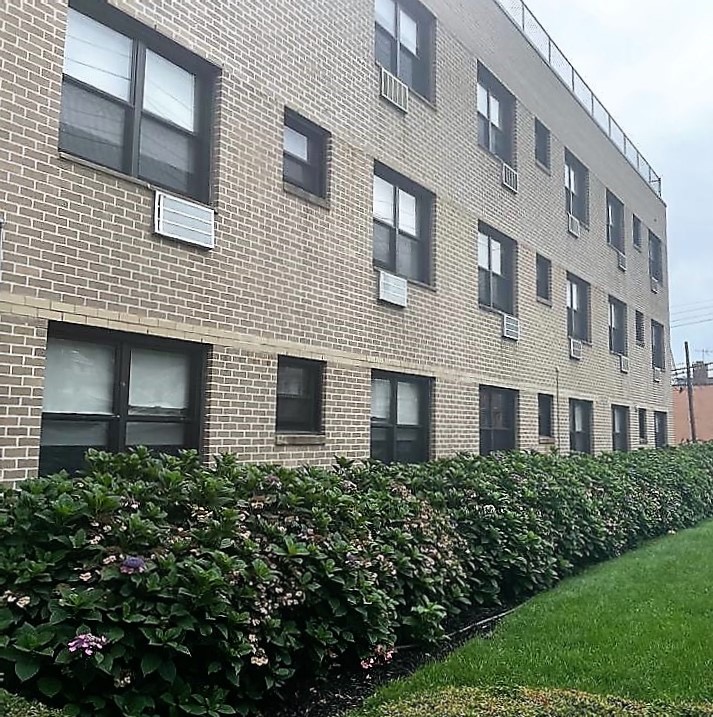
How is Hollis Park Manor Staffed?

CMS rates HOLLIS PARK MANOR NURSING HOME's staffing level at 4 out of 5 stars, which is above average compared to other nursing homes. Staff turnover is 29%, compared to the New York average of 46%. This relatively stable workforce can support continuity of care.

What Have Inspectors Found at Hollis Park Manor?

State health inspectors documented 12 deficiencies at HOLLIS PARK MANOR NURSING HOME during 2019 to 2024. These included: 12 with potential for harm.

Who Owns and Operates Hollis Park Manor?

HOLLIS PARK MANOR NURSING HOME is owned by a for-profit company. For-profit facilities operate as businesses with obligations to shareholders or private owners. The facility operates independently rather than as part of a larger chain. With 80 certified beds and approximately 76 residents (about 95% occupancy), it is a smaller facility located in HOLLIS, New York.
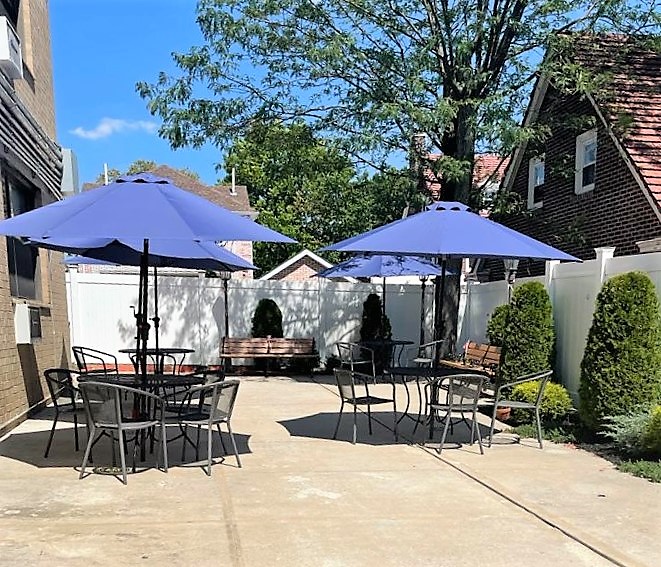
How Does Hollis Park Manor Compare to Other New York Nursing Homes?

Compared to the 100 nursing homes in New York, HOLLIS PARK MANOR NURSING HOME's overall rating (4 stars) is above the state average of 3.1, staff turnover (29%) is significantly lower than the state average of 46%, and health inspection rating (4 stars) is above the national benchmark.

What Should Families Ask When Visiting Hollis Park Manor?

Based on this facility's data, families visiting should ask: "Can I visit during a mealtime to observe dining assistance and food quality?" "How do you handle medical emergencies, and what is your hospital transfer rate?" "Can I speak with family members of current residents about their experience?"

Is Hollis Park Manor Safe?

Based on CMS inspection data, HOLLIS PARK MANOR NURSING HOME has a clean safety record: no substantiated abuse findings (meaning no confirmed cases of resident harm), no Immediate Jeopardy citations (the most serious violation level indicating risk of serious injury or death), and is not on the Special Focus Facility watch list (a federal program monitoring the lowest-performing 1% of nursing homes). The facility has a 4-star overall rating and ranks #1 of 100 nursing homes in New York. While no facility is perfect, families should still ask about staff-to-resident ratios and recent inspection results during their visit.

Do Nurses at Hollis Park Manor Stick Around?

Staff at HOLLIS PARK MANOR NURSING HOME tend to stick around. With a turnover rate of 29%, the facility is 17 percentage points below the New York average of 46%. Low turnover is a positive sign. It means caregivers have time to learn each resident's needs, medications, and personal preferences. Consistent staff also notice subtle changes in a resident's condition more quickly.

Was Hollis Park Manor Ever Fined?

HOLLIS PARK MANOR NURSING HOME has no federal fines on record. CMS issues fines when nursing homes fail to meet care standards or don't correct problems found during inspections. The absence of fines suggests the facility has either maintained compliance or corrected any issues before penalties were assessed. This is a positive indicator, though families should still review recent inspection reports for the full picture.

Is Hollis Park Manor on Any Federal Watch List?

HOLLIS PARK MANOR NURSING HOME is not on any federal watch list. The most significant is the Special Focus Facility (SFF) program, which identifies the bottom 1% of nursing homes nationally based on persistent, serious quality problems. Not being on this list means the facility has avoided the pattern of deficiencies that triggers enhanced federal oversight. This is a positive indicator, though families should still review the facility's inspection history directly.