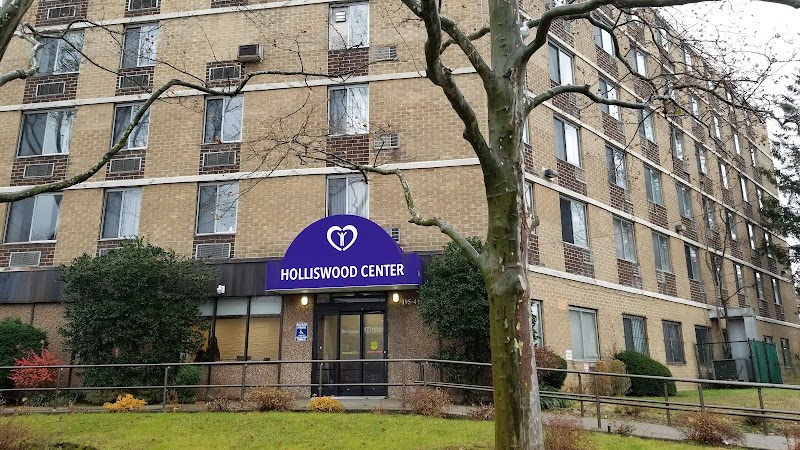
CRITICAL
(K)
Immediate Jeopardy (IJ) - the most serious Medicare violation
Deficiency F0604
(Tag F0604)
Someone could have died · This affected multiple residents
**NOTE- TERMS IN BRACKETS HAVE BEEN EDITED TO PROTECT CONFIDENTIALITY** Based on observation, record review and interviews conducted during the Recertification and abbreviated survey (NY# 00291493) fr...
Read full inspector narrative →
**NOTE- TERMS IN BRACKETS HAVE BEEN EDITED TO PROTECT CONFIDENTIALITY** Based on observation, record review and interviews conducted during the Recertification and abbreviated survey (NY# 00291493) from 02/23/2022 through 03/03/2022, the facility did not ensure that each resident remained free from physical restraints not required to treat the resident's medical symptoms. This was evident for 11 of 12 residents sampled for Physical Restraints (Resident #s 199, 260, 113, 191, 126, 110, 55, 295, 63, 503, and 157).
Specifically, Resident #260 and Resident #113 had bilateral half SR ordered as enablers. The residents had severely impaired cognition, required extensive assistance with bed mobility and transfers, and the half SR were not identified as a restraint. There was no medical justification, restraint assessment, care plan, or evidence of alternatives attempted before using the bilateral half SR.
Resident #s 191, 126, 110, 55, 295, 63, 503, and 157 had impaired cognition and required extensive assistance for bed mobility and transfers. They all had bilateral half siderails as an enabler, but they were unable to release the side rails to independently get in and out of bed. These side rails were not identified as a restraint and had no medical justification, family/resident education regarding the risks and benefits of restraint use, or restraint assessment.
Resident #199, diagnosed with Dementia and severely impaired cognition, was found to have a swollen left eye on 01/09/2022. The Certified Nursing Assistant (CNA #13) reported that Resident #199 was observed with their face against the side rails (SR) with their legs on the floor. The facility investigated the incident and failed to identify the side rails as a restraint. The interdisciplinary team (IDT) met and determined the side rails were still appropriate to promote independence for the resident. On 02/19/2022, Resident #199 was found kneeling on the floor mat with head between the side rail and the bed. A facility team meeting note dated 02/21/2022 documented that the side rails were identified as a potential restraint. The team discussed risk and benefits of the rails and decided to remove the rails and replace them with a concave mattress. There was no documented evidence in the medical record that there is a medical justification for the use of the concave mattress, a restraint assessment, care plan, or alternatives prior the use of the Concave Mattress.
This resulted in Immediate Jeopardy with the likelihood for serious, injury, serious harm, serious impairment, or death to all residents using side rails other devices that were potential restraints. Immediate Jeopardy (IJ) was identified and declared.
IJ began on 2/19/2022 and was called on 02/23/2022 at 7:04PM. The facility submitted an IJ removal plan on 2/23/2022 with a revision on 2/24/2022. IJ was removed on 02/28/2022 at 6:38PM.
The findings include but are not limited to:
The Policy and Procedure for Restraints dated 09/2021 documented: Residents have the right to be free from physical or mental abuse, corporal punishment, involuntary seclusion and any physical or chemical restraint imposed for purposes of discipline or staff convenience and not required to treat the resident's medical symptoms.
The Policy and Procedure for Side Rails dated 09/2019 documented: It is the policy of this facility to ensure residents attain and maintain their highest practicable level of well-being and be free of restraints. Each resident will be assessed for functional status on admission, readmission, and quarterly, for any significant change and as needed. Side rails will only be used by a resident to assist with his or her bed mobility. Side rails will not interfere with the resident's ability to egress from the bed surface. Side rails will be analyzed for safety and prevention of entrapment.
The Policy and Procedure for Concave/Perimeter Mattress Use dated 09/2021 documented that the facility may choose to add a concave/perimeter mattress to improve a resident's safety and or comfort while sleeping in bed.
1) The Facility's Investigation dated 02/22/2022 documented on 02/19/2022, Resident #199 was observed kneeling on the floor mat on the right side of the bed. Staff noted that her/his head was between the siderail and the mattress. The nurse was notified, and the resident was removed from the kneeling position and the siderail. Resident #199 was assessed and noted with a reddened area, measuring 1.5 cm (centimeters) by 0.5 cm, to the forehead. Resident #199 did not display any signs or symptoms of pain and denied pain. The CNA demonstrated the position in which the resident was found. The resident's face was in the downward position and the siderail was noted to be against the resident's left temple area. The resident's airway was clear, and the resident was alert with vital signs within normal limits. The resident was unable to dislodge herself/himself, however, the position in which the resident was found did not indicate there was an imminent threat of significant or life-altering injury. The resident was assessed the month prior, and the SR were deemed non-restraint and appropriate to facilitate bed mobility. The facility side rail monitoring for entrapment risk was reviewed, and the resident's SR met state and federal guidelines. The investigation concluded the incident was unpredictable and unavoidable due to the resident's poor safety awareness, and there was no evidence to support that any abuse, neglect, mistreatment, or misappropriation may have occurred.
Resident #199 was admitted with diagnoses of Unspecified Dementia, Osteoporosis and Anxiety Disorder.
The Quarterly Minimum Data Set 3.0 (MDS) assessment dated [DATE] documented Resident #199 had a Brief Interview for Mental Status (BIMS) score of 3 out of 15, indicating severely impaired cognition. The MDS documented Resident #199 required extensive assist of two or more staff for bed mobility and needed to be transferred using a Hoyer lift. Physical restraints and bedrails were not used for the resident.
On 2/23/22 at 5:21PM, Resident #199 was observed in bed sleeping with a concave mattress in place. The bed was in the lowest position with bilateral floor mats in place.
The Comprehensive Care Plan (CCP) for Risk for falls dated 11/21/2018 documented Resident #199 was at high risk for falls.
The CCP for Non-restraint SR dated 12/21/2018, revised 08/04/2021, documented Resident #199 used SR for increased independence and mobility. Interventions included: Educate resident on how to safely move in bed with assist of SR; Offer resident assistance with position change and bed mobility often during the shift; and Orient resident to call light and safety measures.
The CCP for Activities of Daily Living (ADLs) dated 05/13/2021 documented Resident #199 required extensive assist of 2 staff for bed mobility, dressing, personal hygiene, toilet use and transfers.
The SR assessments dated 03/10/2021, 06/02/2021 and 09/09/2021, documented Resident #199 used the SR as an enabler.
The Physician Order Summary report for all orders from 11/13/2019 to present documented an order for non-restraint bilateral half siderails as an enabler for bed mobility and positioning, initiated 09/18/2021. This was the only side rail order entered for the resident.
A Physical Therapy (PT) note dated 12/16/2021 at 5:00 PM documented Resident #199 was unable to safely perform sit-to-stand or bed-to-wheelchair transfers without total assistance due to confusion. Resident #199 was unable to follow instructions.
The CNA Assignment Tasks dated 01/01/2022 documented Resident #199 was totally dependent (unable to participate in the activity) and required two staff members for bed mobility and transfers with Hoyer lift. Resident #199 could not assist with rolling on/off the lift sheet.
There was no documented evidence that other devices were used for enablers prior to the use of half SR. There was no evidence the resident was observed using the half SR as an enabler. The bilateral half SR were not identified as a restraint.
A Nurse's note, by Licensed Practical Nurse (LPN) #2, dated 01/09/2022 at 7:47AM documented Resident #199 was observed in bed with swelling to the left eye. As per the Certified Nursing Assistant (CNA #13), Resident #199 was observed with their face against the SR with their legs on the floor.
An Incident report dated 01/09/2022, documented by the RN Supervisor (RNS #1), revealed that RNS #1 was called to the 5th floor because Resident #199 had left eye swelling. RNS #1 was told that the left side of Resident #199's upper body was against the siderails, and the resident's legs were on the floor. Resident #199 was trying to slide to the floor. A cold compress was applied.
The Facility's investigation, completed by the Director of Nursing (DON), dated 01/09/2022 documented that Resident #199 was noted with discoloration and ecchymosis to the left eye. Upon discovery, Resident #199's left side was leaning on the side rail with the side of the resident's face against the siderail. Resident #199 was trying to slide to the floor. The investigation concluded the injury was not a consequence of having the side rails, rather incidental due to the resident's attempt to place self on the floor. The Interdisciplinary team (IDT) met to determine if Resident #199 still required side rails and decided side rails were still appropriate to promote independence for Resident #199.
The half side rails were continued and not identified as a restraint. There was no documented evidence the facility assessed the resident to determine if the resident could demonstrate the ability to release the side rails and use the half side rails as an enabler.
A Nurse's note, by LPN #7, dated 02/19/2022 at 3:58AM documented Resident #199 was observed kneeling on the floor mat with their head between the SR and the bed.
The Physician's Orders dated 02/21/2022 documented the bilateral half SR were discontinued, and a concave mattress to promote the resident to lie in the middle of the bed was ordered.
A Nurse's note, by Director of Nursing (DON) dated 02/21/2022 at 4:25PM documented Resident #199 was status post fall from bed. The resident was provided with a concave mattress. The assist rails were removed for trial basis. Floor mats continued for safety to prevent injury.
There was no documented evidence in the medical record that there was a medial justification for the use of the concave mattress, a restraint assessment, care plan, or alternatives attempted prior to the use of the concave mattress.
During an interview on 02/28/2022 at 8:37AM, CNA#13 reported that he/she worked on the 5th floor on 02/19/2022 and observed Resident #199 kneeling on the floor mat at approximately 3:30AM. CNA #13 stated the resident's head was stuck facedown between the mattress and side rails. CNA #13 stated that while he/she was waiting for RNS #2, the resident was restless and moving around. CNA #13 assisted the resident back to bed as the resident was not staying still on the floor. CNA #13 stated that he/she never observed the resident using the side rails independently to move around in bed. CNA #13 reported was not aware that half side rails can be a potential restraint.
CNA#13's re-enactment of how Resident #199 was found, revealed the resident's knees were on the floor and his/her head was face down, stuck between the siderail and mattress.
During an interview on 02/26/2022 at 10:10AM, LPN #7 reported that he/she worked on the 11-7 shift on 02/19/2022. LPN #7 stated that CNA #13 made rounds at 3:30AM and observed Resident #199 kneeling on the floor. LPN #7 stated that he/she observed the resident's knees on the floor mat and the resident's face between the mattress and side rail. LPN #7 stated that he/she and CNA #13 repositioned the resident on the floor mat and called the Registered Nurse Supervisor (RNS #2). LPN #7 stated the resident used the SR to move up and down in the bed, but LPN #7 never observed Resident #199 using the SR to move or turn and position self in bed. LPN #7 stated the resident could not release the SR or move the SR up and down.
On 02/26/2022 at 10:10 AM, LPN #7 re-enacted the position they found Resident #199 in prior to RNS #2's arrival, demonstrating the knees were on the floor mat with the head stuck face down between the side rails and the mattress.
During an interview on 02/24/2022 at 9:40AM, LPN #3 stated Resident #199 could hold onto the SR during care when prompted by staff. LPN #3 stated Resident #199 kept sliding out of the bed, and the half SR were put in place to prevent the resident from falling out of bed.
During an interview on 02/24/2022 at 10:24AM, RNS #2 stated LPN #7 called him/her to the unit on 2/19/2022. When he/she entered Resident #199's room, Resident #199 was in bed. RNS #2 stated LPN #7 and CNA #13 reported that the resident's head was between the side rail and mattress, and the knees were on the floor mat. RNS #2 stated that LPN #7 reported that LPN #7 put the resident back in bed for safety reasons. RNS #2 stated the resident was assessed and observed with a discoloration to the right side of the forehead. RNS #2 reported he/she was aware that the siderails can be used a restraint, but the SR were considered enablers.
During an interview on 02/24/2022 at 10:35AM, the Medical Director (MD #4) stated that he/she was aware that Resident #199's cognition was impaired. MD #4 stated that Resident #199 was assessed by the Physical Therapist (PT #1) and the Occupational Therapist (OT #1) upon admission, and Physical Therapy (PT) and Occupational Therapy (OT) demonstrated how to use the side rails with Resident #199. MD #4 stated that some residents with impaired cognition, who ambulate without assistance from staff, used the SR as an enabler for bed mobility to assist in pulling themselves up in bed and for turning and position. MD #4 stated that Resident #199 used the SR as an enabler. MD #4 reported he/she never saw Resident #199 used the siderails to pull themselves up or turn and position. MD #4 reported he/she did not consider the half side rails a potential restraint.
During an interview on 03/03/2022 at 9:40AM, the MDS Coordinator (MDSC # 9) stated a restraint is any object that restricts the resident's movement. The MDS manual dated October 2019 documents if a resident is immobile and cannot voluntarily get out because of physical limitation or because proper assistive devices were not present, the bedrail does not meet the definition of physical restraint. The MDSC stated there was an order for half SR for bed mobility, so the SR were not coded as a restraint. The MDSC stated that he/she never saw the resident use the side rails to turn and position in bed. MDSC did not consider the siderails as a potential restraint until they were in-service on the topic after the IJ was called.
During an interview on 03/03/2022 at 10:00AM, the Physical Therapist (PT #1) stated that the resident was assessed for bed mobility and would benefit from using the siderails to turn and position self in bed. PT #1 stated Resident #199 could hold onto the siderails independently. PT #1 stated that he/she did not assess the resident's ability to release the side rails or move the SR up and down because the resident was not able to follow commands and staff provided total care for bed mobility. PT #1 stated that they did not consider the siderails as a potential restraint until they were in-service on it after the IJ was called.
During an interview on 02/28/2022 at 4:23PM, the Director of Nursing (DON) stated upon admission all residents are assessed by physical therapy for bed mobility. The DON stated if residents can benefit from side rails to aid in their bed mobility, then PT will recommend side rails as an enabler. The DON stated that the Interdisciplinary team (IDT) meets after every fall to discuss appropriate interventions and involve the resident and resident representative. The DON stated the IDT considers the resident's mental status, ADL status, and the risk and benefits prior to the initiation of any type of restraint. The DON stated after the IDT meeting and discussion with the Nurse Practitioner (NP), it was decided that Resident #199 would benefit from side rails to assist with bed mobility. The DON stated Resident #199 requires 2-person assist with bed mobility. The SR were used for Resident #199 to hold onto during care and for safety and security. The DON stated Resident #199 is totally dependent and cannot rise on their own without staff assist. The DON stated that the facility did not view the side rails as a restraint because it did not restrict Resident #199's freedom of movement. Resident #199 was able to grab onto the siderail to assist in turning and positioning. The DON stated after the incident with the side rails on 02/19/2022 the IDT met and decided they would place Resident #199 on a concave mattress on a trial basis for safety and security after Resident #199 had several falls within a three-month period.
2) Resident #260 was admitted with diagnoses of Dementia, Cerebral Infarction, and bipolar disorder.
The Quarterly Minimum Data Set 3.0 (MDS) assessment dated [DATE] documented Resident #260 had a Brief Interview for Mental Status (BIMS) score of 5 out of 15, indicating severely impaired cognition. Resident #260 required extensive assist of two or more persons for bed mobility and extensive assist of one person for transfers.
The Care Plan for Non-restraint Side rails dated 02/23/2022, revised 02/24/2022, documented Resident #260 used side rails for increased independence and mobility. Interventions included: educate resident on how to safely move in bed with assist of side rails, offer resident assistance with position change and bed mobility often during the shift, orient resident to call light and safety measures, and reevaluate side rail use quarterly and as needed.
A Physician's Order initiated on 02/23/2022 documented bilateral half siderails were medically appropriate to assist with bed mobility, turning and positioning.
There was no documented evidence Resident #260 was assessed for side rails used as a restraint. There was no documented evidence the resident was educated on how or demonstrated the ability to use the SR for bed mobility or release the SR to get in and out of bed. There was no documented evidence that Resident #260's designated representative was educated about the risks and benefits of side rails used as a potential restraint.
3) Resident #113 was admitted with diagnoses of Cerebrovascular Disease, Anxiety Disorder and Peripheral Vascular Disease.
The Quarterly Minimum Data Set 3.0 (MDS) assessment dated [DATE] documented that Resident #113 had a Brief Interview for Mental Status (BIMS) score of 2 out of 15, indicating severely impaired cognition. The resident required extensive assist of one staff for bed mobility and transfers.
The Care Plan for Non-restraint Side rails dated 09/18/2021, revised 02/24/2022, documented Resident #113 used side rails for increased independence and mobility. Interventions included: educate resident on how to safely move in bed with assist of side rails, offer resident assistance with position change and bed mobility often during the shift and orient resident to call light and safety measure, reevaluate side rail use quarterly and as needed.
A Physician's Order initiated on 02/23/2022 documented bilateral half siderails to aid in bed mobility (non-restraint).
There was no documented evidence Resident #113 was assessed for restraints or bedrails prior to 2/23/22. There was no documented evidence the resident was educated on how or demonstrated the ability to use the SR for bed mobility or release the SR to get in and out of bed. There was no documented evidence that Resident #113's designated representative was educated about the risks and benefits of side rails used as a potential restraint.
Immediate Jeopardy (IJ) was identified and declared. The facility Administrator and Director of Nursing were notified on 02/23/2022 at 7:04PM.
The facility submitted a removal plan that was reviewed and accepted by NYS DOH on 02/23/2022 at 9:43 PM. The removal plan was revised on 02/24/2022 at 5:32PM after the initial plan due to continued issues.
On 02/28/2022 at 6:38PM, the survey team declared the IJ was removed based on the following corrective actions taken by the facility:
•
Observations were conducted on all floors from 02/25/2022 to 02/28/2022. There were no observed concerns related to side rail use or other restraints.
•
The facility re-evaluated all residents who had side rails in use. The facility completed a side rails assessment, rehab assessment, medical assessment, IDT meeting, and family/resident notification. On 02/23/2022, the day IJ was called, the facility had 51 side rails in place. By 02/28/2022, the facility removed 49 side rails, leaving only 2 residents with side rails in use.
•
Resident #199 record review and observation completed to confirm immediate corrections. Resident re-assessed and concave mattress discontinued. CCP updated.
•
Additional sampled residents also reviewed to confirm all assessments, revised orders, updated care plans, IDT, and resident/family notification was completed.
•
Reviewed revised policies and procedures for Physical Restraint Use and Side Rails.
•
Reviewed in-service lesson plans and sign-in sheets to confirm the following staff were in-serviced on restraints/side rails: Activities/Recreation 8/8 = 100%; Administration/Finance/Human resource/staffing/Medical Records/Security 16/16= 100%; CNAs 113/125 = 90%; Dietary/dietary 23/24 = 96%; LPN 38/46 = 83%, Housekeeping/maintenance 24/25 =96%, Nurse Practitioner/MD 5/5 = 100%, Nursing Supervisors 16/21 = 76%, Social Worker 4/4 = 100%, Therapy 28/35 = 80%.
•
Interviews were conducted with the following staff: DON, Administrator, 25 CNAs, 8 LPNs, 4 RNs, 6 Housekeepers, 3 Occupational Therapists, 4 Physical Therapists, 1 Speech Therapist, 1 Nurse Practitioner, 1 Social Worker, 2 dietary Aides, 2 maintenance workers. All staff were in-serviced and knowledgeable on Restraints and Side Rails.
Based on observations, interviews and record review conducted on 02/28/2022, the facility fully implemented the revised Immediate Jeopardy Removal Plan, and the Immediate Jeopardy was removed as of 02/28/2022 at 6:38PM.
415.4(a)(2-7)
CONCERN
(D)
Potential for Harm - no one hurt, but risky conditions existed
Notification of Changes
(Tag F0580)
Could have caused harm · This affected 1 resident
**NOTE- TERMS IN BRACKETS HAVE BEEN EDITED TO PROTECT CONFIDENTIALITY** Based on observations, interview, and record review conducted during the recertification survey, the facility did not ensure tha...
Read full inspector narrative →
**NOTE- TERMS IN BRACKETS HAVE BEEN EDITED TO PROTECT CONFIDENTIALITY** Based on observations, interview, and record review conducted during the recertification survey, the facility did not ensure that a resident's designated representative was informed of a change in medication. Specifically, an antipsychotic medication was initiated, discontinued, and restarted without documented evidence the family was made aware. This was evident for 1 of 1 residents reviewed for Notification of Change (Resident #272).
The finding is:
The facility policy for notification dated 4/2019 documented: except in a medical emergency, the facility must consult with the resident immediately if the resident is competent and notify the residents physician and designated representative when there is: a need to alter treatment significantly (to commence a new form of treatment). Significant change in treatment a) nurse will promptly notify the resident and/or representative of any changes in resident care and treatment initiated by nursing measure or physician order, b) examples of alteration in treatment- change in medication
Resident #272 was [AGE] years old and was admitted to the facility on [DATE]. As per the admission Minimum Data Set (MDS) 3.0 dated 2/3/22, the resident was admitted with diagnoses that included Non-Alzheimer's Dementia, Psychotic Disorder, and wandering.
The admission Minimum Data Set 3.0 (MDS) assessment dated [DATE] further documented that the resident's cognitive status was cognitively intact. The MDS documented the resident received an antipsychotic medication 7/7 days.
A review of the Patient Review Instrument (PRI) dated 1/11/22 documented primary diagnosis as Dementia with Behavioral Disturbances, secondary diagnosis as AMS/Delirium, Dementia with psychosis. There was no documented evidence the resident had a history of Schizophrenia.
Social Services note dated 1/28/22 documented the resident does not have a diagnosis of major mental illness.
Psychiatry note dated 2/9/22 documented patient evaluated earlier today. She tells everyone they are lying about her. Full note to follow
Psychiatry MD Evaluation note dated 2/13/22 documented the resident is status post hospital stay after found outside wandering her former apartment talking to herself. I was asked to evaluate for decline in cognitive abilities with episodes of confusion and psychosis. I visited the resident on 2/9/22. The resident is alert, but forgetful and mixes up her thought. The resident says everyone is lying about me. The resident feels on edge and has trouble relaxing. I spoke with the nurse and got a report. I went over the chart and asked about the residents medicines. No adverse drug reactions. The resident was started on Seroquel prior to admission. The resident was also treated with Haldol at the hospital due to agitation requiring restraints. The resident takes off their wander guard. Memory loss is present. BIMS score is pending. The resident triggers for depression on a mood assessment. The resident denies past history of Schizophrenia or mental illness. PMH: AMS, Dementia with Behavioral Disturbances, Unspecified Psychosis, and Wandering. Daughter and granddaughter main contacts. Perception: paranoid thoughts others are lying against her, no specified delusions, observed talking to themselves. Diagnosis: Dementia with behavioral disturbance, Unspecified Psychosis, Other Schizophrenia, Restlessness with agitation. Psychoactive meds: Seroquel 25 MG QD, Haldol Discontinued, risk vs benefits weighed. Seroquel is a boxed warning drug, antipsychotics are medically necessary for short term use in individuals with acute psychosis and agitated delirium. Revisit in 3 months or prn earlier if asked. Seroquel unable to reduce at this time.
Monthly Medication Review dated 2/13/22 documented Seroquel indicated for Schizophrenia however, Schizophrenia not listed on admission diagnosis history on profile. 2/9/22 res seen by psychiatrist with full note to follow. Can Seroquel 25 MD QD be discontinued if no long hx of schizophrenia at age [AGE]?
Physician noted dated 2/15/22 documented resident was seen s/p pharmacy review and agree with the recommendation for discontinuing Seroquel. The psychiatrist saw by 2/09 and agree the recommendation. Will discontinue Seroquel per recommendation.
Physician note dated 2/22/22 documented resident seen wandering on the unit with episodes of confusion and psychosis. Psych was seen on 2/13/22 and diagnosed with Schizophrenia, recommend Seroquel 25 MG HS. Will order Seroquel as per psych recommendations
Physicians Orders documented Seroquel 25 mg at bedtime for Schizophrenia order date 2/22/22.
A review of the Medication Administration Record showed the resident received Seroquel 25 MG for Schizophrenia 1/28/22- 2/10/22, 2/12/22-2/16/22. The Seroquel 25 MG for Schizophrenia was discontinued on 2/16/22 and reordered on 2/22/22. The resident received Seroquel 25 MG for Schizophrenia 2/23/22-3/2/22.
On 3/3/22 at 10:29 AM RN #3 was interviewed. RN #3 reported if residents have capacity new medications are discussed with them and if they don't have capacity the medication is discussed with their guardian. RN #3 reported they were unsure who spoke to the resident's representative about the antipsychotic medication. RN #3 reported nursing or social work should reach out to the family about a change in medication or condition and document it in the medical record. State Agent (SA) asked for documentation the resident or representative were notified of the initiation of the antipsychotic medication Seroquel. None was provided.
On 03/02/22 at 11:02 AM RN #4 was interviewed. RN #4 reported the resident is a fairly new resident. RN #4 reported when a resident is admitted on antipsychotic medications, they follow the order for two weeks. RN #4 reported after the resident is seen by the psychiatrist and they talk to them about the diagnosis and dose of medication. The resident was admitted on Seroquel without an appropriate diagnosis, but we cannot discontinue it right away. RN # 4 reported they agreed the resident is not psychotic and does not have a FDA approved diagnosis for Seroquel. RN #4 reported the psychiatrist diagnosed the resident as Schizophrenic. RN #4 reported the Seroquel was discontinued after the pharmacy review recommended it. Seroquel was reordered after the psychiatrist saw the resident and gave them the diagnosis of Schizophrenia. RN #4 reported the resident denies Schizophrenia. RN #4 stated the Nurse Practitioner that sees the resident should discuss the medication with the resident and the family. RN# 4 reported there should be a note in the chart about discussing the antipsychotic medication with the resident or the representative.
On 03/03/22 at 11:05 AM the Medical Director was interviewed. The Medical director reported when a new medication is started the physicians notify the family and there is a discussion between multiple providers. The Medical Director reported there should be a notes in the medical record if the family was notified about any changes in medication.
There was no documented evidence the resident and or their representative was notified of the initiation of the antipsychotic medication Seroquel 25 mg HS, when it was discontinued, and when it was initiated again.
415.3(e)(2)(ii)(a)
CONCERN
(D)
Potential for Harm - no one hurt, but risky conditions existed
Comprehensive Care Plan
(Tag F0656)
Could have caused harm · This affected 1 resident
**NOTE- TERMS IN BRACKETS HAVE BEEN EDITED TO PROTECT CONFIDENTIALITY** Based on record reviews and staff interviews conducted during the recertification survey, the facility did not ensure person-cen...
Read full inspector narrative →
**NOTE- TERMS IN BRACKETS HAVE BEEN EDITED TO PROTECT CONFIDENTIALITY** Based on record reviews and staff interviews conducted during the recertification survey, the facility did not ensure person-centered care plans with measurable objectives and timeframes to meet a resident's medical and nursing needs identified in the comprehensive assessment were developed. Specifically, (1) a comprehensive care plan (CCP) was not developed and implemented to address care needs for a resident's tracheostomy/repsiratory care (Resident #451), and (2) a resident's CCP did not include interventions to address the use of a BiLevel Positive Airway Pressure (BIPAP) machine (Resident #286). This was evident for 2 out of 2 residents reviewed for care planning out of a total of 38 residents (Resident #451 and #286).
The findings are:
The Comprehensive Care Plan (CCP) policy, last revised October 2019, documented the interdisciplinary team (IDT) in conjunction with the resident/family will develop and implement a comprehensive person-centered care plan for each resident. The CCP will include measurable objectives and timeframes, describe the services that are to be furnished to attain or maintain the resident's highest practicable physical, mental, and psychosocial well-being, and incorporate identified problem areas.
1) Resident # 451 was originally admitted to the facility on [DATE] with diagnoses which include Respiratory Failure, Tracheostomy, and Multiple Sclerosis.
The admission Minimum Data Set 3.0 (MDS) assessment dated [DATE] documented the resident had severely impaired cognition. The resident was totally dependent on two persons form most activities of daily living. In addition, the resident received oxygen, tracheostomy care, and suctioning.
Physician orders sheet documented the resident was receiving Oxygen 2 liters via Tracheostomy as of 2/15/2022, Change Trach Collar, Trach suctioning every shift as needed as of 2/14/22, and Ipratropium-Albuterol Solution 0.5-2.5 (3) MG/3ML 3 milliliter inhale orally every 8 hours as needed for Acute Respiratory Failure with hypoxia as of 2/14/22.
There was no documented evidence that a CCP was developed and implemented with interventions to address the resident's need for tracheostomy, tracheostomy care and the use of oxygen therapy.
On 03/01/22 at 03:11 PM, Liscense Practical Nurse (LPN) #2 stated that the Resident was a new admission. The resident was on the unit for two weeks. The resident was admitted with tracheostomy and needed tracheostomy care, suctioning and receives oxygen therapy.
On 03/02/22 at 11:32 AM, Registered Nurse (RN) #1 stated they cover two floors. RN #1 also stated the resident has been on the unit for two weeks. The resident was admitted with a tracheostomy and received oxygen therapy and suctioning. RN #1 further stated when a patient is admitted , nursing does a full assessment. Nursing based the assessment on the Patient Review Instrument (PRI), hospital records, and a physical assessment. The Comprehensive care plan is based on the assessment. RN #1 stated the RN Supervisor is responsible for initiating care plans upon admission. A comprehensive care plan for respiratory should been initiated. RN # 1 also stated they were not sure why the respiratory care plan was not done. The supervising nurse is responsible for developing care plans. The resident should have had a care plan respiratory.
On 03/02/22 at 03:49 PM, the Director of Nursing Services (DNS) stated the Care plans are supposed to be initiated upon admission by the RN supervisor. The DNS further stated that the comprehensive care plan should be developed as soon as possible. The DNS further stated that when we have an Interdisciplinary team meeting, we check to ensure all care plans are up to date and were initiated. The DNS stated they were not sure why a care plan was not developed for respiratory care for the resident. There should have been a comprehensive care plan in place for respiratory care with the appropriate interventions.
2.) Resident #286 was initally admitted on [DATE] and re-admitted [DATE] with diagnoses of Hypertension, Chronic Respiratory Failure with Hypercapnia, and Sleep Apnea.
The Minimum Data Set (MDS) 3.0 dated 02/07/2021 documented the resident had intact cognition. The resident was independent in most and needed supervision in some activities of daily living (ADLS).
On 02/28/2022 at 9:01 AM, Resident #286 was observed in the unit at various dates and time ambulating independently. Resident's room was observed with the Licensed Practical Nurse (LPN) with the BIPAP machine on top of the bedside table covered with plastic bag.
Review of the Comprehensive Care Plan (CCP) last updated on 02/07/2022 titled Alteration in Respiratory system related to Chronic Obstructive Pulmonary Disease (COPD) and sleep apnea. The goals were resident will receive effective treatments as evidenced by No Shortness of Breathe (SOB) or bronco spasm . Will receive adequate ventilation ,will verbalize and demonstrate understanding of education provided. The interventions : Administer treatments ( nebulizer ) and medications per Medical Doctor (MD) orders, observe vital signs as ordered by MD and report those not within normal limit (WNL).
The CCP titled Resident exhibits behavioral symptoms such as non- complaint with oxygen, non compliant with care,diet and continues to exhibit behavior taking juices off the nurses medication cart was last updated on 02/07/2022 . The goals were Resident will not leave facility unattended, safety will be maintained,will seek out staff/ caregiver when agitation occurs. The interventions listed as follows : document all behaviors, attempt to identify pattern and target interventions, identify triggers for wandering, initiate psychiatric evaluation as needed, modify the environment to reduce episodes of negative behavior and risk for fall or injury, provide a wander guard .
The physician's orders initiated 11/15/2021 and updated on 02/24/2022 documented: BiLevel Positive Airway Pressure (BIPAP) machine use from 10 PM to 6 AM, FIO2 50 % with inspiratory pressure of 16 and expiratory pressure of 10. ( BIPAP is a type of positive airway pressure that is used to maintain a consistent breathing pattern at night or during symptoms flare ups in patients with COPD and also use for patient with sleep apnea ). Oxygen via nasal cannula (NC) 2-6 liter per minute (LPM) as needed to keep oxygen saturation to 90% and check oxygen saturation every shift.
The CCP did not address the care needs related to the resident's BIPAP machine use or refusal.
Review of the nurses notes reveals no documented evidence that the resident used or refused to use the BIPAP machine as ordered.
On 03/02/2022 at 3:40 PM, the 3-11 tour Certified Nursing Assistant (CNA #5) assigned to the resident was interviewed and stated he/she never saw the resident use the BIPAP machine.
On 03/01/2022 at 12:00 PM the Registered Nurse Supervisor (RNS #1) was interviewed and stated he/she did not realized the resident had a BIPAP machine prior to yesterday. The CCP should be delevoped upon admission and updated quarterly or as needed. RNS #1 stated after reviewing the CCP, he/she confired there was no CCP addressing the BIPAP use. The RNS #1 further stated he/she did not receive any reports regarding the resident's refusal to use the BIPAP machine.
On 03/01/2022 at 4:00 PM, RNS #2 from the 3-11 tour was interviewed and stated Resident #286 is known to be non-complaint with use of the BIPAP machine. The refusal should be documented by staff.
On 03/02/2022 at 2:00 PM the DNS was interviewed and submitted an inactive CCP from the debrided medical record for the use of the BIPAP machine dated 04/2021 with no updates since the resident's re-admission. The resident was discharged and readmitted to the facility on [DATE] and no there was no documented CCP from this admission for the BIPAP machine. During the interview , the DNS stated CCP are completed upon admission , the basic is done and then it should be completed within 24 hours . It is the RNS who completes and sometimes myself and the ADNS. It should be reviewed quarterly and especially before any Interdisciplinary team meetings (IDT) meetings .
415.11(c) (1)
CONCERN
(D)
Potential for Harm - no one hurt, but risky conditions existed
Deficiency F0657
(Tag F0657)
Could have caused harm · This affected 1 resident
**NOTE- TERMS IN BRACKETS HAVE BEEN EDITED TO PROTECT CONFIDENTIALITY** Based on observation, interview, and record review conducted during the Recertification survey, the facility did not ensure that...
Read full inspector narrative →
**NOTE- TERMS IN BRACKETS HAVE BEEN EDITED TO PROTECT CONFIDENTIALITY** Based on observation, interview, and record review conducted during the Recertification survey, the facility did not ensure that the comprehensive care plans were reviewed and/or revised after each assessment and as needed. Specifically, multiple care plans for resident #230 were not reviewed and/or revised. This was evident for 1 of 1 reviewed for tube feeding out of a total of 36 residents investigated.
The findings are:
The facility policy and procedure titled Care Plans-Comprehensive created 10/2015 and last date revised 10/2019, documented A comprehensive, person-centered care plan that includes measurable objectives and timetables to meet the resident' physical, psychosocial and functional needs is developed and implemented for each resident. Assessments of residents are ongoing and care plans are revised as information about the residents and the residents' conditions change. The Interdisciplinary Team reviews and updates the care plan: at least quarterly, with scheduled quarterly MDSs.
Resident #230 was admitted to the facility with the diagnosis of: Dementia with Behavioral Disturbance, Alzheimer's Disease with Early onset, Mild Cognitive Impairment so stated, Disorganized Schizophrenia/Schizoaffective Disorder Unspecified, Impulse Disorder Unspecified, Bipolar Disorder Unspecified, Restless and Agitation; Secondary Diagnosis included: Aphasia, Dysphagia oropharyngeal phase, Gastrostomy status (1/22/21), other specified eating disorder.
The Physician's Orders dated 1/20/2021 NPO (nothing by mouth) diet NPO texture.
Comprehansive Care Plan titled Resident at risk for being a victim due to inability to understand her surroundings, initiated 9/21/18, last revised 4/17/20, documented: Focus: relalted to dependence on others for Activities of Daily Livings (ADL), wandering and intrusive behaviors. Goal: Resident will not be a victim. Interventions: Provide assistance with ADLs as needed. Resident to be offered food and or activities of interest while wandering to help keep resident occupied.
There is no documented evidence the care plan was reviewed and revised to reflect the resident's NPO status.
Comprehensive Care Plan titled, Resident exhibits behavior symptoms initiated 10/18/2918, last revised 6/17/2020 documented: Focus: socially inappropriate/verbally aggressive/abusive; Wandering Behavior; Elopement risk. Resident wanders in /out of rooms. She/he ambulates unit hallway at a rapid pace and is difficult to redirect. She/he refuses to eat her/his meals. She/he grabs the sugar from others, trays, and on the food carts. She/he is unable to follow re-direction due to cognitive impairment. Resident grabs food from the tray while being fed. Staff has to stand by her/him while being fed to prevent resident from grabbing the food off the tray. Goal: Resident will exhibit fewer or no episodes of behavioral activity. Interventions: Remove any nonfood items, small objects that she/he can swallow within her reach. Room search and remove objects that she/he can mistakenly place in her/his mouth. Check placement of wander guard each shift, Provide a wander guard.
There is no documented evidence the care plan was reviewed and revised to reflect the resident's NPO status or to reflect that the resident no longer wanders and does not have a wander guard in place nor an order for same.
Comprehensive Care Plan titled Resident is at risk for bleeding initiated 2/18/2020 with no revision date documented: Goal: resident will be free of signs and symptoms (s/s) of abnormal bleeding. Interventions: administer meds as prescribed. Monitor for s/s of abnormal bleeding. Provide therapeutic diet and supplements as order.
There is no docuemnted evidence the care plan was reviewed and revised to reflect the resident's NPO status.
Comprehensive Care plan titled Resident uses psychotropic medications related to Schizophrenia Bipolar Disorder (d/o) Schizoaffective d/o initiated 9/24/2018 with no revision date documented; Goal: the resident will have minimal side effects or adverse reactions related to use of psychotropic medications. Interventions: monitor/record/report to MD prn side effects and adverse reactions of psychoactive medications: refusal to eat, difficulty swallowing.
There is no documented evidence the care plan was reviewed and revised to reflect the resident's NPO/enteral feeding status.
Comprehensive Care Plan titled The resident uses physical restraints initiated 3/8/2021 with no revision date documented; abdominal binder r/t Confusion; Resident pulling on G-Tube. Goal: The resident will remain free of complications related to restraint use, including contractures, skin breakdown, altered mental status, isolation or withdrawal. Intervention: Discuss and record with the resident, family/ caregivers, the risks and benefits of the restraint, when the restraints should/will be applied, routines while restrained and any concerns or issues regarding restraint use. Ensure valid consent on chart prior to initiating restraint. Evaluate the resident's restraint use. Evaluate/record continuing risks/benefits of restraint, alternatives to restraint, need for ongoing use, and reason for restraint use.
There is no documented evidence the care plan was reviewed and revised to reflect that the resident does not use an abdominal binder nor has an order for one.
An interview was conducted on 02/28/22 at 10:30 AM with Crtified Nuring Assistant (CNA) #15. CNA #15 stated the resident requires total care for ADLs. CNA #15 reported the resident did ont have an adaptive device and there was nothing arounf the residents waist to cover their PEG site.
An interview was conducted on 03/02/22 at 10:43 AM with CNA #2 regarding diversional tactics for resident. CNA #2 stated that if the resident gets agitated, they try to distract the resident by singing, especially referring to her husband. CNA #2 reported before the tube feeding was placed, the resident used to get food, but now nothing to eat.
An interview was conducted on 03/02/22 at 10:48 AM with CNA #3, with regard to diversional tactics for resident. CNA #3 stated the resident used to walk, but not anymore. CNA #3 stated now diversion is done by talking with the resident, cuddle them, or playing music. CNA #3 stated the resident doesn't get any more food by mouth since she starting getting the milk through her stomach.
An intervierw was conducted on 03/02/22 at 11:19 AM with a Recreation Aide (RA). The RA stated that the resident loves music, especially [NAME] Brown. The RA stated they will encourage the resident to sing or ask the resident to talk about their spouse. The resident doesn't talk as much as they used to but, they respond with their eyes. The RA further stated that they will not use food or offer food to the resident if it is being served at a program. The RA is aware that resident is nothing by mouth.
An interview was conducted on 03/02/22 at 11:08 AM with Registered Nurse (RN) #4. RN #4 stated that they go over care plans at weekly care plan meetings. The MDS triggers when care plans are due, for example as a quarterly, significant change, annual, or with rehab status change. Based on the MDS schedule, they review the care plans and update relevant care plans. For example, when the resident in question stopped eating, it was a significant change and would need a meeting. Upon RN #4's review of the active care plans, RN #4 stated that the care plan with the intervention of offer food should have been updated.
An interview was conducted on 03/02/22 at 11:30 AM with the MDS Coordinator. Minimum Data Set (MDS) Coordinator stated they schedule care plan meeting for admission, quarterly, annual, sig change. The MDS assessors are assigned to different floors and they attend the meeting. The MDS staff include the Coordinator, then 2 full time assessors. MDS Coordinator stated the nursing managers do the care plans, but the assessors review and make recommendations for changes to care plan documentation. It is discussed daily in the morning meeting that care plans are to be updated. The MDS Coordinator stated these care plans should have been updated.
415.11(c)(2)(i-iii)
CONCERN
(D)
Potential for Harm - no one hurt, but risky conditions existed
Medication Errors
(Tag F0758)
Could have caused harm · This affected 1 resident
**NOTE- TERMS IN BRACKETS HAVE BEEN EDITED TO PROTECT CONFIDENTIALITY** Based on observation, record reviews, and staff interviews during the Recertification Survey the facility did not ensure residen...
Read full inspector narrative →
**NOTE- TERMS IN BRACKETS HAVE BEEN EDITED TO PROTECT CONFIDENTIALITY** Based on observation, record reviews, and staff interviews during the Recertification Survey the facility did not ensure residents were free from unnecessary antipsychotic medications. Specifically, a resident who had no prior history with mental illness of Schizophrenia was diagnosed and treated with the antipsychotic medication Seroquel. This was evident for 1 of 5 residents reviewed for Unnecessary Medications. (Resident #272).
The findings are:
The facility policy on psychotropic medication use dated 9/2015, revised 11/18 documented the following: antipsychotic medications may be considered for residents with dementia but only after medical, physical, functional, psychological, emotional psychiatric, social and environmental causes of behavioral symptoms have been identified and addressed. Residents will only receive antipsychotic medications when necessary to treat specific conditions for which they are indicated and effective. The attending physician will identify, evaluate, and document with input from other disciplines and consultants as needed, symptoms that may warrant the use of antipsychotic medications. Resident who are admitted from the community or transferred from a hospital and who are already receiving antipsychotic medications will be evaluated for appropriateness and indications for use. The interdisciplinary team will complete PASRR, re-evaluate the use of antipsychotic medications at the time of admission and/or within two weeks to consider whether or not the medication can be reduced, tapered, or discontinued, based on assessing the resident's symptoms and overall situation. Diagnosis of a specific condition for which antipsychotic medications are necessary to treat will be based on a comprehensive assessment of the resident.
FDA ALERT [6/16/2008]: FDA is notifying healthcare professionals that both conventional and atypical antipsychotics are associated with an increased risk of mortality in elderly patients treated for dementia related psychosis. In April 2005, FDA notified healthcare professionals that patients with dementia-related psychosis treated with atypical antipsychotic drugs are at an increased risk of death. Since issuing that notification, FDA has reviewed additional information that indicates the risk is also associated with conventional antipsychotics. Antipsychotics are not indicated for the treatment of dementia-related psychosis.
Resident # 272 was admitted to the facility on [DATE]. As per the admission Minimum Data Set (MDS) 3.0 dated 2/3/22 , indicated that the resident was admitted with diagnoses that included Non-Alzheimer's Dementia, Psychotic Disorder, and wandering. The MDS's also indicated that the resident's cognitive status was cognitively intact, and the resident did not have any potential indicators for psychosis.
A review of the Patient Review Instrument (PRI) dated 1/11/22 documented primary diagnosis as Dementia with Behavioral Disturbances, secondary diagnosis as AMS/Delirium, Dementia with psychosis. There was no documented evidence the resident had a history of Schizophrenia.
On 02/23/22 at 09:35 AM Resident #272 was observed in their room sitting in a chair working on a book of puzzles.
On 02/28/22 at 09:34 AM Resident #272 was observed in their room appropriately dressed, calmly putting clothes away in the dresser.
On 03/01/22 at 09:50 AM Resident #272 was observed in their room calmly sitting on their bed.
A review of physician order dated 1/27/22 documented the resident was admitted on Quetiapine Fumarate (Seroquel) Tablet 25 MG once a day for Schizophrenia and Namenda 10 MG at bedtime for Dementia.
A review of the Medication Administration Record showed the resident received Seroquel 25 MG for Schizophrenia 1/28/22- 2/10/22, 2/12/22-2/16/22. The Seroquel 25 MG for Schizophrenia was discontinued on 2/16/22 and reordered on 2/22/22. The resident received Seroquel 25 MG for Schizophrenia 2/23/22-3/2/22.
Social Services note dated 1/28/22 documented the resident does not have a diagnosis of major mental illness
Psychiatry note dated 2/9/22 documented patient evaluated earlier today. She tells everyone they are lying about her. Full note to follow
Psychiatry MD Evaluation note dated 2/13/22 documented the resident is status post hospital stay after found outside wandering her former apartment talking to herself. I was asked to evaluate for decline in cognitive abilities with episodes of confusion and psychosis. I visited the resident on 2/9/22. The resident is alert, but forgetful and mixes up her thought. The resident says everyone is lying about me. The resident feels on edge and has trouble relaxing. I spoke with the nurse and got a report. I went over the chart and asked about the residents medicines. No adverse drug reactions. The resident was started on Seroquel prior to admission. The resident was also treated with Haldol at the hospital due to agitation requiring restraints. The resident takes off their wander guard. Memory loss is present. BIMS score is pending. The resident triggers for depression on a mood assessment. The resident denies past history of Schizophrenia or mental illness. PMH: AMS, Dementia with Behavioral Disturbances, Unspecified Psychosis, and Wandering. Daughter and granddaughter main contacts. Perception: paranoid thoughts others are lying against her, no specified delusions, observed talking to themselves. Diagnosis: Dementia with behavioral disturbance, Unspecified Psychosis, Other Schizophrenia, Restlessness with agitation. Psychoactive meds: Seroquel 25 MG QD, Haldol Discontinued, risk vs benefits weighed. Seroquel is a boxed warning drug, antipsychotics are medically necessary for short term use in individuals with acute psychosis and agitated delirium. Revisit in 3 months or prn earlier if asked. Seroquel unable to reduce at this time.
Monthly Medication Review dated 2/13/22 documented Seroquel indicated for Schizophrenia however, Schizophrenia not listed on admission diagnosis history on profile. 2/9/22 res seen by psychiatrist with full note to follow. Can Seroquel 25 MD QD be discontinued if no long hx of schizophrenia at age [AGE]?
Physician noted dated 2/15/22 documented resident was seen s/p pharmacy review and agree with the recommendation for discontinuing Seroquel. The psychiatrist saw by 2/09 and agree the recommendation. Will discontinue Seroquel per recommendation.
Physician note dated 2/22/22 documented resident seen wandering on the unit with episodes of confusion and psychosis. Psych was seen on 2/13/22 and diagnosed with Schizophrenia, recommend Seroquel 25 MG HS. Will order Seroquel as per psych recommendations.
On 03/02/22 at 09:49 AM Certified Nursing Assistant (CNA) # 1 was interviewed. CNA # 1 reported the resident does not refuse care. CNA # 1 reported the resident has the behaviors of taking the her mattress out of their room, walking with pillow, and is resident is always looking for their grandson. The resident is always looking to go home. The resident is not aggressive either verbally or physically. CNA # 1 reported the resident is exit seeking. The resident has taken the wander guard off every time is it put on her. The resident will repeat themselves. sometimes the resident will stay in her room.
On 03/02/22 10:10 at AM Licensed Practical Nurse (LPN) #3 was interviewed. LPN #3 reported the resident is confused. Yesterday the resident wanted to go home and took mattress off the bed. LPN #3 reported staff redirected the resident to their room. LPN #3 reported if needed to staff call the social worker to talk to the resident. The resident is resistive, repeats they wants to go home and will try to push the elevator button. LPN #3 reported the only issues is the resident refuses their wander guard.
On 03/02/22 at 10:29 AM Registered Nurse (RN) #3 was interviewed. RN # 3 reported the resident is recent admission and has advanced Dementia. The resident wandered off from their daughters apartment. The resident is high elopement risk. The resident watches the key pad for the exit door codes. The resident gets fixated on wanting to leave and can become demanding. RN # 3 reported the resident said their grandson was decapitated and was demanding to see him. Rn # 3 reported the verbally aggressive could be physically aggressive, but has not been. The resident calls staff liars. RN #3 reported the resident is on Seroquel at bedtime for Schizophrenia.
On 03/02/22 at 11:02 AM RN #4 was interviewed. RN #4 reported the resident is a fairly new resident. RN #4 reported when a resident is admitted on antipsychotic medications, they follow the order for two weeks. RN #4 reported after the resident is seen by the psychiatrist and they talk to them about the diagnosis and dose of medication. The resident was admitted on Seroquel without an appropriate diagnosis, but we cannot discontinue it right away. RN # 4 reported they agreed the resident is not psychotic and does not have a FDA approved diagnosis for Seroquel. RN #4 reported the psychiatrist diagnosed the resident as Schizophrenic. RN #4 reported the Seroquel was discontinued after the pharmacy review recommended it. Seroquel was reordered after the psychiatrist saw the resident and gave them the diagnosis of Schizophrenia. RN #4 reported the resident denies Schizophrenia.
On 03/02/22 at 02:59 PM the Psychiatrist was interviewed. The Psychiatrist reported when a resident is admitted they take a history, evaluate the resident, consider what led the resident to the hospital, how are they feeling, inventory about symptoms, ask about psychiatric history, family history, perform mental status exam, review notes, talk to staff members, and formulate treatment plan for the resident. The Psychiatrist reported they try not to discontinue medications shortly after admission because they residents are adjusting to the facility. When asked about the monthly medication review the Psychiatrist reported the Pharmacist is not a clinician and only makes recommendations on what they reviewed in the chart. The Psychiatrist reported their impression of the resident was that they suffered from Schizophrenia Spectrum Disorder. The Psychiatrist reported the resident did not meet the criteria for Dementia related Psychosis. The Psychiatrist reported their opinion is their opinion. The Psychiatrist reported to the best of their judgement the resident was presenting with Schizophrenia and not just Dementia regardless of their age and no history of mental illness. The Psychiatrist did not mention discussing the resident history of mental illness with the residents daughter or other main contact.
On 03/03/22 at 11:05 AM the Medical Director was interviewed. The Medical Director reported the Psychiatrist comes in as a consultant makes recommendations. After the recommendations the Nurse Practitioner (NP) or themselves will read them and discuss. The Medical Director reported if they don't agree with the psychiatrist they will call the family and see if the history is there and notify them if there is a change to medications. The Medical Director reported the history on mental illness is not always in the hospital discharge paperwork so they cannot always go by the hospital discharge paperwork. The Medical Director reported they try to reach out to families and get the psychiatric history. The Medical Director reported they spoke to the psychiatrist at length about the resident and on presentation the resident was paranoid and was having behavior, was aggressive towards staff, both physical and verbal aggressive, does have history of being aggressive towards family. The Medical Director reported the residents family mentioned the was roaming around neighborhood paranoid talking to themselves. The Medical Director reported prior to admission the resident was in leather restraints and needed Haldol in the hospital. The Medical Director reported this leads us to believe it is more than an episodic behavior or adjustment disorder. The Medical Director reported there is some psychiatric disorder that was never mentioned to family. The Medical Director reported psychiatric diagnosis can be embarrassing and families don't always know. The Medical Director reported the facility has to fill in the gaps. The Medical Director did not mention if the residents family was contacted to discuss a history of mental illness.
On 03/03/22 at 09:14 AM the residents daughter was interviewed. The resident daughter reported the resident has no history of mental illness. The resident was never taking antipsychotic medication, was never hospitalized , and never had a diagnosis of Schizophrenia prior to admission.
415.12(l)(2)(ii)
CONCERN
(E)
Potential for Harm - no one hurt, but risky conditions existed
Safe Environment
(Tag F0584)
Could have caused harm · This affected multiple residents
**NOTE- TERMS IN BRACKETS HAVE BEEN EDITED TO PROTECT CONFIDENTIALITY** 3) room [ROOM NUMBER] Bed A was observed on 2/23/22 at 9:37 AM. The window wall baseboard is off, and the wall is not painted to...
Read full inspector narrative →
**NOTE- TERMS IN BRACKETS HAVE BEEN EDITED TO PROTECT CONFIDENTIALITY** 3) room [ROOM NUMBER] Bed A was observed on 2/23/22 at 9:37 AM. The window wall baseboard is off, and the wall is not painted toward the bottom. The wall opposite the bed has paneling that is detached at the seam, and the vent cover needs painting.
room [ROOM NUMBER] Bed B was observed on 3/03/22 at 12:14 PM with wallpaper seam open to the left of bed. Wallpaper was missing toward the bottom of the wall. There were phone numbers written on the wallpaper for 2 people (aunt and cousin) to the left of the bed. The corner bead on the television wall, right side, was missing a cap.
room [ROOM NUMBER] was observed on 2/23/22 at 9:51 AM with the plastic corner bead cap missing and a broken piece hanging from the right side at the top. The soffit above the television was dirty with brown spots. The wall behind the closet and behind the room door is missing paint.
room [ROOM NUMBER] was observed on 2/23/22 at 9:53 AM and 3/03/22 12:30 PM. There is a hole in the wall to the left of the closet. Next to the hole is a bracket and the wall is cracked. The wallpaper is mismatched to the left of the bed.
room [ROOM NUMBER] Bed B was observed on 2/23/22 at 10:00 AM. The wallpaper behind the bed was missing.
room [ROOM NUMBER] Bed A and B were observed on 3/03/22 at 12:09 PM. The beds were not aligned with the overbed lights on the wall so that the resident did not have access to the pull-string to turn the light on or off. The window wall was patched / plastered and missing wallpaper. To the right of the radiator, the bottom section of wall was cracked with bubbled paint.
room [ROOM NUMBER] Bed A was observed on 2/23/22 at 10:16 AM. There was some missing wallpaper behind the bed and brown spots on the wallpaper that was in place. The overbed light frame had rusty edges. On 3/03/22 at 12:18 PM, 623 Bed B was observed with the wall plates over the bed rusted. To the left of Bed B, wallpaper was missing toward the bottom of the wall. During both observations of room [ROOM NUMBER], the radiator was dirty with brown spots, and the wall to right of radiator was also dirty with brown residue.
room [ROOM NUMBER] Bed A was observed on 2/23/22 at 10:43 am and 3/3/22 at 12:25 pm with wallpaper torn at the foot of the bed as well as the wall being cracked next to the electrical outlet. The room walls had scratched up paint.
room [ROOM NUMBER] Bed C was observed on 2/23/22 at 10:39 AM, 2/24/22 at 9:26 AM and 3/3/22 at 12:25 PM. The wallpaper was torn with broken plaster showing to the right of the bed and behind the bed. The walls were dirty all around the room, including the radiator cover with brownish color spots. There was a hole in the wall to the right of the bed. There was wallpaper peeling behind the bed and an unfinished patch of plaster below the overbed light. The sink wall had unpainted plaster patches.
An interview was conducted on 03/03/22 at 12:35 PM with the Director of Housekeeping (DH). The DH stated Houskeeping has a schedule for detailed room cleaning, which include walls, mattress, and bed frame. The windowsill is cleaned every day along with the sink and toilet. Each room is detailed twice a month. DH stated they do audits once a month per unit, to look to see if the rooms are clean, including vents and bathrooms.
An interview was conducted on 03/03/22 at12:40 PM with the Director of Maintenance (DM) with regard to repairs on resident units. The DM stated for repairs upstairs, there is a maintenance log book on each unit accessible to everyone to write in. Nurses, housekeepers, and even visitors can document concerns in the log. People can also call the maintenance office to report concerns. The DM stated their goal is safety and homelike environment with a comprehensive maintenance program. In the morning, they have a meeting with their staff to discuss the previous day and what has to be done today. The DM assigns one person who checks the log book every day. They note what has to be done. If there are too many things, another guy is added. The other staff with more work like electrical construction, plumbing. The DM stated they make rounds every day, checking 3 rooms from the building. There is a detailed check list for rounds. The DM stated they went to room [ROOM NUMBER] on February 15, 2022. At that time, the findings were a couple of scratches on the wall, the light did not have a pull string, but everything else was okay. At the time, there was no hole in the wall. The wallpaper, etc. is a work in progress. The 5th and 6th floors are psychological floors, and they are constantly working on the constant problems on those units.
415.5(h)(2)
Based on observation, record review and interview conducted during a Recertification survey, the facility did not ensure a clean, comfortable and homelike environment and maintenance and housekeeping services to maintain an orderly and comfortable interior were provided. Specifically, 1)dining tables had rust on the bottom and leg areas, 2) holes in the walls, and 3) resident rooms were observed with missing and peeling wallpaper, unfinished plaster, dirty walls and radiator covers. This was evident for 3 out of 6 floors observed for the Environment (Floors 2, 5, and 6).
The findings are:
Multiple requests were made for the Environmental Services Policy. The facility did not provide a copy of the requested environmental policy.
1) On 02/28/22 12:12 PM to 12:37PM and on 03/02/2022 at 12:09 PM residents were observed in the dining room awaiting lunch meal. The moveable resident table being used by staff to feed residents in lunchroom on 2nd floor was noted with a rusted foot pedal, rust on the bottom 6 inches, and food stains in two areas on the dining table.
On 02/28/2022 at 12:55 PM, Resident #186 was noted sitting between room [ROOM NUMBER] and 231 and white colored stains on metal on bedside dining table on both sides of feet area while resident eating lunch meal. CNA staff, LPN and Director of Dietetics present assistance with lunch meal.
On 02/28/2022 at 04:59 PM, on 03/01/2022 at 12:27 PM, on 03/02/2022 at 12:23 PM, on 03/03/22 10:52 AM, on 03/03/22 10:54 AM, on 03/03/2022 at 10:59 AM, and on 03/03/2022 at 11:01 AM residents were observed being served a meal from tables with rust and food stains.
During an interview on 03/02/2022 at 12:11 PM, a 2nd floor Certified Nursing Assistant (CNA) #7 stated that they did not notice the rust on the tables. CNA #7 stated the dining room should be presentable and the table should not be rusty.
On 03/02/2022 at 12:18PM, an interview was conducted a 2nd Floor Licensed Practical Nurse (LPN) # 4 (on the 2nd Floor) who stated the dining tables are old, but they are cleaned daily.
On 03/02/2022 at 12:29 PM, an interview was conducted with LPN #6 who stated that they did not notice the rust on the tables before, but the rust should be cleaned. LPN #6 stated the tables were new and received a few weeks ago. Maybe the table should be changed, and the rust may be due to storage. LPN #6 stated the tables should be presentable.
On 03/02/2022 at 12:24PM, an interview was conducted with the 2nd floor Housekeeper (HK#1) who stated the clean twice daily in the morning and afternoon. They clean and disinfect the tables to reduce germs.
On 03/02/2022 at 12:48PM, an interview was conducted with Maintenance Worker (MW#1) who stated that they take care of the dining tables and bedside tables. MW#1 stated they do rounds daily on the units and the maintenance supervisor does weekly rounds on the units. MW#1 stated they inspect the dining tables to make sure they roll properly and ensure the top is not damaged. MW #1 stated maintenance staff will check all tables today and clean them up. MW #1 stated residents should have a nice environment.
On 03/03/2022 at 12:05 PM, an interview was conducted with the Director of Housekeeping (DOHK) who stated they were informed of the concern related to the resident tables. The DOHK stated they ordered new tables, but there is a delayed delivery. The DOHK stated Housekeeping staff clean the tables to make them presentable. The bedside tables should be presentable because the residents must feel comfortable, as this is their home. The DOHK stated the tables will be replaced.
On 03/03/2022 at 3:36PM, an interview was conducted with the Director of Nursing (DON) who stated the facility plans to renovate the 2nd and 3rd floors. Environmental rounds are done by the DON and administration on a weekly basis, and they make note of things that need to be corrected and fixed. The notes are given to maintenance and housekeeping and prioritized on what needs to be done first.
2) On 02/23/22 at 10:06 AM, in room [ROOM NUMBER], five holes approximately the size of dimes were observed in the wall next to the paper towel dispenser.
On 02/24/22 at 08:41 AM, 02/28/22 at 11:31 AM, 03/01/22 at 09:44 AM, and 03/02/22 at 09:37 AM the same was observed.
On 03/02/22 at 12:47 PM, the Maintenance Worker (MW) # 1 was interviewed. MW #1 stated they were not regularly assigned to the 5th floor. The MW assigned to the floor will make daily rounds and report back to the supervisor with any issues. MW #1 stated the supervisor makes rounds on all the units once a week. The State Agent (SA) showed MW #1 the holes in the wall in room [ROOM NUMBER]. MW #1 was not aware of the holes in the wall in room [ROOM NUMBER]. MW #1 stated the soap dispenser was missing from the wall. MW #1 stated they will replace the soap dispenser.
On 03/02/22 at 01:07 PM, MW #1 followed up with the maintenance supervisor. MW #1 stated the supervisor stated the resident continuously rips the soap dispenser out of the wall and the facility keeps replacing it.
On 03/03/22 at 10:50 AM the Director of Maintenance (DOM) was interviewed. The DOM stated the goal is to keep the facility safe and with a homelike environment for the residents. The DOM stated every morning the maintenance department workers meet and discuss situations in the building and what has to be done during the day. The DOM stated they check maintenance books and create a schedule for the day. The DOM reported in room [ROOM NUMBER] the resident ripped the soap and paper towel dispenser out of the wall approximately one week ago. The DOM reported they replaced both items and the resident ripper the soap dispenser out of the wall again. The DOM reported the 5th and 6th floors have behavioral issues and they constantly have to replace items and fix things.
CONCERN
(E)
Potential for Harm - no one hurt, but risky conditions existed
Food Safety
(Tag F0812)
Could have caused harm · This affected multiple residents
**NOTE- TERMS IN BRACKETS HAVE BEEN EDITED TO PROTECT CONFIDENTIALITY** Based on observations, record review, and staff interviews conducted during the Recertification and Complaint survey, the facili...
Read full inspector narrative →
**NOTE- TERMS IN BRACKETS HAVE BEEN EDITED TO PROTECT CONFIDENTIALITY** Based on observations, record review, and staff interviews conducted during the Recertification and Complaint survey, the facility did not ensure procured food was stored, prepared, distributed, and served in accordance with professional standards of food service safety. Specifically, expired thickened apple juice stored in the kitchen storeroom was not discarded on or before the expiration date. This was evident during the Kitchen Observation facility task.
The findings are:
1) The facility policy and procedure titled, Food Storage Policy revised /25/2022 documented all stock must be rotated with each new order received. Rotating sock is essential to assure the freshness and highest quality of all foods. Old stock is always used first (first in-first out method). Supervise the person designated to put away to make sure it is rotated properly.
The policy Thickened Liquids revised 05/2019 documented the food service department must serve pre-thickened and/or thickened all beverages and soups to residents on modified fluid consistencies prior to delivery on units. Alterations to the consistency of food and fluid presented to the individual is made in accordance with the recommendation of a speech and language pathologist and is implemented according to the order of the persons primary care provider/doctor. Pre-thickened liquids are available in all consistencies from commercial food service supplier.
On 02/24/2022 at 08:55 AM expired boxes of thick and easy clear thickened apple juice were observed in the Kitchen storeroom on a tier metal shelf. There was 1 box with an expiration date of 1/28/2022, 2 boxes with expiration dates of 10/1/2021, 4 boxes with expiration dates of 5/21/2021, 2 boxes with expiration dates of 4/24/2021 and 1 box with expiration date of 2/8/2022.
On 02/24/2022 at 9:20 AM, an interview was conducted with the Dietary Aide (DA#1). The DA#1 stated they are the primary person in charge of the storeroom. Deliveries come in on Thursdays and these items got away from them. We get 4-5 trucks in 1 day of food items that we put away in storage. These are small boxes. I usually check the stickers. I last checked the stickers 2 weeks ago. It can cause resident danger if it is expired. Use by date means you have to use before the time they expire.
On 02/24/2022 at 09:25 AM, an interview was conducted with the Food Service Director (FSD) who stated, I check the storeroom [ROOM NUMBER] times a week. Most of the time look for expired items and items with upcoming expiration dates. Because expired items are a potential to get a resident sick. There are two staff responsible for setting up trays and they check the expiration dates of items before they use them.
On 02/24/2022 at 09:30 AM, an interview was conducted with Dietary Aide #2 (DA#2) who stated they check the dates. I sometimes forget to tell the storeroom person or supervisor that we have expired thickened juice. If item is past the expire date, it should be thrown out and I won't use past the date on item. Use by means you have to use by a certain time.
On 2/24/2022 at 09:42AM, an interview was conducted with Dietary Aide #3 (DA#3) who stated I am in charge of putting thickened water and juice on trays. I check expiration dates to make surewe are using the right one. I have been in-serviced about First in First Out (FIFO) training. When I notice expired items I tell the director or the storeroom person. If we give residenst something that is expired and the resident get sick it will fall back on me. As I am are the one who set it up. Residents can get sick eating expired items. A Resident eating expired stuff would be resident abuse. This is their home and have to treat them like you want to treat your family. Sometimes I have to ask myself, will you eat an expired item, so why give it to them.
On 03/03/2022 at 3:36PM, an interview was conducted with the Director of Nursing (DON)/Infection Preventionist who stated, I have not heard of any issues with expired foods going upstairs. We do random audits and more of quality control. Audits happen every 3-6 months in the kitchen. There have never been any issues. Anything with shelf life needs to be rotated.
415.14 (h)
CONCERN
(E)
Potential for Harm - no one hurt, but risky conditions existed
Deficiency F0865
(Tag F0865)
Could have caused harm · This affected multiple residents
Based on observation, record review, and interviews conducted during the recertification survey the facility did not ensure a quality assurance and performance improvement (QAPI) program that put fort...
Read full inspector narrative →
Based on observation, record review, and interviews conducted during the recertification survey the facility did not ensure a quality assurance and performance improvement (QAPI) program that put forth good faith attempts to identify and correct quality deficiencies. Specifically, the facility had repeat deficiencies from the previous recertification surveys (May 2019 & December 2017) in the areas of right to be free from physical restraints (F604) and care plan timing and revision (657). There was no evidence there was a QAPI plan in place to meet the specific needs of the facility.
Findings include:
The facility Policy & Procedure titled, Quality Assurance and Performance Improvement Plan dated 1/1/2021 documented the facility will develop, implement, and maintain an ongoing, facility-wide QAPI plan designed to monitor and evaluate the quality and safety of resident care, pursue methods to improve care quality, and resolve identified problems. The policy further documented it will provide structure and processes to correct identified quality and/or safety deficiencies, establish and implement plans to correct deficiencies, and to monitor the effects of the action plans on resident outcome.
On 03/03/22 at 03:32 PM the Director of Nursing (DON) was interviewed. The DON reported the QAPI team will identify any issues during daily routines such as morning report, rounds, staff identified issues, family concerns, resident counsel, etc. The QAPI team meets monthly to discuss issues, see identified issues are improving, and discuss if any areas are not improving how the facility can adjust the plan. The facility will conduct audits, get feedback from whoever it is effecting to see what is working and what is not working, review and collect report. Once issues are identified the facility will set a target for an acceptable goal. When the target is reached the facility will revisit the issue to see if the improvement is there. The DON reported the goal is long term improvement. The DON was asked why the QAPI team did not identify side rails as restraints for residents with limited mobility and cognitively impairment. The DON reported restraints are reviewed every 3 months and episodically. Up until this point side rails did not fall under the category of something the facility considered a restraint. The DON reported after an incident involving side rails the facility will look at side rails to rule out the possibly of entrapment. If the team can identify another intervention they will implement it. After Immediate Jeopardy was determined the facility did education on identification of rails as a potential restraint. The DON reported the facility reviewed all residents with side rails in the building to identify whether they were able to raise and lower the side rail, obtained rehab evaluations for every resident with side rails, did a reduction on all of those who fit the criteria to be a restraint. In regards to care planning timing and revision the DON reported it is a constant evolving and changing system. The DON reported in morning report the facility is looking at care plans as they discuss residents. The goal is during the review is that all the care plans are reviewed so if we miss anything on the day to day so by the quarterly review we make the changes to reflect. At the quarterly we comprehensively review and final update. The DON reported the care planning process is something the facility is constantly looking into.
10NYCRR 415.27 (a-c)
CONCERN
(E)
Potential for Harm - no one hurt, but risky conditions existed
Infection Control
(Tag F0880)
Could have caused harm · This affected multiple residents
**NOTE- TERMS IN BRACKETS HAVE BEEN EDITED TO PROTECT CONFIDENTIALITY** Based on observation and staff interviews conducted during the Recertification survey, the facility did not ensure that it maint...
Read full inspector narrative →
**NOTE- TERMS IN BRACKETS HAVE BEEN EDITED TO PROTECT CONFIDENTIALITY** Based on observation and staff interviews conducted during the Recertification survey, the facility did not ensure that it maintained an infection prevention and control program designed to provide a safe, sanitary and comfortable environment and to help prevent the development and transmission of communicable diseases and infections. Specifically, (1) multiple residents were not offered hand hygiene before lunch and dinner meals on the 2nd Floor unit. (2) Multiple residents receiving oxygen therapy were noted with oxygen tubing touching the floor on multiple occasions and oxygen tubing was observed being stored without a plastic covering wrapped around the top of the oxygen concentrator on the 4th floor. This was evident for the dining observations on the 2nd floor and a random infection control observations on 2 out of 6 resident units. (Unit 2 and Unit 4)
The findings are:
1) The facility policy and procedure titled Hand washing reviewed Handwashing reviewed 1/20212021 documented the facility considers hand hygiene primary means to prevent the spread of infections and provide a high quality of care to its residents. Wash hands with soap (antimicrobial and non-antimicrobial) and water for the following situations before and after eating.
During the lunch meal on 02/28/2022 at 12:12 PM there were 20 residents in the dining room awaiting the arrival of lunch. Lunch meals service began at 12:38PM. The following residents were observed not being offered hand hygiene before meal service and consumption #152, #271, #24, #57, #84, #33, #119, #70, #81, #144, #255, #554, #212.
During the dinner meal on 02/28/2022 at 5:14 PM residents were observed eating dinner in the dining room. The following residents were observed in the dining room and not offered hand hygiene prior to their meal; #554, #57, #271, #205, #99, #212, #70, # 121, # 24, #81.
During the lunch meal on 03/01/2022 at 12:17PM - 12:45PM, the following residents were not offered hand hygiene prior to their meal; #57, #152, #3, #554, #271 and #121.
On 03/01/2022 at 03:16 PM, Certified Nursing Assistant (CNA) #9 was interviewed. CNA #9 stated that some residents like to eat in their rooms and residents are asked where they want to eat before the meal. CNA #9 stated they give wash cloths to residents if the facility provides them, then the nurse gives the meal tray, and provides dinner. CNA # 9 stated residents always use wash cloths for hands before meal service. Residents are also offered hand sanitizer before meals too. CNA #9 stated they did not know why the residents were not offered a wash cloth or hand sanitizer before their meal.
On 03/01/2022 at 04:01 PM CNA #10 was interviewed. CNA #10 stated they take residents to the dining room, clean their hands, and prep for dinner using hand sanitizing wipes. CNA #10 stated residents get hand sanitizer wipes before dinner is served. CNA #10 stated they noticed residents did not get wipes to clean their hands before dinner.
On 03/01/2022 at 4:12 PM, Certified Nursing Assistant (CNA) #12 was interviewed. CNA #12 stated they were in the dining room yesterday, 2/28/22. CNA #12 stated there is nothing special before meal done before meals.
On 03/02/2022 at 12:18 PM, the Licensed Practical Nurse (LPN #4) was interviewed. LPN #4 stated hand hygiene should be done before and be after meals. Hand hygiene is to make sure not getting any bacteria in food because some residenst use hands to eat.
On 03/03/2022 at 03:32 PM, the Director of Nursing (DON) Infection Preventionist was interviewed during the QA meeting and stated staff are educated constantly on hand hygiene and we recently installed multiple hand sanitizers thru out the building to promote hand hygiene. Increased the number of stations to make it readily available. Hand hygiene should be offered before and after meals.
2. The facility policy titled Oxygen Therapy with revision dated 1/2020 documented, The administration of supplemental oxygen is an essential element of appropriate management for a wide range of clinical conditions. However, oxygen should be regarded as a drug and therefore requires prescribing in all but emergency situations.
The policy did not specify the care of the oxygen tubing in the prevention of infection. It documented tubing change weekly and prn.
During the initial tour of the facility Fourth Floor unit (4th Fl ) the following rooms were observed with residents' using oxygen by nasal cannula (NC) with the tubing laying on the floor running from the oxygen concentrator connection port to the resident. These observations were made on two (2) consecutive days 02/23/2022 and 02/24/2022 for Resident #227, #280, #91 and #175
room [ROOM NUMBER] B , Resident # 227 has physician's orders dated - 01/19/2022 - Oxygen 5 liters via nasal cannula (NC) for obstructive sleep apnea
room [ROOM NUMBER] A, Resident # 280 has physician's order of oxygen 2 liters via NC as needed for shortness of breathe . Resident's oxygen tubing was observed with no plastic covering wrapped around the top of the oxygen concentrator.
room [ROOM NUMBER] D Resident # 91 with physician's order of oxygen 3 liters per minute (LPM ) continuously for Chronic Obstructive Pulmonary Disease (COPD).
room [ROOM NUMBER] A --Resident # 175 with physician's order of oxygen 2 LPM via NC continuously .
On 02/28/2022 at 2:00 PM,the Registered Nurse Supervisor # 1 was interviewed and shown Resident # 426B with the oxygen tubing touching the floor. They stated, It is every staff responsibility to see to it that oxygen tubing are not touching the floor and when not in use, must be covered with a plastic bag.
On 02/8/2022 at 2;45 PM , Certified Nursing Assistant on the unit (CNA) # 4 was interviewed on what is their responsibilities on residents' with use of oxygen and stated, I have to see to it that the oxygen tank is not empty. I check if the nasal cannula is properly used by the resident and to see to it that the tubing is not touching the floor, because that is an infection control issue.
On 03/03/2022 at 11:20 AM the assigned Certified Nursing Assistant (CNA) # 5 to resident # 280 and #91 was interviewed and stated, I know I have to cover the tubing with a plastic bag and that the tubing should not be touching the floor.
415.19 (b) (4)