PUTNAM NURSING & REHABILITATION CENTER
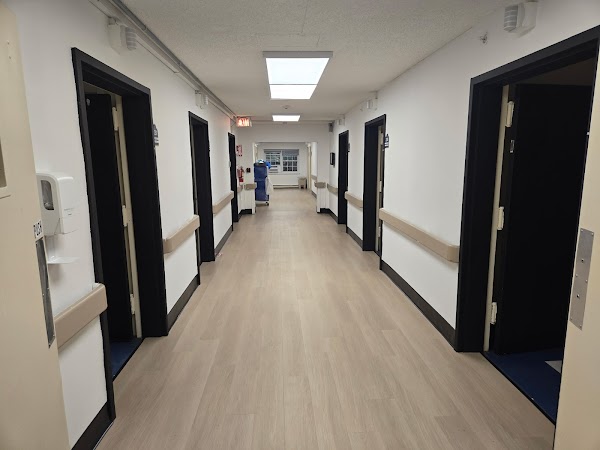
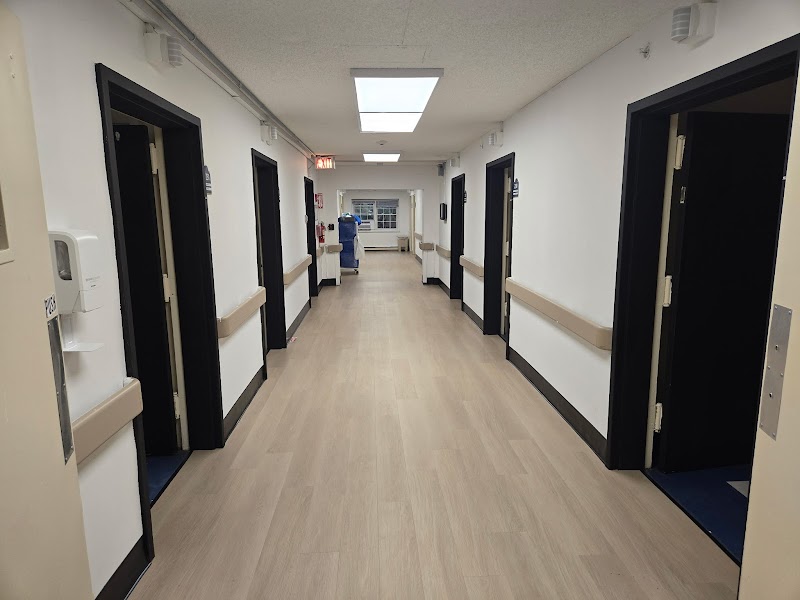
404 LUDINGTONVILLE ROAD, HOLMES, NY 12531 (845) 878-3241
For profit - Partnership 160 Beds EPIC HEALTHCARE MANAGEMENT Data: November 2025
Trust Grade
48/100
#436 of 594 in NY
Last Inspection: April 2025

Within standard 12-15 month inspection cycle. Federal law requires annual inspections.

Overview

Putnam Nursing & Rehabilitation Center has a Trust Grade of D, which means it is below average and indicates some serious concerns about the quality of care. Ranked #436 out of 594 facilities in New York, it falls in the bottom half, though it is the top-rated facility in Putnam County. Unfortunately, the facility is worsening, with issues increasing from 1 in 2023 to 9 in 2025. Staffing is a mixed bag: while turnover is at 40%, which is on par with the state average, the overall staffing rating is only 2 out of 5 stars, indicating room for improvement. Additionally, the facility has faced fines totaling $19,984, which is higher than 80% of other New York facilities, raising concerns about compliance. There are notable incidents reported, including a serious failure to provide adequate supervision for a resident who fell and was injured due to staff not following care protocols. In another case, the environment was reported to have strong odors, broken furniture, and unsanitary conditions, which compromise residents' comfort and safety. Overall, while there are some strengths like lower turnover rates, significant weaknesses in safety, environment, and care practices raise important questions for families considering this facility.

Trust Score
D
48/100
In New York
#436/594
Bottom 27%
Safety Record
Moderate
Needs review
Inspections
Getting Worse
1 → 9 violations
Staff Stability
○ Average
40% turnover. Near New York's 48% average. Typical for the industry.
Penalties
✓ Good
$19,984 in fines. Lower than most New York facilities. Relatively clean record.
Skilled Nurses
⚠ Watch
Each resident gets only 22 minutes of Registered Nurse (RN) attention daily — below average for New York. Fewer RN minutes means fewer trained eyes watching for problems.
Violations
⚠ Watch
15 deficiencies on record. Higher than average. Multiple issues found across inspections.
★★☆☆☆
2.0
Overall Rating
★★☆☆☆
2.0
Staff Levels
★★☆☆☆
2.0
Care Quality
★★☆☆☆
2.0
Inspection Score
Stable
2023: 1 issues
2025: 9 issues

The Good

  • Full Sprinkler Coverage · Fire safety systems throughout facility
  • No fines on record
  • Staff turnover below average (40%)

    8 points below New York average of 48%

Facility shows strength in fire safety.

The Bad

2-Star Overall Rating

Below New York average (3.1)

Below average - review inspection findings carefully

Staff Turnover: 40%

Near New York avg (46%)

Typical for the industry

Federal Fines: $19,984

Below median ($33,413)

Minor penalties assessed

Chain: EPIC HEALTHCARE MANAGEMENT

Part of a multi-facility chain

Ask about local staffing decisions and management

The Ugly 15 deficiencies on record

1 actual harm
Apr 2025 1 deficiency 1 Harm
SERIOUS (G) 📢 Someone Reported This

A family member, employee, or ombudsman was alarmed enough to file a formal complaint

Actual Harm - a resident was hurt due to facility failures

Accident Prevention (Tag F0689)

A resident was harmed · This affected 1 resident

**NOTE- TERMS IN BRACKETS HAVE BEEN EDITED TO PROTECT CONFIDENTIALITY** Based on record review and interview conducted during an abbreviated survey (NY00344683), the facility failed to ensure that the...

Read full inspector narrative →
**NOTE- TERMS IN BRACKETS HAVE BEEN EDITED TO PROTECT CONFIDENTIALITY** Based on record review and interview conducted during an abbreviated survey (NY00344683), the facility failed to ensure that the resident environment was free of accident hazards and/or that each resident received adequate supervision to prevent accidents for one (1) of three (3) residents reviewed for accidents. Specifically, staff did not implement interventions as per the care plan for Resident #2 who required 2-person assist for bed mobility, transfers and all activities of daily living. There were two (2) separate incidents that occurred with different staff each time. The first incident occurred on [DATE], when Certified Nurse Aide #3 found Resident #2 on the floor in the residents' room and used a Hoyer lift (a mechanical lift device) by themselves to move the resident back into their bed. The second incident occurred on [DATE], when Certified Nurse Aide #4 went into Resident #2's room alone to provide care. The resident sustained a bump on their head and a bloody nose while reportedly being turned in their bed. On [DATE], Resident #2 was transferred to the hospital for evaluation of their injuries. They were diagnosed with a brain bleed, broken neck, extensive facial fractures and subsequently expired in the hospital. The Medical Examiner concluded that the resident expired from blunt force trauma to the head. This resulted in actual harm to Resident #2 that is not immediate jeopardy. The Findings Include: The [DATE] policy titled Activities of Daily Living Care Plan documented to develop resident activities of daily living care plan upon admission, the purpose is to serve as a guide to caregivers to meet the individual residents' needs and Certified Nurse Aide is responsible for referring to and using the Activity of Daily Living Care Guide when rendering cares. The policy titled Hoyer Lift with a 2/2024 revision date documented the Hoyer lift is to provide a safe transition from the bed to chair, when the resident is unable to bear weight, and all Hoyer lift transfers require two (2) certified/licensed staff members. Resident #2 was admitted with diagnoses including but not limited to dementia with psychosis, coronary artery disease (damage or disease in the heart's major blood vessels), and hypertension (high blood pressure). Review of the current Care Plan Activity Report revealed high risk for fall, bed mobility two (2) staff extensive assist and transfer two (2) staff assist via mechanical lift. Review of the [DATE] Quarterly Minimum Data Set revealed Resident #2 had severe cognitive impairment, functional limitation of one (1) upper and two (2) lower extremities, received two (2) staff dependent assist with transfers and bed mobility. Review of the [DATE] at 11:41 PM Registered Nurse Supervisor #1 progress note documentation revealed at 9:30 PM they were called to the unit to assess the resident post fall. The resident was observed in bed in the right incumbent (lying down/horizontal or resting) position with both legs flexed. The resident had dementia, was non-verbal and unable to state what happened. The assigned care staff stated they saw the resident on the floor face down by the left side of the bed while rounding and quickly grabbed the Hoyer lift and transferred the resident back to bed before calling for help. The resident was noted with a lump on the forehead, a swollen and deviated nose, appeared flushed, and had bleeding from the right nostril. The call bell was not activated at the time of fall, no fluid spills noted on the floor. Active/Passive range of motion within baseline. Vital signs within normal range. The resident's son was notified and amenable to the plan of care. 911 was called and arrived at the facility at 9:50 PM and left with the resident at 10:00 PM. Review of the undated Investigation Summary documentation revealed that on [DATE], at approximately 9:30 PM, Certified Nurse Aide #3 stated they noted the resident to be on the floor in their room when they went to administer care. Certified Nurse Aide #3 panicked and when they could not find anyone available to help, they moved the resident into their bed without help. After Certified Nurse Aide #3 moved the resident, the Licensed Practical Nurse on the unit responded and alerted the Registered Nurse Supervisor who attended to and assessed Resident #2, and per nurse assessment, Resident #2 had a 3.5-centimeter hematoma (collection of blood under the skin) on the right side of their forehead and was bleeding from their right nostril. The Nurse Practitioner on call was notified, and the resident was transferred to the hospital. The Investigation report documented that when the resident returned from the hospital at 3:00 AM the paperwork from the hospital documented no evidence of any new fracture. CT scan (x-ray and a computer to show images on the inside of the body) of the face, head and cervical spine revealed an old fracture of the nasal bone. The conclusion documented Certified Nurse Aide #3 was to be re-educated on policy and procedure on use of the Hoyer lift, as well as calling for help assistance in emergency situations. Included in the Investigative Summary was documentation of a typed telephone interview conducted by the Director of Nursing with Certified Nurse Aide #3. The documentation revealed during telephone interview, Certified Nurse Aide #3 stated they were aware of Resident #2's plan of care to transfer with two-person assist as they were a Hoyer lift. Certified Nurse Aide #3 stated they panicked when they saw Resident #2 on the floor lying on their left side facing the door in the center of the room between the two (2) beds, and there was blood. Certified Nurse Aide #3 stated they had gone out into the hallway could not find anyone, so they immediately got the Hoyer lift which was in the hall and used the Hoyer lift to transfer the resident back into bed until they were able to report to the Licensed Practical Nurse on duty. Certified Nurse Aide #3 stated they were aware they should not have moved Resident #3 alone and were also aware of the policy on utilizing two assist with Hoyer lift transfers, but they panicked. Review of the [DATE] Investigation Summary documentation revealed on [DATE] at approximately 8:15 PM, Certified Nurse Aide #4 reported while turning the resident, the resident bumped their head on the bedside table. They immediately came out and looked for the nurse. Licensed Practical Nurse #3 and Registered Nurse Supervisor #1 were at the station. Both nurses entered the room, and the resident was supine (lying on the back) in bed with the head of the bed up. There was a hematoma on the left forehead and the right nostril was bleeding Ice was applied to the forehead and nostril to stop the bleeding with positive result. Neuro checks (evaluation of the nervous system) were initiated and were within normal limits. The physician was called and ordered the resident to be sent to the hospital. The documented investigation conclusion revealed based on investigation, it can be determined that a care plan violation occurred resulting in an injury. The resident was dependent with two-person assist for bed mobility and the involved aide turned and positioned the resident by themselves despite knowing the resident was an assist of two (2). On [DATE], the staff member was removed from unit duty. Review of the [DATE] at 9:34 PM Registered Nurse Supervisor #1 progress note revealed they were called to the resident's room to assess the resident. The resident was in bed in supine position with the head of the bed up. The resident had a lump on the left side of the forehead and a right nostril bleed. The assigned staff at the bedside stated that while they were turning the resident, the resident hit their head on the bedside table. Ice was applied and no sign of distress was noted. A message was left for the physician to call the facility. The resident was placed on neuro checks x 72 hours. Continue to monitor. Review of the [DATE] at 11:34 PM Registered Nurse Supervisor #1 progress note revealed they received a call from the physician with an order to send the resident to the hospital for evaluation. The resident left at 11:25 PM. The resident representative was notified and amenable to the plan of care Review of the [DATE] at 5:12 AM Nurse Progress Note revealed the hospital was called, the resident was admitted with a brain bleed, broken neck, and extensive facial fractures. The writer informed the Director of Nursing and Administrator. Review of the [DATE] Hospital Discharge Summary revealed the resident presented to the emergency room after a mechanical fall. Diagnoses included but were not limited to: [DATE] cervical (neck) spine fracture, [DATE] extensive facial fractures, and [DATE] subarachnoid hemorrhage (bleeding in the space between your brain and the membrane that covers it). Discharge plan: Inpatient Hospice. A phone call was made on [DATE] at 2:25 PM to Certified Nurse Aide #4, a message was left for them to return the call, no return call received. A phone call was made on [DATE] at 2:26 PM to Certified Nurse Aide #3, their phone number was changed, unable to leave a message. During an interview on [DATE] at 4:00 PM, Registered Nurse Supervisor #1 stated on [DATE] Certified Nurse Aide #4 reported to them that Resident #2 bumped their head on the bedside table. Registered Nurse Supervisor #1 stated Resident #2 had a bruise on their face and a nostril bleed, and they tried to stop the nosebleed. Registered Nurse Supervisor #1 stated they recall they asked if the resident had fallen out of the bed, and Certified Nurse Aide #4 did not report that the resident fell. Registered Nurse Supervisor #1 stated Certified Nurse Aide #4 reported they pulled the resident back, and the resident bumped their head on the bedside table, as the bed was level with the bedside table. Registered Nurse Supervisor #1 stated they asked Certified Nurse Aide #4 why they were providing care without two (2) staff assist and Certified Nurse Aide #4 did not provide an answer. Registered Nurse Supervisor #1 stated after the resident had been sent to the hospital, they were surprised to learn that the resident had broken their neck. During an interview on [DATE] at 3:36 PM, the Director of Nursing stated Certified Nurse Aide #4 wrote in their statement that they didn't look at the Kiosk to see that the resident was a two (2) person assist. The Director of Nursing stated Certified Nurse Aide #4 didn't review their assignment in the care guide. The Director of Nursing stated another staff member reported that Certified Nurse Aide #4 did not ask them for help. The Director of Nursing stated they thought Certified Nurse Aide #4 was in a hurry, and didn't stop to ask for help. The staffing was reviewed and there were four (4) Certified Nurse Aids working during the time of both incidents. During a telephone interview on [DATE] at 12:00PM, Medical Examiner #1 stated that they performed the autopsy, and the extent of the injuries were not consistent with the explanation they were provided. Medical Examiner #1 stated they were aware Resident #2 sustained a fall from their bed a few months prior and had also received photographs of the scene. Medical Examiner #1 stated they did not have an adequate explanation and could not determine a manner of death. During an interview on [DATE] at 1:30PM, the current Medical Director of the facility stated that if an incident occurs after hours, the staff call the on-call provider and let them know the findings and all details are to be given to the on-call provider. The current Medical Director stated they were not working in the facility when this incident occurred and could not speak to the incident itself. They stated they could only speak to what the process is now. The Medical Director stated they heard this resident was on the floor one time and another time a certified nurse aide took care of the resident by themselves- They stated, this is wrong and should not have happened. 10NYCR 483.25 (d)(1)(2)
Apr 2025 8 deficiencies
CONCERN (D)

Potential for Harm - no one hurt, but risky conditions existed

Comprehensive Care Plan (Tag F0656)

Could have caused harm · This affected 1 resident

Based on observation, record review, and interview conducted during a recertification survey from 3/30/2025 to 4/4/2025, the facility did not ensure a person-centered comprehensive care plan was devel...

Read full inspector narrative →
Based on observation, record review, and interview conducted during a recertification survey from 3/30/2025 to 4/4/2025, the facility did not ensure a person-centered comprehensive care plan was developed and/or implemented for 2 of 3 residents (#16 and #60) reviewed for Positioning and Mobility. Specifically, there was no documented evidence that a care plan was developed for Resident #16's left hand contracture (shortening and hardening of muscles often leading to deformity and rigidity of joints), or for Resident #60's positioning in their specialized wheelchair. Findings include: The facility policy, Comprehensive Care Plan Process, revised February 2024 documented each resident's comprehensive care plan will be individualized, define the problems/needs/goals, and the summary of the team's approach and outcomes. 1. Resident #16 had diagnoses including multiple sclerosis (nerve disease), primary generalized osteoarthritis (degeneration of joint cartilage and bone), and arthropathy (joint disease). The 1/20/2025 Annual Minimum Data Set (resident assessment) documented Resident #16 had upper extremity impairment on one side, lower extremity impairment on both sides and required dependent assistance with showers and bathing. The Activities of Daily Living Functioning Care Plan updated 1/22/2025 documented Resident #16 required extensive assistance with personal hygiene and was dependent with bed mobility and transfers and toileting and showers/ bathing. On 03/30/25 at 11:28 AM, Resident #16 was observed with their left hand contracted in a fist. Resident #16 stated, I can't open it. On 03/31/25 at 09:21 AM, Resident #16 was observed with their left hand in a fist. There was no documented evidence of a care plan for Resident #16's left hand contracture. During an interview on 04/02/25 at 04:49 PM, Certified Nurse Aide #5 stated Resident #16's left hand was always clenched and the nurse knew about it. They stated this was not a new issue. During an interview and observation of Resident #16's left hand on 4/02/25 at 4:55 PM Registered Nurse Unit Manager #6 stated Resident #16's left hand was contracted. Registered Nurse Unit Manager #6 stated there was no contracture care plan in place, and stated they should have written a contracture care plan. 2. Resident #60 had diagnoses including Parkinson's Disease, and a neurocognitive disorder with Lewy bodies. The 3/15/2025 Quarterly Minimum Data Set ( an assessment tool) documented Resident #60 had moderately impaired cognition and required substantial to maximal assistance with all activities of daily living. The 3/26/2020 Activities of Daily Living and Locomotion Care Plan documented Resident #60 was dependent with use of a tilt-in-space wheelchair, with no instructions on how to use the specialized wheelchair. There was no documented evidence that the Certified Nurse Aide Care Guide documented instructions related to the use of the resident's specialized tilt-in-space wheelchair. There was no documented evidence of a positioning care plan. During an observation on 03/30/25 at 10:33 AM in the hall, Resident #60 was in their wheelchair asleep, leaning to the left side, and their head was falling off the side of the wheelchair. Hyperflexion (stretched very far) of the neck was observed. During an observation on 03/30/25 at 11:50 AM, Resident #60 was seated upright in their tilt-in-space wheelchair, the resident was awake, their head was unsupported and leaning to the left. During an observation on 03/31/25 at 09:29 AM, Resident #60 was in their tilt- in- space wheelchair in their room asleep, their head was unsupported and leaning to the left. The resident's left foot was hanging off the wheelchair between the footrests. During an observation on 04/02/25 at 09:02 AM, the resident was observed in their tilt- in-space wheelchair sitting up straight and their feet were dangling in the air. No footrests were observed on the wheelchair. During an observation on 04/02/25 at 11:28 AM, the resident was observed out of bed in their tilt-in-space wheelchair, the footrests were in place but the resident's feet were not on foot rests and were dangling in the air. During an interview on 04/02/25 at 09:05 AM, Licensed Practical Nurse #8 stated Resident #60 should have footrests in place when they are in the wheelchair when it is reclined or if staff are pushing the wheelchair. They stated the directions on positioning should be defined in the resident's care plan. During an interview on 04/02/25 at 09:11 AM, Certified Nurse Aide #9 stated they should put the footrests on the wheelchair. They stated they were unaware of any specific positioning direction regarding the tilt-in space wheelchair. During an interview on 04/02/25 at 09:15 AM, Registered Nurse Unit Manager #3 stated they were unaware of the specific directions about use of the tilt-in-place wheelchair for Resident #60. They stated when the resident is in the tilt-in-space wheelchair it should be reclined and footrests should be in place for positioning. During an interview on 04/02/25 at 09:56 AM, the Director of Rehabilitation stated Resident #60 was issued a tilt-in-space wheelchair with built in lateral supports. They stated Resident #60 slumps forward and to the left. They stated the tilt-in-space wheelchair tilt function should only be used when the resident's excessive leaning forward is noted. During feeding the resident should be upright. They stated footrests should only be put in place when the chair is tilted or during transport. The resident should be returned to bed when they are sleeping. They stated the direct care staff was educated, although no documented evidence of education was provided. They stated the Certified Nurse Aide Care Guide, and a Positioning Care Plan should provide instructions for the use of the tilt-in-space wheelchair for positioning. They stated it is the Nurse Manager's job to initiate the care plan and to include instructions for the use of the tilt-in-space wheelchair in the Certified Nurse Aide Care Guide. During an interview on 04/02/25 at 1:17 PM, the Director of Nursing stated when the resident's wheelchair is tilted, they should have footrests on, and when the resident is not tilted they should not have them, and stated this should have been in the care plan. During an interview on 04/03/25 at 1:14 PM, Registered Nurse Unit Manager #3 stated it is their responsibility to develop and update care plans for the residents on the unit. For Resident #60, directions on specific positioning recommendations should be in the care plan. They stated they do not know why it was not developed. 10 NYCRR 415.11(c)(1)
CONCERN (D)

Potential for Harm - no one hurt, but risky conditions existed

ADL Care (Tag F0677)

Could have caused harm · This affected 1 resident

Based on observation, record review, and interview conducted during the recertification survey from 3/30/2025 to 4/4/2025, the facility did not ensure each resident who was unable to carry out activit...

Read full inspector narrative →
Based on observation, record review, and interview conducted during the recertification survey from 3/30/2025 to 4/4/2025, the facility did not ensure each resident who was unable to carry out activities of daily living received the necessary care and services to maintain good personal hygiene for 1 of 4 residents (Resident #16) reviewed for Activities of Daily Living. Specifically, Resident #16, who required extensive assistance with personal hygiene and was dependent with showers/ bathing, was observed during multiple observations with long fingernails and a left-hand contracture (shortening and hardening of muscles often leading to deformity and rigidity of joints). Findings include: The facility policy titled Nail Care, revised December 2023 documented provide nail care to all residents as part of routine activities of daily living. The undated facility policy titled AM Care, documented residents unable to care for themselves are provided total care. Resident #16 had diagnoses including multiple sclerosis (nerve disease), primary generalized osteoarthritis (degeneration of joint cartilage and bone), and arthropathy (joint disease). The 1/20/2025 Annual Minimum Data Set (resident assessment) documented Resident #16 had impairment to one upper extremity, impairments to both lower extremities, and required dependent assistance with showers and bathing. The Activities of Daily Living Functioning Care Plan updated 1/22/2025 documented Resident #16 required extensive assistance with personal hygiene, was dependent with showers/ bathing, and had an intervention to trim nails weekly and as needed. The Physician's Order dated 11/5/2024 documented Weekly Body Audit and Input New Assessment weekly on Fridays. During an observation on 03/30/25 at 11:28 AM, Resident #16's left hand was contracted in a fist. Resident #16 stated, I can't open it. No positioning device was observed in the resident's left hand. Resident #16's fingernails were observed to be long and stained on both hands, and their left-hand fingernails were slightly curling inside their fist. During an observation on 03/31/25 at 09:21 AM, Resident #16 was observed with fingernails to both hands long and stained, and their left hand appeared contracted in a fist with their long fingernails curling slightly inside their fist. During an interview on 04/02/25 at 4:49 PM, Certified Nurse Aide #5 stated they provided care to Resident #16 yesterday and did not notice the resident's long fingernails. When Certified Nurse Aide #5 viewed Resident #16's fingernails at the time of the interview, they stated they were long and should be clipped. During an interview and observation on 04/02/25 at 4:55 PM, Registered Nurse Unit Manager #6 stated Resident #16's left hand was contracted, and their fingernails were too long and must be cut. They stated that Resident #16's fingernails should be trimmed to avoid their long fingernails from digging into the palm of their left hand. 10 NYCRR 415.12(a)(2)
CONCERN (D)

Potential for Harm - no one hurt, but risky conditions existed

Deficiency F0727 (Tag F0727)

Could have caused harm · This affected 1 resident

Based on observation, interview, and record review conducted during the recertification survey from 3/30/2025-4/4/2025, the facility did not ensure that a Registered Nurse was on duty for at least 8 c...

Read full inspector narrative →
Based on observation, interview, and record review conducted during the recertification survey from 3/30/2025-4/4/2025, the facility did not ensure that a Registered Nurse was on duty for at least 8 consecutive hours a day, 7 days a week for one of 26 weekend days reviewed from 10/5/2024 through 12/31/2024, and daily staffing reviewed from 3/1/2025 through 4/3/2025. Specifically, no Registered Nurse worked during the 24-hour period on 11/2/2024. Findings included: The Facility Assessment reviewed 1/15/2025 documented the Minimum Nursing Staffing Plan to include a Registered Nurse staffed on all shifts. During an interview and review of the Facility Assessment Minimum Nursing Staffing Plan on 4/4/25 at 9:01 AM, the Director of Human Resources/Covering Staffing Coordinator stated that no Registered Nurse worked on 11/2/2024. They stated they did not understand why that happened and stated they were aware of the regulation that a Registered Nurse must work at least 8 hours in every 24-hour period. During an interview on 04/04/25 at 11:24 AM, the Director of Nursing reviewed the staffing sheet for November 2, 2024, and stated that no Registered Nurse worked on that date. They stated they were aware that a Registered Nurse must work at least 8 hours on every 24-hour period. 10NYCRR 415.13(b)(1)
CONCERN (D)

Potential for Harm - no one hurt, but risky conditions existed

Deficiency F0868 (Tag F0868)

Could have caused harm · This affected 1 resident

Based on record review and interview conducted during the recertification survey from 3/30/2025 to 4/04/2025, the facility did not ensure the Quality Assurance & Performance Improvement and Quality As...

Read full inspector narrative →
Based on record review and interview conducted during the recertification survey from 3/30/2025 to 4/04/2025, the facility did not ensure the Quality Assurance & Performance Improvement and Quality Assessment & Assurance committees consisted at a minimum of the Medical Director, or their designee, and the Infection Control Practitioner attendance quarterly meetings. Specifically, the Medical Director or designee had not participated in Quality Assurance & Performance Improvement meetings for three out of the four meetings and the Infection Control Practitioner did not participate in two out of four Quarterly meetings as required. The findings are: The facility Quality Assurance and Performance Improvement Policy, last revised on April 6, 2025, documented the Quality Assessment and Assurance Committee comprised of the Administrator, Director of Nursing Services, Medical Director, Clinical Coordinators, Unit Managers, Governing Body, and all Department heads. A review of the Quarterly Meeting Attendance Sheets entitled Quality Assurance and Performance Improvement for 6/6/24, 9/6/24, 12/27/24 and 2/26/25 revealed the Medical Director did not sign the attendance sheets. A review of the Quarterly Meeting Attendance Sheets entitled Quality Assurance and Performance Improvement for 6/6/24, and 9/6/24, revealed the Infection Control Practitioner did not sign the attendance sheets. During an interview on 04/04/25 at 02:17 PM, the Administrator stated they held Quality Assurance Performance Improvement meetings every month. The Administrator stated they had problems with the previous Medical Director attending the Quality Assurance Performance Improvement meetings. They stated they hired a new Medical Director at the beginning of the year. They stated that the Infection Control Practitioner had not been attending the Quality Assurance Performance Improvement meetings. They stated they had hired a new Infection Control Practitioner, and they had attended the last 2 Quarterly meetings. 10 NYCRR 415.15(a)
CONCERN (D)

Potential for Harm - no one hurt, but risky conditions existed

Infection Control (Tag F0880)

Could have caused harm · This affected 1 resident

**NOTE- TERMS IN BRACKETS HAVE BEEN EDITED TO PROTECT CONFIDENTIALITY** Based on observation, record review and interview during the recertification survey conducted from 3/30/2025 to 04/04/2025, the ...

Read full inspector narrative →
**NOTE- TERMS IN BRACKETS HAVE BEEN EDITED TO PROTECT CONFIDENTIALITY** Based on observation, record review and interview during the recertification survey conducted from 3/30/2025 to 04/04/2025, the facility did not ensure infection control prevention practices were maintained to prevent the development and transmission of communicable diseases and infections. Specifically, housekeeping staff did not wear the appropriate Personal Protective Equipment when going inside the room of a resident on Droplet Precautions. Findings include: On 3/30/2025 at 10:46 AM, an observation of room [ROOM NUMBER] was conducted. A Droplet Precaution sign was observed on the door, and personal protective equipment was hanging on door. On 03/31/25 at 01:51 PM during view of video footage with the facility Administrator, observed that on 3/30/25 at 11:18 am, Housekeeper #1 went into room [ROOM NUMBER] without a gown, came out wearing gloves, and pushed the housekeeper cart down the hall. On 04/01/25 at 9:24 AM, observed Housekeeper #2 place three (3) new bins in room [ROOM NUMBER] wearing a surgical mask, gloves, and gown. Observed N-95 masks at the door of room [ROOM NUMBER], and a Droplet Precaution sign indicating to wear an N-95 mask. On 04/01/25 at 9:26 AM during an interview, Housekeeper #2 acknowledged they should wear an N-95 mask when going into a room with a Droplet Precautions sign posted on the door. Housekeeper #2 acknowledged having worn a surgical mask while in the room, and acknowledged they should have worn an N-95 mask. They stated they forgot to change their mask. On 04/01/25 at 2:09 PM during an interview, Housekeeper #1 stated they should have taken off their gloves, disposed, and sanitized or washed their hands when they exited room [ROOM NUMBER] on Sunday 3/30/25 without doffing their gloves. On 04/01/25 at 2:15 PM during an interview, the Activities and Housekeeping Supervisor stated all housekeeping staff should put on and take off the proper personal protective equipment, and all were educated on all transmission-based precautions, how to read the precautions signs and which personal protective equipment to don and doff. They stated all staff should wear N-95 masks in rooms with Droplet Precautions, and take off their gloves and perform hand hygiene before exiting those rooms. They stated they were responsible for the housekeepers to utilize personal protective equipment appropriately. 10 NYCRR 415.26
CONCERN (E)

Potential for Harm - no one hurt, but risky conditions existed

Safe Environment (Tag F0584)

Could have caused harm · This affected multiple residents

**NOTE- TERMS IN BRACKETS HAVE BEEN EDITED TO PROTECT CONFIDENTIALITY** Based on observation, interview, and record review conducted during the recertification survey from 3/30/2025 to 4/04/2025, the ...

Read full inspector narrative →
**NOTE- TERMS IN BRACKETS HAVE BEEN EDITED TO PROTECT CONFIDENTIALITY** Based on observation, interview, and record review conducted during the recertification survey from 3/30/2025 to 4/04/2025, the facility did not ensure the resident's right to a safe, clean, comfortable, and homelike environment. This was evident for 2 of 2 resident floors (2nd and 3rd Floors) during observation of the environment. Specifically, the 3rd Floor Unit had a broken handrail endcap, an ongoing foul, pervasive, strong odor of urine, a broken dresser and a ripped chair were observed in room [ROOM NUMBER], the shower room walls were stained, the community unit bathroom tiles were stained, floor molding was cracked, sheetrock had a gouge, the Community room floor had visible dust and debris, privacy curtains in resident rooms were visibly soiled, and some base board moldings were cracked and soiled with wax build up. The 2nd floor base board moldings were cracked and soiled with wax build up. The findings are: An undated Housekeeping Policy and Procedure documented the purpose to have a detailed room cleaning. An undated Housekeeping Schedule provided included the scheduled cleaning of resident rooms as well as public areas within the building. Preventative Maintenance and Inspection Policy and Procedure last reviewed 5/23 documented provide a safe environment for residents, staff, and visitors, a preventative maintenance program has been implemented. During an observation on 03/30/25 at 9:35 AM on Unit 3 East floors were soiled, and there was an ongoing strong odor of urine. A broken dresser and a chair with a ripped seat and backrest were observed and the baseboard was cracked in room [ROOM NUMBER]. Baseboards and floors along the hallway were dirty and had wax build-up. The handrail by the nurse's station had a missing endcap. During an observation on 03/31/25 at 08:52 AM on Unit 3 East, there was an ongoing urine odor, broken molding, dirty baseboards, and broken molding. During observations on 3/31/2025 at 10:38 AM and 4/1/2025 at 1:04PM, the Community bathroom by the Unit 3 East nurse's station was observed to have chipped and broken molding tiles, brown stains along the top of the molding tiles, a dent in the wall, and tan discoloration on the wall between the toilet and sink. During an observation on 04/02/25 at 09:13 AM, there was a strong urine odor on Unit 3 East. During an observation on 04/02/25 at 12:45 PM in the Unit 3 East community room, there was loose debris and dust along the baseboard near the suction cart. During an observation on 04/02/25 at 04:49 PM on Unit 2 West, the hallway baseboard moldings were cracked and stained. During an observation on 04/04/25 at 09:21 AM on Unit 3 East, rooms #325, #326, and #330 had soiled privacy curtains. During an interview on 03/31/25 at 10:20 AM Resident #13 stated that the 3 East Community bathroom by the nurses station was never clean enough. During an interview on 04/03/25 at 08:48 AM the Director of Housekeeping stated they were aware base board moldings needed to be replaced on all the units as they appeared dirty. They stated there was no way to clean the buildup of dirt under the wax. They stated scheduled terminal individual room cleaning did not exist because they did not have enough staff. They stated housekeepers are supposed to check the privacy curtains daily when completing room cleanings. They stated staff is assigned to clean the community room daily and should include moving the furniture away from the wall to sweep and mop. They stated they were aware of the urine smell on the unit, some of the air fresheners were removed related to the unit being painted. They stated since there was no 11-7 housekeeping person, utility room garbage cans should be removed from the units by 7:30 AM. They stated that may have contributed to the odor. During an interview on 04/03/25 at 09:36 AM the Director of Maintenance stated during rounds they had not seen a broken handrail endcap. They stated they would have fixed the handrail end cap if they had been made aware of it. They stated since they did not enter all resident rooms daily, staff would need to report broken furniture to maintenance. They stated going in the resident rooms was not routine unless a specific issue was reported. They stated when rounding, the maintenance staff were probably not looking closely enough. They stated terminal cleanings were only done when residents were discharged . They stated nursing and housekeeping should check items in the rooms. They stated they were uncertain if housekeeping staff had been trained on reporting and checking the environment. They stated Environmental Services should conduct regular audits in and out of rooms. 10 NYCRR 415.5(h-i)(1-3)
CONCERN (E)

Potential for Harm - no one hurt, but risky conditions existed

Quality of Care (Tag F0684)

Could have caused harm · This affected multiple residents

**NOTE- TERMS IN BRACKETS HAVE BEEN EDITED TO PROTECT CONFIDENTIALITY** Based on interview and record review during the recertification survey from 3/30/2025 to 4/4/2025 the facility did not ensure re...

Read full inspector narrative →
**NOTE- TERMS IN BRACKETS HAVE BEEN EDITED TO PROTECT CONFIDENTIALITY** Based on interview and record review during the recertification survey from 3/30/2025 to 4/4/2025 the facility did not ensure residents received treatment and care in accordance with professional standards of practice for 3 of 3 residents (#16, #60, and #37) reviewed for Positioning and Mobility. Specifically, Resident #16 was not provided a positioning device for their left-hand contracture (shortening and hardening of muscles often leading to deformity and rigidity of joints), Resident #60 was not positioned correctly in their wheelchair, and Resident #37 was not provided positioning devices they needed for comfort and positioning. Findings include: The facility policy, Contracture Prevention and Management documented departments will work in conjunction to apply preventive measures to prevent and manage contractures. Contractures can be prevented by the use of active and passive range of motion techniques as well as positioning devices, splints, and braces. 1. Resident #16 had diagnoses including multiple sclerosis (nerve disease), primary generalized osteoarthritis (degeneration of joint cartilage and bone), and arthropathy (joint disease). The 1/20/2025 Annual Minimum Data Set (resident assessment) documented Resident #16 had an impairment to one upper extremity, impairments to both lower extremities, and required dependent assistance with showers and bathing. During an observation on 03/30/25 at 11:28 AM, Resident #16 was observed with their left hand contracted in a fist. Resident #16 stated, I can't open it. No positioning device was observed in the resident's left hand. Resident #16's left-hand fingernails were long and slightly curling inside their fist. During an observation on 03/31/25 at 9:21 AM, Resident #16 was observed with their left hand in a fist, and long fingernails curling slightly inside their fist. There was no documented evidence of a care plan for Resident #16's left hand contracture. There was no documented evidence of a Physician's order for a device or adaptive equipment for Resident #16's left hand contracture management. During an interview and observation on 04/02/25 at 04:55 PM Registered Nurse Unit Manager #6 stated Resident #16's left hand was contracted. Registered Nurse Unit Manager #6 stated they should have sent a rehabilitation screen request for the left-hand contracture. During an interview on 04/03/25 at 10:34 AM, the Director of Rehabilitation stated they received a screen request after the surveyor identified the left-hand concern with the Registered Nurse Unit Manager #6. They stated they re-assessed Resident #16 this morning and recommended a device to maintain skin integrity of their left hand and will pick up the resident for Occupational Therapy to evaluate for an appropriate device. They stated nursing should have requested a screen for evaluation and treatment regarding concerns with Resident #16's contracted left hand. 2. Resident #60 had diagnoses including Parkinson's Disease and neurocognitive disorder with Lewy bodies. The 3/15/2025 Quarterly Minimum Data Set (an assessment tool) documented Resident #60 had moderately impaired cognition and required substantial to maximal assistance with all activities of daily living. The 3/26/2020 Activities of Daily Living and Locomotion Care Plan documented Resident #60 was dependent with use of tilt-in-space wheelchair, with no instructions on how to use the specialized wheelchair. There was no documented evidence that the Certified Nurse Aide Care Guide had instructions related to the use of the resident's tilt-in-space wheelchair. Documented Resident #60 was totally dependent with locomotion on and off the unit. During an observation on 03/30/25 at 10:33 AM in the hall, Resident #60 was in their wheelchair asleep, leaning to left side, and their head was falling off the side of the wheelchair. Hyperflexion (stretched very far) of the neck was observed. During an observation on 03/30/25 at 11:50 AM, Resident #60 was seated in their tilt-in-space wheelchair not tilted, the resident was awake, leaning to the left and head positioned to the left with no head or neck support. Their feet were observed on the footrest. During an observation on 03/30/25 at 11:58 AM, Resident #60 was observed sleeping in their wheelchair in the hall with their head positioned all the way to the left, with no support for their head. During an observation on 03/30/25 at 12:36 PM, Resident #60 was observed in the dining room in their wheelchair, leaning to the left side, no positioning device was observed. During an observation on 03/31/25 at 09:29 AM, Resident #60 was in their tilt- in- space wheelchair in their room asleep, their head was unsupported and leaning to the left. The resident's left foot was hanging off the wheelchair between the footrests. The resident was unable to place it back onto the footrest independently. During an observation on 04/02/25 at 09:02 AM, the resident was observed in their tilt- in-space wheelchair sitting up straight and their feet were dangling in the air. No footrests were observed on the wheelchair. During an observation on 04/02/25 at 11:28 AM, the resident was observed out of bed in their tilt-in-space wheelchair, the footrests were in place, but the resident's feet were not on footrests and they were dangling. During an observation on 04/02/25 at 12:27 PM, Resident #60 was observed in their wheelchair in the dining room, sleeping, the chair was tilted back. The nurse was observed placing the chair in the upright position, foot pedals remained in place, left foot was not on the footrest, dangling in the air. Resident's head was facing down. During an observation on 04/02/25 at 12:42 PM in the dining room, the resident was awake and alert feeding themselves The wheelchair was observed in the upright position, and the footrests were in place. During an interview on 04/02/25 at 09:05 AM, Licensed Practical Nurse #8 stated Resident #60 should have footrests in place when they are in the wheelchair when it is reclined or if staff are pushing the wheelchair. They stated the directions on positioning should be defined in the resident's care plan. During an interview on 04/02/25 at 09:11 AM, Certified Nurse Aide #9 stated when we get the resident up, we should put the footrests on the wheelchair. They were unaware of any specific positioning directions regarding the tilt-in space wheelchair. During an interview on 04/02/25 at 09:15 AM, Registered Nurse Unit Manager #3 stated they were unaware of the specific directions about use of the tilt-in-place wheelchair for Resident #60. They stated when the resident is in the tilt-in-space wheelchair we should place footrests on the chair and recline it for positioning. During an interview on 04/02/25 at 09:56 AM, the Director of Rehabilitation stated Resident #60 was issued a tilt-in-space wheelchair with built in lateral supports. They stated Resident #60 slumps forward and to the left. They stated the tilt-in-space wheelchair tilt function should only be used when the resident's excessive leaning forward is noted. During feeding the resident should be upright. The footrests should only be put in place when the chair is tilted or during transport. The resident should be returned to bed when they are sleeping. They stated the direct care staff was educated, although no documented evidence of education was provided. They stated the Certified Nurse Aide Care Guide, and a Positioning Care Plan should provide instructions for the use of the tilt-in-space wheelchair for positioning. They stated it is the Nurse Manager's job to include instructions for the use of the tilt-in-space wheelchair in the Certified Nurse Aide Care Guide. During an interview on 04/02/25 at 1:17 PM, the Director of Nursing stated the Rehabilitation staff should have educated the nursing staff on the proper use of the tilt-in-space wheelchair. During an interview on 04/03/25 at 1:14 PM, Registered Nurse Unit Manager #3 stated it was Rehabilitation Director's responsibility to educate the nursing staff on how to utilize the Resident's tilt-in-space wheelchair per specific instruction.3. Resident #37 had diagnoses that included cerebral infarction, hemiplegia, and congestive heart failure. The admission Minimum Data Set, dated [DATE] documented Resident #37 had intact cognition, impaired upper and lower extremities, required maximum assistance to dependent on staff for most activities of daily living, and was at risk for pressure ulcers. The Nursing admission Evaluation dated 3/8/2025 documented Deep Tissue Injury to right heel. The Physician order dated 3/8/2025 documented heel float boots, schedule every day at 7-3, 3-11, 11-7 (every shift). The Treatment Administration Record for March 2025 documented no signature for heel boots on 3/20, 3/21, 3/23, 3/27, 3/28. The Potential for Skin Breakdown Care Plan dated 3/15/25 documented interventions that included heel cuffs and floating heels. During an observation on 04/02/25 09:15 AM, Resident #37 was resting in bed, no heel boots were observed. During an observation on 04/02/25 at 12:47 PM, Resident #37 was observed in their wheelchair in the dining room. Heel boots not in use, socked feet directly on footrests. During an interview on 04/02/25 at 11:01 AM, Certified Nurse Aide #9 stated Resident #37 requires total assistance with cares. Resident #37 does not use heel boots. During an interview on 04/02/25 at 11:23 AM, Licensed Practical Nurse #8 stated devices are signed for on the Treatment or Medication Administration Record. If the resident refuses the device there should be documentation of the refusal. Resident #37 has an order for heel boots. During an interview on 04/03/25 at 1:07 PM, Registered Nurse Unit Manager #3 stated that Resident #37 has orders for heel boots, and they should be in use. The nurses sign for the devices and should assure that the devices are in place. If the resident refuses a device, that should be documented. There should not be an omission on the treatment or medication administration records. 10 NYCRR 415.12
CONCERN (E)

Potential for Harm - no one hurt, but risky conditions existed

Food Safety (Tag F0812)

Could have caused harm · This affected multiple residents

**NOTE- TERMS IN BRACKETS HAVE BEEN EDITED TO PROTECT CONFIDENTIALITY** Based on observation and interviews conducted during the recertification survey from 3/30/2024 to 04/04/2025, the facility did n...

Read full inspector narrative →
**NOTE- TERMS IN BRACKETS HAVE BEEN EDITED TO PROTECT CONFIDENTIALITY** Based on observation and interviews conducted during the recertification survey from 3/30/2024 to 04/04/2025, the facility did not ensure that food was stored in accordance with professional standards for food service safety. Specifically, food items were not properly identified and dated in the kitchen refrigerators, freezers, food storage areas and unit pantry refrigerators. Staff in the kitchen were observed without hairnets worn properly and beard covers. Areas in the kitchen were found with broken tiles, damaged baseboards, and dirt/dust. Findings include: The facility policy Food Handling Program reviewed 07/20/2024 documented that during food preparation, proper levels of sanitation will be maintained in employee handwashing and the use of gloves and utensils. The initial inspection of the kitchen was conducted on 03/30/2024 at 9:30 AM with Food Service Worker #1 and the following was observed: - In the Walk- in Freezer foods were without identification labels and undated. The Food Service Worker identified the contents as three packages of croissants in bags, a bag of pulled chicken in a bag, a bag of meatballs, and a bag of gluten free chicken pieces. There was a tray of frozen water on the top shelf just below freezer mechanism, water droplets frozen all over the ceiling of the freezer, and food boxes touching the ceiling of the freezer. - In the Walk-in Refrigerator, food observed without identification labels (the contents identified with the assistance of Food Service Worker #1) and not dated included a tray of sauce, uncut turkey meat, two blocks of cheese, a half cabbage, a container of sauce, a tray of ham, and five 2-ounce cups of beet salad. Food found without identification labels, included a tray of eggplant, a tray of stuffed shells, a block of cheese, three 10-pound bags of stew meat defrosting, and a tray of mushrooms. Food that was opened and not dated included a gallon of [NAME] style sauce, an 8-pound container of macaroni salad, and an 8-pound container of potato salad. - In the Reach- in Refrigerator there were four blocks of cheese dated but with no food identification label, 1 gallon of Italian Dressing with no opened date, 1 gallon mayonnaise with no opened date, 1/2 tomato with no food identification label and no date, a 4-pound container of grape jelly with no opened date, and a bag of whipped topping with no opened date. - Under the food tray plating countertop, food found opened and not dated included one 1/2-gallon of Red-Hot sauce, a 100-ounce container of barbeque sauce, a 2-liter bottle of orange soda, a gallon of Worcestershire sauce, a gallon of pancake and waffle syrup, a box of Creamy Wheat Enriched farina, and a box of pasta. When interviewed on 03/30/2024 at 9:45 AM, Food Service Worker #1 identified the listed foods and did not know why the food was undated and unlabeled. During the initial kitchen inspection on 03/30/2024 at 10:01 AM, Food Service Worker #2 was observed with a beard but was not wearing a beard net and Food Service Worker #3 was observed with their hairnet positioned only over half of their hair, and Maintenance Worker #1 entered the kitchen food prep area without wearing a hairnet. When interviewed on 03/30/25 at 10:02 AM, Maintenance Worker #1 stated they never wore a hairnet when coming into the kitchen. During a kitchen observation on 3/30/25 at 10:22 AM, the Commercial Conveyor Toasting System conveyor was covered in thick food particle deposits; the kitchen area gas cooking top was dirty; and the exhaust fan near the cleaning area was covered in dust accumulation. The fan was blowing into the cleaning area covered in dust accumulation. The wall corners had tape peeling off, base boards were damaged/missing. There were broken tiles in front of the walk-in freezer, and dirty floor tiles under the cleaning sinks. There was an exposed hole in the wall under the sink. There were broken and dirty tiles in the ice machine room, and dirty walls near the walk-in freezer. During an observation on 03/30/25 at 12:55 PM, of the third-floor pantry, the ice machine had white stains on back wall and the base appears soiled. The refrigerator Temperature was 50 degrees Fahrenheit, there were open unlabeled bottles, and a take-out food container had a resident's name on it and was dated 3/19/2025. During an interview on 04/01/25 at 2:09 PM, the Food Service Director stated the unit refrigerator temperatures were checked daily by the dietary staff and if the temperatures were not in range, they contacted maintenance and outside contractors to repair. During an observation with the Food Service Director on 04/01/25 at 2:21 PM of the second-floor pantry, the ice machine was dirty and had hard water deposits on surfaces. The Food Service Director stated they had hard water in the area. In the refrigerator there were open bottles of apple juice, cranberry juice, ginger ale soda and Thick and Easy with no opened date. During an interview on 04/04/25 at 9:39 AM, the Food Service Director stated the kitchen had a daily and monthly cleaning schedule. They acknowledged that the food service workers did not wear beard nets and did not wear hairnets appropriately and stated they had been educated on use of gloves, beard nets, hairnets, and food handling. 10NYCRR 415.14(h)
Apr 2023 1 deficiency
CONCERN (D) 📢 Someone Reported This

A family member, employee, or ombudsman was alarmed enough to file a formal complaint

Potential for Harm - no one hurt, but risky conditions existed

Quality of Care (Tag F0684)

Could have caused harm · This affected 1 resident

**NOTE- TERMS IN BRACKETS HAVE BEEN EDITED TO PROTECT CONFIDENTIALITY** Based on observation, interviews, and record review, conducted during an abbreviated survey (NY00311370), the facility did not e...

Read full inspector narrative →
**NOTE- TERMS IN BRACKETS HAVE BEEN EDITED TO PROTECT CONFIDENTIALITY** Based on observation, interviews, and record review, conducted during an abbreviated survey (NY00311370), the facility did not ensure that 1 of 3 residents (Resident #1), reviewed for frequent recurrent urinary tract infections, was provided appropriate care in accordance with professional standards of practice. Specifically, (1) the physician's order for Kidney urethra bladder (KUB) scan was transcribed incorrectly changing it to a retro peritoneum bladder-scan, and pelvic bladder-scan; (2) the nurse practitioner documented in progress notes the need for urology consult that was never ordered; and (3) gynecology consult scheduled for 1/19/23 did not occur and was rescheduled for 2/23/23. Resident was transfered to the hospital on 1/24/23 for slurred speech, confusion and altered mental status to rule out urosepsis(sepsis secondary to urinary tract infection). The findings are: Resident #1 was admitted to the facility on [DATE] with the following diagnoses and medical conditions; MS, Dementia, DM II, and personal history of malignant neoplasm of breast, neurogenic bladder, and GERD. The Quarterly Minimum Data Set (MDS) dated [DATE] documented Resident #1's Brief Interview Mental Status (BIMS) score of 15 which indicated Resident #1's cognition is intact. Resident #1 required extensive assist of 2 persons for bed mobility, required total dependence of 2 persons for transfer and toileting, and required no assistance for eating. The policy and procedure dated 10/23/12 titled Consultations off site documented it will be the policy of this facility to ensure all consultations ordered by physicians will be performed in a timely manner. During a review of the physician orders, it was revealed that on 10/14/2022 there was an order for a kidney urethra bladder (KUB) scan. During a review of the facility's form titled: preventative diagnostics requisition (used for radiology consults) dated 10/14/22 it was revealed that the order for the KUB was not transcribed on the form. Instead, the form documented retro peritoneum b-scan and pelvic b-scan. A review of the electronic medical record (EMR) revealed that there was no order for a retro peritoneum b-scan, and pelvic b-scan. The record further documented that the kidney urethra bladder (KUB) scan was never completed. There was no documentation in Resident #1's clinical record to indicate why the order was transcribed incorrectly from the Kidney urethra bladder (KUB) scan to a retro peritoneum bladder-scan, and pelvic bladder-scan. During a review of nurse practitioner (NP) note dated 11/2/22 it documented Resident #1 seen for follow up status post antibiotic. Resident reports burning in perineal area. Completed doxycycline for cystitis. No hematuria, tolerating well. No adverse side effects. Resident #1 continues on miconazole suppository, cream and completed Diflucan course #2. Continue with mycolog II cream. No fever or chills. Plan: cystitis without hematuria, status post (s/p) doxycycline, s/p acidophilus, encourage fluids by mouth, urology consult pending. During a review of NP note dated 11/9/22 12:55 PM it documented Resident #1 for follow up daily monitoring on antibiotic. Resident #1 is lying in bed, white blood cells elevated, and Resident #1 was started on Augmentin. No adverse side effects (ASE), tolerating well. Urology/GYN consult pending. ASSESSMENT & PLAN: Leukocytosis, continue with Augmentin. There was no documentation in the Resident #1's clinical record that the nurse practitioner's recommended urology consult was ever ordered. Review of Medication Administration record revealed resident was started on Amoxicillin 500milligram(mg) 3x dailyx7days on 11/15/22. On 12/14/22 resident was started on IV Zosyn 2.25gram IV x2daily x7days and on 12/31/22 Resident #1 received 10mg of Macrobid x1day. Resident#1's symptoms were not resolved. There was no documentation to indicate why the urology consult recommended by the NP was not ordered. During a review of nursing note dated 1/18/23 10:12 PM it documented resident refused straight catheter. MD #1 made aware. Resident #1 will provide urine tomorrow at GYN visit. Urinalysis unable to be performed due to gross hematuria, but culture is still in preliminary stage, and MD #1 wants to be notified when it is final. During a review of MD #1 note dated 1/19/23 4:03 PM it documented 1/18/23 Urinalysis pending to be done. Obstetrics/Gynecology tentative. During a review of appointment schedule documented Resident #1 had a gynecology appointment scheduled for 1/19/23 at 11:15 AM. There was no documentation in the electronic medical record that resident #1's gynecological appointment occurred and there was no reason why or any indication for further follow up. Lab order for urinalysis dated 1/20/2023 documented test not performed. Significant heamturia: positive for e-coli. Unknown substance >100,000 enterococcus faecalis. There is no documentation why the urology consult recommended by the NP was not ordered Review of hospital admitting records dated 1/24/23 documented Resident #1's admitting diagnosis included sepsis secondary to UTI, possible rectovesicular fistula, acute kidney injury and colovesicular fistula. During an interview with Licensed Practical Nurse (LPN #1) on 2/24/23 at 4:59 PM, LPN #1 stated that Resident #1 is persistent in their ways. Resident #1 complained that her stomach hurt on the left side for about a month. Resident #1 had more stomach complaints then and would rub belly. LPN #1 stated Resident #1's belly was the same size for the multiple years Resident #1 was at the facility. LPN #1 stated an ultrasound was done and result documented a fibroid, bigger than the uterus. MD #1 notified that Resident #1 was having pain. An order for PT was put in for possible muscle strain. PT was not welcomed in Resident #1's room. LPN #1 was able to straight catheter Resident #1 on 1/14/23 and the urine was a little bloody. LPN #1 stated Resident #1 was supposed to go to the gynecology appointment, and it was cancelled. LPN #1 stated they did another straight catheter on 1/20/23 and it was icky. LPN #1 stated when they came on duty on 1/24/23 they were informed that Resident #1 had altered mental status and was transferred to the hospital. During an interview with Registered Nurse (RN #1) on 2/24/23 at 5:02 PM, RN #1 stated they last worked with Resident #1 in December 2022 when Resident #1 was on antibiotic for UTI. RN #1 stated Resident #1 was always having a UTI. RN #1 stated that Resident #1 was on antibiotic for a long period of time. RN #1 stated when Resident #1 complained about her stomach, MD #1 ordered ultrasound and the result reported was gas. RN #1 stated if an LPN reports difficulty with Resident #1, an RN will assess the resident for bowel sounds, any open areas, and inform the MD #1. During an interview with Certified Nurse Assistant (CNA #2) on 2/24/23 at 5:13 PM, CNA #2 stated that the resident yells and always wants to be changed. CNA #2 stated Resident #1's skin was clean and intact. CNA #2 stated that Resident #1's belly was big and round all the many years they had cared for he resident. CNA #2 stated Resident #1 never complained of stomach pain. CNA #2 stated Resident #1 urinates a lot and did sometimes complain of burning when urinating. CNA #2 would notify a registered nurse and the nurse would assess the resident and inform MD#1. During an interview with Medical Director (MD #1) on 2/27/23 at 12:00 PM, MD#1 stated they were the treating physician and the medical director. MD #1 stated resident had complaints of vaginal discomfort and they sent Resident #1 to the gynecologist on 12/6/22. Gynecologist recommended to give medication which was prescribed. MD #1 was unable to recall specifics and was unable to access EMR at that time. During an interview on 2/27/23 at 12:24 PM with the Director of Nursing (DON) , DON stated Resident #1 was to be seen by gynecologist 1/19/22, transportation never showed up, attempted to reschedule, but Resident #1 was hospitalized prior to the appointment being rescheduled. During an interview with Registered Nurse (RN #2) on 2/27/23 at 1:42 PM, RN #2 stated MD documented recommendation for urology in their notes but it was never communicated to nursing to order the urology consult. When asked why there was a gynecology (GYN) consult ordered instead of urology, RN #2 stated Resident #1 had some vaginal bleeding. GYN consult was set up for 1/19/23 and transportation did not show up and MD #1 was notified. RN #2 stated the scheduler questioned the transportation company about not showing up for scheduled gynecology appointment and was informed they called and left a message with someone at the facility. RN #2 stated that Resident #1 was satisfied with the orders and the care and never expressed they wanted more testing to be completed. Kidney Urethra bladder (KUB) sonogram ordered but instead a pelvic and bladder scan was performed. RN #2 stated a KUB can be done in house as well as the bladder and pelvic scan. RN #2 stated that MD #1 put in orders for KUB but when it was entered into preventive diagnostics system which is used for radiology consults it was entered as retro peritoneum bladder scan and pelvic bladder scan which resulted in the KUB not being completed. During an interview with Physical Therapist (PT) on 2/27/23 at 1:54 PM, PT stated they were informed to evaluate Resident #1 for muscle pull and when they went to evaluate, and resident refused stating it would not help. During an interview with Licensed Practical Nurse (LPN #2) on 2/27/23 at 2:06 PM. LPN #2 stated they have known Resident #1 for many years. Resident #1 had no new complaints in the last few months. Resident #1 had a long-standing issue with UTIs and vaginal burning. Before Resident #1 was sent to hospital, LPN #2 felt there was a change in condition such as altered mental status and thought Resident #1 might be septic. LPN #2 stated they requested an RN to assess Resident #1 and then Resident #1 was sent to the hospital. LPN #2 stated Resident #1 complained of abdominal pain right before hospitalization. LPN #2 stated Resident #1 never complained of abdomen being distended and they were never asked to measure Resident #1's abdominal girth. LPN #2 stated Resident #1 came up as positive for urinary tract infections (UTI) over the last couple of years. LPN #2 stated Resident #1 would complain of vaginal burning and it seemed to be a chronic condition of UTIs. Resident #1 never seemed to get much better with treatment. LPN #2 stated when they note an order, they placed the radiology order in the preventative diagnostics (PDI) system to have it done STAT. When a radiology report comes in, they will inform MD #1 of the results. LPN # 2 stated they usually do a straight catherisation when the resident goes back to bed in the evening. LPN #2 stated urine will be collected and sent to the lab and when the results are returned the MD #1 will be notified. LPN #2 stated if MD #1 writes an order for an outside consult the LPN completes the outside consult form/slip and forwards it to medical records to set up appointment and arrange for transportation. MD usually calls and gives the order and the registered nurse will enter the infromation into the EMR. LPN #2 stated they were unaware of the recommendation for urology, KUB and colonoscopy. LPN #2 stated in order for a consult to be ordered MD #1 has to verbally give the order and the nurse will enter it into the EMR. During a follow up interview with Medical Director (MD#1) on 2/27/23 at 4:17 PM, MD #1 stated that the Resident #1 has been their patient for the past 10 years. MD #1 stated ultrasound was fine to be used in place of Kidney Urethra Bladder Scan (KUB) and that ultrasound is expected to be a better diagnostic tool. MD #1 stated they were able to get what was needed from ultrasound results. MD #1 stated they were very familiar with Resident #1's care. MD #1 stated if they wanted a urology consult, they would have called the nurse to place the order. MD #1 stated they did not recall doing so but remembers asking for a gynecology (GYN) consult. MD #1 stated the Resident #1 had many issues related to UTIs and vaginal discomfort and Resident #1 requested to do the gynecology (GYN) consult first. MD #1 stated they would have followed up with urology consult after GYN consult done. MD #1 stated that Resident #1 had a long history of neurogenic bladder related to Multiple Sclerosis. A supra pubic tube was discussed with Resident #1, but Resident #1 did not want one at that time. MD #1 had spoken to Resident #1 regarding their request for an indwelling catheter and the MD #1 explained the risk of infection and ordered bladder scans instead. Following the GYN consult MD #1 stated Resident #1 was receiving the appropriate treatment for a UTI. MD #1 stated Resident #1 preferred to direct her own care and at no time did Resident #1 express concerns regarding the medical care being delivered. MD #1 stated they were no longer willing to answer any further clinical questions as advised by their lawyer. During an interview with the Nurse Practitioner (NP) on 3/1/2023 at 9:30 AM, NP stated they were familiar with Resident #1's care. NP stated she stopped working at the facility in November 2022. NP stated they took care of Resident #1 in the past, and that Resident #1 was very particular about who managed their care. NP stated they remember that Resident #1 had a urinary tract infection that they were treating. NP stated the Percocet was ordered for a short time related to Resident #1's groin pain that they thought was a muscle pull. NP stated they had written gynecology/urology consult in their notes because they discussed the need for the combined specialty related to Resident #1's difficulty in getting out to appointments and frequent refusals. NP was aware of Resident #1's multiple complaints and stated this was common for Resident #1 since Resident #1 had been in the facility for a long time. NP stated if Resident #1 had concerns over their care, Resident #1 would have no issue with calling the Director of Nursing, Nurse Manager, Social Worker, or Medical Director. During an interview with the appointment scheduler on 4/5/23 at 1:44 PM, Scheduler stated that on 10/12/22 they received consult for gynecology with Resident #1's regular gynecology doctor. Scheduler stated that the gynecologist had no appointments in the near future. Scheduler stated that the resident was asked to be seen by an alternate gynecologist who could see resident #1 sooner. Scheduler stated resident delayed but eventually agreed to an appointment with a new gynecologist. Scheduler scheduled the appointment for 12/6/22. On 12/6/22 resident was picked up by ambulette company and was seen by gynecologist. Resident #1 returned with recommendation for follow up in 6 weeks. Scheduler stated they made the follow up appointment for 01/19/23 and also made arrangements for an ambulette. Ambulette company was called on 1/18/23 and confirmed pick up was scheduled for 1/19/23. Scheduler stated on 1/19/23 at 10:15 AM the ambulette company was called to reconfirm pick up. The ambulette company rejected the trip in the Medicaid system since they did not have an ambulette available. Scheduler stated that the trip then went back into the Medicaid system and was assigned to the next ambulette company on the list without confirming availability. As a result, the trip was never completed as there was no ambulette available. As there was no indication that this was an urgent appointment, Scheduler stated they rescheduled the appointment for 2/23/23. Resident #1 was sent out to the hospital on 1/24/23. 415.12
Dec 2022 3 deficiencies
CONCERN (D) 📢 Someone Reported This

A family member, employee, or ombudsman was alarmed enough to file a formal complaint

Potential for Harm - no one hurt, but risky conditions existed

Accident Prevention (Tag F0689)

Could have caused harm · This affected 1 resident

**NOTE- TERMS IN BRACKETS HAVE BEEN EDITED TO PROTECT CONFIDENTIALITY** Based on observation, interview, and record review conducted during the Recertification Survey and Abbreviated Survey ( #NY00287...

Read full inspector narrative →
**NOTE- TERMS IN BRACKETS HAVE BEEN EDITED TO PROTECT CONFIDENTIALITY** Based on observation, interview, and record review conducted during the Recertification Survey and Abbreviated Survey ( #NY00287930) from 12/13/22 to 12/19/22, the faciltiy did not ensure that for 1 of 1 resident (Resident #188) reviewed for accidents, the environment remained as free of accident hazards as possible. Specifically, Resident #188 who had severe cognitive limitation and was a poor historian was found on side of bed with left foot stuck in the metal bed frame of the bed and right leg hanging towards floor. Resident #188 slept on an oscillating pressure relief air mattress and was reported by staff to often lean towards one side causing deflation to the opposite side of the air mattress which may increase the risk of entrapment. The findings are: The facility Policy and Procedure titled Bed Entrapment Prevention Program undated documented the purpose of the Bed Prevention Entrapment Prevention Program is to assist in the reduction of risk for bed entrapment using an interdisciplinary team approach to improve bed safety and mitigate the risk of bed entrapment. The policy further documented utilization of a therapeutic surface/mattress are easily compressed by weight of a patient and may pose an additional risk of entrapment when using existing bed systems. When these types of mattresses compress, the space between the mattress and the bed rail may increase and pose as additional risk of entrapment. Additional caution should be taken when using these products to ensure tight fit of the mattress to the bed system. Resident #188 had diagnoses which included Muscle Weakness (generalized), Altered Mental Status, unspecified, and other Chronic Pain, unspecified. Review of the Quarterly Minimum Data Set (MDS - a resident assessment tool) dated 4/28/21 documented Resident #188 had a Brief Interview for Mental Status (BIMS) score of 2, indicating severe cognitive impairment. Resident #188 required two-person physical extensive assist for bed mobility, transfers, dressing, and toileting. Review of Fall/Incidents Comprehensive Care Plan (CCP) dated 10/15/20 with a revision date of 1/13/21 documented the resident will be free of falls and did not include interventions for monitoring the the oscillating air mattress for functionality, strength, and proper settings. Review of the Electronic Medical Record revealed there was no documented evidence that the air mattress was monitored for functionality, strength and proper settings. Review of Accident & Incident Report dated 6/29/21 documented Resident #188 had poor safety awareness, doesn't utilize the call bell and the resident was noted with usual confusion. Review of Investigation Summary dated 8/4/21 written by the Director of Nursing Services (DNS) documented on 6/29/21 at approximately 1:10 AM, the Certified Nursing Assistant (CNA #2) who was making rounds on the unit discovered Resident #188 with their lower portion of the body below the hips hanging off the bed with their left foot on the metal frame bar. The bed had bilateral (1/2) bedrails and an oscillating air mattress in place at the time of the incident. Resident #188 was either attempting to rise or fall asleep at the edge of the bed by the rail where their legs were able to slide downward in a scissor like position. Resident #188 was assessed and noted with mild erythema (redness) measuring 5x6. The oscillating pressure relief mattress provided increased height to the rails and was removed as motion could have contributed to positioning. Side rails were removed, and the maintenance department was contacted, all metal frame surfaces were padded as well as floor mat utilized. Review of staff statement dated 6/29/21 written by CNA #2 documented while doing rounds CNA #2 saw resident hanging on side of bed with left foot caught in metal frame and right leg dangling and immediately informed the nurse on the unit. Review of nursing progress note dated 6/29/21 6:21 AM written by Registered Nurse (RN #3) documented the writer observed the resident in bed lying on their back in a resting position. Resident#188 was noted with usual confusion. Resident #188 could not recall how their left foot became stuck or twisted in the bars. The left foot of Resident #188 had redness, with some swelling measuring 5X6 inches on top of the left foot with a superficial skin scrape and no bleeding. During an interview on 12/16/22 at 3:39 PM, LPN #6 stated that the resident's left foot, (not leg), was stuck between the air mattress and the bed frame, (not the side rail). LPN #6 stated that they assisted CNA #2 with getting the resident's foot out. During an interview on 12/19/22 ay 2:36 PM, the Director of Maintenance (DOM) stated the resident bed assessments are conducted annually using an entrapment tool. The tool is a device that is placed in between the mattress and side rails to determine if there is a gap. Air mattresses are not accounted for in this assessment because they fluctuate with weight. For air mattresses, maintenance will check for functionality and strength. Functionality pertains to ensuring the air mattress is functioning correctly according to the manual. If the entrapment tool is used on the air mattress, the reading will not be accurate. The air mattress must be fitting (36 in x 80 in) to ensure it is safe. Air mattresses also have tie downs connected to them to ensure it is not shifting on the bed frame. The DOM stated they recalled when Resident #188 slept, they tended to lean more towards one side which caused the air mattress to shift and become deflated on one side causing a gap. The DOM believed this was a newer behavior that started occurring right before the incident. The DOM stated there is always a risk with using air mattresses and must be monitored closely because it shifts very easily. During an interview on 12/19/22 at 2:56 PM, the Director of Nursing (DNS) stated Resident #188 was a [NAME] and liked to hang on the side of the bed or hold onto staff. The DON stated the resident deteriorated about a month or two prior to the incident and the side rails were removed immediately after the incident to ensure the resident was safe. The DNS was adamant about the side rails not contributing to the accident. The DNS stated that air mattresses in general could pose as a risk if not monitored correctly and staff should try to make sure the settings are proper for each resident. The DON stated Maintenance will communicate to the DNS any concerns they have after assessing the resident bed and the concerns are also discussed during morning meetings. During an interview on 12/19/22 at 4:14 PM, CNA #2 stated when they walked into the room after taking the resident's temperature, they noticed the foot of Resident #188 was stuck underneath the railing. CNA #2 stated they informed the floor nurse and the supervisor was then notified. CNA #2 stated there was a gap between the mattress and bed frame. CNA #2 stated the resident tended to lean more towards one side while lying in the bed. CNA #2 stated they did not report any past concerns related to the resident's bed. 415.12(3)(b)
CONCERN (D)

Potential for Harm - no one hurt, but risky conditions existed

Deficiency F0761 (Tag F0761)

Could have caused harm · This affected 1 resident

Based on observation, and interview conducted during the Recertification Survey from 12/13/2022 to 12/19/22, the facility did not ensure that all drugs and biologicals used in the facility were labele...

Read full inspector narrative →
Based on observation, and interview conducted during the Recertification Survey from 12/13/2022 to 12/19/22, the facility did not ensure that all drugs and biologicals used in the facility were labeled in accordance with accepted professional principles and included the appropriate accessory and cautionary instructions, and an expiration date when applicable for 1 of 3 medication carts reviewed for medication storage. Specifically, Medication Cart # 1 contained both an open Novolog insulin pen and an open multidose bottle of Lispro insulin not labeled with a resident's name and/or date opened. The findings are: During an observation on 12/14/22 at 12:45 PM of Medication Cart #1 on the 2 East Unit, an open Novolog insulin pen was observed in a labeled bag with the residents name, but without a label affixed to the insulin pen with the resident's name and/or the date it was opened. A bottle of Lispro insulin was observed open, without a resident's name and/or date it was opened, and was not in a plastic bag. An interview was conducted with the Licensed Practical Nurse (LPN #1) on 12/14/22 at 1:00 PM. LPN #1 stated they do not know why the unlabeled undated open bottle of Lispro insulin was in the cart. LPN #1 stated they had removed the Novolog insulin pen this morning from the refrigerator and had not noticed the insulin pen didn't have a label on it with the resident name and date it had been opened. A follow-up interview was conducted by phone with LPN # 1 on 12/16/22 at 10:15AM LPN #1 stated they did not notice the open bottle of Lispro insulin was unlabeled and undated. An interview was conducted with the Director of Nursing (DON) on 12/16/22 at 1:27PM. The DON stated that all medications in the cart should be labeled with the resident's name and the date opened, if a medication is unavailable, they can get an insulin pen or multi-dose insulin bottle from the Cubex, and they should use it once and discard it. The DON stated that no insulin pens or multi-dose bottles of insulin should be in the medication carts without a label with the resident's name and the date the medication was opened. An interview was conducted with Specialty Rx Pharmacy Representative (Pharm Rep) on 12/16/22 at 12:00PM. The Pharm Rep stated that insulin pens come from the pharmacy in a labeled bag and each pen has its own label. The Pharm Rep stated that if an insulin pen is not labeled, the nurse should call the pharmacy and the pharmacy will pick up the pen to be labeled. The Pharm Rep stated that multi- dose items taken from the Cubex usually have a generic label affixed to them to be used by the nurses to write the resident's name. 415.18(d)
CONCERN (D)

Potential for Harm - no one hurt, but risky conditions existed

Infection Control (Tag F0880)

Could have caused harm · This affected 1 resident

**NOTE- TERMS IN BRACKETS HAVE BEEN EDITED TO PROTECT CONFIDENTIALITY** Based on observations, interviews, and record reviews conducted during a Recertification Survey from 12/13/2022-12/19/2022 the f...

Read full inspector narrative →
**NOTE- TERMS IN BRACKETS HAVE BEEN EDITED TO PROTECT CONFIDENTIALITY** Based on observations, interviews, and record reviews conducted during a Recertification Survey from 12/13/2022-12/19/2022 the facility did not ensure that an infection prevention and control program was established and maintained to prevent the development and transmission of COVID-19. Specifically one LPN #4 (Licensed Practical Nurse) did not use appropriate Personal Protective Equipment (PPE) including eye protection and gowns when providing patient care for two of five residents (Residents #66, #28,) who were COVID 19 positive. The findings are: The Centers for Disease Control and Prevention (CDC) guidance titled COVID-19 Interim Infection Prevention and Control Recommendations for Healthcare Personnel During the Coronavirus Disease 2019 (COVID-19) Pandemic updated 9/10/21, documented Health Care Providers (HCPs) who enter the room of a resident with suspected or confirmed SARS-CoV-2 infection should adhere to Standard Precautions and use a NIOSH-approved N95 or equivalent or higher-level respirator, gown, gloves and eye protection (i.e. goggles or face shield that covers the front and sides of the face). Review of policy and procedure titled Infection Control dated 3/2020 documented Personal Protective Equipment. Employers should select appropriate Personal Protective Equipment and provide it to the health care provider. Gowns put on a clean isolation gown upon entry into the patient room or area put on eye protection example goggles or a disposable face shield that covers the front and sides of the face. Resident #66 had diagnoses including Chronic Atrial Fibrillation, Hypertension and Alzheimer disease. The Annual MDS (Minimum Data Set) dated 12/5/2022 documented Resident #66 had a BIMS (Brief Interview for Mental Status) score of 6 (severely impaired cognition). Review of an untitled document identified by the Infection Preventionist as the line list for COVID-19 positive residents, documented Resident #66 tested positive for COVID-19 on 12/15/2022. Review of Physicians orders dated 12/15/2022 documented isolation droplet precaution secondary to positive COVID -19 for ten days. Resident #28 had diagnoses including Essential Hypertension, Unspecified Dementia and Type 2 Diabetes. The Quarterly MDS dated [DATE] documented the resident had a BIMS score of 5 (severely impaired cognition). Review of an untitled document identified by the Infection Preventionist as the line list for COVID-19 positive residents, documented Resident #28 tested positive for COVID-19 on 12/11/2022. Review of Physicians orders dated 12/11/2022 documented Droplet precaution isolation for ten days. During observation on 12/14/2022 at 9:30AM and 12/16/2022 at 9:48AM LPN #4 was standing in front of room [ROOM NUMBER]. The door to the room had a Precaution sign. The droplet precautions were included what staff were to wear before entering the room. (goggles, N95,gown and gloves) LPN#4 entered the room to administer medication to the resident without donning (putting on) goggles and a gown. During an interview with LPN #4 on 12/16/2022 at 10am LPN #4 stated I had received training on infection Control. LPN #4 stated they were aware of the precaution sign and knew they were supposed to wear PPE. During an interview on 12/19/2022 at 12:15 PM with the Infection Preventionist (IP) they stated all employees including the agency staff have been educated on infection control and COVID 19 upon hire, annually and upon outbreaks. The IP stated the education included the proper use of and donning and doffing of PPE During an interview on 12/19/2022 at 2:57 PM with the Director of Nursing they stated all employees including agency staff have been educated on infection control and COVID 19 upon hire annually and upon outbreaks. The DON stated that education included the proper use of PPE such as goggles and/or face shields, N95 masks, gowns, gloves. The DON stated if an employee is not following the correct protocol they would be reeducated and if it were a pattern they would be counseled. 415.19(a)(1)
Oct 2019 2 deficiencies
CONCERN (D)

Potential for Harm - no one hurt, but risky conditions existed

Deficiency F0676 (Tag F0676)

Could have caused harm · This affected 1 resident

**NOTE- TERMS IN BRACKETS HAVE BEEN EDITED TO PROTECT CONFIDENTIALITY** Based on observation, record review, and staff interviews during the recertification survey, the facility did not ensure that ea...

Read full inspector narrative →
**NOTE- TERMS IN BRACKETS HAVE BEEN EDITED TO PROTECT CONFIDENTIALITY** Based on observation, record review, and staff interviews during the recertification survey, the facility did not ensure that each resident was provided with the necessary care and services to ensure that the resident's ability to communicate their needs to staff was available. This was evident for 1 of 1resident (Resident #41) reviewed for communication. Specifically, Resident #41 spoke Polish as her primary language and had little understanding of the English language. The resident was not provided with a Polish translator as indicated in the resident's Comprehensive Care Plan Additionally, the staff did not know how to access the language phone line to obtain a translator. The findings are: Resident # 41 was admitted to the facility on [DATE] with diagnoses including Alzheimer Dementia, Major Depressive Disorder, and Arthritis. The 11/23/18 Annual MDS (Minimum data Assessment; an assessment tool) revealed that Resident #41 had severe cognitive impairment, the ability to express ideas and wants was sometimes understood and usually understood others but missed some part/intent of the message. The 7/18/19 Quarterly MDS revealed that Resident #41 sometimes understood and sometimes understands-responded adequately to simple, direct communication only. The 3/30/16 Care Plans for communicating simple needs and receptive language both have interventions including but not limited to providing a Polish interpreter to assist with communication. On 9/25/19 at 10:00AM Resident #41 was observed to be resting in bed. Upon the surveyor's attempt to interview Resident #41, the resident was unable to communicate in English; she verbally responded in Polish. An observation on 9/27/19 at 1:50PM revealed Resident #41 at the nursing station with a bloody nose. The Resident was attempting to communicate with the Unit Registered Nurse (RN #1) in Polish. RN #1 was unable to understand the resident's needs. During interview on 9/27/19 at 2:03PM with RN#1, she stated that the unit staff could not communicate with Resident #41. She also explained that earlier in the day Resident #41 was pointing to her stomach but was unable to verbalize her needs to the staff. During further interview with RN #1, she stated that a Polish speaking interpreter was not available to assist with translation/communication between the staff and Resident #41, as per the care plan. 415.12(a)(c)
CONCERN (D)

Potential for Harm - no one hurt, but risky conditions existed

Accident Prevention (Tag F0689)

Could have caused harm · This affected 1 resident

Based on observations, an interview, and record reviews conducted during the Recertification Survey, it was determined that for one of one (Resident #104) reviewed for Acidents the facility did not en...

Read full inspector narrative →
Based on observations, an interview, and record reviews conducted during the Recertification Survey, it was determined that for one of one (Resident #104) reviewed for Acidents the facility did not ensure that the resident environment remained as free of accident hazards as possible. Specifically, a resident with a diagnosis of Parkinson Disease (a progressive neurological disease marked especially by tremor of resting muscles, rigidity and slowness of movement) was being pushed in a wheelchair by staff in an unsafe manner. The findings are: Based on observations, an interview, and record review conducted during the Recertification Survey, it could not be ensured that facility revised the comprehensive Care Plan for 1 of 1 resident (#104) reviewed for accidents. Specifically, a resident with a diagnosis of Parkinson's Disease (a progressive neurological disease marked especially by tremor of resting muscles, rigidity and slowness of movement) was being pushed by staff in an unsafe manner. The findings are: Resident #104 was re-admitted to the facility 5/28/19 with Diagnoses including Non-Alzheimer Dementia, Parkinson's Disease, and Manic Depression. The 5/15/19 Significant Change MDS (Minimum Data Set: an assessment tool) revealed resident #104 had cognitive impairment and received supervision for locomotion on the unit and extensive assist for locomotion off the unit using a wheel chair. The 9/5/19 Quarterly MDS revealed resident #104 had cognitive impairment and received extensive assist from staff with locomotion in the wheel chair on and off the unit. The 1/16/17 Cognitive Deficits Care Plan had a Goal for maintaining the current level of cognition through the next 90 days with an intervention to allow extra processing time to express wants and needs, encourage and praise activity participation. The 5/15/19 ADL Functioning Care Plan had interventions including but not limited to transportation via wheelchair self-propels short distance, other persons wheeled for long distance. An observation on 9/27/19 at 12:20PM revealed Resident # 104 being transported via wheelchair into the dining room by Registered Nurse (RN #2). The resident had yellow nonskid socks in place, her left leg was bent at the knee and the left foot was dragging on the floor below the wheelchair seat. RN #2 stopped to talk with another staff member and then, without checking the foot placement of Resident #104, proceeded to push the wheelchair forward. The left leg remained bent at the knee with the left foot below the wheelchair seat. An interview was conducted on 9/27/19 at 12:25PM with RN#2. RN #2 stated that at times the resident will plant and twist her feet when being transported in the wheelchair. RN #2 went on to explain that Resident #104 did not have control of her body due to Parkinson's Disease and a cognitive decline. She further stated that before proceeding to push the wheelchair she should have checked the placement of the resident's foot. An interview was conducted on 0/30/19 at 11:17AM with RN #1. RN #1 stated on occasion she had witnessed the resident dropping her feet to the floor when being pushed in the wheelchair. She further stated the staff had to push the wheelchair slowly and offer reminders to keep her feet up off the floor. An interview was conducted on 10/1/19 at 8:53AM with the Physical Therapist (PT). She stated that on 9/30/19 she had witnessed the resident being wheeled with both legs bent and both feet below the wheelchair seat. She further stated that she was not made aware of the wheelchair safety issues regarding with Resident #104. 415.11(c)(2)(i-iii)
Understanding Severity Codes (click to expand)
Life-Threatening (Immediate Jeopardy)
J - Isolated K - Pattern L - Widespread
Actual Harm
G - Isolated H - Pattern I - Widespread
Potential for Harm
D - Isolated E - Pattern F - Widespread
No Harm (Minor)
A - Isolated B - Pattern C - Widespread

Questions to Ask on Your Visit

  • "Can I speak with families of current residents?"
  • "What's your RN coverage like on weekends and overnight?"

Our Honest Assessment

Strengths
  • • 40% turnover. Below New York's 48% average. Good staff retention means consistent care.
Concerns
  • • 15 deficiencies on record, including 1 serious (caused harm) violation. Ask about corrective actions taken.
  • • $19,984 in fines. Above average for New York. Some compliance problems on record.
  • • Grade D (48/100). Below average facility with significant concerns.
Bottom line: Trust Score of 48/100 indicates significant concerns. Thoroughly evaluate alternatives.

About This Facility

What is Putnam Nursing & Rehabilitation Center's CMS Rating?

CMS assigns PUTNAM NURSING & REHABILITATION CENTER an overall rating of 2 out of 5 stars, which is considered below average nationally. Within New York, this rating places the facility higher than 0% of the state's 100 nursing homes. A rating at this level reflects concerns identified through health inspections, staffing assessments, or quality measures that families should carefully consider.
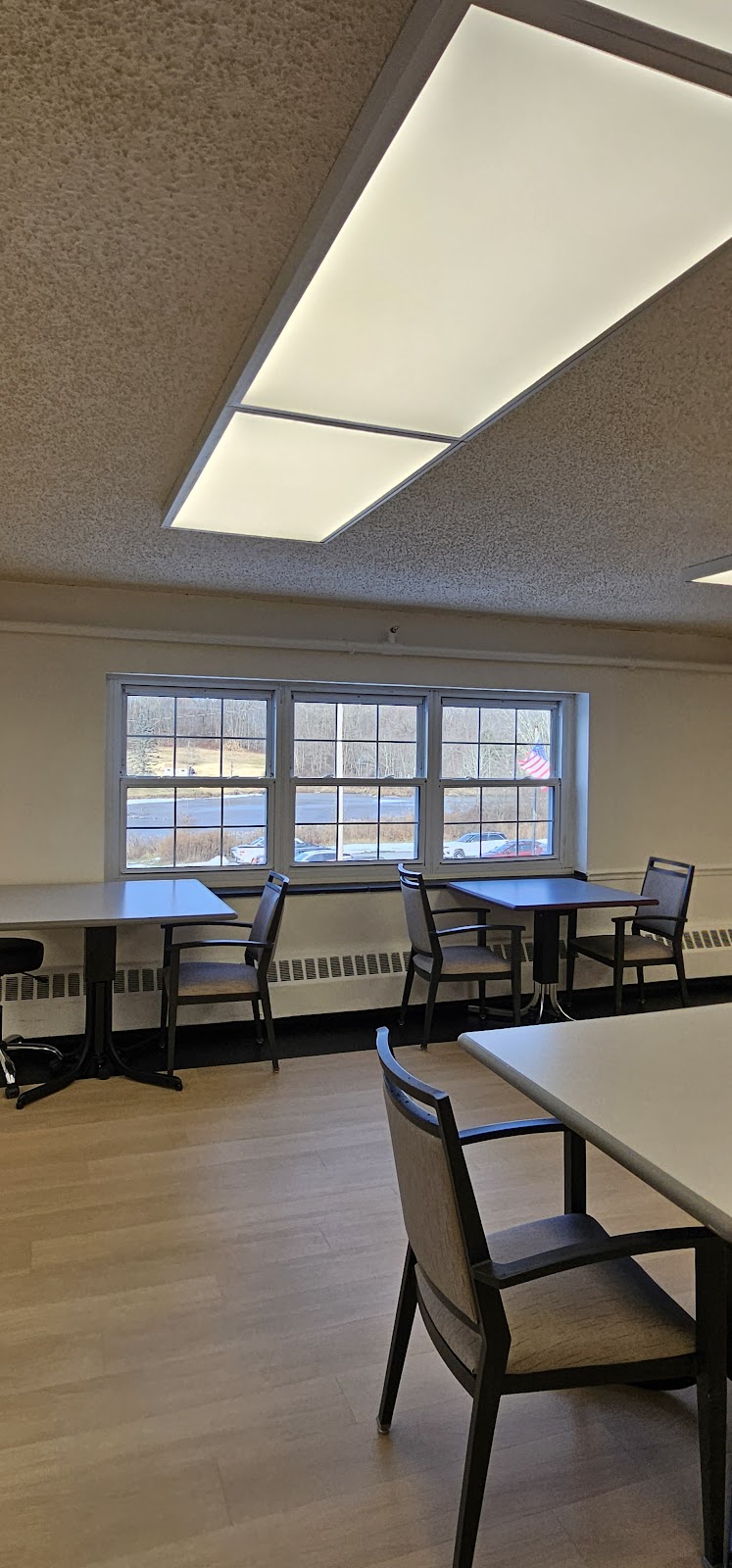
How is Putnam Nursing & Rehabilitation Center Staffed?

CMS rates PUTNAM NURSING & REHABILITATION CENTER's staffing level at 2 out of 5 stars, which is below average compared to other nursing homes. Staff turnover is 40%, compared to the New York average of 46%. This relatively stable workforce can support continuity of care.

What Have Inspectors Found at Putnam Nursing & Rehabilitation Center?

State health inspectors documented 15 deficiencies at PUTNAM NURSING & REHABILITATION CENTER during 2019 to 2025. These included: 1 that caused actual resident harm and 14 with potential for harm. Deficiencies causing actual harm indicate documented cases where residents experienced negative health consequences.
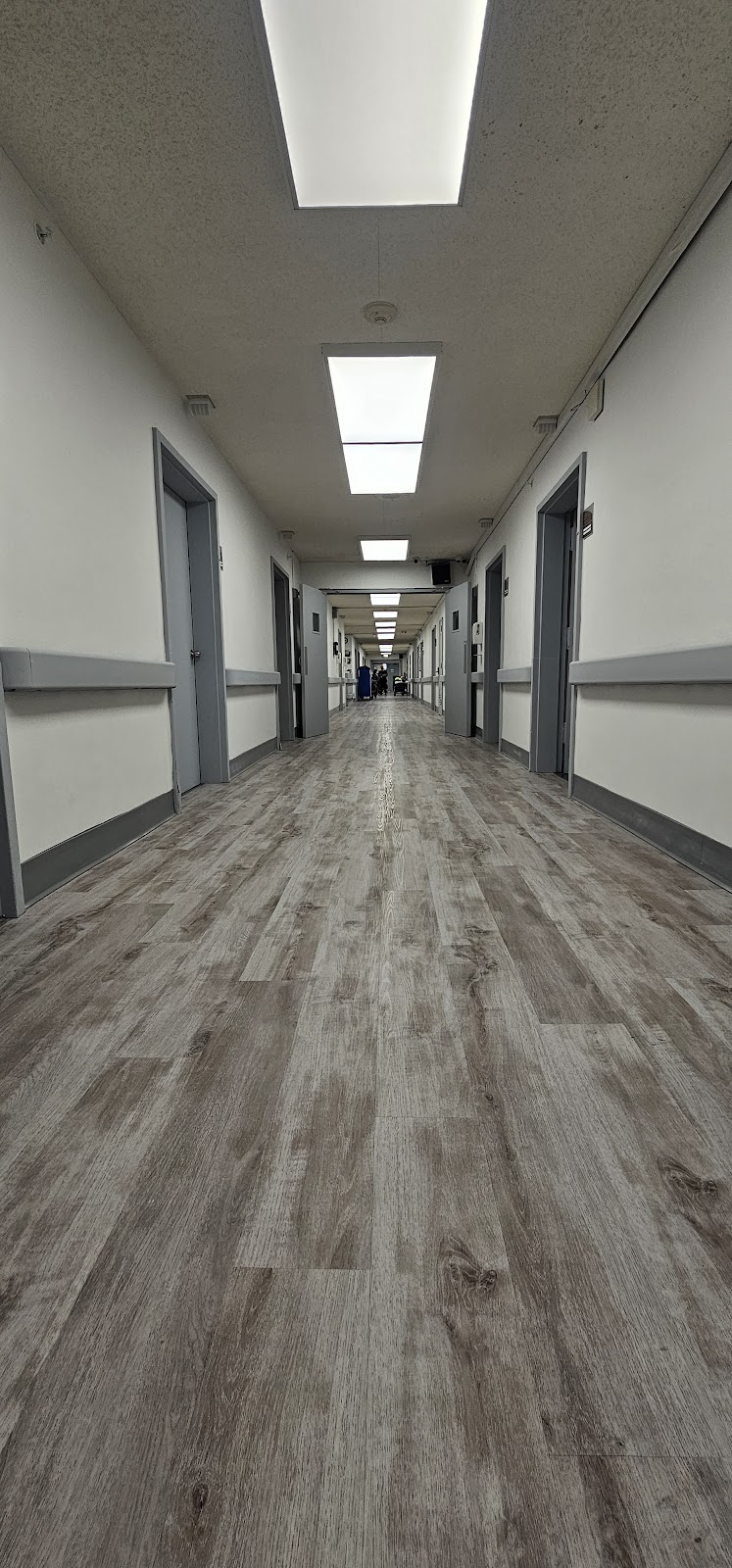
Who Owns and Operates Putnam Nursing & Rehabilitation Center?

PUTNAM NURSING & REHABILITATION CENTER is owned by a for-profit company. For-profit facilities operate as businesses with obligations to shareholders or private owners. The facility is operated by EPIC HEALTHCARE MANAGEMENT, a chain that manages multiple nursing homes. With 160 certified beds and approximately 104 residents (about 65% occupancy), it is a mid-sized facility located in HOLMES, New York.
How Does Putnam Nursing & Rehabilitation Center Compare to Other New York Nursing Homes?

Compared to the 100 nursing homes in New York, PUTNAM NURSING & REHABILITATION CENTER's overall rating (2 stars) is below the state average of 3.1, staff turnover (40%) is near the state average of 46%, and health inspection rating (2 stars) is below the national benchmark.

What Should Families Ask When Visiting Putnam Nursing & Rehabilitation Center?

Based on this facility's data, families visiting should ask: "Can you walk me through typical staffing levels on day, evening, and night shifts?" "Can I visit during a mealtime to observe dining assistance and food quality?" "How do you handle medical emergencies, and what is your hospital transfer rate?" "Can I speak with family members of current residents about their experience?" These questions are particularly relevant given the below-average staffing rating.

Is Putnam Nursing & Rehabilitation Center Safe?

Based on CMS inspection data, PUTNAM NURSING & REHABILITATION CENTER has a clean safety record: no substantiated abuse findings (meaning no confirmed cases of resident harm), no Immediate Jeopardy citations (the most serious violation level indicating risk of serious injury or death), and is not on the Special Focus Facility watch list (a federal program monitoring the lowest-performing 1% of nursing homes). The facility has a 2-star overall rating and ranks #100 of 100 nursing homes in New York. While no facility is perfect, families should still ask about staff-to-resident ratios and recent inspection results during their visit.

Do Nurses at Putnam Nursing & Rehabilitation Center Stick Around?

PUTNAM NURSING & REHABILITATION CENTER has a staff turnover rate of 40%, which is about average for New York nursing homes (state average: 46%). Moderate turnover is common in nursing homes, but families should still ask about staff tenure and how the facility maintains care continuity when employees leave.

Was Putnam Nursing & Rehabilitation Center Ever Fined?

PUTNAM NURSING & REHABILITATION CENTER has been fined $19,984 across 2 penalty actions. This is below the New York average of $33,279. While any fine indicates a compliance issue, fines under $50,000 are relatively common and typically reflect isolated problems that were subsequently corrected. Families should ask what specific issues led to these fines and confirm they've been resolved.

Is Putnam Nursing & Rehabilitation Center on Any Federal Watch List?

PUTNAM NURSING & REHABILITATION CENTER is not on any federal watch list. The most significant is the Special Focus Facility (SFF) program, which identifies the bottom 1% of nursing homes nationally based on persistent, serious quality problems. Not being on this list means the facility has avoided the pattern of deficiencies that triggers enhanced federal oversight. This is a positive indicator, though families should still review the facility's inspection history directly.