CARILLON NURSING AND REHABILITATION CENTER
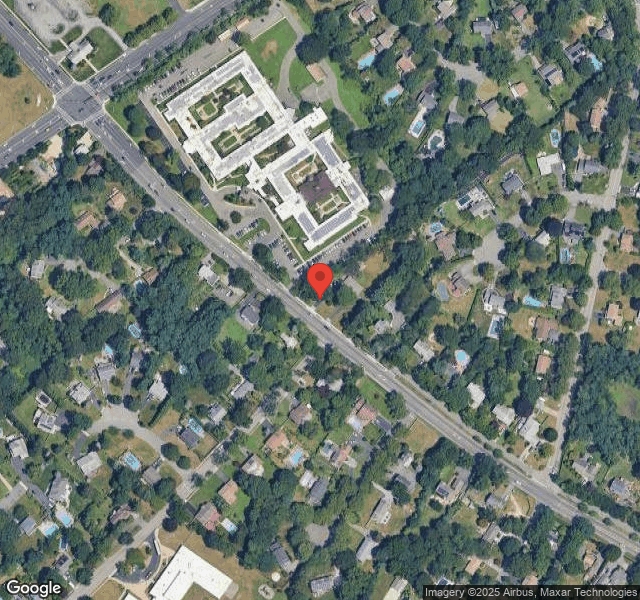
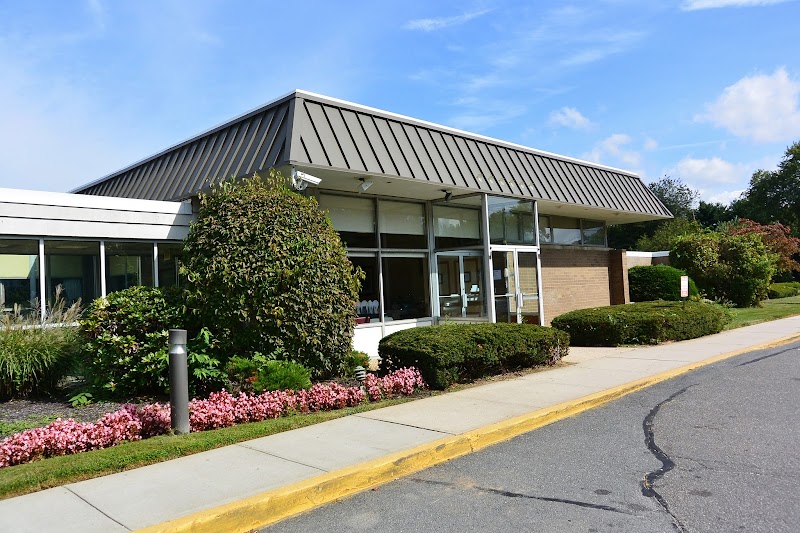
830 PARK AVENUE, HUNTINGTON, NY 11743 (631) 271-5800
For profit - Limited Liability company 315 Beds CASSENA CARE Data: November 2025
Trust Grade
78/100
#144 of 594 in NY
Last Inspection: May 2025

Inspected within the last 6 months. Data reflects current conditions.

Overview

Carillon Nursing and Rehabilitation Center has a Trust Grade of B, indicating it is a good choice for care, though not without concerns. It ranks #144 out of 594 facilities in New York, placing it in the top half, and #17 out of 41 in Suffolk County, meaning only a few local options are better. However, the facility is experiencing a worsening trend, with issues increasing from 3 in 2023 to 6 in 2025. Staffing ratings are average with a turnover rate of 42%, similar to the state average, but they do have more RN coverage than 95% of facilities, which is a significant strength. Concerns include $22,523 in fines, which is higher than 76% of New York facilities, and specific incidents like insufficient nursing staff during weekends and failure to follow infection control protocols, which could pose risks to residents' health. Overall, while there are some strong points such as excellent quality measures and good RN coverage, families should be aware of the staffing concerns and recent compliance issues.

Trust Score
B
78/100
In New York
#144/594
Top 24%
Safety Record
Low Risk
No red flags
Inspections
Getting Worse
3 → 6 violations
Staff Stability
○ Average
42% turnover. Near New York's 48% average. Typical for the industry.
Penalties
✓ Good
$22,523 in fines. Lower than most New York facilities. Relatively clean record.
Skilled Nurses
✓ Good
Each resident gets 68 minutes of Registered Nurse (RN) attention daily — more than 97% of New York nursing homes. RNs are the most trained staff who catch health problems before they become serious.
Violations
○ Average
9 deficiencies on record. Average for a facility this size. Mostly minor or procedural issues.
★★★★☆
4.0
Overall Rating
★★★☆☆
3.0
Staff Levels
★★★★★
5.0
Care Quality
★★★☆☆
3.0
Inspection Score
Stable
2023: 3 issues
2025: 6 issues

The Good

  • 5-Star Quality Measures · Strong clinical quality outcomes
  • Full Sprinkler Coverage · Fire safety systems throughout facility
  • No fines on record
  • Staff turnover below average (42%)

    6 points below New York average of 48%

Facility shows strength in quality measures, fire safety.

The Bad

Staff Turnover: 42%

Near New York avg (46%)

Typical for the industry

Federal Fines: $22,523

Below median ($33,413)

Minor penalties assessed

Chain: CASSENA CARE

Part of a multi-facility chain

Ask about local staffing decisions and management

The Ugly 9 deficiencies on record

May 2025 6 deficiencies
CONCERN (D)

Potential for Harm - no one hurt, but risky conditions existed

MDS Data Transmission (Tag F0640)

Could have caused harm · This affected 1 resident

**NOTE- TERMS IN BRACKETS HAVE BEEN EDITED TO PROTECT CONFIDENTIALITY** Based on record review and interviews during the Recertification Survey initiated on 5/13/2025 and completed on 5/19/2025, the f...

Read full inspector narrative →
**NOTE- TERMS IN BRACKETS HAVE BEEN EDITED TO PROTECT CONFIDENTIALITY** Based on record review and interviews during the Recertification Survey initiated on 5/13/2025 and completed on 5/19/2025, the facility did not ensure that all completed Minimum Data Set assessments were electronically transmitted to the Center for Medicare and Medicaid Services within 14 days of the resident assessment completion date. This was identified for one (Resident #240) of one resident reviewed for the Resident Assessment Task. Specifically, Resident #240's five-day Minimum Data Set Assessment was not transmitted within 14 days of the resident assessment completion date. Additionally, the resident was discharged from the facility in December 2024; however, the Minimum Data Set discharge assessment was not completed and transmitted until May 2025. The finding is: The facility policy and procedure titled Minimum Data Set Assessment Version 3.0, effective 10/2020, documented the facility will conduct initial and periodic comprehensive, accurate, standardized, reproducible assessments of each resident's functional capacity. The Resident Assessment Instrument must be completed within 14 days of admission. The Minimum Data Set department will generate a weekly/monthly Minimum Data Set Assessment schedule. They will input the completed Minimum Data Set Assessment into the data systems daily and submit records at least weekly in the New York State database within 14 days of the care plan date for comprehensive assessments and sign-off date for Quarterly and Prospective Payment System assessments. A review of the electronic medical record revealed Resident #240 was admitted to the facility on [DATE]. Resident #240's Five-Day Minimum Data Set assessment with an assessment reference date of 12/20/2024 was completed on 1/3/2025. A review of the Minimum Data Set Assessment 3.0 Nursing Home Validation Report dated 5/14/2025 revealed the Five-Day Minimum Data Set assessment dated [DATE] was transmitted to the Center for Medicare and Medicaid Services and accepted on 3/20/2025. Resident #240's minimum data set assessment was transmitted 62 days after the due date, 1/17/2025. A review of the Minimum Data Set Assessment 3.0 Nursing Home Validation Report dated 3/20/2025 revealed that the Discharge-Return anticipated Minimum Data Set assessment dated [DATE] was completed on 3/20/2025. The transmission was rejected due to data entry errors for sections B0100 through B1300. The validation report documented a warning that the Discharge-Return anticipated Minimum Data Set assessment was submitted late and was more than 14 days overdue. Resident #240's discharge-return anticipated Minimum Data Set assessment with an assessment reference date of 12/20/2024 was completed on 5/14/2025, 131 days after the due date, 1/3/2025. A review of the Minimum Data Set Assessment 3.0 Nursing Home Validation Report dated 5/14/2025 revealed that the Discharge-Return anticipated Minimum Data Set assessment dated [DATE] was completed on 5/14/2025, and the transmission was accepted. The validation report documented a warning that the Discharge-Return anticipated Minimum Data Set assessment was completed late and was more than 14 days after the assessment reference date. During an interview on 5/15/2025 at 9:57 AM, Minimum Data Set Coordinator #1 stated the Five-Day Minimum Data Set assessment should have been transmitted within 14 days of the completion date. Minimum Data Set Coordinator #1 stated the delay might have been a technical error; the Discharge assessment was initially submitted on 3/20/2025, rejected on 3/20/2025, and resubmitted and accepted on 5/14/2025. During an interview on 5/15/2025 at 2:25 PM, the Director of Nursing Services stated that the Minimum Data Set Coordinators should check the validation reports to ensure that Minimum Data Set assessments are completed and transmitted on time. The Director of Nursing Services stated the Five-Day assessment was not submitted due to a human error. 10 NYCRR 415.11
CONCERN (D)

Potential for Harm - no one hurt, but risky conditions existed

Deficiency F0657 (Tag F0657)

Could have caused harm · This affected 1 resident

**NOTE- TERMS IN BRACKETS HAVE BEEN EDITED TO PROTECT CONFIDENTIALITY** Based on observation, record review, and interviews during the Recertification Survey initiated on 5/13/2025 and completed on, 5...

Read full inspector narrative →
**NOTE- TERMS IN BRACKETS HAVE BEEN EDITED TO PROTECT CONFIDENTIALITY** Based on observation, record review, and interviews during the Recertification Survey initiated on 5/13/2025 and completed on, 5/20/2025 the facility did not ensure that comprehensive care plans were reviewed and revised by the interdisciplinary team to reflect each resident's preferences and status after each assessment. This was identified for one (Resident #230) of one resident reviewed for Activities of Daily Living. Specifically, Resident #230's care plan included the use of a right-resting hand splint for positioning and a left-hand palm grip to be worn at all times; however, the resident refused the right arm splint and left palm grip. There was no documented evidence that the resident's care plan was revised to reflect the resident's preferences or refusals. The finding is: The facility's policy titled Care Planning Process, last reviewed on 7/2022, documented the facility shall have a care planning process that is person-centered, which includes integrating assessment findings in the care planning, developing an interdisciplinary care plan, and regularly reviewing and revising the care plan. The Nursing Care Profile will serve as the primary communication for the Certified Nursing Assistant to dictate their care. The care plan shall describe the services that are being provided and any services or treatments that would otherwise be required but are not provided due to the resident's exercise of the right to refuse treatment. The care plan is reviewed and revised by the interdisciplinary team after each assessment, including both the comprehensive and quarterly review assessments. The care plan is revised by the members of the interdisciplinary team based on changing goals, preferences, and needs of the resident and in response to current interventions. Resident #230 was admitted with diagnoses including Cerebral Infarction, Hemiplegia, and Hemiparesis affecting the left non-dominant side. The Quarterly Minimum Data Set assessment dated [DATE] documented a Brief Interview for Mental Status score of 7, indicating the resident had severe cognitive impairment. The Activities of Daily Living care plan, dated 3/12/2025, documented the resident had a self-care performance deficit. The interventions included applying a right resting hand splint for positioning and a left-hand palm grip to be worn at all times and to be removed for hygiene/grooming and skin checks. An Occupational Therapy note dated 6/27/2024 documented that an assistive device was provided to the resident for their left hand to prevent contracture, which must be worn at all times and removed for hygiene/grooming, and skin checks. An Occupational Therapy note dated 7/2/2024 documented that a right resting hand splint for positioning was provided to the resident. An Occupational Therapy note dated 8/27/2024 documented that the resident preferred not to utilize the splint anymore despite education. An Occupational Therapy Evaluation dated 12/6/2024 documented that a left-hand splint was provided to the resident in the past, but the resident complained that the splint was uncomfortable. A Rehabilitation-Nursing Recommendation form dated 12/6/2024 documented that a left arm tray adaptive device was provided to the resident. A review of the Physician's orders revealed no order for the right-resting hand splint or the left-hand palm grip. A review of the Certified Nursing Assistant Accountability Record for March, April, and May 2025 revealed no documentation for using the right resting hand splint or the left-hand palm grip. During an observation and interview on 5/19/2025 at 9:22 AM, Resident #230 was sitting in bed. The resident did not have a hand splint on the right hand and did not have a left palm grip. The resident stated they did not use any splint. During an interview on 5/19/2025 at 12:15 PM, Registered Nurse #3 stated they were responsible for updating care plans and completing the Minimum Data Set assessments. Registered Nurse #3 stated they believe the resident refused the hand splint and left-hand palm grip. Registered Nurse #3 stated the care plan should have been revised to reflect the discontinued use of the hand splint and palm grip. During a re-interview on 05/19/25 at 12:31 PM, Registered Nurse #3 stated the resident came back from the hospital on [DATE] and was re-evaluated by the rehabilitation department. The rehabilitation department did not recommend the hand splint or palm roll. Registered Nurse #3 stated that the care plan needed to be updated after the resident was re-evaluated by the rehabilitation department, and the use of the devices was no longer advised. During an interview on 5/19/2025 at 12:59 PM, the Rehabilitation Director stated the resident was assessed by the rehabilitation staff when the resident returned from the hospital on [DATE]. The right-hand splint and the left palm grip devices were no longer required and were not appropriate interventions. The Rehabilitation Therapist who made the determination should have filled out a nursing communication form for the nurses to update the care plan. During an interview on 5/19/2025 at 2:05 PM, the Director of Nursing Services stated Resident #230's care plans should have been updated to reflect changes to the devices based on the Rehabilitation Department's evaluation. 10 NYCRR 415.11(c)(2)(i-iii)
CONCERN (D)

Potential for Harm - no one hurt, but risky conditions existed

Pressure Ulcer Prevention (Tag F0686)

Could have caused harm · This affected 1 resident

**NOTE- TERMS IN BRACKETS HAVE BEEN EDITED TO PROTECT CONFIDENTIALITY** Based on observations, record review, and interviews during the Recertification Survey initiated on 5/13/2025 and completed on 5...

Read full inspector narrative →
**NOTE- TERMS IN BRACKETS HAVE BEEN EDITED TO PROTECT CONFIDENTIALITY** Based on observations, record review, and interviews during the Recertification Survey initiated on 5/13/2025 and completed on 5/19/2025, the facility did not ensure that each resident received care consistent with professional standards of practice to promote healing, prevent infections, and prevent new ulcers from developing. This was identified for one (Resident #44) of four residents reviewed for Pressure Ulcers. Specifically, Resident #44 with a history of a pressure ulcer to the sacrum utilized an air mattress for pressure relief. During two separate observations, the weight setting for the air mattress was not calibrated to the resident's actual weight. The finding is: The facility's policy titled Pressure Injury/Pressure Ulcer Assessment, Prevention and Management, last revised on 3/2023, documented that the facility shall provide care and services consistent with professional standards of practice to prevent pressure injury/ulcer development and promote the healing of existing pressure injury/ulcer (including prevention of infection to the extent possible) as specified in the facilities Pressure Injury/Ulcer Assessment, prevention, and Management Program. Resident #44 was admitted with diagnoses including Venous Insufficiency (poor blood circulation to the lower extremities), Dysphagia (difficulty swallowing), and Heart Disease. The Minimum Data Set assessment dated [DATE] documented a Brief Interview for Mental Status score of 13, which indicated the resident had intact cognition. The Minimum Data Set documented that the resident was at risk for Pressure Ulcers and utilized a pressure-reducing device for the bed. The operation manual for the Air Mattress included instructions to adjust the internal pressure according to the patient's weight by using the weight button on the control panel of the power unit. A Braden Scale Assessment (a standardized assessment tool used to predict the risk of developing pressure injuries) dated 4/3/2025 documented a score of 12 indicating the resident was at high risk for developing a pressure ulcer. A Comprehensive Care Plan entitled The resident has potential for skin breakdown, dated 12/17/2024, documented a history of sacral pressure ulcer, chronic wounds, and impaired mobility. The intervention included the use of an air mattress. A Physician Progress Note dated 4/28/2025 documented Resident #44 was bedridden with chronic skin changes to their right lower leg. The resident had a history of sacral ulcers and was followed on wound rounds due to a vascular wound to the right lower extremity. A Physician's order dated 5/2/2025 documented an order to check the air mattress function and weight setting at 250. A review of the electronic medical record indicated that Resident #44's most recent weight was 279.2 pounds on 5/01/2025. During an observation on 5/14/2025 at 10:29 AM, Resident #44 was in bed sleeping on an air mattress. The weight setting for the air mattress was set at 100 pounds. During an observation on 5/14/2025 at 3:36 PM, Resident #44 was seen in their bed sleeping on an air mattress. The weight setting for the air mattress was set at 200 pounds. During an interview on 5/14/2025 at 3:36 PM, the Unit Manager, Licensed Practical Nurse #1 verified the air mattress setting which was set at 200 pounds, and stated the air mattress weight setting sometimes changes by itself and they were responsible for making sure the setting is according to the resident's weight and the physician's orders. During an interview on 5/16/2025 at 9:40 AM, Wound Care Registered Nurse #1 stated they were responsible for obtaining an order for the air mattress and providing the air mattress to the residents who have pressure ulcers and residents who are at high risk for developing ulcers. The unit nurses are responsible to monitor and ensure the weight setting for the air mattress is set according to the resident's weight and according to the doctor's orders. Resident # 44's weight setting should have been set at 250 pounds as per the physician's orders. 10 NYCRR 415.12(c)(1)
CONCERN (D)

Potential for Harm - no one hurt, but risky conditions existed

Deficiency F0697 (Tag F0697)

Could have caused harm · This affected 1 resident

**NOTE- TERMS IN BRACKETS HAVE BEEN EDITED TO PROTECT CONFIDENTIALITY** Based on observations, record review, and interviews during the Recertification Survey initiated on 5/13/2025 and completed on 5...

Read full inspector narrative →
**NOTE- TERMS IN BRACKETS HAVE BEEN EDITED TO PROTECT CONFIDENTIALITY** Based on observations, record review, and interviews during the Recertification Survey initiated on 5/13/2025 and completed on 5/19/2025, the facility did not ensure that pain management was provided to each resident who requires such services, consistent with professional standards of practice, and the comprehensive person-centered care plan. This was identified for one (Resident #335) of four residents reviewed for Pressure Ulcers. Specifically, Resident #335 complained of discomfort during the wound care treatment of their Coccyx (tailbone) Stage 2 pressure ulcer. Registered Nurse #4 (the nurse administering the wound treatment) continued the treatment without assessing and addressing the resident's pain. The finding is: The facility's policy titled Pain Management, dated 1/22/2025, documented the facility is committed to providing optimal pain management to the residents. Each resident has the right to have his/her pain issues addressed. If the resident reports pain, the registered professional nurse will rate the resident's pain using one of the following rating scales according to the resident's ability to communicate. The monitoring of pain before and after every nursing intervention for pain is also documented on the Medication Administration Record before and after the intervention to determine the effect of the intervention. The facility's policy titled Pressure Ulcers/Skin Breakdown-Clinical Protocol, dated 1/22/2025, documented when assessing the resident with a pressure injury- assess residents for pain related to pressure injury or its treatment. Manage pain by eliminating or controlling the source of pain (i.e., cover wounds, adjust support surfaces, reposition). Provide analgesia (pain relief) as needed and appropriate. Resident #335 was admitted with diagnoses including Multiple Fracture of Ribs and Pneumonia. The Minimum Data Set assessment dated [DATE] documented a Brief Interview for Mental Status (BIMS) score of 9, indicating the resident had moderate cognitive impairment. The resident had a stage 1 pressure ulcer, occasionally had moderate pain, and had received scheduled and as-needed pain medications. The resident was dependent on staff for bed mobility and transfers. A Comprehensive Care Plan titled Pain/discomfort, effective 3/19/2025, documented interventions including to assess/monitor for pain or change in condition with potential for pain, anticipate the resident's need for pain intervention, pre-medicate as needed, adjust daily schedule/routine for comfort as needed, and monitor the effectiveness of plan and response to interventions. A physician's order dated 5/13/2025 documented to administer Acetaminophen 325 milligrams, give 2 tablets by mouth every 6 hours as needed for Pain. The physician's orders also documented to cleanse the Coccyx wound with Derma Klenz (wound cleansing agent), apply Skin Barrier around the wound, allow the barrier to dry, and apply Dermafilm Hydrocolloid (wound dressing to cover the wound) every 3 days for the [stage 2]wound. The Wound care notes dated 5/14/2025 documented the resident had a Coccyx Stage 2 pressure ulcer that was acquired in the facility on 4/27/2025. During an observation of Resident #335's pressure ulcer treatment on 5/16/2025 at 10:15 AM, Registered Nurse #4 was observed performing treatment to the Coccyx area with the assistance of Certified Nursing Assistant #6. The resident was turned to the right side towards Certified Nursing Assistant #6. Registered Nurse #4 removed and discarded the dressing from the Coccyx area, and cleansed the wound with DermaKlenz sprayed onto a 4x4 dressing. Resident #335 complained of discomfort and stated, ouch, ouch. Registered Nurse #4 heard and acknowledged the resident's discomfort and continued with the treatment. Registered Nurse #4 stated, I know, the dressing is cold, and continued to wipe the area. Registered Nurse #4 did not question the resident about the pain or discomfort. Registered Nurse #4 was immediately interviewed and stated they did not assess the resident for pain because the resident was not in any pain before the treatment and did not want any pain medication. Registered Nurse #4 then stated they should have assessed the resident's pain level when the resident complained of discomfort and was saying ouch-ouch. During an interview on 5/19/2025 at 11:28 AM, Registered Nurse Unit Manager #5 stated Registered Nurse #4 should have stopped the treatment, assessed the resident's pain level, and notified the Physician to obtain an order for the pain medication. During an interview on 5/19/2025 at 2:19 PM, Wound Care Registered Nurse #1 stated Registered Nurse #4 should have stopped, assessed, and medicated the resident for pain. Wound Care Registered Nurse #1 stated the Physician should have been called if the current pain medication was not effective for the resident. Wound Care Registered Nurse #1 stated the stage 2 pressure ulcer treatment was recently changed from normal saline to Derma Klenz on 5/13/2025 which may have caused the discomfort on 5/16/2025 and the treatment order was changed back to cleansing the coccyx wound with normal saline on 5/16/2025. During an interview on 5/19/2025 at 2:17 PM, the Director of Nursing Services stated Registered Nurse #4 should have stopped the wound care treatment, assessed the resident's pain level, and medicated the resident. The Director of Nursing Services stated the resident's pain should be reported to the Physician for additional pain medication orders if needed. 10 NYCRR 415.12
CONCERN (D)

Potential for Harm - no one hurt, but risky conditions existed

Infection Control (Tag F0880)

Could have caused harm · This affected 1 resident

**NOTE- TERMS IN BRACKETS HAVE BEEN EDITED TO PROTECT CONFIDENTIALITY** Based on observation, record review, and staff interviews during the Recertification Survey, initiated on 5/13/2025 and complete...

Read full inspector narrative →
**NOTE- TERMS IN BRACKETS HAVE BEEN EDITED TO PROTECT CONFIDENTIALITY** Based on observation, record review, and staff interviews during the Recertification Survey, initiated on 5/13/2025 and completed on 5/19/2025, the facility did not ensure that an infection prevention and control program was implemented to provide a safe, sanitary, and comfortable environment to help prevent the development and transmission of communicable diseases and infections. This was identified for one (Unit 2) of six nursing units reviewed during the Medication Administration Task. Specifically, during a medication pass observation for Resident #188, who was on Enhanced Barrier Precautions, Registered Nurse #8 handled Resident #188's used meal tray after administering medications to the resident. Registered Nurse #8 did not perform hand hygiene. Registered Nurse #8 then proceeded down the hall, pushing the medication cart and a blood pressure machine, entered Resident #248's room, and opened the resident's meal tray items. The finding is: The facility Infection Control Hand Hygiene Protocol policy, dated 11/2017, documented to follow a hand hygiene protocol to prevent the spread of potential pathogens. The guidelines for hand hygiene included before and after each resident/patient contact, before, during, and after food preparation, and before handling the resident/patient's food. Resident #188 was admitted with diagnoses that included Acute Kidney Failure, Type II Diabetes Mellitus, and Hemodialysis. The admission Minimum Data Set assessment dated [DATE] documented the resident's Brief Interview for Mental Status score was 9, which indicated the resident's cognition was moderately impaired. The resident was dependent and required maximal assistance from staff for all areas of activities of daily living, except for eating, which only required set-up help. A Physician's order dated 3/25/25 documented Enhanced Barrier Precautions during high contact activities related to Status Post Perma-catheter (a catheter inserted into a large vein, often in the neck or chest for dialysis treatments) every shift. Resident #248 was admitted with diagnoses that included Hypertension, Diabetes Mellitus, and Traumatic Brain Injury. The admission Minimum Data Set assessment dated [DATE] documented the resident's Brief Interview for Mental Status score was 9, which indicated the resident's cognition was moderately impaired. During a medication pass observation on 5/16/2025 at 9:00 AM on Unit 2, Registered Nurse #8 was observed administering medications for Resident #188. An Enhanced Barrier Precaution signage and a Personal Protective Equipment cart were observed outside the door of Resident #188's room. After the medication administration was completed, Registered Nurse #8 was observed removing the resident's used breakfast meal tray from the overbed table. Registered Nurse #8 did not perform hand hygiene. Registered Nurse #8 then proceeded down the hall, pushing the medication cart and a blood pressure machine, entered Resident #248's room, and opened the resident's meal tray items. During an interview on 5/16/2025 at 9:25 AM, Registered Nurse #8 stated they should have performed hand hygiene prior to leaving a resident's room. Registered Nurse #8 acknowledged that they did not perform hand hygiene when they left Resident #188's room and prior to entering Resident #248's room and assisting the resident with their meal tray setup. During an interview on 5/19/2025 at 12:48 PM, the In-service Coordinator stated after leaving a resident's room, staff must perform hand hygiene regardless of the task they have completed for the resident. The In-service Coordinator stated hand washing is the basic intervention to prevent the spread of infection. Registered Nurse #8 should have washed their hand before exiting Resident #188's room and before touching Resident #248's tray. During an interview on 5/19/2025 at 1:10 PM, the Director of Nursing Services stated Registered Nurse #8 should have performed hand hygiene prior to exiting Resident #188's room. The Director of Nursing Services stated that Registered Nurse #8 should not have handled the meal tray before washing their hands. 10 NYCRR 415.19(a)(1-3)
CONCERN (E)

Potential for Harm - no one hurt, but risky conditions existed

Deficiency F0725 (Tag F0725)

Could have caused harm · This affected multiple residents

**NOTE- TERMS IN BRACKETS HAVE BEEN EDITED TO PROTECT CONFIDENTIALITY** Based on record review and interviews during the Recertification initiated on 5/13/2025 and completed on 5/19/2025, the facility...

Read full inspector narrative →
**NOTE- TERMS IN BRACKETS HAVE BEEN EDITED TO PROTECT CONFIDENTIALITY** Based on record review and interviews during the Recertification initiated on 5/13/2025 and completed on 5/19/2025, the facility did not ensure sufficient nursing staff were available to provide nursing services to attain or maintain the highest practicable physical, mental, and psychosocial well-being for each resident. This was identified for three (Unit 1, Unit 6, and Unit 7) of six nursing units reviewed for the Sufficient Staffing Task. Specifically, the facility was triggered for excessively low weekend staffing on the Payroll-Based Journal Staffing Data Report for the Fiscal Year Quarter 1 2025 (October 1-December 31). A review of the daily staffing sheets indicated that Unit 1, Unit 6, and Unit 7 did not have sufficient nursing staff available to care for residents during the weekends in October 2024, November 2024, December 2024, and 5/18/2025. The finding is: The facility policy titled Sufficient Staffing, dated 2/2025 documented it is the policy of the facility to utilize an electronic staffing system for scheduling and a paper breakdown sheet for daily staffing for the nursing department. The facility is required to provide licensed nursing staff, including certified nursing assistants, 24 hours a day, seven days a week, The facility also designates a licensed nurse to serve as a charge nurse on each tour of duty. The purpose of the policy was to ensure that sufficient qualified nursing staff are always available to provide nursing and related services. Staffing for each shift is evaluated and adjusted as necessary to ensure safe and effective nursing care. Staffing levels are determined based on resident assessments, individual care plans, and the number, acuity, and diagnoses of the facility's resident population, in accordance with the Facility Assessment to meet resident needs. Relief personnel are scheduled as needed to maintain coverage during vacations, holidays, emergencies, and leaves of absence. A review of the Payroll-Based Journal Staffing Data Report for the Fiscal Year Quarter 1 2025 (October 1-December 31) documented the facility was triggered for excessively low weekend staffing for the Fiscal Year Quarter 1 2025 (October 1-December 31). The Facility Assessment Policy, last reviewed on 1/24/2025, documented to complete a facility-wide assessment to determine what resources are necessary to care for residents competently during daily operations and during emergencies. The Facility assessment dated [DATE] documented that Unit 1 had a capacity of 44 residents and required the following number of nursing staff based on a full census: -For the 11:00 PM to 7:00 AM shift there should be one Nurse and two Certified Nursing Assistants. A review of the Daily Census Report on 10/6/2024 revealed that Unit 1 had a census of 38 residents. The Daily Staffing sheet dated 10/6/2024 indicated there was no nurse assigned to work during the 11:00 PM to 7:00 AM shift on Unit 1; however, the Facility Assessment documented a need for one Nurse. The Facility assessment dated [DATE] documented Unit 6 had a capacity of 51 residents and required the following number of nursing staff based on a full census: -For the 3:00 PM to 11:00 PM shift there should be one and a half Nurses (one nurse to work part of the shift) and five Certified Nursing Assistants, A review of the Daily Census Report revealed Unit 6 had a census of 48 residents on 10/05/2024. A review of the daily staffing sheets from 10/05/2024 to 10/31/2024 for Unit 6 during the 3:00 PM to 11:00 PM shift revealed the following: -One Nurse and four Certified Nursing Assistants were assigned to work on 10/05/2024; however, the Facility Assessment documented a need for one and a half Nurses and five Certified Nursing Assistants. The Facility assessment dated [DATE] documented Unit 7 had a capacity of 54 residents and required the following number of nursing staff based on a full census: - For the 3:00 PM to 11:00 PM shift there should be one and a half Nurses and five Certified Nursing Assistants, A review of the daily Census reports from 10/13/2024 to 10/27/2024 revealed Unit 7 had a census of 50-51 residents. A review of the daily staffing sheets from 10/13/2024 to 10/27/2024 for Unit 7 during the 3:00 PM to 11:00 PM shift revealed the following: -Three and a half Certified Nursing Assistants were assigned to work on 10/13/2024, during the 3:00 PM to 11:00 PM shift; however, the Facility Assessment documented a need for Five Certified Nursing Assistants. -Four Certified Nursing Assistants were assigned to work on 10/19/2024,10/20/2024 and 10/27/2024 during the 3:00 PM to 11:00 PM shift; however, the Facility Assessment documented a need for Five Certified Nursing Assistants. A review of the Daily Census Reports dated 5/18/2025 revealed Unit 7 had a census of 51 residents. A review of the daily staffing sheet dated 5/18/2025 revealed Unit 7 had four Certified Nursing Assistants assigned to work during the 7:00 AM to 3:00 PM shift; however, the Facility Assessment documented a need for five Certified Nursing Assistants. During an interview on 5/18/2025 at 5:15 PM, Registered Nurse #6 stated there are one and a half nurses on Unit 6 during the 3:00 PM -11:00 PM shift which means a second nurse would stay on the unit until 7:00 PM and after 7:00 PM Registered Nurse #6 would be responsible for all 45 residents. Registered Nurse #6 stated sometimes they are late administering medications because of understaffing. Registered Nurse #6 stated the facility administration knows the weekends are short-staffed including nurses and Certified Nursing Assistants. Registered Nurse #6 stated understaffing causes the residents to receive delayed assistance for the Activity of Daily Living and medication administration. During an interview on 5/18/2025 at 5:26 PM, Certified Nursing Assistant #2 stated they are usually assigned to work on Unit 6. When they were short-staffed they were not able to complete the incontinence care for their assigned residents. Certified Nursing Assistant #2 stated they were only able to toilet the residents who were alert and oriented and asked to use the bathroom. Certified Nursing Assistant #2 stated the residents did not receive incontinence care every two to four hours or turning and positioning every two hours. During an interview on 5/18/2025 at 5:40 PM, Registered Nurse #7 stated they were the only assigned nurse on Unit 7 until 7:15 PM today for 51 residents. During an interview on 5/18/2025 at 5:44 PM, Certified Nursing Assistant #4 stated today they have 13 residents on their assignment. Certified Nursing Assistant #4 stated they did not complete incontinent care for four residents, and these residents will not get assistance with incontinence care until 7:00 PM because of the dinner meal service. During an interview on 5/18/2025 at 6:08 PM, Certified Nursing Assistant #5 stated the facility is short of nursing staff on the weekends. The residents are not showered, toileted, or ambulated as per the plan of care. During an interview on 5/18/2025 at 6:10 PM, Registered Nurse #9 stated the facility is short of nurses and Certified Nursing Assistants on the weekends which causes the residents to get their medications late. When there are just two Certified Nursing Assistants, the residents do not get toileted on time. During an interview on 5/19/2025 at 10:27 AM, the Staffing Coordinator stated the facility administration is aware that the facility is understaffed on the weekends. The Staffing Coordinator stated in October, November, and December 2024 a lot of staff was out on leave for different reasons. The Staffing Coordinator stated the facility utilizes a staffing agency to fulfill the staffing needs for Nurses and Certified Nursing Assistants; however, even with agency employees, the facility continues to be understaffed on the weekends. During an interview on 5/19/2025 at 10:48 AM, the Director of Nursing Services stated they were aware the facility is understaffed especially on weekends due to staff call-outs and leave of absence for various reasons. The Director of Nursing Services stated when the facility is understaffed with Certified Nursing Assistants, the nurses are supposed to assist with resident care; the residents' showers may be rescheduled, or residents may experience delays in receiving care and medications. During an interview on 5/19/2025 at 11:14 AM, the Administrator stated they were aware that they were short of staff on the weekends, and they were working on hiring more staff. 10 NYCRR 415.13(a)(1) (i-iii)
Oct 2023 3 deficiencies
CONCERN (D)

Potential for Harm - no one hurt, but risky conditions existed

Investigate Abuse (Tag F0610)

Could have caused harm · This affected 1 resident

Based on record review and staff interviews during the Recertification Survey initiated on 10/19/2023 and completed on 10/25/2023 the facility did not ensure that all alleged violations of resident ab...

Read full inspector narrative →
Based on record review and staff interviews during the Recertification Survey initiated on 10/19/2023 and completed on 10/25/2023 the facility did not ensure that all alleged violations of resident abuse, neglect, exploitation, or mistreatment were thoroughly investigated. This was identified for one (Resident #113) of four residents reviewed for accidents. Specifically, on 9/7/2023 Resident #113 was observed by Certified Nursing Assistant (CNA) #3 sitting on the toilet in their (Resident #113) room. The resident required extensive assistance of one staff member for toileting; however, CNA #3 did not stay with the resident. The resident subsequently was found on the floor in their room and complained of left hip pain upon assessment. Resident #113 was transferred to the hospital and was diagnosed with a hip fracture. The facility investigation did not include a statement from CNA #3 or any indication that Resident #113 was left on the toilet. The finding is: The facility's policy titled Resident Accident Reporting and Investigation, dated 7/2020, documented the report is a summary of the circumstances surrounding an episode, including statements from staff on duty and all witnesses at the time of the occurrence and any related treatment or investigations to be documented and submitted by the nursing supervisor to the Director of Nursing Services (DNS) no later than 24 hours following the occurrence. The nursing supervisor will obtain relevant statements from all staff, and witnesses, including the resident. Statements will be attached, summarized, and documented in the accident report and investigation form. The DNS reviews all accident reports to ensure accurate and complete documentation of the incident and to determine if there is credible evidence to substantiate an allegation of abuse. Resident #113 was admitted with diagnoses including Non-Alzheimer's Dementia, Traumatic Brain Injury, and Depression. The 8/13/2023 Significant Change Minimum Data Set (MDS) assessment documented a Brief Interview for Mental Status (BIMS) score of 99, indicating the resident was unable to complete the interview. The resident had short and long term memory problems, required extensive assistance of one staff member for transfers, toilet use, and personal hygiene; and was not steady moving on and off the toilet and for walking. The resident was only able to stabilize with staff assistance. The Nursing Care Profile (instructions provided to CNAs regarding resident care needs) for Resident #113, dated 8/6/2023, documented that the resident was unsteady, had impaired judgment, and was impulsive and confused. The resident needed Help A Lot with assistance of one staff member for toileting and hygiene. For walking and transfers the resident required Support Hold. The care profile documented that the resident had a clip alarm (alarm clipped to the resident and the wheelchair to alert staff if the resident rises unattended) for the wheelchair and a pressure-sensitive alarm for the bed. A Situation Background Assessment Recommendation (SBAR) note dated 9/7/2023 documented Resident #113 fell and complained of left hip/buttock pain on 9/7/2023 at 9:45 AM. The summary of observations documented the resident was observed lying on their right side and complaining of pain to the left hip/buttock. The resident stated they were unable to move the left lower extremity. The Physician was notified, and the resident was sent to the emergency room. The SBAR note documented this was an unwitnessed fall. The Accident Report dated 9/7/2023 documented Resident #113 was observed lying on their right side next to their bed. The resident stated, I slipped. The resident complained of pain to the left hip/buttock area during the range of motion. The Physician was contacted, and the resident was transferred to the emergency room for further evaluation. A written statement from Registered Nurse (RN) #4, who was the charge nurse, dated 9/7/2023 documented the resident was observed lying on the right side and was complaining of left hip/buttock pain. The clip alarm was sounding, and the alarm string was found in the garbage. Certified Nursing Assistant (CNA) #2, who was the assigned CNA for Resident #113, dated 9/7/2023 documented in their written statement that they were on their break and did not witness the incident. CNA #2 documented they provided morning care to the resident and last saw the resident at 9:30 AM. A written statement from RN #5 dated 9/7/2023 documented that Resident #113's roommate called for help. RN #5 found Resident #113 on the floor by the bed on the right side. The alarm was sounding. A written statement from RN #6, the RN Supervisor, dated 9/7/2023 documented the resident was walking without assistance and slipped. The incident was unwitnessed, and the only person listed as involved with the resident was CNA #2. The investigation summary completed by the Director of Nursing Services (DNS) dated 9/8/2023 documented the resident had a history of falling secondary to gait disturbance and memory impairment. The resident frequently gets up unassisted and attempts to ambulate unassisted. The resident resides on a secure unit due to his wandering and risk for elopement. The resident's cognition prevents them from requesting assistance or using appropriate devices to increase safety. Resident #113 was last seen by the assigned CNA at 9:30 AM. At 9:45 AM, the resident's chair alarm was sounding and when staff responded, the resident was observed on the floor on their right side. The Clip alarm string was detached and was found in the garbage. The resident was admitted to the hospital with a left hip fracture. The resident received all appropriate care per their care plan and was last taken care of 15 minutes prior to the fall. No evidence of abuse, neglect, or mistreatment was noted. The summary added an addendum on 9/14/2023 that documented resident was noted with new-onset atrial fibrillation (an irregular and often very rapid heart rhythm) and started on medication. The facility concluded that it is reasonable and likely that the abnormal heart rhythm may have contributed to the resident falling which would not have been able to be avoided due to this acute medical event. CNA #2 was assigned to Resident #113 during the 7:00 AM to 3:00 PM shift. During an interview on 10/24/2023 at 10:21 AM, CNA #2 stated they were on their break when Resident #113 fell. CNA #2 stated before they went on their break, they placed the Resident in their wheelchair in their room. The wheelchair had a chair alarm. CNA #2 stated the resident self-propels their wheelchair all over the place and can be left safely in their room in the wheelchair. RN #4 charge nurse was interviewed on 10/24/2023 at 10:29 AM and stated the resident might have attempted to go to the bathroom and fell. RN #4 stated the resident removed the string that was attached from the chair alarm to the resident and put the string in the garbage. RN #4 stated staff responded, and the resident was already on the floor. RN #4 stated the resident was non-compliant and would get up on their own but would be safe to be left alone in their room for short periods. RN #2 stated they thought the resident was found by CNA #3. CNA #3 was interviewed on 10/24/2023 at 2:20 PM and stated they were covering for CNA #2's assignment while CNA #2 was on their break on 9/7/2023. CNA #3 stated they heard the chair alarm sounding and went into Resident #113's room. The resident was sitting on the toilet at the time. CNA #3 stated that RN #5 also came into the room, and they told RN #5 that the resident was on the toilet. CNA #3 stated the resident seemed stable on the toilet, so CNA #3 left the room. CNA #3 stated RN #5 did not stay in the room either. CNA #3 stated they wanted to give the resident privacy. When CNA #3 went back to see if the resident was done toileting, RN #4 told them Resident #113 was on the floor. CNA #3 stated they had to write a statement regarding Resident #113's fall that day. CNA #3 further stated they did not know Resident #113 was a fall risk. The Accident Report dated 9/7/2023 did not include a written statement from CNA #3. RN #4 was re-interviewed on 10/24/2023 at 2:49 PM and stated they thought about Resident #113's fall on 9/7/2023 and now recalled that the resident was on the toilet. RN #4 stated they were not sure if the resident put themselves on the toilet or if CNA #3 put the resident on the toilet. RN #4 stated Help A Lot in the Nursing Care Profile means the resident needs extensive assistance with toileting. RN #4 stated the CNA did not have to stay in the bathroom. The CNA had to stay in the resident's room because the resident requires extensive assistance to complete the toileting process. The written statement provided by RN #4 for the Accident Report dated 9/7/2023 did not include the resident being found sitting on the toilet by CNA #3. CNA #2 was re-interviewed on 10/25/2023 at 8:34 AM and stated they had notified CNA #3 that they were going on their break. CNA #2 stated when they returned, CNA #3 told them the chair alarm for Resident #113 had sounded, and CNA #3 had turned the alarm off. CNA #3 told CNA #2 that Resident #113 was in the bathroom sitting on the toilet, CNA #3 left the resident in the bathroom and told RN #5 that the resident was sitting on the toilet. CNA #2 stated that when they took Resident #113 to the bathroom, they always stayed outside the bathroom door because the resident required extensive assistance to complete toileting. RN #6, assessed Resident #113 on 9/7/2023 after the fall. RN #6 was interviewed on 10/25/2023 at 10:26 AM and stated CNA #3 responded to Resident #113's chair alarm and reported that the resident was sitting on the toilet. CNA #3 left the resident's room because they thought the resident would be okay. RN #6 stated they obtained CNA #3's statement. RN #6 then wrote up CNA #3 because if the CNA was not sure of the resident's toileting needs, they should not have left the resident alone. RN #6 stated the DNS was aware that CNA #3 left Resident #113 alone in the bathroom and that CNA #3 was written up. RN #6 stated they left CNA#3's counseling record and their written statement in the DNS's mailbox. The written statement provided by RN #6 for the Accident Report dated 9/7/2023 did not include the resident being found sitting on the toilet by CNA #3. A review of the 9/7/2023 accident report revealed that there was no statement included from CNA #3, there was no documentation regarding the CNA being written up, and there was no indication in the report that the resident was first identified on the toilet by a staff member and that the staff member did not stay with the resident. The DNS was interviewed on 10/25/2023 at 11:50 AM. After reviewing the accident report the DNS stated they were not aware that CNA #3 had responded to Resident #113's chair alarm and had found the resident sitting on the toilet prior to the incident. The DNS stated that if the Nursing Care Profile indicated Help a Lot for resident care needs then the resident should not have been left alone in the bathroom. The DNS stated if there was a statement from CNA #3, then that statement should have been included in the accident report. The DNS stated that all write-ups are submitted to them (DNS). The DNS stated there were not any write-ups for CNA #3 related to the 9/7/2023 incident. The DNS stated the accident report is supposed to be completed when the report is submitted to them. 10 NYCRR 415.4(b)(1)(ii)
CONCERN (D)

Potential for Harm - no one hurt, but risky conditions existed

Accident Prevention (Tag F0689)

Could have caused harm · This affected 1 resident

**NOTE- TERMS IN BRACKETS HAVE BEEN EDITED TO PROTECT CONFIDENTIALITY** 2) The facility's Safety/Hazard in the Environment policy dated 11/2017 documented to ensure each resident has a safe, clean, co...

Read full inspector narrative →
**NOTE- TERMS IN BRACKETS HAVE BEEN EDITED TO PROTECT CONFIDENTIALITY** 2) The facility's Safety/Hazard in the Environment policy dated 11/2017 documented to ensure each resident has a safe, clean, comfortable, and homelike environment. The Certified Nursing Assistant (CNA) is responsible for ensuring that all wastes, including grooming items that can present any harm, are removed frequently. The Nurse Supervisor/charge nurse shall conduct environmental rounds daily. Rounds will include observations, inspection and follow-up of findings requiring correction within the resident and unit environment. The facility's Shaving with Disposable Razor policy dated 4/2023 documented disposable razors should be discarded in the red sharps container after use. If a resident wishes to utilize their own supply of razors, razors should be stored in the resident's drawer with personal hygiene items. Resident #31 was admitted with diagnoses of [NAME]-Sachs Disease (a genetic neurological disorder), Epilepsy, and Muscle Wasting. The Annual Minimum Data Set (MDS) assessment dated [DATE] documented a Brief Interview for Mental Status (BIMS) score of 15, indicating Resident #31 had intact cognition. The MDS also documented that Resident #31 required extensive assistance of one person for personal hygiene, including shaving. The Comprehensive Care Plan (CCP) for Activities of Daily Living (ADL) Self-Care, dated 10/4/2023 documented Resident #31 required substantial/maximal assistance with personal hygiene, including shaving related to limited Range of Motion (ROM), Musculoskeletal impairment, limited mobility, disease process, impaired balance, [NAME]-Sachs Disease, Quadriparesis (muscle weakness in all four limbs) and Paraplegia (paralysis of the lower body). The CCP was updated on 10/16/2023 to include an intervention that Resident #31 received a new electric razor and would like to have it used as needed when they need to be shaved. During an initial tour on 10/19/2023 at 10:46 AM a disposable razor was observed on the sink in Resident #31's room. The door to Resident #31's room was open, and the disposable razor was visible from the doorway. Resident #31 was not in the room at the time of observation. CNA #4 was interviewed on 10/19/2023 at 10:49 AM and stated that Resident #31 is shaky and cannot use an electric or disposable razor by themselves. CNA #4 stated another CNA usually assisted Resident #31 with shaving and they (CNA #4) never saw the disposable razor being used for Resident #31. Licensed Practical Nurse (LPN) #2 was interviewed on 10/19/2023 at 10:51 AM and stated Resident #31 cannot use a razor by themselves because they (Resident #31) were right hand dominant and as a result of [NAME]-Sachs Disease Resident #31 lost use of their right hand. During a second observation on 10/19/2023 at 10:56 AM the disposable razor was again observed in the sink area in Resident #31's room after both CNA #4 and LPN #2 were interviewed regarding the presence of a disposable razor in Resident #31's room. Resident #31 was interviewed on 10/20/2023 at 12:05 PM. Resident #31 was sitting in an electric wheelchair. The resident was maneuvering the electric wheelchair with their left hand. Resident #31 stated they no longer had use of their right hand and had limited use of the left hand. Resident #31 stated the disposable razor was used within the last week but could not remember on which day and which staff person shaved their (Resident #31) head and face. Resident #31 stated they were not able to shave themselves. Resident #31 stated they did not know why the disposable razor was by the sink. Resident #31 then stated that the disposable razor was usually placed in the blue basket behind the faucet of the sink. Resident #31 located the razor in the top drawer of their dresser, and it was observed in the drawer with a protective plastic cover. CNA #7 was interviewed on 10/24/2023 at 1:19 PM and stated they work during the 7:00 AM to 3:00 PM shift and were regularly assigned to Resident #31. CNA #7 stated they assisted Resident #31 with morning care because Resident #31 cannot use their (Resident #31's) hands for all ADLS and required total assistance with shaving. CNA #7 stated they use an electric razor to shave Resident #31's head and face and have never used the disposable razor. CNA #7 stated they (CNA #7) saw a resident from another unit wandering into a resident's room. Registered Nurse (RN) #9 was interviewed on 10/24/2023 at 3:23 PM and stated personal hygiene items should be stored in a locked drawer in the resident's room. RN #9 stated Resident #31's disposable razor should have been stored in a drawer so that no other resident could access it and hurt themselves. RN #9 stated they do not have any wandering residents on the unit but two residents from the adjacent unit do wander down the hallway onto this unit. RN #9 stated Resident #31 is not able to use their (Resident #31) hands to complete self-care skills and would not be able to use a disposable razor safely. RN #9 stated the disposable razor should have been put in a drawer by LPN #2 or CNA #4 as soon as it was brought to their attention on 10/19/2023. The Rehabilitation Director was interviewed on 10/25/2023 at 11:32 AM and stated Resident #31 receives Physical Therapy (PT) and Occupational Therapy (OT) services for fine and gross motor skills. Certified Occupational Therapy Assistant (COTA) #1 and Physical Therapy Assistant (PTA) #1 were interviewed concurrently on 10/25/2023 at 11:52 AM. COTA #1 stated Resident #31's fine motor skill tasks include manipulating small puzzle pieces and gross motor skills tasks include using the whole hand such as holding and grasping a cup. COTA #1 stated that Resident #31 would likely hurt themselves if they tried to use a disposable razor. PTA #1 stated the resident is not capable of using a disposable razor safely. The Director of Nursing Services (DNS) was interviewed on 10/25/2023 at 2:25 PM. The DNS stated a razor with a blade should not be left out and accessible to residents for safety reasons. The DNS stated the disposable razor should have been put in a drawer as soon as it was brought to the attention of LPN #2 and CNA #4. 10 NYCRR, 415.12 (h) (2); 415.12 (h)(1) Based on observations, record review, and interviews during the Recertification Survey initiated on 10/19/2023 and completed on 10/25/2023 the facility did not ensure each resident received adequate supervision to prevent avoidable accidents. This was identified for two (Resident #113 and Resident 31) of four residents reviewed for accidents. Specifically, 1) Resident #113, who required extensive assistance of one staff member for toileting, was left unattended in the bathroom. Subsequently Resident #113 was found on the floor in their room, was transferred to the hospital and diagnosed with a hip fracture. 2) Resident #31 required extensive assistance with personal hygiene, including shaving. A used disposable razor was observed in the resident's room with no staff in the vicinity. The findings are: 1) The facility's policy titled Fall Prevention Program, dated 11/2017, documented to identify the fall risk of all residents and outline interdisciplinary interventions to prevent falls. A care plan for the prevention of falls will reflect interventions for fall prevention and injury reduction. The policy documented residents will be assessed for fall risk using the Morse Fall Scale (assessment tool to identify fall risk) with high risk 45 and over, moderate risk 25-44, and low risk 0-24. The policy included a care plan intervention to not leave residents unattended in the bathroom and to ensure toileting needs are care planned. Resident #113 was admitted with diagnoses including Non-Alzheimer's Dementia, Traumatic Brain Injury, and Depression. The 8/13/2023 Significant Change Minimum Data Set (MDS) assessment documented a Brief Interview for Mental Status (BIMS) score of 99, indicating the resident was unable to complete the interview. The resident had short and long term memory problems, required extensive assistance of one staff member for transfers, toilet use, and personal hygiene; and was not steady moving on and off the toilet and for walking. The resident was only able to stabilize with staff assistance. A Comprehensive Care Plan (CCP) dated 6/29/2021 and last updated 9/7/2023, for Falls/Injury documented that the resident was at Risk for Falls/Injury related to medication use, wandering/elopement, balance impairment, cognitive impairment, and gait/balance problems. The interventions included to toilet the resident with appropriate staff assistance every 2-4 hours and as needed and that the resident uses a chair alarm and a pressure-sensitive bed alarm. The Morse Fall Risk Assessment from the 8/6/2023 nursing admission assessment documented a fall risk score of 80, indicating Resident #113 was at high risk for falls. The Nursing Care Profile (instructions provided to CNAs regarding resident care needs) for Resident #113, dated 8/6/2023, documented that the resident was unsteady, had impaired judgment, and was impulsive and confused. The resident needed Help A Lot with assistance of one staff member for toileting and hygiene. For walking and transfers the resident required Support Hold. The care profile documented that the resident had a clip alarm (alarm clipped to the resident and the wheelchair to alert staff if the resident rises unattended) for the wheelchair and a pressure-sensitive alarm for the bed. There was no documented evidence in the Nursing Care Profile with a description for Help A Lot and Support Hold to guide nursing staff on how much assistance was required for the resident. A Situation Background Assessment Recommendation (SBAR) note dated 9/7/2023 documented Resident #113 fell and complained of left hip/buttock pain on 9/7/2023 at 9:45 AM. The summary of observations documented the resident was observed lying on their right side and complaining of pain to the left hip/buttock. The resident stated they were unable to move the left lower extremity. The Physician was notified, and the resident was sent to the emergency room. The SBAR note documented this was an unwitnessed fall. The Accident Report dated 9/7/2023 documented Resident #113 was observed lying on their right side next to their bed. The resident stated, I slipped. The resident complained of pain to the left hip/buttock area during the range of motion. The Physician was contacted, and the resident was transferred to the emergency room for further evaluation. A written statement from Registered Nurse (RN) #4, who was the charge nurse, dated 9/7/2023 documented the resident was observed lying on the right side and was complaining of left hip/buttock pain. The clip alarm was sounding, and the alarm string was found in the garbage. Certified Nursing Assistant (CNA) #2, who was the assigned CNA for Resident #113, dated 9/7/2023 documented in their written statement that they were on their break and did not witness the incident. CNA #2 documented they provided morning care to the resident and last saw the resident at 9:30 AM. A written statement from RN #5 dated 9/7/2023 documented that Resident #113's roommate called for help. RN #5 found Resident #113 on the floor by the bed on the right side. The alarm was sounding. A written statement from RN #6, the RN Supervisor, dated 9/7/2023 documented the resident was walking without assistance and slipped. The incident was unwitnessed, and the only person listed as involved with the resident was CNA #2. The investigation summary completed by the Director of Nursing Services (DNS) dated 9/8/2023 documented the resident had a history of falling secondary to gait disturbance and memory impairment. The resident frequently gets up unassisted and attempts to ambulate unassisted. The resident resides on a secure unit due to his wandering and risk for elopement. The resident's cognition prevents them from requesting assistance or using appropriate devices to increase safety. Resident #113 was last seen by the assigned CNA at 9:30 AM. At 9:45 AM, the resident's chair alarm was sounding and when staff responded, the resident was observed on the floor on their right side. The Clip alarm string was detached and was found in the garbage. The resident was admitted to the hospital with a left hip fracture. The resident received all appropriate care per their care plan and was last taken care of 15 minutes prior to the fall. No evidence of abuse, neglect, or mistreatment was noted. The summary added an addendum on 9/14/2023 that documented resident was noted with new-onset atrial fibrillation (an irregular and often very rapid heart rhythm) and started on medication. The facility concluded that it is reasonable and likely that the abnormal heart rhythm may have contributed to the resident falling which would not have been able to be avoided due to this acute medical event. The hospital consult note Adult-Nephrology Attending dated 9/10/2023 documented under the assessment section that Resident #113 was with history of Hypertension, Hyperlipidemia (high cholesterol level), and Dementia presented with fall and subsequent fracture, left hip repair on 9/8/2023; since then, the creatinine is rising and new onset Atrial Fibrillation with low-grade fevers. On 10/24/2023 at 10:17 AM Resident #113 was observed in the dayroom sitting in their wheelchair. The resident had a chair alarm and was utilizing an abduction wedge cushion separating the knees. The resident was observed with a wander guard on the left wrist. The resident was observed self-propelling out of the day room. CNA #2 was assigned to Resident #113 during the 7:00 AM to 3:00 PM shift. During an interview on 10/24/2023 at 10:21 AM, CNA #2 stated they were on their break when Resident #113 fell. CNA #2 stated before they went on their break, they placed the Resident in their wheelchair in their room. The wheelchair had a chair alarm. CNA #2 stated the resident self-propels their wheelchair all over the place and can be left safely in their room in the wheelchair. RN #4 charge nurse was interviewed on 10/24/2023 at 10:29 AM and stated the resident might have attempted to go to the bathroom and fell. RN #4 stated the resident removed the string that was attached from the chair alarm to the resident and put the string in the garbage. RN #4 stated staff responded, and the resident was already on the floor. RN #4 stated the resident was non-compliant and would get up on their own but would be safe to be left alone in their room for short periods. RN #2 stated they thought the resident was found by CNA #3. CNA #3 was interviewed on 10/24/2023 at 2:20 PM and stated they were covering for CNA #2's assignment while CNA #2 was on their break on 9/7/2023. CNA #3 stated they heard the chair alarm sounding and went into Resident #113's room. The resident was sitting on the toilet at the time. CNA #3 stated that RN #5 also came into the room, and they told RN #5 that the resident was on the toilet. CNA #3 stated the resident seemed stable on the toilet, so CNA #3 left the room. CNA #3 stated RN #5 did not stay in the room either. CNA #3 stated they wanted to give the resident privacy. When CNA #3 went back to see if the resident was done toileting, RN #4 told them Resident #113 was on the floor. CNA #3 stated they had to write a statement regarding Resident #113's fall that day. CNA #3 further stated they did not know Resident #113 was a fall risk. The Accident Report dated 9/7/2023 did not include a written statement from CNA #3. RN #4 was re-interviewed on 10/24/2023 at 2:49 PM and stated they thought about Resident #113's fall on 9/7/2023 and now recalled that the resident was on the toilet. RN #4 stated they were not sure if the resident put themselves on the toilet or if CNA #3 put the resident on the toilet. RN #4 stated Help A Lot in the Nursing Care Profile means the resident needs extensive assistance with toileting. RN #4 stated the CNA did not have to stay in the bathroom. The CNA had to stay in the resident's room because the resident requires extensive assistance to complete the toileting process. The written statement provided by RN #4 for the Accident Report dated 9/7/2023 did not include the resident being found sitting on the toilet by CNA #3. CNA #2 was re-interviewed on 10/25/2023 at 8:34 AM and stated they had notified CNA #3 that they were going on their break. CNA #2 stated when they returned, CNA #3 told them the chair alarm for Resident #113 had sounded, and CNA #3 had turned the alarm off. CNA #3 told CNA #2 that Resident #113 was in the bathroom sitting on the toilet, CNA #3 left the resident in the bathroom and told RN #5 that the resident was sitting on the toilet. CNA #2 stated that when they took Resident #113 to the bathroom, they always stayed outside the bathroom door because the resident required extensive assistance to complete toileting. Multiple calls were made to RN #5 and voice messages were left with no return call. Review of the hospital discharge instructions with a hospital admission date of 9/7/2023 documented Resident #113 sustained a left hip fracture which required surgical repair. RN #6, assessed Resident #113 on 9/7/2023 after the fall. RN #6 was interviewed on 10/25/2023 at 10:26 AM and stated CNA #3 responded to Resident #113's chair alarm and reported that the resident was sitting on the toilet. CNA #3 left the resident's room because they thought the resident would be okay. RN #6 stated they obtained CNA #3's statement. RN #6 then wrote up CNA #3 because if the CNA was not sure of the resident's toileting needs, they should not have left the resident alone. RN #6 stated the DNS was aware that CNA #3 left Resident #113 alone in the bathroom and that CNA #3 was written up. RN #6 stated they left CNA#3's counseling record and their written statement in the DNS's mailbox. The written statement provided by RN #6 for the Accident Report dated 9/7/2023 did not include the resident being found sitting on the toilet by CNA #3. The DNS was interviewed on 10/25/2023 at 11:50 AM and stated that Help A Lot means the resident needs a lot of help from one staff member to assist with hygiene and getting the resident on and off the toilet and that the resident cannot be left alone during toileting. The DNS stated when a CNA goes on break, the Nursing Care Profile information is available on the unit for the covering CNAs to review. The DNS stated even if the CNA is a floater and not familiar with the resident, the Nursing Care Profile information is on the unit. The DNS stated if the CNA comes into a situation like this and they do not know the resident, the CNA should call for help and stay with the resident if they do not know the resident. The DNS further stated that knowing that Resident #113 is so high risk of falling, the staff should have stayed with the resident and should have anticipated a potential fall being that the chair alarm was ringing. The Primary Care Physician was interviewed on 10/25/2023 at 12:47 PM and stated it is not their call to determine if a CNA should have stayed with the resident in the bathroom; CNAs cannot just stand there and wait. The Primary Care Physician stated they do not see how an aide could just stand there; all the residents on that unit are at risk for falls and 9:45 AM is a peak time.
CONCERN (E)

Potential for Harm - no one hurt, but risky conditions existed

Infection Control (Tag F0880)

Could have caused harm · This affected multiple residents

**NOTE- TERMS IN BRACKETS HAVE BEEN EDITED TO PROTECT CONFIDENTIALITY** Based on observations, interviews, record review during the Recertification Survey initiated on 10/19/2023 and completed on 10/2...

Read full inspector narrative →
**NOTE- TERMS IN BRACKETS HAVE BEEN EDITED TO PROTECT CONFIDENTIALITY** Based on observations, interviews, record review during the Recertification Survey initiated on 10/19/2023 and completed on 10/25/2023 the facility did not ensure an infection prevention and control program was established to help prevent the development and transmission of communicable diseases and infections. This was identified for 1) one (Resident #141) of five of residents reviewed during a medication administration task; and 2) for one (unit 3) of six units observed on 10/23/2023. Specifically, 1) Resident #141 was on contact and droplet precautions for COVID-19 exposure and contact precautions for Vancomycin-Resistant Enterococci (VRE) infection. During the medication pass observation 1 a) the medication nurse did not follow instructions for proper Personal Protective Equipment (PPE) use as indicated on the signage outside the resident's room; 1 b) during the same medication pass observation, a maintenance worker entered Resident #141's room without donning (putting on) proper PPE; and 2) Resident #617 was on contact and droplet precautions for COVID-19 exposure. On 10/23/2023, a Certified Occupational Therapy Assistant (COTA) was observed providing treatment to Resident #617 in their room without the use of proper PPE. The findings are: 1a) The facility's policy titled Transmission-Based Precautions (Isolation), effective 4/2020, documented appropriate PPE will be donned upon entry into the environment of a resident on transmission-based precautions (for example, contact precautions, droplet precautions) since the nature of the interaction with the resident cannot be predicted with certainty and contaminated environmental surfaces are important sources for transmission of pathogens. The facility will educate its employees on transmission-based and standard precautions at the time of orientation and repeated as necessary to maintain competency. Resident #141 was admitted to the facility with diagnoses including Non-Alzheimer's Dementia, Cerebrovascular Accident, and Hypertension. The 9/29/2023 Minimum Data Set (MDS) assessment documented a Brief Interview for Mental Status (BIMS) score of 7, indicating the resident had severe cognitive impairment. The Physician's order dated 10/16/2023 documented to place the resident on Contact Precautions for positive VRE of the urine. A Physician's order dated 10/18/2023 documented to implement Contact and Droplet Precautions for COVID-19 exposure for 10 days. A medication administration task observation for Resident #141 was performed by Registered Nurse (RN #2) on 10/20/2023 at 8:25 AM. Resident #141 was observed in their bed located by the window. The bed by the door was empty and was previously occupied by a resident who tested positive for COVID-19 infection on 10/19/2023. Outside Resident #141's door was a contact precautions sign and a droplet precautions sign. The contact precaution sign documented, everyone must put on gloves before room entry and discard gloves before room exit; put on a gown before room entry and discard the gown before room exit; and clean hands before entering and when leaving the room. The droplet precaution sign documented everyone must make sure their eyes, nose, and mouth are fully covered before room entry; remove face protection before room exit; and clean hands before entering and when leaving the room. RN #2 donned gloves, a gown, and wore a surgical mask; however, RN #2 did not wear eye protection. RN #2 then entered the room to take the resident's blood pressure. RN #2 returned to the medication cart, which was outside the room, after taking the resident's blood pressure. RN #2 removed their (RN #2) gloves and sanitized their (RN #2) hands but did not remove the gown. The gown was observed coming in contact with the medication cart as the nurse prepared the medications to be administered. The nurse then put on gloves and re-entered the room and administered the medications. After the medications were administered, the nurse again returned to the cart and removed the gloves and sanitized their hands but did not remove the gown. RN #2 stated the resident refused three medications and the nurse brought the refused medications to the medication cart. RN #2 opened the medication cart drawer and reviewed the resident's blister packs to determine which medications were refused. RN #2 was observed wearing the same gown. RN #2 stated she did not wear eye protection because Resident #141 was tested for COVID-19 infection yesterday and was negative. RN #2 stated if the resident was COVID-19 positive, they (RN #2) would wear eye protection. RN #2 stated they should have removed the gown before exiting the room and will now have to sanitize the medication cart. The Infection Preventionist/Assistant Director of Nursing Services (RN #3) was interviewed on 10/20/2023 at 9:36 AM. RN #3 stated RN #2 should have taken the gown off before exiting the room. RN #3 stated the nurses are taught to prepare for medication administrations prior to going into the resident's room so they do not have to go back and forth and alleviate the need to put on and take off the PPE. The Director of Nursing Services (DNS) was interviewed on 10/25/2023 at 11:50 AM and stated RN #2 should have removed the gown before exiting the resident's room. The DNS further stated that the nurses are instructed to keep the medication cart outside the resident's room and that all PPE must be removed when leaving the room. 1 b) A medication administration task observation for Resident #141 was performed by Registered Nurse (RN #2) on 10/20/2023 at 8:25 AM. Resident #141 was observed in their bed located by the window. The bed by the door was empty and was previously occupied by a resident who tested positive for COVID-19 infection on 10/19/2023. Outside Resident #141's door was a contact precautions sign and a droplet precautions sign. The contact precaution sign documented, everyone must put on gloves before room entry and discard gloves before room exit; put on a gown before room entry and discard the gown before room exit; and clean hands before entering and when leaving the room. The droplet precaution sign documented everyone must make sure their eyes, nose, and mouth are fully covered before room entry; remove face protection before room exit; and clean hands before entering and when leaving the room. While RN #2 was preparing the medications for Resident #141 at the medication cart, Maintenance Worker #1 entered Resident #141's room carrying tools. The maintenance worker did not put on a gown, gloves, mask, or eye protection. Maintenance Worker #1 placed the tools on the overbed table belonging to the unoccupied bed near the door and then walked over to Resident #141's bed area to check some wires. Maintenance Worker #1 then collected the tools and exited the room without sanitizing their hands. Maintenance Worker #1 was interviewed on 10/20/2023 at 9:07 AM and stated they did not realize there were contact and droplet signs present outside the resident's room door. Maintenance Worker #1 stated they just went into the room to check something because last night they were moving beds around due to the COVID-19 outbreak in the facility. The Infection Preventionist/Assistant Director of Nursing Services (RN #3) was interviewed on 10/20/2023 at 9:36 AM. RN #3 stated the maintenance worker should have put on appropriate PPE, including a gown, gloves, and a mask, before entering the resident's room. The Director of Nursing Services (DNS) was interviewed on 10/25/2023 at 11:50 AM and stated Maintenance Worker #1 should have put on appropriate PPE as per the signage before entering the resident's room. The DNS stated the education for maintenance staff is provided by nursing staff and is re-iterated by Maintenance Director. 2) Resident #617 was admitted with diagnoses that include Hypertension, Left Femur Fracture, and Anxiety Disorder. The Minimum Data Set (MDS) assessment was not available due to the resident being newly admitted to the facility. The Nursing admission assessment dated [DATE] documented the resident was oriented to person, place, and time. During an observation on 10/23/2023 between 11:40 AM to 11:55 AM. There was a sign for droplet and contact precautions posted on the door frame of the resident's room. Certified Occupational Therapist Assistant (COTA) #2 was observed in Resident #617's room providing a therapy session. COTA #2 was observed within three feet of the resident and was not wearing a gown or gloves. COTA #2 had a mask and a face shield in place. COTA #2 was interviewed on 10/23/2023 at 11:55 AM and stated they were aware that Resident #617 was on Transmission Based Precautions (TBP) and they were supposed to be wearing full Personal Protective Equipment (PPE) including a gown and gloves. COTA #2 stated they made a mistake by entering the resident's room without wearing a gown and gloves. Registered Nurse (RN) #10 was interviewed on 10/23/2023 at 11:58 AM and stated that Resident #617 was on TBP due to COVID-19 exposure. RN #10 stated full PPE should be worn upon entering a resident's room who is on TBP. Full PPE includes an N95 mask, eye protection, a gown, and gloves. RN #10 stated that COTA #2 should have donned full PPE, including a gown and gloves prior to entering Resident #617's room. The Infection Control Preventionist (ICP) was interviewed on 10/23/2023 at 12:05 PM and stated that COTA #2 should have donned full PPE including a gown and gloves prior to entering the room of a resident who was on TBP. The ICP stated full PPE includes an N95 mask, eye protection, a gown, and gloves. A Physician's order dated 10/25/2023 documented to implement contact and droplet precaution for 10 days starting from 10/19/2023 for COVID-19 exposure until 10/29/2023. The Director of Nursing Services (DNS) was interviewed on 10/25/2023 at 11:50 AM. The DNS stated that all staff were inserviced regarding using appropriate PPE when entering a resident's room who is on TBP. The DNS stated that COTA #2 should have put on a gown and gloves when they entered Resident #617's room. 10 NYCRR 415.19(a)(1-3)
Understanding Severity Codes (click to expand)
Life-Threatening (Immediate Jeopardy)
J - Isolated K - Pattern L - Widespread
Actual Harm
G - Isolated H - Pattern I - Widespread
Potential for Harm
D - Isolated E - Pattern F - Widespread
No Harm (Minor)
A - Isolated B - Pattern C - Widespread

Questions to Ask on Your Visit

  • "Can I speak with families of current residents?"
  • "What's your RN coverage like on weekends and overnight?"

Our Honest Assessment

Strengths
  • • No major safety red flags. No abuse findings, life-threatening violations, or SFF status.
  • • 42% turnover. Below New York's 48% average. Good staff retention means consistent care.
Concerns
  • • $22,523 in fines. Higher than 94% of New York facilities, suggesting repeated compliance issues.
Bottom line: Generally positive indicators. Standard due diligence and a personal visit recommended.

About This Facility

What is Carillon's CMS Rating?

CMS assigns CARILLON NURSING AND REHABILITATION CENTER an overall rating of 4 out of 5 stars, which is considered above average nationally. Within New York, this rating places the facility higher than 99% of the state's 100 nursing homes. This rating reflects solid performance across the metrics CMS uses to evaluate nursing home quality.
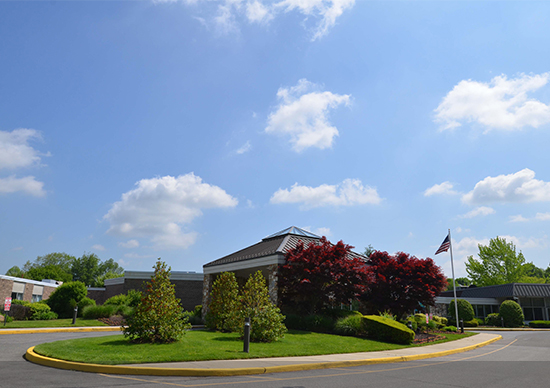
How is Carillon Staffed?

CMS rates CARILLON NURSING AND REHABILITATION CENTER's staffing level at 3 out of 5 stars, which is average compared to other nursing homes. Staff turnover is 42%, compared to the New York average of 46%. This relatively stable workforce can support continuity of care.

What Have Inspectors Found at Carillon?

State health inspectors documented 9 deficiencies at CARILLON NURSING AND REHABILITATION CENTER during 2023 to 2025. These included: 9 with potential for harm.
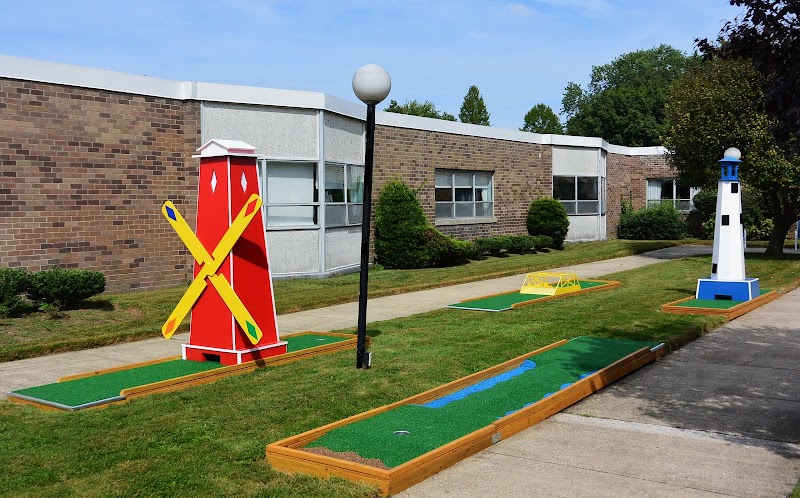
Who Owns and Operates Carillon?

CARILLON NURSING AND REHABILITATION CENTER is owned by a for-profit company. For-profit facilities operate as businesses with obligations to shareholders or private owners. The facility is operated by CASSENA CARE, a chain that manages multiple nursing homes. With 315 certified beds and approximately 275 residents (about 87% occupancy), it is a large facility located in HUNTINGTON, New York.
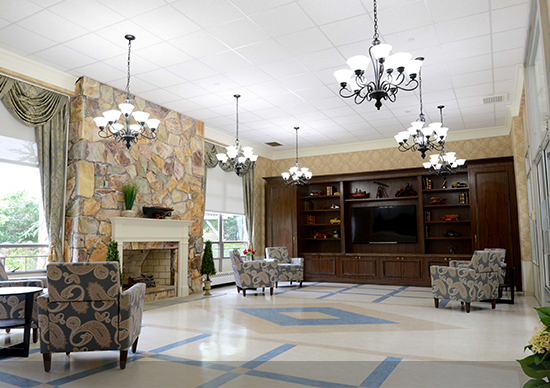
How Does Carillon Compare to Other New York Nursing Homes?

Compared to the 100 nursing homes in New York, CARILLON NURSING AND REHABILITATION CENTER's overall rating (4 stars) is above the state average of 3.1, staff turnover (42%) is near the state average of 46%, and health inspection rating (3 stars) is at the national benchmark.

What Should Families Ask When Visiting Carillon?

Based on this facility's data, families visiting should ask: "Can I visit during a mealtime to observe dining assistance and food quality?" "How do you handle medical emergencies, and what is your hospital transfer rate?" "Can I speak with family members of current residents about their experience?"

Is Carillon Safe?

Based on CMS inspection data, CARILLON NURSING AND REHABILITATION CENTER has a clean safety record: no substantiated abuse findings (meaning no confirmed cases of resident harm), no Immediate Jeopardy citations (the most serious violation level indicating risk of serious injury or death), and is not on the Special Focus Facility watch list (a federal program monitoring the lowest-performing 1% of nursing homes). The facility has a 4-star overall rating and ranks #1 of 100 nursing homes in New York. While no facility is perfect, families should still ask about staff-to-resident ratios and recent inspection results during their visit.

Do Nurses at Carillon Stick Around?

CARILLON NURSING AND REHABILITATION CENTER has a staff turnover rate of 42%, which is about average for New York nursing homes (state average: 46%). Moderate turnover is common in nursing homes, but families should still ask about staff tenure and how the facility maintains care continuity when employees leave.

Was Carillon Ever Fined?

CARILLON NURSING AND REHABILITATION CENTER has been fined $22,523 across 1 penalty action. This is below the New York average of $33,304. While any fine indicates a compliance issue, fines under $50,000 are relatively common and typically reflect isolated problems that were subsequently corrected. Families should ask what specific issues led to these fines and confirm they've been resolved.

Is Carillon on Any Federal Watch List?

CARILLON NURSING AND REHABILITATION CENTER is not on any federal watch list. The most significant is the Special Focus Facility (SFF) program, which identifies the bottom 1% of nursing homes nationally based on persistent, serious quality problems. Not being on this list means the facility has avoided the pattern of deficiencies that triggers enhanced federal oversight. This is a positive indicator, though families should still review the facility's inspection history directly.