PINE FOREST CARE CENTER FOR REHAB & HEALTHCARE
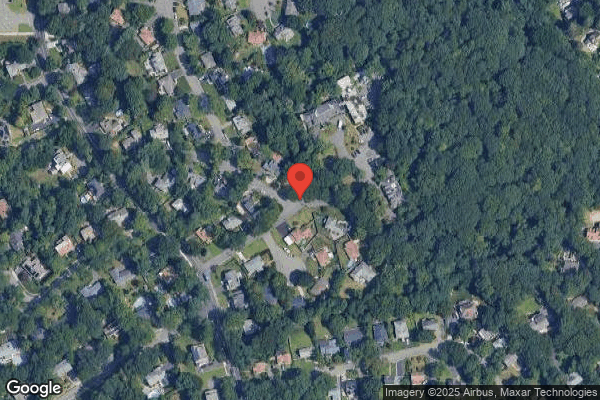

9 HILAIRE DRIVE, HUNTINGTON, NY 11743 (631) 427-0254
For profit - Limited Liability company 76 Beds Independent Data: November 2025
Trust Grade
68/100
#316 of 594 in NY
Last Inspection: February 2025

Within standard 12-15 month inspection cycle. Federal law requires annual inspections.

Overview

Pine Forest Care Center for Rehab & Healthcare has a Trust Grade of C+, indicating it is slightly above average but still has room for improvement. It ranks #316 out of 594 facilities in New York, placing it in the bottom half, and #29 of 41 in Suffolk County, meaning only a few local options are better. Unfortunately, the facility's trend is worsening, as it reported an increase in issues from 5 in 2024 to 7 in 2025. Staffing is a relative strength, with a turnover rate of 17%, which is well below the state average, and they have good RN coverage, surpassing 93% of facilities in New York. However, the facility has $7,901 in fines, which is concerning, and there have been significant issues, including a resident losing 22 pounds in one month without proper nutritional interventions, unsafe access to hazardous materials in a dementia care unit, and delays in investigating allegations of resident abuse. While there are notable strengths, potential residents and their families should weigh these serious concerns carefully.

Trust Score
C+
68/100
In New York
#316/594
Bottom 47%
Safety Record
Low Risk
No red flags
Inspections
Getting Worse
5 → 7 violations
Staff Stability
✓ Good
17% annual turnover. Excellent stability, 31 points below New York's 48% average. Staff who stay learn residents' needs.
Penalties
✓ Good
$7,901 in fines. Lower than most New York facilities. Relatively clean record.
Skilled Nurses
✓ Good
Each resident gets 61 minutes of Registered Nurse (RN) attention daily — more than 97% of New York nursing homes. RNs are the most trained staff who catch health problems before they become serious.
Violations
⚠ Watch
13 deficiencies on record. Higher than average. Multiple issues found across inspections.
★★★☆☆
3.0
Overall Rating
★★★☆☆
3.0
Staff Levels
★★★★☆
4.0
Care Quality
★★★☆☆
3.0
Inspection Score
Stable
2024: 5 issues
2025: 7 issues

The Good

  • 4-Star Quality Measures · Strong clinical quality outcomes
  • Low Staff Turnover (17%) · Staff stability means consistent care
  • Full Sprinkler Coverage · Fire safety systems throughout facility
  • No fines on record
  • Staff turnover is low (17%)

    31 points below New York average of 48%

Facility shows strength in quality measures, staff retention, fire safety.

The Bad

3-Star Overall Rating

Near New York average (3.1)

Meets federal standards, typical of most facilities

Federal Fines: $7,901

Below median ($33,413)

Minor penalties assessed

The Ugly 13 deficiencies on record

Sept 2025 2 deficiencies
CONCERN (D) 📢 Someone Reported This

A family member, employee, or ombudsman was alarmed enough to file a formal complaint

Potential for Harm - no one hurt, but risky conditions existed

Accident Prevention (Tag F0689)

Could have caused harm · This affected 1 resident

**NOTE- TERMS IN BRACKETS HAVE BEEN EDITED TO PROTECT CONFIDENTIALITY** Based on observation, record review and staff interviews during an abbreviated Survey (800072) initiated on 08/19/2025 and compl...

Read full inspector narrative →
**NOTE- TERMS IN BRACKETS HAVE BEEN EDITED TO PROTECT CONFIDENTIALITY** Based on observation, record review and staff interviews during an abbreviated Survey (800072) initiated on 08/19/2025 and completed on 09/11/2025, the facility did not ensure that a resident maintained, to the extent possible, acceptable parameters of nutritional and hydration status. Specifically, Resident #1's weight decreased from 190 pounds in July 2025 to 168 pounds in August 2025, a total weight loss of 22 pounds in one month. This loss of over 11.5% exceeds the Centers for Medicare & Medicaid Services (CMS) guideline for a significant weight loss of 5% in 30 days. Furthermore, there is no documented evidence that the dietician implemented new nutritional interventions to address this decline prior to the survey entrance.The finding is:The policy titled Significant Weight Change/ Unplanned weight loss dated 10/22/2024 documented significant weight change is indicated by -5% in 30 days -7.5% in 90 days -10% in 180 days. Further documented when a weight loss is detected a healthcare team will do the following weekly and monthly weights for 2 weeks to determine if weigh loss remains significant. Review food intake record and estimate oral intake, initiate a 3-day caloric count, identify possible medical and psychosocial causes of inadequate nutrient intake interview resident for information and update food preferences monitor intake of foods and fluids and check laboratory data as necessary.Resident #1 is a [AGE] year-old male admitted to the facility 8/18/23. Medical diagnosis includes dementia anxiety disorder Diabetes type 2. Minimum Data Set, dated [DATE] documents Brief Interview Mental Status score of 5. Resident requires supervision or touching assistance for shower and bathing hygiene and eating. The Minimum Data Set further documents a weight of 190 pounds 74 height.The Comprehensive Care Plan titled Nutrition dated 08/01/2022 with the last revision dated 7/16/2025 documented as the goal: Resident will have no significant weight changes through the review date and the resident will consume greater than 50% of meals snacks and supplements provided through the review date. The approaches included but were not limited to: Review food/fluid preferences, menu/alternates available, and monitor intake via nutrition log.The Facilities weigh record documents the following weights: 05/01/2025 187.4 pounds06/02/2025 192.4 pounds07/01/2025 190.2 pounds08/04/2025 168.8 poundsPhysician order documented No concentrated sweets diet regular texture thin consistency, Boost glucose control three times a day for supplement 240cc three times daily effective 03/27/2025.A Nutrition progress note dated 7/16/2025 documented Resident is at risk for nutrition compromise related to dementia anxiety follow up of weigh 3/27/202185 pounds 3.2% with decrease. The note further documented improved appetite 06/25/2025.A draft physician note dated 07/25/2025 documented pt referred for evaluation for progressive weight loss weight of 185 pounds and Body mass index 23.8, weight of 212 in 2023. The note further documented Metformin was discontinued and started Invokana.A Nurse practitioner progress note dated 08/13/2025 documented follow up resident visit note for weight variance/weight gain. The note further documented: Weight Variance with mild weight loss, Dietitian following for Management and Continue with Low Fat Low Chol/No Added Salt /no Concentrated Sweet, Regular texture, thin consistency diet and GLUCERNA Supplement and well tolerated well. Dietitian following for monitoring of weight status. Weight 171.6 LBS 08/07/25 from 192.4 LBS on 06/02/25 from 187.4 LBS 5/01/25.Continue Bowel Regimen and monitor for BM. Continued Medication including Melatonin at hours of sleet for insomnia with improvement.There are no documented notes from the Dietician or change in plan of care thru 8/18/2025.During an observation with the state agency the resident weigh on 08/19/2025 resident was weight on a standing scale read 171 pounds. During an observation of lunch resident was observed to be served in his room a meal tray which included rice, beans chicken taco milk and a fruit cup. The resident did not consume any of the meal. During observation resident was offered a sandwich which he was observed to eat half of half the sandwich 25%.The Certified Nurses Accountability was reviewed for July 1-July 31, 2025, and documented resident received setup or clean up assistant with most meals on the 7-3 and 3-11 shift. The Accountability sheet further documented on average resident consumed 51-75% of meals offered during the day 9:00 AM, 1:00PM and 5:00PM.During an interview conducted on 8/19/2025 with Resident #1 they stated they have lost quite a bit of weight because their pants are falling off and their shirts do not fit. Resident #1 stated he does not like the food, so he does not eat it. Resident #1 stated that staff gives him a sandwich but thinks it might not be enough. Resident #1 does not remember if he is provided with a supplement or how often but states he does not drink much. During an interview conducted on 8/18/2025 at 2 pm with Certified Nursing Assistant #1 they stated they are the primary aid for resident #1. They stated that resident #1 has not been eating his meals and is offered a sandwich. Certified nursing Assistant #1 stated they document 50% of meals because Resident #1 eats 1/2 of the sandwich offered. They stated resident #1 does not eat any of the hot meal but will eat some of the sandwich and drink the juice. They stated they have not directly reported it, but everyone knows including the nurse and dietician that the resident is not eating his meals.Multiple attempts were made to reach the dietician and were unsuccessful.During an interview conducted with the Director of Nursing on 8/18/2025 they stated they were notified on 8/18/2025 by the dietician that the Resident had a significant weight loss. The Director of Nursing stated they did not initiate a calorie count because the Certified nursing accountability record documents the resident was eating 50% of their meals. They stated they were not aware of any new interventions in place.During an interview conducted with the medical Director on 8/18/2025 at 3:00PM they stated they can not recall the resident however if a resident has a significant weight loss they will discuss with the dietician, do a calorie count and will look medically for an underlying cause such as medication like metformin or Ozempic which can suppress appetite. If they find the resident is not finishing meals because of depression or underlying issues they will notify the family and start an appetite stimulant. 10 NYCRR 415.12(i)(1)
CONCERN (D) 📢 Someone Reported This

A family member, employee, or ombudsman was alarmed enough to file a formal complaint

Potential for Harm - no one hurt, but risky conditions existed

Deficiency F0692 (Tag F0692)

Could have caused harm · This affected 1 resident

**NOTE- TERMS IN BRACKETS HAVE BEEN EDITED TO PROTECT CONFIDENTIALITY** Based on observation, record review and staff interviews during an abbreviated Survey (800072) initiated on 08/19/2025 and compl...

Read full inspector narrative →
**NOTE- TERMS IN BRACKETS HAVE BEEN EDITED TO PROTECT CONFIDENTIALITY** Based on observation, record review and staff interviews during an abbreviated Survey (800072) initiated on 08/19/2025 and completed on 09/11/2025, the facility did not ensure the resident environment remained free of accident hazards for one (1) of two resident floors (Floor 2) reviewed. Specifically, Floor 2, a locked dementia care unit had a bottle of Isopropyl Alcohol 91% and over 30 pills of brand multivitamins accessible to residents.Findings include:Isopropyl alcohol also known as rubbing alcohol is a clear, colorless liquid. Widely used as a first aid antiseptic, surface disinfectant and solvent, it is highly flammable, and potentially toxic if absorbed through the skin, inhaled as vapor or ingested. It can lead to dizziness headache nausea, central nervous system depression and loss of consciousnessResident #1 is a [AGE] year-old male admitted to the facility 8/18/23. Medical diagnosis includes dementia anxiety disorder Diabetes type 2. Minimum Data Set, dated [DATE] documents Brief Interview Mental Status score of 5.A comprehensive care plan titled cognition dated 8/2022 documented resident has short and long term memory loss. Interventions include ensure resident safety. There were no care plans observed for self administration. There is no documented order that resident may self administer medication.During an observation 08/19/2025 of Resident #1's bedroom, the bedside table was observed with a bottle containing over 30 tablets of brand name multivitamin tablets. Additionally, the resident was observed with 91% isopropyl alcohol 16 ounces about 90% full. During an interview conducted with Resident #1 on 8/19/2025 at 10:30 AM they stated they did not know what the bottle of pills on the bedside table were or where they came from. They further stated possibly a family member brought them to eat because they were concerned about their weigh loss. When asked about the bottle of isopropyl alcohol Resident #1 replied it was water.During an interview on 8/19/2025 at 11:53 AM, License Practical Nurse #1 stated they are the primary nurse for Resident #1. Licensed Practical Nurse #1 stated she provided the resident with their medication in their room in the morning. Licensed Practical Nurse #1 stated the Resident should not have the alcohol or the bottle of vitamins at the bedside. She further stated she does not know where the resident got it from and would remove it immediately.During an interview on 08/19/2025 at 2:00 PM the Director of Nursing stated the second floor is a designated dementia unit. They further stated there should not be any medication or alcohol at the resident's bedside.10 NYCRR 415.12(h)(1)(2)
Feb 2025 5 deficiencies
CONCERN (D)

Potential for Harm - no one hurt, but risky conditions existed

Investigate Abuse (Tag F0610)

Could have caused harm · This affected 1 resident

**NOTE- TERMS IN BRACKETS HAVE BEEN EDITED TO PROTECT CONFIDENTIALITY** Based on observation, record review, and interviews during the Recertification Survey and Abbreviated Survey (NY 00366821), the ...

Read full inspector narrative →
**NOTE- TERMS IN BRACKETS HAVE BEEN EDITED TO PROTECT CONFIDENTIALITY** Based on observation, record review, and interviews during the Recertification Survey and Abbreviated Survey (NY 00366821), the facility did not ensure that an investigation of alleged abuse was thoroughly and timely investigated to prevent further potential abuse, neglect, exploitation, or mistreatment. This was identified for one (Resident #55) of two residents reviewed for Abuse. Specifically, on 12/28/2024 Resident #55 verbalized that a Certified Nursing Assistant scratched them during the morning care. There was no documented evidence that an investigation to rule out abuse, neglect, or mistreatment was initiated until 12/30/2024. The finding is: The facility Accident/Incident Report reviewed 1/2025 documented all accidents/incidents involving residents must be reported to the Director of Nursing Services and or Assistant Director of Nursing. An Accident/Incident Report must be completed on the shift in which the accident/incident occurred. A copy of this report is to be provided to the Assistant Director of Nursing/designee within 24 hours of such incident. Resident #55 was readmitted to the facility with diagnoses that included Bipolar Disorder, and Urinary Tract Infection. A Quarterly Minimum Data Set assessment dated [DATE] documented a Brief Interview for Mental Status score as 12, which indicated the resident had moderately impaired cognition. The resident required partial to moderate assistance for toileting, bathing, dressing, rolling left to right, and personal hygiene. There was no functional limitation in the range of motion to the upper and lower extremities. The resident's Mood Interview score was 10, which indicated mood symptoms were present. The resident had no behavioral symptoms. A Late entry note dated 1/15/2025 for 12/30/2024, entered by the Director of Nursing Services, documented that on 12/30/2024, Resident #55's representative reported that the resident had a scratch on their buttocks. A complete body check was done, and the resident's skin was found to be intact, without scratches or redness. Resident #55 then informed the Director of Nursing Services that on 12/28/2024 at approximately 7:30 AM, during care, Certified Nursing Assistant #5 squeezed the resident's fingers. The assigned Certified Nursing Assistant #4 was also present in the room. The Accident and Incident Report dated 12/30/2024 documented the resident alleged they were scratched by a Certified Nursing Assistant during care on 12/28/2024 at approximately 7:30 AM. The resident's statement on the Accident/Incident Report documented the Certified Nursing Assistant scratched me on purpose. A Summary of Investigation dated 12/30/2024 documented Resident #55 had initially reported their buttock injury, which was caused by a Certified Nursing Assistant during morning care, to the nurse on Saturday 12/28/2024. The report documented that the nurse initially examined the area and had no findings; however, Resident #55 was upset and continued to insist that they were scratched on the right buttocks. During a skin assessment, the nurse noted visible lines of indented skin on the resident's right upper thigh caused by the brief. There was no documented evidence that an investigation was initiated on 12/28/2025 including statements from the involved Certified Nursing Assistant #4 and Certified Nursing Assistant #5 to rule out abuse, neglect, or mistreatment. There was no documented evidence of a nursing progress note related to the allegations made by the resident regarding staff intentionally scratching the resident's buttock area or squeezing their finger during care. A Typed statement signed by Resident #55 dated 12/30/2024 documented that on 12/28/2024 around 7:30 AM Certified Nursing Assistant #4 and Certified Nursing Assistant #5 came to their room to change them. Certified Nursing Assistant #4 proceeded to change them while Certified Nursing Assistant #5 was standing on the left side of the room. Certified Nursing Assistant #4 closed the left side of the brief and then asked Certified Nursing Assistant #5 to assist. Certified Nursing Assistant #5 came to the right of the bed. Resident #55 told Certified Nursing Assistant #5 not to touch them as they usually have only one Aide helping them and did not want Certified Nursing Assistant #5 to assist. Resident #55 grabbed the strap of the brief with both hands to stop Certified Nursing Assistant #5. While Resident #55 was turning to their left side for Certified Nursing Assistant #4 to close the right side of the brief, Certified Nursing Assistant #5 grabbed the resident's right hand and squeezed the resident's hand hard, and with their (Certified Nursing Assistant #5) other hand they scratched the resident's right buttock. A Comprehensive Care Plan dated 1/14/2025 documented the resident has accusatory, attention-seeking, and fabrication behaviors towards staff and peers. Interventions included a two-person approach during care and to observe for changes in the resident's behavior. During an interview on 2/6/2025 at 12:26 PM, Certified Nursing Assistant #4 stated they were assigned to Resident #55 on 12/28/2024. Certified Nursing Assistant #4 stated that on 12/28/2024 the resident asked to be changed, and they informed the resident that they would get a second Certified Nursing Assistant to assist with their care. Certified Nursing Assistant #4 stated that during the brief change Certified Nursing Assistant #5 assisted with applying the brief on one side. Certified Nursing Assistant #4 stated after they had fastened the tape on the left side of the brief, Certified Nursing Assistant #5 was about to fasten the tape on the other side when the resident screamed Don't touch me, at that time Certified Nursing Assistant #5 left the room to get Licensed Practical Nurse #1. Certified Nursing Assistant #4 stated Licensed Practical Nurse #1 came and stayed in the resident's room until the care was completed. Certified Nursing Assistant #4 stated during care Resident #55 did not complain Certified Nursing Assistant #5 scratched them or squeezed their hand. During an interview on 2/6/2025 at 12:45 PM, Certified Nursing Assistant #5 stated on 12/28/2024 they had assisted Certified Nursing Assistant #4 with the care of Resident #55. Certified Nursing Assistant #5 stated the resident was a two-person approach and was upset because the resident did not want them in the room. Certified Nursing Assistant #5 stated as they were about to fasten the brief, Resident #55 grabbed the brief and said, Don't touch me. Certified Nursing Assistant #5 stated they did not touch the resident and left the room right away to get Licensed Practical Nurse #1. Certified Nursing Assistant #5 stated shortly after the incident, Registered Nurse #2 Supervisor interviewed them regarding the resident's complaint of being scratched. Certified Nursing Assistant #5 stated they had short nails and were wearing gloves during care. Certified Nursing Assistant #5 stated they did not touch the resident and did not squeeze the resident's hand. During an interview on 2/6/2025 at 1:42 PM, Registered Nurse #2, the 7:00 AM-3:00 PM shift supervisor, stated on 12/28/2024 between 9:00 AM -10:00 AM the resident called the receptionist to speak with the Supervisor. Registered Nurse #2 stated the resident reported that someone scratched them on their leg; however, the resident did not want to be touched. Registered Nurse #2 stated they observed two lines on the resident's right upper thigh that were red and looked like the lines of indented skin caused by the brief. Registered Nurse #2 stated when they assessed the resident on 12/28/24 that they did not document their assessment in the medical record. Registered Nurse #2 stated that they had forgotten to document their assessment in the chart and did not start an investigation. During an interview on 2/7/2024 at 12:00 PM, Resident #55 stated while the staff was applying their brief, they asked Certified Nursing Assistant #5 not to touch them. Resident #55 stated they held onto their brief and Certified Nursing Assistant #5 held on to their (the resident's) right hand to remove their (the resident) hand from the brief and Certified Nursing Assistant #5 squeezed their hand. The resident stated their hand was hurting for four days after the incident. Certified Nursing Assistant #5 also scratched them when they tried to remove their hand from the brief. The resident stated that the Certified Nursing Assistant #5 should have stopped when they asked them not to touch them. The Resident further stated that both Certified Nursing Assistant #4 and Certified Nursing Assistant #5 were wearing gloves during the care. During an interview on 2/7/2025 at 1:58 PM, Licensed Practical Nurse #1 stated they worked on the morning shift 7:00 AM-3:00 PM on 12/28/2024. Licensed Practical Nurse #1 stated Certified Nursing Assistant #5 reported to them that the resident did not want two persons in their room during care. Licensed Practical Nurse #1 Licensed Practical Nurse #1 stated that the resident permitted them to stay in the room until Certified Nursing Assistant #4 had completed the care. Licensed Practical Nurse #1 stated the resident did not complain to them that a Certified Nursing Assistant scratched them or squeezed their hand. During an interview on 2/7/2025 at 2:30 PM, the Director of Nursing Services stated they were made aware of the allegation by the resident's representative called them on 12/30/2024. The Director of Nursing Services stated Registered Nurse #2 did not notify or complete a report of the allegation made by the resident on 12/28/24. The Director of Nursing Services stated an investigation should have been initiated by Registered Nurse #2 who was first notified of the allegation of abuse and should have documented their assessment in the progress note. The Director of Nursing Services and the Nurse Practitioner assessed the resident on 12/30/2024 and initiated an investigation. 10 NYCRR 415.4(b)(3)
CONCERN (D)

Potential for Harm - no one hurt, but risky conditions existed

Comprehensive Care Plan (Tag F0656)

Could have caused harm · This affected 1 resident

**NOTE- TERMS IN BRACKETS HAVE BEEN EDITED TO PROTECT CONFIDENTIALITY** Based on record review, and interviews during the Recertification Survey and Abbreviated Survey (NY 00366821) initiated on 2/3/2...

Read full inspector narrative →
**NOTE- TERMS IN BRACKETS HAVE BEEN EDITED TO PROTECT CONFIDENTIALITY** Based on record review, and interviews during the Recertification Survey and Abbreviated Survey (NY 00366821) initiated on 2/3/2025 and completed on 2/7/2025, the facility did not ensure that a comprehensive person-centered care plan that includes measurable objectives and timeframes to meet the resident's need was developed and implemented for each resident. This was identified for one (Resident #55) of five residents reviewed for Unnecessary Medications. Specifically, on 9/24/2024 Resident #55 was transferred to the hospital due to unresponsiveness. The resident was readmitted on [DATE] with a diagnosis of Opioid (class of natural, semi-synthetic, and synthetic drugs) Overdose. There was no documented evidence that a comprehensive care plan with appropriate interventions was developed to prevent further potential Opioid Overdose. The finding is: The facility's Opioid Overdose Management/Use of Naloxone policy and procedure dated 12/2024 documented the facility will have Naloxone (a medicine that reverses Opiod overdose) available on each nursing unit for use in the event of an apparent or suspected Opioid overdose is identified. The Medical Director shall approve standing orders for the facility to allow the administration of Naloxone by any licensed nurse to any resident upon reasonable suspicion of Opioid overdose, without having to first obtain a verbal or written order to prevent delay in treatment that may result in resident harm. Such reasonable suspicion shall be based on the presentation of symptoms of Opioid overdose. The facility's Comprehensive Interdisciplinary Care Plan Completion of Minimum Data Set 3.0 policy and procedure reviewed 12/2024 documented that the interdisciplinary team will assess the resident holistically to develop a plan that will promote quality of care and quality of life to assist the resident in achieving goals. Resident #55 was admitted with diagnoses that included Delusional Disorder, Bi-Polar Disorder, and Alcohol Abuse. A Quarterly Minimum Data Set assessment dated [DATE] documented the resident's Brief Interview for Mental Status score was 15, which indicated intact cognition. The resident's Mood Interview score was 10, which indicated mood symptoms were present. The resident had no behavioral symptoms present and was receiving Anti-Anxiety, anti-depressants, Opioid, and hypnotic medications; indicators were present for the use of the medications. A Nurse Practitioner's note dated 9/24/2024 documented the resident was re-examined and found non-responsive to verbal as well as tactile (touch) stimuli. The resident was responsive to deep and painful stimuli. Narcan (Naloxone) Spray 4 milligram Nasal time one dose was given and within seconds the resident had opened their eyes, became slowly responsive to their name, and was moaning. 911 was activated to transfer the resident to the hospital for further treatmentfor diagnoses that included possible suspected Opioid overdose. A Health Status Note dated 9/24/2024 at 4:39 PM documented the resident was transferred to the hospital for severe lethargy. A Patient Review Instrument dated 9/30/2024 documented primary diagnoses that included but not limited to Urinary Tract Infection and Opioid overdose. During an interview on 2/7/2025 at 4:05 PM, the Minimum Data Set Coordinator stated they or the admission nurse could have initiated a care plan that addressed the drug overdose to prevent further occurrences. The Minimum Data Set Coordinator stated they usually initiated the original care plans, and the unit nurses were responsible for updating and initiating the interim care plans. The Minimum Data Set Coordinator further stated a care plan with interventions specifically addressing the Opioid overdose should have been developed. During an interview on 2/7/25 at 4:15 PM, the Director of Nursing Services stated that a care plan addressing the Opioid overdose should be developed and implemented. The Minimum Data Set Coordinator was responsible for initiating the care plans. The Director of Nursing Services stated that the Minimum Data Set Coordinator should have initiated a care plan with appropriate interventions that addressed the Opioid overdose to prevent further occurrences and if the Minimum Data Set Coordinator was not available, the Registered Nurse Supervisors could have initiated the care plan. 10 NYCRR 415.11(c)(1)
CONCERN (D)

Potential for Harm - no one hurt, but risky conditions existed

Deficiency F0658 (Tag F0658)

Could have caused harm · This affected 1 resident

**NOTE- TERMS IN BRACKETS HAVE BEEN EDITED TO PROTECT CONFIDENTIALITY** Based on observation, record review, and interviews conducted during the Recertification survey initiated on 2/3/2025 and comple...

Read full inspector narrative →
**NOTE- TERMS IN BRACKETS HAVE BEEN EDITED TO PROTECT CONFIDENTIALITY** Based on observation, record review, and interviews conducted during the Recertification survey initiated on 2/3/2025 and completed on 2/7/2025, the facility did not ensure services provided by the facility as outlined in the comprehensive care plan (CCP) must meet professional standards of quality. This was identified for one (Resident # 20) of five residents reviewed for unnecessary medications. Specifically, Resident #20 had a physician's order for Heparin (an anticoagulant) to be administered subcutaneously. The nursing staff were not rotating the injection sites when administering Heparin. Cross Reference: F755- Pharmacy Svcs/Procedures The finding is: The Policy and Procedure for Injection Site Rotation dated October 2023 documented that rotation of the injection site is required. Resident # 20 was admitted with diagnoses that included Functional Quadriplegia. The Minimum Data Set (MDS) assessment dated [DATE] documented the resident's Brief Interview for Mental Status (BIMS) score was 15, which indicated the resident's cognition was intact. The Minimum Data Set assessment documented Resident # 20 received anticoagulants and injections 7 of 7 days in the look-back period. The current Physician's order documented to administer Heparin Sodium (Porcine) Injection Solution 5000 units per milliliter subcutaneously two times a day for prophylactic measures. The Medication Administration Record for January - February 2025 documented Resident #20 received Heparin injections to their lower left abdomen on consecutive days twice daily on the following days: 1/4/2025, 1/9/2025 to 1/10/2025, 1/28/2025- 1/29/2025, 2/2/2025, and 2/4/2025 to 2/7/2025. There was no documented evidence that the injection site was rotated to other sites on these dates. During an observation and interview on 2/7/2025 at 1:54 PM, Resident #20 was observed in bed with their abdomen exposed (resident preference). A quarter-size ecchymosis (bruising) to the lower left abdomen was observed. Resident # 20 stated they do not monitor where they get their injections. During an interview on 2/7/2025 at 2:00 PM, Registered Nurse #1, the medication nurse, stated Heparin injection should be administered subcutaneously and the injection site should be rotated. Registered Nurse #1 stated the injection site for Resident #20 was not rotated as required and was unable to state the reason. During an interview on 2/7/2025 at 2:27 PM, the Director of Nursing Services stated the injection site of Heparin administration should be documented accurately and the injection site should be rotated. If the Heparin injection site is not rotated, it can cause tissue damage and discomfort for the resident. During an interview on 2/7/2025 at 12:48 PM, Physician #1 stated if the injection of Heparin is not rotated bleeding, pain, and tissue damage can occur. 10 NYCRR 415.11(c)(3)(i)
CONCERN (D)

Potential for Harm - no one hurt, but risky conditions existed

Pharmacy Services (Tag F0755)

Could have caused harm · This affected 1 resident

**NOTE- TERMS IN BRACKETS HAVE BEEN EDITED TO PROTECT CONFIDENTIALITY** Based on observation, record review, and interviews conducted during the Recertification survey initiated on 2/3/2025 and comple...

Read full inspector narrative →
**NOTE- TERMS IN BRACKETS HAVE BEEN EDITED TO PROTECT CONFIDENTIALITY** Based on observation, record review, and interviews conducted during the Recertification survey initiated on 2/3/2025 and completed on 2/7/2025, the facility did not ensure pharmaceutical services met the needs of each resident including appropriately administering all drugs and biologicals in accordance with the professional standards of practice. This was identified for one (Resident # 21) of five residents reviewed for unnecessary medications. Specifically, Resident #21 was prescribed Heparin Sodium (Porcine) Injection Solution 5000 units per milliliter and the nursing staff administered the injection without rotating the subcutaneous injection sites. Cross Reference: F658- Services Provided Meet Professional Standards The finding is: The Policy and Procedure for Injection Site Rotation dated October 2023 documents that rotation of the injection site is required. The pdr.net/drug summary/ Heparin Sodium injection website for Heparin subcutaneous injection administration documented to rotate the injection site frequently. The National Library of Medicine; National Center for Biotechnology Information: Nursing Skills 2nd edition 2023 documented it is important to rotate Heparin sites to avoid bruising in one location. Resident # 20 was admitted with diagnoses that included Functional Quadriplegia. The Minimum Data Set (MDS) assessment dated [DATE] documented the resident's Brief Interview for Mental Status (BIMS) score was 15, which indicated the resident's cognition was intact. The Minimum Data Set assessment documented Resident # 20 received anticoagulants and injections 7 of 7 days in the look-back period. The current Physician's order documented to administer Heparin Sodium (Porcine) Injection Solution 5000 units per milliliter subcutaneously two times a day for prophylactic measures. The Medication Administration Record for January - February 2025 documented Resident #20 received Heparin injections to their lower left abdomen on consecutive days twice daily on the following days: 1/4/2025, 1/9/2025 to 1/10/2025, 1/28/2025- 1/29/2025, 2/2/2025, and 2/4/2025 to 2/7/2025. There was no documented evidence that the injection site was rotated to other sites on these dates. During an observation and interview on 2/7/2025 at 1:54 PM, Resident #20 was observed in bed with their abdomen exposed (resident preference). A quarter-size ecchymosis (bruising) to the lower left abdomen was observed. Resident # 20 stated they do not monitor where they get their injections. During an interview on 2/7/2025 at 2:00 PM, Registered Nurse #1, the medication nurse, stated Heparin injection should be administered subcutaneously and the injection site should be rotated. Registered Nurse #1 stated the injection site for Resident #20 was not rotated as required and was unable to state the reason. During an interview on 2/7/2025 at 2:27 PM, the Director of Nursing Services stated the injection site of Heparin administration should be documented accurately and the injection site should be rotated. If the Heparin injection site is not rotated, it can cause tissue damage and discomfort for the resident. During an interview on 2/7/2025 at 12:48 PM, Physician #1 stated if the injection of Heparin is not rotated bleeding, pain, and tissue damage can occur. 10 NYCRR 415.11(c)(3)(i)
CONCERN (D)

Potential for Harm - no one hurt, but risky conditions existed

Food Safety (Tag F0812)

Could have caused harm · This affected 1 resident

Based on observation, interviews, and record review conducted during the Recertification survey initiated on 2/3/2025 and completed on 2/7/2025, the facility did not ensure that food was stored, prepa...

Read full inspector narrative →
Based on observation, interviews, and record review conducted during the Recertification survey initiated on 2/3/2025 and completed on 2/7/2025, the facility did not ensure that food was stored, prepared, distributed, and served in accordance with professional standards for food service safety. This was identified during the Kitchen task. Specifically, 1) several food items were stored in the walk-in refrigerator and walk-in freezer without proper labeling and dating; multiple frozen item bags were observed with ice and frost inside their packaging; Additionally, a plastic container and milk crates in the dry storage area were observed to be dirty. 2) Cold food items including yogurt, milk, chicken salad sandwich, and egg salad temperatures were observed above 41 degrees Fahrenheit. The findings are: A facility policy and procedure titled Food Storage effective 10/2024, documented food is stored, prepared, and transported at appropriate temperatures and by methods designed to prevent contamination or cross-contamination. A date marking to indicate the date or day by which a ready-to-eat, potentially hazardous food should be consumed, sold, or discarded will be visible on all high-risk food. Foods will be stored and handled to maintain the integrity of the packaging until ready for use. Plastic containers with tight-fitting covers must be used for storing broken lots of bulk foods. All containers must be legible, accurately labeled, and dated. Leftover food is stored in covered containers or wrapped carefully and securely. Each item is clearly labeled and dated before being refrigerated. Refrigerated food storage: all foods should be covered, labeled, and dated. A facility policy and procedure titled Cleaning and Sanitation of Dining and Food Service Areas, effective 10/2024, documented the food service staff will maintain the cleanliness and sanitation of the dining and food service areas through compliance with a written, comprehensive cleaning schedule. Tasks shall be designated to be the responsibility of specific positions in the department. All staff will be trained on the frequency of cleaning necessary. During an initial tour of the kitchen on 2/3/2025 at 9:26 AM, the walk-in refrigerator was observed with multiple food items (tapioca pudding, and beet salad) not properly labeled and dated. The walk-in freezer was observed with multiple food items (corn, French toast, chicken nuggets, French fries, turkey burger, beef burger, pork chops, and frankfurters) not properly labeled and dated. The bags of turkey burgers, beef burgers, pork chops, and frankfurters were observed to have ice/frost build up on the inside of the packaging. There were also two packages of Perogies and a corned beef outside of their original delivery pack without a delivery date. A plastic container of jelly was not dated in the reach-in refrigerator; the edges and the lid of the container had remnants of peanut butter on it. The Food Service Director was immediately interviewed and stated the cooks are responsible for labeling and dating food returned to the freezer. The Food Service Director stated the cooks should ensure that the food packages are sealed to prevent freezer burn. The container of jelly should have been dated and the edges should have been cleaned. During an interview on 2/3/2025 at 9:35 AM, [NAME] #1 stated the cooks are responsible for labeling and dating food packages when returning to the freezer. [NAME] #1 stated food with freezer burn cannot be served and should be discarded. During a tour of the dry storage area on 2/3/2025 at 9:40 AM, a plastic tub of beef soup base was observed with black dust on the lid. The plastic tub was stored on top of milk crates which were observed with a buildup of the soup base powder along the top and edges. The Food Service Director stated that the container and the milk crates should have been cleaned. During an interview on 2/6/2025 at 3:21 PM, the Administrator stated that stored food should be labeled and dated. The Administrator stated they were not aware the kitchen was not following the food storage procedure. 2) A facility policy and procedure titled Food Temperatures effective 3/2022 last reviewed 1/2025, documented it is the policy to record food temperatures daily to ensure food is at the proper serving temperature(s) before trays are assembled. Food temperatures will be checked on all items prepared in the dietary department. Potentially hazardous cold food temperatures will be kept at or below 41 degrees Fahrenheit. No food will be served that does not meet the food code standard temperatures. Place cold menu items such as ham salad or egg salad over an ice bath in a pan and not beside a heated steam table. The Cook's Temperature Log Sheet maintained by the facility did not include evidence of cold food temperature monitoring. During an interview on 2/6/2025 at 12:25 PM, [NAME] #2 stated they only measure the temperature of cold entrées but do not take the temperature of the other cold food items that are placed on the individual resident tray such as milk, yogurt, sandwiches, etc. During the Kitchen observation on 2/6/2025 at 12:32 PM, two trays of sandwiches were not kept in an ice bath. During an observation and interview on 2/6/2025 at 12:33 PM, [NAME] #3 stated they did not keep the sandwiches (such as American cheese, egg salad, tuna salad) on ice during preparation, nor did they take the temperatures of the sandwiches. [NAME] #3 measured the temperatures of the sandwiches. The American cheese sandwich temperature was measured at 60 degrees Fahrenheit, and the chicken salad sandwich temperature was measured at 50 degrees Fahrenheit. [NAME] #3 stated the temperature of the sandwiches should be below 40 degrees Fahrenheit. During an interview on 2/6/2025 at 12:40 PM, the Food Service Director stated the proper serving temperature for cold food should be 41 degrees Fahrenheit or below. The Food Service Director stated they do not routinely measure the temperature of cold food items such as sandwiches, milk, and yogurt. During an interview and observation on 2/6/2025 at 12:45 PM, Dietary Aide #1 stated that they do not measure the temperature of the cold food items before they place the food items on the individual resident trays. Dietary Aide #1 stated they usually kept cold items in a cooler, but the cooler was broken and was never replaced. Dietary Aide #1 measured the temperature of cold food items, finding yogurt at 50 degrees Fahrenheit, milk at 50 degrees Fahrenheit, and a cup of egg salad at 60 degrees Fahrenheit. Dietary Aide #1 stated the temperature of the cold food should be less than 41 degrees Fahrenheit. During an interview on 2/6/2025 at 3:21 PM, the Administrator stated they were aware of the food temperature standards and cold food should be maintained at a temperature of 41 degrees Fahrenheit or below. The Administrator stated they did not know the Food Service Director was not monitoring the temperature of the cold food items served to the residents. 10 NYCRR 415.14(h)
Jan 2024 5 deficiencies
CONCERN (D)

Potential for Harm - no one hurt, but risky conditions existed

Safe Environment (Tag F0584)

Could have caused harm · This affected 1 resident

**NOTE- TERMS IN BRACKETS HAVE BEEN EDITED TO PROTECT CONFIDENTIALITY** Based on observations, record review, and interviews during the Recertification Survey initiated on 1/17/2024 and completed on 1...

Read full inspector narrative →
**NOTE- TERMS IN BRACKETS HAVE BEEN EDITED TO PROTECT CONFIDENTIALITY** Based on observations, record review, and interviews during the Recertification Survey initiated on 1/17/2024 and completed on 1/23/2024, the facility did not ensure that a clean, comfortable, and homelike environment was maintained on one of two resident floors. Specifically, two rooms on the first floor had holes in the wall. 1) Resident #10's room was observed on 1/17/2024 and 1/18/2024 with a nine-inch by nine-inch square hole in the wall behind the room entrance door and a one-inch by half of an inch hole to the bathroom door. 2) Resident #34's room was observed on 1/17/2024 and 1/18/2024 with a one-inch by half-inch hole in the wall behind the door. The findings are: The Policy and Procedure for Quality of Life-Homelike Environment dated 1/20/2023 documented the facility will maintain the resident's environment by addressing any wear and tear or repairs. The Policy and Procedure for Routine Maintenance dated 3/02/2023 documented the maintenance department will ensure that the physical environment, furniture, and equipment are maintained in good repair throughout the facility. The routine maintenance program will ensure a safe and comfortable environment for residents and staff by maintaining the facility in good repair and free of hazards as well as maintaining compliance with all applicable codes. Routine monitoring will be on a quarterly basis unless otherwise indicated. 1) Resident #10 has diagnoses of Chronic Obstructive Pulmonary Disease, Bipolar Disorder, and Cirrhosis of the Liver. The Minimum Data Set assessment dated [DATE] documented the resident had a Brief Interview for Mental Status score of 14 which indicated the resident had intact cognitive function. During an environmental tour of Resident #10's room on 1/17/2024 at 11:30 AM and 1/18/2024 at 11:30 AM, a nine-inch by nine-inch hole was observed in the wall behind the resident's room entry door. A one-inch by half-inch hole was observed on the bathroom door near the bathroom door handle. Resident #10 was interviewed on 1/17/2024 at 11:45 AM and stated the broken wall and the door have been like that for four and half months and nobody came to fix the broken wall and the hole on the door. Resident #10 stated they did report the hole in the wall to someone, but they could not remember who they spoke to. Resident #10 further stated the staff were able to see the holes in the wall and on the door on a daily basis. Certified Nursing Assistant #1 was interviewed on 1/18/2024 at 3:17 PM and stated they provide care for Resident #10 and did not see the hole in the wall because it was behind the door and did not notice the hole on the bathroom door. Licensed Practical Nurse #1 was interviewed on 1/18/2024 at 3:15 PM and stated when they care for Resident #10, they pull the privacy curtain to provide privacy to the resident. Since the door was always open, they did not notice the broken part of the wall behind the door. Licensed Practical Nurse # 1 stated they did not see the hole on the bathroom door. Licensed Practical Nurse #1 further stated if they saw the holes in the wall or on the bathroom door, they would have reported their observations to the nurse manager. The Director of Maintenance was interviewed on 1/18/2024 at 3:11 PM and stated they were not made aware of the holes in Resident #10's room. The Director of Maintenance stated the holes should have been fixed. The Director of Maintenance stated they inspect the rooms daily as per the facility policy; however, they do not check behind the doors. The Director of Maintenance confirmed that Resident #10's room had a hole behind the door measuring nine inches by nine inches and the bathroom door had a hole measuring one inch by half an inch. 2) Resident #34 had diagnoses including Major Depressive Disorder and Hypertension. The Minimum Data Set (MDS) assessment dated [DATE] documented the resident had a Brief Interview for Mental Status score of 12, which indicated the resident had moderately impaired cognition. Resident #34's room was observed on 1/17/2024 at 12:15 PM. A one-inch by half-inch hole was observed on the wall behind the room entry door. The Director of Maintenance was re-interviewed on 1/23/2024 at 11:47 AM and stated they check each room every day as indicated in the facility policy. The Director of Maintenance stated they checked Resident #34's room daily; however, they did not notice the hole behind the door. The Director of Maintenance stated they should have been notified about any disrepair to the walls or doors by the unit staff. The Director of Maintenance stated they would expect anybody who notices any disrepair to enter a maintenance request in the software we utilize. Resident #34 was interviewed on 1/23/2024 at 12:10 PM and stated the hole in the wall had been there for a month. They did not recall if they reported the hole to anyone. The Administrator was interviewed on 1/23/2024 at 1:15 PM and stated they saw the hole in the wall and the hole on the bathroom door in Resident #10's room for the first time on 1/18/2024. The Administrator stated if the staff observes any maintenance issues, they have to put in a request into the system that notifies maintenance staff to address the repair. Every staff in the facility has access to the system to place a request to fix anything in the facility. There were no maintenance requests regarding Resident #10 or Resident #34's room. The Director of Nursing Services was interviewed on 1/23/2024 at 12:54 PM and stated that it is not acceptable for a resident's room to be in disrepair. All staff have access to the system to report anything that needs to be fixed. Everyone is responsible for reporting any problems they identify. The maintenance department then has the responsibility to make the repairs. 10 NYCRR 415.5 (h)(2)
CONCERN (D) 📢 Someone Reported This

A family member, employee, or ombudsman was alarmed enough to file a formal complaint

Potential for Harm - no one hurt, but risky conditions existed

Report Alleged Abuse (Tag F0609)

Could have caused harm · This affected 1 resident

**NOTE- TERMS IN BRACKETS HAVE BEEN EDITED TO PROTECT CONFIDENTIALITY** Based on record review and interviews conducted during a Recertification Survey and Abbreviated Survey (Complaint #NY 00323806) ...

Read full inspector narrative →
**NOTE- TERMS IN BRACKETS HAVE BEEN EDITED TO PROTECT CONFIDENTIALITY** Based on record review and interviews conducted during a Recertification Survey and Abbreviated Survey (Complaint #NY 00323806) initiated on 1/17/2024 and completed on 1/23/2024, the facility did not ensure that all alleged violations involving abuse, neglect, exploitation, or mistreatment were reported to the New York State Department of Health. This was identified for one (Resident #14) of three residents reviewed for Abuse. Specifically, the facility did not report an allegation of verbal abuse to the New York State Department of Health, when Resident #14 complained that Certified Nursing Aide #2 made a derogatory remark towards them. The resident stated the remark left them feeling threatened for their well-being, disrespected, and angry. The finding is: The facility's policy titled, Resident Abuse, Mistreatment, and Neglect last reviewed March 2023 defined abuse as inappropriate physical contact with a nursing home patient or a health related facility resident. Examples of (but not limited to) resident abuse or mistreatment include sarcastic, rude, or curt remarks. Under the section Internal Investigation, the policy documented the facility completes a full investigation to ensure timely investigation and follow-up of the allegation, and to ensure timely reporting of such instances to Administration and Regulatory agencies. Resident #14 was admitted with diagnoses including Non-Hodgkin's Lymphoma, Peripheral Vascular Disease and Lymphedema. The Quarterly Minimum Data Set assessment dated [DATE] documented the resident had a Brief Interview for Mental Status (BIMS) score of 15 which indicated the resident had intact cognition. The Minimum Data Set documented that Resident #14 was able to understand and be understood. A Comprehensive Care Plan (CCP) for Abuse dated 8/16/2019, and last updated on 11/8/2023 documented the resident was at risk for abuse. The interventions included to in-service all staff on resident's special care needs, observe interaction with peers, and clearly outline care goals and activities. An untitled document dated 1/9/2023 regarding Resident #14 and Certified Nursing Aide #2, which was written and signed by the Director of Nursing Services, documented that on 1/5/2023 the Director of Nursing Services was notified by Resident #14 that Certified Nursing Aide #2 knocked loudly on their door. When Resident #14 told Certified Nursing Aide #2 not to knock loudly on their door, Certified Nursing Aide #2 said, F your mother as they (Certified Nursing Aide #2) left the resident's room. The Director of Nursing Services removed Certified Nursing Aide #2 from the resident's assignment. The Director of Nursing Services spoke with the Certified Nursing Aide #2 who denied the allegation made by Resident #14. There was no documented evidence that an accident and incident or an occurrence report was completed that included a summary conclusion that ruled out abuse, neglect, or mistreatment. Additionally, there was no documented evidence of a determination of whether the incident was reportable to the New York State Department of Health. Resident #14 was interviewed on 1/17/2024 at 1:08 PM and stated that the incident occurred approximately a year ago. Resident #14 stated that they (Resident #14) made a complaint to Certified Nursing Aide #2 that Certified Nursing Aide #2 was knocking on the door too loud and if Certified Nursing Aide #2 continued to knock that loud then they (Resident #14) do not want Certified Nursing Aide #2 in their room anymore. Resident #14 stated that Certified Nursing Aide #2 responded, Why don't you go f*** your mother. Resident #14 stated that they (Resident #14) felt disrespected and angry and stated nobody should be saying that to anyone. Resident #14 stated they informed the Director of Nursing Services and the Director of Nursing Services told them (Resident #14) the staff member would not enter their (Resident #14) room or work on the floor again. The Director of Nursing Services was interviewed on 1/23/2024 at 10:47 AM and stated Resident #14 complained to them about Certified Nursing Aide #2. The Director of Nursing Services stated they did not recall the time and date the resident made the complaint. The Director of Nursing Services stated that they interviewed Certified Nursing Aide #2 who denied that the incident took place. The Director of Nursing Services stated there was no Accident and Incident report or a grievance report related to Resident #14's allegation of verbal abuse. The Director of Nursing Services stated they will look again as there may be something in their office. The Director of Nursing Services was re-interviewed on 1/23/2024 at 2:16 PM and stated the incident was investigated on 1/5/2023 and there was no reasonable cause to believe abuse occurred; therefore, the incident was not reported to the New York State Department of Health. The Director of Nursing Services stated if the staff member did curse at Resident #14, Resident #14 would have reported the staff right away and not waited a few months. The Director of Nursing Services stated that abuse such as observations of bruises or injury, and complaints of being isolated would be reported to the New York State Department of Health. The Director of Nursing Services stated that verbal abuse was a form of abuse, and they now know that verbal abuse also needs to be reported to the New York State Department of Health. The Administrator was interviewed on 1/23/2024 at 2:38 PM and stated that they were not the Administrator at the time when the incident was reported. The Administrator stated that all alleged abuse incidents must be handled according to facility policies and regulations. The Administrator stated all allegations of abuse needed to be investigated thoroughly to determine if they were reportable to authorities including the New York State Department of Health. The Administrator reviewed all the documents provided by the Director of Nursing Services to the surveyor and stated if they (Administrator) were to investigate this incident today, they would need to obtain more information to be able to rule out abuse. The Administrator stated that verbal abuse was a form of abuse and when there was reasonable belief that verbal abuse occurred, then the incident should be reported to the New York State Department of Health. 10 NYCRR 415.4(b)(2)
CONCERN (D) 📢 Someone Reported This

A family member, employee, or ombudsman was alarmed enough to file a formal complaint

Potential for Harm - no one hurt, but risky conditions existed

Investigate Abuse (Tag F0610)

Could have caused harm · This affected 1 resident

**NOTE- TERMS IN BRACKETS HAVE BEEN EDITED TO PROTECT CONFIDENTIALITY** Based on record review and interviews conducted during a Recertification Survey and Abbreviated Survey (Complaint #NY 00323806) ...

Read full inspector narrative →
**NOTE- TERMS IN BRACKETS HAVE BEEN EDITED TO PROTECT CONFIDENTIALITY** Based on record review and interviews conducted during a Recertification Survey and Abbreviated Survey (Complaint #NY 00323806) initiated on 1/17/2024 and completed on 1/23/2024, the facility did not ensure that all alleged violations are thoroughly investigated in response to allegations of abuse. This was identified for one (Resident #14) of three residents reviewed for Abuse. Specifically, Resident #14 reported on 1/5/2023 to the Director of Nursing Services that they (Resident #14) were verbally abused by Certified Nursing Aide #2 a few months ago. The facility did not initiate an investigation of the allegation according to the facility policy to rule out abuse. The finding is: The facility's policy titled, Resident Abuse, Mistreatment, and Neglect last reviewed March 2023 defined abuse as inappropriate physical contact with a nursing home patient or a health-related facility resident. Examples of (but not limited to) resident abuse or mistreatment include sarcastic, rude, or curt remarks. Under the section Internal Investigation, the policy documented resident/family/visitor allegations of abuse, mistreatment or neglect will trigger an investigation. An occurrence report will be initiated. The Administrative team will determine, through a verbal and/or written summary report of findings, whether abuse is substantiated and a decision is made whether or not to notify the New York State Department of Health. Under the section titled, Reporting, a decision of a potential abuse and to notify the New York State Department of Health is made within 24 hours of the complaint followed by a computer entry to the Health Provider Network (HPN) Nursing Home Surveillance site of the facility investigation within five days. Resident #14 was admitted with diagnoses including Non-Hodgkin's Lymphoma, Peripheral Vascular Disease and Lymphedema. The Quarterly Minimum Data Set assessment dated [DATE] documented the resident had a Brief Interview for Mental Status (BIMS) score of 15 which indicated the resident had intact cognition. The Minimum Data Set documented that Resident #14 was able to understand and be understood. An untitled document dated 1/9/2023 regarding Resident #14 and Certified Nursing Aide #2, which was written and signed by the Director of Nursing Services, documented that on 1/5/2023 the Director of Nursing Services was notified by Resident #14 that Certified Nursing Aide #2 knocked loudly on their door. When Resident #14 told Certified Nursing Aide #2 not to knock loudly on their door, Certified Nursing Aide #2 said F your mother as they (Certified Nursing Aide #2) were leaving the room. The Director of Nursing Services removed Certified Nursing Aide #2 from the resident's assignment. The Director of Nursing Services spoke with the Certified Nursing Aide #2 who denied the allegation made by Resident #14. There was no documented evidence that an accident and incident or an occurrence report was completed that included a summary conclusion that ruled out abuse, neglect, or mistreatment. Additionally, there was no documented evidence of a determination of whether the incident was reportable to the New York State Department of Health. Resident #14 was interviewed on 1/17/2024 at 1:08 PM and stated that the incident occurred approximately a year ago. Resident #14 stated that they (Resident #14) made a complaint to Certified Nursing Aide #2 that Certified Nursing Aide #2 was knocking on the door too loud and if Certified Nursing Aide #2 continued to knock that loud then they (Resident #14) do not want Certified Nursing Aide #2 in their room anymore. Resident #14 stated that Certified Nursing Aide #2 responded, Why don't you go f*** your mother. Resident #14 stated that they (Resident #14) felt disrespected and angry and stated nobody should be saying that to anyone. Resident #14 stated they informed the Director of Nursing Services and the Director of Nursing Services told them (Resident #14) the staff member would not enter their (Resident #14) room or work on the floor again. Certified Nursing Aide #2 was interviewed on 1/22/2024 at 3:15 PM and stated they were on periods of extended leave for personal reasons around the time when the allegation was made. Certified Nursing Aide #2 stated they were informed of the allegation made against them by Resident #14 upon their return to the facility. Certified Nursing Aide #2 did not recall when they were told about the allegation or when they were questioned about the allegation. Certified Nursing Aide #2 stated that they were not scheduled to work in the facility the day the alleged abuse took place. Certified Nursing Aide #2 denied they verbally abused Resident #14 but was informed that they (Certified Nursing Aide #2) would be removed from Resident #14's assignment. The Director of Nursing Services was interviewed on 1/23/2024 at 10:47 AM and stated Resident #14 complained to them about Certified Nursing Aide #2. The Director of Nursing Services stated they did not recall the time and date the resident made the complaint. The Director of Nursing Services stated that they interviewed Certified Nursing Aide #2 who denied that the incident took place. The Director of Nursing Services stated there was no Accident and Incident report or a grievance report related to Resident #14's allegation of verbal abuse. The Director of Nursing Services stated they will look again as there may be something in their office. The Director of Nursing Services was re-interviewed on 1/23/2024 at 2:16 PM and stated the incident was investigated on 1/5/2023 and there was no reasonable cause to believe abuse occurred; therefore, the incident was not reported to the New York State Department of Health. The Director of Nursing Services stated that verbal abuse was a form of abuse, and they now know that verbal abuse also needs to be reported to the New York State Department of Health. The Administrator was interviewed on 1/23/2024 at 2:38 PM and stated that they were not the Administrator at the time when the incident was reported. The Administrator stated that all alleged abuse incidents must be handled according to facility policies and regulations. The Administrator stated all allegations of abuse needed to be investigated thoroughly. The Administrator reviewed all the documents provided by the Director of Nursing Services to the surveyor and stated if they (Administrator) were to investigate this incident today, they would need to obtain more information to be able to rule out abuse. 10 NYCRR 415.4 (b)(3)
CONCERN (D) 📢 Someone Reported This

A family member, employee, or ombudsman was alarmed enough to file a formal complaint

Potential for Harm - no one hurt, but risky conditions existed

Accident Prevention (Tag F0689)

Could have caused harm · This affected 1 resident

**NOTE- TERMS IN BRACKETS HAVE BEEN EDITED TO PROTECT CONFIDENTIALITY** Based on observations, record review and interviews conducted during the Recertification Survey initiated on 1/17/2024 and compl...

Read full inspector narrative →
**NOTE- TERMS IN BRACKETS HAVE BEEN EDITED TO PROTECT CONFIDENTIALITY** Based on observations, record review and interviews conducted during the Recertification Survey initiated on 1/17/2024 and completed 1/23/2024, the facility did not ensure that each residents' environment remains as free of accident hazards as is possible. This was identified for one (Resident #11) of three residents reviewed for Accidents. Specifically, Resident #11 was not assessed to safely self-administer medications. During multiple observations on 1/17/2024 at 11:20 AM, 1/19/2024 at 12:29 PM, and on 1/22/2024 at 10:30 AM Resident #11 was observed with physician ordered medications in their room with no staff member in the vicinity. The finding is: The facility policy titled Medication Administration dated 10/31/2023 documented the nurse will observe the resident's consumption of medication. The nurse will then sign the Medication Administration Record after the medications are administered. Resident #11 was admitted with diagnoses including Asthma, Cerebral Infarction, and Bipolar Disorder. A Quarterly Minimum Data Set assessment dated [DATE] documented the resident had a Brief Interview for Mental Status score of 15 which indicated the resident had intact cognition. The current Physician orders documented to administer a Nicotine mini lozenge 2 milligram, 1 lozenge by mouth every 4 hours while awake for smoking sensation. The current Physician orders documented to administer Bio-Freeze Gel 4%, apply to lower back topically two times a day for pain. A Comprehensive Care Plan dated 1/28/2022, and last reviewed (date), 1/22/2024, documented the resident is resistant to care and medication administration. Interventions included but were not limited to administering medications as per the physician's order. Resident #11 was observed in bed on 1/17/2024 at 11:20 AM. There was a Bio-freeze gel bottle and a medicine cup containing a white pill, on their bedside table with no staff in the vicinity. Resident #11 was interviewed on 1/17/2024 immediately after the observation. Resident #11 stated the white pill inside the medication cup was their nicotine pill to help them stop smoking. Resident # 11 was observed in bed on 1/19/2024 at 12:29 PM. The Bio-Freeze Gel bottle and a medicine cup that contained a white pill were seen placed on the bedside table. There was no staff in the vicinity. Resident #11 was observed in bed on 1/22/2024 at 10:30 AM. A bottle of Bio-Freeze Gel and a medicine cup containing a white pill was observed on the bedside table. There was no staff present in the vicinity. Resident #11 was re-interviewed on 1/22/2024 at 11:19 AM immediately following the observation. Resident #11 stated they were given the Bio-Freeze from the facility to apply as needed. I am given my Nicotine pill several times a day and take it when I need to. Registered Nurse #1 was interviewed on 1/22/2024 at 11:26 AM. Registered Nurse #1 went into Resident# 11's room with the surveyor and observed a bio-freeze bottle and a nicotine lozenge in a medication cup on the bedside table. Registered Nurse #1 stated, We let the resident take the lozenge and use the Bio-Freeze themselves. Registered Nurse #1 stated that Resident #11 did not have a physician's order to self-administer medications. Registered Nurse #1 then took the Nicotine lozenge and the Bio-Freeze bottle out of Resident #11's room. Registered Nurse #1 stated the medications should not be left at the bedside, and the medication nurse should stay in the resident's room while the resident takes their medications. Registered Nurse # 1 further stated Resident #11 cannot self-administer medications. The Director of Nursing Services was interviewed on 1/23/2024 at 10:35 AM. The Director of Nursing Services stated the medications should not have been at Resident # 11's bedside without a Physician's order to self-administer medications. The Director of Nursing Services stated Resident #11 can be evaluated for self-administration of medications and they (Director of Nursing Services) will educate the staff to not leave medications at a resident's bedside. Licensed Practical Nurse #1 was interviewed in 01/23/2024 at 11:21 AM. Licensed Practical Nurse #1 stated that Resident #11 should take all their medications in front of them (Licensed Practical Nurse #1), and no medications should be left at the bedside. Licensed Practical Nurse #1 further stated they informed Resident # 11 that they can no longer leave any medications at the resident's bedside. Nurse Practitioner #1 was interviewed on 1/23/2024 at 1:45 PM and stated, to their awareness, no resident can self-administer medications in this facility. Nurse Practitioner #1 stated they care for Resident #11 and the resident does not have orders to self-administer medications. Nurse Practitioner #1 further stated that no medications should be left at the bedside, and the nurse should observe the residents taking their medications. 10 NYCRR 415.12(h)(2)
CONCERN (D)

Potential for Harm - no one hurt, but risky conditions existed

Respiratory Care (Tag F0695)

Could have caused harm · This affected 1 resident

**NOTE- TERMS IN BRACKETS HAVE BEEN EDITED TO PROTECT CONFIDENTIALITY** Based on observations, record review and staff interviews during the Recertification Survey initiated on 1/17/2024 and completed...

Read full inspector narrative →
**NOTE- TERMS IN BRACKETS HAVE BEEN EDITED TO PROTECT CONFIDENTIALITY** Based on observations, record review and staff interviews during the Recertification Survey initiated on 1/17/2024 and completed on 1/23/2024, the facility did not ensure that a resident who needs respiratory care is provided such care consistent with professional standard of practice. This was identified for one (Resident #22) of three residents reviewed for Respiratory Care. Specifically, Resident #22 had a Physician's order for Oxygen to be administered at 2 Liters per minutes via nasal cannula. On 1/18/2024 and on 1/19/2024 the resident was observed receiving 4 Liters of Oxygen, not 2 Liters of Oxygen therapy as prescribed by the Physician. The finding is: The facility's Oxygen Administration Policy dated 10/2023 documented an order will be obtained from the Physician for Oxygen use and to adjust the oxygen gauge to the prescribed flow rate as per the Physician's order. Resident #22 was admitted with diagnoses that included Obstructive Sleep Apnea, Shortness of Breath, and Anxiety Disorder. A Quarterly Minimum Data Set assessment dated [DATE] documented the resident's Brief Interview for Mental Status score was 15 which indicated the resident had intact cognition. The Minimum Data Set documented the resident had no behavioral symptoms or rejection of care. The Minimum Data Set further documented the resident was on a non-invasive Mechanical Ventilator. A Comprehensive Care Plan dated 2/4/2022 and last updated 1/20/2024 documented the resident had a potential risk for altered respiratory status due to Sleep Apnea. Interventions included to give continuous positive airway pressure and Oxygen therapy as ordered, and to check the Oxygen setting at the beginning on the shift. A Physician's order dated 9/12/2023, and last renewed on 1/23/2024, documented to administer Oxygen at 2 liters per minute via nasal cannula every shift for Shortness of Breath. A Physician's order dated 1/21/2024 documented to administer Oxygen at 2 liters per minute, connect to continuous positive airway pressure. During a tour conducted on 1/18/2024 at 10:15 AM on the first-floor nursing unit, Resident #22 was observed asleep in bed. The resident was receiving Oxygen from an Oxygen concentrator via a continuous positive airway pressure nasal pillow (a small soft insert that fits into the nostrils and delivers pressurized air) at 4.0 liters per minute. A subsequent observation was made on 1/19/2024 at 10:20 AM. The resident was observed asleep in bed and was receiving Oxygen therapy from an Oxygen concentrator via a continuous positive airway pressure nasal pillow at 4 liters per minute. Certified Nursing Assistant #3 was interviewed on 1/19/2024 at 10:28 AM. Certified Nursing Assistant #3 stated that they have cared for Resident #22 for 4 years and that the resident has always been on Oxygen. Certified Nursing Assistant #3 stated they were not responsible for adjusting the Oxygen gauge on the Oxygen concentrator; the nurses were responsible to make sure the resident was receiving Oxygen as ordered by the Physician. Certified Nursing Assistant #3 stated that they did not know how much Oxygen the resident was receiving and that they did not touch the gauge on the Oxygen Concentrator. Resident #22 was interviewed on 1/19/2024 at 12:35 PM. The resident stated that they were on Oxygen therapy and thought they should be receiving Oxygen at 3 liters per minute. The resident stated that they were legally blind and would not be able to adjust the Oxygen gauge. The resident stated that the Certified Nursing Assistants do not adjust the Oxygen gauge; that they believe only the doctors and nurses can adjust the Oxygen gauge. Nurse Practitioner #1 was interviewed on 1/23/2024 at 1:35 PM and stated they were assigned to the care for the resident. Nurse Practitioner #1 stated when there is an order in place for Oxygen therapy, the expectation is the nurses will administer Oxygen as ordered by the Physician. During an observation conducted with Registered Nurse #3 on 1/19/2024 at 2:08 PM, Resident #22 was observed receiving Oxygen therapy from an Oxygen concentrator via a continuous positive airway pressure nasal pillow at 4 liters per minute. The Physician's order was reviewed on 1/19/2024 at 2:12 PM by Registered Nurse #3, which revealed Oxygen was to be administered at 2 liters per minute. Registered Nurse #3 stated the medication nurse was responsible for checking the Oxygen at the beginning of their shift to ensure the resident was receiving Oxygen therapy as ordered by the Physician. Licensed Practical Nurse #2 was interviewed on 1/23/2024 at 2:41 PM. Licensed Practical Nurse #2 stated they were the medication nurse on 1/18/2024 and 1/19/2024. Licensed Practical Nurse #2 stated they did not make rounds on 1/18/2024 and 1/19/2024 to check the Oxygen settings for accuracy. Licensed Practical Nurse #2 stated they did not check the Oxygen setting because there was a charge nurse on duty and that they expected the Registered Nurse in charge to check the resident's Oxygen setting to ensure that the residents were receiving Oxygen as ordered by the Physician. The Director of Nursing Services was interviewed on 1/23/2024 at 2:43 PM. The Director of Nursing Services stated that the medication nurse was responsible for checking the Oxygen flow rate at the beginning of their shift and to sign off on the Medication Administration Record indicating the resident was receiving Oxygen at the correct flow rate. The Director of Nursing Services stated if there were two nurses on the unit, the nurse in charge would check the Oxygen flow rate. The Director of Nursing Services further stated that the resident should have been receiving Oxygen as ordered by the Physician. 10 NYCRR 415.12(k)(6)
Feb 2022 1 deficiency
CONCERN (D)

Potential for Harm - no one hurt, but risky conditions existed

Infection Control (Tag F0880)

Could have caused harm · This affected 1 resident

**NOTE- TERMS IN BRACKETS HAVE BEEN EDITED TO PROTECT CONFIDENTIALITY** Based on observations, record review and interviews during the Recertification Survey completed on 2/3/2022 the facility failed ...

Read full inspector narrative →
**NOTE- TERMS IN BRACKETS HAVE BEEN EDITED TO PROTECT CONFIDENTIALITY** Based on observations, record review and interviews during the Recertification Survey completed on 2/3/2022 the facility failed to ensure that an Infection Prevention Control Program (IPCP) designed to help prevent the development and transmission of infection was maintained. This was identified for three (Resident #34, #20, and #60) of four residents observed during a medication pass observation conducted on the first-floor Nursing Unit. Specifically, during the medication pass observation the Licensed Practical Nurse (LPN) #1 placed the blood pressure cuff on Resident #34, Resident #20, and Resident #60's bare arms while taking their blood pressure without sanitizing the blood pressure cuff between the residents. The finding is: LPN #1 was observed during a medication pass on the first floor Nursing Unit on 2/1/2022 at 9:30 AM. Resident #34 was observed removing their arm from their shirt to allow LPN #1 to take their blood pressure. LPN #1 placed the blood pressure cuff around Resident #34's left bare arm and obtained the resident's blood pressure. LPN #1 removed the blood pressure cuff and placed the portable blood pressure machine on Resident #34's nightstand then proceeded to wash their (LPN#1) hands. LPN #1 then picked up the portable blood pressure machine and placed the blood pressure machine in the storage bin on the outside of the medication cart without sanitizing the blood pressure cuff. LPN #1 then took Resident #20's blood pressure on their bare left arm with the same blood pressure cuff that was used for Resident #34. LPN #1 placed the portable blood pressure machine on Resident #20's over-the-bed table and then washed their (LPN #1) hands. LPN #1 placed the blood pressure machine in the storage bin on the outside of the medication cart without sanitizing the blood pressure cuff. LPN #1 used the same blood pressure cuff to take Resident #60's blood pressure on their bare arm. Resident #34 was admitted with diagnoses that include Hypertension, Coronary Artery Disease, and Anxiety disorder. The admission Minimum Data Set (MDS) assessment dated [DATE] documented Resident #34 had a Brief Interview for Mental Status (BIMS) score of 15 which indicated the resident had intact cognition. A Physician's order dated 1/12/2022 documented to administer Aspirin (blood thinner) Chewable tablet 81 milligrams (mg) 1 tablet by mouth (po) daily and Metoprolol (antihypertensive medication) 25 mg 1 tablet po two times daily. Resident #20 was admitted with diagnoses that include Hypertension, Diabetes Mellitus, and Anemia. The Quarterly Minimum Data Set (MDS) assessment dated [DATE] documented Resident #20 had a Brief Interview for Mental Status (BIMS) score of 15 which indicated the resident had intact cognition. The current Physician's order documented to administer Lisinopril 2.5 mg 1 tablet po daily. Resident #60 was admitted with diagnoses that include Gastroesophageal Reflux Disease, Hypertension, and Constipation. The Quarterly Minimum Data Set (MDS) assessment dated [DATE] documented Resident #60 had a Brief Interview for Mental Status (BIMS) score of 12 which indicated the resident had moderately impaired cognition. The current Physician's order documented to administer Nifedipine (Cardiac medication)10 mg three capsules po every 12 hours daily. LPN #1 was interviewed on 2/1/2022 at 10:35 AM. The LPN acknowledged That they (LPN #1) did not sanitize the blood pressure cuff between use for each resident. LPN #1 stated they thought of sanitizing the blood pressure cuff after they had taken Resident #34 blood pressure but did not. LPN #1 stated they should have sanitized the blood pressure cuff after each resident use. The Director of Nursing Services (DNS)/ Infection Control Preventionist was interviewed on 2/3/2022 at 3:59 PM and stated the nurses are educated and expected to clean the blood pressure cuff between resident use. The DNS further stated that LPN #1 should have cleaned the blood pressure cuff after each resident use. 415.19(a)(1-3)
Understanding Severity Codes (click to expand)
Life-Threatening (Immediate Jeopardy)
J - Isolated K - Pattern L - Widespread
Actual Harm
G - Isolated H - Pattern I - Widespread
Potential for Harm
D - Isolated E - Pattern F - Widespread
No Harm (Minor)
A - Isolated B - Pattern C - Widespread

Questions to Ask on Your Visit

  • "Can I speak with families of current residents?"
  • "What's your RN coverage like on weekends and overnight?"

Our Honest Assessment

Strengths
  • • No major safety red flags. No abuse findings, life-threatening violations, or SFF status.
  • • 17% annual turnover. Excellent stability, 31 points below New York's 48% average. Staff who stay learn residents' needs.
Concerns
  • • 13 deficiencies on record. Higher than average. Multiple issues found across inspections.
Bottom line: Mixed indicators with Trust Score of 68/100. Visit in person and ask pointed questions.

About This Facility

What is Pine Forest For Rehab & Healthcare's CMS Rating?

CMS assigns PINE FOREST CARE CENTER FOR REHAB & HEALTHCARE an overall rating of 3 out of 5 stars, which is considered average nationally. Within New York, this rating places the facility higher than 0% of the state's 100 nursing homes. This mid-range rating indicates the facility meets federal standards but may have areas for improvement.
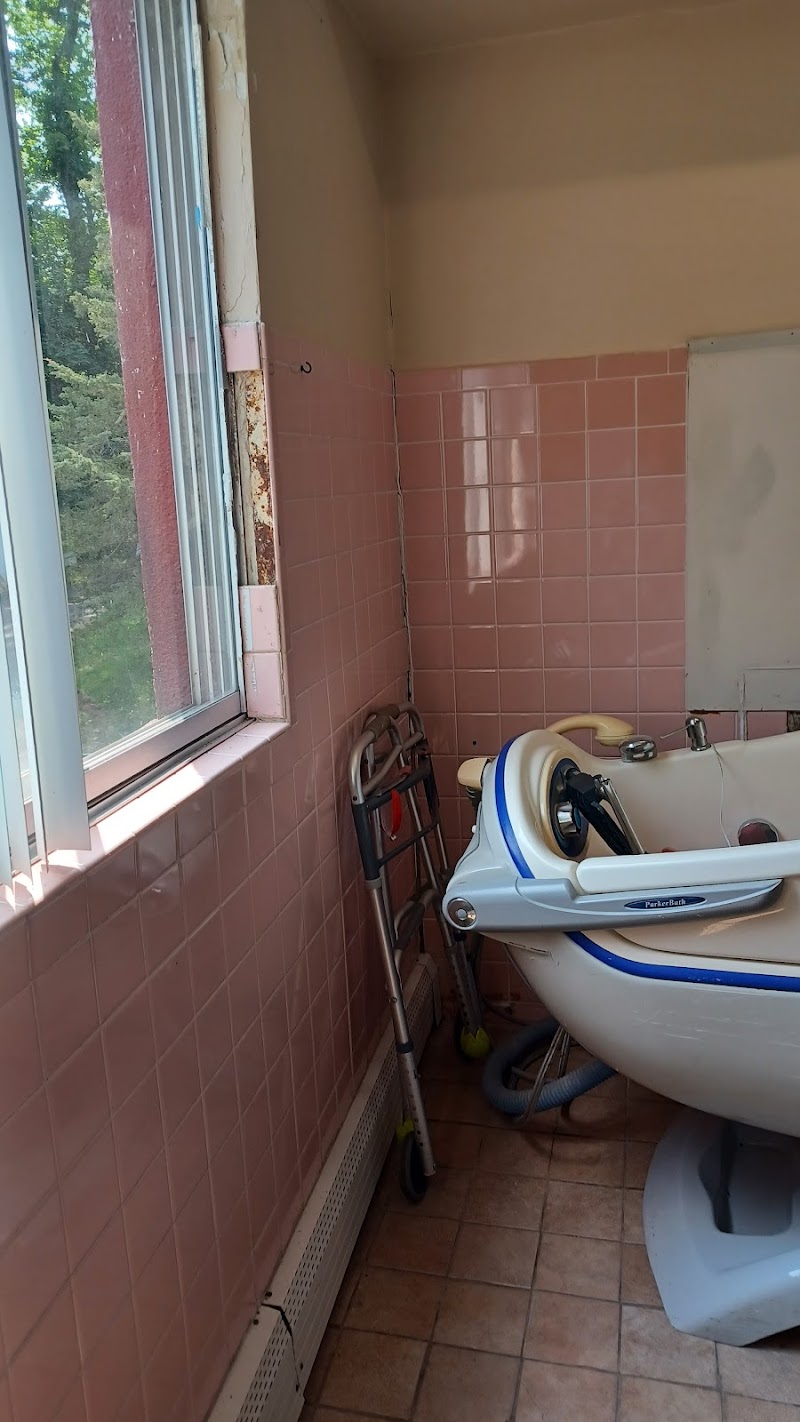
How is Pine Forest For Rehab & Healthcare Staffed?

CMS rates PINE FOREST CARE CENTER FOR REHAB & HEALTHCARE's staffing level at 3 out of 5 stars, which is average compared to other nursing homes. Staff turnover is 17%, compared to the New York average of 46%. This relatively stable workforce can support continuity of care.

What Have Inspectors Found at Pine Forest For Rehab & Healthcare?

State health inspectors documented 13 deficiencies at PINE FOREST CARE CENTER FOR REHAB & HEALTHCARE during 2022 to 2025. These included: 13 with potential for harm.

Who Owns and Operates Pine Forest For Rehab & Healthcare?

PINE FOREST CARE CENTER FOR REHAB & HEALTHCARE is owned by a for-profit company. For-profit facilities operate as businesses with obligations to shareholders or private owners. The facility operates independently rather than as part of a larger chain. With 76 certified beds and approximately 73 residents (about 96% occupancy), it is a smaller facility located in HUNTINGTON, New York.
How Does Pine Forest For Rehab & Healthcare Compare to Other New York Nursing Homes?

Compared to the 100 nursing homes in New York, PINE FOREST CARE CENTER FOR REHAB & HEALTHCARE's overall rating (3 stars) is below the state average of 3.1, staff turnover (17%) is significantly lower than the state average of 46%, and health inspection rating (3 stars) is at the national benchmark.

What Should Families Ask When Visiting Pine Forest For Rehab & Healthcare?

Based on this facility's data, families visiting should ask: "Can I visit during a mealtime to observe dining assistance and food quality?" "How do you handle medical emergencies, and what is your hospital transfer rate?" "Can I speak with family members of current residents about their experience?"

Is Pine Forest For Rehab & Healthcare Safe?

Based on CMS inspection data, PINE FOREST CARE CENTER FOR REHAB & HEALTHCARE has a clean safety record: no substantiated abuse findings (meaning no confirmed cases of resident harm), no Immediate Jeopardy citations (the most serious violation level indicating risk of serious injury or death), and is not on the Special Focus Facility watch list (a federal program monitoring the lowest-performing 1% of nursing homes). The facility has a 3-star overall rating and ranks #100 of 100 nursing homes in New York. While no facility is perfect, families should still ask about staff-to-resident ratios and recent inspection results during their visit.

Do Nurses at Pine Forest For Rehab & Healthcare Stick Around?

Staff at PINE FOREST CARE CENTER FOR REHAB & HEALTHCARE tend to stick around. With a turnover rate of 17%, the facility is 29 percentage points below the New York average of 46%. Low turnover is a positive sign. It means caregivers have time to learn each resident's needs, medications, and personal preferences. Consistent staff also notice subtle changes in a resident's condition more quickly. Registered Nurse turnover is also low at 22%, meaning experienced RNs are available to handle complex medical needs.

Was Pine Forest For Rehab & Healthcare Ever Fined?

PINE FOREST CARE CENTER FOR REHAB & HEALTHCARE has been fined $7,901 across 1 penalty action. This is below the New York average of $33,158. While any fine indicates a compliance issue, fines under $50,000 are relatively common and typically reflect isolated problems that were subsequently corrected. Families should ask what specific issues led to these fines and confirm they've been resolved.

Is Pine Forest For Rehab & Healthcare on Any Federal Watch List?

PINE FOREST CARE CENTER FOR REHAB & HEALTHCARE is not on any federal watch list. The most significant is the Special Focus Facility (SFF) program, which identifies the bottom 1% of nursing homes nationally based on persistent, serious quality problems. Not being on this list means the facility has avoided the pattern of deficiencies that triggers enhanced federal oversight. This is a positive indicator, though families should still review the facility's inspection history directly.