REGAL HEIGHTS REHABILITATION AND HEALTH CARE CTR
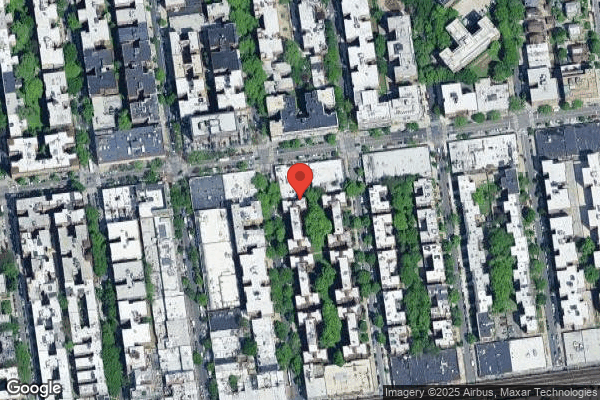
70-05 35 AVENUE, JACKSON HEIGHTS, NY 11372 (718) 662-5100
For profit - Partnership 280 Beds Independent Data: November 2025
Trust Grade
75/100
#216 of 594 in NY
Last Inspection: December 2023

Within standard 12-15 month inspection cycle. Federal law requires annual inspections.

Overview

Regal Heights Rehabilitation and Health Care Center has received a Trust Grade of B, indicating it is a good choice among nursing homes but may not be the best option. It ranks #216 out of 594 facilities in New York, placing it in the top half overall, and #29 out of 57 in Queens County, meaning only one local option is better. However, the facility is currently worsening, with issues increasing from 6 in 2021 to 9 in 2023. Staffing is a relative strength, with a turnover rate of 31%, which is below the New York average, but the RN coverage is only average. Notably, there have been concerns regarding food safety practices, such as staff not washing hands before serving food, and issues with infection control, like using equipment without sanitizing it between residents. While Regal Heights has no fines on record, these incidents highlight areas that need improvement alongside its strengths.

Trust Score
B
75/100
In New York
#216/594
Top 36%
Safety Record
Low Risk
No red flags
Inspections
Getting Worse
6 → 9 violations
Staff Stability
○ Average
31% turnover. Near New York's 48% average. Typical for the industry.
Penalties
✓ Good
No fines on record. Clean compliance history, better than most New York facilities.
Skilled Nurses
○ Average
Each resident gets 35 minutes of Registered Nurse (RN) attention daily — about average for New York. RNs are the most trained staff who monitor for health changes.
Violations
⚠ Watch
15 deficiencies on record. Higher than average. Multiple issues found across inspections.
★★★★☆
4.0
Overall Rating
★★★☆☆
3.0
Staff Levels
★★★★★
5.0
Care Quality
★★★☆☆
3.0
Inspection Score
Stable
2021: 6 issues
2023: 9 issues

The Good

  • 5-Star Quality Measures · Strong clinical quality outcomes
  • Full Sprinkler Coverage · Fire safety systems throughout facility
  • No fines on record
  • Staff turnover below average (31%)

    17 points below New York average of 48%

Facility shows strength in quality measures, fire safety.

The Bad

Staff Turnover: 31%

15pts below New York avg (46%)

Typical for the industry

The Ugly 15 deficiencies on record

Dec 2023 9 deficiencies
CONCERN (D)

Potential for Harm - no one hurt, but risky conditions existed

Resident Rights (Tag F0550)

Could have caused harm · This affected 1 resident

**NOTE- TERMS IN BRACKETS HAVE BEEN EDITED TO PROTECT CONFIDENTIALITY** Based on observation, record review, and interviews during the Recertification Survey from 11/27/2023 to 12/01/2023, the facilit...

Read full inspector narrative →
**NOTE- TERMS IN BRACKETS HAVE BEEN EDITED TO PROTECT CONFIDENTIALITY** Based on observation, record review, and interviews during the Recertification Survey from 11/27/2023 to 12/01/2023, the facility did not ensure each resident was treated with respect and dignity. This was evident for 1 (Resident #162) of one 38 total sampled residents. Specifically, Resident #162's Foley drainage bag was not covered and was visible to anyone passing by their room. The findings are: The facility policy titled Providing Resident's Dignity dated 06/2023 documented staff must ensure catheter bags were covered for privacy. Resident #162 had diagnoses of Benign Prostatic Hyperplasia (BPH) and adult failure to thrive. The Minimum Data Set 3.0 (MDS) dated [DATE] documented Resident #162 had severely impaired cognition and required the assistance of 2 people for toileting. During an observation on 11/27/2023 at 12:02 PM and 11/28/2023 at 10:30 AM, Resident #162 was lying in a bed closest to their room door and their Foley drainage bag was attached to the side of the bed visible from the hallway outside of the resident's room. The Foley drainage bag was uncovered and exposed for anyone passing by the room to see. During an interview on 12/01/2023 at 10:22 AM, the Certified Nurse Assistant (CNA) #2 stated they took care of the Resident #162 a few days ago and observed the resident's Foley drainage bag did not have a cover. CNA #2 told the nurse how much urine was in the bag and emptied the drainage bag. On 12/01/2023 at 10:58 AM, an interview was conducted with Registered Nurse (RN) # 2 who stated Resident #162 was transferred from another unit and RN #2 did not realize there was no cover or dignity bag for the resident's Foley catheter drainage bag. On 12/01/2023 at 11:13 AM, an interview was conducted with the Director of Nursing (DON) who stated they just found out that Resident #162 did not have a Foley drainage bag cover and they will conduct an audit of residents with drainage bags. The DON stated any resident without a cover for their drainage bag will receive a cover to maintain dignity. 10 NYCRR 415.3(c)(1)(i)
CONCERN (D)

Potential for Harm - no one hurt, but risky conditions existed

Deficiency F0583 (Tag F0583)

Could have caused harm · This affected 1 resident

Based on observation, record review, and interviews conducted during the Recertification survey from 11/27/23 to 12/1/23, the facility did not ensure a resident's right to privacy and confidentiality ...

Read full inspector narrative →
Based on observation, record review, and interviews conducted during the Recertification survey from 11/27/23 to 12/1/23, the facility did not ensure a resident's right to privacy and confidentiality was maintained for 1 of 35 sampled residents (Resident # 67). Specifically, the electronic Medication Administration Record (MAR) for Resident #67 was observed open on top of the medication cart, in the hallway, displaying personal and identifying health information. The findings are: The undated facility policy and procedure titled Safeguarding and Storing Protected Health Information documented that it is the policy of the facility to ensure, to the extent possible, that PHI is not intentionally or unintentionally used or disclosed in a manner that would violate The Health Insurance Portability and Accountability Act Privacy Rule (HIPPA) or any other federal or state regulation governing confidentiality and privacy of health information. All documents containing PHI should be stored appropriately to reduce the potential for incidental use or disclosure. Documents should not be easily accessible to any unauthorized staff or visitors. The policy also documented that Medication Administration Records, Treatment Administration Records, report sheets and other documents containing PHI shall not be left open and or unattended. The policy further documented that computer monitors shall be positioned so that unauthorized persons cannot easily view information on the screen. The undated facility policy titled Administering Medication: Interpretation and Implementation documented that during administration of medications, the cart must be clearly visible to the personnel administering medications, and all outward sides must be inaccessible to residents. On 11/30/23 at 07:51 AM, the State Surveyor arrived on Unit 3 and observed the medication cart unattended in the hallway outside of Resident #67's room which was around the corner from the nursing station. The medication cart was unlocked, and the electronic MAR screen was open, facing outward in plain view of passersby, and was displaying a photograph and identifying health information for Resident #67. On 11/30/23 at 07:55 AM, Licensed Practical Nurse (LPN) #3 returned to the medication cart and was immediately interviewed. LPN #3 stated that they were sorry and that they never do this as they pay attention to resident privacy. On 12/01/23 at 01:04 PM, Registered Nurse Supervisor (RNS) #1 was interviewed and stated that LPN #3 informed them that they had left Resident #67's medical record opened and exposed in the hallway and they were immediately in-serviced. RNS #1 stated that periodic spot checks are performed, and rounds are made checking that medication carts are locked and MAR screens on carts are closed when not in use. Staff is then educated and given verbal warnings when noncompliance is found. 415.3 (d)(1)(ii)
CONCERN (D)

Potential for Harm - no one hurt, but risky conditions existed

Assessment Accuracy (Tag F0641)

Could have caused harm · This affected 1 resident

**NOTE- TERMS IN BRACKETS HAVE BEEN EDITED TO PROTECT CONFIDENTIALITY** 3) Resident #120 had diagnoses of End Stage Renal Disease (ESRD) and dementia. The MDS assessment dated [DATE] documented Resid...

Read full inspector narrative →
**NOTE- TERMS IN BRACKETS HAVE BEEN EDITED TO PROTECT CONFIDENTIALITY** 3) Resident #120 had diagnoses of End Stage Renal Disease (ESRD) and dementia. The MDS assessment dated [DATE] documented Resident #120 had a diagnosis of ESRD and did not document the resident received hemodialysis treatment. A Physician's Order dated 6/12/2023 documented Resident #120 had hemodialysis 3 times weekly on Monday, Wednesday, and Friday. A Comprehensive Care Plan related to ESRD documented Resident #120 received hemodialysis treatment 3 times weekly. There was no documented evidence the MDS assessment dated [DATE] accurately documented Resident #120's hemodialysis treatment. On 11/30/2023 at 10:41 AM, an interview was conducted with the Director of MDS who stated the MDS Coordinators were responsible for filling out the sections of the MDS assessment related to special treatments and checking for accuracy prior to submission of the MDS. The Director of MDS reviewed Resident #120's MDS assessment and stated hemodialysis treatment should have been documented and it was human error that it was missed on the 9/11/2023 MDS assessment. On 11/30/2023 at 10:52 AM, an interview was conducted with the Director of Nursing (DNS), who stated the MDS assessments were completed by the MDS Coordinators and were checked for accuracy prior to being submitted. 10NYCRR 415.11(b) 2) Resident #238 had diagnoses of cancer and Alzheimer's disease. The MDS assessment dated [DATE] documented Resident #238 was cognitively intact and had no functional limitation in range of motion to their upper extremities. The Hospital Discharge summary dated [DATE] documented Resident #238 had limited range of motion to their hands and significant contractures of their bilateral 4th-digit fingers. There was no documented evidence Resident #238's upper extremity limited range of motion was documented on the 10/3/2023 MDS assessment. On 11/30/2023 at 11:32 AM, Certified Nursing Assistant (CNA) #5 was interviewed and stated Resident #238 required extensive assistance with eating because they are unable to hold the utensils in their hands due to their fingers being contracted. On 12/01/2023 at 10:13 AM, the MDS Coordinator (MDSC) was interviewed and stated they were responsible for the accuracy of the MDS assessment and although the Occupational Therapist fills out the section related to a resident's functional limitations, the MDSC was responsible for noting any errors the other disciplines made. Based on observation, record review, and interview conducted during the recertification survey from 11/27/2023 to 12/01/2023, the facility did not ensure that the Minimum Data Set 3.0 (MDS) assessments accurately reflect the resident status. This was evident for 3 (Resident #101, #120, and #238) of 38 total sampled residents. Specifically, 1). MDS for Resident #101 and Resident # 238 did not accurately assess for contractures, 2). MDS for Resident #238 did not accurately assess for hemodalysis treatment. The findings are: 1.) Resident #101 had diagnoses of heart failure and depression. The MDS dated [DATE] documented Resident #101 did not have any impairment in their range of motion. On 11/28/2023 at 09:56 AM and 11/30/2023 at 9:56 AM, Resident #101 was observed with a right knee contracture. The Comprehensive Care Plan (CCP) dated 11/30/2023 documented Resident #101 had an alteration in musculoskeletal status and right leg stiffness. There was no documented evidence Resident #101's range of motion limitation of their right knee were accurately assessed on the 8/30/2022 MDS. An interview was conducted on 11/30/2023 at 10:04 AM with the MDS Coordinator who stated the MDS assessment helps with the planning of care, health decisions and capturing different trends or declines for a resident. The MDS Coordinator stated they were responsible for the accuracy of the MDS and Resident #101's right knee functional limitation should have been documented on the MDS assessment.
CONCERN (D)

Potential for Harm - no one hurt, but risky conditions existed

Comprehensive Care Plan (Tag F0656)

Could have caused harm · This affected 1 resident

**NOTE- TERMS IN BRACKETS HAVE BEEN EDITED TO PROTECT CONFIDENTIALITY** Based on observation, interviews, and record review conducted during the Recertification survey from 11/27/2023 to 12/1/2023, th...

Read full inspector narrative →
**NOTE- TERMS IN BRACKETS HAVE BEEN EDITED TO PROTECT CONFIDENTIALITY** Based on observation, interviews, and record review conducted during the Recertification survey from 11/27/2023 to 12/1/2023, the facility did not develop and implement a comprehensive person-centered care plan (CCP) that includes measurable objectives and timeframes to meet a resident's needs. This was evident for 1 (Resident # 162) of 38 total sampled residents. Specifically, a CCP related to Foley catheter use was not developed for Resident #162. The findings are: The facility undated policy titled Care Planning -Interdisciplinary Team (IDT) documented the IDT was responsible for the development of an individualized CCP for each resident to meet the needs of the resident. Resident #162 had diagnoses of Benign Prostatic Hyperplasia (BPH) and adult failure to thrive. The Minimum Data Set 3.0 (MDS) assessment dated [DATE] documented Resident #162 had severely impaired cognition. The MDS did not document Resident #162's urinary catheter use. On 11/27/2023 at 12:02 PM and 11/28/2023 at 10:30 AM, Resident #162 was observed with a Foley catheter and drainage bag in place. There was no documented evidence a CCP related to Resident #162's Foley catheter use was developed and implemented. On 12/01/2023 at 10:22 AM, an interview was conducted with Certified Nurse Assistant (CNA) #2 who stated they took care of the Resident #162 a few days ago, emptied the resident's Foley drainage bag, and reported how much urine was in the bag to the nurse. On 12/01/2023 at 10:58 AM, an interview was conducted with Registered Nurse (RN) #2 who stated Resident #162 was transferred from another unit and RN #2 did not realize the resident did not have a CCP developed related to their Foley catheter. On 12/01/2023 at 11:13 AM, an interview was conducted with the Director of Nursing (DON) who stated they were made aware Resident #162 did not have a CCP related to Foley catheter use in place and a CCP will be developed and implemented immediately. 10 NYCRR 415.11(c)(1)
CONCERN (D)

Potential for Harm - no one hurt, but risky conditions existed

Deficiency F0675 (Tag F0675)

Could have caused harm · This affected 1 resident

**NOTE- TERMS IN BRACKETS HAVE BEEN EDITED TO PROTECT CONFIDENTIALITY** Based on observation, interviews, and record reviews conducted during a recertification survey from 11/27/23 to 12/01/23, the fa...

Read full inspector narrative →
**NOTE- TERMS IN BRACKETS HAVE BEEN EDITED TO PROTECT CONFIDENTIALITY** Based on observation, interviews, and record reviews conducted during a recertification survey from 11/27/23 to 12/01/23, the facility did not ensure that each resident was provided with the necessary care and services to attain or maintain the highest practicable mental and psychosocial well-being, consistent with the resident's comprehensive assessment and plan of care. This was evident for 1 of 38 sampled residents. (Resident #256) Specifically, Resident #256 report that their sleep was disturbed at night because their roommate's television was too loud and it was not addressed. The findings are: The facility policy titled Transfers-room changes, revised 05/22, documented that to honor resident rights, promote resident choice, be sensitive to LGBT rights, and promote the highest quality of life and person-centered care for the residents and to comply with applicable federal and state regulations. Changes in room or roommate assignment shall be made when the facility deems it necessary or when the resident requests the change. The undated policy titled Quality of Life, documented that the facility becomes a substitute for significant quality of life factors in addition to quality of health factors in its plan for resident care. Resident was admitted to the facility with diagnoses that included Cerebral Vascular Accident (CVA), COVID-19, and Pneumonia (PNA). The admission Minimum Data Set 3.0 (MDS) dated [DATE] documented that resident's cognition is intact, and they were feeling tired or having little energy on 12-14 days during the review period. On 11/27/23 at 12:47 PM, Resident #256 was interviewed and stated that their roommate keeps the television on all night, and that they cannot go to sleep at nights. They also stated that they asked for a room change but wanted to stay on this unit. Resident #256 also stated that they spoke with the Social Worker (SW) about their roommate's television being too loud at nights, asked for a room change but wanted to stay on this unit. On 11/29/23 at 10:55 AM, Resident #256 was observed sitting out in the lounge area near to their room. Resident #256 said that they had asked the Certified Nursing Assistant (CNA) last evening (11/28) to lower the roommate's TV, but the roommate refused, and that they didn't sleep well since the TV was on all the time. Resident #256 said that the Social Worker (SW) had been made aware that they want to move but has not gotten back to them. On 11/30/23 at 10:27 AM, Resident # 256 observed sitting in the lounge outside of their room, observed resident's roommate with the TV on inside of the room. Resident #256 said that they are still unable to get a goodnight's rest, since the roommate continues to keep on the television on a loud volume at nights. A Comprehensive Care Plan (CCP) with focus of Resident #256 has a mood problem related to admission, Altered Feelings/Mood state evidenced by sadness, altered feelings/mood state evidenced by sleeplessness, disease process was created on 09/08/2023. Goals included that the resident would have improved mood state happier, calmer appearance, no signs/symptoms of depression, anxiety, or sadness) through the review date. Interventions include to allow resident time to verbalize their feelings, assist the resident, family, caregivers to identify strengths, positive coping skills and reinforce these. A Social Work note dated 11/08/23 documented that Resident #256 moved from room [ROOM NUMBER] A to 816 B, and agreed with the move. There was no documented evidence that Resident #256's concern about noise in their room or request for a room change was addressed from 11/08/23 until 11/30/23 after the Social Worker had been interviewed by the State Surveyor. On 11/30/23 at 10:41 AM, Certified Nursing Assistant (CNA) #4 was interviewed and stated that Resident #256 had complained that when they came to the unit, the roommate's television was too loud at nights but they did not want to leave the unit. CNA #4 also stated that they told the Social Worker about the resident's complaint. CNA #4 further stated that they had spoken with the roommate about the TV being too loud and the resident turned down the volume for a short time. On 11/30/23 at 12:30 PM, Social Worker (SW) #1 was interviewed and stated they could not recall when but Resident #256 had reported to them previously that they were having some trouble with the roommate's TV. They offered Resident #256 another option on another unit, but then Resident #256 said that they were okay with the roommate, since they may not have had availability on the unit they were currently on. SW #1 also stated that this issue occurred mostly at night time, and the facility policy is that it is the complainant who is to be moved when a room change is requested. SW #1 further stated that they did speak to the roommate, but the concern is mostly at night, and they had not heard anything else. On 11/30/23 at 12:38 PM, Registered Nurse Supervisor (RNS) #2 stated that Resident #256's roommate had the TV on too loud, and that Resident #256 mentioned again today that the resident kept the TV on and RNS #2 told the roommate to turn the TV down at a certain time RNS #2 also stated that they told Resident #256 that once a room becomes available, they will make a room change. RNS #2 stated that although the facility policy dictates that the complainant be moved, there are times when the other resident can be moved to another room. On 12/01/23 at 09:37 AM, during an interview the Director of Nursing (DON) stated that they were not aware that there was a situation occurring and they would look into the situation and see if there is a room available. On 12/01/23 at 09:48 AM, the Director of Social Work was interviewed and stated that regarding resident needs, they meet with the resident and try to resolve the issue, and that they would offer the room change and that if the other resident will be compatible. The DSW also stated that they were not aware that there was a concern with Resident #256 wanting to get a room change because of the roommate's TV being too loud. The DSW further stated that they would usually follow up with the assigned SW to ensure that they addressed the issue. The DSW stated that SW #1 informed them that SW #1 assumed that the issue was resolved. The DSW stated that they saw Resident #256, and that they moved them to another room. 10NYCRR 415.12
CONCERN (D)

Potential for Harm - no one hurt, but risky conditions existed

Deficiency F0697 (Tag F0697)

Could have caused harm · This affected 1 resident

**NOTE- TERMS IN BRACKETS HAVE BEEN EDITED TO PROTECT CONFIDENTIALITY** Based on observation, interviews, and record review conducted during the recertification survey from 11/27/23 to 12/01/23, the f...

Read full inspector narrative →
**NOTE- TERMS IN BRACKETS HAVE BEEN EDITED TO PROTECT CONFIDENTIALITY** Based on observation, interviews, and record review conducted during the recertification survey from 11/27/23 to 12/01/23, the facility did not ensure a resident was provided pain management consistent with professional standards of practice and the comprehensive person-centered care plan. This was evident for 1 out of 2 residents reviewed for Pain Management out of 35 total sampled residents (Resident #238). Specifically, Resident #238 received pain medications and treatment without ongoing monitoring of the efficacy of the pain management. The findings are: The undated policy titled Pain Management documented that the purpose of pain management is to achieve highest level of pain control and comfort and the highest level of functioning in ADL. Resident #238 was admitted to the facility with diagnoses that include Multiple fracture of ribs. On 11/28/23 at 09:26 AM, Resident #238 was observed sitting in the dayroom. Resident was alert and oriented and complained of pain in both hands. Resident was observed to have contracted fingers to both hands. The admission Minimum Data Set 3.0 (MDS) dated [DATE] documented that Resident #238 was moderately cognitively impaired, received scheduled pain medication regimen, with occasional presence of pain and with a rating of 3 out of a numerical rating scale of 00-10. The Comprehensive Care Plan (CCP) created on 09/27/23, documented Resident #238 has pain related to Sacrum and rib fracture, with goals that include the resident will not have an interruption in normal activities due to pain, through the review date, 2/5/24. Interventions included to administer analgesia as per orders, Resident #238 is currently on Lidoderm patch, gabapentin, and Tylenol as needed, to anticipate the resident's need for pain relief, and respond immediately to any complaint of pain. The Physician's order dated 10/30/23 documented Diclofenac Sodium external gel 1% (topical): apply to sacrum and chest topically two times a day for pain. The Physician's order dated 11/21/23, documented Lidocaine Pain Relief External Patch 4 %: Apply to lower back topically one time a day for pain, apply at 9 AM, remove at 9 PM. The Physician's order dated 11/30/23, documented Baclofen oral tablet 5mg: give 1 tablet by mouth two times a day for increased spasticity during therapy sessions. The Medication Administration Record (MAR) for September 2023 documented Resident #238 received Tylenol 650 mg every 6 hours for pain with a start date of 09/26/23 and discontinued 09/30/23. The Medication Administration Record (MAR) for September and October 2023 documented pain for Resident #238 with monitoring every shift for 14 days, from 09/26/23 to 10/10/23. Pain level ranging from 0-5 on a scale of 0 to 10 with o being no pain and 10 severe pain. There was no documented evidence that Resident #238 received ongoing monitoring for efficacy of the pain management after 10/10/23. A Psychiatric note dated 11/3/2023 documented patient showed writer their hands that were contracted and that their sleep fluctuates due to chronic pain in their left ankle. A Physician's Physiatry's note dated 11/8/23 documented patient was seen due to report of increased spasticity during therapy sessions, and decline in functional progress and if no underlying infection present, patient would benefit from trial of Baclofen 5mg twice daily, titrate up as needed to assist with relieving pain and tightness. On 11/30/23 at 11:32 AM, Certified Nursing Assistant (CNA) #5 was interviewed and stated that since admission on [DATE], Resident #238 is totally dependent on staff for Activities of Daily Living (ADLS) and needs extensive assistance with eating. CNA #5 also stated that Resident #238 is unable to hold their utensils due to their fingers being contracted and their complaint of being in pain. CNA #5 further stated that the Occupational Therapist (OT) initially used to feed Resident #238 every lunch time since they were unable to hold the cup their hands. On 11/30/23 at 12:02 PM, the Physical Therapist Aide (PTA) #1 was interviewed and stated that Resident #238 reached a plateau, so therapy was discontinued. PTA #1 also stated that they spoke with OT who said they will get something for Resident #238. PTA #1 further stated that Resident #238 hand pain in the hands all the time and that the nurse on the unit was aware. On 11/30/23 at 12:18 PM, the Registered Nurse Supervisor (RNS) #2 was interviewed and stated that Resident #238 was referred to Occupational Therapy (OT) since their hands being contracted was a concern. RNS #2 also stated that the therapist would have done an evaluation on admission. Resident was evaluated on admission. RNS #2 stated that Resident #238 was already receiving pain medication, and that they were not aware that the resident had pain to their hands. On 11/30/23 at 03:10 PM the Occupational Therapist (OT) #1 was interviewed and stated that they evaluated Resident #238 on admission, and that they were not concerned with the resident's hands, since Resident #238 had limited fine motor skills. OT #1 also stated that their hands were not as contracted as they currently are, hands were stiff and had some impairment but it was within functional limit. On 12/01/23 at 02:04 PM, Medical Doctor (MD) #1 was interviewed and stated that Resident #238 was admitted with chronic contractures. MD #1 also stated that the resident was in pain and was seen by the Physiatrist who ordered a muscle relaxant. MD #1 further stated that they were informed of the Physiatrist's recommendation by the unit nurse on 11/30/2023 and they ordered the medication then. The MD stated that the recommendations of the consultant would be reviewed when the monthly evaluation was being done. 10NYCRR 415.12
CONCERN (D)

Potential for Harm - no one hurt, but risky conditions existed

Deficiency F0711 (Tag F0711)

Could have caused harm · This affected 1 resident

**NOTE- TERMS IN BRACKETS HAVE BEEN EDITED TO PROTECT CONFIDENTIALITY** Based on observation, record review, and interviews conducted during the Recertification survey from 11/27/2023 to 12/1/2023, th...

Read full inspector narrative →
**NOTE- TERMS IN BRACKETS HAVE BEEN EDITED TO PROTECT CONFIDENTIALITY** Based on observation, record review, and interviews conducted during the Recertification survey from 11/27/2023 to 12/1/2023, the facility did not ensure the physician reviewed the resident's total plan of care at each visit. This was evident for 1 (Resident #162) of 2 residents reviewed for Foley Catheter out of 38 total sampled residents. Specifically, there was no Medical Doctor Order (MDO) given specifying the treatment and care of Resident #162's Foley catheter. The findings are: The facility policy titled Doctor's Order dated 06/2023 documented MDOs should be concise with indication for use. Resident #162 had diagnoses of Benign Prostatic Hyperplasia (BPH) and adult failure to thrive. The Minimum Data Set 3.0 (MDS) assessment dated [DATE] documented Resident #162 had severely impaired cognition. The MDS did not document Resident #162's urinary catheter use. On 11/27/2023 at 12:02 PM and 11/28/2023 at 10:30 AM, Resident #162 was observed with a Foley catheter and drainage bag in place. The Comprehensive Care Plan (CCP) related to Resident #162's diagnosis of BPH initiated 01/07/2022 and last revised on 06/22/2023 documented Resident #162 was monitored for urinary retention, bladder distention, and hematuria. There was no documented evidence an MDO specifying treatment and care of Resident #162's Foley catheter was given by the MD. On 12/01/2023 at 10:58 AM, an interview was conducted with Registered Nurse (RN) #2 who stated Resident #162 was transferred from another unit and RN #2 did not realize the MDO had not given an order specifying treatment and care of Resident #162's Foley catheter. On 12/01/2023 at 11:13 AM, an interview was conducted with the Director of Nursing (DON) who stated they were just made aware Resident #162 did not have an MDO in place for Foley catheter treatment and care. The DON stated staff will be inserviced that all residents with Foley catheters required an MDO. On 12/01/2023 at 11:45 AM, an interview was conducted with Medical Doctor (MD) #1 who stated Resident #162 did not have a MDO in place for Foley catheter care because of an oversight. MD #1 stated they will read hospital discharge paperwork more carefully next time. MD #1 saw the nurses were documenting that Resident #162's Foley catheter was draining well. 10 NYCRR 415.15(b)(2)(iii)
CONCERN (D)

Potential for Harm - no one hurt, but risky conditions existed

Deficiency F0761 (Tag F0761)

Could have caused harm · This affected 1 resident

**NOTE- TERMS IN BRACKETS HAVE BEEN EDITED TO PROTECT CONFIDENTIALITY** Based on observation, record review, and interviews conducted during the Recertification survey from 11/27/23 to 12/1/23 the fac...

Read full inspector narrative →
**NOTE- TERMS IN BRACKETS HAVE BEEN EDITED TO PROTECT CONFIDENTIALITY** Based on observation, record review, and interviews conducted during the Recertification survey from 11/27/23 to 12/1/23 the facility did not ensure drugs and biologicals were stored in accordance with professional standards of practice for 2 of 7 units (3rd Floor and 4th Floor). Specifically, the facility medication cart was not kept locked or under direct observation of authorized staff. The findings are: The facility policy and procedure titled Medication Administration dated 2/2000 and revised 4/2023 documents that while administering medications, the nurse ensures that the medication cart is locked anytime especially if the medication cart is out of the nurse direct line of vision. The undated facility policy titled Administering Medication: Interpretation and Implementation documented that during administration of medications, the medication cart is kept closed and locked when out of sight of the medication nurse or aide. The cart must be clearly visible to the personnel administering medications, and all outward sides must be inaccessible to residents. 1. On 11/29/23 at 4:37 PM, during an observation of medication administration in room [ROOM NUMBER], Registered Nurse (RN) #4 did not lock the medication cart before going into the resident's room to administer medications. The cart was left unattended outside of the resident's room and out of the sight of RN #4 who was behind the resident's privacy curtain administering medication. The resident's room is located around the corner from the nursing station and there was no staff observed in the hallway. On 11/29/23 at 4:42 PM, RN #4 returned to the medication cart and was interviewed immediately. RN #4 stated that this is not something they usually do as they usually lock the cart before walking away. 2. On 11/30/23 at 7:51 AM, the State Surveyor arrived on the third floor of the facility and observed the medication cart unattended in the hallway outside of residents' room [ROOM NUMBER] around the corner from the nursing station. The medication cart was observed to be unlocked. On 11/30/23 at 7:55 AM, Licensed Practical Nurse (LPN) #3 returned to the medication cart. LPN #3 was immediately interviewed and stated they usually lock the cart before going into the resident's room. On 12/01/23 at 01:04 PM, Registered Nurse Supervisor (RNS) #1 was interviewed and stated that LPN #3 informed them that they had left Resident #67's medical record opened and exposed in the hallway and they were immediately in-serviced. RNS #1 stated that periodic spot checks are performed, and rounds are made checking that medication carts are locked and MAR screens on carts are closed when not in use. Staff is then educated and given verbal warnings when noncompliance is found. 415.18 (e)(1-4)
CONCERN (E)

Potential for Harm - no one hurt, but risky conditions existed

Food Safety (Tag F0812)

Could have caused harm · This affected multiple residents

Based on observation, interview, and record review conducted during the recertification survey from 11/27/2023 through 12/1/2023, the facility did not ensure food was served in accordance with profess...

Read full inspector narrative →
Based on observation, interview, and record review conducted during the recertification survey from 11/27/2023 through 12/1/2023, the facility did not ensure food was served in accordance with professional standards for food service safety. This was evident for 1 (7th Floor) of 7 resident units observed during dining. Specifically, 7th Floor food service staff did not perform hand hygiene prior to serving food to residents and a fruit cup and tuna sandwich were above 41 degrees Fahrenheit (F). The findings are: The facility policy titled Dining Services dated 1/2023 documented the server will check and log temperatures of cold items. If foods are not within acceptable range (cold foods <41 F), do not serve and call the supervisor. A facility policy titled Infection Control and Sanitation dated 1/2023 documented all staff wash their hands prior to serving meals. The Dietary Meal Temperature Log dated from 11/21/2023 to 11/26/2023 did not document a log of cold food temperatures for the lunch meal. On 11/27/2023 at 11:53 AM, Dietary Aide (DA) #1 was observed arriving on the 7th Floor with the food carts. DA #1 did not perform hand hygiene, pulled gloves from their pocket, and donned gloves, picked up utensils, and began to serve the lunch meal. DA #1 was interviewed at the time of observation and stated they cleaned their hands downstairs in the kitchen and were supposed to wash their hand prior to serving lunch. DA #1 stated the gloves they pulled from their pocket were clean because their pants were clean. On 11/28/2023 at 12:05 PM, DA #2 was observed preparing for lunch meal service on the 7th floor. DA#2 did not check the temperatures of the cold food items that had already been placed on a resident's lunch tray. DA #2 was interviewed at the time of the observation and stated they are supposed to check the temperatures of the hot and cold foods prior to serving them but forgot. DA #2 then checked the temperature of the fruit cup and the tuna sandwich on the resident's lunch tray and both items were 50 F, above the acceptable range of 41 F. On 11/29/2023 at 12:00 PM, DA#3 was interviewed and stated they do not check the temperatures of the sandwiches and food that has already been placed on lunch trays prior to serving the tray to residents. DA #3 only checked temperatures for the hot food. to observed preparing for lunch meal service on the 7th floor. DA #3 took temperatures of hot food. On 11/29/2023 at 12:13 PM, an interview was conducted with Registered Dietitian (RD) #1 who stated the facility policy is to check and log the temperatures of the hot and cold foods prior to meal service on the resident units. RD #1 reviewed the Temperature Log and stated there was a section to log temperatures for cold plates. 10 NYCRR 415.14(h)
Sept 2021 6 deficiencies
CONCERN (D)

Potential for Harm - no one hurt, but risky conditions existed

Resident Rights (Tag F0550)

Could have caused harm · This affected 1 resident

**NOTE- TERMS IN BRACKETS HAVE BEEN EDITED TO PROTECT CONFIDENTIALITY** Based on observation, record review, and interview during the Re-certification survey, the facility did not ensure each resident...

Read full inspector narrative →
**NOTE- TERMS IN BRACKETS HAVE BEEN EDITED TO PROTECT CONFIDENTIALITY** Based on observation, record review, and interview during the Re-certification survey, the facility did not ensure each resident was treated with respect and dignity and cared for in a manner that promotes maintenance or enhancement of his or her quality of life, recognizing each resident's individuality. Specifically, staff members were observed entering resident rooms without knocking on the door. member was observed entering a dementia resident's room and another staff member was observed entering a cerebral infarction resident's room without knocking on the door. This was evident for 2 of 5 residents reviewed for Dignity (Resident #393 and 395) . The findings are: The facility policy & procedure (P&P) titled Resident Rights was effective on 6/5/17 and revised on 6/5/17. The policy documented that Staff acknowledges presence in resident's room prior to entering by either knocking on the door and /or greeting resident. 1) Resident #393 was admitted to the facility with diagnoses including Vascular Dementia; Heart Failure, and Hypertension (HTN). The admission Minimum Data Set 3.0 (MDS) dated [DATE] documented Resident #393 had severely impaired cognition. The Physician order was to monitor resident's vital sign every shift for HTN, s/p fall with start date 7/12/2021 A sign posted on Resident #393's door read, Welcome to our home. Please knock before entering. On 09/07/21 at 03:28 PM, the Certified Nursing Assistant (CNA #2) was observed carrying a blood pressure machine and entering Resident #393's room to check Resident #393's vital signs without knocking on the door or greeting Resident #393. The Comprehensive Care Plan (CCP) for Impaired Cognitive Function r/t (related to) Dementia, Initiated 07/12/2021 and revised 07/15/2021, included the interventions: identify yourself at each interaction, face the resident when speaking and make eye contact, and reduce distractions. On 09/07/21 at 03:34 PM, CNA #2 was interviewed. CNA #2 stated Resident #393 was alert but not oriented. CNA #2 stated they knocked on the door when they went to Resident #393's room around 3 PM, and CNA #2 thought they did not need o knock again because the door was open. CNA #2 also stated the facility protocol was to knock on the door before entering resident rooms. CNA #2 further stated they received a lot of in-services throughout the year, including respecting residents' privacy and knocking on the door before entering the room. 2) Resident #395 was admitted to the facility with diagnoses including Cerebral Infarction and Hemiplegia and Hemiparesis affecting left non-dominant side. The admission Minimum Data Set 3.0 (MDS) assessment dated [DATE] documented the resident had intact cognition. The resident was totally dependent on the assist of 2 persons for transfers. There was a post on Resident #395's door stating Welcome to our home. Please knock before entering. On 09/08/21 at 09:57 AM, CNA #3 was observed entering Resident #395's room with the hoyer lift without knocking on the door or greeting the resident. The Comprehensive Care Plan (CCP) for The resident able to follow simple commands, initiated 07/29/2021, revised on: 08/05/2021, included the interventions allow adequate time to respond, repeat as necessary, do not rush, request clarification from the resident to ensure understanding, and use alternative communication tools as needed. On 09/08/21 at 10:11 AM, the Certified Nursing Assistant (CNA #3) was interviewed. CNA #3 stated they knocked on the door when entering the room earlier, and they did not knock on the door this time because the door was open and Resident #395 expected them to return with the hoyer lift. CNA #3 also stated that all staff had to knock on the door before entering the resident's room for privacy and respect. CNA #3 further stated they had training for privacy and dignity like knocking on the door at the new hire orientation and in-services throughout the year. On 09/09/21 at 03:42 PM, the Registered Nurse (RN #3) was interviewed. RN #3 stated all staff had to knock or greet the resident before entering or re-entering the room for privacy and respect. RN #3 also stated staff received training on privacy, including knocking on the door or closing the privacy curtain when providing the care, at the new hire orientation. RN #3 further stated staff watch a video on privacy and dignity during orientation. RN #3 stated they did not remember if there was in-service for privacy and dignity after the orientation. On 09/08/21 at 02:42 PM, the Director of Nursing (DON) was interviewed. The DON stated all staff had to knock on the resident's door before entering or re-entering the resident's room every time. The DON also stated there was training and in-service for staff about privacy, including knocking on the door before entering the resident's room during new hire orientation and regular and as needed in-services. 415.3(c)(1)(i)
CONCERN (D)

Potential for Harm - no one hurt, but risky conditions existed

Deficiency F0679 (Tag F0679)

Could have caused harm · This affected 1 resident

**NOTE- TERMS IN BRACKETS HAVE BEEN EDITED TO PROTECT CONFIDENTIALITY** Based on observation, record review and interview during the Re-certification survey, the facility did not provide, based on the...

Read full inspector narrative →
**NOTE- TERMS IN BRACKETS HAVE BEEN EDITED TO PROTECT CONFIDENTIALITY** Based on observation, record review and interview during the Re-certification survey, the facility did not provide, based on the comprehensive assessment and care plan and the preferences of each resident, an ongoing program to support residents in their choice of activities, designed to meet the interests of and support the physical, mental, and psychosocial well-being of each resident. Specifically, the facility did not provide a non-English speaking resident with television and reading materials in their native language per their preferences. This was evident for 1 of 3 residents reviewed for Choices from an initial pool of 35 residents (Resident #39). The finding is: The facility policy and procedure titled Communication for the Non-Speaking English with effective date August 2018 and no revised date documented under policy that all residents who are Non-English speaking will be provided with resources necessary to maximize independent and quality of life. It also documented under procedure that therapeutic recreation (TR) will offer videos on the TV specific to the resident's interest that is available from their language and culture and offer reading material that is relevant to native language. The resident #39 was admitted to the facility on [DATE] with diagnoses that included unspecified dementia without behavioral disturbance and other specified depressive episodes. The admission Minimum Date Set (MDS) dated [DATE] documented it was important for the resident to keep up with news and very important to do their favorite activities. The Quarterly MDS dated [DATE] documented the resident had severely impaired cognition. The MDS further documented the resident had no hearing problems and could understand and be understood by others. On 09/02/21 at 02:49 PM, Resident #39 was interviewed. Resident #39 stated they knew very limited English and could not understand the English TV programs or read the English magazines/newspaper available in the unit. Resident #39 also stated they used to read the Chinese newspaper and watch the Chinese TV programs at home. Resident #39 stated the staff did not discuss their preference with them since admission to the facility. Resident #39 stated their primary dialect was Fuzhouese and wanted to watch Chinese TV program and read Chinese newspaper at the facility. On 09/03/21 at 11:16 AM, Resident # 39 was observed sitting in a wheelchair (w/c) and falling asleep in the Day Room with TV playing an English program. On 09/07/21 at 09:19 AM and 3:24 PM, Resident # 39 was observed sitting in a w/c falling asleep in Day Room with the TV on an English channel. On 09/07/21 at 11:11 AM, Resident #39 was observed sitting in a w/c at the same place in the Day Room with the TV playing an English program. On 09/08/21 at 09:53 AM, Resident #39 was observed falling asleep in wheelchair in Day Room and TV was on English channel. On 09/08/21 at 03:51 PM, Resident #39 was observed sitting in the dining room alone at a table. No activities were observed. On 09/09/21 at 09:22 AM, 11:37 AM, 1:12 PM, and 2:44 PM, Resident #39 was observed sitting in a w/c in the Day Room with the TV playing an English channel. On 09/10/21 at 11:24 AM, Resident #39 was observed sitting in the Day Room with the TV playing an English program. The Comprehensive Care Plan (CCP) for Dementia and Memory Impairment initiated 6/1/21, revised 8/20/21 and 9/7/21, included the intervention to communicate with the resident/family/caregivers regarding the resident's capabilities and needs. On 09/07/21 at 02:02 PM, the Recreational Leader (RL) was interviewed. The RL stated Resident #39 spoke Fuzhouese, and the RL contacted the resident's two daughters regularly to check if Resident #39 could communicate with the staff. The RL also stated the daughters mentioned that they preferred to have a Chinese TV channel and Chinese newspaper for Resident #39 to watch and to read at the facility. The RL further stated the facility only had English and Spanish TV channels, and the RL did not follow-up with the Administrator to see if they could add the Chinese channel to the TV service and order the Chinese newspaper for Resident #39. The RL stated they provided a video call once per week for Resident #39 to speak to family. The RL also stated Resident #39 took part in some activities like ice-cream Sunday and family visitation but no activity specific to their native language. The RL further stated there was no other resident who spoke Resident #39's dialect in the facility now. The RL stated there was no Director of Recreation currently at the facility. On 09/07/21 at 02:31 PM, the Administrator was interviewed. The Administrator stated the non-English speaking residents should have access to TV channels and other materials in their native language to watch and to read. The Administrator also stated they were considering to switch TV service from Direct TV to other TV provider to include more other language channels. 415.5(b)(1-3)
CONCERN (D)

Potential for Harm - no one hurt, but risky conditions existed

Deficiency F0687 (Tag F0687)

Could have caused harm · This affected 1 resident

**NOTE- TERMS IN BRACKETS HAVE BEEN EDITED TO PROTECT CONFIDENTIALITY** Based on observation, record review and interview during the re-certification survey, the facility did not ensure that the resid...

Read full inspector narrative →
**NOTE- TERMS IN BRACKETS HAVE BEEN EDITED TO PROTECT CONFIDENTIALITY** Based on observation, record review and interview during the re-certification survey, the facility did not ensure that the residents received foot care and treatment in accordance with professional standards of practice, their comprehensive assessment, person-centered care plan, and the residents' choice. Specifically, a resident was not provided with foot care and treatment to address the resident's toenails care. This was evident for 1 of 1 resident reviewed for Foot Care (Resident #39). The findings are: The facility policy and procedure titled Foot Care with effective date 4/2000 and revised in 5/2007 and 6/2017 documented proper care and attention will be given to resident's feet by the nursing staff daily during care and as often as needed. Resident #39 was admitted to the facility on [DATE] with diagnoses that included unspecified dementia without behavioral disturbance and other specified depressive episodes. The Quarterly Minimum Data Set 3.0 (MDS) assessment dated [DATE] documented the resident had severely impaired cognition but was understood and able to understand. The MDS further documented the resident required the extensive assistance of one person for bed mobility, transfer and personal hygiene. The MDS documented the resident had no rejection of care behavior. On 09/02/21 at 02:54 PM, Resident #39 was interviewed and stated no staff assisted them to cut toenails for several months and their toenails were long. On 09/03/21 at 11:14 AM, Resident #39 was observed with toenails that were a quarter inch long that grew beyond the toe tips. The Comprehensive Care Plan (CCP) for Activities of Daily Living (ADLs), initiated on 6/1/21 and revised 8/20/21, included the intervention of skin inspection with report of changes to the Nurse. The Podiatrist Consultation dated 3/9/21 documented the last time Resident #39 had a podiatry consultation. There was no documented evidence in the medical record that the resident had another Podiatry consult after 3/9/21. On 09/08/21 at 10:18 AM, the Certified Nursing Assistant (CNA) #1 was interviewed. CNA #1 stated Resident #39 required assistance for lower body dressing like putting on socks and shorts. CNA #1 also stated Resident #39 had long toenails, and they did not remember the last time Resident #39 saw the podiatrist or if they informed the nurse that Resident #39 required a referral to podiatry. CNA #1 further stated that Resident #39 should be referred to the podiatrist to cut the long toenails, and the nurses and CNAs are not allowed to cut all residents' toenails. On 09/07/21 at 10:43 AM, Registered Nurse (RN) #3 was interviewed. RN #3 stated the nurses could cut diabetic resident's fingernails and certified nursing assistant (CNA) could cut non-diabetic resident's fingernails. RN #3 also stated that the nurses and CNAs do not cut the toenails, and only the podiatrist can cut residents' toenails. During a follow-up interview on 09/08/21 at 10:54 AM, RN #3 stated Resident #39 had toenails a quarter inch long beyond the toe tips and should be referred to the podiatrist. RN #3 also stated the podiatrist was in the facility 2 times a month and there was no appointment scheduled for Resident #39. RN #3 further stated they'd make the referral to podiatrist for Resident #39 immediately. On 09/08/21 at 02:42 PM, the Director of Nursing (DON) was interviewed. The DON stated the CNA and nurses have to check the resident's toenails and refer to them to podiatrist to cut if the toenails are long. The DON also stated she would consider toenails long if the toenails grew beyond the toe tips. 415.12(k)(7)
CONCERN (D)

Potential for Harm - no one hurt, but risky conditions existed

Pharmacy Services (Tag F0755)

Could have caused harm · This affected 1 resident

Based on observation, record review, and staff interview conducted during the Recertification and Abbreviated survey, the facility failed to ensure expired medications were identified timely and remov...

Read full inspector narrative →
Based on observation, record review, and staff interview conducted during the Recertification and Abbreviated survey, the facility failed to ensure expired medications were identified timely and removed from current medication supply for disposition. Specifically, expired syringes of heparin flush and a dressing kit were observed in the medication room. This was evident on 1 of 7 units reviewed for Medication Storage (Unit 3). The finding is: The facility policy and procedures titled Medication Administration revised on 05/2017 documented nurse checks medication expiration prior to preparing medication for administration. On 09/08/2021 at 11:21 AM, an observation of the medication room on the 3rd Floor was conducted with RN #4. A cardboard box located inside cabinet to the right of the refrigerator contained the following expired items: twenty syringes of single use Heparin lock flush solution USP, Rx only 50 USP units/5ml (10 USP units/mL) 5 mL with manufacturer expiration dates of 01/31/2020, 11/30/2020, 04/30/2021, 05/31/2021, 06/30/2021, 07/31/2021, 08/31/2021. There was one dressing change kit with alcohol swabs expired 12/31/2020. On 09/09/2021 at 11:29 AM, an interview was conducted with RN #4 who stated they don't check the heparin flushes but check the stock medication, medication refrigerator, emergency medication box, narcotic storage, and medications in need of return. RN #4 stated the medication nurses do monthly checks and nightly check and they missed the expired medications. We cannot keep any expired medication in the medication room and if we check every time before we give patient and because we cannot give expired medications to anybody. Their may be an adverse reaction with the expired medication. If we use expired dressing it may affect the wound may be infection or adverse reaction with the dressing. The evening, night shift and morning nurses that do dressing changes look at the dressing supplies on an as needed basis. On 09/08/2021 at 12:14 PM, an interview was conducted with the RN Supervisor (RN #1). RN #1 stated that some of the medication expired long ago and some at the end of August, April and November. The night nurse usually checks the expiration dates of medications monthly. RN #1 stated RN #1 conducts spot checks of the medication rooms during rounds. RN #1 checks for expired medications and ensures narcotics locked properly. RN #1 did not think to check the flushes. The are no current residents on IV fluids or with a heplock. RN #1 stated expired medications may not be as potent which could affect the efficacy of the medication. On 09/10/2021 at 12:55 PM, an interview was conducted with the Assistant Director of Nursing (ADNS) who stated they do rounds on all units 3 to 4 times per week. The ADNS checks the narcotic cabinet, refrigerator, cabinets for appropriate medication, and spot checks expiration dates. The ADNS checks the heparin flushes sometimes. The ADNS could not recall the last time they checked the 3rd floor. The Pharmacy comes monthly to check the medication room, and the Director of Nursing (DON) gets the reports. It is standard nursing practice to check expiration dates prior to administration and treatments. All nurses have been in-serviced on this. On 09/10/2021 at 12:43 PM, an interview was conducted with the Director of Nursing (DON). The DON stated they check the medication rooms at least monthly during rounds. The infection control nurse also checks the medication rooms. They check for expired medications, including the syringes and stock medication. The DON could not recall when the DON last checked the 3rd floor medication room. Staff should be checking on a regular basis and any discontinued medication should be brought to the basement for pharmacy return. If expired medications are used, there could be side effects related to the potency of the medication, and at some point, certain therapeutic efficacy may not be met. The ADNS does daily rounds of the units and medication rooms. 415.18(b)(1)(2)(3)
CONCERN (E)

Potential for Harm - no one hurt, but risky conditions existed

Safe Environment (Tag F0584)

Could have caused harm · This affected multiple residents

**NOTE- TERMS IN BRACKETS HAVE BEEN EDITED TO PROTECT CONFIDENTIALITY** 3) On, 09/07/21 at 12:52 PM, room [ROOM NUMBER]B was observed. The floor in front of the bed was dirty and sticky. On 09/08/21 ...

Read full inspector narrative →
**NOTE- TERMS IN BRACKETS HAVE BEEN EDITED TO PROTECT CONFIDENTIALITY** 3) On, 09/07/21 at 12:52 PM, room [ROOM NUMBER]B was observed. The floor in front of the bed was dirty and sticky. On 09/08/21 at 09:17 AM, room [ROOM NUMBER]B was observed, The floor was still dirty and sticky, and there were pieces of alcohol swab paper on the floor. The floor mat on the right side of the bed was dirty. On 09/09/21 at 9:15 AM and 9/10/21 at 7:56 AM, room [ROOM NUMBER]B was observed with a sticky and unswept floor with pieces of paper on the floor. Three dirty floor mats were piled on top of each other on the right side of the bed. During an interview on 09/10/21 at 08:00 AM, the Housekeeper, Staff #5, stated they clean the room when the resident is not inside because the Housekeeper does not know if the residents can walk. The Housekeeper stated they cleaned the room a couple days ago, but sometimes they wait until the nursing staff takes the residents out of the room. The Houskeeper stated they don't have a schedule for room cleaning. During an interview on 09/10/21 at 07:55 AM, the RN Supervisor #1 stated room [ROOM NUMBER] should not be in the current state. The RN Supervisor stated the room probably wasn't cleaned, and Housekeeping should mop the rooms even if the residents are inside. When the residents are out of bed, the floor mats should be placed on the side of the bed. Housekeeping is responsible for cleaning the floor mats. During the interview 2 of the floor mats were removed. During an interview on 09/10/21 at 08:25 AM, the Director of Environmental Services (DES) stated that there is a cycle cleaning schedule that is done monthly. If a room needs to be cleaned and the residents inside are non-ambulatory, the room can be mopped. If there is an ambulatory resident inside the room, the room can be swept. The Housekeeper can can make arrangements to clean the rooms of ambulatory residents with nursing staff, who will take residents out of the room so it can be cleaned. The DES also stated housekeeping staff is responsible for cleaning the floor mattresses. If the floor mats are soiled, the housekeeper can wipe it, and torn floor mats should be replaced. The DES stated that they would in-service the housekeeper. 415.5(h)2 Based on observation, interview and record review conducted during a recertification survey, the facility failed to ensure that a safe, clean, comfortable and homelike environment was provided to residents. Specifically, resident rooms were observed with dirty floor mats in disrepair and unswept and sticky floors for mutiple observeations over several days. This was evident for 3 of 7 resident units observed for Environmental Observations (Floors 2, 3, and 5). The findings are: The facility policy titled Devices (Floor Mats) revised 10/2016 documented that central supply personnel/housekeeping provides floormats, replaces non-functioning devices. 1) During multiple observations conducted on 09/02/2021 at 11:10 AM, 09/03/21 at 8:27 AM, and 09/10/2021 at 12:18 PM, room [ROOM NUMBER] was observed with the following: There were floor mats with tears/rips in the fabric exposing the inside material. The right floor mat was ripped on left and right edges, and the left floor mat was ripped on the short edge by the footboard measuring ¼ inch to 2 inches in length. 2) During multiple observations conducted on 9/7/21 at 9:38 AM, 9/9/21 at 5:42 PM, and 9/10/21 at 11:20 AM, room [ROOM NUMBER] was observed with the following: room [ROOM NUMBER]A bed had ripped floor mats. There was a rip along 3/4 of the long edge, exposing the inside foam, and there were tears and rips in the middle area of the mat measuring approximately 12-18 inches in length. Three rips 2-4 inches in length were noted in the bottom area. The floor mat for 309B was noted with rips in the fabric of the floor mat on the left and right corners towards the footboard. There was an 8 inch rip on the right edge in middle section, and a rip on the lower left edge and left upper corner on the left floor mat. The right floor mat had a 5 inch rip on the lower left edge and right corner where material meets (6 inches in length open). On 09/10/2021 at 12:23 PM, an interview was conducted with the Registered Nurse. The RN stated that they look at floor mats when doing rounds daily. If a floor mat is ripped, RN #5 calls downstairs and fill out a requisition in relation to the floor mat. The RN stated they checked the floor mats this morning and did not see anything out of the ordinary. On 09/10/2021 at 12:30 PM, an interview was conducted with the Director of Environmental Services (DES). The DES stated they do rounds every morning, tour the units 2 to 3 times daily, and note if anything is out of order or needs to be cleaned right away. They don't look at floor mats. Nursing or housekeeping reports any issue with floor mats to maintenance. Floor mats are wiped down by housekeeping. If floor mats are reported for damage, the covers can be changed if the mat inside is in good condition. If not, the mat is replaced.
CONCERN (E)

Potential for Harm - no one hurt, but risky conditions existed

Infection Control (Tag F0880)

Could have caused harm · This affected multiple residents

Based on observations, record review, and staff interviews conducted during the recertification survey, the facility did not ensure infection control practices and procedures were maintained to provid...

Read full inspector narrative →
Based on observations, record review, and staff interviews conducted during the recertification survey, the facility did not ensure infection control practices and procedures were maintained to provide a safe and sanitary environment to help prevent the development and transmission of communicable diseases and infections. Specifically, an RN was observed using a Blood Pressure (BP) cuff for multiple residents without sanitizing the equipment in between the residents. This was evident during medication pass for 4 of 4 residents observed during the Medication Administration Facility Task out of investigative sample size of 35 residents. (Residents #143, #190, #488, #489). The findings are: The undated facility policy titled Equipment Care documented Resident-care devices (e.g., electronic thermometers, blood pressure cuffs, glucose monitoring devices, etc.) may transmit pathogens if devices are shared between residents without cleaning and disinfecting between residents. These are all cleaned after each resident use with EPA approved cleaning material that is pathogen appropriate. On 09/07/21 at 09:30 AM, Registered Nurse (RN) #6 was observed obtaining Blood Pressure (BP) during the medication administration observation on the 7th floor. RN #6 removed the blood pressure machine that was in the hallway near the medication cart and took it into Resident # 488's room. RN#6 applied the blue BP cuff to the resident's arm and assessed the BP. When the reading was obtained, RN #6 removed the BP cuff and placed it in the basket attached to the machine. RN #6 was not observed cleaning or sanitizing the blood pressure cuff before or after use. On 09/07/21 at 09:42 AM, RN #6 was observed entering the room of Resident #143. RN #6 was observed using the BP cuff that had been used previously and not sanitized onto the arm of Resident #143 and obtained the BP reading. RN #6 removed the BP cuff and placed it back into the basket on the medication cart. RN #6 was not observed cleaning or sanitizing the blood pressure cuff before or after use. On 09/07/21 at 09:51 AM, RN #6 was observed obtaining blood pressure reading for Resident #190. After obtaining the reading, RN #6 removed the blood pressure cuff and placed it in the holding basket attached to the BP machine. RN #6 was not observed cleaning or sanitizing the blood pressure cuff before or after use. On 09/07/21 at 09:59 AM, RN # 6 was observed assessing blood pressure for Resident #489. After use of the BP cuff, it was returned to the holding basket attached to the machine. RN #6 was not observed cleaning or sanitizing the blood pressure cuff before or after use. On 09/07/21 at 10:05 AM, RN #6 was interviewed. RN #6 stated the facility protocol is to clean the Blood Pressure (BP) machine or any equipment used on a resident before moving on to the next resident. RN #6 also stated the BP cuff used needed to be cleaned in between every resident and they usually clean blood pressure cuff with alcohol wipes in between residents but did not do so today because they were very nervous. RN #6 stated they had been trained to use antibacterial wipes to clean equipment including the BP cuff, but was unable to locate any wipes on the medication cart to demonstrate what was used for cleaning. On 09/07/21 at 10:14 AM, RN #3, Unit Supervisor (US) was interviewed. The US stated that the facility protocol is that the BP machine must be cleaned before and after every resident use. The US also stated the facility protocol is to use antibacterial wipes to clean the equipment. The US further stated they monitor staff periodically throughout the day and have a morning meeting with all staff reminding them to adhere to the facility infection control practices and they stay late to observe medication administration on other shifts. The US stated that staff was inserviced on this issue and wipes are readily available on the unit and with housekeeping and staff can ask the US for wipes or can call housekeeping to obtain wipes. On 09/09/21 at 05:33 PM, the Infection Control Preventionist (ICP) was interviewed. The ICP stated the facility policy is to clean the BP cuff and reusable equipment in between resident and after use with the antibacterial wipes on the unit. The ICP also stated the wipes are readily available to all the staff on all units and stated all staff get the supplies from the Environmental Director in a large bucket delivered for use on the unit. The ICP further stated supplies are regularly checked by housekeeping and the nurses have been informed that the wipes are available. All staff including nursing know where to find the wipes in the basement if run out on the unit. The ICP stated they inserviced all staff in the facility recently to remind the staff of the protocol for cleaning equipment before and after use. The ICP stated they monitored the staff by making rounds, meeting with the managers, and doing spot checks to see that staff adhere to the Infection Control Practices. The ICP further stated all nurses need to clean BP cuff before and after use. 415.19(b)(4)
Understanding Severity Codes (click to expand)
Life-Threatening (Immediate Jeopardy)
J - Isolated K - Pattern L - Widespread
Actual Harm
G - Isolated H - Pattern I - Widespread
Potential for Harm
D - Isolated E - Pattern F - Widespread
No Harm (Minor)
A - Isolated B - Pattern C - Widespread

Questions to Ask on Your Visit

  • "Can I speak with families of current residents?"
  • "What's your RN coverage like on weekends and overnight?"

Our Honest Assessment

Strengths
  • • No major safety red flags. No abuse findings, life-threatening violations, or SFF status.
  • • No fines on record. Clean compliance history, better than most New York facilities.
  • • 31% turnover. Below New York's 48% average. Good staff retention means consistent care.
Concerns
  • • 15 deficiencies on record. Higher than average. Multiple issues found across inspections.
Bottom line: Generally positive indicators. Standard due diligence and a personal visit recommended.

About This Facility

What is Regal Heights Rehabilitation And Health Care Ctr's CMS Rating?

CMS assigns REGAL HEIGHTS REHABILITATION AND HEALTH CARE CTR an overall rating of 4 out of 5 stars, which is considered above average nationally. Within New York, this rating places the facility higher than 99% of the state's 100 nursing homes. This rating reflects solid performance across the metrics CMS uses to evaluate nursing home quality.

How is Regal Heights Rehabilitation And Health Care Ctr Staffed?

CMS rates REGAL HEIGHTS REHABILITATION AND HEALTH CARE CTR's staffing level at 3 out of 5 stars, which is average compared to other nursing homes. Staff turnover is 31%, compared to the New York average of 46%. This relatively stable workforce can support continuity of care.

What Have Inspectors Found at Regal Heights Rehabilitation And Health Care Ctr?

State health inspectors documented 15 deficiencies at REGAL HEIGHTS REHABILITATION AND HEALTH CARE CTR during 2021 to 2023. These included: 15 with potential for harm.

Who Owns and Operates Regal Heights Rehabilitation And Health Care Ctr?

REGAL HEIGHTS REHABILITATION AND HEALTH CARE CTR is owned by a for-profit company. For-profit facilities operate as businesses with obligations to shareholders or private owners. The facility operates independently rather than as part of a larger chain. With 280 certified beds and approximately 272 residents (about 97% occupancy), it is a large facility located in JACKSON HEIGHTS, New York.

How Does Regal Heights Rehabilitation And Health Care Ctr Compare to Other New York Nursing Homes?

Compared to the 100 nursing homes in New York, REGAL HEIGHTS REHABILITATION AND HEALTH CARE CTR's overall rating (4 stars) is above the state average of 3.1, staff turnover (31%) is significantly lower than the state average of 46%, and health inspection rating (3 stars) is at the national benchmark.

What Should Families Ask When Visiting Regal Heights Rehabilitation And Health Care Ctr?

Based on this facility's data, families visiting should ask: "Can I visit during a mealtime to observe dining assistance and food quality?" "How do you handle medical emergencies, and what is your hospital transfer rate?" "Can I speak with family members of current residents about their experience?"

Is Regal Heights Rehabilitation And Health Care Ctr Safe?

Based on CMS inspection data, REGAL HEIGHTS REHABILITATION AND HEALTH CARE CTR has a clean safety record: no substantiated abuse findings (meaning no confirmed cases of resident harm), no Immediate Jeopardy citations (the most serious violation level indicating risk of serious injury or death), and is not on the Special Focus Facility watch list (a federal program monitoring the lowest-performing 1% of nursing homes). The facility has a 4-star overall rating and ranks #1 of 100 nursing homes in New York. While no facility is perfect, families should still ask about staff-to-resident ratios and recent inspection results during their visit.

Do Nurses at Regal Heights Rehabilitation And Health Care Ctr Stick Around?

REGAL HEIGHTS REHABILITATION AND HEALTH CARE CTR has a staff turnover rate of 31%, which is about average for New York nursing homes (state average: 46%). Moderate turnover is common in nursing homes, but families should still ask about staff tenure and how the facility maintains care continuity when employees leave.

Was Regal Heights Rehabilitation And Health Care Ctr Ever Fined?

REGAL HEIGHTS REHABILITATION AND HEALTH CARE CTR has no federal fines on record. CMS issues fines when nursing homes fail to meet care standards or don't correct problems found during inspections. The absence of fines suggests the facility has either maintained compliance or corrected any issues before penalties were assessed. This is a positive indicator, though families should still review recent inspection reports for the full picture.

Is Regal Heights Rehabilitation And Health Care Ctr on Any Federal Watch List?

REGAL HEIGHTS REHABILITATION AND HEALTH CARE CTR is not on any federal watch list. The most significant is the Special Focus Facility (SFF) program, which identifies the bottom 1% of nursing homes nationally based on persistent, serious quality problems. Not being on this list means the facility has avoided the pattern of deficiencies that triggers enhanced federal oversight. This is a positive indicator, though families should still review the facility's inspection history directly.