HILLSIDE MANOR REHAB & EXTENDED CARE CENTER
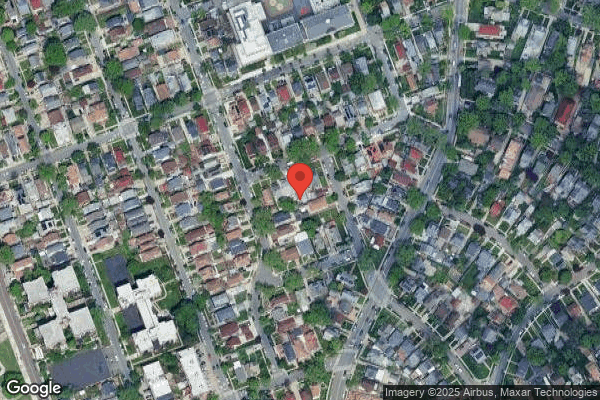
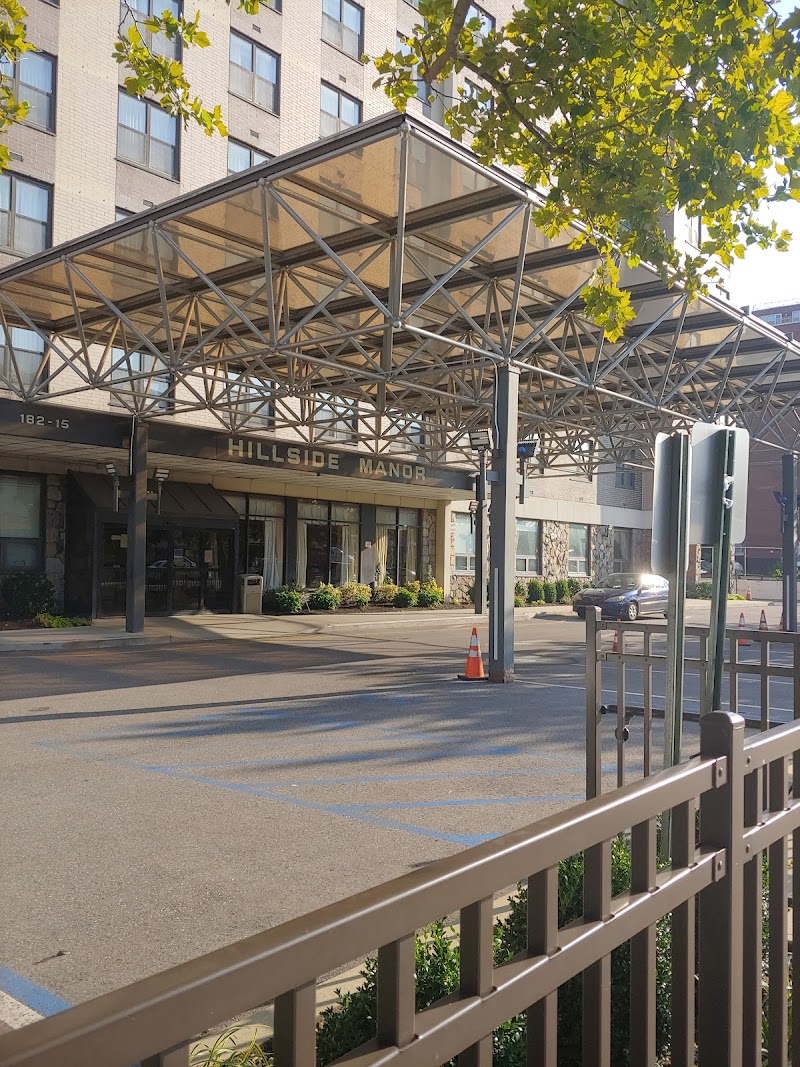
182 15 HILLSIDE AVENUE, JAMAICA EST, NY 11432 (718) 291-8200
For profit - Limited Liability company 400 Beds Independent Data: November 2025
Trust Grade
75/100
#182 of 594 in NY
Last Inspection: March 2025

Within standard 12-15 month inspection cycle. Federal law requires annual inspections.

Overview

Hillside Manor Rehab & Extended Care Center has received a Trust Grade of B, indicating it is a good choice for families, standing solidly in the middle tier of nursing homes. It ranks #182 out of 594 facilities in New York, placing it in the top half, and #19 out of 57 in Queens County, meaning only 18 local options are better. The facility is improving, with the number of issues found decreasing from five in 2023 to four in 2025. Staffing is a strength, with a 4 out of 5-star rating and a low turnover rate of 24%, which is well below the state average. However, the facility has incurred fines totaling $34,947, higher than 77% of New York facilities, indicating potential compliance issues. While the nursing home has good RN coverage, more than 75% of state facilities, some concerns have been raised. For instance, staff were observed not adhering to food safety regulations, such as not wearing hair restraints properly in the kitchen, posing a risk for foodborne illness. Additionally, two residents did not have comprehensive care plans developed to address their specific medical needs, which is a significant oversight. Lastly, maintenance issues were noted, including a torn privacy curtain and peeling wallpaper, which detracts from the overall environment.

Trust Score
B
75/100
In New York
#182/594
Top 30%
Safety Record
Low Risk
No red flags
Inspections
Getting Better
5 → 4 violations
Staff Stability
✓ Good
24% annual turnover. Excellent stability, 24 points below New York's 48% average. Staff who stay learn residents' needs.
Penalties
○ Average
$34,947 in fines. Higher than 57% of New York facilities. Some compliance issues.
Skilled Nurses
✓ Good
Each resident gets 46 minutes of Registered Nurse (RN) attention daily — more than average for New York. RNs are trained to catch health problems early.
Violations
⚠ Watch
15 deficiencies on record. Higher than average. Multiple issues found across inspections.
★★★★☆
4.0
Overall Rating
★★★★☆
4.0
Staff Levels
☆☆☆☆☆
0.0
Care Quality
★★★★☆
4.0
Inspection Score
Stable
2023: 5 issues
2025: 4 issues

The Good

  • 4-Star Staffing Rating · Above-average nurse staffing levels
  • Low Staff Turnover (24%) · Staff stability means consistent care
  • Full Sprinkler Coverage · Fire safety systems throughout facility
  • No fines on record
  • Staff turnover is low (24%)

    24 points below New York average of 48%

Facility shows strength in staffing levels, staff retention, fire safety.

The Bad

Federal Fines: $34,947

Above median ($33,413)

Moderate penalties - review what triggered them

The Ugly 15 deficiencies on record

Mar 2025 4 deficiencies
CONCERN (D) 📢 Someone Reported This

A family member, employee, or ombudsman was alarmed enough to file a formal complaint

Potential for Harm - no one hurt, but risky conditions existed

Report Alleged Abuse (Tag F0609)

Could have caused harm · This affected 1 resident

**NOTE- TERMS IN BRACKETS HAVE BEEN EDITED TO PROTECT CONFIDENTIALITY** Based on record review and interviews during the Recertification and Abbreviated Survey (NY00342691) conducted from 03/24/2025 t...

Read full inspector narrative →
**NOTE- TERMS IN BRACKETS HAVE BEEN EDITED TO PROTECT CONFIDENTIALITY** Based on record review and interviews during the Recertification and Abbreviated Survey (NY00342691) conducted from 03/24/2025 to 03/31/2025, the facility did not ensure all alleged violations involving abuse, neglect, exploitation or mistreatment, including injuries of unknown source were reported immediately, but not later than 2 hours after the allegation is made to the New York State Department of Health. This was evident in 1 (Resident #230) of 3 residents reviewed for Abuse. Specifically, Resident #230 had an unwitnessed incident on 05/17/2024 at approximately 4:00 AM, when the resident was observed sitting on the floor gym mat on the left side of their bed. Hospital x-ray report showed right pelvic fracture. Resident #230 was unable to explain the occurrence. This incident was not reported to the New York State Department of Health. The findings are: The facility policy titled Abuse Prevention with a revised date of 09/26/2024 documented the facility will report any incident and/or violation where abuse, neglect, or mistreatment is suspected to the New York State Department of Health according to all federal and state regulations. Resident #230 had diagnoses of Unspecified Dementia, Mood Affective Disorder, and Chronic Kidney Disease. The quarterly Minimum Data Set assessment dated [DATE] documented Resident #230 had severe cognitive impairment. A nurse progress note dated 05/17/2024 at 12:59 PM by Registered Nurse #1 documented late entry note, on 05/17/2024 at 4:00 AM, Registered Nurse #1 was called by the charge nurse to assess Resident #230 who was sitting on a gym mat next to their bed. Body check revealed no injuries were noted. A nurse progress note dated 05/17/2024 at 10:33 AM documented Resident #230 complained of pain to the right hip. The resident was noted with mild swelling and bluish discoloration on the right hip. The physician was notified and ordered hospital transfer. Resident #230 left the facility at 8:45 AM. The Nurse's Investigation Statement form dated 05/17/2024 completed by Licensed Practical Nurse #2 documented on 05/17/2024 at 4:00 AM, Resident #230 was observed in their room, sitting in a gym mat on the left side of their bed. The form documented Resident #230 had dementia, confused, and forgetful. There was no documented resident statement of occurrence. A review of the employee written statements revealed no one had witnessed the incident. During an interview with Certified Nurse Aide #3 on 03/27/2025 at 10:04 AM, they stated they were on duty on 05/17/2024 from 11:00 PM to 7:00 AM. They stated they found Resident #230 sitting on the floor gym mat, and they called for help and the nurse came. During an interview on 03/27/2025 at 9:46 AM, Registered Nurse #1, who was the Nursing Supervisor, stated they were on duty on 05/17/2025 from 11:00 AM to 7:30 AM. They stated they cannot recall when they received a call in the early morning about Resident #230 being found on the floor sitting on the gym mat. Registered Nurse #1 stated they assessed Resident #230, and the resident seemed alright. Registered Nurse #1 stated they did not consider the incident as a fall because Resident #230 was sitting on the gym mat. During an interview on 03/28/2025 at 7:55 AM, the Director of Nursing stated this incident was not reported to the New York State Department of Health because Resident #230 was observed on the gym mat and that was the basis of Resident #230's injury. They stated there was no unknown factor and that they concluded in their investigation that abuse was not determined. The Director of Nursing stated , because the fall was unwitnessed, the incident should have been reported to the New York State Department of Health. 10 NYCRR 415.4(b)(2)
CONCERN (D)

Potential for Harm - no one hurt, but risky conditions existed

Deficiency F0658 (Tag F0658)

Could have caused harm · This affected 1 resident

**NOTE- TERMS IN BRACKETS HAVE BEEN EDITED TO PROTECT CONFIDENTIALITY** Based on observations, interviews, and record review conducted during the Recertification Survey from 03/24/2025 to 03/31/2025, ...

Read full inspector narrative →
**NOTE- TERMS IN BRACKETS HAVE BEEN EDITED TO PROTECT CONFIDENTIALITY** Based on observations, interviews, and record review conducted during the Recertification Survey from 03/24/2025 to 03/31/2025, the facility did not ensure that services provided meet professional standards of quality. This was evident for 1 (Resident #320) of 3 residents observed during Medication Administration. Specifically, 1) Licensed Practical Nurse #3 was observed administering the medication Janumet 50 mg-500 mg 1 tablet by mouth at 10:05 AM, however, review of the Medication Administration Record documented the medication had been administered at 7:49 AM, and 2) Licensed Practical Nurse #3 was also observed administering Centrum Silver Ultra Men's 300 mcg-60 mcg-600 mcg-300 mcg 1 tablet by mouth that was dispensed for Resident #318 to Resident #320 instead of Centrum Silver 0.4 mg-300 mcg 250 mcg 1 tablet by mouth as ordered by the physician. The findings are: Resident #320 was admitted to the facility with diagnoses which included Diabetes Mellitus, Coronary Artery Disease, and Hypertension. The Quarterly Minimum Data Set assessment dated [DATE] documented that Resident #320 had intact cognition and required supervision when performing Activities of Daily Living. The Physician Orders dated 05/14/2024, last renewed on 02/13/25, documented Janumet 50 mg-500 mg tablet give 1 tablet by oral route once daily at 08:00 AM and Centrum Silver 0.4 mg-300 mcg 250 mcg tablet, give 1 tablet by oral route once daily at 10:00 AM. On 03/26/2025 at 10:05 AM, during the Medication Administration task, Licensed Practical Nurse #3 administered Janumet 50 mg-500 mg tablet 1 tablet by mouth and Centrum Silver Ultra Men's 300 mcg-60 mcg-600mcg-300 mcg 1 tablet by mouth to Resident #320. The Medication Administration Record for Resident #320 was immediately reviewed and revealed that Licensed Practical Nurse #1 had already signed off for administration of the Janumet 50 mg-500 mg tablet give 1 tablet by oral route once daily at 08:00 AM at 7:49 AM. Review of the Physician orders revealed that Resident #320 was prescribed Centrum Silver 0.4 mg-300 mcg 250 mcg tablet,1 tablet by oral route once daily at 10:00 AM but received Centrum Silver Ultra Men's 300 mcg-60 mcg-600-mcg-300 mcg 1 tablet by mouth instead. On 03/26/2025 at 10:15 AM, an interview was conducted with Licensed Practical Nurse #3 who stated that they signed for Janumet 50 mg-500 mg tablet 1 tablet by oral route for Resident #320 when they started work this morning around 7:00 AM but they did not administer it at that time. Licensed Practical Nurse #3 also stated that they sometimes sign off medications early and hope to administer them later as many residents receive their medication at 10:00 AM and prefer to receive them all at the same time. Licensed Practical Nurse #3 further stated that they wanted to give Resident #320 all their medications together. During a follow-up interview on 03/26/2025 at 10:30 AM, Licensed Practical Nurse #3 stated that, during the Medication Administration, they did not see the medication Centrum Silver 0.4 mg-300 mcg-250 mcg dispensed for Resident #320, so they went to look for it among the extra medications located at the bottom of the medication cart. Licensed Practical Nurse #3 also stated that they just selected another Centrum medication, but they did not realize that the Centrum blister pack they picked belonged to another resident (Resident #318). On 03/31/25 10:10 AM, an interview was conducted with Registered Nurse #5, a unit supervisor who stated that all medication nurses are taught the five rights of medication administration. Registered Nurse #5 also stated that the Centrum for Resident #320 was in the medication cabinet but is listed under another name which Licensed Practical Nurse #3 was not familiar with. Registered Nurse #5 further stated that signing for a medication that had not yet been administered to the resident is not acceptable practice On 03/31/25 at 11:00 AM, an interview was conducted with the Medical Director who stated that the Janumet could be administered at any time during the morning. The Medical Director also stated that they believed the Janumet being entered for administration at 8:00 AM was an error because the medication would not have any interaction with other medications if administered at 10:00 AM. The Medical Director concluded that the nursing staff should not sign off medication they have not administered. On 03/31/25 at 11:30 AM, a further interview was conducted with the Medical Director who stated that the facility has a standard Centrum preparation that they use for residents. The Medical Director also stated that sometimes residents come from the hospital with a different order, or their respective provider required a different dosage of Centrum, so an individual order would be written, and the pharmacy would supply them individually because of the different strengths. On 03/31/25 at 12:00 PM, an interview was conducted with the Director of Nursing who stated that all nursing staff were in-serviced annually and as needed for medication administration competency. The Director of Nursing stated that the Licensed Practical Nurse #3 had received medication administration competency training, and there were no concerns with their performance at that time. 10 NYCRR 415.11(c)(3)(i)
CONCERN (D)

Potential for Harm - no one hurt, but risky conditions existed

Unnecessary Medications (Tag F0759)

Could have caused harm · This affected 1 resident

**NOTE- TERMS IN BRACKETS HAVE BEEN EDITED TO PROTECT CONFIDENTIALITY** Based on observations, record review, and interviews conducted during the Recertification survey from 03/24/2025 to 03/31/2025, ...

Read full inspector narrative →
**NOTE- TERMS IN BRACKETS HAVE BEEN EDITED TO PROTECT CONFIDENTIALITY** Based on observations, record review, and interviews conducted during the Recertification survey from 03/24/2025 to 03/31/2025, the facility did not ensure that the medication error rate was not less than 5 percent. This was evident for 2 of 28 medications given during the Medication Administration task. Specifically, 1) Licensed Practical Nurse #3 was observed administering the medication Janumet 50 mg-500 mg 1 tablet by mouth at 10:05 AM, however, review of the Medication Administration Record documented the medication had been administered at 7:49 AM, and 2) Licensed Practical Nurse #3 was also observed administering Centrum Silver Ultra Men's 300 mcg-60 mcg-600 mcg-300 mcg 1 tablet by mouth that was dispensed for Resident #318 to Resident #320 instead of Centrum Silver 0.4 mg-300 mcg 250 mcg 1 tablet by mouth as ordered by the physician which resulted in a medication error rate of 7.14%. The findings are: The facility policy titled Medication Administration, dated 01/2019 documented the following that it is the policy of the facility to ensure that nurses administer medications correctly and on a timely manner. The policy also documented that medication administered shall be charted immediately after administration. The policy further documented that the medication supplied for one resident shall not be administered to another resident. Borrowing one resident's medication for another resident is not permitted. Resident #320 was admitted to the facility with diagnoses which included Diabetes Mellitus, Coronary Artery Disease, and Hypertension. The Quarterly Minimum Data Set assessment dated [DATE] documented that Resident #320 had intact cognition and required supervision when performing Activities of Daily Living. The Physician Orders dated 05/14/2024, last renewed on 02/13/25, documented Janumet 50 mg-500 mg tablet give 1 tablet by oral route once daily at 08:00 AM and Centrum Silver 0.4 mg-300 mcg 250 mcg tablet, give 1 tablet by oral route once daily at 10:00 AM. On 03/26/2025 at 10:05 AM, during the Medication Administration task, Licensed Practical Nurse #3 administered Janumet 50 mg-500 mg tablet 1 tablet by mouth and Centrum Silver Ultra Men's 300 mcg-60 mcg-600mcg-300 mcg 1 tablet by mouth to Resident #320. The Medication Administration Record for Resident #320 was immediately reviewed and revealed that Licensed Practical Nurse #1 had already signed off for administration of the Janumet 50 mg-500 mg tablet give 1 tablet by oral route once daily at 08:00 AM at 7:49 AM. Review of the Physician orders revealed that Resident #320 was prescribed Centrum Silver 0.4 mg-300 mcg 250 mcg tablet,1 tablet by oral route once daily at 10:00 AM but received Centrum Silver Ultra Men's 300 mcg-60 mcg-600-mcg-300 mcg 1 tablet by mouth instead. This resulted in an error rate of 7.14%. On 03/26/2025 at 10:15 AM, an interview was conducted with Licensed Practical Nurse #3 who stated that they signed for Janumet 50 mg-500 mg tablet 1 tablet by oral route for Resident #320 when they started work this morning around 7:00 AM but they did not administer it at that time. Licensed Practical Nurse #3 also stated that they sometimes sign off medications early and hope to administer them later as many residents receive their medication at 10:00 AM and prefer to receive them all at the same time. Licensed Practical Nurse #3 further stated that they wanted to give Resident #320 all their medications together. During a follow-up interview on 03/26/2025 at 10:30 AM, Licensed Practical Nurse #3 stated that, during the Medication Administration, they did not see Centrum Silver 0.4 mg-300 mcg-250 mcg dispensed for Resident #320, so they went to look for it among the extra medications located at the bottom of the medication cart. Licensed Practical Nurse #3 also stated that they just selected another Centrum medication, but they did not realize that the Centrum blister pack they picked belonged to another resident (Resident #318). On 03/31/25 10:10 AM, an interview was conducted with Registered Nurse #5, a unit supervisor who stated that all medication nurses are taught the five rights of medication administration. Registered Nurse #5 also stated that the Centrum for Resident #320 was in the medication cabinet but is listed under another name which Licensed Practical Nurse #3 was not familiar with. Registered Nurse #5 further stated that signing for a medication that had not yet been administered to the resident is not acceptable practice On 03/31/25 at 11:00 AM, an interview was conducted with the Medical Director who stated that the Janumet could be administered at any time during the morning. The Medical Director also stated that they believed the Janumet being entered for administration at 8:00 AM was an error because the medication would not have any interaction with other medications if administered at 10:00 AM. The Medical Director concluded that the nursing staff should not sign off medication they have not administered. On 03/31/25 at 11:30 AM, a further interview was conducted with the Medical Director who stated that the facility has a standard Centrum preparation that they use for residents. The Medical Director also stated that sometimes residents come from the hospital with a different order, or their respective provider required a different dosage of Centrum, so an individual order would be written, and the pharmacy would supply them individually because of the different strengths. On 03/31/25 at 12:00 PM, an interview was conducted with the Director of Nursing who stated that all nursing staff were in-serviced annually and as needed for medication administration competency. The Director of Nursing stated that the Licensed Practical Nurse #3 had received medication administration competency training, and there were no concerns with their performance at that time. 10 NYCRR 415.12(m)(1)
CONCERN (E)

Potential for Harm - no one hurt, but risky conditions existed

Comprehensive Care Plan (Tag F0656)

Could have caused harm · This affected multiple residents

**NOTE- TERMS IN BRACKETS HAVE BEEN EDITED TO PROTECT CONFIDENTIALITY** Based on observation, record review, and interview during the Recertification Survey conducted from 03/24/2025 to 03/31/2025, th...

Read full inspector narrative →
**NOTE- TERMS IN BRACKETS HAVE BEEN EDITED TO PROTECT CONFIDENTIALITY** Based on observation, record review, and interview during the Recertification Survey conducted from 03/24/2025 to 03/31/2025, the facility did not develop and implement a comprehensive person-centered care plan for each resident that includes measurable objectives and time frames to meet each resident's medical, nursing, mental, and psychosocial needs. This was evident in 2 of 2 residents reviewed out of 35 total sampled residents. Specifically, 1.) Resident #27, who was on palliative care and had been receiving pain medications, had no care plan developed to address pain management and palliative care. 2.) Resident #123, who had a diagnosis of Diabetes Mellitus and had been receiving medications to help control their blood sugar level, had no care plan developed for diabetes. The findings are : The facility policy titled Comprehensive Care Plan with a revision date of 12/2023 documented it is the policy of the facility that all residents will have a comprehensive care plan completed in accordance with Federal and State requirements. The comprehensive care plan include measurable objectives and timetable to meet the resident's medical, nursing, and psychosocial needs that are identified from the comprehensive assessment, it will be started immediately upon admission and completed within seven days after the completion of the comprehensive assessment. Care plan will be reviewed and revised as needed by a team of qualified persons and minimally after each assessment or reassessment. 1. Resident #27 had diagnoses of Metabolic Encephalopathy, Dementia, and Severe Sepsis. The Minimum Data Set assessment dated [DATE] documented Resident #27 had severely impaired cognition, unable to walk, and was completely dependent on staff for dressing, transfer, bed mobility, and was spoon fed by staff during meals. During an observation on 03/25/2025 at 12:05 PM, Resident #27 stated they have pain. The physician's order dated 01/09/2025 and 03/03/2025 documented Resident #27 was on Palliative Care, on Tylenol 325 milligram 2 tablets every 6 hours as needed for low back pain and to apply Voltaren 1% gel twice a day and as needed for low back pain. A medical note dated 03/05/2025 documented that Resident #27 was seen for monthly assessment and physical examination, resident was on Tylenol and Voltaren gel for pain to both knee. A palliative care visit note dated 03/31/2025 documented Resident #27 was seen on 03/21/2025 with no complaint of pain or discomfort, consumed lunch with a fair appetite. Will visit the resident again on the next palliative care visit. A review of Resident #27's comprehensive care plans had no documented evidence that care plans for palliative care and pain management was developed. 2. Resident #123 had diagnoses of Anemia, Heart Failure, and Diabetes Mellitus. The Minimum Data Set assessment dated [DATE] documented Resident #123 had intact cognition and required maximal assistance in dressing, eating, transfer, and toileting. A physician's order dated 03/23/2025 documented orders for Humalog KwikPen Insulin, Jardiance 10 milligram tablet, and Lantus Insulin for diabetes mellitus. A review of Resident #123's comprehensive care plans had no documented evidence that a care plan to address Resident #123's diagnosis of Diabetes Mellitus was developed. On 03/31/2025, Registered Nurse #4 was interviewed and stated it is the nurse supervisors' responsibility to initiate the care plans on admission. They stated it is the Registered Nurses' responsibility to update the care plans. On 03/28/2025 at 12:30 PM, Registered Nurse #5, who was the nursing supervisor, was interviewed and stated they checked the medical record and found no care plans developed for Resident #27 on pain management and palliative care. Registered Nurse #5 stated Resident #123 had no care plan developed for diabetes. They stated care plans are initiated by the admitting Registered Nurse and that it is every nurse's responsibility to initiate and complete the care plans. 10 NYCRR 415.11(c)(1)
Dec 2023 5 deficiencies
CONCERN (D)

Potential for Harm - no one hurt, but risky conditions existed

Resident Rights (Tag F0550)

Could have caused harm · This affected 1 resident

Based on observation, interview, and record review conducted during the recertification survey from 12/6/2023 to 12/13/2023, the facility did not ensure that each resident was treated with respect and...

Read full inspector narrative →
Based on observation, interview, and record review conducted during the recertification survey from 12/6/2023 to 12/13/2023, the facility did not ensure that each resident was treated with respect and dignity. This was evident for 1 (Resident #256) of 38 total sampled residents. Specifically, Licensed Practical Nurse (LPN) #2 and Certified Nursing Assistant (CNA) #1 were observed standing over Resident #256 while feeding them. The findings are: The facility policy titled Feeding the Resident dated 10/2023 documented staff should be sitting down facing the resident while feeding. On 12/6/2023 at 12:02 PM, LPN #2 was observed in the 5th Floor dining room standing over Resident #256 while feeding them during the lunch meal service. On 12/8/2023 at 12:00PM, CNA #1 was observed in the 5th Floor dining room standing over Resident #256 while feeding them during the lunch meal service. On 12/8/2023 at 12:15PM, CNA #1 was interviewed and stated they stood over the residents for a short time while feeding them to see if the resident likes the food. Then CNA #1 would sit down to feed the resident. On 12/11/2023 at 10:45AM, LPN #2 was interviewed and stated they stood over Resident #256 while feeding them because it was uncomfortable to feed Resident #256 since the resident was in a high-back wheelchair. On 12/11/2023 at 10:58 AM, Registered Nurse Supervisor (RNS) #1 was interviewed and stated they educated CNA #1 regarding being seated while feeding residents. 10 NYCRR 415.3(d)(1)(i)
CONCERN (D)

Potential for Harm - no one hurt, but risky conditions existed

MDS Data Transmission (Tag F0640)

Could have caused harm · This affected 1 resident

Based on record review and staff interview conducted during the Recertification survey from 12/6/2023 to 12/13/2023, the facility did not ensure Minimum Data Set 3.0 (MDS) assessments were electronica...

Read full inspector narrative →
Based on record review and staff interview conducted during the Recertification survey from 12/6/2023 to 12/13/2023, the facility did not ensure Minimum Data Set 3.0 (MDS) assessments were electronically transmitted to the Centers of Medicare/Medicaid Services Data System (CMSDS) within 14 days of completion. This was evident for 1 (Resident #138) of 17 residents reviewed for resident assessment out of 38 total sampled residents. Specifically, Resident #138's MDS assessment was not transmitted within 14 days of completion. The findings are: The facility policy titled MDS dated 09/2023 documented all MDS assessments must be transmitted in a timely manner. The MDS assessment for Resident #138 with completion date of 3/21/2023 was not transmitted to CMSDS until 4/7/2023, more than 14 days after completion. On 12/11/2023 at 10:43 AM, the MDS Coordinator (MDSC) was interviewed and stated they were the only staff member responsible for submitting MDS assessments to the CMSDS. The MDSC checked the dashboard of the electronic medical record (EMR) every day to monitor if any MDS assessments were for completion and submission. Completed MDS assessments were submitted 3 times weekly even when the MDSC went on vacation. The MDSC stated they were unable to recall the reason Resident #138's MDS assessment from 3/2023 was not submitted timely. On 12/11/2023 at 11:09 AM, the Administrator was interviewed and stated the MDSC reported to the Administrator if there were concerns with completing and submitting the MDS timely. The Administrator was not aware of any late submissions of MDS assessments. 10 NYCRR 415.11(a)(5)
CONCERN (D)

Potential for Harm - no one hurt, but risky conditions existed

Assessment Accuracy (Tag F0641)

Could have caused harm · This affected 1 resident

**NOTE- TERMS IN BRACKETS HAVE BEEN EDITED TO PROTECT CONFIDENTIALITY** Based on record review and interview conducted during the recertification survey from 12/06/2023 to 12/13/2023, the facility did...

Read full inspector narrative →
**NOTE- TERMS IN BRACKETS HAVE BEEN EDITED TO PROTECT CONFIDENTIALITY** Based on record review and interview conducted during the recertification survey from 12/06/2023 to 12/13/2023, the facility did not ensure that the Minimum Data Set 3.0 (MDS) assessment accurately reflect the resident status. This was evident for 2 (Resident # 342 and # 80) of 38 total sampled residents. Specifically, 1) the MDS assessment for Resident # 342 did not accurately capture their discharge to the community, and 2) the MDS assessment for Resident # 80 did not accurately capture behaviors of refusal and rejection of care and treatment. The findings are: 1.) Resident # 342 had diagnoses of Diabetes Mellitus and Malignant Neoplasm of Bronchus and Lung. The MDS assessment dated [DATE] documented Resident #342 had an anticipated planned discharge to the hospital. Social Work Note dated 10/09/2023 documented Resident #342 wa discharged to their home in the community on 10/9/2023. The Discharge summary dated [DATE] documented Resident #342 was prepared for discharge home with their family on 10/9/2023. There was no documented evidence Resident #342's discharge MDS assessment accurately documented the resident's discharge status to the community. 2.) Resident # 80 had diagnoses of renal insufficiency and hemodialysis. The MDS assessment dated [DATE] documented Resident #80 was cognitively intact and did not reject care. The Medication Administration Record (MAR) dated 10/28/2023 to 11/03/2023 documented Resident #80 refused medication administration 4 times on 10/28/2023, 4 times on 10/29/2023, and 2 times on 11/01/2023. Nursing Note dated 10/28/2023 documented Resident #80 refused to go to hemodialysis treatment that morning. There is no documented evidence Resident #80's refusal of care was accurately documented on the MDS assessment dated [DATE]. An interview was conducted on 12/12/2023 at 11:21 AM with MDS Assessor #1 who stated they review 7 days of notes and MAR prior to the assessment reference date of an MDS assessment to accurately capture a resident's behavior. Resident #80's refusal of care should have been captured on their MDS assessment. The MDS Coordinator was interviewed on 12/08/2023 at 11:43 AM and stated they reviewed medical records and spoke with staff to ensure MDS assessment accuracy. The electronic medical record had a pop-up window signaling when a resident was discharged and the MDS Coordinator cross referenced the dates and disposition with gathered information. The MDS Coordinator stated it was important for a resident's status to be accurately reflected in the assessment. 10 NYCRR 415.11(b)
CONCERN (D)

Potential for Harm - no one hurt, but risky conditions existed

Deficiency F0761 (Tag F0761)

Could have caused harm · This affected 1 resident

Based on observations, record review, and interviews conducted during the recertification survey from 12/6/2023 to 12/13/2023, the facility did not ensure separately locked, permanently affixed compar...

Read full inspector narrative →
Based on observations, record review, and interviews conducted during the recertification survey from 12/6/2023 to 12/13/2023, the facility did not ensure separately locked, permanently affixed compartments for storage of controlled drugs. This was evident for 1 (5th Floor) of 5 units observed for medication storage. Specifically, the Controlled Medications (CM) cabinet on the 5th Floor was observed with 1 lock that was not functional. The findings are: The undated facility policy titled Management of Current CM Records documented proper storage of CM is in a double door, double locked, double keyed, steel, wall mounted, cabinet. On 12/8/2023 at 10:33 AM, the medication storage room on the 5th Floor was observed in the presence of Licensed Practical Nurse (LPN) #2. The CM cabinet affixed to the wall had 1 locked closed inner door and 1 unlocked outer door that was ajar. LPN #2 attempted and was unable to lock the outer door of the CM cabinet. LPN #2 stated the lock on the CM cabinet was broken. The inner compartment of the CM cabinet contained 1 medication blister pack with 24 capsules of Pregabalin (25mg). LPN #2 was interviewed on 12/8/2023 at 10:50 AM and stated the lock on the CM cabinet had been broken since 12/7/2023 and provided a maintenance request /work order dated 12/7/2023 that documented the first door of the CM cabinet was not functional. On 12/8/2023 at 1:00PM, the Director of Nursing (DON) was interviewed and stated the lock was fixed 12/8/2023. 10 NYCRR 415.18(d)
CONCERN (D)

Potential for Harm - no one hurt, but risky conditions existed

Food Safety (Tag F0812)

Could have caused harm · This affected 1 resident

Based on observations, interviews, and record review conducted during the recertification survey from 12/6/2023 to 12/13/2023, the facility did not ensure food was stored according to professional sta...

Read full inspector narrative →
Based on observations, interviews, and record review conducted during the recertification survey from 12/6/2023 to 12/13/2023, the facility did not ensure food was stored according to professional standards for food safety. This was evident for 1 (5th Floor) of 10 floor unit pantries observed during Kitchen review. Specifically, the pantry refrigerator was above 41 degrees Fahrenheit (F) and contained undated and unlabeled food. The findings are: The undated facility policy titled Floor Pantry Refrigeration documented that for optimal conditions of refrigeration, the temperature should be maintained between 36-40 degrees. All foods/snacks will be identified with the residents ' name, room number, labeled content, date, and covered before being refrigerated. Nursing staff will check refrigerators daily to remove any leftover food items, snacks, etc. that are more than 24 hours. On 12/8/2023 at 12:00 PM, the 5th floor pantry refrigerator was observed in the presence of Registered Nurse Supervisor (RNS) #1. The internal temperature of the refrigerator was 56 F. The refrigerator contained 1 unlabeled and undated container of ribs and rice. On 12/8/2023 at 12:15PM, RNS #1 was observed completing a maintenance request/work documenting the pantry refrigerator temperature was 56 F. On 12/11/2023 at 11:03 AM, RNS #1 was interviewed and stated the pantry refrigerator had been replaced. On 12/8/2023 at 1:00PM, the Director of Nursing (DON) was interviewed and provided a copy of the maintenance request/work order that the pantry refrigerator was replaced 12/11/2023. 10 NYCRR 415.14(h)
Oct 2021 6 deficiencies
CONCERN (D)

Potential for Harm - no one hurt, but risky conditions existed

Assessment Accuracy (Tag F0641)

Could have caused harm · This affected 1 resident

**NOTE- TERMS IN BRACKETS HAVE BEEN EDITED TO PROTECT CONFIDENTIALITY** Based on record review and interviews conducted during the Recertification survey from the facility did not ensure that a reside...

Read full inspector narrative →
**NOTE- TERMS IN BRACKETS HAVE BEEN EDITED TO PROTECT CONFIDENTIALITY** Based on record review and interviews conducted during the Recertification survey from the facility did not ensure that a resident's assessment was accurate. Specifically, the Minimum Data Set (MDS) 3.0 assessment inaccurately documented that a resident received insulin injections. This was evident for 1 out of 1 resident reviewed for Resident Assessment out of an investigative sample of 38 residents. (Resident #194) The findings are: The facility policy & procedure titled MDS 3.0 revised 10/2020 documented that it is the policy of Hillside Manor Rehabilitation and Extended Care to ensure accurate and timely completion of MDS, CAA and CCP for all residents. Resident #194 was admitted to the facility with diagnoses that included Acute Kidney Failure, Unspecified; Hyperkalemia, and Acidosis. On 10/12/21 at 03:21 PM, Resident #194 was interviewed. Resident #194 stated they did not have a diagnosis of diabetes and did not receive any insulin injection before or after admission to the facility. The admission MDS dated [DATE] documented that Resident #194 had intact cognition. The MDS did not document that Resident #194 had a diagnosis of Diabetes Mellitus in Section I, however Section N documented that the received insulin injections on 7 of 7 days. The Medication Reconciliation Assessment History Form dated 8/16/2021 for Resident #194 did not include insulin on the list. The Physician admission Orders, Physician Interim Orders, and Physician Monthly Orders dated 8/16/2021 to 10/14/2021 contained no orders for insulin. On 10/14/21 at 02:17 PM, an interview was conducted with Registered Nurse (RN) #7. RN #7 stated they had administered medications to Resident #194 for the past 2 weeks and they had not administered an insulin injection to the resident. RN #7 also stated Resident # 194 did not have a diagnosis of diabetes and was not on any diabetic medication. On 10/14/21 at 02:51 PM, an interview was conducted with the MDS Assessor (MDSA). The MDSA stated they collected data for the admission MDS assessment by reviewing the hospital discharge summary, doing resident observation, and interviewing the resident and staff. Staff # 15 stated they were responsible for completing Sections I and N in the others among others. The MDSA stated that they observed that the resident was receiving Heparin injections and thought the injection in section N of MDS was referring to heparin and did realize the section referred to insulin injection. The MDSA stated that insulin injections was coded in error. On 10/18/21 at 09:15 AM, the MDS Coordinator (MDSC) was interviewed. The MDSC stated that each MDS nurse needed to do 5 to 6 MDS assessments in a day on average. The MDSC also stated that the MDS nurses review the hospital discharge summary, assess the residents, and interview residents and staff to collect data for the admission MDS assessment. The MDSC further stated that the MDS nurses were professional registered nurses and are responsible for reviewing the accuracy of the MDS assessment after completion. The MDSC stated that they mainly check the completion and signature of MDS assessments before it is submitted. 415.11(b)
CONCERN (D)

Potential for Harm - no one hurt, but risky conditions existed

Deficiency F0679 (Tag F0679)

Could have caused harm · This affected 1 resident

**NOTE- TERMS IN BRACKETS HAVE BEEN EDITED TO PROTECT CONFIDENTIALITY** Based upon observation, interview, and record review, conducted during the Recertification survey, the facility did not ensure i...

Read full inspector narrative →
**NOTE- TERMS IN BRACKETS HAVE BEEN EDITED TO PROTECT CONFIDENTIALITY** Based upon observation, interview, and record review, conducted during the Recertification survey, the facility did not ensure it provided an ongoing program to support residents in their choice of activities, both facility-sponsored group and individual activities and independent activities, designed to meet the interests of and support the physical, mental, and psychosocial well-being of each resident. This was evident for 2 of 6 residents reviewed for Activities out of a sample of 38 residents. (#209 and #224) The finding is: The facility policy & procedure titled Sensory Program/Live Music Program created 1/27/21, documented the Recreation department has a sensory cart that travels from unit to unit designed specifically to work with those residents who have dementia or other condition which limits the cognitive ability. The policy also documented that the department also employees a musician who provides both group and personal music and the Recreation department will identify residents who would benefit from sensory program. The policy also documented the Recreation department will ensure that sensory cart and live music are part of the monthly programming calendar and the recreation staff will record each visit on the resident's individual participation record and ensure that sensory program/musical visits are documented on resident's ongoing assessment/care plans. The undated facility policy & procedure titled Care of Residents with Dementia, documented that it is the policy of the facility to address the needs of residents with Dementia and the behavior associated with it through a structured, interdisciplinary management plan. The policy also documented the Recreation Department will provide activities to meet the resident's individual needs. 1.Resident #209 was admitted with diagnoses that included Alzheimer's Disease, Non-Alzheimer's dementia, and Major Depressive disorder. The Quarterly Minimum Data Set (MDS) assessment dated [DATE] documented the resident had severely impaired cognitive skills for daily decision making. On 10/12/21 at 09:43 AM, 10/13/21 at 08:40 AM, 10/13/21 at 11:27 AM, 10/13/21 at 12:25 PM, 10/14/21 at 11:54 AM, 10/14/21 at 02:04 PM, 10/14/21 at 04:25 PM, 10/15/21 at 09:48 AM, 10/15/21 at 02:57 PM, and 10/19/21 at 10:05 AM, Resident #209 was observed lying in bed or in a wheelchair in the room or hallway and was not engaged in any activity. No activity calendar, radio, or indications of religious/spiritual items were observed in the resident's room. On 10/18/21 at 10:55 AM, Resident #209 was observed in the day room sitting at a table with plastic screws/bolts in a container. Recreation Leader was not observed engaging with resident or encouraging resident to participate in the activity. The Comprehensive Care Plan dated 1/8/21 for Resident is unable to make daily preferences known; information provided by resident representative documented preferences included newspapers & magazines, music, television, group programs, religious/spiritual practices and that the resident's religious affiliation was Muslim. Goals included resident will pursue religious practices, be exposed to a variety of group activities, and receive personal visits, including 1:1 cultural visits 1x a week. Interventions included provide monthly calendar of events, assist in finding programs of interest, invite/escort to activities of choice/interest: music, provide personal visits. The Recreation Department Initial assessment dated [DATE] documented the resident's interest/preferences prior to admission were television, movies, games (cards), listening to music, daily news; group activities: music, spiritual/religious programs, cultural visits. The Recreation Department Quarterly Note dated 8/30/21 documented the resident preferred activities in own room/on unit, in small groups, needed escort to/from program area, and was unable to express choices. The note also documented the resident observes, does not participate, and receives sensory visits from recreation staff. The Recreation Department Monthly Participation Record dated September 2021 documented live music attended 4 out of 30 days; personal visit 14 out of 31 days; sensory visit 4 out of 30 days. The Recreation Department Monthly Participation Record dated October 2021 documented live music with attended 1 time out of 19 days; sensory visit 2 times out of 19 days; virtual music entertainment 1 time out of 19 days. On 10/15/21 at 03:00 PM, Certified Nursing Assistant (CNA) #11 was interviewed. CNA #11 stated that Resident #209 does not understand English and just responds yes, yes when spoken to. CNA #11 also stated that the resident goes to the day room twice a week and watches what is going on but does not actively participate in activities. On 10/18/21 at 03:01 PM, Recreation Leader (RL) #1 was interviewed. RL #1 stated activities provided for Resident #209, include live music 1:1 once per week, and another recreation leader does sensory activity once a week. RL #1 also stated that other recreation leaders visit on Fridays for Indian culture visits (music, religious images, general Indian culture). RL #1 further stated that residents with dementia are provided with music the resident likes or they talk with them about the past and provide gentle touch. RL#1 stated that Resident #209 mostly receives 1:1 activities as resident does not really come out of their room and does participate in Facetime calls with family. 2. Resident # 224 was admitted with diagnoses that included Alzheimer's Dementia, Non-Alzheimer's Dementia, Depression, and Major Depressive Disorder. The Quarterly MDS dated [DATE] documented the resident with severely impaired cognitive skills for daily decision making. On 10/12/21 at 09:56 AM, 10/12/21 at 03:20 PM, 10/13/21 at 08:46 AM, 10/13/21 at 11:32 AM, 10/13/21 at 12:27 PM, 10/14/21 at 08:35 AM, 10/14/21 at 11:55 AM, 10/14/21 at 02:01 PM, 10/14/21 at 03:32 PM - 10/14/21 at 4:24 PM, 10/15/21 at 09:49 AM, 10/15/21 at 02:55 PM, 10/15/21 at 03:13 PM, and 10/18/21 at 10:25 AM, Resident #224 was observed lying in bed or in a wheelchair in the room or hallway and was not engaged in activities. On 10/15/21 at 10:02 AM, Recreation Leader #1 came to unit and entered the day room. No activity calendar, radio, or indications of religious/spiritual items were observed in the resident's room. The Comprehensive Care Plan for resident is unable to make daily preferences known, revised 8/27/21 documented the resident's representative stated the resident likes newspapers, magazines, music, doing things with groups of people, television, religious/spiritual practices. Goals included resident will attend programs of interest, pursue religious practice, express satisfaction with type/level of activity involvement when asked, be exposed to a variety of group activities, receive personal visits, accept, and respond to 1:1 visits 2x a week. Interventions included provide monthly calendar of events, assist resident in finding programs of interest, invite/escort to music, and provide personal visits. The Recreation Department Quarterly Update dated 8/27/21 documented resident referred activities in their own room, was unable to express preferences, does not participate/provided with scheduled visits, attends/participates in scheduled activities music live virtual and receives sensory stimulation. The resident was visited for sensory stimulation as well as escorted to music programs off unit for a change in scenery. The Recreation Department Monthly Participation Record September dated 2021 documented live music 3 days out of 30, Personal visit 17 days out of 30, sensory visit 3 days out of 30. The Recreation Department Monthly Participation Record October dated 2021 documented live music 2 days out of 19, sensory visit 2 days out of 19. On 10/18/21 at 11:38 AM, CNA #10 was interviewed. CNA #10 stated that the resident is taken out of bed after breakfast. CNA #10 also stated they they are a floater and noticed that the resident's remote control had no batteries and they reported this to the nurse. On 10/18/21 at 03:12 PM, Recreation Leader (RL) #1 was interviewed. RL #1 stated there is live music, and sensory stimulation once week. RL #1 also stated that sometimes on the weekend, an activity leader goes individually to each resident with a tablet for music and church services to ask if they want to do it. RL#1 stated Resident #224, was provided with a tablet to play music, or turn on the television but they were not sure what sensory devices were available in the resident's room. On 10/15/21 at 03:29 PM, RL #2 stated that they go to the unit for live music activity. RL #2 also stated that activities are done in the day room, and there are also room visits sometimes. On 10/19/21 at 10:12 AM, the Director of Activities (DA) was interviewed. The DA stated that the Recreation Department tried to identify residents who are isolated, have low cognitive ability, and creates a list/groups of residents who fit that category. The DA also stated that all staff are responsible for visits on their unit and some staff go unit by unit by their specialty, such as sensory or music. The DA further stated that staff use past interests for residents with dementia. For spiritual/religious needs, facility provides copies of various items, such as Jehovah Witness Watchtower and Daily Bread. On Friday during Indian Culture visits, recreation staff will make copies of images and sayings to distribute and/or use an iPad to play cultural music or services. The DA stated if the resident does not speak English and no staff member speaks the specific language, communication is through music. 415.5(f)(1)
CONCERN (D)

Potential for Harm - no one hurt, but risky conditions existed

Infection Control (Tag F0880)

Could have caused harm · This affected 1 resident

**NOTE- TERMS IN BRACKETS HAVE BEEN EDITED TO PROTECT CONFIDENTIALITY** Based on observation and staff interviews conducted during the Recertification survey, the facility did not ensure that it maint...

Read full inspector narrative →
**NOTE- TERMS IN BRACKETS HAVE BEEN EDITED TO PROTECT CONFIDENTIALITY** Based on observation and staff interviews conducted during the Recertification survey, the facility did not ensure that it maintained an infection prevention and control program designed to provide a safe, sanitary and comfortable environment and to help prevent the development and transmission of communicable diseases and infections was maintained. Specifically, (1) a resident with an indwelling catheter was noted to have the urine collection bag touching the floor or floor mat, and (2) a resident receiving oxygen therapy via nasal cannula tube was observed with tubing on the floor. This was evident for 2 random infection control observations on 2 out of 8 resident units. (Unit 2 and Unit 4) The finding is: The facility policy and procedure titled Care of Resident with Suprapubic Cystostomy Catheter effective 1/15/2003 documented the drainage tube must never be allowed to contact the urine in the collection bag. The undated facility policy and procedure titled Foley Catheter Insertion-Maintenance-Removal documented the drainage bag should be positioned below level of the bladder but never touch the floor. The facility policy and procedure titled Oxygen Therapy Using Oxygen Concentrator revised on 10/2019 documented change nasal cannula/mask every 72 hours and as needed, date when applied and keep cannula/mask in plastic bag when not in use. 1). Resident #171 was admitted to the facility with diagnosis that included Infection of urinary tract site not specified, Benign Prostate Hyperplasia (BPH) without lower urinary tract symptoms, and Obstructive Uropathy. The Quarterly Minimum Data Set (MDS) dated [DATE] documented Resident #171 was severely impaired and required extensive assistance of 2 persons for toileting. The MDS also documented that the resident had an indwelling catheter and was always incontinent of bowel and bladder. On 10/12/2021 at 2:30PM, 10/14/2021 at 09:17AM, 10/14/2021 at 11:46AM, 10/14/2021 at 04:54PM, 10/15/2021 at 10:36AM and 10/18/2021 at 09:17AM the urinary catheter collection bag for Resident #171 was observed touching the floor or the fall mat on the right side of the resident's body while hanging from the lower bed frame. The Comprehensive Care Plan (CCP) for indwelling catheter secondary to neurogenic bladder obstructive uropathy effective 8/17/2021 documented interventions which included observe for signs of infection, maintain infection control practices such as care of catheter, tubing, and collection bag. Review of medical records documented that Resident #171 was diagnosed with urinary tract infection on 5/31/2021 and was hospitalized in 07/31/2021 with a urinary tract infection. On 10/18/2021 at 09:22 AM, Certified Nursing Assistant (CNA) #5 was interviewed. CNA #5 stated they drain the urinary drainage bag when it is full in the morning and they check again before they leave for the shift. CNA #5 also stated that they have had training on urinary catheter, and they make sure that they foley does not touch the floor and keep it clean. CNA #5 also stated that anytime they check the resident, they make sure it is not touching the floor and not spilling as the urine collection bad should not be touching the ground because of infection control. On 10/18/2021 at 11:18 AM, Registered Nurse Supervisor (RNS) #2 was interviewed. RNS #2 stated that they conduct rounds 3-4 times a day and they observe the resident's catheter placement. RNS #2 also stated the urine collection bag should not be touching floor or floor mats due to infection control infection control. RNS #2 further stated that catheter care is usually discussed in morning huddles at the beginning of the shift. On 10/19/2021 at 01:15PM, the Infection Preventionist (IP) was interviewed. The IP stated that they do rounds weekly and urine collection bags should not be touching the floor or fall mat. 2). Resident #290 was admitted with diagnosis that included Chronic Obstructive Pulmonary Disease (COPD) and Type 2 Diabetes Mellitus. The Quarterly MDS dated [DATE] documented resident #290 was moderately cognitively impaired, required total assistance with all activity of daily living with 1 to 2 persons assist and had impairment on upper and lower extremities on both sides. The MDS also documented that the resident received Oxygen therapy. On 10/12/2021 at 04:20PM and 10/18/2021 at 11:51AM, the oxygen tubing attached to the nasal cannula for Resident #290 was observed touching the floor. Physician's orders dated 9/20/2021 documented oxygen 2 liters via nasal cannula continuous for COPD and Respiratory Tubing Change every 72 hours and as needed. On 10/18/2021 at 02:56PM, an interview was conducted with CNA #4. CNA #4 stated the oxygen tubing should not touch the ground and they check on the oxygen tubing many times during their shift. CNA#4 also stated that they have had training in the last year for residents using oxygen. On 10/18/2021 at 03:00PM, an interview was conducted with RN #1. RN#1 stated they do rounds in the morning, at the end of their shift during shift change to see if the oxygen tubing is on the ground and check the position of the tubing when doing oxygen treatments. RN#1 also stated that during morning report they tell staff to check to make sure oxygen tubing is not on floor for infection control and patient safety. On 10/19/2021 at 03:31PM, the Director of Nursing (DON) was interviewed. The DON stated they do daily rounds and oxygen tubing should not be touching the floor at any time. The DON also stated that the Infection Preventionist participates in Quality Assurance Process Improvement checks to make sure that oxygen tubing is not on the floor and does competencies on the nurses. The DON further stated that the night supervisors do quality control of residents on oxygen and make sure the oxygen tubing is not on the floor. 415.19 (b) (4)
CONCERN (E)

Potential for Harm - no one hurt, but risky conditions existed

Safe Environment (Tag F0584)

Could have caused harm · This affected multiple residents

**NOTE- TERMS IN BRACKETS HAVE BEEN EDITED TO PROTECT CONFIDENTIALITY** Based on observations and interviews conducted during the Recertification survey, the facility did not ensure that housekeeping ...

Read full inspector narrative →
**NOTE- TERMS IN BRACKETS HAVE BEEN EDITED TO PROTECT CONFIDENTIALITY** Based on observations and interviews conducted during the Recertification survey, the facility did not ensure that housekeeping and maintenance services necessary to maintain a sanitary, orderly, and comfortable interior were provided. Specifically, torn privacy curtain, peeling wall paper, and a soiled feeding tube pole was observed. This was evident on 2 of 8 units during Environmental rounds. (Unit 2 and Unit 3) The findings are: 1.The following observations were made on Unit 2: On 10/13/2021 at 08:46 AM, 10/14/2021 at 12:57 PM and 10/18/2021 at 10:11 AM, room [ROOM NUMBER] was observed. The privacy curtain for the bed closest to the door contained 5 holes that were about 1 inch in length in the white netting area of the green privacy curtain; On 10/14/2021 at 01:00 PM, 10/15/2021 at 03:59 PM and 10/18/2021 at 10:54 AM, room [ROOM NUMBER] was observed. The wallpaper under the light was observed to be peeling and was approximately 18 inches in length. In addition, on the top of the wall to the right of resident's closet, the wallpaper was observed to be peeled approximately 6 to 8 inches in length. On 10/18/2021 at 10:13AM, an interview was conducted with the Certified Nursing Aide (CNA) #6 who was providing care for the residents in room [ROOM NUMBER]. CNA #6 stated that the curtain had holes in it after it was brought back from washing when it was changed. CNA #6 also stated that they would report any concerns to the nurse. On 10/18/2021 at 10:16AM, Registered Nurse (RN) #3 was interviewed. RN #3 stated that they do rounds every 30 minutes on the unit and do an environmental check for dangers or hazards. RN #3 also stated that they look at the curtains but had not noticed this curtain. RN #3 further stated that the privacy curtain needs to be changed and they would call housekeeping for a replacement. On 10/18/2021 at 10:21AM, Housekeeper (HK) #1 was interviewed. HK#1 stated that they look at the privacy curtains once every 15 days. If they are missing hooks, they tell their supervisor. HK#1 also stated that the curtain needs to be replaced as the curtain has a hole in it. On 10/18/2021 at 10:43 AM, the Director of Housekeeping (DOH) was interviewed. The DOH stated that they do rounds daily looking for room cleanliness, uniformity, privacy curtains, trash, and ceiling tiles. The DOH also stated that sometimes, a resident will pull the curtain and it causes the problem of curtains being torn. The DOH further stated that the curtain needs to be changed due to having a hole in the net and it is an older curtain. On 10/18/2021 at 10:56AM, CNA #7 who was assigned to the resident in room [ROOM NUMBER] was interviewed. CNA #7 stated facility staff had started changing the wallpaper in the facility a few months ago and had not gotten to the resident room yet. CNA #7 also stated that if we see something wrong, we put it in the maintenance book. On 10/18/2021 at 11:01AM, RN #3 assigned to Unit 2 was interviewed. RN #3 stated that they did not notice the wallpaper peeling off. RN #3 also stated that the facility was doing beautification on the unit in August or September this year and they were checking the walls in the hallway but nothing had been done with the wallpaper in the resident rooms. 2. The following observations were made on Unit 3: On 10/12/2021 at 09:53AM, 10/14/2021 at 03:21PM, 10/15/2021 03:48PM and 10/18/2021 at 12:43PM, Room # 312 was observed with the wall to the right of the headboard was noted with rips in the wallpaper in 3 areas with 2 holes in the wallpaper exposing the wall underneath. The enteral feeding pole legs were noted with cream colored stain on all 4 legs. On 10/18/2021 at 11:05AM, the Maintenance Worker (MW) was interviewed. The MW stated that the wallpaper is a special project and the resident needs to be out of the room. They MW also stated that they have not participated in the wallpaper project recently. The MW further stated the wallpaper is not acceptable due to tearing and being loose on wall. On 10/18/2021 at 12:47PM, RN #6 was interviewed. RN #6 stated that the evening shift nurses do the residents enteral feeding, and they look at the enteral feeding pole daily. RN #6 also stated that during rounds of the resident's room they look at the wall, air conditioning (AC) unit and resident's oxygen. RN #6 further stated they did not notice the enteral feeding pole was dirty and the pole should be cleaned daily to prevent possible infection due to resident has a tracheostomy tube. On 10/18/2021 at 12:55 PM, Housekeeper (HK) #2 assigned to Unit 3 was interviewed. HK#2 stated that they check the enteral feeding pole daily when they work, clean the room first and then they clean the pole. HK #2 also stated that they cannot leave it in that condition as it needs to be cleaned. HK #2 further stated that they have noticed the residents wall is chipped and cannot recall how long it has been that way. On 10/19/21 at 03:22 PM, the Director of Housekeeping (DOH) was interviewed. The DOH stated that their responsibility is to ensure that the facility is kept in a clean manner. The DOH also stated that they conduct rounds on every unit, every day. The DOH further stated that housekeeping staff is responsible for cleaning the feeding pump pole and pump and these should be cleaned whenever spillage is observed. The DOH stated staff are in-serviced every month or two. 415.5(h)(2)
CONCERN (E)

Potential for Harm - no one hurt, but risky conditions existed

Deficiency F0657 (Tag F0657)

Could have caused harm · This affected multiple residents

**NOTE- TERMS IN BRACKETS HAVE BEEN EDITED TO PROTECT CONFIDENTIALITY** 2. Resident #285 was admitted with diagnosis that included Congestive Heart failure, Osteoarthritis, Dementia, and Polyneuropath...

Read full inspector narrative →
**NOTE- TERMS IN BRACKETS HAVE BEEN EDITED TO PROTECT CONFIDENTIALITY** 2. Resident #285 was admitted with diagnosis that included Congestive Heart failure, Osteoarthritis, Dementia, and Polyneuropathy. The Quarterly Minimum Data Set (MDS) 3.0 assessment dated [DATE] documented that the resident'had moderate cognitive impairment. On 10/13/2021 at 11:25 AM, Resident #285 was interviewed. Resident #285 stated that they nor their family had been invited to any meeting to discuss the resident's care. Quarterly Care Plan meetings dated 03/27/2020,06/20/2020, 06/25/2021 and 09/24/2021 documented that the family was not invited to this meeting and the family was not in attendance at this meeting. The CCP dated 12/24/2020 (annual meeting) documented that the family or the legal representative was invited to this meeting. There were no documented evidence the resident or their representative participated in the meeting. On 10/14/2021 at 12:14 PM, Social Worker (SW #2) was interviewed. SW #2 stated that care plan meetings were held quarterly, annually, and for significant changes. SW #2 also stated that the families were only invited to the annual, the significant change, the admission meetings and not the quarterly meetings. Based on record review and interviews conducted during the Recertification survey, the facility did not ensure that a resident/resident representative was invited to participate in care plan meeting. Specifically, residents/representatives were not invited to the quarterly care plan meeting. This was evident for 3 out of 4 residents reviewed for Care Planning out of an investigative sample of 38 residents (Residents #176, #247, & #285) The findings are: The facility policy & procedure titled Invitation to Resident or Family-Comprehensive Care Plan Meeting revised 11/16/2018 documented that it is the policy of Hillside Manor Rehabilitation and Extended Care center that when any competent resident, is scheduled to be discussed at CCP for initial, annually or when a significant change occurs, they will be invited to the meeting. For residents who are unable to represent themselves, appropriate family member or significant other must be invited to that meeting. 1. Resident #176 was admitted to the facility with diagnoses that included Displaced supracondylar fracture without intercondylar extension of lower end of right femur; Polyneuropathy, unspecified; and Generalized osteoporosis. The Quarterly MDS dated [DATE] documented that Resident #176 had intact cognition and did not reject care. The MDS also documented Resident # 176 participated in assessment and has no guardian or legally authorized representative. On 10/12/21 at 02:05 PM, an interview was conducted with Resident #176. Resident # 176 stated they were not invited to any care plan meeting since their admission to the facility on 7/7/2021. Resident #176 also stated that they made decision for themselves. The Social Worker note for Admission/CCP (Comprehensive Care Plan) Adjustment Note on 7/21/21 documented family and resident were invited to participate in the care plan meeting over the phone. The Social Worker note for Significant Change care plan meeting on 8/25/21 documented family was invited to participate in meeting. The Social Worker note for Quarterly Review of Comprehensive Care Plan on 10/6/21 did not document that Resident #176 or a representative had been invited to participate in the CCP meeting. The Team Meeting Members' Signature/Meeting table contained no signature for either Resident #176 or their representative for CCP meeting held on 10/6/21. On 10/14/21 at 11:55 AM, an interview was conducted with Registered Nurse Supervisor (RN) #4. RN #4 stated that residents and/or representatives and interdisciplinary team (IDT) including nurse, rehab staff, dietitian, social worker (SW), recreation staff were invited to the initial, significant change, and annual care plan meetings. RN #4 also stated they were not sure if resident and/or representatives were invited to quarterly care plan meetings. RN #4 further stated the Social Worker notifies the residents and/or representatives about the care plan meeting. RN #4 stated Resident #176 was cognitively intact and able to make decision, and cognitively intact residents are invited to care plan meetings. 3. Resident # 247 was admitted to the facility with diagnoses that included Depression and Cataracts. The Quarterly Minimum Data Set (MDS) dated [DATE] documented that resident was moderately cognitively impaired and resident and family/significant other participated in assessment. On 10/13/2021 at 1:02 PM, Resident #247 was interviewed and stated that they had not been invited to participate in care planning meetings. The document titled Haven Manor Rehabilitation and Extended Care Team Related Activities documented Comprehensive Care Plan (CCP) meetings were held on 1/04/2021, 4/5/2021, 6/28/2021 and 9/20/2021. The form documented that the resident/designated representative were invited to participate in the meeting on 4/5/2021, 09/20/2021 and did not attend the meeting. There was no documented evidence that resident or their resident representative was invited to participate in either the 1/4/2021 or the 6/28/21 care plan meeting. On 10/14/21 at 03:49 PM, the Social Worker (SW) #1 was interviewed. SW #1 stated that care plan meetings were held for admission, quarterly, significant change and annually. SW #1 also stated that interdisciplinary team members (IDT) attended all the care plan meetings and residents and/or representatives were only invited to initial, significant change, and annual care plan meeting as attendance at quarterly meetings was not mandatory. On 10/15/21 at 09:45 AM, the Director of Social Services (DSS) was interviewed. The DSS stated that residents and/or representatives were invited to attend initial, significant change and annual care plan meetings. The DSS also stated the facility did not invite residents and/or representatives to quarterly care plan meeting as it was not mandatory to do so. The DSS further stated only the IDT were invited to the quarterly care plan meeting. DSS stated the residents and/or representatives could request the care plan meeting anytime if they wanted it. On 10/18/2021 at 04:09 PM, an interview was conducted with the Registered Nurse Supervisor (RNS) #2. RNS #2 stated that for the quarterly assessments the team meets without the resident or family. 415.11(c)(2) (i-iii)
CONCERN (F)

Potential for Harm - no one hurt, but risky conditions existed

Food Safety (Tag F0812)

Could have caused harm · This affected most or all residents

Based on observation and interview, during the recertification survey, the facility did not ensure that food was stored, prepared, distributed, and served in accordance with professional standards for...

Read full inspector narrative →
Based on observation and interview, during the recertification survey, the facility did not ensure that food was stored, prepared, distributed, and served in accordance with professional standards for food service safety to prevent foodborne illness. Specifically, staff were observed not wearing hairnets appropriately while in the kitchen. This was evident during the Kitchen facility task. The findings are: On 10/14/21 at 10:54 AM, a Dietary Aide loading meal trays was observed with a hair restraint covering hair down to eye level and loose hair approximately 4 inches in length to the back of the head which was not covered by a hair restraint. On 10/14/21 at 11:05 AM, the Food Service Supervisor (FSS) was observed in the kitchen near the trayline with loose hair approximately 3 inches in length which was not covered by a hair restraint. On 10/14/21 at 11:29 AM, Dietary Aide #1 was observed entering the kitchen and walking through the kitchen while not wearing a hair restraint. On 10/19/21 at 11:05 AM, Dietary Aide (DA) #1 an interview was conducted with DA #1. DA #1 stated that their responsibilities included serving lunch to staff and to residents when they eat in the lunch room. DA #1 also stated that staff will need to wear hairnet when coming into the kitchen. DA #1 further stated that hairnets are not always available in the hairnet dispenser located on the wall by the main entrance, and that it may be stored in the storage room which is located on the other side of the kitchen. DA #1 stated they received in-service on hairnets a week ago. On 10/19/21 at 11:10 AM, the Food Service Supervisor (FSS) was interviewed. The FSS stated their responsibilities include supervision of the dietary staff and ensuring that they are wearing appropriate uniforms and hairnets. The FSS also stated their own hair probably fell out of the hairnet so now they are using a ponytail. The FSS also stated that the dietary aide was provided a ponytail holder to contain their hair. The FSS further stated that staff have been provided monthly in-service on wearing hairnets in the kitchen and stated that the last in-service was provided a month or two ago. On 10/19/21 at 11:25 AM, the Food Service Director (FSD) was interviewed. The FSD stated that all new staff are provided with an orientation including infection control, handwashing, hairnet/hats. The FSD also stated that hair should always be covered when in the kitchen and DA #1 is aware of the hair restraint policy and the location of the hair restraints in the kitchen. The FSD stated that it is the responsibility of the supervisor to make sure all hairnets are in place. 415.14 (h)
Understanding Severity Codes (click to expand)
Life-Threatening (Immediate Jeopardy)
J - Isolated K - Pattern L - Widespread
Actual Harm
G - Isolated H - Pattern I - Widespread
Potential for Harm
D - Isolated E - Pattern F - Widespread
No Harm (Minor)
A - Isolated B - Pattern C - Widespread

Questions to Ask on Your Visit

  • "Can I speak with families of current residents?"
  • "What's your RN coverage like on weekends and overnight?"

Our Honest Assessment

Strengths
  • • No major safety red flags. No abuse findings, life-threatening violations, or SFF status.
  • • 24% annual turnover. Excellent stability, 24 points below New York's 48% average. Staff who stay learn residents' needs.
Concerns
  • • 15 deficiencies on record. Higher than average. Multiple issues found across inspections.
  • • $34,947 in fines. Higher than 94% of New York facilities, suggesting repeated compliance issues.
Bottom line: Generally positive indicators. Standard due diligence and a personal visit recommended.

About This Facility

What is Hillside Manor Rehab & Extended's CMS Rating?

CMS assigns HILLSIDE MANOR REHAB & EXTENDED CARE CENTER an overall rating of 4 out of 5 stars, which is considered above average nationally. Within New York, this rating places the facility higher than 99% of the state's 100 nursing homes. This rating reflects solid performance across the metrics CMS uses to evaluate nursing home quality.
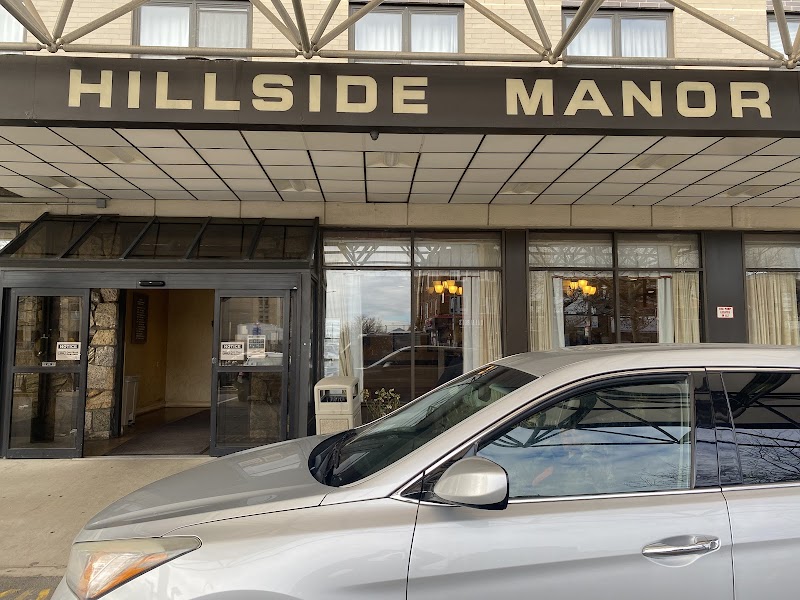
How is Hillside Manor Rehab & Extended Staffed?

CMS rates HILLSIDE MANOR REHAB & EXTENDED CARE CENTER's staffing level at 4 out of 5 stars, which is above average compared to other nursing homes. Staff turnover is 24%, compared to the New York average of 46%. This relatively stable workforce can support continuity of care.

What Have Inspectors Found at Hillside Manor Rehab & Extended?

State health inspectors documented 15 deficiencies at HILLSIDE MANOR REHAB & EXTENDED CARE CENTER during 2021 to 2025. These included: 15 with potential for harm.
Who Owns and Operates Hillside Manor Rehab & Extended?

HILLSIDE MANOR REHAB & EXTENDED CARE CENTER is owned by a for-profit company. For-profit facilities operate as businesses with obligations to shareholders or private owners. The facility operates independently rather than as part of a larger chain. With 400 certified beds and approximately 363 residents (about 91% occupancy), it is a large facility located in JAMAICA EST, New York.
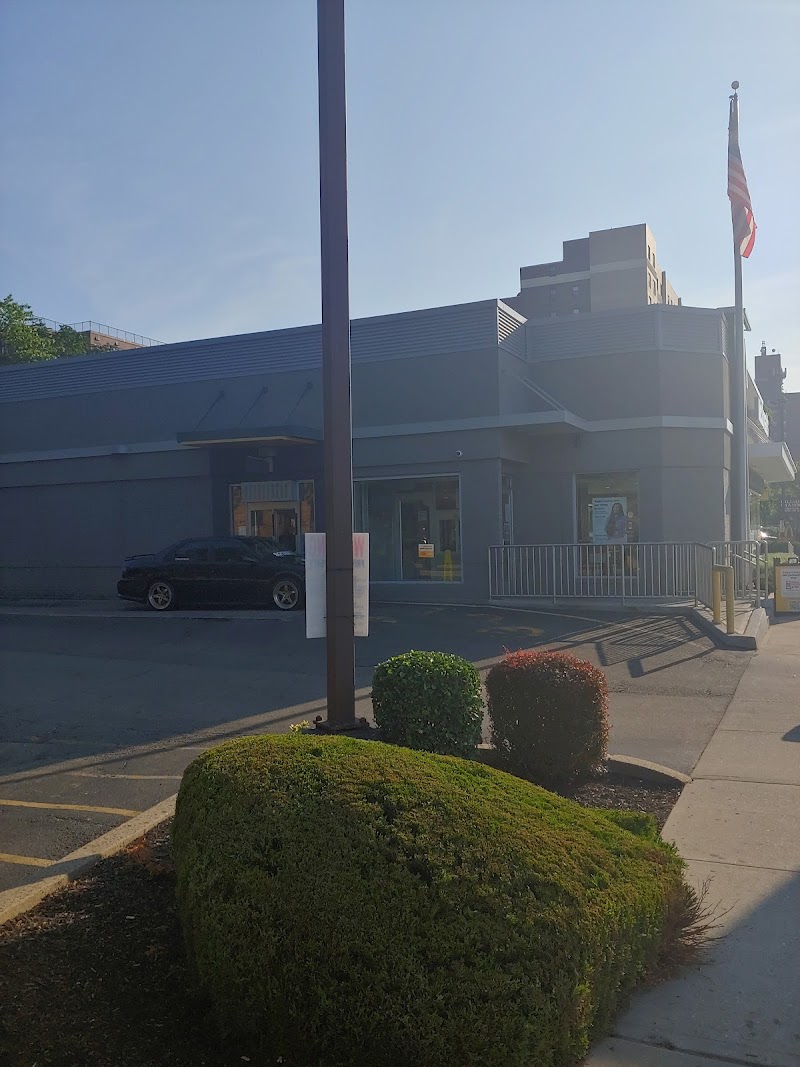
How Does Hillside Manor Rehab & Extended Compare to Other New York Nursing Homes?

Compared to the 100 nursing homes in New York, HILLSIDE MANOR REHAB & EXTENDED CARE CENTER's overall rating (4 stars) is above the state average of 3.1, staff turnover (24%) is significantly lower than the state average of 46%, and health inspection rating (4 stars) is above the national benchmark.

What Should Families Ask When Visiting Hillside Manor Rehab & Extended?

Based on this facility's data, families visiting should ask: "Can I visit during a mealtime to observe dining assistance and food quality?" "How do you handle medical emergencies, and what is your hospital transfer rate?" "Can I speak with family members of current residents about their experience?"

Is Hillside Manor Rehab & Extended Safe?

Based on CMS inspection data, HILLSIDE MANOR REHAB & EXTENDED CARE CENTER has a clean safety record: no substantiated abuse findings (meaning no confirmed cases of resident harm), no Immediate Jeopardy citations (the most serious violation level indicating risk of serious injury or death), and is not on the Special Focus Facility watch list (a federal program monitoring the lowest-performing 1% of nursing homes). The facility has a 4-star overall rating and ranks #1 of 100 nursing homes in New York. While no facility is perfect, families should still ask about staff-to-resident ratios and recent inspection results during their visit.

Do Nurses at Hillside Manor Rehab & Extended Stick Around?

Staff at HILLSIDE MANOR REHAB & EXTENDED CARE CENTER tend to stick around. With a turnover rate of 24%, the facility is 21 percentage points below the New York average of 46%. Low turnover is a positive sign. It means caregivers have time to learn each resident's needs, medications, and personal preferences. Consistent staff also notice subtle changes in a resident's condition more quickly. Registered Nurse turnover is also low at 29%, meaning experienced RNs are available to handle complex medical needs.

Was Hillside Manor Rehab & Extended Ever Fined?

HILLSIDE MANOR REHAB & EXTENDED CARE CENTER has been fined $34,947 across 1 penalty action. The New York average is $33,428. While any fine indicates a compliance issue, fines under $50,000 are relatively common and typically reflect isolated problems that were subsequently corrected. Families should ask what specific issues led to these fines and confirm they've been resolved.

Is Hillside Manor Rehab & Extended on Any Federal Watch List?

HILLSIDE MANOR REHAB & EXTENDED CARE CENTER is not on any federal watch list. The most significant is the Special Focus Facility (SFF) program, which identifies the bottom 1% of nursing homes nationally based on persistent, serious quality problems. Not being on this list means the facility has avoided the pattern of deficiencies that triggers enhanced federal oversight. This is a positive indicator, though families should still review the facility's inspection history directly.