CHAPIN HOME FOR THE AGING
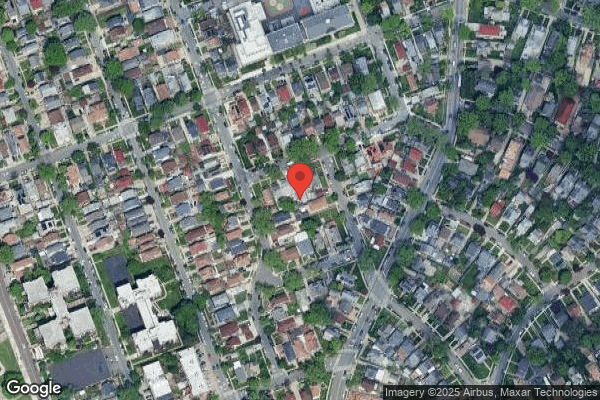
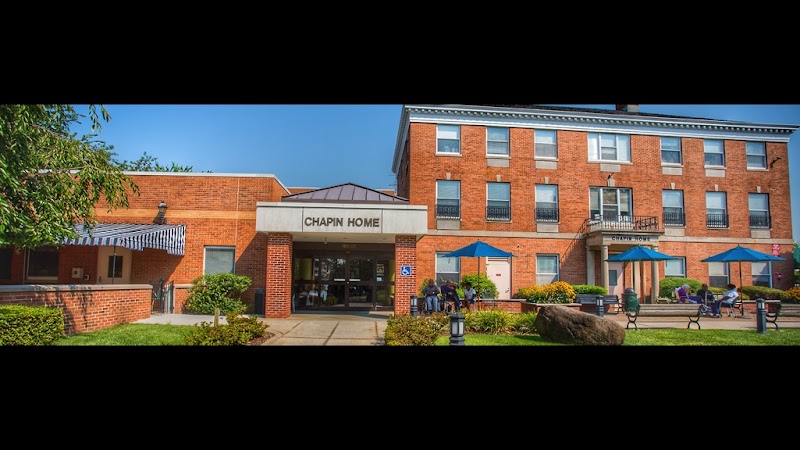
165 01 CHAPIN PARKWAY, JAMAICA, NY 11432 (718) 739-2523
Non profit - Corporation 220 Beds Independent Data: November 2025
Trust Grade
90/100
#19 of 594 in NY
Last Inspection: September 2024

Within standard 12-15 month inspection cycle. Federal law requires annual inspections.

Overview

Chapin Home for the Aging has received an impressive Trust Grade of A, indicating it is an excellent facility that is highly recommended for families. It ranks #19 out of 594 nursing homes in New York, placing it in the top half of all facilities, and it is the top option out of 57 in Queens County. However, the facility's trend is concerning as the number of issues reported has worsened from 1 in 2022 to 3 in 2024. Staffing is generally strong with a rating of 4 out of 5 stars and a turnover rate of 37%, which is below the state average. Notably, there are no fines on record, indicating compliance with regulations, but there have been specific incidents where residents did not receive necessary equipment or supervision, such as one resident lacking a prescribed knee device and two residents who exited the facility unsupervised. While the facility has many strengths, including excellent health inspections and quality measures, these recent findings highlight areas that need improvement.

Trust Score
A
90/100
In New York
#19/594
Top 3%
Safety Record
Low Risk
No red flags
Inspections
Getting Worse
1 → 3 violations
Staff Stability
○ Average
37% turnover. Near New York's 48% average. Typical for the industry.
Penalties
✓ Good
No fines on record. Clean compliance history, better than most New York facilities.
Skilled Nurses
○ Average
Each resident gets 34 minutes of Registered Nurse (RN) attention daily — about average for New York. RNs are the most trained staff who monitor for health changes.
Violations
○ Average
10 deficiencies on record. Average for a facility this size. Mostly minor or procedural issues.
★★★★★
5.0
Overall Rating
★★★★☆
4.0
Staff Levels
★★★★★
5.0
Care Quality
★★★★★
5.0
Inspection Score
Stable
2022: 1 issues
2024: 3 issues

The Good

  • 4-Star Staffing Rating · Above-average nurse staffing levels
  • 5-Star Quality Measures · Strong clinical quality outcomes
  • Full Sprinkler Coverage · Fire safety systems throughout facility
  • No fines on record
  • Staff turnover below average (37%)

    11 points below New York average of 48%

Facility shows strength in staffing levels, quality measures, fire safety.

The Bad

Staff Turnover: 37%

Near New York avg (46%)

Typical for the industry

The Ugly 10 deficiencies on record

Sept 2024 3 deficiencies
CONCERN (D)

Potential for Harm - no one hurt, but risky conditions existed

Deficiency F0688 (Tag F0688)

Could have caused harm · This affected 1 resident

**NOTE- TERMS IN BRACKETS HAVE BEEN EDITED TO PROTECT CONFIDENTIALITY** Based on observations, record review, and staff interviews during the Recertification survey between 09/03/2024 and 09/10/2024, ...

Read full inspector narrative →
**NOTE- TERMS IN BRACKETS HAVE BEEN EDITED TO PROTECT CONFIDENTIALITY** Based on observations, record review, and staff interviews during the Recertification survey between 09/03/2024 and 09/10/2024, the facility did not ensure that needed services, care and equipment are provided to assure that resident with limited range of motion and mobility maintain or improve function based on the residents' clinical condition. Specifically, a resident with an order to apply shrinker to left knee was observed with no device as per Physician's order. This was evident for 1 resident reviewed for Limited Range of Motion, (Resident #96) out of 32 sampled residents, The findings are: The facility's Policy and Procedure for .Equipment/Devices and Nursing Rehab Program dated 08/2014, documented: .Upon assessment, the Rehab team will provide recommendations for necessary skilled therapy, maintenance program (via Nursing Program), and for any equipment and or/devices the resident may require at that time. Resident #96 was admitted to the facility with diagnoses that included: Hypertension; Asthma, Chronic Obstructive Pulmonary Disease; Cataracts, Glaucoma, or Macular Degeneration. The Annual Minimum Data Set, dated [DATE] documented the resident has moderate impairment in cognition and is total dependence of staff for most activities of daily living. The Comprehensive Care Plan for Activities of Daily Living Functional Status/Rehabilitation Potential dated 07/23/2021, last reviewed 06/26/2024 documented, that Resident has gait dysfunction, impaired balance, weakness, and decrease in range of motion. Goals are to maintain current functional status, prevent decline and contracture. Interventions included Active Range of Motion to both upper extremities and passive range of motion to both lower extremities. Left knee shrinker to be worn at all times. Remove for hygiene and skin check. There is no documented evidence in Resident #96 Comprehensive Care Plan updated as at 06/26/2024 that the resident is refusing to wear the shrinker or any device ordered for the resident. Physician's Order dated 09/10/2021 documented Rehab: Left knee shrinker to be worn at all times remove for hygiene and skin check. On 09/03/24 at 10:41 AM, Resident #96 was observed in bed, alert and oriented and noted with a below left knee amputation. Resident was interviewed and stated that the staff are not applying anything on their left stump. Resident also stated that the staff were applying some dressing on the right foot before, but they are no longer applying the dressing and they don't know why. Between 09/03/24 and 09/09/24, Resident #96 was observed in bed daily. There was no device applied to the resident's left stump, and there was no device observed in the resident's room. On 09/09/24 at 10:10 AM, an interview was conducted with the Certified Nursing Assistant #1. Certified Nursing Assistant #1 stated that they have been working in the facility for 23 years and has been taking care of Resident #96 since after the COVID-19 outbreak. Certified Nursing Assistant #1 also stated that resident is washed, changed, and given a bed bath every day because resident refuses to take showers. They also refusing to come out of bed. Certified Nursing Assistant #1 further stated that resident has a booty applied to the left leg heel all the times but has no device on the left stump because it is amputated. Certified Nursing Assistant #1 stated that they are not aware of any other device to be applied to the left leg apart from the prosthesis that is given to the resident when out of bed. On 09/09/24 at 11:10 AM, Licensed Practical Nurse #1 was interviewed and stated that Resident #96 is provided with a booty on right leg all the time, which resident sometimes refuses. Resident will ask the staff to come back later to apply the booty. Licensed Practical Nurse #1 stated that Resident does not have any device on the left leg anymore. Licensed Practical Nurse #1 stated that resident was having something like stocking on the left stump before, but they have not been seen the device anymore and they could not recollect the last time they saw Resident #96 with the left stump device. On 09/09/24 at 11:48 AM, an interview was conducted with the Assistant Director of Nursing who, stated that Resident #96 has order for the heel booty for the right leg, the left leg is amputated, and has an order to have left shrinker all the time. Assistant Director of Nursing stated that they have not seen the resident with the shrinker, and they don't know why they have not been putting it on the resident. Assistant Director of Nursing further stated that they will have to follow up with the Rehab department because Physical Therapy/Occupational Therapy are supposed to provide the device. On 09/09/24 at 12:08 PM an interview was conducted with the Director of Physical Therapy, stated that: Resident #96 is on range of motion program done by nursing - supposed to be twice daily, has the prosthesis when first admitted , but has been declining and has stiffness on the right knee. The left leg is amputated, within functional limit, has an order for the shrinker to be applied to the stump at all times, remove for skin check by nursing. Physical Therapist Director stated that when they screened the resident, they make sure that all equipment and devices are there, they don't normally check regularly if resident is wearing it or not unless they are notified by nursing that resident is not having it or not wearing it. Therapist stated that rehab has not been notified that the device is missing or that resident is not using it. Rehab order recommendation by (Director of Physical Therapy dated 09/10/2021 documented Left knee shrinker to be worn at all times remove for hygiene and skin check. On 09/10/24 at 10:29 AM, the Nurse Educator was interviewed and stated that the Certified Nursing Assistants have been educated on how to check their tasks to see what devices have been ordered for the residents and how to apply them, they were also educated to notify the manager/Rehab staff if the device is missing or if resident is refusing the device; the unit nurses have also been educated to ensure that they are monitoring the Certified Nursing Assistants that they are carrying out their assigned responsibilities as per residents' plan of care. Nurse Educator stated that they are surprised that the Certified Nursing Assistant does not know that Resident #96 has the device, and they are signing for it. Nurse Educator further stated that staff have been educated several times, it is unbelievable that Certified Nursing Assistants/Nurses are still not doing things right despite the education. On 09/10/24 at 10:29 AM, an interview was conducted with the Director of Nursing. The Director of Nursing stated that Certified Nursing Assistants are trained to apply ordered devices for the residents, the devices are documented in their Care Tasks to check and carry out the task as instructed. Director of Nursing stated that Resident #96 device is being documented by the Certified Nursing Assistant that resident has been refusing it. Director of Nursing stated that they cannot explain why the staff are signing that resident is refusing when they don't know that resident has the device as per their response to interview. 10NYCRR 415.12 (e)(2).
CONCERN (D) 📢 Someone Reported This

A family member, employee, or ombudsman was alarmed enough to file a formal complaint

Potential for Harm - no one hurt, but risky conditions existed

Accident Prevention (Tag F0689)

Could have caused harm · This affected 1 resident

**NOTE- TERMS IN BRACKETS HAVE BEEN EDITED TO PROTECT CONFIDENTIALITY** Based on interviews and record review conducted during a Recertification and Complaint survey (NY00343925) from 09/03/2024 to 09...

Read full inspector narrative →
**NOTE- TERMS IN BRACKETS HAVE BEEN EDITED TO PROTECT CONFIDENTIALITY** Based on interviews and record review conducted during a Recertification and Complaint survey (NY00343925) from 09/03/2024 to 09/10/2024, the facility failed to ensure each resident received adequate supervision to prevent elopement. This was evident for 2 of 2 residents (Resident #139 & Resident #140) investigated for Accidents, out of an investigative sample of 32 residents. Specifically, on 05/31/2024 at 4:45 PM, (Resident #139 & Resident #140) left the facility unannounced. Video footage dated 5/31/24 revealed that Residents #139 & Resident#140 left the unit via dietary elevator ground floor at 06:17PM and exited the back door at 06:19PM. They walked to the side of the building, then out of the gate to the backyard. Resident #140 was located at their prior apartment and Resident#139 was located at a Manhattan precinct. The findings are: The facility's policy and procedure dated Elopement Protocol Response Plan Policy last 6/2/24, documented that prevention of an elopement is the facility's 1st priority, and that identifying residents at risk and monitoring their movement is especially important. Resident #140 was admitted to the facility with diagnoses that include Vascular Dementia mild with Anxiety and Alzheimer's Disease. The admission Minimum Data Set, dated [DATE] documented Resident's #140 cognition as severely impaired with a Brief Mental Status of 3, wandering with behavior occurring, wandering significantly intrude on the privacy or activities of others and no elopement alarm used. The admission Minimum Data Set also documented independent with eating, bed mobility, supervision with toileting and transfers, and supervision for walking. The elopement risk assessment dated [DATE] documented Resident#140 as ambulatory or independent in wheelchair locomotion, has risk factors does not exhibit any additional elopement risk criteria, and that elopement care plan not initiated, see comments, not applicable. A Comprehensive Care Plan on Behavioral symptoms, was initiated on 4/18/24. The care plan documented that Resident#140 is at risk for elopement, packs all belongings and look for exit. The goals included resident will adjust to facility, and not elope from facility, edited 7/18/24, target date 10/9/24. The interventions include ensure resident ID band is in place every shift, monitor resident's behavior and provide diversional activities, such as social activities, games, and music. A Nurse's note dated 5/31/24 at 6.02PM, documented that Resident#140 was seen by staff around 3.45PM, and that around 4.30PM, code M was called for the said Resident #140. A search of the building was activated, the Director of Nursing and the Administrator was made aware after the initial search. A Nurse's note dated 06/01/24 at 2:30PM, documented that around 1:57AM, resident returned to the facility accompanied by 2 staff members, appears to be in good stable condition, no changes in ambulation, skin integrity and that a right ankle wander guard was initiated. A Physician's note dated 6/5/24, documented patient recently eloped, no injuries noted. Patient remains alert, no significant change in cognitive status, and caution to prevent elopement. An elopement evaluation dated 6/1/24 documented resident is ambulatory, is cognitively impaired, poor decision-making skills, makes statements that they are leaving, elopement care plan initiated, wander guard placed to ankle. Resident#139 was admitted to the facility on [DATE] with diagnoses that include Alzheimer's Disease and Anxiety Disorder. The admission Minimum Data Set, dated [DATE] documented that resident's cognition as severely impaired, Brief Interview of Mental Status score of 4, no wandering, no behaviors, independent with mobility, supervision with transfers and walking, and no wander/ elopement alarm. The elopement risk evaluation dated 3/21/24 documented resident is ambulatory, is cognitively impaired, poor decision-making skills, displays behavior that may indicate an attempt to leave, body language etc. and that elopement care plan initiated. The Comprehensive Care Plan titled Behavioral symptoms, initiated 3/21/24, documented resident is at risk for elopement, waits in front of the elevator. The goals included resident will adjust to the facility, target date 06/21/24. Interventions included to monitor resident's behavior and provide diversional activities encourage sitting with peers in day room. Provide comfort items offer adult coloring, staff to monitor resident via visual check throughout shift during all activities. A Nurse's note dated 05/31/24, documented that Resident #139 who has periods of forgetfulness and confusion, but alert and verbally responsive was last seen by Staff around 3.45PM. Around 4:30pm, code M was called for the said resident, searched the building was activated. The Director of Nursing and the Administrator were made aware after the initial search. A Nurse's note dated 6/1/24 documented that around 1:20AM, Resident#139 returned to facility with 2 Staff, appears in good spirits, no changes in ambulation. The facility's incident report dated 06/02/24, documented that on 05/31/24, Resident # 140 and Resident # 139 were unaccounted for by Staff at dinnertime. Staff initiated a search, called other units to inform them of the situation and then notified security. The summary also documented that Residents #139 and #140 were seen at the beginning at the shift ambulating in the hallway, however, they were not seen at dinnertime. Checks were done on the unit, and they were unable to locate both residents. The security was notified, Code Houdini was called, which is the Elopement code. All rooms, floors, and camera reviewed to determine route to egress. On 06/01/24,the New York Stated Department of Health intake report documented that the Director of Nursing reported that Residents #139 and #140 who eloped together, were found off premises by 11:30PM, and there was no harm to either resident. The 5-day summary investigation reported to the New York Stated Department of Health dated 6/7/24, documented that New York Police Department was called and notified of the event and responded to the facility at 9:45PM. Based on the investigation, corrective action included the mezzanine unit with the Dementia residents were placed on a 30 minute visible head count x 14 days. In order to correct the systemic changes, both elevator F, G are key locked, maintenance will be installing key pads code box, to both elevators that will require Staff to key in codes. The rear administrative parking lot gates remain closed except for shift changes. A Quality Assurance Performance Improvement meeting was held on 6/3/24 and revealed that Residents' #139 and 140 elopement was discussed. Project overview involved reduction of elopement risk, remodeling of current safety interventions, unique to the residents on the Mezzanine level. The Quality Assurance Performance Improvement was reviewed and revealed that the interventions implemented for the elopment was completed on 08/15/24. On 09/05/24 at 02:11 PM, Certified Nursing Assistant #3 was interviewed and stated that they work on 2:30PM-10:30PM shift on 05/31/24. Certified Nursing Assistant #3 also stated that when they came on the unit, they do rounds. and that all the residents were accounted for at that time. Certified Nursing Assistant #3 also said that they realized that Resident #139 and Resident #140 were missing when it was time to serve the dinner, around 4:30PM and 5:00 PM, and the Staff all started looking from room to room. Certified Nursing Assistant #3 said that the staff first realized that Resident #140 was not on the unit, and then realized that Resident #139 is also missing . The Certified Nursing Assistant #3 stated that they knew Resident #139 is candidate for elopement, so they would always closely monitor the resident. Certified Nursing Assistant #3 stated that when they viewed the camera footage, they saw that the dietary elevator came up by itself, unmanned, and that both residents (Resident #139 and Resident #140) went into the elevator. Certified Nursing Assistant #3 stated that they have been in serviced on Elopement. On 09/05/24 at 02:24 PM, Certified Nursing Assistant #4, was interviewed and stated that they worked on 05/31/24 on the 2:30PM-10:30PM shift, and that they were assigned to the dining room for supervision. Certified Nursing Assistant #4 stated that on that day, both residents (Resident #139 and Resident #140) were in the dining room initially, and then Resident #139 came out 1st, then Resident #140 came out. Certified Nursing Assistant #4 stated that don't recall the time, but said that it was around dinner time, at 5:00pm, when they realized that Resident #139 and Resident #140 were missing, Certified Nursing Assistant #4 said that they started looking in all the rooms, notified the charge nurse, who informed the Registered Nurse Supervisor. An elopement code M was then called. Certified Nursing Assistant #4 said that they have been in serviced on Elopement. On 09/05/24 at 02:36 PM, Licensed Practical Nurse #2 was interviewed and stated that they are the primary Licensed Practical Nurse for the unit Mezzanine, on the 6:30AM- 2:30PM shift. Licensed Practical Nurse #2 stated that Resident #140 have always exhibited exit seeking behaviors and looking to get out. Licensed Practical Nurse #2 also stated that they did not work on 05/31/24, and that neither Residents #139 nor Resident #140 had wander guards, however, they are always supervised by Staff when they walk in the hallway. Licensed Practical Nurse #2 also stated that they have been in serviced on Elopement. On 09/05/24 at 02:54 PM, Licensed Practical Nurse #3 was interviewed and stated that they are the primary Licensed Practical Nurse for the unit Mezzanine, on the 2:30PM- 10:30PM shift, but did not work on 5/31/24. Licensed Practical Nurse #3 stated that Resident #140 has been exhibiting exit seeking behavior since admission, and that the behavior had escalated, but had calmed down. Resident#139 would walk up and down the hallway but did not attempt to get on the elevator. Licensed Practical Nurse #2 stated that on admission, the Supervisor would do an elopement risk assessment, and the nurses would monitor the resident. Licensed Practical Nurse #3 stated they have been in serviced on Elopement. On 09/06/24 at 06:21AM, Licensed Practical Nurse #4 was interviewed and stated that they worked on 05/31/24, on the 2:30-10:30PM shift. Licensed Practical Nurse #4 stated that when they came on the unit, they saw Resident #140, just before 4:00PM. At around 4:45PM, at the start of the dinner, the staff did a head count and noticed that Resident#140 and Resident #139 were missing. The Licensed Practical Nurse#4 also stated that prior to the dinner, the residents displayed no exit seeking behaviors. The staff then checked all the rooms and adjoining areas, and when they did not locate the residents, they notified the Registered Nurse Supervisor. An elopement code was called, and the Licensed Practical Nurse #4 stated that they went outside, but the residents could not be found. Both Residents#139 and #140 did not have on any wander guards and that the dietary elevator door can only be opened by a key. Licensed Practical Nurse #4 said since it is the Dementia unit, the staff supervise them all the time. The staff now must have 30-minute monitoring for all the residents. Licensed Practical Nurse #4 said that they have been in serviced on Elopement. On 09/06/24 at 10:19 AM, the Director of Nursing was interviewed and stated that the Mezzanine unit is a unique unit for the Dementia residents, the residents are supervised and allowed to walk on the unit. Prior to the elopement of Residents #139 and Resident #140, the elevators were operated by keys, and that visitors to the units would be escorted by Staff. Staff would also use the stairwell to lessen the opening of the elevators. The Director of Nursing also stated that the dietary elevator, which is a separate elevator, on the other side of the hallway, does not open by itself, and is used mostly by dietary staff. The Director of Nursing stated that they did not know how the dietary elevator doors opened by itself, allowing Residents#139 and Resident#140 to get into the elevator, as the facility later saw when they reviewed the camera footage. The Director of Nursing stated that once the Residents #139 Resident#140 were found to be missing, the elopement code was initiated and a search, both inside and outside the facility, was initiated. The residents were later found later that night: Resident #139 was at a Police precinct in Manhattan, and Resident #140 was found at their home. The Director of Nursing stated that an elopement risk re-assessment was subsequently done on all the residents in the facility, Staff was in-serviced on elopement and an elopement drill was done. Aa Quality Assurance Performance Improvement meeting was held on 06/3/24 and a plan was discussed to prevent further elopements. The Director of Nursing also stated that the elopement risks are done on Admission, quarterly and periodically. On 09/06/24 at 10:38 AM, The Administrator was interviewed and stated that when Residents #139 and Resident#140 elopement occurred, they were not in the facility. The Administrator stated that they were notified immediately, came back to the facility, and called 911.The Administrator stated that the residents were later found in separate areas, in [NAME] and Manhattan. The Administrator stated they cannot figure out how the elevator door for the dietary elevator, opened. The Administrator stated they do not overuse the wander guard, and the facility tries not to overreact by using wander guards. The Administrator stated that security enhancements have been made in the facility. The vulnerability is monitored by the cameras, and that the outside gates are now improved. On 09/10/24 at 10:40 AM, the Security Supervisor of Security, was interviewed and stated that they worked on 05/31/24, and there are 2 security guards until 6:00PM. The Security Supervisor stated that they were notified by a Certified Nursing Assistant, that the 2 residents were missing. Security Supervisor stated that they called the code for missing residents, they organized and handled the whole operation at that time for the elopement. The Security Supervisor stated that a lot of changes have been made since that time of the elopement, and that prior to the elopement, they (security) would have heard just a chime, and seen the camera, but the gates are back gates to the parking lot are not kept open anymore, and are opened only when a car comes in. The Security Supervisor also said that at that time of the Residents' exit on 05/31/24, they were not in front of the cameras, and that there was another security guard, who was busy with an event that was being held, but the Security Supervisor was in the charge of the elopement protocol. On 09/10/24 01:18 PM the Administrator was interviewed and stated that they were aware that there was another security guard, who was involved in the search and that the security was aware of the elopement. The Administrator stated that they did not know if the security guard submitted a statement and or was interviewed. The Administrator stated that the security guard has since left due to illness. The facility implemented corrective actions and was found to be in substantial compliance on 08/15/2024, prior to the start of the Recertification Survey on 09/03/2024. Resident #140 was located at their prior home and returned to the facility on [DATE] at around 1:57AM, accompanied by 2 staff, without injury. Resident #139 was located at a Manhattan Police precinct and returned to the facility on [DATE] at around 1:57AM, accompanied by 2 staff, without injury. Immediately after event on 06/01/24, all residents were reassessed for elopement risk. An elopement risk assessment done on 6/1/24, documented Resident#140 as ambulatory or independent in wheelchair locomotion, has risk factors exhibits additional elopement risk criteria, and that elopement care plan was initiated. A Comprehensive Care plan for Elopement for Resident #140 was initiated on 06/01/24. The Comprehensive Care plan for Elopement for Resident #139 was updated on 06/01/24. The Elopement prevention policy dated 6/20/24 was reviewed and updated. All residents on the mezzanine unit were placed on 30-minute rounds monitoring. A facility wide in-service on Elopement and Elopement Drills were initiated on 05/31/24 and completed on 08/30/24. Residents#139 and #140 were seen by their primary medical doctor. As of 8/15/24, on the Mezzanine unit, all residents remain on 30-minute monitoring round by staff and documentation will be done daily on the residents' activities, behavior, and care. The Dietary staff will continue to enter the elevator code to deliver food trays. A new keypad was implemented to alert keypad to stop the elevator from closing when a resident with a wander guard gets on the elevator. This code is also to access the mezzanine. All staff have been in-serviced with the code. The keypads have been placed in the elevators and outside the elevator on the mezzanine. The same code is required to exit the unit. All staff have been in-serviced to use stairwell B to access the mezzanine units as well to minimize the elevator opening. Visitors to the mezzanine are scheduled and escorted by staff who input the code to access the elevator, prior to pushing the call button for mezzanines. The outside gate automation was activated on 08/08/24. On 8/8/24, the rear gate reconstruction was completed, and the gate activated. The rear gate requires an intercom and keypad, to allow access to the rear parking lot. Once any vehicle has exited the parking lot, the gate will automatically close behind the vehicle, triggered by sensors. On 08/14/24 door upgrades have been completed and implemented by a service company. The activities door, the first floor A stairwell, the mezzanine B stairwell, the ground floor C & D stairwells and the ground floor delivery entrance, now have perimeter mode mag locks and anti-tailgate with a 15 second emergency release. All additional doors have a bypass keypad that requires a code to open the door for 10 seconds. The delivery entrance will continue to let the staff exit to the rear parking lot, by touching the crash bar. Exit doors A, B, C, D have passive locking systems which will require the crash bar to be pushed for 15 seconds. The front desk staff could monitor all exit doors with the wander guard system. 415.12(h)(2)
MINOR (C)

Minor Issue - procedural, no safety impact

Staffing Information (Tag F0732)

Minor procedural issue · This affected most or all residents

Based on observation, record review and interviews conducted during the Recertification Survey from 09/03/2024- 09/10/2024, the facility did not ensure that Nurse Staffing was posted appropriately. Sp...

Read full inspector narrative →
Based on observation, record review and interviews conducted during the Recertification Survey from 09/03/2024- 09/10/2024, the facility did not ensure that Nurse Staffing was posted appropriately. Specifically, the posting of daily nurse staffing information was not posted in a prominent area which was readily accessible to residents and visitors. The findings are: The facility policy and procedure titled Nurse Staffing Coverage Plan dated 9/11/2009 and last revised on 5/16/2024 documents; daily nursing schedules will be posted on the nursing supervisor door along with daily nursing data sheet which is readily accessible to residents, visitors and staff. During observations conducted on 09/03/2024at 9:05AM, 09/04/2024 at 9:10AM, 09/05/2024 at 2:15PM, and 09/06/2024 at 9:00AM, the postings of the daily nurse staffing levels for each shift could not be located nor any signage instructing residents or visitors where it was located. On 09/06/2024 at 3:14 PM, the State Surveyor asked the Staffing Coordinator where the staffing information was located and was shown the posting located in front of the first-floor supervisor's office door in a hallway. This area was not readily accessible to residents or visitors. On 09/06/2024 at 3:16 PM, the Staffing Coordinator was interviewed and stated that the staffing roster and data sheet has always been placed in front of the supervisor's door. The Staffing Coordinator stated they were not aware it had to be posted in visible area for all staff, residents and visitors to see. The Staffing Coordinator stated that moving forward it will be posted in a more visible area. On 09/09/2024 at 02:48 PM, The Director of Nursing Services was interviewed and stated that the staffing schedule has always been in front of the supervisor's door on the first floor for many years. Usually, it was a place where residents and visitors passed through. However, during COVID, the set up had to be changed within the facility and this may have impacted the places where residents and visitors walk through currently in the facility. 10 NYCRR 415.13
Jul 2022 1 deficiency
CONCERN (D)

Potential for Harm - no one hurt, but risky conditions existed

Deficiency F0657 (Tag F0657)

Could have caused harm · This affected 1 resident

**NOTE- TERMS IN BRACKETS HAVE BEEN EDITED TO PROTECT CONFIDENTIALITY** Based on record review and interviews conducted during the Recertification survey, the facility did not ensure residents were in...

Read full inspector narrative →
**NOTE- TERMS IN BRACKETS HAVE BEEN EDITED TO PROTECT CONFIDENTIALITY** Based on record review and interviews conducted during the Recertification survey, the facility did not ensure residents were involved in developing their comprehensive care plan (CCP) with the interdisciplinary team (IDT). This was evident for 1 (Resident #66) of 33 sampled residents. Specifically, Resident #66 was not invited to several CCP meetings conducted The findings are: The facility policy titled CCP last revised 1/15/2022 documented the facility must develop and implement a CCPs for each resident consistent with the resident rights. If the facility determines that the inclusion of the resident and/or resident representative is not practicable, documentation of the reasons, including the steps the facility took must be included in the resident's medical record. Resident #66 had diagnoses of schizophrenia and diabetes mellitus. The Minimum Date Set 3.0 (MDS) assessment dated [DATE] documented Resident #66 was cognitively intact, usually able make self understood, and usually able to understand others. Resident #66 was interviewed on 06/27/22 at 12:51 PM and stated he does not have care plan with anybody in the facility. Nobody talks to him about having a care plan meeting. The activity progress notes dated 2/5/22 documented Resident #66 was able to make their interest known and was able to participate in the interview related to preferences. The nursing progress note dated 5/27/2022 documented Resident #66 was alert and oriented times 4 and able to make all needs known. The CCP Meeting Sign-In sheet dated 2/11/21, 5/13/21, 7/8/21, 2/10/22, 4/14/22, and 5/19/22 documented CCP meetings were held for Resident #66 with signatures of the IDT. There was no documented evidence in the medical record that Resident #66 was invited to or attended scheduled CCP meetings. On 7/5/22 at 3:13 PM, Social Worker #1 was interviewed and stated Resident #66 was not always alert and oriented and had periods of confusion and forgetfulness. On 7/1/2022 at 3:32 PM, the Director of Social Service (DSS) was interviewed and stated the facility received permission from the Resident #66's designated representative to contact to discuss the resident's concerns and to contact the designated representative if there were problems. A follow-up interview was conducted with the DSS on 7/5/2022 at 3:24 PM and the DSS stated there was no documented evidence Resident #66 gave the designated representative permission to represent the resident in CCP meetings. Residents are invited to CCP meetings but Resident #66 was not a candidate to be invited and the Social Worker did not invite Resident #66 to any CCP meetings. 415.11(c)(2)(i-iii)
Oct 2019 6 deficiencies
CONCERN (D)

Potential for Harm - no one hurt, but risky conditions existed

Deficiency F0582 (Tag F0582)

Could have caused harm · This affected 1 resident

**NOTE- TERMS IN BRACKETS HAVE BEEN EDITED TO PROTECT CONFIDENTIALITY** Based on record review and interviews conducted during the recertification survey, the facility did not ensure appropriate liabi...

Read full inspector narrative →
**NOTE- TERMS IN BRACKETS HAVE BEEN EDITED TO PROTECT CONFIDENTIALITY** Based on record review and interviews conducted during the recertification survey, the facility did not ensure appropriate liability and appeal notices to Medicare beneficiaries were provided. Specifically, the facility did not provide a resident/representative with the Notice of Medicare Non Coverage (NOMNC) within the required time frame. This was evident for 1 of 3 residents reviewed for Beneficiary Protection Notification Rights (Resident # 271). The findings are: Upon request, the facility provided the state agency list of residents with this who were discharged from a Medicare part A stay with benefits days remain within the past 6 months. Three residents were selected from the list for a review. As per staff, the facility did not have a policy and procedure related to Beneficiary Protection Notification Rights. Resident #271 was admitted to the facility on [DATE] on Medicare Part A Skilled Services. The last covered day by Medicare Part A was 6/14/19. The resident received a Notice of Medicare Non Coverage (NOMNC) on 6/13/19. This notice was offered 24 hours prior to termination of services. On 10/01/19 at 02:48 PM, an interview conducted with the Resident Relation Liaison staff. She stated that providing the NOMNC is part of the social work department's responsibilities. She stated the director of social work at the time asked her if she was familiar with NOMNC. She further stated that she informed the Director that she was familiar with the NOMNC, but had not done it before. She stated that she was aware that the notice was to be offered at least 48 hours prior to the last covered day, but she was unable to explain why notice was offered 24 hours prior to the last covered day. 415.3(g)(2)(i)
CONCERN (D)

Potential for Harm - no one hurt, but risky conditions existed

Deficiency F0711 (Tag F0711)

Could have caused harm · This affected 1 resident

**NOTE- TERMS IN BRACKETS HAVE BEEN EDITED TO PROTECT CONFIDENTIALITY** Based on records review and staff interviews, the facility did not ensure that the attending physicians reviewed the residents t...

Read full inspector narrative →
**NOTE- TERMS IN BRACKETS HAVE BEEN EDITED TO PROTECT CONFIDENTIALITY** Based on records review and staff interviews, the facility did not ensure that the attending physicians reviewed the residents total program of care on each visit that is required by this regulation. Specifically,there were no adequate clinical indications documented in the clinical record to justify the needs for psychotropic prescribed medications. 2.) No Gradual Dose Reduction (GDR) attempted for a Dementia resident who received Antipsychotic medication for over a year. This was evident for 1 of 3 residents reviewed for Unnecessary Medications-Not Sampled out of a total sample of 37 residents. (Resident # 61) Finding is: The facility policy for psychotropic drug use dated 8/2017 documented the following: During the treatment with antipsychotic drugs, the Psychiatrist and or the attending physician will document in the medical record the clinical indication and rationale for the use. The medical rationale for the use of antipsychotic medication that is contraindicated or to be used under special consideration, and medical rationale why gradual dose reduction is contraindicated. Resident #61 was admitted to the facility on [DATE]. The resident's diagnoses include Lewy Body Dementia, Anxiety, and Psychosis. The annual MDS assessment dated [DATE] documented that the resident has active diagnoses of Dementia, Anxiety, and Psychosis disorder. The MDS also documented that the resident had severely impaired cognition, and the resident required total assistance with transfer, toilet use, bathing and personal hygiene. On 09/25/19 at 10:00 AM, during the initial tour of the unit, the resident was observed in bed. She had her eyes closed and appeared lethargic. On 09/26/19 at 11:28AM, the resident was observed in her room asleep in bed. Her husband was sitting by the door in the hallway. On 09/30/19 at 01:13 PM, the resident was observed in the day room, alert and awake. The resident appeared confused and talked to herself non-stop. On 10/01/19 at 10:06 AM, the resident was observed sitting quietly in front of the nursing station. She appeared confused and was unable to respond when her name was called. The admission Physician's Orders dated 10/16/16 documented that the resident was on Seroquel 100 mg (milligrams) 1 tab daily and Seroquel 50mg 1 tab daily at bedtime (HS) for Dementia with behavioral disturbances ( total 150 mg). The physician's order dated 12/15/16 documented the following: d/c (discontinue) Seroquel 150mg and start 100mg at HS. A physician's order dated 1/12/17 documented orders to d/c previous Seroquel and start Seroquel 75mg 1 tab at hs. On 3/2/17, the physician order documented increased Seroquel to 100mg at HS. A Psychiatry Consult dated 07/5/18 documented the resident had Lewy Body Dementia with psychosis now managed on Seroquel, Namenda, and lorazepam. History of difficult agitation when medication was tapered, stable, controlled with no report of aggressive behavior. alert at this time , will continue observed, reviewed in 2 months. A Psychiatry Consult dated 01/24/19 documented the resident had LBD with psychosis with a recent hx failed Seroquel GDR. The resident therefore remains on Seroquel with Ativan and Namenda. The resident had good control and was responsive with largely relevant replies, No Adverse Drug Reactions were noted. A Psychiatry note dated 01/31/19 documented the review of Seroquel, lorazepam, Namenda. The resident was stable and had a prior failed attempted GDR of Seroquel. The resident had good control on the current regimen. The recommendation was to continue the same medication given the failed drug taper. The Comprehensive Care Plan for psychotropic drug use dated 7/18/19 documented the following interventions: Assess/record effectiveness of drug treatment, monitor and report signs of sedation, anticholinergic and/or extrapyramidal symptoms, attempt to give the lowest dose possible, attempt a gradual dose reduction. A Psychiatry Note dated 05/13/19 documented the following: resident with stable and occasionally agitated during Activity of Daily Living (ADLS). The resident was on psychotropic medications of Seroquel, Namenda, and Ativan. The resident had no symptoms of Adverse Drug reactions (ADR). The physician assessment dated [DATE] documented the following: Dementia: seen by psychiatrist 8/29/19 with no recommendation. Continue same regimen. The note also documented that the resident has a diagnosis of Dementia with behavior disturbances, was seen seen by a psychiatrist 5/13/19 who does not recommend a GDR. Continue Seroquel and Ativan. Weekly behavioral note dated 3/18/19, 4/7/19, 4/17/19, 5/7/19, 5/17/19, 6/10/19, 6/13/19, 6/10/19, 7/1/19, 9/14/19, 9/29/19 consistently documented no physical behavioral symptoms directed toward others(e.g., hitting, kicking, pushing, scratching, grabbing, abusing others sexually), no verbal behavioral symptoms directed toward others(e.g., threatening others, screaming at others, cursing at others) On 10/1/19, a review of current physician order documented the following: Seroquel 100mg 1 tablet daily for Psychosis, with a start date of 3/2/17, Lorazepam 0.5mg 1 tab by mouth three times a day for Unspecified dementia with behavioral disturbance with a start date of 10/16/16, Memantine 10mg 1 tab po daily for Unspecified dementia with behavioral disturbance dated 10/17/16. Melatonin 3mg 1 tablet daily for Primary insomnia started 7/23/18. No GDR of Seroquel 100mg was attempted since 03/2/17. In addition, no GDR was attempted for Lorazepam 0.5mg 1 tab by mouth three times a day since 10/16/16. There were no behavioral issues with this resident, and the physician did not document the clinical rational for why a GDR would be contraindicated. There was no description of the targeted behaviors and why the risks outweigh the benefits. The Drug Regimen Review notes from 02/22/19 to 09/25/19 documented the medications were reviewed, and there were no recommendations. On 10/01/19 at 10:29 AM, an interview conducted with Certified Nurse (CNA). She stated she has known the resident for over 3 years. She stated that when the resident came here, she used to talk and tell her about her family. The resident was stronger and used to stand and move around, but she was forgetful. Now the resident is more confused and talks a lot about things. Sometimes the resident holds onto herself and will not release herself when she is receiving care. The CNA stated the resident used to refuse care. She did not want staff to take her clothes off when she was first admitted . She stated that the resident was not combative. She stated that the resident only talked randomly. The CNA stated the resident was not hallucinating,and the resident does not say she sees things that are not there. On 10/01/19 at 10:40 AM, an interview conducted with the CNA. She stated she came on the unit a month ago. She stated that the resident was always calm in the chair and talks to herself. On 10/01/19 at 11:47 AM, an interview was conducted with the Registered Nurse Manager (RNM). She stated the husband always comes and goes to activities with the resident. The resident is very calm, sometimes smiles, and always likes to talk. Sometimes the conversation is off and on. She stated the resident was not aggressive toward staff . She stated that the resident just talks with no hallucinations or delusions. On 10/01/19 at 01:52 PM, an interview was conducted with the psychiatrist. He stated that lorazepam is used for anxiety, not for Dementia with behavioral disturbances. Dementia is not the correct indication for Lorazepam. He stated Seroquel is an antipsychotic used for psychosis. Seroquel should only be used for Dementia residents with psychosis symptoms such as when the resident is delusional, afraid of everybody around her, and strikes out (ie, hitting). He stated that the resident had a GDR a while back and became psychotic. The Psychiatrist further stated that husband came to him and begged him not to reduce the medication dose again . He stated that in this case, he believed the husband who loves his wife very much. He stated that he is aware of the black box warning for using antipsychotic for Dementia residents, but the benefit outweigh the risks. He stated it would be inappropriate to reduce the dose. On 10/01/19 at 02:17 PM, an interview was conducted with the Consulting Pharmacist. She stated that she comes to the facility once a week. She stated that she look at the active orders, see if anything is discontinued, med orders, labs, consults, progress notes, etc. She stated she also reviewed the psychiatry evaluations. She stated the med supposed to be used for particular diagnosis. he stated that she question the mix matched diagnosis. She also stated she is aware of the black box warning because of an increased mortality rate. She stated that in her notes they did a trial GDR in 1/2017 that went badly, and she believed further GDRs were contraindicated. In 0ct 2017, the GDR of lorazepam and Seroquel was necessary. The behavior for resisting to care was noted on the progress note on 5/13/19. She stated that once she sees that the psychiatrist wrote continue current medications, it consider that no concerns On 10/01/19 at 03:23 PM, an interview conducted wth the attending physician. He stated that he saw the resident last on 9/24/19. He stated that he has know the resident. He stated that whatever the psych recommends he confirms it. His field is medical and he is psych. He stated that he needs to follow the plan the pyshciatrist indicated. He trusts the psychiatrist, and his recommendations are okay. 415.12(b)(2)(iii)
CONCERN (D)

Potential for Harm - no one hurt, but risky conditions existed

Deficiency F0745 (Tag F0745)

Could have caused harm · This affected 1 resident

**NOTE- TERMS IN BRACKETS HAVE BEEN EDITED TO PROTECT CONFIDENTIALITY** Based on observation, record review and staff interviews during the recertification survey, the facility did not ensure that med...

Read full inspector narrative →
**NOTE- TERMS IN BRACKETS HAVE BEEN EDITED TO PROTECT CONFIDENTIALITY** Based on observation, record review and staff interviews during the recertification survey, the facility did not ensure that medically -related social services were provided to attain or maintain the highest practicable physical,mental and psychosocial well-being of each resident. This was evident in 1 of 3 residents reviewed for care . Specifically, a resident was not provided with clothing that will enhance his appearance and dignity (Resident #162) . The finding is: The facility policy and procedures on clothing control states each resident is expected to have an average ( 4-6 days ) supply of washable clothing --- Given the frequent use and washing of residents clothing , we do not expect any item to last longer than 18 months . Resident #162 was admitted [DATE] with diagnoses of: Non- Alzheimer's Dementia, Parkinson's Disease, and Seizure Disorder. The minimum data set (MDS ) 3.0 assessment dated [DATE] identified the resident had severe cognitive impairment and completely dependent on staff for all activities of daily living , dressing , positioning , feeding and more. On 09/30/2019 at 10:42 AM, the resident was observed in his room seated in his geri chair dressed with a green T-shirt , with his bilateral hand rolls , bilateral booties with no socks , a towel used as a bib and observed with foaming saliva from his mouth . LPN # 2 came into the room and suctioned the resident. On 9/30/19 at 11:30 AM, the resident's closet and drawers were inspected with the Certified Nursing Assistant (CNA #3). There were no socks, several pants, and several T-shirts 4-5 of them. All of the shirts were brown in color and one was torn on the back. None of the shirts had the resident's name on them. The resident's financial account with the facility from 08/31/2018 to 05/03/2019 has a total deposit of thirty eight dollars ($38.00 ) Review of the clothing list record documented the following : 09/20/2016 --- 5 shirt / 5 pants / 1 undershirt 09/22/2016-----6 shirt / 5 pants / 3 socks / 1 T -shirt / 3 sweaters 10/16/2016 -----1 undershirt / 1 T shirt /2 sweaters 10/24/2016 -----5 underpants / 4 socks /6 T shirt /1 sweater / 2 pajamas /1 belt 12/18/2018 ----1 blanket / 5 shirt 01/29/2019 ---- 2 T-shirt /1 Long sleeve shirt /1 sweat pants On 09/30/2019 at 11:30 AM the certified nursing assistant (CNA ) #3 was interviewed and stated he is total care and every so often , I have to change his shirt because it gets wet from his sweat and secretions coming from his mouth , I wipe it and I call the nurse . Surveyor asked why he has no socks on ? The CNA states I did not find any socks this morning and I went to take care of another resident and I told the nurse , so she gave me non- skid socks . The CNA further states he really does not have that much clothing , and maybe some are still in the laundry . When further asked if she told anybody ? she stated everybody knows he does not have much clothing . On 09/30/2019 at 12:00 PM, the Social worker, staff # 8 and RN # 4 both were interviewed and shown the T-shirts of the residents and both reacted saying the T-shirts are threadbare and looks bad. Both stated The CNA were to communicate with them , if a resident needs clothing. Social worker further stated, if a resident needs clothing , I will call and contact the family but if nobody tells me , then I will not know . 483.40(d)
CONCERN (D)

Potential for Harm - no one hurt, but risky conditions existed

Drug Regimen Review (Tag F0756)

Could have caused harm · This affected 1 resident

**NOTE- TERMS IN BRACKETS HAVE BEEN EDITED TO PROTECT CONFIDENTIALITY** Based on record review, staff interviews during the recertification survey it was noted that the facility did not ensure that th...

Read full inspector narrative →
**NOTE- TERMS IN BRACKETS HAVE BEEN EDITED TO PROTECT CONFIDENTIALITY** Based on record review, staff interviews during the recertification survey it was noted that the facility did not ensure that the attending physician documented in the resident's medical record that an irregularity identified by the consultant pharmacist had been reviewed and what, if any, action has been taken to address the issue. Specifically, the pharmacist did not identify a drug irregularity for a resident with Lewy Body Dementia being treated with Seroquel and Lorazepam with no Gradual Dose Reduction in over 2 years in the absence of behaviors. This was evident for 1 of 3 residents reviewed for Unnecessary Medications-Not Sampled out of a total sample of 37 residents. (Resident # 61) Finding is: Resident #61 was admitted to the facility on [DATE]. The resident's diagnoses include Lewy Body Dementia, Anxiety, and Psychosis. The annual MDS assessment dated [DATE] documented that the resident has active diagnoses of Dementia, Anxiety, and Psychosis disorder. The MDS also documented that the resident had severely impaired cognition, and the resident required total assistance with transfer, toilet use, bathing and personal hygiene. On 09/25/19 at 10:00 AM, during the initial tour of the unit, the resident was observed in bed. She had her eyes closed and appeared lethargic. On 09/26/19 at 11:28 AM, the resident was observed in her room asleep in bed. Her husband was sitting by the door in the hallway. On 09/30/19 at 01:13 PM, the resident was observed in the day room, alert and awake. The resident appeared confused and talked to herself non-stop. On 10/01/19 at 10:06 AM, the resident was observed sitting quietly in front of the nursing station. She appeared confused and was unable to respond when her name was called. The admission Physician's Orders dated 10/16/16 documented that the resident was on Seroquel 100 mg (milligrams) 1 tab daily and Seroquel 50mg 1 tab daily at bedtime (HS) for Dementia with behavioral disturbances ( total 150 mg). The physician's order dated 12/15/16 documented the following: d/c (discontinue) Seroquel 150mg and start 100mg at HS. A physician's order dated 1/12/17 documented orders to d/c previous Seroquel and start Seroquel 75 mg 1 tab at hs. On 3/2/17, the physician order documented increased Seroquel to 100mg at HS. A Psychiatry Consult dated 07/5/18 documented the resident had Lewy Body Dementia with psychosis now managed on Seroquel, Namenda, and Lorazepam. History of difficult agitation when medication was tapered, stable, controlled with no report of aggressive behavior. alert at this time , will continue observed, reviewed in 2 months. A Psychiatry Consult dated 01/24/19 documented the resident had LBD with psychosis with a recent hx failed Seroquel GDR. The resident therefore remains on Seroquel with Ativan and Namenda. The resident had good control and was responsive with largely relevant replies, No Adverse Drug Reactions were noted. A Psychiatry note dated 01/31/19 documented the review of Seroquel, Lorazepam, Namenda. The resident was stable and had a prior failed attempted GDR of Seroquel. The resident had good control on the current regimen. The recommendation was to continue the same medication given the failed drug taper. The Comprehensive Care Plan for psychotropic drug use dated 7/18/19 documented the following interventions: Assess/record effectiveness of drug treatment, monitor and report signs of sedation, anticholinergic and/or extrapyramidal symptoms, attempt to give the lowest dose possible, attempt a gradual dose reduction. A Psychiatry Note dated 05/13/19 documented the following: resident with stable and occasionally agitated during Activity of Daily Living (ADLS). The resident was on psychotropic medications of Seroquel, Namenda, and Ativan. The resident had no symptoms of Adverse Drug reactions (ADR). The physician assessment dated [DATE] documented the following: Dementia: seen by psychiatrist 8/29/19 with no recommendation. Continue same regimen. The note also documented that the resident has a diagnosis of Dementia with behavior disturbances, was seen seen by a psychiatrist 5/13/19 who does not recommend a GDR. Continue Seroquel and Ativan. Weekly behavioral note dated 3/18/19, 4/7/19, 4/17/19, 5/7/19, 5/17/19, 6/10/19, 6/13/19, 6/10/19, 7/1/19, 9/14/19, 9/29/19 consistently documented no physical behavioral symptoms directed toward others(e.g., hitting, kicking, pushing, scratching, grabbing, abusing others sexually), no verbal behavioral symptoms directed toward others(e.g., threatening others, screaming at others, cursing at others) On 10/1/19, a review of current physician order documented the following: Seroquel 100mg 1 tablet daily for Psychosis, with a start date of 3/2/17, Lorazepam 0.5mg 1 tab by mouth three times a day for Unspecified dementia with behavioral disturbance with a start date of 10/16/16, Memantine 10mg 1 tab po daily for Unspecified dementia with behavioral disturbance dated 10/17/16. Melatonin 3mg 1 tablet daily for Primary insomnia started 7/23/18. No GDR of Seroquel 100mg was attempted since 03/2/17. In addition, no GDR was attempted for Lorazepam 0.5mg 1 tab by mouth three times a day since 10/16/16. There were no behavioral issues with this resident, and the physician did not document the clinical rational for why a GDR would be contraindicated. There was no description of the targeted behaviors and why the risks outweigh the benefits. The Drug Regimen Review notes from 02/22/19 to 09/25/19 documented the medications were reviewed, and there were no irregularities identified. The Pharmacist did not identify that the resident was on Seroquel and Lorazepam in the absence of behaviors over 2 years with no GDR. On 10/01/19 at 01:52 PM, an interview was conducted with the psychiatrist. He stated that Lorazepam is used for anxiety, not for Dementia with behavioral disturbances. Dementia is not the correct indication for Lorazepam. He stated Seroquel is an antipsychotic used for psychosis. Seroquel should only be used for Dementia residents with psychosis symptoms such as when the resident is delusional, afraid of everybody around her, and strikes out (ie, hitting). He stated that the resident had a GDR a while back and became psychotic. The Psychiatrist further stated that husband came to him and begged him not to reduce the medication dose again . He stated that in this case, he believed the husband who loves his wife very much. He stated that he is aware of the black box warning for using antipsychotic for Dementia residents, but the benefit outweigh the risks. He stated it would be inappropriate to reduce the dose. On 10/01/19 at 02:17 PM, an interview was conducted with the Consulting Pharmacist. She stated that she comes to the facility once a week. She stated that she look at the active orders, see if anything is discontinued, med orders, labs, consults, progress notes, etc. She stated she also reviewed the psychiatry evaluations. She stated the med supposed to be used for particular diagnosis. he stated that she question the mix matched diagnosis. She also stated she is aware of the black box warning because of an increased mortality rate. She stated that in her notes they did a trial GDR in 1/2017 that went badly, and she believed further GDRs were contraindicated. In 0ct 2017, the GDR of lorazepam and Seroquel was necessary. The behavior for resisting to care was noted on the progress note on 5/13/19. She stated that once she sees that the psychiatrist wrote continue current medications, it consider that no concerns
CONCERN (D)

Potential for Harm - no one hurt, but risky conditions existed

Medication Errors (Tag F0758)

Could have caused harm · This affected 1 resident

**NOTE- TERMS IN BRACKETS HAVE BEEN EDITED TO PROTECT CONFIDENTIALITY** Based on observation, record reviews, and staff interviews conducted during the Recertification Survey, the facility did not ens...

Read full inspector narrative →
**NOTE- TERMS IN BRACKETS HAVE BEEN EDITED TO PROTECT CONFIDENTIALITY** Based on observation, record reviews, and staff interviews conducted during the Recertification Survey, the facility did not ensure residents were from unnecessary psychotropic medications. Specifically, a resident with Lewy Body Dementia received antipsychotic and anti-anxiety medications for over 2 years without an attempt at a Gradual Dose Reduction in the absence of behaviors. In addition, there was no documentation regarding the specific behaviors the antipsychotic medication was targeting. This was evident for 1 of 3 residents reviewed for Unnecessary Medications-Not Sampled out of a total sample of 37 residents. (Resident # 61). The finding is: The facility policy for psychotropic drug use dated 8/2017 documented the following: During the treatment with antipsychotic drugs, the Psychiatrist and or the attending physician will document in the medical record the clinical indication and rationale for the use. The medical rationale for the use of antipsychotic medication that is contraindicated or to be used under special consideration, and medical rationale why gradual dose reduction is contraindicated. Resident #61 was admitted to the facility on [DATE]. The resident's diagnoses include Lewy Body Dementia, Anxiety, and Psychosis. The annual MDS assessment dated [DATE] documented that the resident has active diagnoses of Dementia, Anxiety, and Psychosis disorder. The MDS also documented that the resident had severely impaired cognition, and the resident required total assistance with transfer, toilet use, bathing and personal hygiene. On 09/25/19 at 10:00 AM, during the initial tour of the unit, the resident was observed in bed. She had her eyes closed and appeared lethargic. On 09/26/19 at 11:28AM, the resident was observed in her room asleep in bed. Her husband was sitting by the door in the hallway. On 09/30/19 at 01:13 PM, the resident was observed in the day room, alert and awake. The resident appeared confused and talked to herself non-stop. On 10/01/19 at 10:06 AM, the resident was observed sitting quietly in front of the nursing station. She appeared confused and was unable to respond when her name was called. The admission Physician's Orders dated 10/16/16 documented that the resident was on Seroquel 100 mg (milligrams) 1 tab daily and Seroquel 50mg 1 tab daily at bedtime (HS) for Dementia with behavioral disturbances ( total 150 mg). The physician's order dated 12/15/16 documented the following: d/c (discontinue) Seroquel 150mg and start 100mg at HS. A physician's order dated 1/12/17 documented orders to d/c previous Seroquel and start Seroquel 75mg 1 tab at hs. On 3/2/17, the physician order documented increased Seroquel to 100mg at HS. A Psychiatry Consult dated 07/5/18 documented the resident had Lewy Body Dementia with psychosis now managed on Seroquel, Namenda, and lorazepam. History of difficult agitation when medication was tapered, stable, controlled with no report of aggressive behavior. alert at this time , will continue observed, reviewed in 2 months. A Psychiatry Consult dated 01/24/19 documented the resident had LBD with psychosis with a recent hx failed Seroquel GDR. The resident therefore remains on Seroquel with Ativan and Namenda. The resident had good control and was responsive with largely relevant replies, No Adverse Drug Reactions were noted. A Psychiatry note dated 01/31/19 documented the review of Seroquel, lorazepam, Namenda. The resident was stable and had a prior failed attempted GDR of Seroquel. The resident had good control on the current regimen. The recommendation was to continue the same medication given the failed drug taper. The Comprehensive Care Plan for psychotropic drug use dated 7/18/19 documented the following interventions: Assess/record effectiveness of drug treatment, monitor and report signs of sedation, anticholinergic and/or extrapyramidal symptoms, attempt to give the lowest dose possible, attempt a gradual dose reduction. A Psychiatry Note dated 05/13/19 documented the following: resident with stable and occasionally agitated during Activity of Daily Living (ADLS). The resident was on psychotropic medications of Seroquel, Namenda, and Ativan. The resident had no symptoms of Adverse Drug reactions (ADR). The physician assessment dated [DATE] documented the following: Dementia: seen by psychiatrist 8/29/19 with no recommendation. Continue same regimen. The note also documented that the resident has a diagnosis of Dementia with behavior disturbances, was seen seen by a psychiatrist 5/13/19 who does not recommend a GDR. Continue Seroquel and Ativan. Weekly behavioral note dated 3/18/19, 4/7/19, 4/17/19, 5/7/19, 5/17/19, 6/10/19, 6/13/19, 6/10/19, 7/1/19, 9/14/19, 9/29/19 consistently documented no physical behavioral symptoms directed toward others(e.g., hitting, kicking, pushing, scratching, grabbing, abusing others sexually), no verbal behavioral symptoms directed toward others(e.g., threatening others, screaming at others, cursing at others) On 10/1/19, a review of current physician order documented the following: Seroquel 100mg 1 tablet daily for Psychosis, with a start date of 3/2/17, Lorazepam 0.5mg 1 tab by mouth three times a day for Unspecified dementia with behavioral disturbance with a start date of 10/16/16, Memantine 10mg 1 tab po daily for Unspecified dementia with behavioral disturbance dated 10/17/16. Melatonin 3mg 1 tablet daily for Primary insomnia started 7/23/18. No GDR of Seroquel 100mg was attempted since 03/2/17. In addition, no GDR was attempted for Lorazepam 0.5mg 1 tab by mouth three times a day since 10/16/16. There were no behavioral issues with this resident, and the physician did not document the clinical rational for why a GDR would be contraindicated. There was no description of the targeted behaviors and why the risks outweigh the benefits. The Drug Regimen Review notes from 02/22/19 to 09/25/19 documented the medications were reviewed, and there were no recommendations. On 10/01/19 at 10:29 AM, an interview conducted with Certified Nurse (CNA). She stated she has known the resident for over 3 years. She stated that when the resident came here, she used to talk and tell her about her family. The resident was stronger and used to stand and move around, but she was forgetful. Now the resident is more confused and talks a lot about things. Sometimes the resident holds onto herself and will not release herself when she is receiving care. The CNA stated the resident used to refuse care. She did not want staff to take her clothes off when she was first admitted . She stated that the resident was not combative. She stated that the resident only talked randomly. The CNA stated the resident was not hallucinating,and the resident does not say she sees things that are not there. On 10/01/19 at 10:40 AM, an interview conducted with the CNA. She stated she came on the unit a month ago. She stated that the resident was always calm in the chair and talks to herself. On 10/01/19 at 11:47 AM, an interview was conducted with the Registered Nurse Manager (RNM). She stated the husband always comes and goes to activities with the resident. The resident is very calm, sometimes smiles, and always likes to talk. Sometimes the conversation is off and on. She stated the resident was not aggressive toward staff . She stated that the resident just talks with no hallucinations or delusions. On 10/01/19 at 01:52 PM, an interview was conducted with the psychiatrist. He stated that lorazepam is used for anxiety, not for Dementia with behavioral disturbances. Dementia is not the correct indication for Lorazepam. He stated Seroquel is an antipsychotic used for psychosis. Seroquel should only be used for Dementia residents with psychosis symptoms such as when the resident is delusional, afraid of everybody around her, and strikes out (ie, hitting). He stated that the resident had a GDR a while back and became psychotic. The Psychiatrist further stated that husband came to him and begged him not to reduce the medication dose again . He stated that in this case, he believed the husband who loves his wife very much. He stated that he is aware of the black box warning for using antipsychotic for Dementia residents, but the benefit outweigh the risks. He stated it would be inappropriate to reduce the dose. On 10/01/19 at 02:17 PM, an interview was conducted with the Consulting Pharmacist. She stated that she comes to the facility once a week. She stated that she look at the active orders, see if anything is discontinued, med orders, labs, consults, progress notes, etc. She stated she also reviewed the psychiatry evaluations. She stated the med supposed to be used for particular diagnosis. he stated that she question the mix matched diagnosis. She also stated she is aware of the black box warning because of an increased mortality rate. She stated that in her notes they did a trial GDR in 1/2017 that went badly, and she believed further GDRs were contraindicated. In 0ct 2017, the GDR of lorazepam and Seroquel was necessary. The behavior for resisting to care was noted on the progress note on 5/13/19. She stated that once she sees that the psychiatrist wrote continue current medications, it consider that no concerns On 10/01/19 at 03:23 PM, an interview conducted wth the attending physician. He stated that he saw the resident last on 9/24/19. He stated that he has know the resident. He stated that whatever the psych recommends he confirms it. His field is medical and he is psych. He stated that he needs to follow the plan the pyshciatrist indicated. He trusts the psychiatrist, and his recommendations are okay. 415.18(c)(1)
CONCERN (D)

Potential for Harm - no one hurt, but risky conditions existed

Infection Control (Tag F0880)

Could have caused harm · This affected 1 resident

**NOTE- TERMS IN BRACKETS HAVE BEEN EDITED TO PROTECT CONFIDENTIALITY** Based on observation, record review, and staff interviews during the re-certification survey, the facility did not ensure infect...

Read full inspector narrative →
**NOTE- TERMS IN BRACKETS HAVE BEEN EDITED TO PROTECT CONFIDENTIALITY** Based on observation, record review, and staff interviews during the re-certification survey, the facility did not ensure infection prevention control practices were followed to help prevent the spread, development, and transmission of communicable diseases and infections. Specifically, the residents on oxygen/nebulizer treatment were observed with the tubing not properly labelled and dated to indicate the time the tubing was replaced. This was evident in 2 of 5 residents reviewed for respiratory care area/oxygen use. (Residents #2 and #128). The findings are: The facility policy and procedure titled Oxygen Therapy Administration dated 12/2018, documented the following: Infection Control, 1. Cannulas, facemask, and tubing are to be changed every 24 hours, as long as in use. 2. Humidifier bottles are changed when the level of distilled water reaches the low-level indicator .Humidifier bottle - to be changed daily. 1) Resident #2 is [AGE] year-old admitted to the facility 10/08/12: Physician's order revision date: 09/26/2019 documented: Keep Oxygen at 92%. if oxygen drops below 92%, give oxygen via Nasal cannula at 2 liters per min. every shift for diagnosis of Pneumonia. Pulse OX every shift, if below 92% give oxygen The following multiple observations were done: On 09/25/19 at 09:33 AM, resident was observed in bed, on continuous oxygen via NC (concentrator). No date noted on the oxygen tubing. Label attached to the oxygen concentrator dated 12/11/17, documented Good. On 09/26/19 at 08:15 AM, resident observed in room with oxygen running via NC, no date on tubing. On 09/27/19 at 08:19 AM, resident observed in bed, awake, oxygen in progress via NC at 2.5L/M. No date noted on oxygen tubing. On 09/30/19 at 07:56 AM, resident was observed with oxygen in progress via NC. No date on oxygen tubing. On 09/30/19 at 11:37 AM, observed LPN #1 pulled out humidifier bottle kept in a bag attached to the concentrator supplying oxygen to the resident, the label on the bottle was dated 9/26/19. The LPN stated that the nasal canular tubing is always changed with the humidifier bottle. 2) Resident #128 is [AGE] year-old admitted to the facility 09/24/12 with diagnosis that included Hypoxia/history of pneumonia: Physician's order revision date: 07/26/2019 documented: Titrate oxygen to maintain SPO2 greater than 94% every shift for Hypoxia Check that O2 delivery device (mask or nasal Cannula) has padding to protect skin every shift Clean air filter on O2 concentrator weekly on Saturday Oxygen 2L via Nasal Cannula to maintain SPO2 greater than 94% for DX of Hypoxia every shift (10/01/19). The following multiple observations were made on the resident: On 09/25/19 at 09:53 AM, resident was observed sleeping in his room, on continuous oxygen from concentrator via Nasal Canula (NC), no date noted on oxygen tubing. Paper tag attached to the concentrator humidifier was dated 6/19/17, and another tag on concentrator tank dated 8/1/19. On 09/26/19 at 08:08 AM, oxygen in progress via NC. Tubing not dated. On 09/27/19 at 08:13 AM, resident observed sleeping on left side in bed. Oxygen in progress at 2L/M, no date noted on tubing. On 09/30/19 at 11:30 AM, observed LPN #1 pulled out humidifier bottle kept in a bag attached to the concentrator supplying oxygen to the resident, the label on the bottle was dated 9/26/19. The LPN stated that the nasal canular tubing is always changed with the humidifier bottle. On 09/30/19 at 11:15 AM, an interview was conducted with the Licensed Practical Nurse (LPN #1). The LPN stated that she has been working in the facility for about 1 year. LPN #1 stated that the nurse medication nurse provides oxygen care and oxygen monitoring by checking the resident's oxygen saturation (O2 sat). LPN stated that resident's O2 sat is checked by pulse oximeter every shift and as needed, oxygen is administered as per doctor's order. LPN stated that the O2 sat checked every morning and oxygen is being administered on continuous basis to keep the level up. LPN #3 further stated that the oxygen tubing is supposed to be changed daily by the night nurse, but has not been taking note if the tubing is being dated. The LPN further stated that she was given training on the care and handling of oxygen both at school and when employed by the facility, and that staff are assessed for competency once every 3 months to ensure proper handling of oxygen equipement and on infection control protocol to be followed when giving care to the resident with respiratory problem in need of oxygen in need of oxygen therapy. LPN stated that whenever a resident needs oxygen equipment/supplies, the maintenance/housekeeping is called to set up the equipment, and the equipment is serviced and assessed for proper functioning by the maintenance. LPN stated that the nebulizer tubing is changed as needed but has not been noticing it dated, while the oxygen tubing is supposed to be changed daily by the night shift. On 09/30/19 at 11:49 AM an interview was conducted with the Registered Nurse /Unit Manager (RN #1). The RN stated that he has been covering as the unit Manager since the regular Manager resigned about 2 weeks ago. RN #1 stated that the medication nurse provides oxygen care to the residents and monitoring of the residents' oxygen level, and the medication nurses are expected to check that the tubings in use are clean and regularly changed as per protocol. The RN #1 further stated that all the nurses are given in-service training on infection prevention procol, which includes regular changing and dating of oxygen tubing and all other disposable supply items used for the care of the residents to prevent infection, the training is given when they are employed, while the competencies assessed after the 1st 3 months, then the 2nd 3 months, and every 6 months thereafter. RN #1 stated that the housekeeping is called to re-stock the oxygen supply as the supply goes down in the storage room on the units. RN stated that oxygen concentrator is usually provided for the long- term residents, while oxygen tank is provided to the short-term residents. RN stated that the house-keeping staff maintains the concentrator by changing the filter and repair or replace the malfunction parts, but is not sure of how often. RN stated that the oxygen tubing for nasal canula is supposed to be changed every 24 hours and the nebulizer tubing changed every 3 days by the medication nurse. RN stated that the tubing supposed to be labelled and dated when it is changed. RN stated that the morning shift nurse is expected to check and verify if it is changed and dated and was surprised while the tubing is not changed. RN stated that the Manager will be checking daily that the tubing is changed as per protocol henceforth. On 09/30/19 at 12:17 PM, the DOE (Director of Engineering /Maintenance), was interviewed. The director of engineering stated that he has been working in the facility for 44 years. The DOE stated that full-service maintenance (Internal) of the concentrator is done quarterly, while the external maintenance, which includes changing of the air filter is done on monthly basis. The DOE stated that a log is kept to monitor the work done and is kept downstairs in the office. The director of engineering further stated that the labelled tagged to the concentrator could not have been affixed by the maintenance staff and did not understand why the staff has not removed the labelled dated 12/11/17, documented Good affixed to the concentrator. DOE stated that the labels must have been attached frorm and should have been removed by the maintenance staff. On 10/01/19 at 08:08 AM, the Director of Nursing Services, (DON) was interviewed. The DON stated that she has been in the facility since November 2015. DON stated that the night supervisor checks to ensure that the oxygen tubing are changed as per protocol. DON stated that in-services are given to all the nursing staff about the facility protocol on the change of tubing and the need to date the tubing. DON stated that she cannot speculate why the nurses are not doing what they are expected to do, but can say that the staff will be disciplined for not doing their job. DON stated that further in-service will be given to the staff to ensure compliance. Attempts make to contact the nurses that worked on the unit on night shift 9/25/19 to 9/27/19 for interview were unsuccessful. 415.19(b)(4)
Understanding Severity Codes (click to expand)
Life-Threatening (Immediate Jeopardy)
J - Isolated K - Pattern L - Widespread
Actual Harm
G - Isolated H - Pattern I - Widespread
Potential for Harm
D - Isolated E - Pattern F - Widespread
No Harm (Minor)
A - Isolated B - Pattern C - Widespread

Questions to Ask on Your Visit

  • "Can I speak with families of current residents?"
  • "What's your RN coverage like on weekends and overnight?"

Our Honest Assessment

Strengths
  • • Grade A (90/100). Above average facility, better than most options in New York.
  • • No major safety red flags. No abuse findings, life-threatening violations, or SFF status.
  • • No fines on record. Clean compliance history, better than most New York facilities.
  • • 37% turnover. Below New York's 48% average. Good staff retention means consistent care.
Concerns
  • • No significant concerns identified. This facility shows no red flags across CMS ratings, staff turnover, or federal penalties.
Bottom line: Generally positive indicators. Standard due diligence and a personal visit recommended.

About This Facility

What is Chapin Home For The Aging's CMS Rating?

CMS assigns CHAPIN HOME FOR THE AGING an overall rating of 5 out of 5 stars, which is considered much above average nationally. Within New York, this rating places the facility higher than 99% of the state's 100 nursing homes. This rating reflects solid performance across the metrics CMS uses to evaluate nursing home quality.
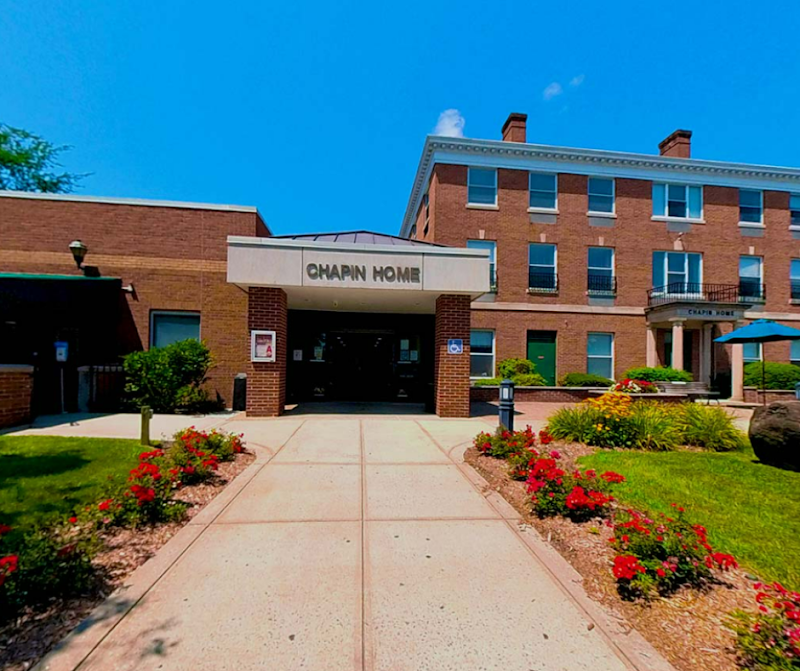
How is Chapin Home For The Aging Staffed?

CMS rates CHAPIN HOME FOR THE AGING's staffing level at 4 out of 5 stars, which is above average compared to other nursing homes. Staff turnover is 37%, compared to the New York average of 46%. This relatively stable workforce can support continuity of care.

What Have Inspectors Found at Chapin Home For The Aging?

State health inspectors documented 10 deficiencies at CHAPIN HOME FOR THE AGING during 2019 to 2024. These included: 9 with potential for harm and 1 minor or isolated issues.
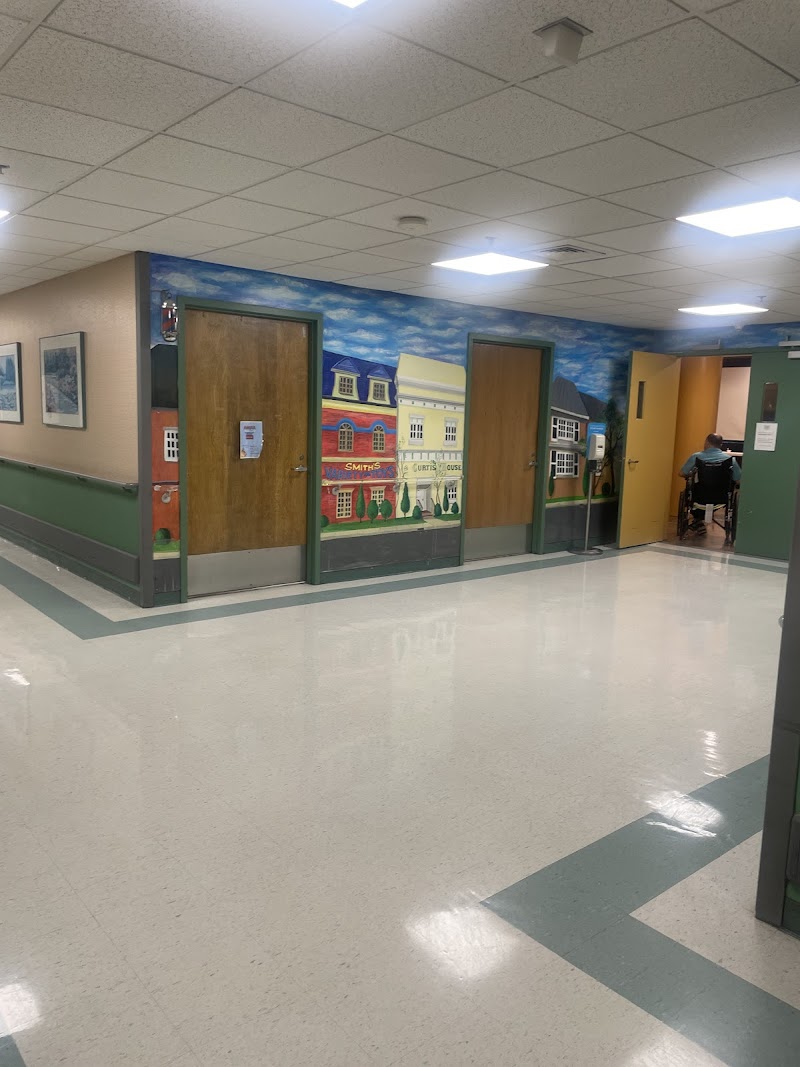
Who Owns and Operates Chapin Home For The Aging?

CHAPIN HOME FOR THE AGING is owned by a non-profit organization. Non-profit facilities reinvest revenue into operations rather than distributing to shareholders. The facility operates independently rather than as part of a larger chain. With 220 certified beds and approximately 121 residents (about 55% occupancy), it is a large facility located in JAMAICA, New York.
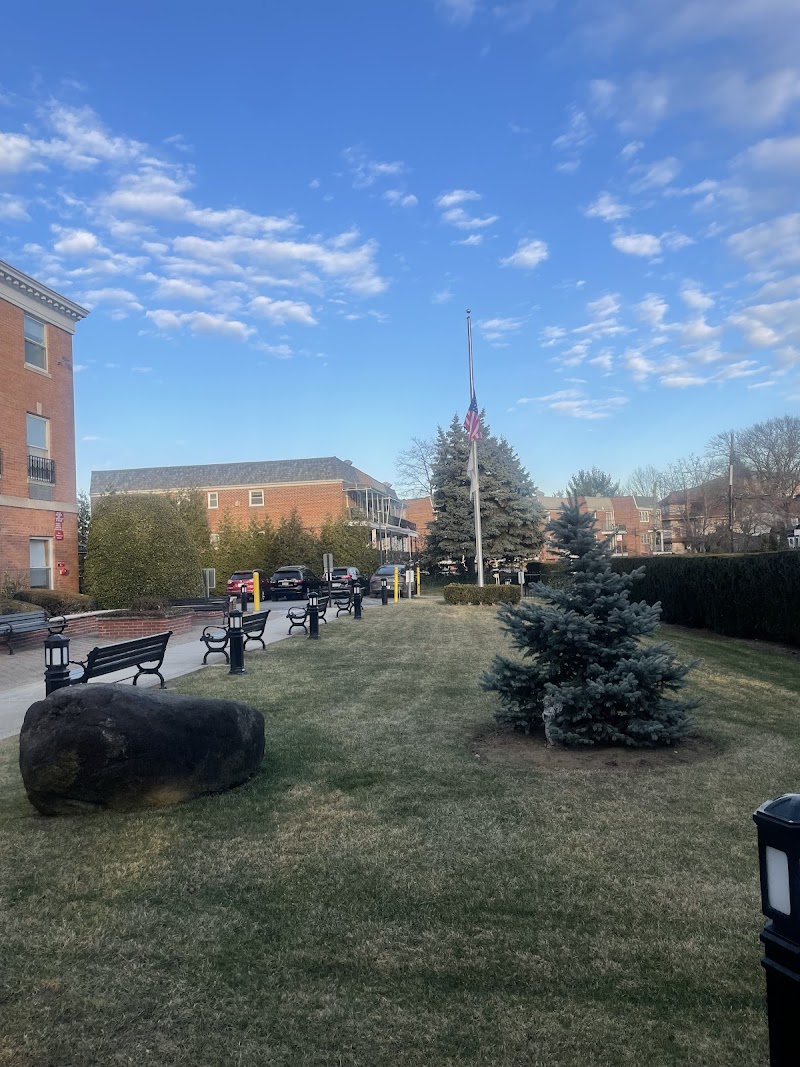
How Does Chapin Home For The Aging Compare to Other New York Nursing Homes?

Compared to the 100 nursing homes in New York, CHAPIN HOME FOR THE AGING's overall rating (5 stars) is above the state average of 3.1, staff turnover (37%) is near the state average of 46%, and health inspection rating (5 stars) is much above the national benchmark.

What Should Families Ask When Visiting Chapin Home For The Aging?

Based on this facility's data, families visiting should ask: "Can I visit during a mealtime to observe dining assistance and food quality?" "How do you handle medical emergencies, and what is your hospital transfer rate?" "Can I speak with family members of current residents about their experience?"

Is Chapin Home For The Aging Safe?

Based on CMS inspection data, CHAPIN HOME FOR THE AGING has a clean safety record: no substantiated abuse findings (meaning no confirmed cases of resident harm), no Immediate Jeopardy citations (the most serious violation level indicating risk of serious injury or death), and is not on the Special Focus Facility watch list (a federal program monitoring the lowest-performing 1% of nursing homes). The facility has a 5-star overall rating and ranks #1 of 100 nursing homes in New York. While no facility is perfect, families should still ask about staff-to-resident ratios and recent inspection results during their visit.

Do Nurses at Chapin Home For The Aging Stick Around?

CHAPIN HOME FOR THE AGING has a staff turnover rate of 37%, which is about average for New York nursing homes (state average: 46%). Moderate turnover is common in nursing homes, but families should still ask about staff tenure and how the facility maintains care continuity when employees leave.

Was Chapin Home For The Aging Ever Fined?

CHAPIN HOME FOR THE AGING has no federal fines on record. CMS issues fines when nursing homes fail to meet care standards or don't correct problems found during inspections. The absence of fines suggests the facility has either maintained compliance or corrected any issues before penalties were assessed. This is a positive indicator, though families should still review recent inspection reports for the full picture.

Is Chapin Home For The Aging on Any Federal Watch List?

CHAPIN HOME FOR THE AGING is not on any federal watch list. The most significant is the Special Focus Facility (SFF) program, which identifies the bottom 1% of nursing homes nationally based on persistent, serious quality problems. Not being on this list means the facility has avoided the pattern of deficiencies that triggers enhanced federal oversight. This is a positive indicator, though families should still review the facility's inspection history directly.