MARGARET TIETZ CENTER FOR NURSING CARE INC
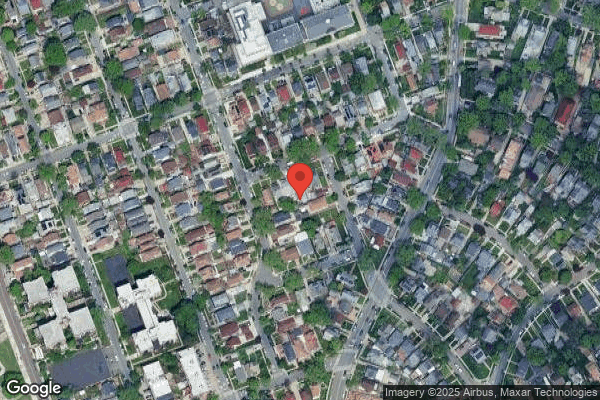

164 11 CHAPIN PARKWAY, JAMAICA, NY 11432 (718) 298-7800
For profit - Limited Liability company 200 Beds CASSENA CARE Data: November 2025
Trust Grade
83/100
#64 of 594 in NY
Last Inspection: May 2024

Within standard 12-15 month inspection cycle. Federal law requires annual inspections.

Overview

The Margaret Tietz Center for Nursing Care Inc has a Trust Grade of B+, which means it is above average and recommended for families considering care options. It ranks #64 out of 594 nursing homes in New York, placing it in the top half of facilities statewide, and #6 out of 57 in Queens County, indicating that only five local options are better. The facility is improving, with a decrease in issues from three in 2022 to two in 2024. Staffing appears to be a strength, with a 3/5 star rating and a turnover rate of 32%, which is lower than the state average, suggesting that staff members are stable and familiar with the residents. However, there have been some concerning incidents, including a serious case where a resident required emergency medical attention after being transferred without the necessary mechanical lift, resulting in a laceration that needed stitches. Additionally, care plans for residents were not always updated accurately, which could lead to potential risks. Overall, while there are strengths in staffing and care quality, families should be aware of the specific incidents and ongoing improvements needed.

Trust Score
B+
83/100
In New York
#64/594
Top 10%
Safety Record
Moderate
Needs review
Inspections
Getting Better
3 → 2 violations
Staff Stability
○ Average
32% turnover. Near New York's 48% average. Typical for the industry.
Penalties
✓ Good
$8,512 in fines. Lower than most New York facilities. Relatively clean record.
Skilled Nurses
✓ Good
Each resident gets 77 minutes of Registered Nurse (RN) attention daily — more than 97% of New York nursing homes. RNs are the most trained staff who catch health problems before they become serious.
Violations
○ Average
6 deficiencies on record. Average for a facility this size. Mostly minor or procedural issues.
★★★★★
5.0
Overall Rating
★★★☆☆
3.0
Staff Levels
★★★★★
5.0
Care Quality
★★★★☆
4.0
Inspection Score
Stable
2022: 3 issues
2024: 2 issues

The Good

  • 5-Star Quality Measures · Strong clinical quality outcomes
  • Full Sprinkler Coverage · Fire safety systems throughout facility
  • No fines on record
  • Staff turnover below average (32%)

    16 points below New York average of 48%

Facility shows strength in quality measures, fire safety.

The Bad

Staff Turnover: 32%

14pts below New York avg (46%)

Typical for the industry

Federal Fines: $8,512

Below median ($33,413)

Minor penalties assessed

Chain: CASSENA CARE

Part of a multi-facility chain

Ask about local staffing decisions and management

The Ugly 6 deficiencies on record

1 actual harm
May 2024 2 deficiencies 1 Harm
SERIOUS (G) 📢 Someone Reported This

A family member, employee, or ombudsman was alarmed enough to file a formal complaint

Actual Harm - a resident was hurt due to facility failures

Accident Prevention (Tag F0689)

A resident was harmed · This affected 1 resident

**NOTE- TERMS IN BRACKETS HAVE BEEN EDITED TO PROTECT CONFIDENTIALITY** Based on staff interview and record review conducted during the Recertification and Complaint Survey (NY00325508) from 05/21/202...

Read full inspector narrative →
**NOTE- TERMS IN BRACKETS HAVE BEEN EDITED TO PROTECT CONFIDENTIALITY** Based on staff interview and record review conducted during the Recertification and Complaint Survey (NY00325508) from 05/21/2024 to 05/29/2024, the facility did not ensure each resident received adequate supervision and assistance devices consistent with a resident's needs, goals, and care plan to prevent accidents. This was evident for 1 (Resident #134) of 38 total sampled residents. Specifically, Resident #134 required 2 staff assistance using mechanical lift for transfers as documented in the Comprehensive Care Plan. On 10/04/2023 at 5:30 PM, Certified Nursing Assistants #6 and #3 transferred Resident #134 from wheelchair to bed without using the mechanical lift. During the transfer, Resident #134 felt weak while in a standing position, and their left leg scraped the wheelchair that caused a laceration that required emergency medical intervention. The Resident required 13 stitches to the wound. This resulted in actual harm to Resident #134 that was not Immediate Jeopardy. The findings include: The facility policy titled Care Planning Process with an effective date of 07/2022 documented that the purpose of the policy was to ensure each resident receives the necessary care and services to attain or maintain the highest practicable, physical, mental, and psychosocial well-being. The care plan shall address the individual resident's medical diagnoses and condition, activities of daily living functional ability, and strengths and needs. Resident #134 had diagnoses of Anemia (a condition in which there is a low level of healthy red blood cells to carry oxygen throughout the body), Cerebrovascular Accident (a condition in which there is loss of blood flow to a part of the brain which damages brain tissue), and Non-Alzheimer's Dementia (loss of memory and intellectual functions caused by other diseases). The Minimum Data Set assessment (an assessment tool that measures health status in nursing home residents) dated 09/05/2023 documented Resident #134 had severe impairment in cognition and was totally dependent on 2 staff members for transfer. A Comprehensive Care Plan for Activities of Daily Living Self Care Performance Deficit related to Activity Intolerance was initiated for Resident #134 on 08/30/2023. The care plan interventions included total dependence with 2 persons for assistance using mechanical lift for transfers. The Documentation Survey Report (overview of tasks and assignments completed by the Certified Nursing Assistants) for 10/2023 documented that Resident #134 required total dependence with 2 persons assist using mechanical lift for transfers. Certified Nursing Assistant #6 documented that the task was performed for 10/04/2023 3:00 PM to 11:00 PM shift. The Accident Report dated 10/04/2023 at 5:30 AM documented that the Registered Nurse was informed that Resident #134's leg was bleeding after transfer. Resident sustained a skin tear on the left lower shin. Resident #134 was confused and was unable to give a statement. The report documented the staff did not use a mechanical lift during transfer. The employee written statement dated 10/04/2024 by Certified Nursing Assistant #6, who was assigned to Resident #134, documented they saw blood coming from Resident #134's left leg when the Resident was placed in bed. Certified Nursing Assistant #6 documented Certified Nursing Assistant #3 assisted them in the care of the resident. The employee written statement dated 10/04/2023 by Certified Nursing Assistant #3 documented they helped transfer Resident #134 from chair to bed. The facility summary of investigation dated 10/06/2024 completed by the Director of Nursing documented Resident #134 was noted with a laceration that measured 8 x 1 x 0.2 centimeters on the left shin. During the investigation, the laceration was sustained when Resident #134 was transferred from wheelchair to bed by Certified Nursing Assistants #6 and #3. The summary of investigation documented as per Resident's care plan and [NAME] (a document that contains resident care instructions for the Certified Nursing Assistants), Resident #143 required total assistance of 2 person using a mechanical lift for transfers. The Certified Nursing Assistants stated during the interview they transferred the Resident without using a mechanical lift, and as they were assisting the Resident into a standing position, the Resident felt weak, and their left leg scraped the wheelchair causing the laceration. Resident #134 was assessed by the attending physician and ordered to transfer the Resident to the hospital for sutures. The hospital patient Discharge summary dated [DATE] documented that Resident #134 was treated at the emergency department for left shin laceration that required 13 stitches. Several attempts to reach Certified Nursing Assistant #6 were unsuccessful. During an interview on 05/24/2024 at 3:38 PM, Certified Nursing Assistant #3 stated on the day of the incident, Certified Nursing Assistant #6 asked for help to transfer Resident #134 from the wheelchair to bed. At the end of the transfer, they noticed blood on the Resident's shin and notified the charge nurse. Certified Nursing Assistant #3 stated Resident #134 was not on their assignment, and they did not know the Resident needed a mechanical lift for transfer. During an interview on 05/24/2024 at 3:02 PM, Registered Nurse #4, who was the Registered Nurse Supervisor at the time of the incident, stated Resident #134 required total assist of 2 staff with the use of mechanical lift. They stated on the day of the incident, Certified Nursing Assistants #6 and #3 transferred Resident #134 from wheelchair to bed without using a mechanical lift, which was stated in the care plan and sustained an injury to their left leg. Registered Nurse #4 stated Certified Nursing Assistant #6 was not regularly assigned to the resident and did not know the Resident required the use of a mechanical lift for transfers. They stated they had a huddle (meeting) at the start of the shift and aides were notified of residents' status. Registered Nurse #4 stated they were not sure if Certified Nursing Assistants #6 and #3 participated in the huddle that day. During an interview on 05/29/2024 at 9:48 AM, Registered Nurse #2, who was the In-service Coordinator, stated Certified Nursing Assistants who were assigned to the Resident and those who were assisting were expected to check a resident's plan of care prior to providing care. During an interview on 05/29/2024 at 10:43 AM, the Director of Nursing stated they investigated the incident, and it was noted the Certified Nursing Assistants transferred Resident #134 without using a mechanical lift as documented in the Resident's plan of care. They stated Resident #134 sustained a skin tear on their left leg. They stated the Certified Nursing Assistants were trained on how to use Point of Care (an electronic medical record that provides resident care instructions for Certified Nursing Assistants) to find out what assistance a resident required and could have also verified a resident's transfer status from the charge nurse. During an interview on 05/29/2024 at 11:02 AM, the Administrator stated as per the facility's investigation, the staff did not use a mechanical lift during transfer and Resident sustained an injury. 10 NYCRR 415.12 (h) (2)
CONCERN (D)

Potential for Harm - no one hurt, but risky conditions existed

Deficiency F0657 (Tag F0657)

Could have caused harm · This affected 1 resident

**NOTE- TERMS IN BRACKETS HAVE BEEN EDITED TO PROTECT CONFIDENTIALITY** Based on record review and interview conducted during the Recertification Survey from 05/21/2024 to 05/29/2024, the facility did...

Read full inspector narrative →
**NOTE- TERMS IN BRACKETS HAVE BEEN EDITED TO PROTECT CONFIDENTIALITY** Based on record review and interview conducted during the Recertification Survey from 05/21/2024 to 05/29/2024, the facility did not ensure that a resident's comprehensive care plans were reviewed and revised to accurately reflect a resident's current status. This was evident in 1 of 38 sampled residents. Specifically, Resident #148's comprehensive care plan did not document Resident's urinary catheter was discontinued. The findings include: The facility policy titled Care Planning Process with effective date of 07/2022 documented the facility shall have a care planning process that is person centered which includes integrating assessment findings, developing an interdisciplinary care plan, regularly reviewing and revising the care plan, providing and documenting the care. Resident #148 was admitted to the facility with diagnoses of Atrial Fibrillation, Heart Failure, Benign Prostatic Hyperplasia, Renal insufficiency, and Obstructive Uropathy. On 05/21/2024 at 12:00 PM, Resident #148 was observed in the day room. Resident had no urinary catheter. The resident stated they had a urinary catheter inserted before admission to the nursing home and was removed 2 weeks ago. The Minimum Data Set assessment dated [DATE] documented Resident #148 had intact cognitive status. The Minimum Data Set further documented the Resident had indwelling catheter. A medical progress note dated 04/02/2024 documented Resident #148 was admitted from the hospital with chief complaint of acute on chronic congestive heart failure, complicated urinary tract infection, urinary retention, with indwelling urinary catheter. The nursing progress note dated 04/18/2024 at 7:19 AM documented Resident #148's urinary catheter was discontinued around 6:00 AM for trial voiding as ordered. A Comprehensive Care Plan for alteration in urinary elimination related to catheter usage for obstructive uropathy, acute kidney failure, and Benign Prostatic Hyperplasia was initiated on 04/02/2024. The care plan did not document that the urinary catheter was discontinued. During an interview on 05/28/2024 at 9:53 AM, Registered Nurse #1, who was the Registered Nurse Supervisor, stated Resident #148's urinary catheter was discontinued on 04/18/2024. They stated the Registered Nurse Supervisor on the floor should have reviewed and updated the care plan and should have documented that Resident #148's urinary catheter had been removed. They stated they did not know why the care plan had not been updated. During an interview on 05/28/2024 at 10:33 AM, the Assistant Director of Nursing stated the nurses' and nursing supervisors were responsible for updating the care plan. During an interview on 05/29/2024 at 10:38 AM, the Director of Nursing stated the nurses' and nursing supervisors were responsible for reviewing and updating the residents' care plans. They stated they have a lot of new nurses that were still learning which probably why Resident #148's care plan had been missed. 415.11(c)(2)(i-iii)
May 2022 3 deficiencies
CONCERN (D)

Potential for Harm - no one hurt, but risky conditions existed

Assessment Accuracy (Tag F0641)

Could have caused harm · This affected 1 resident

**NOTE- TERMS IN BRACKETS HAVE BEEN EDITED TO PROTECT CONFIDENTIALITY** Based on record review and interviews conducted during the Recertification survey from 5/9/2022 to 5/13/2022, the facility did n...

Read full inspector narrative →
**NOTE- TERMS IN BRACKETS HAVE BEEN EDITED TO PROTECT CONFIDENTIALITY** Based on record review and interviews conducted during the Recertification survey from 5/9/2022 to 5/13/2022, the facility did not ensure that an assessment accurately reflected the resident's status. Specifically, the Minimum Data Set (MDS) 3.0 assessment inaccurately documented that a resident did not have UTI in last 30 days. This was evident for 1 out of 1 resident reviewed for Resident Assessment out of an investigative sample of 38 residents. (Resident #138) The findings are: The facility policy & procedure titled MDS Assessment Version 3.0 with effective date 10/20 documented under section Responsible Discipline that each individual completing a portion of the assessment signs and certifies the accuracy of that portion of the assessment. The policy also documented that Nursing/MDS is responsible for completion of the Infection (UTI, Pneumonia, +PPD) section of the MDS assessment. Resident #138 was admitted to the facility with diagnoses that included Alzheimer's Disease and Obstructive and reflux Uropathy. The Significant Change MDS dated [DATE] documented Resident # 138 had no Urinary Tract Infection (UTI) in last 30 days in Section I. The Patient Review Instrument (PRI) dated 4/5/2022 documented in section titled Medical Conditions that Resident #138 had a Urinary Tract Infection during the past week The hospital discharge paper dated 4/7/2022 documented the admission date was 4/1/2022 and Resident #138 had a diagnosis of Acute UTI. The MD Monthly Note dated 4/17/2022 documented Resident #138 had a recurrence of UTI with Klebsiella Pneumoniae and was successfully treated with oral Augmentin. The note also documented that Resident #138 was hospitalized with UTI and sepsis UTI with MRSA was treated. The note documented recurrent UTI's, Urology consultation appreciated, hospitalized for urosepsis. On 05/12/22 at 02:57 PM, the MDS Assessor (MDSA) was interviewed. The MDSA stated they were responsible for completing section I and they reviewed the hospital discharge paper, PRI, and interviewed the staff on the unit before completing the Significant Change MDS assessment dated [DATE]. The MDSA also stated they did not read the question carefully and thought the question in section I Urinary Tract Infection (UTI) (LAST 30 DAYS) was asking if a resident had an active UTI upon re-admission to the facility. The MDSA further stated that Resident #138 did not have an active UTI upon readmission on [DATE] and therefore they did not code UTI. The MDSA stated it was their error not reading the question carefully and coding UTI incorrectly in the MDS assessment. On 05/12/22 at 03:15 PM, the MDS Coordinator (MDSC) was interviewed. The MDSC stated that the MDS assessor is supposed to review the hospital discharge paper, PRI and interviewed the unit staff to complete the MDS assessments. The MDSC reviewed the hospital discharge paper, PRI, and MD notes and stated Resident #138 had a diagnosis of UTI and was treated during 4/1/2022 to 4/7/2022 hospitalization. The MDSC also stated that MDS assessor should have coded Resident #138 as having had a UTI for last 30 days in Section I of the MDS completed on 4/14/2022. 415.11(b)
CONCERN (D)

Potential for Harm - no one hurt, but risky conditions existed

Deficiency F0657 (Tag F0657)

Could have caused harm · This affected 1 resident

**NOTE- TERMS IN BRACKETS HAVE BEEN EDITED TO PROTECT CONFIDENTIALITY** Based on record review and interviews conducted during the Recertification Survey from 5/9/2022 to 5/13/2022, the facility did n...

Read full inspector narrative →
**NOTE- TERMS IN BRACKETS HAVE BEEN EDITED TO PROTECT CONFIDENTIALITY** Based on record review and interviews conducted during the Recertification Survey from 5/9/2022 to 5/13/2022, the facility did not ensure, to the extent practicable, that residents/resident representatives were involved in developing the comprehensive care plan and making decisions about their care. Specifically, the facility did not ensure that residents and resident representatives were afforded the opportunity to participate in the Comprehensive Care Plan (CCP) meeting. This was evident for 1 of 1 resident reviewed for Participation in Care Planning out of a sample of 38 residents. (Resident # 138) The findings are: The facility policy and procedure titled Care Planning Process with effective date 7/18 documented under section PROCEDURE 5. Resident and/or designated representative will be informed of scheduled CCP (Comprehensive Care Plan) meetings reflecting the date and time by the Social Services Department. A written invitation will be given to the resident and/or mailed to the family/designed representative. 6. Social Worker will document a plan of care note in the progress note section indicating that the letter was sent or additional communication with the family occurred regarding the invite to the care plan meeting. 11. The resident has the right to participate in establishing the expected goals and outcome of care, the type, amount, frequency and duration of care and any other factors related to the plan of care. Resident #138 was admitted to the facility with diagnoses that included Unspecified Dementia with behavioral disturbance, Alzheimer's Disease, and Obstructive and reflux Uropathy. The Significant Change MDS dated [DATE] documented Resident #138 rarely/never understood others or made self understood, had short and long-term memory problems, and cognitive skills for daily decision making was severely impaired. It further documented Resident #138 did not participate in assessment and the representative participated it. On 05/09/22 at 03:37 PM, family representative was interviewed and stated Resident #138 had been at the facility for more than 2 years. The family representative also stated the facility started inviting them to care plan meeting only in February or March 2022. Family representative further stated they made decisions for Resident # 138. The Social Service Progress note dated 3/17/2021 documented family representative was invited to participate in the care plan meeting scheduled on 3/17/2021 and family representative participated through conference call. The Social Services Progress notes dated 4/21/2022 documented family representative was invited to participate in the significant change care plan scheduled on 4/22/2022. SW Social Work Assessment - V 2 dated 3/2/2021, 6/1/2021 and 9/1/2021 documented it was for quarterly. It had no documented evidence that Resident #138 and/or family representative was invited to care plan meeting. SW Social Work Assessment - V 3 dated 11/30/2021 documented it was for quarterly. It had no documented evidence that Resident #138 and/or representative was invited to care plan meeting. SW Social Work Assessment - V 4 dated 2/28/2022 documented it was for Annual. It also documented Resident #138 and/or designated representative was invited to participate in the review and revision of the care plan. SW Social Work Assessment - V 4 dated 4/8/2022 documented it was for Hospital Readmit. It did not document Resident #138 and/or representative was invited to participate in the care plan meeting. The Comprehensive Care Plan Meeting sign in sheet for Resident #138 documented family representative attended the annual care plan meeting on 3/17/2021 and 3/18/2022, and significant change care plan meeting on 4/22/2022 but not the quarterly meetings on 6/16/2021, 9/15/2021, and 12/15/2021. It also documented Resident #138 did not attend any of the care plan meetings. There was no documented evidence that Resident # 138 or family representative had been invited to participate in the quarterly care plan meetings on 6/16/2021, 9/15/2021 and 12/15/2021. On 05/12/22 at 10:48 AM, Social Work Director (SWD) was interviewed and stated they had care plan meetings for initial, quarterly, significant change, annual, and as per resident/family representative request. SWD also stated Social Workers (SW) checked the electronic medical record and the list provided by MDS for coming care plan meeting to invite resident face to face on the unit and representative by phone call a few days before the care plan meeting. SWD further stated SW documented the invitation in the Social Services progress note or in Social Work Assessment. SWD stated they did not invite resident/representative to quarterly care plan meeting before 1/9/2022. SWD also stated the policy of care planning process was revised on 1/9/2022 to invite resident/representative to all care plan meetings including quarterly one. SWD further stated they started working at the facility on 12/15/2021 and did not know the reason there was a change in policy. On 05/12/22 at 11:15 AM, MDS Coordinator (MDSC) was interviewed and stated they sent the social work department a list of residents for coming week care plan meeting every Friday and SW invited residents and/or representative to the care plan meeting scheduled from Tue to Fri next week. MDSC also stated they invited resident/representative to initial, annual, and significant change but not quarterly care plan meeting before 1/9/2022. MDSC further stated they received the guideline and new policy for care plan meeting from the corporate around 1/9/2022 to invite resident and/or representative to all care plan meetings including quarterly one to better providing resident care by listening more frequently to the resident and/or representative. On 05/12/22 at 11:41 AM, Social Work Consultant (SWC) was interviewed and stated they recognized the importance of inviting resident and/or family representative to quarterly care plan meeting after their sister facility had the survey from the NYSDOH survey at the end of [DATE]. SWC also stated they revised the care plan meeting policy on 1/6/2022 after the plan of correction for the sister facility was accepted by NYSDOH in [DATE] and started inviting residents and/or representatives to all care plan meetings on 1/9/2022. SWC further stated they revised SW note to indicate if residents and/or family representatives were invited to care plan meeting and provided the in-service to SW on 1/10/2022 for Quarterly Care Planning process. SWC stated the resident and/or family representative were invited to care plan meeting by phone call, in-person, or written invitation. SWC also stated they made copy of the invitation letter and kept the copy in the file in SW department and SW documented in SW note for invitation through phone call or in-person. Based on the following corrective actions taken, there was sufficient evidence that the facility corrected the noncompliance and was in substantial compliance for this specific regulatory requirement prior to and during the time of this survey: 1. Residents/representatives were invited to quarterly care plan meeting starting 1/9/2022. 2. QA Department audited to ensure all the residents/representatives due for quarterly care meeting in [DATE] were invited and continue the audit in [DATE]. 3. Revised the facility policy & procedure titled Care Planning Process with effective date 1/2022 to include MDS will complete a Care Plan Review Meeting note to indicate the participation and/or attendance of the resident and/or designated representative for all meetings. 4. In-service for the topic Quarterly Care Planning Process was provided to all social workers, MDS Assessors, Registered Nurse Supervisors, department heads, and Administrator on 1/22/2022. 5. SW Social Work Assessment - V4 note was revised on 1/24/2022 to add the question for care plan invitation before the care plan meeting. 415.11(c)(2)(i-iii)
CONCERN (D)

Potential for Harm - no one hurt, but risky conditions existed

Accident Prevention (Tag F0689)

Could have caused harm · This affected 1 resident

**NOTE- TERMS IN BRACKETS HAVE BEEN EDITED TO PROTECT CONFIDENTIALITY** Based on observation, interview, and record review during the Recertification & Complaint Survey (NY00284843) conducted from 5/9...

Read full inspector narrative →
**NOTE- TERMS IN BRACKETS HAVE BEEN EDITED TO PROTECT CONFIDENTIALITY** Based on observation, interview, and record review during the Recertification & Complaint Survey (NY00284843) conducted from 5/9/22 - 5/13/22, the facility did not ensure the environment remained free of accident hazards as is possible, and that each resident received adequate supervision and assistance to prevent accidents. Specifically, 1) a resident sustained a blister to their right middle finger after using the unit microwave unsupervised and, 2) a resident was observed accessing the coffee dispensing machine in the unit pantry, without supervision and with a risk for injury. This was evident in 2 of 3 residents reviewed for Accidents out of a sample of 38 residents. (Resident #132 and #133) The findings are: 1. Resident #132 was admitted to the facility with diagnoses that included Dementia, Parkinson's Disease, and Arthritis. The Significant Change Minimum Data Set (MDS) assessment dated [DATE] documented resident was moderately cognitively impaired with a BIMS of 11 and required extensive assistance of 1 staff for transfer and walking in corridor/locomotion, and supervision and set-up for eating. The Facility Reported Incident (NY00284843) dated 10/14/2021 documented Resident #132 accidentally burned their right middle finger while taking food out from the microwave. Upon initial assessment, no noted redness, no blister, no skin opening was observed. A cold pack was applied at that time. Resident did not require pain medication. Upon re-assessment the next morning, resident was noted with a red blister to the right middle finger. The Physician's Order dated 10/14/2021 documented Silver Sulfadiazine Cream 1 % Apply to Right Middle Finger topically two times a day for Blister. Nursing progress note dated 10/14/2021 documented that at approximately 9pm on 10/13/21, resident complained of pain and asked for Tylenol, PRN pain medication given as ordered. Nursing progress note dated 10/15/2021 at 15:44 documented that the nurse was informed of burn on resident's 3rd right finger which presents with 2 blisters currently, Silvadene applied. Resident denied any pain. On 10/14/21, a treatment order for Silver Sulfadiazine Cream 1 % Apply to Right Middle Finger topically two times a day for 14 days for Blister was placed. There was no documented evidence that outside referrals were necessary related to resident injury. On 05/10/22 at 09:27 AM, an interview was conducted with Resident #132. Resident #132 stated they never use the microwave and there is no longer a microwave here. Resident #132 also stated some time ago they used the microwave to heat food from outside that family had brought them and recalled a minor injury. 2. The facility policy and procedure titled Coffee Machine Dayroom Policy dated March 2017, documented The coffee machine will be turned on prior to meal service by the Rabbi/Designee. At the conclusion of each meal service, the machine will be turned off to ensure safety. Procedure: Rabbi/Designee will arrive on unit prior to meal service and turn on the coffee machine. Upon completion of meal service, will return to the units to turn off coffee machine. Resident #133 was admitted with diagnoses that included Polio and Thyroid Disorder. The Quarterly MDS dated MDS dated [DATE] documented resident was moderately cognitively impaired and required limited assistance of one staff for most Activities of Daily Living and set-up and supervision for eating. The MDS also documented that the resident ambulated with a wheelchair and walker. On 5/11/22 at 10:41 AM, Resident #133 was observed wheeling themself into the dining room where they obtained a cup of hot water and a tea bag. There was no staff observed in the area at the time. Signage over the sink on an upper cabinet door documented coffee machine is to be locked at all times except during meals 7:45-9am/11:45-1pm/5:45pm - 7pm. please be sure to lock it after you are finished using it. On 5/11/22 at 10:43 AM, the surveyor pressed buttons on the machine and was able to dispense water and coffee as the machine was not locked. There was no barrier in place to prevent entry into the pantry area. On 5/11/22 at 10:46 AM, an interview was conducted with Registered Nurse (RN) #1. RN #1 stated that the Certified Nursing Assistant (CNA) and nurses monitor the day room/dining room area. RN #1 also stated that the staff reinforce with residents the importance of asking for help and the CNAs give out beverages only at mealtimes. RN #1 tested the machine and found it was unlocked as it dispensed coffee and stated they did not know how to lock the machine and would ask one of the CNAs how this is done. On 5/11/22 at 10:52 AM, an interview was conducted with CNA #1. CNA #1. stated that dietary is supposed to lock the machine. Between meals, residents are encouraged to ask staff rather than try to get something themselves. CNA #1 also stated residents should not be accessing the machine by themselves and if the resident needs coffee or tea between meals, they call the kitchen to unlock the machine. On 5/11/22 at 11:09 AM, Dietary Aide (DA) #1 was interviewed. DA #1 stated the dietary staff sets up the coffee machine, making sure coffee is in it. DA#1 also stated that they do not lock the machine as they do not have a key and the Rabbi is supposed to lock it. On 5/11/22 at 11:20 AM, an interview was conducted with the Food Service Director (FSD). The FSD stated that dietary staff clean the outside of the coffee machine and the drip tray and the coffee machine is locked between meals. The FSD also stated that when entering the pantry area, there is a ribbon type pull and latch to lock off the area. Once the steam table is broken down, the dietary aide is supposed to cordon off the area, however, any staff member can take down the ribbon to access the area, and they should close it off once done. The FSD further stated that the Rabbi locks and unlocks the coffee dispenser. On 5/11/22 at 11:49 AM, an interview was conducted with the Jewish Food Supervisor (JFS). The JFS stated that before meals, they go to each floor and turn on the coffee machine. The JFS further stated that they did not turn off the coffee machines today as it slipped their mind. 415.12(h)(1)
Sept 2019 1 deficiency
CONCERN (D)

Potential for Harm - no one hurt, but risky conditions existed

Infection Control (Tag F0880)

Could have caused harm · This affected 1 resident

**NOTE- TERMS IN BRACKETS HAVE BEEN EDITED TO PROTECT CONFIDENTIALITY** Based on observation, record review, and staff interviews during the re-certification survey, the facility did not ensure infect...

Read full inspector narrative →
**NOTE- TERMS IN BRACKETS HAVE BEEN EDITED TO PROTECT CONFIDENTIALITY** Based on observation, record review, and staff interviews during the re-certification survey, the facility did not ensure infection prevention control practices were followed to help prevent the spread, development, and transmission of communicable diseases and infections. Specifically, (1) A Registered Nurse (RN) was observed not preparing a sterile field prior to performing a wound treatment, and (2) the same RN did not perform proper hand hygiene during the wound treatment. This was evident in 1 of 3 residents reviewed for pressure ulcer injury care area out of a total sample of 38 residents (Resident #118). The finding is: The facility policy and procedure titled, Clean Dressing Change (Dated 04/2016) documented the following.Prior to dressing change .washes hands using proper technique and at least for 20 seconds .cleans over bed table .bring supplies to bedside and all necessary equipment .establish a clean field by using disposable drape .ensures all items to be used are placed on clean field . The facility policy and procedure titled, Hand Hygiene Protocol (Dated 11/2017) documented the following.the following procedure is to be used for hand hygiene using soap and water .turn on warm water .completely wet hands holding them lower than wrist .apply soap or hand hygiene agent and thoroughly distribute over hands and wrists . The Centers for Disease Control and Prevention (CDC) Guideline for Hand Hygiene in Healthcare Settings indicated the following.When cleaning your hands with soap and water, wet your hands first with water, apply the amount of product recommended by the manufacturer to your hands, and rub your hands together vigorously for at least 15 seconds, covering all surfaces of the hands and fingers. Rinse your hands with water and use disposable towels to dry. Use towel to turn off the faucet. Avoid using hot water, to prevent drying of skin. Resident #118 was most recently admitted on [DATE] with diagnoses including but not limited to Poliomyelitis, Muscle Weakness, and Dorsalgia. The Minimum Data Set 3.0 (MDS) Annual assessment dated [DATE] documented resident with intact cognition. Resident also documented with one stage 3 pressure ulcer and is receiving wound care treatment. On 09/09/19 at 09:45 AM, Resident #118 was observed lying in bed on his back. RN #1 entered room to perform wound treatment. RN #1 had supplies in hand and placed the comfort foam, gauze packets, Dermaklenz spray, and drape on the bedside table next to the resident's breakfast tray. She then moved the tray to the resident's dresser table and moved supplies to where the tray was on the bedside table. The bedside table was visibly soiled with food debris. RN #1 proceeded to wash her hands, turning on faucet, getting soap prior to wetting hands, scrubbed, rinsed, and dried hands. She then used a paper towel to wipe the bedside table clean. RN #1 donned gloves and removed resident's left sock to remove the old dressing. The old dressing had a slight dried up red drainage color on it. RN #1 removed glove and proceeded to wash her hands by turning on faucet, getting soap prior to wetting hands, scrubbed, rinsed, dried hands and donned new gloves. RN #1 then sprayed Dermaklenz Spray on gauze and cleaned the wound twice. The wound was wiped dry with gauze. RN #1 removed gloves and washed hands by turning on faucet, getting soap prior to wetting hands, scrubbed, rinsed, and dried hands. RN #1 then placed Comfort Foam on wound and placed sock back on. resident's foot. RN #1 removed gloves and washed hand by turning on faucet, getting soap prior to wetting hands, scrubbed, rinsed, and dried hands. A Hand Hygiene Competency Criterion Checklist (Dated 09/06/19) was completed for RN #1 for hand washing with soap and water. Competency included wetting hands with water as first step before application of soap. A Clean Dressing Competency (Dated 09/06/19) was completed for RN #1. Competency included steps taken to perform wound treatment. Establishing a clean field by cleaning the over bed table and using a drape prior to placing all items on clean field is indicated. On 09/10/19 at 09:40 AM, RN #1 was interviewed. The RN stated prior to start of wound treatment, she has to make sure the bedside table is clear and cleaned with Clorox wipes prior to using. After it is cleaned, a drape is placed on top of it to place the wound supplies. RN #1 stated she was supposed to follow that protocol but didn't. She further stated the proper way to wash her hands is to wet hands first, get soap, scrub for 20 seconds, rinse, and dry with towel. RN #1 stated she did not follow that process because it is her habit to grab the soap first. RN #1 stated she is in-serviced monthly with infection control practices and hand washing. 09/13/19 at 11:28 AM, RN Infection Control Preventionist and In-Service Educator (RN #2) was interviewed. RN #2 stated prior to start of wound treatment, a sterile field should be established by using bleach wipes to wipe down the over bed table, wait for three minutes to air dry, and then place a drape on table for the wound supply placement. RN #2 also stated the proper way to wash hands are to turn on the faucet and wet hands first prior to getting soap. In-service educations on infection control and hand washing are completed frequently. 415.19(b)(4)
Understanding Severity Codes (click to expand)
Life-Threatening (Immediate Jeopardy)
J - Isolated K - Pattern L - Widespread
Actual Harm
G - Isolated H - Pattern I - Widespread
Potential for Harm
D - Isolated E - Pattern F - Widespread
No Harm (Minor)
A - Isolated B - Pattern C - Widespread

Questions to Ask on Your Visit

  • "Can I speak with families of current residents?"
  • "What's your RN coverage like on weekends and overnight?"

Our Honest Assessment

Strengths
  • • Grade B+ (83/100). Above average facility, better than most options in New York.
  • • 32% turnover. Below New York's 48% average. Good staff retention means consistent care.
Concerns
  • • 6 deficiencies on record, including 1 serious (caused harm) violation. Ask about corrective actions taken.
Bottom line: Generally positive indicators. Standard due diligence and a personal visit recommended.

About This Facility

What is Margaret Tietz Center For Nursing Care Inc's CMS Rating?

CMS assigns MARGARET TIETZ CENTER FOR NURSING CARE INC an overall rating of 5 out of 5 stars, which is considered much above average nationally. Within New York, this rating places the facility higher than 99% of the state's 100 nursing homes. This rating reflects solid performance across the metrics CMS uses to evaluate nursing home quality.
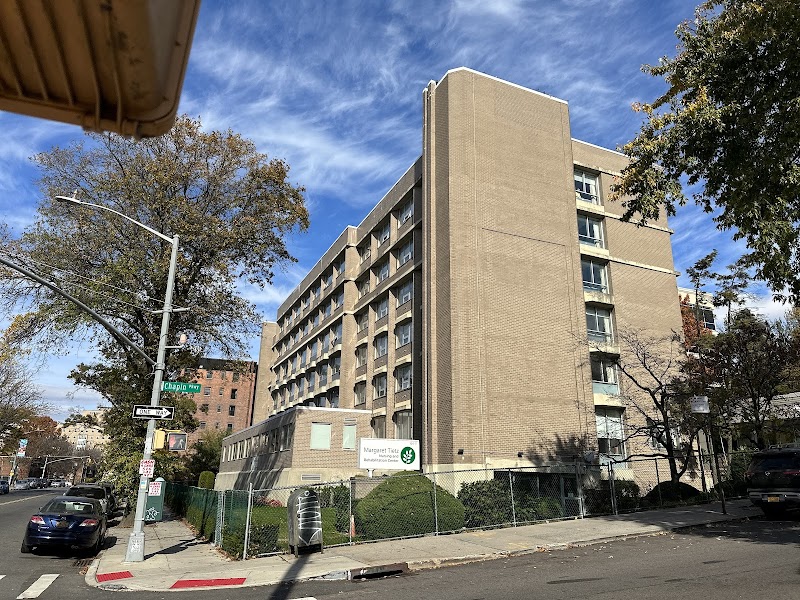
How is Margaret Tietz Center For Nursing Care Inc Staffed?

CMS rates MARGARET TIETZ CENTER FOR NURSING CARE INC's staffing level at 3 out of 5 stars, which is average compared to other nursing homes. Staff turnover is 32%, compared to the New York average of 46%. This relatively stable workforce can support continuity of care.

What Have Inspectors Found at Margaret Tietz Center For Nursing Care Inc?

State health inspectors documented 6 deficiencies at MARGARET TIETZ CENTER FOR NURSING CARE INC during 2019 to 2024. These included: 1 that caused actual resident harm and 5 with potential for harm. Deficiencies causing actual harm indicate documented cases where residents experienced negative health consequences.
Who Owns and Operates Margaret Tietz Center For Nursing Care Inc?

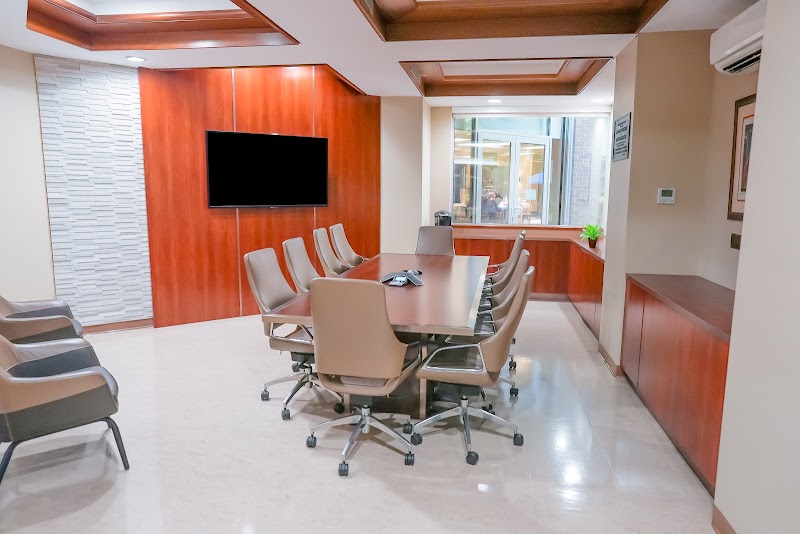
MARGARET TIETZ CENTER FOR NURSING CARE INC is owned by a for-profit company. For-profit facilities operate as businesses with obligations to shareholders or private owners. The facility is operated by CASSENA CARE, a chain that manages multiple nursing homes. With 200 certified beds and approximately 189 residents (about 94% occupancy), it is a large facility located in JAMAICA, New York.
How Does Margaret Tietz Center For Nursing Care Inc Compare to Other New York Nursing Homes?

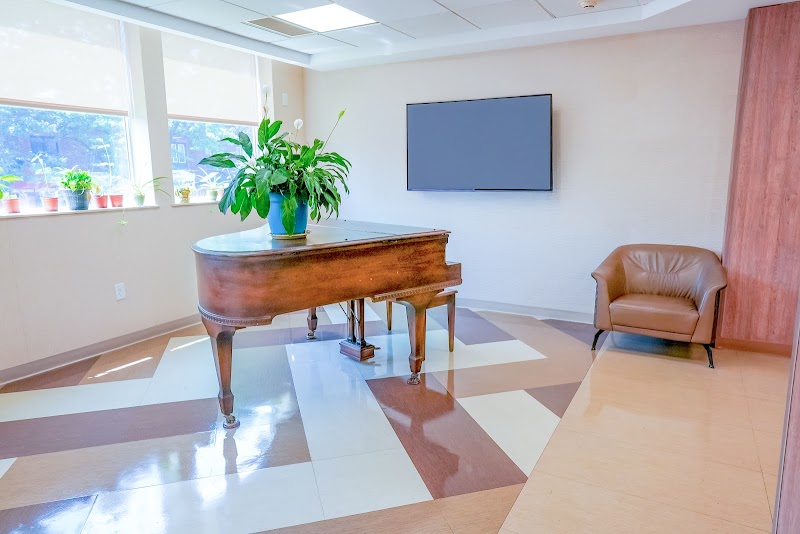
Compared to the 100 nursing homes in New York, MARGARET TIETZ CENTER FOR NURSING CARE INC's overall rating (5 stars) is above the state average of 3.1, staff turnover (32%) is significantly lower than the state average of 46%, and health inspection rating (4 stars) is above the national benchmark.

What Should Families Ask When Visiting Margaret Tietz Center For Nursing Care Inc?

Based on this facility's data, families visiting should ask: "Can I visit during a mealtime to observe dining assistance and food quality?" "How do you handle medical emergencies, and what is your hospital transfer rate?" "Can I speak with family members of current residents about their experience?"

Is Margaret Tietz Center For Nursing Care Inc Safe?

Based on CMS inspection data, MARGARET TIETZ CENTER FOR NURSING CARE INC has a clean safety record: no substantiated abuse findings (meaning no confirmed cases of resident harm), no Immediate Jeopardy citations (the most serious violation level indicating risk of serious injury or death), and is not on the Special Focus Facility watch list (a federal program monitoring the lowest-performing 1% of nursing homes). The facility has a 5-star overall rating and ranks #1 of 100 nursing homes in New York. While no facility is perfect, families should still ask about staff-to-resident ratios and recent inspection results during their visit.

Do Nurses at Margaret Tietz Center For Nursing Care Inc Stick Around?

MARGARET TIETZ CENTER FOR NURSING CARE INC has a staff turnover rate of 32%, which is about average for New York nursing homes (state average: 46%). Moderate turnover is common in nursing homes, but families should still ask about staff tenure and how the facility maintains care continuity when employees leave.

Was Margaret Tietz Center For Nursing Care Inc Ever Fined?

MARGARET TIETZ CENTER FOR NURSING CARE INC has been fined $8,512 across 1 penalty action. This is below the New York average of $33,164. While any fine indicates a compliance issue, fines under $50,000 are relatively common and typically reflect isolated problems that were subsequently corrected. Families should ask what specific issues led to these fines and confirm they've been resolved.

Is Margaret Tietz Center For Nursing Care Inc on Any Federal Watch List?

MARGARET TIETZ CENTER FOR NURSING CARE INC is not on any federal watch list. The most significant is the Special Focus Facility (SFF) program, which identifies the bottom 1% of nursing homes nationally based on persistent, serious quality problems. Not being on this list means the facility has avoided the pattern of deficiencies that triggers enhanced federal oversight. This is a positive indicator, though families should still review the facility's inspection history directly.