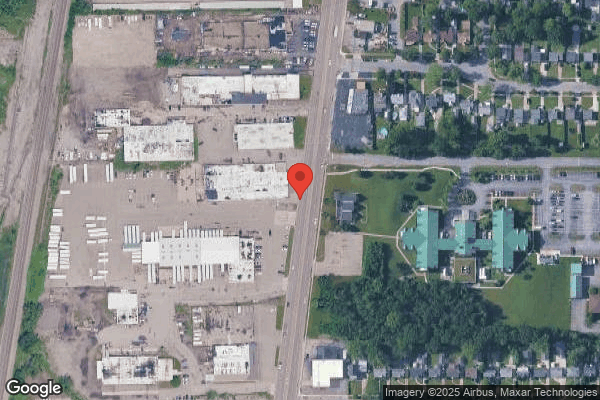
MCAULEY RESIDENCE

1503 MILITARY ROAD, KENMORE, NY 14217 (716) 447-6600
Non profit - Corporation 160 Beds Independent Data: November 2025
Trust Grade
90/100
#67 of 594 in NY
Last Inspection: January 2025

Within standard 12-15 month inspection cycle. Federal law requires annual inspections.

Overview

Mcaulay Residence in Kenmore, New York, has an impressive Trust Grade of A, indicating it is considered excellent and highly recommended for care. It ranks #67 out of 594 facilities in New York, placing it in the top half, and is #9 out of 35 in Erie County, with only eight local options rated higher. The facility is improving, having reduced its issues from four in 2023 to two in 2025. Staffing is a concern, with a 52% turnover rate, which is higher than the state average, but it maintains good RN coverage, exceeding 86% of state facilities. While there have been no fines reported, recent inspections highlighted some issues, such as unsecured medications in a nurse's station and a failure to address a resident's dental pain, as well as an incident involving a staff member yelling at and pushing a resident, indicating areas that need attention.

Trust Score
A
90/100
In New York
#67/594
Top 11%
Safety Record
Low Risk
No red flags
Inspections
Getting Better
4 → 2 violations
Staff Stability
⚠ Watch
52% turnover. Above average. Higher turnover means staff may not know residents' routines.
Penalties
✓ Good
No fines on record. Clean compliance history, better than most New York facilities.
Skilled Nurses
✓ Good
Each resident gets 65 minutes of Registered Nurse (RN) attention daily — more than 97% of New York nursing homes. RNs are the most trained staff who catch health problems before they become serious.
Violations
○ Average
7 deficiencies on record. Average for a facility this size. Mostly minor or procedural issues.
★★★★★
5.0
Overall Rating
★★★★☆
4.0
Staff Levels
★★★★★
5.0
Care Quality
★★★★★
5.0
Inspection Score
Stable
2023: 4 issues
2025: 2 issues

The Good

  • 4-Star Staffing Rating · Above-average nurse staffing levels
  • 5-Star Quality Measures · Strong clinical quality outcomes
  • Full Sprinkler Coverage · Fire safety systems throughout facility
  • No fines on record

Facility shows strength in staffing levels, quality measures, fire safety.

The Bad

Staff Turnover: 52%

Near New York avg (46%)

Higher turnover may affect care consistency

The Ugly 7 deficiencies on record

Jan 2025 2 deficiencies
CONCERN (D)

Potential for Harm - no one hurt, but risky conditions existed

Deficiency F0761 (Tag F0761)

Could have caused harm · This affected 1 resident

Based on observation, interview, and record review conducted during a Standard survey completed 1/8/25, the facility did not store all drugs and biologicals in locked compartments for one (Unit 2 East...

Read full inspector narrative →
Based on observation, interview, and record review conducted during a Standard survey completed 1/8/25, the facility did not store all drugs and biologicals in locked compartments for one (Unit 2 East) of two medication storage rooms. Specifically, 16 medications for 7 residents were left unattended, unsecured on a shelf in the nurse's station. This involved Resident #s 17, 22, 68, 70, 72, 94, and 267. The findings are: The policy titled Ordering and Receiving Medications from the Dispensing Pharmacy dated 11/27/24 documented a licensed nurse receives medications delivered to the facility, immediately delivers the medications to the appropriate secure storage area (medication cart and/or narcotic cabinet) or to another licensed nursing staff member to place in their specific secure storage area on the appropriate unit. During an observation on 1/3/25 at 8:30 AM, the 2 East Nurses Station without a door or means to lock the area, located in the center of the unit near the common area where residents were sitting and no facility staff within visual view revealed the following medications on a shelf: - Resident #17 - 2 unopened bottles (473 milliliters in each) of Chlorhexidine 0.12% mouth rinse. - Resident #22 - 6 unopened bottles (473 milliliters each) of Lactulose (laxative) and 1 unopened bottle (473 milliliters) of Sorbitol 70% (laxative). - Resident #68 - 2 unopened boxes of Ipratropium Bromide 0.5 milligram and Albuterol Sulfate (medications used to open the airways) 3 milligram inhalation (30 vials in each). - Resident #70 - 1 unopened 30-ounce bottle of Citrucel Powder (laxative). - Resident #72 - 2 unopened bottles (355 milliliters in each) of Lanta liquid (antacid). - Resident #94 - 1 unopened box of Refresh tears (eye drops) (2 bottles, 15 milliliters in each). - Resident #267 - 1 opened bottle Betadine 10% (antiseptic used to clean minor cuts) solution (approximately 400 milliliters remaining). During an interview on 1/3/25 at 9:16 AM, Licensed Practical Nurse #2 observed the medications sitting on the shelf in the nurse's station and stated they should not be stored there because the nurse's station doesn't have a door and residents could freely enter the area, and there was not always an employee at the nurse's station to monitor the area. They stated they didn't know how long the medications had been on the shelf and they should be either in the medication cart, stored in a cabinet or given to the nursing supervisor if they were discontinued to be returned to the pharmacy. They stated they were not sure why or when they were put there and should be locked in a secure area. During an interview on 1/3/25 at 9:17 AM, Unit Manager Licensed Practical Nurse #4 stated they didn't know overflow medications could not be stored on the self in the nurse's station. They stated there were no doors at the nurse's station and there was not always staff at the nurse's station to prevent residents from wandering into the area to prevent them from having access to the medications. Unit Manager Licensed Practical Nurse #4 identified each medication and stated all the identified medications were recently delivered from the pharmacy, except Resident #267's betadine was discontinued and Resident #94's refresh tears were brought in by the resident and they should have been given to the Nursing Supervisor to be returned. They stated the facility's process for receiving medications from the pharmacy was the Nursing Supervisor received the medications from the pharmacy and they delivered the medication to the appropriate unit and gave the medication to the staff nurse. The staff nurse usually placed the medication into the appropriate medication cart unless there was no room in the drawer, then the medication was placed on the shelf in the nurse's station until there was room in the medication cart. They stated they didn't know how long the identified medications had been stored on the shelf. During an interview on 1/3/25 at 3:29 PM, Licensed Practical Nurse #3 stated they noticed several medication bottles on the shelf a few days ago but did not look at the medication bottle labels therefore were unable to describe the medications. They didn't know why they were on the shelf. They stated the nurse's station didn't have a door and the medications were not in a secure location and should have been placed in the medication cart. They sated they did not question why the medications were on the shelf and did not inform the Nursing Supervisor. They stated they left the medication bottles on the shelf and should not have. During an interview on 1/8/25 at 7:44 AM, Licensed Practical Nurse #5 stated they had been working at this facility for approximately a year and it had been the facility's process to store the overflow medications that could not fit into the medication cart on the shelf in the nurse's station. They stated there was not any doors at the nurse's station, the shelf was an unsecured location and there was not always an employee at the nurse's station to prevent a resident from access to the medications. They stated they didn't know they could not store medications on the shelf in the nurse's station. During an interview on 1/8/25 at 8:02 AM, Nursing Supervisor Registered Nurse #6 stated the process for receiving medications from the pharmacy, was the Nursing Supervisor received the medications from the pharmacy delivery driver and took the medications to the appropriate unit, gave the medications to the staff nurse, and expected the staff nurse to place the medications into a secure location such as a medication cart or locked cabinet. They stated medications left on a shelf in the nurse's station was not a secure location and should not have been stored on the shelf as wandering residents would have access. During an interview on 1/8/25 at 9:46 AM, the Director of Nursing stated medications should always be stored in a locked secure area and not on a shelf at the nurse's station because the nurse's station was not a locked area and there was not always an employee at the nurse's station to prevent a resident access. They stated there was a medication cabinet on the unit and the nurses should either place all medications into the medication cart or place the overflow medications into the locked medication cabinet. They stated they would have expected the nurses to ensure all medications were stored in a locked secure location. During an interview on 1/8/25 at 10:50 AM, Pharmacy Consultant stated they completed medication storage audits of medication carts and medication cabinets and had not looked at the shelves at the nurse's station because it was not a secure medication storage area, and medications should not be stored there. They stated medications stored on the shelves in the nurse's station potentially allowed a resident access to the medications and would consider this to be a safety issue for residents. 10 NYCRR 415.18(e)(1)
CONCERN (D)

Potential for Harm - no one hurt, but risky conditions existed

Deficiency F0790 (Tag F0790)

Could have caused harm · This affected 1 resident

**NOTE- TERMS IN BRACKETS HAVE BEEN EDITED TO PROTECT CONFIDENTIALITY** Based on observation, interview and record review conducted during the Standard survey completed on 1/8/25, the facility did not...

Read full inspector narrative →
**NOTE- TERMS IN BRACKETS HAVE BEEN EDITED TO PROTECT CONFIDENTIALITY** Based on observation, interview and record review conducted during the Standard survey completed on 1/8/25, the facility did not provide routine dental services to meet the needs of each resident for one (Resident #101) of one resident reviewed for dental services. Specifically, Resident #101 had complaints of tooth pain while chewing and was not evaluated by the dentist. The finding is: The policy titled Community Based Care: Dental Care effective date 11/18/21 documented that nursing staff will provide oral health care for each resident, assess resident's oral health upon admission, and obtain routine and 24-hour emergency dental care. Within 14 days of admission, the resident will have a comprehensive oral assessment completed by a dentist or dental hygienist unless refused by the resident. A dental service will perform an oral evaluation annually/as needed and make recommendations for an oral hygiene care plan as necessary for changes in oral/dental status. The physician/dentist will be informed of any changes noted in oral status (pain, swelling, redness, loose teeth, broken teeth, rash, etc.) and recorded in the plan of care and in the resident medical record. Resident #101 was admitted with diagnoses including dorsalgia (back pain), hemiplegia affecting the right dominant side (weakness on one side of the body), and hypertension (high blood pressure). The Minimum Data Set (a Resident Assessment Tool) dated 11/11/24 documented the resident was always understood, always understands, had moderate cognitive impairment, had mouth or facial pain, discomfort or difficulty with chewing, and did not receive routine or emergent dental care. The comprehensive care plan dated 11/6/24 documented Resident #101 had oral/dental health problems related to mouth or facial pain, discomfort, or difficulty with chewing. Interventions included to monitor, document, and report as needed an signs/symptoms of oral dental problems needing attention: pain (gums, toothache, palate), teeth missing loose, broken, eroded, decayed, and ulcers in mouth or lesions. On 11/18/24 the resident was alert and oriented to person, place and time and could participate in their plan of care. Interventions included to encourage the resident to make independent decisions and to participate in their plan of care as needed. Review of the nursing admission/readmission assessment dated [DATE] completed by Registered Nurse #4 documented Resident #101 had mouth or facial pain, discomfort, or difficulty with chewing. Review of the nursing Progress Notes dated 11/5/24-1/7/25 lacked documented evidence that Resident #101 was seen by the dentist or dental hygienist or that a medical provider was notified the resident had tooth pain. Review of Nurse Practitioner #1's progress note dated 11/8/24 and 11/11/24 documented Resident #101 had chronic back pain and received acetaminophen (Tylenol). There was no documentation that Nurse Practitioner #1 was notified of Resident #101's complaint of tooth pain. Review of the document titled Dental Services dated 12/5/24 documented Resident #101 consented for dental services at the facility. The Schedule of Residents to be Seen by the Dentist lists dated 11/18/24 and 12/16/24 did not include Resident #101. The Schedule of Residents to be Seen by the Dentist list dated 12/2/24 documented Resident #101 was to be seen by the dentist for the purpose of: New Admit. The Schedule of Residents to be Seen by the Dentist list dated 1/6/25 documented Resident #101 was to be seen by the dentist for the purpose of: New Admit (2nd attempt). The Dental Orders and Progress Notes dated 12/2/24 documented New admission to sub-acute/short term rehab unit. Patient will be seen for acute issues/as needed/or when converted to long term care. Will follow up 30 days. There was a tooth chart at the top of the progress note form that was blank. Review of the Dental Orders and Progress Notes dated 1/6/25 documented new admission Covid-19 positive. There was a tooth chart at the top of the progress note form that was blank. During an observation and interview on 1/3/25 at 8:31 AM, Resident #101 stated they were supposed to be seen by the dentist at the facility, but they have not seen them. They began rubbing their left lower jaw and stated they had a problem with previous dental work that was done and there was a problem with the caps on their teeth. They stated they were having trouble describing the feeling, but then stated it was like a pain but not a pain; it was a sensitivity, and they felt like a dentist needed to look at it. During an interview on 1/7/25 at 12:02 PM, Licensed Practical Nurse #1 stated not all residents on the subacute unit were seen by the dentist. The residents were asked on admission if they would like to see the dentist; they would sign the consent form or sign that they declined to see the dentist. They stated if a resident had told them that they had mouth or tooth pain, they would look in their mouth and then report the resident's complaints to Registered Nurse #2. During an interview on 1/7/25 at 12:12 PM, Registered Nurse #2 stated when a resident was admitted to the facility, they were asked if they wanted to see the dentist and if they did then they would go on the dental list. They stated they had completed the Dental Services form for consent/declination with Resident #101 on 12/5/24 because they could not find the original consent form that was signed on 11/5/24. The Dental Services consent/declination form was not in the chart, and neither were the Dental Progress Notes. They stated after the consent form was signed, the Health Information Management Clerk #1 was notified and placed the resident on the list to be seen by the dentist. During an interview on 1/7/25 at 12:16 PM, Registered Nurse #3 stated they recalled when Resident #101 was admitted they were complaining about the crowns on their teeth hurting and they wanted to see the dentist. They stated they were unsure how often the dentist came into the facility, but they should have seen Resident #101 the month after they were admitted . During a telephone interview on 1/8/25 at 8:19 AM, the Quality Assurance Regional Manager, from the facility's dental contractor, stated the dentist who went to the facility was unavailable, but they would be able to answer questions regarding the process for residents to be seen by the dentist and some resident specific questions. They stated the dental team went to the facility twice a month to see residents, but if there was a more urgent dental problem, they were able to send a dentist sooner if needed. The Health Information Management Clerk #1 was responsible to give a list of any acute dental issues, the new admissions, and discharged residents. The Quality Assurance Regional Manager stated the facility had informed the contracted dental provider not to see any residents who were on the first floor unless there was an acute dental concern because they were subacute residents. Because of that, when there was a new admission on the subacute unit it would be documented on the Dental Orders and Progress Notes: New admission to sub-acute/short term rehab unit. Patient will be seen for acute issues/as needed/or when converted to long term care. They stated the dental team wrote this as a reminder for themselves to follow up and see the resident within the next 30-60 days. It did not indicate that the resident was seen by the dentist. They expected the facility to let them know when a resident became long term care or had an acute complaint. Acute complaints included any pain or lost dentures; pain was something that would trump everything and the dentist would make sure to see the resident if they had any complaints of tooth or mouth pain. During a telephone interview on 1/8/25 at 8:53 AM, the Quality Assurance Regional Manager, from the facility's dental contractor, stated the dentist was not aware that Resident #101 had any pain or discomfort and if they were aware, it would have been documented on the Dental Orders and Progress Notes and it would have been documented on the Schedule of Residents to be Seen by the Dentist List at the facility. They stated the dentist was at the facility on 1/6/25 and saw there was a sign on Resident #101's door indicating they had a diagnosis of Covid-19, but the nursing staff at the facility did not tell the dentist that Resident #101 had complained of tooth or mouth pain. They stated if the dentist had known about the pain, they would have examined Resident #101 sooner. During an interview on 1/8/25 at 9:08 AM, Health Information Management Clerk #1 stated they provided the dentist with a list of any residents who were new admissions, discharges, and any residents who needed extra attention. They stated that when a resident had a specific complaint, the nursing staff would send a referral form that lists out the room number, resident name, reason for visit and last exam. After they received the referral, they gave that form to the dentist and they kept it. The referral form was how the dentist was aware of any resident who needed to be seen for any complaints. They didn't keep track of the referral forms or keep a copy of them. During an interview on 1/8/25 at 9:24 AM, Registered Nurse #3 stated when they were completing the Dental Services consent/declination with Resident #101 on their admission day, they told them that their tooth felt tender when they bit down and that it had something to do with their crowns on their teeth. They stated that they put in a referral for speech language pathology and because they signed the consent to be seen by the dentist, the dentist should have seen them. They stated they did not fill out a referral for the dentist only the Dental Services consent/declination form. During an interview on 1/8/25 at 9:33 AM, Registered Nurse #4 stated they completed Resident #101's admission Assessment and Resident #101 was complaining of pain when they would chew and pain in their teeth. They stated because they were newer to the facility, they reported that information to a more senior nurse and that it might have been Registered Nurse #3. During an interview on 1/8/25 at 9:40 AM, Nurse Practitioner #1 stated they did not recall being informed by either the nursing staff or Resident #101 of any tooth pain or pain while chewing. They expected the staff to notify them or the dentist because as a medical provider they would have completed an assessment and may have been able to treat the problem. It was expected that the dentist should have been notified because they were a specialist in that area, and it could have been a problem that they would have been able to treat. During an interview on 1/8/25 at 10:29 AM, the Director of Nursing stated they expected the residents on the subacute units to be seen by the dentist based on the dentist's availability and if the resident consented to be seen. They stated they were unaware that subacute residents were not seen routinely by the dentist. They stated if Resident #101 was complaining of tooth pain on admission, it was expected that the Nurse Practitioner be notified in the event they were able to treat the problem and if the dentist was needed, it was expected Resident #101 be placed on the dental list with the reason they needed to be seen. Communication to the Nurse Practitioner and dentist were expected because it was for the comfort and care of Resident #101. During an interview on 1/8/25 at 10:52 AM, the Administrator stated they expected the dentist to see the residents on the subacute unit routinely and for the nursing staff to reach out to the Health Information Management Clerks to communicate any dental complaints by residents to the dentist. They stated Resident #101 should have been seen by the dentist because it was their request, and the facility should have followed through. 10 NYCRR 415.17(c)
May 2023 4 deficiencies
CONCERN (D) 📢 Someone Reported This

A family member, employee, or ombudsman was alarmed enough to file a formal complaint

Potential for Harm - no one hurt, but risky conditions existed

Free from Abuse/Neglect (Tag F0600)

Could have caused harm · This affected 1 resident

Based on observation, record review, and interview conducted during a complaint investigation (Complaint #NY00316409) during the Standard survey completed on 5/15/23, the facility did not ensure resid...

Read full inspector narrative →
Based on observation, record review, and interview conducted during a complaint investigation (Complaint #NY00316409) during the Standard survey completed on 5/15/23, the facility did not ensure residents had the right to be free from verbal and physical abuse for one (Resident # 74) of three residents reviewed for abuse. Specifically, on 5/11/23 CNA (Certified Nurse Aide) #1 was witnessed by other staff pointing their finger and yelling stop trying to hit me, grabbing Resident #74's right arm. In addition, CNA #1 pushed the wheelchair and proceeded to let go. The finding is: The facility policy and procedure titled Identification, Prevention, Investigation and Reporting of Victims Of Potential Abuse, Neglect or Exploitation revision date 11/2022, documented the facility prohibits any form of patient/resident abuse, neglect or exploitation while the patient/resident is under the supervision/care of the facility: assured that all patients/residents are treated with dignity and respect: report any suspected or actual victim of abuse, neglect, exploitation, injury of unknown origin, and/or misappropriation of patient/resident property when identified. Abuse was defined as inappropriate physical contact with a resident. Physical contact includes but is not limited to striking, pinching, kicking, shoving, bumping, and sexual molestation. Verbal abuse is defined as the use of oral, written, or gestured language that willfully includes disparaging and derogatory terms to residents within their hearing distance, regardless of their age, ability to comprehend, or disability. Resident #74 had diagnoses that included unspecified dementia without behavioral disturbance, depression, and anxiety. The Minimum Data Set (MDS- a resident assessment tool) dated 4/1/23 documented Resident #74 was severely cognitively impaired, was sometimes understood, and sometimes understands. During an observation on 5/11/23 at 1:08 PM CNA #1 transported Resident #74 towards Unit 2 East nurse's station. Resident #74 reached their arm's out and attempted to touch other residents in the area. CNA #1 told Resident #74 to keep their hands to themselves. During a video surveillance observation from Unit 2 East on 5/11/23 at 3:25 PM, in the presence of the Director of Nursing (DON), the following was revealed. At 1:11 PM CNA #1 wheeled Resident #74 on to the unit after Resident #74 was wandering off the unit. CNA #1 transported Resident #74 to the nurse's station. CNA #1 was shaking their finger directly at Resident #74 and was seen saying stop hitting me, by the movements of CNA's lips. Resident #74 raised their right arm towards CNA #1. CNA #1 grabbed Resident #74's right arm when Resident #74 attempted to slap CNA #1. CNA #1 then grabbed Resident #74's wheelchair handles and shoved the wheelchair and let go of the handles, pushing Resident #74 5ft and out of the view of the video. At 3:35 PM after reviewing the video the DON stated grabbing of the arm was physical abuse and the pointing of the finger in Resident #74's face was verbal abuse as it was seen on the surveillance. CNA #1's demeaner was inappropriate and obviously yelled at Resident #74. Resident #74 had shown no signs of psychological, physical or emotional harm. The abuse was reported to the DON immediately by Licensed Practical Nurse (LPN) #3 Unit Manager (UM). CNA #1 was immediately removed from the unit, wrote a statement, interviewed, and sent home. The NYS (New York State) DOH (Department of Health) was notified and an investigation was initiated and still on-going. The DON stated CNA #1 did not have previous abuse allegations. Review of the NYS DOH Facility Incident Report documented the Director of Nursing (DON) submitted the Allegation type: Physical Abuse information on 5/11/23 at 3:30PM. Review of the Resident/Patient Occurrence Report dated 5/11/23 and completed by the DON revealed at 1:11 PM in the Unit 2 East common area staff to resident abuse occurred. LPN #1, LPN #2, and CNA # 5 had witnessed the abuse. At approximately 1:11 PM Resident #74 was attempting to hit or slap CNA #1. CNA #1 was witnessed by other staff pointing their finger at Resident #74 saying stop trying to hit me, I'm pregnant. CNA #1 grabbed Resident #74's right arm while Resident #74 was trying to hit CNA #1 and CNA #1 pushed Resident #74's arm away, then walked behind the wheelchair and pushed the wheelchair with Resident #74 away. No injuries were reported. Witness statements and employee accused of allegation were provided and signed by LPN #1, LPN #2, and CNA #1 on 5/11/23 and were as followed: -LPN #1 documented CNA #1 was yelling to stop hitting them. CNA #1 yelled I'm pregnant and was not going to get hit. LPN #1 documented they saw CNA #1 push the resident away in the wheelchair. -LPN #2 documented CNA #1 was arguing with Resident #74. Resident #74 was combative. CNA #1 called out I'm pregnant, I'm not going to get hit and lose my baby. CNA #1 then walked into the nurse's station. -CNA #1 documented they attempted to calm Resident #74. Instead of walking away, I pointed my finger telling Resident #74 to stop hitting me, and I pushed Resident #74's hand away from trying to hit me. During an observation and interview on 05/12/23 at 9:25 AM Resident #74's right arm revealed no injuries to the hand or forearm. During the time of the observation the resident stated they were feeling well, and their breakfast was wonderful, the resident was pleasant and cooperative. The resident also stated they had no pain or soreness to their right arm. When specifically asked if anything happened yesterday between the resident and staff or if anyone has ever hurt them the resident stated no and that they were fine. During a telephone interview on 5/12/23 at 10:25 AM CNA #1 stated on 5/11/23 Resident #74 attempted to hit CNA #1 and other residents in the area. CNA #1 pointed their finger at Resident #74 and stated Stop trying to hit me. I am pregnant. I was trying to get the resident away from me and grabbed the resident's right forearm to prevent them from hitting me and then gently pushed the wheelchair away. CNA #1 stated their actions were not rough and thought they were doing the right thing. CNA #1 was unaware that finger pointing was derogatory. I should have called for help or walked away. During an interview on 5/12/23 at 12:30 PM LPN #3 UM stated LPN #1 reported that CNA #1 was verbally and physically inappropriate with Resident #74 on 5/11/23 at 1:11PM. LPN #1 should have intervened when witnessing something like this. LPN #3 stated CNA #1 should have reapproached Resident #74 later. During a follow up interview at 3:47PM, LPN #3 UM stated CNA #1 had an inappropriate tone that was threatening toward Resident #74, therefore was verbal abuse. Grabbing Resident #74's arm and forcefully pushing the wheelchair was physical abuse. On 5/12/23 at 12:59 PM Resident #74 was engaged in conversation with another resident. Resident #74 did not show any physical, psychological, or emotional affects. During an interview on 5/12/23 at 1:00 PM, LPN #1 stated they overheard CNA #1 raising their voice at Resident #74 stating I'm pregnant. LPN #1 came out of the Unit 2 East charting area and saw CNA #1 hold up their arm to prevent Resident #74 from hitting them. LPN #1 observed CNA #1 pushing Resident #74 away from CNA #1 forcefully in their wheelchair. LPN #1 felt the push was inappropriate mistreatment, It was a hard push. LPN #1 reported the incident to LPN #3 UM. CNA #1 should have walked away. During a telephone interview on 5/12/23 at 2:52 PM LPN #2 stated CNA #1 yelled I'm pregnant and I'm not going to let anyone hit me, with a loud, nasty tone. LPN #2 stated CNA #1 grabbed Resident #74's right arm quickly to avoid being struck by Resident #74. LPN #2 reported the physical and verbal abuse to LPN #3 UM. CNA #1 should have left Resident #74 alone. During interview on 5/15/23 at 10:17AM, the Assistant Director of Nursing (ADON)/ Nurse Educator stated abuse education was provided annually and as needed. Physical contact including grabbing of the arm, scratching, pinching, kicking was physical abuse. CNA #1 was aggressive and displayed derogatory gestures such as pointing their finger. CNA #1's yelling, facial expressions, body language, and demeaner were inappropriate and considered verbal abuse. CNA #1 should have provided physical distance and let the situation deescalate. During a telephone interview on 5/15/23 at 11:06 AM, the Medical Provider was aware of the physical and verbal abuse on 5/11/23. Resident #74 showed no signs of physical, psychological, or emotional harm. During an interview on 5/15/23 at 12:27 PM, the Administrator stated there was a verbal altercation which led to a physical situation. CNA #1's actions were inappropriate. CNA #1 should not have engaged with Resident #74 and walked away. 10 NYCRR 415.4(b)(1)(i)
CONCERN (D) 📢 Someone Reported This

A family member, employee, or ombudsman was alarmed enough to file a formal complaint

Potential for Harm - no one hurt, but risky conditions existed

Accident Prevention (Tag F0689)

Could have caused harm · This affected 1 resident

Based on observation, interview, and record review conducted during a complaint investigation (NY00299176) during the Standard survey completed on 5/15/2023, the facility did not ensure that each resi...

Read full inspector narrative →
Based on observation, interview, and record review conducted during a complaint investigation (NY00299176) during the Standard survey completed on 5/15/2023, the facility did not ensure that each resident receives adequate supervision for one (Resident #45) of two residents reviewed for accidents. Specifically, the facility did not ensure Resident #45 was adequately supervised to prevent an elopement from the facility on 7/16/22. The finding is: The policy and procedure (P&P) titled Community Based Care: Elopement/Unsafe Wandering/Missing Patient/Resident dated 3/9/21 documented the purpose is to ensure the safety and security of all patients and residents. To establish uniform guidelines for identifying patients/ residents who are at risk for elopement and/or unsafe wandering. The facility will attempt to ensure patient/ resident safety by limiting opportunities for patients/ residents to leave prior to discharge. Nursing has the responsibility to monitor patient/resident presence on the units. Resident #45 was admitted with diagnoses including dementia, type 2 diabetes mellitus, and Parkinson's disease (a disease that causes tremors and rigidity of movement). The Minimum Data Set (MDS- a resident assessment tool) dated 4/20/23 documented the resident was usually understood, usually understands and was severely cognitively impaired. Additionally, the MDS documented Resident #45 used a wander/elopement alarm daily. The comprehensive care plan (CCP) initiated on 5/20/21 documented Resident #45 had high elopement and wandering risk, was disoriented to place, had a history of attempts to leave the facility unattended and impaired safety awareness with exit seeking behavior. On 9/10/21 a wander guard (device to detect wandering) was placed to the left wrist of Resident #45. During observations on 5/9/23 at 9:59 AM and 5/10/23 at 3:27 PM, Resident #45 was sitting in the lounge area in front of the nurses' station. A wander guard bracelet was observed on the left wrist of Resident #45. During an observation on 5/9/23 at 9:59 AM revealed multiple posted signs dated 7/16/22, in the elevator and on the unit doors. The signs documented for the safety of resident please ensure when exiting a unit or the facility, that no other residents exit the unit at the same time. During an observation on 5/15/23 at 2:44 PM, the Director of Maintenance used a wander guard bracelet to activate a wander sensor alarm near the elevator and the front door. The wander guard system at both areas was functioning correctly. At that time the Director of Maintenance stated only staff should know the code to turn off the alarm because it was a safety concern. Review of the Elopement/Unsafe Wandering Risk Evaluation dated 5/28/22 revealed Resident #45 scored 16, indicating they were a high risk to wander. Review of the nursing progress notes from 7/2/22 through 7/16/22 revealed Resident #45 had a wander guard to the wrist and demonstrated exit seeking behaviors. Review of the HERDS (Health Electronic Response Data System): NH (Nursing Home) Incident Form dated 7/16/22 revealed Resident #45 was last seen at 3:30 PM and was noted missing at 3:38 PM. The visitor of another elopement risk resident turned the alarm off to the front entrance door. Resident #45 also exited the building, behind the visitor. Family members reported that Resident #45 had fallen out of a wheelchair and was on the ground in the back of the building. Resident #45 was brought back into the building with no injuries at 4:15 PM. The visitor who turned the alarm off also indicated they turned off the alarm upstairs by the elevators. All alarms were functioning properly. The Resident/Patient Occurrence Report dated 7/16/22 documented Resident #45 had a wander guard in place on the left wrist During an interview on 5/12/23 at 3:49 PM Licensed Practical Nurse (LPN) #5 stated they did not remember the alarm sounding on 7/16/22 when Resident #45 left the unit or facility. LPN #5 stated after Resident #45 was being brought back inside the building, the wander guard alarm sounded near the trigger points of the alarm system. LPN #5 stated, after the resident was returned to the unit, it was discovered that the wander alarm system did not initially sound because a family member from a different unit turned off the wander alarm. During an interview on 5/15/23 at 8:31 AM, Registered Nurse (RN) #2 stated, they were supervising the day Resident #45 was able to exit the building. RN #2 stated they were notified by a family member that someone was outside in a courtyard area and Resident #45 was on the ground. Resident #45 did not have any injury from the fall. At first it was unknown how Resident #45 got outside but it was determined that a visitor had taken another resident outside, and that resident also had a wander guard like Resident #45. The visitor was the one who disabled the alarm and Resident #45 followed them outside. During an interview on 5/15/23 at 10:03 AM, the Director of Nursing (DON) stated Resident #45 should not have been able to exit the facility doors on 7/16/22. DON stated they were unsure how the visitor was aware of the code, but they could have watched staff put the code into the keypad at some point. DON stated it was a safety concern and, potentially, the outcome could have been worse. DON stated it was expected that only staff disengage the alarm and staff should not give out the code to families. During an interview on 5/15/23 at 11:28 AM, the Administrator, stated on 7/16/22 it should have been staff who had entered the wander guard alarm code to turn off the alarm. It is not expected for the staff to give the code to visitors. The administrator stated only the staff were aware of the residents at risk for elopement and ultimately it was the staffs' responsibility to know whereabouts of the residents. The expectation was that the safeguard that was in place would work appropriately. The following corrective actions were implemented by the facility to correct the non-compliance as of 5/9/23 at 8:30 AM. The facility reported the incident accordingly, and an investigation was started by the facility. The code to the wander alarm system was changed by the facility staff. Based on incident documentation, the facility hung signs in the elevators and on the second-floor unit doors to remind all visitors to be aware of their surroundings and to ensure they are not being followed by residents who are high risk for elopement, immediately after the incident. The facility educated resident family members via robocall regarding the process for residents who were high risk for elopement and wander guard system post incident. During the Standard survey completed 5/15/23, the survey team verified through interviews and observations, both staff and families were knowledgeable of the process for residents who were high risk for elopement. 10 NYCRR 415.12(h)(2)
CONCERN (D)

Potential for Harm - no one hurt, but risky conditions existed

Drug Regimen Review (Tag F0756)

Could have caused harm · This affected 1 resident

**NOTE- TERMS IN BRACKETS HAVE BEEN EDITED TO PROTECT CONFIDENTIALITY** Based on interview and record review conducted during the Standard survey completed on 5/15/23, the facility did not ensure that...

Read full inspector narrative →
**NOTE- TERMS IN BRACKETS HAVE BEEN EDITED TO PROTECT CONFIDENTIALITY** Based on interview and record review conducted during the Standard survey completed on 5/15/23, the facility did not ensure that the pharmacist reported irregularities to the attending physician, the facility's Medical Director and the Director of Nursing (DON), and these reports must be acted upon for three (Resident #31, #68 and #50) of five residents reviewed for drug regimen reviews. Specifically, Resident #31 had a consultant pharmacist recommendation dated 3/27/23 for a fasting lipid profile (FLP-a laboratory test to indicate the cholesterol level in the body) which the medical provider agreed and signed on 3/30/23, but the order was not implemented. Resident #68 had a consultant pharmacist recommendation dated 3/27/23 for Vitamin B12 lab level which the medical provider agreed and signed on 3/30/23, but the order was not implemented. In addition, Resident #68 had a consultant pharmacist recommendation dated 3/31/23 for changing Namenda (a medication used for memory) from 5 mg (milligrams), two tablets in the morning (AM) to one tablet two times a day (BID) which was left blank and unsigned by the medical provider with no follow-up. Resident #50 had a consultant pharmacist recommendation dated 3/30/23 to discontinue two medications Fleets enema and Milk of Magnesium (MOM)(both used to treat constipation), which the medical provider agreed and signed on 4/13/23, but was not implemented. The policy and procedure (P&P) title Community Based Care: Medication Regimen Review Recommendations and Reports dated 12/31/21 documented the purpose of the recommendation was to minimize or prevent adverse consequences or to prevent residents from receiving inappropriate medications. All recommendations made for a resident during review will be printed or emailed by the consultant pharmacist to the Director of Nursing (DON) and Nurse Manager. The Nurse Manager will provide the printed recommendation to the medical provider. The medical provider will document that the identified irregularity has been reviewed and what, if any action has been taken to address it. Medical Provider response must be completed within 30 days. Recommendations without a response after 30 days will be referred to the Medical Director. The P/P titled Receiving, Transcribing, and Implementing Physicians Orders dated 4/14/23 documented orders will be obtained from a medical provider including a licensed physician, physician assistant or nurse practitioner. Orders will be noted and confirmed by a licensed professional nurse. Licensed professional nurse will receive and implement medical provider orders. 1.) Resident #31 was admitted to the facility with diagnoses including diabetes mellitus (DM- high blood sugar), dementia, and hyperlipidemia- (elevated fat levels in the blood). The Minimum Data Set (MDS-a resident assessment tool) dated 2/9/23 documented the resident had severe cognitive impairment, sometimes understands and sometimes understood. Review of the Consultant Pharmacist Provider Recommendations dated 3/27/23 revealed recommendations for a lipid panel. The provider signed the recommendation on 3/30/23 and requested a FLP on the next lab day. Review of the Lab results from 3/30/23 through 5/11/23 revealed there was no FLP drawn. Review of the Order Summary Report dated 5/15/23 revealed a Physician's Order dated 3/30/23 to obtain a fasting lipid panel via lab draw on 3/31/23. There was no start or end date. Review of the Unit 2 East Specimen Log Sheets from 3/30/23 through 5/11/23 revealed there were no labs drawn for Resident #31 from 3/31/23 through 5/11/23. The Consultant Pharmacist Progress Notes documented Resident #31's medications and medical chart were reviewed by the Consultant Pharmacist on 4/25/23. There were no recommendations to the provider. During an interview on 5/11/23 at 1:26 PM, the Consultant Pharmacist stated Medication Regimen Reviews (MRR) were reviewed monthly. Irregularities and recommendations were documented and sent via email to the Unit Managers (UM), DON, Medical Director, and the Administrator. The Pharmacy Consultant stated recommendations were addressed, reviewed, and signed by the physician within 30 days. The Consultant Pharmacist assumed the provider didn't agree to the 3/30/23 recommendation as it was not done, therefore never followed up. During an interview on 5/12/23 at 4:42PM, Licensed Practical Nurse (LPN) #3 UM stated pharmacy recommendations were received through email. UMs printed the recommendations. The recommendations were reviewed the next day, discussed with the provider, and implemented. LPN #3 stated the provider signed the recommendation on 3/30/23 and the FLP should have been drawn on 3/31/23 and was not implemented. It's the responsibility of the UM to ensure recommendations were addressed. Once completed the signed recommendations were filed in the paper chart. During an interview on 5/15/23 at 11:19AM, the DON stated LPN #3 should have implemented the physician's order for the FLP. The Consultant Pharmacist should have identified the lab was missed during the 4/25/23 review. 2.) Resident #68 was admitted to the facility with diagnoses including dementia, anxiety, and DM. Review of the MDS dated [DATE] the resident is usually understood, usually understands and moderately cognitively impaired. Review of the Pharmacy Consultant report titled Consultant Pharmacist Provider Recommendations dated 3/27/23 revealed the resident is taking Metformin (medication that lowers blood sugar) and has not had a Vitamin B12 level in over 2 years. Metformin can cause Vitamin B 12 deficiency. The resident is scheduled for a lab draw on 4/7/23 consider adding a Vitamin B12 level. The form was signed by the provider on 3/30/23 and agreed with the recommendation. Review of the Order Audit Report dated 3/30/23 documented obtain B12 lab values on 4/7/23 one time only. Review of the residents Electronic Medical Record (EMR) and the residents medical record paper chart from 3/30/23 through 5/12/23 revealed there was no documented evidence the Vitamin B12 level was drawn. Review of the Pharmacy Consultant report titled Pharmacy admission Medication Regimen Review (MRR) dated 3/31/23 and signed by the pharmacy consultant revealed recommendations to consider splitting Namenda from 5 mg, two tablets in the AM to one tablet BID. The form was not filled in or signed by the physician as of 5/12/23. There was no follow up documented by the Pharmacist Consultant. Review of the Pharmacy MRR for the months of April and May 2023 revealed there was no follow up from the Consultant Pharmacist regarding their Namenda recommendations. Review of the Order Summary Report dated as of 5/15/23 revealed Namenda 5mg take 2 tablets in the AM. During an interview on 5/12/23 at 2:56 PM LPN #3 UM stated LPN UM #3 stated they were not sure why the recommendation for the Namenda was not addressed with the physician. During an interview on 5/15/23 at 9:08 AM the DON stated there was a new UM on unit 2 East and they were taking care of the pharmacy recommendations at the time, printing the recommendations and giving them to the unit clerk. The DON was unaware the unit clerk was just filing them in the resident chart and the MD never saw them. During an interview on 5/15/23 at 12:25 PM the Consultant Pharmacist stated they follow up thru audits and does not go back and look at ever recommendation. If it's not done, I assume the MD did not agree. 3.) Resident #50 was admitted to the facility with diagnoses including diabetes mellitus, hypertension (high blood pressure), and chronic kidney disease (CKD) stage IV. The MDS dated [DATE] documented the resident understands, was understood and moderately cognitively impaired. Review of the Consultant Pharmacist Provider Recommendations dated 3/30/23 revealed to discontinue Fleets enema and MOM and to start Senokot S (a laxative medication used to treat constipation) due to Resident #50's decreased creatinine clearance level (a lab report that indicates renal function). On 4/13/23 Nurse Practitioner (NP) #1 accepted the recommendation to discontinue the enema and MOM. Review of the Medication Administration Record (MAR) dated 4/1/23-4/30/23 documented that Resident #50 was given MOM on 4/16/23 at 1:33 PM and a Fleet enema on 4/17/23 at 11:06 PM. Review of the Order Listing Report dated 5/15/23 documented the Physician's Order for MOM was discontinued on 5/12/23 and the order for Fleets enema was discontinued on 5/15/23. During an interview on 5/15/23 at 11:14 AM, Registered Nurse (RN) #2 UM stated Resident #50 had a recommendation made by the pharmacist on 3/30/23 and NP #1 agreed to discontinue the orders for MOM and Fleet enema on 4/13/23. RN #2 stated that the medications should have been discontinued on 4/13/23 when NP #1 signed the recommendation, and it was all of our responsibilities to make sure it was completed. During an interview on 5/15/23 at 11:32 AM, NP #1 stated that on 4/13/23 they signed and agreed with the 3/30/23 consultant pharmacists' recommendation to discontinue Resident #50's Fleet enema and MOM due to the resident's poor kidney function. The NP #1 stated their expectation would be the nursing staff discontinue the Fleet enema and MOM order on 4/13/23. During an interview on 5/15/23 at 12:21 PM, the Consultant Pharmacist stated that when they made a medication recommendation on 1 East unit, they would send a high priority email with attachments to RN #2 UM. The Consultant Pharmacist stated that if the recommendation was not followed upon, they would make the same recommendation the following month. The Consultant Pharmacist stated their expectation would be the nursing staff implement the recommendation when and if the medical provider agreed to the recommendation. During an interview on 5/15/23 at 1:48 PM, the DON stated it was the responsibility of the UM to review the pharmacy consultant recommendation with the medical provider and implement the response of the medical provider. The DON stated that Resident #50's recommendation from the pharmacist consultant on 3/30/23 signed by the medical provider on 4/13/23 should have been completed by RN #2 UM. 10 NYCRR 415.18(C)(2)
MINOR (C)

Minor Issue - procedural, no safety impact

Deficiency F0836 (Tag F0836)

Minor procedural issue · This affected most or all residents

Based on observation, interview, and record review during the Standard survey started on 5/9/23 and completed on 5/15/23, the facility did not operate and provide services in compliance with all appli...

Read full inspector narrative →
Based on observation, interview, and record review during the Standard survey started on 5/9/23 and completed on 5/15/23, the facility did not operate and provide services in compliance with all applicable Federal, State, and local laws, regulations, and codes. Specifically, the facility was not in compliance with Section 915 of the 2020 Fire Code of New York State, which requires carbon monoxide detection in buildings with fuel-burning appliances and on-going preventative maintenance of carbon monoxide detectors. This affected one of one Basement. The finding is: Observations during the building tour on 5/9/23 from 8:40 AM until 2:20 PM revealed fuel-burning appliances were located in the Main Kitchen, Laundry Room, Boiler Room, and Generator Room, and all four locations were in the Basement. Further observation revealed single-station carbon monoxide detectors were located in the Basement in the Main Kitchen, in the Laundry Room, in the Boiler Room, and in the corridor outside of the Generator Room and the Boiler Room. Review of the carbon monoxide detector manufacturer's User Guide revealed to keep the alarm in good working order, test the alarm once a week by pressing the Test/ Reset button and vacuum the alarm cover once a month to remove accumulated dust. During an interview on 5/9/23 at 1:30 PM, the Director of Plant Operations stated all carbon monoxide detectors in the facility were located in the Basement, were single-station type, and were not tied into the fire alarm system. The Director of Plant Operations also stated there was no regular preventative maintenance done on the carbon monoxide detectors other than battery replacement. Additionally, on 5/12/23 at 1:55 PM, the Director of Plant Operations stated they did periodically check the carbon monoxide detectors during rounds, but did not document it. During an interview on 5/15/23 at 1:00 PM, the Administrator stated the facility did not have a policy and procedure about maintaining carbon monoxide detectors. 42 CFR 483.70(b) 10NYCRR: 415.29(a)(2), 711.2(a)(1) 2020 Fire Code of New York State, Section 915: 915.3.1, 915.6
Dec 2021 1 deficiency
CONCERN (D)

Potential for Harm - no one hurt, but risky conditions existed

Investigate Abuse (Tag F0610)

Could have caused harm · This affected 1 resident

Based on interview and record review conducted during the Recertification Survey completed on 12/15/21, the facility did not have the evidence that all alleged violations of misappropriation of reside...

Read full inspector narrative →
Based on interview and record review conducted during the Recertification Survey completed on 12/15/21, the facility did not have the evidence that all alleged violations of misappropriation of resident property were thoroughly investigated for one (Resident #40) of four reviewed. Specifically, there was a lack of thorough investigations into an allegation of misappropriation of a missing ring. The findings are: The policy and procedure (P&P) titled Misappropriation of Patient/Resident Personal Property dated 1/2020 documented all appropriate measures are taken to ensure resident rights are protected pertaining to personal possessions. It is the policy that all losses and suspected misappropriations of resident property shall be promptly investigated, and appropriately recorded. The Supervisor notifies Dietary and Environmental Services immediately, in order that a search of these areas is initiated. The P&P titled Identification, Prevention, Investigation and Reporting of Victims of Potential Abuse, Neglect or Exploitation dated 6/30/21 documented all cases of suspected or actual abuse, neglect, exploitation, injury of unknown origin, and /or misappropriation of resident property will be reported to the immediate supervisor/manager and an investigation will begin immediately. Statements will be obtained from the resident, staff, family member, visitor and / or anyone involved. The Director of Nursing (DON) or designee will coordinate the investigation and is responsible for maintaining and ensuring completion of all investigative documentation. Resident #40 had diagnoses which included hemiplegia (paralysis) and hemiparesis (weakness) affecting the left side, Parkinson's disease, and gastro-esophageal reflux disease (GERD). The Minimum Data Set (MDS - a resident assessment tool) dated 10/12/21 documented Resident #40 was alert and oriented and had intact cognitive response. The MDS documented Resident #40 required extensive assistance of one person for personal hygiene. During an interview on 12/9/21 at 3:26 PM Resident #40 stated the police came in because they reported a ring was missing and does not know the outcome. During another interview on 12/13/21 at 11:26 AM the resident stated the ring was worth $350.00 and wants the ring back. Review of facility's Resident Jewelry Inventory Check List dated 9/7/21 through 9/9/21 revealed Resident #40 had a purple stone ring. Review of the Progress Notes from 9/1/21 through 12/15/21 revealed there is no documentation related to the missing ring. Review of the Report of Concern dated 9/13/21 and signed by the Grievance Officer / Social Work Department Director (SW #2) on 9/14/21, the DON on 9/14/21 and the Administrator on 9/14/21 revealed Licensed Practical Nurse (LPN) #1 documented, Resident #40 stated the Certified Nursing Assistant (CNA) with the short blonde hair and long eyelashes took my amethyst diamond ring off of my finger. In addition, the Management Investigation Report documented resident reported CNA removed her ring and did not return it, resident wants her ring returned. Investigator's proposed options / response to the Concern/Grievance documented, Unable to return ring because CNA reports the ring was messy (bowel movement on hand and ring) CNA states they removed ring, washed it, and placed it in a white washcloth. Ring was probably placed in dirty laundry bin and lost related to laundry is sent out of facility. Review of facility document signed by SW #1 dated 9/14/21 revealed Resident #40 describes the ring as oval with a purple stone and small diamonds surrounding the purple stone. Resident #40 stated it went missing 4 - 5 days ago on second shift while 2 CNAs were providing care, the CNA standing on the left side was washing her hands, removed the ring and was told the CNA would put the ring back on but never did. The resident stated the ring came off easily because their hands were wet and soapy. Resident #40 described the appearance of the CNA who took the ring off their finger. Review of the Occurrence Report Statement Form dated 9/14/21 documented CNA #1 and another employee were cleaning the resident when they noticed the resident's hands were messy, therefore they (CNA #1) took the resident's ring off to clean it. All dirty linen went to laundry the ring was probably wrapped in a washcloth and sent to laundry. CNA #1 described the ring as gold, oval shaped with a purple stone in the middle. Review of the undated Occurrence Report Statement Form documented CNA #2 helped CNA #1 with Resident #40's care and did not see a ring. Review of the Occurrence Report Statement Form dated 9/14/21 by the DON, documented on 9/14/21 at approximately 1:30 PM, they took the agency CNA #1 to Resident #40's room for identification and upon entering the room the resident verified CNA #1 removed their ring and Resident #40 stated they want their ring back. DON informed Resident #40 they were in the process of locating it. Review of the Town Complaint Information the police report dated 9/14/21 documented, Resident #40 stated that ring was taken by an employee. Employee gave a written statement to the Director at the facility stating that CNA #1 removed the ring to clean the resident because the resident was soiled and that the ring was placed inside a washcloth and believes the ring could have been placed in the wash. The Director stated they were doing an internal investigation but do not have any poof of a theft occurring. Review of the Investigation Summary - Conclusion dated 9/14/21 the DON documented, the facts of this investigation have not given reasonable cause to believe that misappropriation occurred because of the findings. The CNA did not intentionally destruct or take the resident's ring (theft). The CNA did remove the ring, washed it, and placed it in a washcloth. The washcloth appears to have been placed into the dirty linen bin and removed from the facility. Therefore, based upon the facts of this investigation, does not meet reporting criteria for misappropriation. During an interview on 12/14/21 at 10:07 AM Laundry Aide #1 stated sometimes towels and washcloths are mixed with the resident's personal laundry from the units, therefore it is sorted and washcloths and towels are placed in a separate laundry bag and taken to the soiled storage room near the loading dock for pick up from the contracted laundry company. Laundry Aide #1 stated the contracted laundry company is responsible to wash all facility bed linens, towels and washcloths. Laundry Aide #1 stated they are unaware of a missing ring and were not working in the laundry department in September 2021. During an interview on 12/15/21 at 9:15 AM SW #1 stated they had not asked the resident what the worth of the ring was and was aware the investigation concluded the ring may have been placed inside a washcloth and sent to laundry. SW #1 stated they do not recall informing the Environmental Department Director and had not contacted contracted laundry company of the ring and should have. SW #1 stated the facility does not typically replace jewelry, unfortunately the ring is gone and the Administrator would determine if the ring would be replaced. SW #1 stated the investigation was concluded by the DON. During an interview on 12/15/21 at 9:34 AM the Director of SW #2 Grievance Officer stated they had been informed a CNA was washing the resident's hands and the ring came off with the soapy washcloth, and assumed it went to laundry. The Director of SW #2 stated they had not ask the resident the worth of the ring and doesn't know if the Environmental Department Director and contracted laundry company was informed of the missing ring. Director of SW #2 stated SW #1 or the DON should have informed the Environmental Department Director. Director of SW #2 stated upon conclusion of the investigation if the facility or employees of the facility are known to be responsible for the loss, the Administrator would make the decision if the item is to be replaced or reimbursed, and there was no direction from the Administrator for value or replacement of the ring. During an interview on 12/15/21 at 9:48 AM the DON stated the investigation is completed and file is closed and there is no replacement or monetary value provided to the resident because that is the facility's policy. The DON stated they had not inquired the value of the ring and doesn't know the worth. The DON stated they believe the ring was placed in a washcloth and sent out to the contracted laundry company. They had not informed the Environment Department Director, interviewed any facility laundry personnel or contacted the contracted laundry company concerning the missing ring. The DON stated the Administrator would make the decision if the item is to be replaced or reimbursed. During an interview on 12/15/21 at 10:04 AM the Administrator stated the investigation is completed and file is closed and there is no replacement or monetary value provided to the resident because that is the facility's policy. The Administrator stated they do not know the value of the ring and would need to contact the Resident's daughter and would need to ask SW #1 if they had contacted the contracted laundry company of the missing ring. During another interview on 12/15/21 at 1:02 PM the Administrator stated Resident #40's daughter deferred the question of the value of the ring to Resident #40. Therefore SW #1 questioned the resident and Resident #40 stated the rings worth was $350.00. The Administrator stated Resident #40 should have been asked the value of the ring, the facility's laundry personnel should have been interviewed and the contract laundry company should have been notified and questioned of the missing ring. The Administrator stated they were ultimately responsible for the employee's actions and this was not a thorough investigation. During an interview on12/15/21 at 1:49 PM the Environmental Department Director stated they were not aware there was a missing ring for Resident #40. They stated when a resident's personal item is lost and potentially in the laundry department, they should have received a Concern Report, interviewed the facility's laundry personnel and contacted the contracted laundry company of the missing ring. 415.4(b)(3)
Understanding Severity Codes (click to expand)
Life-Threatening (Immediate Jeopardy)
J - Isolated K - Pattern L - Widespread
Actual Harm
G - Isolated H - Pattern I - Widespread
Potential for Harm
D - Isolated E - Pattern F - Widespread
No Harm (Minor)
A - Isolated B - Pattern C - Widespread

Questions to Ask on Your Visit

  • "Can I speak with families of current residents?"
  • "What's your RN coverage like on weekends and overnight?"

Our Honest Assessment

Strengths
  • • Grade A (90/100). Above average facility, better than most options in New York.
  • • No major safety red flags. No abuse findings, life-threatening violations, or SFF status.
  • • No fines on record. Clean compliance history, better than most New York facilities.
Concerns
  • • No significant concerns identified. This facility shows no red flags across CMS ratings, staff turnover, or federal penalties.
Bottom line: Generally positive indicators. Standard due diligence and a personal visit recommended.

About This Facility

What is Mcauley Residence's CMS Rating?

CMS assigns MCAULEY RESIDENCE an overall rating of 5 out of 5 stars, which is considered much above average nationally. Within New York, this rating places the facility higher than 99% of the state's 100 nursing homes. This rating reflects solid performance across the metrics CMS uses to evaluate nursing home quality.

How is Mcauley Residence Staffed?

CMS rates MCAULEY RESIDENCE's staffing level at 4 out of 5 stars, which is above average compared to other nursing homes. Staff turnover is 52%, compared to the New York average of 46%.

What Have Inspectors Found at Mcauley Residence?

State health inspectors documented 7 deficiencies at MCAULEY RESIDENCE during 2021 to 2025. These included: 6 with potential for harm and 1 minor or isolated issues.

Who Owns and Operates Mcauley Residence?

MCAULEY RESIDENCE is owned by a non-profit organization. Non-profit facilities reinvest revenue into operations rather than distributing to shareholders. The facility operates independently rather than as part of a larger chain. With 160 certified beds and approximately 140 residents (about 88% occupancy), it is a mid-sized facility located in KENMORE, New York.

How Does Mcauley Residence Compare to Other New York Nursing Homes?

Compared to the 100 nursing homes in New York, MCAULEY RESIDENCE's overall rating (5 stars) is above the state average of 3.1, staff turnover (52%) is near the state average of 46%, and health inspection rating (5 stars) is much above the national benchmark.

What Should Families Ask When Visiting Mcauley Residence?

Based on this facility's data, families visiting should ask: "Can I visit during a mealtime to observe dining assistance and food quality?" "How do you handle medical emergencies, and what is your hospital transfer rate?" "Can I speak with family members of current residents about their experience?"

Is Mcauley Residence Safe?

Based on CMS inspection data, MCAULEY RESIDENCE has a clean safety record: no substantiated abuse findings (meaning no confirmed cases of resident harm), no Immediate Jeopardy citations (the most serious violation level indicating risk of serious injury or death), and is not on the Special Focus Facility watch list (a federal program monitoring the lowest-performing 1% of nursing homes). The facility has a 5-star overall rating and ranks #1 of 100 nursing homes in New York. While no facility is perfect, families should still ask about staff-to-resident ratios and recent inspection results during their visit.

Do Nurses at Mcauley Residence Stick Around?

MCAULEY RESIDENCE has a staff turnover rate of 52%, which is 5 percentage points above the New York average of 46%. Moderate turnover is common in nursing homes, but families should still ask about staff tenure and how the facility maintains care continuity when employees leave.

Was Mcauley Residence Ever Fined?

MCAULEY RESIDENCE has no federal fines on record. CMS issues fines when nursing homes fail to meet care standards or don't correct problems found during inspections. The absence of fines suggests the facility has either maintained compliance or corrected any issues before penalties were assessed. This is a positive indicator, though families should still review recent inspection reports for the full picture.

Is Mcauley Residence on Any Federal Watch List?

MCAULEY RESIDENCE is not on any federal watch list. The most significant is the Special Focus Facility (SFF) program, which identifies the bottom 1% of nursing homes nationally based on persistent, serious quality problems. Not being on this list means the facility has avoided the pattern of deficiencies that triggers enhanced federal oversight. This is a positive indicator, though families should still review the facility's inspection history directly.