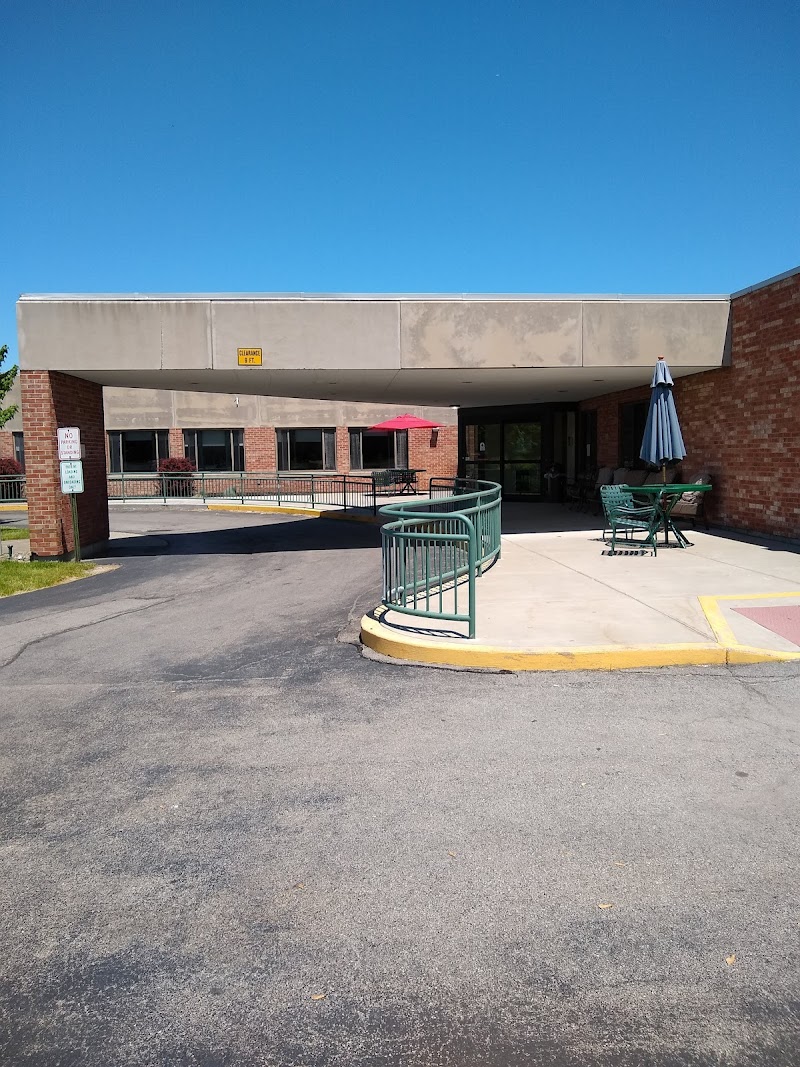
SCHOFIELD RESIDENCE

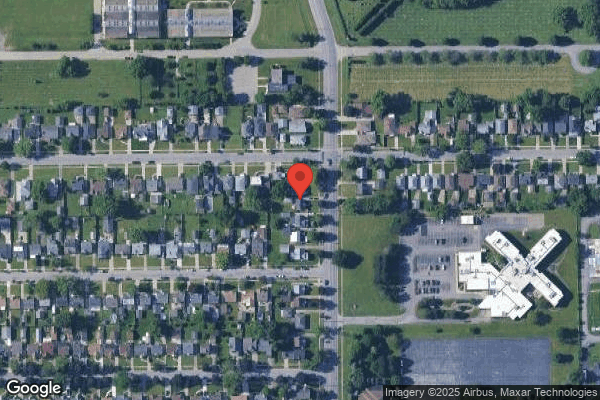
3333 ELMWOOD AVENUE, KENMORE, NY 14217 (716) 874-1566
Non profit - Corporation 120 Beds Independent Data: November 2025
Trust Grade
70/100
#224 of 594 in NY
Last Inspection: April 2025

Within standard 12-15 month inspection cycle. Federal law requires annual inspections.

Overview

Schofield Residence in Kenmore, New York, has a Trust Grade of B, indicating it is a good choice for families looking for care, as this means the facility performs better than many but still has room for improvement. It ranks #224 out of 594 facilities in New York, placing it in the top half, and #18 out of 35 in Erie County, meaning there are only a few local options that are better. Unfortunately, the facility is experiencing a worsening trend, with issues increasing from 1 in 2024 to 5 in 2025. Staffing is a concern, with a rating of 2 out of 5 stars and a high turnover rate of 69%, which is significantly above the state average, indicating that many staff members leave frequently. On the positive side, there have been no fines recorded, which is a good sign of compliance, and the facility provides more RN coverage than 96% of New York facilities, ensuring that registered nurses are available to catch potential issues. Specific incidents have raised concerns, such as failing to allow residents the right to receive visitors of their choice on weekends, and not properly assessing a resident's ability to self-administer medications, which could pose safety risks. Overall, while Schofield Residence offers some strengths, families should consider its staffing concerns and recent compliance issues when making a decision.

Trust Score
B
70/100
In New York
#224/594
Top 37%
Safety Record
Low Risk
No red flags
Inspections
Getting Worse
1 → 5 violations
Staff Stability
⚠ Watch
69% turnover. Above average. Higher turnover means staff may not know residents' routines.
Penalties
✓ Good
No fines on record. Clean compliance history, better than most New York facilities.
Skilled Nurses
⚠ Watch
Each resident gets only 21 minutes of Registered Nurse (RN) attention daily — below average for New York. Fewer RN minutes means fewer trained eyes watching for problems.
Violations
⚠ Watch
15 deficiencies on record. Higher than average. Multiple issues found across inspections.
★★★★☆
4.0
Overall Rating
★★☆☆☆
2.0
Staff Levels
★★★★☆
4.0
Care Quality
★★★★☆
4.0
Inspection Score
Stable
2024: 1 issues
2025: 5 issues

The Good

  • 4-Star Quality Measures · Strong clinical quality outcomes
  • Full Sprinkler Coverage · Fire safety systems throughout facility
  • No fines on record

Facility shows strength in quality measures, fire safety.

The Bad

Staff Turnover: 69%

23pts above New York avg (46%)

Frequent staff changes - ask about care continuity

Staff turnover is elevated (69%)

21 points above New York average of 48%

The Ugly 15 deficiencies on record

Apr 2025 5 deficiencies
CONCERN (D)

Potential for Harm - no one hurt, but risky conditions existed

Deficiency F0554 (Tag F0554)

Could have caused harm · This affected 1 resident

Based on observation, interview, and record review conducted during a Standard survey completed on 4/9/25, the facility did not ensure a resident was assessed by the interdisciplinary team to determin...

Read full inspector narrative →
Based on observation, interview, and record review conducted during a Standard survey completed on 4/9/25, the facility did not ensure a resident was assessed by the interdisciplinary team to determine a resident's ability to safely administer their own medications if clinically appropriate for one (1) (Resident #66) of one (1) resident reviewed. Specifically, Resident #66 was observed with medications in their room, and they self-administered the medications without being evaluated as to whether they could safely do so. The finding is: The policy and procedure titled Resident Self-Medication/Self-Treatment Instructions dated 8/2012 documented at the request of the resident to self-medicate, complete an assessment to determine if the resident has the ability to self-administer. Once it has been determined the resident can self-administer safely, obtain a physician's order to store medication or medicated preparation at the bedside. Inappropriate use should be addressed with the resident and physician by the nurse. An assessment of resident's ability to self-administer medications or treatments will be conducted on a quarterly basis. Resident #66 had diagnoses including chronic obstructive pulmonary disease (COPD - a lung disease), insomnia, and epilepsy (a seizure disorder). The Minimum Data Set (resident assessment tool) dated 1/7/25 documented Resident #66 was understood, understands and was cognitively intact. The comprehensive care plan dated 3/29/24 documented Resident #66 had capacity to make their own healthcare decisions. The care plan lacked documented evidence that Resident #66 had the ability to self-administer any medications. Review of the order summary report dated 4/8/25 documented an order for ascorbic acid (Vitamin C) 500 milligrams (ml - a unit of measurement) by mouth two times a day ordered on 10/1/24, an order for daily-vite multivitamin oral tablet by mouth one time a day ordered 10/1/24, and an order for melatonin five milligrams by mouth at bedtime ordered on 2/12/25. There were no physician's orders for Resident #66 to self-administer those medications or to leave those medications at the bedside. There was no order for Pepto-Bismol. Review of the Medication Administration Record dated 3/1/25-3/31/25 and 4/1/25-4/7/25 documented Resident #66 received ascorbic acid 500 milligrams by mouth twice a day, a multivitamin by mouth once a day and melatonin five milligrams every night. The medication was initialed as being administered by nursing staff. There was no documented evidence that Resident #66 had the ability to or that they self-administered any of their medications. There was no documented evidence that Resident #66 self-administered Pepto-Bismol. Review of Nurse Practitioner #1's progress notes dated 2/24/25 and 3/13/25 lacked documented evidence Resident #66 was able to self-administer medications. Review of the nursing progress notes 3/1/25-4/7/25, there was no documented evidence Resident #66 had self-administered any medications, any medications were removed from the bedside, or that Resident #66 was evaluated to keep medications at their bedside. During an observation on 4/3/25 at 11:08 AM, Resident #66 had a large clear bottle of purple gummies labeled melatonin five milligrams on their tray table, a large green pill bottle labeled Vitamin C, a large darker colored bottle labeled Men's Multivitamin, and a smaller bottle labeled Pepto-Bismol that was approximately half full on their bedside nightstand. During an observation on 4/4/25 at 8:12 AM, the same bottles of medications remained on Resident #66's tray table and nightstand. During an observation and interview on 4/4/25 at 2:51 PM, the same bottles of medications were on the tray table and nightstand, Resident #66 stated they purchased the medications online approximately every 2.5 months. They stated they take two of the melatonin gummies every night, take two of the multivitamins once a day and prefer to take the Vitamin C tablets only through the winter months until there was consistently good weather. Resident #66 stated they did not believe that the nurses brought them any multivitamins, Vitamin C or melatonin. They stated they have had the bottle of Pepto-Bismol for approximately one month and they only took 30 milliliters (ml-a unit of measurement) of it when they had heartburn or indigestion. They stated they had asked for Pepto-Bismol in the past but was told the facility did not have any, so they purchased it themselves. During an interview on 4/4/25 at 3:03 PM, Licensed Practical Nurse #4 stated that Resident #66 should not have medications at their bedside because it was not part of their orders. They stated during the day shift medication pass, they had given Resident #66 Vitamin C in the morning and a multivitamin. They stated the nurses did not provide Resident #66 with the pill bottles to keep at their bedside and was not aware that they were taking any of those medications at their bedside. They stated they did not see any orders for Pepto-Bismol in the electronic medical record. Licensed Practical Nurse #4 stated Resident #66 probably ordered the medications themselves and they should have been removed from the bedside because there was no order to self-administer. They stated they believed Resident #66 would have been competent enough to self-administer medications but there needs to be an order written by the doctor, physician assistant or nurse practitioner. During an observation and interview on 4/4/25 at 3:17 PM, Registered Nurse Supervisor #2 stated Resident #66 frequently bought a copious number of things from an online retailer, and they believed that was where the medications were purchased. They stated Resident #66 knew they were not allowed to have medications at their bedside, but Resident #66 would be safe to self-administer some medications. Registered Nurse Supervisor #2 stated they have seen medications at Resident #66's bedside in the past. They stated the protocol for a resident to self-administer medication was to choose a bubble stating self-administer when entering the order into the electronic medical record. Registered Nurse Supervisor #2 entered Resident #66's room and observed they had a bottle of multivitamins, Vitamin C, Pepto-Bismol and melatonin at their bedside. The Registered Nurse Supervisor #2 removed the medications from the resident's room. During an interview on 4/8/25 at 11:30 AM, Certified Nurse Aide #3 stated they were a full-time certified nurse aide and regularly took care of Resident #66. They stated they remembered noticing pill bottles on Resident #66's tray table and nightstand and it was not an uncommon occurrence. They stated they would tell the nurse who was responsible for Resident #66 whenever they saw the pill bottles but, the nurses usually left the pill bottles to keep Resident #66 from yelling when the nurses removed them. During an interview on 4/8/24 at 3:08 PM, Licensed Practical Nurse #5 stated they were the evening shift nurse for Resident #66 on a regular basis. They stated that they had told Resident #66 that they were not allowed to display their medications but should keep them in their locked drawer and Resident #66 knew they were not supposed to just order medications through an online retailer. Licensed Practical Nurse #5 stated they were aware that Resident #66 had some medications but was unaware that they had melatonin. Licensed Practical Nurse #5 stated that they provided Resident #66 with melatonin five milligrams every night as ordered and was unaware that they were taking an additional 10 milligram of melatonin from their own supply. They stated they were unaware that Resident #66 had Pepto-Bismol at their bedside and had never complained of acid reflux or diarrhea to them. Licensed Practical Nurse #5 stated they would have taken the medications from Resident #66 and notified the Unit Manager to follow up. During a telephone interview on 4/9/25 at 9:36 AM, Nurse Practitioner #1 stated they were the Nurse Practitioner that the nurses would call whenever they had a concern or needed something for Resident #66. They stated the nurses at the facility never brought to their attention that Resident #66 had medications at their bedside, however Resident #66 had called them about two days ago and told them that they had medications at their bedside, locked in their drawer. Nurse Practitioner #1 stated if they were aware, they would have been ok with Resident #66 self-administering a multivitamin and Vitamin C. They stated they would just have to write an order for that. Nurse Practitioner #1 stated when it came to the melatonin, that was a medication they preferred that the nurses administered to Resident #66 to ensure they were receiving proper dosing. Nurse Practitioner #1 stated Resident #66 did not have any orders for Pepto-Bismol, and they would have written an order for it, if either nursing or Resident #66 would have made them aware of their preference to use Pepto-Bismol. They stated they expected nursing staff to alert them of any medications Resident #66 had at their bedside because then they could work with Resident #66 and the nursing staff to come up with a plan. They would have either wrote an order for Resident #66 to self-administer the medication or have it removed and educate Resident #66 why they could not self-administer the medication. During an interview on 4/9/25 at 10:32 AM, Licensed Practical Nurse #6 Assistant Unit Manager stated if a resident wanted to self-administer a medication, they would need to be evaluated for their knowledge of the medication and if they could safely administer the medication. They would then chart a progress note documenting the resident was educated and understood the education about the medication and that they were able to safely demonstrate they were able to use the medication. Licensed Practical Nurse #6 Assistant Unit Manager stated Resident #66 would buy items without telling the nursing staff and the nursing staff would only know that Resident #66 had medication in their room, if they had seen it. They stated when medication was found in Resident #66's room the medication nurse or nursing supervisor should have called Nurse Practitioner #1 to obtain an order for Resident #66 to self-administer. As long as Nurse Practitioner #1 stated they would give an order for Resident #66 to self-administer, then they would observe Resident #66 to see if they were able to safely administer the medication and educate Resident #66 about the medication. They would then document a progress note and update the orders for Nurse Practitioner #1 to sign. They stated Resident #66 was alert and oriented and just because they were in a nursing home, it did not mean they should have their rights taken away. The nursing home was considered Resident #66's home and if they were at their home in the community then they would go and buy their own medications. They stated the only medication that would be a concern for Resident #66 to self-administer was melatonin because it was possible for them to take too much and overdose on it. During an interview on 4/9/25 at 10:40 AM, the Director of Nursing stated they expected there to be a physician order for self-administration when residents were self-administering medications, the resident to have a locking drawer in their room, and the resident to be able to safely administer the medication. It was expected if staff were aware that a resident had medications at their bedside, they would obtain an order for self-administration and document that the resident was safely administering the medications. The Director of Nursing stated since staff were aware Resident #66 had a history of ordering medications and keeping them at their bedside, they would expect the nursing staff to be more vigilant and look to see if there were any medications being stored at the bedside. They expected the certified nurse aides to notify the nurses, the nurses to notify the nurse manager and/or supervisor of any medications found at Resident #66's bedside. The Unit Manager would be responsible to make sure any residents with medications at the bedside had an order to keep the medication at the bedside and be able to safely take those medications. It was expected that the Unit Manager also updated the care plan for any residents who self-administered medication. The Director of Nursing stated the order should be in place and care plan updated because then nursing staff would be aware what was ordered and expected for the care of the resident. During an interview on 4/9/25 at 11:12 AM, the Administrator stated they expected that if a resident was able to demonstrate they could safely take a medication, then the nursing staff would obtain an order from the nurse practitioner, physician assistant, or doctor and then update the care plan. It was expected that whenever staff found medications in Resident #66's room or if they asked to keep medication in their room, the nursing staff would communicate with Resident #66's nurse practitioner. 10 NYCRR 415.3(f)(1)(vi)
CONCERN (D)

Potential for Harm - no one hurt, but risky conditions existed

Comprehensive Care Plan (Tag F0656)

Could have caused harm · This affected 1 resident

**NOTE- TERMS IN BRACKETS HAVE BEEN EDITED TO PROTECT CONFIDENTIALITY** Based on interview and record review conducted during a Compliant investigation (#NY00354229) during the Standard survey complet...

Read full inspector narrative →
**NOTE- TERMS IN BRACKETS HAVE BEEN EDITED TO PROTECT CONFIDENTIALITY** Based on interview and record review conducted during a Compliant investigation (#NY00354229) during the Standard survey completed on 4/9/25, the facility did not ensure that all residents comprehensive person-centered care plans were implemented as planned, consistent with resident's rights and meet their preferences, goals and medical, physical, and psychosocial needs that are identified in the comprehensive assessment for one (1) (Resident #8) of four (4) residents reviewed. Specifically, the resident was not provided with a maximal assist by two staff members for bed mobility as care planned. The finding is: The facility provided document titled Certified Nurse Aide Job Description dated 1/2021 the Certified Nurse Aide was responsible for knowing and following resident's plan of care via verbal report, door cards and review of care plans. Duties and responsibilities consisted of but were not limited to; assisting resident with exercise, ambulation, and range of motion directed by their total plan of care, always following all safety regulations and precautions, and following all laws, rules and regulations of the Federal and New York State (NYS) Health Codes in regard to the department and overall organization operation. Resident #8 had diagnoses including diabetes mellitus, bipolar disorder (mental health disorder), and quadriplegia (paralysis of all four limbs). The Minimum Data Set (a resident assessment tool) dated 10/2/24 documented Resident #8 was cognitively intact, was understood, and understands. The comprehensive care plan dated 1/9/22 documented Resident #8 required assistance with activities of daily living with an intervention for toileting hygiene with a maximal assist of one staff member, to provide a bedpan upon request and provide peri care (incontinent care) after each incontinent episode. The Visual/Bedside [NAME] (a guide used by staff to provide care) with an as of date of 9/12/24 documented Resident #8 required a maximal assist of two staff members for all bed mobility, including rolling in bed. The Facility Investigation form dated 9/12/24 documented during an investigation it was determined that Certified Nurse Aide #2 rolled Resident #8 and placed them on the bedpan by themselves. Resident #8 was care planned to require a maximal assist of two staff members for bed mobility and Certified Nurse Aide #2 completed the residents bed mobility alone. During an interview on 4/3/25 at 10:02 AM, Resident #8 stated Certified Nurse Aide #2 provided care to them alone on 9/12/24. They reported it to Registered Nurse #1. During a telephone interview on 4/8/25 at 8:28 AM, Certified Nurse Aide #2 stated they were assigned to Resident #8 on the overnight shift (11:00 PM to 7:00 AM) of 9/11/24 to 9/12/24 and had completed care independently on Resident #8, including rolling the resident and placing them on the bed pan. Certified Nurse Aide #2 stated they were familiar with Resident #8 so they did not review their care plan prior to providing care that shift, they believed the resident was a one assist for bed mobility but could not remember. Additionally, they stated they didn't always review residents care plans prior to providing care unless it was reported there was a change in the resident, but they probably should have. During a telephone interview on 4/8/25 at 10:58 AM, Registered Nurse #1 stated it was reported to them that Certified Nurse Aide #2 rolled Resident #8 and placed them on the bed pan by themselves and the Resident had a complaint regarding the care. They stated they spoke with and performed an assessment on Resident #8 following the incident and there were no injuries sustained. It was reported and an investigation was started. During an interview on 4/8/25 at 12:59 PM, Licensed Practical Nurse #2 stated they would have expected Certified Nurse Aide #2 to review Resident #8's care plan prior to providing care to them and followed their plan of care according to what it stated. They stated Resident #8 was a two assist for bed mobility and Certified Nurse Aide #2 should have followed their plan of care and asked another staff member for assistance. It was important to follow residents plan of care to ensure their safety. During an interview on 4/9/25 at 9:15 AM, Licensed Practical Nurse #3 reviewed the investigation from 9/12/24 and stated Resident #8 was a two assist for bed mobility, rolling in bed, and Certified Nurse Aide #2 provided care by themselves on 9/12/24, which was a break in the resident's care plan. They stated they would have expected Certified Nurse Aide #2 to review Resident #8's care plan prior to providing care to them. They stated the care plan was a guide to help staff know how to take care of the residents and nursing staff caring for the resident were responsible for reviewing the care plan prior to providing any care. Licensed Practical Nurse #3 stated it was important for staff to review care plans prior to providing care to residents to ensure their safety. During an interview on 4/9/25 at 10:35 AM, the Director of Nursing stated they expected all staff to review care plans prior to providing care to residents and follow the care plans accordingly. Residents plans of care change all the time and it was important to review care plans frequently to ensure residents safety. They stated Certified Nurse Aide #2 should have reviewed Resident #8's care plan prior to providing care, they should not have provided care to Resident #8 by themselves, it was a break in care plan. During an interview on 4/9/25 at 11:06, the Administrator stated they would have expected Certified Nurse Aide #2 to have reviewed Resident #8's care plan, realized they required an assist of two staff members, and asked another staff member for assistance. They stated the staff member providing care was responsible for ensuring the residents plan of care was reviewed and followed, and nursing leadership should be monitoring and enforcing. The Administrator stated it was important for staff to review care plans prior to providing care because care plans can change often, to ensure residents safety. During an interview on 4/9/25 at 11:46 AM, the Inservice Coordinator, with the Clinical Director of Education and Training present, stated staff were trained to review the residents care plan prior to providing any care. 10 NYCRR 415.11 (c)(1)
CONCERN (D)

Potential for Harm - no one hurt, but risky conditions existed

ADL Care (Tag F0677)

Could have caused harm · This affected 1 resident

**NOTE- TERMS IN BRACKETS HAVE BEEN EDITED TO PROTECT CONFIDENTIALITY** Based on observation, interview, and record review conducted during the Standard survey completed on 4/9/25, the facility did no...

Read full inspector narrative →
**NOTE- TERMS IN BRACKETS HAVE BEEN EDITED TO PROTECT CONFIDENTIALITY** Based on observation, interview, and record review conducted during the Standard survey completed on 4/9/25, the facility did not ensure that each resident who was unable to carry out activities of daily living received services to maintain grooming and personal hygiene for one (1) (Resident #26) of five (5) residents reviewed for activities of daily living. Specifically, Resident #26 was observed on multiple days with dark brown debris under their fingernails on both hands and the resident was observed eating with their hands. The finding is: The policy titled Resident hygiene dated 2/2022, documented the purpose of the facility was to maintain cleanliness and comfort. Residents received sponge baths with morning care and evening care in bed, bathroom, or at resident's bedside. Body parts were cleansed in twice daily sponge baths included face (including shave/removal of facial hair), hands and nails, axilla (arm pit), back, perineal area, and any other areas indicated. The facility provided document titled Certified Nurse Aide Job Description dated 1/2021, documented the Certified Nurse Aide provided nonprofessional services and aid to residents with their activities of daily living (ADL's) under the supervision of a Licensed Practical Nurse or a Registered Nurse. They were responsible for knowing and following resident's plan of care via verbal report, door cards and review of care plans. Assist and/or perform the activities of daily living for assigned residents including, but not limited to, giving baths, personal care, feeding, and perform other related duties as required by their supervisor. The finding is: Resident #26 had diagnoses including dementia without behavioral disturbances, chronic heart failure, and basal cell carcinoma of skin of unspecified parts of face (skin cancer on face). The Minimum Data Set (a resident assessment tool) dated 2/4/25 documented Resident #26 was severely cognitively impaired, was understood, understands, and had no behaviors or refusals. The comprehensive care plan dated 10/28/24, documented Resident #26 received showers on Wednesday 7:00 AM to 3:00 PM and Saturday 3:00 PM to 11:00 PM, required a moderate assist of one staff member. The Visual Bedside/[NAME] dated 4/8/25 documented Resident #26 required a moderate assist of one staff member for personal hygiene and eating. Review of Treatment Administrator Record dated 3/1/25 to 4/9/25 documented Resident #26 had an active order to receive nail care monthly on bath day or as needed every evening shift every four weeks on Monday. The March and April 2025 records were blank. Review of nursing progress notes dated 3/1/25 to 4/9/25 revealed no documented refusals of personal hygiene or nail care. Review of 24-Hour Report Log Sheets dated 3/31/25 to 4/6/25 revealed no documented evidence that Resident #26 refused nail care. During an observation on 4/3/25 at 10:37 AM, Resident #26 was sitting up in bed, both hands had dark brown debris under the fingernails. During an observation on 4/4/25 at 8:17 AM, Resident #26 was sitting up in their bed eating a sandwich with their hands, the dark brown debris remained under the fingernails on both hands. During an observation on 4/7/25 at 8:52 AM, Resident #26 was sitting up in their wheelchair, the dark brown debris remained under their fingernails on both hands. During an interview and observation of care on 4/7/25 at 1:34 PM, Certified Nurse Aide #4 transferred Resident #26 into bed and completed incontinent care with assistance from Certified Nurse Aide #5, Licensed Practical Nurse #3 Assistant Unit Manager was also present. After completion of care, Certified Nurse Aide #4 handed Resident #26 their call light and stated they were finished. Certified Nurse Aide #4 did not offer or provide any nail care to Resident #26. Certified Nurse Aide #4 and Certified Nurse Aide #5 stated Resident #26 had some dark brown debris under their nails and could use some cleaning. They stated they should have offered Resident #26 nail care after they provided incontinent care. They stated Certified Nurse Aides were responsible for providing nail care every day, or any time it was noticed the resident required it. They stated it was important for infection control, because bacteria could get under their nails, especially if they ate with their hands. During an interview on 4/7/25 1:56 PM, Licensed Practical Nurse #3 Assistant Unit Manager stated Certified Nurse Aides were trained to provide nail care in the morning, during showers, or any time it was noticed it was needed. They stated Certified Nurse Aide #4 and #5 should have offered nail care to Resident #26 after completion of incontinent care, or whenever it was noticed. They stated it was important for infection control reasons, especially because bacteria could get into their mouth if the resident ate with their hands. They stated nurses were to monitor and follow through. During an interview on 4/7/25 at 2:30 PM, Licensed Practical Nurse #2 Unit Manager stated Certified Nurse Aides were responsible for performing nail care on residents any time it was noticed the resident required it. They stated nail care should have been offered and provided, if allowed, to Resident #26. If the resident refused, they would have expected it to be documented in the nursing progress notes or on the 24-hour report sheet. Nurses were to monitor and ensure completion, and assist in providing care if able. During an interview on 4/9/25 at 10:26 AM, the Director of Nursing stated they expected staff to provide nail care to residents anytime it was noticed they required cleaning. Certified Nurse Aide #4 and #5 should have offered and provided nail care to Resident #26; residents should not be eating with dirty nails. They stated nail care was a part of daily hygiene and important for infection control reasons. Nurses were responsible for ensuring the appropriate care was completed During an interview on 4/9/25 at 11:01 AM, the Administrator stated they expected Certified Nurse Aides to offer nail care any time it is noticed the resident required it and document somewhere if the resident refused. They stated it was important to offer and provide nail care to dependent residents for dignity and infection control reasons. During an interview on 4/9/25 at 11:37 AM, Inservice Coordinator and Clinical Director of Education and Training stated Certified Nurse Aides were taught to offer and provide nail care with morning and evening care, during showers, and whenever it was noticed. Certified Nurse Aide #4 and #5 should have offered and provided nail care to Resident #26 when they provided hands on care to them. If was important for infection control purposes and just general patient care. Nurses were to monitor and ensure completion of all required activities of daily living. 10 NYCRR 415.12 (a)(3)
CONCERN (D)

Potential for Harm - no one hurt, but risky conditions existed

Quality of Care (Tag F0684)

Could have caused harm · This affected 1 resident

**NOTE- TERMS IN BRACKETS HAVE BEEN EDITED TO PROTECT CONFIDENTIALITY** Based on observation, interview. record review, conducted during the Standard survey completed on 4/9/25, the facility did not e...

Read full inspector narrative →
**NOTE- TERMS IN BRACKETS HAVE BEEN EDITED TO PROTECT CONFIDENTIALITY** Based on observation, interview. record review, conducted during the Standard survey completed on 4/9/25, the facility did not ensure that residents received treatment and care in accordance with professional standards of practice and the comprehensive centered care plan for one (1) (Resident #52) of one (1) resident reviewed. Specifically, a wound treatment was initiated without a physicians order, and lack there was a delay in assessment of the wound. The finding is: The policy titled Skin Care dated 10/2017 documented the purpose was to identify altered skin integrity, facilitate adequate assessment of skin integrity, determine need for preventative/therapeutic intervention, and ensure proper treatment was provided to residents with altered skin. Staff would remain alert to skin changes on a daily basis and report areas of concern immediately to ensure prompt intervention. Every resident would have a weekly full-body skin inspection completed by a nurse. Documentation and evaluation would be completed in the electronic record under skin assessments. If a new skin alteration was found, it would be assessed and documented at the time of identification in the electronic medical record under wound assessment, a notation would be placed in the nurse's notes and on the 24-hour house report. Resident #52 had diagnoses including displaced bimalleolar fracture of left lower leg, chronic kidney disease, and chronic obstructive pulmonary disorder. The Minimum Data Set, dated [DATE] documented Resident #52 was cognitively intact, was understood, understands, and had no open lesions, skin tears or ulcers. The comprehensive care plan dated 2/27/24 documented Resident #52 required assistance with activities of daily living and had contractures to their left ankle and knee. Additionally, the resident was to have a padded bedside tray table dated 4/5/25. Review of nursing bath day skin evaluations dated 3/5/25 to 4/2/25 documented on 3/26/25 Resident #52 had a left knee scab. Review of 24-Hour Report Log Sheets dated 3/31/25 to 4/6/25 revealed there was no documented evidence Resident #52's left knee wound was assessed or that a physician's order was obtained for a treatment. Review of the physician's orders dated 4/8/25 revealed there was no treatment ordered for Resident #52's left knee until 4/5/25. During an observation on 4/3/25 at 9:53 AM Resident #52 was lying in bed with their left knee exposed from under the blanket. The resident was noted to have a large white square adhesive dressing (approx. 6 x 6 inches) covering their left knee. The dressing was lifting at the corners edge; it was undated and unlabeled. During the observation Resident #52 lifted the white patch and revealed an open oval shaped wound to their left knee, approximately 3 x 2 inches in diameter, with a moist pink wound bed. At this time Resident #52 stated the dressing was applied about two days ago after a tray table hit their knee. Resident #52 stated they could not recall who did it, who put the dressing on, or exactly when it happened. During a follow up observation on 4/4/25 at 8:18 AM Resident #52 was lying in bed with their left knee exposed, the wound remained to their left knee with a scab forming. Review of late entry nursing progress note dated 4/5/25 at 8:52 AM but created on 4/6/25 at 9:35 AM, Licensed Practical Nurse Assistant Unit Manager #3 documented Resident #52 reported their bedside tray table hit their left knee. Resident had fragile scar tissue on the knee and there was fresh blood present. Resident frequently held their left knee in the upward position, so tray table was padded for protection. There was no documented evidence that Resident #52's left knee wound was assessed or that a treatment was in place prior to 4/5/25. Wound evaluations for Resident #52 were requested from the Administrator on 4/8/25 at 2:56 PM and could not be provided. There was no documented evidence that a wound assessment was completed prior to 4/5/25. Review of Resident #52's Medication Administration Record dated 4/1/25 to 4/9/25 documented a physician's order to cleanse area on left knee with normal saline and apply triple antibiotic ointment then border gauze for protection. The order was created on 4/6/25 and revised on 4/9/25. During an interview on 4/7/25 at 10:39 AM, Licensed Practical Nurse Assistant Unit Manager #3 stated it was reported to them on 4/5/25 that Resident #52 had an open wound on their left knee that was bleeding. They stated they were unaware Resident #52 had an open wound to that area prior to 4/5/25. They interviewed staff who also stated they did not notice anything prior, and did not know why a treatment would have been started without a physician's order. They expected staff to let them know as soon as they noticed a new skin area on any resident and anyone who cared for the resident was responsible for reporting it. During an interview on 4/7/25 at 2:36 PM, Licensed Practical Nurse Unit Manager #2 stated they were not aware Resident #52 had any new skin areas prior to 4/5/25. They stated it should have been reported as soon as it happened so that a physician's order could have been obtained and a treatment put into place. During an interview on 4/8/25 at 12:49 PM, Licensed Practical Nurse #7 stated they were Resident #52's assigned nurse on 4/3/25 and saw the white adhesive dressing to their left knee. They stated they realized there was no order in place and thought they updated either Licensed Practical Nurse Unit Manager #2 or Registered Nurse Supervisor #1, but they could not remember exactly. They stated they removed the dressing, looked at the area, and waited for a reply on what treatment to apply but never received an update prior to the end of their shift. They stated they did not document it anywhere. During an interview on 4/8/25 at 12:55 PM, Certified Nurse Aide #5 stated they were Resident #52's assigned aide on the 6:00 AM to 2:00 PM shift five days a week and could not recall when they first saw a white dressing on Resident #52's left knee, but did recall seeing a white dressing to their left knee on 4/3/25. They stated they did not report it to anyone because the resident stated someone was already aware and there was a dressing in place. During an interview on 4/8/25 at 1:02 PM, Licensed Practical Nurse Unit Manager #2 stated that no one had made them aware Resident #52 required a treatment for a wound on their left knee prior to 4/5/25. During a telephone interview on 4/8/25 at 1:17 PM, Registered Nurse Nursing Supervisor #1 stated they worked as the overnight nursing supervisor and was never informed that Resident #52 had a new skin issue that required a treatment to their left knee on 4/3/25. During an interview on 4/9/25 at 10:18 AM, the Director of Nursing stated they would have expected staff to let someone know as soon as Resident #52 acquired the wound to their left knee. They stated they would have expected staff to question why a treatment was in place without a physician order and to obtain one. The Director of Nursing stated it was important to update the supervisor so that the wound could have been assessed, the physician could have been updated, a treatment order put into place, and an accident and investigation be completed if needed. During an interview on 4/9/25 at 11:43 AM, the Inservice Coordinator and Clinical Director of Education and Training stated staff were trained to report any new skin finding to their superior and acquire an order from a physician for an appropriate treatment then apply. They stated staff should never assume, and just report it so that the issue could be addressed immediately and did not get worse. 10 NYCRR 415.12
CONCERN (D)

Potential for Harm - no one hurt, but risky conditions existed

Medication Errors (Tag F0758)

Could have caused harm · This affected 1 resident

Based on observation, interview, and record review conducted during a Standard survey completed on 4/9/2025, the facility did not ensure that residents who receive a psychotropic medication have gradu...

Read full inspector narrative →
Based on observation, interview, and record review conducted during a Standard survey completed on 4/9/2025, the facility did not ensure that residents who receive a psychotropic medication have gradual dose reductions, unless clinically contraindicated, in an effort to discontinue these drugs for one (1) (Resident #60) of five (5) residents reviewed for psychotropic medication use. Specifically, there was no gradual dose reduction attempted for a resident started on an antidepressant medication and there was no documented evidence that a gradual dose reduction was contraindicated. The finding is: The policy and procedure titled Tapering of a Medication Dose/Gradual Dose Reduction-GDR, dated 11/2017 documented the purpose of tapering a medication is to find an optimal dose or to determine whether continued use of the medication is benefiting the resident. Within the first year after the facility has initiated a psychotropic medication, the facility must attempt a gradual dose reduction in two separate quarters, unless clinically contraindicated. Resident #60 had diagnoses including major depressive disorder, anxiety disorder and history of falling. The Minimum Data Set (a resident assessment tool) dated 3/7/25, documented Resident #60 was cognitively intact, understands and was understood. The assessment documented there were no behaviors exhibited and they were receiving an antidepressant medication. The comprehensive care plan initiated 4/11/23 documented Resident #60 had potential for sleep pattern disturbances related to insomnia. Interventions included to administer medications as ordered and monitor sleep pattern. Additionally, the care plan initiated on 4/16/24 documented Resident #60 used antidepressant medication related to insomnia. Intervention documented to administer antidepressant medication as ordered by physician. The Order Summary Report printed 4/9/25 documented Resident #60 had Trazodone (antidepressant) 50 milligrams at bedtime for insomnia ordered/started on 10/31/2023. The order was changed on 2/27/25 to Trazodone 50 milligrams every 24 hours, give at 10:00 PM for insomnia. Review of medical provider Progress Notes from 10/30/23 through 4/2/25 contained no documented evidence of a clinical rationale for the gradual dose reduction of Resident #60's Trazadone being clinically contraindicated. Medical provider Progress Note dated 9/6/24, 12/26/24 documented none for psychotropic meds. Review of Behavior Modifying Agent and Review Committee (BMARC) form dated 6/26/24, 9/25/24, 11/20/24, 12/23/24, 1/30/25 and 3/27/25 documented Resident #60 was ordered Trazadone 50 milligrams every hour of sleep for insomnia. No gradual dose reduction was marked with a x on all the forms without a rational documented. All the Behavior Modifying Agent and Review Committee (BMARC) forms were signed by a medical provider. During observations on 4/7/25 at 3:19 PM, 4/9/25 at 10:25 AM, Resident #60 was in their room asleep in bed. During an interview on 4/8/25 at 1:35 PM, the Director of Nursing stated they have a monthly Behavior Modifying Agent and Review Committee meetings with the interdisciplinary team. The interdisciplinary team discusses medications listed, the last gradual dose reduction and the date it was documented. Upon review of Resident #60's Behavior Modifying Agent and Review Committee forms, the Director of Nursing stated Resident #60 has not had a gradual dose reduction of their Trazadone and the rational was not documented the form and it should have been. Additionally, they stated an attempt to reduce psychotropic medication is important to maintain the lowest, safest dose possible, or get rid of all together as they can have side effects and contribute to the falls of residents. During an interview on 4/9/25 at 9:53 AM, the Pharmacy Consultant stated the reason for not completing a gradual dose reduction on Resident #60's Trazadone was addressed in conversation during the Behavior Modifying Agent and Review Committee meeting and should have been documented. During an interview on 4/9/25 at 10:16 AM, the Director of Social Services stated psychotropic medications were reviewed at the Behavior Modifying Agent and Review Committee meeting and the form should have been completed to indicate why there was no gradual dose reduction attempted. They stated it was important to review psychotropic medications to ensure residents were receiving appropriate medications and that it was part of a resident's plan of care. During an interview on 4/9/25 at 11:13 AM, Licensed Practical Nurse Unit Manager #2 stated residents receiving psychotropic medications should be reviewed by the Behavior Modifying Agent and Review Committee quarterly and as needed. Licensed Practical Nurse Unit Manager #2 stated there was no gradual dose reduction marked on the form when it was contraindicated for that resident who was stable on the medication. Additionally, they stated it should have been indicated on the form the reason why a no gradual dose reduction was recommended. During a follow up interview on 4/9/25 at 11:23 AM, the Director of Nursing stated there was no documented evidence from a medical provider to justify why a gradual dose reduction was not completed on Resident #60's Trazadone. During an interview on 4/9/25 at 1:07 PM, the Administrator stated they expected psychotropic medications be reviewed at the Behavior Modifying Agent and Review Committee meetings and that gradual dose reductions be attempted. They stated they expected a rational to be documented to prove they discussed why or why not a gradual dose reduction was recommended. During a telephone interview on 4/9/25 at 1:10 PM, the Medical Director stated the medical provider attending the Behavior Modifying Agent and Review Committee meetings should have been documenting a reason why a gradual dose reduction wasn't being done. 10 NYCRR 415.12(I)(2)(ii)
Dec 2024 1 deficiency
CONCERN (D) 📢 Someone Reported This

A family member, employee, or ombudsman was alarmed enough to file a formal complaint

Potential for Harm - no one hurt, but risky conditions existed

Accident Prevention (Tag F0689)

Could have caused harm · This affected 1 resident

**NOTE- TERMS IN BRACKETS HAVE BEEN EDITED TO PROTECT CONFIDENTIALITY** Based on interview and record review completed during a complaint investigation (Complaint #NY00317688), the facility did not en...

Read full inspector narrative →
**NOTE- TERMS IN BRACKETS HAVE BEEN EDITED TO PROTECT CONFIDENTIALITY** Based on interview and record review completed during a complaint investigation (Complaint #NY00317688), the facility did not ensure that each resident received adequate supervision and assistance devices to prevent accidents for two (Residents #1 and #4) of three residents reviewed for accidents. Specifically, Resident #1 and Resident #4 both had dementia with wandering behavior, were not accurately assessed and care planned for wandering/elopement, and subsequently eloped through the front door of the facility. The findings are: Review of the Elopement Risk Assessment policy dated 10/04 revealed an Elopement Risk Assessment Form requires completion within 24 hours of admission, or when newly identified wandering behavior is identified and staff are to review or complete this assessment with each Minimum Data Set/Care Plan review. If the resident is identified at risk, a comprehensive care plan for wandering requires initiation. Review of the policy titled Wanderguard Departure Alert System dated March 2022 revealed residents with independent mobility, restless, and or pacing behavior are risk factors to evaluate for wander guard candidates. The Unit/Coordinator is responsible to assess the resident's need for the device in conjunction with other interdisciplinary team members and should be documented in the medical record. Review of the Receptionist Procedure Book revealed it was the duty of the receptionist to monitor the front door. A list of residents who have wander guards was posted on the wall by the receptionist's phone. In addition, a list of residents that were okay to sit alone outside is also located above the reception phone. If the resident was not on the list, the receptionist was to call the nurses station and determine whether the resident was able to go out alone. 1. Resident #1 had diagnoses including dementia, and obsessive-compulsive behavior. The Minimum Data Set (a resident assessment tool), dated 5/26/2023, documented Resident #1 was severely cognitively impaired, usually understood, and usually understands. Resident #1 required limited assistance of one person for transfers and walking and used a wheelchair for locomotion. The resident exhibited no wandering behavior during the assessment period. Review of the comprehensive care plan initiated on 12/17/2021 revealed Resident #1 had impaired thought processes related to Alzheimer's. Nursing interventions to cue, reorient and supervise the resident as needed were initiated on 12/17/21 and were discontinued on 12/21/21. There was no care plan specific to the resident's impaired cognition and no care plan for wandering and/or elopement risk. Review of the [NAME] (guide used by staff to provide care) dated 5/17/2023 revealed Resident #1 could ambulate 750 feet and required the extensive assistance of 1 person for locomotion. The [NAME] did not include that the resident was able to self-propel their wheelchair or that they frequently self-ambulated. There was no information regarding the resident's wandering and/or elopement risk. Review of nursing Progress Notes dated 4/1/2023 to 6/3/2023 revealed Resident #1 had wandering behavior documented on 4/11/2023, 4/14/2023, 5/3/2023, 5/4/2023, 5/6/2023, 5/14/2023, 5/28/2023, and 5/31/2023. At times the resident self-ambulated and other times used a wheelchair to wander. Review of a Speech Therapy Progress Note dated 5/15/2023 revealed Resident #1 had moderate deficits in safety awareness and severe deficits in problem solving and reasoning with follow up plans for speech therapy to address short term memory, reasoning, problem solving and safety awareness. Review of the Nursing Routine Care Plan Evaluation for Wandering/Elopement dated 5/26/2023 revealed Resident #1 had cognitive deficits, walked frequently, was on 1-2 psychotropic medications and had 1-2 pertinent diagnosis that would contribute to an elopement risk. There was no scoring system or determination of Resident #1's elopement risk documented based on these findings and no specific care plan interventions were initiated to address the resident's potential for wandering/elopement. The Nursing Home Facility Incident report dated 6/3/2023 revealed on 6/3/2023 at 1:33 PM the receptionist on duty allowed the resident to sign out on the log to go outside the front door. The receptionist stated the resident presented to the desk with two visitors and the receptionist assumed the resident was with the two visitors. A Nursing Assessment was done for Resident #1 and a wander guard was placed on the resident. Review of the Elopement assessment dated [DATE] revealed Resident #1 was walking at the back door entrance and was found by kitchen staff through a camera; the resident's wheelchair was found in the parking lot. The facility documented the resident was not a wanderer, the resident's care plan was followed and there were no predisposing situations which factored into the elopement. The investigation did not identify that Resident #1's care plan was incomplete and lacked wandering/elopement risks and safety interventions based on the Nursing Routine Care Plan Evaluation for Wandering/Elopement completed on 5/26/2023. During an interview on 12/10/2024 at 12:40 PM, Licensed Practical Nurse #1 stated that Resident #1 was very confused and self-propelled around the facility prior to their elopement on 6/3/2023; however, could be easily redirected. Occasionally they would wander into other resident rooms, but they did not recall any exit seeking behavior. During an interview on 12/10/2024 at 12:40 PM, Certified Nursing Assistant #1 stated that Resident #1 was not alert, and they often wandered around the unit going back and forth down the halls self-propelling their wheelchair and was easy to redirect. During an interview on 12/14/2024 at 11:50 AM, the Director of Nursing stated nursing staff were required to perform a wandering/elopement assessment upon admission, with each quarterly care plan and with a significant change in condition. The Director of Nursing stated they were not aware until April 2024 that staff were not consistently performing the evaluations and that the evaluation system in the electronic medical record did not contain a scoring system to determine what the criteria was for a low risk versus a high risk for elopement. All high-risk residents required a wander guard, and a list of wander guard residents was kept at the front desk. The Director of Nursing stated that the evaluation performed on 5/26/2023 identified the resident had some risk for wandering/elopement; however, the scoring system was absent, and it was unknown how this affected the resident's care plan. The Director of Nursing stated that Resident #1 eloped due to an error by the front desk clerk. During a telephone interview on 12/23/2024 at 1:21 PM, the Speech Language Therapist stated that nursing staff made a referral because the resident wandered all over the facility. The Speech Language Therapist stated nursing staff referred residents who required therapy for safety issues. 2. Resident #4 had diagnoses that included severe unspecified dementia, unspecified psychosis and type 2 diabetes mellitus (problem with the way the body regulates the uses of sugar as a fuel). The Minimum Data Set, dated [DATE] documented Resident #4 was severely cognitively impaired, understood and understands, exhibited no wandering behavior during the assessment period and was able to walk with supervision and use a wheelchair with supervision. Review of Nursing Routine Care Plan Evaluations dated 11/22/2023 and 2/14/2024 revealed Resident #4 had cognitive deficits, walked frequently, wandered aimlessly, was on 1-2 psychotropic medications and had 1-2 pertinent diagnoses and the resident scored 20 points; however, the facility form did not contain scoring criteria to determine a resident's risk level for wandering/elopement based on these findings and score. The comprehensive care plan dated 2/20/2024 documented Resident #4 required supervision with ambulation and did not require a device on the unit; off the unit required a wheelchair. There were no specific care plan interventions initiated to address the resident's potential for wandering/elopement identified in the Nursing Routine Care Plan Evaluation completed on 2/14/2024. Review of the Nursing Home Facility Incident Report dated 4/26/2024 at 2:11 PM, revealed on 4/21/2024 at 9:35 PM, Resident #4 walked to the front door of the building and pushed on the front entrance door long enough for the lock to release and activated the door alarm. The resident turned around to re-enter the building, but the door locked, and she walked to the next door and tried to enter the building. Staff responded to the alarm and brought the resident back into the building. A wander guard was placed on the resident after the incident. Review of the Elopement assessment dated [DATE], completed after the incident, documented the resident had impaired memory, was confused, was a wanderer and had a recent room change and determined the resident's care plan was followed. The investigation did not identify that Resident #4's care plan was incomplete and lacked the resident's wandering/elopement risk and safety interventions specific to their cognitive and locomotion abilities. During an interview on 12/10/24 at 8:30 AM, Licensed Practical Nurse #3 stated Resident #4 was currently very confused and had a wander guard on. Licensed Practical Nurse #3 stated that Resident #4 had always been very confused and mobile throughout the facility. During an interview on 12/11/2024 at 9:50 AM, the Licensed Practical Nurse #4 Unit Manager stated Resident #4 had dementia, had always been confused and was able to ambulate and self-propel in a wheelchair. The Licensed Practical Nurse #4 Unit Manager stated Resident #4 had sundown syndrome (increased confusion, agitation and other behavior changes that happen in the late afternoon or evening) and frequently walked around the unit and required redirection; however, they didn't believe the resident exhibited wandering behavior because the resident did not look distressed and liked ambulating. During an interview on 12/11/2024 at 12:30 PM, the Licensed Practical Nurse #4 Unit Manager stated that elopement and wandering assessments were done quarterly with care plan evaluations; and stated if something triggered a wandering/elopement evaluation tool contained in the electronic care plan an evaluation would be performed to assess the resident. The Licensed Practical Nurse #4 Unit Manager could not provide any additional specific information on the facility policy related to wandering/elopement. During an interview on 12/10/2024 at 1:15 PM, the Director of Nursing stated that after Resident #4's elopement it became apparent that staff were not routinely performing wandering/elopement assessments and that a scoring system with defined risk criteria was not utilized for the tool that captured at risk behaviors for wandering/elopement. The Director of Nursing stated that Resident #4 had known wandering behavior documented prior to the 4/21/2024 elopement. 10 NYCRR 415.12(h)(2)
Jul 2023 5 deficiencies
CONCERN (D) 📢 Someone Reported This

A family member, employee, or ombudsman was alarmed enough to file a formal complaint

Potential for Harm - no one hurt, but risky conditions existed

Notification of Changes (Tag F0580)

Could have caused harm · This affected 1 resident

Based on interview and record review during a complaint investigation (#NY00285020) on a Standard survey completed on 7/12/23, the facility did not immediately inform the resident's representative of ...

Read full inspector narrative →
Based on interview and record review during a complaint investigation (#NY00285020) on a Standard survey completed on 7/12/23, the facility did not immediately inform the resident's representative of a change in their physical/ mental status and a decision to transfer the resident from the facility to the hospital for one (Resident #1) of three residents reviewed for notification of change. Specifically, Resident #1 was noted to have a change in condition on the morning of 10/16/21 and was transferred to the hospital and the health care representative was not notified. The findings are: The policy titled Physician and Responsible Party Notification dated 1/2012 documented the purpose is to ensure the resident, physician, and/or the responsible party is notified when there is a significant change in the resident's physical, mental or psychosocial status. The Registered/ Licensed Nurse will notify the resident, physician, and/or responsible party immediately if there is a significant change in the resident's physical, mental or psychosocial status and a need to transfer the resident from the facility. The Registered/ Licensed Nurse will document in the medical record the date, time, content of all notification and decisions made based on those notifications. 1. Resident #1 has diagnoses including atrial fibrillation (irregular heartbeat), Alzheimer's disease, and major depressive disorder. The Minimum Data Set (MDS-resident assessment tool) dated 9/25/21 documented Resident #1 understood, understands and was severely cognitively impaired. Review of the Progress Notes revealed the following: 10/16/21 at 8:00 AM Change in Condition note completed by Licensed Practical Nurse (LPN) #4: Patient barely responsive on morning med pass. Patient vitals taken three times at various intervals. Patient right side mouth drooping. When arms lifted up and let go there was no voluntary control of arms and dropped straight down. Supervisor made aware of change. Patient is a DNR (do not resuscitate). Doctor updated with change in status, meds put on hold and vitals to be monitored. 10/16/21 at 9:40 AM Change in Condition note completed by Registered Nurse (RN) #4: Resident was found unresponsive, vital signs stable. Doctor notified and ordered to send out. Ambulance was called and patient was taken to the hospital. 10/16/21 at 2:52 PM Health Status note completed by RN #5: Writer was notified by previous shift nurse that patient unresponsive. Supervisor and doctor notified. Resident transported to hospital. 10/16/21 at 3:33 PM Communication with Family note completed by RN #3: Resident's health care representative called here inquiring about resident, who as of last verbal report from hospital was still being evaluated. 10/16/21 at 6:04 PM Communication with Family note completed by RN #3: Hospital called stating resident was negative for any findings other than fatigue; no CVA (cerebrovascular accident). Resident will be returning to facility. Writer called health care representative back to notify. During an interview on 7/11/23 at 12:59 PM, Resident #1's health care representative stated they were never contacted by the facility when Resident #1 was sent to the hospital. They stated they found out about the transfer when the hospital called them to ask them questions about the resident. They stated they called the facility who confirmed that Resident #1 was sent out to the hospital to be evaluated. They stated they were very upset about this. During an interview on 7/11/23 at 3:04 PM, RN #3 stated they would not have notified and did not notify the family because they did not send the resident out on their shift. They stated if they send a resident out to the hospital, they would notify the family immediately and would document it in the chart. During an interview on 7/12/23 at 9:39 AM, the Director of Nursing (DON) stated they would expect when a resident would have a change in condition or are transferred to the hospital the nurse who was on would contact the family immediately. They would expect the nurse would document that they notified the family in the medical record. 10 NYCRR 415.3(f)(2)(ii)(b)(d)
CONCERN (D)

Potential for Harm - no one hurt, but risky conditions existed

Pressure Ulcer Prevention (Tag F0686)

Could have caused harm · This affected 1 resident

Based on observation, interview and record review conducted during a Standard survey completed on 7/12/23, the facility did not ensure that a resident with pressure ulcers received necessary treatment...

Read full inspector narrative →
Based on observation, interview and record review conducted during a Standard survey completed on 7/12/23, the facility did not ensure that a resident with pressure ulcers received necessary treatment and services, consistent with professional standards of practice to promote healing for one (Resident #41) of two residents reviewed. Specifically, Resident #41 did not receive a pressure ulcer treatment as ordered by physician. The finding is: The policy and procedure (P&P) titled Clean Dressing Techniques dated January 2004 documented to check the physician's order for specific wound care and medication order. 1. Resident #41 was admitted to the facility with diagnosis of osteomyelitis (infection of the bone) of sacral region, pressure-induced deep tissue damage of sacral region, and type 2 diabetes. The Minimum Data Set (MDS- a resident assessment tool) dated 5/8/23 documented Resident #41 was cognitively intact, was understood and was able to understand others. The MDS documented the resident was admitted to the facility with a Stage 4 (full thickness tissue loss with exposed bone, tendon, or muscle) pressure ulcer. The Comprehensive Care Plan (CCP) dated 5/2/23 documented Resident #41 had a Stage 4 sacral pressure ulcer. The CCP documented interventions that included to administer treatments as ordered, monitor effectiveness, and follow facility protocols for treatment of injury. The physician Order Summary Report dated 5/26/23 documented an order to cleanse sacral wound with Dakin's solution (an antiseptic used to clean infected wounds, ulcers, and burns), pack tunneled wound areas with silver alginate (non-woven fiber infused with silver used for packing wounds) and wound bed with normal saline (NS) soaked gauze, cover with ABD pad (abdominal pad, highly absorbent dressing) every day shift. The Order Summary Report dated 7/6/23 documented an order for silver sulfadiazine (treatment cream that prevents infection) to be applied to the genital area topically in the morning. The July 2023 Treatment Administration Record (TAR) documented to cleanse sacral wound with Dakin's, pack tunneled wound areas with silver alginate and wound bed with normal saline soaked gauze, cover with abdominal pad every day shift for wound care. Further review of the July 2023 TAR documented silver sulfadiazine cream 1% apply to the genital area in the morning for wound healing. The wound consultant's report dated 7/6/23 documented continue recommendations to cleanse affected area with Dakin's Solution and pack wound with silver alginate daily. During an observation on 7/10/23 at 9:54 AM, Licensed Practical Nurse (LPN) #2 gathered supplies for wound care, placed a barrier on the tray table, put on personal protective equipment (PPE) and prepared wound care supplies on the barrier. LPN #2 removed the dressing dated 7/9 from the sacral ulcer. The dressing had a moderate amount of drainage on it. LPN #2 removed their gloves and performed hand hygiene. LPN #2 put on a new pair of gloves and removed the silver-grey packing from the ulcer. LPN #2 cleansed the pressure ulcer with Dakin's solution, then LPN #2 removed their gloves and performed hand hygiene. LPN #2 then packed the ulcer with dry gauze and covered the ulcer with a bordered gauze dressing. LPN #2 removed their gloves and performed hand hygiene. During an interview on 7/10/23 10:15 AM, LPN #2 stated they applied silver sulfadiazine around the ulcer but after reading the order it was to be applied to the genital area only, not the sacral region. LPN #2 stated the sacral ulcer should have been packed with silver alginate, not dry gauze but they did not have the silver alginate available on their cart. During an interview on 7/10/23 at 10:25 AM, Registered Nurse (RN) #1 stated the current order was to cleanse the ulcer with Dakin's solution, pack the ulcer with silver alginate and cover with a dry clean dressing. They stated that silver sulfadiazine was ordered to the genital area, not the sacrum. RN #1 stated they expected the nurse doing the treatment to follow the physician's orders. Additionally, RN #1 stated when a dressing for a treatment was not available, they expected the nurse to notify their supervisor. During an interview on 7/11/23 at 10:47 AM, the Assistant Director of Nursing (ADON)/Infection Preventionist (IP) stated that nurses should have all their treatment supplies prior to doing the treatment. The ADON stated the silver alginate dressing was available in the building and the supervisors had access to it. They stated that Resident #41's pressure ulcer had a history of being infected. During a telephone interview on 7/11/23 at 3:15 PM the Physicians Assistant (PA) stated, if treatment supplies were not available, it was expected that the nursing staff call the physician to obtain an order for a temporary treatment or to hold the current order. The PA stated the residents pressure ulcer was infected a couple month ago and the silver alginate dressing would help prevent further infection. The PA stated silver sulfadiazine should not have been applied to the sacrum. During an interview on 7/12/23 at 9:44 AM, the Director of Nursing (DON) stated the expectation was that the nurses follow the physician's orders. The DON stated that when LPN #2 gathered their supplies, they should have stopped what they were doing and looked for the proper treatment supplies. 10NYCRR 415.12 (c)(2)
CONCERN (D)

Potential for Harm - no one hurt, but risky conditions existed

Respiratory Care (Tag F0695)

Could have caused harm · This affected 1 resident

Based on observation, interview, and record review conducted during a Standard survey completed on 7/12/2023, the facility did not ensure that a resident who needs respiratory care, was provided such ...

Read full inspector narrative →
Based on observation, interview, and record review conducted during a Standard survey completed on 7/12/2023, the facility did not ensure that a resident who needs respiratory care, was provided such care, consistent with professional standards of practice for one (Resident #76) of one resident reviewed for respiratory care. Specifically, Resident #76 did not receive oxygen (O2) at a flow rate of 2 liters via nasal canula (NC) as ordered by the physician. The finding is: The policy and procedure (P&P) titled Oxygen Administration Of, revised 11/2015, documented oxygen may be administered to a resident, with the permission of the physician, using either of the following items of equipment: Oxygen concentrator, or liquid cylinder. 1. Resident #76 had diagnoses that included pneumonia, chronic respiratory failure, and hypertension (HTN). The Minimum Data Sets (MDS- a resident assessment tool) dated 5/31/23 documented Resident #76 was cognitively intact and received oxygen. The Comprehensive Care Plan (CCP) revised 6/2/2023, documented Resident #76 received oxygen therapy related to ineffective gas exchange. Interventions included: O2 in use- see Nurse, Oxygen settings: 2 lpm (liters per minute) via NC at 2 lpm continuous. The physician orders dated 6/6/2023 documented oxygen continuous at 2 liters (L) via NC. During intermittent observations on 7/7/23 at 2:34 PM, 7/10/23 at 8:38 AM, 9:56 AM and 11:06 AM Resident #76 was receiving oxygen at 4 lpm via NC. Review of Treatment Administration Record (TAR), from 6/1/23 to 7/11/23, documented Resident #76, received oxygen continuously at 2 L via NC. Nursing staff documented on the TAR that the O2 settings were verified at 2L every shift. The 24 Report Log Sheet dated 6/30/23 to 7/10/23 did not document oxygen saturation or liter flow utilized for Resident #76. Review of progress notes for Resident #76 dated 6/1/23 to 7/11/23 revealed there was no documented rational for an increase in oxygen liter flow to 4L. Additionally, there were no progress notes indicating a fluctuation in O2 saturation. During an interview on 7/10/23 at 8:43 AM Resident #76 stated, I wear oxygen all the time, I have not had any issues breathing. Resident #76 stated the nurses control the amount of flow liters. During an interview on 7/10/23 at 9:57 AM, Certified Nursing Assistant (CNA) #1 stated they look at the residents' care plan to know if they are on oxygen. CNA #1 stated they were not responsible to adjust residents' oxygen settings. Additionally, CNA #1 stated they would notify the nurse if a resident was short of breath. During an interview and observation on 7/10/23 at 11:55 AM to 12:05 PM, Licensed Practical Nurse (LPN) #1 stated that the correct setting for oxygen was communicated to them in the orders. LPN #1 stated they verified the O2 settings in the room and with the orders. LPN #1 stated Resident #76 had order for O2 at 2 lpm continuously and that they verified Resident #76 oxygen rate first thing this morning. LPN #1 observed the oxygen setting at 4 lpm via NC on Resident #76. Additionally, LPN #1 was observed to decrease oxygen liter flow on concentrator from 4 lpm to 2 lpm, stating too much oxygen can be bad if it is too high. I don't know who changed that, it should be on 2 L. During an interview on 7/10/23 at 12:12 PM, Registered Nurse (RN) #1 stated the nurses were responsible to verify O2 flow rates by viewing the orders. RN #1 stated too much oxygen can be harmful. RN #1 stated they would expect to be notified by the nursing staff if oxygen needed to be titrated. RN #1 stated it was documented on the 24 Report sheet and progress notes that Resident #76 oxygen saturation levels fluctuated. Additionally, RN #1 stated it was important to document the correct information to be able to identify if there was a problem. During an interview on 7/11/23 at 10:17 AM, Director of Nursing (DON) stated it was their expectation that the nurses would check the oxygen amount the residents were receiving and verify it with the resident's orders. DON stated they wouldn't want anyone to receive more oxygen then needed as it could be harmful. Additionally, DON stated nursing should be accurately documenting amount of oxygen being administered. During an interview on 7/12/23 at 9:35 AM, RN #2 stated they check orders to verify a residents oxygen liter rate. RN #2 stated they do not have to call the physician to increase the O2 liters, titration orders were a part of batch orders, which were standing orders that were ordered upon a resident's admission. During an interview on 7/12/23 at 12:44 PM, the DON stated there was no policy on Batch (standing) orders. 10 NYCRR 415.12 (k)(6)
CONCERN (D)

Potential for Harm - no one hurt, but risky conditions existed

Infection Control (Tag F0880)

Could have caused harm · This affected 1 resident

**NOTE- TERMS IN BRACKETS HAVE BEEN EDITED TO PROTECT CONFIDENTIALITY** Based on observation, interview and record review conducted during the Standard survey completed on 7/12/23, the facility did no...

Read full inspector narrative →
**NOTE- TERMS IN BRACKETS HAVE BEEN EDITED TO PROTECT CONFIDENTIALITY** Based on observation, interview and record review conducted during the Standard survey completed on 7/12/23, the facility did not maintain an infection prevention and control program designed to provide a safe, sanitary, and comfortable environment and to help prevent the development and transmission of communicable diseases and infection for two (Residents #67 and 132) of two residents reviewed for infection control practices during personal care. Specifically, there was a lack of proper hand hygiene after providing incontinence care (Resident #67) and staff emptied the water basin twice during incontinent care (Resident #132) into a shared bathroom sink, which is used by the roommate. The findings are: The policy and procedure (P&P) titled Guidelines for Hand Hygiene dated 3/2020, documented all healthcare workers must follow hand hygiene guidelines to reduce transmission of pathogenic microorganisms to residents, personnel, and visitors in the healthcare setting. Hand hygiene (hand washing with soap and water or the use of an alcohol-based hand sanitizer) should be done but not limited to: immediately after touching a resident, contaminated surfaces or removing gloves; having contact with bodily fluids or excretions, non-intact skin, wound dressings, and contaminated items. The P&P titled Infection Prevention Control Program dated 12/2017, documented the facility's Infection Prevention and Control Program based upon information from the Facility Assessment and follows national standards and guidelines to prevent, recognize and control the onset and spread of infection whenever possible. 1. Resident #67 had diagnoses including chronic kidney disease, cystitis (inflammation of the bladder, usually caused by a bladder infection), and major depressive disorder. The Minimum Data Set (MDS - a resident assessment tool) dated 6/7/23 documented Resident #67 was severely cognitively impaired, required extensive assistance of one for toilet use and personal hygiene, and was occasionally incontinent of bowel and bladder. The comprehensive care plan (CCP) dated 1/18/23 documented Resident #67 had intermittent bladder incontinence related to cystitis. Interventions included to clean peri-area with each incontinence episode, use disposable briefs, change every 2 - 4 hours and as needed. An intervention dated 4/27/23 documented the resident required limited assistance of one staff member for toileting. The [NAME] (guide used by staff to provide care) documented Resident #67 required limited assistance of 1 for toileting and to clean peri-area with each incontinence episode. During an observation of morning care on 7/10/23 at 10:01 AM, certified nurse aide (CNA) #2 donned (put on gloves) gloves and ambulated (walked) Resident #67 from the bed to the toilet with the gait belt and rolling walker, removed a urine soiled brief and the resident sat on toilet. CNA #2 provided a wet washcloth to resident to independently wash their face, CNA #2 washed the resident's back, and put the resident's socks, brief and pants on at knee height, washed resident's chest, put on resident's shirt, then washed resident's buttocks and peri area, pulled up resident's brief, and pants and repositioned resident at the sink in the bathroom. Resident #67 picked up their toothbrush and CNA #2 provided tooth paste to resident's toothbrush without removing their gloves and washing their hands and resident independently brushed their teeth, then CNA #2 ambulated resident with rolling walker and gait belt to the lounge chair, repositioned the tray table, and call light. During an interview on 7/10/23 at 10:25 AM, CNA #2 stated the resident's brief was soaked in urine, as the bedding was also wet, and they should have removed their gloves and washed their hands after they had washed the resident's buttocks and peri-care prior to touching the resident's clean clothing and tube of toothpaste. CNA #2 stated they will throw out the tube of toothpaste and replace it because of cross contamination and they should have removed their gloves and washed their hands prior to touching other clean items in the room such as the tray table and call light for infection control purposes. During an interview on 7/12/23 at 8:32 AM, the Unit Manager Registered Nurse (RN) #1 stated they would have expected CNA #2 to have removed their gloves and washed their hands after proving peri-care and prior to touching any clean items, such as the resident's toothpaste, clothing, gait belt, tray table, and call light to prevent cross contamination for infection control. During an interview on 7/12/23 at 8:39 AM, the Assistant Director of Nursing / Infection Preventionist (ADON/IP) stated they would have expected the CNA to have removed their gloves and washed their hands after providing incontinence or peri care prior to touching any clean items to prevent cross contamination for infection control. During an interview on 7/12/23 at 10:12 AM the Director of Nursing (DON) stated they would have expected the CNA to remove their gloves and wash hands after incontinence or peri care provided to prevent cross contamination prior to touching any clean items. 2. Resident #132 was admitted to the facility with diagnoses including acute kidney failure, type 2 diabetes mellitus and anemia. The MDS dated [DATE] documented Resident #132 was cognitively intact and was always incontinent of both bowel and bladder. The MDS further documented, Resident #132 required extensive assistance with bed mobility and extensive assist of two staff members for toileting hygiene. During an observation of incontinent care on 7/11/23 at 9:46 AM, Certified Nursing Assistant (CNA) #4 obtained supplies to provide incontinent care for Resident #132. Resident #132's brief was moderately saturated with urine. CNA #4 provided incontinent care using a clean hand towel submerged into a basin of water and then cleansing Resident #132. CNA #4 used a new towel for each area, repeating the process three times. CNA #4 and CNA #3 rolled Resident #132 onto their right side. CNA #4 submerged another hand towel into the basin and cleansed Resident #132's left buttocks. CNA #4 stated they needed to obtain a new fitted sheet for Resident #132's bed due to the current sheet being soiled. CNA #4 removed their gloves, performed hand hygiene, and exited the room. CNA #4 returned with a new fitted sheet. CNA #4 took the basin of water and emptied it into the shared bathroom sink in the resident's room. CNA #4 returned the basin to the bedside of Resident #132, performed hand hygiene, and put on gloves. The new fitted sheet was applied to the left side of the bed. CNA #3 and CNA #4 rolled Resident #132 to their left side. CNA #4 continued to provide incontinent care to Resident #132 by submerging a hand towel into the basin of water and cleansing the right side of Resident #132's buttocks. CNA #4 submerged another hand towel to cleanse the perineal (area between the anus and genitalia) area. Upon completion of incontinent care. CNA #4 carried the basin into the bathroom and CNA #3 followed CNA #4 into the bathroom. CNA #4 emptied the basin into the sink. CNA #3 washed their hands in the bathroom sink immediately after the basin of water was emptied into the sink. During an interview on 7/11/23 at 10:32 AM, CNA #4 stated they emptied the basin of water the first time because they thought the water would be too cold. CNA #4 stated the water should have been emptied into the toilet because the resident was soiled with urine and the water could be cross contaminated. During an interview on 7/11/23 at 10:36 AM, CNA #3 stated the water in the basin was considered dirty and should have been emptied into the toilet. CNA #3 stated there was a risk of cross contamination emptying the water into the sink. During an interview on 7/11/23 at 10:39 AM, LPN #3 stated the water in the basin was considered soiled and should have been dumped in the toilet. LPN #3 stated residents wash their hands and brush their teeth in bathroom sinks. During an interview on 7/11/23 at 10:44 AM, the Assistant Director of Nursing (ADON)/Infection Preventionist (IP) stated the basin of water should have been emptied down the toilet, not the sink. ADON/IP stated residents wash their hands in the sink; it is an infection control problem. During an interview on 7/11/23 at 2:58 PM, CNA #5 stated Resident #132's roommate used the sink in the bathroom to wash their hands. During an interview on 7/12/23 at 8:34 AM, CNA #4 stated Resident #132's roommate used the sink in the bathroom to brush their teeth and occasionally wash their hands in it. During an interview on 7/12/23 at 9:51 AM, the Director of Nursing (DON) stated the basin of water should not have been emptied down the bathroom sink after incontinent care. There was a possibility of cross contamination and was an infection control issue. 10NYCRR 415.19(b)
MINOR (C)

Minor Issue - procedural, no safety impact

Staffing Information (Tag F0732)

Minor procedural issue · This affected most or all residents

Based on observation, interview and record review conducted during the Standard survey completed on 7/12/23, the facility did not post, on a daily basis the staff total number and the actual hours wor...

Read full inspector narrative →
Based on observation, interview and record review conducted during the Standard survey completed on 7/12/23, the facility did not post, on a daily basis the staff total number and the actual hours worked by the following categories of licensed and unlicensed nursing staff directly responsible for resident care per shift. Specifically, the facilities posted Daily Nursing Staff form did not include the total Actual Worked number of licensed and unlicensed nursing staff directly responsible for resident care facility and Actual Hours for each category for each shift. The finding is: During observations on 7/6/23 at 3:45 PM, 7/7/23 at 9:04 AM, 7/10/23 at 12:24 PM and 7/11/23 at 10:30 AM the Daily Nursing Staff Form documented the number of scheduled nursing staff by titles for each shift: Registered Nurses (RNs), Licensed Practical Nurses (LPNs), Certified Nursing Assistants (CNAs) and Hospitality. There was no documented evidence of Actual Worked and Actual Hours by each title for the day shift at the times of the observations and evening shift as observed on 7/6/23 at 3:45 PM. During an interview on 7/12/23 at 9:32 AM the Scheduling Coordinator stated the Daily Nursing Staff form Number Scheduled nursing staff is completed by the night shift nursing supervisor on the date the form is initiated. The Scheduling Coordinator stated the Daily Nursing Staff form Actual Worked and Actual Hours for each licensed and non-licensed nursing staff was completed by them on their next scheduled workday. For example: Monday will be completed on a Tuesday, Tuesday on a Wednesday and so forth and Friday, Saturday and Sunday would be completed on the following Monday. The Scheduling Coordinator stated they did not know what the form was for and believed the form was used for emergency purposes for emergency personnel who respond to the building to know how many staff members were in the building. They stated they learned this morning (7/12) the Actual Worked and Actual Hours was to be completed in real time and readily available information for residents, families, and visitors. Today (7/12) was the first date since they started in September 2022 to complete this form accurately. During an interview on 7/12/23 at 9:58 AM, the Director of Nursing (DON) stated they were not aware the Daily Nursing Staff forms were not completed as required. The DON stated the Daily Nursing Staff form was to be completed daily for each shift and adjusted as call ins occur. The information for Actual Worked and Actual Hours should be documented and adjusted in real time for residents, families, and visitors to know how many staff were providing care to the residents. The DON stated completing the information 24 hours later was not the process and would have expected the Scheduling Coordinator to have made sure the forms were completed in real time. The DON stated they did not know if the Scheduling Coordinator was educated on the process. The DON stated the Nursing Supervisors should be responsible to complete the form on the weekends and night shift but did not know if they have had any education about these forms. During an interview on 7/12/23 at 10:59 AM, the Administrator stated they were not aware the daily staff forms were not completed as required. The Administrator stated they expected the Scheduling Coordinator to complete the information for Actual Worked and Actual Hours every day shift and evening shift when they were scheduled and the Nursing Supervisor complete the information on the weekends, night shift and days the Scheduling Coordinator was not available. The Administrator stated they do not know if the Scheduling Coordinator and Nursing Supervisors were educated on the process. In addition, the Administrator stated the facility did not have a policy and procedure for the Daily Nursing Staff form. 10 NYCRR 415.13
Sept 2021 4 deficiencies
CONCERN (D)

Potential for Harm - no one hurt, but risky conditions existed

ADL Care (Tag F0677)

Could have caused harm · This affected 1 resident

**NOTE- TERMS IN BRACKETS HAVE BEEN EDITED TO PROTECT CONFIDENTIALITY** Based on observation, interview, and record review conducted during the Standard survey completed on 9/22/21, the facility did n...

Read full inspector narrative →
**NOTE- TERMS IN BRACKETS HAVE BEEN EDITED TO PROTECT CONFIDENTIALITY** Based on observation, interview, and record review conducted during the Standard survey completed on 9/22/21, the facility did not ensure a resident who was unable to carry out activities of daily living (ADLs) received the necessary services to maintain grooming and personal hygiene for one (Resident #43) of three residents reviewed for ADL's. Specifically, a resident who was dependent on staff for toileting was not provided with timely incontinence care. Additionally, a care plan was not developed to address the resident's incontinence. The finding is: 1. Resident #43 had diagnoses including sacral pressure ulcer, hypothyroidism, and weakness. Review of the Minimum Data Set (MDS-resident assessment tool) dated 8/3/21 documented Resident #43 needed extensive assistance for toileting, was occasionally incontinent of urine, and was cognitively intact. The undated Comprehensive Care Plan (CCP), identified as current by Registered Nurse Unit coordinator (RN UC) #1), documented Resident #43 had an ADL self-care performance deficit and needed extensive assistance with toileting and bathing of lower body. There was no care plan developed for incontinence care to include frequency of toileting or checking for incontinence. Review of the [NAME] (guide used by Certified Nurse Aides (CNA) to provide care) dated 9/11/21 revealed there was no documentation/direction that Resident #43 was incontinent, or the frequency for toileting or providing incontinence care. During an interview on 9/16/21 at 9:53 AM, Resident #43 stated they don't get toileted or changed for up to 9 hours on some days and gets soiled with urine. Review of the 2nd Floor Assignment Sheet 6-2 dated 9/20/21 revealed assignments for four Certified Nurse Aides (CNAs) with Resident #43's room number handwritten as assigned to CNA #4. During intermittent observations on 9/20/21 from 7:50 AM to 11:24 AM, Resident #43 was lying in bed positioned on their back. No staff were observed going into the room to toilet or provide morning care during this time. At 11:24 AM Resident #43 stated they hadn't been changed since 4:00 AM. During an interview on 9/20/21 at 11:33 AM, CNA #5 stated Resident #43 was not assigned to them and they had not provided any care for the resident that morning. During an interview on 9/20/21 at 11:40 AM, CNA #4 stated they weren't aware that assignments changed, and that Resident #43 was on their assignment. CNA #4 stated they did not provide any care to the resident that morning. During an interview on 9/20/21 at 11:44 AM, the Licensed Practical Nurse (LPN) Assistant Unit Coordinator #1 stated they got a fourth CNA this morning after assignments were given out and that an announcement was made but CNA #4 must not have heard it. During observation of morning care on 9/20/21 at 11:49 AM, CNA #4 entered Resident #43's room and introduced themselves. Resident #43 asked the CNA why they were only seeing them now; CNA #4 didn't answer and shook their head. At 12:00 PM, LPN #1 entered the room and Resident #43 rolled onto their left side, CNA #4 removed the incontinence brief, the resident's skin on buttocks and posterior thighs appeared red with line indentations where brief and bed linens were wrinkled underneath them. The brief was saturated with urine and a strong urine odor was noted in the room when the brief was removed. When the resident was positioned on their back to provide urinary incontinence care, the skin between their upper thighs was red with line indentations where the brief was. The CNA #4 stated the resident's skin was red, LPN #1 agreed and applied barrier cream to the areas. During an interview on 9/20/21 at 1:39 PM, CNA #6 stated they had not provided any care to Resident #43 that morning. At 1:50 PM, CNA #7 stated they had not provided any care to Resident #43 that morning. During an interview on 9/20/21 at 1:40 PM, LPN Assistant UC #1 stated they weren't aware CNA #4 didn't know the assignments had changed, and that an announcement was made for CNAs to check their assignments, but CNA #4 must not have heard it. LPN Assistant UC #1 stated residents should be changed or toileted every 2 to 4 hours, sometimes it is on their care plans, but if a resident was incontinent it was the standard of care. During an interview on 9/22/21 at 10:25 AM, the RN UC #1 stated Resident #43 was both continent and incontinent. Residents who were incontinent should be checked and changed every 2 hours because some might not realize if they are incontinent in their sleep. RN UC #1 stated it was the responsibility of the supervisor on the floor to make sure care was being done, so it would either be themselves or the assistant UC. The RN UC #1 stated there should be an incontinence care plan developed for Resident #43, but it wasn't done. During an interview on 9/22/21 at 10:40 AM, the Director of Nursing (DON) stated that if a resident was incontinent staff should check and change them every 4 hours and was not sure if there was a facility policy. During an interview on 9/22/21 at 12:15 PM, the Assistant Director of Nursing (ADON) stated the facility did not have a specific policy on incontinent care or toileting. 415.12(a)(3)
CONCERN (D)

Potential for Harm - no one hurt, but risky conditions existed

Medication Errors (Tag F0758)

Could have caused harm · This affected 1 resident

Based on observation, interview, and record review conducted during the Standard survey completed on 9/22/21, the facility did not ensure each resident's drug regimen is free from unnecessary drugs, a...

Read full inspector narrative →
Based on observation, interview, and record review conducted during the Standard survey completed on 9/22/21, the facility did not ensure each resident's drug regimen is free from unnecessary drugs, and residents do not receive psychotropic drugs pursuant to a PRN (as needed) order unless that medication is necessary to treat a diagnosed specific condition that is documented in the clinical record; and PRN orders for psychotropic drugs are limited to 14 days, if the attending physician or prescribing practitioner believes that it is appropriate for the PRN order to be extended beyond 14 days, they should document their rationale in the resident's medical record and indicate the duration for the PRN order. An unnecessary drug includes drugs used without adequate indications and without adequate monitoring for one (Resident #69) of three residents reviewed for psychotropic medications. Specifically, there was the lack of documented provider rationale and the lack of a specific duration for a PRN lorazepam (psychotropic medication) physician order that extended beyond 14 days. The finding is: The facility policy and procedure titled Psychotropic Medications dated July 2021 documented psychotropic medications should only be ordered when deemed appropriate by the medical provider when dealing with behavioral/mood issues or to help improve the quality of life for the resident. If psychotropic medication is ordered, follow-up documentation is necessary from nursing, social services and appropriate team members regarding mood/behavior and effectiveness of medication. 1. Resident #69 was admitted to the facility with diagnoses including dementia, anxiety, and depression. The Minimum Data Set (MDS - a resident assessment tool) dated 8/23/21 documented Resident #69 had severe cognitive impairment, physical behavioral symptoms directed toward others, and received Hospice care. Additionally, the resident received antianxiety medication. During intermittent observations 9/16/21 through 9/22/21, 7:30 AM - 3:00 PM, Resident #69 was well-kempt, pleasant, and cooperative with staff. The Hospice Care Plan and Progress Notes dated 9/2/21 included the Hospice recommendation for lorazepam 1 mg (milligram) by mouth every 4 hours PRN for anxiety/restlessness and lorazepam IM (intramuscularly) 1 mg x 1 (one) for severe agitation. Resident #69's electronic medical record (EMR) Order Summary Report dated 9/21/21 included the following current orders written by Registered Nurse (RN) #1 (former facility Nurse Practitioner) Unit Coordinator (UC): - lorazepam 1 mg by mouth every 4 hours as needed for anxiety/restlessness. Order date 9/2/21 (9/15/21 day 14). - lorazepam 2 MG/ML (milliliter) inject 1 milliliter intramuscularly every 24 hours as needed for severe agitation. Order date 9/3/21 (9/16/21 day 14). Review of Resident #69's EMR and paper chart 9/2/21 - 9/22/21 revealed there was no documented rationale to extend the lorazepam PRN orders beyond 14 days. Review of the Medication Administration Record dated 9/1/21 through 9/22/21 revealed Resident #69 had received lorazepam at least three times after 9/15/21. During an interview on 9/22/21 at 8:28 AM, RN #1 (former facility Nurse Practitioner) stated they approved the Hospice recommendations of 9/2/21 and entered the medication orders into the EMR. Additionally, RN #1 stated PRN physician orders for psychotropic medications need to be reevaluated after 14 days with a documented rationale for the continuation of a PRN order, and that a provider should have documented a rationale for the continuation of the psychotropic beyond 14 days. During an interview on 9/22/21 at 10:04 AM, the Director of Nursing (DON) stated PRN psychotropic medications are ordered for 14 days and then reviewed by the medical provider to determine continuation or discontinuation. The DON stated the provider is required to document a rationale if it is determined to continue a PRN psychotropic medication beyond 14 days. During an interview on 9/22/21 at 10:07 AM, the Consultant Pharmacist stated the documented rationale for continuing the PRN lorazepam order was due on 9/16/21. Additionally, the Consultant Pharmacist stated there was no documented rationale for continuing the PRN psychotropic medication in Resident #69's medical record. 415.12 (I)(2)(i)
CONCERN (E)

Potential for Harm - no one hurt, but risky conditions existed

Deficiency F0563 (Tag F0563)

Could have caused harm · This affected multiple residents

Based on observation, interview and record review conducted during the Standard survey completed on 9/21/21, the facility did not ensure that residents had a right to receive visitors of their choosin...

Read full inspector narrative →
Based on observation, interview and record review conducted during the Standard survey completed on 9/21/21, the facility did not ensure that residents had a right to receive visitors of their choosing at the time of their choosing, subject to the resident's right to deny visitation when applicable, and in a manner that does not impose on the rights of another resident. Specifically, the facility was not allowing visitations to all residents on the weekend days (Saturday and Sunday). This involved Residents #11, 26, 47 and 68. The finding is: Review of the CMS (Centers for Medicare and Medicaid Services) memorandum (QSO 20-39-NH) revised 4/27/2021 regarding Nursing Home Visitation- COVID-19 revealed facilities should allow indoor visitation at all times and for all residents (regardless of vaccination status), except for a few circumstances when visitation should be limited due to high risk of COVID-19 transmission (note: compassionate care visits should be permitted at all times). These scenarios include limiting indoor visitation for: -Unvaccinated residents, if the nursing home's COVID-19 county positivity rate is >10% and <70% of residents in the facility are fully vaccinated. -Residents with confirmed COVID-19 infection, whether vaccinated or unvaccinated until they have met the criteria to discontinue Transmission-Based Precautions. -Residents in quarantine, whether vaccinated or unvaccinated, until they have met criteria for release from quarantine. Review of the facility COVID Visitation Policy updated as of 6/16/21, effective 6/21/21 revealed to reflect the changes implemented by the Department of Health as of 3/25/21 revealed visits will occur in 30-minute intervals and can be scheduled Monday through Friday during the following time frames: 11:00 AM- 5:00 PM and 6:30 PM-7:30 PM. Review of the following information ( was this a document? and interview) provided by the Administrator on 9/22/21 at 10:30 AM revealed the following: Facility Census 87 with 10 unvaccinated residents and 77 vaccinated residents in the facility. During an interview on 9/16/21 at 10:30 AM Resident #47 stated, The only complaint I have is that I am not allowed to have visitors on the weekend. The resident stated their family works during the week and they are unable to come here except the weekend. Resident stated they did not understand why they could not have visitors on the weekend as they are in a private room. During an interview on 9/16/21 at 2:51 PM Resident #11 stated, I do not understand why we cannot have visitors on the weekend and why our visitors cannot come to the room as my roommate (Resident #26), and I are married. I am told only residents with private rooms can have their visitors in their rooms, but we are married and have the same visitors. During an interview on 9/16/21 at 2:51 PM Resident #26 stated, we cannot have visitors on the weekend and my (spouse), and I have to go down for visitations. We are married and I do not understand why we cannot have visitors in our room. We do not have many visitors because both our families cannot really come during the week because they all work. During an interview on 9/21/21 at 11:52 AM, the Activities Assistant stated the residents in private rooms can have families go to the rooms to visit. They are to only be in there for 30 minutes, but some stay a little longer. Residents in semi-private rooms either meet their visitors outside or in the dining room area, depending on weather. Visits are a half an hour. Visits are scheduled at the front desk from 11:00 AM to 12:00 PM, 1:30 PM to 4:30 PM and 6:30 PM- 7:30 PM. We can usually accommodate 4 to 5 visits at a time Monday through Friday only. We cannot have visitors on the weekends because we only have one Activity staff member on and would not be able to do any activities if we were taking care of visitations all day. Activities was the only department that covers the visitations. During an interview on 9/21/21 at 12:15 PM, the Administrative Secretary/Receptionist stated there was scheduled visitation Monday through Friday and no visitations were scheduled on the weekends. The Administrative Secretary stated they didn't know the exact reason why there was no visitation on the weekends, but it might be because there was only one activity staff member scheduled in the building on weekends. During an interview on 9/21/21 at 1:36 PM, the Administrator stated visitation times was per the policy. Private room can have room visits and semi-private go to the main dining room or patio due to space reasons in the rooms. Times were Monday through Friday from 11:00 AM to 5:00 PM and then 6:30 PM through 7:30 PM. the Activities department was the main driver and has been for visitation. Weekend visits were limited to compassionate care and end of life residents only. On the weekend the facility drops down to only one activity staff and are unable to have visitations. I will have to look over the most recent revised CMS guideline again and possibly re-visit the issue. If we could open the doors we would. During an observation on 9/21/21 at 3:15 PM Resident # 68 and their spouse were in the dining room visiting. The spouse stated, I visit every day, except the weekend because they have no visitation then. The issue with no visitation on the weekend is that one of our daughters is not able to visit because they work during the week and can only visit on the weekends. It would be nice if there was visitation on the weekends. The facility says it is because of shortage of staff. Resident #68 stated, I would like to see my daughter, but they are unable to get here during the week. 415.5(b)(2)
CONCERN (E)

Potential for Harm - no one hurt, but risky conditions existed

Abuse Prevention Policies (Tag F0607)

Could have caused harm · This affected multiple residents

Based on interview and record review during a Standard survey completed on 9/22/21, the facility did not implement written policies and procedures for screening employees that would prohibit and preve...

Read full inspector narrative →
Based on interview and record review during a Standard survey completed on 9/22/21, the facility did not implement written policies and procedures for screening employees that would prohibit and prevent abuse, neglect, and exploitation of residents and misappropriation of resident property. Specifically, the facility did not provide documentation that verified three (Employee #2, Employee #3, and Employee #4) of five employees reviewed for background checks who worked in the facility and were subject to the New York State Nurse Aide Registry, had been screened through the New York State Nurse Aide Registry prior to employment. The finding is: Per Part 415 - Nursing Homes - Minimum Standards: Nursing home shall develop and implement written policies and procedures that prohibit mistreatment, neglect or abuse of residents and misappropriation of resident property. The facility shall not employ individuals who have had a finding entered into the New York State Nurse Aide Registry concerning abuse, neglect or mistreatment of residents or misappropriation of their property. According to the facility's policy and procedure called, Verification of Nurse's Registry Certification, with a date of 11/2017, Prior to hire, all Certified Nurse's Aide applicants will have their New York State certification verified by administration or human resources. Additionally, all other employment applications, volunteers, consultants, interns, and students will be screened through the New York State Nurse Aide Registry by administration or human resources, before being offered a position within the facility. Prior to hire, administration will call the New York State Nurse Registry or visit the Prometric website to verify that the nurse's aide certification is current and in good standing. All other employment applicants, volunteers, consultants, interns, and students will also be screened in the New York State Nurse Aide Registry, to ensure that there are no past Certified Nurse's Aide findings or convictions prohibiting the applicant from employment. The facility will print the verification directly from the website, which will be retained in the binder in Administration and in the employees file (or the letter of verification may be requested from the registry). Through the completion of Orientation Check List, the Human Resources Assistant will verify that the facility has received the confirming print out. 1a) Review of the personnel file for Employee #2 (Certified Nurse Aide (CNA)) revealed Employee #2 was hired on 8/10/21 and a New York State Nurse Aide Registry Verification was conducted on 9/21/21. During an interview on 9/21/21 at 11:00 AM the Recruiter stated they knew a New York State Nurse Aide Registry Verification had been completed for the employee prior to the employee's hire date, the facility was unable to find the verification, and they conducted another New York State Nurse Aide Registry Verification for the employee today. Review of Employee #2's timecards revealed the employee worked at the facility for 20 days from 8/10/21 through 9/18/21. Review of the Job Description for a Certified Nurse's Aide dated 1/2021 revealed: Job Summary. The Certified Nurse's Aide provides non-professional nursing services and aid to residents with their activities of daily living (ADL) under supervision of a licensed practical nurse or registered professional nurse. General Duties and Responsibilities. -Maintain a positive and professional relationship with residents, registrants, family members, legal representatives, and visitors. During an interview on 9/22/21 at 12:46 PM the Administrator stated Employee #2 worked on the Second Floor. 1b) Review of the personnel file for Employee #3 (Maintenance Person) revealed Employee #3 was hired on 7/13/21 and a New York State Nurse Aide Registry Verification was conducted on 9/21/21. During an interview on 9/21/21 at 11:00 AM the Recruiter stated they knew a New York State Nurse Aide Registry Verification had been completed for the employee prior to the employee's hire date, the facility was unable to find the verification, and they conducted another New York State Nurse Aide Registry Verification for the employee today. Review of Employee #3's timecards revealed the employee worked on the First and Second Floors for 52 days from 7/13/21 through 9/21/21. Review of the Job Description for a Maintenance Person dated 1/2005 revealed: Job Summary. The Maintenance Person is responsible for the general repair and upkeep of the building, its contents, and the grounds outside. Also responsible for security and maintenance safe conditions inside and outside of the building for all staff, residents, registrants and visitors. Job Duties and Responsibilities. -Coordinate daily and non-routine maintenance tasks with other departments so as to keep disruption to a minimum. General Duties and Responsibilities. -Maintain a positive and professional relationship with residents, registrants, family members, legal representatives, and visitors. Review of a statement from the Director of Facilities on 9/22/21 revealed Employee #3 worked on all floors and wings. During an interview on 9/22/21 at 12:39 PM the Director of Facilities stated Employee #3 was a Second Shift Maintenance Person and the employee worked on all floors and wings. 1c) Review of the personnel file for Employee #4 (Dietary Aide) revealed Employee #4 was hired on 8/17/21 and a New York State Nurse Aide Registry Verification was conducted on 9/21/21. During an interview on 9/21/21 at 11:00 AM the Recruiter stated they knew a New York State Nurse Aide Registry Verification had been completed for the employee prior to the employee's hire date, the facility was unable to find the verification, and they conducted another New York State Nurse Aide Registry Verification for the employee today. Review of Employee #4's timecards revealed the employee worked at the facility for 18 days from 7/17/21 through 9/19/21. Review of the Job Description for a Dietary Aide dated 1/2005 revealed: Job Summary. The Dietary Aide assists supervisory and skilled food service personnel in the preparation service and clean-up of food and beverages. Also performs a variety of related cleaning duties. Job Duties and Responsibilities. -Serve resident trays in an organized, timely manner. -Prepare and deliver between meal nourishments and supplies to nourishment stations. General Duties and Responsibilities. -Maintain a positive and professional relationship with residents, registrants, family members, legal representatives, and visitors. Review of a statement from the Food Service Director dated 9/21/21 revealed Employee #4 had never been on any of the resident units. During an interview on 9/21/21 at 2:01 PM the Recruiter stated the facility did not have New York State Nurse Aide Registry Verifications for the Employee #2, Employee #3, and Employee #4 that were conducted prior to their employment. During an interview on 9/22/21 at 11:47 AM the Food Service Director stated Employee #4 only worked the evening shift and only worked in the Kitchen. The Food Service Director further stated that Dietary Aides that worked on the earlier shifts brought the dietary carts to the resident units and stocked the nourishments and dietary supplies for the units. 415.4(b)(1)(ii)(a)(b)
Understanding Severity Codes (click to expand)
Life-Threatening (Immediate Jeopardy)
J - Isolated K - Pattern L - Widespread
Actual Harm
G - Isolated H - Pattern I - Widespread
Potential for Harm
D - Isolated E - Pattern F - Widespread
No Harm (Minor)
A - Isolated B - Pattern C - Widespread

Questions to Ask on Your Visit

  • "Why is there high staff turnover? How do you retain staff?"
  • "Can I speak with families of current residents?"
  • "What's your RN coverage like on weekends and overnight?"

Our Honest Assessment

Strengths
  • • No major safety red flags. No abuse findings, life-threatening violations, or SFF status.
  • • No fines on record. Clean compliance history, better than most New York facilities.
Concerns
  • • 15 deficiencies on record. Higher than average. Multiple issues found across inspections.
  • • 69% turnover. Above average. Higher turnover means staff may not know residents' routines.
Bottom line: Mixed indicators with Trust Score of 70/100. Visit in person and ask pointed questions.

About This Facility

What is Schofield Residence's CMS Rating?

CMS assigns SCHOFIELD RESIDENCE an overall rating of 4 out of 5 stars, which is considered above average nationally. Within New York, this rating places the facility higher than 99% of the state's 100 nursing homes. This rating reflects solid performance across the metrics CMS uses to evaluate nursing home quality.

How is Schofield Residence Staffed?

CMS rates SCHOFIELD RESIDENCE's staffing level at 2 out of 5 stars, which is below average compared to other nursing homes. Staff turnover is 69%, which is 23 percentage points above the New York average of 46%. High turnover can affect care consistency as new staff learn residents' individual needs.

What Have Inspectors Found at Schofield Residence?

State health inspectors documented 15 deficiencies at SCHOFIELD RESIDENCE during 2021 to 2025. These included: 14 with potential for harm and 1 minor or isolated issues.

Who Owns and Operates Schofield Residence?

SCHOFIELD RESIDENCE is owned by a non-profit organization. Non-profit facilities reinvest revenue into operations rather than distributing to shareholders. The facility operates independently rather than as part of a larger chain. With 120 certified beds and approximately 104 residents (about 87% occupancy), it is a mid-sized facility located in KENMORE, New York.

How Does Schofield Residence Compare to Other New York Nursing Homes?

Compared to the 100 nursing homes in New York, SCHOFIELD RESIDENCE's overall rating (4 stars) is above the state average of 3.1, staff turnover (69%) is significantly higher than the state average of 46%, and health inspection rating (4 stars) is above the national benchmark.

What Should Families Ask When Visiting Schofield Residence?

Based on this facility's data, families visiting should ask: "How do you ensure continuity of care given staff turnover, and what is your staff retention strategy?" "Can you walk me through typical staffing levels on day, evening, and night shifts?" "Can I visit during a mealtime to observe dining assistance and food quality?" "How do you handle medical emergencies, and what is your hospital transfer rate?" These questions are particularly relevant given the facility's high staff turnover rate and the below-average staffing rating.

Is Schofield Residence Safe?

Based on CMS inspection data, SCHOFIELD RESIDENCE has a clean safety record: no substantiated abuse findings (meaning no confirmed cases of resident harm), no Immediate Jeopardy citations (the most serious violation level indicating risk of serious injury or death), and is not on the Special Focus Facility watch list (a federal program monitoring the lowest-performing 1% of nursing homes). The facility has a 4-star overall rating and ranks #1 of 100 nursing homes in New York. While no facility is perfect, families should still ask about staff-to-resident ratios and recent inspection results during their visit.

Do Nurses at Schofield Residence Stick Around?

Staff turnover at SCHOFIELD RESIDENCE is high. At 69%, the facility is 23 percentage points above the New York average of 46%. High turnover means new staff may not know residents' individual needs, medications, or preferences. It can also be disorienting for residents, especially those with dementia who rely on familiar faces. Families should ask: What is causing the turnover? What retention programs are in place? How do you ensure care continuity during staff transitions?

Was Schofield Residence Ever Fined?

SCHOFIELD RESIDENCE has no federal fines on record. CMS issues fines when nursing homes fail to meet care standards or don't correct problems found during inspections. The absence of fines suggests the facility has either maintained compliance or corrected any issues before penalties were assessed. This is a positive indicator, though families should still review recent inspection reports for the full picture.

Is Schofield Residence on Any Federal Watch List?

SCHOFIELD RESIDENCE is not on any federal watch list. The most significant is the Special Focus Facility (SFF) program, which identifies the bottom 1% of nursing homes nationally based on persistent, serious quality problems. Not being on this list means the facility has avoided the pattern of deficiencies that triggers enhanced federal oversight. This is a positive indicator, though families should still review the facility's inspection history directly.