ACHIEVE REHAB AND NURSING FACILITY
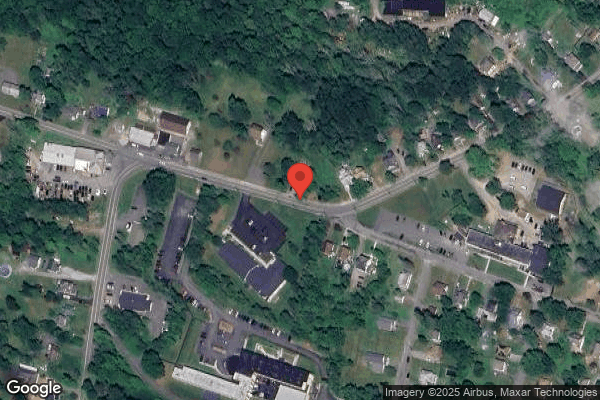
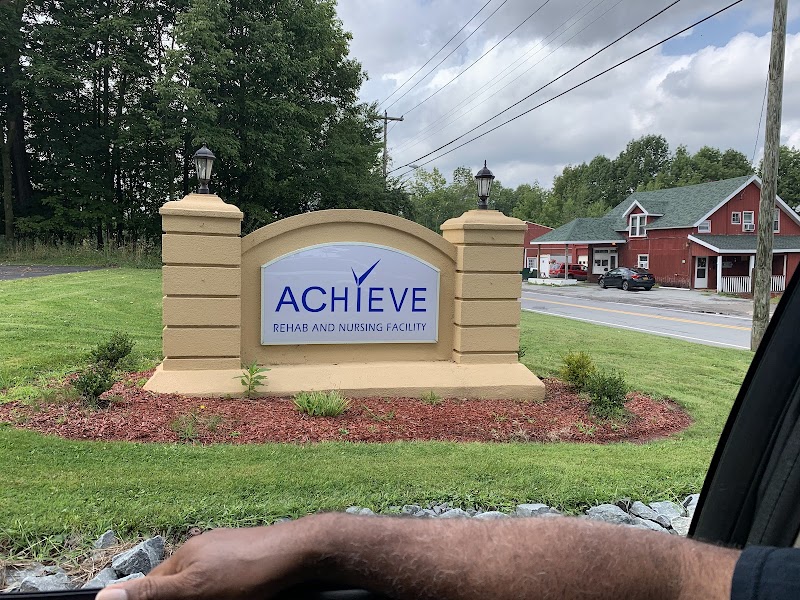
170 LAKE STREET, LIBERTY, NY 12754 (845) 292-4200
For profit - Limited Liability company 140 Beds Independent Data: November 2025
Trust Grade
50/100
#371 of 594 in NY
Last Inspection: October 2024

Within standard 12-15 month inspection cycle. Federal law requires annual inspections.

Overview

Achieve Rehab and Nursing Facility in Liberty, New York has a Trust Grade of C, meaning it is average and falls in the middle of the pack compared to other facilities. It ranks #371 out of 594 in New York, placing it in the bottom half, but is #2 out of 3 in Sullivan County, indicating only one local option is better. The facility is improving, with issues decreasing from 11 in 2024 to just 1 in 2025. Staffing is a concern, with a rating of 2 out of 5 stars and a turnover rate of 42%, which is around the state average. Although the facility has not incurred any fines, it has been cited for several significant concerns, including failing to create proper care plans for residents with medical needs and not ensuring a safe environment, leading to incidents such as a resident's unwitnessed fall resulting in hospitalization. Overall, while there are strengths in its fine record, the facility must address its care planning and safety issues to ensure better resident outcomes.

Trust Score
C
50/100
In New York
#371/594
Bottom 38%
Safety Record
Low Risk
No red flags
Inspections
Getting Better
11 → 1 violations
Staff Stability
○ Average
42% turnover. Near New York's 48% average. Typical for the industry.
Penalties
✓ Good
No fines on record. Clean compliance history, better than most New York facilities.
Skilled Nurses
○ Average
Each resident gets 34 minutes of Registered Nurse (RN) attention daily — about average for New York. RNs are the most trained staff who monitor for health changes.
Violations
⚠ Watch
24 deficiencies on record. Higher than average. Multiple issues found across inspections.
★★☆☆☆
2.0
Overall Rating
★★☆☆☆
2.0
Staff Levels
★★☆☆☆
2.0
Care Quality
★★☆☆☆
2.0
Inspection Score
Stable
2024: 11 issues
2025: 1 issues

The Good

  • Full Sprinkler Coverage · Fire safety systems throughout facility
  • No fines on record
  • Staff turnover below average (42%)

    6 points below New York average of 48%

Facility shows strength in fire safety.

The Bad

2-Star Overall Rating

Below New York average (3.1)

Below average - review inspection findings carefully

Staff Turnover: 42%

Near New York avg (46%)

Typical for the industry

The Ugly 24 deficiencies on record

Jan 2025 1 deficiency
CONCERN (D) 📢 Someone Reported This

A family member, employee, or ombudsman was alarmed enough to file a formal complaint

Potential for Harm - no one hurt, but risky conditions existed

Quality of Care (Tag F0684)

Could have caused harm · This affected 1 resident

Based on record review and interview during an abbreviated survey (NY00333655), the facility did not ensure resident received treatment and care consistent with professional standards of practice for ...

Read full inspector narrative →
Based on record review and interview during an abbreviated survey (NY00333655), the facility did not ensure resident received treatment and care consistent with professional standards of practice for 1 of 3 residents (Resident #1) reviewed for skin conditions. Specifically, Resident #1 left leg wound care notes from 3/10/2023 to 4/14/2023 revealed the resident's right heel plantar aspect wound increased in size, and the left heel plantar aspect wound was 95% necrotic (dead tissue). Review of the Treatment Administration Record documented omissions from 3/2/2023 to 4/22/2023. Consequently, the resident was transferred to the hospital on 4/26/2023 for evaluation worsened of left heel, macerated and bleeding and right heel maceration. Findings included: Review of the facility policy and procedure titled Wound Care Team, Assessment and Documentation revised 3/2019, documented all new wounds are to be reported as they are identified to the wound care nurse. In addition, the wound care nurse will round weekly with a physician or nurse practitioner. Review of the facility policy and procedure titled Requesting, Refusing and/or Discontinuing Care or Treatment revised 2/2021, documented the healthcare practitioner should be notified of refusal of treatments. In addition, documenting the date and time the care or treatment was attempted and when the practitioner was notified and the response. Resident # 1 was admitted to the facility with diagnoses including but not limited to Morbid Obesity, Diabetes Mellitus, Peripheral Vascular Disease, Traumatic Amputation of left leg, and Depression. The Quarterly Minimum Data Set (MDS) an assessment tool dated 3/31/2023 documented the resident had a Brief Interview for Mental Status score of 15 indicating intact cognition. Resident #1 required assistance of 1 to 2 persons for their activities of daily living. Resident #1 had a Diabetic foot ulcer, which required wound dressings/care to their feet. The Venous stasis ulcer care plan revised 3/4/2024 included interventions to document location of wound, amount of drainage and wound measurements keep heels off the bed. Monitor right lower extremity every shift for pain, discoloration, and breakdown. Report findings to Nurse Practitioner/Medical Doctor. The 2/22/2023 physician order discontinued/changed on 3/8/2023 documented Santyl ointment to be applied to the right and left heel topical every day shift for wound healing. Cleanse with normal saline, pat dry, then apply Santyl followed by Mupirocin ointment to wound base, with Calcium Alginate and cover with border foam daily. The Treatment Administration Record from 03/01/2023 to 03/08/2023 revealed no documented evidence that treatment was completed 4 of 8 days. A 2/6/2023 physician order discontinued/changed 4/14/2023 documented to apply bacitracin ointment followed by xeroform to left lower leg blood blister and apply abdominal pad and wrap with Kling daily. The March 2023 Treatment Administration Record revealed no documented evidence the treatment was completed 11 of 31 days. The April Treatment Administration Record revealed no documented evidence that treatment was completed for 4 of 14 days. The 2/27/2023 to 3/27/2023 physician order documented to apply ACE wrap from toes to below knees AM shift. Then elevate bilateral lower extremities as tolerated. Every shift for lower extremities edema. The March 2023 treatment administration record revealed no documented evidence that treatment was completed for 12 out of 27 days. The 3/8/2023 to 4/26/2023 physician orders to apply Dakin's 0.25 % solution to left and right foot topically every dayshift for diabetic ulceration. Cleanse the bottom of left and right foot with Dakin's solution. The March 2023 treatment administration record revealed no documented evidence that treatment was not completed for 10 out of 20 days. The 3/24/2023 to 4/26/2023 physician order for left ankle (full circumference), documented to cleanse with 0.25 % Dakin's solution followed by normal saline solution. Then apply bacitracin ointment, covered with ABD pad, and wrap with Kling everyday shift for skin ulceration related to edema. The April Treatment Administration Record revealed no documented evidence that the treatment was completed 9 out of 26 days. The wound care nurse practitioner assessment on 3/17/2023 documented the left lower leg wound measured 5.0 x 10.0 centimeters (length x width). The wound bed pale pink epithelial tissue. The treatment was to cleanse with normal saline, apply bacitracin ointment followed by layer of xeroform gauze daily and as needed. Then cover with abdominal pad and Kling wrap dressing, apply Juxtalite for edema management. The wound care nurse practitioner assessment on 3/24/2023 documented the left lower leg wound measured 8.0 x 30.0 centimeters. The wound bed pale pink epithelial tissue. Treatment to cleanse with hibiclens and normal saline, apply bacitracin ointment followed by xeroform gauze daily and as needed, then cover with ABD and kling wrap dressing. Apply Juxtalite for edema management. The wound care nurse practitioner assessment on 3/31/2023 documented the left lower leg wound measured 8.5 x 43.0 centimeters. The wound bed pale pink epithelial tissue. Treatment was the same as 3/24/23. The wound care nurse practitioner assessment on 4/14/2023 documented the left lower leg wound measured 12.0 centimeters x 44.0 centimeters. Wound bed pale pink epithelial tissue. Treatment remained the same as 3/31/2023. There was no consistent documented evidence of the refusal of wound treatments by Resident #1, and there was no documented notification to Nurse Practitioner or physician of any wound treatment refusal. During an interview on 12/26/2024 at 4:18 PM, Licensed Practical Nurse #1 stated they could recall the resident was getting Unna boot dressings to bilateral legs. They observed the wound was soft and boggy to the touch and the wound was getting worse, they could not recall the exact date of the observation, but they recall that they reported the observation. During an interview on 12/26/2024 at 1:10 PM, the Former Director of Nursing,stated they were aware that Resident #1 had wounds to their lower extremities. The resident was a non-compliant Diabetic, ordered food out, and refused insulin weekly. The resident had their leg amputated and they were non-compliant with wound care. The staff should have documented the wound care as not done and notify the resident's primary care physician. During an interview on 12/26/2024 at 12:55 PM, Nurse Practitioner # 1 stated, they started to care for Resident #1 in July of 2023. They only knew the resident after they had surgery to their left leg. Stated they had the discussion with the resident in the past pertaining to physical therapy. Nurse Practitioner # 1 stated Resident # 1 always had an excuse and was not compliant with their cares. During an interview on 12/26/2024 at 2:18 PM, the Registered Nurse Supervisor/Unit 2 [NAME] Manager stated the undocumented blank areas on the Treatment Administration Record meant the wound care treatments were not done. They stated that if the treatments were not done, they should have been endorsed to the next shift and the Nursing Supervisor should have been notified. They stated there should not have been any undocumented blank areas on the Treatment Administration Record. During an interview on 12/ 26/2024 at 2:27 PM, the Assistant Director of Rehab stated they were involved 100 percent in the process of getting the shrinker for the resident's left leg (stump). The Assistant Director of Rehab stated the resident was very non-compliant with the rehab process, plan of care and nursing and the resident was not consistent with wearing their shrinker. During an interview on 12/27/2024 at 10:09 AM, with the Wound Care Nurse Practitioner #2 stated the nurses would say the resident has been non- compliant with their wound care dressings. The Wound Care Nurse Practitioner #2 stated the wound on the resident's left heel could have been contributed from the resident propelling themselves in the wheelchair and dragging their feet on the floor. The Wound Care Nurse Practitioner #2 stated the nurses need re-education in documenting the treatments as done or were refused by the resident. The Wound Care Nurse Practitioner #2 stated there was a failure of the nurses in the communication of the wound treatments were never done. During an interview on 12/27/2024 at 11:02 AM, the former Wound Care Nurse Practitioner stated the resident was non-compliant with their wound care. The former Wound Care Nurse Practitioner stated the nurses were trying their best to do the wound treatments. The former Wound Care Nurse Practitioner stated the facility should have been informed of that wound treatments were not done. 10 NYCRR 415.12
Oct 2024 11 deficiencies
CONCERN (D) 📢 Someone Reported This

A family member, employee, or ombudsman was alarmed enough to file a formal complaint

Potential for Harm - no one hurt, but risky conditions existed

Deficiency F0567 (Tag F0567)

Could have caused harm · This affected 1 resident

**NOTE- TERMS IN BRACKETS HAVE BEEN EDITED TO PROTECT CONFIDENTIALITY** Based on observation, interview and record review conducted during recertification and abbreviated (NY 00351312) surveys from 10...

Read full inspector narrative →
**NOTE- TERMS IN BRACKETS HAVE BEEN EDITED TO PROTECT CONFIDENTIALITY** Based on observation, interview and record review conducted during recertification and abbreviated (NY 00351312) surveys from 10/16/24 to 10/23/24, the facility did not ensure action as a fiduciary (trustee) of the resident's funds and hold, safeguard, manage, and account for the residents' personal funds deposited with the facility for 1 (Resident #14) of 1 resident reviewed for personal funds. Specifically, the facility did not ensure residents had access to their personal funds on weekends. The findings are: Review of an undated facility policy and procedure titled Resident Personal Needs Account Policy documented that residents have the right to manage their own personal funds. The facility assists with holding, safeguarding, managing, and accounting for their personal funds. The personal needs account will be accessible daily including weekends and holidays as residents see fit. Resident banking is typically conducted through the front desk from 7 am to 9:30pm, 7 days a week. Review of the facility policy titled Resident Rights revised December 2016 documented federal and state laws guarantee certain basic rights to all residents of this facility. These rights include the residents' right to manage their personal funds, or have the facility manage their funds if they wish. The Reception Bank Log records revealed the beginning balance was 0 from 7/3/24 to 7/8/24, and from 7/9/24 to 7/10/24. The Reception Bank Log records revealed August had some days/dates with missed documentation. During the Resident Council Facility Task meeting on 10/17/24 at 10:46 AM, the President of Resident Council Resident #14 stated the money was down at the desk, and by 7 or 8 PM the money set aside at the desk was all gone. Resident #14 discussed with administration the subject of the facility getting an ATM. Resident #14 stated the staff at the desk had a list of residents with money and they would fill out a slip and withdraw money. They said this list was not always up to date. During an interview on 10/21/24 at 10:38 AM with Resident #14. They stated two weekends ago they requested $20 from the reception desk bank box, and the receptionist said there was no money at all. Resident #14 stated they have enough money in their bank account. Resident #14 stated the facility has the list of residents with personal funds and balances they have. Resident #14 stated there was no plan in place when the facility reception desk bank box runs out of money. They stated on Fridays many residents take money to buy food, and on weekends often there was no money. Resident #14 stated if they requested a check, they had to wait ten days to get that check processed. The Personal Fund Statements revealed Resident #14 had a personal funds account with the facility. The October 2024 Reception Bank Log record revealed 10/11/24 and 10/13/24 days were not documented in the log. On Saturday 10/12/24 the Beginning Balance was 0. During an interview on 10/21/24 at 10:53 AM the Receptionist stated they have a desk bank box where they have personal funds for the residents. The Reception Bank Log sheets were updated every day. The Receptionist stated in this bank box also included envelopes with cash from residents' families. They stated residents have easy access to their funds. From Monday to Friday the Business Office Manager controls the amount of money placed in the bank box. The Receptionist stated that total amount of money can vary, but on weekends the facility always has at least the minimum of $100 in the bank box. The residents could get a maximum limit of $50 per day. They stated residents knew that Business Office Manager was not working on weekends, and they all tried to take money between Monday and Friday. But if on weekends the requested amount of money exceeded the amount of money in the bank box, the receptionist would call the Business Office Manager and they bring money. The Receptionist could not explain why the Reception Bank Logs documentation reflected 0 on some days and also had missed dates. During an interview on 10/21/24 at 11:43 AM the Social Worker Assistant stated they were not aware about any issues with residents access to their funds. During an interview on 10/21/24 at 11:50 AM the Business Office Manager stated they started working in this role in May 2024. They monitor residents' funds and the amount of money the residents have on their accounts constantly updating the list of the residents and the reception bank box, and providing residents access to their funds as soon as possible. Every month they received petty cash from the bank and placed some amount of money to the bank box and some amount of money was kept at their office. The Business Office Manager stated on Fridays they ask the receptionist if there is enough [NAME] for the weekend. They stated if any issues took place the receptionist would call them, and they would come to the facility and replenish the bank box with money. The Business Office Manager stated they were not aware of situations when there was not enough money for the residents on weekends. The Business Office Manager could not state why the Reception Bank Log had a0 balance on certain days, discrepancies and missing days in the documentation. 10 NYCRR 415.3(g)(1)
CONCERN (D) 📢 Someone Reported This

A family member, employee, or ombudsman was alarmed enough to file a formal complaint

Potential for Harm - no one hurt, but risky conditions existed

Assessment Accuracy (Tag F0641)

Could have caused harm · This affected 1 resident

Based on record review, and interview conducted during the recertification and abbreviated surveys (NY 00326169) from 10/16/24 to 10/23/24, the facility did not ensure that the Minimum Data Set assess...

Read full inspector narrative →
Based on record review, and interview conducted during the recertification and abbreviated surveys (NY 00326169) from 10/16/24 to 10/23/24, the facility did not ensure that the Minimum Data Set assessments accurately reflected the residents' status at the time of the assessments for 1 (Resident #280) of 35 sampled residents. Specifically, the Minimum Data Set assessment inaccurately documented that Resident #280 who had a care plan for bed and chair alarms, was assessed to have no alarms. The findings are: Resident #280 was admitted with diagnoses including but not limited to a displaced intertrochanteric fracture of the right femur, history of falling, and muscle weakness. The 8/2/23 At Risk For Falls Due To An Adjustment To A New Environment Care Plan documented interventions including placing alarms to both the bed and the chair. The 8/5/23 admission Minimum Data Set documented Resident #280 had intact cognition and had no bed or chair alarms. During an interview on 10/22/24 at 3:28 PM, the Minimum Data Set Coordinator stated that when they are doing the Minimum Data Set, they will look at the Care Plans for information but sometimes they are too lengthy. They stated if a Care Plan indicated a resident was receiving a bed or chair alarm, it should have been captured on the Minimum Data Set and they did not code it on the Minimum Data Set. 10NYCRR 415.11 (b)
CONCERN (D)

Potential for Harm - no one hurt, but risky conditions existed

Deficiency F0761 (Tag F0761)

Could have caused harm · This affected 1 resident

Based on observation, record review, and interview conducted during the recertification survey from 10/16/2024 to 10/23/2024 the facility did not ensure that all drugs and biologicals were stored in a...

Read full inspector narrative →
Based on observation, record review, and interview conducted during the recertification survey from 10/16/2024 to 10/23/2024 the facility did not ensure that all drugs and biologicals were stored in accordance with the manufacturer's specifications and professional standard of practice for 1 (Resident #179) of 3 residents reviewed for Medication Administration. Specifically, Resident #179 was found with physician ordered Ipratropium-Albuterol inhaler, Sodium Chloride nasal solution and Flonase allergy relief nasal spray in their room on their bedside table. The findings include: The facility policy titled Storage of Medications dated 11/2020 documented the facility is responsible for storing drugs and biologicals in a safe, secure, and orderly manner. Resident #179 was admitted to the facility with diagnoses including Asthma, Obstructive Sleep Apnea, and Anxiety. The 9/19/2024 Physician Order documented Fluticasone Propionate nasal suspension 50 microgram/actuation, 2 spray two times a day in both nostril. Sodium Chloride nasal solution 0.65% four times a day in both nostrils and Albuterol Sulfate HFA (hydrofluoroalkane) 90 microgram/actuation aerosol inhaler, 2 puffs inhale orally every 6 hours as needed. The 9/26/24 Minimum Data Set documented Resident #179 had intact cognition. The 9/19/24 Care Plan titled Activities of Daily Living documented encourage resident to voice feelings about their self-care. There was no documented evidence in the care plans to address Resident # 179 self-administering their medications. On 10/22/24 at 9:35 AM, Resident # 179 was observed in their room and had physician prescribed Fluticasone Propionate 50 mcg/act nasal spray, Sodium Chloride nasal solution 0.65% and Albuterol Sulfate inhaler 90 mcg/act. Resident #179 stated they need their inhaler at the bedside so they can use it when they need it. On 10/23/24 at 12:35 PM, during an interview Registered Nurse Supervisor/ Unit Manager # 8, stated medications left at the resident's bedside must be cleared by physicians' orders. They stated medications such as respiratory inhalers would need a physician order to be left at the residents' bedside. They stated medications at the resident's bedside should be care planned. On 10/23/24 at 12:57 PM, during an interview Licensed Practical Nurse Unit Manager #20 stated residents with medications at the bedside need a physician's orders and the resident would need to be assessed to determine if they could self administer medications correctly/safely. On 10/23/24 at 1:24 PM, during an interview with the Director of Nursing stated they reviewed the facility policy on Medications Self- Administration, Resident #179's medical records and found no physician's orders for self-administration of medications and no assessment for self-administration of medication. The Director of Nursing stated Resident #179 should not have their medications at their bedside. 10 NYCRR 415.18(e) (1-4)
CONCERN (D)

Potential for Harm - no one hurt, but risky conditions existed

Deficiency F0804 (Tag F0804)

Could have caused harm · This affected 1 resident

Based on observation and interview during the Recertification Survey from 10/16/24 to 10/23/24, the facility did not ensure that food on trays was held at palatable temperatures for 1 of 2 residents (...

Read full inspector narrative →
Based on observation and interview during the Recertification Survey from 10/16/24 to 10/23/24, the facility did not ensure that food on trays was held at palatable temperatures for 1 of 2 residents (Resident #70) reviewed for Food. Specifically, for Resident #70 food was not served at palatable temperatures. The findings are: Resident #70 was admitted with diagnoses including but not limited to non-Alzheimer's dementia, malnutrition, ataxia. The current Physician Order documented regular texture, regular thin consistency, please provide moist ground meats, except when on a sandwich (turkey sandwich, hamburger). The 8/30/24 Quarterly Minimum Data Set Assessment (a resident assessment tool) documented Resident #70 had intact cognition, and needed set-up and clean-up assistance with eating. During an interview on 10/16/24 at 12:05 PM, Resident #70 stated they did not like the food, the food was cold. The surveyor observed stored closed food packages in the resident's room. The resident's son was present and stated they just went shopping to buy the resident food. On 10/21/24 at 1:01 PM a test tray was requested and temperatures were checked by [NAME] #1, the following temperatures were noted: hamburger 82.2 degrees Fahrenheit, cooked green beans 77.4 degrees Fahrenheit. The cook stated they were not aware that the food on the tray, and ready to be served to the resident, had such a low temperature. During an interview on 10/22/24 at 12:02 PM the Regional Director of Operations stated the food was at acceptable temperatures when it left the kitchen. 10NYCRR 415.14 (d)(1)(2).
CONCERN (D) 📢 Someone Reported This

A family member, employee, or ombudsman was alarmed enough to file a formal complaint

Potential for Harm - no one hurt, but risky conditions existed

Deficiency F0943 (Tag F0943)

Could have caused harm · This affected 1 resident

Based on record review and interview during a recertification survey and abbreviated survey (NY 00322762), the facility did not ensure staff were provided with education on activities that constitute ...

Read full inspector narrative →
Based on record review and interview during a recertification survey and abbreviated survey (NY 00322762), the facility did not ensure staff were provided with education on activities that constitute abuse, neglect, exploitation, dementia management and misappropriation of resident property for 1 of 6 staff members reviewed (Certified Nurse Aide #13) for education. Specifically, the facility was unable to provide documented evidence Certified Nurse Aide #13 received any education. Findings include: The 3/08 Policy titled Abuse Prevention Reporting and Investigating documented all employees receive education related to abuse, neglect and misappropriation of resident property, involuntary seclusion, and abandonment. The 9/1/23 Investigation Summary completed by former Director of Nursing #12 documented Resident #92 sustained a wrist fracture. The evidence including statements and an x-ray determined that there was reasonable cause that neglect had occurred and it was a direct care plan violation by Certified Nurse Aide #13. Certified Nurse Aide #13 was immediately removed from working at the facility and the staffing agency was notified. On 10/18/24 at 10:00 AM, education on abuse, dementia, and misappropriation of resident property for Certified Nurse Aide #13 was requested from the Administrator. The Administrator was not able to provide the documentation. On 10/18/24 at 10:30 AM, education on abuse, dementia, and misappropriation of resident property for Certified Nurse Aide #13 was requested from the staffing agency. The staffing agency was not able to provide the documentation. During a interview on 10/18/24 at 3:00 PM, former Director of Nursing #12 stated Certified Nurse Aide #13 was from a staffing agency and the agency was responsible for providing the education. During a 10/21/24 at 10:00 AM telephone interview Certified Nurse Aide #13 stated they had education in dementia care, abuse and misappropriation of property. They stated the documentation was unavailable. During a 10/21/24 at 10:15 AM interview the Account Manager from the staffing agency stated that staff picked up shifts and they were independent contractors. The agency Account Manager stated it was up to Certified Nurse Aide #13 if they want the education. They reviewed Certified Nurse Aide #13's records and stated it did not look like they did the education. During an interview on 10/21/24 at 10:30 AM, the Administrator stated the incident occurred with the former Administrator and Certified Nurse Aide #13 did not have in-service on abuse, dementia, and misappropriation of property on file. 10 NYCRR 415.12 (h) (2) .
CONCERN (E) 📢 Someone Reported This

A family member, employee, or ombudsman was alarmed enough to file a formal complaint

Potential for Harm - no one hurt, but risky conditions existed

Comprehensive Care Plan (Tag F0656)

Could have caused harm · This affected multiple residents

Based on observation, record review, and interview during the recertification and abbreviated (NY 00322762) surveys conducted 10/16/24 to 10/23/24, the facility did not ensure the development and impl...

Read full inspector narrative →
Based on observation, record review, and interview during the recertification and abbreviated (NY 00322762) surveys conducted 10/16/24 to 10/23/24, the facility did not ensure the development and implementation of a comprehensive person-centered care plan for each resident, that includes measurable objectives and timeframes to meet a resident's medical, and nursing, needs for 1 of 3 residents (Resident #84) reviewed for hospitalizations, 2 of 2 residents (Residents #122 and #72) reviewed for urinary tract infections, 2 of 3 resident (Residents #179 and #98) reviewed for respiratory care, and 1 of 6 residents (Residents #281) reviewed for accidents. Specifically, 1.) Resident #84 did not have a care plan in place to address cardiac issues, 2.) Resident #122 did not have a plan of care in place to address urinary tract infection or cystitis (inflammation/infection of the bladder), and 3.) Resident #179 did not have a care plan in place to address respiratory care and the use of oxygen. The findings are: The facility policy, Care Plan revised 7/2020, documented that each resident will have an individualized interdisciplinary plan of care in place. The procedure documented the Interdisciplinary team will develop and implement the Comprehensive Care Plan within 21 days of admission, and each discipline will be responsible for the initiation and ongoing follow-up for care plans as related to their area of expertise. 1. Resident #84 was admitted with diagnoses including but not limited to Hypertension, Atrial Fibrillation, and Heart Failure. The 7/6/24 Quarterly Minimum Data Set documented Resident #84 was taking an anticoagulant (blood thinner) medication. The Physician's orders documented 9/27/24 Metoprolol Tartrate 25 mg tablet, give 12.5 mg every 12 hours for hypertension and 9/28/24 Apixaban 2.5 mg twice a day for Atrial Fibrillation, There was no documented evidence in the electronic medical record that a care plan was developed to address cardiac issues. On 10/21/24 at 2:50 PM during a review of Resident #84's care plan with Registered Nurse #9, no cardiac care plan could be located. Registered Nurse #9 stated there should be a cardiac care plan in place. Registered Nurse #9 stated the admission Nurse and the Unit Manager were responsible for writing the care plans. 2. Resident #122 was admitted with diagnoses including but not limited to urinary tract infection, renal insufficiency, and benign prostatic hyperplasia. The 8/22/24 Nurse's admission Note documented diagnoses included renal incident sepsis, urinary tract infection, presence of urinary catheter, amber urine. Reported to Director of Nursing to review admission/orders with covering provider. The Physician's orders documented 8/22/24 Amoxicillin-Potassium Clavulanate (Augmentin) (antibiotic) oral tablet 875-125 mg every 12 hours for urinary tract infection completed 8/27/24 The 8/23/24 Nurse Practitioner Note documented diagnoses included sepsis secondary to cystitis. The Assessment/Plan included continue antibiotic Augmentin. The 8/26/24 Physician Note documented diagnoses included sepsis secondary to cystitis. The Assessment/Plan included to continue Augmentin. The 8/26/24 admission Minimum Data Set documented Resident #122 was taking antibiotic medication. The 10/7/24 Physician Note documented resident is status post catheter change and has had foul smelling urine. Urinalysis requested & granted. The 10/14/24 Physician's Order documented Zosyn intravenous solution 3-0.375 GM/50 ML (Piperacillin Sodium-Tazobactam Sodium in Dextrose) (antibiotic) intravenously every 8 hours for cystitis for 7 days completed 10/21/24. There was no documented evidence in the electronic medical record that a care plan was developed to address urinary tract infection or cystitis The 10/14/24 Nurse Practitioner Note documented urinalysis with significant sediment in urine and malaise for 3 days. Urine culture positive for proteus mirabilis, report of pain in stomach & back. Start Zosyn 3.375 every 8 hours for 7 days. On 10/22/24 at 9:50 AM during a review of the resident's care plan with Registered Nurse #10, they stated the nurse who admitted the resident and the Unit Manager and Nursing Supervisors were responsible to write care plans. On 10/22/24 at 9:52 AM during a review of the resident's care plan with the Director of Nursing, there was no documented evidence of a care plan for Resident #122's urinary tract infection. The Director of Nursing stated the nurse who admitted the resident and the Unit Manager and Nursing Supervisors were responsible to write care plans. 3. Resident #179 was admitted to the facility with diagnoses including Asthma, Obstructive Sleep Apnea, and Anxiety. The 9/26/24 admission Minimum Data Set documented Resident #179 had intact cognition and was receiving oxygen. The 9/19/24 Physician Order documented oxygen 4 liters/minute via nasal cannula continuously. The 9/19/24 Physician Order documented oxygen tubing and bottle change weekly and as needed. The 9/26/24 at 6:54 PM, Nursing Progress Note documented resident was not able to lay flat in bed related to shortness of breath and remains on oxygen at 4 liters/minute via nasal cannula continuously. The 10/5/24 at 21:32, Nursing Progress Note documented resident awake, alert, and oriented and receiving oxygen. There was no documented evidence in the electronic medical record that a care plan was developed to address oxygen use. On 10/23/24 at 1:25 PM, during an interview, the Director of Nursing stated on admission the resident's care plan should be initiated and should be followed up by the unit managers and nursing supervisors. The Director of Nursing stated the checklist should be reviewed for all new admissions, to ensure the care plans are in place for newly admitted residents. 10 NYCRR 415.11
CONCERN (E) 📢 Someone Reported This

A family member, employee, or ombudsman was alarmed enough to file a formal complaint

Potential for Harm - no one hurt, but risky conditions existed

Accident Prevention (Tag F0689)

Could have caused harm · This affected multiple residents

**NOTE- TERMS IN BRACKETS HAVE BEEN EDITED TO PROTECT CONFIDENTIALITY** Based on observation, record review, and interview conducted during the Recertification and Abbreviated Surveys (NY 00326169, NY...

Read full inspector narrative →
**NOTE- TERMS IN BRACKETS HAVE BEEN EDITED TO PROTECT CONFIDENTIALITY** Based on observation, record review, and interview conducted during the Recertification and Abbreviated Surveys (NY 00326169, NY 00341314, and NY 00322762) from 10/16/24 to 10/23/24, the facility failed to ensure the residents' environment remained as free of accidents hazards as possible for 3 (Residents #280, #281 and #92) of 6 residents reviewed for accidents. Specifically, 1. Resident #280 was assessed at high risk for falls, care plan interventions were not in place and Resident #280 had an unwitnessed fall and required hospitalization for two lacerations to the face and a subdural hematoma (brain bleed). The facility did not thoroughly investigate to determine if interventions were adequate, and if the plan of care was followed. 2. Resident #281 was eating dinner, became unresponsive, required cardiopulmonary resuscitation and was sent to the Emergency Department. The facility did not investigate the incident to determine if the resident received the correct food consistency, had adequate supervision, or choked during the meal. 3. Resident #92 required two staff assistance and the use of a mechanical lift and was transferred by Certified Nurse Aide #13 without the use of a mechanical lift or other staff, and sustained a broken wrist. The findings are: The facility policy titled Safety Alarms last revised on 7/2023 documented that the nurse placing the safety alarm will place the alarm on the Medication Administration Record, to be checked every shift, specifying the site and whether the alarm is functioning properly. The Registered Nurse Manager or Registered Nurse Supervisor will then place the information in care tracker. The facility policy titled Accident/Incident Report last revised on 09/2023 documented the facility is responsive to investigate Incidents/Accidents in order to determine possible causative factors and implement interventions that may prevent a reoccurrence of the same or similar event. The Investigative Report appropriate to the type of Incident/Accident will be initiated and completed in the electronic medical record by the Licensed Nurse, Registered Nurse Manager, or the Nursing Supervisor following each Incident/Accident 1. Resident #280 was admitted to the facility with diagnoses including displaced intertrochanteric fracture of the right femur (broken hip), history of falls, and muscle weakness. The 8/2/23 Physician's Order documented safety checks to be done every hour for 24 hours. The 8/2/23 At Risk for Falls Care Plan documented the goals were to minimize the risk for injury related to falls, and to have no injury requiring transfer to the hospital. Interventions included place an alarm to both the bed and chair and check for placement and function every shift, bed to be in the lowest position, encourage to transfer and change positions slowly, encourage to use assistive devices for ambulation/transfer. Review of the August 2023 and September Certified Nurse Aide Documentation Survey Reports, Medication Administration Records and Treatment Administration Records revealed no documentation of the interventions on the Falls Care Plan. The 8/3/23 Fall Risk Assessment documented Resident #280 was at high risk for falls. The 8/5/23 admission Minimum Data Set documented Resident #280 had intact cognition, required extensive assist of two for bed mobility/transfers, extensive assist of one for toileting. The Minimum Data Set did not document the use of bed or chair alarms, as on the care plan of 8/2/23. The 8/14/23 at 10:22 PM Physical Therapist progress note documented Resident #280's roommate notified them that Resident #280 was standing up and going to the bathroom twice during the evening on Friday and Saturday. Resident #280 was not cleared to perform walking in room without supervision/limited assist. The 8/31/23 at 9:44 AM, Nurse Practitioner's note documented the resident was in therapy and became very weak and shaky. Physical Therapy reported the resident was having much difficulty standing with assistance. The assessment was weakness, altered mental status, and hypertension; the plan was to continue to monitor and ensure fall precautions were in place. Resident #280's [NAME] (instructions for direct care staff), dated 9/4/23 documented bed in lowest position, alarm to bed, check placement & function every shift, and required a one-person extensive assist for toileting. The 9/4/23 at 8:11 AM Incident Report completed by former Director of Nursing #12, documented Resident #280 fell out of bed trying to get to the bathroom. Resident #280 was laying on their left side, with their glasses on which caused two lacerations to the left side of their face. Nonskid socks were in place. Resident #280 was alert with confusion as normal, no complaints of pain, vital signs within normal limits. The resident verbalized they were trying to get to bathroom. A box was checked that the resident was taken to the hospital. The Incident Report did not document the physician was notified. The 9/4/23 at 8:29 AM Nursing Progress Note, (linked to the incident report) by the former Registered Nurse Supervisor #2, documented on 9/4/23 they were called to the unit and Resident #280 was on the floor. Resident #280 stated they were attempting to go to the bathroom. The resident was lying on their left side, head by the door, feet toward the bed and wearing glasses which caused 2 lacerations to her left eye. The floor was dry, they were wearing non-skid socks, call bell was within reach. The resident was unsoiled and assisted to bed. Immediate interventions included assessed for pain/range of motion and injury; assisted off the floor with safety maintained, vital signs obtained and stable. The resident was educated on the need to use the call bell for assistance. The 9/4/23 Certified Nurse Aide #30's Employee Statement documented they worked the 11 PM to 7 AM shift and were assigned to the resident at the time of incident, and the incident was at 7:00 AM. They documented they last saw the resident at 6:45 AM, the resident was in the bed, the resident was toileted and provided incontinent care at 6:45 AM. The resident had a low bed, but it was not in place at the time of the incident and the alarms were not sounding at the time of the incident. The 9/4/23 Certified Nurse Aide #29's Employee Statement documented they worked the 11 PM to 7 AM shift and the time of the incident was documented as 6. The last time they last saw the resident was 4 AM. They were not assigned to the resident and documented the resident did not have a low bed or alarms. A physician phone order dated 9/4/24, documented 30-minute neuro checks and 30-minute safety checks for 1 day for unwitnessed fall. There were no progress notes between 8:29 AM and 2:36 PM on 9/4/24 indicating the resident had left the facility. The 9/4/23 at 2:36 PM nursing progress note documented the facility contacted the Emergency Department at the local hospital and they were told the resident was transferred to another hospital with a diagnosis of subdural bleed (brain bleed). During an interview on 10/23/24 at 12:47 PM, Certified Nurse Aide #31 stated they did not document if residents had a low bed and that the toileting schedule did not pop up to toilet the resident every 2 hours, only to sign off for the entire shift. During an interview on 10/23/24 at 1:53 PM, the Director of Nursing stated if a resident was assessed at high risk for falls and was frequently or occasionally incontinent, they should be placed on every two-hour toileting schedule. The schedule should be on the [NAME] for every two hours and the Certified Nurse Aides should be signing. The Director of Nursing stated the 9/4/23 Incident Report was not thorough and had discrepancies. The person completing the report should have made sure the report was thorough and complete. The Director of Nursing stated there were discrepancies in the time of the incident on the Incident Report that should have been further investigated. The facility was unable to provide any further evidence showing the incident had been thoroughly investigated. 2. Resident #281 was admitted on [DATE] with diagnoses including dementia, encephalopathy, and gastroesophageal reflux disease. A physician order dated 2/20/24 documented regular diet pureed texture with honey thick consistency; and Speech Therapy to evaluate and treat as indicated. The 2/24/24 admission Minimum Data Set documented that Resident #281 had severely impaired cognition, required supervision with eating, coughed or choked during meals or when swallowing medications, had complaints of difficulty or pain when swallowing, and was on a mechanically altered diet. The Speech Therapy evaluation dated 2/21/24 documented Resident #281 was admitted to the facility on a regular diet with pureed consistency solids and honey thick liquids. The resident was unable to follow direction, had no teeth and dentures were not in place, and had mildly delayed swallow initiation with both honey thick liquids and nectar thick liquids. The resident appeared impulsive when self-feeding, taking large sips when consuming liquids. The speech therapist's recommendations included continuing puree solids and honey thick liquids, medication crushed in puree, upright positioning during and 30 minutes after meals, small bites/sips, slow pacing, and follow-up with speech therapy. The Speech Therapist progress note dated 2/25/24 at 2:03 PM documented recommendation for Resident #281 to upgrade to nectar thick liquids. The Speech Therapist progress note dated 3/13/24 at 1:01 PM documented recommendation to upgrade Resident #281's diet to mechanical soft solids and nectar thick liquids. The Speech Therapist progress note dated 3/19/24 at 3:26 PM documented Resident #281 had been successfully trialed on thin liquids with no observable signs or symptoms of aspiration. The recommendation was to upgrade to thin liquids, nursing staff was verbally notified. The 3/19/24 Physician order documented Resident #281 was on a regular mechanical soft texture diet, regular(thin) consistency liquids. The 3/21/24 at 7:42 PM Nursing Progress Note by Registered Nurse #25 documented that at approximately 5:50 PM they were called by the Certified Nurse Aide, and that upon assessment Resident #281 was cyanotic and non-responsive to verbal cues or palpation stimulation. A non-re-breathable mask was placed, and cardiopulmonary resuscitation was initiated. Resident #281 was sent out to the hospital. The 3/21/24 at 10:22 PM Nursing Progress Note by Registered Nurse Supervisor #16 documented they called for a report on Resident #281, and Resident #281 was being sent out to another hospital for evaluation of anoxic brain injury. The 3/21/24 Emergency Department report documented Resident #281 presented to Hospital #1 Emergency Department for cardiac arrest at home. Resident reportedly was choking during dinner when they arrested, cardiopulmonary resuscitation was done for a total of approximately twenty minutes. Resident #281 was intubated in the field with a 6.5 tube, and the Emergency Medical Services stated there was some resistance during intubation, and they believe they pushed a food bolus down. Resident was transferred to the Emergency Department at Hospital #2. The 3/22/24 Emergency Department report documented Resident #281 was treated for aspiration pneumonia with the antibiotic Zosyn and had the following diagnoses of cardiac arrest most like secondary to respiratory failure from choking, acute hypoxic respiratory failure secondary to choking events-aspiration pneumonitis, and food aspiration. During an interview on 10/21/24 at 5:03 PM, the Administrator stated they did not complete an Incident Report or investigation because they had staff statements that did not report Resident #281 was choking. The Administrator also stated when they received the hospital Emergency Department report, the report stated the diagnosis was cardiac arrest and not choking. During an interview on 10/22/24 at 11:28 AM, Speech Language Pathologist #2 stated if a resident became unresponsive during mealtime and cardiopulmonary resuscitation had to be initiated, the resident's meal ticket should have been saved. The staff should have checked to see if the resident received the right diet, and a referral should be sent to speech therapy to assess the resident for appropriate diet. During an interview on 10/22/24 at 12:36 PM, Registered Nurse #25 stated prior to Resident #281 becoming unresponsive, they were eating dinner at the nurses' station. They stated they were informed by the certified nurse aide that Resident #281 was choking and became unresponsive. They stated they gave the resident oxygen and transferred them to bed to start cardiopulmonary resuscitation and called 911. Registered Nurse #25 stated they did everything, including suctioning the resident. During an interview on 10/22/24 at 12:53 PM, Certified Nurse Aide #24 stated Resident #281 was in the hallway by the nurses' station eating dinner when the nurse instructed them to page rapid response or 911, and they called 911. Certified Nurse Aide #24 stated the nurse started performing the Heimlich Maneuver and Resident #281 was turning blue. While on the phone with 911, the nurses took the resident into their room. Certified Nurse Aide #24 stated the nurses reported they were in the room for a long time doing cardiopulmonary resuscitation. Certified Nurse Aide #24 stated there was talk that there was a possibility of choking. During an interview on 10/22/24 at 04:37 PM, the former Director of Nursing stated that although Resident #281 became unresponsive while eating dinner, an Incident Report was not done because the Nursing Supervisor that called them and stated that Resident #281 received the correct food consistency. During an interview on 10/23/24 at 12:54 PM, the Director of Nursing stated that if a resident became unresponsive at mealtime, staff would check to see if the resident had food in their mouth and perform the Heimlich Maneuver. The Director of Nursing stated they would expect the nurses to document the food consistency served, how much they ate and if they had food in their mouth. The Director of Nursing stated when the facility called the Emergency Department to follow up on Resident #281, and it was reported the resident had a choking incident by the Emergency Medical Service Assessment, Incident Report and investigation should have been initiated by the facility staff. During an interview on 10/23/24 at 1:38 PM, [NAME] #2 stated they were on the unit when the nursing staff stated the resident was choking. [NAME] #2 stated that a nursing staff went behind Resident #281 while they were sitting at the nurses' station and started doing the Heimlich maneuver and it was not working. [NAME] #2 stated that it was during mealtime and resident had their tray in front of them. [NAME] #2 stated Human Resources questioned them about the incident but did not ask them to write a statement. During an interview on 10/23/24 3:42 PM, the Physician stated that if a resident was eating and became unresponsive, they would initiate a cardiopulmonary protocol, and after completion, the nurse would be expected to assess if the resident ate something that that they should not have. The Physician stated that if the Heimlich Maneuver was initiated, then the resident's airway had to be blocked, and that an investigation and Incident Report should have been done especially since it was mealtime. 3. Resident #92 was admitted with the following but not limited to dementia, history of falling and depression. The 3/20/23 Physician Order documented transfer with mechanical lift. The 3/31/23 Comprehensive Care Plan for Activities of Daily Living documented total dependence/ two persons for assistance using mechanical lift for transfers. The 8/17/23 Quarterly Minimum Data Set documented Resident #92 had severely impaired cognition and was totally dependent on two staff members for transfer. The 8/23 Nursing Aide Care Guide documented Resident #92 required total assistance for transferring with two staff using a mechanical lift. The 8/25/23 at 5:45 AM progress note documented Resident #92 was heard screaming in their room and Certified Nurse Aide #13 was in the room. The resident stated Certified Nurse Aide #13 picked them up and threw them in the chair and it hurt their finger. The 8/26/23 Radiology Report documented left hand fracture of a small bone in the wrist. The 8/28/23 Physician note documented resident had trauma to the left wrist. X-ray revealed a fracture of the left wrist. The 9/1/23 Investigation Summary completed by former Director of Nursing #12 documented Certified Nurse Aide # 13 stated they did not use the mechanical lift to transfer Resident #92 because they were small enough to stand and pivot. They further stated they did not hit the resident's hand. After reviewing all statements and the x-ray, it was determined there was reasonable cause that neglect occurred because it was a direct care plan violation. Certified Nurse Aide #13 was immediately removed from working at the facility and the agency was notified. During an observation on 10/18/24 at 8:45 AM Resident #92 was in the dining room holding a cup of orange juice in the left hand. The left hand had no swelling no redness and had good range of motion. At 12:30 PM Resident #92 was using the left hand to feed themselves chicken. During an interview on 10/21/24 at 10:00 AM Certified Nurse Aide #13 stated they did not remember the incident. They stated they would never intentionally hurt a resident. They stated they get report from the off going staff when they arrive at work, and they had access to the facility electronic health record. They stated they follow the resident plan of care. During an interview on 10/18/24 at 3:00 PM the former Director of Nursing Staff #12 stated Certified Nurse Aide #13 was from the staffing agency. They stated Resident #92 required a two person assist with a mechanical lift and Certified Nurse Aide #13 did not follow the care plan. They stated resident care directives were in the care plan and in the certified nurse aide [NAME] (care instructions). 10 NYCRR 415.12 (h)(1)
CONCERN (E) 📢 Someone Reported This

A family member, employee, or ombudsman was alarmed enough to file a formal complaint

Potential for Harm - no one hurt, but risky conditions existed

Deficiency F0730 (Tag F0730)

Could have caused harm · This affected multiple residents

Based on record reviews and interviews during the recertification and abbreviated (351312) surveys from 10/16/24 to 10/23/24, the facility did not ensure that Certified Nurse Aide performance appraisa...

Read full inspector narrative →
Based on record reviews and interviews during the recertification and abbreviated (351312) surveys from 10/16/24 to 10/23/24, the facility did not ensure that Certified Nurse Aide performance appraisals were completed at least once every 12 months. Specifically, performance appraisals were not documented every 12 months for 4 of 5 Certified Nurse Aides (Certified Nurse Aides #1, #2, #3, #4) records reviewed. The findings are: There was no documented evidence that an annual performance review was completed for Certified Nurse Aide #1 who was hired 8/22/2018, Certified Nurse Aide #2 who was hired 7/20/2023, Certified Nurse Aide #3 who was hired 9/16/2020 and Certified Nurse Aide #4 who was hired 6/22/2023. On 10/17/24 at 4:08 PM during an interview with the Director of Human Resources, the surveyor requested to view the annual performance reviews for Certified Nurse Aides #1, #2, #3, #4, and #5. The Director of Human Resources stated they could not locate the annual performance reviews for Certified Nurse Aides #1, #2, #3, and #4. They stated the process for the annual performance review is that they give the annual performance review forms to the staff member and their supervisor based on hire date, and the form should be filled out within a week and should be returned to the Director of Human Resources, and they give the forms to the Administrator. 10 NYCRR 415.26 (c)(2)(iii)
CONCERN (E)

Potential for Harm - no one hurt, but risky conditions existed

Food Safety (Tag F0812)

Could have caused harm · This affected multiple residents

**NOTE- TERMS IN BRACKETS HAVE BEEN EDITED TO PROTECT CONFIDENTIALITY** Based on observation and interview conducted during the recertification survey from 10/16/24 to 10/23/24, the facility did not e...

Read full inspector narrative →
**NOTE- TERMS IN BRACKETS HAVE BEEN EDITED TO PROTECT CONFIDENTIALITY** Based on observation and interview conducted during the recertification survey from 10/16/24 to 10/23/24, the facility did not ensure that food was stored in accordance with professional standards for food safety practice. Specifically, there was food stored in the walk-in refrigerator and dry storage room that was undated and past the expiration date. Finding include: The revised-on October 2019 facility policy titled Food Storage: Cold documented the Dining Services Director/Cook ensures that all food items are stored properly in covered containers, labeled, and dated and arranged in a manner to prevent cross contamination. The revised-on October 2019 facility policy titled Food Storage - Dry Goods documented the Dining Services Director or designee ensures that the storage will be neat, arranged for easy identification, and date marked as appropriate. During an initial tour of the kitchen on 10/16/24 at 9:39 AM, conducted with the Regional Director of Operations, the following were observed in the walk-in freezer: 1. An open and undated box of beef meatballs. 2. An open and undated box of precooked delight extra crunchy portion fish sticks. 3. An open and undated box of veggie burger. 4. An open and undated box of vegetable patties. 5. A bag of frozen pork butt, without the original box and a received date of 9/26/24, had no expiration date on the bag. 6. Undated open bags of hash brown patties, and French fries. When interviewed during the observation, the Regional Director of Operations stated once the product was open it needed to be dated, and the cook used these products every day. Observation of the walk-in refrigerator on 10/16/24 at 9:47 AM revealed the plastic bulk container filled with 26 8-ounce boxes of fat free lactose free milk with an expiration date of 10/15/24. Observation of the dry storage room on 10/16/24 at 9:49 AM revealed a box of [NAME] Light lemonade with an expiration date of August 15, 2024. Observation of the emergency supplies on 10/16/24 at 9:54 AM revealed two 128 oz plastic jars of [NAME] Maraschino cherries with an expiration date of 7/10/24. When interviewed during observations, the Regional Director of Operations stated they did not know how these products were kept on the shelves. 10NYCRR 415.14 (h)
CONCERN (E) 📢 Someone Reported This

A family member, employee, or ombudsman was alarmed enough to file a formal complaint

Potential for Harm - no one hurt, but risky conditions existed

Infection Control (Tag F0880)

Could have caused harm · This affected multiple residents

Based on observations, record review, and interviews during the recertification and abbreviated (NY00351312) surveys from 10/16/24 to 10/23/24, the facility did not maintain an infection prevention an...

Read full inspector narrative →
Based on observations, record review, and interviews during the recertification and abbreviated (NY00351312) surveys from 10/16/24 to 10/23/24, the facility did not maintain an infection prevention and control program designed to prevent the development and transmission of communicable diseases and infection. Specifically, 1) the facility did not properly implement transmission-based precautions for 3 of 3 residents reviewed for infection control precautions (Residents #84, #117, #120) and 2) the facility did not ensure that an infection surveillance plan was implemented for identifying, tracking, and monitoring infections, communicable diseases, and outbreaks for 3 of 5 residents reviewed for infection control (Residents #122, #72, #120). The findings are: The facility policy, Infection Prevention and Control, Surveillance Program pp 125-127 documented the purpose of the Surveillance Program is to conduct surveillance of resident and employee infections to guide prevention activities and the Infection Preventionist conducts surveillance of infections among residents and employees by review of data. Data collection includes infection discovery/ diagnosis reports completed by each unit per resident infection and forwarded to the ICP upon discovery, all new infections will be logged on the ongoing infection control log. The facility policy, Infection Prevention and Control, Outbreak Control pp 141-157 documented that outbreak is defined as two or more cases over the usual endemic number of cases of healthcare associated infections or greater than 5% of the facility census usually produced by the same organism, and COVID: a single confirmed case (not present on admission) of staff or resident. Implement immediate control if an outbreak is confirmed included to initiate CDC guidelines for isolation/ precautions. The facility email titled 'Isolation List' from the Infection Preventionist dated 10/18 2024 documented 13 residents were positive for COVID-19 and 2 resident's roommates were positive for COVID-19. It documented Resident #120 was positive for COVID-19 (day 10 of 10) and Resident #117 was the roommate of a resident positive for COVID-19 (day 3 of 10). 1. On 10/17/24 at 11:03 AM, an observation was conducted on the 2nd floor unit. A bag of Personal Protective Equipment was observed hanging on Resident #84's door and a Contact Precautions sign was observed. Certified Nurse Aide #6 was pushing a mechanical lift out of the resident's room and Certified Nurse Aide #7 was inside the resident's room. Neither of the Certified Nurse Aides were observed wearing gowns. When asked at the time of the observation, both Certified Nurse Aides #6 and #7 stated they forgot to wear gowns and stated they realized that they should have worn gowns. On 10/21/24 at 11:32 AM during an interview, Registered Nurse #9 stated that Resident #84 was on Droplet Precautions for Vancomycin Resistant Enterococcus (bacteria) in the urine and Colostrum Difficile (bacteria) in the stool, and the resident had a urinary catheter. They stated that all residents with a urinary catheter should be on Enhanced Barrier Precautions which would involve wearing gloves and gown. During a review of Resident #84's physician orders with Registered Nurse #9, Droplet Precautions for VRE in urine and C-Diff was documented, but no order could be located for Enhanced Barrier or Contact Precautions. During an observation of Resident #84's room door with Registered Nurse #9, the sign observed posted on the door documented Contact Precaution, wear gown and gloves. Registered Nurse #9 stated that Resident #84 should have physician orders for Contact Precautions for the diagnoses of Vancomycin Resistant Enterococcus in the urine and Colostrum Difficile in the stool, and Enhanced Barrier Precautions for the presence of a urinary catheter. On 10/22/24 at 11:37 AM during an interview, Licensed Practical Nurse #11 stated that for Resident #84, staff providing direct care such as assisting with transfers should be wearing gown and gloves and mask. These items were required for diagnoses of Vancomycin Resistant Enterococcus bacteria in the urine and Colostrum Difficile bacteria in the stool, and the presence of a urinary catheter. On 10/22/24 at 3:42 PM during an interview, the Infection Preventionist stated that Resident #84 should be on Enhanced Barrier Precautions for the presence of a urinary catheter, and they should be on Contact Precautions for their diagnoses of Vancomycin Resistant Enterococcus in the urine and Colostrum Difficile in the stool. During a review of Resident #84's physician orders they stated that Enhanced Barrier Precautions and Contact Precautions should have been ordered on 9/27/24 but were not ordered until 10/22/24. On 10/16/24 at 10:18 AM and on 10/18/24 at 9:43 AM, Resident #117 was observed sitting in the hallway in their wheelchair in front of the nursing station with their mask below their chin. On 10/18/24 at 9:47 AM, Resident #120's room door was observed with a sign for Droplet Precaution. On 10/18/24 at 11:23 AM during an interview, Registered Nurse Unit Manager #26 stated that Resident #117 was exposed to COVID -19, and they did not believe Resident #117 should be sitting in the hallway without a mask covering their mouth and nose and stated they should have clarified with Infection Preventionist. Registered Nurse Unit Manager #26 further stated that Resident #120 was positive for COVID-19. They stated the Droplet Precaution sign on the door was for COVID-19, but stated staff should also wear a gown so they should also be on Contact Precautions. Registered Nurse Unit Manager #26 stated they had not had a COVID-19 in-service at the facility. On 10/22/24 at 3:42 PM during an interview, the Infection Preventionist stated that residents who were exposed to COVID-19 should wear a mask when out of the room and the order should be for Standard Precautions. During a review of Resident #120's medical record with the Infection Preventionist, it documented that Resident #120 was positive for COVID-19 on 10/9/24. The Infection Preventionist stated that no order was placed for Contact Precautions. The Infection Preventionist stated that residents who are positive for COVID-19 should have orders in place for Droplet & Contact Precautions. The Infection Preventionist stated that the nurse performing the admission assessment should enter the orders for the appropriate precautions, and stated there is a list of infections and appropriate precautions in the infection control manual and in the shared folder in the computers to which all staff has access. The Infection Preventionist stated that the nurse who enters the precaution orders is responsible to delegate a staff member to place the appropriate sign on the resident's door. They stated they are aware that unit staff has exhibited problems with understanding the precautions to be ordered, the proper personal protective equipment to be worn, and the proper precautions signs to be posted on resident's doors. 2. On 10/18/24 at 12:00 PM during an interview with the Infection Preventionist, a review of the facility infection tracking logs was conducted. The infection tracking logs did not document a complete list of resident infections for the month of October 2024 and there was no infection tracking log for the month of August 2024 that could be reviewed for infection onset dates, signs and symptoms, lab tests/results, isolation, and outbreak potential. During a review of Resident #122's medical record with the Infection Preventionist, they stated Resident #122 had symptoms of cloudy urine on 10/11/24 and started an antibiotic Zosyn on 10/14/24 for cystitis (bladder inflammation caused by infection). They stated Resident #122 should have been entered onto infection tracking log on 10/11/24 but was not. During a review of Resident #72's medical record with the Infection Preventionist, they stated Resident #72 had symptoms of dysuria (pain on urination) on 10/1/24 and started on an antibiotic Macrodantin on 10/8/24 for urinary tract infection, then antibiotic Zosyn for a urinary tract infection on 10/9/24. They stated Resident #72 should have been entered on the infection tracking log on 10/1/24 but was not. During a review of Resident #120's medical record with the Infection Preventionist, they stated Resident #120 had symptoms of Gastritis (stomach upset) and suspected urinary tract infection on 8/21/24 and started on antibiotic Bactrim for cystitis on 8/26/24. They stated that Resident #120 should have been entered on the infection tracking log on 8/21/24 but was not. The Infection Preventionist stated the Unit Manager or Nursing Supervisor was responsible to report any change in condition on the unit, and the Director of Nursing was responsible to assure it was being done. The Infection Preventionist stated that the infection tracking logs should be used to track infections in the building to assure that residents were protected from exposure to residents with infections and to prevent the spread of infections. The Infection Preventionist further stated they had not started an infection tracking log until September 2024. On 10/22/24 at 11:28 AM during an interview, the Administrator stated that residents should be documented on the infection tracking log upon discovery in real time. 10NYCRR 415.19(a)(2)
CONCERN (E) 📢 Someone Reported This

A family member, employee, or ombudsman was alarmed enough to file a formal complaint

Potential for Harm - no one hurt, but risky conditions existed

Deficiency F0925 (Tag F0925)

Could have caused harm · This affected multiple residents

Based on observations, interviews and record reviews conducted during the recertification and abbreviated (NY00351312) surveys from 10/16/24 to 10/23/24 the facility did not maintain an effective pest...

Read full inspector narrative →
Based on observations, interviews and record reviews conducted during the recertification and abbreviated (NY00351312) surveys from 10/16/24 to 10/23/24 the facility did not maintain an effective pest control program so that the facility was free of pests. Specifically, Resident #70's room had glue traps for insects and rodents, with gnats and cockroaches observed inside the trap. Findings include: The facility policy and procedure titled Pest Control with a revised date of May 2008 documented the facility maintained an on-going pest control program to ensure that the building was kept free of insects and rodents. During observation on 10/16/24 at 10:38 AM, Resident #70's room had insect and rodent traps on the cabinet next to the resident's bed, and on the sink counter, with many gnats and a cockroach stuck inside the trap. During an interview on 10/16/24 at 12:05 PM, Resident #70 stated that in their room they had flies and roaches on a regular basis and that was why there were traps. The resident stated they had lived at the facility for over 3 years and the pest problem had remained an issue. Review of the Pest Logbook dated 2022 to 2024, documented the presence of cockroaches noted by the staff in different areas of the facility. Review detailed service reports from 2 pest control companies for 2024, documented pest services were provided by both companies. Review of the Company B's exterminator summary of service on 9/11/24 documented they found 2 bed bugs in unit 211. Company B's Summary of Services for September 2024 and October 2024 documented infestation with cockroaches on 1st and 2nd floors dining hall, lounge, and kitchen areas. During an interview on 10/18/24 at 9:56 AM, Certified Nurse Aide #21 stated they observed roaches mostly in residents' bathrooms and dining area. They stated the last time they noticed the presence of roaches was in September of this year. During an interview on 10/18/24 at 12:22 PM, the Director of Housekeeping stated that all problems with roaches existed since 2023, and 2024 was the worst year. The pest control provided services, but they were not effective and the situation got worse from 2023 to 2024. The past control technician went from room to room, but this intervention did not help to resolve the problem. During an interview on 10/18/24 at 12:24 PM, the Administrator stated they had reports from the staff about the presence of roaches during 2023 and 2024. The Administrator showed the Pest Log Book from 2022 to 2024 with documentation about the presence of roaches. They stated they had used Company A, who provided pest control services in 2023 and 2024. They stated when Company A could not resolve the issue with roaches, they canceled services with them in August 2024. During an interview on 10/18/24 at 12:41 PM, the Maintenance Director stated they started working with the new pest control company (Company B) a few months ago and the situation with roaches was better. The new company provided a better treatment than the previous company. The Maintenance Director stated they were following the recommendations that the pest company suggested. 10 NYCRR 415.29(j)(5)
Oct 2023 1 deficiency
CONCERN (D) 📢 Someone Reported This

A family member, employee, or ombudsman was alarmed enough to file a formal complaint

Potential for Harm - no one hurt, but risky conditions existed

Accident Prevention (Tag F0689)

Could have caused harm · This affected 1 resident

**NOTE- TERMS IN BRACKETS HAVE BEEN EDITED TO PROTECT CONFIDENTIALITY** Based on record review and interviews conducted during an abbreviated survey (NY00316474), the facility did not ensure adequate ...

Read full inspector narrative →
**NOTE- TERMS IN BRACKETS HAVE BEEN EDITED TO PROTECT CONFIDENTIALITY** Based on record review and interviews conducted during an abbreviated survey (NY00316474), the facility did not ensure adequate supervision was provided and that the residents environment remained as free of accidents hazards as possible for one of three residents (Resident #1) reviewed for accidents. Specifically, Resident #1 who had a diagnosis of dementia history of wandering and elopement exited the facility through the front door on 05/11/2023 independently undetected by staff. Resident #1 was care planned to have wander guard, but the resident had no wander guard on. Resident #1 obtained access as the receptionist was letting a visitor out the front door. Resident #1 wandered out the front door of the facility and walked along side fence and was observed by Recreation Aide (RA#1) who escorted them back into the building unharmed. The findings are: The Facility Policy on Wandering/Elopement Residents dated 2/1/2017 was reviewed. The policy documented that the residents care plan will be modified to indicate the resident is at risk for wandering/elopement. An exit seeking profile will be completed for every resident identified as at risk for wandering/elopement upon admission/re-admission, quarterly and upon significant changes. Residents will wear a Sigma transmitter bracelet to alert staff if they are trying to leave the facility. Resident #1 was admitted to the facility on [DATE] with diagnoses that included Metabolic Encephalopathy, Hypo-Osmolality, Hyponatremia, Dementia and Alzheimer's Disease. Resident #1's Quarterly Minimum Data Set (MDS, an assessment tool) dated 5/29/2023, documented that the resident had a Brief Interview for Mental Status (BIMS, used to determine attention, orientation, and ability to recall information) score of 12/15, associated with moderate cognition impairment (00-7 severe impairment, 08-12 moderate impairment and 13-15 cognitively intact). The resident required supervision for bed mobility, transfer, locomotion on and off the unit, dressing, and eating; extensive assistance with toileting and limited assistance with personal hygiene. Review of the incident camera footage on 9/15/2023 revealed that on 5/11/2023 around 3:42PM Resident#1 was observed standing at the front door. The receptionist opened the door at 3:42 PM and a visitor exited, and Resident #1 was seen exiting behind the visitor. The area was visible from receptionist desk. At 3:44 PM the Recreation Aide (RA) was seen running towards the front door and at 3:44 PM escorted Resident #1 back into building. Review of Resident #1's Elopement risk assessment evaluation dated 11/29/2022 documented the resident exhibited behaviors such wandering without purpose, increase confusion and anxiety, have the physical ability to leave unassisted, has attempted elopement in the past. Resident #1 Elopement/Wandering Care plan created on 11/29/2022 and revised on 5/11/2023 documented that the resident wanders without purpose and at risk for elopement. Interventions in place were wander guard on right ankle, engaging resident to keep active and check wander guard placement every shift. The Accident/Incident Report (A/I) dated 5/16/2023 was reviewed. At approximately 3:07PM on 5/11/23 Resident #1 was seen walking along the fence outside the facility. Resident #1 was seen by a Resident Aide (RA) and the RA run after the resident and returned Resident #1 back to the facility. Registered Nurse (RN) assessed the resident with no noted injuries. Care Plan was reviewed and updated to reflect the need for increased monitoring due to wandering. Resident #1 was last seen on the unit walking the halls around 2:50PM. During an interview conducted with the RA on 9/15/2023 at 1:15 PM, the RA stated that they were working with other residents on the patio area when they saw Resident #1 on the outside of the fence of the facility. The RA stated that they ran to the front and brought resident back inside the facility. During a telephone interview conducted with the Receptionist on 9/16/2023 at 10:21 AM, the Receptionist stated that they were working at the receptionist desk during the incident. The Receptionist stated that they saw Resident #1 and thought they were a visitor because resident had on regular clothes. The Receptionist stated that they must have opened the door if the video shows it opened while they were working their shift. The Receptionist stated that they did not view the video but was told they would be held accountable by the Administrator. The Receptionist stated that the elopement binder was kept at the front desk, and they did not follow procedure and refer to binder. The Receptionist stated that the facility implemented a procedure that visitors must sign in and out and get a badge and return it before they can leave the building. The Receptionist stated that they will use the elopement binder and it was updated as needed by Social Worker (SW) department. During a telephone interview conducted with the RN Supervisor (RNS #2) on 9/16/2023 at 3:01 PM, RNS #2 stated that they completed a head-to-toe assessment on the resident at the time of the incident, and there was no visible injury. The RNS stated that they were aware that Resident #1 wandered a lot, but they do not know if there were other preventive interventions aside from the residents wander guard which they do not even remember if it was on at the time. During an interview conducted with the Director of Nursing (DON) on 9/15/2023 at 5:25 PM, the DON stated Resident #1 exited the facility and was supposed to have had wander guard in place, but it must have slipped off before the resident exited the building. The DON stated that wander guard would sound an alarm at the front door and elevators. The DON stated Resident #1 exited the second-floor elevator and no alarm triggered. The DON stated that presently wander guards are checked for functioning every shift, as well as the elevators and front door. The DON stated that Resident #1 has been issued a new wander guard to prevent the device from slipping off. The DON stated that Resident#1 had not exhibited exiting behaviors before this incident. The DON stated that 30-minute safety checks in place, care plan updated, elopement assessment completed, entrance and exits were checked to ensure the device is working properly. The Receptionist were re-educated on the importance of knowing the residents who are at risk for elopement. 415.12(h)(1
Sept 2022 5 deficiencies
CONCERN (D)

Potential for Harm - no one hurt, but risky conditions existed

Transfer Requirements (Tag F0622)

Could have caused harm · This affected 1 resident

**NOTE- TERMS IN BRACKETS HAVE BEEN EDITED TO PROTECT CONFIDENTIALITY** Based on observation, staff interviews and record review during a Recertification Survey and Abbreviated Survey (#272489 and #29...

Read full inspector narrative →
**NOTE- TERMS IN BRACKETS HAVE BEEN EDITED TO PROTECT CONFIDENTIALITY** Based on observation, staff interviews and record review during a Recertification Survey and Abbreviated Survey (#272489 and #290316) conducted from 9/19/22 to 9/27/22, the facility did not ensure that residents received a safe and/or appropriate discharge. This was evident for 2 out of 2 residents reviewed (Resident #228 and #226) for discharge. Specifically, 1. the facility did not ensure Resident #228 had a safe discharge plan prior to being discharged to the community and 2. the facility did not complete the Patient Review Instrument (PRI) for Resident #226 in a timely manner for transfer to another facility. The findings are: The Facility Policy and Procedure titled, Discharge Plan and Summary, dated 11/2021 documented when notified of resident's request for discharge, Social Service Staff will notify CCP Coordinator to set up a discharge meeting to include the Attending Physician, appropriate staff, the resident and/or family, pertinent information regarding the reasons for the request, prospective destinations, and anticipated date of discharge. In addition, Social Service Staff will notify receiving facilities and/or community agencies of the projected discharge date and need for services or special equipment. The policy further documented if discharge is initiated by a change in the resident's level of care, the appropriate paperwork, including the PRI will be forwarded to other facilities as deemed necessary. 1. Resident #228 was initially admitted to the facility on [DATE] with diagnoses including Adult Failure to Thrive, Adult Physical Abuse, Anxiety, Major Depressive Disorder, and Legal Blindness. The Minimum Data Set, admission (MDS) dated [DATE], indicated a Brief Interview for Mental Status (BIM- used to determine attention, orientation, and ability to recall information) score of 15/15, associated with intact cognition (00-7 severe impairment, 08-12 moderate impairment & 12-15 cognitively intact). During a review of Social Service note dated 1/6/21 documented resident was admitted for short term rehab and to be transferred to a lesser level of care and had an Adult Protective Services (APS) worker in the community. During a review of Discharge Summary/Transition Booklet-Pathways to Independence dated 3/3/22 did not document resident's medications or any medication instructions. During a review of Discharge Comprehensive Care Plan initiated 1/12/21 documented resident discharge plan was to return to the community. No further documentation was written about discharge plan, discharge date or discharge destination. No discharge plan meeting was held. During an interview with Social Services Assistant (SSA) on 9/22/22 at 11:40 AM, SSA stated resident initially wanted to be discharged home with their son but could not return due to safety concerns. Adult Protective Services (APS) was previously involved in the home. SSA stated they tried to get the resident into another adult home and the resident refused to go. SSA acknowledged they did not document the resident 's refusal. SSA stated they did not make further attempts to identify additional probable discharge resources such as a local contact agency to secure housing. SSA stated the resident was adamant about being discharged AMA (Against Medical Advice). SSA stated that a staff at the facility set up transportation for resident to be dropped off at Department of Social Services (DSS) and was unaware of why transportation was set up so late in day; around 4PM. SSA stated that they were unaware if DSS called the facility requesting facility to take resident back due resident's inability to manage medication and handle personal care. During an interview with former Director of Nursing (FDON) 9/22/22 at 2:49 PM, when asked why the resident was discharged so late in the day/4 PM, FDON stated facility van could have been utilized for other appointments and possibly could not arrange an earlier time. FDON stated they never felt the resident needed 2 Physician's Consent (2PC) placement for mental health stabilization. FDON stated they never received a call from Department of Social Services asking the facility to take resident back. During an interview with Administrator (AD) 09/23/22 09:14 AM, AD stated if discharge was late in the day, that could be why resident could not return to facility. AD stated it is possible that if DSS wanted resident to return to facility late in the day, the facility may not have accepted resident if there was not enough nursing staff to handle admission or they felt it would not be good for resident to return since resident was so upset about being at facility and was adamant about leaving facility. During an interview with DSS Case worker 9/23/22 at 10:16 AM, DSS worker stated resident arrived at 4PM, with slippers on their feet, only the clothes on their back, a bag of medications, and was unable to care for themself. Resident was unable to clean, bathe, and prepare food for themself which are basic skills needed to reside in Adult Housing. Resident was placed for one night in hotel. DSS staff were assigned check on resident to ensure the resident's well-being and that they could take prescribed medications as resident was unsure of how to manage the medications. Resident returned to DSS next day and APS helped resident fill out paperwork for an adult home. DSS worker stated the facility did reach out to the adult home initially to get resident placed but did not wait for their decision before they sent resident to DSS. DSS worker stated they ensured resident was placed at the adult home and the resident did not refuse to go. DSS worker stated the adult home was able to assist resident in securing social security benefits. During an interview with Social Services Assistant 9/26/22 at 3:28 PM, SSA stated that the resident's friend was contacted while resident was at facility, but they did not always pick up telephone or stay consistently involved. SSA stated there was no contact with the friend on the day of discharge. SSA stated they did not need to reach to the friend unless the resident wanted the facility to do so. 2. Resident #226 was admitted to facility on 11/19/21 after a fall at home. Resident was diagnosed with Hemiplegia and Hemiparesis following Cerebral Infraction affecting Left Non-Dominant Side, Heart Disease Unspecified, and Type 2 Diabetes Mellitus with Unspecified Complications. Review of the admission MDS dated [DATE] documented resident had a BIMS score of 13, indicating an intact cognition. Resident required two-person extensive physical assist for bed mobility and dressing, total dependent for transfers, locomotion off unit, and toileting, one-person extensive physical assist for locomotion on unit and personal hygiene. Review of Discharge Care Plan dated 11/30/21 documented resident will reside in most appropriate and least restrictive environment taking into consideration what resident desires and what is feasible in relation to needs. Review of Social Services progress note dated 1/28/22 4:00 PM documented a PRI/Screen was requested from nursing. Review of Social Services progress note dated 2/24/22 1:00 PM documented social service requested PRI from nursing on 1/26/22, 2/7/22, and 2/17/22, receiving PRI on 2/23/22 Review of the facility PRI revealed the form was completed on 2/23/22. During an interview on 9/22/22 at 12:04 PM, SSA stated they were the assigned social worker for the resident. The resident wanted to be transferred to the Montrose VA. SSA stated they reached out to nursing at the facility to complete the PRI. Requests were made on 1/26/22, 2/7/22, and 2/17/22 via email with no response. A copy of the PRI was faxed to the VA hospital on 2/23/22 once completed. SSA was unable to recall which nurse completed the PRI and why there was a delay in the completion of the PRI. Nurses are responsible for completing the PRI. During an interview on 9/23/22 at 9:24 AM, the AD stated they were not certain why there was a delay in the completion of the PRI. The AD stated they are usually only involved in complex transfer issues. During an interview on 9/23/22 at 9:36 AM, the MDS Coordinator stated they are one of the staff responsible for completing PRIs. PRIs are completed by an RN who is certified to complete PRIs. Currently there are two nurses who are certified at the facility. At the time the resident was at the facility, there were 3 nurses. The MDS coordinator stated PRIs are completed as soon as the transfer is requested. During an interview on 9/23/22 at 10:17 AM via telephone, RN #1 (no longer employed by facility) stated social service department will email all nurses who are certified to complete PRIs for transfers, and someone should respond if they are able to do it. If there is no response from anyone, the social worker would usually go directly to RN #1 to get the PRI completed. RN #1 stated they were responsible for admissions and wound rounds at the time but would try to help with the completion PRIs as much as possible; given their busy work schedule. RN #1 stated they believe staff shortages could have contributed to the lack of response from nursing. Normally the process of completing PRI does not take long. It can be completed in a couple of days.
CONCERN (D)

Potential for Harm - no one hurt, but risky conditions existed

Deficiency F0657 (Tag F0657)

Could have caused harm · This affected 1 resident

**NOTE- TERMS IN BRACKETS HAVE BEEN EDITED TO PROTECT CONFIDENTIALITY** Based on record review and interviews conducted during a Recertification Survey conducted between 9/19/22-9/27/22, the facility ...

Read full inspector narrative →
**NOTE- TERMS IN BRACKETS HAVE BEEN EDITED TO PROTECT CONFIDENTIALITY** Based on record review and interviews conducted during a Recertification Survey conducted between 9/19/22-9/27/22, the facility did not ensure that the Comprehensive Care Plan was revised for 2 of 2 residents (Resident #98 and Resident #121) Specifically, 1. The Contracture Care Plan for Resident #98 was not revised to reflect the physician prescribed use of bilateral hand rolls and bilateral knee splints and 2. The Advanced Directive Care Plan for Resident #121 was not revised to reflect the change from Full Code to Do not Resuscitate, Do Not Intubate and Comfort Measures Only. The findings are: The Policy and Procedure titled Care Plan Policy dated 8/2/21 documented Comprehensive Care Plans are reviewed and revised by the interdisciplinary team after each assessment, including both the comprehensive and quarterly review assessments. 1. Resident #98 had diagnosis including but not limited to Non-Pressure Chronic Ulcer of Left Ankle with Spastic Quadriplegic Cerebral Palsy and Contracture of Muscle-Multiple Sites. Review of the Annual Minimum Data Set (MDS) dated [DATE]documented severely impaired cognition, no behaviors noted, total assistance of one-two staff for bed mobility, transfer, eating and toileting, and received no Occupational (OT), Physical (PT) or Speech (ST) therapies. Review of the Quarterly MDS dated [DATE] documented severe cognitive impairment, no behaviors noted, total assistance of one-two staff for bed mobility, transfers, eating and toileting, received OT 191 minutes and did not receive PT or ST. Review of the Physician Orders dated 3/28/22 documented, Cleanse both hands with soap and water, pat dry, apply hand rolls to both hands daily, order dated 8/5/22 documented Splinting management on B/L knees: donning/doffing and splinting time for approximately 4 hours in the morning and 4 hours in afternoon. Review of the 6/30/22 Care Plan titled Resident with contractures to upper and lower extremities due to: documented Neuromuscular Impairment-(Int) Passive range of motion to extremity at risk-did not include the use of knee splint devices or hand rolls for positioning. During an interview with Rehab Director (RD) on 09/21/22 at 11:13 AM, RD stated following discharge from rehab on 8/15/22, Resident #98 was provided with devices. RD stated the resident was given a rest air knee splint for both knee contractures. RD stated the resident was given soft roll protectors for hand contractures. RD stated nursing staff is the initiator of the orders for rehab and then rehab will do assessment and develop a care plan for the resident. RD stated nursing initiates and puts in the order after discussing with MD. MD puts order in for hand rolls and for the splinting of the knees. RD did not know why the use of knne splints and hand rolls was not added to the care plan. 2. Resident #121 has diagnoses and conditions including, Anxiety, Depression, Bacterial Infection, and Rectal Abscess. The admission Minimum Data Set (MDS, a resident assessment and screening tool) dated 5/2/22 indicated the resident scored 15 out of 15 on the BIMS (Brief Interview Mental Status; used to measure memory recall and orientation) and suggested the resident to be cognitively intact. Review of Physicians Order dated 6/22/22 documented Do not Resuscitate, Do Not Intubate and Comfort Measures Only. Review of the Advance Directive Care Plan initiated 5/18/22 documented Full Code, with no further updates to include Do Not Resuscitate, Do Not Intubate and Comfort Measures Only. During an interview with Social Services Assistant (SSA) on 09/26/22 at 03:30 PM, SSA stated they usually update the care plans and did not know why the advance directive care plan was not revised to reflect the change from full code to Do not Resuscitate, Do Not Intubate and Comfort Measures Only.
CONCERN (D)

Potential for Harm - no one hurt, but risky conditions existed

Quality of Care (Tag F0684)

Could have caused harm · This affected 1 resident

**NOTE- TERMS IN BRACKETS HAVE BEEN EDITED TO PROTECT CONFIDENTIALITY** Based on observation, interview and record review conducted during the Recertification Survey conducted 9/19/22- 9/27/22, the fa...

Read full inspector narrative →
**NOTE- TERMS IN BRACKETS HAVE BEEN EDITED TO PROTECT CONFIDENTIALITY** Based on observation, interview and record review conducted during the Recertification Survey conducted 9/19/22- 9/27/22, the facility did not ensure that residents received treatment and care in accordance with professional standards of practice and the comprehensive person-centered care plan for two of two residents (Resident #55 and #98) reviewed for Quality of Care. Specifically, 1. Resident #55 did not receive twice a week Unna boot changes to treat venous stasis of the lower extremity as ordered by the physician. Additionally, 2. (Resident #98) the use of hand rolls and knee splints were not consistently utilized as per physician orders. The findings are: Review of the Policy and Procedure (P&P) titled Treatment of Venous Stasis Ulcers revised 8/2021 documented to treat the healing of venous stasis ulcers through the application of even pressure on affected extremities, without causing trauma or further skin breakdown. The policy further documented the application of the Unna boot must be done according to the doctor's orders only by staff who have been trained have demonstrated competency to perform this procedure. In addition, procedure should be documented in the resident's chart. 1. Resident #55 was admitted to the facility on [DATE] with diagnoses including Chronic Venous Hypertension with Ulcer of Bilateral Lower Extremity, Exfoliative Dermatitis, and Chronic Pain Syndrome. Review of the physician's order dated 5/3/22 documented cleanse bilateral lower legs with soap and water, rinse dry, wrap bilateral lower extremity with Unna boots, Kling, and with ace bandages. Wrapping to be changed twice per week every Tuesday and Friday. In an addition, an order dated 3/9/22 documented weekly skin evaluation every Tuesday by a nurse. Review of Nurse Practitioner (NP #1) progress notes dated 5/4/22 to 9/24/22 documented no evidence of any revisions made to the above-mentioned order. The Minimum Data Set (MDS) assessment tool dated 7/9/22 documented Resident #55 had BIMS score of 15, indicating no cognitive impairment. Resident #55 required supervision only for bed mobility, transfers, and one-person physical extensive assist for dressing and personal hygiene. Review of the Venous Insufficiency Care Plan dated 8/16/21 documented Resident #55 had Venous Stasis related to Diabetes. Care plan interventions included encourage skin treatment as ordered (Unna boots bilateral lower extremity) and monitor the extremities for symptoms of injury, infection, or ulcers. Review of the August 2022 Treatment Administration Record (TAR) documented no evidence of Unna boot changes on 8/5/22, 8/12/22, 8/16/22, 8/19/22, 8/23/22, 8/26/22. Weekly skin check was not completed on 8/23/22. Review of the September 2022 TAR documented no evidence of Unna boot changes on 9/2/22, 9/9/22, 9/16/22, 9/20/22, 9/27/22, and 9/30/22. Weekly skin checks were not documented on 9/20/22 and 9/27/22. During an interview on 9/26/22 at 1:58 PM, Resident #55 stated their Unna boot was last changed Tuesday (9/20/22). The next change was scheduled on 9/27/22. During an interview on 9/27/22 at 10:47 AM, Licensed Practical Nurse (LPN #1) stated nurses are responsible for changing resident's Unna boots and conducting skin checks. LPN #1 stated Resident #55's Unna boot is changed weekly on Tuesdays. LPN#1 stated they thought the order was changed by the NP #2 a few months ago from twice a week to once a week. At this time LPN#1 confirmed in the Electronic Medical Record (EMR) that the current order for Unna boot change continues to be twice weekly. During an interview on 9/27/22 at 11:17 AM, the Registered Nurse Unit Manager (RNUM) stated Resident #55's lower legs should be cleaned everyday, but the Unna boot should be changed twice a week on Tuesdays and Fridays. RNUM was not aware Resident #55 Unna boot was only being changed once a week. RNUM stated they are responsible for ensuring staff are documenting accordingly in the EMR. RNUM stated they started in their current position on 9/12/22 and they are working on addressing resident care concerns. During an interview on 9/27/22 at 12:05 PM, NP #2 stated the order for resident Unna boot change should be twice a week. NP #2 did not recall changing the order. NP#2 stated whatever the wound care nurse recommends is what they will sign off on. During an interview on 9/27/22 at 12:12 PM, the Wound Care Nurse (WCN) stated Unna boots are usually changed twice a week. The Unna boot is used to help keep moisture on Resident #55 leg and minimize swelling. Review of the Policy and Procedure (P&P) titled Adaptive Equipment reviewed and revised 9/2022 documented therapy will make recommendation for any assistive devices as well as any specific instructions for use. RN manager will enter the name of device in the resident's care plan, CNA task and obtain MD order and schedule to TAR as appropriate. 2. Resident #98 was admitted to the facility on [DATE] with diagnoses and conditions to include Non-Pressure Chronic Ulcer of Left Ankle with Unspecified Severity, Spastic Quadriplegic Cerebral Palsy, and Contracture of Muscle-Multiple Sites. The Quarterly Minimum Data Set (a resident assessment and screening tool) dated 8/15/22 documented the resident had severe cognitive impairment, had impairment on both sides for upper and lower extremities in the area functional limitation in range of motion. Resident was totally dependent in Activities of Daily Living. The physician orders in effect on 3/28/22 documented to cleanse both hands with soap and water, pat dry and apply hand rolls to both hands daily. The physician orders in effect on 8/5/22 documented splinting management on bilateral knees, donning/doffing and splinting time for approximately 4 hours in the morning and 4 hours in afternoon. The planned interventions reflected in the care plan for Contractures to Upper and Lower Extremities dated 6/30/22 were limited to passive range of motion to extremity at risk. The care plan interventions did not address the use of physician prescribed bilateral hand rolls or bilateral knee splints. The Treatment Administration Record (TAR) for the month of August 2022 revealed missing documentation for hand rolls on 8/1/22 and 8/10/22. The Treatment Administration Record (TAR) for the month of August 2022 and September 2022 revealed knee splints were not added to the TAR until 9/21/22. During observations on 9/20/22 at 9:15 AM and 11:46 AM, Resident #98 was in their geri chair with contractures to both hands and lower extremities. The resident did not have hand rolls or bilateral knee splints in place. During observation on 9/21/22 at 9:25 AM, Resident #98 was observed in their geri chair and did not have knee splints in place Knee splints were located on the dresser of Resident #98. During an interview with Certified Nurse Assistant (CNA #3) on 9/21/22 at 9:32 AM, CNA #3 stated that when providing cares for Resident #98 it is very hard to put the hand rolls in place. CNA #3 was asked why the knee splints were not on Resident #98 as per physician orders, CNA #3 stated they were not sure, but they will ask about the knee splints. During an interview with Licensed Practical Nurse (LPN#3) on 09/21/22 at 10:11 AM, LPN #3 stated the resident uses knee splints and hand splints LPN #3 stated bilateral knee splints are on 4 hours in morning and 4 hours in the evening. LPN #3 stated that initially the order for knee splints was placed on 8/5/22, but was not specific about the times for donning and doffing of the knee splints as the order was written for 4 hours on in morning and 4 hours on in afternoon. LPN #3 stated when nursing does the clarification order they put the specific times in for the 4 hours on and the 4 hours off LPN#3 stated the order clarification did not occur until 9/21/22. LPN #3 stated that yesterday 9/20/22 the resident did not have any devices on including bilateral hand rolls and bilateral knee splints. LPN #3 stated the hand rolls are difficult to put on. LPN #3 stated there was no explanation for the devices not being on and it was a miscommunication. During an interview with Rehab Director (RD) on 09/21/22 at 11:13 AM, RD stated following discharge from rehab 8/15/22 resident was provided with devices. RD stated resident was given a rest air knee splint for both knee contractures. RD stated resident was given soft roll protectors for hand contractures. RD stated nursing staff is the initiator of the orders for rehab and then rehab will do assessment and develop a care plan for the resident. RD stated nursing initiates and puts in the order after discussing with the Medical Doctor (MD). MD puts orders in for hand rolls and for the splinting of the knees. Rehab director stated the revising of the knee splints order was a result of a communication error.
CONCERN (D)

Potential for Harm - no one hurt, but risky conditions existed

Pressure Ulcer Prevention (Tag F0686)

Could have caused harm · This affected 1 resident

**NOTE- TERMS IN BRACKETS HAVE BEEN EDITED TO PROTECT CONFIDENTIALITY** Based on interviews, observations, and record review conducted during a Recertification Survey from 9/19/22 to 9/27/22, the faci...

Read full inspector narrative →
**NOTE- TERMS IN BRACKETS HAVE BEEN EDITED TO PROTECT CONFIDENTIALITY** Based on interviews, observations, and record review conducted during a Recertification Survey from 9/19/22 to 9/27/22, the facility did not ensure that care and treatment were provided to ensure prevention of pressure ulcers for 1 of 4 residents (Resident#98) reviewed for Pressure Ulcers. Specifically, for Resident #98, heel lift boots wre not applied as per physicians orders. The Findings Are: Resident #98 had diagnosis including but not limited to Non-Pressure Chronic Ulcer of Left Ankle with Spastic Quadriplegic Cerebral Palsy and Contracture of Muscle-Multiple Sites. Review of the Annual Minimum Data Set (MDS) dated [DATE] documented severely impaired cognition, no behaviors noted total assistance of one-two staff for bed mobility, transfer, eating and toileting, and was at risk for development of pressure ulcers but had no pressure ulcers. Review of the Quarterly MDS dated [DATE] documenetd severe cognitive impairment, no behaviors noted, total assistance of one-two staff for bed mobility, transfers, eating, and toileting, was at risk for development of pressure ulcers but had no pressure ulcers, and had 1 venous/ arterial ulcer present. Review of Physician orders dated 9/30/20 documented Heel lift boots to both feet at all times-may remove for hygiene care as needed and dated 7/27/22 documented Cleanse left outer ankle scab with normal saline apply skin prep and border gauze Review of the September Treatment Administration Record documented the use of heel lift boots to both feet at all times, may be removed for hygiene cares as needed. The use of heel lift boots were not documented during the day shift on September 11 and September 18 2022. Review of the 9/7/20 Care Plan titled Potential for new pressure ulcer development related to immobility, incontinence, spastic movements-actual alteration in skin: left ankle vascular ulcer-intervention heel lift boots to both feet at all times-may remove for hygiene and care as needed. Observations on 9/20/22 at 9:15AM and 11:46AM and on 9/21/22 at 9:25AM revealed Resident # 98 up in a geri chair with bent bilateral knees and without the use of heel lift booties. Interview with Certified Nurse Assistant (CNA #3) on 9/21/22 at 9:32 AM, CNA #3 stated they think the resident has heel lift booties but they are unaware of what happened to the booties. CNA #3 looked in the room and did not find them but stated they will look in laundry to see if they were washed. Interview with Licensed Practical Nurse (LPN #3) on 09/21/22 at 10:11 AM, LPN #3 stated heel lift booties are used to prevent pressure ulcers. LPN #3 stated they were not aware that on 9/20/22 the resident did not have heel lift booties on both lower extremities and that the resident's heel lift booties were probably downstairs in laundry being washed.
CONCERN (D)

Potential for Harm - no one hurt, but risky conditions existed

Deficiency F0925 (Tag F0925)

Could have caused harm · This affected 1 resident

**NOTE- TERMS IN BRACKETS HAVE BEEN EDITED TO PROTECT CONFIDENTIALITY** Based on observation, interview, and record review during the Standard survey completed 9/27/22, the facility did not ensure the...

Read full inspector narrative →
**NOTE- TERMS IN BRACKETS HAVE BEEN EDITED TO PROTECT CONFIDENTIALITY** Based on observation, interview, and record review during the Standard survey completed 9/27/22, the facility did not ensure they maintained an effective pest control program to ensure the facility was free of pests. Specifically, there were multiple observations of gnats flying around the hallway and resident rooms on unit 2 East. The findings are: Review of the Policy and Procedure (P&P) titled Pest Control dated 11/2021 documented all possible measures are taken, within reason, to maintain as pest-free a facility as possible. Additional treatments by the pest control company are obtained as needed. The P&P further documented housekeeping or maintenance will conduct weekly inspections for evidence of pests, document problems found during inspection and the remedial actions taken. In addition, staff should report insect or pest sightings to the environmental services supervisor immediately. Review of the Pest Tech Book on 9/26/22 at 1:44 PM for unit 2 East documented no evidence of gnats being reported by staff. Observation on 9/19/22 at 10:46 AM revealed gnats hovering around the resident's sink in room [ROOM NUMBER] and gnats flying near the resident's bed in room [ROOM NUMBER] while the resident was in bed sleeping. Gnats were also noted flying in hallway on unit 2. Observation on 9/19/22 at 1:24 PM revealed gnats flying in the hallway on unit 2 near room [ROOM NUMBER]. Gnats were again observed in room [ROOM NUMBER] near the resident's sink. Observation on 9/21/22 at 2:44 PM revealed gnats flying on unit 2 East hallway. Nursing staff were observed in hallway at the time. During an interview on 9/26/22 at 1:01 PM, Certified Nursing Assistant (CNA #1) stated they reported seeing a gnat in room [ROOM NUMBER] on unit 2 East after breakfast about 2 weeks ago. There were peaches left on the resident tray table which is probably the reason the gnat appeared. CNA #1 reported the sighting to the Director of Housekeeping who was on the unit that same day. Since there was no further evidence of gnats, the sighting was not logged in the pest tech book or reported to maintenance. During an interview on 9/27/22 at 9:15 AM, the Director of Housekeeping confirmed seeing a gnat in room [ROOM NUMBER] on unit 2 East about 2 weeks ago. The resident had a fruit cup left on bedside tray table that was discarded by an CNA #1. The Director of Housekeeping stated the housekeeping department cleans as much as they can to minimize gnats on the unit. The Director of Housekeeping stated the gnat sighting was not reported to maintenance for extermination. During an interview on 9/26/22 at 12:51 PM, the Director of Maintenance stated they observed gnats in the past week or so at the facility and denied seeing any gnats prior to the previous week. The facility protocol is for staff to document pest sightings in the Pest Tech book located on every unit on and/or report sightings to the maintenance department. The pest tech is contacted to address the issue once maintenance is made aware. The Director of Maintenance stated no notification was given to the maintenance department regarding facility gnats.
Mar 2019 6 deficiencies
CONCERN (D)

Potential for Harm - no one hurt, but risky conditions existed

Transfer Notice (Tag F0623)

Could have caused harm · This affected 1 resident

**NOTE- TERMS IN BRACKETS HAVE BEEN EDITED TO PROTECT CONFIDENTIALITY** Based on record review and interview the facility did not ensure that resident representatives were notified in writing of trans...

Read full inspector narrative →
**NOTE- TERMS IN BRACKETS HAVE BEEN EDITED TO PROTECT CONFIDENTIALITY** Based on record review and interview the facility did not ensure that resident representatives were notified in writing of transfers from the facility to the hospital. This was evident for 5 of 5 residents reviewed for hospitalization. (Residents # 73, 19, 105, 120 and 23). The findings are: Resident #73 was transferred to the hospital on 3/11/19 with a diagnosis of hyperkalemia (elevated potassium level). The resident returned to the facility on 3/13/19. Resident #19 was transferred to the hospital on [DATE] with a diagnosis of pneumonia. The resident returned to the facility on [DATE]. Resident #105 was transferred to the hospital on [DATE] with a diagnosis of pneumonia. The resident returned to the facility on [DATE]. Resident #23 was transferred to the hospital on 2/15/19 with a diagnosis of flu and cellulitis of the right thigh. The resident returned to the facility on 2/20/19. Resident #120 was transferred to the hospital on 3/17/19 related to ongoing lethargy, poor appetite and elevated body temperature. Review of the medical records of each resident revealed no documented evidence that their designated representative was notified in writing of the hospital transfer. In an interview with the Assistant Administrator on 3/26/19 at 2:00 PM she stated that the Registered Nurse (RN) supervisor on duty at the time of the transfer should send the written notification. In an interview with the RN Supervisor on 3/26/19 at 2:15 PM she stated that she notifies the families by phone but does not send anything in writing. In an interview with the Director of Nursing on 3/26/19 at 2:30 PM she stated there is no system in place to notify the family in writing. She stated the bed hold notice is sent to the hospital with the resident and the social worker sends notification to the ombudsman. 415.3(h)(1)(iii)(a-c)
CONCERN (D)

Potential for Harm - no one hurt, but risky conditions existed

Comprehensive Care Plan (Tag F0656)

Could have caused harm · This affected 1 resident

**NOTE- TERMS IN BRACKETS HAVE BEEN EDITED TO PROTECT CONFIDENTIALITY** Based on observation, record review, and interview conducted during the recertification survey, the facility did not ensure that...

Read full inspector narrative →
**NOTE- TERMS IN BRACKETS HAVE BEEN EDITED TO PROTECT CONFIDENTIALITY** Based on observation, record review, and interview conducted during the recertification survey, the facility did not ensure that 1) a care plan with measurable objectives, time frames, and appropriate interventions was initiated for 1 resident reviewed for positioning and mobility (Resident #72) and 2) interventions for the care of an indwelling catheter were included in the plan of care for 1 of 4 residents (Resident #72) reviewed for hospitalization. The findings are: 1. Resident #72 was admitted with diagnoses including neurogenic bladder and paraplegia. Review of the minimum data set (MDS- a resident assessment tool) dated 8/3/18 the resident was cognitively intact, received extensive assist for bed mobility and had impairment of both lower extremities. Review of the MDS dated [DATE] indicated the resident was cognitively intact, received extensive assist for bed mobility, transfers, toileting, and had functional limitation of both lower extremities. Review of the comprehensive care plan dated 9/11/18 revealed an intervention to provide daily passive range of motion (PROM) to all extremities during cares. An observation on 3/22/19 at 2:07 PM revealed Resident #72 resting in bed. Both heels were off loaded on pillows. He was unable to move his lower extremities. In an interview with the Registered Nurse-Unit Manager (RN-UM #3) on 3/27/19 at 10:43 AM, she stated the resident required PROM due to his diagnosis of paraplegia. Upon request she was unable to locate a care plan addressing the diagnosis of paraplegia and the risk for contractures. 2. Resident #120 was admitted with diagnoses of cystitis, urinary tract infection (UTI) and dementia. The admission MDS dated [DATE] revealed the resident had an indwelling catheter. The comprehensive care plan was initiated on 2/9/19, 6 days prior to the MDS. The goal addressing the use of the catheter was that the resident would have no UTI. The interventions listed to achieve this goal and the physician's orders did not address changing the catheter drainage bag and tubing. The Licensed Practical Nurse (LPN) assigned to the resident was interviewed on 3/26/19 at 2:11 PM. She stated that information regarding the care of the tubing and drainage bag should be documented on the Treatment Administration Record (TAR) or in the nurses notes. A review of those documents revealed no evidence that the drainage bag and tubing were changed since the resident was admitted to the facility on [DATE]. RN #4 assigned to the resident was interviewed on 3/28/19 at 4:10 PM regarding the care of the resident's catheter. RN #4 was unable to provide evidence that the resident's plan of care addressed changing the catheter tubing and drainage bag. 415.11(c)(1)
CONCERN (D)

Potential for Harm - no one hurt, but risky conditions existed

Deficiency F0657 (Tag F0657)

Could have caused harm · This affected 1 resident

**NOTE- TERMS IN BRACKETS HAVE BEEN EDITED TO PROTECT CONFIDENTIALITY** Based on record review and interview the facility did not ensure that a care plan that addressed care needs related to infection...

Read full inspector narrative →
**NOTE- TERMS IN BRACKETS HAVE BEEN EDITED TO PROTECT CONFIDENTIALITY** Based on record review and interview the facility did not ensure that a care plan that addressed care needs related to infections had been reviewed and revised to include a recent hospitalization for pneumonia. This was evident for 1 of 4 residents reviewed for hospitalization (Resident #19). The findings are: Resident #19 was admitted to the facility on [DATE]. Current diagnoses as identified on the annual minimum data set (MDS- a resident assessment tool) dated 6/28/18 include; obstructive neuropathy, Alzheimer's disease and anxiety. Review of the admission/discharge/transfer information in the EMR (Electronic Medical Record) indicated the resident was transferred to the hospital on [DATE] and returned on 12/31/18. Review of the nursing progress notes indicated the following: 12/27/18: shallow breathing and intermittent periods of apnea, lethargic, transferred to emergency department for evaluation. 12/27/18: called hospital. Resident diagnosed with bilateral pneumonia. 12/31/19: readmitted to the facility. Lungs clear. Review of the care plan for infections initiated on 3/21/18 indicated the resident is at risk for pneumonia. The goals for the resident included; full resolution of pneumonia infection and she would be free of recurrences. Interventions included: 1. Administered antibiotics as ordered 2. Labs, cultures and diagnostic tests 3. Monitor for s/s of infection 4. Monitor temperature, record administration of antipyretic medications, as per MD 5. Wash hands and follow infection control policy. The care plan had not been updated to include the resident's most recent hospitalization for pneumonia. The Registered Nurse-unit manager was interviewed on 3/28/19 at 12:55 PM. She stated the care plan should have been updated to include the resident's most recent hospitalization for pneumonia. 415.1(c)(2)(i-iii)
CONCERN (D)

Potential for Harm - no one hurt, but risky conditions existed

Quality of Care (Tag F0684)

Could have caused harm · This affected 1 resident

**NOTE- TERMS IN BRACKETS HAVE BEEN EDITED TO PROTECT CONFIDENTIALITY** Based on interview and record review conducted during the most recent recertification survey, the facility did not ensure that 1...

Read full inspector narrative →
**NOTE- TERMS IN BRACKETS HAVE BEEN EDITED TO PROTECT CONFIDENTIALITY** Based on interview and record review conducted during the most recent recertification survey, the facility did not ensure that 1 resident (Resident #120) reviewed for hospitalization was provided the necessary care to promptly address ongoing poor fluid intake to prevent dehydration. Specifically, the resident's fluid intake and output were significantly low for approximately five weeks (2/9/19 to 3/14/19) with no timely measures in place to prevent dehydration and/or electrolyte imbalance. The findings are: Resident #120, an 84 year female, was admitted to the facility on [DATE] with the diagnoses of Cystitis (infection of the bladder), Urinary Tract Infection and Dementia. The resident's advanced directives reflected in a Medical Orders for Life Sustaining Treatments (MOLST) form document dated 2/6/19 indicated that a trial of intravenous fluid was allowed and the decision on tube feeding was deferred. A dietary assessment dated [DATE] revealed that the resident's estimated daily fluid requirement was 1770 cc. This assessment did not address the adequacy of the resident's actual daily fluid consumption. The hydration care plan noted that the goal for the resident was to have electrolytes within normal limits. The interventions to achieve this goal included monitor food and fluid intake, monitor for signs and symptoms of dehydration and labs as available, offer 120 cc of a dietary supplement with medication pass three times daily and encourage a minimum of 1500 cc of fluids on meal trays. A review of the nurse aide care tracker revealed that the resident consumed an average of 814 cc at meal times from 2/9/19 to 3/15/19, which was 686 cc less than the goal of 1500 cc reflected in the above mentioned plan of care. Additionally, the resident's daily urinary out put (an indication of fluid intake) recorded by the nursing staff was noted to be under 800 cc most days during this period of time. A review of the resident's electronic medical record revealed no ongoing assessment/evaluation of the adequacy of the resident's total daily fluid consumption, in light of the poor intake and low urinary output. A nurse's note dated 3/15/19 revealed that the resident was lethargic, had no appetite, was not taking her medications and that the administration of intravenous fluids was initiated. Laboratory results or basic metabolic panel (BMP) dated 3/16/19 showed that the resident's sodium level (an electrolyte) was 162 (normal 135-147). A medical note dated 3/16/19 stated that the resident's BMP was notable for significant hypernatremia (an indicator of dehydration) and that the resident was clearly dehydrated. The dietitian who was assigned to the care of the resident no longer worked at the facility. He was interviewed via telephone on 3/28/19 in the afternoon. He stated that in light of the ongoing poor fluid intake, the physician should have been informed who would determine the need for artificial hydration. Registered Nurse (RN #4) assigned to the care of the resident was interviewed on 3/28/19 at 4:10 PM. She stated that the Licensed Practical nurses did not notify her of the resident's inadequate fluid intake prior to the resident showing signs and symptoms of dehydration on 3/15/19. 415.12
CONCERN (D)

Potential for Harm - no one hurt, but risky conditions existed

Deficiency F0688 (Tag F0688)

Could have caused harm · This affected 1 resident

Based on observation, record review and interview conducted during the recertification survey the facility did not ensure that treatments and services to prevent further decrease in range of motion an...

Read full inspector narrative →
Based on observation, record review and interview conducted during the recertification survey the facility did not ensure that treatments and services to prevent further decrease in range of motion and/or contractures was provided for 1 resident (Resident #72) reviewed for position/mobility. Specifically, passive range of motion was not being performed for a resident with impaired mobility. The findings are: Resident #72 was admitted with diagnoses including; hypertension and paraplegia. Review of the 8/3/18 Minimum data set (MDS; a resident assessment tool) indicated he was cognitively intact, received extensive assist for bed mobility and had impairment of both lower extremities. Review of the 2/3/19 MDS indicated the resident was cognitively intact, received extensive assist for bed mobility, transfers, toileting needs and had functional limitation of both lower extremities. Review of the comprehensive care plan dated 9/11/18 revealed an intervention to provide daily PROM (passive range of motion) to all extremities during cares. An observation on 3/22/19 at 2:07 PM revealed Resident #72 resting in bed. Both heels were off loaded on pillows and he was unable to move his lower extremities. During an interview with Resident #72 conducted on 03/22/19 at 02:07 PM he stated the CNAs (Certified Nursing Assistants) do not perform PROM because they have no time. During an interview with the Registered Nurse-Unit Manager (RN #3) on 3/27/19 at 10:43 AM she stated the staff provided PROM to all residents during cares and that the resident was a candidate for PROM due to his diagnosis of paraplegia. After checking the CNA care guide she was unable to locate a directive to perform PROM. She further stated she usually obtained a physician's order for range of motion but this resident did not have one. During an interview with CNA #1 on 3/22/19 at 10:48 AM she stated PROM was performed when the staff provided daily cares. She could not confirm that PROM was being provided to the resident's ankles and hands. She stated the resident did not wear splints or use position devices and that the CNA care guide did not include passive range of motion. 415.12(e)(1)
CONCERN (D)

Potential for Harm - no one hurt, but risky conditions existed

Drug Regimen Review (Tag F0756)

Could have caused harm · This affected 1 resident

Based on record review and interview the facility did not ensure that the consultant pharmacist's recommendations were acted upon by the resident's primary care physician. This was evident for 1 of 5 ...

Read full inspector narrative →
Based on record review and interview the facility did not ensure that the consultant pharmacist's recommendations were acted upon by the resident's primary care physician. This was evident for 1 of 5 residents reviewed for unnecessary medications (Resident #100). The findings are: Resident #100 was admitted with diagnoses including; Atrial Fibrillation, Hypertension and Thyroid Disorder. Review of the March 2019 physician's orders included the following medications; Tylenol 650 mg every 12 hours for chronic pain Tylenol 650 mg every 6 hours for chronic pain due to trauma Hydroxyzine 25mg three times daily for Anxiety Lasix 20mg twice daily for Hypertension Losartan 25mg daily for Hypertension Mirtazapine 7.5 mg at bed time for Depression Paroxetine 40 mg daily for Depression Synthroid 50mg daily -Malignant Neoplasm of Thyroid Gland Warfarin 3 mg in the evening for Atrial Fibrillation. The Consultant Pharmacist Monthly Medication Regimen Review (MRR) indicated the following: 5/30/18 - order labs: Lipid panel (tests for cholesterol level and other blood lipids) and HGBA1C (to test for a pattern of elevated blood sugars). No physician response was documented. 12/12/18 - Add note to Tylenol regarding a maximum daily dose of 3000mg. Physician agreed. 3/5/19 - Order BP monitoring due to the use of Lasix and Losartan: No physician response was documented. The Medication Administration Record (MAR) for March 2019 was reviewed. There was no evidence that blood pressure monitoring was being done. In addition, the Tylenol maximum daily dose warning was not included on the MAR. Review of the laboratory orders from 5/23/18 - present revealed no order for lipid profile and no order for HGBA1C. Review of the laboratory results from 5/1/18- present revealed no evidence that a lipid profile or HGBA1C were performed. In an interview with the consultant pharmacist on 03/26/19 at 12:00 PM he stated that the physician will occasionally respond to the recommendations in the progress notes. Review of the progress notes from May 1, 2018 to the present did not include any response by the physician to the pharmacist. In a follow-up interview with the Pharmacy Consultant on 3/26/19 at 3:30 PM regarding the lack of response and the lack of action he stated he usually follows-up with the MD if his recommendations are not acted upon. He stated he is aware that the physician may not agree with the recommendation but there should be an explanation as to why. The facility policy for the Drug Regimen Review (DRR) indicated the following: 1. Drug regimen reviews that require physician intervention will be responded to by the physician/designee in a timely manner. 2. The attending physician/designee completes the DRR and accepts or rejects the consultant pharmacist recommendations. If the recommendation is declined, the physician/designee provides a rationale for refusal of the recommendation in the medical record. In an interview with the resident's primary care physician on 3/27/19 at 1:39 PM he stated that he disagreed with the laboratory testing recommendation due to the resident's age. He stated he wouldn't start the resident on a lipid lowering medication and the CMP ( complete metabolic profile) indicated the resident's blood glucose levels were normal. When asked why he didn't document that he disagreed with the reason he stated he realizes he should have. When asked why the maximum daily dose of Tylenol wasn't included on the MAR he stated he usually reviews the DRR with the nurse and the nurse is supposed to put the instructions on the MAR. When asked about blood pressure monitoring he agreed it should be done. When asked how often he looks at the consultant pharmacist's drug regimen review he stated he tries to look at them each time he comes to the facility. In an interview with the Registered Nurse-unit manager on 03/28/19 at 1:05 PM she stated that the physician goes over the pharmacy reports with her and when there is a recommendation that she can follow through on she will do it at that time. She stated she doesn't know what happened with the Tylenol instructions and as far as blood pressure monitoring, they do that weekly on all the residents. This information is recorded on paper and the physicians and the pharmacist probably aren't aware of that. 415.18(c )(1)
Understanding Severity Codes (click to expand)
Life-Threatening (Immediate Jeopardy)
J - Isolated K - Pattern L - Widespread
Actual Harm
G - Isolated H - Pattern I - Widespread
Potential for Harm
D - Isolated E - Pattern F - Widespread
No Harm (Minor)
A - Isolated B - Pattern C - Widespread

Questions to Ask on Your Visit

  • "Can I speak with families of current residents?"
  • "What's your RN coverage like on weekends and overnight?"

Our Honest Assessment

Strengths
  • • No major safety red flags. No abuse findings, life-threatening violations, or SFF status.
  • • No fines on record. Clean compliance history, better than most New York facilities.
  • • 42% turnover. Below New York's 48% average. Good staff retention means consistent care.
Concerns
  • • 24 deficiencies on record. Higher than average. Multiple issues found across inspections.
  • • Grade C (50/100). Below average facility with significant concerns.
Bottom line: Mixed indicators with Trust Score of 50/100. Visit in person and ask pointed questions.

About This Facility

What is Achieve Rehab And Nursing Facility's CMS Rating?

CMS assigns ACHIEVE REHAB AND NURSING FACILITY an overall rating of 2 out of 5 stars, which is considered below average nationally. Within New York, this rating places the facility higher than 0% of the state's 100 nursing homes. A rating at this level reflects concerns identified through health inspections, staffing assessments, or quality measures that families should carefully consider.

How is Achieve Rehab And Nursing Facility Staffed?

CMS rates ACHIEVE REHAB AND NURSING FACILITY's staffing level at 2 out of 5 stars, which is below average compared to other nursing homes. Staff turnover is 42%, compared to the New York average of 46%. This relatively stable workforce can support continuity of care.

What Have Inspectors Found at Achieve Rehab And Nursing Facility?

State health inspectors documented 24 deficiencies at ACHIEVE REHAB AND NURSING FACILITY during 2019 to 2025. These included: 24 with potential for harm.

Who Owns and Operates Achieve Rehab And Nursing Facility?

ACHIEVE REHAB AND NURSING FACILITY is owned by a for-profit company. For-profit facilities operate as businesses with obligations to shareholders or private owners. The facility operates independently rather than as part of a larger chain. With 140 certified beds and approximately 130 residents (about 93% occupancy), it is a mid-sized facility located in LIBERTY, New York.

How Does Achieve Rehab And Nursing Facility Compare to Other New York Nursing Homes?

Compared to the 100 nursing homes in New York, ACHIEVE REHAB AND NURSING FACILITY's overall rating (2 stars) is below the state average of 3.1, staff turnover (42%) is near the state average of 46%, and health inspection rating (2 stars) is below the national benchmark.

What Should Families Ask When Visiting Achieve Rehab And Nursing Facility?

Based on this facility's data, families visiting should ask: "Can you walk me through typical staffing levels on day, evening, and night shifts?" "Can I visit during a mealtime to observe dining assistance and food quality?" "How do you handle medical emergencies, and what is your hospital transfer rate?" "Can I speak with family members of current residents about their experience?" These questions are particularly relevant given the below-average staffing rating.

Is Achieve Rehab And Nursing Facility Safe?

Based on CMS inspection data, ACHIEVE REHAB AND NURSING FACILITY has a clean safety record: no substantiated abuse findings (meaning no confirmed cases of resident harm), no Immediate Jeopardy citations (the most serious violation level indicating risk of serious injury or death), and is not on the Special Focus Facility watch list (a federal program monitoring the lowest-performing 1% of nursing homes). The facility has a 2-star overall rating and ranks #100 of 100 nursing homes in New York. While no facility is perfect, families should still ask about staff-to-resident ratios and recent inspection results during their visit.

Do Nurses at Achieve Rehab And Nursing Facility Stick Around?

ACHIEVE REHAB AND NURSING FACILITY has a staff turnover rate of 42%, which is about average for New York nursing homes (state average: 46%). Moderate turnover is common in nursing homes, but families should still ask about staff tenure and how the facility maintains care continuity when employees leave.

Was Achieve Rehab And Nursing Facility Ever Fined?

ACHIEVE REHAB AND NURSING FACILITY has no federal fines on record. CMS issues fines when nursing homes fail to meet care standards or don't correct problems found during inspections. The absence of fines suggests the facility has either maintained compliance or corrected any issues before penalties were assessed. This is a positive indicator, though families should still review recent inspection reports for the full picture.

Is Achieve Rehab And Nursing Facility on Any Federal Watch List?

ACHIEVE REHAB AND NURSING FACILITY is not on any federal watch list. The most significant is the Special Focus Facility (SFF) program, which identifies the bottom 1% of nursing homes nationally based on persistent, serious quality problems. Not being on this list means the facility has avoided the pattern of deficiencies that triggers enhanced federal oversight. This is a positive indicator, though families should still review the facility's inspection history directly.