SULLIVAN COUNTY ADULT CARE CENTER
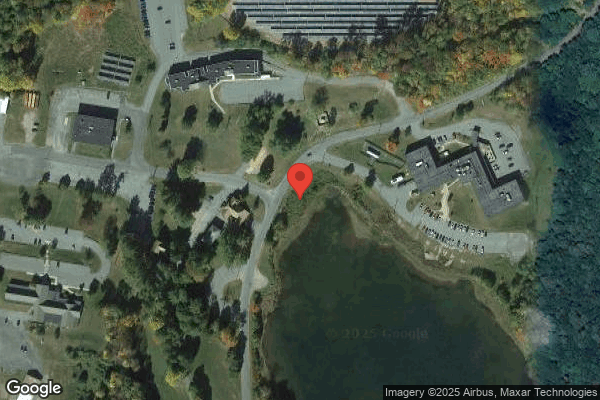

256 SUNSET LAKE ROAD, LIBERTY, NY 12754 (845) 292-8640
Government - County 146 Beds Independent Data: November 2025
Trust Grade
30/100
#564 of 594 in NY
Last Inspection: September 2024

Within standard 12-15 month inspection cycle. Federal law requires annual inspections.

Overview

Sullivan County Adult Care Center has received a Trust Grade of F, indicating significant concerns about the quality of care provided. Ranking #564 out of 594 facilities in New York places it in the bottom half, and #3 out of 3 in Sullivan County means there are no better local options available. Although the facility is showing improvement in its overall issues, reducing from 9 in 2024 to 3 in 2025, it still has concerning staffing levels with only average turnover at 45%. Families should be aware of the $31,960 in fines, which is higher than 84% of New York facilities, pointing to ongoing compliance problems. Specific incidents noted include a resident not receiving the required assistance with eating as documented in their care plan and the facility failing to maintain proper food safety standards, including storing expired food and not labeling items, which raises serious health concerns.

Trust Score
F
30/100
In New York
#564/594
Bottom 6%
Safety Record
Moderate
Needs review
Inspections
Getting Better
9 → 3 violations
Staff Stability
○ Average
45% turnover. Near New York's 48% average. Typical for the industry.
Penalties
○ Average
$31,960 in fines. Higher than 69% of New York facilities. Some compliance issues.
Skilled Nurses
⚠ Watch
Each resident gets only 26 minutes of Registered Nurse (RN) attention daily — below average for New York. Fewer RN minutes means fewer trained eyes watching for problems.
Violations
⚠ Watch
32 deficiencies on record. Higher than average. Multiple issues found across inspections.
★☆☆☆☆
1.0
Overall Rating
★★★☆☆
3.0
Staff Levels
★★★☆☆
3.0
Care Quality
★☆☆☆☆
1.0
Inspection Score
Stable
2024: 9 issues
2025: 3 issues

The Good

  • Full Sprinkler Coverage · Fire safety systems throughout facility
  • No fines on record
  • Staff turnover below average (45%)

    3 points below New York average of 48%

Facility shows strength in fire safety.

The Bad

1-Star Overall Rating

Below New York average (3.0)

Significant quality concerns identified by CMS

Staff Turnover: 45%

Near New York avg (46%)

Typical for the industry

Federal Fines: $31,960

Below median ($33,413)

Moderate penalties - review what triggered them

The Ugly 32 deficiencies on record

1 actual harm
Apr 2025 3 deficiencies
CONCERN (D) 📢 Someone Reported This

A family member, employee, or ombudsman was alarmed enough to file a formal complaint

Potential for Harm - no one hurt, but risky conditions existed

Investigate Abuse (Tag F0610)

Could have caused harm · This affected 1 resident

Based on record review and interviews the facility failed to initiate and complete a thorough investigation of an alleged violation of abuse to prevent further potential abuse. Specifically , On 3/212...

Read full inspector narrative →
Based on record review and interviews the facility failed to initiate and complete a thorough investigation of an alleged violation of abuse to prevent further potential abuse. Specifically , On 3/2125 at 12:00pm Resident #1 was at the nurse's station and 3 staff witnessed (Certified Nurse Aide #1 and #2 and Domestic Aide #1)and reported to different Registered Nurses (Registered Nurse #1 and #2) and to the Director of Nursing that they witnessed an incident where Resident #1 was picked up from behind in a bear hug and dropped on the floor and then carried to their room by Domestic Aide #2. There was no evidence that the nursing staff reported the allegation of abuse to the facility Administrator or that they conducted an investigation into the allegations of abuse. Resident #1 had diagnoses including Unspecified Dementia, Mood Disturbance, and Non-Alzheimer Dementia. The 12/20/24 Minimum Data Set for Resident #1 documented had moderately impaired cognition. Review of the facility Abuse Policy last revision date 10/24 under the section Procedure documented that any report of suspected mistreatment, neglect, misappropriation, abuse or involuntary seclusion is documented, and investigation is started immediately. This is to immediately be reported to the Administrator/Director of Nursing or Administrator. In the event that the Administrator/Director of Nursing or Assistant Director of Nursing is not in the building at the time of the allegation or suspected abuse they are to be notified, via telephone call immediately. Any allegation of abuse will be reported in keeping with the New York State Department of Health and CMS regulations. An incident report will be completed. Statements will be obtained from all staff having knowledge of the events surrounding the event and the resident. During interviews conducted on 3/28/2025 and 3/31/2025 facility staff (Certified Nurse Aides #1, #2, and Domestic Aide #1) reported that on 3/21/2025 at approximately 12:15 PM they were all sitting at the nurse's station on Unit 3 when they observed Resident #1 standing and playing with the clothing protectors, the resident was yelling as per their usual behavior. They all stated that they observed Domestic Aide #2 come up behind the resident and bear hug them, and then dropped them on the floor. They stated that Domestic Aide #2 then picked the resident up under their arms and removed them from the nurse's station brought them back to their room. During an interview on 3/28/2025 at 10:43 AM Certified Nurse Aide #1 stated, after witnessing the incident they informed Registered Nurse #2. During an interview on 3/31/2025 at 12:39 PM Registered Nurse #1 stated, that on the day of the incident both Certified Nurse Aide #1 and Domestic Aide #1 came to them and told them what occurred. They called the Director of Nursing who stated they would take care of it. Registered Nurse #1 did not go to the unit at that time since she had informed the Director of Nursing, but they were there later when the police came to the facility. During an interview on 3/31/25 at 12:52 PM Registered Nurse #2 stated, that on 3/21/2025 at 12:58 PM they received a call from the Director of Nursing requesting they go to Unit 3 to see if they needed any assistance. During an interview on 3/31/2025 at 10:08 AM Domestic Aide #1 stated when Registered Nurse #2 arrived on the unit, Domestic Aide #1 reported that the Domestic Aide #2 grabbed the resident from behind and carried them to their room. \They stated that Registered Nurse #2 told them that they would take care of that later, that they needed to attend to the resident. Registered Nurse #2 took the resident into the lounge, stayed with them and called 911. During an interview with the Director of Nursing on 4/1/2025 at 11:00 AM they stated they do not know why they did not do an investigation of suspected abuse. On the day of the incident when they spoke to the two different registered nurses (Registered Nurse #1 and #2) that is not how it came across. The Director of Nursing stated that no one used the words manhandle or abuse when describing the incident. There was no further investigation because they took their information of the event from the 2 registered nurses, they did not have a suspicion that abuse occurred. 10NYCRR 415.4(b)(3)
CONCERN (D) 📢 Someone Reported This

A family member, employee, or ombudsman was alarmed enough to file a formal complaint

Potential for Harm - no one hurt, but risky conditions existed

Deficiency F0658 (Tag F0658)

Could have caused harm · This affected 1 resident

**NOTE- TERMS IN BRACKETS HAVE BEEN EDITED TO PROTECT CONFIDENTIALITY** Based on record reviews, and interviews conducted during a Complaint survey (NY00376081) the facility did not ensure that servic...

Read full inspector narrative →
**NOTE- TERMS IN BRACKETS HAVE BEEN EDITED TO PROTECT CONFIDENTIALITY** Based on record reviews, and interviews conducted during a Complaint survey (NY00376081) the facility did not ensure that services provided met professional standards of quality. This was evident for 1 (Resident #1) of 3 residents reviewed for Medication Administration. Specifically, Resident #1 was administered an intramuscular injection of Lorazepam solution 1 MG that had been prescribed for another resident. The findings are: The facility policy titled Medication Administration created 1/87 and with a revision date of 4/24, documented that it is not acceptable to share medications between residents. The policy also documented that the right medication, is given to the right resident, at the right time, by the right route in the right dose. Resident #1 was admitted to the facility with diagnoses that included Unspecified Dementia, Mood Disturbance, and Non-Alzheimer's Dementia. The admission Minimum Data Set assessment dated [DATE] documented that Resident #1 had moderately impaired cognition. The Medication Administration Record dated 3/1/2025 to 3/31/2025 documented that Resident #1 was scheduled to receive Lorazepam Oral Tablet 0.5 MG 1 tablet by mouth two times a day for aggressive agitation anxiety. The Medication Administration Record dated 3/1/2025 to 3/31/2025 documented that Resident #1 received Lorazepam Solution 2 MG/ML inject 0.5 ml intramuscularly one time only for Bipolar Disorder on 03/19/2025 at 12:02 PM. There was no documented evidence that Lorazepam Solution had been dispensed by the pharmacy for administration to Resident #1. During an interview on 03/28/2025 at 3:47 PM, the Director of Nursing stated that Resident #1 was having escalating behavior and was evaluated by the Psychiatrist who ordered an immediate intramuscular injection of Lorazepam 1 MG which they administered. During an interview on 04/02/2025 at 3:57 PM, the Nurse Educator stated they do not administer medication, and they do not believe that Lorazepam Solution is stocked anywhere in the facility as an emergency medication. The Nurse Educator also stated that they went to Unit 2, retrieved the medication, did not look at the name on the bag or recall who it was prescribed for, but used it because it was needed at that moment. The Nurse Educator further stated that they prepared the medication and gave it to the Director of Nursing to administer to Resident #1. The Nurse Educator stated that it was only after the incident that they learned that the Lorazepam liquid used was not house stock medication. The Nurse Educator also stated that they would not use medications prescribed for another resident and thought that the Lorazepam liquid was a stock medication for use with all residents. In a subsequent interview on 04/03/2025 at 2:39 PM, the Director of Nursing stated that they knew what medications were in the building, and there was no liquid Lorazepam in stock, in either the emergency medication kits or in the medication refrigerators, as it was not a house stock medication. The Director of Nursing also stated that in the middle of the situation, they did not ask where the medication came from, as all they were thinking about was the safety of the resident and staff. 10 NYCRR 415.11(c)(3)(ii)
CONCERN (D) 📢 Someone Reported This

A family member, employee, or ombudsman was alarmed enough to file a formal complaint

Potential for Harm - no one hurt, but risky conditions existed

Deficiency F0741 (Tag F0741)

Could have caused harm · This affected 1 resident

**NOTE- TERMS IN BRACKETS HAVE BEEN EDITED TO PROTECT CONFIDENTIALITY** Based on record review and interviews conducted during an abbreviated and extended survey (NY00376081), the facility did not ens...

Read full inspector narrative →
**NOTE- TERMS IN BRACKETS HAVE BEEN EDITED TO PROTECT CONFIDENTIALITY** Based on record review and interviews conducted during an abbreviated and extended survey (NY00376081), the facility did not ensure that all nursing staff were competent and trained in providing care to residents with various psychiatric/mood disorders as listed in the current facility assessment. Specifically, 1 (Resident #1) of 4 residents with psychiatric diagnoses do not have staff in the facility that are trained to provide appropriate behavioral health care. The facility was unable to provide documented evidence that they provided nursing staff education on behavioral health training other than for dementia. Resident #1 Minimum Data Set, dated [DATE] with diagnoses unspecified dementia, moderate with mood disturbance. non traumatic brain dysfunction, non-Alzheimer's dementia. No behaviors are noted. Resident #1 was evaluated and was found to be moderately cognitively impaired with a brief interview of mental status of 11. On PHQ2-9 a depression screening tool Resident #1 scored a 13, indicating elevated depression. Review of the Facility assessment revealed it was last updated on 3/27/25. The Facility assessment listed the types of psychiatric/mood disorders and other diagnoses related to behavioral health specific to their resident population This list is used to identify the types of staff and material resources necessary to meet the needs of residents living with these diagnoses. The assessment lists the following disorders and conditions: psychosis, impaired cognition, mental disorder, depression, bipolar disorder, schizophrenia, post-traumatic stress disorder, anxiety disorder, intermittent explosive disorder, adjustment disorder. The Facility assessment documented that staff training is based upon the resident population and that training topics and competencies may/will change as resident needs are identified. Review of the General Orientation Packet revealed no date the 17th item on the list is titled Behavioral Health Training and Trauma Informed care. Further review of the packet indicated that on page 27 it is documented that Trauma Informed Care is defined as practices that promote a culture of safety, empowerment, and healing. It is a model for systems to address the impact of trauma and Post-Traumatic Stress Disorder (PTSD). There is another section in the full training packet on page 26 titled Behavioral Health training and it documented that it was for care of residents with dementia. There is nothing in the General Orientation Packet that addresses how to care for residents with any other mental health or behavioral health diagnosis or issue that is listed in the facility assessment. During an interview on 3/31/25 at 12:52pm with Registered Nurse #2 they stated there is no behavioral health training, no protocols when residents act out, no one knows what to do. If a resident tries to bite or hit, none of the staff have been trained on how to handle these situations. Registered Nurse #2 stated they can call for assistance but there isn't a behavior code to call they just page for assistance. During an interview on 4/2/25 at 11:23am with the Staff Education Nurse they stated there is no specific training to provide care for residents with schizophrenia or bipolar disorders. They stated that they recall staff saying they felt unsafe at times, and that they wanted behavioral health training. During an interview on 4/2/25 at 12:30pm with the Administrator they stated there is a difference between dementia care training and behavioral health training, the focus has been on training for dementia management and care. 10 NYCRR 415.26(c)(1)(iv)
Sept 2024 9 deficiencies 1 Harm
SERIOUS (G) 📢 Someone Reported This

A family member, employee, or ombudsman was alarmed enough to file a formal complaint

Actual Harm - a resident was hurt due to facility failures

Accident Prevention (Tag F0689)

A resident was harmed · This affected 1 resident

**NOTE- TERMS IN BRACKETS HAVE BEEN EDITED TO PROTECT CONFIDENTIALITY** 2. The Policy and Procedure titled Certified Nurse Aide Shift Routine with purpose to ensure compliance with resident care and p...

Read full inspector narrative →
**NOTE- TERMS IN BRACKETS HAVE BEEN EDITED TO PROTECT CONFIDENTIALITY** 2. The Policy and Procedure titled Certified Nurse Aide Shift Routine with purpose to ensure compliance with resident care and policies revised on 3/2022 documented residents are fed according to care plan. The Policy and Procedure titled Food and Nutrition Services revised on 8/2023, and edited on 12/4/2023 documented the multidisciplinary staff, including nursing staff, the attending physician, and the dietitian will assess each resident's nutritional needs, food likes, dislikes and eating habits, as well as physical, functional, and psychosocial factors that affect eating and nutritional intake and utilization. A resident-centered diet and nutrition plan will be based on this assessment. Resident #95 was admitted with diagnoses including but not limited to non-Alzheimer's dementia, adult failure to thrive, and psychotic disorder. The 06/27/2023 care plan documented the resident required interventions which included, but were not limited to, partial/moderate assistance with eating. Speech Therapy note dated 06/28/2023 documented swallow evaluation was completed. The resident tolerated thin liquids and puree, liquids upgraded, no straws. Review of physician orders on 06/28/2023 documented regular diet puree texture, thin consistency, no straws. The 06/30/2023 care plan documented the resident required interventions which included, but were not limited to, diet as ordered: regular diet, pureed texture, thin consistency. The 07/03/2023 admission Minimum Data Set Assessment (a resident assessment tool) documented Resident #95 had severe cognitive impairment, needed supervision with eating, and substantial assistance with self-care. Resident #95 had a swallowing disorder evidenced by loss of liquids/solids from mouth when eating or drinking, holding food in mouth/cheeks or residual food in mouth after meals, coughing or choking during meals or when swallowing medications, complaints of difficulty or pain with swallowing. With nutritional approaches: mechanically altered diet - require change in texture of food or liquids (e.g., pureed food, thickened liquids). A facility Investigation Report signed by the Director of Nursing documented on 07/13/2023 at approximately 8:00 PM Resident #95 requested a peanut butter and jelly sandwich from Certified Nurse Aide #7. The resident was given a sandwich upon request, the resident was at the nurse's station eating the sandwich when they began to cough. The resident was noted to be unresponsive, Code Blue called, Emergency Medical Services called, Heimlich maneuver (first aide, abdominal thrusts for someone choking) performed, the resident was suctioned, and oxygen was provided. The resident was transferred to the emergency room for an evaluation. Based on investigation, the resident's diet order was noted to be pureed. Based on interviews with staff and Certified Nurse Aide #7, who gave the resident the sandwich, Certified Nurse Aide #7 did not check the resident's diet prior to giving the resident the sandwich. Patient Review Instrument from the hospital documented the resident was admitted to the hospital on [DATE] with diagnosis including respiratory arrest associated with feeding. The Employee Statement signed by Certified Nurse Aide #7 on 07/14/2023 documented the resident told them they were hungry and asked to have a peanut butter and jelly sandwich. Certified Nurse Aide #7 stated they got the sandwich, cut all around it and gave the resident a small piece from the middle. The resident ate it, got up, walked, and started choking. During the interview on 09/25/2024 at 5:02 PM Certified Nursing Aide #12 stated every resident on the unit had a different diet, and they checked the tray ticket to make sure they received the right diet. If a resident had changes in their diet, the nurse would give an update or a report at the beginning or at the end of the shift. They said they also knew the electronic medical record had a fluid and nutrition section they could see the diet. If the resident asked them to have something to eat, they provided the resident with a snack depending on their diet. Certified Nursing Aide #12 said for the consistency of the food they check the list on the unit refrigerator at the nursing station, which was constantly updated. They said they received in-service education how to follow the diet upon hiring in July 2024. During the interview on 09/25/2024 at 5:10 PM Licensed Practical Nurse #13 stated for any residents who were on a pureed diet and requested snacks, they could provide chocolate pudding or yogurt. They said that Resident #95 had a puree diet, with thin liquids. Licensed Practical Nurse #13 said the resident did not have teeth and refused to get dentures and refused to have a dentist appointment. Licensed Practical Nurse #13 showed a list of the residents and the information with type of diets for them posted on the refrigerator at the nurse station. 10 NYCRR 415.12 (h)(1) Based on observation, record review, and interview conducted during the Recertification and Abbreviated Surveys (NY00333577 and NY00320085) from 9/22/2024 to 9/27/2024, the facility did not ensure that the residents environment remained as free of accident hazards as possible for 2 (Residents #219 and #95) of 7 residents reviewed for accidents. Specifically, 1. Resident #219 who- was being transferred via Mechanical lift by two certified nurse aides, fell from the mechanical lift due to the battery dying and Certified Nurse Aides #20 and #23 unhooking the straps instead of using the emergency lower button, subsequently causing a hematoma (large pool of blood under the skin resulting from injury) to the back of Resident #219's head which resulted in them having to be transferred to the emergency room for further evaluation. 2. Resident #95 was provided with a snack upon request, which was not according to the resident's prescribed diet order. As a result, the Resident #95 sustained a choking occurrence, became unresponsive, with initiation of a full Code Blue, and was eventually transferred to the hospital. This resulted in actual harm to Residents #'s 219 & #95 that was not immediate jeopardy. The findings are: The facility policy titled Accident/Incident dated 4/2001 and last revised on 9/2022 documented to ensure resident health and safety. 1. Resident #219 was admitted with diagnoses including below the knee amputation to both legs, chronic pain syndrome, and dementia. The admission Minimum Data Set, dated [DATE] documented Resident #219 had moderate intact cognition and was dependent with toileting and transfers. The 01/09/2024 Falls Care Plan documented Resident #219 is at risk for Falls as evidenced by deconditioning, incontinence, high risk meds, and history of falls. Interventions included educating the resident/family/caregivers about safety reminders and what to do if a fall occurs. The 02/14/2024 Accident and Incident form documented Resident #219's wheelchair tipped backwards, during a transfer from bed to chair via a mechanical lift when the battery died resulting in the resident falling on the floor. Resident #219 sustained a large hematoma to the posterior scalp (back of head) subsequently causing them to be transferred to the emergency room for evaluation. The 02/14/2024 Investigative Summary documented Resident #219 was sent to the Emergency Department for evaluation after sustaining a fall during a mechanical lift transfer and hitting their head. Resident #219 sustained a minor injury to the back of their head after falling during the transfer. Resident #219 returned to the facility, and abuse, neglect and mistreatment was ruled out. There was immediate re-education at the point of care provided to the certified nurse aides involved. The education included both verbal and demonstration of proper mechanical lift use. Further education was then provided, facility wide. During the following week, audits were conducted to ensure proper mechanical lift use among staff and checking for charging of the battery, with competencies to be completed by staff. Resident #219 was placed on safety and neuro checks per facility policy after returning from the emergency department. The 02/14/2024 Nursing Home Facility Incident Report submitted to the New York State Department of Health documented Resident #219 was being transferred from the bed to the wheelchair with 2 Certified Nurse Aides assistance via a mechanical lift, and per the Certified Nurse Aide statements, the mechanical lift malfunctioned, and upon further investigation and interviews, it was concluded there was also user error during the transfer. The 02/14/2024 Nursing Progress note by Registered Nurse Supervisor #18 at 11:35 PM documented upon arrival to Resident #219's room, the resident was observed lying on their back in a wheelchair, with the lower portion of the mechanical lift pad still connected to the mechanical lift. The Certified Nurse Aides reported during transfer, the mechanical lift malfunctioned, resulting in the resident falling during transfer. Resident #219 was assessed and there was a large hematoma noted to their posterior scalp. Resident denied loss of consciousness, awake, alert answering questions appropriately, complaint of blurring/double vision and back pain but stated he had 3 herniated disks. The resident was transferred to the Emergency Department for evaluation. Review of the emergency room After visit summary dated 02/14/2024 documented Resident #219 had a head injury with a diagnosis of falling from a height of greater than 3 feet. On 09/25/2024 at 11:15 AM, during an observation of Unit 2 there were 4 operable mechanical lift batteries observed in the clean utility room. During an interview on 09/25/2024 at 11:19 AM, Certified Nurse Aide #19 stated if the mechanical lift is dead, it will make a beeping noise and struggle to go up. Certified Nurse Aide #19 stated after the mechanical lift is finished being used, the battery should be placed on the charger. During an interview on 09/25/2024 at 12:30 PM, Certified Nurse Aide #20 stated when they were lowering the resident to the chair, the battery died, and they unhooked the mechanical lift straps, resulting in Resident #219 tilting backwards in the wheelchair and falling, hitting the back of their head on the floor. Certified Nurse Aide #20 stated they did not know the battery was dead and should have checked before taking Resident #219 out of bed. Certified Nurse Aide #20 stated they should have checked the battery prior to transferring the resident and was aware the mechanical lift had an emergency button to lower the resident if the battery died. During an interview on 09/26/2024 at 9:35 AM, the Director of Nursing stated although, the certified nurse aides should not have operated the mechanical lift with a dead battery, causing Resident #219 to fall and hit their head, there was no negligence deemed on the certified nurse aides part. During an interview on 09/26/2024 at 9:45 AM, the Administrator stated safe patient handling listed on the competencies included knowledge of the mechanical lift and that Certified Nurse Aide #20 and Certified Nurse Aide #23 were trained in operation of a mechanical lift. During an interview on 09/27/2024 at 10:52 AM, the Director of Nursing stated prior to Resident #219 falling out of the mechanical lift on 2/14/2024, the certified nurse aides were aware of the emergency lower button on the mechanical lift. The Director of Nursing stated it was the responsibility of the night shift to charge the mechanical lift batteries. During an interview on 09/27/2024 at 11:30 AM, the Director of Medical stated Resident #219's fall from the mechanical lift on 2/14/2024 was considered significant and the resident was sent to the emergency department for further evaluation, and to rule out significant trauma. 10 NYCRR 415.12 (h)(1)
CONCERN (D)

Potential for Harm - no one hurt, but risky conditions existed

Deficiency F0561 (Tag F0561)

Could have caused harm · This affected 1 resident

**NOTE- TERMS IN BRACKETS HAVE BEEN EDITED TO PROTECT CONFIDENTIALITY** Based on observations, record review, and interviews conducted during the Recertification Survey from 9/22/24 to 9/27/24, the fa...

Read full inspector narrative →
**NOTE- TERMS IN BRACKETS HAVE BEEN EDITED TO PROTECT CONFIDENTIALITY** Based on observations, record review, and interviews conducted during the Recertification Survey from 9/22/24 to 9/27/24, the facility did not ensure that the residents had a right to make choices about aspects of his or her life in the facility that are significant to the resident for 1(Resident #110 ) of 1 residents reviewed for Choices. Specifically, Resident #110 was moved from their room(163) on 9/22/24 to another room(169) while the ceiling in their room was being repaired, and on 9/23/24 when the repair was completed, Resident #110 was not moved back into their room as per their preference until 9/26/24. The findings are: The facility policy titled Resident Room Changes dated 2/2016 and revised on 4/2024 documented that in recognition of the possible physical, mental, and psychological impact that a room change may produce, the facility makes every effort to lessen any negative effect that a room change may have on a resident, and the room change will be carried out in manner to maintain residents' rights and dignity. Resident #110 was admitted with diagnoses including but not limited to Alzheimer's disease, depression, and glaucoma. The 6/22/24 Quarterly Minimum Data Set documented that Resident #110 had severely impaired cognition and required supervision with ambulation and transfers. The 6/19/24 Dementia Care Plan documented that Resident #110 had impaired cognitive function/dementia or impaired thought processes related to dementia. Interventions included asking yes or no questions to determine the resident's needs. The 9/22/24 Nursing progress note documented Resident #110 was moved to room [ROOM NUMBER]-D due to a leak in the ceiling. On 09/23/24 at 02:11 PM, Resident #110 was observed room [ROOM NUMBER]-D and stated that they wanted to leave, and was not happy, and did not like the room change, because it was cold, and the window was dirty with cobwebs. On 09/26/24 at 10:27 AM, Resident #110 was observed standing in front of room [ROOM NUMBER] wanting to go in the room and kept looking into the room. During an interview on 09/26/24 at 10:27 AM, Resident #110 stated that they want to go their old room(163) and did not like room [ROOM NUMBER] because it was ugly and cold. During an interview on 09/26/24 at 10:34 AM, Certified Nurse Aide #22 stated that Resident #110 kept walking around and going to their old room and trying to get in there. They stated the resident wanted to go back in there and appeared confused and wondered why they could not go into their room. During an interview on 09/27/24 at 10:36 AM, the Director of Nursing stated Registered Nurse Unit Manager #18 informed the Interdisciplinary team in morning report that they spoke to Resident #110 about the room change and they had no complaints. The Director of Nursing stated that the conversation was not documented, therefore the conversation did not occur. The Director of Nursing stated Resident #110's Social Worker should have followed up with Resident #110 on the room change and offered them to go back to their room(163). The 9/27/24 Social services progress note documented that on Friday 09/27/2024, the Social Worker followed with Resident #110 since moving back into their room from Sunday's room change, and they expressed how happy they were and thanked staff. During an interview on 09/27/24 at 11:37 AM, the Director of Social Work stated that the case worker did not follow up with Resident #110 about the temporary room change and should have followed up and did an assessment when the resident was moved. The Director of Social Work stated that when Resident #110 was moved back into their room, Resident #110 was so happy about the move and said they were adjusting well. 10 NYCRR 415.5(f)(2)
CONCERN (D) 📢 Someone Reported This

A family member, employee, or ombudsman was alarmed enough to file a formal complaint

Potential for Harm - no one hurt, but risky conditions existed

Safe Environment (Tag F0584)

Could have caused harm · This affected 1 resident

**NOTE- TERMS IN BRACKETS HAVE BEEN EDITED TO PROTECT CONFIDENTIALITY** Based on observations, record review, and interviews conducted during the Recertification Survey from 9/22/24 to 9/27/24, the fa...

Read full inspector narrative →
**NOTE- TERMS IN BRACKETS HAVE BEEN EDITED TO PROTECT CONFIDENTIALITY** Based on observations, record review, and interviews conducted during the Recertification Survey from 9/22/24 to 9/27/24, the facility did not ensure that the residents had a right to a safe, clean, comfortable, and homelike environment, including housekeeping and maintenance services necessary to maintain a sanitary, orderly, and comfortable interior for 2 (Resident #34 and #110 ) of 5 residents reviewed for Environment. Specifically, the ceiling in room [ROOM NUMBER] on Unit 2 where Residents #34 and #110 resided, was observed with a large hole in the ceiling, a basin on the floor that was collecting water, with a bed pad underneath. The findings are: The undated facility policy titled Maintenance Work Order Policy documented that the Maintenance Department is responsible for maintaining the buildings, grounds, and equipment in a safe and operable manner at all times. On 09/22/24 at 06:21 PM, the ceiling in room [ROOM NUMBER] on unit 2 was observed with a big hole in the ceiling that was approximately 2.5 feet by 2 feet and there was a basin on the floor, on top of a bed pad collecting water. Resident #34 stated that a few days ago, the ceiling fell and water was leaking everywhere. On 09/23/24 at 11:59 AM, Resident #34 was observed in room [ROOM NUMBER]-D on unit 2 and stated that their previous room [ROOM NUMBER] was a mess and they had to be moved to another room(163) and was very upset due to the move. On 09/23/24 at 02:11 PM, Resident #110 was observed in room [ROOM NUMBER]-D and stated that they wanted to leave, and was not happy, and did not like the room change, because it is cold, and the window was dirty with cobwebs. During an interview on 09/26/24 at 10:22 AM, the Director of Maintenance stated that the ceiling in room [ROOM NUMBER] unit 2, leaked causing a large hole due to the air conditioner unit above on unit 4 leaking into the ceiling. The Director of Maintenance stated that when the air conditioner unit fills up and gets dirty, it gets debris in there and then the water has nowhere to go but pool over. The Director of Maintenance stated that they were not made aware that the ceiling caved in until Monday morning (9/23/24), and the nurse did notify the maintenance assistant on 9/21/24 via verbal and in the work log, and the ceiling was not repaired until 9/23/24. The Director of Maintenance stated that there was potential for the ceiling to cave in more if the tiles got more soaked and stated that Residents #34 and #110 should have been moved for safety. The Director of Maintenance stated that they repaired it on Monday and that there was no reason why the resident's could not go back to their room. During an interview on 09/26/24 at 10:50 AM, the Director of Nursing stated that Licensed Practical Nurse #13 notified Maintenance Assistant #26 on 9/21/23 during the evening shift and put it in the maintenance communication log on 9/21/23. The Director of Nursing stated that they were made aware by nursing Maintenance Assistant #26 came put the pad and bucket in the room on the floor. The Director of Nursing stated that the residents should have been moved out of the room immediately for safety concerns and that the nursing supervisor could have made that decision. During an interview on 09/26/24 at 11:36 AM, Registered Nurse Unit Manager #18 stated that on Saturday(9/21/23) they were the supervisor on duty and did rounds on unit 2 and no one said anything about the ceiling caving in, in room [ROOM NUMBER]. Registered Nurse Unit Manager #18 stated that they were not informed until Sunday (9/22/23) during the evening shift and moved the residents from 163 to 169 for safety due to the large hole in the ceiling that was leaking water onto the floor. During an interview on 09/26/24 at 12:02 PM, Maintenance Assistant #26 stated that they were made aware about hole in ceiling in room [ROOM NUMBER] on Saturday afternoon(9/21/24). Maintenance Assistant #26 stated that they turned off the air conditioners on 2nd floor and waited for drip to stop. Maintenance Assistant #26 stated that would have replaced the tile, but it was pointless to do so while its dripping. Maintenance Assistant #26 stated that Residents #34 and #110 should have been moved for safety due to the water leaking on the floor and did notify the nurse that the tile would not have been replaced until Monday(9/23/24). 10NYCRR 415.5(i)(2)
CONCERN (D) 📢 Someone Reported This

A family member, employee, or ombudsman was alarmed enough to file a formal complaint

Potential for Harm - no one hurt, but risky conditions existed

Report Alleged Abuse (Tag F0609)

Could have caused harm · This affected 1 resident

**NOTE- TERMS IN BRACKETS HAVE BEEN EDITED TO PROTECT CONFIDENTIALITY** Based on observation, interview, and record review conducted during the recertification and complaint (NY00335402) survey from 9...

Read full inspector narrative →
**NOTE- TERMS IN BRACKETS HAVE BEEN EDITED TO PROTECT CONFIDENTIALITY** Based on observation, interview, and record review conducted during the recertification and complaint (NY00335402) survey from 9/22/2024 to 9/27/2024, the facility did not ensure that all alleged violations involving misappropriation of resident property were reported to the New York State Department of Health. This was evident for 1 (Resident #49) of 3 residents reviewed for abuse. Specifically, the facility did not report an allegation that Resident #49's gold necklace was removed by a staff member and never returned to the resident. The findings are: The facility policy titled Resident Abuse dated 6/2023 documented any report of abuse will be reported in keeping with the New York State Department of Health regulations. Resident #49 was diagnosed with Parkinson's disease and cerebral infarction. The Minimum Data Set 3.0 assessment dated [DATE] documented Resident #49 was moderately cognitively impaired. A facility Investigation initiated 2/20/2024 documented Resident #49 and their designated representative reported that Resident #49's gold necklace went missing after 2 unidentified male staff members took the necklace for cleaning. Police were called on 3/18/2024 and a larceny investigation was initiated. There was no documented evidence the facility reported Resident #49's allegation of misappropriation of property on 2/3/2024 to the New York State Department of Health. The Administrator was interviewed on 9/27/2024 at 3:00 PM and stated Resident #49's report of a missing gold necklace was not reported to the New York State Department of Health because it was reported as a missing item and was not considered a reportable event. 10 NYCRR 415.4(b)(2)
CONCERN (D)

Potential for Harm - no one hurt, but risky conditions existed

Respiratory Care (Tag F0695)

Could have caused harm · This affected 1 resident

Based on interview and record review and observation during the recertification survey from 9/22/24-9/27/24, the facility did not ensure that a resident who needed respiratory care was provided such c...

Read full inspector narrative →
Based on interview and record review and observation during the recertification survey from 9/22/24-9/27/24, the facility did not ensure that a resident who needed respiratory care was provided such care consistent with professional standard of practice for 1 of 2 residents (Resident #105) reviewed for Respiratory Care. Specifically, oxygen was applied to Resident #105 and did not have a physician order. Findings include: Resident #105 had diagnoses including dependence on renal dialysis, chronic systolic heart failure (heart can't pump blood efficiently) and atrial fibrillation. (an irregular, often rapid heart rate). The 8/24/24 Quarterly Minimum Data Set documented Resident #105 had intact cognition and did not document the resident was on oxygen therapy. The 4/24 Oxygen Administration Policy documented to verify there is a physician order for this procedure. Review the physician's orders for facility protocol for oxygen administration. A 9/11/24 nursing progress note documented at 4:00 AM, the resident complained of shortness of breath and their oxygen saturation on room air was 85%. Two (2) liters of oxygen was applied via nasal cannula and the oxygen saturation was rechecked and 98%. During an observation on 9/22/24 at 5:00 PM Resident #105 in sitting in the hallway has oxygen at 2 liters via nasal cannula. A 9/24/24 nursing progress note documented oxygen tank replaced, oxygen saturation 95% on 2 liters via nasal cannula. A 9/25/24 nursing progress note documented resident returned to facility from dialysis, oxygen at 2 liters via nasal cannula. A review of the resident's electronic health record revealed no documentation of a physician order, or care plan for the administration of oxygen. A review of the September 2024 medication and treatment administration records revealed no documentation of oxygen 2 liters via nasal cannula. During an observation on 9/25/24 at 4:00 PM Resident #105 had oxygen at 2 liters via nasal cannula. During an observation on 9/26/24 at 8:57 AM Resident #105 had oxygen at 2 liters via nasal cannula. During an observation on 9/27/24 at 8:00 AM Resident #105 was in the lobby with oxygen at 2 liters via nasal cannula. During an interview on 9/27/24 at 1:20 PM, Registered Nurse Unit Manager #1 stated when the Registered Nurse assessed the resident for the need for oxygen, they would call the physician to get an order, write the order and initiate the care plan. During an interview on 9/27/24 at 1:30 PM, Licensed Practical Nurse #2 stated after an assessment if the resident needed oxygen the staff would apply the oxygen and get an order from the physician and initiate a care plan. During an interview on 9/27/24 at 1:45 PM, the Director of Nursing stated all residents with oxygen should have a physician order. 10NYCRR415.12(k)(6)
CONCERN (D)

Potential for Harm - no one hurt, but risky conditions existed

Deficiency F0711 (Tag F0711)

Could have caused harm · This affected 1 resident

**NOTE- TERMS IN BRACKETS HAVE BEEN EDITED TO PROTECT CONFIDENTIALITY** Based on observations, record review, and interviews conducted during the Recertification Survey from 9/22/24 to 9/27/24, the fa...

Read full inspector narrative →
**NOTE- TERMS IN BRACKETS HAVE BEEN EDITED TO PROTECT CONFIDENTIALITY** Based on observations, record review, and interviews conducted during the Recertification Survey from 9/22/24 to 9/27/24, the facility did not ensure that the Physician reviewed the resident's total program of care, including medications, and treatments, at each visit for 1(Resident #107 ) of 1 residents reviewed for Hospice. Specifically, Resident #107 was admitted to the facility on [DATE], on Hospice, had no Physicians order to receive Hospice services. The findings are: The undated facility policy titled Physician Responsibilities documented that when a new resident is admitted to the nursing home, the physician conducts a thorough evaluation. This includes reviewing the resident's medical history, assessing current health conditions, and documenting any necessary treatments or interventions. Resident #107 was admitted with diagnoses including but not limited to Alzheimer's disease, anxiety disorder, depression, and psychotic disorder. The 8/6/24 Quarterly Minimum Data Set documented Resident #107 had severely impaired cognition and was receiving hospice care. Upon review of Physicians orders, there was documented evidence that an order for Hospice was initiated until 9/23/24. The 4/30/24 Advanced Directives Care Plan documented that Resident #107 was on Hospice Care. During an interview on 09/26/24 at 1:50 PM, Registered Nurse Manager #21 stated that Resident #107 had been on Hospice since admission on [DATE] and that there were no Physicians orders for Hospice, and that there should have been. Registered Nurse Manager #21 stated that they put the order into the computer on 9/23/24. Registered Nurse Manager #21 stated that they did the nursing admission for Resident #107, and that the Hospice order should have been inputted into the facility's electronic medical records. During an interview on 09/26/24 at 02:10 PM, the Director of Nursing stated Resident #107 was admitted to the facility on Hospice, and that if a resident was on Hospice, there should be a Physician's order. During an interview on 09/27/24 at 11:14 AM, the Medical Director stated that residents that were on Hospice should have a Physicians order and that the nurses were responsible for ensuring non medication orders like Hospice were put in the facility's electronic health record, and that the Physicians were more responsible for the labs and medications. The Medical Director stated that although the Physicians and/or Nurse Practitioners were responsible for managing the residents care, they could not check every single order to see if it was there. The Medical Director stated that the facility had 120 beds, and they could not micromanage who was being admitted into the facility. 10 NYCRR 415.15(b)(2)
CONCERN (E) 📢 Someone Reported This

A family member, employee, or ombudsman was alarmed enough to file a formal complaint

Potential for Harm - no one hurt, but risky conditions existed

Deficiency F0725 (Tag F0725)

Could have caused harm · This affected multiple residents

**NOTE- TERMS IN BRACKETS HAVE BEEN EDITED TO PROTECT CONFIDENTIALITY** Based on record review and interviews conducted during the Recertification and Abbreviated surveys (NY 00351488 and NY 00335211)...

Read full inspector narrative →
**NOTE- TERMS IN BRACKETS HAVE BEEN EDITED TO PROTECT CONFIDENTIALITY** Based on record review and interviews conducted during the Recertification and Abbreviated surveys (NY 00351488 and NY 00335211) from 9/22/24 to 9/27/24, the facility did not ensure that there was sufficient nursing staff to attain or maintain the highest practicable physical, mental, and psychosocial well-being of each resident. Specifically, upon review of the staffing schedule for multiple days and on all three shifts of staffing for each floor, the facility did not provide adequate staffing to meet the needs of the residents. The findings are: The Facility assessment dated [DATE] documented Licensed Practical Nurses providing direct care and Nurses Aides were staffed based on the acuity of units or demands of unit as determined by the Clinical Administration on a fluid basis as the needs of the residents and census are ever changing. 1) The facility census on 9/22/2024 was 115 residents. On 9/27/2024, the Unit 1 census was 17 and Unit 2 census was 39. A review of actual Staffing Sheets from 9/1/2024 to 9/27/2024 documented 17 of 28 night shifts where 1 Certified Nursing Assistant was scheduled and staffed on Unit 1. There were 8 of 28 night shifts where 2 Certified Nursing Assistants were scheduled and worked on Unit 2 on the night shift. On 9/27/2024 at 7:26 AM, Unit 1 was observed with a strong smell of feces emanating from a room at the beginning of the unit and permeating throughout unit. Registered Nurse #17 was observed coming out of a room and calling to Certified Nursing Assistant #25 who was in the hallway at the soiled linen cart. Licensed Practical Nurse #26 was observed sitting at the nursing station. There were 2 of 17 total residents on the unit up and out of bed eating breakfast. There were 12 residents asleep with their breakfast trays at bedside. At 7:50 AM, Registered Nurse #17 left the unit and 2 staff members remained. The smell of feces was still apparent and observed from the Unit 1 hallway. On 9/27/2024 at 7:32 AM, Certified Nursing Assistant #25 was interviewed and stated they always worked the night shift from 12 AM to 8 AM and was usually assigned to the Unit 4. Certified Nursing Assistant #25 was asked to cover the shift on Unit 1 because the facility was short of staff. Registered Nurse #17 was the Nursing Supervisor and helped with providing residents with care because the Licensed Practical Nurse was responsible for medication pass and wound treatments. The night shift was hectic because Certified Nursing Assistant #25 was usually assigned to 20 residents and had to begin getting residents up at 5 AM for breakfast at 6:15 AM. Some residents complained about getting up early and were allowed to sleep in. Most of the residents agreed to eat breakfast. There were approximately 3 residents on Unit 1 that requested not to be assigned to a male aide and the charge nurse did assist in providing those residents' care. The same aide kept calling out or not showing up which created a staffing shortage. Domestic Aides were used by the facility on the day and evening shifts to escort residents to appointments, make beds, or restock the units. The Domestic Aides did not assist with or provide activity of daily living care to residents. There were no Domestic Aides assigned to the night shift. Certified Nursing Assistant #25 stated they found their assignment overwhelming at times when they had several residents that required more assistance. On 9/27/2024 at 7:48 AM, Registered Nurse #17 was interviewed and stated they worked as the Nursing Supervisor on the night shift for the facility for approximately 1 year. The staffing ratio was 1 Certified Nursing Assistant to 15 residents. There was a mistake on the schedule so 1 Certified Nursing Assistant was placed on Unit 1 and Registered Nurse #17 helped the aides. During the interview, Registered Nurse #17 referenced a printed email from the Director of Nursing dated 9/10/2024 that was hanging from a bulletin board in the nursing office and stated, the Nursing Supervisors were informed Unit 1 was overstaffed and should only be assigned 1 Certified Nursing Assistant for the night shift. The staffing par levels were 1 aide for Unit 1 and 3 aides each on Unit 2, Unit 3, and Unit 4. The night shift that just ended had 1 aide on Unit 1, 2 aides on Unit 2, and 3 aides each on Unit 3 and 4. Unit 1 was considered the subacute rehab unit for beds 100 to 110 and the rest of the unit was for residents on palliative care. Registered Nurse #17 stated their shift began at 8 PM and they were usually dealing with staffing issues. There was at least one callout daily and there was one staff member that consistently called out every time they were on schedule. There were also times the schedule had mistaken where someone was scheduled but did not know they were scheduled or were on vacation. Callouts were the biggest issue. Certified Nursing Assistant #27 was mistakenly scheduled to work Unit 1 on the 9/27/2024 night shift but was on a rotating weekend schedule and was supposed to be off so they should have never been placed on the schedule. There were also times the facility would schedule an agency aide for a double shift and after working 1 shift, the aide would cancel their second shift and leave the facility short of staff. Another Licensed Practical Nurse did not work a full shift on Unit 1 and left early leaving Licensed Practical Nurse #26 as the only nurse on Unit 1. Night shift staffing became a problem during breakfast time at 6 AM. There were less staff scheduled for the night shift and the staff were expected to have residents up and fed for the breakfast meal. Registered Nurse #17 pointed to the schedule and stated the empty slots on the page were slots for staff that should have been scheduled but had not been filled. The problem with staffing was on the night shift because of the breakfast meal. Registered Nurse #17 stated they were also responsible for fielding callouts and assisting with staffing for the upcoming day shift. On 9/27/2024 at 8:40 AM, Licensed Practical Nurse #8, was interviewed and stated they were concerned with agency staff that were assigned to cover their unit on their days off that were not properly trained in the charge nurse responsibilities. They had email communications with the Director of Nursing that started in January 2024 but stopped in March 2024 after the Director of Nursing told Licensed Practical Nurse #8 to stop complaining about staffing. There were times that aides disappeared for several hours without repercussion. Licensed Practical Nurse #8 stated they had issues with looking for supplies on other units and was unable to find staff. There was no oversight or supervision of staff on the night shift. Licensed Practical Nurse #8 had to assist with feeding breakfast to residents on their shift and there were times that they were still feeding residents until 7:45 AM. Staff burnout occurred because the assignments were not rotated, and some aides complained that their assignment was heavier. The facility Administration made room changes to accommodate staff complaints regarding their assignments instead of rotating staff. Recently, the get-up schedule of residents that the night shift were required to have out of bed for breakfast and before the day shift arrived, changed and residents were added to the list, placing more responsibility and work on the night shift. On 09/27/24 at 9:34 AM, Licensed Practical Nurse # 4 was interviewed and stated they worked overtime for the facility 1-2 two times per week. Licensed Practical Nurse # 4 stated they covered three 12-hour shifts and two 8-hour shifts per week. On 09/27/24 at 9:37 AM, Registered Nurse Unit Manager #5 was interviewed and stated, on average the direct care staff were short staffed usually 1-2 times per week. However, the facility was very short staffed and did not have enough staff to care for the residents. On 09/27/2024 at 11:16 AM, the Staffing Coordinator was interviewed and stated the staffing schedule was created on 2-week cycles and was a collaboration between the Administrator, the Staffing Coordinator, and the Director of Nursing. There was a meeting held every Thursday to discuss staffing schedule needs and changes. Staffing par levels changed according to unit census. If there were more than 15 residents on Unit 1, there should be 2 Certified Nursing Assistants. The Administrator and/or Director of Nursing dictated whether units were overstaffed. The evening 4 PM to 12 AM and night 12 AM to 8 AM shifts were very challenging to staff. The facility was unable to find staff that wanted to work those shifts. Callouts and other staffing issues were considered when making the schedule. The Staffing Coordinator stated they were continually working to cover the blank slots on the schedules. If the slots were not filled, staff were asked to work double shifts or stay over. The Staffing Coordinator worked with 3 separate staffing agencies but there were no-calls, no-shows. Agency staff were given 3 chances to show up and, if they did not show, the Staffing Coordinator took them off the schedule. Agency staff were booked for more than one shift before the facility confirmed they were reliable. There were limitations in asking certain regular staff to work double shifts because of their contract. The Director of Nursing determined 1 Certified Nursing Assistant was acceptable on Unit 1 because the facility had staffing issues. There were staffing issues identified on the previous recertification survey and the facility attempted to attract more staff with flexible hours, higher wages, hiring staffing agencies, and other incentives. Domestic Aides were used on the day and evening shifts to assist with filling water pitchers, making beds, and as escorts to outside clinic appointments. On 09/27/2024 at 03:27 PM, the Administrator was interviewed and stated the facility made efforts to improve staffing since the last recertification survey, conducted job fairs, and put a process in place to get in touch with job candidates faster. There were also pickup shift bonuses, sign on bonuses, additional staffing agencies brought on board, and flexible hours given to staff to obtain and retain staff. Hiring and new employee orientation have been improved with the new inservice coordinator. The facility par levels were in line with the New York State Department of Health staffing par levels of 3.5 nursing hours per resident per day. Unit 1 should have 2 aides if they have a census of 20 residents. Acuity level was part of the staffing discussion during the weekly staffing meetings. Unit 1 currently had a census of 17 residents and only required 1 aide to be scheduled on the night shift. Unit 2, the locked Dementia Unit, should be staffed with 2 to 3 Certified Nursing Assistants at night. The Administrator stated they were aware that a meal service was scheduled on the night shift and that there had been discussions regarding how this effects staff and residents. The Licensed Practical Nurse and Registered Nurse Supervisor helped with providing activity of daily living care to residents. It was more difficult to staff the night shift. The Administrator stated they were more concerned with staffing the evening shift and stated agency staff were used to pick up shifts on a regular basis. 10 NYCRR415.13(a)(1) (i-iii)
CONCERN (E)

Potential for Harm - no one hurt, but risky conditions existed

Deficiency F0804 (Tag F0804)

Could have caused harm · This affected multiple residents

Based on observation and interview conducted during the Recertification survey from 9/22/24 to 9/27/24, the facility did not provide food and drink that was palatable, attractive, and at a safe and ap...

Read full inspector narrative →
Based on observation and interview conducted during the Recertification survey from 9/22/24 to 9/27/24, the facility did not provide food and drink that was palatable, attractive, and at a safe and appetizing temperature. Specifically, food was served out of temperature (chicken, pasta, vegetables, and milk). Findings include: The facility policy Food and Nutrition Services revised on 8/2023 and edited on 12/4/2023 documented, food and nutrition services staff will inspect food trays to ensure that the correct meal is provided to each resident, the food appears palatable and attractive, and it is served at a safe and appetizing temperature. During an interview on 9/22/24 at 5:42 PM, Resident #27 stated the food was cold by the time they got their tray in their room. Resident #27 stated it took the Certified Nurse Aide a half-hour to bring the tray to them, after they finished serving the residents in the dining room. During an interview on 09/23/24 at 11:36 AM, Resident #94 stated that the food was cold by the time they brought it to them. During a Resident Counsel Group meeting on 09/24/24 at 1:35 PM, some of the residents stated the food did not look appetizing at times, and on many occasions the food was cold when it got to them. On 9/25/24 at 12:09 PM, temperatures were checked on a test tray with the Food Service Director. The chicken was 130 degrees Fahrenheit, the cooked vegetables were 105 degrees Fahrenheit, the pasta was 106 degrees Fahrenheit, and a half pint box of reduced fat milk was 48 degrees Fahrenheit. During an interview on 9/25/24 at 12:11 PM, the Food Services Director stated that the food and milk were at acceptable temperatures when they left the kitchen. 10 NYCRR 415.14 (d)(1)(2)
CONCERN (F)

Potential for Harm - no one hurt, but risky conditions existed

Food Safety (Tag F0812)

Could have caused harm · This affected most or all residents

Based on observations and interviews conducted during the recertification survey from 9/22/24 to 9/27/24, the facility did not ensure that food was stored in accordance with professional standards for...

Read full inspector narrative →
Based on observations and interviews conducted during the recertification survey from 9/22/24 to 9/27/24, the facility did not ensure that food was stored in accordance with professional standards for food safety practice, and essential equipment was not in safe operating condition. Specifically, 1. Food was stored in the walk-in freezers and refrigerators that was unlabeled, undated and without expiration dates. 2. Expired foods were stored in refrigerators and the dry storage room. 3. Freezers #6 and #7's insulation door seals were not attaching properly causing the formation of ice on the ceiling and walls inside the freezers. 4. Damaged tile flooring next to the dishwashing machine formed an uneven and wobbly surface. Finding include: The undated facility policy Food Receiving and Storage documented all foods stored in the refrigerator or freezer will be covered, labeled, and dated. During an initial tour of the kitchen on 09/22/24 at 4:40 PM conducted with Head [NAME] the following were observed in the walk-in freezer #7: 1. A bag of frozen chicken breast, without original box, with receiving date 9/20 on the label. The Head [NAME] could not find the expiration date on another chicken breast box. 2. Opened box of beef patties with no date of opening. 3. A bag of beef chuck stored on top of a bag of corn beef and a bag of opened mix frozen vegetables with no original boxes. 4. The formation of ice on the ceiling and walls inside the freezer. Observation of walk-in freezer #6 on 09/22/24 at 4:55 PM revealed a bag of hash brown patties on top of the bag of sausage for pizza without original box, and no expiration date. Observation of walk-in refrigerator #5 on 09/22/24 at 5:03 PM revealed an undated 5-pound bag of mozzarella cheese, an undated leftover of angel food cake, an opened on 9/15/24 mild cheddar cheese cubes. The head cook said opened cheese could be kept for 3 days after opening. Observation of walk-in refrigerator #4 on 09/22/24 at 5:11 PM revealed an undated metal tray of leftover baked ziti covered with plastic. The head cook said it was made yesterday. Observation of dry storage room on 09/22/24 at 5:22 PM revealed a box of yellow cake mix with expiration date 06/12/2024; a bag of cashews whole 320-count with an illegible date of opening and with an expiration date of 4/25/24; bags of mini penne and mini enriched macaroni with open dates of 9/18/24 and without the original box and expiration date. Observation of the area around the dish washer machine on 9/22/24 at 5:48 PM revealed damaged tile flooring next to the dish washer machine, which formed uneven and wobbly surface. During an interview with the Food Services Director on 09/26/24 at 01:00 PM, they said the door seals for freezers #6 and #7 had not been closing properly for over a year. The insulation seals were not attaching properly to the doors leaving a gap between doors and door frames, causing formation of ice on the ceiling and walls inside of the freezers. They said they sent reports about the situation with broken floor and door seals to QAPI meeting every month, and the people who were responsible for fixing the doors were aware of this situation. 10 NYCRR 415.14 (h)
Oct 2023 1 deficiency
CONCERN (D) 📢 Someone Reported This

A family member, employee, or ombudsman was alarmed enough to file a formal complaint

Potential for Harm - no one hurt, but risky conditions existed

Notification of Changes (Tag F0580)

Could have caused harm · This affected 1 resident

Based on record review and interviews during an abbreviated survey (NY00311382), the facility did not immediately notify the designated representative (DR) and/or Health Care Proxy (HCP) when there wa...

Read full inspector narrative →
Based on record review and interviews during an abbreviated survey (NY00311382), the facility did not immediately notify the designated representative (DR) and/or Health Care Proxy (HCP) when there was a significant change in Residents medical/clinical status. This was evident for 1 of 3 residents (Resident #1) reviewed for notification. Specifically, Resident #1 tested positive for covid on 02/15/2023. The HCP was not informed until 02/22/2023 when the HCP was contacted by the facility regarding Resident #1's chest X-ray results. The findings are: The Facility Policy titled Resident Rights and Quality of Life dated 05/2009 documented that each resident will have the right to participate in planning care and treatment or changes in care and treatment. Residents adjudged incompetent or otherwise found to be incapacitated under the laws of the State of New York shall have such rights exercised by a DR who will act on their behalf in accordance with State law; and the facility shall except in a medical emergency, consult with the resident immediately if the resident is competent, and notify the resident's physician and designated representative within 24 hours where there is a significant improvement or decline in the resident's physical, mental, or psychosocial status in accordance with generally accepted standards of care and services; and when there is a need to alter treatment significantly Resident #1 had diagnoses that included Alzheimer's Disease, hemiplegia and hemiparesis following cerebral infarction, and personal history of COVID-19. The Minimum Data Set (MDS, a resident assessment tool) dated 02/26/2023 documented Resident #1 had a Brief Interview for Mental Status (BIMS) score of 6/15 indicating severely impaired cognition. Resident #1 required extensive one-person physical assistance with personal hygiene, bed mobility, dressing, and utilized a Hoyer mechanical lift. Review of Resident #1's HCP dated 01/11/2016 documented Resident # 1 designated their son as the health care agent to make all health care decisions regarding their care. Review of the Nursing Progress Note dated 02/15/2023 at 2:06 PM documented Resident #1's covid rapid test was positive this am. Review of the Medical Progress Note dated 02/17/2023 at 11:46 AM documented Resident #1 was seen today with newly diagnosed Covid-19. Resident was dozing in bed; reports they were tired but no discomfort. Resident #1 denied any cold symptoms, and no cough. Droplet precautions maintained. Facility Covid 19 protocol initiated. Review of the Nursing Progress Note dated 02/22/2023 at 4:06 PM written by the Assistant Director of Nursing (ADON) documented, Spoke with HCP about New ABT (antibiotic) for Pneumonia. HCP also notified of positive covid test. HCP upset that they were not notified when first positive. Review of the Nursing Progress Note dated 02/22/2023 at 8:25 PM by the ADON documented, The writer called HCP to follow up. HCP was appreciative of call but questioned why they were not notified of the positive test. Writer apologized. End of call. HCP was satisfied with explanation During an interview conducted with Resident #1's son (DR/HCP) on 10/16/2023 at 11:00AM, they stated they were not notified of their mother's health diagnosis of COVID 19. They stated they would need to be notified because they are their power of attorney and their son. They stated they were only notified after X-ray results, so they asked the ADON what the purpose of the X-ray was' and they stated their mother was recently diagnosed with COVID. The son did not understand why they were not notified because the facility knows they are involved in their care and needs to be informed of any changes. The son stated their mother's condition was a significant health change. During an interview conducted with the ADON on 10/16/2023 at 2:04 PM, the ADON stated if a resident has a change in condition, the resident is immediately assessed, vitals are monitored, the doctor or nurse practitioner are notified, and the resident's DR/HCP would be contacted. The ADON stated stated the family should be notified if there is a change in medical/clinical status especially if they are the ones who make medical decisions. It is critical that families remain informed. The ADON stated they do not know why Resident #1's family was not notified of their positive Covid-19 test. The ADON stated the reason for not notifying could be that the DON has been out, and Resident #1 was asymptomatic. The ADON stated it was unfortunate they missed notifying Resident #1 HCP because the family was very involved in the resident's care, and they should have been contacted with their new medical change. During an interview conducted with the DON on 10/16/2023 at 1:41 PM, the DON stated that when a resident has a change in medical condition, the doctor or nurse practitioner is notified, and family is immediately notified to keep them informed. The DON stated it is important to keep resident's family involved for continuity of care. Resident #1 tested positive for COVID-19 and the family should have been contacted however they did not know the circumstances at the time why the family was not contacted. During an interview conducted with the Administrator on 10/17/2023 at 2:25 PM, the Administrator stated if a resident has a new medical condition the facility notifies the doctor or the nurse practitioner, whomever is on call, and call the resident's family is also notifies of the change. The Administrator stated it is important to update the family of any changes, keep them informed, and to answer any questions family's may have about their loved one. The Administrator stated they were unaware the family of Resident #1 was not notified of the COVID-19 positive status and should have been contacted of the change in their medical condition. 415.3(f)(2)(ii)(d)
Jan 2023 11 deficiencies
CONCERN (D)

Potential for Harm - no one hurt, but risky conditions existed

Resident Rights (Tag F0550)

Could have caused harm · This affected 1 resident

**NOTE- TERMS IN BRACKETS HAVE BEEN EDITED TO PROTECT CONFIDENTIALITY** Based on observation, record review and interview conducted during Recertification Survey, the facility did not ensure that care...

Read full inspector narrative →
**NOTE- TERMS IN BRACKETS HAVE BEEN EDITED TO PROTECT CONFIDENTIALITY** Based on observation, record review and interview conducted during Recertification Survey, the facility did not ensure that care was provided in a manner to maintain dignity for 2 of 2 residents (#23 and #72) reviewed for dignity. Specifically, the urinary foley catheter tubing and drainage collection bag for Resident #23 and #72 were not covered with a privacy cover to prevent direct observation by other residents and their families. The findings are: The facility Policy and Procedure (P&P) titled Resident Rights/Dignity dated 10/2022 documented the facility shall promote care for residents in a manner and in an environment that maintains or enhances each resident's dignity and respect in recognition of a person-centered care approach. Resident #23 had diagnoses and conditions including Peripheral Vascular Disease, Neurogenic Bladder and Quadriplegia. The 9/26/22 Quarterly Minimum Data Set (MDS; a resident assessment and screening tool) documented that Resident #23 had severely impaired cognition; was totally dependent of two staff for bed mobility and transfer, dependent of one staff for toileting and had an indwelling urinary catheter in place. Review of the Certified Nursing Assistant (CNA) Care Instructions (a record that provides instructions for CNAs of the type of care to provide the residents) revealed no documented evidence of directions or instructions given to the CNAs on how to maintain privacy of the foley bag. Observation on 12/27/22 at 2:48 PM revealed Resident #23 lying in bed with their foley catheter hanging from the bed, facing the door. The foley catheter was uncovered and visible from the hallway. Observation on 12/29/22 at 12:06 PM revealed Resident #23 was in the hallway sitting in a geri chair with their foley catheter and tubing uncovered. Observation on 01/04/23 at 10:55 AM revealed Resident #23 lying in bed with their foley catheter hanging from the bed, facing the door. The foley catheter was uncovered and visible from the hallway. During an Interview on 1/4/23 at 11:12 AM, Licensed Practical Nurse ( LPN #2) stated they make sure the catheter bag has a privacy cover on it when the residents were out of the room. LPN #2 stated they have not seen catheter bags covered when residents were in their room. LPN # 2 stated when residents were out of their room and in the hallway foley bags are supposed to be covered. LPN #2 stated they could not give a reason why the privacy bag was uncovered on 12/29/22 at 12:06 PM, when the resident was in the hallway. During an interview on 1/4/23 at 11:38 AM, CNA #4 stated the reason the urinary bag was not covered was because they were waiting on staff to bring the foley catheter privacy covers from central supply. CNA #4 stated the last foley catheter privacy cover was used for another resident. CNA #4 stated there is never enough foley catheter privacy covers on the unit. Resident #72 was admitted into the facility on 2/18/21 and had diagnoses which included Unspecified Dementia, Neuromuscular Dysfunction of the Bladder and Unspecified, and Chronic Kidney Disease. The 11/8/22 Quarterly MDS documented Resident #72 had a Brief Interview for Mental Status (BIMS) indicating severe cognitive impairment. Resident #38 was totally dependent for toileting. Review of Catheter Comprehensive Care Plan (CCP) dated 11/2/22 documented Resident #72 had a foley catheter as evidenced by Neurogenic Bladder, Obstructive Neuropathy, Bladder Cancer, Urinary Retention, and strict output due to Diuresis. Interventions included change the foley drainage bag per policy and cover it at all times. On 12/27/22 at 10:10 AM and 12/29/22 at 12:24PM Resident #38 was observed sleeping in their bed. The uncovered foley catheter bag contained urine and was positioned on the right side of the residents bed and visible from the hallway. During an interview on 1/4/23 at 11:05 AM, CNA #2 stated foley catheter privacy covers are kept in the storage room on the unit. If none are available, the nursing staff should call central supply. CNA #2 stated most times the foley catheter privacy covers are not available. At this time CNA #2 went into the unit storage room and confirmed that there were no foley catheter privacy covers available on the unit. CNA #2 stated if the resident is out of the bed, in the hallway, or in public, a foley catheter privacy cover should be used. CNA #2 further stated if the foley catheter bag can be viewed from the room it should be covered. During an interview on 1/4/23 at 11:36 AM, LPN #1 stated if a foley catheter bag can be viewed from the hallway it should be moved upwards and away from public view. LPN #1 stated the best placement for the foley bag is on the opposite side of the bed and away from the door. LPN #1 stated if the foley bag needs to be placed on the door side of the bed, a foley catheter privacy cover should be used. LPN #1 stated If the foley catheter privacy covers are not available on the unit, nursing staff should call central supply and request more 415.5 (a) Surveyor: [NAME]-[NAME], Ni
CONCERN (D) 📢 Someone Reported This

A family member, employee, or ombudsman was alarmed enough to file a formal complaint

Potential for Harm - no one hurt, but risky conditions existed

Safe Environment (Tag F0584)

Could have caused harm · This affected 1 resident

Based on observation, interview, and record review conducted during Recertification Survey conducted between 12/27/2022 -1/5/2023, the facility did not ensure that they provided a safe, clean, comfort...

Read full inspector narrative →
Based on observation, interview, and record review conducted during Recertification Survey conducted between 12/27/2022 -1/5/2023, the facility did not ensure that they provided a safe, clean, comfortable, and homelike environment for 1 of 2 residents (Residents #38) reviewed for resident rights. Specifically, the wheelchair armrests of Resident #38 were observed with rips and holes and exposed foam. The findings are: Review of the Policy and Procedure (P&P) titled Equipment/Wheelchair dated 10/22 documented maintenance will be done on equipment/wheelchairs by the Division of Public Work (DPW) or Maintenance Department. The Maintenance Department/DPW will check the daily log on each unit for any request. The policy further documented nursing services will notify the DPW maintenance department and the rehab department of any concerns with wheelchairs. The 12/12/22 Quarterly MDS (Minimal Data Set) documented Resident #38 had a Brief Interview for Mental Status (BIMS) score of 15, indicating no cognitive impairment, required limited assist for bed mobility and physical extensive assist for transfers, toileting, and personal hygiene. The Activities of Daily Living (ADL) Comprehensive Care Plan (CCP) dated 7/5/22 documented Resident #38 needed ADL assist daily related to limited mobility. Interventions included assistive devices used; resident can self-propel and is independent in their wheelchair. Review of the October 2022 to January 2023 maintenance log book revealed no documented evidence that a request for wheelchair armrest repair was in place for Resident #38. During an observation on 01/03/23 at 11:01 AM, the wheelchair for Resident #38 revealed the right armrest had foam exposed and the left armrest cushion was ripped. At the time of observation Resident # 38 stated they would like a new wheelchair, as their chair has been in this condition for some time. Resident #38 stated they were not aware they could request a new wheelchair or the process for reporting issues. During an interview on 1/5/23 at 10:22 AM, the Director of Nursing (DON) stated nursing will notify the maintenance department when a wheelchair repair is needed. The DON stated if there were a rip or problem with a wheelchair, it should be reported to maintenance. An order should be written in the log book. The DON stated maintenance should check the book daily. The DON stated Certified Nursing Assistants (CNA) were aware that they should report wheelchairs that are in poor condition to maintenance or the unit nurse and depending on the issue, the wheelchair could be repaired or replaced. During an interview on 1/5/23 at 10:53 AM, CNA #5 stated if a wheelchair was not in good repair, CNAs are supposed to document the issue in the repair log book CNA # 5 stated they can also report directly to maintenance and let the nurse know. CNA # 5 stated If the armrest of a wheelchair is ripped, it should be reported because the armrest can be replaced. During an interview on 1/5/23 at 11:25 AM, the Maintenance Assistant (MA) stated they were not aware that the resident's wheelchair armrests were ripped. The MA stated they check the log book or receive verbal requests from nursing staff and/or residents regarding repair issues. 415.5(h)(2)
CONCERN (D)

Potential for Harm - no one hurt, but risky conditions existed

Deficiency F0625 (Tag F0625)

Could have caused harm · This affected 1 resident

**NOTE- TERMS IN BRACKETS HAVE BEEN EDITED TO PROTECT CONFIDENTIALITY** Based on record review and interview conducted during the Recertification Survey conducted from 12/27/22 to 1/05/2023, the facil...

Read full inspector narrative →
**NOTE- TERMS IN BRACKETS HAVE BEEN EDITED TO PROTECT CONFIDENTIALITY** Based on record review and interview conducted during the Recertification Survey conducted from 12/27/22 to 1/05/2023, the facility did not ensure that a resident's representative was made aware of the facility's bed hold policy before and upon transfer to a hospital for 1 of 3 residents reviewed for Closed Record Review. Specifically, Resident #62 was transferred to the hospital on [DATE] for an evaluation and the facility did not give advance notice of the bed hold policy to the resident/resident's representative prior to the transfer. The findings are: Resident #62 was admitted to the facility on [DATE] with diagnoses that included Hypertension, Diabetes Mellitus Type II and Bullous pemphigoid. The 9/19/22 admission MDS (Minimum Data Set - a resident assessment tool) documented a BIMS (Brief Interview for Mental Status) score of 14, which indicated intact cognition. The 12/20/22 Transfer to the Hospital Summary documented the resident was transferred to the hospital and admitted for Acute Kidney Injury, Sepsis, and COVID. The family was made aware of the transfer to the hospital. A Bed hold was not in place, as the Medicaid residency regulations have not been met. Return anticipated. The 12/18/22 Nurse's Health Status Note documented the resident vomited this morning at 6:00 AM, was lethargic, had a temp of 102.3, COVID test result positive. MD was made aware and wants the resident to be sent to the emergency room (ER) for evaluation. The spouse was made aware. The Transfer/ Discharge Notice sent to to the resident's spouse documented the notice was being issued because the resident was in need of emergent medical attention which could not be provided at the facility. On 12/30/22 at 10:10 AM an interview was conducted with the Supervising Social Worker (SW). The SW stated they were not aware that a bed hold policy notice was to be given to the resident or resident representative when residents were transferred to the hospital. On 12/30/22 at 10:35 AM an interview was conducted with the Caseworker (CW). The CW stated they sent the transfer/discharge notice to the resident's spouse and faxed it to the Ombudsman, but they did not send the bed hold policy to the family. The CW stated they were not aware of such a document On 12/30/22 at 10:45 AM an interview was conducted with the Administrator who stated they were not aware that the bed hold policy was not being sent to the resident/family representative at the tiime of transfers. The Administrator stated they thought Social Work was sending the bed hold policy when residents were transferred to the hospital. The Administrator stated they were aware that a bed hold notice should be given at the time of transfer. On 12/30/22 at 12:30 PM, an interview was conducted with the resident. The resident stated they were not given a bed hold policy when they were transferred, and and their wife did not receive it either. 415.3(h)(4)(i)(a)
CONCERN (D)

Potential for Harm - no one hurt, but risky conditions existed

ADL Care (Tag F0677)

Could have caused harm · This affected 1 resident

Based on observation, interview, and record review conducted during the Recertification Survey conducted from 12/27/2022 -1/5/2023, the facility did not ensure a resident who was unable to carry out a...

Read full inspector narrative →
Based on observation, interview, and record review conducted during the Recertification Survey conducted from 12/27/2022 -1/5/2023, the facility did not ensure a resident who was unable to carry out activities of daily living (ADLs) received the necessary services to maintain grooming and personal hygiene for 1 of 3 residents (Resident #63) reviewed for ADL's. Specifically, Resident # 63 did not consistently receive twice a week showers as per the CNA (Certified Nursing Assistant) Accountability and the unit shower schedule. The findings are: The facility Policy and Procedure (P&P) titled Activities of Daily Living (ADL) un dated documented a program of activities of daily living (ADL) is provided to prevent disability and return to a maximum level of independence. The policy further documented the resident self-image should be maintained. In addition, the resident will be offered shower/bed bath based on resident preference and schedule. Assistance will ne provided based on plan of care. Resident #63 was admitted with diagnoses which included Major Depressive Disorder, Disorder of the Bone and Cerebral Infraction. The 11/6/22 Quarterly Minimum Data Set (MDS - a resident assessment tool) documented Resident #63 had a Brief Interview for Mental Status (BIMS) score of 14, indicating no cognitive impairment, required extensive physical assist for bed mobility, transfers, dressing, toileting, and personal hygiene. The 5/16/22 with a revision date of 8/19/22 ADL Comprehensive Care Plan dated 5/16/22 documented assistance with ADLs related to weakness and limited mobility. Resident is dependent on staff daily in meeting ADL needs. Resident was extensive assist of 1 for bathing and showering. The November 2022 CNA Accountability form revealed no documented evidence that bathing was provided 11/1/22, 11/4/22, 11/8/22, 11/11/22, 11/15/22, 11/22/22 and 11/25/22. The December 2022 CNA Accountability form revealed no documented evidence that bathing was provided on 12/2/22, 12/9/22, 12/13/22, 12/16/22, 12/20/22, 12/23/22, and 12/30/22. During an interview on 1/4/23 at 10:54 AM, CNA #2 stated the facility is short staffed at times so sometimes there is no time to bathe the residents. CNA #2 stated Resident #63 constantly complained about not being bathed and had never refused cares. CNA #2 stated If a CNA was unable to complete an assigned task, they should communicate with the next shift and the unit manager so that the task can be reassigned. During an interview on 1/4/23 at 11:22 AM, Licensed Practical Nurse (LPN #1) stated residents should get bathed twice a week at the very least. LPN #1 stated most residents on the unit were alert and would communicate with nursing staff if a care wasn't provided. LPN # 1 stated the Registered Nurses (RNs) were responsible for checking the Electronic Medical Record (EMR) to ensure CNAs have documented accordingly. During an interview on 1/5/22 at 1:33 PM, the Director of Nursing (DON) stated they were aware of omissions on the CNA accountability documentation as it has been a facility wide issue. The DON stated some CNA have reported they don't have time or are unable to stay late to get the documentation done. The DON stated the staff were aware if they did not document, the task would be considered not completed. 415.12 (a)(3)
CONCERN (D)

Potential for Harm - no one hurt, but risky conditions existed

Deficiency F0688 (Tag F0688)

Could have caused harm · This affected 1 resident

Based on observations, record review, and staff interviews during the Recertification Survey, the facility did not ensure a resident with limited range of motion (ROM) and mobility received appropriat...

Read full inspector narrative →
Based on observations, record review, and staff interviews during the Recertification Survey, the facility did not ensure a resident with limited range of motion (ROM) and mobility received appropriate treatment and services to increase range of motion and or to prevent further decrease in range of motion. Specifically, a splint device was not provided to the resident as per physician order. This was evident in 1 of 1 resident (Resident #66) reviewed for ROM care and services. The findings Are: The facility policy and procedure titled Splint, Braces, Casts and Immobilizers (assistive devices) undated documented the following: the facility will access each splint, brace, cast and immobilizer to ensure proper placement fitting, minimal pressure and proper placement and cleaning. Nursing and rehab will collaborate as necessary for resident safety and comfort. Resident #66 was admitted with diagnoses which included Peripheral Vascular Disease, Non-Alzheimer's Dementia and Anxiety. The 11/27/22 Quarterly Minimum Data Set (MDS) documented that the resident had severely impaired cognition, required extensive assist of 2 staff for bed mobility and toileting, was totally dependent of 2 staff for transfer and needed extensive assist of 1 staff for eating and had functional impairment on one side of the upper extremities. The 5/18/22 Physician's order documented apply the hand splint to the left hand in the morning and remove at bedtime. The 8/22/22 At Risk for Developing Limited Range of Motion (ROM) Care Plan documented resident was at risk for developing limitations in ROM related to immobility-resident with a left arm contracture. Intervention- Apply and remove the splint to the left arm as ordered. Review of the December 2022 Treatment Administration Record (TAR) documented Licensed Practical Nurse (LPN #2) signed that the left hand splint was in place for Resident #66 on 12/27/22 during the day shift. Review of the January 2023 TAR documented LPN #2 signed that the left hand splint was in place for Resident #66 on 1/4/23 during the day shift. Resident #66 was observed on 12/27/22 at 12:07 PM with their left hand resting in front of their face,and without the placement of the left-hand splint, 12/27/22 at 3:15 PM resting in their geri chair and without the placement of the left hand splint, 01/04/23 at 11:01 AM and 1/04/23 at 3:25 PM resting in bed without the placement of the left hand splint. During an interview on 1/04/23 at 3:23PM LPN #2 stated the Certified Nursing Assistant (CNA) usually put the resident splint on. LPN # 2 stated they signed off on the TAR that the left hand splint was in place on 12/29/22 and 1/4/23 because they thought it had been put on by the CNA. LPN #2 stated the CNAs are usually good at putting the splints on. LPN #2 stated they would go and put the splint on for the resident. During an interview on 1/4/23 at 2:11PM with the Certified Nurse Assistant, they stated the resident did not always have the left hand splint on. CNA #3 stated on 12/29/22, if the hand splint was not on it may be that the resident may not have been given the splint. CNA #3 stated that the resident was to have the splint on throughout the day and it should only be removed at night or during cares. During an interview on 1/4/23 at 3:23PM with Licensed Practical Nurse, LPN #2 on 01/04/23 they stated the CNAs usually put the plints on the residents. LPN #2 stated they thought the splint was on the resident. 415.12(e)(2)
CONCERN (D)

Potential for Harm - no one hurt, but risky conditions existed

Deficiency F0801 (Tag F0801)

Could have caused harm · This affected 1 resident

Based on interview and record review during the Recertification Survey conducted between 12/27/2022-1/5/2023, the facility failed to employ qualified staff with the appropriate competencies and skills...

Read full inspector narrative →
Based on interview and record review during the Recertification Survey conducted between 12/27/2022-1/5/2023, the facility failed to employ qualified staff with the appropriate competencies and skills to carry out the function of the food and nutrition services. Specifically, the Diet technician was a full-time employee at the facility, but did not have a certification and the Registered Dietician was remotely employed 8 hours per week and did not report to the facility. The Findings include: The undated facility policy and procedure titled Nutritional assessment documented the Dietician in conjunction with the nursing staff and healthcare professionals will complete a nutritional assessment for each resident upon admission and as indicated by change in condition that places the resident at risk for impaired nutrition. During an interview conducted with the diet technician (DT) on 01/04/23 at 03:36 PM, they stated they are a diet tech with an associate degree. The DT stated they are supervised by the Registered Dietician. The DT stated they completed the nutrition assessments. DT stated they did not currently have any certifications and were not registered. The DT stated the Registered Dietician (RD) did not come to the building and they were able to do the annual assessments and the mini assessment/quarterly without the Registered Dietician. The DT stated the Registered Dietician only did the Nutrition admission Assessments or Nutrition readmission assessments. During an interview conducted with the Food Service Director (FSD) on 01/04/23 at 11:41 AM, The FSD stated they have never spoken to or met with the registered dietician since they started working at the facility 3.5 months ago. The FSD stated they did not have a Certification in Food Service. During an interview conducted with the Registered Dietician (RD) on 01/05/23 at 10:06 AM, RD stated they were contracted for remote work 8 hours per week by the facility. RD stated they never came to the building. RD stated they completed the Nutritional admission Assessment on all new residents by either talking to the resident or the healthcare proxy and initiated the admission care plan. RD stated they spoke with the Diet Tech approximately 8 hours a week. RD stated they always ask if there are any concerns and are always told that everything is fine. RD stated they did not attend Care Plan Meetings nor the QAPI. RD stated they were aware that the Diet Tech did not have any Certifications and was aware of the updated requirements for Certification, but was told it was okay for the diet tech to work at this facility without Certification. 10 NYCRR 415.14(a)(1)
CONCERN (D)

Potential for Harm - no one hurt, but risky conditions existed

Deficiency F0806 (Tag F0806)

Could have caused harm · This affected 1 resident

**NOTE- TERMS IN BRACKETS HAVE BEEN EDITED TO PROTECT CONFIDENTIALITY** Based on observations, record review, and interviews during a Recertification Survey conducted from 1/27/2022-1/4/2023 the facil...

Read full inspector narrative →
**NOTE- TERMS IN BRACKETS HAVE BEEN EDITED TO PROTECT CONFIDENTIALITY** Based on observations, record review, and interviews during a Recertification Survey conducted from 1/27/2022-1/4/2023 the facility did not ensure that each resident received, and was provided food that accommodated resident allergies, intolerances, and preferences, for one Resident (#95) of three residents reviewed for nutrition. Specifically, the facility did not ensure Resident #95 who was allergic to pineapple was not given pineapple on their meal tray. The Findings are: The undated and revised 10/2017 Policy and Procedure titled Food and Nutrition Policy documented each resident was provided with a nourishing palatable well-balanced diet that meets their daily nutritional and special dietary needs taking into consideration the preferences of each resident. The resident was admitted with diagnoses including but not limited to Dysphagia, Dementia and Parkinson. The 10/26/22 Quarterly Minimum Data Set (MDS) documented the resident had severe cognitive impairment and required setup and supervision for meals and was on a regular diet with chopped meats and thin liquids. The 5/30/22 Physician orders documented Regular diet chopped meats and thin liquids. The 6/1/2022 and updated 12/28/22 Care Plan titled Altered Nutrition/Hydration Status due to Dementia and Parkinson Disease documented the following interventions assist with meals and the resident had food allergies such as Coconut, Grapes Pineapple and Wine, The resident [NAME] list documented Coconut, Grape, Pineapple, Wine, During a 12/28/22 at 12:05PM observation Resident #95 was sitting with their spouse. The meal ticket documented allergic to pineapples. There were pineapples on the resident meal tray. During a12/28/22 at 12:10PM interview with the residents spouse they stated they did not know what happened if the resident ate pine apple. They stated it was a childhood allergy. During a 12/28/22 at 12:45PM interview with Certified Nursing Assistant (CNA #1) they stated they had handed the resident their meal tray, but were supposed to check the tray for the right diet consistency and allergies. CNA #1 stated on that day they did not check the tray. During a 12/28/22 at 1:00PM interview with the Dietary Aide they stated they were responsible for the desserts on the tray line. The Dietary Aide stated there were residents that were allergic to applesauce and they were supposed to be given apple sauce. The Dietary Aide stated they had placed the pineapples on the resident tray in error. During a 12/28/22 at 2:10PM interview with the Dietary Technician they stated the dietary aide was in charge of the tray line desserts and were responsible for checking resident allergies and giving the alternative. The Dietary Technician stated the staff had been educated on the residents and process for residents with allergies. During a 12/28/22 at 1:55PM interview with the Food Service Director (FSD) they stated during tray line there are 2 dietary staff that check the trays/meal tickets and the 3rd dietary staff does the final check. The FSD stated inservice with staff regarding tray preparation was verbal and hands on. There is no documentation. During a 12/28/22 at 2:00PM interview with the residents physician they stated the resident had pineapples listed as an allergy on their medical record. The physician stated they did not think the resident would have an anaphylactic reaction. The physician stated the allergy was a child hood allergy and sometimes those allergies are outgrown. 10NYCRR 415.14(d)(4)
CONCERN (D)

Potential for Harm - no one hurt, but risky conditions existed

Food Safety (Tag F0812)

Could have caused harm · This affected 1 resident

Based on observations and interviews conducted during the Recertification Survey from 12/27/22-1/05/23, the facility did not ensure that food was prepared and served in accordance with professional st...

Read full inspector narrative →
Based on observations and interviews conducted during the Recertification Survey from 12/27/22-1/05/23, the facility did not ensure that food was prepared and served in accordance with professional standards for food safety. This was evident during the Kitchen Task observation. Specifically, the cook and 2 food service technicians were observed in the kitchen with their face masks pulled down off their noses and mouths, the cook, who is bearded, was observed without a beard cover, and the Maintenance Assistant was observed in the kitchen without a hair net. The findings are: The undated facility policy titled, Hair Restraint documented that the food service employees are required to have all their hair covered and don a hairnet when preparing and serving food. On 12/27/22 at 09:46 AM during the initial kitchen tour, a bearded cook was observed without a beard cover and had their mask pulled down below their nose and mouth, a food service technician was observed without a hair net and the Food Service Director (FSD) was observed not wearing a face mask. On 12/28/22 at 09:13 AM during the follow-up kitchen tour, 2 food service technicians were observed with their masks pulled down below their noses and mouths, a bearded cook was observed with no beard covering, and the Maintenance Assistant was observed in the kitchen with no hair net. On 1/04/23 at 11:38 AM, an interview was conducted with the cook. The cook stated they were aware that staff should be wearing a beard cover and a face mask, but they had just walked out from the office and were walking over to the stove area. The cook stated they forgot to put the beard cover on and cover their nose and mouth with the mask. On 1/04/23 at 11:41 AM, an interview was conducted with the food service director (FSD). The (FSD) stated they were aware staff should be wearing hair covers and had educated the staff on it in the past. The FSD stated they were aware all staff should wear a face mask when in the facility. 415.14(h)
CONCERN (D)

Potential for Harm - no one hurt, but risky conditions existed

Medical Records (Tag F0842)

Could have caused harm · This affected 1 resident

Based on interviews and record review during a Recertification Survey the facility did not ensure that medical records were maintained in accordance with accepted professional standards and practices ...

Read full inspector narrative →
Based on interviews and record review during a Recertification Survey the facility did not ensure that medical records were maintained in accordance with accepted professional standards and practices that were complete and accurately documented for each resident. Specifically, Nursing Staff documented on two occasions in medical record assistive devices were applied to prevent further decrease in range of motion when they were not being provided. This was evident for 1 of 1 resident (Resident #66) reviewed for Positioning and Mobility. The finding is: The facility policy and procedure titled Splint, Braces, Casts and Immobilizers (assistive devices) undated documented the following: the facility will access each splint, brace, cast and immobilizer to ensure proper placement fitting, minimal pressure and proper placement and cleaning. Nursing and rehab will collaborate as necessary for resident safety and comfort. Resident #66 was admitted to the facility with diagnoses which include Peripheral Vascular Disease, Non-Alzheimer's Dementia and Anxiety. The 11/27/2022 Quarterly Minimum Data Set (MDS) documented that the resident had severely impaired cognition, required extensive assist of 2 staff for bed mobility and toileting, was totally dependent of 2 staff for transfer, extensive assist of 1 staff for eating and had functional impairment on one side affecting the upper extremities. The 5/18/22 Physician's order documented apply hand splint to the left hand in the morning and remove at bedtime. Review of the December 2022 Treatment Administration Record (TAR) documented Licensed Practical Nurse (LPN #2) signed that the left hand splint was in place for resident #66 on 12/27/22 during the day shift. Review of the January 2023 TAR documented LPN #2 signed that the left hand splint was in place for resident #66 on 1/4/23 during the day shift. Resident #66 was observed on 12/27/22 at 12:07 PM with their left hand resting in front of their face,and without the placement of the left-hand splint, 12/27/22 at 3:15 PM resting in their geri chair and without the placement of the left hand splint, 01/04/23 at 11:01 AM and 1/04/23 at 3:25PM resting in bed without the placement of the left hand splint. During an interview on 1/04/23 at 3:23PM LPN #2 stated the Certified Nursing Assistant (CNA) usually put the resident splint on. LPN # 2 stated they signed off on the TAR that the left hand splint was in place on 12/29/22 and 1/4/23 because they thought it had been put on by the CNA. LPN #2 stated the CNAs are usually good at putting the splints on. LPN #2 stated they would go and put the splint on for the resident. 415.22(a) (1-4)
CONCERN (D)

Potential for Harm - no one hurt, but risky conditions existed

Infection Control (Tag F0880)

Could have caused harm · This affected 1 resident

Based on observations, interviews, and record reviews conducted during a Recertification Survey from 12/27/2022-1/4/2023 the facility did not ensure that an infection prevention and control program wa...

Read full inspector narrative →
Based on observations, interviews, and record reviews conducted during a Recertification Survey from 12/27/2022-1/4/2023 the facility did not ensure that an infection prevention and control program was established and maintained to prevent the transmission of a Multi Drug Resistant Organism for 1 of 1 (#47) resident reviewed for Infection Control. Specifically PTA #1 ( Physical Therapist Aide) did not use appropriate Personal Protective Equipment (PPE) when providing services for Resident # 47, who had a Multi Drug resistant Organism and was on contact precautions. The findings are: Review of policy and procedure titled Infection Control dated 4/05 and revised 7/22 documented Transmission based precaution will be used in addition to standard precaution for residents with suspected infection and pathogens that can be transmitted by droplet or contact routes. Appropriate PPE (gloves, gowns, masks goggle etc.) will be available outside of the resident room as necessary, in an over the door isolation station or in the drawer bin directly outside the resident room. Resident # 47 was admitted to the facility with diagnosis including but not limited to Presence of Right Artificial Hip Joint, Cardiomyopathy and Major Depressive Disorder. The 12/27/2022 5 Day Minimum Data set (MDS a resident assessment tool) documented Resident #47 had a BIMS (brief interview of mental Status) of 14 (intact cognition) and received extensive assist of 2 staff for bed mobility was totally dependent of 2 staff assist for transfer. The 12/23/2022 Physicians orders documented Contact Precaution related to MDRO colonization every shift start date 12/23/2022 and discontinue date 12/28/2022 The Comprehensive Care Plan titled Resident has contact precautions for MDRO status post hospitalization documented the following interventions place resident on contact precautions, educate the resident to why they are on precautions and educate staff regarding contact precautions. The Hospital discharge instructions dated 12/17/2022 documented the resident needed strict contact isolation due to an MDR organism (Multi Drug Resistant) colonization. The 12/23/2022 Progress note documented Strict Contact Precautions for MDRO(multidrug Resistant Organism ) colonization. During observation on 12/27/2022 at 10:50am PTA #1 was at the resident bedside holding their right leg and wearing gloves. PTA #1 was not weraing a gown. The door to the residents room had a Precaution sign. The contact precautions for anyone entering the room indicated staff were to wear a gown and gloves. During an interview with the Physical Therapist Aide #1 on 1/3/2023 at 9:30am they stated they did not see the sign on the door to the resident room. PTA #1 stated they were not wearing a gown because the infection was presumptive as per the Nurse Manager. PTA #1 stated they have had training on infection control during general orientation and about a month ago which covered droplet and contact precaution. During an interview with the Nurse Manager on 1/3/2022 at 10:15am they stated the resident came to the facility from another facility with Contact Precautions related to MDRO. The Nurse Manager stated they were awaiting test results before the order for contact precaution could be discontinued. During an interview with the Director of Nursing (DON) on 1/3/2022 at 10am they stated all staff have to follow the signs on the resident room doors and must wear the proper PPE. The DON stated staff have had inservice on infection control, both annually and when there is an infection outbreak. The DON further stated all staff including the physical therapy staff have received inservice on proper use and donning and doffing of PPE. 415.19(a)(1)
CONCERN (E)

Potential for Harm - no one hurt, but risky conditions existed

Deficiency F0725 (Tag F0725)

Could have caused harm · This affected multiple residents

**NOTE- TERMS IN BRACKETS HAVE BEEN EDITED TO PROTECT CONFIDENTIALITY** Based on observation, interview, and record review conducted during the Recertification Survey conducted from 12/27/2022 -1/5/20...

Read full inspector narrative →
**NOTE- TERMS IN BRACKETS HAVE BEEN EDITED TO PROTECT CONFIDENTIALITY** Based on observation, interview, and record review conducted during the Recertification Survey conducted from 12/27/2022 -1/5/2023, the facility did not ensure sufficient nursing staff to provide nursing services to attain or maintain the highest practicable physical, mental, and psychosocial well-being of the resident population in accordance with resident needs identified in the facility assessment. Specifically, three of four resident care units reviewed for sufficient staff did not consistently have adequate staff to meet the needs of the residents as per the facility staffing minimum. In addition, during a Resident Counsel meeting held on 1/3/23, four residents (#38, 63, 37, and 75) verbalized that staffing was inadequate. The findings are: The facility Policy and Procedure entitled Staffing dated 10/2022 documented the facility provides staff with the skills and competency necessary to provide care and services for all residents in accordance with resident care plans and the facility assessment. The policy further documented staffing numbers and the skill requirements of direct care staff determined by the needs of the residents based on each resident's plan of care. Mandate for nursing staff is based on census and acuity and is determined by the DON/Administrator/Designee for the safety and comfort of residents. Review of the undated facility assessment documented the bed capacity, common diagnoses, general care, specific care and practices and acuity level of care required by the resident population. The assessment identified the average number of nursing staff needed per day to provide resident care, and further specified the number of direct care LPN (Licensed Practical Nurse) and CNA (Certified Nurse Aide) staff needed for each shift as follows: 8AM-4PM: LPN - 1-2, CNA: 3-4, 4PM-12AM: LPN - 1, CNA: 2-3, and 12AM-8AM: LPN - 1, CNA: 2-3. Review of the daily staffing nursing sheets from 11/40/22 to 12/30/22 revealed staffing was less than the facility assessed average number needed on 12/9/22- Unit 2: 8AM-4PM 1 CNA and 1 additional CNA worked from 1 PM to 3 PM. 12/10/22- Unit 2: 8AM-4PM 0 LPN, 4PM-12AM 1.5 CNAs and 0 LPN, 12AM-8AM 0 CNA, Unit 3: 8AM-4PM 1 CNA, 4PM-12AM 1 CNA, 12AM-8AM 1 CNA, Unit 4: 12AM-8AM1 CNA 4PM-12AM 0 LPN, 12/11/22- Unit 2: 8AM-4PM 1 CNA, 0 LPN, 4PM-12AM 1.5 CNA, 0 PLN, 4PM-12AM 1 CNA, Unit 3: 8AM-4PM 1 CNA 4PM-12AM 1 CNA, 4PM-12AM 0 CNA, Unit 4 8AM-4PM 1 CNA 12/13/22-Unit 2: 1 CNA (7 AM to 7 PM), Unit 3 4PM-12AM 1 CNA, 12AM-8PM I CNA, Unit 4: 12AM-8AM 1 CNA, 12/14/22- Unit 3 12AM-8AM 1 CNA 12/22/22 - Unit 2: 12AM-8AM 1 CNA, Unit 4: 12AM-8AM 1 CNA, 12/24/22- Unit 2: 8AM-4PM 1 CNA, 12AM-8PM 1 CNA, Unit 3: 8AM-4PM 1 CNA, 4Pm-12AM 1 CNA, Unit 4: 8AM-4PM 1 CNA, 12/25/22- Unit 2: 8AM-4PM 1 CNA, Unit 3: 8AM-4PM 1.5,CNAs, 0 LPN, Unit 4: 8-4 1 CNA, 4-12 1 CNA, 12-8 1 CNA, 12/26/22- Unit 3: 12AM-8AM 1 CNA, Unit 3: 12AM-8AM 1 CNA, Unit 4: 12AM-8AM 1 CNA and 12/30/22- Unit 2: 12AM-8AM 1 CNA. The December 2022 Certified Nursing Assistant (CNA) form had no documented evidence that bathing [NAME] provided for Resident #63 on 12/9/22, 12/13/22 and 12/30/22. During a Resident Council meeting on 1/3/23 at 11:01 AM members expressed concerns about the lack of staff available to provide care to the residents. They stated there was not enough help and there were times when there was only 1 aide for the entire day and on weekends. Staff were constantly being removed to help out on other units leaving no aides on their assigned unit. Members expressed feelings of frustration about their care at the facility. They also stated they feel nothing was being done by administration to address the issue. During an interview on 12/27/22 at 10:56 AM, Relative #1 stated they visited 2 to 3 times a week and had observed a staffing concern. The facility was lacking nurses and aides. Most residents required 2 aides to provide cares and the majority of times there was only 1 aide available. Relative #1 stated weekend staffing was a major concern. During an interview on 12/29/22 at 8:15 AM, Relative #3 stated that there was only 1 CNA on 12/25/22 for unit 3 and the census was 36. On average during the day there may be 2 CNAs or less for that unit. During an interview of 12/29/22 at 9:40 AM, the Relative #2 stated the staffing levels were not good at the facility. On 12/26/22 Resident #7 went to the emergency room (ER) and returned to the facility on [DATE] around 4 AM. When the resident returned to the unit there were no LPN staff on the unit and an LPN from another unit was called to receive the resident. Relative #2 stated there was never enough nurses and CNAs. During an interview on 1/4/23 at 10:54 AM, CNA #2 stated the facility is short staffed, so sometimes there was no time to bathe the residents and staff were overworked because there was not enough staff to provide all the cares. During an interview on 1/4/23 at 11:22 AM, LPN #1 stated there is a staff shortage and nurses are overwhelmed with ensuring medications are being administered on time. LPN #1 stated CNA documentation for completion of assigned tasks was not checked consistently as a result. During an interview on 1/5/23 at 10:17 AM, the Director of Nursing (DON) stated they believe residents don't always realize there could be staff on break which is why there may not be an aide visible on the unit. The DON stated breaks were staggered to avoid staff not being available on the unit and nurses try to help as much as they can. During an interview on 1/5/23 at 10:09 AM, the Administrator stated staffing level determination was based on resident acuity and resident care levels. The residents' acuity, needs, and diagnoses were considered when determining staffing requirements and assignments. Currently there are 104 residents in house. The administrator was unaware that the current staffing numbers did not meet the facility PAR levels and stated the facility could always use more staff. 415.13(a)(1)(i-iii)
Sept 2019 8 deficiencies
CONCERN (D)

Potential for Harm - no one hurt, but risky conditions existed

Deficiency F0578 (Tag F0578)

Could have caused harm · This affected 1 resident

**NOTE- TERMS IN BRACKETS HAVE BEEN EDITED TO PROTECT CONFIDENTIALITY** Based upon observations, interview and record review conducted during the recertification survey, the facility did not ensure th...

Read full inspector narrative →
**NOTE- TERMS IN BRACKETS HAVE BEEN EDITED TO PROTECT CONFIDENTIALITY** Based upon observations, interview and record review conducted during the recertification survey, the facility did not ensure that information regarding resident Advance Directive (a legal document in which a person specifies what actions should be taken if they are no longer able to make decisions for themselves because of illness or incapacity) was consistently and accurately documented for 1 (Resident #6) of 2 residents reviewed for Advance Directives. Specifically, the residents' physician's orders, certified nurse's aide care guide, and the hard copy medical record all documented the resident's Advance Directive status as Do Not Resuscitate (DNR; a legal order in respect of the wishes of a patient in case their heart were to stop or they were to stop breathing) and the resident's Comprehensive Care Plan (CCP) and the Social Services unit resident's list documented the resident's Advance Directives status as a full code (full code status means that all possible measures are taken to revive a person and sustain life) and no DNR, respectively. The findings are: Resident #6 was admitted with diagnoses including but not limited to: coronary artery disease, hypertension and hyperlipidemia. The comprehensive Minimum Data Set (MDS; an assessment tool) dated [DATE] documented the resident's cognition was moderately impaired for decision making, an advanced directive for DNR, and had a health care proxy (HCP; a person chosen to make medical decisions on their behalf when they are unable to do so) which had been invoked. A subsequent quarterly MDS dated [DATE] documented the resident remained moderately cognitively impaired for decision making, did not have any advance directives and had an HCP which had been invoked. The residents CCP dated [DATE] documented the resident's advance directive as full code, DNR revoked on [DATE], HCP reported he only wanted it in place for one day, and HCP invoked [DATE]. The goal was to honor and abide by resident's/family's/agents wishes regarding resident's advance directives x 90 days. The facility Surrogate Designation Form titled Consent for Do Not Resuscitate Order was completed by Surrogate and signed by Surrogate and 2 witnesses on [DATE]. There was a notation on the top right-hand corner of the form which documented Revoked [DATE]. The Attending Physician Do Not Resuscitate Order was signed by the Medical Doctor (MD) on [DATE]. The Determination of Capacity form titled Attending and Concurring Physician Statement was signed by the attending MD on [DATE] and by the concurring physician on [DATE] and indicated resuscitation would be medically futile and the resident was not provided with notice as there is no indication of ability to comprehend the notice. The unit clerk note dated [DATE] documented the signed DNR was obtained that afternoon and noted that the original was given to the case worker and e-mail sent to the Social Worker (SW). The Nursing progress note dated [DATE] documented the SW for the unit informed the nurse that the residents' son revoked the DNR on [DATE] over the phone. Additional record review conducted on [DATE] at 3:59 PM revealed the following: -The electronic medical record (EMR) physicians' orders documented advance directives of DNR. -The inside of the cover of the resident's hard copy (paper) record had a sticker indicating DNR. -The CNA care guide documented the resident's status as DNR. -The Social Services unit list updated [DATE] documented the resident was not DNR and had an HCP. An interview with the Supervisor of Social Services (SSS) conducted on [DATE] at 1:45 PM revealed that on admission the admissions director completes the AD with resident or responsible party and implements same. If there is a change the family will speak to the nurse-unit leader or contact social services and SSS will implement the change. The resident was always a full code, at some point a DNR was signed when the resident went out for a procedure. The resident's son invoked the DNR for one day on [DATE] on [DATE] the DNR was revoked and the case worker updated the plan of care. She stated it is the responsibility of the unit leader to put in place an MD order for a change in AD. On [DATE] at 2:20 PM the SSW revised her statement as follows: Resident order for DNR was put in effect [DATE] and revoked [DATE]. The Nurse-Unit Leader was interviewed on [DATE] at 4:07 PM and reported she was aware the DNR was revoked, but she was not aware she needed to get an MD order for the change in AD. Further, regarding the chart label indicating DNR she revealed she forgot to remove the DNR label. 415.3(e)(2)(iii)
CONCERN (D)

Potential for Harm - no one hurt, but risky conditions existed

Free from Abuse/Neglect (Tag F0600)

Could have caused harm · This affected 1 resident

Based on observation, interview, and record review conducted during the recertification survey, the facility did not ensure that an allegation of staff to resident abuse was fully investigated. Specif...

Read full inspector narrative →
Based on observation, interview, and record review conducted during the recertification survey, the facility did not ensure that an allegation of staff to resident abuse was fully investigated. Specifically, the facility did not conduct a full investigation regarding an allegation of staff to resident abuse made by the resident's family member. This was evident for one resident (Resident # 60) reviewed for abuse. The findings are: Resident # 60 has diagnoses and conditions including Hypertension, Chronic Obstructive Pulmonary Disease and Chronic Atrial Fibrillation. According to the 7/11/19 Quarterly Minimum Data Set( MDS; an assessment tool), the resident had severely impaired cognition and required extensive assistance with Activities of Daily Living (ADLS). During a family interview on 8/26/19 at 12:18 PM, the son of Resident # 60 stated that approximately six months ago on the evening shift a Certified Nursing Assistant (CNA # 9) had his mother in her bathroom and the resident was screaming. He stated that when a nurse knocked on the bathroom door, he saw CNA # 9 reach up to turn on the light. He stated that his mother had stopped crying when the door was opened. The son stated that similar incidents had occurred on five different occasions with CNA # 9, and he reported it to a nurse. Review of clinical records, including nurses' notes, and physician notification sheets/assessments revealed no documented evidence that a thorough investigation was conducted by the facility. The facility provided no evidence upon request that a full investigation of the above allegation was conducted. The Director of Nursing (DON) was interviewed on 8/28/19 at 4:09 PM and stated that she had received an email from the Unit Manager (UM) who is no longer employed at the facility regarding the complaint from the resident's son in February 2019. The DON stated that the alleged perpetrator, CNA # 9, was placed on a do not assign list by the nurse who first notified her of the incident. The DON was asked if anyone had assessed or evaluated the resident, including performing a body audit, or had investigated the above allegation, to which she replied no. The DON stated that the alleged perpetrator CNA # 9 was terminated on 2/21/19 related to job performance. On 8/28/19 at 4:09 PM the DON presented email documentation of the above allegation as follows: -The first email dated 2/18/19 at 3:40 PM from a staff member (The DON identified her as the unit manager) addressed to the DON, ADON, and others documented last evening, the resident's son reported to her that while CNA # 9 was providing PM care on the resident in a bathroom, she was screaming. The email documented that it was not the first time the screaming incident occurred while CNA # 9 provided care to the resident. The information was verified by the staff member with another son, who agreed that the incidences had occurred. The email further documented a request to consider placing CNA # 9 on a do not assign list. -The second email dated 2/19/19 at 12:01 AM from a different staff member (the staff member identified by the DON) addressed to the DON, the unit manager, and others indicating she was approached by the resident's son, who informed her of the incident with CNA # 9, and requested she not take care of the resident. The Assistant Director of Nursing (ADON) was interviewed on 8/28/19 at 4:13 PM and stated that she was made aware of the above allegation by the UM, who no longer works at the facility, via email. The ADON reviewed the emails and stated that no one conducted a resident assessment, or full investigation with staff members to determine if abuse occurred, or if the incident should have been reported to the State. Surveyor was unable to interview the resident related impaired cognition. The alleged perpetrator and the Unit Manager identified above were no longer employed at the facility and were not available for interview. 415.4(b)(1)(i)
CONCERN (D)

Potential for Harm - no one hurt, but risky conditions existed

Investigate Abuse (Tag F0610)

Could have caused harm · This affected 1 resident

**NOTE- TERMS IN BRACKETS HAVE BEEN EDITED TO PROTECT CONFIDENTIALITY** 2. Resident #39 was admitted with diagnoses including; Non-Alzheimer's Dementia, Parkinson's and Adjustment Insomnia. The MDS d...

Read full inspector narrative →
**NOTE- TERMS IN BRACKETS HAVE BEEN EDITED TO PROTECT CONFIDENTIALITY** 2. Resident #39 was admitted with diagnoses including; Non-Alzheimer's Dementia, Parkinson's and Adjustment Insomnia. The MDS dated [DATE] documented the resident was severely cognitively impaired for decision making. The Facility Resident Accident /Incident Report for resident #39 was dated 8/22/19 and documented the following; Certified Nurse's Aide (CNA) reported she saw resident and another resident swinging at each other and she intervened and parted them; the resident then swung at another CNA, no contact made; the physician was notified and the resident was transferred to an acute care facility. The RN (Registered Nurse) signed the report and a copy of the CNA statement was attached. No additional information was documented in the report. There was no documented evidence that the resident's Comprehensive Care Plan was reviewed and revised to reflect the resident to resident altercation of 8/22/19. 3. Resident #58 was admitted with diagnoses of Atrial Fibrillation, Hypertension and Quadriplegia. The Comprehensive MDS dated [DATE] documented the resident was cognitively intact. The Accident/Incident Report for Resident #58 dated 8/22/19 documented the resident was reported to be upset because another resident removed the stop sign from across his door; both residents were seen swatting at each other and were parted; Resident #58 refused to be seen by the medical doctor (MD) and refused to go to the hospital for evaluation. The CNA statement documented she saw both residents slapping at each other. Review of the CCP revealed no documented evidence that the resident's care plan was reviewed and revised to reflect the resident to resident altercation of 8/22/19. The Assistant Director of Nursing (ADON) provided an e-mail dated 8/22/19 documenting submission to the Department of Health of an incident involving Residents #39 and #58. Resident #58 was interviewed on 8/27/19 at 1:26 PM and reported that within the past few days a resident (whom he identified as resident #39) had removed the stop sign from his door, he took the sign back, and then resident #39 grabbed him with both hands. The unit Registered Nurse Manager (RNM) was interviewed on 8/30/19 at 12:31 PM and reported she did not witness the occurrence of 8/22/19, and further stated resident #39 was sent to the hospital for evaluation and resident #58 declined to go to the hospital for evaluation. The Case Worker (CW) was interviewed on 8/30/19 at 1:40 PM and reported that on 8/22/19 resident #58 told her that resident #39 had taken the stop sign from his door so he chased him to get the stop sign back and they hit each other. The CNA who witnessed the incident of 8/22/19 was interviewed on 9/03/19 at 1:22 PM and revealed that on 8/22/19 between 1 PM and 2 PM, she was walking around the nurses' station and saw resident #39 and resident #58 trying to slap at each other while trying to hold onto a Velcro stop sign. She further revealed that at that time she separated the residents, placed Resident #39 at the front of the nurses' station and made sure he was safe, then went back to Resident #58 and made sure he was safe. She stated she did not see any injuries and reported the residents did not actually slap each other. The CNA stated she has not observed any previous behaviors by resident #58 and for resident #39 she reported he acts out when other residents speak to him loudly. She further stated she tries to re-direct resident #39 before anything problem occurs. The Director of Nursing was not available for interview and in her absence the Assistant Director for Nursing (ADON) was interviewed on 9/03/19 at 2:53 PM. When asked why the Accident and Incident reports were not completed the ADON reported she did not get around to it. 415.4 (b)(1)(i) - Based on observation, interview, and record review conducted during a recertification survey, the facility did not ensure that an allegation of staff to resident abuse was fully investigated. Specifically, the facility did not conduct a full investigation, including but not limited to resident assessment and staff interviews, regarding an allegation of staff to resident abuse made by the resident's family member, to determine if abuse occurred or if the incident should have been reported to the State. This was evident for one resident (Resident # 60). In addition, the facility did not ensure that an allegation of resident to resident abuse was fully investigated for 2 of 2 residents (#39 and #58). The findings are: 1. Resident # 60 has diagnoses and conditions including Hypertension, Chronic Obstructive Pulmonary Disease and Chronic Atrial Fibrillation. According to the 7/11/19 Quarterly Minimum Data Set( MDS; a resident assessment tool) the resident had severely impaired cognition, and required extensive assistance with Activities of Daily Living (ADLS). During a family interview on 8/26/19 at 12:18 PM, the son of Resident # 60 stated that approximately six months ago on the evening shift a Certified Nursing Assistant (CNA # 9) was with his mother in her bathroom and his mother was screaming. He stated that when a nurse knocked on the bathroom door, he saw CNA # 9 reach up to turn on the light, but she kept missing the switch. He stated that his mother had stopped crying when the door was opened. The son stated that this incident had occurred on five different occasions, with CNA # 9 and he reported it to a nurse. He further stated that CNA # 9 was terminated from the facility but he was unsure of the reason. Review of clinical records, including nurses' notes, and physician notification sheets/assessments revealed no documented evidence that a thorough investigation was conducted by the facility. There was no documented evidence that staff performed an assessment, body audit, resident and staff interviews related to the son's complaint, to determine if abuse occurred or if the incident should have been reported to the State. The Director of Nursing (DON) was interviewed on 8/28/19 at 4:09 PM and stated that she had received an email from the Unit Manager (UM), who no longer works at the facility, regarding the complaint from the resident's son in February 2019. The DON stated that the alleged perpetrator CNA # 9 was placed on a do not assign list by the nurse who first notified her of the incident, and the son's request of not assigning his mother to CNA # 9. The DON was asked, upon receipt of the February 2019 allegation above, if anyone had assessed or evaluated the resident, including a body audit and investigation of the above allegation to determine if abuse occurred. The DON replied no assessment or investigation had been done. The DON stated that the alleged perpetrator CNA # 9 was terminated on 2/21/19 related to job performance. On 8/28/19 at 4:09 PM the DON presented email documentation of the above allegation as follows: -The first email dated 2/18/19 at 3:40 PM from a staff member (The DON identified her as the unit manager) addressed to the DON, ADON, and others documented last evening, the resident's son reported to her that while CNA # 9 was providing PM care on the resident in a bathroom, she was screaming. The email documented that it was not the first time the screaming incident occurred while CNA # 9 provided care to the resident. The information was verified by the staff member with another son, who agreed that the incidences had occurred. The email further documented a request to consider placing CNA # 9 on a do not assign list. -The second email dated 2/19/19 at 12:01 AM from a different staff member addressed to the DON, the unit manager, and others indicating she was approached by the resident's son who informed her of the incident with CNA # 9 and requested she not take care of the resident. The email documented an exchange was made. The Assistant Director of Nursing (ADON) was interviewed on 8/28/19 at 4:13 PM and stated that she was made aware of the above allegation by the UM, who no longer works at the facility, via email. The ADON reviewed the emails and acknowledged the details, and stated that no one conducted a resident assessment, or full investigation to determine if abuse occurred. The alleged perpetrator and the Unit Manager identified above were no longer employed at the facility and were not available for interview.
CONCERN (D)

Potential for Harm - no one hurt, but risky conditions existed

Transfer Notice (Tag F0623)

Could have caused harm · This affected 1 resident

Based on observation, record review and interview conducted during the recertification survey the facility did not ensure that residents or their representatives were given timely written notification...

Read full inspector narrative →
Based on observation, record review and interview conducted during the recertification survey the facility did not ensure that residents or their representatives were given timely written notification of the transfer and the reasons in a language and manner they understood. This was evident for 2 of 2 residents (#107 and #6) reviewed for hospitalization. The findings are: 1. Resident #107 has the following diagnoses and conditions: Non-Alzheimer's Dementia, Diabetes Mellitus and Asthma. The Minimum Data Set (MDS-a resident assessment and screening tool) dated 7/13/19 indicated the resident had severe cognitive impairment. Review of the nursing progress notes for 8/24/19 revealed the resident experienced a change in condition. The Physician was notified and ordered the resident be sent to the hospital. Record review indicated the resident family member was notified by phone only. Interview with the Social Worker on 9/4/19 at 11:16 AM revealed the facility does not send out written notification of transfer/discharge to the family and does not notify the Ombudsman's Office. Resident #6 was admitted with diagnoses including Coronary Artery Disease, Non Alzheimer Dementia and Anxiety. The 6/7/19 Annual MDS and the 8/22/19 Quarterly MDS indicated resident #6 had moderate cognitive impairment. Review of the nursing progress notes for 5/19/19 and 5/27/19 revealed the resident was discharged to the hospital per physician's orders due to a change in medical condition. An interview was conducted on 8/30/19 at 4:02 PM with Case Manager #1 and Case Manager #2. They stated they did not send written notification of discharge to the resident's family or notify the Ombudsman's Office. They stated they were not aware of this requirement. An interview was conducted on 8/30/19 at 4:10 PM with the Assistant Director of Nursing. She stated the nursing staff did not send written notification to the family or notify the Ombudsman Office when a resident was discharged . 415.3(h)(1)(iii)(a-c)
CONCERN (D)

Potential for Harm - no one hurt, but risky conditions existed

Comprehensive Care Plan (Tag F0656)

Could have caused harm · This affected 1 resident

415.11©(1) Based on record review and interview conducted during the recertification survey, the facility did not ensure that interventions were implemented according to the plan of care. This wa...

Read full inspector narrative →
415.11©(1) Based on record review and interview conducted during the recertification survey, the facility did not ensure that interventions were implemented according to the plan of care. This was evident for 2 of 3 residents reviewed for implementation of the care plan. Specifically, 1. there was no documented evidence that a urinalysis (U/A) and culture and sensitivity (C/S) were obtained for a resident with symptoms of urinary tract infection ( UTI ) (Resident #102) 2. there was no documented evidence that a dialysis site was assessed for signs of infection. (Resident #108). The findings are: 1. Resident #102 was admitted with diagnoses including Hypertension, Parkinson Disease and Encephalopathy. The 7/26/19 admission Minimum Data Set (MDS; a resident assessment tool) documented resident #102 had a Brief Interview of Mental Status (BIMS) score of 5, received extensive assist for toilet needs, and was always incontinent of bowel and bladder. Review of the care plan revealed planned interventions for UTI related to a history of Vancomycin Resistant Enterococci (VRE) dated 7/9/19. It included; monitor for signs and symptoms of infection and obtain U/A and urine C/S if ordered. The 8/22/19 Physician Notification Form indicated the resident had thick, yellow-green, foul-smelling urine and the physician's response; obtain a U/A and urine C/S. An interview was conducted on 8/29/19 at 11:37 AM with Registered Nurse Manager (RNM #1). She stated a physician's order for U/A and C/S was obtained on 8/22/19. After checking the medical record she stated the urine had not been collected and sent to the lab. She further stated she would notify the physician. 2. Resident #108 was admitted with diagnoses including; End Stage Renal Disease, Hypertension and Atrial Fibrillation. The 12/18/18 admission MDS revealed resident #108 had a BIMS score of 14 and received hemodialysis three times weekly. The care plan interventions for dialysis dated 12/12/18 included; monitor access site for redness/pain and report. The August 2019 Treatment Administration Record (TAR) did not include monitoring of the dialysis access site. On 9/3/19 at 11:15 AM the Staff Educator/Infection Control RN was interviewed. She stated the nurses should document in the TAR (treatment administration record) every shift to indicate monitoring of the access site. After checking the August 2019 TAR, she confirmed that it did not reflect monitoring of the dialysis access site.
CONCERN (D)

Potential for Harm - no one hurt, but risky conditions existed

Quality of Care (Tag F0684)

Could have caused harm · This affected 1 resident

**NOTE- TERMS IN BRACKETS HAVE BEEN EDITED TO PROTECT CONFIDENTIALITY** Based on record review and interview conducted during the recertification survey, the facility did not ensure that care and trea...

Read full inspector narrative →
**NOTE- TERMS IN BRACKETS HAVE BEEN EDITED TO PROTECT CONFIDENTIALITY** Based on record review and interview conducted during the recertification survey, the facility did not ensure that care and treatment was provided for a resident with a history of urinary tract infection (UTI). This was evident for 1 of 3 residents reviewed for urinary tract infection. (Resident #102). The findings are: 1. Resident #102 was admitted to the facility on [DATE] with diagnoses including Hypertension, Parkinson's Disease, and Encephalopathy. The 7/26/19 admission Minimum Data Set (MDS; a resident assessment tool) revealed resident #102 had a Brief Interview of Mental Status (BIMS) score of 5/15 indicating severe cognitive impairment, received extensive assist for toilet needs, and was always incontinent of bowel and bladder. Review of the care plan for UTI related to history of Vancomycin Resistant Enterococci (VRE) dated 7/9/19 included monitor for signs and symptoms (s/s) of infection and obtain a urine culture and sensitivity if ordered. The 8/22/19 Physician Notification Form indicated the resident had thick, yellow-green, foul-smelling urine and the physician's response to obtain a urinalysis and urine culture. An interview was conducted on 8/29/19 at 11:37 AM with Registered Nurse Manager (RNM #1). RNM #1 stated a physician's order for U/A and C+S was obtained on 8/22/19. After checking the medical record she stated the urine had not been collected and sent to the lab as ordered. She further stated she would notify the physician. 415.12
CONCERN (D)

Potential for Harm - no one hurt, but risky conditions existed

Deficiency F0698 (Tag F0698)

Could have caused harm · This affected 1 resident

**NOTE- TERMS IN BRACKETS HAVE BEEN EDITED TO PROTECT CONFIDENTIALITY** Based on interview and record review conducted during a recertification survey, the facility did not ensure for 1 of 1 resident ...

Read full inspector narrative →
**NOTE- TERMS IN BRACKETS HAVE BEEN EDITED TO PROTECT CONFIDENTIALITY** Based on interview and record review conducted during a recertification survey, the facility did not ensure for 1 of 1 resident (Resident #108) reviewed for dialysis that 1.there was ongoing communication between the dialysis center and the facility regarding the resident's response to dialysis treatment and 2. that nurses were assessing the dialysis site for signs and symptoms (s/s) of infection, bleeding, and the presence of bruit and thrill. The findings are: Resident #108 was admitted to the facility on [DATE] with diagnoses including End Stage Renal Disease, Hypertension and Atrial Fibrillation. According to the physician's current orders, the resident is scheduled to be provided dialysis services three days weekly. The resident's plan of care dated 12/12/18 did not reflect how the facility would communicate with the dialysis center. Additionally, the plan of care did not include the frequency for monitoring the access area for redness/pain, and did not include assessment for s/s of infection, bleeding, and the presence of bruit and thrill. The frequency of information from the dialysis center since admission on [DATE] was limited to the following dates (starting with the most recent) 8/14/19, 6/12/19, 5/15/19 and 4/15/19. On 8/29/19 at 11:57AM, the lack of ongoing information from the dialysis center was discussed with the Registered Nurses Manager (RN #1). RN #1 stated the resident did not have a dialysis communication form/log. When asked how the staff communicated with the dialysis center she stated she only heard from them when there was a problem. On 9/3/19 at 11:15AM, the Staff Educator/Infection Control RN was interviewed. She stated there should be a physician's order for the assessment of the dialysis fistula site every shift, and the nurses should sign the Treatment Administration Record (TAR) to indicate the assessment had been done. After checking the physician's orders and the August 2019 TAR, she stated the order had not been obtained. According to the Affiliation Agreement between the nursing home and the dialysis center, a transfer record containing the necessary medical information useful/necessary to adequately care for the resident shall be shared in a log book, this book will be monitored by both parties for any pertinent entries. This aspect of the contract was not implemented as noted above. The facility policy and procedure regarding dialysis revealed the nursing staff would send a dialysis communication form with the resident and would receive the same upon return. The form would be reviewed by the nurse and the physician would be notified of any change in routine dialysis, and the nurses would assess the dialysis site for s/s of infection, bleeding, and presence of bruit and thrill every shift. 415.12
CONCERN (D)

Potential for Harm - no one hurt, but risky conditions existed

Drug Regimen Review (Tag F0756)

Could have caused harm · This affected 1 resident

**NOTE- TERMS IN BRACKETS HAVE BEEN EDITED TO PROTECT CONFIDENTIALITY** Based on record review and interview conducted during a recertification survey, the facility did not ensure for 1 of 6 residents...

Read full inspector narrative →
**NOTE- TERMS IN BRACKETS HAVE BEEN EDITED TO PROTECT CONFIDENTIALITY** Based on record review and interview conducted during a recertification survey, the facility did not ensure for 1 of 6 residents reviewed for unnecessary medications (#26) that the monthly medication regimen reviews (MMR) were consistently conducted by the consultant pharmacist. The finding is: Resident #26 was admitted to the facility on [DATE] with diagnoses including Non Alzheimer Dementia, Anxiety, and Depression. The 3/31/19 Annual MDS (Minimum data Set: an assessment tool), revealed the resident had severe cognitive impairment. The MDS further revealed the resident was prescribed an antipsychotic (Abilify), antidepressants (Trazadone and Celexa), an anticoagulant (Coumadin) and a diuretic (Lasix). Review of the record revealed the MMR reviews for the last 6 months were only completed on 2/28/19, 3/28/19 and 8/14/19. An interview was conducted on 8/30/19 at 1:30PM with the Assistant Director of Nursing. She stated that after checking the medical record, she could only find MMR reviews for 3 of the last 6 months. She stated the reviews should be conducted monthly. She further stated she had tried to contact the pharmacist consultant. 415.18©(1)
Understanding Severity Codes (click to expand)
Life-Threatening (Immediate Jeopardy)
J - Isolated K - Pattern L - Widespread
Actual Harm
G - Isolated H - Pattern I - Widespread
Potential for Harm
D - Isolated E - Pattern F - Widespread
No Harm (Minor)
A - Isolated B - Pattern C - Widespread

Questions to Ask on Your Visit

  • "Can I speak with families of current residents?"
  • "What's your RN coverage like on weekends and overnight?"

Our Honest Assessment

Strengths
  • • 45% turnover. Below New York's 48% average. Good staff retention means consistent care.
Concerns
  • • 32 deficiencies on record, including 1 serious (caused harm) violation. Ask about corrective actions taken.
  • • $31,960 in fines. Higher than 94% of New York facilities, suggesting repeated compliance issues.
  • • Grade F (30/100). Below average facility with significant concerns.
Bottom line: Trust Score of 30/100 indicates significant concerns. Thoroughly evaluate alternatives.

About This Facility

What is Sullivan County Adult's CMS Rating?

CMS assigns SULLIVAN COUNTY ADULT CARE CENTER an overall rating of 1 out of 5 stars, which is considered much below average nationally. Within New York, this rating places the facility higher than 0% of the state's 100 nursing homes. A rating at this level reflects concerns identified through health inspections, staffing assessments, or quality measures that families should carefully consider.

How is Sullivan County Adult Staffed?

CMS rates SULLIVAN COUNTY ADULT CARE CENTER's staffing level at 3 out of 5 stars, which is average compared to other nursing homes. Staff turnover is 45%, compared to the New York average of 46%. This relatively stable workforce can support continuity of care.

What Have Inspectors Found at Sullivan County Adult?

State health inspectors documented 32 deficiencies at SULLIVAN COUNTY ADULT CARE CENTER during 2019 to 2025. These included: 1 that caused actual resident harm and 31 with potential for harm. Deficiencies causing actual harm indicate documented cases where residents experienced negative health consequences.
Who Owns and Operates Sullivan County Adult?

SULLIVAN COUNTY ADULT CARE CENTER is owned by a government entity. Government-operated facilities are typically run by state, county, or municipal agencies. The facility operates independently rather than as part of a larger chain. With 146 certified beds and approximately 128 residents (about 88% occupancy), it is a mid-sized facility located in LIBERTY, New York.

How Does Sullivan County Adult Compare to Other New York Nursing Homes?

Compared to the 100 nursing homes in New York, SULLIVAN COUNTY ADULT CARE CENTER's overall rating (1 stars) is below the state average of 3.0, staff turnover (45%) is near the state average of 46%, and health inspection rating (1 stars) is much below the national benchmark.

What Should Families Ask When Visiting Sullivan County Adult?

Based on this facility's data, families visiting should ask: "Can I visit during a mealtime to observe dining assistance and food quality?" "How do you handle medical emergencies, and what is your hospital transfer rate?" "Can I speak with family members of current residents about their experience?"

Is Sullivan County Adult Safe?

Based on CMS inspection data, SULLIVAN COUNTY ADULT CARE CENTER has a clean safety record: no substantiated abuse findings (meaning no confirmed cases of resident harm), no Immediate Jeopardy citations (the most serious violation level indicating risk of serious injury or death), and is not on the Special Focus Facility watch list (a federal program monitoring the lowest-performing 1% of nursing homes). The facility has a 1-star overall rating and ranks #100 of 100 nursing homes in New York. While no facility is perfect, families should still ask about staff-to-resident ratios and recent inspection results during their visit.

Do Nurses at Sullivan County Adult Stick Around?

SULLIVAN COUNTY ADULT CARE CENTER has a staff turnover rate of 45%, which is about average for New York nursing homes (state average: 46%). Moderate turnover is common in nursing homes, but families should still ask about staff tenure and how the facility maintains care continuity when employees leave.

Was Sullivan County Adult Ever Fined?

SULLIVAN COUNTY ADULT CARE CENTER has been fined $31,960 across 2 penalty actions. This is below the New York average of $33,398. While any fine indicates a compliance issue, fines under $50,000 are relatively common and typically reflect isolated problems that were subsequently corrected. Families should ask what specific issues led to these fines and confirm they've been resolved.

Is Sullivan County Adult on Any Federal Watch List?

SULLIVAN COUNTY ADULT CARE CENTER is not on any federal watch list. The most significant is the Special Focus Facility (SFF) program, which identifies the bottom 1% of nursing homes nationally based on persistent, serious quality problems. Not being on this list means the facility has avoided the pattern of deficiencies that triggers enhanced federal oversight. This is a positive indicator, though families should still review the facility's inspection history directly.