ALPINE REHABILITATION AND NURSING CENTER
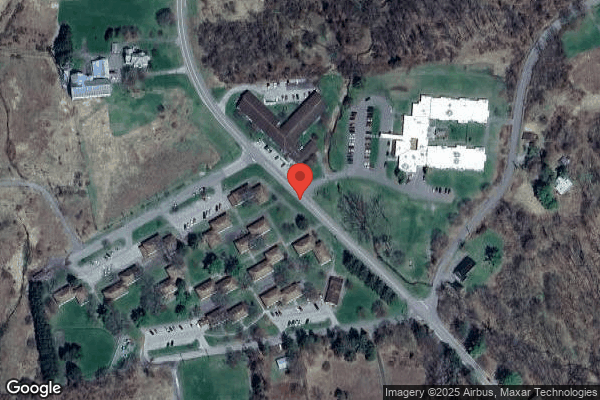
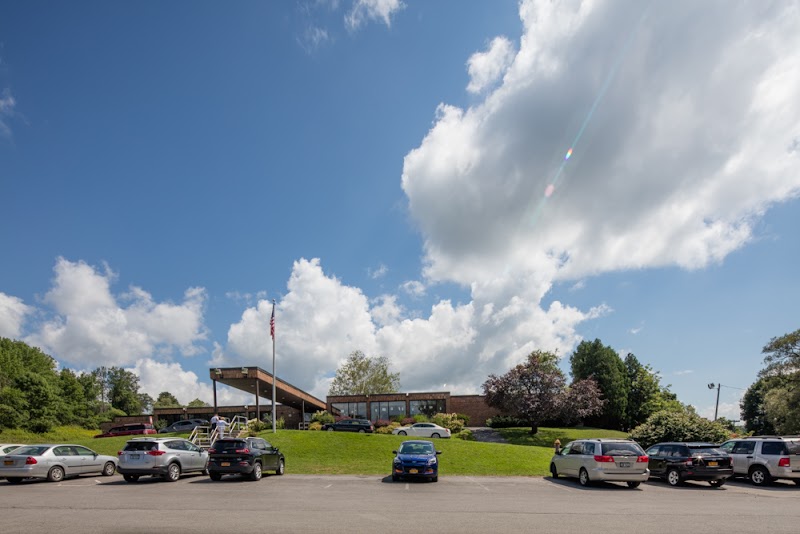
755 E MONROE STREET, LITTLE FALLS, NY 13365 (315) 823-0973
For profit - Corporation 80 Beds PERSONAL HEALTHCARE, LLC Data: November 2025
Trust Grade
50/100
#373 of 594 in NY
Last Inspection: May 2024

Within standard 12-15 month inspection cycle. Federal law requires annual inspections.

Overview

Alpine Rehabilitation and Nursing Center holds a Trust Grade of C, which means it is average compared to other facilities, landing them at #373 out of 594 nursing homes in New York, placing them in the bottom half of the state. They rank #2 out of 4 in Herkimer County, indicating that only one local option is better. Unfortunately, the facility's trend is worsening, as the number of issues reported jumped from 1 in 2023 to 10 in 2024. Staffing is a relative strength, with a rating of 4 out of 5 stars, though a high turnover rate of 54% is concerning compared to the state average of 40%. While the facility has not incurred any fines, recent inspector findings raised significant concerns, including unclean resident rooms with unpleasant odors, improperly stored medications, and food safety violations in the kitchen. Overall, while there are some strengths, particularly in staffing, the facility faces serious challenges that families should consider.

Trust Score
C
50/100
In New York
#373/594
Bottom 38%
Safety Record
Low Risk
No red flags
Inspections
Getting Worse
1 → 10 violations
Staff Stability
⚠ Watch
54% turnover. Above average. Higher turnover means staff may not know residents' routines.
Penalties
✓ Good
No fines on record. Clean compliance history, better than most New York facilities.
Skilled Nurses
○ Average
Each resident gets 32 minutes of Registered Nurse (RN) attention daily — about average for New York. RNs are the most trained staff who monitor for health changes.
Violations
⚠ Watch
21 deficiencies on record. Higher than average. Multiple issues found across inspections.
★★☆☆☆
2.0
Overall Rating
★★★★☆
4.0
Staff Levels
★★★☆☆
3.0
Care Quality
★★☆☆☆
2.0
Inspection Score
Stable
2023: 1 issues
2024: 10 issues

The Good

  • 4-Star Staffing Rating · Above-average nurse staffing levels
  • Full Sprinkler Coverage · Fire safety systems throughout facility
  • No fines on record

Facility shows strength in staffing levels, fire safety.

The Bad

2-Star Overall Rating

Below New York average (3.1)

Below average - review inspection findings carefully

Staff Turnover: 54%

Near New York avg (46%)

Higher turnover may affect care consistency

Chain: PERSONAL HEALTHCARE, LLC

Part of a multi-facility chain

Ask about local staffing decisions and management

The Ugly 21 deficiencies on record

May 2024 10 deficiencies
CONCERN (D)

Potential for Harm - no one hurt, but risky conditions existed

Deficiency F0582 (Tag F0582)

Could have caused harm · This affected 1 resident

Based on record review and interview during the recertification and abbreviated survey conducted 4/29/2024-5/3/2024, the facility did not provide the appropriate liability and appeal notices to Medica...

Read full inspector narrative →
Based on record review and interview during the recertification and abbreviated survey conducted 4/29/2024-5/3/2024, the facility did not provide the appropriate liability and appeal notices to Medicare beneficiaries for 2 of 3 residents (Residents #71 and #233) reviewed. Specifically, Resident #71 remained in the facility after discontinuation of Medicare Part A services and the facility did not provide the resident with a Skilled Nursing Facility Advanced Beneficiary Notice of Non-Coverage (Centers for Medicare and Medicaid Services-10055) for Medicare Part A as required; and Resident #233 was discharged home and the facility did not provide the resident with a Notice of Medicare Non-Coverage (Centers for Medicare and Medicaid Services-10123) for Medicare Part A as required. Findings include: The undated facility policy, Medicare Cut Letters documented Medicare cut letters would be issued by Minimum Data Set staff, working with the financial coordinator, in a timely fashion and the Financial Coordinator would upload the notice into the system. A Notice of Medicare Non-coverage was given when a resident was going to be terminated from skilled services and going home once cut. The notice must be issued a minimum of 2 days before cutting. When a resident on Part A services still had days remaining, but was being cut, and was staying in the facility under custodial care, they must be provided a Notice of Medicare Non-coverage and a Skilled Nursing Facility Advanced Beneficiary Notice of Non-coverage. The Center for Medicare and Medicaid Services form instructions for the Skilled Nursing Facility Advanced Beneficiary Notice of Non-coverage Center for Medicare and Medicaid Services-10055, expiration date 1/31/26, documented a Skilled Nursing Facility Advanced Beneficiary Notice of Non-coverage (form 10055) must be issued by providers to beneficiaries in situations where Medicare payment is expected to be denied. The Skilled Nursing Facility Advanced Beneficiary Notice of Non-coverage must be delivered far enough in advance that the beneficiary or representative had time to consider the options and make an informed choice prior to services ending. The Center for Medicare and Medicaid Services form-10123 instructions documented a Medicare health provider must give an advance, completed copy of the Notice of Medicare Non-Coverage to enrollees receiving skilled nursing no later than two days before the termination of services. 1) Resident #71 was admitted to the facility with diagnoses including peripheral vascular disease, diabetes mellitus, and anxiety. The 11/3/2023 Minimum Data Set assessment documented it was a Skilled Nursing Facility Prospective Payment System Part A discharge (end of stay) assessment. An 11/1/2023 social service note documented a care conference was held on 11/1/2023 and it was determined the resident would remain at the facility for long term care. The Notice of Medicare Non-coverage documented the last covered day of Resident #71's Medicare Part A skilled services was 11/3/2023. The notice was delivered via phone to the resident's representative on 11/1/2023 at 2:08 PM. The facility initiated the discharge from Medicare Part A services when benefit days were not exhausted. The facility did not provide the resident a Skilled Nursing Facility Advanced Beneficiary Notice of Non-coverage Centers for Medicare and Medicaid Services-10055 for Medicare Part A as required. 2) Resident #233 was admitted to the facility with diagnoses including a fracture and diabetes. The 1/18/2024 Minimum Data Set assessment documented it was a Skilled Nursing Facility Prospective Payment System Part A discharge (end of stay) assessment. The 1/18/2024 social service progress note documented the resident was discharged home with family and services were in place. The SNF Beneficiary Protection Notification Review documented the resident's Medicare Part A skilled services start date was 12/15/2023 and the last covered day of Part A service was 1/18/2024. A Notice of Medicare Non-Coverage Centers for Medicare and Medicaid Services-10123 was not provided with an explanation, no letter was generated prior to discharge. During an interview on 5/2/2024 at 4:15 PM, Financial Coordinator #32 stated the process for issuing Notice of Medicare Non-coverage documents was initiated by the therapy department. The process for issuing a Notice of Medicare Non-coverage was determined in the utilization review meeting. Following the Utilization Review process, the Financial Coordinator #32 was notified by therapy of service discontinuation for residents. The resident or resident representative was provided 48 hours advance notice of service discontinuation. Financial Coordinator #32 stated they were unaware Skilled Nursing Facility Advanced Beneficiary Notice of Non-coverages needed to be issued until recently. They stated Resident #71 remained in the facility after their benefit end date of 11/3/2023 and was not issued an Advanced Beneficiary Notice of Medicare Non-coverage because they were not aware of this requirement. Financial Coordinator #32 stated Resident #233 was not issued a Notice of Medicare Non-coverage prior to their discharge because they were not aware that a notice had to be provided to residents who were discharged from the facility while still covered by their Medicare benefit. They stated if a resident was not provided a Notice of Medicare Non-Coverage or a Skilled Nursing Facility Advanced Beneficiary Notice of Non-coverage, they would not know their appeal rights and may have a potential loss of benefits. During interview on 5/2/2024 at 4:43 PM, the Administrator stated issuing the Notice of Medicare Non-Coverage, and the Advanced Beneficiary Notice of Non-Coverage was previously the responsibility of the Minimum Data Set person. When that person left, it became the responsibility of the finance department. They were unaware that the Financial Coordinator did not realize that Notices of Medicare Non-Coverage had to be issued to discharging residents or they had to issue Skilled Nursing facility Advanced Beneficiary Notice of Non-coverages. They stated the notices needed to be issued so the residents knew their services were ending. 10 NYCRR 483.10 (g) (18)
CONCERN (D) 📢 Someone Reported This

A family member, employee, or ombudsman was alarmed enough to file a formal complaint

Potential for Harm - no one hurt, but risky conditions existed

Investigate Abuse (Tag F0610)

Could have caused harm · This affected 1 resident

Based on record review and interview during the recertification and abbreviated (NY00333325) surveys conducted 4/29/2024-5/3/2024, the facility did not ensure all alleged violations involving abuse, n...

Read full inspector narrative →
Based on record review and interview during the recertification and abbreviated (NY00333325) surveys conducted 4/29/2024-5/3/2024, the facility did not ensure all alleged violations involving abuse, neglect, or mistreatment were thoroughly investigated for 1 of 1 resident (Resident #37) reviewed. Specifically, Resident #37 eloped (exited the facility without being detected) out of an egress door, and the incident was not thoroughly investigated. Findings included: The facility policy Completing an Accident/Incident Investigation Guidelines effective 8/21/2020 documented it was the responsibility of the facility to immediately initiate and conduct a thorough investigation that included appropriately managing the investigation to ensure a factual and objective accounting of the events to determine if potential abuse, neglect, or mistreatment occurred. The investigation included protecting the resident, gathering evidence, interviewing witnesses to the event, analyzing the documents obtained, addressing any gaps of the incident, documenting the gaps, concluding based on the facts, and taking corrective action. Staff who conducted interviews with residents, staff, and visitors who were witnesses of an incident were to take clear notes or organize transcription of the interview. The summary of the investigation was to include a synopsis, the factual details, and a conclusion that included if a reasonable cause threshold has been established. Resident #37 had diagnoses including Pick's disease (a type of dementia) and pseudobulbar affect (uncontrollable laughing or crying). The 2/2/2024 Minimum Data Set documented the resident had severely impaired cognition, had physical behavioral symptoms directed towards others on 1-3 of 7 days, was independent with ambulation, did not wander, and had a wander/elopement alarm used daily. The comprehensive care plan did not include risk for elopement prior to 2/11/2024. A 2/11/2024 at 11:42 AM Resident Accident/Incident Report completed by licensed practical nurse #3 documented Resident #37 was found outside the window of Resident #23's room. The resident walked out the back egress door. The resident was observed walking out the door by a visiting family member (unidentified). They were alerted immediately by the family member of Resident #23 and Resident #37 was brought back inside. Vital signs were stable and there was no injury. The Director of Nursing was notified at 11:45 AM. Investigation Statements included: - on 2/11/2024 certified nurse aide #4 documented they were walking down the hallway after providing care to another resident when they were alerted by another resident's family member that Resident #37 was standing outside their parent's window. They and licensed practical nurse #3 went outside to get the resident. - on 2/11/2024 licensed practical nurse #3 documented they were alerted by a certified nurse aide that Resident #37 was outside another resident's window. They went to the end of the hall and there was a resident's family member (unidentified) sitting there. The family member stated the resident had just walked out the door. The resident was standing at the window, wearing pants, a long-sleeved shirt, and grip socks. The temperature outside was 40 degrees with no snow on the ground. The resident's vital signs were taken, no injuries were noted, and the resident denied being cold. - on 2/11/2024 the Director of Maintenance documented all egress doors were checked, functioning, and they could not find any issues with the doors. The monthly maintenance log for the magnetic door locks on the egress doors documented the doors were last checked on 2/2/2024. A 2/12/2024 investigation summary completed by the Director of Nursing documented facility staff was alerted by a visitor that Resident #37 was outside at their parent's window. The resident had last been seen by facility staff standing outside another resident's door inside the facility shortly before that. Licensed practical nurse #3 went outside to get the resident and brought the resident back in where an assessment was conducted. Licensed practical nurse #3 reported there was a family member (unidentified) of another resident sitting at the end of the hall who watched Resident #37 exit the facility through the egress door at the end of the South Hall. The facility conducted a head count to ensure residents were accounted for. The door locked appropriately when staff brought the resident back inside, but the door did not sound when the resident exited. The resident's wander alert device was immediately checked and found to be functioning. The egress door was not a wander alert device activated door. Inspection of the door revealed no device was used to prop the door or that the door was utilized by staff. The Maintenance Director was called to the facility and checked all doors for proper function. Elopement education and the importance of checking the security of the doors was conducted. The investigation revealed there was cause to believe alleged resident abuse, mistreatment, or neglect occurred. The investigation did not include if the facility determined how the resident was able to exit the facility. There were no documented witness statements from the family member of Resident #23 who reported the resident was outside the window, or the unidentified visitor who witnessed the resident going outside. During an interview on 5/1/2024 at 11:58 AM, the Director of Maintenance stated the egress doors open by a passcode put into the keypad next to the door. They stated the door would not open if a resident pushed on the door and did not enter the code. The doors stayed unlocked for five seconds and when the door was opened, an alarm sounded after five seconds. They stated the alarm continued to sound until the magnetic strips met and the code was entered into the keypad again. They stated the alarm was loud and if it sounded staff would hear it. If the door was not opened, the door relocked after five seconds. They stated they audited the egress doors every month to ensure functionality. They stated prior to Resident #37's elopement, the licensed practical nurses and the charge nurses could have the code to the doors. Staff were not supposed to use the egress doors. They did not have a system that logged when the doors were opened. After the elopement the door was set to five seconds to alarm if opened and relock if not opened. The door could not be propped without the alarm sounding. The door could not be tampered with unless the maintenance department or a vendor was working on it. During the interview, the Maintenance Director stated they had to verify information and returned at 12:17 PM. They stated at the time of the elopement, there was a malfunction on the timer of the door. They could not state what happened or what the timer was set at. They did not have a vendor look at the door as they were able to fix the issue themself, so a vendor was not called. During a follow up interview on 5/2/2024 at 11:29 AM, the Maintenance Director stated they determined a door malfunction by looking at the door. They checked the wires and there was nothing frayed so they determined it was a malfunction. They could not explain how the door malfunctioned or what the malfunction was. They did not know if the staff who retrieved the resident had noted if the keypad was green which indicated the door was unlocked and unalarmed. There was not a way to leave the door unlocked and unalarmed. They stated they had reviewed the camera, but they were not able to see details of the door when they zoomed in because the picture became pixelated (blurred with a grid of squares). During an interview on 5/1/2024 at 1:11 PM, certified nurse aide #4 stated no staff should go out the egress doors. They had previously been informed of the door code but did not remember what it was. Resident #37 had been following them around that day, but they had been busy. They asked Resident #37 to wait outside another resident's room when they went in to provide care so Resident #37 would not follow them in. They were alerted by another resident's family that Resident #37 was outside their family member's window. They did not know how or why the door was unlocked as no one had used it on their shift. The door did not alarm when the resident exited. They and licensed practical nurse #3 went out the back egress door and retrieved the resident. The door was unlocked when they went out of it and did not alarm. They stated a resident's family member (unidentified) who was sitting next to the egress door told them they thought Resident #37 was a family member exiting the facility. They did not know when the door was unlocked or how long it had been unlocked. During a telephone interview on 5/1/2024 at 1:35 PM, licensed practical nurse #3 stated they were alerted by a staff member and a resident's family member that Resident #37 was outside. They went and retrieved the resident from outside. They stated they went through the egress door on the South unit, the same door the resident went out of. They stated the door was unlocked and the keypad light was green. No alarm sounded when they went through the door. They stated they relocked the door by entering the code when they returned inside. The keypad light turned red when it was locked, and they double checked by pushing on the door which did not open. They were unsure if all staff had the code to the door, but the code was in the supervisor book in the front of the building. They were unaware how long the keypad stayed green and was unlocked and unalarmed. The family member who sat at the end of the hall and watched the resident walk out the door stated to them they had watched Resident #37 walk out the door and thought they were someone's family member. During an interview on 5/1/2024 at 2:03 PM, the Director of Nursing stated on 2/11/2024 licensed practical nurse #3 was the nurse Supervisor on shift and called to inform them Resident #37 had eloped outside. They were informed that licensed practical nurse #3 was leaving the dining room when they were told by another staff member that Resident #37 was outside. A resident's family member had seen the resident exit through the door at the end of the South wing, but the visitor had not thought anything of the resident exiting out of that door. The staff checked the resident's temperature, noted what the resident had on, did a complete head count of the facility, and checked the other doors. They stated they did not see anything propping open the door, so they called the Maintenance Director. The Maintenance Director went in and checked the doors. The Maintenance Director did not report to them what the outcome of the inspection was but reported to the Administrator. They were informed that the door did not sound when the resident or staff went out the door. No one knew what happened. They stated they had asked if the door was pushed open or if someone had unlocked it and was informed no one had unlocked it but the resident went out if it. They were not aware the door keypad was green when the staff went through the egress door. They were unsure if anyone observed the camera footage following the elopement. They would normally look at the camera as part of an investigation and it would be in the investigation summary if they had. They stated they wrote the investigation summary but was only involved in the direct nursing portion. They did not know if staff had the codes to the egress doors prior to the incident but they should not have. They did not know what happened to allow the resident to get outside through the door. They assumed it was a door malfunction because the alarm did not sound. It was not a door that people went in and out of. During a follow up interview on 5/2/2024 at 3:55 PM, they stated they did not take a formal statement of the family visitors who witnessed the resident outside or leave out the egress door. During an interview on 5/2/2024 at 10:41 AM, the Administrator stated they were informed of the elopement when it happened. The resident went out the back door on the South unit (the egress door). Staff was unaware how the resident got outside, and the door had not alarmed when the resident exited. Staff had gone out the same door when they retrieved the resident but had not informed them that the door was unlocked and did not alarm when the staff went through the door. They were not informed the keypad for the door had a green light or that the nursing Supervisor put in the code to relock the door which turned the keypad light red. The Maintenance Director had told them everything was functioning normally when they checked the door. They determined it was a malfunction with the door system as there was no other cause and it would be in the investigation. They were unsure if a vendor came to look at the system. They did not check the cameras and was unsure if the door was visible on the cameras. They could not determine how long the door was unlocked or unalarmed. 10NYCRR 415.4(b)
CONCERN (D) 📢 Someone Reported This

A family member, employee, or ombudsman was alarmed enough to file a formal complaint

Potential for Harm - no one hurt, but risky conditions existed

Quality of Care (Tag F0684)

Could have caused harm · This affected 1 resident

**NOTE- TERMS IN BRACKETS HAVE BEEN EDITED TO PROTECT CONFIDENTIALITY** Based on observations, record review, and interviews during the recertification and abbreviated (NY00309906) surveys conducted [...

Read full inspector narrative →
**NOTE- TERMS IN BRACKETS HAVE BEEN EDITED TO PROTECT CONFIDENTIALITY** Based on observations, record review, and interviews during the recertification and abbreviated (NY00309906) surveys conducted [DATE]-[DATE], the facility did not ensure residents received treatment and care in accordance with professional standards of practice, the comprehensive person-centered care plan, and the resident's choices for 1 of 1 resident (Resident #70) reviewed. Specifically, Resident #70 was not provided anti-nausea medications when needed. Additionally, there was emesis (vomit), feces, and a full urine bag visible at the resident's bedside. Findings include: The facility policy, Quality of Care, dated 7/2019 documented that based on the comprehensive assessment of a resident, the facility would ensure that residents received treatment and care in accordance with professional standards of practice, the comprehensive person-centered care plan and the resident's personal preferences. Residents would have an individualized plan of care that was consistent with their needs/goals for care and professional standards of practice. Resident #70 had diagnoses including end stage renal disease (kidney disease), bladder injury, and heart failure. The [DATE] Minimum Data Set assessment dated documented the resident was cognitively intact, required maximum assistance for toileting hygiene, had an indwelling catheter and an ostomy for urinary devices, and was incontinent of bowel. The comprehensive care plan initiated [DATE] documented the resident had an activities of daily living self-care performance deficit and decreased physical mobility due to activity intolerance, limited mobility, and pain. Interventions included extensive assistance of 1 for personal hygiene and toileting, place on toilet every morning and as needed. The [DATE] physician #13 progress note documented the resident was status post cystectomy (bladder removal) and ileal conduit (creation of urostomy, or tubing for urine to exit the body) with abdominal wall reconstruction. A [DATE] physician order documented ondanestron (anti-nausea medication) 4 milligrams every 12 hours as needed for end stage renal disease for 14 days. The [DATE] licensed practical nurse #23 progress note document the resident had liquid emesis 3 times during the shift before dinner. Ginger ale was offered, and the resident refused dinner. There was no documented evidence the medical provider was notified of the emesis to re-evaluate the need for a new order for ondansetron (previous order expired on [DATE]). A [DATE] physician order documented ondansetron 4 milligrams give 1 tablet every 8 hours as needed for nausea and vomiting. The [DATE] physician #13 progress note documented the resident was nauseous which was possibly secondary to their end-stage kidney disease. The anti-nausea medication was increased to 8 mg every 8 hours as needed. The resident's prognosis was extremely poor, with less than 6 months due to underlying end-stage kidney disease, for which they did not want dialysis. A [DATE] physician order documented ondansetron 8 milligrams every 8 hours as needed for nausea and vomiting. The [DATE] at 2:15 PM registered nurse #12 progress note documented the resident had complaints of nausea but had no emesis at the time of the assessment. The 4/2024 Medication Administration Record did not include documentation ondansetron was administered to the resident on [DATE] after they had complained of nausea. During an observation on [DATE] at 11:37 AM and 12:26 PM, Resident #70 was in their room, nude, with a full urine collection bag on the fall mat with the urine window of the bag facing upward. There was a feces soiled brief on the fall mat, and a gray basin approximately one quarter full of vomit. The resident's bare backside was visible from the doorway and to the resident's roommates. At 12:35 PM, the resident had a blanket covering their lower body, no shirt, a completely full urine collection bag on the fall mat with the urine window of the bag facing upward, a feces soiled brief was on the fall mat, and a gray basin approximately one quarter full of vomit. The 4/2024 Certified Nurse Aide documentation for Output in cc's documented that Resident #70's urine bag was emptied on [DATE] at 6:47 AM and 2:40 PM. During an observation on [DATE] at 12:52 PM, Resident #70's lunch tray was in their room, with one bite taken from the entrée and an empty coffee cup. The resident stated their stomach hurt too much to eat. They stated they had medication for their stomach, and they had asked for it. The 5/2024 medication administration record did not document ondansetron was administered on [DATE]. There were no corresponding nursing progress notes referencing the resident's complaints of their stomach hurting. During an observation on [DATE] at 8:37 AM, Resident #70 was sitting up on the side of their bed. The urine collection bag was on the floor uncovered. The collection bag contained approximately 1200 milliliters of yellow urine. The spout to the urine bag was folded under the resident's right foot. During an interview on [DATE] at 9:02 AM, certified nurse aide #16 stated urine bags should be emptied every shift. They stated they cared for Resident #70 on [DATE] and noticed the basin of emesis when they went into the resident's room after lunch. They did not tell anyone that the resident had vomited, as they were told that vomiting was normal for this resident, but they still should have reported it. The resident's urine bag was half full when they went into the room in the morning, about 9:00 AM, and they should have emptied it, but did not. They stated there was no feces soiled brief in the morning, but it was there after lunch at the side of the bed. It was not dignified to eat lunch with urine, feces, and emesis at the bedside. Having a full urine bag, a basin of emesis, and a feces soiled brief at the bedside was not the quality of life the certified nurse aide would want for the resident. During an interview on [DATE] at 11:39 AM, registered nurse Unit Manager #15 stated urine bags should be emptied at least twice a shift. The urine bag should be inside another bag to hide the contents, should never be on the floor, and the fall mat would be considered part of the floor. The urine bag should never be fully expanded with, it could burst, or backup the tubing and give the resident a urinary tract infection. If emesis was noted at the bedside, it should be reported to the nurse. It was not dignified to consume a meal with urine, feces, and emesis at the bedside. They reviewed the resident's electronic medical record, and stated the resident's urine bag was only emptied once on [DATE]. If a resident was checked and changed every 2 hours, staff should notice a full urine bag, a soiled brief, and a basin of emesis at the bedside. The resident should have received their anti-nausea medication if they had nausea and vomiting. During an interview on [DATE] at 12:59 PM, the Director of Nursing stated urinary catheter care was to be done every shift and included emptying the bag and placing it inside a privacy bag. Staff should be checking the urine bag every time they entered the room. If staff found a basin of emesis, they should notify a nurse immediately. It was not dignified to consume a meal with urine, feces, and emesis at the bedside. The resident's urine bag should never be on the floor and the fall mat was part of the floor. It should never be full expanded with urine. Full urine bags that were directly on the floor could potentially put weight on the catheter and be uncomfortable. The bag could burst and then it would be an infection control issue. A feces soiled brief at the bedside violated the dignity of the resident and was an infection control issue. During a telephone interview on [DATE] at 8:36 AM, licensed practical nurse #14 stated they were the resident's nurse on [DATE]. They stated the resident told them they were not feeling well after lunch. They noted the basin of emesis when they went to give them medication. They told the certified nurse aide about the emesis and was told that this resident vomited every day. They must have overlooked the order for the anti-nausea medication, as they were attempting to control the resident's pain. The resident should have been given anti-nausea medication on [DATE]. During a telephone interview on [DATE] at 9:17 AM, physician #13 stated if a resident was consistently nauseous or vomiting, they expected nursing to complete an assessment and give the resident as needed medications as ordered. They relied on the nursing assessment to decide if additional interventions were needed. Resident #70 was on comfort care and if the resident stated they were nauseous, they expected the resident to receive the as needed anti-nausea medication. 10NYCRR 415.12
CONCERN (D)

Potential for Harm - no one hurt, but risky conditions existed

Deficiency F0760 (Tag F0760)

Could have caused harm · This affected 1 resident

Based on observation, record review, and interview during the recertification surveys conducted 4/29/2024-5/3/2024, the facility did not ensure that residents were free of any significant medication e...

Read full inspector narrative →
Based on observation, record review, and interview during the recertification surveys conducted 4/29/2024-5/3/2024, the facility did not ensure that residents were free of any significant medication errors for 1 of 1 resident (Resident #5) reviewed. Specifically, Resident #5 was administered Humalog insulin (fast-acting insulin, starts working approximately 15 minutes after injection to lower blood glucose levels) and was not served their meal timely. Findings include: The facility policy Blood Glucose Management effective 7/2018 documented the facility provided residents with an appropriate plan to assist in the prevention of hypoglycemia (low blood sugar) and hyperglycemia (high blood sugar). Additionally, the timing of dosing of insulin was critical to achieve desired blood sugar management and to prevent hypoglycemia due to insulin administration time versus food intake. The undated facility mealtimes for the dining room documented: - Breakfast was served 8:15 AM to 8:45 AM; - Lunch was served 12:15 PM to 12:45 PM; and - Dinner was served 5:15 PM to 5:45 PM Resident #5 had diagnoses including diabetes. The 2/2/2024 Minimum Data Set assessment documented the resident was cognitively intact, had diabetes, and received insulin. The comprehensive care plan initiated 4/2/2023 and revised 2/21/2024 documented the resident had diabetes and was started on insulin. Interventions included insulin with meals, insulin may be given in the dining room/near vicinity or other meal location with resident's permission during the meal. The 4/16/2026 physician order documented finger stick blood sugar before meals and at bedtime, call physician if below 60 milligrams/deciliter or above 450 milligrams/deciliter. Humalog insulin (fast acting insulin, 30 units with meals for diabetes. The 4/2024 medication administration record documented Humalog insulin inject 30 units subcutaneously with meals for diabetes at 6:00 AM, 12:00 PM, and 5:00 PM. During an interview on 4/30/2024 at 10:44 AM, Resident #5 stated they received their fast-acting insulin before breakfast, which was early so they did not have symptoms of hypoglycemia. They stated breakfast was scheduled to come between 8:15 AM and 8:45 AM, however, at times it was after 9:00 AM. Resident #5 stated that when they brought their concerns about mealtimes and insulin administration, the Assistant Administration told them to carry a snack. The 4/2024 medication administration record documented 30 units of Humalog Insulin was administered by licensed practical nurse #36 on 4/30/2024 at 7:39 AM and at 11:07 PM. The resident's blood glucose was 167 milligrams/deciliter at 7:30 AM and 158 miligrams/deciliter at 11:30 AM. During an interview on 4/30/2024 at 12:04 PM Resident #5 stated they were administered their fast-acting insulin at 11:15 AM when their blood sugar check was completed. They stated lunch was normally served between 12:00 and 12:30 PM. During an observation on 4/30/2024 at 12:44 PM, Resident #5 was served lunch, approximately 1 1/2 hour after their insulin was administered. During an observation and interview on 5/1/2024 at 7:48 AM Resident #5 was in the hallway wheeling themselves towards the dining room and stated they already received their insulin and had not had breakfast. During an observation on 5/1/2024 at 8:40 AM, Resident #5 was served their breakfast approximately an hour after the resident reported receiving their insulin. At 8:55 AM, Resident #5 stated they ate the eggs and did not eat the pancake because they were full. They stated they had eaten 2 bags of chips they carried with them before breakfast, because they felt their blood sugar was too low. During an interview on 4/30/2024 at 2:11 PM, registered dietitian #32 stated fast-acting insulin should be given with meals to prevent hypoglycemia, chills, and shaking. Residents should be expected to carry a snack with them as many residents were confused. During an interview on 5/2/2024 at 8:22 AM, licensed practical nurse #7 stated they always waited for residents to have their breakfast tray in front of them before administering fast-acting insulin because they were afraid the resident's blood sugar could drop too low. Residents should eat within 10 minutes of fast-acting insulin administration. They administered fast-acting insulin to Resident #5 at 7:42 AM and was not sure if the resident had eaten. They stated the resident was at risk for hypoglycemia as they administered insulin prior to the resident being served breakfast. During an interview on 5/2/2024 at 1:37 PM, registered nurse Unit Manager #35 stated meal trays were often delivered late. Insulin should not be given until the meal was received and eaten. Residents sometimes refused meals and the nurse should wait to make sure the resident ate. They stated quick acting insulin worked within 15 minutes. If someone did not eat within 15 minutes of receiving quick acting insulin the insulin does not have food to work on and could cause hypoglycemia. During an interview on 5/2/2024 at 4:11 PM, the Director of Nursing stated they expected insulin to be administered with meals, but no earlier than 15 minutes before the meal was eaten as the resident could become hypoglycemic. Any time after 15 minutes was too early for insulin to be administered. During a follow up interview on 5/3/2024 at 11:09 AM, the Director of Nursing stated administering fast-acting insulin without food would be considered a significant medication error. During an interview on 5/3/24 at 9:11 AM the Medical Director stated regular insulin should be given 10-15 minutes before a meal. If the nurse was concerned about the resident not eating, they should wait until the resident had consumed about 1/3 of their meal to administer the insulin. If the insulin was administered outside the 10-15 minute window before eating this placed the resident at risk for hypoglycemia. 10NYCRR 415.12(m)(2)
CONCERN (D) 📢 Someone Reported This

A family member, employee, or ombudsman was alarmed enough to file a formal complaint

Potential for Harm - no one hurt, but risky conditions existed

Deficiency F0804 (Tag F0804)

Could have caused harm · This affected 1 resident

Based on observation and interview during the recertification and abbreviated (NY00309906 and NY00338730) surveys conducted 4/29/2024-5/3/2024, the facility did not ensure each resident received food ...

Read full inspector narrative →
Based on observation and interview during the recertification and abbreviated (NY00309906 and NY00338730) surveys conducted 4/29/2024-5/3/2024, the facility did not ensure each resident received food and drink that was palatable, flavorful, and appetizing for 1 of 2 test trays (4/29/2024 lunch meal) reviewed. Specifically, the lasagna served at the 4/29/2024 lunch meal was burnt; and 7 of 7 anonymous residents at the Resident Council meeting complained of food not being flavorful and not being served at palatable and appetizing temperatures. Findings include: The undated facility policy, Taste Testing, documented that all food should be taste tested prior to meal service. The cook was responsible for tasting all food prior to it being served to residents. Any food that did not pass the taste test due to seasoning, toughness, color, or other negative factors would not be served until the problem was corrected. During an interview on 4/29/2024 at 10:52 AM, Resident #21 stated the food lacked flavor and was not served hot. They received a bowl of cereal and toast with butter for breakfast and the toast was cold. During a resident group interview on 4/29/2024 at 2:00 PM seven anonymous residents in attendance stated the food was often overcooked and lacked flavor, and hot items were often cold. During an interview on 4/29/2024 at 2:13 PM, Resident #5 stated the food was not cooked well, was sometimes burnt, and lacked flavor. During an observation on 4/30/2024 at 12:30 PM, a food tray arrived at Resident #77's room. The tray was tested, and a replacement tray was requested for Resident #77. The meat lasagna was 152 degrees Fahrenheit (acceptable) and the bottom of the lasagna appeared burnt and blackened and did not have an appetizing appearance. During an interview on 4/30/2024 at 12:58 PM, Resident #1 stated the food was not good, lacked flavor, and was not warm. During an observation and interview on 4/30/2024 at 1:01 PM, Resident #5 stated the food was hot today, but the bottom of the lasagna was burnt. Resident #5 showed the corner of the lasagna that was burnt. During an interview on 4/30/2024 at 1:15 PM, certified nurse aide #18 stated they observed burnt food served to the residents. They stated Resident #11's lasagna was burnt and they did not eat it. During an interview on 4/30/2024 at 1:23 PM, licensed practical nurse #19 stated residents complained to them about burnt food. During an interview on 5/1/2024 at 9:11 AM certified nurse aide #10 stated the residents always complained about the food being burnt, or too cold. Sometimes it was difficult to cut the food because it was too hard. During an interview on 5/1/2024 at 1:10 PM, Assistant Food Service Director #27 stated they tried to make every monthly resident council meeting, and residents had complained about the food. They stated residents told them the food was overcooked but not burnt. They had not heard comments about burnt food during the 4/30/2024 lunch meal. They told the cooks in the past not to overcook the resident's food. It was important that appetizing and palatable food was served to residents. During an interview on 5/2/2024 at 8:22 AM licensed practical nurse #7 stated the residents frequently complained about the food being burnt and cold. 10NYCRR 415.14(d)(2)
CONCERN (D)

Potential for Harm - no one hurt, but risky conditions existed

Infection Control (Tag F0880)

Could have caused harm · This affected 1 resident

Based on observation, record review, and interviews during the recertification survey conducted 4/29/2024-5/3/2024, the facility did not maintain an infection prevention and control program designed t...

Read full inspector narrative →
Based on observation, record review, and interviews during the recertification survey conducted 4/29/2024-5/3/2024, the facility did not maintain an infection prevention and control program designed to provide a safe, sanitary, and comfortable environment and to help prevent the development and transmission of communicable diseases and infections for 1 of 2 licensed practical nurses (licensed practical nurse #7) observed during medication administration. Specifically, licensed practical nurse # 7 did not perform hand hygiene after removing their gloves during medication administration. Findings include: Licensed practical nurse #7's education records documented: - on 4/28/2022 they completed a personal protective equipment and hand hygiene competency. - on 10/17/2022 they completed a handwashing quiz. Licensed practical nurse #7 documented handwashing was the single most important means of preventing the spread of infection. Appropriate hand hygiene must be done when visibly soiled, when removing gloves, after using the bathroom, and before meals. - on 6/5/2023 they demonstrated competency with hand hygiene. During an observation on 5/2/2024 at 8:00 AM licensed practical nurse #7 did not perform hand hygiene between administering medications to Resident #68 and administering medications to Resident #18. Licensed practical nurse #7 applied gloves and cleaned the glucometer (measures blood glucose) for Resident #18. After the glucometer was cleaned, licensed practical nurse #7 removed their gloves and put on another pair of gloves to perform the fingerstick on Resident #18. During an interview on 5/2/2024 at 8:15 AM, licensed practical nurse #7 stated they did not wash or sanitize their hands between administering medications to Resident #68 and Resident #18 or between changing gloves and they should have. They stated they had annual training on infection control and knew the importance of hand hygiene. They stated if hand hygiene was not practiced both residents and staff can become ill from the spread of germs. During an interview on 5/2/2024 at 4:11 PM the Director of Nursing stated all staff were trained annually on infection control. They expected hands to be washed or sanitized after contact with a resident, when soiled, and after removing gloves. If staff did not wash hands between resident contact or after removing gloves it could cause the spread of an infection to the residents, staff, visitors, and families. 10NYCRR 415.19(a)(1-3)(b)(2)
CONCERN (E) 📢 Someone Reported This

A family member, employee, or ombudsman was alarmed enough to file a formal complaint

Potential for Harm - no one hurt, but risky conditions existed

Safe Environment (Tag F0584)

Could have caused harm · This affected multiple residents

**NOTE- TERMS IN BRACKETS HAVE BEEN EDITED TO PROTECT CONFIDENTIALITY** Based on record review, observation, and interview during the recertification and abbreviated (NY00309906 and NY00338730) survey...

Read full inspector narrative →
**NOTE- TERMS IN BRACKETS HAVE BEEN EDITED TO PROTECT CONFIDENTIALITY** Based on record review, observation, and interview during the recertification and abbreviated (NY00309906 and NY00338730) surveys conducted 4/29/2024-5/3/2024, the facility did not ensure residents had the right to a safe, clean, comfortable, and homelike environment for 2 of 2 resident units (north and south units) reviewed. Specifically, the South Unit hallways and common areas smelled of urine and had sticky floors; there was a stained ceiling tile on the South Unit; resident room [ROOM NUMBER] had sticky floors and strips of missing paint; resident room [ROOM NUMBER] had strips of missing paint; the South unit shower room had tiles missing around the drain; the floor in resident room [ROOM NUMBER] was unclean and sticky; resident rooms [ROOM NUMBERS] were cluttered with refuse; and resident rooms [ROOM NUMBERS] smelled of urine. Findings include: The facility policy Quality of Life - Homelike Environment, dated 5/2018, documented the facility staff and management should maximize, the characteristics of the facility that reflected a personalized, homelike setting. These characteristics include a clean, sanitary, and orderly environment and pleasant, neutral scents. The facility policy Dust Mopping, dated 7/2016, documented all areas were maintained in a clean and pleasant manner. Removal of litter, dust, and light soil from floors was a daily maintenance procedure, or in preparation for wet mopping. For resident rooms, dust mopping started at the entrance of the room, and a broom and dustpan were used to pick up trash and dirt. The facility policy Facility Cleaning - General Policy and Procedure, dated 7/2016, documented floors were mopped daily. Floors should be dust mopped then wet mopped using an approved diluted cleaning agent in mop water. The following observations were made on the South Unit: - on 4/29/2024 at 10:47 AM, the lobby area between rooms [ROOM NUMBERS] had a strong urine odor. - on 4/29/2024 at 11:31 AM, the area between rooms [ROOM NUMBERS] had a strong, sharp, sour smell. - on 4/29/2024 at 11:19 AM, the floor outside room [ROOM NUMBER] was sticky. Inside of room [ROOM NUMBER] there were long strips of paint missing along the wall where the television was. - on 4/29/2024 at 11:22 AM, room [ROOM NUMBER] had strips of paint missing along the wall under the window. - on 4/29/2024 at 11:57 AM, the South Unit shower room had missing tiles around the drain. - on 4/29/2024 at 11:58 AM, the South Unit hallway floors were sticky. - on 4/30/2024 at 9:12 AM, the ceiling above the puzzle table between rooms [ROOM NUMBERS] had dark colored stains. - on 4/30/2024 at 8:38 AM, the seating area near room [ROOM NUMBER] smelled of urine. - on 4/30/2024 at 12:42 PM, the seating area at the far end of the unit, between rooms 114, 116, 119, and 121 had sticky floors. The following observations were made on the North Unit: - on 4/29/2024 at 10:16 AM, room [ROOM NUMBER] had unclean, sticky floors. - on 4/29/2024 at 10:21 AM, room [ROOM NUMBER] had a tray table cluttered with books, food, soda, and water bottles; paper, cups, and tubing on the floor; a half-eaten donut and chip bag were on the chair; bags of empty bottles were in the corner; and there were personal items on the bed. - on 4/29/2024 at 11:45 AM, room [ROOM NUMBER] smelled of urine. - on 4/29/2024 at 1:05 PM, room [ROOM NUMBER] smelled of urine. - on 5/1/2024 at 7:54 AM, room [ROOM NUMBER] had crumbs on the floor between the bed and window, and dirty linen on the floor by the door. - on 4/29/2024 at 1:09 PM, room [ROOM NUMBER] had a chip bag, cups and tubing, a chip tube container, and piles of clothing on the floor; there was pizza crust on the over bed table; a large chip bag on the chair; and a bag of bottles in the corner of the room. - on 4/30/24 at 9:26 AM and 1:14 PM, Resident #59's room had a cup and crumbs on the floor. Resident #59 stated the debris had been on the floor for 3 days and they wished the facility would clean their room. During an interview on 5/1/2024 at 9:11 AM, certified nurse aide #10 stated there were bags of food on the ground in room [ROOM NUMBER], and it was not homelike to have crumbs on the floor of a resident room. They stated there were a lot of resident rooms that were not maintained in a homelike environment. Certified nurse aide #10 stated and this could lead to odors, bugs, and it was an infection control issue. During an interview on 5/2/2024 at 11:35 AM, the Director of Maintenance stated if a room was cluttered, they would advise staff to clean the room. They stated that resident rooms should not have trash on the floor. They expected each resident room to be swept each day, and other area of the rooms should also be cleaned. The housekeeping staff should wipe down resident rooms with bleach wipes and dust the surfaces every day. If food was left in resident rooms, it could lead to pests and infection control issues. During an interview on 05/02/24 at 4:20 PM, the Director of Environmental Services stated the floor tiles were missing on the floor in the South Unit shower room. Resident room walls could be damaged by chairs and wheelchairs. The damaged sections of walls, like resident room [ROOM NUMBER] and resident room [ROOM NUMBER], should be repaired as soon as they were observed. Resident rooms should also be checked for damaged walls and other environmental concerns when the rooms were deep cleaned. The damaged wall in the North Unit housekeeping room was repaired. The resident room call bell cord plates came out of the wall very easily and could have been pulled out by accident. If urine and other odors were detected in resident rooms or hallways it would be immediately cleaned. The resident hallways were cleaned daily. They stated it was important for the facility to be maintained for residents and for staff. 10 NYCRR 415.29(j)(1)
CONCERN (E)

Potential for Harm - no one hurt, but risky conditions existed

Deficiency F0761 (Tag F0761)

Could have caused harm · This affected multiple residents

Based on observation and interview during the recertification survey conducted 4/29/2024-5/3/2024, the facility did not ensure drugs and biologicals were labeled and stored in accordance with currentl...

Read full inspector narrative →
Based on observation and interview during the recertification survey conducted 4/29/2024-5/3/2024, the facility did not ensure drugs and biologicals were labeled and stored in accordance with currently accepted professional principles and included expiration dates when applicable for 1 of 2 medication refrigerators (North Unit), 1of 4 medication carts (North Unit), and 1 of 2 treatment carts (North Unit) reviewed. Specifically, the North Unit medication and treatment carts were unlocked and unattended; and there was an open vial of Purified Protein Derivative (used to diagnose tuberculosis) solution in the North Unit refrigerator that was not labeled with an opened date. Findings include: The facility policy Storage and Maintenance of Medications revised 10/2020 documented medications and biologicals were stored safely, securely, and properly, following manufacturer's recommendations or those of the supplier. Medications with shortened expiration dates (i.e., insulin, and ophthalmic drops, etc.) must be dated when opened. Medication must be checked regularly for expiration dates and deterioration. During an observation on 4/29/2024 from 12:55-1:06 PM the North Unit medication cart was unlocked and unattended. At 1:06 PM licensed practical nurse #7 locked the medication cart. During an observation of the North Unit medication refrigerator on 4/30/2024 at 8:45 AM with registered nurse #35, there was an open vial of Purified Protein Derivative in the refrigerator. There was no opened date documented on the box or on the vial. During an observation on 4/30/2024 at 8:53 AM the North Unit treatment cart was unlocked. The top drawer of the cart contained bacitracin (antibiotic ointment), moisturizing cream, medical honey, scissors, Santyl (an enzymatic ointment used to remove dead tissue), antifungal cream, and triple antibiotic cream. During an observation on 4/30/2024 at 9:59 AM, the North Unit treatment cart was unlocked. During an interview 5/2/2024 at 8:22 AM licensed practical nurse #7 stated the treatment cart should never be unlocked and unattended because residents could get into medications and eat the creams. If they ate the creams, they could get sick. They did not lock the medication cart on 4/29/2024 because the meal was delivered, and they went to pass trays. They noticed the medication cart was unlocked, but they were not sure how long it had been unlocked. Multidose medications (vials) were good for 30 days once opened and should be labeled the day they were opened. If the medications were not labeled, they should not be administered. If a medication was open and did not have a date on it, they would take it to the Director of Nursing for replacement. During an observation on 5/2/2024 at 11:49 AM, the North Unit medication cart was unlocked and unattended. At 11:51 AM, licensed practical nurse came out of a resident room and locked the medication cart. During an interview on 5/2/2024 at 1:37 PM, registered nurse Unit Manager #35 stated they expected treatment carts and medication carts to always be locked so residents and unauthorized staff could not get into them. During an interview on 5/2/24 at 4:11 PM the Director of Nursing stated medication and treatment carts should be locked and parked at the nursing desk when not in use. Bandages, creams, scissors, bacitracin, antifungal, cortisone cream, triple antibiotic were some items stored in the treatment carts. The carts should be locked for safety. Purified Protein Derivative should be dated when opened and discarded after 30 days. 10NYCRR 483.45 (g)(h)
CONCERN (E)

Potential for Harm - no one hurt, but risky conditions existed

Food Safety (Tag F0812)

Could have caused harm · This affected multiple residents

**NOTE- TERMS IN BRACKETS HAVE BEEN EDITED TO PROTECT CONFIDENTIALITY** Based on observation and interview during the recertification survey conducted 4/29/2024-5/3/2024, the facility did not ensure f...

Read full inspector narrative →
**NOTE- TERMS IN BRACKETS HAVE BEEN EDITED TO PROTECT CONFIDENTIALITY** Based on observation and interview during the recertification survey conducted 4/29/2024-5/3/2024, the facility did not ensure food was stored, prepared, distributed, and served in accordance with professional standards for food service safety in the main kitchen. Specifically, the main kitchen had outdated and undated food, an unclean stove/oven/flattop cooking area, an unclean walk-in freezer, a leaking dish machine, missing tiles at the bottom of the handwash sink, an unsecured wall covering, and a plate warmer cord that was in disrepair. Findings include: The undated facility policy, Cleaning of Counters and Food Contact Surfaces, documented the cleaning procedure was to thoroughly saturate a cleaning rag with cleaning solution, ring out the excess, and wipe down the counter of food contact surface; this removed visible dirt and debris. For sanitizing, the procedure was to thoroughly saturate a second rag with sanitizing solution and apply it to the counter of food contact surface liberally and allow to air dry. The undated facility policy, Cleaning and Mopping of Floors ([NAME] Tile and Walk in Cooler) documented all floor areas of the department would be swept and mopped three times daily. The Cleaning Schedule for Saturday 4/27/2024 documented that [NAME] #31 was to de-ice the freezer door and freezer floor, wipe down the dessert rack, and wash garbage cans. [NAME] #31 only initialed next to the tasks for wiping down the dessert rack and the garbage cans. The Dietary Department Daily Cleaning & Closing Checklist for week ending 5/4/2024 documented [NAME] Supervisor #30 signed off for the following: - the range ovens were cleaned and turned off; - the microwave was cleaned; - the toaster was cleaned; - the mixer was cleaned; - the slicing machine was cleaned and assembled; - the can opener was run through the dish machine; - the pot sinks were clean, and the counter was cleaned; - the food in the refrigerator was covered, labeled, and dated; - the perishables were discarded from the refrigerator after the third day; - all garbage was removed from the kitchen; - and the kitchen door was locked. The following observations of the main kitchen were made on 4/29/2024 between 10:00 AM and 11:00 AM: - in the reach-in refrigerator, there was jelly in a plastic container with an opened label date of 4/16. This jelly was from another shelf stable jelly container and was poured into this container. - the front section and the back of the stove/oven/flattop combo unit was unclean. - the shelf over the stove/oven/flattop combo unit was sticky and had miscellaneous food debris on it. - there was a 1/4 full container of ham-based paste on the shelf over the stove/oven/flattop combo unit that did not have an open date. - a metal wall cover near the handwash sink was not secured to the wall and was missing three screws. - the bottom of the wall near the handwash sink had chipped and missing wall tiles. - the floor under the walk-in freezer was not clean and had miscellaneous debris on it. - the ceiling in dish machine area was stained and unclean. - the electric wire that entered the plate warmer was wrapped with electrical tape. - the dish machine had a section that was leaking water out of the side, with a plastic bucket underneath to collect the water. During an interview on 5/2/2024 at 12:30 PM, the Director of Environmental Services stated that ceilings would be cleaned as needed, or when the kitchen staff or maintenance staff identified an issue. They stated that they would also clean the floors in the kitchen if asked. During an interview on 5/2/2024 at 12:40 PM, the Assistant Food Service Director stated they were not aware of the kitchen environmental issues identified during the first tour of the main kitchen. They stated that it was part of their job to check and maintain a clean kitchen environment. The Assistant Food Service Director stated there were different daily cleaning schedules for the cooks and the rest of the dietary staff, and that these forms were required to be initialed after completion each day. They stated the cook was responsible for cleaning the stove/oven/flattop combo unit area, and the other food service workers were responsible for cleaning the floor of the walk-in freezer and other areas within the kitchen. During an interview on 5/2/2024 at 1:05 PM, cook supervisor #30 stated that the oven/stove and the shelf above it should have been cleaned daily. After looking at pictures taken from the first day of survey, this area did not look like it had been cleaned for a couple of days. They stated they had worked the closing cook shift on 4/28/2024 and had not cleaned the back wall of the stove/oven/flattop combo unit or the front knobs of this device. [NAME] supervisor #30 viewed the Closing [NAME] Cleaning Checklist dated 4/28/2024 and verified the presence of their initials. During an interview on 5/2/2024 at 1:15 PM, cook #31 stated the last time they were the closing kitchen staff they had not cleaned the walk-in freezer floor, and had never cleaned the walk-in freezer floor since they were hired in July 2023. They stated they had not initialed the Cleaning schedule for: Saturday, task to de-ice the walk-in freezer, as they had not completed that task. [NAME] #31 stated they were asked every day by the Food Service Director or the Assistant Food Service Director if the kitchen was clean, had been asked to make sure that the walk-in cooler and walk-in freezer was swept, and was never asked to clean under the racks within the walk-in freezer. They stated that sometimes they would use a degreaser to clean the back of the stove/oven/flattop combo unit, and that the back of the stove/oven/flattop combo unit was sometimes clean. [NAME] #30 stated the front knob section was part of the stove/oven/flattop combo unit, and that they had last cleaned this part of the oven a couple of weeks ago. During an interview on 5/2/2024 at 1:35 PM, the Assistant Food Service Director stated the shelf over the stove/oven/flattop combo unit area looked like it had not been cleaned for a couple of days. They stated that the Cleaning schedule for: Saturday, included a task to de-ice the walk-in freezer, and they assumed that staff would keep the floor clean as the word cleaning was in the title. The Assistant Food Service Director was aware that [NAME] #31 was initialing the walk-in freezer daily checklist and was not aware that the section not initialed by [NAME] #31 meant that it had not been completed. 10NYCRR 415.14(h)
CONCERN (E)

Potential for Harm - no one hurt, but risky conditions existed

Deficiency F0925 (Tag F0925)

Could have caused harm · This affected multiple residents

**NOTE- TERMS IN BRACKETS HAVE BEEN EDITED TO PROTECT CONFIDENTIALITY** Based on observation, record review, and interview during the recertification survey conducted 4/29/2024-5/3/2024, the facility ...

Read full inspector narrative →
**NOTE- TERMS IN BRACKETS HAVE BEEN EDITED TO PROTECT CONFIDENTIALITY** Based on observation, record review, and interview during the recertification survey conducted 4/29/2024-5/3/2024, the facility did not maintain an effective pest control program so that the facility was free of pests for 2 of 2 nursing units (North and South Units) and the main kitchen. Specifically, there was evidence of ants and house flies on the South Unit, and fruit flies on the North Unit and in the main kitchen. Findings include: The facility policy, Pest Control, effective 10/2017, documented the facility provided a safe and sanitary environment by preventing the entry of insects and rodents into the facility. This reduced the threat of infection and disease caused by pests. A licensed pest control company was contracted by the facility and provided most of the insect and rodent control. The Environmental Services Director was responsible to schedule monthly inspections and to arrange for an on-call pest control agent for an emergency. Any staff who noticed an insect or rodent infestation should notify maintenance and it should be logged in the logbook. Pest control vendor records dated 3/7/2024, 4/4/2024, and 4/11/2024 documented ants as a targeted treatment pest. There was no documented target treatment for flies or fruit flies. The facility pest sighting memo had no documented sightings of flies or fruit flies from 11/15/2023 to 4/28/2024. Ant sightings were documented: - on 1/5/2024 in the break room. - on 1/12/2024 in room [ROOM NUMBER] by housekeeping. - on 2/10/2024 in room [ROOM NUMBER]. - on 2/16/2024 at 9:50 AM in room [ROOM NUMBER] by housekeeping - on 2/18/2024 in the hallway between rooms [ROOM NUMBERS]. - on 3/6/2024 in room [ROOM NUMBER] - on 4/27/2024 at 12:21 PM in room [ROOM NUMBER]C and in the hallway between rooms [ROOM NUMBERS] by housekeeping. - on 4/28/2024 at 9:30 AM in room [ROOM NUMBER] by housekeeping. Fruit Flies During observations on 4/29/2024, between 10:00 AM and 11:00 AM, there were 25 fruit flies in the main kitchen dish machine area. There was 1 fruit fly on a hallway wall near resident room [ROOM NUMBER], 1 fruit fly on a hallway wall over the access door to the staff lounge, and 1 fruit fly on the ceiling in the main dining room. During observations on 4/30/2024, between 12:50 PM and 1:05 PM, there was one fruit fly on a hallway wall near resident room [ROOM NUMBER], one fruit fly on a hallway wall near the staff lounge, and one fruit fly on the ceiling in the main dining room. Ants During observations on 4/30/2024 at 9:12 AM, and on 5/1/2024 at 8:23 AM, a puzzle table between resident rooms [ROOM NUMBERS] had ants walking on it. House Flies During an observation on 4/29/2024 at 11:49 AM and at 12:20 PM, the windowsill of resident room [ROOM NUMBER] had dead house flies. During an observation on 4/29/2024 at 12:35 PM, the day room where a resident was eating had a house fly flying around. During an interview on 5/2/2024 at 4:10 PM, the Director of Maintenance stated when staff verbally told them about a pest sighting, a pest control vendor was called to come onsite. They stated all staff had been trained to contact the maintenance department if a pest was seen. The Director of Environmental Services stated it was not acceptable for a fly to land on a resident's tray of food while they were eating. They stated they could not determine if the fruit flies found in the main kitchen had been there prior to the first day of survey. The Director of Environmental Services stated that a pest control vendor came onsite monthly, and that the vendor investigated all parts of the facility. 10NYCRR 415.29(j)(5)
Jul 2023 1 deficiency
CONCERN (D) 📢 Someone Reported This

A family member, employee, or ombudsman was alarmed enough to file a formal complaint

Potential for Harm - no one hurt, but risky conditions existed

Deficiency F0776 (Tag F0776)

Could have caused harm · This affected 1 resident

Based on record review and interview during the abbreviated survey (NY00273032), the facility did not provide or obtain radiology or other diagnostic services to meet the needs of its residents for 1 ...

Read full inspector narrative →
Based on record review and interview during the abbreviated survey (NY00273032), the facility did not provide or obtain radiology or other diagnostic services to meet the needs of its residents for 1 of 3 residents (Resident #1) reviewed. Specifically, Resident #1 did not receive an ordered x-ray timely after a fall. Findings include: The 11/2020 Laboratory, Radiology, and Other Diagnostic Services facility policy documented the facility was to provide diagnostic services with quality and timeliness. The medical provider would be notified and the resident sent out if a test could not be provided in a timely manner. Resident #1 had diagnoses including congestive heart failure, high blood pressure, cardiac pacemaker, chronic obstructive pulmonary disease (COPD), and COVID-19. The 1/20/2021 Minimum Data Set (MDS) assessment documented the resident had moderately impaired cognition; needed extensive assistance of 2 staff for bed mobility, transfers, dressing, toileting, and hygiene; did not walk during the assessment period; normally used a walker for mobility; was frequently incontinent of bowel and bladder, and had no falls. The 1/13/2021 and 1/14/2021 fall risk assessments documented the resident was at low risk for falls. The 1/13/2021 at 6:51 PM registered nurse (RN) #5's progress note documented the resident arrived to the facility at 2:30 PM. The resident was at the facility for rehabilitation with a plan to return home. The resident had diminished lung sounds and was receiving supplemental oxygen. The resident was receiving a blood thinner and had edema in both arms and legs. The resident was confused at times. The 1/27/21 at 8:46 AM, Director of Nursing (DON) #2's progress note documented the DON was called to assess the resident at 8:00 AM as the resident was observed lying on the floor. The resident had a bloody nose, no alterations in range of motion (ROM), and was alert and answering appropriately. The resident was assisted to bed using a mechanical lift and 4 staff members. There was bruising to the resident's nose and face. The right shoulder appeared protruding with bruising. The resident's baseline neurological checks were within normal limits and the nurse practitioner (NP) was updated. The NP would assess and consider x-rays. The 1/27/2021 at 8:27 AM, licensed practical nurse (LPN) #6's progress note documented the resident's family was notified regarding the resident rolling out of bed that morning. Family requested a call back with the results of the x-ray. The 1/27/2021 at 6:25 PM, NP #7's progress note documented a telephone family conference was done. The resident's condition was declining. The resident was seen that morning after rolling out of bed and was complaining of left shoulder pain and also had a bloody nose. Upon assessment, the nose bleed had stopped and there were no further complaints of shoulder pain. Facial and left shoulder x-rays were to be obtained. The 1/27/2021 physician orders documented to obtain an x-ray of the left shoulder and facial bones. The 1/28/2021 at 8:51 PM, RN #8's progress note documented progress notes were faxed to the x-ray company per their request. The company stated all x-rays requests would require an added progress note faxed to them prior to an x-ray being done. The 1/29/2021 at 7:14 PM, DON #2's progress note documented the x-ray company was called twice to check their estimated time of arrival. The company told the DON that every effort would be made to complete the x-ray that night if not by the next day. The 1/29/2021 at 9:53 PM, LPN #9's progress note documented no technician had come to perform the x-ray. The family was not pleased and spoke with the DON about their concerns. The 1/30/2021 at 9:16 AM, DON #2's progress note documented the x-ray company called and would be at the facility that morning. The 1/30/2021 at 12:52 PM, LPN #10's progress note documented the x-ray was done at that time. The resident's family was at the resident's window during the x-ray and wanted to be notified of the results as soon as possible. The 1/31/2021 at 10:20 AM, LPN #11's progress note documented the resident had facial and shoulder x-rays on 1/30/2021. The shoulder x-ray was negative for fracture. Facial x-ray showed incomplete visualization. The 1/31/2021 at 11:05 AM, LPN #11's progress note documented a phone conference was done with family informing them of resident's condition. When interviewed on 7/11/2023 at 1:16 PM, NP #7 stated the resident was admitted to the facility with multiple respiratory issues and became COVID-19 positive shortly after admission. Around the time of the resident's fall, it was a problem obtaining x-rays for residents at the facility. The local hospital did not want the facility sending a resident for x-rays due to the pandemic. NP #7 stated that if the radiology service was unable to come to the facility within 6 hours and could not give a definitive time of service, staff were to call the medical provider and the resident would be sent to the local hospital to obtain the x-ray. That procedure was implemented shortly after this incident. When interviewed on 7/11/2023 at 2:40 PM, Assistant Director of Nursing (ADON) #3 stated the expectation of the x-ray being completed within 4 hours of receiving the order. If it was not done, the ADON expected staff to contact a medical provider for the resident to be sent to a local hospital to have it done. The resident's x-ray was not done timely as it took 3 days for completion. When interviewed on 7/11/2023 at 2:47 PM, Corporate RN #4 stated regular x-rays contained a lot of variables. If ordered as a precaution, the timeline for completion was 24 hours. The x-ray should be done with 4 hours if ordered STAT (immediate). RN #4 stated it was not acceptable for it to take 3 days to rule out a fracture post fall. A conversation with a medical provider should have occurred to obtain the x-ray in a more expedient manner. 483.50(b)(2)(1)(11)
Feb 2022 7 deficiencies
CONCERN (D)

Potential for Harm - no one hurt, but risky conditions existed

Deficiency F0554 (Tag F0554)

Could have caused harm · This affected 1 resident

**NOTE- TERMS IN BRACKETS HAVE BEEN EDITED TO PROTECT CONFIDENTIALITY** Based on observation, record review and interview during the recertification survey conducted 2/22/22- 2/28/22, the facility fai...

Read full inspector narrative →
**NOTE- TERMS IN BRACKETS HAVE BEEN EDITED TO PROTECT CONFIDENTIALITY** Based on observation, record review and interview during the recertification survey conducted 2/22/22- 2/28/22, the facility failed to ensure the right to self-administer medications if the interdisciplinary team has determined that this practice is clinically appropriate for 1 of 1 resident (Resident # 19) reviewed. Specifically, Resident #19 had Diclofenac gel (a nonsteroidal anti-inflammatory topical medication) at their bedside and there was no documented evidence the interdisciplinary team had assessed the resident's ability to safely self-administer the medication. Findings include: The facility policy Medication Administration reviewed 2/2019 documented all medications were to be administered by licensed nursing staff. No medications are to be left at bedside except as noted (see 'Self-Administration of Medications). The undated facility policy Self-administration of Medications documented it was the policy of the facility that those residents deemed capable who desire to self-administer their medications, and residents preparing for discharge be permitted to do so after appropriate counseling, and with the specific order of the resident's physician. Resident #19 had diagnoses of dorsalgia (back pain), and gout. The Minimum Data Set (MDS) assessment dated [DATE] documented the resident had intact cognition and required limited assistance with personal hygiene. A physician order dated 4/21/21 documented to apply Diclofenac sodium gel 1% to left leg/foot topically four times a day. The order did not include instructions for the resident to self-administer the medication. The comprehensive care plan (CCP) initiated 4/22/21 documented the resident had a self-care performance deficit related to activity intolerance, fatigue, pain, and limited mobility. The resident required limited assistance of one with personal hygiene. The CCP initiated 5/20/21 documented the resident had back pain and was at risk to develop increased pain or have pain not be controlled. Interventions included to administer analgesia. There was no documented evidence the resident had a plan in place to self-administer medications The 2/2022 medication administration record (MAR) documented the resident was administered Diclofenac gel to their left leg/foot topically four times a day for pain every day at 9:00 AM, 1:00 PM, 5:00 PM and 9:00 PM from 2/1/22-2/24/22 by licensed nursing staff. The following observations were made: - on 2/22/22 at 10:30 AM, the resident was observed rubbing ointment on their left foot. They stated it was brought to their room and left by the nurse. It was in a small medication cup, and the resident stated it was Diclofenac. The resident stated it was recommended by podiatry, and they had been using it for a long time for pain. - on 2/23/22 at 10:03 AM, the resident was observed putting Diclofenac on their left foot. They stated staff brought it in a medication cup and left it. They stated they used it twice a day, in the morning and night and they put it on themself. The resident stated they sometimes had to ask staff for it because they did not bring it. When interviewed on 2/28/22 at 12:02 PM, licensed practical nurse (LPN) # 4 stated they administered the Diclofenac to the resident that morning. They stated medications were not to be left in the resident's room. They stated there was a medication cup in the room with Diclofenac in it, but they disposed of it because residents were not supposed to self-administer medications. Medications should not be left at the bedside, as a resident may not apply correctly, or another resident may get it. They were not aware of any residents on the unit that were able to self-administer their own medications. The LPN stated if the resident was able to administer their own medication, it would be documented in the medication administration record. When interviewed on 2/28/22 at 12:18 PM, LPN #5 stated there were no residents assessed for self-administration of medications on the unit. Prior to being able to self-administer medication a resident should be educated and assessed to make sure they were able to administer the medication properly and safely. The resident had not been assessed for self-medication administration. LPN #5 stated they took the Diclofenac in to Resident # 19 and applied the Diclofenac on affected areas and the resident rubbed it in themself. When interviewed on 2/28/22 at 1:01 PM the Director of Nursing (DON) stated prior to self-administration of medications, the resident must be assessed for the ability to perform the task competently and safely. If the resident was not assessed there was the possibility of the resident not self-administering appropriately, or another resident could pick up the medication if it was left at the bedside. The resident did not have an order for self-administration of medications. and staff should not leave medication at the resident's bedside. 10NYCRR 415.3(e)(1)(vi)
CONCERN (D)

Potential for Harm - no one hurt, but risky conditions existed

Deficiency F0582 (Tag F0582)

Could have caused harm · This affected 1 resident

**NOTE- TERMS IN BRACKETS HAVE BEEN EDITED TO PROTECT CONFIDENTIALITY** Based on record review and interview during the recertification survey conducted 2/22/22-2/28/22 the facility failed to provide ...

Read full inspector narrative →
**NOTE- TERMS IN BRACKETS HAVE BEEN EDITED TO PROTECT CONFIDENTIALITY** Based on record review and interview during the recertification survey conducted 2/22/22-2/28/22 the facility failed to provide the appropriate liability and appeal notices to Medicare beneficiaries for 3 of 3 residents (Residents #222, 223 and 224) reviewed. Specifically, Residents #222, 223 and 224 were discharged to home and the facility did not provide the residents with Notice of Medicare Non-Coverage (NOMNC) CMS-10123 (Centers for Medicare and Medicaid Services) for Medicare Part A as required. Findings include: The CMS form instructions for the Notice of Medicare Non-Coverage (NOMNC) CMS-10123 (expiration date 8/31/23) documents a Medicare provider or health plan (Medicare Advantage plans and cost plans, collectively referred to as plans) must deliver a completed copy of the Notice of Medicare Non-Coverage (NOMNC) to beneficiaries/enrollees receiving covered skilled nursing, home health (including psychiatric home health), comprehensive outpatient rehabilitation facility, and hospice services. The NOMNC must be delivered at least two calendar days before Medicare covered services end or the second to last day of service if care is not being provided daily. The facility policy Medicare Cut Letters revised 2/2019 documents the Minimum Data Set (MDS) Coordinator will work with the financial coordinator to give residents Medicare cut letters in a timely fashion. A NOMNC, form CMS-10123, shall be issued to the resident/representative when Medicare covered service(s) are ending, no matter if resident is leaving the facility or remaining in the facility. Resident #222 was admitted to the facility with diagnoses including urinary tract infection (UTI). The Minimum Data Set (MDS) dated [DATE] documented it was a planned discharge and was a SNF (skilled nursing facility) Part A PPS (Prospective Payment System) discharge assessment. The resident's cognition was moderately impaired. Resident #223 was admitted to the facility with diagnoses including diabetes mellitus (DM). The MDS dated [DATE] documented it was a planned discharge and was a SNF (skilled nursing facility) Part A PPS discharge assessment. The resident was cognitively intact. Resident #224 was admitted to the facility with diagnoses including anxiety disorder. The MDS dated [DATE] documented it was a planned discharge and was a SNF (skilled nursing facility) Part A PPS discharge assessment. The resident's cognition was moderately impaired. There was no documented evidence Residents #222, 223 and 224 were provided with NOMNC CMS-10123 at least two calendar days before Medicare covered services ended. During an interview with the Administrator on 2/28/22 at 9:45 AM, they stated the facility got behind in sending the NOMNC CMS-10123 forms to the residents being discharged home as the MDS Coordinator was out for an extended period of time last year. During an interview with the MDS Coordinator on 2/28/22 at 9:50 AM, they stated they did not send Residents #222, 223 and 224 their NOMNC CMS-10123 forms. They were out of work for an extended period last year, no other staff took over sending out the NOMNC CMS-10123 forms and they were trying to get caught up. They had been in this position for 35 years and it must have slipped under the radar. They stated most residents wanted to be discharged from the nursing home and rarely want to appeal the cut letter. 10 NYCRR 415.3(g)(2)(iii)
CONCERN (D)

Potential for Harm - no one hurt, but risky conditions existed

Respiratory Care (Tag F0695)

Could have caused harm · This affected 1 resident

**NOTE- TERMS IN BRACKETS HAVE BEEN EDITED TO PROTECT CONFIDENTIALITY** Based on observation, record review, and interview during the recertification survey conducted 2/22/22-2/28/22, the facility fai...

Read full inspector narrative →
**NOTE- TERMS IN BRACKETS HAVE BEEN EDITED TO PROTECT CONFIDENTIALITY** Based on observation, record review, and interview during the recertification survey conducted 2/22/22-2/28/22, the facility failed to ensure that a resident who needs respiratory care is provided such care, consistent with professional standards of practice, the comprehensive person-centered care plan, and the residents' goals and preferences for 1 of 1 resident (resident #275) reviewed. Specifically, Resident #275 was administered oxygen without a medical order. Findings included: The facility policy Oxygen Therapy reviewed 8/2021 documented a physician's order was required to initiate oxygen therapy, except in an emergency situation. The physician's order shall include the following: liter flow rate, administration device (i.e., nasal cannula etc.), duration of therapy, and SPO2 (oxygen saturation levels) as applicable. Resident #275 had diagnoses including diabetes, atherosclerotic heart disease, and cerebral infarction (stroke). The Minimum Data Set (MDS) assessment dated [DATE] documented the resident had intact cognition and received oxygen therapy. Physician orders did not document oxygen administration. The 2/7/22 unsigned Nursing Comprehensive Assessment documented the resident's oxygen (O2) saturation (amount of oxygen in blood stream) was 96%, had diminished lung sounds and was receiving 1 liter (L) of O2 as needed via a mask. The comprehensive care plan (CCP) did not include the use of O2. Observations of Resident #275 included: - on 2/23/22 at 9:46 AM, the resident had a portable oxygen tank on the back of their wheelchair that was running at 3 L via a nasal cannula. - on 2/23/22 at 1:05 pm, the resident was eating lunch in their room with oxygen being administered at 3 L via nasal cannula from an oxygen concentrator. - on 2/24/22 at 9:10 AM, the resident was in bed receiving oxygen via nasal cannula at 3 L from an oxygen concentrator. The February 2022 medication administration record and treatment administration record did not include documentation of oxygen administration or use. Nursing progress notes dated 2/23/22-2/24/22 did not document the use of O2. When interviewed on 2/28/22 at 12:06 PM, licensed practical nurse (LPN) #4 stated that the resident was supposed to be on oxygen because they had been hospitalized with COVID-19. They stated it should be in the electronic medication administration record, and they believed the flow rate should be at 2 liters per minute. Oxygen required a medical order and should not be given if it was not needed. They stated the resident has been on oxygen since admission. When interviewed on 2/28/22 at 12:11 PM, registered nurse (RN) #12 stated they had performed the admission assessment for Resident #275 on 2/7/22. The resident was admitted wearing oxygen due to a history of COVID-19 infection. The admission orders were obtained from hospital paperwork and sent to the medical provider for review. The medical provider could add or remove orders. A nurse supervisor or medication nurse was supposed to double check for accuracy of orders for admissions. The RN stated oxygen required a medical order and should not be administered without an order. The RN was not sure if oxygen was listed on the admission orders. When interviewed on 2/28/22 at 12:49 PM, physician #9 stated that oxygen required a physician order. The physician stated oxygen should not be administered if it was not needed. In an emergency, with an RN assessment, oxygen could be administered while a call was being made to a provider. When interviewed on 2/28/22 at 12:56 PM, the Director of Nursing (DON) stated that oxygen required orders by a medical provider. Those orders should include flow rate, method of administration, and routine tubing changes. The DON stated on admission, physician orders were put in the computer by nursing, then a second review of admission orders was done by a nurse on the unit. 10 NYCRR 415.12(k)(6)
CONCERN (D)

Potential for Harm - no one hurt, but risky conditions existed

Staffing Information (Tag F0732)

Could have caused harm · This affected 1 resident

Based on observation and interview during the recertification and abbreviated surveys (NY00253216) conducted 2/22/22-2/28/22 the facility failed to post on a daily basis at the beginning of each shift...

Read full inspector narrative →
Based on observation and interview during the recertification and abbreviated surveys (NY00253216) conducted 2/22/22-2/28/22 the facility failed to post on a daily basis at the beginning of each shift, the current resident census and the total number and the actual hours worked by licensed and unlicensed nursing staff directly responsible for resident care per shift, in a prominent location readily accessible to residents and visitors for 4 of 4 days reviewed. Specifically, the current daily resident census and nurse staffing schedules were posted in the administrative hall on a wall near the staff time clock in a dimly lit area that was not readily accessible to residents and visitors. Findings include: The daily resident census and nurse staffing information was observed posted on the wall above eye level in the dimly lit administrative hallway on: - 2/22/22 at 10:50 AM. - 2/23/22 at 10:00 AM. - 2/24/22 at 10:15 AM. - 2/28/22 at 9:10 AM. During an interview with staff scheduler #3 on 2/28/22 at 9:39 AM, they stated they assigned staff to the nursing schedule then posted it on the wall by the visitor bathrooms across from the scheduling and Administrator's office. They stated they had always posted it there and were not aware it should be posted in a more readily accessible location for visitors and residents. During an interview with the Administrator on 2/28/22 at 9:41 AM, they stated the nursing staff schedule used to be posted on the wall outside the copy machine room. They did not recall when it started being posted in the current location. The Administrator stated the hall where the staffing was posted was not frequented by visitors or by residents. 10 NYCRR 415.13
CONCERN (D)

Potential for Harm - no one hurt, but risky conditions existed

Deficiency F0806 (Tag F0806)

Could have caused harm · This affected 1 resident

**NOTE- TERMS IN BRACKETS HAVE BEEN EDITED TO PROTECT CONFIDENTIALITY** Based on observation, record review, and interview during the recertification and abbreviated (NY00253216) surveys, conducted 2/...

Read full inspector narrative →
**NOTE- TERMS IN BRACKETS HAVE BEEN EDITED TO PROTECT CONFIDENTIALITY** Based on observation, record review, and interview during the recertification and abbreviated (NY00253216) surveys, conducted 2/22/22-2/28/22, the facility failed to ensure each resident receives and the facility provides food that accommodates resident allergies, intolerances, and preferences for 2 of 9 residents (Residents #55 and 58) reviewed. Specifically, Resident #58 was not provided their food preferences for 3 meals and Resident #55 received a brown, mushy banana and preferred a fresh banana. Findings included: The undated facility policy Meal Tray Assembly and Distribution documents each meal tray will be identified with a specific meal tray ticket which contains the resident's name, unit, and room number, diet and consistency, and menu items to be received. Meal trays will be assembled, and all required items will be placed on the meal tray in an organized fashion. 1) Resident #58 had diagnoses including diabetes, osteoporosis, and anxiety. The Minimum Data Set (MDS) assessment dated [DATE] documented the resident had intact cognition and required supervision with setup help only for eating. Physician orders dated 11/17/2020 documented the resident was to receive a regular diet, regular texture, thin liquids. On 2/22/22 at 12:50 PM the resident was observed in their room eating lunch. The meal ticket listed canned fruit, which was not on their tray and there was cake on the tray which was not listed on the ticket. The resident stated they would like to maintain or lose weight. They stated they had requested small portions, and they did not always get them. The resident stated they would like to have their diet preferences honored. On 2/24/22 at 9:10 AM the resident was observed eating breakfast in their room. The meal ticket listed wheat toast and peanut butter. The meal tray included a pancake and no toast. The resident stated that they did not like pancakes, and they had asked for just toast in the morning. The resident stated they did not always get requested items with their meals. During an interview with Resident #58 on 2/28/22 at 9:25 AM they stated they spoke to the diet technician regarding their preferences. The resident had requested small portions to try to maintain weight or even lose some. They stated they were overweight when they entered the facility, and they were trying to make good choices. They stated they mistakenly thought that some desserts were made with sugar substitute and when they discovered they were not, they asked for fruit instead of dessert. The resident stated sometimes dessert was still on their tray. On 2/28/22 at 11:30 AM during an interview with the Director of Food Service they stated food preferences were obtained on admission by completing a dietary admission interview. It included beverages, dentition, likes and dislikes, and diet orders. After the initial assessment changes were made as the residents requested. Menus were kept in the residents' rooms, and they were educated on alternates on admission. Residents should let nursing know if they wanted the alternate, or they could call the kitchen directly. Resident #58 was spoken to by nutrition staff on a regular basis and had fluctuating preferences. The resident was not on a therapeutic diet but had specific likes/dislikes and their choices were reflected in their plan. On 2/28/22 at 11:42 AM during an interview with dietary aide #14 they stated the meal ticket tells everything that should be on the tray, right down to salt and pepper. After the cook, there were 2 checkers who would validate tray accuracy. They made sure consistency was correct to prevent choking and likes and dislikes were honored. 2) Resident #55 had diagnoses including hemiplegia and hemiparesis affecting right dominant side. The 1/11/22 Minimum Data Set (MDS) assessment documented the resident had moderately impaired cognition and was independent with eating after setup. The resident's undated comprehensive care plan (CCP) documented the resident should have cut up foods for all meals. During a breakfast meal observation on 2/24/22 at 9:21 AM, Resident #55 stated, I got a rotten banana. The resident's breakfast meal ticket dated 2/24/22 for documented 1 fresh banana. The resident's meal included a banana cut up into 5 sections. Each section of the banana was brown-colored and mushy. The resident stated a staff member had cut up the banana for them, and they were not going to eat it. During an interview on 2/24/22 at 9:55 AM with resident assistant (RA) #10 they stated they had cut up the banana for the resident that morning and did not notice the banana was rotten. If they had noticed, they would have replaced the resident's banana. During an interview on 2/24/22 at 1:39 PM with the Director of Food Service, they stated bananas were sent to the units from the kitchen still in their skins. The staff member who cut up the banana should have noticed the banana was rotten and called the kitchen to get a fresh one. 10NYCRR 415.4(d)(4)
CONCERN (D)

Potential for Harm - no one hurt, but risky conditions existed

Food Safety (Tag F0812)

Could have caused harm · This affected 1 resident

Based on observation, interview, and record review during the recertification survey conducted 2/22/22-2/28/22, the facility failed to store, prepare, distribute food in accordance with professional s...

Read full inspector narrative →
Based on observation, interview, and record review during the recertification survey conducted 2/22/22-2/28/22, the facility failed to store, prepare, distribute food in accordance with professional standards for food service safety in one isolated area (main kitchen). Specifically, the kitchen exhaust hood, microwave, wall mounted fan, and floors were soiled, dust laden and unclean. Findings include: The facility kitchen cleaning schedule documented cleaning assignments. All staff clean the cook's area at the end of the shift: including, stove, toaster table, microwave, steam table, plate holder and base holder. There were no documented kitchen hood and floor cleaning schedules or assignments. During observations on 2/22/22 at 9:59 AM and 2/23/22 at 12:08 PM, the kitchen vent hood was unclean with grease and dust above the double ovens. During observations on 2/22/22 at 10:18 AM and 2/23/22 at 12:08 PM, there was an unclean and soiled 5-gallon water jug rack outside the dish area. The floors under and around the dish machine were unclean and soiled with food debris. When observed on 2/22/22 at 10:26 AM, the microwave was unclean and soiled. The sides of the griddle stove top were soiled and unclean with food debris leaking down the sides. The floors in front of and around the ovens were unclean and soiled with food debris. The wall mounted fan in the dish area was heavily dust laden and black in color from soiled dust. The sides of the griddle oven remained unclean and soiled on 2/23/22 at 12:08 PM. When interviewed on 2/22/22 at 10:16 AM, the Food Service Director stated deep cleaning of the kitchen was on the cleaning schedule. The cleaning schedule outlined what should be cleaned on each day. Usually, one area was scheduled per day and some areas were cleaned each day. Floor cleaning should be done daily and was not included on the cleaning schedule. The drain in the dish area was working and water seemed to drain just fine. The Food Service Director stated maintenance cleaned areas up high like ceilings, vent hoods and fans and would come in daily to check. The Food Service Director was unsure if there were work orders placed because anything that needed cleaning up high would be above their head height. When interviewed on 2/23/22 at 10:46 AM, the Director of Environmental Services stated the hood cleaning company was called and they had not been able to come in. The Director stated the cleaning company was very backed up due to COVID-19. They stated they cleaned the hoods last month but had not documented this anywhere. They stated they were not aware the fan in the kitchen was expected to be cleaned by Environmental Services and they had not done the cleaning before. 10NYCRR 415.29 (j)(1)
CONCERN (E)

Potential for Harm - no one hurt, but risky conditions existed

Deficiency F0761 (Tag F0761)

Could have caused harm · This affected multiple residents

**NOTE- TERMS IN BRACKETS HAVE BEEN EDITED TO PROTECT CONFIDENTIALITY** Based on observation, interview and record review during the recertification survey conducted 2/22/22-2/28/22, the facility fail...

Read full inspector narrative →
**NOTE- TERMS IN BRACKETS HAVE BEEN EDITED TO PROTECT CONFIDENTIALITY** Based on observation, interview and record review during the recertification survey conducted 2/22/22-2/28/22, the facility failed to store and label drugs and biologicals in accordance with currently accepted professional principles, and include the appropriate accessory and cautionary instructions, and the expiration dates when applicable for 2 of 4 medication carts and 2 of 2 medication storage rooms reviewed. Specifically, the North medication cart had resident-specific medications that were not labeled, discharged resident medications were in a bag labelled with a current resident's name, and staff drinks were stored in the bottom drawer of the medication cart. The South medication cart had unlabeled and expired vials of insulin, and house stock medications requiring refrigeration were on the cart. The North medication storage room had refrigerated medications unlabeled and outdated beyond the manufacturer expiration date. Findings include: The facility policy Storage and Maintenance of Medications dated 10/2020, documented: - All drugs and biologicals are to be stored in the locked designated cabinets for this purpose and shall be stored under proper temperature controls. - All medications, except those requiring refrigeration, shall be kept in locked medication carts and cabinets. - Refrigerated medications are kept in closed and labeled containers, with internal and external medications separated. - Only drugs (and supplies necessary for their administration) are to be kept in the medication cabinets and carts. - Medications with shortened expiration dates (i.e., insulin, injections, ophthalmic drop etc.) must be dated when opened. - Medications must be checked regularly for expiration dates and deterioration. - Medications no longer in use are returned to the pharmacy and are destroyed or credited where applicable in accordance with State and Federal regulations. The facility policy Emergency Pharmacy Service and Emergency Kits revised on 8/2020, documented emergency needs for medication are met by using the facility approved emergency medication supply or by special order from the provider pharmacy. The emergency supply along with a list of supply contents and expirations dates are maintained in the medication room, or in accordance with facility policy and state regulations. The following observations of the North medication room on 2/24/22 at 10:39 AM included: - An opened bottle of Aplisol (tuberculin purified protein derivative) in the refrigerator was not labeled with the date opened. - Two,10 milliliter (ml) opened, partially used, and undated vials of [NAME]-COV (a combination medication used for the treatment and prevention of COVID-19) which included a label that read discard unused portion. - A box with 3 Dulcolax (laxative) suppositories, with a manufacturer expiration date of 1/2022. - A house stock bottle of Tylenol (pain reliever) 500 milligram (mg) tabs with a manufacturer expiration date of 12/2021. During the observation licensed practical nurse (LPN) #4 stated all nurses were responsible for making sure there were no expired medications. The LPN stated expired medications had the potential to make a resident sick if administered. During an observation of the North medication cart on 2/24/22 at 11:05 AM, there was a plastic bag with Resident #43's name that contained erythromycin eye ointment (antibiotic) and Refresh lacri-lube (lubricating eye ointment) that were individually labelled for a resident who had been discharged from the facility. In the bottom drawer of the North medication cart there were two bottled energy drinks that belonged to staff. At the time of the observation LPN #4 stated they had agreed to store the drinks for another staff member that morning. They also stated it was not appropriate to have personal food or drinks in the medication cart because of potential infection control issues. During an observation of the South medication cart on 2/24/22 at 12:02 PM with LPN #8, there were two opened insulin glargine (Lantus) 10 ml vials not labeled with the opened date. LPN #8 stated insulin vials were only good for 28 days once opened. They stated the two glargine insulins should be disposed of. There was one box of 12 Tylenol 650 mg suppositories, labeled keep refrigerated. At the time of observation, LPN #8 stated they were supposed to be in the medication refrigerator and was not sure why or how long the suppositories were in the medication cart. When interviewed on 2/25/22 at 3:38 PM, the Director of Nursing (DON) stated the medication rooms were audited by the DON and Assistant Director of Nursing (ADON), but there was no set scheduled audit time. All residents' medications should be stored separately, and eye drops should be separate from eye ointments. Staff food and drinks were never allowed on the medication carts as this was poor nursing practice and an infection control issue. All medications, including insulin vials, should be labeled with the date they were opened. Insulin was good for 28 days. The DON stated they were not sure if the Tylenol suppositories should be kept in the medication cart or the medication room refrigerator and would have to check with the pharmacist. 10NYCRR 415.18(d)(e) (2-4)
Oct 2019 3 deficiencies
CONCERN (D)

Potential for Harm - no one hurt, but risky conditions existed

Resident Rights (Tag F0550)

Could have caused harm · This affected 1 resident

**NOTE- TERMS IN BRACKETS HAVE BEEN EDITED TO PROTECT CONFIDENTIALITY** Based on observation, record review and interviews during the recertification survey, the facility did not ensure a dignified ex...

Read full inspector narrative →
**NOTE- TERMS IN BRACKETS HAVE BEEN EDITED TO PROTECT CONFIDENTIALITY** Based on observation, record review and interviews during the recertification survey, the facility did not ensure a dignified existence for 1 of 2 residents (Resident #18) reviewed for dignity. Specifically, the resident was observed 4 days with dried pink debris on the left side and on the tray of his Geri chair (reclining positional chair). Findings include: The facility's Wheelchair Cleaning Schedule revised 10/2018 documented all wheelchairs were cleaned and disinfected on a monthly basis and as needed. Resident #18 was admitted to the facility on [DATE] with diagnoses including hemiplegia (paralysis of one side), hemiparesis (weakness of one side) and aphasia (difficulty speaking) following a stroke. The Minimum Data Set (MDS) assessment dated [DATE] documented the resident was severely cognitively impaired, required extensive assistance to total dependence with most activities of daily living (ADLs) and supervision with eating. The certified nurse aide (CNA) pocket guide (care instructions) stated the resident required extensive assistance of 2 for transfers, had a Geri chair, received a pureed diet with honey thickened liquids, was to be out of bed for meals and used a divided plate with non-skid pad on tray for meals. The resident's Geri chair was observed with dried pink debris on the left side of the chair and on the attached tray folded over the side: - On 09/30/19 at 9:35 AM. - On 10/1/19 at 8:46 AM. - On 10/02/19 08:44 AM. - On 10/3/19 at 10:17 AM. During an interview on 10/3/19 at 10:37 CNA #2 looked at the resident's Geri chair and stated the side of the chair and tray were unclean and there was dried on debris. She stated this was not acceptable. The unclean tray and chair was a matter of dignity and infection control. She stated she thought the overnight shift cleaned the chairs, but anyone could have cleaned the chair. She stated she had not noticed the side of the chair when she cared for the resident from 9/30-10/2/19. She stated she thought there was a list or schedule for the wheelchair and Geri chairs to have been cleaned but she was not sure. During an interview on 10/3/19 at 12:05 PM with registered nurse (RN) #7 she stated she had recently done a training regarding cleaning the wheelchairs. She stated the dirty Geri chair was not acceptable and was a matter of resident dignity and infection control. NYCRR 415.3(a)
CONCERN (D)

Potential for Harm - no one hurt, but risky conditions existed

Deficiency F0582 (Tag F0582)

Could have caused harm · This affected 1 resident

**NOTE- TERMS IN BRACKETS HAVE BEEN EDITED TO PROTECT CONFIDENTIALITY** Based on interview and record review during the recertification survey, the facility did not inform each resident of charges for...

Read full inspector narrative →
**NOTE- TERMS IN BRACKETS HAVE BEEN EDITED TO PROTECT CONFIDENTIALITY** Based on interview and record review during the recertification survey, the facility did not inform each resident of charges for services not covered under Medicare for 3 of 3 residents (Resident #47, 68 and 228) reviewed for beneficiary notice. Specifically, Resident #47 and #68 were not provided with a Skilled Nursing Facility Advance Beneficiary Notice of Non-Coverage (SNF ABN or Form CMS-10055) letter as required; and Resident #228 was not provided a Notice of Medicare Non-coverage (NOMNC or Form CMS-10123) timely. Findings include: The 2018 Medicare Cut Letters policy documents the following: - A Notice of Medicare Non-Coverage (NOMNC) letter is given to a resident who is going to be terminated from skilled services and going home, a minimum of 2 days before cutting. - A NOMNC and Skilled Nursing Facility Advance Beneficiary Notice of Non-Coverage (SNF ABN) is given when a resident on Part A (Medicare) still has days, but is being cut, and will be staying in the facility under custodial care. Both letters must be given prior to custodial care beginning. 1) Resident #47 was originally admitted to the facility on [DATE], and readmitted to the facility on [DATE], with diagnoses including pneumonia, depression, and anxiety disorder. The 3/13/19 Minimum Data Set (MDS) assessment documented the resident was cognitively intact and had no active discharge plan. The 4/7/19 MDS documented it was an SNF PPS (prospective payment system) Part A end of stay assessment. Form CMS-20052 provided to the facility documented Medicare Part A skilled services started on 3/25/19 and the last covered day was 4/7/19, the facility initiated the discharge from Medicare Part A services when benefit days were not exhausted. The SNF ABN form CMS-10055 was not provided to the resident, the reason documented was no further skilled need and the letter was not applicable. 2) Resident #68 was admitted to the facility on [DATE] with diagnoses including schizophrenia and cellulitis. The 8/28/19 Minimum Data Set (MDS) assessment documented the resident was cognitively intact and did not have an active discharge plan to return to the facility. There was no MDS SNF PPS Part A discharge assessment. Form CMS-20052 provided to the facility documented Medicare Part A skilled services started on 7/31/19 and the last covered day was 9/26/19, the facility initiated the discharge from Medicare Part A services when benefit days were not exhausted. The SNF ABN form CMS-10055 was not provided to the resident, the reason documented was no skilled need and the letter was not applicable. 3) Resident #228 was admitted to the facility on [DATE] with diagnoses including end-stage renal disease requiring dialysis and schizoaffective disorder. The 7/19/19 Minimum Data Set (MDS) assessment documented the resident was cognitively intact and had an active discharge plan. The 7/31/19 MDS documented it was an SNF PPS Part A end of stay assessment. Form CMS-20052 provided to the facility documented Medicare Part A skilled services started on 7/4/19 and the last covered day was 7/30/19. The NOMNC letter documented the notice was delivered on 7/30/19 and the resident was being discharged on 7/31/19. The resident signed the notice on 7/30/19. The resident was not issued the NOMNC CMS-10123 a minimum of 2 days prior to Medicare services ending. During an interview on 10/1/19 at 1:48 PM, MDS coordinator #6, who was responsible for providing the Medicare cut letters, stated she would get the NOMNC letter together a couple of days before the services were cut. She stated it was difficult when the residents were being discharged home as she was not always in the facility, the forms should be provided three days before the resident was discharged , and she was often told the day of discharge that the resident was leaving. Resident #228's services ended on 7/30/19, she was notified on 7/30/19, and was discharged on 7/31/19. MDS coordinator #6 stated she did not find out Resident #228 was being cut until the day of end of services, and she provided the resident with the form at that time. She stated the SNF ABN form (CMS-10055) was only provided to residents who requested Medicare Part B services that were not covered, they were never provided to residents who were coming off Medicare Part A, and she did not know it was needed for resident's transitioning to custodial care. The residents would pay for services either through private pay or Medicaid if they remained in the facility. With private pay, the resident had to pay for their bed and that was considered a charge. She had recently asked the consultant the process for SNF ABN letters and she was told that the letter was not needed when a resident transitioned to custodial care. 10NYCRR 415.3(g)(2)(iii)
CONCERN (E)

Potential for Harm - no one hurt, but risky conditions existed

Infection Control (Tag F0880)

Could have caused harm · This affected multiple residents

Based on observation, record review and interview during the recertification survey, the facility did not maintain an infection prevention and control program designed to provide a safe, sanitary and ...

Read full inspector narrative →
Based on observation, record review and interview during the recertification survey, the facility did not maintain an infection prevention and control program designed to provide a safe, sanitary and comfortable environment and to help prevent the development and transmission of communicable diseases and infections for 3 of 11 residents (Residents #65, 178, and 329) observed during medication administration, and 25 residents observed during meal service. Specifically, a licensed practical nurse (LPN) did not perform hand hygiene between residents when administering medications, did not wear gloves when performing a fingerstick (obtaining blood to test blood glucose) and did not sanitize the glucometer (used to test blood glucose) after use. Additionally, during meal service a diet aide was observed touching the inside of resident drinking glasses with bare hands. Findings include: The undated Hand Washing Guidelines infection control policy documented to reduce the risk of facility acquired infections, hand hygiene was to be done before and after patient contact, after removing gloves, after contact with a source of body fluids, and before eating or preparing food. Gloves should be worn as an adjunct to, not a substitute for hand washing. Alcohol hand cleanser may be used as a hand cleansing agent unless hands are visibly soiled. The 4/15/16 Blood Glucose Monitoring facility policy documented to use gloves when doing fingersticks and handling test strips to which blood has been applied. The meter must be cleaned and disinfected between each resident. Medication Administration: On 10/1/19 The following observations were made during a medication administration with licensed practical nurse (LPN) #1: -at 9:02 AM, LPN #1 prepared medication for resident #178. She did not perform hand hygiene before preparing the medication. The resident spit the medications out and the LPN tried to prevent them from landing on the floor by using the medication cup to catch the sputum; -at 9:15 AM LPN #1 did not perform hand hygiene after administering medications to Resident #178. She then prepared and administered medications, a nebulizer treatment and an inhaler to Resident #65. She did not perform hand hygiene after she administered the medication; and -at 9:30 AM LPN #1 removed a glucometer (used for testing blood sugar) from the medication cart, obtained a lancet and test strip. She did not perform hand hygiene and did not wear gloves. The LPN performed a fingerstick on Resident #329 without gloves or performing hand hygiene. She held the glucometer in her hand discarded the lancet and test strip and returned the glucometer to the medication cart drawer and did not disinfect the glucometer or perform hand hygiene. During an interview on 10/1/19 at 9:33 AM, LPN #1 stated she was aware she should have performed hand hygiene between each resident she administered medication to. She stated she should have worn gloves when she performed the fingerstick. She stated not performing hand hygiene could spread infection between residents. Using the glucometer and not disinfecting it after use potentially exposed residents to infection. She stated not wearing gloves when she performed the fingerstick could have resulted in bloodborne exposure to pathogens. During an interview on 10/1/19 at 9:37AM, registered nurse (RN)#7 stated it was unsanitary to not perform hand hygiene between each resident. She stated not performing hand hygiene could spread an infection. She stated not wearing gloves when potential exposure to blood or body fluids was against the standard of care for blood borne pathogen prevention. Meal service: On 9/30/19 from 12:03 PM to 12:50 PM, the lunch meal service was observed. There were 25 residents seated at 11 tables during the meal. At 12:19 PM, dietary aide #8 was observed serving beverages from a rolling cart. At 12:25 PM, he poured milk in a glass, picked up the glass with his bare hand and touched the glass around the drinking rim. At 12:27 PM, he was observed picking up two glasses by the inside rim with a pinching grasp with his bare hands. He filled the glasses and returned them to the table with his ungloved fingers. At 12:29 PM, he opened a container of supplement, filled a glass, and picked up the glass by the drinking rim with bare hands and returned it to the table. There was no hand hygiene performed during the observations. During an interview on10/03/19 at 12:48 PM, dietary aide #8 stated he was typically the one who served the cold beverages during meal service. He stated he had received hand hygiene training and there were hand washing stations in the kitchen and hand sanitizer stations in the dining room. He stated he picked up the glasses by the inside rims with his bare hands and he should not have. 10NYCRR 415.19
Understanding Severity Codes (click to expand)
Life-Threatening (Immediate Jeopardy)
J - Isolated K - Pattern L - Widespread
Actual Harm
G - Isolated H - Pattern I - Widespread
Potential for Harm
D - Isolated E - Pattern F - Widespread
No Harm (Minor)
A - Isolated B - Pattern C - Widespread

Questions to Ask on Your Visit

  • "Can I speak with families of current residents?"
  • "What's your RN coverage like on weekends and overnight?"

Our Honest Assessment

Strengths
  • • No major safety red flags. No abuse findings, life-threatening violations, or SFF status.
  • • No fines on record. Clean compliance history, better than most New York facilities.
Concerns
  • • 21 deficiencies on record. Higher than average. Multiple issues found across inspections.
  • • Grade C (50/100). Below average facility with significant concerns.
Bottom line: Mixed indicators with Trust Score of 50/100. Visit in person and ask pointed questions.

About This Facility

What is Alpine Rehabilitation And Nursing Center's CMS Rating?

CMS assigns ALPINE REHABILITATION AND NURSING CENTER an overall rating of 2 out of 5 stars, which is considered below average nationally. Within New York, this rating places the facility higher than 0% of the state's 100 nursing homes. A rating at this level reflects concerns identified through health inspections, staffing assessments, or quality measures that families should carefully consider.
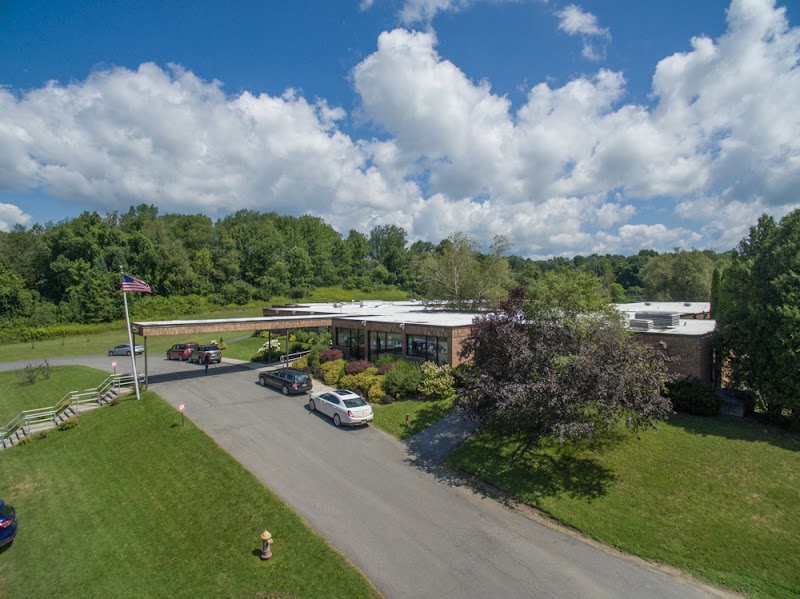
How is Alpine Rehabilitation And Nursing Center Staffed?

CMS rates ALPINE REHABILITATION AND NURSING CENTER's staffing level at 4 out of 5 stars, which is above average compared to other nursing homes. Staff turnover is 54%, compared to the New York average of 46%.

What Have Inspectors Found at Alpine Rehabilitation And Nursing Center?

State health inspectors documented 21 deficiencies at ALPINE REHABILITATION AND NURSING CENTER during 2019 to 2024. These included: 21 with potential for harm.

Who Owns and Operates Alpine Rehabilitation And Nursing Center?

ALPINE REHABILITATION AND NURSING CENTER is owned by a for-profit company. For-profit facilities operate as businesses with obligations to shareholders or private owners. The facility is operated by PERSONAL HEALTHCARE, LLC, a chain that manages multiple nursing homes. With 80 certified beds and approximately 73 residents (about 91% occupancy), it is a smaller facility located in LITTLE FALLS, New York.
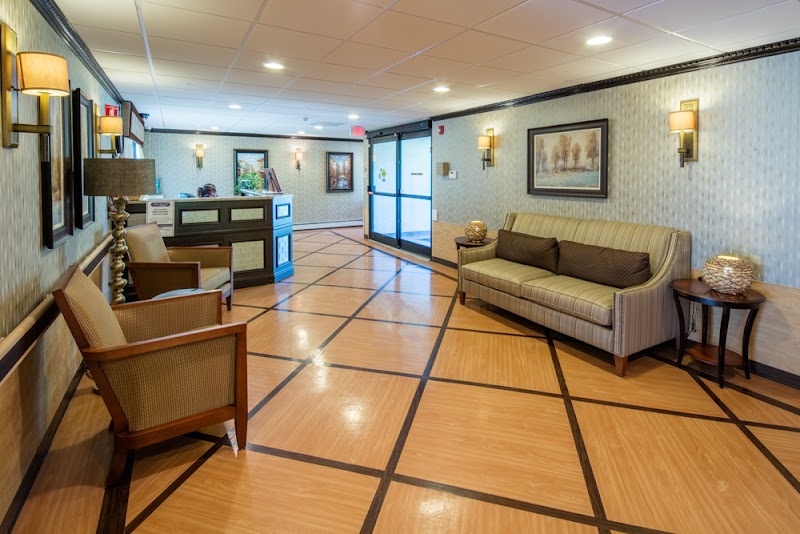
How Does Alpine Rehabilitation And Nursing Center Compare to Other New York Nursing Homes?

Compared to the 100 nursing homes in New York, ALPINE REHABILITATION AND NURSING CENTER's overall rating (2 stars) is below the state average of 3.1, staff turnover (54%) is near the state average of 46%, and health inspection rating (2 stars) is below the national benchmark.

What Should Families Ask When Visiting Alpine Rehabilitation And Nursing Center?

Based on this facility's data, families visiting should ask: "Can I visit during a mealtime to observe dining assistance and food quality?" "How do you handle medical emergencies, and what is your hospital transfer rate?" "Can I speak with family members of current residents about their experience?"

Is Alpine Rehabilitation And Nursing Center Safe?

Based on CMS inspection data, ALPINE REHABILITATION AND NURSING CENTER has a clean safety record: no substantiated abuse findings (meaning no confirmed cases of resident harm), no Immediate Jeopardy citations (the most serious violation level indicating risk of serious injury or death), and is not on the Special Focus Facility watch list (a federal program monitoring the lowest-performing 1% of nursing homes). The facility has a 2-star overall rating and ranks #100 of 100 nursing homes in New York. While no facility is perfect, families should still ask about staff-to-resident ratios and recent inspection results during their visit.

Do Nurses at Alpine Rehabilitation And Nursing Center Stick Around?

ALPINE REHABILITATION AND NURSING CENTER has a staff turnover rate of 54%, which is 8 percentage points above the New York average of 46%. Moderate turnover is common in nursing homes, but families should still ask about staff tenure and how the facility maintains care continuity when employees leave.

Was Alpine Rehabilitation And Nursing Center Ever Fined?

ALPINE REHABILITATION AND NURSING CENTER has no federal fines on record. CMS issues fines when nursing homes fail to meet care standards or don't correct problems found during inspections. The absence of fines suggests the facility has either maintained compliance or corrected any issues before penalties were assessed. This is a positive indicator, though families should still review recent inspection reports for the full picture.

Is Alpine Rehabilitation And Nursing Center on Any Federal Watch List?

ALPINE REHABILITATION AND NURSING CENTER is not on any federal watch list. The most significant is the Special Focus Facility (SFF) program, which identifies the bottom 1% of nursing homes nationally based on persistent, serious quality problems. Not being on this list means the facility has avoided the pattern of deficiencies that triggers enhanced federal oversight. This is a positive indicator, though families should still review the facility's inspection history directly.