LITTLE NECK CARE CENTER

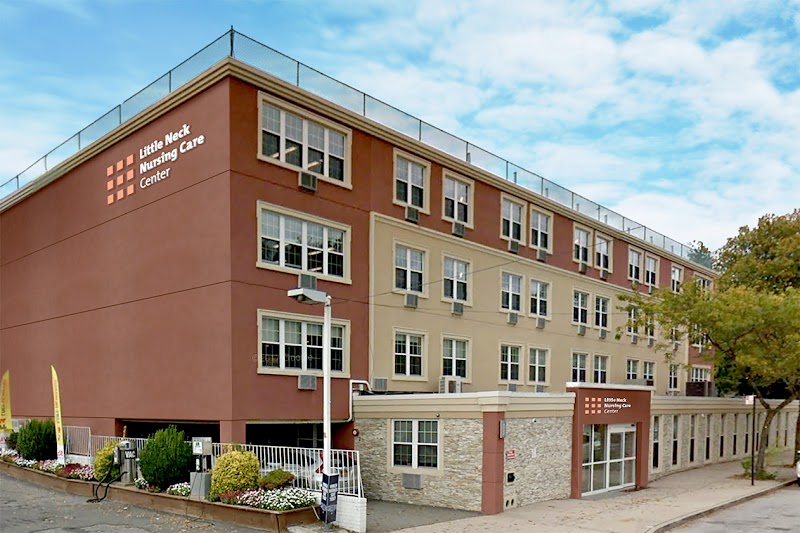
260 19 NASSAU BLVD, LITTLE NECK, NY 11362 (718) 423-6400
For profit - Corporation 120 Beds OPTIMA CARE Data: November 2025
Trust Grade
80/100
#192 of 594 in NY
Last Inspection: August 2024

Within standard 12-15 month inspection cycle. Federal law requires annual inspections.

Overview

Little Neck Care Center has a Trust Grade of B+, indicating it is recommended and above average among nursing homes. It ranks #192 out of 594 facilities in New York, which places it in the top half, and #23 out of 57 in Queens County, meaning there are only 22 homes in the county rated higher. The facility's trend is stable, with 6 issues reported in both 2022 and 2024, showing no worsening of conditions. Staffing is a strong point, with a 4 out of 5-star rating and only 16% turnover, significantly lower than the state average, indicating experienced staff who are familiar with residents. While there are no fines, indicating good compliance, recent inspection findings revealed concerns such as expired food storage and lack of privacy for residents with catheters, highlighting areas needing improvement despite the overall strengths of the facility.

Trust Score
B+
80/100
In New York
#192/594
Top 32%
Safety Record
Low Risk
No red flags
Inspections
Holding Steady
6 → 6 violations
Staff Stability
✓ Good
16% annual turnover. Excellent stability, 32 points below New York's 48% average. Staff who stay learn residents' needs.
Penalties
✓ Good
No fines on record. Clean compliance history, better than most New York facilities.
Skilled Nurses
✓ Good
Each resident gets 46 minutes of Registered Nurse (RN) attention daily — more than average for New York. RNs are trained to catch health problems early.
Violations
⚠ Watch
13 deficiencies on record. Higher than average. Multiple issues found across inspections.
★★★★☆
4.0
Overall Rating
★★★★☆
4.0
Staff Levels
★★★★★
5.0
Care Quality
★★★☆☆
3.0
Inspection Score
Stable
2022: 6 issues
2024: 6 issues

The Good

  • 4-Star Staffing Rating · Above-average nurse staffing levels
  • 5-Star Quality Measures · Strong clinical quality outcomes
  • Low Staff Turnover (16%) · Staff stability means consistent care
  • Full Sprinkler Coverage · Fire safety systems throughout facility
  • No fines on record
  • Staff turnover is low (16%)

    32 points below New York average of 48%

Facility shows strength in staffing levels, quality measures, staff retention, fire safety.

The Bad

Chain: OPTIMA CARE

Part of a multi-facility chain

Ask about local staffing decisions and management

The Ugly 13 deficiencies on record

Aug 2024 6 deficiencies
CONCERN (D)

Potential for Harm - no one hurt, but risky conditions existed

Deficiency F0557 (Tag F0557)

Could have caused harm · This affected 1 resident

**NOTE- TERMS IN BRACKETS HAVE BEEN EDITED TO PROTECT CONFIDENTIALITY** Based on observation and staff interviews conducted during the Recertification Survey from 8/21/24 to 8/28/24, the facility did ...

Read full inspector narrative →
**NOTE- TERMS IN BRACKETS HAVE BEEN EDITED TO PROTECT CONFIDENTIALITY** Based on observation and staff interviews conducted during the Recertification Survey from 8/21/24 to 8/28/24, the facility did not ensure that a resident was cared for in a manner that maintained or enhanced dignity. This was evident for 1 (Resident #3) of 4 residents reviewed for Catheter out of a sample of 25 residents. Specifically, Resident #3's Foley catheter bag and tubing were not covered with a privacy bag. The findings are: The facility policy titled Care of the Resident with a Foley Catheter last reviewed 1/2024 documented that a drainage bag cover should be utilized for privacy. Resident #3 was admitted to the facility with diagnoses which include Multiple Sclerosis, Neuromuscular Dysfunction of Bladder and Type 2 Diabetes Mellitus with Chronic kidney Disease. The Quarterly Minimum Data Set 3.0 assessment dated [DATE] documented that Resident #3 had moderate cognitive impairment, required extensive assistance of 2 staff members for bed mobility, transfer, dressing, toilet use and personal hygiene, and had a catheter. During multiple observations on 08/21/2024 at 10:12 AM, 08/22/2024 at 3:12 PM and 08/23/2024 at 2:36 PM, Resident #3 was observed lying in bed watching television. Resident #3's Foley catheter drainage bag and catheter tubing were observed with amber urine draining into the bag was visible from the hallway as it was not contained in a privacy bag. The Physician order dated 7/26/2024 documented monitor urine output and document amount in every shift for neuromuscular dysfunction of bladder. On 08/23/2024 at 2:15 PM, Licensed Practical Nurse #1 was interviewed and stated that the catheter bag is supposed to be in a privacy bag. On 08/23/2024 at 2:34 PM, Certified Nursing Assistant #5 was interviewed and stated that the privacy bag must be on every day. Certified Nursing Assistant #5 also stated that the bag is missing and was nowhere to be found. Certified Nursing Assistant further stated that the privacy bags are in the clean utility room, and they were on their way to get a new bag, got distracted and then forgot about it. On 8/26/2024 at 11:23 AM, the Director of Nursing was interviewed and stated that the privacy bag needs to be put on for the resident's privacy. The Director of Nursing further stated that in-service regarding catheter and catheter privacy bag are given on the unit by nurses in charge and nurse supervisors. 10 NYCRR 415.5(a)
CONCERN (D)

Potential for Harm - no one hurt, but risky conditions existed

Deficiency F0655 (Tag F0655)

Could have caused harm · This affected 1 resident

**NOTE- TERMS IN BRACKETS HAVE BEEN EDITED TO PROTECT CONFIDENTIALITY** Based on record review and staff interviews conducted during the Recertification Survey from 08/21/2024 to 08/28/2024, the facil...

Read full inspector narrative →
**NOTE- TERMS IN BRACKETS HAVE BEEN EDITED TO PROTECT CONFIDENTIALITY** Based on record review and staff interviews conducted during the Recertification Survey from 08/21/2024 to 08/28/2024, the facility did not ensure that the resident and their representative were provided with a summary of the baseline care plan. This was evident for 1 (Resident #78) of 2 residents reviewed for Care Planning out of 25 total sampled residents. Specifically, Resident #78 was not provided a written summary of their baseline care plan. The findings are: The facility's policy titled Baseline Care Plan with a revised date of 01/07/2024 states that the resident or their representative will be provided a summary of the baseline care plan. Resident #78 was admitted to the facility with diagnoses that included Coronary Artery Disease, Arthritis, and Malnutrition. The admission Minimum Data Set assessment dated [DATE] documented that Resident #78 was severely cognitively impaired and both resident and family participated in assessment and goal setting. On 08/26/24 at 04:25 PM, Resident #78's spouse was interviewed by telephone and stated that they did not receive a copy of Resident #78 baseline care plan. Resident #78's spouse stated they attended two care plan meetings but did not receive a copy of the baseline care plan. The Baseline Care Plan created and completed on 05/25/2024 documented signatures of five interdisciplinary team members. The lines for resident and representative signatures were blank and had not been signed. The Social Work Progress note dated 06/05/2024 documented an initial care plan meeting was held to review resident's plan of care and present status. Resident's spouse and child participated in the meeting to address concerns regarding care. The progress note also documented that Social Work provided family with a copy of their care plan summary for review. On 08/26/2024 at 11:42 AM, the Director of Social Work was interviewed and stated that the protocol is to get the baseline care plan signed when a resident is newly admitted . The Director of Social Work also stated that there is no signed copy of the baseline care plan to verify that Resident #78's family received it and they are unsure what happened. On 08/27/2024 at 10:39 AM, the Registered Nurse Supervisor #1 was interviewed and stated that if a resident is alert and oriented to person, place and time, the protocol is to explain the baseline care plan to the resident and have the resident sign it. If not, family is contacted, and a copy of the baseline care plan given which is then signed and scanned back into the system to ensure it was received. Registered Nurse Supervisor #1 also stated various staff are involved in the baseline care plan including the Registered Nurse Supervisor and Director of Nursing Services who are all responsible to ensure the resident receives a copy of the baseline care plan and that it is signed. Registered Nurse Supervisor#1 further stated they are not sure what happened with the signing of the baseline care plan for Resident #78. Registered Nurse Supervisor #1 stated they looked in Resident #78 chart and in the Electronic Medical Record but there is no signed care plan to confirm that Resident #78 received a copy. On 08/26/2024 at 12:53 PM, the Director of Nursing Services was interviewed and stated that the protocol is to get the baseline care plan signed by the resident or their representative to ensure they received a copy of the summary. The nurse on the unit will review the baseline care plan with the resident or family who will then get a separate sheet of paper that has to be signed. Nurses on the floor are responsible for getting the baseline care plan signed initially and if they are unable to get it signed, then another staff is responsible for following up and ensuring it is signed. The Director of Nursing Services also stated that they could not locate the signed copy of Resident #78's base line care plan in the chart. In this case the care plan was not signed, and they are unsure why that happened. The Director of Nursing Services further it is always important to get the care plan signed by the resident or family to ensure that they received a summary of the baseline care plan and that they are aware of the resident's plan of care. 10 NYCRR 415.11(c)
CONCERN (D)

Potential for Harm - no one hurt, but risky conditions existed

Comprehensive Care Plan (Tag F0656)

Could have caused harm · This affected 1 resident

**NOTE- TERMS IN BRACKETS HAVE BEEN EDITED TO PROTECT CONFIDENTIALITY** Based on observations, record review and interviews conducted during the Recertification survey from 08/21/2024 to 08/28/2024, t...

Read full inspector narrative →
**NOTE- TERMS IN BRACKETS HAVE BEEN EDITED TO PROTECT CONFIDENTIALITY** Based on observations, record review and interviews conducted during the Recertification survey from 08/21/2024 to 08/28/2024, the facility did not ensure that a person-centered Comprehensive Care Plan was developed and implemented to meet the resident's goal, and address the resident's medical, physical, mental, and psychosocial needs. This is evident for 1 (Resident #75) of 2 residents reviewed for Urinary Catheter out of 25 sampled residents. Specifically, Resident #75 was receiving Oxygen therapy, and a comprehensive care plan was not created. The findings include: The facility's policy titled Comprehensive Care Plan/Baseline Care Plan, review date 1/2024, documented that the facility must develop and implement a comprehensive person-centered care plan for each resident, to include resident's problems, strengths, and needs. An individual Comprehensive Care Plan will be developed for each problem, will be initiated immediately upon admission and appropriate care plans will be in place within 48 hours of admission. Resident #75 was admitted to the facility with diagnoses that include Coronary Artery Disease and Benign Prostate Hypertrophy. The admission Minimum Data Set, dated [DATE] documented that Resident #75 had intact cognition, was dependent on staff for bed mobility, toilet use and transfers, and was on Oxygen therapy. The Physician's Order dated 07/17/2024, last renewed 08/14/2024, documented Oxygen device: via nasal cannula, rate 2L/min, continuous. On 08/28/2024 at 10:06 AM, Resident #75 was observed sitting in a wheelchair in their room, and was alert and oriented to name, person, and place. Oxygen was being administered via nasal cannula at 2 liters per min. The Treatment Administration Record dated 08/01/2024- 08/28/2024, documented Oxygen device via nasal cannula on the 7:00am-3:00pm,3:00pm-11:00pm, 11:00pm-7:00am shift was given. A Physician's Progress note dated 8/2/24 documented that Resident #75's hospitalization procedure cancelled due to acute respiratory failure. The Physician's note also documented to continue current medications and care management. There was no documented evidence in the Electronic Medical Record that a comprehensive care plan had been created to address Resident #75's oxygen use. On 08/28/2024 at 10:03 AM, Registered Nurse #6 was interviewed and stated that they are the 7AM to 3PM Registered Nurse who does interim care plans. Registered Nurse #6 also stated that the Registered Nurse on the night shift is responsible for initiating the care plans on admission. Registered Nurse #6 further stated that Resident #75 was re-admitted with Oxygen and has an order for continuous Oxygen. Registered Nurse #6 stated that they did not see a care plan for the Oxygen at this time, and the night shift nurse should have put in the Oxygen care plan for Resident #75. On 08/28/2024 at 10:15 AM, Registered Nurse Supervisor #1 was interviewed and stated that they are the Registered Nurse Supervisor and covers all the units. Registered Nurse #2 stated that there should be a care plan for the Oxygen if it was ordered and that the care plans are implemented by the Registered Nurse Supervisor at night. Registered Nurse #2 also stated that as the Registered Nurse Supervisors, they should all review the residents plan of care, to ensure that a care plan is completed. On 08/28/2024 at 12:08 PM, the Director of Nursing was interviewed and stated that on a resident's admission to the facility, the night shift Registered Nurse Supervisor will initiate all the care plans, and then the care plans are updated and followed up by the Registered Nurse Supervisor or the Charge Nurse on the unit is responsible for following up. The Director of Nursing also stated that if Resident #75 had an order for Oxygen use, there should have been a care plan initiated. The Director of Nursing further stated that there is a care plan meeting as well so the interdisciplinary team should be reviewing and updating the care plans discussed. 10 NYCRR 415.11(c)(1)
CONCERN (D)

Potential for Harm - no one hurt, but risky conditions existed

Deficiency F0688 (Tag F0688)

Could have caused harm · This affected 1 resident

**NOTE- TERMS IN BRACKETS HAVE BEEN EDITED TO PROTECT CONFIDENTIALITY** Based on observation, record review, and interview conducted during the Recertification survey from 08/21/2024 to 08/28/2024, th...

Read full inspector narrative →
**NOTE- TERMS IN BRACKETS HAVE BEEN EDITED TO PROTECT CONFIDENTIALITY** Based on observation, record review, and interview conducted during the Recertification survey from 08/21/2024 to 08/28/2024, the facility did not ensure that a resident with limited range of motion received appropriate treatment and services to prevent further decrease in range of motion. This was evident for 1 (Resident # 3) of 4 residents reviewed for Urinary Catheter from a sample of 25 residents. Specifically, Resident #3, a resident with left hand weakness and left wrist drop was observed on more than one occasion without a left-hand splint in place as ordered. The findings are: Resident #3 was admitted to the facility with diagnoses which include Multiple Sclerosis, and Contracture of Muscle. The Quarterly Minimum Data Set 3.0 assessment dated [DATE] documented Resident #3 had moderate cognitive impairment, was dependent on staff for all activities of daily living activities. required extensive assistance of 2 staff for bed mobility, transfer, dressing, toilet use and personal hygiene. The Minimum Data Set also documented that Resident #3 had functional limitation in Range of Motion on left upper extremity and both lower extremities. The Physician's Order renewed on 07/26/2024 documented that resident is to wear the left resting hand splint during daytime. Splint is to be removed for skin check, as needed and at nighttime. The Nursing progress notes dated 01/26/2024 stated that the Resident #3 is currently on passive range of motion due to stiffness to bilateral lower and upper extremities. Will refer for physiatry consultation. On 08/21/2024 at 10:12 AM and 08/22/2024 at 3:12 PM, Resident #3 was observed in bed watching TV, with no left-hand splint in place. On 08/23/2024 at 2:36 PM and 08/26/2024 at 3:16 PM Resident #3 was observed in bed. There was no left-hand splint in place. On 08/26/2024 at 3:28 PM, Registered Nurse #3 was interviewed and stated that on observation, Resident #3 has no splint on. Registered Nurse #3 further stated that if there is an order for Resident #3 to have a splint on the left hand, it should be executed. On 08/26/2024 at 3:53 PM, Certified Nursing Assistant #6, who was assigned to Resident #3 in the absence of Resident #3's regular aide, stated that Resident #3 did not have a left-hand splint. On 08/26/2024 at 4:05 PM, the Director of Physical Therapy was interviewed and stated that quarterly and significant change assessment screening for mobility, activities of daily living and compliance for devices are done all the time. Occupational Therapy do weekly round for splint and braces. The Director of Physical Therapy further stated that as per the Occupational Therapist, all splints were checked and accounted for, but currently Resident #3's hand splint could not be located. On 08/26/2024 at 4:43 PM, Registered Nurse Supervisor #1 was interviewed and stated that when there is a device, there is an in-service given to all staff members about how to put the device on. The Certified Nursing Assistant who is assigned to the resident will put the device on for the resident. Registered Nurse Supervisor #1 also stated that the charge nurse and the nurse supervisors are to make sure that the device is on. Registered Nurse Supervisor #1 further stated that no one knows what happened to the hand splint, but Resident #3 is in need of it. 10 NYCRR 415.12(e)(2)
CONCERN (D)

Potential for Harm - no one hurt, but risky conditions existed

Staffing Information (Tag F0732)

Could have caused harm · This affected 1 resident

Based on observation, record review and interviews conducted during the Recertification survey between 08/21/2024 and 08/28/2024, the facility did not ensure that Nurse Staffing Information was posted...

Read full inspector narrative →
Based on observation, record review and interviews conducted during the Recertification survey between 08/21/2024 and 08/28/2024, the facility did not ensure that Nurse Staffing Information was posted in a prominent place readily accessible to residents and visitors. Specifically, the posting of staffing did not indicate the actual hours worked by staff or the resident census and was posted by the employee time clock, located in a corner at the entrance to the kitchen, that was not readily accessible to all residents and visitors. The findings are: The facility policy and procedure titled Daily Staffing dated 01/2024 documented that the Nursing Staffing Coordinator will prepare and provide a monthly schedule of regular staff members. Such schedule shall be posted by the facility time clock. A copy shall be maintained in the Nursing Office, either electronically or on paper. During multiple observations made between 08/21/2024 and 08/27/2024, there was no Nurse Staffing Information observed posted on daily basis in a prominent place. On 08/27/2024 at 09:44 AM, the Staff Development Coordinator was interviewed and stated that the staffing information is posted by the time clock in a corner, for the staff to see when they are punching in or out. Staff Development Coordinator stated that it has always been posted in that location since June 11, 2024, when they were hired. On 08/27/2024 at 09:50 AM, the Staff Development Coordinator showed the State Surveyor that the Nurse Staffing Information was posted by the employee time clock, located in a corner at the entrance to the kitchen. The information documented on the Nurse Staffing Information was the names of the staff, and their assigned units. The Nurse Staffing Information did not include the actual hours worked by staff, or the resident census. On 08/27/2024 at 01:30 PM, the Director of Nursing was interviewed and stated that the Staffing Development Coordinator works under their supervision. The Director of Nursing also stated that they are aware that the staffing information is posted by the clock for the staff to see it when they report for work. The Director of Nursing further stated that they did not know what information needed to be included in the posting. On 08/28/2024 at 10:46 AM, the Administrator was interviewed and stated that the Staffing Coordinator is responsible for posting of daily staffing, supervised by the Director of Nursing and the Administrator. The Administrator also stated that the daily staffing is posted by the clock for the staff to see, and they thought that was the appropriate location for the posting. The Administrator further stated that they were not aware that the actual hours worked needed to be indicated in the posting. 10 NYCRR 415.13
CONCERN (D)

Potential for Harm - no one hurt, but risky conditions existed

Infection Control (Tag F0880)

Could have caused harm · This affected 1 resident

**NOTE- TERMS IN BRACKETS HAVE BEEN EDITED TO PROTECT CONFIDENTIALITY** Based on observations, record review, and staff interviews conducted during the Recertification survey between 08/21/2024 and 08...

Read full inspector narrative →
**NOTE- TERMS IN BRACKETS HAVE BEEN EDITED TO PROTECT CONFIDENTIALITY** Based on observations, record review, and staff interviews conducted during the Recertification survey between 08/21/2024 and 08/28/2024, the facility did not ensure infection control practices and procedures were maintained to provide a safe and sanitary environment to help prevent the development and transmission of communicable diseases and infections. Specifically, resident's oxygen tubing was not changed and dated as per protocol. This was evident for 2 (Residents #9 and #29) of 2 residents reviewed for Respiratory Therapy out of 25 sampled residents. The findings are: The facility's policy and procedure titled Oxygen Therapy Administration dated 01/2024, documented in section Infection Control that cannulas, facemask, and tubing are to be changed weekly and as needed), and Humidifier bottles are changed when the level of distilled water reaches the low-level indicator. 1.Resident #9 was admitted to the facility with diagnoses that included Congestive Heart Failure, Asthma, Chronic Obstructive Pulmonary Disease. The Quarterly Minimum Data Set, dated [DATE] documented Resident #9 has moderate impairment in cognition, required partial/moderate assistance for most activities of daily living, and was on oxygen therapy. The Comprehensive Care Plan titled Oxygen Use dated 12/28/2016, last updated 07/02/2024 documented a goal of providing Oxygen therapy as per Physician's orders. The Physician's order dated 08/02/2024 documented change oxygen tubing weekly every week on Sunday at 11:00 pm-7:00 am On 08/21/2024 at 02:32 PM, Resident #9 was observed in their room receiving continuous oxygen therapy by nasal canula. The oxygen tubing was dated 8/12/24. On 08/23/2024 at 08:32 AM, Resident #9 was observed in room sitting in a wheelchair eating breakfast, receiving continuous oxygen by nasal canula from a concentrator. The canula tubing located on Resident #9's nose was brownish in color and was dated 8/12/24. The nebulizer tubing on Resident #9's nightstand was observed to be undated. Resident #9 was interviewed and stated that they did not know when the tubing was last changed. 2. Resident #29 was admitted to the facility with diagnoses that included Congestive Heart Failure, Pneumonia, and Chronic Obstructive Pulmonary Disease/Respiratory Failure. The Significant Change in Status Minimum Data Set, dated [DATE] documented that Resident #29 had moderate impairment in cognition, required substantial/maximal assistance or partial/moderate assistance of staff for most activities of daily living and was on oxygen therapy. The Comprehensive Care Plan titled Oxygen Use dated 07/27/2024 documented a goal to provide oxygen therapy as per orders. The Physician's order dated 07/26/2024 documented Oxygen Device: (mask/cannula/trach mask) at 2 Liter per minute, continuous. The order did not include instruction on changing oxygen tubing. On 08/21/2024 at 11:30 AM, Resident #29 was observed in the room with oxygen concentrator connected to Nasal canular tubing. There was no label or date noted on the oxygen tubing. On 08/23/2024 at 08:21 AM, Resident #29 was observed seated in a wheelchair in their room eating breakfast and was alert and oriented. Resident #29 was receiving oxygen from a concentrator via nasal canula. The tubing was not dated and was observed with brownish discoloration. On 08/23/2024 at 08:21 AM, Resident #29 was interviewed and stated that sometimes the tube falls off from their nose, but they are able to put it back, and the oxygen is helping them breathe properly. Resident #29 also stated that they cannot recollect when the tubing was last changed. On 08/23/2024 at 12:48 PM, an interview was conducted with Licensed Practical Nurse #1, who regularly works the 7AM to 3PM shift, who stated that residents' oxygen tubing is supposed to be changed by the 11PM -7AM shift staff every week as per Physician's order. Licensed Practical Nurse #1 also stated that they did not know that Resident #9's tubing had not been changed as per protocol, but they would go and change it immediately. On 08/23/2024 at 12:58 PM, Registered Nurse #3 was interviewed and stated that resident's oxygen tubing is changed every Saturday by the night nurse, and they are supposed to put a date on the tubing when it is changed. Registered Nurse #3 also stated that they cannot say when Resident #29's oxygen tubing was changed last as there was no date. Registered Nurse #3 further stated that they work day shift, and they did not check that the tubing so did not know it had not been changed by night shift nurse, but they are going to change it right now. On 08/26/2024 at 09:10 AM, an interview was conducted with Licensed Practical Nurse #2, who regularly works the 11PM-7AM shift, who stated that oxygen tubing is changed weekly on Sunday nights and is dated. Licensed Practical Nurse #2 also stated that Resident #9's oxygen tubing was changed and dated the weekend of 08/12/2024 when they last worked, and they did not know that the tubing had not been changed since that day. On 08/26/2024 at 09:58 AM, an interview was conducted with Registered Nurse Supervisor #1 who stated that the nasal canula is to be changed every Sunday on the 11PM-7AM shift, has to be dated, and the nurse in charge on the shift is responsible for the change. Registered Nurse Supervisor #1 also stated that when they make rounds to monitor what the staff are doing, they do not always pay close attention to the tubing, and they thought the nurses are changing the tubing as per protocol. Registered Nurse Supervisor #1 further stated that by not changing the tubing, it is an infection prevention protocol breach. On 08/26/2024 at 10:15 AM, the Infection Preventionist was interviewed and stated that the tubing should be changed every week and when necessary and should be labeled with date of change. The Infection Preventionist also stated that if the date on Resident #9's tubing is 8/12/24, it means that the tubing has not been changed since that date. The Infection Preventionist further stated that they were surprised that the tubing for Resident #29 was not dated, and they cannot say when the tubing was last changed. The Infection Preventionist stated that the Unit Nurse and the Supervisor are supposed to be checking to ensure that the tubing is changed as per protocol, but from now on, they will also be checking to ensure it is being done properly. On 08/26/2024 at 12:13 PM, an interview was conducted with the Director of Nursing who stated that oxygen tubing is changed weekly and as needed, and the unit nurses and the supervisor are supposed to check to make sure that they are changed and dated as per protocol. The Director of Nursing further stated that by not changing and dating the tubing means that nobody is checking to ensure the right thing is done. 10 NYCRR 415.19(a)(1)
Oct 2022 6 deficiencies
CONCERN (D)

Potential for Harm - no one hurt, but risky conditions existed

Deficiency F0604 (Tag F0604)

Could have caused harm · This affected 1 resident

**NOTE- TERMS IN BRACKETS HAVE BEEN EDITED TO PROTECT CONFIDENTIALITY** Based on observations, record review, and interviews conducted during the Recertification Survey from 10/12/22 to 10/18/22, the ...

Read full inspector narrative →
**NOTE- TERMS IN BRACKETS HAVE BEEN EDITED TO PROTECT CONFIDENTIALITY** Based on observations, record review, and interviews conducted during the Recertification Survey from 10/12/22 to 10/18/22, the facility did not ensure a resident remained free from physical restraints. This was evident for 1 (Resident # 25) out of 2 residents reviewed for Restraints. Specifically, Resident # 25 was observed on several occasions lying in bed with 2 pillows placed underneath the fitted sheet on each side of the resident, bordering the length of the body to prevent Resident # 25 from getting out bed. The findings are: The facility policy titled Restraints / Siderail - Bed System with no effective date and the last review date 4/29/22 documented Physical restraints are defined as any manual method or physical or mechanical device, material or equipment attached to or adjacent to the resident's body that the individual cannot easily remove which restricts freedom of movement or normal access to one's body. It also documented that physical restraint will only be utilized after less restrictive alternatives have been attempted and considered as a last resort. Resident #25 was admitted to facility with diagnoses of Other cerebral infarction due to occlusion or stenosis of small artery, Spastic Hemiplegia affecting left nondominant side, and Aphasia following cerebral infarction. The admission Minimum Data Set 3.0 (MDS) dated [DATE] documented Resident # 25 had severely impaired cognition, required extensive assistance with 2 persons for bed mobility, was totally dependent on two persons for transfer, and did not use physical restraints. On 10/12/22 at 1:57 PM, 10/13/22 at 10:16 AM, 10/14/22 at 02:47 PM and 10/17/22 at 10:06 AM and other occasions, Resident # 25 was observed lying in bed with two pillows placed underneath the fitted sheet on each side of the resident bordering the length of the body. The pillows were not supporting or positioning Resident #25 in bed on these occasions. There was no floor mat observed. The bed was observed about 2 feet above the floor level. The Comprehensive Care Plan (CCP) related to falls, initiated 7/18/2022, documented the interventions of placing bed in the lowest position and call bell within easy reach and providing assistance in ADL's to prevent Resident #25 from falling. The admission Nursing Assessment started on 7/14/22 and completed on 7/18/22 documented the safety measures included to orient resident to room, unit & safety precautions and call-bell usage; place call-bell and frequently used items within reach; refer to PT /OT for screen/evaluation; place bed low; and wear non-skid footwear. The Rehabilitation Screening Form started and completed on 7/15/2022 documented Resident #25 required extensive assist of 2 persons for transfer and bed mobility. There was no physician's order to use physical restraints in bed for Resident #25. On 10/17/22 at 10:48 AM, Certified Nursing Assistant (CNA) #4 was interviewed and stated Resident #25 puts their lower extremities out of bed to push themselves out of bed about twice per week. CNA #4 also stated Resident #25 was unable to stand or walk by themselves without assistance. CNA #4 further stated they put two pillows underneath the fitted sheet on each side of Resident #25 to prevent them from getting out of bed and falling. On 10/17/22 at 11:11 AM, Licensed Practical Nurse (LPN) #1 was interviewed and stated Resident #25 was very restless in bed and tried to get out of bed all the time. LPN #1 also stated it was nursing judgment to do something like placing the pillows under the bed sheet on both sides to prevent Resident #25 from falling. LPN # 1 stated they did not have a floor mat for Resident #25 because it required a physician's order. LPN #1 also stated the bed was at the lowest position already, and it could not be lowered to the floor level. On 10/17/22 at 11:42 AM, the Physical Therapist Assistant (PTA) was interviewed and stated Resident #25 liked to put their legs over the edge of the bed. The PTA also stated Resident #25 would fall onto the floor if they got out of bed. PTA further stated Resident #25 was unable to get out of bed when the pillows were placed under the sheets on both sides of the bed. The PTA stated they were not involved in the decision to place the pillows underneath the fitted sheet, and they could not recall if the pillows were used before Resident #25 was discharged from rehab last month. On 10/17/22 at 12:06 PM, Registered Nurse (RN) #1 was interviewed and stated anything that restricts a resident's movement is considered a physical restraint. RN #1 also stated they had to perform an assessment, have a meeting with the representative, obtain a physician's order, create a care plan before applying a physical restraint. The resident should also be assessed after using the restraint. RN #1 stated they made rounds on the units 1 to 2 times per day to ensure safety of residents and if the care provided aligned to facility policies and government regulations. RN # 1 also stated they were not aware the staff placed pillows on each each side of the resident underneath the fitted sheet, which prevented Resident #25 from getting out of bed. On 10/17/22 at 12:26 PM, the Director of Nursing (DON) was interviewed and stated they did not use physical restraints for residents in the facility. The DON also stated they made rounds on the units 1 to 2 times every day to ensure compliance of care and resident's safety. The DON stated they were not aware that staff placed pillows underneath the fitted sheet on both sides of bed and was not able to explain why they did so. The DON stated the staff should not put pillows under the fitted sheet, and they should have reported any concerns about falls regarding Resident #25 to the nursing supervisor. On 10/18/22 at 01:44 PM, the Nurse Practitioner (NP) was interviewed and stated Resident #25 did not have a medical doctor order for physical restraints. The NP stated the nursing staff should lower the bed to the floor level and use floor mats to prevent injuries from falls for Resident #25. 415.4(a)(2-7)
CONCERN (D)

Potential for Harm - no one hurt, but risky conditions existed

Assessment Accuracy (Tag F0641)

Could have caused harm · This affected 1 resident

**NOTE- TERMS IN BRACKETS HAVE BEEN EDITED TO PROTECT CONFIDENTIALITY** 2). Resident #350 was admitted to the facility with diagnosis of Alzheimer's disease, Aphasia and Type 2 Diabetes Mellitus. The...

Read full inspector narrative →
**NOTE- TERMS IN BRACKETS HAVE BEEN EDITED TO PROTECT CONFIDENTIALITY** 2). Resident #350 was admitted to the facility with diagnosis of Alzheimer's disease, Aphasia and Type 2 Diabetes Mellitus. The Minimum Data Set (MDS) assessment dated [DATE] documented that Resident #350 had severely impaired cognition and was not able to complete a Brief Interview of Mental Status. Required total dependence with two persons assist for bed mobility and transfer. It did not document that Resident #350 received insulin injections. The Comprehensive Care Plan (CCP) titled Diabetes Mellitus: DM 2 dated 3/2/22 documented interventions included to administer medications as ordered and monitor blood glucose level as ordered by MD. The physician's orders dated 3/2/22 documented Humalog KwikPen Insulin 100 unit/mL subcutaneous with FS TID 201-250=2 units, 251-300=4 units, 301-350=6 units, 351-400=8 units . The Medication Administration Record (MAR) for March 2022 documented that Humalog Insulin with finger stick were administered at 7:15 AM on 3/3/22 to 3/8/22, 3/10/22 and 3/11/22; 11:30 AM on 3/4/22, 3/6/22, 3/8/22 3/10/22 and 3/11/22; 4:30 PM on 3/3/22, 3/4/22, 3/8/22, and 3/10/22. On 10/18/22 at 1:48 PM, MDS Coordinator #2 was interviewed and stated the physician's order for insulin injections was initiated on 3/2/22, but it was not captured in the MDS assessment dated [DATE] for Resident #350. MDS Coordinator #2 stated that it was an oversight and was probably missed because the insulin order was newly initiated after the resident was readmitted to the facility. MDS Coordinator #2 stated the staff will have to review more thoroughly to ensure that any new changes are reflected in the MDS assessments. In addition, the assessments will be checked by another staff to ensure all information are accurately reflected in the resident's MDS assessments. On 10/18/22 at 3:58 PM, the Director of Nursing (DON) was interviewed and stated they were not aware of the missing medication in Resident #350's MDS assessment. The DON stated resident's insulin injection should have been indicated in the medication section since the resident was given insulin injections during the 7-day look back period. 415.11(b) Based on observation, record review and interviews conducted during the Recertification and Complaint survey (NY00292535), the facility did not ensure the Minimum Data Set (MDS) 3.0 assessment accurately reflected the resident's status. This was evident for 2 of 28 sampled residents (Resident #29 and Resident #305). Specifically, 1) Resident #29's use of anticoagulant and antidepressant medication were not documented on the MDS. 2) Resident #305's insulin injections were not documented on the MDS. The findings are: The facility policy and procedure titled Minimum Data Set (MDS) 3.0 revised 3/18/22 documented as mandated by OBRA, facility will complete, at a minimum and at regular intervals, a comprehensive, standardized assessment of each resident's functional capacity and needs. The results of the assessment, which must accurately reflect the resident's status and needs, will be used to develop, review, and revise each resident's comprehensive plan of care. 1). Resident #29 was admitted to the facility with diagnoses that included Heart Failure, Paroxysmal Atrial Fibrillation, and Depression. The Quarterly Minimum Data Set 3.0 (MDS) assessment dated [DATE] documented that the resident has moderate impairment in cognition, and required extensive assistance of staff for bed mobility, transfer, toilet use, and limited assistance of staff locomotion, dressing, personal hygiene. The MDS documented that Resident did not receive Anticoagulant and Antidepressant during the last 7 days. On 10/12/22 at 11:24 AM, Resident #29 was observed in the room, noted with some discoloration and small bruising on the right hand. Resident #29 was interviewed and stated that they are on Anticoagulant therapy. The Comprehensive Care Plan (CCP) for Anticoagulant Therapy dated 9/8/2022 documented Resident #29 has potential for bleeding and is at risk for signs and symptoms of bleeding related to (r/t) the use of Anticoagulant medication, and the resident was on Eliquis therapy r/t Paroxysmal atrial fibrillation. The CCP interventions included: - Administer anticoagulant therapy as per MD order; Assess for signs of abnormal bleeding; Report for any changes of in skin condition (e.g., discoloration, ecchymosis), signs of abnormal bleeding, or side effects of medication to physician. Physician's orders dated 09/08/2022 and 10/08/2022 documented orders for Eliquis 2.5 mg tablet by oral route 2 times per day for Paroxysmal atrial fibrillation and Escitalopram 20 mg tablet by oral route once daily for Major depressive disorder, recurrent, moderate. The Medication Administration Record (MAR) for September and October 2022 documented that Resident #29 received Eliquis 2.5 mg tablet by oral route 2 times daily and Escitalopram 20 mg tablet by oral route once daily from 09/08/2022 to the current date. On 10/18/22 at 12:05 PM, an interview was conducted with the RN Supervisor (RN #1). RN #1 stated RNs are responsible for residents' assessment and care plan initiation and updates, while the MDS coordinators are responsible for documenting the resident MDS. RN #1 also stated that they know that Resident #29 is on anticoagulant (AC) medication, which is documented in the care plan, but they did not know the resident's use of anticoagulant and antidepressant were not documented in the resident MDS. On 10/18/22 at 12:26 PM, an interview was conducted with the MDS Coordinator (MDSC). MDSC stated that as per the resident's Medication Administration Records just reviewed, Resident #29 was on AC and antidepressant prior to the Assessment Reference Date of the MDS, and the medications should be documented in the MDS. MDSC stated that the omission must have been an error on the part of the MDS assessor which was not caught by the MDS Coordinator before submission. On 10/18/22 at 12:34 PM, an interview was conducted with the Assistant director of Nursing (ADON). The ADON stated that the accuracy of the MDS should be checked by the MDS Coordinator, who is presently not available. The ADON stated they were not aware that Resident #29's MDS was not accurately documented. On 10/18/22 at 01:03 PM, an interview was conducted with the Director of Nursing (DNS). DNS stated that MDS Coordinator is responsible for checking the accuracy of documentation of the resident's MDS before submission. DNS stated that they are not aware of the inaccurate documentation noted.
CONCERN (D)

Potential for Harm - no one hurt, but risky conditions existed

Deficiency F0655 (Tag F0655)

Could have caused harm · This affected 1 resident

**NOTE- TERMS IN BRACKETS HAVE BEEN EDITED TO PROTECT CONFIDENTIALITY** Based on record review and staff interviews conducted during a Recertification/Complaint Survey from 10/12/2022 to 10/18/2022, t...

Read full inspector narrative →
**NOTE- TERMS IN BRACKETS HAVE BEEN EDITED TO PROTECT CONFIDENTIALITY** Based on record review and staff interviews conducted during a Recertification/Complaint Survey from 10/12/2022 to 10/18/2022, the facility did not ensure that the resident and their representative were provided with a written summary of the baseline care plan. This was evident for 1 (Resident #203) of 3 residents reviewed for Care Plan out of 28 sampled residents. The findings are: The facility policy titled Baseline Care Plan (BCP) with review/updates dates 11/10/17, 4/16/19 documented that the Baseline Care Plan shall be given to the resident/resident representative within 48hrs of admission by the RN Supervisor or designee and signature shall be obtained by receiving party. It also documented that if the receiving party is not able to sign or prefers not to, documentation shall be obtained as to the circumstances. It further documented that the facility shall make every effort to provide documents to resident/resident's representative within 48hrs of admission including but not limited to certified mail, telephone notification, and/or hand delivery by the RN Supervisor or designee. Resident #203 was admitted to the facility on [DATE] with diagnoses that included Hemiplegia and hemiparesis following cerebral infarction affecting right dominant side, Unspecified dementia without behavioral disturbance; and Cerebral ischemia. The admission Minimum Data Set (MDS) dated [DATE] documented Resident # 203 had Brief Interview of Mental Status (BIMS) score of 10 out of 15, indicating moderately impaired cognition. The MDS also documented only Resident #203 participated in the assessment. On 10/12/22 at 10:15 AM, Resident #203 was interviewed and stated they made decisions for themselves. Resident #203 also stated they were admitted to the facility about 3 weeks ago and did not receive any hard copy of the initial baseline care plan. The Baseline Care Plan (BCP) was documented as created on 9/27/2022 and completed on 9/29/2022. The acknowledgement of receipt section of the BCP had a Registered Nurse signature on 9/29/2022. There were no signatures for Resident #203 or their designated representative. Review of progress notes from 9/27/2022 to 10/13/2022 in the EMR and the hard copy chart revealed no documented evidence that Resident #203 and/or their designated representative were provided with a copy of or signed the baseline care plan. On 10/14/22 at 12:39 PM, Registered Nurse (RN) # 1 was interviewed and stated that Baseline Care Plan (BCP) was created and completed within 2 to 3 days of resident's admission. RN # 1 also stated they did not know who was responsible for giving the BCP to the resident and/or representative and where this would be documented in the medical chart. On 10/14/22 at 12:52 PM, Director of Nursing (DON) was interviewed and stated the RN supervisors or DON were responsible to check if the BCP was completed within 48 hours of admission. The DON also stated the Social Worker was responsible to give a hard copy of Baseline Care Plan to resident and/or representative in 48 hours after its completion and should document it in the medical record. On 10/14/22 at 01:23 PM, the Care Manager/Social Worker (CM) was interviewed and stated the Social Worker (SW) was responsible to complete the section I and IV in Baseline Care Plan within 24 hours of resident admission. CM also stated it was not the responsibility of Social Worker to give a hard copy of Baseline Care Plan to resident and/or representative. On 10/14/22 at 01:39 PM, the Director of Social Work (DSW) was interviewed and stated the nursing staff were responsible for providing a hard copy of Baseline Care Plan to the resident and/or representative, and it should be documented in the medical record. On 10/17/22 at 09:31 AM, the DON was interviewed again and stated they signed the acknowledgement of receipt section of the BCP. The DON also stated they forgot to print a copy of the BCP for the RN supervisor to give to the resident and/or representative 415.11 (c)
CONCERN (D)

Potential for Harm - no one hurt, but risky conditions existed

Deficiency F0657 (Tag F0657)

Could have caused harm · This affected 1 resident

**NOTE- TERMS IN BRACKETS HAVE BEEN EDITED TO PROTECT CONFIDENTIALITY** Based on record review and interview conducted during the recertification survey from 10/12/22 to 10/18/22, the facility did not...

Read full inspector narrative →
**NOTE- TERMS IN BRACKETS HAVE BEEN EDITED TO PROTECT CONFIDENTIALITY** Based on record review and interview conducted during the recertification survey from 10/12/22 to 10/18/22, the facility did not ensure a resident was offered the opportunity to participate in the development of their comprehensive care plan (CCP). This was evident for 1 (Resident #20) of 2 residents reviewed for care plan meeting (CPM). Specifically, Resident #20 was not invited to participate in quarterly CPMs. The findings are: The facility policy titled Care Plans - Comprehensive Person-Centered dated 05/01/2022 documented residents have the right to participate in the development and implementation their care plan. Resident #20 had diagnoses of coronary artery disease (CAD) and hypertension. The Minimum Data Set 3.0 (MDS) dated [DATE] documented Resident #20 was moderately cognitively impaired. On 10/12/22 at 10:02 AM, Resident #20 was interviewed and stated they are not invited to participate in their CPM with the interdisciplinary team. There was no documented evidence Resident #20 or their representative was invited to scheduled CPM upon comprehensive assessments dated 10/28/21, 1/28/22, 4/28/22, and 7/25/22. On 10/18/22 at 11:50 AM, the Social Worker was interviewed and stated residents admitted for short term care are invited to their initial CPM within 2 weeks of their admission. Long term residents are not invited to their quarterly CPM. On 10/18/22 at 03:21 PM, an interview was conducted with the Director of Social Services (DSS). DSS stated that new admissions and their family members are invited to the initial CPM held within 2 weeks of admission and documented in electronic medical record. The quarterly CPMs are done by the Interdisciplinary Team Members, without inviting the residents/family members. 415.11(c) (1)
CONCERN (D)

Potential for Harm - no one hurt, but risky conditions existed

Pharmacy Services (Tag F0755)

Could have caused harm · This affected 1 resident

**NOTE- TERMS IN BRACKETS HAVE BEEN EDITED TO PROTECT CONFIDENTIALITY** 2) Resident #257 was admitted [DATE] with diagnoses which include Schizoaffective Disorder, Irritable Bowel Syndrome, and Rhabdo...

Read full inspector narrative →
**NOTE- TERMS IN BRACKETS HAVE BEEN EDITED TO PROTECT CONFIDENTIALITY** 2) Resident #257 was admitted [DATE] with diagnoses which include Schizoaffective Disorder, Irritable Bowel Syndrome, and Rhabdomyolysis. The Minimum Data Set 3.0 (MDS) dated [DATE] documented Resident #257 received 3/7 days of antianxiety medication, 4/7 days of antipsychotics. The New York State ASPEN Complaint Tracking System (ACTS) intake dated 3/11/22 documented the complainant reported Resident #257's medications were delayed in arriving to the facility upon admission and administration was delayed once they arrived to the facility. The Physician's Orders dated 2/12/22 documented the following medication orders: Clozapine 200 mg (milligrams) tablet: give 1 tablet (200 mg) by oral route once daily at bedtime. Give with 150mg to = 350 mg Clozapine 100 mg tablet : give 1 tablet (100 mg) by oral route once daily at bedtime Give with 200mg to = 350 mg at bedtime. Trulance 3 mg tablet: give 1 tablet (3 mg) by oral route once daily. The Clozapine tablets ordered totaled 300 mg instead of 350 mg. The Physician's order dated 2/12/22 at 5:11PM further documented a routine lab order for a Comprehensive Metabolic Panel (CMP). The order was not a stat order. An undated fax sent to the surveyor by the pharmacy documented that the dosage of the Clozapine was incorrect and needed clarification prior to sending the medication. The Comprehensive Care Plan (CCP) related to Psychotropic Drug initiated 2/13/22 documented a note dated 2/14/22 that medications were held as per Medical Doctor (MD) order since admit and a meeting was held with the complainant. There is no documented evidence the complainant attended a CCP meeting with facility staff on 2/14/22. The Nurse Practioner (NP) admission Note dated 2/14/22 documented Resident #257 was evaluated by the NP. The note documented a plan to continue with Clozapine and Trulance. The Medication Administration Record (MAR) for February 2022 documented Resident #257 did not receive the bedtime dose of Clozapine on 12/12/22 and 12/13/22. The resident did not receive the 9:00AM dose of Trulance on 2/13/22 and 2/14/22. The MAR further documented a note for all of the missed doses indicating the medication was Held as per Physician's Order: The pharmacy delivery packing slip documented Clozapine and Trulance were sent and received by the facility on 2/14/22. There was no documented evidence the Medical Doctor or NP ordered Resident #257's Trulance and Clozapine to be held from 2/12/22 to 2/15/22. There was no documented evidence the physician or NP were informed the medications were not available on from 2/12/22 to 2/14/22 or that the Clozapine order needed clarification. There was no documented evidence in the medical record that the Pharmacy informed the facility a lab was required to dispense Clozapine or Trulance on 2/12/22 or 2/13/22. A Physician's Order dated 2/15/22 documented an additional order for one Clozapine 50 mg tablet to be given at bedtime with the 200mg and 100mg tabs to total 350 mg. On 10/17/22 at 10:39 AM the Pharmacy Technician was interviewed and stated when medication orders are placed in the electronic medical record, the orders are received by the Pharmacy, and are sent to the facility within 24 hrs. If there is an issue with the order, for example, the dosage is incorrect, a call will be made to the facility and the information will be faxed for clarification. In the case with the Clozapine, there was a fax sent for clarification of the dosage and then the medication was sent 2 days later. On 10/17/22 at 10:46 AM and 10/18/22 at 05:25 PM, the Director of Nursing (DON) was interviewed. DON stated if the MD knows that the medication is not here, then the medication needs to be held, based on the MD's recommendation. The medication should be there on the next delivery. Normally the pharmacy would call the facility and then the facility would follow up and would send an email. There should be a progress note in the chart because the pharmacy would not always call, and that the facility does not usually get the clarification. The DON said that they have never gotten a clarification from the pharmacy. Labs are drawn Monday Wednesday, and Friday, but if a lab is ordered on Saturday and it is not stat, then it's not picked up on that day, and there is a delay. This issue was discussed by the NP, to see if the blood work is not done, then the medication can still be given, but this medication was held until the blood work came back and given on Monday. The facility has stock medications, but those medications are not part of the stock. On 10/18/22 at 2:04 PM the NP was interviewed and stated that for the medications, Clozapine and Trulance, the Pharmacy does not deliver the medication until the facility sets up the blood works (CBC differential). Resident #257 was admitted on a Saturday, 02/12/22, the blood work, CBC, would have had to be ordered Stat (immediate) otherwise it wouldn't be done until Monday, 2/14/22. NP also said that the facility is making changes, since blood work is not done on weekends, so that the blood work can be done to get these medications timely. There are certain medications in stock, but if the facility does not have them, then the Staff monitors the resident. 415.18(a-d). Based on observation, record review, and staff interview conducted during the Recertification and Complaint survey (NY00292455) from 10/12/22 to 10/18/22, the facility did not ensure that residents are provided pharmaceutical services (including procedures that assure the accurate acquiring, receiving, dispensing, and administering of all drugs and biologicals) to meet the needs of each resident. This was evident for 1 (Unit 3) of the 3 units medication storage rooms and 1 (Resident #257) of 1 resident(s) reviewed for pain management out of 28 sampled residents. Specifically, 1) the facility did not ensure that expired medications were removed and discarded according to the manufacturer's recommendation, and 2) the facility did not ensure Trulance and Clozapine were dispensed to Resident #257 as ordered upon admission. The findings are: The facility Policy on Medication Storage dated 08/21/2021 documented: .Discontinued, contaminated, expired, or deteriorated medications are removed from the medication/treatment storage area and disposed of per facility policy. The facility's policy titled Laboratory Services, dated 06/19 and reviewed 12/21, documented that it is the policy of this facility to perform laboratory tests at appropriate intervals per M.D. order and in accordance with federal indicators/ or state regulations and to ensure that the laboratory request are expedited as quickly as possible. 1) On 10/13/22 at 10:11 AM during the Medication Storage Room Observation on the 3rd Floor, 2 bottles of Aspirin low dose 81 mg tablet with expiration date of 07/2022 were observed in the medication cabinet. On 10/14/22 at 12:04 PM, an interview was conducted with the Licensed Practical Nurse, LPN #2. LPN #2 stated that the medication storage room is checked monthly by the nurses and the pharmacy to remove any expired medication noted, and report to the nursing office. LPN #2 also stated that the expired meds noted in the storage room must be part of medications recently brought up during the week by the supply staff. On 10/14/22 at 12:17 PM, an interview was conducted with the Central Supply Manager/Medical record, (CSM) that supplies medication to the unit. CSM stated that medications are delivered to the units at least 2 times a week; the medication was last delivered to the floor this week Tuesday, 10/11/22 from the medication storage downstairs. CSM also stated that medications are checked for expiration date before delivering them to the units, but the expired meds could have mixed up while bringing them, or it could have been an oversight to check the expired meds while delivering to the unit. CSM further stated that they are not sure if, and when the pharmacy consultant comes to check for the facility expired medications. On 10/18/22 at 10:47 AM, the Pharmacy consultant (PC) was interviewed. PC stated that inspection is done monthly on each of the 3 units of the facility to check the medication carts, the medication rooms and the refrigerators, any expired medication noted is removed and reported to the Director of nursing. PC stated that they do not check the facility main storage, but the facility is notified of any expired items noted on the units for them to check their storage for any similar items found expired to be removed and discarded. PC also stated that they were in the facility last on September 28, 2022, for the inspection, and no expired medication was found then. On 10/18/22 at 01:09 PM, an interview was conducted with the Director of Nursing. DNS stated that a staff was assigned to check the medication supplied to the facility (Central Supply Medical Manager), who is also responsible for ordering and checking the expiration of the medication supplied to the facility prior delivery to the units.
CONCERN (F)

Potential for Harm - no one hurt, but risky conditions existed

Food Safety (Tag F0812)

Could have caused harm · This affected most or all residents

Based on observations, record review, and interviews conducted during the Recertification survey from 10/12/2022 to 10/18/2022, the facility did not ensure safe food storage was practiced. This was ev...

Read full inspector narrative →
Based on observations, record review, and interviews conducted during the Recertification survey from 10/12/2022 to 10/18/2022, the facility did not ensure safe food storage was practiced. This was evident during the kitchen observation. Specifically, expired liquid nutritional supplements, expired thickened juice and expired thickened water were observed in the kitchen's Emergency Food Storage Room (EMSR). The findings are: The facility policy titled Disaster/Plan for Food Service effective 01/2021 documented the residents will be supplies with adequate and appropriate diets, adhering as close to the prescribed medical nutritional regimen as possible. It is the policy of this facility to keep a three-day supply of food. On 10/14/2022 at 12:26 PM -12:39 PM during the tour of the EMSR observed there was an unopened box of 24/4-ounce containers of Hormel Thick and easy clear hydrolyte thickened water with a use by date of 10/11/2022. An unopened box of 24/4 ounce cartons of Hormel thick and easy thickened apple juice with use by date of 9/15/2022 and an unopened box of 24/8 ounce containers of Glucerna chocolate supplement with use by date of 7/1/2022. On 10/14/2022 at 12:56 PM, an interview was conducted with Dietary Aide who stated this week, they put away delivered items in the emergency area. They did look at the emergency area. The emergency areas were put together a few months ago. Items have to be rotated. The Kitchen rotates food items every three to six months to make sure items are not expired, On 10/14/2022 at 1:00 PM, an interview was conducted with the [NAME] who stated that they used to be in charge of the emergency storeroom, and they stock items in there as needed. They stated that they stocked the storeroom two weeks ago and they looked at the dates for the food, liquid nutritional supplements and thickened water. They stated three weeks ago they switched out the thickened water and residents cannot be given spoiled, rotten and expired items. They stated they did First In First Out (FIFO) training about 6 months ago. On 10/14/2022 at 12:36 PM and 2:12 PM, an interview was conducted with the Food Service Department Supervisor (FSDS) who stated they check every two to three months and items have a good shelf life. On 10/18/2022 at 10:56 AM, an interview was conducted with the Food Service Manager (FSM) who stated they check the EMSR periodically and every six months stock should be rotated. The expired date is written on the outside of stock. FIFO training was done with store room personnel and with other food service staff. 415.14 (h)
Nov 2019 1 deficiency
CONCERN (D)

Potential for Harm - no one hurt, but risky conditions existed

Infection Control (Tag F0880)

Could have caused harm · This affected 1 resident

**NOTE- TERMS IN BRACKETS HAVE BEEN EDITED TO PROTECT CONFIDENTIALITY** Based on observation, record review, and interview during the recertification and abbreviated survey (NY00239415), the facility ...

Read full inspector narrative →
**NOTE- TERMS IN BRACKETS HAVE BEEN EDITED TO PROTECT CONFIDENTIALITY** Based on observation, record review, and interview during the recertification and abbreviated survey (NY00239415), the facility did not ensure that infection control practices were maintained during a wound dressing change. Specifically, the nurse conducted wound care on a resident's right ischium wound and removed the dressings from the sacral and left ischium wounds without cleaning the resident's soiled diaper first. After dressing the right ischium, the nurse covered the open sacral and left ischium wounds with the soiled diaper to wait for the resident to be cleaned and changed. This was evident for 1 of 2 residents reviewed for Pressure Ulcer (Resident #190). The finding is: The facility's Policy and Procedure entitled Prevention of Pressure Ulcer/Wound Management was reviewed. It documents under the heading: Policy: It is the policy of Little Neck Care Center to assist each resident with attaining and maintaining the individuals' highest practicable well-being through appropriate assessment and care of wounds. Resident #190 was admitted with diagnoses including but not limited to Pressure Ulcers of Sacral Region, Left (L) Ischium, and Right (R) Ischium. The most recent Quarterly Minimum Data Set (MDS) dated [DATE] documented that the resident was cognitively intact. The Activities of Daily Living (ADLs) include total dependence on staff for bed mobility, toilet use and personal hygiene. The resident has three (3) Stage 4 pressure ulcers. Treatments include but are not limited to: pressure reducing device for bed, nutrition or hydration intervention to manage skin problems, pressure ulcer care and application of ointments/medication other than to feet. On 11/14/19 at 9:13 AM, a dressing change observation was conducted with permission granted from the resident for this State surveyor to be present. The resident was pre-medicated for pain approximately 30 minutes prior to start of wound care per the Licensed Practical Nurse (LPN #1). The Registered Nurse (RN #1) was present to assist with positioning the resident. Both LPN #1 and RN #1 turned the resident onto his left side. LPN #1 removed the tapes from the diaper and moved the diaper away from the resident's hips. LPN #1 performed hand hygiene at the sink, set up the supplies, and performed hand hygiene again before donning gloves. The resident was turned onto the L side by RN #1. The dressing removed from his R ischium had a small amount of blood on it. At the time of the removal of the R Ischium dressing, all the dressings were removed as the dressings overlapped each other. This exposed the sacral and L ischium ulcers. LPN #1 removed her gloves, washed her hands and donned clean gloves. The R ischium ulcer was cleaned with Dakins Solution. LPN #1 removed the gloves, washed her hands and new gloves were applied. Calcium alginate and a dry protective dressing (DPD) was applied to the Right Ischium. At approximately 9:32 AM, LPN #1 re-applied the diaper over the open sacrum and L ischium where there was no dressing in place. The RN put a sheet between the resident's knees and a pillow under his legs. Both the LPN#1 and the RN #1 turned the resident onto his back. LPN #1 removed her gloves and washed her hands at the sink. At approximately 9:40 AM, LPN #1 put on new gloves, cleaned up dirty supplies, took all out in a plastic bag and discarded the plastic bag in the shower/tub room. Lastly, she washed her hands at the sink in the Tub/Shower room. The current Physician's Orders documented the following wound care orders: Cleanse L (Left) ischium w/Dakins, Pack w/Calcium Alginate and cover w/DPD BID/PRN (with dry protective dressing twice a day/as needed). Cleanse sacrum w/Dakins, Pack w/Calcium Alginate and cover w/DPD BID/PRN (with dry protective dressing twice a day/as needed). Cleanse R (Right) ischium w/Dakins, Pack w/Calcium Alginate and cover w/DPD BID/PRN (with dry protective dressing twice a day/as needed). On 1/14/19 at 09:42 AM, LPN #1 was interviewed immediately after the observation. She stated that the Night shift reported to her that the resident's diaper was changed so she expected the resident to be clean. When she opened the diaper in preparation to start the dressing change, she saw there was stool was in the diaper and proceeded with the dressing change. She stated that when she removed the diaper and saw that it was dirty, she should have requested the Certified Nursing Assistant (CNA) clean the resident first before doing the treatment. She stated she should have stopped and cleaned him first. She stated that she is responsible to clean him and then do dressing change in order to prevent contamination and infection. She stated that she has had In-services on infection control practices annually with the Nursing Supervisor and on the Internet. On 11/18/19 at 12:24 PM, RN#1 was interviewed. RN #1 stated she was present to aid with bed mobility while LPN #1 was doing the treatment. RN #1 stated she realized that all the dressings were removed from the pressure ulcers. RN #1 continued to state that she didn't think it was okay to interrupt LPN #1 during dressing change. She stated that as the RN, she is responsible for telling the LPN to follow the standards of practice during wound care. On 11/18/19 at 1:34 PM, the Director of Nursing (DNS #1) was interviewed. She stated that all Nursing staff are trained on hire and annually regarding Infection Control protocol and dressing changes. We follow National Pressure Ulcer Advisory Panel (NPUAP) guidelines. The guidelines are incorporated into the facility's policies, assessment and treatment practices. The monitoring of staff is done through competencies. The wound care nurse is heavily involved in dressing changes and assesses wounds periodically which may involve doing and/or observing a dressing change. 415.12(c)(1)
Understanding Severity Codes (click to expand)
Life-Threatening (Immediate Jeopardy)
J - Isolated K - Pattern L - Widespread
Actual Harm
G - Isolated H - Pattern I - Widespread
Potential for Harm
D - Isolated E - Pattern F - Widespread
No Harm (Minor)
A - Isolated B - Pattern C - Widespread

Questions to Ask on Your Visit

  • "Can I speak with families of current residents?"
  • "What's your RN coverage like on weekends and overnight?"

Our Honest Assessment

Strengths
  • • Grade B+ (80/100). Above average facility, better than most options in New York.
  • • No major safety red flags. No abuse findings, life-threatening violations, or SFF status.
  • • No fines on record. Clean compliance history, better than most New York facilities.
  • • 16% annual turnover. Excellent stability, 32 points below New York's 48% average. Staff who stay learn residents' needs.
Concerns
  • • 13 deficiencies on record. Higher than average. Multiple issues found across inspections.
Bottom line: Generally positive indicators. Standard due diligence and a personal visit recommended.

About This Facility

What is Little Neck's CMS Rating?

CMS assigns LITTLE NECK CARE CENTER an overall rating of 4 out of 5 stars, which is considered above average nationally. Within New York, this rating places the facility higher than 99% of the state's 100 nursing homes. This rating reflects solid performance across the metrics CMS uses to evaluate nursing home quality.
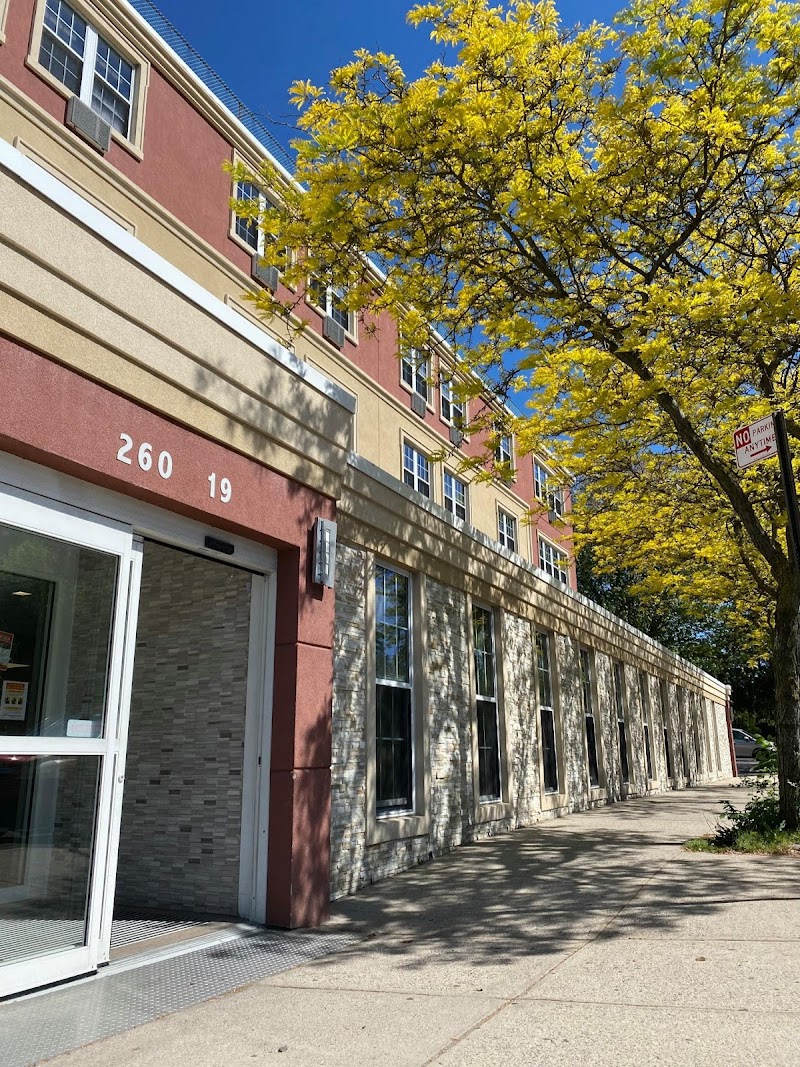
How is Little Neck Staffed?

CMS rates LITTLE NECK CARE CENTER's staffing level at 4 out of 5 stars, which is above average compared to other nursing homes. Staff turnover is 16%, compared to the New York average of 46%. This relatively stable workforce can support continuity of care.

What Have Inspectors Found at Little Neck?

State health inspectors documented 13 deficiencies at LITTLE NECK CARE CENTER during 2019 to 2024. These included: 13 with potential for harm.

Who Owns and Operates Little Neck?

LITTLE NECK CARE CENTER is owned by a for-profit company. For-profit facilities operate as businesses with obligations to shareholders or private owners. The facility is operated by OPTIMA CARE, a chain that manages multiple nursing homes. With 120 certified beds and approximately 102 residents (about 85% occupancy), it is a mid-sized facility located in LITTLE NECK, New York.
How Does Little Neck Compare to Other New York Nursing Homes?

Compared to the 100 nursing homes in New York, LITTLE NECK CARE CENTER's overall rating (4 stars) is above the state average of 3.1, staff turnover (16%) is significantly lower than the state average of 46%, and health inspection rating (3 stars) is at the national benchmark.

What Should Families Ask When Visiting Little Neck?

Based on this facility's data, families visiting should ask: "Can I visit during a mealtime to observe dining assistance and food quality?" "How do you handle medical emergencies, and what is your hospital transfer rate?" "Can I speak with family members of current residents about their experience?"

Is Little Neck Safe?

Based on CMS inspection data, LITTLE NECK CARE CENTER has a clean safety record: no substantiated abuse findings (meaning no confirmed cases of resident harm), no Immediate Jeopardy citations (the most serious violation level indicating risk of serious injury or death), and is not on the Special Focus Facility watch list (a federal program monitoring the lowest-performing 1% of nursing homes). The facility has a 4-star overall rating and ranks #1 of 100 nursing homes in New York. While no facility is perfect, families should still ask about staff-to-resident ratios and recent inspection results during their visit.

Do Nurses at Little Neck Stick Around?

Staff at LITTLE NECK CARE CENTER tend to stick around. With a turnover rate of 16%, the facility is 30 percentage points below the New York average of 46%. Low turnover is a positive sign. It means caregivers have time to learn each resident's needs, medications, and personal preferences. Consistent staff also notice subtle changes in a resident's condition more quickly. Registered Nurse turnover is also low at 6%, meaning experienced RNs are available to handle complex medical needs.

Was Little Neck Ever Fined?

LITTLE NECK CARE CENTER has no federal fines on record. CMS issues fines when nursing homes fail to meet care standards or don't correct problems found during inspections. The absence of fines suggests the facility has either maintained compliance or corrected any issues before penalties were assessed. This is a positive indicator, though families should still review recent inspection reports for the full picture.

Is Little Neck on Any Federal Watch List?

LITTLE NECK CARE CENTER is not on any federal watch list. The most significant is the Special Focus Facility (SFF) program, which identifies the bottom 1% of nursing homes nationally based on persistent, serious quality problems. Not being on this list means the facility has avoided the pattern of deficiencies that triggers enhanced federal oversight. This is a positive indicator, though families should still review the facility's inspection history directly.