LEWIS COUNTY GENERAL HOSPITAL-NURSING HOME UNIT
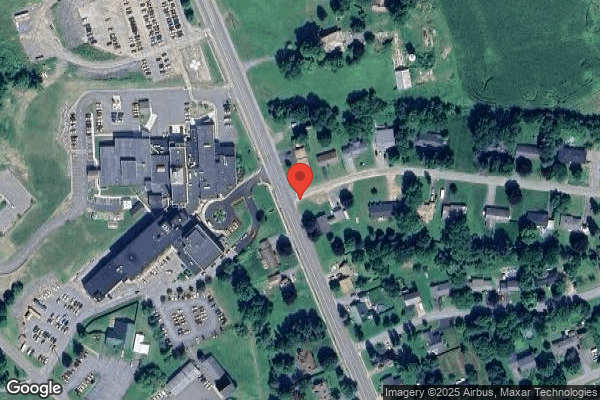
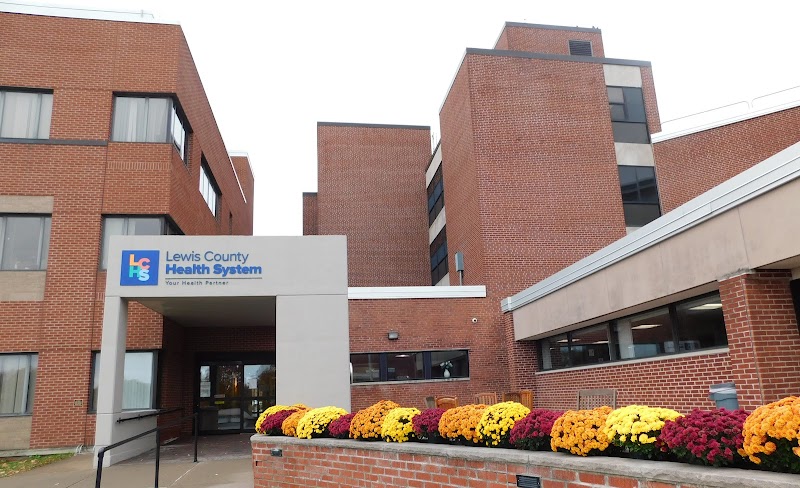
7785 NORTH STATE STREET, LOWVILLE, NY 13367 (315) 376-5200
Government - County 160 Beds Independent Data: November 2025
Trust Grade
45/100
#295 of 594 in NY
Last Inspection: July 2024

Within standard 12-15 month inspection cycle. Federal law requires annual inspections.

Overview

Lewis County General Hospital-Nursing Home Unit has a Trust Grade of D, indicating below-average quality and some concerns about care. It ranks #295 out of 594 facilities in New York, placing it in the top half, and it is the only nursing home in Lewis County. The facility is improving, with the number of issues decreasing from 6 in 2022 to 5 in 2024. Staffing is a strength here with a rating of 4 out of 5 stars, though turnover is average at 49%. However, it has incurred significant fines totaling $160,046, which is concerning and higher than most facilities in the state. Residents have experienced serious issues, such as a fall leading to a pelvic fracture when a resident did not receive the necessary assistance, as well as environmental hazards that could lead to accidents. Additionally, there have been complaints about food being served cold and unappetizing. While there are strengths in staffing and improvements in overall care, these specific incidents highlight areas that still need attention.

Trust Score
D
45/100
In New York
#295/594
Top 49%
Safety Record
High Risk
Review needed
Inspections
Getting Better
6 → 5 violations
Staff Stability
⚠ Watch
49% turnover. Above average. Higher turnover means staff may not know residents' routines.
Penalties
✓ Good
$160,046 in fines. Lower than most New York facilities. Relatively clean record.
Skilled Nurses
○ Average
Each resident gets 41 minutes of Registered Nurse (RN) attention daily — about average for New York. RNs are the most trained staff who monitor for health changes.
Violations
⚠ Watch
13 deficiencies on record. Higher than average. Multiple issues found across inspections.
★★★☆☆
3.0
Overall Rating
★★★★☆
4.0
Staff Levels
★★☆☆☆
2.0
Care Quality
★★★☆☆
3.0
Inspection Score
Stable
2022: 6 issues
2024: 5 issues

The Good

  • 4-Star Staffing Rating · Above-average nurse staffing levels
  • Full Sprinkler Coverage · Fire safety systems throughout facility
  • No fines on record

Facility shows strength in staffing levels, fire safety.

The Bad

3-Star Overall Rating

Near New York average (3.1)

Meets federal standards, typical of most facilities

Staff Turnover: 49%

Near New York avg (46%)

Higher turnover may affect care consistency

Federal Fines: $160,046

Well above median ($33,413)

Significant penalties indicating serious issues

The Ugly 13 deficiencies on record

1 actual harm
Jul 2024 5 deficiencies
CONCERN (D)

Potential for Harm - no one hurt, but risky conditions existed

Deficiency F0554 (Tag F0554)

Could have caused harm · This affected 1 resident

Based on observation, record review, and interview during the recertification survey conducted 7/24/2024-7/30/2024, the facility did not ensure a resident's ability to safely self-administer medicatio...

Read full inspector narrative →
Based on observation, record review, and interview during the recertification survey conducted 7/24/2024-7/30/2024, the facility did not ensure a resident's ability to safely self-administer medications was clinically appropriate for 1 of 1 resident (Resident #85) reviewed. Specifically, Resident #85 had 6 medications left in a medication cup in their room and there was no documented evidence the resident was assessed to determine their ability to safely self-administer medications or had a physician order for self-administration of medications. Findings include: The undated facility policy, Self-Administration of Medications, documented if a resident wished to self-administer medications the interdisciplinary team would assess the resident's cognitive, physical, and visual abilities to administer his/her own medications. Resident #85 had diagnoses including dementia. The 4/30/2024 Minimum Data Set assessment documented the resident had severe cognitive impairment, required set-up or clean-up assistance for eating and oral hygiene, and was dependent to substantial/maximal assistance for all other activities of daily living. The 5/21/2024 quarterly comprehensive care plan meeting note by Social Worker #6 did not document if the resident was able to self-administer medications. Physician orders for routine medications as of 7/25/2024 documented: - amlodipine besylate (treats high blood pressure) 10 milligrams by mouth daily (order date 11/29/2022). - aspirin enteric coated 81 milligrams by mouth daily (order date 11/29/2022). - losartan potassium (treats high blood pressure) 50 milligrams by mouth twice daily (order date 11/28/2022). - budesonide/formoterol fumarate (treats lung disease) 2 puffs twice daily (order date 11/28/2022). - furosemide (diuretic) 40 milligrams daily (order date 12/6/2022). - umeclidinium bromide (treats lung disease) 62.5 micrograms inhale daily (order date 7/20/2023). - atorvastatin calcium (treats high cholesterol) 40 milligrams by mouth every 48 hours (order date 2/13/2024). - famotidine (treats excess stomach acid) 20 milligrams by mouth daily (order date 3/20/2024). - glipizide (treats diabetes) 5 milligrams by mouth daily (order date 7/13/2024). - insulin human lispro (rapid acting insulin) subcutaneous injection before meals and at bedtime/sliding scale (order date 7/1/22024). - insulin glargine (long-acting insulin) 5 units subcutaneous injection twice daily (order date 7/12/2024). - alendronate sodium (treats osteoporosis) 70 micrograms by mouth every 7 days (order date 7/25/2024). There was no physician's order for the resident to self-administer medications. The July 2024 Medication Administration Record documented the following medications were administered to the resident on 7/25/2024 during the morning (day shift) medication pass by Licensed Practical Nurse #9: - amlodipine besylate 10 milligrams at 9:12 AM. - aspirin enteric coated 81 milligrams at 9:18 AM. - losartan potassium 50 milligrams at 9:17 AM. - furosemide 40 milligrams at 9:18 AM. - famotidine 20 milligrams at 9:18 AM. - glipizide 5 milligrams at 9:18 AM. There was no self-administration of medications assessment in the resident's medical record. During an observation on 7/25/2024 at 9:22 AM, the resident had a medication cup on their overbed tray table in their room. The cup contained 6 various sized white pills. The medication nurse, Licensed Practical Nurse #9, was in another resident room. At 9:49 AM Resident #85 stated they had taken their pills. The empty medication cup was observed in the trash can. During the continuous observation from 9:22 AM to 9:49 AM, Licensed Practical Nurse #9 never re-entered the resident's room to verify they had taken their medications. During an interview on 7/26/2024 at 9:35 AM, Resident #85 stated the nurses sometimes left pills on their overbed table without watching them take the pills. During an interview on 7/29/2024 at 11:46 AM, Certified Nurse Aide #7 stated they had never seen any medications left in a residents' room on Unit 2 and was not aware of any residents who could self-administer medications. During an interview on 7/29/2024 at 10:51 AM, Resident #85 stated they did not recall nurses ever coming to their room to conduct a medication self-administration assessment. During an interview on 7/29/2024 at 11:52 AM, Licensed Practical Nurse #8 stated there were a few residents on Unit 2 who could self-administer medications. They had the names of residents who could self-administer medications on a piece of paper they could refer to during the medication pass. Resident #85 was not on the list. They thought either a registered nurse or the physician assistant made the determination for a resident to be able to self-administer their medications. During an interview on 7/29/2024 at 1:13 PM, Licensed Practical Nurse #9 stated they knew which residents could self-administer medications because their names were highlighted on a sheet of paper they kept on top of the medication cart. They would never leave pills in a resident's room, and they would always make sure a resident took their pills before they left their room. They thought they had worked on Unit 2 7/25/2024 but could not recall Resident #85. During an interview on 7/30/2024 at 10:37 AM, Registered Nurse Unit Manger #10 stated there was a medication self-administration assessment tool and registered nurses completed them quarterly. A resident had to have a Brief Interview for Mental Status score higher than an 8 (moderate to intact cognition) for them to complete the self-administration of medications assessment with a resident. Resident #85 could not self-administer medications and they could not have medications kept at their bedside because their Brief Interview for Mental Status score was 6 (a score of 0 - 7 indicates severely impaired cognition). For residents who could not self-administer their medications, they expected the medication nurses watch them take their medications and not leave the medications at the bedside. This could cause the potential for another resident coming into the room and taking the medications. If medications were left in a room for a resident to take without follow-up from the nurse, the resident might not take their medications appropriately. 10NYCRR 415.3(e)(1)(vi)
CONCERN (D)

Potential for Harm - no one hurt, but risky conditions existed

Deficiency F0810 (Tag F0810)

Could have caused harm · This affected 1 resident

Based on observation, interview, and record review during the recertification survey conducted 7/24/2024-7/30/2024, the facility did not ensure residents were provided appropriate assistive devices an...

Read full inspector narrative →
Based on observation, interview, and record review during the recertification survey conducted 7/24/2024-7/30/2024, the facility did not ensure residents were provided appropriate assistive devices and appropriate assistance to maintain or improve their ability to eat and or drink independently for 1 of 1 resident (Resident #29) reviewed. Specifically, Resident #29 was not served food or drinks at meals as planned. Findings include: The facility policy, Meal Delivery, revised 1/2024, documented dietary staff would load meal trays in the kitchen with the appropriate meal service items according to the meal ticket before each meal. This would include adaptive equipment. Meal tickets would be carefully reviewed when passing meal trays to ensure the correct resident was served, all adaptive equipment was present, and tray notes were reviewed. If staff believed something on the meal ticket or the meal itself was incorrect, the meal should not be served, and the Dietary Department contacted for a replacement meal. Resident #29 was admitted to the facility with diagnoses including dementia with behaviors, history of a stroke, and catatonic disorder (neuropsychiatric disorder that can cause abnormal movements). The 5/13/2024 Minimum Data Set assessment documented the resident had moderate cognitive impairment, required supervision or touching assistance with eating, and had a mechanically altered diet. The 10/13/2023 Occupational Therapist #31 evaluation documented Resident #29 had increased tremors with feeding and required maximal assistance. The prior level of functioning was supervision to touch assistance with eating, cups half-full, food in bowls, unbreakable meal service items, one item at a time with no tray, soup spoons, and remove empty items as finished with them. Staff needed reeducation regarding the resident's care plan for one item at a time and cups half full. No changes to care plan were needed. The 5/15/2024 quarterly dietary assessment documented the resident had an easy to chew regular diet with thin liquids. Their weights were stable, and the resident had adequate meal intakes. The resident was to receive supervision, touching assistance with partial or moderate assistance for meals. The assessment did not document adaptive equipment. The 5/30/2024 updated comprehensive care plan documented the resident needed assistance with eating. Interventions included supervision or touch assistance, fill cups only half-full, food in bowls, soup in mugs, plastic dishes due to resident having a history of throwing them, one item at a time, do not give a tray, remove each dish immediately after the resident finished one, and provide a soup spoon instead of regular spoon. The resident should sit in a regular chair with their feet on the floor in the dining room. Encourage the resident to eat in the dining room but may eat at desk if overstimulated. The 7/25/2024-7/30/2024 Resident #29's meal tickets documented supervision at meals, fill cup half-full, no knife, use unbreakable dishes, one item at a time, food served in bowls, soup in a mug, use a soup spoon instead of regular spoon, and do not use glass dishes. The 7/2024 meal consumption records documented the resident required set-up to maximal assistance for eating and the resident ate 50-100% most meals. Resident #29 was observed at the following times: - on 7/24/2024 at 12:46 PM, the resident was brought into the dining room for lunch. Their meal ticket documented food in bowls (was circled), soup in mug, soup spoon, no glass dishes, regular easy to chew food texture, thin liquids, fill cup half-full, no knife, unbreakable dishes, items one at a time, and supervise. The resident received a ground hot dog on a bun and a peeled banana served on a regular plate. Three cups were placed on the table within the resident's reach. One cup was 3/4 full of iced tea and one cup was filled almost to the brim with chocolate milk. - on 7/24/2024 at 1:05 PM, Registered Nurse #29 came to the table where the resident was seated, stood next to them, and moved the drinks, bowl of beans, and macaroni salad closer to the resident. The nurse gave the resident a spoon, the resident took a bite of food, and the nurse left the dining room. The nurse returned to the dining room a minute later and wiped up a mess the resident made on the table. The nurse put the beans and macaroni salad on the resident's plate and stood next to the resident while the resident was eating. The nurse redirected the resident at times. - on 7/26/2024 at 12:53 PM, Activities Director #30 brought the resident into the dining room where their lunch was sitting at the table. The resident was served a cup of chocolate milk that was filled almost to the brim. At 1::08 PM, Licensed Practical Nurse #22 served the resident a sandwich and cheese doodles on a regular plate. - on 7/29/2024 at 12:46 PM the resident was served a cup of chocolate milk filled to the brim with chocolate milk. The resident's meal was served in separate bowls and provided to the resident all at the same time. During an interview on 7/30/2024 at 10:30 AM, Licensed Practical Nurse #22 stated Resident #29 should not have been given all their bowls at once on the table. If Resident #29 received all their bowls at once on the table, they would become overwhelmed and play with their food instead of eating it. They stated Resident #29 should not be given full glasses when their meal ticket listed half-full because when they picked up the glass their hands shook, and the liquid spilled out of the cup. During an interview on 7/30/24 at 10:40 AM, Food Service Director #1 stated meal ticket directions were generated by the dietitians and therapy. Residents were evaluated and the dietitians updated residents' tickets based on the evaluation. The Director expected staff to prepare the meal per each resident's meal ticket instructions. Meal tickets were printed daily. During an interview on 7/30/2024 at 10:48 AM, Certified Nurse Aide #23 stated they were responsible to ensure the special instructions on meal tickets were followed. Resident #29's food should be served in bowls, glasses of liquids should be served half-full, and food should be given one item at a time in a bowl for every meal. These instructions were important because the resident threw their food and cups at times. They stated staff that floated to the unit did not always follow meal ticket instructions. During an interview on 7/30/2024 at 12:17 PM, Registered Dietitian #29 stated the special instructions on residents' meal tickets were provided by input from Nutrition, Occupational Therapy, and Speech-Language Pathology. It was the responsibility of the Dietary Department and Dietary Supervisors in the kitchen to update resident tickets as appropriate. They expected staff to follow the instructions that were on the ticket so the resident would have the best possible nutritional outcome, and to prevent any illnesses that might result from not eating well. 10NYCRR 415.14(g)
CONCERN (E) 📢 Someone Reported This

A family member, employee, or ombudsman was alarmed enough to file a formal complaint

Potential for Harm - no one hurt, but risky conditions existed

Accident Prevention (Tag F0689)

Could have caused harm · This affected multiple residents

**NOTE- TERMS IN BRACKETS HAVE BEEN EDITED TO PROTECT CONFIDENTIALITY** Based on observation, record review, and interview during the recertification and abbreviated (NY00308041 and NY00343021) survey...

Read full inspector narrative →
**NOTE- TERMS IN BRACKETS HAVE BEEN EDITED TO PROTECT CONFIDENTIALITY** Based on observation, record review, and interview during the recertification and abbreviated (NY00308041 and NY00343021) surveys conducted 7/24/2024-7/31/2024 the facility did not ensure each resident received adequate supervision and the environment remained as free of accident hazards as possible for 2 of 4 resident units (Units 1 and 3) observed and for 1 of 4 residents (Resident #77) reviewed. Specifically: - Unit 1 (dementia unit, also known as the Rainbow Community) had environmental accident hazards readily accessible to residents. - Resident #77, who resided on Unit 1, had a history of wandering throughout the unit and ingesting inedible items, including bar soap. Resident room [ROOM NUMBER] was observed with multiple bars of soap on the sink counter. - the door to the clean utility room on Unit 1 was unsecured and contained oxygen equipment, wound care supplies, and other nursing care items. - Unit 1 common area had metal wheelchair leg rests on a table. - An unsecured, open cart with needle-nose pliers and other electrical test items was left unattended in the hallway. - Unit 2 had environmental accident hazards in resident rooms including a four-slice toaster and a microwave on a long dresser at the foot of a bed, and a microwave on the dresser behind the head of a bed. Findings include: The facility philosophy for the Rainbow Community (Unit 1) dated 3/2006, documented every resident at the facility had the right to thrive, to flourish, and to be treated with dignity and function at the highest practicable level. The environment and creative caring concern for residents resulted in special approaches to individuals with the diagnosis of dementia. The facility policy, Behavior Management, revised 6/2024, documented the facility promoted and supported a resident-centered approach to care. Behavioral health encompassed a resident's whole emotional and mental well-being. Training would be completed for all frontline staff on the care and services of residents with behavioral health needs and dementia which included caring for the residents' environment and care of the cognitively impaired residents. The facility policy, Food preparation on all Units and in Facility Departments, reviewed by the facility 3/2024, documented staff were to follow manufacturer's instructions for items being prepared in a microwave or toaster and were not to leave the microwave or toaster unattended until the cycle was complete. The policy did not include use of toasters or microwaves in resident rooms. The facility policy, Electrical Equipment, effective 7/2023, documented any new electrical equipment brought in by a resident's family had to be inspected and tagged by the Plant Operations Department before it could be used. It was the responsibility of the residential health care facility staff to enter a Plant Operations work order requesting the inspection of the equipment. Resident #77: Resident #77 had diagnoses including dementia with behavioral disturbance, major depressive disorder, and insomnia. The 6/3/2024 Minimum Data Set assessment documented the resident had severely impaired cognition, had inattention and disorganized thinking that was continuously present, did not wander, did not exhibit behavioral symptoms, and was independent for bed transfers and ambulation. A facility incident dated 12/1/2023 at 6:30 PM and entered by documented Resident #77 wandered into other resident rooms and throughout the unit while awake as the resident was independent. The resident had been witnessed with a soapy smell coming from their mouth and white residue around their mouth. The resident was observed on video coming out of resident room [ROOM NUMBER] with the soap bar. To prevent reoccurrence, the staff would ensure residents' personal hygiene products were locked up if residents did not independently use them. For residents who preferred to have their soap in the bathroom, travel containers that closed would be ordered and they would ensure residents could use them. An addendum to the report was made on 1/19/2024 that documented the residents and staff had been using the travel soap containers. A facility incident report dated 3/19/2024 at 7:57 PM documented Resident #77 was found with a bar of soap in their mouth; there were no chunks of soap gone but the soap bar had bite marks in it. The resident had a reaction to the soap indicated by a swollen lip. An addendum added on 3/21/2024 by the Registered Nurse Unit Manager #17 documented residents had taken soap out of the soap containers and Resident #77 found them in the rooms. The soap used on the unit was changed to a different soap Resident #77 was not sensitive to. The 7/23/2024 Comprehensive Care Plan documented the resident was independent with ambulation, was not allowed condiment packages on their meal tray after setting up to prevent accidental consumption of non-food items, required frequent visual checks for behaviors, and had a history of wandering and invading the privacy of others. The care plan documented the resident did not have a soap preference. The resident stayed up late at night. Make environment safe for exploring. Eliminate items that could cause harm but offer substitutions. The following observations were made: - On 7/24/2024 at 11:52 AM Resident #77 was walking up to the activities cart and reached their hand into the basket that contained the nail polish. Activities Aide #30 told the resident they could paint their nails. Resident #77 walked away from the cart and went into resident room [ROOM NUMBER]'s bathroom. - On 7/25/2024 at 9:43 AM Resident #77 was wandering to the unit entrance door pushing on the door. An unidentified certified nurse aide called the resident's name and the resident turned away from the door. They wandered back down the hallway with an Alzheimer's association pamphlet in their hand. At 2:21 PM Unit Helper #19 took the resident out of room [ROOM NUMBER] for a walk down the hallway to their own room. - On 7/26/2024 at 9:40 AM Resident #77 was walking into room [ROOM NUMBER]. At 10:05 AM, Resident #77 was lying asleep in the window side bed in resident room [ROOM NUMBER]. At 12:51 PM, they took a baby doll from the nursing station and walked down the hallway. - On 7/29/2024 at 12:40 PM, Resident #77 was lying on a bed in resident room [ROOM NUMBER]. - On 7/29/24 at 4:36 PM the bathroom sink in resident room [ROOM NUMBER] had 3 pieces of disintegrating white soap: one in the sink, one in between the cold water handle and faucet, and one in between the hot water handle and faucet. - On 7/30/24 at 10:17 AM the bathroom sink in resident room [ROOM NUMBER] had 2 pieces of disintegrating white soap: one in between the cold faucet handle and faucet, and one between the hot water handle and faucet. - On 7/30/2024 at 10:27 AM, Resident #77 was wandering into room [ROOM NUMBER]'s bathroom. During an interview on 7/25/24 at 10:03 AM, Resident #77's family representative stated they had been informed over the last few months the resident had attempted to ingest two bars of soap and a foam Easter egg. The staff could not tell them where the resident had obtained the soap bars or the foam Easter egg. They had informed the social worker that the interventions that were put into place after the first incident with the soap were not working and they needed to take away the resident's access to soap. They felt lack of supervision was an issue on the unit. Accident Hazards on Units 1 and 3: Unit 1 (dementia unit) observations: - On 7/24/2024 at 10:48 AM a gray handled, open bag full of wound care supplies which included dressings in wrappings, adhesive bandages, saline syringes, and scissors were on the lower counter of the nursing station within reach of a resident. - On 7/24/24 at 11:40 AM the bathroom of resident room [ROOM NUMBER] had therapeutic shampoo with ingredients consisting of coal tar 0.5%, sitting on the sink with a prescription label for a resident. - On 7/24/24 at 11:43 AM the bathroom of resident room [ROOM NUMBER] had two full bags of shampoo and body wash on the floor for a dispenser under the sink and a bar of soap on the floor of the shower. - On 7/24/24 at 11:49 AM the window side of resident room [ROOM NUMBER] had a 250 milliliter bottle of wound solution on the nightstand. The pharmacy label on the bottle had a dispense date documented as 7/12/2024. - On 7/25/2024 at 2:38 PM a contract employee was in a closed clean linen room and left their open cart unattended in the hallway. The cart contained tools, electrical testers, needle-nose pliers, electrical tape, a laptop, stickers, and small packets of wipes. At 2:41 PM, the contract employee returned to the cart, walked away, and left the cart unattended in the hallway. - On 7/25/24 at 2:02 PM the bathroom of resident room [ROOM NUMBER] had two dispenser bags of shampoo and body wash hanging over the edge of the sink, a bar of soap was on floor of the shower, and the therapeutic shampoo with coal tar 0.5% was on top of the paper towel dispenser. - On 7/25/24 at 2:03 PM the window side of resident room [ROOM NUMBER] had a medicine cup with ointment on the bedside table and a bottle of wound wash on the nightstand. - On 7/26/24 at 9:58 AM in resident room [ROOM NUMBER] there was a bag of shampoo and soap on the bedside table next to the bathroom door. The therapeutic shampoo with coal tar 0.5% was on the towel dispenser in the bathroom. - On 7/29/24 at 10:06 AM there were metal wheelchair legs on a table in the back corner of the unit outside resident room [ROOM NUMBER]. - On 7/29/24 at 11:00 AM the door to the clean linen room across from resident room [ROOM NUMBER] was partially open. The room contained oxygen cylinders and medical supplies such as bandages, tape, and disposable bed pans. There were no staff in the clean linen room at that time. - On 7/29/24 at 4:36 PM the bathroom sink in resident room [ROOM NUMBER] had 3 pieces of disintegrating white soap: one in the sink, one in between the cold water handle and faucet, and one in between the hot water handle and faucet. - On 7/30/24 at 10:17 AM the bathroom sink in resident room [ROOM NUMBER] had 2 pieces of disintegrating white soap: one in between the cold faucet handle and faucet, and one between the hot water handle and faucet. - On 7/30/24 at 10:14 AM resident room [ROOM NUMBER] had a bag of soap and shampoo for the dispenser on the sink in the bathroom. Unit 3 observations: - On 7/24/24 at 12:15 PM resident room [ROOM NUMBER] had a toaster and a microwave. - On 7/24/24 at 12:37 PM resident room [ROOM NUMBER] had a microwave with a 2024 black sticker on the appliance. - On 7/26/24 at 12:14 PM resident room [ROOM NUMBER] had a microwave on their dresser behind the bed. The microwave had a 2024 black circular sticker on it, - On 7/26/24 at 12:16 PM resident room [ROOM NUMBER] had a long dresser at the foot of the bed that had a four-slice toaster and a small microwave; both items had a circle sticker with 2024 on it. During an interview on 7/29/2024 at 4:58 PM, the Director of Nursing stated the procedure for residents who brought in their own items was the unit clerk would put in a work order for the maintenance department, and a maintenance employee would go to the floor and inspect the equipment before use. Staff would document what the maintenance staff was to inspect in the work orders and Maintenance would document what was inspected. They did have some residents who were allowed to have a microwave, but they did not have a toaster policy. They were not aware the resident in room [ROOM NUMBER] had a toaster. During an interview on 7/29/2024 at 5:02 PM, Registered Nurse Manager #28 stated the risk of having a toaster and microwave in a resident room could be the potential for something catching on fire and burning. There were some wandering residents on the unit, but they were unsure if they would wander into room [ROOM NUMBER]. They followed the directions on a package of food when heating up an item but did not take the temperature of the food, so there was always a risk of burns. Residents were not care planned to use a toaster or a microwave in their room, but they did have care plans for residents who preferred their coffee hotter. There should be a care plan to say if they could use the equipment properly. During an interview on 7/29/2024 at 5:07 PM, the Director of Plant Operations stated they did not have a master list of equipment/appliances residents could have in their rooms. A work order would document what the equipment/appliance was. They were unaware the resident in room [ROOM NUMBER] had a toaster. A toaster could pose a safety risk for fires, burns, and electrocution. During an interview on 7/30/24 at 10:19 AM, Unit Helper #21 stated residents were showered in the bathroom in their rooms. They did not believe medicated shampoos or soap bars were supposed to be left in the bathrooms, but it depended on what a resident's plan of care stated. Wheelchair leg rests were not supposed to be left out on the unit. There was a designated area to put wheelchair leg rests away as it was a safety hazard to leave them out. The clean utility room door should be pulled shut as that was where they stored their supplies and the clean laundry. They had several residents who wandered around the unit and in and out of other resident rooms. Resident #77 was one of those residents. During an interview on 7/30/24 at 10:30 AM, Licensed Practical Nurse #22 stated most of the residents on the unit wandered in and out of other resident rooms. The showers in resident rooms usually had a bin with soap in it that was locked up after the shower was completed. Soap bars were okay to be left in a resident's bathroom, but all liquid soaps should be locked up. They did not have travel containers for bar soaps on the unit and the bars of soap were just left out. The bags of shampoo and body wash for the dispensers should not be left on the floor. Medicated shampoo should not be left in a resident's room, it should be given back to the nurse or brought into the clean utility room. Wheelchair leg rests should not be left out on a table on the unit and were supposed to be put in a resident's closet, on the wheelchair, or a pocket on the back of the wheelchair when not in use. The clean utility room door should not be accessible to residents. They could get stuck in the room and panic if the door was to shut completely behind them. During an interview on 7/30/24 at 10:48 AM, Certified Nurse Aide #23 stated they had several residents who wandered in and out of other resident rooms and removed items. If a resident was showered in their room, medicated shampoos should go back to the nurse to be locked up in the medication room. Non-medicated shampoos should be locked up in a resident's closet or in the cabinet in the resident's bathroom. Bars of soap were not to be left out and could be stored in the mirrored cabinet. Soap that was left out could be a hazard as a resident could eat it. The soap bags that went into the dispensers should be thrown out when empty and placed in the dispensers when full. Wheelchair leg rests should not be left out as a resident could pick them up or trip over them. The clean utility room door should be pulled shut and locked. During an interview on 7/30/24 at 11:32 AM, the Director of Nursing stated they were aware that Resident #77 had two incidents where they attempted to ingest a bar of soap. The soap was now non-toxic because of the incidents. Some residents had soap bars accessible in their rooms if they were able to use them independently; otherwise, they were locked in their closets in shower caddies. The bagged shampoo and soap for the dispensers should not be left on the sinks or the floors of resident bathrooms. Medicated shampoos and wound washes should not be left in resident rooms, as they could be a potential hazard on the dementia unit. Wheelchair leg rests should not be left out on the dementia unit. Residents could pick up the leg rests and they could be a potential hazard. A maintenance or bio-med employee leaving their cart on the dementia unit unattended was not appropriate, and leaving their cart on outside of a closed door was considered unattended. During an interview on 7/30/2024 at 11:54 AM, the Director of Plant Operations stated when maintenance went to the dementia unit, they were supposed to keep all their tools secured and not out on the unit. They should also take as little equipment as possible onto the unit. The bio-med staff member who was on the unit with the open cart was contracted with the hospital. Contracted employees went through the same trainings as the facility staff. During an interview on 7/30/2024 at 12:03 PM, Bio-Med Technician #25 stated they were on the dementia unit recently. They had not received any training regarding dementia residents or the dementia unit specifically, only safe patient handling. Their open cart should not had been left unattended while on the dementia unit. Going behind a closed clean utility door with their cart outside the room in the hallway was considered unattended. An unattended cart could have been taken by a resident and items including needle nose pliers and other equipment, could be considered a safety hazard if left unattended on the dementia unit. 10 NYCRR 483.25(d)
CONCERN (E)

Potential for Harm - no one hurt, but risky conditions existed

Deficiency F0804 (Tag F0804)

Could have caused harm · This affected multiple residents

Based on observation and interview during the recertification survey conducted 7/24/2024-7/30/2024, the facility did not ensure each resident received food and drink that was palatable, flavorful, and...

Read full inspector narrative →
Based on observation and interview during the recertification survey conducted 7/24/2024-7/30/2024, the facility did not ensure each resident received food and drink that was palatable, flavorful, and at an appetizing temperature for 2 of 2 meal test tray reviewed (the 7/26/2024 lunch meal on Unit 3 and the 7/29/2024 lunch meal on Unit 2). Specifically, food was not served at palatable and appetizing temperatures during the lunch meals on 7/26/2024 and 7/29/2024. Additionally, Resident #26 stated the food did not taste good. Findings include: The facility policy Food Temperatures effective date 12/2019 documented: - Temperatures of all food items would be taken and properly recorded prior to service of each meal and ensure quality and safety of food/drinks. - All hot food items must be held and served at a temperature of at least 140 degrees Fahrenheit. - All cold items must be stored and served at a temperature of 41 degrees Fahrenheit or below. During an interview on 7/24/2024 at 12:37 PM, Resident #26 stated they were served cold food, and it did not taste good. During a lunch meal observation on 7/26/2024 at 1:01 PM on Unit 3, Resident #26 was served their lunch meal tray. A replacement tray was ordered, and Resident #26's original meal tray was tested. The roast beef was measured at 128 degrees Fahrenheit, the green beans were 118 degrees Fahrenheit, the orange juice was 54.3 degrees Fahrenheit, the butterscotch pudding was 51.8 degrees Fahrenheit, and the vanilla pudding was 46.6 degrees Fahrenheit. During an interview on 7/26/2024 at 1:02 PM, Licensed Practical Nurse #20 stated cold items were sent to the unit on a cart from the kitchen, and hot items were served from the steam tables on the unit. They were unsure what temperatures hot and cold food items should be when served. During a lunch meal observation on 7/29/2024 at 12:51 PM on Unit 2, a sample lunch meal tray was requested. At 12:54 PM, the lunch meal tray was served and tested. The lasagna was measured at 123 degrees Fahrenheit, the broccoli was 105 degrees Fahrenheit, the mashed potatoes were 135 degrees Fahrenheit, the gravy was 120 degrees Fahrenheit, and the soup was 123 degrees Fahrenheit. During an interview on 7/29/2024 at 1:05 PM, the Food Service Director stated all hot food items should be served at 140 degrees Fahrenheit or higher and cold food items should be served between 35 degrees Fahrenheit and 40 degrees Fahrenheit. The lasagna, broccoli, gravy, and soup were not acceptable temperatures. Hot food was served directly from the steam table and the food should hold temperatures. It was important for residents' food to be served at palatable and safe temperatures. During an interview on 7/30/2024 at 10:40 AM, the Food Service Director stated they were responsible for completing test trays, they did not have a set schedule, and they were completed randomly. They looked at a meal's appearance, taste, and temperature, and ensured the food on the tray matched the ticket. The staff were not made aware prior to the completion of a test tray, and they would complete them more often if they noticed any negative trends. The orange juice, roast beef, and green beans were not acceptable temperatures, and the pudding should have been served cold. Hot food items should be served at a minimum of 140 degrees Fahrenheit and cold food items should be served below 40 degrees Fahrenheit. 10NYCRR 415.14(d)(1)(2)
CONCERN (E)

Potential for Harm - no one hurt, but risky conditions existed

Food Safety (Tag F0812)

Could have caused harm · This affected multiple residents

Based on observation, record review, and interview during the recertification survey conducted 7/24/2024 - 7/30/2024, the facility did not ensure food was stored, prepared, distributed, and served in ...

Read full inspector narrative →
Based on observation, record review, and interview during the recertification survey conducted 7/24/2024 - 7/30/2024, the facility did not ensure food was stored, prepared, distributed, and served in accordance with professional standards for food service safety in the main kitchen. Specifically, 7 individual serving size portions of moist and minced fish were stored in cardboard containers dated 2/21 with ice buildup inside the containers; 1 cardboard box of cooked chicken was stored on top of 2 packages of flatbreads; the ice cream cooler contained an employee's personal 20-fluid ounce frozen bottle of water; and the tray line preparation cooler contained 10 sheet pans of uncovered coleslaw, and uncovered 4-ounce servings of strawberries with whipped topping. Findings include: The following observations in the main kitchen were made on 7/24/2024 between 10:30 AM and 11:01 AM: - In the walk-in freezer there were 7 individual serving size portions of minced and moist fish dated 2/21 with ice buildup on the inside of the containers, and there was 1 cardboard box of cooked chicken breast stored on top of 2 plastic sleeves of flatbread. The Food Service Director discarded the 7 portions of minced and moist fish and stated the cooked chicken should not be stored on top of the flatbread. - In the ice cream cooler there was an employee's personal 20-fluid ounce bottle of frozen water. The Food Service Director stated staff should not store personal food items with resident food items and discarded the frozen water bottle. - In the cold food prep cooler there were 10 sheet pans of uncovered coleslaw and uncovered 4-ounce servings of strawberries with whipped topping. During an interview on 7/30/2024 at 10:52 AM, the Food Service Director stated the moist and minced fish containers were discarded immediately. The chicken breast that was stored on top of the flatbread was cooked, but still could cross-contaminate the flatbread and pose a food safety issue. The frozen bottle of water was discarded immediately, and employees should not store personal food or drink items with resident food. It was important to maintain food safety in the main kitchen for the safety of the residents and staff. NYCRR10 415.14(h)
Jul 2022 6 deficiencies 1 Harm
SERIOUS (G)

Actual Harm - a resident was hurt due to facility failures

Accident Prevention (Tag F0689)

A resident was harmed · This affected 1 resident

**NOTE- TERMS IN BRACKETS HAVE BEEN EDITED TO PROTECT CONFIDENTIALITY** Based on observation, record review and interview during the recertification and abbreviated surveys (NY00292492) conducted 6/28...

Read full inspector narrative →
**NOTE- TERMS IN BRACKETS HAVE BEEN EDITED TO PROTECT CONFIDENTIALITY** Based on observation, record review and interview during the recertification and abbreviated surveys (NY00292492) conducted 6/28/22-7/6/22, the facility failed to ensure each resident received adequate supervision and assistance devices to prevent accidents for 1 of 6 residents (Resident #37) reviewed. Specifically, Resident #37 was at risk for falls, was not using their wheeled walker and was not assisted when ambulating as planned and sustained a fall with a pelvic fracture. Additionally, the resident was observed using a bassinet as an assistive device for ambulating and did not have non-skid floor strips in place in their room as planned. This resulted in actual harm to Resident #37 that was not Immediate Jeopardy. Findings include: The facility policy Fall Team reviewed 1/2020 documented the fall team consisted of the Director of Nursing (DON), Nurse Managers, social work, occupational/physical therapy (OT/PT), and activities. The fall team would meet each weekday to review those residents who had a fall. All falls that had occurred since the last review would be reviewed to determine the root cause of the fall. The team would collaborate to determine new and appropriate interventions and document in the progress note and care plan the date and implementation of all safety measures. Residents whose interventions were not working would be evaluated. A therapy evaluation would be requested after two falls in 30 days. Falling star (yellow sign) would be placed outside the resident's bedroom door or on a personal mobility device to indicate high fall risk. The facility policy Fall Protocol revised 1/2020, documented fall prevention measures included frequent reorientation and repetitively reinforcing the use of the call bell and making sure it was within reach, reassessing for a clutter-free, well-lit environment, adjusting the bed to its lowest position, and reinforcement of the use of assistive devices. Resident #37 had diagnoses including Alzheimer's Disease with behavioral disturbances. The 1/13/22 Minimum Data Set (MDS) assessment documented the resident had 1 fall without major injury since the last assessment. The 2/5/22 MDS assessment documented the resident had moderate cognitive impairment, did not wander, required extensive assistance of 2 for bed mobility, transfers and walking in room, limited assistance of 2 for walking in the corridor, extensive assistance of 1 for locomotion on unit, was not steady walking and was only able to stabilize with human assistance, used a walker and wheelchair, and had no falls since admission or prior assessment. The 6/15/22 MDS assessment documented the resident required limited assistance of 1 with walking in their room and corridor, and supervision with assistance of 1 for locomotion on the unit. A 1/1/22 maintenance work order documented to place non-skid strips in front of Resident #37's bed and recliner. The order was completed on 1/1/22 at 2:48 PM by maintenance worker #32. A 1/12/22 fall risk assessment by registered nurse (RN) #20 documented the resident was impaired with gait/transferring, had a history of falls, used a walker, and was assessed as a high fall risk. The care assessment (comprehensive care plan, CCP) dated 2/28/22 documented to encourage the resident to ambulate to the toilet and dining room with the use of 2 wheeled walker or hand held assistance, and limited assistance of 1. The resident needed cues for use of the wheeled walker. Fall precautions included toileting schedule, and non-skid strips by the bed and chair. Behavior interventions included to keep one bassinet in room to reduce stress. A maintenance work order dated 3/7/22 documented a request to patch and paint a hole in the resident's room, environmental services was asked that floor waxing was to be done and was needed ASAP. The work order documented that on 3/8/22 plant operations worker #49 completed their portion. There was no documentation the non-skid floor strips were removed for waxing or replaced if they had been removed. An incident and accident report dated 4/11/22 at 8:25 PM documented Resident #37 had a witnessed fall in the hallway. The resident was ambulating, lost their balance and was incontinent. The resident did not use their assistance device properly. Injury site documented none, left leg, and injury type documented none, fracture. The post fall assessment documented the resident fell while ambulating and was lying on their left side in the hallway in front of their room. The resident was unable to describe the fall. No evidence of any injury was noted on physical assessment, no complaints of pain or injury by the resident, and no change in the resident's behavior was noted. The resident had assistive devices including a standard walker. The resident was screened a future fall risk. Fall interventions included instruct resident and reinforce safety precautions, physical therapy (PT)/occupational therapy (OT) consult as needed, assess for environmental factors that contributed to fall, educate resident if needed, offer frequent repositioning and toileting. The 4/11/22 incident report included the following addendums: - by registered nurse (RN) #47 on 4/11/22 at 11:52 PM, was notified at approximately 8:25 PM the resident fell in the hallway while walking into their room. The fall was witnessed by maintenance worker #25 who stated the resident did not hit their head. The resident was wearing proper shoes and was not utilizing their walker. - by RN #21 on 4/12/22 at 9:31 AM, video was reviewed, the resident was seen trying to move a Geri chair (positioning chair), a maintenance person was seen coming down the hallway and the resident lost their balance. The plan included to keep the walker with the resident, hourly checks, and follow up with staff. - by the Director of Nursing (DON) on 4/13/22 at 9:30 AM, the resident complained of pain to left side/pelvic region, assessment completed, and X-ray ordered. The X-ray results included a left superior and inferior pubic ramus fracture, diffuse osteopenia (loss of bone mineral density), no hip fracture seen. - by RN Nurse Manager #20 on 4/13/22 at 10:04 AM there were no care plan violations. The resident had increased pain, X-ray done, see impression. Obtain PT/OT evaluation. Witness statements included: - on 4/12/22 at 4:29 PM, maintenance worker #25 stated they were exiting the elevator and saw the resident standing at a chair outside their room. The resident was holding onto a movable chair walking toward their room and fell to the ground. The resident's walker was in their room. - on 4/12/22 at 5:01 PM certified nurse aide (CNA) #48 stated the resident had behaviors during their shift and was hyper focused on their baby dolls, would not use their walker after multiple attempts from the CNA and other staff members. The resident had multiple emotional and angry outbursts when staff attempted to provide care. The resident was walking around the unit throughout the shift with their bassinet and would not stay seated for very long. They did not witness the fall but had seen the resident sitting in a regular chair with their babies next to them. There was no documentation how the facility determined there were no CCP violations related to the fall with fracture when the resident was not using their walker or assisted by staff with ambulation as planned. The 4/13/22 PT #33's evaluation documented the resident had 4 falls over the past year and during the last fall was not using their walker. The resident had previously been encouraged to use the wheeled walker but at times was too distracted and hand held assistance worked best. They documented the resident also used their bassinet full of baby dolls and other furniture to walk around the unit. The Physical Therapy recommendations documented to use a stand lift if resident was unable to walk with their 2 wheeled walker and use a commode if unable to walk to the bathroom. The 4/13/22 OT #34's evaluation documented the resident was encouraged to use the 2 wheeled walker and that staff would find the resident using furniture to steady themselves. Recommendations included 1-2 assistance with a 2 wheeled walker and to use a stand lift if the resident was unable to walk due to impaired safety awareness. The care assessment dated [DATE] at 7:17 PM documented encourage to ambulate to toilet and dining room using a two wheeled walker or hand held assistance and limited assistance of 1, needed cues for wheeled walker use. On 4/13/22 at 1:16 PM and updated, documented therapy only at this time for ambulation and at 2:43 PM assist of 1 with ambulation with 2 wheeled walker if the resident chose to walk. Do not force unless they chose to walk. Toileting schedule, keep walker with the resident, non-skid strips by bed and by chair. A 4/14/22 progress note by nurse practitioner (NP) #12 documented that they had consulted with orthopedic physician assistant (PA) #26 and the order for Resident #37 was weight bearing as tolerated and pain management and to work with PT. A 5/1/22 post fall assessment documented by RN #10 documented the resident had a history of falls, used a walker and was a high fall risk. The Resident Preference and Function effective on 6/7/22, documented the resident required supervision to limited assistance if they chose to walk. Do not force unless the resident chose to walk, and make sure they used their walker. Keep walker with resident, auto lock brakes on wheelchair, non-skid strips by bed and chair. The 6/7/22 CNA care instructions documented Resident #37 required supervision to limited assistance of 1-2 for bed mobility, transfers, and walking, and required a 2 wheeled walker and strips were to be in front of the bed and recliner as fall precautions. Resident #37 was observed: - On 6/28/22 at 10:14AM, sitting in the hallway with a bassinet containing several baby dolls and stuffed animals in front of them. No walker was observed next to the resident. - On 6/29/22 at 1:28 PM, pushing a bassinet containing baby dolls and stuffed animals down the hall with no staff assistance. CNA #28 was on a computer and was observed watching the resident walk towards them and they did not get up to assist the resident. - On 6/30/22 at 10:53 AM, ambulating in their room with no walker and no supervision from staff. Non-skid strips were not in place on the floor next to the bed and chair as care planned. - On 6/30/22 at 12:55 PM, pushing the bassinet containing baby dolls and stuffed animals toward the unit elevators without their walker. - On 7/05/22 at 4:34 PM, walking in the hall outside of their room without their walker and staff were not present. During an interview on 6/30/22 at 1:05 PM with CNA #28, they stated that they knew Resident #37 and they had had a fall in 4/2022, and they were care planned to use a walker. CNA #28 stated that anyone could give the resident their walker but that ultimately if it is listed on the CNA care instructions for the resident to use a walker, then the CNAs should be following the plan. During an interview on 7/01/22 at 12:29 PM, with PT #30 and OT #29, OT #29 stated they looked for function, mobility, environmental issues, strength, range of motion (ROM) and balance when they did a post fall evaluation on a resident. The OT stated they had completed a fall evaluation on Resident #37 in 4/2022 and determined they were a fall risk and therapy would implement any assistive devices. OT #29 stated that they send a care plan change of status to the nurses and CNAs for communication. OT #29 stated they did not think the use of furniture or other non-assistive devices were safe Resident #37 to use for walking. OT #29 stated they had not evaluated the resident's bassinet as an assistive device to be used when walking, and stated they trialed a different kind of bassinet from the maternity ward in the hospital for the resident to use but it was not safe. OT #29 stated there were no written evaluations for the items. PT #30 stated Resident #37 was care planned to always use a 2 wheeled walker. During an interview on 7/1/22 at 2:56 PM, RN #20 stated that they considered the resident to be a fall risk. They stated the resident was care planned to always use a 2 wheeled walker and that anyone could ensure they had it in front of them. RN Nurse Manager #20 stated that they and LPN #8 and the CNAs were ultimately responsible to make sure the resident used the walker. RN Nurse Manager #20 stated they did not know if the bassinet wheels locked, and it was not safe for them to be walking with it. The resident had been pushing their bassinet around most of the day on 4/13/22, then later was observed by maintenance worker #25 walking towards their room without a walker and falling. During an interview with LPN #8 on 7/5/22 at 4:36 PM, they stated that they thought therapy was responsible for placing a work order request for non-skid strips, but RN Nurse Manager #20 could also place them. During an interview with RN Nurse Manager #20 on 7/05/22 at 4:37 PM, they stated the non-skid strips on the floor in the resident's rooms were for fall precautions. The strips were not on the floor and the RN stated the reason was either the resident was not evaluated for them or that they may have been removed for floor cleaning. RN Nurse Manager #20 stated that the Nurse Managers were responsible for putting in work orders for the strip placements. Resident #37 had been care planned for floor strips to be placed in front of their bed and in front of their recliner in their room since 12/2021 for safety. They stated if the strips were not in place it could result in an additional fall with possible injury. During an interview on 7/6/22 at 9:55 AM with Plant Operations Supervisor #2, they stated when the Nurse Managers placed a work order into the computer, the plant operations staff received them in real time, and they would assign them to be completed. Usually, the therapy department would do a fall assessment to determine if non-skid strips were needed and the Nurse Manager would put the work orders into the computer. When interviewed on 7/7/22 at 3:50 PM, physician #19 stated they were uncertain if Resident #37 would have known to use their walker due to dementia and that the resident's fracture was a result of their fall. When interviewed on 7/6/22 at 3:22 PM, the Administrator stated they did not report Resident #37's incident because the Interdisciplinary Team (IDT) felt the resident did not have a care plan violation. 10NYCRR 415.12(h)(2)
CONCERN (D)

Potential for Harm - no one hurt, but risky conditions existed

Report Alleged Abuse (Tag F0609)

Could have caused harm · This affected 1 resident

Based on observation, record review, and interview during the recertification survey conducted 6/28/22-7/6/22, the facility failed to ensure that all alleged violations involving abuse and neglect wer...

Read full inspector narrative →
Based on observation, record review, and interview during the recertification survey conducted 6/28/22-7/6/22, the facility failed to ensure that all alleged violations involving abuse and neglect were reported to The New York State Department of Health (NYS DOH) as required for 1 of 4 residents (Resident #37) reviewed. Specifically, Resident #37 required limited assistance of one for ambulation, sustained a fall with a fracture while ambulating independently and the incident was not reported to the NYS DOH as required. Findings include: The facility policy Incident Report Completion reviewed 1/2019 documented incident reports would be competed prior to the end of the shift. Upon completion of the report, it was reviewed by registered nurse (RN) Nurse Manager/Supervisor and then immediately forwarded to the Director of Nursing (DON). After review by the DON it was then forwarded to the Administrator and Risk Manager. If the report is determined to be resident abuse, neglect, misappropriation of property, sexual abuse, seclusion, significant injury resulting from staff negligence, mental abuse, or failure to follow the plan of care, notification must be made immediately to Administrator, DON, and/or Assistant Director of Nursing (ADON) in the absence of the DON. A determination must be made at that time of notification to the Department of Health reporting. The facility policy Abuse and Neglect/Complaint Investigation reviewed 5/2018 documented failure to follow the plan of care must be reported if one or both of the following occur: -there were repeated failures by staff to follow a resident's care plan. -resident harm had occurred that is related to a care plan violation. The DOH holds the facility accountable for monitoring staff to assure the care plan was followed. If, in addition to not following the plan of care, harm occurred, it must be reported. Resident #37 had a diagnosis of Alzheimer's Disease with behavioral disturbances. The 2/5/22 Minimum Data Set (MDS) assessment documented the resident had moderate cognitive impairment, did not wander, required extensive assistance of 2 for bed mobility, transfers and walking in room, limited assistance of 2 for walking in the corridor, extensive assistance of 1 for locomotion on unit, was not steady walking and was only able to stabilize with human assistance, used a walker and wheelchair, and had no falls since admission or prior assessment. The care assessment (comprehensive care plan, CCP) dated 2/28/22 documented to encourage the resident to ambulate to the toilet and dining room with the use of 2 wheeled walker or hand held assistance, and limited assistance of 1. The resident needed cues for use of the wheeled walker. Fall precautions included toileting schedule, and non-skid strips by the bed and chair. An incident and accident report dated 4/11/22 at 8:25 PM, documented Resident #37 had a witnessed fall in the hallway. The resident was ambulating, lost their balance, and was incontinent. The resident did not use their assistance device properly. The post fall assessment documented the resident fell while ambulating and was lying on their left side in the hallway in front of their room. No evidence of any injury was noted on physical assessment, no complaints of pain or injury by the resident, and no change in the resident's behavior was noted. The resident had assistive devices including a standard walker. The resident was screened a future fall risk. Fall interventions included instruct resident and reinforce safety precautions, physical therapy (PT)/occupational therapy (OT) consult as needed, assess for environmental factors that contributed to fall, educate resident if needed, offer frequent repositioning and toileting. The 4/11/22 incident report included the following addendums: - by registered nurse (RN) #47 on 4/11/22 at 11:52 PM, who was notified at approximately 8:25 PM the resident fell in the hallway while walking into their room. The fall was witnessed by maintenance worker #25 who stated the resident did not hit their head. The resident was wearing proper shoes and was not utilizing their walker. - by RN #21 on 4/12/22 at 9:31 AM, video was reviewed, the resident was seen trying to move a Geri chair (positioning chair), a maintenance person was seen coming down the hallway and the resident lost their balance. The plan included to keep the walker with the resident, hourly checks, and follow up with staff. - by the DON on 4/13/22 at 9:30 AM, the resident complained of pain to left side/pelvic region, assessment completed, and X-ray ordered. The X-ray results included a left superior and inferior pubic ramus fracture, diffuse osteopenia (loss of bone mineral density), no hip fracture seen. - by RN #20 on 4/13/22 at 10:04 AM there were no care plan violations. The resident had increased pain, X-ray done, see impression. Obtain PT/OT evaluation. Witness statements included: - on 4/12/22 at 4:29 PM, maintenance worker #25 stated they were exiting the elevator and saw the resident standing at a chair outside their room. The resident was holding onto a movable chair walking toward their room and fell to the ground. The resident's walker was in their room. - on 4/12/22 at 5:01 PM certified nurse aide (CNA) #48 stated the resident had behaviors during their shift and was hyper focused on their baby dolls, would not use their walker after multiple attempts from the CNA and other staff members. The resident had multiple emotional and angry outbursts when staff attempted to provide care. The resident was walking around the unit throughout the shift with their bassinet and would not stay seated for very long. They did not witness the fall but had seen the resident sitting in a regular chair with their babies next to them. There was no documentation how the facility determined there were no CCP violations related to the fall with fracture when the resident was not using their walker or assisted by staff with ambulation as planned. When interviewed on 7/6/22 at 3:22 PM, Administrator #9 stated that they use the NYS DOH Reporting Manual to determine if an incident was reportable. The Administrator stated they did not report Resident #37's incident because the Interdisciplinary Team (IDT) felt the resident did not have a CCP violation. 10NYCRR 415.12 (b)(4)
CONCERN (D)

Potential for Harm - no one hurt, but risky conditions existed

Investigate Abuse (Tag F0610)

Could have caused harm · This affected 1 resident

Based on record review and interview during the recertification and abbreviated (NY00282162) surveys conducted 6/28/22 to 7/6/22, the facility failed to ensure all alleged violations of abuse, neglect...

Read full inspector narrative →
Based on record review and interview during the recertification and abbreviated (NY00282162) surveys conducted 6/28/22 to 7/6/22, the facility failed to ensure all alleged violations of abuse, neglect, or mistreatment were thoroughly investigated for 1 of 9 residents reviewed (Resident #4). Specifically, Resident #4 sustained a burn from coffee, a timely assessment was not completed by the registered nurse (RN) which lead to confusion as to which arm sustained the burn. Findings include: The facility policy Incident Report Completion reviewed 1/2019 documented incident reports would be completed prior to the end of the shift when a resident had an injury of unknown origin or accident. If determined to be abuse, neglect, or failure to follow the plan of care, the Director of Nursing (DON) or Administrator must be notified immediately. Resident #4 had diagnoses including traumatic brain injury (TBI) and left-sided weakness. The 6/28/21 Minimum Data Set (MDS) assessment documented the resident had severely impaired cognition, required extensive to total assistance with most activities of daily living (ADL), and required supervision after set-up for eating. The resident had functional limitation in range of motion in one arm. The 5/31/21 care instructions documented to set-up the resident's cups with lids and straws; hot beverages were to be in mugs with lids; regular diet; position out of bed for meals, and to eat in a scoot chair (positioning chair) with right foot on the floor or in a recliner with both feet on the floor per preference. The facility incident report dated 8/26/21, documented: - the resident had a burn on the arm (did not specify which arm or location on the arm). - Registered nurse (RN) #35 documented on 8/26/21 at 2:48 PM, they were notified by an unidentified licensed practical nurse (LPN) the resident had a burn to the left arm and the LPN reported coffee was spilled on 8/25/21 on the resident's right arm. There was no redness to the right arm. Upon RN assessment, the resident had a 11.5 centimeter (cm) x 5.5 cm burn to the left arm that was bright red with closed yellow blisters. The resident denied pain, the left arm was immobile, and the resident stated they could not feel anything in that arm. The resident did not remember spilling anything today on their arm. The resident required set-up for meals and fed themselves. The nurse practitioner (NP) was notified, and ordered to wrap the area, so the area did not rub against anything to open the blisters. - LPN #41's statement dated 8/27/21 at 4:00 PM, documented the certified nurse aide (CNA) reported to them that they spilled coffee on the resident's good arm on (Wednesday) 8/25/21. When the CNA removed the lid from the coffiee cup, they spilled the coffee. LPN #41 observed the resident's arm (did not indicate which arm) and did not see any issues. On 8/26/21, a CNA reported a burn on the resident's left arm when they got the resident up for lunch. They notified the RN. CNA #37 told the LPN the resident's Hoyer pad (lift pad) had coffee spilled on it. - CNA #38's statement dated 8/27/21 at 4:33 PM, documented on (Wednesday) 8/25/21, the CNA brought the resident their tray at about 1:00 PM. The resident was sitting in their chair. When the CNA was giving the resident the tray the tray moved a little and coffee tipped over rand got on the resident. The CNA notified the LPN. On (Thursday) 8/26/21, the CNA was washing the resident and noticed a red mark on the resident's other arm, on the part close to the body, so the arm had to be moved out to see it. The 8/26/21 at 4:35 PM, Skin and Wound Observation flowsheet documented the resident had a burn to the left arm measuring 11.5 cm x 5.5 cm. The area was reddened and the resident could not tell whether it was painful or not due to not having feeling in that arm. Yellow closed blisters throughout, area wrapped with Kerlix (dry dressing), and the NP was notified. A physician order dated 8/27/21 at 2:46 PM documented to left upper, medial arm apply skin prep (skin protectant)to reddened area daily. Report to RN if blisters open. A physician order dated 8/28/21 at 9:00 AM, documented to left upper, medial arm, apply Bacitracin to left arm blisters and reddened area. Cover with non-adhesive dressing daily. When interviewed on 6/30/22 at 4:54 PM, CNA #39, stated the CNAs were to report any skin issues immediately to the unit nurse or Supervisor if the nurse was unavailable. When interviewed on 7/1/22 at 10:09 AM, RN #35 stated they recalled going to the unit as the resident had a burn. The RN thought it was on the resident's left side. Resident #4 had been in a recliner in their room with a bedside table in front of them. There was a reddened area that was measured when the resident was assessed. The resident did not appear to be in pain and medical was notified. Unit staff were expected to notify the Supervisor for a skin assessment even if they spilled cold coffee on themselves as it would be unknown if the coffee was hot or not. When interviewed on 7/1/22 at 11:54 AM, LPN #41 stated the resident ate in their room and used their right hand. The resident always had lids on the coffee mugs and staff did not think the lid was on completely when the coffee spilled. The resident frequently drank coffee. They were encouraged to go to the dining room but often refused. They were made aware of the burn mark, looked at it and notified the Supervisor. LPN #41 was not aware when the coffee was first spilled. When interviewed on 7/5/22 at 11:57 AM, RN Manager #20 stated all unit staff who were on duty when the burn was noted were interviewed. The incident report was started by the RN on duty and completed by the Unit Manager. Originally, there were no injuries noted when the spill first occurred. On 8/25/21, the LPN should have notified the on-duty RN about the CNA spilling coffee on the resident. There were no progress notes about the coffee spill until 8/26/21. RN #20 stated they did not know which arm the coffee was spilled on as an RN was not notified to perform an assessment. RN #20 stated they looked at the resident's arm on 8/26/21, the area looked like a drip line, did not realize it was the right arm, and did not document the observation. Unit staff were re-interviewed with no additions. The CNA stated they told LPN #41 and LPN #41 did not state which arm was injured. Monitoring of the area should have been done as the resident had no sensation in the effected arm. They did not know if the resident was sitting in their chair when the spill occurred. When interviewed on 7/5/22 at 12:54 PM, RN Manager #42 stated the investigation was started on 8/26/21 as the resident sustained a coffee spill on their right arm. RN #35 was covering as Supervisor and completed the assessment. RN #35 was notified by the LPN the resident had a left arm burn on 8/26/21. The CNA reported to the LPN coffee spilled on the resident's left arm on 8/25/21 and the LPN did not see any abnormality on the right arm. RN #42 stated the LPN should have made a progress note verifying they looked at the arm so there was documentation as to which arm was looked at and to tell the RN so they could assess the resident. Usually with burns, abnormalities in skin condition show after time had passed and not initially. The process for incident reports was the RN Manager signed off for completion, it went to the Director of Nursing (DON) and Administrator reviewed it. When interviewed on 7/6/22 at 12:39 PM, the DON stated they expected LPN #41 to observe the area and document findings. At the time, LPN #41 did not document the observation or tell the RN about the incident, which was not good follow through. Left arm blisters were reported the next day (8/26/21) and assessed. During the investigation, it was determined CNA #38 reported the wrong arm being burned. The DON stated LPN # 41 should have reported the spill earlier so that they could have determined which arm had coffee spilled on it. 10NYCRR 415.4(b)(2,3)
CONCERN (D)

Potential for Harm - no one hurt, but risky conditions existed

Incontinence Care (Tag F0690)

Could have caused harm · This affected 1 resident

Based on observation, record review and interview during the recertification survey conducted 6/28/22-7/6/22, the facility failed to ensure a resident with an indwelling catheter received the necessar...

Read full inspector narrative →
Based on observation, record review and interview during the recertification survey conducted 6/28/22-7/6/22, the facility failed to ensure a resident with an indwelling catheter received the necessary care and services to prevent urinary tract infections for 1 of 3 residents (Resident #104) reviewed. Specifically, Resident #104's catheter bag was observed multiple times in contact with the floor without a barrier or protective cover. Findings include: The facility policy Foley Catheter: Insertion/Removal/Care Of last reviewed 12/2019, documented the drainage bag should hang with tubing on the bed and bag lower than bladder level. The policy did not document the tubing and bag should be off the floor or a non-permeable barrier placed between the bag and floor. Resident #104 had diagnoses including a history of urinary tract infections (UTIs), a history of extended spectrum beta-lactamase (ESBL- antibiotic resistant infection), and dementia. The 6/4/22 Minimum Data Set (MDS) assessment documented the resident had severely impaired cognition, was dependent for most activities of daily living (ADLs), had limitations to both arms and legs, and had an indwelling catheter. The 3/30/22 physician order documented Foley (indwelling urinary catheter) #16 with 5 milliliter (ml) balloon to continuous drainage, change Foley catheter every 21 days, and change Foley bag every week. The 4/29/22 urine culture documented the resident had gram negative rods (a type of bacteria) and Proteus mirabilis (bacteria)) in their urine. The 5/1/22 physician assistant (PA) #11 progress note documented the resident tested positive for a UTI. The Foley catheter was changed, and antibiotics were ordered. The 5/25/22 urine culture documented the resident had gram negative rods and Proteus mirabilis in their urine. The 5/27/22 nurse practitioner (NP) #12 progress note documented the resident tested positive for a UTI and was placed on intravenous antibiotic. The Foley change order was amended to be done every 21 instead of 30 days. The 6/16/22 comprehensive care plan documented the resident was non ambulatory and immobile; required total assistance of 2 for bed mobility; check and change every 2-3 hours and as needed; no brief; change Foley catheter every 21 days; change catheter bag every week; irrigate Foley catheter every shift; toilet every 2 hours; and perform urinary catheter assessment twice a day. The 6/16/22 snapshot (care instructions) documented the resident was non-ambulatory; required a mechanical lift with assistance of 2 for transfers; check and change every 2-3 hours and as needed; no brief; Foley was placed on 3/30/22. On 6/28/22 at 10:58 AM and on 6/2/22 at 9:36 AM, Resident #104 was observed lying in bed with their Foley catheter drainage bag hanging from the lower window side bed frame, the bed was in the lowest position, and the bottom of the bag was resting directly on the bare floor. There was no barrier between the bottom of the bag and the floor. When interviewed on 6/30/22 at 11:08 AM, certified nurse aide (CNA)#14 stated they were assigned to the resident that day. The Foley drainage tubing was to be placed under the resident's leg and clipped to the bed sheet to prevent pulling and the drainage bag was to be hung from the bed frame below bladder level. Both the tubing and drainage bag were to be off the floor to prevent germs from the floor entering the inner bag when the bag drainage spout was opened to empty the bag. The resident was in a low bed, so the bottom of the bed frame was only 4 inches from the floor, which was why the bag was touching the floor. The CNA was unsure if the resident had a history of UTIs and was not aware the bag was touching the floor. The CNA stated if they realized the bag was on the floor, they could have put it in a non-permeable wash basin. The CNA was educated on catheters, which included storage, in 4/2022. When interviewed on 6/30/22 at 12:41 PM, licensed practical nurse (LPN) #15 stated resident specific care was documented on the care summary within the electronic record and a snapshot (care instructions) hard copy was in each resident's closet. Catheter care education was done in orientation and annually. Foley drainage bags were to be kept lower than the resident's bladder, hanging off the bed frame and covered with privacy bag or pillowcase. The drainage bags and tubing should not be touching the floor but could be in a wash basin to prevent cross contamination from germs that could be on the floor. These germs could access the inner bag when the drain was unclamped for emptying. All CNAs were to check the bags during care. The LPN stated the resident had a history of UTIs, with the last being within 30-40 days. When interviewed on 6/30/22 at 2:08 PM, Infection Preventionist #16 stated Foley drainage privacy bags should be non-permeable. The drainage bags were to be below bladder level from the bed frame and not touching the floor. The purpose of not touching the floor was to prevent germs on the floor from entering the drainage port, moving up the tubing and into the resident's bladder. Staff were educated on orientation and again annually. When interviewed on 7/5/22 at 10:36 AM, the Director of Nursing (DON) stated Foley catheter drainage bags were to be stored on the bottom of the bed frame in a pillowcase or privacy bag and off the floor to prevent cross contamination. 10NYCRR 415.12(d)(2)
CONCERN (D)

Potential for Harm - no one hurt, but risky conditions existed

Deficiency F0761 (Tag F0761)

Could have caused harm · This affected 1 resident

Based on observation, record review and interview during the recertification survey conducted 6/28/22 - 7/6/22, the facility failed to store drugs and biologicals in accordance with currently accepted...

Read full inspector narrative →
Based on observation, record review and interview during the recertification survey conducted 6/28/22 - 7/6/22, the facility failed to store drugs and biologicals in accordance with currently accepted professional principles, and include the appropriate accessory and cautionary instructions, and the expiration date when applicable for 1 of 4 medication rooms (Unit 3) reviewed. Specifically, in the Unit 3 medication refrigerator, multiple tetanus booster vaccines were expired and one purified protein derivative (ppd, for tuberculosis skin test) multidose vial was dated as opened 5/12/22 and was not discarded after 28 days. The facility policy Nursing Home Medication Management-Consultant Pharmacy Services created 4/2020 and reviewed 11/2021 documented: - The pharmacy consultant ensured a process was in place for checking the medication storage areas and the medication carts for proper storage and labeling of medications, cleanliness and removal of expired medications. - All multi-dose vials of medications, such as insulin and Tubersol (PPD solution) would be dated with the expiration date on the date opened, affixing a piece of tape or label to the bottle, and medications must be checked regularly for expiration dates and deterioration. - Expired medications were removed from use and returned to the pharmacy. On 6/28/22 at 11:19 AM, the Unit 3 medication room was inspected with licensed practical nurse (LPN) #17. In the medication refrigerator, there were 7 vials of expired tetanus booster vaccine. Two vials expired on 3/25/22 and 7 vials expired on 6/21/22. Additionally, there was a multi-dose vial of PPD solution that had been dated opened on 5/12/22. LPN #17 stated it was considered expired after 28 days. During an interview on 7/5/22 at 2:30 PM, the Director of Nursing (DON) stated it was facility policy that the pharmacy consultant was responsible for inspecting medication rooms and carts monthly. During the COVID-19 pandemic the pharmacy consultant did not come on the units, so the nurses checked for expired medications. The pharmacy consultant had been back several months now, and they must have missed the expired medications. The nurses knew they should unofficially check for expired medications. During an interview on 7/5/22 at 4:57 PM, pharmacy consultant #18 stated they came to the facility the second Tuesday of every month to do medication reviews and inspect the medication rooms and carts. During the COVID-19 pandemic they were not going on the units, so nursing was checking for expired medications. They started back on the units at the end of December 2021. If there were no nursing staff on the units to unlock the medication rooms, they would not be able to do the inspection. The last time they were at the facility was 6/14/22 and there was a medication room that they were not able to inspect but did not recall which one. During an interview on 7/6/22 at 9:40 AM, LPN #17 stated they thought it was the night shift nurses who checked for expired medications, but recently found out it was the pharmacy consultant's responsibility. After the discovery of the expired tetanus boosters and PPD vial on 6/28/22 they notified their charge nurse and they disposed of the medications. During an interview on 7/6/22 at 10:00 AM, the Administrator stated after there were no COVID-19 cases in the building they had pharmacy consultant #18 return monthly to inspect the medication rooms. During COVID-19 the medication nurses checked the medication rooms weekly. Pharmacy consultant #18 also did medication reviews on the units so they would be able to also check the medication rooms and carts while they were there. They had not been aware of pharmacy consultant #18 not being able to have a medication room opened because there was no nurse present. 10NYCRR 415.18(e)(1-4)
CONCERN (E)

Potential for Harm - no one hurt, but risky conditions existed

Deficiency F0836 (Tag F0836)

Could have caused harm · This affected multiple residents

Based on interview, and record review during the recertification survey conducted 6/28/22-7/5/22, the facility failed to operate and provide services in compliance with all applicable Federal, State, ...

Read full inspector narrative →
Based on interview, and record review during the recertification survey conducted 6/28/22-7/5/22, the facility failed to operate and provide services in compliance with all applicable Federal, State, and local laws, regulations, and codes, Specifically, there was no documented evidence of a carbon monoxide (CO) policy and procedure including staff education on responding to a CO activation. Findings include: The International Fire Code, 2015 Edition Section 915 Carbon Monoxide Detection (adopted by New York State), documented the requirement of facilities to have a policy for carbon monoxide detection and activation and for all staff to be trained on how to respond. The facility Emergency Preparedness and Disaster Plan with a revised date of 9/2021, did not include a policy and procedure for a CO activation incident in the facility. The annual staff training records for Emergency Preparedness had no documented evidence of training specific to CO and the response to the activation of a CO detector. When interviewed on 6/29/22 at 4:00 PM, the Director of Emergency Preparedness stated they were not aware of a policy and procedure on carbon monoxide emergencies. They did not think staff were trained specifically on the topic of carbon monoxide emergencies. 2012 NFPA 101: 2.2 2012 NFPA 720 2015 International Fire Code, Section 915 483.70 (b) 10NYCRR 400.2
Dec 2019 2 deficiencies
CONCERN (D)

Potential for Harm - no one hurt, but risky conditions existed

Deficiency F0577 (Tag F0577)

Could have caused harm · This affected 1 resident

Based on observation and interview during the recertification survey the facility did not ensure results of the most recent Federal/State survey were posted in a place readily accessible to residents,...

Read full inspector narrative →
Based on observation and interview during the recertification survey the facility did not ensure results of the most recent Federal/State survey were posted in a place readily accessible to residents, family members and legal representatives of residents, for 4 of 4 anonymous residents in attendance at the Resident Council Meeting. Specifically, survey results were not in an area that was readily accessible to residents or visitors and where individuals wishing to examine survey results did not have to ask to see them. Findings include: During the Resident Council meeting on 12/2/19 at 2:45 PM, 4 anonymous residents stated they were not aware of the location of the most recent Department of Health (DOH) Federal/State survey results and would like to know where they were located. On 12/2/19 at 3:42 PM, a framed sign in the lobby was observed hung high on the wall to the left of the elevators. The sign stated the survey results were located in the Family Room. From 12/2/19 to 12/4/19, the facility provided the New York State (NYS) DOH survey team the Family Room, located on the first floor, to use during the DOH team's daily work activity. The hours used by the team ranged from 7:30 AM to 5:30 PM. The Family Room was unavailable to staff, residents, and visitors during that time. During an observation on 12/3/19 at 11:44 AM, survey results were unable to be located in the Family Room. Two, unmarked, wall-mounted file holders were located on the left side wall. The bottom file holder contained a binder and plastic-bound booklet, the labels of the items were not visible through the file holder, and the binder was behind the booklet. When removed, the binder was observed to contain the NYS survey results. During an observation on 12/5/19 at 10:02 AM, 3 staff members entered the Family Room for a team meeting. At 10:33 AM, the door to the Family Room remained closed. When interviewed on 12/6/19 at 2:55 PM, social worker #1 stated the Family Room was often reserved by families for special dinners, visits, parties, and was also used by staff for family meetings. The Activities Manager maintained the reservations on a calendar. During an interview on 12/6/19 at 12:37 PM, the Administrator stated the Family Room was reserved by families for dinners and parties and staff used the room for family meetings. If someone wanted to see the survey results while the room was in use, they could knock on the door to get them or ask staff to obtain them. During an interview with the Activities Manager on 12/6/19 at 1:08 PM, she stated there were regularly scheduled staff meetings in the Family Room several days per week. If a resident or family wanted to use the Family Room at those times, the staff meeting location would be changed. The room was often reserved for family gatherings, parties, staff meetings, and special activities. During the holiday season, it would be reserved more often. The Family Room reservations were maintained on an electronic calendar. The 12/1/19 -1/3/20 Family Room calendar documented the room was reserved most days for meetings, activities, and family events for 1 to 4-hour blocks between the hours of 8:30 AM and 7:00 PM. 10NYCRR 415.3(c)(v)
CONCERN (D)

Potential for Harm - no one hurt, but risky conditions existed

Deficiency F0761 (Tag F0761)

Could have caused harm · This affected 1 resident

Based on observation, record review and interview during the recertification survey, the facility did not ensure drugs and biologicals used in the facility were labeled in accordance with currently ac...

Read full inspector narrative →
Based on observation, record review and interview during the recertification survey, the facility did not ensure drugs and biologicals used in the facility were labeled in accordance with currently accepted professional principles, and include the appropriate accessory and cautionary instructions, and the expiration date when applicable for 4 of 4 medication carts reviewed for medication storage and labeling. Specifically, multiple insulin pens and vials were opened and undated. The facility policy, Nursing Home - Pharmacy Services, dated 11/2019, documented the following: - Labeling of Medication- medication labels are to be clean and legible, and may not be defaced, altered or revised. When the label becomes soiled and/or illegible, the medication will be destroyed in accordance with State and Federal laws, all multi-dose vials of medications, such as insulin and Tubersol, will be dated with the expiration date on the date opened- affixing a piece of tape or label to the bottle, medications must be check regularly for expiration dates and deterioration. - Storage of and Maintenance of Medication- Expired medications are removed from use and returned to the pharmacy. The facility policy, Flex Pen Insulin Delivery and Conversion, dated 3/2018, documented Flex Pens (a prefilled pen used to inject insulin) in use should be labeled with the resident's name and dated with the date opened and expiration date. Use the following manufacturer's recommendations for Flex Pens in use shelf life: - Novolog Mix 70/30- 14 days. - Novolog - 28 days. - Levemir - 42 days. During a medication cart observation on the 4th floor on 12/4/19 at 9:16 AM with licensed practical nurse (LPN) Unit Manager #2, there was a Lantus (long-acting insulin) and Novolog (rapid-acting insulin) Flex Pen opened and undated. LPN Unit Manager #2 stated the policy was to date the insulin pens when they were opened. During a medication cart observation on the fourth floor on 12/4/19 at 9:44 AM with LPN #3, the medication cart contained the following: - A Lantus insulin vial opened and undated; - A Lantus insulin vial dated 10/1/19 and the box the insulin was in dated 11/1/19; and - A Humalog (rapid-acting insulin) Flex Pen, labeled opened on 10/15/19, expires 11/13/19. LPN #3 stated the insulin vials were supposed to be labeled when they were opened and were good for 28 days. During a medication cart observation on the third floor on 12/4/19 at 10:08 AM, with Registered Nurse (RN) Unit Manager #5, a Humalog Flex Pen was labeled with black ink which was smeared and not legible and a Lantus and a Levemir Flex Pen were opened and undated. RN Unit Manager #5 stated she was not sure what the policy was for labeling and dating insulin Flex Pens. She stated if the pens were opened and undated, they would need to be thrown out. During an interview on 12/05/19 at 1:01 PM with the Director of Nursing she stated medications should be labeled with the date opened. She stated when staff were unsure how or when to label a medication, they should refer to the medication policy. During an interview on 12/6/19 at 11:15 AM with LPN #7 she stated the nurse who opened a new medication was responsible for writing the date opened. If medications were not dated, she would not know when they were opened. 10NYCRR 415.18(d)
Understanding Severity Codes (click to expand)
Life-Threatening (Immediate Jeopardy)
J - Isolated K - Pattern L - Widespread
Actual Harm
G - Isolated H - Pattern I - Widespread
Potential for Harm
D - Isolated E - Pattern F - Widespread
No Harm (Minor)
A - Isolated B - Pattern C - Widespread

Questions to Ask on Your Visit

  • "Can I speak with families of current residents?"
  • "What's your RN coverage like on weekends and overnight?"

Our Honest Assessment

Strengths
  • • Licensed and certified facility. Meets minimum state requirements.
Concerns
  • • Multiple safety concerns identified: 1 harm violation(s), $160,046 in fines. Review inspection reports carefully.
  • • 13 deficiencies on record, including 1 serious (caused harm) violation. Ask about corrective actions taken.
  • • $160,046 in fines. Extremely high, among the most fined facilities in New York. Major compliance failures.
  • • Grade D (45/100). Below average facility with significant concerns.
Bottom line: Trust Score of 45/100 indicates significant concerns. Thoroughly evaluate alternatives.

About This Facility

What is Lewis County General Hospital-Nursing Home Unit's CMS Rating?

CMS assigns LEWIS COUNTY GENERAL HOSPITAL-NURSING HOME UNIT an overall rating of 3 out of 5 stars, which is considered average nationally. Within New York, this rating places the facility higher than 0% of the state's 100 nursing homes. This mid-range rating indicates the facility meets federal standards but may have areas for improvement.
How is Lewis County General Hospital-Nursing Home Unit Staffed?

CMS rates LEWIS COUNTY GENERAL HOSPITAL-NURSING HOME UNIT's staffing level at 4 out of 5 stars, which is above average compared to other nursing homes. Staff turnover is 49%, compared to the New York average of 46%. RN turnover specifically is 65%, which is notably high. RNs provide skilled clinical oversight, so turnover in this role can affect medical care quality.

What Have Inspectors Found at Lewis County General Hospital-Nursing Home Unit?

State health inspectors documented 13 deficiencies at LEWIS COUNTY GENERAL HOSPITAL-NURSING HOME UNIT during 2019 to 2024. These included: 1 that caused actual resident harm and 12 with potential for harm. Deficiencies causing actual harm indicate documented cases where residents experienced negative health consequences.
Who Owns and Operates Lewis County General Hospital-Nursing Home Unit?

LEWIS COUNTY GENERAL HOSPITAL-NURSING HOME UNIT is owned by a government entity. Government-operated facilities are typically run by state, county, or municipal agencies. The facility operates independently rather than as part of a larger chain. With 160 certified beds and approximately 103 residents (about 64% occupancy), it is a mid-sized facility located in LOWVILLE, New York.
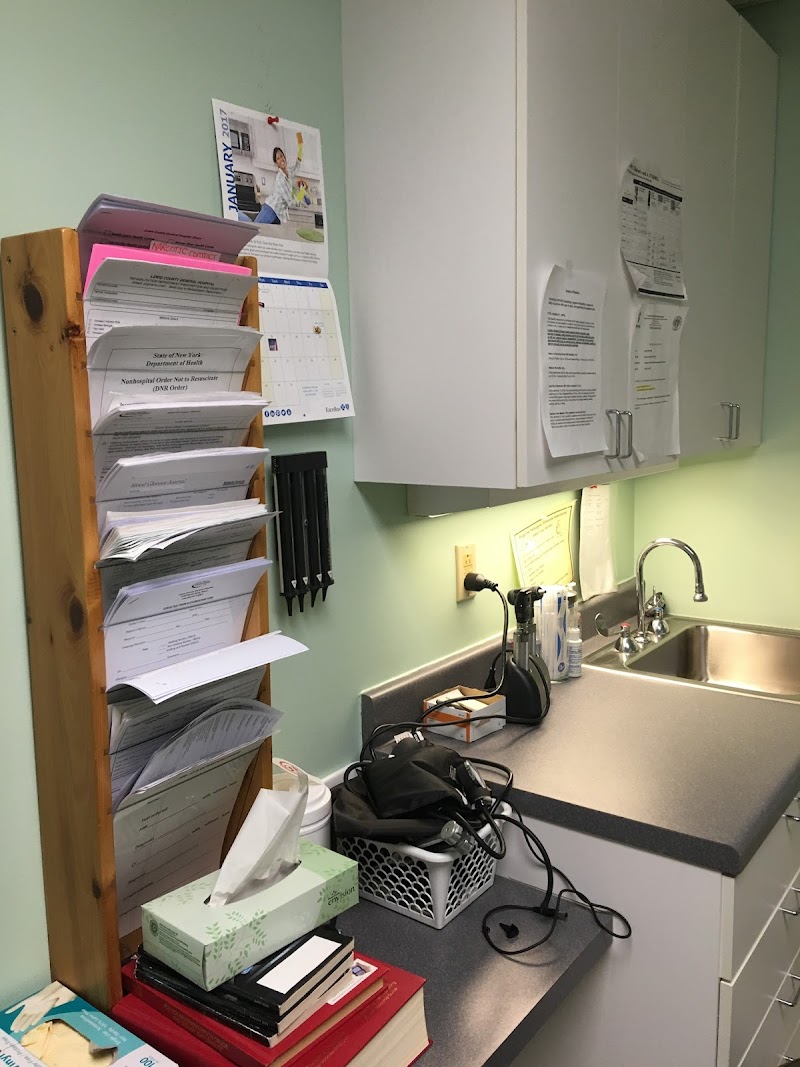
How Does Lewis County General Hospital-Nursing Home Unit Compare to Other New York Nursing Homes?

Compared to the 100 nursing homes in New York, LEWIS COUNTY GENERAL HOSPITAL-NURSING HOME UNIT's overall rating (3 stars) is below the state average of 3.1, staff turnover (49%) is near the state average of 46%, and health inspection rating (3 stars) is at the national benchmark.

What Should Families Ask When Visiting Lewis County General Hospital-Nursing Home Unit?

Based on this facility's data, families visiting should ask: "Can I visit during a mealtime to observe dining assistance and food quality?" "How do you handle medical emergencies, and what is your hospital transfer rate?" "Can I speak with family members of current residents about their experience?"

Is Lewis County General Hospital-Nursing Home Unit Safe?

Based on CMS inspection data, LEWIS COUNTY GENERAL HOSPITAL-NURSING HOME UNIT has a clean safety record: no substantiated abuse findings (meaning no confirmed cases of resident harm), no Immediate Jeopardy citations (the most serious violation level indicating risk of serious injury or death), and is not on the Special Focus Facility watch list (a federal program monitoring the lowest-performing 1% of nursing homes). The facility has a 3-star overall rating and ranks #100 of 100 nursing homes in New York. While no facility is perfect, families should still ask about staff-to-resident ratios and recent inspection results during their visit.

Do Nurses at Lewis County General Hospital-Nursing Home Unit Stick Around?

LEWIS COUNTY GENERAL HOSPITAL-NURSING HOME UNIT has a staff turnover rate of 49%, which is about average for New York nursing homes (state average: 46%). Moderate turnover is common in nursing homes, but families should still ask about staff tenure and how the facility maintains care continuity when employees leave.

Was Lewis County General Hospital-Nursing Home Unit Ever Fined?

LEWIS COUNTY GENERAL HOSPITAL-NURSING HOME UNIT has been fined $160,046 across 1 penalty action. This is 4.6x the New York average of $34,679. Fines at this level are uncommon and typically indicate a pattern of serious deficiencies, repeated violations, or failure to correct problems promptly. CMS reserves penalties of this magnitude for facilities that pose significant, documented risk to resident health or safety. Families should request specific documentation of what issues led to these fines and what systemic changes have been implemented.

Is Lewis County General Hospital-Nursing Home Unit on Any Federal Watch List?

LEWIS COUNTY GENERAL HOSPITAL-NURSING HOME UNIT is not on any federal watch list. The most significant is the Special Focus Facility (SFF) program, which identifies the bottom 1% of nursing homes nationally based on persistent, serious quality problems. Not being on this list means the facility has avoided the pattern of deficiencies that triggers enhanced federal oversight. This is a positive indicator, though families should still review the facility's inspection history directly.