Wayne County Nursing Home
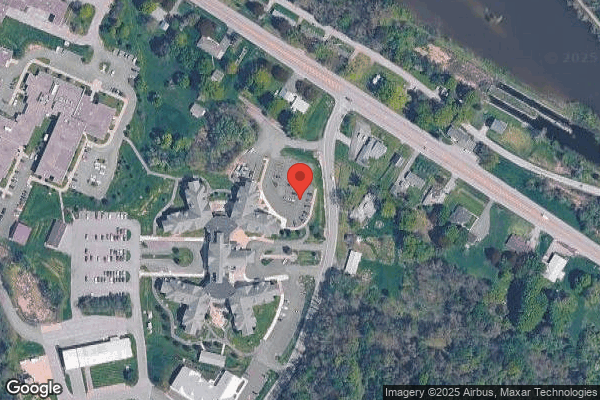
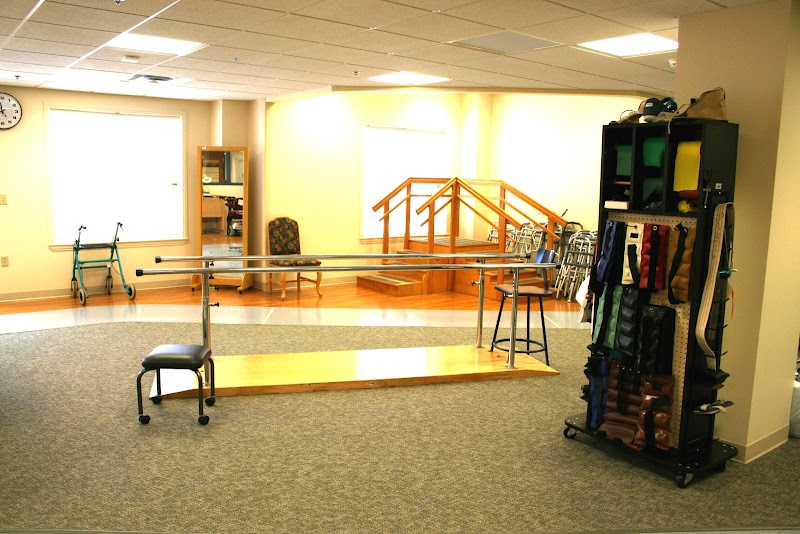
1529 Nye Road, Lyons, NY 14489 (315) 946-5673
Government - City/county 192 Beds Independent Data: November 2025
Trust Grade
83/100
#254 of 594 in NY
Last Inspection: November 2024

Within standard 12-15 month inspection cycle. Federal law requires annual inspections.

Overview

Wayne County Nursing Home has a Trust Grade of B+, which means it is above average and recommended for families considering care options. It ranks #254 out of 594 facilities in New York, placing it in the top half, and #2 of 4 in Wayne County, indicating only one local option is better. The facility is improving, with issues decreasing from 4 in 2022 to 3 in 2024. Staffing is a strength, rated 4 out of 5 stars with a turnover rate of 30%, which is below the state average. However, there are concerns regarding RN coverage, as it is lower than 88% of New York facilities, and there have been specific incidents such as improper infection control practices, like staff not wearing required protective equipment, and medications being left unsupervised at residents' bedsides. Overall, while there are notable strengths, families should consider the identified weaknesses when researching this nursing home.
Trust Score
B+
83/100
In New York
#254/594
Top 42%
Safety Record
Low Risk
No red flags
Inspections
Getting Better
4 → 3 violations
Staff Stability
✓ Good
30% annual turnover. Excellent stability, 18 points below New York's 48% average. Staff who stay learn residents' needs.
Penalties
✓ Good
No fines on record. Clean compliance history, better than most New York facilities.
Skilled Nurses
⚠ Watch
Each resident gets only 26 minutes of Registered Nurse (RN) attention daily — below average for New York. Fewer RN minutes means fewer trained eyes watching for problems.
Violations
⚠ Watch
12 deficiencies on record. Higher than average. Multiple issues found across inspections.
★★★★☆
4.0
Overall Rating
★★★★☆
4.0
Staff Levels
★★★★☆
4.0
Care Quality
★★★★☆
4.0
Inspection Score
Stable
2022: 4 issues
2024: 3 issues

The Good

  • 4-Star Staffing Rating · Above-average nurse staffing levels
  • 4-Star Quality Measures · Strong clinical quality outcomes
  • Low Staff Turnover (30%) · Staff stability means consistent care
  • Full Sprinkler Coverage · Fire safety systems throughout facility
  • No fines on record
  • Staff turnover is low (30%)

    18 points below New York average of 48%

Facility shows strength in staffing levels, quality measures, staff retention, fire safety.

The Bad

No Significant Concerns Identified

This facility shows no red flags. Among New York's 100 nursing homes, only 1% achieve this.

The Ugly 12 deficiencies on record

Nov 2024 2 deficiencies
CONCERN (D)

Potential for Harm - no one hurt, but risky conditions existed

Deficiency F0554 (Tag F0554)

Could have caused harm · This affected 1 resident

Based on observations, interviews, and record review conducted during the Recertification Survey 11/20/2024 to 11/26/2024 for three (Residents #89, #119 and #130) of three residents reviewed, the faci...

Read full inspector narrative →
Based on observations, interviews, and record review conducted during the Recertification Survey 11/20/2024 to 11/26/2024 for three (Residents #89, #119 and #130) of three residents reviewed, the facility did not ensure residents were assessed by an interdisciplinary team to determine their ability to safely self-administer medications or have medications left at their bedside unsupervised. Specifically, Resident #89 reported that nursing staff frequently left their pills in a medicine cup at their bedside for them to take later. Resident #119 had a nasal spray left unsupervised at their bedside. Resident #130 had an unlabeled and unsupervised medicine cup containing multiple pills in front of them at the table. None of the residents had an order to self-administer medications and had not been evaluated to have medications left with them unsupervised. This was evidenced by the following: The facility's policy Residents' Self-Administration of Medications, reviewed June 2024, documented a thorough assessment will be done by a nurse to determine if the resident is capable of safe self-administration of drugs. Resident's cognitive abilities to understand how and when to take the medications will be included in the assessment for safe administration of drugs. The care planning team will review the assessment and determine if the resident is capable. Nursing will provide the resident with information on medication usage and side effects via the electronic medical record. The resident will read, acknowledge, and sign the agreement for self-administration of their medications. The resident will be provided a locked box or locked drawer to secure their medications. Nurses will double-check that the drugs are appropriately labeled per the physician's orders and the Medication Administration Record must state that the person may self-administer. 1. Resident #130 had diagnoses that included Alzheimer's disease, dementia, and anxiety. The Minimum Data Set Resident Assessment, dated 10/01/2024, documented the resident had moderately impaired cognition. Review of the current Comprehensive Care Plan revealed that Resident #130 had impaired cognition related to dementia and was at risk for wandering and elopement with staff interventions to provide the resident with reorientation to their surroundings and environment (initiated 03/27/2024). The resident's care plan did not include documentation pertaining to self-administration of medication. Review of Resident #130's active medical orders did not include orders for self-administration of medications. During an observation on 11/22/2024 at 9:09 AM, Resident #130 was sitting at the dining room table with a medicine cup by their plate containing approximately six to seven pills of different sizes and shapes. No nursing staff were in sight at the time. 2. Resident #89 had diagnoses that included Parkinson's disease, chronic pain, and depression. The Minimum Data Set Resident Assessment, dated 09/08/2024, documented the resident was cognitively intact. Review of Resident #89's current Comprehensive Care Plan did not include documentation pertaining to self-administration of medication. During an interview on 11/22/2024 at 11:22 AM, Resident #89 stated they could have their nasal spray, eye drops, and inhalers left at the bedside unsupervised, but were not supposed to have their pills left there. Resident #89 stated the nurses would often bring their medications to them in a medicine cup, and if they were not ready to take them, the nurse would leave them at their bedside. The resident stated no one had explained to them what their medications were, and they were not familiar with all of their medications. The resident also stated there had been times when they dropped their pills on the floor and had to call the nurse. During an interview on 11/22/2024 at 11:35 AM, Licensed Practical Nurse #2 stated medical orders specified which medications could be left at the bedside unsupervised and there was no indication that Resident #89 could have pills left at their bedside unsupervised. Licensed Practical Nurse #2 stated for medications to be left unsupervised, the resident would have to be evaluated, be cognitively intact, able to voice their needs, have a medical order in place, and be care planned for self-administration of medications. 3. Resident #119 had diagnoses that included congestive heart failure, anxiety, and depression. The Minimum Data Set Resident Assessment, dated 09/24/2024, documented the resident had moderately impaired cognition. Review of the current Comprehensive Care Plan revealed that Resident #119 had impaired cognitive function with memory issues (initiated 06/06/2023). Staff interventions included to cue, reorient, and supervise the resident as needed, and administer medications as ordered. The resident's care plan did not include documentation pertaining to self-administration of medication. Review of Resident #119's active medical orders did not include orders for self-administration of medications. During an observation on 11/20/2024 at 1:18 PM, Resident #119 had normal saline nasal spray at their bedside unsupervised with no nurses in sight. During an interview on 11/26/2024 at 10:39 AM, the Director of Nursing stated before a resident could self-administer medications, they should have a completed evaluation form in place and a physician's order. The Director of Nursing stated nurses should educate the resident on their medications, what they are for, and should be discussed at the resident's care plan meeting. The Director of Nursing stated even if something were to come up, the nurses should take the medications with them and not leave them unsupervised with a resident who had not been assessed for safe self-administration. 10 NYCRR 415.3
CONCERN (E)

Potential for Harm - no one hurt, but risky conditions existed

Infection Control (Tag F0880)

Could have caused harm · This affected multiple residents

**NOTE- TERMS IN BRACKETS HAVE BEEN EDITED TO PROTECT CONFIDENTIALITY** Based on observations, interviews, and record review conducted during the Recertification Survey 11/20/2024 to 11/26/2024, for f...

Read full inspector narrative →
**NOTE- TERMS IN BRACKETS HAVE BEEN EDITED TO PROTECT CONFIDENTIALITY** Based on observations, interviews, and record review conducted during the Recertification Survey 11/20/2024 to 11/26/2024, for four (Residents #36, #37, #91, #94) of 10 residents reviewed, the facility did not maintain an infection prevention and control program designed to provide a safe, sanitary, and comfortable environment and to help prevent the development and transmission of communicable diseases and infections. Specifically, Residents #36 and #94 who were on Enhanced Barrier Precautions (a strategy in nursing homes to decrease transmission of infectious disease using enhanced personal protective equipment [PPE]) had indwelling urinary catheter drainage bags that were observed on the floor. Resident #36 received hands on care from staff who were not wearing the required personal protective equipment. Resident #37 received wound care and nursing staff did not change gloves or wash their hands appropriately during the wound care. Resident #91 was being transferred with a mechanical assistive device that had been used on another resident without being cleaned prior to use. This is evidenced by the following: The facility policy Standard,Transmission and Enhanced Barrier Techniques, revised July 2024, included Enhanced Barrier Precautions is an approach to the use of personal protective equipment to reduce transmission of Multidrug-Resistant Organisms between residents in skilled nursing facilities and expands the use of gowns and gloves to be worn during high contact activities with residents with indwelling medical devices. Indwelling medical devices include urinary catheters and high contact activities include transferring and device care or use. Contact precautions reduce the risk of transmission of microorganisms by direct or indirect contact. Gowns and gloves must be worn the entire time while in the room, must be removed prior to exiting the room, and hands must be washed with soap and water. Standard Precautions include infection control practices that are followed at all times with all residents, including properly cleaning, disinfecting, or sterilizing reusable equipment before use on another resident. The facility policy Urinary Incontinence Management and Prevention of Urinary Tract Infections, reviewed July 2024, included any resident with a catheter will be provided with a privacy bag in which the urinary collection bag is to be covered and serve as a barrier. The facility Skin Care policy for Wound and Skin Care, Protection, Identification, Risk factors, Staging, and Documentation, revised April 2024, included proper hand hygiene is to be completed prior to, between, and after all wound care including between different wound sites. 1. Resident #36 had diagnoses that included Alzheimer's disease, benign prostate hyperplasia (a condition where the prostate is enlarged, making it difficult to urinate), and diabetes. The Minimum Data Set Resident Assessment, dated 10/30/2024, documented Resident #36 had severe cognitive impairment and had an indwelling urinary catheter. The Comprehensive Care Plan, revised 09/12/2024, and the current undated [NAME] (care plan used by the Certified Nursing Assistants for daily care) included that Resident #36 was on Enhanced Barrier Precautions, had an indwelling urinary catheter, and to follow the indwelling urinary catheter policy. During an observation on 11/20/2024 at 1:01 PM, Resident #36's door had a sign that included the resident was on Enhanced Barrier Precautions and for staff to wear gowns and gloves with all resident contact. Certified Nursing Assistant #1 and Certified Nursing Assistant #2 transferred Resident #36 using a mechanical lift device from their wheelchair to the bedside recliner. Both Certified Nursing Assistants had gloves on, but neither were wearing a gown. During the transfer, Certified Nursing Assistant #2 moved the urinary drainage bag that was attached to the indwelling urinary catheter and placed the drainage bag on the floor without a barrier. Certified Nursing Assistant #2 emptied the urine drainage bag without putting on a gown. During an observation and interview on 11/22/2024 at 9:29 AM, Certified Nursing Assistant #3 assisted Resident #36 to sit up on the side of the bed to get dressed and then transferred to the wheelchair. During care, the urinary drainage bag was sitting on the floor without a barrier. During an interview at this time, Certified Nursing Assistant #3 stated there should be a barrier between the urinary drainage bag and the floor, but they forgot to put a cover on the urinary drainage bag or a towel to set it on. During an interview on 11/25/2024 at 2:00 PM, Certified Nursing Assistant #1 stated residents on Enhanced Barrier Precautions have a sign outside their door which included when to wear personal protective equipment. Resident #36 was on Enhanced Barrier Precautions, and they should have worn a gown while transferring them. During an interview on 11/26/2024 at 9:22 AM, Certified Nursing Assistant #2 stated they knew Resident #36 was on Enhanced Barrier Precautions, but did not know they needed to wear a gown to transfer the resident or empty the urinary drainage bag. Certified Nursing Assistant #2 stated they had received education on Enhanced Barrier Precautions, but were confused on when personal protective equipment should be worn. During an interview on 11/26/2024 at 10:00 AM, Registered Nurse Manager #1 stated Certified Nursing Assistant #1 and Certified Nursing Assistant #2 should have worn gowns and gloves while transferring and emptying the urinary drainage bag for Resident #36. The urinary drainage bag should never be on the ground without a cover or barrier to protect Resident #36 from contamination and potential urinary tract infections. 2. Resident #37 had diagnoses that included diabetes, osteomyelitis (an infection in the bone) of a foot ulcer, and malnutrition. The Minimum Data Set Resident Assessment, dated 08/29/2024, documented Resident #37 was cognitively intact, had a diabetic foot ulcer, and received wound care and dressings to the feet. During observations and interview on 11/25/2024 at 8:11 AM, Licensed Practical Nurse #1 performed wound care to two diabetic ulcers on the resident's left foot and one on their right foot. During the course of the wound care, Licensed Practical Nurse #1 did not change gloves or perform hand hygiene between removing the old, soiled dressings and placing clean dressings or in between wound sites. During an interview at this time, Licensed Practical Nurse #1 stated they should have changed gloves and performed hand hygiene after removing the soiled dressings before placing a clean dressing and in between care for each wound site, but they forgot to. During an interview on 11/26/2024 at 10:00 AM, Registered Nurse Manager #1 stated they expect wound care to be performed following infection control practices. Gloves should be changed and hand hygiene completed after removing a soiled dressing prior to placing a clean dressing and should be completed in between each wound site. 3. Resident #91 had diagnoses that included Alzheimer's disease, depression, and repeated falls. The Minimum Data Set Resident Assessment, dated 10/04/2024, documented Resident #91 was rarely or never understood, was unable to complete the cognitive assessment, and was dependent on staff for transfers. During an observation on 11/20/2024 at 1:01 PM, Certified Nursing Assistant #2 removed a mechanical lift and sling (a device that is attached to the resident and the machine to assist in transfers) from Resident #36's room that had an Enhanced Barrier Precautions sign outside the door and took it to Resident #91's room that did not have an Enhanced Barrier Precautions sign on the door. Certified Nursing Assistant #2 and Certified Nursing Assistant #6 used the lift sling and the mechanical lift to transfer Resident #91. Neither the mechanical lift nor the sling was cleaned between use on Resident #36 and Resident #91. During an interview on 11/26/2024 at 9:22 AM, Certified Nursing Assistant #2 stated they brought the mechanical lift from Resident #36's room to Resident #91's room and did not recall if they had cleaned or sanitized the machine (or sling) in between residents, and that they should have cleaned the machine after using it on Resident #36 and before using it for Resident #91. During an interview on 11/26/2024 at 10:00 AM, Registered Nurse Manager #1 stated all equipment that is shared between residents should be cleaned and sanitized after every use and should not be used on more than one resident without cleaning. 4. Resident #94 had diagnoses including obstructive uropathy (inability to urinate) and bladder dysfunction. Review of the current Comprehensive Care Plan, revised 05/25/2022, revealed the resident had a suprapubic catheter (catheter inserted directly into the bladder via the abdomen). Interventions included to monitor for signs of infection. During an observation on 11/22/2024 at 9:50 AM, Resident #94's urinary drainage bag was lying directly on the floor with no barrier under it. During an interview on 11/26/2024 at 9:43 AM, Licensed Practical Nurse #3 stated the urinary drainage bags should have a cover over them to provide a barrier and should never be left on the ground. During an interview on 11/26/2024 at 10:54 AM, the Infection Preventionist stated hand hygiene should be performed before and after wound care, when gloves are changed after removing a soiled dressing, and before applying the new dressing and in between wound sites. Any equipment shared between residents should be cleaned prior to use with another resident, and all staff should wear personal protective equipment per the posted signs outside the resident room. The Infection Preventionist also stated residents with an indwelling catheter are placed on Enhanced Barrier Precautions and gowns and gloves should be worn with all direct care, including emptying the urinary drainage bags. Urinary drainage bags should be kept off the floor at all times. The Infection Preventionist stated Enhanced Barrier Precautions and the required personal protective equipment is an area that all staff have expressed confusion regarding when personnel protective equipment should be worn. 10 NYCRR 415.19(a)(1-3)(b)(4)
Sept 2024 1 deficiency
CONCERN (D) 📢 Someone Reported This

A family member, employee, or ombudsman was alarmed enough to file a formal complaint

Potential for Harm - no one hurt, but risky conditions existed

Investigate Abuse (Tag F0610)

Could have caused harm · This affected 1 resident

Based on interviews and record review conducted during an Abbreviated Survey (ACTS Reference Number: NY00329762), the facility did not ensure that an investigation was initiated following a fall to ru...

Read full inspector narrative →
Based on interviews and record review conducted during an Abbreviated Survey (ACTS Reference Number: NY00329762), the facility did not ensure that an investigation was initiated following a fall to rule out abuse, neglect, or mistreatment for one (Resident #11) of three residents reviewed. Specifically, Resident #11 had a witnessed fall, and the facility was unable to provide evidence that the fall was thoroughly investigated. This is evidence by the following: The facility policy Investigations of Incidents & Allegations of Abuse, Neglect or Mistreatment, reviewed February 2024, documented the purpose is to determine a cause for an incident or accident and to determine if there is reasonable cause to believe abuse, mistreatment, or neglect took place. The results of all investigations must be reported to the administrator or designee. Forms to be used include Incident and Accident Report Form (Occurrence Report) and Witness Statement Form. The procedure included the person who observes or discovers an incident must immediately document information on an incident/accident report or Investigators Statement form, and the immediate supervisor/designee must immediately make determination of suspected abuse, neglect, or mistreatment. Resident #11 had diagnoses including seizure disorder, brain tumor, and depression. The Minimum Data Set Resident Assessment, dated 11/06/2023, documented that Resident #11 was severely impaired cognitively and was dependent on staff for transfer. Review of the Comprehensive Care Plan revealed Resident #11 was at risk for falls related to a history of falls, decreased mobility, and poor safety awareness related to dementia. The Comprehensive Care Plan also included that Resident #11 was dependent on two staff members for transfers via a mechanical lift. In a nursing progress note, dated 12/05/2023 at 5:33 PM, Licensed Practical Nurse #2 documented that Resident #11 slid out of their wheelchair as the full lift (mechanical lift) was being used (to transfer the resident from bed to wheelchair). Resident #11 was assessed by the supervisor, returned to bed, the sling readjusted, and the resident was transferred back to their wheelchair. In a nursing progress note, dated 12/05/2023 at 10:40 PM, labeled Late Entry, Registered Nurse # 1 documented that upon entry into the room Resident #11 was observed sitting on the pedals of their wheelchair and per staff the resident was being lifted from the bed to the wheelchair and that there was a nurse and two Certified Nursing Assistants in the room at the time of the occurrence. A Post Fall Evaluation form, dated 12/05/2023 and signed by Licensed Practical Nurse #2, included the time of fall was 8:16 PM and the fall was witnessed by CNA (Certified Nursing Assistant) in Resident #11's room. The evaluation documented the resident was being lifted using a full lift to get from the bed to the wheelchair and slid out of the wheelchair and sat on the footboard of the wheelchair. During an interview on 09/12/2024 at 11:24 AM, Certified Nursing Assistant #4 (not involved in the incident on 12/05/2024) stated that two staff are required for all mechanical lifts and that the correct sling must be in place. During an interview on 09/12/2024 at 1:30 PM, the facility's Compliance Officer stated when an incident happens on the unit, the staff on site and the immediate supervisor on site should gather interviews and do reports. The Compliance Officer said they do not have an investigation for Resident 11's fall on 12/05/2023, any incident and accident report, or statements from any witness(es) present during the fall. The Compliance Officer stated there should have been an investigation for this fall. The facility was unable to provide any additional information such as an incident and accident report, witness statements, and/or a summary of the investigation to determine a root cause analysis, that the correct equipment was used, and the potential need for staff re-education or care plan revision. NYCRR 415.4(b)
Oct 2022 4 deficiencies
CONCERN (D)

Potential for Harm - no one hurt, but risky conditions existed

Notification of Changes (Tag F0580)

Could have caused harm · This affected 1 resident

**NOTE- TERMS IN BRACKETS HAVE BEEN EDITED TO PROTECT CONFIDENTIALITY** Based on interview and record review conducted during the Recertification Survey and complaint investigation (# NY00299261) comp...

Read full inspector narrative →
**NOTE- TERMS IN BRACKETS HAVE BEEN EDITED TO PROTECT CONFIDENTIALITY** Based on interview and record review conducted during the Recertification Survey and complaint investigation (# NY00299261) completed on 10/13/22, it was determined for one (Resident #51) of one resident reviewed for notification of a change, the facility did not immediately inform the resident's representative of a transfer or discharge from the facility. Specifically, the facility did not notify the resident's primary or secondary emergency contact of a transfer to the hospital until six days after the transfer. This is evidenced by the following: Review of the facility's 'Change in Resident Status' policy revealed that to keep designated representatives apprised of changes in condition, licensed staff will call the resident's designated representative when medically ordered to transfer the resident to the hospital. Specifically, the policy states that the licensed staff in charge on the shift that the transfer occurred, will call the resident's designated representative. Resident #51 was admitted to the facility on [DATE] with diagnoses of anxiety, depression, and borderline personality disorder. A Minimum Data Set Assessment, dated 9/17/22, revealed that Resident #51 was cognitively intact. In a progress note dated 7/6/22 at 5:30 p.m., Licensed Practical Nurse (LPN) #1 documented that Resident #51 barricaded themself in their bedroom, yelling out and verbalized suicidal ideations, that the [evening]supervisor was aware, and that 911 was notified for transfer to the hospital for mental health issues. The note included that Resident #51 left the facility via stretcher around 5:30 p.m., again screaming at staff, Emergency Medical Services (EMS) and the police. In a progress note dated 7/7/22 at 3:28 p.m., and electronically signed, Social Worker (SW) #1 documented that 'discharge/no bed hold' notices were sent to Resident's #51's emergency contact and to the Ombudsman. The note did not specify how the notices were sent. In a progress note dated 7/12/22 at 3:20p.m., SW #1 documented that they received a call from Resident #51's family (Emergency Contact) regarding a care plan meeting scheduled for the next day. SW #1 informed the family member that they do not hold care plan meetings when residents are not in the building. The family member revealed that they had not received any calls and had not been notified that the resident had been sent out or had been admitted to the hospital (six days prior). Review of the resident's electronic medical record (EMR) did not provide any evidence that the resident's representative had been notified of the resident's transfer to the hospital on 7/6/22. Review of the facility's Investigation Summary, dated 7/21/22 and signed by the compliance officer, revealed an email written by the acting Director of Nursing (DON) dated 7/12/22 at 2:50 p.m., which stated that the resident's family had not been informed of the resident's transfer for six days, which was absolutely unacceptable. Review of Resident #51's 'Transfer/Discharge Notification and Bed Reservation Notification' form, dated 7/7/22 and signed by SW #1, did not include any information that the resident's representatives were informed as soon as possible following the 7/6/22 transfer. During an interview on 10/11/22 at 9:10 a.m., Registered Nurse (RN) #1 revealed that LPN #1 had told them that they had called the resident's family about Resident #51's transfer but that there were not any progress notes regarding any phone calls to family members at that time. During an interview on 10/11/22 at 10:37 a.m., the DON stated that when a resident leaves the facility, the family should be notified as soon as the resident leaves. The DON also stated that a phone call should be completed by the nursing supervisor or the nurse on that unit, and the call should be documented in the EMR. During an interview on 10/11/22 at 11:17 a.m., LPN #1 stated that they did call the resident's representative on the day the resident was transferred, but the representative's voicemail message box had been full. During an interview on 10/11/22 at 12:25p.m., SW #2 revealed that when a resident is transferred, the discharge/transfer notification paperwork (Bed hold and Discharge/Transfer notifications) are completed and mailed out to the resident's representative and a note entered in the EMR. SW #2 said that on the back of the Discharge/Transfer notice, there was now a place to sign that a nursing progress note was entered and reviewed, addressing that the family was notified (new since this incident). 10NYCRR 415.3(e)(2)(ii)(b)
CONCERN (D)

Potential for Harm - no one hurt, but risky conditions existed

Comprehensive Care Plan (Tag F0656)

Could have caused harm · This affected 1 resident

Based on observations, interviews and record review conducted during a Recertification Survey, completed on 10/13/22, it was determined that for 1 of 3 residents reviewed for behavioral, mental, and/o...

Read full inspector narrative →
Based on observations, interviews and record review conducted during a Recertification Survey, completed on 10/13/22, it was determined that for 1 of 3 residents reviewed for behavioral, mental, and/or emotional health care services, the facility did not develop and implement a comprehensive person- centered care plan that included measurable objectives to meet all the resident's medical, nursing, mental and psychological needs as identified in their comprehensive assessments. Specifically, Resident #77's Comprehensive Care Plan (CCP) did not include goals, interventions and desired outcomes related to any behaviors such as repetitive hand movements on their body, innate objects, or the surrounding environment. This was evidenced by the following: Resident #77 had diagnoses including dementia, anxiety, and psychotic and mood disturbance. The Minimum Data Set Assessment, dated 8/12/22, revealed the resident had severely impaired cognition and no behaviors. A nursing progress note dated 5/12/22, documented that the physician was notified that Resident #77 had been placed on 24-hour monitoring for increased hand movements that have been on-going but now more obsessively. The increased repetitive hand movements had caused the resident to not sleep at night and was agitating other residents such as sitting at the dining room tables moving other residents' plates and drinks around. The Physician ordered a urinalysis to rule out a urinary tract infection and discontinued Zoloft (antidepressant medication) since the repetitive behaviors had gotten worse. Trazodone (antidepressant medication) was to start at night and a neurology appointment would be scheduled if the family agreed. The current physician orders included trazadone 25mg for depression with a start date of 6/23/22. A nursing progress note dated 9/22/22, documented that Resident #77 was scheduled for a neurology consult in October 2022 for evaluation of repetitive hand movements and that the resident had started on trazodone in June 2022 for symptoms as stated above. Resident #77's repetitive hand movements have improved significantly with use of medication and nonpharmacological therapies including the resident's stuffed animal cat. A Physician's progress note dated 9/25/22, documented that Resident #77 was anxious with nervous movements, that the trazadone was tolerated and titrated with good affect and the movements improved. The physician note directed to follow up with neurology as needed. The Physician questioned if the hand movements were voluntary due to anxiety or involuntary due to a neurological issue. Review of the CCP initiated on 1/21/21 revealed that Resident #77 received an antidepressant medication related to depression. The CCP did not include the resident's repetitive hand movements, the use of trazadone or any other interventions for staff to use to address and monitor those symptoms. When observed on 10/6/22 at 9:36 a.m., Resident #77 was repeatedly rubbing a stuffed cat. When observed on 10/7/22 at 11:02 a.m., Resident #77 was seated in the hallway in their wheelchair with a stuffed cat in their lap and vigorously rubbing the fur on the stuffed animal in one direction with their hands in a rapid constant motion. When interviewed on 10/7/22 at 11:05 a.m., the Certified Nursing Assistant (CNA) stated that the resident's stuffed cat had an active wander guard collar due to having lost so many of the stuffed cats and the resident loving the cat so much. CNA stated that the resident constantly rubs the stuffed cat while awake. When interviewed on 10/12/22 at 10:08 a.m., the Registered Nurse (RN) Charge Nurse stated that trazadone has helped with hand movements some. The RN Charge Nurse stated that the resident was supposed to see Neurology, but that Resident #77 is on comfort measures only, so the physician and the family decided not to pursue with neurology. The RN Charge Nurse said that the stuffed cat does appear to calm and soothe the resident. During an interview on 10/12/22 at 10;15 a.m., the Nurse Manger reviewed the Resident #77's CCP and stated that they did not see specifics related to behaviors or repetitive hand movements and how they were being addressed. The Nurse Manager stated that prior to having the stuffed cat and the trazadone, Resident #77 would repeatedly touch their hair and face and repeatedly rub the walls with a washcloth. NM stated that either the Charge Nurse or the Nurse Manager are responsible for the CCP and that these behaviors should be addressed in the CCP. 10NYCRR 415.11(c)(i)
CONCERN (D)

Potential for Harm - no one hurt, but risky conditions existed

Quality of Care (Tag F0684)

Could have caused harm · This affected 1 resident

**NOTE- TERMS IN BRACKETS HAVE BEEN EDITED TO PROTECT CONFIDENTIALITY** Based on interviews and record reviews, conducted during the Recertification Survey, completed on 10/13/22, it was determined th...

Read full inspector narrative →
**NOTE- TERMS IN BRACKETS HAVE BEEN EDITED TO PROTECT CONFIDENTIALITY** Based on interviews and record reviews, conducted during the Recertification Survey, completed on 10/13/22, it was determined that for one (Resident #15) of two residents reviewed for hospitalization, the facility did not provide services consistent with professional standards of quality. Specifically, Resident #15, who was at risk for constipation, had no documented bowel movements for more than 5 days, and the facility had not assessed the resident's condition or administered physician ordered bowel medications. This is evidenced by the following: Resident #15 was admitted to the facility on [DATE] and had diagnoses including neurocognitive disorder with Lewy bodies (form of dementia), depression and recent history of small bowel obstruction requiring hospitalization. The Minimum Data Set Assessment, dated 6/25/22, documented that, per staff assessment, the resident had moderately impaired decision-making skills (decisions poor, cues and supervision required), required extensive assist of staff for toileting and was occasionally incontinent of bowels. The facility policy, Management of Bowel Elimination, reviewed July 2021, included that documentation of bowel elimination will be recorded and if a resident has not had a bowel movement in the last 6 or more shifts (2 days), or has deviated from their usual bowel habits, the nurse will administer the laxative as ordered and follow up for results. If a resident has not had a bowel movement in the last 9 or more shifts (3 days), the nurse will administer an additional laxative as ordered and arranged for the medical staff to be notified the next business day. If no results are obtained, the team leaders and/or Registered Nurse (RN) Supervisor will be notified in the morning through the reporting process. The nurse manager or registered professional nurse will assess the resident and consult with the medical staff. Residents who have not had a bowel movement in the last three (3) days through a normal, individualized bowel program are to be evaluated for possible constipation/fecal impaction. Licensed staff will then notify the medical staff or follow orders for further bowel interventions. Healthcare provider orders need to be specific as to PRN (as needed) medications (i.e., what medication and when to be given). Refusals should be documented. Review of the Comprehensive Care Plan (CCP) revealed that Resident #15 was at risk for constipation due to immobility and multiple medications with a goal to have a bowel movement at least every 2-3 days. Interventions included to monitor medications for side effects of constipation and to keep the physician informed of any problems. Review of the Point of Care (POC) bowel records in the electronic medical record (EMR) for August 2022 revealed the Resident #15 did not have a bowel movement from 8/15/22 through 8/20/22 evening shift (16 shifts). Review of the Medication Administration Record (MAR), dated August 2022, included orders for Milk of Magnesia and bisacodyl (laxatives) PRN for constipation. Neither medication was signed off as given from 8/1/22 through 8/31/22. Review of progress notes 8/5/22 through 8/22/22 did not reveal any documentation regarding refusals of medications, lack of bowel movements, interventions, or any follow-up. During an interview on 10/12/22 at 8:43 a.m., the Certified Nursing Assistant (CNA) stated that resident's bowel movements were documented in the POC and if a resident reported they were unable to have a bowel movement on a few occasions through the day, they would have reported it to the nurse. During an interview on 10/12/22 at 8:52 a.m. and again on 10/13/22 at 9:05 a.m., the Licensed Practical Nurse (LPN) stated an electronic report could be ran anytime for residents who have not had a bowel movement and based on that report, the LPN would then assess the resident(s), administer any ordered medications, and contact medical. The LPN stated that they would expect the CNA to alert the nurse if a resident had not had a bowel movement in two or more days. The LPN said they were not aware of why the ordered PRN constipation medications for Resident #15 had not been given at that time. During an interview on 10/12/22 at 2:55 p.m., the Nurse Practitioner (NP) stated that the expectation was that PRN medications would have been utilized in addition to regularly scheduled bowel medications and if the PRN medications were ineffective, the staff should have notified medical. The NP stated they rely on nursing to notify medical regarding lack of bowel movements. During an interview on 10/13/22 at 9:16 a.m., the Registered Nurse Manager (RNM) stated alerts for lack of bowel movements were in the EMR but that the report was not necessarily run for the staff daily. The RNM stated there was a section on the staff assignment sheets for residents who have not had a bowel movement in greater than two days and this should have been passed to the next shift. The RNM stated that many residents have PRN medications for constipation ordered and the expectation would be to administer them after two or more days of no bowel movement. The RNM said that Resident # 15 should have received the PRN constipation medications and medical should have been notified. During an interview on 10/13/22 at 12:33 p.m., the Director of Nursing (DON) revealed that it was expected that the nurses run the electronic bowel report for their assigned residents at some point during their shift. The DON stated their threshold for concern is three days, at that point the nurse should have checked the MAR for medications to be given, administer the medications, completed a bowel assessment, and notified medical, the nurse supervisor and the next shift. 10 NYCRR 415.12
CONCERN (F)

Potential for Harm - no one hurt, but risky conditions existed

Food Safety (Tag F0812)

Could have caused harm · This affected most or all residents

Based on observations, interviews and record review, conducted during the Recertification Survey, completed on 10/13/22, it was determined that for one of one main kitchen reviewed, the facility faile...

Read full inspector narrative →
Based on observations, interviews and record review, conducted during the Recertification Survey, completed on 10/13/22, it was determined that for one of one main kitchen reviewed, the facility failed to store, prepare, distribute or serve food in accordance with professional standards (U.S. Food and Drug Administration's Food Code) for food service safety. Specifically, there was a high temperature automatic dishwashing machine in use that did not meet temperature sanitizing standards. This is evidenced by the following: Review of a facility policy, Food Safety Management, revised 4/1/22, directed that a high temperature dishwashing must have minimum final rinse temperatures of 180 degrees (°) Fahrenheit (F) at the manifold and dish temperatures should be checked and recorded on the temperature log once per meal period as well as a validation check to be completed at least once per day. Observations during the follow up tour of the main kitchen on 10/11/22 at 11:10 a.m., revealed the high temperature automatic dishwashing machine digital temperature gauges on the machine were not functional and the alternate digital temperature gauges were also malfunctioning, reading 'error,' when run by the Food Production Manager (FPM). Observations during another follow up visit to the main kitchen on 10/11/22 at 1:08 p.m. revealed the digital temperature gauges on the automatic dishwashing machine read 118.7°F for the wash cycle and 'error' for the rinse cycle. Review of the daily temperatures log for the dishwashing machine revealed that from 10/1/22 to 10/11/22 breakfast only 3 of 31 opportunities to record the meal temperatures for each meal were completed. In September 2022 the meal temperatures were checked on just 28 of 90 opportunities. During an interview on 10/11/22 at 11:34 a.m., the FPM stated the temperature logs were behind. The FPM stated they did get a new dishwashing machine, but an install date was unknown. At 1:08 p.m., the FPM stated they would use the three-compartment sink for chemical sanitization until the dishwashing machine was evaluated. 10NYCRR: 14-1.112 U.S. Food and Drug Administration's (FDA) Food Code
Jan 2020 5 deficiencies
CONCERN (D)

Potential for Harm - no one hurt, but risky conditions existed

Comprehensive Care Plan (Tag F0656)

Could have caused harm · This affected 1 resident

**NOTE- TERMS IN BRACKETS HAVE BEEN EDITED TO PROTECT CONFIDENTIALITY** Based on observations, interviews, and record reviews conducted during the Recertification Survey, it was determined that for 3 ...

Read full inspector narrative →
**NOTE- TERMS IN BRACKETS HAVE BEEN EDITED TO PROTECT CONFIDENTIALITY** Based on observations, interviews, and record reviews conducted during the Recertification Survey, it was determined that for 3 of 31 residents reviewed for care planning, the facility did not develop or implement a plan of care for each resident that included measurable objectives and interventions to address the resident's medical, nursing, mental and psychosocial needs, or implement the plan of care. Specifically, Resident #60 did not have Dycem (rubber mat) in their wheelchair per plan of care, Resident #71 did not have a care plan developed for the use of an indwelling Foley catheter, and Resident #28 was not using and did not like the denture adhesive and it was not reported to the nurse per plan of care. This was evidenced by the following: 1. Resident #60 had diagnoses including dementia, arthritis, and a recent compression fracture of the lumbar vertebrae. The Minimum Data Set (MDS) Assessment, dated 10/8/19, included that the resident had severely impaired cognition, no falls in the previous six weeks, and required extensive assist of staff for transfers. Review of an Occurrences Report, dated 10/24/19, revealed that the resident was found on the floor in front of their wheelchair, and it was determined that the resident slid out of the chair and was not injured. A Registered Nurse (RN) progress note, dated 10/28/19, revealed that the resident's family member called to voice concerns related to the resident always sliding out of the wheelchair. The family member requested something to help prevent the sliding and Dycem was offered. The current Certified Nursing Assistant (CNA) Assignment Summary, dated 10/28/19, revealed that the resident had a history of accidents and tends to slouch in the wheelchair. Apply Dycem to the chair pad to prevent sliding, monitor the resident frequently, and reposition as needed. Review of an Occurrences Report, dated 10/30/19, revealed that the resident was found on the floor in their room lying on the foot pedals of the wheelchair. The report did not include if Dycem (newly added to the care plan) was in use or not. The resident was unable to voice what had happened and was yelling in pain. The resident was admitted to the hospital with a lumbar fracture. In an observation on 1/10/20 at 2:06 p.m., the resident was sitting slightly slouched in a wheelchair in the hallway. There was no Dycem in the chair. In an observation on 1/13/20 at 11:00 a.m. and again at 1:15 p.m., the resident was sitting in a wheelchair in the hallway. The resident's back was several inches away from the back of the chair. There was no Dycem in the chair. CNA #1 who was nearby checked and said there was no Dycem under the resident. During an interview on 1/13/20 at 2:05 p.m., when questioned about the Dycem, the resident's primary CNA #2, stated he did not know what Dycem was. After an explanation, CNA #2 said there was no Dycem in the resident's chair. CNA #1 said that there was some Dycem in the supply room and it was obtained at that time. When interviewed on 1/13/20 at 2:24 p.m., the RN stated that the incident on 10/30/19 should have included if the Dycem was in the wheelchair or not as it had just been added to the care plan to prevent the falls. She said the Dycem should be in place anytime the resident sits in the chair. 2. Resident #71 was admitted to the facility on [DATE] and had diagnoses including chronic obstructive pulmonary disease, adult failure to thrive, and diabetes. The MDS Assessment, dated 10/2/19, revealed the resident was cognitively intact and had an indwelling urinary (Foley) catheter. The current physician orders and January 2020 Treatment Administration Record included a Foley catheter, size 20 French with a 30 cubic centimeter balloon and orders for catheter care. Review of the Comprehensive Care Plan (CCP) revealed the resident had an indwelling Foley catheter placed on 1/5/19 for stress incontinence. There were no goals or interventions related to the use of the Foley catheter. During an observation on 1/14/20 at 9:18 a.m., the resident was sitting in a wheelchair. The catheter tubing was running out of the resident's pant leg, under the chair to a covered drainage bag. When interviewed at that time, the resident stated they had an indwelling Foley catheter. During an interview on 1/15/20 at 11:00 a.m., RN Manager #2 stated the resident had an indwelling Foley catheter due to a neurogenic bladder (a bladder dysfunction flaccid or spastic caused by neurologic damage). RN Manager #2 said that the CCP should include the use of an indwelling Foley catheter including measurable goals and approaches, but it did not. 3. Resident #28 has diagnoses of diabetes mellitus, anemia, and depression. The MDS Assessment, dated 10/19/19, revealed the resident had moderately impaired cognition, mouth or facial pain, and discomfort or difficulty chewing. A Dental Evaluation, dated 5/24/19, revealed that the resident's dentures were loose and there was little mandibular alveolar ridge remaining with poor retention. Relining the dentures would not improve the retention. The resident was encouraged to use Fixodent. The CNA Assignment Summary, dated 1/13/20, revealed that the resident wears dentures and mouth care was provided twice a day by the resident or staff. Notify the nurse of dental complaints and issues and apply Fixodent (denture adhesive) per resident's choice. During an interview on 1/10/20 at 10:24 a.m. and on 1/13/20 at 8:43 a.m. and 9:24 a.m., the resident said their upper and lower dentures do not fit tight, they are loose. The resident said the bottom denture was worse than the top and that they did not like the denture adhesive paste because it was too goopy. The resident said they have told all of the CNAs that they do not like the denture adhesive. Interviews conducted on 1/13/20 included the following: a. At 9:13 a.m., CNA #3 and CNA #4 both said the resident has told them that they do not like the Fixodent. CNA #3 said the adhesive sticks and it was hard to pull the resident's dentures out for cleaning. b. At 10:57 a.m. and 11:40 a.m., Licensed Practical Nurse (LPN) #1 and LPN #2 both said that no one has told them that the resident dislikes the denture adhesive. LPN #2 said there were alternatives that could have been tried, like dental powder or paper inserts. When interviewed on 1/14/20 at 9:23 a.m., RN Manager #2 said that she was unaware of the resident's complaint. She said she expects the staff to advise her of such concerns so that something else can be tried such as dental powder. [10 NYCRR 415.11(c)(1)]
CONCERN (D)

Potential for Harm - no one hurt, but risky conditions existed

Tube Feeding (Tag F0693)

Could have caused harm · This affected 1 resident

Based on observations, interviews, and record reviews conducted during the Recertification Survey, it was determined that for two (Residents #36 and #52) of two residents reviewed for tube feedings, t...

Read full inspector narrative →
Based on observations, interviews, and record reviews conducted during the Recertification Survey, it was determined that for two (Residents #36 and #52) of two residents reviewed for tube feedings, the facility did not provide appropriate treatment and services to prevent potential complications. Specifically, daily tube feedings and water flushes were not consistently documented or monitored to ensure physician orders were followed and resident specific tube feeding orders were not consistently completed. This is evidenced by the following: 1. Resident #36 has diagnoses including a stroke, malnutrition, dysphagia, and recent dehydration requiring intravenous fluids for 24 hours. The Minimum Data Set (MDS) Assessment, dated 10/25/19, included that the resident was cognitively intact and received 51 percent or greater of total calories via the feeding tube. Review of the Comprehensive Care Plan revealed that the goal for the resident was to maintain adequate nutrition via a feeding tube. Interventions included, but were not limited to, checking the tube for placement, patency and residuals prior to the feeding and to provide the tube feeding per physician orders. The current physician orders included that the resident took nothing by mouth, received a tube feeding of Diabetisource AC at 75 cubic centimeters (ccs) per hour for 22 hours (total of 1,650 ccs per day). May use Fibersource HN until Diabetisource was available. The tube feeding will remain off from 8:00 a.m. to 10:00 a.m. for a gut rest. Nursing to verify tube placement and check for residuals (amount of feeding the resident stomach not yet digested to ensure the feeding was being tolerated) before each feeding every shift. In an observation on 1/9/20 at 11:36 a.m., the resident was sitting in the hallway and the tube feeding pump was turned off. In an observation on 1/9/20 at 1:54 p.m., the resident was in bed, the tube feeding pump was on, and there was a beeping sound. The tube feeding pump display had a message which read, Hold, and the feeding was not infusing. The pump continued to beep throughout an approximately 30-minute interview with the resident until the surveyor notified the nurse. In observations on 1/13/20 from approximately 8:10 a.m. through 1:35 p.m., the resident was observed numerous times in the hall and in the dining room with the tube feeding pump infusing at 75 cc per hour. At no time was the pump observed off for the daily gut rest. At 1:35 p.m., Licensed Practical Nurse (LPN) #2 was observed hanging a new bag of Fibersource HN with 1,000 ccs of feeding. LPN #2 did not check residuals or tube placement prior to hanging the bag. The pump was cleared of 1,750 ccs and started at 75 ccs per hour. When interviewed at that time, LPN #2 stated that she writes on the 24-hour report sheet that she hung a new bag but does not document anywhere else the amount of feeding. She said that she did not know if the amount cleared on the pump was accurate or not. LPN #2 said that the resident does not get a gut rest. Review of the electronic medical record did not reveal any documented evidence that the total amounts of feeding infused were documented or being monitored for completion or accuracy. The Treatment Administration Record included that Diabetisource AC and Fibersource HN were both being infused. Interviews conducted on 1/14/20 included the following: a. At 9:42 a.m. after reviewing the orders, LPN #2 stated that the resident should have had a gut rest and that she only checks tube placement prior to medications but not when hanging a new bag of feeding. When asked about residuals, LPN #2 stated that she does not check for residuals. b. At 11:55 a.m., the Registered Dietician (RD) stated that fluids are documented in the computer by the nurses or the CNAs. When reviewed at that time, the intake amounts documented in the computer for the previous 30 days revealed that the resident drank 200 ccs on 12/27/19 and 1,000 ccs on 1/5/20. There were no tube feeding amounts recorded in the resident's health record. The RD said that the resident should have a two-hour rest period. She said that the Diabetisource AC was on backorder and that if they are still using the Fibersource HN instead of the Diabetisource AC, it should be documented correctly. c. At 1:25 p.m., CNA #2 stated that they do not document anything related to the tube feedings. d. At 2:24 p.m., Registered Nurse (RN) #1 stated the they have never recorded the total amounts per shift or per day. She said the resident has unstable heart failure and was recently treated for dehydration and increased edema so keeping an eye on the resident's fluids would be important. RN #1 stated that she would expect placement and residuals checks to be completed per the physician orders. 2. Resident #52 has diagnoses including a traumatic brain injury, dysphagia (difficulty swallowing), and a hearing impairment (deaf). The MDS Assessment, dated 10/23/19, revealed the resident had modified independence in cognitive skills and received 51 percent or more of calories and 501 cc per day through a tube feeding. Review of the current physician orders revealed that the resident could have nothing by mouth, Nutren 2.0 (calorically dense liquid nutrition for those with elevated caloric requirements or a fluid restriction), resident to self-administer per preference to a goal volume of 1,100 cc per day. Nursing to record intake of formula at the end of every shift, change feeding bag and tubing set every 24 hours and check G-tube placement every shift. Nursing to provide resident with free water flushes to self-administer with a goal volume of 1,080 cc per day, 180 cc twice per shift. Educate resident on goal volume for both the tube feeding and water flushes. Review of the Comprehensive Care Plan revealed that the resident chooses to self- administer their tube feeding, does not meet goal volumes at times, and drinks from the feeding tube. The goal for the resident was to maintain adequate nutrition via a feeding tube. Interventions included, but were not limited to, providing the tube feeding and water flushes per physician orders, checking tube feeding for placement, patency and residual per physician order, and nothing by mouth. Educate the resident on the importance of meeting their goal for both tube feedings and water flushes, and not drinking from the tube feeding tube. There was no documented evidence that the total amounts of tube feeding and water flushes infused were documented or being monitored for completion or accuracy. There was no documentation that the resident was re-educated when drinking from the tube feeding. RN #1 documented on 1/6/19 that the resident was educated on tube feeding and water flush goal volumes. There was no additional documentation on education of goal volumes. In an observation on 1/9/20 at 1:45 p.m., the tube feeding pump was beeping, flashing hold. There was a 1,000 cc bag of Nutren 2.0 hung, dated 1/8/20 (10:30 p.m.) and 300 cc remained. The tubing was attached to the bag and dripping tube feeding onto the floor. The pump continued to beep for 30 minutes with no staff response. In an observation on 1/10/20 at 2:00 p.m., a 1,000 cc bag of Nutren 2.0 was hung, dated 1/9/20 (9:30 p.m.). The pump was off with 700 cc remaining. There was tube feeding spilled onto the floor and the pump was turned sideways on the pole. When interviewed on 1/13/20 at 12:25 p.m. and 2:05 p.m., LPN #1 said the night nurses were responsible for totaling the 24 hours intake of tube feeding and water flushes prior to staff documenting in the electronic medical record. LPN #1 said if there was no order for strict monitoring of a tube feeding, such as Intake and Output, then 24-hour monitoring was not done. She said that the intakes were evaluated quarterly by dietary for consistency with the physician order and adequacy. Observations and interviews conducted on 1/14/20 included the following: a. At 10:44 a.m. and 11:05 a.m., LPN #2 said the resident refuses tube placement checks most of the time, and the resident refused that day. LPN #2 said that the nurses put water in a small container and leave it for the resident to administer. LPN #2 said she left 240 cc of water in the resident's room. LPN #2 said when the resident wants a new bag of tube feeding, they will come out of their room and get a new bag from a nurse, whether their tube feeding bag was empty or not. b. At 10:57 a.m., Certified Nursing Assistant (CNA) #1 said when he provides oral care, he can tell when the resident has taken tube feeding by mouth because there was tube feeding liquid on their teeth and in their oral cavity. CNA #1 said he reports that to the nurses. When interviewed on 1/14/20 at 11:52 a.m., RN #1 said the resident self-administers their own tube feeding. She said the resident connects their own tube feeding and has been known to drink out of the tube feeding bag. She said when the resident takes fluids by mouth, staff re-educate them. She said the night nurse used to total the 24-hour intakes of both the tube feeding and water but since the facility changed to a new electronic medical record that has not been done. She said the resident uses one bag a day which is 1,000 cc (ordered 1,100 cc day). When questioned, RN #1 said that was less than what was ordered, During an interview on 1/14/20 at 1:40 p.m. and 2:22 p.m., the RN Manager said she could not find any documentation in the medical record to show that anyone was monitoring the 24-hour total volumes of tube feeding and water flushes. The RN Manager said that she had reviewed the medical record and found the last time nursing documented that the resident was evaluated for the administration of the tube feeding and flush was May 2017. She said it should probably be documented on the Comprehensive Care Plan how often to re-evaluate the resident for self-administration of the tube feeding and water flushes. Observations and interviews conducted on 1/15/20 included the following: a. At 9:59 a.m., LPN #2 and the surveyor went into the resident's room. The tube feeding pump was beeping, and the bag of tube feeding was not in sight. LPN #2 said the resident was sitting on the bag. She removed an empty folded bag, dated 1/14/20 (3:20 p.m.) from the resident's wheelchair. The resident wrote, Yes, I fed myself through the tube. b. At 1:06 p.m., the physician said he has not made any changes to the resident's orders because he expects the nurses to still try to check the resident's tube placement, cleanse the tube site, and prime the tubing. [10 NYCRR 415.12(g)(2)]
CONCERN (D)

Potential for Harm - no one hurt, but risky conditions existed

Respiratory Care (Tag F0695)

Could have caused harm · This affected 1 resident

Based on observations, interviews, and record reviews conducted during the Recertification Survey, it was determined that for two of four residents reviewed for respiratory care and oxygen, the facili...

Read full inspector narrative →
Based on observations, interviews, and record reviews conducted during the Recertification Survey, it was determined that for two of four residents reviewed for respiratory care and oxygen, the facility did not provide proper care and treatment in accordance with professional standards of practice, the comprehensive person-centered care plan, and the resident's choice. Specifically, Resident #170 had incomplete oxygen orders and the oxygen equipment was not maintained per physician orders, and Resident #71 did not have an oxygen care plan and oxygen equipment was not maintained per physician's orders. This is evidenced by the following: 1. Resident #170 has diagnoses including chronic respiratory failure, neoplasm in the left lung, and dementia. The Minimum Data Set Assessment, dated 12/14/19, revealed that the resident had severely impaired cognition and required oxygen therapy. The current physician's orders and Treatment Administration Record (TAR) for January 2020, included entries for oxygen via nasal canula 1 to 4 liters, titrate as needed to keep saturations greater than 92 percent for hypoxemia (low oxygen levels), apply oxygen at bedtime and take it off in the morning, change the oxygen tubing and humidifier bottle, and clean the filter on the night shift every two weeks on Tuesdays. The Comprehensive Care Plan (CCP) included the resident will tolerate the use of oxygen supplement via nasal canula, and their oxygen saturations will be at or above 92 percent at all times thru the next review. The Certified Nursing Assistant (CNA) Assignment Summary included oxygen at 2 liters at bedtime and as needed during the day. Review of the TARs for December 2019 and January 2020 revealed that the oxygen tubing and humidifier bottle were signed off as changed and the filter was signed off as cleaned on 12/17/19. Several observations of the resident's oxygen concentrator and tubing during the day on 1/9/20, 1/13/20, 1/14/20 and 1/15/20 revealed that the top and front of the oxygen concentrator was covered in dust and there were liquid spills. The oxygen tubing had a piece of tape that was dated, 12/20. When interviewed on 1/14/20 at 11:49 a.m. and on 1/15/20 at 11:19 a.m., the Registered Nurse (RN) Manager said that the oxygen tubing and humidifier bottle should be changed every two weeks. She said the resident's physician orders for oxygen and oxygen saturation levels were incomplete. The RN Manager reviewed the January 2020 TAR and stated that unless the resident's oxygen saturations were checked on a regular basis, staff would not know when titration of the oxygen was needed. In an observation on 1/15/19 at 11:26 a.m., the RN Manager and surveyor looked at the resident's oxygen concentrator and tubing. The RN Manager stated that the concentrator was filthy and needed cleaning. 2. Resident #71 has diagnoses including chronic respiratory failure with chronic oxygen use, urinary retention, and depression. The MDS Assessment, dated 11/9/19, revealed the resident was cognitively intact and received oxygen therapy. The physician orders and the January 2020 TAR included oxygen at 3 liters continuously to maintain oxygen saturations greater than 92 percent every shift. The CCP and CNA Assignment Summary did not address the use of oxygen. There was no documentation that the oxygen tubing, humidifier bottle or filter had been cleaned or changed. During an observation on 1/13/20 at 2:10 p.m., the resident was sitting in their room and was receiving oxygen from a concentrator at three liters per minute via a nasal cannula. The humidification bottle was dated 8/7/19, and the oxygen tubing and cannula were undated. When interviewed on 1/14/20 at 12:15 p.m., the RN said that the oxygen tubing and humidification bottles are changed monthly by the night shift. She said that should be documented on the TAR. She stated that all nurses were responsible for checking the dates on the oxygen equipment. During an interview on 1/15/20 at 11:00 a.m., RN Manager #2 stated the resident used oxygen for chronic respiratory failure. She stated the CCP and CNA Assignment Summary should include the use of oxygen, but it did not. She stated the oxygen tubing and humidification bottle should be changed every two weeks and as needed and documented on the TAR. She said the TAR should include changing the oxygen tubing and humidifier bottle, but it did not. RN Manager #2 stated the team leaders were responsible for checking the oxygen equipment to ensure the equipment was dated and cleaned. [10 NYCRR 415.12(k)(6)]
CONCERN (D)

Potential for Harm - no one hurt, but risky conditions existed

Deficiency F0883 (Tag F0883)

Could have caused harm · This affected 1 resident

**NOTE- TERMS IN BRACKETS HAVE BEEN EDITED TO PROTECT CONFIDENTIALITY** Based on interviews and record reviews conducted during the Recertification Survey, it was determined that for one of seven resi...

Read full inspector narrative →
**NOTE- TERMS IN BRACKETS HAVE BEEN EDITED TO PROTECT CONFIDENTIALITY** Based on interviews and record reviews conducted during the Recertification Survey, it was determined that for one of seven residents reviewed for influenza and pneumococcal immunizations, the facility did not ensure that each resident received the influenza immunization or did not receive the influenza immunization due to medical contraindications. Specifically, Resident #131 had a history of an adverse reaction to the influenza immunization. The nursing staff did not identify the adverse reaction or notify a medical provider prior to administering the immunization. This is evidenced by the following: Resident #131 was admitted to the facility on [DATE] with diagnoses including dementia, peripheral vascular disease, and hypertension. The Minimum Data Set (MDS) Assessment, dated 9/4/19, revealed that the influenza (flu) immunization was not administered due to a medical contraindication. The MDS Assessment, dated 11/22/19, revealed the resident had severely impaired cognition and received the flu vaccine 11/6/19. The current Vaccine Record Sheet revealed the resident had an allergy to the flu vaccine in 2011 to 2012. The Electronic Medical Record (EMR), in use at the time the flu vaccine was administered, revealed the resident had an allergy to the flu vaccine. A questionnaire for vaccine consent, signed by the Health Care Proxy (HCP) and dated 1/9/19, revealed the HCP did not wish for the resident to receive the flu vaccine that year. A Resident Flu Vaccine Consent for 2019 to 2020, dated 9/19/19, was signed by the HCP and directed to give the flu vaccine. A progress note, dated 11/6/19, revealed the resident was given the flu vaccine before dinner and at approximately 7:30 p.m., started to wheeze, cough, and had some emesis. At approximately 11:00 p.m., the resident was observed with vomiting, slightly swollen lips, a face rash, had drainage coming from their eyes and nose, and was transferred to the hospital. When interviewed on 1/9/20 between 1:22 p.m. and 1:44 p.m., the HCP said the resident was given a flu vaccine and had a reaction. He said nursing staff called him to report that the resident had vomited, had swelling in the face, and a rash. He said the staff reported they were not sure if the resident was having a reaction to the flu vaccine or had a urinary tract infection. He said the resident was sent to the hospital. The HCP said those were the same symptoms she had exhibited previously after receiving the flu vaccine. He said the resident had not been given a flu vaccine since that episode (2011 to 2012). He said he did not really remember receiving any information or signing anything to give the vaccination. Interviews conducted on 1/13/20 included the following: a. At 10:45 a.m., the Licensed Practical Nurse (LPN) said that the flu vaccine was identified on admission as an allergy. She said she did not know why it was given. b. At 1:26 p.m., the Nurse Practitioner said that the discrepancy between the flu vaccine allergy and the signed consent should have been identified, evaluated, and clarified by a medical provider prior to the administration of the flu vaccine. During an interview on 1/15/20 at 9:47 a.m., the Registered Nurse Manager said the nurse should have identified the allergy and contacted a physician or Nurse Practitioner for clarification. She said that although the flu vaccine was entered in the electronic medical record as a drug allergy on admission it was entered incorrectly so it did not flag as an allergy. [10 NYCRR 415.19(a)(3)]
MINOR (C)

Minor Issue - procedural, no safety impact

Deficiency F0655 (Tag F0655)

Minor procedural issue · This affected most or all residents

**NOTE- TERMS IN BRACKETS HAVE BEEN EDITED TO PROTECT CONFIDENTIALITY** Based on observations, interviews, and record reviews conducted during the Recertification Survey, it was determined that for 24...

Read full inspector narrative →
**NOTE- TERMS IN BRACKETS HAVE BEEN EDITED TO PROTECT CONFIDENTIALITY** Based on observations, interviews, and record reviews conducted during the Recertification Survey, it was determined that for 24 (Residents #11, #13, #21, #22, #31, #38, #60, #76, #84, #85, #100, #108, #115, #120, #131, #134, #146, #158, #159, #164, #167, #170, #173 and #422) of 24 residents reviewed for Baseline Care Plan, the facility did not develop a Baseline Care Plan that included the minimum required healthcare information necessary to properly care for a resident, did not have documented evidence that the Baseline Care Plan was completed within the required timeframe, or did not have documented evidence that the resident or representative was provided a written summary of the Baseline Care Plan. This is evidenced by, but not limited to, the following: The facility policy and procedure, Resident Comprehensive Care Plan and Committee, revised January 2020, revealed that a Baseline Care Plan would be completed within 48 hours of admission. The Welcome Poster, which includes Baseline Care Plan information, will be reviewed with the resident or family member by the Transitional Care Coordinator or Social Worker within 48 hours of admission. All residents will have an interim care plan developed on admission to ensure that the residents' immediate care needs are met. 1. Resident #21 was admitted to the facility on [DATE] with diagnoses including atrial fibrillation, major depressive disorder, and bipolar disorder. The Minimum Data Set (MDS) Assessment, dated 9/30/19, revealed that the resident had severely impaired cognition. Review of the Baseline Care Plan provided by the facility did not include physician orders or a current medication list, did not include a completion date, and did not include documented evidence that that a written summary of the Baseline Care Plan was provided to the resident or representative. A progress note, dated 10/19/18, revealed a copy of the Welcome Poster was left in the resident's room. The Welcome Poster provided by the facility did not include a summary of the resident's medications. 2. Resident #76 was admitted to the facility on [DATE] with diagnoses including amyotrophic lateral sclerosis, diabetes mellitus, and anxiety disorder. The MDS Assessment, dated 11/23/19, revealed that the resident was cognitively intact. A Welcome Poster, dated 2/27/19, did not include a summary of the resident's medications or physician orders, and there was no documented evidence in the record that a written summary of the Baseline Care Plan was provided to the resident or representative. 3. Resident #134 was admitted to the facility on [DATE] with diagnoses including dementia, aspiration pneumonia, and encephalopathy. The MDS Assessment, dated 12/17/19, revealed the resident had severely impaired cognition. Review of the Baseline Care Plan provided by the facility did not include physician orders or a current medication list, did not include a completion date, and did not include a date the summary was reviewed with the representative. An undated Welcome Poster provided by the facility did not include a summary of the resident's medications. Interviews conducted on 1/13/20 included the following: a. At 1:13 p.m., the Registered Nurse Manager stated the Baseline Care Plan should be completed within the first 24 to 48 hours. She said it was reviewed with the resident or the family member at the first care plan meeting. She said a list of medications was reviewed upon admission and at the first care plan meeting. She could not say that a copy of the Baseline Care Plan and medications were offered to the resident or family member at the care plan meeting. b. At 1:21 p.m., the Social Worker stated that Baseline Care Plans are started based on the information received from the hospital and input from the family if they are available. She said the Baseline Care Plan should be done within 48 hours and reviewed with the resident and family member at the initial care plan meeting. She said the care plan meeting was held within the first seven days of admission. When interviewed on 1/14/20 at 10:09 a.m., the Compliance Officer stated that the Welcome Poster was being used for the Baseline Care Plan and was given to the resident and family member upon admission. He said that he was not aware that the poster did not include the required information. When interviewed on 1/15/20 at 10:04 a.m., the Administrator stated that the facility has been working on the Baseline Care Plan since 2016 in preparation for the new regulations. He said the facility developed the Welcome Poster to be the brief summary of the Baseline Care Plan and it was presented to the resident or representative at the time of admission. After reviewing the Baseline Care Plan documentation for various residents, the Administrator said that all Baseline Care Plans were not consistently completed. He said as staff changed, the completion of the Baseline Care Plan went from the responsibility of Social Work to the nurse.
Understanding Severity Codes (click to expand)
Life-Threatening (Immediate Jeopardy)
J - Isolated K - Pattern L - Widespread
Actual Harm
G - Isolated H - Pattern I - Widespread
Potential for Harm
D - Isolated E - Pattern F - Widespread
No Harm (Minor)
A - Isolated B - Pattern C - Widespread

Questions to Ask on Your Visit

  • "Can I speak with families of current residents?"
  • "What's your RN coverage like on weekends and overnight?"

Our Honest Assessment

Strengths
  • • Grade B+ (83/100). Above average facility, better than most options in New York.
  • • No major safety red flags. No abuse findings, life-threatening violations, or SFF status.
  • • No fines on record. Clean compliance history, better than most New York facilities.
  • • 30% annual turnover. Excellent stability, 18 points below New York's 48% average. Staff who stay learn residents' needs.
Concerns
  • • 12 deficiencies on record. Higher than average. Multiple issues found across inspections.
Bottom line: Generally positive indicators. Standard due diligence and a personal visit recommended.

About This Facility

What is Wayne County Nursing Home's CMS Rating?

CMS assigns Wayne County Nursing Home an overall rating of 4 out of 5 stars, which is considered above average nationally. Within New York, this rating places the facility higher than 99% of the state's 100 nursing homes. This rating reflects solid performance across the metrics CMS uses to evaluate nursing home quality.
How is Wayne County Nursing Home Staffed?
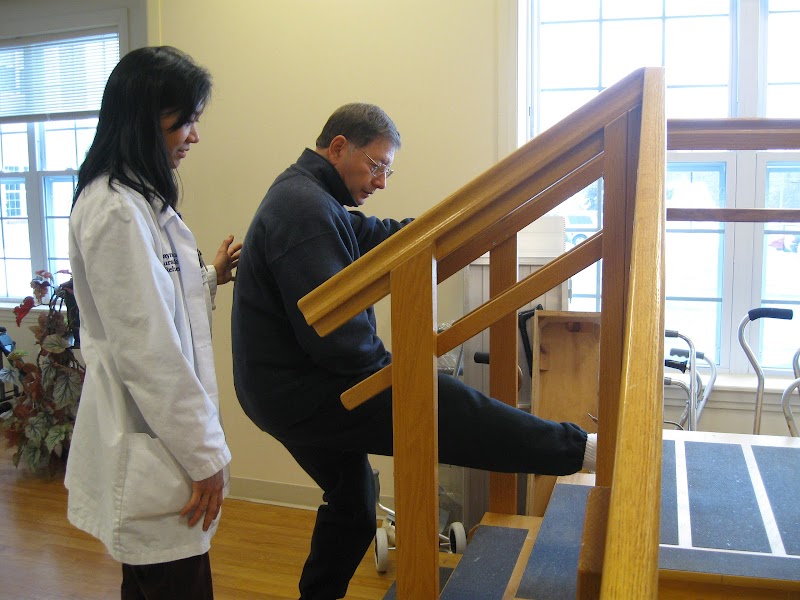
CMS rates Wayne County Nursing Home's staffing level at 4 out of 5 stars, which is above average compared to other nursing homes. Staff turnover is 30%, compared to the New York average of 46%. This relatively stable workforce can support continuity of care.

What Have Inspectors Found at Wayne County Nursing Home?

State health inspectors documented 12 deficiencies at Wayne County Nursing Home during 2020 to 2024. These included: 11 with potential for harm and 1 minor or isolated issues.

Who Owns and Operates Wayne County Nursing Home?

Wayne County Nursing Home is owned by a government entity. Government-operated facilities are typically run by state, county, or municipal agencies. The facility operates independently rather than as part of a larger chain. With 192 certified beds and approximately 129 residents (about 67% occupancy), it is a mid-sized facility located in Lyons, New York.

How Does Wayne County Nursing Home Compare to Other New York Nursing Homes?

Compared to the 100 nursing homes in New York, Wayne County Nursing Home's overall rating (4 stars) is above the state average of 3.1, staff turnover (30%) is significantly lower than the state average of 46%, and health inspection rating (4 stars) is above the national benchmark.

What Should Families Ask When Visiting Wayne County Nursing Home?

Based on this facility's data, families visiting should ask: "Can I visit during a mealtime to observe dining assistance and food quality?" "How do you handle medical emergencies, and what is your hospital transfer rate?" "Can I speak with family members of current residents about their experience?"

Is Wayne County Nursing Home Safe?

Based on CMS inspection data, Wayne County Nursing Home has a clean safety record: no substantiated abuse findings (meaning no confirmed cases of resident harm), no Immediate Jeopardy citations (the most serious violation level indicating risk of serious injury or death), and is not on the Special Focus Facility watch list (a federal program monitoring the lowest-performing 1% of nursing homes). The facility has a 4-star overall rating and ranks #1 of 100 nursing homes in New York. While no facility is perfect, families should still ask about staff-to-resident ratios and recent inspection results during their visit.

Do Nurses at Wayne County Nursing Home Stick Around?

Staff at Wayne County Nursing Home tend to stick around. With a turnover rate of 30%, the facility is 16 percentage points below the New York average of 46%. Low turnover is a positive sign. It means caregivers have time to learn each resident's needs, medications, and personal preferences. Consistent staff also notice subtle changes in a resident's condition more quickly.

Was Wayne County Nursing Home Ever Fined?

Wayne County Nursing Home has no federal fines on record. CMS issues fines when nursing homes fail to meet care standards or don't correct problems found during inspections. The absence of fines suggests the facility has either maintained compliance or corrected any issues before penalties were assessed. This is a positive indicator, though families should still review recent inspection reports for the full picture.

Is Wayne County Nursing Home on Any Federal Watch List?

Wayne County Nursing Home is not on any federal watch list. The most significant is the Special Focus Facility (SFF) program, which identifies the bottom 1% of nursing homes nationally based on persistent, serious quality problems. Not being on this list means the facility has avoided the pattern of deficiencies that triggers enhanced federal oversight. This is a positive indicator, though families should still review the facility's inspection history directly.