HENRY J CARTER SKILLED NURSING FACILITY
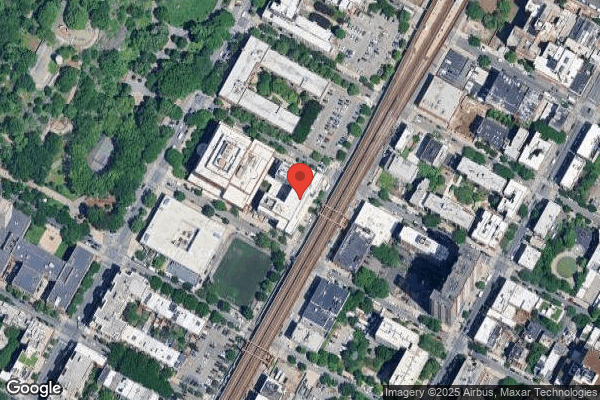
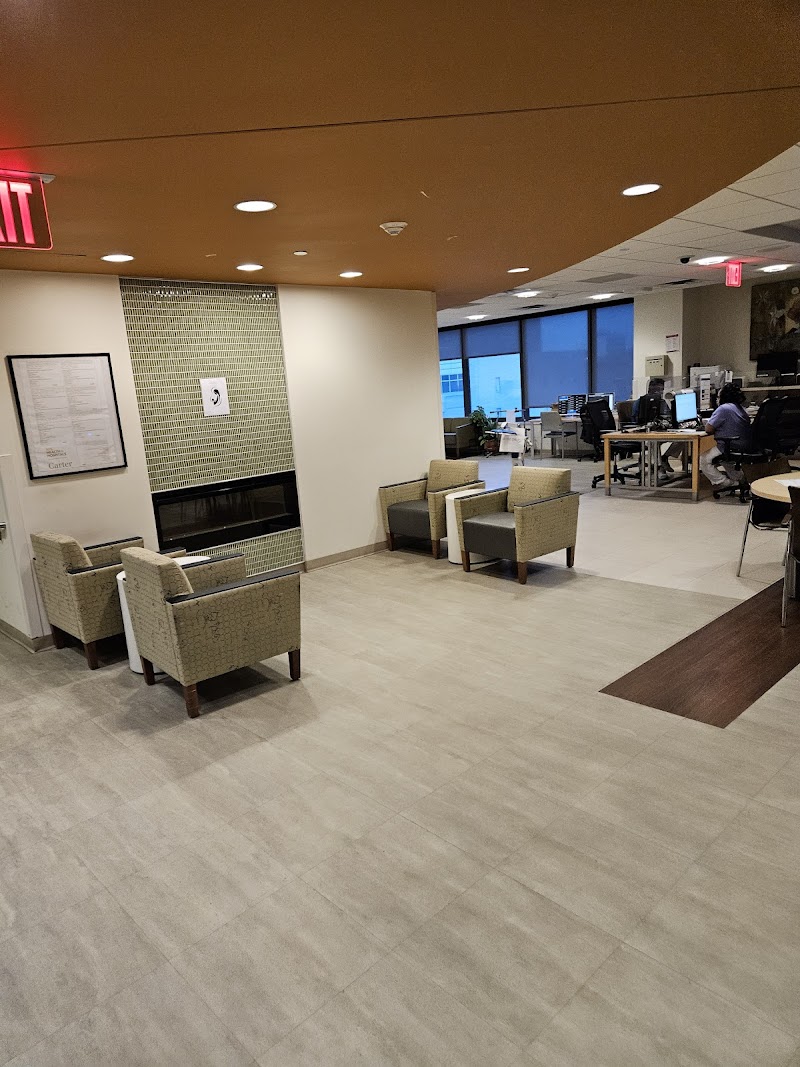
1752 PARK AVE, MANHATTAN, NY 10035 (646) 686-0000
Government - City 164 Beds NEW YORK CITY HEALTH + HOSPITALS Data: November 2025 1 Immediate Jeopardy citation
Trust Grade
33/100
#514 of 594 in NY
Last Inspection: January 2024

Within standard 12-15 month inspection cycle. Federal law requires annual inspections.

Overview

Henry J Carter Skilled Nursing Facility has a Trust Grade of F, indicating significant concerns about its quality of care. It ranks #514 out of 594 nursing homes in New York, placing it in the bottom half of facilities in the state and last among options in New York County. Although the facility is improving, having reduced issues from six in 2024 to two in 2025, it still has a concerning history, including a critical incident where a resident needing respiratory care did not receive proper treatment upon returning from dialysis. Staffing has a mixed rating of 2 out of 5 stars, but with a 0% turnover rate, staff retention is strong, which is a positive sign. However, the facility has incurred $26,685 in fines, higher than 82% of New York facilities, suggesting ongoing compliance issues. Additionally, while there is more RN coverage than 97% of state facilities, which is a strength, there were also serious lapses in supervision, including an incident where a resident at high risk for elopement exited the facility undetected.

Trust Score
F
33/100
In New York
#514/594
Bottom 14%
Safety Record
High Risk
Review needed
Inspections
Getting Better
6 → 2 violations
Staff Stability
○ Average
Turnover data not reported for this facility.
Penalties
✓ Good
$26,685 in fines. Lower than most New York facilities. Relatively clean record.
Skilled Nurses
✓ Good
Each resident gets 138 minutes of Registered Nurse (RN) attention daily — more than 97% of New York nursing homes. RNs are the most trained staff who catch health problems before they become serious.
Violations
○ Average
10 deficiencies on record. Average for a facility this size. Mostly minor or procedural issues.
★☆☆☆☆
1.0
Overall Rating
★★☆☆☆
2.0
Staff Levels
★★★★☆
4.0
Care Quality
★☆☆☆☆
1.0
Inspection Score
Stable
2024: 6 issues
2025: 2 issues

The Good

  • 4-Star Quality Measures · Strong clinical quality outcomes
  • Full Sprinkler Coverage · Fire safety systems throughout facility
  • No fines on record

Facility shows strength in quality measures, fire safety.

The Bad

1-Star Overall Rating

Below New York average (3.0)

Significant quality concerns identified by CMS

Federal Fines: $26,685

Below median ($33,413)

Moderate penalties - review what triggered them

Chain: NEW YORK CITY HEALTH + HOSPITALS

Part of a multi-facility chain

Ask about local staffing decisions and management

The Ugly 10 deficiencies on record

1 life-threatening
Aug 2025 2 deficiencies 1 IJ (1 affecting multiple)
CRITICAL (K) 📢 Someone Reported This

A family member, employee, or ombudsman was alarmed enough to file a formal complaint

Immediate Jeopardy (IJ) - the most serious Medicare violation

Respiratory Care (Tag F0695)

Someone could have died · This affected multiple residents

**NOTE- TERMS IN BRACKETS HAVE BEEN EDITED TO PROTECT CONFIDENTIALITY** Based on observation, interviews, and record review conducted during an abbreviated survey (NY00380551), the facility failed to ...

Read full inspector narrative →
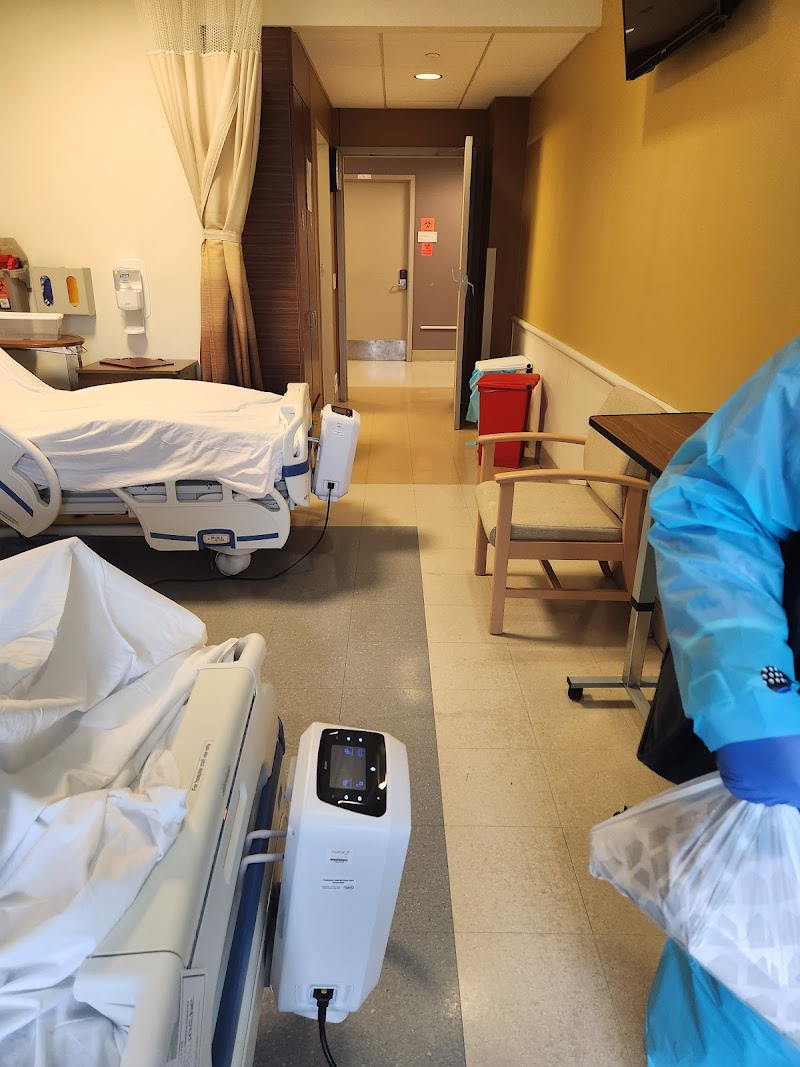
**NOTE- TERMS IN BRACKETS HAVE BEEN EDITED TO PROTECT CONFIDENTIALITY** Based on observation, interviews, and record review conducted during an abbreviated survey (NY00380551), the facility failed to ensure that a resident who needs respiratory care, including tracheostomy care and tracheal suctioning is provided such care, consistent with professional standards of practice, the comprehensive person-centered care plan, and in accordance with the residents' goals and preferences. This was evident for one (1) of three (3) residents (Resident #1) sampled for respiratory care and treatment. Specifically, on [DATE] at 4:01 PM, Resident #1 returned from the certified dialysis unit located within the facility. Resident #1 was on a portable ventilator accompanied by Escort #1 and Respiratory Therapist #1. Upon return to Resident #1's room Respiratory Therapist #1 disconnected the portable ventilator and connected Resident #1 to the bedside ventilator but did not take the bedside ventilator off standby mode or check that Resident #1 was being ventilated (receiving oxygen). Additionally, Registered Nurse #1 did not assess or check that Resident #1's ventilator was removed from standby mode, and that they were being ventilated. As a result, Resident #1 did not receive mechanical ventilation from the ventilator for 29 minutes and became unresponsive, requiring cardiopulmonary resuscitation to be initiated. Resident #1 was revived and then hospitalized where they ultimately expired. These circumstances resulted in actual harm to Resident #1 and the potential for serious harm to the health and safety of all thirty-nine (39) ventilator dependent residents in the facility, which was Immediate Jeopardy.The findings are:A review of the facility's policy on Respiratory Care Service-In House Transport of Residents on Oxygen/Ventilator dated [DATE] documented, it is the policy of the Respiratory Care Service to establish guidelines in order to ensure efficient and safe resident transports. Resident #1 was admitted to the facility with diagnosis including renal insufficiency (a condition where the kidneys are not functioning properly) , cerebrovascular accident (a medical emergency that occurs when blood flow to the brain is disrupted, causing brain cells to die) , and respiratory failure (occurs when the lungs cannot exchange oxygen and carbon dioxide effectively).A review of the Minimum Data Set (an assessment tool) dated [DATE], documented that Resident #1's cognition was severely impaired.A review of the Comprehensive Care Plan for Tracheostomy dated [DATE] documented interventions to ensure that tracheostomy ties are always secured and monitor/document Resident #1 for restlessness, agitation, confusion, increased and decreased heart rate.A nursing note dated [DATE] by Registered Nurse Supervisor #3 (for 8:00 AM-4:00 PM shift) at 7:44 PM documented Resident #1, connected to a portable ventilator, arrived from dialysis onto the unit at 4:01 PM via stretcher with Escort #1 and Respiratory Therapist # 1. At around 4:30 PM, Resident #1 was found unresponsive by Certified Nursing Assistants (#1 & #2). Registered Nurse #2 and Respiratory Therapist #1 were notified, and cardiopulmonary resuscitation was initiated. Code Blue was called at 4:34 PM and team arrived at 4:40 PM and compression and bagging (using a bag-valve-mask device to deliver breaths to a resident, often in conjunction with chest compressions) continued until the Emergency Medical Team arrived and took over. Resident #1 was revived and taken to the hospital at 5:10 PM.The facility's investigation dated [DATE] documented on [DATE] at 4:01 PM, Resident #1 returned from the certified dialysis unit located within the facility accompanied by Escort #1 and Respiratory Therapist #1. According to the camera review, Escort #1 reported to Registered Nurse #1 that Resident #1 had returned to the unit. At approximately 4:30 PM, Certified Nursing Assistants #1 and #2 were monitoring residents and observed Resident #1 was unresponsive. Registered Nurse #2 and Respiratory Therapist #1 were notified immediately, and cardiopulmonary resuscitation was initiated and continued until Resident #1 was revived and sent to the hospital for further evaluation at 5:10 PM. The facility concluded that Respiratory Therapist #1 and Registered Nurse's #1 and #3 did not follow the process of checking on Resident #1 upon receiving endorsement from Escort #1. The Registered Nurses were responsible for checking Resident #1's vitals, placing them back to bed and connecting them to the ventilator. A review of the unit hallway surveillance video recording dated [DATE] showed at 4:00 PM, Resident #1 was on a stretcher and being pushed by Respiratory Therapist #1 and Escort #1 into their room. Escort #1 exited the room seconds after entering the room and Respiratory Therapist #1 exited the room at 4:04 PM. Certified Nursing Assistants #1 and #2 appeared in the hallway at 4:22 PM and entered Resident #1's room at 4:25 PM. Between 4:25 PM and 4:30 PM, the Certified Nursing Assistants are seen exiting and reentering the room. At 4:30 PM, Registered Nurse #2 entered Resident #1's room. At 4:31 PM, Respiratory Therapist #1 entered the room. Additional responders observed entering the room at 4:32 PM.During an interview on [DATE] at 10:57 AM, Escort #1 stated that on [DATE] they and Respiratory Therapist #1 arrived on the unit with Resident #1 from dialysis at 4:00 PM. They stated they immediately went to Registered Nurse #1 and reported Resident #1 had returned from dialysis. Escort #1 stated that they were not in Resident #1's room when Respiratory Therapist #1 connected Resident #1 to the bedside ventilator.During a telephone interview on [DATE] at 1:09 PM, Respiratory Therapist #1 stated they were not comfortable answering questions about the incident.Respiratory Therapist #1 provided the facility with a statement dated [DATE]. They documented they disconnected Resident #1 from the portable ventilator and connected them to the bedside ventilator. Resident #1 was left on a stretcher bed in their room connected to the bedside ventilator that was on standby mode.During an interview on [DATE] at 2:10 PM, Registered Nurse Supervisor #3 stated that on [DATE] at the end of their shift, they observed Escort #1 inform Registered Nurse #1 that Resident #1 had returned from dialysis. Escort #1 also handed over Resident #1's dialysis communication book to Registered Nurse #1. Registered Nurse #3 stated that they were informed by Certified Nursing Assistant #1 (unsure of time) that Resident #1 was not looking right. Registered Nurse #3 stated that when they arrived in Resident #1's room they observed Registered Nurse #2 and Respiratory Therapist #1 performing cardiopulmonary resuscitation on Resident #1. Registered Nurse #3 stated they immediately called the Respiratory Team and 911. During an interview on [DATE] at 11:41 AM, Registered Nurse #1 stated that on [DATE] after 4:00 PM, Escort #1 announced to them that Resident #1 had returned from dialysis. Registered Nurse #1 stated that they were on a call with the staffing department when Escort #1 reported to them, so they did not immediately check on Resident #1. Registered Nurse #1 stated that they delegated to Certified Nursing Assistants #1 and #2 to monitor Resident #1's vitals and to transfer the resident from the stretcher bed to their bed. Registered Nurse #1 could not recall the time.During a telephone interview on [DATE] at 11:08 AM, Certified Nursing Assistant #1 stated they and Certified Nursing Assistant #2 were monitoring residents on the unit, and they entered Resident #1's room at 4:20 PM and observed Resident #1 lying on a stretcher. Certified Nursing Assistant #1 stated that Resident #1 was unresponsive, their eyes were glossy, and mouth was open with a white/yellow appearance. Certified Nursing Assistant #1 stated that the ventilator screen showed in big letters ‘ventilator off'. Certified Nursing Assistant #1 stated they informed Respiratory Therapist #1 and Registered Nurse #3.During a telephone interview on [DATE] at 11:19 AM, Certified Nursing Assistant #2 stated they and Certified Nursing Assistant #1 entered Resident #1's room at 4:20 PM and they observed Resident #1 lying on a stretcher. Certified Nursing Assistant #2 stated that Resident #1 was unresponsive, looked pale, eyes were closed, and head was tilted to the side (unsure of which side). Certified Nursing Assistant #2 stated they tapped and attempted to wake Resident #1, but the resident did not respond. Certified Nursing Assistant #2 stated they immediately reported to Respiratory Therapist #1. Certified Nursing Assistant #2 stated that the ventilator screen was black and turned off.During an interview on [DATE] at 9:52 AM, the Director of Nursing stated they received a call from the Assistant Director of Nursing on [DATE] late evening (unsure of time) that a code was called for Resident #1. The Assistant Director of Nursing told them that Resident #1 had returned from dialysis and was found unresponsive. The Director of Nursing stated that Resident #1 was disconnected from the portable ventilator and connected to the bedside ventilator by Respiratory Therapist #1, however, Respiratory Therapist #1 did not remove the ventilator off standby mode. The Director of Nursing stated that the facility's investigation concluded that Registered Nurse #1, Registered Nurse #3and Respiratory Therapist #1 failed to follow procedures after Resident #1 returned from dialysis. During an interview on [DATE] at 2:30 PM, the Administrator stated they were informed by the Risk Manager on [DATE] (unsure of time) that a resident had returned from dialysis and was switched from the portable ventilator to the bedside ventilator, but that the bedside ventilator was left in standby mode. During an interview on [DATE] at 2:40 PM, the Assistant Medical Director stated that they were informed by the Medical Director, who is currently on vacation, that there was an incident with Resident #1. The Assistant Medical Director stated that the Medical Director did not give them any details of the incident. During a telephone interview on [DATE] at 2:48 PM, Registered Nurse #2 stated that on [DATE] at around 4:31 PM, Certified Nursing Assistant #1 called them to Resident #1's room. Registered Nurse #2 stated that they assessed Resident #1 who was unresponsive and pulseless. Registered Nurse #2 stated they checked the ventilator and observed the screen was on standby mode, and they immediately informed Respiratory Therapist #1.Based on the corrective actions taken by the facility, which are listed below, there was sufficient evidence the facility corrected the identified non-compliance and was in substantial compliance for this specific regulatory requirement on [DATE], prior to surveyors' onsite visit on [DATE]. Considering that the surveyors' investigation has determined this matter to be Immediate Jeopardy (IJ) Past Non-Compliance the facility will not be required to submit a Plan of Correction (POC).Corrective Actions On [DATE], a Quality Review Report meeting was held to discusses the incident and corrective actions the facility would be implementing to prevent a reoccurrence of the incident. On [DATE], Policy and Procedure on Respiratory Care Services was reviewed and revised. On [DATE], facility in-serviced the Registered Nurses on the process of endorsement of residents on a ventilator from dialysis. On [DATE], the facility in-serviced the Respiratory Therapists on the updated [DATE] policy/procedure for inhouse transport of residents on oxygen/ventilator when they return from dialysis. Respiratory Care Service Policies and Procedures In House Transport of Residents on Oxygen/Ventilator was revised [DATE] to include that the Respiratory Therapist and Nurse will refer to the Ticket to Ride form and ensure that resident's ventilator is connected, and resident is stable. Ticket to Ride Report form (communication report) was developed on [DATE] to communicate when a resident is removed from standby mode, and when a resident is connected to the ventilator and is stabilized. Form must be signed by both nurse and therapist. One (1) resident on a ventilator and dialysis had dialysis hand-off done and communication report (ticket to ride) reviewed three (3) times a week each week beginning the week of [DATE]. Additionally, residents on a ventilator that were transported off the unit had communication report (ticket to ride) reviewed. Quality Assurance Meeting to be held monthly starting [DATE] to discuss the circumstances of this incident, ventilator issues and protocol, corrective actions, and preventive measures. Subsequent meetings were held on [DATE] and [DATE]. Attendance sheets observed. As of [DATE], 61/68 Registered Nurses (89%) received in-service and 47/50 Respiratory Therapists (94%) received in-service. 10 NYCRR 415.12(k)(5)(4)
CONCERN (D) 📢 Someone Reported This

A family member, employee, or ombudsman was alarmed enough to file a formal complaint

Potential for Harm - no one hurt, but risky conditions existed

Accident Prevention (Tag F0689)

Could have caused harm · This affected 1 resident

**NOTE- TERMS IN BRACKETS HAVE BEEN EDITED TO PROTECT CONFIDENTIALITY** Based on observation, record review, and interviews during an abbreviated survey (NY00374171), the facility did not ensure that ...

Read full inspector narrative →
**NOTE- TERMS IN BRACKETS HAVE BEEN EDITED TO PROTECT CONFIDENTIALITY** Based on observation, record review, and interviews during an abbreviated survey (NY00374171), the facility did not ensure that each resident received adequate supervision to prevent an elopement. This was evident for one (1) out of three (3) residents (Resident #2) sampled for elopement. Specifically, a nursing note, by Registered Nurse #1, dated 03/02/2025 at 6:14 PM documented that Resident #2's adult child visited at around 3:00 PM and reported Resident #2 was not in their room. The Hospital Police and staff searched the building and Resident #2 was not found. The facility video surveillance footage dated 03/02/2025 showed Resident #2, who had a tracheostomy tube and was at high risk for elopement, exited the facility at 1:24 PM undetected by staff. The Certified Nursing Assistant Task sheet for March 2025 showed, under purposeful rounding conducted every two (2) hours, Resident #2 was last monitored at 6:00 AM on 03/02/2025 as indicated by staff's initial. An addendum on the Intake Information sheet dated 03/07/2025, documented that Resident #2's adult child reported that Resident #2 was found unresponsive by New York City Housing Authority in the hallway of a building at approximately 10:52 AM on 03/05/2025. Emergency Medical Service was called and pronounced the resident dead. The Findings are:The Elopement and Wandering policy dated 02/27/2024 documented the purpose of the policy is to prevent occurrences of residents leaving the facility undetected.The Wandering/Elopement Prevention/Rounding Every 2-Hours policy dated 03/03/2025 documented the purpose of the policy is to provide a safe environment for residents who are identified at risk of wandering or elopement, and to prevent injury and leaving the facility undetected.An undated Post Duties and Responsibilities documented of First Floor - Main Lobby. According to this undated document, personnel assigned: to verify that patients who are leaving the facility have a proper pass signed by the Head Nurse or Physician. Registered all patients and residents exiting and entering the facility. Register all visitors in the Visitor Management System, issuing visitor badges to authorized visitors. Register residents presenting a valid pass in the Resident Pass Log Computer System. Notification to resident ward (unit) when a resident attempt or leaves the facility without a valid pass, or appropriate color arm band. Detained any patient or resident attempting to depart the facility who has not been identified by nursing as not having decisional capacity to make judgments in his/her own best interests. Retrieve and scan visitor's badge. Resident #2 was admitted to the facility with diagnoses including history of elopement, history of Asthma, Alcohol and Poly Substance Abuse, and Respiratory Failure. The Minimum Data Set (a resident assessment tool) dated 03/02/2025 documented that Resident #2's has a Brief Interview for Mental Status and scored 15 denoting intact cognition. Resident #2 was independent with most activities of daily living. An Elopement Risk Assessment form dated 02/08/2025 showed that Resident #2 was assessed for elopement and scored two (2) denoting risk for elopement. According to this form, any score above one (1) indicates risk for elopement. A Risk for Wandering/Elopement Care Plan with revision date of 11/20/2024, Aero Scout applied to left wrist and weekly restraint rounds. The interventions documented to encourage Resident #2 in purposeful activity, identify if there was a certain time of day wandering/elopement attempted, schedule time for regular walks and appropriate activity. There was no documented evidence of monitoring on the elopement care plan.A Physician's readmission Order dated 03/01/2025 documented application of the Aero Scout Bracelet. The Certified Nursing Assistant Task sheet for March 2025 showed under purposeful rounding, Resident #2 was last monitored at 6:00 AM on 03/02/2025. A nursing note, by Registered Nurse #1, dated 03/02/2025 at 6:14 PM documented that Resident #2's adult child visited at around 3:00 PM and reported Resident #2 was not in their room. The Hospital Police and staff searched the building and Resident #2 was not found. Resident #2 removed the Aero Scout device from their left wrist, and it was found on their bed. Cameras' review showed Resident #2 left the building at 1:24 PM wearing a long winter coat, a furry bucket hat, and was carrying a black bag. Resident #2's adult child reported that the resident verbalized to them that they wanted to go home. New York Police Department was notified. The facility's Department of Nursing Quality Review Report dated 03/03/2025 documented Resident #2 has had several discharges and readmission and was recently transferred to the hospital on [DATE]. While Resident #2 was in the hospital the resident stole a patient wallet and credit cards. The stolen items were found in Resident #2's possession and the resident were arrested and charged with Felony/Grand Larceny. Resident #2 was readmitted to the facility on [DATE] and an elopement bracelet was applied to their left wrist on 03/02/2025 at 9:00 AM by Hospital Police Officer (#1). Resident #2 was observed by staff eating their lunch in their room at 12:30 PM on 03/02/2025. Resident #2's adult child visited at 3:00 PM and reported Resident #2 was not in their room. A search for Resident #2 was unsuccessful. The Hospital Police reviewed the camera and Resident #2 left the building at 1:24 PM while unit staff were completing feeding residents around that time. A Hospital Police Investigation/Timeline document dated 03/11/2024 (should be 2025) documented at the time the resident exited the building, Hospital Police Officer (#1) who was assigned to post 1A was speaking with a visitor in the waiting area and did not see the resident go by. Hospital Police Officer (#2) on post 1B was viewing the computer screen at the time and did not see the resident exiting the building. Neither of the officers identified the resident exiting the facility. The Facility's Surveillance Camera footage reviewed on 07/25/2025 with the Director of Nursing, showed Resident #2 left their room at 1:20 PM fully dressed in street clothes. Resident #2 took the service elevator located across from their room and exited the elevator on the first floor. Resident #2 then walked past Hospital Police Officers #1 and #2 at 1:24 PM and exited through the main entrance door in the lobby. Resident #2 walked off facility grounds, crossed the street and disappeared out of camera view. During a telephone interview on 07/25/2025 at 3:23 PM, Resident #2's adult child stated that they visited the facility on 03/02/2025 at 3:05 PM and Resident #2 was not in their room. Resident #2's adult child stated that facility staff was not aware Resident #2 was missing. During an interview on 07/24/2025 at 12:57 PM, Resident #2's assigned Certified Nursing Assistant #3 stated that they were aware that Resident #2 was at risk for elopement and had an Aero Scout Bracelet to the left wrist. Certified Nursing Assistant #3 stated they received report from the nurse notifying them that Resident #2 was independent. Certified Nursing Assistant #3 stated that they made rounds every two (2) hours during their shift (morning shift) and last saw the resident having lunch (unsure of time) in their room. Certified Nursing Assistant #3 stated that they documented the 2-hour their rounds on the Certified Nursing Assistant's task section in the electronic record. Certified Nursing Assistant #3 stated that they became aware that Resident #2 was not in their room when they were notified by Resident #2's adult child who came to the facility between 3:00 PM and 3:30 PM (unsure of time). Certified Nursing Assistant #3 stated that they and Registered Nurse #1 were at the nurse's station when Resident #2's adult child approached them and reported Resident #2 missing and they started searching for the resident. During a telephone interview on 08/04/2025 at 03:32 PM, Registered Nurse #1 stated that Resident #2 was readmitted to the facility from the hospital on [DATE] and was assessed to be at high risk for elopement. Registered Nurse #1 stated that an Aero Scout Bracelet was applied to Resident #2's left wrist by the Hospital Police (#1) in their presence on 03/02/2025 at 9:00 AM. Registered Nurse #1 stated that they became aware that Resident #2 was not in their room on 03/02/2025 (unsure of date) and they all searched for the resident. The Hospital Police and contacted 911. Registered Nurse #1 stated that Resident #2 had a tracheostomy but was not on oxygen treatment and was stable. Registered Nurse #1 stated that staff generally made rounds everyone (1) to two (2) hours, or more frequently for high-risk residents. Registered Nurse #1 stated that the staff document their rounds on the Certified Nursing Assistant 's task sheet in the Electronic Medical Record. During an interview on 08/04/2025 at 12:28 PM, Hospital Police Officer #2 stated that they were on duty on 03/02/2025 and was assigned to area 1B, closer to the designated exit side of the lobby. Hospital Police #2 stated that Hospital Police Officer #1 was assigned to the entrance side of the lobby. Hospital Police Officer #2 stated that they were informed (unsure of time) on 03/02/2025, by their supervisor (Chief of Police), that Resident #2 had left the facility. Hospital Police Officer #2 stated that they participated in the search at 3:00 PM on 03/02/2025.During a telephone interview on 08/06/2025 at 10:41 AM, Hospital Police Officer #1 stated that they were answering questions from a visitor (in the visitor's section located behind the Hospital Police desk) and that their back was turned to the hallway; they did not see Resident #2 exit the facility. They left the facility when their shift ended (work from 7:30 AM to 4:00 PM) for the day and did not participate in the search.During a telephone interview on 08/20/2025 at 10:02 AM the facility's Chief of Hospital Police stated that Hospital Police Supervisor #1 received a call at 3:53 PM on 03/02/2025, from Registered Nurse #1 stating that Resident #2 was missing. The Chief of Hospital Police stated that Hospital Police Officer #1 and #2 had already gone for the day (3:49 PM) and did not participate in the search for Resident #2. Chief of Hospital Police stated that Hospital Police Officer #1 and #2 were not paying attention when Resident #2 exited the facility. The Chief of Hospital Police stated that the Officers stationed on the entrance side of the lobby are required to log visitors as they enter, and Officers on the exit side of the lobby are to log them out as they exited the facility. The Chief of Hospital Police stated that the designated entrance and exit indicators (arrows and wordings) were at the lobby desk months prior to the incident. During a telephone interview with the Director of Nursing on 08/20/2025 at 11:50 AM, they stated that Resident #2 was not admitted with the outfit that they wore out of the facility on 03/02/2025 at 1:24 PM when they exited the facility. The Director of Nursing stated that they do not know where Resident #2 get the outfit that was seen on the camera. The Director of Nursing stated that there was no monitoring documentation on the Document Survey Report for 03/02/2025. 10 NYCRR 415.12(h) (2)
Jan 2024 6 deficiencies
CONCERN (D)

Potential for Harm - no one hurt, but risky conditions existed

Deficiency F0572 (Tag F0572)

Could have caused harm · This affected 1 resident

**NOTE- TERMS IN BRACKETS HAVE BEEN EDITED TO PROTECT CONFIDENTIALITY** Based on observation, interviews, and record review conducted during the recertification survey from 1/16/2024 to 1/23/2024, the...

Read full inspector narrative →
**NOTE- TERMS IN BRACKETS HAVE BEEN EDITED TO PROTECT CONFIDENTIALITY** Based on observation, interviews, and record review conducted during the recertification survey from 1/16/2024 to 1/23/2024, the facility did not ensure a resident received notice of their rights and services upon admission. This was evident for 1 (Resident #56) of 31 total sampled residents. Specifically, Resident #56 was not provided with an admission Agreement explaining their rights as a resident and services provided by the facility upon admission. The findings are: The facility policy titled Coordinated and Formal Resolution of Resident Complaints and Grievances dated 10/7/2021 documented the admission packet was provided to all residents. Resident #56 was admitted to the facility on [DATE] with diagnoses of alcohol dependence and traumatic subdural hemorrhage. The Minimum Data Set 3.0 assessment dated [DATE] documented Resident #56 was cognitively intact. On 1/16/2024 at 12:20 PM, Resident #56 was interviewed and stated they were not told of the policies and procedures upon admission to the facility. There was no documented evidence Resident #56, who was cognitively intact, was provided with an admission Agreement containing their rights as a resident and the facility's provided services upon their admission to the facility. On 1/23/2024 at 9:26 AM, the Patient Relations Director stated Resident #56's admission packet was mailed to a friend listed on the resident's facesheet upon admission on [DATE] and readmission from the hospital 5/28/2022. The facility policy was for the Patient Relations Advocate to review the admission Agreement with all residents upon their admission to the facility. The admission Agreement was mailed to designated representatives of residents that were unable to understand when the admission Agreement was explained to them. The Patient Relations Director stated they were unable to determine the reason Resident #56 was not provided with their admission Agreement because the Patient Relations Advocate was on leave from the facility. 10 NYCRR 415.3(h)(2)(i)
CONCERN (D)

Potential for Harm - no one hurt, but risky conditions existed

Grievances (Tag F0585)

Could have caused harm · This affected 1 resident

**NOTE- TERMS IN BRACKETS HAVE BEEN EDITED TO PROTECT CONFIDENTIALITY** Based on observation, interviews, and record review conducted during the recertification survey from 1/16/2024 to 1/23/2024, the...

Read full inspector narrative →
**NOTE- TERMS IN BRACKETS HAVE BEEN EDITED TO PROTECT CONFIDENTIALITY** Based on observation, interviews, and record review conducted during the recertification survey from 1/16/2024 to 1/23/2024, the facility did not ensure a resident's right to voice care and treatment grievances with a prompt effort to resolve grievances. This was evident for 1 (Resident #56) of 31 total sampled residents. Specifically, Resident #56's missing property grievance was not investigated. The findings are: The facility policy titled Coordinated and Formal Resolution of Complaints and Grievances dated 10/7/2021 documented a resident's right to voice grievances regarding lost clothing was supported and the facility actively seeks a resolution, keeping the resident appropriately apprised of its progress. Resident #56 was admitted to the facility on [DATE] with diagnoses of alcohol dependence and traumatic subdural hemorrhage. The Minimum Data Set 3.0 assessment dated [DATE] documented Resident #56 was cognitively intact. On 1/16/2024 at 12:20 PM, Resident #56 was interviewed and stated they were admitted to the facility with a red gown, and it went missing. They informed various staff but received no follow up report regarding an investigation into their missing clothing. Resident #56 was observed wearing a hospital gown. A Social Work Note dated 4/13/2022 documented Resident #56 reported a missing computer, jewelry, and clothing to the Social Worker. The Patient Relations Advocate was contacted and informed Resident #56 also wished to speak with them. There was no documented evidence a grievance was filed nor promptly resolved for Resident #56's report of missing personal property. On 1/19/2024 at 9:29 AM, Social Worker #2 was interviewed and stated Resident #56 reported missing personal property to them on 4/13/2022. Social Worker #2 contacted the hospital to inquire about the missing items and was told Resident #56 needed to file a report. Social Worker #2 stated they informed the Patient Relations Advocate that Resident #56 wanted to speak with them and was missing personal property. Social Worker #2 did not know whether the Patient Relations Advocate followed up with Resident #56 and whether the missing property was further investigated. Resident #56 brought up the issue regarding their missing property multiple times in passing with Social Worker #2 and during care plan meetings with the interdisciplinary team. On 1/23/2024 at 9:26 AM, the Patient Relations Director was interviewed and stated the Patient Relations Advocate was responsible for obtaining information from residents and resident representatives to complete grievance reports and then entering the grievance report information into their electronic medical record. Grievance investigations were initiated immediately upon report and completed within a timeframe. The resident and/or resident representative was informed of the grievance investigation outcome. The Patient Relations Director stated they were not aware of a missing property grievance for Resident #56 and there was no record of a grievance being filed for this resident. The Patient Relations Advocate was on leave and unable to be interviewed or provide further information regarding Resident #56's missing property grievance. 10 NYCRR 415.3(d)(1)(ii)
CONCERN (D)

Potential for Harm - no one hurt, but risky conditions existed

Comprehensive Care Plan (Tag F0656)

Could have caused harm · This affected 1 resident

**NOTE- TERMS IN BRACKETS HAVE BEEN EDITED TO PROTECT CONFIDENTIALITY** Based on observations, interviews, and record review conducted during the recertification survey from 1/16/2024 to 1/23/2023, th...

Read full inspector narrative →
**NOTE- TERMS IN BRACKETS HAVE BEEN EDITED TO PROTECT CONFIDENTIALITY** Based on observations, interviews, and record review conducted during the recertification survey from 1/16/2024 to 1/23/2023, the facility did not ensure that a person-centered comprehensive care plan addressing a resident's needs was developed and implemented. This was evident for 1 (Resident #101) of 2 residents reviewed for Advance Directives out of 31 total sampled residents. Specifically, a comprehensive care plan related to Advance Directive status was not developed and implemented for Resident #101. The findings are: The facility policy titled Interdisciplinary Care Plan Meeting dated 12/01/2022 documented comprehensive person-centered care plans were developed utilizing an interdisciplinary approach. Resident #101 had diagnoses of chronic respiratory failure and hypertension. The Minimum Data Set 3.0 assessment dated [DATE] documented Resident #101 was cognitively intact and did not document Resident #101 had Advance Directives. Medical Doctor Orders dated 1/22/2024 documented Resident #101 was a full code and cardiopulmonary resuscitation be administered if necessary. There was no documented evidence a comprehensive care plan related to Advance Directive status was developed or implemented to reflect Resident #101's full code status. On 01/22/2024 at 09:49 AM, an interview was conducted with Social Worker #1 who stated they were recently assigned to Resident #101 and was unfamiliar with their plan of care. Social Worker #2 did not know the reason a comprehensive care plan related to Advance Directives was not developed for Resident #101. On 01/23/2024 at 10:58 AM, an interview was conducted with the Director of Social Work who stated Resident #101 had a full code Advance Directive status. This means a comprehensive care plan related to Advance Directive status was not necessary, and the Social Worker would not be responsible for the completion of the care plan. On 01/23/2024 at 01:41 PM, an interview was conducted with the Chief Nurse Officer who stated the Social Worker was responsible for developing the comprehensive care plan related to Advance Directive status and a resident's status should be documented on the care plan. 10 NYCRR 415.11(c)(1)
CONCERN (D)

Potential for Harm - no one hurt, but risky conditions existed

Pharmacy Services (Tag F0755)

Could have caused harm · This affected 1 resident

Based on observation, record review, and interviews conducted during the Recertification survey from 01/16/2024 to 01/23/2024, the facility did not ensure records of receipt and disposition of all con...

Read full inspector narrative →
Based on observation, record review, and interviews conducted during the Recertification survey from 01/16/2024 to 01/23/2024, the facility did not ensure records of receipt and disposition of all controlled drugs in sufficient detail to enable an accurate reconciliation. This was evident for 1 (2nd Floor) of 5 units observed for medication storage. Specifically, the 2nd Floor Narcotics Sheet did not document an initial count of oxycodone for Resident #103. The findings are: The facility policy titled Safe Medication Use dated 8/25/2023 documented the unit nurse will store controlled medications in a doubled-locked cabinet inside the unit medication room and initiate a Narcotics Sheet that comes with that medication. On 01/18/2024 at 12:21 PM, the 2nd Floor medication room was observed with 3 blister packs of oxycodone 10mg prescribed to Resident #103. The Narcotics Sheet with the blister packs did not document an initial count of oxycodone 10 mg received by the unit nurse. On 01/18/2024 at 12:37 PM, an interview was conducted with Licensed Practical Nurse #1 who stated the initial count of oxycodone 10mg for Resident #103 was not documented by the unit nurse on the Narcotics Sheet when they received the medication. On 01/18/2024 at 12:47 PM, an interview was conducted with Registered Nurse #4 who stated the Narcotics Sheet was sent by the pharmacy with all narcotics medication delivered to the facility. Every Narcotics Sheet was labeled with resident specific information. Registered Nurse #4 was unaware the Narcotics Sheet for Resident #103 did not document the amount of oxycodone 10 mg received from the pharmacy. On 01/23/2024 at 01:23 PM, an interview was conducted with the Chief Nurse Officer who stated the receiving nurse on the unit was responsible for documenting the number of narcotics received by the pharmacy on the Narcotics Sheet. 10 NYCRR 415.18(b)(1)(2)(3)
CONCERN (D)

Potential for Harm - no one hurt, but risky conditions existed

Infection Control (Tag F0880)

Could have caused harm · This affected 1 resident

Based on observations, record review, and interviews conducted during the recertification survey from 01/16/2024 to 01/23/2024, the facility did not ensure infection control practices and procedures w...

Read full inspector narrative →
Based on observations, record review, and interviews conducted during the recertification survey from 01/16/2024 to 01/23/2024, the facility did not ensure infection control practices and procedures were maintained. This was evident for 1 (Resident #29) of 31 total sampled residents. Specifically, Licensed Practical Nurse #1 and a Patient Care Technician #1 did not perform hand hygiene during wound care for Resident #29. The findings are: The facility policy titled Wound Care: Clean Dressing Technique dated 5/252023 documented hand hygiene must be performed and clean gloves must be worn as required during the procedure. On 01/17/2024 at 10:38 AM, Licensed Practical Nurse #1 was observed performing a wound care dressing change on Resident #29's right foot. Licensed Practical Nurse #1 donned gloves, removed Resident #29's soiled dressing from their right foot, cleansed the wound with normal saline, applied ointment to the wound, and used both hands to cover the wound with sterile gauze and a foam dressing. Licensed Practical Nurse #1 was not observed performing hand hygiene or changing their gloves in between removing the soiled, cleansing the wound, and applying a sterile dressing. During the wound care observation of Resident #29, Patient Care Technician #1 was present and assisted with holding the resident's right leg with gloved hands. Patient Care Technician #1 was twice observed taking their cell phone out of their left back pocket with their left gloved hand, placing the cell back in their left back pocket, and returning their left hand to Resident #29's right leg. Patient Care Technician #1 was not observed changing gloves or performing hand hygiene in between handling their cell phone and handling Resident #29's right leg. On 01/22/2024 at 10:00 AM, an interview was conducted with Licensed Practical Nurse #1 who stated they were nervous during the wound care observation for Resident #29 and missed some infection control procedures. On 01/22/2024 at 10:40 AM, an interview was conducted with Patient Care Technician #1 who stated they should have performed hand hygiene after handling their cell phone with gloved hands during Resident #29's wound care treatment. On 01/22/2024 at 11:48 AM, an interview was conducted with Registered Nurse #4 who stated they regularly conduct rounds on the unit to ensure staff were complying with infection control practices. They have not observed any breeches in infection control. On 01/23/2024 at 11:32 AM, an interview was conducted with the Infection Preventionist who stated the staff who provide wound care were competent in infection control procedures. They performed wound care rounds and provided infection control inservice on 1/8/2024. 10 NYCRR 415.19(a)(1-3)
CONCERN (E)

Potential for Harm - no one hurt, but risky conditions existed

Deficiency F0761 (Tag F0761)

Could have caused harm · This affected multiple residents

**NOTE- TERMS IN BRACKETS HAVE BEEN EDITED TO PROTECT CONFIDENTIALITY** 2) On [DATE] at 12:02 PM, the 2nd Floor medication cart was observed with Symbicort aerosol inhaler 160-4.5 MCG/ACT that was not...

Read full inspector narrative →
**NOTE- TERMS IN BRACKETS HAVE BEEN EDITED TO PROTECT CONFIDENTIALITY** 2) On [DATE] at 12:02 PM, the 2nd Floor medication cart was observed with Symbicort aerosol inhaler 160-4.5 MCG/ACT that was not labeled with a resident's name. On [DATE] at 12:32 PM, an interview was conducted with Licensed Practical Nurse #1 who stated the Symbicort inhaler was labeled by the pharmacy, but the nurse cut the label off when they placed it in a plastic storage bag. The label was kept in the plastic storage bag but went missing. Licensed Practical Nurse #1 did not report the unlabeled inhaler to the nurse manager. On [DATE] at 12:43 PM, an interview was conducted with Registered Nurse #4 who stated the Symbicort inhaler label with the resident's name was supposed to be placed in the plastic storage bag or the inhaler should have been kept in the box that had the was labeled with the prescribed resident's name. Registered Nurse #4 stated they were not made aware the label with the resident's name was missing from the Symbicort inhaler. On [DATE] at 01:29 PM, an interview was conducted with the Chief Nurse Officer who stated inhalers were labeled by the pharmacy. The nurse was responsible for reporting to the nursing office if a medication label was missing. 10 NYCRR 415.18(e)(1-4) Based on observation, interview, and record review conducted during the Recertification survey from [DATE] to [DATE], the facility did not ensure drugs were labeled in accordance with currently accepted professional principles. This was evident for 2 (2nd Floor and 3rd Floor) of 5 units observed for medication storage. Specifically, 1) the 3rd Floor medication cart contained undated eye drops, and 2) the 2nd Floor medication cart contained an unlabeled inhaler. The findings are: The facility policy titled Safe Medication Use dated [DATE] documented licensed nurses verify medications have not expired. The undated facility policy titled Long Term Care Pharmacy documented store Brinzolamide/Timolol at room temperature and discard after 4 weeks of opening. Dorzolamide/Timolol must be used within 15 days of opening. 1) On [DATE] at 09:49 AM, the 3rd Floor medication cart was observed with opened bottles of Carboxymethylcell 0.5% eye drops without an open or discard date, Brimonidine 0.15 % without an open or discard date, and Brinzolamide 1% eye drop without a resident name, open date, or discard date. On [DATE] at 09:55 AM, Registered Nurse #1 was interviewed and stated they were not the regularly assigned nurse for the 3rd Floor and could not explain the reason the eye drop medications were not properly labeled with open or discard dates. On [DATE] at 10:15 AM, an interview was conducted with Registered Nurse #2 who stated eye drops should be labeled with a date when the medication was opened and a date the medication should be discarded. All medications were checked for proper labeling every Wednesday by the medication nurses. The Pharmacy Consultant checked medication labeling monthly. On [DATE] at 10:36 AM, the Assistant Director of Nursing #1 was interviewed and stated unlabeled medications should not be kept in the medication carts. The unlabeled medications should be discarded.
Dec 2023 1 deficiency
CONCERN (D) 📢 Someone Reported This

A family member, employee, or ombudsman was alarmed enough to file a formal complaint

Potential for Harm - no one hurt, but risky conditions existed

Investigate Abuse (Tag F0610)

Could have caused harm · This affected 1 resident

**NOTE- TERMS IN BRACKETS HAVE BEEN EDITED TO PROTECT CONFIDENTIALITY** Based on interviews and record review during an Abbreviated Survey (NY00324386), the facility failed to ensure that all alleged ...

Read full inspector narrative →
**NOTE- TERMS IN BRACKETS HAVE BEEN EDITED TO PROTECT CONFIDENTIALITY** Based on interviews and record review during an Abbreviated Survey (NY00324386), the facility failed to ensure that all alleged violations of abuse, neglect, exploitation, misappropriation of resident property, exploitation, and mistreatment, including injuries of unknown source are thoroughly investigated. This was evident in 1 (Resident #1) of 3 residents reviewed for abuse. Specifically, on 09/11/23, Resident #1 was noted with discoloration on the left eye. There was no documented evidence that the facility investigated the alleged injury of unknown source. The findings are: The facility policy titled Incident Reporting within the Nursing Facility with the Abuse Prohibition Protocol dated 11/09/22 stated that allegations of abuse, neglect, exploitation, mistreatment, misappropriation of property, quality of care concern and/or suspicion of a crime will be investigated promptly with appropriate follow up action taken. The policy stated that daily assessment of residents is conducted to observe for signs and symptoms of abuse which can include welts, bruises, black eyes, abrasions, and fractures. The policy documented for an injury of unknown origin to be reported to the New York State Department of Health (NYSDOH), two elements are needed: injury without known incident and facility was unable to rule out abuse or care plan violation. Resident #1 was admitted to the facility with diagnosis of Hemiplegia and Unspecified Dementia without Behavioral Disturbance. The quarterly Minimum Data Set, dated [DATE] documented Resident #1 was severely cognitively impaired. A nurses' note dated 09/11/2023 at 8:30 am documented at 6:40 am, Resident #1 was noted with black and blue discoloration on the left eye. No bleeding was noted. Primary medical doctor was notified. There was no documentation that the next of kin was notified. A physician's note dated 09/11/23 at 10:30 am documented Resident was noted with discoloration under left eye, no swelling, no discharge, no history of trauma, to monitor. There was no documentation that the next of kin was notified. There was no documented evidence that Resident #1's left eye discoloration was investigated and no documented evidence that the injury was reported to the NYSDOH. During an interview with the Chief Nursing Officer on 11/21/2023 at 12:19 pm, they were unable to provide a reason a reason why there was no facility investigation on Resident #1's left eye discoloration. During an interview with the Administrator on 12/29/23 at 12:32 pm, the Administrator stated it is the facility's policy to complete an investigation for injuries of unknown origin, report the injury to the NYSDOH, and to notify the next of kin. The Administrator stated they were not familiar with the specific case but will investigate why the above measures were not taken. 10 NYCRR 415.4 (b)(3)
Apr 2019 1 deficiency
CONCERN (D)

Potential for Harm - no one hurt, but risky conditions existed

Safe Environment (Tag F0584)

Could have caused harm · This affected 1 resident

**NOTE- TERMS IN BRACKETS HAVE BEEN EDITED TO PROTECT CONFIDENTIALITY** Based on observations and staff interviews during the recertification survey, the facility did not ensure that a clean, comforta...

Read full inspector narrative →
**NOTE- TERMS IN BRACKETS HAVE BEEN EDITED TO PROTECT CONFIDENTIALITY** Based on observations and staff interviews during the recertification survey, the facility did not ensure that a clean, comfortable environment was maintained. Specifically, stains on a resident's wall located behind the bed and debris on the floor in a resident's room were observed. (rooms [ROOM NUMBERS] A) The finding is: From 04/09/19 through 4/11/19, during tours of the unit, the following was observed: dried beige, cream colored drip marks on the wall behind the head of the bed in resident room [ROOM NUMBER] and Christmas tree needles from a plant on top of the resident's wardrobe were noted on the floor next to the bed and in front of the wardrobe in resident room [ROOM NUMBER] A. On 04/11/19 at 11:11 AM, an interview with conducted with CNA #1 who was assigned to provide care for resident in room [ROOM NUMBER]. CNA #1 stated that she comes into the resident's room at the start of her shift to check on the resident. CNA #1 also stated that she returns to the room to reposition the resident every 2 hours. CNA #1 further stated that she makes sure the resident room is clean and if there is a spill or something we will notify the charge nurse and call housekeeping and they will come and clean up. On 04/11/19 at 11:00 AM, an interview was conducted with CNA #2 who was assigned to provide care for resident in room [ROOM NUMBER] A. CNA #2 stated when she comes in the morning she will make rounds for the residents she is assigned to and return to reposition the resident every 2 hours. CNA#2 also stated the CNA's make sure the residents' rooms are clean and if the room is not clean housekeeping staff is called. CNA#2 further stated the housekeeper is on the floor all day and she did not report the debris that was observed on the floor of the resident's room to the housekeeper. On 04/11/19 at 11:16 AM, an interview was conducted with the housekeeper (HSK) who was assigned to the 5th floor. HSK stated that she was floated to the unit and her daily duties include collecting trash, making sure the floor is clean, sweeping wherever there is dirt or stains, and mopping in rooms every day. HSK also stated staff will communicate with her if they spill something in the room, however staff rarely ask her to clean up spills or report any spills to her. If there is a stain on the wall we use something to wipe it off. When State Agent (SA) showed HSK the debris on the floor in room [ROOM NUMBER] A, staff reported that she would clean it up right away. When SA asked about the stains on the wall in room [ROOM NUMBER] staff reported she was not aware of these stains as unit 5 was not her regular floor. HSK further stated that the stains probably were not coming off the wall and that is why they were still there. On 04/11/19 at 11:50 AM, an interview was conducted with the Assistant Director of Environmental Services (ADES). The ADES stated his role is training staff, setting up shifts, providing coverage, and making sure the facility is clean and sanitized according to Department of Health standards. The ADES also stated he does rounds every day and several times per day throughout the day and goes room by room to make sure trash is pulled, the bathroom is clean, and floors are swept and sanitized. The ADES further stated there is a weekly schedule for specialized cleaning which includes high dusting, low dusting, wall washing, cleaning corners and edges, and glass cleaning. If something comes up before the designated day the housekeepers take care of it. The stains on the wall should have been addressed. 415.5(h)(2)
Understanding Severity Codes (click to expand)
Life-Threatening (Immediate Jeopardy)
J - Isolated K - Pattern L - Widespread
Actual Harm
G - Isolated H - Pattern I - Widespread
Potential for Harm
D - Isolated E - Pattern F - Widespread
No Harm (Minor)
A - Isolated B - Pattern C - Widespread

Questions to Ask on Your Visit

  • "What changes have you made since the serious inspection findings?"
  • "Can I speak with families of current residents?"
  • "What's your RN coverage like on weekends and overnight?"

Our Honest Assessment

Strengths
  • • Licensed and certified facility. Meets minimum state requirements.
Concerns
  • • Multiple safety concerns identified: 1 life-threatening violation(s), $26,685 in fines. Review inspection reports carefully.
  • • 10 deficiencies on record, including 1 critical (life-threatening) violation. These warrant careful review before choosing this facility.
  • • $26,685 in fines. Higher than 94% of New York facilities, suggesting repeated compliance issues.
  • • Grade F (33/100). Below average facility with significant concerns.
Bottom line: Trust Score of 33/100 indicates significant concerns. Thoroughly evaluate alternatives.

About This Facility

What is Henry J Carter Skilled Nursing Facility's CMS Rating?

CMS assigns HENRY J CARTER SKILLED NURSING FACILITY an overall rating of 1 out of 5 stars, which is considered much below average nationally. Within New York, this rating places the facility higher than 0% of the state's 100 nursing homes. A rating at this level reflects concerns identified through health inspections, staffing assessments, or quality measures that families should carefully consider.

How is Henry J Carter Skilled Nursing Facility Staffed?

CMS rates HENRY J CARTER SKILLED NURSING FACILITY's staffing level at 2 out of 5 stars, which is below average compared to other nursing homes.

What Have Inspectors Found at Henry J Carter Skilled Nursing Facility?

State health inspectors documented 10 deficiencies at HENRY J CARTER SKILLED NURSING FACILITY during 2019 to 2025. These included: 1 Immediate Jeopardy (the most serious level, indicating potential for serious harm or death) and 9 with potential for harm. Immediate Jeopardy findings are rare and represent the most serious regulatory concerns. They require immediate corrective action.
Who Owns and Operates Henry J Carter Skilled Nursing Facility?

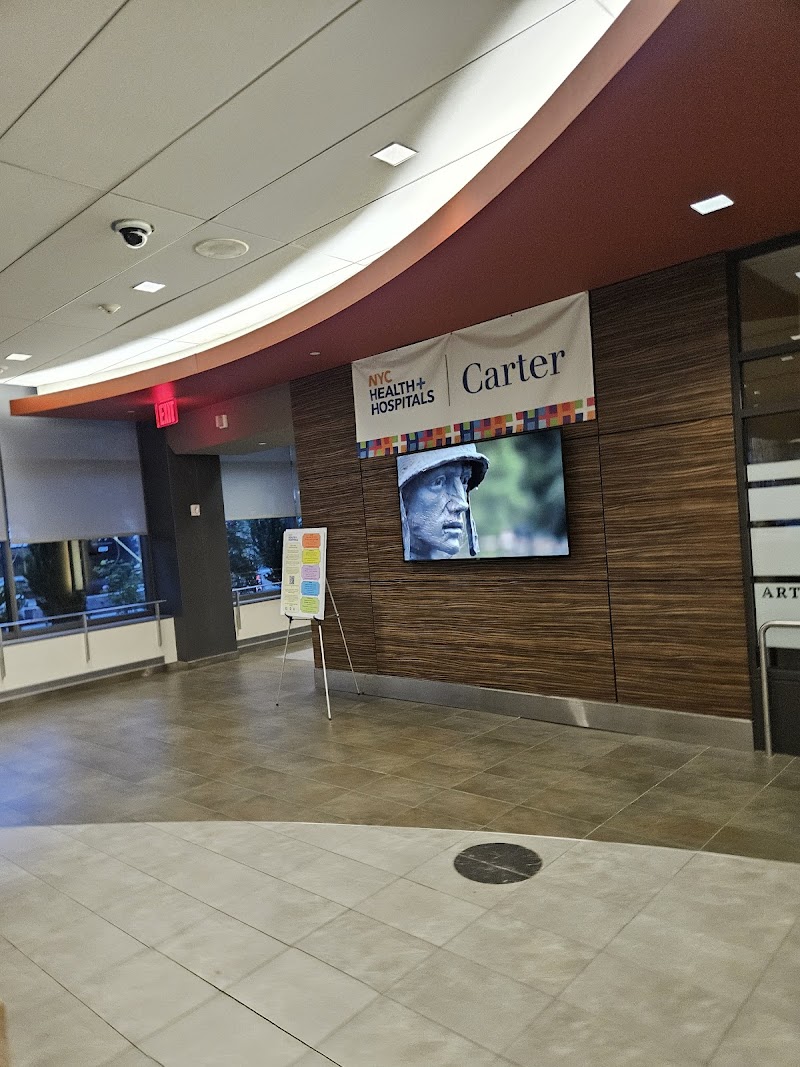
HENRY J CARTER SKILLED NURSING FACILITY is owned by a government entity. Government-operated facilities are typically run by state, county, or municipal agencies. The facility is operated by NEW YORK CITY HEALTH + HOSPITALS, a chain that manages multiple nursing homes. With 164 certified beds and approximately 155 residents (about 95% occupancy), it is a mid-sized facility located in MANHATTAN, New York.
How Does Henry J Carter Skilled Nursing Facility Compare to Other New York Nursing Homes?

Compared to the 100 nursing homes in New York, HENRY J CARTER SKILLED NURSING FACILITY's overall rating (1 stars) is below the state average of 3.0 and health inspection rating (1 stars) is much below the national benchmark.

What Should Families Ask When Visiting Henry J Carter Skilled Nursing Facility?

Based on this facility's data, families visiting should ask: "What changes have been made since the serious inspection findings, and how are you preventing similar issues?" "Can you walk me through typical staffing levels on day, evening, and night shifts?" "Can I visit during a mealtime to observe dining assistance and food quality?" "How do you handle medical emergencies, and what is your hospital transfer rate?" These questions are particularly relevant given the facility's Immediate Jeopardy citations and the below-average staffing rating.

Is Henry J Carter Skilled Nursing Facility Safe?

Based on CMS inspection data, HENRY J CARTER SKILLED NURSING FACILITY has documented safety concerns. Inspectors have issued 1 Immediate Jeopardy citation (the most serious violation level indicating risk of serious injury or death). The facility has a 1-star overall rating and ranks #100 of 100 nursing homes in New York. Families considering this facility should ask detailed questions about what corrective actions have been taken since these incidents.

Do Nurses at Henry J Carter Skilled Nursing Facility Stick Around?

HENRY J CARTER SKILLED NURSING FACILITY has not reported staff turnover data to CMS. Staff turnover matters because consistent caregivers learn residents' individual needs, medications, and preferences. When staff frequently change, this institutional knowledge is lost. Families should ask the facility directly about their staff retention rates and average employee tenure.

Was Henry J Carter Skilled Nursing Facility Ever Fined?

HENRY J CARTER SKILLED NURSING FACILITY has been fined $26,685 across 1 penalty action. This is below the New York average of $33,346. While any fine indicates a compliance issue, fines under $50,000 are relatively common and typically reflect isolated problems that were subsequently corrected. Families should ask what specific issues led to these fines and confirm they've been resolved.

Is Henry J Carter Skilled Nursing Facility on Any Federal Watch List?

HENRY J CARTER SKILLED NURSING FACILITY is not on any federal watch list. The most significant is the Special Focus Facility (SFF) program, which identifies the bottom 1% of nursing homes nationally based on persistent, serious quality problems. Not being on this list means the facility has avoided the pattern of deficiencies that triggers enhanced federal oversight. This is a positive indicator, though families should still review the facility's inspection history directly.