CENTRAL QUEENS REHAB & NURSING CENTER
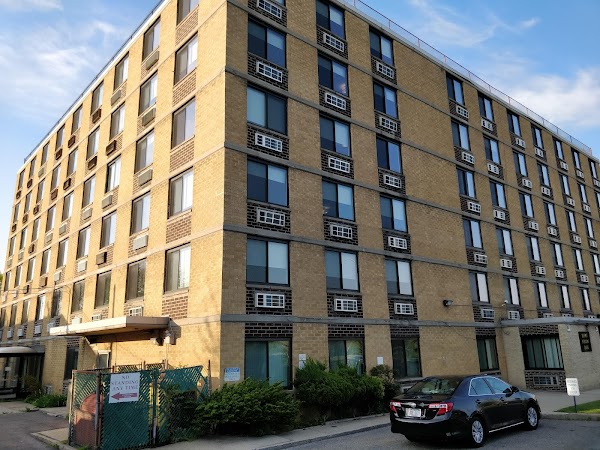
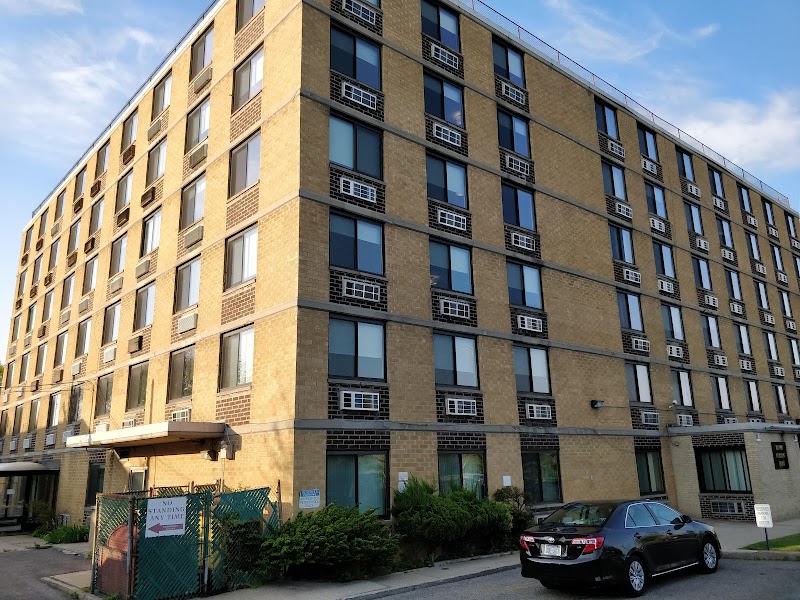
69 95 QUEENS MIDTOWN EXPRESSWAY, MASPETH, NY 11378 (718) 429-2200
For profit - Corporation 200 Beds Independent Data: November 2025
Trust Grade
40/100
#491 of 594 in NY
Last Inspection: July 2023

Over 2 years since last inspection. Current conditions may differ from available data.

Overview

Central Queens Rehab & Nursing Center has a Trust Grade of D, indicating it is below average and raises some concerns about care quality. It ranks #491 out of 594 facilities in New York, placing it in the bottom half, and #51 out of 57 in Queens County, meaning there are only a few better options nearby. The facility is improving, with significant issues decreasing from 15 in 2023 to just 1 in 2025. However, it has a concerning staffing rating of 1 out of 5, with less RN coverage than 84% of state facilities; this could mean less attentive care overall. Specific incidents include improper food storage that risks foodborne illness and failures to report allegations of abuse in a timely manner, which are serious concerns for potential residents and their families. While the facility has no fines on record and a staff turnover rate of 40%, which is acceptable, the overall quality and safety measures need considerable attention.

Trust Score
D
40/100
In New York
#491/594
Bottom 18%
Safety Record
Low Risk
No red flags
Inspections
Getting Better
15 → 1 violations
Staff Stability
○ Average
40% turnover. Near New York's 48% average. Typical for the industry.
Penalties
✓ Good
No fines on record. Clean compliance history, better than most New York facilities.
Skilled Nurses
⚠ Watch
Each resident gets only 20 minutes of Registered Nurse (RN) attention daily — below average for New York. Fewer RN minutes means fewer trained eyes watching for problems.
Violations
⚠ Watch
32 deficiencies on record. Higher than average. Multiple issues found across inspections.
★☆☆☆☆
1.0
Overall Rating
★☆☆☆☆
1.0
Staff Levels
☆☆☆☆☆
0.0
Care Quality
★☆☆☆☆
1.0
Inspection Score
Stable
2023: 15 issues
2025: 1 issues

The Good

  • Full Sprinkler Coverage · Fire safety systems throughout facility
  • No fines on record
  • Staff turnover below average (40%)

    8 points below New York average of 48%

Facility shows strength in fire safety.

The Bad

1-Star Overall Rating

Below New York average (3.0)

Significant quality concerns identified by CMS

Staff Turnover: 40%

Near New York avg (46%)

Typical for the industry

The Ugly 32 deficiencies on record

Feb 2025 1 deficiency
CONCERN (E) 📢 Someone Reported This

A family member, employee, or ombudsman was alarmed enough to file a formal complaint

Potential for Harm - no one hurt, but risky conditions existed

Report Alleged Abuse (Tag F0609)

Could have caused harm · This affected multiple residents

**NOTE- TERMS IN BRACKETS HAVE BEEN EDITED TO PROTECT CONFIDENTIALITY** Based on observation, record review and interviews during an abbreviated survey (NY00339419 and NY00342391), the facility did no...

Read full inspector narrative →
**NOTE- TERMS IN BRACKETS HAVE BEEN EDITED TO PROTECT CONFIDENTIALITY** Based on observation, record review and interviews during an abbreviated survey (NY00339419 and NY00342391), the facility did not ensure that all alleged violations involving abuse, neglect, exploitation, and mistreatment, are reported immediately, but not later than 2 hours after the allegation is made to the administrator of the facility and to other officials (including to the State Survey Agency and adult protective services where state law provides for jurisdiction in long-term care facilities). This was evident in three (3) out of five (5) residents sampled (Residents #1, Resident #2 and Resident #3). Specifically, on 04/11/2024 at 12:50 PM, Registered Nurse #1 documented while monitoring residents at the start of their shift 7:00 AM to 3:00 PM, Resident #1 complained of pain in their private area and stated they think someone might have touched their private area because it hurts. Resident #1 was transferred to the hospital for further evaluation. The facility reported the incident to the New York State Department of Health on 04/16/2024 at 4:17 PM. On 05/15/2024 at 5:45 PM, Resident #2 was sitting in the dining room when Resident #3 suddenly hit Resident #2 on their head with a soda can. Resident #2 was transferred to the hospital for further evaluation. The facility reported the incident to the New York State Department of Health on 05/16/2024 at 3:01 PM. The findings are: The facility's Policy and Procedure titled Abuse, Mistreatment, Neglect, Misappropriation of Resident 's Property, revised 01/2025. Number 6: Reporting and Response (pg.17) documented it is the facility's policy to report abuse allegations per Federal and State Law. The policy documented the facility will ensure that all alleged violations involving abuse, neglect, exploitation, or mistreatment are reported immediately, but not later than 2 hours after the allegation is made, if the events that cause the allegation involve abuse or result in serious bodily injury. Resident #1 was admitted to the facility with diagnoses including coronary artery disease and bipolar disorder (a chronic mental health condition characterized by extreme shifts in mood). The Minimum Data Set (an assessment tool), dated 03/22/2024, documented Resident #1 had a Brief Interview of Mental Status (used to determine attention, orientation, and ability to recall information) score of 14 associated with intact cognition. An Incident/Accident Report dated 04/10/2024, documented Resident #1 reported their private area was hurting because they think the nurse on the 11:00 PM-7:00 AM shift touched their private area. The facility's investigation dated 04/16/2024, concluded there was no credible evidence to suggest that abuse occurred. Resident #1 has history of confabulation and manipulation. Resident #1 initially denied seeing someone enter their room and touching them. The 11:00 PM- 7:00 AM shift reported that Resident #1 was observed sleeping throughout the shift. Resident #1 was transferred to the hospital and was evaluated for alleged sexual abuse and treated prophylactic. Resident #1 is no longer residing at the facility, several attempts made to interview Resident #1 was unsuccessful. During a telephone interview on 02/11/2025 at 1:15 PM, Assistant Director of Nursing stated any allegation of abuse should be reported within two hours to the New York State Department of Health. They stated they did not report the incident because Resident #1 denied the allegation when they were re-interviewed. Assistant Director of Nursing stated they reported the incident to the New York State Department of Health five days later because they wanted to complete their investigation and have concrete details before reporting the allegation. During a telephone interview on 02/12/2025 at 9:05 AM, the Administrator stated on 04/11/2024 at 9:30 AM, during morning meeting, Resident #1's concern was discussed, and an investigation was started, and Resident #1 was transferred to the hospital for further evaluation. Administrator stated abuse allegation are supposed to be reported to the New York State Department of Health within 2 (two) hours, however, this incident was not reported because Resident #1 recanted their statement, and the facility staff wanted to have concrete details before reporting the incident to the New York State Department of Health. Resident #2 was admitted to the facility with diagnosis including coronary artery disease (heart damage), and Schizophrenia (inability to think, feel, and behave clearly). The Minimum Data Set, dated [DATE], documented Resident #2 had a Brief Interview of Mental Status score of 14 associated with intact cognition. Resident #3 was admitted to the facility with diagnosis including Diabetes Mellitus and Alzheimer's Disease. The Minimum Data Set, dated [DATE], documented Resident #3 had a Brief Interview of Mental Status score of 7 associated with severely impaired cognition. An Incident/Accident Report dated 05/15/2024 at 5:45 PM, documented Resident #3 approached Resident #2 in the dining room hit Resident #2's head with a soda can. Staff were present in the dining room and were unable to prevent the occurrence. The facility's investigation dated 05/20/2024, concluded the altercation was unavoidable and unpredictable. Staff responded appropriately and separated the residents. Resident #2 and Resident #3 were transferred to the hospital for further evaluation. Resident #2 no longer resides at the facility. Resident #3 no longer resides at the facility. During a telephone interview on 02/11/2025 at 2:25 PM, Director of Nursing stated after an incident was discussed with the team, the Assistant Director of Nursing is responsible for reporting the incident to the New York State Department of Health. The Director of Nursing stated any allegation of abuse is supposed to be reported within 2 (two) hours. The Director of Nursing stated the Resident-to-Resident incident was reported on 05/16/24 because Resident #3 was confused and did not have capacity, and they did not assume this incident fell under the category to report within two hours. During a telephone interview on 02/12/2025 at 9:14 AM, the Administrator stated they were informed by the Director of Nursing that Resident #3 hit Resident #2 on their head with a soda can (cannot recall the time or date they were informed). Resident #2 refused assessment, 911 was called and Resident #2 transferred to the hospital. The Administrator stated the incident was reported to the New York State Department of Health the following day because there were no serious bodily injury and Resident #2 refused assessment. 10 NYCRR 415.4(b)
Jul 2023 15 deficiencies
CONCERN (D)

Potential for Harm - no one hurt, but risky conditions existed

Deficiency F0557 (Tag F0557)

Could have caused harm · This affected 1 resident

**NOTE- TERMS IN BRACKETS HAVE BEEN EDITED TO PROTECT CONFIDENTIALITY** Based on observation and staff interviews conducted during the Recertification and Abbreviated Survey from 7/19/23 to 7/26/23, t...

Read full inspector narrative →
**NOTE- TERMS IN BRACKETS HAVE BEEN EDITED TO PROTECT CONFIDENTIALITY** Based on observation and staff interviews conducted during the Recertification and Abbreviated Survey from 7/19/23 to 7/26/23, the facility did not ensure that a resident was cared for in a manner that maintained or enhanced dignity. Specifically, a resident was observed on more than one occasion with no clothes on. This was evident for 1 of 1 resident reviewed for Dignity out of a sample of 35 residents. (Resident # 45) The findings are: The Facility's Policy titled 'Resident Right' last reviewed on January 2023, documented that it is the Policy of Central Queens Rehabilitation Center to treat all residents with kindness, respect and dignity. The policy also documented that Federal and state laws guarantee certain basic right to all residents of the facility. These rights include the resident's right to a dignified exitence. Resident # 45 was admitted to the facility on [DATE] with diagnoses which included Systemic Lupus Erythematosus, Respiratory Failure, Cerebral Ischemia and Chronic Obstructive Pulmonary Disease. The Quarterly Minimum Data Set (MDS) dated [DATE] documented that resident was cognitively intact. The resident required total assist of two people for bed mobility, transfer and toilet use and extensive assist of one person for personal hygiene. On 7/19/23 at 10:42 AM, Resident #45 was observed in bed with a gown on. When they were asked about clothing, Resident #45 stated they do not have any summer clothes to wear. Resident #45 stated their clothes are downstairs. They asked for their clothing, but the staff did not bring them up. On 7/24/23 at 10:29 AM, Resident #45 was observed in bed with just a diaper on. Resident #45 stated they returned to the facility after a hospitalization, and staff did not bring up their summer clothes. Resident #45 stated they only had winter clothes in their closet. The surveyor observed the closet and there were only winter clothes inside. On 7/26/23 at 10:58 AM, the Certified Nursing Assistant (CNA #7) was interviewed and stated when a resident is discharged to the hospital, the CNA and housekeeping brings their clothing to the basement in a bag. When the resident comes back from the hospital, nursing calls housekeeping to bring the clothes back up. Sometimes, family comes and and takes the clothes out. On 7/26/23 at 11:09 AM, Housekeeper #1 was interviewed and stated that when someone goes to the hospital, all the resident's clothing goes into a box labeled with the name and room number. When the resident is back from the hospital, the nurse or the CNA calls downstairs to request the clothing be brought up by the responsible person from housekeeping. On 7/26/23 at 11:47 AM, Housekeeper #2 was interviewed and stated when the resident is back from the hospital, nursing calls downstairs for the clothes. Last time, when the resident came back, the nurse went down to pick up some winter clothes; it was still winter. Resident has some winter clothes in the closet. Resident went back to the hospital and came back again. The resident's summer clothes were returned to them this week. On 7/26/23 at 12:00 PM, the Registered Nurse (RN #2) was interviewed and stated that when someone is readmitted from the hospital, nursing calls housekeeping to bring back the clothes. Nursing will then put it in the closet again. RN #2 looked at the medical record and stated Resident #45 was readmitted to the facility on [DATE]. The resident's clothes were given back on 7/24/23, almost 8 weeks after readmission. 415.5 (a)
CONCERN (D)

Potential for Harm - no one hurt, but risky conditions existed

Deficiency F0561 (Tag F0561)

Could have caused harm · This affected 1 resident

**NOTE- TERMS IN BRACKETS HAVE BEEN EDITED TO PROTECT CONFIDENTIALITY** Resident #168 Based on observations, interviews and record review conducted during the recertification and complaint survey from...

Read full inspector narrative →
**NOTE- TERMS IN BRACKETS HAVE BEEN EDITED TO PROTECT CONFIDENTIALITY** Resident #168 Based on observations, interviews and record review conducted during the recertification and complaint survey from 7/19/23 to 7/24/23, the facility did not ensure that each resident has the right to make choices about aspects of life that are significant to the resident. This was evident for one (Resident #168) of six residents reviewed for Activities of Daily Living. Specifically, Resident #168 was was not asked about bathing preferences when their shower schedule was created, and they were informed about their shower schedule. The findings are: The facility's policy and procedure titled Activities of Daily Living Supporting dated 1/23 documented residents who are unable to carry out activities of daily living independently will receive the services necessary to maintain good nutrition, grooming and person, and oral hygiene. Resident #168 was admitted to the facility on [DATE] with diagnoses of bilateral above knee amputation and muscle weakness. The Minimum Data Set 3.0 (MDS) assessment dated [DATE] documented the resident was cognitively intact. Resident #168 required total assist of two or more people for bathing and considered the bathing preference as very important. During an interview on 7/19/23 at 12:25 PM, Resident #168 stated they would like to receive a shower more consistently. Resident #168 stated that they get a shower only when it is requested. They were not aware that there was a shower schedule. The Comprehensive Care Plan (CCP) for Activities of Daily Living (ADLs), created 4/13/23, documented interventions to allow sufficient time to complete task, encourage to participate in ADL care as much as they are able, and to encourage resident decision making/choices during ADL care. It did not document resident's bathing preference or bathing schedule. Review of the interdisciplinary assessments dated from 4/13/23 to 7/19/23 revealed there was no documented evidence the resident was given opportunities to choose bathing preference and their schedule. Review of the interdisciplinary notes dated from 4/13/23 to 7/19/23 revealed there was no documented evidence that resident refused bathing/shower. On 7/24/23 at 2:14 PM, Certified Nurse Aide (CNA #1) stated that they have not consistently provided a shower as per the schedule found in Electronic Medical Record (EMR) for Resident #168. This is because a shower has been provided to the resident whenever it was requested by the resident. Resident #168 will usually ask when they want a shower. CNA #1 stated they are not sure if Resident #168 was made aware or knows about their shower schedule. On 7/21/23 at 10:26 AM, the Assistant Director of Nursing (ADON) was interviewed and stated that Resident #168 will be showered as per resident's request since this resident is alert and oriented x 3. Resident #168 is able to verbalize their needs; therefore, they will ask for a shower whenever needed. The ADON stated Resident #168 was informed of their weekly shower schedule, but the ADON was not able to explain where this is documented in the EMR. On 7/24/23 at 2:52 PM, the Director of Nursing (DON) stated that upon admission, nursing will complete an initial assessment which includes bathing preference/schedule. The DON stated they were not aware that Resident #168 did not get an opportunity to choose shower preference and schedule upon admission. 415.5(b)(3)
CONCERN (D) 📢 Someone Reported This

A family member, employee, or ombudsman was alarmed enough to file a formal complaint

Potential for Harm - no one hurt, but risky conditions existed

Notification of Changes (Tag F0580)

Could have caused harm · This affected 1 resident

**NOTE- TERMS IN BRACKETS HAVE BEEN EDITED TO PROTECT CONFIDENTIALITY** Based on record review and interviews conducted during the Recertification and Complaint Survey (NY00310807) from 7/19/23 to 7/2...

Read full inspector narrative →
**NOTE- TERMS IN BRACKETS HAVE BEEN EDITED TO PROTECT CONFIDENTIALITY** Based on record review and interviews conducted during the Recertification and Complaint Survey (NY00310807) from 7/19/23 to 7/26/23, the facility did not ensure that the resident and/or the designated representative was promptly notified when there was an accident involving the resident which resulted in an injury. This was evident for 1 of 4 resident reviewed for Notification of Change out of a sample of 38 residents (Resident # 155). Specifically, the facility did not notify the designated representative when Resident #155 was observed with a bruise of unknown source under their left eye. The findings are: The facility policy titled Notification of Change in Condition with effective date 10/20/2022 documented it was the policy of the facility to inform the residents; consult the physician; and if known, notify the resident's legal representative or an interested family member when there has been a change in the resident's condition. It included an accident involving the resident which results in injury. The family will be notified about all Accident and Incidents. It also documented the licensed nurse/designee will notify the resident's legal representative or interest family member of the change in resident's condition and document the notification in the resident's medical record. It further documented the unit manager/nursing supervisor shall record all attempts to contact the next of kin, inclusive of the time of the day and forward such for inclusion in the resident's medical record. Resident # 155 was admitted to the facility with diagnoses that included Vascular dementia, Other seizures, and Weakness. The admission Minimum Data Set 3.0 (MDS) dated [DATE] documented Resident # 155 had severely impaired cognition, had no rejection of care or wandering behavior, did not walk, and was totally dependent with 1 person assist for locomotion on/off unit. It also documented Resident # 155 was frequently incontinent of bladder and bowel. It further documented Resident # 155 had no fall history. It documented only the representative participated in the assessment. On 07/19/23 at 11:02 AM, the representative was interviewed and stated they observed Resident #155 had black left eye during their visit on 2/5/23. The representative also stated the facility did not notify them of the injury. The nursing note dated 2/4/23 documented Resident #155 was very confused. It also documented Resident # 155 was constantly walking in the hallway, going into other residents' rooms, and very resistive to redirection. The nursing note dated 2/5/23 documented Resident #155 woke up with a bruise under the left side eye. It also documented the bruise was from unknown source. Review of progress notes from 2/5/23 to 2/9/23 in the electronic medical record (EMR) system and the hard copy chart revealed no documented evidence that Resident # 155's designated representative was notified of the bruise around Resident # 155's left eye. On 07/24/23 at 10:12 AM, the Registered Nurse (RN) # 4 was interviewed and stated Resident #155 was always confused with severe dementia. The RN # 4 also stated Resident #155 had a lot of fall incidents on the unit, and they were not sure if these falls caused the bruise and scratches on the face. The RN # 4 stated they had to notify the designated representative and Director of Nursing (DON) if something happened to the resident. The RN # 4 also stated they did not remember if the representative or DON was notified of the bruise under Resident # 155's left eye observed on 2/5/23. The RN # 4 further stated they should notify the representative and the DON about the bruise as it was considered as injury of unknown origin. On 07/24/23 at 10:36 AM, the Director of Nursing (DON) was interviewed and stated they made rounds to the unit at least 1 time for the day shift and another time for the evening shift. The DON also stated they spoke to the staff, observed resident care, and checked the environment during the rounds. The DON stated they should notify the representative and document the notification if something happened to the resident. The DON also stated they were not aware that Resident # 155 was found with a bruise around the left eye on 2/5/23. The DON further stated they had to notify the representative of the bruise around Resident #155's left eye. The DON was not able to locate any documented evidence in Resident #155's medical record that the representative was notified of the bruise around Resident #155's left eye. The DON was also not able to explain the failure of notification of change. 415.3(f)(2)(ii)(a)
CONCERN (D)

Potential for Harm - no one hurt, but risky conditions existed

Deficiency F0583 (Tag F0583)

Could have caused harm · This affected 1 resident

**NOTE- TERMS IN BRACKETS HAVE BEEN EDITED TO PROTECT CONFIDENTIALITY** Based on observation, and staff interviews during the Recertification and abbreviated survey conducted from 7/19/23 to 7/26/25, ...

Read full inspector narrative →
**NOTE- TERMS IN BRACKETS HAVE BEEN EDITED TO PROTECT CONFIDENTIALITY** Based on observation, and staff interviews during the Recertification and abbreviated survey conducted from 7/19/23 to 7/26/25, the facility did not ensure that residents' privacy and confidentiality were maintained. This was evident for 1 of 1 resident reviewed for Privacy out of a total sample of 35 residents (Resident # 15). Specifically, Resident #15's privacy curtain was missing and left the resident exposed to everybody entering the room. The findings are: The facility policy and procedure on resident's right last reviewed on January 2023 document that employees shall treat all residents with kindness, respect and dignity. The policy and procedure further documented that Federal and State laws guarantee certain basic rights to all residents in the facility. These rights include the resident's right to privacy and confidentiality. On 7/19/2023 at 10:11 AM, Resident #15 was observed in bed talking to his roommate. No privacy curtain noted. On 7/19/2023 at 2:21 PM, Resident #15 was observed in bed talking to his roommate, and there was no privacy curtain curtain. Resident #15 was admitted to the facility on [DATE] with diagnoses which includes Type 2 Diabetes Mellitus, Essential Hypertension and Major Depressive Disorder. The Quarterly Minimum Data Set 3.0 (MDS) assessment dated [DATE] documented the resident had intact cognition. The MDS further documented that the resident required the extensive assist of 2 for bed mobility, total assist of 2 for transfer, and total assist of 1 for toilet use. During an interview on 7/19/2023 at 10:42 AM, Resident #15 stated that the curtain has been broken for a while. They took it off but did not replace it. On 7/26/2023 at 10:40 AM, CNA #6 was interviewed and stated that they did not notice the missing privacy curtian when entering the room to help the resident. Missing curtain was not aware by staff. On 7/26/23 at 12:41 PM, RN #2 was interviewed and stated that resident never wants to get out of bed. As per RN #2, the missing curtain was never noticed when entering the resident's room. 415.3(d)(1)(ii)
CONCERN (D)

Potential for Harm - no one hurt, but risky conditions existed

Safe Environment (Tag F0584)

Could have caused harm · This affected 1 resident

**NOTE- TERMS IN BRACKETS HAVE BEEN EDITED TO PROTECT CONFIDENTIALITY** Based on observation, record review, and interviews conducted during a Recertification survey from 07/19/2023 to 07/26/2023, the...

Read full inspector narrative →
**NOTE- TERMS IN BRACKETS HAVE BEEN EDITED TO PROTECT CONFIDENTIALITY** Based on observation, record review, and interviews conducted during a Recertification survey from 07/19/2023 to 07/26/2023, the facility did not ensure a clean, comfortable, and homelike environment was maintained. This was evident for 1 (2nd Floor) of 5 Units. Specifically, resident rooms were observed with mismatched paint and dry wall patches, clutter including multiple cardboard boxes and food containers, rusty and cracked light fixtures, ripped fall mats, ripped leather on a resident's recliner, and ripped and dirty privacy curtains. The findings are: The policy titled Care of Equipment revised 01/31/2023 documented curtains observed to be soiled or in disrepair should be reported to the Maintenance department for immediate removal and resolution. All equipment in disrepair should be communicated to the Maintenance department in a timely manner. On 7/19/2023 between 9:47 AM and 3:33 PM, the following was observed on the 2nd Floor: -room [ROOM NUMBER] had fall mats on the floor by resident beds with ripped edges and white threading visible. The privacy curtain for bed 201 B had a 15-inch rip at the top of the curtain. -room [ROOM NUMBER] had gray paint at bottom of the walls near the baseboards that was scratched in multiple areas exposing the dry wall beneath. A rusty metal light fixture above the resident sink in the room had a glass outer light bulb cover that was cracked. -room [ROOM NUMBER] ad multiple boxes, clothing on the floor, used plastic food containers at bedside, and a dusty plastic bin. -room [ROOM NUMBER] had an open area to the right of the resident's sink uncovered by tile and exposing white paint beneath. There was a 16 X 9 inch area of peeling paint on the ceiling with dry wall. -The hallway had a recliner with multiple areas of ripped fabric on the left side. -room [ROOM NUMBER] had scraped wall edges and mismatched paint on the wall. -room [ROOM NUMBER] had multiple spots and white stains on the green wallpaper and chipped paint by the sink. -room [ROOM NUMBER] had multiple areas of drywall visible and mismatched paint above the baseboards. -room [ROOM NUMBER] had gray paint peeling and a ripped privacy curtain. -room [ROOM NUMBER] had gray paint spackle, brown paint, and white drywall on the wall in multiple areas to the right of the air conditioning unit and above baseboards. A brown wooden divider on the wall was dusty. -Resident #139 had a left wheelchair armrest with missing leather and foam exposed. Resident #81 had a back that was ripped, and the foam was exposed. On 7/25/2023 at 03:10 PM, the following was observed on the 2nd Floor: -room [ROOM NUMBER] had dry wall visible by the B bed. -room [ROOM NUMBER] had scratched paint on the walls and a missing baseboard by the B bed. -room [ROOM NUMBER] had mismatched paint and dry wall patches visible. -room [ROOM NUMBER] had a red stained privacy curtain with a missing hook. -room [ROOM NUMBER] had mismatched paint and exposed drywall throughout the room. On 07/26/2023 at 11:09 AM, the following was observed on the 2nd Floor: -room [ROOM NUMBER] had ripped wallpaper and a rusty light to the right of the sink. The bedside tabletop had cracks and missing veneer along the edges. -room [ROOM NUMBER] had a stained Stop sign on the room door. -room [ROOM NUMBER] had a ripped privacy curtain. The 2nd Floor Maintenance Logbook for July 2023 documented on 7/12/2023 the ceiling was plastered in Rooms 208, 210, 201, and 219. On 7/14/2023 signed 7/14 and damage on ceiling wall 209/210 entry documented. On 07/26/2023 at 12:58 PM, Registered Nurse (RN) #4 was interviewed and stated they do environmental rounds 2-3 times. Staff tell RN #4 when the curtain is dirty, has stains or is ripped and RN #4 calls housekeeping. RN #4 stated they saw walls being patched last week by Maintenance. The Maintenance Logbook is used to report repair needs on the floor. On 07/26/2023 at 11:20 AM, Housekeeper #3 was interviewed and stated there are stains on the wall, they wipe but they won't come off. They stated in room [ROOM NUMBER] they were informed there was leak from the 3rd floor and this morning they noticed room leaking dripping down wall. They noticed rooms patched and staff wanted to paint, and painting not done and is not sure when the patching was done. Housekeeper #3 took down and changed curtains last week, but they are waiting on a n order of big curtains to change out other ones. Curtains are changed out monthly and if they are soiled the housekeeper changes it. They look for rips, tears, and stains on the curtains. On 07/26/2023 at 11:40 AM, the Maintenance Worker was interviewed and state that they did dry wall work for rooms on the 2nd, 3rd and 6th floor. They will do painting when paint flake and they get a list and mark the maintenance book if they see a room needs to be painted. On 07/26/2023 at 11:37 AM and 12:29 PM, the Acting Director of Maintenance (ADM) was interviewed and stated they do rounds daily, check books for complaints and fix what they can. room [ROOM NUMBER] they noticed a leak this morning and stated that there was a leak on 3rd floor room above that they are trying to fix. Painting is done every 6 months and was last completed on 10/2022. Plaster work was done last week. Curtains are changed weekly and if stained. The facility has extra curtains in stock and are 36 curtains to switch out dirty or ripped curtains if necessary. The ADM checks rooms along with the nursing supervisor 1-2 times a week. room [ROOM NUMBER] has issues going on in the room and staff try to get the resident to throw items out, but they can't control the resident. When the resident leaves the room, the social worker lets the staff know they can go in and o work. On 07/26/2023 at 1:58 PM, the Director of Nursing (DON) stated that they do environmental rounds daily. They stated they also read the nursing supervisor notebook for the floor. The 1st floor is under renovation, and it is the only floor under renovation currently. The units were renovated before they got here. On 07/26/2023 at 04:11 PM, The Administrator stated we do rounds, and the units have a maintenance logbook on the floor. They look at it daily and maintenance is being provided. Maintenance sees items that need fixing in the logbook. 415.12(h)(1) (2)
CONCERN (D) 📢 Someone Reported This

A family member, employee, or ombudsman was alarmed enough to file a formal complaint

Potential for Harm - no one hurt, but risky conditions existed

Report Alleged Abuse (Tag F0609)

Could have caused harm · This affected 1 resident

**NOTE- TERMS IN BRACKETS HAVE BEEN EDITED TO PROTECT CONFIDENTIALITY** 2) Resident # 155 was admitted to the facility with diagnoses that included Vascular dementia, Other seizures, and Weakness. Th...

Read full inspector narrative →
**NOTE- TERMS IN BRACKETS HAVE BEEN EDITED TO PROTECT CONFIDENTIALITY** 2) Resident # 155 was admitted to the facility with diagnoses that included Vascular dementia, Other seizures, and Weakness. The admission Minimum Data Set (MDS) dated [DATE] documented Resident # 155 had severely impaired cognition, had no rejection of care or wandering behavior, did not walk, and required total dependence with 1 person for locomotion on/off unit. It also documented Resident # 155 was frequently incontinent of bladder and bowel. It further documented Resident # 155 had no fall history. It documented only the representative participated in the assessment. On 07/19/23 at 11:02 AM, the representative was interviewed and stated they observed Resident # 155 had a black left eye on 2/5/22 and scratches on the forehead on 2/8/23 during their visits. The nursing note dated 2/5/23 documented Resident # 155 woke up with a bruise under left side eye. It also documented the bruise was from unknown source. The Incident/Accident Report dated 2/8/23 documented Resident # 155 was observed having scratches close to the nose. It also documented it was injury of unknown origin. Review of progress notes from 2/5/23 to 2/9/23 in the electronic medical record (EMR) system and the hard copy chart revealed no documented evidence that the facility reported these 2 injuries of unknown source to NYSDOH. On 07/24/23 at 10:12 AM, the Registered Nurse (RN) # 4 was interviewed and stated they reported if anything happened to a resident on the unit to Director of Nursing (DON) immediately. The RN # 4 also stated the bruise around the left eye on 2/5/23 and the scratches around the nose on 2/8/23 observed for Resident # 155 were considered injuries of unknown source as Resident # 155 was very confused and not able to tell what happened and no one witnessed what happened. The RN # 4 further stated they knew they had to report injuries of unkown origin to the DON immediately as the facility had to report to Department of Health (DOH). The RN # 4 stated they did not remember if they notified the DON or any other responsible person about the bruise on the left eye for Resident # 155. On 07/24/23 at 10:36 AM, the Director of Nursing (DON) was interviewed and stated they made rounds to the unit at least 1 time for the day shift and another time for the evening shift. The DON also stated they spoke to the staff, observed resident care, and checked the environment during the rounds. The DON also stated the nurse supervisors on the units reported to them if something happened to the residents. The DON stated the Assistant Director of Nursing (ADON), the Administrator, and themselves had access to Health Commerce System (HCS) for reporting alleged violations to the DOH. The DON also stated the ADON was new to facility and did not report incident through HCS yet. The DON stated they were not aware of the bruise around Resident # 155's left eye on 2/5/23. The DON also stated the scratches around Resident # 155's nose were superficial. They did not consider these scratches as serious injury, and therefore they did not report the incident to DOH. The DON stated Resident # 155 had dementia, was very confused, and was not able to verbalize what happened. The DON also stated no staff, no other resident, and no visitor witnessed what happened causing the bruise around left eye on 2/5/23 and scratches around the nose on 2/8/23 for Resident # 155. The DON stated the two incidents should be considered injuries of unknown origin for Resident # 155. The DON also stated they should have reported both incidents to DOH within 2 hours when they were made aware of the allegation. On 07/24/23 at 12:08 PM, the Administrator was interviewed and stated they had to report the injury of unknown source to the State Department of Health within 2 hours. The Administrator also stated the injury of unknown source referred to an injury the resident was not able to tell what happened and no one witnessed it. The Administrator further stated they were not aware of the incidents on 2/5/23 and 2/8/23 for Resident # 15 and the incident related to left arm abrasion for Resident # 42. 415.4(b)(1)(i) Based on record review and interview conducted during the Recertification/Complaint survey (NY00318475 and NY00310807), the facility did not ensure all alleged violations involving injuries of unknown source were reported immediately, but not later than 2 hours after the allegations were made to the State Survey Agency. This was evident for 2 (Resident # 42 and # 155) of 2 residents reviewed for Abuse out of 38 sampled residents. Specifically, the facility did not report an injury of unknown source for 1) Resident # 42 with abrasion on left arm and 2) Resident # 155 with bruise around left eye and scratches around the nose to the New York State Department of Health (NYSDOH). The findings are: The facility policy titled Abuse Prevention with effective date 2/14/2022 and last reviewed/revised date 2/1/2023 documented the alleged violation is an occurrence that has not yet been investigated but if verified could be noncompliance with federal requirements related to abuse including injury of unknown source. It also documented under section of Reporting that all alleged violations must be immediately reported to the administrator, state agency, and any other required law enforcement agencies within the specified time frames. It further documented the facility had to report no later than 2 hours of the alleged violations including abuse. 1) Resident #42 was admitted to the facility with diagnoses including Peripheral Vascular Disease (PVD), Parkinson's Disease, Depression, Glaucoma. The Minimum Data Set 3.0 (MDS) assessment dated [DATE] documented Resident #42 had severely impaired cognition with short-term memory and long-term memory problem. The resident never/rarely made decisions. The MDS further documented the resident required extensive assistance of two plus persons for bed mobility, total assistance of one person for eating, toilet use and personal hygiene, and total assistance of two plus persons for transfers. On 06/16/23, the complainant reported to the New York State Department of Health (NYSDOH) Aspen Complaint Tracking System (ACTS) that Resident #42 was observed on 6/15/23 with a bruise that resembled a bite mark on the hand. A nursing progress note dated 06/15/2023 at 08:50 pm documented Resident #42 was awake and tolerated care as per MD's order. The resident's sister informed staff of left arm skin purpura. Nursing supervisor made aware and assessed the resident. The Physician's Assistant (PA) was informed and assessed resident with new orders. X-Ray of left arm and bacitracin regime. All care rendered and tolerated well. All needs were met, and the resident was made comfortable. Safety precaution maintained. Physician Assistant (PA) Medical progress note dated 06/15/2023 documented the resident was seen for follow-up on left forearm abrasion. The resident was seen with family members at bedside. The PA noted a left forearm abrasion with dried blood. The resident also has some mild scratch marks on the dorsum of the resident's forearm. The resident is nonverbal at baseline. The resident is status post history of Parkinson's disease, functional quadriplegia with dysphagia. The resident was unable to talk and communicate. The resident's daughter, also healthcare proxy, was at the visit and communicated on behalf of the patient. The PA ordered an x-ray of the forearm and planned to follow-up on the results. There were no reports of any injuries, falls or traumas. PA ordered bacitracin to be applied ot the affected areas and monitor for improvement. The remainder of the physical exam was unremarkable. Nursing progress notes dated 06/16/2023 at 04:15 pm documented Resident #42's daughter was called regarding result of X rays of left hand and forearm which showed no acute fractures nor dislocation with soft tissues unremarkable, has moderate Osteoarthritis. Resident on Aspirin. MD progress notes dated 6/16/2023 documented Medical History and Physical/Plan of care Monthly on 06/16/23 Interval History Abrasion / ecchymosis ( open purpura ) L- arm Records reviewed. Patient noted with generalized weakness, needing increased assistance with Activities of Daily Living (ADL). There was no documented evidence Resident #42's injury of unknown origin was reported to NYSDOH within 2 hours. The facility provided no documented evidence that the facility gathered statements from all staff on duty, witnesses, created an Incident report and or conducted a thorough investigation into Resident #42 unwitnessed abrasion to left hand on 6/15/2023. On 07/24/23 at 02:34 PM, an interview was conducted with Registered Nurse (RN#2) who was the Nursing Supervisor covering the day of the incident. RN #2 stated on 6/15/2023 the family reported a skin purpura to the left arm. RN #2 stated the Physician Assistant assessed the resident and ordered an x-ray and bacitracin to the area. RN #2 stated they called the daughter to explain the x-ray results. On 07/26/23 at 11:43 AM, a follow up interview conducted with RN #2. RN #2 stated the resident was on aspirin which can cause the purpura (red/purplish discoloration) scattered on the left outer aspect of the resident's left wrist. RN #2 stated did not speak to the PA because the PA saw the resident right away. RN #2 stated based on RN #2 nursing knowledge if the resident has a skin tear, an abrasion, a laceration, an incident report will be made. RN #2 stated they were aware the doctor documented an abrasion in the medical record, but RN #2 did not see an abrasion at the time and did not feel the need to do an incident report. RN #2 stated they believed the discoloration was caused by the resident taking aspirin daily and they did not need to do an incident report. RN #2 stated believed this was a Senile Purpura that opened, but they were unable to provide documented evidence of Senile Purpura diagnosis in the resident medical record. During an interview on 07/25/23 at 10:50 AM, RN #1, the nurse supervisor, stated there was no investigation for the discoloration. RN #1 stated the DON informed them there was no incident, and it was purpura because the resident was on aspirin. On 07/25/23 at10:59 AM, an interview was conducted with Director of Nursing (DON). The DON stated Resident #42's skin discoloration was reported in the morning report and the resident had Senile Purpura. The DON stated an x-ray and blood work was done, but everything was negative. The DON stated Senile purpura is a medical condition, and the doctor documented open purpura left arm. The DON stated they never did an incident report on senile purpura. Senile Purpura can open without reason and can appear for unknown reasons because the skin is fragile. The DON stated the doctor documented an abrasion, but they believed the wording was incorrect because the resident has a diagnosis of senile purpura. The DON could not show where the diagnosis of senile purpura was documented in the medical record. The DON stated they did not take statements from staff, initiate and investigation, or report the injury to DOH because they were informed the resident had senile purpura in the morning meeting which does not warrant an investigation.
CONCERN (D) 📢 Someone Reported This

A family member, employee, or ombudsman was alarmed enough to file a formal complaint

Potential for Harm - no one hurt, but risky conditions existed

Investigate Abuse (Tag F0610)

Could have caused harm · This affected 1 resident

**NOTE- TERMS IN BRACKETS HAVE BEEN EDITED TO PROTECT CONFIDENTIALITY** Based on record review and interviews conducted during the Recertification and Complaint (NY00318475 and NY00310807) survey, the...

Read full inspector narrative →
**NOTE- TERMS IN BRACKETS HAVE BEEN EDITED TO PROTECT CONFIDENTIALITY** Based on record review and interviews conducted during the Recertification and Complaint (NY00318475 and NY00310807) survey, the facility did not ensure that all allegations of abuse, including injuries of unknown origin, were thoroughly investigated. This was evident for 2 (Resident # 42, Resident # 155) of 2 residents reviewed for Abuse out of 38 sampled residents. Specifically, 1) there was no documented evidence an investigation was conducted when Resident #42 sustained an abrasion to the left hand, and 2) there was no documented evidence an investigation was conducted for Resident # 155 who had ecchymosis area under left eye. The findings are: The facility policy titled Abuse Prevention with effective date 2/14/2022 and last reviewed/revised date 2/1/2023 documented the alleged violation is an occurrence that has not yet been investigated but if verified could be noncompliance with federal requirements related to abuse including injury of unknown source. It also documented under section of Investigation that investigation includes but is not limited to Investigate all allegations immediately; Determine if abuse, neglect, mistreatment has occurred; and Provide a thorough and complete documentation of the investigation. 1) Resident #42 was admitted to the facility with diagnoses including Peripheral Vascular Disease (PVD), Parkinson's Disease, Depression, Glaucoma. The Minimum Data Set 3.0 (MDS) assessment dated [DATE] documented Resident #42 had severely impaired cognition with short-term memory and long-term memory problem. The resident never/rarely made decisions. The MDS further documented the resident required extensive assistance of two plus persons for bed mobility, total assistance of one person for eating, toilet use and personal hygiene, and total assistance of two plus persons for transfers. On 06/16/23, the complainant reported to the New York State Department of Health (NYSDOH) Aspen Complaint Tracking System (ACTS) that Resident #42 was observed on 6/15/23 with a bruise that resembled a bite mark on the hand. A nursing progress note dated 06/15/2023 at 08:50 pm documented Resident #42 was awake and tolerated care as per MD's order. The resident's sister informed staff of left arm skin purpura. Nursing supervisor made aware and assessed the resident. The Physician's Assistant (PA) was informed and assessed resident with new orders. X-Ray of left arm and bacitracin regime. All care rendered and tolerated well. All needs were met, and the resident was made comfortable. Safety precaution maintained. Physician Assistant (PA) Medical progress note dated 06/15/2023 documented the resident was seen for follow-up on left forearm abrasion. The resident was seen with family members at bedside. The PA noted a left forearm abrasion with dried blood. The resident also has some mild scratch marks on the dorsum of the resident's forearm. The resident is nonverbal at baseline. The resident is status post history of Parkinson's disease, functional quadriplegia with dysphagia. The resident was unable to talk and communicate. The resident's daughter, also healthcare proxy, was at the visit and communicated on behalf of the patient. The PA ordered an x-ray of the forearm and planned to follow-up on the results. There were no reports of any injuries, falls or traumas. PA ordered bacitracin to be applied ot the affected areas and monitor for improvement. The remainder of the physical exam was unremarkable. Physician orders dated 6/15/2023 documented order for Bacitracin zinc 500 unit/gram topical ointment for Abrasion of left forearm Nursing progress notes dated 06/16/2023 at 04:15 pm documented Resident #42's daughter was called regarding result of X rays of left hand and forearm which showed no acute fractures nor dislocation with soft tissues unremarkable, has moderate Osteoarthritis. Resident on Aspirin. MD progress notes dated 6/16/2023 documented Medical History and Physical/Plan of care Monthly on 06/16/23 Interval History Abrasion / ecchymosis ( open purpura ) L- arm Records reviewed. Patient noted with generalized weakness, needing increased assistance with Activities of Daily Living (ADL). Medial progress note dated 6/17/2023 documented Resident #42 was seen for follow-up on left arm abrasion. The x-rays ordered were negative for any acute process, and there was no fracture or dislocation. The resident continued to receive bacitracin applied to affected area. The family was informed of the results, and all questions were addressed and answered. The abrasion looks more like a purpura bruising. The plan was to continue to monitor. There were no reports of any injuries, falls, or traumas associated with this abrasion. The facility provided no documented evidence that the facility gathered statements from all staff on duty, witnesses, created an Incident report and or conducted a thorough investigation into Resident #42 unwitnessed abrasion to left hand on 6/15/2023. On 07/24/23 at 03:46 PM, and interview was conducted with Certified Nursing Assistant (CNA #2). CNA #2 stated they were assigned to the resident at the time of the incident. CNA #2 stated the resident required total care with all Activities of Daily Living (ADL), with Hoyer lift of two persons for transfer. CNA #2 stated the resident needs to be fed by staff for all meals. On 6/15/2023, CNA #2 saw an ecchymosis area on Resident #42's left hand when they were putting the resident back to bed. CNA #2 stated the area was small but red and blackened at the same time. CNA #2 stated they immediately called the nurse, and the nurse called the supervisor. CNA #2 stated it looked like the discoloration older people get. CNA #2 sated they never saw this before on the resident. CNA #2 stated the resident cannot move thier hands and is not able to scratch themselves because the hands are contracted. CNA #2 stated they did not recall writing a statement about the incident. On 07/24/23 at 02:34 PM, an interview was conducted with Registered Nurse (RN#2) who was the Nursing Supervisor covering the day of the incident. RN #2 stated on 6/15/2023 the family reported a skin purpura to the left arm. RN #2 stated the Physician Assistant assessed the resident and ordered an x-ray and bacitracin to the area. RN #2 stated they called the daughter to explain the x-ray results. On 07/26/23 at 11:43 AM, a follow up interview conducted with RN #2. RN #2 stated the resident was on aspirin which can cause the purpura (red/purplish discoloration) scattered on the left outer aspect of the resident's left wrist. RN #2 stated did not speak to the PA because the PA saw the resident right away. RN #2 stated based on RN #2 nursing knowledge if the resident has a skin tear, an abrasion, a laceration, an incident report will be made. RN #2 stated they were aware the doctor documented an abrasion in the medical record, but RN #2 did not see an abrasion at the time and did not feel the need to do an incident report. RN #2 stated they believed the discoloration was caused by the resident taking aspirin daily and they did not need to do an incident report. RN #2 stated believed this was a Senile Purpura that opened, but they were unable to provide documented evidence of Senile Purpura diagnosis in the resident medical record. During an interview on 07/25/23 at 10:50 AM, RN #1, the nurse supervisor, stated there was no investigation for the discoloration. RN #1 stated the DON informed them there was no incident, and it was purpura because the resident was on aspirin. On 07/24/23 at 02:59 PM, an interview was conducted with Physician Assistant (PA). The PA stated the nurses reported Resident #42 had a discoloration. The PA stated they immediately went and examined the resident and observed an abrasion to the resident's left hand. There was no swelling, teeth marks, indentations, or any indications of a bite mark. The PA stated they ordered an x-ray and blood work with no negative findings. The PA stated it looked like and abrasion with ecchymosis. A fall was ruled out because if the resident fell, it would likely cause significant injuries as the resident would be dead weight. On 07/25/23 at 02:15 PM, an interview was conducted with the Medical Doctor (MD) for the resident. MD stated was aware of the discoloration on the resident hand and did examine the resident. MD stated when examined the resident observed an abrasion on the resident hand. MD stated at the time the resident was on aspirin and agreed to discontinue the aspirin because of the family request. MD stated a Purpura is bleeding under the skin, and an abrasion the cause is different etiology. MD stated an abrasion occurs if for example the resident scratch a purpura and it open then can become an abrasion. MD stated when look at the resident hand at the time when look at the resident the resident had an abrasion, and MD stated was not sure if it was a purpura, or if it was an ecchymosis area that was itched. MD stated a purpura, abrasion scratch all looks similar but is different. MD stated bottom-line the residents who have senile purpura it can be spontaneous, and this happens to people on blood thinner medications, and have fragile skin and this happens mainly in white residents. MD stated bottom line is that the resident had an abrasion or and is not sure what happen. MD stated did speak to the family and let the family know that did not know what happened, but the resident has an abrasion and do not know the cause. MD stated only discontinue the aspirin secondary to the family request and would of convince the family to keep the resident on the aspirin if the resident had heart attacks. MD stated understands the family wants piece of minds and is not sure what happened in this case, and this resident have no diagnosis of senile Purpura. On 07/25/23 at10:59 AM, an interview was conducted with Director of Nursing (DON). The DON stated Resident #42's skin discoloration was reported in the morning report and the resident had Senile Purpura. The DON stated an x-ray and blood work was done, but everything was negative. The DON stated Senile purpura is a medical condition, and the doctor documented open purpura left arm. The DON stated they never did an incident report on senile purpura. Senile Purpura can open without reason and can appear for unknown reasons because the skin is fragile. The DON stated the doctor documented an abrasion, but they believed the wording was incorrect because the resident has a diagnosis of senile purpura. The DON could not show where the diagnosis of senile purpura was documented in the medical record. The DON stated they did not take statements from staff, initiate and investigation, or report the injury to DOH because they were informed the resident had senile purpura in the morning meeting which does not warrant an investigation. 2) Resident # 155 was admitted to the facility with diagnoses that included Vascular dementia, Other seizures, and Weakness. The admission Minimum Data Set (MDS) dated [DATE] documented Resident # 155 was severely impaired in cognition, had no rejection of care or wandering behavior, did not walk, and was total dependence with 1 person for locomotion on/off unit. It also documented Resident # 155 was frequently incontinent in bladder and bowel. It further documented Resident # 155 had no fall history. It documented only the representative participated in the assessment. On 07/19/23 at 11:02 AM, the representative was interviewed and stated they observed Resident # 155 had black left eye during their visit on 2/5/23. The nursing note dated 2/5/23 documented Resident # 155 woke up with bruise under left side eye. It also documented the bruise was from unknown source. Review of progress notes from 2/5/23 to 2/9/23 in the electronic medical record (EMR) system and the hard copy chart revealed no documented evidence that the facility investigated for this alleged violation. On 07/24/23 at 10:12 AM, the Registered Nurse (RN) # 4 was interviewed and stated they reported to Director of Nursing (DON) immediately if there was something happened to resident on the unit. The RN # 4 also stated the bruise around the left eye observed for Resident # 155 on 2/5/23 was considered injuries of unknown source as Resident # 155 was very confused and not able to tell what happened and no one witnessed what happened. The RN # 4 further stated they knew they had to report to DON immediately for the investigation to rule out abuse. The RN # 4 stated they did not remember if they notify DON or any other responsible person about the bruise on left eye for Resident # 155 on 2/5/23. On 07/24/23 at 10:36 AM, the Director of Nursing (DON) was interviewed and stated they made rounds to the unit at least 1 time for the day shift and another time for the evening shift. The DON also stated they spoke to the staff, observed resident care, and checked for environment during the rounds. The DON also stated the nurse supervisors on the units reported to them if there was something happened to the residents. The DON stated they were not aware that Resident # 155 was observed having bruise around left eye on 2/5/23. The DON also stated they had to conduct the investigation for this alleged violation as Resident # 155 was not able to verbalize and no one witnessed what happened causing the bruise around Resident # 155's left eye. The DON was not able to explain what happened causing the investigation was not conducted for the alleged violation. 415.4 (b) (3)
CONCERN (D)

Potential for Harm - no one hurt, but risky conditions existed

Comprehensive Assessments (Tag F0636)

Could have caused harm · This affected 1 resident

**NOTE- TERMS IN BRACKETS HAVE BEEN EDITED TO PROTECT CONFIDENTIALITY** Based on record review and interviews conducted during the Recertification survey from 7/19/2023 to 7/26/2023, the facility did ...

Read full inspector narrative →
**NOTE- TERMS IN BRACKETS HAVE BEEN EDITED TO PROTECT CONFIDENTIALITY** Based on record review and interviews conducted during the Recertification survey from 7/19/2023 to 7/26/2023, the facility did not ensure Minimum Data Set (MDS) 3.0 assessment was completed within 14 days of admission. This was evident for Resident #157 reviewed for Resident Assessment out of 38 total sampled residents. Specifically, Resident #157's admission MDS was not completed within 14 days of their admission to the facility. The findings are: The facility policy titled Submission and Correction of the MDS Assessments dated 1/19/2023 documented the MDS completion date for admission assessments must be no later than 13 days after the entry date. Resident # 157 was admitted to the facility on [DATE] with diagnoses of sepsis and metabolic Encephalopathy. The admission MDS assessment for Resident #157 had an assessment reference date of 1/31/2023 and a completion date of 3/5/2023, more than 14 days after admission. On 07/25/23 at 11:37 AM, the MDS Coordinator (MDSC) was interviewed and stated they were responsible to monitor the completion and submission of MDS and they had to complete the admission MDS assessment within 14 days of resident's admission to the facility. The MDSC stated they checked the dashboard of the electronic medical record (EMR) every day to monitor if any MDS assessment was due for completion and submission. The MDSC stated they were not working at the facility in January 2023, but they do know there was a staffing shortage in the Social Work Department at the time that caused a delay in Resident #157's admission MDS being completed. On 07/25/23 at 11:52 AM, the Administrator was interviewed and stated there was a change in ownership of the facility in the beginning of the year and some staff left the facility. This caused a gap in having adequate social workers to complete their respective sections in MDS assessment. The MDSC reported to them, and they were aware that one admission MDS assessment was completed late for Resident #157. 415.11(a)(3)(iii)
CONCERN (D)

Potential for Harm - no one hurt, but risky conditions existed

Deficiency F0655 (Tag F0655)

Could have caused harm · This affected 1 resident

**NOTE- TERMS IN BRACKETS HAVE BEEN EDITED TO PROTECT CONFIDENTIALITY** 2) Resident # 387 had diagnoses of endocarditis and heart valve disorders. The Minimum Data Set 3.0 (MDS) assessment dated [DAT...

Read full inspector narrative →
**NOTE- TERMS IN BRACKETS HAVE BEEN EDITED TO PROTECT CONFIDENTIALITY** 2) Resident # 387 had diagnoses of endocarditis and heart valve disorders. The Minimum Data Set 3.0 (MDS) assessment dated [DATE] documented Resident # 387 was cognitively intact and participated in the assessment. On 07/19/23 at 11:32 AM, Resident # 387 was interviewed and stated they were admitted to the facility 6/23/2023 and have not received a copy of their BCP. The BCP for Resident #387 was initiated 6/23/2023 and completed 6/25/2023. The BCP was not signed by Resident #387 or their representative confirming receipt of the BCP. There was no documented evidence Resident #387, and their representative received a copy of the BCP. On 07/24/23 at 11:45 AM, Registered Nurse (RN) # 5 was interviewed and stated the admission nurse initiates the BCP and each department completes their respective section within 48 hours of admission. The Social Worker (SW) is responsible for overseeing the completion of the BCP and providing a copy of the BCP to the resident and their representative. The SW then documents in the medical record that a copy of the BCP was given. On 07/24/23 at 02:06 PM, the Director of Social Work (DSW) was interviewed and stated they were assigned to Resident #387 and should have provided the resident with a copy of their BCP because Resident #387 is cognitively intact. The DSW was unable to find documented evidence the BCP was provided to Resident #387 and stated it should be documented in the resident's medical record once the BCP is provided. The DSW stated they forget to document in the medical record when they distribute the BCP. On 07/26/2023 at 02:06 PM and 04:18 PM, the Director of Nursing (DON) was interviewed and stated the SW speaks with the resident's family upon admission so nursing can gather the information for the BCP. Nursing issues the BCP to the resident's family or resident based on the SW follow up with the resident, resident's condition, family preference, and whether the resident is alert. Sometimes the resident is not cognizant, and staff try to give the BCP to the resident or their representative within 48 hours of admission, but sometimes this does not happen. 415.11 (c) Based on record review and staff interview conducted during the Recertification survey from 07/19/2023 to 07/26/2023, the facility did not ensure the resident and their representatives were provided with a written summary of the baseline care plan (BCP). This was evident for 2 (Resident #43 and #387) of 38 total sampled residents. Specifically, 1) Resident #43's representative was to provide with a copy of the BCP and, 2) Resident #387 was not provided with a copy of their BCP. The findings are: The facility policy titled Care Plans - Baseline dated 01/2023 documented the resident and their representative will be provided a summary of the baseline care plan. 1) Resident #43 had diagnoses of cerebral infarction and schizoaffective disorder. The Minimum Data Set 3.0 (MDS) assessment dated [DATE] documented Resident #43 had severely impaired cognition , did not participate in the assessment, and the resident's family or significant other participated in the assessment and goal setting. On 07/25/2023 at 4:10 PM, Resident #43's representative was interviewed and stated they have yet to attend a CCP meeting on Resident #43's behalf. Resident #43's representative stated they did not receive a copy of the resident's BCP. The BCP dated 2/14/2023 did not document a signature from Resident #43's representative confirming receipt of the BCP. There was no documented evidence a copy of the BCP was provided to Resident #43's representative. On 07/26/2023 at 12:12 PM, the Director of Social Work (DSW) was interviewed and stated the Social Work (SW) Department is responsible for printing out the BCP and giving it to the resident and putting a copy of the BCP in the resident's chart. Either the SW or the nurses give the BCP to residents within 48 hours of admission to the facility so residents can understand their care they will be getting.
CONCERN (D)

Potential for Harm - no one hurt, but risky conditions existed

Deficiency F0660 (Tag F0660)

Could have caused harm · This affected 1 resident

**NOTE- TERMS IN BRACKETS HAVE BEEN EDITED TO PROTECT CONFIDENTIALITY** Based on observations, interviews, and record review conducted during the recertification survey from 7/19/2023 to 7/24/2023, th...

Read full inspector narrative →
**NOTE- TERMS IN BRACKETS HAVE BEEN EDITED TO PROTECT CONFIDENTIALITY** Based on observations, interviews, and record review conducted during the recertification survey from 7/19/2023 to 7/24/2023, the facility did not ensure an effective discharge planning process was developed and implemented. This was evident for 1 (Resident #82) of 3 residents reviewed for Discharge out of 38 total sampled residents. Specifically, documents needed for discharge planning were not submitted to another facility per Resident #82's request. The findings are: The policy titled Discharging the Resident dated 1/2023 documented the facility will facilitate a safe discharge for the residents. Resident #82 had diagnoses of peripheral venous insufficiency and opioid dependence. The Minimum Data Set 3.0 (MDS) assessment dated [DATE] documented Resident #82 was cognitively intact, participated in the assessment, expected to be discharged to the community, and discharge planning was in progress. During the interview on 7/19/23 at 11:57 AM, Resident #82 stated they requested a transfer to another facility and did not receive a follow up response from the Social Worker (SW). The Comprehensive Care Plan (CCP) related to Resident #82's return to the community and discharge potential was initiated 2/20/2023, last reviewed 7/2/2023, and documented to allow the resident to ventilate feelings regarding interest in returning to community, assess for support system/community resources, invite the resident to attend CCP meeting, and educate the resident regarding safe discharge/community resources available. The SW Note dated 10/25/2022 documented Resident #82 wishes to return to the community upon discharge and the discharge plan is for the resident to return to a shelter. The Physician's Note dated 5/31/2023 documented Resident #82 was medically cleared for upcoming discharge planning. The SW Note dated 6/30/2023 documented Resident #82 requested discharge documents be sent to an alternate facility. Paperwork pending. There was no documented evidence a Resident #82's requested discharge documents were sent to an alternate facility of the resident's choosing. During an interview on 7/24/23 at 9:21 AM and 3:17 PM, the Director of Social Work (DSW) stated Resident #82's paperwork was already sent to multiple facilities the previous month. There have been staffing shortages and the DSW has not been able to follow up with the other facilities for Resident #82. After following up with the alternate facilities, DSW stated Resident #82's paperwork was never received by any of the resident's chosen facilities. 415.11(d)(3)
CONCERN (D)

Potential for Harm - no one hurt, but risky conditions existed

Deficiency F0679 (Tag F0679)

Could have caused harm · This affected 1 resident

**NOTE- TERMS IN BRACKETS HAVE BEEN EDITED TO PROTECT CONFIDENTIALITY** Based on observation, record review, and interviews conducted during the Recertification survey from 07/19/2023 to 07/26/2023, t...

Read full inspector narrative →
**NOTE- TERMS IN BRACKETS HAVE BEEN EDITED TO PROTECT CONFIDENTIALITY** Based on observation, record review, and interviews conducted during the Recertification survey from 07/19/2023 to 07/26/2023, the facility did not provide an ongoing program to support residents in their choice of activities, designed to meet the interests of and support the physical, mental, and psychosocial well-being of each resident. This was evident for Resident #95 reviewed for Activities out of 38 total sampled residents. Specifically, Resident #95 was not provided with television (TV) stations in their preferred language. The findings are: The facility policy titled Activity Evaluation dated 1/2023 documented the activity evaluation is conducted to help develop an activity plan that reflects the choices and interests of the residents. Preferences are included in the evaluation. The facility policy titled TV Channel dated 3/20/2018 documented the facility offered regular TV channels (2-21), two Spanish channels, and one movie channel (6). Resident # 95 had diagnoses of cerebral infarction and unspecified dementia. The Minimum Data Set 3.0 (MDS) dated [DATE] documented Resident #95 had moderately impaired cognition, was usually able to make themselves understood, and was usually able to understand others. The MDS documented Resident #95 found it important to do their favorite activities and only the resident's representative participated in the assessment. On 07/19/2023 at 11:41 AM, Resident # 95 was interviewed and stated their primary language is Fuzhouese and they prefer TV stations in their language. Resident # 95 stated staff have not asked them about their activity preferences and Resident #95 is taken to the dining room for most of the day. Resident # 95 used to watch TV stations in their language when they were living in the community. On 07/19/2023 at 11:58 AM, Resident # 95 turned on the TV in their room to check all channels available. The TV channels available were observed to be in English and Spanish only. From 07/19/2023 at 11:41 AM to 7/26/2023 at 09:46 AM, there were multiple observations of Resident #95 in their wheelchair in the dining room or hallway with no ongoing activities and the TV in their room was turned to a station in English. The Comprehensive Care Plan (CCP) related to activities initiated 2/14/2023 and last updated 7/19/2023 documented Resident #95 will be assisted as needed to the recreation program of interest, educated re: available recreation programs, and provided one-to-one visits based on the resident's available time and energy. The Recreation assessment dated [DATE] documented Resident # 95's primary language was Mandarin, an interpreter was required for the assessment, Resident #95 enjoyed watching TV in the dayroom. The Recreation assessment dated [DATE] documented Resident #95 liked to watch TV and listen to music. There was no documented evidence Resident #95's preference to watch TV in a language they understand was established. On 07/24/2023 at 11:58 AM, Certified Nursing Assistant (CNA) # 8 was interviewed and stated Resident # 95 was not English or Spanish speaking, and they used sign language for communication. Resident # 95 mainly sits in their wheelchair in the dining room or wheels themselves in the hallway. Resident #95 also did some painting or participated in some group activities in the dining room if they liked. CNA # 8 stated the TV channels in the facility were either in English or Spanish. Resident # 95 does not watch TV in their room. On 07/24/2023 at 02:20 PM, Recreation Aide (RA) #1 was interviewed and stated they conducted the activity assessment for Resident # 95 by calling the family members, using the language line, and having staff interpret because Resident #95 was not English speaking. Resident #95's preference is to watch TV. RA #1 did not ask Resident # 95 or their representative what language TV channels Resident # 95 preferred to watch and did not offer the TV channels in Resident # 95's preferred language. The facility only offers Spanish and English channels and Resident #95 does not understand English or Spanish. RA #1 stated they should establish Resident #95's TV channel preferences. On 07/24/23 at 02:44 PM, the Recreation Director (RD) was interviewed and stated the facility currently offers TV channels in English and Spanish. The facility is working on providing TV channels in different languages. The RD stated they do not recall the Resident #95's primary language. Resident #95's family members visit often and have never requested for Resident #95 to have TV channels in their language. The RD stated they did not ask Resident #95 what their language preference was for their TV channels. 415.5(f)(1)
CONCERN (D)

Potential for Harm - no one hurt, but risky conditions existed

Respiratory Care (Tag F0695)

Could have caused harm · This affected 1 resident

**NOTE- TERMS IN BRACKETS HAVE BEEN EDITED TO PROTECT CONFIDENTIALITY** Based on observations, record review and interview conducted during the recertification and abbreviated survey, the facility did...

Read full inspector narrative →
**NOTE- TERMS IN BRACKETS HAVE BEEN EDITED TO PROTECT CONFIDENTIALITY** Based on observations, record review and interview conducted during the recertification and abbreviated survey, the facility did not ensure a Physician order on oxygen tubing was followed to prevent the transmission of infectious disease. This was evident for 1 (Resident #14) of 2 residents reviewed for Respiratory Care out of a total sample of 35 residents. Specifically, Resident #14's oxygen tubing was not changed in accordance with Physician Order (PO). The findings are: Resident #14 was admitted with diagnoses of chronic obstructive pulmonary disease (COPD) and asthma. The Minimum Data Set 3.0 (MDS) assessment dated [DATE] documented Resident #14 was cognitively intact and required the extensive assistance of 2 people for bed mobility. On 7/19/2023 at 10:36 AM, 7/20/2023 at 11:39 AM, and 7/21/2023 at 10:43 AM, Resident #14 was observed in bed receiving continuous oxygen via nasal canula. Oxygen tubing dated 7/11/2023 connected Resident #14's nasal canula to the oxygen concentrator. The PO dated 6/5/2023 documented change Resident #14's oxygen tubing every Sunday. On 7/21/2023 at 11:33 AM, Registered Nurse (RN) #2 observed the oxygen tubing dated 7/11/2023 attached to Resident #14. RN #2 was interviewed at the time and stated Resident #14's oxygen tubing is supposed to be changed weekly on Sunday and the last day it was changed was 7/11/23. This is wrong and staff need to be in-serviced right away. 415.19 (a)(1-3)
CONCERN (D)

Potential for Harm - no one hurt, but risky conditions existed

Deficiency F0761 (Tag F0761)

Could have caused harm · This affected 1 resident

2) On 07/25/2023 at 11:13 AM, the 2nd Floor medication room was observed with Licensed Practical Nurse (LPN) #5 present. An open vial of COVID-19 vaccine with lot # PAA177758 FP7139 exp 12/2021 with a...

Read full inspector narrative →
2) On 07/25/2023 at 11:13 AM, the 2nd Floor medication room was observed with Licensed Practical Nurse (LPN) #5 present. An open vial of COVID-19 vaccine with lot # PAA177758 FP7139 exp 12/2021 with approximately 1 vaccine dose remaining was observed on a shelf in a plastic container labeled insulin syringe. On 07/25/2023 at 11:21 AM, an interview was conducted with LPN # 5 who stated they did inventory of the medication room last month and check the cabinets on a weekly basis. LPN #5 looks in the box containing the syringes from time to time and must have missed it. The expired COVID-19 vaccine could be harmful to resident and the vaccine can be ineffective also. On 07/25/2023 at 11:37 AM, an interview was conducted with Registered Nurse (RN) # 4 who stated they look at the medication room daily and whenever they get supplies. The last time they looked in the cabinet was this morning. RN #4 did not notice the COVID-19 vaccine vial previously. There is nothing left, and it should have ben discarded. After a COVID_19 vaccine vial is opened, it is only good for 2 hours. On 07/26/2023 at 02:10 PM and 4:26 PM, an interview was conducted with the Director of Nursing (DON) who stated they don't have a schedule for checking the medication room for expired medications. The DON performs random checks. The COVID-19 vaccine vial should have been disposed of and may have fallen into the box of insulin syringes. Every shift of nurses is responsible for checking the medication room. The Pharmacy conducted monthly rounds of the unit medication rooms at the end of the month in case the nursing staff misses anything. The nursing staff was surprised an expired vial of COVID-19 vaccine was there and no one noticed it. 415.18(e)(1-4) Based on observation, record review and interviews conducted during a recertification survey from 7/19/2024 to 7/24/2024, the facility did not ensure that all drugs and biologicals were labeled in accordance with professional standards. This was evident for 2 (2nd and 3rd Floor) of 3 medication rooms. Specifically, 1) two boxes of expired flu vaccines were observed in the 3rd Floor medication room, and 2) one box of expired covid vaccines was observed in the 2nd Floor medication room. The findings are: The facility policy titled Medication Storage dated January 2023 documented discontinued, outdated, or deteriorated drugs or biologicals are returned to the dispensing pharmacy or destroyed. 1) On 07/25/2023 at 02:37 PM, the 3rd Floor medication room refrigerator was observed with two boxes of influenza Afluria quadrivalent vaccines 2022-2023 formula (20 prefilled syringes 0.5 ml/dose) with expiration date of 06/30/2023. On 07/25/2023 at 02:50 PM, Licensed Practical Nurse (LPN) #1 was interviewed and stated all nurses are responsible for checking medication expiration dates. The night shift nurse is responsible for checking all medications, including medications stored in the refrigerator. The day shift is very busy, but still checks medications. LPN #1 stated the expired flu vaccines was an oversight and they are not sure why they were not removed from the refrigerator. On 07/25/2023 at 02:52 PM, Registered Nurse (RN) #1 stated medication expiration dates are supposed to be checked every day by all nurses. All medications must be dated and not expired. Medications inside the refrigerators are also checked. RN #1 stated it was an oversight that expired flu vaccines were in the medication refrigerator. RN #1 also checks to ensure medications are not expired.
CONCERN (D)

Potential for Harm - no one hurt, but risky conditions existed

Garbage Disposal (Tag F0814)

Could have caused harm · This affected 1 resident

Based on observation, record review, and interviews conducted during the recertification survey from 7/19/2023 to 7/24/2023, the facility did not ensure garbage and refuse was disposed of properly. Th...

Read full inspector narrative →
Based on observation, record review, and interviews conducted during the recertification survey from 7/19/2023 to 7/24/2023, the facility did not ensure garbage and refuse was disposed of properly. This was evident during kitchen observation. Specifically, the garbage compactor door was observed ajar, and multiple flies were observed flying on top of garbage inside the compactor. The findings are: The facility policy titled Kitchen Garbage and Refuse Disposal dated 1/2023 documented food related garbage and refuse are disposed of in accordance with current state laws. During an observation of the kitchen on 7/24/23 at 10:44 AM, Dietary Worker (DW) #1 was brought the garbage to the garbage disposal area located outside near the facility staff parking lot. The garbage compactor was ajar and multiple flies were observed flying on top of the garbage piled inside the compactor. On 7/24/23 at 10:51 AM, DW #1 was interviewed and stated the compactor door should have been kept closed to keep flies and pest away from the garbage. DW #1 did not know why the compactor door was left open. On 7/24/23 at 1:54 PM, Maintenance Director (DM) stated the compactor is used by the housekeeping and food service staff. Staff are expected to keep the compactor door closed after each use. The DM stated they will work together with FSD to ensure that all staff are educated on garbage disposal. On 7/24/23 at 3:01 PM, Administrator stated they were not aware of an issue with the compactor door being left open and will plan to correct the issue. 415.14 (h)
CONCERN (F)

Potential for Harm - no one hurt, but risky conditions existed

Food Safety (Tag F0812)

Could have caused harm · This affected most or all residents

Based on observation, record review, and interviews conducted during the recertification survey from 7/19/2023 to 7/24/2023, the facility did not ensure that food was stored, prepared, distributed, an...

Read full inspector narrative →
Based on observation, record review, and interviews conducted during the recertification survey from 7/19/2023 to 7/24/2023, the facility did not ensure that food was stored, prepared, distributed, and served in accordance with professional standards for food service safety. This was evident during Kitchen observation. Specifically, cold sandwiches and milks were not maintained at the proper temperature of 41 degrees Fahrenheit (F) or below. The findings are: The facility policy titled Food Safety and Food Temperature dated 1/2023 documented food will be stored, prepared, handled, and served so risk of foodborne illness is minimized. During an observation of the kitchen on 7/21/23 at 11:19 AM, the Food Service Director (FSD) was calibrated a thermometer in the kitchen to test food items on the tray line. FSD removed two 8-ounce milks from residents' trays, two 8-ounce milks from dairy refrigerator, and two sandwiches from the tray line. Temperature checks of the cold items revealed: 1) an 8-ounce milk from first tray was 43.9 F, 2) an 8-ounce milk from another tray was 69 F, 3) 8-ounce milks from refrigerator were 44 F and 58.7 F, 3) an egg salad sandwich was 44.8 F, and 4) a tuna salad sandwich was 46.6 degrees F. On 7/21/23 at 11:48 AM, the FSD was interviewed and stated cold foods should be kept below 41 F; however, the temperatures of the milk were not within the acceptable range because the trays were set up too early. The milk should have been placed on the trays later in the tray line process to ensure proper temperature. The sandwiches were kept on ice to maintain the temperature, but the ice didn't hold the temperatures of the sandwiches below 41 F. 415.14(h)
May 2021 10 deficiencies
CONCERN (D)

Potential for Harm - no one hurt, but risky conditions existed

Assessment Accuracy (Tag F0641)

Could have caused harm · This affected 1 resident

**NOTE- TERMS IN BRACKETS HAVE BEEN EDITED TO PROTECT CONFIDENTIALITY** 2. Resident # 7 was admitted to the facility with diagnoses that included Hypertension, Diabetes Mellitus, and Human Immunodefic...

Read full inspector narrative →
**NOTE- TERMS IN BRACKETS HAVE BEEN EDITED TO PROTECT CONFIDENTIALITY** 2. Resident # 7 was admitted to the facility with diagnoses that included Hypertension, Diabetes Mellitus, and Human Immunodeficiency Virus disease. The Patient Review Instrument (PRI) from the hospital to the facility dated 04/13/2018 documented diagnoses and prognoses which included Acute CVA with left Hemiparesis, Hyperglycemia. Secondary diagnoses were listed and included Lung Mass, and HIV. Physician's order dated from date of admission 4/13/2018 to 05/03/2021 documented multiple diagnoses including Human Immunodeficiency Virus (HIV) disease. The Minimum Data Set (MDS) dated [DATE], 01/29/2021 and 05/01/2021 contained no documentation of resident's diagnosis of HIV. On 05/19/2021 at 2:00 PM an interview was conducted with the Director of MDS. The Director of MDS stated that they were not aware of the resident's diagnosis and would review the debrided records. The Director of MDS also stated that HIV was not written as one of the diagnosis because there is no code for it on the MDS. The Director of MDS later stated that review of resident's record contained a diagnosis of HIV which was an oversight and should have been captured on the MDS. 415.11(b) Based on record review and staff interview conducted during a Recertification and Abbreviated survey, the facility did not ensure that the Minimum Data Set (MDS) accurately reflected the resident's status. Specifically, diagnosis of Human Immunodeficiency Virus (HIV) was not captured on the MDS. This was evident for 1 of 2 residents reviewed for Respiratory Care and of 1 of 3 residents reviewed for Nutrition out of a sample of 27 residents (Resident #20 and Resident #7). The findings are: The facility policy and procedure titled Comprehensive Assessment, MDS and Care Planning with an effective date of 09/01/2011 documented that information obtained from the comprehensive assessment enables the staff to plan care that focuses on the resident's ability to achieve higher or highest practicable mode of functioning that includes but is not limited to the following medically defined condition and Past Medical History. 1) Resident #20 was admitted to the facility with diagoses that included Asthma, Respiratory Failure, Pressure Ulcer of sacral region stage 4, and Human Immunodeficiency Virus (HIV) disease. The Medical diagnosis sheet from the electronic medical record documented several medical diagnoses including HIV. The Comprehensive Care Plan with a revision date of 3/29/21 documented a medical diagnosis of HIV with interventions of CD4 count and viral load (HIV-RNA) every 6 months, Infectious Disease consult for increased white blood cell, and Tivicay oral tablet 50mg via gastrostomy tube once daily. The Quarterly MDS dated [DATE] documented no evidence of the diagnosis of HIV. On 05/20/21 at 01:11 PM, and interview was conducted with the MDS Coordinator (MDSC). The MDSC stated the MDS are reviewed and completed and the MDS Director also reviews the MDS and signs off for the completion. The diagnosis of HIV should have been documented in the active diagnosis section of the quarterly MDS. This is important to complete due to the resident is taking medications and provides information on care areas to initiate in the care plan that may also affect other diagnoses. On 05/20/21 at 01:23 PM the MDS Director was interviewed. The MDS Director stated the active diagnosis of HIV that was not documented in the Active Diagnosis section of the MDS was an oversight. The diagnosis should have been documented and a correction will be submitted. The MDS Director also stated that the MDS was not reviewed by him and simply signed off on that it has been completed. The RN who completes the assessment is responsible for ensuring all information is accurately documented.
CONCERN (D)

Potential for Harm - no one hurt, but risky conditions existed

Deficiency F0657 (Tag F0657)

Could have caused harm · This affected 1 resident

**NOTE- TERMS IN BRACKETS HAVE BEEN EDITED TO PROTECT CONFIDENTIALITY** Based on interviews and record reviews during the Recertification and Abbreviated survey, the facility did not ensure each resid...

Read full inspector narrative →
**NOTE- TERMS IN BRACKETS HAVE BEEN EDITED TO PROTECT CONFIDENTIALITY** Based on interviews and record reviews during the Recertification and Abbreviated survey, the facility did not ensure each resident or resident representative was given the opportunity to participate in the review and revision of the care plan. Specifically, a resident was not invited to participate in their care plan meeting. This was evident for 1 of 1 resident reviewed for Care Plan out of a sample of 27 residents. (Resident #71). The findings are: The facility policy dated 11/28/2016 documented the CCP (Comprehensive Care Plan) will be reviewed and revised periodically by the interdisciplinary team. The resident and/or their representative will view and sign the comprehensive person centered care plan. The policy also documented that the resident would be invited to their CCP and renminded the day of the meeting. Documentation will be performed in the resident's clinical record by the team member reminding the resident. admission MDS dated [DATE] documented diagnoses that included Coronary Artery Disease, Heart Failure, Hypertension, Cerebrovascular Accident and Hemiplegia and had moderately impaired cognition (BIMS of 12). Quarterly MDS dated [DATE] documented resident had moderately impaired cognition (BIMS of 12). Section Q Participation in Assessment and Goal Setting documented resident participated in assessment. 5 Day assessment dated [DATE] documented resident had intact cognition (BIMS of 12), Section Q Participation in Assessment and Goal Setting documented resident participated in assessment. On 5/13/2021 at 3:43pm an interview was conducted with Resident #71. When asked about attending care plan meetings, Resident # 71 responded what meetings? and went on to state they had not attended any meetings and could not remember whether they had attended meetings when they were first admitted to the facility. The Comprehensive Care Plan Attendance Sheet documented that on 7/1/20 resident attended the Initial Meeting. There was no documented evidence that resident was in attendance at the quarterly CCP meetings held on 10/31/20, 01/21/21 or 4/1/2021. On 05/20/21 at 12:59 PM, an interview was conducted with the Director of Social Services (DSS) The DSS stated that residents are informed on admission there will be a care plan meeting and they will be invited to participate. The DSS also stated that for quarterly CCP meetings, residents are not invited to attend. Each individual department does their quarterly assessment with the resident and would only be invited to the quartely meetings if they had concerns at that time. 415.11 (C)(2)
CONCERN (D)

Potential for Harm - no one hurt, but risky conditions existed

Deficiency F0711 (Tag F0711)

Could have caused harm · This affected 1 resident

**NOTE- TERMS IN BRACKETS HAVE BEEN EDITED TO PROTECT CONFIDENTIALITY** Based on observation, record review and staff interview conducted during the Recertification and Abbreviated survey, the facilit...

Read full inspector narrative →
**NOTE- TERMS IN BRACKETS HAVE BEEN EDITED TO PROTECT CONFIDENTIALITY** Based on observation, record review and staff interview conducted during the Recertification and Abbreviated survey, the facility did not ensure that the facility review the resident's total program of care, including medications, and treatments, at each visit. Specifically, there was no documented evidence of medical follow-up for a resident admitted with a diagnosis of Human Immunodeficiency Virus (HIV). This was evidenced for 1 of 3 residents reviewed for Nutrition out of a sample of 27 residents (Resident # 7). The finding is: The facility policy dated March 1, 2021 titled Physician Services documented that it is the policy of Midway Nursing Home to provide Physician Services in accordance with State and Federal Regulations. The policy also documented that the physician will review the resident's total program of care, including medications and treatments, at each visit. Resident #7 was admitted to the facility with diagnoses that included Hypertension, Diabetes Mellitus, and Human Immunodeficiency Virus disease. The Patient Review Instrument (PRI) document from the hospital to the facility dated 04/13/2018 documented diagnoses and prognoses which included Acute CVA with left Hemiparesis, Hyperglycemia. Secondary diagnoses were listed and included Lung Mass, and HIV. Physician's order dated from date of admission 4/13/2018 to 05/03/2021 documented multiple diagnoses including Human Immunodeficiency Virus (HIV) disease. Review of the laboratory report dated 06/12/2018 documented: Absolute CD4 --637 cells /mcl (490-1740)-reference range Absolute CD 8 -- 339/cells /mcl -( [PHONE NUMBER]) -reference range There was no documentation provided that a Viral Load (VL) test to measure the level of HIV in the resident's blood had been obtained. Review of the medical from 2018 to 2021 contained no documented evidence of follow up testing to determine resident's current HIV status. Physician's notes dated 02/17/2021 documented seen for follow up with diagnoses of status post (S/P) Fall, Hypertension, Diabetes Mellitus, HIV AB (+) with no VL, Lung Mass and Schizophrenia. Physician and Physician Assistant (PA) notes dated 02/18/2021 to 05/19/2021, consistently documented past medical history (PMH) of the resident as diagnoses of Hypertension, Diabetes Mellitus, Schizophrenia, Depression, HIV AB (+) with no HIV VL, Lung Mass and CerebroVascular Accident. On 05/19/2021 at 10:50 am, the Physician's Assistant (PA) was interviewed. The PA stated the resident does not have active HIV and that the results available are from the last admission when there was no trace of Viral Load. The PA further stated they would have to review the paper records since the facility transitioned to Electronic Medical Record (EMR) in February 2021. During a subsequent telephone interview with the PA on 05/19/2021 at 1:00 PM, the PA stated the HIV protocol is if the resident is active with HIV+AIDS, then we have to do the test every 3 months and if needed start the resident on medications. Since with this resident, no viral load was detected, no test was done. The PA also stated they had been away from the facility for a while and upon return was informed that the resident was HIV negative. Several attempts were made to contact the Attending Physician by phone with the assistance of the facility staff to no avail. 415.15(b)(2)(iii)
CONCERN (D)

Potential for Harm - no one hurt, but risky conditions existed

Pharmacy Services (Tag F0755)

Could have caused harm · This affected 1 resident

Based on observation, record review, and staff interview conducted during the Recertification and Abbreviated survey, the facility did not ensure timely identification and removal from current medicat...

Read full inspector narrative →
Based on observation, record review, and staff interview conducted during the Recertification and Abbreviated survey, the facility did not ensure timely identification and removal from current medication supply of medications for disposition. Specifically, an opened bottle of medication was observed in the medication cart past the expiration date. This was evident on 1 of 5 units reviewed for Medication Storage (Unit 3). The facility policy and procedure titled Expired Medication dated 3/20/2015 documented all medication carts, cabinets and refrigerators will be routinely checked by nursing personnel. All expired medications will be removed and discarded. The procedure included on a weekly basis, 11-7 nurse will check all above-mentioned areas for any expired medications. Same will be discarded. The central supply clerk will also check inventory in supply room as well as cabinets on units for any expired medications. Same will be discarded. The form titled Nursing dept Audit Tool dated 5/15/2021 documented yes that discontinued or expired medications are removed from the refrigerator & unit and treatment carts have no expired medication. On 05/19/21 at 12:46 PM, an observation of the medication cart on the 3rd floor was conducted with Licensed Practical Nurse (LPN) #1. A bottle of Aspirin 325 mg Regular Strength Enteric Coated was observed with a date that it was opened on 5/16/21. The manufacturer's expiration date was 4/21. An interview was conducted immediately with LPN #1. LPN #1 stated that every morning, everything in the cart is checked to ensure that it is dated and the expiration date is current. LPN #1 stated the cart was checked today and the Aspirin was overlooked. LPN #1 also stated they were required to check all of the medication in the cart at the beginning of the shift and when giving the medication to a resident. Aspirin which had expired was not given to a resident today; and no resident on the current shift required the aspirin. LPN #1 stated when a medication is expired it is given to the supervisor. On 05/19/21 at 02:22 PM, an interview was conducted with Registered Nurse (RN) #1 assigned to the 3rd floor. RN #1 stated usually the nurses on each shift check the cart for expired medication and open date of the medication at the start of the medication administration and when giving the medication to the resident. RN#1 stated they personally checked all medication in the cart on Saturday 5/15/21 during the day shift. RN #1 also stated they routinely check the cart 2 or 3 times a week, and when providing medication to the resident. Expired medications are discarded or given to Central Supply and who also will check for additional expired medications. On 05/19/21 at 03:52 PM, an interview was conducted with the Director of Nursing (DON). The DON stated nurses check the carts weekly for expired medications and when expired the medication is discarded. The DON also stated they reiterate to staff that it needs to be done and monitored with a form completed weekly by the RN supervisor. The DON further stated the Pharmacy Consultant also checks the cart as well. On 05/20/21 at 11:59 AM, an interview was conducted with the Certified Nursing Assistant (CNA) #1 assigned to Central Supply. CNA#1 stated over the counter medication are restocked three times a week. CNA #1 also stated sometimes when there is time, they will review the expiration of stock medications when restocking the floor. CNA #1 further stated during restocking the new batch of medication is placed to the back of the storage back and the old batch is moved to the front. CNA #1 stated they are the only person that orders, receives deliveries and stocks all units with items including GTT, IV, trach supplies, nebulizer, O2 mask, lancet, stock medication. All expiration dates are reviewed upon receipt of the deliveries. Expired items are discarded and stock items are removed from the floor when the expiration date is near. 415.18 (b)(1)(2)(3)
CONCERN (D)

Potential for Harm - no one hurt, but risky conditions existed

Deficiency F0761 (Tag F0761)

Could have caused harm · This affected 1 resident

Based on observation and staff interview during the Recertification and Abbreviated survey, the facility did not ensure medication and biologicals drugs were stored and labeled in accordance with curr...

Read full inspector narrative →
Based on observation and staff interview during the Recertification and Abbreviated survey, the facility did not ensure medication and biologicals drugs were stored and labeled in accordance with currently accepted professional principles. Specifically, 1). the facility did not ensure the multidose medications were properly labeled with opening date and resident name on the bottle and vial, and 2). insulin pens were not stored in a manner to prevent cross-contamination. This was evident on 1 of 5 units reviewed during the Medication Storage and Labeling Task. The findings are: On 5/20/2021 at 12:28 pm, the medication cart on the 6th Floor was observed. 8 bottles of Artificial Tears were observed stored in boxes. 6 of the bottles had no resident names or dates eyedrops were opened labeled on the bottles. In addition, 1 Admelog insulin pen and 2 Lantus Solostar insulin pens were observed placed loosely in the tray of the medication cart and were not stored separately from each other. An interview was conducted immediately with Licensed Nurse Practical (LPN) #5. LPN #5 stated insulin pens are received from the pharmacy in individual plastic bags and she did not know why the pens had been removed from the bags. LPN #5 also stated the label for the Artificial Tears should be on the bottle and not just on the box. LPN #5 further stated that all nurses should have been checking to make sure that everything is properly labeled. On 05/20/21 at 12:47 PM, an interview was conducted with Registered Nurse Supervisor (RNS) #6. RNS #6 stated that periodically they check the expiration dates of medication on the cart and in the medication room. Each insulin pen should be in a plastic bag and stored on the cart. Eye drops are received in a box. The bottle should have a label on it in case the box gets wet or gets worn out. RNS #6 also stated that checks of medication should be conducted on all shifts. On 05/20/21 at 12:52 PM, an interview was conducted with the Assistant Director of Nursing (ADN). The ADN stated that Artificial Tears comes in a box and once on the floor the bottle should be labeled. The ADN also stated that insulin pens should be stored in a plastic bag. The ADN further stated that all nurses should be checking and the night shift nurses are responsible for checking all medications periodically. 415.18 (d)
CONCERN (D)

Potential for Harm - no one hurt, but risky conditions existed

Deficiency F0810 (Tag F0810)

Could have caused harm · This affected 1 resident

**NOTE- TERMS IN BRACKETS HAVE BEEN EDITED TO PROTECT CONFIDENTIALITY** Based on observations, record review and staff interview conducted during a Recertification and Abbreviated survey, the facility...

Read full inspector narrative →
**NOTE- TERMS IN BRACKETS HAVE BEEN EDITED TO PROTECT CONFIDENTIALITY** Based on observations, record review and staff interview conducted during a Recertification and Abbreviated survey, the facility did not ensure that special eating equipment and utensils were provided for residents who need them. Specifically, during a lunch meal a resident was not provided with an insulated mug with lid that was ordered. This was observed during the Dining Observation Task for 1 of 5 residents reviewed for Unnecessary Medications out of a sample of 27 residents (Resident #45). The finding is: The facility policy titled Adaptive Feeding Service Program dated February 2019 documented that it is the policy of Midway Nursing Home that residents will be evaluated as needed and will receive necessary adaptive devices for meals to ensure completion of meals and to enhance their quality of life and to reach their highest level of independence. Resident # 45 was admitted with diagnoses that included Coronary Artery Disease, Cerebrovascular Accident and Depression. The Minimum Data Set (MDS) assessment dated [DATE] documented resident with intact cognition and that resident required extensive assistance of 1 staff with Activities of Daily Living and supervision and set up only for eating. On 05/13/2021 at 12:00 PM, Resident #45 was observed in bedroom seated on a wheelchair with a lunch tray feeding self. A Certified Nursing Assistant was observed assisting the resident with opening items on the tray including a regular plastic mug into which the CNA placed a tea bag and 1 packet of sugar. The Physician's orders dated 05/11/2021 resident was referred to Physical Therapy and Occupational Therapy for assessment and treatment secondary to a fall. On 05/11/2021 resident was seen and evaluated by the Occupational Therapist (OT) and a recommendation of the use of an insulated mug with lid in all meals was made. The Ambulation Transfer Order Form documented an order was entered on 05/13/2021 for Therapeutic Devices Insulated mug with lid with all meals. On 05/17/2021 at 11:30 AM, a second meal observation was conducted. A CNA was observed setting up the resident's tray. A regular plastic mug was observed on the tray. Review of the meal ticket placed on the tray contained no documented evidence that an insulated mug with lids was to be provided with all meals. On 05/17/2021 at 3:50 PM, an interview was conducted with the Registered Dietician (RD). The RD stated Rehab staff write an order for a device, and this is then reflected in the electronic record. It is then transferred to the dietary staff and will then appear in all menu tickets which communicates to the dietary aide the special device the resident needs. The RD also stated that they were unaware that a device had been ordered for the resident. On 05/19/2021 at 11:45 AM, an interview was conducted with the Occupational Therapist (OT). The OT stated that after completing the evaluation of the resident, an order was placed on 05/13/2021. The OT also stated the device should have been in use since that date. On 05/20/2021 at 11:00 AM, an interview was conducted with the Food Services Director (FSD). The FSD stated that when the Rehabilitation staff write an order for a special eating devices, the orders are transcribed by the FSD and will appear on all menu tickets for the particular resident. The FSD reviewed a list of residents ordered devices dated 5/13/21 and Resident #45's name did not appear on the list. Resident #45's name was located on a list dated 5/18/21 which was 5 days after the order had been placed. The FSD further stated that after conferring with the Rehabilitation Department, it was determined that the order had been incorrectly transcribed by the OT as a result Resident #45 had not received the device as ordered. 415.14(g)
CONCERN (D)

Potential for Harm - no one hurt, but risky conditions existed

Medical Records (Tag F0842)

Could have caused harm · This affected 1 resident

**NOTE- TERMS IN BRACKETS HAVE BEEN EDITED TO PROTECT CONFIDENTIALITY** Based on record review and interviews conducted during the Recertification and Abbreviated survey, the facility did not maintain...

Read full inspector narrative →
**NOTE- TERMS IN BRACKETS HAVE BEEN EDITED TO PROTECT CONFIDENTIALITY** Based on record review and interviews conducted during the Recertification and Abbreviated survey, the facility did not maintain clinical records on each resident in accordance with accepted professional standards and practices, that were complete and accurately documented. Specifically, the physician frequently documented an incorrect gender and age of residents in the clinical records. This was evident for 1 of 5 residents reviewed for Unnecessary Medications out of a sample of 27 residents. (Residents #5 and 74). The findings are: Resident #74 was admitted to the facility with diagnoses which included Anxiety Disorder and Depression. On 05/18/21 at 10:45 AM, the resident was observed in the room, alert and awake. The resident was well groomed and looked age appropriate. On 05/18/21, a review of resident's face sheet was conducted. The resident's face sheet documented that the resident year of birth as 1953 ([AGE] years of age) and resident's gender as female. On 05/18/21, a review of medical record revealed Physician's progress note dated 03/26/21, 03/29/21, 03/31/21, 04/01/21, 04/07/21, 04/11/21, 04/12/21, 04/19/21, 04/22/21, 04/26/21 and 04/29/21 which repeatedly identified resident as a [AGE] years old male. On 05/18/21 at 02:20 PM, an interview was conducted with the Registered Nurse (RN) #5. RN #5 stated that a resident's age and gender are a part of resident assessment. RN #5 also stated that it is concerning to have the wrong age and gender documented for a resident in the medical records and could not explain why the physician incorrectly documented the resident's age and gender. On 05/18/21 at 02:49 PM an interview was conducted with the Primary Care Physician (PCP) #2. PCP #2 stated that they visit residents at the facility 4 days week. PCP#2 also stated that they evaluate the resident first and then write the note after care has been rendered. PCP#2 also stated that age and gender are very important in order for residents to receive appropriate care. PCP #2 further stated when writing notes, they reference the previous notes and do not edit each individual note. 05/19/21 at 4:30 PM, an interview was conducted with the Medical Director (MD). The MD stated that they found it difficult to understand that the PCP could be making this kind of error repeatedly. The MD further stated that the facility had never identified irregularities in clinical documentations, and if this issued had been identified, it would have been addressed at the QA meeting. 415.22 (a)(1-4)
CONCERN (E)

Potential for Harm - no one hurt, but risky conditions existed

Deficiency F0570 (Tag F0570)

Could have caused harm · This affected multiple residents

Based on record review and staff interviews conducted during the Recertification and Abbreviated survey the facility did not ensure a surety bond was purchased to provide assurance satisfactory to the...

Read full inspector narrative →
Based on record review and staff interviews conducted during the Recertification and Abbreviated survey the facility did not ensure a surety bond was purchased to provide assurance satisfactory to the Secretary, to assure the security of all personal funds of residents deposited with the facility. Specifically, the surety bond held by the facility did not cover the total amount of resident personal funds deposited with the facility. This was evident for 100 of 134 residents who maintained personal funds accounts at the facility. The finding is: On 05/20/2021 the facility submitted a document titled Midway Nursing Home Disbursement Worksheet dated 05/19/2021 which showed a total balance of resident's funds in the amount of $327,083,00. The facility presented a surety bond dated 12/20/2020 to 12/20/2021 in the amount of $140,000. The facility did not ensure that the surety bond was sufficient to cover all personal funds of residents deposited with the facility. On 05/20/2021 at 10:10 AM, an interview was conducted with the Facility Administrator (FA). The FA stated that the surety bond was renewed on 12/20/2020 in the amount of $140,000. The FA also stated they were not involved in the transaction and had not reviewed the resident's funds balance since assuming the position but would do so moving forward. 415.26 (h)(5)(v)
CONCERN (E)

Potential for Harm - no one hurt, but risky conditions existed

Comprehensive Care Plan (Tag F0656)

Could have caused harm · This affected multiple residents

**NOTE- TERMS IN BRACKETS HAVE BEEN EDITED TO PROTECT CONFIDENTIALITY** Based on observation, record review and staff interviews conducted during a Recertification and Abbreviated survey, the facility...

Read full inspector narrative →
**NOTE- TERMS IN BRACKETS HAVE BEEN EDITED TO PROTECT CONFIDENTIALITY** Based on observation, record review and staff interviews conducted during a Recertification and Abbreviated survey, the facility did not ensure that a comprehensive person-centered care plan was developed and implemented for each resident that includes measurable objectives and timeframes to meet a resident's medical, nursing, and mental and psychosocial needs. Specifically, 1). a care plan was not created for a resident with a diagnosis of Human Immunodeficiency Virus, and 2). A care plan was not implemented for a resident on fluid restrictions. This was evident for 1 of 3 residents reviewed for Nutrition and 1 of 2 residents reviewed for Respiratory Care and of out of a sample of 27 residents (Resident #7 and Resident #34). The findings are: The facility policy titled Comprehensive Care Plan Development and Meetings dated November 28, 2016 documented that it is the policy of Midway Nursing Home that each resident admitted to the facility will have a Comprehensive Care Plan (CCP) completed in accordance with the federal and state requirements. The policy also documented that a CCP will be initiated and appropriate care plans will be in place within 24-48 hours of admission. 1. Resident #7 was admitted to the facility with diagnoses that included Hypertension, Diabetes Mellitus, and Human Immunodeficiency Virus disease. The Patient Review Instrument (PRI) document from the hospital to the facility dated 04/13/2018 documented diagnoses and prognoses which included Acute CVA with left Hemiparesis, Hyperglycemia. Secondary diagnoses were listed and included Lung Mass, and HIV. Physician's order dated from date of admission 4/13/2018 to 05/03/2021 documented multiple diagnoses including Human Immunodeficiency Virus (HIV) disease. Review of the Comprehensive Care Plan (CCP) contained no documented evidence that a care plan for a resident with a diagnosis of HIV had been created. On 05/19/2021 at 10:50 AM, an interview was conducted with Registered Nurse Supervisor (RNS) # 3. RNS #3 stated that it is the supervisor's responsibility to do the care plan of each residents which should include all the medical conditions of the resident. RNS #3 further stated that a care plan was not created because resident did not have the condition upon admission. On 05/20/2021 at 2:00PM, an interview was conducted with the Assistant Director of Nursing (ADNS). The ADNS stated that it is the responsibility of the Unit RNS to do the care plans for each resident. 2. Resident # 34 was admitted to the facility with diagnoses that included Hyperkalemia, Hypoxemia, Chronic Obstructive Pulmonary Disease, Peripheral Vascular Disease and Edema unspecified. The Minimum Data Set 3.0 assessment dated [DATE] documented the resident with moderate cognitive impairment (BIMS=10). Resident required supervision and set up for Activities of Daily Living and ambulated with use of a walker. On 05/17/2021 at 12:24 PM, Resident #34 was observed seated upright in bed in their room. Resident's legs were elevated and noted with some swelling and resident was receiving oxygen by nasal cannula. On her bedside table were multiples 4 cups of juices of 4 fluid oz (118ml each) cups of juices, a mug of water and a mug of tea. Resident statedI love to drink and I just had my tea. The Comprehensive Care Plan (CCP) titled Edema dated 04/03/2019 documented potential for fluid maintenance retention, on fluid restriction 1200 cc. Goal was limit fluid intake to fluid restriction 1200 cc as per MD order. Interventions included encourage resident to elevate lower extremities, monitor for signs and symptoms of dehydration, monitor weight/lab values, and provide fluid of choice. Diet ordered initiated on 10/27/2020 and renewed on 04/29/2021 documented NAS (No Added Salt), NCS (No Concentrated Sweets), low cholesterol, low fat, high fiber weight reducing diet. Fluid restriction 1200 ml. Physician's order dated 04/29/2021 also documented keep both lower extremities elevated while in bed at all times and elevate legs intermittently while in chair as tolerated. The facility Fluid Pattern Sheet documented the following: Breakfast: Tea/Coffee =120 cc (ml) Milk= 240 cc Lunch: Tea/Coffee=120 cc Creamer x 2 =40 cc Supper: Soup=240 cc Tea/coffee=120 cc Milk =240 cc 8 PM snack -Water =80 cc Total cc =1200cc There were no interventions that documented how fluid restrictions were to be implemented. There were no monitoring tools provided that documented that resident's fluid intake had been monitored. On 05/17/2021 at 1:15 PM, an interview was conducted with Registered Nurse (RNS) # 3. RNS #3 stated that there were residents on the unit that were currently on fluid restrictions. RNS #3 also stated that when administering medications to Resident # 34 the resident is provided with 240 ml of water and is given another 120 ml for the oral medications. RNS #3 further stated the resident does have edema and was provided with anti-embolic stockings which the resident sometimes does not use. RNS was not able to state what kind of interventions should be implemented for a resident on fluid restrictions. On 05/17/2021 at 1:25 PM, an interview was conducted with Certified Nursing Assistant (CNA) # 2. CNA #2 stated the resident drinks a lot of fluids and is given a tumbler once on each shift and the tumbler holds approximately 500 ml of water which the resident is able to finish during the shift. CNA #2 also stated resident receives tea and juice at lunch. CNA#2 also stated that resident's daily fluid intake is not measured or documented anywhere. Unsuccessful attempts were made several times to contact the Primary Care Physician with the assistance of the facility staff. 415.11 (c)
CONCERN (E)

Potential for Harm - no one hurt, but risky conditions existed

Quality of Care (Tag F0684)

Could have caused harm · This affected multiple residents

**NOTE- TERMS IN BRACKETS HAVE BEEN EDITED TO PROTECT CONFIDENTIALITY** Based on observations, record reviews and staff interviews conducted during the Recertification and Abbreviated survey, the faci...

Read full inspector narrative →
**NOTE- TERMS IN BRACKETS HAVE BEEN EDITED TO PROTECT CONFIDENTIALITY** Based on observations, record reviews and staff interviews conducted during the Recertification and Abbreviated survey, the facility did not ensure that a resident received treatment and care in accordance with professional standards of practice, the comprehensive person-centered care plan, and the residents' choices. Specifically, 1). Physician's order were not implemented for a resident receiving oral chemotherapy anti-hypertensive medications with special order requirements and monitoring and 2). fluid restriction for a resident with edema was not implemented. This was evident for 1 of 3 residents reviewed for Activities of Daily Living and 1 of 2 residents reviewed for Respiratory Care out of a sample of 27 residents. (Resident # 114 and Resident #34). The findings are: 1. Resident # 114 was admitted to the facility with diagnoses that included Hypertension and Cancer of the breast. (a). Physician's order dated 2/5/2020 and renewed on 4/29/2021 documented Ibrance 125 milligram (mg) 1 tablet (tab) daily (OD) (oral chemotherapy) for 21 days and hold for 7 days and then repeat the cycle. Review of the Oncologist (Cancer Specialist) consultation dated 10/02/2020 documented a diagnosis of breast cancer with a recommendation to continue Ibrance and Letrozole. The Comprehensive Care Plan (CCP) titled Functional limitations and other complications related to (RT) cancer of the breast dated 04/02/2021 documented goal of resident will function at optimal level within limitations imposed by cancer and or complication. Interventions included medication as per MD order, monitor effectiveness and side effects, monitor for laboratory results and referral to MD as needed. Review of the receipt and invoice dated 02/10/2021, 03/05/2021 and 04/01/2021 documented Ibrance 100 mg -Quantity -21 /DS (dispensed) -28 was delivered to the facility. Medication Administration Record (MAR) dated March 2021 documented that Ibrance was administered 28 days and withheld on March 10th, 11th and 14th and was not held for 7 days as documented in the MD order. The MAR for April 2021 documented that Ibrance was administered for 27 days and withheld on April 8th, 9th, and 10th. Medication was not withheld for 7 days as per the MD order. On 05/18/2021 at 11:25 AM, an interview was conducted with Licensed Practical Nurse (LPN) # 4. LPN #4 stated that they usually check medication orders before going to the MAR. Upon review of the MAR LPN #4 noted that Ibrance had not been held as ordered and was administered on days it should not have been. (b). Physician's order dated 02/08/2020 renewed on 04/29/2021 documented Norvasc 5 mg 1 tab OD with parameter of hold if blood pressure systolic is greater than 100 and diastolic is greater than 100, hold medication and call MD. The Medication Administration Record documented that medications had been administered as ordered. Monitoring tools imbedded in the facility EMR for vital signs including BP documented the following weekly blood pressure readings: 05/03/2021 -- 120/80 05/10/2021 -- 141/78 05/17/2021 ---140/80. There was no documented evidence that blood pressure had been assessed daily as per MD order. Review of nurse's progress notes from 02/18/2021 to 05/18/2021 dated contained no documented evidence that medication was held. There was no documented evidence that the nurse notified the physician when systolic readings were over 100. There was no evidence that a nurse verified and clarified parameters for blood pressure monitoring. On 05/18/2021 at 11:25 AM, an interview was conducted with Licensed Practical Nurse (LPN) # 4. LPN #4 stated the BP had been taken on a weekly basis and had not been done daily. LPN #4 also stated some doctors write the order and the orders then appear on the screen. LPN #4 further stated that the policy is that there should be two nurses' signatures after orders are picked up. On 05/18/2021 at 11:35 AM, an interview was conducted with the Registered Nurse Supervisor (RNS) # 4. RNS #4 stated physician's orders are picked up and transcribed by any licensed nurse who is on duty. RNS #4 also stated that there have been issues with the system which have been reported to the company but they could not say what follow-up had been done. On 05/18/2021 at 12:30 PM, an interview was conducted with the Assistant Director Of Nursing (ADNS). The ADNS stated the blood pressure parameters should not have been written as documented in the order and they would need to clarify with the MD whether they were written this way for a specific reason. On 05/18/2021 at 3:00 PM, a telephone interview was conducted Primary Care Physician (PCP) #1. PCP #1 stated that Ibrance was ordered based on the recommendation of the oncologist and the medication should be given as ordered. PCP #1 also stated that medication was ordered with a 7 day pause to prevent changes in the resident's blood cell counts and resident would have to be evaluated for any untoward effects of medications not being given as prescribed. In regards to the Norvasc, PCP #1 stated they would need to review the parameters for blood pressure monitoring. 2. Resident # 34 was admitted to the facility with diagnoses that included Hyperkalemia, Hypoxemia, Chronic Obstructive Pulmonary Disease, Peripheral Vascular Disease and Edema unspecified. The Minimum Data Set 3.0 assessment dated [DATE] documented the resident with moderate cognitive impairment (BIMS=10). Resident required supervision and set up for Activities of Daily Living and ambulated with use of a walker. On 05/17/2021 at 12:24 PM, Resident #34 was observed seated upright in bed in their room. Resident's legs were elevated and noted with some swelling and resident was receiving oxygen by nasal cannula. On her bedside table were multiples 4 cups of juices of 4 fluid oz (118ml each) cups of juices, a mug of water and a mug of tea. Resident stated I love to drink and I just had my tea. The Comprehensive Care Plan (CCP) titled Edema dated 04/03/2019 documented potential for fluid maintenance retention, on fluid restriction 1200 cc. Goal was limit fluid intake to fluid restriction 1200 cc as per MD order. Interventions included encourage resident to elevate lower extremities, monitor for signs and symptoms of dehydration, monitor weight/lab values, and provide fluid of choice. Diet ordered initiated on 10/27/2020 and renewed on 04/29/2021 documented NAS (No Added Salt), NCS (No Concentrated Sweets), low cholesterol, low fat, high fiber weight reducing diet. Fluid restriction 1200 ml. Physician's order dated 04/29/2021 also documented keep both lower extremities elevated while in bed at all times and elevate legs intermittently while in chair as tolerated. The facility Fluid Pattern Sheet documented the following: Breakfast: Tea/Coffee =120 cc (ml) Milk= 240 cc Lunch: Tea/Coffee=120 cc Creamer x 2 =40 cc Supper: Soup=240 cc Tea/coffee=120 cc Milk =240 cc 8 PM snack -Water =80 cc Total cc =1200cc (ml) There were no interventions that documented how fluid restrictions were to be implemented. There were no monitoring tools provided that documented that resident's fluid intake had been monitored. On 05/17/2021 at 1:15 PM, an interview was conducted with Registered Nurse (RNS) # 3. RNS #3 stated that there were residents on the unit that were currently on fluid restrictions. RNS #3 also stated that when administering medications to Resident # 34 the resident is provided with 240 ml of water and is given another 120 ml for the oral medications. RNS #3 further stated the resident does have edema and was provided with anti-embolic stockings which the resident sometimes does not use. RNS was not able to state what kind of interventions should be implemented for a resident on fluid restrictions. On 05/17/2021 at 1:25 PM, an interview was conducted with Certified Nursing Assistant (CNA) # 2. CNA #2 stated the resident drinks a lot of fluids and is given a tumbler once on each shift and the tumbler holds approximately 500 ml of water which the resident is able to finish during the shift. CNA #2 also stated resident receives tea and juice at lunch. CNA#2 also stated that resident's daily fluid intake is not measured or documented anywhere because there is no place in the CNA record to put it. On 05/17/2021 at 2:45 PM, an interview was conducted with the Registered Dietician (RD). The RD stated that fluid restrictions for Resident # 34 had been discontinued. The RD reviewed the EMR and stated that fluid restrictions remained in the current orders for the resident. The RD further stated that when a resident is maintained on fluid restrictions unit staff is provided a copy of the Fluid Pattern Sheet which can be used to monitor fluid intake for the resident. The fluid breakdown would also be listed on the resident's meal ticket and this can be used to track fluid intake. Unsuccessful attempts were made several times to contact the Primary Care Physician with the assistance of the facility staff. 415.12
Jan 2019 6 deficiencies
CONCERN (D)

Potential for Harm - no one hurt, but risky conditions existed

Deficiency F0554 (Tag F0554)

Could have caused harm · This affected 1 resident

**NOTE- TERMS IN BRACKETS HAVE BEEN EDITED TO PROTECT CONFIDENTIALITY** Based on observation, record review, and staff interviews during the re-certification survey, the facility did not ensure period...

Read full inspector narrative →
**NOTE- TERMS IN BRACKETS HAVE BEEN EDITED TO PROTECT CONFIDENTIALITY** Based on observation, record review, and staff interviews during the re-certification survey, the facility did not ensure periodic assessments, including the documentation specifying which medications a resident can self administer was completed. This was evident during the medication pass administration observation for 1 of 36 medication opportunities. (Resident #42). The finding is: Review of the facility's policy for, Self Administration of Medication, (not dated), Purpose: To comply with federal and state regulations, documented, .evaluated for self administration at the Comprehensive Care Plan (CCP) meeting upon admission, re-admission, quarterly, annually / significant change .a physician's order shall be obtained . Resident # 42 was admitted to the facility on [DATE], with diagnosis that included Depression. The Minimum Data Set (MDS) dated [DATE] documented the resident as alert, oriented, and cognitively intact. The resident required set up only assistance with Activities of Daily Living. On 01/04/19 at 8:24 AM, the Licensed Practical Nurse (LPN) #2 was observed during the Medication Pass Observation task of the survey. LPN #2 placed the following medications in a medication cup: Citalopram (Celexa for Depression) 10 milligram (mg) tablet; one (1) Multivitamin pill, and one (1) Vitamin C 500 mg tablet. She walked into the resident's room, and found the resident sitting up in her bed. The LPN #2 then placed the medications at the bedside tray table for the resident and walked out of the room. She then placed her initials on the Medication Administration Record (MAR). LPN #2 was immediately interviewed and stated Resident #42 reported she likes to take her own pills, and there is an order for it. LPN #2 reviewed her MAR and found no documented evidence to support her statement. The LPN stated there is written documentation in the medical record to support the resident can self administer her medications. Review of the current physician order dated 01/04/19 found no documented evidence for self administration of medications. A review of the current MAR found no documented evidence for self administration of medications. A review of the Comprehensive Care Plan (CCP) for Self Medication dated 08/22/2017 found no documented evidence of measurable goals and objectives. Resident # 42 was interviewed at 9:45 AM on 01/04/19 and she stated that she signed a paper about two (2) years ago, to self administer some of my medications. No more assessments have been made since then. The resident was able to verbalize her morning medications to the State Agent (SA) however, was not clear on what were the side effects. The resident stated that she always takes her medications after breakfast, and that the nurses leave her pills for her to take at the bedside. On 01/04/19 at 10:01 AM, the Registered Nurse Manager (RNM) #2 for the unit was interviewed, and stated she makes frequent staff observations to monitor that residents are being cared for, including random checks of nurses giving medications. She also stated that she was not aware that the nurses were leaving medications for the resident to take on own. The RNM found no current physician order and stated that one was required after an assessment by the Inter-Disciplinary Team (IDT). The RNM produced an assessment form titled, 'Self Administration Of Medications, dated 08/2017, for Res. # 42. This form documented, only po (by mouth) medications. The RNM stated that an assessment should first be done to determine if a resident has the mental /physical capacity for performing this task. The RNM stated that the form should be updated to reflect any resident changes. The RNM stated that it is the practice of nurses to also explain to the residents the medications that they are about to receive, each time medications are being administered. She stated that by providing information about the medications being given allows the resident to feel included, respected and is part of their right to know about the care and treatments being provided. The RNM stated that the LPN should have returned to the resident before signing off the medications and asked the resident if the medications were taken. It is a nursing standard of practice. A review of Nurse Notes from 11/1/2018 - 01/03/09 found no documented evidence on which oral medications can be self administered. There was no documented evidence that medication side effects were discussed. The LPN #2 was again interviewed on 01/07/19 at 1:51 PM, and stated that she she should not have left any medications at the bedside, instead should have confirmed with her nurse manager. The LPN stated that since the resident was fully alert and oriented and was telling her that she takes her own medications, she went with that information alone, without further clarifying the information with the unit nurse. The LPN stated the information should also be on the MAR and it was not. The LPN stated also that before medications are given it should be explained to the residents as this is in keeping with their dignity as a person and is their right to know. The LPN stated that she should have returned at some point later to see if the resident had taken her medications prior to signing off on them. Otherwise, how would I know if a resident actually took them. The Director of Nursing (DON) was interviewed on 091/09/19 at 8:08 AM and she stated that she oversees her staff by making unit rounds, every morning on every floor. I look for how residents are being treated and how they are dressed. I listen to residents when they speak and I follow up on any concerns. Residents are assessed for self administration of medications upon admission, re-admission, quarterly, annually and at significant change assessments. We assess for mental /physical capacity, following of instructions. When a residents asks to self administer medications, an assessment by the IDT will follow, and the care plan would be updated to reflect this. The DON stated that medications are to be explained to the resident each time medications are being given. She stated that respecting the individuality of the person shows respect and is part of the care that is expected. The LPN should have clarified with her nurse manager first before leaving medications on the bedside. Also, the nurse should return to the resident to ask if the medications were taken before signing out for them. 415.3 (e) (1) (vi)
CONCERN (D)

Potential for Harm - no one hurt, but risky conditions existed

Deficiency F0583 (Tag F0583)

Could have caused harm · This affected 1 resident

**NOTE- TERMS IN BRACKETS HAVE BEEN EDITED TO PROTECT CONFIDENTIALITY** Based on observation, record review, and staff interviews during the re-certification survey, the facility did not ensure a resi...

Read full inspector narrative →
**NOTE- TERMS IN BRACKETS HAVE BEEN EDITED TO PROTECT CONFIDENTIALITY** Based on observation, record review, and staff interviews during the re-certification survey, the facility did not ensure a resident's personal privacy was maintained. Specifically, a resident was observed being transferred from a geri-chair to the bed using a Hoyer lift without the door closed or privacy curtain pulled. This was evident in 1 of 1 residents reviewed for Positioning out of a final sample of 62 residents (Resident #158). The finding is. The facility policy and procedure titled, Confidentiality/Conduct (Dated 8/1/10) documented staff to close room doors and/or cubicle curtains when providing nursing care to the resident. Resident #158 was admitted to the facility on [DATE] with diagnoses including but not limited to Non-Alzheimer's Dementia. On 01/08/19 from 03:32 PM to 3:56 PM, an observation was made of two Certified Nursing Assistants (CNA) performing a mechanical transfer of resident #158 from the geri-chair to the bed using a Hoyer lift. Resident #158 was positioned in a geri-chair with the upper half of his body outside the doorway and the lower half of his inside the bedroom. The Hoyer lift was placed on the left side of the resident's bed closest to the door. After both CNA's washed hands and donned gloves, they proceeded to hook the Hoyer lift pad straps to the Hoyer lift machine. The resident was then transferred with the Hoyer lift and placed on his bed without the door closed or privacy curtain pulled. The Minimum Data Set 3.0 (MDS) Quarterly dated 11/18/18 documented resident with severe cognitive impairment and the resident was totally dependent with two person assist during transfers. The Comprehensive Care Plan (CCP) titled, Activities of Daily Living last updated 12/7/18 documented that resident was identified with need of total assist with two persons using a Hoyer lift for transfers. On 01/08/19 at 04:19 PM CNA #1 was interviewed and stated she was supposed close the door or pull the privacy curtain for privacy reasons when transferring the resident. CNA #1 also stated the door was left open because there wasn't enough space inside the room to fit both the geri-chair and Hoyer lift machine. CNA #1 further stated that she had reported this to anyone. On 01/08/19 at 04:30 PM CNA #2 was interviewed and stated she was supposed close the door or pull the privacy curtain for privacy reasons when transferring the resident. CNA #2 also stated the door was left open because there wasn't enough space inside the room to fit both the geri-chair and Hoyer lift machine. CNA #2 further stated that she had reported this to anyone. On 01/08/19 at 04:43 PM and on 01/09/19 at 11:49 AM, the Registered Nurse Supervisor (RNS) #2 was interviewed. She stated the CNA's were supposed to transfer residents behind closed doors or pull the curtains for privacy reasons. RNS #2 also stated Hoyer lift residents are usually placed on the bed closest to the door so the staff has enough room to maneuver the Hoyer lift machine. On 01/08/19 at 04:55 PM, the Director of Maintenance/Housekeeping was interviewed. He measured the residents space and room in front of surveyor. The entire two bedded room was 231 square feet and resident #158 area was 95 square feet. The resident door opens without blockage. The Director of Maintenance/Housekeeping stated rooms are supposed to be 180 square feet for 2 beds and per resident at least 90 square feet. On 01/10/19 at 03:08 PM, the Director of Nursing (DON) was interviewed. She stated staff are in-serviced on resident privacy. Specifically, staff are taught to keep doors closed or curtains pulled when they are providing care and transferring residents. 413.3(d)(1)(ii)
CONCERN (D)

Potential for Harm - no one hurt, but risky conditions existed

Deficiency F0657 (Tag F0657)

Could have caused harm · This affected 1 resident

**NOTE- TERMS IN BRACKETS HAVE BEEN EDITED TO PROTECT CONFIDENTIALITY** Based on observation, record review, and staff interviews during the re-certification survey, the facility did not ensure a Comp...

Read full inspector narrative →
**NOTE- TERMS IN BRACKETS HAVE BEEN EDITED TO PROTECT CONFIDENTIALITY** Based on observation, record review, and staff interviews during the re-certification survey, the facility did not ensure a Comprehensive Care Plan (CCP) for Self Medication was updated to include measurable goals and objectives. This was evident during a medication administration observation (Resident #42. The finding is: Review of the facility's policy for, Self Administration of Medication, (not dated), Purpose: To comply with federal and state regulations, documented, .evaluated for self administration at the Comprehensive Care Plan (CCP) meeting upon admission, re-admission, quarterly, annually / significant change .a physician's order shall be obtained . Resident # 42 was admitted to the facility on [DATE], with diagnosis that included Depression. The Minimum Data Set (MDS) dated [DATE] documented the resident as alert, oriented, and cognitively intact. The resident required set up only assistance with Activities of Daily Living. On 01/04/19 at 8:24 AM, the Licensed Practical Nurse (LPN) #2 was observed during the Medication Pass Observation task of the survey. LPN #2 placed the following medications in a medication cup: Citalopram (Celexa for Depression) 10 milligram (mg) tablet; one (1) Multivitamin pill, and one (1) Vitamin C 500 mg tablet. She walked into the resident's room, and found the resident sitting up in her bed. The LPN #2 then placed the medications at the bedside tray table for the resident and walked out of the room. She then placed her initials on the Medication Administration Record (MAR). LPN #2 was immediately interviewed and stated Resident #42 reported she likes to take her own pills, and there is an order for it. LPN #2 reviewed her MAR and found no documented evidence to support her statement. The LPN stated there is written documentation in the medical record to support the resident can self administer her medications. Review of the current physician order dated 01/04/19 found no documented evidence for self administration of medications. Review of the current MAR found no documented evidence for self administration of medications. Review of the Comprehensive Care Plan (CCP) for Self Medication dated 08/22/2017 found no documented evidence of measurable goals and objectives. Resident # 42 was interviewed at 9:45 AM on 01/04/19 and she stated that she signed a paper about two (2) years ago, to self administer some of my medications. No more assessments have been made since then. The resident was able to verbalize her morning medications to the State Agent (SA) however, was not clear on what were the side effects. The resident stated that she always takes her medications after breakfast, and that the nurses leave her pills for her to take at the bedside. On 01/04/19 at 10:01 AM, the Registered Nurse Manager (RNM) #2 for the unit was interviewed, and stated she makes frequent staff observations to monitor that residents are being cared for, including random checks of nurses giving medications. She also stated that she was not aware that the nurses were leaving medications for the resident to take on own. The RNM found no current physician order and stated that one was required after an assessment by the Inter-Disciplinary Team (IDT). The RNM produced an assessment form titled, 'Self Administration Of Medications, dated 08/2017, for Res. # 42. This form documented, only po (by mouth) medications. The RNM stated that an assessment should first be done to determine if a resident has the mental /physical capacity for performing this task. The RNM stated that the form should be updated to reflect any resident changes. The RNM stated that it is the practice of nurses to also explain to the residents the medications that they are about to receive, each time medications are being administered. She stated that by providing information about the medications being given allows the resident to feel included, respected and is part of their right to know about the care and treatments being provided. The RNM stated that the LPN should have returned to the resident before signing off the medications and asked the resident if the medications were taken. It is a nursing standard of practice. A review of Nurse Notes from 11/1/2018 - 01/03/09 found no documented evidence on which oral medications can be self administered. There was no documented evidence that medication side effects were discussed. The LPN #2 was again interviewed on 01/07/19 at 1:51 PM, and stated that she she should not have left any medications at the bedside, instead should have confirmed with her nurse manager. The LPN stated that since the resident was fully alert and oriented and was telling her that she takes her own medications, she went with that information alone, without further clarifying the information with the unit nurse. The LPN stated the information should also be on the MAR and it was not. The LPN stated also that before medications are given it should be explained to the residents as this is in keeping with their dignity as a person and is their right to know. The LPN stated that she should have returned at some point later to see if the resident had taken her medications prior to signing off on them. Otherwise, how would I know if a resident actually took them. The Director of Nursing (DON) was interviewed on 091/09/19 at 8:08 AM and she stated that she oversees her staff by making unit rounds, every morning on every floor. I look for how residents are being treated and how they are dressed. I listen to residents when they speak and I follow up on any concerns. Residents are assessed for self administration of medications upon admission, re-admission, quarterly, annually and at significant change assessments. We assess for mental /physical capacity, following of instructions. When a residents asks to self administer medications, an assessment by the IDT will follow, and the care plan would be updated to reflect this. The DON stated that medications are to be explained to the resident each time medications are being given. She stated that respecting the individuality of the person shows respect and is part of the care that is expected. The LPN should have clarified with her nurse manager first before leaving medications on the bedside. Also, the nurse should return to the resident to ask if the medications were taken before signing out for them. 415.11 (c) (2) (i-iii)
CONCERN (D)

Potential for Harm - no one hurt, but risky conditions existed

Deficiency F0658 (Tag F0658)

Could have caused harm · This affected 1 resident

**NOTE- TERMS IN BRACKETS HAVE BEEN EDITED TO PROTECT CONFIDENTIALITY** Based on observation, record review, and staff interviews during the re-certification survey, the facility did not ensure profes...

Read full inspector narrative →
**NOTE- TERMS IN BRACKETS HAVE BEEN EDITED TO PROTECT CONFIDENTIALITY** Based on observation, record review, and staff interviews during the re-certification survey, the facility did not ensure professional standards were met. Specifically, during a medication pass observation, the nurse failed to ensure that medications were self-administered by a resident evaluated to be competent to self- administer medication. (Resident # 42). The finding is: Review of the facility's policy for, Self Administration of Medication, (not dated), Purpose: To comply with federal and state regulations, documented, .evaluated for self administration at the Comprehensive Care Plan (CCP) meeting upon admission, re-admission, quarterly, annually / significant change .a physician's order shall be obtained . Resident # 42 was admitted to the facility on [DATE], with diagnosis that included Depression. The Minimum Data Set (MDS) dated [DATE] documented the resident as alert, oriented, and cognitively intact. The resident required set up only assistance with Activities of Daily Living. On 01/04/19 at 8:24 AM, the Licensed Practical Nurse (LPN) #2 was observed during the Medication Pass Observation task of the survey. LPN #2 placed the following medications in a medication cup: Citalopram (Celexa for Depression) 10 milligram (mg) tablet; one (1) Multivitamin pill, and one (1) Vitamin C 500 mg tablet. She walked into the resident's room, and found the resident sitting up in her bed. The LPN #2 then placed the medications at the bedside tray table for the resident and walked out of the room. She then placed her initials on the Medication Administration Record (MAR). LPN #2 was immediately interviewed and stated Resident #42 reported she likes to take her own pills, and there is an order for it. LPN #2 reviewed her MAR and found no documented evidence to support her statement. The LPN stated there is written documentation in the medical record to support the resident can self administer her medications. Review of the current physician order dated 01/04/19 found no documented evidence for self administration of medications. Review of the current MAR found no documented evidence for self administration of medications. Review of the Comprehensive Care Plan (CCP) for Self Medication dated 08/22/2017 found no documented evidence of measurable goals and objectives. Resident # 42 was interviewed at 9:45 AM on 01/04/19 and she stated that she signed a paper about two (2) years ago, to self administer some of my medications. No more assessments have been made since then. The resident was able to verbalize her morning medications to the State Agent (SA) however, was not clear on what were the side effects. The resident stated that she always takes her medications after breakfast, and that the nurses leave her pills for her to take at the bedside. On 01/04/19 at 10:01 AM, the Registered Nurse Manager (RNM) #2 for the unit was interviewed, and stated she makes frequent staff observations to monitor that residents are being cared for, including random checks of nurses giving medications. She also stated that she was not aware that the nurses were leaving medications for the resident to take on own. The RNM found no current physician order and stated that one was required after an assessment by the Inter-Disciplinary Team (IDT). The RNM produced an assessment form titled, 'Self Administration Of Medications, dated 08/2017, for Res. # 42. This form documented, only po (by mouth) medications. The RNM stated that an assessment should first be done to determine if a resident has the mental /physical capacity for performing this task. The RNM stated that the form should be updated to reflect any resident changes. The RNM stated that it is the practice of nurses to also explain to the residents the medications that they are about to receive, each time medications are being administered. She stated that by providing information about the medications being given allows the resident to feel included, respected and is part of their right to know about the care and treatments being provided. The RNM stated that the LPN should have returned to the resident before signing off the medications and asked the resident if the medications were taken. It is a nursing standard of practice. A review of Nurse Notes from 11/1/2018 - 01/03/09 found no documented evidence on which oral medications can be self administered. There was no documented evidence that medication side effects were discussed. The LPN #2 was again interviewed on 01/07/19 at 1:51 PM, and stated that she should not have left any medications at the bedside, instead should have confirmed with her nurse manager. The LPN stated that since the resident was fully alert and oriented and was telling her that she takes her own medications, she went with that information alone, without further clarifying the information with the unit nurse. The LPN stated the information should also be on the MAR and it was not. The LPN also stated that before medications are given it should be explained to the residents as this is in keeping with their dignity as a person and is their right to know. The LPN stated that she should have returned at some point later to see if the resident had taken her medications prior to signing off on them. Otherwise, how would I know if a resident actually took them. The Director of Nursing (DON) was interviewed on 091/09/19 at 8:08 AM and she stated that that she oversees her staff by making unit rounds, every morning on every floor. I look for how residents are being treated and how they are dressed. I listen to residents when they speak and I follow up on any concerns. Residents are assessed for self administration of medications upon admission, re-admission, quarterly, annually and at the time of a significant change. We assess for mental / physical capacity, following of instructions. When a residents asks to self administer medications, an assessment by the ID will follow, and the care plan should be updated to reflect this. The DON stated that medications are to be explained to the resident each time medications are being given. She stated that respecting the individuality of the person shows respect and is part of the care that is expected. The LPN should have clarified with her nurse manager first before leaving medications on the bedside. Also, she nurse is to return to the resident to ask if the medications were taken before signing out for them. The DON the practice for nurses has always been to clarify orders and or any discrepancies with the supervising staff, sign off on medications once they are observed given and always to explain to residents the medications being prescribed for administration. 415.11 (c) (3) (i)
CONCERN (D)

Potential for Harm - no one hurt, but risky conditions existed

Food Safety (Tag F0812)

Could have caused harm · This affected 1 resident

Based on observations, record review and staff interviews during the re-certification survey, the facility did not ensure that food were stored and served under the appropriate temperatures to prevent...

Read full inspector narrative →
Based on observations, record review and staff interviews during the re-certification survey, the facility did not ensure that food were stored and served under the appropriate temperatures to prevent foodborne illness. Specifically, cold food items were not held and served at 41 degrees Fahrenheit or lower. This was evident during the Kitchen task. The finding is: The facility policy and procedure titled Cold Food Service (Dated 1/9/19) documented the following.serve food temperature 40 degrees Fahrenheit and below. On 01/08/19 from 11:18 AM to 11:30 AM and at 04:09 PM, temperature of cold food items were observed. Diced pears were 56 degrees Fahrenheit, Tuna Sandwich on rye made with mayonnaise, tuna, and celery was 48 degrees Fahrenheit, Diced pineapples was 50 degrees Fahrenheit, Milk was 48 degrees Fahrenheit, and Tuna Salad was 50 degrees Fahrenheit. On 01/09/19 at 02:42 PM, the [NAME] was interviewed. The [NAME] stated cold food items should be maintained and served at a temperature of 38 degrees Fahrenheit. On 01/09/19 at 03:05 PM, the Dietary Supervisor was interviewed and stated if temperatures are not within range for cold food items, the item must be placed back in the refrigerator and put on ice. He further stated the temperature for cold food items must be under 42 degrees Fahrenheit. On 01/09/19 at 03:13 PM, the Director of Food Service was interviewed and stated the temperature of cold foods should be between 35 to 40 degrees Fahrenheit. 415.14 (h)
CONCERN (E)

Potential for Harm - no one hurt, but risky conditions existed

Safe Environment (Tag F0584)

Could have caused harm · This affected multiple residents

**NOTE- TERMS IN BRACKETS HAVE BEEN EDITED TO PROTECT CONFIDENTIALITY** On 01/07/19 at 09:14 AM, the third floor Licensed Practical Nurse (LPN #1) was interviewed. She stated both the day and night sh...

Read full inspector narrative →
**NOTE- TERMS IN BRACKETS HAVE BEEN EDITED TO PROTECT CONFIDENTIALITY** On 01/07/19 at 09:14 AM, the third floor Licensed Practical Nurse (LPN #1) was interviewed. She stated both the day and night shift nurse check to see the cleanliness of the machines. LPN #1 then stated sometimes the tube feed formula drips onto the machine when it is disconnected. She further stated she did not notice the machines were dirty. On 01/07/19 at 09:18 AM, the third floor Registered Nurse Supervisor (RNS #1) was interviewed and stated all staff including LPN and Housekeepers can clean the tube feed pump machine if they see it is dirty. RNS #1 then stated it is usually housekeeping who are responsible for cleaning the machines. On 01/07/19 at 09:36 AM, the third floor Housekeeper #4 was interviewed. He stated residents rooms are cleaned daily including resident equipment. Housekeeper #4 then stated he is supposed to clean the tube feed pump machines and poles. He further stated he did not notice the machines to be dirty. On 01/07/19 at 09:43 AM, the fifth floor LPN #2 was interviewed. She stated it is the nurse's responsibility to clean the tube feed pump machine when it is dirty and housekeeping is only responsible for cleaning the tube feed pole. On 01/07/19 at 10:05 AM, the fifth floor RNS #2 was interviewed. She stated the nurses are responsible for the cleanliness of tube feed pump machines when there is a spill or they see it is dirty. RNS #2 then stated the housekeeper is responsible to clean only the tube feed pole. On 01/10/19 at 03:08 PM, the Director of Nursing (DON) was interviewed. She stated nurses are responsible for the cleanliness of resident equipment such as tube feed pump machines. The DON also stated the nurses and Certified Nurse Assistant (CNA) can clean resident equipment if they see it is too dirty. Tube feed pole cleanliness are the responsibility of housekeeping. She further stated in-services were provided on how to clean and who is responsible for cleaning. 415.5(h)(2) Based on observations and staff interviews during the re-certification survey, the facility did not ensure that the residents' environment were safe, sanitary, and comfortable. Specifically multiple observations were made of soiled equipment including feeding pumps, soiled floor mats and floors in resident areas. The findings are: The facility policy and procedure titled, Enteral Feeding: 1- Nasogastric 2-Gastrostomy (Dated 11/21/14) documented the cleaning and maintaining the cleanliness of the feeding pump is the responsibility of the nurse. The facility policy and procedure titled, Cleaning Procedure for Feeding Pumps and Stands (Dated 7/2018) documented feeding pumps are cleaned by nursing using a disposable cloth and an approved germicide. It also documented the pumps will be cleaned daily and whenever visibly soiled. During the re-certification survey conducted from 01/03/19 - 01/10/19 the following was observed: 1. Lobby area was observed with missing end caps to wall borders; wall paper torn, stained exposing inner metal frame near elevator; elevator floors corners with embedded dirt and elevator track with dirt and debris. Front desk area with broken wall behind radiator. 2. Multiple observations were made on 01/03/19 from 11:08 AM to 11:32 AM, on 01/04/19 from 08:16 AM to 08:20 AM and from 02:20 PM to 02:25 PM, and on 01/07/19 from 08:55 AM to 09:00 AM. Tube feeding pump machines in rooms 301 D, 302 B, 312 A and 319 D were observed visibly soiled with multiple dark yellow colored drops on top and/or behind the tube feed pump machines. 3. The following observations were made on the 4th Floor: room [ROOM NUMBER] D heavily soiled floor mats; stained privacy curtains. room [ROOM NUMBER] A with hole behind door and near sink area, bilateral floor mats heavily soiled and dusty with shoe prints. room [ROOM NUMBER] B with nearby Oxygen (O2) concentrator layered with dust and dirt. Clothing hamper visibly soiled from outside. 4. Multiple observations were made on 01/03/19 from 10:10 AM to 10:35 AM, on 01/04/19 from 09:35 AM to 09:42 AM and from 02:14 PM to 02:18 PM , and on 01/07/19 from 08:47 AM to 08:52 AM of rooms 503 A, 509 A and 516 A and tube feed pump machines were observed visibly soiled with multiple dark yellow colored drops on top, behind, and/or on the sides of the tube feed pump machines. 5. Two white stained metal framed chairs with black substance and dining room area borders layered with dust and dirt were observed on the 6th floor. The Director of Environmental Services was interviewed on 01/10/19 at 3:10 PM and stated that he follows the regulations in keeping with maintaining a clean, sanitary safe environment for the residents staff and visitors. He stated that he does this by keeping morning meetings together with his staff to identify any issues and to meet objectives. I perform at times spot training to my staff if they need an on the spot in -service. He stated that he has been in this position about a year and has needed to make many improvements including attempting to change the culture how things are to be done with some of his staff. He stated that on each floor a maintenance book is kept for staff to log in any issues. He stated that he checks to see what is logged in addresses it depending on the level of priority. He stated that he makes every day rounds and checks after his staff as they are provided with a routine cleaning schedule. He stated that improvements have been made, and he will address any and all further issues of resident /environmental concerns.
Understanding Severity Codes (click to expand)
Life-Threatening (Immediate Jeopardy)
J - Isolated K - Pattern L - Widespread
Actual Harm
G - Isolated H - Pattern I - Widespread
Potential for Harm
D - Isolated E - Pattern F - Widespread
No Harm (Minor)
A - Isolated B - Pattern C - Widespread

Questions to Ask on Your Visit

  • "Can I speak with families of current residents?"
  • "What's your RN coverage like on weekends and overnight?"

Our Honest Assessment

Strengths
  • • No major safety red flags. No abuse findings, life-threatening violations, or SFF status.
  • • No fines on record. Clean compliance history, better than most New York facilities.
  • • 40% turnover. Below New York's 48% average. Good staff retention means consistent care.
Concerns
  • • 32 deficiencies on record. Higher than average. Multiple issues found across inspections.
  • • Grade D (40/100). Below average facility with significant concerns.
Bottom line: Trust Score of 40/100 indicates significant concerns. Thoroughly evaluate alternatives.

About This Facility

What is Central Queens Rehab & Nursing Center's CMS Rating?

CMS assigns CENTRAL QUEENS REHAB & NURSING CENTER an overall rating of 1 out of 5 stars, which is considered much below average nationally. Within New York, this rating places the facility higher than 0% of the state's 100 nursing homes. A rating at this level reflects concerns identified through health inspections, staffing assessments, or quality measures that families should carefully consider.
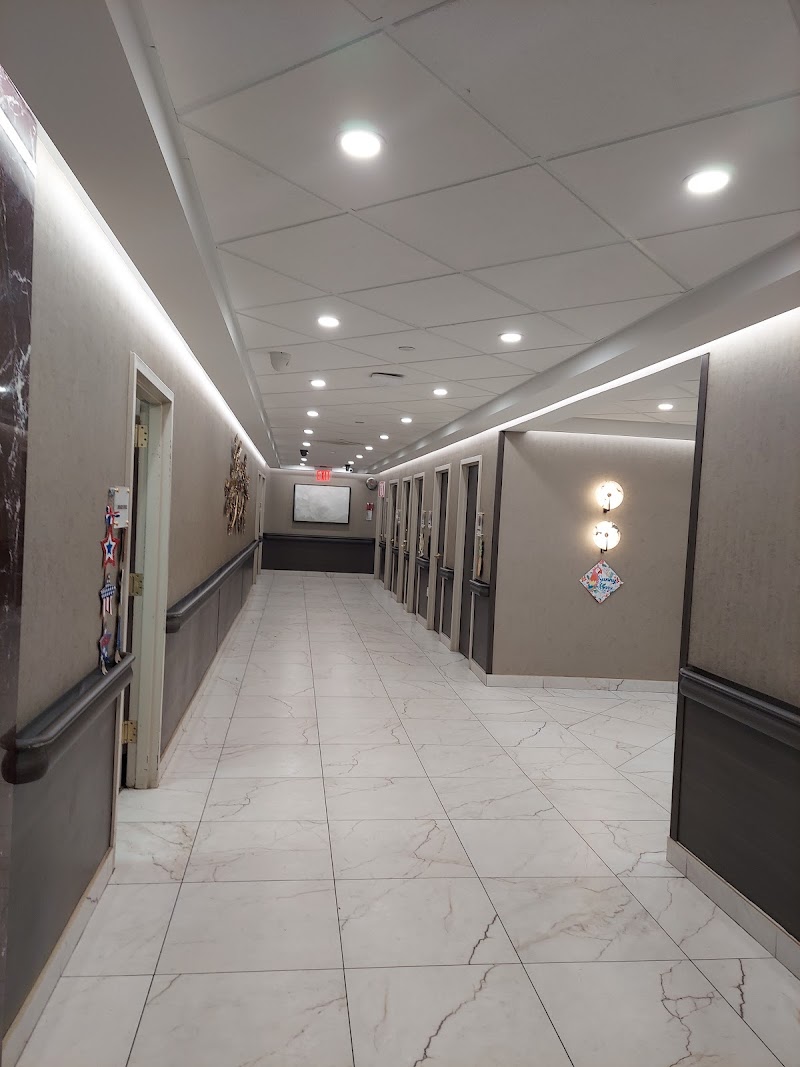
How is Central Queens Rehab & Nursing Center Staffed?

CMS rates CENTRAL QUEENS REHAB & NURSING CENTER's staffing level at 1 out of 5 stars, which is much below average compared to other nursing homes. Staff turnover is 40%, compared to the New York average of 46%. This relatively stable workforce can support continuity of care. RN turnover specifically is 61%, which is notably high. RNs provide skilled clinical oversight, so turnover in this role can affect medical care quality.

What Have Inspectors Found at Central Queens Rehab & Nursing Center?

State health inspectors documented 32 deficiencies at CENTRAL QUEENS REHAB & NURSING CENTER during 2019 to 2025. These included: 32 with potential for harm.
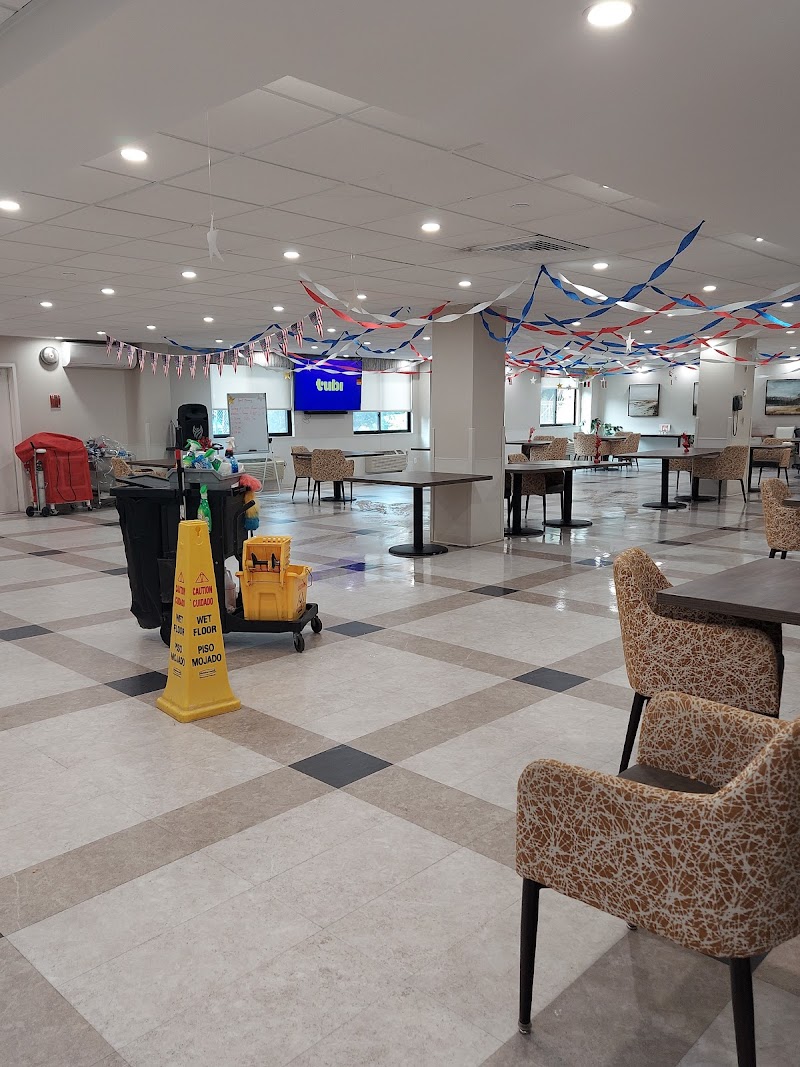
Who Owns and Operates Central Queens Rehab & Nursing Center?

CENTRAL QUEENS REHAB & NURSING CENTER is owned by a for-profit company. For-profit facilities operate as businesses with obligations to shareholders or private owners. The facility operates independently rather than as part of a larger chain. With 200 certified beds and approximately 195 residents (about 98% occupancy), it is a large facility located in MASPETH, New York.
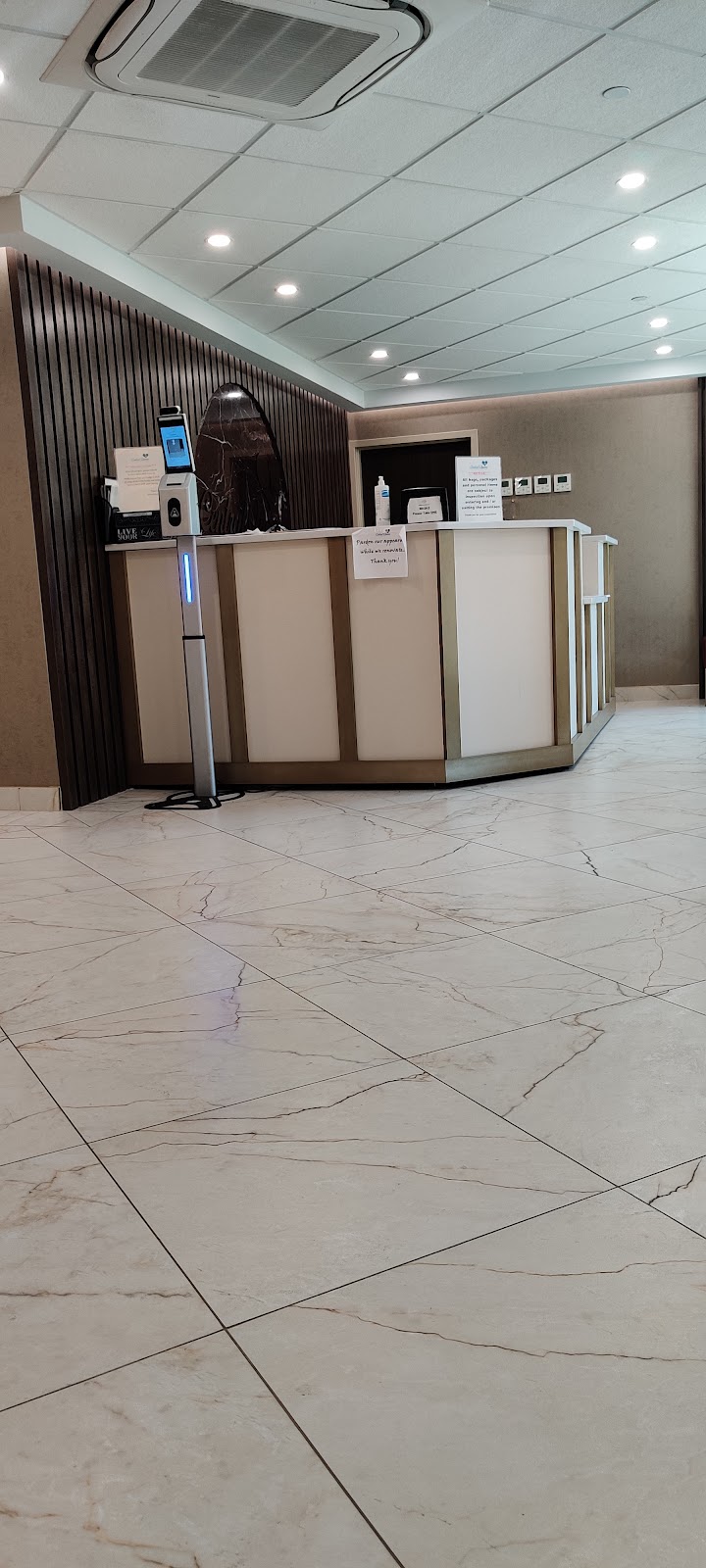
How Does Central Queens Rehab & Nursing Center Compare to Other New York Nursing Homes?

Compared to the 100 nursing homes in New York, CENTRAL QUEENS REHAB & NURSING CENTER's overall rating (1 stars) is below the state average of 3.0, staff turnover (40%) is near the state average of 46%, and health inspection rating (1 stars) is much below the national benchmark.

What Should Families Ask When Visiting Central Queens Rehab & Nursing Center?

Based on this facility's data, families visiting should ask: "Can you walk me through typical staffing levels on day, evening, and night shifts?" "Can I visit during a mealtime to observe dining assistance and food quality?" "How do you handle medical emergencies, and what is your hospital transfer rate?" "Can I speak with family members of current residents about their experience?" These questions are particularly relevant given the below-average staffing rating.

Is Central Queens Rehab & Nursing Center Safe?

Based on CMS inspection data, CENTRAL QUEENS REHAB & NURSING CENTER has a clean safety record: no substantiated abuse findings (meaning no confirmed cases of resident harm), no Immediate Jeopardy citations (the most serious violation level indicating risk of serious injury or death), and is not on the Special Focus Facility watch list (a federal program monitoring the lowest-performing 1% of nursing homes). The facility has a 1-star overall rating and ranks #100 of 100 nursing homes in New York. While no facility is perfect, families should still ask about staff-to-resident ratios and recent inspection results during their visit.

Do Nurses at Central Queens Rehab & Nursing Center Stick Around?

CENTRAL QUEENS REHAB & NURSING CENTER has a staff turnover rate of 40%, which is about average for New York nursing homes (state average: 46%). Moderate turnover is common in nursing homes, but families should still ask about staff tenure and how the facility maintains care continuity when employees leave.

Was Central Queens Rehab & Nursing Center Ever Fined?

CENTRAL QUEENS REHAB & NURSING CENTER has no federal fines on record. CMS issues fines when nursing homes fail to meet care standards or don't correct problems found during inspections. The absence of fines suggests the facility has either maintained compliance or corrected any issues before penalties were assessed. This is a positive indicator, though families should still review recent inspection reports for the full picture.

Is Central Queens Rehab & Nursing Center on Any Federal Watch List?

CENTRAL QUEENS REHAB & NURSING CENTER is not on any federal watch list. The most significant is the Special Focus Facility (SFF) program, which identifies the bottom 1% of nursing homes nationally based on persistent, serious quality problems. Not being on this list means the facility has avoided the pattern of deficiencies that triggers enhanced federal oversight. This is a positive indicator, though families should still review the facility's inspection history directly.