MEDINA MEMORIAL HOSPITAL S N F
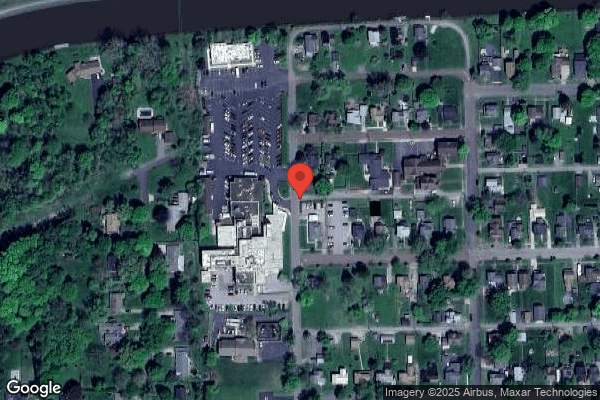
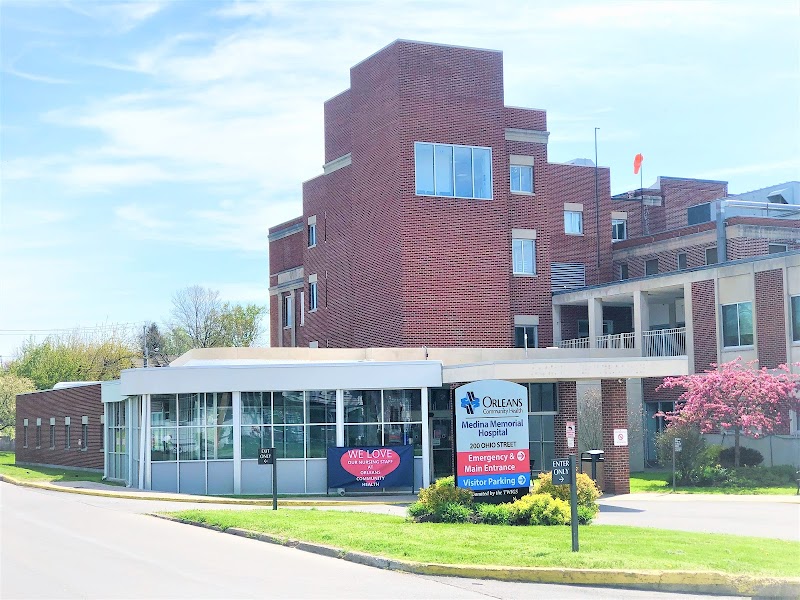
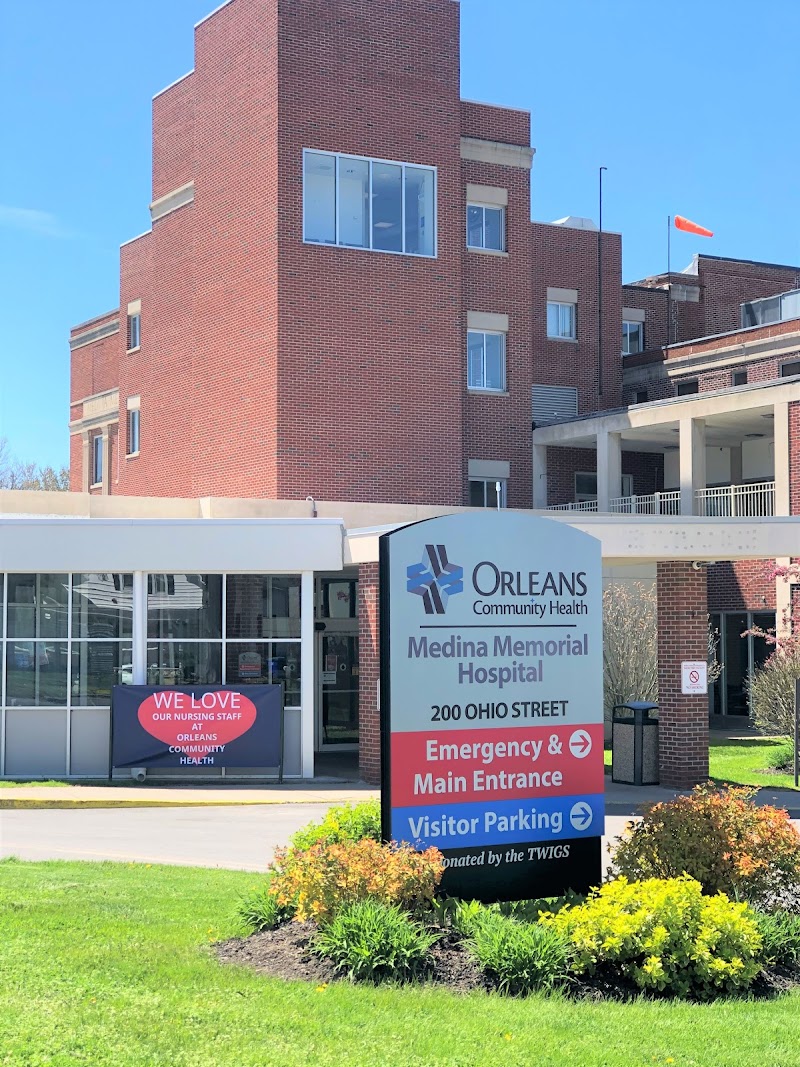
200 OHIO STREET, MEDINA, NY 14103 (585) 798-2000
Non profit - Other 30 Beds Independent Data: November 2025
Trust Grade
90/100
#69 of 594 in NY
Last Inspection: May 2024

Within standard 12-15 month inspection cycle. Federal law requires annual inspections.

Overview

Medina Memorial Hospital's skilled nursing facility has received an excellent Trust Grade of A, indicating it is highly recommended and performs well compared to other facilities. With a state rank of #69 out of 594, it is in the top half of New York facilities, and it ranks #1 out of 3 in Orleans County, meaning it is the best local option. The facility is improving, having reduced its issues from 3 in 2022 to 2 in 2024, and it has no fines on record, which is a positive sign. Staffing is rated good, with 4 out of 5 stars, although the turnover rate of 47% is average, suggesting some staff stability but also room for improvement. However, there have been concerns noted, such as the facility not ensuring that residents’ advance directives were properly implemented and not having a registered nurse available for eight consecutive hours daily on weekends, which raises some questions about consistent care.

Trust Score
A
90/100
In New York
#69/594
Top 11%
Safety Record
Low Risk
No red flags
Inspections
Getting Better
3 → 2 violations
Staff Stability
⚠ Watch
47% turnover. Above average. Higher turnover means staff may not know residents' routines.
Penalties
✓ Good
No fines on record. Clean compliance history, better than most New York facilities.
Skilled Nurses
✓ Good
Each resident gets 56 minutes of Registered Nurse (RN) attention daily — more than average for New York. RNs are trained to catch health problems early.
Violations
○ Average
8 deficiencies on record. Average for a facility this size. Mostly minor or procedural issues.
★★★★★
5.0
Overall Rating
★★★★☆
4.0
Staff Levels
★★★☆☆
3.0
Care Quality
★★★★★
5.0
Inspection Score
Stable
2022: 3 issues
2024: 2 issues

The Good

  • 4-Star Staffing Rating · Above-average nurse staffing levels
  • Full Sprinkler Coverage · Fire safety systems throughout facility
  • No fines on record

Facility shows strength in staffing levels, fire safety.

The Bad

Staff Turnover: 47%

Near New York avg (46%)

Higher turnover may affect care consistency

The Ugly 8 deficiencies on record

May 2024 2 deficiencies
CONCERN (D)

Potential for Harm - no one hurt, but risky conditions existed

Deficiency F0578 (Tag F0578)

Could have caused harm · This affected 1 resident

**NOTE- TERMS IN BRACKETS HAVE BEEN EDITED TO PROTECT CONFIDENTIALITY** Based on observation, interview, and record review conducted during the Standard survey completed on [DATE], the facility did no...

Read full inspector narrative →
**NOTE- TERMS IN BRACKETS HAVE BEEN EDITED TO PROTECT CONFIDENTIALITY** Based on observation, interview, and record review conducted during the Standard survey completed on [DATE], the facility did not ensure the system developed for advance directives was implemented in a manner that was consistent with residents' wishes for three (Resident #6, #21, and #24) of 16 residents reviewed for advance directives. Specifically, the facility did not ensure that all advance directive identifiers were consistent with the resident's advance directives. Facility staff were utilizing a process that was not consistent with the facilities current documented processes. The findings are: The policy and procedure titled Advanced Directives RHCF (Residential Health Care Facility) dated [DATE] documented the facility is committed to honoring the wishes of their patients' regarding their treatment. The Social Worker will inform the patient and/or health care agent and/or surrogate that the patient has a full code order. The Full Code status will be communicated through the application of a Blue Star sticker on the patient's wristband as well as a Blue Star placed at the head of the patient's bed. For any patient who is unable to or chooses not to wear a wristband and has a DNR order, a licensed nurse will provide education to patients and/or patient representatives that CPR will be initiated until code status is confirmed. 1. Resident #6 had diagnoses including dementia, chronic kidney disease stage 3, and osteoarthritis. The Minimum Data Set (Resident Assessment tool) dated [DATE] documented Resident #6 had moderate cognitive impairment, and advance directives that included do not resuscitate. The [NAME] (guide used by staff to provide care) dated [DATE] documented Resident #6 had the advance directive of do not resuscitate. The Medical Orders for Life-Sustaining Treatment (MOLST) dated [DATE] documented a do not resuscitate order. The Order Summary Report dated [DATE] included a physician order for do not resuscitate. During an observation on [DATE] at 12:28 PM Resident #6 was observed in the main dining room, the name band on the resident's wrist did not include a red dot. 2. Resident #21 had diagnoses that included venous insufficiency (improper functioning of the vein values in the leg), heart failure and hypertension. The Minimum Data Set, dated [DATE] documented Resident #21 was cognitively intact. Review of the Comprehensive Care Plan with date initiated [DATE] documented that Resident #21 had Medical Orders for Life-Sustaining Treatment in place. Interventions include that Resident #21 was a do not resuscitate and do not intubate. Review of the Physician Orders dated [DATE] documented that Resident #21 had a medical provider order for do not resuscitate and do not intubate. Review of the Medical Orders for Life-Sustaining Treatment signed by Resident #21 documented on [DATE] documented that the resident's wishes were to have a do not attempt resuscitation-allow natural death medical providers order. During an observation and resident interview on [DATE] at 3:05 PM, Resident #21 had a red dot sticker on the spine of their medical record paper chart and a red dot sticker on their name placard outside of their door. There was no red dot sticker observed on their name tag that was attached to their wheelchair. Resident #21 stated that their advance directive wishes were to be a do not resuscitate. Resident #21 looked at their name band that was attached to their wheelchair and stated that it did not have a red dot sticker on it and added that it was an old name band. 3. Resident #24 had diagnoses that included dementia, Alzheimer's disease, and chronic obstructive pulmonary disease. The Minimum Data Set, dated [DATE] documented Resident #24 had severe cognitive impairment. Review of the Comprehensive Care Plan with date initiated [DATE] documented that Resident #24 had advance directives. Interventions include that Resident #24 was a do not resuscitate and do not intubate. Review of the Physician Orders dated [DATE] documented that Resident #24 had a medical provider order for do not resuscitate and do not intubate. Review of the Medical Orders for Life-Sustaining Treatment signed by Resident #24's health care proxy on [DATE] documented that the resident's wishes were to have a do not attempt resuscitation-allow natural death medical providers order. During on observation on [DATE] at 2:55 PM, Resident #24 had a red dot sticker located on their name band that was attached to their wheelchair and a red dot sticker on the name placard outside of their bedroom door. Resident #24 spine of their medical record paper chart did not have a red dot sticker. During an interview on [DATE] at 9:15 AM, Registered Nurse #2 stated resident code status identifiers were a red dot on the residents' name band, red dot on spine of chart, and a red dot on the door placard for residents with a do not resuscitate status/order. During an interview on [DATE] at 10:52 AM, Certified nursing assistant #1 stated residents wear bracelets with codes on them, red is do not resuscitate but was unsure what the red dot on the door placard meant. During an interview on [DATE] at 10:52 AM, Charge Nurse Registered Nurse #1 stated advance directive status can be found in the electronic medical record, the Medical Orders for Life-Sustaining Treatment. Additionally, for a resident with a do not resuscitate there were red dots on the spine of chart, name band, and door placard. During an interview on [DATE] at 12:36 PM, the Interim Director of Nursing stated they were unsure of the color codes without looking at a graph, but there would be an identifier on the resident's name band and spine of chart. If all identifiers were not accurate, there was the possibility a resident's code status wishes would not be honored. During an interview on [DATE] at 1:19 PM, the Administrator stated the advance directive policy and procedure dated [DATE] was the current advance directive policy. They stated they were aware of red dots on the resident name bands, door placards, and spines of chart signifying do not resuscitate but were unaware of where the red dot process originated. 10NYCRR 400.21
CONCERN (D)

Potential for Harm - no one hurt, but risky conditions existed

Deficiency F0604 (Tag F0604)

Could have caused harm · This affected 1 resident

**NOTE- TERMS IN BRACKETS HAVE BEEN EDITED TO PROTECT CONFIDENTIALITY** Based on observation, interview and record review conducted during a Standard survey completed on 5/24/24, the facility did not ...

Read full inspector narrative →
**NOTE- TERMS IN BRACKETS HAVE BEEN EDITED TO PROTECT CONFIDENTIALITY** Based on observation, interview and record review conducted during a Standard survey completed on 5/24/24, the facility did not ensure residents were free from physical restraints imposed for purposes of discipline or convenience that were not required to treat the resident's medical symptoms, used for the least amount of time and document ongoing re-evaluation of the need for restraints for three (Resident #9,23, and 24) of three residents reviewed for physical restraints. Specifically, Residents #9, #23 and #24 had no assessments for the initiation or ongoing re-evaluation of the continued use of position change alarms. Additionally, there were no provider orders or notes to address the medical reason that warranted the use of the device. The findings are: The policy and procedure titled Alarm Use dated 11/1/2020 documented position change alarms are defined as chair and bed sensor pads, bedside alarmed mats, and alarms clipped to resident clothing. Position change alarms are never to be used as a restraint. Examples of negative potential or actual outcomes which may result from the use of position change alarms as a physical restraint include loss of dignity, bowel and bladder incontinence and sleep disturbance. The State Operational Manual issued 2/3/2023 defines position change alarms as alerting devices intended to monitor a resident's movements and emits an audible signal when a resident moved in certain ways. Additionally, a position alarm may limit a resident's movement when the resident was afraid to move to avoid setting off the alarm. 1.Resident #9 had diagnoses including depression, anxiety and atrial fibrillation (irregular heart rhythm). The Minimum Date set (resident assessment tool) dated 4/21/2024 documented the resident was understood, understands and was cognitively intact, an extensive assist of one person for ambulation and transfers and a bed/chair alarm was used daily. During an observation on 5/21/24 at 12:04 PM Resident #9 was observed in the main dining room in their wheelchair with an alarm on the seat of the wheelchair and the alarm box hanging from the wheelchair handle. During an observation on 5/22/24 at 2:05 PM Resident #9 was observed in their recliner in their room, feet were elevated with the alarm on the seat of the recliner and the alarm box was placed on the overbed table next to the recliner. During an observation on 5/23/24 8:38 AM Resident #9 was in their room in their wheelchair with the alarm box hanging from the wheelchair handle. During the observations, Resident #9 did not exhibit any unsafe movements or attempts to transfer self from the recliner or wheelchair. The comprehensive care plan dated 4/17/24 documented the resident was at risk for falls due to vision and hearing problems and adjustment to a new facility. Interventions included resident uses a pad alarm, and to ensure the device was in place at all times, initiated on 4/12/2024. Review of the interdisciplinary Progress Notes and provider notes dated 4/15/2024-5/23/2024 revealed no documented evidence that Resident #9 was assessed for, or consent was given for the use of the alarm. The current Physician Orders dated 4/15/2024 did not include documentation of an order for alarms. During an interview on 5/23/2024 at 8:43 AM, Resident #9 stated the blue box on the back of their wheelchair was an alarm, so they didn't get up and they thought it was in the seat of the wheelchair. Resident #9 stated they were getting used to the different sounds when it went off. Resident #9 stated it was on when they were in bed and if they moved around in bed too much it would go off and wake them up and they did not like that it woke them up. Resident #9 could not recall how long they have had the alarm and did not know why the alarm was being used. During an interview on 5/24/2024 at 8:49 AM, Certified Nursing Assistant #3 stated Resident #9 used the alarm because they were a fall risk. They were not sure why the resident had an alarm and did not believe the resident had fallen in the past and did not think the resident needed the alarm. During an interview on 5/24/2024 at 8:54 AM, Licensed Practical Nurse #3 stated Resident #9 used chair and bed alarms because they self-transferred a lot and was unsure if the resident had a history of falls. Licensed Practical Nurse #3 stated the resident has only been here a short time and I believe the alarm was initiated on admission. 2.Resident #23 had diagnoses including dementia, peripheral vascular disease (poor circulation of the lower extremities), and hypertension. The Minimum Data Set, dated [DATE] documented the resident had severe cognitive impairment, required substantial/maximal assistance (helper does more than half the effort) with sit to stand transfer, had not experienced any falls since the prior assessment, and a bed/chair alarm was used daily. During an observation on 5/20/2024 at 12:08 PM, Resident #23 was observed sitting in a recliner at the nurse's station. A chair alarm was observed clipped to the back of the resident's shirt. During an observation on 5/22/2024 at 10:41 AM, Resident #23 was observed sitting in a recliner at the nurse's station. A chair alarm was observed clipped to the back of the resident's shirt. During an observation on 5/23/2024 at 11:51 AM Resident #23 was observed sitting in a recliner at the nurse's station. A chair alarm was observed clipped to the back of the resident's shirt. An interview was attempted at that time, and Resident #23 was unable to verbalize their name or the reason for the alarm. During the observations, Resident #23 did not exhibit any unsafe movements or attempts to transfer self from the recliner. The comprehensive care plan initiated 3/31/22, documented the resident was at risk for falls due to confusion. Interventions included alarm on at all times was initiated on 2/20/2023. The [NAME] (care guide) dated 5/24/2024 included alarm on at all times. The current Physician Orders dated 5/24/24 did not include documentation of an order for alarms. Review of the interdisciplinary Progress Notes, Assessments, and Provider Notes from 1/1/24 to 5/24/24 revealed there was no documented evidence of an assessment to determine the indication or need for the use of alarms or a consent for the use of alarms. During an interview on 5/22/2024 at 9:50 AM, the Activities Director stated Resident #23 used the alarm for safety, to alert staff if they have attempted to self-transfer. During an interview on 5/23/2024 at 11:58 AM, Certified Nursing Assistant #2 stated Resident #23 utilized the alarm to notify staff if they attempted to self-transfer. During an interview on 5/23/2024 at 1:27 PM, Certified Nursing Assistant #4 stated Resident #23 utilized the alarm to alert staff if they attempted to get up from the recliner because they were unsteady with ambulation. Certified Nursing Assistant #4 stated Resident #23 had an overall decline in their activities of daily living and they don't try to get up as much as they used to. 3.Resident #24 had diagnoses that included dementia, Alzheimer's disease, and fracture of the left pelvis. The Minimum Data Set, dated [DATE] documented the resident was usually understood, usually understands, and had severe cognitive impairment. Review of the Comprehensive Care Plan dated 3/4/2023, documented that Resident #24 was at risk for falls related to an unsteady gait and fall with fractured pelvis. Interventions included that Resident #24 was to have an alarm at all times. Review of the Order Summary Report with active orders as of 5/12/2024 revealed no documented evidence of a medical provider's order for Resident #24 to have an alarm. Review of Medical Doctor #1's progress notes from 3/4/2024-5/13/2024 revealed no documentation regarding Resident #24's use of an alarm. Review of the interdisciplinary Progress Notes dated 3/4/2024-5/23/2024 revealed no documented evidence that Resident #24 was assessed for, or consent was given for the use of the alarm. During intermittent observations on 5/21/2024 at 8:37 AM, 5/22/2024 at 9:43 AM, 5/22/2024 at 12:12 PM, 5/22/2024 at 1:31 PM, 5/23/2024 at 8:32 AM, 5/23/2024 at 10:17 AM, 5/23/2024 at 11:52 AM and 5/24/2024 at 8:19 AM, Resident #24 was either sitting in their wheelchair or a recliner chair with an alarm box that was clipped to the chair that had an attached magnet on a string attached to their top. During an observation and interview on 5/21/2024 at 3:39 PM, Resident #24 stood up from their wheelchair in the living space at the nursing station. The chair alarm was still attached to the resident with the alarm box still attached to the wheelchair. The alarm did not sound due to there being enough slack in the string that remained attached to the resident. Registered Nurse #1 approached Resident #24 and assisted them to sit back into the wheelchair. Registered Nurse #1 demonstrated how the alarm sounded by removing the magnetic piece from the alarm box. Registered Nurse #1 stated that Resident #24 had an alarm to alert staff when Resident #24 stood up and that there were many residents on the unit that utilized alarms. During a telephone interview on 5/24/2024 at 9:24 AM, Medical Doctor #1 stated they did not recall if they wrote an order for Resident #24's alarm. Medical Doctor #1 stated that Resident #24 had a fractured pelvis that was not completely healed and hoped the alarm would prevent Resident #24 from further hurting themselves by restricting their movement. During an interview on 5/24/2024 at 10:34 AM, the Administrator stated they could not locate documented evidence that Resident #24 had an order, was assessed for, or had a consent for the use of an alarm. The Administrator stated that Resident #24 alarm was the least restrictive safety intervention to prevent them from falling. During an interview on 5/24/2024 at 9:12 AM, Registered Charge Nurse #1 stated chair and bed alarms were used for residents #9, #23 and #24 because they were at risk for falls. Resident #24 fell and fractured their pelvis and Resident #9 and #23 self-transferred. The interdisciplinary team would discuss the resident's behaviors as a team at the residents quarterly meeting. There were no written assessments because the alarm was not a restraint as it's not restricting the residents for getting up. Families were notified by phone or when they come to visit and see the alarm on the resident. MD was made aware on rounds and there were no orders for the alarms. During an interview on 5/24/2024 at 9:44 AM, the Chief Nursing Officer stated they would expect there to be a reason for the use of the alarm, an assessment, get provider approval and family notification. During an additional interview on 5/24/2024 at 10:49 AM, the Administrator stated the interdisciplinary team would meet and would talk about the reason for the alarm other than that, the charge nurse would know more. 10 NYCRR 415.4(a)(2)(3)
Aug 2022 3 deficiencies
CONCERN (D)

Potential for Harm - no one hurt, but risky conditions existed

Deficiency F0700 (Tag F0700)

Could have caused harm · This affected 1 resident

Based on observation, interview, and record review conducted during a Standard survey started 7/28/22 and completed 8/2/22 the facility must attempt to use appropriate alternatives prior to installing...

Read full inspector narrative →
Based on observation, interview, and record review conducted during a Standard survey started 7/28/22 and completed 8/2/22 the facility must attempt to use appropriate alternatives prior to installing a side or bed rail. If a bed or side rail is used, the facility must ensure correct installation, use, and maintenance of bed rails. Assess the resident for risk of entrapment from bed rails prior to installation. Review the risks and benefits of bed rails with the resident or resident representative and obtain informed consent prior to installation. Specifically, one (Resident #3) of one resident observed for side rail use the facility did not ensure the resident was assessed for the risk of entrapment prior to installation, and ensure risks versus benefits of the bed rails were reviewed with the resident or if applicable the resident's representative on an ongoing basis. The finding is: The policy and procedure (P&P) entitled Bed Entrapment dated 8/29/17 documented to provide a safe environment for all patients and residents within the facility to reduce life- threatening entrapments. On an annual basis the Maintenance Department will complete a bed survey for entrapment on all beds. There was no policy provided by the facility regarding side rail assessments, consents, and risk versus benefits. 1. Resident #3 was admitted with diagnoses that included dementia, hypertension (HTN-high blood pressure) and osteoarthritis (OA- inflammation of one or more joints). The Minimum Data Set (MDS- a resident assessment tool) dated 7/28/22 documented Resident #3 cognitively intact, was understood and understands. The MDS under Section P documented the resident did not use side rails. The comprehensive Care Plan (CCP) documented under Limited Physical Mobility- Bed Positioning with a revision date of 6/9/22 Resident #3 prefers bilateral upper handrails. The Certified Nurse Assistant (CNA) Careplan (guide used by staff to provide care) undated documented Resident #3 prefers bilateral upper handrails. During an observation on 7/28/22 at 11:02 AM revealed Resident #3 was asleep in bed with two upper half bed rails in the up position. During an observation on 7/28/22 at 2:03 PM revealed Resident #3 was asleep in bed with two upper half bed rails in the up position. During an observation on 7/29/22 at 11:06 AM revealed Resident #3 was asleep in bed with two upper half bed rails in the up position. During an observation on 8/1/22 at 1:37 PM revealed Resident #3 was asleep in bed with two upper half bed rails in the up position. During an interview on 8/1/22 at 1:40 PM, Certified Nursing Aide (CNA) #1 stated they were not sure why Resident #3 had the two upper half rails up. CNA #1 stated the resident was independent with ambulation and transfers, but will ask for assist assistance if needed. The resident may use then to stand up from the bed. During an interview on 8/1/22 at 2:53 PM, Licensed Practical Nurse Supervisor (LPN) #1 stated they were unaware Resident #3 used two upper half bed rails and did not know what the resident used them for. LPN #1 further stated the bed rails could be considered a restraint and there should be an assessment for the use of the bed rails. During an interview on 8/1/22 at 2:57 PM, Registered Nurse (RN) #1 stated Resident #3 uses the bed rails to get up and to position self in bed. Therapy was responsible for the assessment of the bed rails and an assessment should be completed with every CCP review. During an interview on 8/2/22 at 9:33 AM, the Director of Therapy (Registered Occupational Therapist, OTR) stated we assess for use of functional mobility and the residents need for bed rails, but we don't approve the use for the bed rails, the administrator has to approve the use because it would be considered a restraint. The Director of Therapy further stated Resident #3 has not been assessed for the use of the bed rails and was not aware the resident was using bed rails. During an observation on 8/2/22 at 10:32 AM, the Director of Nursing (DON) stated Resident #3 uses the bed rails to reposition in bed. The resident requested bed rails a long time ago but could not recall why. Nursing would be responsible for assessing for the use of the bed rails and an assessment has not been done. During an observation on 8/2/22 at 11:59 AM revealed Resident #3 was asleep in bed with two upper half bed rails in the up position. 415.12(h)(1)
CONCERN (F)

Potential for Harm - no one hurt, but risky conditions existed

Deficiency F0727 (Tag F0727)

Could have caused harm · This affected most or all residents

**NOTE- TERMS IN BRACKETS HAVE BEEN EDITED TO PROTECT CONFIDENTIALITY** Based on interview and record review conducted during a Standard survey conducted 7/28/22 through 8/2/22, the facility did not u...

Read full inspector narrative →
**NOTE- TERMS IN BRACKETS HAVE BEEN EDITED TO PROTECT CONFIDENTIALITY** Based on interview and record review conducted during a Standard survey conducted 7/28/22 through 8/2/22, the facility did not use the services of a Registered Nurse (RN) for at least eight consecutive hours a day, seven days a week. Specifically, one of one resident care unit (skilled nursing facility (SNF) independent of the hospital) reviewed for staffing revealed an RN was not scheduled for eight consecutive hours per day on the weekends and holidays for the past four months. The finding is: Review of a facility Policy and Procedure (P&P) titled RN Staffing for [NAME] Memorial Hospital SNF dated 9/1/2020 documented an RN will be scheduled to be on the SNF unit for eight consecutive hours/day, seven days a week. The P&P documented in the event that a RN is not available on the unit for eight consecutive hours/day, seven days a week the SNF will seek a Centers for Medicare and Medicaid Services (CMS) RN staffing waiver. Regardless of the waiver status the hospital RN nursing supervisor will continue to provide care, as needed to the SNF unit, when the SNF RN is not on the unit. 1. Review of the facility Daily Staffing Sheet dated 3/6/22 through 8/2/22 revealed there was no documented evidence that an RN was scheduled for eight consecutive hours, seven days a week in the hospital-based nursing home. The Daily Staffing Sheet revealed that an RN was not scheduled on the unit for eight consecutive hours on the weekends and holidays. During an interview on 8/1/22 at 10:27 AM, RN #1 stated they worked Monday through Friday as the RN Charge Nurse for the SNF. RN #1 stated they did not work on weekends, and they did not have any on-call responsibilities after their working hours. During an interview on 8/2/22 at 10:36 AM, Licensed Practical Nurse (LPN) #1 Nursing Supervisor stated they were responsible for staffing the SNF. LPN #1 stated there was not an RN scheduled on the weekends for the SNF, and the hospital nursing supervisor was responsible for rounding in the SNF. During an interview on 8/2/22 at 11:22 AM, the Director of Nursing (DON) stated there were no SNF RNs scheduled on weekends or holidays. The DON stated the RN building (hospital) supervisors to cover both the hospital and the SNF off-shifts, weekends and holidays. The DON stated their expectation was for the RN building nursing (hospital) supervisors was to round hourly, respond to any emergency situations, and assist on the SNF units as needed. The DON stated that the RN building (hospital) nursing supervisors were not stationed on the SNF unit and would have responsibilities to attend to on the hospital side of the building. During an interview on 8/2/22 at 11:32 AM, the Administrator stated they did not renew the RN 7 days a week for 8 hours a day waiver yearly because they thought the waiver was good from recertification survey to recertification survey. During an interview on 8/2/22 at 12:43 PM, RN #2 stated they were the hospital RN Nursing Supervisor and would were responsible for overseeing the hospital and the SNF on weekends. RN #2 stated they would spend about one to three hours of their workday on SNF duties but were not required to sit on the SNF unit. RN #2 stated they would carry a cellular telephone and the LPN medication nurses would call them when needed. RN #2 stated some of their SNF responsibilities on the weekends would be rounding hourly, ensuring the SNF was staffed, co-signing for insulins, resident assessments, and assisting the staff with resident care when needed. 415.13 (b)(1)
MINOR (B)

Minor Issue - procedural, no safety impact

Deficiency F0582 (Tag F0582)

Minor procedural issue · This affected multiple residents

**NOTE- TERMS IN BRACKETS HAVE BEEN EDITED TO PROTECT CONFIDENTIALITY** Based on interview and record review during the Standard survey from conducted from 7/28/22 through 8/2/22, the facility did not...

Read full inspector narrative →
**NOTE- TERMS IN BRACKETS HAVE BEEN EDITED TO PROTECT CONFIDENTIALITY** Based on interview and record review during the Standard survey from conducted from 7/28/22 through 8/2/22, the facility did not provide the appropriate liability and appeal notices to Medicare beneficiaries at the termination of Medicare coverage for three (Residents #11, 17, and 20) of three residents reviewed. Specifically, the facility did not provide responsible party (RP) with a Skilled Nursing Facility Advance Beneficiary Notice (SNF ABN) and a Notice of Medicare Non-Coverage (NOMNC) (#11), the facility did not provide the resident or RP with a SNF ABN and there was no documented evidence the NOMNC was mailed to RP after telephone contact (#17) and there was no documented evidence the NOMNC was mailed to the RP after telephone contact (#20). The findings are: The Form Instructions Skilled Nursing Facility Advanced Beneficiary Notice of Non-coverage (SNFABN Form CMS (Centers for Medicare & Medicaid Services)-10055 (2018) documents Medicare requires skilled nursing facilities (SNFs) to issue the SNFABN to beneficiaries prior to providing care that Medicare usually covers but may not pay for in this instance because the care is considered not medically reasonable and necessary; or considered custodial. The Form Instructions for the Notice of Medicare Non-Coverage (NOMNC) CMS-10123 documents CMS requires that notification of changes in coverage for an institutionalized beneficiary/enrollee who is not competent be made to a representative. If the provider is personally unable to deliver a NOMNC to a person acting on behalf of a beneficiary/enrollee, then the provider should telephone the representative to advise him or her when the enrollee's services are no longer covered. The date of the conversation is the date of the receipt of this notice. Confirm the telephone contact by written notice mailed on that same date. 1. Resident #11 was admitted to the facility under Medicare Part A services with diagnoses including vascular dementia, depression, and anxiety. The Minimum Data Set (MDS, a resident assessment tool) dated 2/7/22 documented Resident #11 had moderate cognitive impairment. The facility Health Care Proxy - Decision-Making Capacity Determination signed and dated by the Social Worker 2/14/22, documented the resident lacks capacity. The Facility Beneficiary Protection Notification Review worksheet documented Medicare Part A Skilled Services Episode Start Date: 2/1/22 and Last covered day of Part A Service: 2/26/22. The SNF ABN and NOMNC were signed and dated 2/24/22 by Resident #11. During an interview on 8/3/22 at 8:53 AM the Social Worker (SW) stated Resident #11 lacked capacity when they signed and dated the SNF ABN and NOMNC making the notification invalid. The notices should have been signed and sent to the RP. 2. Resident #17 was admitted to the facility under Medicare Part A services with diagnoses including multiple sclerosis, diabetes mellitus, and dementia. The MDS dated [DATE] documented Resident #17 had severe cognitive impairment. The Facility Beneficiary Protection Notification Review worksheet documented Medicare Part A Skilled Services Episode Start Date: 3/2/22 and Last covered day of Part A Service: 3/19/22. The facility was unable to provide evidence the SNF ABN was provided to the RP upon the termination of Medicare Part A services and unable to provide evidence the NOMNC was mailed to the RP the date telephone contact was made to the RP. During an interview on 7/29/22 at 10:52 AM, the Administrator stated the facility did not have a SNF ABN for Resident #17. During an interview on 8/1/22 the SW and Director of Care Management stated a SNF ABN was not issued for Resident #17. The SW stated they were on vacation at the time the notification was required, and the Director of Care Management stated they were unaware a SNF ABN was required. Additionally, the SW stated they reviewed the NOMNC with the RP via telephone and the NOMNC was mailed to the RP. There was no documentation in the electronic medical record (EMR) the NOMNC was mailed to the RP on the date of telephone contact nor was there a certified return receipt of the mailing. 3. Resident #20 was admitted to the facility under Medicare Part A services with diagnoses including heart failure, dementia, and chronic obstructive pulmonary disease (COPD). The MDS dated [DATE] documented Resident #20 had severe cognitive impairment. The Facility Beneficiary Protection Notification Review worksheet documented Medicare Part A Skilled Services Episode Start Date: 6/13/22 and Last covered day of Part A Service: 7/1/22. There was no documentation in the electronic medical record (EMR) the SNF ABN and NOMNC were mailed to the RP on the date of telephone contact nor was there a certified return receipt of the mailing. During an interview on 8/3/22 at 8:53 AM, the SW stated they contacted Resident #20's RP via telephone regarding the SNF ABN and NOMNC. Additionally, the SW stated the notices were mailed to the RP. 415.3(h)(2)(iv)
Jan 2020 3 deficiencies
CONCERN (D)

Potential for Harm - no one hurt, but risky conditions existed

Report Alleged Abuse (Tag F0609)

Could have caused harm · This affected 1 resident

**NOTE- TERMS IN BRACKETS HAVE BEEN EDITED TO PROTECT CONFIDENTIALITY** Based on interiew and record review conducted during an Standard survey completed on 1/6/20, the facility did not ensure that al...

Read full inspector narrative →
**NOTE- TERMS IN BRACKETS HAVE BEEN EDITED TO PROTECT CONFIDENTIALITY** Based on interiew and record review conducted during an Standard survey completed on 1/6/20, the facility did not ensure that all alleged violations including abuse, neglect, exploitation or mistreatment including injuries of unknown origin source, are reported immediately, but not later than two hours later after the allegation is made, if the events that cause the allegation involve abuse or result in serious bodily injury to the Administrator and other officials (including to the State Survey Agency and the Adult Protective Services where state law provides for jurisdiction in long-term care facilities) in accordance with State Law through established procedures. Specifically, one (Residents #26) of one resident reviewed for reporting of alleged violations of abuse were involved in a resident to resident altercation. The incident was not reported timely to the New York State Department of Health (NYSDOH) as required. Resident #11 involved. The finding is: Review of the facility policy and procedure (P&P) titled Policy and Procedure for Reporting Patient/Resident Abuse/Neglect dated 12/27/16 documented any professional or non-professional of the Residential Health Care Facility (RHCF) will ensure that all alleged violations including abuse, neglect, exploitation or mistreatment including injuries of unknown origin source, are reported immediately, but not later than two hours later after the allegation is made, if the events that cause the allegation involve abuse or result in serious bodily injury, or not later than 24 hours if the events that cause the allegation do not involve abuse and do not result in serious bodily injury, or not later than 24 hours if the events that cause the allegation do not involve abuse and do not result in serious bodily injury, to the Administrator of the facility and to other officials (including to the State Survey Agency and the Adult Protective Services where state law provides for jurisdiction in long-term care facilities) in accordance with State Law through established procedures. The P&P further documented the term physical abuse shall mean inappropriate physical contact with a nursing home resident which harms or is likely to harm the resident to include but not limited to striking, pinching, kicking and shoving. The term verbal abuse shall mean use of oral, written or gestured language that willfully includes disparaging or derogatory terms that harm or is likely to cause harm to the resident. 1. Resident #26 was admitted to the facility on [DATE] with diagnoses including dementia, depression and anxiety. The Minimum Data Set (MDS-a resident assessment tool) dated 11/26/19 documented the resident was severely cognitively impaired was understood and understands. Review of the comprehensive Care Plan dated 12/11/19 revealed the resident had potential to be physically aggressive. On 12/10/19 the resident put his hand over another resident's mouth and told her to shut up. Interventions included to keep in eye sight of staff when out of bedroom and check on when in bed every half hour. Review of an Incident Investigation report for Resident #11 dated 12/10/19 at 6:30 PM revealed under Occurrence Category: aggression towards another resident. The resident (#11) was in the dining room after dinner yelling out, a peer (#26) stood and put their hand over Resident #11's mouth and said shut up. Staff immediately intervened and there were no injuries. Review of a Progress Note for Resident #11 dated 12/10/19 at 9:20 PM revealed the resident was in the dining room after the meal yelling out, when peer (Resident #26) stood, leaned over placed their hand on resident's (#11) mouth and stated, shut up. Staff immediately intervened and removed peers' hand (#26) from resident's face (#11). There was no redness, ecchymosis (bruising), or abrasion observed. The nurse removed the peer's hand (#26) and at this time the peer clenched their fist and pulled their arm back indicating they were going to strike the resident (#11) with a closed fist. The nurse intervened again preventing further contact. Review of the untitled physician progress note dated 12/11/19 revealed Resident #26 was seen for an acute visit. Resident #26 grabbed another resident (#11) who was yelling on the unit. Resident #26 was was annoyed by the resident (#11). The behavior can be construed as annoying and the response aggravated but not inappropriate with his general disinhibition. Staff have reviewed his care plan and will try to keep them separated. The resident was pleasant during the visit and had no recollection of the incident. During an interview on 1/6/20 at 12:20 PM, the Administrator stated she was aware of the resident to resident incident but unaware that Resident #26 put a hand over Resident #11's mouth. The staff intervened, there was no injury to the resident and that's why it was not reported to the NYSDOH. 415.4(6)(2,4)
CONCERN (D)

Potential for Harm - no one hurt, but risky conditions existed

Deficiency F0688 (Tag F0688)

Could have caused harm · This affected 1 resident

**NOTE- TERMS IN BRACKETS HAVE BEEN EDITED TO PROTECT CONFIDENTIALITY** Based on observation, record review, and interview completed during the Standard survey completed 1/6/20, the facility did not e...

Read full inspector narrative →
**NOTE- TERMS IN BRACKETS HAVE BEEN EDITED TO PROTECT CONFIDENTIALITY** Based on observation, record review, and interview completed during the Standard survey completed 1/6/20, the facility did not ensure that a resident with limited range of motion receives appropriate treatment and equipment to prevent further decrease in range of motion. Specifically, one (Resident #5) of one resident reviewed for range of motion (ROM) services was not provided with a palm guard (assistive device that positions the fingers away from the palm) to their right hand as recommended by Occupational Therapy (OT). The finding is: 1. Resident #5 was admitted to the facility on [DATE] with diagnoses including dementia, depression and contractures (loss of joint mobility). The Minimum Data Set (MDS- a resident assessment tool) dated 11/6/19 documented the resident was severely cognitively impaired, and was rarely/never understood, sometimes understands. Review of the comprehensive Care Plan dated 10/19/18 revealed the resident had an activities of daily living (ADL) self-care performance deficit related to Alzheimer's with periods of agitation, limited mobility and limited ROM with interventions including the resident has contractures of right shoulder with the potential for loss of upper extremity (UE) motion, recommend passive range of motion (PROM) both shoulders and active range of motion (AROM) to elbow, wrist and hands twice a day (BID), right palm guard apply after PROM apply to right UE and throughout the day. The Therapy Evaluation and Treat Order form dated 10/28/19 documented the reason for the evaluation was because the resident holds their right hand in a tight fist and included a diagnosis of right-hand contracture. Review PT/OT/ST (Physical Therapy/OT/ Speech Therapy) Recommendations to Caregivers dated 11/12/19 revealed right palm guard was issued to prevent skin breakdown due to resident holds hand/digits in flexed, clenched fist, wear throughout the day. Review or the Order Summary Report dated 12/23/19 revealed no documented evidence for the use of the resident's right hand palm guard. Intermittent observations revealed the following: 1/2/20 7:26 AM the resident's right hand with all five digits pressed against the resident's palm, no palm guard in place. Resident was unable to to open fingers on command. 1/2/20 12:04 PM the resident was in thr dining room for lunch, staff was assisting with the meal, all five digits were pressed against the resident's palm and there was no palm guard in place. 1/3/20 8:46 AM the resident was out of bed to dining room, fully dressed and sleeping in the wheel chair. There was no palm guard to the right hand and the right thumb nail was a half inch long. 1/3/20 12:07 PM the resident was in the dining room for lunch, there was no palm guard in place on the right hand. 1/3/20 1:37 PM the resident was in bed, no palm guard in right hand. During an interview on 1/3/20 at 12:54 PM, Certified Nursing Assistant (CNA) #1 stated she was the resident's aide and was responsible for ROM and applying the resident's splint. The resident refuses PROM and is resistive. The CNA stated she was told the palm guard was discontinued and had not seen it in over a week. During an interview on 1/3/20 at 1:00 PM, Registered Nurse (RN) #1 stated she was unsure if the palm guard was discontinued and would look into it. She was also unsure if an MD order was needed for the palm guard. During an interview on 1/3/20 at 1:07 PM, the Certified Occupational Therapy Assistant (COTA) stated the resident was issued the palm guard when he was discharged from OT recently. The palm guard should be worn all the time accept at night. During an interview on 1/3/20 at 1:10 PM, the Occupational Therapist stated the resident was on therapy from 11/6/19 through 11/27/19. The resident should still be wearing the palm guard, it was not discontinued. If the staff can't find it, they should them know. During an interview on 1/3/20 at 1:17 PM, the Director of Nursing (DON) stated there should be a physician's order for splints and palm guards. During an interview on 1/6/20 at 8:01 AM, the Administrator stated palm guard application was not on the CNA tasks in the electronic medical record (EMR) to be completed, but it is on there now. During an interview on 1/6/20 at 2:01 PM, the Administrator revealed the facility did not have a policy and procedure in place for splint application. 415.12(e)(2)
CONCERN (D)

Potential for Harm - no one hurt, but risky conditions existed

Deficiency F0727 (Tag F0727)

Could have caused harm · This affected 1 resident

Based on interview and record review conducted during the Standard survey completed on 1/6/20, the facility did not use the services of a Registered Nurse (RN) for at least eight consecutive hours a d...

Read full inspector narrative →
Based on interview and record review conducted during the Standard survey completed on 1/6/20, the facility did not use the services of a Registered Nurse (RN) for at least eight consecutive hours a day, seven days a week. Specifically, one of one resident care unit (skilled nursing facility independent of the hospital) reviewed for staffing revealed an RN was not scheduled for eight consecutive hours per day on the weekends and holidays for the past four months. Specifically, one of one resident care unit (skilled nursing facility (SNF) independent of the hospital) reviewed for staffing revealed an RN was not scheduled for eight consecutive hours per day on the weekends and holidays for the past three months. The finding is: Review of a facility policy and procedure (P&P) titled RN Staffing for Hospital SNF dated 3/1/19 revealed an RN will be scheduled to be on the SNF for eight consecutive hours/ day, seven days a week. The acute care (hospital) RN Nursing Supervisor will continue to provide care, as needed, when the SNF RN is not on the unit. Review of the facility Daily Staffing Sheet dated 9/1/19 through 12/31/19 revealed there was no documented evidence that an RN was scheduled for eight consecutive hours on weekends and holidays. During an interview on 1/3/20 at 8:55 AM, the RN Unit Manager stated she works Monday through Friday as the RN Unit Manager. The RN Supervisor from the hospital covers Saturday, Sunday, and holidays at the SNF. The hospital Supervisor covers both the hospital and the SNF on those days. During an interview on 1/3/20 at 12:45 PM, the Director of Nursing (DON) stated there are RN building supervisors that cover both the hospital and SNF weekends and holidays. Her expectation was for the supervisors to primarily be present on the SNF Unit as there are more residents on that SNF unit than patients in the other 2 Units (emergency room (ER) and hospital unit). The RN Supervisor would be expected to round those units every 1 to 2 hours, respond to any emergency situations in the building, and assist on the units if needed. In addition, while it is the expectation for the RN Supervisor to focus their time on the SNF Unit, if there was something emergent on the other two units they would of course go there. 415.13(b)(1)
Understanding Severity Codes (click to expand)
Life-Threatening (Immediate Jeopardy)
J - Isolated K - Pattern L - Widespread
Actual Harm
G - Isolated H - Pattern I - Widespread
Potential for Harm
D - Isolated E - Pattern F - Widespread
No Harm (Minor)
A - Isolated B - Pattern C - Widespread

Questions to Ask on Your Visit

  • "Can I speak with families of current residents?"
  • "What's your RN coverage like on weekends and overnight?"

Our Honest Assessment

Strengths
  • • Grade A (90/100). Above average facility, better than most options in New York.
  • • No major safety red flags. No abuse findings, life-threatening violations, or SFF status.
  • • No fines on record. Clean compliance history, better than most New York facilities.
Concerns
  • • No significant concerns identified. This facility shows no red flags across CMS ratings, staff turnover, or federal penalties.
Bottom line: Generally positive indicators. Standard due diligence and a personal visit recommended.

About This Facility

What is Medina Memorial Hospital S N F's CMS Rating?

CMS assigns MEDINA MEMORIAL HOSPITAL S N F an overall rating of 5 out of 5 stars, which is considered much above average nationally. Within New York, this rating places the facility higher than 99% of the state's 100 nursing homes. This rating reflects solid performance across the metrics CMS uses to evaluate nursing home quality.
How is Medina Memorial Hospital S N F Staffed?

CMS rates MEDINA MEMORIAL HOSPITAL S N F's staffing level at 4 out of 5 stars, which is above average compared to other nursing homes. Staff turnover is 47%, compared to the New York average of 46%.

What Have Inspectors Found at Medina Memorial Hospital S N F?

State health inspectors documented 8 deficiencies at MEDINA MEMORIAL HOSPITAL S N F during 2020 to 2024. These included: 7 with potential for harm and 1 minor or isolated issues.
Who Owns and Operates Medina Memorial Hospital S N F?

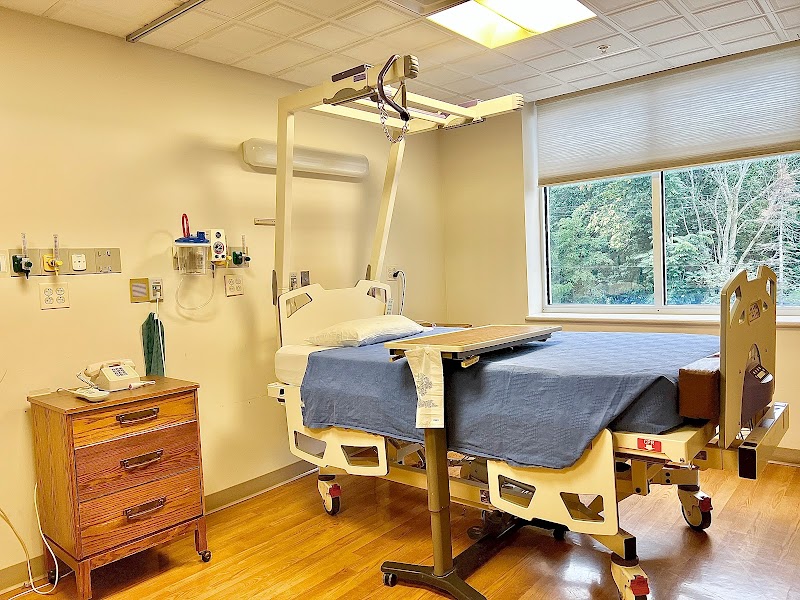
MEDINA MEMORIAL HOSPITAL S N F is owned by a non-profit organization. Non-profit facilities reinvest revenue into operations rather than distributing to shareholders. The facility operates independently rather than as part of a larger chain. With 30 certified beds and approximately 28 residents (about 93% occupancy), it is a smaller facility located in MEDINA, New York.

How Does Medina Memorial Hospital S N F Compare to Other New York Nursing Homes?

Compared to the 100 nursing homes in New York, MEDINA MEMORIAL HOSPITAL S N F's overall rating (5 stars) is above the state average of 3.1, staff turnover (47%) is near the state average of 46%, and health inspection rating (5 stars) is much above the national benchmark.

What Should Families Ask When Visiting Medina Memorial Hospital S N F?

Based on this facility's data, families visiting should ask: "Can I visit during a mealtime to observe dining assistance and food quality?" "How do you handle medical emergencies, and what is your hospital transfer rate?" "Can I speak with family members of current residents about their experience?"

Is Medina Memorial Hospital S N F Safe?

Based on CMS inspection data, MEDINA MEMORIAL HOSPITAL S N F has a clean safety record: no substantiated abuse findings (meaning no confirmed cases of resident harm), no Immediate Jeopardy citations (the most serious violation level indicating risk of serious injury or death), and is not on the Special Focus Facility watch list (a federal program monitoring the lowest-performing 1% of nursing homes). The facility has a 5-star overall rating and ranks #1 of 100 nursing homes in New York. While no facility is perfect, families should still ask about staff-to-resident ratios and recent inspection results during their visit.

Do Nurses at Medina Memorial Hospital S N F Stick Around?

MEDINA MEMORIAL HOSPITAL S N F has a staff turnover rate of 47%, which is about average for New York nursing homes (state average: 46%). Moderate turnover is common in nursing homes, but families should still ask about staff tenure and how the facility maintains care continuity when employees leave.

Was Medina Memorial Hospital S N F Ever Fined?

MEDINA MEMORIAL HOSPITAL S N F has no federal fines on record. CMS issues fines when nursing homes fail to meet care standards or don't correct problems found during inspections. The absence of fines suggests the facility has either maintained compliance or corrected any issues before penalties were assessed. This is a positive indicator, though families should still review recent inspection reports for the full picture.

Is Medina Memorial Hospital S N F on Any Federal Watch List?

MEDINA MEMORIAL HOSPITAL S N F is not on any federal watch list. The most significant is the Special Focus Facility (SFF) program, which identifies the bottom 1% of nursing homes nationally based on persistent, serious quality problems. Not being on this list means the facility has avoided the pattern of deficiencies that triggers enhanced federal oversight. This is a positive indicator, though families should still review the facility's inspection history directly.