ORCHARD REHABILITATION & NURSING CENTER

600 BATES ROAD, MEDINA, NY 14103 (585) 798-4100
For profit - Limited Liability company 160 Beds Independent Data: November 2025
Trust Grade
75/100
#209 of 594 in NY
Last Inspection: April 2024

Within standard 12-15 month inspection cycle. Federal law requires annual inspections.

Overview

Orchard Rehabilitation & Nursing Center in Medina, New York, has a Trust Grade of B, which means it is a good choice for families seeking care. It ranks #209 out of 594 facilities in New York, placing it in the top half of the state, and #2 out of 3 in Orleans County, indicating that only one local option is better. The facility is improving, with the number of issues decreasing from 5 in 2024 to 2 in 2025. Staffing is a concern, with a turnover rate of 51%, higher than the state average, and a staffing rating of 3 out of 5 stars. Although there have been no fines reported, recent inspections revealed that the center struggled to provide sufficient nursing staff to meet residents' needs and served food at unsafe temperatures, which could risk residents' health. Overall, while there are notable strengths, particularly in quality measures, families should consider these weaknesses carefully.

Trust Score
B
75/100
In New York
#209/594
Top 35%
Safety Record
Low Risk
No red flags
Inspections
Getting Better
5 → 2 violations
Staff Stability
⚠ Watch
51% turnover. Above average. Higher turnover means staff may not know residents' routines.
Penalties
✓ Good
No fines on record. Clean compliance history, better than most New York facilities.
Skilled Nurses
○ Average
Each resident gets 31 minutes of Registered Nurse (RN) attention daily — about average for New York. RNs are the most trained staff who monitor for health changes.
Violations
⚠ Watch
18 deficiencies on record. Higher than average. Multiple issues found across inspections.
★★★★☆
4.0
Overall Rating
★★★☆☆
3.0
Staff Levels
★★★★★
5.0
Care Quality
★★★☆☆
3.0
Inspection Score
Stable
2024: 5 issues
2025: 2 issues

The Good

  • 5-Star Quality Measures · Strong clinical quality outcomes
  • Full Sprinkler Coverage · Fire safety systems throughout facility
  • No fines on record

Facility shows strength in quality measures, fire safety.

The Bad

Staff Turnover: 51%

Near New York avg (46%)

Higher turnover may affect care consistency

The Ugly 18 deficiencies on record

Sept 2025 2 deficiencies
CONCERN (E) 📢 Someone Reported This

A family member, employee, or ombudsman was alarmed enough to file a formal complaint

Potential for Harm - no one hurt, but risky conditions existed

Deficiency F0804 (Tag F0804)

Could have caused harm · This affected multiple residents

Based on observation, interview, and record review conducted during a Complaint investigation (NY00358687- 745392) the facility did not ensure food and drink were provided/served at a safe and appetiz...

Read full inspector narrative →
Based on observation, interview, and record review conducted during a Complaint investigation (NY00358687- 745392) the facility did not ensure food and drink were provided/served at a safe and appetizing temperatures. Specifically, food and beverages during the lunch meal were served at suboptimal temperatures and were not palatable.Residents #1, #4, #5, #6, and #7 involved. The finding is: The policy Safe Food Temperature and Danger Zone Compliance dated 04/2025 documented the facility will maintain strict control of food temperatures to prevent the growth of harmful bacteria. All food will be stored, cooked, held, and served at temperatures that comply with New York State Department of Health requirements, CMS (Centers for Medicare & Medicaid Services), and ServSafe guidelines (guidelines that focus on essential food safety practices, including personal hygiene, cross-contamination prevention, time and temperature control, and cleaning and sanitation). The temperature danger zone is defined as 41 degrees Fahrenheit to 135 degrees Fahrenheit. During observation 08/28/2025 at 11:40 AM, the lunch meal tray line was started in the main dining room servery. Temperatures were taken at the start of tray line service and all hot food items were above 140 degrees Fahrenheit. Cold food and drink items were held pre-portioned and pre-poured on metal trays. During an observation/interview on 08/28/2025 at 11:57 AM, Resident #5 was eating their lunch meal in the main dining room. Resident #5 stated the food was never served hot, and the lunch meal was lukewarm at best and the drinks were not served cold. During an observation/interview on 08/28/2025 at 11:59 AM, Resident #6 was eating their lunch meal in the main dining room. Resident #6 stated the lunch meal was served lukewarm. During an observation on 08/28/2025 at 12:19 PM, tray line service for the hall trays began. The Side two (2) Cart two (2) left the servery for the unit at 12:50 PM in a metal cart with doors and all the residents were served lunch meal at 12:56 PM. A test tray was completed with the Food Service Director at 12:56 PM for temperatures and palatability. The temperatures were taken by the Food Service Director using the Food Service Directors digital thermometer. The results were as follows: - carrot vegetable blend was 118 degrees Fahrenheit, tasted lukewarm and bland.- chicken with biscuit and gravy 115 degrees Fahrenheit, tasted lukewarm and salty.- cranberry juice 64.2 degrees Fahrenheit, tasted warm.- milk 56.5 degrees Fahrenheit, tasted warm.- coffee 119.5 degrees Fahrenheit, tasted lukewarm. During an interview on 08/28/2025 at 1:01 PM, Resident #1 stated their lunch meal was served barely warm and the water for the tea the temperature of tap water. During an interview on 08/28/2025 at 1:12 PM, Resident #4 stated the lunch meal was barely edible, barely even warm they stated the juice was not cold and the water for hot cocoa was not warm. During an interview on 09/02/2025 at 8:20 AM, Resident #7 stated the food is served cold, at room temperature, most of the time and the quality of the food served is suboptimal. During an interview on 09/02/2025 at 8:48 AM, the Food Service Director stated the food on the plate in front of a resident should be 140 degrees Fahrenheit or higher and milk and juices should be served less than 41 degrees Fahrenheit. Foods outside these temperatures were considered in the danger zone where bacteria can grow within 20 minutes and potentially cause illness. Additionally, the test tray temperatures on 08/28/2025 were not good, food should have been hotter and the drinks colder. During an interview on 09/02/2025 at 10:21 AM, the Administrator stated milk, and juices should be served under 41 degrees Fahrenheit, coffee should be served above 160 degrees Fahrenheit, and hot foods should be served above 140 degrees Fahrenheit to keep the foods out of the temperature danger zone where food can spoil and pathogens can grow, 10 NYCRR 415.14(d)(1)(2)
CONCERN (F) 📢 Someone Reported This

A family member, employee, or ombudsman was alarmed enough to file a formal complaint

Potential for Harm - no one hurt, but risky conditions existed

Deficiency F0725 (Tag F0725)

Could have caused harm · This affected most or all residents

Based on interview and record review conducted during a Complaint investigation (NY00358687-745392) completed on 09/02/2025, the facility did not ensure sufficient nursing staff to attain or maintain ...

Read full inspector narrative →
Based on interview and record review conducted during a Complaint investigation (NY00358687-745392) completed on 09/02/2025, the facility did not ensure sufficient nursing staff to attain or maintain the highest practicable physical, mental, and psychosocial wellbeing of each resident. Specifically, the facility did not ensure there was sufficient nurse staffing to meet the needs of the residents in accordance with their preferences and plans of care. The finding is:Review of the Dear Administrator letter 23-11 dated 06/30/23 sent to the nursing home administrators informing them that starting 04/01/2022 nursing homes were required to have an average daily staffing of 3.5 hours of care per resident per day with 2.2 hours for Certified Nurse Aides and 1.1 hours for Licensed Practical Nurses or Registered Nurses.The policy Nursing Staffing, revised 04/28/2025 documented the facility shall maintain sufficient nursing staff, including licensed nurses and nurse aides, to provide nursing and related services that ensure resident safety and the attainment or maintenance of the highest practicable physical, mental, and psychosocial well-being of each resident. Staffing shall be aligned with resident assessments, care plans, acuity, diagnoses, and the facility assessment. Staffing levels (licensed and unlicensed) must meet residents' individualized care needs, not merely minimum state requirements.The Facility Assessment, dated 06/02/2025, documented every resident is assessed on an individual basis and care is tailored to those needs. The facility is licensed for 160 beds with an average daily census of 142. Additionally, the Facility Assessment documented the following total number needed or average or range of facility resources needed to provide competent support and care of resident population every day and during emergencies:- Licensed nurses providing direct care four (4) day shift, three (3) night shift- Nurse aides six (6) - 21The undated, untitled document provided by the facility on 09/02/2025, identified by the Administrator as the licensed nurses and nurse aide total hours and facility census 08/01/2025 through 08/29/2025 included the following:- 08/09/2025 - resident census 150; Licensed nurse hours 135.5 or 0.9 hours per resident per day; Certified Nurse Aide hours 237 or 1.58 hours per resident per day. Based on the census there was not the required number of Licensed Nurse or Certified Nurse Aide hours per day.- 08/10/2025 - resident census 147; Licensed nurse hours 119.25 or .8 hours per resident per day; Certified Nurse Aide hours 284 or 1.9 hours per resident per day. Based on the census there was not the required number of Licensed Nurse or Certified Nurse Aide hours per day.- 08/24/2025 - resident census 147: Licensed nurse hours 141.5 or .96 hours per resident per day; Certified Nurse Aide 240.25 or 1.63 hours per resident per day. Based on the census there was not the required number of Licensed Nurse or Certified Nurse Aide hours per day.During an interview on 08/28/2025 at 8:32 AM, Resident #4 stated they wait over an hour for their call light to be answered, staff often come into the room to answer the light, but staff are unable to locate another staff member to assist.During an interview on 08/28/2025 at 8:56 AM, Resident #1 stated they sometimes wait for over an hour for their call light to be answered, especially on the second and third shift and weekends. They stated they have waited up to three (3) hours for assistance to the bathroom and at times have used the bathroom unassisted to avoid having an accident.During an interview on 09/02/2025 at 8:20 AM, Resident #7 stated staffing is absurd, we are lucky if the call light gets answered on the weekends. During a telephone interview on 09/02/2025 at 9:06 AM, the Director of Human Resources/Scheduler stated they were responsible to create the nursing schedule, and the minimum number of licensed nurses was four (4) on day shift and three (3) on night shift and the minimum number of Certified Nurse Aides was six (6) on day, evening and night shift.During an interview on 09/02/2025 at 5:42 AM, Certified Nurse Aide #1 stated there were 56 beds on the unit and when they were responsible 14 residents, they were unable to complete showers, turn and position, or toilet residents per the plans of care. They stated they had to rush to complete basic care, and it was not fair to the residents.During an interview on 09/02/2025 at 5:50 AM, Licensed Practical Nurse #1 stated they are responsible for 40 residents on the day shift and medications are often administered late.During an interview on 09/02/2025 at 9:40 AM, Licensed Practical Nurse (Unit Manager) #2 stated staffing looks good on paper, but then there are call ins. Medications were not always administered on time when one (1) nurse was responsible for 40 residents.During an interview on 09/02/2025 at 9:50 AM, Licensed Practical Nurse #3 stated that it was impossible to be the nurse they were taught to be when responsible for 40 residents. Medications are not always administered on time in the morning because they have to assist in the main dining room during breakfast service and assist the aides with hands on care. Additionally, they stated it was not safe and we can't take care of the residents, we miss things.During an interview on 09/02/2025 at 10:07 AM, the Director of Nursing stated the facility has been recruiting to hire additional nursing staff at the facility but have not been successful. Additionally, they were aware of the state minimum staffing requirements and were aware the facility was not meeting the minimum required nursing staff.During an interview on 09/02/2025 at 10:18 AM, the Administrator stated they were aware of the state minimum staffing requirement and were aware the facility was not meeting the minimum required nursing staff. The Administrator stated staffing has been an ongoing focus of the facility and the facility has been recruiting for additional staff. 10 NYCRR 415.13 (b)(1) (i-ii) (2)(ii)
Apr 2024 5 deficiencies
CONCERN (D)

Potential for Harm - no one hurt, but risky conditions existed

Accident Prevention (Tag F0689)

Could have caused harm · This affected 1 resident

**NOTE- TERMS IN BRACKETS HAVE BEEN EDITED TO PROTECT CONFIDENTIALITY** Based on observation, interview, and record review conducted during a Standard survey completed on 4/16/2024, the facility did n...

Read full inspector narrative →
**NOTE- TERMS IN BRACKETS HAVE BEEN EDITED TO PROTECT CONFIDENTIALITY** Based on observation, interview, and record review conducted during a Standard survey completed on 4/16/2024, the facility did not ensure that the residents' environment remained as free from accident hazards as possible, and each resident receives adequate supervision for one (Resident #116) of one resident reviewed. Specifically, the facility did not implement their smoking policy to ensure that comprehensive quarterly assessments were completely to ensure safe smoking practices. Additionally, the was no compressive care plan developed for smoking. The finding is: The policy and procedure titled Smoking Policy, dated 10/2017, documented all residents that express a desire to smoke will have a smoking assessment completed to determine their safety and physical ability to smoke. This assessment will be completed on admission, readmission, quarterly and as needed. The policy and procedure further documented residents who are determined to smoke independently, will be required to surrender all smoking materials to staff and residents' preferences to smoke will be included in their plan of care. Resident #116 had diagnoses that included diabetes mellitus (high blood sugar), glaucoma (group of eye diseases that can cause vision loss) and chronic obstructive pulmonary disease (lung diseases that blocks airflow and makes it difficult to breath). The Minimum Data Set (a resident assessment tool) dated 1/23/2024 documented Resident #116 was understood, understands and was cognitively intact. Review of the Care Plan dated prior to 4/11/2024 revealed there was no documented evidence Resident #116 was a current smoker. The hospital Discharge summary dated [DATE] documented Resident #116 had current tobacco abuse. The facility admission History and Physical dated 9/23/2022 documented Resident #116 had chronic obstructive pulmonary disease, tobacco abuse and current tobacco history. The Interdisciplinary Team Meeting Summary of Minutes dated 8/2023 documented Resident #116 verbalized their desire to smoke and refused smoking cessation. The resident was cognitively intact and had verbalized that they would surrender all smoking paraphernalia to administration and that they would request all smoking paraphernalia and cigarettes if they desired to smoke. The resident agreed to surrender all smoking paraphernalia to be stored and locked up, safety considerations were thoroughly discussed, and the meeting concluded with a reaffirmation of the team's commitment to promote resident autonomy while ensuring the safety and wellbeing of all residents and staff. Review of the electronic medical record revealed there was no documented resident smoking assessments from 9/20/2022 through 4/10/2024. Review of the Smoking Group Times list dated 2/28/2024 provided by the facility revealed there was no documented evidence that Resident #116 smoked. During an interview on 4/10/2024 at 8:33 AM, Licensed Practical Nurse #2 stated Resident #116 smokes, and the resident goes outside to smoke. During an interview on 4/09/2024 at 10:14 AM, Resident #116 stated that they smoke, and they go outside to smoke independently. Resident #116 stated they have cigarettes locked up in the facility and may have some in their room. During an observation on 4/11/2024 at 11:32 AM Resident #116 was observed outside sitting in a wheelchair near the facility conference room window taking a lighter and cigarette from their pocket and smoking. During an interview on 4/11/2024 at 2:08 PM, Activity Aide #1 stated they help the residents go out who want to smoke. Only the residents that were on the smoking list can go out and smoke. Resident #116 was not on the list but had seen Resident #116 outside smoking in front of the building. Residents who smoke were not allowed to hold or have their cigarettes and lighter on them or in their rooms. We hold and lock up all smoking materials. During an interview on 4/11/24 at 2:25 PM, the Director of Activities stated they were familiar with Resident #116 and the resident was not on the smoking list. Residents who smoke currently were grandfathered and on the list that started January of 2023. The facility does not admit residents that smokes since then. There was a designated smoking area out back and activities staff oversee the residents who smoke. The Director of Activities also stated they have seen Resident #116 smoke in front of the building, and it has been brought to the Administrator's attention but was unsure what was done about it. Nursing was responsible for care planning and completing smoking assessments. They were unsure if Resident #116 was assessed in the past or if they were care planned for smoking. During an interview on 4/12/2024 at 8:52 AM, Licensed Practical Nurse, Unit Manager #6 stated they were aware that Resident #116 smoked and had talked about it with other staff and brought up to management. They were unsure why Resident #116 was never assessed, or care planned for smoking. During an interview on 4/12/2024 at 11:19 AM with the Director of Nursing and the Administrator, the Director of Nursing stated they were aware Resident #116 smoked in the past and the resident had unsupervised out on pass privileges. The Administrator stated they were aware Resident #116 smoked and had a conversation with the resident in August of 2023 when the resident was caught smoking outside on the property. During an interview on 4/16/2024 at 10:33 AM with the Administrator and the Director of Nursing, the Administrator both stated Resident #116 should have been assessed for smoking and the care plan should have been updated to include smoking back in August of 2023. 10 NYCRR 415.12(h)(1)
CONCERN (D)

Potential for Harm - no one hurt, but risky conditions existed

Deficiency F0728 (Tag F0728)

Could have caused harm · This affected 1 resident

**NOTE- TERMS IN BRACKETS HAVE BEEN EDITED TO PROTECT CONFIDENTIALITY** Based on interview and record review conducted during a Standard survey completed [DATE], the facility did not ensure any indivi...

Read full inspector narrative →
**NOTE- TERMS IN BRACKETS HAVE BEEN EDITED TO PROTECT CONFIDENTIALITY** Based on interview and record review conducted during a Standard survey completed [DATE], the facility did not ensure any individual working in the facility as a nurse aide for more than 4 months was competent to provide nursing and nursing related services for one of five staff (Resident Assistant #1) reviewed for training. Specifically, Resident Assistant #1 functioned in the role of a nurse aide for greater than 4 months without receiving nurse aide certification. The finding is: The Centers for Medicare and Medicaid Services published guidance for expiration of the COVID-19 public health emergency (QSO-23-13-ALL), dated [DATE], documented that previously Centers for Medicare and Medicaid services had waived the requirement that the facility may not employ anyone for longer than four months unless they met training and certification requirements. QSO-23-13-ALL documented that all individual waivers granted would expire prior to the end of the public health emergency and the uncertified nurse aides working in a long-term facility would have four months from the date of the public health emergency ending to complete a state approved Nurse Aide Training and Competency Evaluation Program. Review of the facility policy and procedure titled Nurse Aide Training Program dated [DATE], documented that if the individual has not passed the certification examination within the three attempts and/or within 120 days of their first day of training or employment, the individual may no longer work as a nurse aide trainee in the nursing home. The policy and procedure documented the nurse aide trainee was required to work under direct supervision of certified and licensed staff. The facility policy and procedure documented the facility may assign the individual to nonresident contact duties. Review of the facility's Employee Status Change form dated [DATE] documented Resident Assistant #1 transitioned from the dietary department to Certified Nursing Assistant-online certificate. Review of a vocational school certificate documented that on [DATE] Resident Assistant #1 had completed a 48-hour temporary Nurse Aide to Certified Nurse Aide training program. Review of the New York State Nurse Aide Registry on [DATE] documented Resident Assistant #1 was not found. During an interview on [DATE] at 3:09 PM, Resident Assistant #1 stated they were a Certified Nursing Assistant with the facility, but they did not receive their New York State Certified Nursing Assistant certificate. They stated they last took the New York State certification exam in March of 2024 but was not successful in passing. Resident Assistant #1 stated that they had completed their nurse aide training course in [DATE] at a vocational school. Resident Assistant #1 stated they first started working at the facility as a dietary aide and was unsure of the date when they transitioned into the Certified Nursing Assistant position. Resident Assistant #1 stated they usually worked 2:00 PM- 6:00 AM six days a week and performed all certified nursing assistant duties for the residents. Resident Assistant #1 stated some examples of their duties were hands-on-care, toileting, activities of daily living, and feeding residents. Resident Assistant #1 stated they worked independently as long as the resident was only a one-assist level of care. Resident Assistant #1 stated that if a resident was a two-assist level of care then they would get another staff member. Resident Assistant #1 stated that no other staff member needed to directly oversee the care they provided to the residents. During a telephone interview on [DATE] at 8:31 AM, Licensed Practical Nurse #4 stated that they have worked the overnight shift with Resident Aide #1. Licensed Practical Nurse #4 stated that Resident Aide #1 was able to perform certified nursing assistant duties independently and they did not need to be directly supervised when job duties were performed. During an interview on [DATE] at 9:01 AM, Licensed Practical Nurse #3 stated they were the unit manager for Unit one and that Resident Aide #1 worked as a certified nursing assistant on their unit during the overnight shift. Licensed Practical Nurse #3 stated that Resident Aide #1 was able to care for residents independently when the resident was a one-staff level of assistance without direct supervision. During an interview on [DATE] at 10:48 AM, the Director of Human Resources, stated that the independent skills evaluator/nurse aide evaluator testing forum was not holding the certified nursing assistant exam for two years during the COVID-19 pandemic, and that the Resident Assistants worked on the floor temporarily and were allowed to do resident care with the supervision of a certified nursing assistant. The Director of Human Resources stated until the resident assistant passed the exam, they were to be supervised by another certified nursing assistant. The Director of Human Resources stated that if the Resident Assistant failed the exam, they would have to retake the test within four months after completion of the class. The Director of Human Resources stated the Resident Assistant #1 took their Nurse Aide Training course at a vocational school. The Director of Human Resources stated that Resident Assistant #1 had successfully completed the clinical skills portion of the certification examination but had not successfully completed the academic portion of the certification exam. During an interview on [DATE] at 12:01 PM, with the Administrator and the Director of Nursing, the Director of Nursing stated that Resident Aide #1 started working at the facility in 2014 as a dietary aide and transitioned into the Nurse Aide Training Program on [DATE]. The Director of Nursing stated that Resident Aide #1 had three unsuccessful attempts at passing the New York State Certified Nursing Assistant exam but was unaware of the dates Resident Aide #1 took the exam. The Director of Nursing stated that Resident Aide #1 performed duties that a certified nursing assistant performed. The Director of Nursing stated they were following the New York State Department of Health DAL letter from [DATE] and they were under the impression that a training nurse assistant could still perform certified nursing assistant duties past four months of completing the nurse aide training program. The Director of Nursing stated they were aware that all COVID-19 waivers had expired. The Director of Nursing stated that they cannot say that Resident Assistant #1 never performed certified nursing assistant duties on their own and they had never instructed Resident Assistant #1 that they needed to work in visual supervision with another staff member. The Director of Nursing stated that on [DATE], Resident Aide #1 was instructed that they could only perform resident assistant duties which included they were not to provide any hands-on care to residents. The Director of Nursing stated that the importance of being certified as a certified nursing assistant was that the staff member had tested and proven they understood the position of a certified nursing assistant. The Administrator stated their agreement with what the Director of Nursing had stated. During an interview on [DATE] at 12:54 PM, the Administrator stated they could not provide documented evidence of the dates when Resident Assistant #1 took the New York Certified Nursing Assistant exams. The Administrator stated that per their interview with Resident Assistant #1, Resident Assistant #1 was scheduled to take the exams on the following dates: - [DATE], was unsuccessful in passing the exam - [DATE], passed the skills test, unsuccessful with the written portion of the test - [DATE], did not show up for the exam - [DATE], the independent skills evaluator/nurse aide evaluator testing forum did not provide proper testing accommodations as requested. 10NYCRR 415.26(d)(2)
CONCERN (E)

Potential for Harm - no one hurt, but risky conditions existed

Deficiency F0804 (Tag F0804)

Could have caused harm · This affected multiple residents

Based on observation, interview, and record review conducted during the Standard survey completed on 4/16/24, the facility did not provide food and drink that was at a safe and appetizing temperature ...

Read full inspector narrative →
Based on observation, interview, and record review conducted during the Standard survey completed on 4/16/24, the facility did not provide food and drink that was at a safe and appetizing temperature for four (Main Dining Room, Unit 1, Unit 2, and Unit 3) of four test trays. Specifically, food and beverages during meals were served at suboptimal temperatures. Residents #85, #74, #51, #4, and #1, were involved. The findings are: The policy and procedure titled Dietary Food Preparation and Service dated 5/2/23, documented that food and nutrition service employees prepare and serve food in a manner that complies with safe food handling practices. The danger zone for food temperatures is between 41 degrees Fahrenheit and 135 degrees Fahrenheit. This temperature range promotes for the rapid growth of pathogenic microorganisms that cause foodborne illness. Potentially hazardous foods include meats, poultry, seafood, cut melon, eggs, milk, yogurt, and cottage cheese. The longer foods remain in the danger zone the greater the risk for growth of harmful pathogens. Therefore, potentially hazardous foods must be maintained below 41 degrees Fahrenheit or above 135 degrees Fahrenheit. The Dietary Food Committee Meeting minutes dated 4/3/24 documented that 3 of 7 residents had complained that food was served cold. During an interview on 4/9/24 at 9:44 AM, Resident #85 stated that hot foods were not served hot, and cold foods were not served cold. The food needed improvement and they had spoken to the dietician about their complaints. During an interview on 4/9/24 at 10:04 AM, Resident #74 stated the food was usually served very cold and served late recently. During an interview on 4/9/24 at 12:04 PM, Resident #51 stated they had recently started to have breakfast and lunch in the main dining room as food was usually served warm in the main dining room, but it wasn't warm when served on the unit in residents' rooms. During an interview on 4/9/24 at 3:17 PM, Resident #4 stated the food was not served warm enough, it was lukewarm when delivered to their room and they ate all their meals in their room. During a telephone interview on 4/10/24 at 10:30 AM, the interim Ombudsman stated that they had received complaints from residents that when they ate in their rooms their meals were late, the hot foods were cold, and the cold foods were warm. The Ombudsman stated the facility no longer used the hot plates that were placed under the food plates that kept the food warm. The Ombudsman stated they did not have resident specific names that filed the complaints. During a lunch meal tray observation on 4/11/24 all the residents in the main dining room had been served their meals by 12:04 PM. At 12:05 PM the test tray temperatures were taken by the Food Service Director using the facility's digital thermometer. The results were as follows: - Chicken and biscuits measured 122.9 degrees Fahrenheit, tasted cold and was salty. - Mixed vegetables measured 116.8 degrees Fahrenheit, tasted cold and had no flavor. - Apple juice 57.5 measured degrees Fahrenheit, tasted warm and was unappetizing. - 2 % (percent) milk measured 55.2 degrees Fahrenheit, tasted warm and was unappetizing. During an interview on 4/11/24 at 12:19 PM, the Food Service Director stated hot foods should be above 140 degrees Fahrenheit and cold drinks should be below 38 degrees Fahrenheit. The food could have been warmer. During a lunch meal tray line observation on 4/11/24, the unit carts left the kitchen at the following times: Unit 3 cart at 12:19 PM, Unit 1 and 2 carts at 12:44 PM. The lunch meals were plated and covered, there were no insulated bases. During a lunch meal tray observation on 4/11/24 at 12:22 PM, the Unit 3 dietary cart arrived at 12:21 PM and meal trays were all passed by 12:29 PM. A test tray was completed with the Food Service Director at 12:30 PM for temperatures and palpability. The temperatures were taken by the Food Service Director using the facility's digital thermometer. The results were as followed: - Chicken and biscuits measured 120.1 degrees Fahrenheit were slightly warm and very salty - Mixed vegetables measured 108 degrees Fahrenheit, tasted bland and were soft. - Apple juice measured 50.8 degrees Fahrenheit and tasted warm - 2 % milk measured 47 degrees Fahrenheit and tasted warm. During a lunch meal observation on 4/11/24, the Unit 1 first dietary cart arrived on the unit at 12:27 PM. The Unit 1 second dietary cart arrived at 12:35 PM and third cart arrived at 12:45 PM. All the meal trays were passed to the residents by staff at 12:49 PM. A test tray was completed for temperatures and palatability with the Food Service Director at 12:49 PM using the facility's digital thermometer. The results were as follows: - Chicken with gravy over biscuits measured 126 degrees Fahrenheit and tasted cold - Mixed vegetables measured 132 degrees Fahrenheit and tasted cool - Cranberry juice measured 56 degrees Fahrenheit and tasted lukewarm - Milk measured 54.6 degrees Fahrenheit, tasted warm and was not palatable During an interview on 4/11/24 at the time of test tray, the Food Service Director stated that safe food temperatures should be that cold foods were to be served below 40 degrees Fahrenheit, and that hot food were to be served at 140 degrees Fahrenheit or above. The Food Service Director stated after tasting for food for palatability that the cranberry juice could be colder and that if they drank milk they would like it colder. The Food Service Director stated the hot foods could be warmer. During a lunch meal tray observation on 4/11/24, the Unit 2 first dietary cart arrived on the unit at 12:32 PM, staff completed the first cart tray pass at 12:40 PM. The Unit 2 second dietary cart arrived at 12:43 PM and third cart arrived at 12:46 PM. The staff completed the entire tray pass by 12:49 PM. Test tray temperatures were obtained at 12:49 PM with the Dietary Aide #1 using the facility's digital thermometer. The results were as follows: - Mixed vegetables measured 107.2 degrees Fahrenheit and tasted cold - Apple juice measured 60.1 degrees Fahrenheit and tasted warm - Milk 57.4 measured degrees Fahrenheit, tasted warm and was not palatable During an interview on 4/11/24 at 12:56 PM, Dietary Aide #1 stated the food was cooked to over 165 degrees Fahrenheit and hot foods should be served over 140 degrees Fahrenheit and cold items should be below 40 degrees Fahrenheit. Dietary Aide #1 stated this was done so nobody got sick. Dietary Aide #1 stated they attended the resident food council meetings and there were a few complaints about cold food at the most recent meeting. During an interview on 4/11/24 at 12:58 PM, Resident #1 stated the lunch meal tasted alright, but their meal was cold, and their drinks were warm. Resident #1 stated that their breakfast and lunch meals were always served cold, and the Certified Nursing Assistants always had to heat up their meal in the microwave. Resident #1 stated they would not eat their meal until it was re-heated. During an interview on 4/11/24 at 1:00 PM, Certified Nursing Assistant #3 stated that when they serve residents eating breakfast and lunch trays in their rooms the hot foods were always cold. They stated that the dietary department no longer uses the hot plates, and they had to re-heat up the meals in the microwave so the residents can have a hot meal. During an interview on 4/16/24 at 10:25 AM, the Director of Nursing stated that their expectation for proper cold/hot foods temperatures were to follow the facility policy. They stated the importance of serving food at safe food temperatures were for pleasure, to keep residents free from injury, and to prevent food-borne illness. 10 NYCRR 415.14(d) (1) (2)
CONCERN (E)

Potential for Harm - no one hurt, but risky conditions existed

Food Safety (Tag F0812)

Could have caused harm · This affected multiple residents

**NOTE- TERMS IN BRACKETS HAVE BEEN EDITED TO PROTECT CONFIDENTIALITY** Based on observation, interview, and record review conducted during a Standard survey completed on 4/16/24, the facility did not...

Read full inspector narrative →
**NOTE- TERMS IN BRACKETS HAVE BEEN EDITED TO PROTECT CONFIDENTIALITY** Based on observation, interview, and record review conducted during a Standard survey completed on 4/16/24, the facility did not store, prepare, distribute, and serve food in accordance with professional standards for food service safety. Specifically, three (Unit 1, Unit 2, and Unit 3) of three-unit nourishment refrigerators, one of one main kitchen, and one (Main dining room and Unit 3 Dining Room) of two serveries observed had issues. The nourishment room refrigerators contained undated, unlabeled, and out of date food and drink items. The kitchen had a greasy oven door, the splatter guard behind the stove was heavily soiled with dried brown/black grease; a commercial coffee maker and its carafes were heavily soiled with coffee stains, and there was a rusty and dusty desk fan under the tray line. In addition, the cook was observed in the main dining room not following proper hand hygiene while serving a meal. The findings are: The policy and procedure titled Proper Food and Drink Storage and Labeling dated 9/2019 documented items with printed expiration dates should still be dated upon opening and discarded by the expiration date on the item. Any food items brought in by staff members for themselves must be dated and labeled with their names. Any drink items sent up by the kitchen should also be dates. Any bottled drink items (juices) were to be dated when opened and placed in the refrigerator. These juices were good for 72 hours after opening. The policy and procedure documented the dietary department would clean and inspect labeled food items in all unit refrigerators and any outdated items would immediately be discarded. 1a. During an observation of the Unit 2 Kitchenette on 4/9/24 at 10:00 AM revealed the following items were in the refrigerator: -Approximately three cups of soup in a glass jar, undated, labeled with a name only. -An unopened ten-ounce container of humus, not labeled with a name, with the manufacturer stamp, Sell by [DATE]. -An individual poured cup of juice with lid, undated. -An opened ten-ounce container of Hot Chicken Dip, not labeled with a name, with the manufacturer stamp, Best by 12/11/23. This refrigerator had a sign attached to the front that read, Attention Night Shift - Please check/ clean refrigerator nightly. Everything that is opened must be dated/ labeled. If > (greater than) 3 days, must be thrown away!!! If not dated/ labeled, throw away. Please initial flow sheet nightly. This can be done by Nurse or CNA (Certified Nurse Aide). During an interview at the time of the observation, Licensed Practical Nurse Unit Manager #6 stated the nurse on duty each night was supposed to check foods in the refrigerator. All foods in the refrigerator should be labeled with a resident name and date, and individual juices should be labeled with the date they were poured. Licensed Practical Nurse Unit Manager #6 opened the container of Hot Chicken Dip, and there was a layer of water on the top and stated it should be thrown out. They also stated the individual cup of juice, and the container of humus should be thrown out. 1b. During and observation of the Unit 1 Clean Utility Room on 4/9/24 at 10:25 AM revealed the following items were in the refrigerator: -Four individual poured cups of pudding, undated. -An unopened eight-ounce container of milk with the manufacturer stamp, Best by 30 [DATE]. -An unopened quart of two percent milk with the manufacturer stamp, Best Used by 12/9/23. -Two opened 48-ounce containers of prune juice, not labeled with the date opened. -One facility pitcher of approximately four cups of orange juice, not labeled with the date poured. -One facility pitcher of approximately two cups of thickened orange juice, with a piece of tape on the lid that said, 1/15 Honey. -Two facility pitchers of approximately three cups each of a thickened clear beverage, not labeled with the date poured. The refrigerator had a sign attached to the front that read, Attention Night Shift - Please check/ clean refrigerator nightly. Everything that is opened must be dated/ labeled. If > (greater than) 3 days, must be thrown away!!! If not dated/ labeled, throw away. Please initial flow sheet nightly. This can be done by Nurse or CNA (Certified Nurse Aide). During an interview at the time of the observation, Licensed Practical Nurse Unit Manager #3 stated the nurses and aides checked the refrigerator each night. They also stated foods should be thrown out on the manufacturer's best by date. Licensed Practical Nurse Unit Manager #3 stated they were certain that the poured cups of pudding were placed in this refrigerator yesterday, but they should have been labeled with the date they were made. They stated juices should be labeled with the date they were opened, and they were not sure why one pitcher of juice had a label that said, 1/15 Honey. They stated they were not sure when the juices were poured into the pitchers, so they would discard the juice. 1c. During an observation of the Unit 3 Clean Utility Room on 4/9/24 at 11:30 AM revealed the following items were in the refrigerator: -One unopened 5.3-ounce container of Greek yogurt, and was not labeled with a name, with the manufacturers stamp, 4/2/24. -One individual paper cup of macaroni salad, undated, and was not labeled with a name. -One facility pitcher of approximately two cups of orange juice, and not was labeled with the date poured. -One facility pitcher of approximately two cups of cranberry juice and was not labeled with the date poured. -One facility pitcher of approximately two cups of a thickened clear beverage and was not labeled with the date poured. -One opened eight-ounce container of salad dressing, with the manufacturers stamp, Best When Used by 27 [DATE]. The refrigerator had a sign attached to the front that read, Everything placed in the fridge must be labeled with a name and date. During an interview at the time of the observation, Licensed Practical Nurse Unit Manager #7 stated the nurse on midnights checked the refrigerator each night. They also stated the Greek yogurt probably belonged to a staff member and staff food did not belong in this refrigerator. They stated they were not sure who the macaroni salad belonged to and both items should be thrown out. Licensed Practical Nurse Unit Manager #7 stated the facility's policy was to throw out any item on the manufacturers best by or use by date, and the pitchers of juice should be dated when poured in the kitchen. 1d. During a second observation of the refrigerator in the Unit 2 Kitchenette on 4/11/24 at 3:28 PM, the glass jar of soup that was originally observed on 4/9/24 remained, and at this time, the label contained the original name, plus 4/10 was written below the name. At this time, Licensed Practical Nurse #1 stated the night shift nurses were supposed to check this refrigerator. Licensed Practical Nurse #1 looked at the log on the front of the refrigerator and stated the initials of the person who checked this refrigerator on 4/8/24, according to the log, belonged to the night Nursing Supervisor. They stated the name on the glass jar of soup was a resident, they were not sure when the soup was brought in, and they were not sure who wrote 4/10 on the label. During an interview on 4/12/24 at 5:30 AM, Registered Nurse #1 stated that they were the 10:00 PM to 6:00 AM building supervisor, at minimum, one night a week. Registered Nurse #1 stated that they have never been told that the nourishment refrigerators need to be checked for expired or unlabeled food items on the 10:00 PM to 6:00 AM shift. Registered Nurse #1 added facility staff were to keep their personal food items in the break room refrigerator. During an interview on 4/12/24 at 5:40 AM, Certified Nurse Aide #4 stated they worked the 10:00 PM to 6:00 AM shift on Unit 3 and they were never instructed that they were to check the refrigerator for unlabeled or expired food items. 1e. During an observation of the Unit 2 nourishment room on 4/12/24 at 5:40 AM revealed the refrigerator had 12 peanut butter and jelly sandwiches each dated 4/8/24 wrapped individually in plastic. During an interview and observation on 4/12/24 at 5:54 AM, Certified Nurse Aide #1 stated there were 12 peanut butter and jelly sandwiches in the refrigerator and the date on the label was 4/8/24. They stated the sandwiches should of have been thrown out. Additionally, Certified Nurse Aide #1 stated it was the nurses' responsibility to check the refrigerators. During an interview on 4/12/24 at 6:12 AM, Certified Nurse Aide #2 stated the residents' sandwiches in the refrigerator should have been thrown out after the third day. Certified Nurse Aide #2 stated residents could get sick from expired foods left in the refrigerator. During an interview on 4/12/24 at 1:15 PM, Food Service Director #1 stated nurses took care of the nourishment refrigerators on the resident units. This task used to belong to dietary staff and was changed to nursing staff a few years ago. They stated the general rule for food safety was to keep foods for three days after preparation or opening, and this would include sandwiches made in the kitchen and juices poured in the kitchen. Food Service Director #1 stated foods that were beyond the manufacturer's best by date should be thrown out, even if unopened because residents could get sick if they ate foods that were out of date. They also stated if nursing staff saw food in the nourishment refrigerators that was past three days from the date on the label or beyond the manufacturers best by date, they should throw the item out, or ask them about it if they were unsure. During an interview on 4/16/24 at 10:36 AM, the Administrator stated that cleaning out the unit refrigerators was a shared responsibility between nursing and dietary staff and that they should update the policy and procedure titled Proper Food and Drink Storage and Labeling to reflect this. 2. During an observation of the main kitchen on 4/9/24 at 9:21 AM the oven door and was greasy on the inside and outside, the splatter guard behind the stove was heavily soiled with dried on black/brown debris, and the commercial coffee maker and the carafes were heavily stained. There was a desk top fan on the floor under the tray line that was dusty and rusty. During an interview on 4/9/24 at 9:50 AM, Food Service Director #1 stated that cleaning the kitchen was a shared responsibility by all kitchen staff and there was a cleaning duties assignment sheet posted that assigned certain areas and equipment to be deep cleaned on specific days. Food Service Director #1 also stated that equipment should be cleaned and wiped daily, as well. 3a. During an observation on 4/11/24 at 11:56 AM in the main dining room servery, [NAME] #1 took their gloved hand, scraped the plated chicken and biscuits off a red inner lip plate, put the chicken and biscuits on a regular plate and set it aside on the servery. [NAME] #1 then wiped their glove on their pants, did not change their gloves, and continued to serve the meal with the same gloved hand. [NAME] #1 was also observed to place a biscuit on each plate with the same gloved hand through the entire meal service after touching multiple surfaces. During an interview on 4/11/24 at 12:16 PM, Food Service Director #1 stated they observed [NAME] #1 transfer food to a different plate and the plated food sat on the counter for a while. Food Service Director #1 also stated [NAME] #1 tried to serve the food that sat on the counter to a resident. [NAME] #1 should not be touching the food with their gloved hand and should have changed their gloves and used utensils to plate the biscuits and not their gloved hand. During an interview on 4/11/24 at 12:54 PM [NAME] #1 stated they thought it was ok to use their gloved hand to pick up the biscuits and to be honest they thought it was ok to remove the food from the red inner lip plate and transfer it to a regular plate and serve it to a resident. They did not feel they had to change their gloves. During an interview on 4/12/24 at 2:16 PM, Infection Preventionist #1 stated food should be served with utensils and not using their hand. Their gloves should have been changed and that was an infection control issue. 415.14 (h) SubPart 14-1 Food Service Establishments 14-1.31(a), 14-1.43(e), 14-1.110(d), 14-1.71
MINOR (B)

Minor Issue - procedural, no safety impact

Deficiency F0848 (Tag F0848)

Minor procedural issue · This affected multiple residents

Based on interview and record review conducted during the Standard survey completed on 4/16/24 the facility did not ensure the Binding Arbitration Agreement provides for the selection of a neutral arb...

Read full inspector narrative →
Based on interview and record review conducted during the Standard survey completed on 4/16/24 the facility did not ensure the Binding Arbitration Agreement provides for the selection of a neutral arbitrator agreed upon by both parties and the agreement provides for the selection of a venue that is convenient to both parties. Specifically, three (Resident #85,137,192) of three residents reviewed there was no documented evidence the arbitration agreement addressed the selection of a neutral arbitrator agreed upon by both parties and the selection of a venue that is convenient to both parties. The finding is: The policy and procedure titled Entering into Binding Arbitration Agreements dated 10/24/22, documented a pre-dispute arbitration agreement is a binding agreement to resolve a future unknown dispute with an arbitrator prior to any issue or dispute arising. The policy did not address the use of a neutral arbitrator agreed upon by both parties and selection of a venue convenient to both parties. The facility's Arbitration Agreement documented that both parties agreed that any disputes will be resolved by binding arbitration administered by the American Arbitrators Association. If the American Arbitrators Association does not enforce pre-dispute arbitration agreements, then any other reasonably comparable arbitration association chosen solely by the facility shall be an acceptable replacement. The Arbitration Agreement did not address the use of a venue convenient to both parties. Review of the Arbitration Agreement for Resident #85 dated 4/3/24, Resident #137 dated 3/19/24, and Resident #192 dated 4/2/24, revealed there was no documented evidence the agreement addressed the selection of a neutral Arbitrator agreed upon by both parties and the selection of a venue that was convenient to both parties. During an interview on 4/12/24 at 10:03 AM, the admission Coordinator stated there wasn't language in the Arbitration Agreement to include choosing a neutral arbitrator and an agreed upon location. The admission Coordinator stated they weren't aware of the requirements and the form was what their corporate office provided. The admission Coordinator stated it seemed to say the facility would choose the arbitrator. During an interview on 4/16/24 at 8:29 AM, the Administrator stated the Arbitration Agreement used by the facility was a corporate form. The Administrator stated the agreement didn't include the language of selecting a neutral arbitrator and didn't know if the American Arbitrators Association was considered a neutral arbitrator. The Administrator stated their Arbitration Agreements should follow the regulations for protection of the residents. The Administrator stated there had not been any disputes that have been settled through the arbitration process. 10 NYCRR 415.30
Apr 2022 2 deficiencies
CONCERN (D)

Potential for Harm - no one hurt, but risky conditions existed

Comprehensive Care Plan (Tag F0656)

Could have caused harm · This affected 1 resident

**NOTE- TERMS IN BRACKETS HAVE BEEN EDITED TO PROTECT CONFIDENTIALITY** Based on observation, interview and record review conducted during a Standard survey completed on 4/25/22, the facility did not ...

Read full inspector narrative →
**NOTE- TERMS IN BRACKETS HAVE BEEN EDITED TO PROTECT CONFIDENTIALITY** Based on observation, interview and record review conducted during a Standard survey completed on 4/25/22, the facility did not develop and implement a comprehensive person- centered care plan for each resident, consistent with the resident rights and that includes measurable objectives and timeframes to meet a resident's medical, nursing and mental and psychosocial needs for three residents (Resident #22, 41 and 53) of 25 residents reviewed. Specifically, there was no comprehensive care plan developed for use of anticoagulant (blood thinner) for Resident #41; the facility did not ensure Resident #22 had their right-hand palm guard (assistive device that positions the fingers away from the palm) in place per the physician's order and Resident #53 was not supervised in common areas per the plan of care. The findings are: The facility policy and procedure (P&P) titled Comprehensive Care Planning revised date 4/1/22 documented an individualized person-centered comprehensive care plan (CCP) will be initiated on admission for all residents. The CCP will include measurable objectives and timetables in order to meet the resident's medical, nursing and psychosocial needs that are identified from admission assessments, the comprehensive assessment (MDS - Minimum Data Set). Additional problems, strengths or needs identified by the IDT (intradisciplinary team) will be included in the CCP as appropriate. The CCP will be kept current by all disciplines on an ongoing basis. The facility P&P titled Adaptive Devices revised 4/2022 documented residents at the facility requiring adaptive devices will have equipment available to them and used in accordance with an MD (physician) order. The Certified Nursing Assistant (CNA) assigned to the resident with an adaptive device is responsible for ensuring that the application/removal of device is followed per care plan. 1. Resident #22 was admitted to the facility with diagnoses including Parkinson's disease, seizure disorder, and developmental disorder. The Minimum Data Set (MDS, a resident assessment tool) documented Resident #22 had severe cognitive impairments, sometimes understood and sometimes understands The MDS documented the resident required total assist with all ADL's (activities of daily living) and had functional limitations in range of motion of both upper extremities. The comprehensive Care Plan (CCP) dated 6/28/21documented Resident #22 had a self-care performance deficit. Documented interventions included to apply a right palm guard as tolerated, staff to apply in the morning and to remove in the afternoon 4 to 6 hours as tolerated. The Order Summary Report last dated 4/22/21 documented verify placement of right palm guard as tolerated, apply in the morning and remove in the afternoon 4 to 6 hours as tolerated. During intermittent observations of Resident #22 revealed the following: 4/19/22 9:25 AM- the resident was up in their wheelchair (w/c) fully dressed in the main dining room with activities. There was no palm guard as ordered in the resident's right hand and four digits (fingers) were pressed against the resident's palm. Resident #22 was unable to open their fingers on request. 4/21/22 9:28 AM- the resident was in their room up in their w/c fully dressed. There was no palm guard as ordered in the resident's right hand and four digits (fingers) were pressed against the resident's palm. There was no palm guard observed in the room. 4/21/22 12:34 PM- the resident was sitting up at the nurse's station in their w/c. There was no palm guard as ordered in the resident's right hand and four digits (fingers) were pressed against the resident's palm. 4/22/22 9:15 AM the resident was sitting up at the nurse's station in their w/c. There was no palm guard as ordered in the resident's right hand and four digits (fingers) were pressed against the resident's palm. During an interview on 4/22/22 at 10:00 AM, Certified Nursing Assistant (CNA) #3 stated they took care of Resident #22 last week and were aware the resident was to wear a right- hand palm guard in the morning till the afternoon but had not seen the palm guard in a while. During an interview on 4/22/22 at 10:05 AM, CNA #4 stated Resident #22 was on their assignment today (4/22), was aware resident was to wear right hand palm guard, but did not see it in the resident's room, and did not report to anyone that it was not available. During an interview on 4/22/22 at 10:10 AM, Licensed Practical Nurse (LPN) #3 Unit Manager (UM) stated they were unaware if Resident #22 had a palm guard. If the palm guard was not available, LPN #3 would expect staff to notify the nurse or therapy to have it replaced. LPN #3 stated the palm guard should be on the Treatment Administration Record (TAR) to remind the nurses to check to make sure it was applied, and will need to add it to the TAR. During an interview on 4/22/22 at 10:17 AM, with the Occupational Therapist (OT) stated Resident #22 wears a right palm guard due to contractures in that hand and gets moisture in the area. The palm guard should be worn daily but was unsure of the time schedule. Nursing should let us know if it's not available. During an interview on 4/22/22 at 10:52 AM, the Director of Nursing (DON) stated they would expect the aide to apply the palm guard as ordered. If the palm guard was not available, they would expect the aide to notify the nurse or therapy for replacement. 2. Resident #41 had diagnoses including type 2 diabetes mellitus, hypertension (high blood pressure), and atherosclerotic heart disease (hardening/ narrowing of the arteries). The MDS dated [DATE] documented Resident #41 was cognitively intact, understood and understands. Medications included the use of an anticoagulant. The Medication Review Report dated 4/25/222 documented Resident #41 was started on Eliquis (anticoagulant, used to prevent blood clots) 5mg (milligrams) two times a day on 10/21/21. The Medication Administration Regime for Resident #41 from October 2021 through April 2022 documented the resident was receiving Eliquis 5mg two times a day. Review of untitled current care plan with admission date of 10/21/21 revealed there was no plan of care developed for the use of an anticoagulant, Eliquis. During an interview on 4/25/22 at 9:42 AM, LPN #7, Unit Manager stated Resident #41 was on an anticoagulant and there was nothing in the care plan addressing the anticoagulant and there should be. LPN #7 stated they would want to monitor for bruising or bleeding. During an interview on 4/25/22 at 10:39 AM, the DON stated they expected anticoagulant use to be addressed on the resident's care plan. 3. Resident #53 was admitted to the facility with diagnoses including dementia with behavioral disturbance, insomnia, and hypertension. The MDS dated [DATE] documented Resident #53 had severe cognitive impairments, was understood and understands. The MDS documented the resident required supervision with set up help only for locomotion on and off the unit. The undated CCP, identified as current by the DON documented Resident #53 had the potential to abuse others related impulsiveness, and expresses anger/frustration verbally (initiated on 12/29/2020). Documented interventions dated 12/31/2020 included staff was to supervise Resident #53 when in a common area. During intermittent observations of Resident #53 revealed the following: 4/21/22 from 12:28 PM to 12:39 PM the resident was independently propelling their wheelchair (w/c) from their room on Unit 2 through the hallway to the facility reception/lobby area without staff supervision. 4/21/22 at 1:27 PM the resident was sitting in their w/c looking out the window at a doorway hall between room [ROOM NUMBER] and 163, (out of the nurse's station view), without staff supervision. There was another resident sitting in the same area. 4/22/22 from 1:12 PM to 1:24 PM the resident was independently propelling their w/c in the hallway near Unit 3 dining room without staff supervision. Resident #53 turned their w/c into the opposite direction and propelled their w/c toward Unit 2, then turned again and propelled their w/c through the hallway to the facility reception/lobby area without staff supervision. There other residents in the hallways at the time of the observation. During an interview on 4/22/22 at 1:50 PM, CNA #5 stated, they were familiar with Resident #53, and they were on their assignment today (4/22). CNA #5 stated Resident #53 was allowed to independently propel their w/c throughout the facility. CNA #5 reviewed Resident #53's care plan/[NAME] (guide used by staff to provide care) and stated the resident was to be supervised in common areas and they were not aware. CNA #5 stated the intervention was probably on the care plan because of Resident #53's past resident to resident altercations and aggressive behaviors. During an interview on 4/22/22 at 1:57 PM, LPN #5, covering Unit Manager stated Resident #53 was allowed to self-propel throughout the building independently in their w/c because the resident doesn't exit seek. LPN #5 reviewed the CCP and stated, according to the plan of care, Resident #53 should be supervised when propelling throughout the facility and it was the nursing departments responsibility to ensure the interventions were followed. LPN #5 stated they were not aware the intervention for supervision was on the plan of care and all hallways in the facility were considered common areas. During an interview on 4/22/22 at 2:07 PM, the DON stated Resident #53's care plan interventions including the need to be supervised in common areas was current and accurate. The DON stated the staff should have supervised the resident to ensure they was able to maneuver around other residents because Resident #53 may strike out at another resident and the intervention was for resident safety. The DON stated they would expect the staff to read and follow the care plan. 415.11(c)(1)
CONCERN (D)

Potential for Harm - no one hurt, but risky conditions existed

Pressure Ulcer Prevention (Tag F0686)

Could have caused harm · This affected 1 resident

Based on observation, interview, and record review completed during a Standard survey conducted from 4/18/22 through 4/25/22, the facility did not ensure that a resident with pressure ulcers receives ...

Read full inspector narrative →
Based on observation, interview, and record review completed during a Standard survey conducted from 4/18/22 through 4/25/22, the facility did not ensure that a resident with pressure ulcers receives necessary treatment and services, consistent with professional standards of practice, to promote healing, prevent infection, and prevent new ulcers from developing for one (Resident #41) of one resident reviewed. Specifically, Resident #41's right heel was not floated in bed to off-load pressure from the wound per the Wound Consultant's recommendations. The findings are: The policy and procedure (P/P) titled Pressure Injury Prevention & Management/ Wound Rounds dated 9/29/16 documented it is the policy of the facility to assess all residents for risk of pressure injuries and to have an appropriate interdisciplinary preventive care plan implemented when indicated. Residents with existing pressure injuries will be evaluated and managed in accordance with the facility's established clinical practice guidelines. The Nurse is responsible for the following when a pressure ulcer is identified: notify the physician and obtain an appropriate treatment order, administer the treatment as ordered. Preventative interventions may include, but not limited to turning and positioning schedule when in bed, pressure reducing mattress, and use of elbow/heel pads. The P/P titled Consultants with effective date 2017 documented the facility uses outside resources to furnish specific services provided by the facility. Consultants provide the Nurse Manger/designee with written, dated, and signed reports of each consultation visit. Such reports contain the consultant's recommendations; plan for implementation of his/her recommendations; findings; and plans for continual assessments. The Nurse Manager/designee is responsible to review consultant recommendations with medical provider and carryout recommendations according to medical provider. 1. Resident #41 had diagnoses including type 2 diabetes mellitus, hypertension (high blood pressure), and atherosclerotic heart disease (hardening/ narrowing of the arteries). The Minimum Data Set (MDS, a resident assessment tool) dated 2/5/22 documented Resident #41 was cognitively intact and documented the resident had an unhealed unstageable pressure ulcer. The current untitled care plan with an initiated date of 11/5/21 documented Resident #41 had actual impairment to skin integrity related to diabetic ulcers on R (right) foot and heel. There were no documented interventions regarding off-loading and/or devices for the heels when in bed. Review of the Initial Wound Evaluation & Management Summary dated 2/3/22 completed by the Wound Consultant, documented Resident #41 had an unstageable (full thickness tissue loss but is either covered by extensive necrotic (dead) tissue or dry, dark scab) of the right heel related to pressure and measured 1.5 cm (centimeters) (length, L) x 3.5 cm (Width, W) x not measurable cm (Depth, D). The documented treatment plan and recommendations included to float heels in bed to off-load wound and reposition per facility policy. Additionally, Resident #41 was seen on 2/17/22, 3/10/22, and 3/24/22 all with the same documented recommendations. Follow-up on 4/14/22 documented wound size as 1.6 cm x 1.4 cm x not measurable cm. The wound progress was documented as deteriorated and there was no change in recommendations. Follow-up on 4/21/22 documented wound size to be 1.6 cm x 1.4 cm x not measurable cm, wound progress as no change with no change in recommendations. The facility Weekly Wound Assessment Form for March 2022 and April 2022 documented an unstageable right heel wound. On 3/3/22 wound size was documented as 1.3 cm x 3.3 cm with current treatment as skin prep (protective barrier) BID (twice daily), and no documented changes in treatment. On 4/21/22 the wound size was documented as 1.6 cm x 1.4 cm and there were no documented changes to treatment. Review of Progress Note dated 4/6/22 completed by the PA (Physician Assistant) documented Resident #41 was seen in follow-up for wounds, and new peripheral arterial disease. Right heel unstageable pressure ulcer. Continue skin prep (protective barrier) and monitor for improvement. Avoid excessive pressure. The Medication Review Report dated 4/25/22 documented skin prep wipes- apply to bilateral heels topically every shift for PPX (prophylaxis) with start a date of 12/31/21. There were no documented orders regarding heel booties or off-loading pressure. During multiple observations throughout the survey the following was observed: 4/18/22 at 11:30 AM- Resident #41 was lying in bed with right and left foot fully exposed, the heels were lying directly on the bed. 4/19/22 at 12:56 PM- Resident #41 was lying in bed with the right heel directly laying on the mattress and nothing supporting the right foot/ heel. 4/20/22 at 9:57 AM- Resident #41 was lying in the bed, right heel lying directly on the mattress. 4/21/22 at 11:59 AM- Resident #41 was lying in the bed, feet fully exposed. Heels not being floated; they were directly laying on the bed. Pressure area on right heel was visible and it had a blackened (necrosis) scrab on it. 4/21/22 at 2:38 PM- Resident #41 was lying in bed and feet were exposed. The resident had an ulcer on the right foot/heel that appeared to have a blackened scab (necrosis). The right foot/heel was not supported and was lying directly on the bed. The resident stated at that time they have never had heel booties, or anything placed on or under their feet. 4/25/22 at 9:08 AM- Resident #41 was lying in the bed with nothing under/ on the heels to off load the pressure. The bed was not an air mattress, pressure relieving or reducing mattress. During an observation on 4/25/22 12:09 PM Licensed Practical Nurse (LPN) #6 washed their hands and cleansed the open area on the right heel with normal saline (NS), placed on a gauze pad and then applied the skin prep wipe to the area. Area on the heel appeared necrotic and was approximately the size of a nickel. During an interview on 4/25/22 at 9:42 AM, LPN #7, Unit Manager (UM) stated the recommendations from the consultants are given to the primary physicians to review. It was up to the doctors to sign off on the consult and then we would start those recommendations. During an interview on 4/25/22 at 10:01 AM, LPN #5, Nurse Manager stated when we receive the wound consultants' recommendations we would look at them. The recommendation to float the heels was missed and we should have put some type of intervention in place like heel float boots (used to off load pressure). Heel float boots can be a nursing intervention and we could start immediately and then we would put an order in for the primary physician to sign. We have not had a steady wound care nurse to round with the Wound Consultant and that is probably why this recommendation was missed. During an interview on 4/25/22 at 10:39 AM, the Director of Nursing (DON) stated, I would expect nursing staff to look at recommendations made by the Wound Consultant and following through with them. We could have put heel float boots or a pillow under the feet to elevate. We would need an order for the heel float boots. We have had staffing challenges and we now have a specific nurse who will go around with the wound consultant regularly. During an interview on 4/25/22 at 11:37 AM, the Wound Consultant stated the wound on the right heel was originally an unstageable pressure ulcer. They stated they noticed every time they came in Resident #41 was always hanging their leg off the bed which had caused it to turn into a multifactorial wound. The Wound Consultant stated they noticed the change about a month ago. They stated if the heel was not being floated as recommended it could have attributed to the wounds deterioration. They stated it was hard to say if the area was getting worse because of the necrosis. During an interview on 4/25/22 at 12:43 PM, Physician #1 stated they expected the facility to follow the Wound Consultant's recommendations and if they gave them instructions for something they would have expected them to follow through. 415.12(c)(2)
Jun 2019 9 deficiencies
CONCERN (D)

Potential for Harm - no one hurt, but risky conditions existed

Investigate Abuse (Tag F0610)

Could have caused harm · This affected 1 resident

**NOTE- TERMS IN BRACKETS HAVE BEEN EDITED TO PROTECT CONFIDENTIALITY** Based on interview and record review conducted during the Standard Survey completed on 6/21/19, the facility did not ensure that...

Read full inspector narrative →
**NOTE- TERMS IN BRACKETS HAVE BEEN EDITED TO PROTECT CONFIDENTIALITY** Based on interview and record review conducted during the Standard Survey completed on 6/21/19, the facility did not ensure that alleged violations including abuse, neglect, exploitation or mistreatment, were thoroughly investigated. One (Resident #34) of five residents reviewed for alleged abuse did not have a completed and thorough investigation conducted for alleged resident to resident abuse. The finding is: Review of a facility policy and procedure titled Accident/Incident - Investigation and Reporting dated 9/2017 revealed upon the observation or report of an accident and or incident which requires an Accident/Incident report form to be completed, the staff member must report the occurrence immediately to the charge nurse and nursing supervisor. This includes, any potential for harm that may occur based on an unsafe condition, item, and/or situation. The investigation should assist the facility in determining if the incident was a result of: individual(s) action; facility practice; the investigation should rule out or confirm abuse, exploitation or neglect through a review of supporting evidence, including interviews and statements that offer valid information, observations and record review; and the outcome is determined by facts, based on the evidence and not an opinion which is subjective. 1. Resident #34 was admitted to the facility on [DATE] with diagnoses including dementia, anxiety disorder, and major depressive disorder. Review of the Minimum Data Set (MDS - a resident assessment tool) dated 4/1/19 revealed the resident was severely cognitively impaired, sometimes understands, and sometimes understood with long- and short-term memory loss. A Nurses Progress Note dated 11/12/18 at 10:56 PM, written by Licensed Practical Nurse (LPN #6), documented Resident threw water on another male resident this evening after supper, separated and she walked over to other side for short time. Upon returning, she started to push tray table towards another male resident again, separated and staff placed in bed with no further issues. Review of interdisciplinary Progress Notes dated 11/12/18 to 6/19/19 revealed there was no follow-up documentation related to Resident #34 throwing water on another resident. Review of a Progress Note dated 11/19/18 at 9:02 AM revealed the Social Worker (SW) documented MD discontinued resident's Ativan (sedative), added Seroquel (atypical antipsychotic medication) and she will be monitored for effects of these changes. Review of the Comprehensive Care Plan (CCP) for behavior dated 10/2/18 revealed the resident exhibited behaviors of striking out, slapping, refusing meals, resisting care and wandering; all related to her dementia. The CCP documented the resident wears a Wanderguard (device to detect wandering) and was involved in a resident to resident physical altercation with no injuries on 10/15/18. There was no documentation related to throwing water on another resident. Review of the 24 Hour Report dated 11/12/18 revealed there was no documentation related to Resident #34 throwing water on another resident. The 24 Hour Report dated 11/13/18 revealed the Acuity Charting section documented (the resident's name) - behavior. A physician Progress Note dated 11/15/18 documented the resident had advanced dementia and anxiety. Unfortunately, resident is having increase in inappropriate behaviors. On November 12 she threw water on another resident after dinner. She also began to push her tray table towards another resident and had to be separated. Given increase in aggressive behaviors and concern for delusions as resident unable to verbalize why she is engaging in this behavior, will initiate low-dose Seroquel at HS (bedtime) to hopefully calm aggressive behaviors and monitor. During an interview on 6/21/19 at 10:27 AM, a Certified Nursing Assistant (CNA #7) revealed she didn't have any knowledge the resident threw water on another resident but that it wouldn't surprise her because of the resident's behaviors. Interview with the LPN (# 2) Unit Manager (UM) on 6/21/19 at 11:03 AM revealed she had no knowledge that Resident #34 threw water onto another resident on 11/12/18. The LPN UM stated the incident should have been documented on the 24 Hour Report; she should have noted the incident while reading the Progress Notes; an Accident/Incident (A/I) report should have been completed, and an investigation initiated to determine if the resident who the water was thrown onto was harmed or emotionally distressed. The LPN UM revealed she had no knowledge who the resident was that the water was thrown onto, to determine if the resident was harmed or emotionally distressed. During an interview on 6/21/19 at 11:20 AM, the SW stated she didn't recall the resident throwing water onto another resident on 11/12/18. She should have received information about this and an A/I should have been completed. It is a resident to resident incident. She stated she did not know who the resident was that the water was thrown onto. Interview with the Director of Nursing (DON) on 6/21/19 at 12:37 PM revealed she didn't know that Resident #34 threw water onto another resident on 11/12/18 and she was unaware who the other resident was, to determine if the incident caused harm or emotional distress. She should have been notified, an A/I form should have been completed and an investigation of the incident should have been completed to determine resident to resident abuse. During a phone interview on 6/21/19 at 12:40 PM, LPN #6 recalled that the incident on 11/12/18 occurred in the TV area in the hallway and there were many residents in the area. LPN #6 stated Resident #34 was agitated and threw water on another resident; she was unable to recall who the other resident was; but did recall the other resident was mad that water was thrown on them. LPN #6 further stated she should have informed her nursing supervisor and completed an A/I report to initiate an investigation. Review of the New York State (NYS) Department of Heath (DOH) Centralized Complaint Intake Program (CCIP) revealed no evidence that the 11/12/18 incident was reported. 415.4(b)(3)
CONCERN (D)

Potential for Harm - no one hurt, but risky conditions existed

ADL Care (Tag F0677)

Could have caused harm · This affected 1 resident

**NOTE- TERMS IN BRACKETS HAVE BEEN EDITED TO PROTECT CONFIDENTIALITY** Based on observation, interview, and record review conducted during the Standard survey completed on 6/21/19, the facility did n...

Read full inspector narrative →
**NOTE- TERMS IN BRACKETS HAVE BEEN EDITED TO PROTECT CONFIDENTIALITY** Based on observation, interview, and record review conducted during the Standard survey completed on 6/21/19, the facility did not ensure that residents who are unable to carry out Activities of Daily Living (ADLs) receive the necessary services to maintain grooming and personal hygiene. Specifically, one (Resident #111) of four residents dependent on staff for ADL's, had long, jagged, dirty fingernails. The finding is: The policy and procedure (P&P) titled Nail Care with a revision date of 2/2018 documented the Registered Nurse (RN) and the Licensed Practical Nurse (LPN) are responsible for nail care on all diabetic residents. Additionally, nail care should be provided on shower/bath day and as needed. 1. Resident #111 was admitted to the facility on [DATE] with diagnoses including schizophrenia, anxiety and diabetes mellitus (DM). The Minimum Data Set (MDS, a resident assessment tool) dated 5/18/19 documented the resident was severely cognitively impaired, was understood and understands. The resident required extensive assist of person for dressing and hygiene. The resident had not rejected care. The comprehensive Care Plan (CCP) with a revision date of 5/23/17 documented the resident has potential for impaired skin integrity related to decreased mobility and incontinence. Interventions included avoid scratching and keep fingernails short. The CCP did not document the resident refused hands on care. The undated Bedside [NAME] Report (guide used by staff to provide care) documented under Resident Care, avoid scratching and to keep fingernails short. During an observation on 6/18/19 at 8:20 AM the resident was in the dining room for breakfast. The resident was fully dressed after morning care was provided by the staff. Her finger nails were approximately one and a half inches long, with chipped nail polish, jagged and had brown debris under them. The resident was eating cut up pancakes and syrup with her fingers. During an observation on 6/19/19 at 8:16 AM the resident was fully dressed after morning care was provided by the staff. Her finger nails were approximately one and a half inches long, the middle finger nail on her right hand was chipped with a jagged point. She was eating toast with her fingers. Review of the nursing Progress Notes, the Medication Administration Record (MAR) and the Treatment Administration Record from 4/1/19 through 6/20/19 revealed there was no documented evidence the resident received or refused nail care. During an interview on 6/20/19 at 8:15 AM, Certified Nurse Aide (CNA) #6 stated nail care was on the CCP. Additionally, the CNA's can cut and clean resident finger nails, except the nurses do the diabetic's finger nails. CNA #6 stated, I typically do fingernails on the resident's bath day. During an interview on 6/20/19 at 8:20 AM, LPN # 4 stated the aides cut finger nails when they get to long. The nurses do the diabetics. They used to document it in the electronic medical record (EMR) on their shower days but was not sure where it is documented now, and it might be in the shower binder at the nurse desk. During an interview on 6/20/19 at 8:25 AM, LPN #2 Nurse Manager (NM) stated activities usually does resident finger nails during beauty care. Some of the residents won't let us touch their nails because of their behaviors. We try to do it routinely; the nurses would cut the diabetic residents' fingernails and the podiatrist cuts the toe nails. During an interview on 6/20/19 at 3:00 PM, LPN #2 NM stated the resident was care planned to keep her finger nails short because she scratches herself. She will probably refuse, but I'll get someone to cut them. During an interview on 6/21/19 at 8:15 AM, the Director of Nursing (DON) stated the aides are responsible for cutting and cleaning finger nails. If the resident is a diabetic the nurses cut them and should be done on their weekly shower day. 415.12(a)(3)
CONCERN (D)

Potential for Harm - no one hurt, but risky conditions existed

Quality of Care (Tag F0684)

Could have caused harm · This affected 1 resident

**NOTE- TERMS IN BRACKETS HAVE BEEN EDITED TO PROTECT CONFIDENTIALITY** Based interview and record review conducted during the Standard survey on 6/21/19, the facility did not ensure that residents re...

Read full inspector narrative →
**NOTE- TERMS IN BRACKETS HAVE BEEN EDITED TO PROTECT CONFIDENTIALITY** Based interview and record review conducted during the Standard survey on 6/21/19, the facility did not ensure that residents receive treatment and care in accordance with professional standards of practice, the comprehensive person-centered care plan, and the resident's choices for two (Residents #39, 92) of six residents reviewed for quality of care. Specifically, a resident on Hospice services did not have a Hospice care plan in place for facility staff guidance and staff were unsure of what Hospice services the resident received. Additionally, a resident re-admitted to the facility on a diabetic tube feed did not have an order for blood sugar checks (Resident #92). The findings are: Review of the Policy and Procedure (P&P) titled Hospice Services dated 6/2019 documented social services is responsible for coordinating care between the facility and the Hospice provider and complete the Hospice referral. Additionally, social service is responsible for coordinating the following, participation in care planning process between facility staff and Hospice representatives and ensuring the following information is obtained from the Hospice provider including but not limited to most recent Hospice care plan and Hospice orders specific to each resident. Each resident receiving Hospice services must have a plan of care in place by Hospice in order to attain or maintain the resident's highest practical physical, mental, and psychosocial well-being. 1. Resident #39 was admitted to the facility on [DATE] with diagnoses including dementia, high blood pressure and anemia. The Minimum Data Set (MDS - a resident assessment tool) dated 4/5/19 documented the resident is understood, understands and is severely cognitively impaired and the resident received Hospice services. The comprehensive Care Plan (CCP) with a revision date of 4/12/19 revealed under advance directives the resident is comfort care with Hospice services beginning 3/15/19, with interventions including honor resident wishes, and inform staff of directives. The Order Summary Report dated active orders as of 6/21/19 documented full Hospice care beginning 3/15/19. During an interview on 6/21/19 at 12:53 PM, the Licensed Practical Nurse (LPN) #2 Nurse Manager stated she had not seen a Hospice care plan since the resident started on Hospice. Hospice services is only documented on the facility care plan and the Hospice nurse visits the resident weekly. LPN #2 was unsure of any other services the resident received from Hospice and stated, Some guy comes in once in a while but I'm not sure of his role. During an interview on 6/21/19 at 1:16 PM, the Director of Nursing (DON) stated the Hospice nurse comes to see her weekly to discuss resident care. The resident received nursing and social work services and the Hospice care plan is located at the nurse's station on a clip board for staff to review when needed. During an additional interview on 6/21/19 at 1:24 PM, LPN #2 revealed there is no Hospice care plan on a clip board at the nurse's station and stated, I'm pretty organized I would know if we had one. During a follow-up interview on 6/21/19 at 1:54 PM, the DON stated, 'We just received the care plan from Hospice today. We should've had it and from now on it will be on a clip board at the nurse's station. During an interview on 6/21/19 at 2:07 PM, the Hospice Nurse stated she is new to Hospice. She had a copy of the care plan but was unaware the facility did not have a copy and they should have one. She had the copy with her because she did not have access to the facility's electronic medical record (EMR) and she usually discusses her visit with the DON. During an interview on 6/21/19 at 2:20 PM, the Social Worker (SW) stated that the resident received Hospice services. When asked what services the resident received through Hospice, the SW replied, He has a friend that comes from Hospice to see him once in a while and the nurse does the assessment. The SW was unaware of the resident's Hospice care plan and stated, We just have a Hospice agreement. 2. Resident #92 was admitted to the facility on [DATE] with diagnoses of brain bleed, dysphagia (difficulty or inability to swallow), and diabetes mellitus (DM). The admission MDS dated [DATE] revealed the resident is severely cognitively impaired, had no speech, and rarely understands or is understood. The resident developed a fever and was sent to the hospital on 5/28/19 and was readmitted to the facility on [DATE]. Review of the facility P&P titled Diabetes - Clinical Protocol dated October 2010 revealed that the Physician will order desired parameters for monitoring and reporting information related to blood sugar (BS) management. The Hospital Discharge summary dated [DATE] documented the resident was hyperglycemic (elevated BS) during the hospital stay. DM was controlled by diet and resident was off insulin for a month. The hospital History and Physical (H&P) dated 6/6/19 documented that the resident's BS was high at 160 (normal range is 70). The resident's non-insulin dependent DM was diet controlled and to check BS every six hours. The facility H&P dated 5/8/19 revealed under the section titled Quality Measure Documentation revealed that the Physician reviewed the resident's most recent hemoglobin A1c (HbA1c - a blood test measuring the average daily BS level) was 7% (normal range is 4.9% to 5.4%) which indicates the resident was diabetic. The CCP dated 5/8/19 documented the resident is non-verbal, in a vegetative state, and cannot swallow. The CCP did not include the diagnosis of DM or the BS checks. The Physician's Orders dated 5/15/19 documented the resident is to have nothing by mouth and to receive Glucerna enteral feed (a diabetic liquid tube feed) continuously at a rate of 70 ml (milliliters) per hour. The orders did not include to obtain BS checks. A Nursing Progress Note dated 6/7/19 documented the Physician was in to see the resident for a re-admission visit. The Physician assessed the resident, reviewed the orders, and no new orders were received. The Nutritional Comprehensive assessment dated [DATE] revealed the resident had no laboratory (labs) orders upon admission. The assessment documented in the Summary Plan section that labs to be requested lacked notation on what lab orders were requested. During an interview on 6/20/19 at 9:43 AM, the Registered Dietician (RD) stated that she kept the resident on the diabetic feed out of concern with his blood sugar spiking. She would expect the resident's BS to be monitored and that she would speak with the Physician about obtaining those orders. During an interview on 6/20/19 at 9:53 AM, Licensed Practical Nurse (LPN) #1 stated that she was not aware of any BS monitoring orders. She said that whoever the supervisor was when the resident was admitted would have put the orders in. If the supervisor put the BS monitoring orders in the computer, the order would still be in there and they were not in the electronic medical records (EMR). LPN #1 did not recall any stop orders for BS monitoring. During an interview on 6/20/19 at 10:09 AM, the supervisor Registered Nurse (RN) #2 stated that there were three admissions that evening, and she did not remember what she did or if she spoke with the Physician for Resident #92. RN #2 stated, I was never trained on how to do an admission, so I might've missed some things. During an interview on 6/21/19 at 9:31 AM, the Physician stated that he was not aware of the BS monitoring order every six hours on the H&P from the hospital and stated, I should've ordered BS monitoring at least once a week for a diabetic patient. It was my fault that the BS monitoring was missed. 415.12
CONCERN (D)

Potential for Harm - no one hurt, but risky conditions existed

Deficiency F0685 (Tag F0685)

Could have caused harm · This affected 1 resident

**NOTE- TERMS IN BRACKETS HAVE BEEN EDITED TO PROTECT CONFIDENTIALITY** Based on observation, interview, and record review conducted during a Complaint Investigation (Complaint #NY00237037) during the...

Read full inspector narrative →
**NOTE- TERMS IN BRACKETS HAVE BEEN EDITED TO PROTECT CONFIDENTIALITY** Based on observation, interview, and record review conducted during a Complaint Investigation (Complaint #NY00237037) during the Standard survey completed on [DATE], the facility did not ensure that residents received proper treatment and assistive devices to maintain vision and hearing abilities. The facility must, if necessary assist the resident in making appointments. Specifically, one (Resident #138) of one resident reviewed the facility did not act on the optometry recommendation for a referral for cataract surgery. The finding is: Review of the policy & procedure titled Consults Outside the Facility dated 3/2019 documented the nurse manager will follow up with the physician to discuss any new consult recommendations. This can be done over the phone, in person if the attending is in the facility at the time the resident returns from the consultation. The attending physician may not agree with the recommendations which requires documentation in the medical record by the nurse manager/designee. 1. Resident #138 was admitted to the facility on [DATE] with diagnoses including dementia, bilateral cataract (blurred vision due to clouding of the lens of the eye) and hearing loss. The Minimum Data Set (MDS - a resident assessment tool) dated [DATE] documented the resident was severely cognitively impaired, was understood and understands. The resident does not wear corrective lenses and her vision was adequate. The comprehensive Care Plan (CCP) with a revision date of [DATE] documented the resident had a potential for impaired visual function related to cataracts. Interventions included to arrange consultation with eye care practitioner as required and ensure appropriate visual aids are available. A nursing Progress Note dated [DATE] at 8:15 PM documented a family member called the facility and stated the resident was in deplorable conditions when they visited. She had no glasses or hearing aid and would like the situation remedied. The Progress Note further documented the family member was told by the nurse, sometimes dementia patients wander and leave things where they should not, and she (nurse) would put the resident on the list to see the eye doctor. The Optometry consult note dated [DATE] documented the resident had secondary cataract in both eyes (OU) and refer for cataract surgery. Review of the nursing Progress Notes dated [DATE] through [DATE] revealed there was no documented evidence the physician or the family were notified of the optometry consultants' recommendations for cataract surgery. Review of the physician's Progress Notes dated [DATE], [DATE] and [DATE] revealed there was no documented evidence the resident had cataracts in both eyes or the physician was aware of the optometry consultants' recommendations for cataract surgery. During an interview on [DATE] at 3:11 PM, Resident #138 stated the glasses on top of her head are just sunglasses. She had two pair of prescription glasses waiting at the store to be picked up and no one will get them. During an observation on [DATE] at 7:35 AM the resident was sitting at the nurse's station in her wheelchair (w/c) fully dressed, with no glasses. During an interview on [DATE] at 11:44 AM, Licensed Practical Nurse (LPN) #2 Nurse Manager (NM) stated the resident was confused, she did not have glasses and was unsure if she needed glasses. When asked if the resident had been seen by the eye doctor, LPN #2 reviewed the electronic medical record (EMR) and review the Optometry consult note dated [DATE] and stated, She has recommendations for cataract surgery. I don't think this has been done yet, the MD (medical doctor) did not even sign the form and he should have. This is a problem that it hasn't been done yet, I can call the MD. I should be looking at the forms to make sure recommendations are followed up on. During an interview on [DATE] at 1:56 PM, the Director of Nursing (DON) stated she was unsure if the resident had glasses and that she used to have readers. She was unaware of the recommendations made for cataract surgery from April. She stated she will make sure it gets done but wanted to check first to see if the physician and the family were contacted. During an interview on [DATE] at 3:45 PM, the DON stated that she could not find any information the physician or family would want the resident to have the cataract surgery done. Review of the Order Summary Report dated active orders as of [DATE] revealed there was no documented evidence of a physician order for a cataract surgery consult. During an observation on [DATE] at 9:45 AM the resident was seated outside her room doorway in her w/c fully dressed, with no glasses. During an interview on [DATE] at 9:48 AM, Resident #138 when asked how well she could see stated, It's cloudy I need my glasses, the right side is cloudier then the left side. During an interview on [DATE] at 9:57 AM, the Medical Director stated he was aware the resident had cataracts. He was unsure of the recommendations for surgery and stated he would have signed off on the recommendation/ consult form if he had reviewed it. 415.12(3)(b)(1-3)
CONCERN (D)

Potential for Harm - no one hurt, but risky conditions existed

Respiratory Care (Tag F0695)

Could have caused harm · This affected 1 resident

**NOTE- TERMS IN BRACKETS HAVE BEEN EDITED TO PROTECT CONFIDENTIALITY** Based on observation, interview and record review conducted during the Standard Survey completed on 6/21/19, the facility did no...

Read full inspector narrative →
**NOTE- TERMS IN BRACKETS HAVE BEEN EDITED TO PROTECT CONFIDENTIALITY** Based on observation, interview and record review conducted during the Standard Survey completed on 6/21/19, the facility did not ensure that each resident who needs respiratory care was provided care consistent with professional standards of practice, the comprehensive person-centered care plan, and the resident's goals and preferences. One (Resident #30) of two residents reviewed for respiratory care had issues. Specifically, the resident was not administered oxygen at the proper liter flow, as ordered by the physician. In addition, certified nurse aides were adjusting liter flow on oxygen concentrators and portable oxygen tanks. Review of a facility policy and procedure (P&P) titled Oxygen Therapy dated 8/2018 revealed the purpose of the policy is to ensure that high quality care is delivered to residents with regard to the administration of oxygen and the appropriate monitoring of residents receiving oxygen. The policy aims to maintain a standard of care that is consistent with current best practice to ensure safe administration of oxygen when indicated to provide adequate gas exchange and prevent the symptoms of hypoxia (low oxygen level in the body). 1. Resident #30 was admitted to the facility on [DATE] with diagnoses including chronic obstructive pulmonary disease (COPD), anxiety, and pneumonia. The Minimum Data Set (MDS - resident assessment tool) dated 3/22/19 documented that the resident had moderate cognitive impairment. Review of a Physician's Order dated 12/19/18 revealed an order for continuous oxygen at two liters per minute via nasal cannula (plastic tubing used to deliver oxygen through the nose). The comprehensive Care Plan (CCP) dated 3/19/19 revealed the resident uses oxygen therapy related to COPD with the following planned interventions: Administer oxygen therapy as ordered at 2 liters; staff to check with resident every hour, to assure safety, remind the resident to wear her oxygen; and assist with reapplication of nasal canula if she is not wearing her oxygen. A Physician's Order dated 6/18/19 revealed an order to ensure the resident is wearing her oxygen; if not, apply every hour. Review of Medication Administration Records (MAR) dated 5/1/19 through 6/20/19 revealed an entry for oxygen at 2 liters per minute continuous every shift. The MAR included nursing documentation every shift that the oxygen was provided as ordered by the physician. Observations of Resident #30 from 6/18/19 through 6/20/19 revealed the following: - 6/18 at 10:24 AM - In bed, wearing the nasal cannula which was connected to a bedside oxygen concentrator. The oxygen concentrator was set at 3 liters. - 6/19 at 9:45 AM - Asleep in bed, wearing the nasal cannula and the liter flow on the oxygen concentrator was set at 3 liters. - 6/20 at 4:00 PM - Sitting in a chair in her room, wearing the nasal cannula connected to the oxygen concentrator. The concentrator was set at 3 liters. - 6/21 at 10:27 AM - Sitting in a wheelchair in the hallway, wearing the nasal canula which was attached to a portable oxygen tank set at 3 liters. Interview with the Licensed Practical Nurse (LPN) #2 Nurse Manager (NM) at the time of the observation, confirmed the portable oxygen tank was set at 3 liters per minute. During an interview on 6/21/19 at 10:30 AM, the LPN (#2) NM stated the physician's order for oxygen is for 2 liters per minute. The CNAs change empty oxygen tanks and transfer a resident from a concentrator to a portable oxygen tank. CNAs should check the care plan for the correct liter flow and verify with the nurse. During an interview on 6/21/19 at 10:34 AM, a Registered Nurse (RN) #2 stated the CNAs typically adjust and maintain the oxygen liter flow on the concentrator and check it hourly to assure the nasal cannula is in place. CNAs typically change (the oxygen tubing) from the oxygen concentrator to the portable tank and should verify the liter flow with the nurse. RN #2 stated she checked Resident #30's nasal cannula in the morning but did not check the liter flow. On 6/21/19 at 10:42 AM, a Certified Nurse Aide (CNA) #3 stated she typically will change oxygen concentrators over to portable oxygen tanks. The liter flow is listed on the care plan. When the portable oxygen tanks are empty, she replaces the empty tank, opens a new one and adjusts the liter flow. On 6/21/19 at 10:45 AM, CNA #4 stated the nurses are responsible to change the oxygen tanks and adjust the liter flow. CNAs are not allowed. During an interview on 6/21/19 at 10:54 AM, CNA #5 stated she changed Resident #30's oxygen liter flow to 3 liters. CNA #5 stated that all of the CNAs adjust liter flow and change over (oxygen) tanks when empty. She typically checks with the nurse for the correct liter flow. When interviewed on 6/21/19 at 11:08 AM, the Director of Nurses (DON) stated the nurses are responsible to maintain and adjust the oxygen liter flow. CNAs are to notify the nurse if a portable tank is empty. The nurse is ultimately responsible to turn off the concentrator, hook the resident up to the portable tank and ensure the liter flow is according to the physician's order. It is not acceptable for CNAs to change portable tanks. During an interview on 6/21/19 at 11:49 AM, the Medical Director stated oxygen is a prescribed treatment/medication. It is the nurse's responsibility to apply and adjust the correct liter flow. It is a drug. 415.12(k)(6)
CONCERN (E)

Potential for Harm - no one hurt, but risky conditions existed

Drug Regimen Review (Tag F0756)

Could have caused harm · This affected multiple residents

**NOTE- TERMS IN BRACKETS HAVE BEEN EDITED TO PROTECT CONFIDENTIALITY** Based on interview and record review conducted during the Standard Survey completed on 6/21/19, the facility did not ensure that...

Read full inspector narrative →
**NOTE- TERMS IN BRACKETS HAVE BEEN EDITED TO PROTECT CONFIDENTIALITY** Based on interview and record review conducted during the Standard Survey completed on 6/21/19, the facility did not ensure that the pharmacist reported irregularities to the attending physician and the facility's Medical Director and Director of Nursing (DON). Specifically, one (Resident #137) of five residents reviewed for drug regimen reviews had issues involving the lack of the Consultant Pharmacist's identification and recommendations regarding the continued use of Ativan (antianxiety medication) without an attempt for a gradual dose reduction (GDR). The finding is: The policy and procedure titled Medication Regimen Reviews dated 4/18 documented the consultant pharmacist performs a comprehensive medication regimen review (MRR) at least monthly. The MRR includes evaluating the resident's response to medication therapy to determine that the resident maintains the highest practicable level of functioning and prevents or minimizes adverse consequences related to medication therapy. The consultant pharmacist identifies irregularities through a variety of sources including: Medication Administration Records (MARs)/ prescribers' orders, progress notes of prescriber, nurses, and/or consultants; the Resident Assessment Instrument (RAI); laboratory and diagnostic test results; behavior monitoring information; the facility staff; the attending physician, and from interviewing, assessing, and/or observing the resident. Resident specific irregularities and/or clinically significant risks resulting from or associated with medications are documented on the MMR form and reported to the DON and/or physician as appropriate. 1. Resident #137 was admitted to the facility on [DATE] with diagnoses including generalized anxiety disorder, major depressive disorder and chronic pain. The Minimum Data Set (MDS - a resident assessment tool) dated 6/3/19 documented the resident had severe cognitive impairment, sometimes understands, was sometimes understood and had long- and short-term memory problems. The MDS documented there were no indicators of psychosis and no behavioral symptoms. Section N of the MDS documented the resident received an antianxiety medication on a routine basis. Review of the comprehensive Care Plan (CCP) initiated 6/19/2017 revealed the resident received psychotropic medications including Ativan for anxiety. CCP interventions include administering the medication as ordered and consult with the pharmacy and MD (medical doctor) to consider dosage reduction when clinically appropriate. In addition, the resident was care planned for a mood problem related to anxiety, dementia, and depression with interventions to administer medications as ordered and monitor/document for side effects and effectiveness. Physician's Orders dated 7/8/18 through 6/21/19 documented an order for Ativan 0.25 milligrams (mg) by mouth every day at bedtime for anxiety. The MARs dated July 2018 through June 2019 documented Ativan 0.25 mg was administered every day at bedtime for anxiety. Social Service Progress Notes dated 7/11/18 through 6/3/19 revealed there was no documentation of behaviors. The Social Services Evaluations dated 6/6/18, 8/30/18, 11/23/18, 3/1/19, and 6/3/19 revealed the section for behavior documented the resident had no hallucinations, delusions, or wandering and no behaviors were exhibited. A computerized doumentation titled Monitor - Behavior Symptoms, completed by Certified Nurse Aide (CNA) staff, dated 6/1/19 through 6/20/19 revealed no behaviors were observed. The interdisciplinary Progress Notes dated 10/1/18 through 6/21/19 documented one behavior note dated 3/4/19 that Resident #137 was in the hallway pulling up her pants and throwing all her stuff off of her, her blanket and hat along with her animals. Staff fixed her pants and put the blanket back in place. No other behavior notes were documented. The Consultant Pharmacist MMRs dated March 2018 through present revealed there were no irregularities documented, except on 3/3/19 and 4/2/19. The pharmacist did not address the continued use of Ativan. A Physician Progress Note dated 5/23/19 revealed the resident had some anxiety and had been on Ativan for some time. It is possible she could be tapered off the Ativan, will request staff have Medical Director review the medications and make final decision. Interview with the Licensed Practical Nurse (LPN) #2 Nurse Manager (NM) on 6/21/19 at 10:56 AM revealed the only behavior she observed since October (2018) was the resident throwing her stuffed animals onto the floor on occasion. There was no discussion about decreasing the Ativan. She believed the Ativan should be decreased because the resident did not have any behaviors and did not attempt to move. During an interview on 6/21/19 at 11:39 AM, the Medical Director stated the resident was more agitated about a year ago and the Ativan was started because of anxiety. A GDR had not been considered because the family did not want any changes. The pharmacist provided recommendations for a Remeron (antidepressant) dose change but did not mention the Ativan. There had been no discussion of a GDR for the Ativan and there is no great reason why; the pharmacist should've mentioned the Ativan to me. If I was asked about it, I would've considered it. After reviewing the progress notes, the Medical Director stated there were no behaviors and she is a candidate for a GDR. He had not seen the Physician Progress Note dated 5/23/19 from his peer recommending a GDR of the Ativan. The resident is a candidate for a GDR of the Ativan because of her overall physical decline. When interviewed on 6/21/19 at 12:16 PM, the Consultant Pharmacist stated she thought a GDR was done in April 2019; but had made an error in her documentation. A GDR would have been recommended if the information was not incorrectly documented. Ativan is used for anxiety and the Consultant Pharmacist did not recall discussing the resident's behaviors. The Ativan should have a GDR. During an interview on 6/21/19 at 12:46 PM, the Director of Nurses (DON) stated she had not seen the resident with behaviors in a long time. The Pharmacy Consultant and Medical Director should have reviewed the behaviors. If the resident did not have behaviors, a GDR for the Ativan should have done. 415.18(c)(2)
CONCERN (E)

Potential for Harm - no one hurt, but risky conditions existed

Medication Errors (Tag F0758)

Could have caused harm · This affected multiple residents

**NOTE- TERMS IN BRACKETS HAVE BEEN EDITED TO PROTECT CONFIDENTIALITY** Based on observation, interview, and record review conducted during the Standard survey completed on 6/21/19, the facility did n...

Read full inspector narrative →
**NOTE- TERMS IN BRACKETS HAVE BEEN EDITED TO PROTECT CONFIDENTIALITY** Based on observation, interview, and record review conducted during the Standard survey completed on 6/21/19, the facility did not ensure that residents who use psychotropic drugs receive gradual dose reductions (GDR), and behavioral interventions, unless clinically contraindicated, in an effort to discontinue these drugs for one (Resident #137) of five residents reviewed for psychotropic medications. Specifically, Resident #137 lacked GDR attempts for the psychotropic medication Ativan (antianxiety medication), and the lack of documented evidence of behaviors to support the continued use of the medication. The finding is: The facility policy and procedure titled Medication Regimen Reviews(MRR) dated 4/2018 revealed the MMR included evaluating the resident's response to medication therapy to determine that the resident maintains the highest practicable level of functioning and prevents or minimizes adverse consequences related to medication therapy. The consultant pharmacist identifies irregularities through a variety of sources including: Medication Administration Records (MARs)/ prescriber's orders, progress notes of prescriber, nurses, and /or consultants; the Resident Assessment Instrument (RAI); laboratory and diagnostic test results; behavior monitoring information; the facility staff; the attending physician, and from interviewing, assessing, and /or observing the resident. Resident specific irregularities and /or clinically significant risks resulting from or associated with medications are documented on MMR form and reported to the Director of Nursing (DON) and /or physician as appropriate. 1. Resident #137 was admitted to the facility on [DATE] with diagnoses including generalized anxiety disorder, major depressive disorder and chronic pain. The Minimum Data Set (MDS- a resident assessment tool) dated 6/3/19 documented the resident was severely cognitively impaired, was sometimes understood and sometimes understands, and had long-term and short-term memory problem. There were no indicators of psychosis and no behavioral symptoms. Additionally, Section N documented the resident received an antianxiety medication on a routine basis. Resident observations on 6/18/19 at 11:53 AM, 6/19/19 at 8:11 AM, 6/20/19 at 7:36 AM, 10:10 AM, 11:40 AM, 12:11 PM, 12:23 PM and 23:54 PM revealed the resident was quiet and there were no behaviors noted at these times. The comprehensive Care Plan initiated on 6/19/2017 documented psychotropic medications including Ativan for anxiety with interventions to administer medication as ordered; consult with pharmacy and MD (medical doctor) to consider dosage reduction when clinically appropriate. The resident is care planned for mood problem related to anxiety, dementia, depression with interventions to administer medications as ordered and monitor / document for side effects and effectiveness. The Physician's Orders from 7/8/18 through 6/21/19 documented an order for Ativan 0.25 milligrams (mg) to be given by mouth every day at bedtime for anxiety. The MARs dated July 2018 through June 2019 documented the resident was administered Ativan 0.25 mg every day at bedtime for anxiety. The Social Worker (SW) progress notes from 7/11/18 through 6/3/19 revealed no documentation of behaviors. Review of the Social Service evaluation dated 6/6/18, 8/30/18, 11/23/18, 3/1/19, and 6/3/19 revealed the resident had no hallucinations, delusions, or wandering and no behaviors exhibited. Review of the Task - Monitor - Behavior Symptoms dated 6/1/19 through 6/20/19 revealed no documentation of behaviors observed. Progress Notes dated 10/1/18 through 6/21/19 revealed one behavior note on 3/4/19; resident was in the hallway pulling up her pants and throwing all her stuff off her, her blanket and hat along with her animals. Staff fixed her pants and put the blanket back in place. The Physician Progress Note dated 5/23/19 documented by the staff physician revealed the resident had some anxiety and had been on Ativan for some time. It is possible she could be tapered off the Ativan, will request staff have Medical Director review the medications and make final decision. During an interview on 6/21/19 at 10:36 AM, Certified Nursing Assistant (CNA) #7 stated that the resident had a history of being resistive to care, but she had not observed any behaviors in a long time except that occasionally she throws her stuffed animals on the floor. During an interview on 6/21/19 at 10:43 AM, CNA #8 stated she started her employment in January 2019 and had not seen the resident exhibit any behaviors. During an interview on 6/21/19 at 10:45 AM, Registered Nurse (RN) #4 stated the resident was admitted with a diagnosis of anxiety June of 2017 and received Ativan daily for anxiety. The only behaviors documented since October 2018 is throwing of stuffed animals onto the floor and occasional refusal of medications; no other behaviors are noted in the medical record. During an interview on 6/21/19 at 10:56 AM, the Nurse Manager (NM) Licensed Practical Nurse (LPN) #2 stated the only behaviors she had observed since October is the resident throwing her stuffed animals onto the floor on occasion and no anxiety is observed. LPN #2 stated there had been no change or attempt to decrease the Ativan and there should have been because the resident did not have behaviors. During an interview on 6/21/19 at 11:31 AM, the Social Worker (SW) stated the resident's behaviors included throwing her stuffed animals and blanket onto the floor and refusing meds on occasion, which are not indications for Ativan. During an interview on 6/21/19 at 11:39 AM, the Medical Director stated the resident was more agitated about a year ago and the Ativan was started because of anxiety. A GDR had not been considered because the family did not want any changes. The pharmacist provided recommendations for a Remeron (antidepressant) dose change but did not mention the Ativan. There had been no discussion of a GDR for the Ativan and there is no great reason why; the pharmacist should've mentioned the Ativan to me. If I was asked about it, I would've considered it. After reviewing the progress notes, the Medical Director stated there were no behaviors and she is a candidate for a GDR. He had not seen the Physician Progress Note dated 5/23/19 from his peer recommending a GDR of the Ativan. The resident is a candidate for a GDR of the Ativan because of her overall physical decline. During an interview on 6/21/19 at 12:46 PM, the Director of Nurses (DON) stated she had not seen the resident with behaviors in a long time. The Pharmacy Consultant and Medical Director should have reviewed the behaviors. If the resident did not have behaviors, a GDR for the Ativan should have done. 415.12(1)(2)(ii)
CONCERN (E)

Potential for Harm - no one hurt, but risky conditions existed

Deficiency F0761 (Tag F0761)

Could have caused harm · This affected multiple residents

Based on observation, interview and record review conducted during a Standard survey completed on 6/21/19, the facility did not ensure that drugs and biologicals used in the facility were labeled in a...

Read full inspector narrative →
Based on observation, interview and record review conducted during a Standard survey completed on 6/21/19, the facility did not ensure that drugs and biologicals used in the facility were labeled in accordance with currently accepted professional principals, and include the appropriate accessory and cautionary instructions, and the expiration date when applicable. Specifically, two (Unit 1 Short Hall cart and Unit 2 Long Hall cart) of three medication carts reviewed for the storage of drugs and biologicals had issues with expired medication, and inhalers with no open dates on the package. The findings are: The policy and procedure titled Storage of Medications dated April 2007 documented that outdated or deteriorated drugs or biological shall be destroyed or returned to the dispensing pharmacy. All nursing staff was responsible for maintaining medication storage. 1. During an observation on 6/19/19 at 8:10 AM revealed the Unit 2 Long Hall cart had expired medications stored in the medication cart: Acetaminophen (pain reliever) 650 milligram (mg) rectal suppositories with an expiration date of 12/2018, Bisacodyl 5 mg laxative tablets with an expiration date of 5/2018 and one 12- ounce bottle of liquid Geri-Mox (antacid) with an expiration date of 4/2019. Additionally, there was a Breo Ellipta inhaler (combination drug that decreases inflammation and relaxes muscles in the airways to improve breathing) and a Spiriva Handihaler (relaxes muscles in the airways and increases air flow to the lungs) that did not have open dates on the package. Both inhalers were open and used. The Breo Ellipta inhaler had a prescribing label that included instructions to date when opened, and to discard six weeks after opening. During an interview at the time of the observation, Licensed Practical Nurse (LPN) #4 stated that she did not know the expired medications were in the medication cart; no one on her hall used these medications and she did not know why they were even in the cart. Every nurse that used the cart is responsible for making sure there are no expired medications stored on the cart. During an interview at the time of the observation, LPN #1 Nurse Manager (NM) revealed that she expected the inhalers to be dated with the open date. She also expected her staff to remove all expired medications in the medication cart. During an observation on 6/19/19 at 8:30 AM revealed the Unit 1 Long Hall cart had an Anoro Ellipta inhaler (used to control and prevent symptoms caused by ongoing lung disease) that did not have an open date. The inhaler package was opened and used. The prescribing label documented instructions to discard six weeks after foil tray is opened or when counter reaches zero, whichever comes first. During an interview on 6/19/19 at 8:33 AM, LPN #2 NM stated that she expected her nursing staff to label inhalers with the open date when they open the package. During an interview on 6/19/19 at 8:38 AM, Registered Nurse (RN) #3 Assistant Director of Nursing (ADON) stated the inhalers should have an open date on them when they are initially open by the staff. During an interview on 6/19/19 at 9:00 AM, the Director of Nursing (DON) stated that she expected her staff to discard any expired medications. She also expected her staff to date any medication when it is opened. 415.18 (d)(e)(4)
CONCERN (E)

Potential for Harm - no one hurt, but risky conditions existed

Deficiency F0804 (Tag F0804)

Could have caused harm · This affected multiple residents

Based on observation, interview, and record review conducted during the Standard survey completed on 6/21/19, the facility did not provide food for resident consumption that was palatable and at a saf...

Read full inspector narrative →
Based on observation, interview, and record review conducted during the Standard survey completed on 6/21/19, the facility did not provide food for resident consumption that was palatable and at a safe and appetizing temperatures. Three (Main Dining Room, Units 1, 3) of 3 dining areas observed for meal service had issues involving cold food temperatures. Residents #13, 31 and 114 were involved. The findings are: Review of an undated facility policy and procedure titled Food and Food Storage revealed the time/temperature control of food is one of the main concerns in keeping food safe. Food is in the temperature danger zone whenever its temperature falls between 41 degrees Fahrenheit (F) and 140 degrees F. Bacteria multiply very rapidly in this danger zone. If food is not held at the proper temperature, the microorganisms present in the food can grow and make someone ill. 1. Resident #13 resided on Unit 1. During an interview on 6/17/19 at 11:52 AM, Resident #13 stated, The pork or chicken does not taste good and has no flavor. The hot foods are cold sometimes, like it's never been heated. Resident #31 resided on Unit 3. During an interview on 6/18/19 at 11:24 AM, Resident #31 stated, If you get your breakfast in your room, its ice cold, so I only eat cottage cheese and drink. Resident #114 resided on Unit 3. During an interview on 6/18/19 at 11:01 AM, Resident #114 stated, This morning my pancakes were ice cold, I didn't put butter on them because it wouldn't melt. Review of the Resident Council Meeting minutes dated 4/2/19, 5/7/19 and 6/4/19 revealed no dietary complaints. Review of Dietary Food Committee minutes dated 4/2/19, 5/7/19 and 6/4/19 signed by the Dining Service Director revealed one complaint on 4/2/19 that sometimes at dinner the food is cold. Review of the Week One menu for 6/20/19 revealed the lunch meal included baked ham, sweet potatoes, and creamed cabbage. Test trays were completed on each unit on 6/20/19 with the following results: Main Dining Room: The test tray was prepared in the Main Dining Room servery on 6/20/19 at 12:00 PM. All trays were passed uncovered from the servery to the table timely by 12:26 PM. The test tray temperature was then taken by the Dietary Manager with a facility thermometer at 12:26 PM. The ham was 109 degrees and tasted cool, the sweet potatoes were 132 degrees and warm to taste. The cabbage was 129 degrees and tasted room temperature. Interview with Resident #31 on 6/20/19 at 1:30 PM revealed the meal was acceptable but could be hotter. Unit 3: The test tray was prepared in the Unit 3 servery on 6/20/19 at 12:21 PM. All trays were passed uncovered from the servery to the table timely by 12:31 PM. The test tray temperature was taken at 12:31 PM after all residents were served their meal with the surveyor's thermometer. The ham was 100 degrees and tasted cool and the sweet potatoes were 138 degrees. The cabbage was 116 degrees and tasted cool. Interview with the Dietary Manager on 6/20/19 at 12:50 PM revealed the ham, cabbage and sweet potatoes should all be at least 145 degrees. Unit 1: The test tray was prepared in the Unit 1 servery and the last tray was placed in the cart, covered for room delivery at 12:49 PM. The test tray temperature was taken at 1:09 PM by the Dietary Aide with a facility thermometer after all residents were served their meal timely. The ham was 116.4 degrees, the sweet potatoes were 130 degrees and the cabbage were 115.9 degrees. All the food items tasted cool. During an interview on 6/20/19 at 1:12 PM, the Dietary Aide stated that the hot foods should be above 130 degrees. 415.(d)(1)(2)
Understanding Severity Codes (click to expand)
Life-Threatening (Immediate Jeopardy)
J - Isolated K - Pattern L - Widespread
Actual Harm
G - Isolated H - Pattern I - Widespread
Potential for Harm
D - Isolated E - Pattern F - Widespread
No Harm (Minor)
A - Isolated B - Pattern C - Widespread

Questions to Ask on Your Visit

  • "Can I speak with families of current residents?"
  • "What's your RN coverage like on weekends and overnight?"

Our Honest Assessment

Strengths
  • • No major safety red flags. No abuse findings, life-threatening violations, or SFF status.
  • • No fines on record. Clean compliance history, better than most New York facilities.
Concerns
  • • 18 deficiencies on record. Higher than average. Multiple issues found across inspections.
Bottom line: Generally positive indicators. Standard due diligence and a personal visit recommended.

About This Facility

What is Orchard Rehabilitation & Nursing Center's CMS Rating?

CMS assigns ORCHARD REHABILITATION & NURSING CENTER an overall rating of 4 out of 5 stars, which is considered above average nationally. Within New York, this rating places the facility higher than 99% of the state's 100 nursing homes. This rating reflects solid performance across the metrics CMS uses to evaluate nursing home quality.
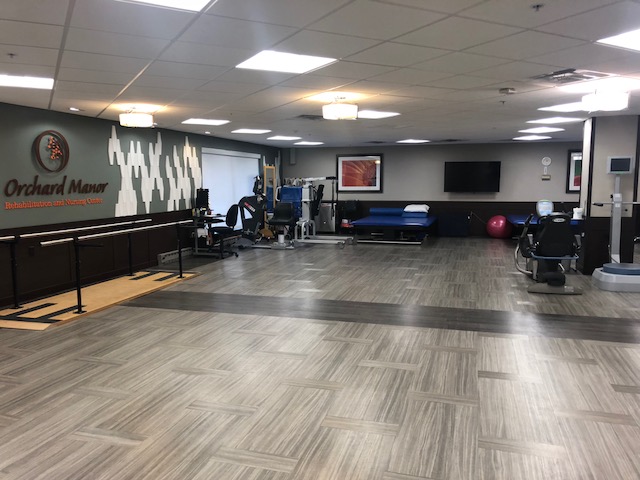
How is Orchard Rehabilitation & Nursing Center Staffed?

CMS rates ORCHARD REHABILITATION & NURSING CENTER's staffing level at 3 out of 5 stars, which is average compared to other nursing homes. Staff turnover is 51%, compared to the New York average of 46%.

What Have Inspectors Found at Orchard Rehabilitation & Nursing Center?

State health inspectors documented 18 deficiencies at ORCHARD REHABILITATION & NURSING CENTER during 2019 to 2025. These included: 17 with potential for harm and 1 minor or isolated issues.
Who Owns and Operates Orchard Rehabilitation & Nursing Center?

ORCHARD REHABILITATION & NURSING CENTER is owned by a for-profit company. For-profit facilities operate as businesses with obligations to shareholders or private owners. The facility operates independently rather than as part of a larger chain. With 160 certified beds and approximately 137 residents (about 86% occupancy), it is a mid-sized facility located in MEDINA, New York.
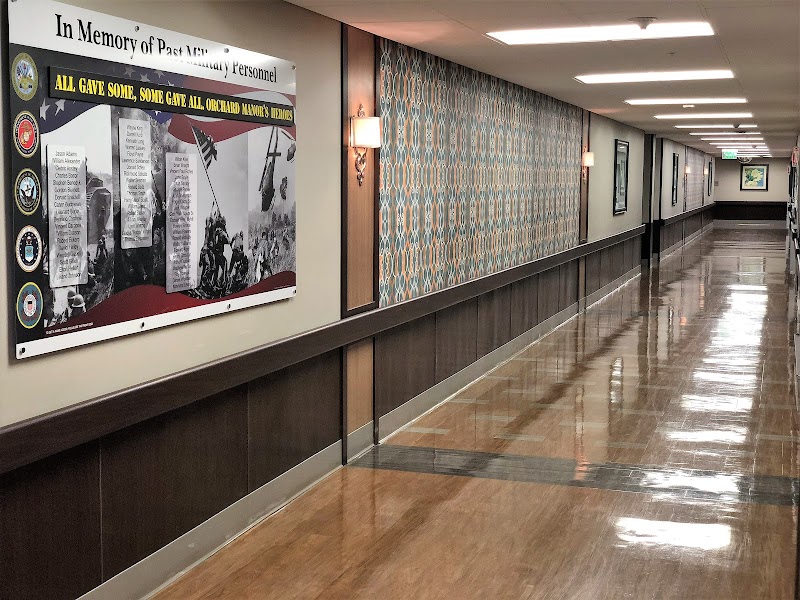
How Does Orchard Rehabilitation & Nursing Center Compare to Other New York Nursing Homes?

Compared to the 100 nursing homes in New York, ORCHARD REHABILITATION & NURSING CENTER's overall rating (4 stars) is above the state average of 3.1, staff turnover (51%) is near the state average of 46%, and health inspection rating (3 stars) is at the national benchmark.

What Should Families Ask When Visiting Orchard Rehabilitation & Nursing Center?

Based on this facility's data, families visiting should ask: "Can I visit during a mealtime to observe dining assistance and food quality?" "How do you handle medical emergencies, and what is your hospital transfer rate?" "Can I speak with family members of current residents about their experience?"

Is Orchard Rehabilitation & Nursing Center Safe?

Based on CMS inspection data, ORCHARD REHABILITATION & NURSING CENTER has a clean safety record: no substantiated abuse findings (meaning no confirmed cases of resident harm), no Immediate Jeopardy citations (the most serious violation level indicating risk of serious injury or death), and is not on the Special Focus Facility watch list (a federal program monitoring the lowest-performing 1% of nursing homes). The facility has a 4-star overall rating and ranks #1 of 100 nursing homes in New York. While no facility is perfect, families should still ask about staff-to-resident ratios and recent inspection results during their visit.

Do Nurses at Orchard Rehabilitation & Nursing Center Stick Around?

ORCHARD REHABILITATION & NURSING CENTER has a staff turnover rate of 51%, which is 5 percentage points above the New York average of 46%. Moderate turnover is common in nursing homes, but families should still ask about staff tenure and how the facility maintains care continuity when employees leave.

Was Orchard Rehabilitation & Nursing Center Ever Fined?

ORCHARD REHABILITATION & NURSING CENTER has no federal fines on record. CMS issues fines when nursing homes fail to meet care standards or don't correct problems found during inspections. The absence of fines suggests the facility has either maintained compliance or corrected any issues before penalties were assessed. This is a positive indicator, though families should still review recent inspection reports for the full picture.

Is Orchard Rehabilitation & Nursing Center on Any Federal Watch List?

ORCHARD REHABILITATION & NURSING CENTER is not on any federal watch list. The most significant is the Special Focus Facility (SFF) program, which identifies the bottom 1% of nursing homes nationally based on persistent, serious quality problems. Not being on this list means the facility has avoided the pattern of deficiencies that triggers enhanced federal oversight. This is a positive indicator, though families should still review the facility's inspection history directly.