HUNTINGTON HILLS CTR FOR HEALTH AND REHABILITATION
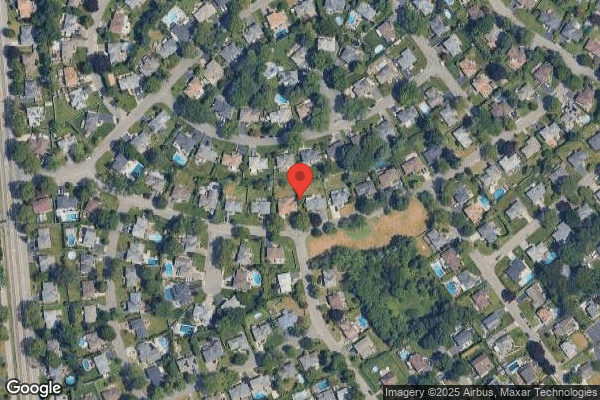
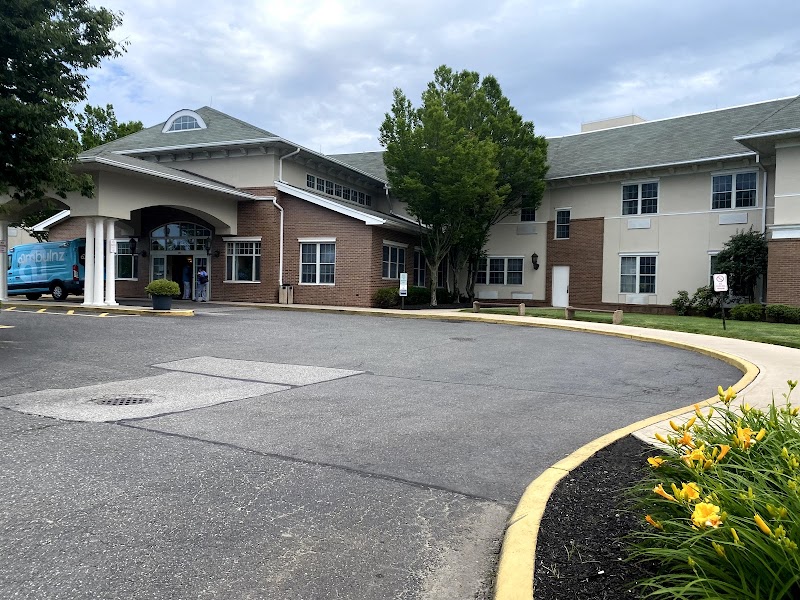
400 SOUTH SERVICE ROAD, MELVILLE, NY 11747 (631) 439-3000
For profit - Corporation 320 Beds NATIONAL HEALTH CARE ASSOCIATES Data: November 2025
Trust Grade
80/100
#184 of 594 in NY
Last Inspection: November 2024

Within standard 12-15 month inspection cycle. Federal law requires annual inspections.

Overview

Huntington Hills Center for Health and Rehabilitation in Melville, New York has a Trust Grade of B+, indicating it is above average and recommended for families considering nursing home options. It ranks #184 out of 594 facilities in New York, placing it in the top half, and #19 out of 41 in Suffolk County, meaning there are only a few options that are better locally. However, the facility's trend is concerning, as issues have increased from 5 in 2023 to 8 in 2024, indicating a worsening situation. While staffing is generally a strong point with a turnover rate of just 19%, significantly lower than the state average, there are serious concerns about staffing levels, especially on weekends, which residents have reported. Additionally, there have been no fines against the facility, and RN coverage is average, but recent inspections revealed that the facility failed to ensure adequate nursing staff were available to meet residents' needs, raising potential risks for care quality.

Trust Score
B+
80/100
In New York
#184/594
Top 30%
Safety Record
Low Risk
No red flags
Inspections
Getting Worse
5 → 8 violations
Staff Stability
✓ Good
19% annual turnover. Excellent stability, 29 points below New York's 48% average. Staff who stay learn residents' needs.
Penalties
✓ Good
No fines on record. Clean compliance history, better than most New York facilities.
Skilled Nurses
○ Average
Each resident gets 34 minutes of Registered Nurse (RN) attention daily — about average for New York. RNs are the most trained staff who monitor for health changes.
Violations
⚠ Watch
16 deficiencies on record. Higher than average. Multiple issues found across inspections.
★★★★☆
4.0
Overall Rating
★★★☆☆
3.0
Staff Levels
★★★★★
5.0
Care Quality
★★★☆☆
3.0
Inspection Score
Stable
2023: 5 issues
2024: 8 issues

The Good

  • 5-Star Quality Measures · Strong clinical quality outcomes
  • Low Staff Turnover (19%) · Staff stability means consistent care
  • Full Sprinkler Coverage · Fire safety systems throughout facility
  • No fines on record
  • Staff turnover is low (19%)

    29 points below New York average of 48%

Facility shows strength in quality measures, staff retention, fire safety.

The Bad

Chain: NATIONAL HEALTH CARE ASSOCIATES

Part of a multi-facility chain

Ask about local staffing decisions and management

The Ugly 16 deficiencies on record

Nov 2024 8 deficiencies
CONCERN (D) 📢 Someone Reported This

A family member, employee, or ombudsman was alarmed enough to file a formal complaint

Potential for Harm - no one hurt, but risky conditions existed

Report Alleged Abuse (Tag F0609)

Could have caused harm · This affected 1 resident

**NOTE- TERMS IN BRACKETS HAVE BEEN EDITED TO PROTECT CONFIDENTIALITY** Based on record review and interviews during the Recertification Survey and Abbreviated Survey (NY 00331241) initiated on 11/06/...

Read full inspector narrative →
**NOTE- TERMS IN BRACKETS HAVE BEEN EDITED TO PROTECT CONFIDENTIALITY** Based on record review and interviews during the Recertification Survey and Abbreviated Survey (NY 00331241) initiated on 11/06/2024 and completed on 11/15/2024 the facility did not ensure that all alleged violations, including injuries of unknown source, were reported not later than 24 hours if the events that cause the allegation do not include abuse or do not result in a serious bodily injury, to the New York State Department of Health. This was identified for one (Resident #54) of five residents reviewed for Abuse. Specifically, Resident #54 reported that a nurse erroneously administered an injectable medication to the resident's abdominal area. Upon assessment, the resident had a bruise on the lower left side of the abdomen. The facility investigation documented there was inconclusive evidence to determine if the resident erroneously received an injectable and the cause of the bruise was unknown. The facility did not report the injury of unknown origin incident to the New York State Department of Health. The finding is: The facility's policy titled Accident/Incident revised on 6/2024 documented the Licensed Nurse or Nurse Supervisor will complete and document the evaluation of the resident's condition including vital signs, type of injury, location on the body, and skin tear or bruise measurements. If the occurrence is an injury of unknown origin i.e., skin tear or bruise, statements from staff members on the unit will be taken to try and determine the cause of the injury. The results of the investigation will be reported to the New York State Department of Health by the Administrator or Director of Nursing Services. Resident #54 was admitted with diagnoses including Anxiety Disorder, Chronic Obstructive Pulmonary Disease, and Dementia. The admission Minimum Data Set assessment dated [DATE] documented a Brief Interview for Mental Status score of 10, indicating the resident had moderate cognitive impairment. The Minimum Data Set documented no Behavioral Symptoms. The Total Body Skin assessment dated [DATE] documented skin color normal for the ethnic group, with no wounds. The facility Complaint Form dated 12/08/2023 at 8:00 PM documented the family member reported Resident #54 told them a nurse took Resident #54 away from Bingo activity and administered an injection to the resident's abdomen. Resident #54 was alert with a Brief Interview for Mental Status score of 15 (indicating intact cognition). On 12/9/2023, the Infection Preventionist assessed the resident and noted an ecchymotic area on the left lower quadrant of the abdomen. A document entitled Grievance documented on 12/8/2023 Resident #54 reported by Licensed Practical Nurse #2 that they received an injection to their abdomen on 12/8/2023 between 2:30 PM and 2:45 PM and wanted to know what it was for. The Director of Nursing Services was notified, and a Grievance form was initiated. On 12/9/2023, the Infection Preventionist reviewed the Grievance form, assessed the resident, and noted a small 2.5 x 2.5 (no unit of measurement) discoloration on the left lower quadrant of the resident's abdomen, with no open area and no swelling. The Investigation Statement written by Licensed Practical Nurse #2 dated 12/11/2023 documented on 12/8/2023 Resident #54 stated they received an injection to their stomach and wanted to know the name of the medication. The resident did not have an order for an injectable medication. The resident's abdomen was noted with an old site with multiple colors of yellow, purple, and blue. A review of the medical record revealed there were no nursing progress notes, evaluations, or skin checks that documented Licensed Practical Nurse #2's or the Infection Preventionist's observation of a bruise to Resident #54's left lower quadrant. A Nurse Practitioner's note dated 12/09/2023 at 4:51 PM written by Nurse Practitioner #1 documented the resident was seen and examined today due to the nursing staff's request as the resident has a bruise on the left side of the abdomen, the resident denies and fall or injury. The note did not document any clinical factors that may have caused the identified bruise. The undated Investigative Summary, signed by the former Director of Nursing Services, documented that the investigation could not conclusively determine if any injectable was administered to the resident at this time. During an interview on 11/12/2024 at 11:08 AM, Licensed Practical Nurse #3 stated they were the assigned medication nurse on 12/08/2023 on the day shift when Resident #54 alleged they received an injection to their abdomen. Licensed Practical Nurse #3 stated Resident #54 did not have orders for injectable medications. Licensed Practical Nurse #3 stated they went to the Bingo room and administered Tylenol to Resident #54. Licensed Practical Nurse #3 stated the resident is alert and always asks what medication is being administered to them, before taking their medications. During an interview on 11/12/2024 at 1:06 PM, the Infection Preventionist stated they were the Nurse Supervisor on 12/09/2023 when they were called to assess Resident #54. The Infection Preventionist stated the resident had a bruise to the left lower abdomen. The Infection Preventionist stated they did not where the bruise came from. During an interview on 11/12/2024 at 1:13 PM, Licensed Practical Nurse #2 stated during the medication pass on 12/8/2023, the resident stated they got an injection that afternoon and wanted to know what it was. Licensed Practical Nurse #2 read through the orders and looked at the Medication Administration Record; they could not find any injectable medications that this resident may have received. Licensed Practical Nurse #2 did not know why the resident had bruising on the abdomen. During an interview on 11/13/24 at 10:30 AM, the former Director of Nursing Services stated the bruise to the resident's abdomen was small, and they did not think the bruise was from an injection. The former Director of Nursing Services stated they were focused on the resident saying they received an injection and they did not think of the bruise as an injury. The former Director of Nursing Services stated the incident should have been reported to the New York State Department of Health as an injury of unknown origin. The Director of Nursing Services or the Assistant Director of Nursing Services was responsible for reporting the Accident and Incident to the New York State Department of Health. During a re-interview on 11/13/2024 at 11:04 AM, the Infection Preventionist Nurse stated they did not write a progress note in the medical record after they observed Resident #54's bruise on 12/9/2024. During an interview on 11/13/2024 at 12:11 PM, the Director of Nursing Services stated Resident #54's grievance was reviewed with the former Director of Nursing Services, and after the investigation, they were able to determine that the individual did not get an injection. The Director of Nursing Services stated if the facility cannot conclude where the bruise came from, then the facility should report an injury of unknown origin to the New York State Department of Health. The Director of Nursing Services stated that based on the definition of injury of unknown origin, the bruise identified on Resident #54's abdomen was an injury of unknown origin that should have been reported to the New York State Department of Health. 10 NYCRR 415.4(b)(2)
CONCERN (D)

Potential for Harm - no one hurt, but risky conditions existed

Respiratory Care (Tag F0695)

Could have caused harm · This affected 1 resident

**NOTE- TERMS IN BRACKETS HAVE BEEN EDITED TO PROTECT CONFIDENTIALITY** Based on observations, record review, and interviews during the Recertification Survey initiated on 11/6/2024 and completed on 1...

Read full inspector narrative →
**NOTE- TERMS IN BRACKETS HAVE BEEN EDITED TO PROTECT CONFIDENTIALITY** Based on observations, record review, and interviews during the Recertification Survey initiated on 11/6/2024 and completed on 11/15/2023, the facility did not ensure that Residents who needed respiratory care were provided such care consistent with professional standards of practice. This was identified for one (Resident #236 ) of two residents reviewed for Respiratory care. Specifically, Resident #236 had a physician's order to receive 4 liters per minute of supplemental oxygen. The resident was observed receiving oxygen at a liter flow less than the current physician's order. The finding is: The facility's policy for Oxygen, revised on 2/2022, documented that oxygen is administered by licensed staff under a physician's order to oxygenate and provide comfort to residents' acute or chronic respiratory difficulties. The procedure includes checking the physician's orders for oxygen administration, the prescribed liter flow rate, and the frequency of oxygen administration. Resident # 236 was admitted with diagnosis that includes Chronic Obstructive Pulmonary Disease. The Minimum Data Set (MDS) assessment dated [DATE] documented a Brief Interview for Mental Status score of 11, which indicated Resident#236 had moderately impaired cognition. Resident#236 did not have any behavior concerns. The Minimum Data Set indicated Resident#236 received continuous oxygen therapy. Resident#236 required substantial/maximal assistance (Staff does more than half the effort. Helper lifts or holds trunk or limbs and provides more than half the effort). The Comprehensive Care Plan dated 6/13/2024 documented altered respiratory status/difficulty breathing related to oxygen use. The Interventions included oxygen therapy via nasal cannula at 4 liters per minute. The physician orders dated 10/21/2024 documented to administer oxygen at 4 liters per minute via a nasal cannula (tubing used to provide external oxygen through the nose) continuously for shortness of breath. During an observation on 11/07/2024 at 01:27 PM, Resident #236 was sitting in the wheelchair in the hallway and was receiving supplemental oxygen at 2 liters per minute via a nasal cannula from a portable tank. During an observation and interview on 11/13/24 at 9:55 AM, Resident #236 was observed sitting in the wheelchair in the hallway and was receiving supplemental oxygen at 2 liters per minute via a nasal cannula from a portable tank. Resident #236 stated Certified Nursing Assistant # 6 put the oxygen on for them when they were transferred this morning to the wheelchair. During an interview on 11/13/2024 at 10:00 AM, Registered Nurse # 4 stated the resident should be receiving 4 liters of oxygen as per the physician's orders. The resident's oxygen was not checked by themselves this morning when they were transferred from the bed into the wheelchair. During an interview on 11/13/2024 at 10:05 AM, Certified Nursing Assistant # 6 stated they transferred the resident into the wheelchair; however, they did not touch the resident's oxygen. During an interview on 11/13/2024 at 01:13 PM the Director of Nursing Services stated that Certified Nurse Assistants cannot touch the residents' oxygen or adjust the flow rate. When the resident's oxygen source was changed from their oxygen concentrator to the portable oxygen canister, the Registered Nurse should have ensured the oxygen was set to the correct flow rate. 10 NYCRR 415.12(k)(6)
CONCERN (D) 📢 Someone Reported This

A family member, employee, or ombudsman was alarmed enough to file a formal complaint

Potential for Harm - no one hurt, but risky conditions existed

Deficiency F0711 (Tag F0711)

Could have caused harm · This affected 1 resident

**NOTE- TERMS IN BRACKETS HAVE BEEN EDITED TO PROTECT CONFIDENTIALITY** Based on interviews and record review conducted during a Recertification Survey and Abbreviated Survey (NY 00350913) initiated o...

Read full inspector narrative →
**NOTE- TERMS IN BRACKETS HAVE BEEN EDITED TO PROTECT CONFIDENTIALITY** Based on interviews and record review conducted during a Recertification Survey and Abbreviated Survey (NY 00350913) initiated on 11/6/2024 and completed on 11/15/2024, the facility did not ensure the Physician reviewed the resident's total program of care at each visit. This was identified for one (Resident #187) of two residents reviewed for Mood and Behavior. Specifically, Resident #187 with a diagnosis of Dementia but no prior history of physical aggression, punched another resident on 5/15/2024 and was ordered for psychiatric evaluation on 5/15/2024. The psychiatric consult was never completed. There is no documented evidence that the Physician followed up on the resident's psychiatric evaluation during their monthly visit in June 2024 and July 2024. Resident #187 subsequently bit another resident on 8/9/2024. The Psychiatrist assessed and evaluated the resident on 8/20/2024 and recommended Lexapro (Medication to treat Anxiety and Depression) 2.5 milligrams once a day. The finding is: The policy and procedure titled Attending Physician provided by the facility was issued by the National Health Care Associates dated 5/2002. The policy documented that the attending Physician shall be responsible for overseeing the medical care and treatment rendered to each resident under their direct supervision. The attending Physician will ensure that each resident's care plan identifies the individual's needs and provides for multi-disciplinary interventions to maximize resident functions. Resident #187 was admitted with diagnoses including Dementia, Hyperlipidemia, and Hypertension. The Quarterly Minimum Data Set assessment dated [DATE] documented a Brief Interview for Mental Status score of 8, which indicated the resident had moderately impaired cognition. The Minimum Data Set documented the resident did not exhibit any physical behavioral symptoms directed toward others. A review of an Accident and Incident report dated 5/15/2024 documented that on 5/15/2024 at 4:45 PM, the Recreation Therapist witnessed Resident #187 punching another resident on their left arm. When interviewed, Resident #187 could not recall the incident. Resident #187 did not have any behaviors and the incident seemed spontaneous and unprovoked. The care plan was revised to include safety checks every 15 minutes for 24 hours, social work follow-up, psychiatric consult, and to keep both residents separated from each other during activities. A physician's order dated 5/15/2024 documented a psychiatric consult for physical aggression. The Comprehensive Care Plan for Behavior Problems dated 5/20/2024 documented the resident punched another resident on 5/15/2024. The resident has never displayed behavior previously. Interventions included but were not limited to monitoring behavior episodes and attempts to determine the underlying cause. A review of the Physician's monthly progress note dated 5/25/2024, signed by Attending Physician #1, documented that Resident #187 was doing well at baseline cognitively. No other acute issues and concerns were offered by the nursing staff. The progress note did not include documentation related to the resident's recent incident on 5/15/2024 and pending psychiatric consultation. A review of the Physician's monthly progress note dated 7/7/2024 and 7/25/2024, signed by Attending Physician #1, documented that Resident #187 was doing well at baseline cognitively. No other acute issues and concerns were offered by the nursing staff. The progress note did not include documentation related to a follow-up on Resident #187's psychiatric evaluation ordered on 5/15/2024. A review of an Accident and Incident report dated 8/9/2024 documented that on 8/9/2024 at 11:30 AM, Resident #187 was witnessed [by Activity staff] biting another resident's right palm. Resident #187 could not recall the incident. There were no untoward/unusual incidents, or changes in behaviors in both residents before the incident. A review of the Physician's progress note dated 8/9/2024 documented that Resident #187 was examined for an incident with another resident. Resident #187 had a history of Dementia and was a poor historian. A psychiatry consult was ordered to evaluate and treat secondary to the biting incident. A physician's order dated 8/9/2024 documented a psychiatric consult for evaluation and treatment as indicated secondary to the biting incident. A review of Resident #187's medical record from 5/15/2024 to 8/20/2024 was conducted. There was no documented evidence that Resident #187 was seen and evaluated by a Psychiatrist until 8/20/2024. A Psychiatric assessment dated [DATE] documented Resident #187's agitation appeared to be secondary to Delirium. The Psychiatrist documented to consider Lexapro 2.5 milligrams once a day and explore the use of Namenda (medication used to treat Dementia associated with Alzheimer's Disease) as needed. The Comprehensive Care Plan for Psychosocial Well-being Potential related to Dementia, dated 9/3/2021 and revised 8/12/2024 documented the resident had behavioral concerns and had two incidents with other residents. The resident had mental health needs and required psychiatric evaluation as needed. Interventions included but were not limited to psychiatric/psychological consult as requested or indicated. During an interview on 11/13/2024 at 12:31 PM, Physician Assistant #1 stated they worked with Physician #1 and oversaw Resident #187's medical care. Physician Assistant #1 stated they were notified about Resident #187's altercation with another resident in May 2024 and they ordered psychiatric consultation. Physician Assistant #1 stated that it slipped their mind to follow up on Resident #187's psychiatric consult as no other behavioral problems were brought to their (Physician Assistant #1) attention after the incident in May. Physician Assistant #1 stated the psychiatric evaluation should have been completed and they (Physician Assistant #1) should have followed up on whether any recommendations were made by the Psychiatrist. During an interview on 11/13/2024 at 2:40 PM, Physician #1, who was Resident #187's attending Physician, stated they did not recall Resident #187's resident-to-resident altercation incident in May and whether a psychiatric consult was ordered. Physician #1 stated they expected to be informed if a consult was not completed. Physician #1 stated they have never observed Resident #187 exhibiting undesired behaviors. A psychiatric evaluation would be beneficial to assess the resident's sudden change in behaviors after the incident. Physician #1 stated they had not personally discussed Resident #187's condition with the Psychiatrist since they (Physician #1) never observed any behavior. During an interview on 11/13/2024 at 3:40 PM, the Medical Director stated a psychiatrist consultation was a standard intervention for all incidents involving resident-to-resident altercations. The Medical Director stated that the medical provider forgot to follow up on the result of Resident #187's psychiatric consult and they should have. 10 NYCRR 415.15(b)(2)(iii)
CONCERN (D) 📢 Someone Reported This

A family member, employee, or ombudsman was alarmed enough to file a formal complaint

Potential for Harm - no one hurt, but risky conditions existed

Deficiency F0840 (Tag F0840)

Could have caused harm · This affected 1 resident

**NOTE- TERMS IN BRACKETS HAVE BEEN EDITED TO PROTECT CONFIDENTIALITY** Based on interviews, observations, and record review conducted during a Recertification Survey and Abbreviated Survey (NY 003509...

Read full inspector narrative →
**NOTE- TERMS IN BRACKETS HAVE BEEN EDITED TO PROTECT CONFIDENTIALITY** Based on interviews, observations, and record review conducted during a Recertification Survey and Abbreviated Survey (NY 00350913) initiated on 11/6/2024 and completed on 11/15/2024, the facility did not ensure that timely arrangements were made for outside services that met professional standards. This was identified for one (Resident #187) of two residents reviewed for Mood and Behavior. Specifically, Resident #187 with a diagnosis of Dementia but no prior history of physical aggression, punched another resident on 5/15/2024 and was ordered for psychiatric evaluation on 5/15/2024. There is no documented evidence that the psychiatric consult was completed until 8/20/2024 after Resident #187 bit another resident on 8/9/2024. The finding is: The facility did not develop policy and procedures related to outside consultant. Resident #187 was admitted with diagnoses including Dementia, Hyperlipidemia, and Hypertension. The Quarterly Minimum Data Set assessment dated [DATE] documented a Brief Interview for Mental Status score of 8, which indicated the resident had moderately impaired cognition. The Minimum Data Set documented the resident did not exhibit any physical behavioral symptoms directed toward others. A review of an Accident and Incident report dated 5/15/2024 documented that on 5/15/2024 at 4:45 PM, the Recreation Therapist witnessed Resident #187 punching another resident on their left arm. When interviewed, Resident #187 could not recall the incident. Resident #187 did not have any behaviors and the incident seemed spontaneous and unprovoked. The care plan was revised to include safety checks every 15 minutes for 24 hours, social work follow-up, psychiatric consult, and to keep both residents separated from each other during activities. A physician's order dated 5/15/2024 documented to refer a psychiatric consult for physical aggression. The Comprehensive Care Plan for Behavior Problem dated 5/20/2024 documented the resident punched another resident on 5/15/2024. Resident has never displayed any liked-behavior previously. Interventions included but were not limited to monitor behavior episode and attempt to determine underlying cause. A review of an Accident and Incident report dated 8/9/2024 documented that on 8/9/2024 at 11:30 AM, Resident #187 was witnessed [by Activity staff] biting another resident's right palm. Resident #187 could not recall the incident. There were no untoward/unusual incidents, or changes in behaviors in both residents before the incident. A physician's order dated 8/9/2024 documented a psychiatric consult for evaluation and treatment as indicated secondary to the biting incident. A review of Resident #187's medical record from 5/15/2024 to 8/9/2024 was conducted. There was no documented evidence that Resident #187 was seen and evaluated by a Psychiatrist during this period. There was no further documentation in the medical record regarding Psychiatric consultation arrangements or cancellations. A Psychiatrist assessment dated [DATE] documented Resident #187's agitation appeared to be secondary to Delirium. The Psychiatrist documented to consider Lexapro 2.5 milligrams once a day and explore the use of Namenda (medication used to treat Dementia associated with Alzheimer's Disease) as needed. During an interview on 11/13/2024 at 9:20 AM, Unit Clerk #1 stated they were responsible for arranging all outside consultation services as per the physician's orders. Unit Clerk #1 stated that they kept a Psychiatry appointment book at the nursing station and updated the list of residents on the appointment book. Unit Clerk #1 stated that the Psychiatrist visited every Tuesday and checked the appointment book for names of residents to be seen. Unit Clerk #1 was not unable provide documented evidence that Resident #187 was on the list to be seen by the Psychiatrist because Unit Clerk #1 did not save the data for May 2024. During an interview on 11/13/2024 at 11:51 AM, Registered Nurse Supervisor #2 stated they ordered the psychiatry consult for Resident #187 on 5/15/2024. Registered Nurse Supervisor #2 stated that the unit clerk should be informed during the day shift nursing report and complete the referral for Psychiatric consultation. During an interview on 11/13/2024 at 12:31 PM, Physician Assistant #1 stated they had ordered a psychiatric consultation for Resident #187 after a resident-to-resident altercation on 5/15/2024. Physician Assistant #1 stated Resident #187 should have been seen by the Psychiatrist no more than two weeks from the day the consultation order was placed. During an interview on 11/13/2024 at 3:40 PM, the Medical Director stated that a psychiatrist consultation was a standard intervention for all incidents involving resident-to-resident altercations. The Medical Director stated that Resident #187 should have been seen by the Psychiatrist as per the physician's order in May 2024. During an interview on 11/13/2024 at 4:14 PM, Psychiatrist #1 stated they visited the facility every Tuesday for the past 6 months including May 2024. Psychiatrist #1 stated they were not aware of the 5/15/2024 consultation order for Resident #187 and would have evaluated the resident if they had been informed by the facility. During an interview on 11/15/2024 at 10:45 AM, the Director of Nursing Services stated the facility did not have a policy and procedures for outside consultation services including psychiatry. The Director of Nursing Services stated they expected the unit manager or unit clerk to place a consultation referral for Resident #187 in May 2024 and follow up to ensure that the consultation was completed. 10 NYCRR 415.15(b)(2)(iii)
CONCERN (D)

Potential for Harm - no one hurt, but risky conditions existed

Infection Control (Tag F0880)

Could have caused harm · This affected 1 resident

**NOTE- TERMS IN BRACKETS HAVE BEEN EDITED TO PROTECT CONFIDENTIALITY** Based on observation, record review, and interviews during the Recertification Survey initiated on 11/6/2024 and completed on 11...

Read full inspector narrative →
**NOTE- TERMS IN BRACKETS HAVE BEEN EDITED TO PROTECT CONFIDENTIALITY** Based on observation, record review, and interviews during the Recertification Survey initiated on 11/6/2024 and completed on 11/15/2024, the facility did not establish and maintain an infection prevention and control program designed to prevent the development and transmission of communicable diseases and infections. This was identified for two (Resident #627 and Resident #625) of three residents reviewed for Transmission Based Precautions. Specifically, during observation of Resident #627 and Resident #625's shared room, an Isolation Droplet/Contact Precaution sign was observed outside the door for positive COVID-19 (Coronavirus-2019) infection. The precaution signage included instructions for the use of Personal Protective Equipment (PPE) including N95 respirator mask, gloves, a gown, and eye protection (face shield or goggles). Certified Nursing Assistant #1 was observed inside the room and was not wearing appropriate Personal Protective Equipment as indicated on the precaution signage. The finding is: The facility's policy titled Infection Prevention and Control last revised on 6/2024 documented that Contact Precautions are intended to prevent transmission of infectious agents including microorganisms that are spread by direct or indirect contact with the resident or the resident's environment. Donning (putting on) Personal Protective Equipment (PPE) upon entry and discarding before exiting the patient room is done to contain pathogens, especially those that have been associated with transmission through environmental contamination. -Resident #627 was admitted with Diagnoses including Pulmonary Hypertension, COVID-19 infection, and Dementia. A Minimum Data Set (MDS) assessment dated [DATE] had not been completed. The Brief Interview for Mental Status (BIMS) dated 11/5/2024 documented that Resident #627 had a score of 3, which indicated Resident #627 was cognitively impaired. A Comprehensive Care Plan (CCP) dated 11/5/2024 for COVID-19 infection documented interventions that included assisting residents with hand hygiene, respiratory hygiene, and cough etiquette; implementing standard, contact, and droplet precautions, and notifying healthcare providers as needed for worsening conditions. A physician order dated 11/4/2024 documented Droplet/Contact Precautions: Isolation for positive COVID-19 infection every shift for infection control measures for 10 days. -Resident #625 was admitted with Diagnoses including Parkinson's Disease, Acute Pulmonary Edema, and COVID-2019 infection. A Comprehensive Minimum Data Set (MDS) assessment dated [DATE] documented a Brief Interview for Mental Status (BIMS) score of 11, indicating Resident #625 had moderately impaired cognition. The Minimum Data Set documented Isolation/Quarantine for active infectious disease. A Comprehensive Care Plan (CCP) dated 11/5/2024 documented confirmed COVID-19 infection with interventions that included Contact/Droplet Precaution and assisting residents with hand hygiene as needed. A physician order dated 11/5/2024 documented Droplet/Contact Precautions: Isolation for positive COVID-19 infection every shift for infection control measures for 10 days. During an observation on 11/6/2024 at 12:29 PM, a precautions sign was posted outside Resident #627 and Resident #625's shared room. The signage read: Contact/Droplet Isolation Precautions; everyone must perform hand hygiene before and after entering the room. Use Personal Protective Equipment (PPE) including a gown, N95 respirator, eye protection (face shield or goggles), and gloves before entering. Discard the gown, gloves, N95 respirator, and eye protection before exiting the room. Keep the room door closed (if not on a dedicated and physically separated unit). The room door was open and Certified Nursing Assistant #1 was observed inside the room without a gown, an N95 respirator mask, eye protection, or gloves. Certified Nursing Assistant #1 was wearing a surgical mask. During an interview on 11/6/2024 at 12:40 PM, Certified Nursing Assistant #1 stated they went to Resident #627 and Resident #625's shared room to pick up the meal trays after the residents completed their meals and forgot to put the Personal Protective Equipment (PPE). Certified Nursing Assistant #1 stated they should have put on, a gown, an N95 respirator mask, a face shield, and gloves when they entered Resident #627 and Resident #625's room. During an interview on 11/6/2024 at 1:00 PM, Registered Nurse #1 (the Unit Supervisor) stated that Certified Nursing Assistant #1 should have used appropriate Personal Protective Equipment as directed on the precautions signage and the resident's room door should also be kept closed; staff must have forgotten to close the door. During an interview on 11/7/2024 at 8:53 AM, the Infection Preventionist stated staff should wear appropriate Personal Protective Equipment (PPE) when entering the isolation rooms. The Infection Preventionist stated that Certified Nursing Assistant #1 did not follow the facility's infection control procedure. During an interview on 11/7/2024 at 3:07 PM, the Director of Nursing Services stated that Certified Nursing Assistant #1 should have put on Personal Protective Equipment (PPE) when they entered Resident #627 and Resident #625's room. The Director of Nursing Services stated their expectation included staff following proper infection control guidelines to prevent further transmission of infection. 10 NYCRR 415.19(a) (1-3)
CONCERN (E) 📢 Someone Reported This

A family member, employee, or ombudsman was alarmed enough to file a formal complaint

Potential for Harm - no one hurt, but risky conditions existed

Deficiency F0725 (Tag F0725)

Could have caused harm · This affected multiple residents

Based on record review and interviews during the Recertification Survey and Abbreviated Survey (Complaint # NY 00356442 ) initiated on 11/6/2024 and completed on 11/15/2024, the facility did not ensur...

Read full inspector narrative →
Based on record review and interviews during the Recertification Survey and Abbreviated Survey (Complaint # NY 00356442 ) initiated on 11/6/2024 and completed on 11/15/2024, the facility did not ensure sufficient nursing staff were available to provide nursing services to attain or maintain the highest practicable physical, mental, and psychosocial wellbeing of each resident. This was identified for eight of eight nursing units during the Sufficient Staffing Task. Specifically, 1) a review of the Payroll-Based Journal (PBJ) Staffing Data Report Quarter three, 2024 (April 1st- June 30th) and the weekend of 11/9/2024 to 11/10/2024 indicated excessively low weekend staffing; 2) a review of the daily staffing sheets revealed the facility did not provide sufficient number of Licensed Nurses as indicated in the Facility Assessment; 3) during the Resident Council meeting dated 11/7/2024, three of thirteen resident attendees verbalized concerns regarding short staffing on weekends. This is a repeat deficiency. Cross Reference: F 835 Administration F 838 Facility Assessment The findings are: The Facility does not have a Staffing Policy. 1) The Payroll-Based Journal Daily Nurse Staffing Data Report dated for Fiscal Year (FY) Quarter three 2024 (April 1st- June 30th) documented the facility triggered for the Metric of excessively low weekend staffing. The Facility Assessment, dated 2/25/2024 and last reviewed 8/2/2024 documented based on data from several sources including multiple nursing home associations, census-based staffing levels would be approximately one nurse (Registered Nurse or Licensed Practical Nurse) assigned to eight to ten residents and approximately one aide (Certified Nursing Assistant) assigned to ten to fifteen residents. The Facility Assessment further documented: -For a Census of 20 residents with low acuity, there should be two Nurses and three Certified Nurse Assistants; with medium acuity, there should be three Nurses and four Certified Nurse Assistants; and with high acuity, there should be three Nurses and five Certified Nurse Assistants assigned for the 20 residents. -For a census of 30 residents with low acuity, there should be three Nurses and four Certified Nursing Assistants; with medium acuity, there should be four Nurses and five Certified Nurse Assistants; and with high acuity, there should be five Nurses and six Certified Nurse Assistants for the 30 residents. -For a census of 40 residents with low acuity there should be four Nurses and five Certified Nursing Assistants; with medium acuity, there should be five Nurses and six Certified Nurse Assistants; and with high acuity, there should be six Nurses and seven Certified Nurse Assistants for the 40 residents. The Facility Assessment did not include a breakdown of staffing needs for each of the facility's eight units. 2) A review of the facility's Daily Census Reports from 4/1/2024 to 6/30/2024 revealed the following: Unit 1A maintained a census between 31 and 38 on the weekends Unit 1B maintained a census between 26 and 39 on the weekends Unit 1C maintained a census between 22 and 37 on the weekends Unit 1D maintained a census between 38 and 40 on the weekends Unit 2A maintained a census between 38 and 40 on the weekends Unit 2B maintained a census between 34 and 40 on the weekends Unit 2C maintained a census between 39 and 40 on the weekends Unit 2D maintained a census between 37 and 40 on the weekends A review of the daily staffing sheets from 4/1/2024 to 6/30/2024 revealed the following: During the 6:30 AM to 2:30 PM Shift: Unit 1A had one licensed nurse assigned on 5/12/2024. Unit 1B had one licensed nurse assigned on 5/5/2024 and 5/12/2024. Unit 1C had one licensed nurse assigned on 4/13/2024, 4/20/2024, 4/28/2024, 5/12/2024, and 6/9/2024. Unit 1D had one licensed nurse assigned on 4/6/2024, 4/7/2024, 4/13/2024, 4/14/2024, 4/20/2024, 4/21/2024, 4/27/2024, 4/28/2024, 5/4/2024, 5/5/2024, 5/11/2024, 5/12/2024, 5/18/2024, 5/19/2024, 5/25/2024, 5/26/2024, 6/1/2024, 6/2/2024, 6/8/2024, 6/9/2024, 6/15/2024, 6/16/2024, 6/22/2024, 6/23/2024, 6/29/2024, and 6/30/2024. Unit 2A had one licensed nurse assigned on 4/6/2024, 4/7/2024, 4/13/2024, 4/14/2024, 4/20/2024, 4/21/2024, 4/27/2024, 4/28/2024, 5/4/2024, 5/5/2024, 5/11/2024, 5/12/2024, 5/18/2024, 5/19/2024, 5/25/2024, 5/26/2024, 6/1/2024, 6/2/2024, 6/8/2024, 6/9/2024, 6/15/2024, 6/16/2024, 6/22/2024, 6/23/2024, 6/29/2024, and 6/30/2024. Unit 2B had one licensed nurse assigned on 4/6/2024, 4/7/2024, 4/13/2024, 4/14/2024, 4/20/2024, 4/21/2024, 4/27/2024, 4/28/2024, 5/4/2024, 5/5/2024, 5/11/2024, 5/12/2024, 5/18/2024, 5/19/2024, 5/25/2024, 5/26/2024, 6/1/2024, 6/2/2024, 6/8/2024, 6/9/2024, 6/15/2024, 6/16/2024, 6/22/2024, 6/23/2024, 6/29/2024, and 6/30/2024. Unit 2C had one licensed nurse assigned on 4/6/2024, 4/7/2024, 4/13/2024, 4/14/2024, 4/20/2024, 4/21/2024, 4/27/2024, 4/28/2024, 5/4/2024, 5/5/2024, 5/11/2024, 5/12/2024, 5/18/2024, 5/19/2024, 5/25/2024, 5/26/2024, 6/1/2024, 6/2/2024, 6/8/2024, 6/9/2024, 6/15/2024, 6/16/2024, 6/23/2024, 6/29/2024, and 6/30/2024. Unit 2D had one licensed nurse assigned on 4/6/2024, 4/7/2024, 4/13/2024, 4/14/2024, 4/20/2024, 4/21/2024, 4/27/2024, 4/28/2024, 5/4/2024, 5/5/2024, 5/11/2024, 5/12/2024, 5/18/2024, 5/19/2024, 5/25/2024, 5/26/2024, 6/1/2024, 6/2/2024, 6/8/2024, 6/9/2024, 6/15/2024, 6/16/2024, 6/22/2024, 6/23/2024, 6/29/2024, and 6/30/2024. During the 2:30 PM to 10:30 PM Shift: Unit 1C had one licensed nurse assigned on 5/12/2024 and 6/8/2024. Unit 1D had one licensed nurse assigned on 4/6/2024, 4/7/2024, 4/13/2024, 4/14/2024, 4/20/2024, 4/21/2024, 4/27/2024, 4/28/2024, 5/4/2024, 5/5/2024, 5/11/2024, 5/12/2024, 5/18/2024, 5/19/2024, 5/25/2024, 5/26/2024, 6/2/2024, 6/8/2024, 6/9/2024, 6/15/2024, 6/16/2024, 6/22/2024, 6/23/2024, 6/29/2024, and 6/30/2024. Unit 2A had one licensed nurse assigned on 4/6/2024, 4/7/2024, 4/13/2024, 4/14/2024, 4/20/2024, 4/21/2024, 4/27/2024, 4/28/2024, 5/4/2024, 5/5/2024, 5/11/2024, 5/12/2024, 5/18/2024, 5/19/2024, 5/25/2024, 5/26/2024, 6/1/2024, 6/2/2024, 6/8/2024, 6/9/2024, 6/15/2024, 6/16/2024, 6/22/2024, 6/23/2024, 6/29/2024, and 6/30/2024. Unit 2B had one licensed nurse assigned on 4/6/2024, 4/7/2024, 4/13/2024, 4/14/2024, 4/20/2024, 4/21/2024, 4/27/2024, 4/28/2024, 5/4/2024, 5/5/2024, 5/11/2024, 5/12/2024, 5/18/2024, 5/19/2024, 5/25/2024, 5/26/2024, 6/1/2024, 6/2/2024, 6/8/2024, 6/9/2024, 6/15/2024, 6/16/2024, 6/22/2024, 6/23/2024, 6/29/2024, and 6/30/2024. Unit 2C had one licensed nurse assigned on 4/6/2024, 4/7/2024, 4/13/2024, 4/14/2024, 4/20/2024, 4/21/2024, 4/27/2024, 4/28/2024, 5/4/2024, 5/5/2024, 5/11/2024, 5/12/2024, 5/18/2024, 5/19/2024, 5/25/2024, 5/26/2024, 6/1/2024, 6/2/2024, 6/8/2024, 6/9/2024, 6/15/2024, 6/23/2024, 6/29/2024, and 6/30/2024. Unit 2D had one licensed nurse assigned on 4/6/2024, 4/7/2024, 4/13/2024, 4/14/2024, 4/20/2024, 4/21/2024, 4/27/2024, 4/28/2024, 5/4/2024, 5/5/2024, 5/11/2024, 5/12/2024, 5/18/2024, 5/19/2024, 5/25/2024, 5/26/2024, 6/1/2024, 6/2/2024, 6/8/2024, 6/9/2024, 6/15/2024, 6/16/2024, 6/22/2024, 6/23/2024, 6/29/2024, and 6/30/2024. 3) A Resident Council meeting was held on 11/7/2024 with 13 residents in attendance. 3 of the 13 residents complained about staffing shortage and stated that the nursing staff members were overburdened and therefore, the call bell responses were delayed: - Resident #143 stated stated the facility had been short-staffed, especially on Sundays, and because of the short staffing, they had to wait for 40 minutes to get assistance to use the bathroom. -Resident # 157 stated when they ring their call bell, the staff turns off the call bell without responding to them. -Resident # 145 stated the facility is short-staffed on the weekends and holidays, especially the morning shift. It takes a very long time for them to receive their morning care. Resident #145 stated to use the bathroom, they must wait because they are at the mercy of the staff and this makes them feel very indignified. Resident #145 stated they are awake at 6:00 AM but must wait until 10 AM-10:30 AM to receive their morning care. During an interview on 11/06/2024 at 10:45 AM, the facility Ombudsman stated the facility has low staffing on the weekends. Staffing concern was shared with the facility Administrator and the Director of Nursing Services and they said the facility was hiring and training new staff and the administration will provide enhanced weekend supervision. Low staffing has been a consistent issue since the last survey. The Ombudsman stated the residents have reported they had to wait over two hours to receive incontinence care and the staff members do not respond to call bells in a timely manner. During an interview on 11/15/2024 at 11:09 AM, an anonymous Certified Nursing Assistant # 8 stated the facility has a staffing shortage, especially on the weekends and it is hard to provide necessary care to residents on time. There are a lot of call-outs on the weekends and there is no coverage for those call-outs. During an interview on 11/15/2024 at 11:37 AM, an anonymous Certified Nursing Assistant # 9 stated over the summer, the facility was short-staffed on weekends during the day shift. There were a lot of call-outs and the facility was not able to get staff to cover for the call-outs. During an interview on 11/14/2024 at 10:44 AM, the Staffing Coordinator stated they use the Par (set staffing) levels to staff each unit each shift. The Staffing Coordinator stated that the nursing par levels are not documented anywhere. The Staffing Coordinator stated on the morning shift (6:30 AM- 2:30 PM) Unit 1A and Unit 1B should have four Nurses (Registered Nurses and Licensed Practical Nurses) and five Certified Nursing Aides; Unit 1C should have three to four Nurses (Registered Nurses and Licensed Practical Nurses) and five Certified Nursing Assistants; Unit 1D should have two Nurses (Registered Nurses and Licensed Practical Nurses) and six Certified Nursing Assistants; Unit 2A, 2B, 2C, and 2D should have two Nurses (Registered Nurses and Licensed Practical Nurses) and five Certified Nursing Assistants. On the evening shift (2:30 PM to 10:30 PM) Units 1A, 1B, and 1C should have two Nurses and 4 Certified Nursing Assistants; Unit 1D should have one Nurse and five Certified Nursing Assistants; Units 2A, 2B, 2C, and 2D should have one Nurse and four Certified Nursing Assistants. The Staffing Coordinator stated the staffing on the weekend is lower than the staffing during the weekdays. On the day shift there should be two nurses and five Certified Nursing Assistants for the Unit 1A, 1B, and 1C. Unit 1D should have one Nurse and six Certified Nursing Assistants. Unit 2 A, 2B, 2C, and 2D should have one Nurse and five Certified Nursing Assistants. On the evening shift for Units 1A, 1B, and 1C there should be two Nurses and four Certified Nursing Assistants. Unit 1D should have one Nurse and five Certified Nursing Assistants and Units 2 A, 2B, 2C, and 2D should have one Nurse and four Certified Nursing Assistants. The Staffing Coordinator stated they only work from Monday to Friday and there is no Staffing Coordinator on the weekends. The Nursing Supervisors are supposed to find staff on the weekends when Certified Nursing Assistants or Nurses call out. The facility does not use staffing agencies for Certified Nursing Assistants; however, have contracts with staffing agencies for licensed nurses. The Staffing Coordinator stated they were not told about the required staffing levels documented in the Facility Assessments. During an interview on 11/15/2024 at 2:59 PM, the Administrator stated that the facility Ombudsman had brought staffing concerns to their attention in June 2024. The Administrator met with the Director of Nursing Services and adjusted the staffing levels. The Administrator stated the Facility Assessment does not break down the facility staffing needs per unit per shift. The Administrator stated that the Facility Assessment indicated there should be one Nurse assigned for every 8 to 10 residents and the units should be staffed as per the Facility Assessment. The number of nursing staff assigned on the weekend did not match the number of nursing staff required in the Facility Assessment and they were not aware that on the weekends the facility was staffed with fewer nursing staff than on the weekdays. The administrator stated that the facility was cited for insufficient staffing on the previous survey and therefore, staffing should have been looked into more closely in the Facility Assessment. The Administrator stated the facility does not have a policy on staffing and should be staffed based on the staffing levels documented in the Facility Assessment. The Administrator stated the Staffing Coordinator and the Director of Nursing Services should have been aware of the required staffing levels documented in the Facility Assessment. During an interview on 11/15/2024 at 3:24 PM, the Director of Nursing Services stated they were not aware of staffing levels that were documented in the Facility Assessment (one nurse for 8 to 10 residents) and were not involved in reviewing or revising the staffing portion of the Facility Assessment. The Director of Nursing Services stated that the facility Administrator was made aware of less nursing staff assigned on the weekends than on the weekdays when they discussed the adjusted staffing levels. The Director of Nursing Services stated in the summer, it was difficult to obtain staff on the weekends when the scheduled staff members called out. 10 NYCRR-415.13(a)(1)(i-iii)
CONCERN (E)

Potential for Harm - no one hurt, but risky conditions existed

Administration (Tag F0835)

Could have caused harm · This affected multiple residents

**NOTE- TERMS IN BRACKETS HAVE BEEN EDITED TO PROTECT CONFIDENTIALITY** Based on observations, record review, and interviews during the Recertification Survey and Abbreviated Survey (Complaint # NY 00...

Read full inspector narrative →
**NOTE- TERMS IN BRACKETS HAVE BEEN EDITED TO PROTECT CONFIDENTIALITY** Based on observations, record review, and interviews during the Recertification Survey and Abbreviated Survey (Complaint # NY 00356442 ) initiated on 11/6/2024 and completed on 11/15/2024, the facility was not administered in a manner that enables it to use its resources effectively and efficiently to attain or maintain the highest practicable physical, mental, and psychosocial well-being of each resident. Specifically, the facility was not effectively administered to ensure sufficient staffing was provided to promote the highest practicable physical mental, and psychosocial well-being of each resident. The Facility Assessment did not include the overall number of facility staff needed to ensure that each resident's needs were being met. Additionally, the Administrator did not monitor and enhance the quality of care and services by repeating the same deficiencies: F 695 Respiratory/Tracheostomy Care and Suctioning, F 725 Sufficient Nursing Staff, and F 838 Facility Assessment. Cross Reference: F 725 Sufficient Nursing Staff F 838 Facility Assessment The finding is: The Facility assessment dated [DATE] revealed that the assessment did not include a breakdown of Registered Nurse (RN), Licensed Practical Nurse (LPN), and Certified Nursing Assistant (CNA) levels by unit and by nursing shifts to ensure that each resident's needs were being met. During an interview on 11/15/2024 at 2:59 PM, the Administrator stated that the facility Ombudsman had brought staffing concerns to their attention in June 2024. The Administrator met with the Director of Nursing Services and adjusted the staffing levels. The Administrator stated the Facility Assessment does not break down the facility staffing needs per unit per shift. The Administrator stated that the Facility Assessment indicated there should be one Nurse assigned for every 8 to 10 residents and the units should be staffed as per the Facility Assessment. The number of nursing staff assigned on the weekend did not match the number of nursing staff required in the Facility Assessment and they were not aware that on the weekends the facility was staffed with fewer nursing staff than on the weekdays. The administrator stated that the facility was cited for insufficient staffing on the previous survey and therefore, staffing should have been looked into more closely in the Facility Assessment. The Administrator stated the facility does not have a policy on staffing and should be staffed based on the staffing levels documented in the Facility Assessment. The Administrator stated the Staffing Coordinator and the Director of Nursing Services should have been aware of the required staffing levels documented in the Facility Assessment. During an interview on 11/15/2024 at 3:24 PM, the Director of Nursing Services stated they were not aware of staffing levels that were documented in the Facility Assessment (one nurse for 8 to 10 residents) and were not involved in reviewing or revising the staffing portion of the Facility Assessment. The Director of Nursing Services stated that the facility Administrator was made aware of less nursing staff assigned on the weekends than on the weekdays when they discussed the adjusted staffing levels. The Director of Nursing Services stated in the summer, it was difficult to obtain staff on the weekends when the scheduled staff members called out. 10 NYCRR 415.26
CONCERN (E)

Potential for Harm - no one hurt, but risky conditions existed

Deficiency F0838 (Tag F0838)

Could have caused harm · This affected multiple residents

Based on record review and staff interviews during the Recertification Survey initiated on 11/6/2024 and completed on 11/15/2024, the facility did not ensure its Facility Assessment considered specifi...

Read full inspector narrative →
Based on record review and staff interviews during the Recertification Survey initiated on 11/6/2024 and completed on 11/15/2024, the facility did not ensure its Facility Assessment considered specific staffing needs for each shift and each resident unit (first floor and second floor) in the facility. Specifically, the Facility Assessment, last updated in February 2024, did not include a breakdown of staffing needs for each of the facility's eight units for each shift. Cross Reference: F 725 Sufficient Nursing Staff F 835 Administration The finding is: The Facility Assessment, dated 2/25/2024, documented based on data from several sources including multiple nursing home associations, census-based staffing levels would be approximately one nurse (Registered Nurse or Licensed Practical Nurse) assigned to eight to ten residents and approximately one aide (Certified Nursing Aide) assigned to ten to fifteen residents. The Facility Assessment further explained: -For a Census of 20 residents with low acuity, there should be two Nurses and three Certified Nurse Assistants; with medium acuity, there should be three Nurses and four Certified Nurse Assistants; and with high acuity, there should be three Nurses and five Certified Nurse Assistants assigned for the 20 residents. -For a census of 30 residents with low acuity, there should be three Nurses and four Certified Nursing Assistants; with medium acuity, there should be four Nurses and five Certified Nurse Assistants; and with high acuity, there should be five Nurses and six Certified Nurse Assistants for the 30 residents. -For a census of 40 residents with low acuity there should be four Nurses and five Certified Nursing Assistants; with medium acuity, there should be five Nurses and six Certified Nurse Assistants; and with high acuity, there should be six Nurses and seven Certified Nurse Assistants for the 40 residents. The Facility Assessment did not include a breakdown of staffing needs for each of the facility's two units for each shift. During an interview on 11/15/2024 at 2:59 PM, the Administrator stated the Facility Assessment does not break down the facility staffing needs per unit per shift. The Administrator stated that the Facility Assessment indicated there should be one Nurse assigned for every 8 to 10 residents and the units should be staffed as per the Facility Assessment. The administrator stated that the facility was cited for insufficient staffing on the previous survey and therefore, in the Facility Assessment, nursing staffing should have been reviewed closely. The Administrator stated the facility does not have a policy on staffing and should be staffed as per the Facility Assessment. The Administrator stated the Staffing Coordinator and the Director of Nursing Services should have been aware of the required staffing levels documented in the Facility Assessment. During an interview on 11/15/2024 at 3:24 PM, the Director of Nursing Services stated they were not aware of staffing levels that were documented in the Facility Assessment (one nurse for 8 to 10 residents) and were not involved in reviewing or revising the staffing portion of the Facility Assessment. 10 NYCRR 415.26
Jun 2023 5 deficiencies
CONCERN (D)

Potential for Harm - no one hurt, but risky conditions existed

Comprehensive Care Plan (Tag F0656)

Could have caused harm · This affected 1 resident

**NOTE- TERMS IN BRACKETS HAVE BEEN EDITED TO PROTECT CONFIDENTIALITY** Based on record review and staff interviews during the Recertification Survey initiated on 6/4/2023 and completed on 6/9/2023, t...

Read full inspector narrative →
**NOTE- TERMS IN BRACKETS HAVE BEEN EDITED TO PROTECT CONFIDENTIALITY** Based on record review and staff interviews during the Recertification Survey initiated on 6/4/2023 and completed on 6/9/2023, the facility did not ensure that a comprehensive person-centered care plan that includes measurable objectives and timeframes to meet a resident's medical and nursing needs that are identified in the comprehensive assessment was implemented for each resident. This was identified for one (Resident #64) of two residents reviewed for Limited Range of Motion. Specifically, Resident #64 was observed on three separate occasions to not have bilateral hand rolls applied as ordered by a Physician. The finding is: The facility's policy titled Physician Orders dated 10/2015 documented that when a Medical Doctor (MD) / Nurse Practitioner (NP) order is obtained, the Nurse is responsible to pick up the order. The order should be designated to the Medication Administration Record (MAR) or Treatment Administration Record (TAR) based on the type of order and the appropriate schedule is initiated to ensure the order is picked up for administration of the order. The facility's policy titled Baseline/Comprehensive Person Centered Care Plan (CPCCP) last revised 3/2023 documented that the interdisciplinary team will utilize the CPCCP process to address resident strengths, needs, and/or problems as identified on the admission discharge summary, as well as other professional assessments and orders from the healthcare provider, dietary team, therapy, social services and Preadmission Screening and Resident Review (PASRR) (if applicable) and the Minimum Data Set (MDS) assessment. The CPCCP is developed to include information necessary to properly care for the resident and will address the resident's preferences, goals, desired outcomes, and plan for discharge. Resident #64 has diagnoses which include Cerebral Infarction Affecting the Right Dominant Side and Hypertension. The quarterly Minimum Data Set (MDS) assessment dated [DATE] documented that the resident had severely impaired cognitive skills for daily decision-making. The resident was totally dependent on two people for transfers, toilet use, and bathing and totally dependent on one person for locomotion on/off the unit, dressing, eating, and personal hygiene. The Physician's Order dated 5/3/2023 documented to apply bilateral hand rolls and to check for placement and skin integrity every shift. This order was obtained by Registered Nurse (RN) Supervisor (RN #1). On 6/4/2023 at 10:35 AM, the resident was observed seated in their room, in their wheelchair, with no hand rolls in place. On 6/7/2023 at 11:40 AM, the resident was observed seated in the hallway next to the nursing station, in their wheelchair, with no hand rolls in place. On 6/7/2023 at 2:05 PM, the resident was observed seated in the hallway in front of the nursing station, in their wheelchair, with no hand rolls in place. The Certified Nursing Assistant (CNA) #1, caring for Resident #64 on the 6:30 AM - 2:30 PM shift on 6/07/2023, was interviewed on 6/07/2023 at 2:10 PM and stated that they (CNA #1) were not the resident's regularly assigned CNA and were just taking care of Resident #64 today. CNA #1 stated that when they need to care for a resident they are unfamiliar with, they (CNA #1) would look at the resident's [NAME] (instructions provided to the CNAs for resident care needs) to see how to care for the resident and there was nothing documented on the resident's [NAME] that indicated the resident should have bilateral hand rolls. CNA #1 stated that they (CNA #1) also did not see any hand rolls in the resident's room. On 6/7/2023 at 2:15 PM, in the presence of CNA #1, the resident's [NAME] was reviewed and there was no documented evidence that the resident should have bilateral hand rolls. RN #1 was interviewed on 6/07/2023 at 4:05 PM and stated that they (RN #1) put the order in the resident's Electronic Medical Record (EMR) for the resident to have bilateral hand rolls when the resident was readmitted from the hospital on 5/3/2023. RN #1 stated that they (RN #1) do not add that information to the resident's [NAME], but instead, they (RN #1) add it to the resident's TAR. The resident's June 2023 TAR documented: Apply bilateral hand rolls and check for placement and skin integrity every shift for prophylaxis. The hand rolls were signed for by RN #3 for the 6:30 AM - 2:30 PM shift on 6/07/2023. RN #3 was interviewed on 6/07/2023 at 4:30 PM and stated that they (RN #3) had signed the resident's TAR for the use of the hand rolls. RN #3 stated that when they (RN #3) saw that Resident #64 did not have their ordered hand rolls, they (RN #3) went to the treatment cart and got rolled up gauze, and applied the rolls to the resident's hands after the surveyor's observation on 6/07/2023 at 2:05 PM. The Director of Nursing Services (DNS) was interviewed on 6/8/2023 at 11:30 AM and stated that when RN #1 readmitted the resident on 5/3/2023, they (RN #1) put the Physician's Order for the resident's hand rolls into the EMR as a treatment. The DNS stated that a basic preventative measure like a hand roll could be applied by a CNA and should have been put onto the resident's [NAME]. The DNS further stated that the resident should have had their hand rolls in place as per the Physician's Orders. 10 NYCRR 415.11(c)(1)
CONCERN (D) 📢 Someone Reported This

A family member, employee, or ombudsman was alarmed enough to file a formal complaint

Potential for Harm - no one hurt, but risky conditions existed

Deficiency F0657 (Tag F0657)

Could have caused harm · This affected 1 resident

**NOTE- TERMS IN BRACKETS HAVE BEEN EDITED TO PROTECT CONFIDENTIALITY** Based on record review and staff interviews during the Recertification Survey and Abbreviated Survey (Complaint # NY 00310491) i...

Read full inspector narrative →
**NOTE- TERMS IN BRACKETS HAVE BEEN EDITED TO PROTECT CONFIDENTIALITY** Based on record review and staff interviews during the Recertification Survey and Abbreviated Survey (Complaint # NY 00310491) initiated on 6/4/2023 and completed on 6/9/2023, the facility did not ensure that a Comprehensive Care Plan (CCP) was prepared by an interdisciplinary team that includes but is not limited to the participation of the resident and the resident's representative and is reviewed and revised by the interdisciplinary team after each assessment, including both the comprehensive and quarterly review assessments. This was identified for one (Resident #64) of two residents reviewed for Limited Range of Motion and one of 39 residents reviewed for care planning. Specifically, 1) Resident # 64's Comprehensive Care Plan (CCP) was not reviewed and revised to reflect the resident's current condition following a hospitalization. The resident's CCP did not reflect the use of bilateral hand rolls as ordered by a Physician. 2) Resident # 77's representative was not invited to attend the initial comprehensive care plan meeting held after the resident's admission. The findings are: The facility's policy titled Baseline/Comprehensive Person Centered Care Plan (CPCCP) last revised 3/2023 documented that the interdisciplinary team will utilize the CPCCP process to address resident strengths, needs and/or problems as identified on the admission discharge summary, as well as other professional assessments and orders from the healthcare provider, dietary team, therapy, social services the Preadmission Screening and Resident Review (PASRR) ) (if applicable) and the Minimum Data Set (MDS) assessment. The CPCCP is developed to include information necessary to properly care for the resident and will address the resident's preferences, goals, desired outcomes, and plan for discharge. 1) Resident #64 has diagnoses which include Cerebral Infarction Affecting Right Dominant Side and Hypertension and was readmitted from the hospital on 5/3/2023. The quarterly MDS assessment dated [DATE] documented the resident had severely impaired cognitive skills for daily decision making. The resident was totally dependent on two people for transfers, toilet use, and bathing and totally dependent on one person for locomotion on/off unit, dressing, eating, and personal hygiene. The Physician's Order dated 5/3/2023 documented: Apply bilateral hand rolls and check for placement and skin integrity every shift. This order was obtained by Registered Nurse (RN) Supervisor (RN #1). Review of the resident's entire CCP on 6/7/2023 at 11:30 AM revealed no documented evidence of the resident's bilateral hand rolls as ordered by the Physician. RN #1 was interviewed on 6/7/2023 at 4:05 PM and stated that they (RN #1) put the order in the resident's Electronic Medical Record (EMR) for the resident to have bilateral hand rolls when the resident was readmitted from the hospital on 5/3/2023. RN #1 stated that when they (RN #1) readmit a resident from the hospital, they (RN #1) do not have the time to go through the care plans to see what may need to be added. The Director of Nursing Services (DNS) was interviewed on 6/8/2023 at 11:30 AM and stated that when RN #1 readmitted the resident on 5/3/2023, they (RN #1) should have put the use of the resident's bilateral hand rolls on the resident's Activities of Daily Living (ADL) CCP. 2) The Policy and Procedure for Comprehensive Care Planning (CCP) dated July 2015 documented the Interdisciplinary team will utilize the Comprehensive Care Planning process to address resident strengths, need and/or problems as identified on the Minimum Data Set (MDS), as well as other professional assessments. The Comprehensive Care Plan is developed to provide individualize care that will address the resident's identified needs and to assist the resident to achieve her or practicable quality of life. The MDS coordinator schedules the resident's assessments and care plan meetings in accordance with regulation and resident needs. An Initial Comprehensive Care Plan meeting will be scheduled within 21 days of admission. Resident #77 was admitted on [DATE], with diagnosis that include Dementia. The Annual Minimum Data Set (MDS) assessment dated [DATE] documented the resident had a Brief Interview for Mental Status (BIMS) score of 4 which indicated the resident had severely impaired cognition. An interdisciplinary care plan meeting was held on 12/29/2022. The facility had no documented evidence the resident's family was invited to the CCP meeting. Registered Nurse Supervisor (RNS) #2 was interviewed on 6/8/2023 at 11 AM and stated the MDS nurse is responsible to invite the resident's representatives and the residents to care plan meetings. The MDS Nurse Coordinator that was involved in Resident # 77's initial CCP meeting is no longer employed at the facility and was unavailable for interview. Social Worker (SW) # 2 was interviewed on 6/8/2023 at 11:45 AM and stated the Social Work department is not responsible to invite resident representatives to the CCP meetings, that is the responsibility of the nursing Department. The Director of Nursing Services (DNS) was interviewed on 6/08/2023 a 3:55 PM and stated the resident's initial CCP meeting was held on 12/29/2022. The DNS stated there was no documentation that resident's representative was invited to initial CCP. The residents' representatives are only invited to initial and annual CCP meetings, not the quarterly CCP unless there are changes in the resident's condition. The MDS coordinator is responsible to notify the nursing secretary when a CCP meeting will be held. The Nursing secretary is then responsible to call the residents' representatives to inform them of the meeting date. If the resident representative cannot be reached via telephone, a certified letter is sent. The DNS stated that there was no documented evidence that the Nursing secretary or the resident representative were notified of the CCP meeting related to Resident #77. 415.11(c)(2)(i-iii)
CONCERN (D)

Potential for Harm - no one hurt, but risky conditions existed

Respiratory Care (Tag F0695)

Could have caused harm · This affected 1 resident

**NOTE- TERMS IN BRACKETS HAVE BEEN EDITED TO PROTECT CONFIDENTIALITY** 2) Resident #454 was admitted to the facility on [DATE] with diagnosis of Hemiplegia and Hemiparesis following Cerebral Infarcti...

Read full inspector narrative →
**NOTE- TERMS IN BRACKETS HAVE BEEN EDITED TO PROTECT CONFIDENTIALITY** 2) Resident #454 was admitted to the facility on [DATE] with diagnosis of Hemiplegia and Hemiparesis following Cerebral Infarction affecting right dominant side, and Hypertension. The Hospital Patient Review Instrument (PRI), (an assessment tool developed by the New York State Department of Health to assess selected physical, medical, and cognitive characteristics of nursing home residents, as well as to document selected services that they may receive), dated 5/30/2023 documented the resident utilized a Nasal Cannula at 3 Liters /Minute for oxygen Administration. The Hospital discharge note dated 6/2/2023 documented Resident #454 was on oxygen via nasal cannula; however, did not indicate the flow rate per minute. The Minimum Data Set (MDS) assessment dated [DATE] documented the resident had a Brief Interview for Mental Status (BIMS) score of 15 which indicated Resident #454 was cognitively intact. The MDS documented that the resident was receiving oxygen therapy. The nursing progress note dated 6/3/2023 documented oxygen therapy at 2 liters per minute was in progress. Resident #454 was observed sitting in a wheelchair on 6/04/2023 at 2:37 PM wearing a nasal cannula. The oxygen gauge attached to the wall indicated the resident was receiving 2 liters of oxygen per minute via the nasal cannula. Review of Resident #454's medical record on 6/4/2023 revealed there were no orders in place for the administration of oxygen. The Physician's progress note dated 6/5/2023 did not document the use of oxygen. A Comprehensive Care Plan (CCP) for oxygen use dated 6/8/2023 documented to administer oxygen at 2 liters per minute. The Resident's CCP was reviewed on 6/04/2023, there was no CCP developed for the use of oxygen prior to 6/8/2023. Resident# 454 was interviewed on 6/04/2023 at 2:37 PM and stated they have been utilizing oxygen since they were hospitalized , and they continued to receive oxygen therapy since they were admitted to the facility. Resident #454 stated they are often short of breath and the oxygen helps. Resident#454 stated they were able to apply the nasal cannula for oxygen to themselves. Registered Nurse (RN) #4 was interviewed on 6/8/2023 and stated they could not find a Physician's order for the use of Oxygen and there should be an order in place to administer oxygen. The Director of Nursing Services (DNS) was interviewed on 6/09/2023 at 2:31 PM and stated the Hospital discharge note dated 6/2/2023 documented Resident #454 was on oxygen via nasal cannula and they did not know why Resident #454 did not have a doctor's order for oxygen. The DNS stated a Physician's order is needed to administer oxygen on both a continuous and as needed (PRN) basis. 10 NYCRR 415.12(k)(6) Based on observation, record review and interviews during the Recertification Survey initiated on 6/4/2023 and completed on 6/9/2023, the facility did not ensure that a resident who needs respiratory care is provided such care, consistent with professional standards of practice, and the comprehensive person-centered care plan. This was identified for two (Resident #68 and #454) of two residents reviewed for Oxygen use. Specifically, 1) Resident #68 had a Physician's order for continuous oxygen via nasal cannula at 2 liters per minute on all shifts and on four separate occasions the resident was observed not receiving oxygen as per the Physician's orders. 2) Resident #454 was receiving oxygen therapy without a Physician's order. The findings are: The facility Oxygen Policy and Procedure dated 2/2022 documented that Oxygen is administered by licensed staff under a Physician's order to improve oxygenation and provide comfort to a resident experiencing acute or chronic respiratory difficulties. The policy further documented to check the Medical Doctor (MD) order and or Medication Administration Record (MAR) for method of oxygen administration, the prescribed liter flow rate, and the frequency of oxygen administration. 1) Resident #68 was admitted with diagnoses that included Chronic Obstructive Pulmonary Disease, Congestive Heart Disease, and Acute Respiratory Failure. A Quarterly Minimum Data Set (MDS) assessment dated [DATE] documented the resident's Brief Interview for Mental Status (BIMS) score was 14 which indicated the resident had intact cognition. The MDS documented the resident had no behavioral symptoms and received oxygen therapy while being a resident in the facility. A Physician's order dated 5/18/2023 documented to administer Oxygen at 2 liters per minute continuously via nasal cannula every shift for Shortness of Breath (SOB). During an initial tour of the 2-D nursing unit on 6/4/2023 at 10:15 AM Resident #68 was observed sitting in a wheelchair in their room at the bedside. An oxygen concentrator was observed in the resident's room; however, the oxygen was not being administered to the resident. At 1:15 PM during the lunch meal observation in the unit dining room Resident #68 was observed without the supplemental oxygen as ordered by the Physician, and at 3:30 PM on 6/4/2023 the resident was observed sitting in the hallway in their wheelchair without the supplemental oxygen as ordered by the Physician. Resident #68 was observed on 6/8/2023 at 11:06 AM sitting their room on the left side of the bed watching television. The Oxygen Concentrator was observed on the right side of the bed turned on and the nasal cannula tubing was observed on the floor. The resident was interviewed on 6/8/2023 at 11:06 AM, immediately after the observation of the nasal cannula on the floor. The resident stated that they get SOB at times but was not aware that they needed to have oxygen administered all the time. A Respiratory Comprehensive Care Plan (CCP) dated 5/20/2019 documented the resident has diagnoses of Emphysema, Chronic Obstructive Pulmonary Disease (COPD,) status post Exacerbation. Interventions included to elevate the head of the bed to alleviate any discomfort or SOB and to administer oxygen as per the Physician's order. Licensed Practical Nurse (LPN) #2 was interviewed on 6/8/2023 at 11:15 AM. LPN #2 stated earlier at approximately 10:30 AM when they administered medication to the resident, the resident had their nasal cannula in place. LPN #2 stated that the resident had an order for continuous oxygen and that the resident should have been wearing their nasal cannula to receive oxygen. LPN #2 stated when the resident is out of their room in a wheelchair that an oxygen holder is placed on the back of the wheelchair and oxygen is provided to the resident via the oxygen tank and nasal cannula. Certified Nursing Assistant (CNA) #4 was interviewed on 6/8/2023 at 11:42 AM. CNA #4 stated this morning when they left the resident in the room before breakfast the resident was utilizing the oxygen. The CNA stated if the resident was on continuous oxygen the resident would have an oxygen tank on the wheelchair. The CNA stated that they did not know how the oxygen tubing got on the floor. An interview was conducted on 6/8/23 at 3:59 PM with the Director of Nursing Services (DNS). The DNS stated when a resident has an order for continuous oxygen the expectation is for the resident to be provided with the oxygen as ordered by the doctor. There should be documentation in the Treatment Administration Record (TAR) indicating the resident is being administered oxygen as ordered. The DNS stated the Unit nurse was responsible for ensuring that oxygen was provided to the resident as ordered by the MD.
CONCERN (D) 📢 Someone Reported This

A family member, employee, or ombudsman was alarmed enough to file a formal complaint

Potential for Harm - no one hurt, but risky conditions existed

Deficiency F0725 (Tag F0725)

Could have caused harm · This affected 1 resident

Based on observations, record review and staff interviews during the Recertification Survey and Abbreviated Survey (Complaint # NY 00310491) initiated on 6/4/2023 and completed on 6/9/2023, the facili...

Read full inspector narrative →
Based on observations, record review and staff interviews during the Recertification Survey and Abbreviated Survey (Complaint # NY 00310491) initiated on 6/4/2023 and completed on 6/9/2023, the facility did not ensure sufficient nursing staff were available to provide nursing services to attain or maintain the highest practicable physical, mental, and psychosocial wellbeing of each resident. This was identified on one of eight nursing units during the Sufficient Staffing Task and a review of the Payroll Based Journal (PBJ) Staffing Data Report. Specifically, on four weekend days in May 2023: 5/7/2023, 5/14/2023, 5/21/2023 and 5/28/2023, there were three Certified Nursing Assistants (CNA) rather than four CNAs on unit 2C for the 2:30 PM to 10:30 PM evening shift. The finding is: The Facility Staffing policy updated 2/2023 documented Staff assignments will be adjusted accordingly. For call ins or other situations where staffing is not in accordance with the usual staffing pattern, every effort will be made to fill the shift. If this is not possible, Nursing Administration will assign staff accordingly. If minimum safe staffing cannot be achieved, staff will be mandated accordingly. The PBJ Staffing Data Report dated for Fiscal Year (FY) Quarter one 2023 (October 1st-December 31st) documented the facility triggered for the Metric of excessively low weekend staffing. A review of the daily schedule from 5/1/2023 to 6/9/2023 revealed the following: On 5/7/2023, 5/14/2023, 5/21/2023 and 5/28/2023, the staffing sheets were reviewed and revealed there were three CNAS verses four CNAs on unit 2C during the 2:30 PM to 10:30 PM shift. The census on the 4 dates was between 39 and 40 residents on a 40 bedded unit. The Facility Assessment last reviewed on 5/2023 had not assessed the day-to-day nursing staffing requirements for the eight units by shift. A Resident Council meeting was held on 6/5/2023 with 10 residents in attendance. Some residents stated that the CNAs are overburdened and therefore sometimes the call bell response is delayed. The Staffing Coordinator was interviewed on 6/09/2023 at 12:14 PM and stated that they were short of CNAs on 5/7/2023, 5/14/2023, 5/21/2023 and 5/28/2023 on Unit 2C. The Staffing Coordinator stated Unit 2C should have four CNAs assigned on the 2:30 PM - 10:30 PM nursing shift; however, on 5/7/2023, 5/14/2023, 5/21/2023 and 5/28/2023 the 2C unit had only three CNAs. Four CNAs were scheduled however one CNA called out. The Staffing Coordinator stated they only work from Monday to Friday and there is no Staffing Coordinator on the weekends. The Nursing Supervisors are supposed to find staffing on the weekends when CNAs call out. The facility does not contract out with staffing agencies for CNAs; however, does have a contract for nurses. When a CNA calls out, we would ask other CNAs that are employed to pick up extra shifts. The Administrator was interviewed on 06/09/2023 at 3:06 PM and stated they are aware that there are weekend staffing shortages. The Administrator stated other employees, including the nurses and activity staff, do try to help the CNAs when there is a shortage. The Administrator stated that when there are only three CNAs, they do complete their tasks as needed but three CNAs cannot do four CNAs duties. The Administrator further stated they (facility) do not have an agency to recruit CNAs and that they (facility) are having a difficult time finding nurses and CNAs. 10NYCRR-415.13(a)(1)(i-iii)
MINOR (C)

Minor Issue - procedural, no safety impact

Deficiency F0838 (Tag F0838)

Minor procedural issue · This affected most or all residents

Based on record review and interview during the Recertification Survey initiated on 6/4/2023 and completed on 6/9/2023 the facility did not ensure that a facility-wide assessment included what resourc...

Read full inspector narrative →
Based on record review and interview during the Recertification Survey initiated on 6/4/2023 and completed on 6/9/2023 the facility did not ensure that a facility-wide assessment included what resources are necessary to care for the facility's residents competently during both day-to-day operations and emergencies. Specifically, the Facility Assessment did not include the overall number of facility staff needed, including Registered Nurses, Licensed Practical Nurses, and Certified Nursing Assistants to ensure that a sufficient number of qualified staff were available to meet each resident's need during both day-to-day operations and emergencies. Additionally, the facility Assessment did not consider a review of individual staff assignments and systems for coordination and continuity of care for residents within and across these staff assignments. The finding is: The Facility assessment dated 4/2023 was reviewed on 6/9/2023 at 1:50 PM. The Facility Assessment revealed that the assessment did not include a breakdown of Registered Nurse (RN), Licensed Practical Nurse (LPN), and Certified Nursing Assistant (CNA) levels by unit to ensure that resident's need were being met. The Administrator was interviewed on 6/9/2023 at 2:45 PM. The Administrator stated they were employed by the facility in February 2023 and reviewed the Facility Assessment soon afterwards in April 2023 and planned to schedule a full review in June of 2023. The Administrator stated staffing needs were assessed based on the acuity of resident's needs on each unit. The Administrator stated when they reviewed the Facility Assessment in April of 2023, they (Administrator) thought the staffing levels were broken down to a daily total, however, they would update the assessment on the scheduled review which will be conducted in June of 2023. The Administrator stated that they were not aware that the Facility Assessment should include the total number of nursing staff expected on each shift for the day-to-day operation of the care of the residents. 10 NYCRR 415.26
Oct 2021 3 deficiencies
CONCERN (D)

Potential for Harm - no one hurt, but risky conditions existed

Resident Rights (Tag F0550)

Could have caused harm · This affected 1 resident

**NOTE- TERMS IN BRACKETS HAVE BEEN EDITED TO PROTECT CONFIDENTIALITY** Based on observations, record review, and interviews during the Recertification Survey completed on 10/28/2021 the facility did ...

Read full inspector narrative →
**NOTE- TERMS IN BRACKETS HAVE BEEN EDITED TO PROTECT CONFIDENTIALITY** Based on observations, record review, and interviews during the Recertification Survey completed on 10/28/2021 the facility did not ensure that each resident was treated with respect and dignity and received care in a manner that promotes maintenance or enhancement of his or her quality of life and recognizes each resident's individuality for two (Resident #14 and #150) of two residents reviewed for Dignity. Specifically, 1) Certified Nursing Assistant (CNA) #3 was observed with Resident #14 in the resident's room after the resident's lunch and instructed the resident in a loud tone to wipe their (Resident #14) mouth and then abruptly placed a napkin on the resident's mouth; 2) CNA #3 was observed standing over and feeding Resident #150 while the resident was sitting in their (Resident #150) wheelchair in the hallway. The feeding was being done in a rushed manner, as much of the pureed food was observed spilling onto the resident's apron. The findings are: The facility's policy titled Feeding a Resident, dated 10/2011, documented the facility will provide residents with feeding assistance as necessary in a safe and dignified manner. Position yourself comfortably for feeding the resident. Sit and maintain eye contact. Do not rush the resident through a meal. The facility's Residents' [NAME] of Rights Policy, dated 9/2017, documented under the heading Dignity and Self Determination, you have the right to be treated with consideration, respect and full recognition of your dignity and individuality; and you have the right to receive quality care and services with reasonable accommodation of your individual needs and preferences. 1) Resident #14 was admitted with diagnoses including Non-Alzheimer's Dementia, Depression, and Muscle Weakness. The Annual Minimum Data Set (MDS) assessment dated [DATE] documented no Brief Interview for Mental Status (BIMS) score as the resident had severely impaired cognitive skills for daily decision making. The MDS documented that the resident was rarely understood, rarely understands, and required extensive assistance for eating. On 10/25/2021 at 1:11 PM Resident #14 was observed in their (Resident #14) room in a wheelchair after finishing the lunch meal. CNA #3 was also present in the room. CNA #3 was observed instructing the resident in a rough, loud tone to wipe their (Resident #14) mouth and then abruptly placed a napkin on the resident's mouth, where the napkin stuck. After about 15 seconds Resident #14 took the napkin off of their mouth. CNA #3 was interviewed on 10/25/2021 at 1:15 PM and stated they (CNA #3) were just helping to wipe Resident #14's mouth. 2) Resident #150 was admitted with diagnoses including Non-Alzheimer's Dementia, Diabetes Mellitus, and Cerebrovascular Accident. The Quarterly Minimum Data Set (MDS) assessment dated [DATE] documented no Brief Interview for Mental Status (BIMS) score as the resident had severely impaired cognitive skills for daily decision making. The MDS documented that the resident was rarely understood, rarely understands, and required extensive assistance for eating. On 10/25/2021 at 1:19 PM CNA #3 was observed standing up and feeding Resident #150 who was seated in a wheelchair in the hallway. The food was observed falling from the resident's mouth onto the plastic apron while CNA #3 was placing the food in the resident's mouth. CNA #3 was interviewed on 10/25/2021 at 1:20 PM and stated that they (CNA #3) were supposed to sit down while feeding a resident. CNA #3 then continued to stand and feed the resident. The Assistant Director of Nursing Services (ADNS) was interviewed on 10/25/2021 at 1:31 PM. The ADNS stated all CNAs are supposed to sit down and be level with the resident when feeding a resident. The ADNS also stated that staff need to treat residents in a dignified manner. 415.3(c)(1)(i)
CONCERN (D)

Potential for Harm - no one hurt, but risky conditions existed

Deficiency F0561 (Tag F0561)

Could have caused harm · This affected 1 resident

**NOTE- TERMS IN BRACKETS HAVE BEEN EDITED TO PROTECT CONFIDENTIALITY** Based on observation, record review, and interviews during the Recertification Survey completed on 10/28/2021, the facility did ...

Read full inspector narrative →
**NOTE- TERMS IN BRACKETS HAVE BEEN EDITED TO PROTECT CONFIDENTIALITY** Based on observation, record review, and interviews during the Recertification Survey completed on 10/28/2021, the facility did not ensure that each resident had the right to choose activities, schedules, and health care consistent with his or her interests, assessments, and plan of care for one (Resident #85) of five residents reviewed for Choices. Specifically, Resident #85 requested a change of shower days; however, the facility did not accommodate the resident's request. The finding is: The facility's policy titled admission of a Resident, dated 5/2014, documented based on room assignment, shower or tub bath to be scheduled 1-2 times a week and when needed, or based on patient preference. The facility's Residents' [NAME] of Rights Policy, dated 9/2017, documented you have the right to receive quality care and services with reasonable accommodation of your individual needs and preferences; and you have the right to choose activities, schedules, and health care providers and services consistent with your interest and your assessment and plan of care. Resident #85 was admitted with diagnoses including Multiple Sclerosis, Seizure Disorder, and Muscle Weakness. The Quarterly Minimum Data Set (MDS) assessment dated [DATE] documented a Brief Interview for Mental Status (BIMS) score of 15, indicating the resident was cognitively intact. The MDS documented the resident required total assistance for bathing. The Significant Change MDS dated [DATE] documented that it was very important for the resident to choose between a tub bath, shower, bed bath, and sponge bath. A Comprehensive Care Plan (CCP) titled Activities of Daily Living (ADL) Self Care Performance Deficit, last updated 9/1/2021, documented that the resident required extensive assistance of one staff member for bathing and preferred one shower a week. The Certified Nursing Assistant (CNA) Tasks (directions to CNAs regarding resident care needs) as of 10/26/2021 documented the resident required extensive assistance of one person with bathing and preferred one shower a week. The undated unit shower schedule indicated Resident #85 was scheduled for a shower on Saturdays only during the day shift. Review of the CNA Accountability Record for October 2021 documented that Resident #85 received showers only once a week, on Saturdays (10/2, 10/9, 10/16, and 10/23). Resident #85 was interviewed on 10/25/2021 at 11:55 AM and stated their (Resident #85) shower day is Saturday, and they (Resident #85) had a second shower scheduled for Monday. The resident stated they (Resident #85) asked the unit nursing coordinator to change the Monday shower day to a day later in the week, like Tuesday or Wednesday, because it was too close to the Saturday shower. The resident stated the unit nursing coordinator told the resident that the Monday shower could not be changed because there were no other available days that the resident's CNA (CNA #2) could give a shower. The resident also stated that Monday showers are difficult because the resident has rehabilitation therapy very early in the morning and the shower would have to take place before therapy, which was difficult for CNA #2. The resident stated they (Resident #85) did not want to take a shower after therapy. The Registered Nurse (RN #4) unit coordinator was interviewed on 10/26/2021 at 9:44 AM and stated Resident #85 was scheduled for showers on Mondays and Saturdays and that Resident #85 did request a change for the Monday shower, but RN #4 did not recall when the conversation took place. RN #4 stated they (RN #4) offered to change Resident #85's CNA (CNA #2) to get a shower day other than Monday, but Resident #85 did not want to change the CNA (CNA #2). RN #4 stated a different shower day would have required a different CNA. RN #4 stated that Resident #85 could not have CNA #2 give a shower on a day other than Monday because of CNA #2's assignment, which would have required CNA #2 to give two showers in one day. CNA #2 was interviewed on 10/26/2021 at 10:04 AM and stated that Resident #85 did not say they (Resident #85) would only accept showers from CNA #2. CNA #2 stated that Resident #85 will accept showers from other CNAs. RN #4 was re-interviewed on 10/26/2021 at 10:08 AM. RN #4 stated that they (RN #4) did not realize that Resident #85 would accept showers from other CNAs. RN #4 stated that they (RN #4) thought Resident #85 only liked CNA #2, that is why RN #4 updated the care plan and the CNA Tasks for once-a-week shower on Saturdays. Resident #85 was re-interviewed on 10/26/2021 at 11:46 AM. The resident stated they (Resident #85) will take a shower from any aide and would prefer a shower more than once a week. The Assistant Director of Nursing Services (ADNS) was interviewed on 10/26/2021 at 1:03 PM. The ADNS stated residents should get showers two times a week. The ADNS stated if a resident requested a change of a shower day the request can be accommodated, the staff just have to review the CNA assignments and perhaps speak to other residents about changing their shower day. The ADNS stated Resident #85's shower schedule will be reviewed to accommodate the resident's request. 415.5(b)(1-3)
CONCERN (D)

Potential for Harm - no one hurt, but risky conditions existed

Deficiency F0685 (Tag F0685)

Could have caused harm · This affected 1 resident

**NOTE- TERMS IN BRACKETS HAVE BEEN EDITED TO PROTECT CONFIDENTIALITY** Based on observations, record review and interviews conducted during the Recertification Survey completed on 10/28/2021, the fac...

Read full inspector narrative →
**NOTE- TERMS IN BRACKETS HAVE BEEN EDITED TO PROTECT CONFIDENTIALITY** Based on observations, record review and interviews conducted during the Recertification Survey completed on 10/28/2021, the facility did not ensure that residents received proper assistive devices to maintain hearing for one (Resident #112) of two residents reviewed for Communication. Specifically, Resident #112, who has severe hearing impairment, was not provided services to maintain functional hearing. The finding is: The facility's Hearing Aid Policy dated 10/2020 documented to care for the hearing aid and to maintain the hearing aid in good working condition. The policy documented that if a hearing aid malfunctioned, the unit clerk would arrange for a service appointment. Resident #112 was admitted with diagnoses of Alzheimer's Disease and Type 2 Diabetes Mellitus. The Annual Minimum Data Set (MDS) assessment dated [DATE] documented the resident had a Brief Interview for Mental Status (BIMS) score of 13 which indicated the resident had intact cognition. The MDS documented the resident had highly impaired hearing and utilized a hearing aid. The Physician's order dated 7/9/2021 documented to collect the left hearing aid by nurse at night and redistribute in the am (morning) two times a day, left hearing aid only. The Comprehensive Care Plan (CCP) for Communication Problem dated 12/30/2020 documented that Resident #112 has a communication problem related to hearing impairment. The intervention was to ensure hearing aids (both ears) are in place. The care plan was revised on 10/21/2021 by Registered Nurse (RN) #3 who documented that a family member of Resident #112 took the hearing aid to get fixed. Resident #112 was observed and interviewed on 10/21/2021 at 12:05 PM. Resident #112 was not wearing a hearing aid in either ear. Resident #112 stated they (Resident #112) were very hard of hearing and could not hear the surveyor's questions. The surveyor needed to write questions on paper to communicate with the resident. Resident #112 stated that they (Resident #112) would like to have a hearing aid however, the resident did not know how and where to get a hearing aid. Resident #112 was observed on 10/22/2021 at 10:12 AM. The resident was not wearing a hearing aide in either ear. The resident stated they (Resident #112) need and want to have a hearing aid and that they do not go out or participate in activities because the resident cannot hear. The Medication Administration Record (MAR) for October 2021 documented the resident was provided with the left hearing aid on 10/21/2021, 10/22/2021 10/23/21, 10/24/2021 at 8 AM. The MAR also documented that the left hearing aid was collected on 10/20/2021, 10/21/2021, 10/23/2021 and 10/24/2021 at 8 PM. RN #3 was interviewed on 10/25/2021 at 11:35 AM and stated that Resident #112 has impaired hearing. RN #3 stated that Resident #112 had a hearing aid but was not aware that a family member had taken the hearing aid until 10/21/2021. RN #3 stated that they (RN #3) were not aware of how long Resident #112 has been without a hearing aid until 10/21/2021. RN #3 stated that Resident #112 currently does not have any hearing aid. The family member of Resident #112 was interviewed on 10/25/2021 at 2:36 PM and stated Resident #112 has severely impaired hearing and needed to use a hearing aid. The family member stated that they (the family member) took Resident #112's hearing aid approximately three weeks ago because the facility had asked the family member in August 2021 to have the hearing aid fixed. The family member stated they requested facility assistance to address Resident #112's hearing aid problem however, the facility did not address or offer any assistance during these months. The attending Physician was interviewed on 10/25/2021 at 3:15 PM and stated Resident #112 has severely impaired hearing and required a hearing aid. The Physician stated that they (MD) were aware that Resident #112's hearing aid had malfunctioned and stated that a verbal order was given to the unit manager to schedule an audiology appointment. The MD could not recall when the MD had informed the unit manager to schedule an audiology appointment. The MD further stated that they (the MD) were not aware that the audiology consultation order was not put in place. The Licensed Practical Nurse (LPN) #2 was interviewed on 10/26/2021 at 12:28 PM and stated Resident #112 was hard of hearing and therefore needed to wear a hearing aid. LPN #2 stated that they (LPN #2) were not aware that Resident #112's hearing aid was missing. LPN #2 stated that they (LPN #2) signed the MAR indicating the hearing aid was collected on 10/20/2021, 10/21/2021, 10/23/2021 and 10/24/2021 however, did not ensure that the hearing was collected and placed in the resident's hearing aid box. The unit manager was unavailable for interview. The Assistant Director of Nursing Services (ADNS) was interviewed on 10/26/2021 at 1:03 PM and stated that if a resident's hearing aid was malfunctioning, the facility should guide the resident on how to obtain a replacement and to schedule an audiology consult for the resident. The ADNS stated that Resident #112 did not obtain a replacement hearing aid after their (Resident #112) hearing aid malfunctioned. The ADNS stated that the facility did not arrange for an audiology consult for Resident #112. The Administrator was interviewed on 10/26/2021 at 1:49 PM and stated that the facility was responsible to evaluate and assess residents for hearing aid replacement eligibility promptly when any resident's hearing aid was reported to have malfunctioned or was lost. The Administrator stated that the facility did not arrange for Resident #112 to be re-evaluated for hearing needs after Resident #112's hearing aid had malfunctioned. The Administrator further stated the facility determined Resident #112 has a need for a new hearing aid and the facility should assist the resident in acquiring a hearing aid. 415.12(3)(b)
Understanding Severity Codes (click to expand)
Life-Threatening (Immediate Jeopardy)
J - Isolated K - Pattern L - Widespread
Actual Harm
G - Isolated H - Pattern I - Widespread
Potential for Harm
D - Isolated E - Pattern F - Widespread
No Harm (Minor)
A - Isolated B - Pattern C - Widespread

Questions to Ask on Your Visit

  • "Can I speak with families of current residents?"
  • "What's your RN coverage like on weekends and overnight?"

Our Honest Assessment

Strengths
  • • Grade B+ (80/100). Above average facility, better than most options in New York.
  • • No major safety red flags. No abuse findings, life-threatening violations, or SFF status.
  • • No fines on record. Clean compliance history, better than most New York facilities.
  • • 19% annual turnover. Excellent stability, 29 points below New York's 48% average. Staff who stay learn residents' needs.
Concerns
  • • 16 deficiencies on record. Higher than average. Multiple issues found across inspections.
Bottom line: Generally positive indicators. Standard due diligence and a personal visit recommended.

About This Facility

What is Huntington Hills Ctr For's CMS Rating?

CMS assigns HUNTINGTON HILLS CTR FOR HEALTH AND REHABILITATION an overall rating of 4 out of 5 stars, which is considered above average nationally. Within New York, this rating places the facility higher than 99% of the state's 100 nursing homes. This rating reflects solid performance across the metrics CMS uses to evaluate nursing home quality.
How is Huntington Hills Ctr For Staffed?

CMS rates HUNTINGTON HILLS CTR FOR HEALTH AND REHABILITATION's staffing level at 3 out of 5 stars, which is average compared to other nursing homes. Staff turnover is 19%, compared to the New York average of 46%. This relatively stable workforce can support continuity of care.

What Have Inspectors Found at Huntington Hills Ctr For?

State health inspectors documented 16 deficiencies at HUNTINGTON HILLS CTR FOR HEALTH AND REHABILITATION during 2021 to 2024. These included: 15 with potential for harm and 1 minor or isolated issues.
Who Owns and Operates Huntington Hills Ctr For?

HUNTINGTON HILLS CTR FOR HEALTH AND REHABILITATION is owned by a for-profit company. For-profit facilities operate as businesses with obligations to shareholders or private owners. The facility is operated by NATIONAL HEALTH CARE ASSOCIATES, a chain that manages multiple nursing homes. With 320 certified beds and approximately 292 residents (about 91% occupancy), it is a large facility located in MELVILLE, New York.

How Does Huntington Hills Ctr For Compare to Other New York Nursing Homes?

Compared to the 100 nursing homes in New York, HUNTINGTON HILLS CTR FOR HEALTH AND REHABILITATION's overall rating (4 stars) is above the state average of 3.1, staff turnover (19%) is significantly lower than the state average of 46%, and health inspection rating (3 stars) is at the national benchmark.

What Should Families Ask When Visiting Huntington Hills Ctr For?

Based on this facility's data, families visiting should ask: "Can I visit during a mealtime to observe dining assistance and food quality?" "How do you handle medical emergencies, and what is your hospital transfer rate?" "Can I speak with family members of current residents about their experience?"

Is Huntington Hills Ctr For Safe?

Based on CMS inspection data, HUNTINGTON HILLS CTR FOR HEALTH AND REHABILITATION has a clean safety record: no substantiated abuse findings (meaning no confirmed cases of resident harm), no Immediate Jeopardy citations (the most serious violation level indicating risk of serious injury or death), and is not on the Special Focus Facility watch list (a federal program monitoring the lowest-performing 1% of nursing homes). The facility has a 4-star overall rating and ranks #1 of 100 nursing homes in New York. While no facility is perfect, families should still ask about staff-to-resident ratios and recent inspection results during their visit.

Do Nurses at Huntington Hills Ctr For Stick Around?

Staff at HUNTINGTON HILLS CTR FOR HEALTH AND REHABILITATION tend to stick around. With a turnover rate of 19%, the facility is 27 percentage points below the New York average of 46%. Low turnover is a positive sign. It means caregivers have time to learn each resident's needs, medications, and personal preferences. Consistent staff also notice subtle changes in a resident's condition more quickly. Registered Nurse turnover is also low at 26%, meaning experienced RNs are available to handle complex medical needs.

Was Huntington Hills Ctr For Ever Fined?

HUNTINGTON HILLS CTR FOR HEALTH AND REHABILITATION has no federal fines on record. CMS issues fines when nursing homes fail to meet care standards or don't correct problems found during inspections. The absence of fines suggests the facility has either maintained compliance or corrected any issues before penalties were assessed. This is a positive indicator, though families should still review recent inspection reports for the full picture.

Is Huntington Hills Ctr For on Any Federal Watch List?

HUNTINGTON HILLS CTR FOR HEALTH AND REHABILITATION is not on any federal watch list. The most significant is the Special Focus Facility (SFF) program, which identifies the bottom 1% of nursing homes nationally based on persistent, serious quality problems. Not being on this list means the facility has avoided the pattern of deficiencies that triggers enhanced federal oversight. This is a positive indicator, though families should still review the facility's inspection history directly.