DRY HARBOR NURSING HOME
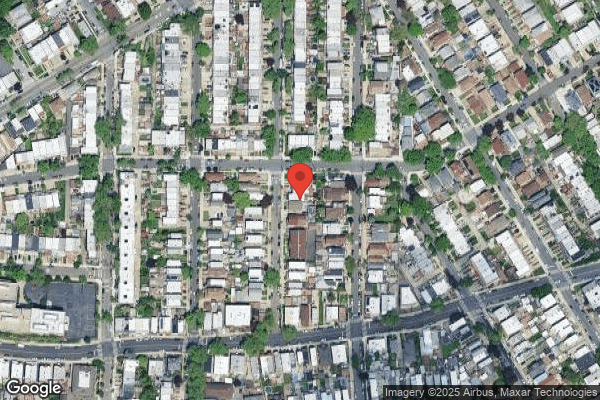
61 35 DRY HARBOR ROAD, MIDDLE VILLAGE, NY 11379 (718) 565-4200
For profit - Limited Liability company 360 Beds Independent Data: November 2025
Trust Grade
85/100
#26 of 594 in NY
Last Inspection: April 2025

Within standard 12-15 month inspection cycle. Federal law requires annual inspections.

Overview

Dry Harbor Nursing Home in Middle Village, New York, has a Trust Grade of B+, indicating it is above average and recommended for families considering care options. It ranks #26 out of 594 facilities in New York, placing it in the top half, and #3 out of 57 in Queens County, meaning only two local facilities are rated higher. The facility's trend is stable, with the same number of concerns reported in both 2023 and 2025. Staffing is a strength, with a 4/5 star rating, a turnover rate of 34% which is lower than the state average, and more registered nurse coverage than 77% of facilities in New York. While there are no fines on record, which is a positive sign, there have been some concerns involving food safety practices and medication storage that need attention. For example, staff did not properly clean residents' hands during meal service, raising the risk of foodborne illness, and medications were found improperly labeled and stored, which could potentially harm residents. Overall, Dry Harbor Nursing Home demonstrates strong staffing and no fines, but it does have areas needing improvement.

Trust Score
B+
85/100
In New York
#26/594
Top 4%
Safety Record
Low Risk
No red flags
Inspections
Holding Steady
4 → 4 violations
Staff Stability
○ Average
34% turnover. Near New York's 48% average. Typical for the industry.
Penalties
✓ Good
No fines on record. Clean compliance history, better than most New York facilities.
Skilled Nurses
✓ Good
Each resident gets 54 minutes of Registered Nurse (RN) attention daily — more than average for New York. RNs are trained to catch health problems early.
Violations
⚠ Watch
15 deficiencies on record. Higher than average. Multiple issues found across inspections.
★★★★★
5.0
Overall Rating
★★★★☆
4.0
Staff Levels
★★★★★
5.0
Care Quality
★★★★☆
4.0
Inspection Score
Stable
2023: 4 issues
2025: 4 issues

The Good

  • 4-Star Staffing Rating · Above-average nurse staffing levels
  • 5-Star Quality Measures · Strong clinical quality outcomes
  • Full Sprinkler Coverage · Fire safety systems throughout facility
  • No fines on record
  • Staff turnover below average (34%)

    14 points below New York average of 48%

Facility shows strength in staffing levels, quality measures, fire safety.

The Bad

Staff Turnover: 34%

12pts below New York avg (46%)

Typical for the industry

The Ugly 15 deficiencies on record

Apr 2025 4 deficiencies
CONCERN (D)

Potential for Harm - no one hurt, but risky conditions existed

Report Alleged Abuse (Tag F0609)

Could have caused harm · This affected 1 resident

**NOTE- TERMS IN BRACKETS HAVE BEEN EDITED TO PROTECT CONFIDENTIALITY** Based on staff interview and record review during the Recertification Survey conducted from 04/15/2025 to 04/22/2025, the facili...

Read full inspector narrative →
**NOTE- TERMS IN BRACKETS HAVE BEEN EDITED TO PROTECT CONFIDENTIALITY** Based on staff interview and record review during the Recertification Survey conducted from 04/15/2025 to 04/22/2025, the facility did not ensure that all alleged violations involving abuse, neglect, exploitation or mistreatment, including injuries of unknown source, are reported immediately, but not later than 2 hours after the allegation was made, if the events that cause the allegation involve abuse or result in serious bodily injury, to the administrator of the facility and the State Survey Agency in accordance with State law through established procedures. This was evident in 1 (Resident #270) of 3 residents reviewed for accidents out of 35 total sampled residents. Specifically, on 01/28/2025, Resident #270 was noted with discoloration and complaint of pain to the left hip. X-ray report showed acute fracture of the left hip. The source of the injury was not observed by any person and was not explained by the resident. This injury of unknown source was not reported to the New York State Department of Health. The findings are: The facility's policy titled Incident Reporting with a revision date of 06/2024 documented it is the policy of the facility to report incidents to the New York State Department of Health in accordance with the Nursing Home Reporting Manual. Any incident that falls under the reporting requirements must be immediately reported to the Director of Nursing, Administrator, or designee regardless of day, time, or weekend. Abuse, Mistreatment, Neglect, Misappropriation - must be reported within two hours after suspicion has been known. All others have to be reported within 24 hours. Major injury of unknown origin falls under a two hour reportable window if the injury cannot be attributed to a medical cause and abuse cannot be ruled out. Resident #270 had diagnoses that included Dementia, Adult Failure to Thrive, and Diabetes Mellitus. The quarterly Minimum Data Set assessment dated [DATE] documented Resident #270 was unable to complete the Brief Interview for Mental Status, and had short and long term memory problem. The assessment documented that Resident #270 required supervision for transfers and was able to walk 150 feet with supervision. A nurse's progress note dated 01/29/2025 documented Resident #270 was noted with discoloration on the left hip. X-ray report showed fracture of the left hip. The Full Quality Assurance Report form documented the incident date and time of 01/28/2025 at 1:30 PM. The form documented Resident #270 complained of pain and was noted with discoloration to the left buttock. Left hip x-ray showed acute fracture. The medical provider was made aware, and Resident #270 was transferred to the hospital. A review of the staff written statements did not contain documentation that any of the staff witnessed an incident that may contribute to Resident #270's injury. The facility investigation dated 01/31/2025 completed by the Director of Nursing documented that Resident #270 was transferred to the dementia unit where resident acclimated quickly and was known to wander aimlessly into others' rooms, and taking herself to the bathroom and to bed. The facility investigation concluded there was no indication or signs of abuse, and the fracture has been determined to be consistent with an unwitnessed fall given the resident's history and presence of subdural hematoma. Employees stated that resident was noted with decreased functional status on 01/28/2025 and while providing care, the Certified Nursing Assistants reported noting a maroon discoloration on the left hip/buttock area. The investigation did not include Resident #270's explanation of how the fracture was sustained. During an interview with Certified Nursing Assistant #6 on 04/22/2025 at 10:22 AM, they stated they discovered a discoloration on Resident #270's left hip and reported it to the nurse. They stated they do not know how Resident #270 sustained the fracture and discoloration. During an interview with the Director of Nursing on 04/22/2025 at 12:47 PM, they stated Resident #270's injury was not reported to the New York State Department of Health because no one witnessed the resident fall. The Director of Nursing stated sometimes Resident #270 falls and picks herself up. They further stated that 2 elements have to be present for the injury to be reported to the New York State Department of Health, and that one of the elements, which was abuse was ruled out. 10 NYCRR 415.4 (b)(2)
CONCERN (D)

Potential for Harm - no one hurt, but risky conditions existed

Comprehensive Care Plan (Tag F0656)

Could have caused harm · This affected 1 resident

Based on record review and interview during the Recertification Survey conducted from 04/15/2025 to 04/22/2025 the facility did not ensure that a comprehensive person-centered care plan was developed ...

Read full inspector narrative →
Based on record review and interview during the Recertification Survey conducted from 04/15/2025 to 04/22/2025 the facility did not ensure that a comprehensive person-centered care plan was developed and implemented for each resident that includes measurable objectives and timeframes to meet a resident's medical, nursing, and mental and psychosocial needs. This was evident in 1 (Resident #277) of 4 residents investigated for Care Planning out of 38 total sampled residents. Specifically, a care plan to address Osteoporosis was not developed for Resident #277. The findings are: The facility policy and procedure titled Minimum Data Set and Care Plan Creation and Maintenance revised in 11/2024 documented that the care plan will be updated at least quarterly and with any change or new condition. The care plan will always reflect the resident's current status. Resident #277 was admitted to the facility with diagnoses including Diabetes Mellitus and Muscle Weakness. The physician's progress note dated 01/20/2025 documented that Resident #277 had underlying osteoporosis and was at a heightened risk for fractures. On 04/18/2025 at 9:54 AM, Registered Nurse #3, who was the Registered Nurse Supervisor on Resident #277's unit, was interviewed and stated that Resident #277 had a diagnosis of osteoporosis which was discovered through an X-ray completed on 01/20/2025. Registered Nurse #3 stated that when a new diagnosis is given to a resident, the Registered Nurse Supervisor for that resident's unit is responsible for creating a care plan to address the new diagnosis. Registered Nurse #3 was unable to provide an explanation for why Resident #277 did not have a care plan in place for osteoporosis. On 04/22/2025 at 10:57 AM, the Director of Nursing was interviewed and stated that Resident #277 had a diagnosis of osteoporosis. The Director of Nursing stated that it is the unit nursing manager who is responsible for creating the care plan for diagnoses such as osteoporosis. They further stated that Resident #277 should have had a care plan in place for osteoporosis, and that it would have included interventions such as ensuring that Certified Nursing Assistants handled the resident gently during care, but it must have been missed by the unit nursing manager at the time that the diagnosis was first given to the resident. 10 NYCRR 415.11(c)(1)
CONCERN (D)

Potential for Harm - no one hurt, but risky conditions existed

Deficiency F0658 (Tag F0658)

Could have caused harm · This affected 1 resident

**NOTE- TERMS IN BRACKETS HAVE BEEN EDITED TO PROTECT CONFIDENTIALITY** Based on observation, record review, and interviews during the Recertification Survey conducted from 04/15/2025 to 04/22/2025, t...

Read full inspector narrative →
**NOTE- TERMS IN BRACKETS HAVE BEEN EDITED TO PROTECT CONFIDENTIALITY** Based on observation, record review, and interviews during the Recertification Survey conducted from 04/15/2025 to 04/22/2025, the facility did not ensure that services provided or aranged by the facility met professional standards of quality. This was evident in 1 (Resident #27) of 5 residents reviewed for unnecessary medications out of 38 total sampled residents. Specifically, Licensed Practical Nurse #2 failed to administer Resident #27's medications as per physician's order, left the medications on resident's overbed table, and documented that the medications were administered in the Medication Administration Record. Cross reference: F-tag 755 Pharmacy Svcs/Procedures/Pharmacist/ Records The findings include: The facility's policy titled Administration of Medication with a last revised date of 12/2024 documented that the nurse cannot leave the medications at bedside without a self-medication assessment and approval. Resident #27 had diagnoses that included Anemia, Renal Insufficiency, and Non-Alzheimer's Dementia. The quarterly Minimum Data Set assessment dated [DATE] documented that Resident #27 had moderate impairment in cognition, required setup or clean-up assistance for eating, and substantial/maximal assistance of staff for other activities of daily living. A comprehensive care plan for cognition dated 04/19/2024 documented Resident #27 had unspecified dementia without behavioral disturbance, mood disturbance, and anxiety. On 04/17/2025 at 8:42 AM, Resident#27 was observed in bed eating breakfast. There were 3 tablets in a medication cup on the resident's overbed table that were placed next to Resident #27's food tray. Resident was interviewed and stated they woke up to see the medications on the table this morning and stated it must have been the nurse that placed the medication there because it was not there last night. Resident #27 also stated they will take the medication after finishing the food because they cannot take medication before food. A physician's order dated 04/02/2025 documented to administer Methimazole 5 milligram tablet by mouth daily at 5:00 AM for overactive thyroid gland, and Tylenol 325 milligrams 2 tablets by mouth every 8 hours for pain. A review of Resident #27's Medication Administration Record documented that Resident #27 was administered 2 tablets of Tylenol 325 milligrams and Methimazole 5 milligram at 5:00 AM on 04/17/2025. On 04/17/2025 at 2:51 PM, Licensed Practical Nurse #2 was interviewed and stated they were asked to work the night shift on 04/16/2025 from 11:00 PM - 7:00 AM. They stated Resident #27 was sleeping when they went to administer Tylenol and the medication for their thyroid at about 5:00 AM on 04/17/2025. Licensed Practical Nurse #2 stated they went back at approximately 5:15 AM - 5:20 AM to administer the medications which they prepared and placed in a cup. They stated Resident #27 was not cooperating and they left the medications on the resident's table. On 04/21/2025 at 11:51 AM, Medical Doctor #1 was interviewed and stated that Methimazole was ordered to be administered early in the morning on an empty stomach, and Tylenol was ordered to be administered every 8 hours to make sure that resident is pain free around the clock. Medical Doctor #1 stated they were not aware that Resident #27 was not administered these medications as ordered. On 04/21/2025 at 12:44 PM, the Director of Nursing was interviewed and stated that Resident #27 is on standing order of Tylenol every 8 hours to make sure that resident is pain free and comfortable, and on Methimazole 5mg to be given at 5:00 AM for thyroid disorder. The Director of Nursing stated it is considered fraud when a nurse signs for a medication as administered when the medication was left on the resident's table. 10 NYCRR 415.11(c)(3)(i)
CONCERN (D)

Potential for Harm - no one hurt, but risky conditions existed

Pharmacy Services (Tag F0755)

Could have caused harm · This affected 1 resident

**NOTE- TERMS IN BRACKETS HAVE BEEN EDITED TO PROTECT CONFIDENTIALITY** Based on observation, record review, and interviews during the Recertification Survey conducted from 04/15/2025 to 04/22/2025, t...

Read full inspector narrative →
**NOTE- TERMS IN BRACKETS HAVE BEEN EDITED TO PROTECT CONFIDENTIALITY** Based on observation, record review, and interviews during the Recertification Survey conducted from 04/15/2025 to 04/22/2025, the facility did not ensure that pharmaceutical services, including procedures that assure the accurate dispensing and administering of all drugs and biologicals, were provided to meet the needs of each resident. This was evident in 1 (Resident #27) of 5 residents reviewed for unnecessary medications out of 38 total sampled residents. Specifically, the facility did not ensure accurate administration of Resident #27's medications. Medications were left on the overbed table. The findings are: The facility's policy titled Administration of Medication with a last revised date of 12/2024 documented that the nurse cannot leave the medications at bedside without a self-medication assessment and approval. Medication may be administered in accordance with the cautionary statements and recommendations of the pharmacist. Medication Pass can begin 1 hour before or 1 hour after the administration time. Resident #27 had diagnoses that included Anemia, Renal Insufficiency, and Non-Alzheimer's Dementia. The quarterly Minimum Data Set assessment dated [DATE] documented that Resident #27 had moderate impairment in cognition, required setup or clean-up assistance for eating, and substantial/maximal assistance of staff for other activities of daily living. A comprehensive care plan for cognition dated 04/19/2024 documented Resident #27 had unspecified dementia without behavioral disturbance, mood disturbance, and anxiety. On 04/17/2025 at 8:42 AM, Resident#27 was observed in bed eating breakfast. There were 3 tablets in a medication cup on the resident's overbed table that were placed next to Resident #27's food tray. Resident was interviewed and stated they woke up to see the medications on the table this morning and stated it must have been the nurse that placed the medication there because it was not there last night. Resident #27 also stated they will take the medication after finishing the food because they cannot take medication before food. A physician's order dated 04/02/2025 documented to administer Methimazole 5 milligram tablet by mouth daily at 5:00 AM for overactive thyroid gland, and Tylenol 325 milligrams 2 tablets by mouth every 8 hours for pain. A review of Resident #27's Medication Administration Record documented that Resident #27 was administered 2 tablets of Tylenol 325 milligrams and Methimazole 5 milligram at 5:00 AM on 04/17/2025. On 04/17/2025 at 8:57 AM, Licensed Practical Nurse #1 was interviewed and stated they start their shift at 7:00 AM and start medication pass after the residents are finished with their breakfast. They stated they had not administered any medication to Resident #27 yet. Licensed Practical Nurse #1 stated they had not observed the medications in Resident #27's room when they made rounds earlier in the morning and they were not sure who left the medications on Resident #27's table. On 04/17/2025 at 9:41 AM, Registered Nurse #1, who was the Registered Nurse Supervisor, was interviewed and stated they have not started making rounds this morning, and they suspected that the medications observed sitting on Resident #27's table must have been left there by the night shift nurse. Registered Nurse #1 stated that based on their review of Resident #27's medication administration record, the 3 tablets were 2 tablets of Tylenol for pain and Methimazole for thyroid issue. Registered Nurse #1 stated these medications were signed as administered at 5:00 AM. On 04/17/2025 at 2:51 PM, Licensed Practical Nurse #2 was interviewed and stated they were asked to work the night shift on 04/16/2025 from 11:00 PM - 7:00 AM. They stated Resident #27 was sleeping when they went to administer Tylenol and the medication for their thyroid at about 5:00 AM on 04/17/2025. Licensed Practical Nurse #2 stated they went back at approximately 5:15 AM - 5:20 AM to administer the medications which they prepared and placed in a cup. They stated Resident #27 was not cooperating and they left the medications on the resident's table. On 04/21/2025 at 11:51 AM, Medical Doctor #1 was interviewed and stated that Methimazole was ordered to be administered early in the morning on an empty stomach, and Tylenol was ordered to be administered every 8 hours to make sure that resident is pain free around the clock. Medical Doctor #1 stated they were not aware that Resident #27 was not administered these medications as ordered. On 04/21/2025 at 12:44 PM, the Director of Nursing was interviewed and stated that Resident #27 is on standing order of Tylenol every 8 hours to make sure that resident is pain free and comfortable, and on Methimazole 5mg to be given at 5:00 AM for thyroid disorder. The Director of Nursing stated that the nursing supervisors on the unit are supposed to make rounds every shift to ensure that residents are provided care and services according to their the plan of care. They stated it was unfortunate that a nurse signing for a medication that was not appropriately administered to the resident was not detected by the supervisors. The Director of Nursing stated that the facility has zero tolerance for this kind of incident. The Director of Nursing stated it is considered fraud when a nurse signs for a medication as administered when the medication was left on the resident's table. 10 NYCRR 415.18(a)
Aug 2023 4 deficiencies
CONCERN (D) 📢 Someone Reported This

A family member, employee, or ombudsman was alarmed enough to file a formal complaint

Potential for Harm - no one hurt, but risky conditions existed

Report Alleged Abuse (Tag F0609)

Could have caused harm · This affected 1 resident

**NOTE- TERMS IN BRACKETS HAVE BEEN EDITED TO PROTECT CONFIDENTIALITY** Based on interviews and record review conducted during the Recertification and Complaint Survey from 08/24/2023 to 08/31/2023, t...

Read full inspector narrative →
**NOTE- TERMS IN BRACKETS HAVE BEEN EDITED TO PROTECT CONFIDENTIALITY** Based on interviews and record review conducted during the Recertification and Complaint Survey from 08/24/2023 to 08/31/2023, the facility did not ensure all alleged violations involving abuse were reported immediately to the New York State Department of Health (NYSDOH), but not later than 2 hours after the alleged occurrence. This was evident for 2 (Resident # 292 and #235) of 2 residents reviewed for Abuse out of 35 total sampled residents. Specifically, 1) Resident # 292 had an unwitnessed fall with injury that was not reported to NYSDOH within two hours of occurrence 2) Resident # 235 (NY00305970 ) had an injury of unknown origin, swelling of the face and upper lip bruises, that were not reported to NYSDOH within two hours. The findings are: The facility policy titled Abuse Prevention dated 5/8/2023 documents occurrence must be reported immediately to Administrator, Director of Nursing (DON) / Designee and Department of Health (DOH), but not later than 2 hours after the allegation is made, if the events that cause the allegation involve abuse or result in serious bodily injury, or not later than 24 hours if the events that cause the allegations do not involve abuse and do not result in serious bodily injury. 1.) Resident #292 had diagnoses of anxiety disorder and depression. The Minimum Data Set 3.0 (MDS) assessment dated [DATE] documented Resident #292 had severely impaired cognition and required the extensive assistance of 1 person to assist with Activities of Daily Living (ADL). Facility investigation of Accident /Incident(A/I) Report written on 7/16/2023 at 8:40 PM documented Resident #292 was found on the floor and had an unwitnessed fall. Resident #292 was unable to state what happened. Swelling of the left wrist was observed, and an X-ray report showed a fracture of the left wrist. There was no evidence the A/I and injury that occurred on 7/16/2023 at 8:40 PM to Resident #292 was reported to NYSDOH within two hours of occurrence. During an interview on 8/31/2023 at 11:46 AM, the Registered Nurse (RN # 6) stated that the occurrence on 7/16/2023 to Resident #292 was not reported to NYSDOH because they were taught that if an investigation is completed and the facility found no reason to believe there was abuse, they do not need to report the occurrence to NYSDOH. On 8/31/2023 at 12:22 PM, an interview was conducted with the Director of Nursing (DON) who stated they did the investigation and there was no reason to believe it was an abuse case so they did not need to report it to NYSDOH. The DON stated they were taught the facility has 5 days to report to NYSDOH. On 8/31/2023 at 12:26 PM, the Administrator was interviewed and stated they cannot remember all falls that happened in the facility, but if a resident falls, an investigation is done. The staff write their statements, and they complete the forms for incidents or occurrences. The facility reviews the investigations, and if there is no reason to believe there was an abuse, it is not reported to NYSDOH. The Administrator further added that they believe all reportable occurrences need to be reported to NYSDOH within the timeframe set by the state regulation. Resident #235 had diagnoses which inlcude Alzheimer's Dementia, Depression, and Peripheral Vascular Disease (PVD). The Minimum Data Set 3.0 assessment dated [DATE] documented the resident had severely impaired cognition. Resident #235 required extensive assist of two persons for bed mobility, total assit of 2 persons for trasnfer and toilet use, and extensive assist of one person for dressing. The resident did not ambulate, and they required total assist of one person for locomotion on and off the unit. The Comprehensive Care Plan (CCP) for Abuse (peer to peer) documented the resident had the potential to be a victim of abuse due to new environment ad adjustment to the new residents. The interventions included assess resident potential for aggression, maintain environment that provides safety and reduces agitation, provide comfort and reassurance, and assess causative factors. The CCP for Risk for skin tears/ecchymosis due to fragile skin/senile purpura documented Resident #235 was at risk for skin tears and ecchymosis due to fragile skin. The interventions included: avoid restrictive clothing, check chair and bed for sharps objects, ensure adequate hydration and food, extra gentle handling during ADL care, keep fingerprints clean and short, monitor skin integrity every shift, pad side rails, and gen sleeves for fragile skin. A Nursing Note dated 11/06/2022 at 10:13 PM, written by the Registered Nurse, documented Resident #235 was alert and responsive x 1 with peirods of confusion. The resident was noted with a swollen lip and bruising to the lower lip area. Resident #235 did not fall during the shift, and Resident #235 was unable to make a statement. Resident #235 had a tendency to scratch their body, and redirection was done. An ice pack was applied to the lower lip, and no open skin was noted. A Nursing Note dated 11/06/2022 at 8:40 PM, written by the RN Supervisor, documented the RNS was informed of REsident #235's swollen lower lips and bruising to the lower lip area. Staff reported Resident #235 had a tendency to scratch their arms and face and pulls on thier skin. The physician was informed, and an x-ray of the skull and facial bones was ordered. A Physician's Note dated 11/07/2022 documented Resident #235 was evaluated for an edematous lower lip. There was no hematoma formation. Resident #235 had multiple areas of senile purpura on the upper and lower extremities. There were no signs of a fall or trauma. No skin tears, changes in range of motion, change in mental status, head trauma or pain was noted. The physician documented Resident #235 had senile prupura of the upper and lower extremities likely due to servere fragile skin and xerosis of the skin. There was no documented evidence this injury of unknown origin was reported to NYSDOH within 2 hours. On 08/31/23 at 12:18 PM, the Licensed Practical Nurse (LPN #4) was interviewed and stated that in 2022, Resident #235 was very resistive to care and combative. The resident refused to be fed, and the family came in two to theree times per day to assist with feeding and medication administration. The incident was investigated at the time, and there were no falls. 415.4(b)(2)
CONCERN (D)

Potential for Harm - no one hurt, but risky conditions existed

Comprehensive Care Plan (Tag F0656)

Could have caused harm · This affected 1 resident

**NOTE- TERMS IN BRACKETS HAVE BEEN EDITED TO PROTECT CONFIDENTIALITY** Based on observation, interview, and record review, during the recertification survey of 8/24/23 - 8/31/23, the facility failed ...

Read full inspector narrative →
**NOTE- TERMS IN BRACKETS HAVE BEEN EDITED TO PROTECT CONFIDENTIALITY** Based on observation, interview, and record review, during the recertification survey of 8/24/23 - 8/31/23, the facility failed to develop and implement a comprehensive person-centered care plan for each resident, that includes measurable objectives and timeframes to meet a resident's medical, nursing, mental and psychosocial needs that are identified in the comprehensive assessment. Specifically, a care plan was not developed and implemented to address the care needs of a resident receiving comfort measures. This was evident for 1 (#253) of 5 residents reviewed for Nutrition. The findings are: A facility policy and procedure titled Interdisciplinary Care Plan last revised 3/07, documented that an Interdisciplinary care plan for each resident will be developed to include measurable objectives and timetables to meet a resident's medical, nursing, mental and psychosocial needs that are identified in the assessment. The interdisciplinary care plan is initiated within 7 days (working days) after completion of the comprehensive assessment. Resident #253's face sheet indicates last readmitted on [DATE]. Resident has a diagnosis of depression, anemia, malignant neoplasm right breast and hypothyroidism. The Comprehensive Minimum Data Set 3.0 (MDS) assessment dated [DATE] documented the resident had a Brief Interview for Mental Status (BIMS) score of 3 (severely cognitively impaired); their functional status required extensive assistance of 2 for bed mobility, total assistance of 2 for transfers and toilet use, and extensive assistance of 1 for eating. The Physician's (MD) orders dated 7/31/23 documented advance directives orders for Medical Orders for Life Sustaining Treatment (MOLST) comfort measures only with no IV (intravenous) fluids. A comprehensive care plan (CCP) titled Comfort Care, established 8/7/23, documented the care plan was in development. The goal was for the resident to receive optimal palliative care and will maintain quality of life within the next 3 months. Interventions included honor resident's personal, religious, and cultural choices, IV hydration per order by MD, maintain dignity with appropriate treatments, pain management as ordered, monitor effectiveness, and provide care to optimize resident's comfort. An interview was conducted with the Registered Nurse Manager (RNM) #5 on 8/31/23 at 12:19 PM. RNM #5 stated that care plan initiation is done by MDS Coordinator upon admission and readmission. RNM #5 reviewed the electronic medical record (EMR) and identified the comfort care CCP was still in development, and it had been 30 days since the order for comfort care. RNM #5 stated that the care plan should have been done within a week of the order, but the care plan was still in development. RNM #5 stated the care plan has to be signed in order to become active. With regard to it not being implemented, it was just missed at the time. RNM #5 stated the MDS coordinator usually looks at the admission and will start a care plan. They thought it had already been done. When they realized it wasn't done, they started it and forgot to sign it. An interview was conducted with the MDS Coordinator on 8/31/23 at 12:45 PM. The MDS coordinator stated that for a new admission, the MDS Assessor initiates the care plan. If there are any new changes, the RNM does the care plan initiation. The comfort measures care plan was still in development, opened on 8/7/23; it was not implemented after it was initiated. The MDS Coordinator stated that during the care plan meeting, all the care plans should have been reviewed; it was just overlooked. 415.11 (c)(1)
CONCERN (D)

Potential for Harm - no one hurt, but risky conditions existed

Deficiency F0761 (Tag F0761)

Could have caused harm · This affected 1 resident

Based on observation, record review, and staff interview conducted during the Recertification survey, the facility did not ensure that medication and biologicals were labeled properly with the open da...

Read full inspector narrative →
Based on observation, record review, and staff interview conducted during the Recertification survey, the facility did not ensure that medication and biologicals were labeled properly with the open date based on professional standards of practice. This was evident for 1 of 9 units reviewed for Medication Storage (Unit 8). Specifically, six open insulin flex pens were not labeled with the open and expiration date. The findings are: On 08/25/2023 at 10:21 AM, an observation of 1 medication cart on the 8th floor was conducted with Licensed Practical Nurse (LPN #1). Six of 7 open insulin flex pens were not labeled with open and/or expiration dates. On 08/25/23 at 11:19 AM, an interview was conducted with LPN #1 who stated insulin must be labeled with the open and expiration date upon opening. Insulin should be discarded after 28 days. On 8/25/2023 at 11:25 AM, an interview was conducted with RN unit manager #2 who stated insulin should be labeled and dated upon opening. 415.18(d)
CONCERN (E)

Potential for Harm - no one hurt, but risky conditions existed

Food Safety (Tag F0812)

Could have caused harm · This affected multiple residents

Based on observation and record review during the recertification survey of 8/24/23 - 8/31/23, the facility failed to distribute and serve food in accordance with professional standards for food servi...

Read full inspector narrative →
Based on observation and record review during the recertification survey of 8/24/23 - 8/31/23, the facility failed to distribute and serve food in accordance with professional standards for food service safety. This was evident for 2 (unit 7 and 10) of 9 units observed during the Dining facility task. Specifically, staff failed to clean the residents' hands at the time of meal service and handled straws and drinking cups in a method that does not follow proper sanitation and food handling practices to prevent the outbreak of foodborne illness. The findings are: A facility policy and procedure titled Feeding Residents revised 1/23, documented it is the policy of the facility that if a resident is unable to feed themselves, they will be assisted with feeding. Equipment needed included hand sanitizing wipes. The policy further documented staff should provide hand wipes for hand hygiene and assist residents with wiping their hands if necessary. 1) On 8/24/23 at 12:09 PM, lunch meal service was observed in the 7th floor day room. Certified Nursing Assistant (CNA) #1 was observed opening a straw wrapper with ungloved hands, touching the straw in its entirety, and placing it in the resident's beverage. CNA #1 proceeded to attend to another resident, without washing their own hands. The resident requested that their soda be poured into a cup prior to the straw being placed. CNA #1 went to the beverage cart, picked up a Styrofoam cup, and removed packages of tea bags. Then, CNA #1 placed thier fingers into the cup and appeared to be wiping the inside. CNA #1 placed the cup down on the resident's meal tray, picked up the soda can, and poured the bevarge into it. On 8/24/23 at 12:17 PM, tray service to residents who dine in their room was observed on the 7th floor. No hand wipes or alcohol-based sanitizer was observed with or on the food truck. Tray service was observed for Residents #142 and # 24. Residents were given their lunch meal, and no hand cleansing was done at that time. An interview was conducted with CNA #1, 7th floor, on 8/24/23 at 12:12 PM. CNA #1 was asked if they received an infection control in-service with regard to tray service, how to handle utensils and washing of resident hands. CNA #1 was unable to explain infection control protocols and did not recognize that they had not followed them. 2) On 8/28/23 at 9:03 AM breakfast service was observed for Resident #34 on the 10th floor, in their room. No hand wipe was provided. When asked about the hand wiping, the resident stated it is never done. During an interview on 8/24/23 at 12:20 PM, CNA #2, who was assigned to the 10th floor, stated they wash their hands during meal service, and residents' hands are cleaned when they are served meals. Hand wipes are provided to the residents in their rooms. CNA #2 stated they forgot to provide the hand wipes to the residents being served in their rooms today, but hand wipes were given to residents in the dining room. On 8/28/23 at 9:12 AM, CNA #3, assigned to the 10th floor, was interviewed amd stated they provide a washcloth to the residents for hand washing prior to meals to both the dining room and the resident rooms. They further stated they gave wipes before breakfast was served around 8:30 AM. On 8/28/23 at 9:16 AM, the Registered Nurse Manager (RNM) #1 was interviewed with regard to infection control at mealtime. RNM #1 stated the procedure is for the aide to wash their hands before serving, and wipe resident's hands; staff should use sanitizer between serving trays to the rooms. They further stated that they or the charge nurse oversee the meals service to the dining room and resident rooms. RNM #1 stated they had done wipes before the food truck came around 8:30/8:35 am. The State Agency asked what stops the resident from recontamination of their hands; the RNM #1 stated the CNA has to do it again. An interview was conducted on 8/31/23 at 10:03 AM with the Director of Nursing Services (DNS). The DNS stated that all staff and residents should practice hand washing prior to meals with hand wipes or alcohol based sanitizer solution. Residents eating in their rooms should also be provided with hand cleansing. In addition, when handling a straw, it should be opened halfway and held by the paper when staff place it in the cup. The DNS stated that staff have been in-serviced regarding maintaining sanitary practices during meal service. An interview was conducted on 8/31/23 at 10:23 AM with the In-service coordinator/infection control preventionist (IPC) who stated they have only been working here for 1 month. The IPC stated they are aware of infection control procedures for meal service, and they will prioritize training. 415.14
Jun 2021 7 deficiencies
CONCERN (D)

Potential for Harm - no one hurt, but risky conditions existed

Deficiency F0568 (Tag F0568)

Could have caused harm · This affected 1 resident

**NOTE- TERMS IN BRACKETS HAVE BEEN EDITED TO PROTECT CONFIDENTIALITY** Based on record review and staff interviews during the Recertification survey and Abbreviated survey, the facility did not ensur...

Read full inspector narrative →
**NOTE- TERMS IN BRACKETS HAVE BEEN EDITED TO PROTECT CONFIDENTIALITY** Based on record review and staff interviews during the Recertification survey and Abbreviated survey, the facility did not ensure individual resident financial records were made available to resident and resident representatives through quarterly statements. Specifically, quarterly statements were not provided in writing to residents and/or resident representatives within 30 days after the end of the quarter and upon request. This is evident for 1 of 2 residents reviewed for Personal Funds out of a resident sample of 39 residents. (Resident #107) The findings are: The facility policy and procedure titled Resident Rights: Resident Personal Funds dated May 2020 documented that Dry Harbor maintains a system that assures a full and complete and separate accounting, according to generally accepted accounting principles, of each resident's personal funds entrusted to the facility on the resident's behalf. The individual financial records are available to the resident through quarterly statements and upon request. Resident # 107 was most recently admitted on [DATE] with diagnoses of Dementia and Depression. Quarterly MDS dated [DATE] documented Resident #107 had moderately impaired cognition. On 6/24/2021 at 09:49 AM, representative for Resident #107 as interviewed and stated they are the authorized financial person managing resident's funds and had requested quarterly statements but had not been received any statements. The Resident Fund Ledger dated 01/01/2021- 03/31/2021 documented resident had funds in an account at the facility. Notation on the document indicated mailed April 5, 2021. There was no signature affixed to the document. On 6/29/2021 at 02:02 PM, the Director of Social Work and Recreation (DSW/R) was interviewed. The DSW/R stated that they generate a roster with resident funds. The Social Worker meets with all alert residents to distribute quarterly statements and the resident will sign that they received a copy. The DSW/R also stated that for confused residents, the admission department sends statements to the resident's representatives. The DSW/R was unable to provide any documented evidence that statements had been mailed to Resident #107 representative. On 6/29/2021 at 4:20 PM, the Administrator was interviewed. The Administrator stated that statements are not mailed with delivery receipt and they do not document in the medical record when statements are mailed. The Administrator further stated that the facility does not have an evidence that the statements were mailed. 415.26 (h)(5)
CONCERN (D)

Potential for Harm - no one hurt, but risky conditions existed

Assessment Accuracy (Tag F0641)

Could have caused harm · This affected 1 resident

**NOTE- TERMS IN BRACKETS HAVE BEEN EDITED TO PROTECT CONFIDENTIALITY** Based on staff interviews and record review conducted during a Recertification and Abbreviated survey, the facility did not ensu...

Read full inspector narrative →
**NOTE- TERMS IN BRACKETS HAVE BEEN EDITED TO PROTECT CONFIDENTIALITY** Based on staff interviews and record review conducted during a Recertification and Abbreviated survey, the facility did not ensure that a portion of the Minimum Data Assessment (MDS) accurately reflected the resident's status. Specifically, diagnoses of Anxiety Disorder and Depression were not captured on the MDS. This was evident for 1 of 5 residents reviewed for Unnecessary Medications out of total sample of 39 residents (Resident # 189). The findings are: The facility policy and procedure titled Minimum Date Set (MDS) -Version 3.0 revised 1/21 documented the MDS 3.0 Resident Assessment will be completed by the Interdisciplinary Team. Each discipline will be responsible for completion of their designated sections as follows: Nursing Sections (RN MDS Assessors) I and all disciplines that make entries on the MDS 3.0 are responsible to sign and date their assigned sections. This signature must include title. The signature indicates that the section was reviewed and attests to the accuracy of the items. Resident #189 was admitted to the facility with diagnoses which included Anxiety Disorder, Depression, Peripheral Vascular Disease and Deep Vein Thrombosis. MD orders renewed 6/5/21 documented Ativan 0.5 mg 1 tab orally at bedtime, and Lexapro 10 mg 1 tab orally daily. The Quarterly MDS dated [DATE] and the Annual MDS dated [DATE] documented in Section I diagnoses of Anxiety Disorder and Depression. Section N in both assessments documented that the resident received antianxiety and antidepressant medication on 7 of 7 days. The Quarterly MDS dated [DATE] did not include a diagnosis of Anxiety Disorder and Depression in Section I. Section N documented that the resident received antianxiety and antidepressant medication on 7 of 7 days. On 6/29/21 at 3:14 PM, the MDS Assessor (MDSA) was interviewed. The MDSA stated their main assignment is the 9th floor and they cover other floors as needed. The MDSA also stated they will get list of assignments along with due dates and then have 14 days in which to complete the assessment. Progress notes, diagnosis and physician's orders are reviewed when completing the MDS. The MDSA stated that once the assessment is completed it is reviewed and then it is checked by the coordinator. The MDSA further stated that Anxiety Disorder and Depression were not documented on the Quarterly MDS dated [DATE] even though anti-anxiety and antidepressant medication was coded on that same MDS. The MDSA stated that even though they usually double-checked their work, they missed coding the diagnosis and would need to do a correction to the MDS. On 6/29/21 at 3:24 PM, the MDS Coordinator (MDSC) was interviewed. The MDSC stated they are responsible for scheduling the MDS assessments and assigning the completion to one of the four assessors. The MDSC also stated that prior to signing off on an assessment, they compare medications and coding, and usually do a spot check to ensure that there are no inconsistencies. The MDSC further stated that no such check had been completed for this quarterly MDS. 415.11 (b)
CONCERN (D)

Potential for Harm - no one hurt, but risky conditions existed

Comprehensive Care Plan (Tag F0656)

Could have caused harm · This affected 1 resident

**NOTE- TERMS IN BRACKETS HAVE BEEN EDITED TO PROTECT CONFIDENTIALITY** Based on interviews and record review conducted during the Recertification and Abbreviated survey, the facility did not ensure t...

Read full inspector narrative →
**NOTE- TERMS IN BRACKETS HAVE BEEN EDITED TO PROTECT CONFIDENTIALITY** Based on interviews and record review conducted during the Recertification and Abbreviated survey, the facility did not ensure that a comprehensive person-centered care plan consistent with the resident rights that included measurable objectives and timeframes to meet a resident's medical, nursing, and mental and psychosocial needs was developed and implemented. Specifically, a care plan was not developed to address the use of anticoagulant medication. This was evident for 1 of 5 residents reviewed for Unnecessary Medications out of a sample of 39 residents (Resident # 189). The findings are: The undated facility policy and procedure titled Interdisciplinary Care Plan documented it is the policy of this facility that a Interdisciplinary Care Plan for each resident will be developed to include measurable objectives and timetables to meet a resident's medical, nursing, mental and psychosocial needs that are identified in the comprehensive assessment. The triggered RAPs are utilized in the development of care planning interventions/objectives. Resident #189 was admitted to the facility with diagnoses which included Peripheral Vascular Disease and Deep Vein Thrombosis. MD order renewed 6/5/21 documented Eliquis 2.5 mg every 12 hours. Quarterly MDS dated [DATE] documented in section N that an anticoagulant was received on 7 of 7 days. Review of the Medication Administration Record dated April 2021, May 2021 and June 2021 documented that Eliquis 2.5 mg was administered to the resident. There was no documented evidence that a Comprehensive Care Plan CCP) had been developed to address the use of anticoagulant medication. On 6/29/21 at 12:35 PM, RN Supervisor (RNS) #4 was interviewed. RNS #4 stated when there is a doctor's order, they develop care plans based on the doctor's order and then this information is entered into the care plan template. RNS #4 also stated that on admission the MDS RN creates the initial care plan and the RNS on the unit is responsible for doing quarterly updates to the care plan. RNS #4 further stated they were responsible for any care plans that may have been missed by the MDS staff initially. RNS#4 stated that Resident #189 was started on anticoagulant therapy on 4/10/21 when they were readmitted to the facility and there was no care plan for anticoagulant therapy. The initial care plan should have been completed by the MDS staff who was completing the assessment. On 6/29/21 at 3:21 PM, the MDS Assessor (MDSA) was interviewed. The MDSA stated that use of anticoagulant was coded on MDS and the supervisor on the floor would be the person responsible for creating that care plan. On 06/29/21 at 03:57 PM, The Assistant Director of Nursing (ADON) was interviewed. The ADON stated that the MDS Coordinator does an audit on which care plans were done and by whom, what is complete and what remains outstanding. The day shift supervisors get the list for their floors and they are responsible for ensuring that the care plans are done. Part time nurses come in to help with the completion of the care plans and completion of care plans is assigned randomly. The ADON also stated that the MDS assessor who did the admission assessment would create the initial care plan. The MDS team is also responsible for annual and readmission assessments so should be responsible for those care plans also. The ADON further stated that it is not clearly defined who is responsible for which care plans and was not sure if there was a process in place for checking to ensure that all care plans that should be created were developed. 415.11 (c)(1)
CONCERN (D)

Potential for Harm - no one hurt, but risky conditions existed

Deficiency F0657 (Tag F0657)

Could have caused harm · This affected 1 resident

**NOTE- TERMS IN BRACKETS HAVE BEEN EDITED TO PROTECT CONFIDENTIALITY** Based on record review and staff interview conducted during the Recertification and Abbreviated survey, the facility did not ens...

Read full inspector narrative →
**NOTE- TERMS IN BRACKETS HAVE BEEN EDITED TO PROTECT CONFIDENTIALITY** Based on record review and staff interview conducted during the Recertification and Abbreviated survey, the facility did not ensure that a resident's person-centered, comprehensive care plans (CCP) were reviewed and revised by the interdisciplinary team after each assessment, including both the comprehensive and quarterly review assessments. Specifically, three (3) care plans were not reviewed or revised after the quarterly assessment. This was evident for 1 of 5 residents reviewed for Unnecessary Medication out of a sample of 39 residents (Resident #67). The findings are: The facility policy Interdisciplinary Care Plan revised 12/18 documented each discipline is responsible to refer to Interdisciplinary Care Plan and update CCP by documenting all pertinent information in the evaluation section of CCP Form every 90 days or when quarterly assessment review, significant change and annual is due and as necessary. Resident #67 was admitted to the facility with diagnoses which include Type II Diabetes without complications, Alzheimer's Disease and Hypertensive Heart Disease without Heart Failure. The Annual Minimum Data Set (MDS) 3.0 dated 1/23/21 and Quarterly MDS assessment dated [DATE] documented that the resident had short and long-term memory impairment and moderately impaired cognitive skills for decision-making. The MDS further documented the resident had no mood concerns and that resident's behavior had improved from prior assessment. The CCP Mood initiated 1/23/20 included a goal that the resident will continue to not exhibit any mood issues as evidenced by statement made, observations and documentation. Interventions included address loneliness and isolation if expressed/observed; assist the resident with managing feelings by having staff available during upset episodes; and do not negate resident's feelings and let it be known that efforts will be made to relieve anxieties and concerns. The CCP for Mood was last reviewed on 2/5/21. The CCP Peer Abuse initiated 10/18/20 included a goal that the resident will not abuse another resident and will have no adverse reaction following a dispute. Interventions included assess causative factors resulting in behavior; maintain environment for resident that provides safely and reduces agitation; assess for potential for aggression, and attempt to keep resident safe by removing from area if being annoyed by another resident. The CCP Peer Abuse was last reviewed on 2/2/21. The CCP Resident needs 1:1 attention/stimulation to elicit positive response from therapeutic recreation initiated 7/10/20 included a goal of the resident will receive 1:1 visits on unit 4-5 times a week; Facetime or speak on phone with family. Interventions included encourage involvement in activities of interest; inform of activities such as music appreciation; and offer sensory stimulation. The CCP Resident needs 1:1 attention/stimulation to elicit positive response from therapeutic recreation was last reviewed on 1/23/21. There was no documented evidence that care plans had been reviewed and revised by the interdisciplinary team after the quarterly assessment. On 06/28/21 at 02:43 PM, the Registered Nurse Supervisor (RNS)#3 was interviewed. RNS #3 stated they are responsible for initiating CCPs, reviewing and updating CCPs quarterly and when an incident has occurred. RNS #3 also stated the CCP had not been updated this quarter. RNS #3 further stated the goal is to update CCP as soon as possible and the Abuse CCP should have been reviewed in May 2021. On 06/28/21 at 02:56 PM, the Social Worker (SW) was interviewed. The SW stated the CCP for mood is reviewed annually, quarterly, and when there is a significant change. The SW also stated the MDS assessment is used to update the care plan. The SW further stated the care plan was due in April and was missed so had not been updated. On 06/28/21 at 03:17 PM, the Recreational Leader (RL) was interviewed. The RL stated the CCP is reviewed and updated quarterly, following a significant change and annually. The RL also stated the resident required one to one monitoring due to the resident's cognitive impairment and review of the CCP titled the Resident needs 1:1 was due in April or May, however, was not done. The RL further stated the MDS department sends a list indicating when the CCP is due on a quarterly and annually basis. On 06/28/21 at 03:34 PM, an interview was conducted with the Director of Social Work/Recreation (DSW/R). The DSW/R stated that CCP's are monitored based on the MDS schedule. When the MDS assessment is due the Social Worker and Recreation Leader will update the care plans. The DSW/R further stated if any care plans are omitted, the SW or RL is informed. The DSW/R also stated weekly CCP audits of 2 residents per floor had been conducted to ensure that CCPs are updated based on the MDS schedule and based on the audits there were no recent issues. The DSW/R stated the Recreation CCP should have been updated in April 2021 and Mood CCP should have been updated in May 2021 and they will review the MDS schedule to determine why it was not done. On 06/29/21 at 01:17 PM, the Assistant Director of Nursing (ADNS) was interviewed. The ADNS stated the annual care plans are completed by the MDS team and the short term care plans are initiated and completed by the Registered Nurses. The ADNS also stated the MDS team gives all RN supervisors and the ADNS a list of when the quarterly care plans are due. RN supervisors or the designated part time nurses update the CCPs quarterly. The ADNS further stated they are provided with weekly audits from the MDS Coordinator that document completed and pending care plans which are followed up by the RN supervisor. If the RN Supervisor is unable to complete the CCP it is delegated to the designated part time nurses or part time nurses on MDS team based on the number of care plans due in a given week. 415.11(c)(2)(i-iii)
CONCERN (D)

Potential for Harm - no one hurt, but risky conditions existed

Quality of Care (Tag F0684)

Could have caused harm · This affected 1 resident

**NOTE- TERMS IN BRACKETS HAVE BEEN EDITED TO PROTECT CONFIDENTIALITY** Based on observation, record review and interview during the Recertification survey and Abbreviated survey, the facility did not...

Read full inspector narrative →
**NOTE- TERMS IN BRACKETS HAVE BEEN EDITED TO PROTECT CONFIDENTIALITY** Based on observation, record review and interview during the Recertification survey and Abbreviated survey, the facility did not ensure that resident received treatment and care in accordance with professional standards of practice and the comprehensive person-centered care plan. Specifically, the facility did not ensure that a resident with Intravenous (IV) Heplock line and a resident with a Peripherally Inserted Central Catheter (PICC) line, inserted for antibiotic administration were provided with care and services to prevent infection on the catheter sites. This was evident for 2 of 2 residents reviewed for Infection/Transmission-Based Precautions out of a sample of 39 residents. (Resident #421 and Resident #1. The finding is: The facility policy on PICC line Dressing Change dated 01/2021 documented to prevent external infection of the peripheral or venous catheter; assess the dressing for accumulation of blood fluid or moisture beneath the dressing. PICC line dressing is every 7 days and PRN (as needed).Measure external length of the catheter. Document dressing change. 1. Resident #421 was admitted to the facility with diagnoses that included Benign Prostatic Hyperplasia, Urinary Tract Infection, and Hypertension. The admission Nursing note dated 6/14/2021 documented that resident is alert and oriented x 3; Skin Integrity assessment: - PICC line on left arm brachial, patent, and intact; on IV Meropenem x 28 doses, to stop on 7/6/21. On 06/23/21 at 12:02 PM, Resident #421 was observed in the day room with a PICC line on left arm. Resident stated the line had been in use for antibiotic medication while in the hospital and cannot remember when last the dressing was changed. Resident stated that the PICC line was still being used for medication since admitted to the facility, was being flushed every day, but the dressing had not been changed. There was no date noted on the resident's PICC line dressing. On 06/29/21 at 08:37 AM, Resident #421 was observed in room eating, and stated that the dressing on the IV PICC site had still not been changed. The resident stated that they had experienced itching at the site. The dressing on the site was observed with a brownish colored substance, skin was reddened and raised areas were observed on surrounding skin area covered by the transparent dressing. The Comprehensive Care Plan (CCP) for IV Antibiotic dated 6/14/2021 documented that resident has need for IV Antibiotic administration via left arm PICC line. Goal included: - Resident's IV site will be free from signs of infiltration and infection in 21 days. Interventions included: Administer IV ABT Meropenem 1 gram intravenously twice a day. Assess IV site for signs of redness, swelling, drainage, c/o pain, etc. Change PICC line dressing as ordered. Flush PICC line as ordered. If peripheral, change IV needle and tubing as per facility policy. Physician's order dated 6/14/21 documented PICC line care dressing change weekly with measure every week. The Treatment Administration Record (TAR) for June 2021 documented PICC line dressing change was scheduled to be done weekly on 6/21/2021 and 6/28/2021. There was no documentation noted on the TAR that the dressing was changed as scheduled. There was no documented evidence that the catheter site was monitored and assessed for signs and symptoms of infection such as redness, swelling, drainage since admission on [DATE]. There was no documentation that the PICC line dressing was changed and measured as ordered. On 06/29/21 at 10:16 AM, Licensed Practical Nurse (LPN #1) was interviewed. LPN #1 stated that Resident #421 had been in the facility for 3 weeks and had received IV antibiotic therapy since 6/14/21. LPN #1 also stated that the Registered Nurse (RN) on the unit changes dressings on the resident's PICC line and they thought that the dressing was changed on 6/28/2021. LPN #1 examined the resident's PICC line site and stated that the dressing had not been changed on 6/28/21 and the RN on the unit will be informed. On 06/29/21 at 10:40 AM, RN #1 was interviewed. RN #1 stated that that Resident #421 was assigned to another nurse that is expected to administer medication and perform treatment to the residents on that wing. RN #1 also stated that they are not aware that the resident's PICC line dressing change was due for change and had not been asked to change the dressing when due. RN #1 further stated that the dressing was supposed to be changed weekly and was due yesterday as per the physician's order but they could not explain why the dressing had not been changed. 2. Resident #1 was re-admitted to the facility with Primary diagnosis of Urinary Tract Infection and Pleural Effusion. The admission Minimum Data Set (MDS) dated [DATE] documented the resident had moderate cognitive impairment, clear speech, with distinct intelligible words, makes self-understood, and understands others. On 06/23/21 at 01:01 PM, Resident #1 was observed with an IV Heplock on left hand. There was no date observed on the dressing/tape which held the line in place. Moderate redness was observed on the surrounding skin. Resident #1 stated that the IV line was used for medication at the hospital before the resident was discharged to the facility. On 06/29/21 at 09:11 AM, Resident #1 was observed in bed. The transparent tape and the dressing on the resident's left hand Heplock was almost completely removed, and moderate redness was observed on the resident's skin underneath dressing. Resident complained of itching at the site and stated that the dressing on the IV Heplock had not been changed. The Comprehensive Care Plan (CCP) for Urinary Tract Infection dated 6/15/2021 documented that resident has Urinary Tract Infection (UTI). Goal included - UTI will be resolved within the next 6 days. Interventions included: - Administer medications as ordered. Encourage increased fluid intake. Monitor complaints of urinary discomfort. Monitor for any adverse reactions from ABT such as rashes. The CCP Evaluations/Monitoring dated 6/15/2021 documented that resident readmitted from hospital, started on Zyvox 600mg IV daily via peripheral line x 1 day, then Zyvox 600mg PO daily x 5 days for UTI. Proceed with CCP. There was no documented evidence that the resident's IV Heplock line inserted for the one-time IV ABT administration was ever assessed and monitored for accumulation of blood fluid, redness, or moisture beneath the dressing to prevent external infection of the peripheral catheter. On 06/29/21 at 10:26 AM, an interview was conducted with Registered Nurse RN #1. RN #1 stated that Resident #1 was re-admitted to the unit on 6/15/2021, with an order to give IV antibiotics (ABT) x 1 dose, and then changed to oral antibiotics. RN #1 also stated that there was no documentation noted on the resident's chart for IV-line flushing or dressing change. RN #1 also stated that when the dressing on the resident's IV line was observed to be falling off some time ago, it was retaped. RN #1 further stated that the supervisor will be informed to notify the doctor and get an order for the treatment or removal of the line immediately, as the line is no longer in use. On 06/29/21 at 10:57 AM, RN Supervisor (RNS #1) was interviewed. RNS #1 stated that the RN is supposed to change the PICC line dressing. If the resident is assigned to an LPN, the RN on the unit is expected to be notified to change the dressing and they did not understand why this had not been done as there is always an RN on the unit. RNS #1 also stated that they normally monitor the nurses and other staff, and review staff documentation to ensure that the interventions are carried out per plan of care but erroneously missed checking this resident's chart during this period. RNS #1 also stated that the resident's Heplock is supposed to be changed every 3 days if still in use and this Heplock should have been removed on completion of the IV therapy. RNS #1 stated that the RN will be asked to remove the line immediately. On 06/29/21 at 02:14 PM, the Infection Control/Risk Manager & In-service Coordinator (ICRM) was interviewed. The ICRM stated that dressing on PICC line is supposed to be done every week and documented; the RN Supervisor is responsible for monitoring and checking to ensure that needed interventions are carried out as per the resident's plan of care. The ICRM further stated that the staff will be re-in serviced to prevent re-occurrence. 415.12
CONCERN (D)

Potential for Harm - no one hurt, but risky conditions existed

Infection Control (Tag F0880)

Could have caused harm · This affected 1 resident

**NOTE- TERMS IN BRACKETS HAVE BEEN EDITED TO PROTECT CONFIDENTIALITY** Based on observations and staff interviews during the Recertification survey and Abbreviated survey, the facility did not ensure...

Read full inspector narrative →
**NOTE- TERMS IN BRACKETS HAVE BEEN EDITED TO PROTECT CONFIDENTIALITY** Based on observations and staff interviews during the Recertification survey and Abbreviated survey, the facility did not ensure the infection control practices and procedures to provide a safe, sanitary and comfortable environment and to help prevent the development and transmission of communicable diseases and infections were maintained. Specifically, residents' oxygen tubing was observed touching the floor on multiple occasions. This was evident for 2 of 2 residents reviewed for Oxygen out of a sample of 39 residents. (Resident #37 and Resident #68) The findings are: 1). Resident # 37 was admitted with diagnoses which include Chronic Obstructive Pulmonary Disease (COPD), Renal Insufficiency, Dementia and Asthma. The Minimum Data Set 3.0 (MDS) assessment dated [DATE] documented the resident had moderate cognitive impairment required limited assistance of one person with most activities of daily living and was receiving oxygen therapy. On 06/23/21 at 10:45 AM, 06/24/21 at 11:15 AM, and 06/25/21 10:30 AM, the resident was observed seating in room. The resident was receiving oxygen via nasal canula and oxygen tubing was observed on the floor. Two (2) Certified Nursing Assistant's (CNA's) were observed in the hallway at the time of the observations. The resident's Comprehensive Care Plan (CCP) dated 4/19/21 for Respiratory in place with prescribed interventions in place. The Physician's Order dated 6/22/21 documented change O2 tubing every Monday, O2 at 3L/min via nasal canula. 2). Resident #68 was admitted to the facility with diagnosis including Shortness of Breath, Renal Insufficiency, Dementia, and Respiratory Failure. The Quarterly Minimum Data Set 3.0 (MDS) assessment dated [DATE] documented the resident had severe cognitive impairment, required extensive assistance of one person with most activities of daily living and was receiving oxygen therapy. On 06/23/21 at 12:35 PM and 06/24/21 at 11:13 AM, Resident #68 was observed seated in the hallway. The resident was receiving oxygen, and oxygen tubing was observed touching the floor. Two (2) CNAs were observed in the hallway at the time of each observation. On 06/25/21 at 10:29 AM, resident was observed with oxygen tubing touching the floor. No date observed on the oxygen tubing. The Recreation Aide was observed assisting the resident to communicate with family through Facetime. The resident's Comprehensive Care Plan (CCP) for Respiratory dated 4/19/2021 was completed with prescribed interventions in place. The Physician's Order dated 6/24/21 documented Oxygen 2L/min for shortness of breath, change O2 tubing every Monday. On 06/25/21 at 10:34 AM, the Recreation Leader (RL) was interviewed. The RL stated that they do activities with residents, help residents to communicate with their families through Facetime. The RL also stated that during infection control training they were informed that tubing is not supposed to be on the floor and it should be placed in a way so that it does not touch the floor. If oxygen tubing is noted to be soiled, the nurse should be notified to provide a new one. The Recreation leader stated that she will inform the nurse that the oxygen tubing was found on the floor.She further stated that the oxygen tubing will be changed by the nurse. On 06/25/21 at 10:41 AM, CNA #7 was interviewed. CNA #7 stated that the resident needs assistance in all activities of daily living. CNA #7 also stated that they were trained on infection control prevention and are to ensure tubing is clean and is not supposed to be on the floor. If it is found on the floor, we disinfect it. CNA #7 further stated that the oxygen tubing is not supposed to be on the floor. On 06/25/21 at 10:51 AM, Registered Nurse (RN) #5 was interviewed. RN #5 stated the resident's oxygen level is checked, and tubing is changed every Monday. RN #5 also stated that they were trained that tubing is not supposed to be on the floor. The RN stated that she was not aware that the oxygen tubing was on the floor. The RN stated that the CNAs should inform the Nurse if any tubing is found on the floor. RN #5 stated that they would go and change the resident's oxygen tubing On 06/25/21 at 12:01 PM, the Infection Control Nurse (ICN) was interviewed. The ICN stated that we do infection control training regularly, on hand hygiene, disinfecting highly touch surfaces and on COVID-19 protocols. Staff were trained to keep all tubing off the floor and were trained to discard the tubing if found on the floor and get a new tubing for the patients. The ICN further stated that staff will need to be re-in-serviced on infection control protocols. The ICN also stated that she make rounds daily to ensure the staff are practicing infection prevention protocols. On 06/25/21 at 03:20 PM, the Acting Director of Nursing Services (ADNS) was interviewed. The ADNS stated that tubing is not supposed to be on the floor. ADNS stated that the tubing is supposed to be changed routinely on Mondays. The nurses ensure all oxygen tubings are changed on Modays. The ADNS also stated if the tubing is found on the floor it should be changed. The ADNS further stated that in-services will be provided to staff right way. 415.19(a)(1-3)
CONCERN (E)

Potential for Harm - no one hurt, but risky conditions existed

Deficiency F0761 (Tag F0761)

Could have caused harm · This affected multiple residents

Based on observation and staff interview during the Recertification and Abbreviated survey, the facility did not ensure that medications and biologicals drugs were stored and labeled in accordance wit...

Read full inspector narrative →
Based on observation and staff interview during the Recertification and Abbreviated survey, the facility did not ensure that medications and biologicals drugs were stored and labeled in accordance with currently accepted professional principles. Specifically, 1). the facility did not ensure that medications were properly labeled with opening date and resident name on the vial, and 2). medication refrigerators were not maintained within acceptable ranges and daily checks were not recorded consistently. This were observed during the Medication Storage and Labeling task on 4 of 10 units. (Units 3, 8, 9 and 10) The findings are: The facility's Policy and Procedure titled Storage and Expiration of Medication, Biologicals, Syringes and Needles dated 4/2019, documented staff should record the date opened on the medication container when the medication has a shortened expiration date once opened. Staff should destroy and reorder medications, and biologicals with soiled, illegible, worn, makeshift, incomplete damaged or missing labels. Staff must ensure that medication and biologicals are stored at their appropriate refrigeration temperature: 36-46 degrees F. The Allergan Data Sheet for Alphagan dated December 1, 2014 documented discard contents 4 weeks after opening bottle. 1. On 6/28/2021 at 02:17 PM, during the medication storage facility task the 8th floor medication cart was examined. A vial of Alphagan 0.1% eye drops for Resident #91 was observed with no date indicating when medication was opened, and a vial of Artificial Tears was observed with an opened the plastic bag containing the vial. There was no label observed on the vial. On 6/29/2021 at 01:12 PM, a second observation was made of the 8th floor medication cart. The Alphagan 0.1% eye drop vial for Resident #91 had an opened date of 6/11/21. An interview was conducted immediately with RNS #5. RNS #5 stated that they were not sure who had labelled the vial and the date may have been entered by the night shift staff. RNS# 5 also stated that if opened date is missing from medication, staff must discard the vial and order another one from the pharmacy. RNS# 5 further stated they give in-service to staff all the time. Medication carts are checked once a week and routinely by the supervisors but this information was not documented anywhere. Pharmacy also checks the cart monthly. On 6/29/2021 at 03:44 PM, the Assistant Director of Nursing (ADON) was interviewed. The ADON stated that when the nurses comes in the morning, they should ensure that eye drops are in a bag and labelled with the resident's name from the pharmacy. The ADON also stated that multi-dose vials should be dated when opened. If opened and not labelled, then it should be discarded and refilled from the pharmacy once identified. The ADON further stated that the medication nurse is responsible to make sure that medications are labelled. The ADON stated that the supervisors do checks of the medications rarely. 2.On 6/29/2021 at 01:10 PM, the 8th floor medication refrigerator was observed to be 36 degrees F. The Medication Room log sheet dated June 2021 was observed with missing entries were noted for 17, 18, 20, 21, 22, 23, 25, 26, 27, 28 and 29. 2 unopened vials of PPD were observed in the refrigerator with manufacturer's recommendation to store between 36-46 F. 4 vials of Humalog insulin, 1 vial of Procrit, 1 opened vial of Purified Protein Derivative (PPD), and 2 boxes of Benlysta were also observed. An interview was conducted immediately with RNS #5. RNS #5 stated they check the refrigerator daily Monday to Friday and could not explain why there were missing entries on the refrigerator log sheet. On 6/29/2021 at 1:26 PM, LPN #2 on the 10th floor was interviewed. LPN #2 stated they check temperature at the start of shift, in both the medication and day room but did not record the temperatures anywhere. LPN #2 also stated it is the nurse's responsibility to check the temperatures and if it is below or above, we change it to where it is supposed to be. LPN #2 further stated there is no medication log sheet on the unit. On 6/29/2021 at 01:32 PM, the 9th floor medication refrigeration was observed with a temperature of 48 degrees F. The Medication Room log sheet dated June 2021 was observed with missing entries were noted for 13, 28, On 6/29/2021 at 01:36 PM, LPN# 4 on the 9th Floor was interviewed. LPN#4 stated they check the refrigerator when they come in the morning, but do not document it anywhere. On 6/29/2021 at 01:43 PM, the medication refrigerator on the 3rd Floor was observed with a temperature of 20 degrees F. The Medication Room log sheet dated June 2021 documented a temperature of 39 degrees F on 6/29. LPN# 3 assigned to the 3rd Floor was interviewed immediately and stated that nurses check the medication refrigerator in the morning but do not record it. LPN #3 also stated that the 11-7 shift nurse checks the temperature and records it in the log book. LPN #3 further stated they had checked the refrigerator temperature at the beginning of the shift and did not know that the refrigerator temperature was out of range. On 6/29/2021 at 03:44 PM, an interview was conducted with the ADON. The ADON stated that each floor has a log book which contains a sheet for the medication and pantry refrigerators. The ADON also stated that there is a log that is signed by the night shift and they believed that other shifts were told to spot check, but those checks are not documented. The ADON further stated that they were unsure if night supervisor does random checks. The ADON stated that without documentation of the temperatures, there is no way to know that the temperatures were checked each shift and what the temperatures were. 415.18 (e)(1-4)
Understanding Severity Codes (click to expand)
Life-Threatening (Immediate Jeopardy)
J - Isolated K - Pattern L - Widespread
Actual Harm
G - Isolated H - Pattern I - Widespread
Potential for Harm
D - Isolated E - Pattern F - Widespread
No Harm (Minor)
A - Isolated B - Pattern C - Widespread

Questions to Ask on Your Visit

  • "Can I speak with families of current residents?"
  • "What's your RN coverage like on weekends and overnight?"

Our Honest Assessment

Strengths
  • • Grade B+ (85/100). Above average facility, better than most options in New York.
  • • No major safety red flags. No abuse findings, life-threatening violations, or SFF status.
  • • No fines on record. Clean compliance history, better than most New York facilities.
  • • 34% turnover. Below New York's 48% average. Good staff retention means consistent care.
Concerns
  • • 15 deficiencies on record. Higher than average. Multiple issues found across inspections.
Bottom line: Generally positive indicators. Standard due diligence and a personal visit recommended.

About This Facility

What is Dry Harbor's CMS Rating?

CMS assigns DRY HARBOR NURSING HOME an overall rating of 5 out of 5 stars, which is considered much above average nationally. Within New York, this rating places the facility higher than 99% of the state's 100 nursing homes. This rating reflects solid performance across the metrics CMS uses to evaluate nursing home quality.
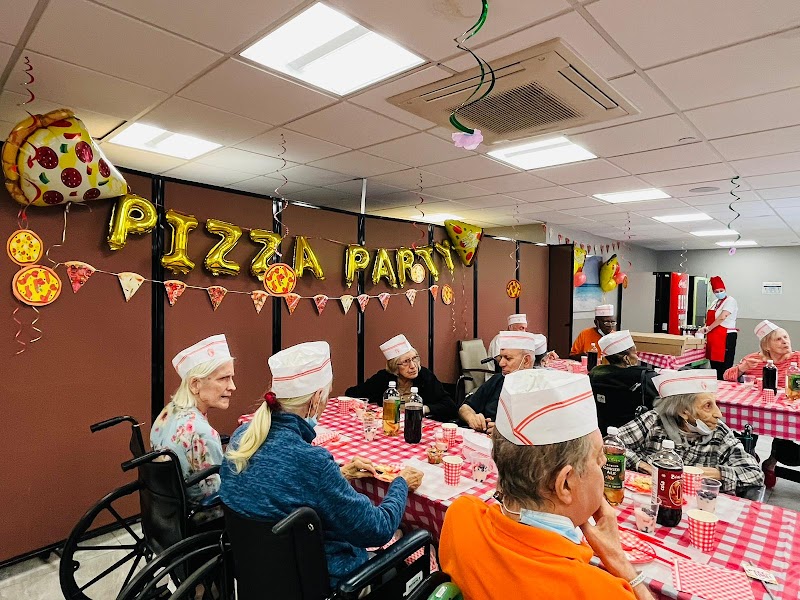
How is Dry Harbor Staffed?

CMS rates DRY HARBOR NURSING HOME's staffing level at 4 out of 5 stars, which is above average compared to other nursing homes. Staff turnover is 34%, compared to the New York average of 46%. This relatively stable workforce can support continuity of care.

What Have Inspectors Found at Dry Harbor?

State health inspectors documented 15 deficiencies at DRY HARBOR NURSING HOME during 2021 to 2025. These included: 15 with potential for harm.

Who Owns and Operates Dry Harbor?

DRY HARBOR NURSING HOME is owned by a for-profit company. For-profit facilities operate as businesses with obligations to shareholders or private owners. The facility operates independently rather than as part of a larger chain. With 360 certified beds and approximately 333 residents (about 92% occupancy), it is a large facility located in MIDDLE VILLAGE, New York.
How Does Dry Harbor Compare to Other New York Nursing Homes?

Compared to the 100 nursing homes in New York, DRY HARBOR NURSING HOME's overall rating (5 stars) is above the state average of 3.1, staff turnover (34%) is significantly lower than the state average of 46%, and health inspection rating (4 stars) is above the national benchmark.

What Should Families Ask When Visiting Dry Harbor?

Based on this facility's data, families visiting should ask: "Can I visit during a mealtime to observe dining assistance and food quality?" "How do you handle medical emergencies, and what is your hospital transfer rate?" "Can I speak with family members of current residents about their experience?"

Is Dry Harbor Safe?

Based on CMS inspection data, DRY HARBOR NURSING HOME has a clean safety record: no substantiated abuse findings (meaning no confirmed cases of resident harm), no Immediate Jeopardy citations (the most serious violation level indicating risk of serious injury or death), and is not on the Special Focus Facility watch list (a federal program monitoring the lowest-performing 1% of nursing homes). The facility has a 5-star overall rating and ranks #1 of 100 nursing homes in New York. While no facility is perfect, families should still ask about staff-to-resident ratios and recent inspection results during their visit.

Do Nurses at Dry Harbor Stick Around?

DRY HARBOR NURSING HOME has a staff turnover rate of 34%, which is about average for New York nursing homes (state average: 46%). Moderate turnover is common in nursing homes, but families should still ask about staff tenure and how the facility maintains care continuity when employees leave.

Was Dry Harbor Ever Fined?

DRY HARBOR NURSING HOME has no federal fines on record. CMS issues fines when nursing homes fail to meet care standards or don't correct problems found during inspections. The absence of fines suggests the facility has either maintained compliance or corrected any issues before penalties were assessed. This is a positive indicator, though families should still review recent inspection reports for the full picture.

Is Dry Harbor on Any Federal Watch List?

DRY HARBOR NURSING HOME is not on any federal watch list. The most significant is the Special Focus Facility (SFF) program, which identifies the bottom 1% of nursing homes nationally based on persistent, serious quality problems. Not being on this list means the facility has avoided the pattern of deficiencies that triggers enhanced federal oversight. This is a positive indicator, though families should still review the facility's inspection history directly.