NORTH WESTCHESTER RESTORATIVE THERAPY & NRSG CRT
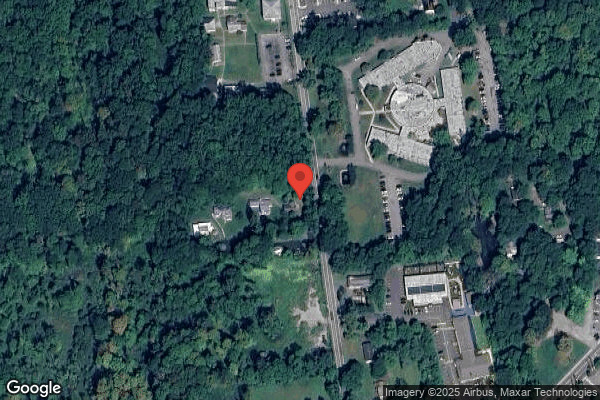

3550 LEXINGTON AVENUE, MOHEGAN LAKE, NY 10547 (914) 528-2000
For profit - Limited Liability company 120 Beds PARAGON HEALTHNET Data: November 2025
Trust Grade
65/100
#307 of 594 in NY
Last Inspection: August 2024

Within standard 12-15 month inspection cycle. Federal law requires annual inspections.

Overview

North Westchester Restorative Therapy & Nursing Center in Mohegan Lake has a Trust Grade of C+, which indicates that the facility is decent and slightly above average. It ranks #307 out of 594 nursing homes in New York, placing it in the bottom half of facilities statewide, and #19 out of 42 in Westchester County, meaning only a handful of local options are better. The facility is showing improvement, as it reduced issues from 9 in 2024 to 5 in 2025. Staffing is a strength here with a 3/5 rating and a turnover rate of 34%, which is below the state average, indicating that staff members tend to stay longer and build relationships with residents. Although there are no fines, which is a positive sign, there have been concerning incidents, such as a failure to isolate a resident with a communicable infection, leading to another resident contracting the illness, and instances where medication refusals were not properly communicated to physicians, raising potential care gaps.

Trust Score
C+
65/100
In New York
#307/594
Bottom 49%
Safety Record
Low Risk
No red flags
Inspections
Getting Better
9 → 5 violations
Staff Stability
○ Average
34% turnover. Near New York's 48% average. Typical for the industry.
Penalties
✓ Good
No fines on record. Clean compliance history, better than most New York facilities.
Skilled Nurses
✓ Good
Each resident gets 45 minutes of Registered Nurse (RN) attention daily — more than average for New York. RNs are trained to catch health problems early.
Violations
⚠ Watch
20 deficiencies on record. Higher than average. Multiple issues found across inspections.
★★★☆☆
3.0
Overall Rating
★★★☆☆
3.0
Staff Levels
★★★★★
5.0
Care Quality
★★☆☆☆
2.0
Inspection Score
Stable
2024: 9 issues
2025: 5 issues

The Good

  • 5-Star Quality Measures · Strong clinical quality outcomes
  • Full Sprinkler Coverage · Fire safety systems throughout facility
  • No fines on record
  • Staff turnover below average (34%)

    14 points below New York average of 48%

Facility shows strength in quality measures, fire safety.

The Bad

3-Star Overall Rating

Near New York average (3.1)

Meets federal standards, typical of most facilities

Staff Turnover: 34%

12pts below New York avg (46%)

Typical for the industry

Chain: PARAGON HEALTHNET

Part of a multi-facility chain

Ask about local staffing decisions and management

The Ugly 20 deficiencies on record

May 2025 3 deficiencies
CONCERN (D) 📢 Someone Reported This

A family member, employee, or ombudsman was alarmed enough to file a formal complaint

Potential for Harm - no one hurt, but risky conditions existed

Comprehensive Care Plan (Tag F0656)

Could have caused harm · This affected 1 resident

**NOTE- TERMS IN BRACKETS HAVE BEEN EDITED TO PROTECT CONFIDENTIALITY** Based on record review during an abbreviated survey (NY00370400) the facility did not ensure a comprehensive care plan was devel...

Read full inspector narrative →
**NOTE- TERMS IN BRACKETS HAVE BEEN EDITED TO PROTECT CONFIDENTIALITY** Based on record review during an abbreviated survey (NY00370400) the facility did not ensure a comprehensive care plan was developed and implemented for each resident, that includes measurable objectives and timeframes to meet a resident's medical, nursing, and mental and psychosocial needs for 1 out of 3 residents (Resident #2) reviewed for care planning. Specifically, Resident #2 who had impairment to one upper extremity and was dependent on staff for toileting, bed mobility and transfers, did not have an at risk for abuse care plan in place. On 1/27/2025 Resident #2 reported to their representative that a certified nurse aide threw a television remote control at them, and it hit them in the face. The facility concluded the allegation was unfounded The Findings are: The facility Comprehensive Care Plans and Resident/Patient Meeting policy dated August 2024 documented a comprehensive care plan for resident's needs should be developed by 14 days of admission and no later than 21 days. Resident #2 was admitted with diagnoses including but not limited to Pyogenic Arthritis, Depression and Bipolar disorder. A Quarterly Minimum Data Set, dated [DATE] documented the resident was cognitively intact. The resident had impairment on one side to the upper extremity and required a wheelchair for locomotion. The resident required set up assistance with meals and was dependent for toileting, bed mobility and transfers. Review of a communication care plan initiated 8/27/2024 documented Resident #2 was able to communicate and make needs known adequately. Interventions listed included anticipate all needs and provide the same if not contraindicated and validate comprehension by reflecting residents message. There was no documented evidence of Resident #2 having a risk for abuse care plan initiated until 1/30/2025, after the reported alleged incident on 1/27/2025. Call placed to the Director of Nursing on 5/13/2025 at 10:04 AM to interview regarding care plan implementation, unable to reach and voicemail left with no call back. 10 NYCRR 415.11(c)(1)
CONCERN (D) 📢 Someone Reported This

A family member, employee, or ombudsman was alarmed enough to file a formal complaint

Potential for Harm - no one hurt, but risky conditions existed

Medical Records (Tag F0842)

Could have caused harm · This affected 1 resident

**NOTE- TERMS IN BRACKETS HAVE BEEN EDITED TO PROTECT CONFIDENTIALITY** Based on record review and interviews during an abbreviated survey (NY00370400), the facility did not maintain medical records o...

Read full inspector narrative →
**NOTE- TERMS IN BRACKETS HAVE BEEN EDITED TO PROTECT CONFIDENTIALITY** Based on record review and interviews during an abbreviated survey (NY00370400), the facility did not maintain medical records on each resident that are complete and accurately documented in accordance with accepted professional standards and practices for 1 out of 3 residents (Resident #2) reviewed for documentation. Specifically, on 1/28/2025 Resident #2 reported to their representative that a Certified Nurse Assistant threw a television remote control at them hitting them on the face. Review of Resident #3's medical chart revealed no documented evidence of any nursing or medical assessment completed pertaining to Resident #2's allegation that occurred on 1/27/2025. The findings are: The facility Documentation policy last reviewed 9/14/2024 documented it is the policy of the facility to document all information related to the patient's medical care either in the electronic medical record or in the resident's paper chart. The purpose is to maintain all information regarding the resident's care and treatment in an organized manner to ensure residents receive appropriate medical care with appropriate documentation. All documentation related to resident's general condition will be charted in the medical record in many different areas based on the type of documentation needed. Documentation will occur with change in condition and events and continue until the problem is solved. Progress notes are interim notes written at the time of an incident and/or change in condition, notification of family members may be done in person, on site or via telephone. These notes indicate the discipline, date and time of entry and person signing the entry. Resident #2 was admitted to the facility on [DATE] with diagnoses including but not limited to Pyogenic Arthritis, Depression and Bipolar disorder. A Quarterly Minimum Data Set, dated [DATE] documented the resident was cognitively intact. The resident had impairment on one side of the upper extremity and required a wheelchair for locomotion. The resident required set up assistance with meals and was dependent for toileting, bed mobility and transfers. Review of the undated investigative summary documented at 5:05 PM on 1/28/2025 the Director of Nursing was leaving the facility and was informed by the Social Worker that Resident #2's representative called and reported that Resident #2 informed them that a Certified Nurse Assistant had thrown a television remote control that landed on their face on 1/27/2025. There were no documented progress notes in Resident #2's chart reflecting the allegation made on 1/28/2025, or a body audit form being completed for the resident. There was no documented progress note from the Physician documenting assessment of Resident #2 after the reported allegation on 1/28/2025. There was no progress note documented in Resident #2's medical chart, regarding the Social Worker seeing and assessing the resident after the report they received from Resident #2's representative. A written statement from the Social Worker dated 1/30/2025 was attached to the investigative summary. During an interview on 5/1/2025 at 12:57 PM, the Nurse Practitioner stated they heard about the allegation involving Resident #2 and the facility did an investigation. The Nurse Practitioner stated they were not asked to assess the resident after the allegation/incident that occurred on 1/27/2025. During a telephone interview on 5/7/2025 2:33 PM, Registered Nurse #3 stated if there is an alleged abuse the incident is not documented in Sigma (the electronic medical health record). This is usually documented in the incident report and the Director of Nursing will do the investigative summary and report it to the Department of Health. During an interview on 5/1/2025 at 3:01 PM, the Director of Nursing stated they have never had the documents from the reportables in the resident's charts and these incidents are kept in a file in their office. 10 NYCRR 415.22(a)(1-4)
CONCERN (E) 📢 Someone Reported This

A family member, employee, or ombudsman was alarmed enough to file a formal complaint

Potential for Harm - no one hurt, but risky conditions existed

Quality of Care (Tag F0684)

Could have caused harm · This affected multiple residents

**NOTE- TERMS IN BRACKETS HAVE BEEN EDITED TO PROTECT CONFIDENTIALITY** Based on record review and interviews during an abbreviated survey (NY00375176) the facility did not ensure that residents recei...

Read full inspector narrative →
**NOTE- TERMS IN BRACKETS HAVE BEEN EDITED TO PROTECT CONFIDENTIALITY** Based on record review and interviews during an abbreviated survey (NY00375176) the facility did not ensure that residents receive treatment and care in accordance with professional standards of practice for 2 out of 3 residents (Resident #1, Resident #3) reviewed for medications. Specifically, (1) review of Resident #1's medication administration record for November 2024 revealed their blood pressure medication was not administered on 11/23/2024. There was no documented evidence of any hold parameters for Resident #1's medication and no documented evidence of the Physician being informed of the medication hold. Review of Resident #1's medication administration record for December 2024 revealed the resident refused their asthma medication on 12/11/2024 and their blood pressure medication on 12/12/2024 and 12/13/2024. There was documented evidence of the Physician being made aware of Resident #1's medication refusals. (2) Review of Resident #3's medication administration record revealed they refused all of their oral medications on the 7 AM to 3 PM shift on 10/1/2024. There was no documented evidence that the Physician was made aware of Resident #3's refusals. The Findings are: The facility Medication Refusal policy last revised 11/4/2024 documented the resident has the right to refuse medications as desired. The facility will educate the resident on the importance of the medication and will reoffer before indicating refused. The resident will be encouraged to take the medication as ordered. The nurse will explain the name of the medication and what it is ordered for and the importance of following the prescribed medical regimen. If the resident continues to refuse despite this education, the nurse will document in the electronic medical record, not administered, refused. No later than after three refusals, the nurse will notify the Physician/Nurse Practitioner/Physicians Assistant of the resident's refusal and will document the same. Medications will be given according to the physician's orders and will be held in accordance to the written instructions and parameters indicated in the physician order. Resident #1 admitted to the facility on [DATE] with diagnoses including but not limited to Moderate Persistent Asthma, Essential Hypertension and Spinal Stenosis. A 5-day Scheduled Assessment Minimum Data Set, dated [DATE] documented the resident was cognitively intact. The resident required supervision for eating, maximal assistance for bed mobility and was dependent for toileting and transfers. Review of a cardiovascular dysfunction care plan initiated 10/25/2024 documented Resident #1 was at risk for cardiovascular dysfunction related to hypertension. Interventions listed included monitor for signs and symptoms of cardiovascular dysfunction and administer medication as per physician's order. Review of a respiratory care plan initiated 10/25/2024 documented Resident #1 had moderate persistent asthma with a potential for respiratory distress. Interventions listed included monitor for signs and symptoms of respiratory distress and infection and administer medications as per physician's order. Review of a communication care plan initiated 10/29/2024 documented Resident #1 was able to communicate adequately and make their needs known. A physician's order dated 10/25/2024 documented Metoprolol succinate 25 mg, extended release 24-hour tablet- give one tablet by mouth once daily, every day at 9:00 AM. A physician's order dated 10/25/2024 documented Montelukast 10 mg tablet-give one tablet by mouth once daily in the evening, every day at 9:00 PM. Review of Resident #1's medication administration record for November 2024 revealed Metoprolol Succinate extended release (ER) 25 mg was not administered on 11/23/2024, documented due to within normal limits. There was no documented evidence of any hold parameters for Resident #1's medication. Review of Resident #1's medication administration record for December 2024 revealed: -Montelukast 10 mg was not administered on 12/11/2024 at 9:00 PM, documented refused. -Metoprolol succinate 25 mg was not administered on 12/12/2024 or 12/13/2024, documented refused. There was no documented evidence that the Physician was made aware of Resident #1's medication refusals. 2) Resident #2 admitted to the facility on [DATE] with diagnoses including but not limited to Dementia, Chronic Obstructive Pulmonary disease and Major Depressive disorder. A Quarterly Minimum Data Set, dated [DATE] documented Resident #3 had severe cognitive impairment. The resident required a walker or a wheelchair for locomotion. The resident required supervision for eating, maximal assistance with bed mobility and was dependent for toileting and transfers. Review of a cognitive loss/dementia care plan initiated 4/5/2024 documented Resident #3 had dementia as evidenced by difficulty in decision making and inappropriate verbal responses. Interventions listed included provide reality orientation and observe for changes in cognitive function. Review of a psychotropic drug use care plan initiated 11/9/2023 documented Resident #3 was taking antidepressants for a diagnosis of Major Depressive disorder. Interventions listed included administer psychotropic medications as ordered and assess mood, behavior patterns an changes in affect. Review of Resident #3's medication administration record for October 2024 revealed the resident refused all their oral medications on 10/1/2024. There was documented evidence of the Physician being made aware of Resident #3's refusals. During an interview on 5/1/2025 at 12:57PM the Nurse Practitioner stated if a resident refuses medications, then the nurses will usually report it to them and that Resident #1 was not the type to refuse their medications. The Nurse Practitioner stated there were no hold parameters on Resident #1's Metoprolol and they were supposed to take this medication daily. The Nurse Practitioner stated Resident #1's family representative asked about the resident's heart rate and their Metoprolol medication, and they recommended they speak to cardiology after the resident was discharged . During an interview on 5/1/2025 at 2:07 PM Licensed Practical Nurse #4 stated if a resident refuses their medication, then they have to let the Physician, or the Nurse practitioner know. Licensed Practical Nurse #4 stated if after hours, they let the Physician know, but during the day they inform the Nurse practitioner as they are in the facility. Licensed Practical Nurse #4 stated they should also write a progress note about the resident's refusal. Licensed Practical Nurse #4 stated they did not write progress note regarding Resident #1's medication refusal on 12/12 2024 and this was an oversight. Licensed Practical Nurse #4 stated the Nurse Practitioner is in the facility and if the resident refuse, they will walk over to their office with a list of resident refusals to inform them of what was missed, but they should also write a note about the missed medications. During an interview on 5/1/2025 at 2:31 PM Registered Nurse #1 stated when a resident refuses their medication, they will speak to the resident and teach them about the benefits of taking their medication. Registered Nurse #1 stated they will also reapproach and provide encouragement to the resident and the resident will usually take the medication. Registered Nurse #1 stated if the resident continues to refuse the medication, they will let the Physician know and they would also write a progress note regarding the refusal. Registered Nurse #1 stated the did not recall, not administering Resident #1's Metoprolol on 11/23/2024, but they documented within normal limits because the residents blood pressure and heart rate were normal. During an interview on 5/1/2025 at 3:01 P:M the Director of Nursing stated if a resident refuses their medication, then the nurses are supposed to notify the Physician and educate the resident. The Director of Nursing stated the nurses should also be documenting the refusal in a progress note in the resident's chart. 10 NYCCRR 415.12
Jan 2025 2 deficiencies
CONCERN (D) 📢 Someone Reported This

A family member, employee, or ombudsman was alarmed enough to file a formal complaint

Potential for Harm - no one hurt, but risky conditions existed

Deficiency F0573 (Tag F0573)

Could have caused harm · This affected 1 resident

**NOTE- TERMS IN BRACKETS HAVE BEEN EDITED TO PROTECT CONFIDENTIALITY** Based on record review and interview during an abbreviated survey (NY00349402), the facility did not ensure the resident's legal...

Read full inspector narrative →
**NOTE- TERMS IN BRACKETS HAVE BEEN EDITED TO PROTECT CONFIDENTIALITY** Based on record review and interview during an abbreviated survey (NY00349402), the facility did not ensure the resident's legal representative upon written request was provided with a copy of the resident's medical records within 2 working days advance notice to the facility as per Federal regulations for 1 of 3 residents (Resident #3) reviewed for medical records. Specifically, on 5/28/2024 Resident #3's representative requested via email copies of Resident #3's complete medical record and physical therapy records from the facility. Resident #3's representative submitted an Authorization for Release of Health Information form to the facility via email attachment on 6/16/2024. The facility did not provide Resident #3's representative with the copies of the medical records until 7/8/2024. The Findings are: The Facility Medical Records Policy dated 9/2024 documented it is the policy of the facility to provide access of medical records to a qualified person. The facility will supply a copy of a medical record to a qualified person. Requests to obtain a copy of the resident's record by the resident or qualified person will be provided upon request and 2 working days advanced notice to the facility. Resident #3 was admitted to the facility on [DATE] with diagnoses including but limited to Encounter for surgical aftercare following surgery on the digestive system, Personal history of malignant neoplasm of the breast and chronic kidney disease. A 5-day Minimum Data Set, dated [DATE] documented the resident had moderate cognitive impairment. The resident required a wheelchair for locomotion. The resident required setup assistance with eating, maximal assistance with toileting, moderate assistance with bed mobility and maximal assistance with transfers. Review of email correspondence dated 5/28/2024 at 1:48 PM from the Medical Records personnel to Resident #3's representative documented they had received a request for Resident #3's medical records and needed them to complete an Authorization for Release of Health Information release form and return it to the facility. Review of email correspondence dated 6/16/2024 at 9:56 AM from Resident #3's representative to the Medical Records personnel documented as requested they were submitting the Authorization for Release of Health Information release form and looked forward to receiving all both physical therapy and medical records. The family representative also requested hard copies to be sent and provided a mailing address. Attached to the email was the Authorization for Release of Health Information form. Review of email correspondence dated 6/21/2024 at 1:10 AM from Resident #3's representative to the Medical Records personnel documented a request to acknowledge receipt and inform them if any additional information was required. Review of email correspondence dated 6/21/2024 at 8:44 AM from the Medical Records personnel to Resident #3's representative documented they had received the request and would be sending the invoice the following week, with the charge of 75 cents per page. Review of Resident #3's Authorization for Release of Health Information form dated 6/16/2024 at 9:40 AM documented a request for medical records from admission to 5/4/2024 including the entire medical record and the physical therapy records. The package was sent on 7/8/2024 via FedEx, standard overnight to the residents' representative who was the requestor. The package was delivered to the requestor on 7/9/2024. During an interview on 1/21/2025 at 1:25 PM, the Director of Nursing stated it is their responsibility to review all requests for medical records. The Director of Nursing stated they were asked by the previous Administrator to first review all medical records requested before it is given back to medical records staff to complete the request. The Director of Nursing stated they were aware of the 2-day turnaround time but if something else is going on in the facility it takes them longer to review. The Director of Nursing stated depending on what is being requested, the review may be faster. In this case they were provided with an entire closed chart to review as per request. During an interview on 1/21/2025 at 2:43 PM, the Administrator stated the facility follows the 48-hour request timeframe as stated in the policy. The Administrator stated at times there is the need for clarification as to who and what is being requested and with Resident #3, clarification was needed. The Administrator stated Resident #3's Family Representative was not in contact with the resident or the facility during their stay at the facility and they had only contacted the facility after Resident #3 passed away to make the initial request for the medical records. The Administrator stated the medical record department had to confirm who the requestor was prior to completing the request. The Administrator stated they were not in the facility at the time of the request and therefore were not sure why it took so long to send the requested records. The Administrator stated they are not 100% clear on the medical record request process and they are going to review to get more familiar with the process. 10 NYCRR 415.3(d)(1)(iv)
CONCERN (E) 📢 Someone Reported This

A family member, employee, or ombudsman was alarmed enough to file a formal complaint

Potential for Harm - no one hurt, but risky conditions existed

Infection Control (Tag F0880)

Could have caused harm · This affected multiple residents

**NOTE- TERMS IN BRACKETS HAVE BEEN EDITED TO PROTECT CONFIDENTIALITY** Based on record review and interview during an abbreviated survey (NY00367900), the facility did not ensure a resident with a co...

Read full inspector narrative →
**NOTE- TERMS IN BRACKETS HAVE BEEN EDITED TO PROTECT CONFIDENTIALITY** Based on record review and interview during an abbreviated survey (NY00367900), the facility did not ensure a resident with a communicable infection was isolated to prevent further spread of infection for 2 out of 3 (Resident #1, #2) residents reviewed for infection control. Specifically, on [DATE] the facility identified Resident #2 as having a suspected case of Norovirus during a facility outbreak. Resident #2 was the roommate of Resident #1, who did not display any symptoms of the infection on [DATE]. Resident #1 remained in the same room with Resident #2 on the south unit, and Resident #1 subsequently acquired symptoms of the infection on [DATE]. Facility open bed census reviewed revealed available beds on the South unit on [DATE], [DATE] and [DATE]. Resident #1 expired in the facility on [DATE] from acute respiratory failure. The findings are: The facility Infection Prevention and Control Program policy last reviewed [DATE] documented the purpose is to prevent and control outbreaks and cross-contamination using transmission-based precautions in addition to standard precautions. When the Infection Preventionist/Physician or current acceptable standards determines that a resident requires isolation/contact precautions to prevent the spread of infection, the facility must isolate the resident in the least restrictive way possible. Private rooms, if available may be used at the Administrator's discretion, followed by cohorting if available. If neither of the above options are possible, then the resident may be placed in the room with an unaffected resident. Cohorting is having two residents infected with the same organism share a room with each other. 1) Resident #1 had diagnoses including but not limited to Cervical Disc Disorder at C4-C5 level with myelopathy, Asthma and Spinal Stenosis. A 5-day Minimum Data Set (an assessment tool that measure health status) dated [DATE] documented the resident was cognitively intact. The resident had no functional limitations and required supervision for eating, maximal assistance with bed mobility and was dependent for toileting and transfers. The resident was always incontinent of bladder and bowel. The resident exhibited shortness of breath when lying flat. A Review of a contact precautions care plan initiated [DATE] documented Resident #1 had a suspected gastrointestinal infection. Interventions listed included contact precautions, infectious disease follow up as needed and maintain infection control practices through proper handwashing. Review of a suspected infection gastrointestinal infection care plan initiated [DATE] documented Resident #1 had nausea and diarrhea. There were no documented goals or interventions noted on the care plan. Review of a physician's order dated [DATE] documented contact isolation for possible Norovirus. 2) Resident #2 had diagnoses including but not limited to Encounter for Orthopedic Aftercare following Surgical Amputation, Chronic Osteomyelitis Left Ankle and Foot and Chronic Kidney Disease, Stage 2. A Modified 5-day Minimum Data Set, dated [DATE] documented the resident was cognitively intact. The resident required a wheelchair for locomotion and had impairment to the lower extremity on one side. The resident required set up assistance for eating, supervision for bed mobility, moderate assistance for transfers and maximal assistance for toileting. Review of a contact precaution care plan dated [DATE] documented Resident #2 had a suspected gastrointestinal infection. Interventions listed included contact precautions and to maintain infection control practices through proper handwashing. Review of an infection care plan dated [DATE] documented Resident #2 had a suspected gastrointestinal infection. Interventions listed included encourage oral fluids as indicated, encourage rest periods, maintain precautions as needed and monitor labs as ordered and report any abnormalities to the physician as necessary. Review of a physician's order dated [DATE] documented contact isolation for suspected Norovirus. Review of the facility line list revealed Resident #2 developed symptoms of Norovirus (vomiting), on [DATE] and their symptoms resolved on [DATE]. Resident #2 was Resident #1's roommate. Resident #1 developed symptoms of Norovirus (diarrhea, vomiting, nausea) on [DATE] and expired on [DATE]. Review of the open bed census list revealed there were available beds on the South unit on [DATE], [DATE] and [DATE] where Resident #1 or Resident #2 could have been moved to prevent the spread of Norovirus. During an interview on [DATE] at 12:37 PM, the Director of Nursing stated they followed the isolation guidelines from New York State Department of Health regarding cohorting/isolation which indicated to separate the resident with no symptoms of the Norovirus from a room with a resident that was exhibiting symptoms or was identified as infected with the virus. The Director of Nursing stated room changes would not occur if they had a bed lock or if all the beds were filled. In such a situation, the resident's room would not be changed. The Director of Nursing stated the ideal way to cohort is to keep the positive resident in the room and move the exposed resident which means exposed residents can room together and positive residents can remain in the same room together. During an interview on [DATE] at 2:14 PM, Registered Nurse #1 stated on the line list a C indicate a case and they were informed if a resident was suspected and had symptoms of Norovirus, then it is a case. Registered Nurse #1 stated the residents that were suspected were treated as if they were positive for the virus. Registered Nurse #1 stated they did not see any cross contamination occurring with residents that were cohorted. As far as they can recollect if they were able to change the residents' room, they were moved. Registered Nurse #1 stated the residents were monitored by their symptomology. During an interview on [DATE] at 1:25 PM, the Director of Nursing stated during the period of the suspected Norovirus outbreak in the facility, there were about 30 residents that were suspected to have Norovirus. The Director of Nursing stated the virus was moving rapidly in the facility and as per Center for Disease Control guidance suspected and confirmed cases are treated the same. The Director of Nursing stated they did not move resident's room at the time of the outbreak. The Director of Nursing stated they agree that Resident #1 would have gotten Norovirus anyway at the pace at which it was moving in the facility, but they probably should have just moved Resident #1's room. The Director of Nursing stated they will speak with the interdisciplinary team to prepare them for future incidents. 10 NYCRR 415.19(b)(1)
Aug 2024 9 deficiencies
CONCERN (D) 📢 Someone Reported This

A family member, employee, or ombudsman was alarmed enough to file a formal complaint

Potential for Harm - no one hurt, but risky conditions existed

Free from Abuse/Neglect (Tag F0600)

Could have caused harm · This affected 1 resident

Based on record review and interview conducted during a recertification survey and abbreviated survey (NY00343508), the facility did not implement the protection component of the abuse prohibition pro...

Read full inspector narrative →
Based on record review and interview conducted during a recertification survey and abbreviated survey (NY00343508), the facility did not implement the protection component of the abuse prohibition protocol for 1 of 3 residents (Resident #34) reviewed for abuse. Specifically, pending the outcome of investigation Certified Nurse Aide #1 continued to provide care to facility residents, potentially promoting continuation of verbal abuse after Resident #34 accused Certified Nurse Aide #1 of calling them inappropriate names. The findings are: Resident #34 had diagnoses including but not limited to chronic obstructive pulmonary disease, respiratory failure, and bipolar disorder. The 10/31/22 Policy and Procedure titled Abuse Identification and Investigation Prevention and Reporting documented the facility will assure all residents and families that the facility has taken steps within its control to prohibit and prevent abuse. The 2/21/23 Comprehensive Care Plan titled Risk for Abuse documented, encourage resident to verbalize any concerns, fears, or issues they may have, monitor resident's body language and / or facial expressions for any signs or symptoms of distress and report any suspected abuse via the facility chain of command as in policy and procedure of abuse. The 4/20/23 Quarterly Minimum Data Set (resident assessment tool) documented Resident #34 had intact cognition. The 6/26/23 grievance with a 6/24/23 initiation date conducted by the Director of Nursing documented the alleged abuse occurred on 6/24/23. Resident #34 complained that assigned Certified Nurse Aide #1 pushed their wheelchair to get them out of the way. Certified Nurse Aide #1 then stated I am not pushing your fat ass. The Nurse Supervisor reported the incident on 6/24/23. Staff were interviewed and wrote statements that they were having a personal conversation at the nurse's station, not about Resident #34. Staff were educated on not having personal discussions at the nurse's station. Certified Nurse Aide #1 was removed from Resident #34's care. The investigation completion date was documented as 7/2/23. There was no documented evidence to indicate Certified Nurse Aide #1 was removed from providing facility residents care pending investigation outcome. During an interview on 8/5/24 at 10:30 AM, Resident #34 stated that during medication administration in June of 2023, they got stuck by the medication cart, and Certified Nurse Aide #1 pulled their wheel chair back and called them a fat ass. Resident #34 stated that Certified Nurse Aide #1 often came into their room and it was not pleasant. Resident #34 stated on 5/23/24 in the early morning, Certified Nurse Aide #1 came into their room to care for their roommate and was very loud. Resident #34 stated they asked Certified Nurse Aide #1 to lower their voice, but they remained loud. Resident #34 stated they did not feel safe with Certified Nurse Aide #1 on the unit. During an interview on 8/5/24 at 8:26 PM, Certified Nurse Aide #1 stated they were never verbally abusive to Resident #34. Certified Nurse Aide #1 stated they were removed from Resident #34 assignment but they were not removed from the unit and received no discipline for the allegation in June 2023. During an interview on 8/6/24 at 9:00 PM, Licensed Practical Nurse #2 stated Resident #34 thought the staff was talking about them when the term fat ass was used, and the incident was reported to the supervisor. Certified Nurse Aide #1 was removed from Resident #34 assignment but was not removed from the unit. During an interview on 8/6/24 at 9:12 PM, Registered Nurse Supervisor #3 stated that the incident where Certified Nurse Aide #1 allegedly used inappropriate language towards Resident #34 was reported to them. They removed Certified Nurse Aide #1 from Resident #34 assignment but did not remove Certified Nurse Aide #1 from the unit or the facility. They further stated that they reported the allegation to the Director of Nursing. During an interview on 8/5/24 at 3:46 PM, the Director of Nursing stated that Registered Nurse Supervisor #3 reported an incident of inappropriate language allegedly being used towards Resident # 34 by Certified Nurse Aide #1. An investigation was immediately initiated, statements were collected, and Certified Nurse Aide #1 was removed from the assignment but Certified Nurse Aide #1 was not removed from the unit. They stated the investigation was ongoing until 7/2/23, abuse was not ruled out until 7/2/23, and stated that Certified Nurse Aide #1 should not have been providing cares to other residents. During an interview on 8/5/24 at 4:00 PM, the Former Administrator stated they were aware of the incident where Certified Nurse Aide #1 allegedly used inappropriate language towards Resident #34. The Former Administrator stated Certified Nurse Aide #1 was removed from Resident #34's assignment but was not removed from the unit or from providing other resident cares during the investigation. They stated they did not remove Certified Nurse Aide #1 from their duties during the investigation because they felt it was sufficient to remove Certified Nurse Aide #1 from Resident #34's assignment. 10 NYCRR 415.4(b)(I)(i)
CONCERN (D) 📢 Someone Reported This

A family member, employee, or ombudsman was alarmed enough to file a formal complaint

Potential for Harm - no one hurt, but risky conditions existed

Report Alleged Abuse (Tag F0609)

Could have caused harm · This affected 1 resident

Based on record review and interviews conducted during the recertification and abbreviated surveys (NY 00343508), the facility did not ensure that reporting of alleged violations were reported to the ...

Read full inspector narrative →
Based on record review and interviews conducted during the recertification and abbreviated surveys (NY 00343508), the facility did not ensure that reporting of alleged violations were reported to the New York State Department of Health immediately but not later than 2 hours after the allegation involving abuse is made for 1 of 3 residents (Resident #34) reviewed for abuse. Specifically, Resident #34 accused Certified Nurse Aide #1 of calling them inappropriate names and the facility did not report the incident to the New York State Department of Health The findings are: The 10/31/22 Policy and Procedure titled Abuse Identification and Investigation Prevention and Reporting documented the facility will report incidents of Abuse and Crimes per the New York State Department of Health and Center for Medicare and Medicaid Services. All allegations of abuse must be reported within 2 hours regardless of whether there is any injury. The 2/21/23 Comprehensive Care Plan for Risk for Abuse documented to encourage the resident to verbalize any concerns, fears, or issues they may have, monitor resident's body language and or facial expressions for any signs or symptoms of distress, and report any suspected abuse via the facility chain of command as in policy and procedure of abuse. Resident #34 had diagnoses of chronic obstructive pulmonary disease, respiratory failure, and bipolar disorder. The 4/20/23 Quarterly Minimum Data Set (resident assessment tool) documented the resident had intact cognition and required 1 staff assist with locomotion on and off the unit via wheelchair. The 6/26/23 grievance with a 6/24/23 initiation date conducted by the Director of Nursing documented the alleged abuse occurred on 6/24/23. Resident #34 complained that assigned Certified Nurse Aide #1 pushed their wheelchair to get them out of the way, then stated I am not pushing your fat ass. The Nurse Supervisor reported the incident on 6/24/23. Staff were interviewed and wrote statements that they were having a personal conversation at the nurse's station, not about Resident #34. Staff were educated on not having personal discussions at the nurse's station. Certified Nurse Aide #1 was removed from Resident #34 care. The investigation completion date was documented as 7/2/23. There was no documented evidence that the allegation of verbal abuse was reported to the Department of Health. During an interview on 8/5/24 at 10:30 AM, Resident #34 stated that during medication administration in June of 2023, they got stuck by the medication cart, and Certified Nurse Aide #1 pulled their wheel chair back and called them a fat ass. Resident #34 stated they did not feel safe with Certified Nurse Aide #1 on the unit During an interview on 8/5/24 at 3:46 PM, the Director of Nursing stated that Registered Nurse Supervisor #3 reported an incident of inappropriate language allegedly being used towards Resident # 34 by Certified Nurse Aide #1. An investigation was immediately initiated, statements were collected, and Certified Nurse Aide #1 was removed from the assignment but Certified Nurse Aide #1 was not removed from the unit. They stated the investigation was ongoing until 7/2/23, abuse was not ruled out until 7/2/23. They stated since abuse was ruled out the incident was not reported to New York State Department of Health. During an interview on 8/5/24 at 4:00 PM, the Former Administrator stated they were aware of the incident where Certified Nurse Aide #1 allegedly used inappropriate language towards Resident #34. The Former Administrator stated Certified Nurse Aide #1 was removed from Resident #34's assignment but was not removed from the unit or from providing other resident cares during the investigation. They stated they did not remove Certified Nurse Aide #1 from their duties during the investigation because they felt it was sufficient to remove Certified Nurse Aide #1 from Resident #34's assignment. The Incident was not reported to the Department of Health. 10 NYCRR 415.4 (b)
CONCERN (D) 📢 Someone Reported This

A family member, employee, or ombudsman was alarmed enough to file a formal complaint

Potential for Harm - no one hurt, but risky conditions existed

Comprehensive Care Plan (Tag F0656)

Could have caused harm · This affected 1 resident

Based on observation, record review, and interview conducted during the Recertification and Abbreviated Surveys (NY 00327281) from 7/31/24 to 8/07/24, the facility did not ensure the development and i...

Read full inspector narrative →
Based on observation, record review, and interview conducted during the Recertification and Abbreviated Surveys (NY 00327281) from 7/31/24 to 8/07/24, the facility did not ensure the development and implementation of comprehensive person-centered care plans to attain or maintain the residents' highest practicable physical, mental, and psychosocial well-being for 1 of 1 resident (Resident # 257) reviewed for smoking. Specifically, the facility did not develop a care plan to address the 11/1/23 physician ordered Nicotine patch and/or smoking cessation. The findings are: The undated facility policy titled Comprehensive Care Plans and Resident/Patient Meeting documented that Comprehensive Care Plans will be revised or new care plans will be developed quarterly, annually, and as needed, within 7 days of completion of the Minimum Data Set Assessment. Resident #257 was admitted with diagnoses including but not limited to chronic respiratory failure with hypoxia, chronic obstructive pulmonary disease, emphysema, and secondary parkinsonism. The 10/24/23 Quarterly Minimum Data Set Assessment documented Resident #257 was cognitively intact. The 10/31/23 Physician order documented supervision when smoking. The 10/31/23 Investigative Summary documented that at 04:00 PM Resident #257 reported that they noticed a blister to their left thumb, where the flame had burned them on 10/30/23 at 4 PM while lighting a cigarette. The Investigation findings: Resident showed no interest in smoking cessation and agreed to nicotine patch. The Conclusion: An unwitnessed incident. Smoking cessation reviewed with the resident, and they agreed on using a Nicotine patch which was ordered by the Medical Doctor. The 11/1/23 nursing progress note written by the Director of Nursing documented the writer and social worker met with resident to educate about smoking cessation. Resident was in agreement to starting a Nicotine patch and the medical doctor ordered. Resident was educated not to smoke with the Nicotine patch and was in agreement. The 11/1/23 at 5:12 PM progress note written by the Social Worker documented that the writer and Director of Nursing spoke with the resident regarding their recent smoking cessation. The resident stated that they quit smoking about 20 years ago but recently started smoking again. The resident stated that they did not want to end up like the people on the smoking commercials. The resident was educated on a nicotine patch and the harms of smoking while wearing the patch. The resident stated that they understood and were aware they should not smoke with the patch on. The Medical Doctor ordered a nicotine patch. The 11/1/23 Physician Order documented Nicotine 14 mg/24 hour transdermal patch by transdermal route once daily and remove the Nicotine patch at bedtime. Upon review of Resident #257 care plans, there was no documented evidence of a Care Plan to address the 11/1/23 physician order for a Nicotine patch. During an interview on 08/06/24 at 04:50 PM, the Social Worker stated that they were primarily responsible for initiating smoking care plans. However, nursing could also put in smoking care plans. The Social worker stated that a smoking cessation care plan should have been initiated when the resident agreed to using a nicotine patch. 10 NYCRR 415.11(c)(1)
CONCERN (D) 📢 Someone Reported This

A family member, employee, or ombudsman was alarmed enough to file a formal complaint

Potential for Harm - no one hurt, but risky conditions existed

Accident Prevention (Tag F0689)

Could have caused harm · This affected 1 resident

**NOTE- TERMS IN BRACKETS HAVE BEEN EDITED TO PROTECT CONFIDENTIALITY** Based on record review, and interview conducted during the Recertification and Abbreviated Surveys (NY 00327281) from 7/31/24 to...

Read full inspector narrative →
**NOTE- TERMS IN BRACKETS HAVE BEEN EDITED TO PROTECT CONFIDENTIALITY** Based on record review, and interview conducted during the Recertification and Abbreviated Surveys (NY 00327281) from 7/31/24 to 8/07/24, the facility did not ensure adequate supervision was provided and that the residents environment remained as free of accidents hazards as possible for 1 of 1 residents (Residents #257) reviewed for accidents. Specifically, for Resident #257 who reported they had sustained a burn on 10/30/23 while using a lighter to smoke a cigarette and who verbalized they would like to smoke as of 11/8/23, there was no documented evidence that a smoking assessment was completed by therapy and/or nursing to determine the residents ability to safely smoke. The findings are: The 4/2023 facility policy titled Smoking documented that all residents will be assessed at the time of admission, readmission, and no less than annually and as deemed necessary, based on smoking behavior, to determine ability to safely smoke. All staff will report any unsafe behaviors noted to the Nursing Supervisor and Social Work Services Department immediately. All staff have a responsibility to actively participate in enforcing the smoking policy. The 5/3/23 Psychosocial History and Assessment which was completed by the Social Worker, documented Resident #257 did not have a social habit of smoking. Resident #257 was admitted with diagnoses including but not limited to chronic respiratory failure with hypoxia, chronic obstructive pulmonary disease, emphysema, and secondary parkinsonism. The 10/24/23 Quarterly Minimum Data Set Assessment documented Resident #257 was cognitively intact, and required supervision for transfers. The 10/29/23 at 7:45 PM nursing progress/behavior note written by Licensed Practical Nurse #5 documented the resident was insisting on leaving the facility to go to the store for cigarettes. The 10/31/23 at 5:21 PM nursing progress note written by the Wound Care Nurse documented Resident #257 notified the writer that they had burned their hand while using a lighter to smoke a cigarette. The note documented the writer asked the resident when this occurred and the resident stated, late afternoon yesterday. An intact blister was noted to the left medial thumb, skin remained intact, slight erythema noted to the peri-blister area, no drainage/odor, treatment skin prep and cover with band aid daily. The writer reported to the Director of Nursing. Attempted to contact Resident # 257's brother. Medical Doctor aware. Orders carried out. Wound consult added. Intervention: resident is to be always supervised while smoking. The 10/31/23 Physician Order documented Resident #257 must be supervised by staff when smoking. The 10/31/23 Investigative Summary documented that at 04:00 PM Resident #257 reported that they noticed a blister to their left thumb, where the flame had burned them on 10/30/23 at 4 PM while lighting a cigarette. Resident #257's typed statement dated 10/31/24 documented that Resident #257 received a cigarette and lighter from their family. The Investigation findings: Resident showed no interest in smoking cessation and agreed to nicotine patch. The Conclusion: An unwitnessed incident. Smoking cessation reviewed with the resident, and they agreed on using a Nicotine patch which was ordered by the Medical Doctor. Upon review of Resident #257 care plans, there was no documented evidence of a Care Plan regarding smoking cessation. The 10/31/23 Skin Care Plan documented treatment to the left medial thumb skin prep/cover with a band aid daily, and the resident was to be supervised by staff while smoking. The 11/1/23 at 1:52 PM nursing progress note written by the Director of Nursing documented the writer and social worker met with the resident to educate about smoking cessation. Resident was in agreement to starting a Nicotine patch and the medical doctor ordered. Resident was educated not to smoke with the Nicotine patch and was in agreement. The 11/1/23 at 5:12 PM social services progress note written by the Social Worker documented that the writer and Director of Nursing spoke with the resident regarding their recent smoking cessation. The resident stated that they quit smoking about 20 years ago but recently started smoking again. The resident stated that they do not want to end up like the people on the smoking commercials. The resident was educated on a nicotine patch and the harms of smoking while wearing the patch. The resident stated that they understood and were aware they should not smoke with the patch on. The Medical Doctor ordered a nicotine patch. The 11/1/23 Physician Order documented Nicotine 14 mg/24 hour transdermal patch by transdermal route once daily and remove the Nicotine patch at bedtime. The 11/8/23 at 4:49 PM nursing progress note by Licensed Practical Nurse Unit Manager #8 documented that the resident spoke with the writer and admitted to smoking cigarettes. The resident was educated on the risk of smoking while having a nicotine patch on. Resident understood and stated they would like to continue smoking and would let the writer know when they wanted to try to quit. The Medical Doctor was made aware, and the nicotine patch was discontinued. The 11/08/23 Physician Order documented discontinuance of the Nicotine 14 mg/24 hour transdermal patch The form titled Resident Smoking Assessment documented that any resident who wishes to go outside and smoke will be assessed upon verbalizing desire to do so and no less than quarterly for their ability to smoke safely under supervision. The rehabilitation department will confer with nursing and social work prior to completing this form. It will be reviewed by Comprehensive Care Plan team who will develop an appropriate plan of care and plan intervention as necessary. Any NO answers deems residents unsafe. The smoking assessment dated [DATE] signed and dated by the social worker only, documented that the resident was not at risk for elopement, burns self while smoking, has signed a smoking contract, and a smoking plan was initiated. There was no documented evidence that the nursing and physical therapy department signed the 11/9/23 smoking assessment form. There was no documented evidence that Resident #257 was assessed by therapy and/or nursing to determine smoking safety. The 11/9/23 Smoking Care Plan documented that Resident #257 was an un-safe smoker as evidenced by using cigarettes and picking up cigarette butts. Interventions included cigarette/s and lighter/s were secured by staff. Educate resident on safe smoking and smoking cessation program. Encourage and provide fire apron while smoking if indicated. Informed/reminded of designated smoking areas as appropriate. Monitor/document resident's ability to smoke safely. Pharmacological aids-nicotine patches, gum. The 11/9/23 Care Plan Note written by the Social Worker documented the Resident #257 was aware that it was brought up to the Interdisciplinary Team that the resident was smoking cigarettes and picking up cigarette butts outside. The writer made the resident aware that this was unsafe and if they wished to continue smoking, they would need to be supervised. The resident was also made aware that any lighter or cigarettes of theirs would be kept in the medication room in a zip lock bag. The resident stated they did not have a lighter or cigarettes and they would not smoke anymore. The resident stated they understood that if they wanted to smoke they would need to go to the nurse and be supervised outside. The resident agreement was signed. The form titled Resident Agreement signed by Resident #257 on 11/9/23, documented that Resident #257 was given permission to smoke at the rear of the patio, which is designated as the only smoking, at the facility. During an interview on 08/02/24 at 12:51 PM, the Social Worker stated that they were responsible for initiating and updating the smoking care plan along with nursing. The Social Worker reviewed care plans with this writer and confirmed that there were no documented evidence that a care plan was initiated prior to 11/9/23. The Social Worker stated that when Resident #257 was admitted , they stated that they were not smoking and had not smoked for over 20 years. The Social Worker stated that the care plan was put into place on 11/9/23 after Resident #257 stated that they were going to continue to smoke. The Social Worker stated that there should have been a smoking care plan put to place prior to 11/9/23 due to the smoking accident that occurred on 10/30/23 and due to the resident receiving a nicotine patch for smoking cessation During an interview on 08/05/24 at 11:44 AM, the Director of Rehabilitation stated that Resident #257 had a fall on 10/17/23 and that therapy evaluated the resident on 10/18/23 due to the fall, not for smoking. During a follow up interview on 08/06/24 at 04:50 PM, the Social Worker stated that when a resident is readmitted , they look at the prior social worker notes/psychosocial history to see if the resident was a smoker. The Social Worker stated that they do not look at residents' diagnoses and do not put in a smoking care plan if the resident is not actively smoking. The Social Worker stated that they are primarily responsible for initiating a smoking care plan. However, nursing can also put in smoking care plans. The Social worker stated that a smoking care plan should have been initiated on 10/31/23 when the resident agreed to a nicotine patch. The Social Worker stated that they were not made aware that Resident #257 requested to go to the store for cigarettes on 10/29/23 and that normally nursing would report issues or concerns with residents' requests for smoking. The Social worker stated that on 11/9/23, a smoking assessment was done, and that the resident was deemed as an unsafe smoker due to the resident reporting they had burned themselves on 10/30/23. During an interview on 08/07/24 at 01:36 PM, Licensed Practical Nurse #5 stated that they was not aware of Resident #257 smoking and never saw the resident smoking. Licensed Practical Nurse #5 stated that they did not report that Resident #257 requested to go buy cigarettes on 10/29/23 because the resident never left the building. Licensed Practical Nurse #5 stated that they may have just given a heads up to the supervisor that the resident was trying to leave the facility but not in relation to going to buy cigarettes. Licensed Practical Nurse #5 stated that they were not aware that they were supposed to report to the supervisor if a resident smokes or wants to buy cigarettes because residents are allowed to smoke and that's why they come to the facility. During an interview on 08/07/24 at 02:09 PM, The Director of Nursing stated that the nurse should have communicated that Resident #257 wanted to leave the facility to go out and buy cigarettes. The Director of Nursing stated that the Social Worker initiates the smoking care plan and if it's off hours, like the weekend, nursing will initiate the care plan. The Director of Nursing stated that a smoking care plan should have been initiated on 10/31/23. During an interview on 08/07/24 at 02:30 PM, The Former Administrator stated that on 10/31/23, they reported that Resident #257 burned themselves while lighting a cigarette and that prior to the smoking incident, staff were not aware that the resident smoked. The Former Administrator stated that it was a possibility that no one took the resident serious about going to buy cigarettes because the resident was confused and was making unrealistic comments. During an interview on 08/07/24 at 03:13 PM. Registered Nurse Supervisor #6 stated that on 10/29/23, they were not made aware that Resident #257 requested to leave the facility to go buy cigarettes, and that if any issues are reported to them, they would address the issue and document. Registered Nurse Supervisor #6 stated that if the Resident #257 requested to leave the building to go buy cigarettes was reported to her, they would speak to the resident and go through proper channels to make sure that they can smoke. During an interview on 08/07/24 at 05:33 PM, the Nurse Practitioner stated that if a resident wants to leave to go buy cigarettes, they do offer a day pass to go out. The Nurse Practitioner stated that physical therapy must clear them first and the resident must be cognitively intact to go out by themselves. The Nurse Practitioner stated that residents do have the right to leave the facility if it's safe. The Nurse Practitioner stated that if it's unsafe, they will call a family member to facilitate the request to go out on pass. The Nurse Practitioner stated if a resident has diagnoses like chronic obstructive pulmonary disease, the resident must be evaluated by medical to see if the resident is safe to smoke or not. The Nurse Practitioner stated residents do have the right to smoke if it's safe. The Nurse Practitioner stated that when the resident requested to go buy cigarettes , the nurse should have communicated that, and the resident could have been assessed. The Nurse Practitioner stated that although the burn probably couldn't have been prevented due to the resident mishandling the cigarette on their own, Resident #257 request to go buy cigarettes could have been communicated to the supervisor and the resident could have been put on the smokers watch list and interventions could have been put into place. 10 NYCRR 415.12(h)(1)
CONCERN (D)

Potential for Harm - no one hurt, but risky conditions existed

Respiratory Care (Tag F0695)

Could have caused harm · This affected 1 resident

Based on observation, record review and interview during the recertification survey from 7/31/24 to 8/7/24, the facility did not ensure that oxygen equipment was maintained in accordance with professi...

Read full inspector narrative →
Based on observation, record review and interview during the recertification survey from 7/31/24 to 8/7/24, the facility did not ensure that oxygen equipment was maintained in accordance with professional standards of practice and manufacturer specifications for 1 of 4 residents (Resident #308) reviewed for respiratory care. Specifically, the oxygen concentrator filter was not removed and cleaned on a weekly basis, according to the physician's order and the maintenance policy. Findings include: The 1/30/23 facility policy and procedure titled Oxygen Concentrator documented oxygen concentrator cabin filter will be removed and washed weekly. Resident #308 had diagnoses which included Chronic Respiratory Failure with Hypoxia, Chronic Obstructive Pulmonary Disease, and Generalized Anxiety. The 5/31/24 physician order documented wash oxygen concentrator filter with soap and water every week on Sunday 11 PM-7 AM. The 7/11/24 Quarterly Minimum Data Set (resident assessment tool) documented Resident #308 received oxygen therapy. During the observation on 8/5/24 at 9:52 AM of Resident #308's room accompanied by Licensed Practical Nurse #13, the nurse opened the oxygen concentrator filter to observe the cleanliness of the filter. The filter and the area around the filter were heavily dusted. The surveyor asked the nurse how often the filters were cleaned and who was responsible for cleaning the oxygen concentrator filters. Licensed Practical Nurse # 13 stated that the filters needed to be washed with soap and water every Sunday by the night nurse. Licensed Practical Nurse #13 stated that the filter was extremely dusty and did not look like it had been cleaned the night before. When interviewed on 08/05/24 at 2:14 PM, Licensed Practical Nurse #14 stated that during their night shift they passed medication to the resident and changed the oxygen tubing for the oxygen concentrator, but forgot to wash the filter. When interviewed on 08/07/24 at 3:56 PM the Director of Nursing stated that the filter for the oxygen concentrator had to be washed with soap and water every Sunday 11PM-7 AM. The Director of Nursing stated that if this task was missed or not performed timely, the filter would collect debris and could affect the resident's health. The Director of Nursing stated nurses were educated and knew they had to take timely care of the oxygen concentrator filters. 10 NYCRR 415.12 (k) (6)
CONCERN (D)

Potential for Harm - no one hurt, but risky conditions existed

Deficiency F0697 (Tag F0697)

Could have caused harm · This affected 1 resident

Based on observation, record review, and interview conducted during the Recertification Survey from 7/31/24 to 8/07/24, the facility did not ensure that pain management was provided to residents who r...

Read full inspector narrative →
Based on observation, record review, and interview conducted during the Recertification Survey from 7/31/24 to 8/07/24, the facility did not ensure that pain management was provided to residents who required such services, consistent with professional standards of practice, the comprehensive person-centered care plan, and the residents' goals and preferences. Specifically, Resident #48 did not receive requested pain medication Hydromorphone (Dilaudid) on 7/30/24 as per physician order. Subsequently Resident #48 refused wound care treatment/s due to the medication not being available. The findings are: The facility policy titled Medication Administration-General dated 12/2018 documented that medications were to be administered to resident/s in a timely and accurate manner. Resident #48 was admitted with the following diagnoses including chronic pain, polyneuropathy, stage 3 and 4 pressure ulcers of the sacral region, and a stage 3 pressure of the right lower back. The 7/8/24 Quarterly Minimum Data Set Assessment documented that Resident #48 was cognitively intact, had frequent pain, received scheduled and as needed pain medications, and received opioids. The 7/18/24 Physicians order documented Hydromorphone (Dilaudid) 4 mg tablet by oral route, every 4 hours as needed. The 7/2/24 Care Plan titled Pain documented history of chronic pain, multiple wounds, decreased mobility as evidenced by change in gait or behavior, eating poorly, vocal complaints of pain and nonverbal sounds. Interventions included assess nature, intensity, location, duration, and frequency of pain, and offer as needed medications as ordered. The 7/24/24 care plan note documented Resident #48 was seen by psychiatry and Dilaudid 4 mg every 4 hours as needed for severe pain only should be continued. The Controlled drug record for Resident #48 documented Hydromorphone (Dilaudid) 4 mg tablet (quantity 90) was delivered to the facility on 5/12/24, and the last dose was given on 7/29/24, There was no documented evidence in the Medication Administration Record that Resident #48 received requested Hydromorphone (Dilaudid) prior to wound treatment/s on 7/30/24. There was no documented evidence that the Pixus Medication Reorder list (Pixus) contained Hydromorphone(Dilaudid). The Controlled drug record for Resident #48 documented the Hydromorphone (Dilaudid) was reordered and delivered on 7/30/24. The 7/31/23 Care Plan titled Non Compliance written by Licensed Practical Nurse #7 documented that Resident #48 refused wound care from the prior nurse because they did not have Hydromorphone (Dilaudid). During an interview on 08/05/24 at 09:40 AM, the Director of Nursing stated that medications should never run out and that Dilaudid was not in the Pixus. The Director of Nursing stated that if a medication ran out, specifically controlled medications, the nurses must call the physician for a new prescription, timely to ensure the resident received the next dose. The Director of Nursing stated that the medications should never run out and that was why there was a blue line on the blister packs indicating when the pills should be reordered. During an interview on 08/05/24 at 12:11 PM, Licensed Practical Nurse #16 stated that on 7/30/24, prior to wound care, Resident #48 requested Dilaudid, and the medication was not in the medication cart. Licensed Practical Nurse #16 stated that when they went to locate the medication, they could not find it. Licensed Practical Nurse #16 stated that they reported to the supervisor that the medication was not available, and that the supervisor stated that they would follow up with physician and the pharmacy. Licensed Practical Nurse #16 stated that they should have followed up with the physician and the pharmacy themselves, and that because the Dilaudid was not available, the resident refused wound care. Licensed Practical Nurse #16 stated that medications should not run out and medications should be reordered when the blue line on the blister pack was reached. Licensed Practical Nurse #16 stated that when they told Resident #48 that the medication was not available, Resident #48 stated that it was not the first time that medications had run out. During an interview on 08/05/24 at 02:51 PM, the Pharmacy Director stated that the medication was never on backorder and should have been ordered a few days prior to running out to ensure prompt delivery. The Pharmacy Director stated that the medication Dilaudid for Resident #48 was ordered and had not been delivered until the night of 7/30/24. During an interview on 08/05/24 at 04:23 PM, Licensed Practical Nurse #11 stated that on 7/29/24, they took over the high side medication administration at approximately 10 PM. Licensed Practical Nurse # 11 stated that when they were administering Resident #48's Dilaudid, they realized there was only one Dilaudid left in the blister pack, and the Medical Doctor was notified via text message. Licensed Practical Nurse #11 stated that medications should be reordered when the medication gets to the last blue row on the blister pack. During an interview on 08/05/24 at 04:33 PM, the Medical Doctor stated the nurses usually text them when they are running low on medications and stated that a resident should never run out of medications. The Medical Doctor stated that Licensed Practical Nurse #11 texted them on 7/29/24 at 10:32 PM to request a refill on Resident #48's Dilaudid and that they did not reorder the medication because they were already in the bed. The Medical Director stated that the Nurse Practitioner reordered the medication the next day. The Medical Doctor stated that they were not informed until late evening on 7/29/24 that Resident #48 was out of Dilaudid and expected the nurse to let them know at least 3-4 days prior to medications running out. During an interview on 08/07/24 at 02:09 PM, the Director of Nursing stated Resident #48 always requested their Dilaudid and that it should have been available. 10NYCRR 415.12
CONCERN (D) 📢 Someone Reported This

A family member, employee, or ombudsman was alarmed enough to file a formal complaint

Potential for Harm - no one hurt, but risky conditions existed

Pharmacy Services (Tag F0755)

Could have caused harm · This affected 1 resident

Based on observations, record review, and interviews conducted during the Recertification Survey from 7/31/24 to 8/07/24, the facility did not ensure for 1 (Residents #48) of 1 residents reviewed for ...

Read full inspector narrative →
Based on observations, record review, and interviews conducted during the Recertification Survey from 7/31/24 to 8/07/24, the facility did not ensure for 1 (Residents #48) of 1 residents reviewed for Pharmacy Services and 1 of 4 residents (Resident #261) reviewed for Drugs/Medications, that they provided medications and/or biologicals, as ordered by the prescriber, to meet the needs of the resident. Specifically, 1. Resident #48 had requested Hydromorphone(Dilaudid) on 7/30/24 and it was not given due to being unavailable from the pharmacy and 2. Resident #261 was not given Jardiance (medication used to lower blood sugar levels in people with Type 2 Diabetes Mellitus) on 7/27/24 due to being unavailable from the pharmacy. The findings are: The facility policy titled Medication Administration-General dated 12/2018 documented that medications were to be administered to resident/s in a timely and accurate manner. 1. Resident #48 was admitted with the following diagnoses including chronic pain, polyneuropathy, stage 3 and 4 pressure ulcers of the sacral region, and a stage 3 pressure of the right lower back. The 7/8/24 Quarterly Minimum Data Set Assessment documented that Resident #48 was cognitively intact, had frequent pain, received scheduled and as needed pain medications, and received opioids. The 7/18/24 Physicians order documented Hydromorphone (Dilaudid) 4 mg tablet by oral route, every 4 hours as needed. The 7/2/24 Care Plan titled Pain documented history of chronic pain, multiple wounds, decreased mobility as evidenced by change in gait or behavior, eating poorly, vocal complaints of pain and nonverbal sounds. Interventions included assess nature, intensity, location, duration, and frequency of pain, and offer as needed medications as ordered. The 7/24/24 care plan note documented Resident #48 was seen by psychiatry and Dilaudid 4 mg every 4 hours as needed for severe pain only should be continued. The Controlled drug record for Resident #48 documented Hydromorphone (Dilaudid) 4 mg tablet (quantity 90) was delivered to the facility on 5/12/24, and the last dose was given on 7/29/24, and not reordered until 7/30/24. During an interview on 08/05/24 at 09:40 AM, the Director of Nursing stated that medications should never run out and that Hydromorphone (Dilaudid) was not in the Pyxis. The Director of Nursing stated that if a medication ran out, specifically controlled medications, the nurses must call the physician for a new prescription, timely to ensure the resident received the next dose. During an interview on 08/05/24 at 02:51 PM, the Pharmacy Director stated that the medication was never on backorder and should have been ordered a few days prior to running out to ensure prompt delivery. The Pharmacy Director stated that the medication Hydromorphone (Dilaudid) for Resident #48 was ordered and had not been delivered until the night of 7/30/24. During an interview on 08/05/24 at 04:33 PM, the Medical Doctor stated residents should never run out of medications and should be ordered timely from the pharmacy, and that they must be called in advance(3-4 days) of the resident running out of medications so that resident does not miss a dose or doses because of unavailability. The Medical Doctor stated that Licensed Practical Nurse #11 texted them on 7/29/24 at 10:32 PM to request a refill on Resident #48's Hydromorphone (Dilaudid) and that they did not reorder the medication because they were already in the bed. The Medical Director stated that the Nurse Practitioner reordered the medication the next day. 2. Resident #261 was admitted with diagnosis including but not limited to diabetes mellitus type 2, encephalopathy, and stage 4 chronic kidney disease. The 7/10/24 Physician Order documented Jardiance 10 mg by oral route, once daily, for Type 2 diabetes mellitus with hyperglycemia. The 7/15/24 Care Plan titled Diabetes documented that Resident #261 was at risk for hypoglycemia and hyperglycemia. The 7/17/24 admission Minimum Data Set Assessment documented that Resident #261 had intact cognition. The July 2024 Medication Administration Record documented Resident #261 did not receive Jardiance 10 mg tab on 7/27/24, the medication was not available. During an interview on 07/31/24 at 12:22 PM, Resident #261 stated they had an issue with a nurse on Saturday (7/27/24) because their medicine (Jardiance) was not available and when they asked the nurse about it, the nurse told them that they did not have it and did not come back to the room. During an interview on 08/05/24 at 04:33 PM, the Medical Doctor stated they were not made aware that Resident #261 ran out of Jardiance, The Medical Doctor stated the nurses could have electronically reordered the medication a few days in advance to prevent the resident from missing a dose. During an interview on 08/06/24 at 08:46 AM, Registered Nurse Supervisor #6 stated they were scheduled to supervise on 7/27/24, and the medication cart was missing a lot of medications. Registered Nurse Supervisor #6 stated they could not remember if Resident #261 received Jardiance on that date or if they notified the physician that the medication was unavailable. During an interview on 08/06/24 at 08:55 AM, the Director of Nursing stated Resident #261 was unable to receive the Jardiance dose because it had been reordered on 7/27/24, and was not delivered until late in the evening on 7/27/24. During a follow up interview on 08/06/24 at 10:00 AM, the Director of Nursing stated they spoke with the pharmacy and that due to insurance, the pharmacy only sent 14 days of Jardiance. The Director of Nursing stated that was all the more reason the nurses should reorder the medication timely. The Director of Nursing stated the physician should have been notified that the Jardiance was not available for administration. During an interview on 08/06/24 at 10:31 AM, the Pharmacy Director stated that only 14 days of Jardiance was delivered to the facility for Resident #261 because the insurance would only cover 14 days at a time because of the brand name. The Pharmacy Director stated the facility must reorder medications timely. The Pharmacy Director stated the medication was first ordered on 7/10/24, and again on 7/27/24 at 3:41 PM. The Pharmacy Director stated the Jardiance was delivered to the facility on 7/27/24 at 10 PM . The Pharmacy Director stated the Jardiance should have been reordered by 7/24/24 to ensure timely delivery During an interview 08/06/24 at 01:35 PM. Licensed Practical Nurse #15 stated they worked on 7/26/24 and when they gave the last dose of Jardiance to Resident #261, they reordered the medication the same day. Licensed Practical Nurse #15 stated that it should have been reordered a few days ahead of time, but they were not working with Resident #261 prior to 7/26/24. Licensed Practical Nurse #15 stated the pharmacy was far away and sometimes it took a while for medications to be delivered. 10 NYCRR 415.18(a) Based on observation, record review, and interview conducted during the Recertification Survey from 7/31/24 to 8/07/24, the facility did not ensure residents were free of significant medication errors for 1 of 4 residents (Resident #261) reviewed for medications. Specifically, Resident #261 did not receive Jardiance(medication used to lower blood sugar levels in people with Type 2 Diabetes Mellitus) as per physician order due to the medication not being available. Additionally, there was no documented evidence indicating the physician was notified that the medication was not available. The findings are: The 12/2018 facility policy titled Medication Administration-General documented that medications were to be administered to resident/patients in a timely and accurate manner. Resident #261 was admitted with diagnosis including but not limited to diabetes mellitus type 2, encephalopathy, and stage 4 chronic kidney disease. The 7/10/24 Physician Order documented Jardiance 10 mg by oral route, once daily, for Type 2 diabetes mellitus with hyperglycemia. The 7/15/24 Care Plan titled Diabetes documented that Resident #261 was at risk for hypoglycemia and hyperglycemia. The 7/17/24 admission Minimum Data Set Assessment documented that Resident #261 had intact cognition. The July 2024 Medication Administration Record documented Resident #261 did not receive Jardiance 10 mg tab on 7/27/24, the medication was not available. During an interview on 07/31/24 at 12:22 PM, Resident #261 stated that they had an issue with a nurse on Saturday (7/27/24) because their medicine(Jardiance) was not available and when they asked the nurse about it, the nurse told them that they did not have it and did not come back to the room. During an interview on 08/05/24 at 04:33 PM, the Medical Doctor stated they were not made aware that Resident #261 ran out of Jardiance, The Medical Doctor stated the nurses could have electronically reordered the medication a few days in advance to prevent the resident from missing a dose. During an interview on 08/06/24 at 08:46 AM, Registered Nurse Supervisor #6 stated they were scheduled to supervise on 7/27/24, but had to pass medications because they did not have a nurse. Registered Nurse #6 stated the medication cart was missing a lot of medications. Registered Nurse Supervisor #6 stated they could not remember if Resident #261 received Jardiance on that date or if they notified the physician that the medication was unavailable. During an interview on 08/06/24 at 08:55 AM, the Director of Nursing stated that Resident #261 was unable to receive the Jardiance dose because it had been reordered on 7/27/24, and was not delivered until late in the evening on 7/27/24. During a follow up interview on 08/06/24 at 10:00 AM, the Director of Nursing stated they spoke with the pharmacy and that due to insurance purposed pharmacy had only sent 14 days of Jardiance. The Director of Nursing stated that was all the more reason the nurses should reorder the medication timely. The Director of Nursing stated the physician should have been notified that the Jardiance was not available for administration. During an interview on 08/06/24 at 10:31 AM, the Pharmacy Director stated that only 14 days of Jardiance was delivered to the facility for Resident #261 because the insurance would only cover 14 days at a time because of the brand name. The Pharmacy Director stated that the facility must reorder medications timely. The Pharmacy Director stated that the medication was first ordered on 7/10/24, and again ordered on 7/27/24 at 3:41 PM. The Pharmacy Director stated that the Jardiance was delivered to the facility on 7/27/24 at 10 PM . The Pharmacy Director stated that the Jardiance should have been reordered by 7/24/24 to ensure timely delivery During an interview 08/06/24 at 01:35 PM. Licensed Practical Nurse #15 stated that they worked on 7/26/24 and when they gave the last dose of Jardiance to Resident #261, they reordered the medication the same day. Licensed Practical Nurse #15 stated that it should have been reordered a few days ahead of time, but they were not working with Resident #261 prior to 7/26/24. Licensed Practical Nurse #15 stated that the pharmacy was far away and sometimes it took a while for medications to be delivered. 10NYCRR 415.12(m)(2) Based on observation, record review, and interview conducted during the Recertification Survey from 7/31/24 to 8/07/24, the facility did not ensure that pain management was provided to residents who required such services, consistent with professional standards of practice, the comprehensive person-centered care plan, and the residents' goals and preferences. Specifically, Resident #48 did not receive requested pain medication Hydromorphone (Dilaudid) on 7/30/24 as per physician order. Subsequently Resident #48 refused wound care treatment/s due to the medication not being available. The findings are: The facility policy titled Medication Administration-General dated 12/2018 documented that medications were to be administered to resident/s in a timely and accurate manner. Resident #48 was admitted with the following diagnoses including chronic pain, polyneuropathy, stage 3 and 4 pressure ulcers of the sacral region, and a stage 3 pressure of the right lower back. The 7/8/24 Quarterly Minimum Data Set Assessment documented that Resident #48 was cognitively intact, had frequent pain, received scheduled and as needed pain medications, and received opioids. The 7/18/24 Physicians order documented Hydromorphone (Dilaudid) 4 mg tablet by oral route, every 4 hours as needed. The 7/2/24 Care Plan titled Pain documented history of chronic pain, multiple wounds, decreased mobility as evidenced by change in gait or behavior, eating poorly, vocal complaints of pain and nonverbal sounds. Interventions included assess nature, intensity, location, duration, and frequency of pain, and offer as needed medications as ordered. The 7/24/24 care plan note documented Resident #48 was seen by psychiatry and Dilaudid 4 mg every 4 hours as needed for severe pain only should be continued. The Controlled drug record for Resident #48 documented Hydromorphone (Dilaudid) 4 mg tablet (quantity 90) was delivered to the facility on 5/12/24, and the last dose was given on 7/29/24, There was no documented evidence in the Medication Administration Record that Resident #48 received requested Hydromorphone (Dilaudid) prior to wound treatment/s on 7/30/24. There was no documented evidence that the Pixus Medication Reorder list (Pixus) contained Hydromorphone(Dilaudid). The Controlled drug record for Resident #48 documented the Hydromorphone (Dilaudid) was reordered and delivered on 7/30/24. The 7/31/23 Care Plan titled Non Compliance written by Licensed Practical Nurse #7 documented that Resident #48 refused wound care from the prior nurse because they did not have Hydromorphone (Dilaudid). During an interview on 08/05/24 at 09:40 AM, the Director of Nursing stated that medications should never run out and that Dilaudid was not in the Pixus. The Director of Nursing stated that if a medication ran out, specifically controlled medications, the nurses must call the physician for a new prescription, timely to ensure the resident received the next dose. The Director of Nursing stated that the medications should never run out and that was why there was a blue line on the blister packs indicating when the pills should be reordered. During an interview on 08/05/24 at 12:11 PM, Licensed Practical Nurse #16 stated that on 7/30/24, prior to wound care, Resident #48 requested Dilaudid, and the medication was not in the medication cart. Licensed Practical Nurse #16 stated that when they went to locate the medication, they could not find it. Licensed Practical Nurse #16 stated that they reported to the supervisor that the medication was not available, and that the supervisor stated that they would follow up with physician and the pharmacy. Licensed Practical Nurse #16 stated that they should have followed up with the physician and the pharmacy themselves, and that because the Dilaudid was not available, the resident refused wound care. Licensed Practical Nurse #16 stated that medications should not run out and medications should be reordered when the blue line on the blister pack was reached. Licensed Practical Nurse #16 stated that when they told Resident #48 that the medication was not available, Resident #48 stated that it was not the first time that medications had run out. During an interview on 08/05/24 at 02:51 PM, the Pharmacy Director stated that the medication was never on backorder and should have been ordered a few days prior to running out to ensure prompt delivery. The Pharmacy Director stated that the medication Dilaudid for Resident #48 was ordered and had not been delivered until the night of 7/30/24. During an interview on 08/05/24 at 04:23 PM, Licensed Practical Nurse #11 stated that on 7/29/24, they took over the high side medication administration at approximately 10 PM. Licensed Practical Nurse # 11 stated that when they were administering Resident #48's Dilaudid, they realized there was only one Dilaudid left in the blister pack, and the Medical Doctor was notified via text message. Licensed Practical Nurse #11 stated that medications should be reordered when the medication gets to the last blue row on the blister pack. During an interview on 08/05/24 at 04:33 PM, the Medical Doctor stated the nurses usually text them when they are running low on medications and stated that a resident should never run out of medications. The Medical Doctor stated that Licensed Practical Nurse #11 texted them on 7/29/24 at 10:32 PM to request a refill on Resident #48's Dilaudid and that they did not reorder the medication because they were already in the bed. The Medical Director stated that the Nurse Practitioner reordered the medication the next day. The Medical Doctor stated that they were not informed until late evening on 7/29/24 that Resident #48 was out of Dilaudid and expected the nurse to let them know at least 3-4 days prior to medications running out. During an interview on 08/07/24 at 02:09 PM, the Director of Nursing stated Resident #48 always requested their Dilaudid and that it should have been available. 10NYCRR 415.12
CONCERN (D)

Potential for Harm - no one hurt, but risky conditions existed

Deficiency F0760 (Tag F0760)

Could have caused harm · This affected 1 resident

Based on observation, record review, and interview conducted during the Recertification Survey from 7/31/24 to 8/07/24, the facility did not ensure residents were free of significant medication errors...

Read full inspector narrative →
Based on observation, record review, and interview conducted during the Recertification Survey from 7/31/24 to 8/07/24, the facility did not ensure residents were free of significant medication errors for 1 of 4 residents (Resident #261) reviewed for medications. Specifically, Resident #261 did not receive Jardiance(medication used to lower blood sugar levels in people with Type 2 Diabetes Mellitus) as per physician order due to the medication not being available. Additionally, there was no documented evidence indicating the physician was notified that the medication was not available. The findings are: The 12/2018 facility policy titled Medication Administration-General documented that medications were to be administered to resident/patients in a timely and accurate manner. Resident #261 was admitted with diagnosis including but not limited to diabetes mellitus type 2, encephalopathy, and stage 4 chronic kidney disease. The 7/10/24 Physician Order documented Jardiance 10 mg by oral route, once daily, for Type 2 diabetes mellitus with hyperglycemia. The 7/15/24 Care Plan titled Diabetes documented that Resident #261 was at risk for hypoglycemia and hyperglycemia. The 7/17/24 admission Minimum Data Set Assessment documented that Resident #261 had intact cognition. The July 2024 Medication Administration Record documented Resident #261 did not receive Jardiance 10 mg tab on 7/27/24, the medication was not available. During an interview on 07/31/24 at 12:22 PM, Resident #261 stated that they had an issue with a nurse on Saturday (7/27/24) because their medicine(Jardiance) was not available and when they asked the nurse about it, the nurse told them that they did not have it and did not come back to the room. During an interview on 08/05/24 at 04:33 PM, the Medical Doctor stated they were not made aware that Resident #261 ran out of Jardiance, The Medical Doctor stated the nurses could have electronically reordered the medication a few days in advance to prevent the resident from missing a dose. During an interview on 08/06/24 at 08:46 AM, Registered Nurse Supervisor #6 stated they were scheduled to supervise on 7/27/24, but had to pass medications because they did not have a nurse. Registered Nurse #6 stated the medication cart was missing a lot of medications. Registered Nurse Supervisor #6 stated they could not remember if Resident #261 received Jardiance on that date or if they notified the physician that the medication was unavailable. During an interview on 08/06/24 at 08:55 AM, the Director of Nursing stated that Resident #261 was unable to receive the Jardiance dose because it had been reordered on 7/27/24, and was not delivered until late in the evening on 7/27/24. During a follow up interview on 08/06/24 at 10:00 AM, the Director of Nursing stated they spoke with the pharmacy and that due to insurance purposed pharmacy had only sent 14 days of Jardiance. The Director of Nursing stated that was all the more reason the nurses should reorder the medication timely. The Director of Nursing stated the physician should have been notified that the Jardiance was not available for administration. During an interview on 08/06/24 at 10:31 AM, the Pharmacy Director stated that only 14 days of Jardiance was delivered to the facility for Resident #261 because the insurance would only cover 14 days at a time because of the brand name. The Pharmacy Director stated that the facility must reorder medications timely. The Pharmacy Director stated that the medication was first ordered on 7/10/24, and again ordered on 7/27/24 at 3:41 PM. The Pharmacy Director stated that the Jardiance was delivered to the facility on 7/27/24 at 10 PM . The Pharmacy Director stated that the Jardiance should have been reordered by 7/24/24 to ensure timely delivery During an interview 08/06/24 at 01:35 PM. Licensed Practical Nurse #15 stated that they worked on 7/26/24 and when they gave the last dose of Jardiance to Resident #261, they reordered the medication the same day. Licensed Practical Nurse #15 stated that it should have been reordered a few days ahead of time, but they were not working with Resident #261 prior to 7/26/24. Licensed Practical Nurse #15 stated that the pharmacy was far away and sometimes it took a while for medications to be delivered. 10NYCRR 415.12(m)(2)
CONCERN (D)

Potential for Harm - no one hurt, but risky conditions existed

Food Safety (Tag F0812)

Could have caused harm · This affected 1 resident

Based on observation and interview conducted during the recertification survey from 7/31/24-8/7/24, the facility did not ensure that food was stored in accordance with professional standards for food ...

Read full inspector narrative →
Based on observation and interview conducted during the recertification survey from 7/31/24-8/7/24, the facility did not ensure that food was stored in accordance with professional standards for food service safety. Specifically, 1. the walk-in refrigerator contained an open container of Feta Cheese and one 64 oz jug of Cream o Land whole milk which were not dated when opened, 2. the cook's daily/ready to use refrigerator, contained one open/undated 64 oz jug of Cream O Land whole milk, 3. The walk-in freezer, contained unlabeled plastic bags of Tortellini and Croissants which were not dated when opened, and 4. The dry storage room, contained trays of [NAME] Rock diet ginger ale without expiration dates. Finding include: The revised May 12 2021 facility policy and procedures titled Storage of Food Appendix, documented all resident and staff food stored in facility refrigerators were to be properly wrapped, labeled and dated. Proper labeling would consist of received date, use by or expiration date. During an initial tour of the kitchen on 07/31/24 at 9:13 AM accompanied by the Director of Food Services the following were observed: 1. The walk-in refrigerator contained an undated Mamaris Feta Cheese container with an expiration date of 6/4/25. The container did not include the date the cheese had been opened. There was one open/undated 64 oz jug of Cream O Land whole milk. The jug did not include the date it had been opened. 2. The cooks daily/ready to use refrigerator contained one undated 64 oz jug of Cream O Land whole milk. The jug did not include the date the milk had been opened. 3. The walk-in freezer, contained one plastic bag of Tortellini and one plastic bag of Croissants stored outside of the original packaging. The packaging did not include the date/s the packages had been opened. 4. The dry storage room contained trays of [NAME] Rock diet ginger ale without expiration date/s. When interviewed on 07/31/24 at 09:31 AM, the Director of Food Services stated they were unaware that an opened Feta Cheese container, two 64 oz jugs of Cream O Land whole milk and frozen Tortellini and Croissants bags had not been dated when they were opened. They stated that any opened item/s must be dated and labeled, the bags of frozen Tortellini and Croissants must be kept in the original cardboard boxes and dated when they were opened. The Director of Food Services stated that both milk jugs would be discarded. The Director of Food Service stated they were unaware that the diet ginger ale did not have expiration dates. 10NYCRR 415.14(h)
Jan 2019 6 deficiencies
CONCERN (D)

Potential for Harm - no one hurt, but risky conditions existed

ADL Care (Tag F0677)

Could have caused harm · This affected 1 resident

Based on observation, record review and interview conducted during the recertification survey the facility did not ensure that 1 of 34 residents received necessary services to maintain good oral hygie...

Read full inspector narrative →
Based on observation, record review and interview conducted during the recertification survey the facility did not ensure that 1 of 34 residents received necessary services to maintain good oral hygiene. Specifically, a resident was observed to have substantial food residue on her upper and lower teeth during numerous observations. (Resident #54). The findings are: Resident #54 was admitted with diagnoses including Alzheimer's Disease, Cerebral Infarction, and Hypertension. Review of the admission Minimum Data Set (MDS- a resident assessment tool) dated 6/1/18 revealed the resident's cognition to be severely impaired and that she required extensive assist of 1 with dressing, toileting and personal hygiene. The comprehensive care plan dated 5/28/18 documented the resident required assist with oral hygiene related to Alzheimer's Disease. Interventions were to provide oral hygiene every shift and as needed. Care plan notes dated 6/5/18 documented the resident was seen by the Dentist and had no symptoms or complaints; oral irritation was noted. The resident was observed on 1/10/19 at 9:15 am during the screening process to have moderate amount of food debris on both upper and lower teeth. The resident was observed later that day at 1:45 pm with food debris on both upper and lower teeth. The resident was again observed on 1/14/19 at 10:25 am with food debris on both upper and lower teeth. In an interview with CNA #1 she stated oral care is always to be included in a.m. care. 415.12(a)(3)
CONCERN (D)

Potential for Harm - no one hurt, but risky conditions existed

Unnecessary Medications (Tag F0759)

Could have caused harm · This affected 1 resident

Based on observation, record review and interview conducted during the recertification survey, the facility did not ensure that its medication error rate did not exceed 5%. Specifically, during the me...

Read full inspector narrative →
Based on observation, record review and interview conducted during the recertification survey, the facility did not ensure that its medication error rate did not exceed 5%. Specifically, during the medication pass 2 medication errors were noted out of 31 opportunities for error which resulted in a 6.45% error rate. The findings are: Resident #1 has diagnoses and conditions including Chronic Obstructive Pulmonary Disease, Hypertension and Acute Respiratory Failure. Review of the minimum data set (MDS- a resident assessment tool) dated 1/7/19 specifically, the BIMS (brief interview for mental status) the score was 15 out of a possible 15 indicating she was cognitively intact. A medication observation was conducted on 1/10/18 at 8:08 am on East Unit. The Licensed Practical Nurse (LPN#1) gave the resident the first inhaler (Ellipta) and requested she put the inhaler to her lips and take a deep breath in. The resident followed LPN#1's request. At 8:12 AM LPN#1 gave the resident the second inhaler (Fluticasone) and requested she put the inhaler to her lips and take a deep breath in. The resident followed LPN #1's request. According to the manufacturer's instructions for proper administration of the inhalers revealed; before you inhale, breathe out (exhale) through your mouth and push out as much air from your lungs as you can. Hold your breath for about 10 seconds, or for as long as you can. LPN #1 was interviewed on 1/10/19 at 9:30 AM. The information posted on each inhalers manufacturer's website regarding the proper administration was shared with LPN #1 who stated she was unaware of the need to instruct the resident to exhale before inhaling or the need to hold her breath once the medication was inhaled. She also stated she was unaware of the standard of practice to wait approximately 10 minutes in between administration of 2 different inhalers. 415.12(m)(1)
CONCERN (D)

Potential for Harm - no one hurt, but risky conditions existed

Deficiency F0761 (Tag F0761)

Could have caused harm · This affected 1 resident

**NOTE- TERMS IN BRACKETS HAVE BEEN EDITED TO PROTECT CONFIDENTIALITY** Based on observation, record review and interview conducted during the recertification survey, the facility did not ensure that ...

Read full inspector narrative →
**NOTE- TERMS IN BRACKETS HAVE BEEN EDITED TO PROTECT CONFIDENTIALITY** Based on observation, record review and interview conducted during the recertification survey, the facility did not ensure that all drugs and biologicals in 1 of 6 medication carts, and 1 of 3 medication rooms were labeled and stored in accordance with professional standards. Specifically, an open, in use, and undated Admelog Solostar Insulin Pen, and medication contents in an emergency medication box had past due expiration dates. The findings are: The Medication storage task was conducted on [DATE] at 10:42 AM and the following were observed: 1. The North Unit high side medication cart had an open, undated, and in use Admelog Solostar Insulin Pen with a dispensed date of [DATE], and the name of Resident # 27 inscribed on its label. 2. The North Unit had an emergency drug box with a past due expiration date of [DATE] inscribed on an inspection sticker attached to the box. The emergency box contents list revealed multiple drugs with corresponding expiration dates. It was noted that the Furosemide 4 mg vial-10mg/ml had an expiration date of [DATE]. The Licensed Practical Nurse (LPN # 2) was interviewed on [DATE] at the time of the observation and stated that the nurses are responsible for checking the emergency box to make sure it is not expired. LPN # 2 stated that it's the nurses' responsibility to date the insulins when they are opened. LPN # 2 stated that the insulin as indicated above should have been dated when opened. The Director of Nursing (DON) was interviewed on [DATE] at 4:20 PM and stated that all emergency boxes are checked monthly by the nurses, but the information is not documented. 415.18(e) (1-4)
CONCERN (D)

Potential for Harm - no one hurt, but risky conditions existed

Infection Control (Tag F0880)

Could have caused harm · This affected 1 resident

Based on observation and interview conducted during the recertification survey, the facility did not ensure that its staff followed proper hand hygiene during medication pass. The findings are: A medi...

Read full inspector narrative →
Based on observation and interview conducted during the recertification survey, the facility did not ensure that its staff followed proper hand hygiene during medication pass. The findings are: A medication observation was conducted on 1/10/18 at 8:08 AM on the East Unit. Licensed Practical Nurse (LPN#1) poured a resident's oral medications into a medication cup and brought 2 inhalation devices to the bedside of the resident at 8:10am. She then administered the resident's medications. She did not sanitize her hands prior to entering the resident's room or prior to pouring and administering the medications to the resident. At 9:32 AM LPN #1 was interviewed and asked if she routinely sanitizes her hands between resident medication administration. She stated she usually does but was nervous during the medication observation. 415.19(b)(4)
CONCERN (E)

Potential for Harm - no one hurt, but risky conditions existed

Food Safety (Tag F0812)

Could have caused harm · This affected multiple residents

Based on observations, record review and interview conducted during a recertification survey, the facility did not ensure that food contact and non-food contact equipment and kitchenware were maintain...

Read full inspector narrative →
Based on observations, record review and interview conducted during a recertification survey, the facility did not ensure that food contact and non-food contact equipment and kitchenware were maintained in sanitary condition in accordance with standards for food service safety. Additionally, two bearded dietary employees were not wearing beard guards to minimize hair contact with hands, food and food contact surfaces. Chapter 1 Sub-part 14-1 of the State Sanitary Code states that food contact surfaces are to be washed, rinsed and sanitized after each use and when contaminated: non-food contact surfaces are to be cleaned as often as necessary to keep the equipment free of accumulation of dust, dirt, food particles and other debris. All persons within a food service who work where foods are prepared are to use hats, caps or hair nets as restraints which minimize hair contact with hands, food and food contact surfaces. The findings are: 1. A tour of the kitchen was conducted on 1/9/19 at 10:15 AM and revealed multiple cleaned and sanitized utensils were stored in each of four (4) visibly soiled plastic containers that contained bits of paper and pieces of string; the interior container bottoms were soiled with loose, dried debris and the interior container walls were greasy-feeling to the touch. The utensil containers were stored on metal shelving soiled with a dusty, greasy to the touch film. The Food Service Director (FSD) was interviewed at that time and reported the metal shelving and utensil containers are to be cleaned weekly. The Food Service Manager (FSM) was interviewed on 1/9/19 at 10:22 AM and reported the floater staff does the cleaning for storage racks and containers and further stated that they had been cleaned within the past week. The FSM did not offer any explanation for the soiled shelving and storage containers. A follow up tour of the kitchen was conducted on 1/14/19 at 11:30 AM. An interview was conducted with the FSD at that time and revealed the soiled utensil containers had been discarded. 2. A follow up tour of the kitchen on 1/14/19 at 1:35 PM revealed 2 bearded dietary aides working in the food preparation and service area were not wearing a beard restraint. A policy dated 5/2017 for Dress Code for Dietary staff documented: Hairnet or hat with hair covered on all sides. [NAME] guard to be used if deemed necessary. Dietary Aid (DA #1) was interviewed on 1/14/19 at 1:40 PM and reported he is a new employee and is aware he should wear a beard restraint. He further stated he had not been provided with a beard restraint. Dietary Aid # 2 (DA #2) was interviewed on 1/14/19 at 1:45 PM and reported he was not told he needed to wear a beard restraint. 415.14(h)
CONCERN (E)

Potential for Harm - no one hurt, but risky conditions existed

Garbage Disposal (Tag F0814)

Could have caused harm · This affected multiple residents

Based on observation, interview and record review conducted during the recertification survey, the facility did not ensure that garbage was contained and disposed of in an appropriate manner. Specific...

Read full inspector narrative →
Based on observation, interview and record review conducted during the recertification survey, the facility did not ensure that garbage was contained and disposed of in an appropriate manner. Specifically, an overflow of filled garbage bags prevented the lids of the dumpsters from closing and the dumpster area was not maintained in a sanitary condition to prevent harborage and feeding of pests. The findings are: An undated policy for Waste Management documented that a carting company shall be used to provide an approved waste container on the property to receive all non-hazardous waste in accordance with local codes and guidelines. The container pickup shall be weekly or as needed. The area around the container shall always be kept clean and clear. An observation of the garbage dumpster area was conducted on 1/14/18 at 1:50 PM and revealed two (2) general waste dumpsters filled to overflowing, preventing the dumpster covers from closing. Additionally, the area surrounding the dumpsters was littered with solid debris including Styrofoam cups and plates, plastic utensils, paper nutritional supplement and coconut water containers, aluminum beverage cans, and disposable gloves. The Food Service Director was interviewed on 1/14/18 at 1:55 PM and revealed that dietary staff report any dumpster waste overflow to him and he reports it to the Director of Maintenance (DOM). On 1/14/19 at 2:00 PM a follow up observation of the dumpsters was conducted with the DOM present. At that time, the DOM was asked the size of the area littered with solid debris and responded, about ten square yards. When asked, the DOM revealed he has been aware of a surge in waste and dumpster waste overflow since the end of October 2018, at which time the facility was investigating a mice infestation. The DOM further stated he had spoken with his corporate purchasing agent and requested an additional dumpster, and was told to monitor the surge of waste. When asked about maintenance of the area surrounding the dumpsters, the DOM responded that the [NAME] was responsible and probably had not gotten around to it yet. On 1/14/19 at 2:20 PM an interview conducted with the [NAME] responsible for maintaining the dumpster area revealed that he usually cleans the area at 3 pm. The [NAME] did not offer any explanation for not cleaning the littered area timely. The Administrator was interviewed on 1/15/19 at 8:29 AM and revealed that at the end of October 2018 she became aware of the dumpster waste overflow and littered area surrounding the dumpsters, as the facility was investigating a pest issue at that time. The Administrator further stated there had been a sporadic problem of increased waste which the facility was monitoring internally, the Day [NAME] had been assigned to clean the dumpster area, and the waste management company was contacted to modify the pickup of the waste but was unable to do so. The Administrator further stated that following surveyor inquiries of 1/14/19 the facility noticed the overflow was a current problem, and the DOM contacted the waste management company and ordered an additional dumpster. 415.14(h)
Understanding Severity Codes (click to expand)
Life-Threatening (Immediate Jeopardy)
J - Isolated K - Pattern L - Widespread
Actual Harm
G - Isolated H - Pattern I - Widespread
Potential for Harm
D - Isolated E - Pattern F - Widespread
No Harm (Minor)
A - Isolated B - Pattern C - Widespread

Questions to Ask on Your Visit

  • "Can I speak with families of current residents?"
  • "What's your RN coverage like on weekends and overnight?"

Our Honest Assessment

Strengths
  • • No major safety red flags. No abuse findings, life-threatening violations, or SFF status.
  • • No fines on record. Clean compliance history, better than most New York facilities.
  • • 34% turnover. Below New York's 48% average. Good staff retention means consistent care.
Concerns
  • • 20 deficiencies on record. Higher than average. Multiple issues found across inspections.
Bottom line: Mixed indicators with Trust Score of 65/100. Visit in person and ask pointed questions.

About This Facility

What is North Westchester Restorative Therapy & Nrsg Crt's CMS Rating?

CMS assigns NORTH WESTCHESTER RESTORATIVE THERAPY & NRSG CRT an overall rating of 3 out of 5 stars, which is considered average nationally. Within New York, this rating places the facility higher than 0% of the state's 100 nursing homes. This mid-range rating indicates the facility meets federal standards but may have areas for improvement.

How is North Westchester Restorative Therapy & Nrsg Crt Staffed?

CMS rates NORTH WESTCHESTER RESTORATIVE THERAPY & NRSG CRT's staffing level at 3 out of 5 stars, which is average compared to other nursing homes. Staff turnover is 34%, compared to the New York average of 46%. This relatively stable workforce can support continuity of care.

What Have Inspectors Found at North Westchester Restorative Therapy & Nrsg Crt?

State health inspectors documented 20 deficiencies at NORTH WESTCHESTER RESTORATIVE THERAPY & NRSG CRT during 2019 to 2025. These included: 20 with potential for harm.
Who Owns and Operates North Westchester Restorative Therapy & Nrsg Crt?

NORTH WESTCHESTER RESTORATIVE THERAPY & NRSG CRT is owned by a for-profit company. For-profit facilities operate as businesses with obligations to shareholders or private owners. The facility is operated by PARAGON HEALTHNET, a chain that manages multiple nursing homes. With 120 certified beds and approximately 115 residents (about 96% occupancy), it is a mid-sized facility located in MOHEGAN LAKE, New York.

How Does North Westchester Restorative Therapy & Nrsg Crt Compare to Other New York Nursing Homes?

Compared to the 100 nursing homes in New York, NORTH WESTCHESTER RESTORATIVE THERAPY & NRSG CRT's overall rating (3 stars) is below the state average of 3.1, staff turnover (34%) is significantly lower than the state average of 46%, and health inspection rating (2 stars) is below the national benchmark.

What Should Families Ask When Visiting North Westchester Restorative Therapy & Nrsg Crt?

Based on this facility's data, families visiting should ask: "Can I visit during a mealtime to observe dining assistance and food quality?" "How do you handle medical emergencies, and what is your hospital transfer rate?" "Can I speak with family members of current residents about their experience?"

Is North Westchester Restorative Therapy & Nrsg Crt Safe?

Based on CMS inspection data, NORTH WESTCHESTER RESTORATIVE THERAPY & NRSG CRT has a clean safety record: no substantiated abuse findings (meaning no confirmed cases of resident harm), no Immediate Jeopardy citations (the most serious violation level indicating risk of serious injury or death), and is not on the Special Focus Facility watch list (a federal program monitoring the lowest-performing 1% of nursing homes). The facility has a 3-star overall rating and ranks #100 of 100 nursing homes in New York. While no facility is perfect, families should still ask about staff-to-resident ratios and recent inspection results during their visit.

Do Nurses at North Westchester Restorative Therapy & Nrsg Crt Stick Around?

NORTH WESTCHESTER RESTORATIVE THERAPY & NRSG CRT has a staff turnover rate of 34%, which is about average for New York nursing homes (state average: 46%). Moderate turnover is common in nursing homes, but families should still ask about staff tenure and how the facility maintains care continuity when employees leave.

Was North Westchester Restorative Therapy & Nrsg Crt Ever Fined?

NORTH WESTCHESTER RESTORATIVE THERAPY & NRSG CRT has no federal fines on record. CMS issues fines when nursing homes fail to meet care standards or don't correct problems found during inspections. The absence of fines suggests the facility has either maintained compliance or corrected any issues before penalties were assessed. This is a positive indicator, though families should still review recent inspection reports for the full picture.

Is North Westchester Restorative Therapy & Nrsg Crt on Any Federal Watch List?

NORTH WESTCHESTER RESTORATIVE THERAPY & NRSG CRT is not on any federal watch list. The most significant is the Special Focus Facility (SFF) program, which identifies the bottom 1% of nursing homes nationally based on persistent, serious quality problems. Not being on this list means the facility has avoided the pattern of deficiencies that triggers enhanced federal oversight. This is a positive indicator, though families should still review the facility's inspection history directly.