Schuyler Hospital Inc and Long Term Care Unit


220 Steuben Street, Montour Falls, NY 14865 (607) 535-8611
Non profit - Corporation 120 Beds Independent Data: November 2025
Trust Grade
65/100
#338 of 594 in NY
Last Inspection: March 2024

Within standard 12-15 month inspection cycle. Federal law requires annual inspections.

Overview

Schuyler Hospital Inc and Long Term Care Unit has a Trust Grade of C+, indicating it is decent and slightly above average compared to other facilities. It ranks #338 out of 594 in New York, placing it in the bottom half, but it is the top-rated facility in Schuyler County. Unfortunately, the facility is worsening, with issues increasing from 1 in 2021 to 7 in 2024. Staffing is a relative strength, rated 4 out of 5 stars, although turnover is at 50%, which is average. The facility has no fines, which is a positive sign, and it offers more RN coverage than many state facilities, although recent findings revealed serious concerns, such as not properly screening new employees for abuse and neglect, failing to offer necessary immunizations, and not respecting resident privacy during medication administration.
Trust Score
C+
65/100
In New York
#338/594
Bottom 44%
Safety Record
Low Risk
No red flags
Inspections
Getting Worse
1 → 7 violations
Staff Stability
⚠ Watch
50% turnover. Above average. Higher turnover means staff may not know residents' routines.
Penalties
✓ Good
No fines on record. Clean compliance history, better than most New York facilities.
Skilled Nurses
✓ Good
Each resident gets 44 minutes of Registered Nurse (RN) attention daily — more than average for New York. RNs are trained to catch health problems early.
Violations
⚠ Watch
19 deficiencies on record. Higher than average. Multiple issues found across inspections.
★★★☆☆
3.0
Overall Rating
★★★★☆
4.0
Staff Levels
★★☆☆☆
2.0
Care Quality
★★★☆☆
3.0
Inspection Score
Stable
2021: 1 issues
2024: 7 issues

The Good

  • 4-Star Staffing Rating · Above-average nurse staffing levels
  • Full Sprinkler Coverage · Fire safety systems throughout facility
  • No fines on record

Facility shows strength in staffing levels, fire safety.

The Bad

3-Star Overall Rating

Near New York average (3.1)

Meets federal standards, typical of most facilities

Staff Turnover: 50%

Near New York avg (46%)

Higher turnover may affect care consistency

The Ugly 19 deficiencies on record

Mar 2024 7 deficiencies
CONCERN (D) 📢 Someone Reported This

A family member, employee, or ombudsman was alarmed enough to file a formal complaint

Potential for Harm - no one hurt, but risky conditions existed

Resident Rights (Tag F0550)

Could have caused harm · This affected 1 resident

**NOTE- TERMS IN BRACKETS HAVE BEEN EDITED TO PROTECT CONFIDENTIALITY** Based on observations, interviews and record review conducted during the Recertification Survey for two (Residents #5 and #59) o...

Read full inspector narrative →
**NOTE- TERMS IN BRACKETS HAVE BEEN EDITED TO PROTECT CONFIDENTIALITY** Based on observations, interviews and record review conducted during the Recertification Survey for two (Residents #5 and #59) of four residents reviewed, the facility did not ensure the residents were treated with respect and dignity and care for the resident in a manner and environment that promotes enhancement of their quality of life. Specifically, staff did not provide the resident privacy during the medication administration of injections. This is evidenced by the following: 1. Resident #59 was admitted to the facility with diagnoses that included diabetes, obesity, and lymphedema (tissue swelling in the arms or legs). The Minimum Data Set Resident assessment dated [DATE] revealed Resident #59 was moderately impaired cognitively and received daily insulin injections. Review of the resident's Comprehensive Care Plan revealed that Resident #59 was dependent on staff for locomotion in their wheelchair while on the unit. During an observation on 3/26/24 at 12:15 PM, Resident #59 was sitting in their wheelchair in the dining room awaiting lunch with two other residents at their table. Registered Nurse #1 approached Resident #59 who proceeded to lift the bottom of their shirt, exposing their abdomen and Registered Nurse #1 administered an injection into the resident's bared abdomen. At the time, seven additional residents were in the dining room. 2. Resident #5 was admitted to the facility with diagnoses that included diabetes, dementia, and gastritis (inflammation of lining of the stomach). Review of the Minimum Data Set Resident assessment dated [DATE] revealed Resident #5 was cognitively impaired and received daily insulin injections. During an observation on 3/26/24 at 12:35 PM, Resident #5 was wheeled out of the dining room into the unit's hallway/common area by Licensed Practical Nurse #1. Licensed Practical Nurse #1 proceeded to administer an injection into what appeared to be Resident #5's abdomen while sitting in the hallway/common area where other residents were sitting. During an interview on 3/26/24 at 3:08 PM, Registered Nurse #1 said when administering medications, the general rule is to give them to residents in their rooms, including injections but that occasionally they are given to residents when they are in the dining room. Registered Nurse #1 said they had given Resident #59 the injection earlier and that Resident #59 lifts their shirt for the nurses to give the injection in their abdomen, which was common practice. Registered Nurse #1 said it was difficult to push Resident #5 back to their room due to their size. Registered Nurse #1 said there were other residents in the dining room at the time and some may not have been able to voice any concerns related to observing the resident's abdomen or an injection being administered. During an interview on 3/26/24 at 3:15 PM, Registered Nurse Manager #3 said injections should be administered to residents behind a door or curtain to provide dignity and privacy. Registered Nurse Manager #3 said the unit's hallway/common area, or the dining room were not appropriate places to give injections. Registered Nurse Manager #3 said there were residents on the unit that would not have been able to communicate if the observations bothered them. During an interview on 3/28/24 at 1:07 PM, the Director of Nursing said blood glucose checks and injections are not to be given in public areas but instead, residents should be taken to a secluded area where other residents could not see them. The Director of Nursing said the dining room or hallway/common area were not appropriate places to give injections. 415.3(d)(1)(i)
CONCERN (D) 📢 Someone Reported This

A family member, employee, or ombudsman was alarmed enough to file a formal complaint

Potential for Harm - no one hurt, but risky conditions existed

Comprehensive Care Plan (Tag F0656)

Could have caused harm · This affected 1 resident

**NOTE- TERMS IN BRACKETS HAVE BEEN EDITED TO PROTECT CONFIDENTIALITY** Based on interviews and record reviews conducted during the Recertification Survey for one (Resident #27) of two residents revie...

Read full inspector narrative →
**NOTE- TERMS IN BRACKETS HAVE BEEN EDITED TO PROTECT CONFIDENTIALITY** Based on interviews and record reviews conducted during the Recertification Survey for one (Resident #27) of two residents reviewed for positioning and mobility, the facility did not ensure that the resident's person-centered care plan was implemented to ensure the resident's goals and outcomes were met. Specifically, Resident #27 was not provided a hand roll to their left-hand contracture (permanent tightening of the muscles, tendons and skin causing a decrease in range of motion and often painful) on multiple observations per physician orders, therapy recommendations and the resident's care plan. This is evidenced by the following: Resident #27 had diagnoses including Alzheimer's disease, anxiety, and contractures. The Minimum Data Set Resident Assessment, dated 1/5/24, included that the resident had severely impaired cognition, was totally dependent on staff for care and had limitations in range of motion to both upper extremities (including both hands) that interfered with daily functions. Review of current Physician orders revealed an order initiated 10/17/22 for a hand roll (soft cloth rolled up and placed in palm of hand) to left hand at all times and to remove for meals and for care every shift. Review of Resident #27's Comprehensive Care Plan revealed that the resident had contractures of both hands as identified by a rehabilitation assessment but did not include the use of hand rolls. Review of Resident #27's [NAME] (care plan used by the Certified Nursing Assistants for daily care) revealed under Dressing/Splint Care: hand rolls to the left hand at all times, remove for meals and care and to monitor for any signs or symptoms of contractures forming or worsening. During an observation on 3/24/23 at 11:20 AM Resident #27 was sitting in a recliner chair in the common area. There was no hand roll in the resident's left hand. During an observation on 3/26/24 at 1:25 PM Resident #27 was transferred back to bed after lunch with the assist of two staff. No hand roll was placed in the resident's left hand. During an observation on 3/27/24 at 3:43 PM Resident #27 was resting in bed. There was no hand roll in their left hand. In an interview on 3/28/24 at 9:48 AM the Occupational Therapist stated that Resident #27 had an assessment on 1/4/24 and recommendations at that time were to continue to apply the hand roll in the left hand at all times except for hygiene and eating. In an interview on 3/27/24 at 3:58 PM Certified Nursing Assistant #2 stated that Resident #27 has contractures to both hands and that the roll should be their hand all the time. In an interview on 3/28/24 at 12:13 PM Certified Nursing Assistant #3 stated that they had taken care of Resident #27 several days this week and that they were sorry they did not put the hand roll in the resident's left hand. In an interview on 3/28/24 at 11:43 AM Nurse Manager #2 stated that staff should follow the resident's care plan and did not know why the hand rolls were not being used. 10 NYCRR 415.11(c)(1)
CONCERN (D) 📢 Someone Reported This

A family member, employee, or ombudsman was alarmed enough to file a formal complaint

Potential for Harm - no one hurt, but risky conditions existed

Deficiency F0658 (Tag F0658)

Could have caused harm · This affected 1 resident

**NOTE- TERMS IN BRACKETS HAVE BEEN EDITED TO PROTECT CONFIDENTIALITY** Based on observations, interviews and record review conducted during the Recertification Survey, for one (Resident #5) of one re...

Read full inspector narrative →
**NOTE- TERMS IN BRACKETS HAVE BEEN EDITED TO PROTECT CONFIDENTIALITY** Based on observations, interviews and record review conducted during the Recertification Survey, for one (Resident #5) of one resident reviewed for insulin administration, the facility did not ensure that the services and care provided met professional standards of quality. Specifically, several nurses did not clarify a contradictory physician order regarding insulin injections, when to give and when not to give as it relates to Resident #5's meal intakes. This is evidenced by the following: The facility policy, Medication Administration - General Guidelines, dated January 2018, included that medications were to be administered in accordance with the written orders of the attending physician. Additionally, if a medication order was not clear, or questionable in any way, the nurse should contact the provider for clarification. Resident #5 had diagnoses that included diabetes, dementia, and gastritis (inflammation of lining of the stomach). Review of the Minimum Data Set Resident assessment dated [DATE] revealed Resident #5 was cognitively impaired and received insulin injections. In a nursing progress note dated 3/13/24 Licensed Practical Nurse #3 documented that Resident #5 did not eat any supper except for Ensure (nutritional supplement drink) and orange juice and that their blood glucose (sugar) level prior to supper was 59 (normal values approximately 80-120). Licensed Practical Nurse #3 documented that no insulin sliding scale coverage was given per orders from the On-Call Medical Provider Review of a physician's (telephone) order dated 3/13/24 revealed Regular insulin sliding scale (insulin dose based on resident's blood glucose level) subcutaneously (injection of medication beneath the skin) before meals and at bedtime for diabetes. Additionally, the order included to not give insulin if Resident #5 did not eat their meal. Review of the March 2024 Medication Administration Record and the Nutrition-Amount Eaten Report revealed that 44 doses of insulin were administered to Resident #5 from 3/13/24 to 3/27/24 when the amount eaten at meals was documented as refused all meal (for all three meals a day with the exception of two meals in the 15 days reviewed). During an observation on 3/26/24 at 12:38 PM, Licensed Practical Nurse #1 administered Resident #5's insulin injection before lunch. Resident #5 was then brought into the dining room and their lunch tray set up by staff. At 1:15 PM Resident #5's lunch tray was removed from the table by facility staff. All solid foods remained on the tray (not consumed by the resident) and only the Ensure drink and cranberry juice had been consumed. During an observation on 3/26/24 at 5:59 PM, Resident #5 was in bed with their dinner tray in front of them. The Ensure drink and cranberry juice had been consumed but all solid food remained untouched. Review of the 3/26/24 Medication Administration Audit Report revealed Resident #5 had received an insulin injection prior to both lunch and dinner meals despite not eating any of their meals with the exception of Ensure and juice. During an interview on 3/27/24 at 11:00 AM, Licensed Practical Nurse #1 stated Resident #5 had blood glucose checks four times a day and should not receive insulin if their blood glucose was less than 100. Licensed Practical Nurse #1 said Resident #5's food intake was terrible, but that they would drink the Ensure. When the current physician order for insulin was reviewed at that time, Licensed Practical Nurse #1 said they were not aware the instructions to 'not give coverage if the resident did not eat' was there. Licensed Practical Nurse #1 said Resident #5 had not been eating food for a long time, but with that order, they should encourage the resident to eat. Licensed Practical Nurse #1 said the order was contradictory, (to give insulin before meals and do not give if resident did not eat). Additionally, Licensed Practical Nurse #1 said their view of the electronic Medication Administration Record did not include the additional instructions to not give the insulin if the resident did not eat. Review of the electronic medical record with the surveyor at this time, revealed that the nurses view of the medication administration record did not include to hold the insulin if the resident did not eat their meal. During an interview on 3/27/24 at 11:19 AM, Registered Nurse Manager #3 said Resident #5's orders changed when the resident had an episode of a low blood glucose level due to not eating. Registered Nurse Manager #3 said the nurses should read through the entire insulin orders to see if there were any additional instructions at the bottom. Registered Nurse Manager #3 said Resident #5 had been receiving insulin but had not been eating (solid foods) but felt that the Ensure would qualify as meal. Registered Nurse Manager #3 said they were unsure of medical provider's intent for the order (give insulin before meals and to not give insulin coverage if not eating) but would clarify it. During an interview on 3/27/24 at 11:42 AM, Nurse Practitioner #1 said insulin doses (via a sliding scale) should be given based on the blood glucose value and insulin coverage is typically given before meals. Nurse Practitioner #1 said the nurses should have clarified the insulin sliding scale order (give before meals and do not give if resident not eating) with the medical provider. During an interview on 3/28/24 at 12:07 PM, the Director of Nursing said the nurses should have clarified the insulin sliding scale order with a medical provider, since it said to give before meals and to not give if resident did not eat. The Director of Nursing said Resident #5 does not eat (solid foods) but that their weight has maintained with Ensure. 10 NYCRR 415.11(c)(3)(i)
CONCERN (D) 📢 Someone Reported This

A family member, employee, or ombudsman was alarmed enough to file a formal complaint

Potential for Harm - no one hurt, but risky conditions existed

ADL Care (Tag F0677)

Could have caused harm · This affected 1 resident

**NOTE- TERMS IN BRACKETS HAVE BEEN EDITED TO PROTECT CONFIDENTIALITY** Based on observations, interviews, and record reviews conducted during a Recertification Survey, for one (Resident #50) of five ...

Read full inspector narrative →
**NOTE- TERMS IN BRACKETS HAVE BEEN EDITED TO PROTECT CONFIDENTIALITY** Based on observations, interviews, and record reviews conducted during a Recertification Survey, for one (Resident #50) of five residents reviewed, the facility did not ensure that a resident who is unable to carry out Activities of Daily Living received the necessary services to maintain good oral hygiene. Specifically, Resident #50 who is dependent on staff for assistance with oral hygiene was observed on several occasions with poor oral hygiene. Additionally, interviews with staff revealed that oral hygiene had not been completed despite documentation that it had been. This is evidenced by the following: Resident #50 had diagnoses including traumatic brain injury (injury to the brain caused by an external force), left sided hemiparesis (weakness on one side of the body), and seizure disorder (temporary disruption of normal brain function caused by abnormal electrical discharges in the brain). The Minimum Data Set Resident Assessment, dated 12/15/23, revealed Resident #50 had severely impaired cognition, had no behavioral symptoms, including that rejections of care had not been exhibited, and that the resident was dependent (on staff) for oral hygiene. Review of Resident #50's Comprehensive Care Plan, dated revised 3/5/24, revealed the resident had the potential for oral problems related to poor oral hygiene. Interventions included oral care twice daily and as needed. Review of Resident #50's [NAME] (care plan used by the Certified Nursing Assistants for daily care) located in the resident's room revealed the resident was dependent for oral care. The [NAME] did not include instructions to staff on how often or when to provide the oral care. Review of Resident #50's current Physician's orders included oral care to be completed twice daily. Review of Resident #50's most current dental note dated 9/2/23, revealed Resident #50 had gingival inflammation and heavy generalized plaque. Review of a Physician's progress note dated 3/12/24, revealed that Resident #50 was able to answer questions using a thumbs up (for yes) or thumbs down (for no) with their right thumb. In an observation on 3/24/24 at approximately 10:47 AM, Resident #50 was sitting in the dining room. Their lower teeth had large amounts of thick yellow plaque over all visible teeth. In an observation and interview on 3/26/24 at approximately 11:51 AM, Resident #50 was awake and dressed. All lower teeth were visible with a large amount of thick yellow plaque buildup. When interviewed at the time, Resident #50 indicated by putting their thumb down that staff had not brushed their teeth that morning and when asked if they wanted their teeth brushed Resident #50 demonstrated a thumbs up. Review of Resident #50's Treatment Administration Record (documentation by licensed nurses) 3/1/24-3/27/24 revealed that Resident #50's oral care was scheduled twice daily with morning care and at hour of sleep. All (with the exception of one day) had been signed off (by the nurses) as completed. Review of Resident #50's Certified Nursing Assistants oral care documentation (in the electronic medical record) 3/1/24-3/27/24 revealed oral care was documented as completed twice daily. During an interview on 3/27/24 at 10:26 AM, Certified Nursing Assistant #2 stated that brushing teeth should be included with morning care and overnight staff were assigned to do it for Resident #50. Certified Nursing Assistant #2 stated the resident was totally dependent (on staff), and that the overnight staff do not always do what they are supposed to do. During an interview on 3/28/24 at 11:06 AM and again at 1:34 PM, Registered Nurse Manager #1 stated that brushing resident's teeth was part of morning and bedtime care. Nurse Manager #1 stated the night shift gets Resident #50 up and the evening shift puts the resident back to bed and that the Certified Nursing Assistants on these shifts knew it was their responsibility. Registered Nurse Manager #1 said that oral care was also documented on the Treatment Administration Record for the nurses (licensed) to sign off that it had been completed. Registered Nurse Manger #1 stated that the oral care should be on the resident's [NAME] but when reviewed with the surveyor, Registered Nurse Manger #1 stated that when to do the oral care was not listed. Registered Nurse Manager #1 stated if staff are signing that the oral care had been completed without knowing if it was, it was falsifying records and thinks that the nursing staff were assuming the oral care had been completed for Resident #50 when it had not. During an interview on 3/28/24 at 12:05 PM, Resident #50's representative stated that they have noticed oral care not being completed when they visit twice weekly and they try and do it. During an interview on 3/28/24 at 12:07 PM, Director of Nursing stated oral care should be completed as ordered and at minimum daily if the resident allows. 10 NYCRR 415.12(a)(3)
CONCERN (E) 📢 Someone Reported This

A family member, employee, or ombudsman was alarmed enough to file a formal complaint

Potential for Harm - no one hurt, but risky conditions existed

Abuse Prevention Policies (Tag F0607)

Could have caused harm · This affected multiple residents

**NOTE- TERMS IN BRACKETS HAVE BEEN EDITED TO PROTECT CONFIDENTIALITY** Based on record review and interview conducted during the Recertification Survey, it was determined that for two of seven newly ...

Read full inspector narrative →
**NOTE- TERMS IN BRACKETS HAVE BEEN EDITED TO PROTECT CONFIDENTIALITY** Based on record review and interview conducted during the Recertification Survey, it was determined that for two of seven newly hired employees the facility did not implement written policies and procedures to prevent abuse, neglect, exploitation, and misappropriation of resident property related to screening prospective employees. Specifically, a nurse aide registry abuse screening was not completed for newly hired employees prior to starting work. The findings are: A review of the [NAME] Hospital Policy & Procedure for Resident Abuse, effective date February 1992 and last revised August 2017, included screening procedures that all staff will have a verification completed prior to hire through the New York State Nurse Aide Registry Verification (Prometric Report). On 3/26/24 beginning at 1:05 PM, seven newly hired employee files were reviewed and included the following: A Resident Assistant was hired on 2/19/24 and a nurse aide registry screen for prior abuse findings was not submitted until 3/26/24. A Dietary Aide was hired on 3/23/24 and a nurse aide registry screen for prior abuse findings was not submitted until 3/26/24. During an interview at this time, the Human Resources Generalist was asked by the surveyor why there had been a delay in submitting the nurse aide registry check. The Human Resource Generalist stated that the Onboarding Department completes the whole new hire process, and that the Onboarding Specialist thought they only had to run the Certified Nursing Assistants through the nurse aide registry. 10NYCRR: 415.4(b)
CONCERN (E) 📢 Someone Reported This

A family member, employee, or ombudsman was alarmed enough to file a formal complaint

Potential for Harm - no one hurt, but risky conditions existed

Deficiency F0883 (Tag F0883)

Could have caused harm · This affected multiple residents

**NOTE- TERMS IN BRACKETS HAVE BEEN EDITED TO PROTECT CONFIDENTIALITY** Based on interviews and record reviews conducted during the Recertification Survey, for five (Resident #15, #23, #48, #59 & #64)...

Read full inspector narrative →
**NOTE- TERMS IN BRACKETS HAVE BEEN EDITED TO PROTECT CONFIDENTIALITY** Based on interviews and record reviews conducted during the Recertification Survey, for five (Resident #15, #23, #48, #59 & #64) of five residents reviewed the facility did not ensure that the influenza and/or pneumococcal immunizations were offered and provided if appropriate or that education was provided to the residents or the resident representative if appropriate. Specifically, there was no documented evidence that Resident #64 (who was eligible) or their representative had been offered, provided, declined, and/or educated on the pneumococcal immunization or had received it prior to admission. For Residents #15, #23, #48 and #59, there was no documented evidence that the residents had been offered, received, had declined and/or been educated on the influenza immunization for this year's flu season. The evidence includes but is not limited to the following: The facility policy Pneumococcal Vaccine - Resident, dated 1/14/22 documented: on admission, staff will attempt to verify if pneumococcal vaccine status is current. Residents will be offered any pneumococcal vaccine that they have consented to and is eligible to receive based on Center for Disease Control recommendations. The facility policy Influenza Vaccine - Resident, dated 1/14/22 documented: all residents will be offered the influenza vaccine annually during the flu season, October 1st through March 31st. 1.Resident #64 had diagnoses including chronic obstructive pulmonary disease, heart failure, and dementia. The Minimum Data Set Resident assessment dated [DATE], documented the resident was over [AGE] years of age, had severe cognitive impairment, that their pneumococcal vaccine was not up to date and that they had not been offered the pneumococcal vaccine at the facility. Review of Resident #64's electronic medical record revealed no documented evidence that the resident/resident representative had received, been offered, declined, or been educated regarding the pneumococcal vaccine. 2.Resident #15 had diagnosis including dementia, anxiety, and depression. The Minimum Data Set Resident assessment dated [DATE], documented the resident had severe cognitive impairment, and that they had not received the influenza vaccine in the facility for this year's influenza season and did not include the reason why not. Review of Resident #15's electronic health record revealed the influenza vaccine was last administered 10/11/22. There was no documented evidence that the resident/resident representative had been offered, administered, declined, or been educated regarding the vaccine for this year's flu season. 3.Resident #59 had diagnosis including chronic obstructive pulmonary disease, diabetes, and kidney disease. The Minimum Data Set Resident assessment dated [DATE], documented the resident had moderate cognitive impairment and did not receive the influenza vaccine in the facility for this year's flu season due to having received it previously. Review of Resident #59's electronic health record revealed that the New York State Immunization Information System form documented that the resident last received the influenza vaccine in 2022. There was no documented evidence in the record regarding if the resident had received, been offered, declined or educated regarding the vaccine for this year's influenza season. 4.Resident #23 had diagnoses including spinal stenosis (a condition where the spinal cord narrows and compresses the spinal column), atrial fibrillation (irregular heartbeat), and depression. The Minimum Data Set Resident Assessment, dated 2/16/24, documented the resident had moderate cognitive impairment, that the resident had not received the influenza vaccine in the facility for this year's influenza season due to it being offered and declined. Review of Resident #23's electronic health record revealed no documented evidence that the resident/resident representative was educated regarding the vaccine or evidence of a declination of when it was offered and declined. During an interview on 3/28/24 at 12:27 PM the Infection Control Nurse, after review of Resident #64's electronic health record, stated they could not find evidence the resident had received or had been offered the pneumococcal vaccine. After review of Resident's #15, #23, #48 and #59 documentation, the Infection Control Nurse stated they could not find verification the residents were offered or declined the influenza vaccine for this year's flu season. In an interview on 3/28/24 at 12:41 PM the Director of Nursing stated the resident's pneumococcal vaccine should be reviewed on admission and offered if they had not received it. The influenza vaccine should be offered during the influenza season and any vaccinations received or declined should be documented in the electronic health record. 10 NYCRR 415.19(a)(3)
MINOR (B) 📢 Someone Reported This

A family member, employee, or ombudsman was alarmed enough to file a formal complaint

Minor Issue - procedural, no safety impact

Staffing Information (Tag F0732)

Minor procedural issue · This affected multiple residents

Based on observations, interviews, and record reviews conducted during a Recertification Survey, the facility did not ensure the nurse staffing information was posted daily and included the required i...

Read full inspector narrative →
Based on observations, interviews, and record reviews conducted during a Recertification Survey, the facility did not ensure the nurse staffing information was posted daily and included the required information. Specifically, the nurse staffing information did not consistently include the total number and actual hours worked by licensed and unlicensed nursing staff who were directly responsible for resident care, the current resident census (the number of residents currently residing in the facility) and was not posted on a daily basis at the beginning of each shift to include any staffing changes as per the regulations. This is evidenced by the following: During an observation on 3/24/24 at 1:24 PM, the facility's nurse staffing information posted was dated 3/23/24 and did not include the current resident census. There was no information posted throughout the day for 3/24/24. During an observation on 3/25/24 at 10:56 AM, the current nurse staffing information posted did not include the resident census. Review of the nurse staffing information form titled Nursing Staffing Daily Reporting Tool from 2/26/24 to 3/26/24 revealed multiple days that did not include the total number of actual hours worked by each discipline or the resident census. During an interview on 3/28/24 at 9:58 AM, Administrative Assistant #1 said the night supervisor completed and then posted the nurse staffing information before leaving in the morning and the unit nurse managers kept track of the nursing staffing levels during the day. During an interview on 3/28/24 at 10:05 AM, Nursing Coordinator #1 said the night supervisor was responsible for posting the nurse staffing information. Nursing Coordinator #1 said when staff called off for their shift it would be updated in the scheduling book and that they did not know who would update the posting (if required). Nursing Coordinator #1 said they were not aware that the current resident census was required. During an interview on 3/28/24 at 12:07 PM, the Director of Nursing said the night shift supervisor was responsible for completing and posting the nurse staffing information and should include the date, the current resident census, the number of nurses per discipline, and the number of hours worked by each discipline. The Director of Nursing said no one was updating the postings during the day when there were staffing changes but that it should be. 10 NYCRR 415.13
Dec 2021 1 deficiency
CONCERN (D)

Potential for Harm - no one hurt, but risky conditions existed

ADL Care (Tag F0677)

Could have caused harm · This affected 1 resident

**NOTE- TERMS IN BRACKETS HAVE BEEN EDITED TO PROTECT CONFIDENTIALITY** Based on observations, interviews and record reviews conducted during the Recertification Survey, completed on 12/17/21, it was ...

Read full inspector narrative →
**NOTE- TERMS IN BRACKETS HAVE BEEN EDITED TO PROTECT CONFIDENTIALITY** Based on observations, interviews and record reviews conducted during the Recertification Survey, completed on 12/17/21, it was determined that for one (Resident #21) of two residents reviewed, the facility did not provide the necessary services to maintain personal hygiene. The issue involved lack of nail care. This is evidenced by the following: Resident #21 had diagnoses including Parkinson's disease, dementia without behavioral disturbance, and anxiety disorder. The Minimum Data Set Assessment, dated 10/14/21, documented that the resident had moderately impaired cognition and required extensive assistance for personal hygiene. Review of the Comprehensive Care Plan dated 10/21/21, and the current Certified Nursing Assistant (CNA) [NAME] (used by the CNA to drive daily care) revealed that Resident #21 required extensive assistance of staff for personal hygiene. During an observation on 12/13/21 at 10:46 a.m., Resident #21's fingernails had dark colored debris under all of the nail beds of both hands. During an observation on 12/14/21 at 12:54 p.m., Resident #21 was observed eating a sandwich with their hands, at times putting their fingers in their mouth. The resident's fingernails remained visibly dirty with brown debris under the nailbeds on both hands. In an interview on 12/15/21 at 11:56 a.m., the CNA stated that Resident #21 gets a shower on Tuesdays (previous day) day shift but could not remember if they or someone else did Resident #21's shower and nail care. The CNA stated that Resident #21 is not diabetic so the CNAs should clean and trim their nails and that Resident #21 is not resistive to their shower or nail care. During an observation on 12/15/21 at 11:57 p.m., Resident #21 was asleep in their wheelchair and several fingers that were observable remained with brown debris under the nailbeds and were approximately 1/8 to 1/4 inches long. During an observation and interview on 12/15/21 at 1:18 p.m., the Registered Nurse (RN) stated that the CNAs do fingernail care on shower day and if unable to for any reason there is a list to put the resident's name on in order to have nail care completed. The RN, with the surveyor, looked at Resident #21's nails and stated that the resident's nails had not been cut on their shower day and needed to especially as Resident #21 eats with their hands. Resident #21 stated at this time that they would like their nails cut. In an interview on 12/15/21 at 1:37 p.m., the Licensed Practical Nurse (LPN) stated they did not realize Resident #21's nails did not get cleaned and cut on their shower day. The LPN stated that if the CNAs were unable to complete nail care, they should come to them so they could have documented that and provided the care. In an interview on 12/16/21 the RN Manager (RNM) stated that per the documentation, Resident #21's nails were last done 11/30/21. The RNM stated that they would call the CNA who assisted with the resident's shower the previous day and find out what happened because the nurse should have been notified. [10 NYCRR 415.12(a)(3)]
May 2019 11 deficiencies
CONCERN (D)

Potential for Harm - no one hurt, but risky conditions existed

Investigate Abuse (Tag F0610)

Could have caused harm · This affected 1 resident

**NOTE- TERMS IN BRACKETS HAVE BEEN EDITED TO PROTECT CONFIDENTIALITY** Based on interviews and record reviews conducted during the Recertification Survey, it was determined that for one (Resident #11...

Read full inspector narrative →
**NOTE- TERMS IN BRACKETS HAVE BEEN EDITED TO PROTECT CONFIDENTIALITY** Based on interviews and record reviews conducted during the Recertification Survey, it was determined that for one (Resident #111) of four residents reviewed for accidents, the facility did not thoroughly investigate an injury to rule out abuse, neglect, or mistreatment. Specifically, the facility did not thoroughly or timely investigate an incident involving injury following a transfer. This is evidenced by the following: Resident #111 was admitted to the facility on [DATE] and has diagnoses including a stroke, left sided hemiplegia (paralysis), and depression. The Minimum Data Set Assessment, dated 5/1/19, revealed the resident was cognitively intact, required extensive assist of two staff members for transfers, and had no behaviors. The Comprehensive Care Plan, initiated 5/13/19, and Certified Nursing Assistant (CNA) [NAME] revealed that the resident required the assistance of two staff members with a gait belt for toileting and transfers. On 12/17/19 it was added that the resident required a left ankle orthotic to be worn during transfers and ambulation. In an interview on 5/15/19 at 1:50 p.m., the resident stated that she broke her heel several months ago while transferring to the toilet. The resident stated that one of the CNAs was in a hurry and did not put her ankle brace and correct shoes on, and she hit her foot on the wheelchair and broke her heel. The resident said that she was non-weight bearing for weeks, could not go visit her family, and could not do her normal activities due to the injury. The resident said while she had no issues with male caregivers in general, she did not wish for that CNA to care for her any longer. Review of the Incident Report, dated 3/22/19 and signed by Registered Nurse (RN) #1, revealed that on the evening of 3/22/19 the resident stated that she hit her left heel on the wheelchair while attempting to get out of bed to go to the bathroom. The resident's left foot was not in the right position and it hit the metal on the wheel, sustaining a heel abrasion that was painful to touch. The report did not include any mention of any staff with the resident during the transfer, any staff statements, or any information about care plan compliance at the time of the incident. In a nursing progress note, dated 3/23/19, RN #2 documented that the resident complained of extreme pain in her left heel, that the medical team was notified, and an x-ray was ordered. In nursing progress notes, dated 3/29/19, the RN Manager (RNM) documented that the resident was still having heel pain (despite a negative x-ray) from the previous week's incident. The medical team was notified and orders were given to apply ice, wear a heel boot, and repeat the x-ray. The RNM later documented that the x-ray was positive for a heel fracture and orders included non-weight bearing status, use of a mechanical lift for transfers, and an orthopedic consult. Review of a posted no male caregiver list at the nurses' station revealed the resident's name was added on the side of the list. Interviews conducted on 5/15/19 included the following: a. At 3:42 p.m., CNA #1 stated that the resident is now a two person transfer since she hurt her ankle. She said the resident wears an ankle splint whenever she gets up and that she never attempts to get up on her own. CNA #1 said the resident always calls for help and uses the splint. CNA #1 said that the resident was added to the list for no male caregivers, but she did not know why. b. At 3:48 p.m., RN #2 stated that the resident refused to have the male caregiver over the weekend, but she did not know why, and she did not ask. She said that the resident has never attempted to self-transfer as far as she knew. c. At 4:02 p.m., the RNM stated that she obtained a statement from CNA #2 (which she pulled out of her desk drawer at surveyor request) who assisted with the transfer on 3/29/19. She said CNA #2 could not recall if the resident hit her foot but he did recall the resident did not have the splint on because she refused it. The RNM said that CNA #2 did not report the refusal and he should have. The statement also included that CNA #2 was aware of the resident's complaints of heel pain. The RNM said she was not aware that the resident was now refusing male caregivers. She said she did not get a statement from CNA #2 sooner as he was off. The RNM said she called him after the positive x-ray. When interviewed on 5/16/19 at 10:49 a.m., the Director of Nursing (DON) stated that she was notified of the injury a week after it occurred. She said it was reported that the resident bumped her heel on her wheelchair. The DON said she was concerned about the delay in treatment and spoke to the physician who told her it could have been pathological as opposed to traumatic. The DON said she was not aware of CNA #2's involvement. She said the CNA that assisted with the transfer should have been interviewed immediately. She said the RNM should have been notified regarding the resident's wishes for no male caregiver so she could determine why. The DON said that the RNM should have interviewed the resident the next day as opposed to a week later to get the full story. [10 NYCRR 415.4(b)(3)]
CONCERN (D)

Potential for Harm - no one hurt, but risky conditions existed

ADL Care (Tag F0677)

Could have caused harm · This affected 1 resident

**NOTE- TERMS IN BRACKETS HAVE BEEN EDITED TO PROTECT CONFIDENTIALITY** Based on observations, interviews, and record reviews conducted during the Recertification Survey, it was determined that for on...

Read full inspector narrative →
**NOTE- TERMS IN BRACKETS HAVE BEEN EDITED TO PROTECT CONFIDENTIALITY** Based on observations, interviews, and record reviews conducted during the Recertification Survey, it was determined that for one of three residents reviewed for activities of daily living, the facility did not provide the necessary care and services to maintain personal hygiene. Specifically, Resident #15 did not receive the necessary assistance or support to maintain good oral hygiene. This is evidenced by the following: Resident #15 was admitted to the facility on [DATE] and has diagnoses including dementia with behavioral disturbance, Gastro-Intestinal Reflux Disease (GERD), and dysphagia (difficulty swallowing). The Minimum Data Set Assessment, dated 2/20/19, revealed the resident had moderately impaired cognition, required extensive assistance of one staff member for personal hygiene, and rejected care on one to three days during the look back period. Review of a dental note, dated 7/26/18, revealed the resident had gingival inflammation (inflammation of the gums surrounding the teeth), hyperplasia (gums enlarge or increase in size), and to treat with Chlorhexidine (a disinfectant and antiseptic that is used to disinfect skin). The current Certified Nursing Assistant (CNA) Care Card included oral care twice a day and as needed with limited assist and set up. If the resident resists care, reassure, leave, and re-approach in five to ten minutes. The Comprehensive Care Plan (CCP) for oral/dental health revealed poor oral hygiene, with a goal to be free of infection, pain or bleeding in the oral cavity, to coordinate arrangements for dental care as needed, monitor and report any signs or symptoms of oral/dental problems needing attention, and provide oral care per the care card. In observations on 5/13/19 at 1:13 p.m. and on 5/14/19 at 8:49 a.m., a foul odor was noted in the resident's mouth. Observations and interviews conducted on 5/14/19 included the following: a. At 2:02 p.m., the CNA said the resident does not refuse cares with consistent CNAs. She said the resident is set up for oral care and if he cannot do it on his own, staff should brush his teeth. b. At 2:45 p.m., the CNA approached the resident and said she could smell mouth odor. She said the resident had a history of mouth sores and used to have a special oral rinse at night. Observations and interviews conducted on 5/15/19 included the following: a. At 8:46 a.m., the CNA said she had reported the mouth odor the previous night to a nurse who said the resident has a long history of halitosis (bad breath). b. At 8:56 a.m. and again at 9:57 a.m., the Licensed Practical Nurse (LPN) said the resident was previously on Chlorhexidine to treat bleeding gums and that staff had not told her about any current bleeding in his mouth. She said the resident cannot brush his teeth on his own, staff have to do that. The LPN said when she gave the resident a medication, she could smell his bad breath. c. At 10:47 a.m., the CNA wheeled the resident into his bathroom, set him up with a toothbrush and toothpaste, and asked him to brush his teeth. The resident looked at the toothbrush then backed himself out of the bathroom. When the CNA again offered the toothbrush, the resident said, I can't. When the CNA put the toothbrush in the resident's mouth and brushed along the gum line, the resident said it hurt. There was blood visible on the toothbrush and lower teeth. d. At 11:07 a.m., the Registered Nurse Manager said staff had not reported any bleeding when brushing. e. At 11:27 a.m., the dentist said she would come in and evaluate the resident. Review of a dentist note, dated 5/15/19 following the evaluation by the dentist, revealed marginal gingivitis secondary to heavy plaque and gingival hyperplasia due to poor oral hygiene. The dentist ordered Chlorhexidine twice a day. [10 NYCRR 415.12(a)(3)]
CONCERN (D)

Potential for Harm - no one hurt, but risky conditions existed

Quality of Care (Tag F0684)

Could have caused harm · This affected 1 resident

**NOTE- TERMS IN BRACKETS HAVE BEEN EDITED TO PROTECT CONFIDENTIALITY** Based on observations, interviews, and record reviews conducted during the Recertification Survey, it was determined that for tw...

Read full inspector narrative →
**NOTE- TERMS IN BRACKETS HAVE BEEN EDITED TO PROTECT CONFIDENTIALITY** Based on observations, interviews, and record reviews conducted during the Recertification Survey, it was determined that for two (Residents #6 and #89) of four residents reviewed for pressure ulcers, the facility did not identify and provide care and services to address residents' skin care/wound care needs in accordance with professional standards of practice based on the comprehensive assessment, person centered care plan, and resident's choice. Specifically, wound care was not thoroughly identified, assessed, and/or treated according to physician orders and/or wound clinic recommendations. This is evidenced by the following: 1. Resident #6 was admitted to the facility on [DATE] with diagnoses including colon cancer with liver metastasis, a knee fracture status post-surgical repair, surgical removal of hardware on 4/24/19, and multiple Stage III pressure ulcers. The Minimum Data Set (MDS) Assessment, dated 5/7/19, revealed that the resident had moderately impaired cognition, was understood and was able to understand others, and required extensive assistance of staff for all activities of daily living. Current physician orders included heel booties and heels elevated on heel riser at all times, change both heel dressings daily, apply Santyl (wound debriding ointment to assist in healing of pressure ulcers) to the wound beds, then apply a small piece of Vaseline gauze over Santyl, cover with an ABD pad (heavy pad to absorb drainage and protect wound), and secure with gauze. There were no other orders for wound or skin care. The Comprehensive Care Plan (CCP), dated 12/2/18, included the resident has pressure injuries on both heels and coccyx. Interventions included, but were not limited to, inform the family and caregivers of any new area of skin breakdown and administer treatments as ordered. Orthopedic surgical follow-up notes included the following: a. On 4/24/19, the left knee wound care following surgical repair included removal of the surgical dressing after three days, maintain a dry sterile dressing over incisions for seven days, change with bathing, and may shower after three days. b. On 5/6/19, instructions included for staff to put a proper dressing on the left heel ulcer (arrived for visit with a Band-Aid), continue with a dry sterile dressing to the left knee, and to follow up in two weeks for removal of staples. A wound clinic visit note, dated 5/1/19, revealed that the resident had Stage III pressure ulcers to both heels and a surgical incision of the left knee. Instructions for care of both heel ulcers included to apply a thin layer of Santyl, cover with a small piece of Vaseline gauze over the Santyl, then cover with an ABD pad and gauze wrap. The left knee surgical incision care is as ordered by the surgeon. In a nursing progress note, dated 5/12/19, Registered Nurse (RN) #1 documented that the resident has green purulent drainage from the penis, and the meatus is red and painful when cleaned. Observations conducted on 5/13/19 at 11:03 a.m., on 5/14/19 at 1:38 p.m. and again at 2:27 p.m., the resident was in bed and both of his heels were lying on the mattress. The heel booties were on the window sill. Observations of care on 5/14/19 included the following: a. At 1:38 p.m., the Certified Nursing Assistant (CNA) cleansed the resident of stool. The penis was red and excoriated, and the resident cried out when it was cleansed saying that it hurt. The CNA did not apply anything to the excoriated area on the penis or put the heel booties on. When interviewed at that time, the resident stated that he would wear the heel booties. He said sometimes staff put them on and sometimes they do not, but no one asked him that day. b. At 2:27 p.m., RN #2 cleansed both heels, applied a very thick layer of Santyl over both heel wound beds, and covered the wounds (including both skin edges) with a Vaseline gauze that she folded over into three layers. The left knee was covered with an undated gauze wrap, which was left unattended, and nothing was applied to the penile excoriation. Review of the May 2019 Treatment Administration Record revealed daily treatments for the heels, but nothing documented for the left knee surgical wound or the excoriation to the penis. When interviewed on 5/15/19 at 2:30 p.m., the wound clinic RN stated that Santyl should always be applied in a thin layer, the Vaseline gauze in a single layer in the wound bed only so that the intact, surrounding skin does not macerate. The RN said that the wound clinic did not look at the resident's left knee since it was surgically re-opened but it should be assessed daily for signs and symptoms of infection and redressed with a dry gauze. When interviewed on 5/16/19 at 9:05 p.m. and again on 5/17/19 at 12:51 p.m., the RN Manager (RNM) stated that she thought the Santyl order was for a thick layer. She said the Vaseline gauze should only go in the wound bed and not on intact skin. The RNM said she saw that the resident's knee wound dressing was not dated and there were no orders. The RNM said she called the medical team to get an order to maintain the dry dressing until the resident's orthopedic appointment. The RNM said she would expect staff to assess daily for signs of infection. The RNM said the resident should wear the heel booties at all times although she knows the resident does not like them. When asked about the excoriation of the resident's penis, the RNM said she was not aware of it until 5/16/19. In an interview on 5/17/19 at 12:51 p.m., RN #2 stated that she was not aware that Santyl should only be applied in a thin layer or that Vaseline gauze should be applied in a single layer in the wound bed only. She said she has never seen the left knee as there are no treatments ordered. 2. Resident #89 was re-admitted to the facility on [DATE] with diagnoses including diabetes, peripheral vascular disease, a Stage IV (full thickness tissue loss) pressure ulcer on the left heel, and arterial/venous ulcers on both calves, both heels, and on the right lateral foot area. The resident also has pyoderma (an inflammatory condition of the skin that causes ulcers). The MDS Assessment, dated 3/22/19, revealed that the resident was cognitively intact, had multiple pressure ulcers, multiple venous and arterial ulcers, and an open lesion on the foot. The CCP, dated as initiated on 11/6/16, revealed that the resident had potential or actual impairment to skin integrity related to fragile skin, immobility, diabetes, venous insufficiency and catheter use. Interventions included weekly treatment documentation to include the measurement of each area of skin breakdown width, length, depth, type of tissue and exudate and any other notable changes. The CCP included a Stage IV ulcer on the left heel with interventions but did not include the diagnosis of pyoderma with goals and interventions for care. The physician's orders, dated 4/8/19, included wound care to both heels and lower legs with Hydrofera Blue (an absorbent bacteriostatic wound dressing) and gauze dressing, daily and as needed if wet or soiled. The orders did not include cleansing the wounds prior to applying any dressings or the use of Vaseline gauze. The Nursing admission Assessment, dated 4/15/19, revealed that the resident had multiple chronic wounds on both legs, but location, type, size and description of all wounds were not included in the assessment. Review of the wound clinic recommendations for wound care, dated 4/22/19, included to cleanse with Saline, pat dry, apply Hydrofera Blue, cover with ABD (thick absorbing dressing) pads, and wrap with flexicon (self-adhering durable stretch gauze wrap to help keep dressings in place). The notes included to also use Vaseline gauze to the anterior (front) leg wounds prior to the ABD pads. The Weekly Wound Assessments, including 5/10/19, did not include location, type, or depth of wounds and did not describe the wounds. The assessments directed to see documents for wound measurements and pictures. When reviewed, the pictures did not include depth or provide a description of the wounds and did not include all the resident's wounds. In an observation of the resident on 5/15/19 at 12:40 p.m., both elbows had dark brown scabbed areas surrounded by dry skin in addition to heel and leg dressings. When interviewed at that time, the resident and a family member stated that the scabs happen when they get him out of bed with the lift. Both stated that it has happened several times before and that the open areas heal when the resident has to stay in bed for a while. The resident and family member said that sometimes staff spray something on his elbows when open, but once they scab over, they leave them open to air to heal. They both said they have asked if there was something they could get to protect the resident's elbows, and staff have told them they would get something. In an observation of wound care on 5/16/19 at 11:14 a.m., the Licensed Practical Nurse (LPN) cleansed all areas of the legs and heels with normal Saline, and without patting the areas dry (prevents maceration of surrounding skin), the LPN covered them with the Hydrofera Blue and gauze wrap (as opposed to flexicon). The LPN covered the knee wounds with Vaseline gauze (as opposed to the leg wounds). The elbows were not addressed. When interviewed on 5/15/19 at 1:12 p.m. regarding skin breakdown on both elbows, RNM #2 stated that any documentation about new issues should be in the progress notes but that their focus has been primarily on the resident's legs. She said that with the pyoderma the resident gets blisters that pop, and she takes pictures and measurements. She said the problem with the Weekly Wound Assessments is that the areas change and are difficult to describe where they are located, and she was not sure how to label each wound. After reviewing the physician orders, the RNM said that the treatment orders do not designate specific wounds. She said a nurse coming on to the unit would not know where the wounds were located or the treatment. Interviews conducted on 5/16/19 included the following: a. At 11:26 a.m., the LPN stated that the elbow wounds started as blisters and are re-occurring. b. At 1:24 p.m., the Director of Nursing stated that there was nothing documented regarding the resident's skin breakdown of both elbows. She said there was nothing in the CCP related to the pyoderma skin condition. She said all wounds should be documented, monitored, and treated per physician orders. [10 NYCRR 415.12]
CONCERN (D)

Potential for Harm - no one hurt, but risky conditions existed

Deficiency F0692 (Tag F0692)

Could have caused harm · This affected 1 resident

**NOTE- TERMS IN BRACKETS HAVE BEEN EDITED TO PROTECT CONFIDENTIALITY** Based on observations, interviews, and record reviews conducted during the Recertification Survey, it was determined that for on...

Read full inspector narrative →
**NOTE- TERMS IN BRACKETS HAVE BEEN EDITED TO PROTECT CONFIDENTIALITY** Based on observations, interviews, and record reviews conducted during the Recertification Survey, it was determined that for one (Resident #95) of two residents reviewed for nutrition, the facility did not ensure that a resident maintained acceptable parameters of nutritional status, such as body weight, unless the resident's clinical condition demonstrated that it was not possible. The issue involved lack of timely interventions following a significant weight loss. This is evidenced by the following: Resident #95 was admitted to the facility on [DATE] and has diagnoses including heart failure, depression, failure to thrive, and pneumonia. The Minimum Data Set Assessment, dated 4/22/19, revealed that the resident was cognitively intact, required extensive assist of staff for eating, and had no swallowing issues. The Comprehensive Care Plan (CCP), dated 1/7/19, and current Certified Nursing Assistant (CNA) [NAME] revealed that the resident was on a regular diet, independent with eating, and received Ensure Enlive at lunch and for a bedtime snack. On 4/23/19, it was added to the CCP that the resident occasionally refused meals. Interventions included to review preferences, encourage family to bring in food items, review circumstances regarding refusals, and report results to the medical team. During observations on 5/13/19 during the lunch meal, on 5/15/19 for breakfast and lunch, and on 5/16/19 during the lunch meal, the resident remained in bed sleeping. Review of the resident's weights for the past six months revealed that the resident weighed 128 pounds (lbs.) in November 2018 and 122 lbs. in March 2019. The 4/9/19 weight was recorded as 127 lbs. (5 lb. gain). A reweigh was done later on 4/9/19 that revealed 119 lbs. which presented as a loss instead of a gain. On 5/10/19, the resident's weight was 111 lbs. for an additional 8 lb. loss. Review of the meal intake recorded for the past 30 days revealed the resident refused 57 of 90 meals offered, 14 of 19 Ensure supplements offered at lunch, and 20/30 bedtime snacks were either refused or not given due to the resident sleeping or not available. In a dietary progress note, dated 4/26/19, the Dietary Technician (DT) documented that the resident had an 11 percent loss in the past three months but a 5 percent weight gain in the past 30 days. Intake was poor, with frequent refusals of meals, and per nursing, the resident will drink but not eat. The plan was to continue to monitor acceptance of supplements. There was no mention of the reweigh which identified a loss as opposed to a gain. Review of the most recent medical note, dated 4/17/19, revealed that the resident had a urinary tract infection and was on an antibiotic. The resident was not eating or drinking adequately and to encourage oral intake and fluids. There was no documented evidence that dietary, medical, or family were notified of the extent of the resident's refusals and/or significant weight loss, and there were no revisions to the nutritional plan of care. When interviewed on 5/13/19 at 1:33 p.m. and again on 5/15/19 at 12:05 p.m., the CNA stated that the resident needs to be fed. She said the resident refused her lunch which she usually does. Interviews conducted on 5/16/19 included the following: a. At 1:27 p.m., the covering Registered Dietician (RD) stated that she was unaware of the resident's weight loss as the usual DT was out for medical purposes. The RD said that if there was a discrepancy of a 5 lb. weigh loss or a gain of 3 lbs., a re-weigh should be done. She said medical and family should be notified of the weight loss, preferences should be reviewed, different supplements tried, and weekly weights initiated. b. At 4:03 p.m. and again on 5/17/19 at 11:22 a.m., the Registered Nurse Manager (RNM) stated that she knew the resident was not eating well but was unaware of the extent of the refusals. The RNM said that the resident has been unstable for a while but usually rallies. She said the resident was now refusing to be weighed. She said they really need to meet with the family and Social Work and decide what to do next. [10 NYCRR 415.12]
CONCERN (D)

Potential for Harm - no one hurt, but risky conditions existed

Drug Regimen Review (Tag F0756)

Could have caused harm · This affected 1 resident

**NOTE- TERMS IN BRACKETS HAVE BEEN EDITED TO PROTECT CONFIDENTIALITY** Based on interviews and record reviews conducted during the Recertification Survey, it was determined that for one (Resident #48...

Read full inspector narrative →
**NOTE- TERMS IN BRACKETS HAVE BEEN EDITED TO PROTECT CONFIDENTIALITY** Based on interviews and record reviews conducted during the Recertification Survey, it was determined that for one (Resident #48) of eight residents reviewed for unnecessary medications, the facility did not ensure that all identified irregularities noted by the pharmacist had been reviewed by the physician and/or a response was documented in the medical record. In addition, the facility did not have a policy for the Medication Regimen Review that included the necessary minimum information regarding timeframes for the different steps in the process and medical responsibilities. This was evidenced by the following: Review of the policies, Psychotropic Medication, dated January 2019, and Management of Residents on Psychotropic Medications, dated March 2014, revealed that documentation regarding pharmacy recommendations is placed in the resident's medical record. Neither policy addressed the timeframes for the different steps in the process, steps the pharmacist must take when an irregularity is identified that required urgent action, and/or that the physician must document in the medical record that the recommendation was reviewed and/or acted upon in a timely manner. Resident #48 was admitted to the facility on [DATE] and has diagnoses including dementia without behaviors, history of psychosis, and paranoia. The Minimum Data Set Assessment, dated 3/19/19, revealed the resident had severely impaired cognition and physical behaviors occurred one to three days during the seven day look back period. The admission orders, dated 1/23/18, included Mirtazapine (an antidepressant) 7.5 milligrams (mg) every day for psychosis and Quetiapine (a psychotropic) 50 mg twice a day for psychosis. The Medication Regimen Review, dated 5/19/18, revealed that psychosis was an off-label indication for Mirtazapine and that the resident remained on Quetiapine for that diagnosis. The pharmacist requested clarification, support orders, and to consider 14 days of behavior documentation for the interdisciplinary team to review. The physician/provider response section of the form was blank. A review of the behavior notes, from 3/26/18 through 6/3/18, revealed there were no documented behaviors. Physician notes, dated 5/7/18 and 5/31/18, revealed that the resident was confused as usual and did not have any episodes of increased anxiety or psychosis. The note included a history of psychosis that was stable and to continue the present medications. In a medical progress note, dated 8/31/18, the physician documented that the resident had been receiving Mirtazapine and Quetiapine, does not have any behavioral issues, was stable, and to continue the same doses of Mirtazapine and Quetiapine. There was no medical documentation that the pharmacy recommendation was reviewed and/or addressed. Review of the medical record revealed that a gradual dose reduction was eventually completed 3/15/19 for the Quetiapine, and the resident remains on the Mirtazapine. Interviews conducted on 5/16/19 included the following: a. At 10:57 a.m., the Registered Nurse Manager stated the pharmacist had a form for recommendations but she never saw them. b. At 12:05 p.m. and again at 2:05 p.m., the consulting pharmacist stated he reviewed every resident's drug regime monthly and that recommendations were e-mailed to the Director of Nursing (DON) and Nurse Practitioner (NP). He said hard copies of the recommendations were printed out and the provider documents their response on the form. He said the form is placed in the medical record. The pharmacist said that if the recommendation was not urgent, he would follow up on the next visit to ensure it was addressed. c. At 1:58 p.m. and again at 4:07 p.m., the DON stated that the NP received the hard copy of the pharmacy recommendations but was unsure as to where they went after the NP addressed them. The DON stated the pharmacist should follow up to ensure the recommendations are addressed timely. The DON later said that she thought the NP was following up on the recommendations; however, she was not. The DON said she was not aware there was a lack of follow up. d. At 2:49 p.m., the Administrator stated the pharmacy recommendations are going to the different units, and the process is different on each unit. He stated they were trying to change the process to be consistent. The NP was unavailable for interview. [10 NYCRR 415.18(c)(2)]
CONCERN (D)

Potential for Harm - no one hurt, but risky conditions existed

Medication Errors (Tag F0758)

Could have caused harm · This affected 1 resident

**NOTE- TERMS IN BRACKETS HAVE BEEN EDITED TO PROTECT CONFIDENTIALITY** Based on interviews and record reviews conducted during the Recertification Survey, it was determined that for one of eight resi...

Read full inspector narrative →
**NOTE- TERMS IN BRACKETS HAVE BEEN EDITED TO PROTECT CONFIDENTIALITY** Based on interviews and record reviews conducted during the Recertification Survey, it was determined that for one of eight residents reviewed for unnecessary medications, the facility did not ensure orders for as needed psychotropic medications were limited to 14 days. Specifically, Resident #91's as needed order for an anti-anxiety medication was not limited to 14 days. This is evidenced by the following: Resident #91 was admitted to the facility on [DATE] and had diagnoses including end stage renal disease with hemodialysis, diabetes, and anxiety disorder. The Minimum Data Set (MDS) Assessment, dated 4/18/19, revealed the resident was cognitively intact and had received an antidepressant medication. The MDS Assessment, dated 4/25/19, revealed an anti-anxiety (psychotropic) medication had been administered one time. A medical provider's note, dated 4/5/19, documented that the resident verbalized that dialysis caused a great deal of anxiety and requested an anti-anxiety medication prior to dialysis. When interviewed on 5/16/19 at 2:05 p.m., the consulting pharmacist stated an as needed psychotropic medication order should be renewed every 14 days. When interviewed on 5/17/19 at 9:51 a.m., the Director of Nursing stated an as needed psychotropic order should only be ordered for 14 days. She said the nurses know when they transcribe an as needed psychotropic medication order it can only be written for 14 days. She said the physicians and pharmacist also know that as needed psychotropic medications can only be ordered for 14 days. [10 NYCRR 415.12]
CONCERN (D)

Potential for Harm - no one hurt, but risky conditions existed

Deficiency F0804 (Tag F0804)

Could have caused harm · This affected 1 resident

**NOTE- TERMS IN BRACKETS HAVE BEEN EDITED TO PROTECT CONFIDENTIALITY** Based on observations, interviews, and record reviews conducted during the Recertification Survey, it was determined that for on...

Read full inspector narrative →
**NOTE- TERMS IN BRACKETS HAVE BEEN EDITED TO PROTECT CONFIDENTIALITY** Based on observations, interviews, and record reviews conducted during the Recertification Survey, it was determined that for one of one main kitchen, the facility did not provide food and drink that is palatable, attractive, or at a safe and appetizing temperature. Specifically, the issues involved food that was unpalatable and at suboptimal temperatures. This is evidenced by the following: Observations of the lunch meal on Unit 1 conducted on 5/13/19 included the following: a. At 12:23 p.m., staff applied margarine to peas and pearl onions (main vegetable) and rice, and the margarine did not melt. b. At 12:28 p.m., Licensed Practical Nurse (LPN) #1 said the margarine was not melting but she thought it was the product. c. At 12:31 p.m., Resident #33 said she has not been eating because of the meals served. She said the food was bland and had no flavor. d. At 1:00 p.m., Resident #71 said she was not going to eat her meal because it was cold and tasted awful. e. At 1:50 p.m., Resident #26 said she did not like the food because it did not taste like home cooked food. When interviewed on 5/13/19 at 12:30 p.m. on Unit 2, Resident #89 said the food was not hot and the soup was cold. He said he did not think the food trucks were heated. Interviews conducted on 5/14/19 included the following: a. At 8:57 a.m., Resident #86 said the food was not overly warm. He said the trays sit in the food trucks for 15 to 20 minutes before staff start to pass them. b. At 9:11 a.m., Resident #81 said the food was often not warm enough. She said she had been served mashed potatoes the other day. She said the margarine did not melt and the mashed potatoes did not taste good. During a Resident Council Meeting on 5/15/19 at 10:45 a.m., eight of eight residents (Residents #14, #72, #75, #79, #81, #83, #107 and #111) said the food was cold, including the soup, and the margarine does not melt on the food. They said the food carts are not heated. On 5/16/19 at 11:55 a.m., a test tray of regular diet whole food consistency was requested by the surveyor to be sent to Unit 3. The meal consisted of beef tips and gravy, mashed potatoes, green beans, lemon pudding, milk and coffee. The tray line temperatures were recorded as 180 degrees Fahrenheit (*F) for the beef tips, 178*F for the gravy, 185*F for the mashed potatoes, 160*F for the green beans, and 44*F for the lemon pudding. At 12:08 p.m., the test tray was placed on the tray line, and at 12:12 p.m., the tray had been loaded into a food truck and started to the unit. At 12:15 p.m., the truck arrived and staff immediately started to serve trays. At 12:30 p.m., all residents had been served and assisted with set up. At 12:35 p.m., the Director of Food Service (DFS) and the surveyor took food and beverage temperatures using recently calibrated thermometers (Nursing Home (NH) [NAME] digital model #DPP800W and Surveyor Thermo couple AquaTuff 351). The DFS said the goal was for hot foods to be served at a minimum 130*F. Food temperatures were as follows: a. [NAME] beans: NH 114.4*F, Surveyor 112.0*F When interviewed at that time, the DFS said the beans were not hot enough and needed to be warmed. She said the taste was watery. b. Mashed potatoes: NH 128.3*F, Surveyor 129.4*F When interviewed at that time, the DFS said the potatoes needed to be warmer because the margarine had not melted. c. Beef tips: NH 106.8*F, Surveyor 106.5*F When interviewed at that time, the DFS said the beef tips had good flavor but were not warm enough. d. Lemon pudding: NH 58.4*F, Surveyor 58.8*F When interviewed at that time, the DFS said the pudding needed to be colder, it tasted warm. e. Milk: NH 58.6*F, Surveyor 58.3*F The Surveyor tasted the milk because the DFS does not drink milk. The milk needed to be colder. When interviewed at that time, the DFS said that the milk was set in ice on the tray line, so she does not understand the rise in temperature. f. Hot water (for tea): NH 123.2*F, Surveyor 122*F When interviewed at that time, the DFS said it was not hot enough to make good tea. [10 NYCRR 415.4(d)(1)(2)]
CONCERN (D)

Potential for Harm - no one hurt, but risky conditions existed

Room Equipment (Tag F0908)

Could have caused harm · This affected 1 resident

Based on observations, interviews, and record reviews conducted during the Recertification Survey, it was determined that for one of one walk-in freezer in the main kitchen, the facility did not maint...

Read full inspector narrative →
Based on observations, interviews, and record reviews conducted during the Recertification Survey, it was determined that for one of one walk-in freezer in the main kitchen, the facility did not maintain all mechanical, electrical, and patient care equipment in safe operating condition. The issues included a visible build-up of ice on and around the evaporator fan unit and the insulated pipe servicing it, pieces of ice were in direct contact with food inside of open boxes, and ice was observed frozen on the top and sides of food packaging (boxes) and the wire shelving unit directly below the evaporator. This is evidenced by the following: On 5/13/19 at 9:33 a.m. during the initial walk through of the main kitchen with the Director of Food Service (DFS), the evaporator fan unit in the walk-in freezer was observed to have a build-up of white ice on the unit, on the insulated pipe servicing the unit (frosty thick white ice), and on the wire shelving unit directly below it (four to five shelves). Additionally, there were chunks of ice inside two of the open boxes of fish fillets, in direct contact with the fillets. Ice chunks were inside an open box of pierogis in direct contact with plastic packaging, and there were patches of ice frozen solidly on the tops and sides of eight to ten boxes of food stored on shelves below the evaporator. The DFS said she had submitted many requests for repair, an adjustment had been made here or there, but the primary issue of ice build-up remained and has been on-going. The DFS said she would instruct her staff to discard the fish fillets and sanitize all plastic packaging and boxes as the ice was contaminated. A review of five maintenance requests, dated 10/15/18 to 5/13/19, included four requests to remove ice and two related to temperatures running greater than 20 degrees Fahrenheit. In an interview on 5/17/19 at 10:43 a.m., a Maintenance Supervisor said he started at the facility the end of December 2018 and has a specialty in refrigeration units. He said the last action taken for freezer repair was the purchase of a digital thermometer, delivered 5/9/19, which still needed to be installed. He said the water coming from the evaporator during the defrost cycle is considered contaminated. [10 NYCRR 415.29(b)]
MINOR (B)

Minor Issue - procedural, no safety impact

Transfer Notice (Tag F0623)

Minor procedural issue · This affected multiple residents

**NOTE- TERMS IN BRACKETS HAVE BEEN EDITED TO PROTECT CONFIDENTIALITY** Based on interviews and record reviews conducted during the Recertification Survey, it was determined that for one (Resident #66...

Read full inspector narrative →
**NOTE- TERMS IN BRACKETS HAVE BEEN EDITED TO PROTECT CONFIDENTIALITY** Based on interviews and record reviews conducted during the Recertification Survey, it was determined that for one (Resident #66) of one resident reviewed for hospitalization, the facility did not ensure that the resident's representative and the Office of the State Long Term Care Ombudsman were notified in writing of the resident's transfer/discharge to the hospital. This is evidenced by the following: Resident #66 was admitted to the facility on [DATE] and had diagnoses that included diabetes, peripheral vascular disease, and arthritis. The Minimum Data Set Assessment, dated 3/29/19, revealed the resident was unable to complete the Brief Interview for Cognitive Status, and that the resident was independent in making decisions regarding tasks of daily life. Review of the nursing progress note, dated 4/5/19, revealed the resident was seen by the physician, admitted to the hospital, and the family agreed with the transfer. The resident was readmitted to the facility on [DATE]. Further review of the medical record revealed there was no documented evidence that the resident's representative or the Office of the State Long Term Care Ombudsman had been notified in writing of the resident's transfer or discharge to the hospital. Interviews conducted on 5/17/19 included the following: a. At 9:38 a.m., the Social Worker (SW) stated the facility does not have a formal discharge or transfer form to use when residents are sent to the hospital. The SW said she has never notified the Office of the State Long Term Care Ombudsman of a resident's transfer or discharge to the hospital. b. At 9:51 a.m., the Director of Nursing (DON) stated she did not know who notified the Office of the State Long Term Care Ombudsman of the resident's transfers and/or discharges. [10 NYCRR 415.3(h)(1)(iii)(a)]
MINOR (B)

Minor Issue - procedural, no safety impact

Deficiency F0625 (Tag F0625)

Minor procedural issue · This affected multiple residents

**NOTE- TERMS IN BRACKETS HAVE BEEN EDITED TO PROTECT CONFIDENTIALITY** Based on interviews and record reviews conducted during the Recertification Survey, it was determined that for one (Resident #66...

Read full inspector narrative →
**NOTE- TERMS IN BRACKETS HAVE BEEN EDITED TO PROTECT CONFIDENTIALITY** Based on interviews and record reviews conducted during the Recertification Survey, it was determined that for one (Resident #66) of one resident reviewed for hospitalization, the facility did not ensure a written notification, which specifies the duration of the bedhold policy, was provided to the resident and/or the resident's representative at the time of transfer to the hospital. This is evidenced by the following: Resident #66 was admitted to the facility on [DATE] and had diagnoses that included diabetes, peripheral vascular disease, and arthritis. Review of the nursing progress notes revealed the resident was admitted to the hospital on [DATE] and returned to the facility on 4/8/19. Further review of the medical record revealed there was no documented evidence that the resident and/or resident's representative had been notified in writing of the facility's bedhold policy. Interviews conducted on 5/17/19 included the following: a. At 9:38 a.m., the Social Worker stated the Admission's Coordinator was responsible for the bedholds. b. At 9:48 a.m., the Admission's Coordinator stated the Finance Department would call the resident's representative following a discharge to the hospital regarding the bedhold policy. c. At 9:51 a.m., the Director of Nursing stated the Admission's Coordinator reviewed the facility's bedhold policy on admission; however, finance would address the bedhold policy with the resident's representative at the time of discharge. d. At 10:12 a.m., the Director of Revenue Cycles stated when the resident is discharged to the hospital, their representative is usually notified by phone regarding the bedhold policy. She stated an e-mail is sent internally to Administration and documented in the billing system. She stated the phone call reviewing the bedhold policy was not documented in the medical record. [10 NYCRR 415.3(h)(4)(i)(a)]
MINOR (B)

Minor Issue - procedural, no safety impact

Deficiency F0655 (Tag F0655)

Minor procedural issue · This affected multiple residents

**NOTE- TERMS IN BRACKETS HAVE BEEN EDITED TO PROTECT CONFIDENTIALITY** Based on interviews and record reviews conducted during the Recertification Survey, it was determined that for 13 (Residents #3,...

Read full inspector narrative →
**NOTE- TERMS IN BRACKETS HAVE BEEN EDITED TO PROTECT CONFIDENTIALITY** Based on interviews and record reviews conducted during the Recertification Survey, it was determined that for 13 (Residents #3, #6, #8, #21, #34, #48, #71, #81, #91, #92, #95, #97, and #114) of 15 residents reviewed for Baseline Care Plans, the facility did not develop a Baseline Care Plan within 48 hours of admission that included the minimum required information and/or the resident and/or representative were not provided with a written summary of the plan. This is evidenced by, but not limited to, the following: The facility policy, Baseline Care Plan (BCP), dated as initiated November 2017 and revised March 2019, includes that the facility will complete a BCP within 48 hours of admission, including but not limited, to physician orders, dietary orders, therapy services, social services, and resident goals of care. The resident and representative will be provided with a written summary (which will include a list of current medications) of the BCP, and there will be documentation in the resident record that the summary was given to the resident and representative. 1. Resident #81 was admitted to the facility on [DATE] with diagnoses including lymphoma, a seizure disorder, and pressure ulcers. The Minimum Data Set (MDS) Assessment, dated 4/8/19, revealed that the resident was cognitively intact. Review of the medical record revealed an undated BCP which did not include all the minimum required information (i.e.: medications and/or goals of care). There was no documented evidence that the BCP was reviewed with the resident prior to the Comprehensive Care Plan (CCP) meeting. When interviewed on 5/16/19 at 11:45 a.m., the resident stated that she did not remember any care plan being presented to her or her spouse after admission. When interviewed on 5/17/19 at 9:11 a.m., the Registered Nurse Manager (RNM) stated that a care plan was mailed to the family but there was no documentation that the BCP was reviewed with the resident. 2. Resident #6 was admitted to the facility on [DATE] with diagnoses including colon cancer with metastasis, pressure ulcers, and recent knee surgery. The MDS Assessment, dated 11/27/18, revealed that the resident had moderately impaired cognition but was understood by others and able to understand others. The BCP, dated 11/20/18, did not include the physician orders, medications, or all wound treatments. There was no documented evidence that a summary was provided or reviewed with the resident and/or a resident representative prior to the CCP meeting. In an interview on 5/15/19 at 9:59 a.m., the RNM stated that the facility has tried several different forms. She said they used to take the BCP to the CCP meeting but now they mail them to the family (regardless of whether the resident is alert and oriented or not). She said they were in the process of changing the system. 3. Resident #21 was admitted to the facility on [DATE] with diagnoses including Parkinson's disease and dementia. The MDS Assessment, dated 6/8/18, revealed that the resident had severely impaired cognition. Review of the medical record revealed there was no documentation that a BCP was completed within 48 hours or that a summary was submitted to the resident's representative prior to the CCP meeting. When interviewed on 5/15/19 at 10:13 a.m., the Director of Nursing (DON) stated nursing would review the BCP with the resident and/or representative. She said the facility has switched to several different kinds of BCP since the regulation went into effect. The DON said the facility recently went to a computer version of the BCP. She said the process was revamped so the Social Worker should be reviewing the BCP with the resident and/or family.
Understanding Severity Codes (click to expand)
Life-Threatening (Immediate Jeopardy)
J - Isolated K - Pattern L - Widespread
Actual Harm
G - Isolated H - Pattern I - Widespread
Potential for Harm
D - Isolated E - Pattern F - Widespread
No Harm (Minor)
A - Isolated B - Pattern C - Widespread

Questions to Ask on Your Visit

  • "Can I speak with families of current residents?"
  • "What's your RN coverage like on weekends and overnight?"

Our Honest Assessment

Strengths
  • • No major safety red flags. No abuse findings, life-threatening violations, or SFF status.
  • • No fines on record. Clean compliance history, better than most New York facilities.
Concerns
  • • 19 deficiencies on record. Higher than average. Multiple issues found across inspections.
Bottom line: Mixed indicators with Trust Score of 65/100. Visit in person and ask pointed questions.

About This Facility

What is Schuyler Hospital Inc And Long Term Care Unit's CMS Rating?

CMS assigns Schuyler Hospital Inc and Long Term Care Unit an overall rating of 3 out of 5 stars, which is considered average nationally. Within New York, this rating places the facility higher than 0% of the state's 100 nursing homes. This mid-range rating indicates the facility meets federal standards but may have areas for improvement.

How is Schuyler Hospital Inc And Long Term Care Unit Staffed?

CMS rates Schuyler Hospital Inc and Long Term Care Unit's staffing level at 4 out of 5 stars, which is above average compared to other nursing homes. Staff turnover is 50%, compared to the New York average of 46%.

What Have Inspectors Found at Schuyler Hospital Inc And Long Term Care Unit?

State health inspectors documented 19 deficiencies at Schuyler Hospital Inc and Long Term Care Unit during 2019 to 2024. These included: 15 with potential for harm and 4 minor or isolated issues.
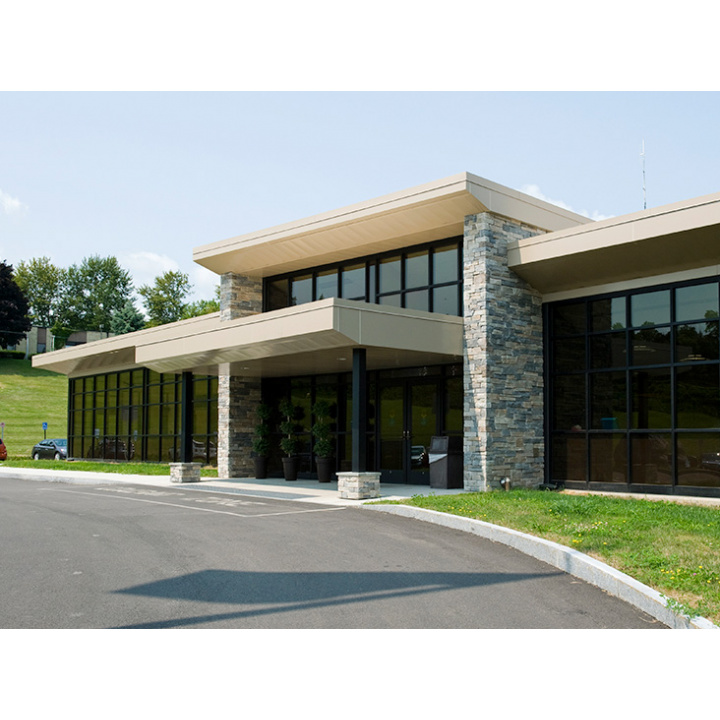
Who Owns and Operates Schuyler Hospital Inc And Long Term Care Unit?

Schuyler Hospital Inc and Long Term Care Unit is owned by a non-profit organization. Non-profit facilities reinvest revenue into operations rather than distributing to shareholders. The facility operates independently rather than as part of a larger chain. With 120 certified beds and approximately 106 residents (about 88% occupancy), it is a mid-sized facility located in Montour Falls, New York.

How Does Schuyler Hospital Inc And Long Term Care Unit Compare to Other New York Nursing Homes?

Compared to the 100 nursing homes in New York, Schuyler Hospital Inc and Long Term Care Unit's overall rating (3 stars) is below the state average of 3.1, staff turnover (50%) is near the state average of 46%, and health inspection rating (3 stars) is at the national benchmark.

What Should Families Ask When Visiting Schuyler Hospital Inc And Long Term Care Unit?

Based on this facility's data, families visiting should ask: "Can I visit during a mealtime to observe dining assistance and food quality?" "How do you handle medical emergencies, and what is your hospital transfer rate?" "Can I speak with family members of current residents about their experience?"

Is Schuyler Hospital Inc And Long Term Care Unit Safe?

Based on CMS inspection data, Schuyler Hospital Inc and Long Term Care Unit has a clean safety record: no substantiated abuse findings (meaning no confirmed cases of resident harm), no Immediate Jeopardy citations (the most serious violation level indicating risk of serious injury or death), and is not on the Special Focus Facility watch list (a federal program monitoring the lowest-performing 1% of nursing homes). The facility has a 3-star overall rating and ranks #100 of 100 nursing homes in New York. While no facility is perfect, families should still ask about staff-to-resident ratios and recent inspection results during their visit.

Do Nurses at Schuyler Hospital Inc And Long Term Care Unit Stick Around?

Schuyler Hospital Inc and Long Term Care Unit has a staff turnover rate of 50%, which is about average for New York nursing homes (state average: 46%). Moderate turnover is common in nursing homes, but families should still ask about staff tenure and how the facility maintains care continuity when employees leave.

Was Schuyler Hospital Inc And Long Term Care Unit Ever Fined?

Schuyler Hospital Inc and Long Term Care Unit has no federal fines on record. CMS issues fines when nursing homes fail to meet care standards or don't correct problems found during inspections. The absence of fines suggests the facility has either maintained compliance or corrected any issues before penalties were assessed. This is a positive indicator, though families should still review recent inspection reports for the full picture.

Is Schuyler Hospital Inc And Long Term Care Unit on Any Federal Watch List?

Schuyler Hospital Inc and Long Term Care Unit is not on any federal watch list. The most significant is the Special Focus Facility (SFF) program, which identifies the bottom 1% of nursing homes nationally based on persistent, serious quality problems. Not being on this list means the facility has avoided the pattern of deficiencies that triggers enhanced federal oversight. This is a positive indicator, though families should still review the facility's inspection history directly.