NEW YORK STATE VETERANS HOME AT MONTROSE
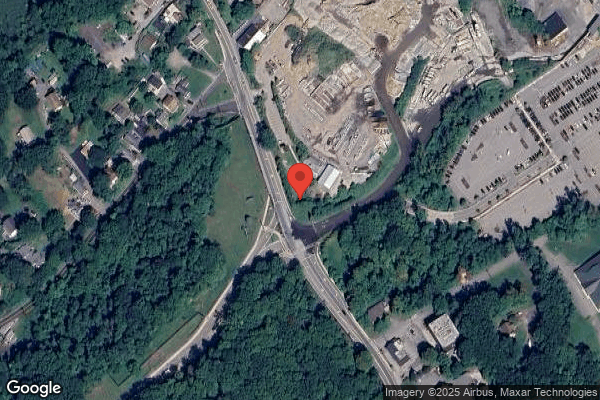
2090 ALBANY POST ROAD, MONTROSE, NY 10548 (914) 788-6000
Government - State 252 Beds Independent Data: November 2025
Trust Grade
35/100
#536 of 594 in NY
Last Inspection: July 2023

Over 2 years since last inspection. Current conditions may differ from available data.

Overview

The New York State Veterans Home at Montrose has received a Trust Grade of F, indicating significant concerns about its quality of care. It ranks #536 out of 594 nursing homes in New York, placing it in the bottom half of facilities statewide, and #40 out of 42 in Westchester County, suggesting there are very few local options that are worse. The facility's trend appears to be improving slightly, as the number of reported issues decreased from 8 in 2023 to 7 in 2025. Staffing is a strength, with a 4 out of 5-star rating and an 18% turnover rate, which is well below the state average. However, the facility has incurred $44,850 in fines, which is concerning and higher than 83% of facilities in New York, indicating repeated compliance issues. Specific incidents include staff using physical restraints on a resident without a medical justification and failing to maintain minimum staffing requirements on multiple occasions, which raises concerns about the overall quality of care and resident safety. Overall, while there are some strengths, particularly in staffing, the serious deficiencies and fines are significant red flags for families considering this home.

Trust Score
F
35/100
In New York
#536/594
Bottom 10%
Safety Record
Moderate
Needs review
Inspections
Getting Better
8 → 7 violations
Staff Stability
✓ Good
18% annual turnover. Excellent stability, 30 points below New York's 48% average. Staff who stay learn residents' needs.
Penalties
⚠ Watch
$44,850 in fines. Higher than 95% of New York facilities. Major compliance failures.
Skilled Nurses
✓ Good
Each resident gets 53 minutes of Registered Nurse (RN) attention daily — more than average for New York. RNs are trained to catch health problems early.
Violations
⚠ Watch
18 deficiencies on record. Higher than average. Multiple issues found across inspections.
★☆☆☆☆
1.0
Overall Rating
★★★★☆
4.0
Staff Levels
★★☆☆☆
2.0
Care Quality
★☆☆☆☆
1.0
Inspection Score
Stable
2023: 8 issues
2025: 7 issues

The Good

  • 4-Star Staffing Rating · Above-average nurse staffing levels
  • Low Staff Turnover (18%) · Staff stability means consistent care
  • Full Sprinkler Coverage · Fire safety systems throughout facility
  • No fines on record
  • Staff turnover is low (18%)

    30 points below New York average of 48%

Facility shows strength in staffing levels, staff retention, fire safety.

The Bad

1-Star Overall Rating

Below New York average (3.0)

Significant quality concerns identified by CMS

Federal Fines: $44,850

Above median ($33,413)

Moderate penalties - review what triggered them

The Ugly 18 deficiencies on record

2 actual harm
Jun 2025 2 deficiencies
CONCERN (D) 📢 Someone Reported This

A family member, employee, or ombudsman was alarmed enough to file a formal complaint

Potential for Harm - no one hurt, but risky conditions existed

Accident Prevention (Tag F0689)

Could have caused harm · This affected 1 resident

Based on record review and interviews conducted during the Recertification and Abbreviated Survey NY 00331181 from 5/28/25 to 6/4/25 the facility did not ensure residents received adequate supervision...

Read full inspector narrative →
Based on record review and interviews conducted during the Recertification and Abbreviated Survey NY 00331181 from 5/28/25 to 6/4/25 the facility did not ensure residents received adequate supervision to prevent accidents for one (1) of four (4) residents (Resident #254) reviewed for accidents. Specifically, a two (2) person assist during transfers was not provided as per care plan which resulted in Resident # 254 sustaining two (2) skin tears to their right upper arm and a 1 cm by 1 cm abrasion to their head. The findings include: Resident #254 was admitted to the facility with diagnoses including Parkinson's Disease, Anxiety, and Vascular Dementia. The 12/7/23 Quarterly Minimum Data Set (resident assessment tool) documented Resident #254 had severe cognitive impairment and required dependent assistance with transfers. The Activities of Daily Living Care Plan updated 4/13/23 documented Resident #254 required total body lift with assist of two staff. The January 2024 Certified Nurse Aide instructions were unavailable as Resident #254 was discharged from the facility/electronic medical record. The 1/7/24 Resident Accident Report documented two (2) skin tears to the resident's right arm and a 1 cm by 1 cm abrasion to their head. The Certified Nurse Aide stated they transferred the resident using the sit to stand lift and the sling rubbed against the resident's arm. The resident was assessed and first aid was administered, the physician, wound team, and health care proxy were made aware. The 1/7/24 Registered Nurse #1 statement documented Certified Nurse Aide #2 reported they transferred Resident #254 using the Sit to Stand Lift and the sling rubbed against his arm. The 1/7/2024 Certified Nurse Aide #2 statement documented that when they assisted Resident #254 with transferring back to bed, the resident became agitated and scratched his right arm. During an interview on 5/30/25 at 1:04 PM, the Assistant Director of Nursing stated that on 1/7/24 at 4:50 PM, Registered Nurse #1 observed skin tears to Resident #254's right upper arm, and an abrasion to their head, and interviewed Certified Nurse Aide #2 who stated the sling rubbed against the resident's arm. During an interview on 5/30/25 at 1:17 PM, the Director of Nursing stated the resident had required a 2-person assist with a total body lift with transfers. They stated they interviewed Certified Nurse Aide #2 the following morning (1/8/24), and Certified Nurse Aide #2 stated they transferred the resident without assistance. During an interview on 5/30/25 at 4:05 PM, the Director of Nursing stated they could not access Certified Nurse Aide instructions because Resident #254 was discharged from the electronic medical record system. They stated documentation of the assistance Resident #254 required was documented on the Care Plan. During an interview on 6/01/25 at 2:15 PM, Registered Nurse #1 stated on 1/7/24, Certified Nurse Aide #2 told them they transferred Resident #254 without asking for assistance. Registered Nurse #1 stated they had been administering medications in the same hallway and could easily have assisted Certified Nurse Aide #2 with the transfer if asked. Registered Nurse #1 further stated Certified Nurse Aide #2 had asked them for assistance on prior days and they expected Certified Nurse Aide #2 would ask for assistance if needed. They stated the resident's transfer status had not changed recently. Registered Nurse #1 stated if the Resident's transfer status had changed recently, they would have reported the change to the Certified Nurse Aides when they came in. They stated the change of shift report given by the nurse to the Certified Nurse Aides included whatever changes had occurred on the previous shifts. Registered Nurse #1 stated Certified Nurse Aides were responsible for checking the computer for resident transfer status or ask the nurse if they were unsure. They stated when they asked, Certified Nurse Aide #2 denied checking the CNA instructions prior to transferring the resident. During an interview on 6/02/25 at 8:51 AM, the Director of Nursing stated for transfers, Resident #254 required 2-person assistance with total body lift starting on 4/13/2023. The Director of Nursing stated the care plan was documented on the Certified Nurse Aide Touch, (Certified Nurse Aide instructions). During a review of the ADL (Activities of Daily Living) Data Report, the Director of Nursing stated Certified Nurse Aide #2 provided care to Resident #254 thirteen (13) days prior to the 1/7/24 incident, on 12/23/23 and 12/24/23, and had documented providing 2-person assistance with transfers on those dates. The Director of Nursing stated on 1/8/24, Certified Nurse Aide #2 stated they transferred Resident #254 by themselves. During an interview on 6/02/25 at 10:49 AM, Certified Nurse Aide #2 stated on 1/7/2024, they transferred Resident #254 without assistance. They stated they were aware Resident #254 required 2-person assistance. They stated they were made aware of how to transfer residents from either the Certified Nurse Aide Touch (Certified Nurse Aide instructions) or from the nurse. They stated they received verbal report if there were changes in the resident's status. 10 NYCRR 415.12(h)(2)
CONCERN (E) 📢 Someone Reported This

A family member, employee, or ombudsman was alarmed enough to file a formal complaint

Potential for Harm - no one hurt, but risky conditions existed

Deficiency F0725 (Tag F0725)

Could have caused harm · This affected multiple residents

Based on record review and interview conducted during the Recertification and Abbreviated surveys (NY 00350287) from 05/28/25 to 06/04/25, the facility did not ensure there was sufficient nursing staf...

Read full inspector narrative →
Based on record review and interview conducted during the Recertification and Abbreviated surveys (NY 00350287) from 05/28/25 to 06/04/25, the facility did not ensure there was sufficient nursing staff to attain or maintain the highest practicable physical, mental, and psychosocial well-being of each resident. Specifically, on 3 of 21 days from 7/15/24 through 8/4/24 and 2 of 31 days from 5/1/25 through 5/31/25 the facility did not meet minimum staffing requirements for Certified Nurse Aides as documented in the Facility Assessment. The findings included: The Facility Assessment, revised 1/2025, documented the following minimum requirements. Day shift: five Registered Nurses, one Licensed Practical Nurse, and twenty-two Certified Nurse Aides. Evening shift: three Registered Nurses, three Licensed Practical Nurses, and seventeen Certified Nurse Aides. Night shift: four Registered Nurses: two Licensed Practical Nurses and twelve Certified Nurse Aide. Daily staff sheets from 7/15/2024 through 8/5/2024 documented during the day shift on 7/20/24 there were 18/22 Certified Nurse Aides, 7/21/2024 there were 14/22 Certified Nurse Aides, and 7/28/2024 there were 19/22 Certified Nurse Aides. Daily staff sheets from 5/1/2025 through 5/31/2025 documented during the day shift on 5/24/25 and 5/25/25 there were 19/22 Certified Nurse Aides. During the Resident Council Meeting on 5/20/25 at 1:49 PM, Resident #1 stated they felt degraded when they need to utilize an adult brief for bowel movements because the unit was short-staffed and staff were not available to assist them to the bathroom. Resident #101 stated they required assistance with oxygen approximately two months ago during the night shift and staff were not available to assist due to assisting other resident and not enough staff. They stated they rang the call bell which was not answered for an extended length of time. During an interview on 5/30/25 at 1:42 PM, Certified Nurse Aide #9 stated their unit usually had between three and five Certified Nurse Aides, with three occurring frequently. They stated when three Certified Nurse Aides were assigned to the unit, cares were rushed and stressful. They stated residents frequently complained of long wait times for cares. They stated they were frequently asked to accept overtime due to callouts and were also assigned to other units to assist with coverage. During an interview on 05/30/25 at 1:58 PM, Licensed Practical Nurse #5 stated the facility has reduced Nursing staffing in the last year. They stated optimal staffing for Certified Nurse Aides on the unit was four to five Certified Nurse Aides during day and evening shifts, however, the unit frequently only had three due to last minute callouts. They stated reduced number of Certified Nurse Aides causes delays in cares. They stated residents and family representatives frequently complain of short staffing and delays in care. During interview and observation on 5/30/25 at 1:47 PM and 6/2/25 at 1:57 PM, the Staffing Coordinator stated they were aware the facility did not meet minimum staffing requirements on some dates between 7/15/24 through 8/4/24 and 5/1/25 through 5/31/25 and 7/15/24. They stated they were aware of facility minimum staffing guidelines which were updated (lowered) 7/15/24. They stated the goal was to meet or exceed daily minimum staffing numbers. When the minimum staffing numbers were not met, staff were distributed throughout units by Nursing Supervisors. They stated the main reason for not meeting minimum staffing requirements was due to staff call-outs. They stated they were not allowed to overstaff to cover callouts. During an interview on 06/02/25 at 02:36 PM, the Director of Nursing stated Certified Nurse Aides were redistributed to units based on census when minimum staffing numbers were not met. They stated staff turnover was relatively low, but some Certified Nurse Aides leave their position due to making more money working for staffing agencies. 10 NYCRR 415.13(a)(1)(i-iii)]
Apr 2025 5 deficiencies 2 Harm
SERIOUS (G) 📢 Someone Reported This

A family member, employee, or ombudsman was alarmed enough to file a formal complaint

Actual Harm - a resident was hurt due to facility failures

Deficiency F0604 (Tag F0604)

A resident was harmed · This affected 1 resident

**NOTE- TERMS IN BRACKETS HAVE BEEN EDITED TO PROTECT CONFIDENTIALITY** Based on record review and interviews during an abbreviated survey (NY00375411), the facility did not ensure that a resident is ...

Read full inspector narrative →
**NOTE- TERMS IN BRACKETS HAVE BEEN EDITED TO PROTECT CONFIDENTIALITY** Based on record review and interviews during an abbreviated survey (NY00375411), the facility did not ensure that a resident is free from physical restraints imposed for purposes of discipline or convenience and that are not required to treat the resident's medical symptoms for one (1) of three (3) residents (Resident #1) reviewed for restraints. Specifically, on 3/15/2025 Resident #1 was seen on Facility Surveillance Camera Footage wandering the hallway to the adjacent unit. Resident #1 was seen going in and out of other resident's rooms. Security Officer #1 was observed grabbing Resident #1 by their wrist to keep the resident in one place. Resident #1 is observed on surveillance camera footage in a wheelchair and trying to propel themselves away from the staff. Resident #1 was seen with all four of their extremities held by four staff members (Certified Nurse Aide #2, the Security Officer #1, Licensed Practical Nurse #1 and Registered Nurse #2), preventing the resident's movement. Staff was seen wheeling the resident back to their room holding on to all four extremities. This resulted in psychosocial harm to Resident #1 and the potential for serious injury that is not immediate jeopardy. The findings are: The Facility Restraints-Use of Chemical or Physical Restraints last revised 9/2023 documented the facility shall provide its residents with considerate and respectful care designed to promote the resident's independence, dignity and safety in the least restrictive environment commensurate with resident's preference, physical and mental status. The facility is generally a restraint free facility. The purpose is to ensure resident's safety and maintain optimum levels of physical and emotional functioning when in restraints. Physical or chemical restraints are not used at the facility. Resident #1 was admitted to the facility on [DATE] with diagnoses including but not limited to Parkinsonism (brain condition that causes slow movement, tremors, rigidity), anxiety disorder and Depression. An admission Minimum Data Set, dated [DATE] documented Resident #1 was cognitively intact. Review of a psychosocial well-being care plan dated 3/13/2025 documented Resident #1's well-being as positively able to verbalize needs, engages in conversation with others, and has a supportive family who visits. Resident #1 is negatively impacted by increase in confusion, sundowning (a collection of behaviors such as difficulty sleeping, anxiety, agitation, and restlessness that occurs from dusk through night), and declining health status. Interventions listed included to monitor effectiveness of approaches, provide support and show interest in well-being through verbalization and supportive techniques, identify conflicts and apply appropriate approaches for resolution. No specific approaches were documented on the care plan. Review of a mood care plan dated 3/13/2025 documented Resident #1 had potential for mood issues related to diagnoses of anxiety, sundowning (a collection of behaviors such as difficulty sleeping, anxiety, agitation and restlessness) that occurs from dusk through night) and Parkinson's disease. Resident #1 expressed feeling down, depressed or hopeless, feeling tired or having little energy, poor appetite and having trouble falling asleep or staying asleep, or sleeping too much. Interventions listed included assess and monitor resident to determine onset of mood problem, assist resident in managing feelings by having staff available during upset episodes, encourage to verbalize concerns, try to get resident to identify unmet needs, do not negate residents' feelings and let it be known that efforts will be made to relieve anxieties and concerns. Acknowledge difficulty adjusting to facility, establish foundation for trust and support and involve significant individuals in life as support while dealing with mood issues. Review of the Facility Surveillance Camera Recording dated 3/15/2025 revealed at 5:42 AM Resident #1 was standing in the hallway of the unit, wearing a T-shirt, briefs and tennis shoes. At 5:50 AM Resident #1 is seen wandering around the unit and enters another resident's room. Registered Nurse #1 is observed trying to redirect Resident #1. At 5:51 AM Security Officer #1 is seen in the hallway grabbing Resident #1 by both wrists and attempting to keep Resident #1 in one place. Registered Nurse #2 is seen witnessing the incident. At 5:52 AM Resident #1 broke free from Security Officer #1 and walked down the hallway. Security Officer #1 and Registered Nurse #2 are seen following the resident. At 6:03 AM Resident #1 is seen getting up from a chair and walking down the hallway with Registered Nurse #2 walking closely behind. Resident #1 continues to wander the hallway to another unit. Registered Nurse #2 is seen trying to redirect the resident. At 6:07 AM Certified Nurse Aide #2, Licensed Practical Nurse #1, Security Officer #1 and Registered Nurse #2 show up with a wheelchair and they were seen trying to get Resident #1 to sit down in the wheelchair. At 6:09 AM Resident #1 was seen wandering the hallway with Registered Nurse #2, Security Officer #1 and Certified Nurse Aide #2 following behind. Resident #1 sat in a recliner in the common area. Security Officer #1 and Certified Nurse Aide #1 are seen standing in front of the seated resident. At 6:11 AM Registered Nurse #1 was seen attempting to administer oral medication to Resident #1, which they refused. At 6:13 AM Licensed Practical Nurse #2 tries to administer the oral medication, and the resident appears to swing at Licensed Practical Nurse #2. Between 6:13 AM and 6:19 AM, Certified Nurse Aide #2 and Security Officer #1 are observed standing in the common area with Resident #1. Between 6:21 AM and 6:23 AM, Certified Nurse Aide #2 leaves and Resident #1 stands from the chair and sits back down. At 6:26 AM, Resident #1 gets up from the chair and Security Officer #1 was attempting to stop the resident by blocking their path with a wheelchair. At 6:27 AM four (4) staff members (Certified Nurse Aide #2, Security Officer #1, Licensed Practical Nurse #1 and Registered Nurse #2) were observed assisting with sitting Resident #1 in a wheelchair. Resident #1 attempts to propel the wheelchair with their hands and legs and Certified Nurse Aide #2 , Security Officer #1, Licensed Practical Nurse #1 and Registered Nurse #2 each grab Resident #1 by their extremities. Resident #1 is then seen swinging their arms and attempting to get free from the restraint of the staff members. Resident #1 is seen kicking at Registered Nurse #1 and attempted to remove Security Officer #1's hand from their wrist. Resident #1 continues to kick and attempt to remove the staffs' hold of their arms. At 6:27 AM Licensed Practical Nurse #1 is seen holding Resident #1 by the left arm, Registered Nurse #2 is standing to the right of the resident, Certified Nurse Aide #2 is standing behind the resident putting on gloves. Licensed Practical Nurse #1 proceeds to grab both of Resident #1's wrist, while holding the resident against the wall in the hallway. Certified Nurse Aide #2 and Registered Nurse #2 proceed to grab Resident #1's right arm and Registered Nurse #1 is seen administering an injection to Resident #1. At 6:29 AM Certified Nurse Aide #2, Security Officer #1, Licensed Practical Nurse #1 and Registered Nurse #2 are seen moving Resident #1 down the hall while physically restraining the resident's extremities. Registered Nurse #1 is seen following behind. Resident #1 was brought back to the unit and into the resident's room. Review of an undated Facility Incident Report submitted on 3/18/2025 at 12:30 PM documented the incident occurred on 3/15/2025 at 6:27 AM and the Administrator was made aware of the incident on 3/18/2025 at 10:00 AM. Resident #1 was walking around their unit in a shirt and brief on 3/15/2025 at approximately 5:43 AM. Resident #1 was not able to be re-directed by the nurse and entered another resident's room. Security and the supervisor were called for assistance. Resident #1 went to the adjoining unit and entered at least two other resident's rooms. At some point Resident #1 attempted to close the door of another resident's room on the supervisor's arm. Orders were received for oral Ativan and Haldol intramuscularly. Resident #1 spit out the oral Ativan and the Haldol was administered intramuscularly. Resident #1 was placed in a wheelchair and attempted to propel the wheelchair with their arms. Two staff members held onto Resident #1's arms and the resident placed their feet down. Two additional staff members held onto the resident's legs. Resident #1 was brought back to their room via the wheelchair with staff members holding onto each limb. Resident #1 was transported to the hospital via ambulance a short time later. Resident #1 returned to the facility at 2:00 PM on 3/15/2025. The root cause analysis documented that according to statements obtained from staff, several attempts were made to keep Resident #1 safe (after they had received Haldol injection ordered by the medical provider), including assisting them to a wheelchair for transport back to their room. The investigation summary initiated on 3/18/2025 provided to surveyors during the onsite survey, did not include a conclusion. Review of the facility investigative summary submitted to the New York State Department of Health on 3/21/2025 at 1:26 PM documented Resident #1 shared with their family, after the incident, that they were forcibly placed in a wheelchair and restrained. The summary documented that Resident #1 has noted on several occasions since the incident that they were restrained by a group of people. Resident #1 was moved to a private room two days after the incident. Medication adjustments were made with collaboration with Resident #1's neurologist. During an interview on 3/26/2025 at 12:35 PM, the Administrator stated they felt by the time the staff intervened physically, Resident #1 appeared to be calm, and staff should have left the resident and not even attempted to administer the medications. The Administrator stated they would have let Resident #1 be and ensured everyone was safe. During an interview on 3/27/2025 at 9:27 AM, Certified Nurse Aide #2 stated that together with Registered Nurse #2, the Security Officer #1, Registered Nurse #1, and possibly Licensed Practical Nurse #2, they placed Resident #1 in a wheelchair on the day of the incident. Because the resident was fussing and kicking, they each took a limb, and they brought Resident #1 back to their unit and put the resident in bed. Certified Nurse Aide #2 stated as the staff were placing Resident #1 in the bed, the resident kicked Licensed Practical Nurse #1 on the side. During a telephone interview on 3/27/2025 at 10:34 AM, Attending Physician #1 stated they received a call from the facility on 3/15/2024 at around 5:00 AM informing them that there was a new admission who was agitated, paranoid and felt staff were trying to hurt them. Attending Physician #1 stated it was reported to them that Resident #1 was going in and out of other resident's rooms and was being physically combative with staff. Attending Physician #1 stated they did not have the opportunity to view the surveillance camera footage of what took place on 3/15/2025. Attending Physician#1 stated they gave orders for Ativan by mouth and Haldol intramuscularly. During an interview on 3/28/2025 at 11:10 PM, the Security Officer #1 denied touching Resident #1 on 3/15/2025 during the incident. They stated the staff forced Resident #1 into the wheelchair and escorted the resident back to their unit. The Security Officer #1 stated Resident #1 was trying to stop the staff by grabbing the wheelchair and placing their feet under the wheelchair, but the staff held the resident back in the wheelchair. The Security Officer #1 stated three (3) to four (4) staff members held Resident #1's legs, to prevent the resident from sticking their legs under the wheelchair, and they held the resident back into the wheelchair. The Security Officer #1 stated they do not know why the staff continued to push Resident #1 into the wheelchair. During an interview on 3/28/2025 at 1:05 PM, Licensed Practical Nurse #1 stated when they arrived at the facility on 3/15/2025 at 6:30 AM, Registered Nurse #2 and Registered Nurse #1 (they cannot remember their name) were talking about Resident #1 being aggressive. Licensed Practical Nurse #1 stated Registered Nurse #2 told the nurse to call Attending Physician #1 and they heard them say Resident #1 needed an injection of Haldol. Licensed Practical Nurse #1 stated they were there waiting to start their shift when the nurse got the order, and they were asked to give support. Licensed Practical Nurse #1 stated they walked from Resident #1's unit to the other unit and when they got to the unit they saw Resident #1 walking with no assistive device. Licensed Practical Nurse #1 stated Resident #1 asked how they were, and they placed their self-next to the resident, to make sure the resident did not fall. Licensed Practical Nurse #1 stated they were trying to get Resident #1 to go back to their unit and the resident stated the staff were trying to kill them. Licensed Practical Nurse #1 stated they asked Resident #1 to come with them and they refused. Licensed Practical Nurse #1 stated they cannot recall if anyone was holding Resident #1 or not during the injection of the Haldol, but after the injection the resident kept trying to hit them with a sharpie marker they had in their hand, so they took the marker from Resident #1, and the resident was hitting them in the arm. Licensed Practical Nurse #1 stated the staff wanted to get Resident #1 in the wheelchair because they did not know how the resident would react to the injection. During an interview on 3/28/2025 at 1:22 PM, Registered Nurse #2 stated they recall assisting Resident #1 into a wheelchair with other staff including the Security Officer, Certified Nurse Aide #2 and Licensed Practical Nurse #1 on the day of the incident. They wanted to move Resident #1 to their room so the resident could be safe. Registered Nurse #2 stated they were on Resident #1's left side holding their left leg, Certified Nurse Aide #2 was also on the residents left side and Licensed Practical Nurse #1 assisted as well. Registered Nurse #2 stated Resident #1 was aggressive, and that is why they moved the resident back to their unit. 10 NYCRR 415.4(a)(2-7)
SERIOUS (G) 📢 Someone Reported This

A family member, employee, or ombudsman was alarmed enough to file a formal complaint

Actual Harm - a resident was hurt due to facility failures

Deficiency F0605 (Tag F0605)

A resident was harmed · This affected 1 resident

**NOTE- TERMS IN BRACKETS HAVE BEEN EDITED TO PROTECT CONFIDENTIALITY** Based on record review and interviews during an abbreviated survey (NY00375411) the facility did not ensure that the resident wa...

Read full inspector narrative →
**NOTE- TERMS IN BRACKETS HAVE BEEN EDITED TO PROTECT CONFIDENTIALITY** Based on record review and interviews during an abbreviated survey (NY00375411) the facility did not ensure that the resident was free from chemical restraints imposed for purposes of discipline or convenience, and not required to treat the resident's medical symptoms for one (1) out of three (3) residents (Resident #1) reviewed for restraints. Specifically, on 3/15/2025 the facility staff administered intramuscular anti-psychotic medication to Resident #1. Resident #1 was seen on a surveillance camera wandering on the unit and going in and out of other resident's rooms. Resident #1 was observed on surveillance camera being held against the wall by four (4) staff members (Certified Nurse Aide #2, Licensed Practical Nurse #1, Security Officer #1 and Registered Nurse #2) and administered the intramuscular injection. Resident #1's medication list did not include any anti-psychotics on admission. In addition, Resident #1 had no documented medical symptom or appropriate assessment for the use of the antipsychotic medication. This resulted in the use of a chemical restraint to subdue the resident which had the potential for serious harm/injury that is not immediate jeopardy The findings are: The Facility Restraints-Use of Chemical or Physical Restraints policy last revised 9/2023 documented the facility shall provide its residents with considerate and respectful care designed to promote the resident's independence, dignity and safety in the least restrictive environment commensurate with resident's preference, physical and mental status. The facility is generally a restraint free facility. The purpose is to ensure resident's safety and maintain optimum levels of physical and emotional functioning when in restraints. Physical or chemical restraints are not used at the facility. Resident #1 was admitted to the facility on [DATE] with diagnoses including but not limited to Parkinsonism (brain conditions that cause slowed movements, rigidity (stiffness) and tremors), anxiety disorder, and Depression(mood disorder that causes persistent feeling of sadness and loss of interest in things and activities once enjoyed) . An admission Minimum Data Set, dated [DATE] documented Resident #1 was cognitively intact. Review of a psychosocial well-being care plan dated 3/13/2025 documented Resident #1's well-being as positively able to verbalize needs, engages in conversation with others, and has a supportive family who visits. Resident #1 is negatively impacted by increase in confusion, sundowning (a collection of behaviors such as difficulty sleeping, anxiety, agitation, and restlessness that occurs from dusk through night), and declining health status. Interventions listed included to monitor effectiveness of approaches, provide support and show interest in well-being through verbalization and supportive techniques, identify conflicts and apply appropriate approaches for resolution. There was no documented evidence of any specific approaches documented on the care plan. Review of a mood care plan dated 3/13/2025 documented Resident #1 had potential for mood issues related to diagnoses of anxiety, sundowning and Parkinson's disease. Resident #1 expressed feeling down, depressed or hopeless, feeling tired or having little energy, poor appetite and having trouble falling asleep or staying asleep, or sleeping too much. Interventions listed included assess and monitor resident to determine onset of mood problem, assist resident in managing feelings by having staff available during upset episodes, encourage to verbalize concerns, try to get resident to identify unmet needs, do not negate residents' feelings and let it be known that efforts will be made to relieve anxieties and concerns. Acknowledge difficulty adjusting to facility, establish foundation for trust and support and involve significant individuals in life as support while dealing with mood issues. Review of the Facility Surveillance Camera Recording dated 3/15/2025 revealed at 5:42 AM Resident #1 is observed standing in the hallway of the unit, wearing a T-shirt, briefs and tennis shoes. At 5:50 AM Resident #1 is seen wandering around the unit and enters another resident's room. Registered Nurse #1 is observed trying to redirect Resident #1. Resident #1 comes out of the room, goes to the nursing cart and began writing on a piece of paper. Registered Nurse #1 attempted to grab Resident #1's wrist and then quickly let go and began removing items off the top of the nursing cart. At 6:09 AM Resident #1 was seen wandering the hallway with staff following behind. Resident #1 sat in a recliner in the common area. At 6:11AM Registered Nurse #1 and Certified Nurse Aide #3 enter the common area attempting to administer some oral medication to Resident #1. The resident refuses. At 6:13 AM Licensed Practical Nurse #2 was seen attempting to give Resident #1 some oral medication, and the resident swung their hand at Licensed Practical Nurse #2 and Licensed Practical Nurse #2 handed the medication back to Registered Nurse #1. At 6:27 AM Licensed Practical Nurse #1 is seen holding Resident #1 by the left arm, Registered Nurse #2 is standing to the right of the resident, Certified Nurse Aide #2 is standing behind the resident putting on gloves. Licensed Practical Nurse #1 proceeds to grab both of Resident #1's wrist, while holding the resident against the wall in the hallway. Certified Nurse Aide #2 and Registered Nurse #2 proceed to grab Resident #1's right arm and Registered Nurse #1 is seen administering an injection to Resident #1. During an interview on 3/26/2025 at 12:35 PM, the Administrator stated they felt by the time the staff intervened physically, Resident #1 appeared to be calm, and staff should have left the resident and not attempted to administer the medications. The Administrator stated they would have let Resident #1 be and ensured everyone was safe. During an interview on 3/27/2025 at 9:27 AM, Certified Nurse Aide #2 stated Resident #1 sat in a chair in the common area, and they refused to get up. Registered Nurse #1 then called for the resident to get some medication. Certified Nurse Aide #2 stated after the medication Resident #1 was still disruptive and the staff brought Resident #1 back to their own unit. During a telephone interview on 3/27/2025 at 10:34 AM, Attending Physician #1 stated they received a call from the facility on 3/15/2024 at around 5:00 AM informing them there was a new admission who was agitated, paranoid and felt staff were trying to hurt them. Attending Physician #1 stated it was reported to them that Resident #1 was going in and out of other resident's rooms and was being physically combative with staff. Attending Physician #1 stated they were called multiple times, and they first recommended that Resident #1 be give oral Ativan (sedative). Attending Physician #1 stated they were then informed that Resident #1 spit the medication out and was still agitated and paranoid, so they ordered intramuscular Haldol (antipsychotic) to be administered. Attending Physician #1 stated following the administration of the Haldol Resident #1 was still reportedly agitated, so they ordered to send the resident out to the hospital for further evaluation. Attending Physician #1 stated Haldol and Ativan are the only two behavioral drugs available on hand at the facility. Attending Physician #1 stated if Resident #1 was only being verbally aggressive or in distress, they would have recommended other interventions such as placing the resident on a one-to-one monitoring or redirection should be attempted first. Attending Physician #1 stated that it was explained to them that other interventions were tried and did not work. Attending Physician #1 stated they did not have the opportunity to view the surveillance camera footage of what took place on 3/15/2025. During an interview on 3/28/2025 at 11:10 PM, Security Officer #1 stated the nurses tried to give Resident #1 some medication and the resident knocked it out of the nurse's hand. Security Officer #1 stated the nurses gave Resident #1 an injection while the staff were holding the resident so the injection could be administered. During an interview on 3/28/2025 at 1:05 PM Licensed Practical Nurse #1 stated when they arrived at the facility on 3/15/2025 at 6:30 AM, Registered Nurse #2 and another nurse (unable to recall name of nurse) were talking about Resident #1 being aggressive. Licensed Practical Nurse #1 stated Registered Nurse #2 asked Registered Nurse #1 to call Attending Physician #1 and they heard Registered Nurse #2 say that the resident needed an injection of Haldol. Licensed Practical Nurse #1 stated the staff were trying to get Resident #1 in the wheelchair before administering the injection because they were not sure how the resident would react to the injection. During an interview on 3/28/2025 at 1:22 PM, Registered Nurse #2 stated during the incident, Resident #1 entered another resident's room, the other resident was awake and asked Resident #1 to leave their room. Resident #1 tried to close the door while in the room, and Registered Nurse #2 tried to keep the door open. Registered Nurse #2 stated after a few minutes Resident #1 came out of the room. They asked Registered Nurse #1 to check the orders for Resident #1 to see if they had any as needed medication orders for the resident, as they were a new admission. Registered Nurse #2 stated Registered Nurse #1 checked the orders for Resident #1 and saw there was an as needed order for oral Ativan. Registered Nurse #2 stated Resident #1 was wandering around the unit at that time and raising their fists. Registered Nurse #1 gave the resident the oral medication and they spit it out, so Registered Nurse #1 called Attending Physician #1 (who was on call) and got an order for intramuscular Haldol. Registered Nurse #2 stated Resident #1 was still on the adjacent unit going into other resident's rooms. Registered Nurse #2 stated Registered Nurse #1 then came and administered the Haldol injection, but they do not recall how the injection was given. All they could remember was that Resident #1 was standing up fighting and resisting Registered Nurse #1 from giving the injection. 10 NYCRR 415.4(a)(1) and 415.3(d)(1)(vii)
CONCERN (D) 📢 Someone Reported This

A family member, employee, or ombudsman was alarmed enough to file a formal complaint

Potential for Harm - no one hurt, but risky conditions existed

Free from Abuse/Neglect (Tag F0600)

Could have caused harm · This affected 1 resident

**NOTE- TERMS IN BRACKETS HAVE BEEN EDITED TO PROTECT CONFIDENTIALITY** Based on record review and interviews during an abbreviated survey (NY00375411) the facility did not ensure the resident was fre...

Read full inspector narrative →
**NOTE- TERMS IN BRACKETS HAVE BEEN EDITED TO PROTECT CONFIDENTIALITY** Based on record review and interviews during an abbreviated survey (NY00375411) the facility did not ensure the resident was free from abuse for 1 out of 3 residents (Resident #1) reviewed for abuse. Specifically, on 3/15/2025 Resident #1 was seen on Facility Surveillance Camera Footage wandering the hallway to the adjacent unit. Resident #1 was seen going in and out of other resident's rooms. Security Officer #1 was observed grabbing Resident #1 by their wrist to keep the resident in one place. Licensed Practical Nurse #1 was observed grabbing both of Resident #1's wrists and Certified Nurse Assistant #2 and Registered Nurse #2 grabbed Resident #1's right arm while Registered Nurse #1 was seen administering an injection to the resident while staff hold the resident in place against the wall in the hallway. Resident #1 is observed on surveillance camera footage in a wheelchair and trying to propel themselves away from the staff. Resident #1 was seen with all four of their extremities held by four staff members (Certified Nurse Aide #2, the Security Officer #1, Licensed Practical Nurse #1 and Registered Nurse #2) preventing the resident's movement. Staff was seen wheeling the resident back to their room holding on to all four extremities The findings are: The facility Abuse Prohibition policy last revised 9/2023 documented the facility shall take actions to prevent abuse by identifying, correcting and intervening in situations in which abuse is more likely to occur. Abuse is defined as the willful infliction of injury, unreasonable confinement, intimidation, or punishment with resulting physical harm, pain or mental anguish. Abuse may be verbal, sexual, physical or mental. Resident #1 was admitted to the facility on [DATE] with diagnoses including but not limited to Parkinsonism, Anxiety Disorder and Depression. An admission Minimum Data Set, dated [DATE] the resident was cognitively intact. The resident required a walker and a wheelchair for locomotion, set up assistance with eating and bed mobility, moderate assistance with toileting and independent with transfers. There was no Abuse care plan initiated by the facility prior to the incident Review of a psychosocial well-being care plan dated 3/13/2025 documented Resident #1's well-being as positively able to verbalize needs, engages in conversation with others, and has a supportive family who visits. Resident #1 is negatively impacted by increase in confusion, sundowning (a collection of behaviors such as difficulty sleeping, anxiety, agitation, and restlessness that occurs from dusk through night), and declining health status. Interventions listed included to monitor effectiveness of approaches, provide support and show interest in well-being through verbalization and supportive techniques, identify conflicts and apply appropriate approaches for resolution. No specific approaches were documented on the care plan. Review of a mood care plan dated 3/13/2025 documented Resident #1 had potential for mood issues related to diagnoses of anxiety, sundowning (a collection of behaviors such as difficulty sleeping, anxiety, agitation and restlessness) that occurs from dusk through night) and Parkinson's disease. Resident #1 expressed feeling down, depressed or hopeless, feeling tired or having little energy, poor appetite and having trouble falling asleep or staying asleep, or sleeping too much. Interventions listed included assess and monitor resident to determine onset of mood problem, assist resident in managing feelings by having staff available during upset episodes, encourage to verbalize concerns, try to get resident to identify unmet needs, do not negate residents' feelings and let it be known that efforts will be made to relieve anxieties and concerns. Acknowledge difficulty adjusting to facility, establish foundation for trust and support and involve significant individuals in life as support while dealing with mood issues. Review of the Facility Surveillance Camera Recording dated 3/15/2025 revealed at 5:42 AM Resident #1 was standing in the hallway of the unit, wearing a T-shirt, briefs and tennis shoes. At 5:50 AM Resident #1 is seen wandering around the unit and enters another resident's room. Registered Nurse #1 is observed trying to redirect Resident #1. At 5:51 AM Security Officer #1 is seen in the hallway grabbing Resident #1 by both wrists and attempting to keep Resident #1 in one place. Registered Nurse #2 is seen witnessing the incident. At 5:52 AM Resident #1 broke free from Security Officer #1 and walked down the hallway. Security Officer #1 and Registered Nurse #2 are seen following the resident. At 6:03 AM Resident #1 is seen getting up from a chair and walking down the hallway with Registered Nurse #2 walking closely behind. Resident #1 continues to wander the hallway to another unit. Registered Nurse #2 is seen trying to redirect the resident. At 6:07 AM Certified Nurse Aide #2, Licensed Practical Nurse #1, Security Officer #1 and Registered Nurse #2 show up with a wheelchair and they were seen trying to get Resident #1 to sit down in the wheelchair. At 6:09 AM Resident #1 was seen wandering the hallway with Registered Nurse #2, Security Officer #1 and Certified Nurse Aide #2 following behind. Resident #1 sat in a recliner in the common area. Security Officer #1 and Certified Nurse Aide #1 are seen standing in front of the seated resident. At 6:11 AM Registered Nurse #1 was seen attempting to administer oral medication to Resident #1, which they refused. At 6:13 AM Licensed Practical Nurse #2 tries to administer the oral medication, and the resident appears to swing at Licensed Practical Nurse #2. Between 6:13 AM and 6:19 AM, Certified Nurse Aide #2 and Security Officer #1 are observed standing in the common area with Resident #1. Between 6:21 AM and 6:23 AM, Certified Nurse Aide #2 leaves and Resident #1 stands from the chair and sits back down. At 6:26 AM, Resident #1 gets up from the chair and Security Officer #1 was attempting to stop the resident by blocking their path with a wheelchair. At 6:27 AM four (4) staff members (Certified Nurse Aide #2, Security Officer #1, Licensed Practical Nurse #1 and Registered Nurse #2) were observed assisting with sitting Resident #1 in a wheelchair. Resident #1 attempts to propel the wheelchair with their hands and legs and Certified Nurse Aide #2 , Security Officer #1, Licensed Practical Nurse #1 and Registered Nurse #2 each grab Resident #1 by their extremities. Resident #1 is then seen swinging their arms and attempting to get free from the restraint of the staff members. Resident #1 is seen kicking at Registered Nurse #1 and attempted to remove Security Officer #1's hand from their wrist. Resident #1 continues to kick and attempt to remove the staffs' hold of their arms. At 6:27 AM Licensed Practical Nurse #1 is seen holding Resident #1 by the left arm, Registered Nurse #2 is standing to the right of the resident, Certified Nurse Aide #2 is standing behind the resident putting on gloves. Licensed Practical Nurse #1 proceeds to grab both of Resident #1's wrist, while holding the resident against the wall in the hallway. Certified Nurse Aide #2 and Registered Nurse #2 proceed to grab Resident #1's right arm and Registered Nurse #1 is seen administering an injection to Resident #1. At 6:29 AM Certified Nurse Aide #2, Security Officer #1, Licensed Practical Nurse #1 and Registered Nurse #2 are seen moving Resident #1 down the hall while physically restraining the resident's extremities. Registered Nurse #1 is seen following behind. Resident #1 was brought back to the unit and into the resident's room. Review of an undated Facility Incident Report submitted on 3/18/2025 at 12:30 PM documented the incident occurred on 3/15/2025 at 6:27 AM and the Administrator was made aware of the incident on 3/18/2025 at 10:00 AM. Resident #1 was walking around their unit in a shirt and brief on 3/15/2025 at approximately 5:43 AM. Resident #1 was not able to be re-directed by the nurse and entered another resident's room. Security and the supervisor were called for assistance. Resident #1 went to the adjoining unit and entered at least two other resident's rooms. At some point Resident #1 attempted to close the door of another resident's room on the supervisor's arm. Orders were received for oral Ativan and Haldol intramuscularly. Resident #1 spit out the oral Ativan and the Haldol was administered intramuscularly. Resident #1 was placed in a wheelchair and attempted to propel the wheelchair with their arms. Two staff members held onto Resident #1's arms and the resident placed their feet down. Two additional staff members held onto the resident's legs. Resident #1 was brought back to their room via the wheelchair with staff members holding onto each limb. Resident #1 was transported to the hospital via ambulance a short time later. Resident #1 returned to the facility at 2:00 PM on 3/15/2025. The root cause analysis documented that according to statements obtained from staff, several attempts were made to keep Resident #1 safe (after they had received Haldol injection ordered by the medical provider), including assisting them to a wheelchair for transport back to their room. The investigation summary initiated on 3/18/2025 provided to surveyors during the onsite survey, did not include a conclusion. Review of a psychiatric diagnosis evaluation dated 3/20/2025 documented Resident #1 felt traumatized by their recent conflict with staff. Review of the investigative summary submitted to the New York State Department of Health on 3/21/2025 at 1:26 PM documented Resident #1 did share with their family representatives that they were forcibly placed in a wheelchair and restrained after the incident occurred. Resident #1 has noted on several occasions since the incident that they were restrained by a group of people. During an interview on 3/28/2025 at 11:10 PM, the Security Officer #1 stated they work the overnight shift in the facility. The Security Officer #1 stated Resident #1 was acting out of character and refused to put their pants on. The Security Officer #1 stated they went up to the unit to talk to Resident #1 to see if they would put their clothes on and Resident #1 refused, so they left the resident alone. The Security Officer #1 denied touching Resident #1 on 3/15/2025 during the incident. They stated the staff forced Resident #1 into the wheelchair and escorted the resident back to their unit. The Security Officer #1 stated Resident #1 was trying to stop the staff by grabbing the wheelchair and placing their feet under the wheelchair, but the staff held the resident back in the wheelchair. The Security Officer #1 stated three (3) to four (4) staff members held Resident #1's legs, to prevent the resident from sticking their legs under the wheelchair, and they held the resident back into the wheelchair. The Security Officer #1 stated they do not know why the staff continued to push Resident #1 into the wheelchair. During an interview on 3/26/2025 at 11:30 AM Resident #1 stated about two weeks ago there was an incident, but they do not want to comment on th incident and that there was an incident report on file regarding the incident. Resident #1 stated they felt safe in the facility as long as they had the one on one monitoring. The Surveyors asked Resident #1 if they were afraid of retaliation and they stated they were not afraid of anyone in the facility. Resident #1 stated they would like the surveyors to call their family representative for an account of what happened. Resident #1 stated they had a bruise from the incident but would not allow surveyors to look at the bruise when asked. During an interview on 3/26/2025 at 12:35 PM the Administrator stated Resident #1's representative sent an email to the Admissions Director on 3/16/2025, stating they wanted to review the surveillance video footage. The Administrator stated they received the email the morning of 3/17/2025, where Resident #1's representative wrote that Resident #1 was assaulted. The Administrator stated they spoke about the email during the morning meeting on 3/17/2025 at 9 AM. Staff reported Resident #1 had three behavioral episodes including the morning of the incident but there was no mention of the interventions that applied by staff during the incident. The Administrator stated Registered Nurse #2 was contacted to determine what time the incident occurred and the location in order to review the surveillance camera footage. The Administrator stated they did not hear back from Registered Nurse #2 until 8pm on 3/17/2025 and they reviewed the surveillance video footage on 3/18/2025 between 9 AM and 10 AM. The Administrator stated they felt by the time the staff intervened physically, Resident #1 appeared to be calm, and staff should have left the resident and not even attempted to administer the medications. The Administrator stated they would have let Resident #1 be and ensured everyone was safe. During an interview on 3/27/2025 at 9:27 AM Certified Nurse Assistant #2 stated Resident #1 sat in a chair and they could not get them to get up and the nurse then called for the resident to get some medication. Certified Nurse Assistant #2 stated after the medication Resident #1 was still disruptive and the staff did not leave Resident #1 there because they did not belong on that unit. Certified Nurse Assistant #2 stated Resident #1 did not willing take the medication and they held the resident's hands down. Certified Nurse Aide #2 stated that together with Registered Nurse #2, the Security Officer #1, Registered Nurse #1, and possibly Licensed Practical Nurse #2, they placed Resident #1 in a wheelchair on the day of the incident. Because the resident was fussing and kicking, they each took a limb, and they brought Resident #1 back to their unit and put the resident in bed. They wanted to protect other residents During a telephone interview on 3/27/2025 at 10:07 AM, Resident #1's representative stated on 3/15/2025 they got a phone call from Resident #1 stating they were assaulted and were at the hospital. Resident #1's representative stated Resident #1 stated their leg was bleeding and that the staff had restrained them. Resident #1's representative stated Resident #1 stated they were in another resident's room, because they were trying to get away from the staff. Resident #1's representative stated Resident #1 reported the staff were trying to kick their legs so that they would sit down in the wheelchair. Resident #1's representative stated they have been trying to get a copy of the incident reports, and the facility would not provide them nor be transparent with them. Resident #1's representative stated Resident #1 informed them of the staff involved in the incident and described a restraint situation at one point. During an interview on 3/27/2025 at 10:47 AM the Director of Nursing stated they reviewed the surveillance camera footage and saw the staff sat Resident #1 down in the wheelchair. The Director of Nursing stated once they sat Resident #1 in the wheelchair the resident began to resist, so the staff took their hands off the wheelchair, and then the resident started to kick. The Director of Nursing stated the staff should have left Resident #1 alone and assigned someone to observe them. The staff should have allowed Resident #1 to leave the unit and just had someone stay with them. During an interview on 3/28/2025 at 1:05 PM Licensed Practical Nurse #1 stated the Security Officer had the wheelchair sitting behind Resident #1 and they could not remember if the resident was willing and sat in the wheelchair. Licensed Practical Nurse #1 stated Resident #1 continued to kick and fight while in the wheelchair and was been pushed too their room. Licensed Practical Nurse #1 stated to get Resident #1 to stay in the wheelchair they lifted the resident's legs and arms. Licensed Practical Nurse #1 stated Certified Nurse Assistant #2, Registered Nurse #2 and the Security Officer #1 were present and the staff took Resident #1 back to their unit to their room. During an interview on 3/28/2025 at 1:22 PM, Registered Nurse #2 stated they recall assisting Resident #1 into a wheelchair with other staff including the Security Officer, Certified Nurse Aide #2 and Licensed Practical Nurse #1 on the day of the incident. They wanted to move Resident #1 to their room so the resident could be safe. Registered Nurse #2 stated they were on Resident #1's left side holding their left leg, Certified Nurse Aide #2 was also on the residents left side and Licensed Practical Nurse #1 assisted as well. Registered Nurse #2 stated Resident #1 was aggressive, and that is why they moved the resident back to their unit. The surveyor asked Registered Nurse #2 several times what threat Resident #1 was posing, and they continued to respond they just wanted the resident to be safe. 10 NYCRR 415.4(b)(1)(i)
CONCERN (D) 📢 Someone Reported This

A family member, employee, or ombudsman was alarmed enough to file a formal complaint

Potential for Harm - no one hurt, but risky conditions existed

Report Alleged Abuse (Tag F0609)

Could have caused harm · This affected 1 resident

**NOTE- TERMS IN BRACKETS HAVE BEEN EDITED TO PROTECT CONFIDENTIALITY** Based on record review and interviews during an abbreviated survey (NY00375411) , the facility did not ensure that all alleged v...

Read full inspector narrative →
**NOTE- TERMS IN BRACKETS HAVE BEEN EDITED TO PROTECT CONFIDENTIALITY** Based on record review and interviews during an abbreviated survey (NY00375411) , the facility did not ensure that all alleged violations involving abuse were reported immediately, but not later than 24 hours if the events that cause the allegation do not result in serious bodily injury, to the administrator of the facility for 1 out of 3 residents (Resident #1) reviewed for abuse. Specifically, on 3/17/2025 Resident #1's representative emailed the facility and informed them Resident #1 stated they were assaulted by staff on 3/15/2025 and requested to view the surveillance camera footage. The Administrator was not informed of the alleged incident that occurred on 3/15/2025 until 3/17/2025. The Administrator reviewed the video surveillance footage on 3/18/2025 and the incident was reported to the New York State Department of Health on 3/18/2025. The findings are: The facility Abuse Prohibition policy last revised 9/2023 documented the home shall prohibit abuse through the following: training of employees (new employees and ongoing training of all employees), identification of possible incidents or allegations which need investigation, investigation of incidents and allegations and reporting of incidents, investigations as well as the home's response to the results of the investigations. When dealing with situations where abuse is alleged to have occurred any person who has reasonable cause to believe that any situation of resident abuse has occurred is responsible to immediately notify his/her supervisor, circumstances to be reported may include, but are not limited to, a statement that physical abuse has occurred, the supervisor is to immediately notify the Administrator/designee, the supervisor will complete the appropriate form (Accident/Incident Report form, Investigation Form, Abuse Allegation Investigation Form) and initiate the investigation. Resident #1 admitted to the facility with diagnoses including but not limited to Parkinsonism, Anxiety Disorder and Depression. An admission Minimum Data Set, dated [DATE] documented the resident was cognitively intact. The resident exhibited physical and verbal behaviors the significantly interfere with the resident's care and impact others. The resident required a walker and a wheelchair for locomotion. The resident set up assistance with eating and bed mobility, moderate assistance with toileting and independent with transfers. The resident was occasionally incontinent with urine and frequently incontinent of bowels. The resident was on as needed antipsychotic. Review of the Facility Incident Report submitted to the New York State Department of Health on 3/18/2025 at 12:30 PM documented the incident occurred on 3/15/2025 at 6:27 AM and the Administrator was made aware on 3/17/2025 via email and reviewed the video surveillance on 3/18/2025 at 10:00 AM. Resident #1 was walking around their unit in a shirt and brief on 3/15/2025 at approximately 5:43 AM. Resident #1 was not able to be re-directed by the nurse and entered another resident's room. Security and the supervisor were called for assistance. Resident #1 went to the adjoining unit and entered at least two other resident's rooms. At one point Resident #1 attempted to close the door of another resident's room on the supervisor's arm. Orders were received for oral Ativan and Haldol intramuscularly. Resident #1 spit out the oral Ativan and the Haldol intramuscularly was administered. Resident #1 was placed in the wheelchair and was attempting to propel the wheelchair with their arms. Two staff members held onto Resident #1's arms and the resident then put their feet down. Two additional staff members held onto the residents' legs. Resident #1 was transported back to their room via the wheelchair with staff members holding onto each limb. Resident #1 was transferred to the hospital via ambulance a short time later. Resident #1 returned to the facility before 2 PM on 3/15/2025. During an interview on 3/26/2025 at 12:35 PM, the Administrator stated Resident #1's representative sent an email to the Admissions Director, the night of 3/16/2025, stating they wanted to review the surveillance video footage. The Administrator stated they received the email the morning of the 3/17/2025, with Resident #1's representative stating Resident #1 was assaulted. The Administrator stated they spoke about the email received during the morning meeting on 3/17/2025 at 9 AM. The Administrator stated the incident was reported as Resident #1 having three behavioral episodes including the morning of th eincident. There was no mention of the physical interventions applied by staff. Registered Nurse #2 was contacted so they would know what time the incident occurred and the location in order to view on the surveillance camera footage. The Administrator stated Registered Nurse #2 did not call back until 8 PM on 3/17/2025. The review of the surveillance video footage was done on 3/18/2025 between 9 AM and 10 AM. The Administrator stated they were labeling the situation as a behavior and did not label it as an incident. The Administrator stated the proper protocol would be for the supervisor to reach out to the Director of Nursing immediately. They do not know why the supervisor did not report the incident to the Director of Nursing immediately. The Administrator stated they did not initiate the investigation and report to the New York State Department of Health because they were informed Resident #1 had behaviors. The Administrator stated they could have initiated the report, but they did not because the information provided att the meeting was related to Resident #1's behaviors. During an interview on 3/27/2025 at 10:47 AM, the Director of Nursing stated they found out about the incident that occurred on 3/15/2025, during the morning meeting on 3/17/2025. The Director of Nursing stated the Administrator informed them that an email was forwarded from Resident #1's representative stating Resident #1 informed their representative that they were restrained by staff. The Director of Nursing stated they were asked by the Administrator to find out where the incident occurred and who was involved. The Director of Nursing stated they started the investigation by talking to the day supervisor, who informed them the incident occurred on the night shift over the weekend. The Director of Nursing stated they called Registered Nurse #2 throughout the day on 3/17/2025 and did not get a response. Since they could not contact Registered Nurse #2, they sent them a text message and email. The Director of Nursing stated later that night on their way home, they received a call from Registered Nurse #2. The Director of Nursing stated the Administrator wanted to view the surveillance camera footage to determine what happened. During an interview on 3/28/2025 at 1:22 PM, Registered Nurse #2 stated they did not complete an incident report because they felt it was just a behavior and they gave report to the oncoming nurse about the situation but did not report this to any of the administrative staff. Registered Nurse #2 stated they were trained to report falls with injury, neglect, abuse or anything that they would need more assistance with. 10NYCRR 415.4(b)(1)(ii)
CONCERN (D) 📢 Someone Reported This

A family member, employee, or ombudsman was alarmed enough to file a formal complaint

Potential for Harm - no one hurt, but risky conditions existed

Investigate Abuse (Tag F0610)

Could have caused harm · This affected 1 resident

**NOTE- TERMS IN BRACKETS HAVE BEEN EDITED TO PROTECT CONFIDENTIALITY** Based on record review and interviews during the abbreviated survey (NY00365964), the facility did not ensure that all allegatio...

Read full inspector narrative →
**NOTE- TERMS IN BRACKETS HAVE BEEN EDITED TO PROTECT CONFIDENTIALITY** Based on record review and interviews during the abbreviated survey (NY00365964), the facility did not ensure that all allegations of abuse, neglect, exploitation, or mistreatment were thoroughly investigated for 1 of 3 residents (Resident #3) reviewed for abuse. Specifically, Resident # 3 sustained a skin tear to left hand on 12/17/2024 that was not thoroughly investigated by the facility. Findings include: The Facility Abuse Prohibition policy last revised 9/2023 documented the home shall prohibit abuse through the following: training of employees (new employees and ongoing training of all employees), identification of possible incidents or allegations which need investigation, investigation of incidents and allegations and reporting of incidents, investigations as well as the home's response to the results of the investigations. When dealing with situations where abuse is alleged to have occurred any person who has reasonable cause to believe that any situation of resident abuse has occurred is responsible to immediately notify his/her supervisor, circumstances to be reported may include, but are not limited to, a statement that physical abuse has occurred, the supervisor is to immediately notify the Administrator/designee, the supervisor will complete the appropriate form (Accident/Incident Report form, Investigation Form, Abuse Allegation Investigation Form) and initiate the investigation. Resident # 3 was admitted to the facility with diagnosis that included but not limited to Dementia, Atrial Fibrillation, Congestive Heart Failure, and Muscle Wasting. An admission Minimum Data Set, dated [DATE] documented Brief interview of Mental Status score of 4 with physical behavior symptoms directed towards others, and wandering. The resident has no impairment on upper and lower extremities, uses a walker and wheelchair for locomotion, requires set up or clean up assistance for eating, independent with bed mobility and transfers, occasionally incontinent of bladder and always continent of bowel. A review of a nursing progress note dated 12/17/2024 at 6:34pm documented open purpura to left hand. Skin tear protocol in place. No c/o pain. A review of the medical progress note dated 12/19/2024 documented that on 12/18/2024 the resident was seen for follow up on recent admission with dementia, agitation, wandering, confusion. Noted with insomnia, wandering on the unit, exiting on the unit, exit seeking. Non-compliant and with physical aggression to staff. Resident medical history reviewed. Medications list reviewed. Skin: No rash A review of the medical progress notes dated 12/20/2024 documented seen for follow up of left-hand ecchymosis on exam. Ecchymosis present at base of 1st and 2nd fingers. Skin tear with scab present, normal range of motion of fingers, wrist. No tenderness of digits, wrist or hands. No further treatment needed. There was no documented evidence of any incident report or any skin assessment or any resident refusals pertaining to the resident's skin tear on 12/17/2024. During an interview on 3/28/2025 at 11:41am, the Assistant Administrator stated they do not have an incident report on Resident # 3 because they were only in the facility for a week, and there were no skin assessments completed for the resident pertaining to the incident on 12/17/2024. During an interview on 3/28/2025 at 2:24 PM, Licensed Practical Nurse #3 stated Resident # 3 wanted to go home after their admission. The resident went to the main door of the unit and the Certified Nursing assistant # 4 told them that the resident hit them with their walker and the resident was bleeding from the purpura opening. Licensed Practical Nurse #3 treated the resident's hand, initiated the skin protocol order, and documented a behavior note in the residents electronic medical record. Licensed Practical Nurse #3 could not recall if the physician was notified, but they stated the called the resident's family member. Licensed Practical Nurse #3 stated it was brought to their attention that they did not write a note that they contacted the family; therefore, there made a late entry note after the resident was discharged . During an interview on 3/28/2025 at 2:32 PM, Social Worker # 1 stated Resident # 3 had an incident that was reported during the morning meeting on 12/18/2024.The report was that the resident was wandering out of the unit and the staff followed him and the resident hit the staff with the walker. Social Worker #1 stated Resident #3's family representative informed them that Resident # 3 had a mark on their hand. Social Worker # 1 stated they went to see Resident # 3, and they saw a scar on the resident's hand but Resident # 3 Family Representative wanted to take the resident home because they alleged that someone hit the resident. Social Worker # 1stated they reported the allegation to the Director of Nursing and the Administrator. Resident #3's Family Representative took the resident out of the facility Against Medical Advice but refused to sign the form. During an interview on 3/28/2025 at 3:09 PM, the Director of Nursing stated there should not have been an incident report for the resident because the incident was observed and the skin tear was over purpura, and the purpura was opened because it was hit by the walker. Director of Nursing stated Resident # 3 refused to have a skin assessment upon admission and multiple attempts were made but they refused. The refusals and ongoing attempts to complete a skin assessment should have been documented in a nursing progress note. If the resident was found with an unwitnessed skin tear, then they would do an incident report. Director of Nursing reviewed the Nursing Progress notes and acknowledged that they do not see anything in the notes documenting a skin assessment was refused. Director of Nursing stated at that time Resident #3's Family Representative was informed that the facility tried to contact her regarding the incident. Resident # 3 Family Representative was upset that they were not notified and stated that they would be taking Resident # 3 home. Against Medical Advice. Family representative was informed Resident # 3 had a behavior of smashing his walker on the floor and at people/thing During a telephone interview on 4/2/2025 at 3:30pm, Resident # 3's Family Representative stated they went to visit their family on 12/19/2024 and heard a story about how Resident # 3 attempted to leave out of a door. The nurse tried to stop their family member from leaving and it was reported that the resident was injured. Resident # 3's Family Representative stated the facility did not attempt to call them when the incident occurred. Resident # 3 Family Representative stated they requested for the facility to show them the incident report, but the facility denied this request on 12/19/2024. Resident # 3's Family Representative stated they thought someone may have abused the resident and brought it to the facility's attention. They decided to take Resident # 3 out of the facility because they were injured. The facility asked them to sign an Against Medical Advice form, and they refused to sign. 10 NYCRR 483.12(c)
Jul 2023 8 deficiencies
CONCERN (D) 📢 Someone Reported This

A family member, employee, or ombudsman was alarmed enough to file a formal complaint

Potential for Harm - no one hurt, but risky conditions existed

Deficiency F0565 (Tag F0565)

Could have caused harm · This affected 1 resident

Based on observation, interview, and record review conducted during a recertification survey and abbreviated survey (NY00301732), the facility did not consider the views of the family council and act ...

Read full inspector narrative →
Based on observation, interview, and record review conducted during a recertification survey and abbreviated survey (NY00301732), the facility did not consider the views of the family council and act promptly upon the grievances and recommendations of such groups concerning issues of resident care and life in the facility. Specifically, the facility did not ensure that members of the family council, including new admissions were notified of an upcoming quarterly meeting scheduled for 6/22/22. The findings are: The Policy and Procedure (P&P) titled Family Council last revised 10/2022 documented the policy is to facilitate the establishment of a family council created by resident's family members, friends or representatives for purposes of representing the interests of the membership. Additionally, the policy documented upon request the family council may meet privately in a common meeting room of the facility as agreed upon by its members, without facility participation, and at least quarterly with representatives of the facility. The president shall work with the facility liaison on the development of meeting schedules and agenda. A review of a family council flyer documented meeting to be held June 22, 2022, at 12 noon via zoom in the administrative conference room. A review of an email from ombudsman dated 6/21/22 documented the folowing, have the families been notified about tomorrow's meeting as the family council requested? Notification to families is required as noted. Please let me know that notification has been sent. A review of an email from Assistant Administrator dated 6/22/22 documented it was an oversight on the homes part as traditionally it would put the date of the next family council meeting with administration on the minutes from the previous meeting. Additionally, the email documented they were informed that family council member (FC) #1 sent out an email as they have done in the past. On 7/27/23 at 8:51 AM there was a request for documentation of emails that showed the facility notified the family council members of the upcoming June 22, 2022, meeting, additionally requested was evidence the new admissions for June 2022 were notified as well. Facility was unable to provide the emails that the family council members and new admissions were notified for the June 2022 meeting. During an interview with Assistant Administrator (AA) on 7/25/23 at 4:45 PM, AA stated the family council is run by the resident's families, during pandemic they did a zoom meeting instead of a meeting at the facility and stated the family council sends the link to join.The facility will post a flyer on the bulletin board when the next family council meeting is. AA stated they send an email to remind the members of family council meeting and that the facility has an active only email list that is used to invite families. Upon admission they are given the admission packet and there is information about family council and the contact information for family council. AA stated administration sends emails quarterly to family council members when the next meeting will take place. When asked why they did not send the email notification of the next quarterly family council meeting in June 2022, AA stated the family council was the scheduling the zoom meetings and would send the facility the link for the zoom meeting that was being scheduled. AA stated family council members were sending the emails for the meetings. AA attends the quarterly family council meetings. During an interview with family council member (FC) #2 on 7/26/23 at 11:13 AM, FC #2 stated they asked for the facility to email family council members about the meetings being scheduled and stated the administrator took responsibility for not sending email. FC #2 stated they felt the facility was with family council meetings. FC #2 stated communication preferences need to be understood. During an interview with Director of Social Work (DSW) on 07/27/23 10:47 AM, DSW stated at one time they were the liaison for the family council until they requested that DSW to be removed in June 2022. During an interview with the Administrator on 7/27/23 at 12:43 PM, Administrator stated they did not get involved in the family council. Administrator stated prior to the pandemic they had a loose family council meeting. Administrator stated following that the admissions director was facilitating the meetings for about 1 year. During the pandemic they set up a weekly zoom call for the families that was informational but not a family council meeting. Towards the end of the pandemic the informational weekly zoom meeting turned into an informal family council.Then after that they formed a family council and appointed whoever they wanted to be founder and president of the family council. 415.5(c)(6)
CONCERN (D) 📢 Someone Reported This

A family member, employee, or ombudsman was alarmed enough to file a formal complaint

Potential for Harm - no one hurt, but risky conditions existed

Notification of Changes (Tag F0580)

Could have caused harm · This affected 1 resident

**NOTE- TERMS IN BRACKETS HAVE BEEN EDITED TO PROTECT CONFIDENTIALITY** Based on record review and interview during a recertification and abbreviated survey (# NY00303218) conducted from 7/20/2023-7/6...

Read full inspector narrative →
**NOTE- TERMS IN BRACKETS HAVE BEEN EDITED TO PROTECT CONFIDENTIALITY** Based on record review and interview during a recertification and abbreviated survey (# NY00303218) conducted from 7/20/2023-7/6/2023 the facility did not ensure the resident representative was notified, provided education and given an opportunity to consent or decline prior to changing the residents pain medication regime for 1 (Resident #184) of 1 resident reviewed for notification of change. Specifically,the resident representative was not notified when a scheduled dose of Roxanol was changed to an as needed administration schedule. This was evidenced by: Resident # 184 had diagnosis of dementia, atrial fibrillation, and thyroid cancer A review of the Significant Change Assessment Minimum Data Set (MDS) dated [DATE] documented the resident had severely impaired cognition. A review of the physician orders documented 6/21/23 Roxanol 5 mg q 2 hours as needed for pain. Additionally, an order on 6/21/2022 for Roxanol 5mg three times a day (9am, 1pm, and 5PM) was discontinued on 6/22/2022. A review of the Medication Administration Record documented Roxanol was not administered on 6/23/2022. A review of the medical record 6/23/2022 nurse note documented the son was in to visit, and preferred their dad to be comfortable only with administration of Morphine under his tongue when needed. During an interview on 07/23/23 at 02:47 PM the resident representative voiced concerns regarding not being notified regarding the standing order for Roxanol was discontinued without him being notified. The resident representative felt the resident suffered because the medication was stopped. During an interview with License Practical Nurse (LPN)#1 on 07/26/23 at 03:40 PM the LPN stated they did not remember why the schduled Roxanol was stopped or if the son was notified During an interview with the Director of Nursing (DON) on 07/27/23 at 09:14 AM The DON stated the resident was on Roxanol it was not stopped, it was changed to as needed (PRN). 415.3
CONCERN (D)

Potential for Harm - no one hurt, but risky conditions existed

Comprehensive Care Plan (Tag F0656)

Could have caused harm · This affected 1 resident

Based on observations, interviews and record reviews conducted during the recertification survey, from 7/20/2023-7/27/2023 it was determined that for 1 of 38 residents reviewed for Comprehensive Care ...

Read full inspector narrative →
Based on observations, interviews and record reviews conducted during the recertification survey, from 7/20/2023-7/27/2023 it was determined that for 1 of 38 residents reviewed for Comprehensive Care Plans (CCP), the facility did not ensure that each resident had a CCP that included measurable objectives and interventions to meet the resident's medical and nursing needs to attain or maintain the resident's highest practicable well-being. Specifically, there was no care plan for anticoagulants (blood thinner) for Resident #172. This is evidenced by the following: Resident # 172 had diagnosis including but not limited to coronary artery disease, colostomy, and atrial Fibrillation The Quarterly Minimum Data Set (MDS) an assessment tool dated 6/8/2023 documented Resident # 172 had severely impaired cognition. There was no documented evidence in the electronic medical record of a care plan related to the use of Eliquis. A review of the Care Plan dated 3/19/2023 titled At Risk for Bleeding was resolved on 6/12/2023 A review of the Physician orders documented Eliquis 5mg 2 tablets BID (twice a day) start 7/19/2023 end 7/21/2023 and Eliquis 5 mg one tablet BID to start on 7/21/2023 During an interview on 07/25/23 at 03:17 PM with Registered Nurse (RN) #1. the RN # 1 stated that an RN initiates the care plan. A resident who starts on a new medication should have a care plan initiated with goals and interventions for that medication. Eliquis or coumadin are always put on the cardiac care plan but additionally, they should have a risk for bleeding care plan. During an interview with the Director of Nursing (DON) on 07/25/23 at 03:47 PM The DON stated any resident receiving an anticoagulant should have a care plan, if the resident is on Eliquis they should have a risk for bleeding care plan as well. 415.11(c)(1)]
CONCERN (D)

Potential for Harm - no one hurt, but risky conditions existed

Deficiency F0657 (Tag F0657)

Could have caused harm · This affected 1 resident

**NOTE- TERMS IN BRACKETS HAVE BEEN EDITED TO PROTECT CONFIDENTIALITY** Based on record review and interviews during the Recertification Survey the facility did not ensure that Comprehensive Care Plan...

Read full inspector narrative →
**NOTE- TERMS IN BRACKETS HAVE BEEN EDITED TO PROTECT CONFIDENTIALITY** Based on record review and interviews during the Recertification Survey the facility did not ensure that Comprehensive Care Plans were reviewed and revised by the interdisciplinary team. This was identified for 1 (Resident # 30) of 6 residents reviewed for unnecessary medications. Specifically, Resident # 30's psychotropic care plan was not revised to reflect that the resident's brother refused psychiatric follow up and there was no documented evidence of a plan for psychiatric follow up. The finding is: Resident # 30 was admitted to the facility on [DATE] with diagnoses including Non-Alzheimer's Dementia, Seizure Disorder, Bipolar Disorder, and Psychotic disorder. The Quarterly Minimum Data Set (MDS an assessment tool) dated 7/5/23 documented resident had modified independence in cognition, and there were no mood or behaviors changes noted. The physician order dated 11/4/21 documented Abilify 2 mg, 1 tablet once a day for bipolar. The physician order dated 11/4/21 documented Venlafaxine HCL ER 150 mg, 1 capsule once a day for bipolar and depressive disorder. The Psychotropic care plan created 10/3/22 documented resident had a potential for adverse reactions associated with psychotropic medications. The interventions documented to monitor for changes in mood or behavior, psychiatry follow up as needed and administer abilify and venlafaxine as ordered. There were no revisions made to this care plan to reflect that the resident's brother refused psychiatric follow up including no documented evidence of a plan for psychiatric follow up. During an interview with registered nurse supervisor (RN) #1 on 7/25/23 at 3:24 PM, RN #1 stated the registered nurses (RN's) are able to initiate care plans. RN # 1 stated RNs and licensed practical nurses (LPNs) are able to update or revise the care plans. RN #1 stated residents who are receiving psychotropic medications are to be seen for psychiatry follow up. RN #1 stated when the brother decided to refuse psychiatric follow up on 2/3/22, RN # 1 stated the primary medical doctor (MD) would be notified and MD would evaluate and determine whether there were side effects or symptoms from and whether resident would need a gradual dose reduction (GDR). RN #1 reviewed the resident's history and physical and stated the MD was following the resident and documented the resident was doing well on current meds and power of attorney (POA) is refusing psychiatry consults. RN #1 stated they were not sure if MD could provide psychiatry follow up. RN #1 stated the psychotropic care plan and progress notes had no documentation for psychiatric follow up. During an interview with Director of Nursing (DON) on 7/25/23 at 3:47 PM, DON stated residents are supposed to have a psychiatry consult but residents' brother is refusing psychiatry. The plan was for the medical director or attending to decide on psychiatric follow up. Not sure if the MD is allowed to take on the follow up for psychiatry. When DON reviewed the psychotropic care plan, DON stated they did not find documentation of a plan for psychiatry follow up after resident's brother refused psychiatry consults. During an interview with a medical doctor (MD) #1 on 7/25/23 at 4:04 PM, MD #1 stated in February of 2022 put in an order for a psychiatry consult and the brother requested that they do not decrease residents' meds and did not want any psychiatry consults. MD #1 stated a gradual dose reduction (GDR) was done in 2018 and resident became agitated and taking other residents' food, as a result of this a GDR is currently contraindicated. and would not recommend a GDR as a result. MD stated that they would see the resident for ongoing psychiatry follow up. Since the resident is no longer being seen by psychiatry, MD stated the resident has been stable. 415.11 (c)(2)(i-iii)
CONCERN (D)

Potential for Harm - no one hurt, but risky conditions existed

Deficiency F0761 (Tag F0761)

Could have caused harm · This affected 1 resident

Based on observations, interviews, and record reviews conducted during the recertification survey from 7/20/23 to 7/27/23, it was determined that the facility did not ensure that drugs and biological'...

Read full inspector narrative →
Based on observations, interviews, and record reviews conducted during the recertification survey from 7/20/23 to 7/27/23, it was determined that the facility did not ensure that drugs and biological's were securely stored. Specifically, 2/6 medication carts reviewed (Both carts located on the Bear Mountain Unit) were discovered with unlocked internal narcotic medication lock boxes. The findings are: A review of a facility policy effective 7/2009 and last revised 9/2018 titled 'Medication Storage' stated Schedule II-IV controlled medications are stored separately from other medications in a double- locked drawer or compartment designated for that purpose. On 7/25/23 at 12:28 PM, 2 medication carts on the Bear Mountain unit were observed with their inner narcotic lock boxes unsecured/unlocked. During an interview on 7/25/23 at 12:30pm, Licensed Practical Nurse (LPN) #1 stated they did not push the narcotic drawer fully closed on their medication cart and that both the interior and exterior locks on the medication cart should be secured at all times. During an interview on 7/25/23 at 12:30pm, Registered Nurse (RN) #5 stated they must have forgot to fully close the inner narcotic lock box drawer on their medication cart. During an interview on 07/27/23 at 10:21 AM the Director of Nursing stated controlled substances are expected to always be secured by two locks, and the exterior and interior controlled substance lock boxes on the medication carts are expected to be locked at all times. 415.18(e)(1-2)
CONCERN (D)

Potential for Harm - no one hurt, but risky conditions existed

Food Safety (Tag F0812)

Could have caused harm · This affected 1 resident

Based on observation, record review and interview during the recertification survey conducted 7/20/2023 - 7/27/2023, the facility did not ensure food was stored in accordance with professional standar...

Read full inspector narrative →
Based on observation, record review and interview during the recertification survey conducted 7/20/2023 - 7/27/2023, the facility did not ensure food was stored in accordance with professional standards for food safety to ensure prevention of foodborne illness. Specifically, 1 (Bear Mountain) of 4 resident refrigerators used for storing nourishments and food brought in by the resident's families contained multiple outdated perishable food items. The finding is: A policy and procedure dated 3/2023 and titled Guidelines for Proper Food Storage for Meals/Foods Brought in by Family Members documented the policy was to provide guidelines for the safe handling and storage of food brought in by family members/friends. Procedures documented that perishable/cooked food will be labeled with the resident name and room number and dated to be discarded in 2 days of being brought into the facility. During an inspection of the Bear Mountain resident refrigerator on 7/26/2023 at 1:03 PM three (3) perishable food items were found in the refrigerator (2 containers of Italian style foods, and one cardboard container of soup.) The food items were all labeled 7/23. A sign on the refrigerator door documented to date foods and discard within 2 days. In an interview conducted at that time the unit Registered Nurse (RN) #3 stated that the outdated food should have been discarded and proceeded to discard the three food items. 415.14(h)
CONCERN (D)

Potential for Harm - no one hurt, but risky conditions existed

Deficiency F0838 (Tag F0838)

Could have caused harm · This affected 1 resident

Based on record review and interview during the 7/20/23-7/27/23 recertification survey, the facility did not ensure that a facility-wide assessment was conducted and documenetd to thoroughly assess th...

Read full inspector narrative →
Based on record review and interview during the 7/20/23-7/27/23 recertification survey, the facility did not ensure that a facility-wide assessment was conducted and documenetd to thoroughly assess the needs of its residents and to determine the required resources to provide the care and services to its residents both during its day-to-day operations and during emergencies. The assessment include, but are not limited to, evaluation of diseases, conditions, physical, functional or cognitive status and acuity of its resident population. The findings include: The Facility Assessment provided to the survey team on 7/2023 with a last updated date of 7/24/23 did not document the needs of a resident requiring dialysis (Resident #30) and a resident requiring the care associated with a laryngectomy (Resident #5). During an interview on 07/25/23 at 4:20 PM, the facility's administrator stated the facility assessment should accurately reflect the residents in the facility and the document provided to the survey team on 7/20/23 was not accurate.The administrator stated the facility assessment was their responsibility. 415.26
CONCERN (D)

Potential for Harm - no one hurt, but risky conditions existed

Safe Environment (Tag F0921)

Could have caused harm · This affected 1 resident

Based on observations, record review and interviews during the recertification survey from 7/20/2023 - 7/27/2023, the facility did not ensure a safe, functional, sanitary, and comfortable environment ...

Read full inspector narrative →
Based on observations, record review and interviews during the recertification survey from 7/20/2023 - 7/27/2023, the facility did not ensure a safe, functional, sanitary, and comfortable environment for all residents, staff, and the public. This was evident for one resident (Resident #180) . Specifically, 1. the control unit for the resident's alternating mattress was on the floor, and 2. the cord to the resident's alternating mattress control unit extended beyond the left, lower side of the bed to a wall outlet, which created an accident hazard. Findings include: A policy and procedure dated 3/2023 and titled Repair Requisitions - Preventative Maintenance Program documented The home shall maintain all essential mechanical, electrical, and resident care equipment in safe and operating condition, and all staff members are required to use repair requisitions to report any item in need of repair. Procedures documented Any problem which is considered to have the potential to cause a severe safety hazard to a resident or staff member shall be called in immediately and followed with a written acquisition order. An Environmental Rounds Tools form used by the Plant Superintendent and other disciplines documented monitoring of infection control issues including cleanliness of all surfaces and equipment. 1) During observations on 07/20/2023 at 4:15 PM and 7/24/2023 at 3:50 PM Resident # 180's alternating mattress control unit was sitting on the floor. In an interview on 7/24/2023 at 4:02 PM the Registered Nurse (RN) #2 stated that the alternating mattress control unit should not have been on the floor, it was an infection control issue. In an interview on 7/24/2023 at 4:06 PM the lead housekeeper stated that the alternating mattress control unit should not have been on the floor, it should have been attached to the end of the bed frame, it was an infection control issue. 2) During observations conducted on 7/21/23 at 8:57 AM and 7/24/23 at 3:50 PM, the cord for Resident # 180's alternating mattress control unit extended approximately 2+ feet beyond the left, lower side of the resident's bed to a wall outlet, which created an accident hazard. In an interview on 07/24/2023 at 4:15 PM the plant superintendent stated the cord extending from the bed to the outlet was a fall risk, they make environmental rounds, and no one had reported the issue. 415.29
Jun 2019 2 deficiencies
CONCERN (D)

Potential for Harm - no one hurt, but risky conditions existed

Deficiency F0558 (Tag F0558)

Could have caused harm · This affected 1 resident

Based on observation, record review and interview during the recertification survey, the facility did not ensure that the call bell system was accessible for 1 of 2 residents reviewed for Environment....

Read full inspector narrative →
Based on observation, record review and interview during the recertification survey, the facility did not ensure that the call bell system was accessible for 1 of 2 residents reviewed for Environment. Specifically, the facility did not ensure that Resident #83 had his call bell within reach on two observed occasions. The finding is: Resident #83 was admitted to the facility with diagnoses of multiple sclerosis, quadriplegia, neuropathy, and neurogenic bladder. The MDS (minimum data set- a resident assessment tool) annual review dated 4/15/2019 show a BIMS (brief interview of mental status) of 15 indicating the resident was cognitively intact. Resident #83 is unable to move his left arm or both legs; he is only able to move his right arm. The resident had a right fibula/tibia fracture first noted 5/23/2019. He is totally dependent on staff for all care except feeding. The nursing care plan updated 4/29/2019 has focus areas for Falls, Potential for Alteration of skin integrity, ADL function, activity participation and Communication. Appropriate goal is that the resident will be able to communicate and make needs known x 90 days. Interventions include but are not limited to having the call bell within reach. On 6/17/2019 at 10:42 AM the resident was initially interviewed while in bed. Breakfast food was observed on his night shirt and in the sheets. He expressed to the surveyor he wanted to get washed and needed the nurse but could not find his call bell in bed. The call bell was observed on the floor on the left side of the bed where the resident could not reach it. It was picked up and tested by the surveyor and found to be in good working order. On 6/21/2019 at 9:25 AM the surveyor observed that the call bell was attached to the left bedrail which was in the lowered position. When questioned, the resident shared that he could not reach the call bell in its current location. During interview with the staff nurse on 6/21/2019 at 9:25 AM, she confirmed that the call bell should not be affixed to the resident's lowered left bedrail as he could not reach it. She went on to say that she was unsure why the bell was placed out of reach. 415.5(e)(1)
CONCERN (D)

Potential for Harm - no one hurt, but risky conditions existed

Deficiency F0578 (Tag F0578)

Could have caused harm · This affected 1 resident

**NOTE- TERMS IN BRACKETS HAVE BEEN EDITED TO PROTECT CONFIDENTIALITY** Based on observation, interview and record review conducted during the recertification survey, the facility did not ensure that ...

Read full inspector narrative →
**NOTE- TERMS IN BRACKETS HAVE BEEN EDITED TO PROTECT CONFIDENTIALITY** Based on observation, interview and record review conducted during the recertification survey, the facility did not ensure that a resident's wishes for advance directives in the event of the resident's incapacitation were clear and unambiguous. This was evident for 1 of 41 residents (Resident #210) sampled for advance directives. Findings are: Resident #210 is an [AGE] year-old female who was admitted to the facility on [DATE] with diagnoses including hypertension, anxiety and depression. The [DATE] quarterly MDS (Minimum Data Set- an assessment tool) indicated that the resident had a BIMS score of 14. This BIMS score indicated that the resident was cognitively intact. On [DATE] at 12:26 pm, Resident #210 was observed by the surveyor when a unit CNA pulled back the resident's sleeve revealing a green colored identification (ID) wristband. When questioned, the CNA stated that the green wristband indicated that the resident would receive CPR in the event she needed resuscitation. The CNA also stated that a red identification wristband means that a resident has a DNR order in place. Surveyor review of the facility's policy and procedure regarding advance directives on [DATE] showed that should a resident choose DNR status, a signed standard DNR form would be placed in the resident's medical record. It further noted that the DNR designated resident would have a red sticker placed on the resident's medical record and a red sticker on their wristband. Examination of Resident #210's medical record revealed that there was a DNR form dated [DATE] in the record. In addition, there was a MOLST (Medical Orders for Life Sustaining Treatment) form dated [DATE] indicating that the resident was designated as a DNR, requiring a red sticker on her wristband. However, further review of the medical record showed that the resident's [DATE] medical orders indicated that the resident was not a DNR resident, therefore requiring a green wristband. On [DATE] at 03:33pm, Resident #210 was interviewed regarding her advanced directives. The resident stated that she understood what CPR meant. The resident stated further that she wanted to be revived if she stopped breathing. This discrepancy in the resident's advanced directives was brought to the attention of the unit RN who stated in an interview on [DATE] at 01:14pm that the resident should have an updated MOLST but she was unable to locate it. In addition, the unit RN stated that the resident's DNR status was changed to CPR and the MOLST was not updated. During further interview with the unit RN, she confirmed that the confusion about Resident #210's DNR status could potentially delay or not allow for life saving techniques to be initiated should they be deemed necessary. 415.3(e)(1)(iii)
Jul 2018 1 deficiency
CONCERN (D)

Potential for Harm - no one hurt, but risky conditions existed

Deficiency F0657 (Tag F0657)

Could have caused harm · This affected 1 resident

**NOTE- TERMS IN BRACKETS HAVE BEEN EDITED TO PROTECT CONFIDENTIALITY** Based on observations, record reviews and interviews conducted during a recertification survey, the facility did not insure that...

Read full inspector narrative →
**NOTE- TERMS IN BRACKETS HAVE BEEN EDITED TO PROTECT CONFIDENTIALITY** Based on observations, record reviews and interviews conducted during a recertification survey, the facility did not insure that: (1) the interdisciplinary team reviewed and revised the nutrition care plan in a timely manner to prevent further weight loss for 1 of 6 residents (Resident #153) reviewed for nutrition. Resident #153 had an unplanned weight loss of 15.5 pounds (lbs.) in a period of three months and monitoring of the resident's consumption of a nutritional supplement to prevent further weight loss was not performed, and (2) the reasons or causes of bladder incontinence for 1 of 1 resident (Resident #12) reviewed for bladder and bowel incontinence were not determined in order to develop an appropriate patient-centered care plan to assist the resident improve or prevent decline of the existing level of continency as possible. The findings are: 1. Resident #153 was admitted to the facility on [DATE] with diagnoses and conditions including including Dementia, Urinary Tract Infection, and Depression. The admission Minimum Data Set (MDS; a resident assessment and screening tool) and the 14-day MDS dated [DATE] and 4/24/18, respectively, indicated the resident's height was 67 inches and weighed 160 lbs at the time of the assessments; there was no or unknown significant weight loss or gain noted in the past 1-6 months; was receiving a mechanically-altered diet; had a severely impaired cognition; and the dental assessment indicated the resident has obvious broken natural teeth or likely cavities. The care plan for Nutritional Status indicated that the resident was over the IBW (ideal body weight) range of 120-147 lbs and current weight of 160 lbs; admitted on pureed diet with thin liquids; food consumption documented as 25-100% at breakfast and dinner, 0-75% at lunch and 0-100% for snacks. This care plan further documented that the family supplied Suplena (a nutritional supplement) and was to be provided daily by nursing. Interventions included to provide medically prescribed diet - pureed with thin liquids; provide food preferences; monitor weight, provide counseling for diet compliance, monitor consumption, monitor labs, provide supplements, may deviate from restrictive diet on special occasions, and Speech Evaluation as ordered. The resident's weight record revealed the following: 4/11/18 - 160.0lbs (admission) 4/18/18 - 160.0lbs 4/25/18 - 157.7lbs 5/09/18 - 154.9lbs 6/01/18 - 154.4lbs 7/02/18 - 143.7lbs 7/11/18 - 144.5lbs (total weight loss of 15.5lbs in 3 months or 9.6%) There was no documented evidence in the nutrition care plan or the dietary notes that the on-going weight loss was addressed until the resident experienced a 15.5 lb. weight loss. Following surveyor inquiry about the appropriate nutrition interventions to address the resident's weight loss, the nutrition care plan was updated on 7/9/18 following the resident's significant weight loss and indicating the resident's dislike of the pureed diet. The care plan further indicated that speech evaluation was pending for diet upgrade to regular consistency. A Nursing Progress Note dated 7/10/18 indicated a 10 lb. weight loss in one month, medical and dietary made aware; speech therapy evaluation order put in place to upgrade diet due to resident request for diet change from pureed to regular diet. Interventions included weekly weights, Ensure (Suplena) increased to three time per day, and Hi Cal (a high calorie oral supplement) for breakfast and lunch. The Registered Nurse (RN) unit manager who wrote the above note was interviewed on 7/13/18 at 11:00 AM and she stated she requested that Suplena be given twice per day when the resident began losing weight. This RN manager was unable to state how long ago she had requested for Suplena to be given twice daily. The RN manager further stated that the amount of Suplena consumed by the resident was not being recorded as the family brings the Suplena from home. A speech evaluation completed on 7/10/18 indicated no issues with the pureed diet and may be upgraded to ground. The note indicated the resident requested cream of wheat which will be communicated to dietary for high calorie cereal. The documentation for June 2018 indicated the resident's intake was recorded as good for breakfast and fair to poor for lunch and dinner. There were several occasions where intake was poor for all meals and other times where the resident refused meals. The meal intake from 7/10/18-7/13/18 indicated the resident eats well at breakfast and described as good or excellent and fair to poor for lunch and dinner. On 7/13/18 the documentation indicated the resident refused breakfast and ate poorly for lunch. The Registered Dietitian/Food Service Director (RD/FSD) was interviewed on 07/13/18 at 9:54 AM regarding the resident's weight loss. In response, he reviewed the dietary documentation and could not find any explanation for the weight loss other than the resident's dislike of the pureed diet. The RD/FSD was unable to find any interventions added to the care plan to prevent the resident from further weight loss. When asked why the resident requested cream of wheat from the Speech Therapist if preferences were obtained from the resident as indicated on the care plan, he stated he did not know. He then checked the Geri Menus (a computerized program used to create individual menus) and could not find any of the resident's preferences. When asked why there were no interventions in place, he stated that the resident didn't hit the triggers for weight weight loss, for example 5% weight loss in 1 month, 7.5% in 3 months or 10% in 6 months until this time. Following the speech evaluation, interventions instituted included high calorie hot cereal that was implemented on 7/10/18 and soup and soft sandwich with lunch and dinner implemented on 7/13/18. In a follow up interview with the RD/FSD on 7/13/18 at 11:30 AM regarding documentation of Suplena being added three times per day, he stated there was no documentation. He stated that beginning this week, Suplena will be supplied by the facility so the nurses will have to document the amount the resident consumed. He stated further that the Hi-Cal cereal was started on Tuesday 7/10/18. The resident was observed on 07/13/18 at 12:00 PM. He was sitting in his wheelchair in his room, neatly dressed and well groomed. He did not respond when spoken to. A second observation during lunch on 7/13/18 at 12:37 PM revealed the resident did not eat any of his lunch. The resident ate the pudding and drank a small amount of milk. He was wheeling himself out of the dining room at the time of the observation. 2. Resident #12 is an [AGE] year old female and was admitted to the facility on [DATE] with the the diagnosis of depression. The initial Nursing assessment dated [DATE] revealed that the resident was incontinent and the reason for the resident's incontinence was not known. The record used for this assessment included sections of the record to address frequency of voiding and the amount voided was not determined. These sections were checked as not applicable. The initial MDS dated [DATE] noted that the resident had no cognitive impairment and was frequently incontinent of urine (described in the MDS as having at least 7 episodes of incontinence weekly). The Annual MDS dated [DATE] also indicated that the resident was frequently incontinent of urine, non-ambulatory, and that a trial of a toileting program (for example prompted voiding, scheduled toileting or bladder training) was not done since admission to the facility. A bladder reassessment was done by nursing on 5/7/18 which revealed that the reason for the resident's incontinence was not known. The Care Area Assessment summary (an extension of the MDS that required further assessment and analysis) was completed on 5/8/18. This summary noted that the resident was frequently incontinent and still did not reflect underlying reasons for the resident's urinary incontinence. There was no documented evidence that any further assessments were done that focused on the resident's actual voiding pattern, when she is most likely to be continent and incontinent, and what the resident's preferred goal to address her incontinence should be, i.e. maintenance versus restorative. Documentation in the care activity by the Certified Nurse Aides (CNAs) for the period of 6/13/18 to 7/12/18 showed that the resident was noted to be continent 26 of 29 times according to data entries on the evening shift and 9 of 29 data entries on the day shift. The initial care plan that was initiated on 5/26/17 showed that the goal for the resident was not to develop complications related to incontinence. The evaluation section of this care plan noted on 1/24/18 that the resident was able to alert staff of her bathroom needs and on 2/15/18 the resident was able to make all of her toileting needs known. On 5/14/18 a new (or annual) care plan was developed which remained in effect at the present time. This care plan noted that the use of Lexapro, an antidepressant (which was a part of the admission physician's orders), put the resident at risk for incontinence. The goal reflected in the new care plan was the same goal established for the resident a year ago as noted above. The interventions to achieve this goal were to monitor for signs and symptoms of a urinary tract infection, encourage adequate fluid intake, toilet resident every 2-3 hours and as needed, obtain bladder scan as ordered, provide bedpan upon request if needed, provide prompt incontinent cares every 2-3 hours as needed, to wear incontinent garments when in and out of bed, and to limit ingestion of bladder irritants. There was no documented evidence that the benefit of continuing the use of Lexapro versus the risk as it relates to urinary incontinence was addressed with the resident. The current plan of care does not address a toileting program based on the resident's actual voiding pattern. The MDS coordinator (RN #1) who completed the MDS and the Director of Nursing (DON) were interviewed on 7/12/18 between 12:00 noon and 12:15 PM. They were asked if the facility had determined the type of urinary incontinence the resident has (urge incontinence due to overactive bladder, stress incontinence due to poor closure of the bladder, overflow incontinence due to poor bladder contraction or blockage of the urethra, and functional incontinence due to medications or health problems making it difficult to reach the bathroom) in order to guide treatment and care planning decision. These interviews revealed no evidence that this was determined. The DON stated that the facility was aware of the problem with urinary incontinence and it is being addressed by the facility's Quality Assurance Performance Improvement program to include trial voiding program. The resident was interviewed on 7/12/18 at 4:10 PM and she stated the following. At times she calls for assistance and no one comes or was available. At times they will say that they (the CNAs) have to go to the lounge to monitor other residents and then she has to wait for another half hour before she is toileted. She stated she needs two people to put her on a lift and sometimes she gets wet when she is on the lift because she has to wait so long. The resident further stated that the bed pan was very small and uncomfortable and she never uses it. She stated she has no memory problems, is very aware of when she wants to go to the bathroom, and that she wears regular underwear with a pad when out of bed. The day shift CNA #1 assigned to the resident was interviewed on 7/12/18 at 11:50 AM. This aide stated that most of the time the resident is wet in the mornings and during the day time the resident can say when she wants to use the bathroom. The evening shift CNA #2 was interviewed on 7/12/18 at 4:40 PM. He stated that the resident is rarely incontinent on the evening shift. He waits for the resident to call before toileting her and that he is not aware of any toileting schedule for the resident. On 7/13/18 at about 10:15 AM the resident was observed during morning cares performed by CNA #1. CNA #1 stated that the resident's diaper was wet at the time care was rendered. An underwear was placed on the resident and she was then transferred from her bed with the aid of a lift operated by two CNAs and then placed on the toilet adjacent to her room. The RN (RN #2) who developed the resident's current plan of care was interviewed on 7/13/18 at 2:30 PM. The surveyor brought to the attention of this nurse that the goal for the resident did not address improvement in the level of her incontinence. The surveyor then asked RN #2 if the resident had any input into the development of the goal to address her incontinence. RN #2 stated that the resident did not. 415.3(g)(1)
Understanding Severity Codes (click to expand)
Life-Threatening (Immediate Jeopardy)
J - Isolated K - Pattern L - Widespread
Actual Harm
G - Isolated H - Pattern I - Widespread
Potential for Harm
D - Isolated E - Pattern F - Widespread
No Harm (Minor)
A - Isolated B - Pattern C - Widespread

Questions to Ask on Your Visit

  • "Can I speak with families of current residents?"
  • "What's your RN coverage like on weekends and overnight?"

Our Honest Assessment

Strengths
  • • 18% annual turnover. Excellent stability, 30 points below New York's 48% average. Staff who stay learn residents' needs.
Concerns
  • • 18 deficiencies on record, including 2 serious (caused harm) violations. Ask about corrective actions taken.
  • • $44,850 in fines. Higher than 94% of New York facilities, suggesting repeated compliance issues.
  • • Grade F (35/100). Below average facility with significant concerns.
Bottom line: Trust Score of 35/100 indicates significant concerns. Thoroughly evaluate alternatives.

About This Facility

What is New York State Veterans Home At Montrose's CMS Rating?

CMS assigns NEW YORK STATE VETERANS HOME AT MONTROSE an overall rating of 1 out of 5 stars, which is considered much below average nationally. Within New York, this rating places the facility higher than 0% of the state's 100 nursing homes. A rating at this level reflects concerns identified through health inspections, staffing assessments, or quality measures that families should carefully consider.

How is New York State Veterans Home At Montrose Staffed?

CMS rates NEW YORK STATE VETERANS HOME AT MONTROSE's staffing level at 4 out of 5 stars, which is above average compared to other nursing homes. Staff turnover is 18%, compared to the New York average of 46%. This relatively stable workforce can support continuity of care.

What Have Inspectors Found at New York State Veterans Home At Montrose?

State health inspectors documented 18 deficiencies at NEW YORK STATE VETERANS HOME AT MONTROSE during 2018 to 2025. These included: 2 that caused actual resident harm and 16 with potential for harm. Deficiencies causing actual harm indicate documented cases where residents experienced negative health consequences.

Who Owns and Operates New York State Veterans Home At Montrose?

NEW YORK STATE VETERANS HOME AT MONTROSE is owned by a government entity. Government-operated facilities are typically run by state, county, or municipal agencies. The facility operates independently rather than as part of a larger chain. With 252 certified beds and approximately 199 residents (about 79% occupancy), it is a large facility located in MONTROSE, New York.

How Does New York State Veterans Home At Montrose Compare to Other New York Nursing Homes?

Compared to the 100 nursing homes in New York, NEW YORK STATE VETERANS HOME AT MONTROSE's overall rating (1 stars) is below the state average of 3.0, staff turnover (18%) is significantly lower than the state average of 46%, and health inspection rating (1 stars) is much below the national benchmark.

What Should Families Ask When Visiting New York State Veterans Home At Montrose?

Based on this facility's data, families visiting should ask: "Can I visit during a mealtime to observe dining assistance and food quality?" "How do you handle medical emergencies, and what is your hospital transfer rate?" "Can I speak with family members of current residents about their experience?"

Is New York State Veterans Home At Montrose Safe?

Based on CMS inspection data, NEW YORK STATE VETERANS HOME AT MONTROSE has a clean safety record: no substantiated abuse findings (meaning no confirmed cases of resident harm), no Immediate Jeopardy citations (the most serious violation level indicating risk of serious injury or death), and is not on the Special Focus Facility watch list (a federal program monitoring the lowest-performing 1% of nursing homes). The facility has a 1-star overall rating and ranks #100 of 100 nursing homes in New York. While no facility is perfect, families should still ask about staff-to-resident ratios and recent inspection results during their visit.

Do Nurses at New York State Veterans Home At Montrose Stick Around?

Staff at NEW YORK STATE VETERANS HOME AT MONTROSE tend to stick around. With a turnover rate of 18%, the facility is 27 percentage points below the New York average of 46%. Low turnover is a positive sign. It means caregivers have time to learn each resident's needs, medications, and personal preferences. Consistent staff also notice subtle changes in a resident's condition more quickly. Registered Nurse turnover is also low at 27%, meaning experienced RNs are available to handle complex medical needs.

Was New York State Veterans Home At Montrose Ever Fined?

NEW YORK STATE VETERANS HOME AT MONTROSE has been fined $44,850 across 1 penalty action. The New York average is $33,527. While any fine indicates a compliance issue, fines under $50,000 are relatively common and typically reflect isolated problems that were subsequently corrected. Families should ask what specific issues led to these fines and confirm they've been resolved.

Is New York State Veterans Home At Montrose on Any Federal Watch List?

NEW YORK STATE VETERANS HOME AT MONTROSE is not on any federal watch list. The most significant is the Special Focus Facility (SFF) program, which identifies the bottom 1% of nursing homes nationally based on persistent, serious quality problems. Not being on this list means the facility has avoided the pattern of deficiencies that triggers enhanced federal oversight. This is a positive indicator, though families should still review the facility's inspection history directly.