NORTHWOODS REHAB AND NURSING CENTER AT MORAVIA
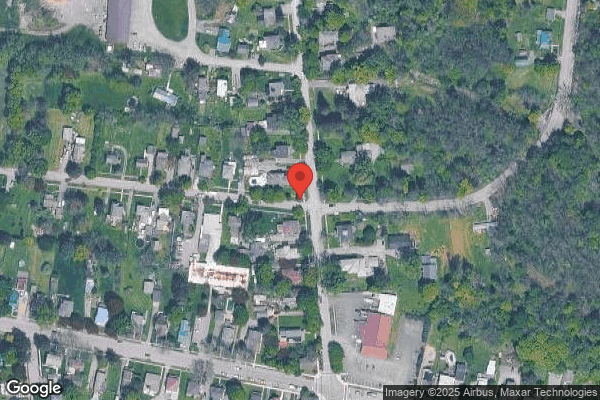

7 KEELER AVENUE, MORAVIA, NY 13118 (315) 497-0440
For profit - Limited Liability company 40 Beds STERN CONSULTANTS Data: November 2025
Trust Grade
60/100
#308 of 594 in NY
Last Inspection: June 2024

Within standard 12-15 month inspection cycle. Federal law requires annual inspections.

Overview

Northwoods Rehab and Nursing Center at Moravia has a Trust Grade of C+, which means it is slightly above average but not exceptional. It ranks #308 out of 594 facilities in New York, placing it in the bottom half statewide, and #3 out of 4 in Cayuga County, indicating there is only one better local option. The facility is on an improving trend, with issues reducing from 7 in 2022 to 6 in 2024, which is a positive sign. However, staffing is a concern, receiving a 1 out of 5 stars rating and a high turnover rate of 64%, significantly above the state average of 40%. There have been no fines, which is encouraging, but RN coverage is lacking, being lower than 95% of facilities in New York, meaning that residents may not receive the level of nursing care needed. Specific incidents noted by inspectors include the failure to assess residents for bed rail entrapment risks and to obtain informed consent before installation, which could pose safety risks. Additionally, some residents did not have comprehensive care plans in place to address their medical needs, and one resident was not assisted with personal grooming, which is essential for maintaining dignity and hygiene. These findings highlight both strengths and weaknesses in the facility, emphasizing the need for families to weigh the improving trend against staffing and care plan deficiencies.

Trust Score
C+
60/100
In New York
#308/594
Bottom 49%
Safety Record
Low Risk
No red flags
Inspections
Getting Better
7 → 6 violations
Staff Stability
⚠ Watch
64% turnover. Above average. Higher turnover means staff may not know residents' routines.
Penalties
✓ Good
No fines on record. Clean compliance history, better than most New York facilities.
Skilled Nurses
⚠ Watch
Each resident gets only 19 minutes of Registered Nurse (RN) attention daily — below average for New York. Fewer RN minutes means fewer trained eyes watching for problems.
Violations
⚠ Watch
15 deficiencies on record. Higher than average. Multiple issues found across inspections.
★★★☆☆
3.0
Overall Rating
★☆☆☆☆
1.0
Staff Levels
★★★☆☆
3.0
Care Quality
★★★★☆
4.0
Inspection Score
Stable
2022: 7 issues
2024: 6 issues

The Good

  • Full Sprinkler Coverage · Fire safety systems throughout facility
  • No fines on record

Facility shows strength in fire safety.

The Bad

3-Star Overall Rating

Near New York average (3.1)

Meets federal standards, typical of most facilities

Staff Turnover: 64%

18pts above New York avg (46%)

Frequent staff changes - ask about care continuity

Chain: STERN CONSULTANTS

Part of a multi-facility chain

Ask about local staffing decisions and management

Staff turnover is elevated (64%)

16 points above New York average of 48%

The Ugly 15 deficiencies on record

Jun 2024 6 deficiencies
CONCERN (D)

Potential for Harm - no one hurt, but risky conditions existed

Comprehensive Care Plan (Tag F0656)

Could have caused harm · This affected 1 resident

**NOTE- TERMS IN BRACKETS HAVE BEEN EDITED TO PROTECT CONFIDENTIALITY** Based on observation, record review, and interview during the recertification survey conducted 6/10/2024 through 6/13/2024, the ...

Read full inspector narrative →
**NOTE- TERMS IN BRACKETS HAVE BEEN EDITED TO PROTECT CONFIDENTIALITY** Based on observation, record review, and interview during the recertification survey conducted 6/10/2024 through 6/13/2024, the facility did not ensure the development and implementation of a comprehensive person-centered care plan for each resident, that includes measurable objectives and timeframes to meet a resident's medical, nursing, and mental and psychosocial needs for 3 of 12 residents (Residents # 6, #9 and # 13) reviewed. Specifically, Resident #6 was not care planned for contractures; and Resident # 9 and Resident #13 were not cared planned for anticoagulant (drug used to prevent blood clots from forming or traveling to vital organs) therapy. Findings Include: The facility policy Comprehensive Care Plan, revised 6/25/2020 documented the facility's care planning/interdisciplinary team, in coordination with the resident, his/her family or representative (sponsor), develops and maintains a comprehensive care plan for each resident that identifies the highest level of functioning the resident may be expected to attain, and that each resident's comprehensive care plan has been designed to Incorporate identified problem areas, and enhance the optimal functioning of the resident by focusing on a rehabilitative program. The facility policy Resident Assessment Instrument documented that a comprehensive assessment of a resident's needs shall be made within fourteen (14) days of the resident's admission. The Assessment Coordinator is responsible for ensuring that the Interdisciplinary Assessment Team conduct timely resident assessments and reviews. The Interdisciplinary Assessment Team must use the Minimum Data Set (MDS) form currently mandated by Federal and State regulations to conduct the resident assessment. The purpose of the assessment is to describe the resident's capability to perform daily life functions and to identify significant impairments in functional capacity. Information derived from the comprehensive assessment helps the staff to plan care that allows the resident to reach his/her highest practicable level of functioning. 1) Resident #6 was admitted to the facility with diagnoses of flaccid hemiplegia (severe or complete loss of functioning on one side of the body) and Type 2 diabetes without complications. The Minimum Data Set, dated [DATE] documented the resident was cognitively intact, required extensive assistance of 2 for bed mobility; was a full Hoyer lift, had an activities of daily living self-care performance deficit related to bilateral amputation of their legs, left hemiparesis (one-sided muscle weakness), required substantial/maximal assistance for most activities of daily living, received no restorative program services, and did not reject care. The 3/16/2021 care plan documented the resident had limited physical mobility and impairment of their left hand related to cerebral vascular accident (stroke). The comprehensive care plan initiated 2/12/2024 documented Resident #6 had an activities of daily living self-care performance deficit related to bilateral left hemiparesis. The care plan did not include interventions to address the resident's left hemiparesis or contractures in their left hand. The 2/12/2024 resident care instructions did not include instructions for passive range of motion, left palm guard or hand splint. The 5/29/2024 at 19:36 PM Physician progress note documented Resident #6 had a past medical history of cerebral vascular accident (a stroke) with left sided hemiparesis (weakness). Resident #6 was observed: -On 6/11/2024 at 1:12 PM, in their room, sitting up in their wheelchair. The resident's left hand was observed to be contracted with their fingers bent at the first knuckle with a bear claw appearance. The resident attempted to open their left hand using their right hand and was not able to. There were no palm guards or hand splint in the resident's left hand. During an observation and interview on 6/11/2024 at 2:58 PM, there were a stack of round, colorful plastic balls on the resident's nightstand. The Resident stated the staff would hand the balls to them and tell them to hold them to keep their left hand open. They would not place a palm guard or splint in their left hand, and they did not attend therapy. The Resident stated they thought they needed therapy. During an observation on 06/13/2024 at 10:18 AM, the resident was lying in the bed watching television and did not have a left palm guard or hand splint applied to their left hand. The 3/14/2021 - 3/19/2021 Occupational Therapy Evaluation documented the resident required skilled occupational therapy services due to complicated medical history, associated musculoskeletal conditions and impairments to multiple areas of the body including left upper extremities. During an interview on 6/12/2024 at 11:13 AM, Certified Nurse Aide #16 stated Resident #6 had a stroke on the left side. As a result, they stated the resident's left hand did not work and the resident's left hand was contracted. Certified Nurse Aide #16 stated the resident's care plan should include information about their contracture, and the [NAME] should have indicated a rolled towel or palm guard for the resident; they couldn't recall this information being included on [NAME] for the resident. During an interview on 6/13/2024 at 10:39 AM, Licensed Practical Nurse #9 stated registered nurses were responsible for development of the care plan when residents were admitted . They stated Resident #6 was dependent on the staff for assistance with most activities of daily living and had a stroke that resulted in left sided weakness. They stated to their knowledge the resident had no contractures and therapy would work with the resident when their mobility decreased. Licensed Practical Nurse #9 stated Resident #6 was at their baseline for restorative therapy. During an interview on 6/13/2024 at10:48 AM, Registered Nurse #8 stated they and registered nurse #5 were responsible for the development of the nursing section of the care plan. They stated that other departments were responsible for creating their section of the care plan; Initial care plans were completed within 24 hours of the resident's admission and modified as needed. They stated if a resident had a contracture, the resident should be care planned for the contracture, and Resident #6 had a contracture of their left hand. Licensed Practical Nurse #8 stated it was important that care planning and interventions be put in place to ensure residents received the care needed. When care planning and interventions are not in place, the staff would not know how to care for residents and residents would not receive the care needed. During an interview on 6/13/24 at 11:00 AM, with Physical Therapist # 14, they stated regarding care planning, they would assess the resident's level of mobility for bed mobility, transfers and ambulation and advise nursing accordingly upon admission and when the resident had a decline in functioning. If a newly admitted resident had a prior history of stroke and left or right sided weakness, they would be care planned for contracture management inclusive of stretching, range of motion exercises and hand splints. Physical Therapist #14 stated they work with a resident's lower body functioning and their hand contracture would be managed by the Occupational Therapist. During an interview on 6/13/2024 at 11:09 AM with Occupational Therapist #15, they stated with new admissions, they would complete an evaluation to determine the level of care needed by a resident and develop a care plan for the needed services. Occupational Therapist #15 stated they educated certified nursing assistants to conduct passive range of motion and stretching on Resident #6, had administered competencies to them and the expectation for Resident #6 was for it to be completed. The certified nursing aides would know how to care for the resident as the information on their care plan carried over to the resident care instructions. Occupational Therapist #15 stated Resident #6 had a contracture of their left hand, and it was not on their care plan. They stated it was their error that it was omitted, and if Resident #6 was not care planned for contracture management of the left hand it would indicate that resident was not receiving the passive range of motion needed. They stated the risk of the resident not being care planned for their left handed contracture could result in a decline in function of their hand, could have developed skin breakdown, had a decline in range of motion, and developed pain associated with the arm/hand being contracted. On 6/13/2024 at 11:46 AM, there were no nurse aide competencies for passive range of motion, hand splints or palm guard application provided as requested. The Administrator stated there were none to provide. 2) Resident #9 had diagnoses including chronic obstructive pulmonary disease (chronic lung disease that blocks airflow) and atrial fibrillation (irregular heartbeat). The 10/16/2023 Minimum Data Set assessment documented the resident had moderately impaired cognition and received an oral anticoagulant (blood thinner) daily. The 9/1/2022 physician order documented the resident was to receive apixaban (blood thinning medication) 2.5 milligram two times per day for atrial fibrillation with no end date. The comprehensive care plan revised on 5/16/2024 did not include interventions for anticoagulant therapy. During an interview on 6/13/2024 at 9:35 AM, Licensed Practical Nurse #12 stated they would look at a resident's care plan to know how to properly care for them. Care plans included specifics like activities of daily living and medications. They passed medications and completed treatments but did not touch care plans. They were unsure how often care plans were reviewed and updated but if they noticed an issue or needed a care plan updated, they would notify the assistant director of nursing, and they would make the changes. They stated if Resident #9 was on an anticoagulant they thought it should have been in their care plan so staff would know what to monitor for. During an interview on 9/13/2024 at 10:13 AM, the Assistant Director of Nursing stated care plans were initiated upon admission and were reviewed/updated quarterly and as needed. The licensed practical nurses did not initiate or update care plans, they would notify them, and they would make the necessary changes. The care instructions were generated from the care plan and would automatically update when changes were made. Care plans were resident specific and would include certain medications like blood pressure medication or anticoagulant medication so staff would know what to monitor for. Resident #9 was on a daily anticoagulant and should have had interventions to monitor for bruising or blood in the urine or stool. If Resident #9 had a fall, it could put them at risk if staff did not know to monitor for bleeding. They stated it was important to keep Resident #9's care plan updated so they could safely care for them. 3) Resident #13 was admitted to the facility with a diagnosis of chronic atrial fibrillation (irregular heartbeat). The 4/13/2024 Minimum Data Set assessment documented the resident was rarely understood and received an oral anticoagulant (a medication that thins the blood) daily. The 2/14/2024 physician order documented Apixaban 5mg (anticoagulant) twice a day for atrial fibrillation with no end date. The comprehensive care plan did not document anticoagulation therapy. The 6/13/2024 resident care instructions did not include monitoring for signs of abnormal bleeding. During an interview on 6/13/2024 at 10:10AM, the Assistant Director of Nursing stated care plans were created on admission, reviewed every 90 days, and modified in between as needed. If a resident was on an anticoagulant there should be a care plan with interventions to monitor for signs of bleeding and those interventions would be carried over to the resident care instructions. They stated it was important to do this as abnormal bleeding would need immediate attention. Initially, they stated Resident #13 was not on an anticoagulant as it had been discontinued. After they checked the orders, they stated they were mistaken, and the resident was on an anticoagulant and should be care planned as such. 10NYCRR 415.11(c)(1)
CONCERN (D) 📢 Someone Reported This

A family member, employee, or ombudsman was alarmed enough to file a formal complaint

Potential for Harm - no one hurt, but risky conditions existed

ADL Care (Tag F0677)

Could have caused harm · This affected 1 resident

Based on observation, record review, and interviews during the recertification and abbreviated (NY00312820) surveys conducted 6/10/2024-6/13/2024, the facility did not ensure residents who were unable...

Read full inspector narrative →
Based on observation, record review, and interviews during the recertification and abbreviated (NY00312820) surveys conducted 6/10/2024-6/13/2024, the facility did not ensure residents who were unable to carry out activities of daily living received the necessary services to maintain grooming and personal hygiene for 1 of 4 residents (Resident #22) reviewed. Specifically, Resident #22 was not assisted with shaving unwanted facial hair. Findings include: The facility policy Activities of Daily Living initiated 1/23/2024 documented residents would be provided with care and services as appropriate to maintain or improve their ability to carry out activities of daily living. Residents who were unable to carry out activities of daily living independently would receive services and appropriate support with elimination, dining, mobility, and hygiene (bathing, dressing, grooming, and oral care). If care or services was refused, the refusal and information would be documented in the resident's clinical record. Resident #22 had diagnoses including alcohol dependence with alcohol- induced persisting dementia, unspecified abnormalities of gait and mobility, and weakness. The 4/2/2024 Minimum Data Set assessment documented the resident was cognitively intact, required set-up or clean-up assistance with personal hygiene, and did not refuse care. The comprehensive care plan revised 1/18/2020 documented the resident had activities of daily living self-care performance deficit. Interventions included encourage the resident to participate to the fullest extent with each interaction, praise all efforts of self-care, was the resident's facial hair shaved, and the resident required set-up assistance with showers, bathing, and personal hygiene. The resident was observed during the following with thick, curly facial hair covering their entire chin, upper lip, and neck: - On 6/10/2024 at 11:52 AM lying in bed. The resident stated they would like their facial hair shaved or trimmed, that staff would not bring in a razor, and if they had a razor, they would do it themselves. - On 6/12/2024 at 10;01 AM lying in bed. They stated they wanted their facial hair shaved because it was making their face itch, staff did not bring in a razor and they did not offer to shave them. The certified nurse aide documentation report documented Resident #22 received set-up or clean-up assistance with personal hygiene during the day shift on 6/10/2024, 6/11/2024, and 6/12/2024. During an interview on 6/13/2024 at 9:24 AM, Certified Nurse Aide #13 stated they looked at a residents' care plan or care instructions daily to know how to properly care for them. Personal hygiene consisted of hair care, face washing, oral care, and shaving or trimming facial hair for both men and women. They were familiar with Resident #22, and they had provided care to them. If they documented they completed personal hygiene it meant they offered and completed the task. If a resident refused care they would document the refusal, notify the licensed practical nurse, and they would reapproach the resident. They stated it was normal for Resident #22 to refuse care, they thought they had offered to shave them, and they did not notify the nurse of any refusals. They stated they had not offered or thought to bring in a razor or set them up to shave. Resident #22 required set-up assistance; if they had known they wanted to shave they would have brought in the appropriate supplies. They stated it was important to ask Resident #22 if they wanted to shave because they had the right to choose and to maintain their dignity. During an interview on 6/13/2024 at 9:35AM, Licensed Practical Nurse #12 stated certified nurse aides were responsible for providing daily care and activities of daily living. Personal hygiene was offered and completed daily for every resident and consisted of bathing, shaving, grooming, and oral care. If a resident refused, the certified nurse aide would notify them, and they would reapproach the resident. If they continued to refuse, they would document the refusal in a progress note. They stated if a resident had a beard or facial hair, they would usually remind the certified nurse aide to shave them even if it was not their shower day. Resident #22 was very particular with their care, they liked to do things on their own, and they were not notified of any refusals. They stated they had noticed Resident #22's facial hair, had not asked the certified nurse aides to shave them, and they had not approached the resident or offered any assistance. They stated it was important to ask Resident #22 if they wanted to shave for their dignity and to make them feel good about their appearance. During an interview on 6/13/2024 at 10:27 AM, the Assistant Director of Nursing stated personal hygiene consisted of bathing, dressing, oral care, nail care, and shaving for both men and women. If the certified nurse aide documented personal hygiene was completed it meant it was offered and the task was fully completed. Shaving was on Resident #22's care instructions, so they expected it to be offered daily even if Resident #22 had a history of refusals. If any resident refused care, the staff would reapproach and then the nurse would write a progress note of what task was refused and why they refused it. They were not notified of any recent refusals for Resident #22 and there were no recent progress notes. They stated it was important to offer and allow Resident #22 to shave for their dignity and sense of wellbeing. 10NYCRR 415.12(a)(3)
CONCERN (D)

Potential for Harm - no one hurt, but risky conditions existed

Deficiency F0761 (Tag F0761)

Could have caused harm · This affected 1 resident

Based on record review and interview during the recertification survey conducted from 6/10/2024-6/13/2/24, the facility did not maintain drugs and biologicals labeled in accordance with currently acce...

Read full inspector narrative →
Based on record review and interview during the recertification survey conducted from 6/10/2024-6/13/2/24, the facility did not maintain drugs and biologicals labeled in accordance with currently accepted professional standards, and include the appropriate accessory and cautionary instructions, and the expiration date when applicable for 1 of 2 medication carts (Side 2) reviewed. Specifically, Side 2 medication cart had three medicated eye drops that were opened and not dated. Findings include: The undated facility policy, Medication Storage, documented that medications would be stored in a manner that maintained the integrity of the product, ensured the safety of the residents and was in accordance with Department of Health guidelines. During an observation on 6/11/2024 at 11:35 AM with Licensed Practical Nurse #12, Side 2 medication cart contained the following medications opened and undated: - erythromycin Ophthalmic Ointment 5 milligrams/gram (antibacterial) - Polyvinyl Alcohol Ophthalmic Solution 1.4% (lubricant) - Timolol Maleate Ophthalmic solution 0.25% for glaucoma (eye disease) During an interview on 6/11/2024 at 11:35AM, Licensed Practical Nurse #12 stated medications should be labeled with the date opened. If an opened medication was not dated, they would discard and order a replacement. Eye drops were usually good for 30 days once opened. If an expired medication was given it might not be at the appropriate dose and be less effective. During an interview on 6/13/2024 at 12:16PM with the Director of Nursing, stated when a medication was opened it should be dated with the open date or the date the medication would expire. Eye drops were good for 30 days from the open date unless otherwise specified. If there was no date on an opened medication, it should be discarded. That was important as expired medications could have less efficacy and cause adverse effects. 10NYCRR 415.18(d)
CONCERN (D) 📢 Someone Reported This

A family member, employee, or ombudsman was alarmed enough to file a formal complaint

Potential for Harm - no one hurt, but risky conditions existed

Deficiency F0804 (Tag F0804)

Could have caused harm · This affected 1 resident

Based on observation, interview and record review during the recertification and abbreviated (NY00312820) surveys conducted 6/10/2024 - 6/13/2024, the facility did not ensure each resident received fo...

Read full inspector narrative →
Based on observation, interview and record review during the recertification and abbreviated (NY00312820) surveys conducted 6/10/2024 - 6/13/2024, the facility did not ensure each resident received food and drink that was palatable, attractive, and at a safe and appetizing temperature for 1 of 1 meal test trays reviewed (6/11/2024 lunch meal). Specifically, the lunch tray included foods that were not palatable or served at safe and appetizing temperatures. Findings include: The facility Policy and Procedure Food Temperatures policy, revised 6/27/2022, documented food stored hot would be kept at 135 degrees Fahrenheit or above. Food in refrigerators would be kept at 41 degrees Fahrenheit or below. Food would be served at palatable temperatures within those guidelines. Temperatures of food items would be checked prior to service to the residents and as frequently as necessary when being stored hot for service. During an interview on 6/10/2024 at 10:03 AM, Resident #3 stated the food served to residents did not have an appetizing taste. Hot foods served were not hot enough and the food got cold before they could eat it. During an observation on 6/11/2024 at 11:59 AM, Resident #3's regular lunch meal was tested, and a replacement was ordered. The cheeseburger on the test tray measured at 112 degrees Farenheit, carrots measured at 111degrees Farenheit, milk measured at 55 degrees Farenheit and the pudding measured at 65 degrees Farenheit. During an interview on 6/11/2024 at 12:05 PM with [NAME] #10, they stated the food served to residents should be hot when it went out like the food from the steam table. They did not know the required temperature ranges of food. During an interview on 6/11/2024 at 2:05 PM, the Administrator, who was also serving as the acting Food Service Director, stated food should be served at 140 degrees Farenheit to residents. They were not sure if there was a policy for palatability of foods. 10NYCRR 415.14(d)(2)
CONCERN (D)

Potential for Harm - no one hurt, but risky conditions existed

Food Safety (Tag F0812)

Could have caused harm · This affected 1 resident

Based on observation, interview and record review during the recertification survey conducted 6/10/2024 -6/13/2024, the facility did not ensure food was stored, prepared, distributed, and served in ac...

Read full inspector narrative →
Based on observation, interview and record review during the recertification survey conducted 6/10/2024 -6/13/2024, the facility did not ensure food was stored, prepared, distributed, and served in accordance with professional standards for food service safety in 1 of 1 main kitchen. Specifically, the floors under the dish machine and the walk-in cooler were unclean with food debris and there was brown liquid spilled on the walk-in cooler floor. Findings include: The 5/14/2024 dietary checklist documented daily tasks to be completed every shift included sweeping the floor, and evening tasks included sweeping and mopping the floor and walk-in cooler. A quarterly deep cleaning schedule documented areas deep cleaned for June 2024 were the dishwasher area, walk-in refrigerator, and stove hood. During an observation on 6/10/2024 at 9:44 AM in the main kitchen, the floors under the dish machine were unclean with food debris. The floors in the walk-in cooler were unclean with food debris and they had a brown liquid spilled on them. Mouse traps were observed on the dry food storage shelves. During an observation on 6/11/2024 at 11:45 AM in the main kitchen, the floor in the walk-in cooler remained soiled with food debris and the brown liquid spill, and the floors under the dish machine and bay 3 remained soiled with food debris. During an interview on 6/11/2024 at 11:46 AM with [NAME] #10, they stated the kitchen staff tried to clean every day and the cooler could use more cleaning. During an interview on 6/11/2024 at 2:05 PM with the Administrator they stated they were the acting Food Service Director until one could be hired; they expected daily cleaning of the floors in the main kitchen and they performed monthly deep cleanings which included the walk-in cooler. 10NYCRR 415.14(h)
MINOR (C)

Minor Issue - procedural, no safety impact

Staffing Information (Tag F0732)

Minor procedural issue · This affected most or all residents

Based on observation and interviews during the recertification survey conducted 6/10/2024-6/13/2024, the facility did not post the following required information on a daily basis: the current resident...

Read full inspector narrative →
Based on observation and interviews during the recertification survey conducted 6/10/2024-6/13/2024, the facility did not post the following required information on a daily basis: the current resident census and the total number and the actual hours worked by licensed and unlicensed nursing staff directly responsible for resident care per shift, in a prominent place readily accessible to residents and visitors for 4 of 4 days reviewed. Specifically, the facility did not post the resident census and nurse staffing information daily, as required. Findings include: The facility did not have a policy on posting daily nurse staffing. The daily resident census and nurse staffing information was not observed in an area that was readily accessible to residents and visitors: - On 6/10/2024 at 9:30 AM. - On 6/11/2024 at 8:05 AM. - On 6/12/2024 at 9:29 AM. - On 6/13/2024 at 8:00 AM. During an interview on 6/13/2024 at 8:34 AM, Nurse Staff Scheduler/Charge Nurse #9 stated they were responsible for the nursing staff schedule. They were not aware daily staffing and census had to be posted in a public area or they would have posted it daily. During an interview on 6/13/2024 at 8:42 AM, the Director of Nursing stated they assisted with the nursing staff schedule. They kept a copy of the staff schedule, but it was not posted anywhere in the facility that was accessible to the public. They were not aware staffing and census had to be posted daily in an area visible to residents and visitors and they would start posting it immediately. 10 NYCRR 415.13
May 2022 7 deficiencies
CONCERN (D)

Potential for Harm - no one hurt, but risky conditions existed

ADL Care (Tag F0677)

Could have caused harm · This affected 1 resident

Based on observation, interview, and record review during the recertification and abbreviated surveys (NY00282267 and NY00292425) conducted 5/23/22-5/25/22, the facility failed to ensure residents who...

Read full inspector narrative →
Based on observation, interview, and record review during the recertification and abbreviated surveys (NY00282267 and NY00292425) conducted 5/23/22-5/25/22, the facility failed to ensure residents who were unable to carry out activities of daily living (ADLs) received the necessary services to maintain good grooming and personal hygiene for 1 of 4 residents (Resident #2). Specifically, Resident #2 was not assisted with shaving as frequently as they preferred. Findings include: The undated facility policy Activities of Daily Living, Supporting, documented residents who were unable to carry out activities of daily living independently would receive the services necessary to maintain good nutrition, grooming, and personal and oral hygiene. Resident #2 had diagnoses including congestive heart failure, depression, and diabetes. The 5/13/22 Minimum Data Set (MDS) assessment documented the resident had moderately impaired cognition, required extensive assistance for bed mobility and personal hygiene, was totally dependent for transfers and locomotion, and did not reject care. The comprehensive care plan (CCP) dated 3/8/22 documented the resident had an ADL self-care deficit related to general weakness. They required assistance from staff and was dependent for personal hygiene tasks. The resident was to be encouraged to use the call bell for assistance and be praised for efforts at self-care. The CCP did not include the resident's preference for facial hair grooming. The care instructions dated 5/25/22 documented the resident was dependent on staff for personal hygiene and was to be bathed/showered on Wednesdays during the day shift and as needed. The instructions did not include the resident's preference for facial hair grooming. The certified nurse aide (CNA) ADL documentation for 5/22/22-5/25/22 documented personal hygiene had been performed with staff assistance every shift. CNA #4 signed as completing hygiene with the resident on 5/24/22. The 5/25/22 day shift had not been filled in as of 3:28 PM. Resident # 2 was observed: - on 5/23/22 at 10:54 AM, lying in bed with gray whisker growth covering their face, approximately 1/4 inch long. The resident stated they were only assisted with shaving on their shower day. They stated they would prefer to shave more frequently, at least every other day. They stated they had not been helped with shaving. - on 5/24/22 at 8:47 AM, lying in bed, unshaven with gray whisker growth approximately 1/4 inch long covering their face. They stated they had not been helped with shaving. - on 5/25/22 at 8:43 AM, lying in bed in a hospital gown with gray whisker growth about 1/4 to 1/2 inch long covering their face. They stated they had not been helped with shaving. At 11:47 AM, lying in their bed in a gown and unshaven. They stated staff offered to shave and help clean them up but had not returned yet. On 5/25/22 at 11:49 AM, during an interview with CNA #4, they stated resident shower days were on a list by the nursing station and on the computer. Residents who needed assistance with shaving should receive help on shower days and when whiskers were seen or if the resident asked. They stated the resident was not on their assignment that day, but the resident was on the shower schedule for this date. They stated they offered the resident assistance with shaving yesterday, and the resident refused. The resident had refused care at times, but there was no specific spot to document in the computer for refusal of shaving. On 5/25/22 at 11:55 AM during an interview with CNA #10, they stated residents were showered weekly. There was a list by the nursing station and in the computer. Residents were shaved on their shower days, or more often if requested. The resident was washed up that morning and needed to be shaved. The resident was on their assignment, and it was their shower day. The resident would be shaved during their shower. The resident liked to be smooth shaven and should be assisted with shaving on shower days, and usually once more during the week. On 5/25/22 at 12:00 PM during an interview with licensed practical nurse (LPN) Unit Manager #6, they stated resident shower days were in the physician orders and in ADL tasks in the computer. The showers were scheduled at least weekly. Residents were shaved with showers and more often if they liked. When a resident had visible whiskers, shaving was offered as needed. The resident had moods where they wanted to be shaved daily, then would refuse. Staff should have offered assistance with shaving more often than shower days. They stated they had not been notified of the resident's refusal of shaving assistance on 5/23/22. On 5/25/22 at 12:05 PM during an interview with the Assistant Director of Nursing (ADON), they stated resident showers were weekly and skin checks, and tasks were put in the computer to correspond with the shower day. Residents were shaved as needed, depending on preference and need. The task should be added to the care plan for increased shaving, and CNAs should document when it was completed. The care plan updates were the responsibility of the ADON. On 5/25/22 at 4:04 PM during an interview with the Director of Nursing, they stated personal hygiene should be done daily in the morning and should include an offer to shave the resident. The care plan should include specific requests for increased frequency of shaving. 10NYCRR 415.12(a)(3)
CONCERN (D)

Potential for Harm - no one hurt, but risky conditions existed

Deficiency F0692 (Tag F0692)

Could have caused harm · This affected 1 resident

Based on observation, record review, and interview during the recertification survey conducted 5/23/22-5/25/22, the facility failed to ensure residents maintained acceptable parameters of nutritional ...

Read full inspector narrative →
Based on observation, record review, and interview during the recertification survey conducted 5/23/22-5/25/22, the facility failed to ensure residents maintained acceptable parameters of nutritional status for 1 of 2 residents (Resident #35) reviewed. Specifically, Resident #35 had a significant weight loss and a recommendation by the registered dietitian (RD) to increase a nutritional supplement was not implemented. Findings include: The facility policy Weight Assessment and Interventions, revised 1/19/22, documented the policy of the facility was to prevent significant unplanned or unavoidable weight loss for the residents. Recommendations from the provider or dietitian would be followed. Liquid nutritional supplements, per facility formulary, may be considered if resident caloric intake remains inadequate to stabilize or increase weight. Resident #35 had diagnoses including dementia, anemia, and hypertension. The 4/30/22 Minimum Data Set (MDS) assessment documented the resident had severe cognitive impairment, required supervision with setup help for eating, weighed 119 pounds (lbs), and had a weight loss of 5% or more in the last month or loss of 10% or more in the last 6 months that was not physician prescribed. A physician order dated 4/12/22 documented Boost VHC (very high calorie, nutritional supplement) two times a day. The resident's weights were documented as follows: - on 1/1/22 133.5 lbs ; - on 3/15/22 122.5 lbs (11.0 lbs/-8.24 % loss from 1/1/22); and - on 5/1/22 118.5 lbs (15 lbs/-11.24 % loss from 1/1). A 5/3/22 RD #18 progress note documented the resident weighed 118.5 pounds and had Boost VHC twice daily (BID) in place as a nutritional supplement. The resident's meal consumption had declined, but the resident was accepting Boost at 100%. The RD recommended to increase Boost 240 ml (milliliters) to three times daily (TID). The comprehensive care plan (CCP), updated 5/3/22, documented the resident had a nutritional problem, with temporal wasting (loss of muscle on the sides of the head) and significant weight loss at 180 days. The RD was to evaluate and make diet change and recommendations as needed (prn). The CCP documented Boost VHC BID was recommended to be changed to Boost VHC 240 ml TID. The 5/4/22 and 5/18/22 nurse practitioner (NP) #14 progress notes did not include documentation of weight loss or recommended supplements. The resident was observed on 5/23/22 at 12:00 PM, sitting with their meal tray near the nursing station. The resident ate 1 bite of their dessert and nothing more of their meal; and at 5:45 PM seated in the unit common area with dinner on a tray table. They were feeding themself and had consumed most of their meal. During an interview with NP #14 on 5/25/22 at 11:31 AM, they stated resident weight loss or gain was usually communicated to them by nursing or dietary. If there was a recommendation, they would be notified in person or by phone. They were aware of the resident's weight loss and would usually document on it. They were not notified of the RD's recommendation to increase Boost and there must have been missed communication between nursing and the NP. During an interview with licensed practical nurse (LPN) Unit Manager #6 on 5/25/22 at 11:40 AM, they stated the RD would send them an e-mail for recommendations for weight loss. LPN Unit Manager #6 stated they had been working on a medication cart on 5/3/22 and must have missed the emailed recommendation for the increase of Boost. During an interview with RD #18 on 5/25/22 at 12:56 PM, they stated they communicated recommendations for weight loss via e-mail to the LPN Unit Manager. The RD was responsible for updating the CCP to reflect the nutritional interventions. The resident had a significant weight loss of 9.9% in 9 days and 11.2 % in 18 days. On 5/3/22 they recommended Boost VHC to be increased to three times daily and had sent an email to LPN Unit Manager #6 on 5/3/22 to request the change. They stated the recommendation must have been missed. 10NYCRR 415.12(i)(1)
CONCERN (D)

Potential for Harm - no one hurt, but risky conditions existed

Deficiency F0804 (Tag F0804)

Could have caused harm · This affected 1 resident

Based on observation and interview during the recertification survey conducted 5/23/22-5/25/22, the facility failed to ensure each resident receives and the facility provides food and drink that is pa...

Read full inspector narrative →
Based on observation and interview during the recertification survey conducted 5/23/22-5/25/22, the facility failed to ensure each resident receives and the facility provides food and drink that is palatable, attractive, and at a safe and appetizing temperature for 1 of 1 meal test trays reviewed (5/25/22 lunch meal). Specifically, the lunch tray included foods that were not palatable or served at safe and appetizing temperatures. Findings include: The facility policy Food Temperatures revised 11/5/21 documented food stored hot will be kept at 135 Fahrenheit (F) or above. Food in refrigerators would be kept at 41 F or below. Temperatures of food items will be checked prior to service to the residents and as frequently as necessary when being stored hot for service. During an interview on 5/23/22 at 12:58 PM Resident #33 stated the facility served a lot of noodles and eggs. They had family bring them food from the outside frequently due to the poor quality of the food. Barbecued chicken was usually boiled chicken with barbecue sauce on the side. Peanut butter and jelly sandwiches hardly had any peanut butter on them. During an observation on 5/25/22 at 12:16 PM, Resident #33's regular lunch meal was tested, and a replacement was ordered. The BBQ rib was measured at 104 F, French fries were measured at 103 F, and a cup of milk was measured at 65 F. The French fries tasted cool and were not fully cooked. The BBQ rib was not flavorful and had a gritty consistency. On 5/25/22 at 12:24 PM, the lunch meal temperatures were measured in the steam table. The BBQ rib measured at 101 F, and the French fries measured at 100 F. When interviewed on 5/25/22 at 12:24 PM, the Food Service Director stated the milk was poured at 11:00 AM from the upright refrigerator out of gallon jugs. The milks were not held on ice prior to setting them up on the cart to be sent to the unit. The food should have been hotter than that and not cold. Manual probe thermometers were used to check temperatures of food, but they had not checked the thermometers for calibration or accuracy. They stated hot food should be 140 F or more and refrigerated food should be below 45 F. The Director was not sure if there was a policy for food temperatures. 10NYCRR 415.14(d)(2)
CONCERN (D)

Potential for Harm - no one hurt, but risky conditions existed

Food Safety (Tag F0812)

Could have caused harm · This affected 1 resident

Based on observation, interview and record review during the recertification survey conducted 5/23/22-5/25/22, the facility failed to ensure food was stored, prepared, distributed, and served in accor...

Read full inspector narrative →
Based on observation, interview and record review during the recertification survey conducted 5/23/22-5/25/22, the facility failed to ensure food was stored, prepared, distributed, and served in accordance with professional standards for food service safety for 1 of 1 main kitchen. Specifically, the floors under the dishwasher and the walk-in cooler in the main kitchen were unclean and black with food debris; the exhaust hood over the stove was dust laden and unclean with grease build up; and there was a bag of frozen raw chicken stored above fully cooked rib and sausage patties. Findings include: The facility policy Sanitation revised 11/5/19 documented all kitchens, kitchen areas, and dining areas should be kept clean, free from litter and rubbish. The Food Services Manager would be responsible for scheduling staff for cleaning of kitchen and dining areas. Food service staff would be trained to maintain cleanliness throughout their work areas during all tasks, and to clean after each task before proceeding to the next assignment. The facility policy Food Temperatures revised 11/5/19 documented food would be stored in accordance with local, state, and federal guidelines. During observations on 5/23/22 at 10:10 AM in the main kitchen, the upright freezer contained two 5 pound (lb) bags of frozen raw chicken breasts stored on the second shelf above bags of frozen fully cooked ribs and sausage. The floors of the walk-in cooler were unclean and black with food debris. The floors under the dish machine were black and unclean with food debris. The kitchen exhaust hood over the stove was dust laden and unclean with grease build up. When interviewed on 5/23/22 at 10:10 AM, the Food Service Director stated the bags of chicken should not have been stored in that manner, and they did not know who stored them that way. The chicken should have been on the bottom under the other food items. The Food Service Director stated the floors had been like that since 3/2022. They had not gotten a chance to clean them yet and they were waiting for less food in the walk-in cooler. There were no cleaning schedules in place, just daily cleaning of floors and counters. They were not sure if the facility cleaned the kitchen hood exhaust vent. There was a vendor that came in and they were not sure how often that was. Staff should have cleaned the vent when needed. When interviewed on 5/25/22 at 11:40 AM, the Food Service Director stated there was no deep cleaning scheduled or in place yet. They wanted to include all floors and the kitchen hood, but they had not yet. They were not sure if there were policies in place for storage of food in refrigerators and freezers. 10NYCRR 415.14(h)
CONCERN (D)

Potential for Harm - no one hurt, but risky conditions existed

Deficiency F0909 (Tag F0909)

Could have caused harm · This affected 1 resident

Based on observation, interview and record review during the recertification survey conducted 5/23/22-5/25/22, the facility failed to conduct regular inspections of all bed frames, mattresses, and bed...

Read full inspector narrative →
Based on observation, interview and record review during the recertification survey conducted 5/23/22-5/25/22, the facility failed to conduct regular inspections of all bed frames, mattresses, and bed rails as part of a regular maintenance program to identify areas of possible entrapment for 1 of 10 resident beds (Resident #24). Specifically, when Resident #24's bed rails were checked for possible zones of entrapment using the Bionex bed entrapment device, the rails failed for zones 1 (within the bedrail) and 2 (top of compressed mattress to bottom of bedrail, between bedrail and supports). Findings include: The facility policy, Bed and Mattress Safety dated 11/5/19 documents mattress fit would not create gaps between bed rails and other parts of the bed that may create a risk of entrapment and/or injury. Bed/side rails would be used as an enabler to assist with and promote independence with bed mobility. In an effort to prevent deaths/injuries form entrapment associated with hospital bed side rails, the Director of Nursing Service, or designee, would work with the Safety Director, or designee, to: a) Inspect all bed frames, bed/side rails, and mattresses quarterly as a part of a regular safety program to identify potential areas of possible entrapment; d) Ensure bed/side rails were properly installed using the manufacturer's instructions regarding proper fit (e.g. avoid bowing, ensure proper distance from the headboard and footboard, etc); and e) Impose additional safety measures for residents who had been identified as high risk for entrapment. Resident #24 had diagnoses including left-sided hemiplegia (paralysis) and a left femur (thigh bone) fracture. The 3/16/22 Minimum Data Set (MDS) assessment documented the resident was cognitively intact and required extensive assistance of 2 for bed mobility and transfers and did not use a bed rail as a restraint. When interviewed on 5/23/22 at 3:00 PM, the Director of Environmental Services stated all beds had the original direct fit OEM (Original Equipment Manufacturer) bedrails on them. There were different bed manufacturers. The resident beds came with bed rails which were left on when set up and all resident beds were currently equipped with bedrails. All beds were equipped with bedrails and could be taken off at the request of staff or residents or if someone had an accident or injury. They stated they were not aware of any zones of entrapment and that was not something that was checked. The bed rails were only removed if requested. They did not check beds for entrapment and did not believe any other staff did. When observed on 5/24/22 at 12:27 PM, Resident #24's bariatric bed (has a higher weight capacity) had bilateral fixed bedrails installed on the bed in the up position when checked for zones of entrapment using the FDA (Food and Drug Administration) approved Bionix bed entrapment device. Both bedrails appeared to have a bent/bow shape and did not have a straight bedrail as compared to other identical make bedrails in the facility. Both zones 1 and 2 failed entrapment testing, allowing the Bionix device to pass through the bed rail at both zones. When interviewed on 5/24/22 at 1:18 PM, the Director of Environmental Services stated the resident's bedrails were bent on the top rail for several years and they did not know how they got that way. They further stated they were not aware of any check being done on bedrails for fit, function or entrapment risk on the beds. To their knowledge nothing with bed rails had been checked and if something like that had been done it would most likely have been by the maintenance department. Beds were tracked and inspected according to manufacture recommendations in the user manual. They stated Resident #24's bed was not the resident's original bed as they came from a different room. Normally the resident was moved rather than breaking down and moving a bariatric bed. If the bent bed rail needed to be straightened, the maintenance department could have fixed it, but nothing had ever been said about the bent bedrail. When interviewed on 5/24/22 at 1:28 PM, licensed practical nurse (LPN) #6 stated they had never noticed the resident's bed rails were bent on the top creating a bow compared to the other rooms that had the same type of bed and bedrail combination. Nursing staff did not check beds for entrapment or any functioning. Staff would only report to the maintenance department if something did not work. 10NYCRR 415.29(b)
CONCERN (E)

Potential for Harm - no one hurt, but risky conditions existed

Deficiency F0700 (Tag F0700)

Could have caused harm · This affected multiple residents

Based on observation, record review and interview during the recertification survey conducted 5/23-5/25/22, the facility failed to assess residents for risk of entrapment from bed rails prior to insta...

Read full inspector narrative →
Based on observation, record review and interview during the recertification survey conducted 5/23-5/25/22, the facility failed to assess residents for risk of entrapment from bed rails prior to installation, review the risks and benefits of bed rails with the resident or resident representative and obtain informed consent for 4 of 12 residents (Residents #4, 9, 24 and 35) reviewed. Specifically, - for Residents 4, 9, 24, and 35 there was no documentation bed rail assessments were completed, no documentation the risks/benefits of bed rails was explained to the resident/representative prior to their implementation, no physician orders for bed rails, and the care instructions and comprehensive care plans (CCP) did not document a plan for bed rail use. - Residents #4 and 35 did not have consent for bed rail use provided by their designated representative. Findings include: The facility policy Emergency Procedure, Seizure Management, revised 8/2018 documented: - During a seizure to remove loose items from around the resident. - If the resident had a seizure in bed to take measures to prevent the resident from falling out of bed and to not leave them unattended. The facility policy Side Rail Assessment, revised 11/5/19, documented: - The use of bed side rails must first be evaluated for their appropriateness in relation to the resident's condition. This evaluation must include a side rail assessment. - The request for half or full bed side rails must be made by the resident and clearly documented in the care plan. The facility must obtain a physician's order which needs to be kept on file in the resident's chart. - The resident must be advised of the risks of bed side rails. - The continued use of bed side rails must be assessed quarterly or more often as necessary. The facility policy Bed and Mattress Safety, revised 11/5/19, documented: - If bed/side rails were used as an enabler, a side rail assessment would be completed to document the clinical rationale for use of the assistive device. - The assessment would be completed upon admission/readmission, quarterly and upon significant change in condition and the use of the bed/side rails would be addressed in the resident's plan of care when applicable. 1) Resident #9 had diagnoses including unspecified paranoid Schizophrenia and epilepsy. The 3/19/22 Minimum Data Set (MDS) assessment documented the resident was cognitively intact and required extensive assistance of 2 for bed mobility and transfers, and they did not use a bed rail restraint. The comprehensive care plan (CCP), dated 3/29/22, documented the resident had a seizure disorder related to epilepsy and was at risk for further injury related to seizures if left alone during an episode. It did not document the resident had bed rails in place. The care instructions, active 5/24/22, did not document the resident had bed rails in place. There was no documentation of a bed rail assessment, no documentation the risks/benefits of bed rails was reviewed with the resident, and no physician order for bed rails documented in the resident's medical record. The resident was observed in bed with bilateral bed rails in the up position. The bed rails were in a fan like shape: - On 5/24/22 at 8:53 AM, sleeping. - On 5/24/22 at 10:53 AM, awake. - On 5/24/22 at 12:54 PM, awake. When interviewed on 5/24/22 at 11:06 AM, the resident stated they used their bed rails to help pull themselves over in the bed when staff provided incontinence care. They did not think the bed rails could be moved up or down. When interviewed on 5/24/22 at 9:30 AM, certified nurse aide (CNA #11) stated they were familiar with Resident #9. They liked to stay in bed. The resident used their bed rails to help roll to their side during care. When interviewed on 5/25/22 at 10:20 AM licensed practical nurse (LPN) #12 stated the required extensive assistance of 1 for most activities of daily living (ADL) and used the bed rails when they rolled over for care. 2) Resident #4 had diagnoses including dementia and Alzheimer's disease. The 2/26/22 Minimum Data Set (MDS) assessment documented the resident had severe cognitive impairment, required supervision of 1 for bed mobility, required supervision with set-up assistance for transfers and they did not use a bed rail restraint. The comprehensive care plan (CCP), initiated 11/19/21, documented the resident had impaired safety awareness related to advanced Alzheimer's disease. It did not document the resident had bed rails in place. The care instructions, active 5/25/22, did not document the resident had bed rails in place. There was no bed rail assessment, consent from a family representative for bed rail use to include the risks and benefits of bed rails, and no physician order for bed rails documented in the resident's medical record. The resident was observed in bed with bilateral bed rails near the head of the bed in the up position: - On 5/23/22 at 10:16 AM and 10:49 AM, asleep. - On 5/25/22 at 10:02 AM, asleep. When interviewed on 5/24/22 at 10:52 AM, certified nurse aide (CNA) #4 stated they were familiar with the resident. They had never seen the resident use their bed rails as the resident was independent with transferring out of bed and ambulating on the unit. The resident had dementia and it was always a possibility the resident could get their arm stuck in the bed rails, but they were not aware of any incidents involving bed rails with the resident. When interviewed on 5/24/22 at 11:04 AM, CNA #2 stated they had never seen the resident use their bed rails for mobility and positioning. 3) Resident #24 had diagnoses including left-sided hemiplegia (paralysis) and a left femur fracture. The 3/16/22 Minimum Data Set (MDS) assessment documented the resident was cognitively intact and required extensive assistance of 2 for bed mobility and transfers, and they did not use a bed rail restraint. The comprehensive care plan (CCP), dated 5/24/22, documented the resident was long-term placement and assistance would be provided for all deficits in activities of daily living (ADLs). It did not document the resident had bed rails in place. The care instructions, active as of 5/24/22, documented the resident had limited physical mobility related to paralysis of the left dominant side. It did not document the resident had bed rails in place. There was no bed rail assessment, no documentation the risks and benefits of bed rails were reviewed, and no physician order for bed rails documented in the resident's electronic medical record. The resident was observed in bed with bilateral, chrome 1/2 bed rails in the up position: - On 5/24/22 at 10:54 AM, asleep. - On 5/24/22 at 11:26 AM, being assisted out of bed with a total mechanical lift. When interviewed on 5/24/22 at 11:26 AM, the resident stated they had always had bed rails. They could not move the bed rails up or down. They used the bed rails to hold onto when the certified nurse aide (CNA) helped wash and dress them. When interviewed on 5/25/22 at 10:12 AM, CNA #3 stated the resident used the bed rails to help hold themselves over during care. When interviewed on 5/25/22 at 10:20 AM, licensed practical nurse (LPN) #12 stated the resident required extensive assistance of 2 for bed mobility and transfers. The resident used the bed rails to hold onto when they were rolled over for care. They did not know if the resident was evaluated for bed rail usage. When interviewed on 5/24/22 at 9:50 AM the Director of Occupational Therapy (OT) stated new admissions receive a full physical therapy (PT), OT and speech therapy assessment. Residents were assessed for wheelchairs and any adaptive equipment. They did not do bed rail assessments. Bed rails were a potential risk for entrapment and residents should be assessed before using them. An evaluation for bed mobility could include the safe use of bed rails but they would need an assessment first. When interviewed on 5/24/22 at 12:42 PM and 5/25/22 at 12:05 PM, the Assistant Director of Nursing (ADON) stated: - they did not have any bed rail assessment forms as they did not have any bed rails in the facility. - They thought only full-length bed rails were considered bed rails that needed assessments, not the small bed rails. - They would have to look at the facility policy to see if there was a policy for the small bed rails. - The small bed rails did not come off the beds. - They thought PT or OT would be the ones to do a bed rail assessments. - The use of bed rails by a resident would depend on their orientation and how mobile they were. - They never saw Resident #4 use their bed rails as they were typically on the move. - Resident #9 used bed rails to roll in bed and follow commands during care. They were aware of one seizure Resident #9 had since they have worked at the facility but no issues with any bed rail incidents. There was the possibility of the resident getting tangled in the bed rails during a seizure. - They never witnessed Resident #24 using their bed rails but believed they could use them on command. - They were not aware of bed rails being discussed with resident representatives. - When residents were admitted , therapy did evaluations, but they did not know if therapy did a formal assessment for bed rails. - If a resident had bed rails, they should have it documented in the CCP. - They were the person at the facility responsible for updating residents CCPs. When interviewed on 5/24/22 at 1:25 PM, the Director of Nursing (DON) stated the facility did not have any residents with bed rails. The residents had grab bars at the top of their beds for positioning. Bed rails go the full length or half the length of the bed. They did not use bed rails due to risk of entrapment or injury. If bed rails were used, they would need a bed rail assessment. Therapy would be responsible for bed rail assessments. Resident #24 had a diagnosis of hemiplegia which could affect their ability to use bed rails. Resident #4 was cognitively impaired and ambulatory so they would probably not benefit from bed rails. Resident #9 had a seizure diagnosis which could increase their risk of bed rail use where they could become entrapped. When interviewed on 5/25/22 at 2:51 PM, physician #13 stated they currently did not have any residents at the facility with bed rail orders. Before writing an order for bed rails a resident should have a bed rail assessment. Therapy should probably be the ones doing the bed rail assessments. They believed the facility thought only full-length rails were considered bed rails and they needed some education on that topic. Without a bed rail assessment all sorts of things could happen to a resident with poor safety awareness such as getting stuck or tangled up in the bed rails. They had never seen Resident #4 use their bed rails; they had advanced dementia and should be referred to therapy regarding the use of bed rails. Resident #9 had a history of seizures but had not had seizures in a long time. They were cognitive and could benefit from bed rails and would need a bed rail assessment. Resident #24 had a left hemiparesis and would benefit from having a bed rail assessment for bed rail use. Any resident with advanced dementia or Alzheimer's disease had an increased safety risk with bed rails and they should have a bed rail assessment first before having bed rails applied to their beds. 10NYCRR 415.12(h)(1)(2)
MINOR (B)

Minor Issue - procedural, no safety impact

Deficiency F0582 (Tag F0582)

Minor procedural issue · This affected multiple residents

Based on record review and interview during the recertification survey conducted 5/23-5/25/22, the facility failed to inform each resident and/or their designated representatives of changes to service...

Read full inspector narrative →
Based on record review and interview during the recertification survey conducted 5/23-5/25/22, the facility failed to inform each resident and/or their designated representatives of changes to services covered by Medicare and potential financial liability for services provided during a non-covered stay for 2 of 3 residents (Residents #15 and 36) reviewed. Specifically, Residents #15 and 36 had facility-initiated discharges from Medicare Part A services when benefit days were not exhausted, remained in the facility, and were not provided with the SNF (Skilled Nursing Facility) ABN (Advanced Beneficiary Notice), Form CMS (Centers for Medicaid and Medicare Services)-10055 as required. Findings include: The facility policy Notice of Non-Coverage dated 7/1/21 documented it was the policy of the facility to give notice of non-coverage to beneficiaries according to federal guidelines. When the facility believed the resident's stay would not be paid for under Medicare, the facility gave notice 48 hours prior to ending services to the resident/Power of Attorney (POA) explaining why and when the services would end. If the SNF provided the beneficiary with either the SNF ABN, or one of the uniform denial letters at the initiation, reduction, or termination of Medicare Part A benefits, the facility had met its obligation to inform the beneficiary of their potential liability for payment and related standard claim appeal rights. A facility must still issue the SNFABN or a denial letter to address liability payment. If after issuing the Notice of Medicare Non-Coverage (NOMNC), the SNF expected the beneficiary to remain in the facility in a non-covered stay, the SNF ABN must be issued to inform the beneficiary of potential liability for the non-covered stay. 1) Resident #15 had diagnoses including encounter for surgical after care and fall. The 5/6/22 Minimum Data Set (MDS) assessment documented it was a SNF PPS (Prospective Payment System) Part A Discharge assessment. The 5/7/22 MDS documented the resident had moderate cognitive impairment. The SNF Beneficiary Protection Notification Review documented the resident started Medicare Part A Skilled Services on 4/1/22 and the resident's last covered day was 5/6/22 due to reaching of functional plateau. The facility documented they initiated the discharge from Medicare Part A services when benefit days were not exhausted. The notification review documented the resident was not provided with form CMS-10055 because the resident did not continue services. 2) Resident #36 had diagnoses including muscle weakness, difficulty walking, and fracture of the lower end of left radius. The 11/19/21 Minimum Data Set (MDS) assessment documented it was a SNF PPS (Prospective Payment System) Part A Discharge assessment. The 11/21/21 MDS documented the resident had moderate cognitive impairment. The SNF Beneficiary Protection Notification Review documented the resident started Medicare Part A Skilled Services on 11/1/21 and the resident's last covered day was 11/19/21. The facility documented they initiated the discharge from Medicare Part A services when benefit days were not exhausted. The notification review documented the resident was not provided with form CMS-10055 because the resident did not continue services. During an interview with Business Office Manager on 5/25/22 at 1:12 PM, they stated they had weekly meetings with therapy to determine who would be finishing services. They would then initiate a NOMNC 2 days prior to therapy's anticipated discharge date . They stated that SNF ABNs were provided to residents who were covered under Medicare Part B services. For Residents #15 and 36, they had plateaued and no longer required therapy services. They stated Residents #15 and 36 were covered under Medicare Part A. They stated they did not provide an ABN because their therapeutic services had ended. The Manager stated they did not know how residents or families would know the cost of services if they were no longer covered under Medicare. The Manager stated that when discussing ABNs, it would be a way for residents and families to know how much it would cost to pay out of pocket. 10NYCRR 415.3(g)(2)(iii)
Sept 2019 2 deficiencies
CONCERN (D)

Potential for Harm - no one hurt, but risky conditions existed

Report Alleged Abuse (Tag F0609)

Could have caused harm · This affected 1 resident

**NOTE- TERMS IN BRACKETS HAVE BEEN EDITED TO PROTECT CONFIDENTIALITY** Based on interview, observations and record review during the recertification survey, the facility did not ensure that all alleg...

Read full inspector narrative →
**NOTE- TERMS IN BRACKETS HAVE BEEN EDITED TO PROTECT CONFIDENTIALITY** Based on interview, observations and record review during the recertification survey, the facility did not ensure that all alleged violations involving abuse, neglect, exploitation or mistreatment were reported to the New York State Department of Health (NYS DOH) for 3 of 3 residents (Residents #9, 10 and 11) reviewed for abuse. Specifically, Resident #9 had physical altercations with Residents #10 and 11 that were not reported to the NYS DOH as required. Findings include: The facility policy Abuse, Mistreatment, Neglect and Misappropriation of Property effective 5/2013 documented it is the policy of the facility to report and investigate all incidents of abuse, mistreatment or neglect. Resident to resident abuse must be reported if one of the following has occurred: there are repeated instances of resident assaultive behavior occurring and the facility has not satisfactorily identified or implemented a plan to intervene; or residents have been physically/mentally harmed by the aggressor. The August 2016 New York State Department of Health (NYS DOH) Nursing Home Incident Reporting Manual documented physical abuse can be resident to resident abuse (refers to an aggressive act, including inappropriate physical contact that is harmful or likely to cause harm). The following element must be present for an incident to be reportable to the NYS DOH: inappropriate physical contact resulting in injury or likely to harm a resident. Resident #9 was admitted to the facility on [DATE] with diagnoses including dementia with behavioral disturbances. The 7/5/19 Minimum Data Set (MDS) assessment documented the resident had severe cognitive impairment, physical behavioral symptoms directed toward others 1-3 days out of 7, wandering behaviors 1-3 days out of 7, and required supervision for walking and locomotion. Resident #9's comprehensive care plan (CCP) revised on 2/27/19 documented the resident exhibited sundowning behaviors of wandering into peers' rooms in the evening and night. Interventions included gentle redirection by staff. The resident had the potential to be physically aggressive related to dementia, poor impulse control, difficult to redirect and was physically aggressive to another resident. Interventions included to intervene when the resident became agitated, before the agitation escalated, guide away from source of distress, engage calmly in conversation, if response is aggressive, staff to walk calmly away and approach later. Resident #10 was admitted to the facility on [DATE] with diagnoses including dementia with behavioral disturbances and chronic pain. The 7/9/19 MDS documented the resident had severely impaired cognition, verbal behavioral symptoms directed toward others 1-3 of the past 7 days and required extensive assistance with most activities of daily living. Potential to be a Victim of Abuse assessments dated 11/9/17 and 9/9/19 documented Resident #10 was at moderate risk to be a victim of abuse. The CCP initiated 8/8/18 documented Resident #10 had the potential to be a victim of abuse related to diagnosis of dementia and potential to annoy peers. Interventions included observe resident's location when calling out and move to a safe, quiet area if peers appear to be annoyed. Resident #11 was admitted to the facility 5/6/15 and had diagnoses including vascular dementia with behavioral disturbance, anxiety disorder and reduced mobility. The 7/9/19 MDS assessment documented the resident required modified independence for daily decision making (some difficulty in new situations only), had no physical or verbal behaviors directed towards others, rejected care 1-3 of 7 days and required supervision with setup help only for bed mobility, transfer and locomotion on and off the unit. A Potential to Abuse Others assessment dated [DATE] documented Resident #11 was at moderate risk to abuse others, had a private room, rarely interacted with his peers, and at times became verbally abusive towards staff. The CCP revised on 9/3/19 documented Resident #11 was at moderate risk to be a victim of abuse related to his rude/threatening verbalizations. Interventions included attempt to redirect other residents from Resident #11 to prevent any negative interaction, if resident was out of his room and behaviors occurred ensure his peers were at a safe distance and report inappropriate behaviors to the registered nurse (RN). A late entry nursing progress note by RN #3 dated 9/2/19 at 1:38 PM documented Resident #9 had an altercation with Resident #11 on 9/1/19. Resident #11 stated Resident #9 entered his room and took his walker. Resident #9 started yelling and swinging her arms at Resident #11. Resident #9 did not have obvious injuries. An incident report initiated by RN #3 on 9/4/19 documented a resident to resident altercation on 9/1/19 in Resident #11's room. Resident #11 reported Resident #9 removed his Velcro stop sign banner from his door and entered his room. Resident #9 grabbed Resident #11's walker. Resident #11 yelled at Resident #9 to give his walker back and Resident #9 began to swing her arms at Resident #11 and struck his right forearm. When he got up to attempt to retrieve his walker he fell to the floor. Resident #11 reported pain to his right knee and had scattered bruising to his right arm. There was no documentation the incident was reported to the NYS DOH as required. A progress note by social worker (SW) #5 on 9/4/19 documented she spoke with Resident #11 regarding the 9/1/19 incident with Resident #9 and she would follow-up with Resident #11 for negative psycho-social effects. There were no further SW notes documenting follow-up. A nursing progress note by licensed practical nurse (LPN) #1 dated 9/7/19 at 6:20 PM documented Resident #9 was wandering in the dining room, removing trays from tables. When LPN #1 and LPN #2 tried to redirect Resident #9 back to her own dinner area, the resident came behind Resident #10 and attempted to pull Resident #10 away from the table in her wheelchair. Both residents began yelling. Resident #9 then struck LPN #1 twice and struck Resident #10 on the head. Resident #9 was removed from the dining room to the lobby. The RN, physician on call, family member and Director of Nursing (DON) were notified of the incident. Both residents were observed and kept apart from each other the rest of the shift. An incident report dated 9/7/19 at 6:11 PM documented Resident #10 was eating dinner in the dining room when Resident #9 walked up behind her and tried to maneuver Resident #10's wheelchair away from the table. Nursing staff attempted to redirect Resident #9. The attempted redirection agitated Resident #9 resulting in Resident #9 hitting the nurse twice. Resident #9 then hit Resident #10 in the back of the head. The nurse was then able to redirect Resident #9 out of the dining room. Both residents were observed and kept separate the rest of the shift. No injuries were observed at the time of the incident. There was no documentation the incident was reported to the NYS DOH as required. Resident #9 was observed walking throughout the hallways independently from 9/18-9/20/19. On 9/18/19 at 12:30 PM and at 12:38 PM the resident entered another female resident's room and was redirected by staff. On 9/19/19 at 2 :12 PM Resident #9 was observed ambulating into a male resident's room and was redirected by staff. During an interview on 9/18/19 at 2:01 PM Resident #11 stated the bruises on his right arm were caused by Resident #9 when she came into his room last week, tried to take his walker and swung at him. He stated his room had a Velcro door guard but Resident #9 was able to remove it. On 9/19/19 at 1:49 PM Resident #9 was observed removing Resident #11's Velcro door guard. The unit secretary redirected Resident #9 back to her room. Resident #11 shouted, See, this is what I have to put up with! What are you going to do about it?. During an interview with the Administrator on 9/19/19 at 4:39 PM she stated the incident report for the altercation between Residents #9 and 11 on 9/1/19 was still in progress. RN #3 initiated the incident report and the Administrator stated she would have to check with her to see what the status of the report was. She could not remember why the incident, a resident to resident altercation, was not reported to NYS DOH. At 4:45 PM she provided an incident summary dated 9/4/19 by RN Nurse Manager #3. During an interview on 9/20/19 at 12:02 PM LPN #2 stated Residents #9 and #10 had an altercation on 9/7/19 during the dinner meal. She stated she was feeding a resident at a table when Resident #9 came up and tried to move Resident #10's wheelchair from the table. Resident #9 became agitated and hit the other nurse and swatted Resident #10 in the back of her head. She stated she was able to then redirect Resident #9 and no one was injured. There were no RNs on duty at that time, but she stated she did call the RN on call, the physician and the family. She was not responsible for reporting incidents to the NYS DOH. During a telephone interview on 9/20/19 at 10:50 AM with RN #3 she stated she was on call 9/1/19 when the facility called her regarding the incident between Residents #9 and 11. She came in on 9/2/19 for a few hours and interviewed Resident #11. He yelled at Resident #9 and she started swinging at him. An assessment on Resident #11 revealed scattered bruising on his right arm. It was difficult to determine if the bruising was from a fall or from Resident #9 hitting him. An assessment was done on Resident #9 and she had no bruising. Resident #9 required a lot of staff redirection, 15-minute checks and Velcro door guards. The assessments on Residents #9 and 11 were documented in a progress note then an in-house investigation was started. A completed investigation would normally go to the Administrator or the DON, but she got behind in her documentation. She did not know this incident needed to be reported to NYS DOH, and she did not have access to the website to report incidents to NYS DOH. During an interview on 09/20/19 at 12:28 PM with LPN #1 she stated she was sitting at a dining room table feeding residents with Resident #10 to her right. Resident #9 got up and brought a tray to me. She tried to get her to go back to her spot. Resident #9's chair was back-to-back with Resident #10's wheelchair. Resident #9 tried to move Resident #10 away from the table. LPN #2 redirected Resident #9 and Resident #9 got angry and she hit LPN #1 on top of the head twice, then hit Resident #10 on the head with an open hand. She stated she started the incident report, called the administrator and called the resident's family. She stated she was not responsible for reporting incidents to the NYS DOH. During an interview on 09/20/19 at 1:44 PM the Director of Social Work stated the Administrator was the Abuse Prevention Coordinator. She stated she was not involved in accidents and incidents or reporting, and incidents were discussed in the morning meeting. During an interview with the Administrator on 9/20/19 at 2:07 PM she stated incident reports were brought to the morning meeting the following day or on Mondays if the incident occurred over the weekend. She stated staff called her on Sunday 9/1/19 when there was an incident between Residents #9 and 11. RN #3 had taken the lead in completing investigations, but she did not have access to the website to report incidents to NYS DOH. She stated the incident between Residents #9 and 11 should have been reported to NYS DOH and was not. She stated she was not aware of the incident when Resident #9 hit Resident #10 as she thought it was only a resident to staff altercation and not resident to resident. She stated had she known it was a resident to resident physical altercation she would have reported it to the NYS DOH. 10NYCRR 415.4(b)(2)(3)
MINOR (C)

Minor Issue - procedural, no safety impact

Infection Control (Tag F0880)

Minor procedural issue · This affected most or all residents

Based on observation, record review and interview during the recertification survey, the facility did not ensure that all laundry is handled, stored, processed and transported in a safe and sanitary m...

Read full inspector narrative →
Based on observation, record review and interview during the recertification survey, the facility did not ensure that all laundry is handled, stored, processed and transported in a safe and sanitary method to help prevent the development and transmission of communicable diseases and infections for all 32 residents of the facility. Specifically, the laundry room workflow did not prevent cross-contamination of dirty and clean laundry. Findings include: The facility policy Processing of Used Linen revised 5/6/14, documented procedure #2 as soiled laundry is placed as near the washing machine as possible, staff uses the appropriate protective equipment including gloves, gowns, or masks. If the laundry originates in a room where the resident was on isolation that laundry is washed separately initially then washed a second time. During an observation on 9/19/19 at 1:45 PM, the laundry area was accessed in the basement via exterior cement steps. The flow from the entrance of the laundry area was: washer, dryer, washer, dryer, and a utility sink. This flow provided the opportunity for cross-contamination from soiled to clean laundry. There were no protective gowns and no hand wash sink available for staff use in the laundry room. In addition, there were wire hangers hooked on the edge of the utility sink. During an interview on 9/19/19 at 1:56 PM, the Director of Environmental Services stated he was in charge of housekeeping and laundry. When he was hired, staff continued doing laundry the way it was done before he was hired. He was not aware that there should be a clear flow from soiled to clean. Once cleaned, laundry was placed in clear plastic bags and brought back to the resident floor. All laundry was washed and dried using the facility washers and dryers. During an interview on 9/19/19 at 3:00 PM, the Administrator stated soiled and clean items should not to cross into each other's space. Staff should take heavily soiled laundry directly to the utility sink. Using the proper personal protective equipment (PPE) they should rinse the soiled contamination from the laundry. The laundry would then go to the washer and the flow from soiled to clean could be acceptable. She stated the basement laundry area did not have a perfect infection control setup. During an interview on 9/19/19 at 4:29 PM, housekeeping/laundry worker #4 stated if a soiled item was found in the basement laundry area, the utility sink could be used to rinse contaminants off the item. Laundry would enter the dirty side, get washed, and then flow to a table on the clean section. The laundry would then be folded and brought back to the floor. The current flow was acceptable, and the only thing missing was another door so the flow for clean linen/clothing could be better. The basement laundry flow would be better if the flow went from utility sink to the two washers and then to the two dryers. Sometimes a resident may have Clostridium difficile (C-diff, a bacterial infection in stool) or some other infection and she would wear personal protective equipment (PPE) when doing that laundry. She last wore PPE approximately 6 months ago. Spare gowns/gloves were stored in the laundry room gray cabinet. She has only received on-the-job training for infection control cross-contamination. She had not received education on policy regarding soiled materials in the laundry area. 10NYCRR 415.19(4)(c)
Understanding Severity Codes (click to expand)
Life-Threatening (Immediate Jeopardy)
J - Isolated K - Pattern L - Widespread
Actual Harm
G - Isolated H - Pattern I - Widespread
Potential for Harm
D - Isolated E - Pattern F - Widespread
No Harm (Minor)
A - Isolated B - Pattern C - Widespread

Questions to Ask on Your Visit

  • "Why is there high staff turnover? How do you retain staff?"
  • "Can I speak with families of current residents?"
  • "What's your RN coverage like on weekends and overnight?"

Our Honest Assessment

Strengths
  • • No major safety red flags. No abuse findings, life-threatening violations, or SFF status.
  • • No fines on record. Clean compliance history, better than most New York facilities.
Concerns
  • • 15 deficiencies on record. Higher than average. Multiple issues found across inspections.
  • • 64% turnover. Above average. Higher turnover means staff may not know residents' routines.
Bottom line: Mixed indicators with Trust Score of 60/100. Visit in person and ask pointed questions.

About This Facility

What is Northwoods Rehab And Nursing Center At Moravia's CMS Rating?

CMS assigns NORTHWOODS REHAB AND NURSING CENTER AT MORAVIA an overall rating of 3 out of 5 stars, which is considered average nationally. Within New York, this rating places the facility higher than 0% of the state's 100 nursing homes. This mid-range rating indicates the facility meets federal standards but may have areas for improvement.
How is Northwoods Rehab And Nursing Center At Moravia Staffed?

CMS rates NORTHWOODS REHAB AND NURSING CENTER AT MORAVIA's staffing level at 1 out of 5 stars, which is much below average compared to other nursing homes. Staff turnover is 64%, which is 18 percentage points above the New York average of 46%. High turnover can affect care consistency as new staff learn residents' individual needs.

What Have Inspectors Found at Northwoods Rehab And Nursing Center At Moravia?

State health inspectors documented 15 deficiencies at NORTHWOODS REHAB AND NURSING CENTER AT MORAVIA during 2019 to 2024. These included: 12 with potential for harm and 3 minor or isolated issues.
Who Owns and Operates Northwoods Rehab And Nursing Center At Moravia?

NORTHWOODS REHAB AND NURSING CENTER AT MORAVIA is owned by a for-profit company. For-profit facilities operate as businesses with obligations to shareholders or private owners. The facility is operated by STERN CONSULTANTS, a chain that manages multiple nursing homes. With 40 certified beds and approximately 35 residents (about 88% occupancy), it is a smaller facility located in MORAVIA, New York.

How Does Northwoods Rehab And Nursing Center At Moravia Compare to Other New York Nursing Homes?

Compared to the 100 nursing homes in New York, NORTHWOODS REHAB AND NURSING CENTER AT MORAVIA's overall rating (3 stars) is below the state average of 3.1, staff turnover (64%) is significantly higher than the state average of 46%, and health inspection rating (4 stars) is above the national benchmark.

What Should Families Ask When Visiting Northwoods Rehab And Nursing Center At Moravia?

Based on this facility's data, families visiting should ask: "How do you ensure continuity of care given staff turnover, and what is your staff retention strategy?" "Can you walk me through typical staffing levels on day, evening, and night shifts?" "Can I visit during a mealtime to observe dining assistance and food quality?" "How do you handle medical emergencies, and what is your hospital transfer rate?" These questions are particularly relevant given the facility's high staff turnover rate and the below-average staffing rating.

Is Northwoods Rehab And Nursing Center At Moravia Safe?

Based on CMS inspection data, NORTHWOODS REHAB AND NURSING CENTER AT MORAVIA has a clean safety record: no substantiated abuse findings (meaning no confirmed cases of resident harm), no Immediate Jeopardy citations (the most serious violation level indicating risk of serious injury or death), and is not on the Special Focus Facility watch list (a federal program monitoring the lowest-performing 1% of nursing homes). The facility has a 3-star overall rating and ranks #100 of 100 nursing homes in New York. While no facility is perfect, families should still ask about staff-to-resident ratios and recent inspection results during their visit.

Do Nurses at Northwoods Rehab And Nursing Center At Moravia Stick Around?

Staff turnover at NORTHWOODS REHAB AND NURSING CENTER AT MORAVIA is high. At 64%, the facility is 18 percentage points above the New York average of 46%. High turnover means new staff may not know residents' individual needs, medications, or preferences. It can also be disorienting for residents, especially those with dementia who rely on familiar faces. Families should ask: What is causing the turnover? What retention programs are in place? How do you ensure care continuity during staff transitions?

Was Northwoods Rehab And Nursing Center At Moravia Ever Fined?

NORTHWOODS REHAB AND NURSING CENTER AT MORAVIA has no federal fines on record. CMS issues fines when nursing homes fail to meet care standards or don't correct problems found during inspections. The absence of fines suggests the facility has either maintained compliance or corrected any issues before penalties were assessed. This is a positive indicator, though families should still review recent inspection reports for the full picture.

Is Northwoods Rehab And Nursing Center At Moravia on Any Federal Watch List?

NORTHWOODS REHAB AND NURSING CENTER AT MORAVIA is not on any federal watch list. The most significant is the Special Focus Facility (SFF) program, which identifies the bottom 1% of nursing homes nationally based on persistent, serious quality problems. Not being on this list means the facility has avoided the pattern of deficiencies that triggers enhanced federal oversight. This is a positive indicator, though families should still review the facility's inspection history directly.