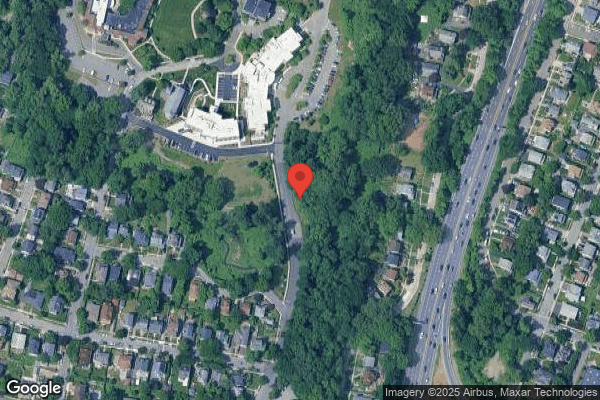
The Wartburg Home

1 Wartburg Place, MOUNT VERNON, NY 10552 (914) 699-0800
Non profit - Corporation 210 Beds Independent Data: November 2025
Trust Grade
88/100
#122 of 594 in NY
Last Inspection: June 2023

Over 2 years since last inspection. Current conditions may differ from available data.

Overview

The Wartburg Home in Mount Vernon, New York, has a Trust Grade of B+, which means it is recommended and above average. With a state rank of #122 out of 594 facilities, it is in the top half of nursing homes in New York, and ranks #9 of 42 in Westchester County, indicating only a few local options are better. The facility is improving, as it saw a decrease in issues from four in 2023 to just one in 2024. Staffing is a strong point, rated at 5 out of 5 stars with a turnover rate of 30%, which is below the state average, suggesting experienced staff who are familiar with the residents. However, there were some concerns noted: the facility failed to notify residents about their bed hold policy when they were hospitalized, and eight out of ten certified nurse aides did not complete the required training for dementia care and resident abuse prevention, which could impact the quality of care provided.

Trust Score
B+
88/100
In New York
#122/594
Top 20%
Safety Record
Low Risk
No red flags
Inspections
Getting Better
4 → 1 violations
Staff Stability
✓ Good
30% annual turnover. Excellent stability, 18 points below New York's 48% average. Staff who stay learn residents' needs.
Penalties
✓ Good
No fines on record. Clean compliance history, better than most New York facilities.
Skilled Nurses
✓ Good
Each resident gets 61 minutes of Registered Nurse (RN) attention daily — more than 97% of New York nursing homes. RNs are the most trained staff who catch health problems before they become serious.
Violations
⚠ Watch
17 deficiencies on record. Higher than average. Multiple issues found across inspections.
★★★★★
5.0
Overall Rating
★★★★★
5.0
Staff Levels
★★★★★
5.0
Care Quality
★★★☆☆
3.0
Inspection Score
Stable
2023: 4 issues
2024: 1 issues

The Good

  • 5-Star Staffing Rating · Excellent nurse staffing levels
  • 5-Star Quality Measures · Strong clinical quality outcomes
  • Low Staff Turnover (30%) · Staff stability means consistent care
  • Full Sprinkler Coverage · Fire safety systems throughout facility
  • No fines on record
  • Staff turnover is low (30%)

    18 points below New York average of 48%

Facility shows strength in staffing levels, quality measures, staff retention, fire safety.

The Bad

No Significant Concerns Identified

This facility shows no red flags. Among New York's 100 nursing homes, only 1% achieve this.

The Ugly 17 deficiencies on record

Jan 2024 1 deficiency
CONCERN (D) 📢 Someone Reported This

A family member, employee, or ombudsman was alarmed enough to file a formal complaint

Potential for Harm - no one hurt, but risky conditions existed

Grievances (Tag F0585)

Could have caused harm · This affected 1 resident

**NOTE- TERMS IN BRACKETS HAVE BEEN EDITED TO PROTECT CONFIDENTIALITY** Based on record review, and interviews conducted during an abbreviated survey (NY00327590), the facility did not ensure prompt e...

Read full inspector narrative →
**NOTE- TERMS IN BRACKETS HAVE BEEN EDITED TO PROTECT CONFIDENTIALITY** Based on record review, and interviews conducted during an abbreviated survey (NY00327590), the facility did not ensure prompt efforts were made to resolve a resident's grievance. Specifically, Resident #1's Family Representative (FR) complained to the facility on [DATE] regarding incontinence care and bathroom ambulation needs not being rendered. There was no evidence that a grievance form was initiated and completed in accordance with the facility policy and there was no documented evidence that the complaints were addressed. The findings are: A review of the facility's grievance policy, titled Grievance Policy, dated 8/16/2017 stated each resident has the right to voice grievance. Such grievances include those with respect to care and treatment which has been furnished, as well as that which has not been furnished, the behavior of staff, and other concerns regarding their Long-Term Care (LTC) facility stay. The voice grievance is not limited to formal, written but may include a resident's verbal complaint to a staff. The grievance official (identified as the administrator on interview) is responsible for overseeing the grievance process, leading any necessary investigation, tracking grievance through their conclusions, and notifying the resident/family of the outcome. The facility will provide information about procedures to file a grievance during admission, readmission, and the care planning process. Resident # 1 had diagnoses that included stroke, traumatic brain injury, primary generalized arthritis, osteoporosis. The admission Minimum Data Set (MDS, an assessment tool) dated 10/24/2023 documented that the resident had a Brief Interview for Mental Status (BIMS, used to determine attention, orientation, and ability to recall information) score of 12 denoting moderate cognitive impairment. No documented issues with mood; occasional incontinence of the bowel and bladder. Activities of Daily Living (ADL) needs partial assistance for mobility and toileting, and dependent care (the helper does all the work) for personal hygiene, bathing and dressing. Review of the facility nursing progress note dated 11/4/2023 by Staff #4(Licensed Practical Nurse) at 3:03 PM documented the Resident #1's Family Representative (FR) at approximately 1:10 p.m. confronted Staff #4 and asked if Resident #1 was showered and why the resident was being told by Staff #2 to urinate in their diaper. Staff #4 documented the FR referred to the staff members (Staff # 2 and Staff #4) by an offensive name. FR informed Staff #4 that they do not want Staff #2 to care for their mother again. Staff # 4 documented the incident and referred the incident to Staff #7 (Director of Nursing (DON) and nurse manager. During an interview conducted with Staff #5(Social Worker) on 01/10/2024 at 1:45 pm, Staff #5 stated there was no grievance or complaint filed for Resident #1 despite the FR verbalizing concern about toileting and incontinent care which was also mentioned during the care plan meeting on 11/07/2023. The FR complaint was not documented in the care plan notes. Staff #5 stated the grievance complaint procedure is posted in the facility, and the FR was also a Social Worker. During an interview conducted with the Administrator on 1/10/2024 at 4:09 pm, the administrator stated verbal complaints should be written down or emailed. If Staff #5 received a complaint and informed Staff #7(Director of Nursing), they should have completed a grievance form or Staff # 7 should have asked Staff #5 to complete one. Once the form is completed, the complaint will be investigated by the Staff #5 and administration. During an interview conducted with the Staff #7(Director of Nursing) on 01/16/1024 at 10:55 am, Staff #7 stated they did not file a grievance because the problem was addressed immediately and did not need a grievance because there was no harm. During an interview with the FR on 01/16/2024 at 1:37 p.m., FR stated no one told them about the grievance process, and they were not aware of the grievance information posted. Staff #7 told them the concerns would be addressed with reeducation; no other information was provided to them. 10NYCRR 415.3(d)(1)(ii)
Jun 2023 4 deficiencies
CONCERN (D)

Potential for Harm - no one hurt, but risky conditions existed

Deficiency F0655 (Tag F0655)

Could have caused harm · This affected 1 resident

**NOTE- TERMS IN BRACKETS HAVE BEEN EDITED TO PROTECT CONFIDENTIALITY** Based on interview and record review during a recertification survey conducted 6/13/23-6/20/23, the facility did not ensure that...

Read full inspector narrative →
**NOTE- TERMS IN BRACKETS HAVE BEEN EDITED TO PROTECT CONFIDENTIALITY** Based on interview and record review during a recertification survey conducted 6/13/23-6/20/23, the facility did not ensure that baseline care plans were initiated for 2 of 5 residents reviewed for unnecessary medications. Specifically, Residents #46 and 17 were prescribed anticoagulation medications by the physician, and there were no care plans initiated within 48 hours of admission. The findings are: The Policy and Procedure titled Baseline Care Plan Policy revised 11/28/2017 documented the facility will develop and implement a baseline care plan within 48 hours of admission which provides instructions for care of the resident, increases resident safety, and safeguards against adverse effects. 1. Resident #46 was admitted on [DATE] with diagnoses including orthopedic aftercare, lung cancer and acute embolism/deep vein thrombosis in the lower extremity, The 6/3/23 admission Minimum Data Set (MDS, a resident assessment tool) documented the resident received anticoagulant medication for the past 7 days. The 5/27/23 physician's order documented Enoxaparin (a blood thinner) 30 milligrams (mg)/0.3 millileter (ml) by subcutaneous syringe every 12 hours for acute embolism and deep vein thromosis of the distal lower extremity. There was no documented evidence in the 5/27/23 baseline care plan to address the risk of bleeding and/or use of anticoagulants. During an interview on 6/20/2023 at 12:45 PM Registered Nurse Unit Manager (RNUM) #2 stated there was no such care plan documented. RNUM #2 stated the registered nurse who completed the resident's admission assessment was responsible for addressing all minimum health care information to properly care for the immediate needs of the residents. RNUM #2 stated a care plan should have been initiated to address the resident's risk of bleeding on the prescribed anticoagulant medication. 2. Resident #17 was admitted to facility on 2/16/23 with diagnoses including hip fracture, hypertension, and diabetes. TheQuarterly Minimum Data Set (MDS) dated [DATE] documented the resident received anticoagulant medication for the past 7 days. The admission physician's order dated 2/16/23 documented Eliquis (a blood thinner) 5 mg, give 1 tablet by oral route 2 times a day, for hypertension. There was no documented evidence in the undated baseline care plan to address the use of anticoagulants. During an interview on 6/20/23 at 12:24 PM Registered Nurse Unit Manager (RNUM) #2 stated the registered nurse supervisors are responsible for auditing the charts to ensure care plans are completed. RNUM #2 stated they did not know why the baseline care plan did not include the use of anticoagulants. During an interview on 6/20/2023 at 1:15 PM, the Director of Nursing (DON) stated that baseline care plans should be completed on or shortly after admission either by the admissions nurse or by the registered nurse on the next shift. The DON stated that care plans should be created within 48 hours with all minimum health care information to properly care for the immediate needs of the residents, including risk of bleeding for residents on blood thinners. 415.11 (c)
CONCERN (D)

Potential for Harm - no one hurt, but risky conditions existed

Pressure Ulcer Prevention (Tag F0686)

Could have caused harm · This affected 1 resident

Based on record review and interview during a recertification survey conducted 6/13/23-6/20/23, the facility did not ensure that 1 of 3 residents (#17), reviewed for pressure ulcer, was provided the a...

Read full inspector narrative →
Based on record review and interview during a recertification survey conducted 6/13/23-6/20/23, the facility did not ensure that 1 of 3 residents (#17), reviewed for pressure ulcer, was provided the appropriate care to prevent the development of a pressure ulcer. Specifically, there were no physician ordered skin checks/monitoring for Resident # 17 with a left knee immobilizer and the resident developed a pressure ulcer. The findings are: The policy and procedure titled Pressure Ulcer Prevention revised 12/29/22 documented it is the policy that all residents shall be provided with consistent, comprehensive, interdisciplinary care focused on the prevention of pressure ulcers. Resident #17 had diagnoses including diabetes, hip fracture, and unspecified fracture to lower end of left femur. The 2/16/23 hospital transfer summary documented Resident #17 was non weight bearing to the left lower leg and wore a knee immobilizer. The 2/17/23 physical therapy (PT) evaluation documented the resident was admitted after a fall at home. It further documented resident was non weight bearing to left lower extremity. As per discharge instructions the resident was to wear the knee immobilizer when out of bed for the next 6 weeks. The immobilizer was not necessary during hygiene, skin checks and when the patient was asleep. The 5/16/23 nursing note documented, during activities of daily living (ADL) care the assigned certified nurse aide (CNA) showed the nurse the resident's left leg ecchymotic area noted under the left knee and under the ankle. The Nurse Manager was notified for further evaluation. The 5/16/23 incident report documented the resident was informed only to remove immobilizer when showering. The 5/17/23 nursing note (late entry) documented an accident/incident. The resident was noted with multiple ecchymotic areas to the left lower extremity (LLE) (left popliteal, left inner ankle, left heel). The physician was on the unit and an assessment was completed with CNA and licensed practical nurse (LPN). As per resident I had my immobilizer on the entire time, I haven't ever seen that. The physician ordered a wound consult and dry protective dressing. The 5/18/23 wound note documented wound to left posterior calf was a traumatic wound and measured 6 centimeters (cm) length x 6 cm width with no measurable depth. A small amount of serous drainage was noted which had no odor. The 5/18/23 late entry pressure ulcer care plan documented the resident was seen by the wound care physician for lower leg extremity calf trauma/hematoma, that measures 6.0 cm x 6.0 cm and light serous exudate (drainage). There was no documented evidence prior to 5/22/23 for physician orders addressing the use of and care of the left knee immobilizer for Resident #17. There was no documented evidence in the EMR for a care plan addressing the use of and care of the left knee immobilizer. There was no documented evidence in the EMR addressing the residents refusal to remove the immobilizer. During an interview on 6/20/23 at 12:32 PM Registered Nurse Unit Manager (RNUM) #2 stated the resident had an immobilizer that needed to be worn and the resident was resistant to staff performing hygiene care to the residents leg. RNUM #2 was asked for notes about Resident #17 refusing to remove the immobilizer and RNUM #2 stated they were unable to produce any notes. RNUM #2 stated the resident was more comfortable and felt more secure with the brace on. RNUM #2 stated the resident's left calf wound was caused by friction from not removing the immobilizer. RNUM #2 stated there were no previous orders for the bracer immobilizer prior to 5/22/23. During an interview with certified nurse aide (CNA) #1 on 6/20/23 at 1:56 PM, CNA #1 stated the resident was admitted with the immobilizer. CNA #1 stated the resident would refuse removing the immobilizer and CNA #1 would inform the nurse when this happened. CNA #1 stated that they did not document in the CNA accountability record that the resident refused removing the immobilizer. 415.12(c)(1)(2)
CONCERN (E) 📢 Someone Reported This

A family member, employee, or ombudsman was alarmed enough to file a formal complaint

Potential for Harm - no one hurt, but risky conditions existed

Deficiency F0625 (Tag F0625)

Could have caused harm · This affected multiple residents

**NOTE- TERMS IN BRACKETS HAVE BEEN EDITED TO PROTECT CONFIDENTIALITY** Based on record reviews and interviews during the recertification and abbreviated surveys (NY00306039) 6/13/23 to 6/20/23, the f...

Read full inspector narrative →
**NOTE- TERMS IN BRACKETS HAVE BEEN EDITED TO PROTECT CONFIDENTIALITY** Based on record reviews and interviews during the recertification and abbreviated surveys (NY00306039) 6/13/23 to 6/20/23, the facility did not ensure that residents or resident's representatives were notified in writing of the facility Bed Hold Policy for 4 of 5 residents reviewed for hospitalization. Specifically, Residents #257, #103, #74, and #97. were transferred to the hospital and the facility did not provide evidence that a written notice of the facility Bed Hold Policy was given to the residents or representatives. Findings include: The facility Policy and Procedure, titled Bed Hold and Return to Facility, revised 6/1/19, documented the facility would provide written information about the bed hold duration and payment amount before transfer to the hospital or therapeutic leave. 1. Resident #257 was readmitted to the facility with diagnoses including left femur fracture, fall, and post procedural pain. The 4/15/22 Significant Change Minimum Data Set (MDS, an assessment tool) documented the resident had severe cognitive impairment. The Hospital Transfer sheet dated 10/13/22 documented the resident was transferred to the hospital on [DATE]. 2. Resident #103 was re-admitted [DATE] to the facility with diagnoses including chronic obstructive pulmonary disease, chronic respiratory failure with hypoxia, and dementia. The 4/16/23 MDS 5-day assessment documented the resident had severe cognitive impairment. The 4/17/23 nursing progress note documented Resident # 106 was hospitalized on [DATE]. 3. Resident #74 was admitted with diagnoses including dysphagia, hypertension and peptic ulcer disease. The 5/8/23 MDS documented severely impaired cognition. The 4/27/23 physician note documented Resident # 74 was discharged to the hospital for evaluation of cough and fever. During an interview with Administrator on 6/15/23 at 3:30 PM, the Administrator stated that Notice of Bed Hold Policy for R #257, #106, #74 and #97 was not being given to residents or resident representative at the time of transfer/discharge to the hospital. During an interview with Admissions Director on 06/16/23 at 9:45 AM, the Admissions Director stated they do not give the notice of bed hold policy, they use to, but stopped when the requirement to hold a bed stopped. If they are private pay they will call and ask family if they want to pay for the bed. If they are Medicaid they will hold the beds without asking for payment. 415.3 (h) (4) (i) (a)
CONCERN (E)

Potential for Harm - no one hurt, but risky conditions existed

Deficiency F0947 (Tag F0947)

Could have caused harm · This affected multiple residents

Based on record reviews and interviews conducted during a recertification survey 6/13/2023-6/20/2023, the facility did not ensure that the certified nurse aides (CNA) were provided the required 12 hou...

Read full inspector narrative →
Based on record reviews and interviews conducted during a recertification survey 6/13/2023-6/20/2023, the facility did not ensure that the certified nurse aides (CNA) were provided the required 12 hours of training and annual in-service on dementia care management and resident abuse prevention, to ensure safe delivery of care. Specifically, the facility was unable to provide evidence that 8 out of 10 CNAs (CNA #1, 2, 3, 4, 5, 6, 7, and 8), reviewed for Nurse Aide training, were provided 12 hours of mandatory training. The findings are: Review of the facility CNA annual in-service training records revealed: - CNA #1 and #4 lacked 11 of the 12 hours of mandatory training. - CNA #2, #7 and #8 lacked 10 of the 12 hours of mandatory training. - CNA #3 and #5 lacked 12 hours of mandatory training including resident abuse prevention and dementia care management. - CNA #6 lacked 10.5 hours of mandatory training. During an interview on 6/20/2023 at 2:15PM, the Nurse Educator stated they were new in their role and could not find the old nurse educator documentation. During an interview on 6/20/2023 at 2:00 PM, the Director of Nursing (DON) stated they were new and were working on in-servicing the staff and updating the records. During an interview on 6/20/2023 at 2:10 PM the Administrator stated they knew they were not compliant with the CNA mandatory training. 415.26
May 2021 5 deficiencies
CONCERN (D)

Potential for Harm - no one hurt, but risky conditions existed

Comprehensive Care Plan (Tag F0656)

Could have caused harm · This affected 1 resident

**NOTE- TERMS IN BRACKETS HAVE BEEN EDITED TO PROTECT CONFIDENTIALITY** Based on observation, record review, and interview conducted during a recertification survey, the facility did not develop a per...

Read full inspector narrative →
**NOTE- TERMS IN BRACKETS HAVE BEEN EDITED TO PROTECT CONFIDENTIALITY** Based on observation, record review, and interview conducted during a recertification survey, the facility did not develop a person-centered care plan with measurable objectives, time frames and appropriate interventions based on comprehensive assessments for 1 of 1 resident (Resident #93 ) reviewed for dialysis and 2 of 6 residents (Residents # 97 and #368) reviewed for unnecessary medications. Specifically, there were no care plans to address End Stage Renal Disease on Hemodialysis or Anticoagulation with Coumadin use for Resident # 93, Hypertension or Anticoagulation with Lovenox and Aspirin use for Resident # 97, or Chronic Obstructive Pulmonary Disease (COPD) or Diabetes Mellitus for Resident # 368. The findings are: The facility Policy and Procedure titled, Care Plans dated 8/27/2001 and revised 1/7/2020 documents the Baseline Care Plan will be developed and implemented within 48 hours of admission which will include the minimum healthcare information necessary to properly care for a resident including but not limited to initial goals based on admission, physician's orders, dietary orders, therapy services, social services, and Interdisciplinary Sub Acute Program Care Plans will be completed 72 hours of admission and reviewed by the Comprehensive Care Plan team within 5 days of admission. Resident # 93 was admitted on [DATE] with diagnoses including End Stage Renal Disease (ESRD) on Hemodialysis, Hypertension, and Atrial Fibrillation. The Minimum data Set (MDS) admission assessment dated [DATE] documented the resident had intact cognition and received 3 days of anticoagulant therapy. Review of Physician's Orders dated 4/01/21 documented: Hemodialysis three times a week on Monday, Wednesday, Friday at Westchester Rehabilitation Center for End Stage Renal Disease, Warfarin 2 mg by mouth daily in the evening for ST-Elevation Myocardial Infarction (STEMI) involving left main coronary artery and Protime/nternational Normalized Ratio (INR) every Monday and Thursday. As of 5/13/21, there was no evidence of a documented care plan for this resident admitted with diagnosis of End Stage Renal Disease (ESRD) on Hemodialysis three days per week, and no care plan was documented to address the risk for bleeding for this resident on Warfarin. Resident #97 was admitted on [DATE] with diagnoses including Hypertension, Fracture, and Malnutrition. The MDS admission assessment dated [DATE] documented the resident had intact cognition and received 3 days of anticoagulant therapy. Review of Physician's Orders dated 5/06/21 documented: Amlodipine 10 mg by mouth daily for Hypertension, Aspirin 81 mg by mouth daily for Coagulation defect, and Lovenox 30 subcutaneous daily for ST-Elevation Myocardial Infarction (STEMI) involving both sides. As of 5/13/21, there was no evidence of a documented care plan for Cardiovascular Function for this resident with a diagnosis of Hypertension, on Amlodipine, and no care plan was documented to address the risk for bleeding for this resident on Lovenox and Aspirin. Resident # 368 was admitted on [DATE] for left leg fracture status post fall at home, Chronic Obstructive Pulmonary Disorder (COPD), and Diabetes Mellitus (DM). The MDS admission assessment dated [DATE] documented the resident had intact cognition, and received 6 days of insulin therapy. Review of the Physician's Orders dated 4/27/21 documented: Breo Ellipta 100mcg-25 mcg/dose powder for inhalation, two puffs two times daily for Chronic Obstructive Pulmonary Disorder, Oxygen 2 liters per minute via nasal cannula as needed for Shortness of Breath, Basaglar insulin 15 units subcutaneously at bedtime for Diabetes Mellitus, Humalog Insulin subcutaneously three times per day before meals via sliding scale for Diabetes Mellitus, Glipizide 10 mg by mouth twice daily for Diabetes Mellitus, and Metformin 1,000 mg by mouth daily for Diabetes Mellitus. As of 05/13/21, there was evidence of a documented care plan for this resident with a diagnosis of Diabetes Mellitus on insulin, Metformin, and Glipizide, and no care plan was documented for this resident with a diagnosis of Chronic Obstructive Pulmonary Disorder (COPD) on Breo Ellipta and Oxygen. On 05/14/21 at 8:30 AM an interview was conducted with Registered Nurse Unit Manager (RNUM#1) on the rehab unit. S/he stated on admission, the admissions nurse writes a baseline care plan on the paper form, and initiates the care plan in the resident's Electronic Medical Record (EMR). S/he stated for Resident # 93, End Stage Renal Disease on Hemodialysis and Risk for Bleeding on Coumadin should have been care planned, for Resident # 97, Cardiovascular Function and the risk for Bleeding on Lovenox and Aspirin should have been care planned, and for Resident # 368, Chronic Obstructive Pulmonary Disorder (COPD) and Diabetes Mellitus should have been care planned. S/he stated that within 72 hrs, s/he or the Assistant RNUM should review the resident's diagnoses and make sure all the diagnoses are addressed in a care plan. On 5/14/21 at 12:30 PM an interview was conducted in the Director of Nursing (DON#1)'s office with the Director of Nursing (DON#1). S/he stated care plans for medical diagnoses should be written within 72 hours of admission, either by the admitting nurse, or the Registered Nurse Unit Managers. 415.11 (c)(1)
CONCERN (D)

Potential for Harm - no one hurt, but risky conditions existed

Respiratory Care (Tag F0695)

Could have caused harm · This affected 1 resident

**NOTE- TERMS IN BRACKETS HAVE BEEN EDITED TO PROTECT CONFIDENTIALITY** Based on observation, record review and interview conducted during a recertification survey the facility did not ensure that the...

Read full inspector narrative →
**NOTE- TERMS IN BRACKETS HAVE BEEN EDITED TO PROTECT CONFIDENTIALITY** Based on observation, record review and interview conducted during a recertification survey the facility did not ensure that the care planning team 1. established and implemented the frequency by which a nasal cannula with tubing should have been changed for two of two residents reviewed for respiratory care (Residents #84 and #268) using oxygen, and 2. for 1 of 2 residents (Resident #268) the facility did not ensure that a resident who needed respiratory care, including tracheostomy care and tracheal suctioning, was provided such care, consistent with professional standards of practice, the comprehensive person-centered care plan, and the residents' goals and preferences. Specifically, for Resident #84, there was no evidence to indicate the oxygen tubing/cannula was being changed, labeled with date and initialed. For Resident #268, no protocols were ordered for oxygen monitoring and care of the nasal cannula (nc) and tubing, and Resident #268 was not accepting continuous oxygen as ordered by the Medical Doctor (MD) and the MD was not notified. The findings are: A facility policy and procedure titled Oxygen Administration and dated 3/13/2014 with revision 8/14/2018 documented: Oxygen will be administered as per MD order to aid in breathing. Face masks, nasal cannulas and oxygen tubing will be changed weekly and dated. Date and initial tubing and humidifier bottle, if used. A facility policy and procedure titled Respiratory Function and dated 4/27/2011with revision 6/30/2018 documented: It is the policy that a resident's respiratory function will be optimized. Procedures included Responsibility #4: Nurse/Physician/Rehabilitation Therapist assesses potential to decrease /change use of medications, oxygen, or specialized equipment if resident's condition warrants, and notifies physician as appropriate. Resident #84 was admitted on [DATE] from an acute hospital. The admission Minimum Data Set (MDS, an assessment tool) dated 4/4/2021 documented that Resident #84 was moderately cognitively impaired for decision making, had diagnoses that included chronic obstructive pulmonary disease and hypertension, and had health condition of shortness of breath or trouble breathing when lying flat. The Resident's Comprehensive Care Plan dated 3/29/21 and titled Health Status documented decline in health status related to COPD, Respiratory Failure, alteration in Cardiovascular function, and alteration in respiratory status/ineffective oxygenation, as evidenced by SOB/labored breathing, activity intolerance, and uses O2 continuously. Goals included the Resident will be free of respiratory distress. Interventions included Administer O2 as per MD order and change tubing weekly as per protocol. Physician's orders dated 3/29/2021 included O2 2L/min via NC (NC: nasal cannula) continuously. Protocol: Check O2 saturation 5 min after O2 administration and 5 minutes off oxygen (indicate whether at rest or during activity). Change tubing q weekly on Sunday as needed. Monitoring: Oxygen saturation. Review of the Resident's Treatment Administration Record (TAR) for April 2021 and May 20201 revealed there was no designated area for documentation of tubing change and labeling with date and initial, and there was no documented evidence that tubing was being changed/labeled. Observations revealed: 5/10/21 at 02:46 PM tubing was dated 5/2/21 and was not initialed and 5/13/2021 tubing was found without labeling of date or initials. Review of nurse's notes dated 4/1/2021 to 5/6/2021 revealed no record of tubing change and labeling. An interview of Nurse Manager #1 (NM #1) on 5/13/21 at about 11:30 AM revealed that oxygen tubing should be changed weekly on Sundays and as needed and should be dated and initialed. At that time, NM #1 checked the resident's record and reported that the changing of the tubing is not a separate order and is not signed for. Also, at that time NM #1 and Surveyor went to see Resident #84, Resident gave permission for NM #1 and Surveyor to check tubing, and tubing was found not to be labeled with date or initials. NM #1 further reported that the order should not be every Sunday as needed and should be weekly every Sunday. NM #1 then revealed that her expectation is that nurses should be checking tubing when changing oxygen to ensure they are in compliance with the weekly order. The Registered Nurse (RN #1) assigned to Resident #84 was interviewed on 5/13/21 at 12:08 PM and reported that oxygen tubing is changed every Sunday and labeled with that date. When asked how the change of oxygen tubing is documented on the resident's TAR, RN #1 reviewed the record and reported that tubing is to be changed on the 11-7 shift, there is no one place to document the date the tubing is changed, only the dating on the tubing could really tell you when the tubing was changed, and there should be a place on the TAR to show when the tubing was changed. A Registered Nurse (RN #2, 11 PM - 7 AM shift) was interviewed on 5/17/21 at 4:34 PM and reported that she/he worked every other weekend and worked on 5/2/2021, she/he changed and dated the tubing on 5/2, and that the change of tubing goes with the oxygen order. Resident #268 was admitted on [DATE] from an acute hospital. The admission MDS dated [DATE] revealed the resident was cognitively intact for decision making, had active diagnoses including paraplegia, chronic obstructive pulmonary disease, and acute respiratory failure due to hypoxia and was receiving special treatment of Oxygen therapy. The Resident's Comprehensive Care Plan dated 4/28/2021 and titled Health Status documented decline in health status related to Chronic Respiratory Failure and Paraplegia, alteration in cardiovascular status, alteration in respiratory status/ineffective oxygenation, and SOB/labored breathing. Goals included: Resident rights will be respected thru discharge and resident will be free from further decline in health status related to Chronic Respiratory failure thru discharge. Interventions included: Monitor vital signs and Administer O2 as per MD order. Care plan did not document protocols for oxygen administration or care of the nasal cannula and tubing. Physician's orders dated 4/28/2021 documented O2 2L/min via NC continuously for diagnosis acute respiratory failure with hypoxia. The order did not document protocol for oxygen monitoring or care of nasal cannula and tubing. The TAR for 4/2021 and 5/2021 was reviewed and no protocol for oxygen administration or care of nasal cannula and tubing was documented. Review of nurse's notes 4/27/21 to 5/13/21 at 12:00 PM revealed no record of tubing change and labeling, and no documentation of resident declining oxygen therapy. Observation: Following interview of RN #1 at 12:08 PM as above noted, Surveyor requested to observe an additional resident receiving continuous oxygen and review TAR. At that time RN #1 reviewed the TAR for Resident #268 and reported that there was no order found for change of tubing. At approximately 12:15 PM Surveyor and RN #1 visited Resident #268 who was found not to have oxygen in place. Resident #268 was interviewed at that time and reported he did not use O2 yesterday or today, he is feeling ok, and in the hospital, they told him if O2 was above 90 he did not need to use oxygen. A follow up interview conducted with RN #1 on 5/13/21 at 12:29 PM revealed she had signed for resident continuous oxygen this morning and resident was not wearing it at that time. When asked why, RN #1 reported she signed because the resident puts the O2 on and off. When asked if the MD was notified that the resident was not consistently using oxygen, RN responded that the MD was not notified. An interview with NM #1 was conducted on 5/13/2021 at 12:55 PM. At that time, NM #1 checked the record for resident #268 and reported there was no order for oxygen removal, oxygen was documented as administered, and O2 saturation for today was not documented yet. NM #1 further reported that if the resident has been taking oxygen off, RN could have checked pulse ox and informed MD, then MD could make decision whether or not to change the order. Also, at that time, NM #1 and surveyor spoke with RN #1 who reported she had checked O2 saturation and did not document it as the comment box did not open. At that time, NM #1 provided guidance to RN #1 on how to document 02 saturation. 415.12(k)(6)
CONCERN (D)

Potential for Harm - no one hurt, but risky conditions existed

Deficiency F0761 (Tag F0761)

Could have caused harm · This affected 1 resident

**NOTE- TERMS IN BRACKETS HAVE BEEN EDITED TO PROTECT CONFIDENTIALITY** Based on observation, interview, and record review conducted during a recertification survey, the facility did not ensure that c...

Read full inspector narrative →
**NOTE- TERMS IN BRACKETS HAVE BEEN EDITED TO PROTECT CONFIDENTIALITY** Based on observation, interview, and record review conducted during a recertification survey, the facility did not ensure that current acceptable professional standard of practice regarding storage of multi-dose insulin injection medication were followed. Specifically, (1) Multi-dose Insulin Pens were opened, undated and not discarded after the recommended 28-day period per manufacture specifications; and (2) A multi-dose Insulin Pen was not stored in the refrigerator according to the manufacture specification. This was evident during review of the facility's medication storage for two of six facility units (3 [NAME] and 1 South Units). The findings are: -Observation of 3 [NAME] unit was conducted on [DATE] at 2:11PM. An opened, undated, and in use multi-dose Lispro Kwik Pen Insulin (Humalog) assigned to resident #25 was found in the low side medication cart. The pen had no dispense date. Review of Resident #25 current physician orders dated [DATE] and the corresponding medication administration record (MAR) revealed the resident was on the injectable Humalog Kwik Pen Insulin medication two times a day, as a sliding scale, at 6AM and 5PM based on the resident's blood glucose level. The MAR revealed a dose of the Insulin was administered on [DATE] at 5PM. The manufacturer of Humalog Insulin recommended that opened and unrefrigerated insulin must be dated when opened and discarded after 28 days, even if the vials still contain the medication. Licensed Practical Nurse (LPN #1) was interviewed on [DATE] immediately following the above observation and stated that the insulin should have been dated when opened and discarded after 28 days. -Observation of 1 South Unit was conducted on [DATE] at 2:18 PM. An opened, undated, and in use Admelog Solostar Insulin Pen assigned to Resident #219 was found in the medication cart. The instructions inscribed on the [DATE] pharmacy label stated that the insulin should be discarded after 28 days when opened. A second multi-dose Admelog Solostar Insulin Pen assigned to Resident #219 was also found in the same medication cart. The Insulin had an opened date of [DATE] written by a facility staff member, and a dispensed date of [DATE] inscribed on the pharmacy label. Review of both insulin pen showed one should have been stored in the refrigerator if not in use. Review of Resident #219 current physician orders dated [DATE] and the corresponding medication administration record (MAR) revealed the resident was on the injectable Admelog Solostar Insulin Lispro medication four times a day, for one week as a sliding scale, based on the resident's blood glucose level. According to the manufacturer of Admelog Solostar Insulin Lispro, in-use (opened) Admelog vials and Admelog Solostar pens should be stored at room temperature below 86-degree Fahrenheit and must be used within 28 days or be discarded, even if they still contain the Admelog medication. Unopened Admelog should be stored in the refrigerator between 36-46 degree Fahrenheit. LPN #2 was interviewed on [DATE] immediately following the above observation and stated that opened insulin should be dated when opened and discarded when expired. He stated if insulin is not in use, it should be stored in the refrigerator. LPN #2 stated one of the 2 insulin should have been stored in the refrigerator, but he was not sure which one. 415.18 (d)
CONCERN (D)

Potential for Harm - no one hurt, but risky conditions existed

Infection Control (Tag F0880)

Could have caused harm · This affected 1 resident

Based on observation, interview and record review conducted during a Recertification Survey, the facility did not ensure that facility staff followed proper hand hygiene and gloving techniques to prev...

Read full inspector narrative →
Based on observation, interview and record review conducted during a Recertification Survey, the facility did not ensure that facility staff followed proper hand hygiene and gloving techniques to prevent cross-contamination and the spread of infection. Specifically, (1) cross-contamination of wounds and wound supplies was observed; and (2) removal of soiled gloves and hand hygiene were not observed during wound care procedures for 2 of 5 residents (Residents #52 and #73) reviewed for pressure ulcer/injury. The findings are: 1.Resident #52 had diagnoses and conditions including Stage IV Sacral Pressure Ulcer (PU), Stage II PU of the right hip and Generalized Muscle Weakness. Review of the 3/8/2021 admission Minimum Data Set (MDS; a resident assessment and screening tool) showed that Resident #52 had Stage II, III, and IV PUs that were present on admission. Review of Resident #52's Physician's Orders dated 4/27/2021, showed that staff were to cleanse Resident #52's left hip with Dakin's solution, apply Santyl 250mg/gram topical ointment to the wound bed, pack with Dakin's moist gauze and cover the wound with dry protective dressing daily on the 11P-7A shift. Review of a subsequent Physician's Order dated 5/13/2021 showed that staff were to cleanse Resident #52's left hip with Normal Saline, apply Santyl 250 unit/gram topical ointment, and cover with dry protective dressing. One-time order for 5/13/2021 on the 7A-3P shift. Review of Resident #52's Physician's Orders dated 4/30/2021, showed that staff were to apply Santyl 250mg unit/gram topical ointment with Xeroform dressing to Resident #52's left sacrum and cover with dry protective dressing daily on the 11P-7A shift. Review of a subsequent Physician's Order dated 5/13/2021 showed that staff were to cleanse Resident #52's sacrum with Normal Saline, apply Santyl 250 unit/gram topical ointment, and cover with dry protective dressing. One-time order for 5/13/2021 on the 7A-3P shift. Review of Resident #52's Physician's Orders dated 5/3/2021, showed that staff were to cleanse Resident #52's left great toe with Normal Saline, apply Betadine 10% topical solution, and apply dry protective dressing daily for 21 days. Review of Resident #52's Physician's Orders dated 5/10/2021, showed that staff were to cleanse Resident #52's right lateral foot with Normal Saline, apply Santyl 250 unit/gram topical ointment with Xeroform dressing daily on the 7A-3P shift for 21 days. Review of Resident #52's Physician's Orders dated 5/10/2021, showed that staff were to cleanse Resident #52's right foot with Normal Saline, apply Santyl 250 unit/gram topical ointment with Xeroform dressing daily on the 7A-3P shift for 21 days. An Actual Pressure Injury Care Plan initiated on 6/20/2019, updated on 3/3/2021 for a recent admission, and last updated on 5/6/2021, revealed that Resident #52 had multiple wound sites that were either vascular or pressure ulcer in nature. Goals included that the resident would not develop additional pressure ulcers. Interventions included were, but not limited to, heel booties, monitoring of skin during cares, pressure relieving devices while in bed and while in chair and repositioning every two hours. A wound dressing observation was conducted on 5/13/2021 at 11:53AM for Resident # 52 and the following was observed: Licensed Practical Nurse (LPN #3) donned (applied) a pair of gloves to remove the soiled dressing from Resident #52's left hip wound, then discarded it along with the soiled gloves. No hand hygiene was observed upon doffing (removal) of the gloves. LPN #3 then used ungloved hands to remove multiple sterile 4x4 gauze pads from a gauze package. LPN #3 proceeded to place the gauze pads on the outside of the 4x4 gauze package. LPN #3 then saturated the gauze pads with Normal Saline and proceeded to cleanse the left hip wound. Prior to the completion of care to Resident #52's left hip wound, LPN #3 removed the soiled gloves and left the room without performing hand hygiene. LPN #3 was observed walking in the hallway. LPN #3 then returned to the treatment cart located outside of Resident #52's room and obtained additional supplies, without performing hand hygiene. LPN #3 then reentered Resident #52's room, donned a pair of gloves and completed the wound care procedure to Resident #52's left hip. LPN #3, without doffing the soiled gloves and performing hand hygiene, then removed soiled dressings from the two wound sites on Resident #52's right foot and discarded them in the soiled receptacle. The soiled wound dressings were observed to have drainage and the wound beds had black tissue. LPN #3 donned new gloves, cleansed the two foot wound sites and applied the new treatment without performing hand hygiene. During this procedure, LPN #3 used a pair of scissors to cut the Xeroform dressing (a sterile, non-adhering protective dressing consisting of absorbent, fine-mesh gauze impregnated with a petrolatum blend) and applied them to both right foot wounds. Upon completion of care to the right foot wounds, LPN #3 doffed the soiled gloves, went outside to the treatment cart without performing hand hygiene and obtained Betadine dressing. LPN #3 reentered Resident #52's room, donned a new pair of gloves and proceeded to saturate multiple 4x4 gauze pads with Normal Saline on top of the outer 4x4 package. LPN #3 used the saturated gauze to cleanse the resident's left great toe wound and to apply the new dressing. Following the completion of the left great toe procedure, LPN #3 doffed the soiled gloves and donned new gloves without performing hand hygiene. LPN #3 removed the soiled dressings from Resident #52's left sacrum and discarded them. LPN #3 donned a new pair of gloves without performing hand hygiene, then proceeded to perform wound care to the resident's sacral wound. Following completion of the left sacral wound care, LPN #3 wore the soiled gloves to assist another staff member to reposition Resident #52 in bed. After this, LPN #3 used the soiled gloves to wipe the pair of scissors with a piece of dry 4x4 gauze. LPN #3 then picked up a tube of Santyl topical ointment and placed it in a plastic bag. LPN #3 returned the uncleansed scissor and the tube of Santyl topical ointment to the treatment cart that contained other residents' treatment supplies. LPN #3 was interviewed on 5/13/2021 immediately following the wound procedure above and stated that she recognized her errors. LPN #3 stated that she should have changed the soiled gloves in between the dressing change and performed hand hygiene. LPN #3 stated that she/he had not done wound care on this unit before, only on other units and that she/he was nervous. 2.Resident #73 had diagnoses and conditions including Generalized Muscle Weakness and Pressure Ulcers. According to the 10/6/2020 Significant Change Minimum Data Set (MDS; a resident assessment and screening tool), the resident had impaired cognition and required staff assistance with Activities of Daily Living (ADLs). The MDS coded the resident at risk for pressure ulcers (PU), and actual stage two PU. Physician Orders dated 5/2/2021 included orders to cleanse sacrum with Normal Saline, apply Silvadene1% topical cream, and cover with dry protective dressing two times a day. Cleanse left lateral knee with Normal Saline, apply Skin Prep Wipes, and cover with dry protective dressing daily. An Actual Pressure Ulcer Care Plan initiated 11/19/2019, and updated multiple times, including 5/13/2021 reflected the resident's wounds. Goals included the resident's PU would decrease in size. Interventions included monitoring of skin during cares, pressure relieving devices in bed and chair, and repositioning every two hours. A wound observation was conducted on 5/13/2021 at 12:38PM for Resident #73 and the following were observed: LPN #3 donned a pair of gloves and cleaned Resident #73's over-over-bed table to prepare the ordered wound supplies. Without removing the soiled gloves and performing hand hygiene, LPN #3 used the soiled gloves to open multiple 4x4 gauze packages and a small bottle of Normal Saline. LPN #3 placed the clean gauze sponges on the wrapper of the 4x4 gauze package and saturated them with Normal Saline. LPN #3 removed the soiled gloves, donned a new pair of gloves and removed the soiled dressing from Resident #73's sacrum. LPN #3 then discarded the soiled dressing and proceeded to cleanse and apply the clean dressing to the resident's sacral wound. No hand hygiene was observed. Next, LPN #3 removed a soiled dressing from Resident #73's left lateral knee. Without changing gloves or performing hand hygiene, LPN #3 cleansed the wound. During this procedure, LPN #3 used a pair of unclean scissors (observed being used earlier to cut a different resident's dressing during a wound care procedure) to cut excess Kling wrap applied to Resident #73 left lateral knee wound. After completion of the sacral and knee wound care, LPN #3 placed the unclean scissors in a box. LPN #3 then returned the box to the treatment cart that contained other residents' treatment supplies. LPN #3 was interviewed on 5/13/2021 immediately following the wound care procedures about the process of preparing and cleaning reusable items. LPN #3 stated that he/she recognized the errors as described above but offered no explanation as to the cause of her failure to adhere to proper infection control procedures. 415.19 (b) (4)
CONCERN (E)

Potential for Harm - no one hurt, but risky conditions existed

Food Safety (Tag F0812)

Could have caused harm · This affected multiple residents

**NOTE- TERMS IN BRACKETS HAVE BEEN EDITED TO PROTECT CONFIDENTIALITY** Based upon observation, interview, and record review conducted during a recertification survey the facility did not ensure label...

Read full inspector narrative →
**NOTE- TERMS IN BRACKETS HAVE BEEN EDITED TO PROTECT CONFIDENTIALITY** Based upon observation, interview, and record review conducted during a recertification survey the facility did not ensure labeling, dating, and monitoring of refrigerated food, including, but not limited to leftovers, so it is used by its use-by date, or frozen (where applicable) or discarded. This was identified during the initial tour of the kitchen. The facility must store, prepare, distribute, and serve food in accordance with professional standards for food service safety. Safe food handling for the prevention of foodborne illnesses begins when food is received from the vendor and continues throughout the facility's food handling processes. The findings are: A facility policy and procedure titled Food Supply and Storage dated 5/95 and revised 1/21 documented: All food, non-food items and supplies used in food preparation shall be stored in such a manner as to prevent contamination to maintain the safety and wholesomeness of the food for human consumption. Procedures included but were not limited to: Most, but not all products contain an expiration date. The words sell-by, best-by, enjoy-by, or use-by should precede the date. The sell-by date is the last date that food can be sold or consumed: do not sell products in the retail areas or place on patient trays/resident plates past the date on the product. Foods past the use by, sell-by, best-by, or enjoy by date should be discarded. Cover, label and date unused portions and open packages. Complete all sections on a [NAME] orange label or use Medvantage/Freshdate or other approves labeling system. Products are good through the close of business on the date noted on the label. Refer to the Food Storage Chart in this policy to determine dates for food items. The Food Storage Chart titled Refrigerated Storage Life of Food documented: Use manufacturer's expiration date for products before they are open. If there a is no expiration date on the package, add the time listed here to the date the food is received. Add the time in the opened column to the date the food is prepared or opened. Label when product is opened. The time listed is added to today's date. The initial tour of the kitchen was conducted on 5/10/2021 at 10:20 AM with the Food Service Director (FSD #1) in attendance. Observations revealed: Fifteen 32-ounce containers of liquid egg whites containing an expiration date of 4/30/21 were stored in the dairy box. At that time, FSD 1# was interviewed and reported that the liquid egg whites should have been tossed out, the supervisor should have checked on AM and PM shift for expired food items, and the egg whites would be discarded. One 5-pound Hormel natural choice premium roast beef containing a manufacturers packed-on date of 3/16/21 and a small red label dated 5/6, was stored in a refrigerated unit. FSD #1 was interviewed at that time and reported that the red label was the received date, the product should not have accepted and should have returned to the vendor, then proceeded to check the guidance for refrigerated storage life of foods, and reported the unopened product should have been used within +1 month from the packing date. Three Natural Choice defrosted seasoned deli meat containing a use or freeze by date of 4/14/21 and weighing 7.1# each were stored in a refrigerated unit. 2 of the deli meats were stored in unopened cardboard box which contained an orange label dated 2/17/21. FSD #1 was interviewed at that time and revealed that 2/17/21 was the date the deli meat was received, and further revealed that the deli meat would be discarded. Four 5-pound bags of raw, boneless chicken breast and two 10-pound, bone-in raw turkey breasts each containing a small red label dated 5/3 were stored in refrigerated unit. At that time [NAME] #1 was interviewed and reported he did not know who pulled the chicken dated 5/3 from the freezer, it should have been dated with pull date, and then defrosted and used within 4 days. Also, at that time, FSM #1 was interviewed and reported the chicken and turkey should have been dated with a pull date and use by date and would be discarded. One unopened, 5-pound container of low-fat cottage cheese containing a use by date of 4/3/21 was stored in a refrigerated unit. Cook #2 was interviewed on 05/10/21 at 11:32 AM and revealed that the red label was the date the chicken was pulled from the freezer, then proceeded to check the facility Refrigerated Storage Life of Foods and reported that the chicken should have been used within 4 days. 415.14(h)
Oct 2019 7 deficiencies
CONCERN (D)

Potential for Harm - no one hurt, but risky conditions existed

Resident Rights (Tag F0550)

Could have caused harm · This affected 1 resident

**NOTE- TERMS IN BRACKETS HAVE BEEN EDITED TO PROTECT CONFIDENTIALITY** Based on observation, record review and interview conducted during a recertification survey, it cannot be ensured that care was ...

Read full inspector narrative →
**NOTE- TERMS IN BRACKETS HAVE BEEN EDITED TO PROTECT CONFIDENTIALITY** Based on observation, record review and interview conducted during a recertification survey, it cannot be ensured that care was provided in a manner to maintain dignity for 1 of 2 residents (resident #121) reviewed for dignity. Specifically, Resident's #121's Foley urinary catheter tubing and drainage collection bag were not concealed to prevent direct observation by visitors, family and possibly other residents as well as their families to maintain dignity and privacy. The findings are: Resident #121 was initially admitted on [DATE] with diagnoses and conditions that included but not limited to an unstageable Pressure Ulcer of the left buttock, an unstageable Pressure Ulcer of the right buttock and Disease of the Gall Bladder. The Minimum Data Set (MDS; a resident assessment and screening tool) assessment completed on 9/4/2019 indicated that resident has an indwelling urinary catheter and a Gall Bladder drainage tube in place. Resident #121 has had multiple admissions, most recently on 9/21/2019 with diagnoses including cholecystitis and Sepsis due to Methicillin Resistant Staphylococcus Aureus (MRSA). Surveyor observations showed that on several occasions, Resident #121's Foley Catheter remained visible. The following is not an all-inclusive list: 1. On 10/4/2019 at 2:40PM Resident was observed in bed with the Foley catheter drainage bag hanging high towards the head of the bed without being concealed. The Unit Manager was present and confirmed that the Foley catheter drainage bag was hanging at the head of the bed without being concealed. At 3:00PM, the Surveyor again observed Resident #121 in bed with the Foley catheter drainage bag hanging high towards the head of the bed, not concealed. At 3:18PM the Director of Nursing (DON) was called to the unit and shown the position of resident's Urinary drainage bag which was remained in same position and unconcealed. The DON was interviewed and confirmed that the Foley drainage bag was not properly placed and should have been concealed. 2. On 9/30/2019 at 11AM, Resident #121 was observed in bed and awake with a Foley catheter bag hooked to the middle lower frame of the bed. The bag was without a cover and could be visualized when entering the room or from the hallway while the door is open. 483.10(a)(1)
CONCERN (D)

Potential for Harm - no one hurt, but risky conditions existed

Report Alleged Abuse (Tag F0609)

Could have caused harm · This affected 1 resident

**NOTE- TERMS IN BRACKETS HAVE BEEN EDITED TO PROTECT CONFIDENTIALITY** Based on interview and record review conducted during the most recent recertification survey, the facility did not report to the...

Read full inspector narrative →
**NOTE- TERMS IN BRACKETS HAVE BEEN EDITED TO PROTECT CONFIDENTIALITY** Based on interview and record review conducted during the most recent recertification survey, the facility did not report to the New York State Department of Health (NYS DOH) a fall incident that resulted in an injury to a resident (#147). This was evident for 1 out of 38 residents reviewed in the investigation sample. The findings are: Resident #147 is a [AGE] year-old resident who was admitted to the facility on [DATE] with diagnoses that included Non-Alzheimer's Dementia, Coronary Artery Disease and Hypertension. A Significant Change Minimum Data Set (MDS, an assessment tool) dated 08/30/2019 documented a BIMS Score of 3 denoting severe cognitive impairment. The resident has a fall history and requires 2-person total dependence for transfers. Review of the CNA documentation record for the Month of March 2019 revealed that Resident #147 is totally dependent for transfers, requiring 2-person assistance. A Potential for Fall Care Plan initiated on 11/22/2014 documented a goal that the resident will be free of accidents / injury with the following interventions: bed in lowest position, bed/chair always locked , frequent rounds and ensure safety measures in place. Review of the Accident/Incident (A/I) Report dated 03/09/2019 at 10:15am documented that a Certified Nursing Assistant (CNA) reported that while transferring Resident #147 from the bed to a wheelchair, the Hoyer lift tilted, resulting in Resident #147 sustaining a fall. The Registered Nurse (RN) documented that upon assessment, she noticed that the resident was still strapped into the Hoyer lift while on the floor, in addition to a small pool of blood. She also noticed a puncture wound to the resident's ear lobe with active bleeding. The RN informed the Medical Doctor (MD) and Resident #147's family of the incident. Review of a CNA's statement associated to the investigation showed that while the resident was hooked up to the Hoyer lift on 03/09/2019 at 10:15 am, the resident rocked in the chair and the Hoyer lift tilted. The CNA documented that another CNA assisted her with the transfer. However, an interview conducted with the DON on 10/04/2019 at 02:21 PM revealed that she concluded that the CNA was transferring the resident by herself via Hoyer lift. The DON stated that the Hoyer lift tilted because the CNA was doing it by herself. However, the RN, the Director of Nursing (DON) and Administrator ruled out abuse, neglect and mistreatment in the accident/incident investigative summary dated 03/11/2019. The DON also stated that based on the CNA's statement, she suspended the CNA for one (1) day. The DON also confirmed that she did not report the incident to the NYS DOH in adherence with regulation and with the facility policy on Abuse, Neglect, Misappropriation of Resident Property and Exploitation dated 08/16/2017. 415.4(b)(1)(i)
CONCERN (D)

Potential for Harm - no one hurt, but risky conditions existed

Deficiency F0655 (Tag F0655)

Could have caused harm · This affected 1 resident

**NOTE- TERMS IN BRACKETS HAVE BEEN EDITED TO PROTECT CONFIDENTIALITY** Based on observation, record review and interview conducted during the most recent recertification survey, the facility did not ...

Read full inspector narrative →
**NOTE- TERMS IN BRACKETS HAVE BEEN EDITED TO PROTECT CONFIDENTIALITY** Based on observation, record review and interview conducted during the most recent recertification survey, the facility did not develop and implement a baseline care plan within 48 hours for a resident (Resident #342) admitted with a Urinary Tract Infection (UTI). Additionally, it cannot be ensured that the facility developed a care plan within 5 days of admission for Resident #342 having Extended Spectrum Beta-Lactamase (ESBL) in her urine. This was evident for 1 out of 38 residents reviewed in the investigation sample. The findings are: Resident #342 is an [AGE] year-old admitted to the facility on [DATE] with diagnoses that included Urinary Tract Infection, Congestive Heart Failure and Anemia. An admission Minimum Data Set (MDS, an assessment tool) dated 09/24/2019 documented a BIMS Score of 15 denoting intact cognition. The resident is continent of bladder and bowel functions and requires limited one-person assistance for toilet use. A hospital Discharge summary dated [DATE] documented that the Resident #342's discharge diagnosis was UTI with an order to start Augmentin 500-125 mg 1 tablet twice daily until 09/21/2019. The Urine Culture Laboratory Result dated 09/22/2019 and collected on 09/19/2019 documented that the resident's urine was positive for ESBL. Observation on 10/01/19 at 12:21PM revealed that the resident is on Contact Precautions with isolation equipment in place at the resident's door and room. Staff was observed donning their Personal Protective Equipment's (PPE's) before entering the resident's room. Interview conducted with two Certified Nursing Assistant's (CNA's) on 10/4/19 at 10:41AM revealed knowledge on infection control requirements such as donning PPE's when a resident is on isolation precaution and verbalized that they received in-service on infection control. An interview was conducted with the Licensed Practical Nurses (LPN) on 10/04/19 at 11:11AM who stated that the LPN's cannot initiate a Care Plan, they can only update the Care Plan when there are changes to the resident's condition. An interview was conducted with the Registered Nurse (RN) on 10/04/2019 at 11:33 am who stated that a Care Plan relating to the resident's UTI or Isolation Precaution status was not available for review. The RN went on to explain that because Resident #342 was previously diagnosed with a UTI upon admission, a UTI Care Plan should have been initiated. She further stated that the resident's new Isolation Status should have been captured when updating the initial UTI Care Plan. During the interview with the RN on 10/4/19 at 11:33AM, she also stated that only the RNs can initiate a Care Plan while the LPN's are only permitted to update a Care Plan. There is no documented evidence that a Care Plan was initiated to address the resident's UTI or that a Care Plan was initiated that would reflect the resident's Isolation status. 415.11 (c)(1)
CONCERN (D)

Potential for Harm - no one hurt, but risky conditions existed

ADL Care (Tag F0677)

Could have caused harm · This affected 1 resident

Based on observation, interview and record review on a recertification survey, it cannot be ensured that the facility provided the necessary care and assistance to 1 of 3 residents reviewed for ADL ca...

Read full inspector narrative →
Based on observation, interview and record review on a recertification survey, it cannot be ensured that the facility provided the necessary care and assistance to 1 of 3 residents reviewed for ADL care. The findings are: Resident #70 was admitted to the facility 4/27/2018 with diagnoses of Chronic Obstructive Pulmonary Disease (COPD), atrial fibrillation and a history of pelvic fracture. Her quarterly Minimum Data Set (MDS; an assessment tool) dated 8/8/2019 includes a Brief Interview of Mental Status (BIMS) score of 15 indicating that the resident is cognitively intact. The resident requires 2+ assistance with ADL cares, transfers. She can feed herself with tray set up. MD orders include comfort care, out of bed to wheelchair with Saralift. 1. Resident #70 was observed on 9/30/2019 at 10:22AM in bed, drinking hot chocolate. Pieces of breakfast meal were noted on her chest and gown. Additionally, the floor and a large area next to her left hip on the sheets was covered in hot chocolate. The resident stated that she spilled her drink and is waiting to get washed and out of bed. 2. Resident #70 was observed on 9/30/2019 at 1:17PM in bed. Her teeth were not clean, with food on them from breakfast. Pieces of food were on her lips as well. Food was also observed on her night gown and the large hot chocolate spill noted on her left hip area is as it was at 10:22AM. Furthermore, Resident #70 remains in her room and has not been served a lunch tray. 3. Resident #70 was observed on 9/30/19 at 02:58 PM. The resident was observed in bed with hot chocolate stained blanket and dirty clothes as was the case at 10:22AM and 1:17PM. The floor is sticky from dried hot chocolate. 4. On 10/3/19 at 11:43AM, Resident #70 stated that she has been waiting to get washed up and out of bed. In an interview with CNA #1 on 10/2/2019, the CNA states the resident is one of the last to get up because she requires a Hoyer lift. He did not know it was her preference to get up early. When asked at what time she was toileted while in bed, he could not say. 5. On 10/03/19 at 11:44AM, Resident #70 was observed in her room with a breakfast tray on her table. One bite was observed to be missing from one slice of French toast. The resident was drinking hot chocolate. When asked about the breakfast on her tray, Resident #70 responded that her food tray always comes late with the food already cold. During interview with Resident #70, she shared that she feels that she does not get the care she needs and feels is forgotten by the staff. She said that she feels left out because no one comes to wash her when she requests it. She shared that her food tray comes late and is cold daily. On 10/04/2019 during interview with the Unit Manager, she stated that meal trays are delivered at 7:45AM for breakfast, 12:15PM for lunch and 5:15PM for dinner. She stated the trays are delivered to the residents who do not eat in the dining room after the residents in the dining room have all finished their meal. The Unit Manager confirms there are about 15 residents who remain in their rooms for breakfast. She agreed that it would be reasonable for the residents to receive their trays sooner, before they get cold. She added that she did not know why the CNA's did not get the resident washed up before 3PM on 9/30/2019. 415.12.(a)(3)
CONCERN (D)

Potential for Harm - no one hurt, but risky conditions existed

Quality of Care (Tag F0684)

Could have caused harm · This affected 1 resident

**NOTE- TERMS IN BRACKETS HAVE BEEN EDITED TO PROTECT CONFIDENTIALITY** Based on interview, observations and record review during a recent recertification survey, it cannot be ensured that the facilit...

Read full inspector narrative →
**NOTE- TERMS IN BRACKETS HAVE BEEN EDITED TO PROTECT CONFIDENTIALITY** Based on interview, observations and record review during a recent recertification survey, it cannot be ensured that the facility provided one of three residents screened, the necessary care and services to maintain the highest practicable, physical, mental and psychological wellbeing. Specifically, Resident #83 remained in bed three out of seven observed days without an identified need to do so. The findings are: Resident #83 was admitted to the facility on [DATE] and has diagnoses of CerebroVascular Accident (CVA) with Hemiplegia, Alzheimer's Disease, Dementia, Congestive Heart Failure (CHF) as well as Schizophrenia. Her quarterly Minimum Data Set (MDS, a screening tool) dated 08/10/2019 revealed a BIMS score of 0 indicating severe cognitive impairment. The resident is totally dependent on staff for all care and receives enteral feedings via gastrostomy tube (G-Tube) once every 24 hours for twelve hours in duration. She is incontinent of bowel and bladder. Several observations throughout the mornings and afternoons of Monday, 9/30/2019 and Thursday, 10/3/2019, Resident #83 was observed to remain in bed. At no time was she observed to have gotten out of bed. A CNA was interviewed on 10/4/2019 about Resident #83's out of bed schedule. He stated that the resident gets out of bed on Mondays, Wednesdays, Fridays and sometimes Saturdays but was unaware of why or who put that schedule in place. The Unit Manager was interviewed 10/4/2019 about Resident #83's out of bed schedule. She was unaware of its origins but shared that the plan has been in place for several months. The Unit Manager could not produce a plan of care for the resident specifying out of bed on Monday, Wednesday, Friday and sometimes Saturday. 415.12
CONCERN (D)

Potential for Harm - no one hurt, but risky conditions existed

Incontinence Care (Tag F0690)

Could have caused harm · This affected 1 resident

**NOTE- TERMS IN BRACKETS HAVE BEEN EDITED TO PROTECT CONFIDENTIALITY** Based on observation, record review and interview conducted during recertification survey, it could not be ensured that the faci...

Read full inspector narrative →
**NOTE- TERMS IN BRACKETS HAVE BEEN EDITED TO PROTECT CONFIDENTIALITY** Based on observation, record review and interview conducted during recertification survey, it could not be ensured that the facility provided appropriate care and services to prevent urinary tract infection (UTI) for 1 of 2 residents (resident #121) with an indwelling Foley catheter (a tube inserted into the urinary bladder to drain urine). Specifically, Resident #121's Foley catheter and urinary collection bag were improperly handled and positioned during observation; compromising the devices' ability to maintain gravity drainage and prevent reflux of urine to bladder with potential UTI and other complications. The findings are: Resident #121 was initially admitted on [DATE] with diagnoses and conditions that included an unstageable Pressure Ulcer of the left buttock, an unstageable Pressure Ulcer of the right buttock, Disease of the Gall bladder, Gastro-Esophageal Reflux Disease (GERD) without Esophagitis and Generalized Edema. Resident #121's most recent admission to the facility was on 9/21/2019 with diagnoses including of Cholecystitis, Sepsis due to Methicillin Resistant Staphylococcus Aureus (MRSA), Muscle Weakness, Abnormal Gait and Mobility and Dysphagia. The Minimum Data Set (MDS; a resident assessment and screening tool) assessment completed on 9/4/2019 indicated that Resident #121 requires total assistance of 2 persons for bed mobility, transfer, toilet use and bathing. She requires one-person assistance for other activities of daily living. The resident has an indwelling urinary catheter and a Gall bladder drainage tube in place. 1. On 10/03/19 at 02:08 PM Resident #121 was observed to be dressed and in bed without the Foley catheter attached to the Foley urinary drainage bag for gravity urine drainage. During interview with the LPN assigned to Resident #121 on 10/3/2019 at 2:15PM, she explained that Resident #121 did not have a Foley urine catheter. She went on to explain that the resident has a Gall Bladder tube connected to a bag. The LPN further stated that the Foley catheter was discontinued but was unaware of the discontinue order date. During interview with the Unit RN on 10/3/2019 at 2:40PM, she explained that the resident's Foley catheter had not been discontinued; it was connected to a leg bag while Resident #121 was lying in bed. The Unit Manager confirmed that Resident #121 was in bed with the leg bag in place. 2. On 10/4/2019 at 2:40PM Resident #121 was observed in the presence of the Unit Manager to be lying in bed with the Foley catheter urine collection bag hanging high towards the head of the bed and without a cover. On 10/4/19 at 3:00PM, the resident was observed again in bed with the Foley catheter urine collection bag hanging high towards the head of the bed, the drainage bag not concealed. On 10/4/2019 at 3:18PM, the Director of Nursing services (DON) was called to unit and showed the position of resident's Urinary collection bag which was still in same position and uncovered. The DON confirmed that the Foley catheter urine collection bag was not concealed and not positioned as it should be. During interview with the DON on 10/4/2019 at 3:18PM, she explained that lying in bed with the Foley catheter attached to a leg bag or improperly placed urine collection bag prevents the gravity flow of urine into the bag and has the potential to cause urine reflux to the bladder and/or complications including a UTI. 483.25(e)(2)(iii)
CONCERN (E)

Potential for Harm - no one hurt, but risky conditions existed

Safe Environment (Tag F0584)

Could have caused harm · This affected multiple residents

**NOTE- TERMS IN BRACKETS HAVE BEEN EDITED TO PROTECT CONFIDENTIALITY** Based on observation and interviews conducted during the most recent recertification survey, the facility did not ensure that ad...

Read full inspector narrative →
**NOTE- TERMS IN BRACKETS HAVE BEEN EDITED TO PROTECT CONFIDENTIALITY** Based on observation and interviews conducted during the most recent recertification survey, the facility did not ensure that adequate housekeeping and maintenance services necessary to maintain a clean and homelike environment for residents residing on 2 of 8 units (Unit 4 North and 3 East ) were provided. Specifically, multiple doors and door jams exhibited chipped paint and/or discoloration, laminates on the lower portions of walls in hallways were soiled and/or exhibited scuff marks, radiators painted white exhibited black scuff marks, multiple walls in residents rooms exhibited scuff marks, were soiled and/or gouged out, multiple soiled chairs were in use, the legs of multiple dining room tables exhibited chipped or peeling paint, and carpeting was separating from the floor and/or soiled. The findings include but not limited to the following: During environmental inspections of the units on 10/3/19 and 10/4/19, the following was observed: 1. The carpeting on the floor in the hallway next to the elevator on 3 East was noted to be separating from the floor, exhibiting a rippling effect in multiple areas and providing a tripping hazard. 2. The carpeting on the floor of a hallway on 3 East had off-white sections and appeared soiled/dirty. 3. Doors and/or door jams to resident rooms (401, 402, 403, 404, 406, 407, 408, 409, 410, 411, 412, 413, 415, 416, 417, 420, 421 and 422) exhibited areas with chipped paint. The following doors of non-resident rooms on 4 North were also noted to exhibit chipped paint and/or were discolored: Shower Room, Biohazard Room, Oxygen Room, Grooming Suite, Clean Utility Room, and Fire Stairway door. 4. The legs of all the tables in the dining rooms on 3 East and 4 North (10 tables in each dining room) exhibited peeling paint. 5. The lower portions of the walls in the hallways throughout the 4 North and 3 East units were soiled and or exhibited scuff marks. 6. The white radiators in the dining rooms on 3 East and 4 [NAME] as well as the one near the elevator on the 3rd floor exhibited black scuff marks. 7. The lower portions of the walls next to the closets in the following rooms were scuffed: rooms 303, 316, 337, 401, 404, 411, 413, 416, 417, 419, 420 and 421. The lower area of the wall at the window in room [ROOM NUMBER] was gouged out. The middle sections of the walls (wheelchair height) in 3 East and 4 North dining rooms exhibited black scuff marks. 8. Approximately 8 green chairs in the hallway and lounge area on 4 North were noted to be soiled/dirty. On 10/4/19 in the afternoon, a resident was overheard commenting on the condition of one of the green chairs on 4 North (in the lounge area across from room [ROOM NUMBER]). She stated that the chair was disgustingly dirty. The Director of Engineering (DOE) was interviewed on 10/4/19 at 1:42 PM about the above-mentioned environmental conditions. He confirmed that the condition of the paint was soiled, scuffed and had some chipping. The DOE also confirmed that the tables and chairs are due for replacement. He further stated that it is the responsibility of the housekeeping department to clean the laminate on the walls. 415.5(h)(2)
Understanding Severity Codes (click to expand)
Life-Threatening (Immediate Jeopardy)
J - Isolated K - Pattern L - Widespread
Actual Harm
G - Isolated H - Pattern I - Widespread
Potential for Harm
D - Isolated E - Pattern F - Widespread
No Harm (Minor)
A - Isolated B - Pattern C - Widespread

Questions to Ask on Your Visit

  • "Can I speak with families of current residents?"
  • "What's your RN coverage like on weekends and overnight?"

Our Honest Assessment

Strengths
  • • Grade B+ (88/100). Above average facility, better than most options in New York.
  • • No major safety red flags. No abuse findings, life-threatening violations, or SFF status.
  • • No fines on record. Clean compliance history, better than most New York facilities.
  • • 30% annual turnover. Excellent stability, 18 points below New York's 48% average. Staff who stay learn residents' needs.
Concerns
  • • 17 deficiencies on record. Higher than average. Multiple issues found across inspections.
Bottom line: Generally positive indicators. Standard due diligence and a personal visit recommended.

About This Facility

What is The Wartburg Home's CMS Rating?

CMS assigns The Wartburg Home an overall rating of 5 out of 5 stars, which is considered much above average nationally. Within New York, this rating places the facility higher than 99% of the state's 100 nursing homes. This rating reflects solid performance across the metrics CMS uses to evaluate nursing home quality.

How is The Wartburg Home Staffed?

CMS rates The Wartburg Home's staffing level at 5 out of 5 stars, which is much above average compared to other nursing homes. Staff turnover is 30%, compared to the New York average of 46%. This relatively stable workforce can support continuity of care.

What Have Inspectors Found at The Wartburg Home?

State health inspectors documented 17 deficiencies at The Wartburg Home during 2019 to 2024. These included: 17 with potential for harm.

Who Owns and Operates The Wartburg Home?

The Wartburg Home is owned by a non-profit organization. Non-profit facilities reinvest revenue into operations rather than distributing to shareholders. The facility operates independently rather than as part of a larger chain. With 210 certified beds and approximately 44 residents (about 21% occupancy), it is a large facility located in MOUNT VERNON, New York.

How Does The Wartburg Home Compare to Other New York Nursing Homes?

Compared to the 100 nursing homes in New York, The Wartburg Home's overall rating (5 stars) is above the state average of 3.1, staff turnover (30%) is significantly lower than the state average of 46%, and health inspection rating (3 stars) is at the national benchmark.

What Should Families Ask When Visiting The Wartburg Home?

Based on this facility's data, families visiting should ask: "Can I visit during a mealtime to observe dining assistance and food quality?" "How do you handle medical emergencies, and what is your hospital transfer rate?" "Can I speak with family members of current residents about their experience?"

Is The Wartburg Home Safe?

Based on CMS inspection data, The Wartburg Home has a clean safety record: no substantiated abuse findings (meaning no confirmed cases of resident harm), no Immediate Jeopardy citations (the most serious violation level indicating risk of serious injury or death), and is not on the Special Focus Facility watch list (a federal program monitoring the lowest-performing 1% of nursing homes). The facility has a 5-star overall rating and ranks #1 of 100 nursing homes in New York. While no facility is perfect, families should still ask about staff-to-resident ratios and recent inspection results during their visit.

Do Nurses at The Wartburg Home Stick Around?

Staff at The Wartburg Home tend to stick around. With a turnover rate of 30%, the facility is 16 percentage points below the New York average of 46%. Low turnover is a positive sign. It means caregivers have time to learn each resident's needs, medications, and personal preferences. Consistent staff also notice subtle changes in a resident's condition more quickly.

Was The Wartburg Home Ever Fined?

The Wartburg Home has no federal fines on record. CMS issues fines when nursing homes fail to meet care standards or don't correct problems found during inspections. The absence of fines suggests the facility has either maintained compliance or corrected any issues before penalties were assessed. This is a positive indicator, though families should still review recent inspection reports for the full picture.

Is The Wartburg Home on Any Federal Watch List?

The Wartburg Home is not on any federal watch list. The most significant is the Special Focus Facility (SFF) program, which identifies the bottom 1% of nursing homes nationally based on persistent, serious quality problems. Not being on this list means the facility has avoided the pattern of deficiencies that triggers enhanced federal oversight. This is a positive indicator, though families should still review the facility's inspection history directly.