WESTCHESTER CENTER FOR REHABILITATION & NURSING
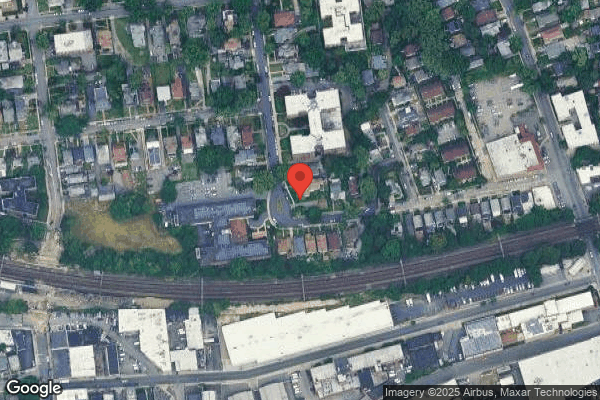
10 CLAREMONT AVE, MOUNT VERNON, NY 10550 (914) 699-1600
For profit - Corporation 240 Beds JONATHAN BLEIER Data: November 2025
Trust Grade
45/100
#473 of 594 in NY
Last Inspection: January 2025

Within standard 12-15 month inspection cycle. Federal law requires annual inspections.

Overview

Westchester Center for Rehabilitation & Nursing has received a Trust Grade of D, which indicates below-average performance with several concerns regarding resident care. Ranking #473 out of 594 in New York places it in the bottom half of facilities, while its county rank of #34 out of 42 suggests that there are only a few local options that perform better. The facility's situation is worsening, with issues increasing from 6 in 2024 to 19 in 2025. Staffing is rated average with a turnover rate of 43%, which is close to the state average, and although there have been no fines, the quality of care has raised alarms, including a serious incident where a resident sustained a wrist fracture due to inadequate supervision of another resident known for aggressive behavior. Additionally, there were concerns about cleanliness and proper management of residents' financial records, indicating a need for improvement in both operational practices and resident protection.

Trust Score
D
45/100
In New York
#473/594
Bottom 21%
Safety Record
Moderate
Needs review
Inspections
Getting Worse
6 → 19 violations
Staff Stability
○ Average
43% turnover. Near New York's 48% average. Typical for the industry.
Penalties
✓ Good
No fines on record. Clean compliance history, better than most New York facilities.
Skilled Nurses
○ Average
Each resident gets 34 minutes of Registered Nurse (RN) attention daily — about average for New York. RNs are the most trained staff who monitor for health changes.
Violations
⚠ Watch
39 deficiencies on record. Higher than average. Multiple issues found across inspections.
★★☆☆☆
2.0
Overall Rating
★★★☆☆
3.0
Staff Levels
★★★★★
5.0
Care Quality
★☆☆☆☆
1.0
Inspection Score
Stable
2024: 6 issues
2025: 19 issues

The Good

  • 5-Star Quality Measures · Strong clinical quality outcomes
  • Full Sprinkler Coverage · Fire safety systems throughout facility
  • No fines on record
  • Staff turnover below average (43%)

    5 points below New York average of 48%

Facility shows strength in quality measures, fire safety.

The Bad

2-Star Overall Rating

Below New York average (3.1)

Below average - review inspection findings carefully

Staff Turnover: 43%

Near New York avg (46%)

Typical for the industry

Chain: JONATHAN BLEIER

Part of a multi-facility chain

Ask about local staffing decisions and management

The Ugly 39 deficiencies on record

1 actual harm
Jan 2025 18 deficiencies
CONCERN (D)

Potential for Harm - no one hurt, but risky conditions existed

Resident Rights (Tag F0550)

Could have caused harm · This affected 1 resident

Based on observation, interview, and record review during the Recertification survey from 01/22/2025 through 01/29/2025, the facility did not ensure residents had the right to a dignified dining exper...

Read full inspector narrative →
Based on observation, interview, and record review during the Recertification survey from 01/22/2025 through 01/29/2025, the facility did not ensure residents had the right to a dignified dining experience for 2 of 35 residents (Residents #168, #14) reviewed for dignity while dining. Specifically, facility staff were observed standing over Residents #168 and #14 while assisting the residents with their meals. The findings include: The facility policy titled Feeding the resident last date reviewed 9/2023, documented the facility staff will sit while feeding resident, no standing while feeding for those residents requiring feeding assistance, unless necessary. Staff should be at eye level with the resident while feeding. 1. Resident #168 was admitted to the facility with diagnoses including Diabetes Mellitus, non-Alzheimer dementia, and malnutrition. The 11/28/24 Quarterly Minimum Data Set Assessment (a resident assessment tool) documented Resident #168 had moderately impaired cognition and needed supervision assistance with eating. During an observation on 1/22/25 at 12:50 PM, in Resident #168's room, the resident was in the bed and Certified Nurse Aide #21 was observed standing over the resident while feeding them their lunch meal. During an interview on 01/22/25 at 1:03 PM, Certified Nurse Aide #21 they stated they assisted the resident with lunch. They stated they were standing and feeding the resident because the resident's bed was in the lowest position and they thought if they raised the bed it would not be stable and start moving. They stated they stood while feeding this resident, but they usually sat when they assisted residents with meals. 2. Resident #14 was observed at breakfast on 1/29/25 at 8:49 AM. The resident was in bed with the meal tray on the bedside table and Registered Nurse #27 standing over the resident while feeding them their meal. During an interview on 1/29/25 at 8:54 AM, Registered Nurse #27 stated the resident was assisted with meals because resident was blind and unable to feed themselves. Registered Nurse #27 reported the resident ate well when fed by staff. When asked about protocol for assisting with feeding they stated they knew to sit when feeding in the dining room, but did not realize it was needed for feeding a resident in bed in their room. Registered Nurse #27 obtained a chair and continued to feed Resident #14 while seated. 10 NYCRR 415.5 (d) (1)(i)
CONCERN (D) 📢 Someone Reported This

A family member, employee, or ombudsman was alarmed enough to file a formal complaint

Potential for Harm - no one hurt, but risky conditions existed

Deficiency F0552 (Tag F0552)

Could have caused harm · This affected 1 resident

Based on record review and interviews during the Recertification and Abbreviated (NY#00336657) surveys from 1/22/2025 to 1/29/2025, the facility did not ensure a resident's designated representative h...

Read full inspector narrative →
Based on record review and interviews during the Recertification and Abbreviated (NY#00336657) surveys from 1/22/2025 to 1/29/2025, the facility did not ensure a resident's designated representative had the right to be informed in advance, by the physician or other practitioner or professional, of treatment options and to choose the alternative or option they preferred for 1 (Resident # 233) of 2 residents reviewed for resident rights. Specifically, the facility administered Donepezil (a medication for dementia) to Resident #233 and the resident representative had requested the medication to not be given. Findings include: Resident # 233 was admitted with diagnoses including dementia, chronic obstructive pulmonary disease and gastroesophageal reflux disease. The facility's policy and procedure titled Resident Rights, revised 11/2024, documented the resident rights to be notified of his or her medical condition and of any changes in his or her condition; A resident has the right to be informed in advance, by the physician or other Practitioner or professional, of the risks and benefits of proposed care, of treatment and treatment alternatives or treatment options and to choose the alternative or option they prefer. The 7/24/2023 care plan, updated on 8/22/2023, documented the resident had Cognitive Loss/Dementia and the goal was Resident #233 would remain at their current level of cognitive functioning. Interventions included to communicate with the resident, family and staff regarding the resident's capabilities and needs. The 8/1/2023 Minimum Data Set (an assessment tool) documented the resident had severe cognitive impairment. The 02/23/2024 Neurology consult documented the reason for the consult was Alzheimer's disease with a recommendation to consider a trial of Donepezil 5 milligrams at bedtime for cognitive support. The 02/23/2024 Physician progress note documented the resident was seen by the neurologist, and they agreed with the neurology consult. The plan was to consider a trial of Donepezil 5 milligrams for cognitive support for Alzheimer's disease. The 02/23/2024 Physician order documented to administer Donepezil 5 milligrams tablet, give 2 tablets once daily in the evening at 6:00 PM for Alzheimer's disease. The 02/23/2024 at 4:02 PM nursing progress note documented Resident #233 was seen and assessed by the Neurologist and the Neurologist recommended to a consider trial of Donepezil 5 milligram at bedtime daily for cognitive support. The Attending Physician was contacted and in agreement with the plan of care. The resident representative was called and educated on the recommended medication and verbalized they did not want the medication given to the resident yet. The physician was made aware, and no new orders were given. The 02/26/24 at 7:52 nursing progress note documented resident's resident representative was contacted and asked if they agreed with the Neurologist recommendation for Donepezil and verbalized, they wanted more time to decide. The physician was made aware, and no new orders were given. The Medication Administration Record documented Resident #233 received Donepezil 5 milligram tablet daily from 02/28/2024 to 03/17/ 2024. The 3/11/2024 Physician progress note documented Resident #233 was seen and examined for monthly evaluation and medications included Donepezil 5 milligram tablet. The 3/18/2024 Nurse Practitioner progress note documented they reviewed medications with resident representative, and they declined the medication Donepezil. This was discussed with the Physician and nursing and Donepezil was discontinued. When interviewed on 1/28/2025 at 4:19 PM, the Director of Nursing stated the facility protocol was to notify the family designated representative of any changes in medications. When interviewed on 1/29/2025 at 9:54 AM, the Nurse Practitioner stated they spoke with the resident representative on 3/18/2025 review the medications and they requested the Donepezil to be discontinued. The Nurse Practitioner stated the medication should have been discontinued when resident's representative did not want it given. When interviewed on 1/29/2025 at 6:41 PM, the Director of Nursing stated they did not know why the Donepezil medication was administered. 415.3(c)(1)(iii)
CONCERN (D)

Potential for Harm - no one hurt, but risky conditions existed

Deficiency F0558 (Tag F0558)

Could have caused harm · This affected 1 resident

**NOTE- TERMS IN BRACKETS HAVE BEEN EDITED TO PROTECT CONFIDENTIALITY** Based on observation, interview, and record review conducted during the recertification survey from 1/22/2025 to 1/29/2025, the ...

Read full inspector narrative →
**NOTE- TERMS IN BRACKETS HAVE BEEN EDITED TO PROTECT CONFIDENTIALITY** Based on observation, interview, and record review conducted during the recertification survey from 1/22/2025 to 1/29/2025, the facility did not ensure a resident's right to reside and receive services in the facility with reasonable accommodation of their needs and preferences. This was evident for 1 (Resident #167) of 7 residents reviewed for Environment. Specifically, Resident #167's wheelchair was unable to maneuver around their bed preventing Resident #167 from being able to access and use their own bathroom. The findings are: The facility policy titled Resident Rights dated 11/2024 documented a resident has the right to reside and receive services in the facility with reasonable accommodation of resident needs and preferences. Resident #167 had diagnoses of postherpetic polyneuropathy and chronic obstructive pulmonary disease. Minimum Data Set 3.0 assessment dated [DATE] documented Resident #167 was cognitively intact. The Comprehensive Care Plan related to activity of daily living function - mobility devices initiated 6/3/2024 documented Resident #167 was out of bed to 24-inch bariatric wheelchair, required contact guard assist with toilet transfers, ambulated with rolling walker for 10 feet with contact guard assist. Last reviewed 8/28/2024 without changes. The Urogynecology Consult dated 9/19/2024 documented recommendations for Resident #167 to have a private room with an accessible bathroom to facilitate mobility and improve toileting. Physician Orders dated 11/8/2024 documented Resident #167 was ordered to be out of bed to a bariatric reclining wheelchair with roho cushion with 1 assist daily. On 1/23/2025 at 10:48 AM, Resident #167 attended a Resident Council Meeting and stated their 24-inch wheelchair was unable to maneuver around their room enough to unable Resident #167 to use their own bathroom. Resident #167 stated they had to wheel themselves to the shower room with a bathroom down the hall but there is only a curtain to provide them privacy. Resident #167 stated there have been occasions where staff and other residents slid open the curtain not knowing they were there. Resident #167 stated they preferred to use the bathroom in their own room and communicated this preference to several staff members without resolution. On 1/25/2025 at 6:13 PM, Resident #167 was observed in their shared bedroom in a 24-inch wheelchair. The bathroom door was located near the foot of and in between the 2 hospital beds in the room. Resident #167 wheeled their chair towards the foot of their bed and the space in between the bed and wall was too narrow for Resident #167 to pass, preventing them form accessing their bathroom. There was no documented evidence Resident #167 was provided with reasonable accommodations to access and use the bathroom in their room. On 1/29/2025 at 3:51 PM, the Administrator was interviewed and stated they previously had multiple conversations with Resident #167 regarding the resident's inability to access the bathroom in their room. Resident #167 reported to the Administrator that they could not maneuver their wheelchair in their room adequately to fit through their bathroom doorway. This resulted in Resident #167 wheeling themselves down the hallway to the unit's shower room when they had to use the bathroom. The Administrator stated Resident #167 was offered a room change but there was no documented evidence of efforts or interventions to reasonably accommodate Resident #167's preference to use the bathroom in their room. 10 NYCRR 415.5(e)(1)
CONCERN (D) 📢 Someone Reported This

A family member, employee, or ombudsman was alarmed enough to file a formal complaint

Potential for Harm - no one hurt, but risky conditions existed

Deficiency F0559 (Tag F0559)

Could have caused harm · This affected 1 resident

**NOTE- TERMS IN BRACKETS HAVE BEEN EDITED TO PROTECT CONFIDENTIALITY** Based on observation, interview, and record review conducted during the recertification and abbreviated (NY00352407) from 1/22/2...

Read full inspector narrative →
**NOTE- TERMS IN BRACKETS HAVE BEEN EDITED TO PROTECT CONFIDENTIALITY** Based on observation, interview, and record review conducted during the recertification and abbreviated (NY00352407) from 1/22/2025 to 1/29/2025, the facility did not ensure a resident's right to receive written notice, including the reason for the change, before the resident's room was changed. This was evident for 1 (Resident #10) of 7 residents reviewed for Choices. Specifically, Resident #10's Health Care Agent did not receive written notice of or explanation for the resident's room change on 10/11/2024. The findings are: The facility policy titled Transfers - Room Changes dated 4/11/2024 documented the facility will inform the resident and/or resident representative of the room change both verbally and written, including the reason for the change, the effective date of the change and the location of the change. Resident #10 had diagnoses of Alzheimer's disease and cerebral infarction with right hemiplegia and hemiparesis. Minimum Data Set 3.0 assessment dated [DATE] documented Resident #10 was severely cognitively impaired. Census Activity dated 10/11/2024 documented Resident #10 had a room change. Social Work Note dated 10/11/2024 documented Resident #10's room was changed due to medical necessity and a message was left for the resident's Health Care Agent. There was no documented evidence Resident #10's Health Care Agent was provided written notice and explanation for the resident's room change on 10/11/2024. On 1/22/2025 at 12:54 PM, Resident #10's Health Care Agent was interviewed and stated Resident #10's room was changed, and they were not provided with an opportunity to refuse the room change, given prior notification of the room change, or given a reason for the room change. \/On 1/29/2025 at 12:03 PM, the Director of Social Work was interviewed and stated Resident #10 was moved due to medical necessity and a voicemail was left for the Health Care Agent. The Director of Social Work did not confirm whether the Resident #10's Health Care Agent received the voicemail or agreed with the room change prior to moving the resident to another room. On 1/29/2025 at 3:51 PM, the Administrator was interviewed and stated residents and families were informed prior to a room change occurring due to another resident's medical necessity. 10 NYCRR 415.3(g)(3)
CONCERN (D) 📢 Someone Reported This

A family member, employee, or ombudsman was alarmed enough to file a formal complaint

Potential for Harm - no one hurt, but risky conditions existed

Deficiency F0567 (Tag F0567)

Could have caused harm · This affected 1 resident

**NOTE- TERMS IN BRACKETS HAVE BEEN EDITED TO PROTECT CONFIDENTIALITY** Based on interview and record review conducted during the recertification and abbreviated (NY00344201) from 1/22/2025 to 1/29/20...

Read full inspector narrative →
**NOTE- TERMS IN BRACKETS HAVE BEEN EDITED TO PROTECT CONFIDENTIALITY** Based on interview and record review conducted during the recertification and abbreviated (NY00344201) from 1/22/2025 to 1/29/2025, the facility did not ensure a resident's right to manage their financial affairs. This was evident for 1 (Resident #182) of 3 residents during Personal Funds review. Specifically, the facility diverted Resident #182's income to a personal needs account managed by the facility without informing the resident's court-appointed Legal Guardian. The findings are: The facility policy titled Resident Rights dated 11/2024 documented residents had the right to manage their personal funds. Resident #182 had diagnoses of unspecified dementia and schizoaffectove disorder. The Minimum Data Set 3.0 assessment dated [DATE] documented Resident #182 was severely cognitively impaired, the resident and their family participated in the assessment, the resident's family provided discharge status information, and did not document that Resident #182 had a Legal Guardian. The admission Agreement dated 10/26/2022 documented the undersigned agreed to pay the net available monthly income for Resident #182, a Medicaid recipient, to the facility by the 6th day of each month or to arrange for the income payor to send the monthly income directly to the facility. The admission Agreement was signed by Resident #182's Legal Guardian. Addendum VI of the admission Agreement documented the undersigned would agree to arrange for direct payment of the resident's monthly income to the facility. There was no documented evidence Resident #182's Legal Guardian signed Addendum VI or agreed with changing Resident #182's income recipient or address. A Supreme Court Oath and Designation dated 4/14/2023 documented the appointment of Resident #182's Legal Guardian as the guardian of the resident's person and property. The Comprehensive Care Plan related to Advance Directives initiated 11/1/2022 was updated by the Director of Social Work on 5/24/2024 and documented Resident #182's Legal Guardian provided documentation the court appointed them Legal Guardian of Resident #182's person and property. The Aspen Complaint Tracking System Intake dated 6/4/2024 documented an allegation the facility changed Resident #182's income recipient without notifying the resident's Legal Guardian. The facility's Accounts Receivable Ledger for Resident #182 documented net available monthly income credits to Resident #182's account on 6/11/2024, 7/1/2024, and 8/6/2024. The facility's Resident Funds Ledger documented $50 personal needs allowance credits to Resident #182's account on 6/11/2024, 7/1/2024, and 8/6/2024. A Social Security Administration notification addressed to the facility on 8/26/2024 documented the facility was removed as Resident #182's representative payee and would no longer receive the resident's monthly income. There was no documented evidence the facility obtained written authorization from Resident #182's Legal Guardian prior to depositing income with the facility and opening a personal needs account for the resident. On 1/29/2025 at 12:03 PM, the Director of Social Work was interviewed and stated they received a copy of court documents from Resident #182's Legal Guardian in 5/2024 and updated the resident's medical record to reflect Resident #182 had a court-appointed indicate the court appointed Legal Guardian of person and property. On 1/29/2025 at 11:16 AM and 5:42 PM, the Fiscal Manager was interviewed and stated they were responsible for overseeing resident funds accounts. After reviewing Resident #182's deposits in 6/2024, 7/2024, and 8/2024, the Fiscal Manager stated the Business Office applied to become the representative payee (recipient) of Resident #182's monthly income check in 6/2024 upon Medicaid approval and determination of the resident's net available monthly income amount to be paid to the facility. Resident #182 was cognitively impaired and unable to participate in financial discussions or decisions. The Fiscal Manager stated they were not aware Resident #182 had a Legal Guardian responsible for financial decisions until 9/2024 when they received a notification from the Social Security Administration informing the facility they were no longer representative payee for the resident. The Fiscal Manager stated they did not attempt to contact any next of kin listed on Resident #182's facesheet and did not have any communication with the resident's Legal Guardian prior to or after the facility became representative payee for the resident. On 1/29/2025 at 4:15 PM, the Administrator was interviewed and stated they were not aware of any financial concerns related to Resident #182's net available monthly income or personal funds account with the facility. 10 NYCRR 415.26(h)(5)
CONCERN (D)

Potential for Harm - no one hurt, but risky conditions existed

Comprehensive Care Plan (Tag F0656)

Could have caused harm · This affected 1 resident

**NOTE- TERMS IN BRACKETS HAVE BEEN EDITED TO PROTECT CONFIDENTIALITY** Based on observations, record reviews and interviews conducted during the recertification survey from 1/22/25-1/29/25, the facil...

Read full inspector narrative →
**NOTE- TERMS IN BRACKETS HAVE BEEN EDITED TO PROTECT CONFIDENTIALITY** Based on observations, record reviews and interviews conducted during the recertification survey from 1/22/25-1/29/25, the facility did not ensure the development and implementation of comprehensive person-centered care plans to attain or maintain the residents' highest practicable physical, mental, and psychosocial well-being for 1 of 3 residents (Resident #333) reviewed for Respiratory Care. Specifically, Resident #333 was receiving continuous Oxygen, and the facility was unable to provided documented evidence that a Respiratory/Oxygen Care Plan was in place. The findings are: The facility policy titled Care Planning Process and Care Conference last revised on 7/2023 documented that the facility will develop a comprehensive, resident centered care plan for each resident/patient. Care plan development, renewal and revision will be based upon the results of the resident assessment. The care plan is a working tool that provides a profile of the needs of the individual resident/patient; the resident/patient care plan will be available for use by staff caring for the resident. Resident #333 was admitted on [DATE] with diagnoses including but not limited to heart failure, peripheral vascular disease, and chronic kidney disease. The 1/23/25 admission Minimum Date Set documented that Resident #333 had intact cognition and was receiving continuous Oxygen therapy. The 1/22/25 Physicians orders documented that Resident #333 was to receive continuous Oxygen via nasal cannula rate at 2 liters per minute every day and on every shift and to hold 1/24/25-1/26/25. The 1/24/25 Physicians order documented that Resident #333 was to receive a trial of continuous Oxygen via nasal cannula 1.5 liters per minute, every day, on every shift for 2 days. Upon review of care plans, there were no documented evidence that Resident #333 had an Oxygen therapy care plan in place. During an interview on 01/29/25 at 8:58 AM, Registered Nurse Unit Manager #5 stated that they were responsible for creating resident care plans and there should have been a Care Plan in place for Resident #333's Oxygen therapy. During an interview on 1/29/25 at 9:26 AM , the Director of Nursing stated Resident #333 was admitted on Oxygen and a Care Plan for Oxygen should have been created by the admission nurse. 10 NYCRR 415.11(c)(1)
CONCERN (D)

Potential for Harm - no one hurt, but risky conditions existed

Quality of Care (Tag F0684)

Could have caused harm · This affected 1 resident

Based on interviews and record review during the recertification survey from 1/22-1/29/24 the facility did not ensure residents received treatment and care in accordance with professional standards of...

Read full inspector narrative →
Based on interviews and record review during the recertification survey from 1/22-1/29/24 the facility did not ensure residents received treatment and care in accordance with professional standards of practice for 1 of 4 residents (Resident #92) reviewed for insulin. Specifically, Resident #92's insulin order had a dicrepency and the order was not being followed as written. Findings include: Resident #92 had diagnoses including Diabetes Mellitus, End Stage Renal Disease, and Seizure Disorder. The Quarterly Minimum Data Set (assessment tool) dated 11/13/2024 documented Resident #92 with moderate cognitive impairment. Medications received included hypoglycemic and injections on 3 days. The Comprehensive Care Plan for Diabetes Mellitus dated 12/3/24 documented the resident would be free of observable signs and symptoms of hyperglycemia and hypoglycemia. Interventions included administering medications as ordered and monitoring for signs and symptoms of hyperglycemia and hypoglycemia. A Physician order dated 12/18/24 documented Humalog Kwik Pen (U-100) Insulin 100unit/ml subcutaneous, inject 1 unit by subcutaneous route 3 times per day for diabetes. A sliding scale was also part of the order and documented the following parameters: for a blood sugar of 151-200 2 units, 201-250 4 units, 251-300 6 units, 301-350 8 units, 351-400 10 units of Humalog administered. If blood sugar greater than 400 or below 60 call the physician. During an interview on 1/23/25 at 9:55 AM, Resident #92 stated they did not get any shots when asked about insulin administration. Pharmacy Reviews completed every month for the last year documented no irregularities or recommendations for Resident #92's medication orders. During an interview on 1/27/25 at 10:33 AM, Licensed Practical Nurse #12 stated that when they were assigned as Resident #92's medication nurse, they followed the sliding scale, they did not administer one unit of Humalog in addition to the sliding scale as indicated in the order. During an interview on 1/27/25 at 10:40 AM, Registered Nurse Unit Manager #5 stated that Resident #92 was not receiving one unit of Humalog in addition to the sliding scale for insulin coverage. The order was not entered correctly, and they would have the order corrected. The order should have been the sliding scale without the one unit of insulin. A Physician order dated 1/27/25, documented Humalog Kwik Pen (U-100) Insulin 100 unit/ml subcutaneous route 3 times per day at 6:30am, 11:30am, 4:30pm. A sliding scale was also part of the order and documented the following parameters: for a blood sugar of 151-200 2 units, 201-250 4 units, 251-300 6 units, 301-350 8 units, 351-400 10 units of Humalog administered. If blood sugar greater than 400 or below 60 call the physician. During a telephone interview on 1/28/25 at 9:55 AM, Licensed Practical Nurse #40 stated they did not administer one unit of insulin in addition to the sliding scale when they were assigned as Resident #92's medication nurse in the days prior to 1/27/25. They follow the sliding scale only. They only administered insulin if Resident #92's sugar was above 151 as the sliding scale indicated. During a telephone interview on 1/28/25 at 10:15 AM, Licensed Practical Nurse #16 stated they did not administer any insulin to Resident #92 when they were assigned as their medication nurse on 1/25/24. They stated they followed the sliding scale for coverage. The stated that they were oriented to always follow the sliding scale and did not administer 1 unit of insulin as the resident blood sugar was 110. During an interview with the Director of Nursing on 1/28/25 at 11:30 AM, they confirmed an entry error for Resident #92's Humalog order. They stated that the sliding scale was to be followed for the Humalog order, an additional one unit should not be administered on top of the sliding scale. During an interview on 1/28/25 at 11:35AM, Nurse Practitioner #35 and Medical Doctor #2 stated the order for Resident #92's Humalog Insulin was to follow the sliding scale, an additional one unit of insulin should not be administered on top of the sliding scale. They stated the order was not entered correctly. During an interview on 1/29/25 at 4:14PM the Pharmacy Consultant stated that one unit of Humalog in addition to the sliding scale may be an appropriate order if determined as such by the Physician, but it depended on the patient's condition. 10NYCRR 415.12
CONCERN (D)

Potential for Harm - no one hurt, but risky conditions existed

Deficiency F0761 (Tag F0761)

Could have caused harm · This affected 1 resident

**NOTE- TERMS IN BRACKETS HAVE BEEN EDITED TO PROTECT CONFIDENTIALITY** Based on observation, record review and interview during the recertification survey conducted from [DATE] to [DATE], the facilit...

Read full inspector narrative →
**NOTE- TERMS IN BRACKETS HAVE BEEN EDITED TO PROTECT CONFIDENTIALITY** Based on observation, record review and interview during the recertification survey conducted from [DATE] to [DATE], the facility did not ensure that all drugs and biologicals used in the facility were labeled and stored in accordance with professional standards, including expiration dates when applicable for 2 of 2 medication storage rooms, and 1 of 4 med carts reviewed. This was evident for 2 (Medication Storage Rooms 3 South Unit and 2 North Unit) of 2 medication storage rooms and 1 of 4 medication carts observed. Specifically, the 3 South Unit and 2 North Unit Medication Storage Rooms had an expired box of hydrocolloid wound dressing and an expired box of safety needle, the 3 South Unit medication cart contained an open and undated 32 ounce bottle of supplement. The findings are: The facility policy titled Medication Storage last reviewed on 2/2024 documented the facility shall not use discontinued, outdated, or deteriorated drugs or biologicals. All such drugs shall be returned to the dispensing pharmacy or destroyed. During an observation of 3 South Unit Medication Storage Room on [DATE] at 10:18 AM accompanied by Licensed Practical Nurse #23, revealed a box of hydrocolloid wound dressing exoderm satin with expiration date 10/2023, and safety infusion set shw22-75Y with expiration date [DATE]. When interviewed at the time of observation, Licensed Practical Nurse #23 stated they were responsible for checking medication storage room supplies including expiration dates on a weekly basis. They stated any expired supplies need to be removed from storage and discarded. During an observation of 3 South Unit medication cart on [DATE] at 10:43 AM with Licensed Practical Nurse #24, an open and undated 32 ounce bottle of collagen and whey protein was found. When interviewed at the time of observation, Licensed Practical Nurse #24 stated once the stock medication or supplements were opened they needed to be dated and discarded within 60 days. Licensed Practical Nurse #24 was not able to find a date on the bottle and did not know why the bottle was not dated. During an observation of 2 North Unit Medication Storage Room on [DATE] at 1:08 PM accompanied by Licensed Practical Nurse #3, a box of safety needles with expiration date [DATE] was observed. When interviewed during the observation, Licensed Practical Nurse #3 stated once medication or treatment supply expired it must be discarded right away in a biohazard room. They did not know why the safety needle supply with expired date was kept in the infusion box of medical storage room. 10 NYCRR 415.18 (e)
CONCERN (D)

Potential for Harm - no one hurt, but risky conditions existed

Infection Control (Tag F0880)

Could have caused harm · This affected 1 resident

**NOTE- TERMS IN BRACKETS HAVE BEEN EDITED TO PROTECT CONFIDENTIALITY** Based on observation, record review and interview conducted during the recertification survey from 1/22/25 through 1/29/25, the ...

Read full inspector narrative →
**NOTE- TERMS IN BRACKETS HAVE BEEN EDITED TO PROTECT CONFIDENTIALITY** Based on observation, record review and interview conducted during the recertification survey from 1/22/25 through 1/29/25, the facility did not ensure that staff maintained an infection prevention and control program designed to provide a safe, sanitary, and comfortable environment to help prevent the development and transmission of communicable disease and infections for 1 of 3 residents reviewed for transmission-based precautions; and 2 of 10 staff reviewed for influenza vaccinations. Specifically, 1) Resident #483 was on Enhanced barrier Precautions and staff was observed providing care without wearing proper protective equipment. 2) Licensed Practical Nurse #17 and Certified Nurse Aide #15 did not receive the influenza vaccine and were observed not wearing a mask. Findings include: 1. The facility policy titled General Infection Transmission- Based Precautions revised date 1/1/2024 documented the use of transmission-based precautions (isolation precautions) to manage specific, highly transmissible, or epidemiologically important pathogens with mode of transmission related to contact, droplet, and airborne. The goal of the facility is to provide a safe and sanitary environment for residents, visitors, and staff. Transmission- based precautions is discontinued by a physician. Resident #483 was admitted with diagnoses including Parkinson's disease, Diabetes Mellitus, and Pressure ulcer sacral region Stage 3. 12/14/2024 Care plan on Enhanced Barrier Precautions documented Risk for Infection. The goal was the resident would remain free from signs and symptoms of infection. Interventions included to wear gown and gloves during high contact resident care activity. The Minimum Data Set assessment dated [DATE] documented Resident #483 was severely cognitively impaired, dependent on all staff for all cares, always incontinent of urine and bowel, not on toileting schedule, and had a sacral ulcer stage 3 present on admission. The 1/11/ 2025 Physician orders documented the resident was on enhanced barrier precautions. On 01/27/2025 at 11:00 AM, during observational rounds, Certified Nursing Aide #36 was observed providing care to Resident #483. Certified Nursing Aide #36 did not wear the proper personal protective equipment. Certified Nursing Aide #36 did not wear a gown during incontinence care and dressing. Certified Nursing Aide #36 transferred Resident #483 from bed to wheelchair. Certified Nursing Aide #36 was interviewed and stated that they were aware of the sign posted outside resident #483 room that indicated the resident was on enhanced barrier precaution. Certified Nursing Aide #36 stated they were supposed to put on a gown and gloves when providing care. Certified Nursing Aide #36 did not give an explanation why she did not put on a gown during care. When interview on 01/27/25 at 11:06 AM, Licensed Practical Nurse #38 stated that Resident #483 was on enhanced barrier precautions due to a pressure ulcer. They stated that staff were supposed to put on gown, gloves, and mask during care. Interview on 01/27/25 at 11:17 AM with Registered Nurse Unit Manager #39, they stated that staff were aware they needed to wear Personal Protective Equipment during care of residents on enhance barrier precaution. Registered Nurse Unit Manager #39 stated that Certified Nursing Aide #36 should have been wearing a gown during care of Resident #483. 2. The facility policy titled Influenza Vaccines revised date 9/2024 documented, to prevent transmission of influenza viruses and other infectious agent in healthcare settings, including in long-term care facilities requires an approach of influenza vaccinations, and infection prevention and control measures. Employees will be offered the influenza vaccine at no charge, employees refusing the vaccine, may be required to wear masks in resident care areas throughout the influenza season. During an observation on 1/27/25 at 4:49 PM, Certified Nurse Aide #15 entered a resident room on unit 2N. When interviewed at the time of observation, Certified Nurse Aide #15 stated she was not vaccinated for influenza. They stated they knew they were supposed to be wearing a mask and did earlier, but they went outside and forgot to put it back on before caring for the resident. During on observation on 1/27/2025 at 4:54 PM, Licensed Practical Nurse #17 was giving medication to the residents in a room on Unit 3 South. They were not wearing a face mask and did not have the facility's sticker on their badge indicating they receive the influenza vaccine. When interviewed at the time of observation, Licensed Practical Nurse #17 stated they had not received the influenza vaccine, and they had never taken the Influenza vaccine. Licensed Practical Nurse #17 stated they did not fill out a declination form for refusal of the influenza vaccination and was not told they needed to wear a mask if they did not have the influenza vaccination. During an interview on 1/29/25 at 11:19 AM, the Human Resources Director stated the facility offered Covid, Influenza and pneumococcal vaccinations. New hires were made aware as part of their on- boarding and other staff were also made aware. They stated the staff could refuse the influenza vaccine but must wear a mask during influenza season following a refusal. During an interview on 1/29/25 at 11:38 AM, the Nurse Educator stated the staff immunization record were documented on a tracker. An observation of the staff tracker, but many of the staff did not have their signatures that education was provided for influenza. 10 NYCRR 415.19 (a) (1-3) Resident #483 was admitted with diagnoses including Parkinson's ds, type 2 Diabetes Mellitus, Pressure ulcer sacral region stage 3. 12/14/24 Physician's order documented Enhanced Barrier Precaution. 12/14/2024 Care plan on Enhanced Barrier Precautions documented Risk for Infection. Goal Resident will remain +free from signs and symptoms of infection. Interventions included maintain enhanced use gown and gloves during high contact resident care activity. 12/15/2024 Care plan on Skin Integrity Sacral documented Goal Pressure will show healing process as evidenced by decrease in size and stage of pressure ulcer. Resident's pressure ulcer will not show increase in size or stage. Wound will be free of signs and symptoms of infection. Interventions included apply local treatment as ordered by MD. assess for pain, effectiveness of pain medication, perform wound care rounds weekly, provide pressure relieving devices as appropriate, weekly wound measurements and prn 12/16/24 Minimum Data Set (an assessment tool) documented resident was severe cognitively impaired, dependent on all staff for all cares, always incontinent of urine and bowel, at risk of developing pressure ulcers, had a sacral ulcer stage 3 present on admission. 1/11/ 2025 Physician orders documented to include cleanse sacral area with NS then apply Zinc, On 01/27/2025 at 11:00am Certified Nursing Assistant # 36 was observed providing care to Resident # 483 without proper personal protective equipment. Certified Nursing Assistant # 36 did not wear a gown during incontinence care, dressing and transferred Resident#483 from bed to wheelchair. Certified Nursing Assistant #36 was interviewed and stated that they are aware of the sign posted outside resident # 483 room that indicated resident was on enhanced barrier precaution. Certified Nursing Assistant # 36 stated if a resident is on enhanced barrier precaution they are supposed to put on a gown and gloves during care. Certified Nursing Assistant # 36 did not give an explanation why she did not put on a gown during care. Certified Nursing Assistant #36 stated they did not follow enhanced barrier precaution during care. Interview on 01/27/25 at 11:06 AM with Licensed Practical Nurse # 38, they stated that Resident # 483 is on enhanced barrier precautions because she has pressure ulcer. They stated that staff are supposed to put on gown, gloves, mask, during care. Interview on 01/27/25 at 11:17 AM with Registered Nurse Unit Manager # 39, they stated that staff are aware to wear Personal Protective Equipment during care of residents on enhance barrier precaution. Registered Nurse Unit Manager # 39 stated that Certified Nursing Assistant # 36 should have put on a gown during care of Resident # 483. Interview on 01/27/25 at 11:21 AM - 11:23 am with Director of Nursing, they stated they have educated staff on infection control and enhanced barrier precaution. Certified Nursing Assistant # 36 did not follow enhanced barrier precaution and should have put on a gown during care of Resident # 483.
CONCERN (E) 📢 Someone Reported This

A family member, employee, or ombudsman was alarmed enough to file a formal complaint

Potential for Harm - no one hurt, but risky conditions existed

Deficiency F0568 (Tag F0568)

Could have caused harm · This affected multiple residents

**NOTE- TERMS IN BRACKETS HAVE BEEN EDITED TO PROTECT CONFIDENTIALITY** Based on interviews and record review during the recertification survey from 1/22-1/29/2025, the facility did not ensure that re...

Read full inspector narrative →
**NOTE- TERMS IN BRACKETS HAVE BEEN EDITED TO PROTECT CONFIDENTIALITY** Based on interviews and record review during the recertification survey from 1/22-1/29/2025, the facility did not ensure that residents' financial records were available to the residents through quarterly statements for 1 of 4 residents reviewed for personal funds. Specifically, Resident #92 was not aware that they had any personal funds and the facility financial office was not able to provide proof that the resident received quarterly statements. Findings include: Facility Policy titled Resident's Funds last reviewed 10/2024 documented 24/7 access to funds, maintaining and managing resident accounts, and process for accessing funds. It did not document a process for providing residents with quarterly statements. Resident #92 had diagnoses including Diabetes Mellitus, End Stage Renal Disease, and Non-Alzheimer's Dementia. The Quarterly Minimum Data Set, dated [DATE] documented the resident had moderately impaired cognition, and the resident and family participated in goal setting. During an interview on 1/23/25 at 9:47AM, Resident #92 denied having any money or receiving any financial statements. On 01/23/25 at 4:00PM Resident #92's Fund Ledger for 1/1/24-12/31/24 was provided for review. It was documented that Resident #92's funds were managed by the facility and funds were in their account. During an interview on 1/29/25 at 10:36 AM, the Fiscal Manager stated they handled resident personal fund accounts and residents that were alert and oriented were hand delivered quarterly statements. They stated Resident #92 received quarterly statements, but they were unable to provide documented evidence that the statements were received. They stated they save the quarterly batch of statements that were distributed to residents on their computer, but they could not provide evidence of who received their statements. They stated Resident #92 had not inquired about money or statements, and they did not recall them coming for funds during banking hours. According to their financial statement, Resident #92 received services for the barber, but they did not have to request those funds as they were automatically deducted from their account to cover the expense. The Fiscal Manager was uncertain if Resident #92 was aware that they were paying for those services out of their personal funds. Stated that they would follow up with Resident #92 to ensure that they were aware of their funds and review their statement with them. 10NYCRR415.26(h)(5)(i)
CONCERN (E)

Potential for Harm - no one hurt, but risky conditions existed

Deficiency F0570 (Tag F0570)

Could have caused harm · This affected multiple residents

Based on interview and record review during the recertification survey from 1/22/2025 to 1/29/2025, the facility did not ensure a surety bond was purchased to assure the security of all personal funds...

Read full inspector narrative →
Based on interview and record review during the recertification survey from 1/22/2025 to 1/29/2025, the facility did not ensure a surety bond was purchased to assure the security of all personal funds of residents deposited with the facility. This was evident for 106 residents with Personal Needs Accounts during review of Personal Funds. Specifically, the facility's Surety Bond for $250,000, was less than the sum total of 106 resident personal needs accounts maintained by the facility in the amount of $278,452.49. The findings are: The facility's Continuation Certificate issued by their indemnity insurance company documented a bond for was in force for any loss occurring from 11/1/2024 to 11/1/2025 that did not exceed $250,000. The Continuation Certificate was signed and dated 8/6/2024. The facility Resident Personal Needs Account Ledger documented the sum total of 106 resident accunts managed by the facility was $278,452.49. There was no documented evidence the facility's surety bond was sufficient to cover the entire amount of resident's funds managed by the facility. On 1/29/2025 at 4:04 PM, the Administrator was interviewed and stated the facility's Business Office determined the amount of the surety bond secured by the facility to cover any potential losses to resident funds managed by the facility. The Administrator stated they were not aware the resident funds managed by the facility was greater than the facility's $250,000 surety bond. 10 NYCRR 415.26(h)(5)(v)
CONCERN (E)

Potential for Harm - no one hurt, but risky conditions existed

Deficiency F0577 (Tag F0577)

Could have caused harm · This affected multiple residents

Based on observations and interview conducted during the recertification survey 1/22/25 to 1/29/25, the facility did not post in a place readily accessible to residents, and family members and legal r...

Read full inspector narrative →
Based on observations and interview conducted during the recertification survey 1/22/25 to 1/29/25, the facility did not post in a place readily accessible to residents, and family members and legal representatives of residents, the results of the most recent New York State Department of Health (NYSDOH) survey. Specifically, the survey team did not observe survey results posted anywhere in the facility. In addition, members of the Resident Council were interviewed and reported that they did not know where the survey report was posted or accessible for residents to review. Findings include: The facility policy Clinical Manual - Social Services Manual revised 11/2024 documented: Federal and state laws guarantee certain basic rights to all residents of this facility. These rights include the resident right to Examine Survey Results. Related to the Posting of Survey Results documents that it is the policy to post the most recent New York State Department of Health (NYSDOH) survey results, and the plan of correction, as per federal and state requirements. Place readily accessible is a place (such as a lobby or other area frequented by most residents, visitors or other individuals) where individuals wishing to examine survey results do not have to ask to see them. During an initial tour of the facility on 01/22/25 at 11:40 AM a notification was observed posted in the lobby and the elevator stating survey results were available for anyone to view. (There was no documented location for the survey results to be found.) On 1/23/25 at 10:43 AM, a resident council meeting was held with eleven (11) members of the Resident Council including the Resident Council President and [NAME] President. The residents were unaware of where to find the previous NYSDOH inspection survey results. On 1/24/25 03:04 PM it was observed that there was no state survey results available at the front desk. When interviewed Security Guard #43, working the front desk, was asked for assistance in locating the state survey. They stated it was usually on the front table by the entry, however they were unable to locate it. An interview was conducted with the Administrator on 1/24/25 At 3:05 PM. The Administrator looked for the survey results binder on the front table by the entry and was unable to locate it. Administrator proceeded to look in other offices near the lobby. They stated they did not know what happened to the binder with the survey results, it was supposed to be on the front table by the entry and it was the Administrator's responsibility. 415.3(d)(1)(vi)
CONCERN (E) 📢 Someone Reported This

A family member, employee, or ombudsman was alarmed enough to file a formal complaint

Potential for Harm - no one hurt, but risky conditions existed

Respiratory Care (Tag F0695)

Could have caused harm · This affected multiple residents

**NOTE- TERMS IN BRACKETS HAVE BEEN EDITED TO PROTECT CONFIDENTIALITY** Based on observations, record review and interviews conducted during the Recertification survey from 01/22/2025 to 01/27/2025, t...

Read full inspector narrative →
**NOTE- TERMS IN BRACKETS HAVE BEEN EDITED TO PROTECT CONFIDENTIALITY** Based on observations, record review and interviews conducted during the Recertification survey from 01/22/2025 to 01/27/2025, the facility did not ensure that 3(Residents #226, #333, and #96) of 3 Residents reviewed for Respiratory Care was provided with such care, consistent with the professional standards of practice, the comprehensive person-centered care plan, and the residents' goals and preferences. Specifically, 1. Resident #226 who had a Physicians order for Oxygen to be administered via nasal cannula at 2 liters per minute, was observed multiple times with the Oxygen rate not consistent with the Physicians' order, and with the tubing disconnected from the Oxygen concentrator. 2. Resident #333 who had a Physicians orders for Oxygen to be administered via nasal cannula at 2 liters per minute, was observed multiple times with the Oxygen rate not consistent with the Physicians' order, and the facility did not address the Ear, Nose, and Throat recommendations to give Resident #333 humidified oxygen until 2 days after return from the appointment. 3. Resident #96 had a Physicians' order to change the oxygen cannula and filter weekly, label and date the tubing weekly, and there were multiple observations of the Physicians' orders not being followed. The findings are: The facility policy titled Oxygen Administration last revised on 6/2023 documented that Oxygen therapy will be administered by Licensed Nurses with a Physician's Order to provide a resident with sufficient oxygen to their blood and tissues. Oxygen equipment will be checked daily for correct flow and concentration and correct set-up of equipment. 1. Resident #226 was admitted on [DATE] with diagnoses including asthma, hypertension, and hyperlipidemia. The 12/23/24 admission Assessment Minimum Data Set documented Resident #226 had severely impaired cognition, had a diagnosis of asthma, and received continuous oxygen therapy. The 12/17/24 Physician order documented Resident #226 was to receive continuous Oxygen Via a Nasal Cannula Rate at 2 liters per minute. The Ineffective Airway Clearance/Oxygen Care Plan date 1/20/25 documented that Resident #226 was to receive Breathing Oxygen therapy at 2 Liters per minute via nasal cannula. Interventions included to monitor oxygen saturation. On 1/22/25 at 2:09 PM, Resident #226 was observed in bed on Oxygen via nasal cannula set to 3.5 liters per minute. On 1/23/25 at 9:58 AM, Resident #226 was observed in bed with oxygen at 3 liters per minute and oxygen tube was disconnected from the concentrator. On 1/23/25 at 10:17 AM, Resident #226 was observed in bed on Oxygen via nasal cannula set to 3 liters per minute, tubing was on the floor and not connected to the concentrator. Resident #226 was observed to be breathing deep and gargling. During an interview on 1/23/25 at 10:19 AM, Registered Nurse #2 stated nurses were responsible for ensuring the oxygen was connected to the resident and the concentrator, functioning properly, and the oxygen flow rate was set as per Physician order. Registered Nurse #2 stated the oxygen tubing should not be on floor, and that it should be connected to the concentrator and the resident. Registered Nurse #2 went and got fresh tubing, connecting the tubing to Resident #226 and the concentrator, lowered the flow rate from 3 liters per minute to 2 liters per minutes, and applied the pulse oximeter to Resident #226's finger. When first applied, the Oxygen saturation level started at 89%, and gradually went up to 94% on 2 liters per minute. During an interview on 1/29/25 at 9:33 AM, the Director of Nursing stated that nurses should have been doing rounds and to ensure that oxygen was plugged in and functioning. They stated nurses should have checked to see if the oxygen tubing was connected to the concentrator and administered as per physician order. 2. Resident #333 was admitted on [DATE] with diagnoses including heart failure, peripheral vascular disease, and chronic kidney disease. The 1/23/25 admission Minimum Date Set documented Resident #333 had intact cognition and was receiving continuous Oxygen therapy. The 1/22/25 Physician orders documented Resident #333 was to receive continuous Oxygen via nasal cannula rate at 2 liters per minute every day and on every shift, and hold 1/24/25-1/26/25. The 1/24/25 Physician order documented Resident #333 was to receive a trial of continuous Oxygen via nasal cannula 1.5 liters per minute, every day, on every shift for 2 days. On 1/22/25 at 10:46 AM, Resident #333 was observed in bed on oxygen set at 3 liters per minute via nasal cannula. When interviewed during the observation, Resident #333 stated they needed oxygen to breathe. On 1/24/25 at 9:35 AM , Resident #333 was observed in bed and Oxygen was at 3L/min via nasal cannula. During an interview on 1/24/25 at 9:45 AM, Registered Nurse #4 stated Resident #333's Oxygen was set to 3 liters per minute and should have been set at 2 liters per minute. They stated they did rounds and did not check Resident #333's oxygen and assumed it was set to the appropriate rate. Registered Nurse #4 stated they were responsible for ensuring that the oxygen was set at the correct rate, and they signed for the oxygen and confirmed via Physician orders in the Electronic Health Record that it should have been set to 2 liters per minute. During an interview on 1/24/25 at 9:49 AM, License Practical Nurse Unit Manager #3 stated nurses signed off on oxygen, and were responsible for ensuring the resident was receiving the physician ordered rate. On 1/27/25 at 8:50 AM, Resident #333 was observed with oxygen set at 3 liters per minute via nasal cannula. License Practical Nurse Unit Manager #3 stated the Oxygen rate should have not been set to 3 liters per minute. The Ear, Nose and Throat(ENT) consult for Resident #333, dated 1/27/25, documented recommendations to administer saline mist 3-4 drops x 1, humidification for oxygen, and to follow up in 3-4 weeks. The 1/27/2025 at 4:17 PM nursing progress note by Licensed Practical Nurse Unit Manager #3 documented Resident #333 returned from their appointment with the Ear, Nose, and Throat, and the recommendations were for Resident #333 to receive a Humidifier for Oxygen. The Physician was notified and in agreement with orders, and all orders were entered into Electronic Health Records. On 1/28/25 at 1:49 PM, Resident #333 was observed on oxygen set to 3 liters per minute and had no humidifier. During an interview on 01/28/25 at 1:49 PM, Resident #333's family member stated they requested the Resident to receive an updated oxygen concentrator with a humidifier, and Resident #333 did not receive one. During an interview 1/29/25 at 8:58 AM, Registered Nurse Unit Manager #5 stated Resident #333 went to an outside appointment the Ear, Nose, and Throat(ENT) doctor, and they recommended a humidifier and stated that Resident #333 had not received one as the facility did not have any available. During an interview on 1/29/25 at 9:26 AM, the Director of Nursing stated the nurses were responsible for doing rounds and checking residents on oxygen looking at equipment and the flow rate. The Director of Nursing stated the facility had humidifiers available and Resident #333 should have received one immediately upon return as per Ear, Nose and Throat doctor's recommendation. During an interview on 01/29/25 at 12:32 PM, Medical Doctor #1 stated they were not notified Resident #333 had recommendations from Ear, Nose and Throat doctor from their appointment on 1/27/25 and that they were informed on 1/29/25. Medical Doctor #1 stated that when a resident returned from an outside doctor's appointment with recommendations on the consult, they expected to be immediately notified. Medical Doctor #1 stated Resident #333 could benefit from humidified oxygen due to history of nose bleeds. Medical Doctor #1 stated that Resident #333's family member requested to bring in a humidifier, but maintenance denied it because they did not allow outside electrical equipment. Medical Doctor #1 stated they would order a humidifier as it would help with the resident's breathing and their nosebleeds. 10 NYCRR 415.12
CONCERN (E) 📢 Someone Reported This

A family member, employee, or ombudsman was alarmed enough to file a formal complaint

Potential for Harm - no one hurt, but risky conditions existed

Deficiency F0725 (Tag F0725)

Could have caused harm · This affected multiple residents

**NOTE- TERMS IN BRACKETS HAVE BEEN EDITED TO PROTECT CONFIDENTIALITY** Based on record review and interviews conducted during the Recertification and Abbreviated surveys (NY00337247)) from 01/22/25 t...

Read full inspector narrative →
**NOTE- TERMS IN BRACKETS HAVE BEEN EDITED TO PROTECT CONFIDENTIALITY** Based on record review and interviews conducted during the Recertification and Abbreviated surveys (NY00337247)) from 01/22/25 to 01/29/25, the facility did not ensure that there was sufficient nursing staff to attain or maintain the highest practicable physical, mental, and psychosocial well-being of each resident. Specifically, 1. Upon review of the nursing staffing schedule from 12/22/24-1/29/25, for multiple days, on all three shifts of staffing for each unit, the facility did not provide adequate staffing to meet the needs of the residents, and as per their Facility Assessment, 2. On multiple dates during the night shift on the 2 South Unit, there were only two Certified Nurse Aides scheduled which was not consistent with the Facility assessment that documented that there should be a minimum of three certified nurse aides. Also, on multiple dates during the day shift on the 2 South Unit, there were only three Certified Nurse Aides scheduled which was not consistent with the Facility assessment that documented that there should be a minimum of four Certified Nurse Aides 3. On, 1/23/25 during the Resident Council meeting, multiple residents verbalized concerns about staffing, the number of call outs and floating Certified Nurse Aides, and how the units are staffed below minimum with certified nurse aides. The findings are: The facility policy titled Sufficient Staffing last revised on 7/1/23 documented that the facility will provide sufficient staffing to meet needed care and services for their resident population on a 24-hour basis. The Facility assessment dated [DATE] documented the following requirements for staffing: One Registered Nurse, one Licensed Practical Nurse, and four Certified Nursing Assistants on all four units (2 South, 2 North, 3 South, 3 North) from 7 am-PM, one Registered Nurse, one Licensed Practical Nurse, and four Certified Nursing Assistants on all four units from PM-1, and one Registered Nurse, one Licensed Practical Nurse, and three Certified Nursing Assistants on all four units from 1-7 am. Upon review of the staffing schedule dated 12/23/24 and 1/18/25, on the 11-PM shift, there were only 2 certified nurse aides working on unit 2 south. Upon review of the staffing schedule dated 12/29/24 and 1/5/25 on the 11-PM shift, there were only 2 certified nurse aides working on unit 3 North. During an interview on 01/22/25 at 10:39 AM, Certified Nurse Aide #1 stated they worked short of staff mostly on the weekends. Certified Nurse Aide #1 stated when they worked with 4 certified nurse aides, they each got approximately 15 residents, and sometimes it was hard to get to the residents on time and the residents had to wait a while, making it difficult to do a good job when working short. During a Resident Council meeting on 1/23/25 at 10:43 AM, eleven residents were in attendance, including the President and [NAME] President, and multiple residents verbalized concerns about staffing. The Resident Council President stated staffing numbers were low and staff worked with below minimum number of Certified Nurse Aides. They believe this to be due to call outs from overworked and floating Certified Nurse Aides. Residents stated they need more Certified Nurse Aides to distribute meal trays for hot meals and assist with feeding. During an interview on 01/29/25 at 8:29 AM, the Staffing Coordinator stated they were unaware the facility assessment indicated the minimum amount of certified nurse aides that could work on the night shift was 3. The Staffing Coordinator stated that although it was difficult and the units were heavy, the units could operate with only 2 certified nurse aides. The Staffing Coordinator reviewed the schedules for 12/23/24, 12/29/24, 1/5/25, and 1/18/25, and confirmed that as per the facility assessment, the units were inadequately staff and did not meet the minimum requirements for staffing. During an interview on 01/29/25 at 9:13 AM, the Administrator stated that that the facility assessment was updated on 8/8/24 and the staffing was entered in error. The Administrator stated that they update the facility assessment annually and review it quarterly at the Quality Assurance and Performance Improvement (QAPI) meetings. During an interview on 01/29/25 at 9:17 AM, the Director of Nursing Stated the facility assessment should be reflecting the minimum staffing for each unit on the night shift, should be 2 certified nurse aides. They stated 2 certified nurse aides on the night shift was enough to care for the residents. The Director of Nursing stated that they tried to put an extra certified nurse aide on 2 North because of the acuity of the unit. 2. During an interview on 01/23/25 at 11:09 AM, Resident #1 stated that there have been times when there is not enough staff, and they must wait for care or can't get out of bed because of it. Night and weekend staffing was described as the worst. They were able to provide three dates when the Certified Nursing Assistant staffing was very short: 8/27/2023, 1/7/2024, and 7/6/24. In addition, they stated there were only 2 Certified Nursing Assistants on an overnight shift last week. The staffing sheets documented that there were only two Certified Nursing Assistants on the 11 PM-7 AM shift on 1/6/24, 1/7/24, 7/5/24, and 1/18/25. There were only three Certified Nursing Assistants on the 7 AM-3 PM shift on 8/26/23 and 8/27/23. During an interview on 01/29/25 at 04:21 PM, the Staffing Coordinator stated that the staffing PAR levels are determined by the maximum number of residents on each unit. Stated that the minimum number of Certified Nursing Assistants on the 11pm-7 am shift is 2, but they aim for 3. Stated they were not aware that this conflicted with the facility assessment. Stated that weekends are more often short compared to weekdays. Stated they do have two Certified Nursing Assistants at times on some of the units for the overnight shift. 10NYCRR 415.13(a)(1)(i-iii)
CONCERN (E)

Potential for Harm - no one hurt, but risky conditions existed

Deficiency F0730 (Tag F0730)

Could have caused harm · This affected multiple residents

Based on record review and interviews conducted during the Recertification Survey from 1/22/25-1/29/25, the facility did not ensure certified nurse aide performance reviews were completed at least onc...

Read full inspector narrative →
Based on record review and interviews conducted during the Recertification Survey from 1/22/25-1/29/25, the facility did not ensure certified nurse aide performance reviews were completed at least once every 12 months for 4 (#'s 14, 25, 32, and 33) of 5 Certified Nurse Aides reviewed for certified nurse aide performance reviews. The findings are: The facility policy titled Competencies revised 06/2023 documented that the facility will conduct job related competencies based upon the Facility Assessment and on employee job description/evaluation. The facility will provide education required for Nurse Aides of 12 hours per year for re certification. Competencies will be conducted by return demonstration method. Written testing may be completed in conjunction with the return demonstration. Upon review of for Certified Nurse Aide #14's performance review dated 9/27/24, there was no documented evidence that it was signed/dated by employee, immediate supervisor, department head, and dated by Human Resources. Upon review of for Certified Nurse Aide #25's performance review dated 1/13/24, there was no documented evidence that it was signed by department head, reviewed, dated by Human Resources. Upon review of for Certified Nurse Aide #32's performance review dated 1/20/24, there was no documented evidence that it was signed/dated by the department head and dated by Human Resources. Upon review of for Certified Nurse Aide #33's performance review with an incomplete date, there was no documented evidence that it was signed/dated by employee, immediate supervisor, department head, and dated by Human Resources. During an interview on 01/28/25 at 04:56 PM, the Staffing Educator stated performance reviews should be done annually, and that all the staff performance reviews should be signed by the employee, supervisor, department head, and the Human Resource Director, and that if the performance review is not signed by all people on the form to sign, the form is not complete and not acceptable. During an interview on 01/28/25 at 05:36 PM, the Human Resource Director stated that after staff performance reviews are completed and signed, the completed document must be given to Human Resource to date so that it can be filed in the employee file. The Human Resource director stated that the performance reviews for Certified Nurse Aides #'s 14, 25, 32, and 33 were incomplete and were still in the Staff Education office because of the turnover of staff and had not made it into their office. During an interview on 01/29/25 at 09:17 AM, the Director of Nursing stated that performance reviews are done annually, and they should be filled out and signed by the employee, supervisors, department heads, and given to the Human Resource Director to be filed. During an interview on 01/29/25 at 05:48 PM, Certified Nurse Aide #29 stated they been employed at the facility for over 5 years and have never been given a performance review. 10NYCRR 83.35(d)(7)
CONCERN (E)

Potential for Harm - no one hurt, but risky conditions existed

Food Safety (Tag F0812)

Could have caused harm · This affected multiple residents

Based on observations and interviews conducted during the recertification survey from 1/22/25-1/29/25, the facility did not ensure that food was stored in accordance with professional standards for fo...

Read full inspector narrative →
Based on observations and interviews conducted during the recertification survey from 1/22/25-1/29/25, the facility did not ensure that food was stored in accordance with professional standards for food service safety. Specifically, food items were not properly sealed and dated in the kitchen walk in refrigerator, freezer, dry storage, and unit panty refrigerator; outdated food was not disposed of when expired; and food was not served at appropriate temperature. Findings include: The facility policy Receivable and Storage Policy revised on 9/2023 documented: Ensure all foods are securely covered, dated, and labeled. The facility policy Food and Nutrition Services revised on 7/18/23 documented: Meals will be provided in a timely manner so that hot foods are served hot and cold foods are served cold. The facility policy Food From Home - Procurement reviewed on 8/2024 documented: It is the policy of this facility to provide safe and sanitary storage, handling, and consumption of all foods including those brought to residents by family and other visitors. The initial inspection of the kitchen was conducted with the Food Service Director on 1/22/25 at 9:57 AM and the following was observed: - In the walk-in refrigerator, cottage cheese in individual serving cups with no label and no date, shredded cheese was not sealed, and an individual portion of milk with no date. - In the freezer, tator tots with no label and no date, green beans not sealed, frozen beef with no date. - In the dry storage area, a plastic jug of opened salsa (needed to be refrigerator), chicken base not sealed, and an open base of rice not sealed. The Food Service Director was interviewed during the observation and stated that all items should be labeled, dated, and sealed and did not know why this was not done. During the initial inspection of the kitchen on 1/22/25 at 9:57 AM the observation of two boxes of expired individual packages of BBQ sauce in the dry storage, dated 10/2023 and 12/2023. The Food Service Director stated the packages should have been discarded. During inspection of unit pantry refrigerators on 1/24/25 at 8:50 AM, Unit 3 South had applesauce in cups with no date; Unit 2 North and 2 South had ice packs stored in the freezer. When interviewed on 1/27/25 at 4:40 PM, the Director of Nursing and Assistance Director of Nursing stated it was the responsibility of the nursing staff to maintain the unit pantry refrigerators, including recording temperatures. They did not know why ice packs were stored in the freezer. During a temperature test tray check on 1/28/25 at 12:54 PM, with the Food Service Director, the carton of milk was found to have a temperature of 59 degrees Fahrenheit . The Food Service Director had no explanation of why the milk temperature was so high. 10 NYCRR 415.14 (h)
CONCERN (E)

Potential for Harm - no one hurt, but risky conditions existed

Deficiency F0947 (Tag F0947)

Could have caused harm · This affected multiple residents

Based on record reviews and interviews conducted during the recertification survey from 1/22/25-1/29/25, the facility did not ensure that the Certified Nurse Aides were provided the required 12 hours ...

Read full inspector narrative →
Based on record reviews and interviews conducted during the recertification survey from 1/22/25-1/29/25, the facility did not ensure that the Certified Nurse Aides were provided the required 12 hours of training and annual in-services on dementia care management and resident abuse prevention, to ensure safe delivery of care. Specifically, the facility was unable to provide documented evidence that 5 (#'s 14, 25, 32, 33, and 34) of 5 Certified Nurse Aides reviewed for Nurse Aide training, were provided 12 hours of mandatory training. The findings are: The facility policy titled Sufficient Staffing last revised on 7/1/23 documented that the facility will ensure that nurse aides are able to demonstrate competency in skills and techniques necessary to care for residents' needs, as identified through resident assessments, and described in the plan of care. During an interview on 01/29/25 at 10:11 AM, the Staffing Educator was unable to provide documented evidence that 12 hours of training and annual in-services were completed for Certified Nurse Aides #'s 14, 25, 32, 33, and 34. Multiple requests given from 1/28/25 11/29/25 asking for the competencies and the staffing coordinator was unable to provide the requested documents(competencies). The Staffing Educator stated that they started working in the facility at the end of May 2024 and that when came they became employed at the facility, things were unorganized, and they are still trying to get things in order. During an interview on 01/29/25 at 05:05 PM, the Administrator stated that the Staffing Educator should have been able to provide the required in-services and that not providing required documents is unacceptable, and that there is no excuse as to why the in-services was not organized and readily available because the Staffing Educator has been employed in the facility since May/June or 2024. 10 NYCRR 415.26 (c)(1)(iv)
CONCERN (F) 📢 Someone Reported This

A family member, employee, or ombudsman was alarmed enough to file a formal complaint

Potential for Harm - no one hurt, but risky conditions existed

Garbage Disposal (Tag F0814)

Could have caused harm · This affected most or all residents

Based on observation and interview conducted during the recertification survey 1/22/25-1/29/25 the facility did not ensure that garbage was contained and disposed of in an appropriate manner. Specific...

Read full inspector narrative →
Based on observation and interview conducted during the recertification survey 1/22/25-1/29/25 the facility did not ensure that garbage was contained and disposed of in an appropriate manner. Specifically, the trash compactor had food spilling out of it and the recycled boxes were not maintained within the dumpster. Findings include: An inspection of the dumpster and trash compactor area was conducted on 01/29/25 at 3:24 PM and revealed the dumpster to have the lid open with card bard boxes littered out of the dumpster and onto the ground around the dumpster including up to five feet away from the dumpster. The compactor was observed to have an approximate area of three (3) feet by four (4) feet of food and debris spilling out. A clear plastic bag hanging over the side of the opening of the compactor and what appeared to be various vegetables, rice, paper and plastic food and beverage containers were littered on the ground. When interviewed on 1/29/25 at 3:30 PM, the Food Service Director stated it should not look that way. The boxes should have been broken down and put inside of recycle dumpster. They stated food service workers were trained on how to work the compactor and if garbage falls out, it should be cleaned up immediately. 10 NYCRR 415.14 (h)
Jan 2025 1 deficiency
CONCERN (D) 📢 Someone Reported This

A family member, employee, or ombudsman was alarmed enough to file a formal complaint

Potential for Harm - no one hurt, but risky conditions existed

Accident Prevention (Tag F0689)

Could have caused harm · This affected 1 resident

**NOTE- TERMS IN BRACKETS HAVE BEEN EDITED TO PROTECT CONFIDENTIALITY** Based on observations, interviews and record review conducted during an abbreviated survey (NY00341327, NY00358946), the facilit...

Read full inspector narrative →
**NOTE- TERMS IN BRACKETS HAVE BEEN EDITED TO PROTECT CONFIDENTIALITY** Based on observations, interviews and record review conducted during an abbreviated survey (NY00341327, NY00358946), the facility did not provide adequate supervision/monitoring to prevent accidents for 2 of 6 residents (Resident #3 & #10) reviewed. Specifically, (1) Resident #3 who had a history of suicidal attempts and cut their left wrist sustaining a laceration that was unwitnessed by staff on 05/04/2024 was placed on 1:1 monitoring following the incident had no documented 1:1 monitoring. Resident #3 was found by Certified Nurse Aide with blood on his gown and on the floor on 5/5/2024 and was transferred to the hospital for further evaluation. The investigative summary concluded Resident #3 used a pointed pencil to harm self; (2) Resident #10 who had severe cognition impairment and had history of multiple falls sustained a head injury from an unwitnessed fall on 10/09/2024 and was transferred to the hospital for further evaluation Resident #10 had falls with no injury on 02/18/2024, 04/09/2024, 04/22/2024, 06/05/2024, 08/25/2024, and 10/07/2024 but there was no documented evidence of appropriate care plan interventions to prevent further falls and had no Physical Therapy Evaluation and Occupational Therapy Evaluation after each fall. Findings include: The Facility Policy titled Incident and investigation of accidents hazards, supervision and assistive devices last revised on 7/31/2024 documented an avoidable accident means an accident occurred because the facility failed to identify environmental hazards and assess individual residents risk of an accident, including the need for supervision and /or assistive devices; to analyze the hazards/risks and eliminate them or if not possible, identify and implement measures to reduce the hazard risks, implements measures including adequate supervision and assistive devices, consistent with a resident's needs to reduce accidents and monitor for the effectiveness of the interventions and modify care plan as necessary. Resident #3 had diagnoses including Major Depressive Disorder, Colostomy Complication, Essential Hypertension and Morbid Obesity. The Quarterly Minimum Data Set (MDS, an assessment tool) dated 6/13/2024 documented the resident had a Brief Interview for Mental Status (BIMS, used to determine attention, orientation, and ability to recall information) score of 15/15, associated with intact cognition (00-7 severe impairment, 08-12 moderate impairment and 13-15 cognitively intact). The comprehensive care plan initiated 02/23/2024 documented that Resident #3 was at risk for harm and had a goal to maintain clutter free environment and staff will continue 30-minute rounding to ensure safety. Interventions included to conduct environmental rounds every shift. Facility Incident/Accident Investigation dated 05/04/2024 documented Resident #3 as alert and oriented with a Brief Interview for Mental Status of 15. Resident #3 reported they were trying to open a canned drink and accidentally cut themselves on the left wrist. Resident #3 refused hospital transfer despite the presence of paramedics. Wound dressed, physician and family notified. Resident #3 was encouraged to call for assistance. Nursing Progress Note dated 5/4/2024 documented that around 4:20 PM, Certified Nurse Aide reported they noted a skin laceration on Resident #3's left wrist area. The writer attended immediately to observe a resident with a cut on the left wrist. According to resident, they stated they were trying to open a can and accidentally cut their left wrist sustaining a laceration on the left wrist. Physician ordered transfer to the hospital and when the ambulance arrived, Resident #3 refused to go to hospital. Physician notified of Resident #3 refusal to go to hospital. Physician ordered Augmentin for Left Wrist Laceration and Left Wrist Laceration area cleaned with normal saline and bacitracin applied with dry dressing. Resident #3 is on 30-minute monitoring and staff continue to watch the resident closely, call bell within reach. Resident #3 advised to call staff for anything they needed. Facility Incident/Accident Investigation dated 5/5/2024 documented Resident #3 was observed using a pencil to harm themselves. Resident was sent out immediately to the hospital. Review of Resident #3 Electronic Monitoring Record (EMR) revealed no 30-minute monitoring for 5/4/2024 through 5/5/2024. During an interview conducted on 1/8/24 at 11:26 AM, Certified Nurse Aide #1 stated they were assigned to Resident #3 on 5/5/2024 and was working with another resident when the nurse informed them that Resident #3 had cut themself. Certified Nurse Aide #1 stated they left Resident #1 with the nursing staff to care for the other resident. Certified Nurse Aide #1 denied knowing any interventions in place for Resident #3 regarding close monitoring or that the resident had suicidal history. During an interview conducted on 1/8/2025 at 11:47 AM, Certified Nurse Aide #2 stated when they came into work on 5/5/2024 they were informed that there had been an incident with Resident #3 cutting themself the day before. Certified Nurse Aide #2 stated it was reported that no one knew what they had cut themself with. Certified Nurse Aide #2 stated they suggested they put Resident #3 on 30-minute monitoring, and they also went and scanned the room for safety. Certified Nurse Aide #2 stated there was a pair of scissors present and they notified the supervisor. Certified Nurse Aide #2 stated the supervisor removed the scissors and Resident #3 was upset stating they needed the scissors for their colostomy care. Certified Nurse Aide #2 stated they told them they would have to remove the scissors or call the Director of Nursing and Resident #3 let them remove the scissors. Certified Nurse Aide #2 stated later in the day they heard the nurse scream and ran to the resident room. Certified Nurse Aide #2 stated they grabbed a clean blanket and held it on Resident #3's wound. Certified Nurse Aide #2 stated Resident #3 was fighting and being resistant with the care and continued to state that they wanted to die. Certified Nurse Aide #2 stated 911 was called and the resident was sent out to the hospital. Certified Nurse Aide #2 denied knowing of any interventions in place for Resident #3 regarding monitoring or suicidal history prior to 5/5/2024. During an interview on 1/8/2025 at 12:58 PM, the Nursing Supervisor#1 stated they were notified by staff that a Resident #3 was bleeding on 5/4/2024, and they went to assess. Nursing Supervisor #1 stated Resident #3 reported they were trying to open a can drink and sustained an injury but Resident #3 was bleeding from the wrist and their injury was not consistent with the story they were reporting. Nursing Supervisor #1 stated after the assessment they looked to see if there was anything in the room that the resident could use to harm themself but did not find anything. Nursing Supervisor #1 stated they called 911 and Resident #3 refused to go to the hospital. Nursing Supervisor #1 stated the Director of Nursing was notified and they were instructed to place Resident #3 on 1 to 1 monitoring. Nursing Supervisor #1 stated they placed Resident #3 on every 15-minute monitoring instead. Nursing Supervisor #1 stated such monitoring is usually documented on a form. Nursing Supervisor #1 stated they were not aware of Resident #3's suicidal history until after the incident when they read through their chart. During an interview on 1/8/2025 at 12:51 PM, Certified Nurse Aide #3 stated they were handing out trays on 5/4/2024 and when they opened the door to Resident #3's room they saw blood on the floor. Certified Nurse Aide #3 stated they followed the trail and saw blood all over, so they asked Resident #3 what had happened. Certified Nurse Aide #3 stated Resident #3 stated nothing happened and that they were trying to open a can and sustained an injury. Certified Nurse Aide #3 stated they notified the nurse. Certified Nurse Aide #3 stated they questioned Resident #3 asking them if they were trying to open a can, how did they cut themself on the wrist. The injury was not consistent with the story Resident #3 was reporting. The facility wanted to send the resident out to the hospital, but the resident refused. Prior to the incident, the only complaint the resident had was about the food, otherwise the Resident #3 was fine. Certified Nurse Aide #3 denied any knowledge of Resident #3 having behaviors or been placed on close monitoring. During an interview on 1/8/2025 at 2:45 PM, the Director of Nursing stated they were unable to locate every 30 Minute Monitoring for Resident #3 on 5/4/2024 & Every Shift Monitoring from 2/22/2025 to 5/4/2025. During an interview conducted on 1/8/2025 at 3:10 PM, the Director of Nursing stated they were not employed at the time of Resident #3's admission, but they expect monitoring to be done and documented when put in place. During an interview conducted on 1/8/2025 at 3:29 PM, the Administrator stated their expectation would be for monitoring to be done when put in place. However, they did not expect for monitoring to be documented. The Administrator stated they would expect for monitoring to be more of keeping a close eye on the resident. Resident #10 had diagnoses including but not limited to lack of coordination, dementia, and transient cerebral ischemic attacks. Resident #10 was residing in the facility's locked dementia unit. A Minimum Data Set, dated [DATE] documented a Brief Interview for Mental Status assessment score of 4/15 associated with severe cognition impairment. Resident #10 required supervision while walking with a walker and supervision with meal set-up, bathing, dressing, and bed mobility. Resident #10 had a wander/elopement alarm on. Resident #10 had one fall without an injury. The Discharge MDS dated [DATE] documented that Resident #10 had 3 falls- one with an injury and 2 falls without an injury. Review of the Accident/Incident Report dated 10/9/2024 revealed that on 10/9/2024 at around 8:00 AM Resident #10 was found on the floor outside the bathroom in their room with bleeding from the head noted. When the resident was assessed, visible bleeding from the head was noted, rolling walker was seen near the bathroom door. 911 was activated. Next of kin was notified of incident and resident's status. Emergency Medical Service arrived immediately, and the resident was transferred out to the hospital. Review of Fall Risk Assessments revealed that Resident #10 was identified as high risk for fall since 1/22/2024 but had no comprehensive care plan in place to prevent falls. Review of the Physical Therapy Evaluation dated 2/12/2024, revealed that Resident #10's balance during transitions and walking was scored as follows: moving from seated to standing position, walking with assistive device, turning around while walking, moving on and off toilet and surface to surface transfer: 2 = not steady, only able to stabilize with human assistance. Review of the Occupational Therapy Evaluation dated 2/12/2024, revealed that Resident #10 scored a total of 24 out of 105, in the Barthel Index Scoring Form (an assessment tool, used to measure the ability to perform basic activities of daily living like bathing, dressing, eating, toileting, chair-to-bed transfers, walking and grooming). A score of 21-60 means severe dependency. Record review facility nursing progress notes revealed Resident #10 had falls with no injury on 02/18/2024, 04/09/2024, 04/22/2024, 06/05/2024, 08/25/2024, and 10/07/2024 but there was no documented evidence of appropriate care plan interventions such as consistent monitoring to prevent further falls Record review revealed that the resident had no Physical Therapy Evaluation and Occupational Therapy Evaluation after fall incidents on 02/18/2024, 04/09/2024, 04/22/2024, 06/05/2024, 08/25/2024, and 10/07/2024. Physical and Occupational therapy evaluations conducted on 8/27/2024 and 10/7/2024 but the functional status evaluation was not documented in the evaluation. During an interview on 1/10/2025, at 3:02pm, with the Director of Nursing (DON), stated, their expectations when a fall occurs are as follows: the accident investigation form needs to be filled out immediately, the physician and family need to notified, the pain, skin and fall assessments need to be done, to obtain physician orders for physical and occupational therapy and for x-rays, we discuss the fall in risk management meetings and the care plan must be updated. To prevent falls, we may ask for one or more of the following physician orders such as room change (near the nurses' station), low bed or baseline pain management. Upon a resident's admission, we check for history of falls or repeated falls. We continue to have care plan meetings and interdisciplinary team meetings with all department directors and with our physician in morning meetings. During an interview was on 1/13/2025, at 3:11pm, with Resident #10's representative who is also the healthcare proxy they stated, every time I attended a care plan meeting with the Director of Social Services, they were told they would move Resident #10 to the room closest to the nurses' station. This was never done. During an interview on 1/21/2025, at 11:42am, the Director of Social Services stated they had no documentation or records about moving Resident #10 to a room closest to the nurses' station. The Director for Social Services stated they did see the family a lot because they visited regularly. Resident #10 was always at the nurses' station because Resident #10 walked around a lot with the walker, Resident was very independent and pleasantly confused but they can get feisty. During an interview of 1/28/2025, at 1:16pm the Physical Therapist stated they only completed the assessment for Resident #10 but did not complete any evaluations because they found that Resident #10 did not have a change in functional status. They performed an assessment and not an evaluation because Resident #10 was still ambulatory and there was no change in the resident's function. The Physical Therapist stated an assessment is just to see if there was a physical change in the resident's function. The assessment is usually completed within 24 hours of the incident/fall. If the physical function is the same after an incident, they just continue with the plan of care. 10NYCRR 415.12(h)(2)
Aug 2024 2 deficiencies
CONCERN (D) 📢 Someone Reported This

A family member, employee, or ombudsman was alarmed enough to file a formal complaint

Potential for Harm - no one hurt, but risky conditions existed

Deficiency F0553 (Tag F0553)

Could have caused harm · This affected 1 resident

Based on observation, interviews, and record review conducted during the abbreviated survey (NY00351516) from 8/19/24 to 8/20/24, the facility did not ensure a resident's preferences were incorporated...

Read full inspector narrative →
Based on observation, interviews, and record review conducted during the abbreviated survey (NY00351516) from 8/19/24 to 8/20/24, the facility did not ensure a resident's preferences were incorporated in developing care plan goals for 1 (Resident #1) of 3 residents reviewed for pain management. Specifically, when Resident #1 was placed on comfort care, the facility did not include the designated representative (family) in pain management care planning. The findings are: The Facility policy, 'Pain Management', last reviewed 8/24 documented the facility is committed to reducing physical and psychosocial symptoms associated with pain. The interdisciplinary team works with the resident and significant others to establish a plan of care that will address the individual resident goals for comfort and function. The Resident/family will be included in the evaluation of pain, potential interventions and determine resident's pain goal and acceptable level of pain. The facility will develop, review and /or revise the resident' plan of care as needed, communicate interventions to all staff, evaluate effectiveness of pain management and interventions and document on the medical record of administration. Resident #1 was admitted with diagnoses which included multiple lesions of metastatic malignancy (cancer), end stage renal disease on dialysis and diabetes mellitus. The Physician's Orders dated 8/1/24 included: Do Not Resuscitate, Do Not Intubate, Oxygen 2-3 Liters via nasal cannula as needed, assess resident for pain every shift, Oxygen 3 Liters via nasal cannula as needed for shortness of breath. The Social Services note dated 8/9/24 at 4:24 PM documented social work met with designated representative to discuss advance directives. Due to the change in resident's condition, the resident was placed on Comfort Care including Do Not Hospitalize, Do Not Resuscitate, and do not intubate. The Facility Nursing Note dated Friday 8/9/24 at 11:34 PM documented Resident #1 was in bed with family members at the bedside. Resident #1 was on oxygen and had shallow breathing with irregular heart rate and unable to swallow. The Assistant Medical Director was made aware and ordered to hold all medication until further re-evaluation. The family members were made aware and agreed. The Facility Nursing Note dated 8/10/24 at 4:09 PM by Registered Nurse Supervisor #1 documented Resident #1's family requested morphine intramuscular for pain. The primary physician was notified and gave a verbal order for Lidocaine patch. Resident #1's designated representative refused the order for lidocaine patches. The primary physician was notified, the family requested to speak with primary physician and the contact information for the designated representative was sent to the primary physician. Further review of Resident #1's medical record revealed no documentation of new medication orders or discussions with the family representative on 8/9/24 and 8/10/24. During an interview on 8/19/24 at 10:30 AM, Resident #1's designated representative stated the family met with the primary physician on Friday 8/9/24 at the resident's bedside and discussed pain management. The designated representative asserted that the primary physician stated they would order intramuscular morphine for the resident. The designated representative stated that on Saturday 8/10/24, they inquired about the intramuscular morphine for pain and the nurse stated it was not in stock and there was no order for the morphine. The designated representative stated the nurse attempted to reach the primary physician but was unsuccessful. During an interview on 8/19/24 at 2:43 PM, Registered Nurse #2 who provided care to Resident #1 on Friday 8/9/24 evening shift, stated they were made aware that Resident #1 was placed on Comfort Care. Registered Nurse #2 stated they overheard Registered Nurse Supervisor #1 state that family wanted Morphine. Registered Nurse #2 stated they were not aware of any new medication orders on their shift. During an interview on 8/19/24 at 4:40 PM with the primary physician, they stated that on Friday 8/9/24 they saw Resident #1 and the family at the bedside, they did not discuss ordering morphine for pain management, they suctioned the resident, but they did not document the visit in the resident's electronic medical record. The primary physician stated that Resident #1 was placed on Comfort Care on 8/9/24 at approximately 4:30 PM, and that on Saturday 8/10/24 the Registered Nurse Supervisor called to report Resident #1's family was requesting for pain medication, and they suggested administering 2 Lidocaine patches. The primary physician stated the Registered Nurse Supervisor called them again stating family wanted morphine. The primary physician stated Resident #1 had diagnoses of hypotension (low blood pressure) and heart failure (weak heart) and morphine would repress the resident's respirations and the resident could die within minutes if given morphine. They stated they did not call the Resident #1's designated representative back because they were driving, and they were very busy being on call at 6 facilities. During an interview on 8/20/24 at 5:44 PM, the Director of Nursing, stated that on Friday 8/9/24 they were aware that Resident #1 had been placed on Comfort Care, but they did not know that Resident #1's designated representative had requested for morphine on Saturday or that the designated representative wanted to speak to the physician. When there was such a request, it was the responsibility of the Registered Nurse Supervisor to elevate the request to the physician or the Director of Nursing. During a follow-up interview on 8/21/24 at 9:45 AM, the Director of Nursing stated areas to be addressed for residents on Comfort Care included symptom control, quality of life and pain relief. It is expected that these are addressed for sick and dying residents. They stated that Comfort Care should be discussed in an Interdisciplinary meeting with family and resident if able to attend. On 8/20/24 at 1:05 PM during an interview with the Assistant Medical Director and Director, they stated they do not provide hospice care. Stated for Comfort Care the plan depends on the physician's experience and the resident's status. They stated they honor resident and family requests if appropriate medically. The physician stated that they do not order medications based only on family request, but rather on resident assessment. They stated in general; they are cautious about giving morphine IM or IV and opioids to a resident who does not really need it because it can cause respiratory suppression and can cause death. Stated Lidocaine would have been appropriate for Resident #1 based on assessments. 10 NYCRR 415.11
CONCERN (D) 📢 Someone Reported This

A family member, employee, or ombudsman was alarmed enough to file a formal complaint

Potential for Harm - no one hurt, but risky conditions existed

Deficiency F0697 (Tag F0697)

Could have caused harm · This affected 1 resident

Based on observation, interviews, and record review conducted during the abbreviated survey (NY00351516) from 8/19/24 to 8/20/24, the facility did not ensure pain management was provided to residents ...

Read full inspector narrative →
Based on observation, interviews, and record review conducted during the abbreviated survey (NY00351516) from 8/19/24 to 8/20/24, the facility did not ensure pain management was provided to residents who require such services, consistent with professional standards of practice for 1 of 3 residents reviewed. Specifically, Resident #1 was placed on Comfort care without a plan for pain management. The family requested morphine for pain on 8/9/24 and 8/10/24 because the resident was in pain. There is no documentation that the facility staff consistently assessed the resident to determine their pain/comfort level and the need for alternate medication. The findings are: The Facility Policy, titled 'Pain Management', last reviewed 8/24 documented the facility is committed to reducing physical and psychosocial symptoms associated with pain. The facility promotes resident self-reporting as the most reliable indicator of pain. The interdisciplinary team works with the resident and significant others to establish a plan of care that will address the individual resident goals for comfort and function, determine resident's pain goal and acceptable level of pain through evaluation of pain and potential interventions. Resident #1 was readmitted with diagnoses which included multiple lesions of metastatic malignancy, end stage renal diseases and Type 2 diabetes. The Physician's Orders dated 8/1/24 included: Tylenol 325 mg tablets, 2 tablets by mouth every 8 hours as needed for pain, Do Not Resuscitate, Do Not Intubate, Oxygen 2-3 Liters via nasal cannula as needed, assess resident for pain every shift, Oxygen 3 Liters via nasal cannula as needed for shortness of breath. The 7/23/24 'Pain Management' Care Plan documented the goal was to have adequate pain relief. The 8/4/24 intervention documented on-going assessment of resident's pain. The 8/5/24 intervention documented to monitor for new reports of pain. The Physician's Orders dated 8/9/24 at 4 PM documented Do Not Hospitalize, Comfort Care and at 11:14 PM the order documented Nothing by Mouth. No new interventions were documented in the 'Pain Management' Care Plan on 8/9/24 when Resident #1 was placed on comfort care. No new interventions were documented in the 'Pain Management' Care Plan on 8/10/24 when Resident's family reported that Resident complained of pain by squeezing daughter's hand when asked to squeeze their hand if they were experiencing pain. The August 2024 Medication Administration Record documented; Resident#1 had a pain level of 0 on 8/9/24 on all shifts. On 8/10/24 there were signatures for pain assessment with no numeric pain scale documented by the facility staff. The Nursing Note written by Registered Nurse Supervisor #1, dated 8/10/24 at 4:09 PM documented Resident #1's family requested morphine IM for pain for Resident #1. The Primary physician was notified and a verbal order for Lidocaine patch topical was received. Resident #1's family representative was informed and refused the lidocaine patch. The primary physician was notified of the refusal and that Resident #1's family requested to speak with them. The progress note did not include a pain assessment by Registered Nurse Supervisor #1. Further review of the resident's medical record revealed no documented evidence of how pain was assessed on 8/10/24 when the resident was receiving comfort care. There was no documented pain assessments or interventions when the resident's designated representative requested pain medication. Facility Nursing note dated 8/10/24 at 7:40 PM documented the resident was found unresponsive, no blood pressure, no breath sounds, pupils dilated. The resident assessed and pronounced dead at 7:23pm During an interview on 8/19/24 at 10:30 AM, Resident #1's designated representative stated the family met with the primary physician on Friday 8/9/24 at the resident's bedside and discussed pain management. The family representative stated that the primary physician stated they would order intramuscular morphine. The designated representative stated that on Saturday 8/10/24, they inquired about the intramuscular morphine for pain and the nurse stated it was not in stock and there was no order for the morphine. The designated representative stated the nurse attempted to reach the primary physician but was unsuccessful. During an interview on 8/19/24 at 2:43 PM, Registered Nurse #2 who provided care to Resident #1 on Friday 8/9/24 during the evening shift, they stated they were made aware that Resident #1 was placed on Comfort Care. Registered Nurse #2 stated they overheard Registered Nurse Supervisor #13 state that the family wanted Morphine. Registered Nurse #2 stated they were not aware of any new medication orders on their shift. During an interview on 8/19/24 at 3:10 PM Registered Nurse Supervisor #1 stated they called the primary physician to request morphine pain medication per the family request. They stated the family member explained the resident was able to let them know they were in pain by squeezing their hand when asked about pain. Registered Nurse Supervisor #1 stated the physician offered to order lidocaine patches, but Resident #1's family representative refused the lidocaine patches and requested to speak with the physician. Registered Nurse Supervisor #1 stated they called the physician again and asked the physician to call Resident #1's family representative and sent a text message to the physician with the daughter's phone number. During an interview on 8/19/24 at 4:40 PM with the primary physician, they stated that on Friday 8/9/24 they saw Resident #1 and the family at the bedside, they did not discuss using morphine for pain management, they suctioned the resident, but they did not document the visit. The primary physician stated that Resident #1 was placed on Comfort Care on 8/9/24 at approximately 4:30 PM, and that on Saturday 8/10/24 the Registered Nurse Supervisor #1 called to report Resident #1's family was requesting pain medication. They suggested administering 2 Lidocaine patches for pain relief. The primary physician stated the Registered Nurse Supervisor called them again stating family wanted morphine. The primary physician stated Resident #1 had diagnoses of hypotension (low blood pressure) and heart failure (weak heart) and morphine would repress the resident's respirations and resident could die within minutes if given morphine. They stated they did not call the Resident #1's designated representative back because they were driving, and they were very busy being on call at 6 facilities. During an interview on 8/20/24 at 5:44 PM, the Director of Nursing, stated that on Friday 8/9/24 they were aware that Resident #1 had been placed on Comfort Care. They stated they did not know that Resident #1's designated representative had requested for morphine on Saturday 8/10/24 or that the designated representative wanted to speak to the physician. It was the responsibility of the Registered Nurse Supervisor to elevate the request to the physician or the Director of Nursing. During an interview on 8/21/24 at 9:09 AM, the Administrator stated they expect pain management would be addressed for residents on Comfort Care. 10 NYCRR 415.15
Aug 2024 4 deficiencies
CONCERN (D) 📢 Someone Reported This

A family member, employee, or ombudsman was alarmed enough to file a formal complaint

Potential for Harm - no one hurt, but risky conditions existed

Free from Abuse/Neglect (Tag F0600)

Could have caused harm · This affected 1 resident

Based on record review and interviews conducted during an abbreviated survey (NY00311197) the facility did not ensure the resident's right to be free from abuse for 1 (Resident #1) of 3 residents revi...

Read full inspector narrative →
Based on record review and interviews conducted during an abbreviated survey (NY00311197) the facility did not ensure the resident's right to be free from abuse for 1 (Resident #1) of 3 residents reviewed for physical abuse. Specifically, Resident #1 reported they were shoved by Certified Nurse Assistant #1 that on 2/20/2023 at 12am. Resident #1 tried to show the Certified Nurse Aide how to operate the overhead light and Certified Nurse Assistant #1 shoved Resident #1 with their shoulder onto the bed in the resident's room. Finding include: A review of the abuse policy-prevention and management dated 3/2016 and last revised 9/8/22 documented the facility prohibits the mistreatment and abuse of residents by anyone including staff. The Facility has designed and implemented processes which strive to ensure the prevention and reporting of suspected or alleged resident/patient abuse. The Facility must provide a safe resident environment and protect residents from abuse. Resident #1 was admitted to the facility with diagnoses including Asthma, Syncope and collapse and lack of coordination. A Quarterly Minimum Data Set (an assessment tool) dated 2/4/24 documented the resident had a Brief Interview of Mental status score of 15, indicating cognitively intact. The resident had visual impairment and wore glasses, but hearing and speech were intact. Resident #1 was independent in activities of daily living and was continent of bowel and bladder . Review of the Facility Incident Report dated 2/20/23 documented Resident #1 reported that Certified Nurse Assistant entered their room and tuned on the light and light shone in their face. Resident #1 got up and showed the aide the overbed light and the aide shoved her. Assessment was completed. No injuries or bruising noted or complaints of pain. Review of employee record dated 2/2023 documented Certified Nurse Assistant #1 was terminated because Resident #1 reported they shoved them during care. During an interview on 4/4/24 at 11:20 AM, Resident#1 stated there have been ongoing issues on and off with staff. There have been some unruly aides at times. Resident #1 stated the incident was starting to come back to them and they remember, the shoving with an elbow like don't tell me what to do. Stated this occurred in their room, and that they walk with a walker and could have been thrown over. Stated normally they report uncontrollable incidents, like words being exchanged or if staff state things like it is not my job or I don't have to turn the light off, they will report it to the Director of Nursing. Stated the staff is generally good, but the night shift can be a problem. There are new faces and transfers that cover the floor, that usually cause the problems. Stated again, for them to report anything it had to be something that provoked them. It must have been a bad shove. During an interview on 4/4/24 at 1:20 PM the Director of Nursing stated they were informed that Certified Nurse Aide #1 pushed Resident #1 during the night shift and the resident reported it the next morning. Stated the facility immediately started an investigation and assessed the resident for any injuries. During an interview on 4/4/24 at 3:55 PM Staff #2 (Registered Nurse supervisor 3-11 PM shift) stated they remember Resident #1 stated Certified Nurse Aide #1 shoved them. Stated Resident #1 is alert, and they demonstrated exactly what had occurred. During a follow up interview on 4/15/24 at 9:20 AM the Assistant Director of Nursing stated there was no evidence to substantiate the abuse. There was no video of the incident, it happened in the resident's room. Stated in their conclusion they documented the abuse was unsubstantiated. 10NYRCC 415.4(b)(1)(i)
CONCERN (D) 📢 Someone Reported This

A family member, employee, or ombudsman was alarmed enough to file a formal complaint

Potential for Harm - no one hurt, but risky conditions existed

Investigate Abuse (Tag F0610)

Could have caused harm · This affected 1 resident

**NOTE- TERMS IN BRACKETS HAVE BEEN EDITED TO PROTECT CONFIDENTIALITY** Based on record review and interviews during an abbreviated survey (NY00311197, NY00332234) the facility did not ensure an alleg...

Read full inspector narrative →
**NOTE- TERMS IN BRACKETS HAVE BEEN EDITED TO PROTECT CONFIDENTIALITY** Based on record review and interviews during an abbreviated survey (NY00311197, NY00332234) the facility did not ensure an allegation of abuse was thoroughly investigated and the results of the investigation reported to the New York State Department of Health, in accordance with State law within 5 working days of the incident for 2 (Resident #1, #4) of 6 residents reviewed for abuse. Specifically, Resident #1 reported that they were shoved by a Certified Nurse Aide on 2/20/23 at approximately 12 AM in their room, when trying to show them how to work the overbed lighting of their roommate. The facility did not provide documentation of the completed investigation and no report was submitted to the New York State Department of Health. 2) Resident #4 reported to Certified Nurse Assistant #5 that on 1/25/2024, Licensed Practical Nurse #2 pinched them on the left lower leg. The facility did not provide any statements obtained from Resident #2's roomate and staff and Licensed Practical Nurse #2 contiued to to provode direct care to Residnet #2 until 8/2/2024. Finding include: A review of the Abuse Policy-Prevention and Management dated 3/2016 and last revised 9/8/22 documented all allegations/occurrences of all types of staff-resident abuse must be reported to the State Survey Agency. Resident #1 had diagnoses including asthma, syncope and collapse and other lack of coordination. Resident #1's Quarterly Minimum Data Set (an assessment tool) dated 2/4/24 documented the resident had a Brief Interview of Mental Score of 15/15 indicating intact cognition. The resident had visual impairment and wore glasses, but hearing and speech was intact. Resident #1 was independent in activities of daily living and was continent of bowel and bladder. Review of the incident/accident report dated 2/20/23 revealed it was not completed. Further review revealed there was no documentation of an investigation conclusion, or 5-day report enclosed. No documented evidence of the incident being report to Department of Health was provided. During an interview on 4/4/24 at 1:20 PM, the Director of Nursing stated the facility immediately initiated an investigation and assessed Resident #1 for any injuries. The Director of Nursing stated the nursing supervisor on the unit that the incident was reported to completes the Accident/Incident report. The Director of Nursing stated the Assistant Director of Nursing reviewed the report, and they decided it was a reportable incident and reported it to the Department of Health and the Administrator. The Director of Nursing stated they were waiting on the Department of Health to request the 5-day report before submitting. The Director of Nursing stated the Department of Health tells them if they need to send the report depending on if the investigation is concluded and they have done all that is required to do. During an interview on 4/4/24 at 2:40 PM, the Assistant Director of Nursing stated they recall the allegation by Resident #1 of a Certified Nurse Aide shoving them. The Assistant Director of Nursing stated a reportable report was completed for the allegation of physical abuse. The Assistant Director of Nursing stated they were informed about the allegation by the Registered Nurse Supervisor (Staff #2) and they immediately removed the Certified Nurse Aide #1 from the unit to ensure Resident #1 was safe. The Certified Nurse Aide #1 was also removed from the schedule pending investigation. A full body assessment was completed and staff and other residents on the unit were interviewed. A background check was also conducted on the Certified Nurse Aide #1 to determine if they had any prior incidents of resident abuse and there were no findings of any prior allegations.The Assistant Director of Nursing stated all staff on 2 shifts received an in-service on abuse, neglect, and mistreatment. The Assistant Director of Nursing stated they completed the reportable incident report, they have 2 hours to report the incident to the State. The Assistant Director of Nursing stated they started the investigation immediately and collected any statement from the staff and the resident. The Assistant Director of Nursing stated they also assessed Resident #1 for psychological harm by assessing for withdrawal, grimacing, crying or fright no there was no psychological harm noted. The Assistant Director of Nursing stated they then ensured that Social Work followed up with Resident #1 and a possible referral for psychiatry evaluation. The Assistant Director of Nursing stated the incident would be documented in the abuse care plan section they would update the abuse care plan. The assistant director of Nursing stated they stated in the 5 day follow up, they would state if there were any additional findings and document anything that would impair the resident, in the conclusion. The Assistant Director of Nursing stated they would document anything that would impair the resident in the conclusion as they must prove that the resident is free from abuse. The Assistant Director of Nursing stated they could not recall who the staff member was. During an interview on 4/4/24 at 3:55 PM, Staff #2 (Registered Nurse Supervisor 3-11 PM shift) stated they remember Resident #1 stated the Certified Nurse Aide #1 shoved them. Registered Nurse Supervisor stated they investigated the incident by asking Resident #1 and the Certified Nurse Aide #1 what happened. Registered Nurse Supervisor stated they also asked the other Certified Nurse Aides on the unit if they knew what happened, but no one else saw the incident. Registered Nurse Supervisor stated they do not remember if they completed the incident report. Registered Nurse Supervisor stated they were working the day shift the resident reported the incident. Registered Nurse Supervisor stated the person who receives the report of the allegation is supposed to initiate the Accident/Incident report. Registered Nurse Supervisor stated this type of incident would be abuse, so it will be reported to the state. Registered Nurse Supervisor stated the Assistant Director of Nursing is the one that would report to the state. Registered Nurse Supervisor stated Certified Nurse Aide #1 was an employee of the facility and worked part time or per diem. Registered Nurse Supervisor stated the Certified Nurse Aide was taken off the schedule. Registered Nurse Supervisor stated Resident #1 is alert, and a body assessment was completed. Resident #1 demonstrated exactly what had occurred. Staff #2 stated they also interviewed Resident #1 and reassured them they would address the issue. Registered Nurse Supervisor stated the documentation in the chart would be a note stating assessment was done and no abnormalities were noted. During a follow up interview on 4/15/24 at 9:20 AM, the Assistant Director of Nursing stated there was no evidence to substantiate the abuse. There was no video of the incident, it happened in the resident's room. The Assistant Director of Nursing stated in their conclusion they documented the abuse was unsubstantiated. During a follow up interview on 4/15/24 at 12:20 PM, the Director of Nursing stated they would usually ask the residents if anybody else had a concern with the Certified Nurse Aide cares. The Director of Nursing stated they were unsure if a full body assessment was completed for the other residents the certified nurse aide cared for or if they were reported to the State. The Director of Nursing stated being Staff #5 was agency staff, the facility would report the incident to the agency, and state that they were removed from the schedule and why, then the agency would be the ones to report them to the state because they are not facility staff. The Director of Nursing stated they would call or email the agency contact person and inform them of the incident. 2. Resident #4 was admitted to the facility with diagnosis including but not limited to Alzheimer's, Dementia and Delusional disorder. A Quarterly Minimum Data Set, dated [DATE] documented the resident had a Brief Interview for Mental Status score of 12 associated with moderate cognitive impairment.Resident #4 required set up with meals, maximun assistance for toiletting and moderate assistance for bed mobility and transfers. No behaviors documented. Review of the Resident #4's statement dated 1/25/2024 written by the Assistant Director of Nursing documented Licensed Practical Nurse #2 saw their foot hanging off the bed. Licensed Practical Nurse #2 put their foot back into the bed. The statement documented Licensed Practical Nurse #2 kept on pinching them and the area was sore, pointing to their left leg. Resident #4 complained of soreness at the site and stated Licensed Practical Nurse #2 did it. During an interview on 8/2/2024 at 4:00 PM, Licensed Practical Nurse #2 stated they have been working in the facility for almost 15 years. Licensed Practical Nurse #2 stated they remember Resident #2 stated that they pinched them. Licensed Practical Nurse #2 stated they were assigned to Resident #4, on 1/26/2024 on the 3 PM- 11 PM shift, and they do not remember the resident exhibiting any behaviors that night. Licensed Practical Nurse #2 stated they have worked with Resident #4 since the day of the incident except when they were suspended. They have been on the same unit with Resident #4 and work on the same side of the floor, since the incident occurred on 1/26/2024. During a telephone interview on 8/5/2024 at 2:20 PM the Assistant Director of Nursing (former) stated Resident #4 told them they were pinched by a nurse, but the resident could not determine if it happened onn the day or the night before and the story kept changing. The Assistant Director of Nursing stated Licensed Practical Nurse #2 was suspended and returned to work the week after. Stated when Licensed Practical Nurse #2 returned, they worked on the same unit with Resident #4. The Assistant Director of Nursing stated they could not prove that Licensed Practical Nurse #2 pinched Resident #4. Stated Licensed Practical Nurse #2 was suspended for not reporting the incident. The Assistant Director of Nursing stated they did not interview or assess any other residents Licensed Practical Nurse #2 cared for on 1/25/2024, at the time of the incident. Stated the protocol in the facility is to interview the resident involved or the staff involved that cared for or interacted with the resident during the alleged time period. During a telephone interview on 8/5/2024 at 3:30 PM the Director of Nursing stated they have been in the facility for 2 months.The Director of Nursing stated for an abuse allegation they would remove staff right away from the schedule, and if the allegation was unsubstantiated, they would place the staff on another unit when they returned to work. The Director of Nursing stated interviews would be conducted with the resident's roommate, if they are able to be interviewed and any alert residents on the staff's assignment would be interviewed. The Director of Nursing stated Licensed Practical Nurse #2 was removed from the Resident #4's unit on Friday 8/2/2024 and reassigned during the onsite survey. 10NYRCC 415.4
CONCERN (D) 📢 Someone Reported This

A family member, employee, or ombudsman was alarmed enough to file a formal complaint

Potential for Harm - no one hurt, but risky conditions existed

Deficiency F0657 (Tag F0657)

Could have caused harm · This affected 1 resident

Based on record review and interviews conducted during an abbreviated survey (NY00311197), the facility did not ensure the comprehensive care plan was reviewed and revised for 1 (Resident #1) out of 3...

Read full inspector narrative →
Based on record review and interviews conducted during an abbreviated survey (NY00311197), the facility did not ensure the comprehensive care plan was reviewed and revised for 1 (Resident #1) out of 3 residents reviewed for care planning. Specifically, Resident #1's abuse care plan was not updated to reflect an allegation of abuse on 2/20/2023. Finding include: A review of the abuse policy-prevention and management dated 3/2016 and last revised 9/8/2022 documented the facility prohibits the mistreatment and abuse of residents by anyone including staff. The Facility has designed and implemented processes which strive to ensure the prevention and reporting of suspected or alleged resident/patient abuse. The Facility must provide a safe resident environment and protect residents from abuse. Resident #1 had diagnoses including asthma, syncope and collapse and other lack of coordination. A Quarterly Minimum Data Set (an assessment tool) dated 2/4/2024 documented the resident had a Brief Interview of Mental Score (BIMS) Score of 15/15, indicating cognitively intact. The resident had visual impairment and wore glasses, but hearing and speech were intact. Resident #1 was independent in activities of daily living and was continent of bladder and bowel. An abuse and neglect care plan dated 6/10/2022 documented the resident is at risk for abuse/neglect related to periods of anger and a diagnosis of anxiety and documented an intervention to encourage ventilation of feelings. Review of the abuse and neglect care plan documented that on 2/10/2023 and 5/12/2023, the resident remained free from abuse. There was no documentation of the incident that occurred on 2/20/2023. A review of the psychosocial care plan dated 6/10/2022 had no documented updates since initiated. Furthermore, there was no update on the care plan regarding the alleged abuse on 2/20/2023. During an interview on 4/4/2024 at 1:05 PM, the Director of Social Services stated the incident should have been documented on an abuse or psychosocial care plan by the previous Social Worker who no longer works for the facility. During an interview on 4/4/2024 at 1:20 PM, the Director of Nursing stated the care plans should have been updated and as needed. During an interview on 4/4/2024 at 2:40 PM, the Assistant Director of Nursing stated the incident should be documented on the abuse care plan section. The Assistant Director of Nursing stated they would update the abuse care plan after the initial submission to the Department of Health. During an interview on 4/4/2024 at 3:55 PM, Staff #2 (Registered Nurse supervisor 3-11 PM shift), stated the person who receive the initial report of the allegation is supposed to initiate the Accident/Incident report and they are also responsible to initiate or update the care plan. 10 NYCRR 415.11 (c)(2)(ii)
CONCERN (D) 📢 Someone Reported This

A family member, employee, or ombudsman was alarmed enough to file a formal complaint

Potential for Harm - no one hurt, but risky conditions existed

Accident Prevention (Tag F0689)

Could have caused harm · This affected 1 resident

**NOTE- TERMS IN BRACKETS HAVE BEEN EDITED TO PROTECT CONFIDENTIALITY** Based on record review and interview during an abbreviated survey (NY00303362) the facility did not ensure that each resident re...

Read full inspector narrative →
**NOTE- TERMS IN BRACKETS HAVE BEEN EDITED TO PROTECT CONFIDENTIALITY** Based on record review and interview during an abbreviated survey (NY00303362) the facility did not ensure that each resident received adequate supervision and assistive devices to prevent accidents for 1 (Resident #2) of 3 residents reviewed for accident. Specifically, Resident #1 upon admission was scored as a mild fall risk and there was no documented evidence of any safety measures or assistive devices in place for use to prevent an accident. Resident #1 subsequently had a fall on 10/12/2022 and sustained a left wrist fracture and a laceration to the left eye. Finding include: A review of the facility's undated fall prevention/bed alarm/chair alarm/risk management policy under philosophy documented residents will be assessed on admission, readmission or whenever a change in condition occurs, for risk factors to prevent accident/incidents. Subsequently, an individualized plan of care will be formulated in conjunction with the comprehensive care plan that identifies risk factors and intervention of accident/incidents. An accident is defined as an unexpected, unintended event that cause a resident bodily injury. Examples of accidents may include, but are not limited to the following: fractures, lacerations requiring closure, burns (2nd, 3rd degree), hematoma, ecchymosis greater than 4 cm, head injuries and injuries of unknown origin. Resident #2 had diagnoses including but not limited to Dementia, unsteadiness on feet and other lack of coordination. The admission Minimum Data Set, dated [DATE] documented Resident #2 had a Brief Interview for Mental Status (BIMS, used to determine attention, orientation, and ability to recall information) score of 02/15, associated with severe cognition impairment Resident #2 exhibited rejection of care behavior and required extensive assistance for bed mobility, transfers, and toileting. Resident #2 had impairment to both upper and lower extremities and was unstable with ambulation needing staff assistance. Review of a Fall Risk assessment dated [DATE] documented Resident #2 was alert and oriented or comatose, had a balance problem while standing and walking. The resident had poor muscle coordination and a change in pattern while walking. Resident #2 was scored at a 6 indicating a medium risk for falls. Further review of the Fall Risk assessment revealed Resident #2 was not scored for their impaired vision. A Fall Care Plan last reviewed 07/12/2022 reflected Resident #2 was a fall risk due to been unsteady on their feet, had confusion and disorientation. Documented interventions included to ensure the resident was wearing proper footwear. There was no documented evidence of specific safety measures in place or assistive devices in use to prevent Resident #2 from accidents or falls. Review of the Certified Nurse Aide #3's statement in the accident incident report dated 10/12/2022 documented that they last saw Resident #2 in bed asleep when they checked on them at 6:20 AM. The Certified Nurse Aide documented that the resident had a bed alarm in place and it was on, and the resident had socks on their feet. Stated the side rails were not up and there was no floor mat in place. During an interview on 4/5/2024 at 12:20 PM the Director of Nursing stated they always anticipate every resident is a fall risk, being in a new environment. The Director of Nursing stated after admission, residents are assessed, and a fall care plan is initiated. The Director of Nursing stated stated a resident that is considered to be a high risk on assessment at admission is one who is not ambulatory. Stated these residents will have the following interventions implemented floor mats, bed in the lowest position and 15 min checks first 48 hours. The Director of Nursing stated If a resident required extensive assistance, then they are considered non-ambulatory. Attempts to reach Certified Nursing Assistant #3 by phone was unsuccessful. 10 NYCRR 415.12(h)(1)
Mar 2022 5 deficiencies 1 Harm
SERIOUS (G)

Actual Harm - a resident was hurt due to facility failures

Free from Abuse/Neglect (Tag F0600)

A resident was harmed · This affected 1 resident

**NOTE- TERMS IN BRACKETS HAVE BEEN EDITED TO PROTECT CONFIDENTIALITY** Based on record review and interviews during a Recertification and Abbreviated survey (Case #NY00276712) conducted from 3/14/22-...

Read full inspector narrative →
**NOTE- TERMS IN BRACKETS HAVE BEEN EDITED TO PROTECT CONFIDENTIALITY** Based on record review and interviews during a Recertification and Abbreviated survey (Case #NY00276712) conducted from 3/14/22-3/21/22, the facility failed to protect each resident's right to be free from abuse, neglect, exploitation and misappropriation of resident property for 1 (Resident #119) of 5 residents reviewed. Specifically, Resident #58 exhibited abusive behaviors toward staff and Resident #119. The facility did not ensure adequate supervision for each resident knowing Resident#58 had a history unpredictable recurring aggression and resident to resident altercations. As a result, Resident #58 pushed Resident #119, causing Resident #119 to fall and sustain a fracture of the wrist. This resulted in actual harm to Resident #119 that was not immediate jeopardy. . The findings are: Abuse, is defined as the willful infliction of injury, unreasonable confinement, intimidation, or punishment with resulting physical harm, pain or mental anguish. Abuse also includes the deprivation by an individual, including a caretaker, of goods or services that are necessary to attain or maintain physical, mental, and psychosocial well-being. Instances of abuse of all residents, irrespective of any mental or physical condition, cause physical harm, pain or mental anguish. It includes verbal abuse, sexual abuse, physical abuse, and mental abuse including abuse facilitated or enabled through the use of technology. The facility's Clinical Manual titled Abuse Policy, section Procedure dated 2/8/22, documented identify, correct, and intervene where abuse/neglect and/or mistreatment are more likely to occur. This includes but is not limited to, identification/analysis of: Residents with needs and behaviors which might lead to conflict/neglect. The facility's Clinical Manual titled Abuse Policy, section Protection dated 2/8/22, documented Provide 1:1 monitoring as appropriate. Initiate behavior crisis management intervention, as applicable. Resident#58 had diagnosis of Alzheimer's disease, Unspecified, Persistent Mood (Affective) Disorder, and Paranoid Schizophrenia. The Minimum Data Set (MDS - an assessment tool) for Resident#58 dated 4/8/21 documented the resident had a Brief Interview of Mental Status (BIMS) score of 7, a severe impairment in cognition. The assessment indicated no wandering or elopement although resident had a history of wandering as per nursing progress notes dated 4/3/21. The Abuse & Neglect Comprehensive Care Plan dated 4/2/21 documented Resident#58 is at risk for abuse and neglect related to history of resident-to-resident altercation, agitation on unit, wander guard RLE (right lower extremity), and diagnosis of dementia. There were no goals or implementation interventions documented. The Behavioral Symptoms Care Plan dated 4/19/21 documented Resident#58 exhibited regressive behaviors which included resident is difficult to redirect, obsesses about money states people steals her money, rummages through others belonging, verbally disruptive, noisy, screams, alternate brief crying episodes with verbal aggression (verbal abusive behavioral symptoms), cursing staff randomly, making accusations, screaming at others. The care plan also documented resident will exhibit fewer or no inappropriate disruptive behavior. To address behavioral concerns, the following goals were on the care plan: provide protective environment to prevent injuries, provide protection for potentially injurious behavior, and social services intervention. Resident#119 had diagnosis of Major Depressive Disorder, Unspecified, Confusional Arousals, and Dementia without Behavioral Disturbance. The Minimum Data Set (MDS - an assessment tool) for Resident#119 dated 3/25/21 documented the resident had a Brief Interview of Mental Status (BIMS) score of 6, a severe impairment in cognition. No psychosis or behavioral concerns were noted on the assessment Resident had a history of wandering. Review of Nursing Progress Note in the EMR (electronic medical record) documents the following escalating behaviors for Resident #58: 4/17/21 written by (Licensed Practical Nurse) LPN#12: Resident#58 wandering from room to room with their packed belongings. Staff redirected the resident to their room, but they went into another room where resident was sleeping. When staff tried to redirect, Resident#58 picked up a chair and tried to hit staff with it. 4/19/21written by LPN#12: Resident#58 wandering into other residents' rooms. Redirected by staff but resident usually not listening, 6 am resident pacing swiftly in hallway, praying, yelling loudly, and swinging arms. Approached nurse in a threatening manner with hands raised. 4/22/21 written by LPN #12: Resident#58 enters other residents' rooms while care being given to them and refuses to leave. Staff cannot leave because the resident blocks their exit. Aggressive towards staff, yelling and attempting to hit staff. 4/23/21written by LPN#12: Resident#58 grabbed another resident R/W (Roller Walker), preventing them from ambulating. Staff intervened and Resident#58 began screaming and continued to hold the R/W and pleading for resident to stay with them. Resident#58 followed other resident to the resident's room and refused to leave even though resident asked them to leave the room several times. Staff made several attempts to redirect resident to their own room, but they screamed and approached staff aggressively swinging arms wildly. 5/2/21written by LPN#9: Resident#58 was crying, beating on the door and seemed to be praying in a hysterical manner. The physician was contacted, and order received for Haldol 0.5 ml IM STAT and psych consult for Tuesday. There was no documented evidence in the interdisciplinary notes from 4/1/21 to 5/2/21, that de-escalation for behavioral interventions were implemented or used for Resident #58. Review of Nursing Progress Notes in the EMR document the following 5/5/21written by LPN#12: Resident #58 sitting in their room and talking to another resident. Resident#58 did not want resident to leave the room and followed the other resident to their room. Resident#58 kept talking to resident and not allowing them to sleep. Both residents were ambulating in hallway and talking. Staff kept redirecting and encouraging Resident #58 to go to bed. Resident#58 become agitated when staff tried to redirect them back to their own room and Resident #58 raised their hands at staff. Resident #58 remained in the other resident's room most of the shift. 5/14/21 written by LPN#9: Resident #58 was going back and forth from the dining room into the hallway. At 6:50 PM Resident #58 went to the LPN #9 crying and screaming, suddenly they punched LPN #9 very hard on the right triceps. LPN #9 maneuvered the cart between themselves and resident #58. The resident went into the dining room and returned shortly crying and apologized. 5/15/21 written by LPN#6 Resident#58 attempted to snatch pizza from writer's hand saying they should not eat it because it is poisoned, writer gave pizza to the resident and turned to walk away when suddenly Resident#58 hit writer in the back. 5/25/21 written by LPN #6: Resident#119 was observed lying on their back. Resident#119 head was towards the entrance door and feet were towards the bathroom door. Resident #119 was holding their left hand in their right hand and was crying. Their Left wrist was swollen and appeared as if Resident#119 was in pain. Resident #119 and Resident#58 were arguing. Review of interdisciplinary progress notes from 5/5/21-5/25/21 revealed no documented evidence of interventions used by staff other than redirection to support and address Resident #58 behavioral needs. Review of a facility Accident/Incident Investigation Summary of Investigation dated 5/25/21 documented the following: review of the camera this morning provides an accurate account, and the following were noted: Incident was not witnessed. Resident#119 was wandering in other residents' room prior to the incident. Resident #119 entered Resident #58 room and an argument followed. Resident #119 came out of the room and was gesticulating to resident#58 who was still in the room. Resident#58 came out of the room and the video showed them still arguing. Resident#119 removed the right shoe from their foot and hit resident#58. Resident #58 grabbed the right hand, of Resident #119, took the shoes from them, and threw it away. They continued hitting each other and Resident#58 hit resident#119 with a towel. A few seconds into the altercation resident#58 pushed resident#119 who tumbled and fell backward into room [ROOM NUMBER] which is adjacent to room [ROOM NUMBER]. The entire incident lasted from 17:39:30 to 17:40:23 (About a minute). The conclusion of the of the summary of investigation documented there was no evidence of any attempt for abuse, neglect or mistreatment based on the investigation and documented this was an unfortunate altercation between two dementia residents that resulted in a misfortune for resident#119. A Nursing progress note dated 5/26/21 and written by Registered Nurse (RN#3): Writer went to unit to assess another resident who fell. Observed Resident#58 in very aggressive behavior standing by room [ROOM NUMBER] where the other resident was lying on the floor. Became very agitated and ready to hit when approaching other resident and staff. The physician was notified and gave order to send Resident#58 to the Hospital's psychiatric unit for evaluation. A progress note dated 5/26/21 and written by Social Worker (SW) #1: Resident #119 was transferred to the Hospital for evaluation and returned this morning. Diagnosis: Fx (Fracture) left wrist and was casted with a soft cast. Physician orders dated 5/26/21 for resident#119 documented Transfer to hospital for wrist injury related to fall. During an Interview on 3/18/22 10:44 AM, Certified Nursing Assistant (CNA#4) stated that they were giving care to another resident in their room. They heard a sound, then saw Resident#119 on the floor. They said they called for the nurse. The nurse called the supervisor, and they went to assist Resident #119. CNA#4 stated they did not remember what interventions were in place to manage Resident #58's behaviors. CNA #4 stated, Resident #58 does exhibit behavioral disturbances. CNA#4 stated both residents were separated and moved off the floor immediately following the incident. During an interview on 3/17/22 4:51 PM, Licensed Practical Nurse (LPN#9) stated they were not present at the time of the incident. LPN #9 stated that a CNA alerted them that Resident#119 was on the floor. LPN # 9 stated that Resident #58 had a history of aggressive behavior but were unsure of the exact triggers. LPN#9 said that the resident can be verbally abusive and would be redirected to their room. LPN #9 said that there was no order for routine monitoring, but CNAs are responsible for monitoring residents on the unit. If there is an altercation, they are to separate the residents and call the nurse for assistance. During an interview on 3/21/22 at 10:31 AM, Administrator #1 stated that this is not an appropriate setting for Resident #58. The Administrator said it was a bad PRI (Patient Review Instrument, used to assess patients prior to admission to nursing home) to begin with. The administrator stated they accepted placement for Resident #58 despite having some knowledge of the residents' history. The administrator stated they were hesitant about accepting Resident#58 into facility due to concerning behaviors. The Administrator stated that the resident was moved into a private room across from the nurse station. This move was to minimize aggressive behaviors and ensure the safety of others. Administrator stated that redirection and activities work really well for Resident #58. The Administrator stated there were times when the resident was not easily directed. 483.12(1)
CONCERN (D)

Potential for Harm - no one hurt, but risky conditions existed

Resident Rights (Tag F0550)

Could have caused harm · This affected 1 resident

**NOTE- TERMS IN BRACKETS HAVE BEEN EDITED TO PROTECT CONFIDENTIALITY** Based on observation, record review, and interview conducted during the recertification survey, the facility did not ensure that...

Read full inspector narrative →
**NOTE- TERMS IN BRACKETS HAVE BEEN EDITED TO PROTECT CONFIDENTIALITY** Based on observation, record review, and interview conducted during the recertification survey, the facility did not ensure that each resident was treated with respect and dignity. Specifically, a urine filled catheter bag was observed with no covering and visible from the unit hallway for 1 of 2 residents reviewed for dignity (resident #155) . The findings are: Review of the facility policy and procedure, titled, Catheter-Foley, dated 4/2021, documented when catherization is determined to be clinically indicated, staff should maintain the resident's privacy and dignity. The policy also documented infection control considerations; do not allow catheter bag or tubing to lay on floor. Resident #155 was readmitted on [DATE] with a medical history of multiple strokes with left hemiplegia and dysphagia. Resident's baseline functional status was bed bound and eye movement. Review of physician orders dated 1/26/22 documented an order for foley catheter, and 1/27/22 documented daily foley catheter care with soap and water (done by CNA :Certified Nursing Assistant) during care). The Quarterly Minimum Data Set 3.0 (MDS) assessment dated [DATE] documented resident's cognitive skills were severely impaired. Resident was total dependent for bed mobility, transfers, personal hygiene, eating, and locomotion/off the unit and extensive two person assist for dressing and toileting. The care plan Urinary Bowel Incontinence/Continence and indwelling Catheter dated 1/26/22, updated 2/15/22 documented a urinary catheter was in place. The assessment documented the residents' toileting needs will be met. Interventions noted on assessment included change bag, maintain catheter and drainage in proper position, and observe blockage and leakage. On 3/14/22 at 11:03 AM and 12:36PM the catheter bag was observed hanging from the right side of the bed. The catheter bag was full of urine. No bag covering observed. On 3/15/22 at 8:44 AM and 11:42PM the catheter bag was observed hanging from the right side of bed with some urine noted in bag. No bag covering observed. On 3/16/22 at 10:43 AM and 4:15PM the catheter bag was hanging from the right side of the bed and was half full of urine. The bag was visible from the hallway No bag covering observed. On 3/18/22 at 10:14 AM the catheter bag was hanging from the right side of the bed, with urine in the bag. No bag covering noted. During interview on 3/18/22 at 9:56 AM, Certified Nursing Assistance (CNA#5) stated the bag is usually on the right side of the bed because resident #155 tends to lay on their right side more. They stated they make sure resident #155 doesn't put too much pressure on it. Whichever side the resident lays on is the side of the bed where the bag will be placed. During interview on 3/18/22 at 10:07 AM, Licensed Practical Nurse (LPN#11) stated the bag should be inside away from the door for privacy. The side of bed where the bag is not exposed. LPN#11 stated CNAs assigned to the resident are responsible for changing and checking to ensure the bag is in the right place. The LPN or nurse manager is responsible for overseeing the CNA's. LPN#11 stated the facility has provided privacy bags but they haven't seen them recently. LPN#11 was not certain if privacy bags were still available at the facility. LPN #11 stated they would be in the storage room downstairs or sometimes delivered to the unit, but it has been a while since they saw the bags. During interview on 3/18/22 at 11:44 AM, in response to how the facility provides privacy for residents who use a catheter RN/Staff Educator (Inservice Coordinator) stated We put catheter bags in privacy bag and if we don't, we try to put in something to hide it such as a pillowcase so that everyone doesn't see it. At the time, RN/Staff Educator stated they were not sure if the facility had any privacy bags available. 483.10 (a)(1)
CONCERN (D)

Potential for Harm - no one hurt, but risky conditions existed

Comprehensive Care Plan (Tag F0656)

Could have caused harm · This affected 1 resident

**NOTE- TERMS IN BRACKETS HAVE BEEN EDITED TO PROTECT CONFIDENTIALITY** Based on Record review Observation and Interview conducted during a Recertification Survey and Abbreviated Survey (#292469) the ...

Read full inspector narrative →
**NOTE- TERMS IN BRACKETS HAVE BEEN EDITED TO PROTECT CONFIDENTIALITY** Based on Record review Observation and Interview conducted during a Recertification Survey and Abbreviated Survey (#292469) the facility did not ensure that a person-centered comprehensive care plan (CCP) was developed and implemented to meet the resident's goal, and address the resident's medical, physical, mental and psychosocial needs for 1 of 1 residents reviewed for positioning/mobility (#82) and 1 of 1 residents reviewed for respiratory care (#102. Specifically, 1) no CCP was developed and implemented to address the resident's range of motion and contractures (Resident #82), and 2) no CCP was developed and implemented for the nebulizer treatment ordered by the Physician to address the resident's Chronic Obstructive Pulmonary Disease (COPD)/Shortness of Breath (SOB) (Resident #102). 1) Resident # 82 was admitted to the facility 02/16/2018, with diagnoses that included Hypertension, Alzheimer's Disease, Non-Alzheimer's Dementia, Seizure Disorder, Muscle weakness (generalized). The Annual Minimum Data Set (MDS), dated [DATE] documented the resident had severe impairment in cognition with long and short-term memory problems. The MDS documented the resident has no speech - absence of spoken words, rarely/never understood and rarely/never understands. The MDS documented the resident is Total dependence of staff for all Activities of Daily living. MDS also documented Functional Limitation in Range of Motion - Upper extremity, Impairment on both sides; Lower extremity - Impairment on both sides. The Comprehensive Care Plan (CCP) was not developed or implemented to assure that the resident maintains or improves on Functional Limitation in Range of Motion to upper extremity/impairment on both sides. Physician's order, first became standing 12/29/2021, renewed 3/2/2022 documented: Bilateral resting hand splints to be worn as tolerated. Remove for hygiene/skin check every shift as needed. Observation on 03/15/22 at 09:41 AM, revealed the resident was in bed, contracture noted on both arms with no device to relieve the pressure, 03/15/22 at 11:10 AM the resident was in bed, dressed, no device noted and 03/15/22 at 11:24 AM revealed the resident in bed, no device noted Observation on 03/16/22 08:34 AM Resident observed in bed sleeping, no device noted and 03/16/22 12:10 PM -01:02 PM Resident observed in the room in the reclining wheel chair, no device noted on the resident. Observation on 03/18/22 08:26 AM Resident in bed . blue splint device noted on the night stand. An interview on 03/16/22 at 04:26 PM, was conducted with the Certified Nursing Assistant, (CNA#1), CNA #1 stated that resident is total care, transferred with Hoyer lift with 2 assist, on turning position every 2 hours when in bed. CNA #1 stated they have not seen any device on the resident, and has not been applying any device for the resident. An interview on 03/17/22 at 10:28 AM, was conducted with the Registered Nurse/Unit Manager (RNUM#3), RNUM #3 stated that the resident has an order for the splint device since 12/29/2021, and was not sure when it was delivered to the unit and cannot remember when last the splint was applied on the resident. RNUM #3 stated that probably the device was sent down to be washed. RNUM #3 further stated that nursing is supposed to have initiated the care plan for the device, but could not explain why the care plan for the resident's contractures and splint device was not in place. 2) Resident #102 was admitted to the facility 02/07/2019, with diagnoses that included Coronary Artery Disease (CAD), Hypertension, Thyroid Disorder, Alzheimer's Disease, Non-Alzheimer's Dementia, Seizure Disorder, Depression, Cataracts, Glaucoma, or Macular Degeneration, Hx of COVID-19. The Annual Minimum Data Set (MDS), dated [DATE] documented the resident had severe impairment in cognition with long and short-term memory problems. The MDS documented the resident is sometimes understood, has clear speech, and rarely/never understands. The MDS documented the resident is Extensive Assistance of 1 for Bed Mobility; Total dependence of staff for Transfer & for Locomotion ON/OFF unit, extensive assistance for Dressing, Eating, Toilet Use and for Personal Hygiene. Physician's order dated 2/24/22 documented: - albuterol sulfate concentrate 2.5 mg/0.5 mL solution inhale 0.5 milliliter (2.5 mg) by nebulization route 3 times per day as needed. Nebulizer Protocol: Pulse Ox before and 15-min after treatment, document the minutes administered in the comment section The Comprehensive Care Plan was not developed or implemented for the diagnosis of COPD/SOB with the use of and care of the nebulizer. Observations on 03/14/22 at 10:28 AM revelaed the nebulizer tubing not dated, nose mask not protected, and placed in a cup with a comb. On 03/15/22 at 11:14 AM and 3/16/22 at 9:37AM Resident in bed, awake, nebulizer tubing in the cup, oxygen tubing on the floor. On 3/18/22 at 8:23AM Resident in bed eating, Nebulizer tubing noted in plastic bag, not dated. On 03/21/22 at 08:24 AM Resident in bed, awake, Nebulizer tubing and mask observed in the plastic bag, not dated. Interview on 03/17/22 at 08:12 AM, was conducted with the Licensed Practical Nurse (LPN#7) who stated that the resident easily gets agitated, needs to be approached in a calm manner and needs to be directed. LPN #7 stated that resident does not currently have COVID-19, has as needed (PRN) Albuterol nebulizer treatment for cough and shortness of breath, but does not have any cough at present. LPN #7 stated that the nebulizer tubing is supposed to be placed in the plastic bag to prevent infection. LPN #7 stated that they are not aware that the tubing was not properly protected because nebulizer treatment has not been administered to the resident since they started having resident on Monday on return from vacation. LPN #7 also stated that the Registered Nurse Manager (RNM) is supposed to initiate the care plan when the resident was ordered to be given nebulizer treatment. On 03/17/22 at 08:20 AM, an interview was conducted with (RNUM#2) who stated Albuterol was ordered for the resident on 11/12/2021 for ineffective airway clearance, possibly to prevent COVID-19, and was first administered to the Resident 11/12/2021, the last dose documented was given 11/15/2021. RNUM #2 stated the Comprehensive Care Plan (CCP) is expected to be initiated and updated by the Unit Manager and did not see any CCP for the resident's use of Albuterol. RNUM #2 was unable to explain why there was no CCP initiated for resident's use of Albuterol.The Nurse manager or any of the supervisors on duty at the time is supposed to update the CCP. RNUM #2 further stated that the nebulizer tubing is supposed to be properly protected in the plastic bag after each use to prevent contamination from infection that could be transmitted to the resident. 483.21 (b)(1)
CONCERN (D)

Potential for Harm - no one hurt, but risky conditions existed

Deficiency F0688 (Tag F0688)

Could have caused harm · This affected 1 resident

**NOTE- TERMS IN BRACKETS HAVE BEEN EDITED TO PROTECT CONFIDENTIALITY** Based on observations, record review, and staff interviews during the Recertification/complaints survey, the facility did not en...

Read full inspector narrative →
**NOTE- TERMS IN BRACKETS HAVE BEEN EDITED TO PROTECT CONFIDENTIALITY** Based on observations, record review, and staff interviews during the Recertification/complaints survey, the facility did not ensure that needed services, care and equipment are provided to assure that resident with limited range of motion and mobility maintain or improve function based on the residents' clinical condition. Specifically, a resident with contractures on both upper extremities was not provided with the splint device as per order, this was evident for 1 out of 2 residents reviewed for Limited ROM, (Resident #82) The findings are: The facility's Policy for Use of Assistive Devices dated 07/2015, last revised 08/27/2021, documented that the nurse or designee in accordance with the Rehab Team will assess the resident periodically to determine the need to continue the use of the mobility device. Resident #82 was admitted to the facility 02/16/2018, with diagnoses that included Hypertension, Alzheimer's Disease, Non-Alzheimer's Dementia, Seizure Disorder, Muscle weakness (generalized). The Annual Minimum Data Set (MDS) dated [DATE] documented the resident had severe impairment in cognition with long and short-term memory problems. The MDS documented the resident has no speech - absence of spoken words, rarely/never understood and rarely/never understands. The MDS documented the resident is Total dependence of staff for all Activities of Daily living. MDS also documented Functional Limitation in Range of Motion - Upper extremity, Impairment on both sides; Lower extremity - Impairment on both sides. The Comprehensive Care Plan (CCP) was not developed or implemented to assure that the resident maintains or improves on Functional Limitation in Range of Motion to upper extremity/impairment on both sides. Occupational Therapy Discharge summary dated [DATE] documented: (PROM): R Shoulder: WFL, R Elbow: 0 - 150 deg., R Hand/Wrist: Fisted; L Shoulder: 0 - 130 deg., L Elbow: 0 - 150 deg., L Hand/Wrist: Fisted Physician's order, first became standing 12/29/2021, renewed 3/2/2022 documented: Bilateral resting hand splints to be worn as tolerated. Remove for hygiene/skin check every shift as needed. Observation on 03/15/22 at 09:41 AM, revealed the resident was in bed, contracture noted on both arms with no device to relieve the pressure, 03/15/22 at 11:10 AM the resident was in bed, dressed, no device noted and 03/15/22 at 11:24 AM revealed the resident in bed, no device noted Observation on 03/16/22 08:34 AM Resident observed in bed sleeping, no device noted and 03/16/22 12:10 PM -01:02 PM Resident observed in the room in the reclining wheelchair, no device noted on the resident. Observation on 03/18/22 08:26 AM Resident in bed. blue splint device noted on the nightstand. An interview on 03/16/22 at 04:26 PM, was conducted with the Certified Nursing Assistant, (CNA#1), CNA #1 stated that resident is total care, transferred with Hoyer lift with 2 assist, on turning position every 2 hours when in bed. CNA #1 stated they have not seen any device on the resident and has not been applying any device for the resident. An interview on 03/17/22 at 10:28 AM, was conducted with the Registered Nurse/Unit Manager (RNUM#3), RNUM #3 stated that the resident has an order for the splint device since 12/29/2021 and was not sure when it was delivered to the unit and cannot remember when last the splint was applied on the resident. RNUM #3 stated that probably the device was sent down to be washed. RNUM #3 further stated that nursing is supposed to have initiated the care plan for the device but could not explain why the care plan for the resident's contractures and splint device was not in place. On 03/18/22 at 11:19 AM, an interview was conducted with the Certified Occupational Therapy Assistant (COTA). The COTA stated that the resident was assessed when readmitted to the facility in November 2021, resident's contractures on both hands and wrist were treated with passive range of motion, and recommendation given to start wearing splint device on both hands when the resident was discharged from rehab. COTA stated that when any device is recommended, ordered, and given to the resident, the nursing is made aware, in-service is given to the staff on how to wear and doff the device, and also on the wearing schedule. The device is delivered to the unit during the in-service. COTA also stated that once the resident is taken off the rehab, the rehab staff usually go up to the units to ensure that the device is being appropriately applied, and if the device is reported missing, a replacement is issued and documented. COTA further stated that if the nursing staff observed that resident is not tolerating the device, they are expected to notify the rehab for re-assessment/re-evaluation of the resident. On 03/18/22 at 04:19 PM, an interview was conducted with the Rehab Supervisor (RS). RS stated that the Unit Managers have their own check list to follow up with the residents with devices, if the any device is missing, the Nursing Staff will notify rehab to replace the device and have it documented. RS stated that they were not aware that the resident was not being applied with the splint device as per order, they were just notified that the splint device, which was originally issued to the resident in 10/2019 was missing, and another splint was immediately issued. 483.25(c)(2)
CONCERN (D)

Potential for Harm - no one hurt, but risky conditions existed

Infection Control (Tag F0880)

Could have caused harm · This affected 1 resident

**NOTE- TERMS IN BRACKETS HAVE BEEN EDITED TO PROTECT CONFIDENTIALITY** Based on observations, record review, and staff interviews during the Recertification / Complaint survey (NY00292469)), the faci...

Read full inspector narrative →
**NOTE- TERMS IN BRACKETS HAVE BEEN EDITED TO PROTECT CONFIDENTIALITY** Based on observations, record review, and staff interviews during the Recertification / Complaint survey (NY00292469)), the facility did not ensure infection prevention control practices were followed to help prevent the spread, development, and transmission of communicable diseases and infections. Specifically, 1) nebulizer tubing was observed in the resident's room not properly protected from infection, with no label, and there was no documented evidence that the tubing was changed, this was evident for 1 resident reviewed for respiratory care, (Resident #102). 2) the facility failed to ensure that the glucometer was sanitized between resident's use, a nurse was observed using 1 glucometer to perform blood glucose check on the residents without sanitizing the meter in between use for the residents, this was evident for 3 residents observed for blood glucose check/insulin administration, (Resident #126, #141, & #53). The findings are: - The facility Policy and Procedure for Handheld Nebulizer/Small Volume Nebulizer dated 8/2016, last revised 03/2020 documented: Attach tubing to compressor, date tubing when treatment is initiated and change tubing once every week and PRN .Store nebulizer equipment in a storage bag. Nebulizer tubing should be changed every two weeks or more often if malfunction or visibly contaminated. 1) Resident #102 was admitted to the facility 02/07/2019, with diagnoses that included coronary artery disease (CAD), Hypertension, Thyroid Disorder, Alzheimer's Disease, Non-Alzheimer's Dementia, Seizure Disorder, Depression, Cataracts, Glaucoma, or Macular Degeneration, Hx of COVID-19. The Annual Minimum Data Set (MDS) dated [DATE] documented the resident had severe impairment in cognition with long and short-term memory problems. The MDS documented the resident is sometimes understood, has clear speech, and rarely/never understands, and required extensive assistance for most Activities of Daily Living. Physician's order dated 2/24/22 documented: - albuterol sulfate concentrate 2.5 mg/0.5 mL solution inhale 0.5 milliliter (2.5 mg) by nebulization route 3 times per day as needed. Nebulizer Protocol: Pulse Ox before and 15-min after treatment, document the minutes administered in the comment section. Resident #102's family member submitted a Complaint to Department of health on 3/11/22. The Complainant expressed concerns with infection control measures in the facility as the resident was COVID+ twice and reports this is an ongoing issue with poor practices. Observations on 03/14/22 at 10:28 AM revealed the nebulizer tubing not dated, nose mask not protected, and placed in a cup with a comb. On 03/15/22 at 11:14 AM and 3/16/22 at 9:37AM Resident in bed, awake, nebulizer tubing in the cup, oxygen tubing on the floor. On 3/18/22 at 8:23AM Resident in bed eating, Nebulizer tubing noted in plastic bag, not dated. On 03/21/22 at 08:24 AM Resident in bed, awake, Nebulizer tubing and mask observed in the plastic bag, not dated. Interview on 03/17/22 at 08:12 AM, was conducted with the Licensed Practical Nurse (LPN#7) who stated that the resident easily gets agitated, needs to be approached in a calm manner and needs to be directed. LPN #7 stated that resident does not currently have COVID-19, has as needed (PRN) Albuterol nebulizer treatment for cough and shortness of breath, but does not have any cough at present. LPN #7 stated that the nebulizer tubing is supposed to be placed in the plastic bag to prevent infection. LPN #7 stated that they are not aware that the tubing was not properly protected because nebulizer treatment has not been administered to the resident since they started having resident on Monday on return from vacation. On 03/17/22 at 08:20 AM, an interview was conducted with (RNUM#2) who stated Albuterol was ordered for the resident on 11/12/2021 for ineffective airway clearance, possibly to prevent COVID-19, and was first administered to the Resident 11/12/2021, the last dose documented was given 11/15/2021. RNUM #2 further stated that the nebulizer tubing is supposed to be properly protected in the plastic bag after each use to prevent contamination from infection that could be transmitted to the resident. 2.) The facility Policy for Blood Glucose Monitor Device Cleaning and Disinfecting dated 04/2016, last revised 11/2021, documented that the blood glucose monitor equipment will be cleaned and disinfected between resident use, utilizing disposable germicidal wipe. On 03/15/22, between 08:44 AM and 08:54 AM during Medication Pass Observation, LPN # 1 was observed checking resident's blood glucose on the unit 2. The same small glucometer was used for the 3 residents without sanitizing the glucometer prior use on the 1st resident and in between the 2 other residents. The glucometer was kept in the LPN's pocket after the 3rd use, and later placed in the cart. LPN #1 was interviewed at on 03/15/2022 at 9:00am, stated that the glucometer is supposed to be cleaned after each resident. LPN is unable to explain why the glucometer was not sanitized. There was no sanitizing equipment noted on the cart during the Medication Pass Observation on 03/15/2022 between 08:44 AM and 08:54 AM. On 03/15/22 at 09:53 AM, an interview was conducted with the RNUM #3. The RNUM stated that the glucometer is used for multi residents and is expected to be cleaned with the cleaning agent - Clorox every time it is used. RNUM #3 stated that the nurses supposed to have the Cleaner Disinfectant wipes on the cart to sanitize the meter. The RNUM #3 could not explain why the LPN #1 failed to sanitize the glucometer during the Medication Pass Observation. On 03/21/22 at 12:06 PM, an interview was conducted with the Director of Nursing Services (DON). The DON stated that this will be the first time that a nurse will be noted not sanitizing the glucometer in between the resident. DON also stated that staff are monitored through spot checks and return demonstration, and more monitoring has to be intensified to ensure compliance. §483.80
Jul 2019 9 deficiencies
CONCERN (D)

Potential for Harm - no one hurt, but risky conditions existed

Quality of Care (Tag F0684)

Could have caused harm · This affected 1 resident

**NOTE- TERMS IN BRACKETS HAVE BEEN EDITED TO PROTECT CONFIDENTIALITY** 3. Resident #179 is a [AGE] year-old female with diagnoses of sickle cell crisis, diabetes, unstable angina, a heart condition....

Read full inspector narrative →
**NOTE- TERMS IN BRACKETS HAVE BEEN EDITED TO PROTECT CONFIDENTIALITY** 3. Resident #179 is a [AGE] year-old female with diagnoses of sickle cell crisis, diabetes, unstable angina, a heart condition. On 7/11/2019, labs were performed on Resident #179 which showed that her potassium level was elevated at 7.5 mg/dl; normal range is 3.5 mg/dl-5.5 mg/dl. The physician was contacted at 11:30PM and prescribed Kayexalate to be administered immediately and on 7/12/19 at 9:00am. The medication administration record (MAR) was reviewed and it was noted that on 7/11/2019 the 12-midnight dose contained an electronic signature with an asterisk indicating it was not given. Additionally, the 9:00 AM dose on 7/12/2019 was not available during the 9:00 AM medication pass. Review of the 9/27/16 Facility Policy on Unavailable Medications showed that if a medication is not available, the nurse must notify the doctor or nurse practitioner for instruction. There was no documented evidence available for review that the physician was informed on 7/11/19 and 7/12/19 before 9:00 AM that the medication was not available. Interviews with Unit Manager RN #1, night nurse RN#2, and medication nurse LPN #1 on the morning of 7/12/2019 confirmed the medication was not available and therefore not administered. They also explained that neither the doctor or the nurse practitioner was contacted as per facility policy. The physician was interviewed on 7/12/2019 at 12:35 pm. He stated he was not made aware that the Kayexalate was not available and not given on 7/11/19 at 12-midnight and 7/12/19 at 9 am. The doctor explained that had he known, he would have sent Resident #179 to the emergency room for evaluation on 7/11/2019 due to her elevated potassium. 415.12 Based on record review, observation and interview conducted during a Recertification Survey the facility did not ensure that residents received treatment and care in accordance with professional standards of practice, Physician's Orders and facility's policy. This was evident for 1 of 1 residents reviewed for accidents (Resident #169), 1 of 3 residents (Resident #406) reviewed for pain management, 1 of 6 residents (Resident #407) reviewed for Skin Impairment and 1 of 5 residents (Resident #179) reviewed for the administration of medications. Specifically, Resident #169 sustained a fall from a Hoyer lift and did not receive timely treatment and care for complaints of pain. Resident #407 did not receive timely treatment and care for a left heel ulcer or monitoring and treatment for left upper leg staples; and Resident #179 had critically elevated potassium level for which medication was not promptly provided as per physician's order. The findings are: 1. Resident #169 is a [AGE] year-old female admitted to the facility 06/19/2018 with diagnoses of Hypertension, chronic pain, anemia, Parkinson's disease. MDS (minimum data sheet, an assessment tool) annual assessment 6/5/2019 indicates the resident is cognitively intact with a Brief Interview for Mental Status (BIMS) score of 15. Resident #169 requires a two-person assist with transfers to wheelchair. Review of an accident record dated 05/5/2019 shows that Resident #169 was being transferred to her wheelchair via Hoyer lift by two Certified Nursing Assistants (CNAs) when sustained a fall from the Hoyer lift at 6:50 am. Resident #169 stated that she hit her head and complained of left knee pain. At 8:23 am, she again complained of left leg pain in addition to chest and back pain. The accident report noted that she remained in bed. At 11:25 am a left knee x-ray was completed, and the results were negative for fracture. At 6:18 pm, the resident again complained of chest and back pain. An EKG and an x-ray of the lumbar spine showed no fracture. However, on 5/6/2019 at 6:49 am Resident #169 complained of pain all over. She was examined by the Nurse Practitioner (NP) on 5/6/19 at 3:30PM who diagnosed her with a hematoma on the occipital area. Resident #169 was subsequently transferred to the emergency room at 5:30PM. Resident #169 returned from the hospital on 5/7/2019 at 3:34 am with a diagnosis of a thoracic spine fracture. 2. Resident #407 was admitted to facility on 6/27/19 with diagnoses including Intracapsular Fracture of Left Femur, Diabetes Mellitus and Polyneuropathy. The 6/27/19 admission Nursing Assessment indicated Resident # 407 had an ulcer on the left heel as well as surgical staples to the left outer upper leg and left inner upper leg. However, the admission Nursing Assessment did not include measurements or a description of the left heel ulcer and the number of staples. The 6/27/19 admission Braden Assessment (a tool to determine pressure ulcer risk) indicated a score of 14 which indicated moderate risk. The Braden Assessment also indicated Resident #407 had very limited mobility. The 6/27/19 Base Line Care Plan indicated Skin Ulcers/Wound. The goal was for Resident #407's skin to be free of ulcers. Interventions included but were not limited to elevate the heels off the bed and monitor wound progress. The 7/4/19 admission Minimum Data Set (MDS; an assessment tool) indicated that Resident #407 was cognitively intact, received extensive assist of 1 staff for bed mobility and had functional limitation of one lower extremity. Resident #407 was also at risk for pressure ulcers. An observation on 7/9/19 at 10:40 AM and 7/11/19 at 9:00AM revealed Resident #407 lying in bed with her heels resting on the mattress. A follow up wound observation on 7/16/19 at 10:00AM revealed a left heel ulcer had necrotic tissue and that the wound dressing contained dry tannish drainage. An interview was conducted on 7/12/19 at 10:48 AM with the Registered Nurse Manager (RN #3) where he confirmed that Resident #407 had a left leg fracture and a wound to the left heel. He explained that prior to 7/11/19, Resident #407 did not have treatment orders in place for the care of the left heel ulcer. He further stated he had not known the resident had a wound prior to 7/11/19 and that on that day he obtained a Physician's Order to apply a Santyl dressing daily. He further stated that the Certified Nursing Assistant (CNA) Care Guide and the Treatment Administration Record did not include offloading the Resident's heels. He stated as of 7/11/19 he directed staff to apply heel booties. He stated there was no documentation to indicate offloading the heels or the use of heel booties. An interview was conducted on 7/12/19 at 4:15PM with Registered Nurse Supervisor (RN #5). He stated at the time of admission he had noted staples on the left upper leg and a wound on the left heel of Resident #407. He stated that he did not obtain treatment orders from the Physician at the time of admission although he should have. He further stated he thought the day shift would notify the physician to obtain orders.
CONCERN (D)

Potential for Harm - no one hurt, but risky conditions existed

Incontinence Care (Tag F0690)

Could have caused harm · This affected 1 resident

**NOTE- TERMS IN BRACKETS HAVE BEEN EDITED TO PROTECT CONFIDENTIALITY** Based on record review observation and record review conducted during the most recent recertification survey, the facility did n...

Read full inspector narrative →
**NOTE- TERMS IN BRACKETS HAVE BEEN EDITED TO PROTECT CONFIDENTIALITY** Based on record review observation and record review conducted during the most recent recertification survey, the facility did not ensure that 1 of 1 resident (Resident #205) reviewed for indwelling catheter (tube inserted into the bladder to drain urine) received the appropriate care and services. Specifically, there was no documented evidence that the resident who was admitted to the facility with a Foley catheter received catheter cares and urine output monitoring in accordance with the Care Plan. The findings are: Resident #205 was admitted to the facility on [DATE] with diagnoses including Renal Insufficiency, Anemia, and Hyperkalemia. The 6/14/19 admission Minimum Data Set (an assessment tool) indicated Resident #205 was cognitively intact with a Brief Interview for Mental Status (BIMS) of 14. Resident #205 also received extensive assistance for toileting and had a Foley catheter. During observation on 7/9/19 at 11:45 AM and 7/11/19 at 9:30 AM it was confirmed that a Foley catheter leg bag was under the left side pant leg of the resident. Review of the Physician's Orders dated 6/7/19 revealed there were no orders to address the Foley catheter for Resident #205. However, the 6/8/19 Care Plan included Resident #205's use of an Indwelling Catheter. The goals included but were not limited to toileting needs will be met. The interventions included but were not limited to monitor intake and output, monitor for redness or broken areas during toilet/diaper change every 2-4 hours. An interview was conducted on 7/12/19 at 10:36 AM with the Registered/Nurse Manager (RN #3). He stated Foley catheter care and urine output monitoring should be provided as well as documented once per shift. After checking the medical record, he stated no documentation was available for review to indicate that catheter care was being provided or that Resident #205's urine output was being measured and recorded as directed in the 6/8/19 Care Plan. RN #3 was also not aware that Foley catheter care was not being provided or that urine output was not being recorded. An interview was conducted on 7/12/19 at 11:00 AM with a day shift Certified Nursing Assistant (CNA#1) who explained that he did not know if Resident #205 had a Foley catheter. He stated he gave the resident hygiene items and let him provide care for himself. CNA #1 also stated that he did not remember cleaning a Foley catheter bag for Resident #205. He stated that the CNA care guide for this resident did not include catheter care. 415.12(d)(2)
CONCERN (D)

Potential for Harm - no one hurt, but risky conditions existed

Pharmacy Services (Tag F0755)

Could have caused harm · This affected 1 resident

**NOTE- TERMS IN BRACKETS HAVE BEEN EDITED TO PROTECT CONFIDENTIALITY** Based on observation, interview and record review the facility did not ensure that medications were available when needed to mee...

Read full inspector narrative →
**NOTE- TERMS IN BRACKETS HAVE BEEN EDITED TO PROTECT CONFIDENTIALITY** Based on observation, interview and record review the facility did not ensure that medications were available when needed to meet the needs of each resident. Specifically, two doses of Kayexalate, a medicine used to lower high serum potassium levels, was not given to a resident for eleven hours after it was first ordered by the physician which put the resident at risk for complications associated with hyperkalemia and caused the resident to be transferred to the emergency room for evaluation and treatment. The findings are: Resident #179 is a [AGE] year-old female with diagnoses of sickle cell crisis, diabetes, unstable angina, a heart condition. On 7/11/2019, labs were performed on Resident #179 which showed that her potassium level was elevated at 7.5 mg/dl; normal range is 3.5 mg/dl-5.5 mg/dl. The physician was contacted and prescribed Kayexalate to be administered immediately. The medication administration record (MAR) was reviewed and it was noted that on 7/11/2019 the 12-midnight dose contained an electronic signature with an asterisk indicating it was not given. Additionally, the 9:00 AM dose on 7/12/2019 was not available during the 9:00 AM medication pass. Interviews with Unit Manager RN #1, night nurse RN#2, and medication nurse LPN #1 on the morning of 7/12/2019 confirmed the medication was not available and therefore not administered. The physician was interviewed on 7/12/2019 at 12:35 pm. He stated he was not made aware that the Kayexalate was not available and not given until 10:30 am 7/12/2019. Had he known, he would have sent her to the emergency room for evaluation on 7/11/2019 due to her elevated potassium.
CONCERN (D)

Potential for Harm - no one hurt, but risky conditions existed

Deficiency F0757 (Tag F0757)

Could have caused harm · This affected 1 resident

**NOTE- TERMS IN BRACKETS HAVE BEEN EDITED TO PROTECT CONFIDENTIALITY** Based on record review and interview, during the recent recertification survey, the facility did not ensure the results from dia...

Read full inspector narrative →
**NOTE- TERMS IN BRACKETS HAVE BEEN EDITED TO PROTECT CONFIDENTIALITY** Based on record review and interview, during the recent recertification survey, the facility did not ensure the results from diagnostic monitoring for a resident receiving an antipsychotic medication were available for review by the primary care physician (PCP). Specifically, electrocardiogram (EKG or ECG) monitoring every 2 weeks was ordered, initiated on 1/29/19. The EKG results were not available for review until surveyor intervention. This was evident for 1 of 5 residents reviewed for unnecessary medications (Resident #66). The findings are: Resident #66 was admitted to the facility on [DATE]. Current diagnoses included Hypertension, Ischemic Heart Disease, Diabetes Mellitus, Depression, Dementia and Psychosis. The admission Minimum Data Set (MDS) dated [DATE], a tool to assess a resident's care needs, was reviewed. The section for Behavior had no documented behaviors that were had been assessed. The Brief Interview for Mental Status indicated the resident scored a 13 indicating good cognition. The MD orders for medications was reviewed. Included in the list of medications was Haldol (an antipsychotic medication) 1 mg daily at 45PM. Care plan for Psychotropic Drug use last updated 1/15/19 was reviewed and indicated use of psychotropic drugs is related to Depression. The following care plan interventions were included in the plan of care: Administer medications as per MD order. Engage in activities. Monitor signs and symptoms of adverse reactions. Provide emotional support. Psychiatric evaluation with follow-up. Support the resident needs. Nursing Progress Note dated 12/7/18 identified the following behaviors Urinating on roommate's bed on 11/18/18. Positive for Urinary Tract Infection. Pushed roommate down, kicked him when confused roommate came to his bedside and was pulling on his feet on 11/30/18. 12/5/18 asked for ice water and threw ice water at roommate. Last night (12/6/18) he did not sleep, refused to go to bed. He kept bothering his neighbor. He kept going to another resident's room and opening her door. Asked for ice water from staff and threw it on the floor. Threw CNA supplies on the floor, voided on the floor. Transferred to hospital on [DATE]. The hospital record dated 1/10/19 was reviewed. Haldol was initiated while the resident was in the hospital. Haldol instructions - 1 mg daily at 45PM. Hold for prolonged QTC (abnormality of the heart identified on electrocardiogram (EKG or ECG). The diagnosis documented by the hospital was Agitation/Assaultive Behavior. MD orders were reviewed. An order for EKG every 2 weeks for QTC prolongation originated on 1/29/18. Review of the medical record indicated there was no evidence that the EKGs had been performed and/or the results available for review by the MD. The RN unit manager was asked about the EKGs on 7/17/19 at 10:30 AM. She stated she couldn't find them. She made a phone call at that time and stated her boss (the Director of Nursing) told her they should have been automatically uploaded into the documents section of the EMR. She stated he was trying to find out what happened. The Director of Nursing was interviewed on 7/17/19 at 10:58 AM regarding the EKG results and he stated he was still checking. He stated he is waiting for the company who does the EKG to call back to determine if the EKGs hadn't been done at all or the facility just doesn't have the results. When asked how he would know whether the medication should be held, he had no response. Following surveyor intervention, later that day, all the EKG reports were uploaded to the medical record (8 total). All indicated pending sign off. There was no evidence that the EKGs were ever reviewed by a medical professional. A new order was included on the MD orders for a STAT (immediate) EKG for QTC Prolongation and EKG EVERY 2 WEEKS FOR QTC PROLONGATION. The order included dates for every 2 weeks going forward, beginning on 7/31/19 and going through 12/18/19. Review of one of the EKGs dated 4/17/19 indicated Prolonged QT, Abnormal EKG, QT Now Prolonged. According to the above referenced hospital record, the Haldol should not be given when these results were present. Medication Administration Record indicated Haldol is given daily at 5PM Medication history: 1/10/19 Haldoperidol (Haldol) 1mg tablet started 2/7/19 Haldoperidol 1mg oral concentrate ordered 4/2/19 Haldoperidol 1mg oral concentrate renewed 6/18/19 renewed again. There was no evidence in the medication history that the medication had been discontinued on 4/17/19 following the abnormal EKG. In an interview with the resident's Primary Care Physician by phone on 7/17/19 at 4:26 PM he stated he was able to review a couple of the EKGs for the resident when he was in the facility at the same time the technician was there doing the EKG. He was unaware that the EKGs had been unavailable for review. He was also unaware of the EKG that indicated QT now Prolonged dated 4/17/19. When asked if that would be a problem for the resident, he stated that the medication would have to be evaluated and it would be a problem if the resident has cardiac issues (the resident has a diagnosis of Ischemic Heart Disease). 415.12(l)(1)
CONCERN (D)

Potential for Harm - no one hurt, but risky conditions existed

Deficiency F0761 (Tag F0761)

Could have caused harm · This affected 1 resident

Based on observations, interview and record review the facility did not ensure that medications were secured in a locked storage area. Specifically, prescription eye drops were found in resident's top...

Read full inspector narrative →
Based on observations, interview and record review the facility did not ensure that medications were secured in a locked storage area. Specifically, prescription eye drops were found in resident's top drawer of night table during a medication pass. The findings are: During med pass 07/12/2019 09:11 with LPN #2, Dorzolamide 2% eye drops, Brimonidine .2% eye drops and Natural Tears eye drops were due to be administered to Resident #179. LPN #2 was observed to search the medication cart to no avail. LPN #2 then went to Room # 335 where the resident was sitting on the bed and asked her if the eye drops were in the bedside table drawer to which the resident replied yes. The resident then opened the top bedside table drawer and produced the all 3 bottles of eyedrops in a plastic bag. The prescription eye drops in the plastic bag were verified and the resident's name and prescription were on the drops. On record review, there was no physician order indicating the resident was permitted to self-administer the eye drops or have the drops in her possession. Also, there was no care plan indicating the resident could have prescription medications in the resident's possession. On 7/17/19 at 4:14 PM the Unit Manager RN #1 was interviewed and explained that there are no residents who have self-administration privileges on the unit. She further stated that there should not be any medications left in resident rooms or in bedside tables. 415.18(e)(1-4)
CONCERN (E)

Potential for Harm - no one hurt, but risky conditions existed

Comprehensive Care Plan (Tag F0656)

Could have caused harm · This affected multiple residents

**NOTE- TERMS IN BRACKETS HAVE BEEN EDITED TO PROTECT CONFIDENTIALITY** Based on observation, interviews and record review conducted during the most recent recertification survey, the facility did not...

Read full inspector narrative →
**NOTE- TERMS IN BRACKETS HAVE BEEN EDITED TO PROTECT CONFIDENTIALITY** Based on observation, interviews and record review conducted during the most recent recertification survey, the facility did not ensure that care was provided in accordance with the written Plans of Care addressing pain management and nutrition for 2 of 40 sampled residents (Residents #9 and #131) reviewed. Furthermore, the facility did not ensure that interventions for catheter care and maintaining skin integrity were identified in the Plans of Care for 2 of 40 sampled residents (Residents #205 and #407). Specifically, Resident #9 was not being monitored for the presence of pain in terms of location and intensity as directed in the Plan of Care; Resident #131 was not provided the dietary supplements or additional water as directed in the Plan of Care. Interventions necessary for the monitoring and care of a surgical wound as well as a skin ulceration were not included in the plan of care for Resident #407. Additionally, interventions for the care of a Foley catheter were not included in the plan of care for Resident #205. The findings include but are not limited to the following: 1. Resident #9 is a [AGE] year-old female who was admitted on [DATE] with the current diagnoses of Depression and Cerebrovascular Accident. According to the Minimum Data Set (MDS; an assessment instrument) dated 3/15/19 the resident had a BIMS (Brief Interview for Mental Status) score of 15 indicating little to no cognitive impairment and was on medication for pain as needed but not experiencing any pain at the time of the assessment. The Pain Care Plan dated 5/27/13 and in effect at the time of survey showed that the resident's pain was secondary to physical and psychological conditions. The interventions to address pain included administering medications and ongoing assessment of pain with emphasis on the onset, location, description, intensity and alleviation/aggravation factors. The current physician's orders for the resident included Gabapentin 600 mg 3 times daily, Acetaminophen 1000 mg 2 times daily and a muscle rub to be applied to the left and right knees 2 times daily for pain management. The resident was interviewed on 7/10/19 at 1:59 PM. At that time the resident stated that she had pain on her left side and did not experience much relief from the pain medications that she was taking. A follow-up interview with the resident was conducted on 7/15/19 at 11:25 AM while the resident was in bed. This interview revealed that the resident's pain was in her leg and back and that she spent time in bed because of pain. When asked about the intensity of her pain, the resident stated that it was an 8 on the scale of 1-10. The medication nurse (LPN #2) assigned to the resident was interviewed on 7/15/19 at 10:00 AM and stated that she does not assess the resident for the intensity of her pain. The Registered Nurse/Unit Manager (RN #4) was interviewed on 7/15/19 at 11:40 AM about how the staff monitor the resident's pain on an ongoing basis. RN #4 reviewed the resident's record and indicated that no ongoing assessment was being completed to determine the effectiveness of the interventions in place to manage the resident's pain. 2. Resident #131 is a [AGE] year-old female admitted to the facility on [DATE] with the diagnoses of Depression and Hypertension. The quarterly MDS dated [DATE] revealed that the resident had a BIMS score of 9, indicating moderate cognitive impairment. She also required extensive assistance with eating, was feeling down/depressed and weighed 145 lbs. The resident experienced a fall on 5/30/19 and sustained a subdural hematoma, which resulted in the resident being hospitalized from [DATE] to 6/4/19. A review of the resident's weight chart showed that subsequent to her return to the facility her weight declined as follows: 6/11/19 - 145.6 lbs, 6/27/19 - 141.2 lbs, 7/02/19 - 134.8 lbs, 7/09/19 - 134.7 lbs, 7/12/19 - 132 lbs On 7/10/19 the dietitian documented that the resident's food and fluid intakes at meal times were 0 - 50% and 25 - 50% respectively. This note also showed that an intake study was done from 7/3/19 - 7/5/19 which showed near zero intake. The dietitian recommended that Ensure Plus be increased to three times daily. The resident's Plan of Care was reviewed and revised on 7/10/19. The goals for the resident were to delay or prevent the need for gastric feedings, maintain nutrition related labs, and consume greater than 75% of most foods, fluids and supplemental feedings. The interventions to achieve these goals included monitor food and fluid intake, 240 ml of fluids every shift, Ensure Plus three times daily, and a Liquid Protein Supplement (LPS) three times daily. The medication nurse (LPN #5) assigned to the resident was interviewed on 7/16/19 at 6:05 PM. She stated that she was not aware of the plan to offer the resident 240 ml of fluids between meals. The Registered Dietitian (RD) was interviewed on 7/16/19 at 4:00 PM regarding the implementation of the resident's Plan of Care. The RD stated that the orders for the LPS and Ensure were on the Physician's Orders but had not been started. The RD also stated that nursing should provide and monitor the additional fluids between meals.
CONCERN (E)

Potential for Harm - no one hurt, but risky conditions existed

Accident Prevention (Tag F0689)

Could have caused harm · This affected multiple residents

**NOTE- TERMS IN BRACKETS HAVE BEEN EDITED TO PROTECT CONFIDENTIALITY** Based on observations, interviews and record review during a recertification survey, the facility did not implement effective mo...

Read full inspector narrative →
**NOTE- TERMS IN BRACKETS HAVE BEEN EDITED TO PROTECT CONFIDENTIALITY** Based on observations, interviews and record review during a recertification survey, the facility did not implement effective monitoring procedures to ensure the resident assistive equipment remain free from a repeat accident hazard. Specifically, the corrective action plan did not provide a consistent monitoring action by the laundry staff to effectively test and track Hoyer lift pads after they have been washed and dried. These are the findings Resident #169 is a [AGE] year-old female admitted to the facility 06/19/2018 with diagnoses of Hypertension, chronic pain, anemia, Parkinson's disease. MDS (minimum data sheet, an assessment tool) annual assessment 06/05/2019 indicates the resident is cognitively intact with a Brief Interview for Mental Status (BIMS) score of 15. Resident #169 requires a two-person assist with transfers to wheelchair. Review of an accident record dated 05/05/2019 shows that Resident #169 sustained a thoracic spine compression fracture and a hematoma to the side of her head secondary to a fall from Hoyer lift. Further review showed that it was due to an equipment malfunction during a transfer from the bed to the wheelchair while two Certified Nursing Assistants (CNAs) were assisting. The report noted that the accident was due to a single strap, attached to the metal hook of the Hoyer lift, which ripped resulting in Resident #169's fall to the floor. Surveyor examination of the Hoyer lift straps showed that the label affixed to the mesh unit states that they are to be hand washed and air dried. LPN #3 stated during an interview on 7/16/19 at 3:25 PM that the laundry staff inspects the pads after they are washed before they are sent to the units. However, she went on to explain that although the CNAs do a visual inspection of the slings and pads prior to use, they do not test the pads for strength. The laundry staff was interviewed on 7/16/19 at 3:44 PM where it was stated that the slings and pads for the Hoyer lift are washed in 160 degrees Fahrenheit (F) water with a soap/bleach combination solution. The slings and pads are then dried in the dryer at 150-200 degrees F. A follow up interview was conducted on 7/18/2019 where the laundry staff stated that they do a visual inspection, but they don't do any further testing to ensure safety prior to sending the slings and pads to the units. 415.12(h)(2)
CONCERN (E)

Potential for Harm - no one hurt, but risky conditions existed

Food Safety (Tag F0812)

Could have caused harm · This affected multiple residents

Based on observation and interview during the recent recertification survey, the facility did not ensure proper sanitation and food handling procedures were implemented to prevent the potential for fo...

Read full inspector narrative →
Based on observation and interview during the recent recertification survey, the facility did not ensure proper sanitation and food handling procedures were implemented to prevent the potential for foodborne illness. Specifically, potentially hazardous food items delivered to the facility were not put away in a timely manner; the walk-in freezer was packed up to the door and leaving no space for air to circulate around the items and the dishwasher was not sanitizing dishes or utensils during the final rinse cycle. The findings are: 1. During the initial tour of the kitchen on 7/9/19 at 9:30 AM the facility was in the process of receiving a food delivery. At the time of the tour there were multiple boxes of food on the floor, not in the freezer. Among them were fresh beef and chicken. Observation of the freezer at that time revealed the temperature was 45 degrees F. Surveyor inspection in the presence of the Food Service Manager showed ice buildup on the floor and ceiling, the boxes in the freezer were wet and ice cream was soft. The Food Service Manager was interviewed at that time and she stated that they turn the freezer off while they are putting away the delivery and that the freezer is not malfunctioning. A return visit was made to the kitchen at 11:40 AM the same day. The delivered items remained not put away. Among the items still sitting out were frozen fish and frozen chicken. Temperatures were taken of both items. Fish was 25 degrees F. and chicken was 35 degrees F. indicating the frozen items were beginning to thaw. 2. A visit was made to the kitchen at 1:00PM on 7/9/19. An inspection of the freezer in the presence of the Food Service Manager showed ice buildup on the floor and ceiling. The freezer was packed to the door with food items providing no room for air to circulate around the items. A follow-up visit was made to the kitchen at 9:00AM on 7/10/19. Although the freezer temperature was observed to be -10 degrees F, the freezer remained with ice on the floor and ceiling as well as packed to the door with food stuffs. 3. The dishwasher was observed at 9:45 AM on 7/9/19. Dishes from breakfast were being washed. The final rinse temperature was observed on the dishwasher's analog thermometer to be between 160 - 170 degrees F., below the required 180 degrees necessary for sanitizing dishes and utensils. The Regional Food Service Manager present at that time stated that a warm water rinse with a sanitizing solution is used to sanitize the dishes. The sanitizer was checked, and the concentration was not at a level that would sanitize the dishes. During that same observation the person loading the dirty dishes was also removing the clean dishes as they came out of the dishwasher, potentially contaminating the clean dishes with the dirty dishes. On 7/15/19 10:46 AM the dishwasher was observed again. The Food Service Manager and the Regional Food Service Manager stated that the dishes are sanitized using a hot water rinse and not the sanitizing solution. Observation indicated the final rinse was again between 160 and 170 degrees F as per the dishwasher's analog thermometer. On 7/16/19 at 2:00PM the dishwasher was observed while being serviced. Interview with the technician showed that there was a part inside the dishwasher malfunctioning, in need of repair. He also stated that he calibrated the sanitizer. 415.14(h)
MINOR (B)

Minor Issue - procedural, no safety impact

Transfer Notice (Tag F0623)

Minor procedural issue · This affected multiple residents

**NOTE- TERMS IN BRACKETS HAVE BEEN EDITED TO PROTECT CONFIDENTIALITY** Based on interview and record review conducted during the most recent recertification survey, the facility did not ensure that e...

Read full inspector narrative →
**NOTE- TERMS IN BRACKETS HAVE BEEN EDITED TO PROTECT CONFIDENTIALITY** Based on interview and record review conducted during the most recent recertification survey, the facility did not ensure that each time a resident was transferred to a hospital, the resident's representative was notified of the transfer in writing. This was evident for 3 of 3 residents (Residents # 123, #165 and #167 reviewed for hospitalization. The findings include but not limited to the following: 1. Resident #123 was hospitalized on [DATE] for altered mental status to rule out sepsis and pneumonia. Nurses note documented that on 5/13/19 the resident looked weak and very confused. The family was contacted on 5/13/19 and requested that the resident be sent to the hospital. There was no documented evidence in the resident's record that the family was notified in writing of the reason for the transfer. 2. A Discharge note for Resident #165 dated 5/4/19 revealed that the resident was observed lying in bed, was disoriented and unable to follow simple instructions. The resident was transferred via 911 to a local hospital. The admitting diagnoses were Bradycardia and Hypotension. The resident's record revealed that a Hospital Transfer note was sent to the hospital and that a Transfer/ Discharge notice was presented to the resident. 3. On 6/11/19 a discharge note in Resident #165's record indicated that the resident was sent to the hospital from dialysis due to a low oxygen saturation level while being dialyzed. An interview was conducted on 7/15/19 at 1:00 PM with the Social Worker. She stated she did not send written Hospital Transfer notices to the resident family. 4. On 5/20/19, nursing documented that Resident #167 was experiencing periods of confusion with a temperature of 101.7 degrees Fahrenheit. The physician gave an order for the resident to be transferred to the hospital to rule out sepsis. There was no documented evidence that the family was notified in writing of the transfer. During interview with the Social Worker on 7/15/19 at 1:00pm, she further stated that the nurses on the unit are to send written notification to residents' families/representatives when residents were transferred/discharged to the hospital. An interview was conducted on 7/15/19 at 1:30 PM with the Registered Nurse Manager (RN #3). He stated the nurses did not send written notification to the resident family/representative when a resident was transferred to the hospital. On 7/16/19 at 12:12 PM the Nurse Manager (RN #4) was interviewed about the written notices to families regarding transfers to the hospital and stated that she was not aware that the families had to be notified in writing of the transfers. 415.3(h)(1)(i)(iii)(a-c)
Understanding Severity Codes (click to expand)
Life-Threatening (Immediate Jeopardy)
J - Isolated K - Pattern L - Widespread
Actual Harm
G - Isolated H - Pattern I - Widespread
Potential for Harm
D - Isolated E - Pattern F - Widespread
No Harm (Minor)
A - Isolated B - Pattern C - Widespread

Questions to Ask on Your Visit

  • "Can I speak with families of current residents?"
  • "What's your RN coverage like on weekends and overnight?"

Our Honest Assessment

Strengths
  • • No fines on record. Clean compliance history, better than most New York facilities.
  • • 43% turnover. Below New York's 48% average. Good staff retention means consistent care.
Concerns
  • • 39 deficiencies on record, including 1 serious (caused harm) violation. Ask about corrective actions taken.
  • • Grade D (45/100). Below average facility with significant concerns.
Bottom line: Trust Score of 45/100 indicates significant concerns. Thoroughly evaluate alternatives.

About This Facility

What is Westchester Center For Rehabilitation & Nursing's CMS Rating?

CMS assigns WESTCHESTER CENTER FOR REHABILITATION & NURSING an overall rating of 2 out of 5 stars, which is considered below average nationally. Within New York, this rating places the facility higher than 0% of the state's 100 nursing homes. A rating at this level reflects concerns identified through health inspections, staffing assessments, or quality measures that families should carefully consider.

How is Westchester Center For Rehabilitation & Nursing Staffed?

CMS rates WESTCHESTER CENTER FOR REHABILITATION & NURSING's staffing level at 3 out of 5 stars, which is average compared to other nursing homes. Staff turnover is 43%, compared to the New York average of 46%. This relatively stable workforce can support continuity of care. RN turnover specifically is 62%, which is notably high. RNs provide skilled clinical oversight, so turnover in this role can affect medical care quality.

What Have Inspectors Found at Westchester Center For Rehabilitation & Nursing?

State health inspectors documented 39 deficiencies at WESTCHESTER CENTER FOR REHABILITATION & NURSING during 2019 to 2025. These included: 1 that caused actual resident harm, 37 with potential for harm, and 1 minor or isolated issues. Deficiencies causing actual harm indicate documented cases where residents experienced negative health consequences.
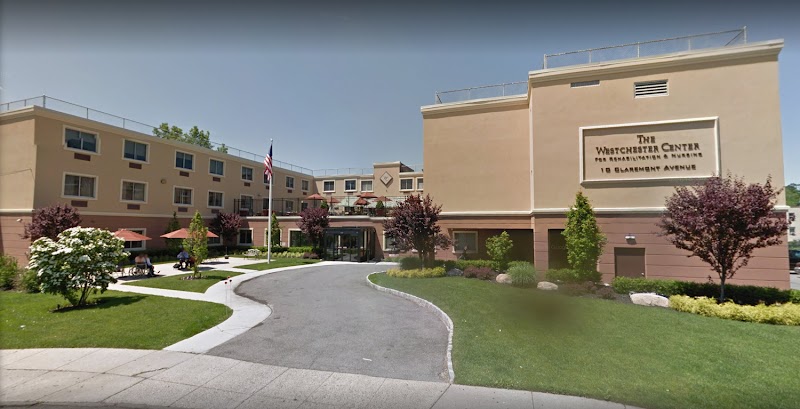
Who Owns and Operates Westchester Center For Rehabilitation & Nursing?

WESTCHESTER CENTER FOR REHABILITATION & NURSING is owned by a for-profit company. For-profit facilities operate as businesses with obligations to shareholders or private owners. The facility is operated by JONATHAN BLEIER, a chain that manages multiple nursing homes. With 240 certified beds and approximately 232 residents (about 97% occupancy), it is a large facility located in MOUNT VERNON, New York.
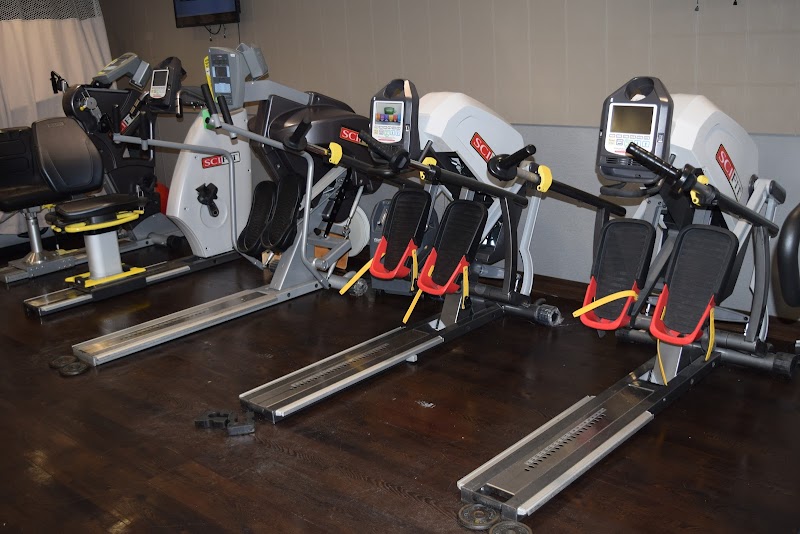
How Does Westchester Center For Rehabilitation & Nursing Compare to Other New York Nursing Homes?

Compared to the 100 nursing homes in New York, WESTCHESTER CENTER FOR REHABILITATION & NURSING's overall rating (2 stars) is below the state average of 3.1, staff turnover (43%) is near the state average of 46%, and health inspection rating (1 stars) is much below the national benchmark.

What Should Families Ask When Visiting Westchester Center For Rehabilitation & Nursing?

Based on this facility's data, families visiting should ask: "Can I visit during a mealtime to observe dining assistance and food quality?" "How do you handle medical emergencies, and what is your hospital transfer rate?" "Can I speak with family members of current residents about their experience?"

Is Westchester Center For Rehabilitation & Nursing Safe?

Based on CMS inspection data, WESTCHESTER CENTER FOR REHABILITATION & NURSING has a clean safety record: no substantiated abuse findings (meaning no confirmed cases of resident harm), no Immediate Jeopardy citations (the most serious violation level indicating risk of serious injury or death), and is not on the Special Focus Facility watch list (a federal program monitoring the lowest-performing 1% of nursing homes). The facility has a 2-star overall rating and ranks #100 of 100 nursing homes in New York. While no facility is perfect, families should still ask about staff-to-resident ratios and recent inspection results during their visit.

Do Nurses at Westchester Center For Rehabilitation & Nursing Stick Around?

WESTCHESTER CENTER FOR REHABILITATION & NURSING has a staff turnover rate of 43%, which is about average for New York nursing homes (state average: 46%). Moderate turnover is common in nursing homes, but families should still ask about staff tenure and how the facility maintains care continuity when employees leave.

Was Westchester Center For Rehabilitation & Nursing Ever Fined?

WESTCHESTER CENTER FOR REHABILITATION & NURSING has no federal fines on record. CMS issues fines when nursing homes fail to meet care standards or don't correct problems found during inspections. The absence of fines suggests the facility has either maintained compliance or corrected any issues before penalties were assessed. This is a positive indicator, though families should still review recent inspection reports for the full picture.

Is Westchester Center For Rehabilitation & Nursing on Any Federal Watch List?

WESTCHESTER CENTER FOR REHABILITATION & NURSING is not on any federal watch list. The most significant is the Special Focus Facility (SFF) program, which identifies the bottom 1% of nursing homes nationally based on persistent, serious quality problems. Not being on this list means the facility has avoided the pattern of deficiencies that triggers enhanced federal oversight. This is a positive indicator, though families should still review the facility's inspection history directly.