THE HAMLET REHABILITATION AND HEALTHCARE CENTER AT
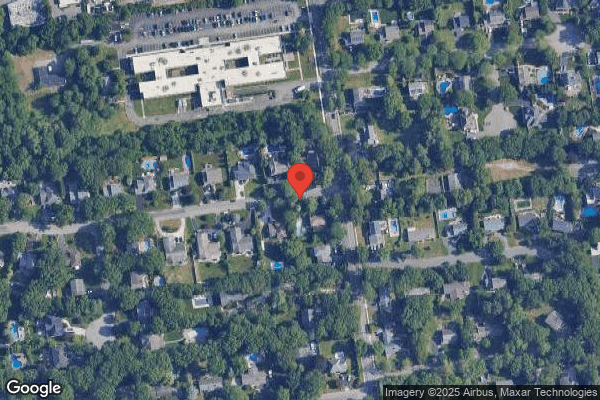

100 SOUTHERN BOULEVARD, NESCONSET, NY 11767 (631) 361-8800
For profit - Corporation 240 Beds CARERITE CENTERS Data: November 2025 1 Immediate Jeopardy citation
Trust Grade
71/100
#114 of 594 in NY
Last Inspection: February 2025

Within standard 12-15 month inspection cycle. Federal law requires annual inspections.

Overview

The Hamlet Rehabilitation and Healthcare Center has a Trust Grade of B, indicating it is a good choice for families, though not without its issues. It ranks #114 out of 594 facilities in New York, placing it in the top half, and #15 out of 41 in Suffolk County, meaning there are only a few better local options. The facility is improving, with issues decreasing from 5 in 2023 to 3 in 2025, but it still has concerning fines totaling $92,770, which is higher than 89% of New York facilities. Staffing is rated below average with a 2 out of 5 stars, but turnover is relatively low at 28%, suggesting some staff stability. Specific incidents raise red flags, such as a resident who developed a serious condition due to inadequate monitoring of bowel movements and another resident who did not receive proper care for pressure ulcers. Overall, while there are strengths, such as excellent quality measures, families should consider both the facility's improvements and its significant concerns.

Trust Score
B
71/100
In New York
#114/594
Top 19%
Safety Record
High Risk
Review needed
Inspections
Getting Better
5 → 3 violations
Staff Stability
✓ Good
28% annual turnover. Excellent stability, 20 points below New York's 48% average. Staff who stay learn residents' needs.
Penalties
○ Average
$92,770 in fines. Higher than 74% of New York facilities. Some compliance issues.
Skilled Nurses
○ Average
Each resident gets 32 minutes of Registered Nurse (RN) attention daily — about average for New York. RNs are the most trained staff who monitor for health changes.
Violations
⚠ Watch
12 deficiencies on record. Higher than average. Multiple issues found across inspections.
★★★★★
5.0
Overall Rating
★★☆☆☆
2.0
Staff Levels
★★★★★
5.0
Care Quality
★★★★☆
4.0
Inspection Score
Stable
2023: 5 issues
2025: 3 issues

The Good

  • 5-Star Quality Measures · Strong clinical quality outcomes
  • Low Staff Turnover (28%) · Staff stability means consistent care
  • Full Sprinkler Coverage · Fire safety systems throughout facility
  • No fines on record
  • Staff turnover is low (28%)

    20 points below New York average of 48%

Facility shows strength in quality measures, staff retention, fire safety.

The Bad

Federal Fines: $92,770

Well above median ($33,413)

Moderate penalties - review what triggered them

Chain: CARERITE CENTERS

Part of a multi-facility chain

Ask about local staffing decisions and management

The Ugly 12 deficiencies on record

1 life-threatening
Feb 2025 3 deficiencies
CONCERN (D)

Potential for Harm - no one hurt, but risky conditions existed

Pressure Ulcer Prevention (Tag F0686)

Could have caused harm · This affected 1 resident

**NOTE- TERMS IN BRACKETS HAVE BEEN EDITED TO PROTECT CONFIDENTIALITY** Based on observation, record review, and interviews during the Recertification Survey initiated on 2/12/2025 and completed on 2/...

Read full inspector narrative →
**NOTE- TERMS IN BRACKETS HAVE BEEN EDITED TO PROTECT CONFIDENTIALITY** Based on observation, record review, and interviews during the Recertification Survey initiated on 2/12/2025 and completed on 2/20/2025, the facility did not ensure that a resident with pressure ulcers received necessary treatment and services, consistent with professional standards of practices, to promote healing and prevent infections. This was identified for one (Resident #11) of four residents reviewed for Pressure Ulcer/Injury. Specifically, Resident #11 had a Stage 4 Pressure Ulcer (full-thickness tissue loss that exposes bone, tendon, or muscle) on the left buttock and sacrum (bottom of the spine). Resident #11 had a Physician's order to cleanse the wound with Dakin's solution (a diluted bleach solution, used as antiseptic to clean and treat wounds); however, the Wound Care Nurse used sodium chloride solution (normal saline) to clean Resident #11's left buttock wound during the wound care observation. The wound care team recommended to cleanse the wound with normal saline instead of Dakin's solution on 2/14/2025; hoewever, there was no documented evidence the recommendation was implemented until 2/18/2025. The finding is: The facility's policy titled Pressure Injury, last revised on 6/2024, documented the medical provider will authorize pertinent orders related to wound care treatments, including wound cleansing and debridement approaches, dressings (occlusive, Absorptive, etc.), and application of topical agents if indicated for the type of skin alteration. Upon written receipt of recommendations made by the wound care provider/consultants, the primary care providers will review and address the recommendations within 48 hours. Resident #11 was admitted with diagnoses including Multiple Sclerosis (a disease that causes a breakdown of the protective covering of nerves), Stage 4 Pressure Ulcer of the Left Buttock and Sacrum (bottom of the spine), and Osteoarthritis. The Quarterly Minimum Data Set assessment dated [DATE] documented a Brief Interview for Mental Status score of 8, which indicated Resident #11 had moderately impaired cognition. Resident #11 had unhealed pressure ulcers and used a pressure-reducing device for the chair and bed. A Comprehensive Care Plan titled Left Buttock and Sacrum Unstageable Wound last revised on 2/15/2024 documented interventions including the use of a pressure reduction bed mattress, a cushion to wheelchair, administration of pain medication 60 minutes before treatment, turning and positioning every 2 hours, wound care consultations, and treatments as per the Physician's orders. A Physician's order dated 1/30/2025 documented to apply Santyl (medication that removes damaged tissue from skin ulcers) External Ointment of 250 units per gram to the left gluteus (buttock) and sacral wound topically every day shift for wound care. Clean with quarter-strength Dakin's solution (a diluted bleach solution used as an antiseptic to clean and treat wounds), pat dry, apply Santyl followed by normal saline moistened gauze, Zinc Oxide to peri-wound, and cover with a silicone foam dressing daily and as needed. A wound care consultation progress note dated 2/14/2025, written by the Wound Care Nurse Practitioner, documented the left buttock Stage 4 pressure ulcer measuring 5.7 centimeters in length, 10.2 centimeters in width, and 0.2 centimeters in depth. The recommendations included cleansing the wound with normal saline, applying Santyl to the wound, and loosely packing it with saline moist gauze covered with bordered gauze daily and as needed. The Sacral Stage 4 pressure ulcer measurements were 1.2 centimeters in length, 1.2 centimeters in width, and 1 centimeter in depth. The recommendations included cleansing the wound with normal saline, protecting the peri-wound with zinc oxide, applying Santyl to the wound, and loosely packing the wound with saline moist gauze covered with bordered gauze daily and as needed. The Physician's order for the left buttock wound and sacral wound was not changed to indicate the wound care team's recommendation on 2/14/2025 to cleanse the wound with normal saline instead of Dakin's solution. During a wound care observation on 2/18/2025 at 1:15 PM, the Wound Care Nurse was assisted by Licensed Practical Nurse #3 and the Nurse Manager for positioning Resident #11 during the wound care treatment. The Wound Care Nurse started cleaning Resident #11's left buttock wound with 0.9 percent sodium chloride (normal saline). Upon inquiry by the surveyor, the Wound Care Nurse stopped and reviewed the Physician's order for Resident #11 and stated the Physician's order indicated that the wound should be cleansed with a quarter-strength Dakin's solution. During an interview on 2/18/2025 at 1:22 PM, the Wound Care Nurse stated that on 2/14/2025, the Wound Care Nurse Practitioner recommended discontinuing the use of the quarter-strength Dakin's solution and using the normal saline for cleansing the left buttock and sacral wounds. The Wound Care Nurse stated that they (the Wound Care Nurse) should have discontinued the quarter-strength Dakin's solution and started normal saline for cleaning as per the recommendations because there were no signs of wound infection. The Wound Care Nurse further stated they should have checked the Physician's orders prior to the start of the treatment and should have obtained a Physician's order prior to use the normal saline. During an interview on 2/18/2025 at 2:48 PM, Licensed Practical Nurse #1 stated when they provided wound care treatment for Resident #11, they followed the Physician's orders and used the quarter-strength Dakin's solution for cleaning the wound. Licensed Practical Nurse #1 stated they had never received any order to change Dakin's solution to normal saline. During an interview on 2/19/2025 at 9:10 AM, Licensed Practical Nurse #2 stated they provided wound care treatment on 2/13/2025 and 2/14/2025 for Resident #11. Licensed Practical Nurse #2 stated the Wound Care Nurse Practitioner was present and assessed the wounds with the Wound Care Nurse on 2/14/2025, but they (Licensed Practical Nurse #2) did not receive any orders to change the quarter-strength Dakin's solution to normal saline for cleaning Resident #11's wounds. Licensed Practical Nurse #2 stated they were using Dakin's solution to cleanse Resident #11's wound per the Physician's order. During an interview on 2/19/2025 at 9:22 AM, the Wound Care Nurse Practitioner stated they assessed Resident #11 on 2/14/2025. The Wound Care Nurse Practitioner stated Resident #11's wounds had no sign of infection. The Wound Care Nurse Practitioner stated they recommended discontinuing the quarter-strength Dakin's solution and using normal saline to cleanse Resident #11's wounds instead. The Wound Care Nurse Practitioner stated prolonged use of Dakin's solution can damage skin. The Wound Care Nurse Practitioner further stated they expected the nurses to relay recommendations to the primary Physicians within 24-48 hours. During an interview on 2/19/2025 at 1:27 PM, the Nurse Practitioner stated they were notified of the recommendation to discontinue the Dakin's solution for Resident #11's wound care by the Wound Care Nurse on 2/18/2025. The Nurse Practitioner stated they expected to be notified of recommendations within 24-48 hours of any consultation. The Nurse Practitioner stated they agreed with the Wound Care Nurse Practitioner's recommendation and the Physician's order was updated on 2/18/2025. During an interview on 2/19/2025 at 2:01 PM, the Director of Nursing Services stated they (the Director of Nursing Services) did not know why the Wound Care Nurse did not document the new treatment order for Resident #11 until 2/18/2025. 10 NYCRR 415.12(c)(1)
CONCERN (D)

Potential for Harm - no one hurt, but risky conditions existed

Deficiency F0694 (Tag F0694)

Could have caused harm · This affected 1 resident

**NOTE- TERMS IN BRACKETS HAVE BEEN EDITED TO PROTECT CONFIDENTIALITY** Based on observation, record review and interview during the Recertification Survey initiated on 2/12/2025 and completed on 2/20...

Read full inspector narrative →
**NOTE- TERMS IN BRACKETS HAVE BEEN EDITED TO PROTECT CONFIDENTIALITY** Based on observation, record review and interview during the Recertification Survey initiated on 2/12/2025 and completed on 2/20/2025, the facility did not ensure care and services for the provision of parenteral fluids were consistent with the professional standard of practice for each resident. This was identified for one (Resident #323) of two residents reviewed for Hydration. Specifically, Resident #323 was admitted on [DATE] with a Peripherally Inserted Central Catheter (a thin flexible tube inserted into a vein in the upper arm and threaded into a large vein near the heart) inserted to the left upper arm. There was no documented evidence the external length of the catheter was routinely measured to prevent migration and the care plan was not updated to include the measurement of the external length of the catheter. The Physician's order did not include monitoring the catheter site for signs and symptoms of infection and measuring the external length of the catheter with each dressing change The finding is: The facility policy titled Peripherally Inserted Central Catheter and revised on 6/2024 documented to measure the length of the external access device with each dressing change or, if catheter dislodgement is suspected, compare with the length documented on initial assessment upon insertion. Healthcare providers should regularly assess the site for signs of infection, complications or dislodgement. Resident #323 was admitted with diagnoses that included Malignant Neoplasm (Cancer) of the Bone, Anemia, and Malignant Neoplasm of the Kidney. A Minimum Data Set assessment was not available because the resident was recently admitted . The hospital record dated 2/4/2025 documented a Peripherally Inserted Central Catheter was inserted into Resident #323's left Basilic vein. A Physician's order dated 2/6/2025 documented to change the catheter site dressing for Resident #323's Peripherally Inserted Central Catheter to the left upper extremity every 72 hours and as needed with transparent dressing, on the day shift every Monday and Thursday. The Physician's order also included to flush the Peripherally Inserted Central Catheter with 10 milliliters of Normal Saline before and after every intravenous medication use. The Physician's order did not include monitoring the catheter site for signs and symptoms of infection and measuring the external length of the catheter with each dressing change. A review of the resident Medication Administration Record and Treatment Administration Record for February 2025 revealed there was no documented evidence of external length measurements of the catheter or monitoring the catheter site for signs and symptoms of infection from 2/6/2025 to 2/14/2025 and 2/18/2025 to 2/19/2025. The resident was hospitalized from [DATE] to 2/18/2025. During an observation on 2/12/2025 at 9:30 AM, Resident #323 was observed resting in bed with a Peripherally Inserted Central Catheter in the left upper arm. The site appeared to be intact. A Comprehensive Care Plan dated 2/13/2025 documented the resident had a Peripherally Inserted Central Catheter for the administration of medication. Interventions included assessing the insertion site of the Peripherally Inserted Central Catheter for any redness, tenderness, or swelling, as well as checking that the dressing is clean, dry, and intact. The Nursing re-admission Evaluation dated 2/18/2025 documented the dressing for the Peripherally Inserted Central Catheter line to the left upper arm was clean, dry and intact. The resident denied pain at the site. The evaluation did not include the external length measurement of the catheter. During an interview on 2/19/2025 at 4:22 PM, the Assistant Director of Nursing Services stated the Registered Nurses were responsible for flushing the Peripherally Inserted Central catheter and monitoring for blood return, pain, and signs of infection at the catheter site. The Assistant Director of Nursing Services stated they did not know if the facility policy included monitoring the catheter for migration and to measure the external length of the catheter. During an interview on 2/20/2025 at 9:45 AM, Registered Nurse #1 stated during each shift, the Peripherally Inserted Central Catheter line should be monitored to ensure the circumference of the resident's arm does not increase in size. The catheter should also be flushed and the external length should be measured with every dressing change. Registered Nurse #1 stated the Registered Nurses should document their assessment of the site and measurement of the catheter in the Medication Administration Record. Registered Nurse #1 stated upon admission and readmission, the Registered Nurse who completed the assessments should have obtained orders to monitor for signs and symptoms of infection and measure the external length of the catheter. During an interview on 2/20/2025 at 10:09 AM, the Director of Nursing Services stated the medical team, including the resident's medical provider, was responsible for entering and reconciling the orders in the Electronic Medical Record upon admission. The Director of Nursing Services stated after the Physician enters the orders in the medical record, the admitting nurse should ensure all orders are correct. The Director of Nursing Services stated the Registered Nurses were responsible for the dressing change of the Peripherally Inserted Central Catheter, which included measuring the external length of the catheter and checking for signs and symptoms of infection at the catheter site. The Director of Nursing Services stated there were no Physician's orders in place that addressed assessing the site for signs of infection and measurement of the external length of the catheter. The Director of Nursing Services further stated there should have been Physician's orders to monitor Resident #323's catheter for migration and to measure the external length of the catheter. During an interview on 2/20/2025 at 12:28 PM, Physician #1 stated upon admission, the medical team should have ensured that orders were in place for the care of the Peripherally Inserted Central Catheter, including to measure the external length of the catheter. 10 NYCRR 415.12(k)(2)
CONCERN (D)

Potential for Harm - no one hurt, but risky conditions existed

Respiratory Care (Tag F0695)

Could have caused harm · This affected 1 resident

**NOTE- TERMS IN BRACKETS HAVE BEEN EDITED TO PROTECT CONFIDENTIALITY** Based on observation, record review, and interviews during the Recertification Survey initiated on 2/12/2025 and completed on 2/...

Read full inspector narrative →
**NOTE- TERMS IN BRACKETS HAVE BEEN EDITED TO PROTECT CONFIDENTIALITY** Based on observation, record review, and interviews during the Recertification Survey initiated on 2/12/2025 and completed on 2/20/2025, the facility did not ensure that each resident who needs respiratory care is provided such care consistent with professional standards of practice and the comprehensive person-centered care plan. This was identified for one (Resident #7) of three residents reviewed for Respiratory care. Specifically, Resident #7, with a diagnosis of Chronic Obstructive Pulmonary Disease (COPD), had a Physician's Order to administer oxygen therapy at 2 liters per minute via a nasal cannula (tubing used to deliver supplemental oxygen) as needed. The resident complained of feeling short of breath and was trying to place the nasal cannula to receive supplemental oxygen from the oxygen tank; however, the oxygen tank was empty. The finding is: The Oxygen Administration Policy dated 1/28/2025 documented oxygen therapy is administered by way of an oxygen mask, nasal cannula, and/or nasal catheter. The Policy did not include who was responsible for maintaining and/or monitoring the oxygen tanks. Resident #7 was admitted with the diagnoses of Chronic Obstructive Pulmonary Disease, Type 2 Diabetes Mellitus, and Hypertension. The Minimum Data Set assessment dated [DATE] documented a Brief Interview for Mental Status score of 13, which indicated the resident had intact cognition. The Minimum Data Set documented the resident utilized oxygen therapy. The Physician's Order dated 1/7/2025 documented to administer Oxygen therapy via nasal cannula at 2 liters per minute as needed for shortness of breath. The Comprehensive Care Plan for cardiac decompensation related to Hypertension dated 10/16/2024 documented interventions including administering oxygen therapy as ordered by the Physician. During an observation on 2/12/2025 at 11:35 AM, Resident #7 was observed in their bed and was attempting to put the nasal cannula in their nose. The resident stated they felt short of breath and were trying to fix the tubing. The oxygen tubing was attached to the oxygen tank which was placed by the door. The gauge needle was at the red line indicating the tank was empty. The Director of Nursing Services was alerted to check the resident's oxygen saturation level. The Director of Nursing Services came to the resident's room and checked the resident's oxygen saturation level, which was between 88 percent to 91 percent (normal range above 95 percent). The Director of Nursing Services stated the oxygen tank was empty. A new oxygen tank was subsequently connected, and the resident's oxygen saturation level went up to 92 percent. During an interview on 2/12/2025 at 11:48 AM, the Director of Nursing Services stated the resident should use a concentrator for oxygen; however, when the concentrator was broken, the staff used an oxygen tank to administer oxygen therapy. The Director of Nursing Services stated the oxygen tank should have enough oxygen available. Resident #7 is alert and can use the call bell to call for staff assistance. During an interview on 2/13/2025 at 1:38 PM, Licensed Practical Nurse #4 stated Resident #7 has a Physician's Order for oxygen therapy as needed. Licensed Practical Nurse #4 stated the resident had been utilizing an oxygen tank since the morning. At 9:00 AM, there was a quarter full of oxygen remaining in the tank. The resident made their needs known and had no concerns. Licensed Practical Nurse #4 stated they got busy and did not check the oxygen tank after 9:00 AM. Licensed Practical Nurse #4 stated they should have checked the oxygen tank to ensure there was enough oxygen available. During an interview on 2/20/2025 at 11:57 AM, Nurse Practitioner #1 stated they expected the nursing staff to follow the Physician's Orders related to oxygen therapy. Resident #7 has significant Chronic Obstructive Pulmonary Disease, and if they did not receive oxygen therapy as needed, there could be a risk of respiratory distress and Hypoxia (lack of oxygen to body tissues). 10 NYCRR 415.12(k)(6)
Nov 2023 4 deficiencies
CONCERN (D)

Potential for Harm - no one hurt, but risky conditions existed

Deficiency F0657 (Tag F0657)

Could have caused harm · This affected 1 resident

**NOTE- TERMS IN BRACKETS HAVE BEEN EDITED TO PROTECT CONFIDENTIALITY** Based on observations, record review, and interviews during the Recertification Survey initiated on 11/16/2023 and completed on ...

Read full inspector narrative →
**NOTE- TERMS IN BRACKETS HAVE BEEN EDITED TO PROTECT CONFIDENTIALITY** Based on observations, record review, and interviews during the Recertification Survey initiated on 11/16/2023 and completed on 11/22/2023, the facility did not ensure that the Comprehensive Care Plan (CCP) for each resident was reviewed and revised by an interdisciplinary team to reflect the resident's current status. This was identified for one (Resident # 196) of five residents reviewed for Accidents and one (Resident #200) of four residents reviewed for Limited Range of Motion. Specifically, 1) Resident #196 had a physician's order, and a CCP developed, to utilize a Wanderguard bracelet due to wandering behavior. Facility staff were aware of the resident's behavior of removing the Wanderguard bracelet; however, the CCP was not updated to reflect the resident's behavior. Additionally, the Certified Nursing Assistant Accountability Record (CNAAR) was not updated to address the resident's behavior. 2) Resident #200 had a Physician's order to wear a Miami J collar (rigid collar applied to the neck) due to a cervical fracture. Resident #200 was observed on multiple occasions not wearing the Physician prescribed Miami J collar. The CCP was not revised to reflect the resident's behavior of removing the Miami J collar. The finding is: The facility's policy titled, Care Plans, Comprehensive Person-Centered dated 5/18/2023 documented assessments of residents are ongoing, and care plans are revised as information about the residents and the residents' conditions change. The Interdisciplinary Team reviews and updates the care plan when the desired outcome is not met. 1) Resident #196 has diagnoses including Severe Dementia with Other Behavioral Disturbances, Anxiety Disorder, and Psychotic Disorder. The 9/20/2023 quarterly Minimum Data Set (MDS) assessment documented a Brief Interview for Mental Status (BIMS) score of 3, indicating the resident had severely impaired cognition. Resident #196 requires one-person physical assistance with transfers and ambulation. A physician's order dated 9/07/2023 documented to apply the Wanderguard/Secure Care bracelet to the right ankle and to check the function of the Wanderguard bracelet every shift to ensure safety and minimize elopement risk. A CCP, initially developed on 12/10/2022 and last revised on 09/25/2023, documented the resident exhibits behavior symptoms such as wandering behavior; was identified as an elopement risk; was expressing desire to leave the facility, and had cognitive impairment. Interventions included but were not limited to checking the function of the Wanderguard and checking the placement of the Wanderguard bracelet each shift. The Treatment Administration Record (TAR) for November 2023 documented to check the function of the Wanderguard to the right ankle every shift for safety/elopement risk. The TAR included the initials of the nursing staff every shift. Resident #196 was observed sitting on the edge of the bed in their room on 11/17/2023 at 11:47 AM. The resident was observed not wearing a Wanderguard on their ankle. The 7 AM - 3 PM shift Certified Nursing Assistant (CNA) #6 was interviewed on 11/17/2023 at 11:47 AM. CNA # 6 stated they (CNA #6) were the assigned dayshift CNA for Resident # 196. The surveyor asked CNA#6 to check the placement of Resident #196's Wanderguard bracelet. CNA #6 checked the resident's upper extremities, followed by the lower extremities, but could not find the Wanderguard bracelet. CNA #6 then searched the resident's room, checking all the drawers. CNA #6 was not able to locate the Wanderguard. CNA #6 stated that the resident occasionally removes the Wanderguard bracelet. CNA #6 stated the nurses are responsible for checking and documenting that the Wanderguard is in place; the task of documenting the Wanderguard's placement is not specifically assigned to CNAs. CNA#6 stated they would notify a nurse if they noticed the wanderguard was not in place. Resident #196 was observed in the activity room on 11/20/2023 at 4:04 PM, engaged in an activity. Licensed Practical Nurse (LPN) #1 was present in the activity room and was asked to check the placement of Resident # 196's Wanderguard. LPN #1 stated the Wanderguard was not on the resident. LPN #1, the unit manager, was re-interviewed on 11/20/23 at 4:08 PM and stated that everyone is responsible for checking the Wanderguard's placement. LPN #1 further stated that Resident #196 frequently removes the Wanderguard. LPN #2 was interviewed on 11/20/2023 at 4:20 PM. LPN #2 stated that they checked Resident # 196's Wanderguard placement on 11/17/2023 and documented resident's Wanderguard was in place on TAR. LPN #2 stated that the resident frequently removes the Wanderguard. LPN #2 stated, It is hard plastic, I don't know how (the resident) takes it off. Resident # 196's Electronic Medical Record (EMR) was reviewed from 9/07/2023 through 11/20/2023. There was no documented evidence regarding Resident # 196 removing the Wanderguard bracelet. The Director of Nursing Services (DNS) was interviewed on 11/20/2023 at 4:35 PM and stated that Wanderguard placement is checked by nurses during each shift, and the overnight shift (11 PM - 7 AM) nurses assess the functioning of the Wanderguard on a weekly basis. The DNS reviewed the resident's CCP and acknowledged the absence of a care plan to address the resident's behavior of removing the Wanderguard. The DNS stated that the care plan for the Wanderguard should have been revised to address the resident's non-compliance to manage and address the behavior of the Wanderguard removal. 2) The facility's policy titled, Assistive Devices and Equipment dated 5/19/2023 documented devices and equipment that assist with resident mobility, safety and independence are provided for residents. The policy documented the staff are required to demonstrate competency in the use of devices and equipment and are available to assist and supervise residents as needed. Resident #200 was admitted with diagnoses including a Nondisplaced fracture of the seventh cervical vertebra (bone in the spine at neck), Traumatic subdural hemorrhage (bleeding in the area between the brain and the skull), and Chronic obstructive pulmonary disease. The 5-day Minimum Data Set (MDS) assessment dated [DATE] documented the resident had a Brief Interview for Mental Status (BIMS) score of three indicating the resident had a severely impaired cognition. The resident was dependent on a helper to eat, complete oral hygiene, complete toileting hygiene, to shower/bathe self, upper body dressing, lower body dressing, putting on/taking off footwear, and to complete personal hygiene. A Physician's (MD) order dated 10/17/2023 documented to wear the Miami J collar at all times, remove every shift for hygiene and skin checks. The Comprehensive Care Plan (CCP) for alteration in musculoskeletal status related to seventh vertebral fracture dated 10/18/2023 documented the resident would have no complications from the fracture. The interventions effective on 10/18/2023 included to wear the Miami J collar per MD orders. The CCP for Behavior dated 11/2/2023 documented the resident exhibits behavior symptoms such as: ambulating without assistance, wandering about the unit but has not attempted to leave interior of the building. The CCP was revised on 11/20/2023 to include the resident's behavior of removing the Miami J collar. A nursing progress note dated 11/7/2023 documented Resident #200 was observed removing their Miami J collar. A Nurse Practitioner (NP) progress note dated 11/10/2023 documented Resident #200 was noncompliant with wearing the Miami J collar. A nursing progress note dated 11/12/2023 documented Resident #200 refused to wear the Miami J collar. A nursing progress note dated 11/13/2023 documented Resident #200 was pulling off their Miami J collar. The NP progress note dated 11/16/2023 documented Resident #200 was to continue use of the Miami J collar; remove every shift with routine skin care. A nursing progress note dated 11/20/2023 documented Resident #200 was walking in their room without wearing the Miami J collar. A subsequent nursing progress note dated 11/20/2023 documented Resident #200's Miami J Collar could not be located. The NP progress note date 11/21/2023 documented Resident #200 was noncompliant with wearing the Miami J collar. The NP note dated 11/22/2023 documented Resident #200 was observed not wearing their Miami J collar. Resident #200 was to wear Miami J collar at all times until cleared by the Neurosurgeon. The following observations of Resident #200 were made: -On 11/17/2023 at 9:16 AM Resident #200 was observed sitting in their wheelchair in their room and not wearing their Miami J collar. The Miami J collar was observed on their nightstand. -On 11/20/2023 at 4:17 PM Resident #200 was observed sitting on their bed and not wearing their Miami J collar. When asked where their Miami J collar was Resident #200 pointed to their nightstand. The Miami J collar was observed on the nightstand. -On 11/21/2023 at 10:16 AM Resident #200 was observed in the resident lounge. Resident #200 was not wearing their Miami J collar. Certified Nursing Assistant (CNA) #8, the assigned 7 AM - 3 PM CNA, was interviewed on 11/20/2023 at 4:19 PM. CNA #8 stated Resident #200 has to wear the Miami J collar at all times, but the resident frequently removes the collar. CNA #8 stated they (CNA #8) informed the unit Licensed Practical Nurse (LPN) when Resident #200 removed the collar because the LPN was responsible for ensuring the placement of the collar. LPN #5 was interviewed on 11/21/2023 at 9:56 AM. LPN #5 stated the resident started to remove the Miami J collar after their (Resident #200's) tracheotomy tube was removed on 11/6/2023. LPN #5 stated they (LPN #5) ensured the placement of the collar at the start of each shift and when Resident #200 removed the collar they (LPN #5) offered verbal encouragement to reapply the collar. LPN #5 stated they (LPN #5) documented in their nursing notes that Resident #200 removed the collar. Registered Nurse (RN) #2 was interviewed on 11/21/2023 at 10:05 AM. RN #2 stated Resident #200 started to remove their Miami J collar when their tracheotomy tube was removed on 11/6/2023. RN #2 was re-interviewed on 11/21/2023 at 3:48 PM. RN #2 stated Resident #200's care plan should have been updated on 11/7/2023 when the resident first removed the collar. The Minimum Data Set (MDS) Coordinator was interviewed on 11/21/2023 at 4:13 PM. The MDS Coordinator stated they updated Resident #200's care plan on 11/20/2023 because they (MDS Coordinator) were informed of the issue of Resident #200 removing the Miami J collar on 11/20/2023. The MDS Coordinator stated updates on a resident's condition are reported to them (MDS Coordinator) via the morning report, through Electronic Medical Record (MAR) review or reports from the Unit RN. The MDS Coordinator stated they share the responsibility of creating and updating the care plan with other nurses and the rehabilitation therapy department. The Director of Nursing Service was interviewed on 11/22/2023 at 2:53 PM. The DNS stated a revision of the Comprehensive Care Plan should be completed within seven to fourteen days of a change in a resident's behavior. 10 NYCRR 415.11(c)(2)(i-ii)
CONCERN (D)

Potential for Harm - no one hurt, but risky conditions existed

Accident Prevention (Tag F0689)

Could have caused harm · This affected 1 resident

**NOTE- TERMS IN BRACKETS HAVE BEEN EDITED TO PROTECT CONFIDENTIALITY** Based on observations, record review and interviews conducted during a Recertification Survey initiated on 11/16/2023 and comple...

Read full inspector narrative →
**NOTE- TERMS IN BRACKETS HAVE BEEN EDITED TO PROTECT CONFIDENTIALITY** Based on observations, record review and interviews conducted during a Recertification Survey initiated on 11/16/2023 and completed on 11/22/2023, the facility did not ensure that the residents' environment remained as free from accident hazards as possible, and each resident receives adequate supervision to prevent accidents. This was identified for one (Resident #87) of five residents reviewed for Accidents. Specifically, Resident #87 was observed on 11/22/2023 with multiple medications in a medication cup on their bedside table with no staff member in the vicinity. The resident was not assessed to safely self-administer medications. The finding is: The facility policy for administering medication dated 5/19/2023 did not address protocols to be followed related to medications being left unattended at the resident's bedside. Resident #87 was admitted with diagnoses that included Depression, Right Breast Cancer, and Gastro-Esophageal Reflux Disease (GERD). A Quarterly Minimum Data Set (MDS) assessment dated [DATE] documented the resident had a Brief Interview for Mental Status (BIMS) score of 15 which indicated intact cognition. The MDS documented the resident received antidepressant medication for seven of seven days during the lookback period. A physician's order in place since 11/5/2021 through 11/22/2023 documented to administer Anastrozole 1 milligram (mg) 1 tablet by mouth one time a day for Breast Cancer. A Physician's order in place since 12/15/22 through 11/22/2023 documented to administer Loratadine (Claritin) 10 mg, 1 tablet by mouth one time a day for allergy symptoms. A Physician's order in place since 5/9/2022 through 11/22/2023 documented to administer Omeprazole 20 mg 1 tablet by mouth in the morning for acid indigestion. A Physician's order in place since 4/28/2021 through 11/22/2023 documented to administer Venlafaxine Hydrochloride (HCI) Extended Release (ER) 75 mg, 3 capsules by mouth one time a day for Depression. A Comprehensive Care Plan (CCP) dated 12/14/2020 and updated 7/5/2023 documented the resident has Anti-Estrogen medication-related Cancer. Interventions included but were not limited to give medications and treatments as ordered. A CCP dated 6/4/2020 and last updated 7/5/2023 documented the resident has GERD and was at risk for complications. Interventions included but were not limited to give medications as ordered. A CCP dated 6/4/2023 documented the resident uses antidepressant medication related to Depression. Interventions included but were not limited to give the antidepressant medications as ordered by the physician. During an observation on Nursing Unit 200 on 11/22/2023 at 9:20 AM Resident #87 was observed in bed. The resident was awake, alert and responded appropriately to greetings. A medication cup containing a capsule and 4 tablets was observed on the resident's bedside table. The resident stated that the cup contained their Antidepressant (Venlafaxine), Cancer (Anastrozole) tablet, their medication (Prilosec) for GERD, and Claritin (for allergies). Resident #87 stated they were not finished taking their pills. There was no staff member present in the resident's room. Licensed Practical Nurse (LPN) #8 was interviewed on 11/22/2023 at 9:25 AM. LPN #8 stated they gave Resident #87 their medications at 8:29 AM; however, they did not observe the resident taking all their medications because they had to leave the resident's room when they received an overhead page. LPN #8 stated that the resident receives a total of six medications in the morning and they had administered two of the six medications when they were paged. LPN #8 stated the other medications were left in a cup at the bedside. LPN #8 stated the process was for them to stay with the resident until all medications were taken. LPN #8 stated when they responded to the overhead page, they (LPN #8) should have taken the pills with them when they left the resident's room. LPN #8 stated that they intended to return to the resident but forgot. Physician #1, who was the resident's attending Physician, was interviewed on 11/22/2023 at 11:50 AM. Physician #1 stated Resident #87 did not request to self-administer their medication and therefore they did not initiate an order for self-medication Administration. Physician #1 stated that the medication should not have been left at the resident's bedside. The Director of Nursing Services (DNS) was interviewed on 11/22/2023 at 12:35 PM. The DNS stated LPN #8 should not have left the medications at the resident's bedside. The DNS further stated that LPN #8 should have taken the medications with them when they left the resident's room in response to the page. 10 NYCRR 415.12(h)(1)(2)
CONCERN (D) 📢 Someone Reported This

A family member, employee, or ombudsman was alarmed enough to file a formal complaint

Potential for Harm - no one hurt, but risky conditions existed

Deficiency F0710 (Tag F0710)

Could have caused harm · This affected 1 resident

**NOTE- TERMS IN BRACKETS HAVE BEEN EDITED TO PROTECT CONFIDENTIALITY** Based on record review and staff interviews during the Recertification Survey and Abbreviated Survey (NY00326793) initiated on 1...

Read full inspector narrative →
**NOTE- TERMS IN BRACKETS HAVE BEEN EDITED TO PROTECT CONFIDENTIALITY** Based on record review and staff interviews during the Recertification Survey and Abbreviated Survey (NY00326793) initiated on 11/16/2023 and completed on 11/22/2023 the facility did not ensure that medical care of each resident was supervised by a Physician and included Physician's orders for the resident's immediate care and needs. This was identified for one (Resident #391) of two residents reviewed for Urinary Catheter use. Specifically, a) Resident #391 was re-admitted on [DATE] with a Peripherally Inserted Central Catheter (PICC) Line for Antibiotic Therapy. There were no physician's orders in place upon admission on [DATE] for the use of the PICC line for antibiotic therapy; for monitoring of the PICC line site, nor for dressing changes of the PICC line. b) On 6/1/2023 Resident #391 was assessed by a Nurse Practitioner (NP) #1 for the use of an indwelling Foley catheter due to a diagnosis of Urinary Retention. There was no physician's order obtained for the indication and use of the indwelling Foley catheter. The finding is: The facility's Physician's Orders Policy dated 5/19/2023 documented that each resident must be under the care of a Licensed Physician authorized to practice medicine in this state and current list of orders must be maintained in the clinical record of each resident. a) Resident #391 was admitted with diagnoses that includes Sepsis, Urinary Tract Infection, and Unspecified B-Cell Lymphoma. The admission Minimum Data Set (MDS) assessment dated [DATE] documented the resident's Brief Interview for Mental Status (BIMS) score was 15 which indicated the resident had intact cognition. The resident was always incontinent of bowel and bladder. The MDS further documented the resident received antibiotic therapy for 4 days during the look back period. A Physician's order dated 5/27/2023 documented to administer Vancomycin HCl (Antibiotic) Intravenous Solution Reconstituted 750 milligram (mg) intravenously and Ceftriaxone Sodium (Antibiotic) in Dextrose Intravenous Solution 2 Gram Intravenously one time a day for Sepsis until 7/6/23. The Medication Administration Records (MAR) dated 5/2023 and 6/2023 documented Ceftriaxone Sodium-Dextrose Intravenously Solution 2 gram intravenously one time a day and Vancomycin HCl Intravenous Solution Reconstituted 750 mg intravenously one time a day for Sepsis were administered starting 5/27/2023 through 6/11/2023. The resident was discharged from the facility on 6/12/2023. The MARs dated 5/2023 and 6/2023 were reviewed. Both the 5/2023 and 6/2023 MARs lacked documented evidence of dressing changes of the PICC line and that the PICC line was flushed prior to and after the antibiotic administration. A Nurse Practitioner (NP) note dated 6/1/2023 documented the resident Continued Vancomycin and Ceftriaxone until 07/06/2023 for Endocarditis. A Nursing progress note dated 6/5/2023 documented the resident's PICC line was observed leaking. An order to replace PICC line was obtained and a new line in the right arm was placed. PICC line patent, no complaint of pain or leaking at this time. b) The Bowel and Bladder admission Evaluation form dated 6/6/2023 documented the resident was incontinent of urine and has a Foley catheter due to Urinary Retention. A Nurse Practitioner (NP) note dated 6/1/2023 documented the resident was assessed and noted with abdominal distention and bladder distention. The resident was catheterized and 2300 milliliters (ml) of urine was drained. An Abdominal x-ray revealed evidence of a distended bladder. The resident remained with the Foley catheter at this time with positive urine drainage. A review of the resident's medical record revealed there were no Physician's orders for the use of the foley catheter use nor an indication for the foley catheter. The Director of Nursing Services (DNS) was interviewed was on 11/20/2023 at 4:43 PM. The DNS stated that on admission the admitting nurse should have documented on the admission assessment that the resident was admitted with a PICC line. The DNS stated the admitting Registered Nurse (RN) #3 should have obtained a Physician's order to flush the PICC line before and after Antibiotic use and for care of the PICC line, which should have included weekly dressing changes. The DNS further stated that there should have been a Physician order for the Foley catheter and that a CCP should have been developed for the use of the PICC line and for the use of the indwelling catheter. Licensed Practical Nurse (LPN) #7 was interviewed was on 11/22/2023 at 12:06 PM. LPN #7 stated they inserted the Foley catheter on 6/1/2023 as per the Physician's verbal order. LPN #7 stated that once they had conducted the bladder scan the results were reported to the Physician and a Foley catheter was inserted based on the physician's verbal orders. LPN #7 stated all procedures completed for the resident require a Physician's order. LPN #7 stated they were not responsible to enter the Physician's orders in the Electronic Medical Record (EMR), that responsibility belonged to the NP, Physician, or the unit Nurse Manager. Nurse Practitioner (NP) #1 was interviewed on 11/22/2023 at 12:38 PM. NP #1 stated that when a resident has a PICC line there should have been a Physician's orders in place for the use of the PICC line; flushing the PICC line before and after use; and for weekly PICC line dressing changes. The NP stated that it was an oversight that orders were not initiated for the use and care of the PICC line. NP #1 stated that they were in the facility on 6/1/2023 and examined the resident due to bladder distension. NP #1 stated the resident failed voiding and they ordered a straight catheterization then insertion of the indwelling Foley catheter and documented their plan in the medical progress notes; however, it was an oversight that they did not initiate an order for the Foley Catheter. The Medical Director was interviewed on 11/22/2023 at 1:16 PM and stated that a Physician's order should be in place from the hospital for the PICC line care. The Medical Director stated that the two basic orders that should be obtained from the Physician by the admitting nurse were the PICC line dressing changes weekly and as needed, and to flush the PICC line before and after each use. The Medical Director stated that when the PICC line dressing changes are not performed timely there is a potential for infection at the PICC line site. The Medical Director stated that if the PICC line catheter was not flushed then there is a potential for the PICC line malfunction. Additionally, the Medical Director further stated that when a Foley catheter is inserted there should be a Physician's order including the indication for the use of the Foley Catheter. 10 NYCRR 415.15(b)(1)(i)(ii)
CONCERN (E) 📢 Someone Reported This

A family member, employee, or ombudsman was alarmed enough to file a formal complaint

Potential for Harm - no one hurt, but risky conditions existed

Comprehensive Care Plan (Tag F0656)

Could have caused harm · This affected multiple residents

**NOTE- TERMS IN BRACKETS HAVE BEEN EDITED TO PROTECT CONFIDENTIALITY** 2) Resident #81 was admitted with diagnoses that include Hemiplegia and Hemiparesis with Cerebral Infarction and Polyarthritis. ...

Read full inspector narrative →
**NOTE- TERMS IN BRACKETS HAVE BEEN EDITED TO PROTECT CONFIDENTIALITY** 2) Resident #81 was admitted with diagnoses that include Hemiplegia and Hemiparesis with Cerebral Infarction and Polyarthritis. The Minimum Data Set (MDS) assessment dated [DATE] documented the resident's Brief Interview for Mental Status (BIMS) score was 15 which indicated the resident was cognitively intact. Resident #81 required extensive assistance of two persons for all Activities of Daily Living (ADLs) which includes toileting, bed mobility, and personal hygiene. The resident utilized a motorized wheelchair for mobility. The Comprehensive Care Plan (CCP) for Impaired Mobility/Positioning Device dated 6/19/2023 and last updated on 9/3/2023 documented interventions including the use of a motorized wheelchair with a joystick and a right arm trough for improved positioning. The CCP did not include the use of a seat belt. The Physician's orders dated 11/8/2023 to utilize a motorized wheelchair; however, the order did not include the use of a self-release seat belt. Resident #81 was observed on 11/16/2023 at 11:30 AM wearing a self-release seat belt while using a motorized wheelchair. Resident #81 was interviewed on 11/20/2023 at 2:26 PM and stated that they always use a seat belt with the motorized wheelchair because they do not want to fall. Certified Nursing Assistant (CNA) #1 was interviewed on 11/21/2023 at 11:52 AM and stated that Resident #81 always uses the self-release seat belt when they are using the motorized wheelchair. The Director of Rehabilitation Services was interviewed on 11/20/2023 at 3:18 PM and stated that residents who use self-release seat belts should have an evaluation completed and a care plan developed for the use of the seat belt even if the wheelchair came with the resident from their home. MDS Coordinator #1 was interviewed on 11/22/2023 at 10:12 AM and stated that Resident #81 obtained the motorized wheelchair themselves. MDS Coordinator #1 stated they were responsible for updating the CCP. MDS Coordinator #1 stated they did not update Resident #81's CCP to include the use of the self-release seat belt because the resident did not use the seat belt all the time. The Director of Nursing Services (DNS) was interviewed on 11/22/2023 at 9:40 AM and stated that Resident #81 has a motorized wheelchair, and the self-release seat belt is a part of the motorized wheelchair. The self-release seat belt care plan was supposed to be developed when the motorized wheelchair was first used. 3) The facility's policy and procedure titled Care of Hearing Aids last revised February 2018 documented the purpose of the procedure is to maintain the resident's hearing at the highest attainable level. Resident #130 was admitted with diagnoses of lumbar vertebra (a bone in the lower back) fracture, Dementia and Anemia. The 5-day Minimum Data Set (MDS) assessment dated [DATE] documented Resident #130 had a Brief Interview for Mental Status (BIMS) score of 9 indicating moderate cognitive impairment. The MDS documented Resident #130 had adequate hearing and there were no hearing aids or other hearing appliances used. On 11/17/2023 at 9:20 AM Resident #130's television could be heard from down the hallway. Resident #130 was in their room watching television. Resident #130 was not able to engage in a conversation despite the surveyor speaking with an louder volume. On 11/20/2023 at 4:53 PM Resident #130 was observed in their room watching television. Resident #130 responded appropriately to questions asked at a normal volume. Resident #130 stated they wear hearing aids in both ears. Resident #130 stated they had the hearing aids since they (Resident #130) were admitted to the facility, and they keep the hearing aids in their nightstand. Resident #130 stated they put them in the hearing aids in the morning by themselves and take them out before bed. Resident #130 stated they do not have a problem hearing people or the television when they are using the hearing aids. Resident #130's Baseline Care Plan dated 10/2/2023 documented Resident #130 used bilateral hearing aids. Review of the Comprehensive Care Plan revealed no care plan was developed for the use of the hearing aids. Review of the Documentation Survey Report (Certified Nursing Assistant (CNA) accountability record) for the month of September, October and November 2023 revealed no documentation regarding the resident's bilateral hearing aids until 11/21/2023. CNA #9 was interviewed on 11/21/2023 at 10:53 AM and stated they have worked with Resident #130 since the resident was admitted to the facility. CNA #9 stated Resident #130 cannot hear without their hearing aids and has been using hearing aids since they (Resident #130) were admitted . RN #2, the unit charge nurse, was interviewed on 11/21/2023 at 3:49 PM and stated they were not aware that Resident #130 wore hearing aids. RN #2 stated they were informed by CNA #9 on the morning of 11/21/2023 that Resident #130 used hearing aids. The MDS Coordinator was interviewed on 11/21/2023 at 4:03 PM. The MDS Coordinator stated the unit charge nurse completed the admission evaluation and baseline care plan that indicated Resident #130 wore bilateral hearing aids on 9/9/2023. The MDS Coordinator stated the resident did not have an issue hearing them (MDS Coordinator) when they (MDS Coordinator) completed the MDS assessments on 9/15/2023 and 10/6/2023. The unit charge nurse who completed the admission evaluation and the baseline care plan for Resident #130 was unavailable for an interview. The Director of Nursing Services (DNS) was interviewed on 11/22/2023 at 2:46 PM. The DNS stated the Hearing Aid Care Plan was not developed because the MDS Coordinator did not find the resident's hearing to be an issue. Prior to the recertification survey there was no evidence of the resident requiring hearing aids. 10 NYCRR 415.11(c)(1) Based on observations, record review, and interviews during the Recertification Survey and Abbreviated Survey (NY00326793) initiated on 11/16/2023 and completed on 11/22/2023, the facility did not ensure that a comprehensive person-centered care plan for each resident was developed or implemented that included measurable objectives and time frames to meet the resident's current needs. This was identified for one (Resident #391) of two residents reviewed for Urinary Catheter, one (Resident #81) of 2 residents reviewed for physical restraints and for one (Resident #130) of two residents reviewed for communication. Specifically, 1a) Resident #391 was re-admitted on [DATE] with a Peripherally Inserted Central Line (PICC) for Antibiotic Therapy. On 6/5/2023 the PICC line was changed to the right arm and there was no documented evidence that a care plan was developed for the use and care of the PICC line. 1b) Resident #391 was assessed for the use of an indwelling Foley catheter due to Urinary Retention on 6/1/2023 and there was no documented evidence that a care plan was develop for the indication and use of the indwelling Foley catheter. 2) Resident #81 was observed wearing a self-release seatbelt while seated in a motorized wheelchair. There was no documented evidence of a Physician's order, an assessment, or a Comprehensive Care Plan (CCP) developed for the use and monitoring of the self-release seatbelt. 3) Resident #130 was admitted with bilateral hearing aids. There was no Comprehensive Care Plan developed for the use of the hearing aids. The findings are: The facility's policy and procedure titled Comprehensive Care Plans, dated 5/18/2023 documented the comprehensive, person-centered care plan is developed within seven days of completion of the required MDS assessment and no more than twenty-one days after admission. The care plan interventions are derived from a thorough analysis of the information gathered as part of the comprehensive assessment. 1a) Resident #391 was admitted with diagnoses that includes Sepsis, Urinary Tract Infection, and Unspecified B-Cell Lymphoma. The MDS assessment dated [DATE] documented the resident's Brief Interview for Mental Status (BIMS) score was 15 which indicated the resident had intact cognition. The resident required extensive assistance of two staff members for bed mobility, transfers, toileting and was always incontinent of bowel and bladder. The MDS further documented the resident received antibiotic medication for four days during the look back period. A Hospital Discharge summary dated [DATE] documented to administer Ceftriaxone (Antibiotic medication) 2 Grams (gm) via the Intravenous piggy back (IVPB) every 24 hours for 42 days via a PICC line, complete on 7/6/2023. The admission Evaluation form dated 5/26/2023 did not include that the resident had a PICC line catheter in place. A Physician's order dated 5/27/2023 documented to administer Vancomycin HCl (Antibiotic) Intravenous Solution Reconstituted 750 milligram (mg) intravenously one time a day for Sepsis until 7/6/2023. A Physician's order dated 5/27/2023 documented to administer Ceftriaxone Sodium in Dextrose Intravenous Solution 2 gm Intravenously one time a day for Sepsis until 7/6/2023. The Physician's order dated 5/27/2023 for the administration of the Antibiotic did not include use and care of the PICC line. The Medication Administration Records (MAR) dated 5/2023 and 6/2023 documented that the resident was administered Ceftriaxone Sodium-Dextrose Intravenously Solution 2 gm and Vancomycin HCl Intravenous Solution Reconstituted 750 mg intravenously one time a day for Sepsis starting 5/27/2023 through 6/11/2023. The resident was discharged from the facility on 6/12/2023. The MAR dated 5/2023 and 6/2023 was reviewed and lacked documented evidence that the PICC line catheter was flushed before and after the antibiotic therapy or that the PICC line dressing was changed. The nursing progress notes from 5/26/2023 to 6/4/2023 were reviewed. There was no documented evidence of the presence of a PICC line catheter site prior 6/4/2023. A Nursing progress note dated 6/5/2023 documented the resident's PICC line was observed leaking. An order to replace the PICC line was obtained and a new PICC line was placed in the right arm. RN #3 was interviewed on 11/21/2023 at 4:15 PM and stated that the resident was readmitted from the hospital with a PICC line. RN #3 stated that they had reviewed the hospital records for documentation regarding placement, and the type of PICC line catheter that was in place. RN #3 stated that they should have obtained Physician orders to monitor the PICC line site; for weekly dressing changes; and for flushing the PICC line before and after Antibiotic therapy. RN #3 stated that a CCP should have been initiated to include the use and indication for the PICC line. 1b) A Nurse Practitioner (NP) note dated 6/1/2023 documented the resident was assessed and noted with abdominal distention and bladder distention. The resident was catheterized and 2300 milliliters (ml) of urine was drained. An Abdominal x-ray revealed evidence of a distended bladder. The resident remained with the Foley catheter at this time with positive urine drainage. A Physician's order dated 6/1/2023 documented to obtain an abdominal Ultrasound and a Pelvic Ultrasound. A Nursing Progress note, created on 6/2/2023 at 9:10 AM for 6/1/2023, documented the resident complained of abdominal pain and was immediately seen by the Physician who was present in facility at the time. The medical record did not include a Physician's order for the use of a Foley catheter. The Bowel and Bladder Evaluation form dated 6/6/2023 documented the resident was incontinent of urine and has a Foley catheter due to Urinary Retention. The Director of Nursing Services (DNS) was interviewed was on 11/20/2023 at 4:43 PM. The DNS stated that on admission the admitting nurse should have documented on the admission assessment that the resident was admitted with a PICC line. The DNS stated the admitting Registered Nurse (RN) #3 should have obtained a Physician's order to flush the PICC line before and after Antibiotic use and for care of the PICC line, which should have included weekly dressing changes. The DNS stated that there should have been Physician's order for the use and care of the Foley catheter. The DNS further stated there should have been a CCP developed for the use of the PICC line and for the use of the indwelling Foley catheter. Licensed Practical Nurse (LPN) #7 was interviewed was on 11/22/2023 at 12:06 PM. LPN #7 stated they inserted a Foley catheter on 6/1/2023 as per the Physician's verbal orders. LPN #7 stated that once they had conducted the bladder scan the results were reported to the Physician and a Foley catheter was inserted based on the Physician's verbal orders. LPN #7 stated all procedures completed for the resident require a Physician's order. LPN #7 stated they were not responsible to enter the Physician's orders in the Electronic Medical Record (EMR), that responsibility belonged to the NP, Physician, or the unit Nurse Manager. LPN #7 further stated that the Registered Nurse (RNs) were responsible for initiating the CCP for the use of the Foley Catheter. Nurse Practitioner (NP) #1 was interviewed on 11/22/2023 at 12:38 PM. NP #1 stated that when a resident has a PICC line there should have been a Physician's orders in place for the use of the PICC line; flushing the PICC line before and after use; and for weekly PICC line dressing changes. The NP stated that it was an oversight that orders were not initiated for the use and care of the PICC line. NP #1 stated that they were in the facility on 6/1/2023 and examined the resident due to bladder distension. NP #1 stated the resident failed voiding and they ordered a straight catheterization then insertion of the indwelling Foley catheter and documented their plan in the medical progress notes; however, it was an oversight that they did not initiate an order for the Foley Catheter. The Medical Director was interviewed on 11/22/2023 at 1:16 PM and stated that a Physician's order should be in place from the hospital for the PICC line care. The Medical Director stated that the two basic orders that should be obtained from the Physician by the admitting nurse were the PICC line dressing changes weekly and as needed, and to flush the PICC line before and after each use. The Medical Director stated that when the PICC line dressing changes are not performed timely there is a potential for infection at the PICC line site. The Medical Director stated that if the PICC line catheter was not flushed then there is a potential for the PICC line malfunction. Additionally, the Medical Director further stated that when a Foley catheter is inserted there should be a Physician's order including the indication for the use of the Foley Catheter.
Sept 2023 1 deficiency 1 IJ
CRITICAL (J) 📢 Someone Reported This

A family member, employee, or ombudsman was alarmed enough to file a formal complaint

Immediate Jeopardy (IJ) - the most serious Medicare violation

Quality of Care (Tag F0684)

Someone could have died · This affected 1 resident

**NOTE- TERMS IN BRACKETS HAVE BEEN EDITED TO PROTECT CONFIDENTIALITY** Based on record review and interview during an abbreviated survey (NY00323094), the facility did not have an effective system to...

Read full inspector narrative →
**NOTE- TERMS IN BRACKETS HAVE BEEN EDITED TO PROTECT CONFIDENTIALITY** Based on record review and interview during an abbreviated survey (NY00323094), the facility did not have an effective system to monitor resident's bowel movements adequately. This issue was identified for one resident (Resident #1) out of the five residents reviewed. Specifically, Resident #1 was assessed to have constipation according to the Minimum Data Set (MDS). The Certified Nursing Assistant (CNA) records documented Resident #1 had no Bowel Movements (BM) or the bowel movement section was left blank on 15 days in [DATE]. There was no documented evidence that Resident #1's Physician or Nurse Practitioner were notified or that the facility implemented their bowel protocol. On [DATE], Resident #1 was diagnosed with a rectal fecal impaction based on an abdominal x-ray. Subsequently, on [DATE], Resident #1 was transferred to the hospital and expired on [DATE] due to septic shock related to stercoral colitis with perforation (which occurs when chronic constipation leads to fecal impaction causing holes in the colon wall). This resulted in immediate jeopardy and actual harm to Resident #1. The findings are: The facility policy and procedure titled Bowel Protocol, dated 4/2021, documented the facility's policy to ensure that each resident has regular bowel movements (BM). The CNA is responsible for documenting bowel movements on the CNA accountability record, including the size. If a resident has not had a bowel movement for six shifts (2 consecutive days), Milk of Magnesia (MOM) (treatment for constipation) is to be administered per the Medical Doctor's (MD) order. If there is still no BM after the next shift, sorbitol (medication used to treat constipation) should be administered. If there is no BM by the end of the day, the steps must be repeated. Resident #1 was admitted with several diagnoses, including multiple fractures of right ribs, pneumothorax (collapsed lung), and gastroesophageal reflux disease (a common condition in which the stomach contents move up into the esophagus). The Minimum Data Set (MDS) dated [DATE] documented that the resident was cognitively intact and had constant bowel incontinence. The Activities of Daily Living (ADL) documentation stated that Resident #1 requires extensive assistance from two people for toileting and transferring. The MDS also documented the presence of constipation. The admitting medication orders included various medications, including Senna 8.6 milligrams (mg) (a medication for constipation). The comprehensive care plan documented that the resident had bowel incontinence related to immobility. The goal was for the resident to be continent during the daytime. Interventions included checking every 2 hours, providing a bedpan, peri care, monitoring and documenting any changes in mental status and bowel movement pattern each day. The August CNA accountability records identified 81 opportunities to document bowel movements from [DATE]-[DATE], and they were documented as follows: 49/81 documents showed no bowel movement. 19/81 were not documented (left blank). 12/81 documented a bowel movement with its size. 1/81 documented code 97 indicating not applicable. 9 episodes had six shifts without evidence of a bowel movement. The Certified Nursing Assistant (CNA) accountability record documented the resident had no Bowel Movements (BM) or the section for the bowel movement was left blank on 8/3, 8/4, 8/5, 8/8, 8/9, 8/10, 8/11, 8/13, 8/14, 8/15 8/17, 8/18, 8/19, 8/20, and [DATE]. The facility presented a High Alert Bowel monitoring form dated [DATE]-[DATE], where each shift was indicated as 0, S, M, or L, but this form was not consistent with the CNA accountability records. The form did not include initials or titles of staff who entered the information or a key defining the entries. LPN#1, who reportedly completed the form, works the day shift, and was noted to be off 15 days during this period. A nurse's progress note dated [DATE] documented the Nurse Practitioner (NP)#1 ordered a KUB (Kidney Ureter Bladder) x-ray and labs for abdominal pain. Radiology results dated [DATE] of the abdomen documented: There is a suggestion of a large rectal fecal impaction in rectum. A nursing progress note dated [DATE] at 3:47 PM documented Resident #1 received an enema as ordered by NP# 1. There was no documented evidence of the effectiveness of the enema. There was no documented evidence by the Primary Physician #1 (PP#1) or the Nurse Practitioner #1(NP #1) [DATE] regarding Resident #1's condition or whether they had an assessment. There was no documented evidence as to why the x-ray and labs were ordered. A nursing progress note dated [DATE] at 2:17 PM documented Resident #1 was lethargic. NP#1 was notified and ordered a chest x-ray, labs, and two different intravenous antibiotics. A nursing progress note dated [DATE] at 3:38 PM documented the intravenous line was infiltrated (not working). NP #1 was notified, and they provided orders for Resident #1 to increase their oral fluids. The [DATE] at 2:13 PM NP #2 note documented Resident #1's chest x-ray showed no acute cardio-pulmonary disease. The NP #2 general exam documented no acute distress but noted lethargy (a state of sleepiness or deep unresponsiveness). The note further documented Resident #1 was recently diagnosed with fecal impaction status post bowel regimen with positive effects. The note further documented Resident #1 was noted with increased weakness and lethargy. The [DATE] at 08:14 AM NP #1 note documented Resident #1 was diagnosed with a fecal impaction. Resident #1 is currently complaining of abdominal discomfort. A repeat abdominal x-ray and blood work ordered. A Nursing Change of Condition Note dated [DATE] at 1:38 PM Resident #1 was transported to Hospital via ambulance for increased lethargy. The hospital physician progress note dated [DATE] documented Resident #1 was found to be in septic shock related to stercoral colitis with perforation and multi organ failure with altered mental status requiring mechanical ventilation. Resident #1 expired. A telephone interview was conducted on [DATE] at 1:00 PM with CNA #1 who stated they do not remember Resident#1 having a bowel movement on their shift, only wet brief. CNA #1 documented only on the computer and does not remember anyone asking about the resident's bowel movement. A telephone interview was conducted on [DATE] at 1:15 PM with CNA #2 and stated they would report bowel abnormalities to the nurse. CNA #2 does not remember anyone asking about Resident #1's bowel movements. CNA #2 stated they are responsible for documenting what happens only on the assigned shift on the computer. An interview was conducted with LPN # 1 on [DATE] at 3:00 PM stated they work regular day shift on the same floor. LPN#1 stated they do not document resident BM. LPN #1 stated that the CNA's are responsible to document when residents have a BM. LPN#1 further stated resident was lethargic, pale and the blood pressure was low. LPN #1 stated it was reported that resident was not at baseline, but does not remember reporting the bowel movements to the Nurse Practitioner. LPN #1 further stated they did not follow up on the x-ray but were given a verbal order by the NP #1 for an enema. LPN#1 stated the order was entered in the computer but LPN#1 did not administer the enema. An interview was conducted with the Unit Manager on [DATE] and [DATE] who stated they would interview different staff members and complete the high alert bowel form for all shifts on the days they worked. The Unit Manager could not identify who reported bowel movements on any day. The Unit Manager further stated they did not know who completed the form on weekends or when they were off. An interview was conducted on [DATE] at 1:05 PM and at 5:29 PM with Director of Nursing Services (DNS), who stated CNAs document bowel movements in the CNA accountability record in the electronic medical records. The Unit Manager is responsible to check the CNA accountability record, and the CNAs let the Unit Manager know if the resident does not have a bowel movement. The DNS further stated Resident #1 was also being monitored using, the high alert bowel monitoring form which was completed by the Unit Manager. The DNS does not know who reported the findings to the Unit Manager or who completed the form in the absence of the Unit Manager. The DNS stated missed documentation on the CNA accountability record is a problem. The facility educates and disciplines CNA staff constantly. The DNS further stated residents without a BM will appear on an alert on the Unit Managers dashboard but does not know if it includes missing documentation or only the code for no BM. If an alert comes up the Unit Manager will talk to the patient or notify the medical staff for new orders. The DNS states the facility has a doctor or Nurse Practitioner on site daily, so they usually defer to them and not the protocol. The DNS stated vital signs are taken based on the physician orders. A nurse can take vital signs independently however the doctor would indicate how often a resident should be monitored. The DNS stated there is a group messaging used to communicate residents with changes in condition. The group messaging includes the medical doctor, the chief medical officer, all practitioners, and supervisors. On the phone application they discuss residents with changes in condition and all transfers to the hospital. Resident #1 was included on the chat on [DATE] when they were transferred out to the hospital. Resident #1 was not included prior to. as they were being treated in house. The DNS further stated the resident had elevated white blood count and was being treated with IV antibiotics and was scheduled for a chest x-ray before she went out. The DNS stated they were not able to identify the source of the infection causing the elevated white count. An Interview was conducted with the NP #1 on [DATE] at 3:00 PM who stated a nurse (does not remember who) verbally reported Resident #1 did not have a bowel movement in a week and was having abdominal pain, NP #1 provided a verbal order for initial labs and x-ray and a stat (a medical term meaning instantly or immediately) enema on [DATE]. NP#1 stated they did not document an assessment, or intervention. NP#1 stated they did not document on [DATE]. NP #1 reviewed the result of the KUB (Kidney Ureter Bladder- x-ray of abdomen) on the same day that the enema was ordered. NP#1 stated Resident #1's bowel pattern of is every 3 days from the aide and the nursing team verbally reported. The NP further states she did not document the assessment. A telephone interview was conducted on [DATE] at 1:48 PM with the Primary Physician (PP) #1 who stated an enema was ordered in response to the x-ray [DATE], and nursing staff should be monitoring for effectiveness. PP #1 stated they were aware Resident #1 continued to decline, and they were monitoring labs and treating with antibiotics. PP #1 stated Resident #1 was hypoxic (oxygen is not available or sufficient), and it was thought that the source of the infection was pneumonia. PP #1 stated prior to the x-ray it was not reported to that Resident #1 had no bowel movements. During an interview conducted with the Medical Director on [DATE] at 1:00 PM stated that the physicians practice independently. The MD stated that if a treatment plan is not effective and the resident is not stabilized or turn around in 48 hours staff should consider a higher level of acuity. The Medical Director stated if the resident had lethargy, vital signs should be monitored at least every shift. The Medical Director stated they were not involved in the resident's care and escalation was not made. [10 NYCRR 415.12]
Jul 2021 4 deficiencies
CONCERN (D)

Potential for Harm - no one hurt, but risky conditions existed

Deficiency F0658 (Tag F0658)

Could have caused harm · This affected 1 resident

**NOTE- TERMS IN BRACKETS HAVE BEEN EDITED TO PROTECT CONFIDENTIALITY** Based on record review and interviews during the Recertification Survey completed on 7/22/2021, the facility did not ensure that...

Read full inspector narrative →
**NOTE- TERMS IN BRACKETS HAVE BEEN EDITED TO PROTECT CONFIDENTIALITY** Based on record review and interviews during the Recertification Survey completed on 7/22/2021, the facility did not ensure that services provided or arranged by the facility meet current professional standards of quality for one (Resident #175) of six residents reviewed for medication administration. Specifically, the nursing staff did not rotate the insulin injection administration sites. The finding is: The facility's Insulin Policy dated 8/2020 documented the injection site should be rotated. Resident # 175 was admitted with diagnoses that included Chronic Obstructive Pulmonary Disease (COPD) with acute exacerbation, Pulmonary Embolism, and Transient Ischemic Attack. The Minimum Data Set (MDS) assessment dated [DATE] documented a Brief Interview for Mental Status (BIMS) score of 15 which indicated the resident had intact cognition. The MDS further documented the resident received insulin 7 of 7 days in the assessment look back period. The Physician's order dated 5/10/2021 documented Eliquis (blood thinner) tablet 5 MG every 12 hours. The physician's order dated 6/8/2021 documented to administer Basagnar insulin, KwikPen Solution Pen Injector 100 Unit/milliliter (ml), Inject 46 units subcutaneously at bedtime; Novolog insulin, FlexPen Solution Pen Injector 100 Unit/ml, inject 14 Units Subcutaneously before meals for Diabetes. The Medication Administration Record (MAR) for July 2021 documented LPN #7 administered insulin injection to Resident # 175 on 7/8/2021 to the right arm at 4:30 PM and 9:00 PM consecutively without rotating the site. On 7/9/2021 LPN #7 administered the insulin at 6:30 AM and 9:00 PM to the right arm consecutively without rotating the site. The License Practical Nurse (LPN) # 7 was interviewed on 7/22/2021 at 4:30 PM and stated that Resident # 175 had ecchymosis (black and blue discoloration) on their arms. LPN #7 administered the insulin on the right arm repeatedly as it was less bruised. LPN #7 stated that they knew that the insulin injection sites were supposed to be rotated, however, the resident requested to administer the injection to the right arm. LPN #7 stated that he did not notify the physician of the resident's request to administer the insulin to the same site consecutively. The Assistant Director of Nursing Services (ADNS) was interviewed on 07/22/21 at 11:30 AM and stated that the nurses are supposed to rotate the insulin injection sites each time the insulin is given. The ADNS stated that the resident insists on using the same site. The ADNS further stated that the nurses should have developed a care plan related to the resident's request to be administered to the same site. The Director of Nursing Services (DNS) was interviewed on 7/22/21 at 11:45 AM and stated they became aware of the resident's request to have the insulin administered to the same site today (7/22/2021). The DNS stated that a care plan was not developed to indicate the resident's choices regarding insulin administration. The DNS stated that she expected the staff to follow the resident's request. Physician #8 was interviewed on 7/22/2021 at 1:33 PM and stated that they (Physician #8) were not aware that the resident was requesting for the insulin to be administered at the same site every day. Physician #8stated that they (Physician #8) expected that the insulin site should be rotated with each insulin administration especially because Resident #175 is on a blood thinner medication. 415.11(c)(3)(i)
CONCERN (D)

Potential for Harm - no one hurt, but risky conditions existed

Deficiency F0676 (Tag F0676)

Could have caused harm · This affected 1 resident

**NOTE- TERMS IN BRACKETS HAVE BEEN EDITED TO PROTECT CONFIDENTIALITY** Based on observation, record review, and interviews during the Recertification Survey completed on 7/22/2021, the facility did n...

Read full inspector narrative →
**NOTE- TERMS IN BRACKETS HAVE BEEN EDITED TO PROTECT CONFIDENTIALITY** Based on observation, record review, and interviews during the Recertification Survey completed on 7/22/2021, the facility did not ensure that residents with limited ambulatory ability received appropriate services to maintain or improve their ambulatory ability for one (Resident #100) of 3 residents reviewed for Rehabilitation and Restorative services. Specifically, Resident #100 was discharged from skilled Physical Therapy (PT) services on June 1, 2021, with recommendations to start the Nursing Ambulation Program (NAP); however, the resident did not receive NAP services as recommended by the Rehabilitation Department. The finding is: The facility's policy titled Nursing Ambulation Plan (NAP)/ Standing Program dated 1/2021 documents the NAP/ Standing program will be provided by the Certified Nursing Assistant (CNA)s and any signs of decline would be reported to the nurse. Residents will be evaluated by PT [department] for determination of the NAP/ Standing program. The PT [department] will determine the distance of ambulation and necessary devices based on their evaluation. Each resident on the program will have a care plan. Resident #100 was admitted with a diagnosis of Generalized Muscle Weakness. The Minimum Data Set (MDS) assessment dated [DATE] documented the Brief Interview for Mental Status (BIMS) score of 15 which indicated the resident had intact cognition. The resident had no behaviors and required extensive assistance of one person for walking. A MDS documented that the resident's balance during transitions and walking was not steady and the resident was only able to stabilize themselves with staff assistance. The resident had impairment to the lower extremities on one side for functional limitation in Range of Motion (ROM). Resident #100 was observed sitting in a wheelchair in their room on 7/16/2021 at 12:14 PM and stated they (Resident #100) were not receiving rehabilitation services and were not being walked. The PT Discharge plan dated 6/1/2021 documented that the resident was discharged from PT services with recommendations for the NAP to ambulate the resident 40 feet two times a day with limited assistance of one person and a rolling walker with a wheelchair to follow. The Comprehensive Care Plan (CCP) updated on 7/20/2021 documented the resident required assistance with Activities of Daily Living (ADL) related to Left foot drop, Osteo-Arthritis, Impaired mobility, Neuropathy, and incontinence. The goal documented the resident will maintain current ADL status. The interventions included ambulating with a rolling walker up to 40 feet two times a day with the use of a leg lifter on the left side, one person assist with contact guarding, and a wheelchair to follow. The Certified Nursing Assistant (CNA) task (directions for the CNAs to provide care to the resident) documented to ambulate the resident with limited assistance of one staff with a rolling walker up to 40 feet twice a day with a wheelchair to follow and use the leg lifter on the left side. The Physician's orders for June 2021 and July 2021 did not include any orders for NAP. The documentation survey report (completed by CNAs) for June 2021 documented the resident was ambulated 5 times from June 1st through June 30th, 2021. In July 2021 the resident ambulated three times from July 1st through July 20th, 2021. CNA # 9 was interviewed on 7/21/2021 at 3:03 PM and stated that they (CNA #9) were assigned to Resident #100 for the past 2 weeks. CNA #9 stated that they (CNA #9) had walked the resident once on 7/16/2021 in the past week. Previously, the resident refused to be ambulated and this was brought to the nurses' attention. Anonymous CNA # 10 was interviewed on 7/19/2021 at 3:45 PM and stated that the resident was not ambulated during the evening shift because the staff did not have enough time to provide floor ambulation. PT #1 was interviewed on 7/21/2021 at 12:20 PM and stated that the nursing staff had identified a functional decline in Resident #100's ADL status on 7/20/2021 and a referral for a re-evaluation was made. On 7/20/2021 the resident was identified with a decline in ambulation and was only able to ambulate 15 ft with maximum assistance from staff. The PT stated before the decline the resident was able to ambulate 40 feet. The Registered Nurse (RN) Supervisor #3 was interviewed on 7/21/2021 at 1:03 PM and stated they (RN #3) were never informed that Resident #100 was refusing floor ambulation until 7/20/2021. Once RN #3 became aware of the resident's refusal to ambulate, they (RN#3) requested a PT evaluation. RN #3 stated, The CNAs should have brought this to my attention. RN # 3 further stated that there was no CCP developed to address the resident's noncompliance. The Director of Nursing Services (DNS) was interviewed on 7/22/2021 at 9:30 AM and stated that many times Resident #100 refused to participate in the NAP. The CNAs did not document or notify the nurses that the resident was refusing to ambulate. The DNS further stated that the resident did have a decline in their ambulation status. 415.12(a)(2)
CONCERN (D)

Potential for Harm - no one hurt, but risky conditions existed

ADL Care (Tag F0677)

Could have caused harm · This affected 1 resident

**NOTE- TERMS IN BRACKETS HAVE BEEN EDITED TO PROTECT CONFIDENTIALITY** Based on observations, record review, and interviews during the Recertification Survey completed on 7/22/2021, the facility did ...

Read full inspector narrative →
**NOTE- TERMS IN BRACKETS HAVE BEEN EDITED TO PROTECT CONFIDENTIALITY** Based on observations, record review, and interviews during the Recertification Survey completed on 7/22/2021, the facility did not ensure that residents who are unable to carry out Activities of Daily Living (ADLs) received the necessary services to maintain good grooming and personal hygiene. This was identified for one (Resident #57) of two residents reviewed for ADLs. Specifically, Resident # 57, who required staff assistance to perform personal hygiene, was observed with untrimmed and soiled fingernails. The finding is: The facility's undated Nail Care policy documented fingernails are places where dirt and germs collect and should be cleaned every day. Nails are to be cut and filed regularly. The nails should be cut short and edges filed to make them smooth. If an injury occurs during nail care- notify the nurse. Resident #57 has diagnoses that include Encephalitis, Peripheral Vascular Disease, and Major Depression Disorder. The Minimum Data Set (MDS) assessment dated [DATE] documented a Brief Interview for Mental Status (BIMS) score of 7, indicating the resident had severely impaired cognition. The resident required extensive assistance of 1 staff member for dressing and hygiene. The resident was observed on 7/15/2021 at 11:00 AM and 12:30 PM with a Band-Aid on their left pointer finger and stated that they (Resident #57) hurt their fingernail a couple of days ago and the nail bled a lot. The resident removed the band-aid. The resident's left pointer fingernail was broken with some dried blood and nail bed avulsion (Involves the nail and part of the nail bed pulling away from the rest of the nail bed, either partly or entirely). The nail was observed to be very long. The other fingernails were also long and had broken tips. The resident stated they have been asking for everyone to cut their fingernails The Certified Nursing Assistant (CNA) #8 was interviewed on 7/19/21 at 11:25 AM and stated they were the assigned CNA for Resident #57 and that CNAs are responsible for providing nail care weekly. CNA#8 stated it has been a while since they cut the resident's fingernail and could not recall when the nails were last cut . The Licensed Practical Nurse (LPN) # 3 was interviewed on 7/19/2021 at 11:30 AM and stated primarily the CNAs are responsible for providing nail care to the residents. However, at times the LPNs may provide nail care. LPN #3 stated they (LPN #3) never provided nail care to Resident #57. The Director of Nursing Services (DNS) was interviewed on 7/21/2021 at 2:00 PM and stated nail care is supposed to be completed daily by the CNAs and there is no system to log when nail care is provided by the CNAs. The Registered Nurse (RN) Nurse Manager #2 was interviewed on 7/21/2021 at 3:30 PM and stated that there is no specific documentation to document when nail care is provided. RN #2 stated that they did not know when nail care was last provided to Resident #57 and expected the CNAs to check the nails daily. 415.12(a)(3)
CONCERN (D)

Potential for Harm - no one hurt, but risky conditions existed

Respiratory Care (Tag F0695)

Could have caused harm · This affected 1 resident

**NOTE- TERMS IN BRACKETS HAVE BEEN EDITED TO PROTECT CONFIDENTIALITY** Based on observations, record review, and interviews during the Recertification Survey completed on 7/22/2021, the facility did ...

Read full inspector narrative →
**NOTE- TERMS IN BRACKETS HAVE BEEN EDITED TO PROTECT CONFIDENTIALITY** Based on observations, record review, and interviews during the Recertification Survey completed on 7/22/2021, the facility did not provide respiratory treatments and care consistent with professional standards of practice for one (Resident #175) of 4 residents reviewed for respiratory care. Specifically, Resident #175 had a Physician's order to administer oxygen at two liters per minute. The resident was observed receiving oxygen at a liter flow rate greater than the current physician's order. The finding is: The facility's policy for Oxygen Administration dated 11/2020 documented to verify the Physician order and to monitor and document the rate of oxygen flow, route, and rationale. Resident #175 was admitted with diagnoses that included Chronic Obstructive Pulmonary Disease (COPD) with acute exacerbation, Pulmonary Embolism, and Transient Ischemic Attack. The Minimum Data Set (MDS) assessment dated [DATE] documented a Brief Interview for Mental Status (BIMS) score of 15 which indicated the resident had intact cognition. The MDS further documented the resident was receiving oxygen therapy. The physician's order dated 5/10/2021 documented to administer Oxygen at 2 liters (L)/minute (min) via a nasal cannula (tubing used to provide external oxygen through the nose) continuously for COPD. Resident #175 was observed on 7/16/2021 at 10 AM sitting in their room in a wheelchair. Resident #175 was using a nasal cannula that was attached to an oxygen concentrator. The display window on the oxygen concentrator indicated the resident was receiving 4 liters of oxygen per minute. During a subsequent observation on 7/21/2021 at 9:30 AM, the resident was observed in their room receiving oxygen via nasal cannula that was attached to the oxygen concentrator at 3.5 liters/min. The Comprehensive Care Plan (CCP) dated 8/3/2020 for Altered Cardiovascular status related to Hypertension documented interventions including to provide oxygen as ordered by the Physician. Registered Nurse Supervisor (RNS) #2 was interviewed on 7/22/21 at 11:45 AM and stated the resident should be on 2 liters of oxygen via nasal cannula. The RNS further stated the resident had requested a higher setting of Oxygen and the RNS increased the oxygen flow rate to 4.5 liters per minute. The Physician was not made aware of the resident's request to increase the oxygen flow rate. RNS #2 was unable to state why they (RNS #2) did not notify the Physician of the resident's request to receive a higher oxygen flow rate. The RNS further stated that an order should have been obtained if the resident was using a higher oxygen flow rate. The resident was interviewed on 7/22/2021 at 1:00 PM and stated that they (Resident #175) are uncomfortable when the oxygen setting is low and preferred higher oxygen flow rate. Resident #175 stated they asked the nurses to increase the oxygen settings on the Concentrator machine when the settings are low. Physician #6 was interviewed on 7/22/2021 at 1:33 PM and stated that they (Physician #6) were not aware that Resident #175 was receiving oxygen at 3.5. to 4 liters via nasal canula and stated that the staff should have followed the order and administered oxygen at 2 liters per minute. The Physician further stated the resident never complained to them that they wanted their oxygen flow rate increased and no staff member ever notified Physician #6 about the resident's request to increase the oxygen flow rate. The Director of Nursing Services (DNS) was interviewed on 7/22/2021 at 3:30 PM and stated that the resident should receive oxygen as ordered by the Physician. They (the DNS) further stated that they (the DNS) believed the resident had changed their oxygen flow rate because the resident was not comfortable on 2 Liters of oxygen and that the nursing staff was not aware the resident was changing the oxygen settings. The physician was not made aware of the resident's request to increase the flow rate. 415.12(k)(6)
Understanding Severity Codes (click to expand)
Life-Threatening (Immediate Jeopardy)
J - Isolated K - Pattern L - Widespread
Actual Harm
G - Isolated H - Pattern I - Widespread
Potential for Harm
D - Isolated E - Pattern F - Widespread
No Harm (Minor)
A - Isolated B - Pattern C - Widespread

Questions to Ask on Your Visit

  • "What changes have you made since the serious inspection findings?"
  • "Can I speak with families of current residents?"
  • "What's your RN coverage like on weekends and overnight?"

Our Honest Assessment

Strengths
  • • 28% annual turnover. Excellent stability, 20 points below New York's 48% average. Staff who stay learn residents' needs.
Concerns
  • • Multiple safety concerns identified: 1 life-threatening violation(s), $92,770 in fines. Review inspection reports carefully.
  • • 12 deficiencies on record, including 1 critical (life-threatening) violation. These warrant careful review before choosing this facility.
  • • $92,770 in fines. Extremely high, among the most fined facilities in New York. Major compliance failures.
Bottom line: Mixed indicators with Trust Score of 71/100. Visit in person and ask pointed questions.

About This Facility

What is The Hamlet Rehabilitation And Healthcare Center At's CMS Rating?

CMS assigns THE HAMLET REHABILITATION AND HEALTHCARE CENTER AT an overall rating of 5 out of 5 stars, which is considered much above average nationally. Within New York, this rating places the facility higher than 99% of the state's 100 nursing homes. This rating reflects solid performance across the metrics CMS uses to evaluate nursing home quality.
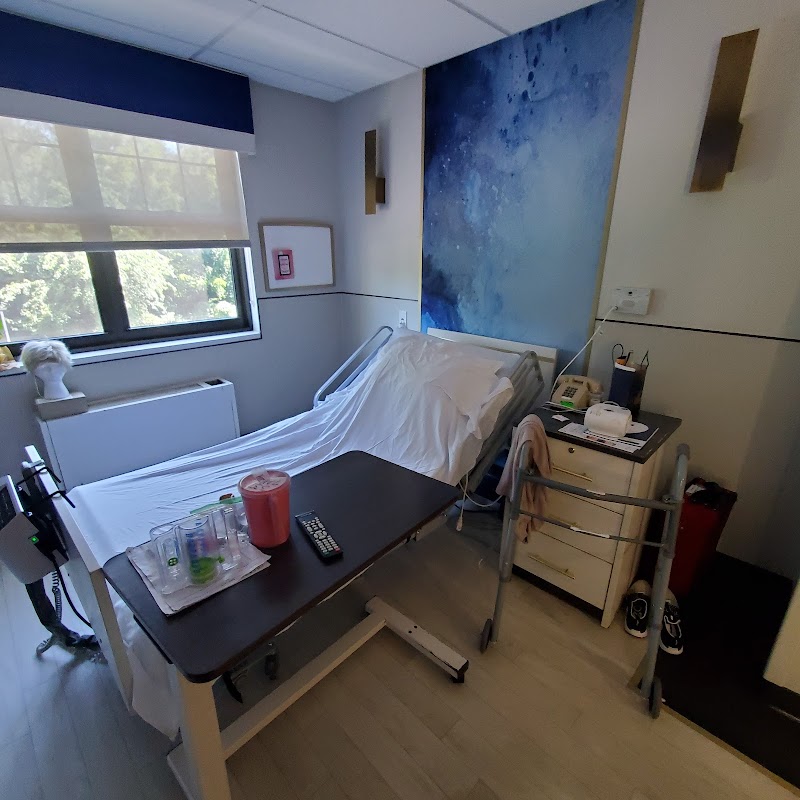
How is The Hamlet Rehabilitation And Healthcare Center At Staffed?

CMS rates THE HAMLET REHABILITATION AND HEALTHCARE CENTER AT's staffing level at 2 out of 5 stars, which is below average compared to other nursing homes. Staff turnover is 28%, compared to the New York average of 46%. This relatively stable workforce can support continuity of care.

What Have Inspectors Found at The Hamlet Rehabilitation And Healthcare Center At?

State health inspectors documented 12 deficiencies at THE HAMLET REHABILITATION AND HEALTHCARE CENTER AT during 2021 to 2025. These included: 1 Immediate Jeopardy (the most serious level, indicating potential for serious harm or death) and 11 with potential for harm. Immediate Jeopardy findings are rare and represent the most serious regulatory concerns. They require immediate corrective action.

Who Owns and Operates The Hamlet Rehabilitation And Healthcare Center At?

THE HAMLET REHABILITATION AND HEALTHCARE CENTER AT is owned by a for-profit company. For-profit facilities operate as businesses with obligations to shareholders or private owners. The facility is operated by CARERITE CENTERS, a chain that manages multiple nursing homes. With 240 certified beds and approximately 234 residents (about 98% occupancy), it is a large facility located in NESCONSET, New York.

How Does The Hamlet Rehabilitation And Healthcare Center At Compare to Other New York Nursing Homes?

Compared to the 100 nursing homes in New York, THE HAMLET REHABILITATION AND HEALTHCARE CENTER AT's overall rating (5 stars) is above the state average of 3.1, staff turnover (28%) is significantly lower than the state average of 46%, and health inspection rating (4 stars) is above the national benchmark.

What Should Families Ask When Visiting The Hamlet Rehabilitation And Healthcare Center At?

Based on this facility's data, families visiting should ask: "What changes have been made since the serious inspection findings, and how are you preventing similar issues?" "Can you walk me through typical staffing levels on day, evening, and night shifts?" "Can I visit during a mealtime to observe dining assistance and food quality?" "How do you handle medical emergencies, and what is your hospital transfer rate?" These questions are particularly relevant given the facility's Immediate Jeopardy citations and the below-average staffing rating.

Is The Hamlet Rehabilitation And Healthcare Center At Safe?

Based on CMS inspection data, THE HAMLET REHABILITATION AND HEALTHCARE CENTER AT has documented safety concerns. Inspectors have issued 1 Immediate Jeopardy citation (the most serious violation level indicating risk of serious injury or death). The facility has a 5-star overall rating and ranks #1 of 100 nursing homes in New York. Families considering this facility should ask detailed questions about what corrective actions have been taken since these incidents.

Do Nurses at The Hamlet Rehabilitation And Healthcare Center At Stick Around?

Staff at THE HAMLET REHABILITATION AND HEALTHCARE CENTER AT tend to stick around. With a turnover rate of 28%, the facility is 18 percentage points below the New York average of 46%. Low turnover is a positive sign. It means caregivers have time to learn each resident's needs, medications, and personal preferences. Consistent staff also notice subtle changes in a resident's condition more quickly.

Was The Hamlet Rehabilitation And Healthcare Center At Ever Fined?

THE HAMLET REHABILITATION AND HEALTHCARE CENTER AT has been fined $92,770 across 2 penalty actions. This is above the New York average of $34,007. Fines in this range indicate compliance issues significant enough for CMS to impose meaningful financial consequences. Common causes include delayed correction of deficiencies, repeat violations, or care failures affecting resident safety. Families should ask facility leadership what changes have been made since these penalties.

Is The Hamlet Rehabilitation And Healthcare Center At on Any Federal Watch List?

THE HAMLET REHABILITATION AND HEALTHCARE CENTER AT is not on any federal watch list. The most significant is the Special Focus Facility (SFF) program, which identifies the bottom 1% of nursing homes nationally based on persistent, serious quality problems. Not being on this list means the facility has avoided the pattern of deficiencies that triggers enhanced federal oversight. This is a positive indicator, though families should still review the facility's inspection history directly.